Historical Science Illustrations

Vintage engravings depicting chemical laboratories and historical scientific experiments from the 16th to 18th century, highlighting early scientific practices.
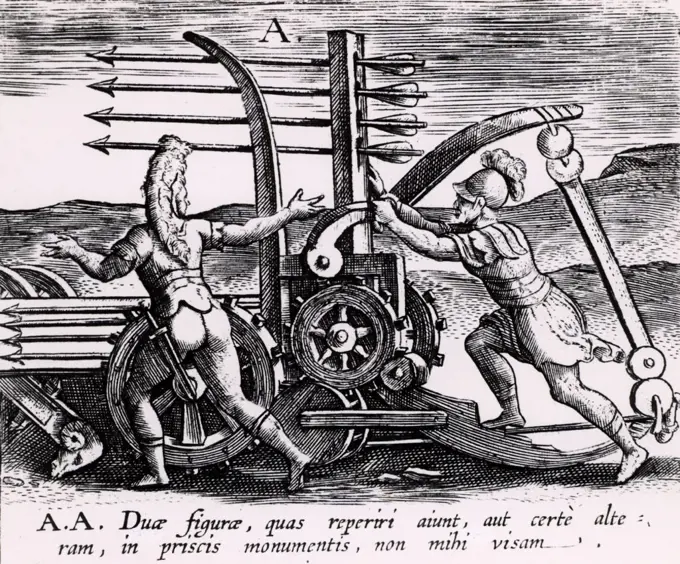
Reconstruction of a Roman war engine for firing a salvo of arrows, sometimes referred to as a Scorpion. From 'Poliorceticon sive de machinis tormentis telis' by Justus Lipsius (Joost Lips) (Antwerp, 1605). Engraving.
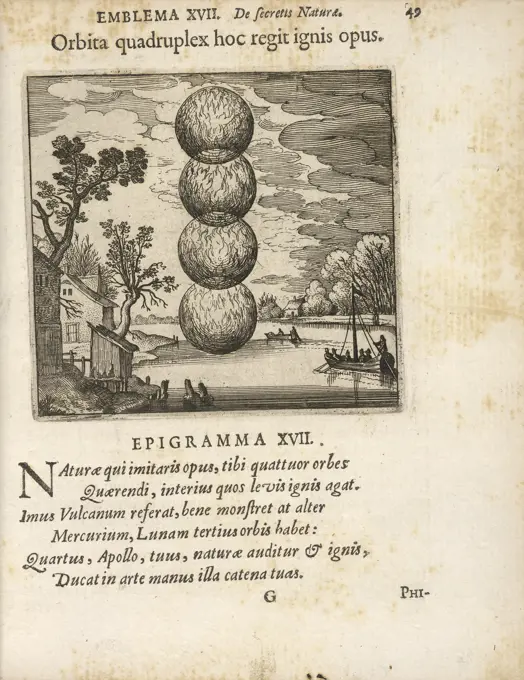
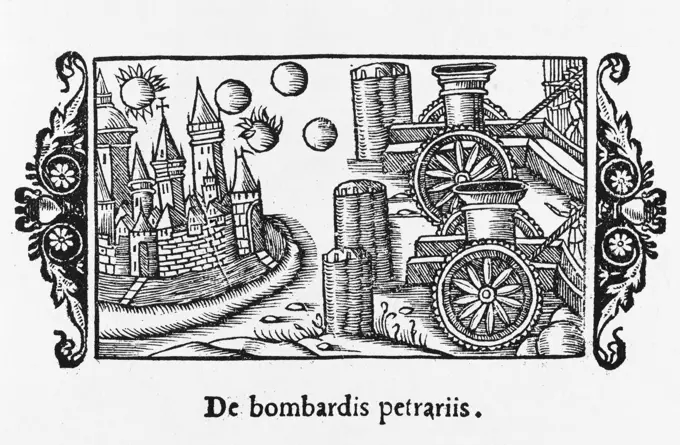
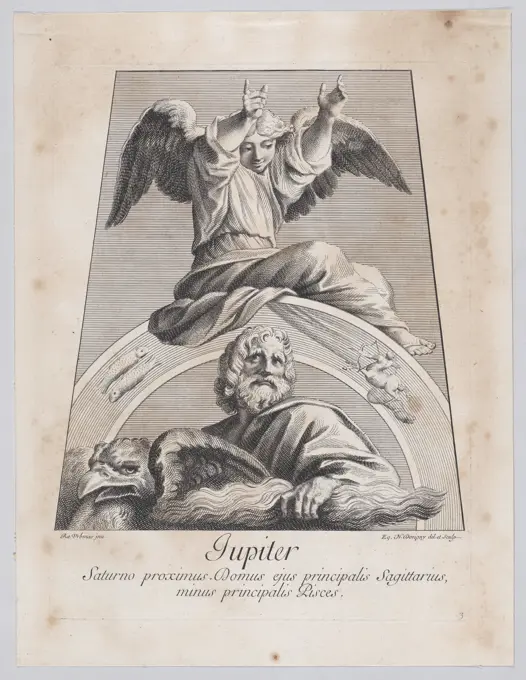
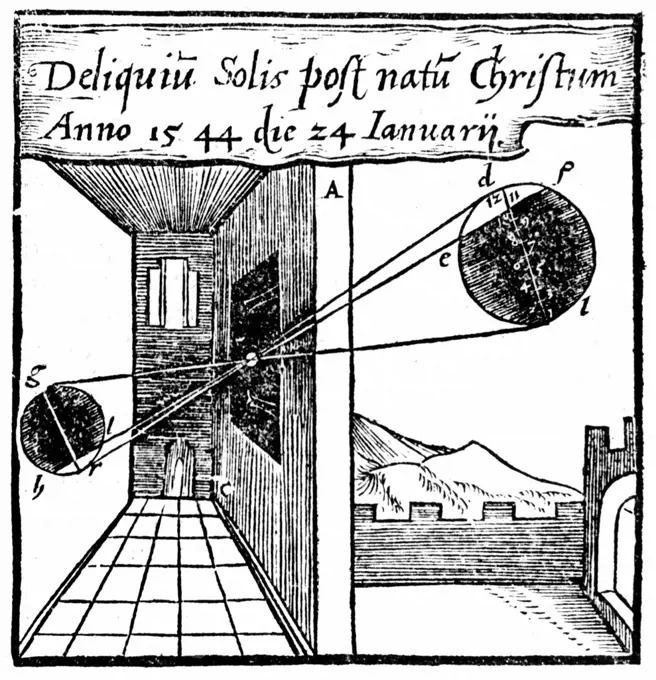
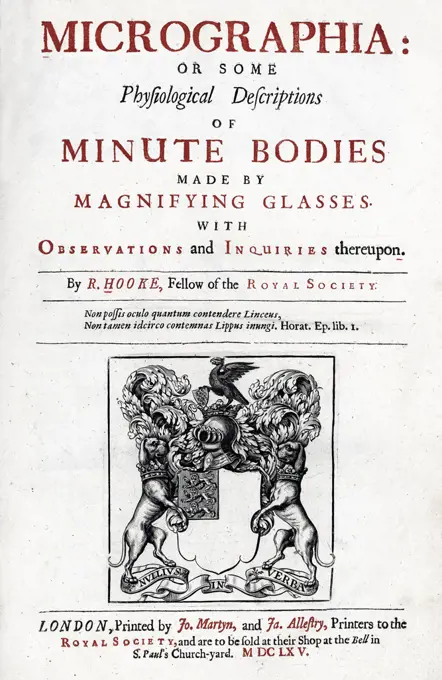
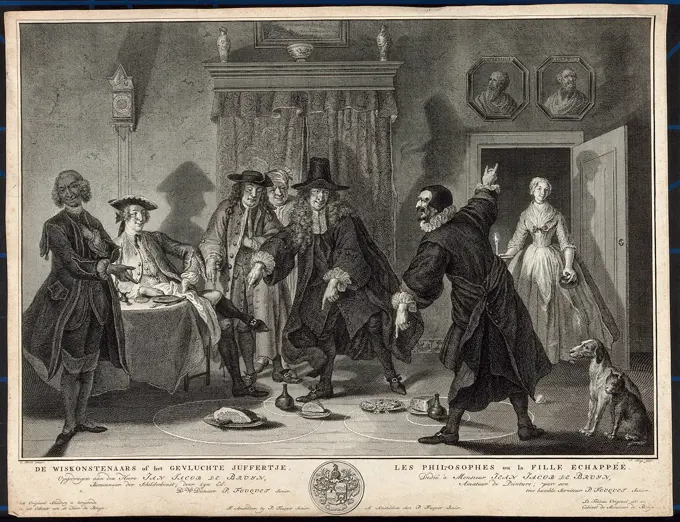
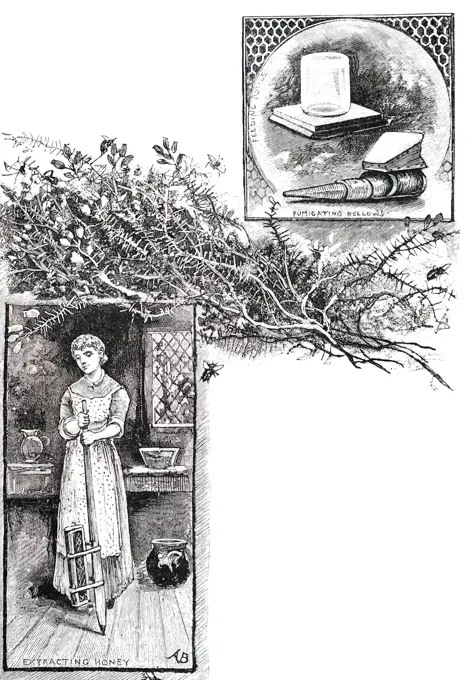
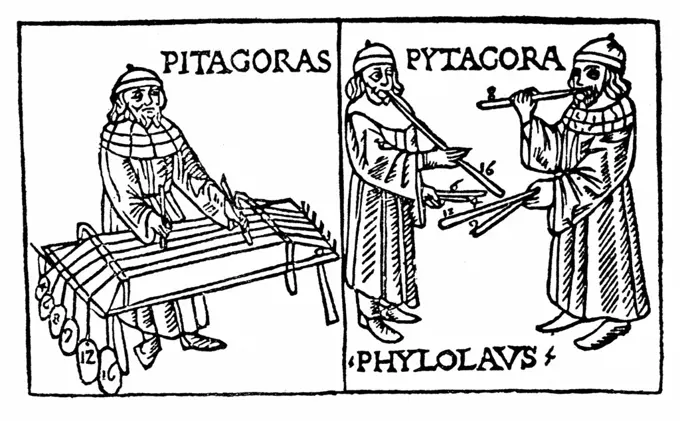
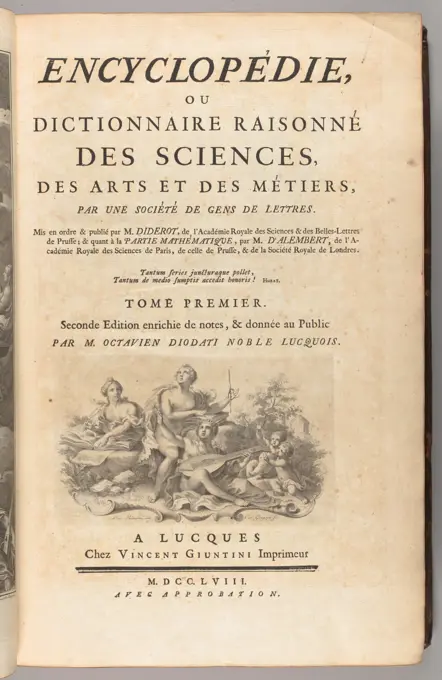
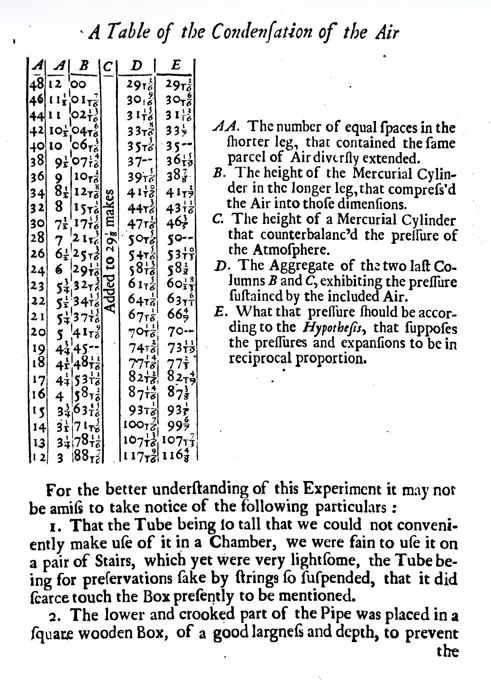
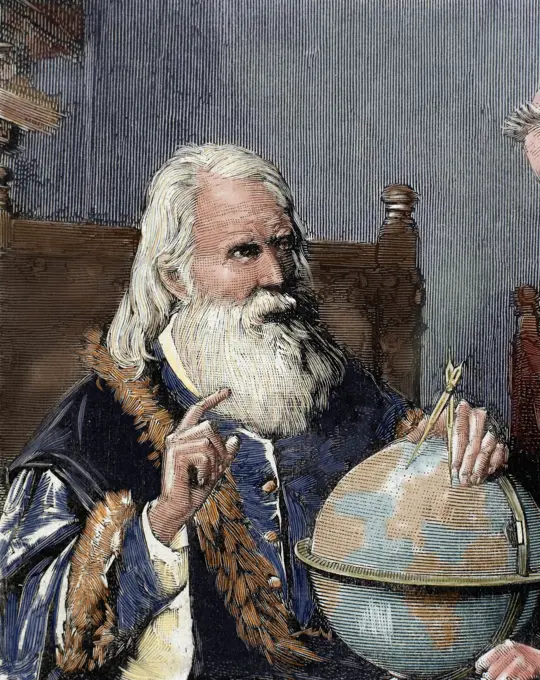
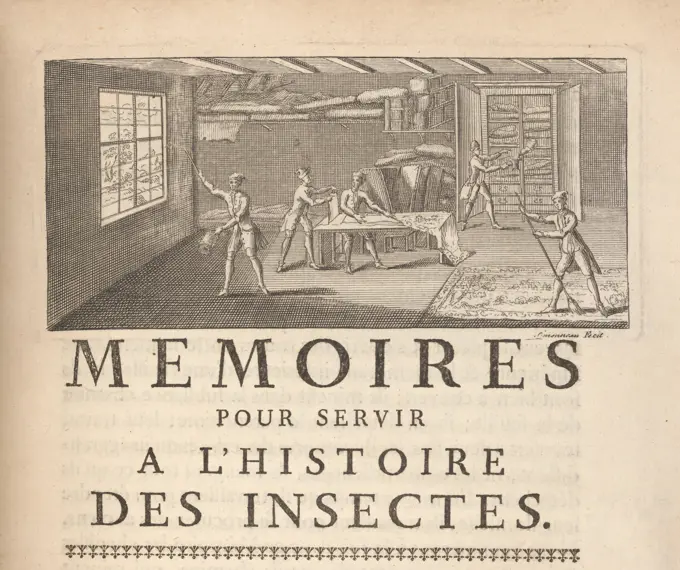
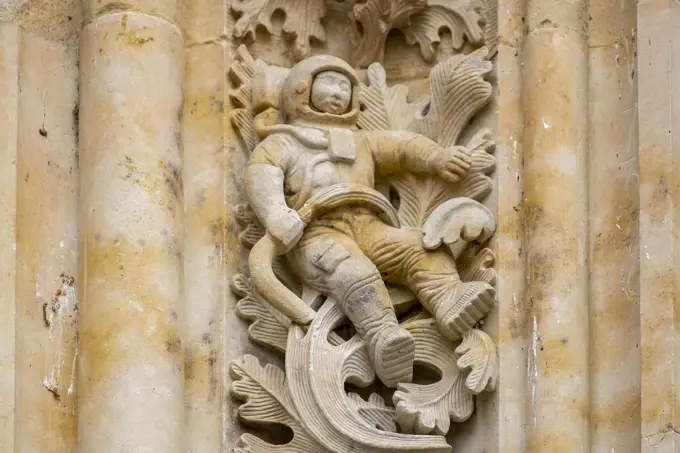
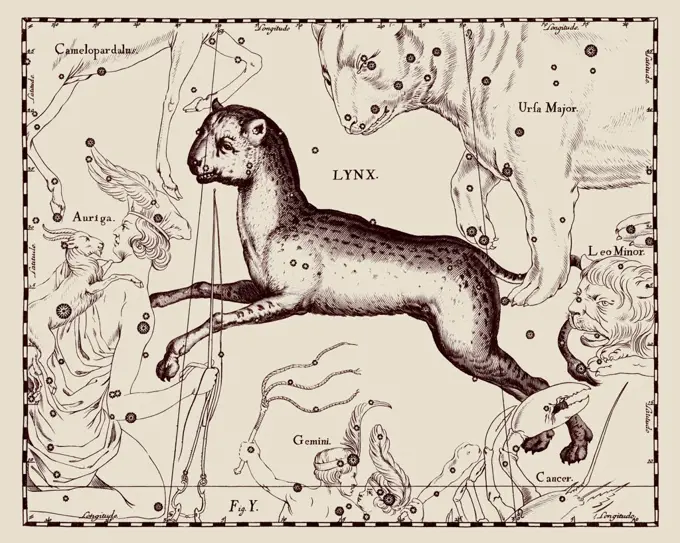
A representation of the constellation of Lynx from the 'Firmamentum Sobiescianum sive Uranographia' of Johannes Hevelius of Danzig (modern Gdansk), 1687.Emblema XVII: Orbita quadruplex hoc regit ignis opus. Michaelis Majeri, Secretioris naturae secretorum scrutinium chymicum: per oculis et intellectui accuratè accommodata, figuris cupro appositissimè incisa, ingeniosissima emblemata, hisque confines, and ad rem egregiè facientes sententias, doctissimaque item epigrammata, illustratum, Maier, Michael, 1568-1622, Merian, Matthaeus, 1593-1650, Etching, 1687, Etching, Emblem 17, located on page 49. Bombards firing on a city        Date: 1555Picture series the preparation of medicinal plants, camphor, Cinnamomum camphoral, preparation in Japan, digitally restored reproduction of a collective picture from ca 1900, public domain, exact date unknownJupiter 1695 Sir Nicolas Dorigny. Jupiter. Raphaelis Sanctii Urbinatis Planetarium. Sir Nicolas Dorigny (French, baptized Paris, 1658-1746 Paris). 1695. Engraving. PrintsCamera obscura: projecting a solar eclipse into a darkened room through a small hole, showing how the image is inverted. From Daniele Santbech 'Problematum Astronomicorum' Basle, 1561Page from Dürer's 1512 fencing manual rendered with pen and light watercolor, illustrating positions and movements for training.Astronomers. From title page of 'Opera' of Appolonius of Perga, 1537.France. Measurement of grain in Paris. Facsimile of an engraving from ""Les ordonnances royaux sur le faict et jurisdiction de la prévosté des marchands et eschevinage de la ville de Paris", Paris, 1528. "Moeurs, usages et costumes au moyen-âge et à l'époque de la Renaissance", by Paul Lacroix. Paris, 1878.The Planet Mercury and work in the field, miniature from De Sphaera by Leonardo Dati, Latin Manuscript folio 209 verso 10, 1470, Italy.Robert Hooke (1635  1703) English scientist. Title page of a 1745 edition of his work Micrographia, detailing his observations through various lenses. Published in September 1665, the first major publication of the Royal Society. Micrographia also describes distant planetary bodies, wave theory of light and the organic origin of fossils.Astronomy: two rival mathematicians, Urinaal and Raasbollius, argue about models of the solar system. Engraving by P. Tanjé, 1758, after C. Troost, 1741, after by P. Langendijk, 1715.Engraving depicting a beekeeper. Top: a feeding bottle which would be filled with syrup to replenish stores after honey is extracted, and a fumigating bellows for controlling parasites. Bottom: performing a small-scale extraction of honey from the comb. Dated 19th centuryPlate showing fencing positions. Engraving from Denis Diderot, Jean Baptiste Le Rond d'Alembert, L'Encyclopedie, 1751-1757.A man measuirng a field and another marking its boundary, miniature from the Treatise of Land Surveying by de Villeneuve, manuscript, 15th Century.TAURUS. Zodiacal constellation. Engraving of the work "ASTRONOMICON" by the Spanish-Latin writer Cayo Julio HIGINIO (1st century AD). Edited in Venice in the year 1485. Incunabula.Pythagoras (c560-c480 BC) Greek philosopher and scientist. He recognised the mathematical relationship between the length of a vibrating string, column of air, or size of percussion instrument, and notes of a musical scale. Music belonged to the science of sound and became part of study of the cosmos. From 'Theoricum opus musicae disciplinae', 1480. Woodcut.Illustration showing Gemma Frisius (1508 - 1555), Dutch physician, mathematician, cartographer, philosopher, and instrument maker. He created important globes, improved the mathematical instruments of his day and applied mathematics in new ways to surveying and navigation. Gemma's rings are named after him. Along with Gerardus Mercator and Abraham Ortelius, Frisius is often considered one of the founders of the Netherlandish school of cartography and significantly helped lay the foundations for the school's golden ageCompany of natural scientists; Title page for S. Chauvin, Lexicon Rationale, 1692. Around a statue of Diana van Ephesus, with the title of the book's title and the name of the author, is a diverse company of classical and modern natural scientists. They have books and various nature, schedule and astronomical instruments. At the bottom of the imprint.The Planet Mercury as a Doctor on Horseback. UnknownTwo oriental dressed men look at the constellation Sagittarius, print used in F. van Hoogstraten, The schoole of the world, in 1682, print maker: Arnold Houbraken, Dating 1682.'The Astronomer', 1898. Artist: UnknownSpace travellers of days to  come may well find traces of  the Moon's former inhabitants  lying about among the ruins of  their civilisation...      Date: 1899Sebastian CabotDistillation, 1500. Artist: UnknownXVI Galijck and Mewarich. XVI Galijck and Mewarich. First shock. Part of 'SinnePops', R. Visscher, 1614.Encyclopédie, ou Dictionnaire raisonné des sciences, des arts et des métiers, par une société de gens de lettres 1758-1771 Denis Diderot. Encyclopédie, ou Dictionnaire raisonné des sciences, des arts et des métiers, par une société de gens de lettres. 1758-1771. Vincenzo Giuntini. Lucca, ItalyTitle page by Bernhard Siegfried Albinus '' Dissertatio de Arteriis et Venis Intestinorum Hominis ', 1736 .. Title page and four pages of Bernhard Siegfried Albinus' 'Dissertatio de Arteriis and Venis Intestinorum Hominis', 1736. This was published in this a color mazzotint of the blood vessel system.Constellation Diagrams. UnknownA table of the condensation of the air: results of an experiment conducted by Robert Boyle. Robert Boyle (1627-1691) an Anglo-Irish natural philosopher, chemist, physicist, and inventor. Dated 17th CenturyPortrait of French astronomer Guillaume Postel; Guillaume Postel. Portrait of French astronomer Guillaume Postel in oval picture frame with measuring instruments.Galileo Galilei (1564-1642). Physicist, Italian mathematician and astronomer. Galileo demonstrating his astronomical theories. Engraving by Rico in the 'Spanish and American Illustration' (1884). Colored.Galileo Galilei (1564-1642). Physicist, Italian mathematician and astronomer. Galileo demonstrating his astronomical theories. Engraving by Rico in the "Spanish and American Illustration" (1884). Coloured.Title page from, Le Fever, A compendious body of chemistry, 1662William Salmon, Select Physical and Surgical Observationsp. 1, Memoires pour servir a l'histoire des insectesThird Tome of Natural Treasures. 1758. Madrid, Museum of Natural Sciences. Author: SEBA ALBERTO. Location: MUSEUM OF NATURAL HISTORY. MADRID. SPAIN.figure of an astronaut figure of an astronaut Copyright: xZoonar.com/BartomeuxBalaguerxRotgerx 23029828Colored illustration of the Second International Pharmaceutical Exhibition in Prague, 1896 by Karel Spillar, showing exhibition halls and displays.