Historical Science Illustrations

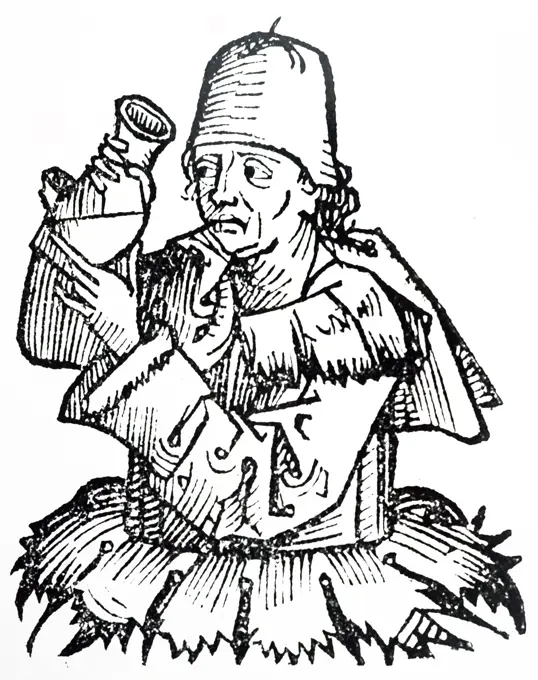
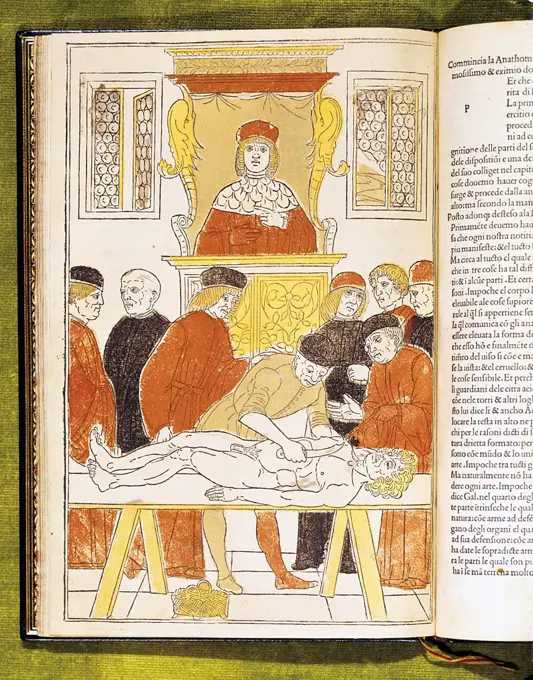
Vintage engravings depicting chemical laboratories and historical scientific experiments from the 16th to 18th century, highlighting early scientific practices.
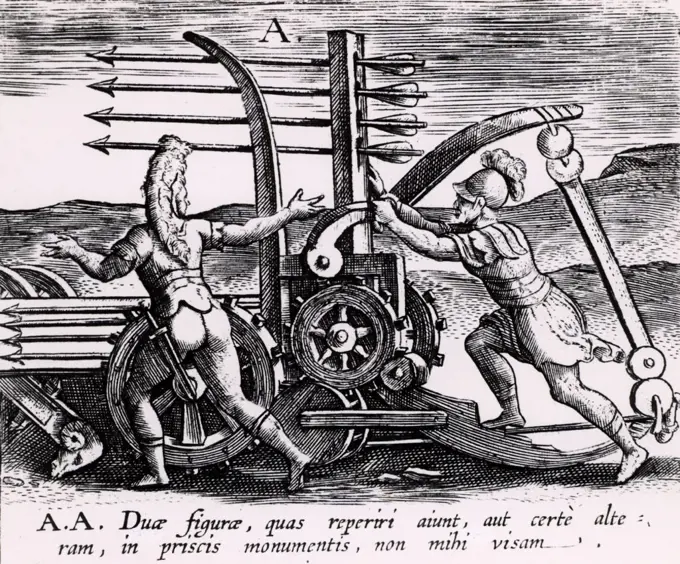
Reconstruction of a Roman war engine for firing a salvo of arrows, sometimes referred to as a Scorpion. From 'Poliorceticon sive de machinis tormentis telis' by Justus Lipsius (Joost Lips) (Antwerp, 1605). Engraving.
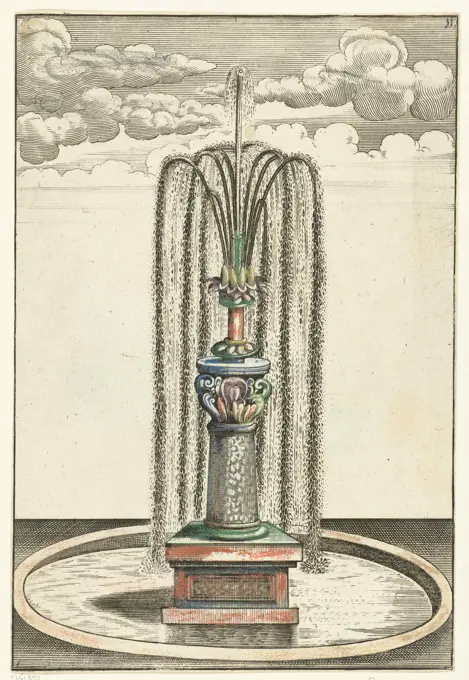
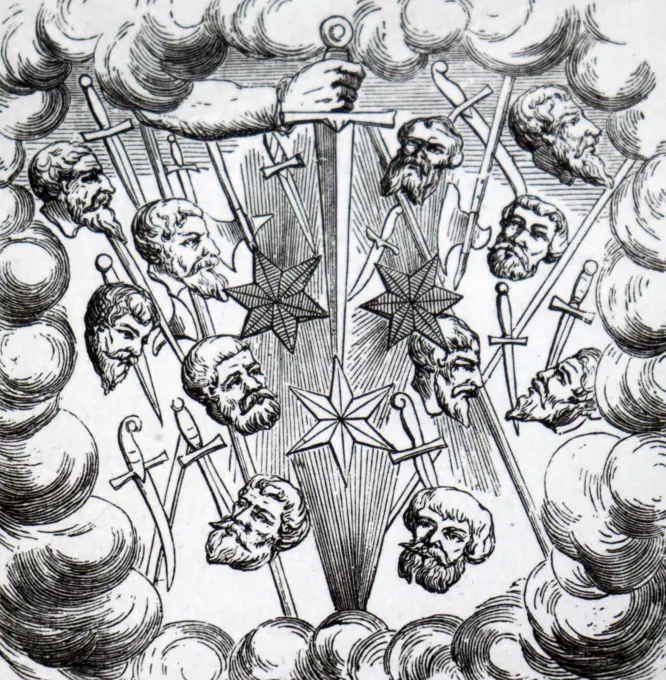
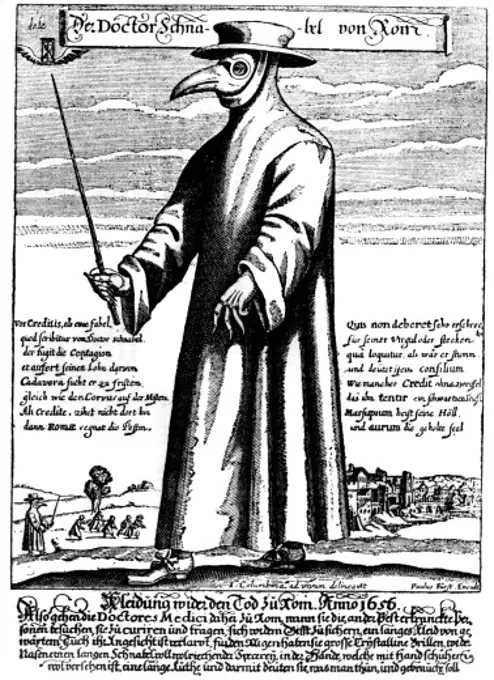
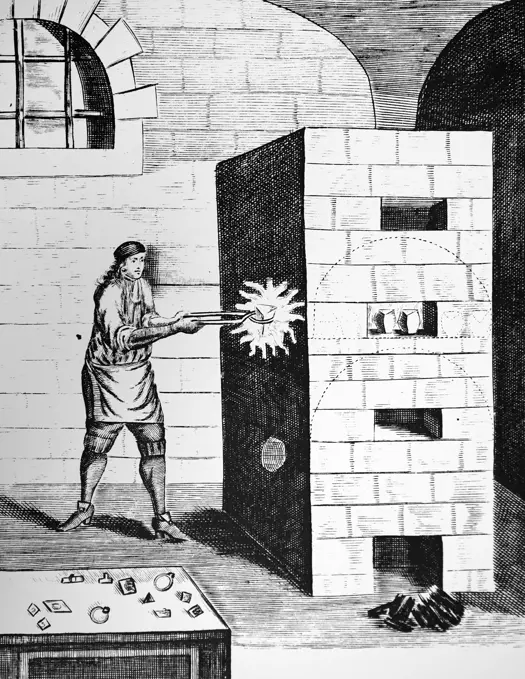
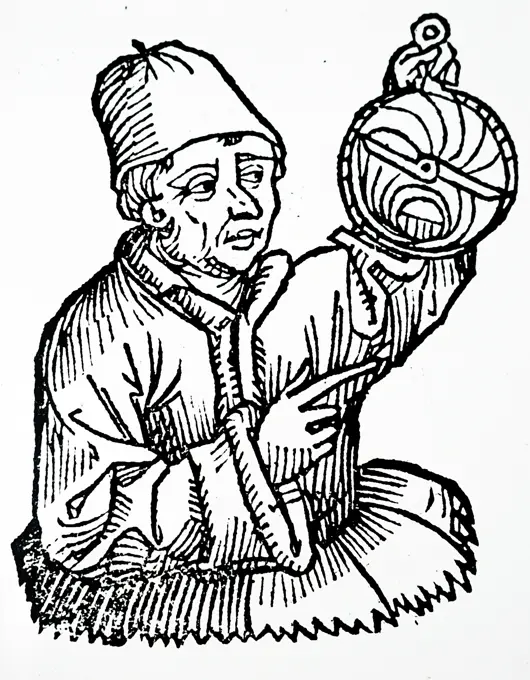
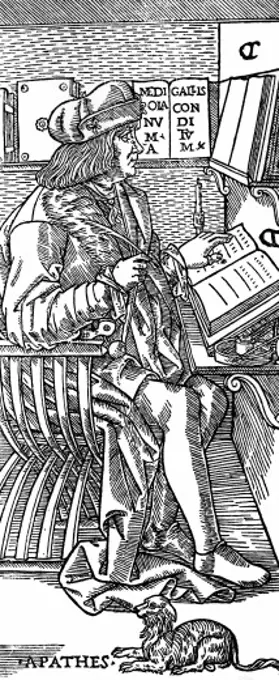
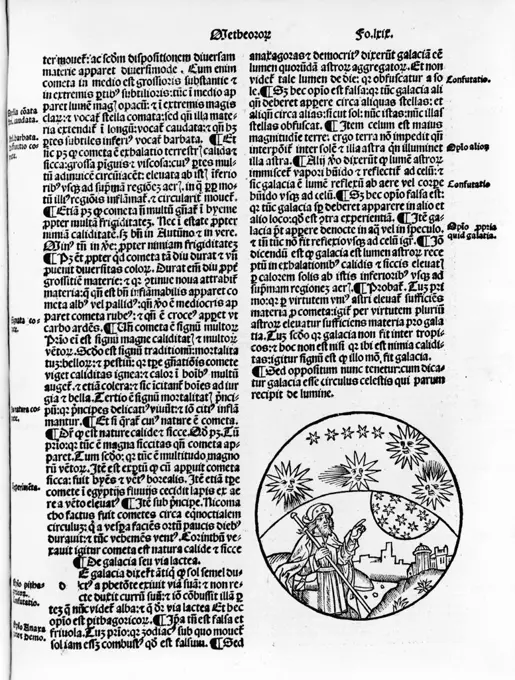
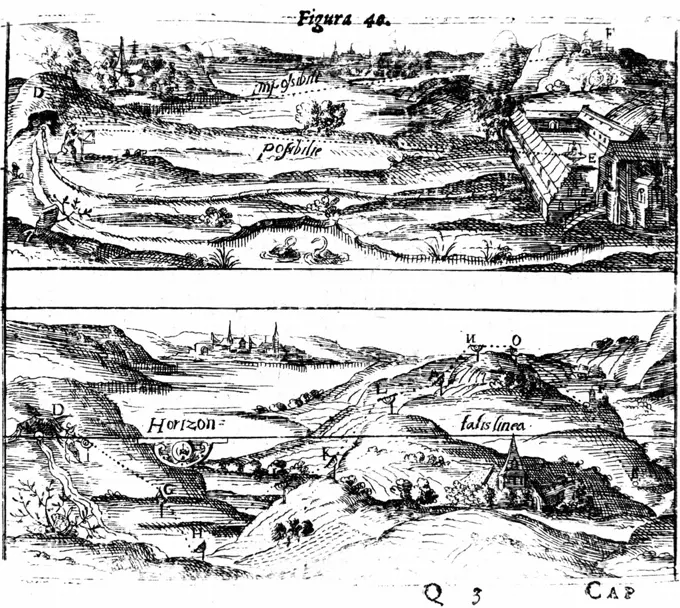
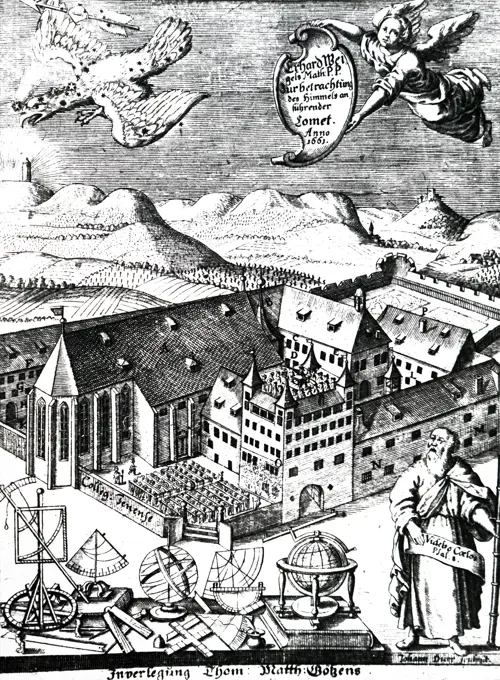
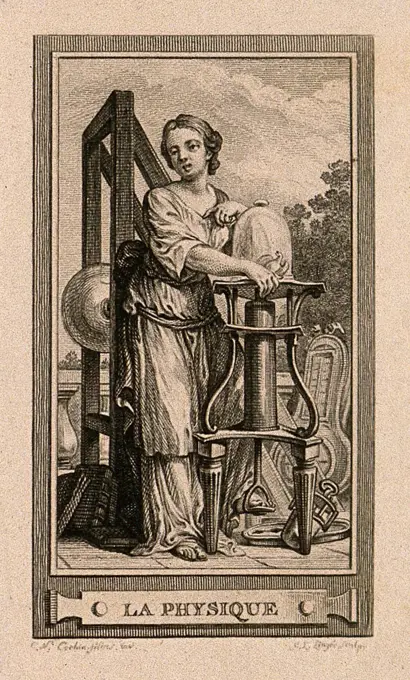
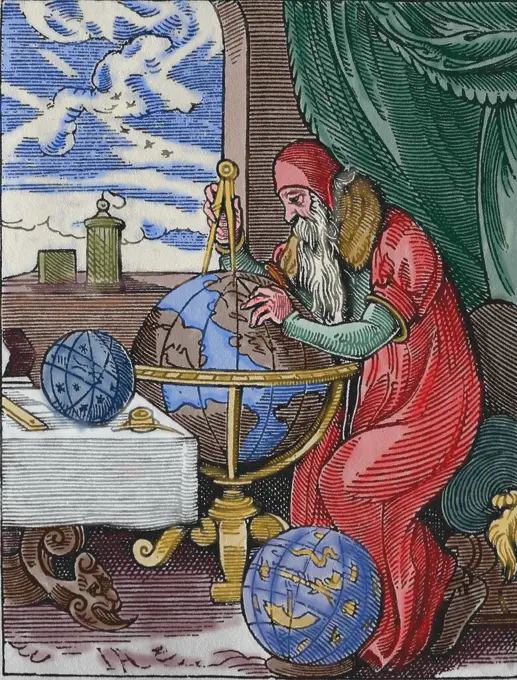
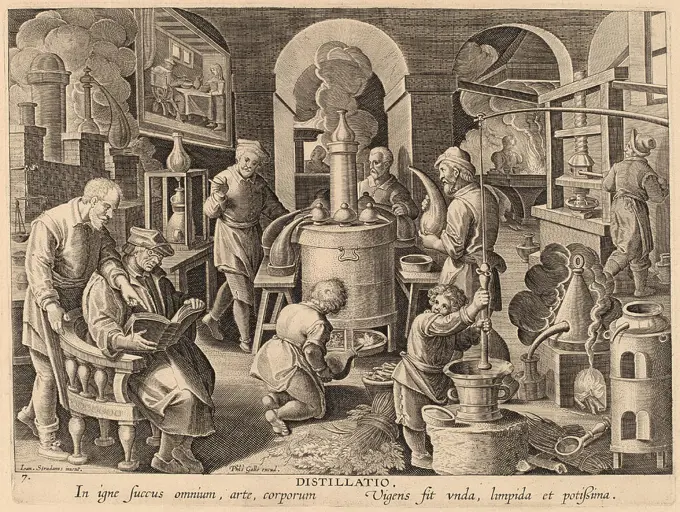
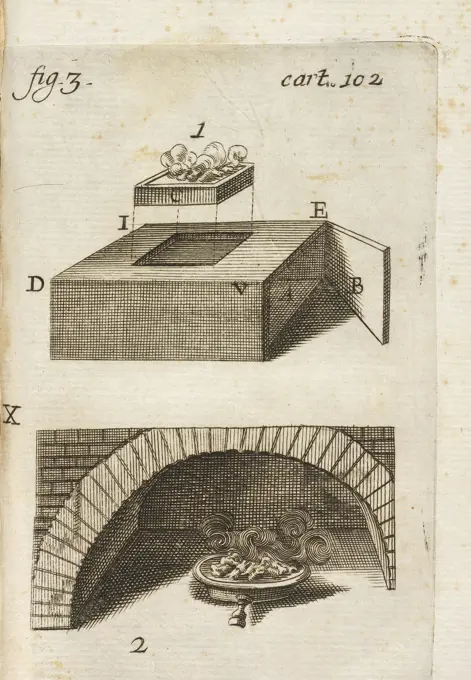
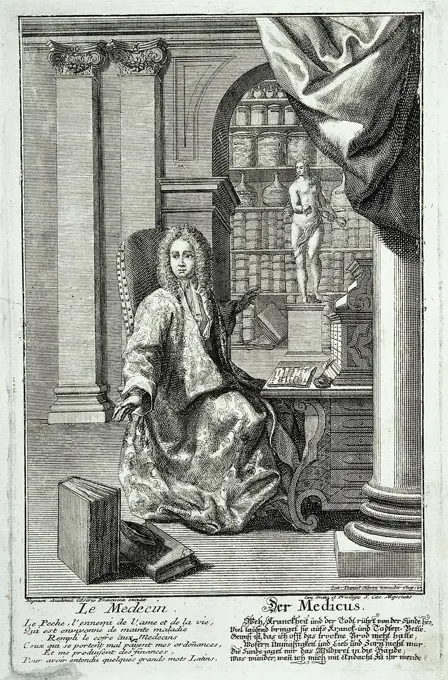
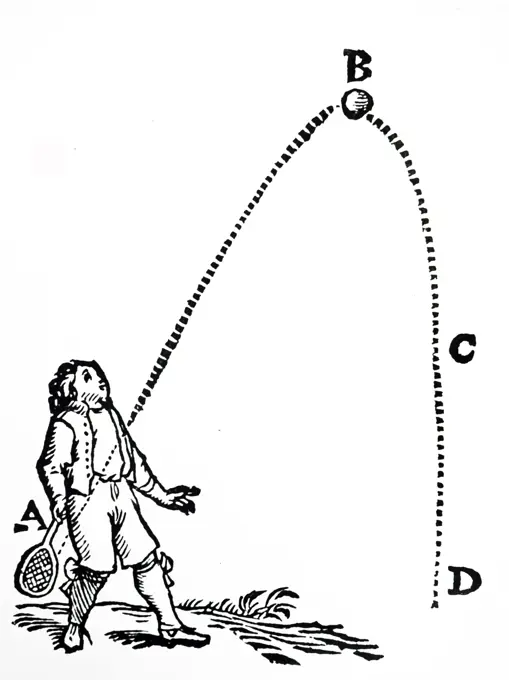
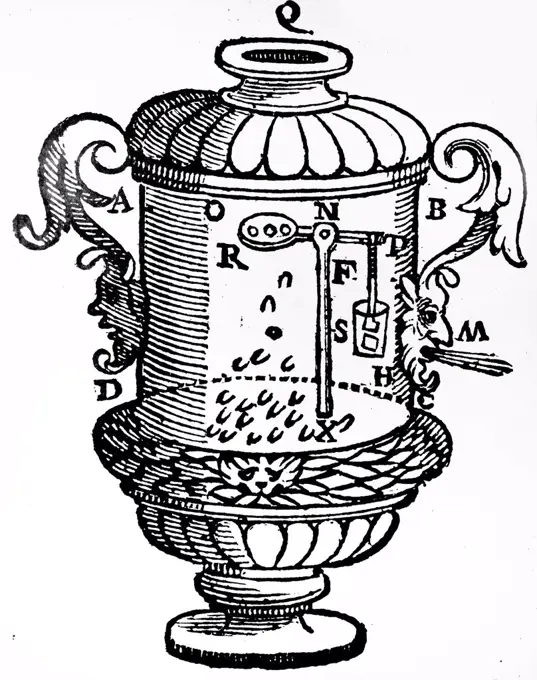
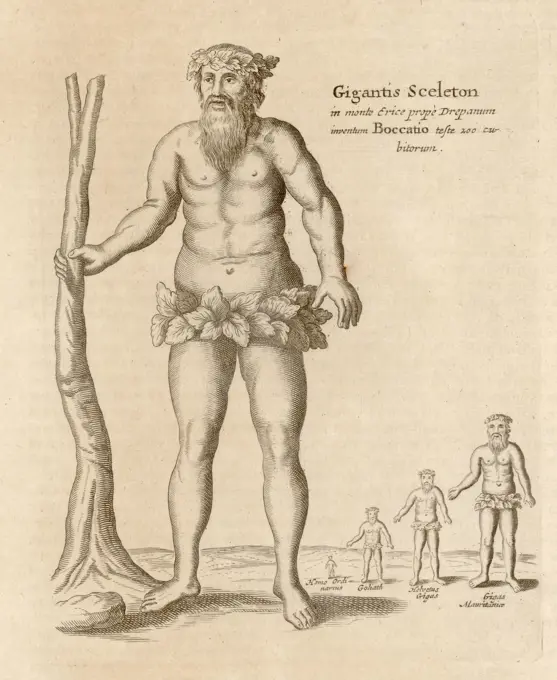
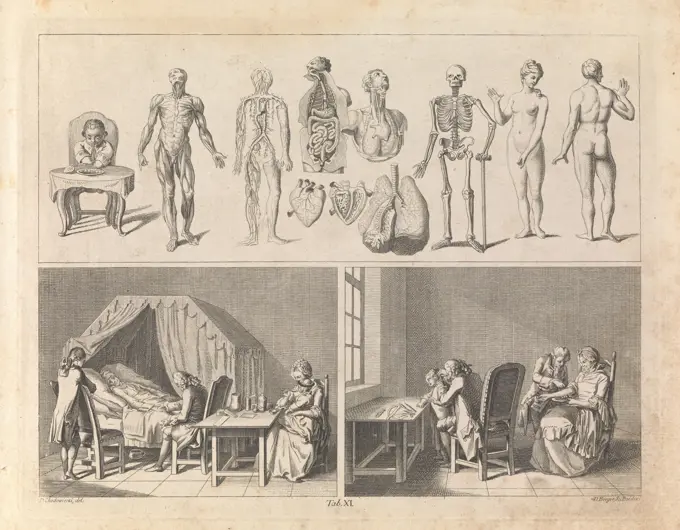
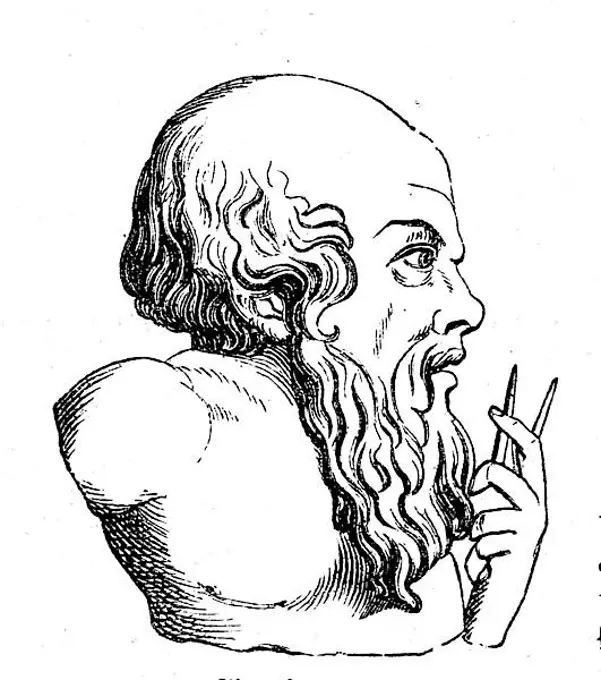
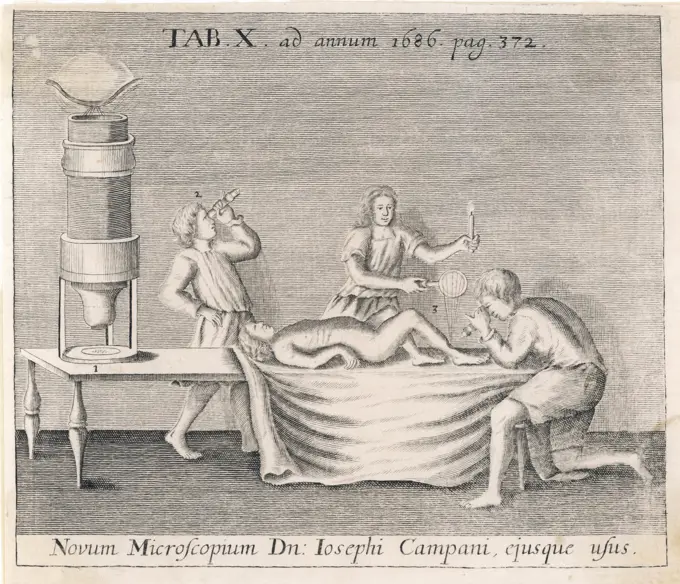
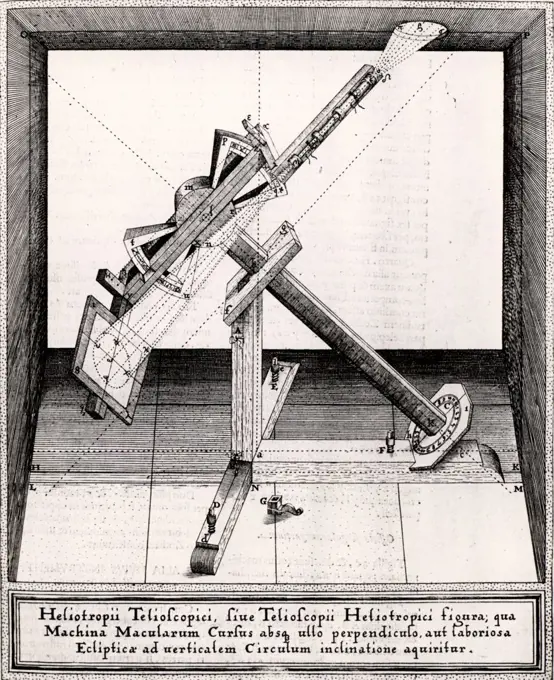
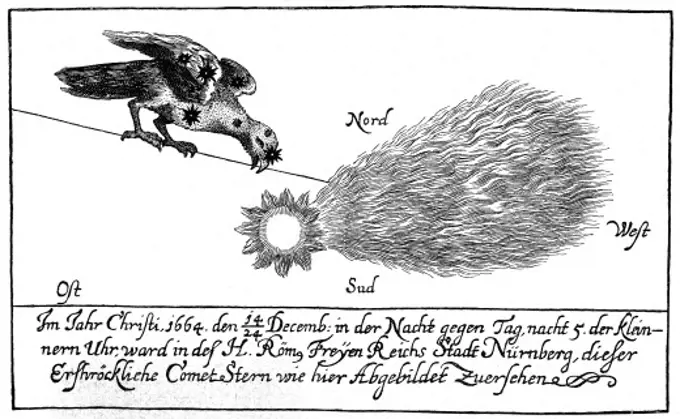
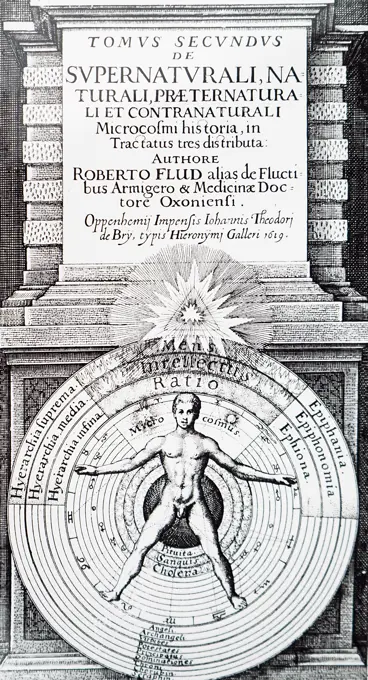
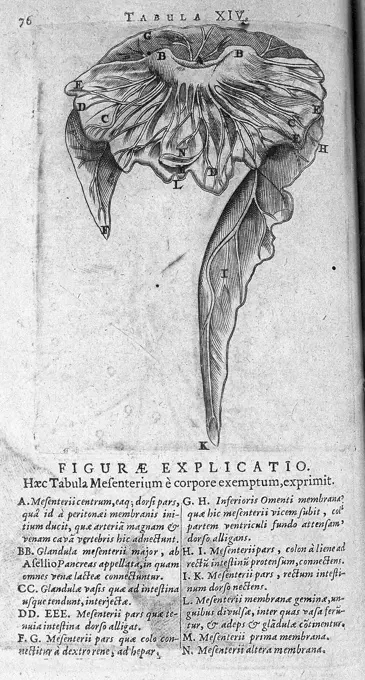
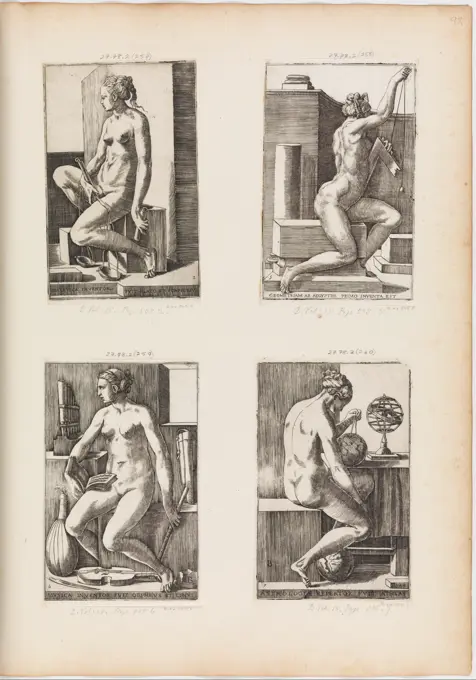
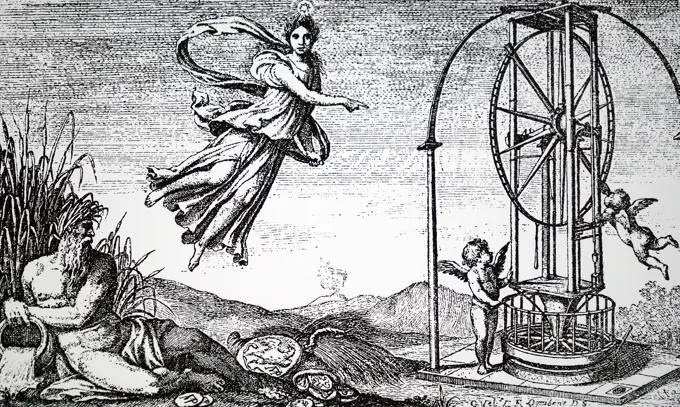
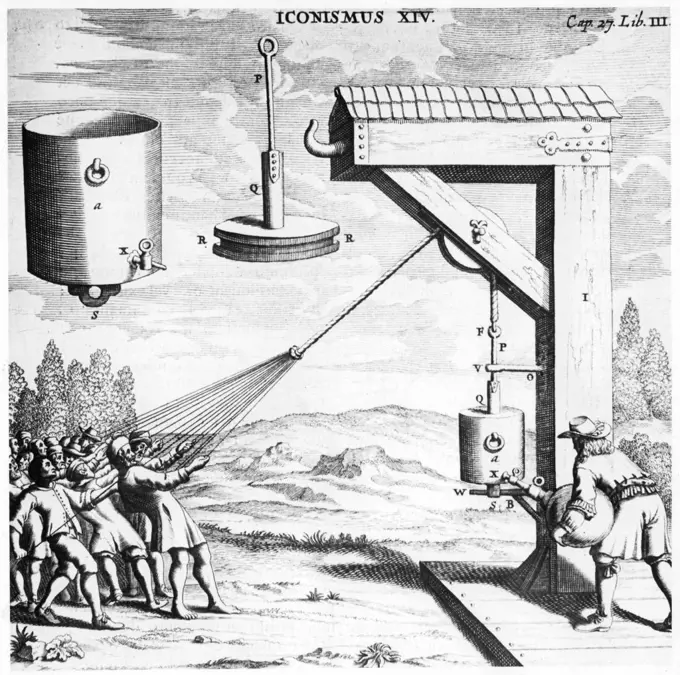
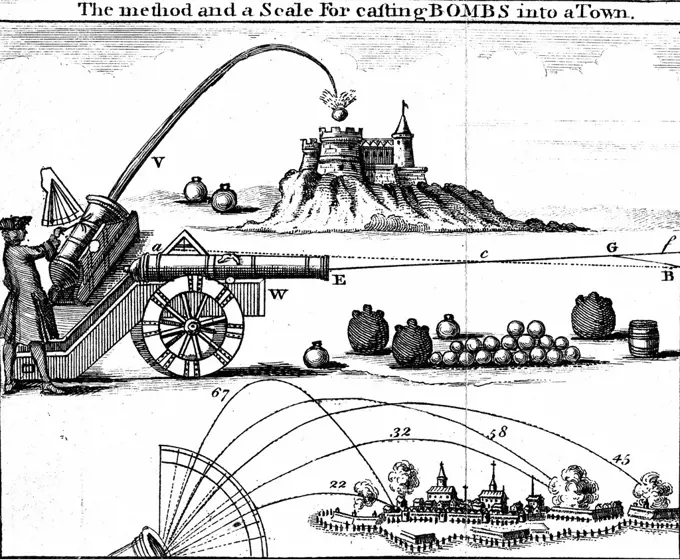
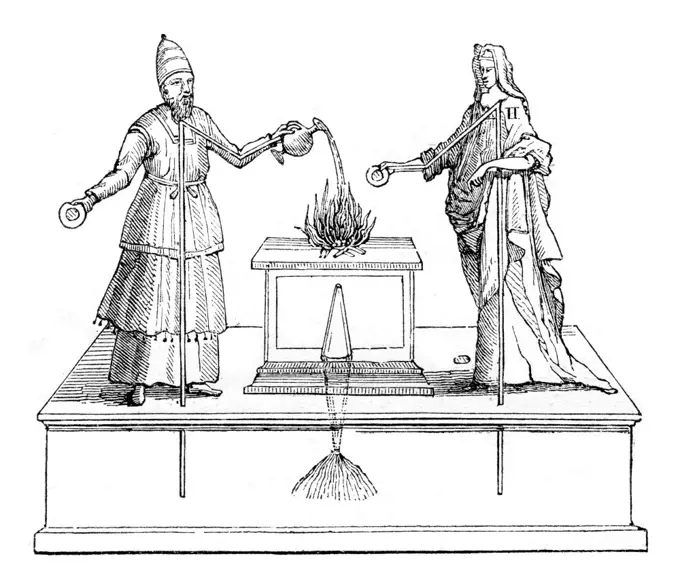
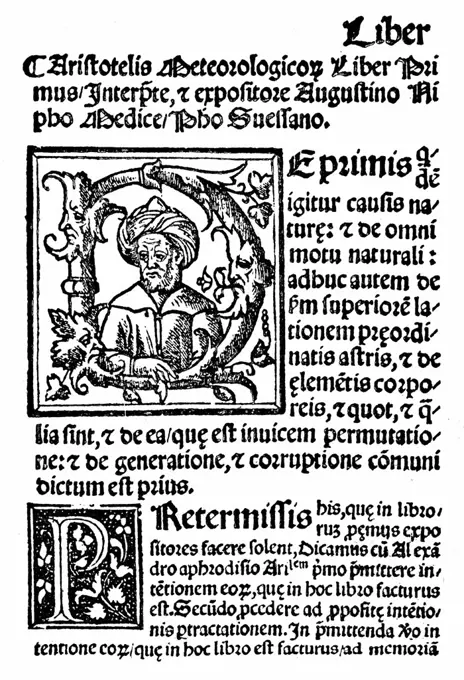
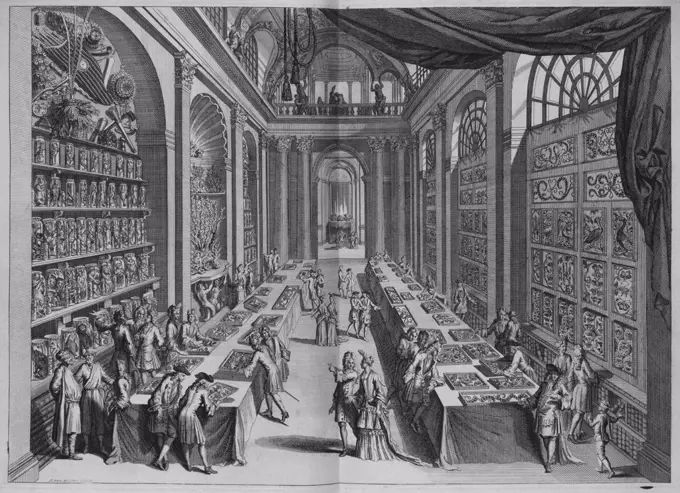
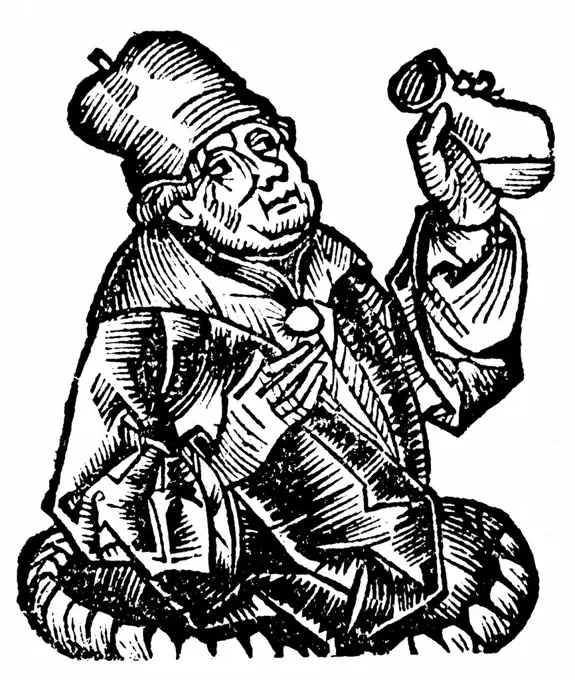
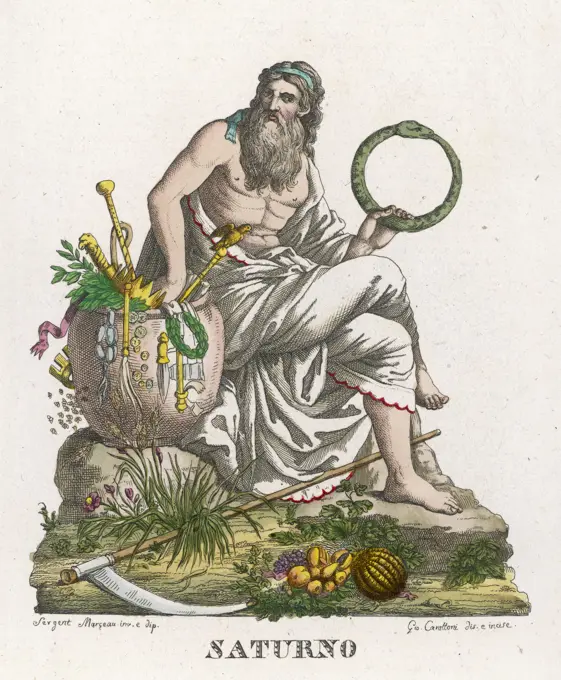
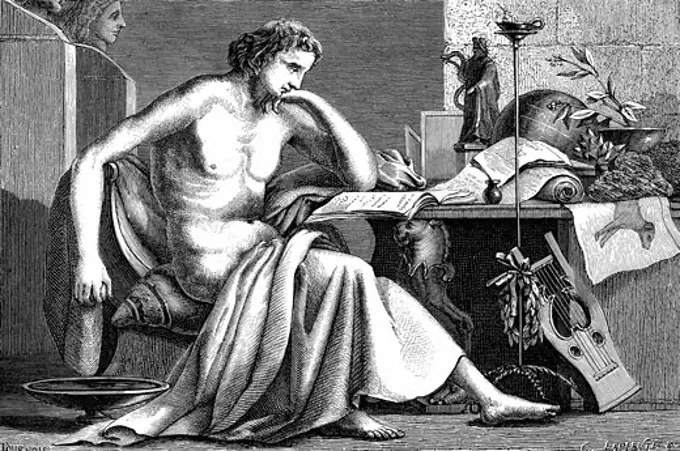
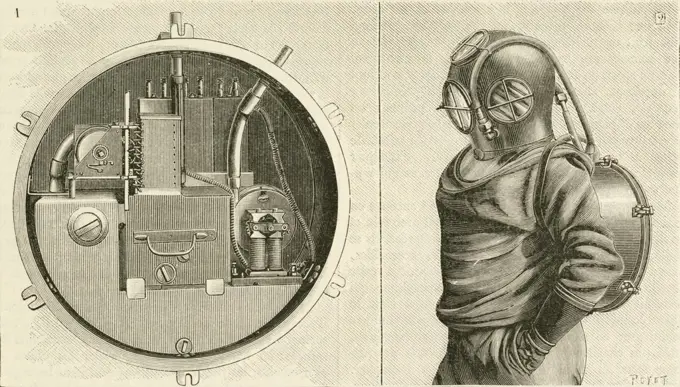
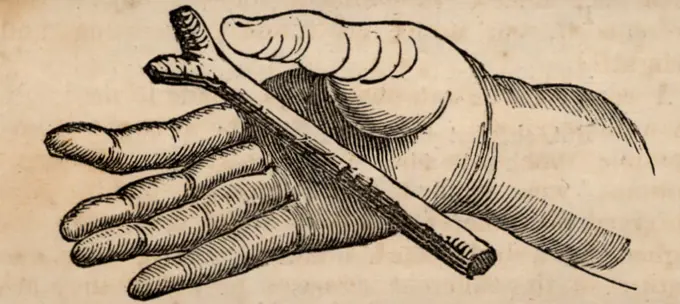
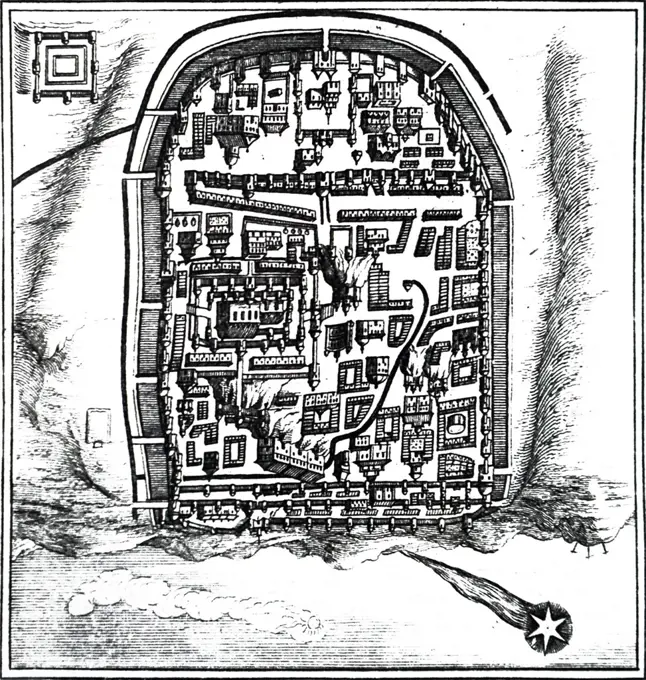
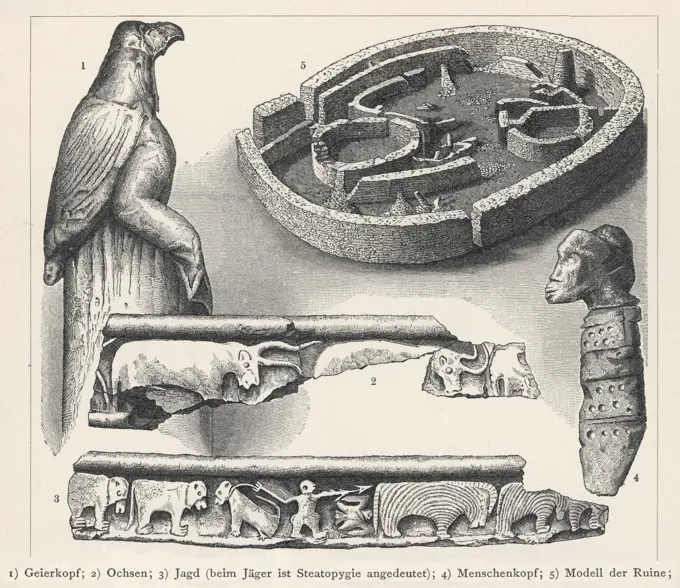
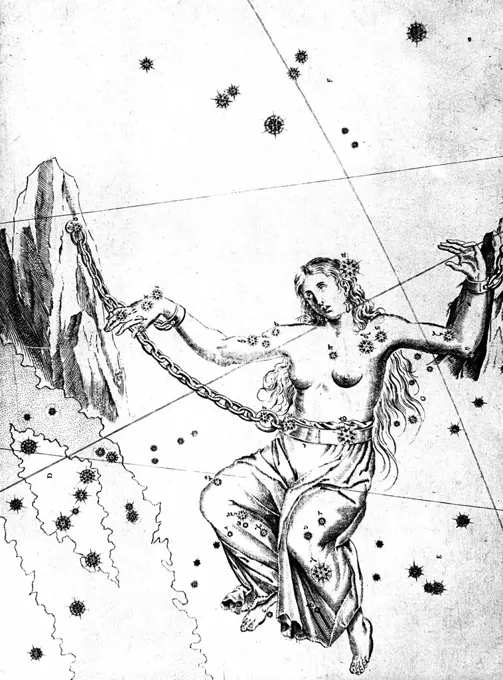
Constellation of Andromeda from Johannes Bayer 'Uranometria' Ulm 1723. Andromeda chained to rocks waiting for rescue by Perseus. Copperplate engravingDemonstration of physical experiments to explain the lightning strike, 1799, woodcut, EnglandRound basin with short column; Architectura Curiosa Nova. The column has an imaginary capital, the water syringe through stylized flower leaves that surround a longer pipe. Leaf 11 from part III of a series consisting of 226 sheets, spread over four books, each with its own title sheet.Engraving depicting the Great Comet of 1528. Dated 16th CenturyFemale urogenital system Author(s): Rueff, Jakob, ca.1500-1558,.medicine disease plague protectice clothes used by physicians to prevent infection copper engraving by Paulus Fuerst 1656,Astronomy; The sciences, proposed by women; Ornament with astronomia. The astronomy with a heavenly globe and a measuring instrument. Both at the bottom left and the bottom right is a winged snail. From series of 6 sheets.Barbiers and Surgeon Shop, Pieter van der Borcht (I), After Unknown, 1557 - 1608 print The surgeon and barber shop. Interior of a store in which monkeys are cut and shaved. Medical actions also take place such as grooving and tooth drawing. Antwerp (possibly) paper etching barber; surgeon. 'mundus inversus', the reversed world, the topsy-turvy world, 'le monde bestourné'. monkeys, apesFrontispiece of fifth book of Johannes Baptista della Barta 'Magis Naturalis', Nuremberg, 1715, entitled 'Of Changing Petals', showing an operator removing a crucible of metal from the furnace. Probably gold jewellery is shown in the foreground.Portrait of Regiomontanus (1436-1476) a mathematician and astronomer, showing using an astrolabe. Dated 15th Centuryscience academic scholar sitting at desk woodcut Milanese chronicle by E. Corio 1503,Illustrated page with vignette showing Aristotle pointing to the stars in the sky, 1496 by Thomas Bricot. Aristotle was a Greek philosopher and scientist whose writings constitute the first comprehensive system of Western philosophy.Jan van der Straet :Calculating Longitude with the Declination of the Sun, plate 17 from Nova Reperta (New Discoveries) 1620Surveying: Top; measuring angles using a quadrant. Bottom; obtaining levels and altitudes using Hulsius's planimeter. From Levinus Hulsius 'Instrumentorum Mechanicorum', Frankfort-am-Main, 1605. Engraving1500s 1519 TO 1522 MAGELLAN CIRCUMNAVIGATION VOYAGE ILLUSTRATIONA distillery in the sixteenth century, vintage engraved illustration. From the Universe and Humanity, 1910.A 1610 copper engraving by Willem van Swanenburg depicting an anatomical theater, showing a cadaver, observers, and interior architectural details.Demonstrating the strength of a vacuum. Vessel from which air has been evacuated mounted in frame. A rope attached is passed over two pulley wheels. On a wooden platform hung from the end of the rope weights were added until the vacuum was overpowered. From 'Experimental Nova' by Otto von Guericke (Amsterdam, 1672). Engraving.Carapace of the geometric tortoise, Psammobates geometricus. Endangered. Handcolored copperplate engraving from G. T. Wilhelm's "Encyclopedia of Natural History: Amphibia," Augsburg, 1794. Gottlieb Tobias Wilhelm (1758-1811) was a Bavarian clergyman and naturalist known as the German Buffon.Manufacture of olive oil around the year, vintage engraved illustration. From the Universe and Humanity, 1910.T. Bartholin, sinistrum cerebri secundium...Virginian chief's funeral pyre, with his corpse and his ancestors, laid over a fire tended by a priest day and night. Handcolored copperplate engraving from G. T. Wilhelm's "Encyclopedia of Natural History: Mankind," Augsburg, 1804. Gottlieb Tobias Wilhelm (1758-1811) was a Bavarian clergyman and naturalist known as the German Buffon.The PHYSETER encountered by  sailors in Northern waters,  renowned for its aggressive  attitude to sailors       Date: 1555Two alchemists seeming to produce gold from a furnace; the accompanying text satirises those who pursue alchemy for gold alone. Engraving by C. Weigel, 1698.Engraving depicting Hevelius' comet in 1661. Discovered by Johannes Hevelius (1611-1687) an astronomer and mayor of Danzig. Dated 17th centuryBalloon for the first aerial journey by Pilatre de Rozier and d'Arlande, On 21 November 1783, Pilatre carried out the first free balloon flight in the history of mankind. During the 25-minute flight, he and Francois d'Arlandes flew 10 kilometres after take-off, Historical, digital reproduction of an original from the 19th centuryA sperm whale blowing near a sailing ship. Woodcut from 'Historia de gentibus septentriionalibus' (History of the Northern People) by Olaus Magnus, first published 1555.Astronomy: the open air observatory at Peking. Engraving.A female figure with a vacuum pump; representing physics. Etching by C.L. de Lingée after C-N. Cochin the younger, c. 1773.Europe. German astronomer and cosmographist. 16th century. Later colouration. Author: Jost Amman.Distillation: pl.7. Dated: c. 1580/1590. Medium: engraving. Museum: National Gallery of Art, Washington DC. Author: Theodor Galle after Jan van der Straet.Plate 3 depicting lacquer making equipment, Trattato sopra la vernice detta comunemente cinese: in risposta data all'ill, ustrissimo. sig. abbate Sabastiano Gualtieri, Buonanni, Filippo, 1638-1725, Etching, 1731A physician in his study, turning to the viewer to exploit illness arising from sin. Engraving by J.D. Hertz, 17--.Illustration by Rene Descartes, showing the parabolic course of a projectile. From Epistolae; Amsterdam 1668Engraving depicting astronomers making observations of the Moon. Dated 15th centuryLlull, Ramon (1233/1235-1315/1316). Majorcan writer and philosopher. Engraving of "Arbor Scientiae" (Tree of Science) published in Leiden in 1635.Hero's coin-in-the-slot machine. From gero Gli Artificiose e curioisi moti spiratale di Herone, Bologna, 1647.Anatomical image XXIII, Jan Luyken, 1680 - 1688 print Print at the top right marked: fol: 78. Amsterdam paper etching anatomical models (usually series of five figures). biologyAnatomical illustration from 'Isagogae breues, perlucidae ac uberrimae, in anatomiam humani corporis a communi medicorum academia usitatam' by Jacopo Berengario da Carpi, Bologna 1523.Nicolas Andry de Boisregard, Orthopedia, 1743Rene Descartes (1596-1650). The brain. Illustration from: Prinicipia philosophiae.opera philosophia. Book Print, 1692. Dresden Slub Phil.a.124, Vol. IIThe skeleton of this huge gentleman was found at  Trapani, Sicily, by Boccatio.   He measured 400 feet (121m)  though this would not be  anatomically possible.     Date: published 1648Anatomical figures (top); a physician takes the pulse of a sick man while the next two generations attend (bottom left); surgeons perform operations on a child and a woman. Etching by D. Berger, 1774, after D. Chodowiecki.Physics, vintage engraved illustration. From the Universe and Humanity, 1910.Columbus on his ship Santa Maria at night, during his voyage of discovery to America in 1492, digitally restored reproduction of an original from the 19th centuryArchimedes of Syracuse, 287 BC 212 BC Ancient Greek mathematician, physicist, engineer, inventor and astronomer, The History of Ancient Rome, Roman Empire, Italy, Historical, digitally restored reproduction of a 19th century original, EuropeDigestive system: R. de Graaf's investigation of the pancreatic juice of dogsInternational Exhibition in Le Havre 1868, water bubbling apparatus, gas water apparatus, automatic machine for the production of carbonated drinks by Hermann-Sachapelle, France, Historic, digitally restored reproduction of a 19th century original, exact original date unknown, EuropeMandrake roots in the form of human figures, both naked and clothed; the mandrake plant itself (Mandragora officinarum L.); and a root of ginseng (Panax quinquefolius L.). Engraving. Campani's microscope         Date: 1686A woodcut engraving depicting an astronomy lesson: the figure in the centre is using an astrolabe. Dated 13th centuryJean Richer (1630-1696). French astronomer of the Paris Observatory. He was the first scientist to observe that gravitational force was not identical at all points on Earth. Astronomical and gravimetric observations from the island of Cayenne (French Guiana), where Jean Ritcher was sent by the French Academy of Sciences in 1672 to observe Mars during its perigee. Engraving by Sebastien Leclerc (1637-1714). XVIIme siecle: lettres, sciences et arts, France 1590-1700 (17th century: letters, sciences and arts), by Paul Lacroix. Published in Paris by Librairie de Firmin-Didot et Cie, 1882.Caricature of Charles Darwins theorie in the Punch Almanac 1882, after publication of his book The Formation of Vegetable Mould Through the Action of WormsDragon, 1678. Artist: Athanasius KircherApothecary, vintage engraving. Apothecary, vintage engraved illustration. Magasin Pittoresque 1836. Copyright: xZoonar.com/PatrickxGuenettex 10659905Woodblock engraving depicting the projection of a partial solar Eclipse through a small hole. Dated 16th centuryRefracting telescope on a very simple equatorial mounting being used in a darkened room (camera obscura) in order to project the Sun's image so that sunspots could be studied. From 'Rosa Ursina' by Christoph Scheiner (Bracciano, 1630). Engraving.astronomy comets appearance over Nuremberg 24.12.1664 copper engraving by Johann Hoffmann,Illustration depicting the night and day of the microcosm by Robert Fludd (1574-1637) an English Paracelsian physician with both scientific and occult interests. Dated 17th CenturyT. Bartholin, mesenterium and subtextIllustration showing Sun dog phenomenon depicted in the Nuremberg Chronicle. 1493. This version was associated with the death of Julius Caesar in 44 BC. A sun dog (or sundog) or mock sun, formally called a parhelion, (plural Parhelia) in meteorology, is an atmospheric optical phenomenon that consists of a bright spot to the left or right of the Sun. Aristotle notes that "two mock suns rose with the sun and followed it all through the day until sunset."Etching by J. Bell.ASTRONOMIA. CUADRANTE. GRABADO. OBSERVATORIO ASTRONOMICO NACIONAL. MADRID.Equipment for dislocated arm. Image from the book 'Recueil de planches, sur les sciences, les arts libŽraux et les arts mechaniques : avec leur explication...', 1772. Engraving. ITALY. LOMBARDY. Milan. Civica Raccolta delle Stampe 'Achille Bertarelli' (Achille Bertarelli collection of prints).'Interior of a chemical laboratory at Utrecht.n From ''Pyrosophia ...'', Leyden, 1698, by Johann Konrad Barchusen.'Card shooter. / N ° 17. (title registered) | Cree of Paris. (Ts)Astronomy, from The Seven Liberal Arts, plate 7 1544 Monogrammist B Italian In Mariette Album, folio 92, lower right. Astronomy, from The Seven Liberal Arts, plate 7 632400Roman machine for firing arrows mounted on a carriage drawn by two mailed horses. From Poliorceticon sive de machinis tormentis telis by Justus Lipsius (Joost Lips) (Antwerp, 1605). Engraving.Frontispiece of Giuseppe Piazzi's catalogue of star positions. Giuseppe Piazzi (1746-1826) an Italian priest of the Theatine Order, mathematician, and astronomer. Dated 19th CenturyExtraction of metals. Engraving after a woodcut in Sebastian Munster's "Cosmographia universalis", published in Basel in 1552. "Moeurs, usages et costumes au moyen-age et a l'epoque de la Renaissance", by Paul Lacroix. Paris, 1878.Von Guericke's demonstration of the strength of a vacuum. The man on the right is using an air pump to create the vacuum. The combined efforts of fifty men were used in the demonstration which took place at Ratisbon in 1654. From 'Experimenta Nova ut vocantur Magdeburgica De Vacuo Spatio' ('New Magdeburg Experiments About the Vacuum'), Otto von Guericke, (Amsterdam, 1672). Engraving.Cartography, 16th century. Use of the sextant in navigation, 1583A student dissecting a leg at the Medical College for Women on East Twelfth Street and Second Avenue, New York, USA.  After an illustration from an 1870 edition of Frank Leslie's Illustrated NewspaperAncient Greek Astronomers on Title PageAutomates making libations, vintage engraving. Automates making libations, vintage engraved illustration. Magasin Pittoresque 1847. Copyright: xZoonar.com/PatrickxGuenettex 10673605The human race, The origins and its evolution, vintage engraved illustration. From the Universe and Humanity, 1910.The fallibility of the senses: above, justice, fame and deceit; below, doctors conducting an autopsy on a cadaver, surrounded by onlookers. Engraving, 1692.Observations from the Johannes Hevelius's observatory at Gansk. Johannes Hevelius (1611-1687) a Polish astronomer, councillor and mayor of Danzig. Dated 17th CenturyMethod of laying an artillery piece on target using Gunner's scale. Paths of trajectories and various ammunition shown. 18th century engraving.Automates making libations, vintage engraved illustration. Magasin Pittoresque 1847.Hall of Physics in Felix Meritis, 1789, Reinier Vinkeles (I), After Jacques Kuyper, after Pieter Barbiers (I), 1801 print Demonstration of the electrification machine in the hall of physics in the building of the Felix Meritis Maatschappij in Amsterdam, inaugurated in 1789. Amsterdam paper etching / engraving physics. physics (+ tools, instruments; laboratory equipment ~ scientific research). learned society, academy of sciences Happy meritsAristotle (384-322 BC) Ancient Greek philosopher and scientist. First page and initial portrait from Agostini Nifo 'Aristotelis' Meteorologicis Commetaria', Venice, 1531. Aristotle considered comets to be meteorological phenomena.Natural History Collection; Wondertooneel der Nature. Vincent Levinius (1658-1727). Engraving, 1715. 235 x 182mm.Avicenna (Ibn Sina) 980-1037, Arab physician and philosopher. An interpreter of Aristotle to Islam; compiled encyclopaedia of medical knowledge. Woodcut from Hartmann Schedel 'Liber chronicarum mundi' (Nuremberg Chronicle) Nuremberg 1493, showing Avicenna examining a specimen of urine in order to make a diagnosis.Kronos, a Titan, dethroned his  father Uranus as ruler of the  world, but was dethroned by  his son Zeus; the uroborus he  holds, and the scythe at his  feet, are symbols of timemedicine physicians with a rich patient coloured woodcut ""Pillularium"" by Panthaleo Pavia 1516 private collection,Aristotle (384-322 BC) Ancient Greek philosopher and scientist. Aristotle as a young man in his study. Engraving c1886 The observatory at Pekin. Prints, Plans, Illustrations. 1745 - 1747. Rare Book Division'Breathing apparatus or use under water: purification of air by sodium dioxide using electricall drigvn circulating pump. Designed by Degrez and Balthazard. ''La Nature, Paris, 1900.'Anatomical illustration from 'Isagogae breues, perlucidae ac uberrimae, in anatomiam humani corporis a communi medicorum academia usitatam' by Jacopo Berengario da Carpi, Bologna 1523.Diving for metals or water (dowsing) using a small forked stick resting on the pal of the hand. This method was not as commonly used as was a longer stick or rod held in both hands, but was used to test the potential power of an individual. Woodcut from 'The Saturday Magazine' (London, 30 July 1836).Anatomical Figure III, Jan Luyken, 1680 - 1688 print Print at the top right marked: fol. 66. Amsterdam paper etching anatomical models (usually series of five figures). biologyEngraving depicting Halley's Comet passing over Jerusalem in 66 AD. Discovered by Edmond Halley (1656-1742) an English astronomer, geophysicist, mathematician, meteorologist, and physicist. Dated 17th centuryNeurosurgery, Medical - HistoryFountain, watercourse with system of locks, machine for lifting water, from the Codex Ashburnham 361, by Leonardo da Vinci (1452-1519), folio 41 recto.Trephination, preparation of medicines from raw materials, a skeleton, a muscleman and a portrait of A. Paré. Line engraving.A physician examining urine. Mezzotint by C. Spooner after A. van Ostade.A plan of the site of theincredible ancient buildingsat Great Zimbabwe, and a fewof the many objects found atthe site. Everything is of ancient African origin. Date: 1892A woodcut engraving depicting Gentile da Foligno examining a sample of urine. Gentile da Foligno (1280-1348) an Italian professor and doctor of medicine. Dated 15th centuryAnatomy lecture at Padua, Italy. Professor remains in his chair reading from book, while Demonstrator points out progress of dissection with stick. The students took no active part in dissection: this 'ignoble' task was carried out by a lower grade of employee. From Johannes de Ketham 'Fasciocolo di Medicina',1493. Hand-coloured engraving.