Decorative Historical Artifacts

A collection of unique decorative objects, including sculptures and artifacts from different cultures, showcasing intricate designs and historical significance.
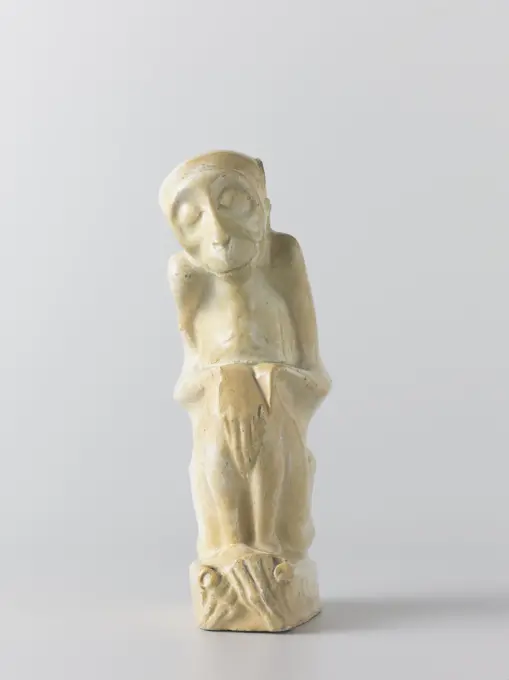
Zieke aap, joseph mendes da costa (1863-1939), c. 1900 Decorative object in the shape of the sick monkey, in yellow and white glazed stoneware. Monogrammed. Netherlands stoneware vitrification Decorative object in the shape of the sick monkey, in yellow and white glazed stoneware. Monogrammed. Netherlands stoneware vitrification

Assets in this Story

6145-59085444
Boat;  around 1295 1186 BC ; New PA
6145-58854253
Zieke aap, joseph mendes da costa (1863-1939), c. 1900 Decorative object in the shape of the sick monkey, in yellow and white glazed stoneware. Monogrammed. Netherlands stoneware vitrification Decorative object in the shape of the sick monkey, in yellow and white glazed stoneware. Monogrammed. Netherlands stoneware vitrification
6145-43656993
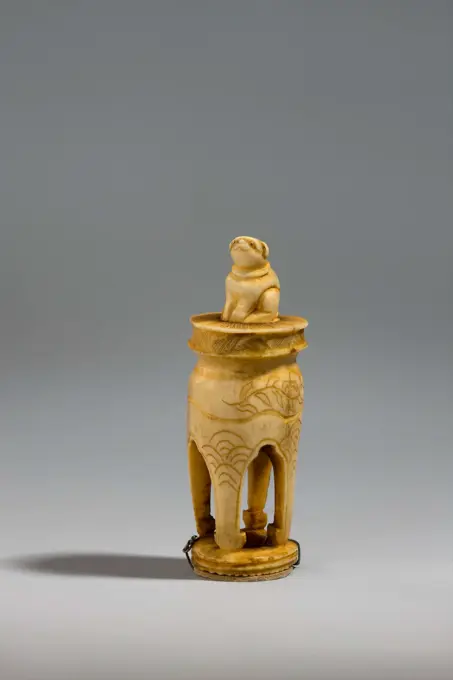
Dog sitting on a table; netsuke. unknown, sculptor
6145-45525813
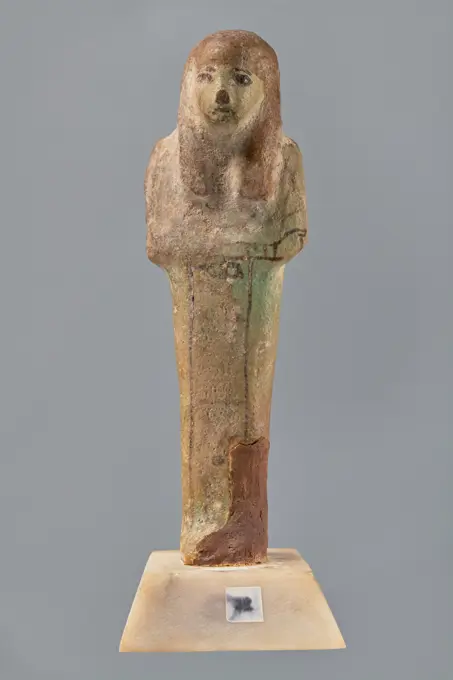
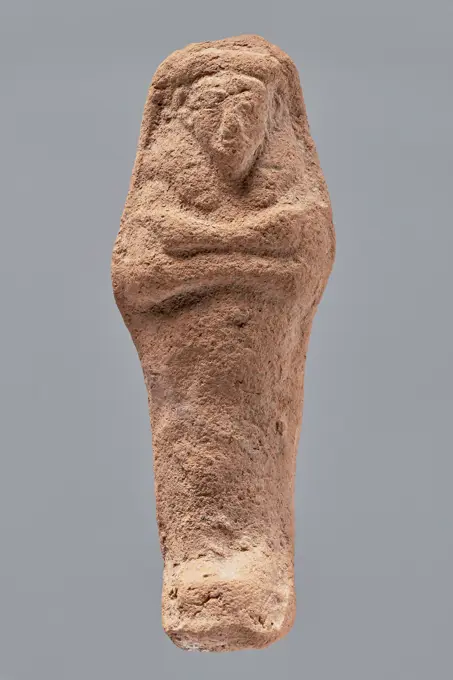
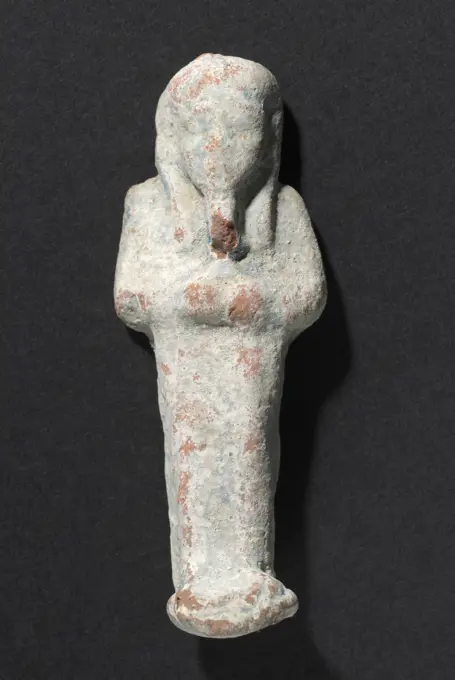
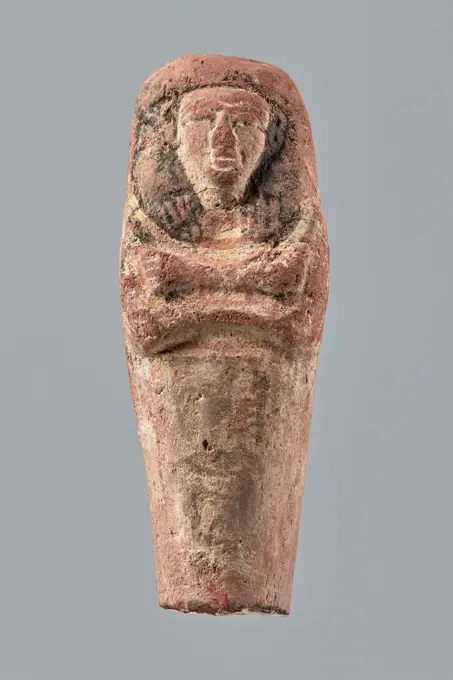
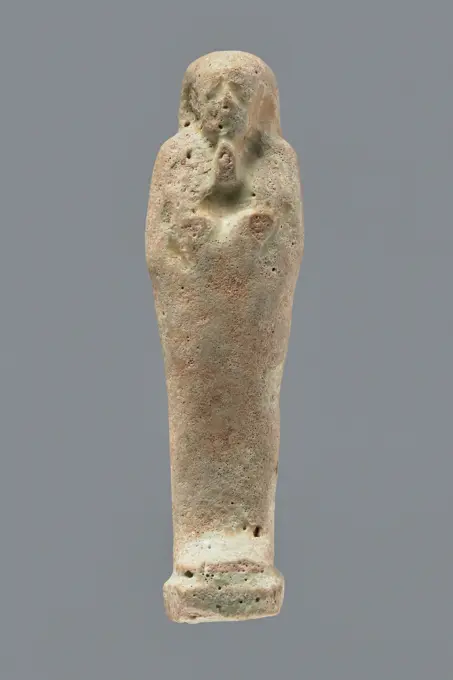
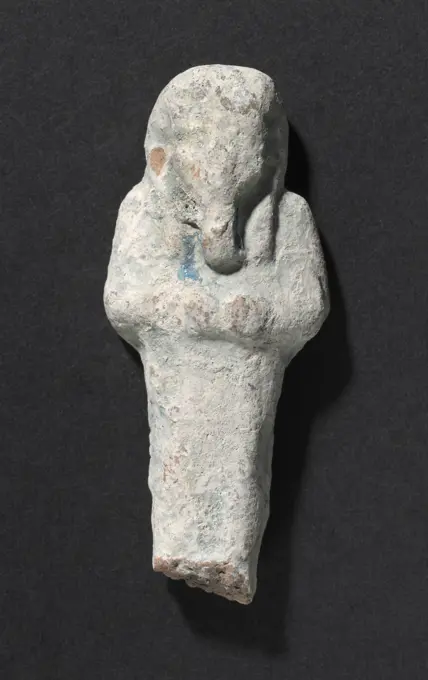
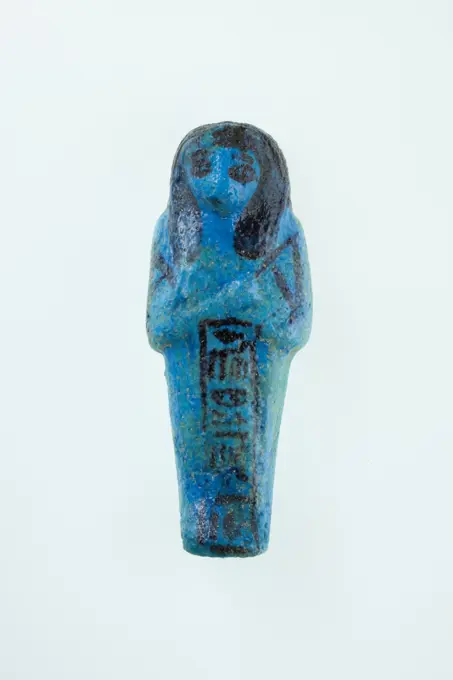
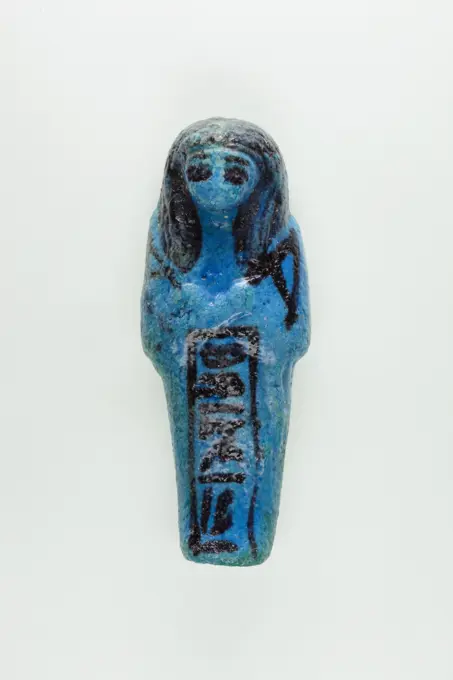
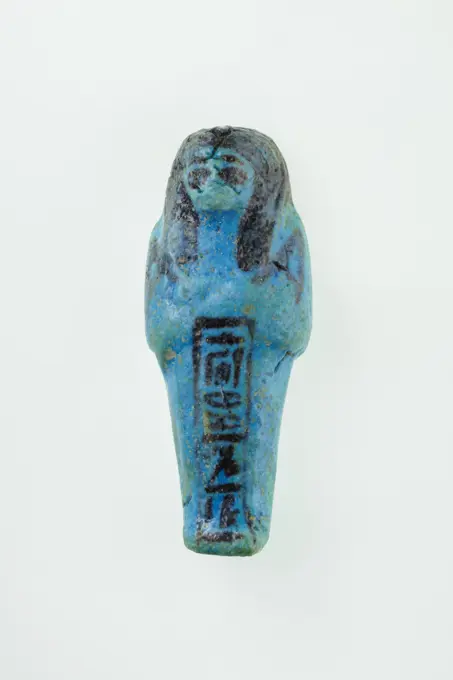
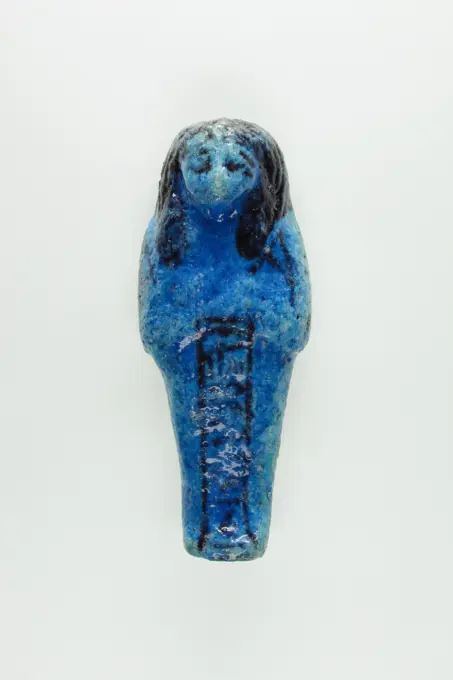
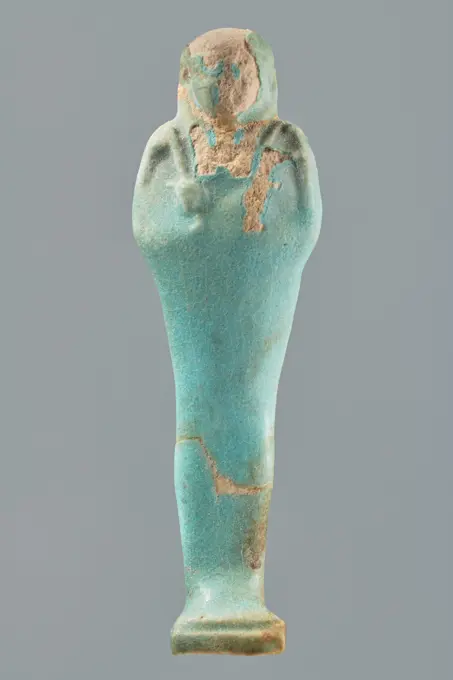
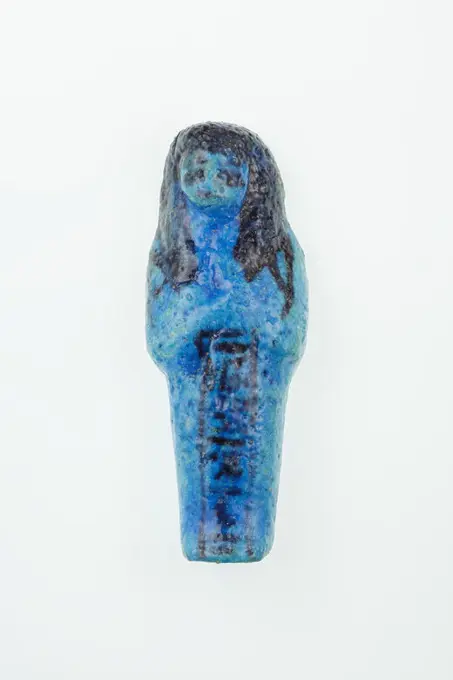
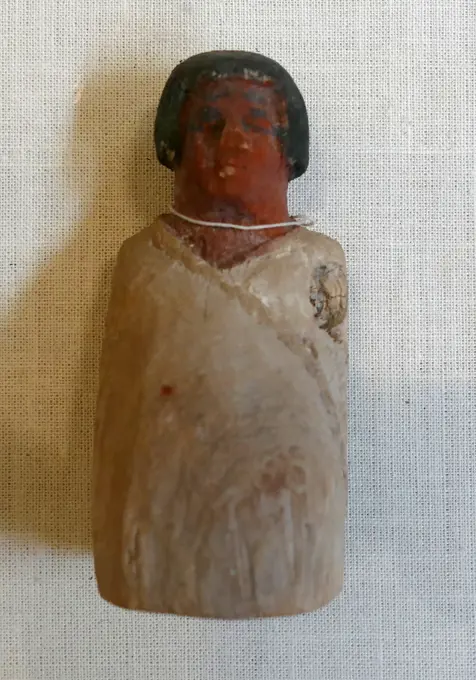
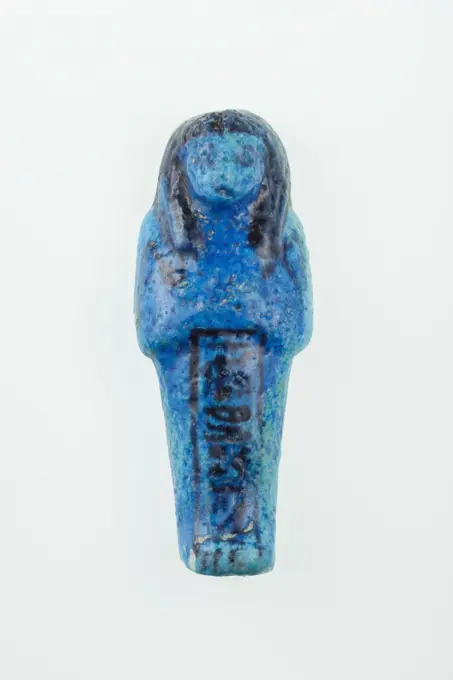
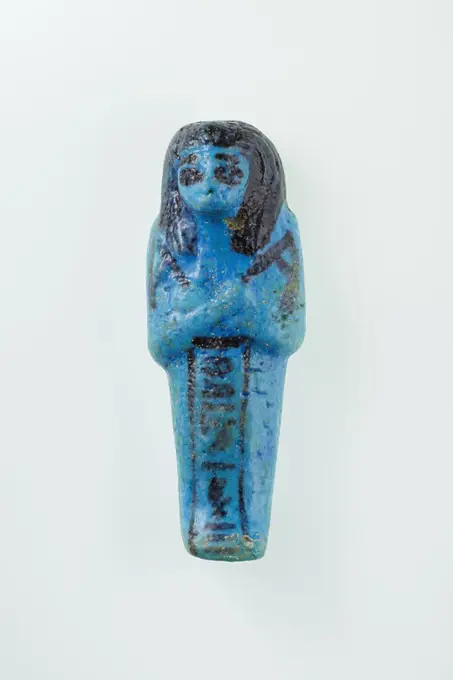
Ushabti
4409-17399186
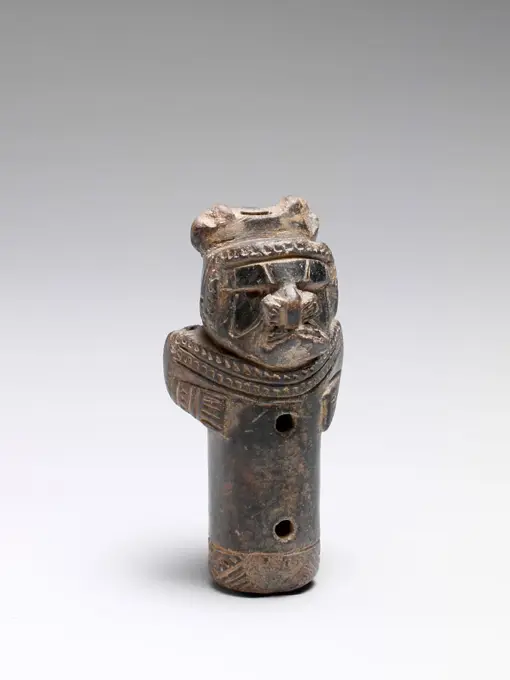
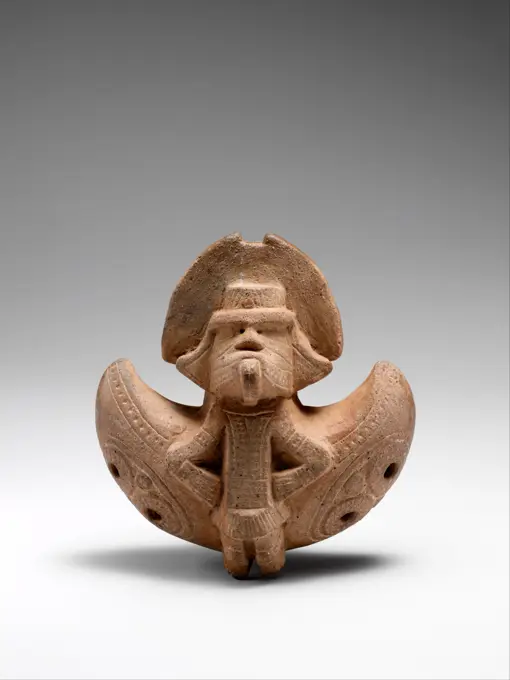
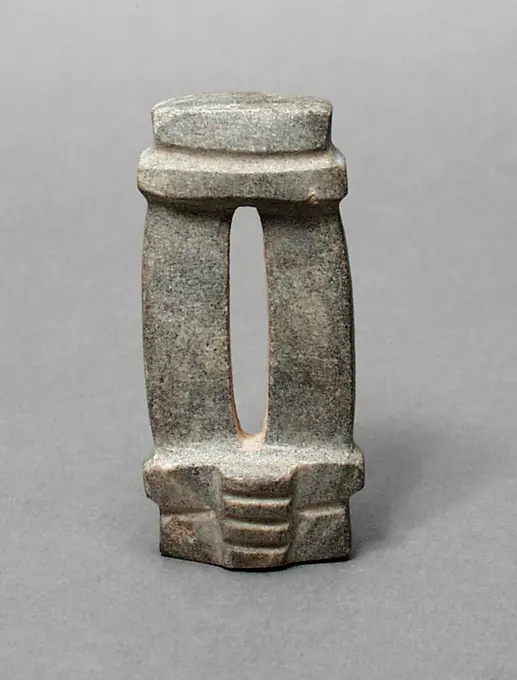
Flute. Culture: Tairona People; La Aguja Style. Dimensions: L. 6.6 cm (2-9/16 in.); W. 3.3 cm (1-5/16 in.). Date: 1300-1500. Museum: Metropolitan Museum of Art, New York, USA.
4409-17403703
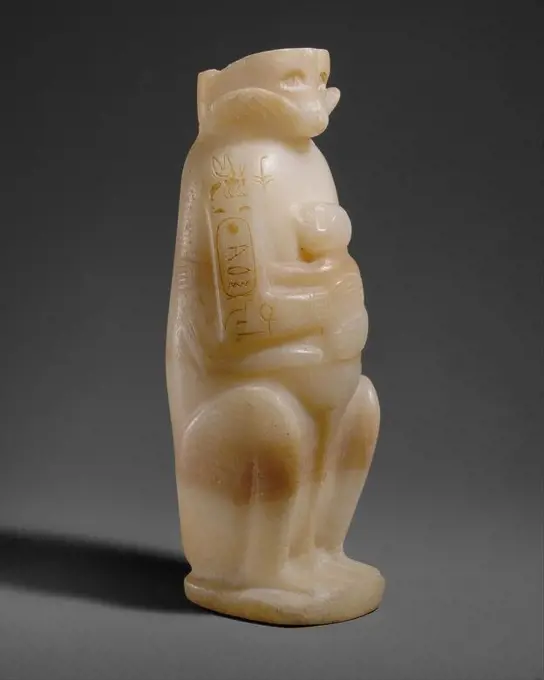
Vase in the Shape of Mother Monkey with Her Young. Dimensions: H. 18.6 × W. 6.5 × D. 7.6 cm (7 5/16 × 2 9/16 × 3 in.). Dynasty: Dynasty 6. Reign: reign of Merenre I. Date: ca. 2255-2246 B.C..Inscribed with the name of Merenre I, fourth king of Dynasty 6. This charming composition alludes to motherhood and fertility and also to the exotic lands that provided rare ingredients for the oils and unguents contained in these vases. The contents were presumably believed to have rejuvenating effects. Inscriptions on this and similar vases (1992.338) suggest that the vessels were given by Sixth Dynasty kings to favored courtiers, particularly women, at the time of the king's jubilee. Museum: Metropolitan Museum of Art, New York, USA.
4409-17545238
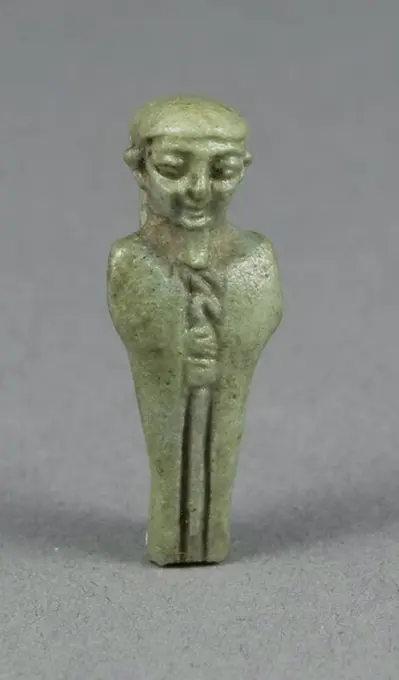
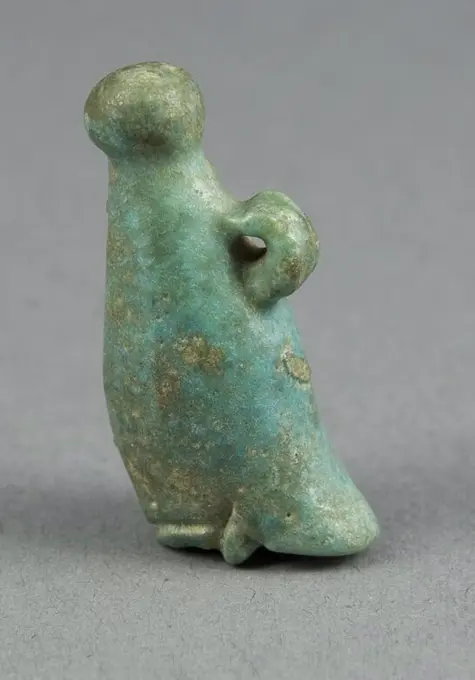
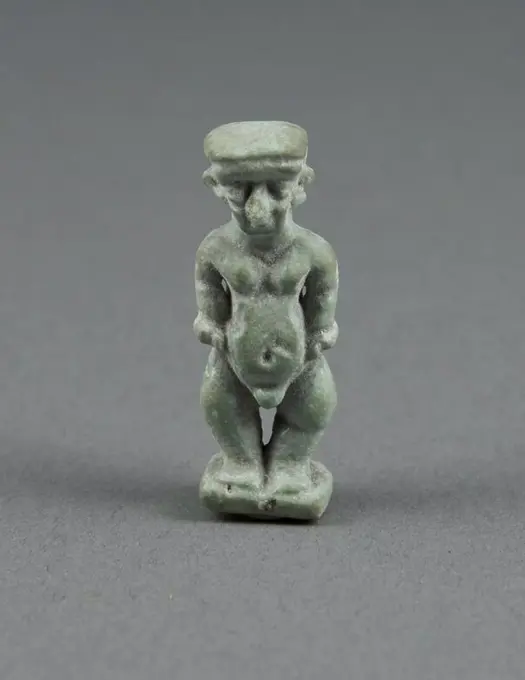
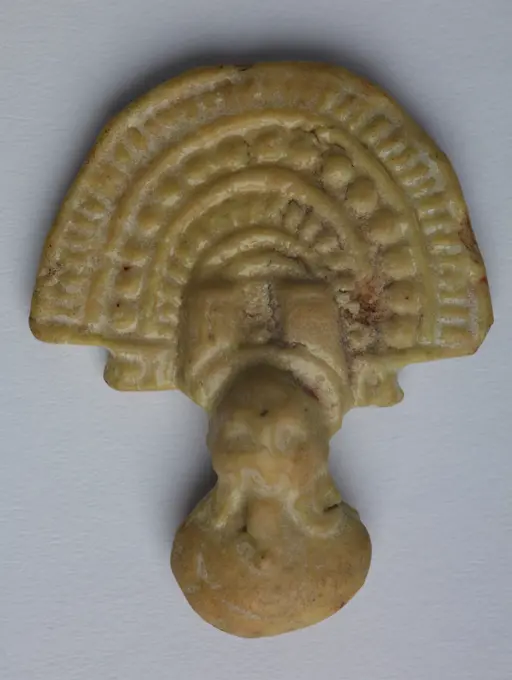
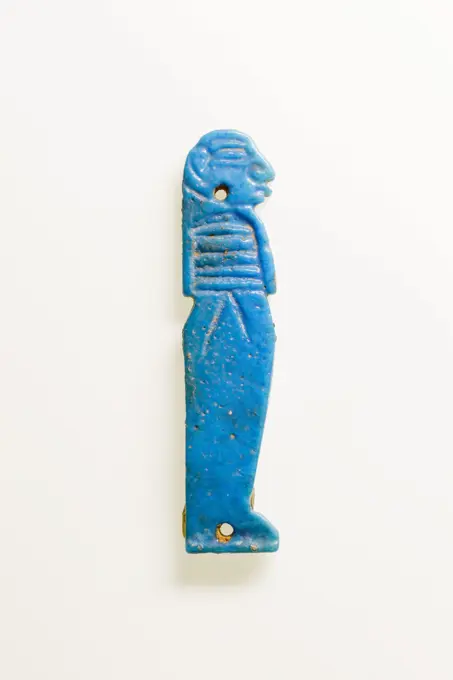
Amulet of the God Ptah. Egyptian. Date: 664 BC-332 BC. Dimensions: 2.9 × 1.3 × 1 cm (1 1/8 × 1/2 × 3/8 in.). Faience. Origin: Egypt. Museum: The Chicago Art Institute, Chicago, USA. Author: Ancient Egyptian.
6145-48529872
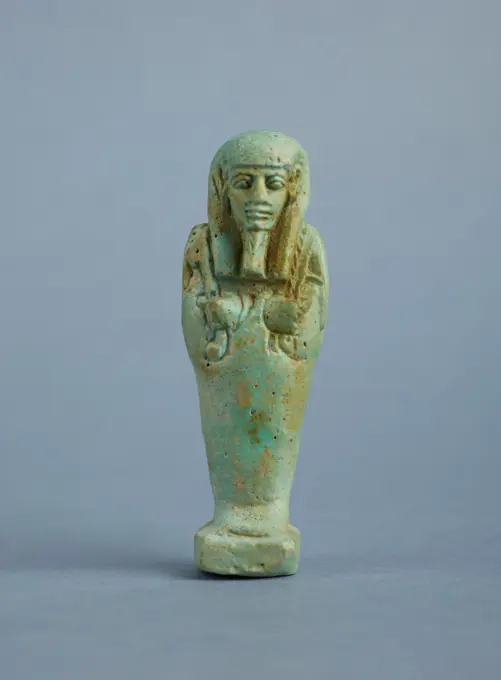
Uszebti. unknown, author
4409-17544619
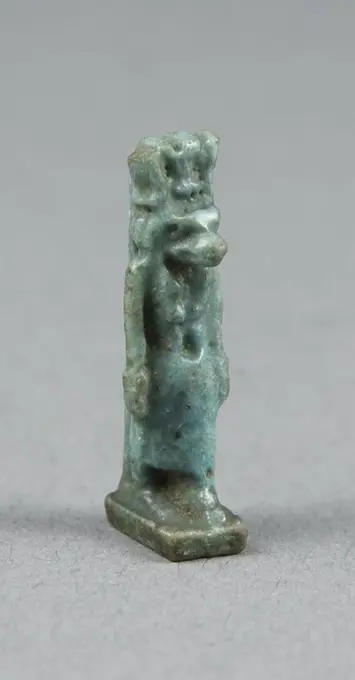
Amulet of the Goddess Hathor () with Cow's Head. Egyptian. Date: 1069 BC-332 BC. Dimensions: 2.5 × 1 × 0.5 cm (1 × 3/8 × 3/16 in.). Faience. Origin: Egypt. Museum: The Chicago Art Institute, Chicago, USA. Author: Ancient Egyptian.
6145-46346492
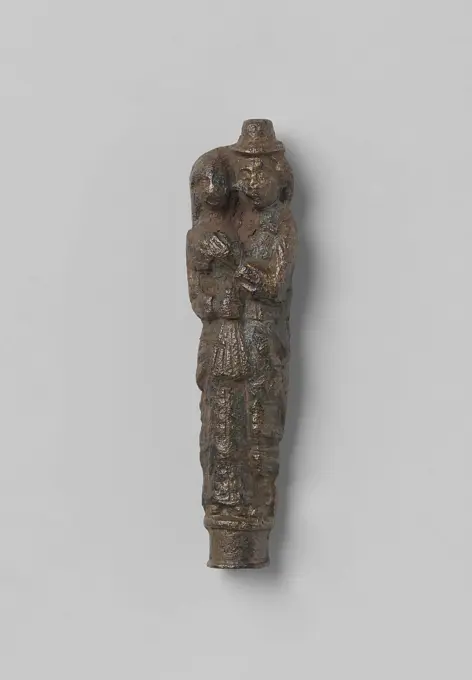
Lifts silver. A separate silver handle. On the lift a victory bar and the shelling of a city, a running dog at the end.
6145-29720172
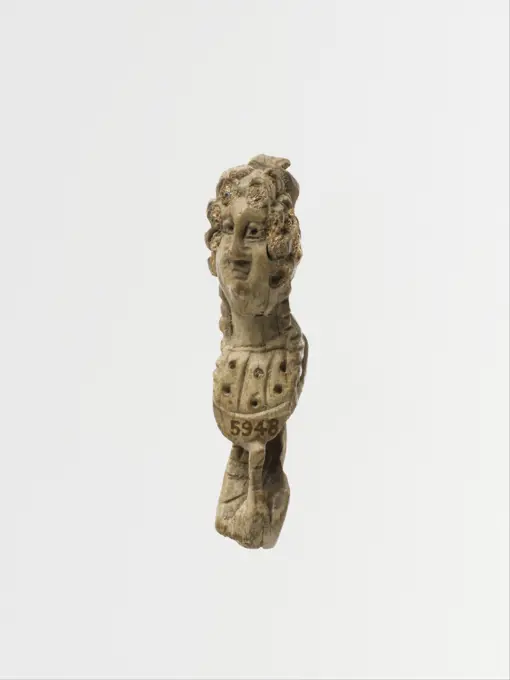
Bone pin ca. 1st-2nd century A.D. Roman Representing a female bust.. Bone pin 244073
1788-39489
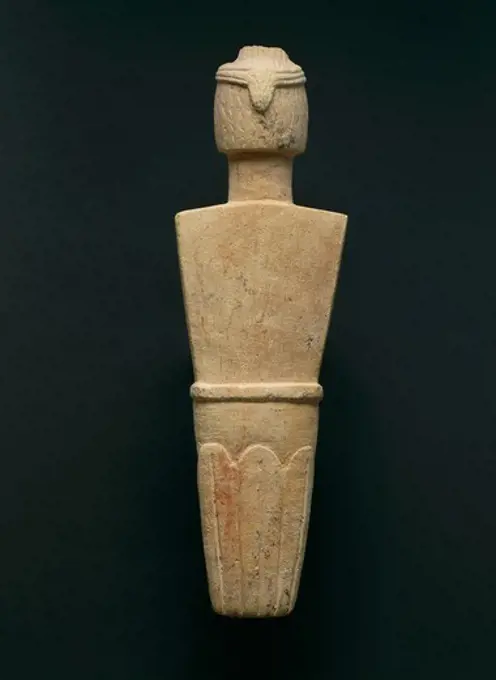
Prehistory, Malta, Neolithic. Votive statue. From Brochtorff Circle at Xaghra, Gozo Island
6145-29061993
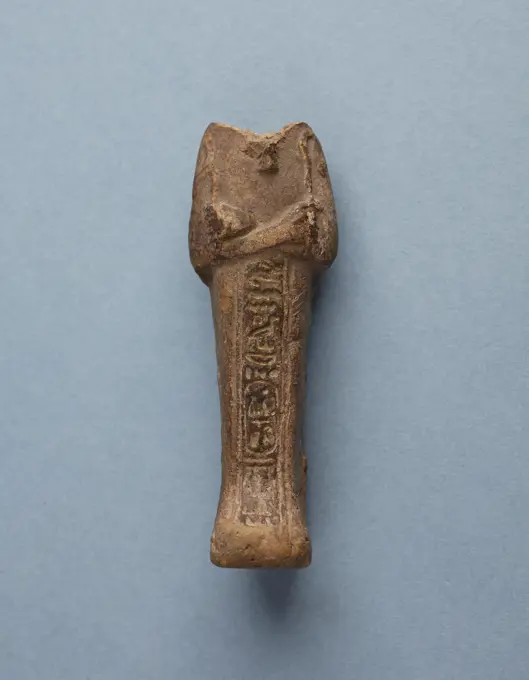
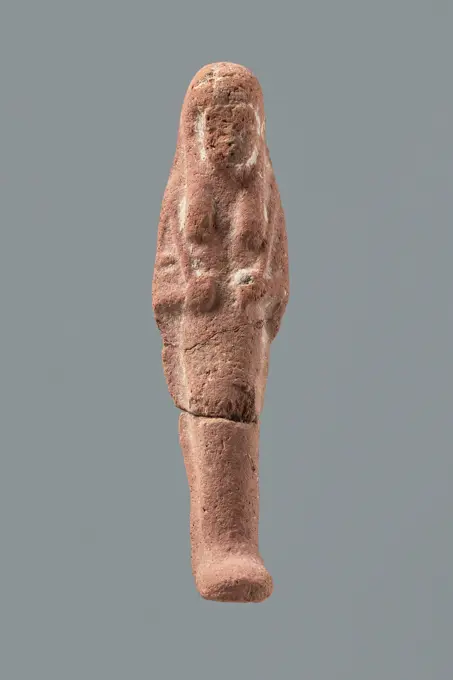
Shawabty of Ditamenpaankh, 715-656 BC. Egypt, Late Period, Dynasty 25. Terracotta; overall: 6.8 x 2.5 x 1.6 cm (2 11/16 x 1 x 5/8 in.). High demand for shawabtys in the Late Period, a time when as many as 400 or more shawabtys were placed in the tomb with the deceased, gave rise to a specialized container for storing them: the shawabty box. This example is inscribed for the lady of the house, Ditamenpaankh, and was probably one of a pair originally made for her. The single-masted boat on the box's lid is perhaps an allusion to the pilgrimage of the deceased to the holy city of Abydos, the cult city of Osiris, king of the dead. The shawabtys inside are crude, mass-produced examples cast in an open mold. Made of terracotta, their blue paint imitates more costly shawabtys made of faience. As for the shawabty spell, it has been removed from its traditional location on the shawabty's front and relocated onto the sides of box, where it needed only to be written once, thus expediting product
1075-260
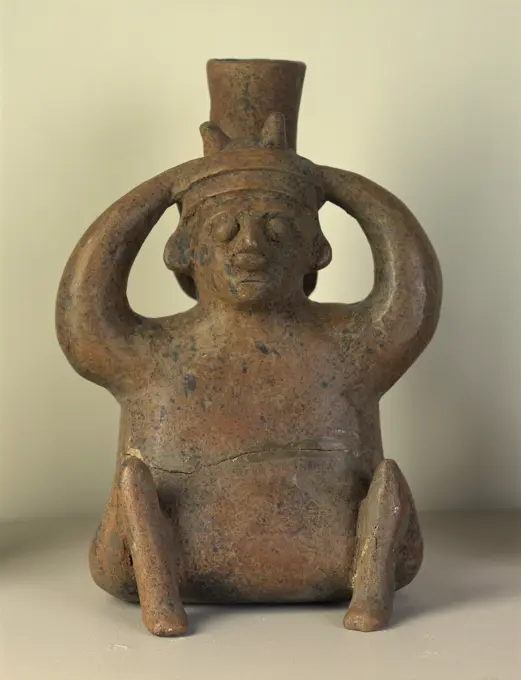
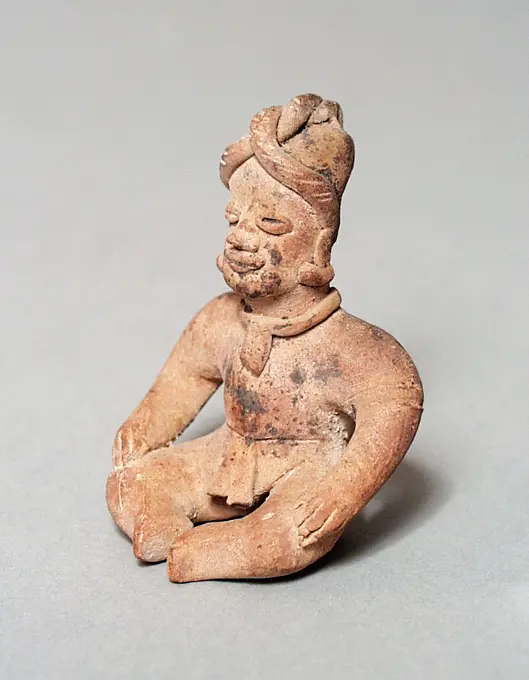
Seated Water Carrier  Colima Culture, West Mexico 200 B.C. - 300 A.D. Ceramic  Pre-Columbian  The Cummer Museum of Art and Gardens, Jacksonville, Florida
6145-29780269
Pottery Whistle and Rattle 19th century Mexican. Pottery Whistle and Rattle 501257
6145-48892128
Carved seal. Unknown
6145-29770973
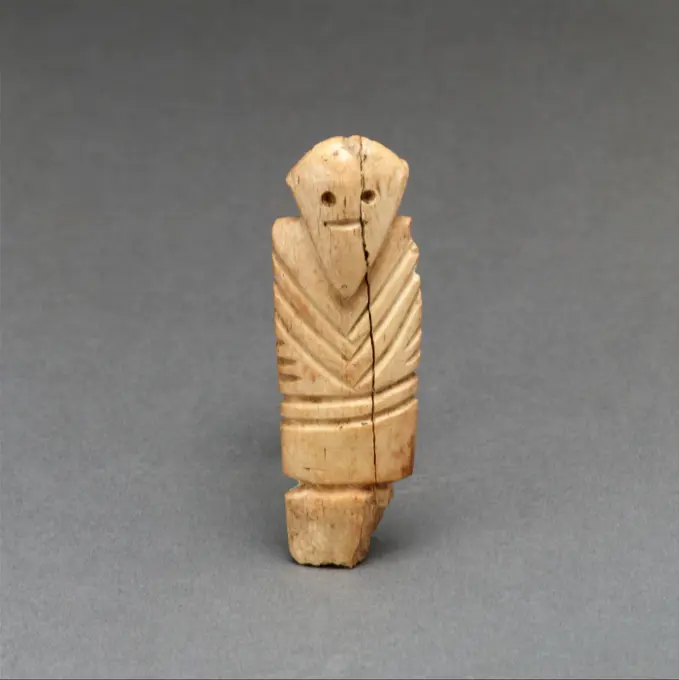
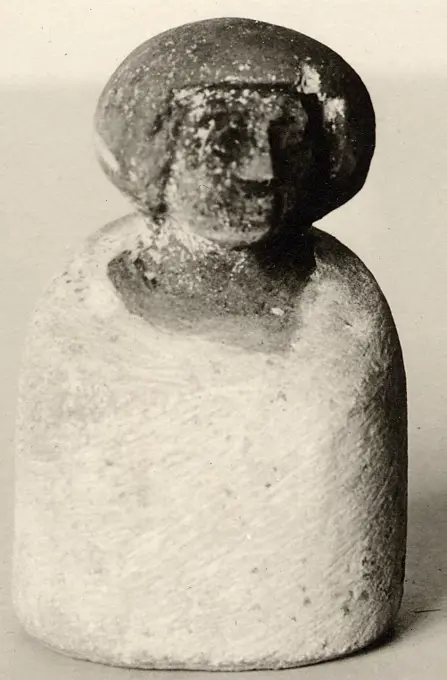
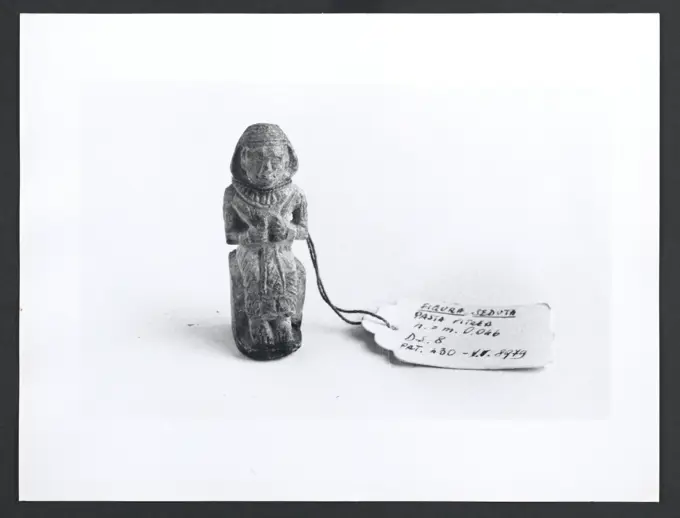
Figurine of a man ca. 3650-3450 B.C. Predynastic, early Naqada II The earliest pieces of Egyptian sculpture represent men and women in formal poses. Figurines were made from mud or unbaked clay, ceramic, or ivory; details such as body hair, clothing, and tattoos were either incised or painted on the clay surface. This bearded man is made from the end portion of a hippo incisor. The features of his face and clothing were incised into the ivory and filled with a black paste like substance. Figurines are very rare in this period of Egyptian art and little is known about their use in the Predynastic cultures that created them.. Figurine of a man 547233
6145-29119207
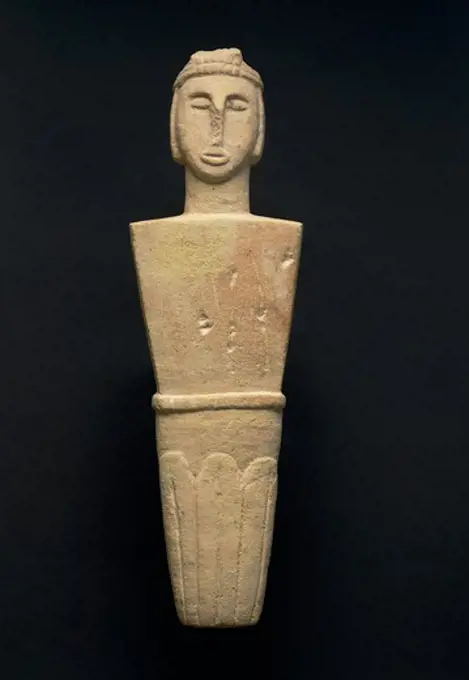
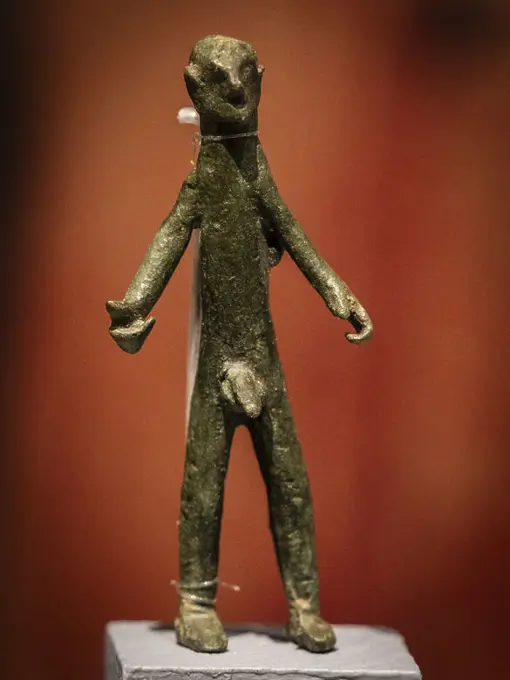
Standing Male Figure
4409-17892
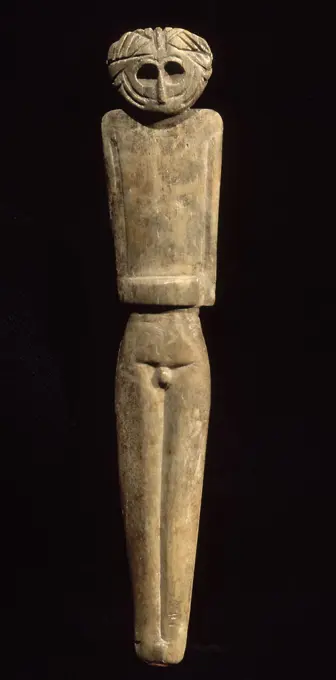
IDOLO ANTROPOMORFO DE HUESO O DIVINIDAD CON ATRIBUTOS HUMANOS PROCEDENTE DE VALENCINA DE LA CONCEPCION (SEVILLA) 2100-1800 AC TRANSICI. Location: MUSEO ARQUEOLOGICO-COLECCION. Sevilla. Seville. SPAIN.
4443-28739771
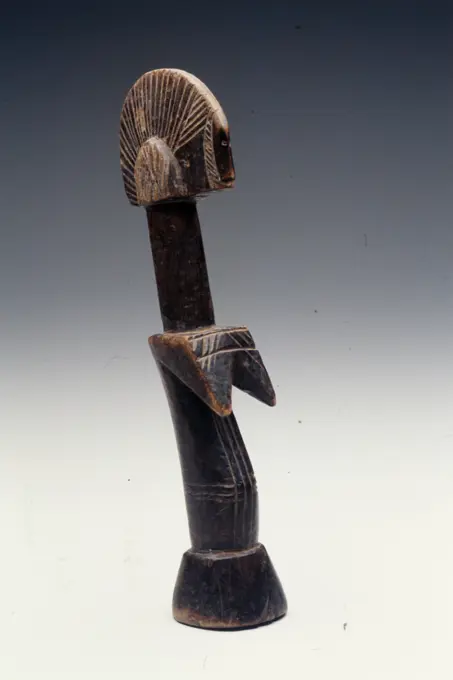
Biiga, late 20th century, 10 11/16 x 3 5/16 x 2 1/8 in. (27.1 x 8.4 x 5.4 cm), Wood, Burkina Faso, 20th century
6145-29710653
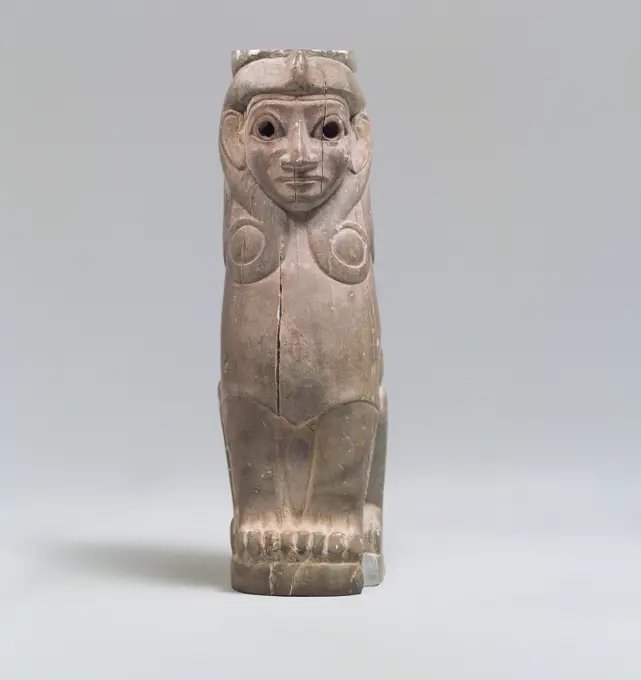
Furniture support: female sphinx with Hathor-style curls ca. 18th century B.C. Old Assyrian Trading Colony This piece is one of a set of four furniture legs, probably found at the site of a palace at Acemhöyük in central Anatolia, carved in the shape of compact seated sphinxes without wings. They have large eyes with inlaid pupils, only one of which survives intact. Traces of gold foil remain on the hair and headdresses as well as eyes of some examples. The pink staining of this piece indicates that iron oxides are present on the surface, although it is not known whether this was a deliberate decorative treatment, or a result of contact with the soil in which the pieces were buried. Additionally, the overall gray color indicates that the object was exposed to considerable heat, perhaps during the destruction of the palace. Each sphinx wears a wig or hairstyle in which heavy locks of hair ending in large curls, held behind protruding ears, frame the face, resembling images of the Egypti
6145-43652555
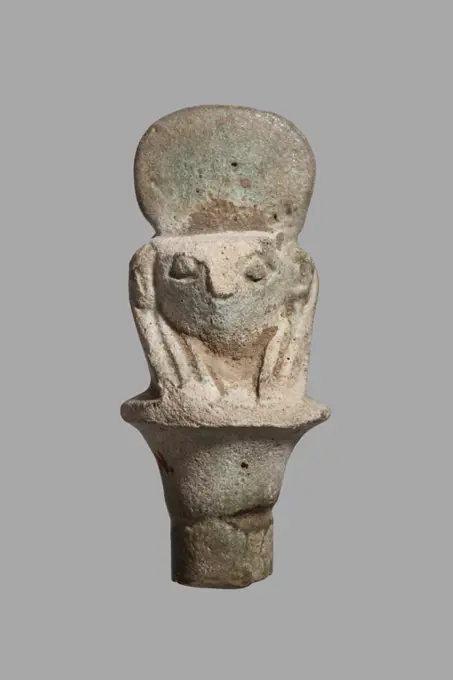
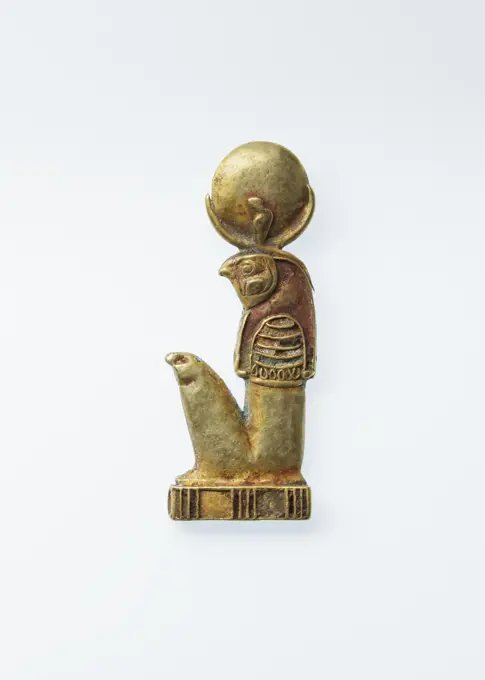
Amulet - głowa sokoła na kolumience. unknown, author
1788-39490
Prehistory, Malta, Neolithic. Votive statue. From Brochtorff Circle at Xaghra, Gozo Island
6145-59085469
Boat;  around 1295 1069 BC ; New PA
6145-29809672
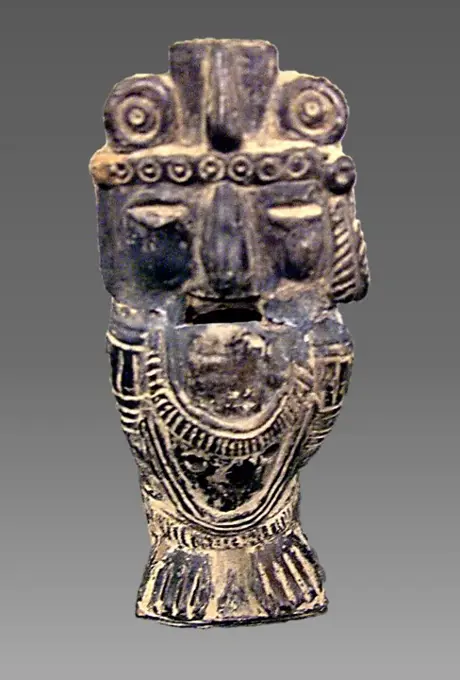
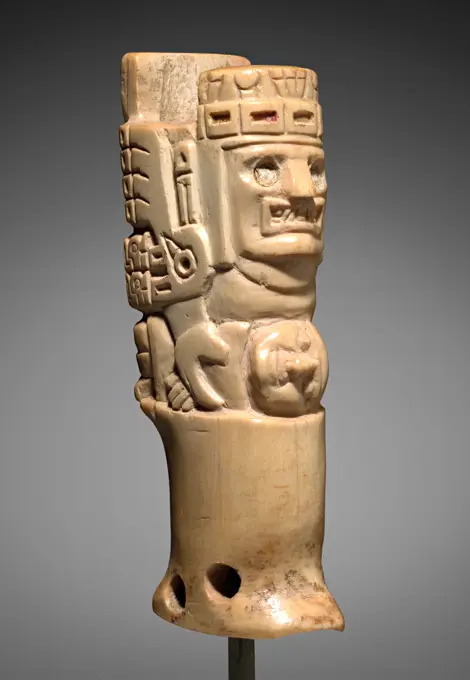
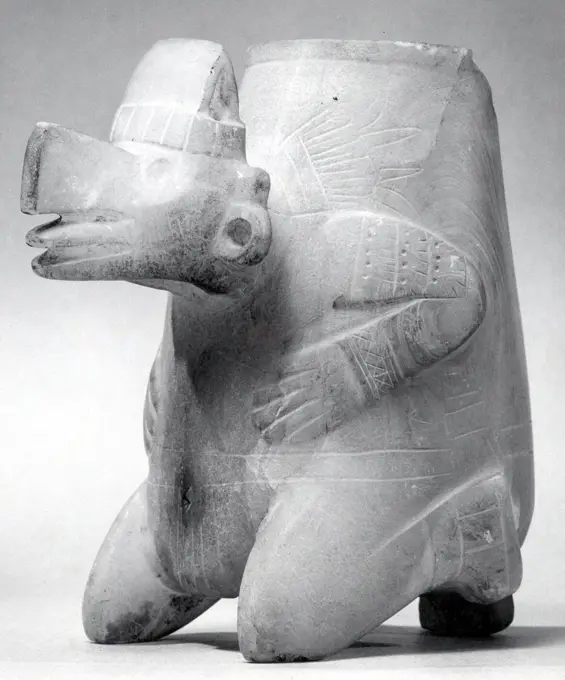
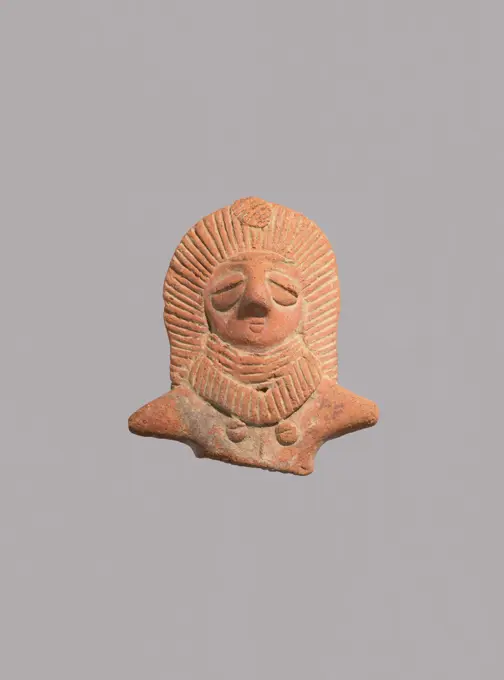
Ocarina 1300-1500 Tairona People; Gayraca style Tubular ceramic flutes and ocarinas (vessel flutes) are frequent finds in Tairona burials. Replete with sculptural imagery and finely detailed surfaces typical of Tairona art, these instruments continue to be used by religious specialists of the Kogidescendants of the Taironaduring ritual dances. This example is a crescent or winged type. The "wings," each with two finger holes, may refer to the symbolic soul flight of the shaman, who was believed capable of leaving his body to contact the spirit world. Worked in high relief and wearing ritual attire, the frontal figure is in a hands-on-hips stance. Dense incision and stippling decorate both body and face. His lower jaw projects stronglyan animal mouth mask is probably wornand a long, curved and grooved tongue hangs from his mouth, a common feature on Tairona ocarinas. No eyes are indicated under the bulging brow. The mouthpiece, indicated by the central notch, is at the top of the fa
6145-29165043
Canopic Jar of Ruiu ca. 1504-1447 B.C. New Kingdom The burial of Ruiu was found in the tomb of her father, Neferkhawet, which was excavated by the Museums Egyptian Expedition in 1935. Ruius coffin and canopic box had been placed in the east chamber of the tomb along with the burials of seven other family members. The canopic box had been badly damaged by dampness and insects, but enough was left to allow the archaeologists to reconstruct the box and its decoration and texts on paper.The box was divided into four compartments by two interlocking partitions, and the jars had been placed in these compartments. Each side of the box was decorated with the image of one of the four funerary goddesses: Isis, Nephthys, Selkit, and Neit. In the texts on the box, each goddess was associated with one of the Four Sons of Horus who protected the four internal organs that were removed during mummification and were stored in the jars inside the box.Ruius four canopic jars are made of buff-colored c
6145-29128969
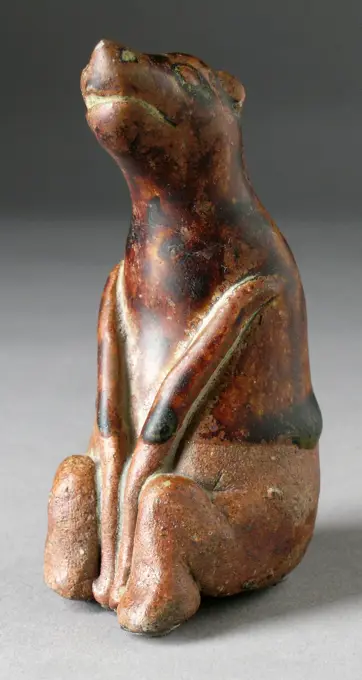
Bear. Thailand, Sawankhalok, 14th-16th century. Sculpture. Modeled stoneware with brown glaze
4443-28733014
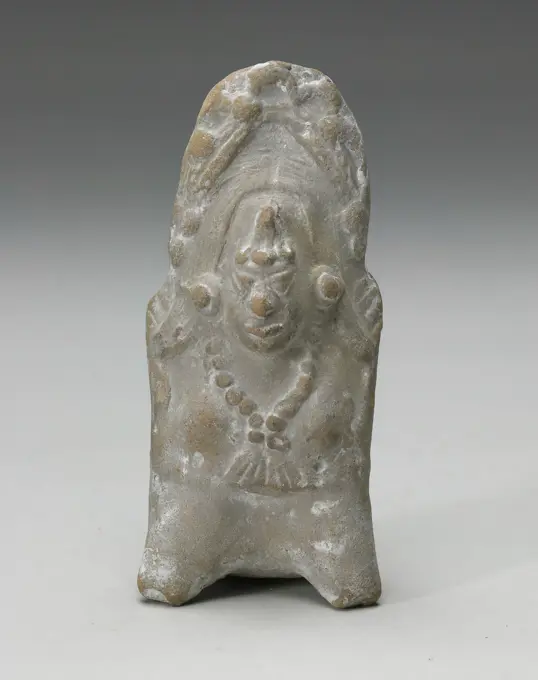
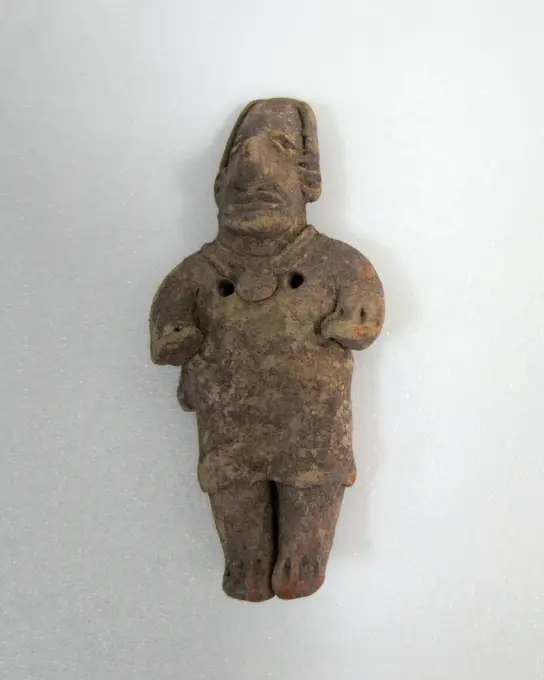
Female molded figure, 6th-9th century, 4 1/2 x 2 1/8 in. (11.4 x 5.4 cm), Earthenware, Mexico or Guatemala, 6th-9th century
6145-48529614
Uszebti. unknown, author
6145-29777224
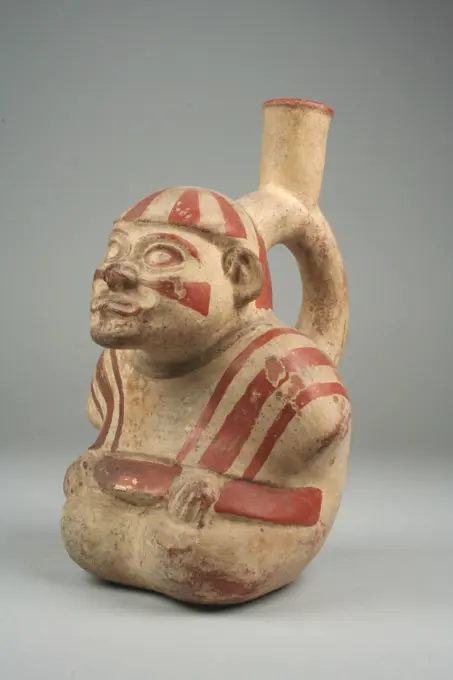
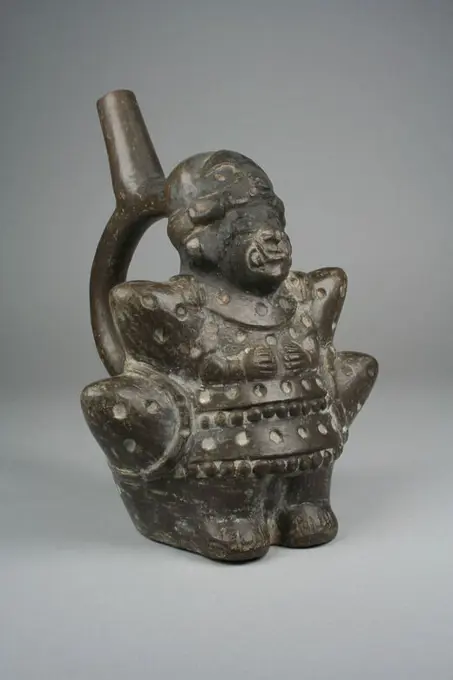
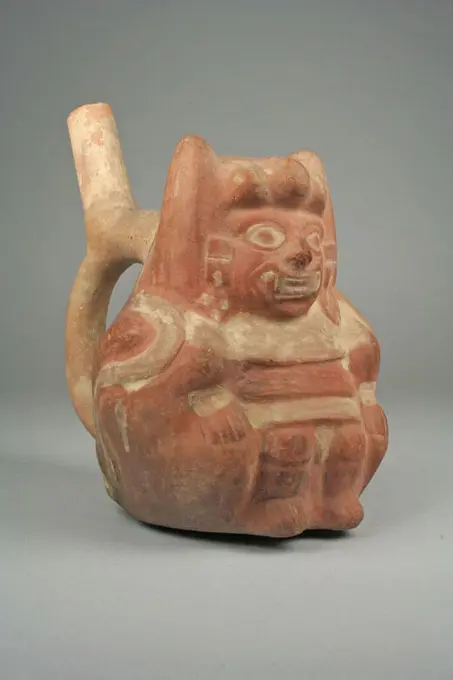
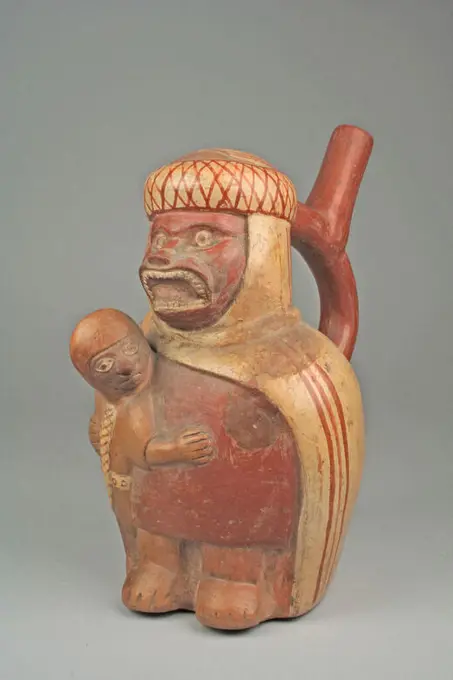
Figure Stirrup Spout Jar 2nd-5th century Moche. Figure Stirrup Spout Jar 318603
6145-29129026
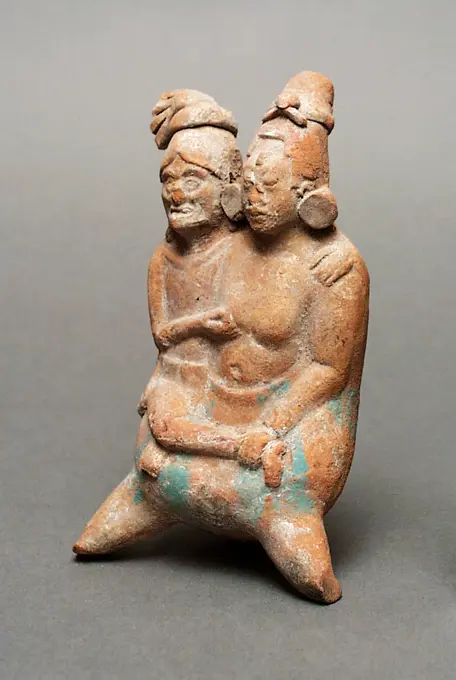
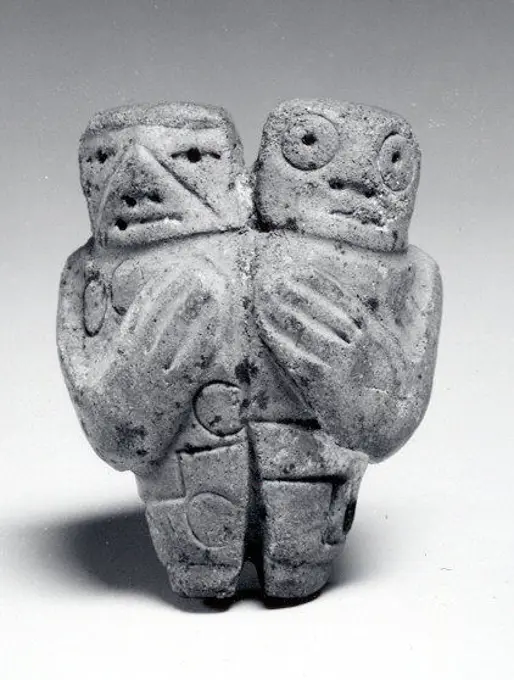
Couple in the Form of a Whistle
4409-17412236
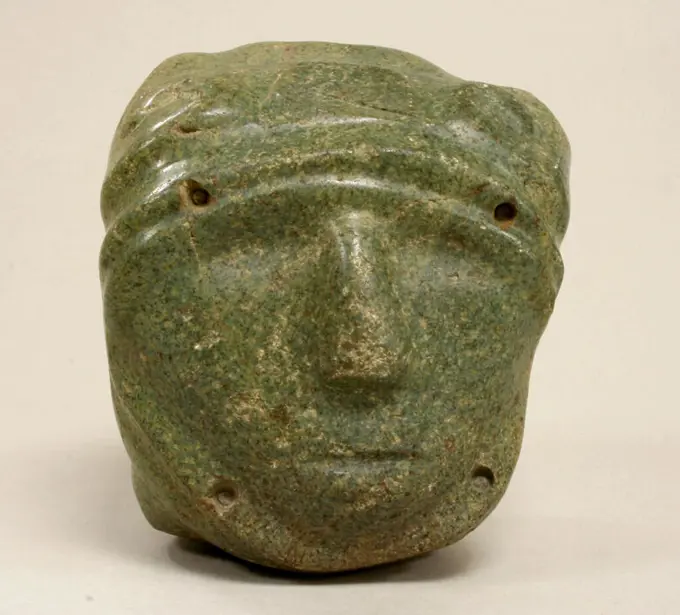
Head. Culture: Guerrero (). Dimensions: Overall: 6 x 5 1/4 x 5 in. (15.24 x 13.34 x 12.7 cm)Other: 5 1/4 x 5 in. (13.34 x 12.7 cm). Date: 12th-early 16th century. Museum: Metropolitan Museum of Art, New York, USA.
6145-29792740
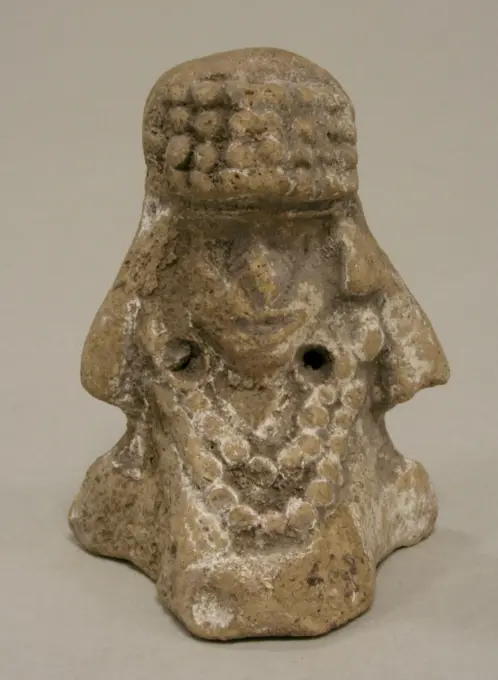
Seated Female with Headdress 15th-early 16th century Aztec. Seated Female with Headdress 307663
6145-29815780
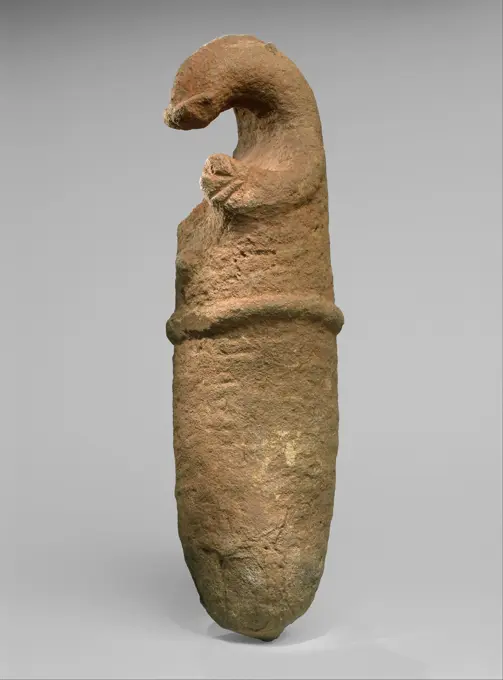
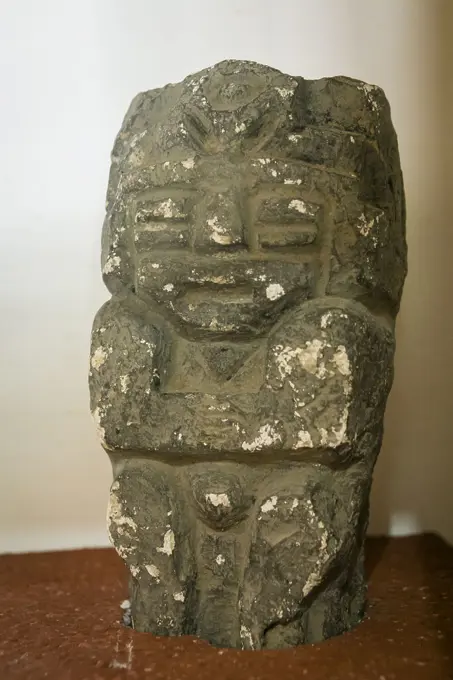
Zoomorphic Figure ca. 1500 B.C.- A.D. 1600 Mendi region The earliest known Oceanic sculptures are a variety of ancient stone objects discovered in New Guinea. Unearthed primarily in the mountainous highlands ofthe interior, they are enigmatic remnants of a culture, or cultures, that once flourished widely on the island. They include independent figures as well as mortars, pestles, club heads, and other forms. The dating of these objects remains uncertain, although organic material associated with one example recently has been carbon dated to around 1500 B.C., indicating that some are of great antiquity.This figure possibly depicts an echidna, an egg-laying mammal related to the platypus. Although their original significance is unknown, prehistoric stone objects play, or played, important roles in the religious life of many contemporary Highland peoples. Unearthed by chance, they are regarded as supernaturally powerful objects and areused in diverse ceremonial contexts, including ferti
4409-59179295
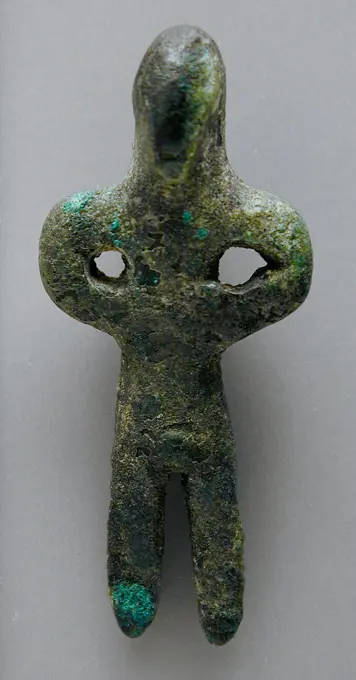
bronze votive offering, 4th-3rd centuries BC, archaeological museum of Seville, Andalusia, Spain.
6145-29236192
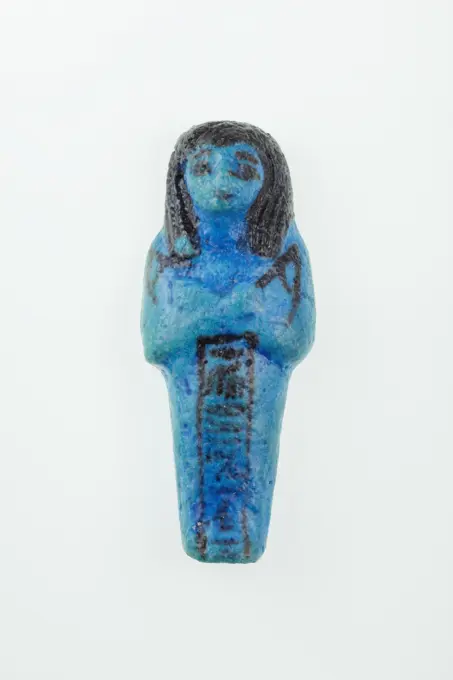
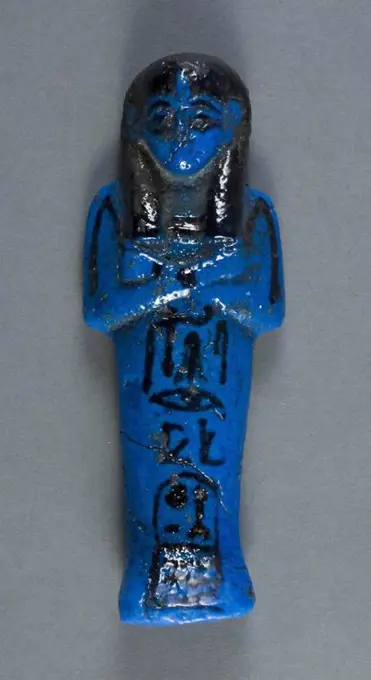
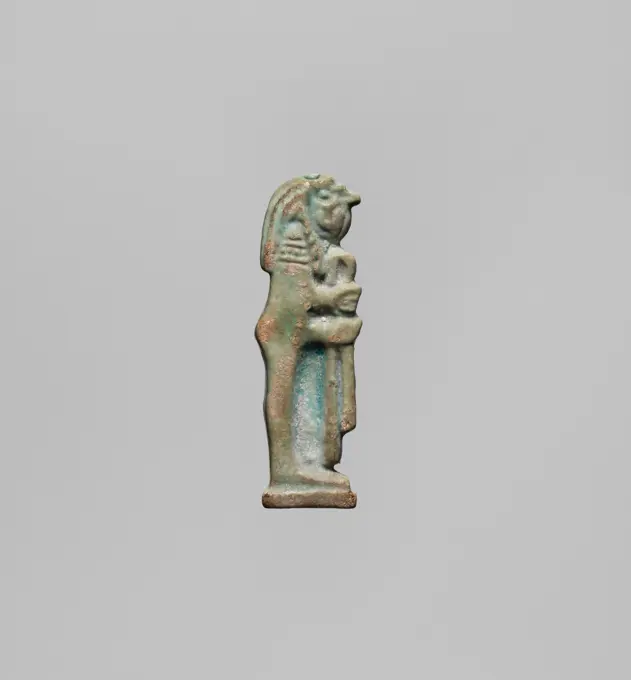
Worker Shabti of Nany ca. 1050 B.C. Third Intermediate Period See 30.3.30.1a, b. Worker Shabti of Nany. ca. 1050 B.C.. Faience. Third Intermediate Period. From Egypt, Upper Egypt, Thebes, Deir el-Bahri, Tomb of Meritamun (TT 358, MMA 65), first corridor, burial of Nany, MMA excavations, 1928-29. Dynasty 21
4409-17424299
Worker Shabti of Nany. Dimensions: H. 8.9 × W. 3.3 × D. 2.3 cm (3 1/2 × 1 5/16 × 7/8 in.). Dynasty: Dynasty 21. Reign: reign of Psusennes I. Date: ca. 1050 B.C..See 30.3.27.1a, b. Museum: Metropolitan Museum of Art, New York, USA.
6145-29086073
Head, 600-1100. Mexico, Classic Veracruz (Totonac or Tajin). Stone; overall: 11.5 x 8.7 x 11.9 cm (4 1/2 x 3 7/16 x 4 11/16 in.).
6145-59085477
Boat;  around 1069 715 BC ; 3rd transition period, 21-23 dynasty (-1069-00-00--715-00-00);
6145-48528119
Womans head - figurine fragment. unknown, craftsman
6145-29094092
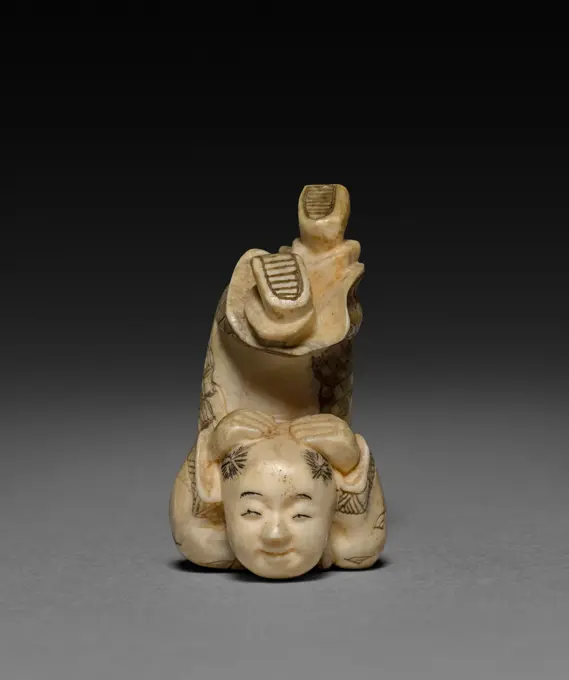
Netsuke of Child, early 1900s. Japan, Meiji period (1868-1912). Ivory, pigment; overall: 3.9 x 2.3 x 2.9 cm (1 9/16 x 7/8 x 1 1/8 in.).
6145-29126751
Decorated Tube
6145-29753404
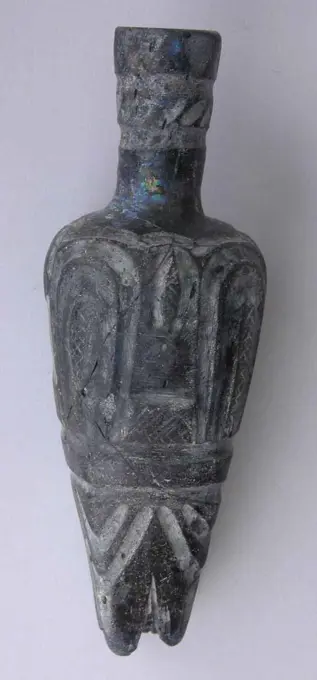
Flask 9th century Among the numerous molar flasks -- named for their feet, which resemble the roots of molar teeth -- that have been discovered, this cobalt blue example stands out for its unusually large size. Molar flasks have been found in a variety of places, including Nishapur in Iran and Fustat in Egypt, indicating that they were probably produced or disseminated widely.. Flask. 9th century. Glass; cut and incised. Attributed to probably Egypt. Glass
6145-43634938
Amulet - bóg Szu. unknown, author
6145-29068518
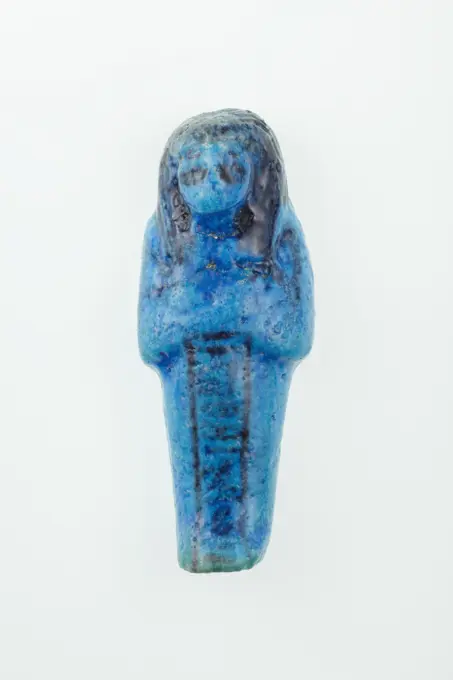
Shawabty of Ditamenpaankh, 715-656 BC. Egypt, Late Period, Dynasty 25. Terracotta; overall: 6.2 x 2.5 x 1.7 cm (2 7/16 x 1 x 11/16 in.).
6145-29062150
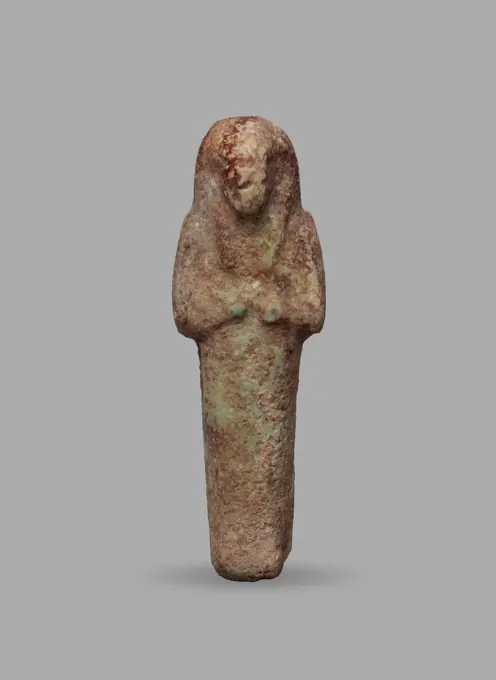
Shawabty of Ditamenpaankh, 715-656 BC. Egypt, Late Period, Dynasty 25. Terracotta; overall: 6.3 x 2.6 x 1.4 cm (2 1/2 x 1 x 9/16 in.). High demand for shawabtys in the Late Period, a time when as many as 400 or more shawabtys were placed in the tomb with the deceased, gave rise to a specialized container for storing them: the shawabty box. This example is inscribed for the lady of the house, Ditamenpaankh, and was probably one of a pair originally made for her. The single-masted boat on the box's lid is perhaps an allusion to the pilgrimage of the deceased to the holy city of Abydos, the cult city of Osiris, king of the dead. The shawabtys inside are crude, mass-produced examples cast in an open mold. Made of terracotta, their blue paint imitates more costly shawabtys made of faience. As for the shawabty spell, it has been removed from its traditional location on the shawabty's front and relocated onto the sides of box, where it needed only to be written once, thus expediting producti
4409-17408428
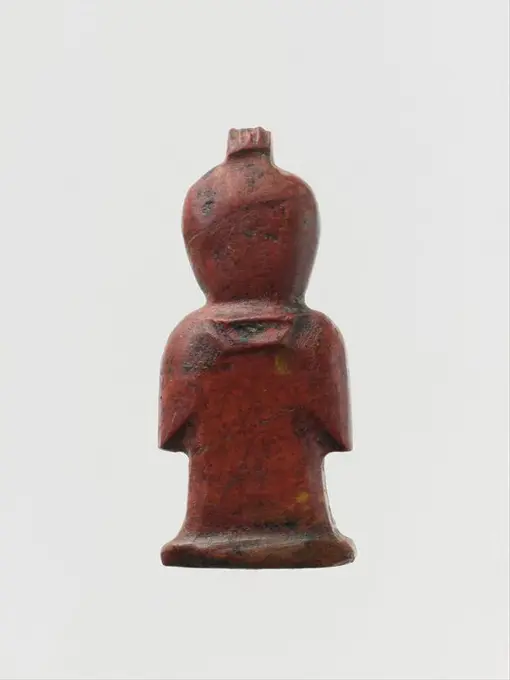
Red jasper amulet of tyet. Culture: Egyptian. Dimensions: H.: 1 in. (2.5 cm). Date: 664-304 B.C..Amulet of a girdle tie. Museum: Metropolitan Museum of Art, New York, USA.
1746-28980823
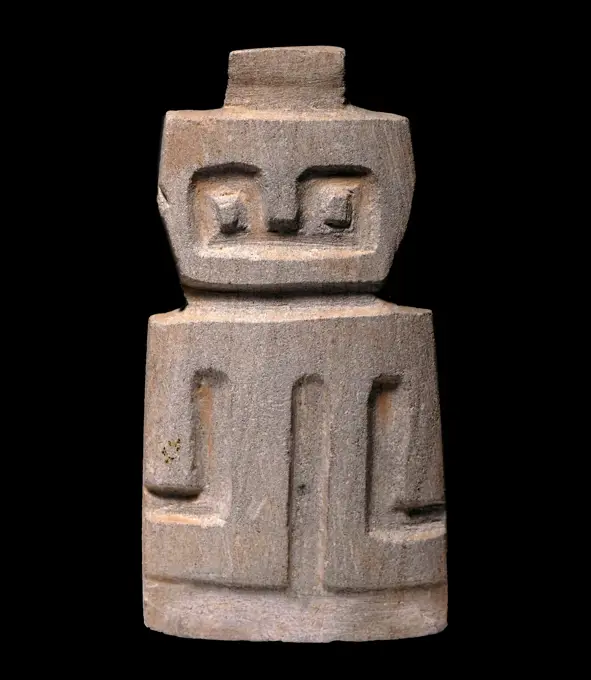
Pedra stone idol from Ecuador. Dated 5th Century
4409-17433675
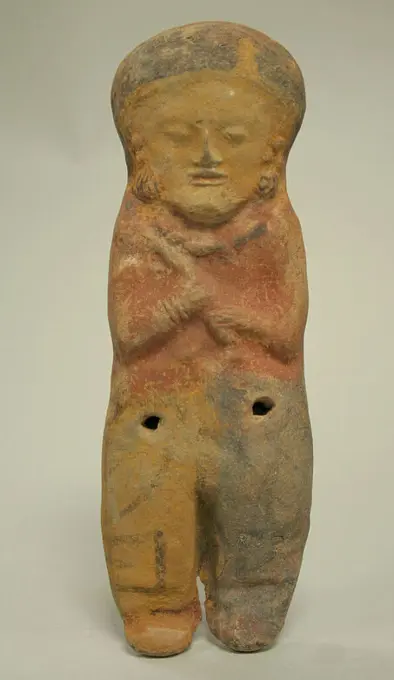
Ceramic Whistle in the Form of a Standing Figure. Culture: Bahia. Dimensions: H. 10 x W. 3 1/2 in. (25.4 x 8.9 cm). Date: 5th century B.C.-A.D. 4th century. Museum: Metropolitan Museum of Art, New York, USA.
6145-29085219
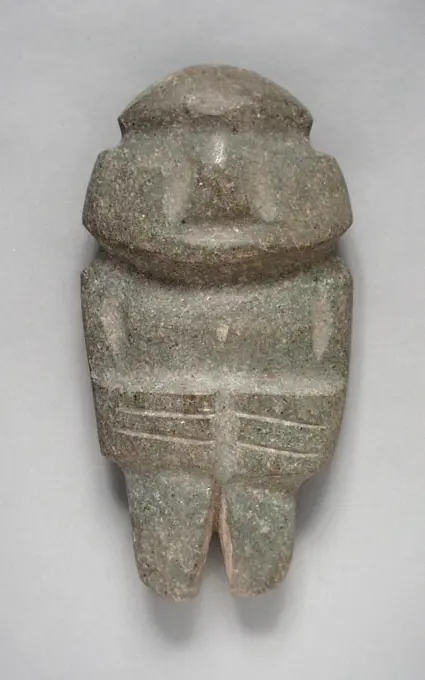
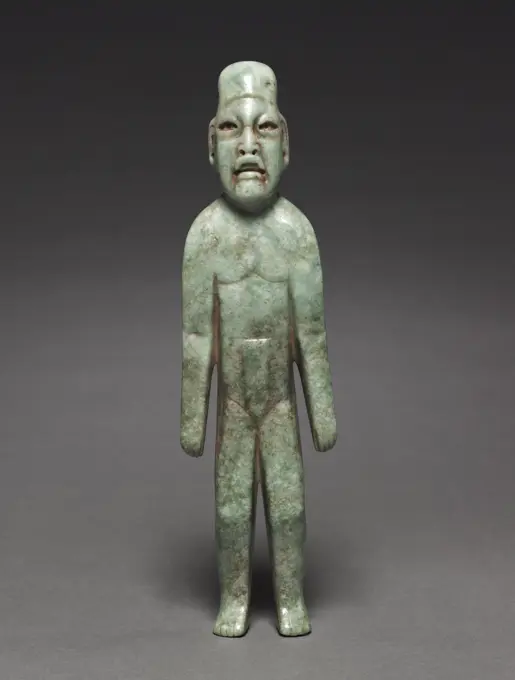
Standing Figurine, 1900s(). Mexico, Olmec, 20th century (). Polished jadite; overall: 20.4 x 5.5 x 2.6 cm (8 1/16 x 2 3/16 x 1 in.).
4409-17545316
Amulet of the White Crown of Upper Egypt. Egyptian. Date: 664 BC-332 BC. Dimensions: 3.5 × 1.75 × 1 cm (1 3/8 × 11/16 × 3/8 in.). Faience. Origin: Egypt. Museum: The Chicago Art Institute, Chicago, USA. Author: Ancient Egyptian.
4409-20090
VASO CON RELIEVES DE LEONES PASANTES RECUBIERTO DE ENGALBA - PROCEDE DE MALAGA - SIGLO XII. Location: INSTITUTO VALENCIA DE DON JUAN-COLECCION. MADRID. SPAIN.
4409-17544218
Statuette of Wesir-nakht. Egyptian. Date: 342 BC-332 BC. Dimensions: 16.5 × 6.6 × 8.5 cm (6 1/4 × 2 5/8 × 3 3/8 in.). Stone. Origin: Egypt. Museum: The Chicago Art Institute, USA. Author: Ancient Egyptian.
6145-29706477
Head and Torso from a Male Swimmer Holding a Spoon ca. 1070-664 B.C. Third Intermediate Period This unusual piece is a fragment from a small 'swimmer spoon.' Atypically the swimmer is male. The spoon bears a general typological resemblance to a male swimmer in the Louvre considered to date to the Third Intermediate Period, but, while the date is likely to be the same, the features and treatment of hair on this spoon suggests to specialists that it is a foreign production.. Head and Torso from a Male Swimmer Holding a Spoon. ca. 1070-664 B.C.. Faience. Third Intermediate Period. From Egypt. Dynasty 21-25
4409-17355042
Rattle. Culture: Jalisco. Dimensions: 11 9/16 × 5 3/8 × 5 11/16 in. (29.4 × 13.6 × 14.5 cm). Date: 100 B.C.-200 A.D.. Museum: Metropolitan Museum of Art, New York, USA.
6145-45524534
Ushabti
6145-29092206
Thumb Rest of a Spear Thrower, 600-1000. Andes, Wari people. Bone; overall: 7.1 x 2.1 cm (2 13/16 x 13/16 in.). This object was lashed to a spear thrower, where it served as a thumb rest or grip. The imagery is suited to the use: a supernatural being throttles a human, turning its head to expose its throat to a knife the being holds in one hand. Thus, the scene captures the crucial moment of an offering likely intended to assure the benevolence of divine forces.
6145-29759396
Whistle, Double Figure 9th-5th century B.C. Tembladera. Whistle, Double Figure 316714
6145-30164566
Board Game Player 25 CE-220 CE China. Earthenware with green lead glaze .
4443-28732199
Figure, 1st century BCE - 3rd century CE, 8 x 4 in. (20.3 x 10.2 cm), Ceramic, pigment, Mexico, 1st century BCE - 3rd century CE
7155-70377438
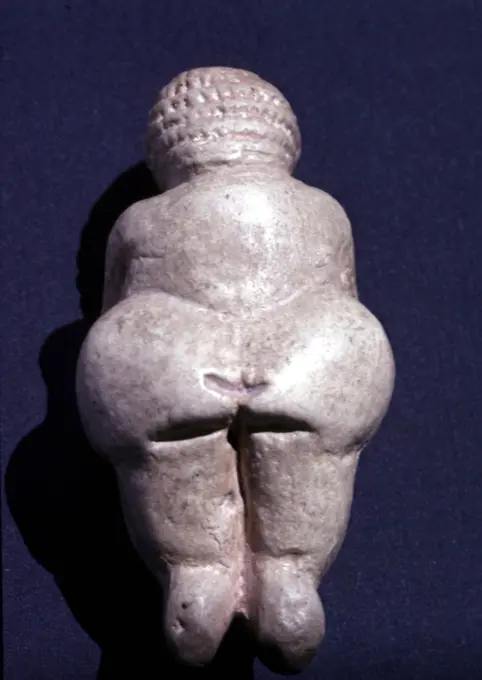
The Venus of Willendorf- rear view. 25, 000 BC. AUSTRIA.
6145-59094144
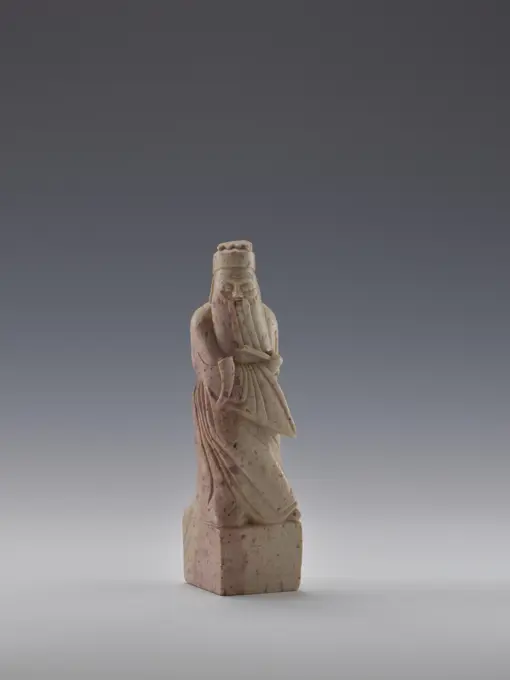
A sage with a fan;  19th century (1800-00-00-1900-00-00);
6145-29066085
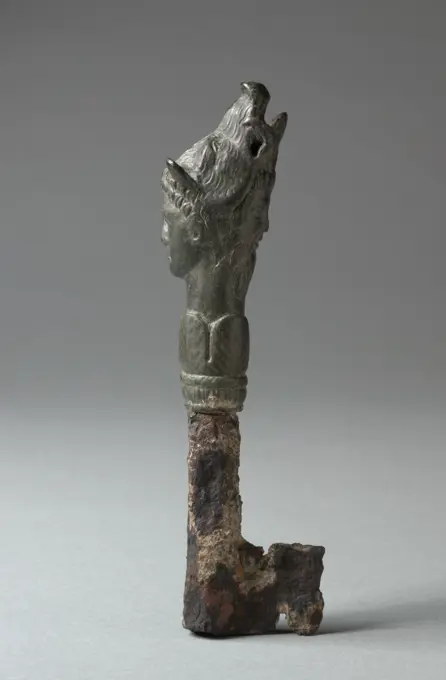
Key, AD 1-100. Italy, Roman, 1st Century. Iron tang, bronze handle; overall: 15.6 cm (6 1/8 in.).
6145-29234629
Worker Shabti of Nany ca. 1050 B.C. Third Intermediate Period See 30.3.27.1a, b. Worker Shabti of Nany. ca. 1050 B.C.. Faience. Third Intermediate Period. From Egypt, Upper Egypt, Thebes, Deir el-Bahri, Tomb of Meritamun (TT 358, MMA 65), first corridor, burial of Nany, MMA excavations, 1928-29. Dynasty 21
4443-28738519
Miniature figurine, 1500 BCE, 1 3/4 in. (4.4 cm), Earthenware, Mexico, Pre-Classic
6145-29771136
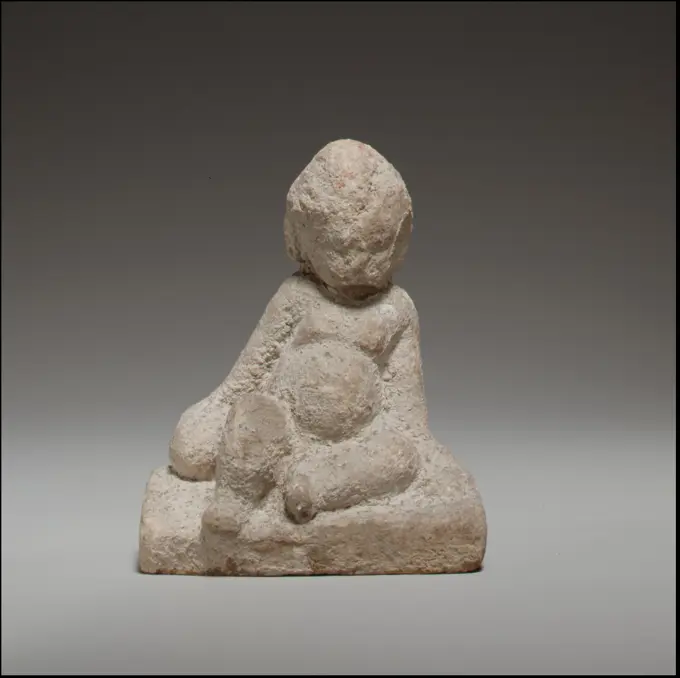
Seated baby 3rd century B.C. Cypriot The figurine is mold-made and hollow; the head is solid. The back is handmade and rounded.. Seated baby 241154
4409-17521269
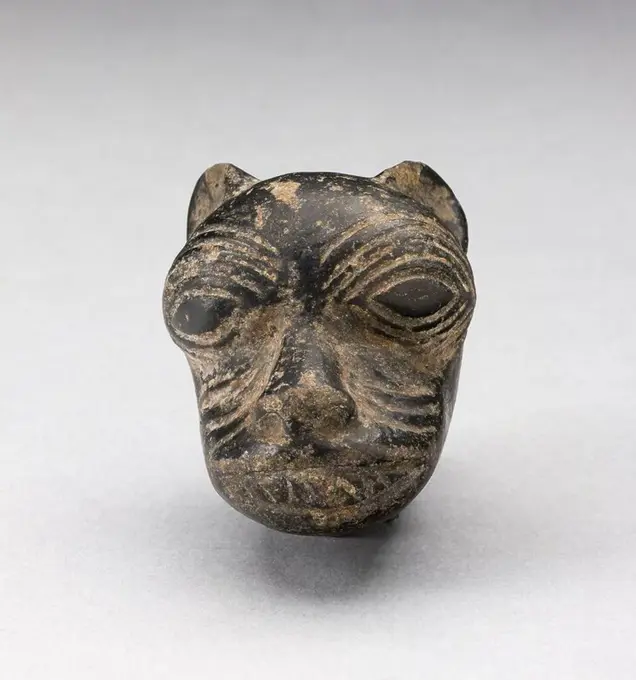
Fragment from a Blackware Vessel in the Form of a Puma Head. Chimú; North coast, Peru. Date: 1000-1400. Dimensions: 6.4 x 4.5 x 4.1 cm (2 1/2 x 1 3/4 x 1 5/8 in.). Ceramic and pigment. Origin: North Coast. Museum: The Chicago Art Institute, Chicago, USA.
6145-29707045
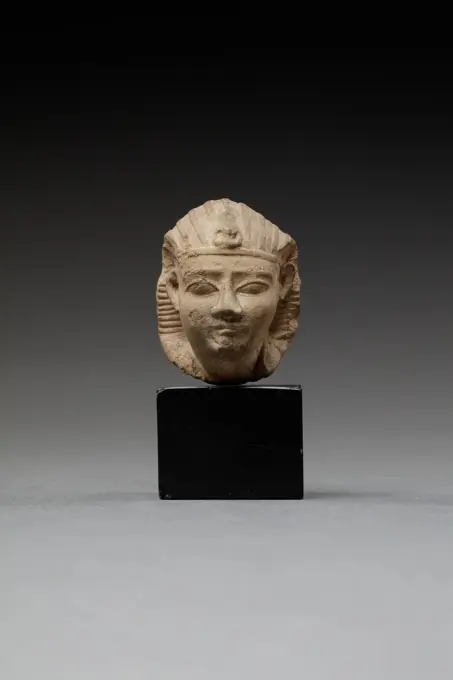
Head of a Fourth Dynasty King in a White Crown ca. 2575-2465 BC Old Kingdom This small royal head wearing a white crown probably originates from a depiction of a Fourth Dynasty king either seated or standing. The date is indicated by the long inner canthi extending onto the bridge of the nose, the shape of the white crown, cheeks that are broad at the sides of the head, and the low, natural brow. It either originates from a royal pyramid temple or was a donation to a temple dedicated to one of the deities of the Egyptian pantheon.. Head of a Fourth Dynasty King in a White Crown. ca. 2575-2465 BC. Limestone, traces of paint. Old Kingdom. Dynasty 4
7127-70532805
Small Three Thousand Year Old Bronze Bird Sanxingdui Museum, Chengdu, Sichuan, China. Numerous bronze 3,000 year old bronze artifacts were discovered in the vicinity of the museum. The statues have been carbon dated to the 11th-12th Century BCE.
4409-65764809
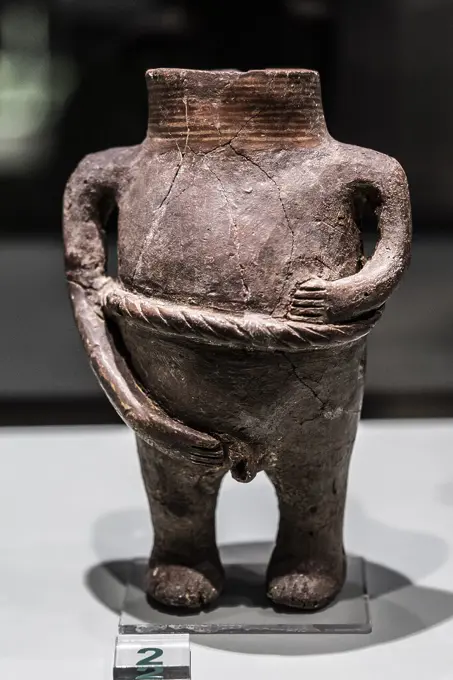
Anthropomorphic clay vessel with penis, Gabarevo, Stara Zagora region, Chalcolithic, fifth millennium BC, Bulgarian National Archaeological Museum, Sofia, Republic of Bulgaria, Europe.
4409-17377456
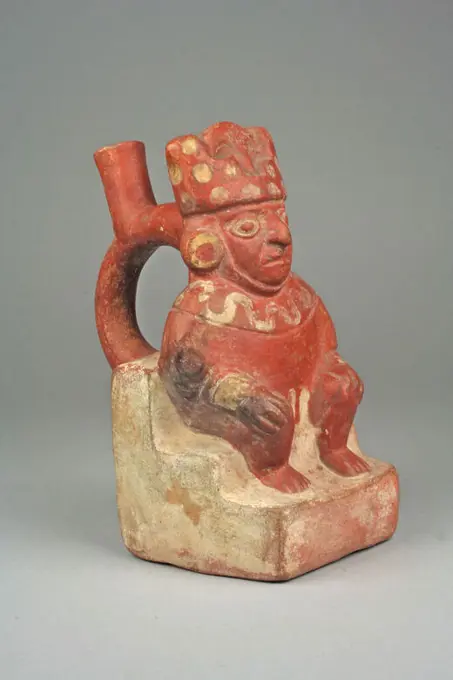
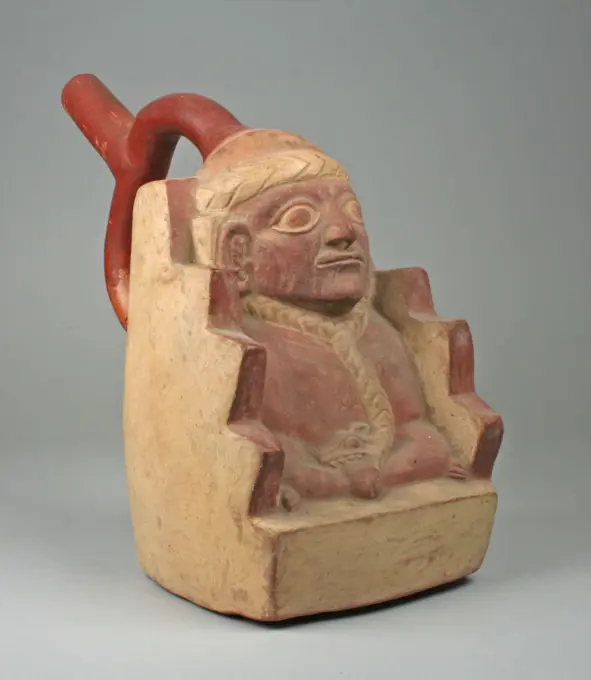
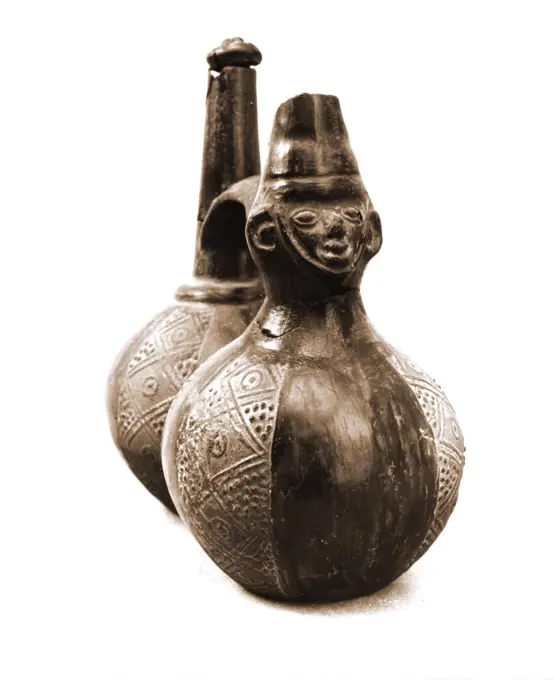
Stirrup Spout Bottle with Figure on Throne. Culture: Moche. Dimensions: Overall: 6 1/4 x 3 3/8 in. (15.88 x 8.61 cm)Other: 3 3/8 in. (8.61 cm). Date: 2nd-4th century. Museum: Metropolitan Museum of Art, New York, USA.
6145-52955419
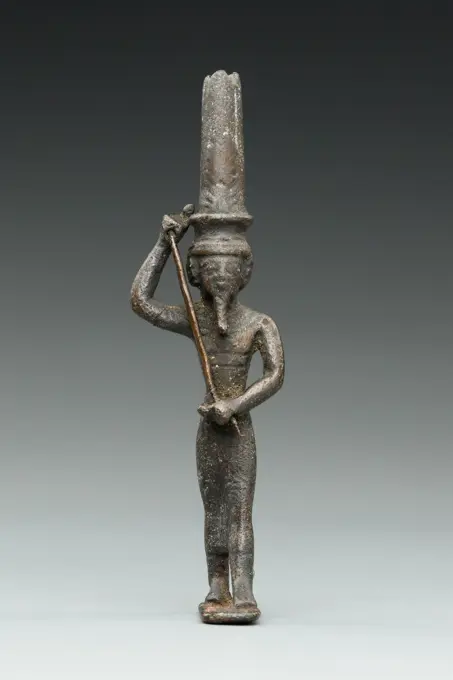
Onuris (Anhur) Late Period-Ptolemaic Period 664-30 B.C. View more. Onuris (Anhur). 664-30 B.C.. Bronze or cupreous alloy. Late Period-Ptolemaic Period. From Egypt
6145-29117599
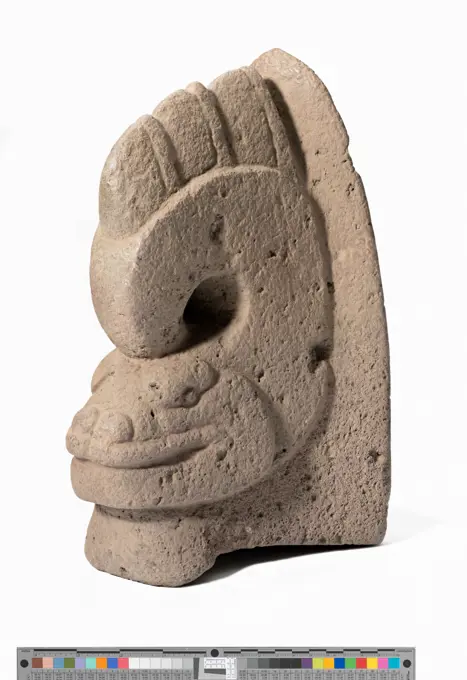
Hacha in Form of a Serpent. El Salvador or Mexico, Maya or Veracruz, 600-900 CE. Stone. Basalt
6145-29126498
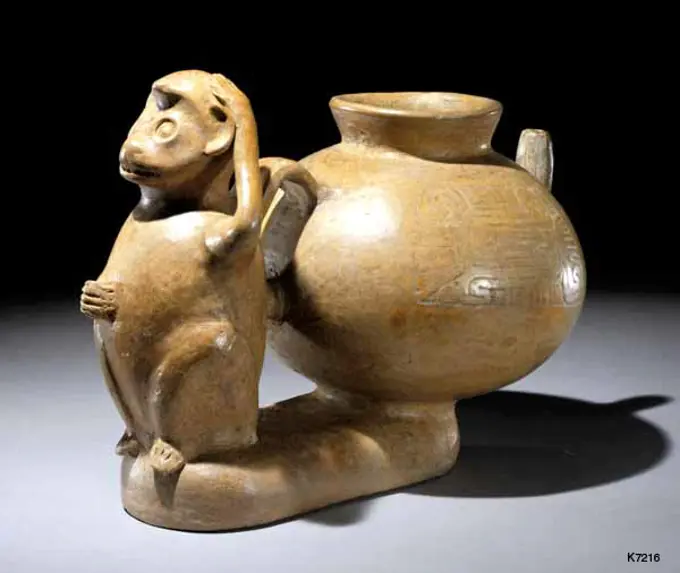
Vessel with Standing Monkey
6145-29064797
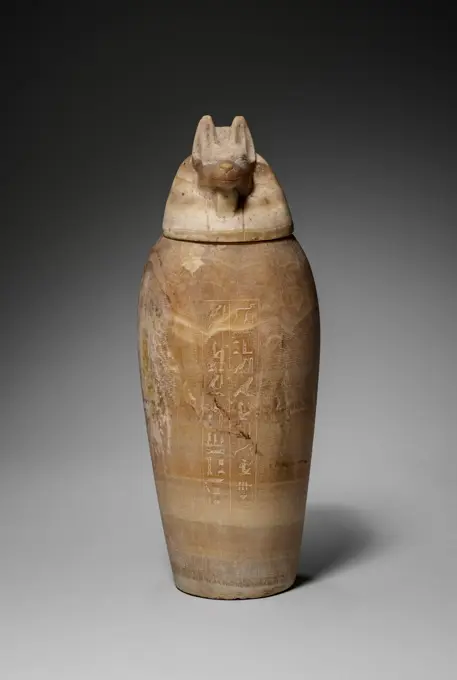
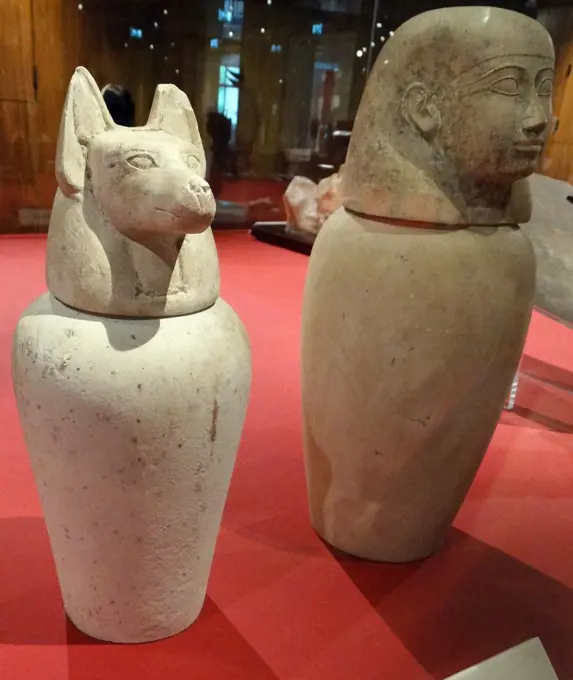
Canopic Jar with Jackal's Head, 664-525 BC. Egypt, Late Period, Dynasty 26. Travertine; diameter: 16.3 cm (6 7/16 in.); diameter of mouth: 9 cm (3 9/16 in.); overall: 42.6 cm (16 3/4 in.). In the process of mummification, the liver, lungs, stomach, and intestines were removed, separately embalmed, and stored in specialized jars known as canopic jars (after a sailor in Greek mythology, who died at the town of Canopus in the Nile Delta and was worshipped there in the form of a human-headed jar). Each organ was identified with one of four funerary deities collectively known as the Sons of Horus: the liver with Imsety (man's head), the lungs with Hapy (baboon's head), the stomach with Duamutef (jackal's head), and the intestines with Qebehsenuef (falcon's head). It was their duty to protect the deceased and restore to him his body parts in the hereafter.
6145-29083951
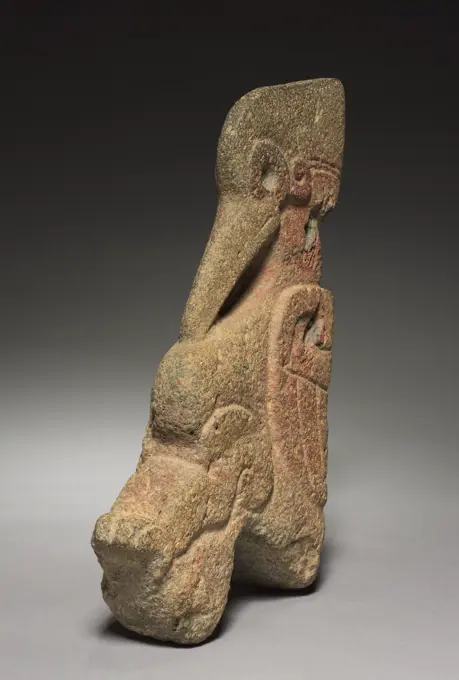
Bird Hacha, 300-900. Mexico, Veracruz, El Tajín. Gray volcanic stone with red pigment; overall: 41.4 x 9.5 x 20.3 cm (16 5/16 x 3 3/4 x 8 in.).
6145-29118931
Small Hunchback Figure
4409-17380537
Bottle, Deity Figure. Culture: Moche. Dimensions: H. 8 1/4 x W. 6 1/2 in. (21 x 16.5 cm). Date: 4th-7th century. Museum: Metropolitan Museum of Art, New York, USA.
6145-29788847
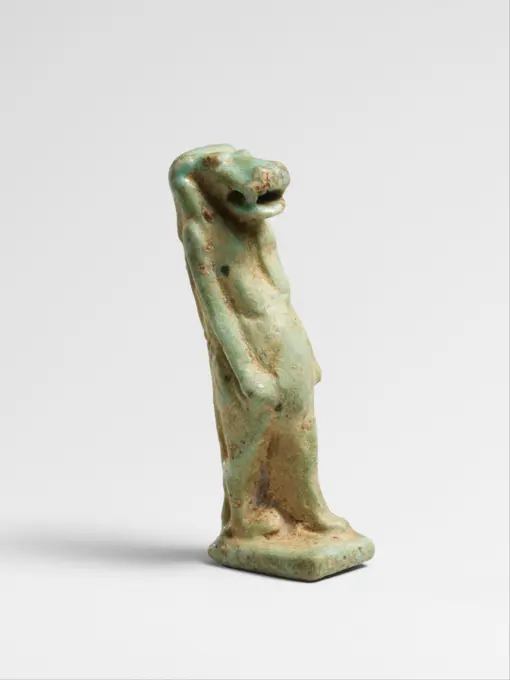
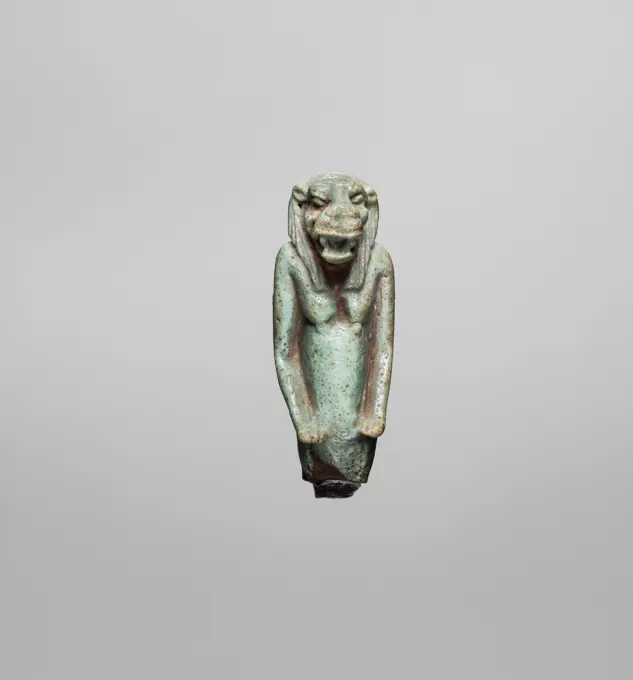
Taweret Amulet 664-332 B.C. Late Period. Taweret Amulet 550913
4409-17354833
Faience amulet in the form of a ram. Culture: Egyptian. Dimensions: H.: 11/16 in. (1.7 cm). Date: 664-30 B.C..Amulets representing animals were attributed to a deity: a hawk for Ra, the Sun God, a lion for Sakhmi, the War Goddess, a ram for Khnum and a cat for Bast. Museum: Metropolitan Museum of Art, New York, USA.
4409-17354977
Bearded male head. Culture: Cypriot. Dimensions: H. 3 1/2 in. (8.9 cm). Date: early 6th century B.C..The head is mold-made and hollow with an unusual domed helmet. Museum: Metropolitan Museum of Art, New York, USA.
6145-29128861
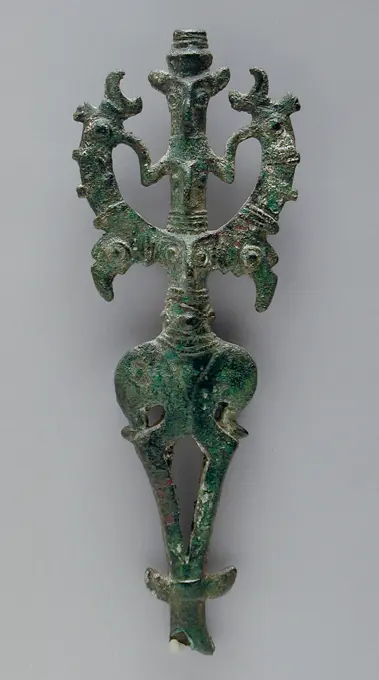
Standard-Finial. Iran, Luristan, 8th-7th century B.C.. Architecture; Architectural Elements. Bronze
6145-50508871
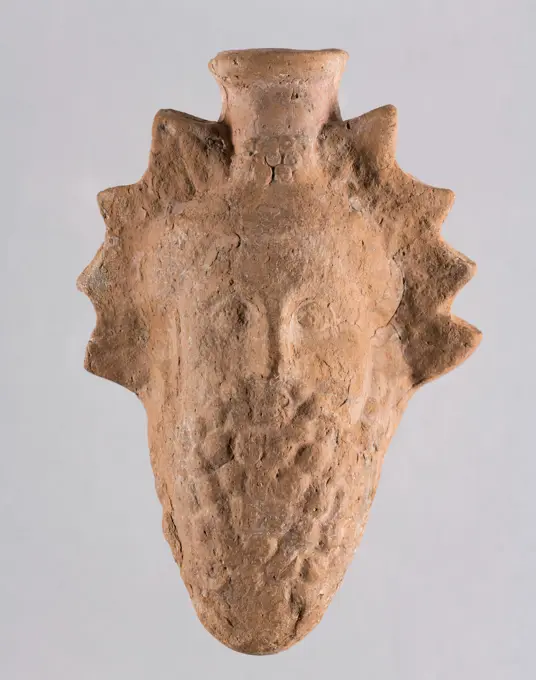
Naczynie plastyczne w kształcie głowy Dionizosa. unknown, author
6145-29829548
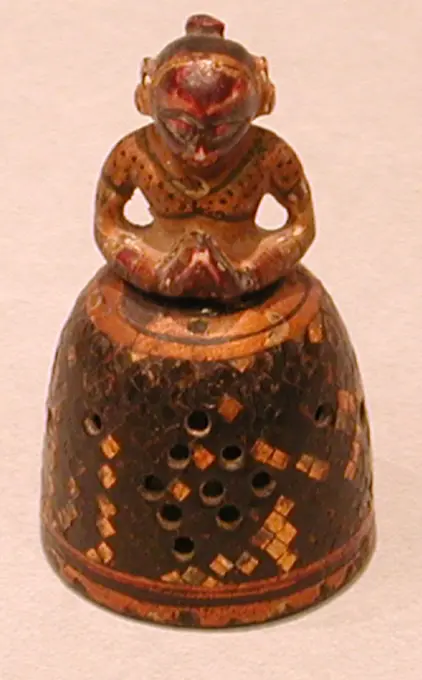
Pawn in the Form of an Indian Lady 18th century Chess originated in India and has been popular in Islamic world for centuries. This ivory chess piece from the eighteenth century is a pawn in the form of a woman. The figures round skirt, decorated with gold leaf and small piercings, forms a steady base for the piece. A long braid hangs down from the back of her head. Because the entire surface is covered with paint, gilding, and lacquer, the piece was once thought to have been made of wood rather than ivory.. Pawn in the Form of an Indian Lady 452520
6145-29185567
Worker Shabti of Nany ca. 1050 B.C. Third Intermediate Period See 30.3.26.1a, b. Worker Shabti of Nany 625747
4443-21957367
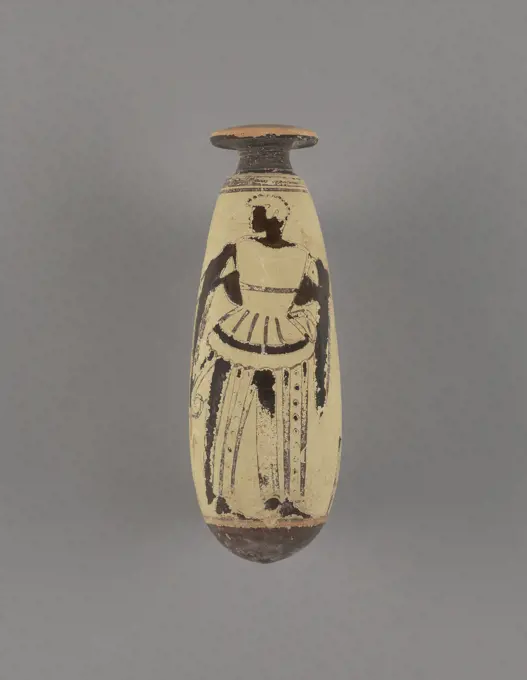
Attic White-ground Alabastron; Athens, Greece; about 480 B.C; Terracotta; 14.5 cm (5 11,16 in.)
1030-1622
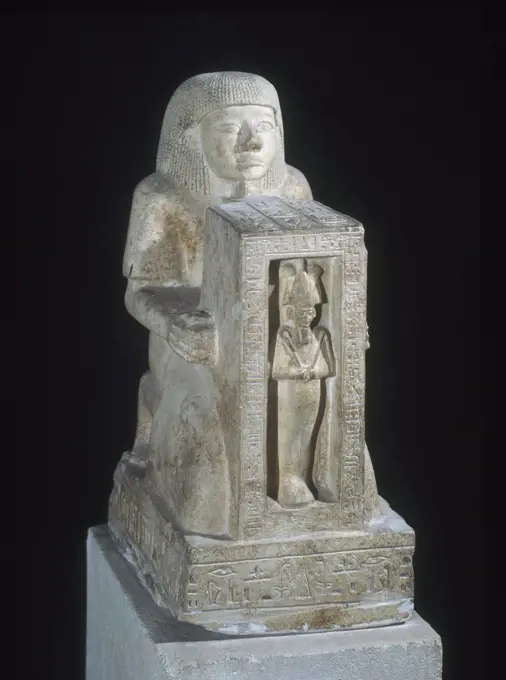
Statue of Royal Scribe Sethi with Osiris  c. 1301-1235 B.C., Artist Unknown Egyptian   Limestone  Musee du Louvre, Paris
6145-29179932
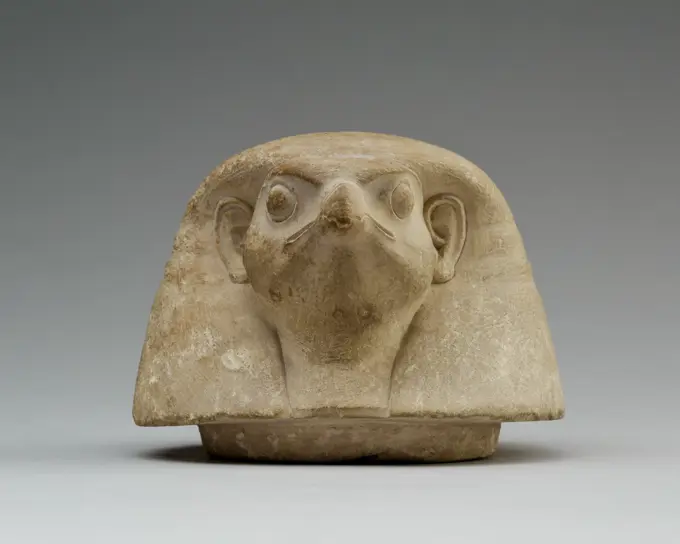
Canopic jar lid with falcon head (Qebehsenuef) 664-525 B.C. Late Period. Canopic jar lid with falcon head (Qebehsenuef) 546137
6145-29136570
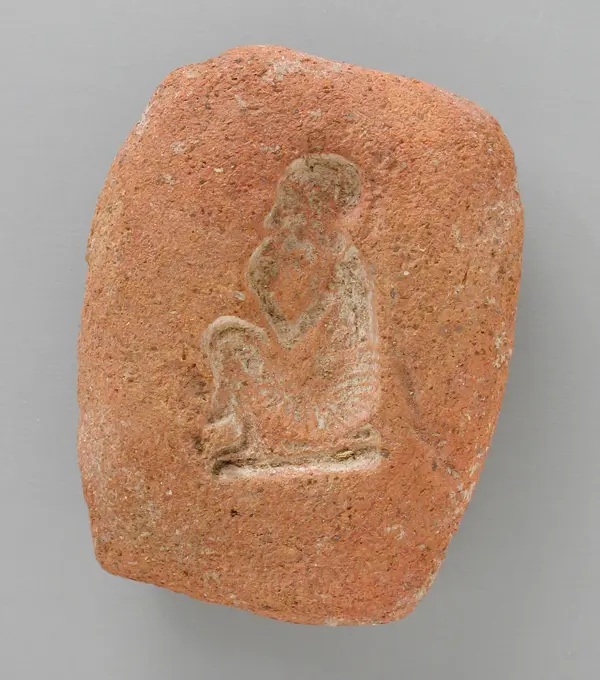
Mold with Image of a Royal Child with Sidelock. Egypt, New Kingdom, late 18th Dynasty - 20th Dynasty (1346 - 1081 BCE). Tools and Equipment; molds. Terracotta
4443-28734294
Standing female figure, 200-700, 3 3/4 x 1 3/4 x 7/8 in. (9.5 x 4.4 x 2.2 cm), Earthenware, Mexico, 3rd-8th century
6145-29169936
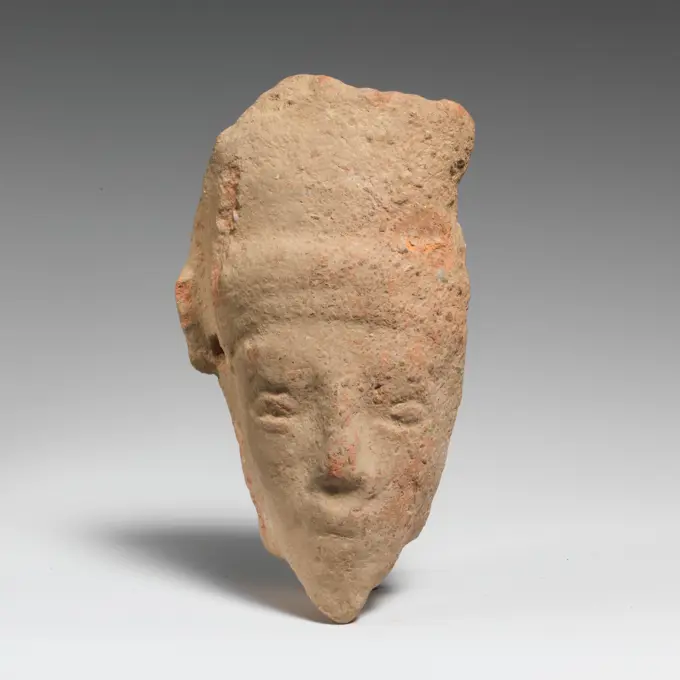
Fragment of a terracotta head 7th century B.C. Greek, Cretan The high polos makes it likely that the figure is a woman.. Fragment of a terracotta head 254760 Greek, Cretan, Fragment of a terracotta head, 7th century B.C., Terracotta, 4 1/4 in x 2 1/2 in. (10.8 cm x 6.3 in.). The Metropolitan Museum of Art, New York. Gift of the Archaeological Institute of America, 1953 (53.5.35)
6145-29785309
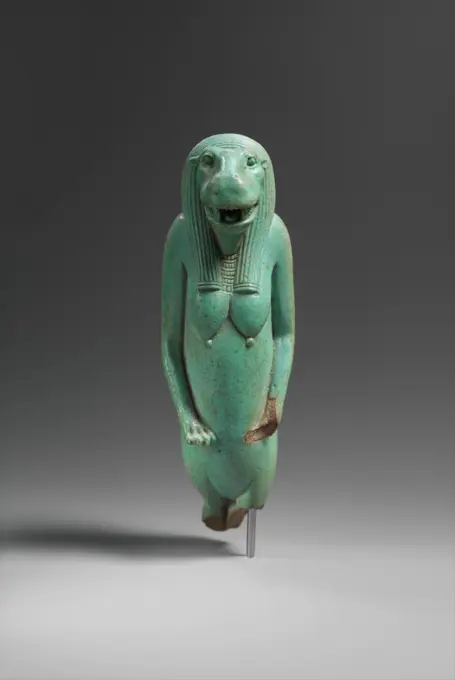
Faience amulet of Taweret 664-30 B.C. Egyptian Amulet, Thueris.. Faience amulet of Taweret 243754
6145-29792643
Worker Shabti of Nauny ca. 1050 B.C. Third Intermediate Period See 30.3.27.1a, b. Worker Shabti of Nauny. ca. 1050 B.C.. Faience. Third Intermediate Period. From Egypt, Upper Egypt, Thebes, Deir el-Bahri, Tomb of Meritamun (TT 358, MMA 65), first corridor, burial of Nauny, MMA excavations, 1928-29. Dynasty 21
6145-29768582
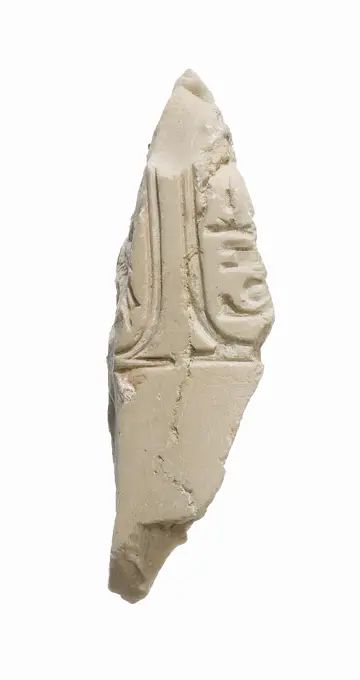
Miscellaneous fragment, Aten cartouche ca. 1353-1336 B.C. New Kingdom, Amarna Period. Miscellaneous fragment, Aten cartouche 549678
4409-17499577
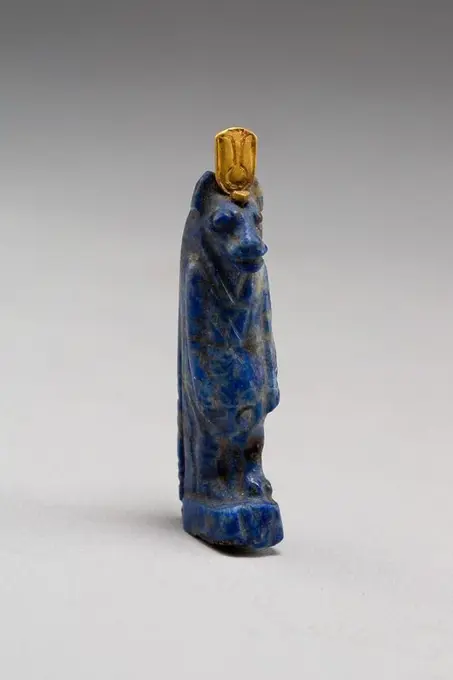
Taweret amulet. Dimensions: H. 3.5 cm (1 3/8 in.); W. 0.8 cm (5/16 in.); D. 1.1 cm ( 7/16 in.). Date: 664-30 B.C.. Museum: Metropolitan Museum of Art, New York, USA.
1788-14802
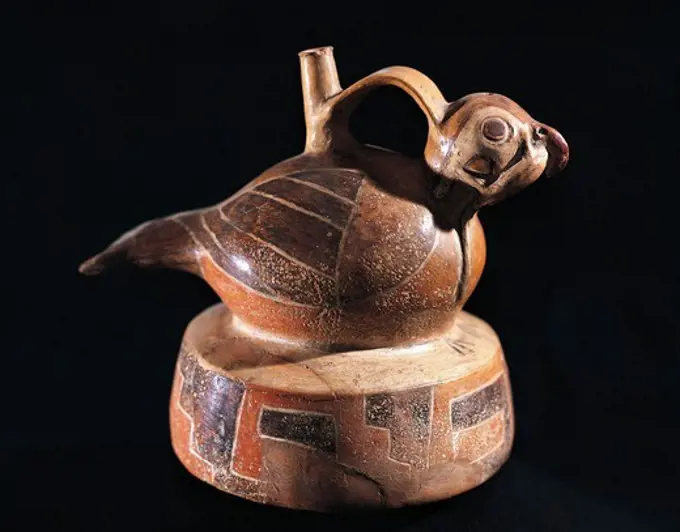
Bird-shaped ceramic vase, from Peru
6145-43630381
Amulet - Kebehsenuf. unknown, author
6145-29770705
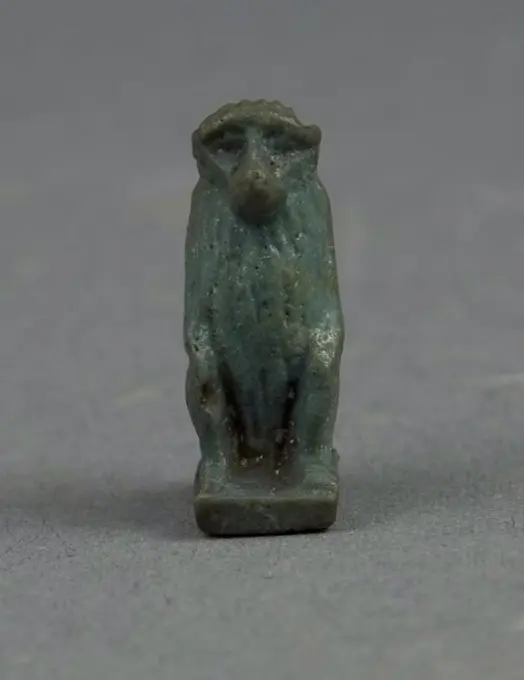
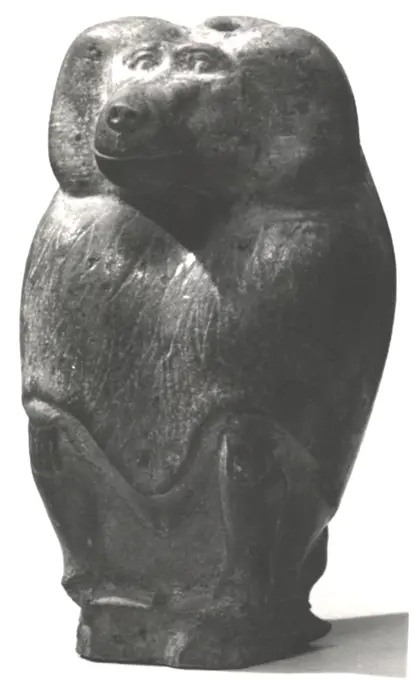
Baboon figurine ca. 2030-1640 B.C. Middle Kingdom. Baboon figurine 558350
6145-29235983
Worker Shabti of Nany ca. 1050 B.C. Third Intermediate Period See 30.3.29.1a, b. Worker Shabti of Nany. ca. 1050 B.C.. Faience. Third Intermediate Period. From Egypt, Upper Egypt, Thebes, Deir el-Bahri, Tomb of Meritamun (TT 358, MMA 65), first corridor, burial of Nany, MMA excavations, 1928-29. Dynasty 21
6145-59068852
Boat;  around 1069-715 BC ; 3rd passing period, 21-23 dynasty (-1074-00-00--710-00-00);Scen.Gal.Eg.
6145-29127164
Pendant. Western Iran, circa 1000-650 B.C.. Jewelry and Adornments; pendants. Bronze, cast
6145-29829112
Stirrup Spout Bottle with Figure 4th-7th century Moche. Stirrup Spout Bottle with Figure 309339
6145-29083988
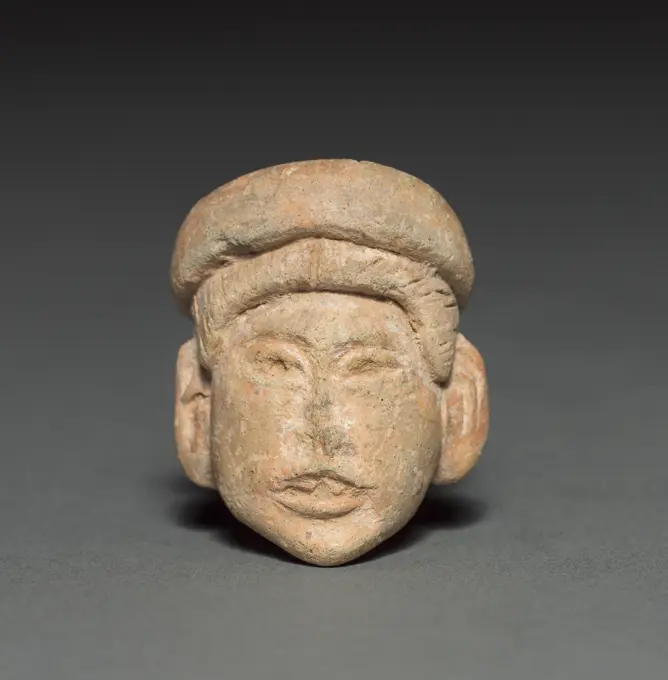
Figurine Head, 1500-1000 BC. Mexico, Guerrero, Xochipala, 16th-11th century BC. Pottery; overall: 3.1 x 2.4 x 2 cm (1 1/4 x 15/16 x 13/16 in.).
6145-29076198
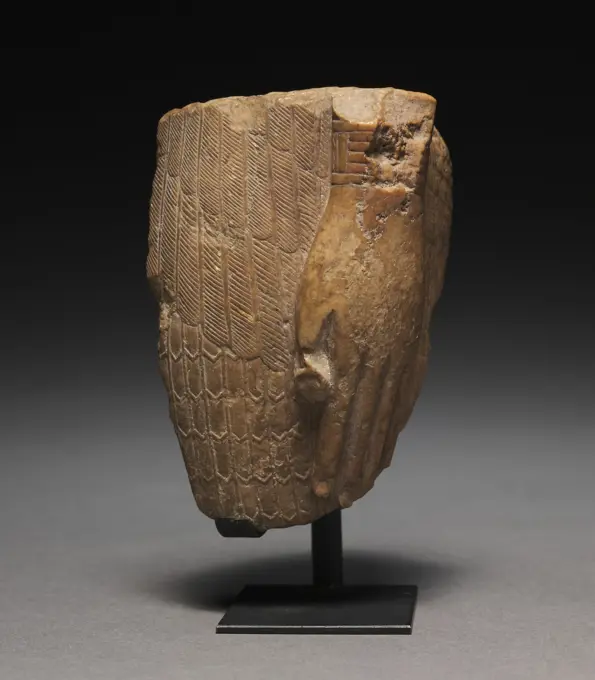
Fragment of a Feather-Garmented Figure, 1540-715 BC. Egypt, New Kingdom or Third Intermediate Period. Limestone; overall: 9 x 5.6 x 5.8 cm (3 9/16 x 2 3/16 x 2 5/16 in.).
6145-29127158
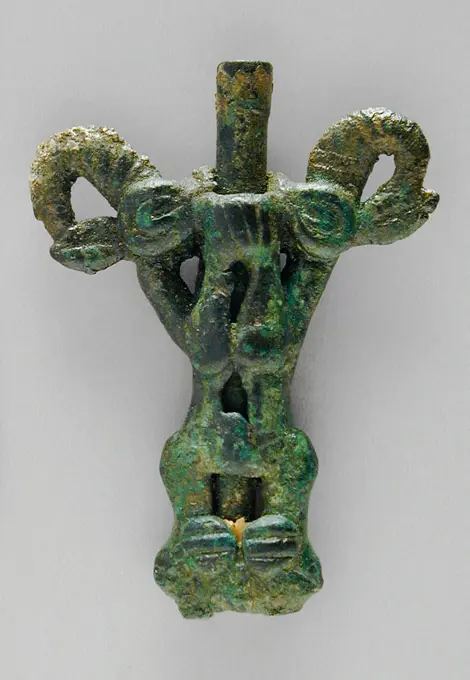
Standard Finial. Iran, Luristan, circa 1350-800 B.C.. Architecture; Architectural Elements. Bronze, cast
4443-21958747
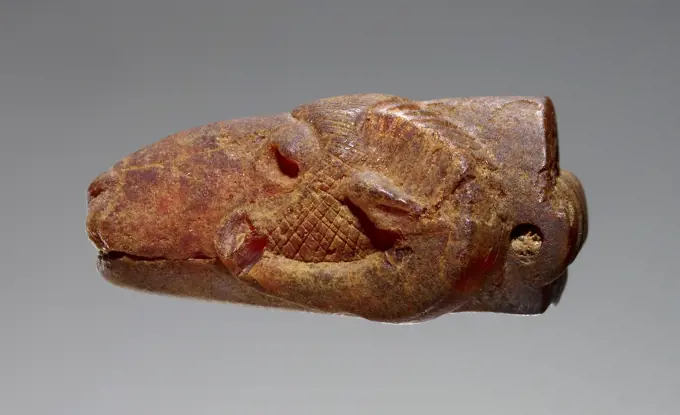
Pendant: Ram's Head; Italy; 500 - 400 B.C; Amber; 20.5 × 12.5 × 27.5 mm (13,16 × 1,2 × 1 1,16 in.)
4409-17351725
Stirrup Spout Bottle with Figure. Culture: Moche. Dimensions: H. 7 5/8 x W. 4 15/16 in. (19.4 x 12.5 cm). Date: 4th-7th century. Museum: Metropolitan Museum of Art, New York, USA.
6145-29185613
Worker Shabti of Nany ca. 1050 B.C. Third Intermediate Period See 30.3.26.1a, b. Worker Shabti of Nany 625712
4443-21927466
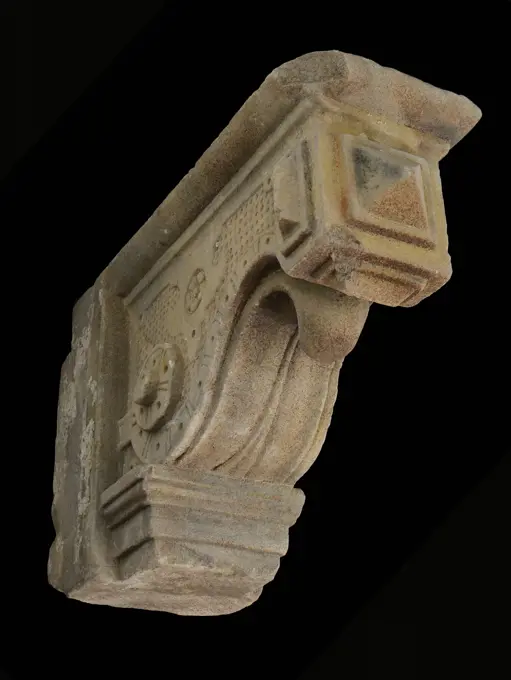
Console with abstract ornaments, console building element sandstone stone, sculpted Console with curved sides at the bottom and top of the sides, curls and lilies and tongue-like curl at the front. In front of square piece with pyramidal decorations.
1746-19674483
Object native to Egypt created from the semi- precious stone Lapis lazuli. Mini sarcophagus. Barcelona. Spain 2013
6145-29737121
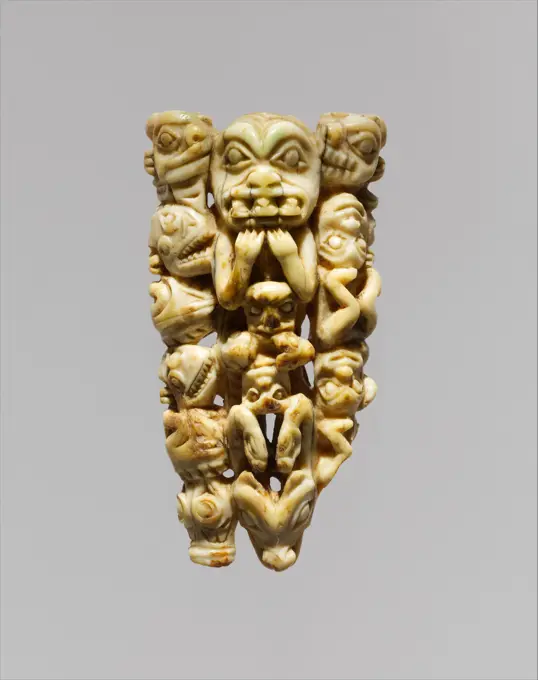
Amulet 1820-50 Tlingit. Amulet. Tlingit. 1820-50. Ivory. United States, Alaska. Bone/Ivory-Sculpture
6145-29187570
Terracotta head of a woman 3rd-2nd century B.C. Egyptian () With wreath and heavy fillet around head, and earrings.. Terracotta head of a woman 246749
6145-29738370
Face Mask Ornament 6th-7th century Moche (Loma Negra). Face Mask Ornament 314547
6145-29119251
Architectural Model
1899-17317412
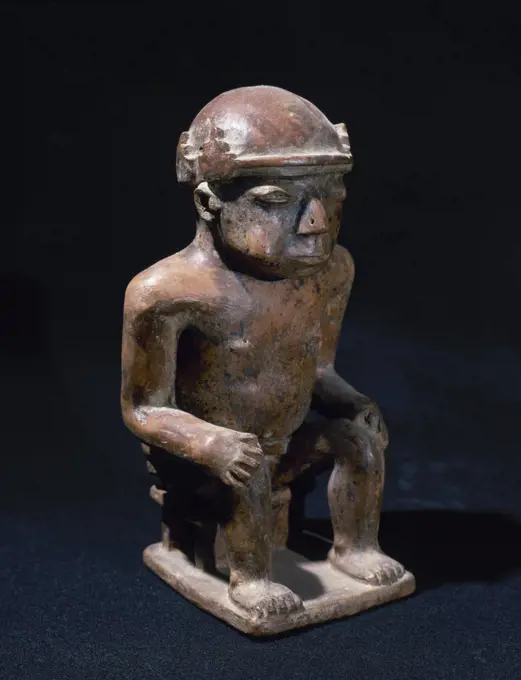
Pre-Columbian art. Pre-Incan. Negative Carchi culture. 850-1500 AD. "Coquero". Man sitting with hands on knees and chewing coca leaves.20 x 10,5 x 8 cm. From Ecuador. Private collection.
6145-46811931
Spoon Fragment with a Fluteplayer
6145-29141312
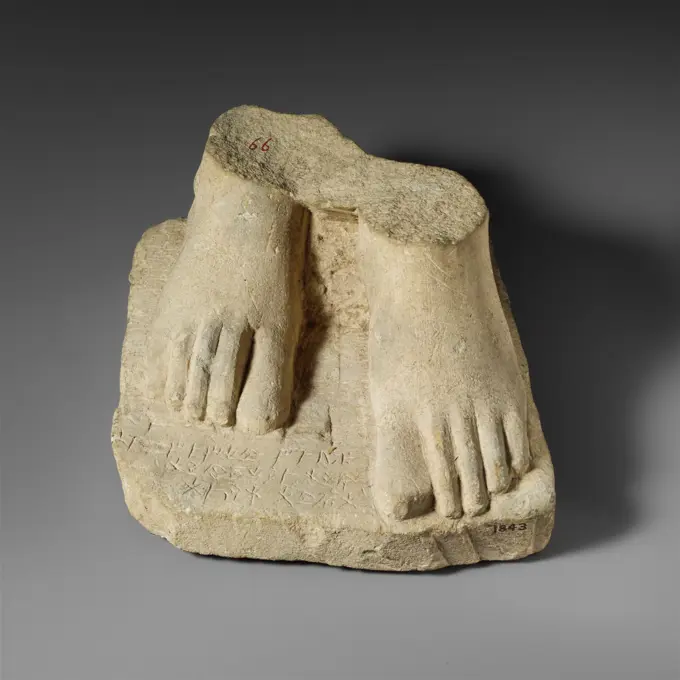
Limestone plinth with the feet of a male statuette mid- or 2nd half of 6th century B.C. Cypriot On a plinth with Cypriot inscription, dedicated to the God with Two Right Hands.. Limestone plinth with the feet of a male statuette 241890
6145-29764441
Model figure from boat ca. 1900-1850 B.C. Middle Kingdom. Model figure from boat 546845
4409-53362419
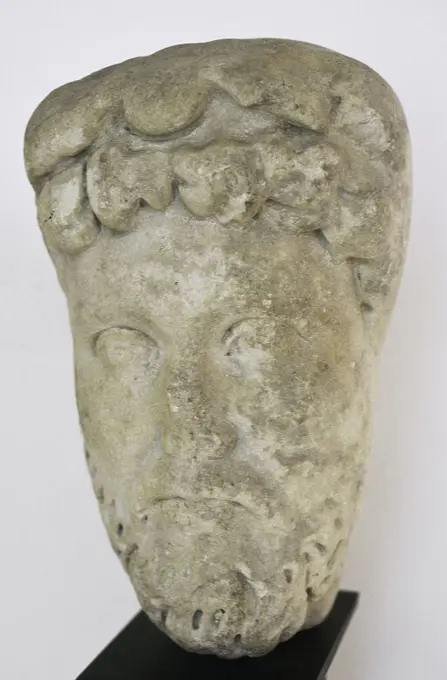
Marcus Aurelius (Marcus Aurelius Antoninus) (121-180). Roman emperor (161-180). Fifth of the Five Good Emperors. NervaAntonine dynasty. Head of a statue of the Emperor Marcus Aurelius. 2nd century AD. From Constantia. National Archaeological Museum. Sofia. Bulgaria.
6145-52958829
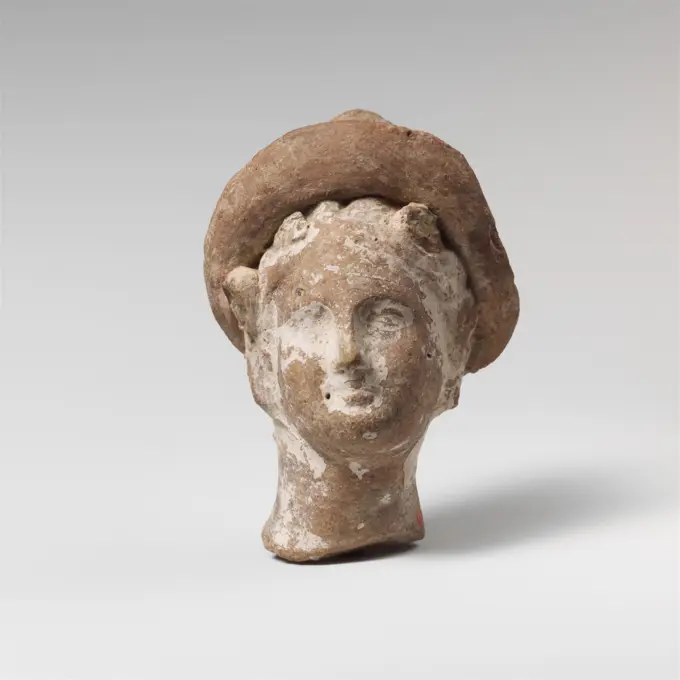
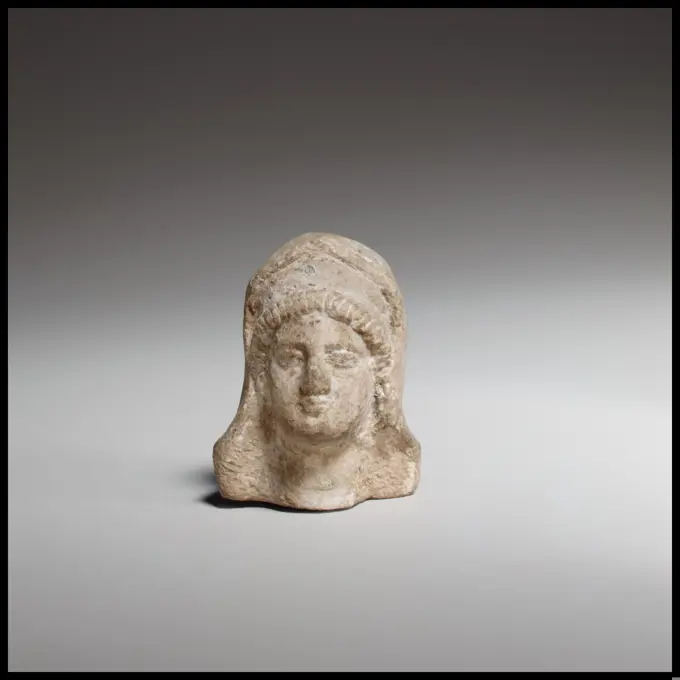
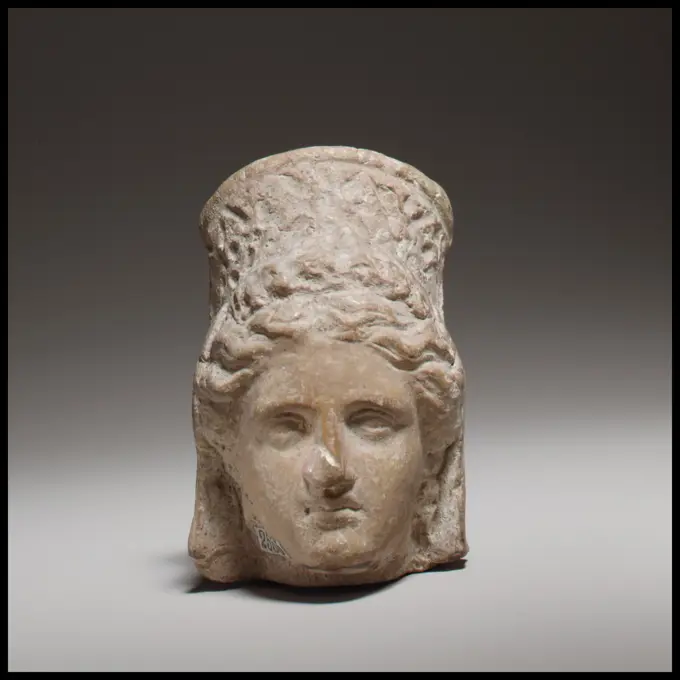
Female head Cypriot 2nd-1st century BCE The head is mold-made and solid. The back is handmade and flattened. The head and neck are preserved.
4409-58491957
bronze votive offering, Iberian sanctuaries of Collado de los Jardines and Castellar de Santisteban, Iberian culture, Archeological Museum. Úbeda, Jaén province, Andalusia, Spain.
4409-61854539
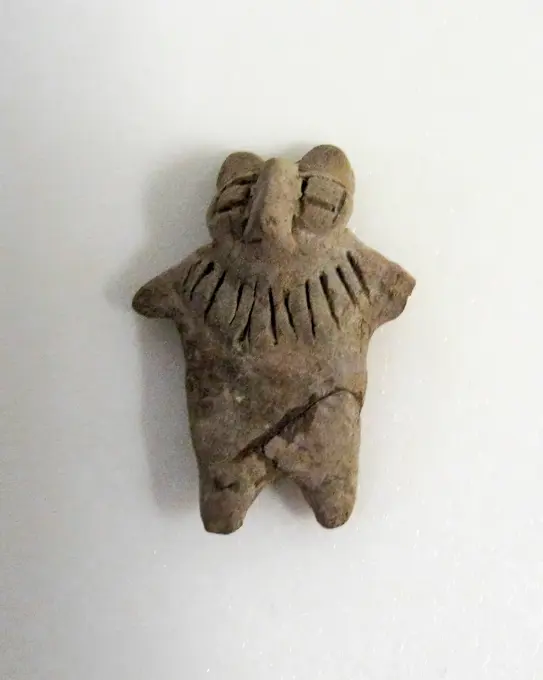
Anthropomorphic sculpture, central square museum, Chichicastenango, municipality of the department of El Quiché, Guatemala, Central America.
6145-29071110
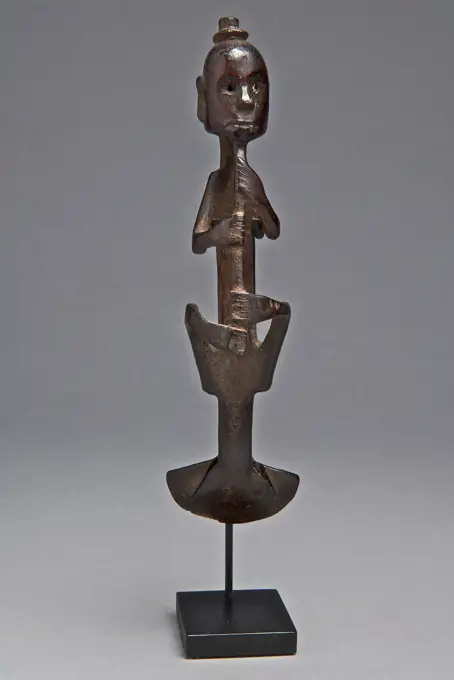
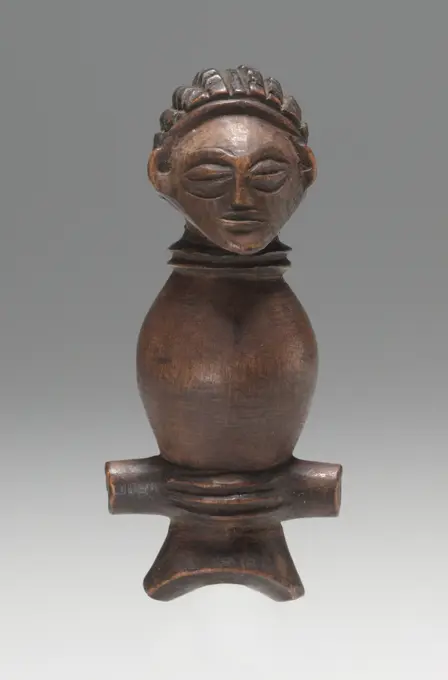
Whistle, late 1800s. Central Africa, Democratic Republic of Congo or Angola, Chokwe people, late 19th century. Wood; overall: 8.9 x 3.8 cm (3 1/2 x 1 1/2 in.).
6145-29766933
Chess Piece, probably a Pawn 8th-11th century. Chess Piece, probably a Pawn 452386
4409-17545288
Amulet of Pataikoi (or Ptah). Egyptian. Date: 1070 BC-656 BC. Dimensions: 3.8 × 1.6 × 1.3 cm (1 1/2 × 5/8 × 1/2 in.). Faience. Origin: Egypt. Museum: The Chicago Art Institute, Chicago, USA. Author: Ancient Egyptian.
6145-29827807
Funerary Staffs 15th-16th century Inca. Funerary Staffs 313056
6145-29148971
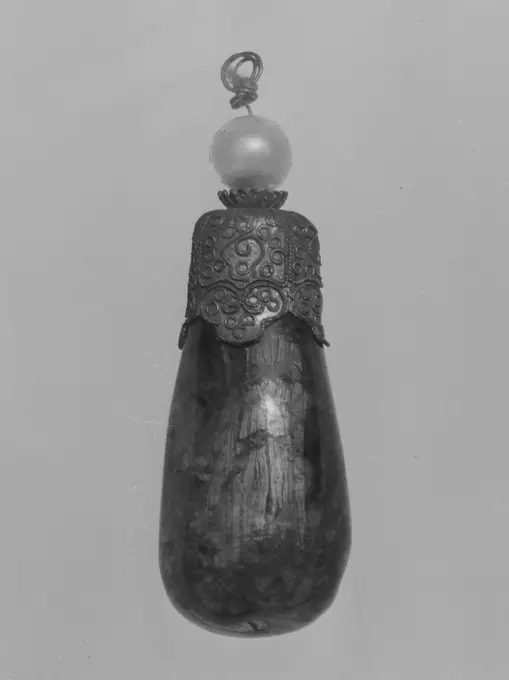
Pendant China. Pendant. China. Jadeite, mottled green. Qing dynasty (1644-1911), Qianlong period (1736-95). Jade
6145-45541902
Amulet - Aegis
4409-20926438
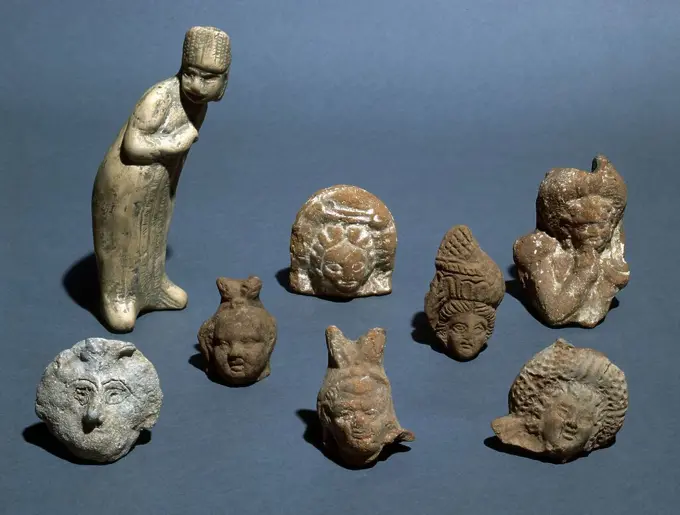
FIGURILLA Y CABEZAS DE TERRACOTA. Location: BANCO EXTERIOR-COLECCION. MADRID. SPAIN.
6145-29140228
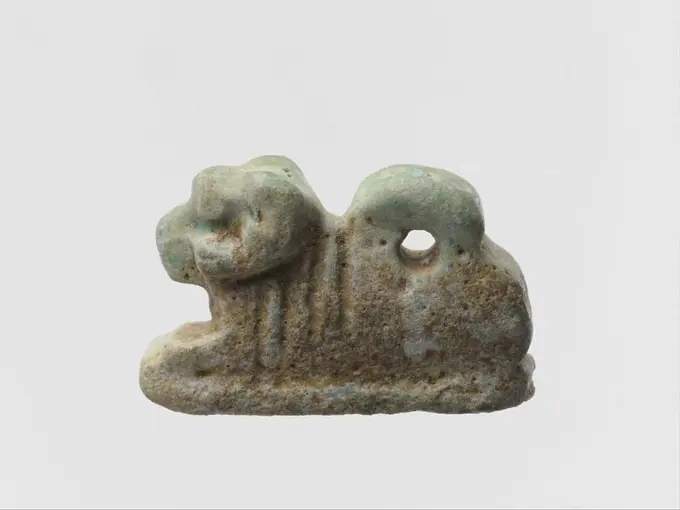
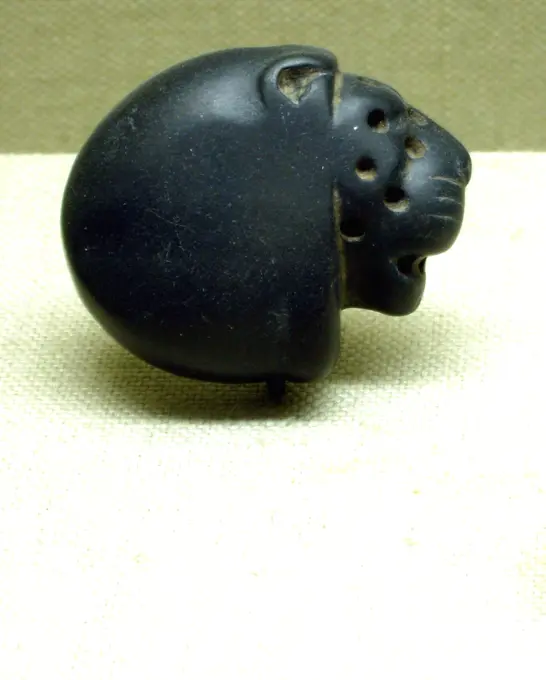
Seal amulet in the form of a lion's head ca. 3300-2900 B.C.. Seal amulet in the form of a lion's head 327294
6145-29074092
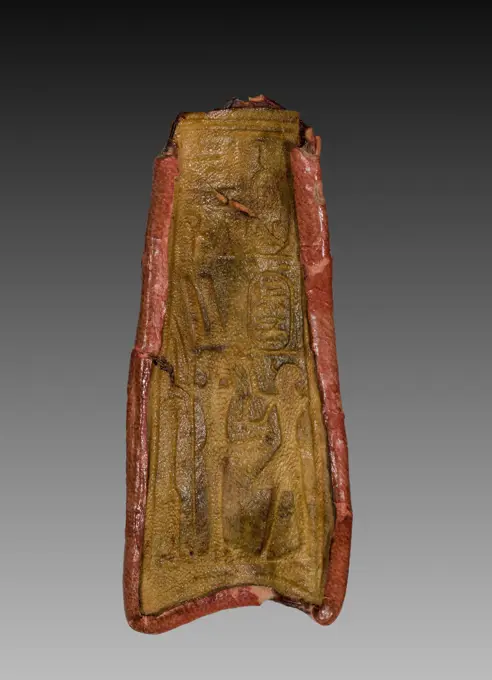
Mummy Band, 945-715 BC. Egypt, Third Intermediate Period, Dynasty 22, reign of Osorkon I. Stained leather; overall: 3 cm (1 3/16 in.).
6145-29763716
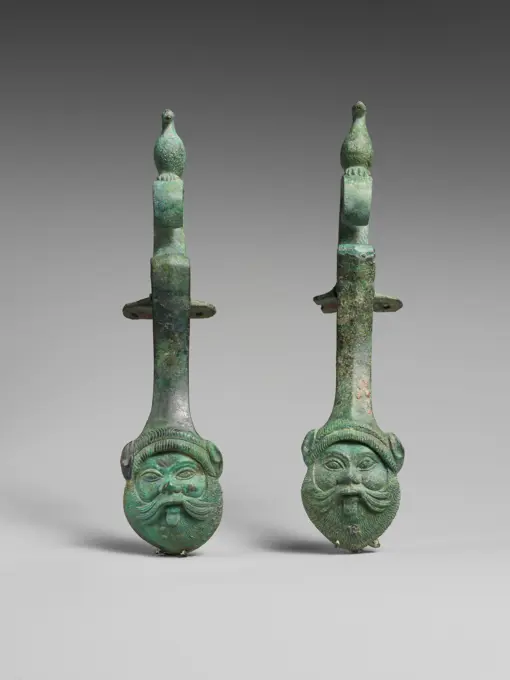
Pair of bronze amphora (jar) handles 5th century B.C. Etruscan These elegant handles were once attached to the sides of a large bronze amphora with two rivets at the rim and one on the satyr-head escutcheon. A bird, perhaps a dove or a duck, surmounts the curving volute at the top of each handle.. Pair of bronze amphora (jar) handles. Etruscan. 5th century B.C.. Bronze. Classical. Bronzes
1746-19699416
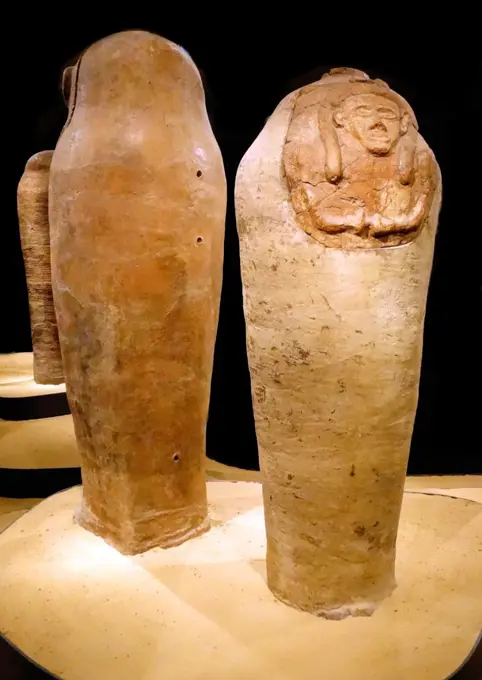
Human-shaped Coffins from Deir el-Balah, Southern costal plain. Dated 13th Century B.C
6145-29124515
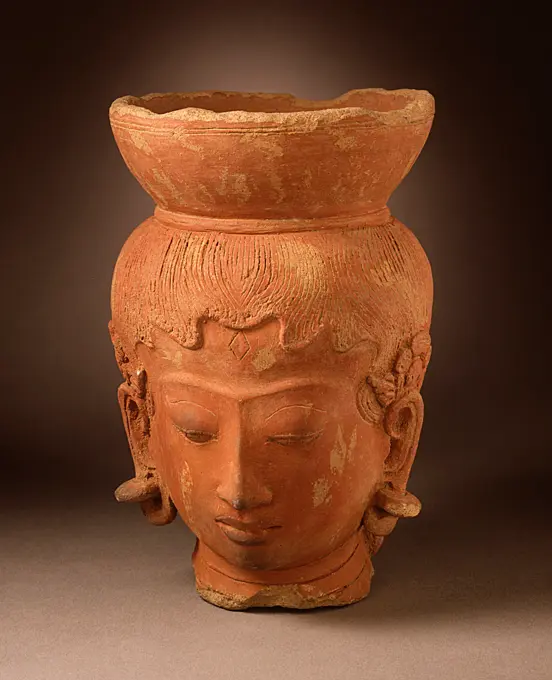
Offering Vessel in the Form of a Female Head. Indonesia, East Java, Trawulan (), 14th-15th century. Furnishings; Serviceware. Terracotta
6145-43630129
Amulet - egida z głową bogini Sachmet. unknown, author
4409-17380734
Stirrup Spout Bottle with Figures. Culture: Moche. Dimensions: H. 7 7/8 in. (20 cm). Date: 3rd-7th century. Museum: Metropolitan Museum of Art, New York, USA.
6145-52956064
Son of Horus (Imsety) from Bead Net Third Intermediate Period-Late Period ca. 1070-525 B.C. View more. Son of Horus (Imsety) from Bead Net. ca. 1070-525 B.C.. Blue faience. Third Intermediate Period-Late Period. From Egypt, Upper Egypt, Thebes, Deir el-Bahri, Cemetery 100, Tomb TT 114, MMA excavations, 1926-27. Dynasty 21-26
6145-29159335
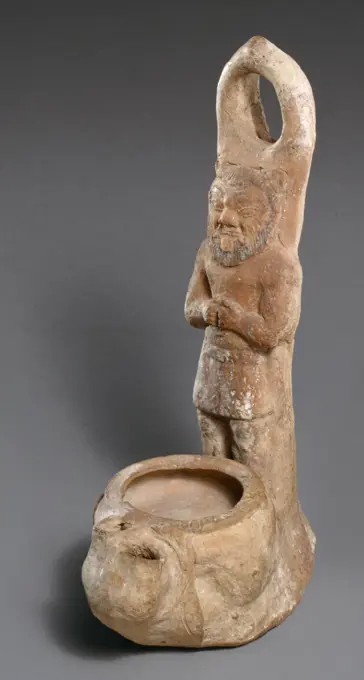
Terracotta lamp representing Bes end of 6th century B.C. Cypriot A small lamp with a short nozzle and flat rim is embedded in a deeper bowl and attached to a vertical handle decorated on the front with a figure of Bes. Incised in the Cypriot syllabary on the rim of the lamp is the inscription "of Philotimos," who was perhaps the maker or owner.. Terracotta lamp representing Bes. Cypriot. end of 6th century B.C.. Terracotta; mold-made and hand-made. Cypro-Archaic II. Cesnola Inscriptions
6145-29764407
Ehecatl Vessel 10th-13th century Mixtec. Ehecatl Vessel 313146
6145-59066236
Harpokrates;  Hellenistic or Roman period (0-00-00-0-00-00);Daszewski, Wiktor A. (1936-), Daszewski, Wiktor A. (1936-)-collection, gift (provenance)
6145-29718188
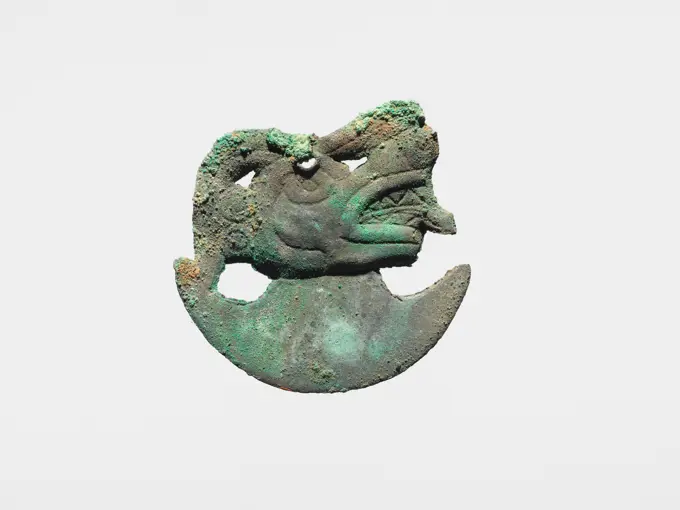
Crescent Ornaments 6th-7th century Moche (Loma Negra). Crescent Ornaments. Moche (Loma Negra). 6th-7th century. Copper. Peru. Metal-Ornaments
6145-48529180
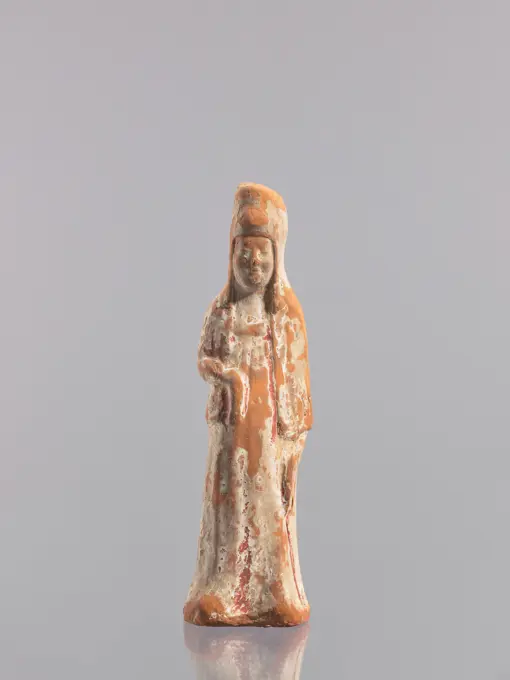
Figure of a standing woman - sepulchre figurine. unknown, craftsman
6145-46809498
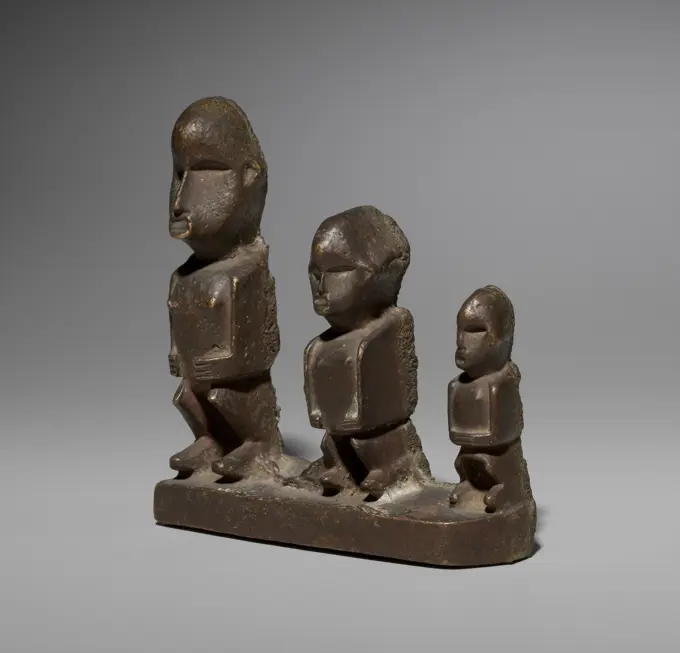
Group Figures(Buti)
6145-29779130
Chariot Linchpin with Rabbit 11th-9th century B.C. China. Chariot Linchpin with Rabbit 49502
6145-43629831
Amulet - Toeris. unknown, author
6145-29827859
Khonsu pendant ca. 1295-1070 B.C. New Kingdom, Ramesside. Khonsu pendant. ca. 1295-1070 B.C.. Gold. New Kingdom, Ramesside. From Egypt. Dynasty 19-20
1788-23327
Terracotta idol
6145-29707717
Head of a King Wearing the Nemes ca. 6th-4th century B.C. () Late Period Although his facial features have been altered and his name lost (origially it would have been inscribed on the base or the back of the completed figure), this royal head can be dated to the Late Period. It is carved from limestone and one can suppose it was painted in ancient times. The distinctive nemes headdress and the uraeus characterize it as a royal effigy.. Head of a King Wearing the Nemes. ca. 6th-4th century B.C. (). Limestone. Late Period. From Egypt
4443-28729609
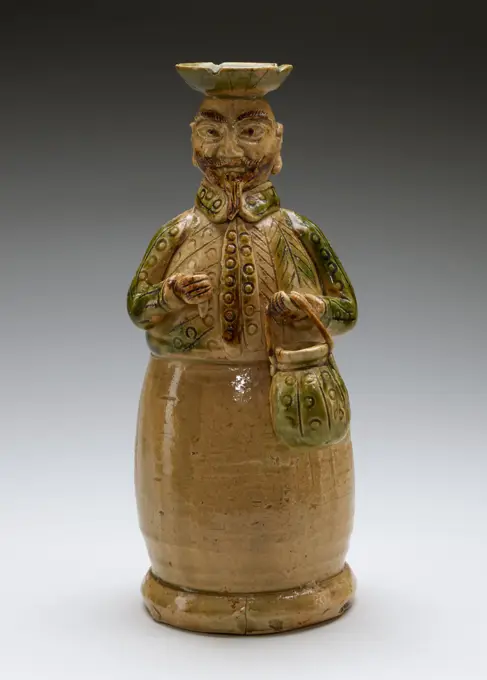
Candlestick in the Shape of a European Man, 17th century, Unknown Japanese, 12 × 5 × 4 7/8 in. (30.48 × 12.7 × 12.38 cm), Oribe ware; glazed stoneware, Japan, 17th century, This stoneware candlestick takes the shape of a so-called nanban, or 'southern barbarian,' a word used historically in Japan to refer to Europeans. Here, red bushy eyebrows and a beard, a prominent nose, large eyes, and his collared shirt all highlight his foreignness. The green glaze that covers the jar he carries as well as part of his shirt is characteristic of Oribe ceramics, which were made in the Mino region of central Japan and demonstrated more diversity of form and surface decoration than most other Japanese ceramics of the time. The bowl-shaped plate on top of his head would have once had a metal pricket onto which a candle would have been placed.
6145-29722809
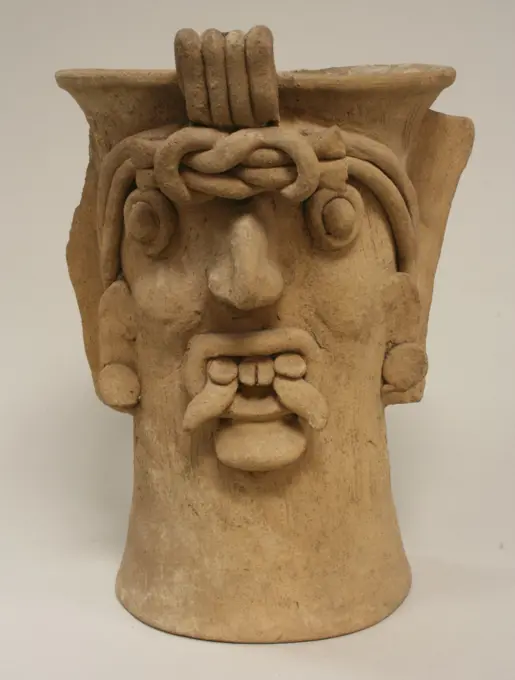
Ceramic Head Vessel 10th-13th century Toltec (). Ceramic Head Vessel 312896
4443-28734257
Standing figure, 200-700, 2 5/8 x 1 5/8 x 1 in. (6.7 x 4.1 x 2.5 cm), Earthenware, Mexico, 3rd-8th century
4443-20268787
Abruzzo, L'Aquila, S. Giuliano (L'Aquila environs), Museo, Italy, 20th century, photo, photography, Europe
4443-28734279
Standing female figure, 200-700, 3 3/4 x 2 x 3/4 in. (9.5 x 5.1 x 1.9 cm), Earthenware, Mexico, 3rd-8th century
4409-18723422
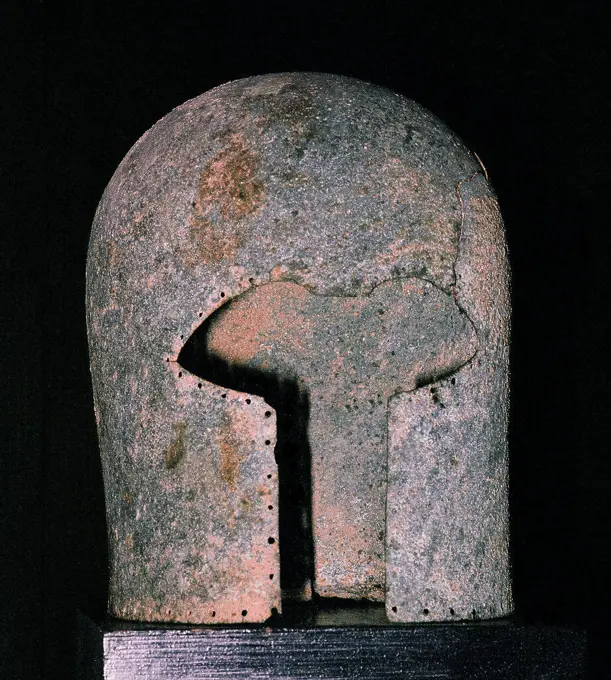
CASCO GRIEGO S VII-ANTES DE RESTAURAR (Nº 16088 RESTAURADO). Location: MUSEO DE CADIZ-ARQUEOLOGIA. Cadiz. SPANIEN.
4409-20888124
Ceramic vessel, erotic art Moche culture 100 AC-800 AC Perú.
6145-29235981
Worker Shabti of Nany ca. 1050 B.C. Third Intermediate Period See 30.3.29.1a, b. Worker Shabti of Nany. ca. 1050 B.C.. Faience. Third Intermediate Period. From Egypt, Upper Egypt, Thebes, Deir el-Bahri, Tomb of Meritamun (TT 358, MMA 65), first corridor, burial of Nany, MMA excavations, 1928-29. Dynasty 21
1788-51416
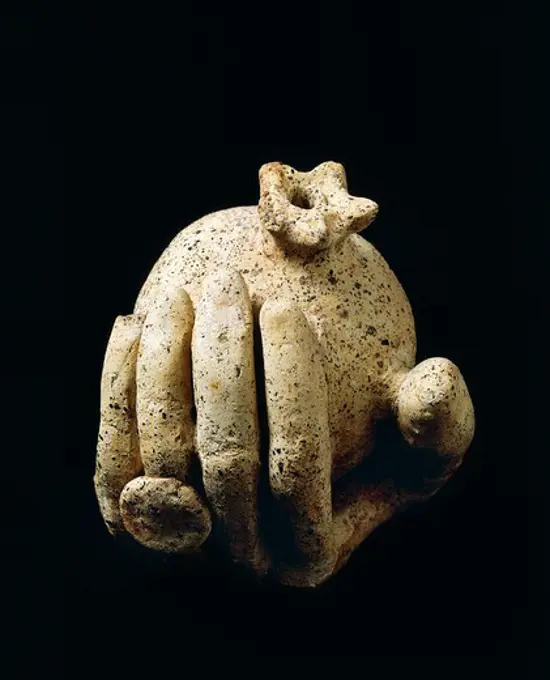
Terracotta sculpture, from the site of Lavinium-Pratica di Mare, Lazio, Italy. Detail of a hand presenting a pomegranate. Latin Civilization, 5th Century BC.
4443-19585836
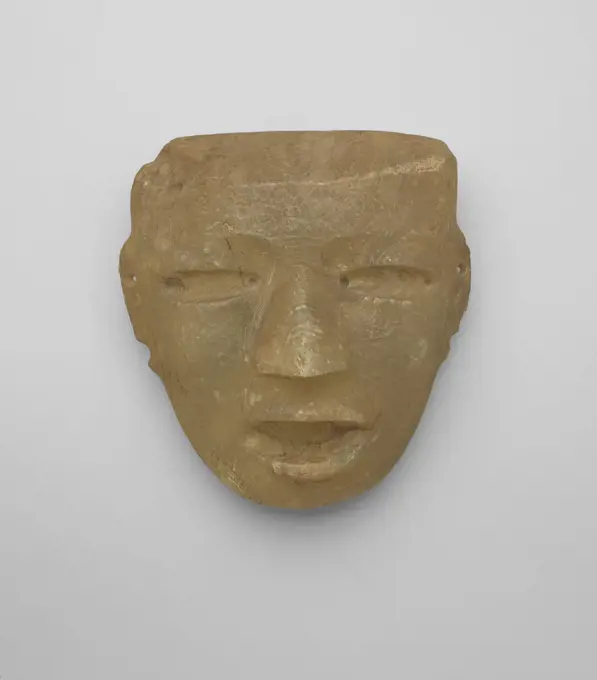
Mask, A.D.200-500, Calcite (cave onyx), 17.7 × 16.7 × 6.8 cm (6 15/16 × 6 9/16 × 2 11/16in.), Made in Mexico, Mexico, Valley of Mexico, TeotihuacanCulture, Early ClassicPeriod, Sculpture
1746-21101213
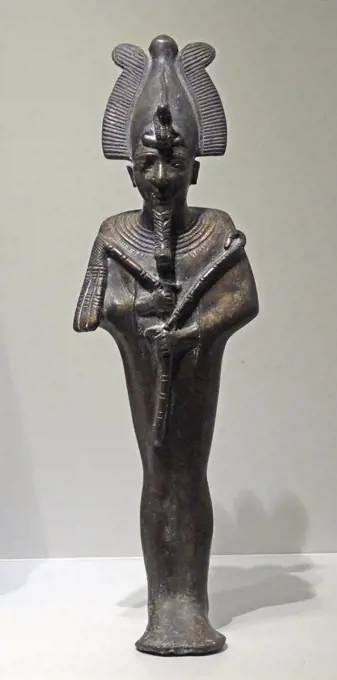
Statuette of Osiris, the king of the dead, shown as a mummy holding the royal insignia. From the 7th-5th century.
1788-22660
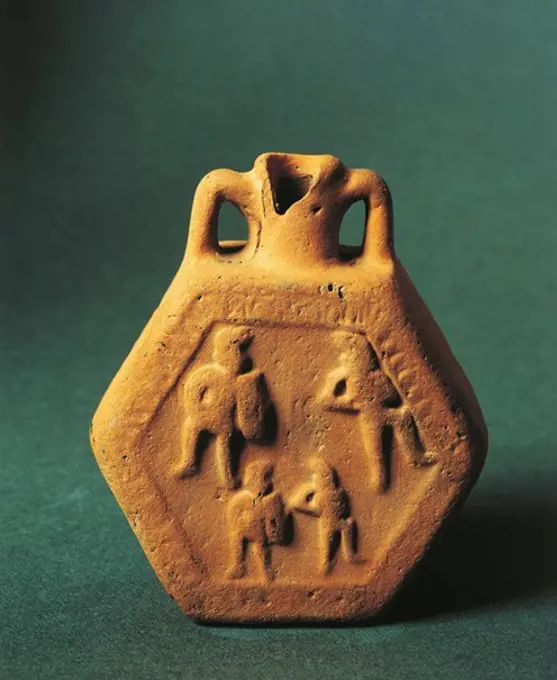
Italy, Emilia-Romagna, Hip-flask representing gladiators
6145-29118071
Funerary Headrest. Egypt, 5th Dynasty, circa 2513-2374 BCE. Furnishings; Furniture. Granite
6145-29118077
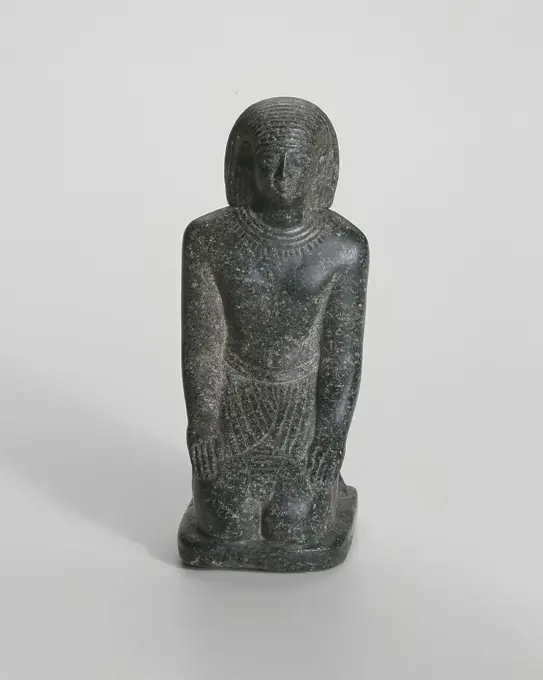
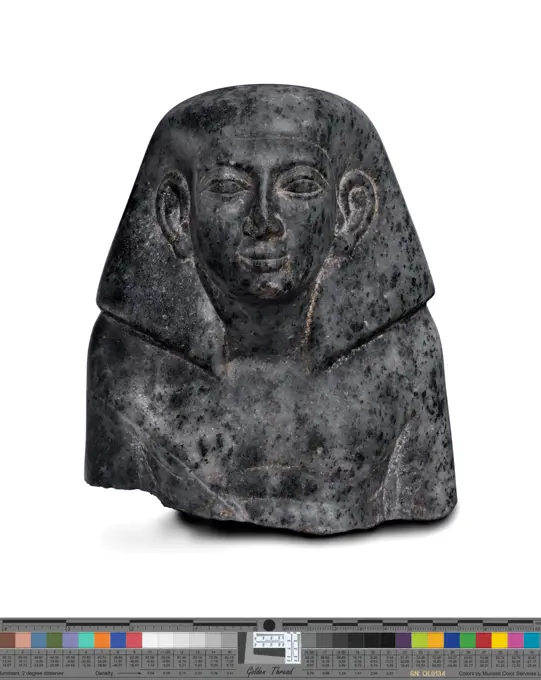
Bust of an Official. Egypt, Middle Kingdom, late 12th or 13th Dynasty, circa 1991-1665 BCE. Sculpture. Diorite
6145-48529898
Uszebti. unknown, author
6145-59193101
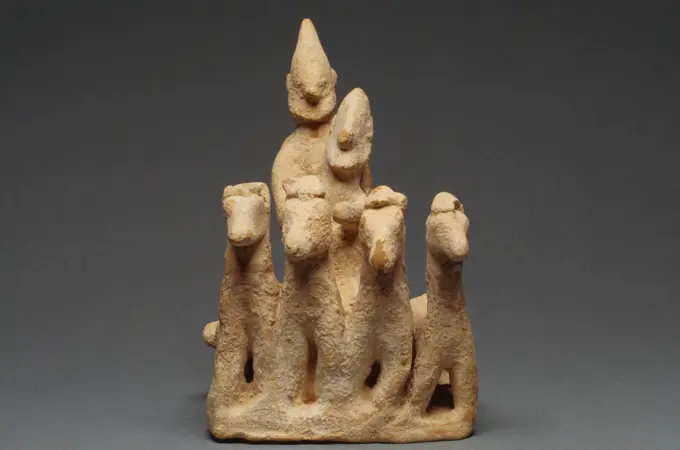
Statuette of a Quadriga with Warrior and Charioteer. Unknown 6th century B.C. The terracotta statuette depicts a charioteer who drives a quadriga (four-horse chariot) and is accompanied by a warrior. Both figures are bearded and wear conical Cypriot caps or helmets. The chariot has a rounded back and two wheels attached to an axle on either side. The manes of the horses are high. Details, such as the horses bridles, would have originally been added in paint, but the pigment no-longer survives.
4409-72700
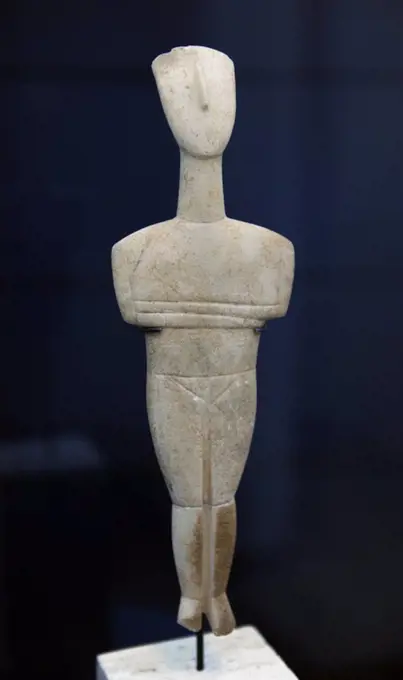
Cycladic civilization. Early Bronze Age. 3300-2000 BC. Idol. Cycladic island of Amorgos, 2700-2300 BC. National Museum of Denmark.
4409-17417886
Figurine of a crouching falcon. Dimensions: H: 3.5 cm (1 3/8 in.); W: 4.2 cm (1 5/8 in.). Date: ca. 3100-2650 B.C.. Museum: Metropolitan Museum of Art, New York, USA.
4409-17393435
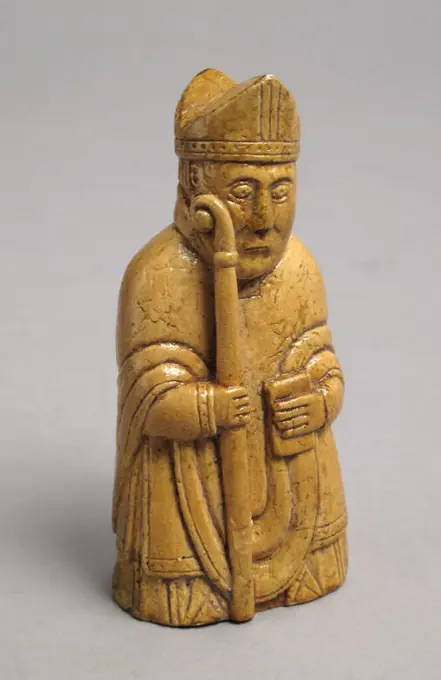
Chessman (Bishop). Culture: British, Birmingham after a Scandinavian original. Dimensions: Overall (confirmed): 4 x 1 7/8 x 1 3/8 in. (10.2 x 4.8 x 3.5 cm). Maker: Elkington & Co. (British, Birmingham, 1829-1963). Date: ca. 1870. Museum: Metropolitan Museum of Art, New York, USA.
6145-29711604
Terracotta head of a goddess 3rd century B.C. Greek, Cypriot Head of a goddess, mold-made and solid.. Terracotta head of a goddess 241089
4443-28738528
Miniature figurine, 1500 BCE, 1 3/16 in. (3.0 cm), Earthenware, Mexico, Pre-Classic
7105-70370369
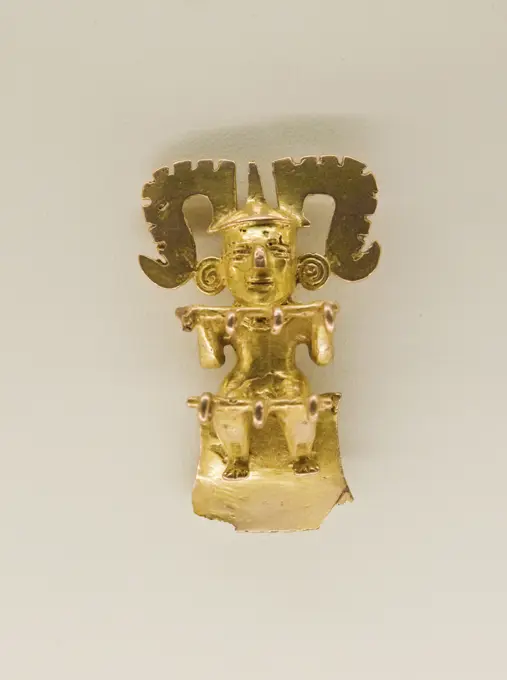
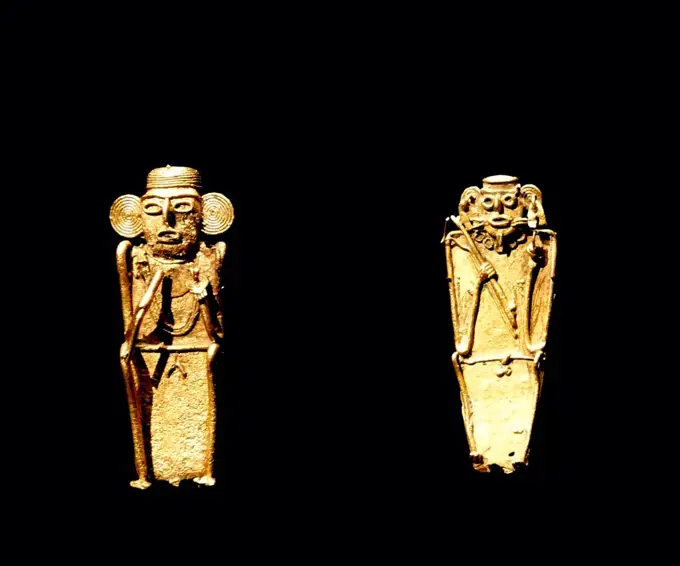
Costa Rica, San Jose, Gold Museum (Museo Oro), Gold Ornamental Figure
4443-28730725
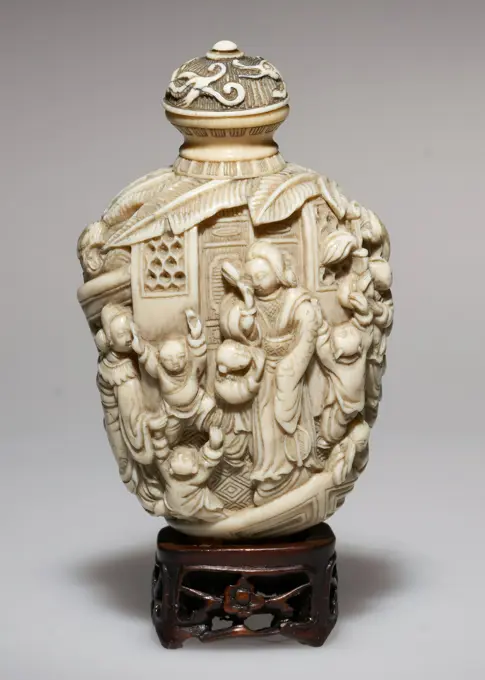
Snuff Bottle, 1900-1935, 3 x 1 5/8in. (7.6 x 4.1cm), Ivory, China
6145-59129704
Campania Caserta Capua Museo Campano89. Hutzel, Max 1960-1990 Medieval: Byzantine architectural fragments; parchment fragments with miniatures (12th century) from Montecassino; painted wooden crucifix (13th century); Carolingian crucifixes; Bishop's miter (11th century) of gold and silver damask; fresco (13th century). Post-medieval: Architecture (15th century). Formerly the Palazzo Antignano. Unusual Catalan/Moorish-style portal; Paintings on panel and canvas (15th-18th centuries); marble intarsia (16th century); marble sculpture: busts of Christ and Mary (17th century); sculpture of saints in marble and in wood (15th century); painted and gilded sculpture in wood; marble grave sculpture (16th century); sarcophagus with allegorical carvings; gold reliquary "Rosa d'Oro"; crucifix made of elephant tusk Specific Location: Pianterreno Antiquities: Italic sculpture (seated women holding babies); inscription. Photo campaign #1: 533 photos. Roman relief and sculpture; cinerary urns; Greek an
4409-17402674
Worker Shabti of Nany. Dimensions: H. 8.5 × W. 3.2 × D. 1.9 cm (3 3/8 × 1 1/4 × 3/4 in.). Dynasty: Dynasty 21. Reign: reign of Psusennes I. Date: ca. 1050 B.C..See 30.3.28.1a, b. Museum: Metropolitan Museum of Art, New York, USA.
4409-17417795
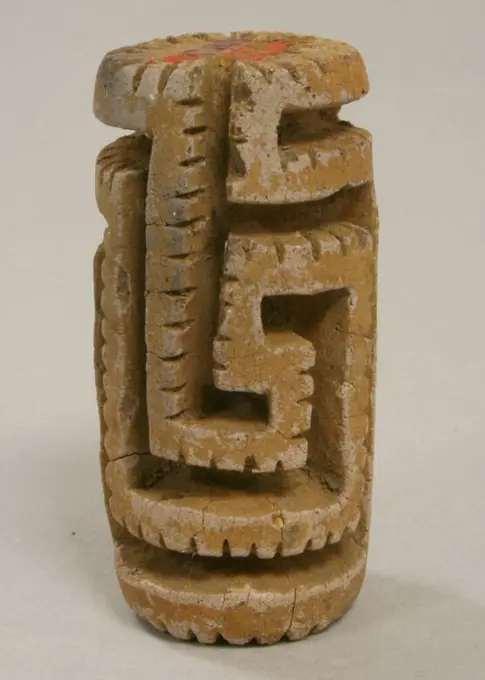
Roller Stamp. Culture: Atlantic Watershed. Dimensions: H. 2 x Diam. 7/8 in. (5.1 x 7/8 cm). Date: 5th-6th century. Museum: Metropolitan Museum of Art, New York, USA.
1746-21124564
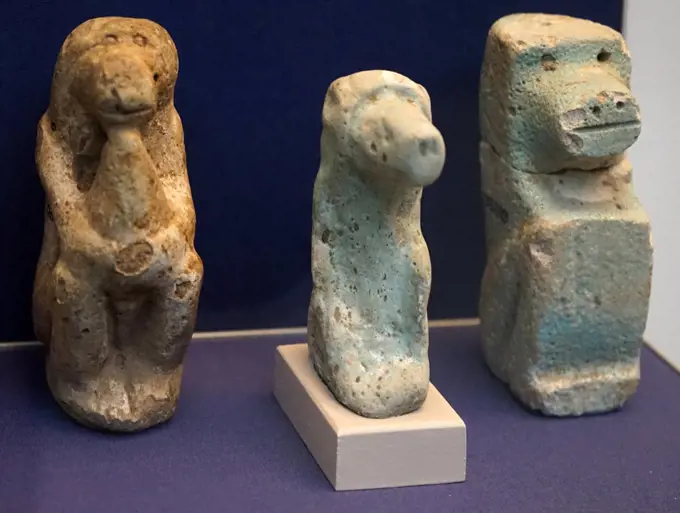
Egyptian Faience baboon figurines.
6145-52952427
Human Figure Maya 100 BCE-200 CE View more. Human Figure. Maya. 100 BCE-200 CE. Clay. Mexico, Mesoamerica, Veracruz. Ceramics-Sculpture
6145-29163891
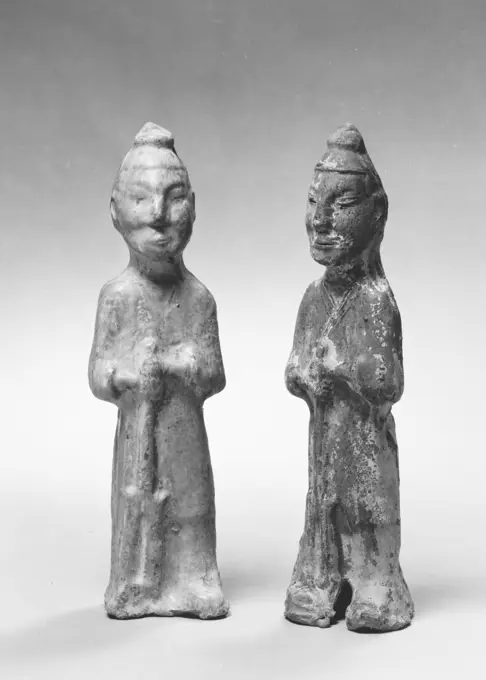
Standing Farmer holding a Pitchfork China. Standing Farmer holding a Pitchfork 44393
1746-29955387
Model of an Egyptian rower or oarsman found at Giza, Necropolis. Circa 2500 BC
1746-29965794
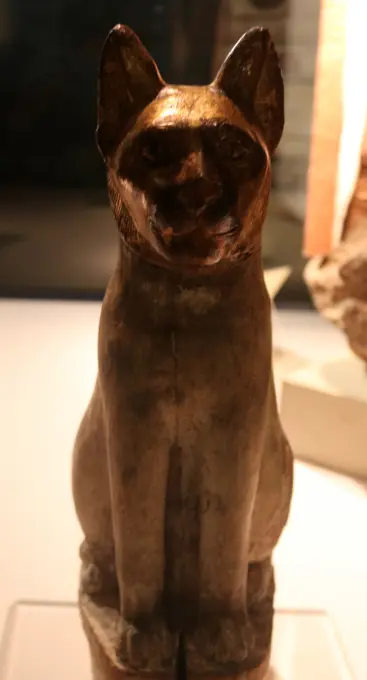
gilded wooden statue of the cat goddess, Bastet from Gurna in Egypt. Late period circa 400 BC
6145-29848815
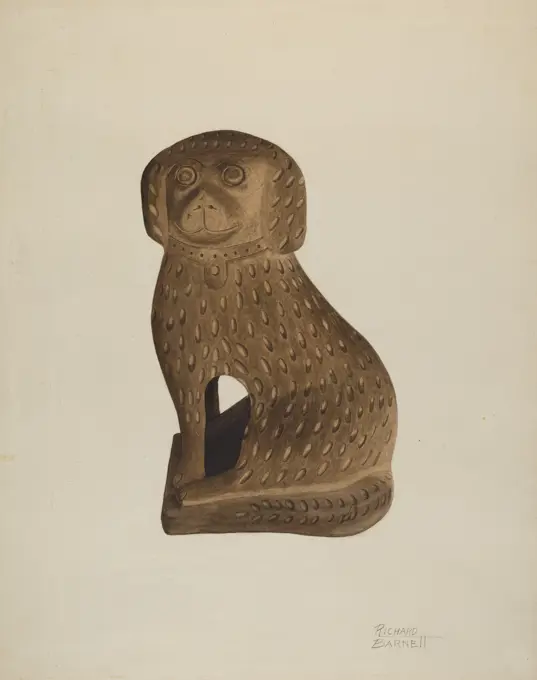
Richard Barnett, Door Stop, c 1939 Door Stop
7155-70374233
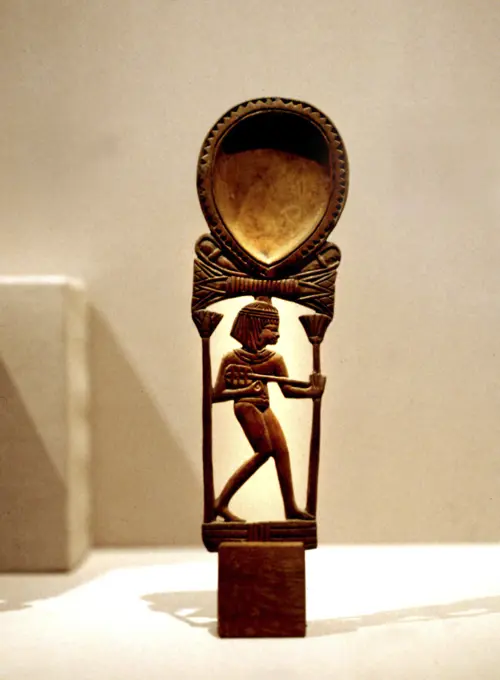
Offertory wooden spoon. A woman playing lute among, waterlilies. 1400-1350 BC. From Egypt.
6145-46809467
Memorial Gravestone(Penji)
4409-17382796
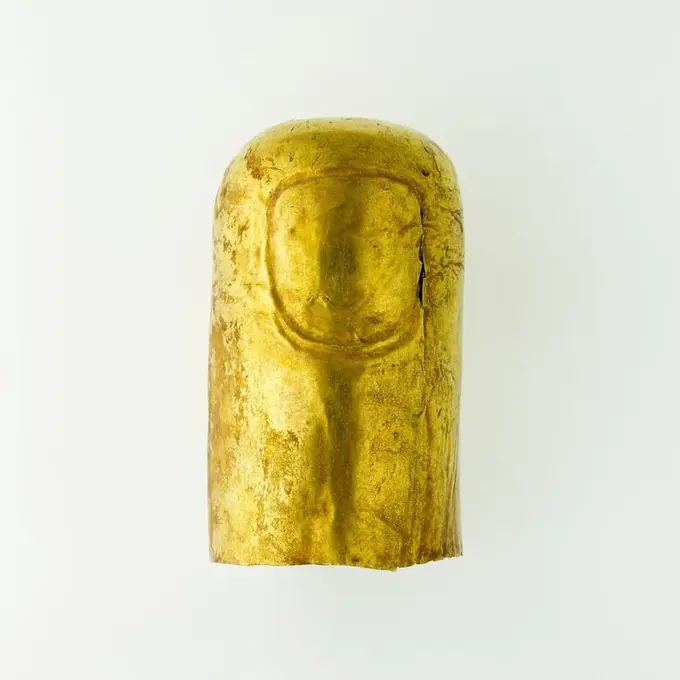
Toe stall. Dimensions: L. 4.4 cm (1 3/4 in.); W. 2.7 cm (1 1/16 in.). Dynasty: Dynasty 18. Reign: reign of Thutmose III. Date: ca. 1479-1425 B.C.. Museum: Metropolitan Museum of Art, New York, USA.
6145-48858694
Nike. Unknown
6145-29200808
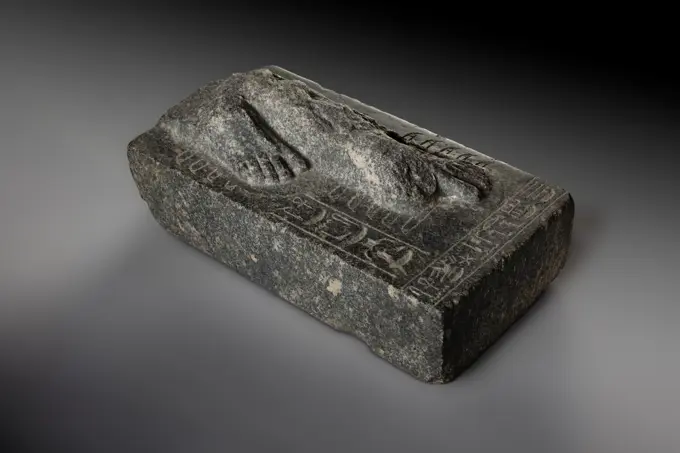
Inscribed Base of a Royal Statue ca. 1295-1070 B.C. New Kingdom, Ramesside Atop this statue base are preserved two sandaled feet from the statue of a king, shown trampling on the nine bows that symbolized the traditional enemies of Egypt. "All lands and all foreign countries are under the feet" of this king, according to the inscription, which also invokes for him life, dominion, health and joy. Between the two feet are traces of a support, perhaps for an offering table that would have been held by the king. Visible in back is the bottom of a pillar on which one hieroglyph is still visible.. Inscribed Base of a Royal Statue. ca. 1295-1070 B.C.. Gray porphyritic diorite. New Kingdom, Ramesside. From Egypt. Dynasty 19-20
4409-17545081
Amulet of an Ape. Egyptian. Date: 1070 BC-656 BC. Dimensions: 1.9 × 1 × 0.6 cm (3/4 × 3/8 × 1/4 in.). Faience. Origin: Egypt. Museum: The Chicago Art Institute, Chicago, USA. Author: Ancient Egyptian.
4332-3321
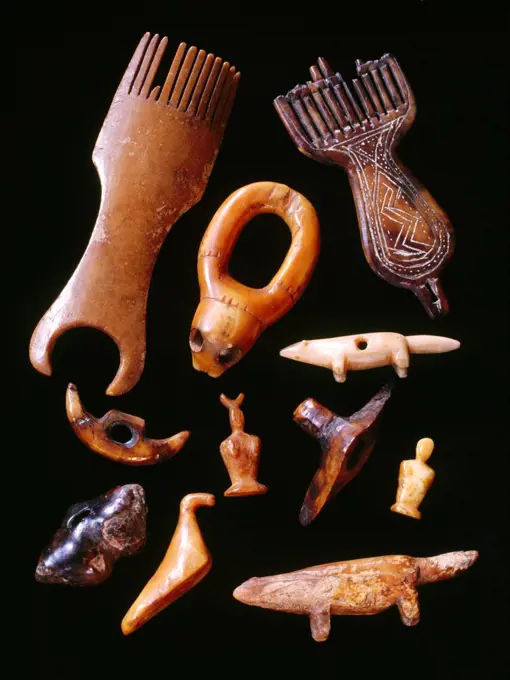
USA, Alaska, Assorted prehistoric Siberian Eskimo ivory artifacts found on St. Lawrence Island
1746-19676404
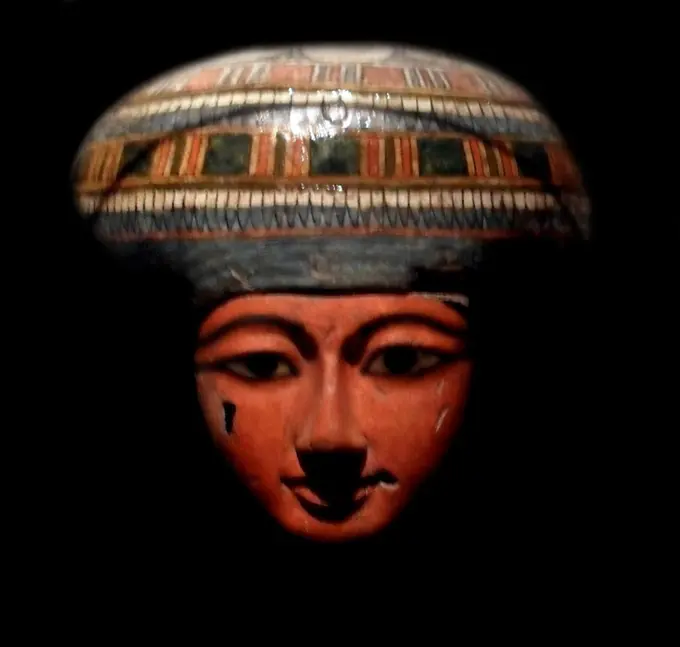
Late Dynastic Period Wooden Mask 525 B.C.
6145-30157679
Head of a Bishop Saint 1300-1500 Germany. Stone .
6145-29734507
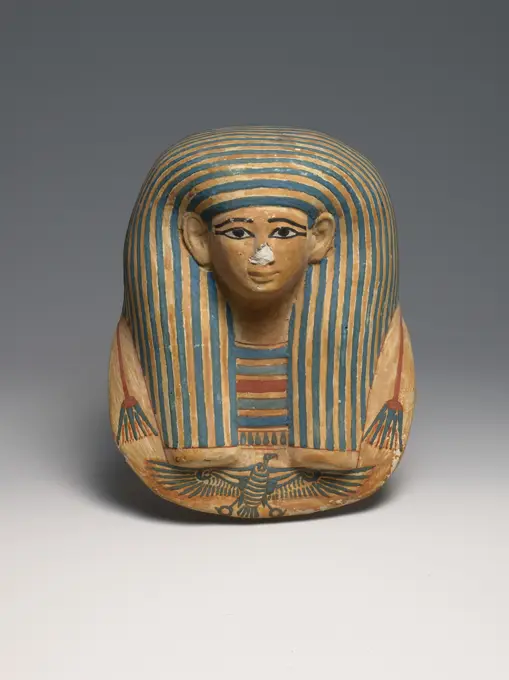
Miniature Mask for a Canopic bundle ca. 1427-1400 B.C. New Kingdom Small masks like this one were sometimes placed over the mummified canopic bundles containing the four internal organs that were removed during mummification.. Miniature Mask for a Canopic bundle. ca. 1427-1400 B.C.. Cartonnage, paint. New Kingdom. From Egypt, Upper Egypt, Thebes, Valley of the Kings, Tomb KV 51 ( "The Animal Tomb"), Davis/Ayrton excavations, 1906. Dynasty 18
1746-21116928
Canopic jars. Egyptian, made from limestone.
4409-17519464
Shabti of Henuttawy. Egyptian; Thebes, Deir el-Bahri. Date: 1096 BC-945 BC. Dimensions: 11.7 × 4.8 × 2.2 cm (4 5/8 × 1 7/8 × 7/8 in.). Faience. Origin: Egypt. Museum: The Chicago Art Institute, Chicago, USA. Author: Ancient Egyptian.
6145-29157077
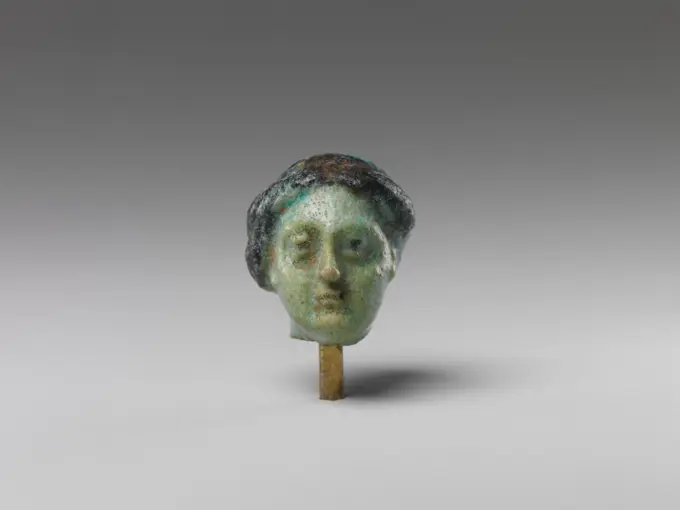
Female head 332-30 B.C. Ptolemaic Period This tiny head was molded and carved in the round, but was attached at the neck and behind the head to another surface. She wears no emblem of Ptolemaic royalty in her hair, although this is not necessarily determining. The head may have been attached to a vessel or its handle.. Female head 551346
6145-29819101
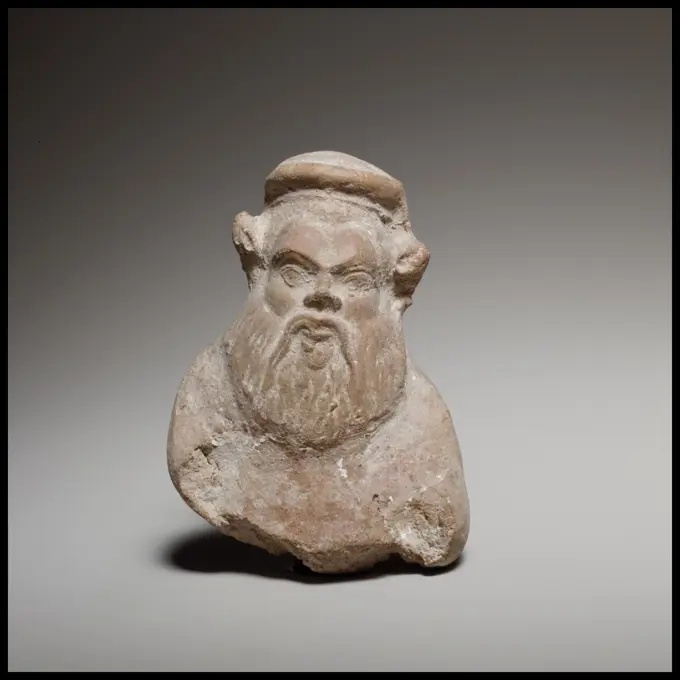
Silenos 3rd century B.C. Cypriot The figurine is mold-made. There appears to have been no back, since the edges of the front are rounded.. Silenos 241259
1746-21112769
gold alloy, copper and silver votive figurines. Mexican
1746-28997242
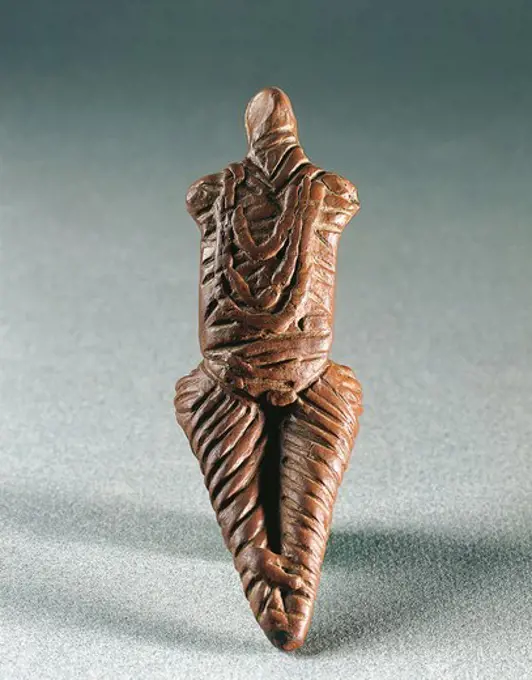
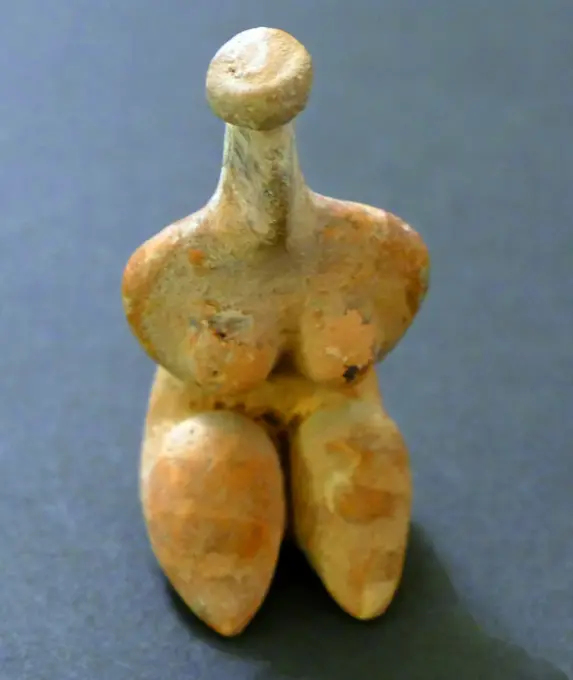
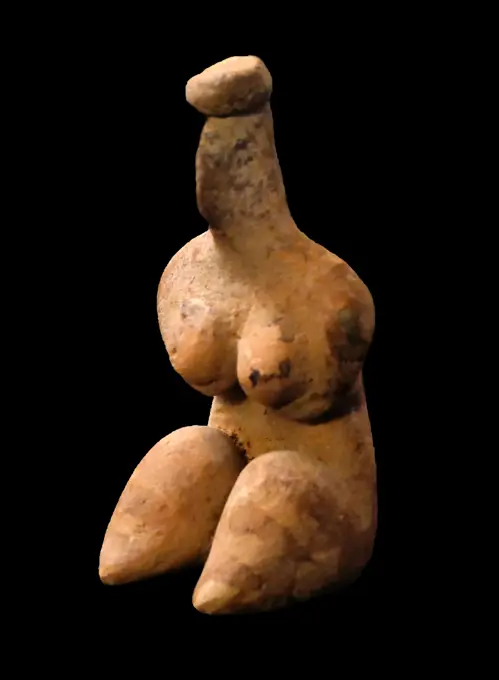
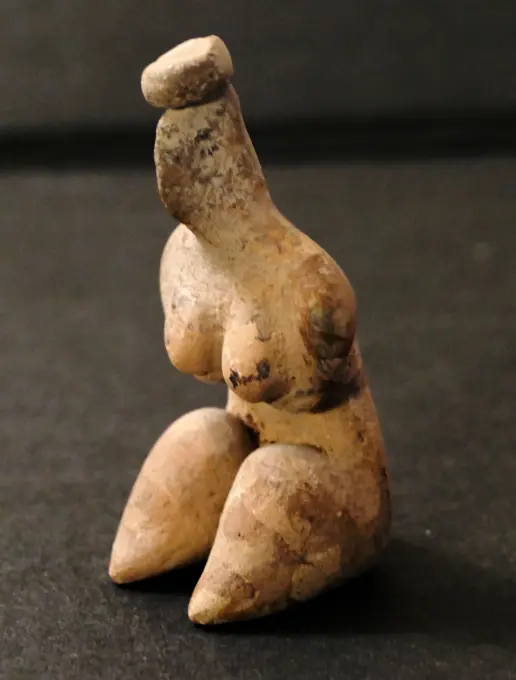
Tell Halaf, Clay Fertility Idol, circa 5,000 BC. Ancient Near East, Anatolia (central Turkey) and Northern Syria, Tell Halaf. The Halaf culture of Anatolia and ancient Syria came about in approximately 5000 BCE and created female figurines with particular fertility attributes that are displayed in this example. Note how the figure sits with upraised knees and legs extended, with both of her arms cradling and supporting her protruding breasts.
7155-70373724
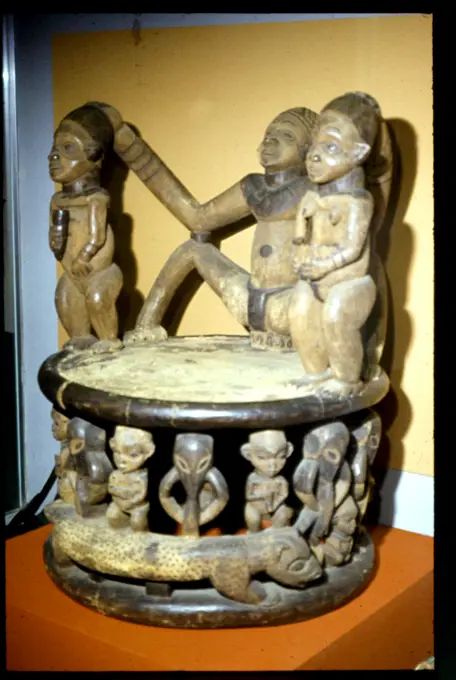
Carved wooden throne, Cameroon.
1746-30015721
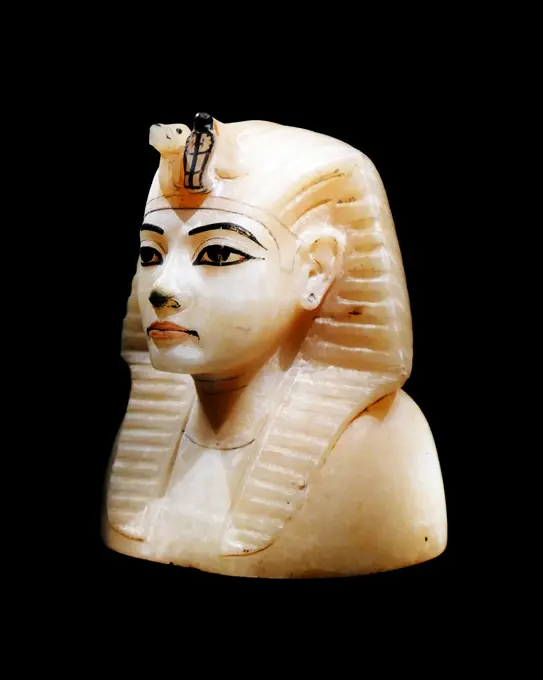
Calcite lid or stopper of a canopic jar from the tomb of King Tutankhamun. 1326 BC
1788-17834
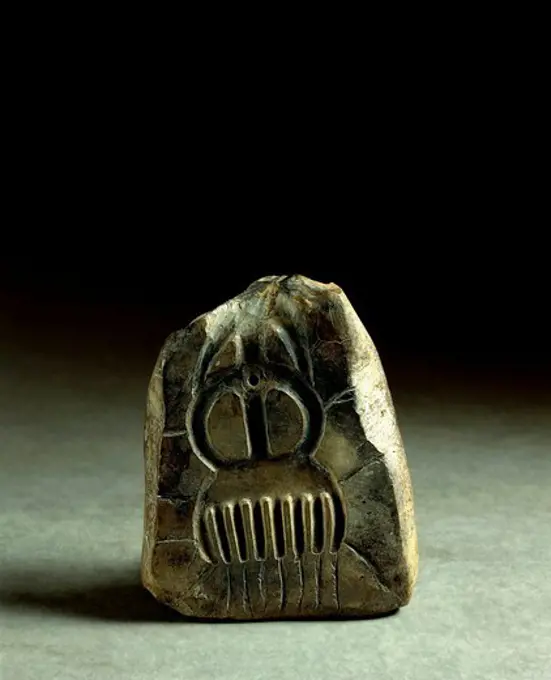
Stone mould from Emilia Romagna region, Italy
1746-28997196
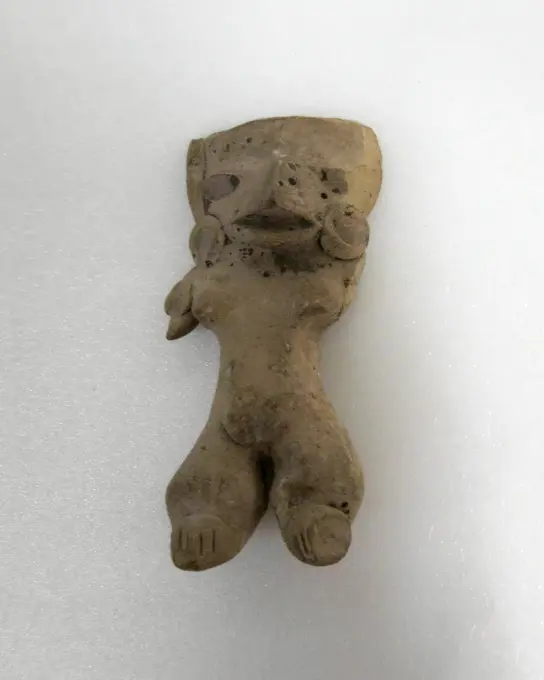
Tell Halaf, Clay Fertility Idol, circa 5,000 BC. Ancient Near East, Anatolia (central Turkey) and Northern Syria, Tell Halaf. The Halaf culture of Anatolia and ancient Syria came about in approximately 5000 BCE and created female figurines with particular fertility attributes that are displayed in this example. Note how the figure sits with upraised knees and legs extended, with both of her arms cradling and supporting her protruding breasts.
1746-28997235
Tell Halaf, Clay Fertility Idol, circa 5,000 BC. Ancient Near East, Anatolia (central Turkey) and Northern Syria, Tell Halaf. The Halaf culture of Anatolia and ancient Syria came about in approximately 5000 BCE and created female figurines with particular fertility attributes that are displayed in this example. Note how the figure sits with upraised knees and legs extended, with both of her arms cradling and supporting her protruding breasts.