Ancient Statues and Artifacts

Collection of ancient sculptural works, including statuettes and heads from diverse cultures, showcasing historical artistry and craftsmanship.
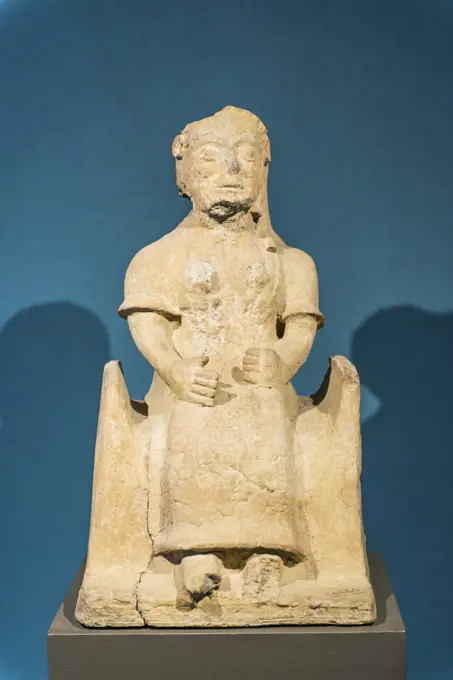
Italy, Sicily, Syracuse. Museo Archeologico Regionale Paolo Orsi, Greek Pottery Statue from the 6th century BC
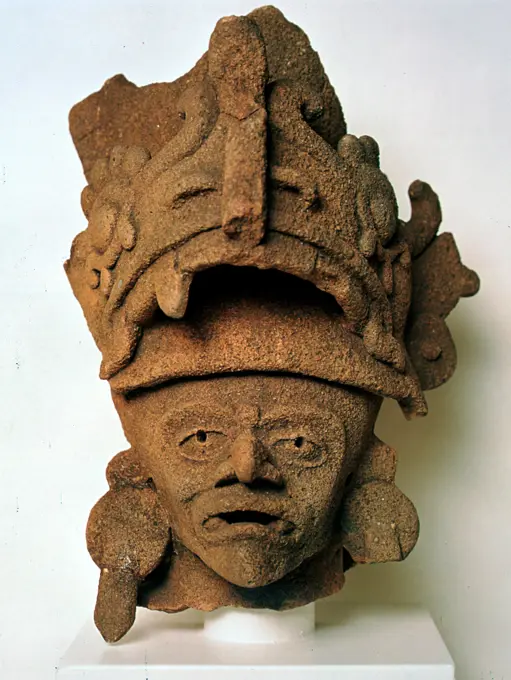
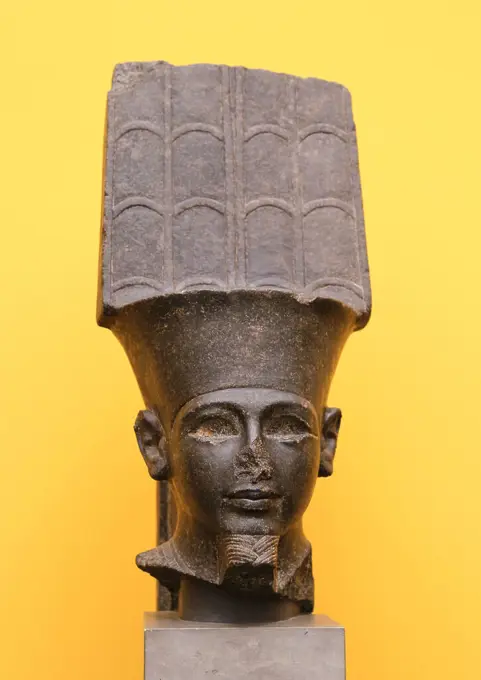
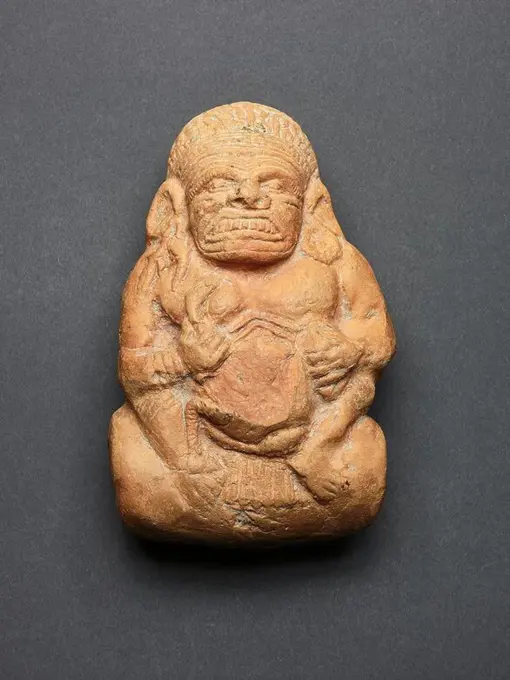
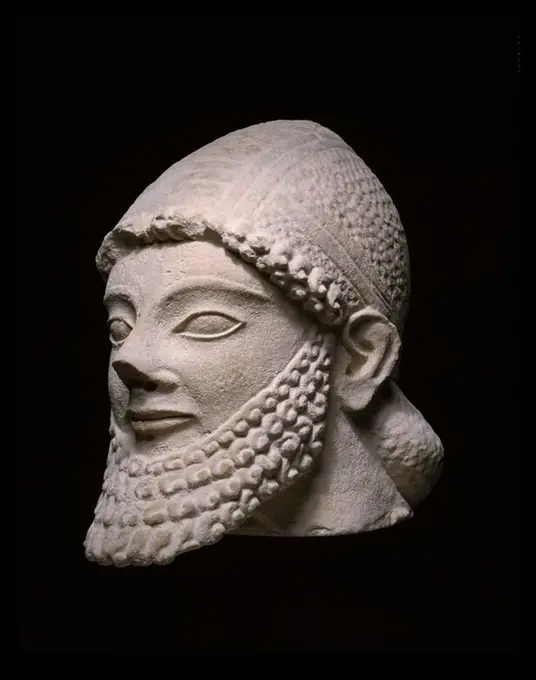
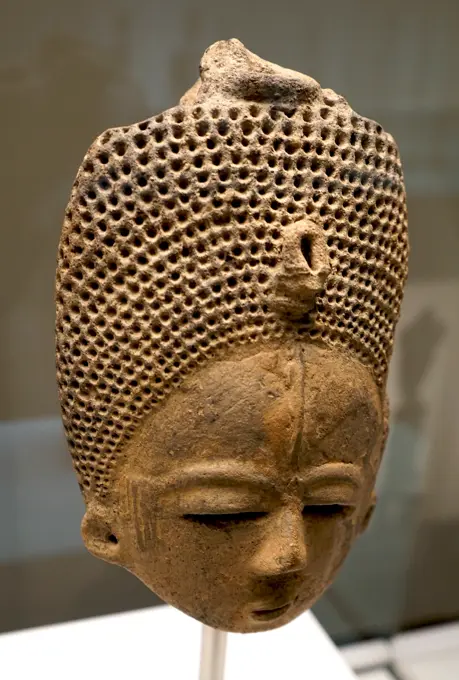
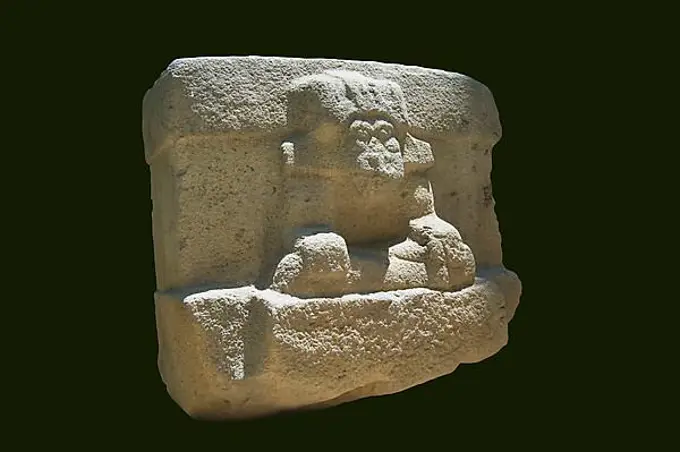
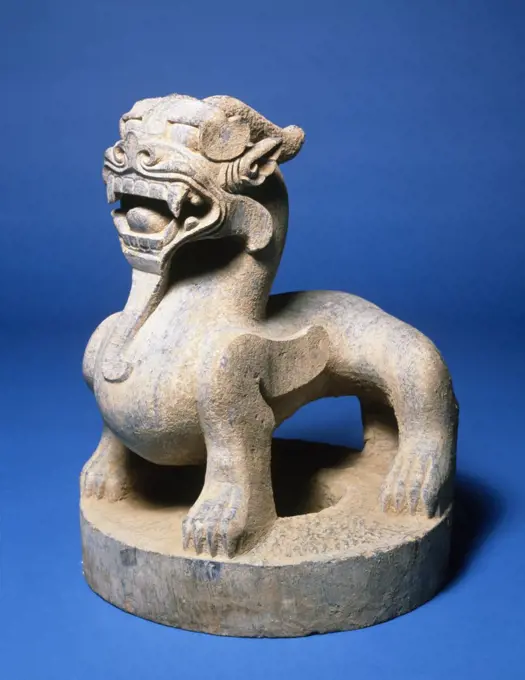
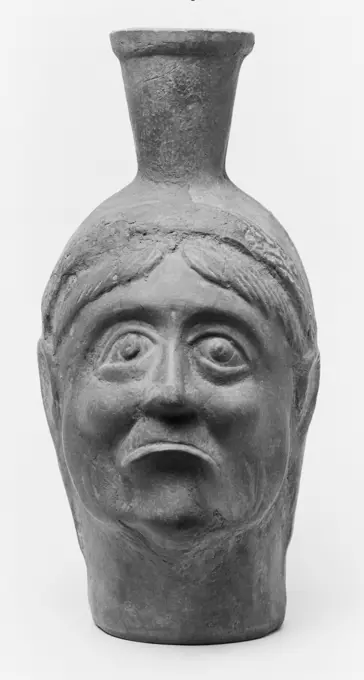
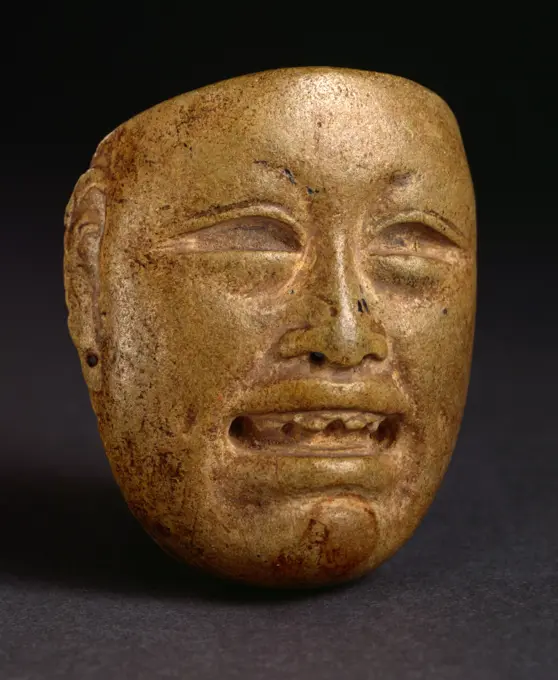
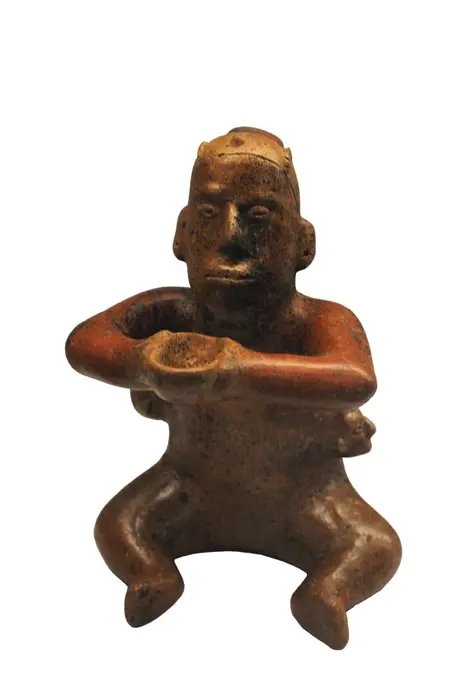
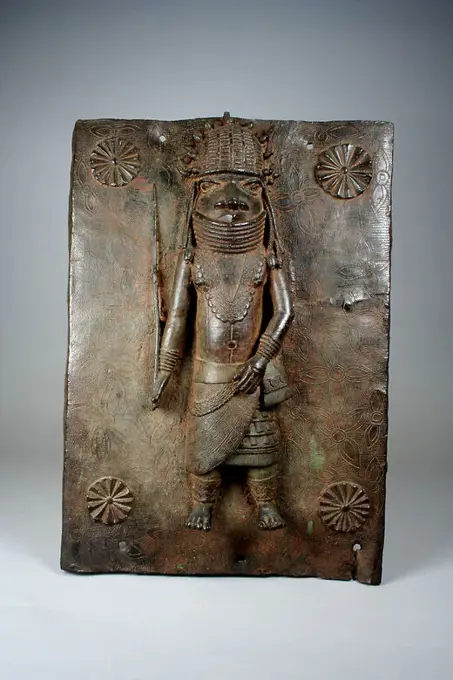
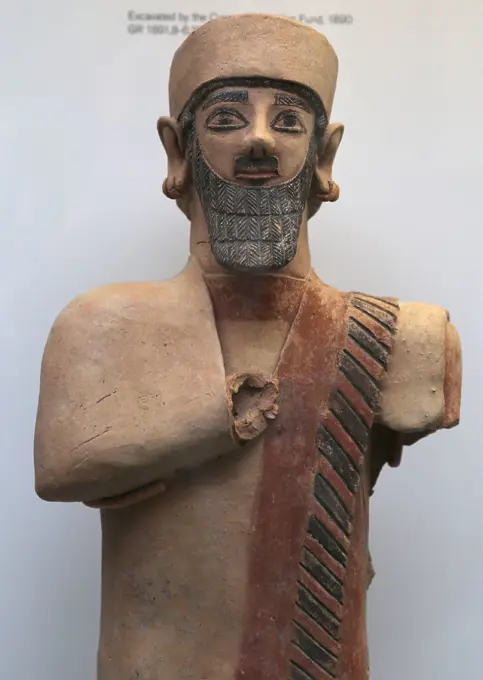
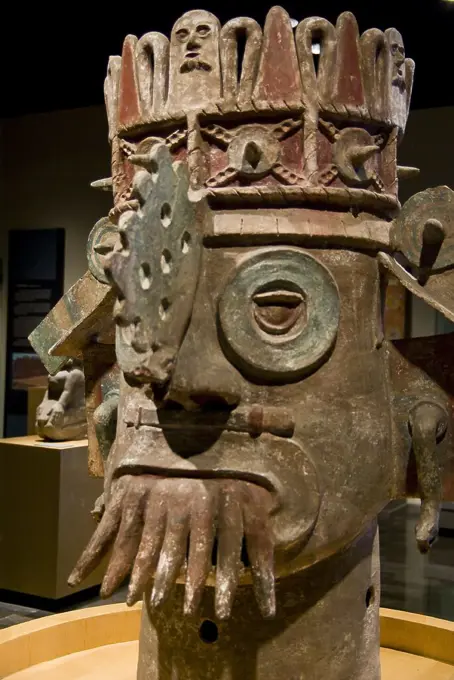
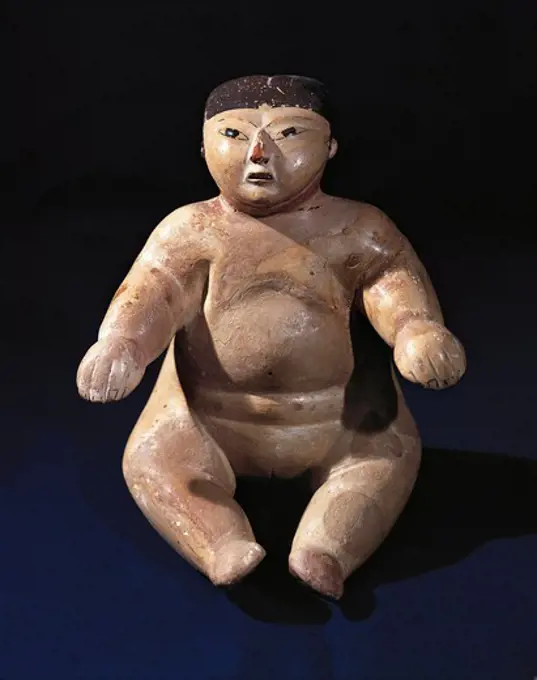
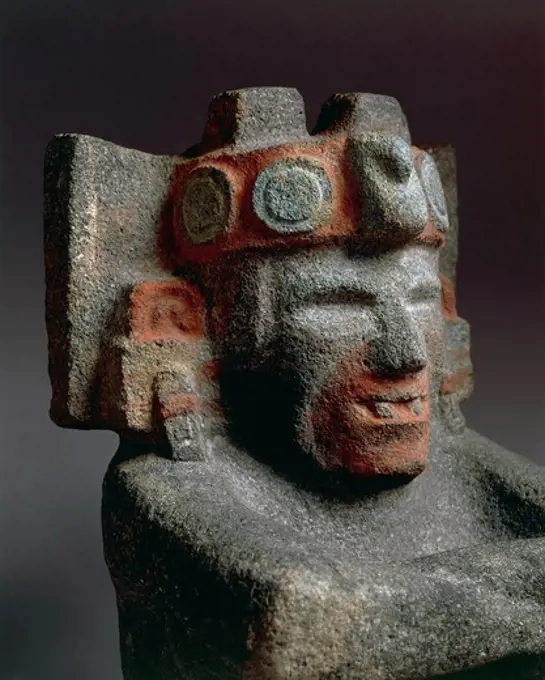
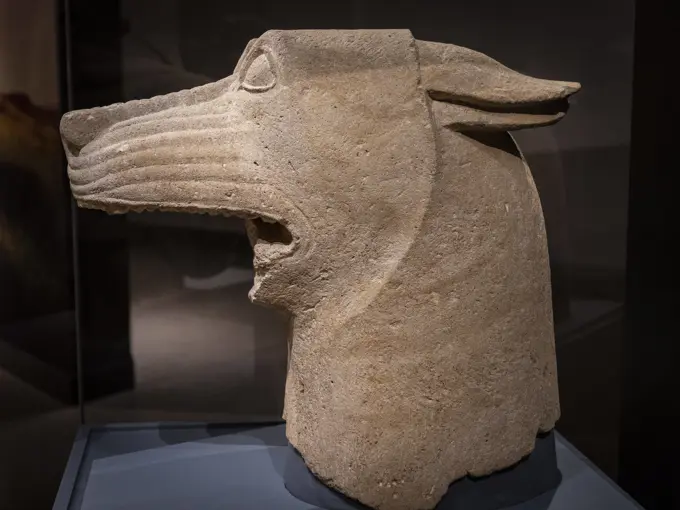
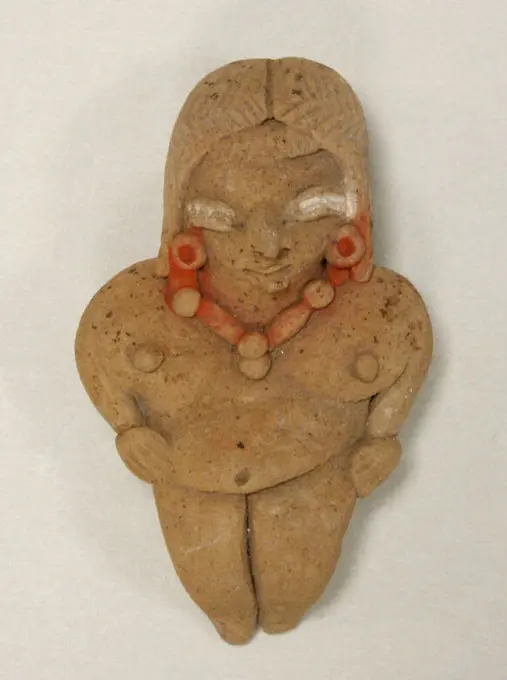
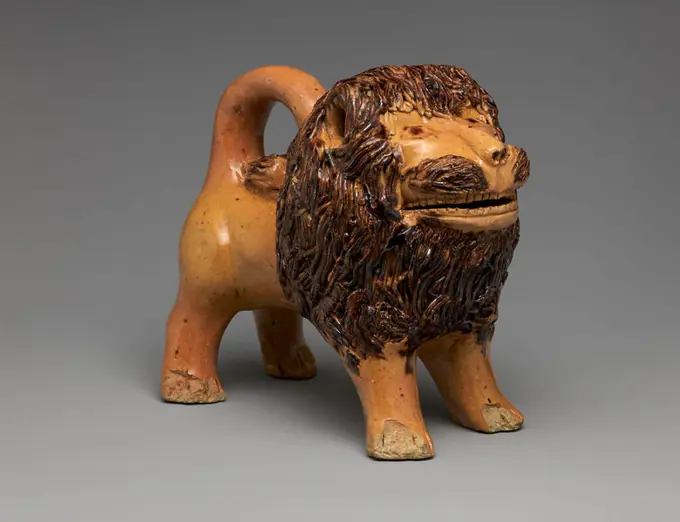
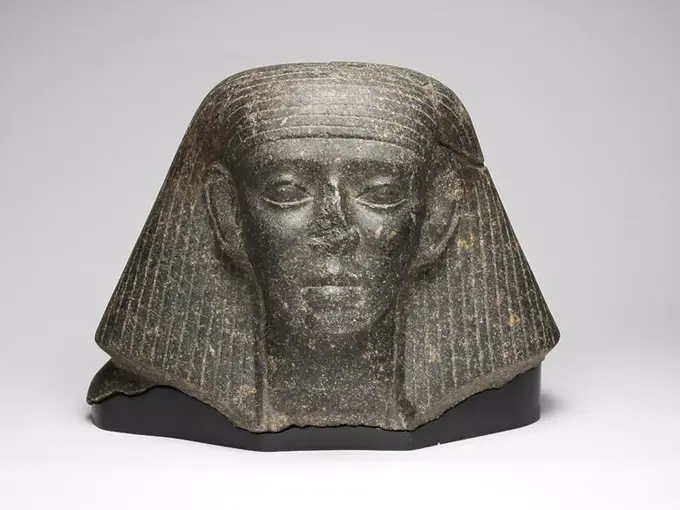
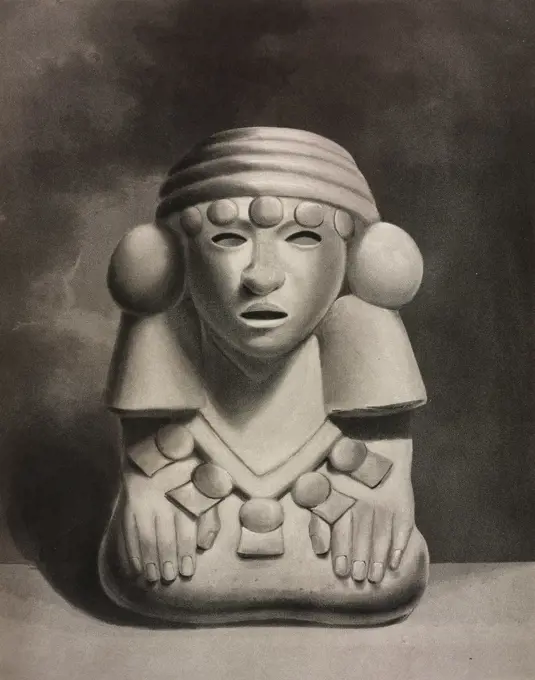
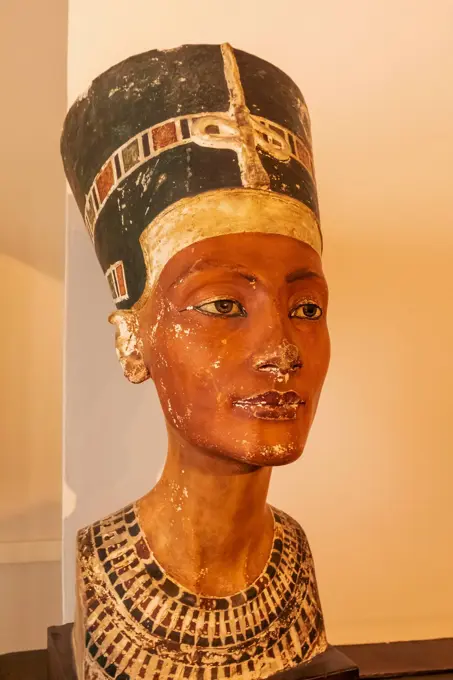
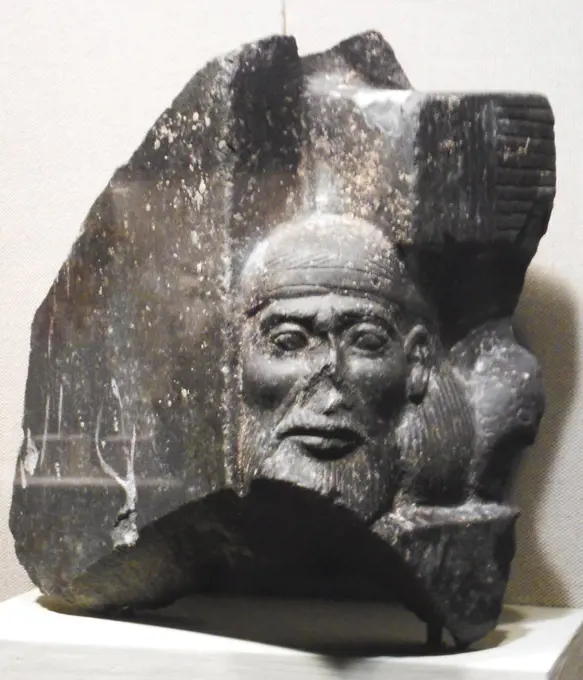
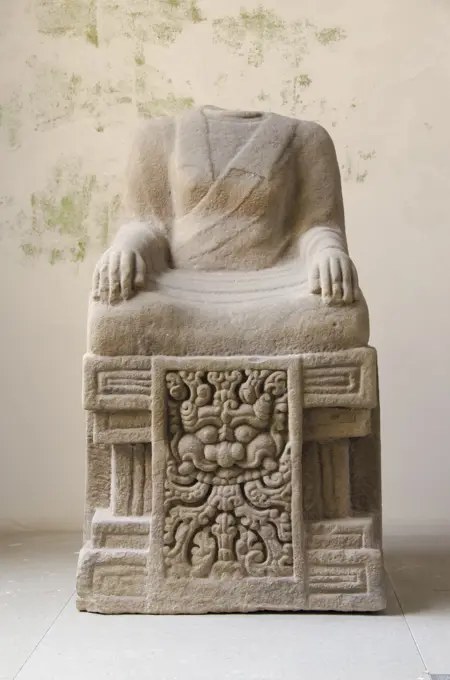
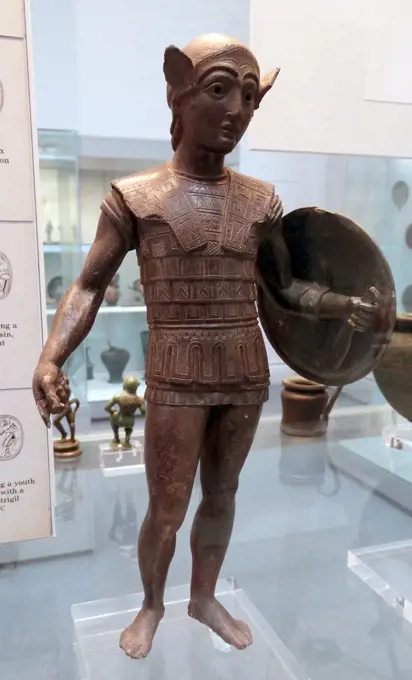
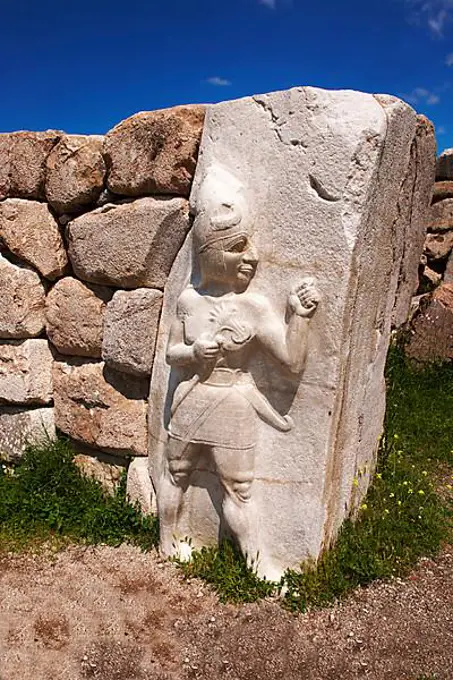
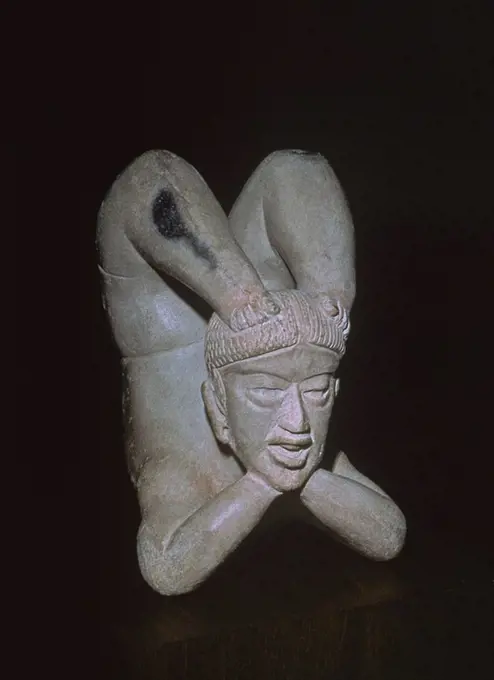
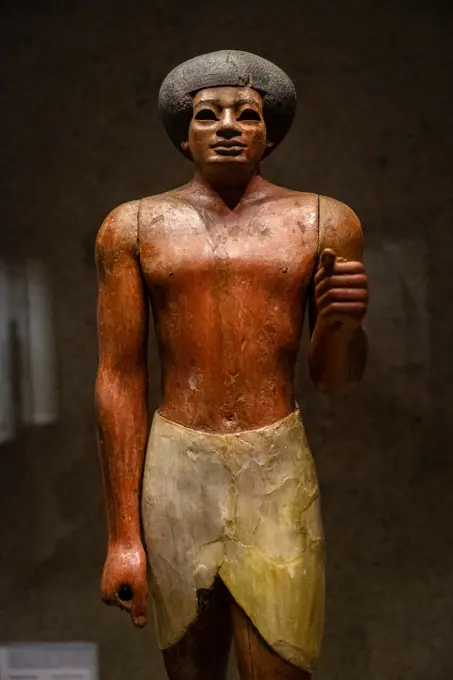
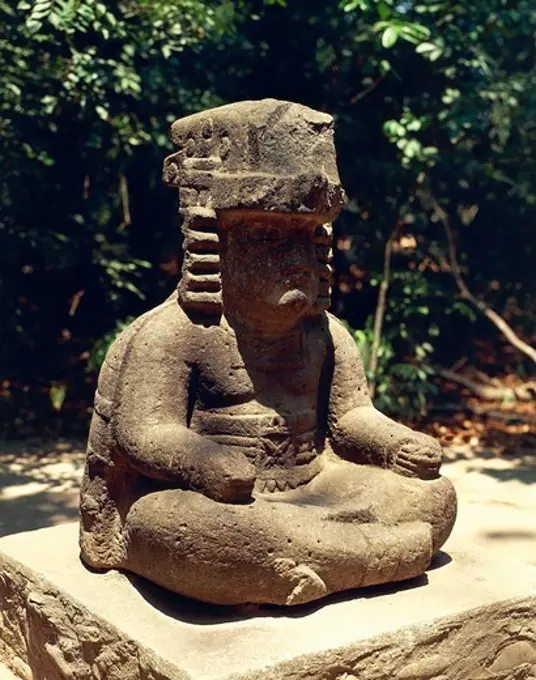
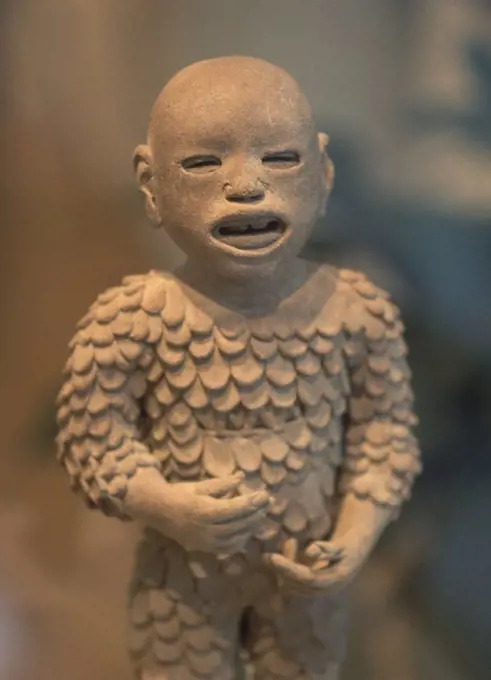
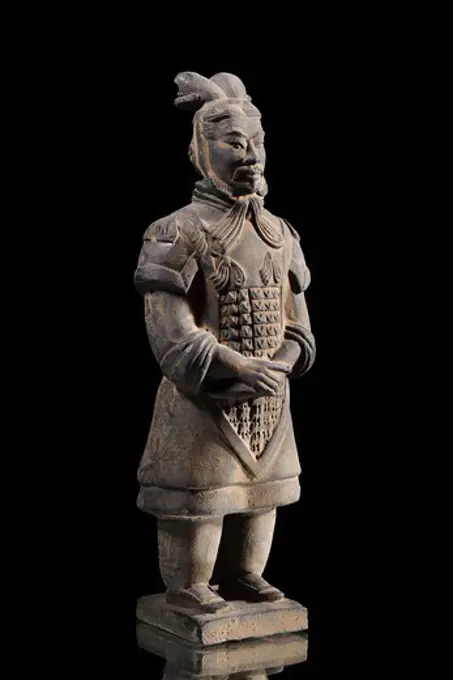
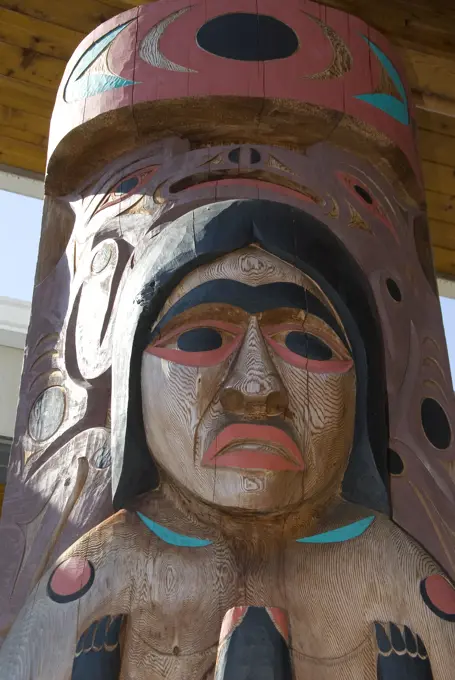
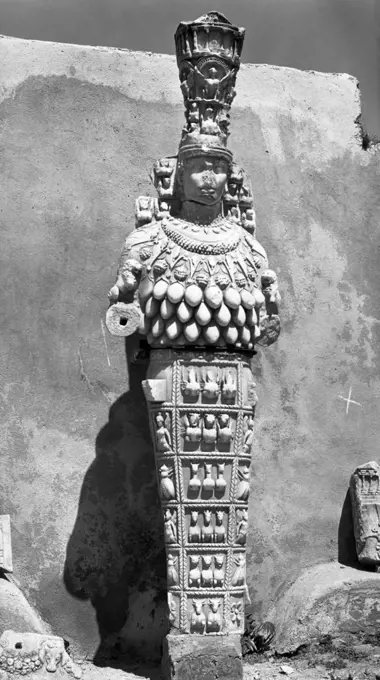
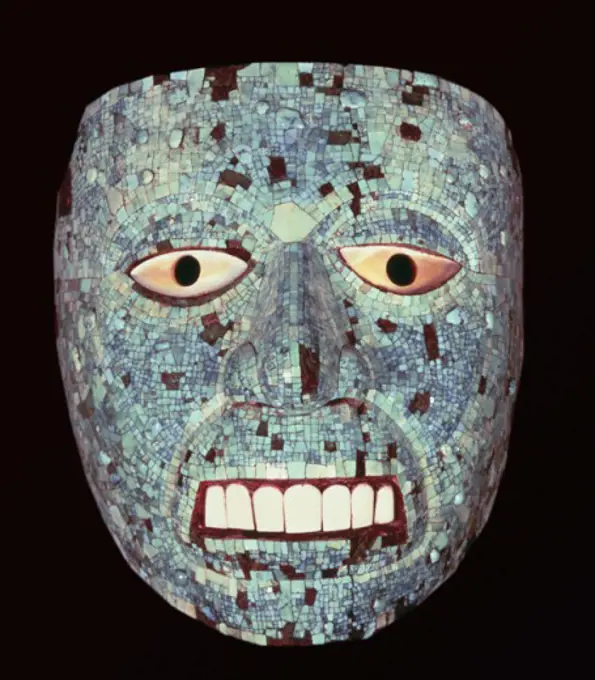
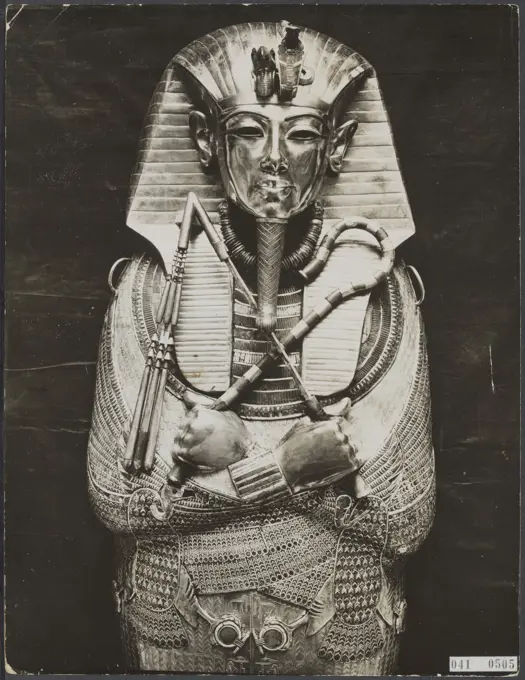
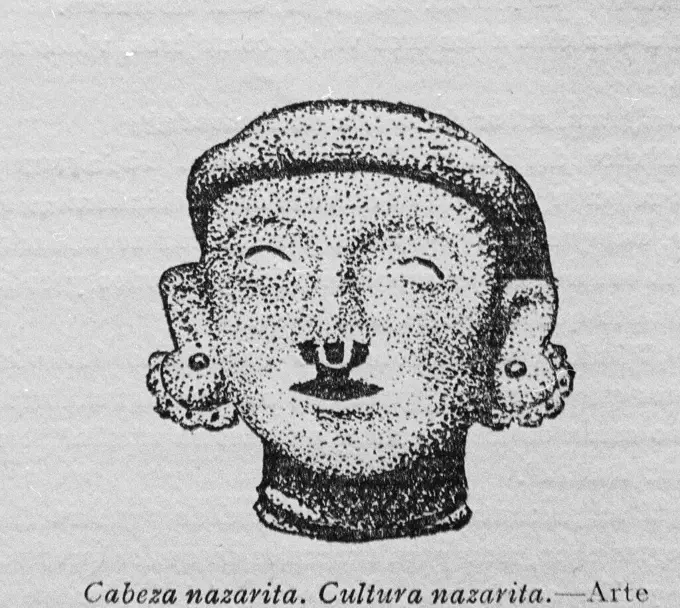
The Lady of Elche, 5th century BC. Artist: UnknownMayan pottery incense burner in the shape of a head. Artist: Unknownanthropomorphic sculpture, Central Square Museum, Chichicastenango,.Egyptian Art. Pink granite statue. Mit Rahina Open Air Museum. Memphis. Egypt.Statue of Ankhemtenenet ca. 743-656 B.C. Third Intermediate Period-Late Period Ankhemtenenet's bold features testify to the period's affinity for earlier non-idealizing models, in this case in the region of Memphis where Old and Middle Kingdom statuary was widely observable. Ankhemtenenet is wrapped in a Middle Kingdom-type cloak. His name is written on his shoulders. Below it on the right shoulder is the name Irefaaenptah, which could be that of his father. A reference to the temple of Ptah appears on his left shoulder below his name, and on the back of the statue appear two lines of an offering formula for Ptah-Sokar.. Statue of Ankhemtenenet 546762DAMA OFERENTE. IBERICO. (DEPOSITO: MUSEO ARQUEOLOGICO NACIONAL).Monument 146 from representing K'inich the 8th Mayan King of Tonina, Chiapas, Mexico. 787-806 ADThe God Amun,from Karnak, reign of Tutankhamun. C. 1346-1337 BC. Bust, diorite. Carlsberg Glyptotek.Toy Cart with Grimacing Potbellied Dwarf (Yaksha). India; West Bengal, Chandraketugarh. Date: 100 BC-1 BC. Dimensions: 14.5 x 9.3 x 5.4 cm (5.7 x 3.7 x 2.1 in.). Terracotta with red slip. Origin: West Bengal. Museum: The Chicago Art Institute, Chicago, USA.Hacha with a Parrot-HeadHelmet.  Artist: UnknownMarble statue of an actor. Roman, Imperial era. 1st-2nd century AD. Old Man of Comedy. Metropolitan Museum. NY. USA.Head of a Bearded Man. Cypriot. Date: 500 BC-401 BC. Dimensions: 29.2 × 20.3 × 26 cm (11 1/2 × 8 × 10 1/4 in.). Limestone. Origin: Cyprus. Museum: The Chicago Art Institute, Chicago, USA. Author: Ancient Cypriote.Gargouille in the shape of a bronze comedy mask (front view), ancient Rome. Museum of Fine Arts of the City of Paris, Petit Palais. 72914-1 Bronze, Comedie mask shape, gargoyle, ancient Rome, front viewFunerary memorial portrait earthenware; Akan tribe; Ghana; West Africa 18th - 19th CenturyVessel in the Form of a Courtly Musician 100 BCE-500 CE North Coast. Ceramic and pigment . MocheAltar, Olmec sculpture, Parc Museum La Venta, Villahermosa, Tabasco, Mexico, Central AmericaMask, c. 250-600, 7 1/4 x 7 x 2 3/4 in. (18.4 x 17.8 x 7 cm) (without mount), Stone, Mexico, 3rd-7th century, This stone mask represents one aspect of the Maya jaguar god. Such masks, often made of stone, wood or copper, were used in rituals by high-ranking members of society. Mask wearers were ceremonially transformed into the being portrayed and could interact with the spirit world. The jaguar god, one of the Mayas' most powerful deities, represented night, shadows, war, and sacrifice. He is identified by the three dots on each cheek of the mask, symbolizing the spots of a jaguar. Royalty used jaguar motifs and images on a variety of items, including clothing, jewelry, armor, and masks, to demonstrate their power and emphasize their relationship with the god.Goddess Sekhmet (Egyptian god of War). Granite, temple of Mut, Luxor; Egypt. 1403-1365 BCMask for the Dance of the Moors in the Museo Rafael Coronel.Mexico Bajio ZacatecasMochica Culture ceramic, Scene of man with animal, Peru.Stone figure of Chimera, Chinese ArtLeone Leoni; Pompeo Leoni / 'Emperor Carlos V'. Ca. 1553. Bronze. Museum: Museo del Prado, Madrid, España.Sarcophagus of Imeneminet, front sideMexico.Mexico D.F.Museo Nacional de Antropologia.Jaguar de ceramica.Cultura Oaxaca.Carthaginian Vase Fragment. UnknownCarthaginian Vase Fragment. UnknownCarthaginian Vase Fragment. UnknownCarthaginian Vase Fragment. UnknownCarthaginian Vase Fragment. UnknownHead of a Giant 13th-14th century Thailand. Head of a Giant 37660Human Face Pectoral. Mexico, Guerrero, Olmec, 1000-600 BCE. Stone. StoneAnthropomorphic figure. They depicted characters in different attitudes. Accompanied the deceased as grave goods in the deep tombs. Ceramics. Colima (200 BC.-500 AD). Western Mexico. Museum of the Americas. Madrid, Spain. Egyptian Statue of the scribe of the Grain accounts, Maa-no-Amon, Limestone, 1500 BCPlaque: Oba or Chief. Culture: Edo peoples. Dimensions: H. 19 1/2 in. (49.5 cm). Date: 16th-17th century. Museum: Metropolitan Museum of Art, New York, USA.Man in Assyrian style dress. Found at Salamis, Toumba sanctuary, around 600 BC. Terracotta. British Museum. London.Standing Female Figure. Mexico, Nayarit, Ixtlán del Río, 200 BCE-500 CE. Ceramics. Slip-painted ceramic with postfire applied paintMexico.Mexico city.National Museum of Antropology.Tajin culture.Ceramic head of the God of Storms.Female figure in polychrome ceramic, from PeruMounted musician (one of two) 5th century China. Mounted musician (one of two) 39758Statue portraying wife of Ka-Aper from Saqqara, circa 2475 b.c.Mexico, Tenochtitlan, Templo Mayor (Main Temple), statue of God of Fire (Xiuhtecuhtli)Maska sarkofagowa zewnętrzna. unknown, authorEquestrian, Colored pottery, Tang Dynasty (A.D. 618-907, displayed at Shanghai Museum, chinawolf head wolf head, Iberian sculpture from the 4th century BC, heroic sanctuary Cerro de El Pajarillo, Huelma, Iberian Museum of Jaén, Andalusia, Spain Copyright: xZoonar.com/Tolox 21714968Vessel in the form of a priest or lord. Moche culture. 200-700. Painted fired clay. Ancient Peru. British Museum. London. GBR.Sarkofag kota. unknown, authorFemale Figure. Culture: Chupicuaro. Dimensions: H. 2 5/8 in. (6.7 cm). Date: 3rd century B.C.-A.D. 4th century. Museum: Metropolitan Museum of Art, New York, USA.Akhenaton (Amenhotep IV), Egyptian Pharaoh (1364-1347 BCE) CA. 1355 BCE Tuthmosis (active ca. 1340 BCE) Stucco Staatliche Museen Preussischer Kulturbesitz, (Agyptisches Museum und Papyrussammlung), BerlinQueen Tiye, Egyptian, Medinet el Ghurob, New Kingdom, Dynasty 18, reign of Amenhotep III, ca. 1355 BCFigure of a Lion. Artist: John Bell (American, Waynesboro, Pennsylvania, 1800-1880). Culture: American. Dimensions: Height: 7 1/2 in. (19.1 cm). Date: 1845-55.This figure of a lion is quite simply the icon of American folk art in clay. With its jaunty stance and naïve half-smile, it exhibits a high degree of charming playfulness and whimsy. Made by John Bell (1800-1880) of the Shenandoah Valley family of potters, this lion is one of only four earthenware examples known (and one of stoneware), all with history of ownership with members of the Bell family, suggesting that these special pieces were reserved for loved ones rather than for sale to a local market. The Shenandoah Valley (in southern Pennsylvania, Maryland, and Virginia) was an area with abundant and rich earthenware and stoneware clay deposits, and its pottery tradition dates to at least the mid-eighteenth century. By 1833 John Bell had established a small but successful pottery business which continued to grow as his own sBroken statue ; Belize; Central AmericaHead of an Official. Egyptian. Date: 1773 BC-1650 BC. Dimensions: 33.8 × 46.3 × 26 cm (13 3/4 × 18 1/4 × 10 1/4 in.). Granite. Origin: Egypt. Museum: The Chicago Art Institute, Chicago, USA. Author: Ancient Egyptian.Trajan (53-177 A.D.). Roman Emperor from 80 to 117 A.D. Sculture. Ny Carlsberg Glyptotek. Copenhagen. Denmark.Stone kneeling figure of the Aztec goddess Chalchiuhtlicue, 14th-16th century, Aztec civilization, Mexico, print from Antiquities of Mexico: comprising fac-similes of ancient Mexican paintings and hieroglyphics, by Edward King Kingsborough, volume IV, 1831-1848, London.Tahitian Idolthe Goddess Hina 1894-1895 France. Wood-block print in black ink, over brush and solvent thinned and selectively applied ocher, reddish-orange and touches of green wax-and-resin-based media, on cream wove paper . Paul GauguinStorage Jar Embossed with the Hathor Emblem. Dimensions: H. 61.5 cm (24 3/16 in.), diam. 20 cm (7 7/8 in.). Dynasty: Dynasty 18. Reign: reign of Amenhotep III. Date: ca. 1390-1353 B.C.. Museum: Metropolitan Museum of Art, New York, USA.Cuchimilco Cuchimilco, male figure, Chancay culture, central coast of Peru, year 1450 to 1450 AD, polychrome ceramic, MuEC, Barcelona, Catalonia, Spain LicenseRF Copyright: xZoonar.com/TOLOxBALAGUERx 23171282KOURUS DEL ASCLEPEION DE PAROS - 540 AC. Location: MUSEO DEL LOUVRE-ESCULTURAS. France.Painted and Gilded Mummy Case of Taminis, Daughter of Spemminis 18th Dynasty. England, Kent, Edenbridge, Chiddingstone, Chiddingstone Castle, Bust of the Egyptian Queen NefertitiFragment of a sculptured statue showing an Asian prisoner. 19th Dynasty, Reign of Ramses I or Seti I. ca. 13001250 B.C. EgyptUSA, Washington, Suquamish. Wooden carving of Suquamish Tribe Veterans Monument.Khafre (2520BC-2494BC), Ancient Egyptian Pharoah, 1936. Artist: UnknownMexico.Mexico D.F.Museo Nacional de Antropologia.Representación en piedra de un craneo humano.Cultura de Teotihuacan.Vietnam, Da Nang. Cham Museum, the finest collection of Cham cultural art in the world. Ancient historic sandstone carving dating back to Champa culture.Etruscan, bronze votive statuette of a warrior with a shield, wearing an Attic helmet and a scale cuirass, about 420-400 BC From Mount Falterona. The style reflects Greek sculpture of the late 5th century BC, and the style is related to bronzes of central and northern Etruria.Female Figure (one of a pair), c. 1890, 20 x 4-15/16 x 5-1/4 in. (50.8 x 12.5 x 13.3 cm), Wood, glass beads, cord, Democratic Republic of the Congo, 19th centuryHittite relief sculpture on the Kings gate to the ancient Hittite capital Hattusa, a UNESCO World Heritage Site, Hattusa, Turkey, AsiaFigurines, The Capital Museum, Beijing, ChinaBenin Bronze metal plaque that decorated the royal palace of the Benin Kingdom in modern-day Nigeria. the plaques form the best known examples of Benin art, created by the Edo people from the thirteenth centuryEngland, London, The Wellcome Collection, Exhibit of Historical Paper-mache Japanese Acupuncture FigureCONTORSIONISTA O ACROBATA-BARRO-ARTE PRECLASICO INFLUENCIA OLMECA. Location: MUSEO NACIONAL DE ANTROPOLOGIA. MEXICO CITY. CIUDAD DE MEXICO.Corbel. Culture: French. Dimensions: Overall: 11 7/8 x 11 1/2 x 14 1/4 in. (30.2 x 29.2 x 36.2 cm). Date: 12th century. Museum: Metropolitan Museum of Art, New York, USA.Collection of statues and artefacts of the Minoan civilization, Heraklion Archaeological Museum, Crete island, Greek Islands, Greece, Europeestatua funeraria, Imperio Medio de Egipto, XI dinastia, 2000 a. C. , madera de ebano policromada, Fundación Calouste Gulbenkian, («Fundaçío Calouste ...Mexico, Tabasco, Villahermosa, Olmec sculpture representing High Priest, at La Venta archaeological park and museumXIPE TOTEC-900-1200- NUESTRO SEÑOR EL DESOLLADO-DIOS AZTECA DE LA AGRICULTURA-MEXICO-. Location: MUSEO KIMBELL. FORT WORTH-TEXAS. XIPE TOTEC-DIOS AZTECA.Close-up of terracotta SoldierCoast Salish art on Saanich Peninsula, Vancouver Island, British Columbia, Canada.Interior of Pre Colombian Museum of Santiago, ChileMarble statue of goddess Artemis, TurkeyMexico - Tabasco - La Venta archaeological site of pre-Columbian Olmec civilization. Colossal head, 9th-4th century b.c.Aztec Mask Representing the God Quetzalcoatl Pre-Columbian  Wood with mosaic British Museum, London, England  Mantle ("The Paracas Textile") Nasca. Mantle ("The Paracas Textile"), 100-300 C.E. Cotton, camelid fiber, 24 5/8 × 58 11/16 in. (62.5 × 149 cm).  This extraordinarily complex mantle, or cloak, is one of the most renowned Andean textiles in the world. It was most likely used as a ceremonial object. The ninety figures decorating the border, created by needle knitting, have been interpreted as a microcosm of life on Perus South Coast two thousand years ago, with a particular focus on agriculture. Many of the images illustrate native flora and fauna as well as cultivated plants. Costumed figures may represent humans impersonating gods and acting as intermediaries between the real and supernatural worlds. Severed human trophy heads are shown as germinating seeds, suggesting the practice of ritual sacrifice and the interconnected cycles of birth and death. Este extraordinariamente complejo manto, o capa, es uno de los textiles andinos más conocidos en el mundo. Fue usado probablemente como Elsevier photo collection. Graftombe Pharaoh Tutankhamun. Dead mask mummy solid gold, rest lid inlaid email precious stones. 1925. EgyptCABEZA NAZARITA - CULTURA NAZARITA - ARTE PRECOLOMBINO DEL OCCIDENTE DE MEXICO. Location: INSTITUTO DE COOPERACION IBEROAMERICANA. MADRID. SPAIN.