Fine ArtVintageFootageSubscriptionBoardsFree ResearchPricing
  • Fine Art
  • Vintage
  • Footage
  • Subscription
  • Boards
  • Free Research
  • Pricing
← Artworks

Ancient Sculptural Artifacts

Artifacts from ancient cultures highlight religious and mythological themes, featuring deities and musicians depicted in stone and ivory.
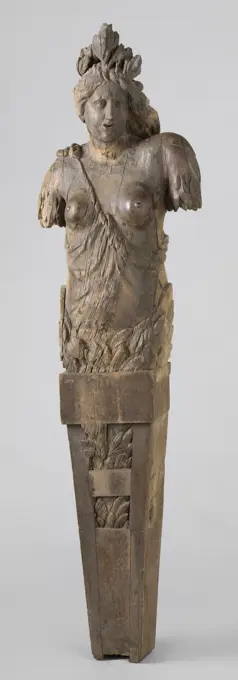
Male Terminal Figure (Bacchus ), anonymous, c. 1700 - c. 1725  Northern Netherlands oak (wood)  Northern Netherlands oak (wood)
Male Terminal Figure (Bacchus ), anonymous, c. 1700 - c. 1725 Northern Netherlands oak (wood) Northern Netherlands oak (wood)
234 assets in this story
6145-29088074
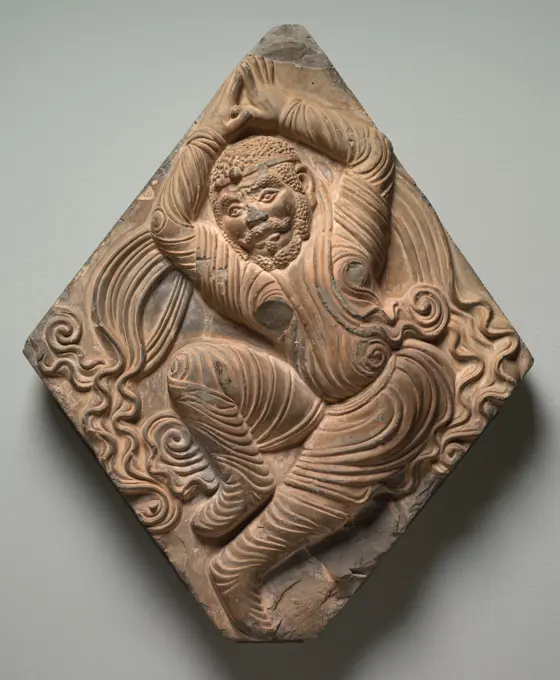
Architectural Brick with Dancer in Relief, before 870. China, Henan province, Anyang, Xiudingsi pagoda, Tang dynasty (618-907). Molded terracotta with slip coating; overall: 58 x 48.5 cm (22 13/16 x 19 1/8 in.). This brick originally formed part of the exterior wall of the pagoda at the Xiudingsi Buddhist monastery near Anyang, Henan province. The Xiudingsi pagoda, datable before 870 by an inscription carved on one brick, is the only building that survives from the once large monastic complex.
6176-67037208
Greek terracotta statuette of a horse and rider, 6th century BC.
6145-29723332
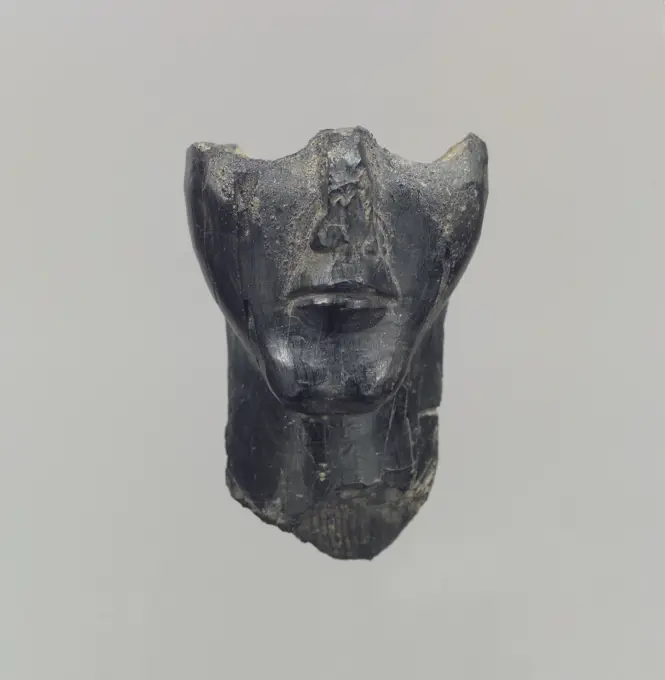
Lower half of a human head in the round ca. 9th century B.C. Iran Excavations at Hasanlu in Iran yielded a large number of carved ivory fragments which probably decorated wooden furniture or were used as small precious objects such as boxes. The citadel at Hasanlu was attacked and destroyed around 800 B.C., most likely by military forces of the powerful state of Urartu, centered in present-day Armenia, eastern Turkey, and northwestern Iran. In the fire that destroyed the citadel, many objects were crushed and shattered. The blackened appearance of most of the Hasanlu ivories is due to their exposure to high temperatures at the time of the citadels destruction.This head carved in the round is broken just below the eyes and missing its nose, but the sculptors skill is evident in the sensitive modeling of the high cheekbones, prominent cleft chin, and the full mouth with its slightly projecting upper lip. The eye sockets were hollowed out to receive inlays, now missing. The back is also
1558-14087926
Bronze Figurine, The Capital Museum, Beijing, China
6176-67037195
Copper foundation figurine ending in cone and plaque, Telloh, South Iraq, 2494BC-2465BC. Artist: Unknown
4409-17434791
Openwork plaque with figures. Culture: Babylonian. Dimensions: 5 7/8 x 5 3/8 in. (15 x 13.8 cm). Date: ca. 2000-1600 B.C..This example of an openwork bronze combines a flat plaque with a ring and symmetrically arranged framing figures that are fully modeled. The flat plaque has a knot-like appearance and is incised with a zig-zag pattern. Rosettes - symbols of the goddess Inanna/Ishtar - appear on the raised bosses and at the lower right. Above the central element, two kneeling male figures grasp a ring: both wear kilts and the extant figure is shaven except for a single lock of hair at the center of his forehead. On each side, a standing nude female faces forward. Each female raises her outer arm to her breast; the inner arm is attached to the back of the plaque. The bottom of the object is broken, but may have included an additional slot.The exact function of such openwork bronze plaques is not known. Cords, straps, or fabric were likely fed through slots in the plaque. The central
6145-59004212
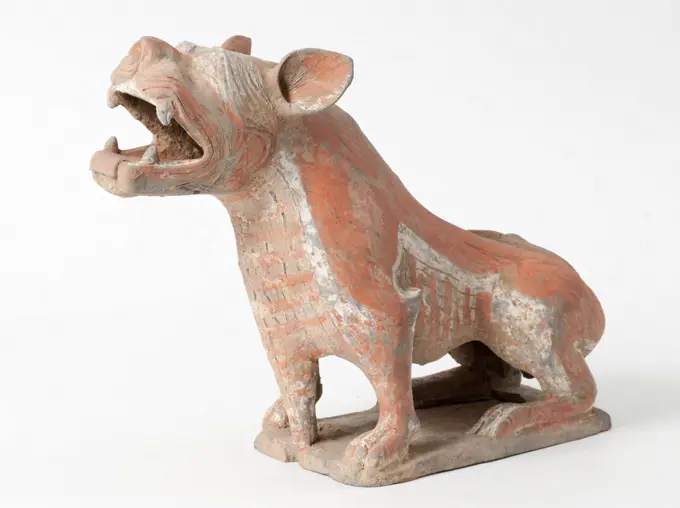
Chimera ". Terracotta, cold polychromy. Wei dynasty. Paris, Cernuschi museum. Chinese art, Chinese ceramic, chimere, wei dynasty, polychromy, terracotta, animal
6145-29155323
Andiron with the Figure of Juno 17th century or later Model, workshop of Niccolò Roccatagliata Italian. Andiron with the Figure of Juno 461198
6145-29063390
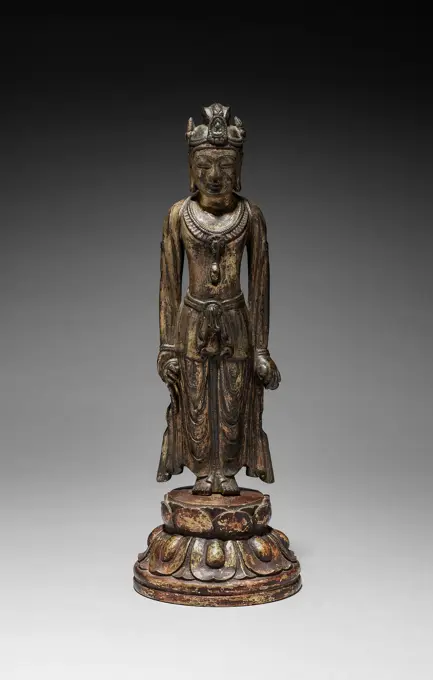
Kannon, mid-600s to early 700s. Japan, Asuka period (538-710). Gilt bronze; overall: 33 cm (13 in.).
7208-70658060
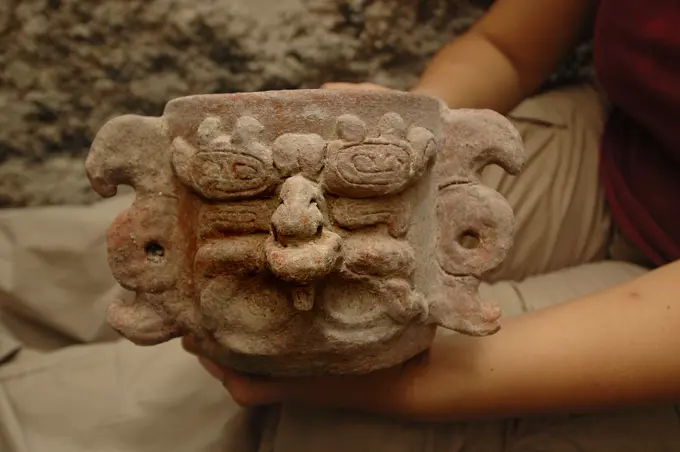
Maya, Maya Murals, San Bartolo, Guatemala, Dr. Bill Saturno
6145-29819754
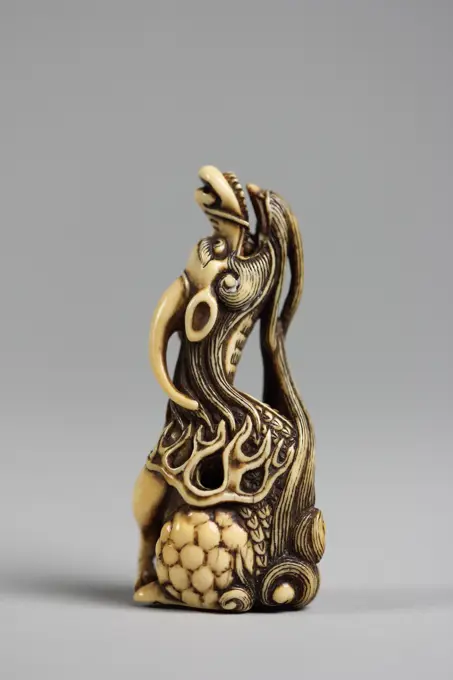
Kirin (Mythical Chimera) 18th century Japan The kirin is a mythical animal with the body of a deer, tail of an ox and a single horn. A paragon of virtue, the kirin supposedly appears in times of good government.. Kirin (Mythical Chimera). Japan. 18th century. Ivory. Edo period (1615-1868). Netsuke
4409-17372288
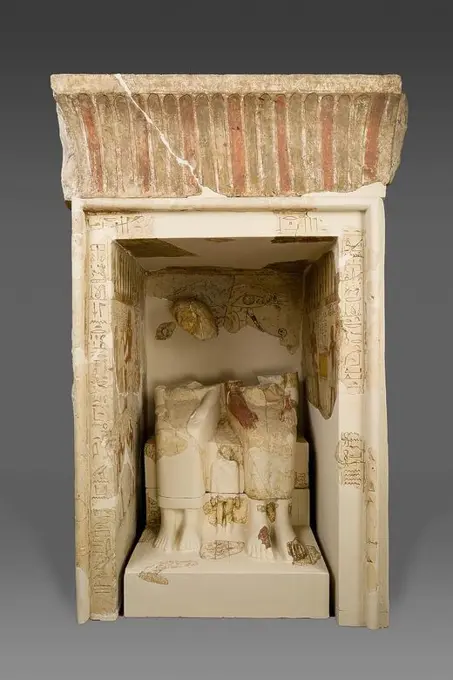
Shrine with statues of Amenemhat and his wife Neferu. Dimensions: H. 134 × W. 80 × Depth. 75 cm (52 3/4 × 31 1/2 × 29 1/2 in.). Dynasty: Dynasty 12, late-13. Date: ca. 1850-1750 B.C.. Museum: Metropolitan Museum of Art, New York, USA.
4409-17355650
Garuda Finial. Culture: Thailand. Dimensions: H. 9 3/4 in. (24.8 cm). Date: late 12th-early 13th century. Museum: Metropolitan Museum of Art, New York, USA.
6145-58825121
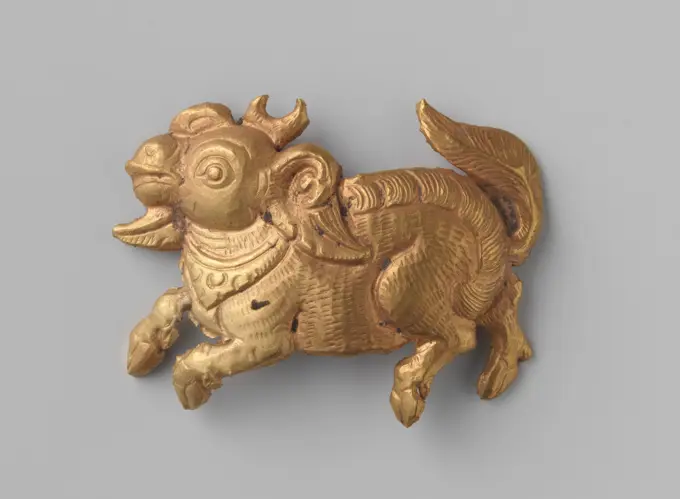
Klapoor, anonymous, 1300 - 1400 Sculpture, Fabeldier, "Klapoor". Indonesia gold (metal) rejected Sculpture, Fabeldier, "Klapoor". Indonesia gold (metal) rejected
6145-29742724
Marble sarcophagus fragment: Eros mounted on a horse 1st half of the 3rd century A.D. Roman Part of lid of sarcophagus with Eros riding a horse.. Marble sarcophagus fragment: Eros mounted on a horse 252550 Roman, Marble sarcophagus fragment: Eros mounted on a horse, 1st half of the 3rd century A.D., Marble, Overall: 4 7/8 x 7 1/4in. (12.4 x 18.4cm). The Metropolitan Museum of Art, New York. Fletcher Fund, 1926 (26.60.86)
6188-60047005
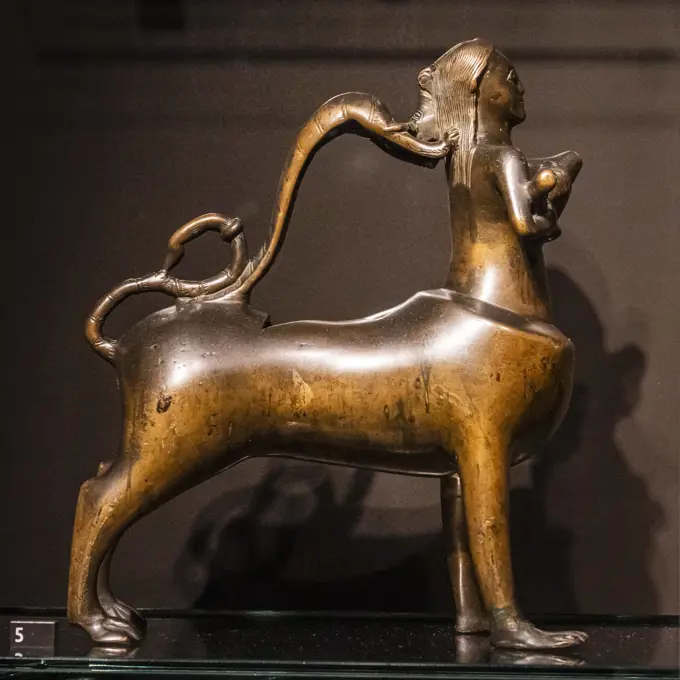
Aquamanile in the form of a Centaur Aquamanile in the form of a Centaur, 13th century, Amsterdam, Netherlands Copyright: xZoonar.com/TOLOxBALAGUERx 21627756
6145-48841487
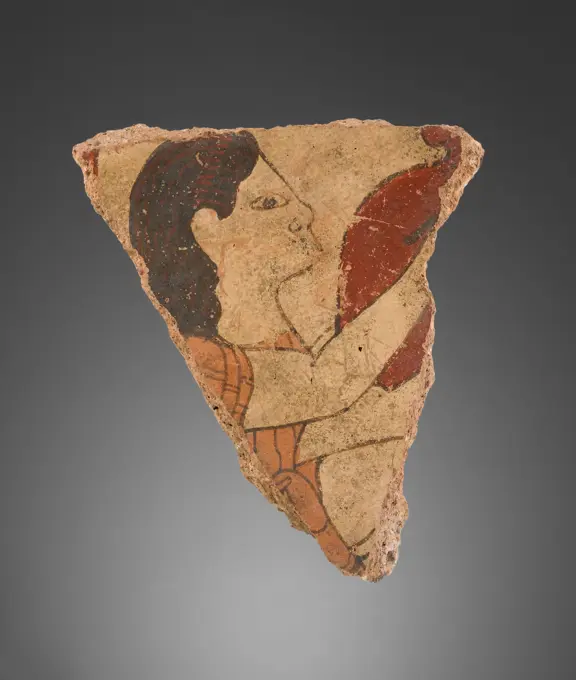
Fragment of a Painted Panel. Unknown
4409-17437612
Statuette of Poseidon, 4. Culture: Greek, Laconian. Dimensions: Height: 1 5/16 in. (3.4 cm). Museum: Metropolitan Museum of Art, New York, USA.
4443-28745597
Mounted pipe player, from a three-piece group, 18 3/16 x 14 3/4 x 5 3/8 in. (46.2 x 37.47 x 13.65 cm), Ceramic, pigment, China, Han dynasty
6145-58988467
Mingqi: 8 musician riders. Terracotta, with traces of polychromy. Paris, Cernuschi museum. 51633-5 Cavaliere musician, horse, funeral figurine, mingqi, terracotta, polychromy trace
6145-59044160
Aimé-Jules Dalou (1838-1902). "Children's arm". Terracotta, S.D. Museum of Fine Arts of the City of Paris, Petit Palais. Anatomy, left arm, finger, child, hand, terracotta
6176-66086039
Pre-Columbian art. Painted vase depicting a bear found in Tennessee. Vase found in Missouri. United States. Old 19th century engraved illustration from La Nature 1883
6145-29809381
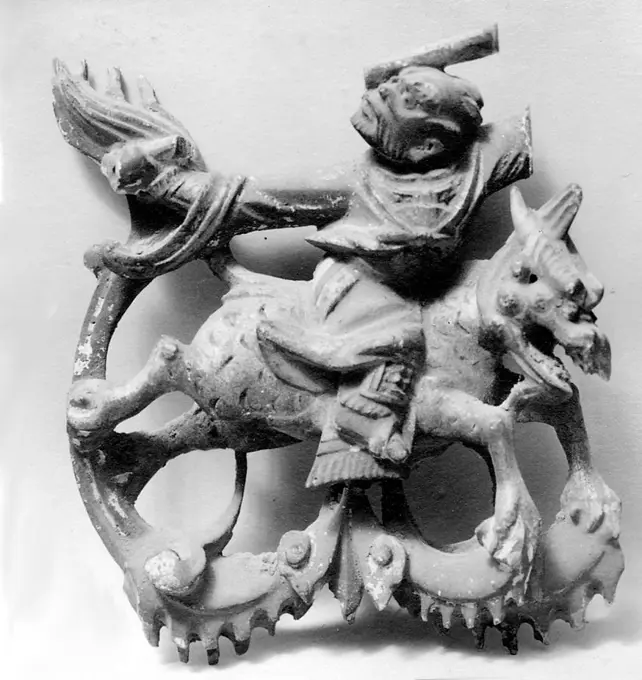
Man Mounted on Qilin China. Man Mounted on Qilin 61636
6145-30377927
StarvingOx. Artist: Nagai Rantei, active first half 19th century
1746-19664280
Part of a marble statue of a man. Roman copy of a Greek statue. 1-2 nd Century AD
4443-28739619
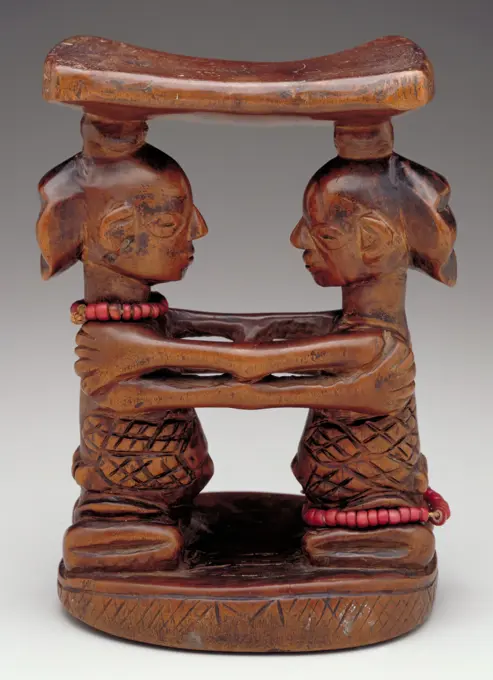
Headrest, c. 1880, 6 1/2 x 4 3/4 x 3 1/4 in. (16.5 x 12.1 x 8.3 cm), Wood, beads, string, Democratic Republic of the Congo, 19th century, Like the larger stools, Luba headrests with female figures are symbolically powerful objects associated with chiefs. The two figures represent Luba matrilineal ancestors who are the literal and figurative support of the hereditary chiefs. The embracing women also reference the importance of family unity and continuity.
4443-21960163
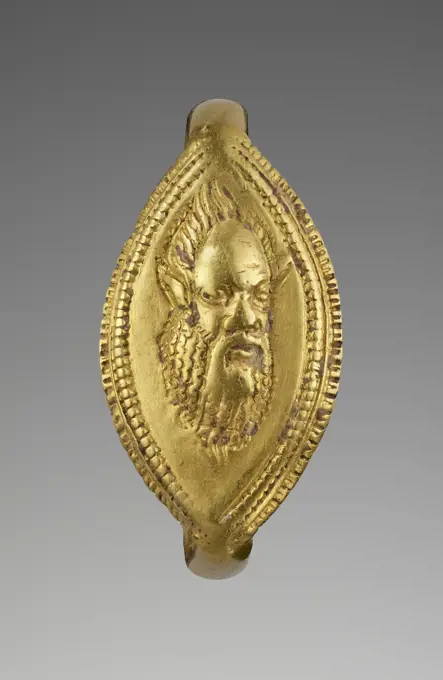
Satyr; Attributed to the Fortnum Group; Etruria; 450 - 400 B.C; Gold; 1.8 × 1 × 0.3 cm (3,4 × 7,16 × 1,8 in.)
6145-45502303
Bliżej Kultury
475-2352
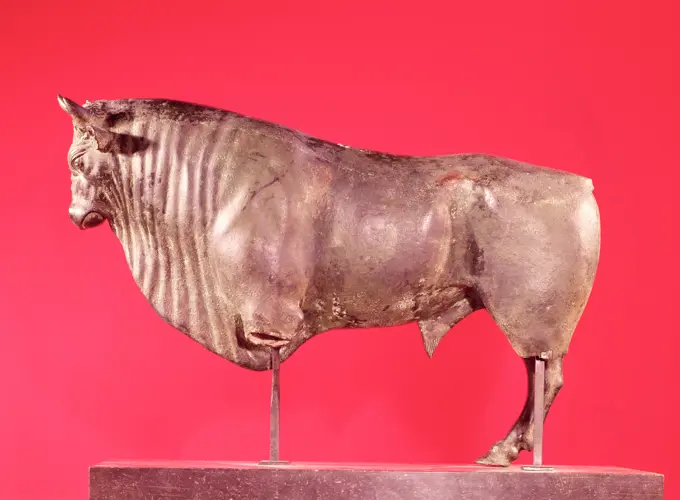
Bull with Three Horns, From Avrigney 2nd C. AD Gallo-Roman Art Bronze Musee des Beaux-Arts et d'Archeologie, Besancon France
6145-44270602
Weight. This weight is almost square in shape and is decorated in relief with Europa carried by Zeus in the guise of a bull. The folds of Europa's long, flowing garments are rendered with long, curved lines and her right shoulder and breast are uncovered. She herself is lying on the back of the bull, holding a horn with her left hand and the veil covering her head with her right. Her body is twisted slightly so that both knees rest on the rump of the bull while her side rests on the bull's back. Her legs are parted and one foot is raised. There is a dotted inscription on the back: IMIOYBELION (a Greek measure used in Attica), as well as a symbol.
4435-7411
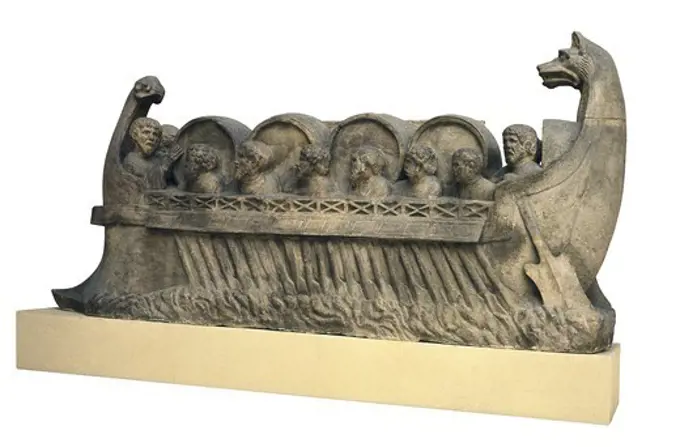
Ship with a load of wine. Roman art. Relief on rock. ITALY. LAZIO. Rome. Museum of Roman Civilization.
4409-153116
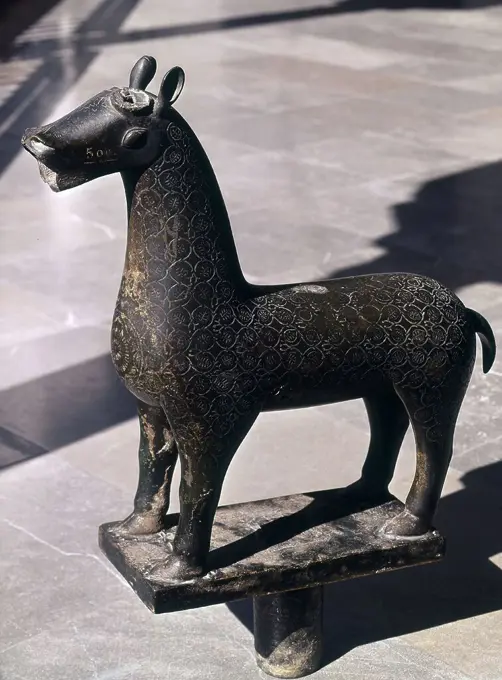
BRONCE DE ANIMAL DECORADO CON ARABESCOS VEGETALES - S X. Location: MUSEO ARQUEOLOGICO-COLECCION. CORDOBA. SPAIN.
1788-17020
Greek fictile figurine of carpenter at work, from Boeotia, Greece, 5th Century B.C.
4409-5707
HIPOPOTAMO - AMULETO - CERAMICA AZUL - ARTE EGIPCIO - 1800 AC. Location: MUSEO DEL LOUVRE-CERAMICA. France.
PREVIOUS
of 3
NEXT
2401 S. Ervay, Suite 206
Dallas, Texas 75215
United States
Browse
CategoriesGalleriesFree Research
For Creators
License Your ContentSuperStock For StudentsFrame of Mind BlogContributor PortalNew Image SpotlightLicense AI Imagery
Resources
About UsLicensingTerms & ConditionsAPI AccessPrivacyPricing
Contact
+1 866 236 0087help@superstock.com Contact form
©2026 SuperStock. All Rights Reserved. -A
This site is protected by reCAPTCHA and Google Privacy Policy and Terms of Service apply.