Ancient Artifacts and Metalwork

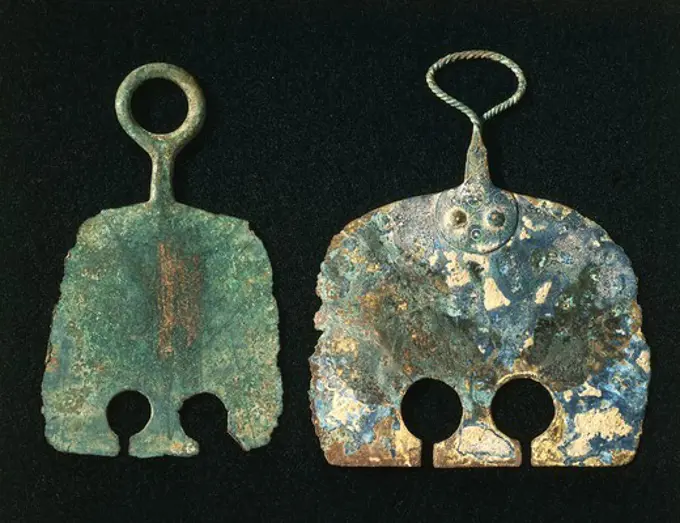
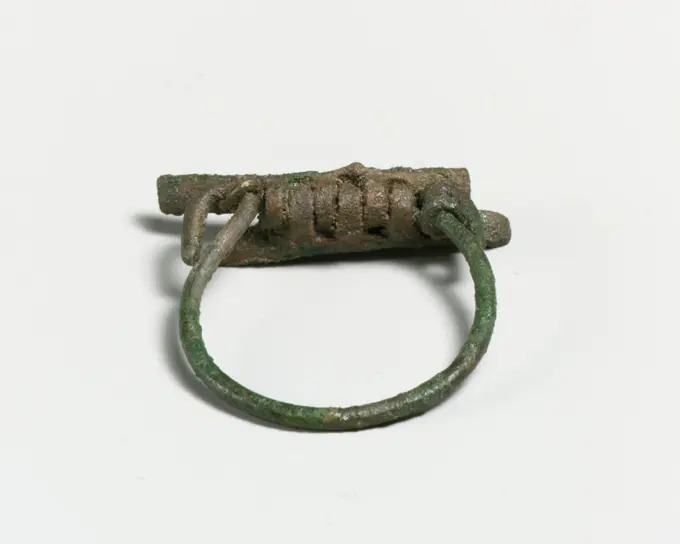
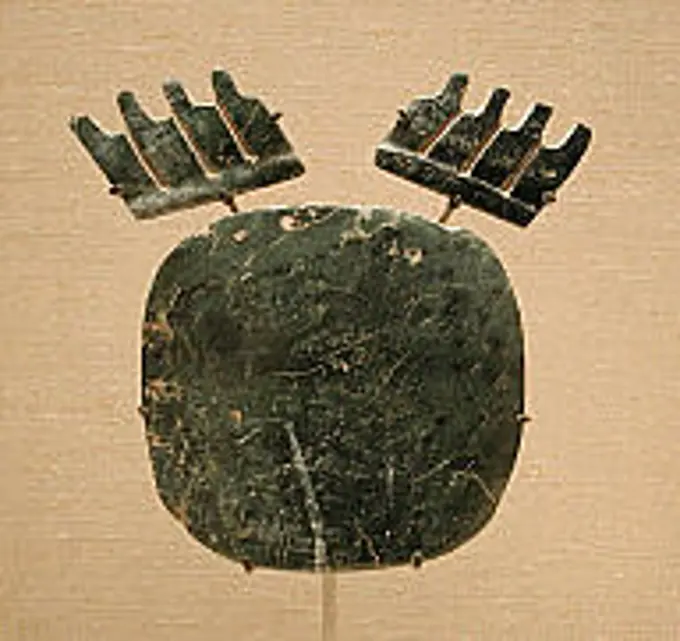
Historical metal objects including tweezers, dagger fragments, and bird-themed decorative items. Features aged patinas and intricate designs.

Fragment of majolica jug, pear-shaped model, trifoliate flower as decor, fragment fragile earthenware ceramics pottery glaze tin glaze, hand-turned baked glazed painted baked Fragment of pear-shaped jug. Majolica. Polychrome decor of trifoliate flower in circle surrounded by blue brush strokes. Strong discolouration due to stay in the soil archeology Rotterdam IJsselmonde indigenous earthenware import serving serve up Soil discovery: IJsselmonde Castle well 5 Rotterdam 1972.09.01.
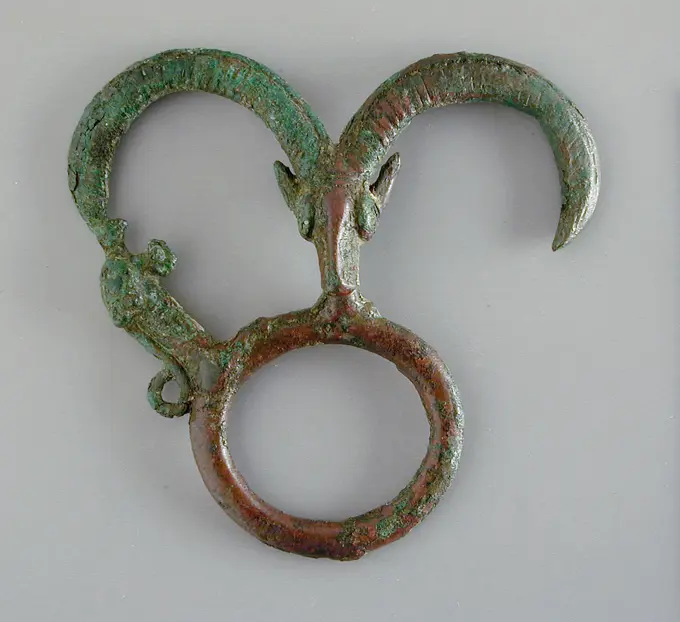
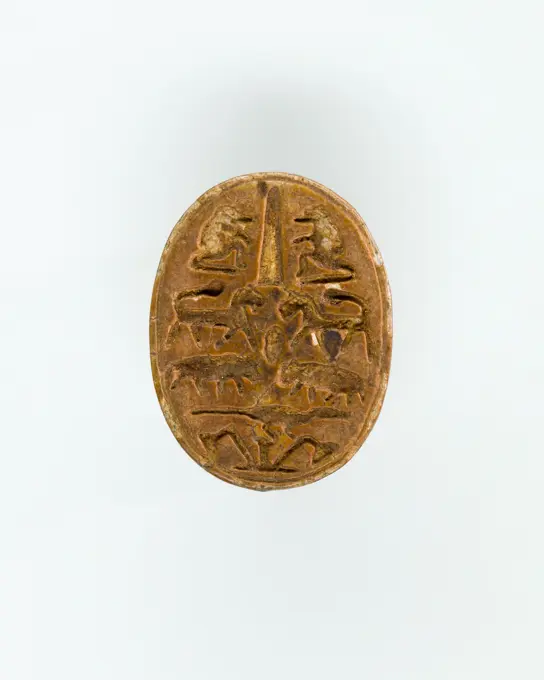
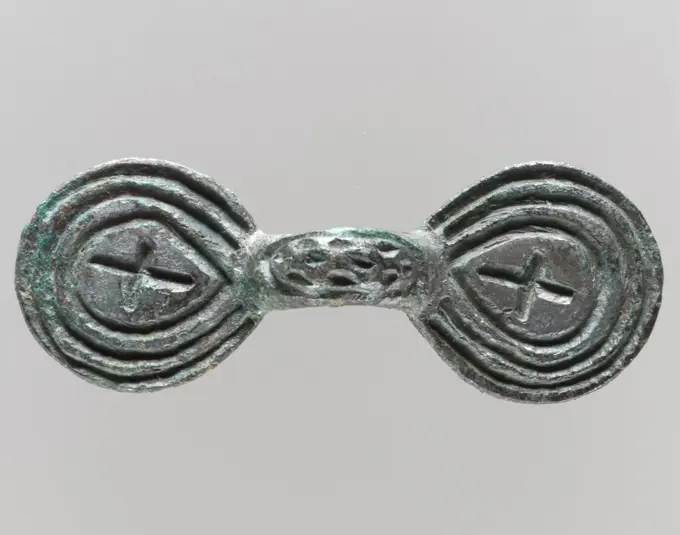
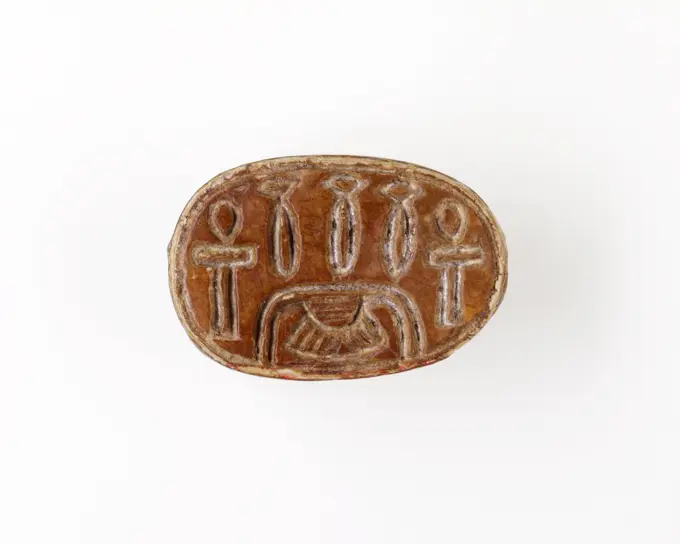
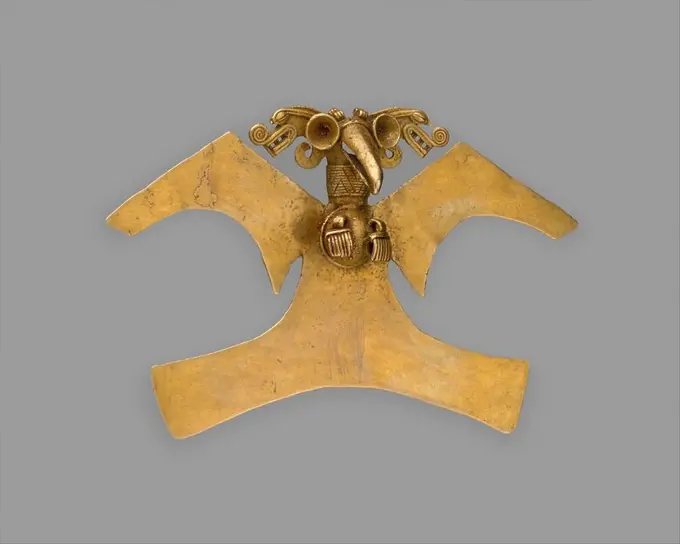
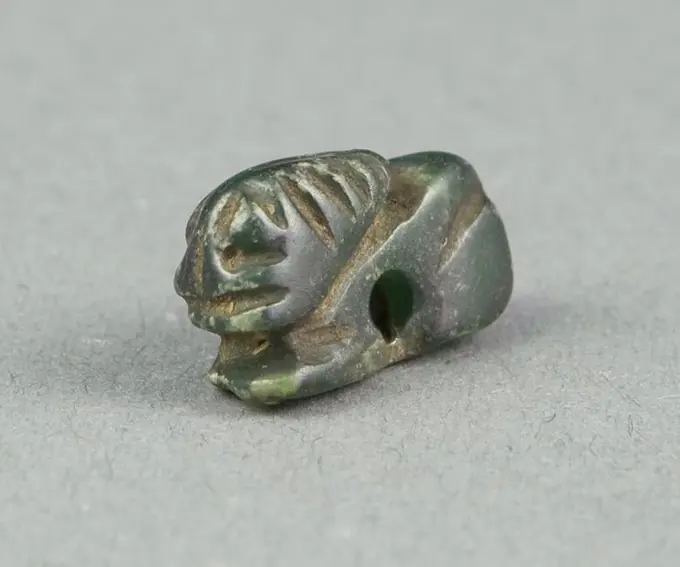
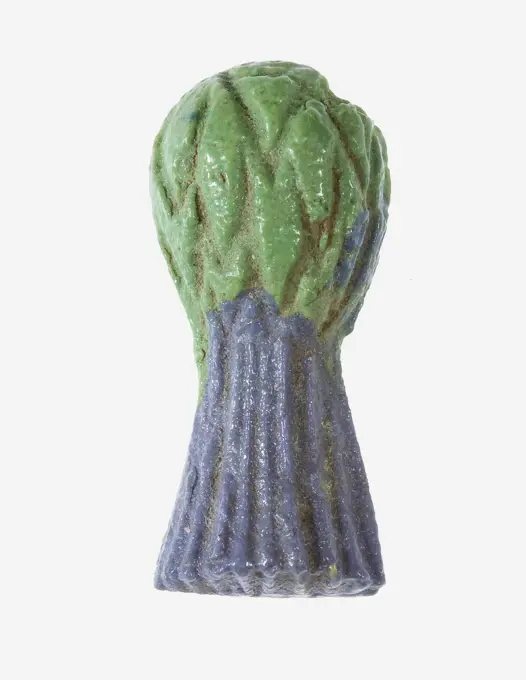
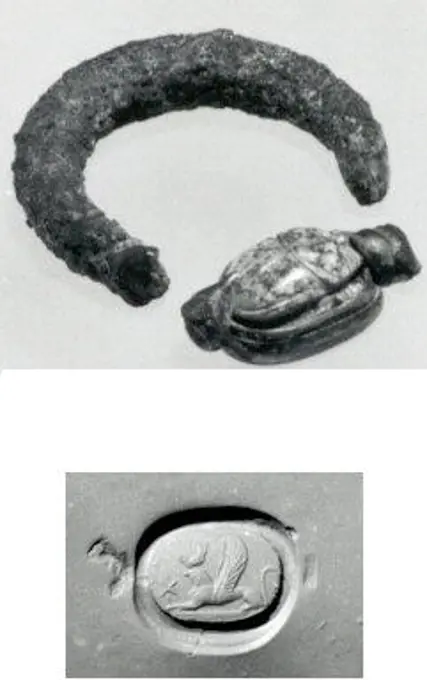
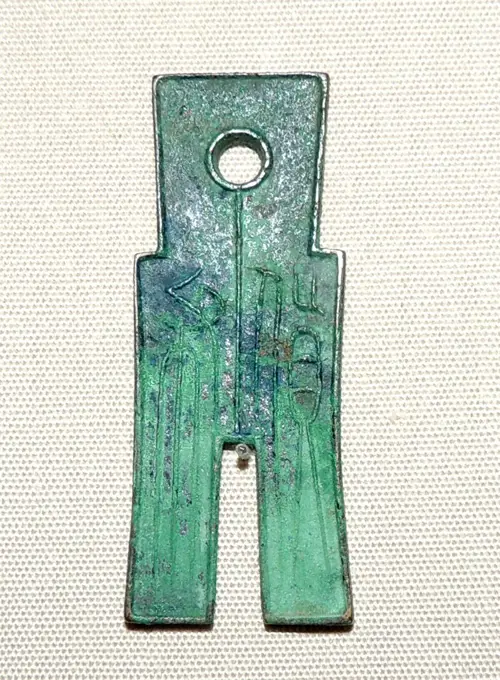
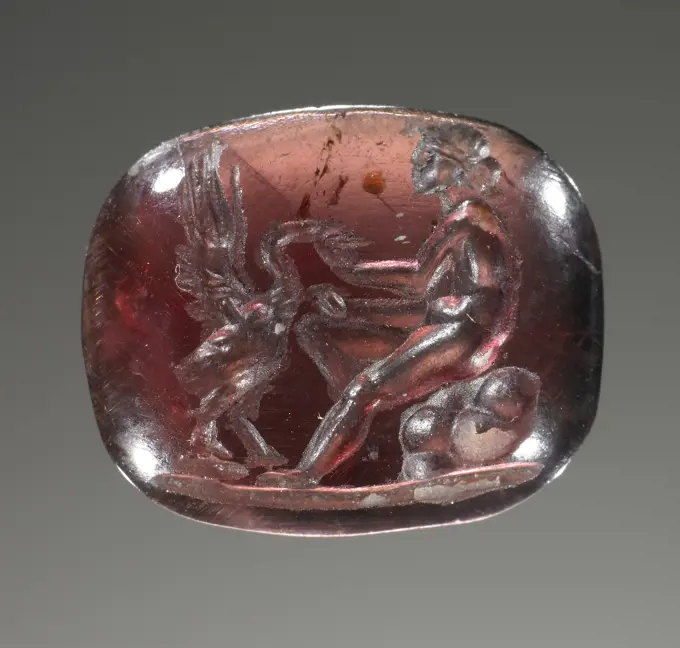
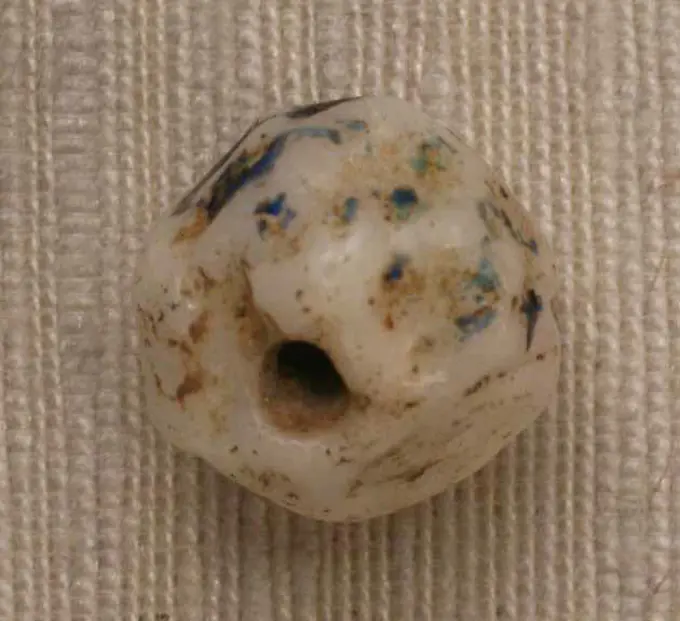
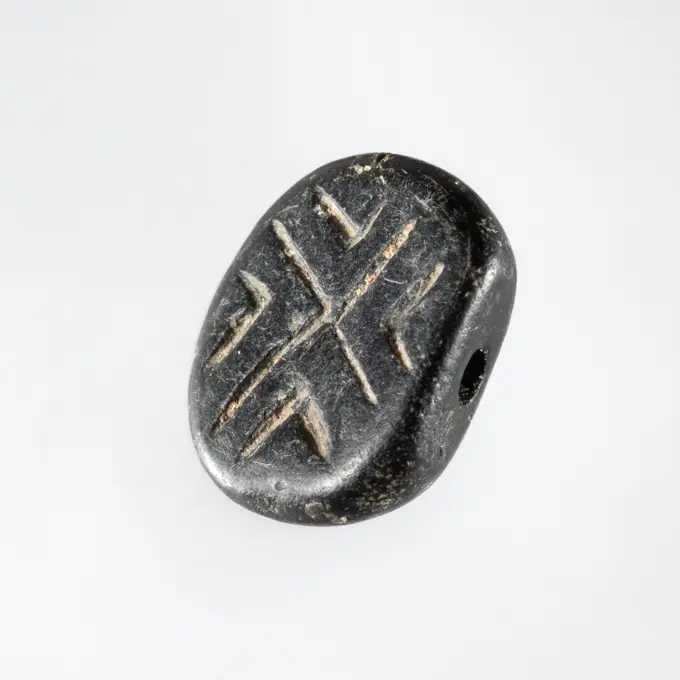
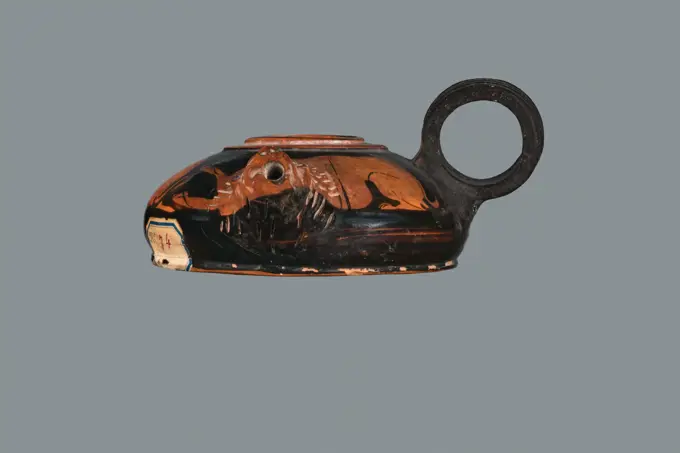
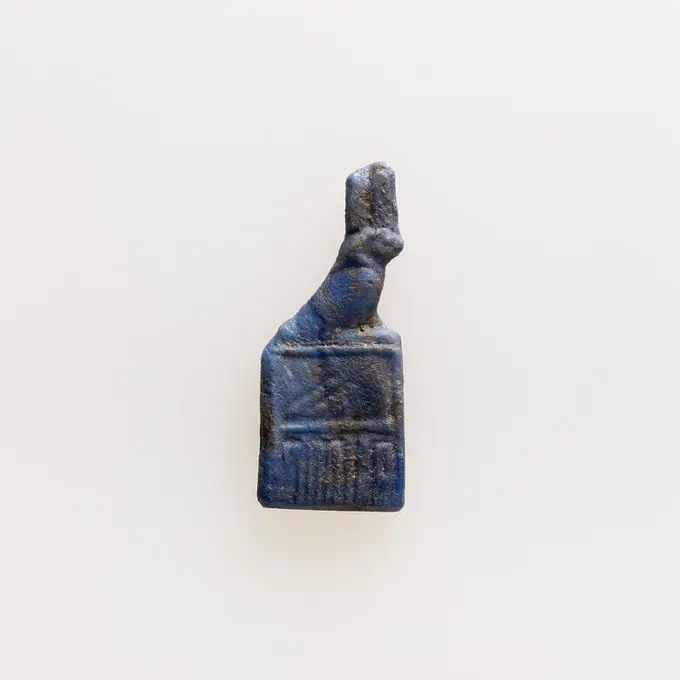
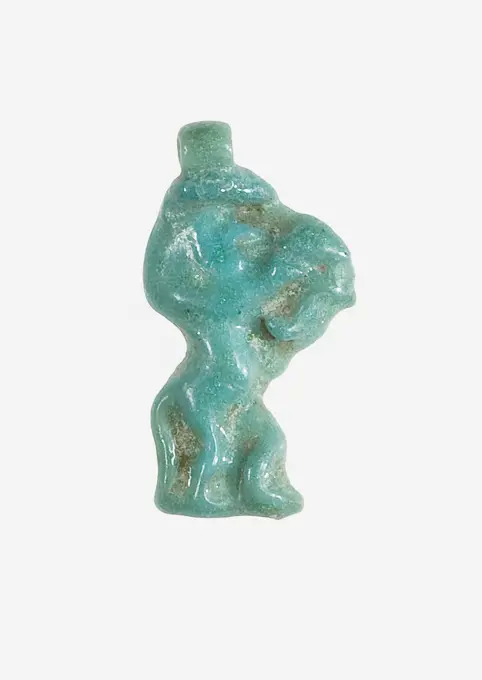
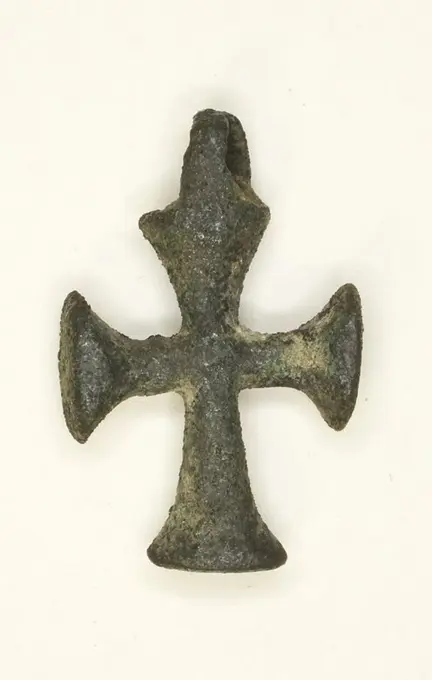
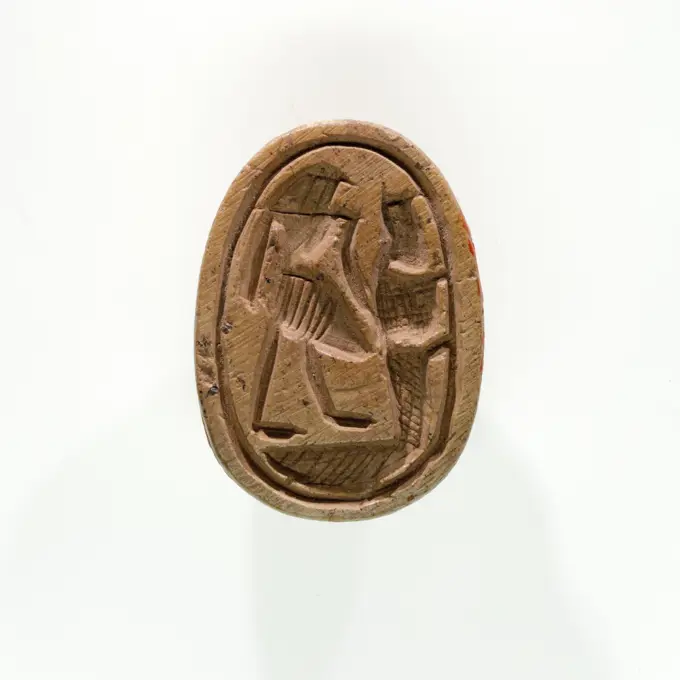
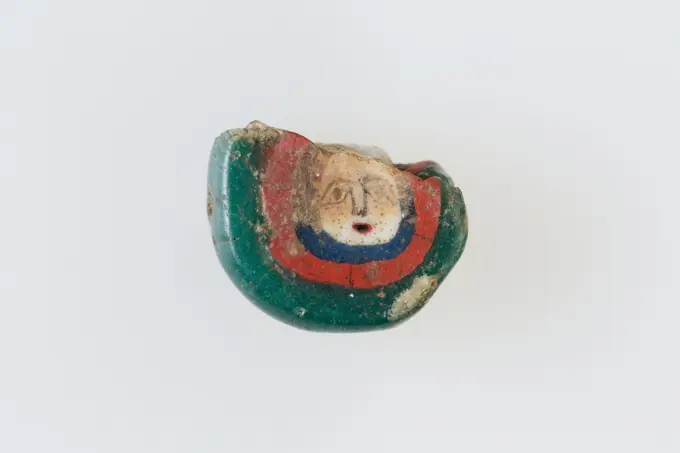
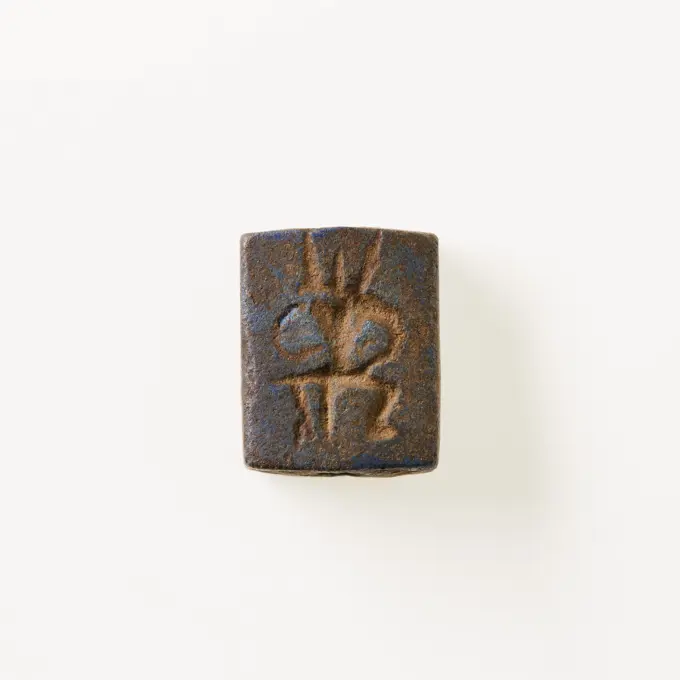
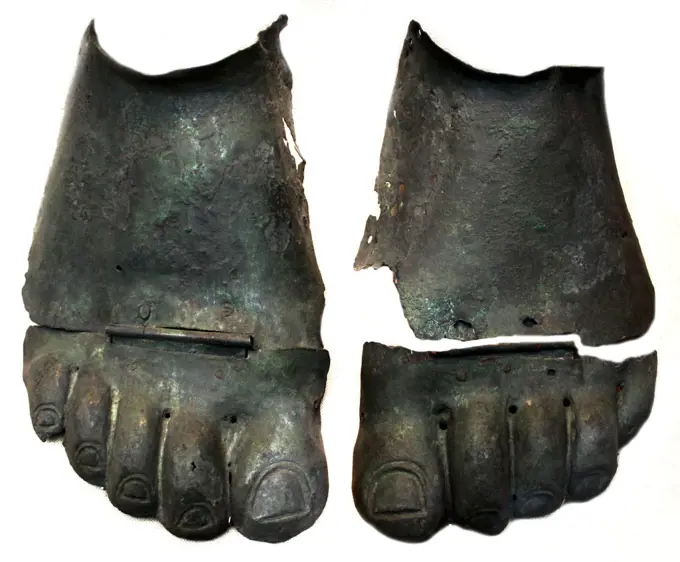
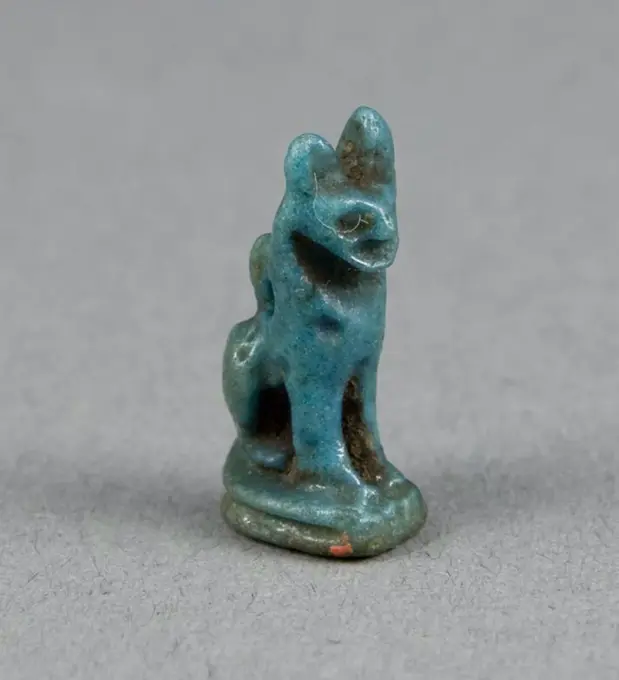
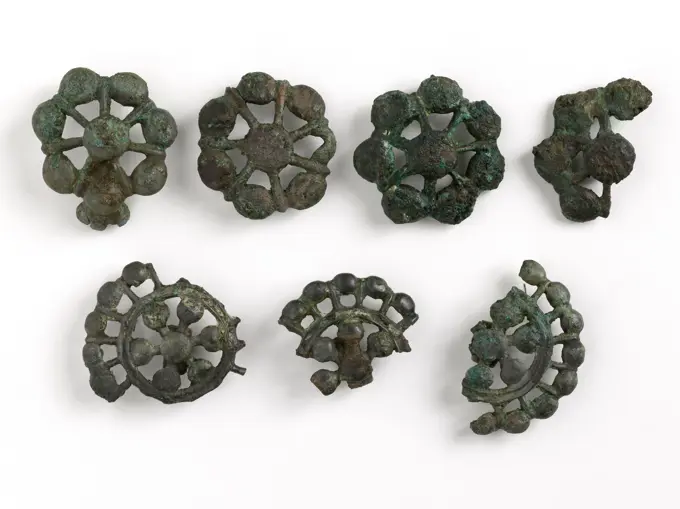
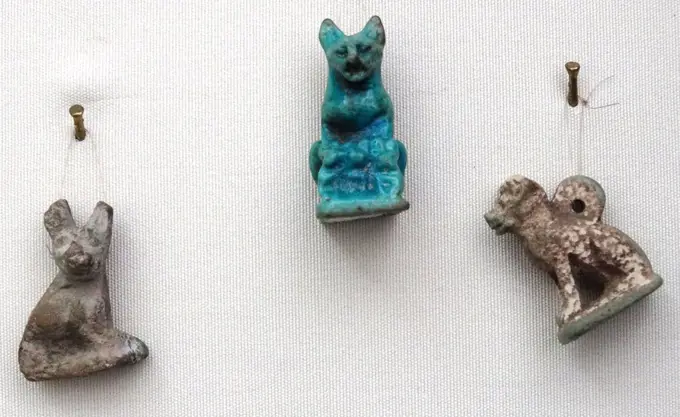
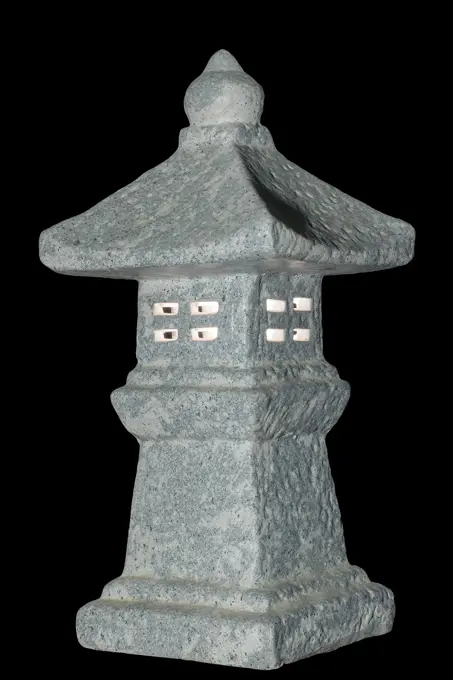
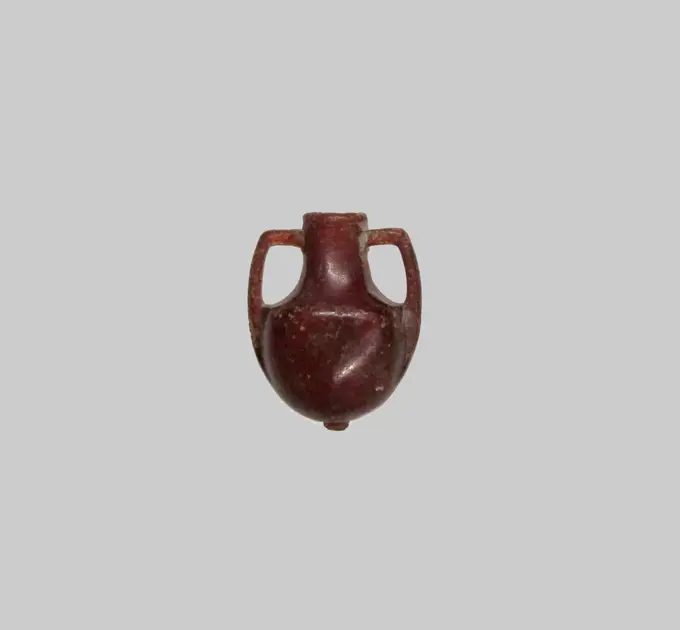
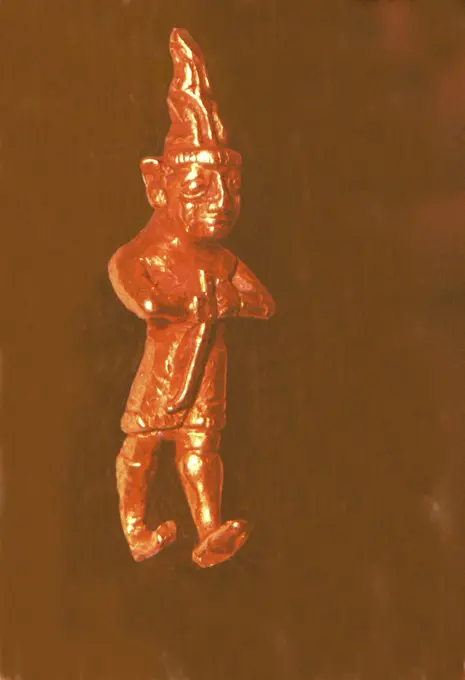
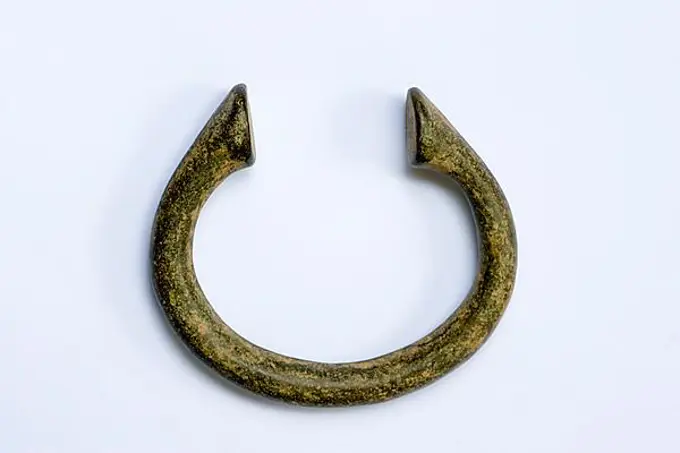
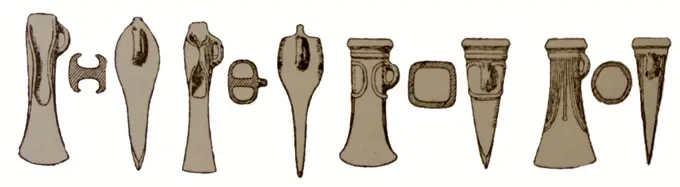
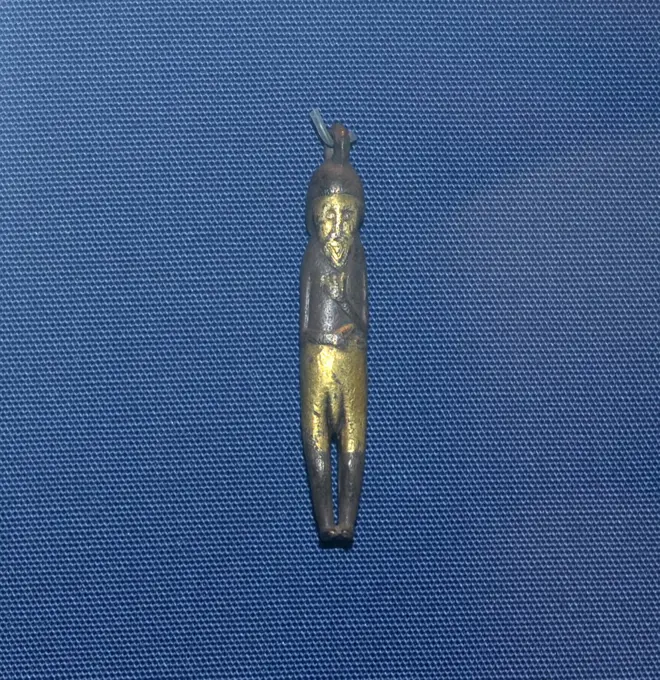
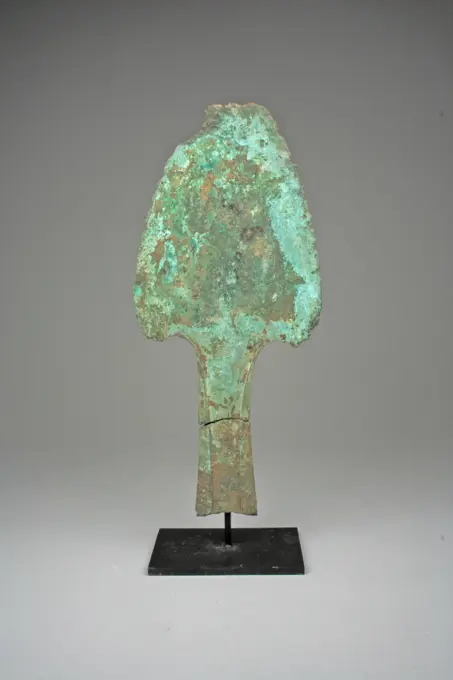
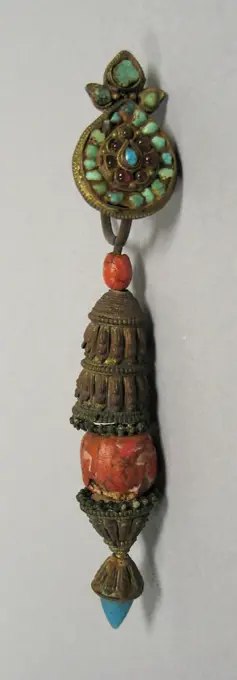
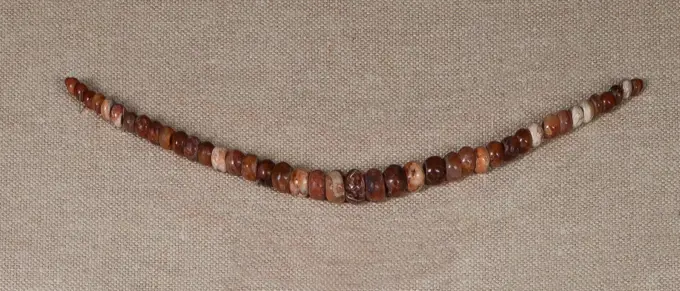
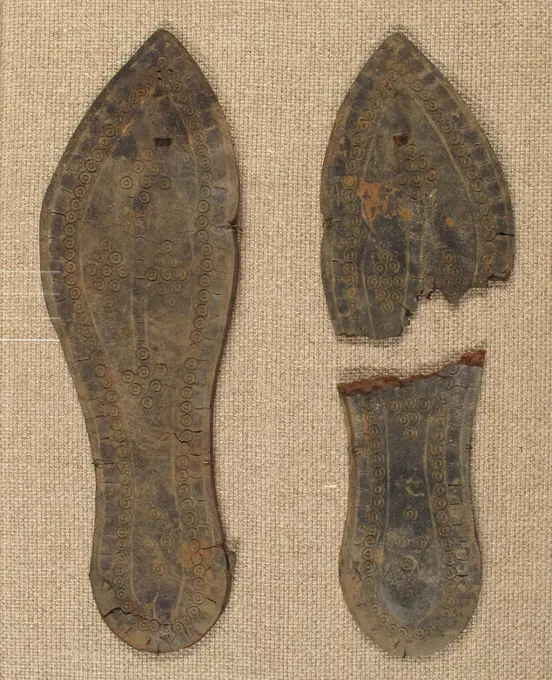
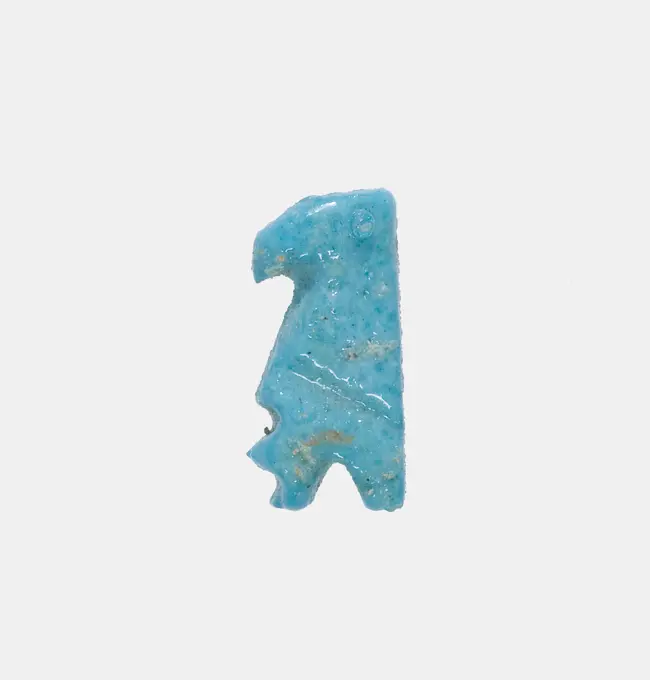
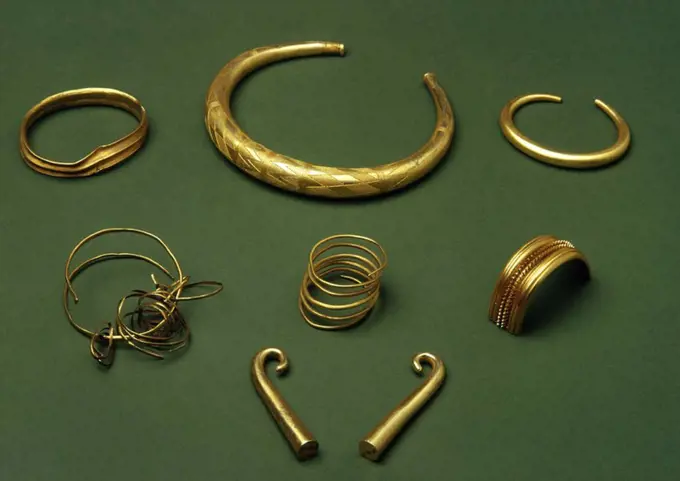
Earring, 30 BC-AD 395. Egypt, Roman Empire. Bronze and glass; diameter: 2.2 cm (7/8 in.).Ferret 6th-7th century Frankish. Ferret 464933 Frankish, Ferret, 6th7th century, Copper alloy, silvered, Overall: 1 15/16 x 1/2 x 3/8 in. (4.9 x 1.3 x 1 cm). The Metropolitan Museum of Art, New York. Gift of J. Pierpont Morgan, 1917 (17.191.230)Harness RingScarab ca. 1295-1186 B.C. New Kingdom, Ramesside. Scarab. ca. 1295-1186 B.C.. Steatite. New Kingdom, Ramesside. From Egypt. Dynasty 19Scarab ca. 1635-1458 B.C. Second Intermediate Period-Early New Kingdom. Scarab. ca. 1635-1458 B.C.. Faience. Second Intermediate Period-Early New Kingdom. From Egypt, Upper Egypt, Thebes, Asasif, Courtyard CC 41, Pit 3, Burial E 6, On body, MMA excavations, 1915-16. Dynasty 17-Early Dynasty 18Costume Ornament 11th-12th century Central coast (). Costume Ornament 308787Equal-Arm Brooch with Cross Decoration 7th-8th century Frankish. Equal-Arm Brooch with Cross Decoration 465191Figure: Equestrian 12th-16th century Middle Niger civilization. Figure: Equestrian 318011Scarab Inscribed with a Hieroglyphic Motif ca. 1479-1458 B.C. New Kingdom. Scarab Inscribed with a Hieroglyphic Motif. ca. 1479-1458 B.C.. Steatite (glazed). New Kingdom. From Egypt, Upper Egypt, Thebes, Deir el-Bahri, Temple of Hatshepsut, Foundation Deposit 7 (G), MMA excavations, 1926-27. Dynasty 18, earlyBelt hook 4th-3rd century B.C. China. Belt hook. China. 4th-3rd century B.C.. Gilt bronze. Eastern Zhou dynasty, Warring States period (475-221 B.C.). MetalworkScarab Inscribed with Hieroglyphs ca. 1850-1640 B.C. Middle Kingdom The majority of design scarabs of the late Middle Kingdom (late Dynasty 12-Dynasty 13, ca. 1850 -1640 B.C.) are decorated with symmetric compositions of hieroglyphs and/or scrolls. These signs are not meant to form words but are chosen for their positive, protective meaning. This scarab shows the hieroglyph for gold (nub) and signs placed above it, in pairs to form a balanced composition.. Scarab Inscribed with Hieroglyphs 557125Plaque in the Shape of a Tiger 6th century B.C. Northeast China. Plaque in the Shape of a Tiger 65238Chalcedony scaraboid ca. 500 B.C. Attributed to Epimenes Archer testing arrowEpimenes signed his name on a gem now in the Museum of Fine Arts, Boston. He was probably trained on one of the Aegean islands. Listen to experts illuminate this artwork's story Listen Play or pause #1030. Chalcedony scaraboid Supported by Bloomberg Philanthropies We're sorry, the transcript for this audio track is not available at this time. We are working to make it available as soon as possible.. Chalcedony scaraboid 253343Eagle Pendant. Culture: Veraguas. Dimensions: H. 1 1/2 in. (3.8 cm). Date: 11th-16th century. Museum: Metropolitan Museum of Art, New York, USA.Amulet of a Sphinx. Egyptian. Date: 1700 BC. Dimensions: 1 × 1.6 × 0.6 cm (3/8 × 5/8 × 1/4 in.). Stone. Origin: Egypt. Museum: The Chicago Art Institute, Chicago, USA. Author: Ancient Egyptian.BeadFragment of a terracotta krater (mixing bowl) 6th century B.C. East Greek On the neck, wild goats.On the shoulder, fallow deer.. Fragment of a terracotta krater (mixing bowl) 254834Cornflower Bead ca. 1390-1353 B.C. New Kingdom. Cornflower Bead. ca. 1390-1353 B.C.. Faience. New Kingdom. From Egypt, Upper Egypt, Thebes, Malqata, Palace of Amenhotep III, MMA excavations, 1910-11. Dynasty 18Engraved Gem; Roman Empire; 3rd century; Green medium; 1.5 cm (9,16 in.)Fibula 2nd century B.C. Etruscan. Fibula 255232 Etruscan, Fibula, 2nd century B.C., Bronze, H.: 1 1/8 x 2 3/8 x 1 in. (2.9 x 6 x 2.5 cm). The Metropolitan Museum of Art, New York. Gift of Miriam Schaar Schloessinger, 1966 (66.119.3)Silver ring with plasma scarab in a gold setting 7th-early 5th century B.C. Cypriot Swivel ring with plasma scarab; gold claw mount; hawk headed sphinx in royal crown recumbent.. Silver ring with plasma scarab in a gold setting. Cypriot. 7th-early 5th century B.C.. Silver, plasma, gold. ArchaicPrehistory, Italy, Bronze Age. Scrapers. From Umbria Region.Glass gem with gold foil ornament. UnknownBronze hoe coin, worth 25 standard coins. Wang Mang (AD 9-23)Cast-gold pendant from Costa Rica. Dated 2nd CenturyHandle of a bowl Cypriot. Handle of a bowl 244330Engraved Gem; Italy; 1st century - 2nd century; Rhodolite garnet (Pyrope-almandine intermediate garnet); 12.4 x 2.5 x 10.4 cm (4 7,8 x 1 x 4 1,16 in.)Arrow Point, 550-330 BC. Iran, Ecbatana (). Bronze; overall: 3.9 cm (1 9/16 in.).Fragment stitch passer from the wreck of the East Indians Hollandia, Anonymous, 1700 - in Or Before 1743  Divider; fragment of semicircular ring, id. NG 1980-27H1669, eroded. Netherlands copper (metal)   SecondRing Ramesses-mry-Amun 1147 BCE-1143 BCE Egypt. Faience . Ancient EgyptianFunerary Mask () 8th-4th century B.C. Olmec. Funerary Mask (). Olmec. 8th-4th century B.C.. Stone. Mexico, Mesoamerica. Stone-OrnamentsBead probably 8th-12th century. Bead 854559Bake  STEMPLOWA with a geometric ornament;  6,000 BC ; Halaf culture (-6000-00-00--5001-00-00);Semerau-Siemianowski, Władysław (1849-1938), Semerau-Siemianowski, Władysław (1849-1938)-collection, gift (provenance), Halaf culture (approx. 6500-ok. 5500 BC), stamp sealsFrench and foreign goldsmiths. Wax. Gold chopped. 18th century. Paris, Cognacq-Jay museum. 56641-7 Foreign, wax, french, gold chisel, orfevreryBead Roman. Bead. Roman. Glass. GlassGuttus czerwonofigurowy. unknown, authorAmulet of serekh sign surmounted by archaic falcon. Dimensions: H. 3.2 × W. 1.4 cm (1 1/4 × 9/16 in.). Date: 525-30 BC.Starting in the later Late Period and continuing through the Ptolemaic Period, a type of glass amulet cast by pressing the glass into a shallow open mold appears. The back was left rough, and the amulets may look ragged because glass overflowed the mold around the edges. The earlier amulets are monochrome, bi- or multicolor amulets supplement the repertoire during the Ptolemaic Period.Some of the amulets can be specifically tied to spells of the Book of the Dead - for example, acc. no. 17.194.2526 - and most are clearly funerary amulets, presumably meant to be wrapped between the bandages of the mummy where the presence of the amulet would do its job irrespective of its degree of finish. Museum: Metropolitan Museum of Art, New York, USA.Amulet of Bes with tambourine ca. 1390-1353 B.C. New Kingdom. Amulet of Bes with tambourine. ca. 1390-1353 B.C.. Faience. New Kingdom. From Egypt, Upper Egypt, Thebes, Malqata, Palace of Amenhotep III, MMA excavations, 1910-11. Dynasty 18Model ax-head ca. 2650 B.C. Early Dynastic Period. Model ax-head 547425Amulet of a Cross. Egyptian. Date: 301 AD-600 AD. Dimensions: 2.2 × 1.6 × 0.5 cm (7/8 × 5/8 × 3/16 in.). Bronze. Origin: Egypt. Museum: The Chicago Art Institute, Chicago, USA. Author: BYZANTINE.Oyster-Shell Pendant, 1980-1801 BC. Egypt, Middle Kingdom, Dynasty 12. Carnelian and silver; overall: 1.5 cm (9/16 in.).Scarab from Ruiu's Burial ca. 1504-1447 B.C. New Kingdom The burial of Ruiu was found in the tomb of her father, Neferkhawet, which was excavated by the Museums Egyptian Expedition in 1935. Lying against the right side of the head end of Ruius coffin was a small basket that contained a wooden box and a metal razor. Inside the box were four scarabs and a cowroid seal-amulet made of steatite, two ebony kohl sticks, and a small metal spoon.This scarab was not glazed. It shows no wear, suggesting that it was new when it was placed in the tomb. The pattern on the base includes a falcon-headed figure facing a crocodile and standing over a nb-basket hieroglyph. The design and style are typical of scarabs dating to the Hyksos period, a century or so before the death of Ruiu, sometime in the sole reign of Thutmose III. Another scarab and three rings belonging to Ruiu also appear to be of Hyksos design.. Scarab from Ruiu's Burial. ca. 1504-1447 B.C.. Glazed steatite. New Kingdom. From Egypt, UInlay/bead blank with face 100 BC-100 AD Ptolemaic Period-Roman Period A mosaic glass technique allowed multiples of an image to be created: a figural or design composition was made by bundling colored glass canes, which were then drawn out into a long bar. The bar was then sectioned at right angles, probably by striking the bar with appropriate tools, to produce small inlay tiles. The tile would then be smoothed and polished on the face intended to appear outwards.. Inlay/bead blank with face. 100 BC-100 AD. Glass. Ptolemaic Period-Roman Period. From EgyptBes Plaque Late Period 664-332 B.C. View more. Bes Plaque. 664-332 B.C.. Blue faience. Late Period. From Egypt, Upper Egypt, Thebes, Deir el-Bahri, Middle Terrace, Late Dynastic intrusive burials, MMA excavations. Dynasty 26-30Sword Guard (Tsuba). Culture: Japanese. Dimensions: H. 2 3/4 in. (7 cm); W. 2 3/8 in. (6 cm); thickness 5/16 in. (0.8 cm); Wt. 4.2 oz. (119.1 g). Date: ca. 1615-1868. Museum: Metropolitan Museum of Art, New York, USA.FriezePair of bronze foot-guards Greek or Italian, about 520-480BC From Ruvo. Few examples of foot-guards survive; they may have proved too cumbersome to be of practical benefit.Amulet of the Goddess Bastet as a Seated Cat. Egyptian. Date: 664 BC-30 BC. Dimensions: 1.6 x 0.6 x 1 cm (5/8 x 1/4 x 3/8 in.). Faience. Origin: Egypt. Museum: The Chicago Art Institute, Chicago, USA. Author: Ancient Egyptian.Pendant: Ram's Head. UnknownPins, ornaments. Bronze. Caucasus. Second half of the 2nd millennium BC. Paris, Cernuschi museum. 35407-7 Spindle, bronze, ornamentAncient Egyptian figurines of cats. Cats were the sacred animal of the goddess Bastet.Ornament Korea. Ornament 57446Japanese lantern. Toro. Isolated on black Japanese lantern. Toro. Isolated on black Copyright: xZoonar.com/PavelxSytilinxxxxxVolgograd,xRussia.x 22009829Miniature amber amphora (jar) 1st century A.D. Roman For the Romans, amber was a costly and therefore luxurious material. It seems that it was especially prized by women, who collected rings, trinkets, and small perfume bottles made of amber. Many such objects were produced at Aquileia in Northern Italy, which may be where this miniature amphora was carved. The amber trade was stimulated by the expedition of a Roman eques (knight) to the Baltic coast in the reign of the Emperor Nero (A.D. 54-68).. Miniature amber amphora (jar). Roman. 1st century A.D.. Amber. Early Imperial, Julio-Claudian or Flavian. Miscellaneous-AmberHittite gold figurine, 14th cent. from Yozgat, near Bogazkoy. TURKEY.Ancient money, open bronze manilla, also known as slave trade money, a slave costed about 15 manillas, West Africa, 15th-19th centuryDiagrams depicting the transition from stone to ironAmulet of Tyet (Isis Knot) 664 BCE-525 BCE Egypt. Faience . Ancient EgyptianBronze bracelet Open ends terminating in volutes.. Bronze bracelet 256668Scarab Inscribed with Blessing Related to Re ca. 1850-1640 B.C. Middle Kingdom During the late Middle Kingdom (late Dynasty 12-13, ca. 1850-1640 B.C.), numerous scarabs were incised with inscriptions related to the sun god Re. These scarabs are often quite small. The precise meaning of the inscriptions remains unclear: they can be interpreted as forming the name Re, or as a phrase or wish meaning (may) Re give. Such inscriptions summon the sun gods protection. These so-called ‘rdi ra scarabs continue to be manufactured during the Second Intermediate Period (ca. 1640-1550 B.C.), but show different details on the back and sides.. Scarab Inscribed with Blessing Related to Re 557090Small figurine Amulets 600 A.D. Thought to have fertility properties. Made from beaver teeth with a gold setting. Anglo Saxon. Cuff Bracelet with Cat Amulets ca. 1479-1425 B.C. New Kingdom. Cuff Bracelet with Cat Amulets 548681Goldsmith's art, France, 19th century. Crystal and gold perfume bottles.Hippopotamus Amulet ca. 1479-1425 B.C. New Kingdom. Hippopotamus Amulet. ca. 1479-1425 B.C.. Gold. New Kingdom. Possibly from Upper Egypt, Thebes; From Egypt. Dynasty 18Beads 9th-12th century. Beads 855958Axe Blade ca. 500 B.C.-A.D. 300 Dongson. Axe Blade 316119Earring 19th century Eastern Tibet. Earring. Eastern Tibet. 19th century. Gold with precious and semi-precious stones. JewelryIberische Votivgabe aus Bronze Iberian bronze votive offering, Valladolid Museum - Provincial Museum of Antiquities, Autonomous Community of Castile and Leon, Spain Copyright: xZoonar.com/BartomeuxBalaguerxRotgerx 22539220String of Carnelian Ball Beads ca. 1981-1295 B.C. Middle Kingdom-Early New Kingdom Thousands of beads of carnelian, amethyst, quartz, gold faience, and shell were discovered in the surface sand, or radim, of the North Pyramid at Lisht. These have been assembled into a number of necklaces, such as this example, composed primarily of large carnelian ball beads.. String of Carnelian Ball Beads. ca. 1981-1295 B.C.. Carnelian. Middle Kingdom-Early New Kingdom. From Egypt, Memphite Region, Lisht North, Cemetery, Debris, MMA excavations, 1920-22. Dynasty 12-18Plaque for a Collar or Necklace 8th century. Plaque for a Collar or Necklace 446249Winged scarab Ptolemaic Period 332-30 B.C. Large scarabs and their separately molded wings were made with holes to be sewn to mummy wrappings or worked into bead nets. They would then lie over the chest of the mummy. The type is known from Dynasty 25 onward. View more. Winged scarab. 332-30 B.C.. Faience. Ptolemaic Period. From EgyptSandal Soles. Culture: Coptic. Dimensions: Overall (a): 8 1/2 × 2 3/4 × 1/8 in. (21.6 × 7 × 0.3 cm)Overall ((b) toe fragment): 4 × 2 1/2 × 1/8 in. (10.2 × 6.4 × 0.3 cm)Overall ((c) heel fragment): 4 1/8 × 2 × 1/8 in. (10.5 × 5.1 × 0.3 cm)Framed: 11 1/4 × 8 1/4 × 1 1/2 in. (28.6 × 21 × 3.8 cm). Date: 4th-7th century. Museum: Metropolitan Museum of Art, New York, USA.Pendant 1st millennium B.C. Iran. Pendant 325101Amulet ca. 1802-1450 B.C. Late Middle Kingdom-Early New Kingdom. Amulet. ca. 1802-1450 B.C.. Faience. Late Middle Kingdom-Early New Kingdom. From Egypt, Memphite Region, Lisht North, Cemetery south of pyramid, House A1, so-called "faience factory", MMA excavations, 1920-22. Dynasty 13-18, earlyScarab. UnknownREPRODUCCION DE UN CONJUNTO DE PIEZAS DE ORO: TORQUES, PULSERA EN ESPIRAL Y OTRAS PIEZAS. BRONCE JOYERIA. (DEPOSITO: MUSEO ARQUEOLOGICO NACIONAL).