Ancient Artifacts and Metalwork

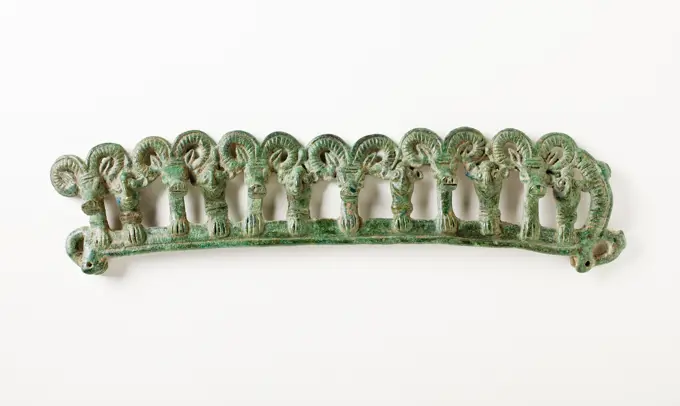
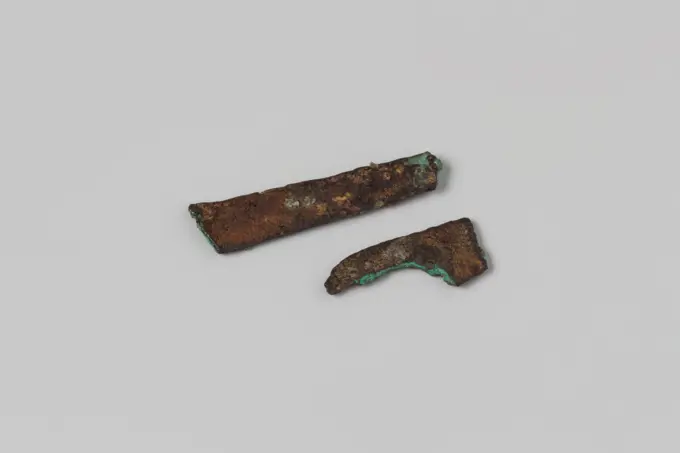
Historical metal objects including tweezers, dagger fragments, and bird-themed decorative items. Features aged patinas and intricate designs.

Fragment of majolica jug, pear-shaped model, trifoliate flower as decor, fragment fragile earthenware ceramics pottery glaze tin glaze, hand-turned baked glazed painted baked Fragment of pear-shaped jug. Majolica. Polychrome decor of trifoliate flower in circle surrounded by blue brush strokes. Strong discolouration due to stay in the soil archeology Rotterdam IJsselmonde indigenous earthenware import serving serve up Soil discovery: IJsselmonde Castle well 5 Rotterdam 1972.09.01.
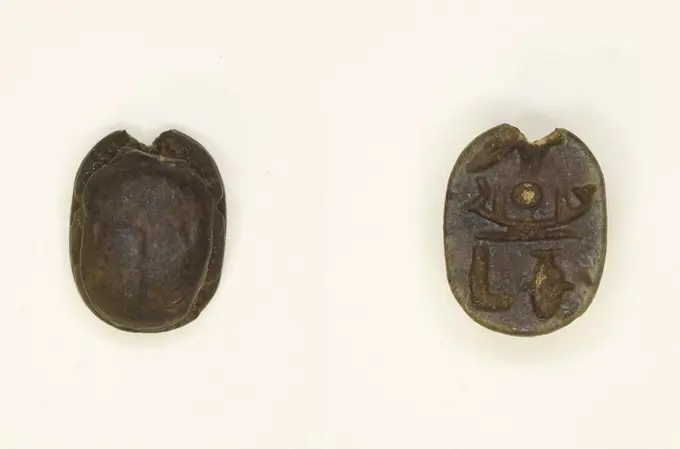
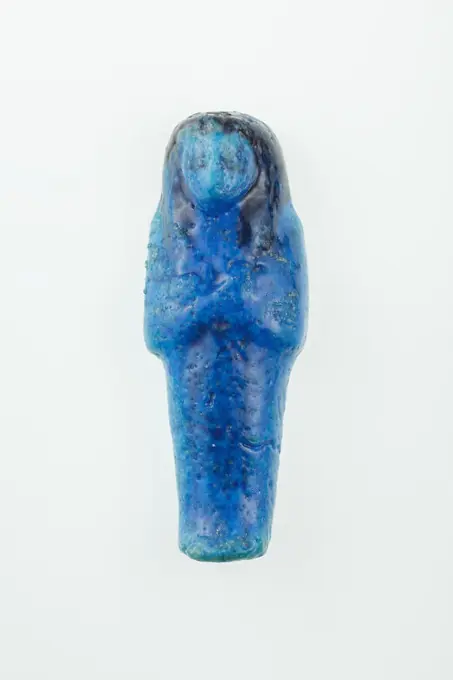
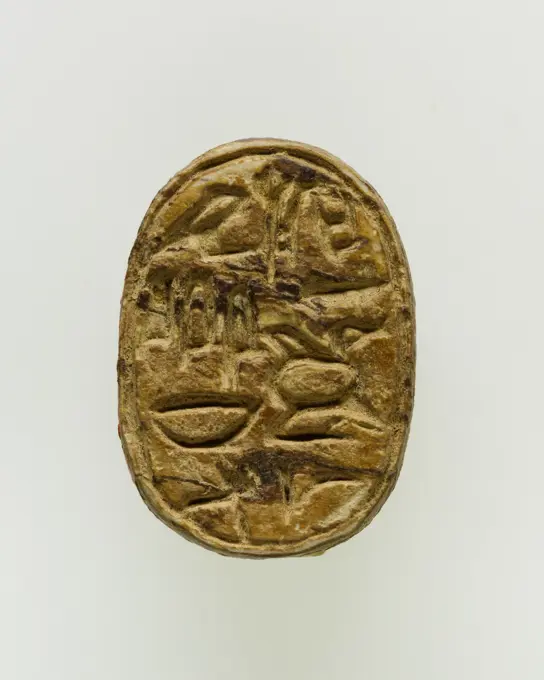
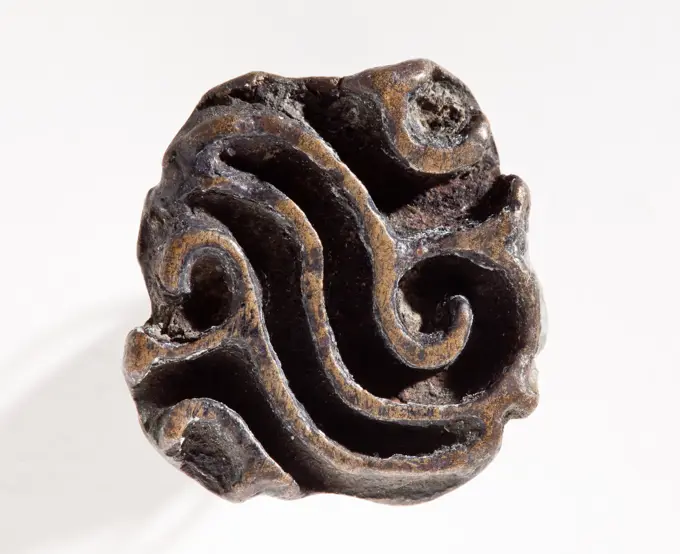
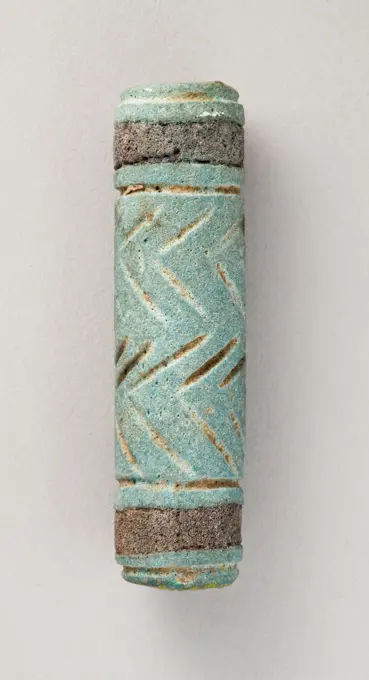
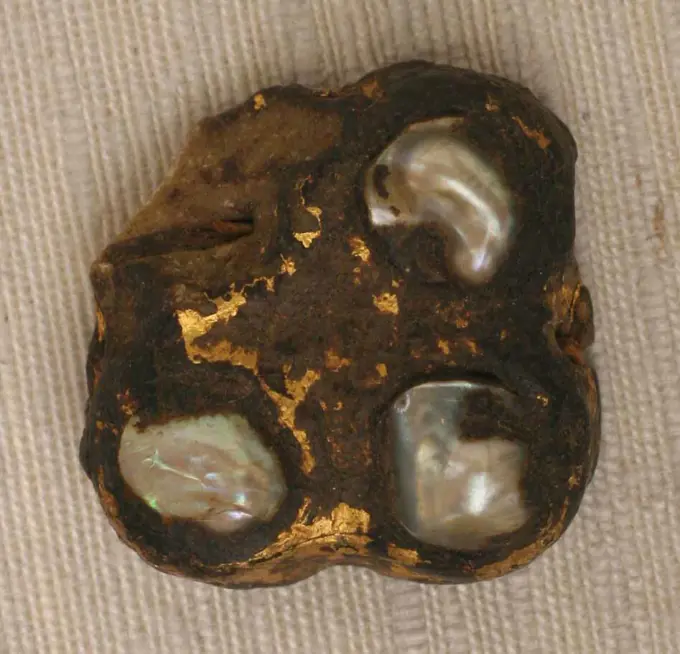
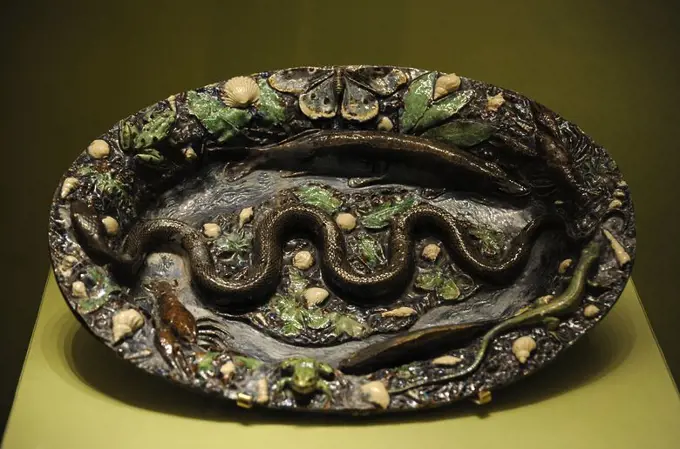
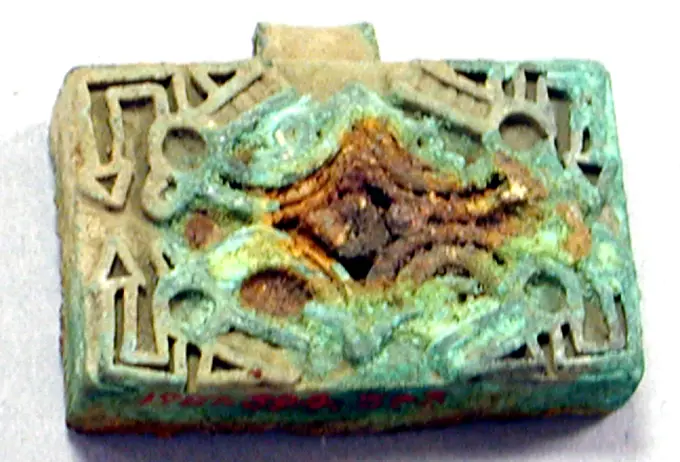
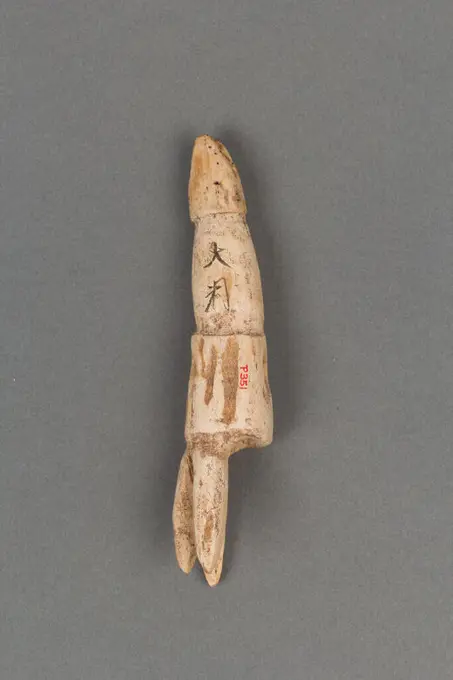
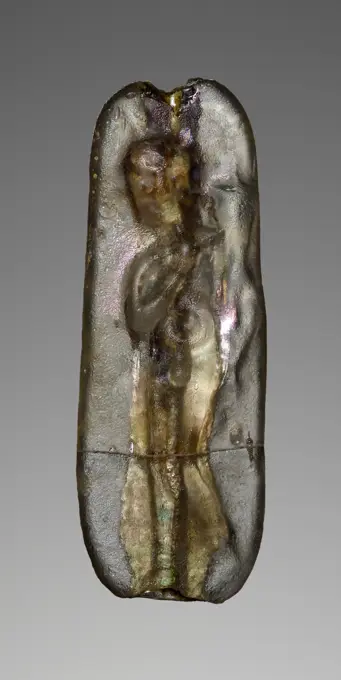
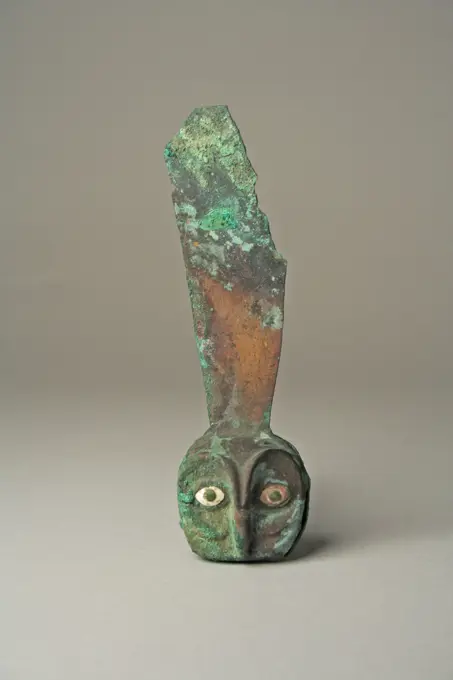
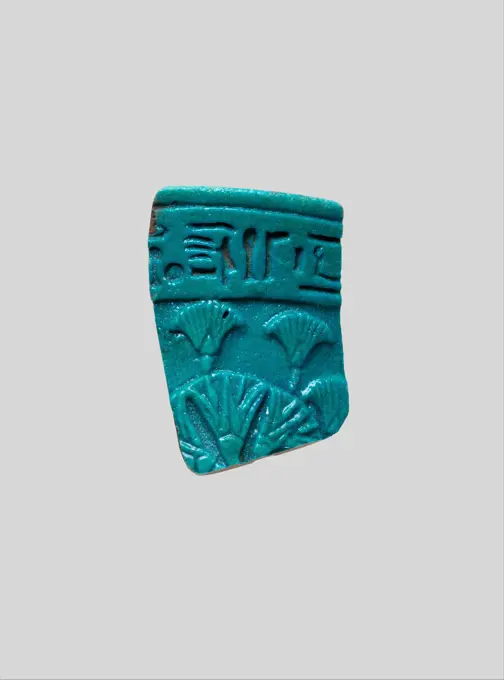
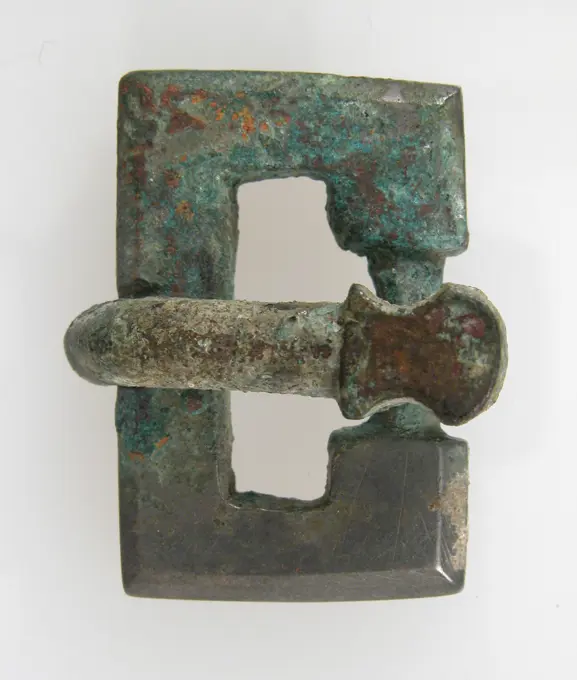
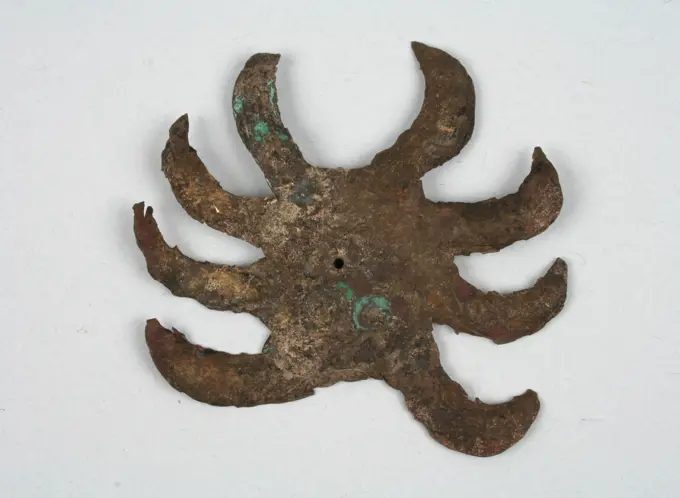
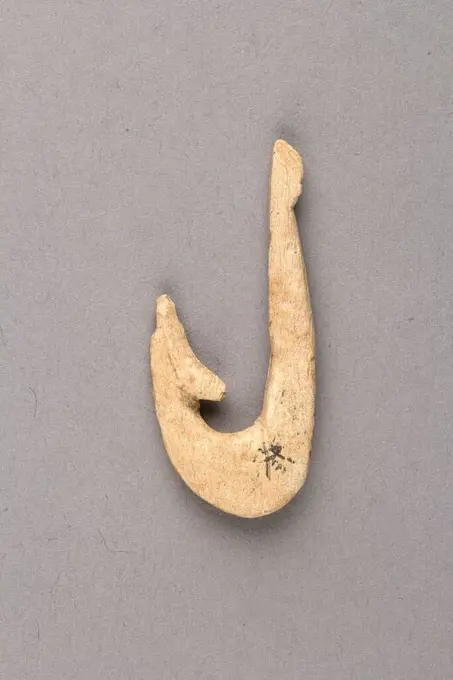
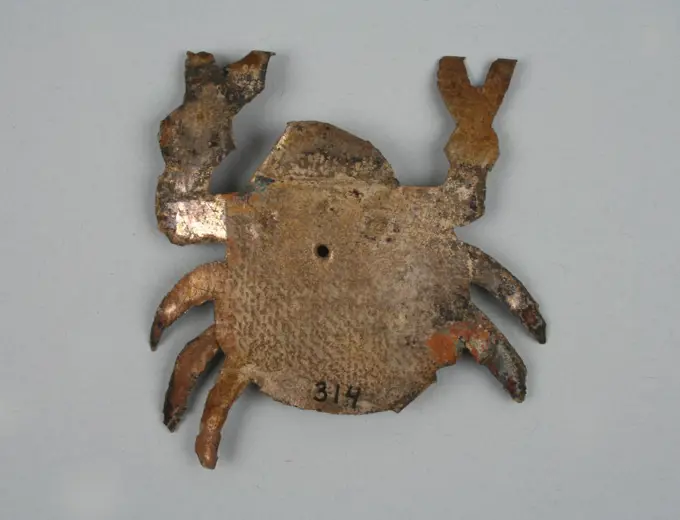
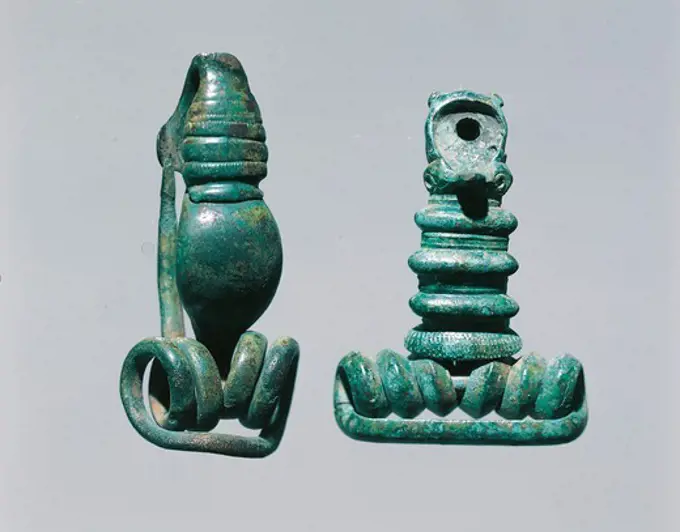
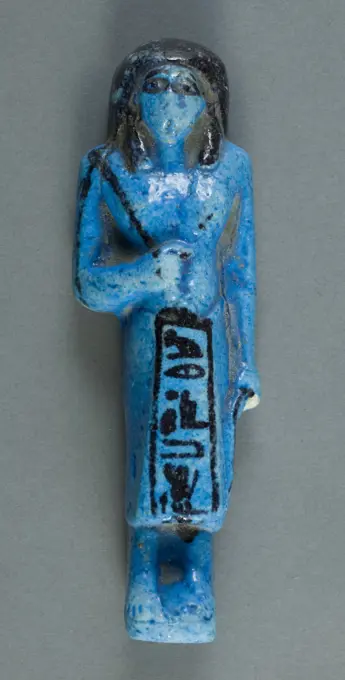
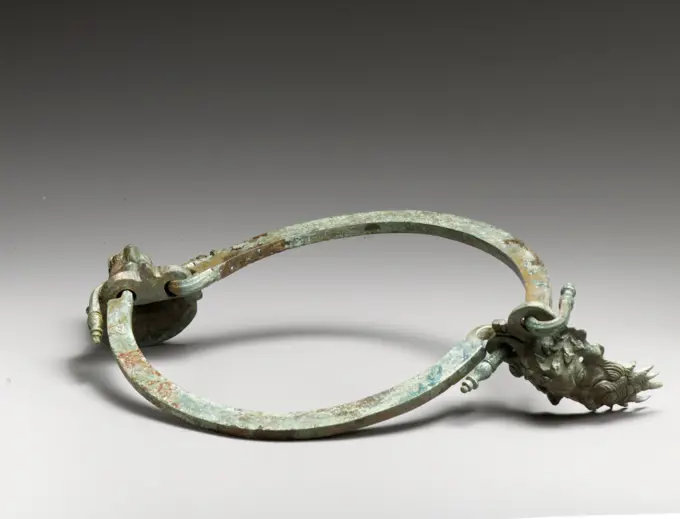
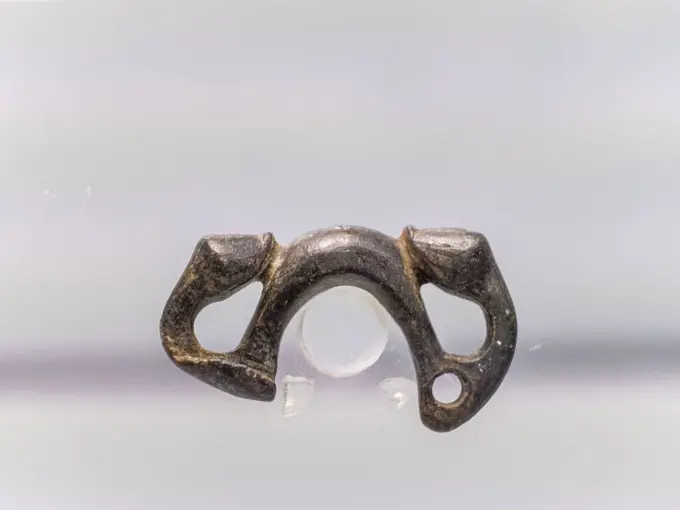
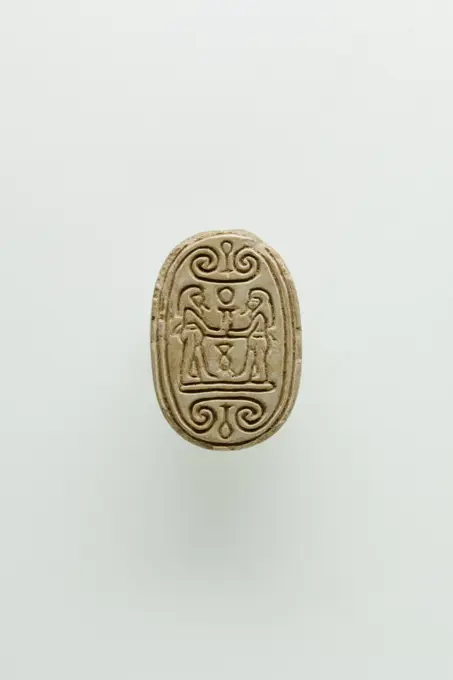
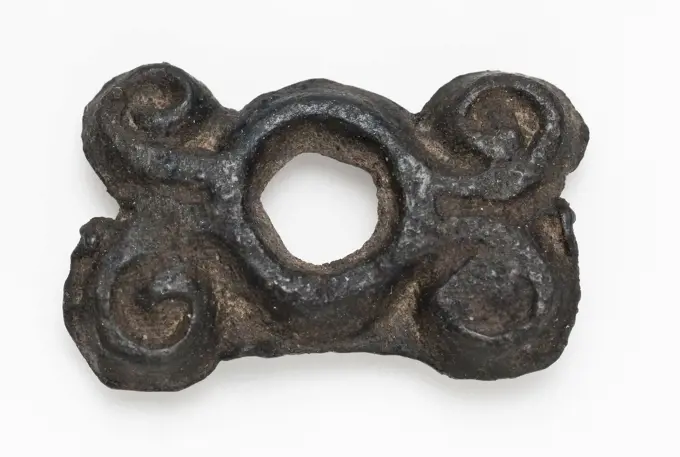
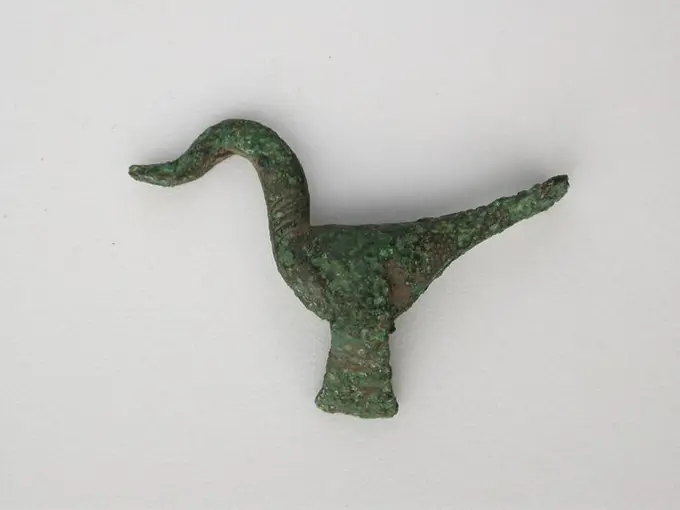
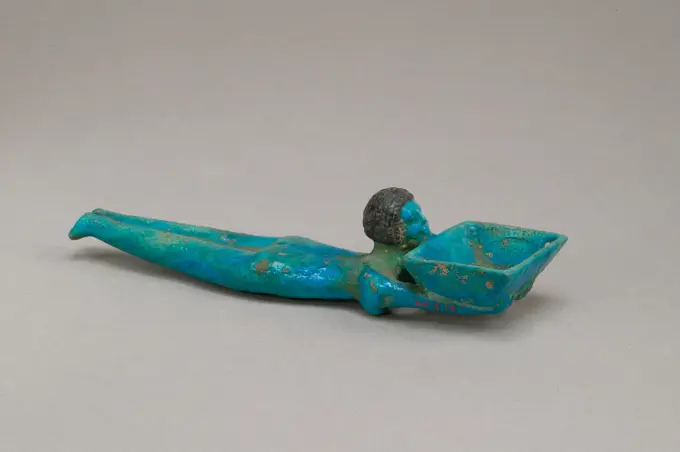
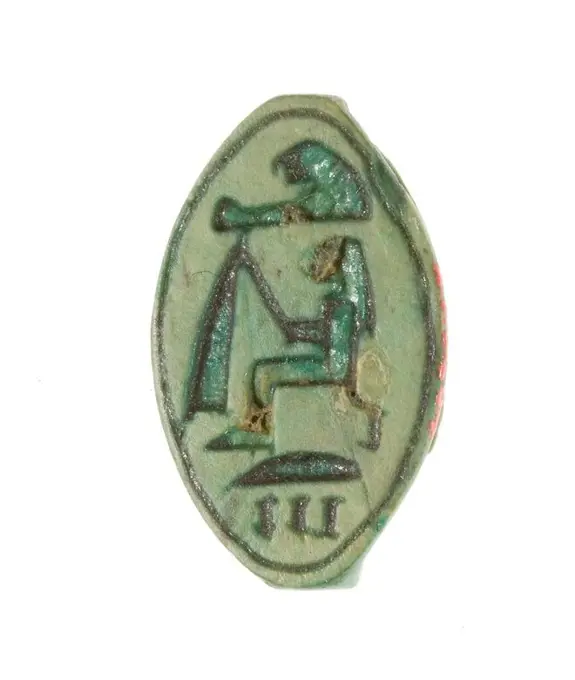
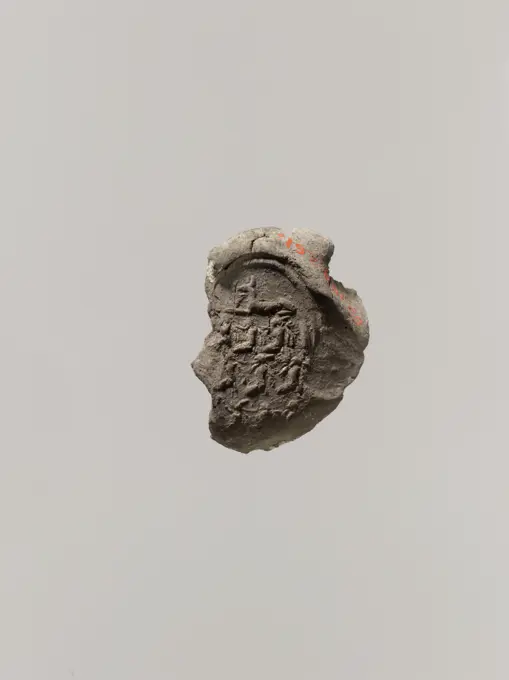
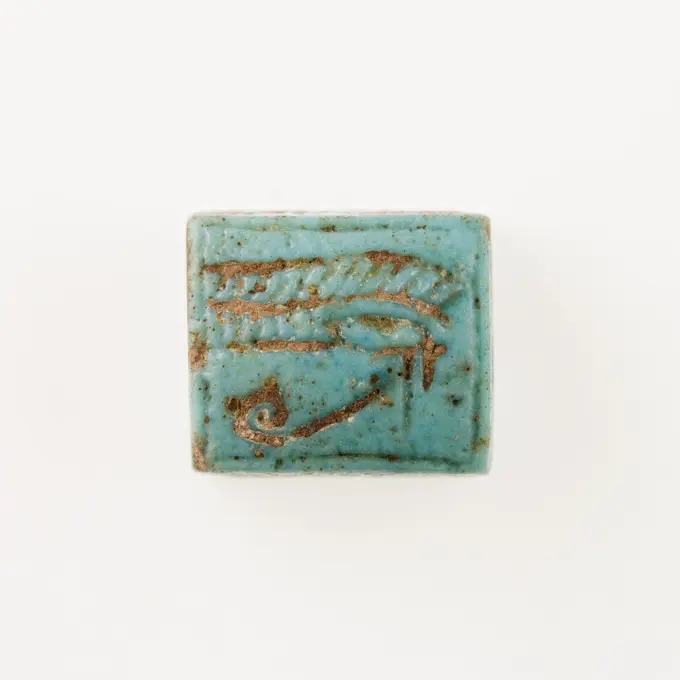
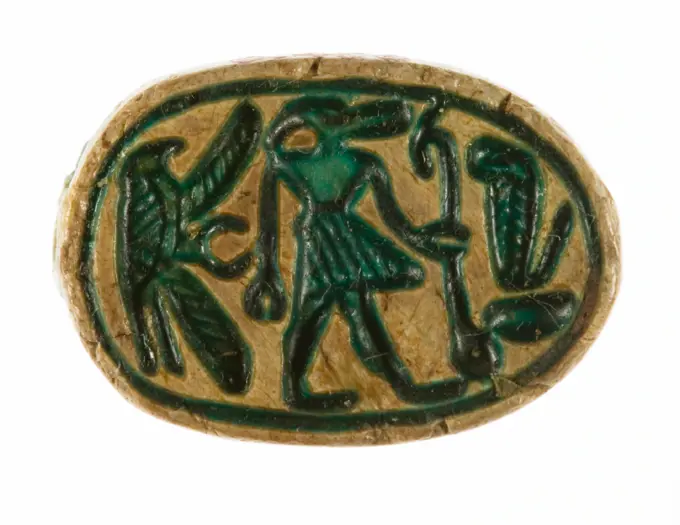
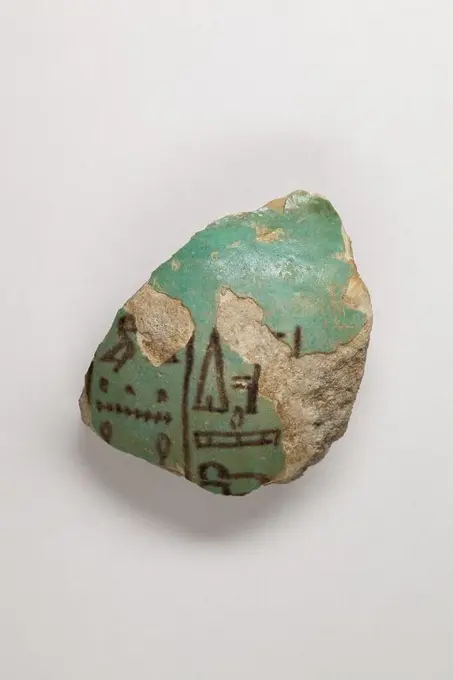
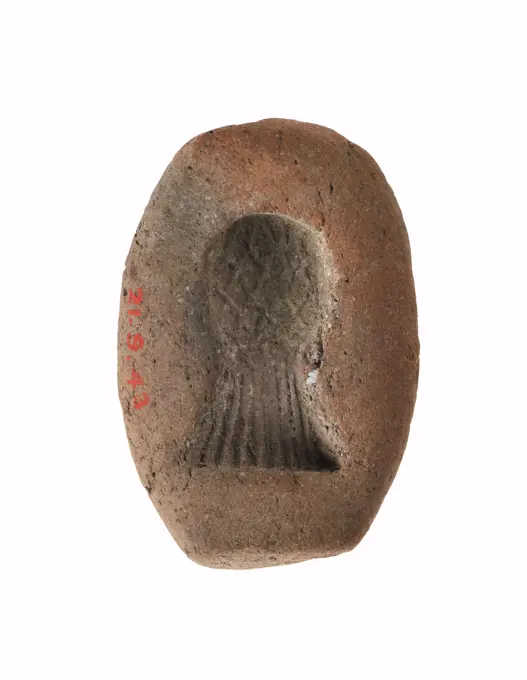
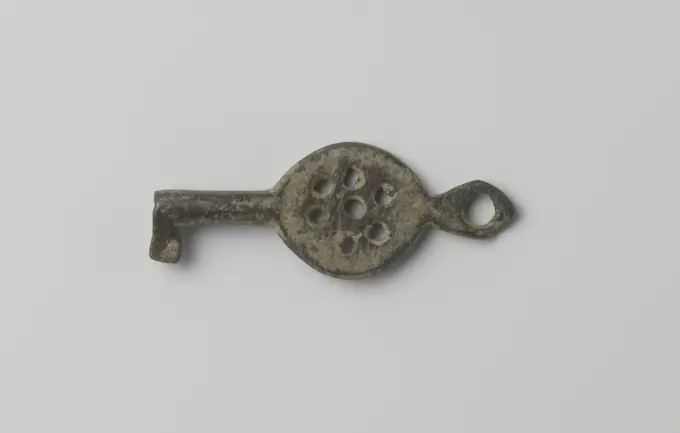
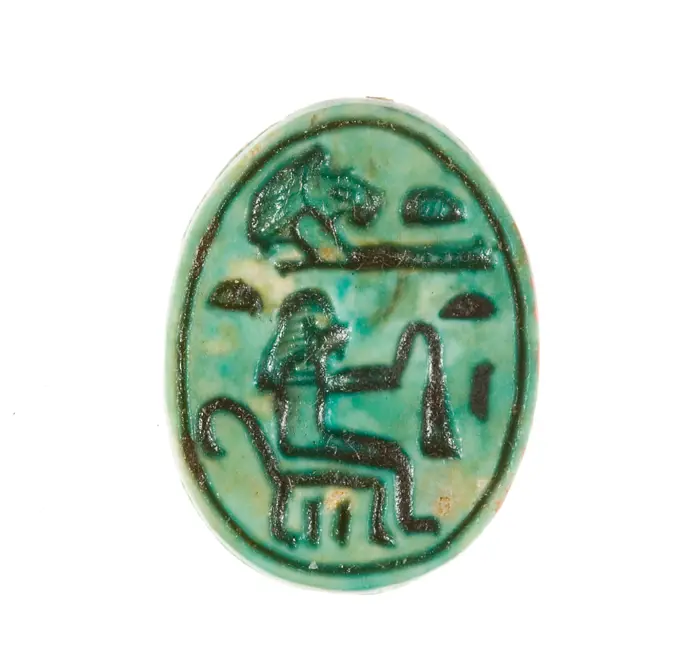
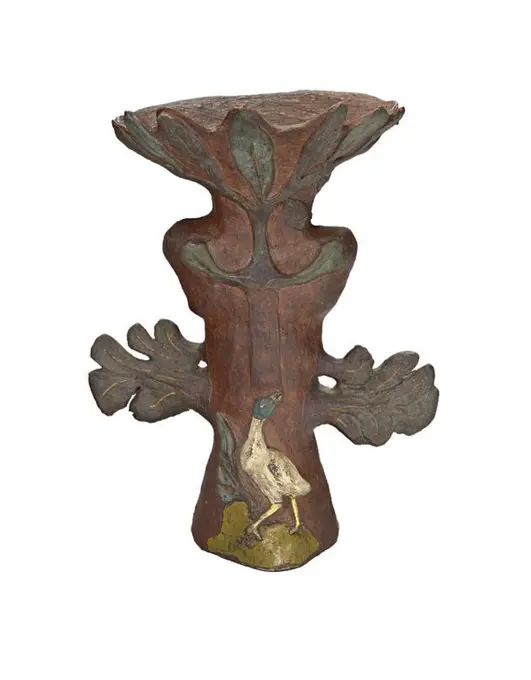
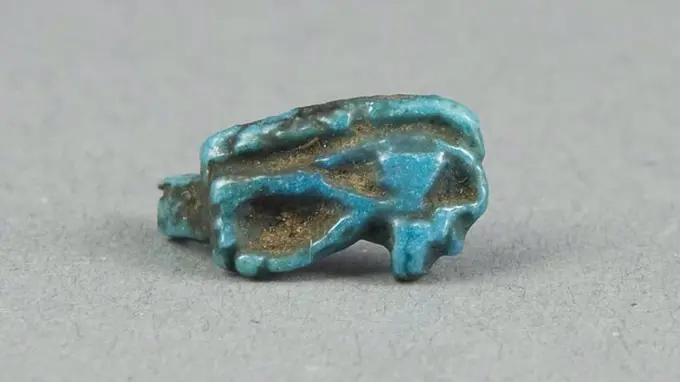
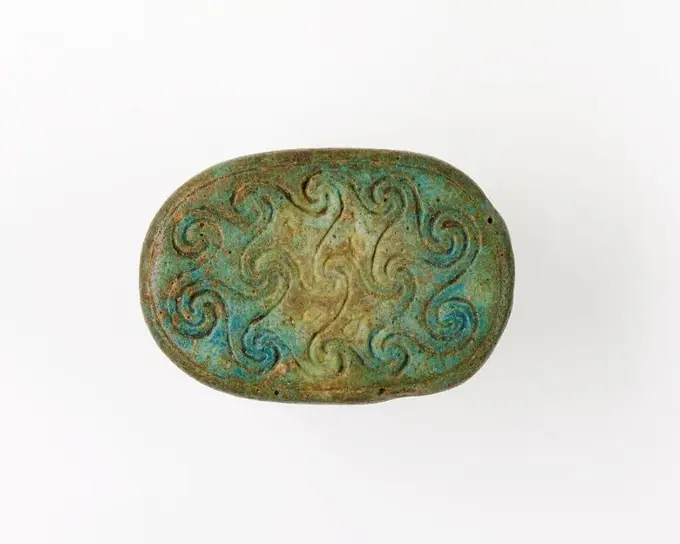
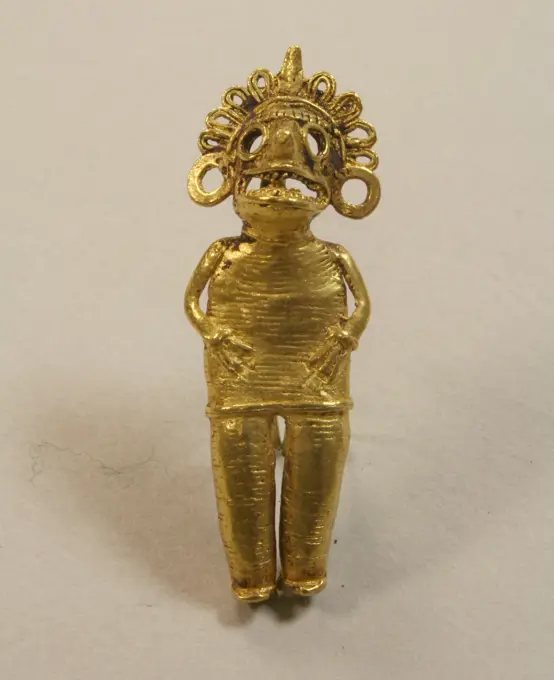
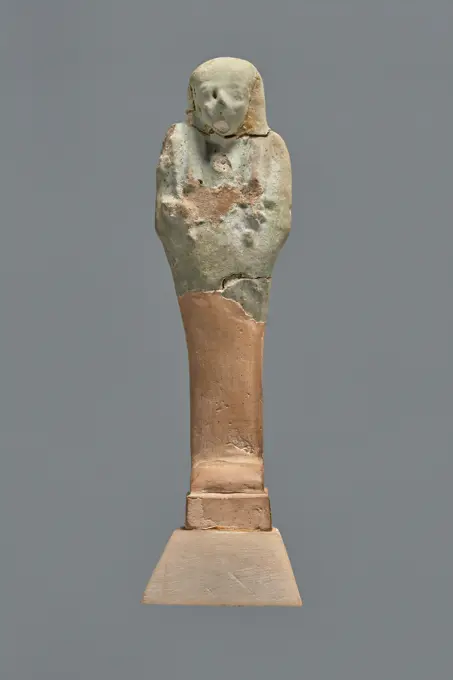
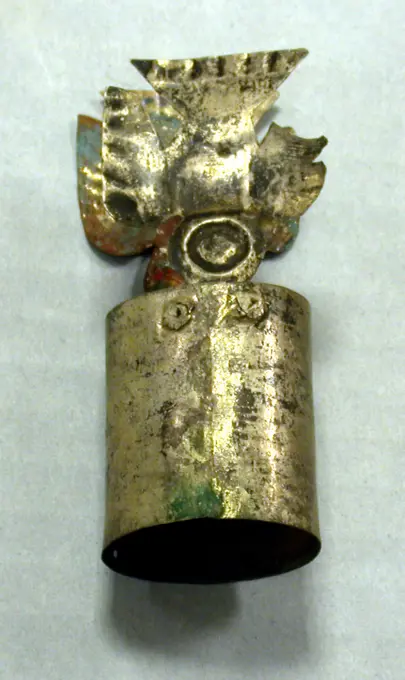
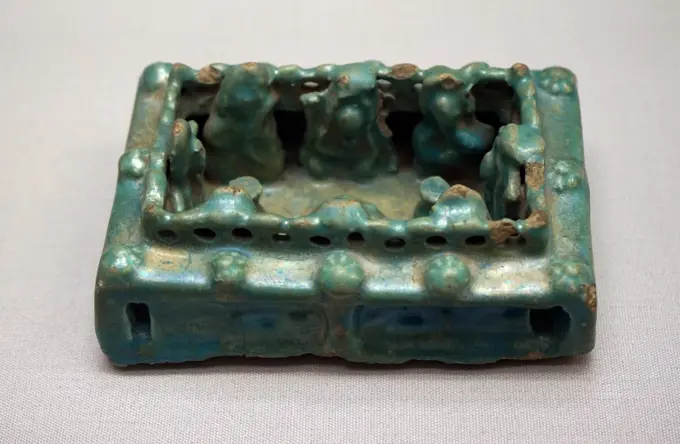
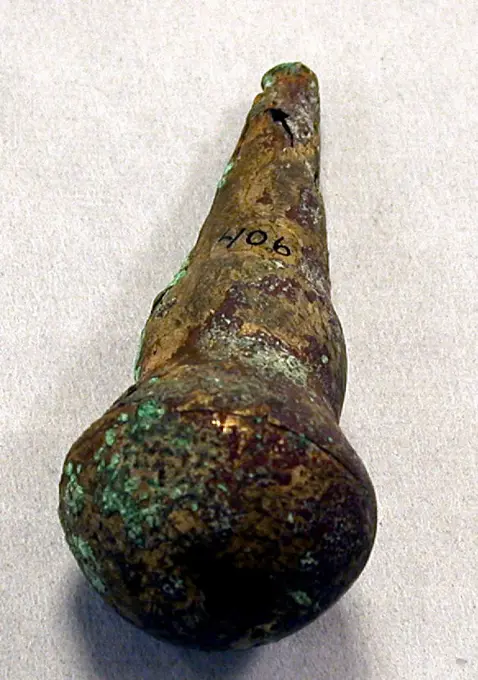
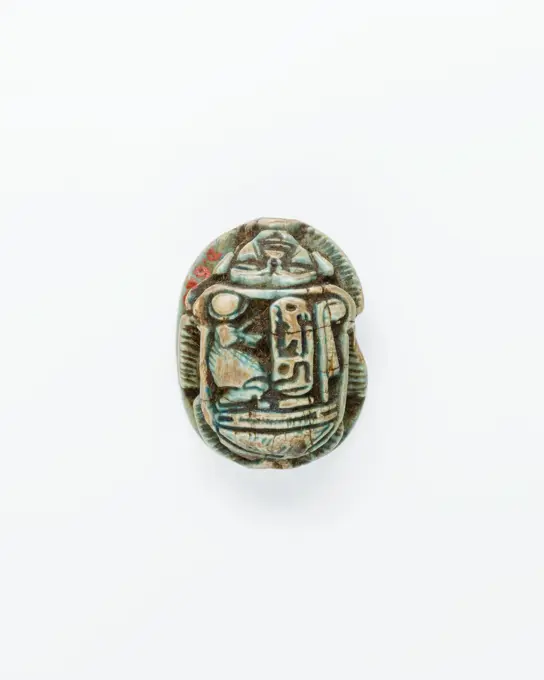
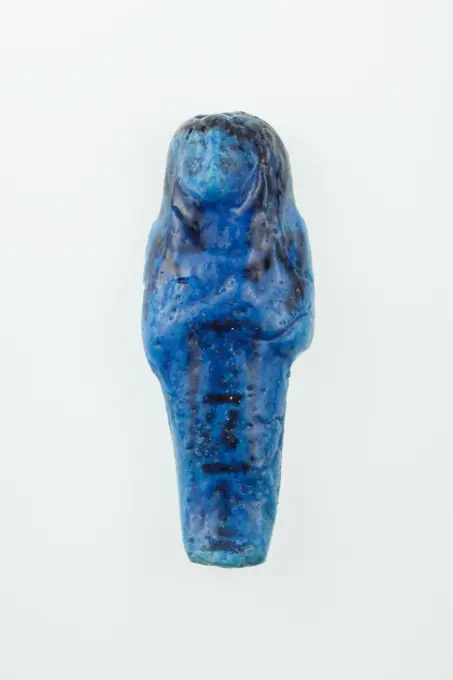
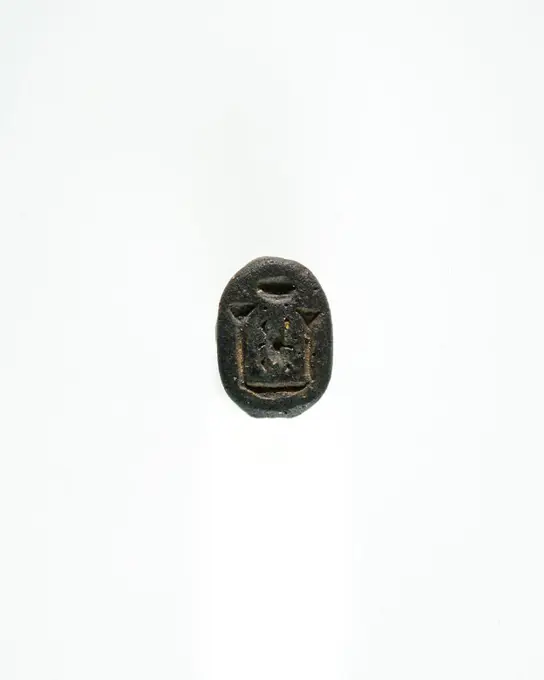
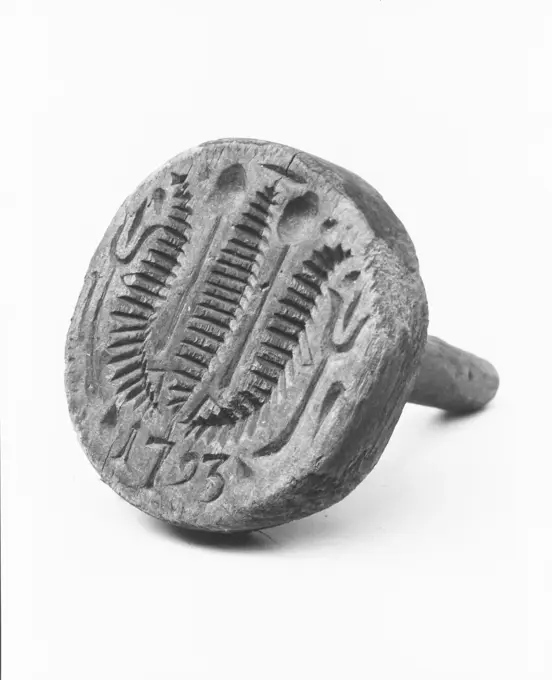
Butter Mold 1793 American. Butter Mold 1052Scarab: Wish Formula. Egyptian. Date: 1550 BC-525 BC. Dimensions: 1.6 × 1.3 × 0.8 cm (5/8 × 1/2 × 5/16 in.). Stone (). Origin: Egypt. Museum: The Chicago Art Institute, Chicago, USA. Author: Ancient Egyptian.Fragment of a terracotta plaque. Culture: Greek, Cretan. Dimensions: 2 1/2 in. x 4 1/2 in. (6.4 cm x 11.5 cm). Date: 7th century B.C..Fragmentary, head in helmet with visor and long waving crest; part of spear at left. Museum: Metropolitan Museum of Art, New York, USA.Amulet - plakietka z głową boga Besa. unknown, authorAustria, Durrnberg site, Bucklet with animal heads, tomb 216, bronzeBelt Mount 6th-7th century Frankish. Belt Mount 465127 Frankish, Belt Mount, 6th7th century, Copper alloy, silvered, Overall: 1 1/16 x 9/16 x 7/16 in. (2.7 x 1.4 x 1.1 cm). The Metropolitan Museum of Art, New York. Gift of J. Pierpont Morgan, 1917 (17.191.77)Strap or attachment plate of belt buckle, decorated with skull, belt tongue fitting clothing accessory clothing soil find copper brass metal, cast sound riveted Double fitting plate with hook. Belt tongue belonging to belt buckle Decoration consists of the shape of the object: skull or skull archeology Rotterdam rail tunnel attach fasten carry carry belt Ground find: trajectory rail tunnel Rotterdam.Worker Shabti of Nany. Dimensions: H. 8.6 × W. 3.2 × D. 2.1 cm (3 3/8 × 1 1/4 × 13/16 in.). Dynasty: Dynasty 21. Reign: reign of Psusennes I. Date: ca. 1050 B.C..See 30.3.28.1a, b. Museum: Metropolitan Museum of Art, New York, USA.Double Sided Disk 6th-7th century Moche (Loma Negra). Double Sided Disk 313483Bliżej Kultury unknownBasin fragment. Bronze. Cernuschi Museum, Asia Museum of Asia in the city of Paris.Scarab Inscribed with a Hieroglyphic Motif ca. 1479-1458 B.C. New Kingdom. Scarab Inscribed with a Hieroglyphic Motif. ca. 1479-1458 B.C.. Steatite (glazed). New Kingdom. From Egypt, Upper Egypt, Thebes, Deir el-Bahri, Temple of Hatshepsut, Foundation Deposit 7 (G), MMA excavations, 1926-27. Dynasty 18, earlyScarab of an Official ca. 1760-1670 B.C. Middle Kingdom Administrative changes during Dynasty 12 lead to an increase in bureaucracy and, subsequently, in the production and use of seals. This is reflected in the beginning of the mass production of scarabs, the most popular shape for amulets, in late Dynasty 12 through Dynasty 13 (ca. 1850-1640 B.C.). Thousands of these late Middle Kingdom scarabs bear the names and titles of officials, who would wear them as amulets, but who could also use them to seal documents, containers or doors. However, the scarabs primary function remained that of a protective amulet. Several inscriptions add a funerary epithet to the owners name, indicating that the amulet was manufactured after the owner had passed away. The scarab is inscribed for a viziers scribe named Ay and the epithet following his name indicates this scarab was a funerary amulet.. Scarab of an Official 545222Stamp Seal. Iran, Bactria or Mesopotamia, about 2nd millennium B.C.. Tools and Equipment; seals. BronzeRing. Ring. BonePlain Ring 7th century Frankish. Plain Ring 465804 Frankish, Plain Ring, 7th century, Copper alloy, Overall: 1 5/16 x 1/8 in. (3.4 x 0.3 cm). The Metropolitan Museum of Art, New York. Gift of J. Pierpont Morgan, 1917 (17.193.78)Situla. Dimensions: Height: 17.3 x Diam: 4.9 cm (6 13/16 x 1 15/16 in.). Date: 304-30 B.C.. Museum: Metropolitan Museum of Art, New York, USA.Medallion with Seated Man Wearing a Turban. Afghanistan, 17th century. Glass. Yellowish-brown glassCylinder Seal. Iran, Mesopotamia or Syria, Elamite period, about 13th-12th century B.C.. Tools and Equipment; seals. Blue material, inlaid black faienceScaraboid Duck with Head lying on its Side 1550 BCE-1295 BCE Egypt. Glazed steatite . Ancient EgyptianPlaque for a Collar or Necklace 8th century. Plaque for a Collar or Necklace 446246Scarab Inscribed King of Upper and Lower Egypt, Lady of the Two Lands ca. 1479-1458 B.C. New Kingdom. Scarab Inscribed King of Upper and Lower Egypt, Lady of the Two Lands. ca. 1479-1458 B.C.. Steatite (glazed). New Kingdom. From Egypt, Upper Egypt, Thebes, Deir el-Bahri, Temple of Hatshepsut, Foundation Deposit 7 (G), MMA excavations, 1926-27. Dynasty 18, earlyOpenwork Belt Fitting 6th century Frankish. Openwork Belt Fitting 465217 Frankish, Openwork Belt Fitting, 6th century, Copper alloy, Overall: 2 3/8 x 1/16 in. (6.1 x 0.1 cm). The Metropolitan Museum of Art, New York. Gift of J. Pierpont Morgan, 1917 (17.192.158). Tsuba in the form of Aoi leaves; On one side in low relief The twelve characters of the Zodiac characters against a background of large dots; On the other side a dragon that hides a flaming jewel against a background of stylized waves.Belt Buckle Plate 6th-7th century Ostrogothic. Belt Buckle Plate 468996Bernard Palissy (1510-1590). French potter and craftsman. Dish with animal and plant ornaments. Second half of 16th century. The State Hermitage Museum. Saint Petersburg. Russia.Box Ornament 4th-7th century Recuay. Box Ornament 315642Arrowheads, needles, hooks and harpoons. Culture: Japan. Dimensions: W. 3/4 in. (1.9 cm); L. 3 1/2 in. (8.9 cm). Museum: Metropolitan Museum of Art, New York, USA.Axe or mace head ca. 2300-2000 B.C. Hattian. Axe or mace head 324452Bead. UnknownFish Ornament 11th-12th century Peru; central coast (). Fish Ornament 308797Owl Tab Ornament 6th-7th century Moche (Loma Negra). Owl Tab Ornament 313749Rim fragment of relief chalice with inscription and papyrus plants, associated with 1983.599 ca. 945-712 BC Third Intermediate Period Relief chalices are associated mostly with Dynasty 22 (ca. 945-712 BC). The faience lotiform chalice originated in the New Kingdom and by its association with the lotus which opens with the rising sun was a symbol of resurrection and new life. In the Third Intermediate Period these chalices began to be decorated with a wide variety of relief scenes that are all in one way or other part of a cycle of myths, legends and stories connected with the birth of a child god in the marshes, who is associated with the sun god and with the king. Sometimes the specific references may not be understandable for us at least at this time, but the sense of the marsh as a magical, liminal space, much like the forest in fairy tales or in Shakespeares Midsummer Nights Dream, is palpable. For the Egyptians, these themes came to the fore on various ritual and festival occasiRed brass buckle, buckle fastener component ground find copper metal, archeology Rotterdam Kralingen-Crooswijk Kralingsche Bos Kralingse Plas Soil discovery: collected in 1972 at the Kralingse Plas from sprayed dredge: metal detector finds and sight finds.Belt Tongue and Rectangular Loop from a Buckle 500-700 Frankish. Belt Tongue and Rectangular Loop from a Buckle 464940 Frankish, Belt Tongue and Rectangular Loop from a Buckle, 500700, Silver, Overall: 1 5/16 x 1 1/16 x 1/2 in. (3.3 x 2.7 x 1.3 cm). The Metropolitan Museum of Art, New York. Gift of J. Pierpont Morgan, 1917 (17.191.237)Glass pendant in the form of a miniature jar late 3rd-4th century A.D. Roman Uncertain color, appearing black, with same color pad base and loop handle; applied blobs in opaque yellow, white, and (possibly) light blue.Large rounded loop at top for suspension; squat globular body; pad base with rounded edge and flat bottom.Body decorated with small marvered blobs of varying sizes and one unmarvered blue blob.Intact; dulling, pitting, and patchy black weathering.. Glass pendant in the form of a miniature jar. Roman. late 3rd-4th century A.D.. Glass; rod-formed, blobbed, and tooled. Late Imperial. GlassSilver Crab Ornament 11th-12th century North Coast (). Silver Crab Ornament 307626Arrowheads, needles, hooks and harpoons. Culture: Japan. Dimensions: W. 5/8 in. (1.6 cm); L. 1 3/8 in. (3.5 cm). Museum: Metropolitan Museum of Art, New York, USA.Silver Crab Ornament 11th-12th century North Coast (). Silver Crab Ornament 307627Celtic civilization, Italy, 3rd-2nd century b.C. Bronze fibula brooches. From Brescia.Amulet of the Goddess Bastet. Egyptian. Date: 1070 BC-656 BC. Dimensions: 4.4 × 1.9 × 1.27 cm (1 3/4 × 3/4 × 1/2 in.). Faience. Origin: Egypt. Museum: The Chicago Art Institute, Chicago, USA. Author: Ancient Egyptian.Overseer Shabti of Isetemkheb 1069 BCE-945 BCE Egypt. Faience . Ancient EgyptianBronze handle of a situla (pail) with Silenos head attachment and lion head mouthpiece 4th century B.C. Etruscan Satyr head attachment and lion head mouthpiece.. Bronze handle of a situla (pail) with Silenos head attachment and lion head mouthpiece 249156Arrow Point, 550-330 BC. Iran, Ecbatana (). Bronze; overall: 4.6 cm (1 13/16 in.).fíbula simetrica , numancia, Garray, siglo IV - II a.C, museo Numantino de Soria, Soria, Comunidad Autónoma de Castilla, Spain, Europe.Openwork rattle bell ca. early 1st millennium B.C.. Openwork rattle bell 326577Scarab with the Representation of Fecundity Figures (Hapy) ca. 1802-1640 B.C. Middle Kingdom The underside of the scarab shows a pair of fecundity gods, identified by their protruding bellies. They may represent the Nile god Hapy, the personification of the annual inundation and therefore also one of the ancient Egyptian fertility gods. They are placed here on either side of hieroglyphs and within a decorative border of interlocking scrolls and nefer-signs.. Scarab with the Representation of Fecundity Figures (Hapy). ca. 1802-1640 B.C.. Steatite. Middle Kingdom. From Egypt, Memphite Region, Lisht North, cemetery south of pyramid, between Houses A1:2 & A2:4, Pit 333, MMA excavations, 1913-14. Dynasty 13Messenheft of copper decorated with email and bagpipe player, Anonymous, 1575 - 1625 Kneft of copper decorated with leaf motifs of colored email. The crown is formed by a bagpipe player. Southern Netherlands brass (alloy). Kneft of copper decorated with leaf motifs of colored email. The crown is formed by a bagpipe player. Southern Netherlands brass (alloy).Small pewter batter for leather with round hole in the middle, curling in relief, batter ground find tin lead metal, cast Small tin batter with round hole in the middle. Two curls embossed on both sides The casting seam is poorly finished. Two flattened protrusions at the bottom with which the fittings have been attached archeology Rotterdam City Triangle Botersloot Reinforcing the inner ridge Soil discovery Rotterdam is pouring Binnenrotte behind the Botersloot.Socketed Drum 500 B.C.-A.D. 300 Thailand. Socketed Drum 56487Bird with Flat Legs. Greek; Thessaly. Date: 800 BC-600 BC. Dimensions: 3.7 x 5.3 x 1.4 cm (1 1/2 x 2 1/8 x 9/16 in.). Bronze. Origin: Greece. Museum: The Chicago Art Institute, Chicago, USA. Author: ANCIENT GREEK.Comma-shaped Jade, AD 400s. Korea, Three Kingdoms period (57 BC-668). Glass; overall: 6.6 x 4 x 2 cm (2 5/8 x 1 9/16 x 13/16 in.).Cosmetic Spoon in the Form of a Swimming Girl ca. 1070-664 B.C. Third Intermediate Period-Kushite Period Made of faience with bright turquoise glaze, this cosmetic container has a handle in the form of a naked girl holding a rectangular basin in her outstretched arms. Naked except for her black wig, the girl is thought, based on two-dimensional representations that show such figures in a marshy setting, to be swimming. In other examples, the girl can hold a waterfowl, a marsh plant, or a cartouche, and such spoons have been interpreted as ritual objects that can be read as rebuses associated with goddesses such as Nut and Hathor.. Cosmetic Spoon in the Form of a Swimming Girl. ca. 1070-664 B.C.. Faience. Third Intermediate Period-Kushite Period. From Egypt. Dynasty 21-25Amulet - oko udżat. unknown, authorHilt of an early bronze sword, 13th century BC.Pin. Caucasus. 15th-13th century BC. Paris, Cernuschi museum. 35178-1 BRONZE, EPINGLECowroid Seal Amulet Inscribed with the Name of Hatshepsut. Dimensions: L. 2.2 cm (7/8 in); w. 1.4 cm (9/16 in); h. 0.7 cm (1/4 in). Dynasty: Dynasty 18. Reign: Joint reign of Hatshepsut and Thutmose III. Date: ca. 1479-1458 B.C..This cowrie-shaped amulet is inscribed with Hatshepsut's personal name which literally means "foremost of noblewomen" (hat-shepsut). The back of the amulet is decorated with the image of a falcon with its wings outstretched and wearing an atef-crown. Museum: Metropolitan Museum of Art, New York, USA.Fragmentary Impression of the Necropolis Seal from Tutankhamun's Embalming Cache ca. 1336-1327 B.C. New Kingdom This mud sealing has been stamped with the official seal of the Theban necropolis, a jackal over nine bound captivessealings with the name of Tutankhamun.. Fragmentary Impression of the Necropolis Seal from Tutankhamun's Embalming Cache. ca. 1336-1327 B.C.. Mud. New Kingdom. From Egypt, Upper Egypt, Thebes, Valley of the Kings, Embalming Cache of Tutankhamun (KV 54), Davis/Ayrton excavations, 1907-08. Dynasty 18Round Plaque 3rd century B.C.-A.D. 2nd century Vicús. Round Plaque 315565Wedjat Eye Amulet Third Intermediate Period-Late Period ca. 1070-343 B.C. View more. Wedjat Eye Amulet. ca. 1070-343 B.C.. Faience. Third Intermediate Period-Late Period. From Egypt, Upper Egypt, Thebes, Deir el-Bahri, Middle Terrace, Late Dynastic intrusive burials, MMA excavations. Dynasty 21-30Harness Fitting. Iran, Luristan, Iron Age II-III (circa 1000-650 B.C.). Tools and Equipment; horse trappings. BronzeScarab with a Crocodile Headed Deity ca. 1640-1540 B.C. Middle Kingdom-Second Intermediate Period. Scarab with a Crocodile Headed Deity 556437Metal belt buckle with three eyes, buckle belt clothing accessory clothing soil find brass copper metal, w 2.2 cast Belt buckle with three eyes Undetermined metal. One oblong large hole with an inward curled frame at the top and two small eyes next to lobed leaf motif. Archeology Rotterdam rail tunnel fastening attaching fastening belt Ground finding: trajectory rail tunnel Rotterdam.Vase fragment. Dimensions: h. 5.2 cm (2 1/16 in). Dynasty: Dynasty 12-13. Date: ca. 1981-1640 B.C.. Museum: Metropolitan Museum of Art, New York, USA.Pendant: hippocamp 5th century B.C. Etrusco-Campanian Pendant of a swimming hippocamp, a mythical creature depicted often in Etruscan art as a guardian or guide to the Underworld.. Pendant: hippocamp 256087Fragment of Statesbti;  332-30 BC ; Ptolemean period (-332-00-00--30-00-00);Mold for Cornflower Pendant ca. 1353-1336 B.C. New Kingdom, Amarna Period This mold from Amarna was used to produce cornflower pendants (see 31.114.2a). The mold would hae been created by using an existing pendant to impress a shape into a pad of clay, which was then fired. The mold was then used to produce cornflower pendants in faience paste. Once molded, the pendant was not fired in the mold, but tipped out of it to dry before later firing, so that the mold itself could be used many times in quick succession. Eventually the mold, because it was porous, soaked up some of the paste materials - the whitish cloud seen over the surface within this mold is the result. After considerable use, the mold would have blurred and been discarded.. Mold for Cornflower Pendant 569911Scarab Usermaatra Setepenra (Ramesses II) 1279 BCE-1213 BCE Egypt. Faience . Ancient EgyptianKey of bronze, c. 900 - c. 1200 Bronze key with hollow pipe, undivided beard, ring with seven holes and a hole in the crown. France bronze (metal) Bronze key with hollow pipe, undivided beard, ring with seven holes and a hole in the crown. France bronze (metal)Scarab Inscribed for Hatshepsut ca. 1479-1458 B.C. New Kingdom This scarab was found in one of the foundation deposits located along the front wall of the lower court of Hatshepsut's funerary temple at Deir el-Bahri. The inscription on the base records Hatshepsut's personal name (Hatshepsut). Two other scarabs from this group have variations of the same inscription that show a very similar style (27.3.167, 27.3.170). The backs of these three scarabs are also quite similar.. Scarab Inscribed for Hatshepsut. ca. 1479-1458 B.C.. Steatite (glazed). New Kingdom. From Egypt, Upper Egypt, Thebes, Deir el-Bahri, Temple of Hatshepsut, Foundation Deposit 9 (I), MMA excavations, 1926-27. Dynasty 18, earlyStamp seal: lion and horned animal ca. late 2nd millennium B.C. Cypriot. Stamp seal: lion and horned animal 327812Teardrop-Shaped Bead, 1980-1801 BC. Egypt, Middle Kingdom, Dynasty 12. Gold over calcite gesso core; average: 2.4 cm (15/16 in.).Vase in the Form of a Tropical Plant with Bird and Deity. Paul Gauguin; French, 1848-1903. Date: 1887-1888. Dimensions: 21.5 × 17 × 12 cm (8 1/2 × 6 1/2 × 4 1/2 in.). Stoneware painted with slip and gold. Origin: . Museum: The Chicago Art Institute, Chicago, USA.. Tsuba for a dagger with on the front in Iroe-Taka-Zogan geese and the moon above waves; wave at the rear.Ring: Udjat Eye. Egyptian. Date: 1350 BC. Dimensions: 1.9 × 1 × 0.2 cm (3/4 × 3/8 × 1/16). Glazed ceramic. Origin: Egypt. Museum: The Chicago Art Institute, Chicago, USA. Author: Ancient Egyptian.Animal Ornament 6th-7th century Moche (Loma Negra). Animal Ornament. Moche (Loma Negra). 6th-7th century. Copper. Peru. Metal-OrnamentsTripod Incense Burner, 1644-1911. China, Qing dynasty (1644-1911). Jade; overall: 12.4 x 17.2 x 11.5 cm (4 7/8 x 6 3/4 x 4 1/2 in.).Cornflower Pendant ca. 1390-1353 B.C. New Kingdom. Cornflower Pendant. ca. 1390-1353 B.C.. Faience. New Kingdom. From Egypt, Upper Egypt, Thebes, Malqata, Palace of Amenhotep III, MMA excavations, 1910-11. Dynasty 18Scarab. Dimensions: L. 2.3 cm (7/8 in). Dynasty: Dynasty 12-18. Date: ca. 1981-1295 B.C.. Museum: Metropolitan Museum of Art, New York, USA.Hammered Silver Peanut Ornament 8th-mid-16th century Peru; north coast (). Hammered Silver Peanut Ornament 308982Son of Horus (Hapy) from Bead Net Third Intermediate Period-Late Period ca. 1070-525 B.C. View more. Son of Horus (Hapy) from Bead Net. ca. 1070-525 B.C.. Blue faience. Third Intermediate Period-Late Period. From Egypt, Upper Egypt, Thebes, Deir el-Bahri, Cemetery 100, Tomb TT 114, MMA excavations, 1926-27. Dynasty 21-26Flat Ornament 7th century () Frankish. Flat Ornament 464937 Frankish, Flat Ornament, 7th century (), Copper alloy, tinned surface, Overall: 1 7/16 x 1 3/8 x 5/16 in. (3.7 x 3.5 x 0.8 cm). The Metropolitan Museum of Art, New York. Gift of J. Pierpont Morgan, 1917 (17.191.234)Stone Temple Model 1st-8th century Mezcala. Stone Temple Model 317501Amulet of the God Harpocrates or Horus-Helios with Cornucopia 30 BCE-395 CE Egypt. Glass . Ancient EgyptianFigure pendant 13th-15th century Colima or Mixtec. Figure pendant 318768Bird-Shaped Brooch 550-600 Frankish. Bird-Shaped Brooch 464817Amulet of a Crouching Lion 664 BCE-525 BCE Egypt. Faience . Ancient EgyptianPlate and Nail 15th-16th century European. Plate and Nail. European. 15th-16th century. Iron. Metalwork-IronFibula 9th-8th century B.C. Italic, Villanovan. Fibula 256002Fragment uszebti. unknown, authorHammered Silver Miniature Crown 11th-mid-16th century Peru; north or central coast (). Hammered Silver Miniature Crown 309040Ceramic model of a house with figures seated in a courtyard. Dated 13th CenturyHandbell, anonymous, 1300 - 1600 Priesterschel with masterpiece in the form of trident, probably shiwaite object. Indonesia bronze (metal) Priesterschel with masterpiece in the form of trident, probably shiwaite object. Indonesia bronze (metal)Hammered Silver Cone Ornament 8th-mid-16th century Peru; north coast (). Hammered Silver Cone Ornament 308985Coin Cabinet in the Residence PalaceScarab with ornate back including prenomen of Ramesses II and the phrase beloved of Maat and Thoth ca. 1294-1213 B.C. New Kingdom, Ramesside. Scarab with ornate back including prenomen of Ramesses II and the phrase beloved of Maat and Thoth. ca. 1294-1213 B.C.. Glazed steatite. New Kingdom, Ramesside. From Egypt. Dynasty 19Worker Shabti of Nany ca. 1050 B.C. Third Intermediate Period See 30.3.29.1a, b. Worker Shabti of Nany. ca. 1050 B.C.. Faience. Third Intermediate Period. From Egypt, Upper Egypt, Thebes, Deir el-Bahri, Tomb of Meritamun (TT 358, MMA 65), first corridor, burial of Nany, MMA excavations, 1928-29. Dynasty 21Excerpt of copper from the wreck of the East Indians Hollandia, 1700 - in or before 1743  Parts of artefacts; eroded fragments: materials; copper. Netherlands copper (metal)   SecondScarab of Amenemhat I. Dimensions: L. 1 × W. 0.8 × H. 0.5 cm (3/8 × 5/16 × 3/16 in.). Dynasty: Dynasty 18. Reign: reign of Amenemhat I. Date: ca. 1981-1952 B.C.. Museum: Metropolitan Museum of Art, New York, USA.Fish Ornament 11th-12th century Peru; central coast (). Fish Ornament 308844