Fine ArtVintageFootageSubscriptionBoardsFree ResearchPricing
  • Fine Art
  • Vintage
  • Footage
  • Subscription
  • Boards
  • Free Research
  • Pricing
← Objects / Still Life

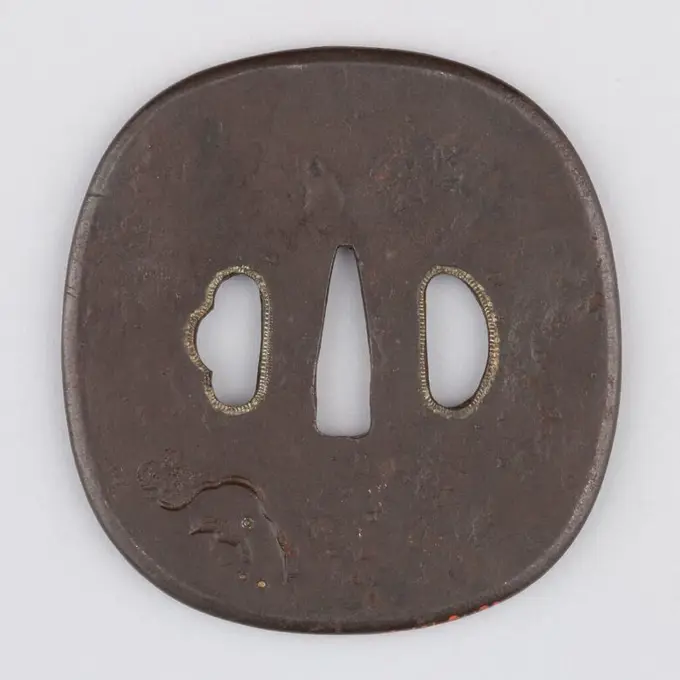
Japanese Sword Guards

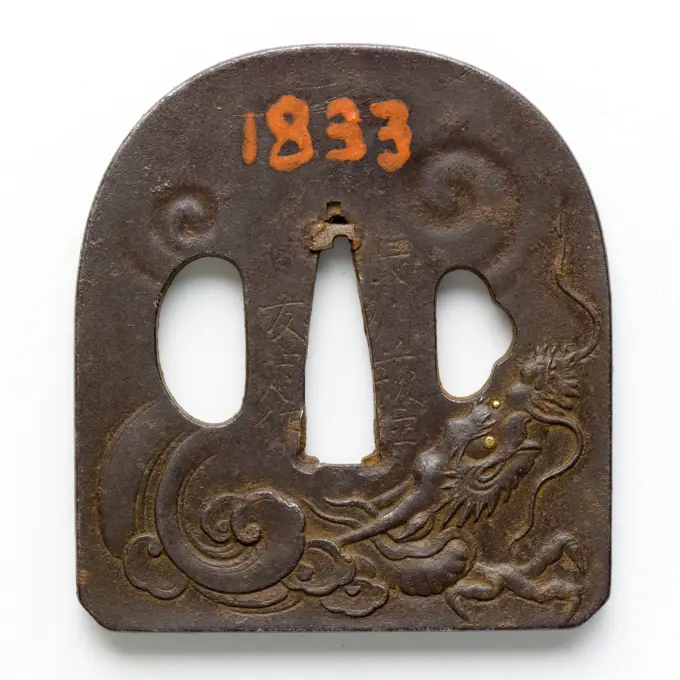
Elegant Japanese tsuba, or sword guards, showcasing intricate designs and cultural artistry from different centuries, crafted with care and detail.
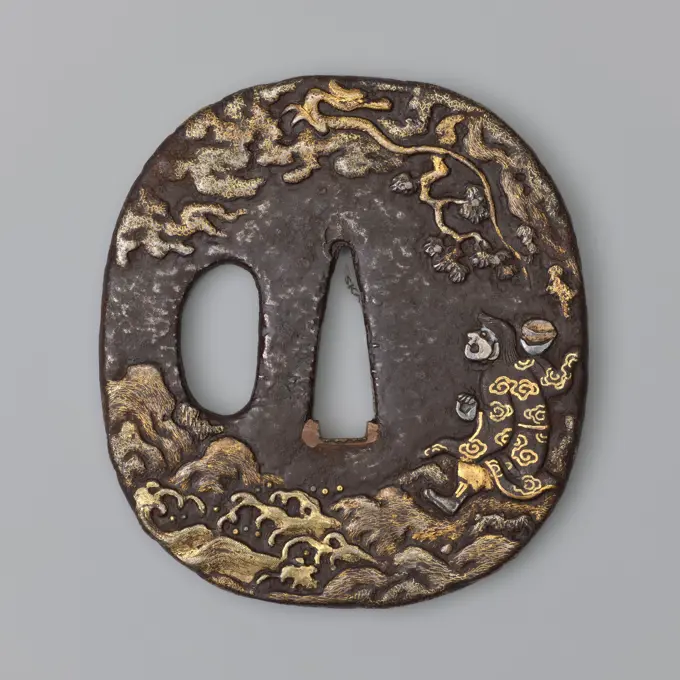
Jelec (Tsuba);  beginning of the 19th century (1801-00-00-1810-00-00);
Jelec (Tsuba); beginning of the 19th century (1801-00-00-1810-00-00);
179 assets in this story
6145-45559116
Bliżej Kultury unknown label
6145-29240287
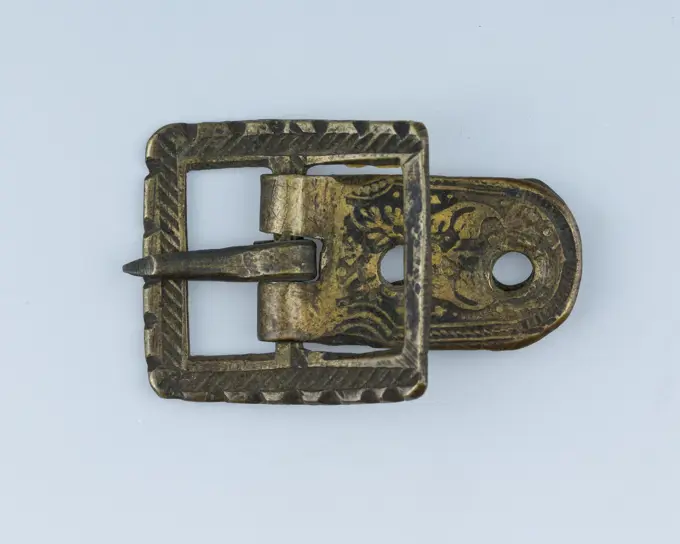
Buckle dated 1565 German. Buckle. German. dated 1565. Brass. Miscellaneous-Buckles & Ornament
6145-29170461
Sword Guard (Tsuba) 18th century Japanese A tsuba is a sword guard and part of a sword mounting. It is mounted between the swords blade and grip to protect the users hands.. Sword Guard (Tsuba) 34947
4443-21913783
Bleystein's penny, or 'Lanschotje', money payment medal penny exchange copper bronze, text, I .1819. Bleyenstein Utrecht Van Lanschot Den Bosch During this time there was big shortage of small change In order to cope with this shortage of small change, several people bought copper coins in Germany and brought them to the Netherlands with tons. Also the Utrecht grocery Bleyenstein came up with the idea to get the copper coins from Germany and wing them into circulation. At the same time, the banker Franciscus van Lanschot from Den Bosch also brought these same coins from Germany here. The coin has come to different names in this way, namely: Bleyenstein penny (to the grocery store) Bossche penny (to the town of Bosch) and Lanschotje (to the banker from Den Bosch).
6145-29215428
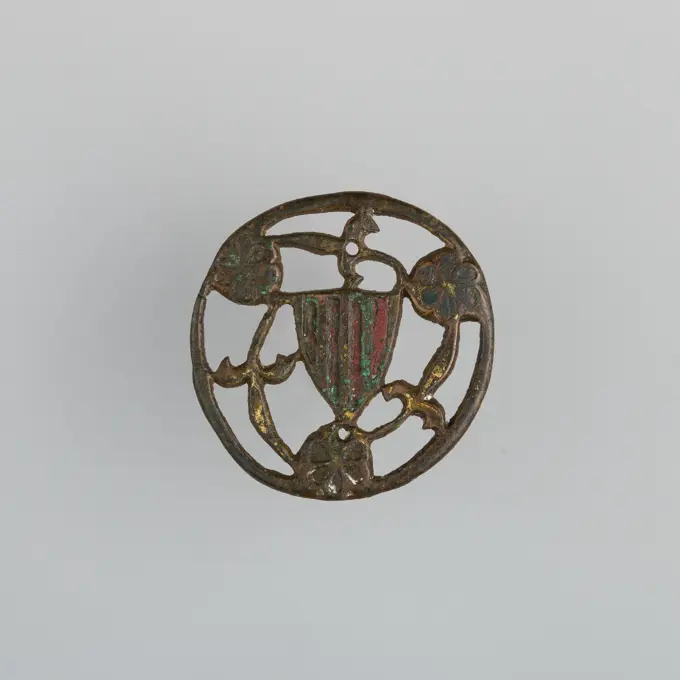
Badge or Harness Pendant 14th century Spanish Heraldry, or coat-of-arms, were vitally important in Europe throughout the Middle Ages and the Renaissance. Heraldic emblems were used to identify noble families, cities, regions, and even countries. In addition to being displayed on shields and flags, heraldry was incorporated into architectural decoration on the interior and the exterior of buildings, on furniture, works of art, clothing, and horse equipment. Harness pendants, like this example, would have been attached to a headstall, bridle, or other straps making up the tack of a horse ridden by a nobleman or noblewoman, or a member of their household. Many harness pendants also have decoration that is simply ornamental, or have symbols that are not specifically heraldic in nature.. Badge or Harness Pendant. Spanish. 14th century. Copper, gold, enamel. Miscellaneous-Badges
6145-58931451
Brooch -
6145-29771843
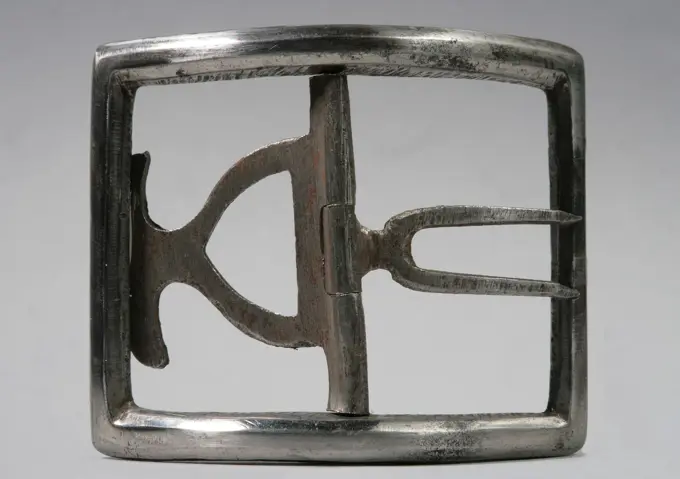
Buckle Loop 500-700 Frankish. Buckle Loop 465494 Frankish, Buckle Loop, 500700, Copper alloy, silvered, Overall: 1 1/2 x 1 1/16 x 7/16 in. (3.8 x 2.7 x 1.1 cm). The Metropolitan Museum of Art, New York. Gift of J. Pierpont Morgan, 1917 (17.193.179)
6145-29171875
Sword Guard (Tsuba) 19th century Inscribed by Gotō Ichijō Japanese This tsuba features a design of a heron in a stream.. Sword Guard (Tsuba) 24712
6145-29241645
Animal Ornament 6th-7th century Moche (Loma Negra). Animal Ornament. Moche (Loma Negra). 6th-7th century. Copper. Peru. Metal-Ornaments
6145-29088519
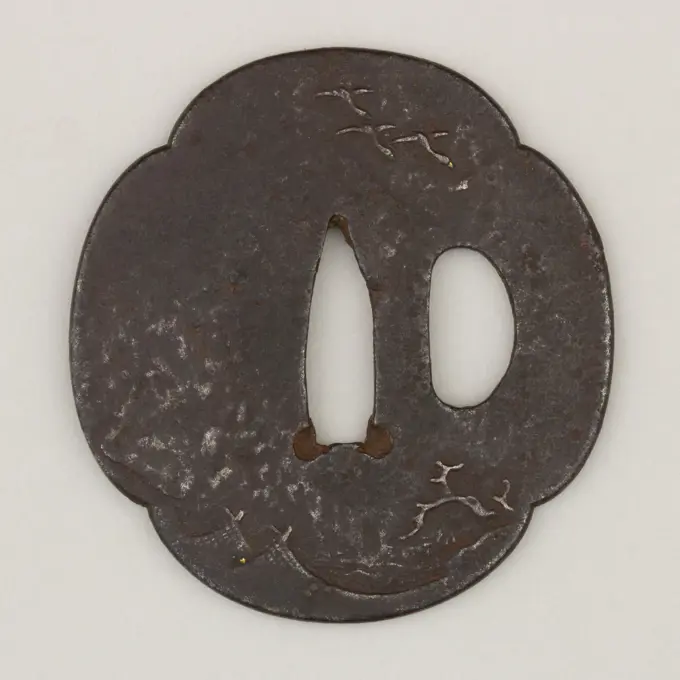
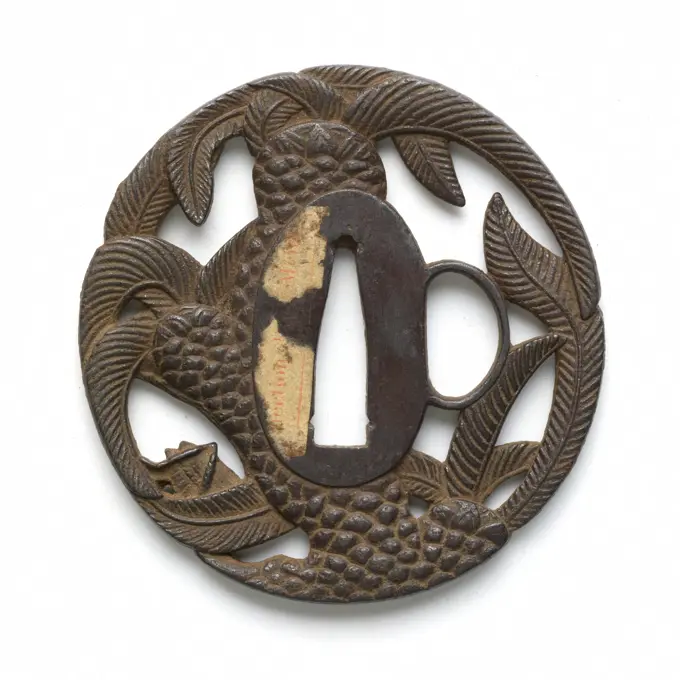
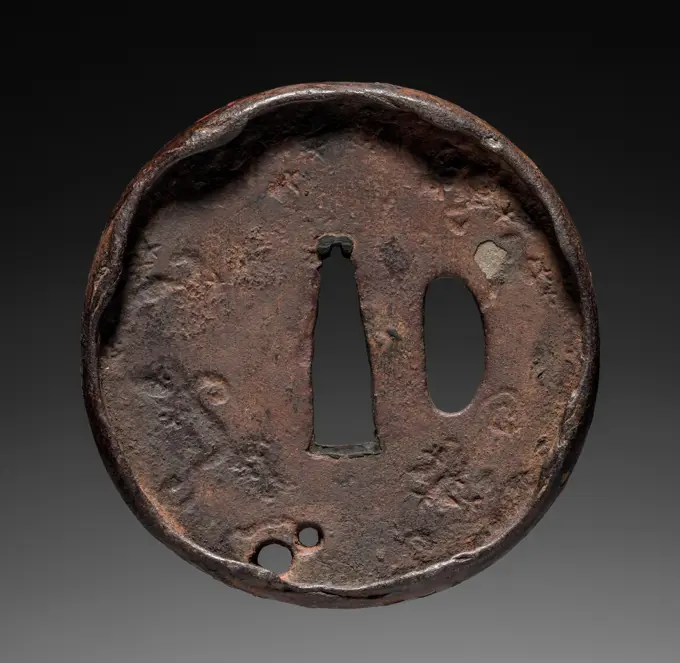
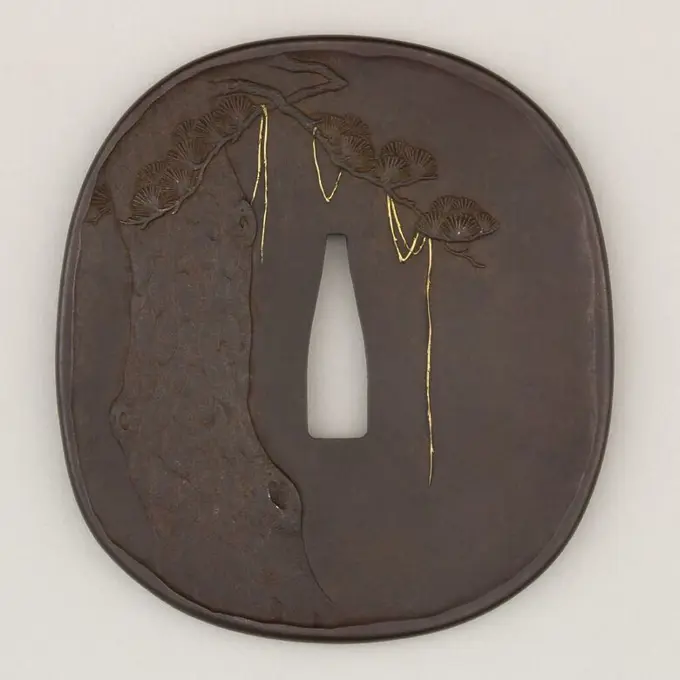
Sword Guard, early 1800s. Japan, Edo period (1615-1868). Iron (Akao type); diameter: 6.7 cm (2 5/8 in.).
6145-29170032
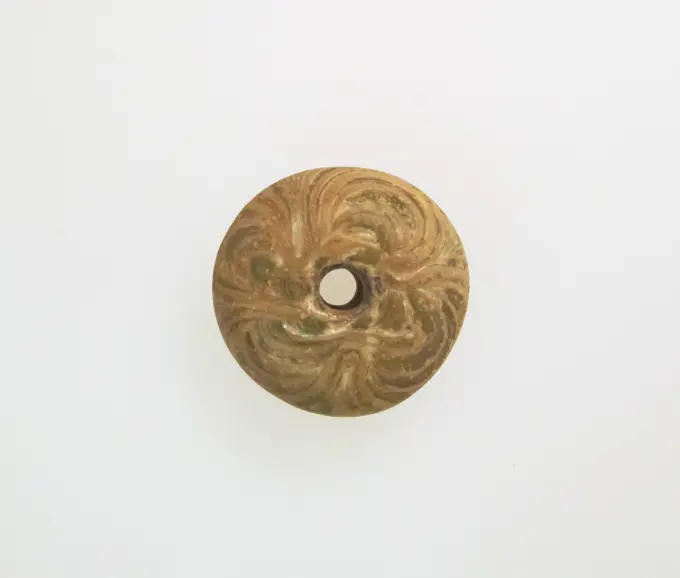
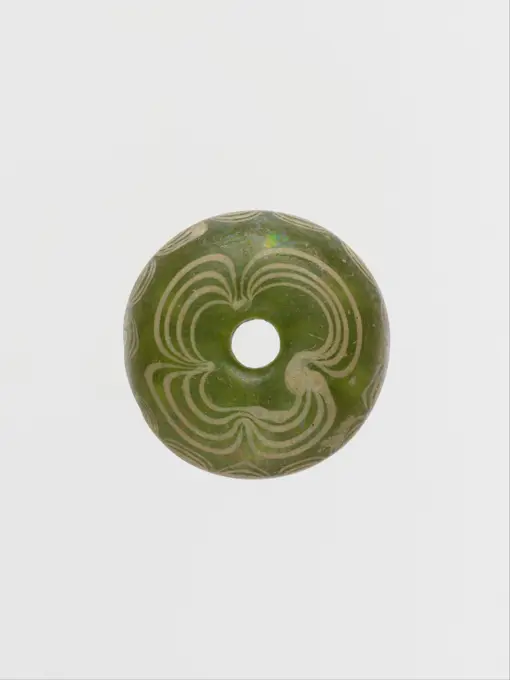
Glass spindle whorl ca. 5th-7th century A.D. Possibly Merovingian Translucent pale yellow green, with opaque white trail.Lentoid body, with rounded outer edge; vertical hole, larger on bottom; tooling marks around hole on bottomTrail applied across both surfaces and tooled to form wavy star pattern.Intact; dulling, creamy weathering, and faint iridescence.Made by winding trail in a spiral around rod.. Glass spindle whorl. Possibly Merovingian. ca. 5th-7th century A.D.. Glass; rod-formed, trailed, and tooled. Migration. Glass
6145-29088209
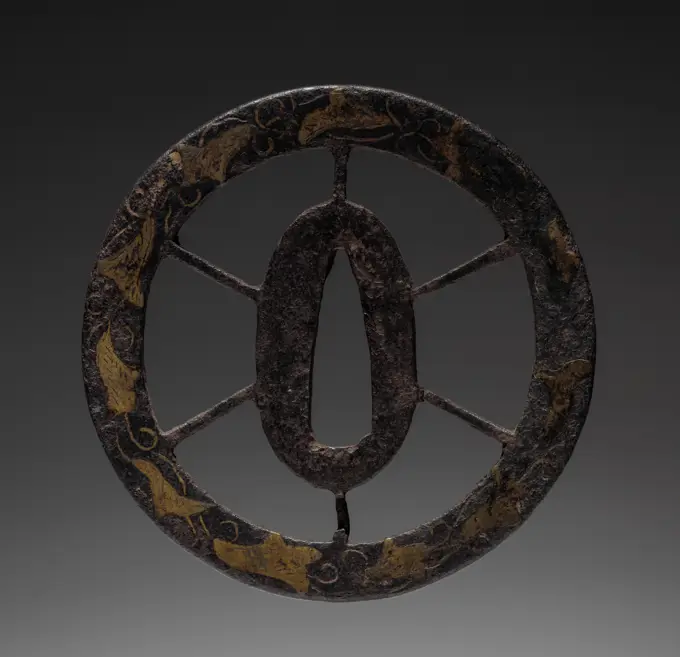
Sword Guard (Tsuba) with Flower, c. 1615-1868. Japan, possibly Edo period (1615-1868). Iron; diameter: 7 cm (2 3/4 in.).
6145-45810038
Bronze disc from v.O.c.-ship the 'white lion'. Bronze round disc or wheel with a round hole and 6 spokes in the middle. Probably intended for the large cover case and the part of the East India de Witte Leeuw. With this heavy hoist, the large RA, to which the mainsail was attached, could be lifted or lowered.
6145-29170840
Sword Guard (Tsuba) 19th century Japanese A tsuba is a sword guard and part of a sword mounting. It is mounted between the swords blade and grip to protect the users hands.. Sword Guard (Tsuba) 34359
6145-29240229
Buckle 15th century French. Buckle. French. 15th century. Bronze, patina. Miscellaneous-Buckles & Ornament
6145-29137722
Plaque. Western Inner Mongolia and northern China, 4th-3rd century B.C.. Sculpture; plaques. Bronze, cast
4409-17397972
Sword Guard (Tsuba). Culture: Japanese. Dimensions: H. 3 3/8 in. (8.6 cm); W. 3 1/8 in. (7.9 cm); thickness 3/16 in. (0.5 cm); Wt. 5.8 oz. (164.2 g). Date: ca. 1615-1868. Museum: Metropolitan Museum of Art, New York, USA.
6145-59007489
Carnavalet museum, tokens collection
6145-59066266
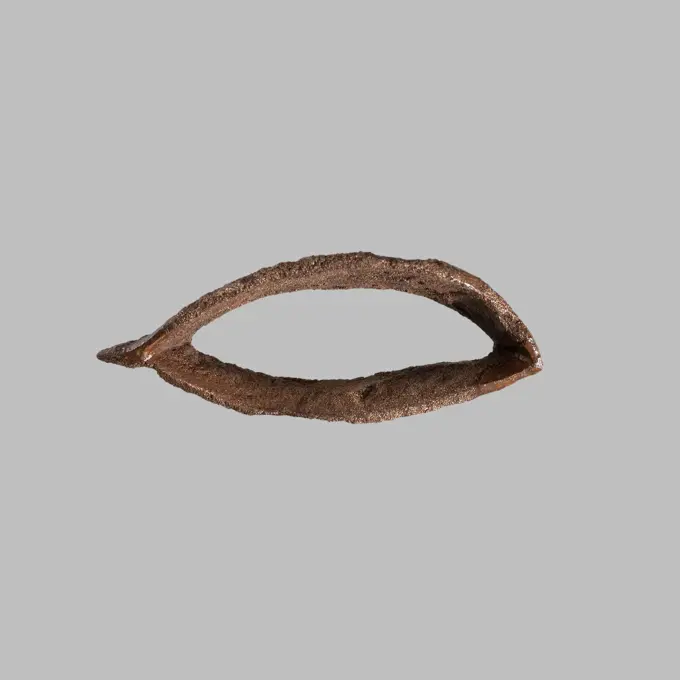
Eye luminaire;  around 1550-332 BC ; New PACH PACH-NY (-1550-00-00--332-00-00);fragments of sarcophagus, masks, eyes, faces
6145-30186961
Pendant with Buffalo Head 1100 BCE-900 BCE China. Jade .
6145-29173381
Lead disk with a hole in the center 6th-5th century B.C. Greek, Laconian Small flat votive figurines of cast lead have been found in great quantities at the ancient sanctuaries of Laconia; over one hundred thousand, dating from the seventh century B.C. to the Classical period, were dedicated to the goddess Artemis Orthia in Sparta.. Lead disk with a hole in the center 251721 Greek, Laconian, Lead disk with a hole in the center, 6th5th century B.C., Lead, Diameter: 5/8 in. (1.5 cm). The Metropolitan Museum of Art, New York. Gift of A. J. B. Wace, 1924 (24.195.155)
6145-29170244
Sword guard (Tsuba) With Phoenix Motif (凰図鐔) 19th century Japanese This iron tsuba shows a phoenix in auspicious clouds on the obverse and a pine, clouds, and waves on the reverse. In Japanese mythology, the phoenix (hōō) is said to appear only very rarely and then usually to mark the beginning of a new era, e.g. the birth of a virtuous ruler.. Sword guard (Tsuba) With Phoenix Motif (凰図鐔) 25737
6145-46621967
. Shoe buckle of silver with unulatory decoration in relief.
6145-29748822
Ring ca. 2600-2500 B.C. Sumerian. Ring 322904
6145-50500033
Decorative Door Boss And Nail; steel-plated wrought iron
6145-58877809
Scarier, c. 1400 - c. 1950   iron (metal)   iron (metal)
6145-29753924
Fibula Cypriot. Fibula 244430
6145-29149378
Small Boy Wearing a Black Hat Holding a Heart 18th century Anonymous, Austrian, 18th century Austrian. Small Boy Wearing a Black Hat Holding a Heart. Anonymous, Austrian, 18th century. 18th century. Cut paper with gouache and watercolor, in a wood and gilt-metal frame. Cut Paper
6145-59511804
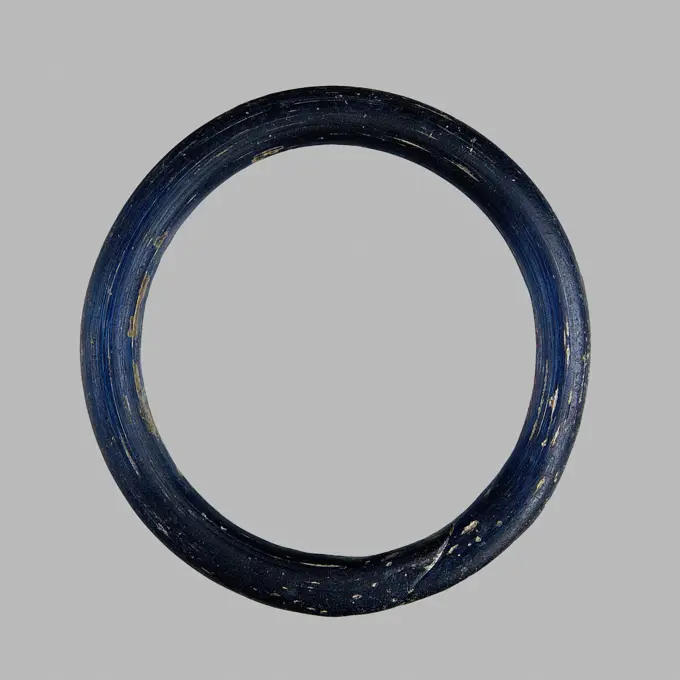
Ring -shaped fragment from the wreck of the East Indians Hollandia, Anonymous, 1700 - in Or Before 1743 fragment Varied parts or fragments, rings or ring-shaped fragments; id. 80H946. Netherlands copper (metal)   Second
4443-19539133
Buttons, wood and steel, flat circular buttons of wood with channel shank; ornamented with two superimposed steel stars of five points each., Component -a is on card 2, Component -d is on Cooper Union Exhibition card 8, France, 19th century, costume & accessories, Decorative Arts, Buttons
6145-29170712
Sword Guard (Tsuba) ca. 1615-1868 Japanese A tsuba is a sword guard and part of a sword mounting. It is mounted between the swords blade and grip to protect the users hands.. Sword Guard (Tsuba) 33481
6145-29796322
Glass whorl or bead 5th-7th century A.D. Frankish Translucent light green; trails in opaque white.Flattened biconical shape; vertical hole with rounded edge of one side and rough lip on the other.Three separate trails applied spirally and marvered into surface: on one side, spiral tooled into large scallop pattern of six loops; on the other, one trail around outer edge as narrow spiral tooled into thirteen swags, and the other tooled into a scallop pattern of four loops.Intact; slight pitting and dulling, and faint iridescent weathering.. Glass whorl or bead 249648
4443-21930344
Metal closure of belt with three eyes, buckle belt part clothing accessory clothing soil find iron copper metal, Metal buckle closure Consisting of large elongated eye above it two small eyes. In between in dent archeology Rotterdam rail tunnel confirm fastening take along seat belt Soil discovery: rail tunnel Rotterdam.
4443-28743569
Earring, from a collection of six, 11th-16th century, 2 1/4 x 2 7/8 in. (5.72 x 7.3 cm), Gold, Ecuador, Pre-Columbian
6145-29172231
Sword Guard (Tsuba) late 18th-early 19th century Japanese A tsuba is a sword guard and part of a sword mounting. It is mounted between the swords blade and grip to protect the users hands.. Sword Guard (Tsuba) 26338
4443-19540791
Decorative door boss and nail, Wrought iron, Square mount shaped and pierced to form trefoil raised leaf design in each of four quadrants. Large central nail with round head and round molded collar on square shank. Four smaller nails at corners., Spain, 16th century, metalwork, Decorative Arts, Decorative door boss and nail
6145-48518478
AE. Fanagoria
6145-43632013
Przęślik. unknown, author
6145-59047414
Loop.
6145-59042260
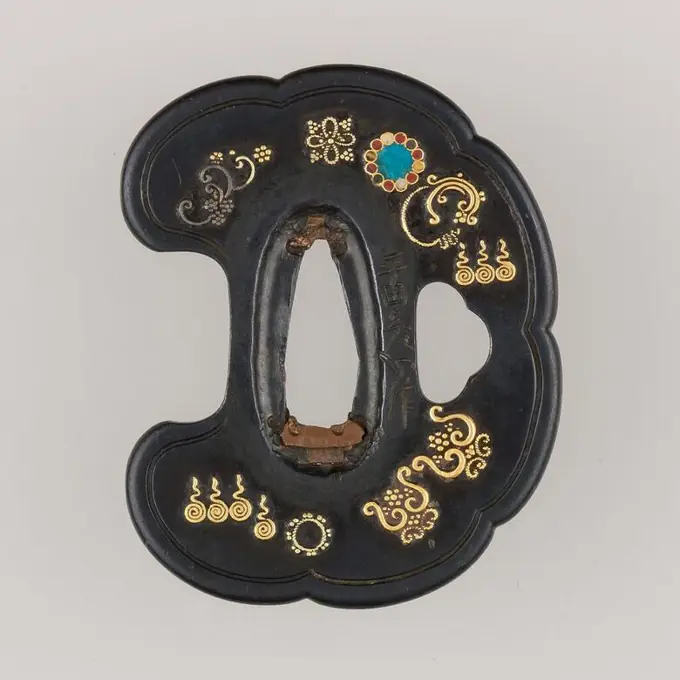
Tsuba. Signed: Mémo-Shû-Jû Tomosada Saku (Tomosada, Hagi School, Fief of Mésshû), Hagi School. Japan. Copper inlaid, gold, 18th century. Paris, Cernuschi museum. Bench, armament, Asian art, Japanese art, domain of Choshu, weapon custody, object of art, metal object, armament piece, tsuba, 18th 18th 18th 18th 18th 18th 18
4443-19524416
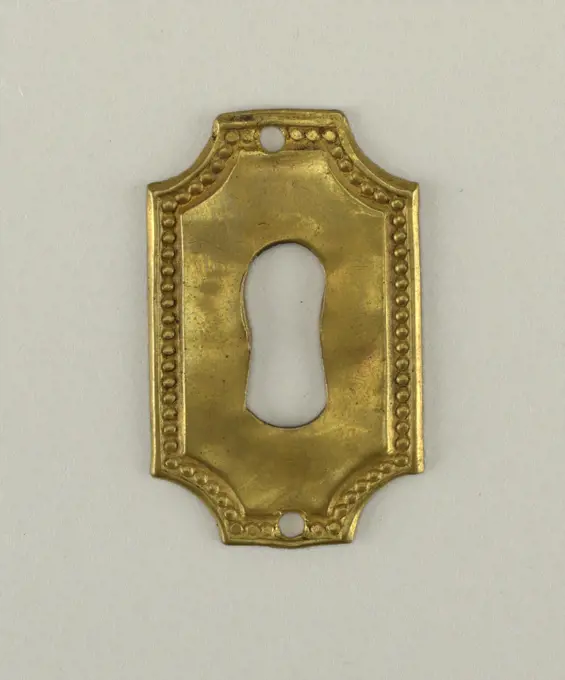
Escutcheon, brass, ca. 1790, metalwork, Decorative Arts, Escutcheon
4409-17374305
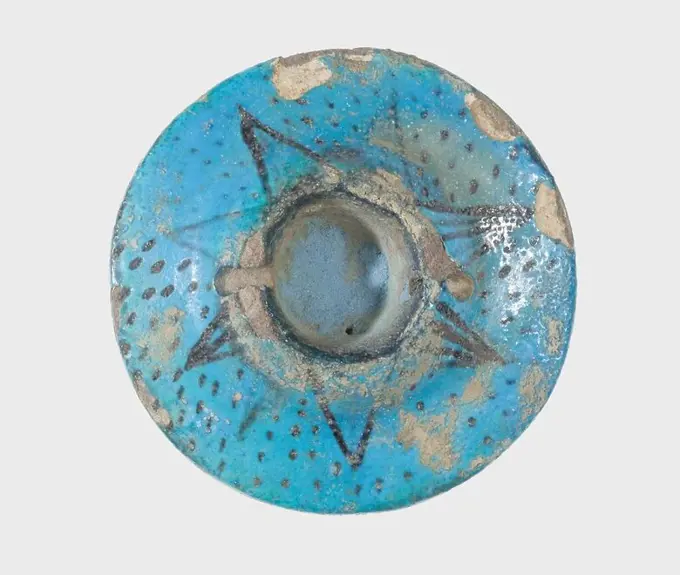
Jar Lid. Dimensions: Diam. 8 cm (3 1/8 in). Dynasty: Dynasty 18. Reign: reign of Amenhotep III. Date: ca. 1390-1353 B.C.. Museum: Metropolitan Museum of Art, New York, USA.
6145-59511808
Ring -shaped fragment from the wreck of the East Indians Hollandia, Anonymous, 1700 - in Or Before 1743 fragment Varied parts or fragments, rings or ring-shaped fragments; id. 80H946. Netherlands copper (metal)   Second
6145-58998281
Tsuba. Japan. Fer. Paris, Muse Cernuschi. Assessment, armaments, Asian art, Japanese art, weapon custody, art object, metallic object, armament piece, tsuba
6145-29170246
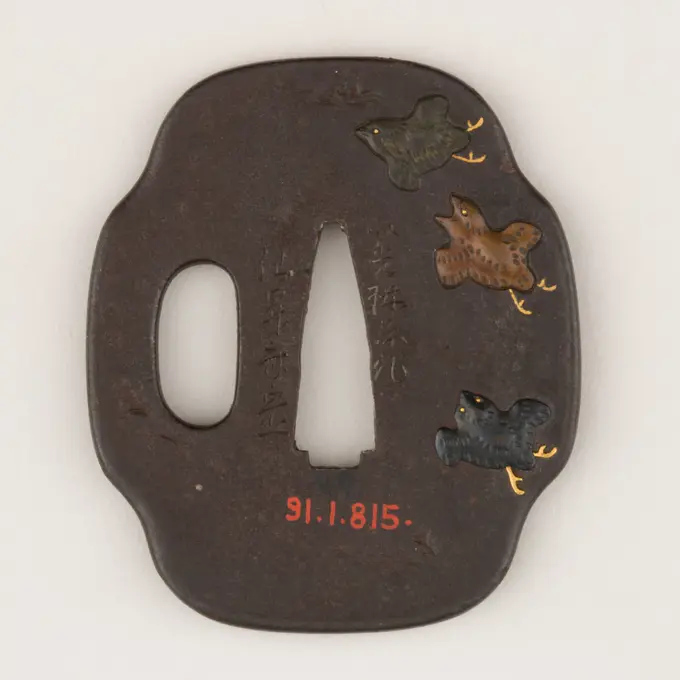
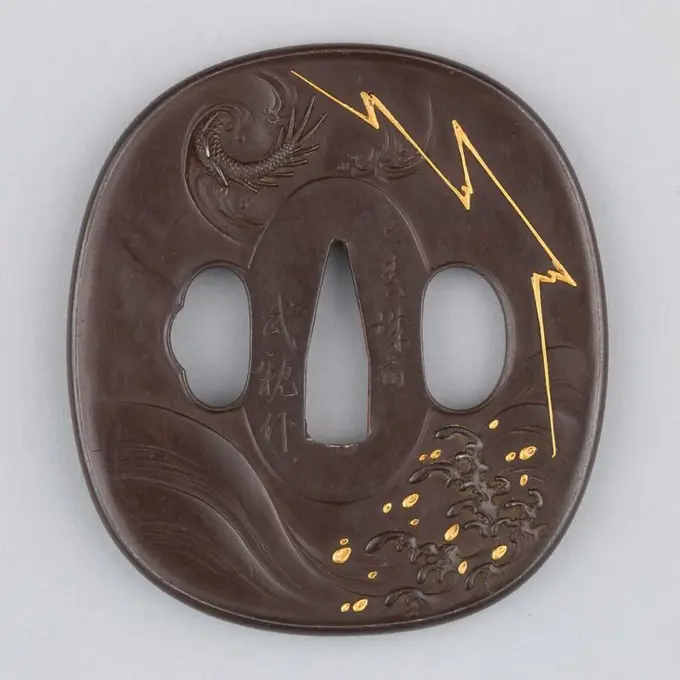
Sword guard (Tsuba) With the Motif of Plovers and Waves (千鳥図鐔) 19th century Japanese The obverse shows three differently colored plovers and the reverse waves, with the spray being highighted in gold. The signature states that the tsuba was inspired by design of Ogata Kōrin (尾形光琳, 1658-1716) of the Rinpa School. Kōrin’s unique and highly stylized plovers are colloquially referred to as "Kōrin Plovers" (Japanese: Kōrin-chidori, 光琳千鳥). It appears that this tsuba is a joint work between a certain Senshōsai Munekazu, whose name is not found in the relevant records, and Kakusensai, which was the art name of the Tanaka School artist Tsukui Yoshimune (津久井義宗, 1833-?). Due to the two artists sharing the character Mune, it is likely that they were related, i.e. as father and son and/or as master and student.. Sword guard (Tsuba) With the Motif of Plovers and Waves (千鳥図鐔) 25740
6145-29744533
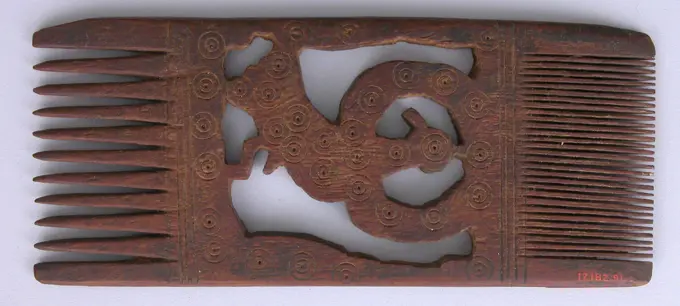
Comb 7th-8th century. Comb 454689
6145-59012270
Child wallet. XIXth. GAL1964.96.45
6145-46613210
Mounting plate of wood from a silver wall arm. Star-shaped wall plate from a silver wall arm.
6145-30204607
Political situation of France in 1849 (dummy title) Medal representing the political situation of France in 1849. Lead, 1849.
4443-19565990
Maker: Unknown, Coin fromBritain, Bronze, 10.8 g, 24.5mm, Made in Britain, Celtic, 1st millennium B.C., Numismatics
6145-29753509
Openwork Belt Fitting 7th century () Frankish. Openwork Belt Fitting 464959
4409-17414934
Sword Guard (Tsuba). Culture: Japanese. Dimensions: H. 3 3/8 in. (8.6 cm); W. 3 3/16 in. (8.1 cm); thickness 1/4 in. (0.6 cm); Wt. 5.8 oz. (164.4 g). Date: ca. 1615-1868. Museum: Metropolitan Museum of Art, New York, USA.
6145-29782155
Loop ca. 9th century B.C. Iran. Loop 325769
6145-29088184
Sword Guard (Tsuba), c. 1615-1868. Japan, possibly Edo period (1615-1868). Iron; diameter: 7 cm (2 3/4 in.).
1525R-214825
art shop labels
4443-21918209
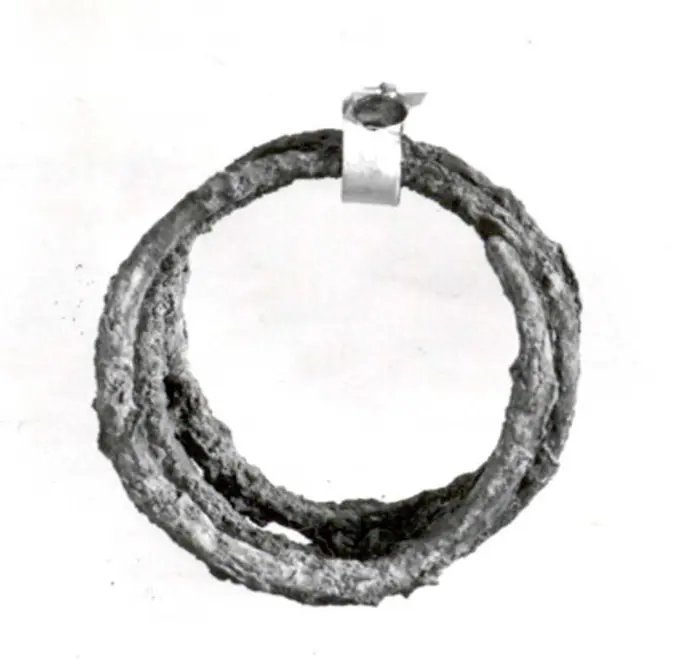
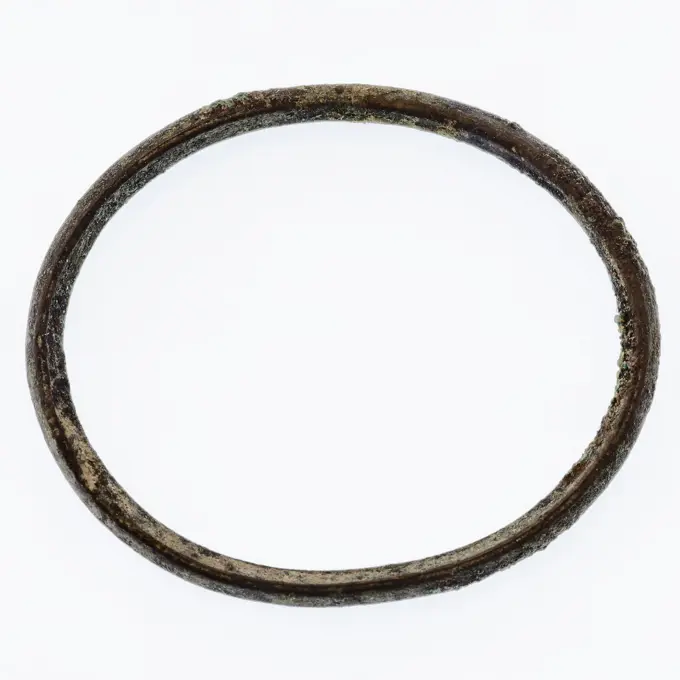
Thin, copper ring, ring part soil find copper metal, Thin copper ring Narrow spine over the inside hemisphere along the outside archeology Rotterdam connecting railway tunnel Soil discovery: Railway tunnel 1988-1993.
6145-58845826
Bag bracket of wrought iron, 1500 - 1600 A wrought iron bracket of a double bracket bag or exhibition hanging on a ditto loop forged in the form of a pinched, stretched leather belt, and with an eye connected to an eye attached to the middle bracket wing. The bracket is semi -circle -shaped and hinges on the two ends on two side wings, which back two engraved lines run. Netherlands iron (metal) forging / engraving A wrought iron bracket of a double bracket bag or exhibition hanging on a ditto loop forged in the form of a pinched, stretched leather belt, and with an eye connected to an eye attached to the middle bracket wing. The bracket is semi -circle -shaped and hinges on the two ends on two side wings, which back two engraved lines run. Netherlands iron (metal) forging / engraving
6145-29171349
Sword Guard (Tsuba) ca. 1850 Japanese A tsuba is a sword guard and part of a sword mounting. It is mounted between the swords blade and grip to protect the users hands.. Sword Guard (Tsuba) 30017
6145-58931624
Brooch -
6145-29239659
Buckle ca. 100 B.C.-ca. 500 A.D. Ibero-Roman. Buckle. Ibero-Roman. ca. 100 B.C.-ca. 500 A.D.. Bronze. Miscellaneous-Buckles & Ornament
4409-17372315
Sword Guard (Tsuba). Culture: Japanese. Dimensions: H. 3 5/16 in. (8.4 cm); W. 3 1/8 in. (7.9 cm); thickness 1/4 in. (0.6 cm); Wt. 4.9 oz. (138.9 g). Date: 18th century. Museum: Metropolitan Museum of Art, New York, USA.
6145-29717962
Earring 6th-7th century Frankish. Earring 465161 Frankish, Earring, 6th7th century, Copper alloy, silver, glass paste, Overall: 1 15/16 x 1 13/16 x 11/16 in. (4.9 x 4.6 x 1.7 cm) bead: 3/8 x 5/8 x 9/16 in. (1 x 1.6 x 1.4 cm). The Metropolitan Museum of Art, New York. Gift of J. Pierpont Morgan, 1917 (17.192.107)
6145-58877546
Double cut with two plates, anonymous A Vertind Double Cut, with two plates. A Vertind Double Cut, with two plates.
6188-58499916
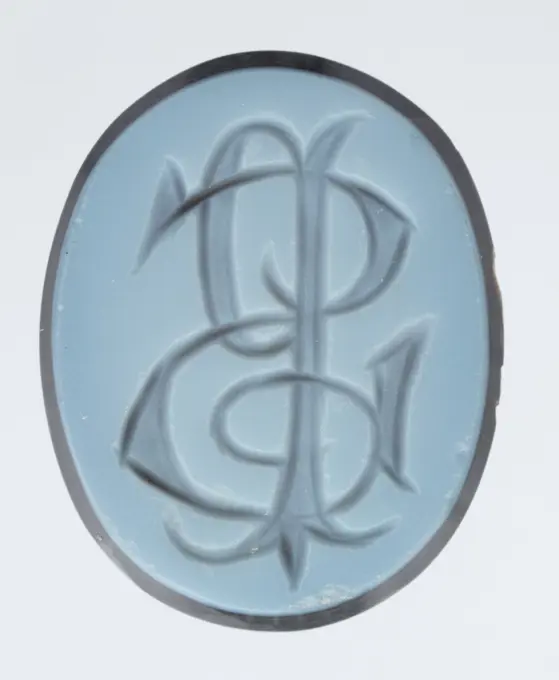
Stone font Letter G 3D Stone font Letter G 3D rendering illustration isolated on white background Copyright: xZoonar.com/MilicxDjurovicx 21521880
4409-17384612
Sword Guard (Tsuba). Culture: Japanese. Dimensions: H. 2 9/16 in. (6.5 cm); W. 2 1/8 in. (5.4 cm); thickness 3/16 in. (0.5 cm); Wt. 2.9 oz. (82.2 g). Date: 17th century. Museum: Metropolitan Museum of Art, New York, USA.
6145-59028438
Anonymous, plays from Mors (Biaoxian) (usual name), 1050. Cernuschi museum, Asia Museum of Asia in the city of Paris.
6145-59059046
Bracelet;  Anti-ny (0-00-00-0-00-00);Antical art collection, Rupiński G., Dar
6145-59498418
Military Distinctive, Anonymous, 1830  Insigne in the form of a post horn, embroidered in silver wire on red sheet. Behind linen and cardboard. Bottom left hangs a piece of black sheet. Netherlands cardboard. linen (material). cloth. silver thread embroidering
6145-29119711
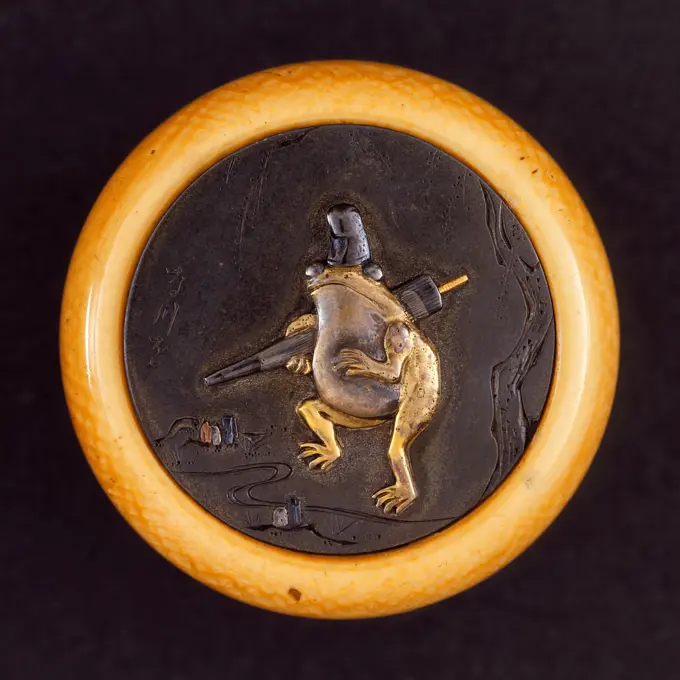
Ono no Tōfū as a Frog. Japan, second half of 19th century. Costumes; Accessories. Silver, bronze, and gilt disk, ivory bowl; kagamibuta type
4409-17407900
Sword Guard (Tsuba). Culture: Japanese. Dimensions: H. 2 7/8 in. (7.3 cm); W. 2 3/4 in. (7 cm); thickness 1/4 in. (0.6 cm); Wt. 4.3 oz. (121.9 g). Date: ca. 1810. Museum: Metropolitan Museum of Art, New York, USA.
6145-29171135
Sword Guard (Tsuba) ca. 1615-1868 Japanese A tsuba is a sword guard and part of a sword mounting. It is mounted between the swords blade and grip to protect the users hands.. Sword Guard (Tsuba) 34467
4409-17438498
Sword Guard (Tsuba). Culture: Japanese. Dimensions: H. 2 3/4 in. (7 cm); W. 2 1/2 in. (6.4 cm); thickness 3/16 in. (0.5 cm); Wt. 2.9 oz. (82.2 g). Date: early 19th century. Museum: Metropolitan Museum of Art, New York, USA.
6145-59101479
Jelec (Tsuba); Toshimitsu, Tanaka-Tôryûsai; 19th century (1801-00-00-1868-00-00);
6145-29088423
Sword Guard (Tsuba), c. 1615-1868. Japan, possibly Edo period (1615-1868). Iron; diameter: 7.7 cm (3 1/16 in.).
6145-29094303
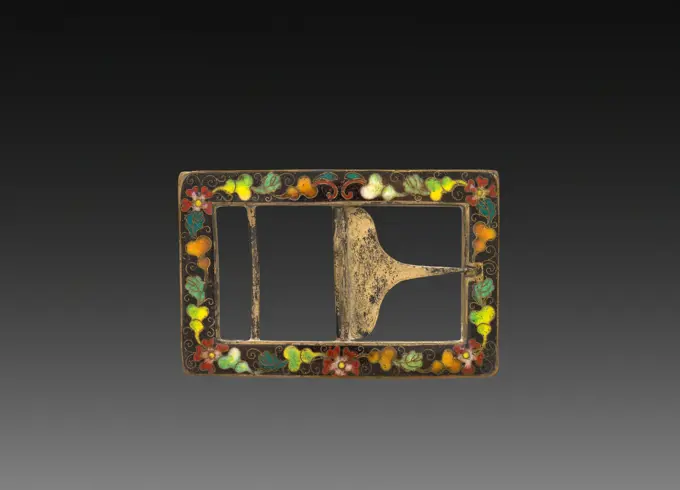
Belt Buckle with Radishes, early 1900s. Japan, Meiji period (1868-1912) to Taishō period (1912-26). Cloisonne enamel; overall: 4.5 cm (1 3/4 in.).
4409-17374932
Sword Guard (Tsuba). Culture: Japanese. Dimensions: H. 3 1/2 in. (8.9 cm); W. 3 in. (7.6 cm); thickness 5/16 in. (0.8 cm); Wt. 7.1 oz. (g). Date: ca. 1615-1868. Museum: Metropolitan Museum of Art, New York, USA.
6145-45564937
Bliżej Kultury unknown label
6188-54841071
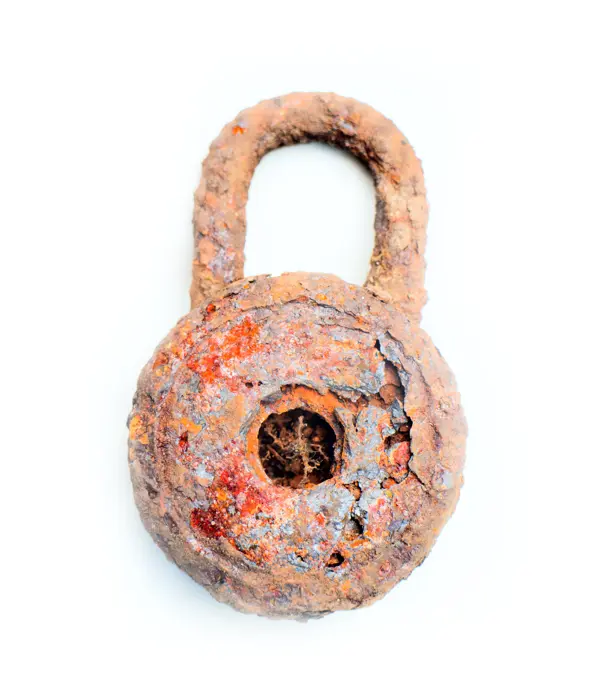
rusty old door lock cut out on white arity very rusty old door lock isolated on white Copyright: xZoonar.com/MaximilianxBuzunx 7912025
6145-45542163
Stamp
PREVIOUS
of 2
NEXT
2401 S. Ervay, Suite 206
Dallas, Texas 75215
United States
Browse
CategoriesGalleriesFree Research
For Creators
License Your ContentSuperStock For StudentsFrame of Mind BlogContributor PortalNew Image SpotlightLicense AI Imagery
Resources
About UsLicensingTerms & ConditionsAPI AccessPrivacyPricing
Contact
+1 866 236 0087help@superstock.com Contact form
©2026 SuperStock. All Rights Reserved. -A
This site is protected by reCAPTCHA and Google Privacy Policy and Terms of Service apply.