Japanese Shrines and Architecture

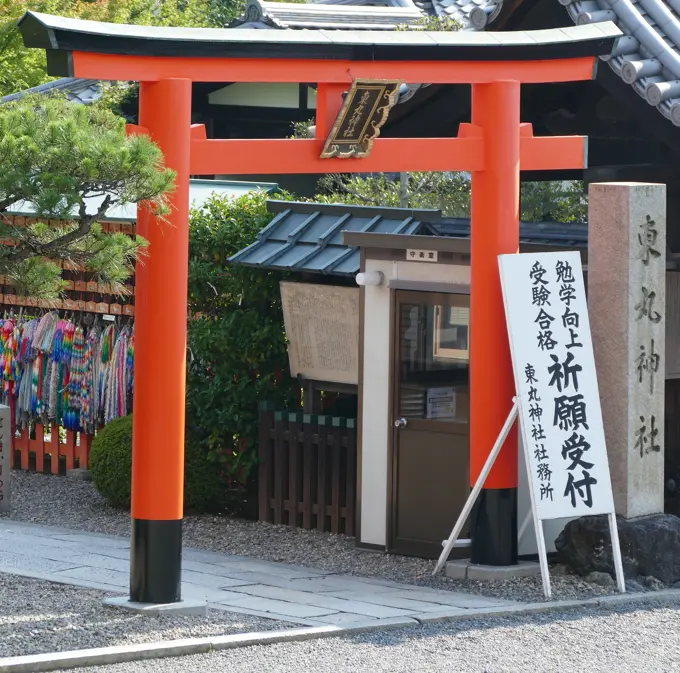
Stunning visuals of Shinto shrines in Japan, showcasing traditional architecture and serene environments. The structures are adorned with vibrant colors and lanterns.

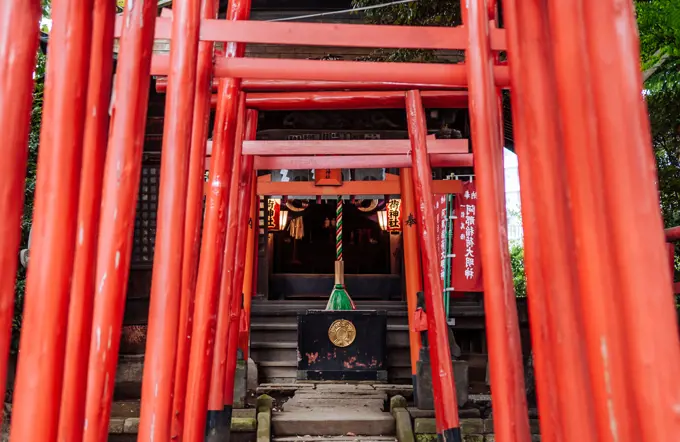
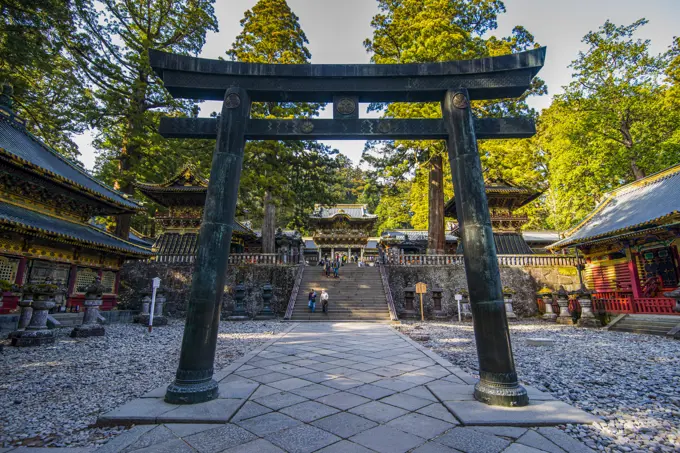
Futarasan Temple in Nikko, UNESCO World Heritage Site, Nikko, Tochigi, Honshu, Japan, Asia
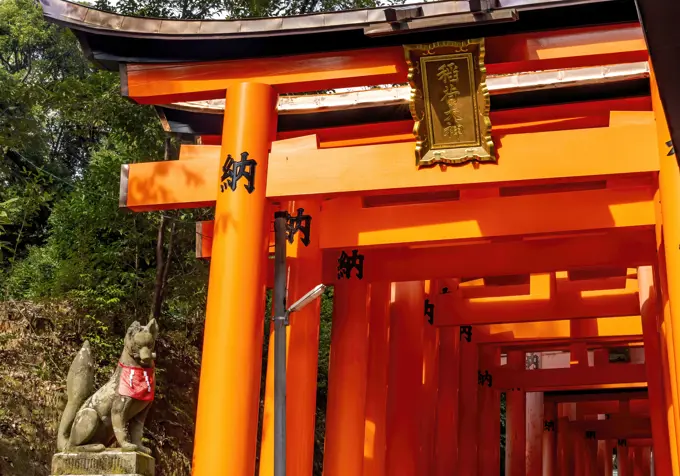
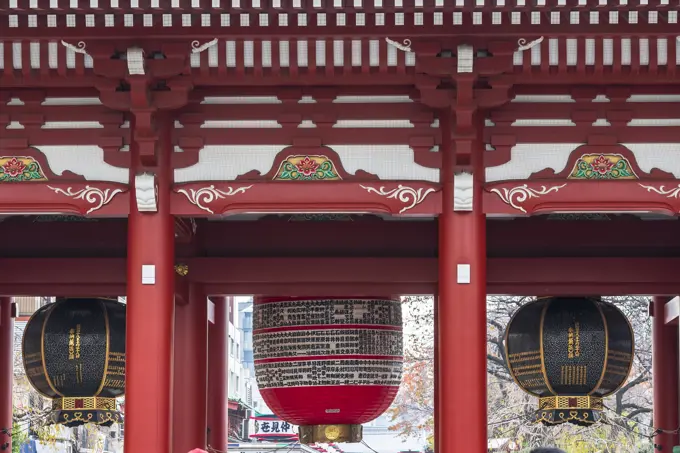
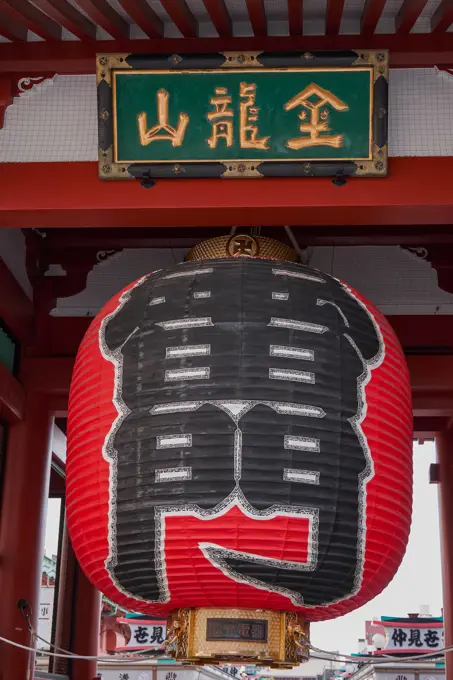
June 25, 2014 Shinagawa, Tokyo, Japan : Shinagawa Jinja or Shinagawa Shrine, built in 1187 as a residence of god Amanohiranomenomikoto. Also one of Tokyo-jissha (ten shrines of Tokyo), designated by Emperor Meiji.ShrineThe Vermilllion Nezu Shrine near Ueno Park in Tokyo, Japan The Vermilllion Nezu Shrine near Ueno Park in Tokyo, Japan Copyright: xZoonar.com/BRUNOxSILVAx 22226805ShrineJapan, Kumano Kodo, Kumano Hongu Taisha, Shinto shrineKyoto, Japan. Shinto Yasaka Shrine, Gion-jinja decorated with hanging Japanese paper lanternsRed lantern and incense burner at Kaminari Gate at the entrance gate leading to Sensoji Temple, Asakusa, Tokyo, JapanJapan, Shingu, Kumano Hayatama Taisha, Shinto shrineJapan, Nara, Kasuga Taisha, shinto shrine,Futarasan Temple in Nikko, UNESCO World Heritage Site, Nikko, Tochigi, Honshu, Japan, AsiaJUNE 27, 2014 - Kawasaki, Japan : Traditional big red Japanese lantern with japanese letters written on it at Kawasaki Daishi Temple entrance gateColorful Fox Statue Red Tori Gates Fushimi Inari Shinto Shrine Kyoto Japan. Shrine to Inari Shinto God of Rice. Inari's Messenrers are foxes, Shrine built from 1871 through 1946.  Chinese Characters on Plaque say God of Nature RiceLanterns hanging from a gate to the entrance of the Buddhist Templethe historical Shrines of Nikko in the north of Tokyo in Japan in Asia,


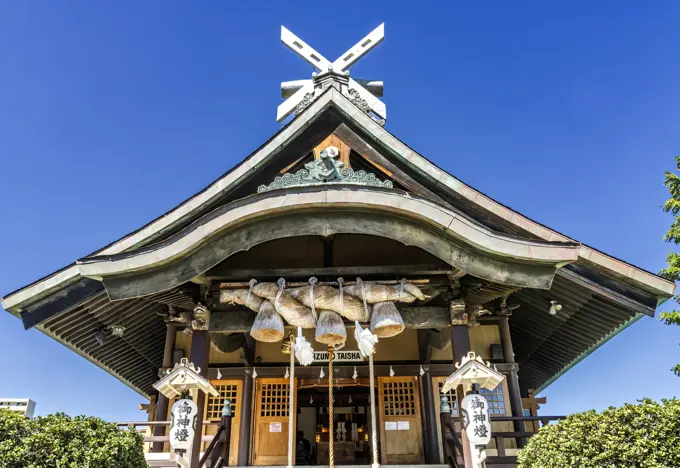
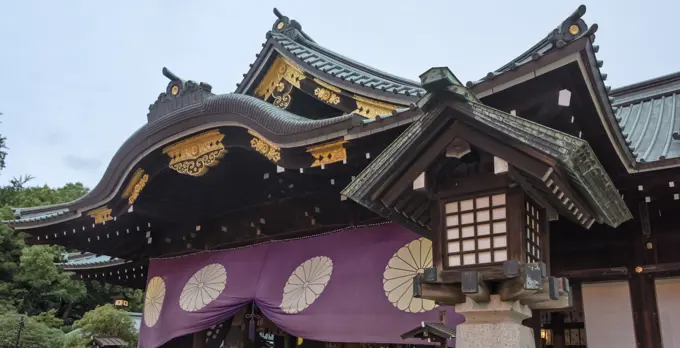
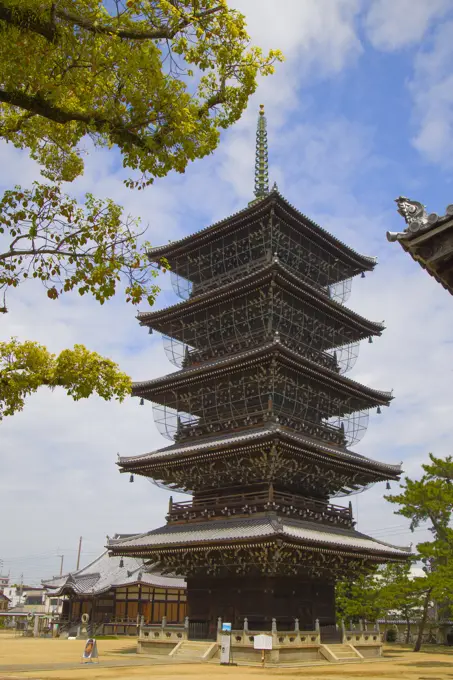
Izumo Taishakyo Mission Shinto Shrine Honolulu Oahu Hawaii. Built in 1922 for Japanese immigrants. Branch of Grand Shinto Shrine Izumo Shimane Japan. Shintoism from Japan worships natural gods kamis. Primary god is the God of the Great land earth.ShrineJapan, Shikoku, Zentsuji Temple, buddhistToshogu Shrine, UNESCO World Heritage Site, Nikko, Tochigi Prefecture, Kanto, Honshu, Japan, Asia Copyright: MichaelxRunkel 1184-11832Kyoto's Historic Temples in FallDEC 18, 2013 Singapore - Asian monk in famous Buddha Tooth relic temple with Chinese Tang dynasty Architecture style in ChinatownJapan, Kyoto, Fushimi Inari Shrine (Shinto Shrine), Torii Gates (Offerings)Crowd at Yasukuni Shrine during Mitama Matsuri, Tokyo, JapanShrineShrinethe historical Shrines of Nikko in the north of Tokyo in Japan in Asia,
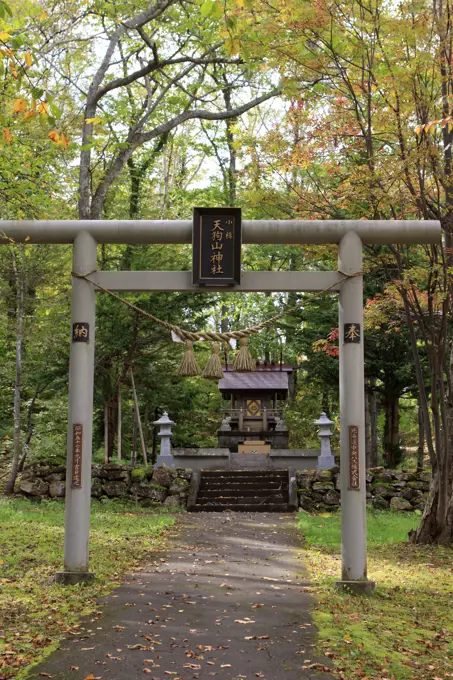
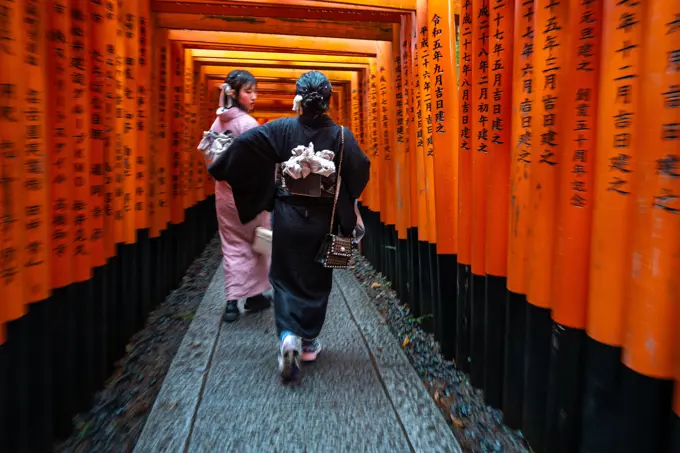


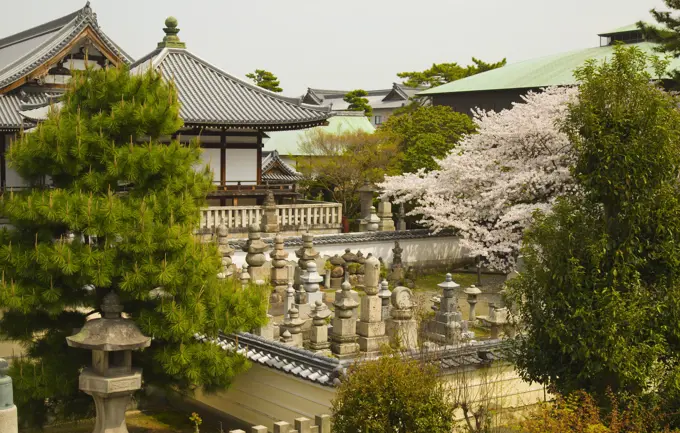
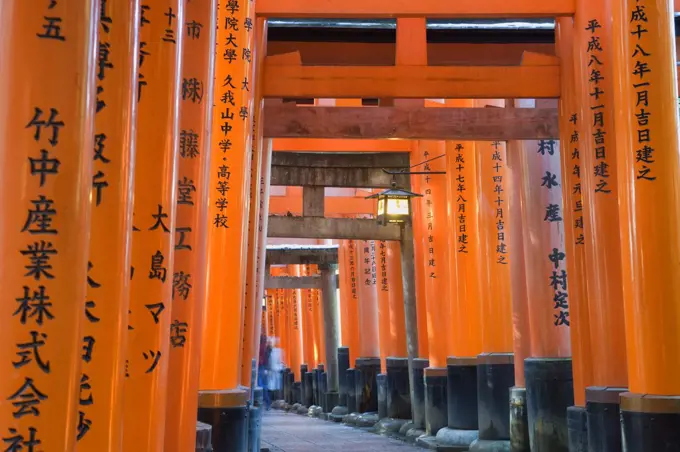
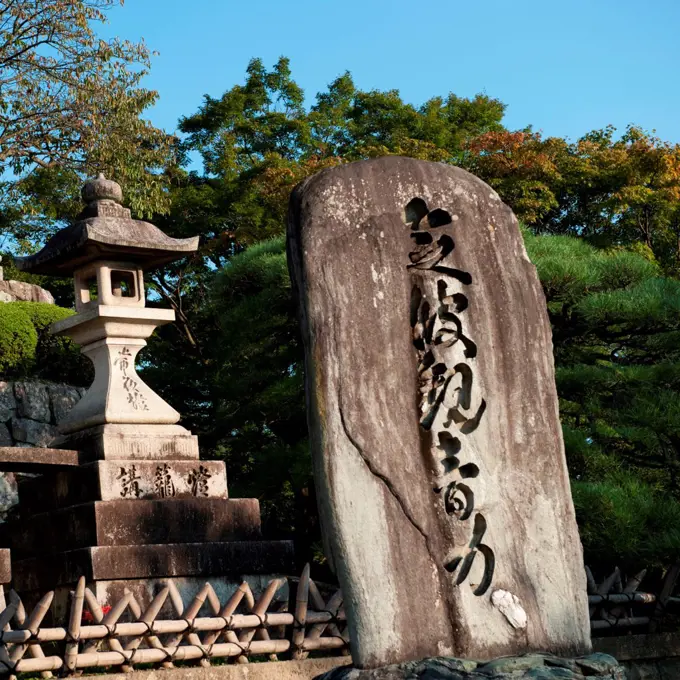
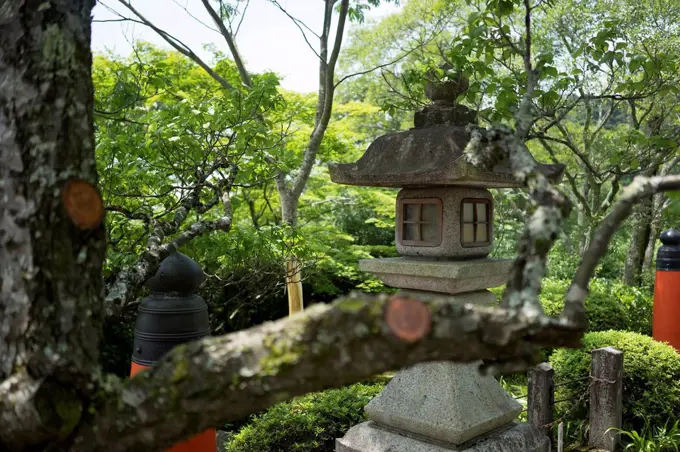
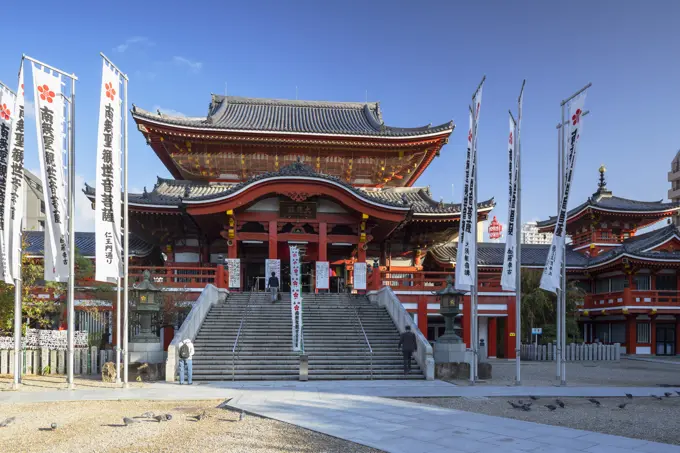
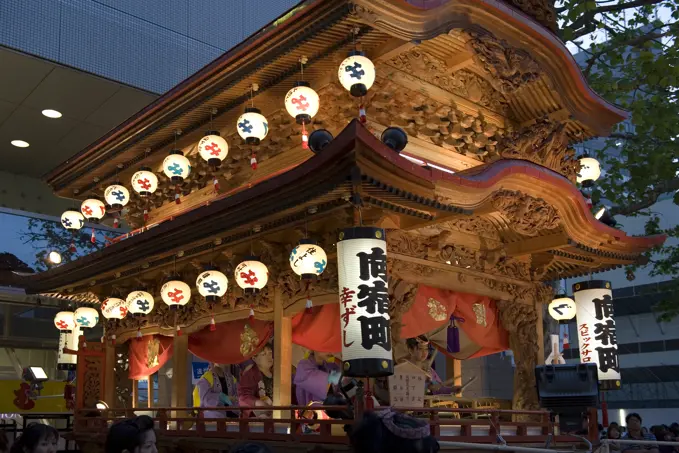
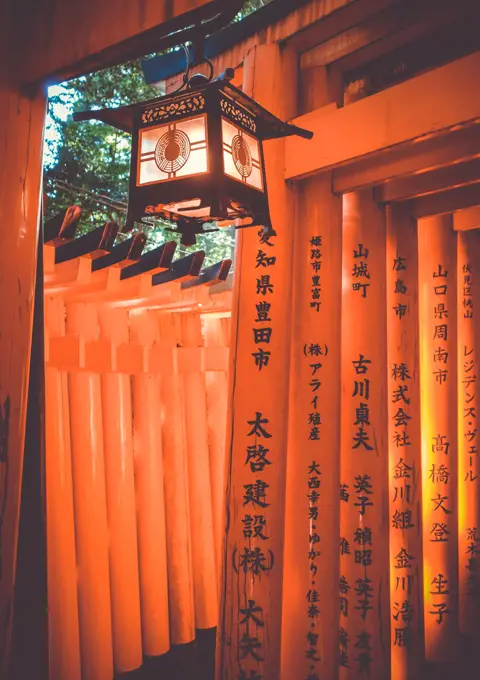
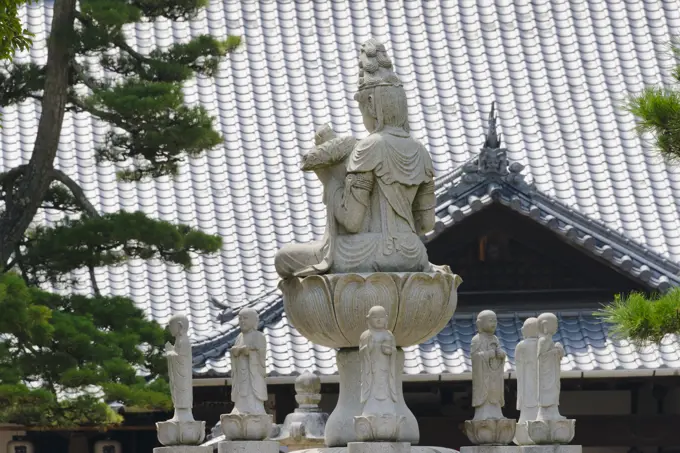
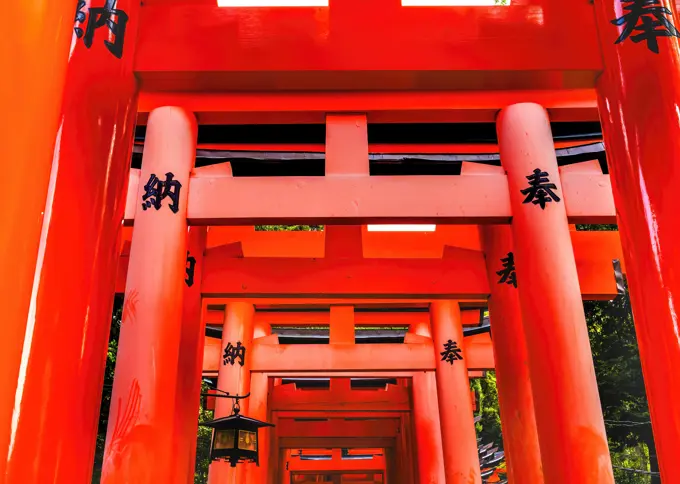
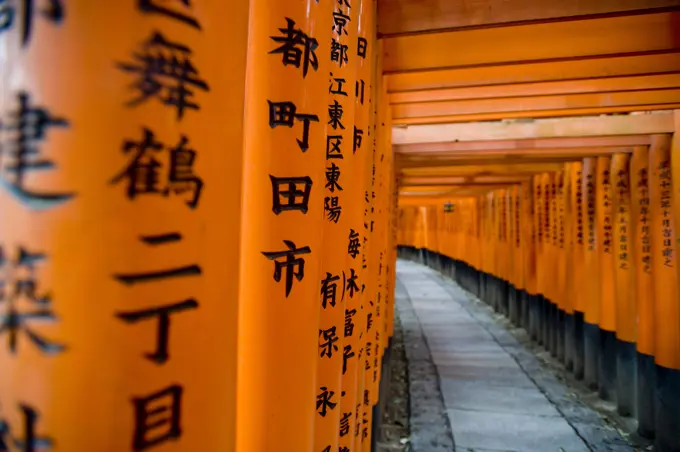
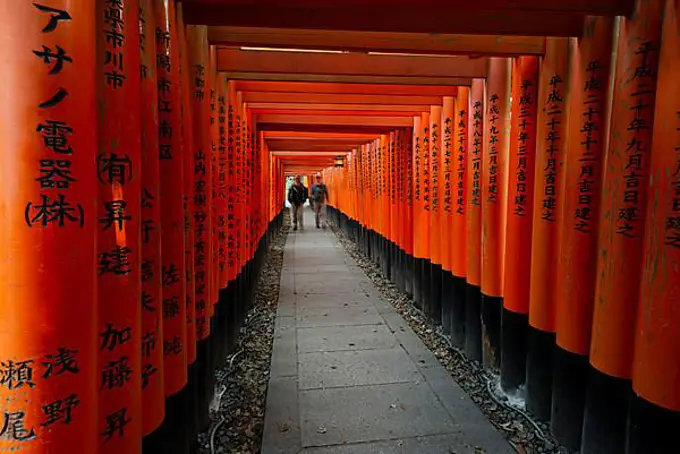
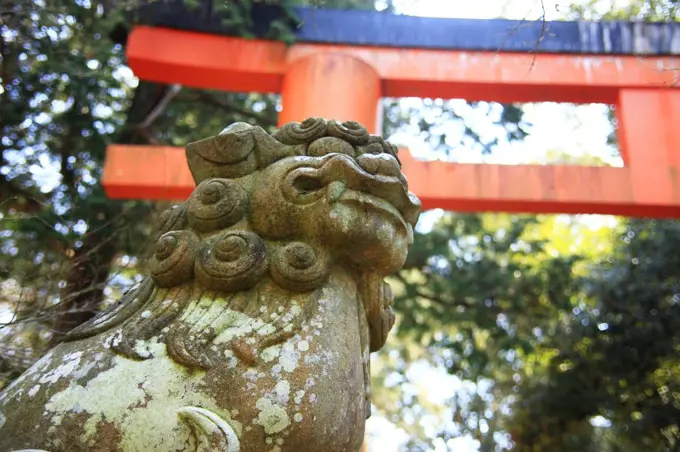
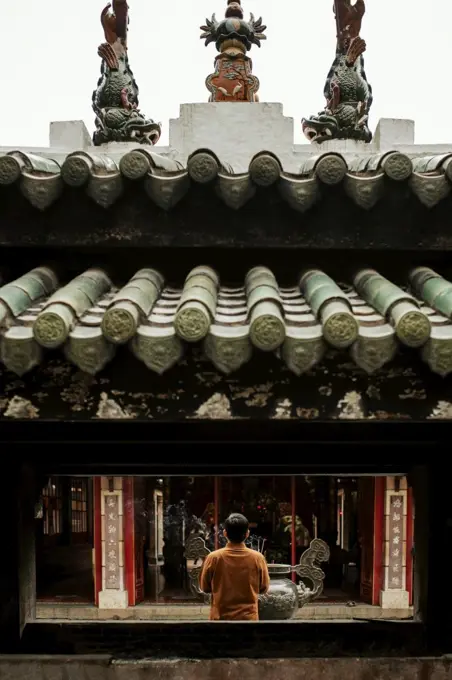
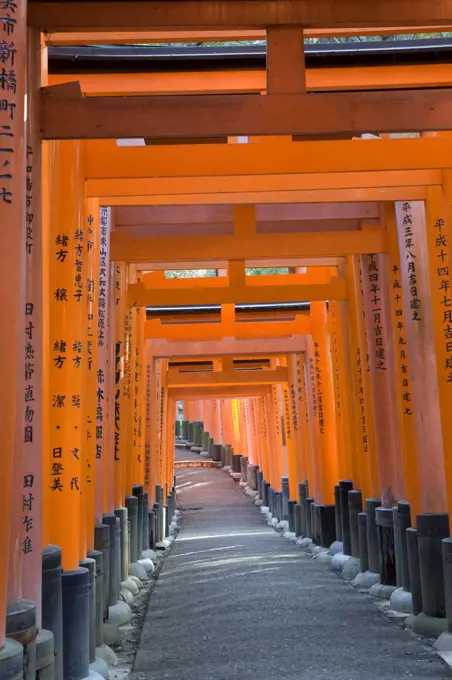
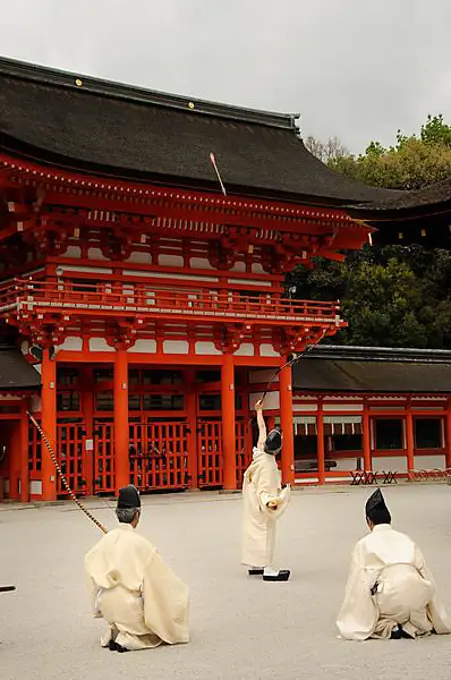
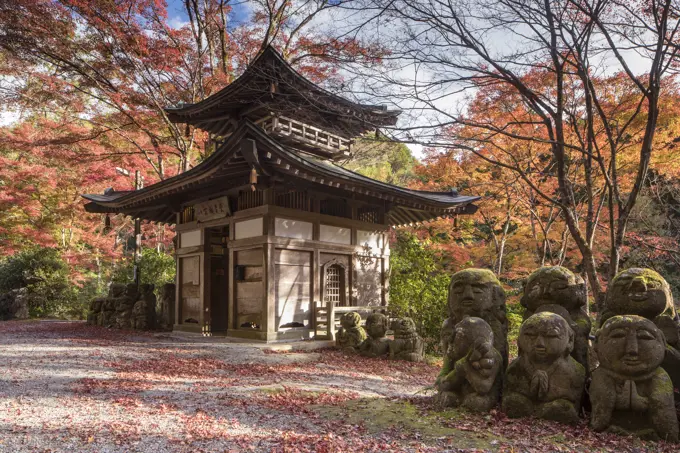
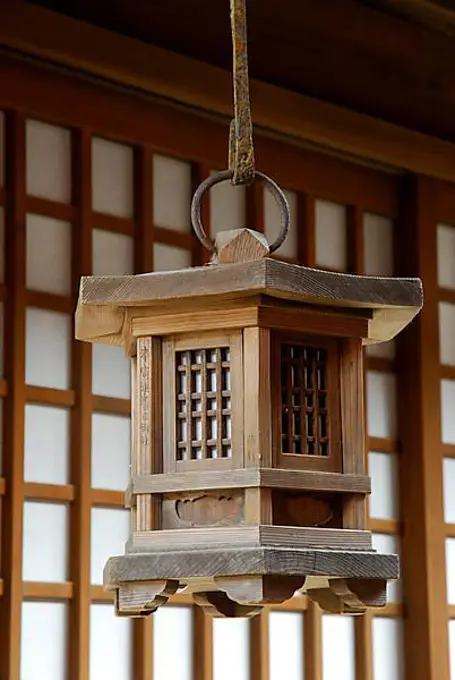
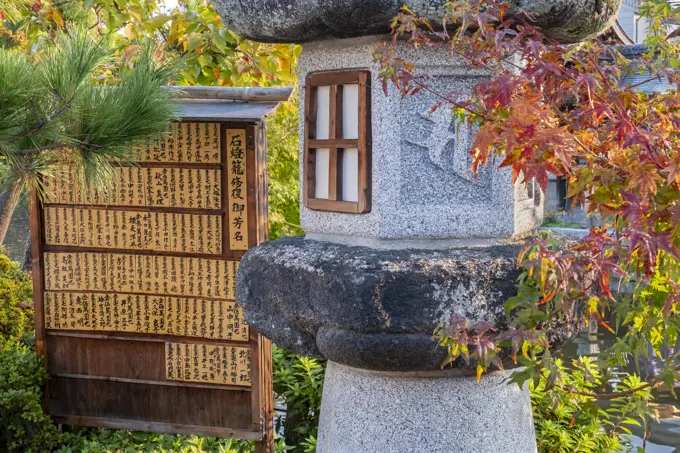
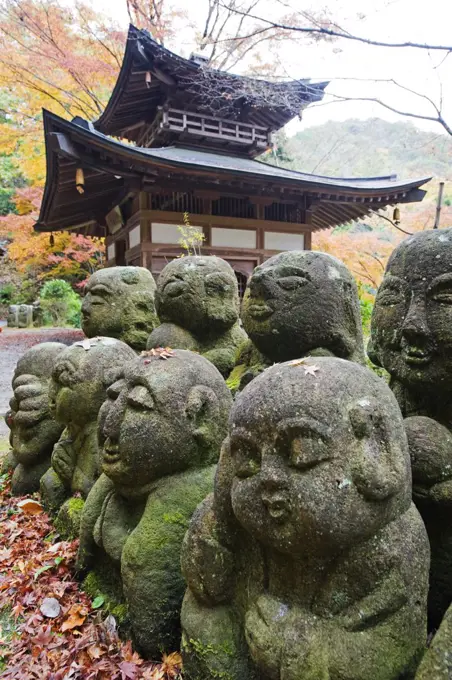
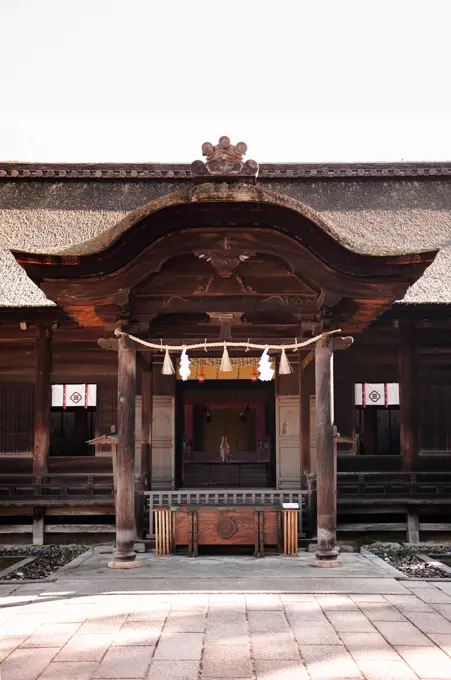
TempleJapan, Kumano Kodo, Kumano Hongu Taisha, Shinto shrineSennyugi Temple, Kyoto, JapanInscription on a rock in Kiyomizu-Dera Temple, Kyoto, JapanFushimi Inari-taisha shrine, in Fushimi-ku, Kyoto, Japan. The shrine sits at the base of a mountain also named Inari. First and foremost, Inari is the kami of rice, but merchants and manufacturers have traditionally worshiped Inari as the patron of business. Each of the tori at Fushimi Inari-taisha has been donated by a Japanese business. The shrine became the object of imperial patronage during the early Heian period. In 965, Emperor Murakami decreed that messengers carry written accounts of important events to the guardian kami of Japan. The earliest structures were built in 711 on the Inariyama hill in south-western Kyoto, but the shrine was re-located in 816 on the request of the monk Kukai. The main shrine structure was built in 1499.White japanese paper lanterns under the roof of a shrine, kyoto, japanJapanese temple stone memorial ground; Arashiyama, Kyoto, JapanKyoto, Japan, The sacred statue of a wolf in front of the main shrine of the Fushimi Inari Taisha templePaper lanterns on the Yasaka Shrine, which is a Shinto shrine in the Gion District of Kyoto, Japan.Temple and Cherry treeNight time illumination at temples during the cherry blossom sakura season and festivals in Kyoto, Honshu, Japan, Asia Copyright: JulioxEtchart 1188-1093Lanterns, Kasuga Shrine, Nara, Japan.Tenguyama Shrine at the summit of Mt Tenguyama, Otaru, Hokkaido, Japan.Toshogu shrine, Nikko, Japan, AsiaJapan, Kurama, Stone lanternOsu Kannon temple, Nagoya, Honshu, Japan, AsiaOrnate wooden floats with musicians performing during the Gotenyatai Hikimawashi Festival in Hamamatsu, Shizuoka, Japan, AsiaTraditional lantern in Fushimi Inari Taisha shrine, Kyoto, Japan. Lantern in Fushimi Inari Taisha shrine, Kyoto, JapanShimogamo Shrine is a Shinto sanctuary in Kyoto. Its formal name is Kamo-mioya-jinja. It is one of the oldest Shinto shrines in Japan and is one of the seventeen Historic Monuments of Ancient Kyoto which have been designated by UNESCO as a World Heritage Site.ShrineKyoto, Japan. Hanging Japanese paper lanterns at the Shinto Yasaka Shrine, Gion-jinjaNorth Korea, Hoechang Province. Temple within the Chinese People's Volunteers Cemetery, where Mao Anying, son of Mao Zedong, is laid to rest, having been killed in the Korean WarFestival float (yatai) and cherry blossom tree on street in Gonjunko Procession during Sanno Festival of Hie Jinja Shrine, Takayama, Gifu prefecture, JapanStatue of Goddess of Mercy with pine trees and tiled roof of Itsukushima Shrine (UNESCO World Heritage site), Miyajima, JapanColorful Red Tori Gates Lantern Fushimi Inari Shinto Shrine Kyoto Japan. Shrine to Inari Shinto God of Rice. Shrine built from 1871 through 1946.  Chinese Characters on Gates Say Respect Giving.Big shrineDetail of the architecture of the Fushimi Inari Taisha shrine, a Shinto shrine in Kyoto, Japan.Fushimi Inari shrine, Tokyo, Japan, AsiaAn Asian woman wearing Japanese traditional kimono standing in Yasaka Pagoda Temple during travel holidays vacation trip outdoors in Kyoto City, Japan. Tourist attraction.Japan, Shikoku, Zentsuji Temple, buddhist,Little shrine in a volcanic landscape and autumnal colors, Osorezan Bodaiji Temple, Mutsu, Aomori prefecture, Honshu, Japan, AsiaPedestrian at Fushimi Inari-Taisha, Shinto shrine, way through hundreds of red traditional Torii gates, Fushimi Inari-taisha Okusha Hohaisho, Kyoto, Japan, AsiaKomainu and Torii gateJapan, Kyoto, Arashiyama,Tenryuji Temple, Statue Of Buddha,  Torii Gate In BackgroundElaborately, colorfully decorated Japanese temple (Large format sizes available)Japan, Kumano Kodo, Kumano Hongu Taisha, Shinto shrine,two-storied Kannon-den at Ginkaku-ji, 'Temple of the Silver Pavilion'), officially named JishLT-ji 'Temple of Shining Mercy'), a Zen temple in the Sakyo ward of Kyoto, Japan.back view man praying temple with incenseSmall Shinto Santuary dedicated to the Uga-no-Mitama divinity meaning the spirit of the rice in storehouses which is associated with food and agriculture and which is often represented in the form of the fox Inari the divinity of rice. On the yellow paper lanterns that are hanging under a trellis shaded by foliage are drawn symbols that remind you of the will-o'-the-wisles and ideograms Shuzoku Enoki from the name of the tree where the foxes gathered or kitsunebi which means Fox ghost light. Located in the city of Oji in the district of Kita north of Tokyo, this place once owned a tree Enoki Celtis sinensis Micocoulier which stood in the middle of the rice fields. On New Year's Eve, foxes from all over the region gathered here and there were signs of will-o'-the-wisps, which made the superstitious peasants count their numbers and used that to predict a good or bad harvest for next year. The two foxes sit on a stone pedestal or two signifying ideograms offering Houken are inscribed on bShrineJapan, Kyoto, Fushimi Inari Shrine (Shinto Shrine), Torii Gates (Offerings)Shinto priests doing a ceremony in the morning at the Fushimi Inari Taisha shrine, a Shinto shrine in Kyoto, Japan.Kasuga-Taisha Shrine temple in Nara park, Japan. Kasuga-Taisha Shrine temple, Nara, JapanLittle shrine and cherry blossom in the Kiyomizu-dera Buddhist temple, UNESCO World Heritage Site, Kyoto, Honshu, Japan, AsiaKumano Hongū Taisha, Main Shrine of Kumano Shrines, Shinto Shrine, Destination of Kumano Kodō Pilgrimage, Wakayama, Japan, AsiaArchival graphic art postcard of temple, Japanese print-style, Japan, circa 1925; ArtworkSOUTH KOREA, NEAR PUSAN, KYONGJU, PULGUKASA TEMPLE (BUDDHIST) 6TH CENTURY, GIANT BELL (BRONZE)Ritual archers shooting an arrow over the temple gate during a Shinto ceremony in Shimogamo Shrine, Aoi Festival, Kyoto, Japan, AsiaMiyajima. Itsukushima Jinja Shinto shrine. Seto Inland Sea.Japan, Shikoku, Zentsuji Temple, buddhist,KaminarimonJapan - Kamakura. Museum at Shinto Tsurugaoka Hachiman shrineGeisha girls gather in Gion near teahouses in Kyoto Japan (MR)Shaolin is a Buddhist monastery in central China. Located on Songshan Mountain. Shaolin is a Buddhist monastery in central China.Tokyo, Japan - October 18, 2018: A large red lamp in Sensoji Temple, , also known as Asakusa Kannon Temple is a Buddhist temple located in Asakusa. It is one of Tokyo’s most colorful and popular.Small Shinto Santuary dedicated to the Uga-no-Mitama divinity meaning the spirit of the rice in storehouses which is associated with food and agriculture and which is often represented in the form of the fox Inari the divinity of rice. On the yellow paper lanterns that are hanging under a trellis shaded by foliage are drawn symbols that remind you of the will-o'-the-wisles and ideograms Shuzoku Enoki from the name of the tree where the foxes gathered or kitsunebi which means Fox ghost light. Located in the city of Oji in the district of Kita north of Tokyo, this place once owned a tree Enoki Celtis sinensis Micocoulier which stood in the middle of the rice fields. On New Year's Eve, foxes from all over the region gathered here and there were signs of will-o'-the-wisps, which made the superstitious peasants count their numbers and used that to predict a good or bad harvest for next year. The two foxes sit on a stone pedestal or two signifying ideograms offering Houken are inscribed on bTorii gate of small Shinto Santuary dedicated to the Uga-no-Mitama divinity meaning the spirit of the rice in storehouses which is associated with food and agriculture and which is often represented in the form of the fox Inari the divinity of rice. On the yellow paper lanterns that are hanging under a trellis shaded by foliage are drawn symbols that remind you of the will-o'-the-wisles and ideograms Shuzoku Enoki from the name of the tree where the foxes gathered or kitsunebi which means Fox ghost light. Located in the city of Oji in the district of Kita north of Tokyo, this place once owned a tree Enoki Celtis sinensis Micocoulier which stood in the middle of the rice fields. On New Year's Eve, foxes from all over the region gathered here and there were signs of will-o'-the-wisps, which made the superstitious peasants count their numbers and used that to predict a good or bad harvest for next year. The two foxes sit on a stone pedestal or two signifying ideograms offering Houken are Japanese Prayer WheelsBuddhist symbol : swatiskaA collection of 1200 Rakan statues representing the disciples of Buddha, Otagi Nenbutsu-ji temple, on the outskirts of Kyoto, Japan, AsiaNOV 29, 2018 Tokyo, Japan - Old wooden Shinto shrine prayer place with big Shimenawa sacred rope in Ueno park, TokyoIndonesia, Bali. Indonesian Hindu Temple door on Bali Island called Pura Tirta Empul Temple. It is famous for its holy water and Hindu people go there for purification.Wooden lantern, Kasuga Taisha, Kasuga shrine, Nara, Japan, AsiaNames listed that made offerings to shrine, stone lantern, Shinsenen Garden, Kyoto, JapanJapan, Nikko City, Toshogu Shrine, Lanterns avenueKaminarimon with its giant red lantern  Asakusas Thunder Gate at Senso-ji Kannon Temple - Tokyo, Japan Kaminarimon with its giant red lantern  Asakusas Thunder Gate at Senso-ji Kannon Temple - Tokyo, Japan Copyright: xZoonar.com/BRUNOxSILVAx 22190785Asia, Japan. Kyoto, Sagano, Arashiyama, Otagi Nenbutsu dera temple, stone imagesMagnificent Tosho-gu Shrine from the 17th century, Shinto Shrine, Shrines and Temples of Nikko, UNESCO World Heritage Site, Nikko, Japan, AsiaSmall shrine and stone Buddha figures, on the grounds of Haedong Yonggungsa Temple, Busan, Gyeongsangnam-do ProvinceKyoto Japan. Prayers in Kiyomizu derashrineJapanese woman, umbrella and shinto temple with traditional clothes, culture and religion in sunshine. Person, girl and parasol for walk with faith, mindfulness and thinking with low angle in KyotoOyamazumi Shrine in Omishima island. Ehime perfecture, Japan.Kyoto Japan Tourism Tradition History Architecture Buddhism 03 2025 Kyoto Japan The Former Japanese Capital Kyoto is located on the Island oEnmusubi shrine in central Osaka, Japan, AsiaFestival