Decorative Vases

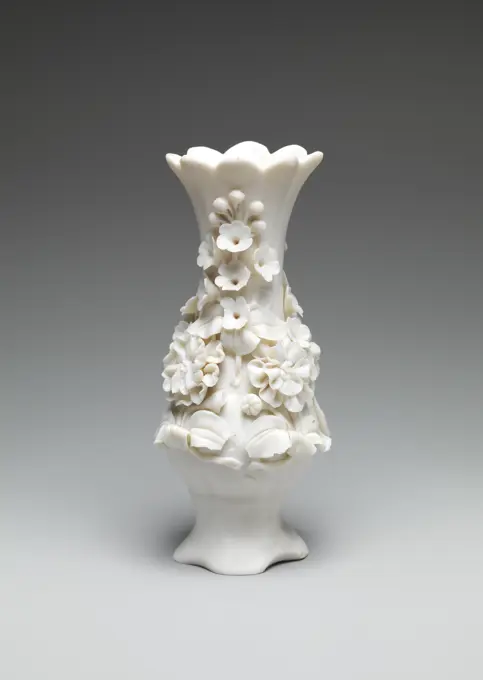
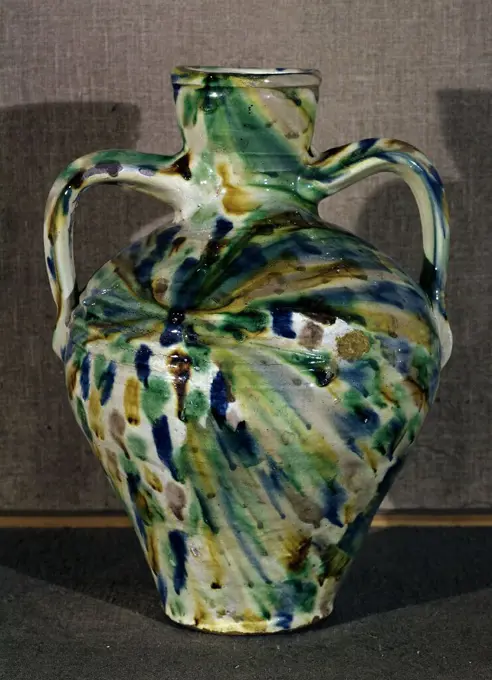
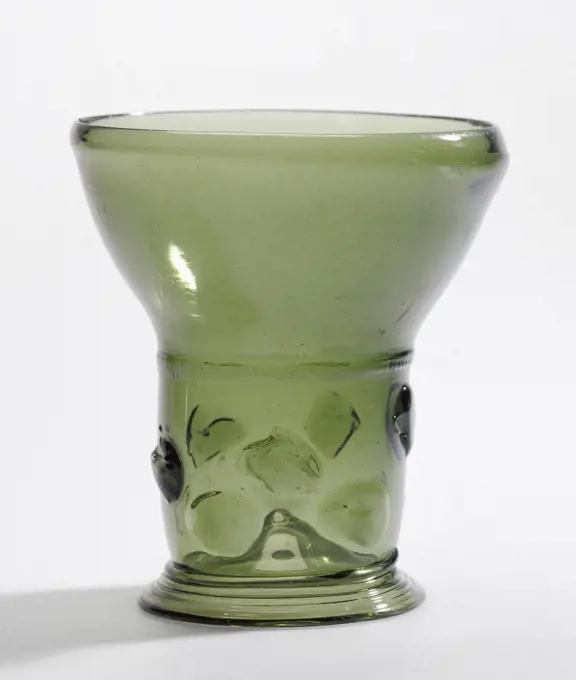
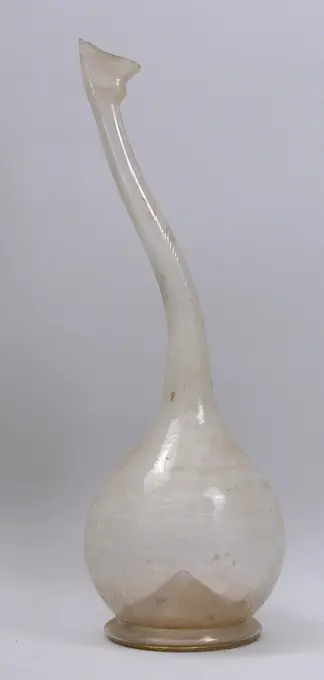
An assortment of artistic vases made from glass and porcelain, showcasing intricate designs and the beauty of historical craftsmanship.
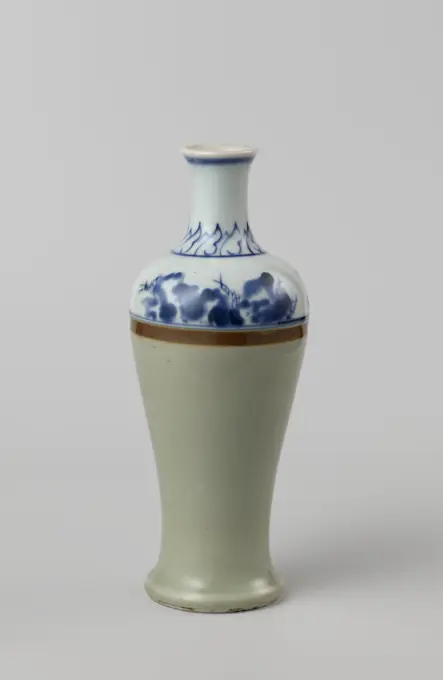
Baluster bottle vase with celadon glaze, rocks and fruit spray, anonymous, c. 1675 - c. 1699 Bottle -shaped vase of porcelain with baluster -shaped body, straight neck and spreading edge, painted in underlaze blue and with celadon green and brown glaze. The body is largely covered with a celladon green enamel; daaboven a brown band; A fruit branch and a rock group on the shoulder; A decorative band around the neck. Monochrome Celadon green with blue and white. China porcelain. glaze. cobalt (mineral) painting / vitrification Bottle -shaped vase of porcelain with baluster -shaped body, straight neck and spreading edge, painted in underlaze blue and with celadon green and brown glaze. The body is largely covered with a celladon green enamel; daaboven a brown band; A fruit branch and a rock group on the shoulder; A decorative band around the neck. Monochrome Celadon green with blue and white. China porcelain. glaze. cobalt (mineral) painting / vitrification
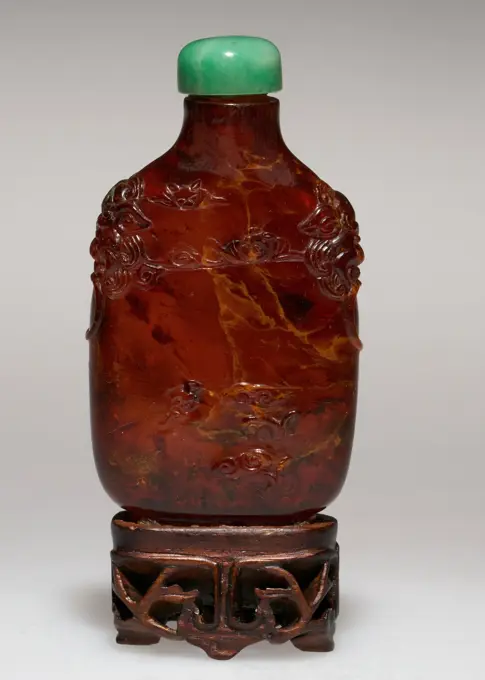
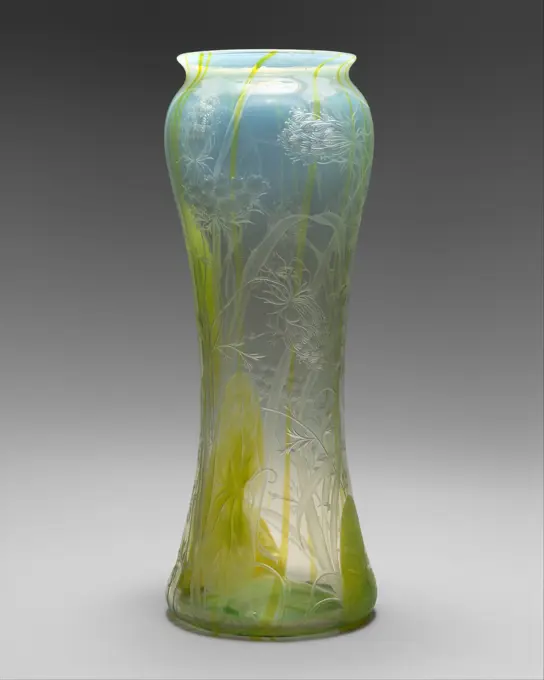
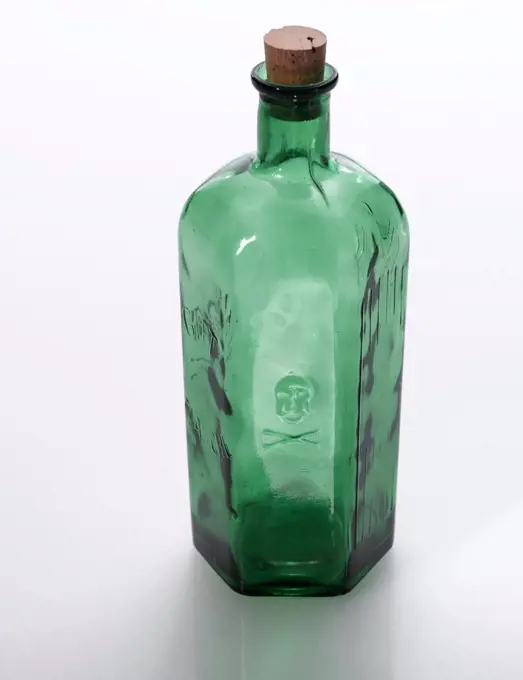
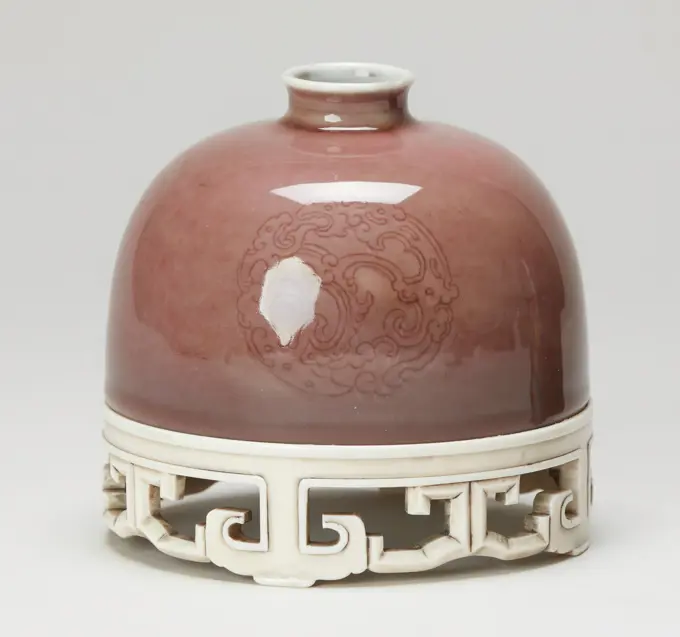
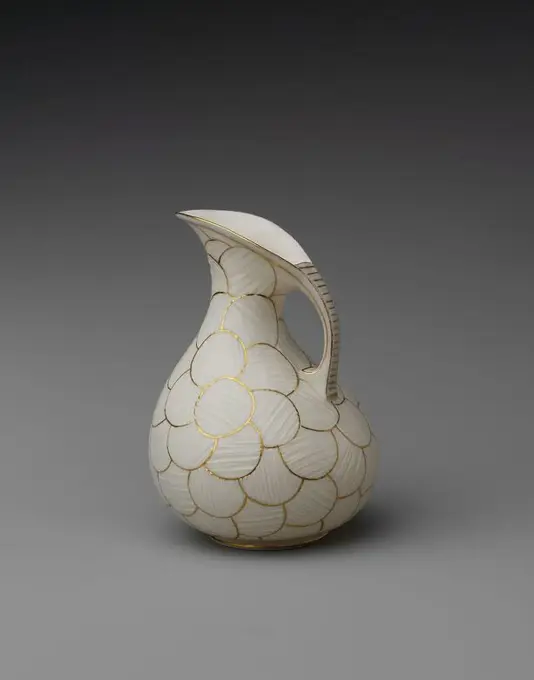
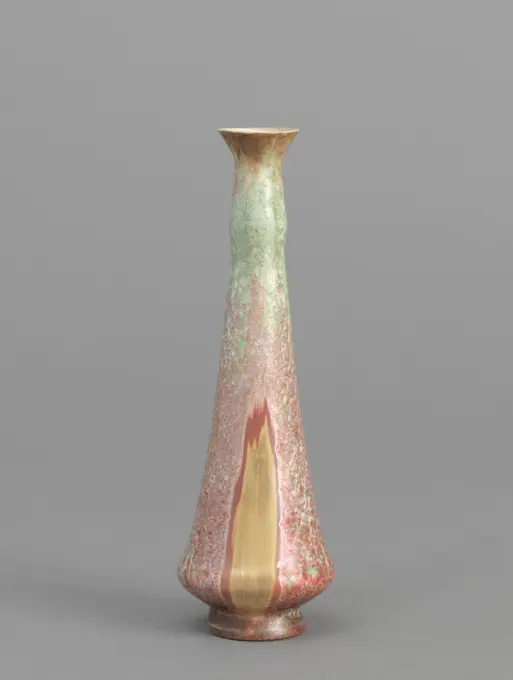
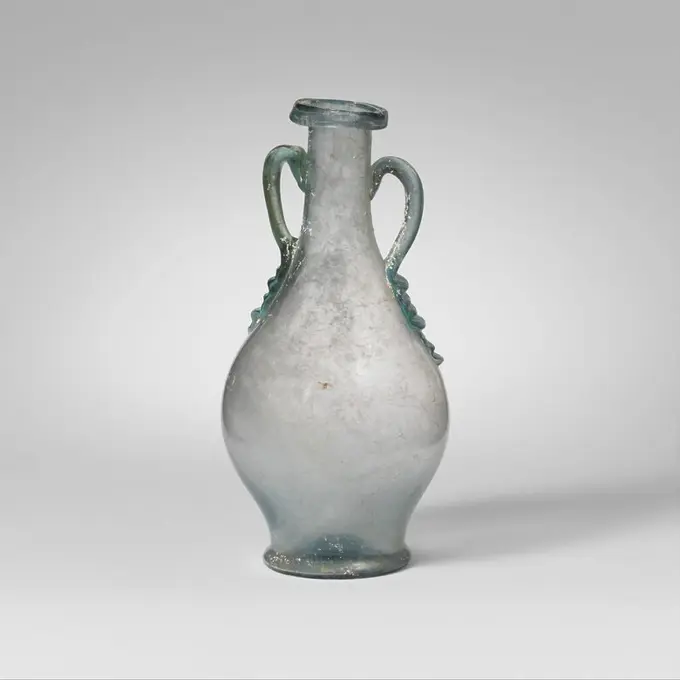
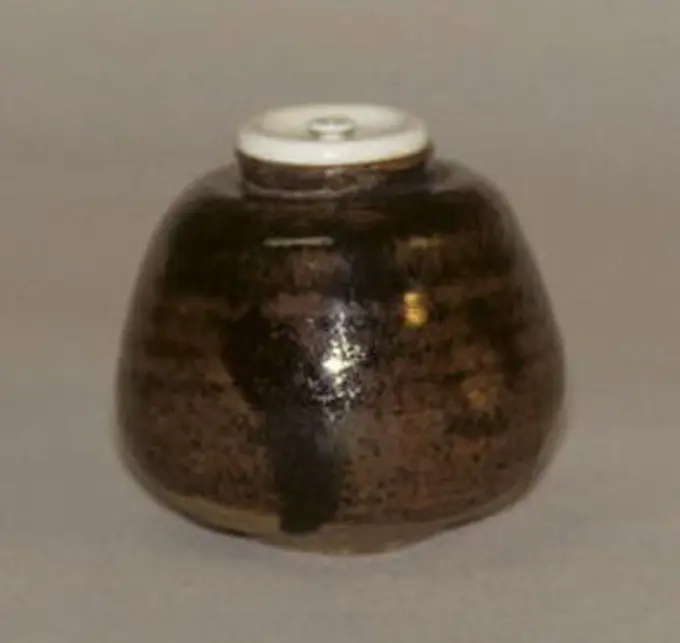
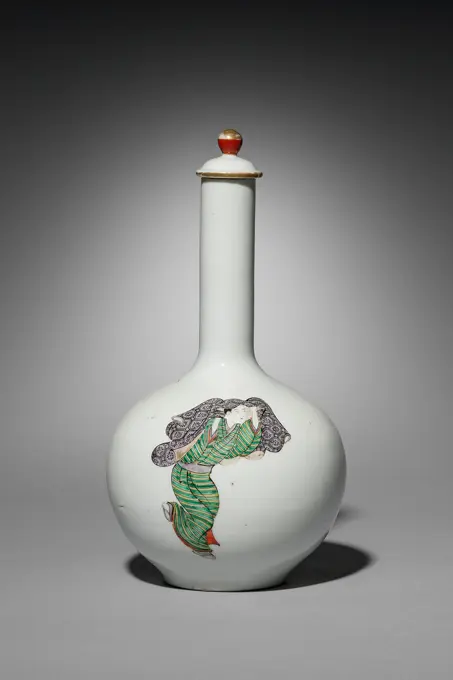
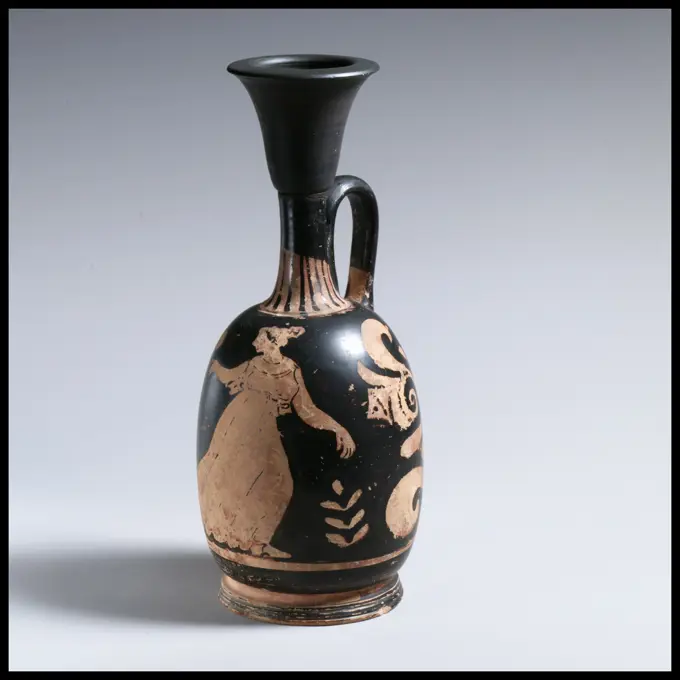
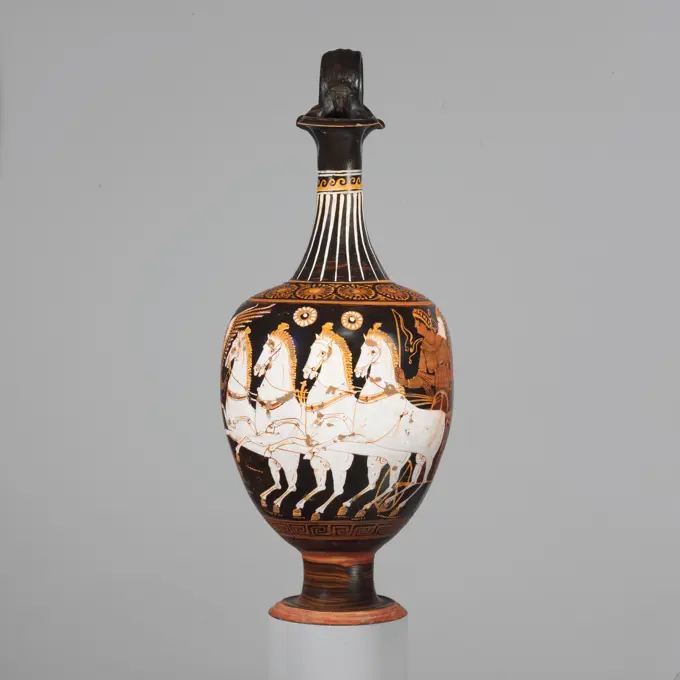
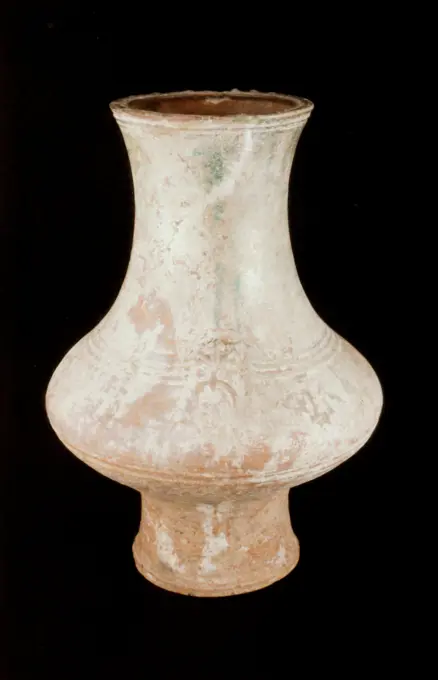
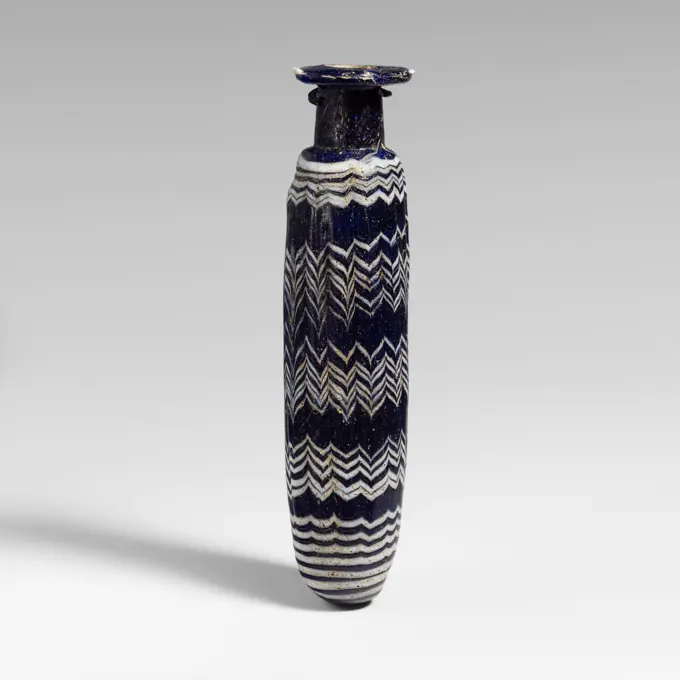
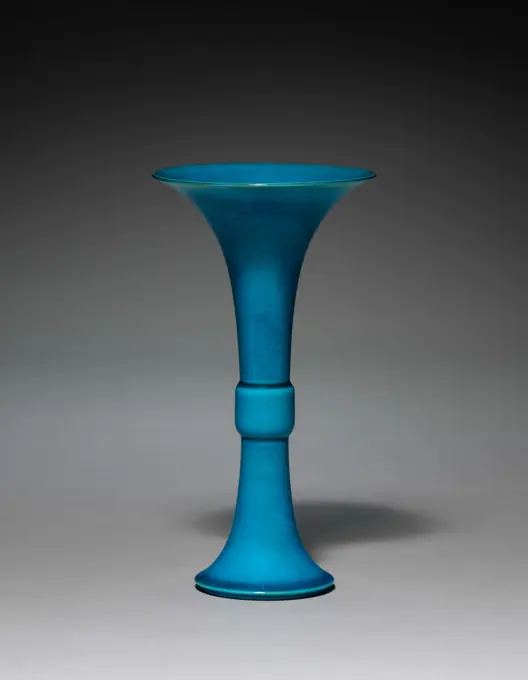
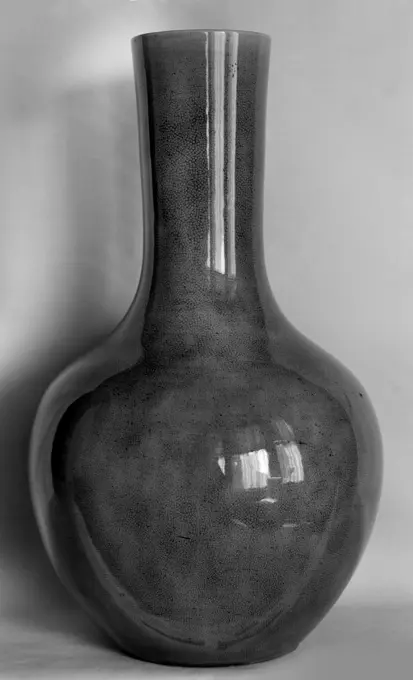
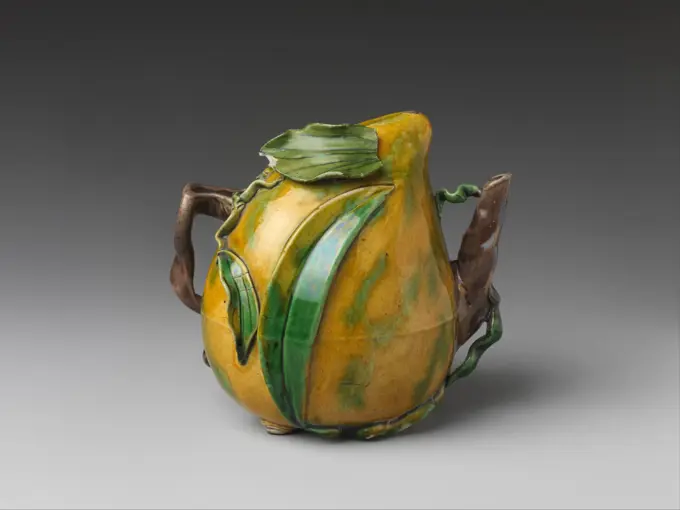
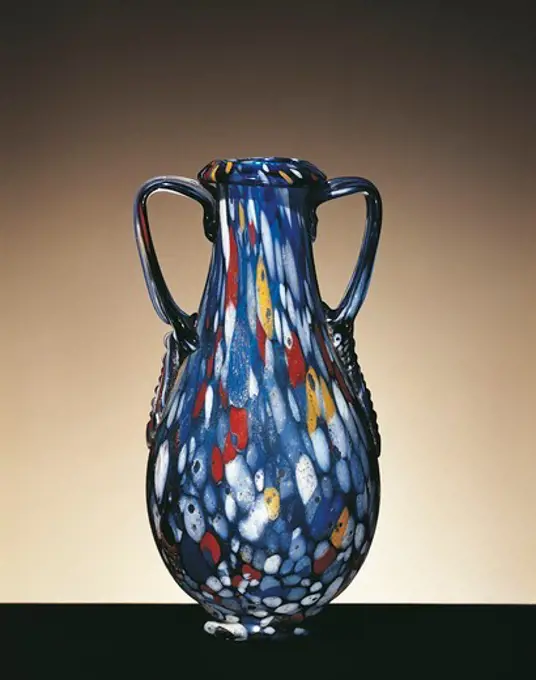
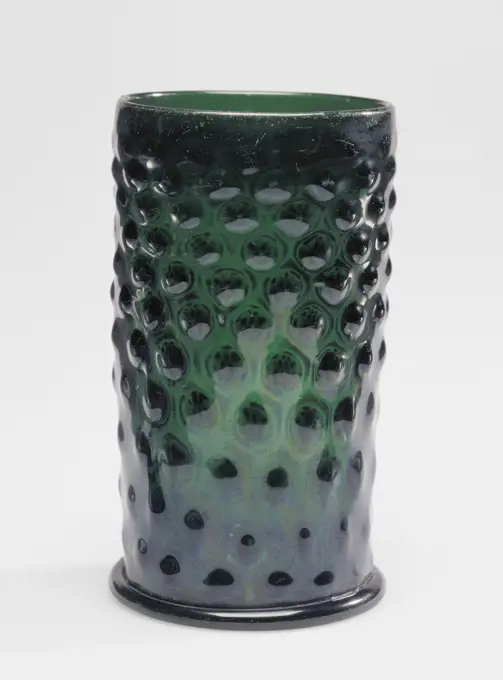
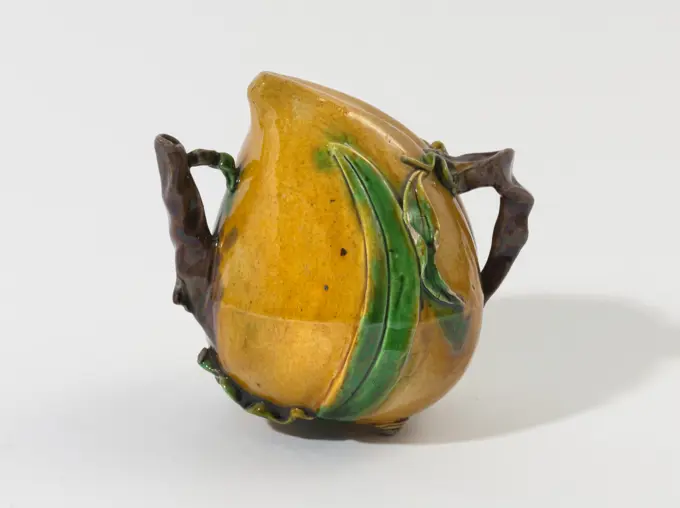
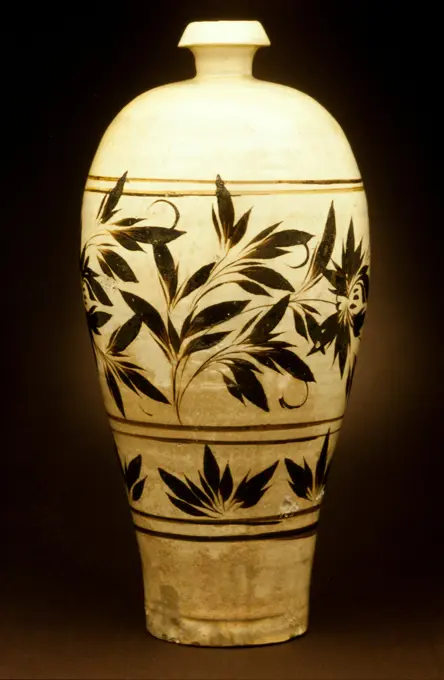
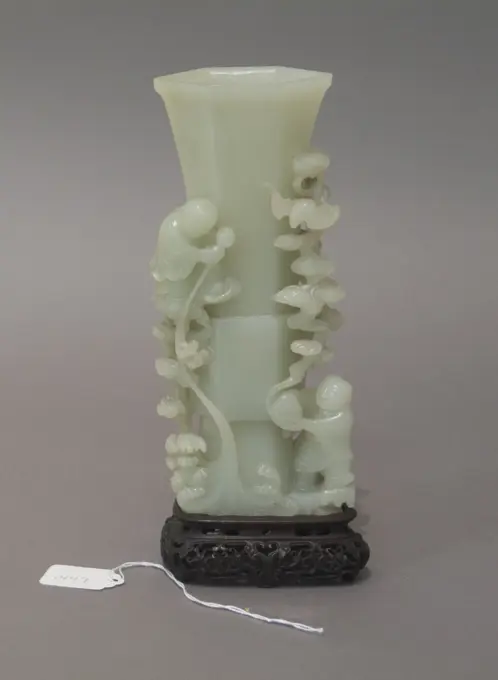
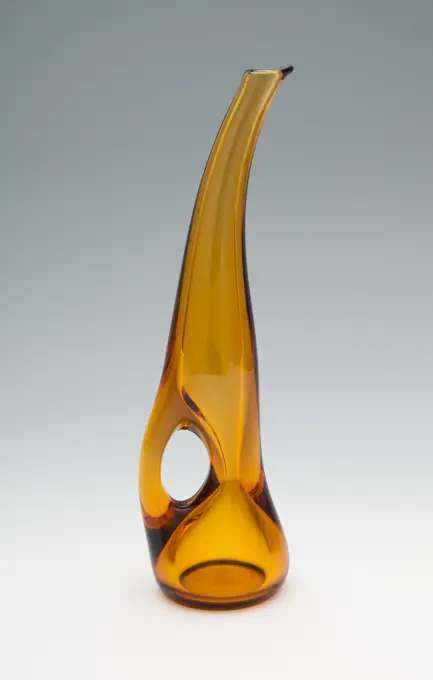
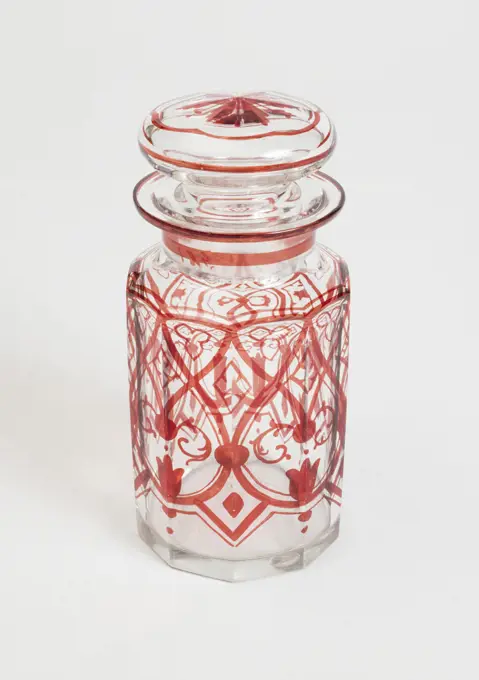
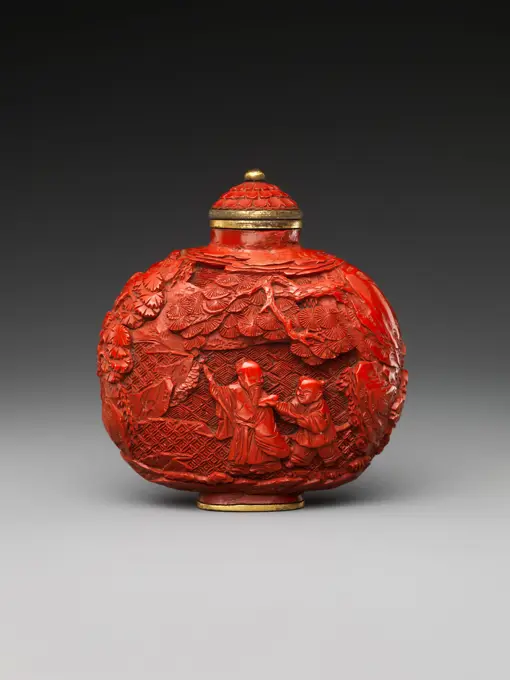
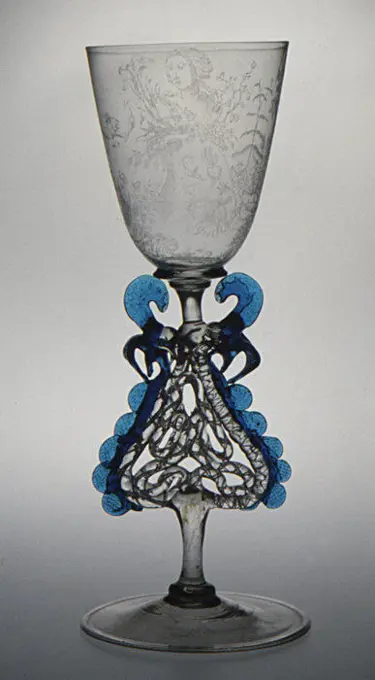
Standing cup (Flügelglas) ca. 1760 German The form of this standing cup is called a flügelglas, or winged glass, and is a Venetian style that was popular in the North.. Standing cup (Flügelglas) 196048Snuff Bottle, 17th-19th century, 2 1/2 x 1 3/8in. (6.4 x 3.5cm), Tortoise shell, green jade, China, 17th-19th centuryAlabastron (Container for Scented Oil) 550 BCE-250 BCE Eastern Mediterranean Region. The flaring rims of these alabastra functioned as applicators to spread the thick, scented oil over the skin. The vessels themselves fit comfortably in the userís hand.. Glass, core-formed technique . Ancient Eastern Mediterraneanceramic vase isolated on whiteVase ca. 1895-98 Probably cut by Fredolin Kreischmann Austrian This vase features cased and cut decoration on a virtually colorless glass form. The blue-white opalescent rim is the result of the vessel having been reintroduced into the hot furnace. Tiffany's master of this type of ornamentation was Fredolin Kreischmann (or Kreischman), a highly skilled glass cutter and engraver whom Tiffany hired during the early years of his production of blown-glass vases. Kreischmann had perfected his technique while employed at the leading proponent of this method, the British firm Thomas Webb, in Stourbridge. In the five years that Kreischmann worked for Tiffany before his death in 1898 he created some of the most breathtaking pieces known from the firm.This vase exhibits a delicacy and fluidity not often associated with cut glass. Two of Tiffany's favorite motifs from the natural worldlily pads and Queen Anne's lacesubtly emerge from the surface. The lily pads are carved from a light spring greVase 1830-70 American. Vase 9243Vase 18th century Hozan. Vase. Hozan. Japan. 18th century. Pottery covered with glaze (Kyoto ware). Edo period (1615-1868). CeramicsPoison-Bottle, close-upPeach bloom' Vessel for the Scholars Desk, 1662-1722, 3 3/8 in. (8.57 cm), Porcelain with peachbloom glaze, bearing K'ang-hsi marks, China, 17th-18th century, Among the materials considered collectible by the literati, ceramic ranked the lowest. Among the vessels intended to contain water for writing, however, porcelain and stoneware far outnumbered other materials. Three basic types of pots became prevalent on the scholars desk for holding water: droppers, storage jars, and brush washers.Milk pitcher Bohemian 19th century The gift of the Hans Syz Collection in 1995 endowed the Museum with nearly three hundred examples of European and Asian ceramics meticulously acquired by Swiss-born collector Dr. Syz (1894-1991) to chart the migration of models and patterns from East to West. Documenting a continuous process of influence and adaptation, these pieces provide a discriminating review of the nuances of stylistic change resulting from three centuries of trade.Miniature Vase, 1736-95. China, Qing Dynasty (1644-1911), Qianlong reign (1736-95). Porcelain; overall: 7 cm (2 3/4 in.).Ginger Jar Vase; Designed by Jan Willem Mijnlief (1862 - 1937); Manufactured by Holland Pottery, Utrecht; Netherlands; earthenware; (a,b: overall): 17 x 11 cm (6 11/16 x 4 5/16 in.)Pitcher. Culture: American. Dimensions: H. 6 7/8 in. (16.4 cm). Maker: Ott and Brewer (1871-1893). Date: 1883-90. Museum: Metropolitan Museum of Art, New York, USA.Double gourd-shaped ewer with iron red spots and a handle in the shape of a dragon, anonymous, c. 1279 - c. 1368 Calebas -shaped can of stoneware, covered with a light blue -white enamel and iron red. The ear is modeled in the shape of a polled dragon (Chilong) and a curved spout. Been broken ear and spout. Qingbai . China stoneware. glaze vitrification Calebas -shaped can of stoneware, covered with a light blue -white enamel and iron red. The ear is modeled in the shape of a polled dragon (Chilong) and a curved spout. Been broken ear and spout. Qingbai . China stoneware. glaze vitrificationVase (Germany); Manufactured by Royal Porcelain Manufactory, Berlin (Germany); porcelainBottle vase 18th century China. Bottle vase. China. 18th century. Porcelain with black glaze (Jingdezhen ware). Qing dynasty (1644-1911). CeramicsGlass two-handled bottle (amphora). Culture: Roman. Dimensions: 4 15/16 × 2 7/16 in. (12.6 × 6.2 cm)Diam. of rim: 15/16 in. (2.4 cm)Diam. of foot: 1 5/8 in. (4.1 cm). Date: 1st-2nd century A.D..Translucent pale blue, with same color handles.Collared rim, aslant to neck, folded out, down, and up, with lip on outer edge of flaring mouth; cylindrical neck expanding downwards to join imperceptibly with ovoid body that then curves out slightly to low base ring; concave bottom with central pontil scar; rod handles applied as long tapering trails down sides and lower part of neck, then drawn up and out in a loop and trailed on to neck.Trails on body with horizontal crimped decoration.Intact; few bubbles, some black streaked impurities in handles; slight iridescence and limy encrustation.Colorless amphora. Museum: Metropolitan Museum of Art, New York, USA.Tea Jar 18th century Japan. Tea Jar. Japan. 18th century. Clay covered with glaze flecked with black (Takatori ware). Edo period (1615-1868). CeramicsGwicht;  k. XVIII W (1701-00-00-1800-00-00);Flask late 18th-early 19th century British, probably Nailsea. Flask. British, probably Nailsea. late 18th-early 19th century. Glass. GlassTea Caddy. Meissen porcelain manufactory Meissen, c. 1715STONEAREInkwell. Whitefriars Glasshouse; English, founded late 17th century. Date: 1848. Dimensions: 14.6 x 11.9 cm (5 3/4 x 4 11/16 in.). Glass; blown with millefiori canes. Origin: London. Museum: The Chicago Art Institute, Chicago, USA. Author: Whitefriars Glasshouse.Bottle, pear-shaped, decorated with geometric ornament in yellow, brown and black., Tile and Fayencefabriek Amphora, c. 1910 Pottery bottle, pear -shaped with a long slender neck. The bottle is decorated with geometric ornament in yellow, brown and black. Oegstgeest earthenware Pottery bottle, pear -shaped with a long slender neck. The bottle is decorated with geometric ornament in yellow, brown and black. Oegstgeest earthenwareVase. France, Épinay-sur-Seine; Charles Schneider (French, 1881-1953). Date: 1918. Dimensions: 28.6 × 26.7 cm (11 1/4 × 10 1/2 in.). Glass. Origin: Épinay-sur-Seine. Museum: The Chicago Art Institute, Chicago, USA.Flask. Willington Glass Works; American, 1814/15-1872; West Willington, Connecticut. Date: 1835-1850. Dimensions: h. 20.1 cm (7 7/8 in.). Glass. Origin: Bohemia. Museum: The Chicago Art Institute, Chicago, USA.Unguentarium ca. 1st century A.D. Nabataean. Unguentarium 325908Elongated Ovoid Vase (Meiping) with Stylized Flowers 1115-1199 China. Cizhou ware; slip-coated stoneware with incised, combed, and overglaze painting in iron brown .Pair of toilet-water bottles (part of a toilet service) British 19th centuryBasket. Culture: Japan. Dimensions: H. 10 3/4 in. (27.3 cm). Date: 19th century. Museum: Metropolitan Museum of Art, New York, USA.Stirrup spout bottle in cap shape 1st century B.C.-A.D. 2nd century Moche or Salinar (). Stirrup spout bottle in cap shape 308406Single-Spout Bottle. Culture: Tlatilco. Dimensions: Height: 9 1/4in. (23.5cm)Diameter: 7in. (17.8cm). Date: 12th-9th century B.C.. Museum: Metropolitan Museum of Art, New York, USA.PIEZA DE VIDRIO DE LA GRANJA. Location: MUSEE D'ARTS DECORATIFS. MADRID. SPANIEN.Sake Bottle with Three Figures, late 1700s. Japan, Edo period (1615-1868). Porcelain with overglaze enamel and gold decoration (Hizen ware, Arita type); diameter: 14.3 cm (5 5/8 in.); with cover: 27.2 cm (10 11/16 in.); without cover: 24.2 cm (9 1/2 in.). The bottle features three elegantly drawn figures: a beautiful woman, a young man, and a priest. The artist used a fine-haired brush to draw these figures in colored enamel onto the porcelain bottle, which had already been given a clear glaze. A final firing fused the enamel to the form. The name derives from the port of Imari from where Japanese porcelains were shipped to other cities in Japan, China, and Europe.Squat lekythos ca. 350-300 B.C. Greek, South Italian, Apulian Woman playing ball.. Squat lekythos 254257 Greek, South Italian, Apulian, Squat lekythos, ca. 350300 B.C., Terracotta, Overall: 7 3/8 in. (18.7 cm) Diameter: 3 1/8  2  2 5/8 in. (7.9  5.1  6.6 cm). The Metropolitan Museum of Art, New York. Rogers Fund, 1941 (41.162.85)Terracotta oinochoe (jug) ca. 325-300 B.C. Attributed to the Stuttgart Group Nike driving a chariot preceded by Eros with a situla (bucket)The oinochoai are open at the bottom, indicating that they were made for funerary use.. Terracotta oinochoe (jug) 247374Rosewater Sprinkler China. Rosewater Sprinkler 48087Vase ca. 1893 Christopher Dresser British, Scottish Listen to experts illuminate this artwork's story Listen Play or pause #418. Christopher Dresser and the Birth of Industrial Design Supported by Bloomberg Philanthropies We're sorry, the transcript for this audio track is not available at this time. We are working to make it available as soon as possible.. Vase. British, Swadlincote, Derbyshire. ca. 1893. Earthenware. Ceramics-PotteryFooted Bowl (Coppa). UnknownSmall unguent vessel (amphoriskos). Dimensions: H. 9.5 cm (3 3/4 in.), Diam. 3 cm (1 3/16 in.). Dynasty: Dynasty 26-29. Date: 664-380 B.C.. Museum: Metropolitan Museum of Art, New York, USA.Glass alabastron (perfume bottle). Culture: Greek, Eastern Mediterranean. Dimensions: 3 5/16 × 1 1/4 × 1 1/8 in. (8.4 × 3.1 × 2.8 cm)Diam. of rim: 1 1/4 in. (3.1 cm). Date: late 4th-early 3rd century B.C..Opaque light turquoise green, with handles in same color; trails in opaque white and opaque yellow.Broad, flat rim-disk, slanting to one side; short cylindrical neck; almost imperceptible sloping shoulder; straight-sided cylindrical body, tapering upward; uneven pushed-in bottom; at top of body, two lug handles, applied over trail pattern, both with tooled upward indents.A yellow trail attached to edge of rim-disk; another yellow trail and a white trail, applied after the yellow, wound spirally from top of body in alternate lines down to edge of bottom; both tooled, forming almost vertical indents in sides of body, with alternating upward and downward strokes, making a close-set zigzag pattern on lower half of body.Broken and repaired around middle of body, with cracks and some sHu (Wine Storage Jar), 1st century BCE, 16 1/2 x 11 7/8 in. (41.91 x 30.16 cm), Red pottery with green glaze, China, 1st century BCELamp (base) c 1899-1909 Boston. Earthenware . Grueby Faience & Tile Co. (Manufacturer)Water pot, 1662-1722, 3 1/4 in. (8.26 cm), Porcelain with peach bloom glaze, China, 17th-18th centuryGlass alabastron (perfume bottle) late 4th-early 3rd century B.C. Greek, Eastern Mediterranean Translucent cobalt blue, with handles in same color; trails in opaque white.Horizontal rim-disk, with thick rounded edge; tall cylindrical neck, tapering upwards; rounded shoulder; straight-sided cylindrical body, curving in to convex bottom with slightly pointed tip.A trail attached at edge of rim-disk; on body, a single trail wound down in a spiral, forming five horizontal bands, at top and bottom as almost horizontal lines but on most of body tooled into a close-set zigzag pattern with alternating upward and downward strokes forming shallow vertical ribs.Complete but most of trail on rim-disk missing; some dulling, pitting, and faint iridescent weathering.. Glass alabastron (perfume bottle) 253130 Greek, Eastern Mediterranean, Glass alabastron (perfume bottle), late 4thearly 3rd century B.C., Glass, H.: 4 13/16 in. (12.2 cm). The Metropolitan Museum of Art, New York. Bequest of Theodore Snuff bottle China. Snuff bottle 41418Bottle early 17th century French, Nevers. Bottle. French, Nevers. early 17th century. Glass. GlassPitcher ca. 1897 Chittenango Pottery Company. Pitcher 14371Beaker Vase in Form of Archaic Gu, 1662-1722. China, Jiangxi province, Jingdezhen kilns, Qing dynasty (1644-1911), Kangxi mark and reign (1662-1722). Porcelain with peacock-blue glaze; overall: 27.7 cm (10 7/8 in.).Unguent vessel 664-380 B.C. Late Period. Unguent vessel 550971Rose Bowl ca. 1885 British, probably. Rose Bowl. British, probably. ca. 1885. Blown satin yellow and colorless glass. Probably made in West Midlands, EnglandGlass jar. Culture: Roman. Dimensions: Overall: 9 1/4 in. (23.5 cm)Diam.: 8 5/8 x 6 5/8 in. (21.9 x 16.8 cm). Date: mid-1st-2nd century A.D..Translucent blue green.Thick horizontal rim, with rounded tubular edge, folded out, down, in, and down again, forming collar around neck, unevenly tooled and set at an angle to ovoid body; concave bottom.Intact, but some small internal cracks; many bubbles, some black streaky impurities in rim; faint iridescent weathering on exterior, limy encrustation and thick, creamy brown weathering on interior. Sealed inside the tubular rim is visible a quantity of liquid, probably water, that seeped in when the jar was buried. Museum: Metropolitan Museum of Art, New York, USA.Bottle vase 18th century China. Bottle vase. China. 18th century. Porcelain with turqoise blue glaze (Jingdezhen ware). Qing dynasty (1644-1911). CeramicsEwer in the shape of a peach 19th century China This type of pot was most likely used to serve wine. Its peach-like shape is an allusion to longevity and immortality, presumably virtues that seem more attainable when drinking wine for a birthday celebration.. Ewer in the shape of a peach 49840Snuff Bottle, 17th-19th century, 3 x 1 3/4in. (7.6 x 4.4cm), Porcelain, China, 17th-19th centuryVase, One of a Pair, 19th century, Unknown Bohemian / Czechoslovakian, 12 1/2 x 5 3/4 x 5 3/4 in. (31.8 x 14.61 x 14.61 cm), Cut glass, Czechoslovakia, 19th centuryCylindrical wine bottle, wine bottle bottle holder soil find glass, free blown and shaped in blown glass application Cylindrical (wine) bottle in clear green glass. Pontil mark underneath, bottom Straight body to hollow shoulders and long (13 cm) rejuvenated neck with round irregular irregular glass thread and flattened lip Large chip within pontilmark archeology Rotterdam Old Plantage packaging Soil discovery: Oude Plantage 1958.Vase 1830-70 American. Vase 9247Roman two-handled vase of blue blown glass, decorated with white, yellow and red dots, from Lebanon, 1st CenturyPattern-Molded Beaker (Warzenglas); Germany (possibly); 17th century; Mold-blown dark green glass with applied decoration; 15.1 x 8.7 cm (5 15,16 x 3 7,16 in.)Vase. Culture: China. Dimensions: H. 5 1/4 in. (13.3 cm). Museum: Metropolitan Museum of Art, New York, USA.Flask 1770-1830 American. Flask. American. 1770-1830. Blown pattern-molded glass. Probably made in Midwest, United StatesParrot 1759-69 Chelsea Porcelain Manufactory. Parrot. British, Chelsea. 1759-69. Soft-paste porcelain. Chelsea Porcelain Manufactory (British, 1745-1784, Gold Anchor Period, 1759-69). Ceramics-PorcelainJug Decanter, 1903. Manufacturer: James Powell & Sons. Free blown glass decanter, the neck is encased in a silver mount.Vase ca. 1885 British, probably. Vase 9228Cup of ice glass. Cup of ice glass, with inserted bottom. Ribbed stand ring made of clear glass. Cup-shaped body, on which three mascarons and three small studs are arranged at the height. Remnants of gildings on the studs and along the top edge.Russian National Wooden Tableware Russian national handmade wooden container on an isolated studio background Copyright: xZoonar.com/AndreyxSkatx 9861160CERAMICA DE ALMERIA - CANTARO VIDRIADO. Location: MUSEO DEL PUEBLO ESPAÑOL, MADRID, SPAIN.Carafe 17th century French, Cantal (La Margéride). Carafe. French, Cantal (La Margéride). 17th century. Glass. GlassPitcher. Culture: American or British. Dimensions: H. 6 1/4 in. (15.9 cm). Date: ca. 1885. Museum: Metropolitan Museum of Art, New York, USA.Hexagonal vase with lion-head handles late 16th-early 17th century China. Hexagonal vase with lion-head handles 46827Prunted Beaker (Berkemeyer); Netherlands; 1650 - 1675; Free-blown dark yellowish-green glass with applied decoration; 18.7 x 16.4 cm (7 3,8 x 6 7,16 in.)One-handled Cup; Eastern Mediterranean; perhaps 1st - 2nd century; Glass; 7 x 7 cm (2 3,4 x 2 3,4 in.)TumblerTriple vase in form of bamboo possibly 1870 Minton(s) Minton was the most important ceramics factory during the Victorian period and began exhibiting products at the first Great Exhibition of 1851. Founded in 1793 by Thomas Minton at Stoke-on-Trent, the firm initially specialized in transferware pottery before expanding under the ownership of Thomass son Herbert Minton, beginning in 1836. Under the ownership of Colin Minton Campbell, who succeeded his uncle in 1858, the factory became recognized as a specialist producer of Aesthetics movement porcelain, which were inspired by a rich array of exotic and eclectic decorative motifs.. Triple vase in form of bamboo. British, Stoke-on-Trent, Staffordshire. possibly 1870. Bone china. Ceramics-PorcelainJarlet. Thailand, Sawankhalok, 14th-15th century. Furnishings; Serviceware. Stoneware with brown glazeTea Jar 18th century Japan. Tea Jar 62602Snuff Bottle Made 1644-1911 China. Fossil coral .Meiping vase 18th century China. Meiping vase. China. 18th century. Porcelain with crackled green glaze (Jingdezhen ware). Qing dynasty (1644-1911). CeramicsTagine isolated over white background Colorful tagine in yellow and brown isolated over white background Copyright: xZoonar.com/IvonnexWierinkx 7573777Brushpot, late 18th-19th century, 4 x 2 7/16 in. (10.2 x 6.19 cm) (irregular), Bamboo, metal, China, 18th-19th centuryBUIRE. Porcelain cookie coated with polychrome glazes, Ming dynasty (1368-1644) or Qing dynasty (1644-1912). Provenance: China. Paris, Cernuschi museum. 78836-22 Asian art, Chinese art, art of living, bun, fine ceramic, jug, ching dynasty, Qing dynasty, tsing dynasty, fine porcelain, container, dishesClock. Switzerland, 18th century.Sprinkler probably 18th-19th century. Sprinkler 444758Bottle China. Bottle 47558Drinking bottle (Porrón) late 18th-early 19th century Spanish. Drinking bottle (Porrón). Spanish. late 18th-early 19th century. Glass. GlassMei-ping Vase, 12th-13th century, 14 7/8 x 7 1/16 in. (37.78 x 17.94 cm), Cizhou ware Stoneware with brown painted floral decor on a white slip under a clear glaze, China, 12th-13th centuryCarafe with neo -Renaissance and neo -gothic ornaments, anonymous, c. 1850 - c. 1900  Flat bottom and conical, faceted foot. Pear -shaped, faceted body with a protruding, wide, lobed edge, transferring to a cylindrical, faceted neck with three rings and a bent mouth. Mushroom -shaped, faceted stop. Six empty medallions on the body, surrounded by neo -Renaissance and neo -gothic ties and rankwork. Europe glass glassblowing / grindingLazio Viterbo Viterbo Museo Civico36. Hutzel, Max 1960-1990 Views of paintings (Middle Ages through 18th c.), frescoes, a tabernacle, coffin, sculpture reliefs, portal fragments, busts, sculpture, tapestry found in the Pinacoteca, Second floor gallery and Second floor cloister sequences. Antiquities: Many views of Etruscan and Roman fragments, sculpture, sarcophagi, pottery, masks, jewelry and other objects found in the Storeroom sequence (inventory numbers on back of prints), and the Cloister, Second floor Cloister, Valle Giulia, Sala Romana and Sala Etrusca sequences. General Notes: There are eight separate numerical sequences for this location. The cloister as an architectural structure, rather than museum site, is documented in the record and file for S. Maria della Verita, Cloister, all views of which are stored in Medieval core collection. Five views from the Museo Civico Second floor cloister sequence are stored in Medieval. German-born photographer and scholar Max Hutzel (1911-This sake pourer with purple thistles and orange peonies shows off Seif Yohei III’s technique of enamels painted over the glaze. Lid for a Sake Pourer with Flowers, 1893-1914. Seifū Yohei III (Japanese, 1851-1914). Porcelain with molded design, overglaze color enamel; 3.5 x 5 cm (1 3/8 x 1 15/16 in.).Hexagonal vase with immortals 18th century China. Hexagonal vase with immortals 43813Strip Kosiak Ski, Jan, Calculating of the Gutzpiece HutaCondiment bottle, Glass, England, ca. 1870, glasswares, Decorative Arts, Condiment bottleSchnapps Bottle, 18th century, 10 x 3 3/4 x 3 3/4in. (25.4 x 9.5 x 9.5cm), Glass, Netherlands, 18th centuryMug; Non -like Lona Huta; 18th century (1701-00-00-1800-00-00);Salt. Maker, possibly by: Boston and Sandwich Glass Works, American, 1826-88Bottle. East Mediterranean or Italy, 1st century. Furnishings; Accessories. Opaque glassVase, Arthur Eugene Baggs, American, 1886-1947, Marblehead Pottery, American, 1908-1936, Earthenware, Vase with carved geometric decoration., Marblehead, Massachusetts, USA, 1913, ceramics, Decorative Arts, VaseVase with a winter landscape, daum frères, c. 1895 Light concave soil. Printed spherical body, transfer in a slender, tapered neck with four drops of colorless glass. Between thorny branches with red -brown leaves in black, a winter landscape with pollard willows and a woman with a branch forest. On the soil in gold the signature Daum Nancy and the Lothingse Cross. Nancy glass glassblowing / etching / gilding Light concave soil. Printed spherical body, transfer in a slender, tapered neck with four drops of colorless glass. Between thorny branches with red -brown leaves in black, a winter landscape with pollard willows and a woman with a branch forest. On the soil in gold the signature Daum Nancy and the Lothingse Cross. Nancy glass glassblowing / etching / gildingGlass weight. Culture: Roman (). Dimensions: Height: 4 1/16 in., (10.3 cm)Weight: 1.9 lb. (861.8g). Date: 1st century A.D. or later.Translucent turquoise blue.Solid cylindrical shape; flat top; convex side; bottom slightly concave with projecting pontil scar at center.Intact, but one small surface chip and crack in side; few bubbles; dulling, creamy weathering, and brilliant iridescence.This unusual object may be seen as a glass weight. The brilliant turquoise color resembles that of some early Roman glass but it probably belongs to the early Islamic period. Museum: Metropolitan Museum of Art, New York, USA.Snuff bottles with figures in landscape 18th century China Lacquer, the resin of a tree, has been colored with the mineral cinnabar and then layered onto the surface of this snuff bottle. It is the lacquer, not the underlying substructure, which was carved to create the scene of figures in a landscape.. Snuff bottles with figures in landscape 41607