Fine ArtVintageFootageSubscriptionBoardsFree ResearchPricing
  • Fine Art
  • Vintage
  • Footage
  • Subscription
  • Boards
  • Free Research
  • Pricing

Bacterial Illustrations

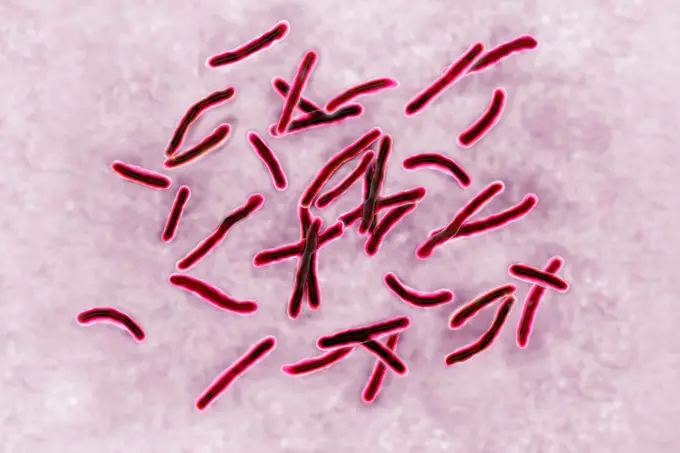
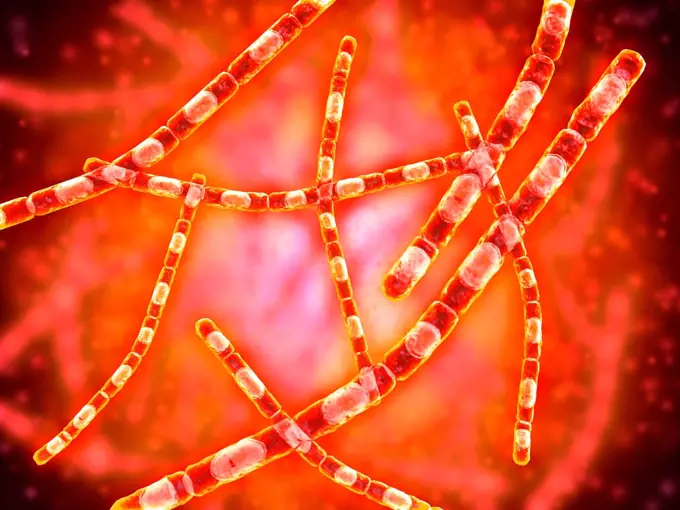
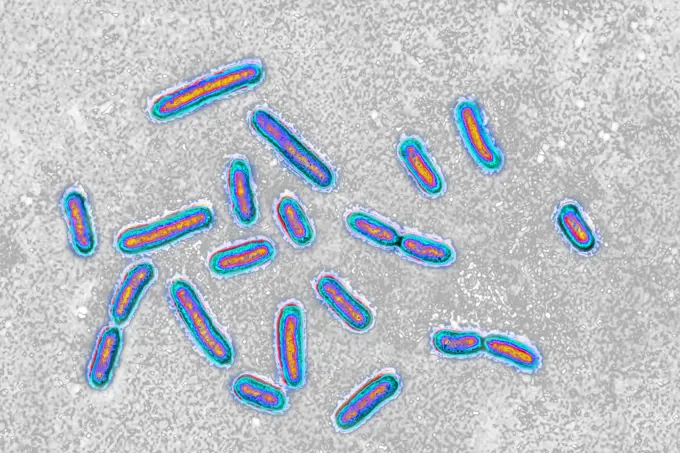
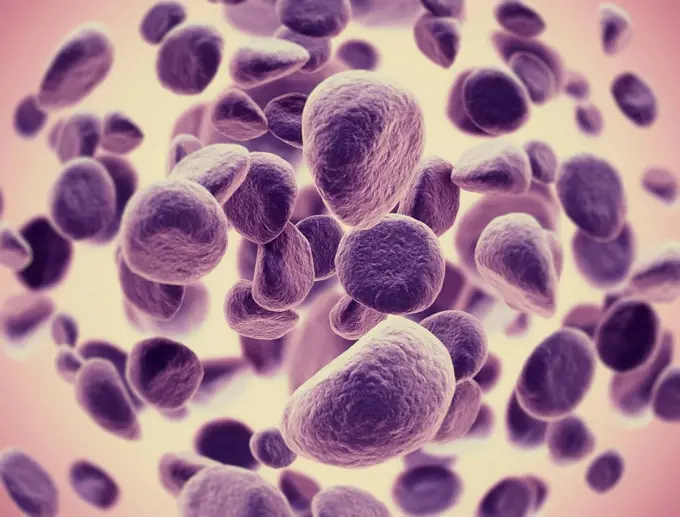
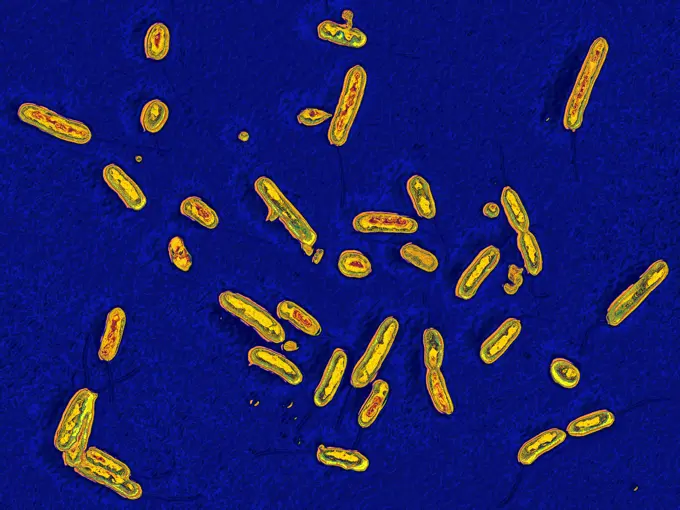
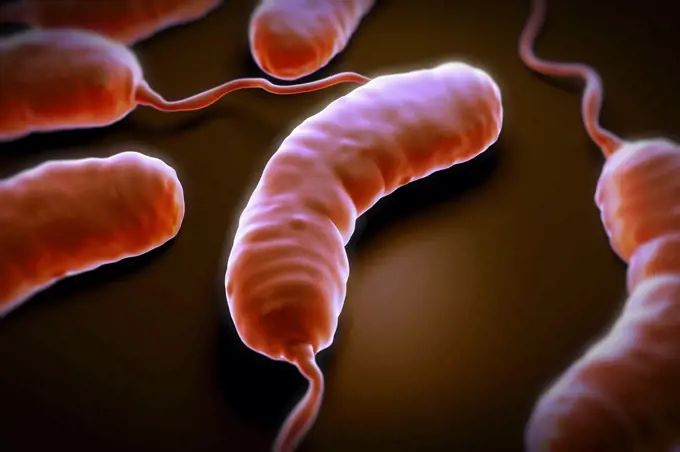
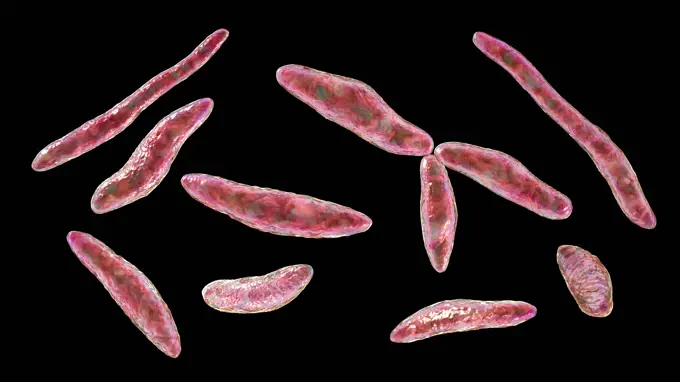
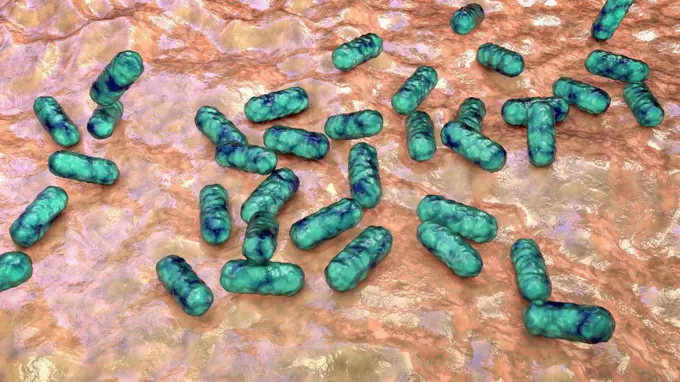
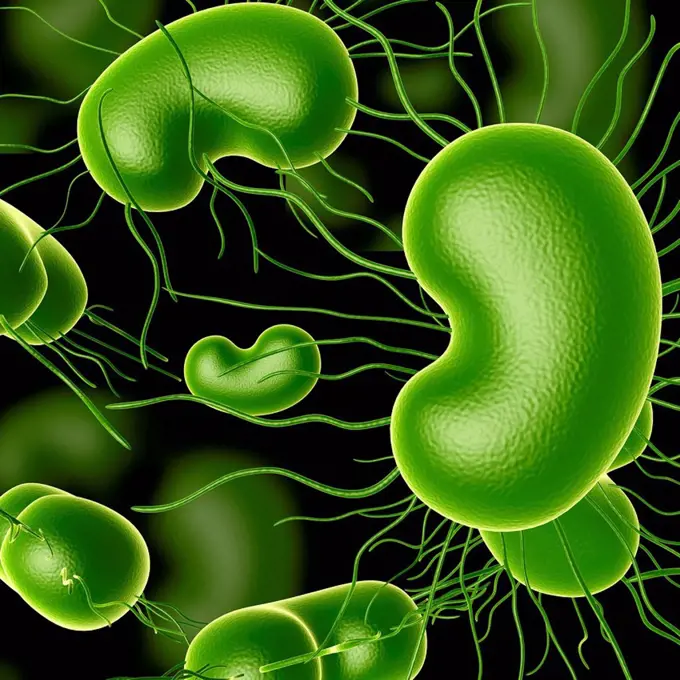
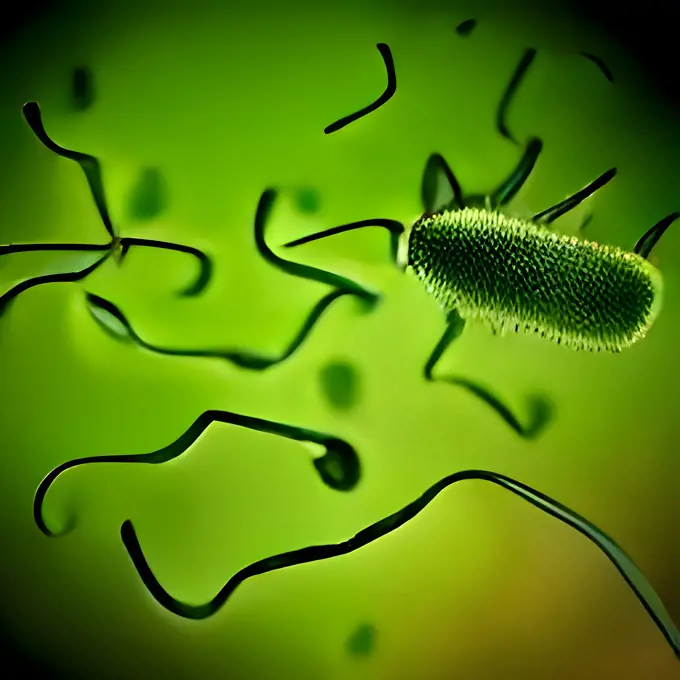
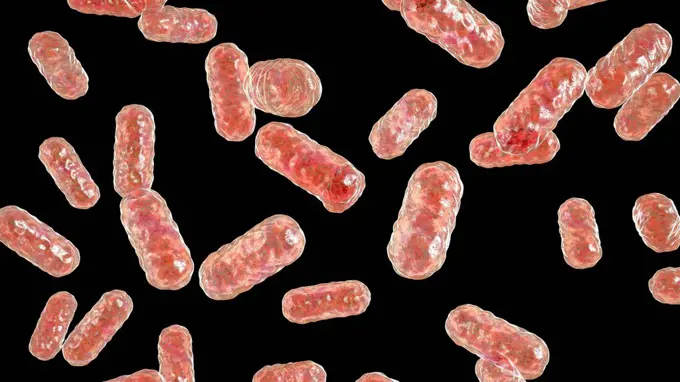
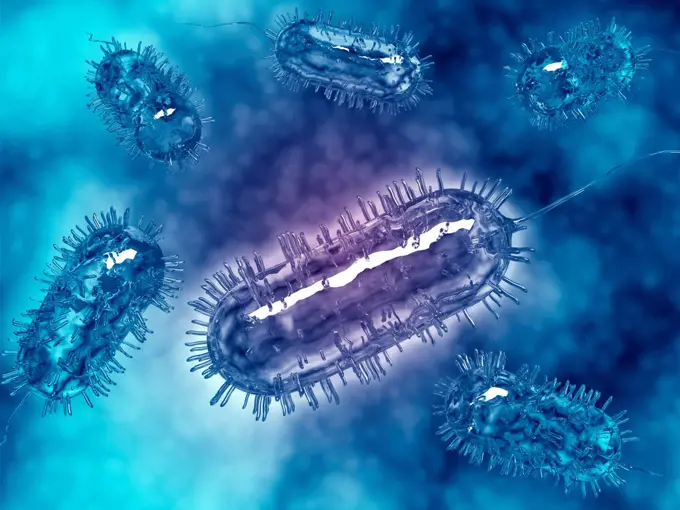
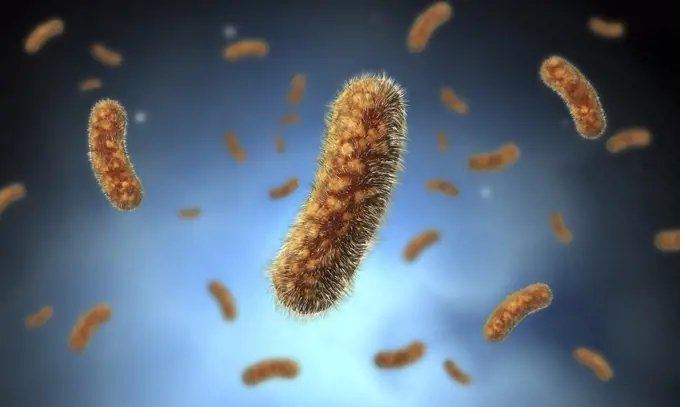
Illustrations of various types of bacteria including Clostridium and Corynebacterium, depicted in a colorful, scientific style.

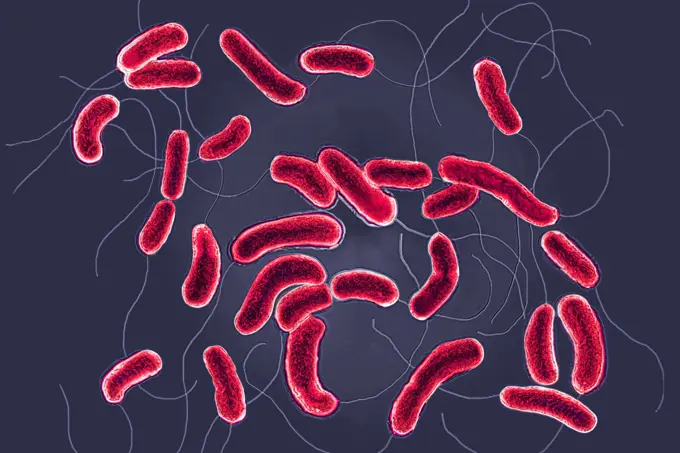
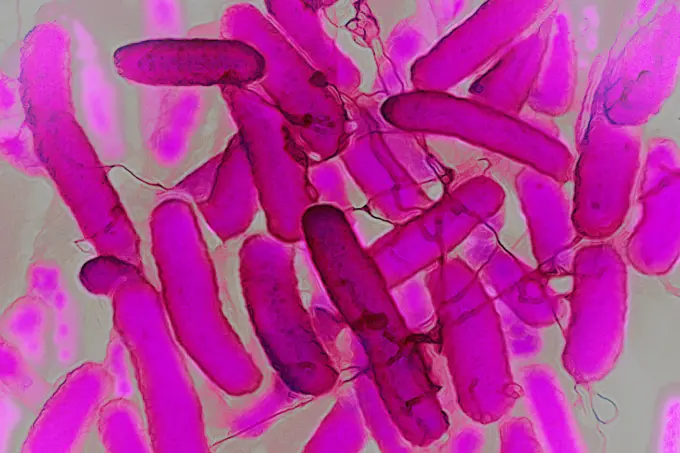
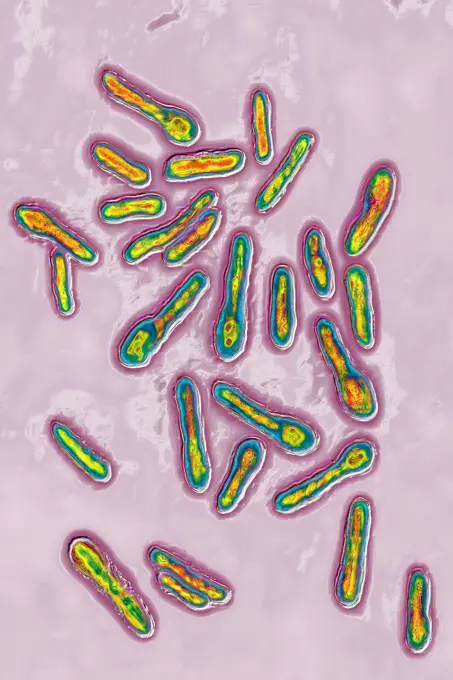
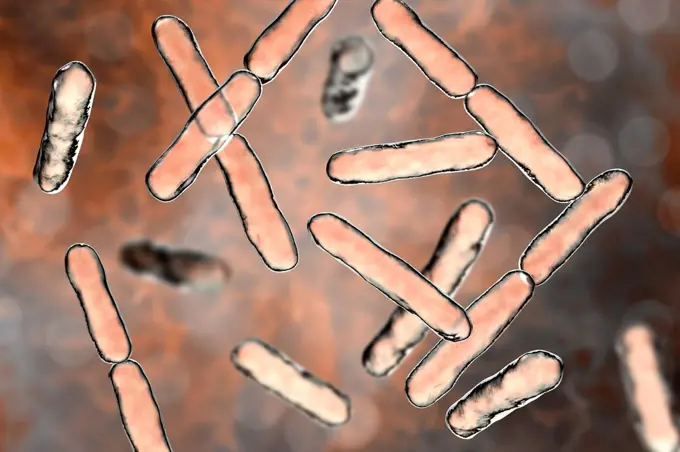
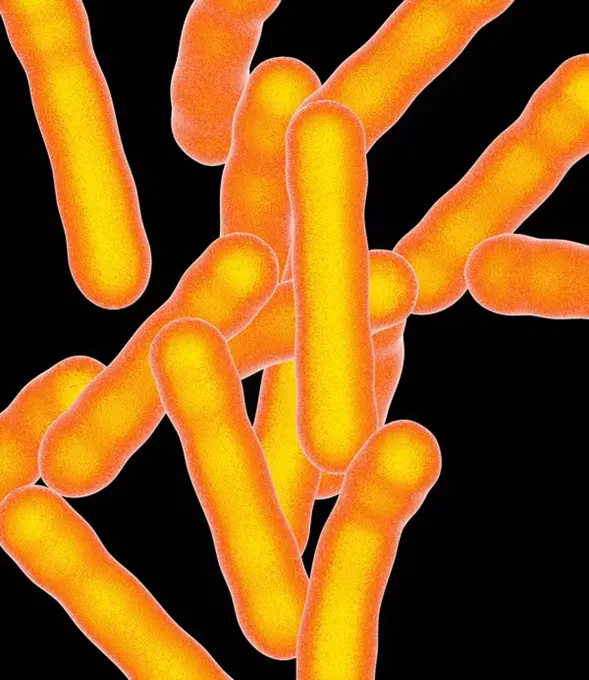
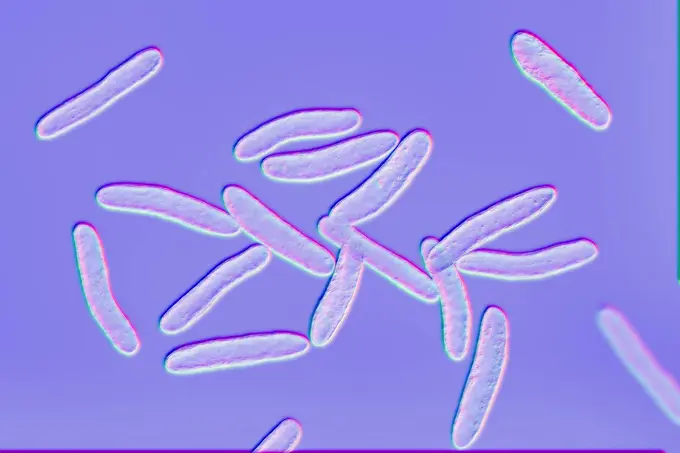
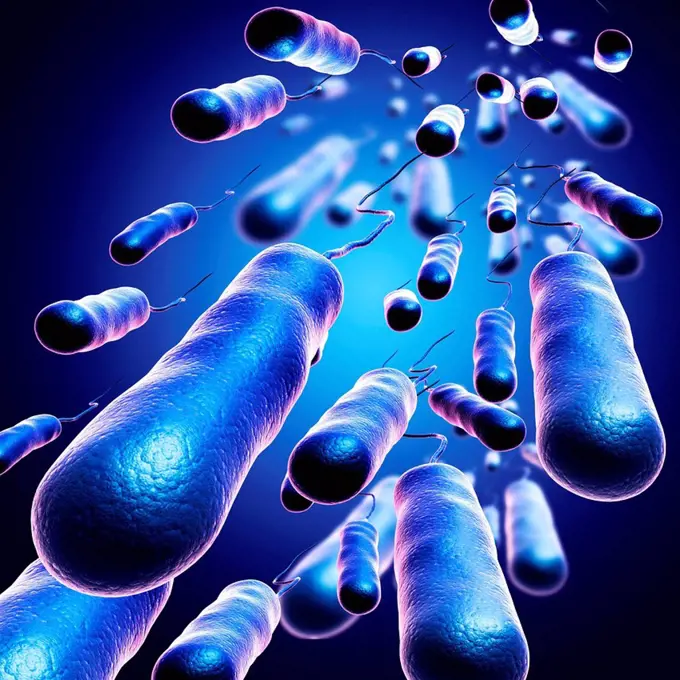
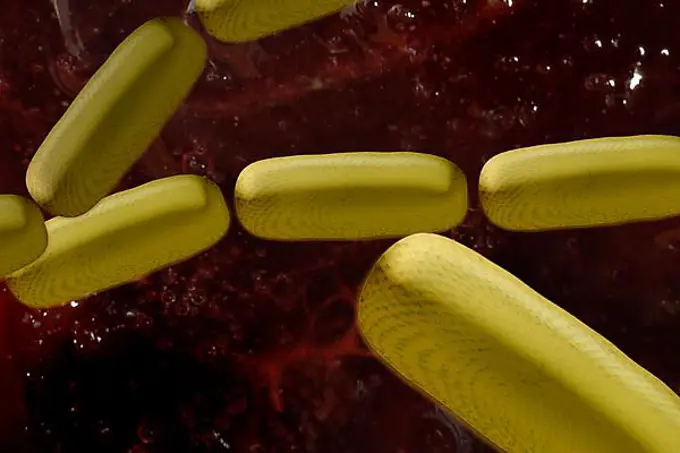
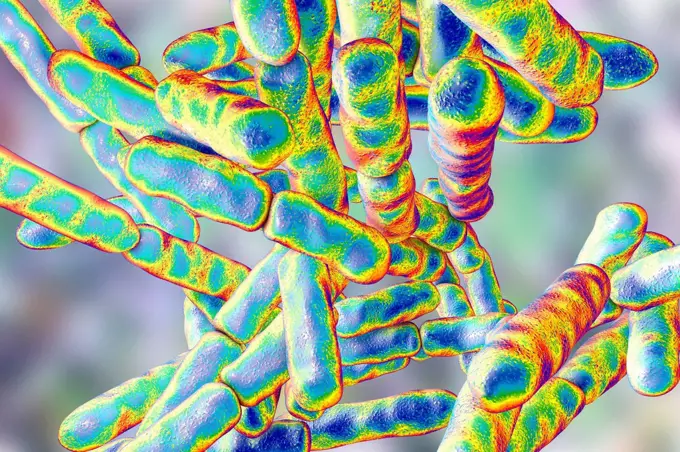
Clostridium bacteria, illustration
453 assets in this story
4128-19056083
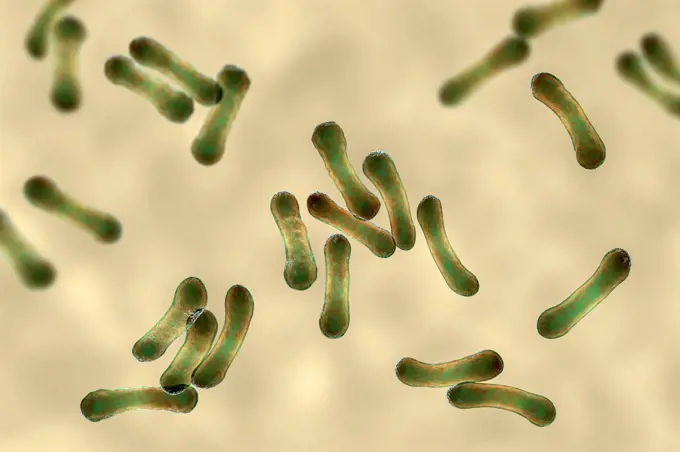
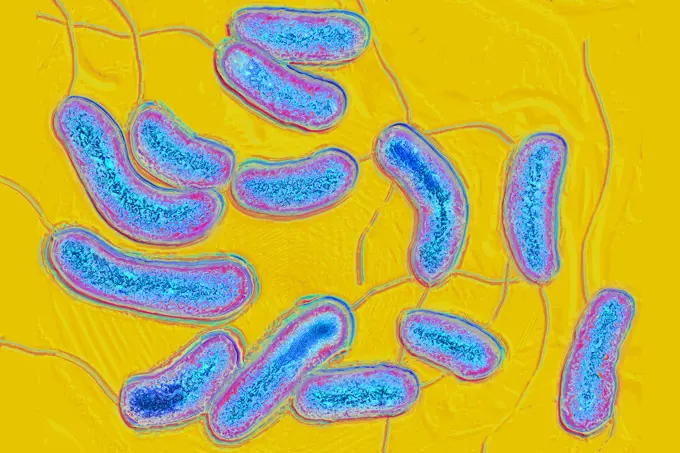
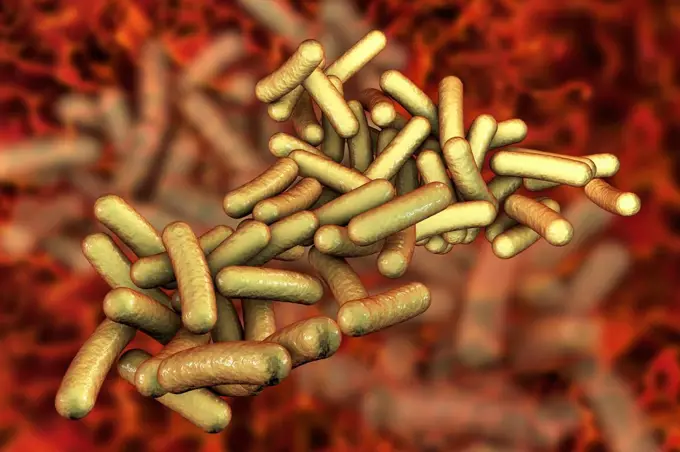
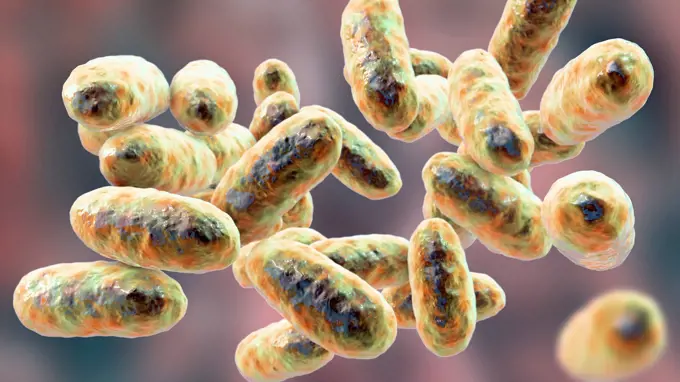
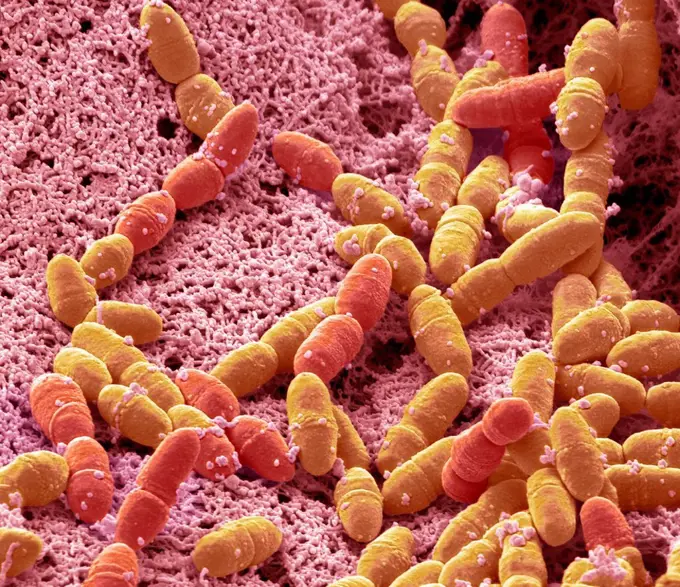
Corynebacterium diphtheriae, illustration
4128-20244183
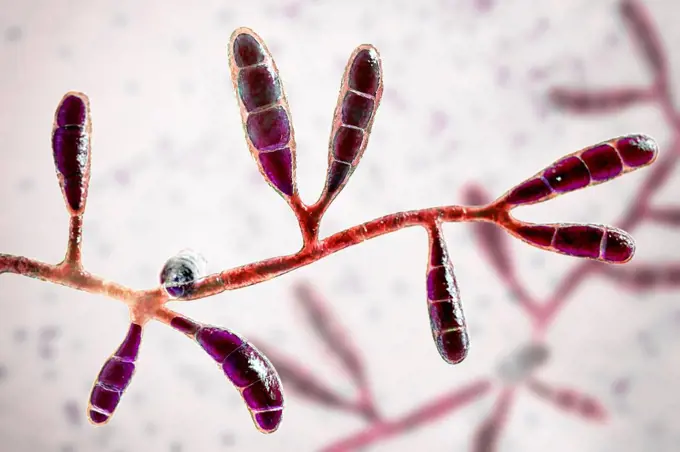
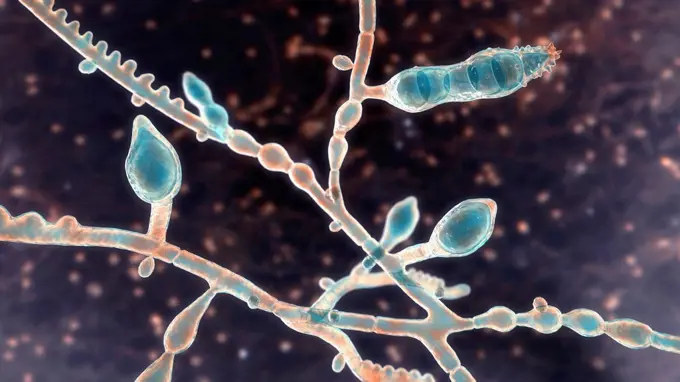
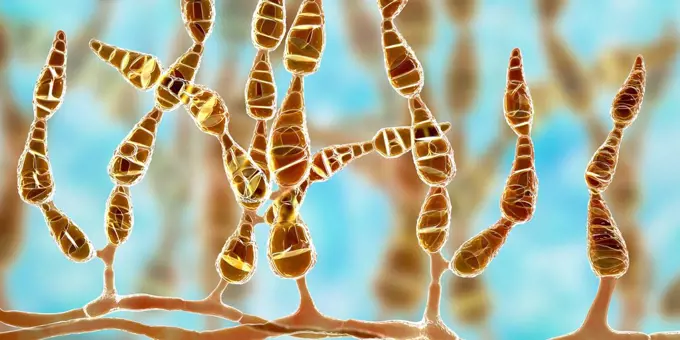
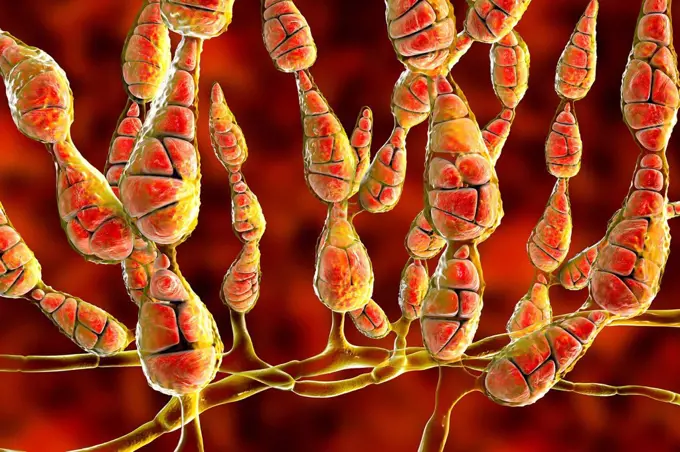
Epidermophyton floccosum dermatophyte fungus , illustration
1899-53511355
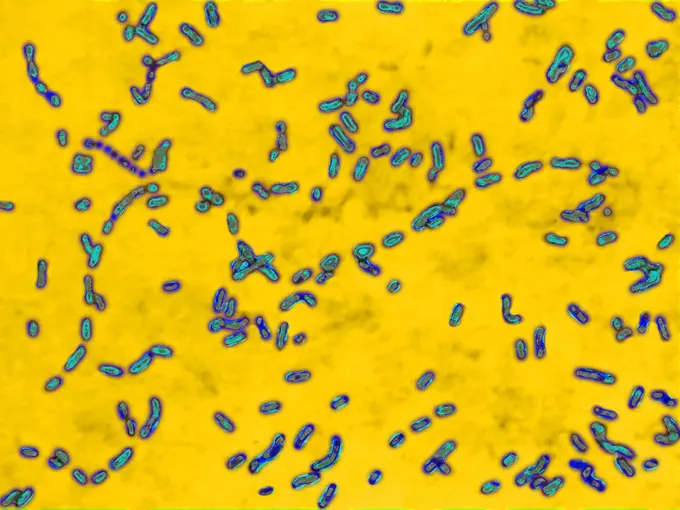
Bacilli Vibrio cholera. Cholera is an infectious and contagious disease, characterized by sudden diarrhea. Left untreated, the main form of cholera is fatal. Image taken from an X 1000 optical microscopy view.
4128-28767187
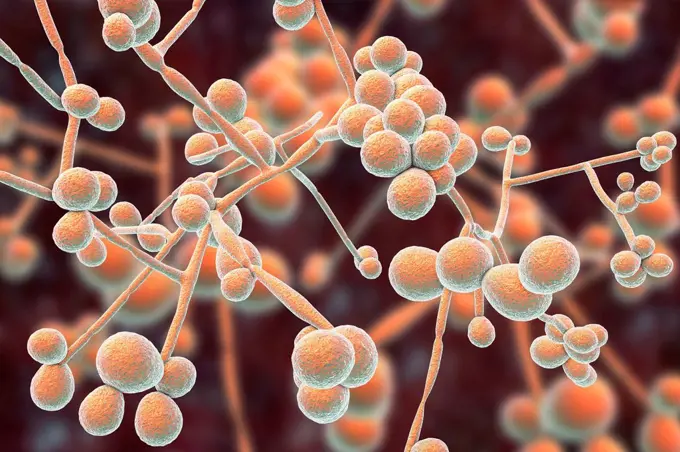
Conidiobolus coronatus microscopic fungi, illustration.
4128R-13587575
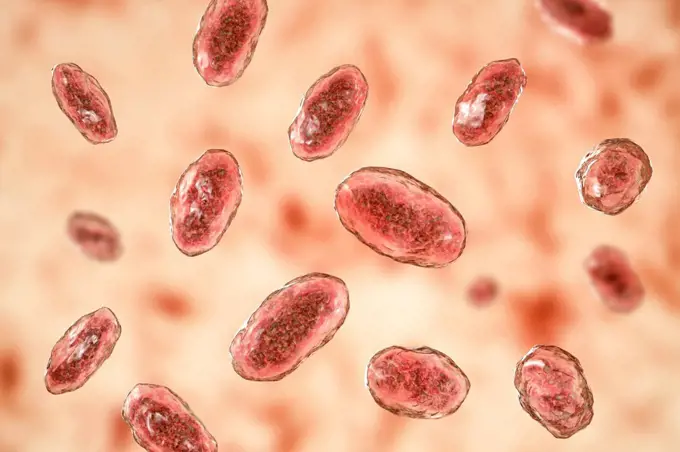
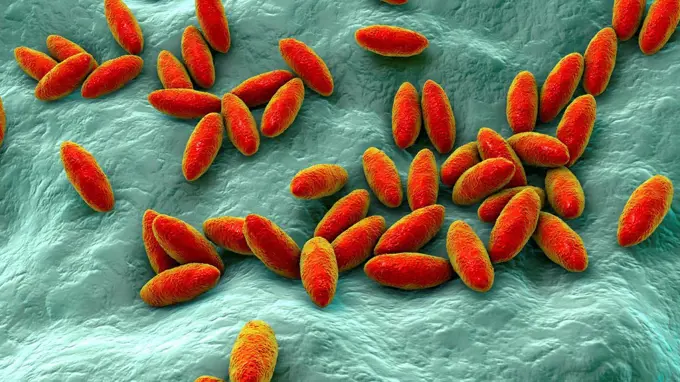
Plague bacteria (Yersinia pestis), computer illustration. Y. pestis are gram-negative bacteria from Enterobacteriaceae family, they have ovoid shape w...
4128-V58574048
824-57660017
Cholera bacilli or cholera vibrio (Vibrio cholerae). Cholera is a contagious epidemic enteric poisoning infection. If left untreated, the classic major form is fatal in more than half of cases. Image taken from an X 1000 optical microscopy.
4128R-15405880
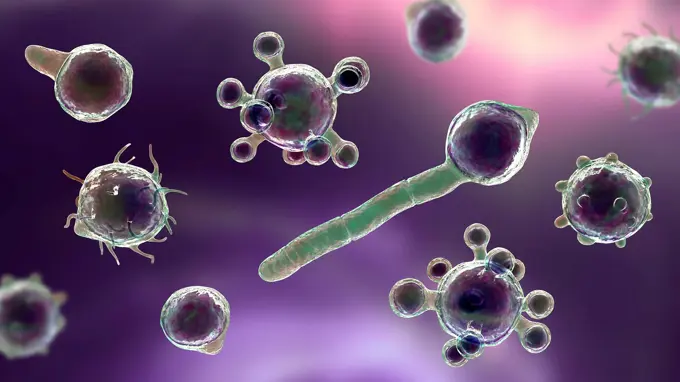
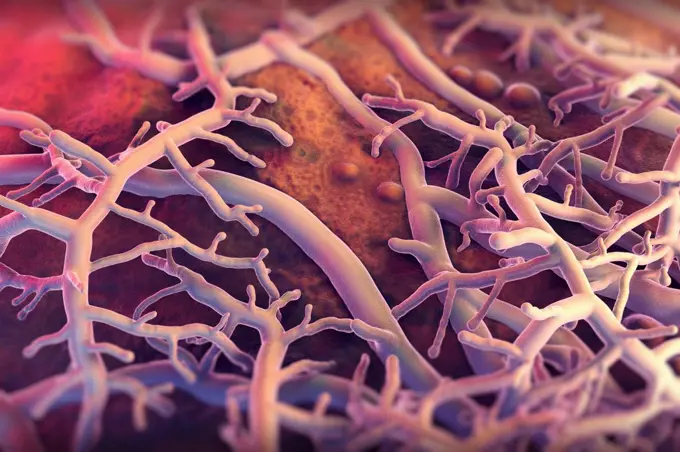
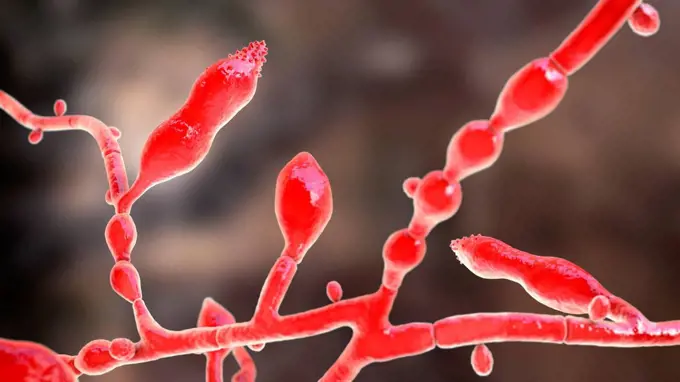
Candida albicans yeast and hyphae stages, illustration
4128R-14057574
Shigella bacteria, illustration
6019-19982622
Scientific image of bacteria Citrobacter. 3D illustration.
4128R-13818040
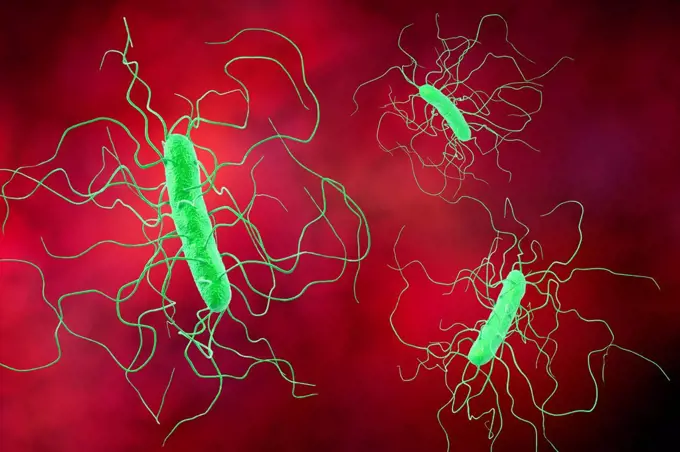
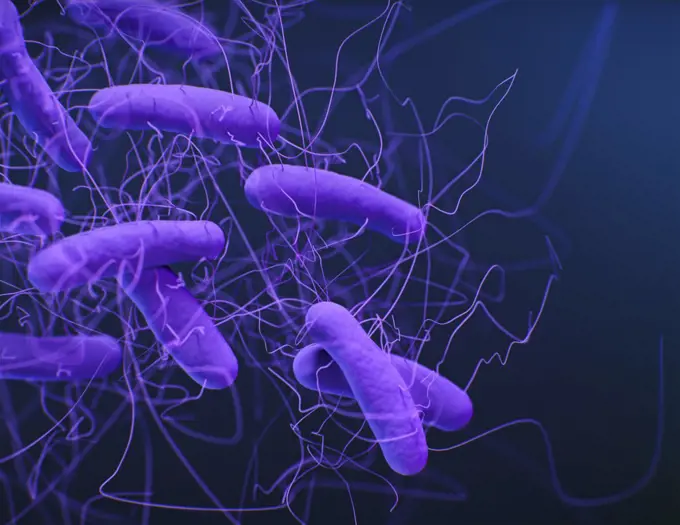
Clostridium difficile bacterium with peritrichous flagella, computer illustration. C. difficile is Gram-positive, anaerobic, spore forming, rod-shaped...
4269-27719
Rickettsia rickettsii. Transmission electron micrograph (TEM) of Rickettsia rickettsii. This bacterium, causing the Rocky Mountain spotted fever observed in the Rocky Mountains (North America) and India, is transmitted to man with a tick (genus Dermacentor, Amblyomma and Haemaphysalis
4128-15659879
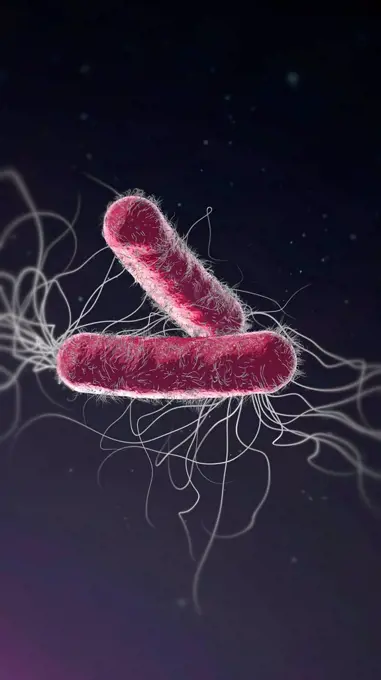
Pseudomonas aeruginosa bacteria, illustration
4128R-13586593
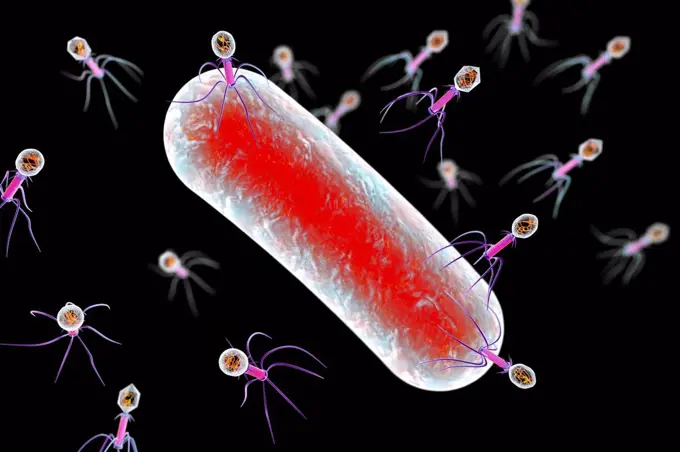
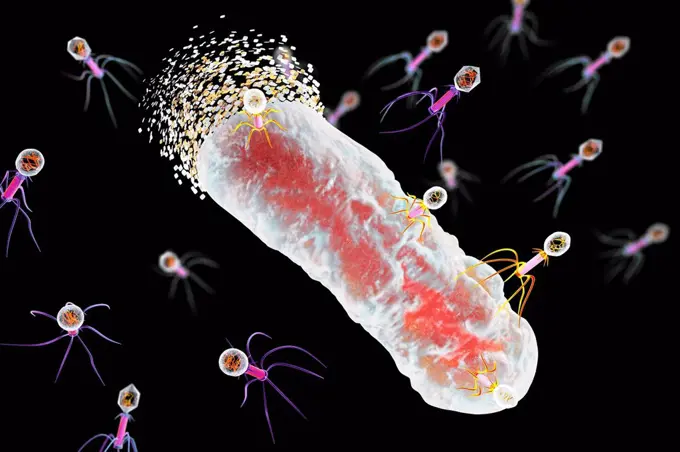
Bacteriophages infecting bacteria, computer illustration. A bacteriophage, or phage, is a virus that infects bacteria. It consists of an icosahedral (...
1525-19805952
Cholerae bacteria which causes cholera
824-29057230
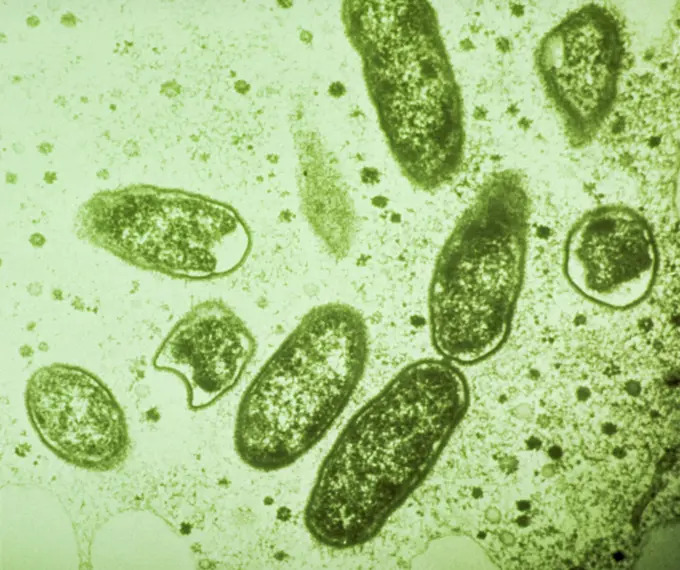
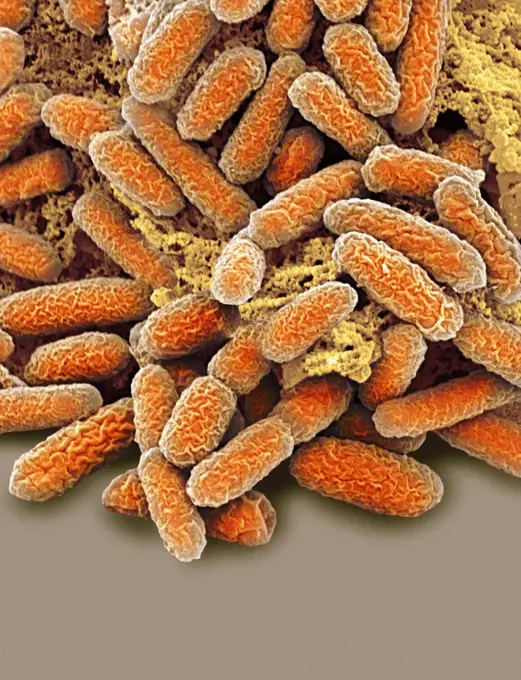
Escherichia coli (intestinal bacteria that resides in the digestive tract of humans and warm-blooded animals, it is the cause of food poisoning. Electron microscopy.
4128R-26272
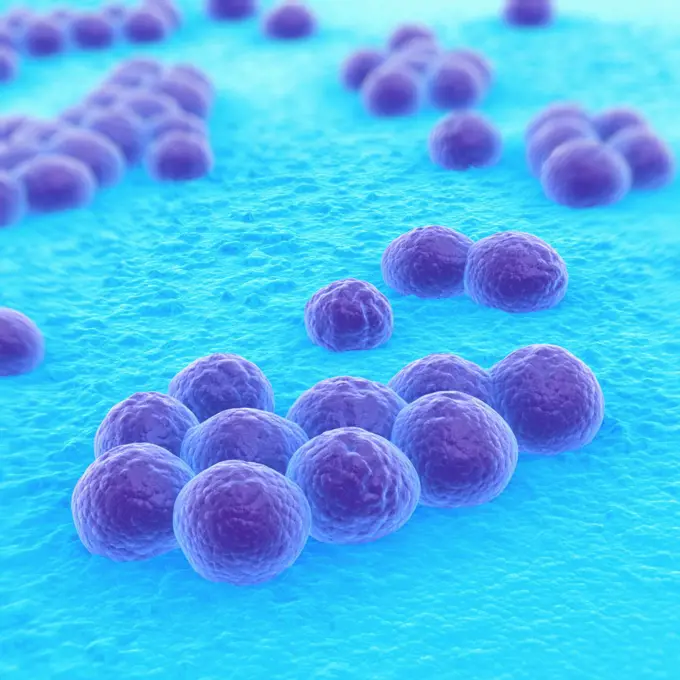
MRSA bacteria. Computer artwork of methicillin-resistant Staphylococcus aureus (MRSA) bacteria.
4128-20244202
Microsporum audouinii fungus, illustration
4378-5247
Legionella Pneumophila Bacteria
6019-19982631
Legionella pneumophila - medical 3d illustration
4378-3126
When bacteria carry several resistance genes it is considered multiresistant or informally, a superbug or super bacterium. The primary cause of antibiotic resistance is genetic mutation in the bacteria caused by the use of antibiotics.
4128R-13242381
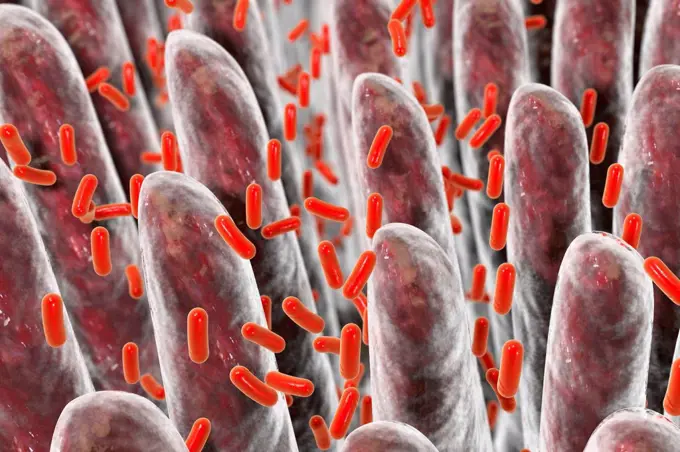
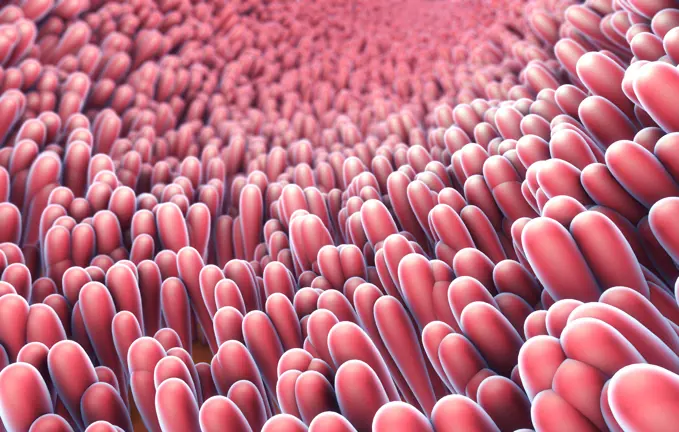
Computer illustration of bacteria present in intestine on the surface of intestinal villi.
4128-20039447
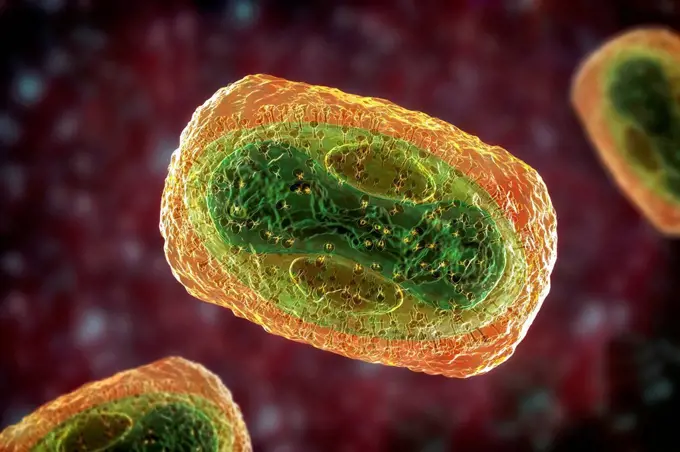
Monkeypox virus particles, illustration
4128R-13022159
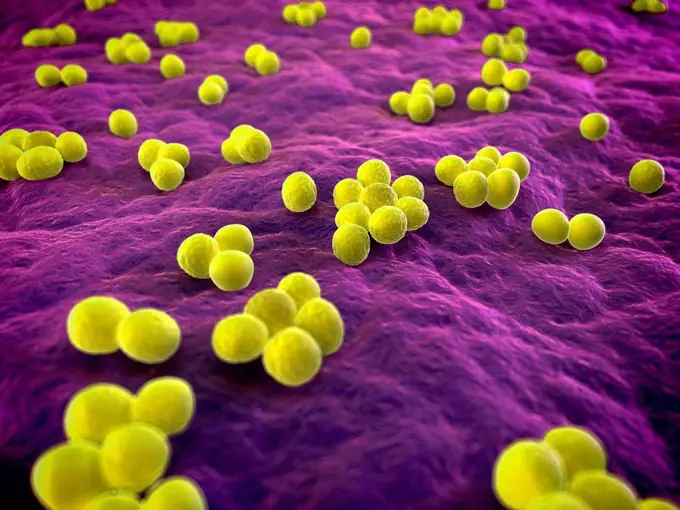
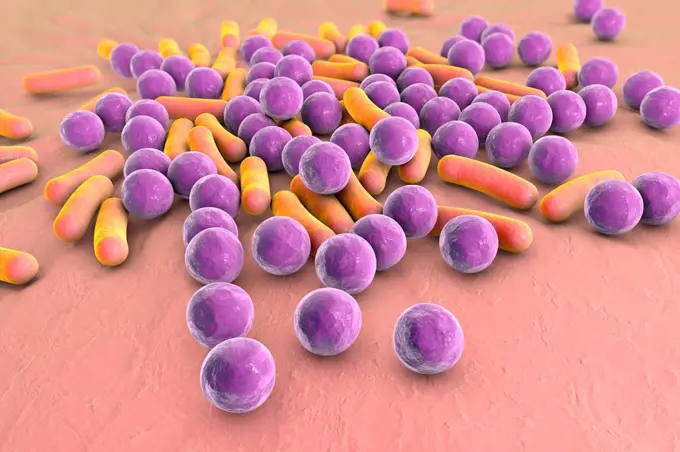
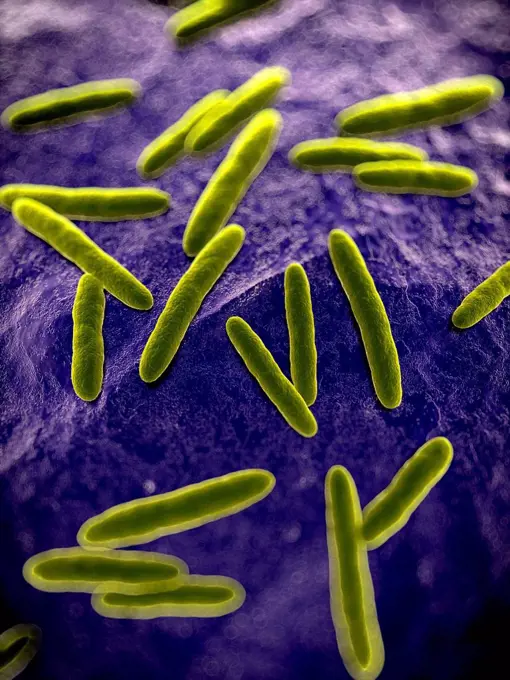
Illustration of rod-shaped and spherical (cocci) bacteria on a surface of skin or mucous membrane. Rod-shaped bacteria include Escherichia coli, Salmo...
824-63225887
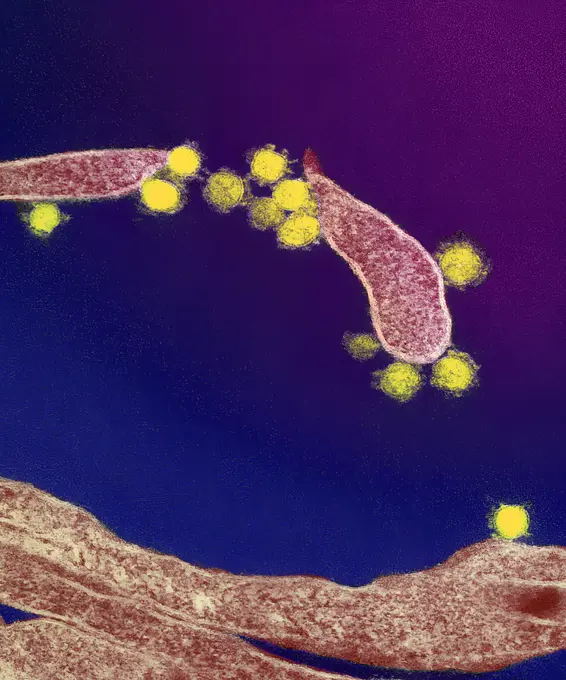
This transmission electron microscope image shows SARS-CoV-2 also known as 2019-nCoV, the virus that causes COVID-19. Virus particles are shown emerging from the surface of a cell cultured in the lab. The spikes on the outer edge of the virus particles give coronaviruses their name, crown-like. Image captured and colorized at Rocky Mountain Laboratories in Hamilton, Montana.
6188-66486350
3d-Illustration einer mikroskopischen Nahaufnahme einer Darmzotte 3d illustration of microscopic closeup of intestine villus Copyright: xZoonar.com/ChristophxBurgstedtx 22602956
4128-20045028
Yersinia enterocolitica bacteria, illustration
4128R-11310492
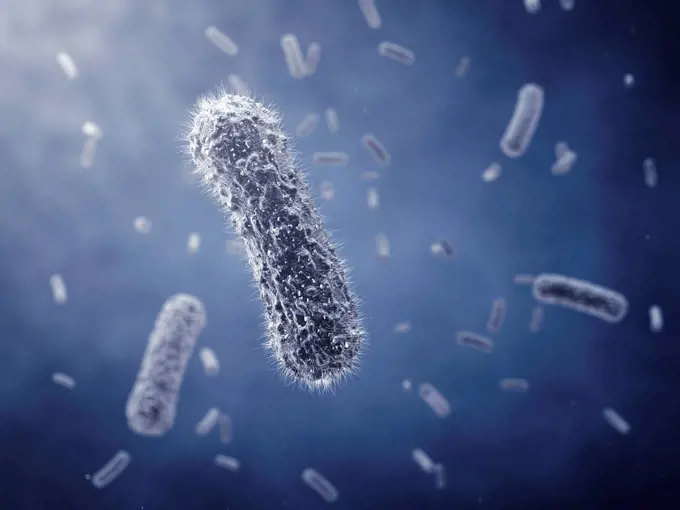
Bacteria, computer artwork.
4239-18641857
Medical illustration of Clostridioides difficile bacteria, formerly known as Clostridium difficile.
4128R-14846594
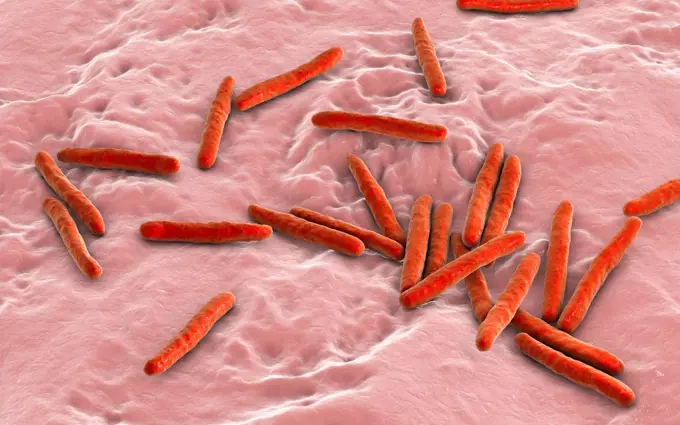
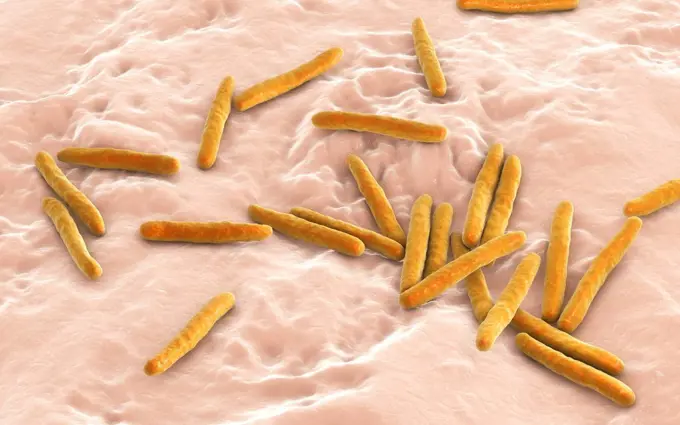
Tuberculosis bacteria, illustration
824-63212823
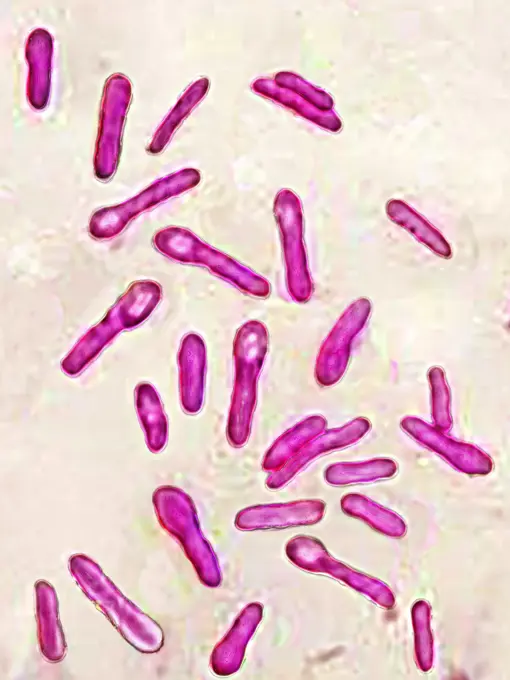
Botulinum bacillus (Clostridium botulinum). This bacterium secretes a toxin (botox) which inhibits the neurons responsible for muscle contraction. Image taken from an X 2000 optical microscopy.
4128-V58573454
4128-V58615255
4128R-13023031
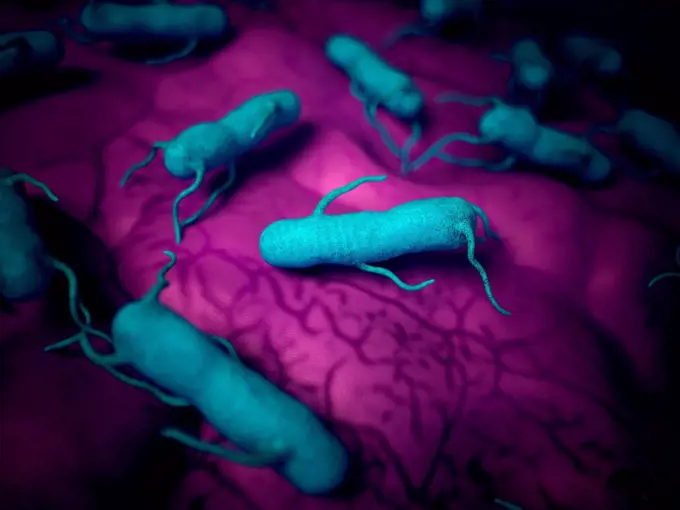
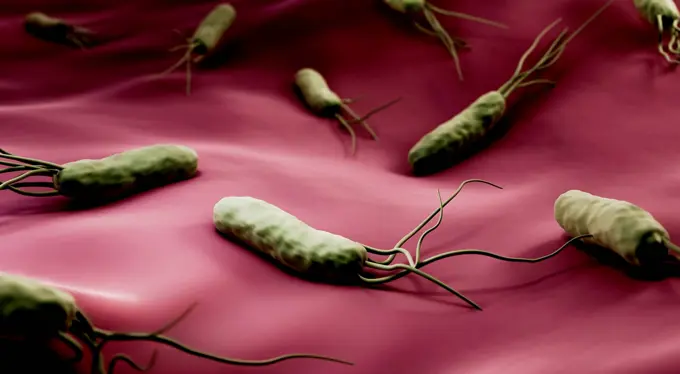
Helicobacter pylori bacterium, computer illustration. H. pylori is a gram-negative motile bacterium which is associated with formation of gastric and ...
4128-V58569765
824-63190212
Clostridium botulinum bacterium (botulism bacillus). This bacterium secretes a very powerful toxin that inhibits the motor neurons of muscle contraction. This toxin (botox), in localized injection, reduces wrinkles, by paralysis of the muscles responsible for the wrinkle. Optical microscopy X 1000.
4269-27404
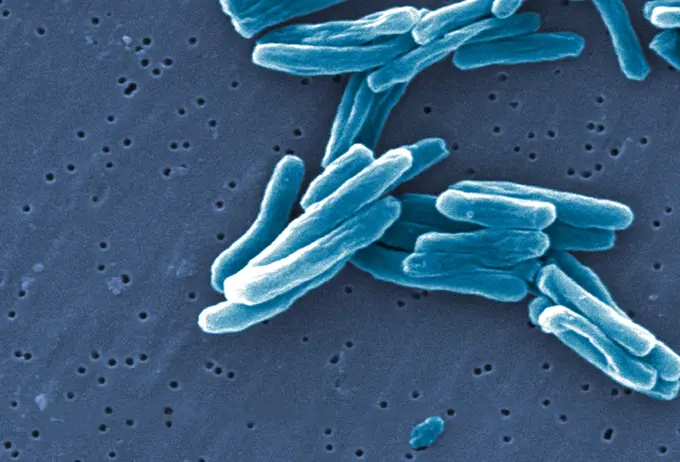
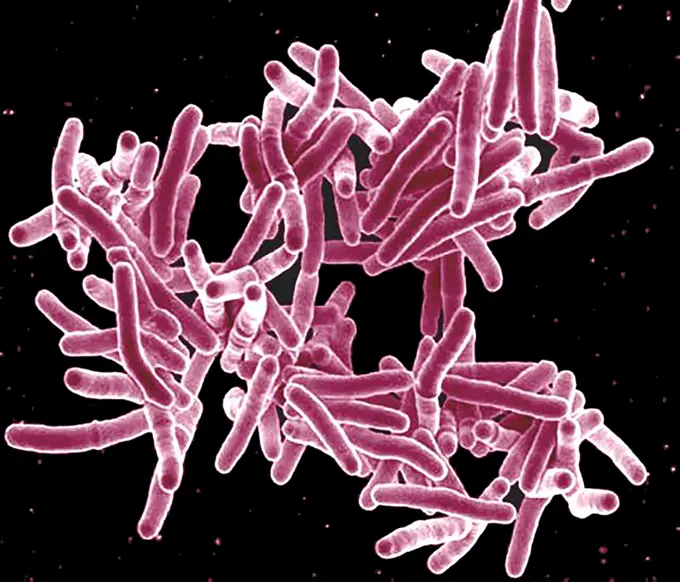
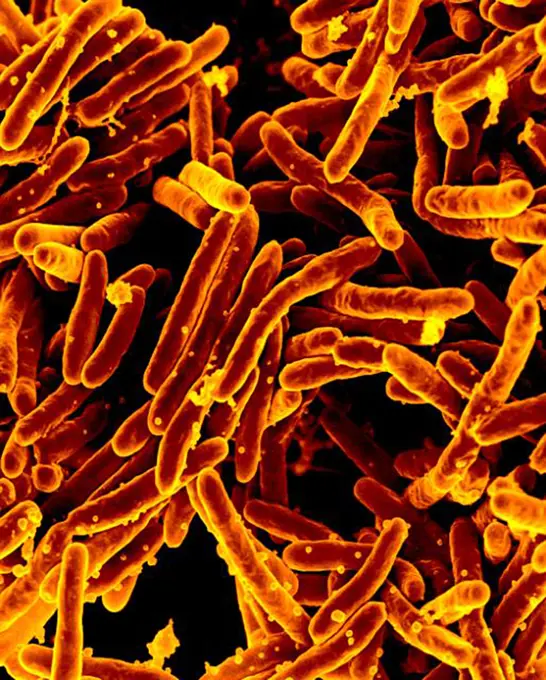
Mycobacterium tuberculosis. Scanning electron micrograph (SEM) of Gram-positive Mycobacterium tuberculosis bacilli, the causative agent for tuberculosis. Magnification 15549x.
824-63190252
Pseudomonas aeruginosa or pyocyanin bacillus, pathogenic bacterium, very resistant and often responsible for nosocomial infections. It is one of the most difficult bacteria to eradicate clinically. The pathologies it causes are diverse: eye infections, infections of burns, surgical wounds, urine, lungs, gastrointestinal infections, inoculation meningitis, septicemia. Image made from X 1000 optical microscopy.
4128R-31095
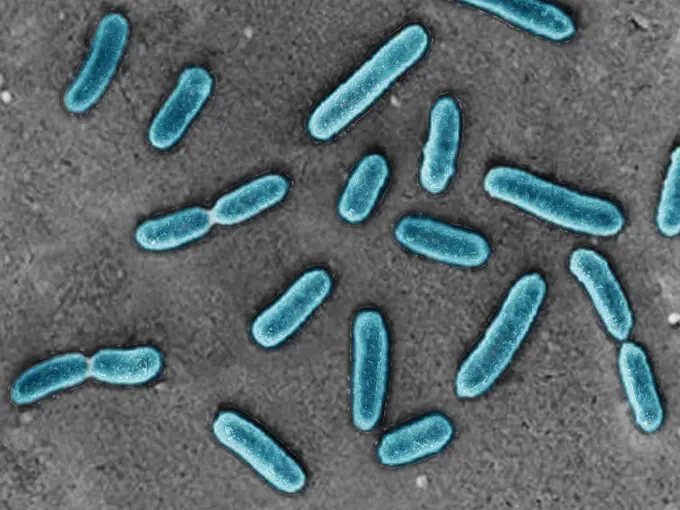
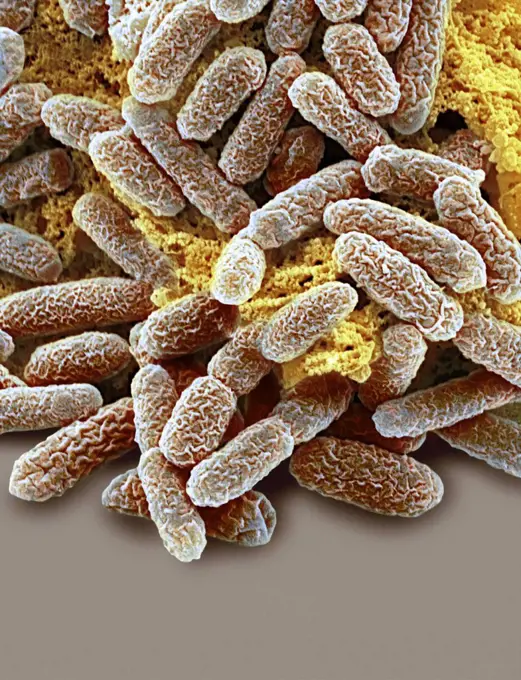
Escherichia coli bacteria, coloured scanning electron micrograph (SEM). Magnification: x10,000 when printed at 10 centimetres tall.
4128R-13412367
Bacteria
4239R-8020
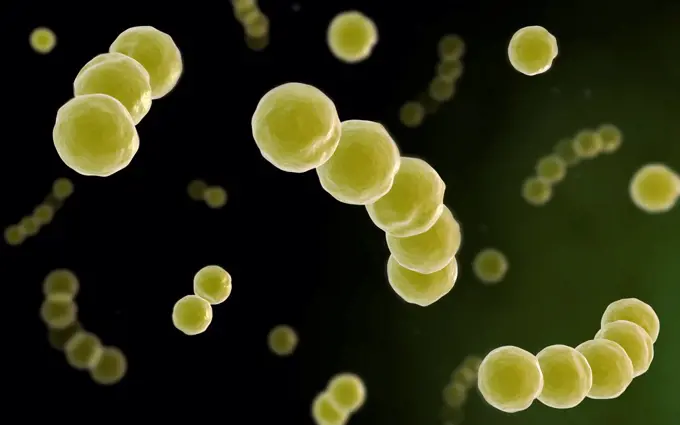
Microscopic view of streptococcus.
4128R-13575017
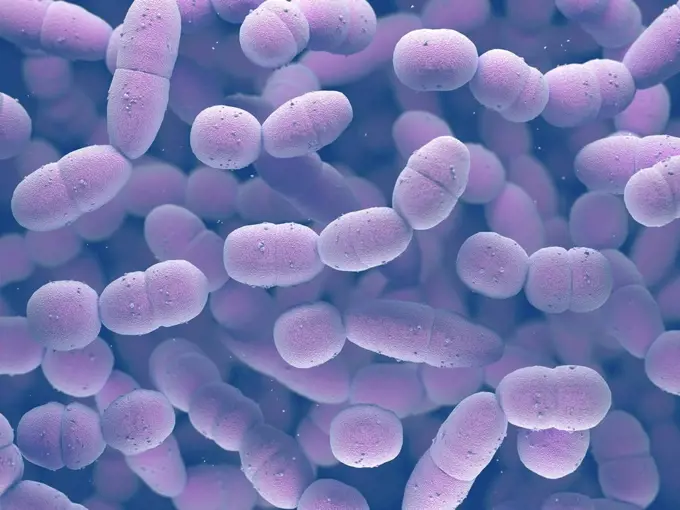
Streptococcus pneumoniae bacteria.
4128-111612473
Filamentous allergenic fungus Alternaria alternata, computer illustration. Alternaria is a dematiaceous (phaeoid) fungus commonly isolated from plants...
824-63227381
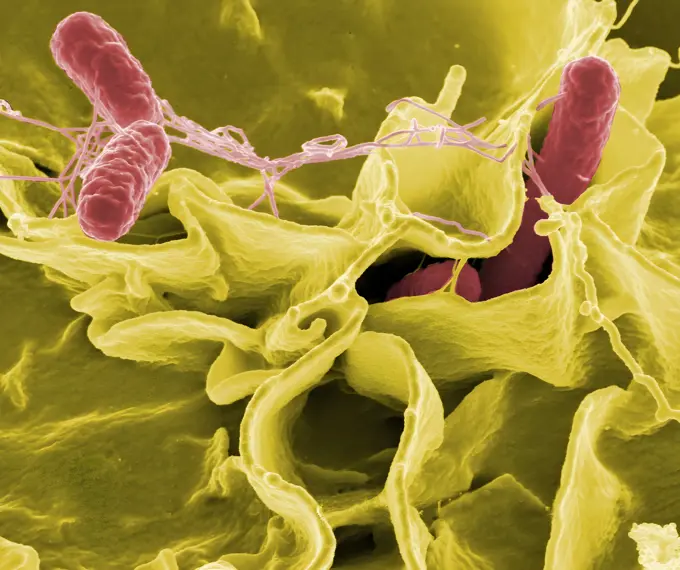
Salmonella bacteria, a common cause of food poisoning, have invaded an immune cell.
4128R-13620049
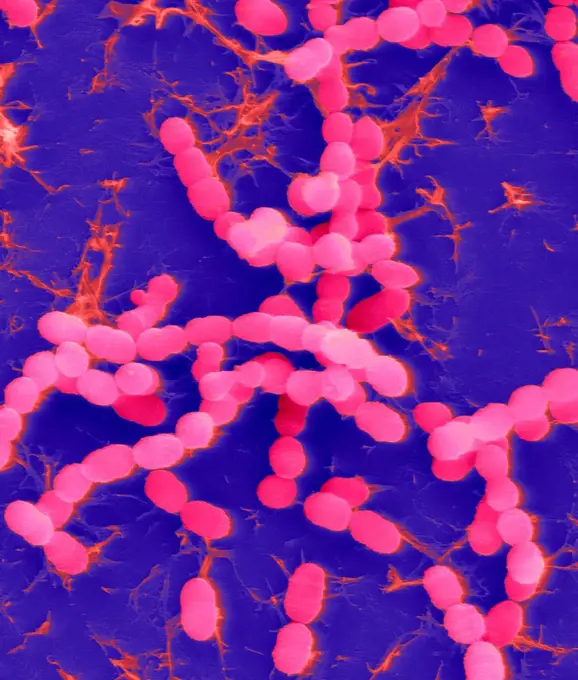
Coloured scanning electron micrograph (SEM) of Streptococcus thermophilus, Gram-positive, coccoid prokaryote (bacterium). Streptococcus thermophilus (...
4128-18573432
Brucella bacteria, illustration
4128R-15405875
Bifidobacterium bacteria, illustration
4239R-8346
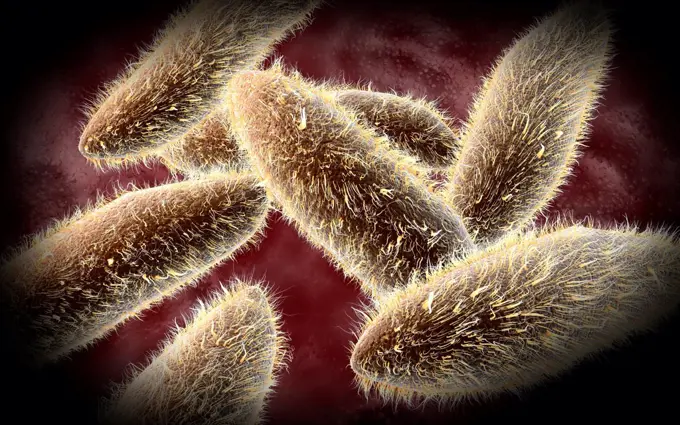
Microscopic view of paramecium.
4128R-10084
Tuberculosis bacteria, artwork
4128-17340423
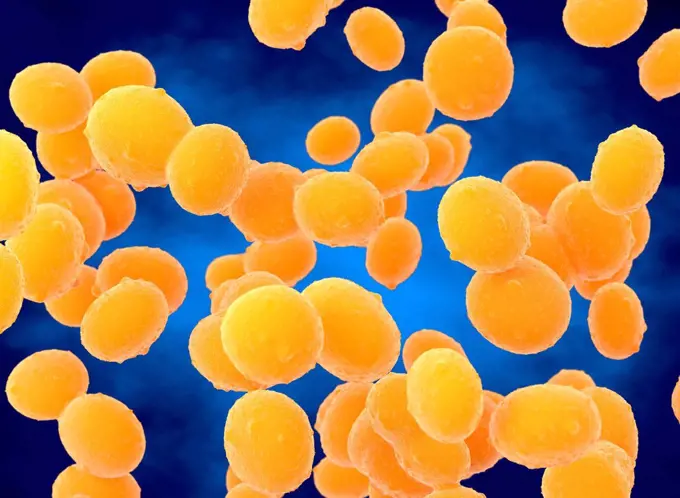
Staphylococcus aureus (MRSA) bacteria, illustration
4128-28767295
Pseudoalteromonas tetraodonis bacteria, illustration.
4128R-13586551
Illustration of E. coli bacteria.
824-63190219
Cholera bacilli or cholera vibrio (Vibrio cholerae). Cholera is a contagious epidemic enteric poisoning, it is characterized by sudden and very abundant diarrhea. In the absence of treatment, the classic major form is fatal in more than half of the cases. Optical microscopy X 1000.
4128-28575323
Aggregatibacter bacteria, illustration
824-63128604
This scanning electron micrograph (SEM) depicted a closer view of a number of red blood cells found enmeshed in a fibrinous matrix on the luminal surface of an indwelling vascular; Magnified 7766x. In this instance, the indwelling catheter was a tube that
824-63227134
A conceptual image of a cell karyotype showing trisomy, three copies of a chromosome.
4128-V58567293
824-57660007
Bacillus Koch (Bk) or Mycobacterium tuberculosis, it is responsible for tuberculosis. Tuberculosis is making a comeback due to the appearance of multi-resistant bacterial strains. Pulmonary tuberculosis (phthisis) is the most widespread, but there are bone disorders (Pott's disease, white tumor of the knee), renal, intestinal, genital, meningeal and skin disorders (tuberculomas). Image taken from an X 1000 optical microscopy.
4128-V58615204
4128-V58569572
4297-1856
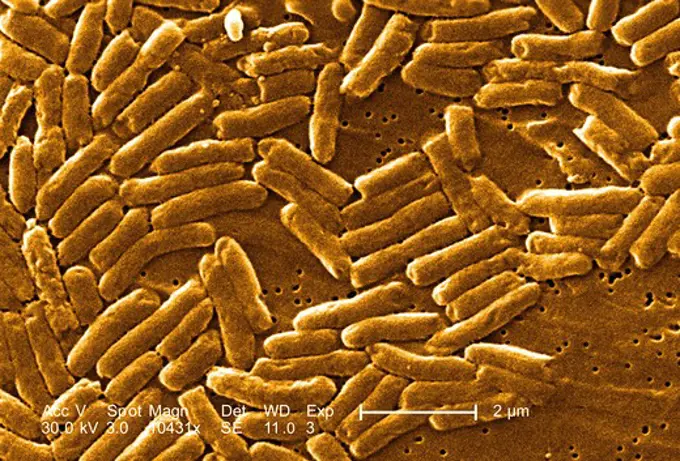
Scanning electron microscopic image of Salmonella bacteria
4239R-8317
Microscopic view of Anthrax. Anthrax is an acute disease caused by the bacterium Bacillus anthracis. Most forms of the disease are lethal, and it affects both humans and animals.
824-57660036
Pseudomonas aeruginosa or pyocyanin bacillus, pathogenic bacteria, very resistant and often responsible for nosocomial infections. It is one of the most difficult bacteria to eliminate clinically. The infections it causes concern: the eyes, burns, surgical wounds, urine, lungs, stomach, intestines, meninges, blood. Image taken from an X 1000 optical microscopy.
4128R-13666920
Cancer cells, illustration.
4128R-11289039
MRSA (methicillin-resistant Staphylococcus aureus) bacteria, computer artwork.
824-63179057
Pseudomonas aeruginosa or pyocyanin bacillus, pathogenic bacterium, very resistant and often responsible for nosocomial infections. It is one of the most difficult bacteria to eradicate clinically. The pathologies it causes are diverse: eye infections, infections of burns, surgical wounds, urine, lungs, gastrointestinal infections, inoculation meningitis, septicemia. Visualization by optical microscopy.
4378-2298
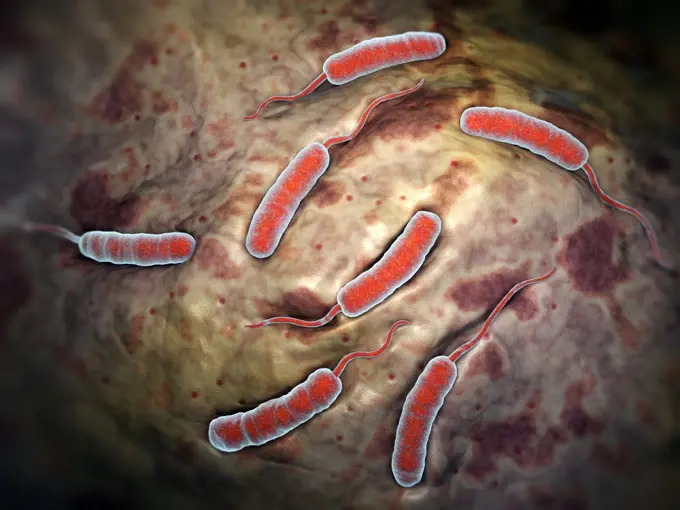
Group of vibrio cholerae bacteria which causes cholera.
4128-28767344
Corn smut fungus, illustration
4128-20044904
Enterobacter bacteria, illustration
4378-3425
Close up view of athlete's foot fungus.
4128R-15545718
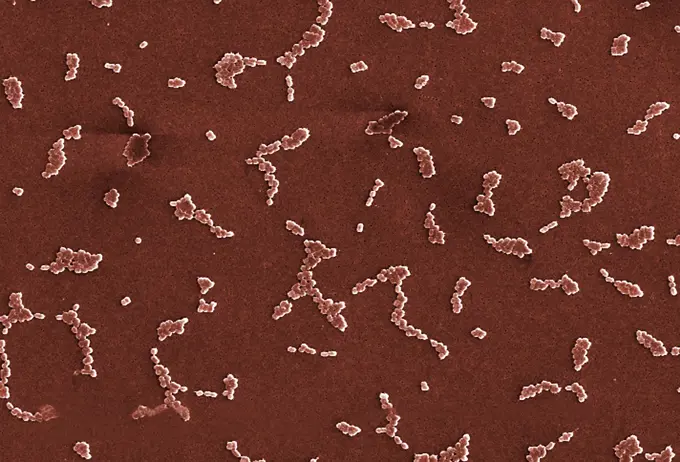
Streptococcus mutans, SEM
4269-27657
Acinetobacter baumannii. Scanning Electron micrograph (SEM) of Acinetobacter baumannii. This aerobic Gram-negative, non-motile bacteria are normal flora on the skin. But because A. baumannii has developed substantial antimicrobial resistance, it is an emerging cause of nosocomial infections in hospitals, responsible for pneumoniae, hemopathic and wound infections. Magnification of 1546x.
4128-28767209
Tuberculosis bacteria, illustration
824-63190257
Pseudomonas aeruginosa or pyocyanin bacillus, pathogenic bacterium, very resistant and often responsible for nosocomial infections. It is one of the most difficult bacteria to eradicate clinically. The pathologies it causes are diverse: eye infections, infections of burns, surgical wounds, urine, lungs, gastrointestinal infections, inoculation meningitis, septicemia. Image made from X 1000 optical microscopy.
4128R-14058308
E. coli bacteria, illustration
6019-28586255
microscopic bacteria. Legionella pneumophila illustration
4128-20044894
Enterobacter bacteria, illustration
4239R-8039
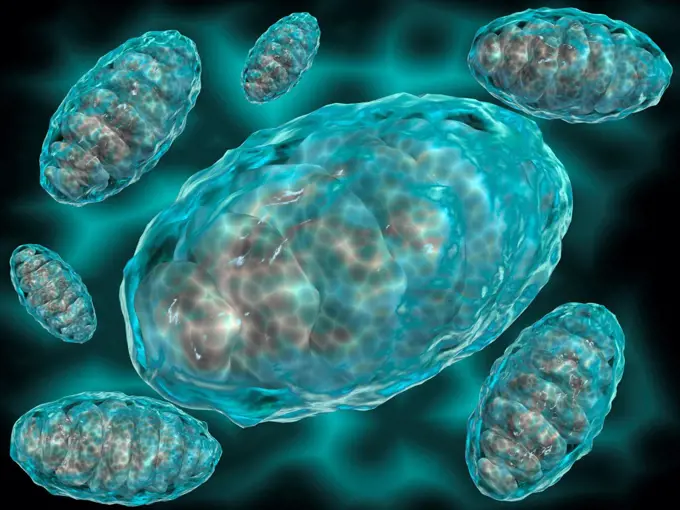
Microscopic view of Mitochondria. Mitochondria are the cell's power producers. They convert energy into forms that are usable by the cell. Located in the cytoplasm cell's activities. Mitochondria are also involved in other cell processes such as cell division and growth, as well as cell death.
824-63194668
Scanning electron micrograph of Mycobacterium tuberculosis bacteria, which cause TB.
4269-27364
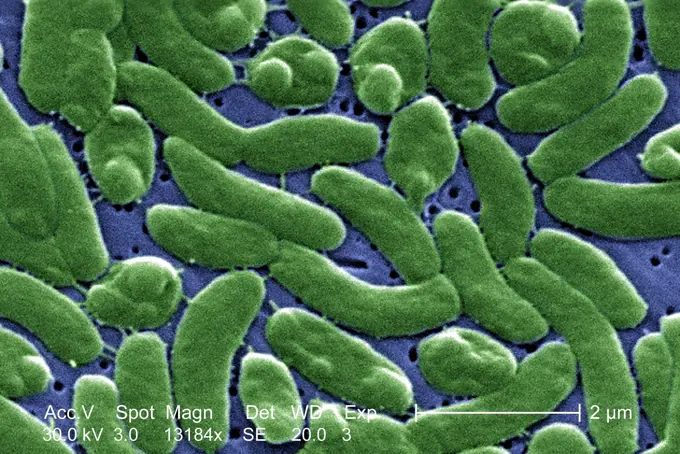
Vibrio vulnificus. Scanning electron micrograph (SEM) of Vibrio vulnificus. bacteria. This Gram-negative bacterium causes gastointestinal infection to man. It is closely related to Vibrio cholerae, the  agent of cholera. Magnified 13184x.
4239R-20483550
Microscopic view of bacteria.
4269-6694
Scanning electron micrograph (SEM) of a pollen of Onagraceae.
4128R-31098
Escherichia coli bacteria, coloured scanning electron micrograph (SEM). Magnification: x10,000 when printed at 10 centimetres tall.
4128-15818970
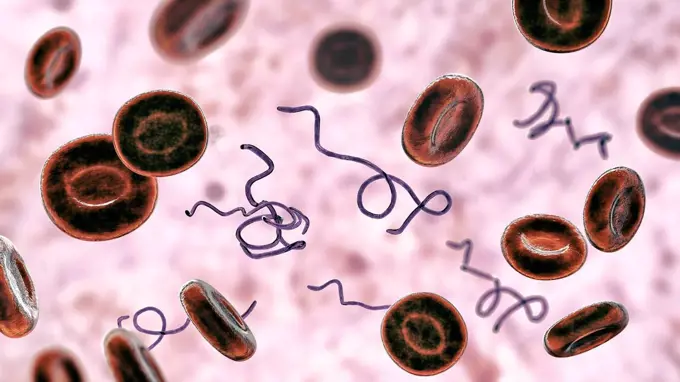
Computer illustration of Borrelia bacteria in blood. Borrelia causes relapsing fever (the most common cause is Borrelia recurrentis) and Lyme diseases...
4128R-15545782
Bacillus bacteria, illustration
4128R-14846587
Tuberculosis bacteria, illustration
4128R-14587990
Rat bite fever bacteria, illustration
1848-54783074
Intestinal bacteria, EHEC, illustration
4128R-13619906
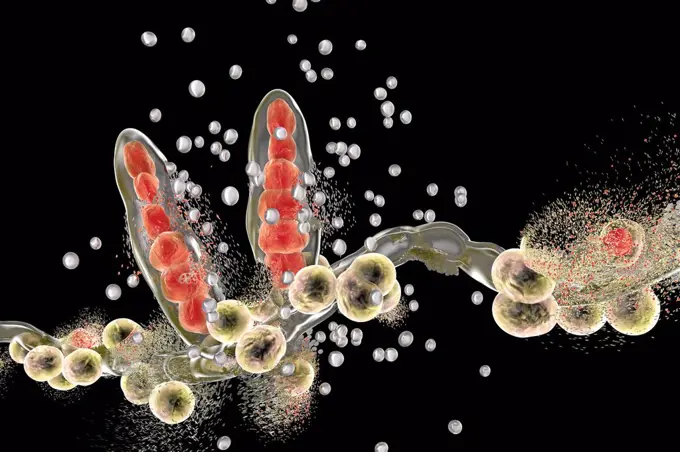
Destruction of athlete's foot fungus Trichophyton mentagrophytes by nanoparticles, computer illustration. Conceptual image for Athlete's foot treatmen...
824-63179012
Bordetella pertussis (bacillus of Bordet-Gengou or Haemophilus pertussis), is the agent of whooping cough. The bacterium settles in the trachea or bronchi, and causes cough and fever with an accumulation of mucus. Optical microscopy
4128-28968481
Helicobacter pylori bacteria, illustration
4128R-15366441
Haemophilus ducreyi bacteria, illustration
4239R-8373
Group of Escherichia coli bacteria cells, commonly known as E. Coli. E. coli is a common type of bacteria that can get into food, like beef and vegetables.
4239-18641698
Conceptual image of the Bacillus bacteria.
4128R-13763228
Bifidobacterium bacteria, computer illustration. Bifidobacteria are gram-positive anaerobic bacteria that live in the gastrointestinal tract, vagina a...
4128-111612467
Filamentous allergenic fungus Alternaria alternata, computer illustration. Alternaria is a dematiaceous (phaeoid) fungus commonly isolated from plants...
824-63194660
Scanning electron micrograph of Mycobacterium tuberculosis bacteria, which cause TB.
4128-20244190
Microsporum audouinii fungus, illustration
4128R-6618
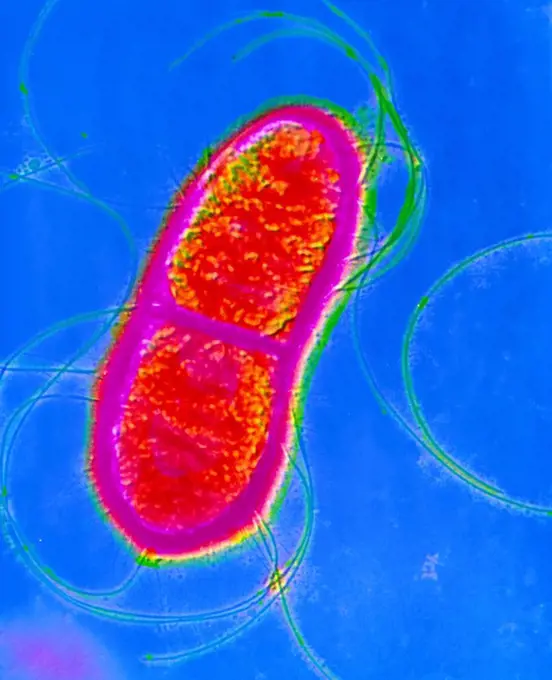
Serratia sp. bacterium dividing
4128R-13586597
Bacteriophages infecting bacteria, computer illustration. A bacteriophage, or phage, is a virus that infects bacteria. It consists of an icosahedral (...
PREVIOUS
of 5
NEXT
2401 S. Ervay, Suite 206
Dallas, Texas 75215
United States
Browse
CategoriesFree ResearchGalleries
For Creators
License Your ContentSuperStock For StudentsFrame of Mind BlogContributor PortalNew Image SpotlightLicense AI Imagery
Resources
About UsLicensingTerms & ConditionsAPI AccessPrivacyPricing
Contact
+1 866 236 0087help@superstock.com Contact form
©2026 SuperStock. All Rights Reserved. -A
This site is protected by reCAPTCHA and Google Privacy Policy and Terms of Service apply.