Antique Weapons Collection

A diverse assortment of historical weapons and tools, including daggers and belt hooks, highlighting craftsmanship from different cultures and eras.
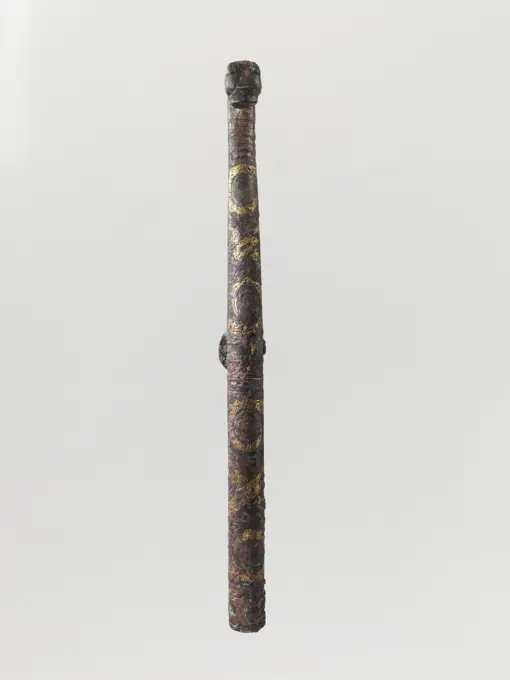
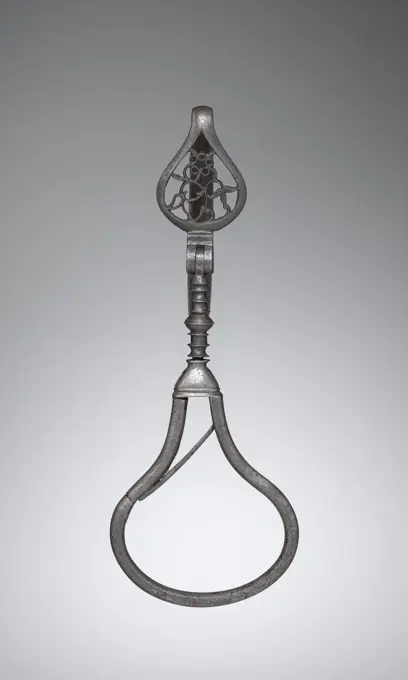
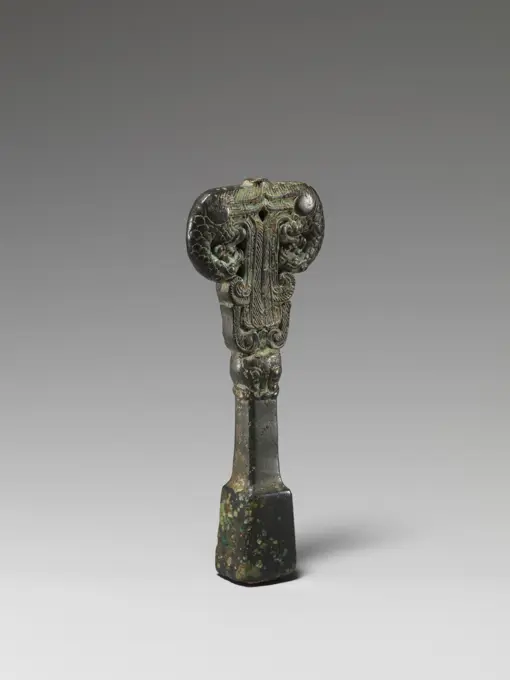
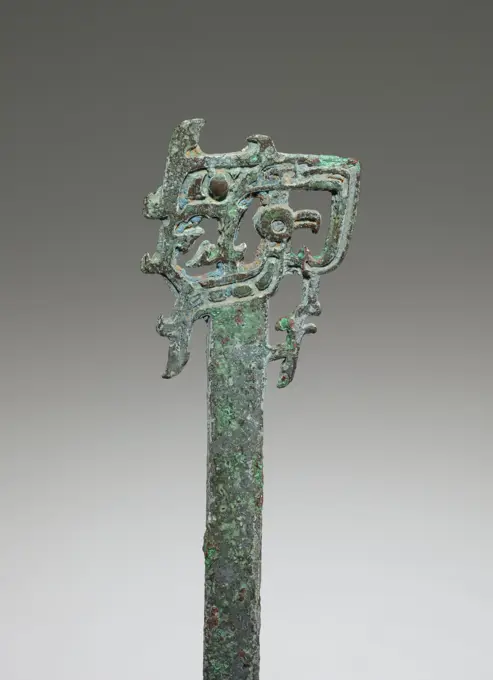
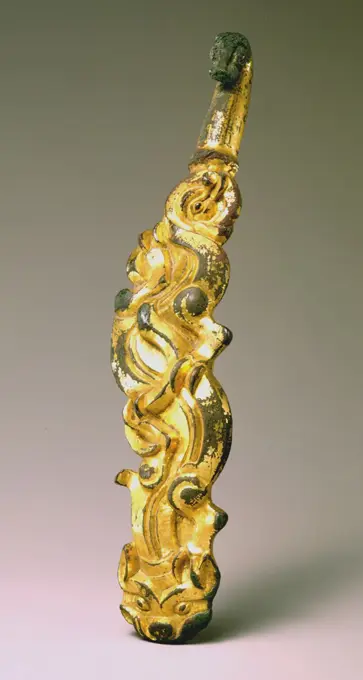
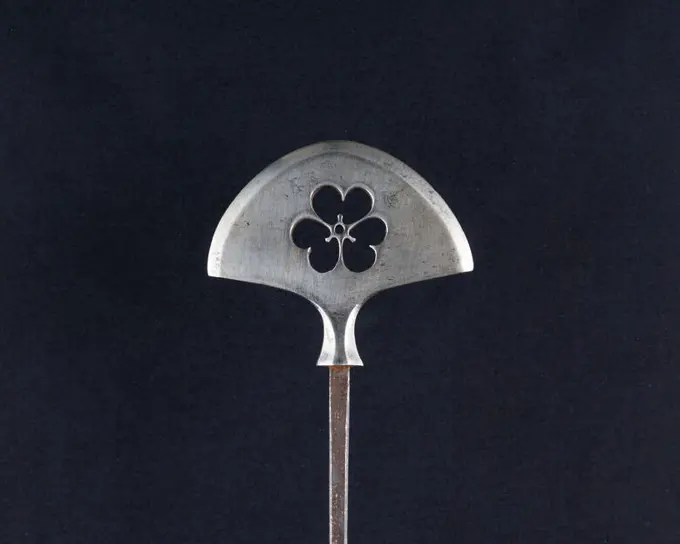
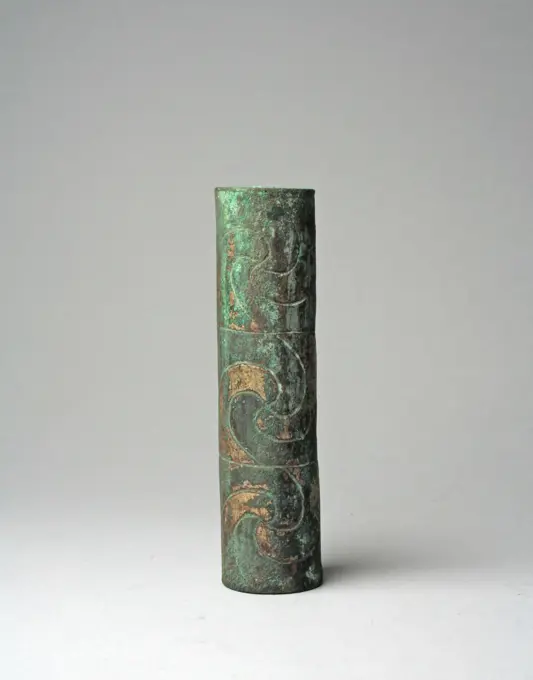
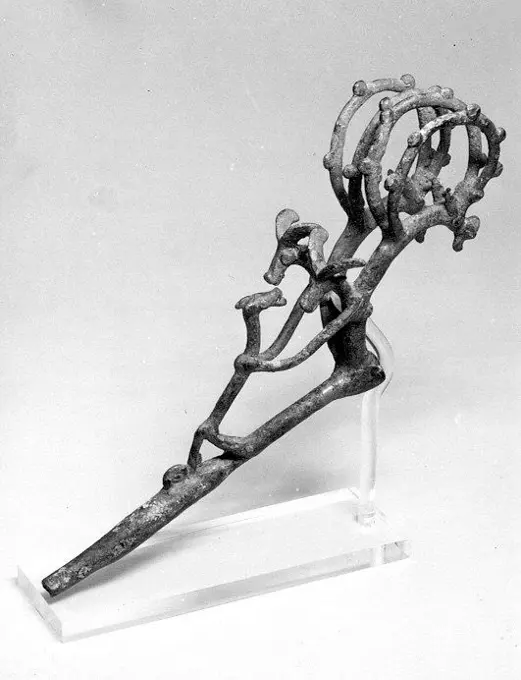
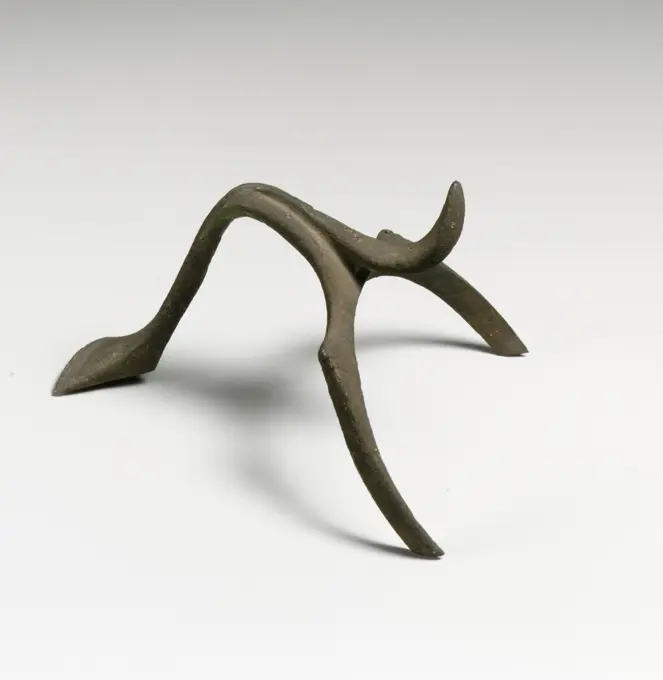
Belt hook 4th-3rd century B.C. China. Belt hook 61352

Assets in this Story

6145-29060275
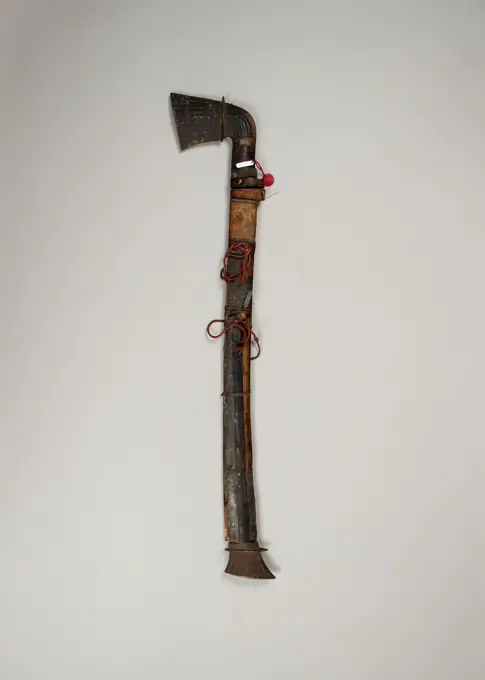
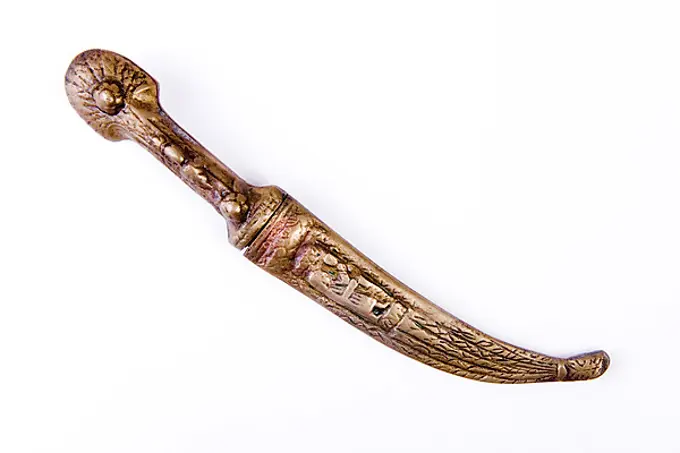
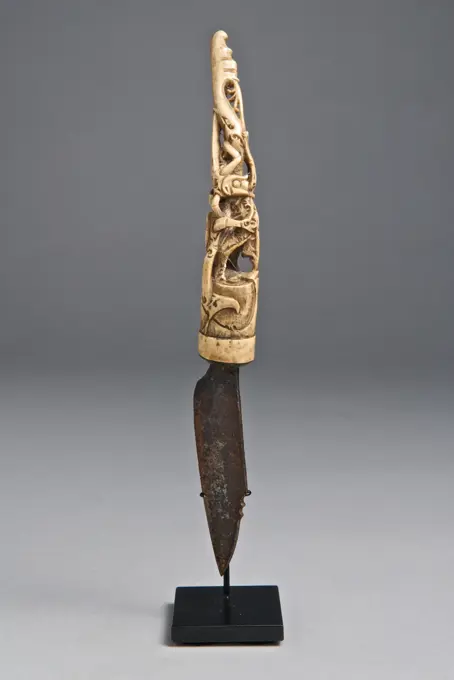
Dagger, Before 1916. Philippines. overall: 29.1 cm (11 7/16 in.); blade: 22 cm (8 11/16 in.).
6145-30390246
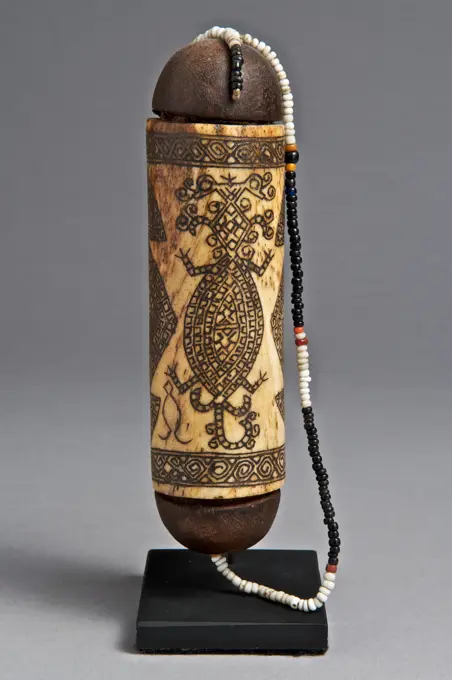
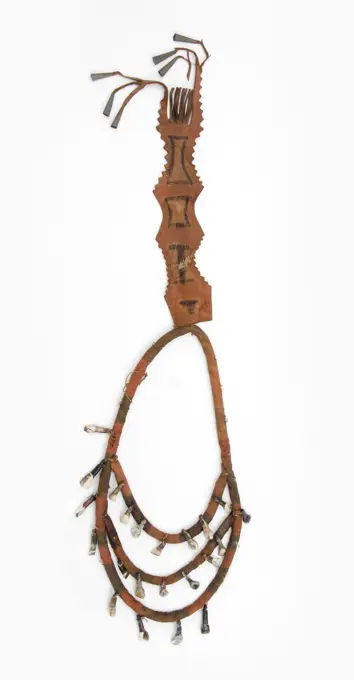
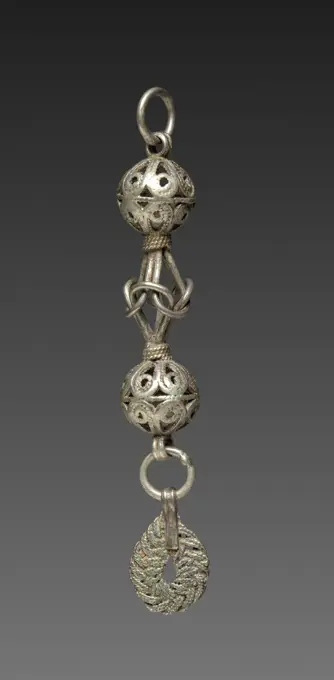
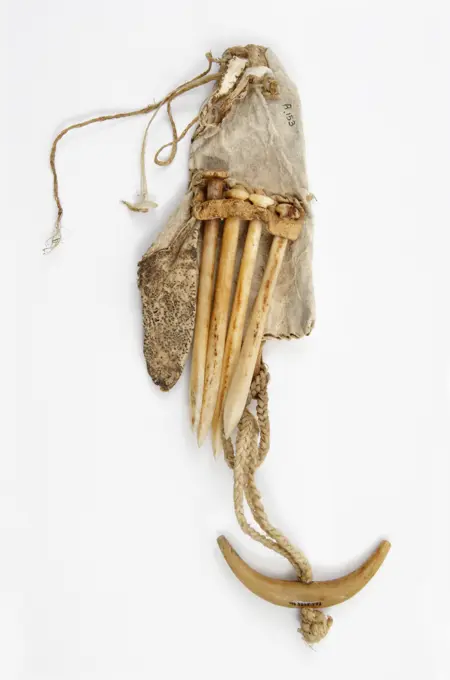
Pig Trap Charm(Tuntun)
6145-29145145
Belt hook 4th-3rd century B.C. China. Belt hook 61352
4409-17420948
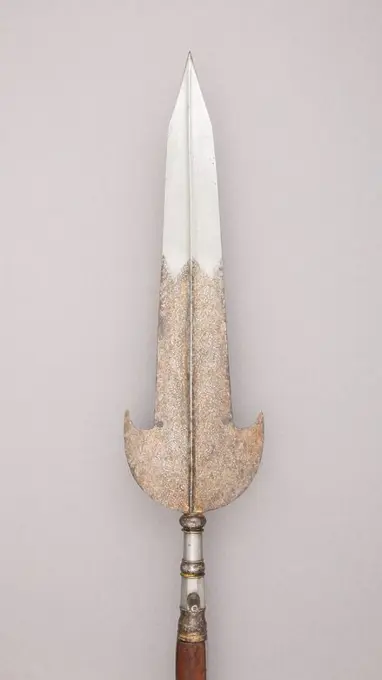
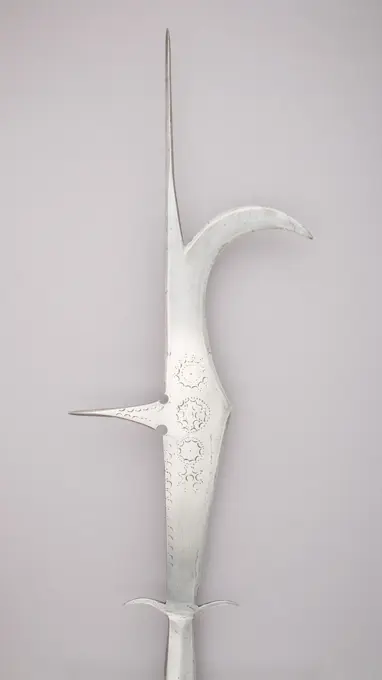
Partisan. Culture: French. Dimensions: L. 85 3/4 in. (217.7 cm); L. of head 21 1/2 in. (54.6 cm); W. 5 3/16 in. (13.2 cm); Wt. 4 lbs. 13 oz. (2182.9 g). Date: ca. 1600. Museum: Metropolitan Museum of Art, New York, USA.
6145-29774646
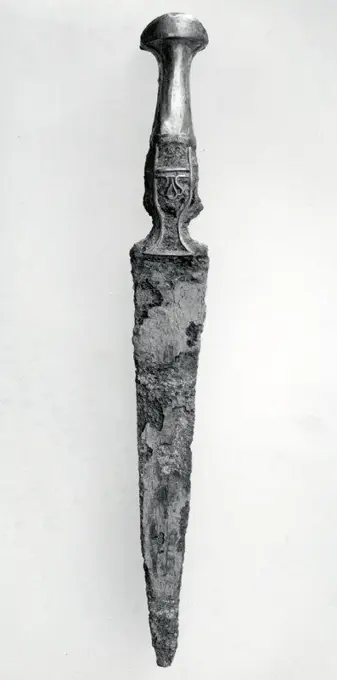
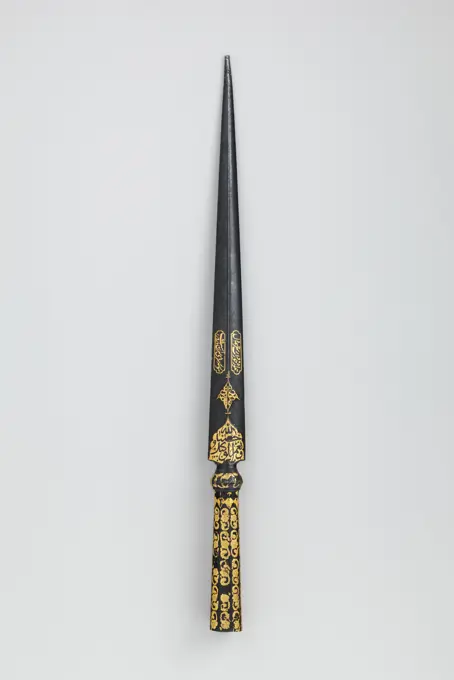
Dagger ca. 10th-9th century B.C. Iran. Dagger 325067
4443-20294924
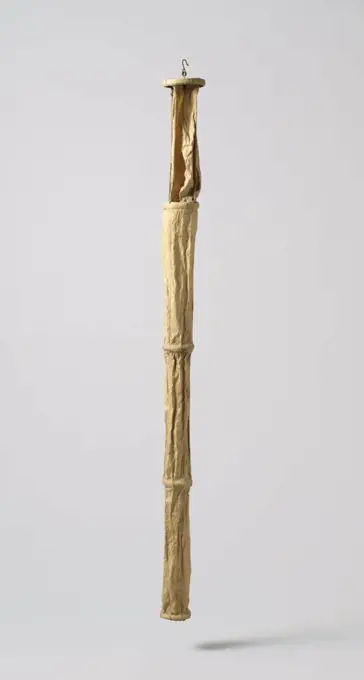
Model of a cooling sail, F.W.J. Meijer, c. 1850 - c. 1870
6145-29192998
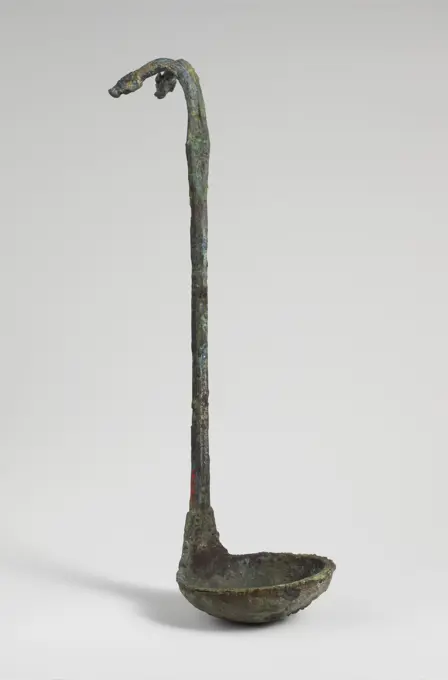
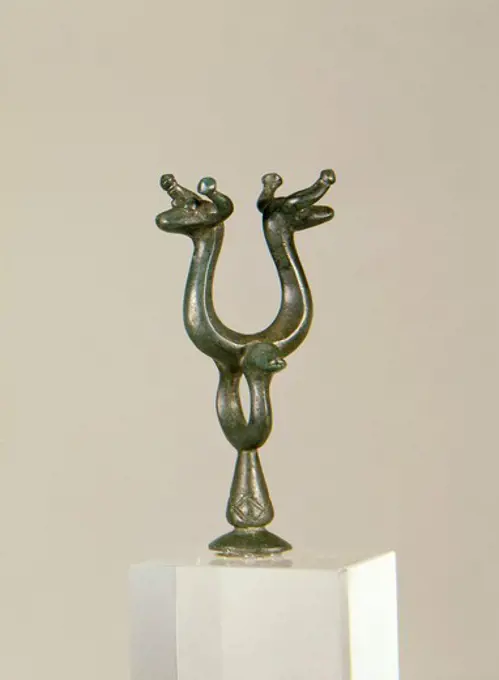
Bronze kyathos (ladle) with animal-head terminals late 5th century B.C. Etruscan Upper end of handle bifurcated, each part terminating in animal head.. Bronze kyathos (ladle) with animal-head terminals 248074
6145-29267102
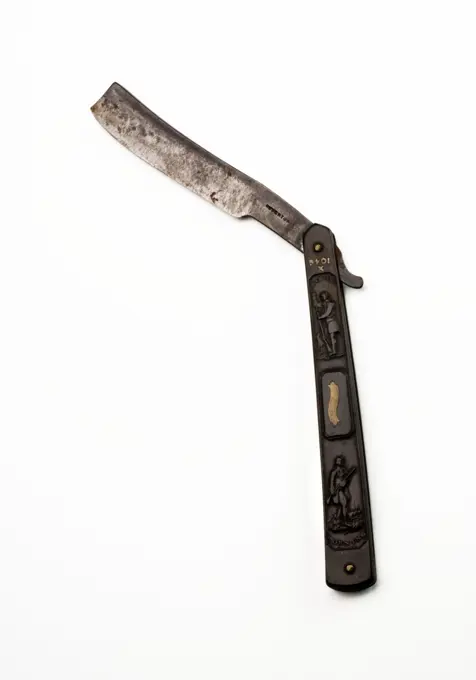
Lord Nelson's razor, made of horn and steel.
6145-45372039
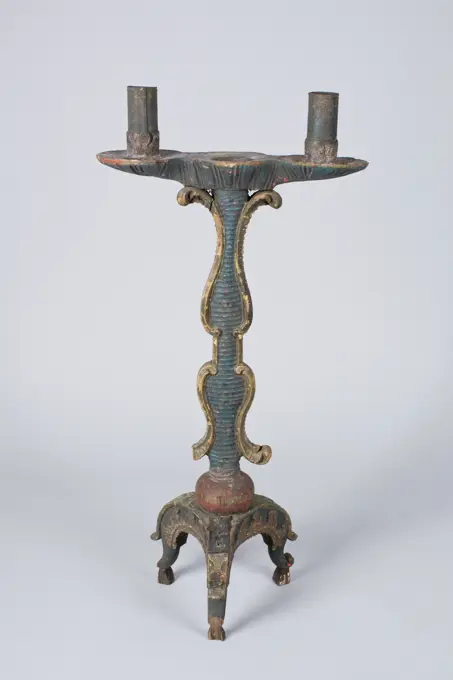
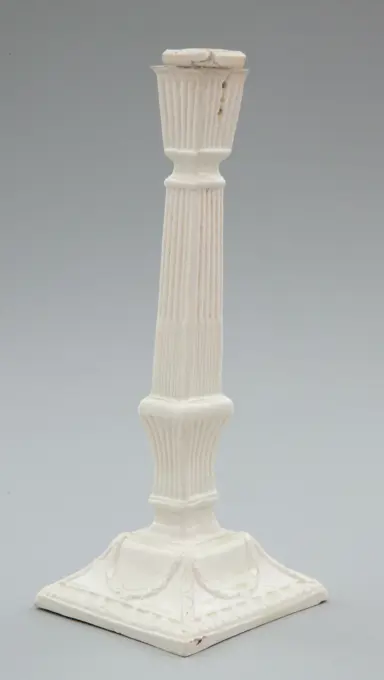
Candlestick
1899-45330
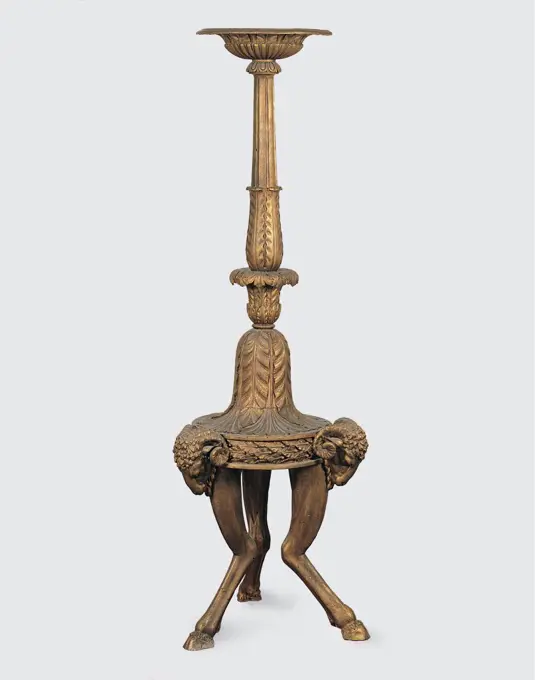
Candelabrum, by Florence workmanship, 1815, 19th Century, . Italy: Tuscany: Florence: Gallery of Modern Art. Whole artwork. Candelabrum legs animal-shaped props heads rams grooves gilt
6145-29765702
Dagger ca. late 2nd millennium B.C. Iran. Dagger 325555
6145-29064587
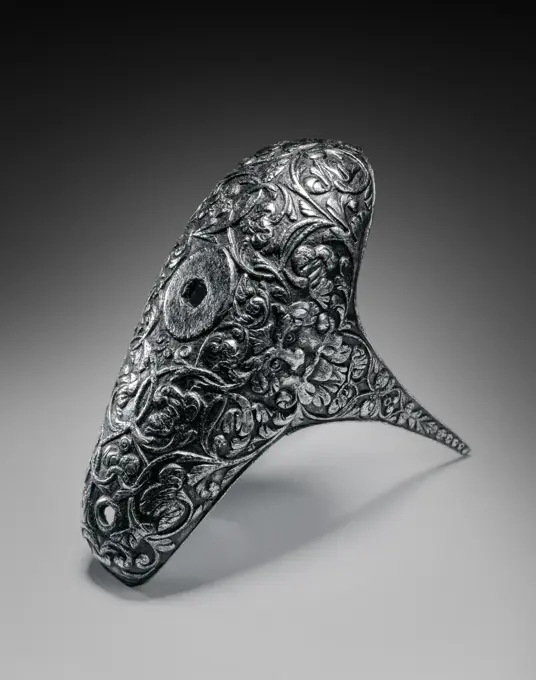
Carbine Hanger, 1600s. Italy, 17th century. Steel; overall: 18.5 x 7.1 cm (7 5/16 x 2 13/16 in.).
6145-29707449
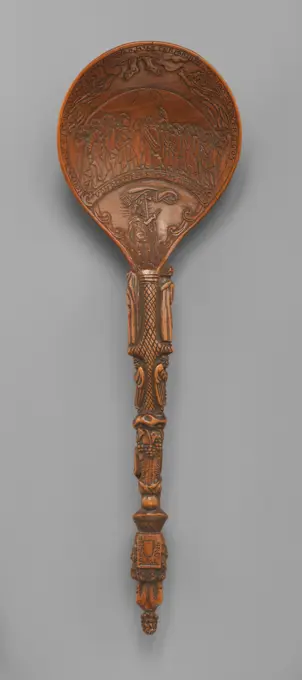
Scenes of the Passion 1681 German. Scenes of the Passion. German. 1681. Boxwood. Sculpture-Miniature
4409-17418507
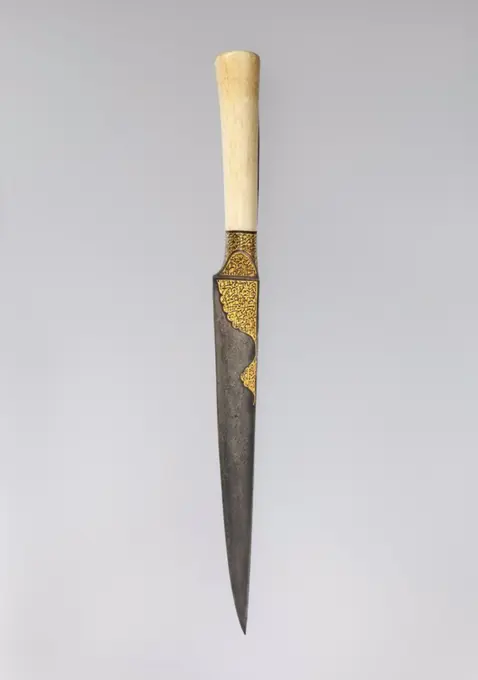
Knife with an Ivory Handle and Qur'anic Inscriptions. Dimensions: L. 14 1/16 in. (35.7 cm)W. 1 1/4 in. (3.2 cm). Date: early 19th century.This dagger has been inscribed with Qur'anic passages on the forte of the blade, as well as on the ivory handle. The inclusion of holy words on this object imbues it with talismanic properties, believed to offer protection and ward off evil. The most efficacious talismanic objects are those that are inscribed with prayers that evoke the name of God, the Prophet Muhammad and his companions."Damascus" or "Watered" steel refers to blades like this one that have been given a wavy or "watered" pattern, created by specific smelting and crucible techniques, prior to forging. In Western Europe such blades were believed to originate from Damascus, though this technique was practiced in the Islamic Middle East at least since the Middle Ages. This 19th century example illustrates how even in the later period of Islamic art these artistic traditions remain po
4409-17393473
Arrowhead for an Incendiary Arrow. Culture: Roman. Dimensions: L. 7 1/2 in. (19.1 cm).. Date: 2nd century. Museum: Metropolitan Museum of Art, New York, USA.
4409-17355236
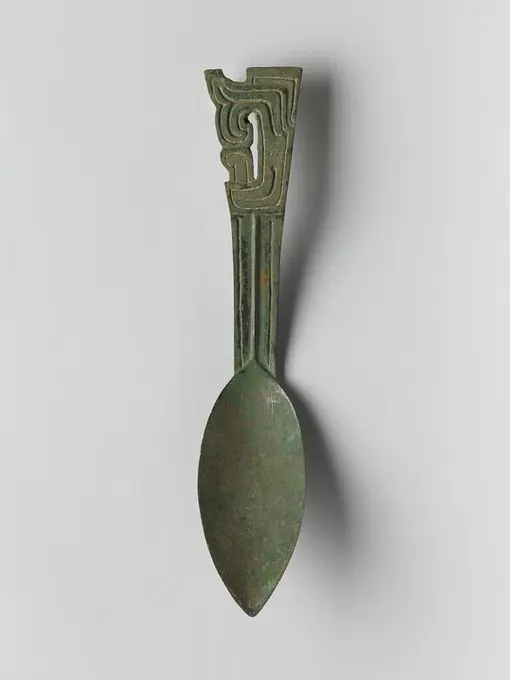
Ritual Spoon (Bi). Culture: China. Dimensions: W. 2 1/2 in. (6.4 cm); L. 12 3/4 in. (32.4 cm); Wt. 1 lb. (0.5 kg). Museum: Metropolitan Museum of Art, New York, USA.
6145-48513938
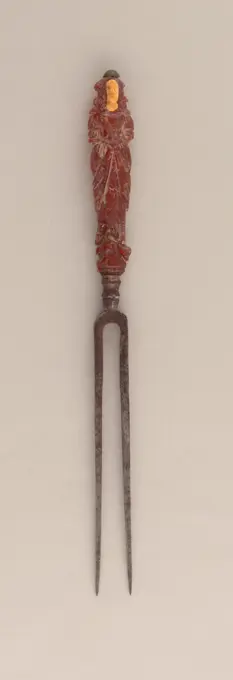
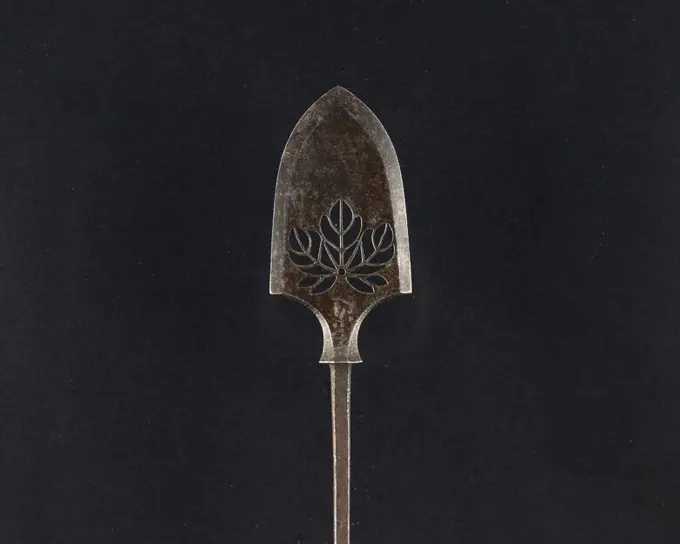
Fork; amber, bone amber, steel; L x W: 17.7 x 1.3 cm (6 15/16 x 1/2 in.); The Robert L. Metzenberg Collection, gift of Eleanor L. Metzenberg; 1985-103-123
6145-46462460
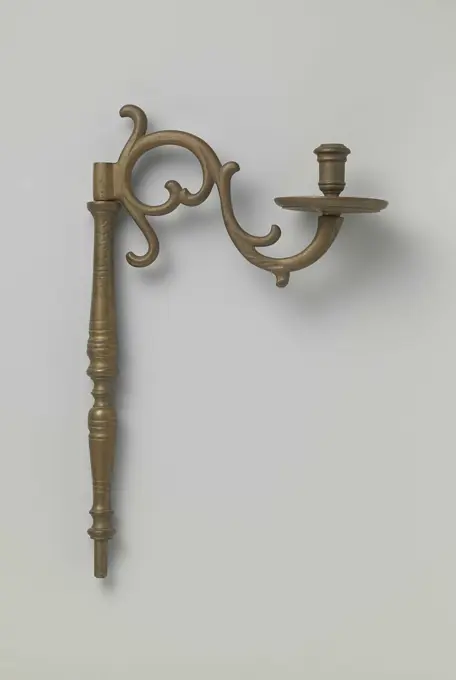
Candle holder. Baluster with a rotatable arm and a candle holder, from brass.
6145-43596172
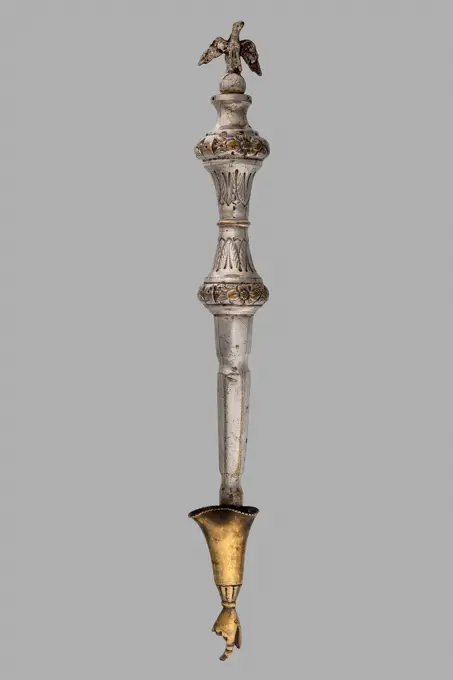
Yad - Torah pointer. unknown, contractor
6145-29800640
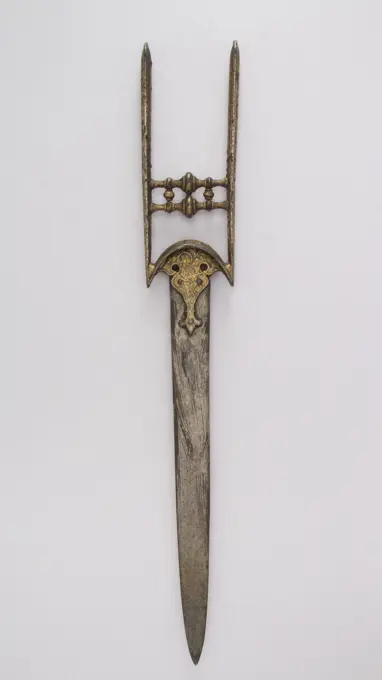
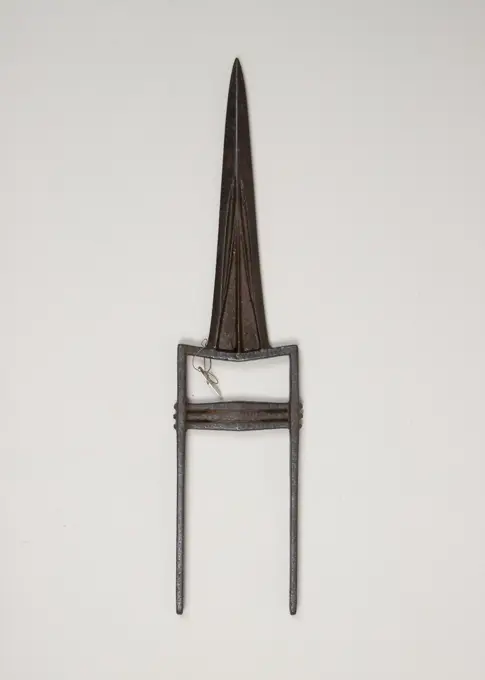
Dagger (Katar) late 18th-19th century Indian; blade, European. Dagger (Katar). Indian; blade, European. late 18th-19th century. Steel, silver, gold. Daggers
6145-29730482
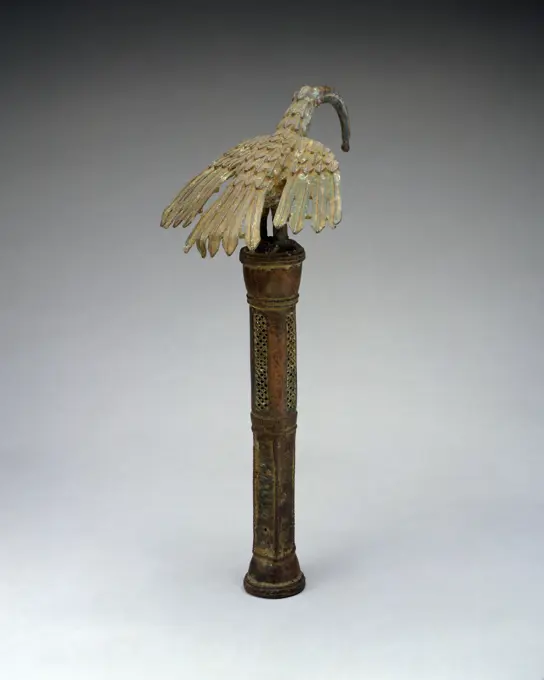
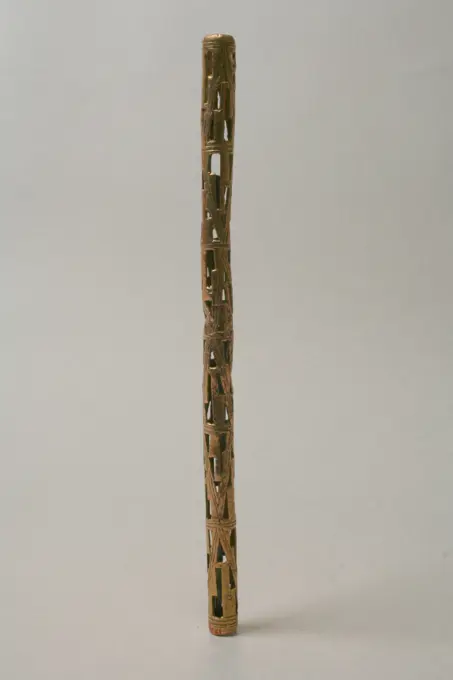
Idiophone: Bird of Prophecy (ahianmwen-oro) 16th-19th century Edo peoples At its origins, the centralized city-state of Benin was founded by Edo-speaking peoples. The accounts by official court historians and descriptions provided by visitors evoke a vibrant cultural center continually redefined by its leadership through shifting internal and external power dynamics. According to oral tradition, circa 1300, Edo chiefs are reputed to have reached out to the leader of neighboring Ife, Oranmiyan, to establish a new divinely sanctioned royal dynasty. Since then, the investiture of Benins rulers to the title of obas has conferred upon them at once a role of chief priest officiating in important religious ceremonies and presiding over an elaborate structure of palace officials. During the fifteenth century reign of Oba Ewuare, Benins armies were formed and the fortification of its capital with a massive wall undertaken. In parallel, delegations of Portuguese traders assiduously sought to s
6145-50496193
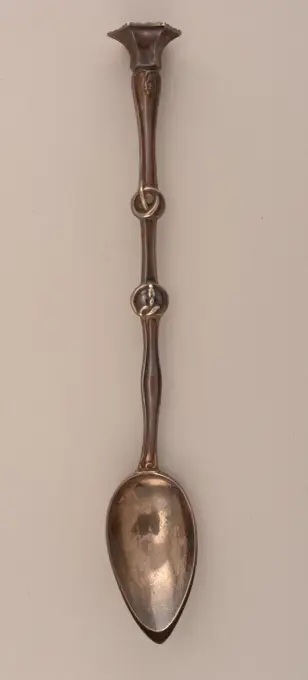
Spoon (France); Made by Phillipe Berthier; silver; L x W x D: 18.4 x 2.8 x 2.1 cm (7 1/4 x 1 1/8 x 13/16 in.)
4409-17419612
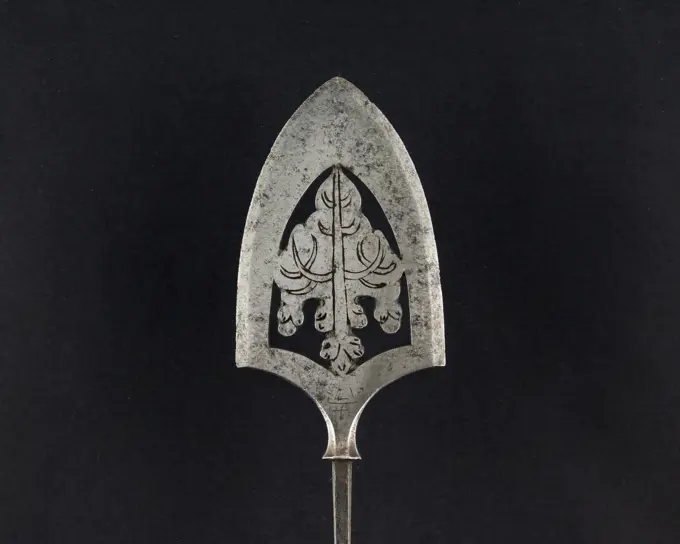
Arrowhead (Yanone). Culture: Japanese. Dimensions: L. 11 1/4 in. (28.6 cm); L. of head 2 3/4 in. (7 cm); W. 1 3/8 in. (3.5 cm); Wt. 1.3 oz. (36.9 g). Date: 18th century. Museum: Metropolitan Museum of Art, New York, USA.
6145-46812442
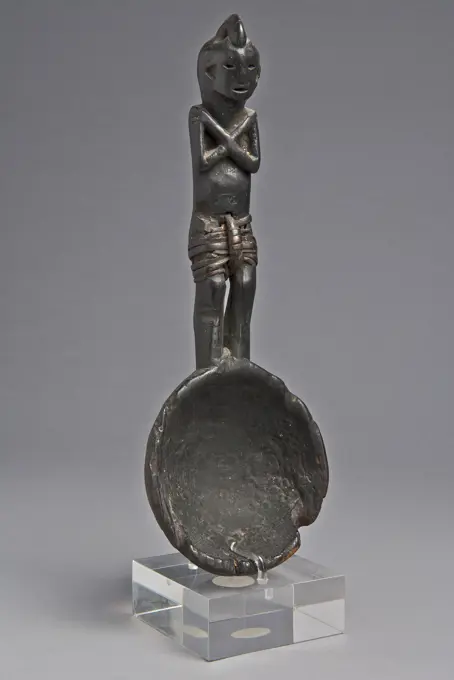
Ladle
6145-29746970
Dagger (Katar) 18th-19th century Indian. Dagger (Katar). Indian. 18th-19th century. Cast iron. Daggers
6145-58861732
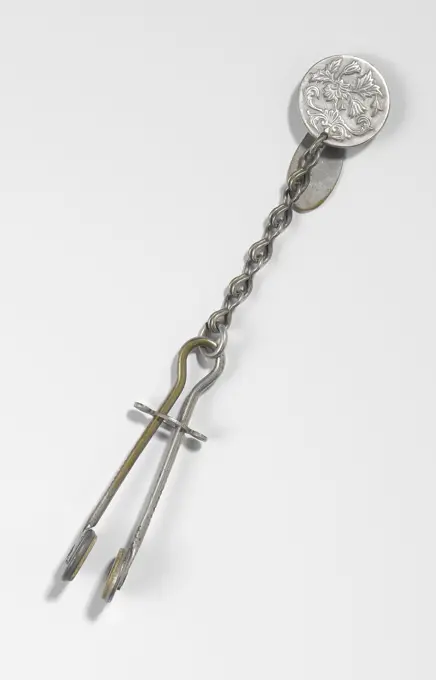
Snacked copper copper with unadorned hook for the waist and round clamp, decorated with a flower pattern, anonymous, c. 1875 - c. 1910 Metal skirt holder with a round plate on the waist hook with a floral motif. A hook that is clamped over the waistband, on which a coarse necklace and a long clamp. At the bottom two round plates, which are finished with rubber on the inside. The round clamp is decorated with a flower pattern. Netherlands (possibly) Completely: Metal. Clamp: rubber (Material) forging / gluing Metal skirt holder with a round plate on the waist hook with a floral motif. A hook that is clamped over the waistband, on which a coarse necklace and a long clamp. At the bottom two round plates, which are finished with rubber on the inside. The round clamp is decorated with a flower pattern. Netherlands (possibly) Completely: Metal. Clamp: rubber (Material) forging / gluing
6145-29185788
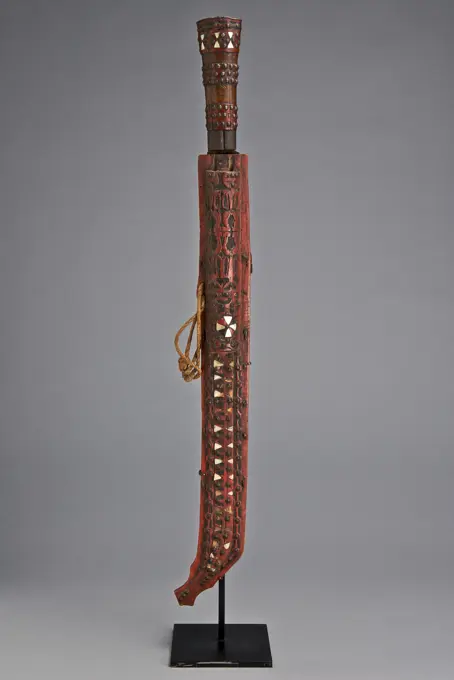
Sword with Scabbard 18th-19th century Indonesian, Gorontalo. Sword with Scabbard 31218
6145-29729818
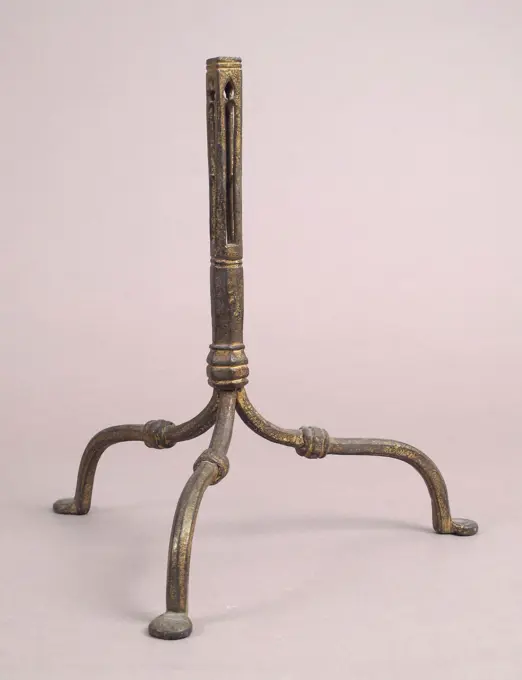
Tripod 15th century Italian. Tripod 464698 Italian, Tripod, 15th century, iron and gilt, Overall: 12 15/16 x 12 3/8 in. (32.8 x 31.4 cm). The Metropolitan Museum of Art, New York. Gift of J. Pierpont Morgan, 1917 (17.190.855b)
6145-29139111
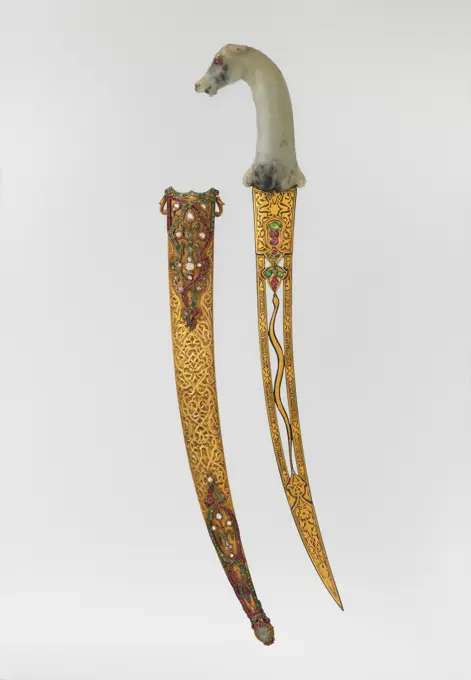
Dagger with Sheath Hilt, 17th-18th century; blade and sheath, 19th century Hilt, Indian, Mughal; blade and sheath, Turkish, Ottoman The inscription on the blade includes the names of the owner and the maker and the date, A.H. 1151 (A.D. 1689-90).. Dagger with Sheath 22872
6145-54681771
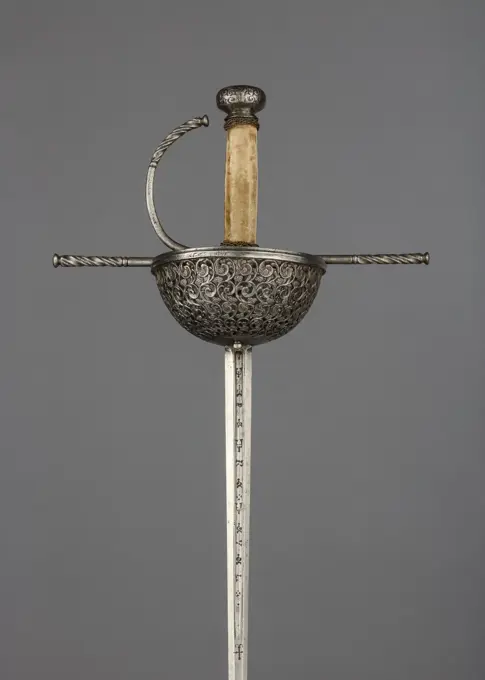
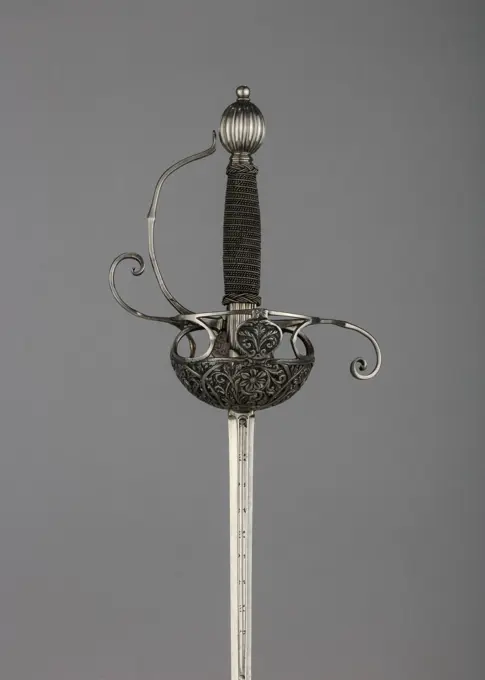
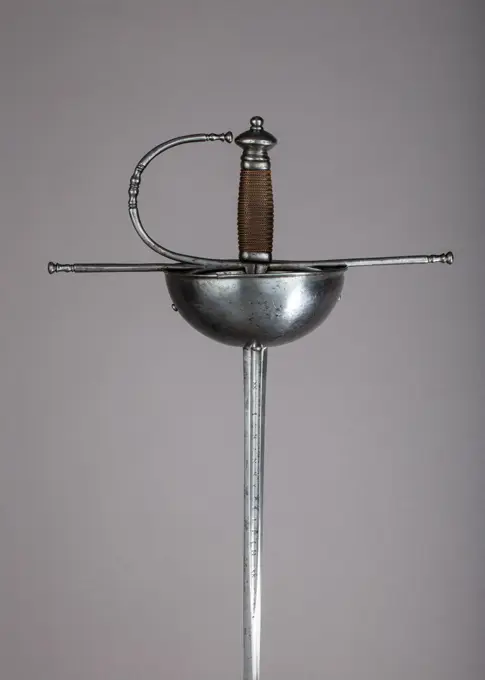
Cup-Hilted Rapier Sword maker Pedro de Velmonte Spanish ca. 1650 The rapier was the principal civilian sidearm throughout the sixteenth and seventeenth centuries. Designed for cut-and-thrust fencing of progressively complex techniques, the rapier is characterized by a double-edged blade with an acute point and an elaborate guard for the hand. The guards, usually of iron or steel, were subject to a variety of embellishment. They were engraved, chiseled, gilded, damascened, and encrusted in gold and silver in keeping with fashionable styles. Unless otherwise noted, the materials, attributions, and dating given here refer to the hilts. Rapier blades, invariably of steel, bear a variety of makers marks denoting their origin in the two principal centers of blademaking, Toledo in Spain and Solingen in Germany. View more. Cup-Hilted Rapier. Spanish. ca. 1650. Steel, velvet, copper alloy wire. Swords
4409-17415048
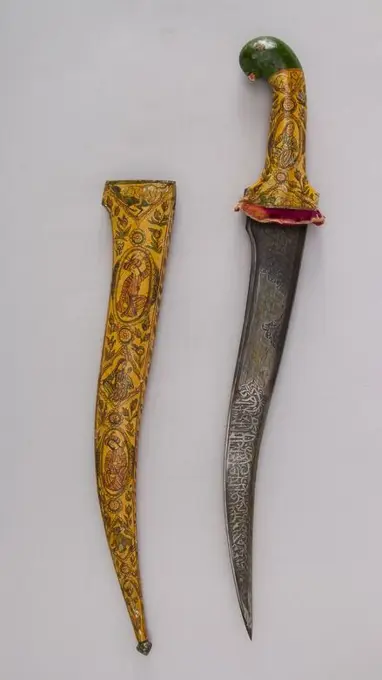
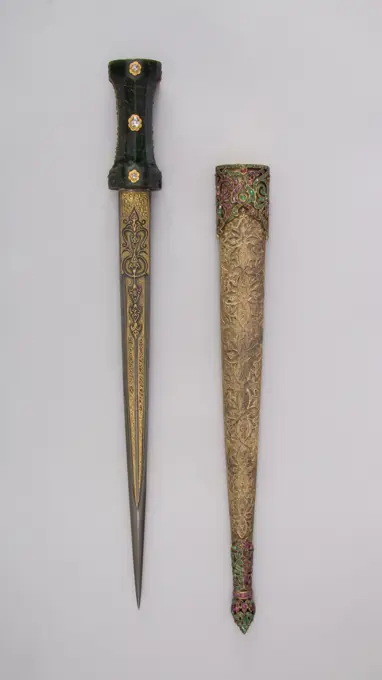
Dagger with Sheath. Culture: Persian, Qajar. Dimensions: H. with sheath 18 3/8 in. (46.7 cm); H. without sheath 18 1/4 in. (46.4 cm); H. of blade 13 in. (33 cm); W. 5/16 in. (0.8 cm); D. 1 3/16 in. (3 cm); Wt. 15.2 oz. (430.9 g); Wt. of sheath 9.9 oz. (280.7 g). Date: 19th century. Museum: Metropolitan Museum of Art, New York, USA.
4409-17403751
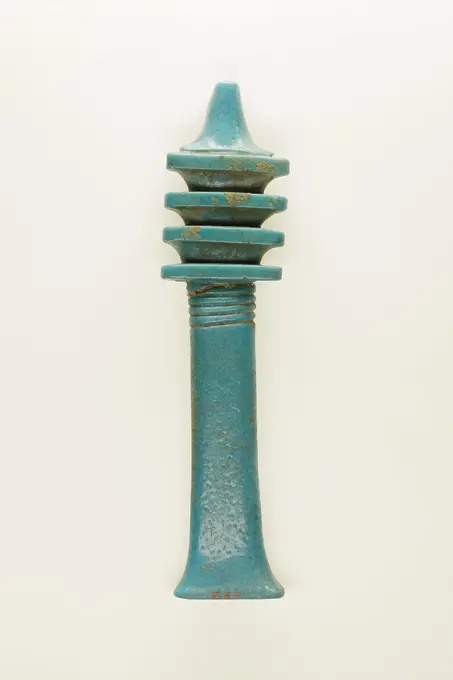
Djed Pillar Amulet. Dimensions: H. 11.1 × W. 2.8 × D. 1.3 cm (4 3/8 × 1 1/8 × 1/2 in.). Dynasty: Dynasty 26-30. Date: 664-30 B.C..The djed-pillar is a stylized representation of an early fetish that probably consisted of plant material. From the beginning of ancient Egyptian history it was used as a symbol signifying permanence. From the New Kingdom on it was associated with the god Osiris and identified as his backbone. The djed-pillar here was used as funerary amulet to ensure permanence and to closely connect the deceased to Osiris, a god who was revived after death. Museum: Metropolitan Museum of Art, New York, USA.
6145-29797552
Handle 10th-16th century Muisca (). Handle 310514
4409-17499510
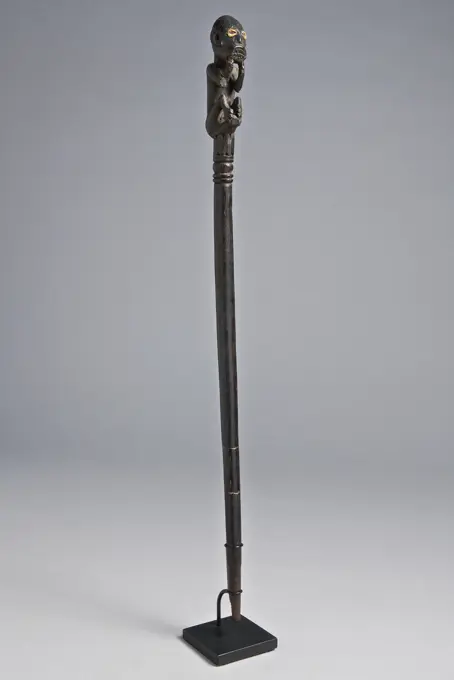
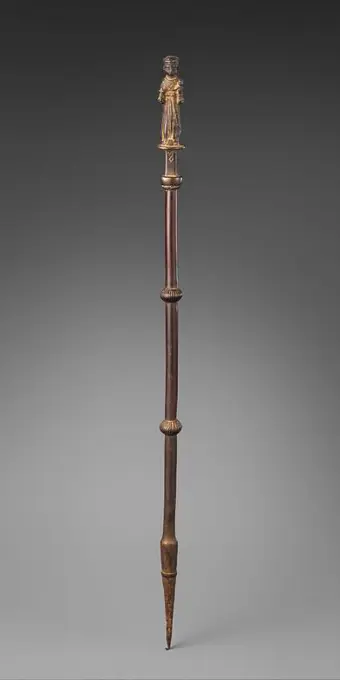
Prestige Staff: Saint Anthony of Padua. Culture: Kongo peoples. Dimensions: H. 41 1/2 in. (105.4 cm), W. 2 3/8 ( 6 cm), D. 2 in. ( 5.1 cm). Date: 19th century.Uniting symbols of Kongo religious and secular power, this prestige staff was used as an insignia of office by a Kongo chief. At its summit is a brass pendant of St. Anthony of Padua, one of the most beloved saints in Kongo Christianity. The figure's attributes confirm his identity: the cross held in his proper right hand, the Christ child balanced on his left hand, and his simple habit. The saint's head is oversized in relation to his body, providing an expansive surface for both his simply molded and detailed incised facial features. The raised oval eyes have horizontal indentations at their centers, the nose is a softly raised triangle, and the lips raise at the corners into a smile. His thick eyebrows gently arch, with vertical lines to delineate each hair. Above, his head is bald except for a ring of hair. Known as a tonsur
6145-29172938
Dagger with Sheath 19th century Turkish. Dagger with Sheath 32933
6145-29854647
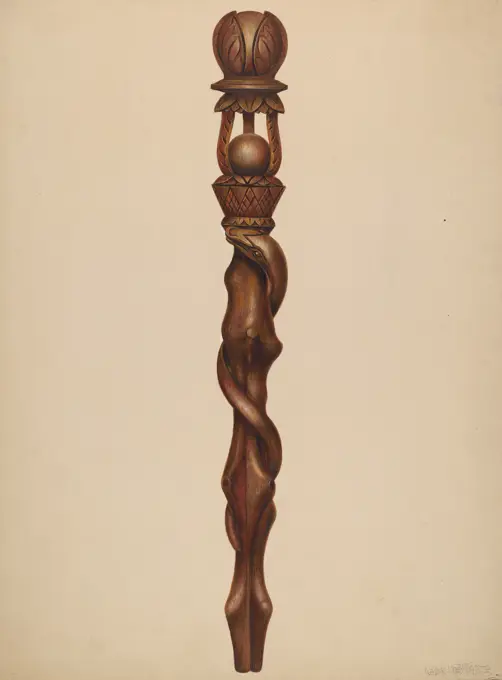
Walter Hochstrasser, Scepter (Lumberjack Carving), c 1938 Scepter (Lumberjack Carving)
4409-17503810
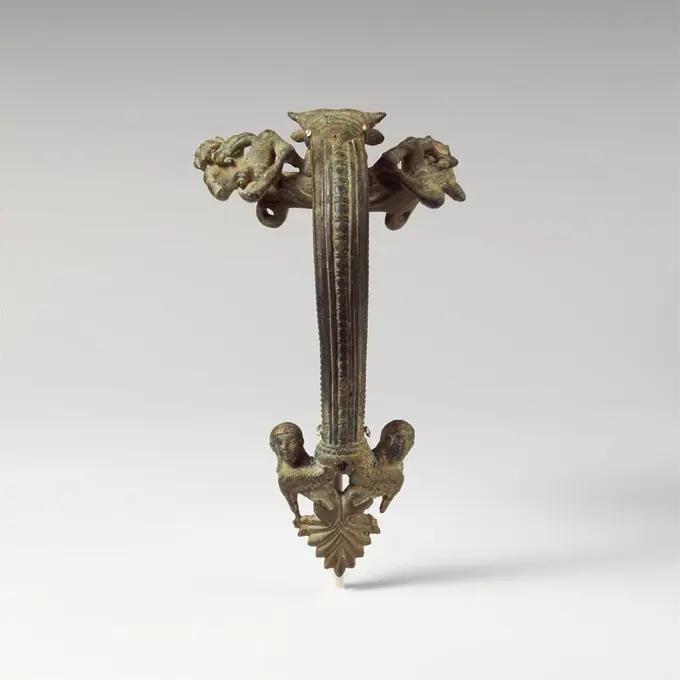
Bronze oinochoe (jug) handle with satyrs flanking a head of Acheloos. Culture: Etruscan. Dimensions: H.: 4 15/16 in. (12.5 cm). Date: late 6th century B.C..Two satyrs flanking the head of Acheloos; below, two sphinxes. Museum: Metropolitan Museum of Art, New York, USA.
4409-17373401
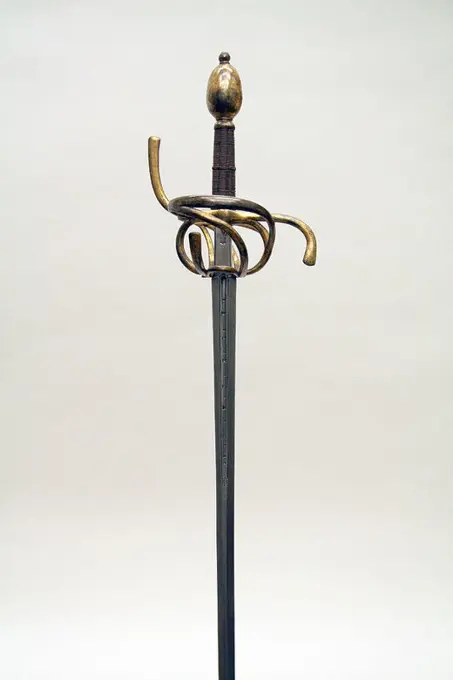
Rapier. Culture: German. Dimensions: L. 46 3/4 in. (118.6 cm); W. 5 1/4 in. (13.3 cm); D. 5 1/2 in. (13.9 cm); Wt. 2 lb. 8 oz. (1134 g). Date: ca. 1600-1620. Museum: Metropolitan Museum of Art, New York, USA.
6145-29086569
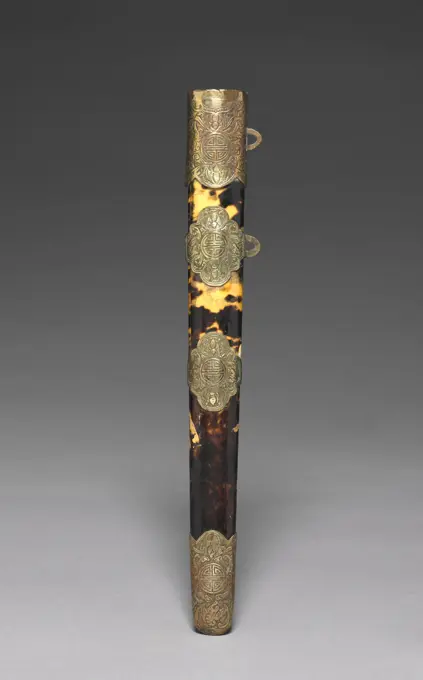
Scabbard, 1800s. Korea, Joseon dynasty (1392-1910). Metal and tortoiseshell; overall: 42.5 cm (16 3/4 in.).
1788-18703
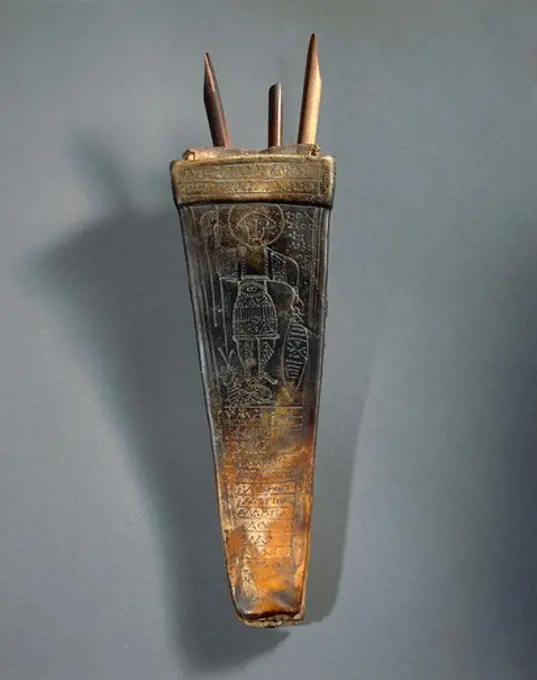
Leather case used by scribes, depicting Saint Philotheus killing the snake, from Antinoe, Syria
6145-52528571
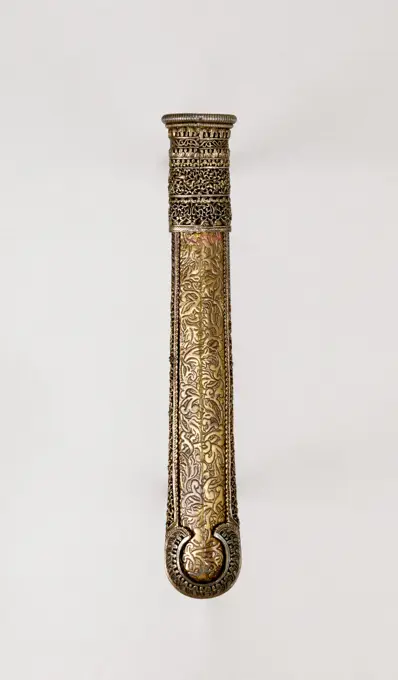
Scabbard for Dagger, c. 1750. Northeast India. Brass with gilt grip; overall: 37.2 cm (14 5/8 in.); blade: 23.6 cm (9 5/16 in.).
4409-17370445
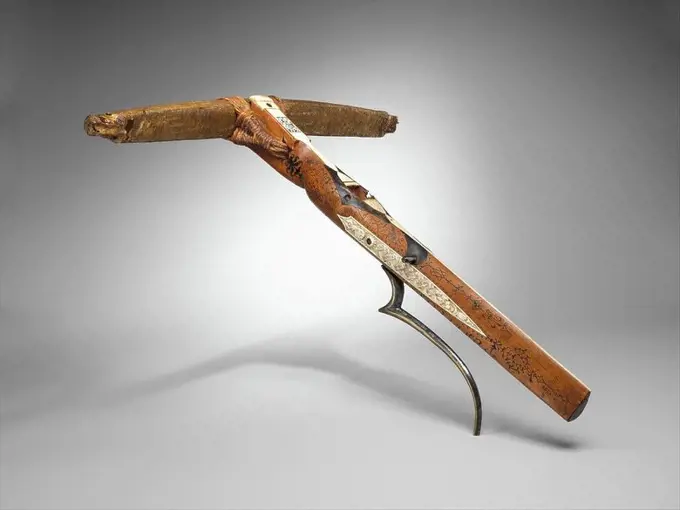
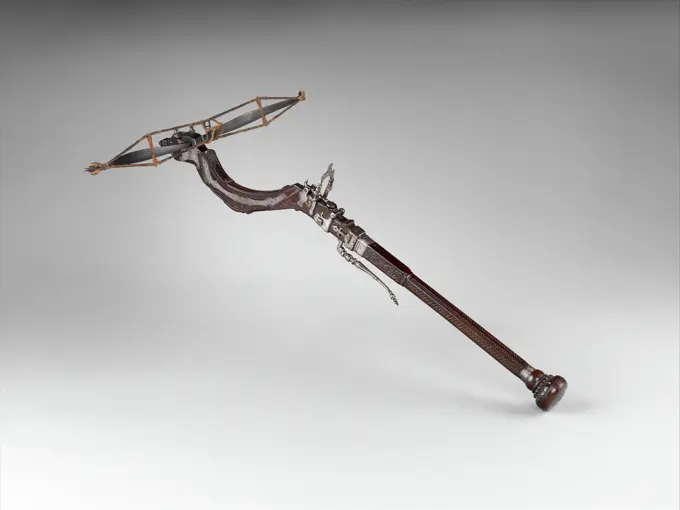
Crossbow of Count Ulrich V of Württemberg (1413-1480). Culture: German, probably Stuttgart. Dimensions: L. 28 1/16 in. (71.2 cm); W. 25 5/8 in. (65 cm); Wt. 6 lb. 9 oz. (2972 g). Maker: Attributed to Heinrich Heid von Winterthur (probably Swiss, active Stuttgart, recorded 1453-1460). Date: dated 1460.Dated 1460 in the carved staghorn decoration, this is the earliest known dated crossbow in existence. The staghorn is inscribed with the coats of arms of Württemberg and Savoy, referring to the owner, Count Ulrich V of Württemberg (1413-1480), and his third wife, Princess Marguerite of Savoy (1420-1479). Above the trigger is a German benediction rendered in Hebrew letters. This is a rare and early instance of Hebraic script on a personal item intended for a Christian patron. It can be translated as "Hold God dear and be high-hearted!" or "Hold God dear, high-hearted one!". Museum: Metropolitan Museum of Art, New York, USA.
4443-28726407
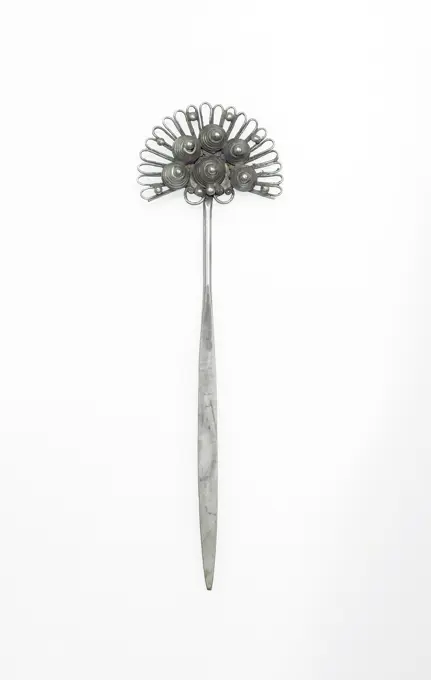
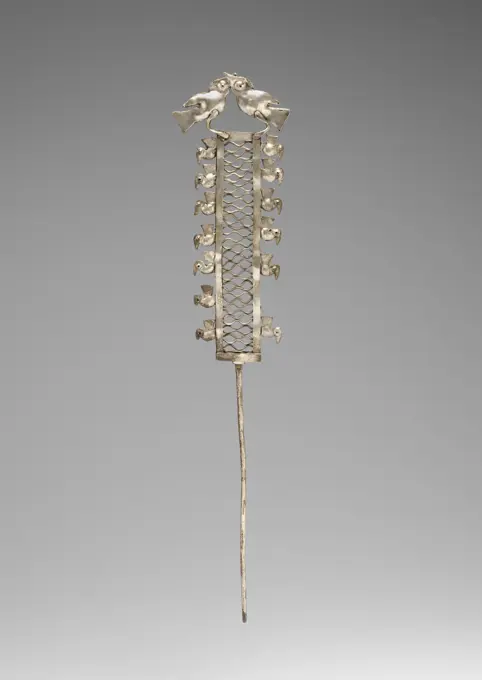
Hair pin, 6 3/4 x 2 x 1/2 in. (17.15 x 5.08 x 1.27 cm), Silver, China
4409-17414576
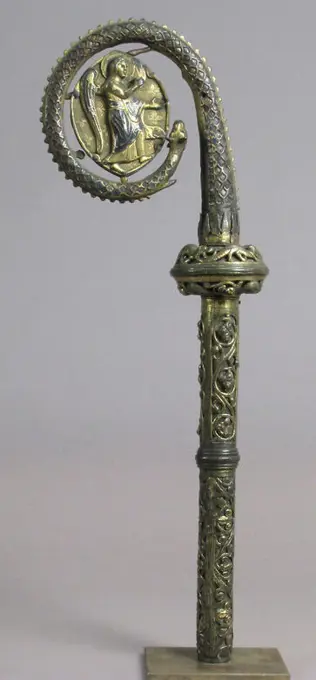
Crozier Head. Culture: French. Dimensions: Overall: 18 15/16 x 6 13/16 x 2 15/16 in. (48.1 x 17.3 x 7.5 cm). Date: 13th century. Museum: Metropolitan Museum of Art, New York, USA.
6145-29707444
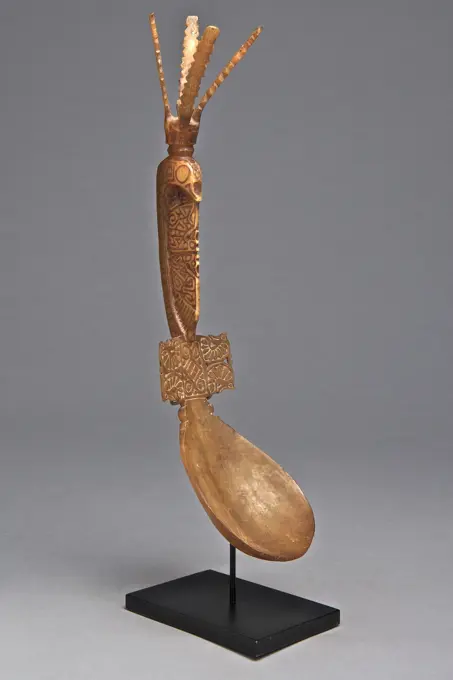
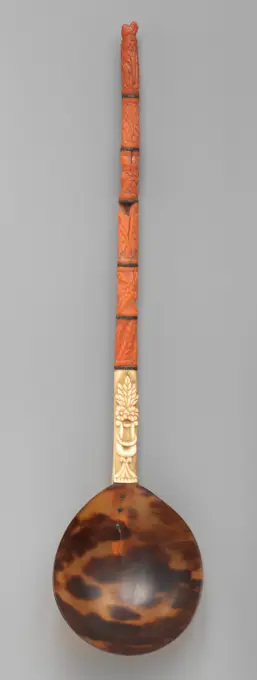
Spoon possibly 18th century Southern Italian or Sicilian. Spoon. Southern Italian or Sicilian. possibly 18th century. Tortoiseshell, ivory, coral, and brass. Natural Substances
4409-17429201
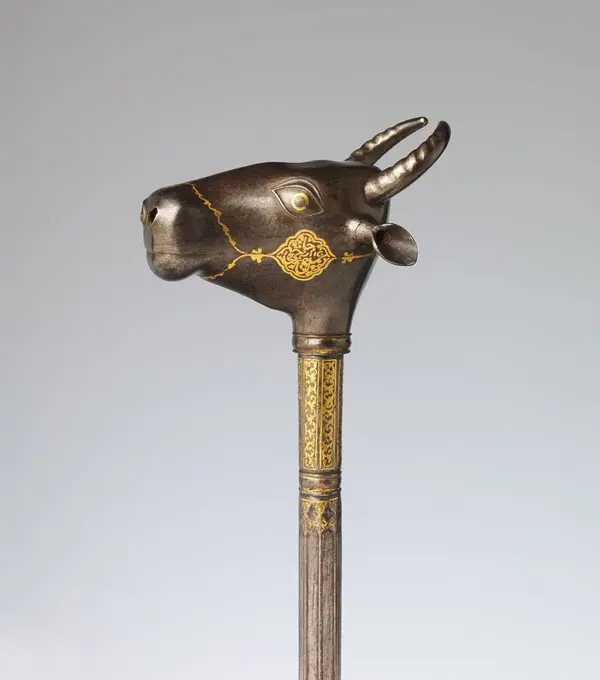
Mace. Culture: Iranian. Dimensions: L. 32 1/2 in. (82.6 cm); Wt. 1 lb. 15 oz. (879 g); head: 4 3/4 x 5 3/4 in. (12 x 14.5 cm). Date: 19th century.The ox-headed mace is associated with the heroes of the Shahnama (Book of Kings), the poet Firdausi's epic of pre-Islamic Iran completed in a.d. 1010. The mace reproduces the hero Bahram Gur's weapon made in memory of the cow that nursed him. An emblem of power and good, it was inherited by other heroes in the epic, notably Feridun and Rustam. This example is representative of the Qajar revival of ancient Iranian imagery. It bears the false signature of a legendary smith, Haji 'Abbas, and the equally spurious date A.H. 951 (A.D. 1544-45). Museum: Metropolitan Museum of Art, New York, USA.
4409-17429230
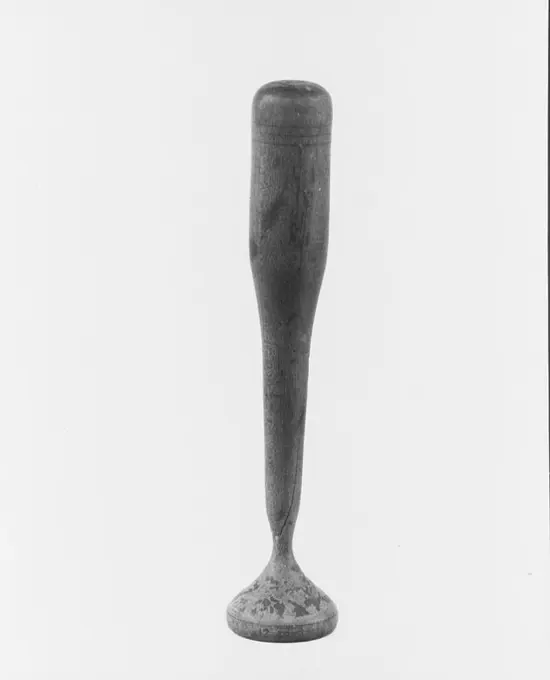
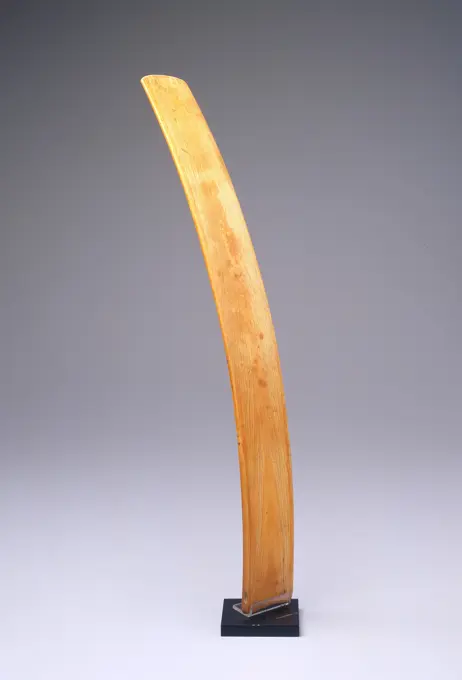
Stick for a Spinning Wheel. Dimensions: H. 7 3/8 in. (18.7 cm). Date: 1700-1800. Museum: Metropolitan Museum of Art, New York, USA.
6145-29091315
Tobacco Pipe, 1800s-early 1900s. Japan, Edo period (1615-1868) to Meiji period (1868-1912). Silver; overall: 25.3 cm (9 15/16 in.).
6145-29060922
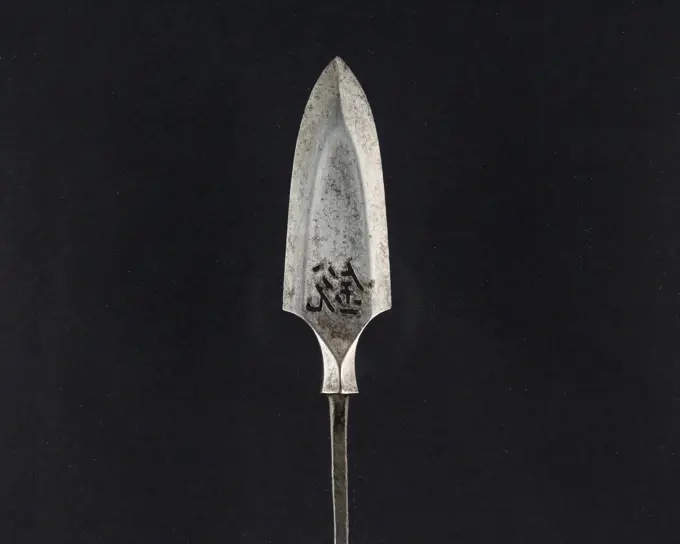
Arrow Point, 1700s. Japan, Edo period (1615-1868). Steel; overall: 22.6 cm (8 7/8 in.); head: 6.6 cm (2 5/8 in.).
6145-52954002
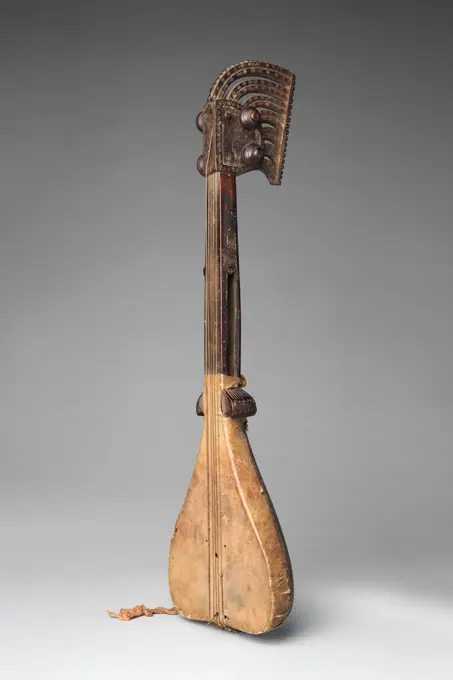
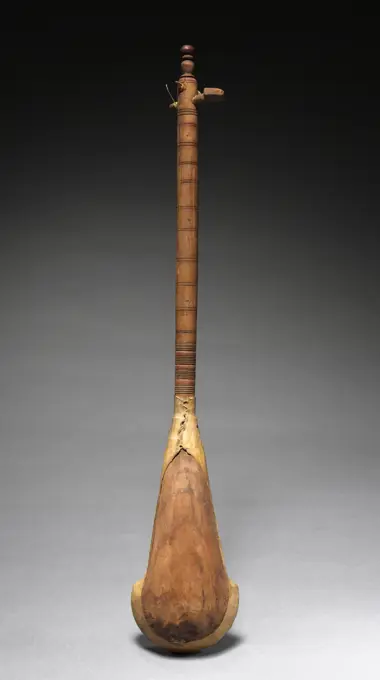
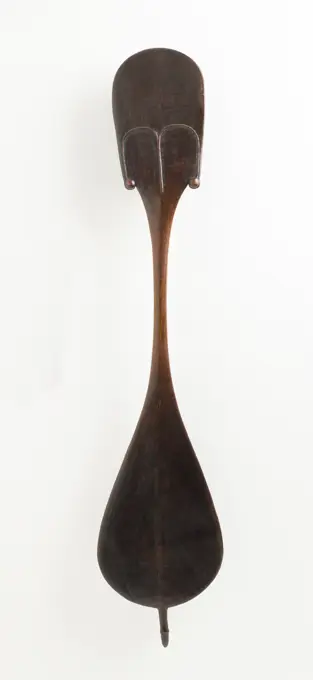
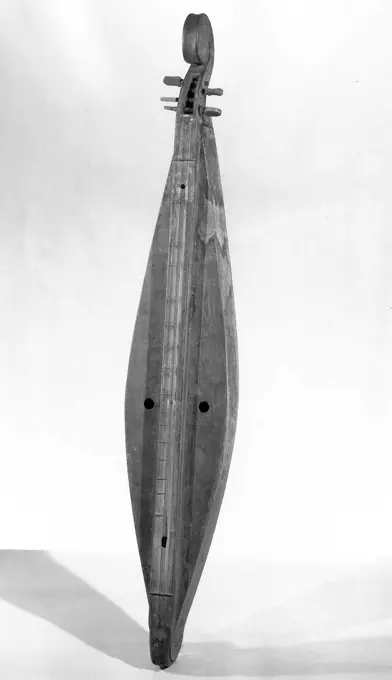
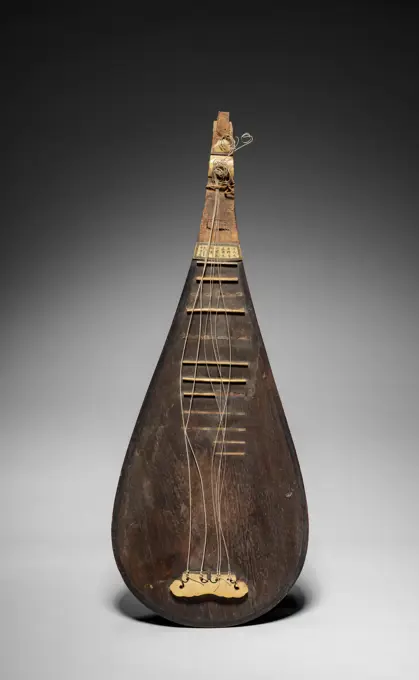
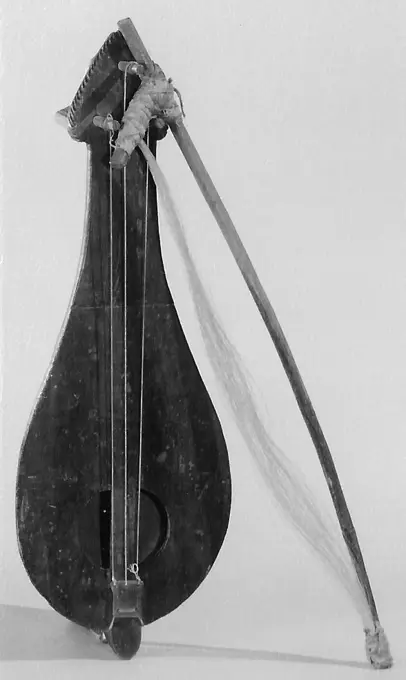
Himalayan Lute (Sgra-Snyan) Himalayan 19th Century View more. Himalayan Lute (Sgra-Snyan). Himalayan. 19th Century. Wood. Musical instruments
6145-29718163
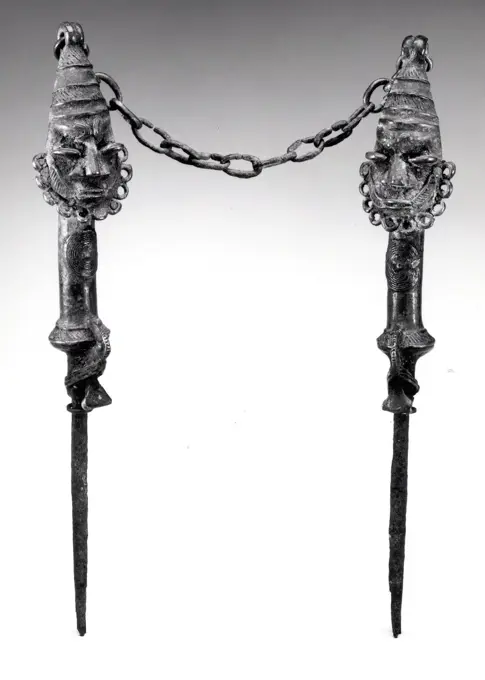
Staffs: Couple (Edan Ogboni) 19th century Yoruba peoples. Staffs: Couple (Edan Ogboni) 316605
6145-58864569
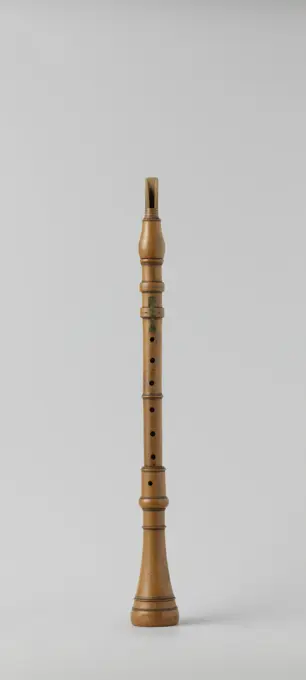
Oboe, Stowasser, c. 1850 - c. 1870 Hobo in 3 parts with twelve nickel keys, probably palmhout. Marked on every part: Stowasser/Budapest in an oval. Marked on the upper and middle part with a crown with a hand above it with a hammer Trade Mark Védjegy. Below the middle part is the song 'Ja213' engraved. The oboe is in a wooden briefcase, which is covered on the outside with leather and on the inside with velvet. The closure is marked with the letters B.R. and G.M. the key is missing. Budapest nickel (metal). boxwood Hobo in 3 parts with twelve nickel keys, probably palmhout. Marked on every part: Stowasser/Budapest in an oval. Marked on the upper and middle part with a crown with a hand above it with a hammer Trade Mark Védjegy. Below the middle part is the song 'Ja213' engraved. The oboe is in a wooden briefcase, which is covered on the outside with leather and on the inside with velvet. The closure is marked with the letters B.R. and G.M. the key is missing. Budapest nickel (metal). b
6145-50498553
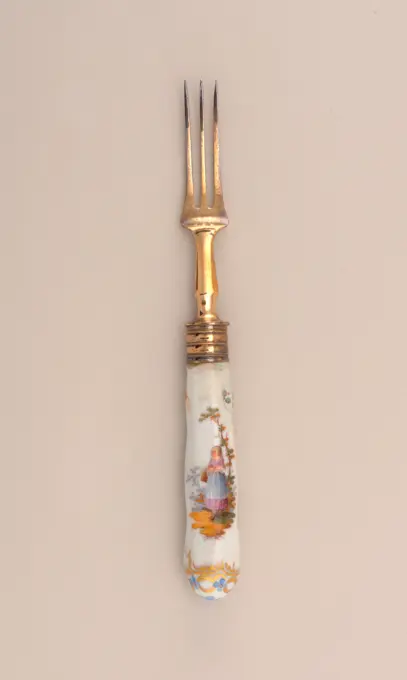
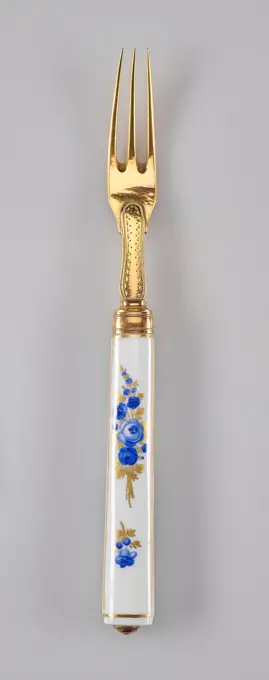
Fork (possibly England); porcelain, gold, metal; L x W: 18.9 x 2 cm (7 7/16 x 13/16 in.); The Robert L. Metzenberg Collection, gift of Eleanor L. Metzenberg; 1985-103-223
6145-29152394
Pin 14th-15th century Chimú or Chancay. Pin 315767
1848-50666048
pepper spices on white background
6145-52959357
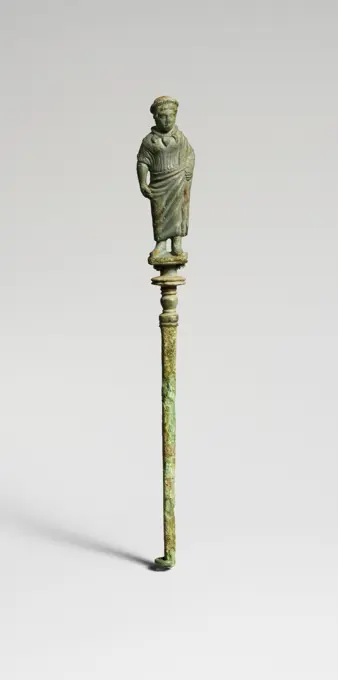
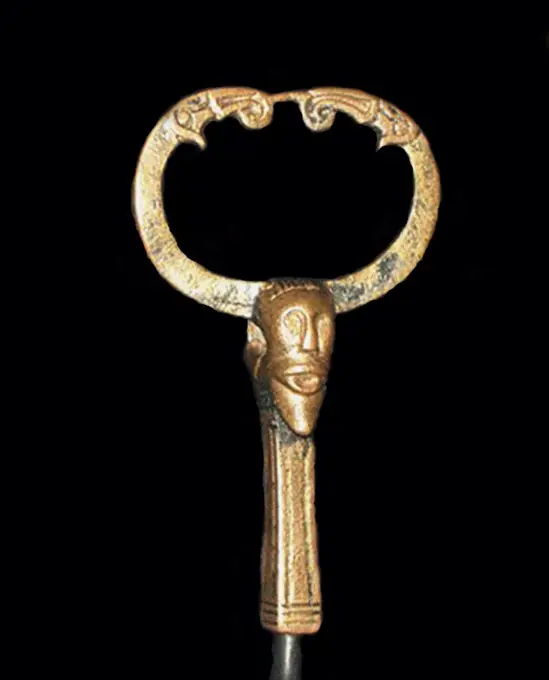
Bronze perfume dipper Etruscan 4th-3rd century BC. The pin is surmounted by a statuette of a woman.
6145-29778709
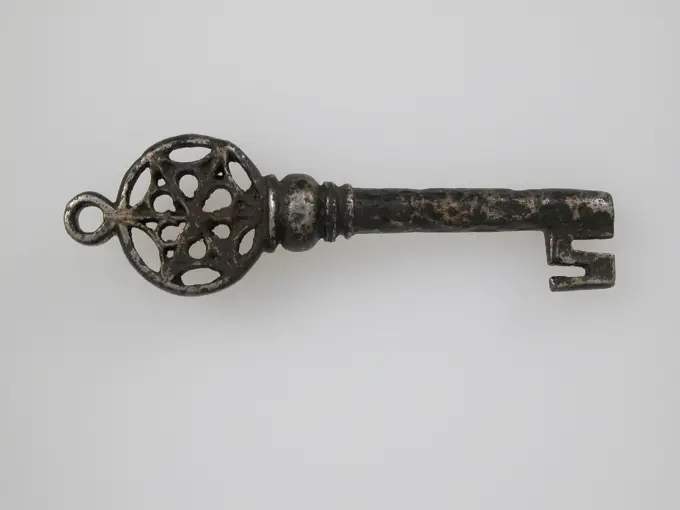
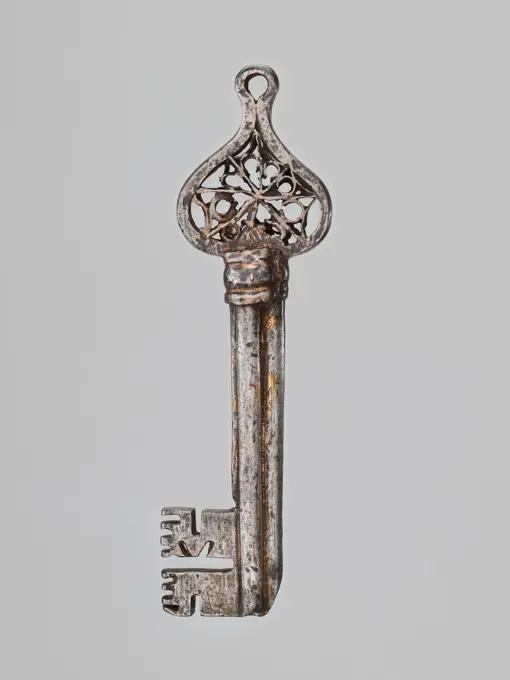
Key 15th century German The decoration of Gothic iron locks and keys was often elaborate and of the highest standard of workmanship. The motifs were frequently drawn from Gothic architecture, reproducing on a miniature scale complicated tracery patterns and even tiny statuettes. A number of these tiny locks were compound, with some of the mechanisms concealed from view, and required two or even three keys used in sequence to open them. It has been suggested that the greatly expanded use of locks on doors, or coffrets and other types of storage chests was a result of the increasing urbanization of life and the new emphasis on material wealth and private ownership which developed in the late Middle Ages.. Key 468838
6145-29707101
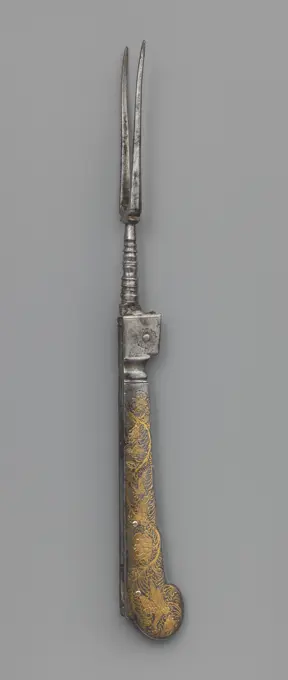
Folding fork early 17th century School of Michael le Blon. Folding fork. Dutch. early 17th century. Steel, iron (), gilded. Metalwork-Steel
4409-17409411
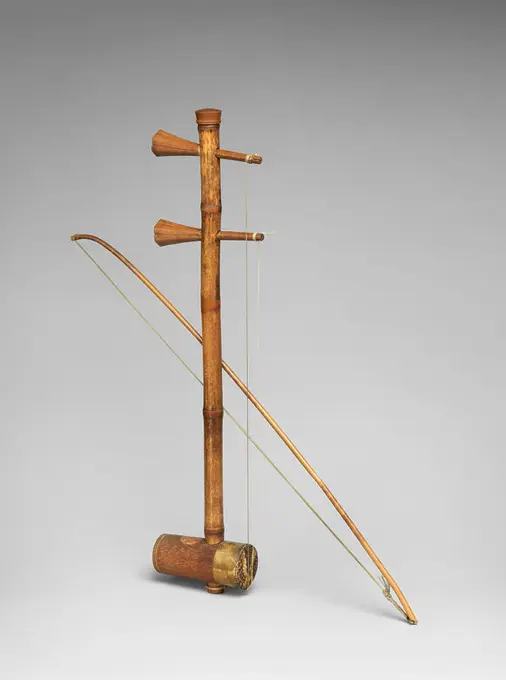
Jinghu (). Culture: Japanese/Chinese. Dimensions: 20 1/2 × 1 7/8 × 5 1/16 in. (52.1 × 4.8 × 12.8 cm)Length (Of bow): 21 15/16 in. (55.8 cm). Maker: Shinsai, "Katsu" Tajima (Japanese, active 1877-1888). Date: 19th century.Synonymous with the Chinese term huqin until the 19th century, this instrument, used to accompany male roles, is the main melodic instrument of the opera. Museum: Metropolitan Museum of Art, New York, USA.
6145-43564024
Mount; 1904-18-12
4409-17471329
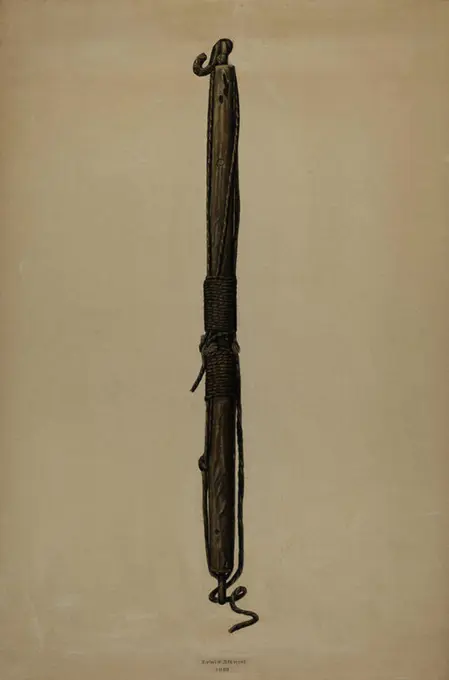
Spreader for Schooner Rigging. Dated: 1939. Dimensions: overall: 41.7 x 27.9 cm (16 7/16 x 11 in.) Original IAD Object: 18" long; 1" in diameter. Medium: watercolor and graphite on paper. Museum: National Gallery of Art, Washington DC. Author: Erwin Stenzel.
1848-57205429
Egyptian dagger, 18. century
6145-50488448
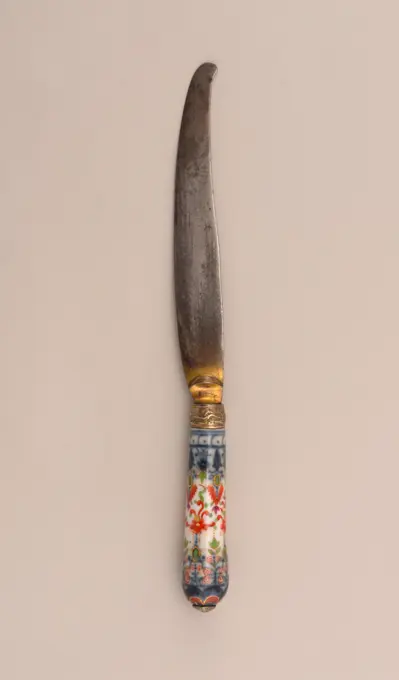
Knife with Porcelain Handle Knife; Manufactured by Meissen Porcelain Manufactory (Germany); Made by Ferner Workshop, Thuringen; Germany; porcelain, vitreous enamel, steel, gold; L x W: 20.8 x 1.8 cm (8 3/16 x 11/16 in.); The Robert L. Metzenberg Collection, gift of Eleanor L. Metzenberg; 1985-103-182
6145-46813086
Sword
6145-29077718
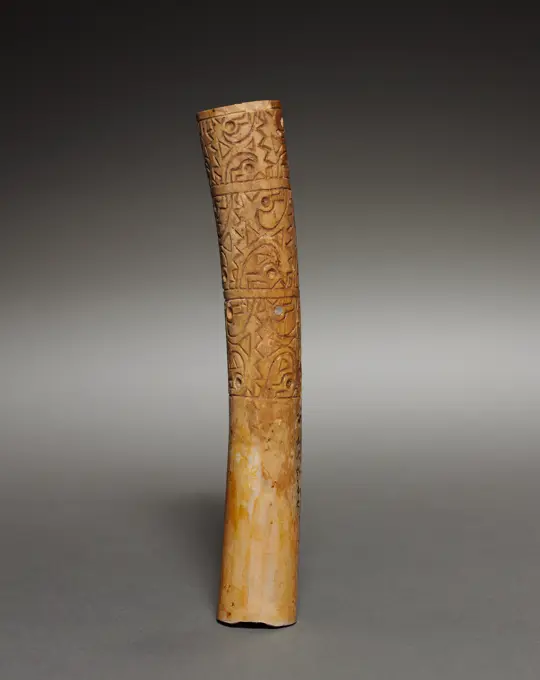
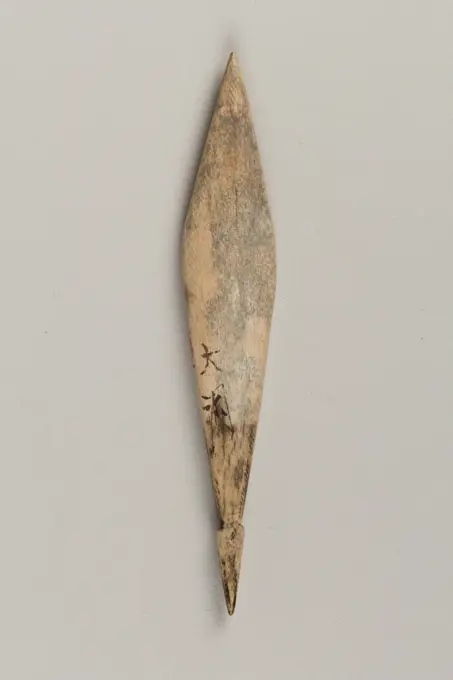
Ear Ornament, 200-550. Peru, Moche, 3rd-6th century. Incised bone; overall: 13 x 2 cm (5 1/8 x 13/16 in.).
6145-30171528
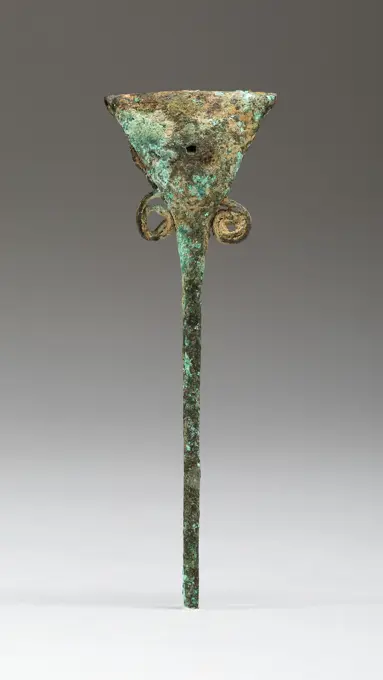
Hair Ornament or Pin with Triangular Head and Rattle 1450-1532 Peru. Bronze . Chimú-Inca
6145-29807132
Spear Head dated A.H. 1001/A.D. 1593-94 Iranian Heads of this type were used on the spears of mounted warriors. The Persian inscription in the two cartouches praises the weapon's prowess: "Constantly it drinks the water from the fountainhead of the heart.". Spear Head. Iranian. dated A.H. 1001/A.D. 1593-94. Steel, gold. Shafted Weapons
1848-53378183
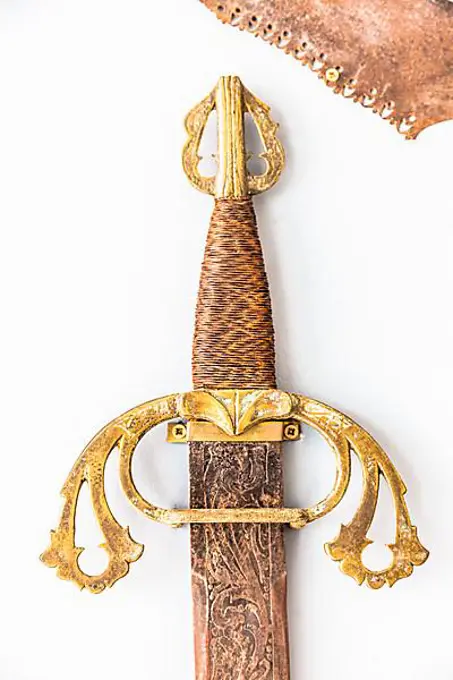
Spanish sword collection detail, sigle XVI
4409-17421857
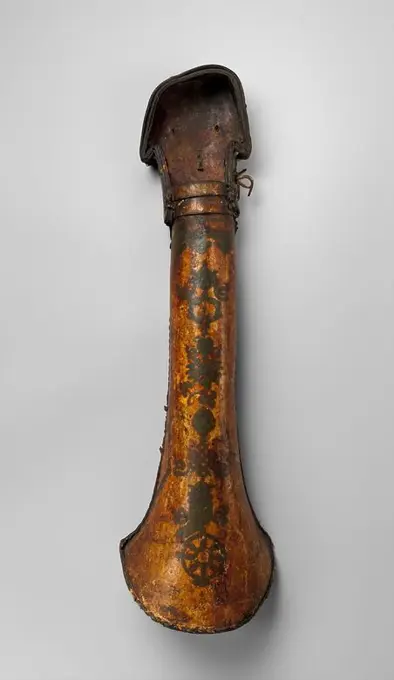
Quiver. Culture: Tibetan or Mongolian. Dimensions: 31 1/4 x 8 3/4 in. (80.6 x 22.2 cm). Date: 14th-16th century.Made to hold arrows, a quiver of this type was suspended from the right side of an archer's belt. Quivers and bow cases, both worn at the waist, were typical for the style of horseback archery practiced in Tibet and most of Asia. All-leather quivers of this early date are extremely rare. This example is decorated down the front with a set of Buddhist designs known as the Eight Auspicious Symbols, comprising the parasol, pair of golden fishes, treasure vase, lotus, right-turning conch shell, endless knot, victory banner, and wheel of Dharma. Museum: Metropolitan Museum of Art, New York, USA.
6145-59093921
Key;  1st half 16th century (1601-00-00-1700-00-00);
6145-45531581
Przeszo Przyszoci unknown
6145-29216598
Arrowhead (Yanone) 18th century Japanese Although today Japanese warriors are renowned most for their swordsmanship, archery, especially from horseback, has been an essential part of samurai warfare and culture for centuries. Arrows were fitted with heads of varying shape according to their intended use in war, the hunt, or target practice. Arrowheads made for use on the battlefield incorporated different designs intended for specialized purposes such as the piercing of armor or to cause maximum damage to horses and unarmored personnel.Large arrowheads, pierced and elaborately chiseled with landscapes, birds, flowers, dragons, and Buddhist divinities, were created to be admired for the beauty of their metalwork and design rather than for use in archery. Such highly elaborate examples may have been made for presentation or as a votive offerings to a shrine.. Arrowhead (Yanone). Japanese. 18th century. Steel. Archery Equipment-Arrowheads
6145-29172880
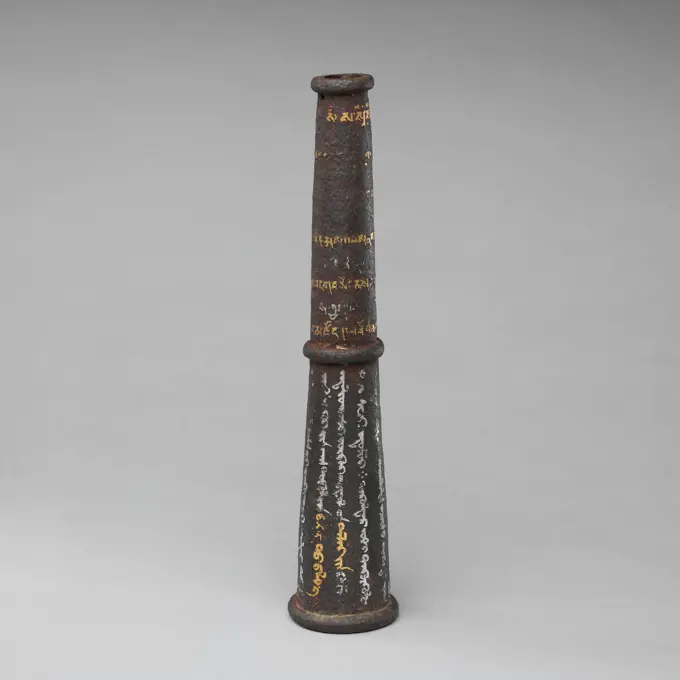
Socket from a Spearhead or a Ceremonial Staff ca. 1607-17 Tibetan or Mongolian This socket appears to be the only known piece of ironwork with a dual language dedicatory inscription in Tibetan and Mongolian. The upper half is encircled by eleven horizontal lines of Tibetan, alternately damascened in gold and silver. The lower half has fourteen vertical lines of Classical Mongolian, mostly in silver, but with certain words highlighted in gold. The inscription is dedicated to Yonten Gyasto (1589-1617), the Fourth Dalai Lama, who was the great grandson of the Mongol ruler Altan Khan. It also identifies the donor as Sodnam Ombu Taiji, one of the most powerful noblement of Inner Mongolia at the time.. Socket from a Spearhead or a Ceremonial Staff 27950
6145-30107300
Clarinet.B clarinet of palm wood with nine valves. Signature: G. Schüster.
6145-29806823
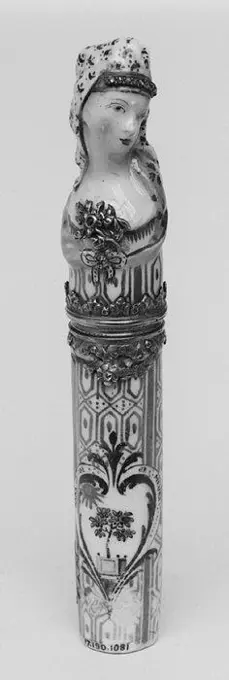
Needle case 18th century Meissen Manufactory German. Needle case 193779
6145-59042327
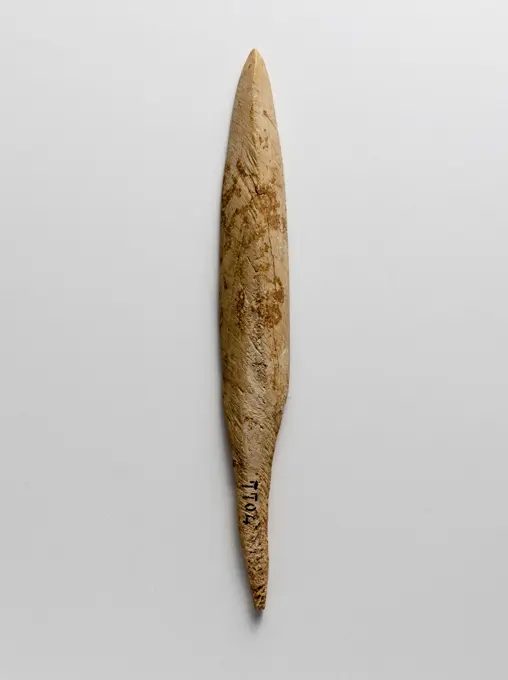
Epingle ". OS. Dynasty of Shang (1765 - 1122 BC), China. Paris, Muse Cernuschi. Epingle Asian art, Chinese art, extreme-East art, Shang Dynasty, Epingle, Prehistoric time, Shang time, bones, prehistory
6145-45527635
FOREIGN OLD
6145-29145828
Tuning key 5th-3rd century B.C. China. Tuning key 61169
6145-30368862
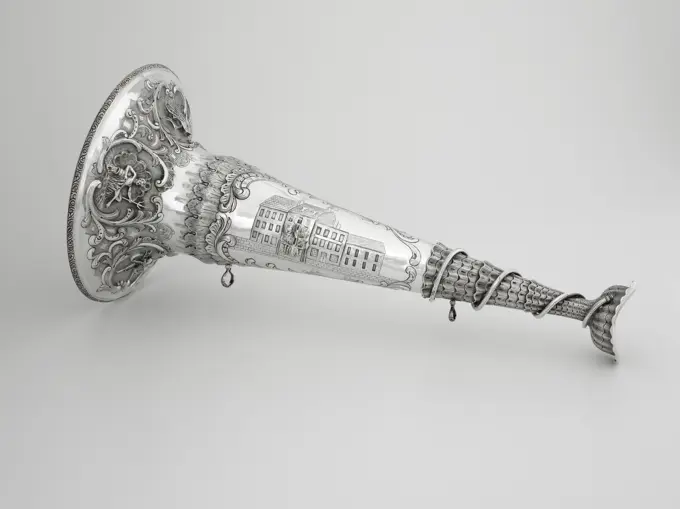
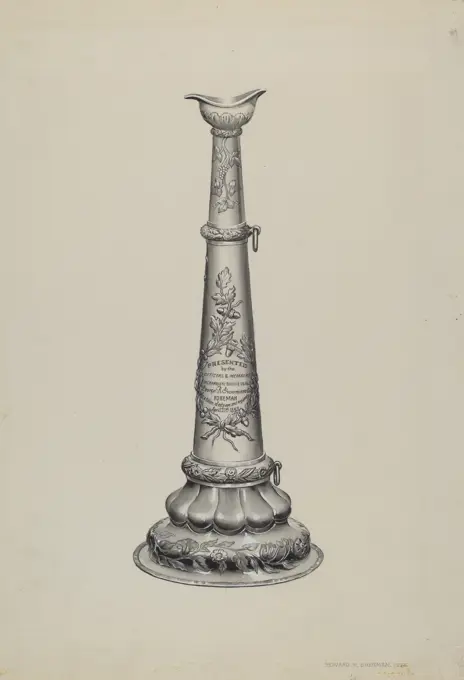
Firemans trumpet. Honorand: James R. Mount, American
6145-30390226
Rattan CuttingKnife
1788-27887
Laces, 18th century. Burano stitch (Punto Burano) lace barbola work.
6145-29880634
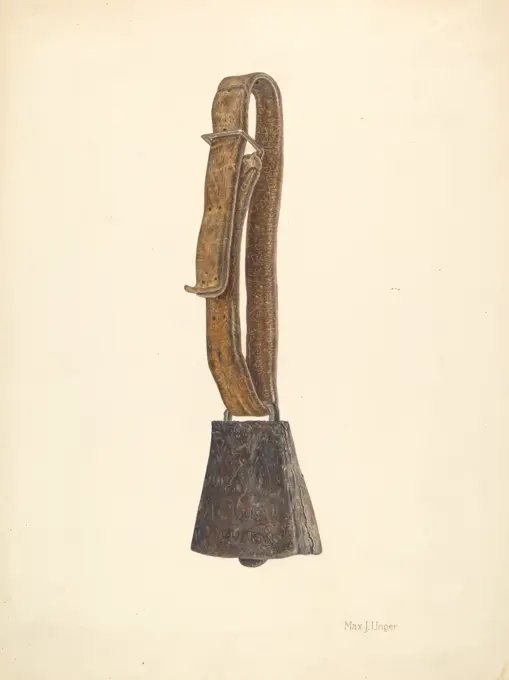
Max Unger, Cow Bell, c 1939 Cow Bell
6145-29163618
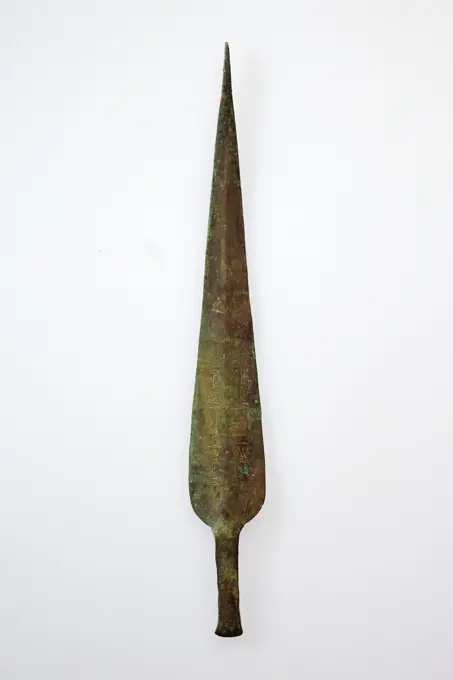
Blade inscribed for the Overseer of Upper Egypt Idi ca. 2100 B.C. First Intermediate Period. Blade inscribed for the Overseer of Upper Egypt Idi 555983
4435-7430
Phallic rython with erotic representations found in the necropolis Les Corts near the roman city, 1st century B.C. Roman art. Republican period. Ceramics. SPAIN. CATALONIA. BARCELONA. Barcelona. Archaeology Museum of Catalonia. Proc: SPAIN. CATALONIA. GERONA. L'Escala. Empœries.
6145-58877865
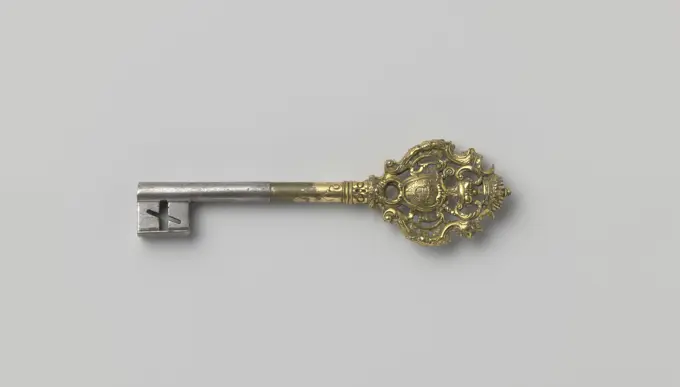
Key, so -called chamber control key with the weapon of Franz Ludwig von Erthal, Vorstbisschop of Würzburg and Bamberg, Johann Wolfgang van der Auweraa, c. 1780 Key, so-called chamber control key of bronze and gilding, with the coat of arms of Franz Ludwig von Erthal, Vorstbisschop van Würzburg and Bamberg (1779-1795). The renewed handle and beard are made of iron. NOTE: manufactured to a design from around 1740 by the Hofbeeldhouwer Johann Wolfgang van der Auweraa (1708-1756). Germany bronze (metal). iron (metal). gilding (material) gilding Key, so-called chamber control key of bronze and gilding, with the coat of arms of Franz Ludwig von Erthal, Vorstbisschop van Würzburg and Bamberg (1779-1795). The renewed handle and beard are made of iron. NOTE: manufactured to a design from around 1740 by the Hofbeeldhouwer Johann Wolfgang van der Auweraa (1708-1756). Germany bronze (metal). iron (metal). gilding (material) gilding
6145-29061946
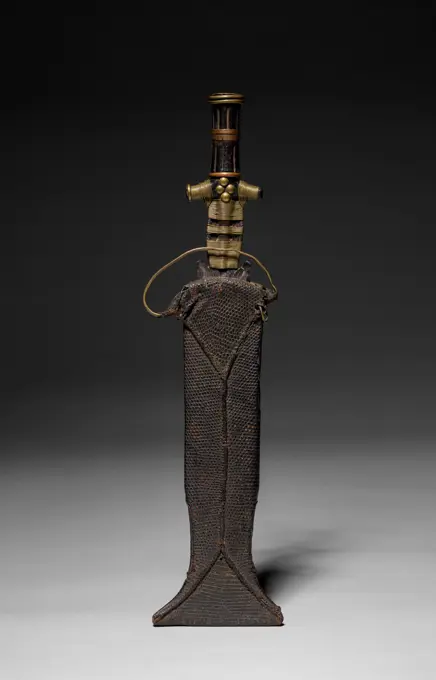
Knife, 1800s. Africa, Central Africa, Democratic Republic of Congo, 19th century. Iron, wood, copper alloy, reptile skin, leather or rawhide, and upholstery studs; overall: 49.8 cm (19 5/8 in.); blade: 33 cm (13 in.).
4409-17544367
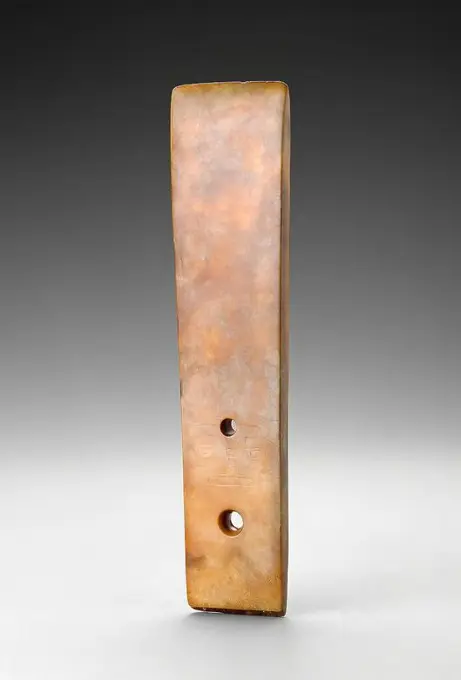
Ceremonial blade. China. Date: 3000 BC-2000 BC. Dimensions: 30.5 × 7.1 × 1.0 cm (12 1/16 × 2 13/16 × 7/16 in.). Jade. Origin: China. Museum: The Chicago Art Institute, Chicago, USA.
6145-54682297
Cup-Hilted Rapier Italian late 17th century The rapier was the principal civilian sidearm throughout the sixteenth and seventeenth centuries. Designed for cut-and-thrust fencing of progressively complex techniques, the rapier is characterized by a double-edged blade with an acute point and an elaborate guard for the hand. The guards, usually of iron or steel, were subject to a variety of embellishment. They were engraved, chiseled, gilded, damascened, and encrusted in gold and silver in keeping with fashionable styles. Unless otherwise noted, the materials, attributions, and dating given here refer to the hilts. Rapier blades, invariably of steel, bear a variety of makers marks denoting their origin in the two principal centers of blademaking, Toledo in Spain and Solingen in Germany. View more. Cup-Hilted Rapier. Italian. late 17th century. Steel. Swords
6145-29720519
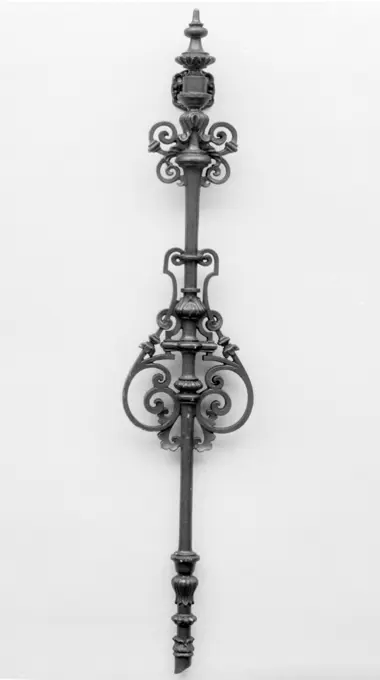
Baluster late 18th-early 19th century British. Baluster 196886
6145-29078810
Gimbri, 1900s. Africa, 20th century. Wood, rawhide, and string; overall: 54.6 cm (21 1/2 in.).
6145-30175053
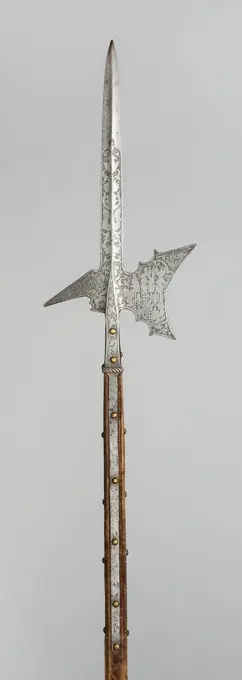
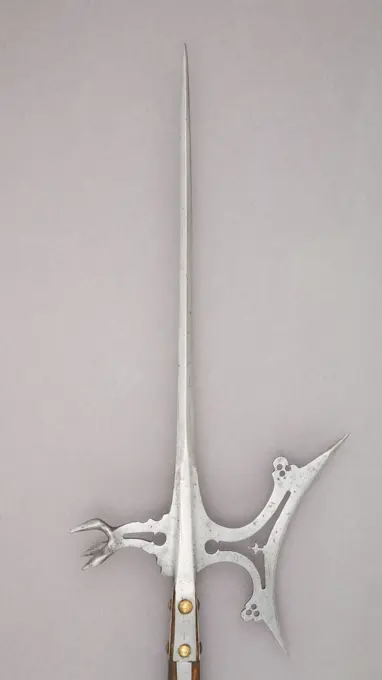
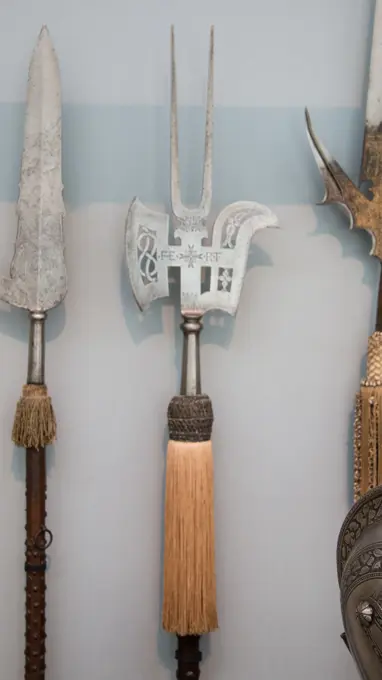
Halberd 1500-1600 Saxony. Steel, wood, and velvet .
6145-52528782
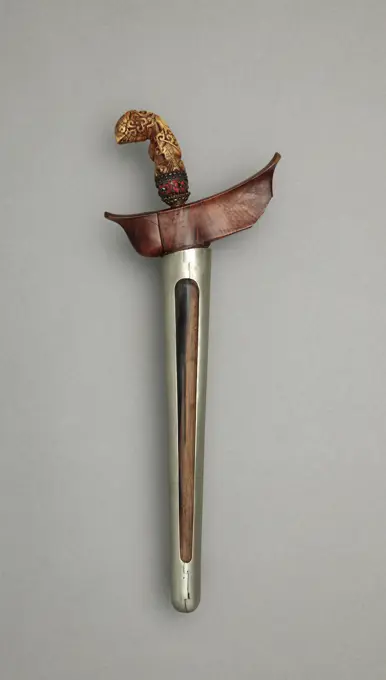
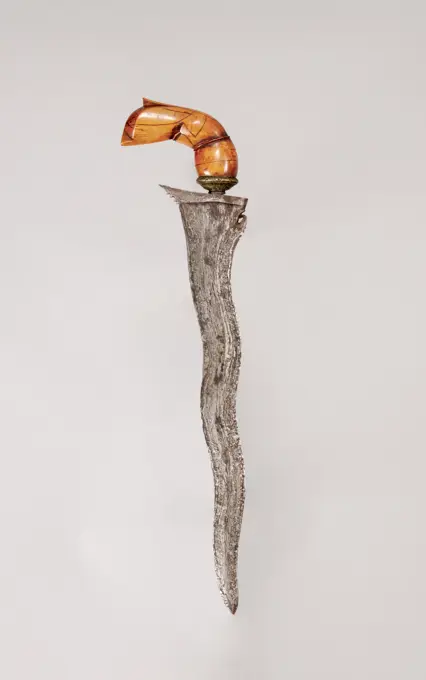
Sword (Kris), 1800s. Java. Iron with wooden handle; overall: 38.2 cm (15 1/16 in.); blade: 30.8 cm (12 1/8 in.).
4409-17406792
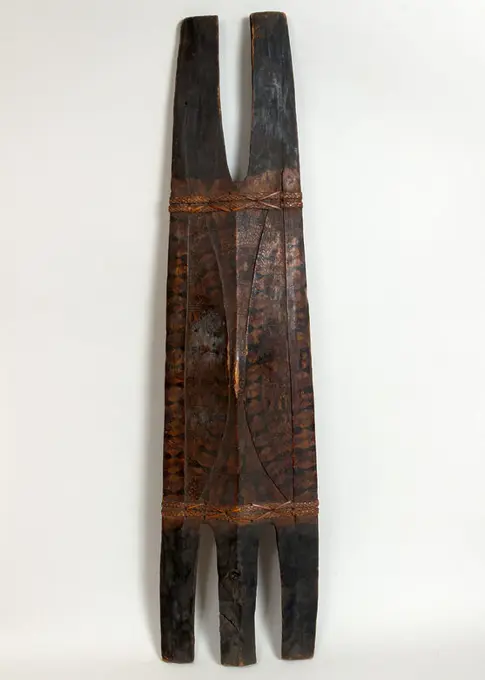
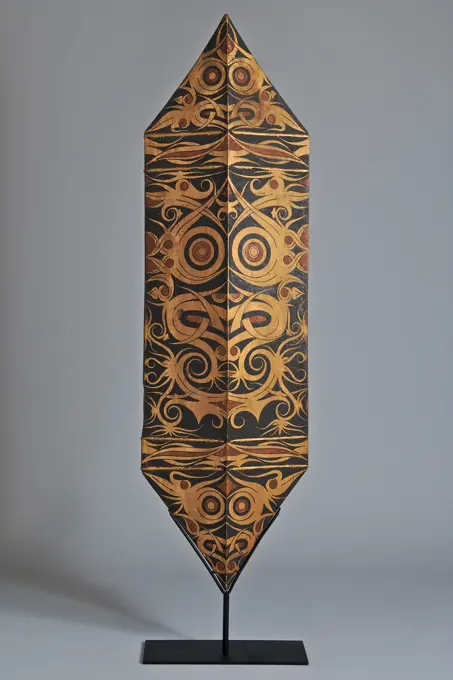
Shield. Culture: Philippine, Igorot. Dimensions: H. 38 3/4 in. (98.4 cm); W. 9 1/2 in. (24.1 cm); D. 3 1/2 in. (8.9 cm); Wt. 2 lb. 0.5 oz. (921.4 g). Date: 18th-19th century. Museum: Metropolitan Museum of Art, New York, USA.
6145-29816789
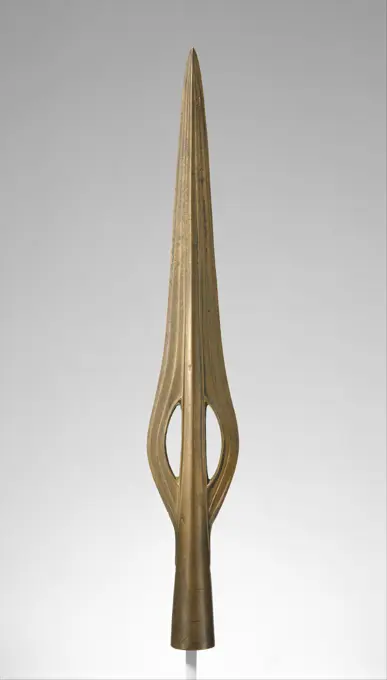
Spearhead 1200-800 B.C. Bronze Age This spearhead represents the highest tradition of the British Bronze Age. The piece is undeniably beautiful: its shape is elegant and spare to the point of evoking modern art. The socket of the spearhead is hollow and includes two peg holes. These would allow the shaft of the spear to be replaced often without undue difficulty; a possession such as this would be much too valuable not to use again and again. When given to the Museum, there was in fact a small section of wood still remaining inside.The spearhead almost certainly comes from the Selbourne/Blackmoor hoard of Bronze Age objects, found in the nineteenth century in Hampshire. The hoard was acquired by two great nineteenth-century collectors: first by the antiquarian George Roots, and then by General A. H. Pitt-Rivers, an omnivorous collector especially interested in British objects and also a renowned archaeologist.. Spearhead. Bronze Age. 1200-800 B.C.. Copper alloy. Metalwork-Copper alloy
6145-29179492
Halberd ca. 1550 Italian. Halberd 25902
6145-29850932
Samuel Faigin, Sturgeon Spear, c 1938 Sturgeon Spear
6145-29139012
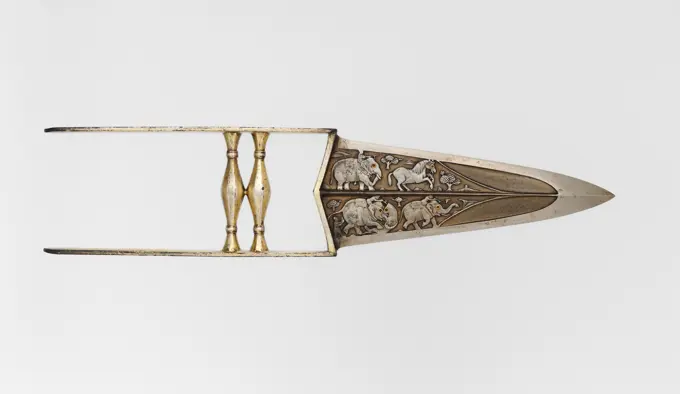
Punch Dagger (Katar) with Sheath late 17th-18th century Indian, Mughal Daggers of this ancient Indian type are known variously as a katar (piercing dagger) or jamadhar (death tooth). Gripped in the fist, they were intended to deliver a deadly punching blow and were used in both war and the hunt. The blade of this example is notable for the delicately chiseled figures of elephants and horses engaged in the hunt.. Punch Dagger (Katar) with Sheath 31505
6145-58868858
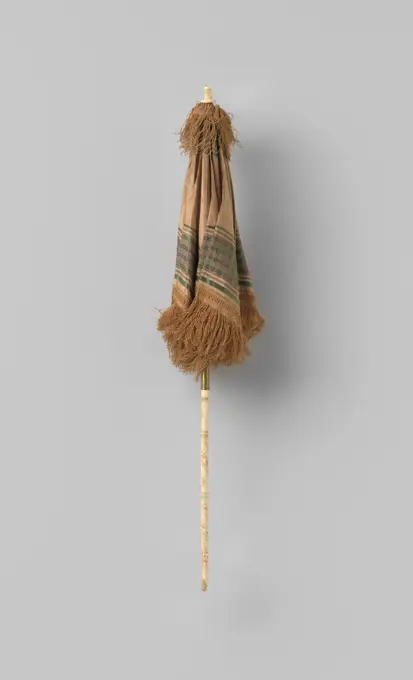
Carriage parasol with beige moiré side with woven green edge, on a wooden stick on which a handle of leg with spiral shape relief, anonymous, c. 1840 - c. 1865 Carriage parasol with beige moiré side with a woven green edge. The eight ribs are made of wood, the lining is made of ecrintleuring ponjézijde. The narrow stick is made of lacquered wood, on which a handle of bone with spiral shape relief, with a head of a steam at the end. Europe deck: Silk. Lining: Silk. Baleinen: Wood (Plant Material). Stok: Bone (Material). Stok: Wood (plant material). Slide: Copper (Metal) cutting / cutting / lacquering / forging Carriage parasol with beige moiré side with a woven green edge. The eight ribs are made of wood, the lining is made of ecrintleuring ponjézijde. The narrow stick is made of lacquered wood, on which a handle of bone with spiral shape relief, with a head of a steam at the end. Europe deck: Silk. Lining: Silk. Baleinen: Wood (Plant Material). Stok: Bone (Material). Stok: Wood (plant
6145-30178064
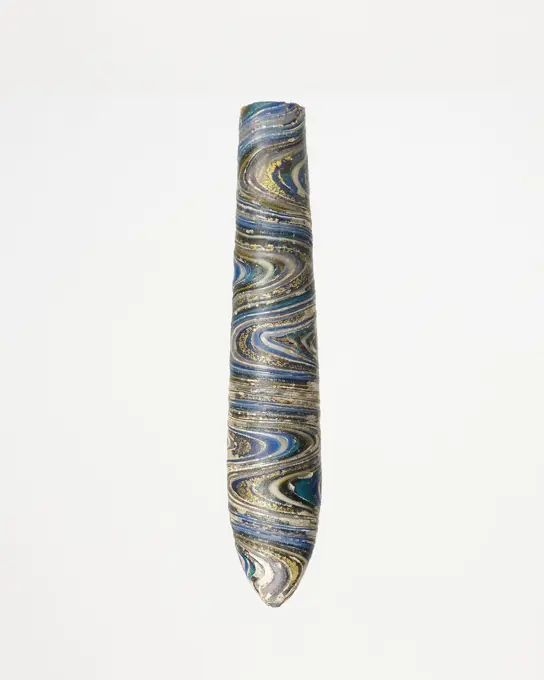
Alabastron (Container for Scented Oil) 200 BCE-1 CE Eastern Mediterranean Region. Containers like this one were used to store precious oils. The flaring rim functioned as an applicator to spread the thick, scented oil over the skin; while the vessel itself was designed to fit comfortably in the userís hand. In this particularly lavish example, gold leaf was sandwiched between layers of colorless glass and worked into wavy bands with other colored canes.Initially affordable among only the wealthy, glass was used widely in the Roman world to create a variety of everyday objects such as those displayed here, including delicate cosmetic containers that held perfumes and oils and various forms of tableware designed for serving food and drink.. Glass, mosaic glass technique . Ancient Eastern Mediterranean
6145-45527681
FOREIGN OLD
6145-58870710
Clarinet, Gottlieb Crone, c. 1750 Palmhout clarinet with two valves. Leipzig boxwood (hardwood). brass (alloy) Palmhout clarinet with two valves. Leipzig boxwood (hardwood). brass (alloy)
6145-29759330
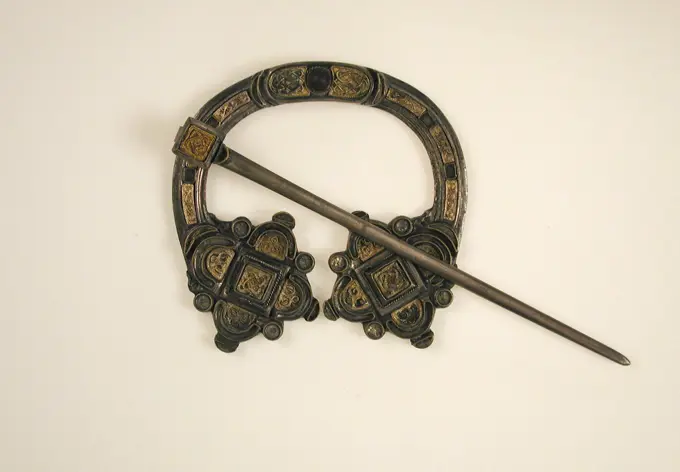
Brooch from Kilmainham early 20th century (original dated 11th century) Irish. Brooch from Kilmainham 463150
6145-46812519
Spoon
6145-29091238
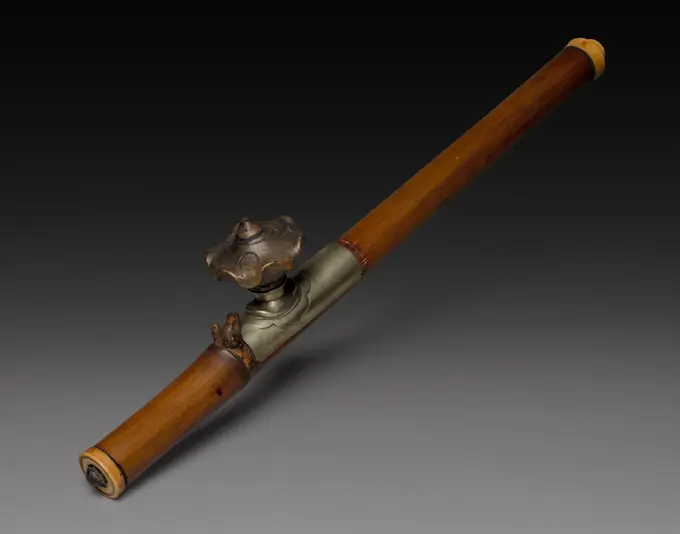
Opium Pipe, 1800s. China, Qing dynasty (1644-1911). Wood and ivory; overall: 59.4 cm (23 3/8 in.).
6145-54680954
Cup-Hilted Rapier hilt, Spanish; blade, German, Solingen mid-17th century The rapier was the principal civilian sidearm throughout the sixteenth and seventeenth centuries. Designed for cut-and-thrust fencing of progressively complex techniques, the rapier is characterized by a double-edged blade with an acute point and an elaborate guard for the hand. The guards, usually of iron or steel, were subject to a variety of embellishment. They were engraved, chiseled, gilded, damascened, and encrusted in gold and silver in keeping with fashionable styles. Unless otherwise noted, the materials, attributions, and dating given here refer to the hilts. Rapier blades, invariably of steel, bear a variety of makers marks denoting their origin in the two principal centers of blademaking, Toledo in Spain and Solingen in Germany. View more. Cup-Hilted Rapier. hilt, Spanish; blade, German, Solingen. mid-17th century. Steel, copper wire. Solingen. Swords
6145-29768256
Pellet Crossbow probably 1550-1600 Italian or possibly Southern German. Pellet Crossbow 34072
4409-17374308
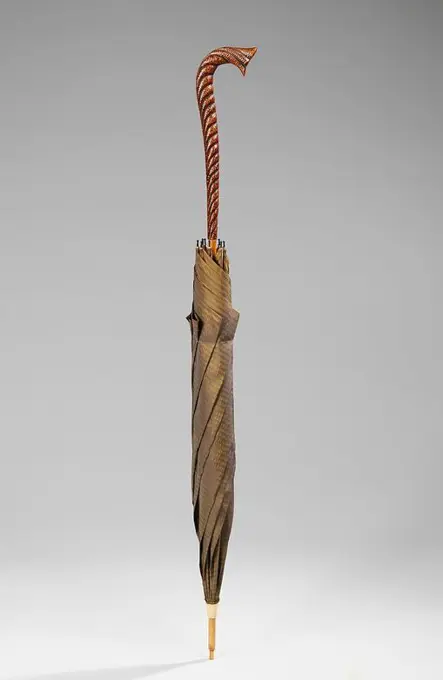
Umbrella. Culture: American. Date: 1888.Prior to the widespread mass-production of clothing in the 20th century, fashionable silhouettes changed more slowly, while small details and decorative elements were the focus of rapt attention and rapid change. In the umbrella and parasol industry, novelty was constantly required from the manufacturers themselves, as its product could not readily be created at home or by a skilled local craftsperson. The quest for invention is seen in this umbrella from the Brooklyn collection, where the fabric has a very interesting visual effect not unlike a tiger's eye stone, and the handle fascinates the viewer with its biomorphic quality. Umbrellas with various animal heads or other features worked into the handles were particularly favored in the 1880's and 1890s. Museum: Metropolitan Museum of Art, New York, USA.
6145-46527782
Trumpet. Trumpet.
6145-54681767
Rapier hilt, French; blade, European hilt, ca. 1580; blade, later The rapier was the principal civilian sidearm throughout the sixteenth and seventeenth centuries. Designed for cut-and-thrust fencing of progressively complex techniques, the rapier is characterized by a double-edged blade with an acute point and an elaborate guard for the hand. The guards, usually of iron or steel, were subject to a variety of embellishment. They were engraved, chiseled, gilded, damascened, and encrusted in gold and silver in keeping with fashionable styles. Unless otherwise noted, the materials, attributions, and dating given here refer to the hilts. Rapier blades, invariably of steel, bear a variety of makers marks denoting their origin in the two principal centers of blademaking, Toledo in Spain and Solingen in Germany. View more. Rapier. hilt, French; blade, European. hilt, ca. 1580; blade, later. Steel, gold, silver. Swords
4443-75475133
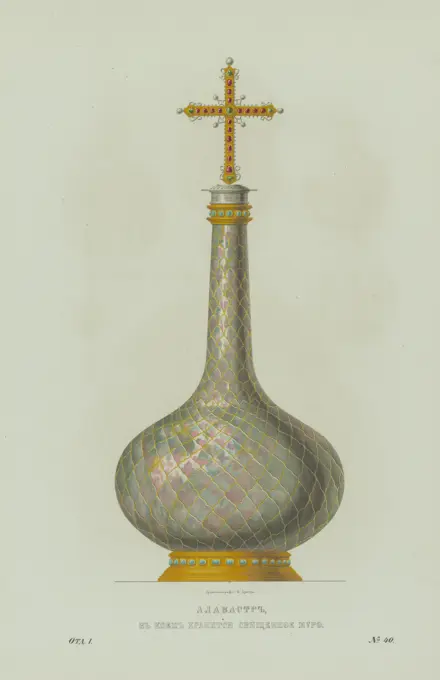
A chromolithograph titled 'Alabaster container for the holy oil' created by F. Dreher between 1849 and 1853. The artwork showcases an alabaster vessel designed to hold sacred oil. It was published by Tip. A. Semena in Moscow, and reflects aspects of 19th-century Russian art through its detailed chromolithographic technique
6145-29136061
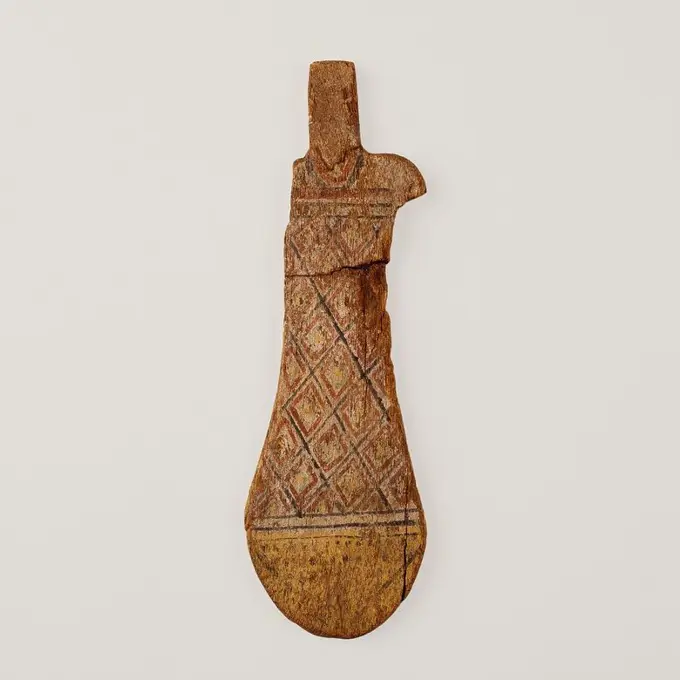
Dance Paddle (rapa)
6145-43640054
Cutlery set. unknown, craftsman
6145-59501263
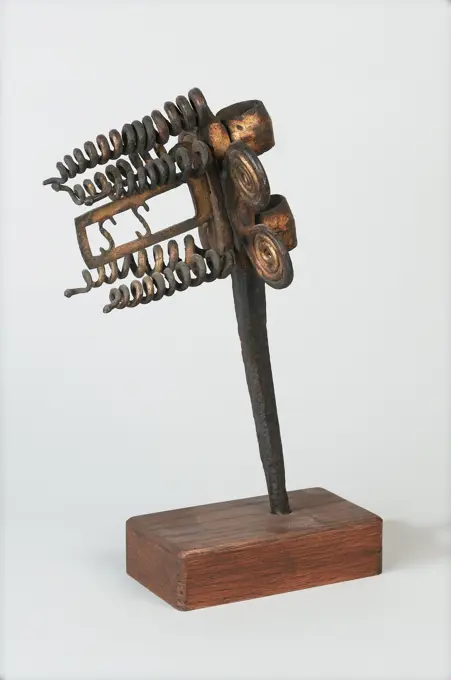
Flagpost holder, anonymous, c. 1700 - c. 1850  Flagpole holder decorated with four flat and five cone -shaped spirals and a metal plate in which the letter 'SS' is cut out. With two rings rings, in which the flagpin can be stabbed. Bronze color remains on the holder. Netherlands wrought iron (iron alloy). wood (plant material) forging
6145-29069198
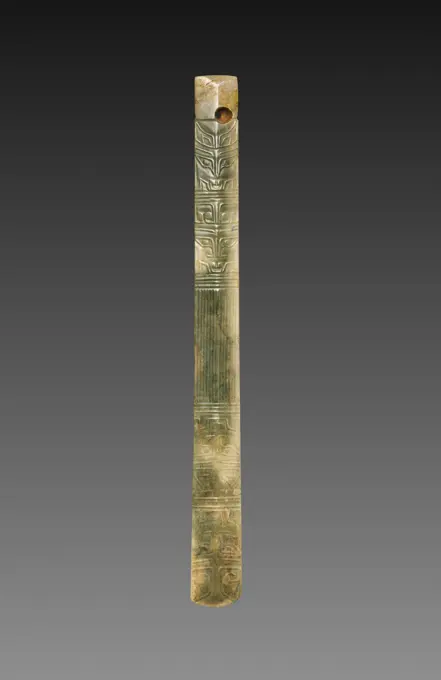
Ceremonial Scepter with Animal Masks (Gui), c. 1600-1050 BC. China, Shang dynasty (c.1600-c.1046 BC). Jade (nephrite); overall: 18.6 x 1.8 cm (7 5/16 x 11/16 in.).
6145-46812153
LimeContainer
4443-28745124
Court Tablet (Hu), 17th century, 19 1/2 x 2 1/2 x 2 in. (49.53 x 6.35 x 5.08 cm), Ivory, China, 17th century, During the Ming dynasty (1368-1644), ivory hu were used by court officials from the first to fifth rank. These plain tablets were carried by officials while actually in the imperial presence. They denoted the category of the official concerned and were kept by the court doorkeeper as their possession gave access to restricted areas. They were no longer used at court during Ch'ing (1644-1912).
6145-29124577
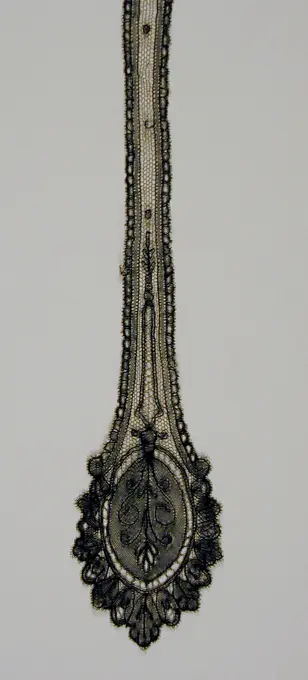
Tie. Belgium, Grammont, 1870-1890s. Costumes. Silk Chantilly bobbin lace
6145-29777928
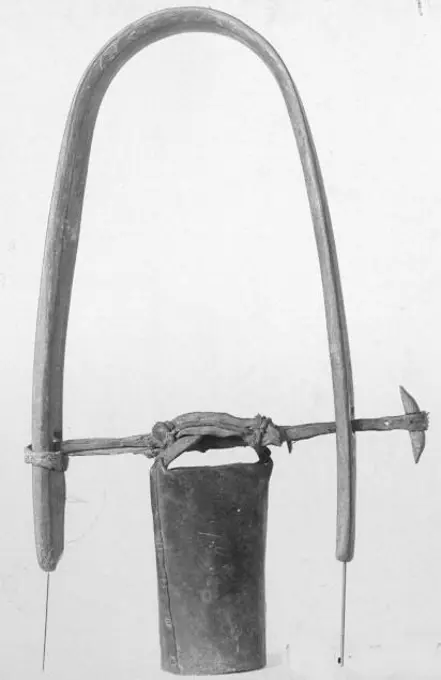
Cattle Bell 19th century Austrian. Cattle Bell 502271
6145-29174295
Harpoon head Japan The Jōmon period is the earliest period in Japanese history, lasting from roughly 14,000 to 300 BCE. The Jōmon people were primarily hunter-gatherers, hunting land animals and gathering vegetables and nuts on the land as well as hunting and fishing at sea. Harpoon heads such as this one testify to the importance of seafood in the diets of some Jōmon communities, especially those close to the sea. Fish bones found at Jōmon archaeological sites indicate that the Jōmon hunted fish not only close to the shore but also farther out in the open sea, where larger fish could be caught. There is even evidence that the Jōmon ate pufferfish, a poisonous fish considered a delicacy in modern Japan.. Harpoon head 62282
6145-29160995
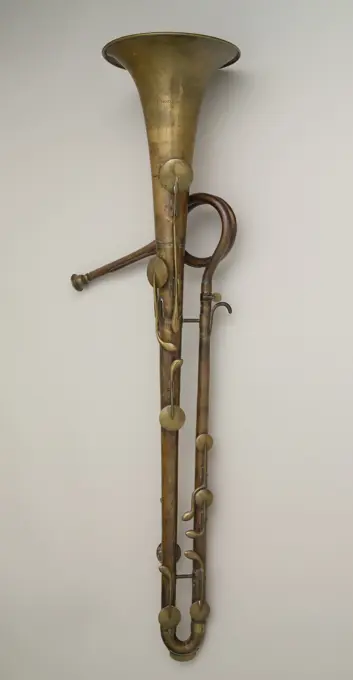
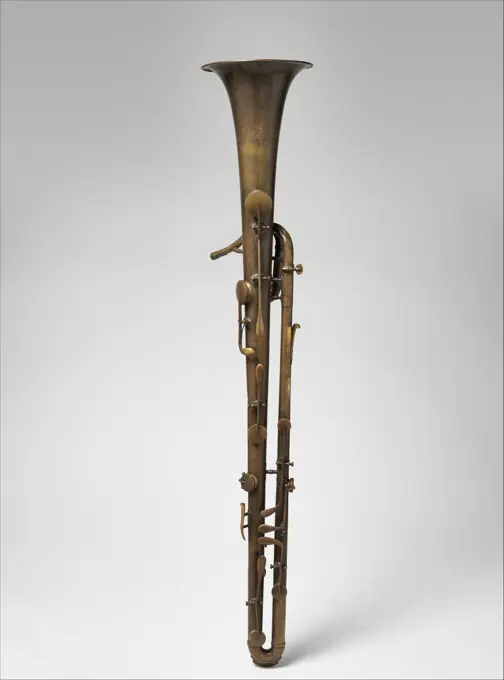
Tenor (Alto) Ophicleide in E-flat ca. 1825-65 Possibly by Charles Joseph Sax Belgian. Tenor (Alto) Ophicleide in E-flat 504775
6145-51840622
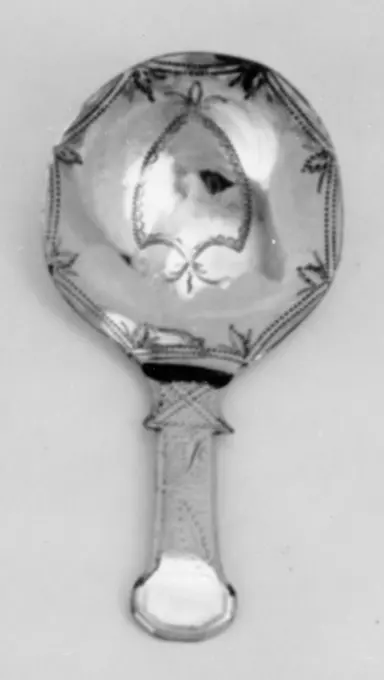
Maker's Mark J.L., probably John Lawrence, Caddy Spoon, 1810/11, silver.
6145-29888819
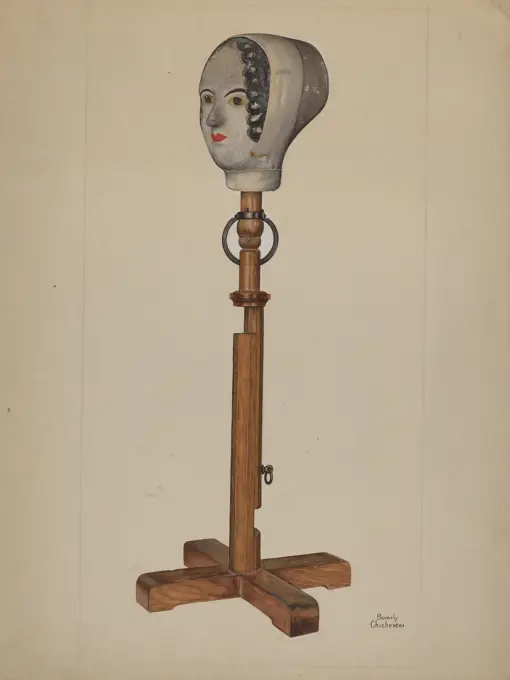
Beverly Chichester, Hat Model, c 1938 Hat Model
6145-29865041
Howard H Sherman, Fireman's Trumpet, 1936 Fireman's Trumpet
6145-58865174
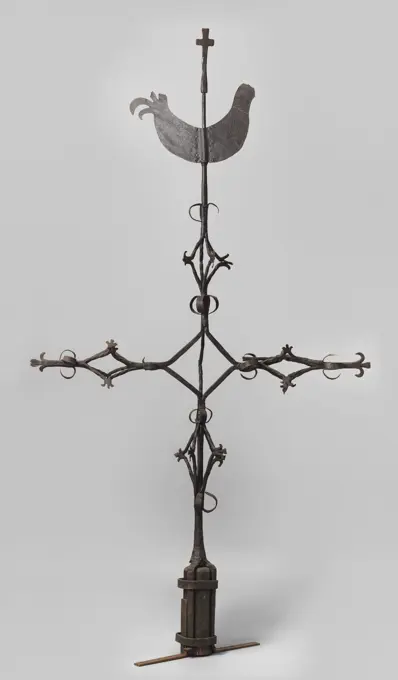
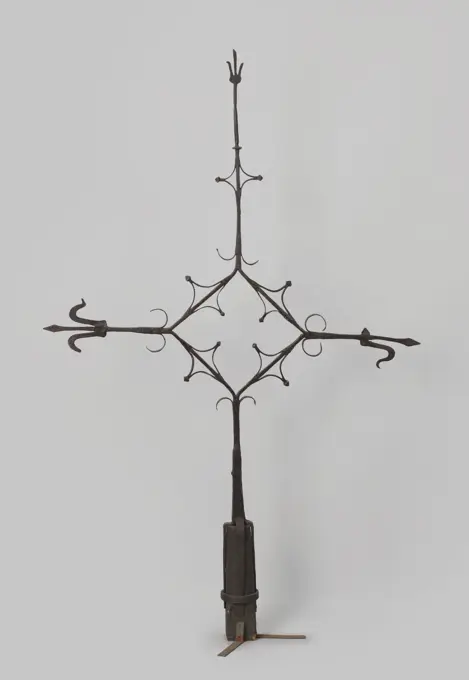
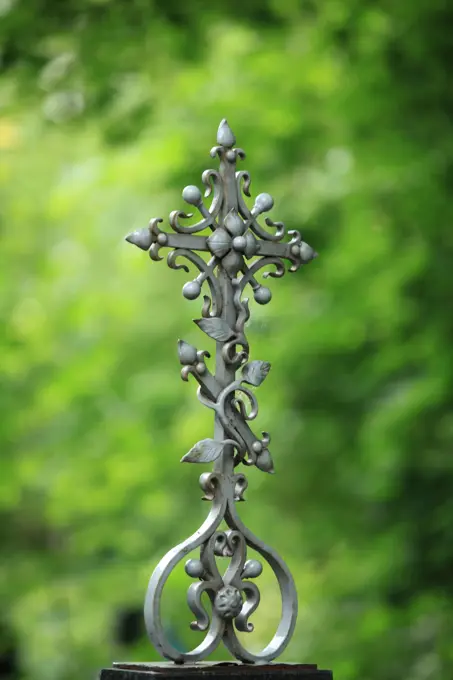
Torenkruis, anonymous, 1505 Tower cross of wrought iron. unknown wrought iron (iron alloy) Tower cross of wrought iron. unknown wrought iron (iron alloy)
4443-28741134
Fork, from a flatware dessert service, 18th century, Meissen Porcelain Factory, Meissen, Germany, est. 1710, Hard paste porcelain, gilt metal, Germany, 18th century
4409-17354620
Paddle Doll. Dimensions: H. 22 cm (8 11/16 in). Dynasty: Dynasty 11. Date: ca. 2030-1981 B.C.. Museum: Metropolitan Museum of Art, New York, USA.
6145-29143331
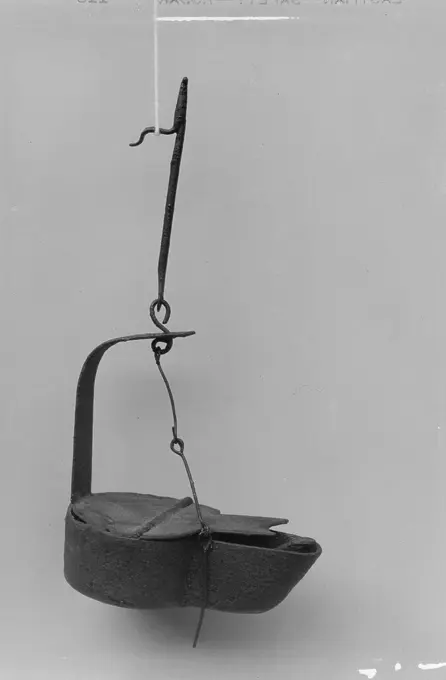
Betty Lamp 1725-75 American. Betty Lamp. American. 1725-75. Iron. Made in Pennsylvania, United States
6145-29716016
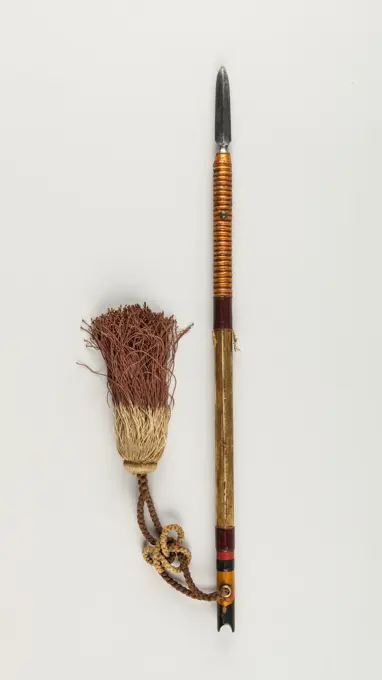
Javelin (Uchi-Ne) ca. 1615-1868 Japanese. Javelin (Uchi-Ne). Japanese. ca. 1615-1868. Shafted Weapons
6145-29146282
Telescope stand 17th century Flemish or Dutch. Telescope stand. Flemish or Dutch. 17th century. Iron, brass. Metalwork-Iron
6145-29062740
Sanxian (Three-Stringed Guitar), 1800s. China, Qing dynasty (1644-1911). Wood; diameter: 14.4 cm (5 11/16 in.); overall: 82.6 cm (32 1/2 in.).
6145-43532666
Sconce; bronze (gilt); 1904-26-1
6145-44288119
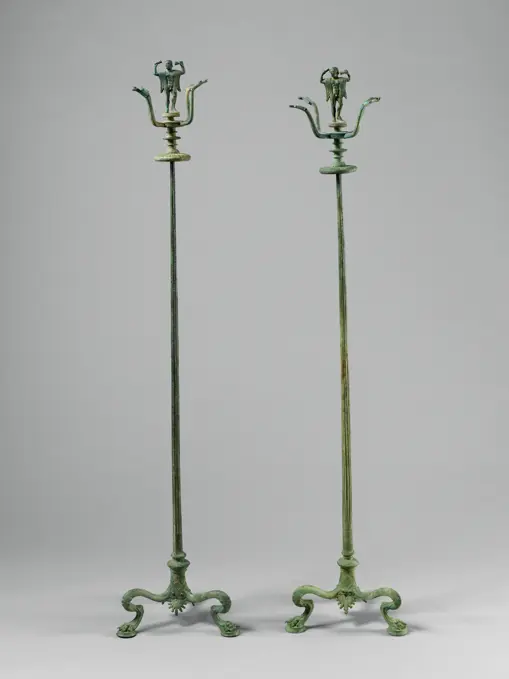
Candelabrum with a Dancer. Unknown
6145-46804199
Container
6145-29707621
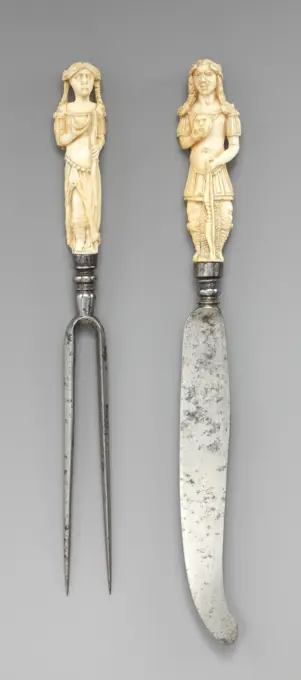
Fork with carved handle in the form of Diana late 18th century Dutch or British. Fork with carved handle in the form of Diana. Dutch or British. late 18th century. Steel, ivory. Metalwork-Steel
6145-29839669
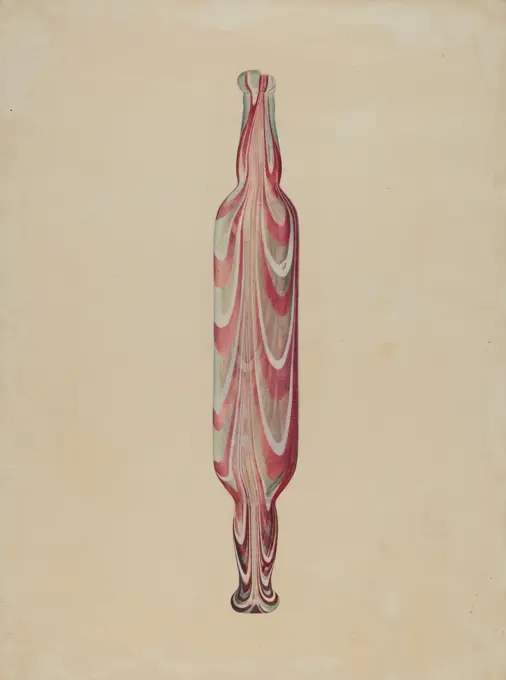
Donald Williams, Rolling Pin (Glass), c 1938 Rolling Pin (Glass)
4443-28727338
Implement, 11th-10th century BCE, 6 1/8 × 1 1/2 in. (15.5 × 3.8 cm), Bronze, China, 11th-10th century BCE
6145-46856599
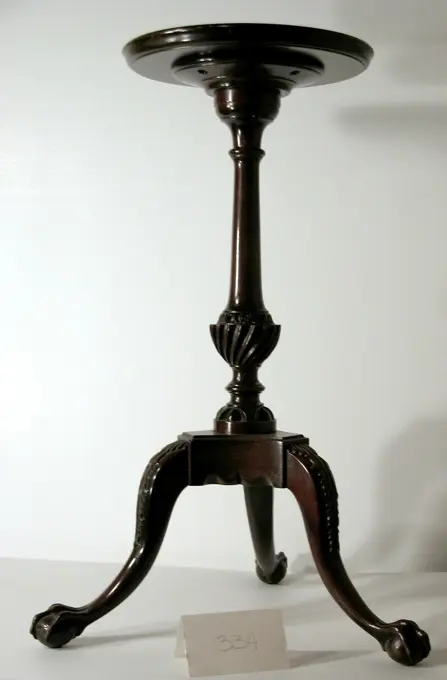
WineStand.   Maker: Kittinger Furniture Company, Incorporated, Founded 1866
6145-29060332
Scabbard, 19th century. Philippines. overall: 44.8 cm (17 5/8 in.).
6145-30192724
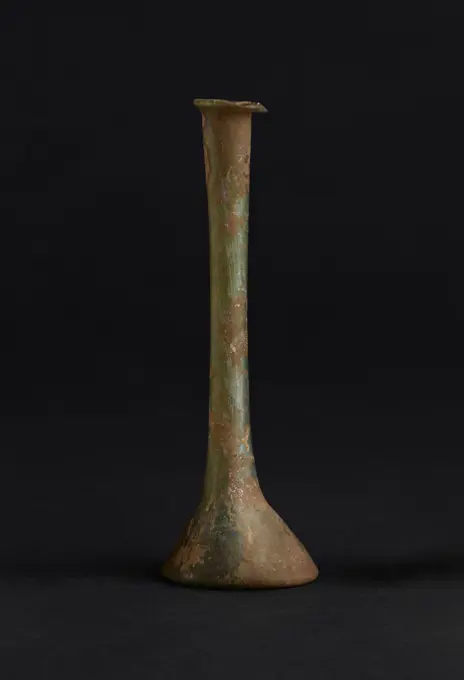
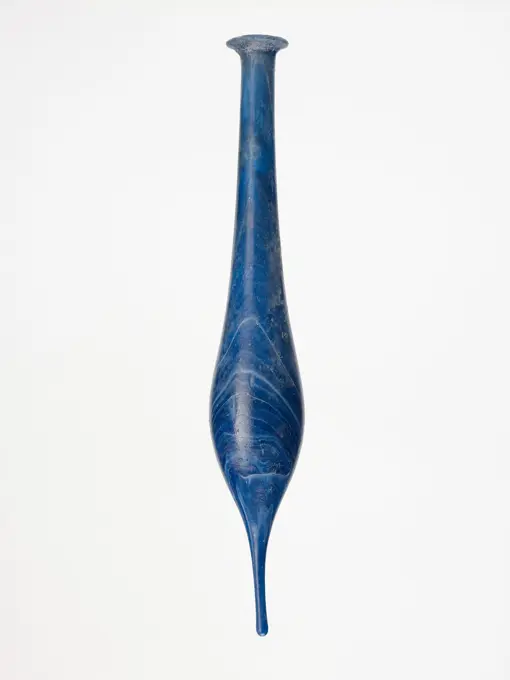
Alabastron (Container for Scented Oil) 1 CE-100 CE Roman Empire. Initially affordable among only the wealthy, glass was used widely in the Roman world to create a variety of everyday objects such as those displayed here, including delicate cosmetic containers that held perfumes and oils and various forms of tableware designed for serving food and drink. Glass was also used to imitate precious stones in jewelry.. Glass, blown technique . Ancient Roman
4443-19550168
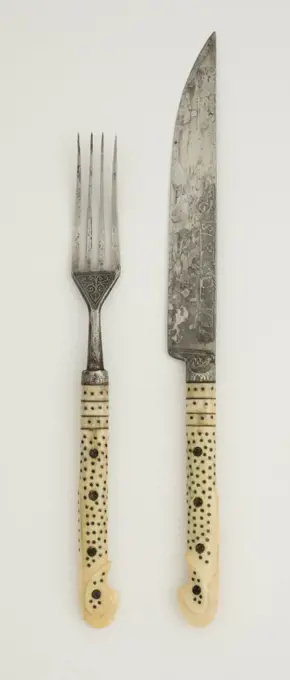
Fork, ivory, brass, steel, Fork has four curved tines. Angular shoulders, engraved decoration on front and back of join, plain neck. Ivory handle oval in section, flaring towards the end. Handle inlaid with small brass dots and three horizontal brass bands., Sarajevo, Yugoslavia, ca. 1896, cutlery, Decorative Arts, Fork
4409-17401879
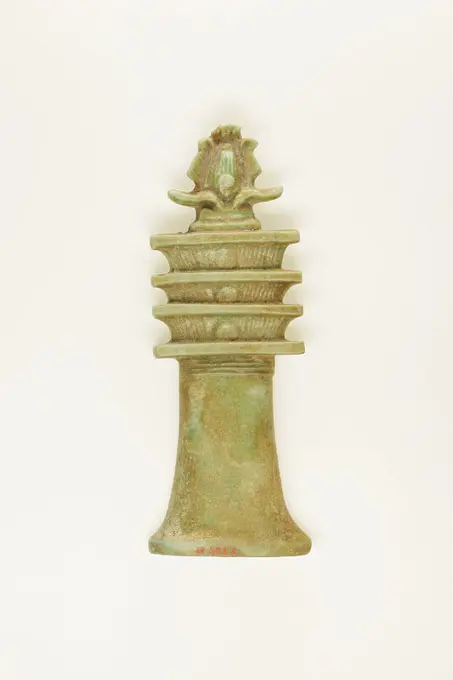
Djed pillar Amulet. Dimensions: H. 9.3 × W. 3.5 × D. 0.7 cm (3 11/16 × 1 3/8 × 1/4 in.). Date: 664-30 B.C..The djed-pillar is a stylized representation of an early fetish that probably consisted of plant material. From the beginning of ancient Egyptian history it was used as a symbol signifying permanence. From the New Kingdom on it was associated with the god Osiris and identified as his backbone. The djed-pillar here was probably used as funerary amulet to ensure permanence and to closely connect the deceased to Osiris, a god who was revived after death. On top of the djed-pillar is a so called atef-crown that was often worn by Osiris. Museum: Metropolitan Museum of Art, New York, USA.
4435-4939
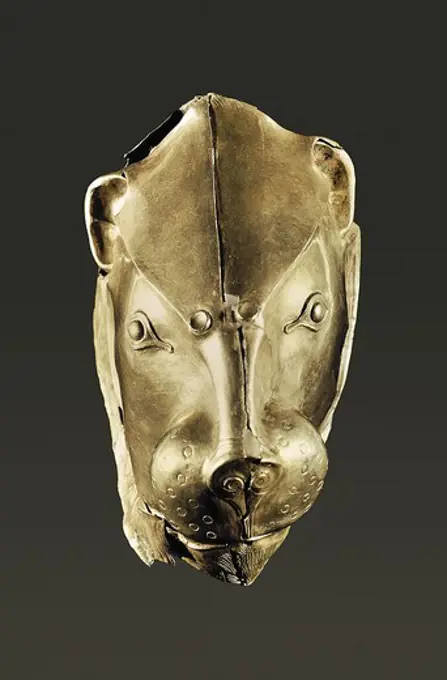
Gold Rython. 16th C. BC. Object found in the Fourth Tomb of A-level Tombs. Mycenaean art. Jewelry. GREECE. ATTICA. Athens. National Museum of Archaeology. Proc: GREECE. PELOPONNESE. ARCADIA. Mycenae.
6145-58869989
Tower cross decorated with lilies on the points, c. 1400 - in or before 1950 A forged iron cross of a spire or a church ridge, decorated with lilies on the points.  iron (metal) A forged iron cross of a spire or a church ridge, decorated with lilies on the points.  iron (metal)
6145-58933371
Necklace -
6145-30394752
Shield
6145-58870988
Double flageolet, John Simpson, c. 1830 - c. 1850 Dubbel brage olet made of palmhout, mounted with ivory and silver. Marked in various places: Simpson/260 Regentstreet/London/Patent. London boxwood (hardwood). ivory. silver (metal) Dubbel brage olet made of palmhout, mounted with ivory and silver. Marked in various places: Simpson/260 Regentstreet/London/Patent. London boxwood (hardwood). ivory. silver (metal)
6145-50503795
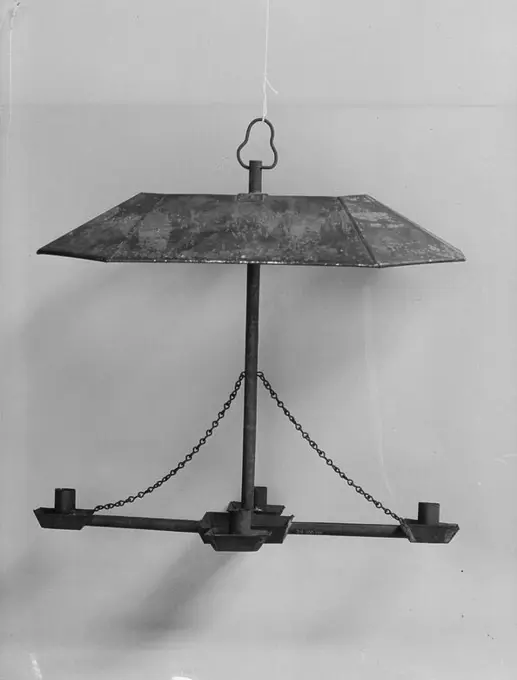
Lamp (England); enameled tôle
4409-17351648
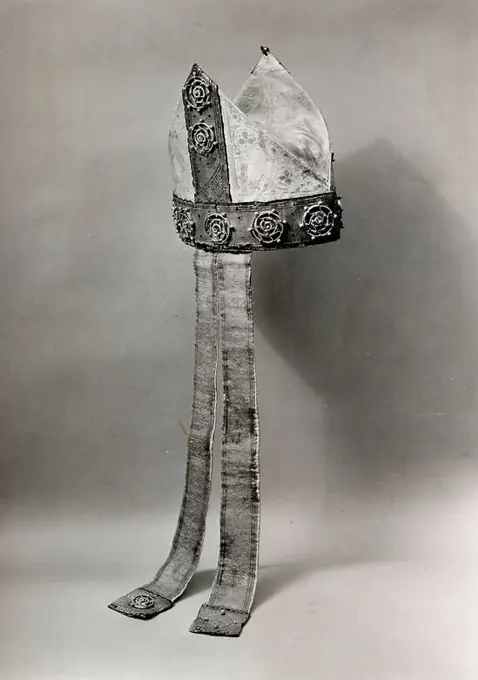
Mitre. Culture: Austrian. Dimensions: 8 5/8 x 10 1/2 in. (21.9 x 26.7 cm). Date: 13th century. Museum: Metropolitan Museum of Art, New York, USA.
6145-29179892
Guisarme ca. 1500 Italian. Guisarme 26202
4443-28742204
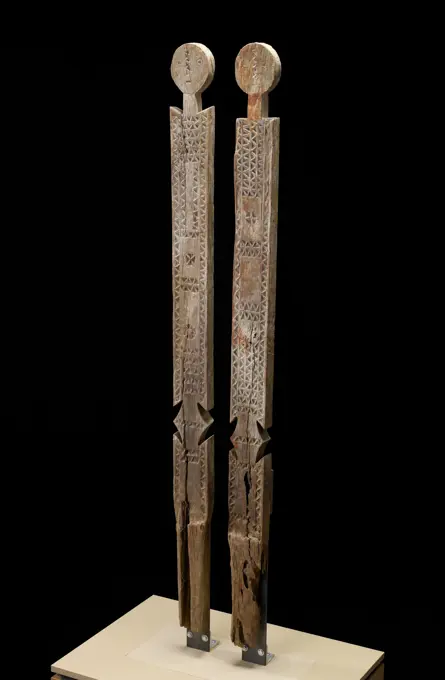
Vigango, late 19th-early 20th century, 71 x 4 7/16 x 1 13/16 in. (180.3 x 11.3 x 4.6 cm), Wood, pigment, Kenya, 19th-20th century, This memorial figure honors a deceased relative, a male member of the Gohu Society. When a problem arose within the family or village, the spirit of a deceased relative who was a Gohu Society member would appear to a living relative in a dream. The spirit would mediate and remedy the problem by giving guidance to the dreamer. Two relatives would only appear when problems were severe.
6188-68093071
Gebetsrad Prayer wheel, Tibet, 19th century, silver, copper, ivory, wood, and coral,MuEC, Barcelona, Catalonia, Spain LicenseRF Copyright: xZoonar.com/Tolox 23171413
6145-29216569
Arrowhead (Yanone) 18th century Japanese Although today Japanese warriors are renowned most for their swordsmanship, archery, especially from horseback, has been an essential part of samurai warfare and culture for centuries. Arrows were fitted with heads of varying shape according to their intended use in war, the hunt, or target practice. Arrowheads made for use on the battlefield incorporated different designs intended for specialized purposes such as the piercing of armor or to cause maximum damage to horses and unarmored personnel.Large arrowheads, pierced and elaborately chiseled with landscapes, birds, flowers, dragons, and Buddhist divinities, were created to be admired for the beauty of their metalwork and design rather than for use in archery. Such highly elaborate examples may have been made for presentation or as a votive offerings to a shrine.. Arrowhead (Yanone). Japanese. 18th century. Steel. Archery Equipment-Arrowheads
4409-17423345
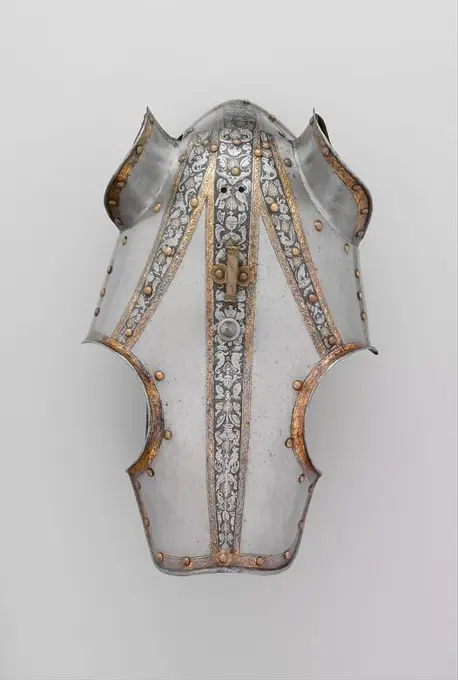
Half-Shaffron (Horse's Head Defense). Culture: Italian, probably Milan. Dimensions: H. 15 1/4 in. (38.7 cm); W. 10 3/4 in. (27.3 cm); D. 7 in. (17.8 cm); Wt. 2 lb. 11 oz. (1208 g). Date: ca. 1570-80.This shaffron matches an Italian armor for man in the Metropolitan Museum (acc. no. 14.25.717) that is today mounted on horseback as part of the equestrian group in the main hall of the Arms and Armor Galleries. The slender bands etched with trophies of arms, vases, birds, and grotesque creatures on a dotted and blackened ground are typical decoration for Italian armor of the period. The shaffron is particularly noteworthy for preserving its original lining of coarse-woven linen filled with vegetable fiber. While nearly all armor was once lined in this way, very few original linings have survived. (The spike is modern; the gilding has been restored). Museum: Metropolitan Museum of Art, New York, USA.
6145-29092981
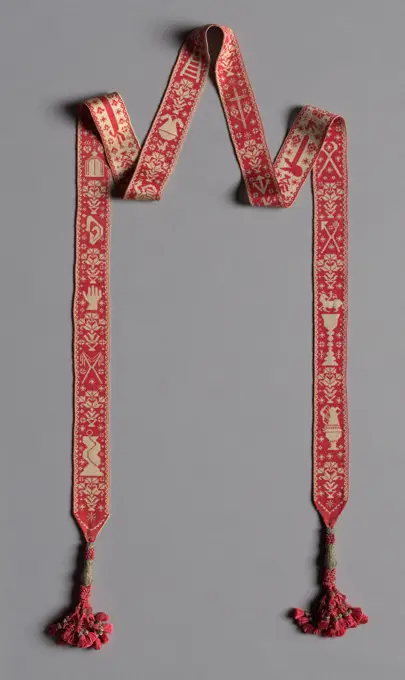
Knitted Bible Mark (Three of Four), 18th-19th century. Spain, 18th-19th century. Knitted silk; overall: 248.9 x 8.5 x 2.5 cm (98 x 3 3/8 x 1 in.).
4409-17350402
Betty Lamp. Culture: American. Dimensions: 8 x 4 in. (20.3 x 10.2 cm). Date: 1725-75. Museum: Metropolitan Museum of Art, New York, USA.
6145-29148452
Appalachian Dulcimer late 19th century American. Appalachian Dulcimer 500912
6145-29090646
Button, 1800s. Balkans, 19th century. Silver; average: 8.3 cm (3 1/4 in.).
6145-29148645
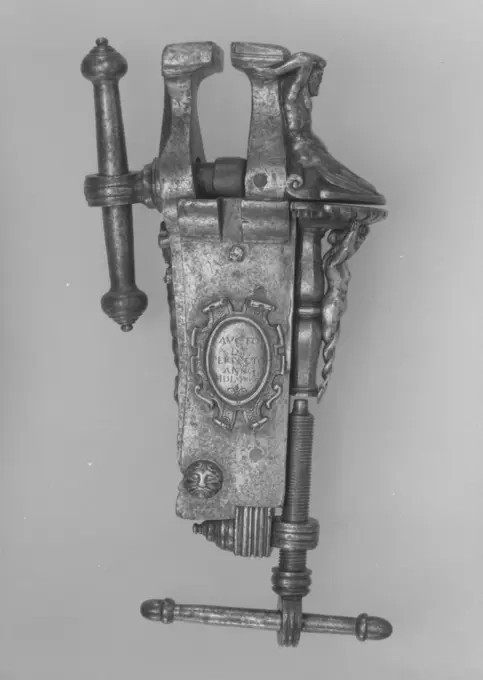
Armorer's vise 1588 Jacopo da Ferrara In sixteenth century Italy the technique of cold-chiseling sculpturesque subjects remained primarily the province of the armorer. Sculpturesque ornament extended even to the tools of the armorers craft. The jaws of this iron vise are decorated with a mermaid and a merman, while another merman adorns the back. The vise is inscribed with the date 1588 and the name of its maker, Jacopo da Ferrara, about whom nothing further is known, though his name suggests he had left Ferrara when this piece was made. Although the three creatures of chiseled iron are less finely finished than many of those of the sixteenth century Milanese armorers, who were world famous for the beauty and delicacy of their sculptured ornament, they are far more lively in conception. In the taut, powerful anatomies of the mermaid and merman braced against each jaw of the vise, Jacopo was able to express all the straining power of the mechanism they adorn.. Armorer's vise. Northern
6145-29746276
Belt Hook with Dragons 2nd century B.C. North China. Belt Hook with Dragons 59560
6145-29075936
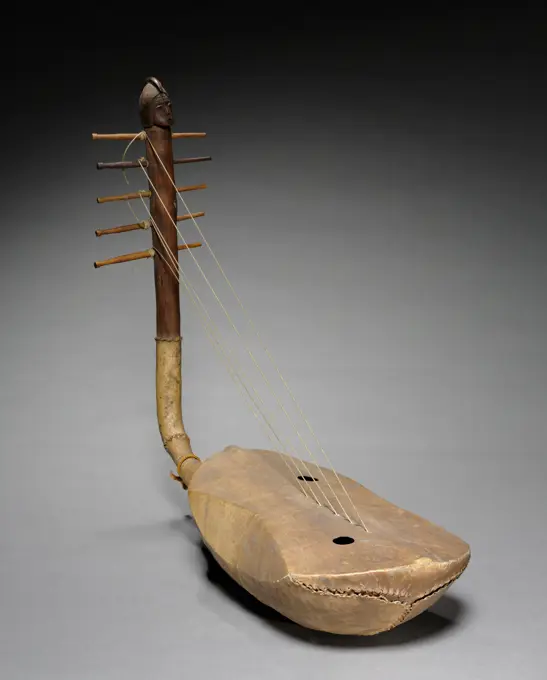
Harp, 1900s. Africa, Central Africa, Democratic Republic of Congo, Mangbetu, 20th century. Wood, rawhide, and string; overall: 63.6 cm (25 1/16 in.).
6145-59495284
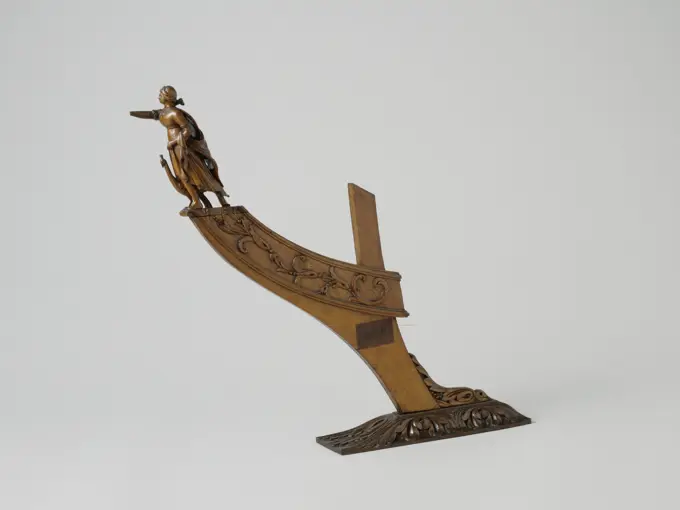
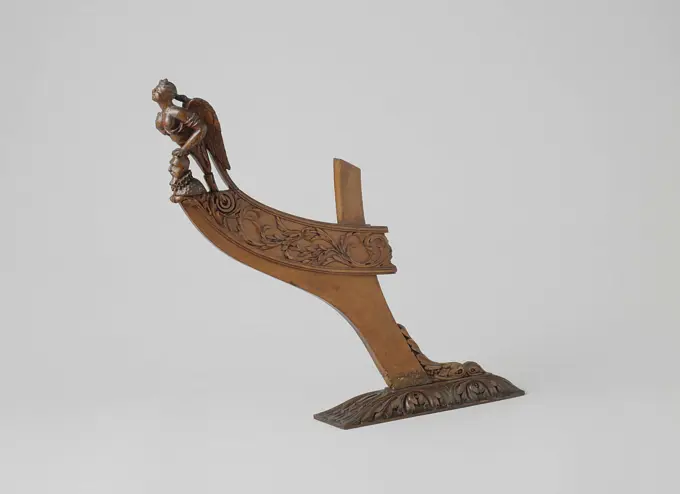
Model of a Figurehead, anonymous, 1800 - 1850 scale model Model of a sheg image on Scheg, on a ground board, incomplete. The figure is a standing woman in Roman clothing, her right arm lifted (the hand is missing), with a peacock at her feet. The Scheg and the floor board are decorated with leaf work in relief. The figure presents the goddess Juno. Netherlands wood (plant material)  (story of) Juno (Hera)
4409-17408591
Helmet with Talismanic Inscriptions. Dimensions: H. 9 3/4 in.(24.8 cm)Diam. 7 1/2 in. (19.1 cm). Date: 18th century.Although this helmet was a serviceable military object, it was probably used as an accessory of a parade armour. Forged from watered steel and damascened in gold with talismanic inscriptions, it contains an invocation to 'Ali, the son-in-law and cousin of the Prophet, and calls upon him for protection against harm and danger. The verses are distinctly Shi'i, and commonly found on objects from the Timurid through the Qajar periods in Iran and Central Asia. Museum: Metropolitan Museum of Art, New York, USA.
1788-19683
Bronze extraction forceps, from Pompei
6145-29728043
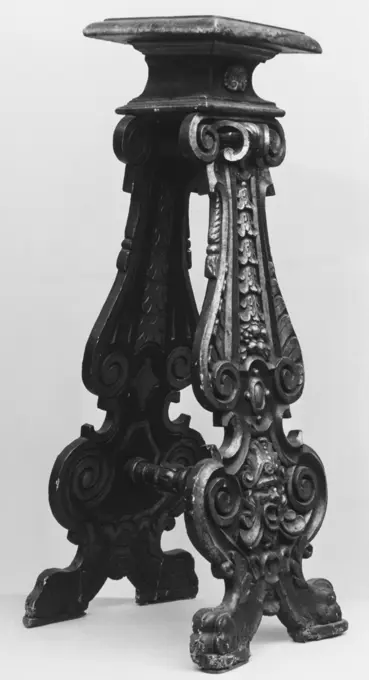
Pedestal (one of a pair) late 16th century Italian. Pedestal (one of a pair) 238003
6145-29145161
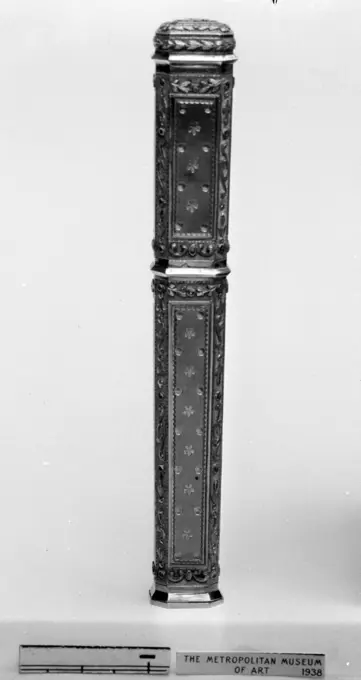
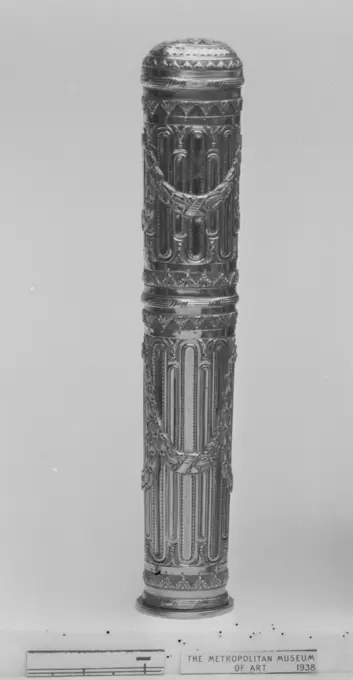
Sealing wax case (étui) 1789-90 Possibly by Jean-François Mancel In eighteenth-century Europe, Paris led the production of high-quality luxury goods. Parisian goldsmiths made a wide range of small, personal articles such as snuffboxes; étuis to hold sealing wax, tweezers, or utensils for sewing; souvenirs, which contained thin ivory tablets for note taking; and shuttles for knotting lace. Gold snuffboxes and boxes decorated with portrait miniatures were prized and frequently given as royal gifts, often to ambassadors or members of the court in lieu of cash payments for their services. Coveted and admired, these boxes were produced from a variety of materials. The best were skillfully made of gold and embellished with diamonds, enameled decoration, lacquer, and other luxurious materials. By the middle of the century, the taking of snuff had become an entrenched social ritual, and the snuffbox, too, had become an important social prop. Snuffboxes were considered highly fashionable access
6145-45809318
Model or a figureehead. Model of a sheek image on sheas, on a base board. The figure consists of a man's head, which is crowned with a laurel wreath by a harpy above him; The harpy also blows on a trumpet, which is missing smane with the right arm. The shipment and floor plank are decorated with leafwork in relief. The figure presents from Oldenbarneveldt, crowned by fame.
6145-29860363
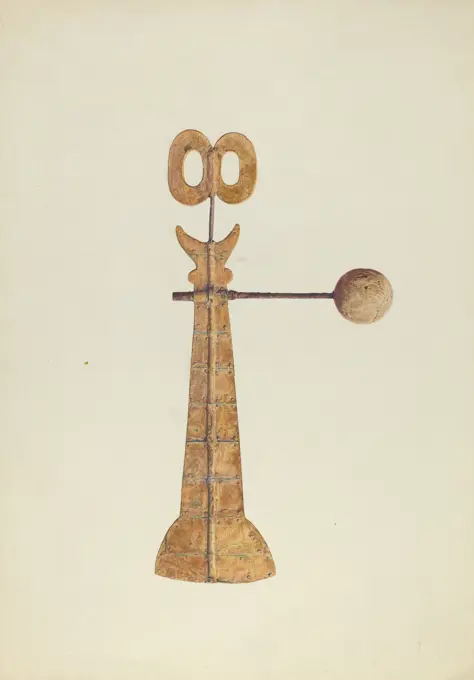
Harriette Gale, Weather Vane, c 1939 Weather Vane
6212-62159539
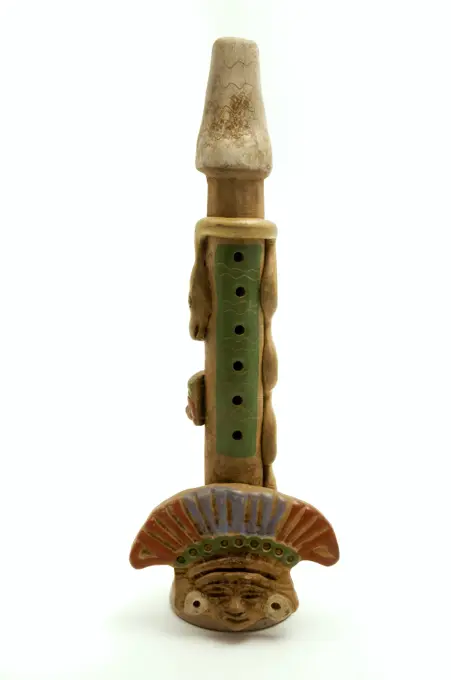
Old aztec flute on a white background
6145-59495417
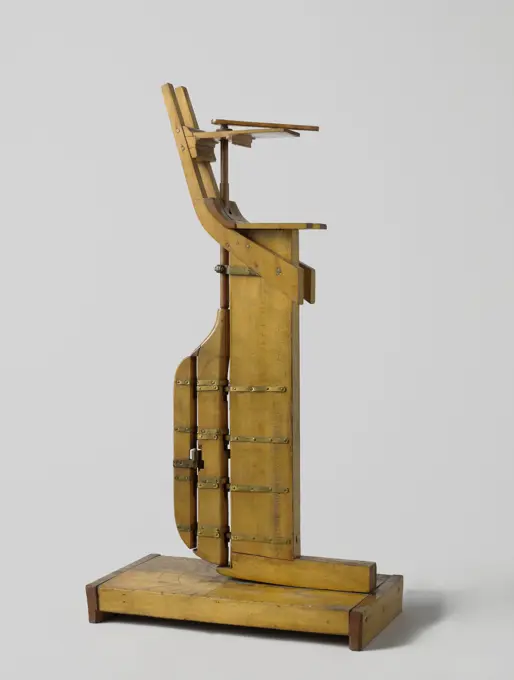
Model of Lumleys Patent Rudder, anonymous, anonymous, 1865 demonstration model Model of a rudder, stirring stabs and parts of the keel, rear apostles and two decks, on a ground board. It was once poorly restored. The stern has a heel and four stirring, the roson king is round and continues to the upper deck, where there is a short stirring pen. The rudder blade is vertically divided into two pieces, the rear part with four stir -fry attached to the front. Because the rear leaf with an S-shaped hinge is linked to the stindle, it strikes extra far when the rudder turns the rudder. The hinge is attached to the rudder stab with a long pin, which can be removed. A degree arch is scratched on the ground board. Netherlands wood (plant material). brass (alloy)
6145-29173529
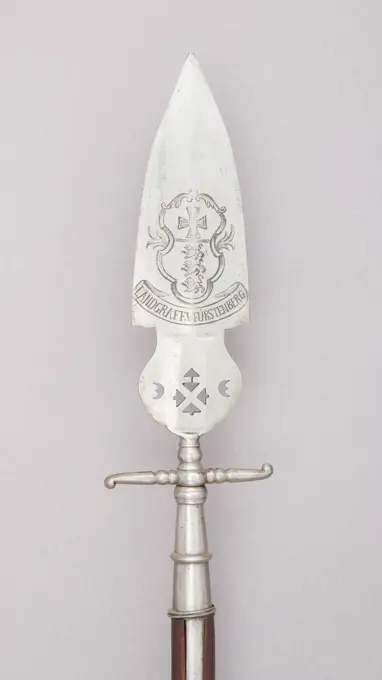
Halberd of the Bodyguard of Emanuele Filiberto (1528-1580), Duke of Savoy dated 1579 Italian. Halberd of the Bodyguard of Emanuele Filiberto (1528-1580), Duke of Savoy 22197
6145-58874650
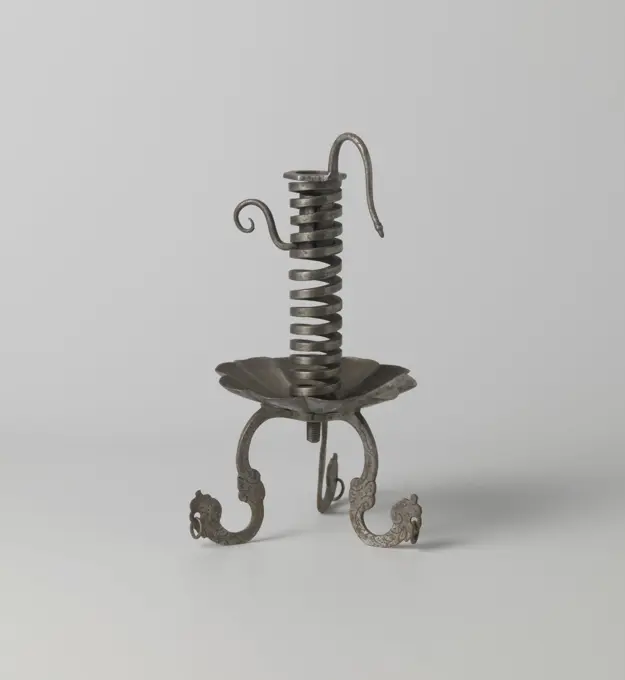
Spiral candlestick, anonymous, 1550 - 1750 A spiral wrought iron on three narrow legs, which are engraved with leaf decorations and have a hole on the end, making a ring achieved. On the three legs, the openwork, spiral -shaped trunk is screwed with the shell -shaped fat catcher in between. In the trunk is the tube -shaped candle holder with a curled handle, so that the candle holder is adjustable in height. At the top of the trunk is a handle. West-Europa iron (metal) forging A spiral wrought iron on three narrow legs, which are engraved with leaf decorations and have a hole on the end, making a ring achieved. On the three legs, the openwork, spiral -shaped trunk is screwed with the shell -shaped fat catcher in between. In the trunk is the tube -shaped candle holder with a curled handle, so that the candle holder is adjustable in height. At the top of the trunk is a handle. West-Europa iron (metal) forging
6145-29174193
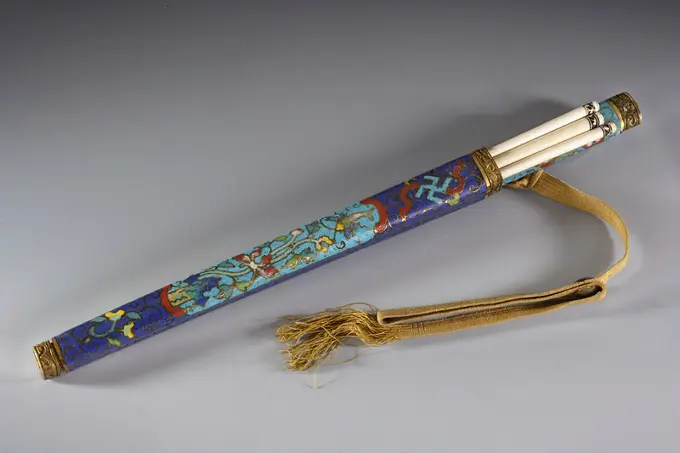
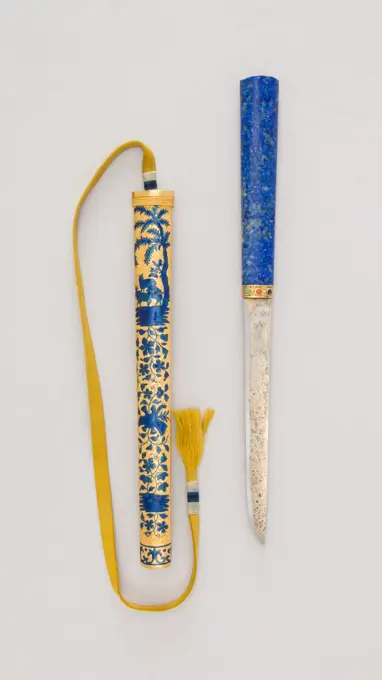
Imperial Knife with Sheath 18th century Chinese This elegant knife was intended as a personal accessory for a member of the imperial court, rather than as a weapon. It is part of a group of several known examples, all of which are similar in shape, size, and richness, but with each having some differences, particularly in the style and decoration of the sheaths. The gilding of their blades is a distinctive and highly unusual feature; the steel beneath the gold is purposely roughened to create a mottled, naturalistic surface to contrast with the refined precision of the accompanying hilt and sheath. At the base of the spine of the blade, the Qianlong mark is inlaid in gold letters: Qianlong nian zhi (Made in the Qianlong reign). The decoration on the sheath imitates European gold and enamel work.. Imperial Knife with Sheath 27397
6145-29128500
Dutchman. Dōraku (Japan, Onomichi, active early 19th century). Japan, 18th century. Costumes; Accessories. Wood
4409-17399834
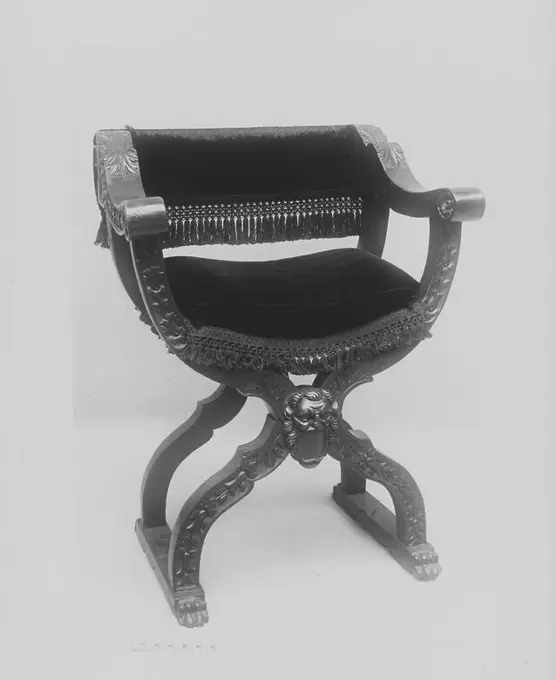
Folding armchair. Culture: Italian, Venice. Dimensions: 36 x 29 x 18-1/4 in. (91.4 x 73.7 x 46.4 cm). Date: second half 16th century. Museum: Metropolitan Museum of Art, New York, USA.
6145-30154620
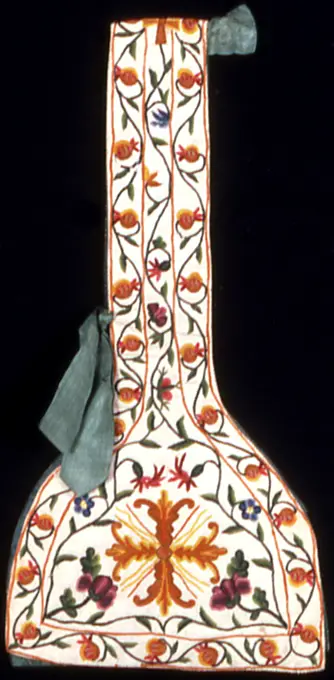
Maniple Made 1740-1760 France. Wool, 2 2 twill weave; embroidered with wool, in chain stitches and French knots with silk, plain weave ribbons; lined with silk, plain weave
6145-29741005
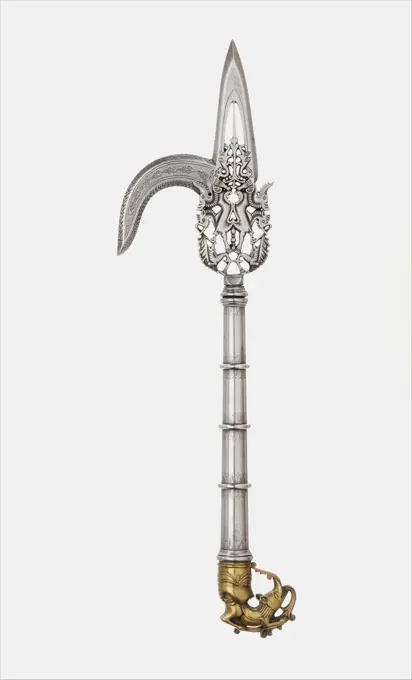
Elephant Goad (Ankus) 17th century South Indian A goad is carried by the mahout or elephant driver. The sharp point and hook was used to guide the animal to behave or move in a specific way, making it a crucial tool for hunting expeditions. The steel blade here features fantastical creatures, while the brass butt is formed by a dog-like animal issuing from a tigers mouth. Since it is ornately decorated, it may have also been intended for display in ceremonial processions.. Elephant Goad (Ankus). South Indian. 17th century. Steel, brass. Shafted Weapons
6145-29712797
Tenor (Alto) Ophicleide in E-flat ca. 1830-50 Couturier French. Tenor (Alto) Ophicleide in E-flat 504827
6145-58862244
Walking stick handle, Bapst et Falize, c. 1880 - c. 1890 Walking stick button of gilded and colored silver as a copper. It has the shape of a tree trunk on which is a rat -lined rat. At the bottom of time, a gilded silver seal stamp with the monogram S.M. screwed. Paris silver (metal). gilding (material) gilding Walking stick button of gilded and colored silver as a copper. It has the shape of a tree trunk on which is a rat -lined rat. At the bottom of time, a gilded silver seal stamp with the monogram S.M. screwed. Paris silver (metal). gilding (material) gilding
6188-63966083
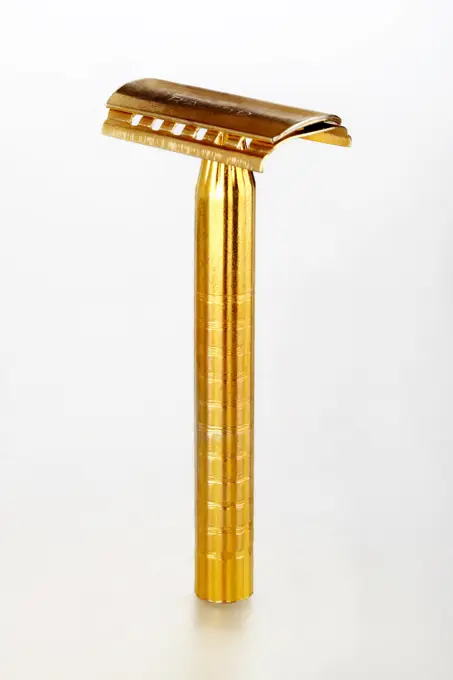
Shaving Razor Blade India Copyright: xHarixMahidhar/DinodiaxPhotox
4443-19547941
Handscreen, Painted paper leaf, turned wood handle, Handscreen with a hand-painted paper leaf and turned wood handle. Obverse: man and woman in landscape. Reverse: floral sprig with pink and red flowers., France, England, mid- 18th century, costume & accessories, Handscreen
6145-29834113
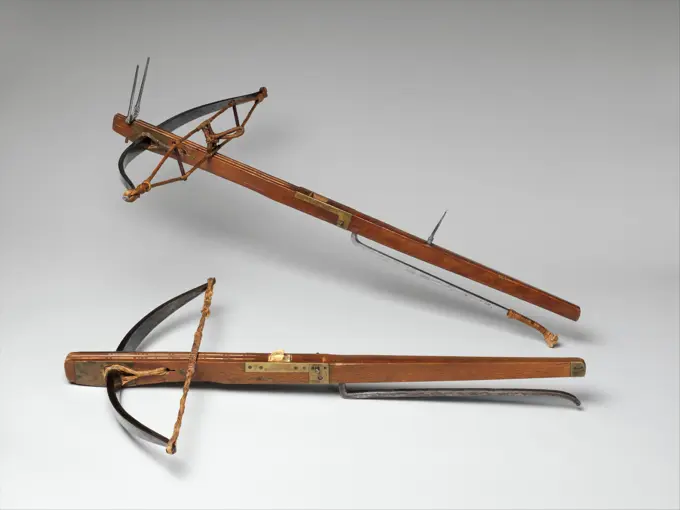
Crossbow with Spanning Lever crossbow, ca. 1540-60 and later; spanning lever, probably first half of the 16th century crossbow, Spanish, possibly Madrid; lever, probably Spanish. Crossbow with Spanning Lever. crossbow, Spanish, possibly Madrid; lever, probably Spanish. crossbow, ca. 1540-60 and later; spanning lever, probably first half of the 16th century. Steel, wood (fruitwood, probably pear), staghorn, copper alloy, hemp. possibly Madrid. Archery Equipment-Crossbows
4409-17437069
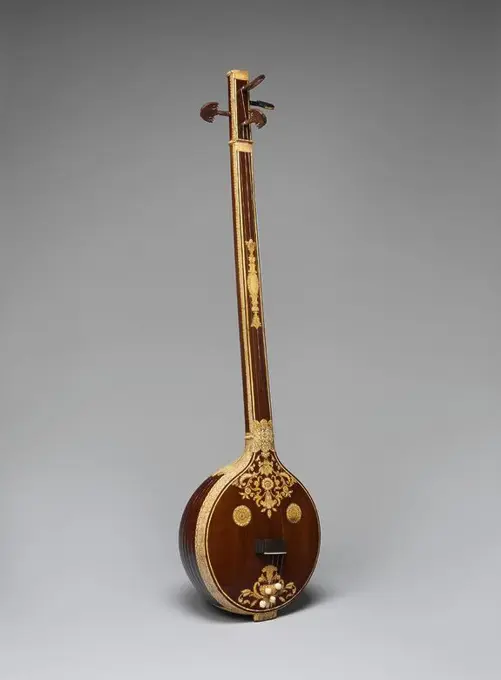
Tanjore Tambura (male). Culture: Indian. Dimensions: 57 1/2 × 15 × 10 in. (146.1 × 38.1 × 25.4 cm). Date: early 19th century.This tambura is the larger in a set of two and thus called the male. It is richly decorated with ivory inlay on the dark wood body. Its resonator is bowl-shaped and made of wood. This instrument was part of the collection of Y. G. Srimati, an Indian dancer and singer. She danced for Gandiji and Kasturba and sang bhajans (devotional songs) at his prayer meetings in Madras in 1936. Museum: Metropolitan Museum of Art, New York, USA.
1788-18457
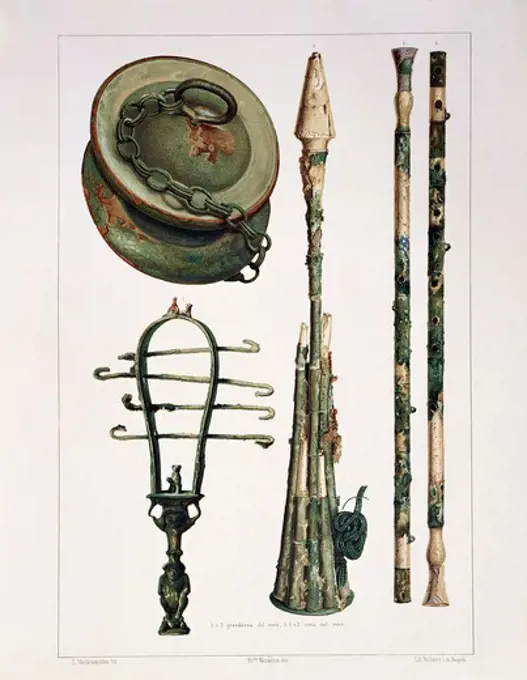
Musical instruments from Pompei, Volume II, plate XLI by Fausto and Felice Niccolini
6145-30188771
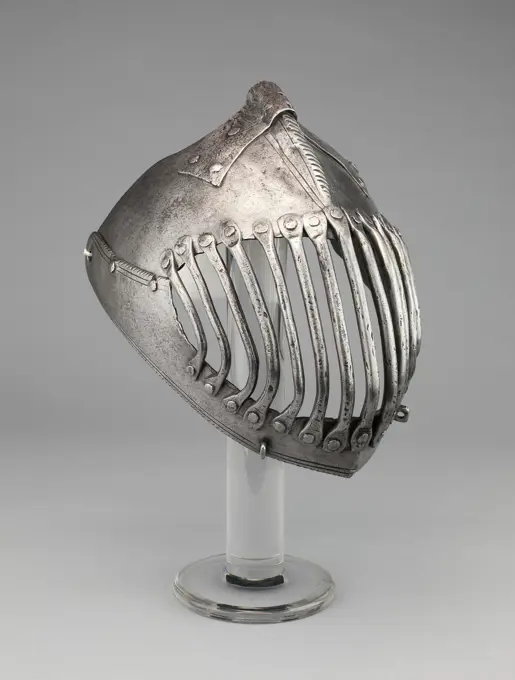
Barred Visor of a Close Helmet for the Gioco del Ponte Made 1580-1620 Pisa. Steel .
6145-59498856
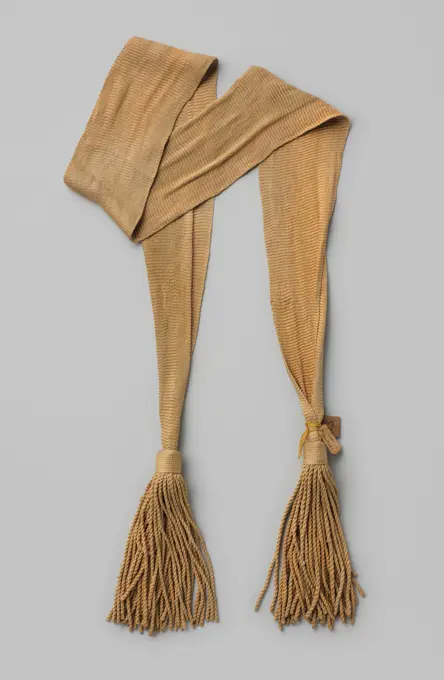
Sjerp Worn by Roelofs, in 1830/32 2nd lieutenant of the mobile militia, Anonymous, 1800 - 1830  Sjerp from mashed orange cord side, combination of the sash M.1815, with brushes M.1860 (rare!), In technology of Egyptian braid. Label with the text: 2nd lieutenant Roelofs, attached to the sash. On both sides are, from ditto cord side, brushed brushes with long ditto fringes. Sticked knots, from the ends of the sashes, can be seen on the undersides. Netherlands silk. wool braiding
6145-29179886
Spontoon ca. 1700 German. Spontoon 26187
6145-29149022
Sealing wax case (étui) 1775-81 French, Paris In eighteenth-century Europe, Paris led the production of high-quality luxury goods. Parisian goldsmiths made a wide range of small, personal articles such as snuffboxes; étuis to hold sealing wax, tweezers, or utensils for sewing; souvenirs, which contained thin ivory tablets for note taking; and shuttles for knotting lace. Gold snuffboxes and boxes decorated with portrait miniatures were prized and frequently given as royal gifts, often to ambassadors or members of the court in lieu of cash payments for their services. Coveted and admired, these boxes were produced from a variety of materials. The best were skillfully made of gold and embellished with diamonds, enameled decoration, lacquer, and other luxurious materials. By the middle of the century, the taking of snuff had become an entrenched social ritual, and the snuffbox, too, had become an important social prop. Snuffboxes were considered highly fashionable accessories, with some me
6145-30397460
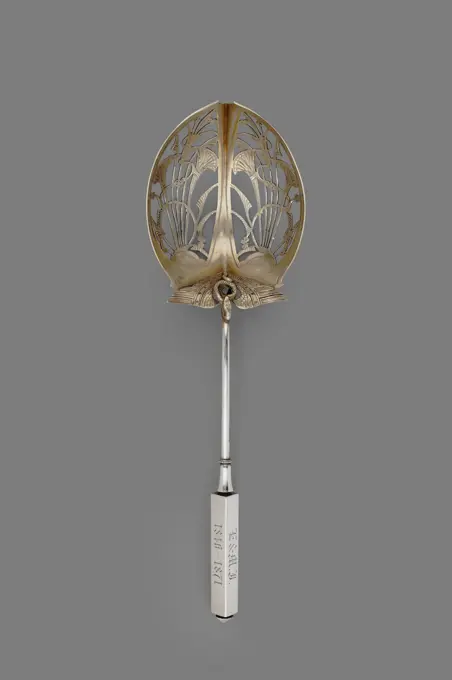
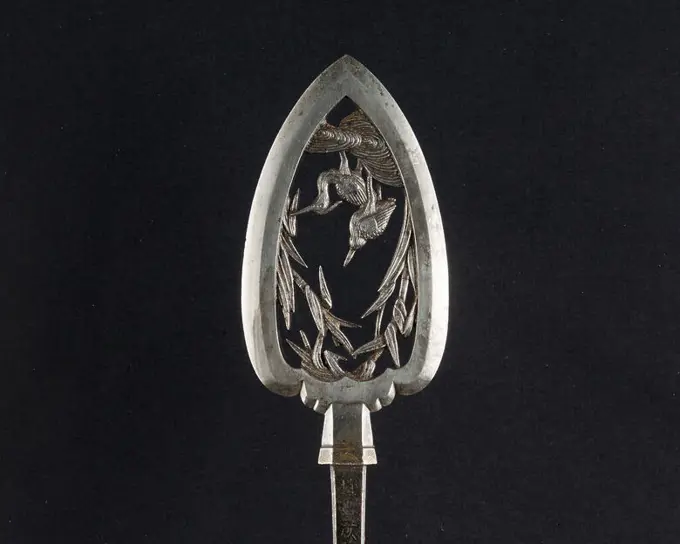
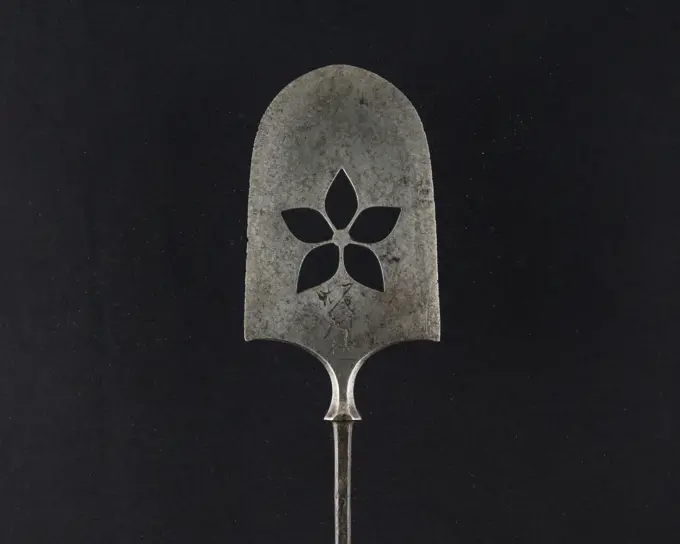
Pierced Serving Spoon, Isis” Pattern. Designer, attributed to: George Wilkinson, American, born England, 1819-1894 Manufacturer: Gorham Manufacturing Company, American, founded 1831
4409-17436563
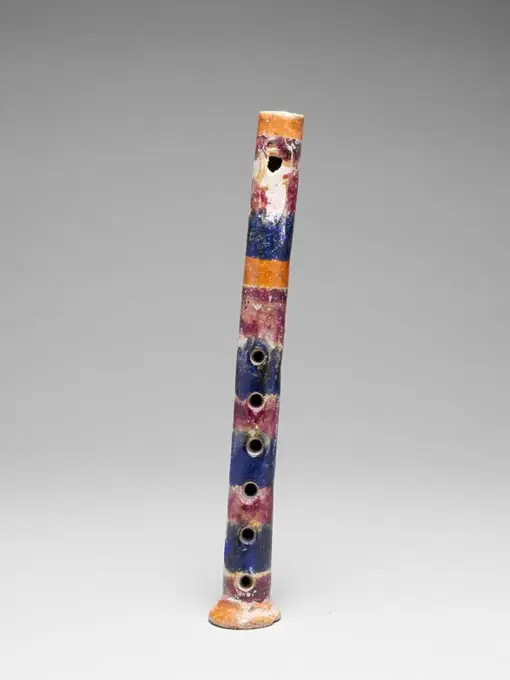
Pottery Flute. Culture: Mexican. Dimensions: L. 191 mm.; Diam.(greatest) 27 mm.; Wt. 39 g.. Date: 19th century. Museum: Metropolitan Museum of Art, New York, USA.
6145-29762862
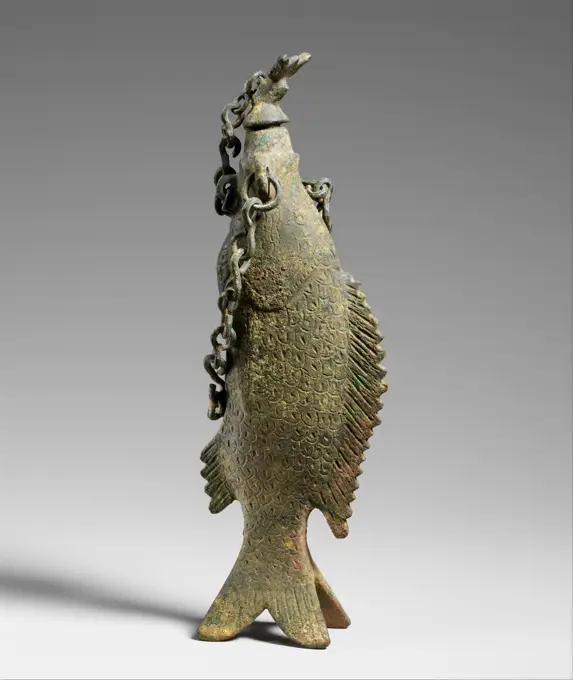
Vessel in the Shape of a Fish 4th-6th century Roman or Byzantine The stopper has a butterfly on the end as if the fish were feeding. The vessel may have been used to carry ointments to the public baths.. Vessel in the Shape of a Fish. Roman or Byzantine. 4th-6th century. Copper alloy, cast. Metalwork-Copper alloy
4409-17407267
Arrowhead (Yanone). Culture: Japanese. Dimensions: L. 7 1/2 in. (19.1 cm); L. of head 2 in. (5.1 cm); W. 2 7/16 in. (6.2 cm); Wt. 1.8 oz. (51 g). Date: 18th century. Museum: Metropolitan Museum of Art, New York, USA.
4443-28737907
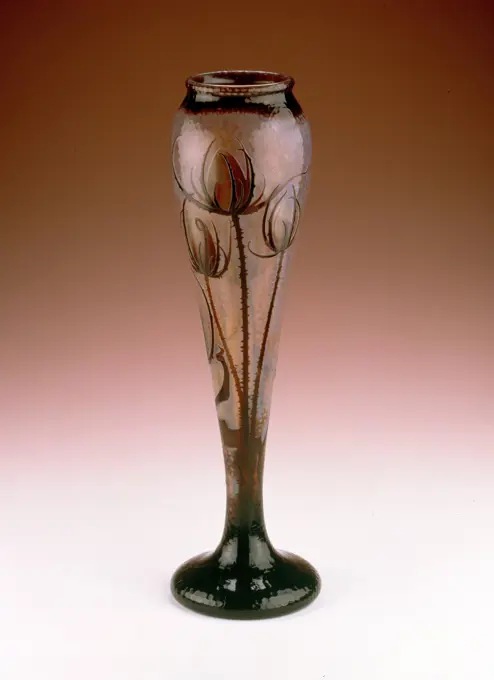
Vase, c. 1895, Daum Frères, French, Nancy, France, 1878-present, 20 1/16 x 6 in. (50.96 x 15.24 cm), Acid polished, etched, and polished glass, France, 19th century, Similar to Tiffany in America, the Daum Frères firm in France gained international recognition for its mastery of Art Nouveau designs. Among the wide variety of glass manufactured by the Daum family firm, the best known are their stylized organic forms created through carving encased glass. As seen in this vase, a bitumen-resist was painted on the glass to depict thistle and floral motifs, and then the vase was placed in hydroflouric acid to reduce unpainted areas. The process was repeated to create the textured layers of the design. Daum's knowledge and skill with glass earned a grand prize at the Paris International Exhibition in 1900. About the same time, Daum united with the firms of Emile Gallé (glass), Louis Majorelle (furniture), and Victor Prouvé (interior design) to create the Alliance Provinciale des Industries d
4409-17392939
Ceremonial Arrowhead (Yanone). Culture: Japanese. Dimensions: L. 11 in. (27.9 cm); L. of head 4 1/8 in. (10.5 cm); W. 2 1/8 in. (5.4 cm); Wt. 3.9 oz. (110.6 g). Steel-chiseler: Umetada Motoshige (Japanese, Edo period, died 1675). Date: dated 1645.Large arrowheads, pierced and elaborately chiseled with landscapes, birds, flowers, dragons, and Buddhist divinities, were created to be admired for the beauty of their metalwork and design rather than for use in archery. This arrowhead is dated 1645 and signed by Umetada Motoshige (died 1675), a member of the Umetada school of swordsmiths, tsuba makers, and iron chiselers. It belongs to a group of more than thirty similarly signed and dated pieces in the Metropolitan Museum's collection (including acc. nos. 32.75.318, .321, .327, .330, .334, .339-.340, .398-.399, .403, .406, .409) that may have been made for presentation or as a votive offering to a shrine. Museum: Metropolitan Museum of Art, New York, USA.
6145-29717452
Arrowhead (Yanone) 18th century Japanese Although today Japanese warriors are renowned most for their swordsmanship, archery, especially from horseback, has been an essential part of samurai warfare and culture for centuries. Arrows were fitted with heads of varying shape according to their intended use in war, the hunt, or target practice. Arrowheads made for use on the battlefield incorporated different designs intended for specialized purposes such as the piercing of armor or to cause maximum damage to horses and unarmored personnel.Large arrowheads, pierced and elaborately chiseled with landscapes, birds, flowers, dragons, and Buddhist divinities, were created to be admired for the beauty of their metalwork and design rather than for use in archery. Such highly elaborate examples may have been made for presentation or as a votive offerings to a shrine.. Arrowhead (Yanone). Japanese. 18th century. Steel. Archery Equipment-Arrowheads
1746-21118845
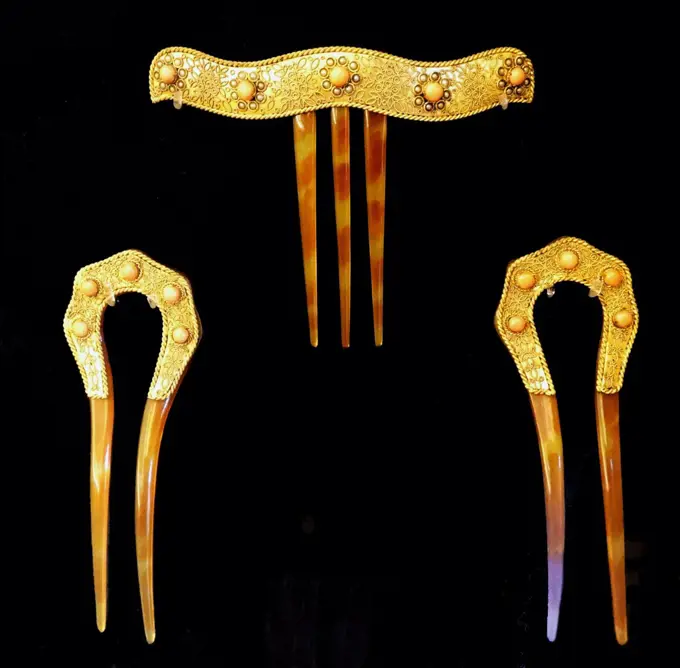
Gold metal comb from Italy. Dated 19th Century
6145-59057315
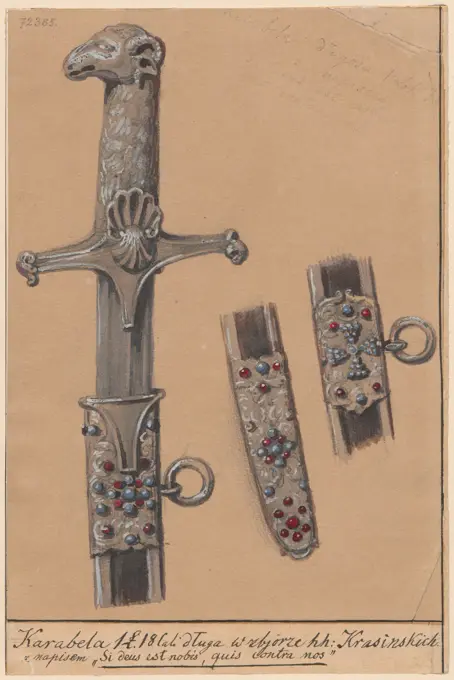
Karabela Polska with the inscription "Si deus est nobis, quis contra nose", from the collection of hr. Krasich; Lesser, Aleksander (1814-1884); 1830-1884 (1830-00-00-1884-00-00);Krasińscy (Warsaw) - collections, Lesser, Aleksander (1814-1884), Lesser, Aleksander (1814-1884) - collections, Lesser, Wiktor Stanisław Zygmunt (Baron - 1853-1935), Lesser, Wiktor Stanisław Zygmunt (Baron - 1853- 1935) - collection, weapon, white weapons, gift (provenance), rifles, military, craftsmanship
6145-29764872
Tubular Bead with Spirals 6th-7th century Moche (Loma Negra). Tubular Bead with Spirals 315157
6145-45321398
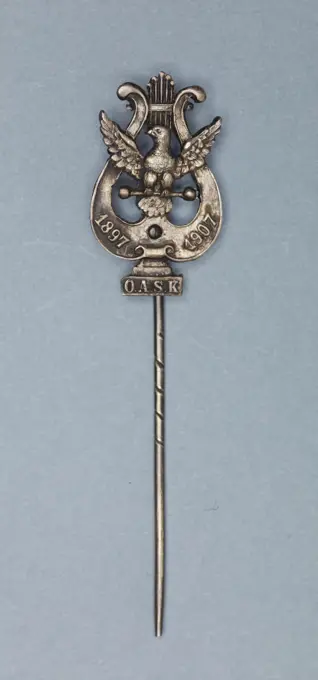
Commemorative badge of a member of the orchestra of the Sokół Gymnastic Society in Krakow
6145-46620843
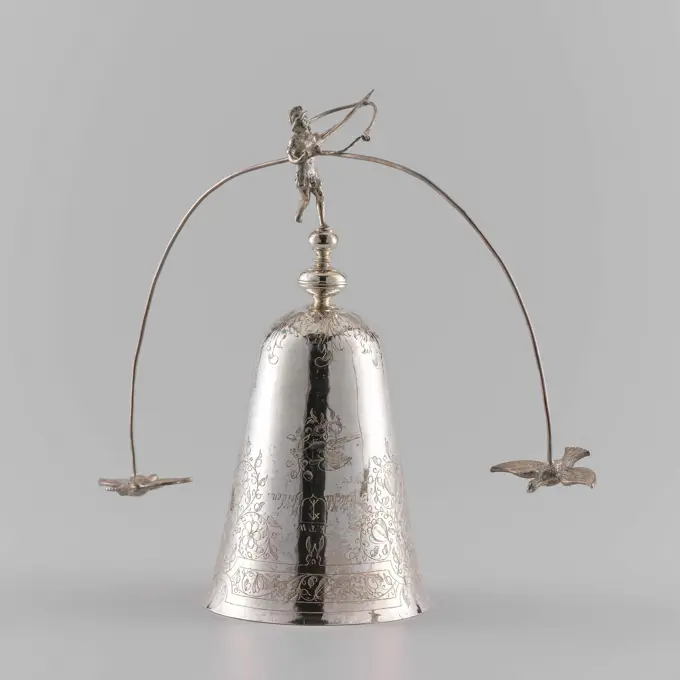
. The tiny archer (a Roman soldier) can spin around, keeping his balance by means of the semicircular metalrod with a bird on both ends. The empty cup was probably placed on the table among the guests. The archer was spun and when he stopped, his arrow pointed to the person who had to give the first toast.
6145-29212774
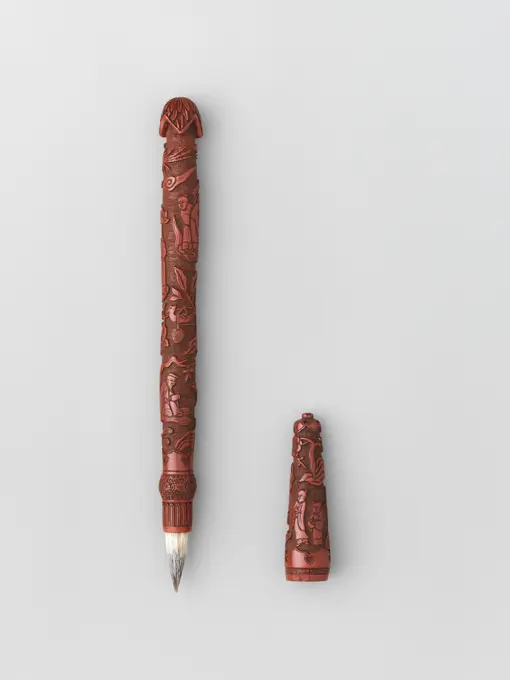
Writing brush and cover late 16th century China. Writing brush and cover. China. late 16th century. Carved red lacquer. Ming dynasty (1368-1644). Lacquer
6145-29785084
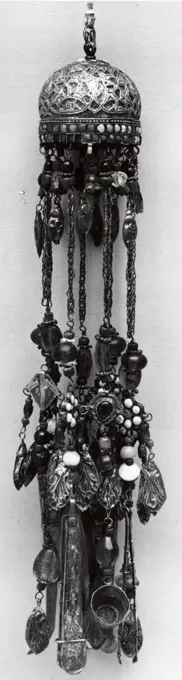
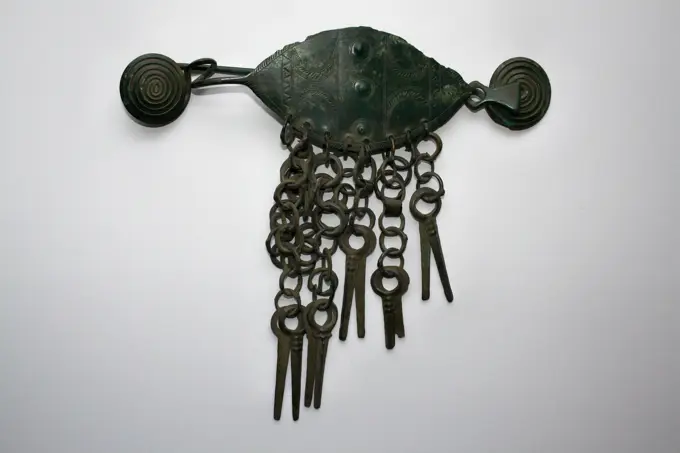
Ornament mid-19th century This type of pendant ornament was worn as part of an ensemble of jewelry by women in the region of modern-day Uzbekistan. Such jewels were suspended from pectoral ornaments and hung in front of the navel area, where they were believed to promote fertility. Among the variety of pendants hanging from this object are tweezers, a thimble, a vial for perfume, and other small tools.. Ornament 444665
6145-45809190
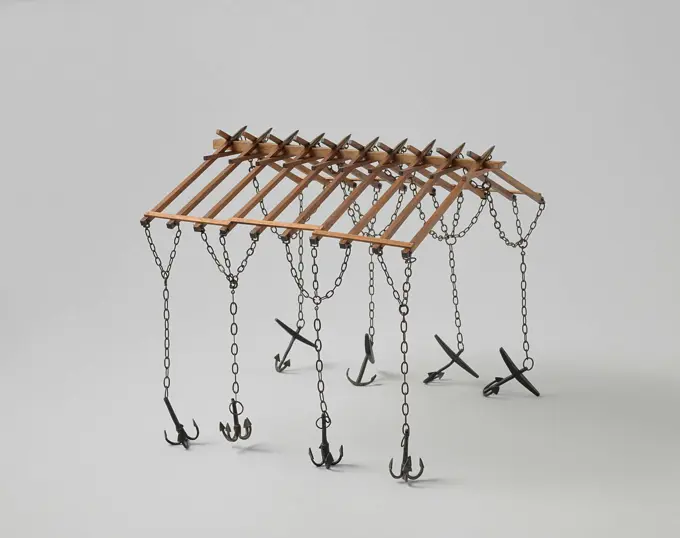
Model of An Artificial Reef. Model of a water palisade or water rider. It is a roof-shaped framework with two rows of sharp points at the top, pointing in one direction. On the one hand, the ordinary anchors, to the other, has dredges.
1746-21110364
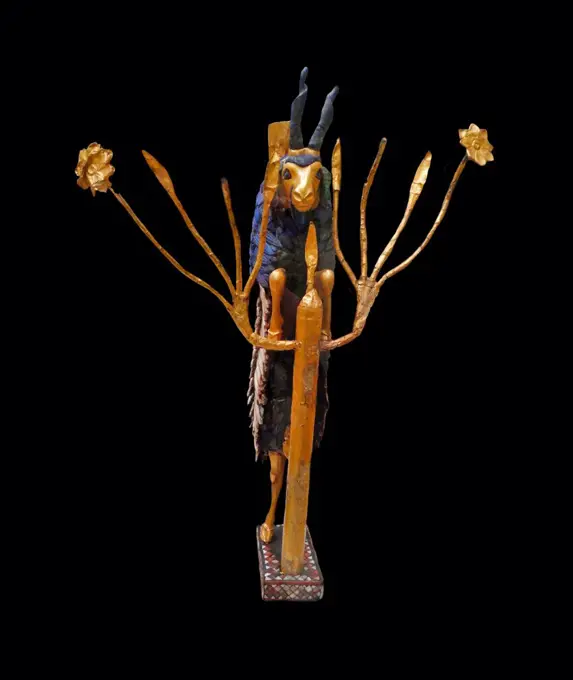
statuette of a Ram in a Thicket. inlaid wood, silver, shell, limestone, lapis lazuli and gold. Early Dynastic III. Ur. Found at the Royal Cemetery, Ur, Iraq. dated to 2600BC
4409-17410972
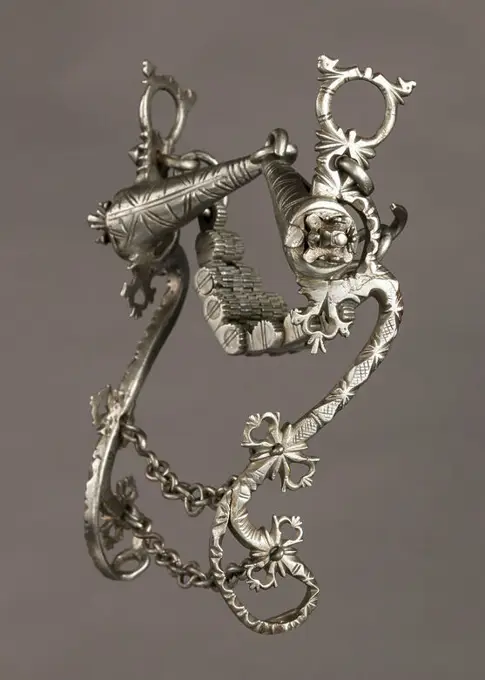
Curb Bit. Culture: German. Dimensions: H. 9 1/2 in. (24.1 cm); W. 8 in. (20.3 cm); Wt. 2 lb. 5.3 oz. (1057.4 g). Date: 17th century.This mouthpiece was designed for a horse with a regular good mouth and a very thick tongue. The curb chain, with its flat serrated links, was a bit more severe than regular chains, but its flat shape would spread the pressure more evenly.This kind of bit, with its engraved, pierced and chiseled ornamentation, is a very common type of German 17th-century bit, found in many collections. They might have been pre-made generic bits, mounted with mouthpieces and shanks of regular strength suitable for most horses. Museum: Metropolitan Museum of Art, New York, USA.
6145-59028765
Pin. Money. Cernuschi Museum, Asia Museum of Asia in the city of Paris.
6145-29884094
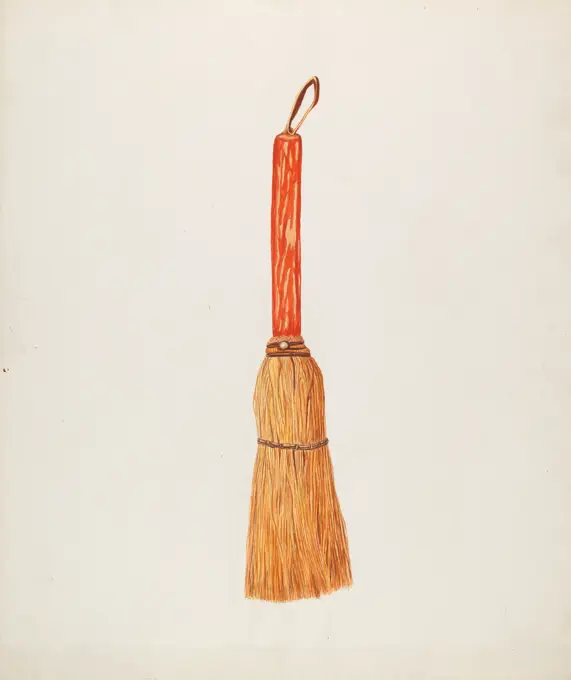
Peter Antonelli, Broom, 1935 1942 Broom
1746-19670636
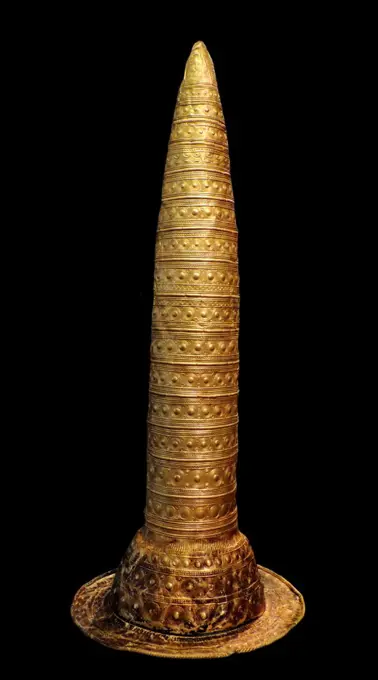
Ceremonial gold hat. Part of a ruler or Priesterornats, the ornaments are to be interpreted as a calendar. Gold, Around 1000 BC. Origin unknown, probably southern Germany
4443-28730354
Pin, 20th century, 2 1/2 x 1 15/16 in. (6.4 x 4.9 cm), Silver, United States, 20th century
6145-43502554
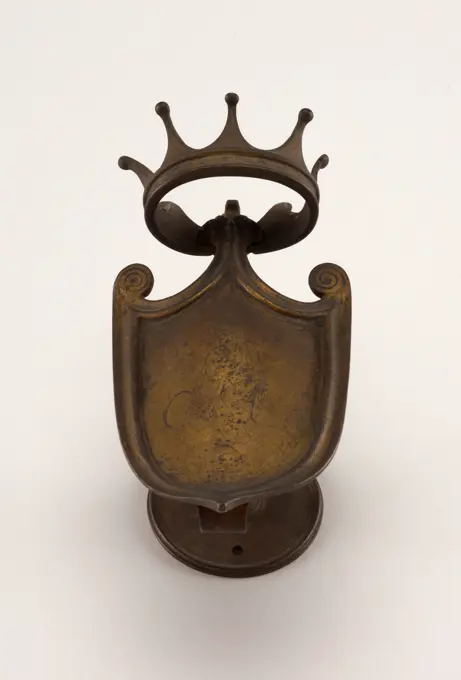
Bracket
6145-29062764
Liuxian Pipa (Six-String Pipa), 1800s. China, Qing dynasty (1644-1911). Wood; overall: 100.4 x 31.5 cm (39 1/2 x 12 3/8 in.).
6145-29832430
Pin ca. 8th-7th century B.C. Iran. Pin 327328
6145-48512437
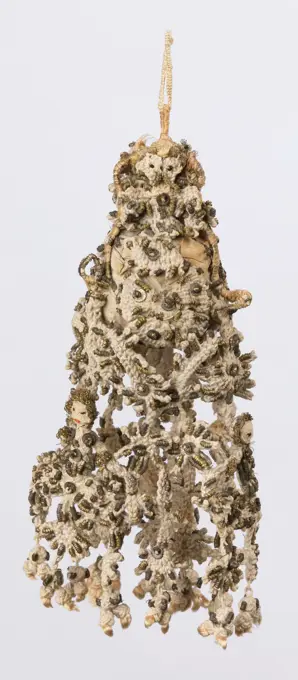
Tassel (Italy); linen, metallic thread
6145-58930568
Toolbox -
6145-29878560
Manuel G Runyan, Three Notch Survey Mark, c 1938 Three Notch Survey Mark
6145-50492913
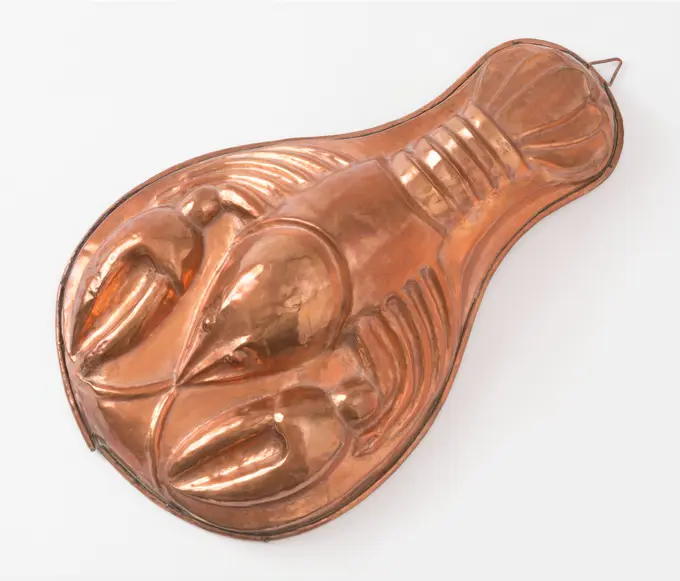
Food Mold (France); copper, tin
6145-58994540
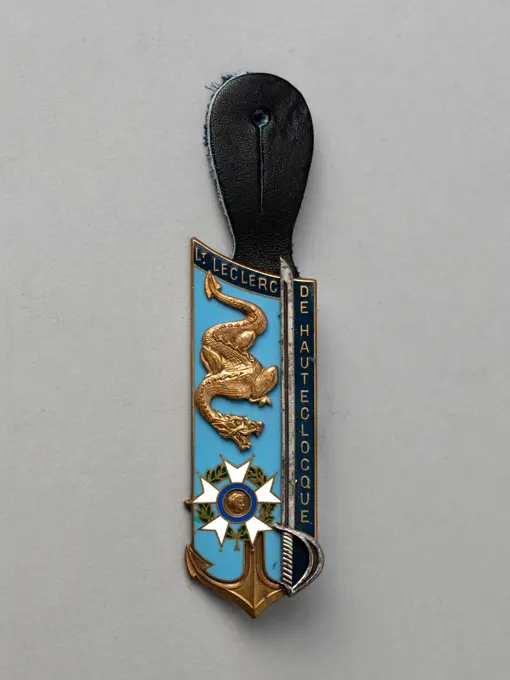
War 1939-1945. Promotion badge of the Lieutenant de Hauteclocque. General Leclerc Museum of Hauteclocque and the Liberation of Paris, Jean Moulin Museum. 75312-13 French army, war 1939-1945, war 39-45, insignia, promotion insignia, military insignia, object, Second World War
6145-45372281
Light card
6145-29138767
Brooch 1000-800 B.C. European Bronze Age. Brooch 478174
4443-21910746
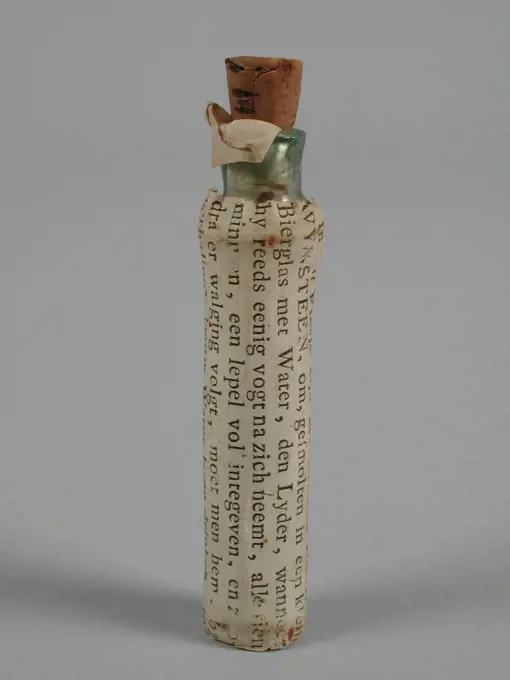
Transparent glass bottle with vomit and label In this bottle are six Greinen BRAAKWYNSTEEN, bottle holder medicine pharmacy glass cork paper ink, Cylindrical bottle with cork and label Contents: paper (with fired powder). Hornet of tobacco squirrel for drowning people In this bottle six Greinen BRAAKWYNSTEEN are melted in small Beer glass with Water den Lyder when he already takes few birds ... etc. (printed label) drowning water rescue medical care medical treatment health care doctor surgery Arrenberg tobacco packing inn pub Casket with various objects used in the last eighteenth and early nineteenth century in the attempt to revive the spirits of the drowning. On the box is the name Benjamin Arrenberg. This lived in the last third of the eighteenth century was vendrig in 1788-1791. Leproosmeester 1792-1794 The box will therefore be from the nineteen nineteenth century.
6188-55555020
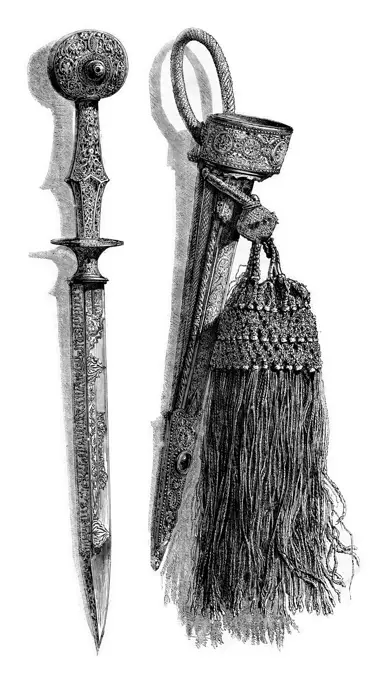
Hunting knife and sheath that belonged to the Marquis de Valseca, vintage engraving. Hunting knife and sheath that belonged to the Marquis de Valseca, vintage engraved illustration. Magasin Pittoresque 1873. Copyright: xZoonar.com/PatrickxGuenettex 10679460
4266-21635601
Figurine of a Norse god, probably Odin (from Staraya Ladoga), Norse art
1788-39332
Celtic civilization, Germany. Part of a bronze yoke ornamented with birds and ox heads, from the Oppidum of Manching.
6145-29116625
Flutes and Pipes. Egypt, 1537 - 31 BCE. Tools and Equipment; musical instruments. Reed
4409-17385628
Chandelier. Culture: American. Dimensions: 17 1/8 x 17 1/4 x 11 1/2 in. (43.5 x 43.8 x 29.2 cm). Date: ca. 1800. Museum: Metropolitan Museum of Art, New York, USA.
6145-29808908
Lijerica mid-19th century Croatia (former Yugoslavia). Lijerica 505135
6145-29754760
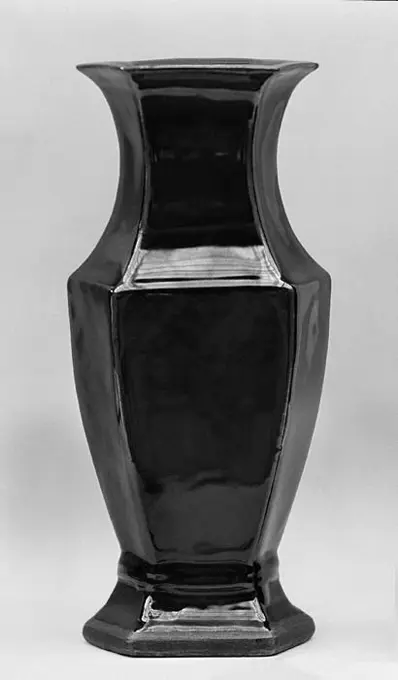
Hexagonal vase late 18th-early 19th century China. Hexagonal vase 48854
6176-67064325
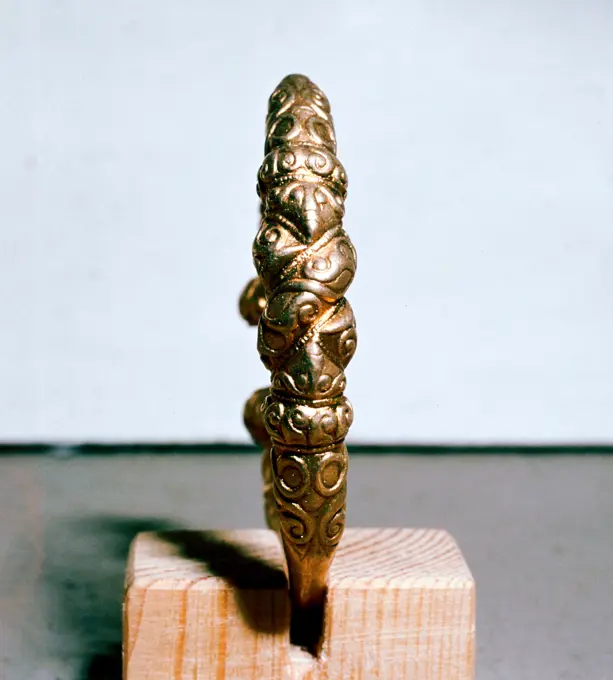
Celtic gold bracelet, Waldalgesheim, Germany, late 4th century BC. Artist: Unknown
6145-29794237
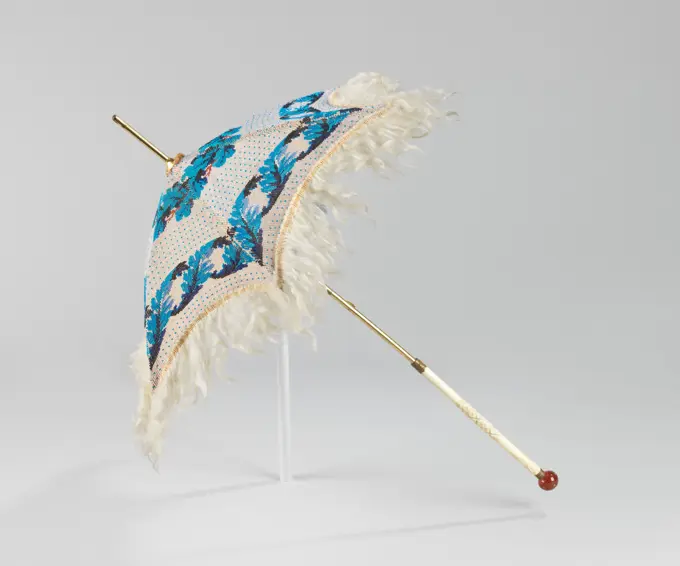
Parasol 1850-70 French Part of the appeal of this parasol is the novelty of its being made from glass beads, which are more typical for handbags prevalent in the nineteenth century. The unusual decorative touch to this particular parasol is the addition of lamb's wool fringe instead of the usual silk fringes. It is an excellent example of the frivolity of fashion for the upper classes during this period.. Parasol. French. 1850-70. glass, linen, hair, metal, ivory, silk
6145-45786056
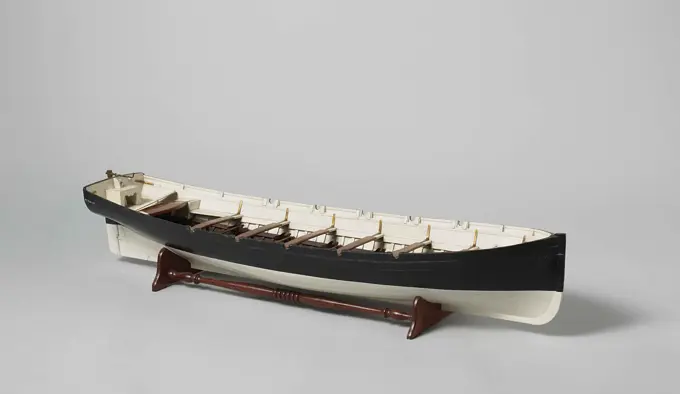
Model or a lifeboat. Witnessed and polychromed model on a standard. Overnight ankle belt jol, peaked round trip with kimkeels, the seam towards slightly ascending, flat mirror painted with a golden heart; Seven dulles and an open cabin. Easy stir with a metal helm, the stirring king on either side with a golden heart painted. The rig consists of a large mast with emmer sailing, the drip mold is missing. Eighteen textiles float bags filled with straw are bound under the docks and against the boois. There are also two boat hooks and six oars for loose parts.
6145-29738800
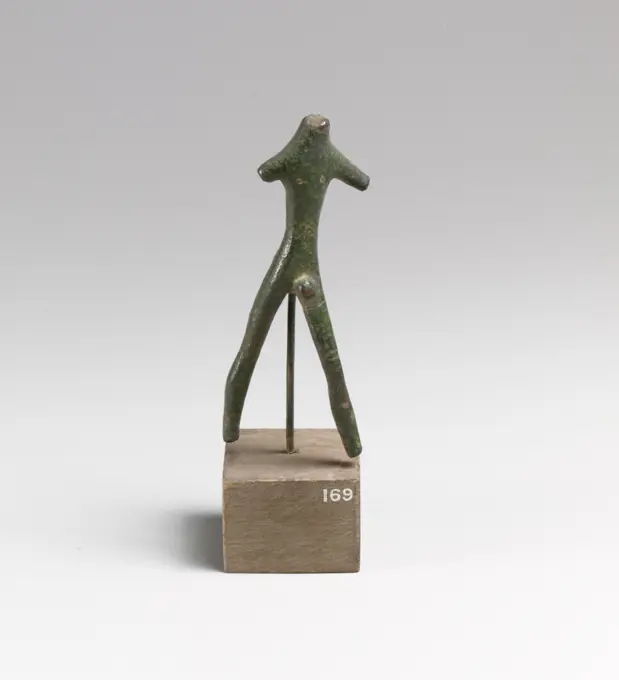
Statuette of a striding man 6th century B.C. Etruscan A fighting warrior.. Statuette of a striding man 246301
4409-21485885
Museo de Luxor.
6145-30168508
Morris Selz House, 1717 South Michigan Avenue, Chicago, Illinois Exterior Newel Post 1883 United States. Cast iron . Adler & Sullivan, Architects (Designer)
6145-30141069
Model or a launch.Gepoly chromed pant model on a standard. Glad-coring double germs Barkas, round trip with almost flat seam and flat mirror; A prior to, six docks and five tracks, an extra loose doft in the bow, and an open cabin with silk ears and another loose doft. Easy stir with a curved brass helper to be able to go around the drip mount. Scale 1:10 (derived).
6145-54680960
Broadsword Italian, Venice 18th century View more. Broadsword. Italian, Venice. 18th century. Steel, brass, wood, leather. Venice. Swords
6145-29069883
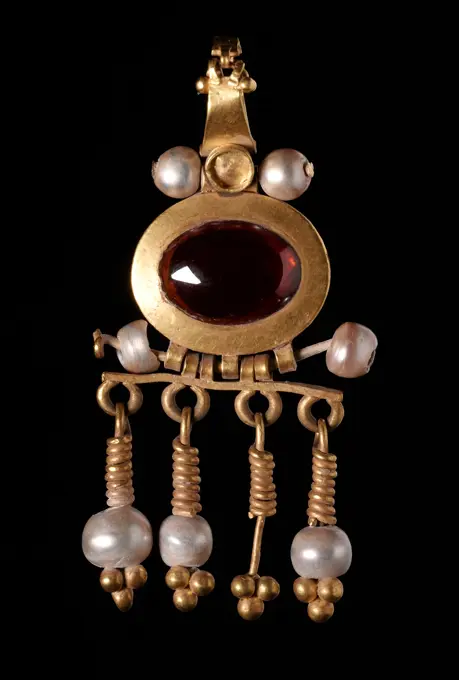
Pendant Earring, AD 1-200. Seleucia, Iraq, Parthian Period. Gold with garnet and pearls; overall: 3.8 x 2.9 x 1.3 cm (1 1/2 x 1 1/8 x 1/2 in.).
6145-29710092
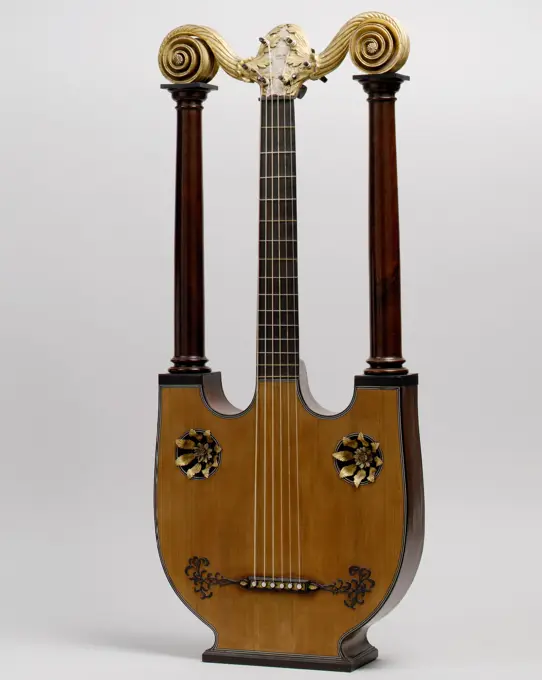
Lyre Guitar ca. 1805 Possibly Joseph Pons This form of the guitar was created about 1785. The columnar arms supporting the yoke are veneered in mahogany. The guitar has six single courses of strings. A printed label inside the instrument reads: Pons / fils / luthier, / Rue du Grand Hurleur / No. 5 / A Paris, an 13.” The phrase an 13” refers to the thirteenth year (1804-1805) of the French Revolutionary Calendar.Renaissance paintings by Lorenzo Costa and Raffaellino Garbo show lyre-guitars held upright (possibly interpretations of incised strings in classical bas-reliefs), as they were properly held by the player. Essentially, the lyre-guitar was a modified version of the lyre of antiquity, but with a fingerboard and six strings. English lyre-guitars were sold from 1811 as the six-string "Apollo" lyre of Edward Light and the twelve-string "Imperyal Lyre" of Angelo Benedetto Ventura.. Lyre Guitar. French. ca. 1805. Mahogany, spruce, ebony, brass, nickel-silver, gilding. Paris, France.
6145-46627261
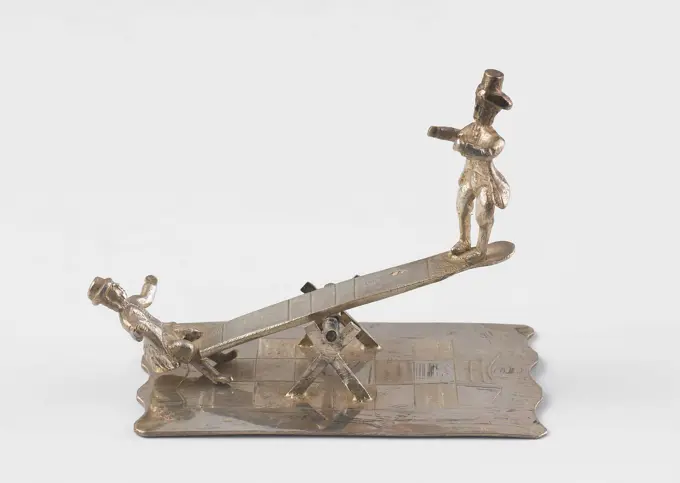
. There is a seesaw on an elongated album. On the seesaw there is a man on one side and on the other hand is a man. The short side of the plate is scalloped. A diamond pattern is engraved in the plate. The image is noticed: Mt. = A. Hellegers and written S.
6145-29127965
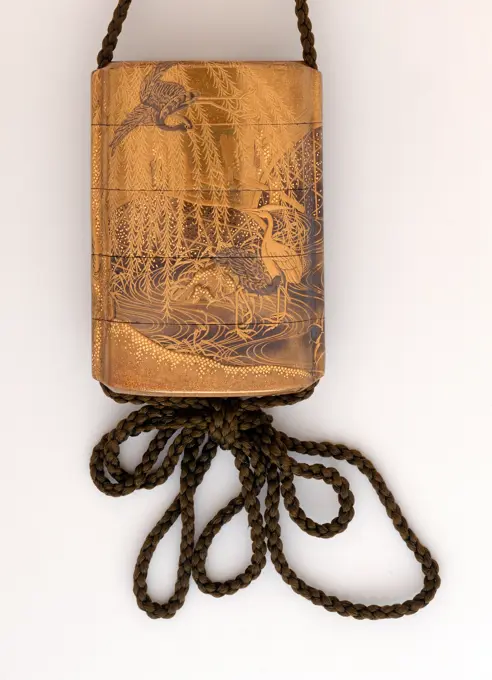
Egrets and Willows at Riverbank (Inrō/Ojime/Netsuke Ensemble). Japan, late 18th-early 19th century. Costumes; Accessories. inrō black hiramakie with kirigane on hirame and polished gold lacquer ground; ojime polished carnelian; netsuke heavily stained ivory
4435-7402
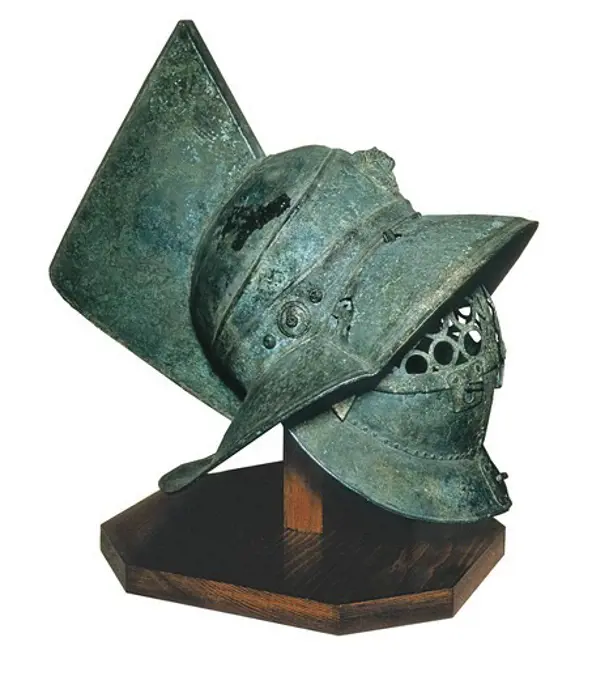
Bronze gladiator's helmet. 1st c. Roman art. Early Empire. UNITED KINGDOM. ENGLAND. London. The British Museum. Proc: ITALY. CAMPANIA. NAPLES. Pompeii.
6145-29845297
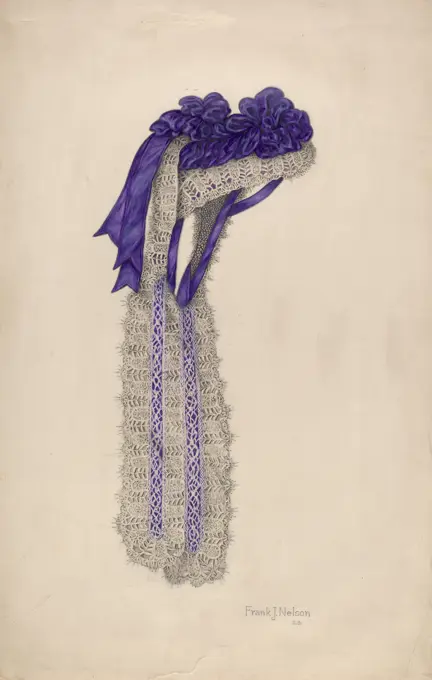
Frank Nelson, Straw Bonnet, c 1938 Straw Bonnet
6145-29062667
Butt-Cap from a Flintlock Pistol, c. 1690-1700. Italy, late 17th Century. Steel, chiseled; overall: 8.6 x 9.7 cm (3 3/8 x 3 13/16 in.).
6145-29775727
Handle of a jug 7th-6th century B.C. Cypriot. Handle of a jug 244339
6145-29730618
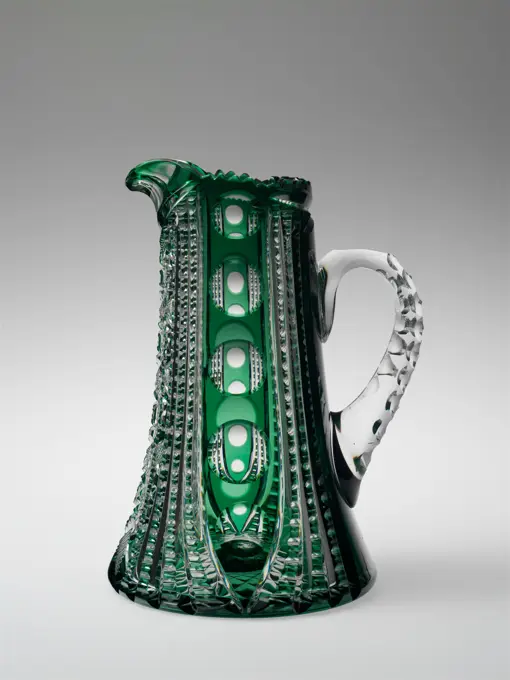
Pitcher ca. 1843-67 Boston & Sandwich Glass Company. Pitcher. American. ca. 1843-67. Blown and cut glass. Made in Sandwich, Massachusetts, United States
6145-58936009
Crupper -
4409-17282666
PENACHERO EN MARFIL. Location: PRIVATE COLLECTION. MADRID. SPAIN.
6188-54905261
iron cross grave whimsical forged iron cross grave Copyright: xZoonar.com/mrivsergx 6114539
6145-29064945
Parrot on a Perch , 1896-1903. Mikhail Evlampievich Perkhin (Russian, 1860-1903), House of Fabergé (Russian, 1842-1918). Silver, enamel, jasper, agate, emeralds; overall: 15.3 x 7.4 cm (6 x 2 15/16 in.). In creating luxurious accessories for a desk or tabletop, Fabergé often used native hardstones such as multicolored agate and jasper, green nephrite, pink rhodonite, and rock crystal found in the Ural Mountains of western Russia. By paying careful attention to the unique colors and textures of the stones, Fabergé and his craftsmen brought them to life, turning milky agate into a begging poodle or green and black jasper into this parrot sitting on a perch. The use of native materials also promoted Russian nationalism, which appealed greatly to the tsar and his family.
4408-8817
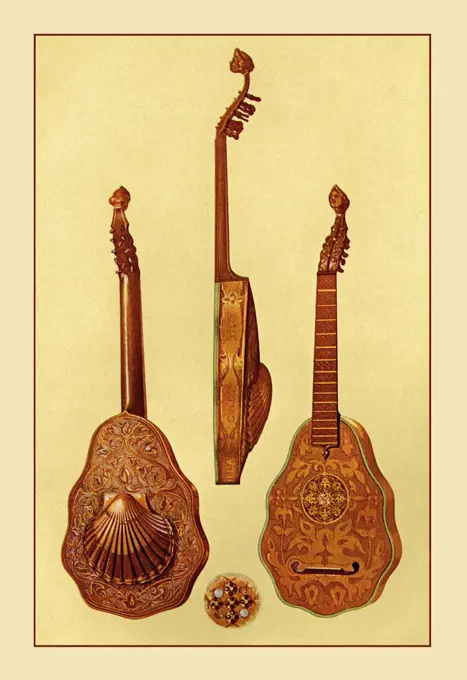
Queen Elizabeth's Lute, Renaissance Musical Instruments