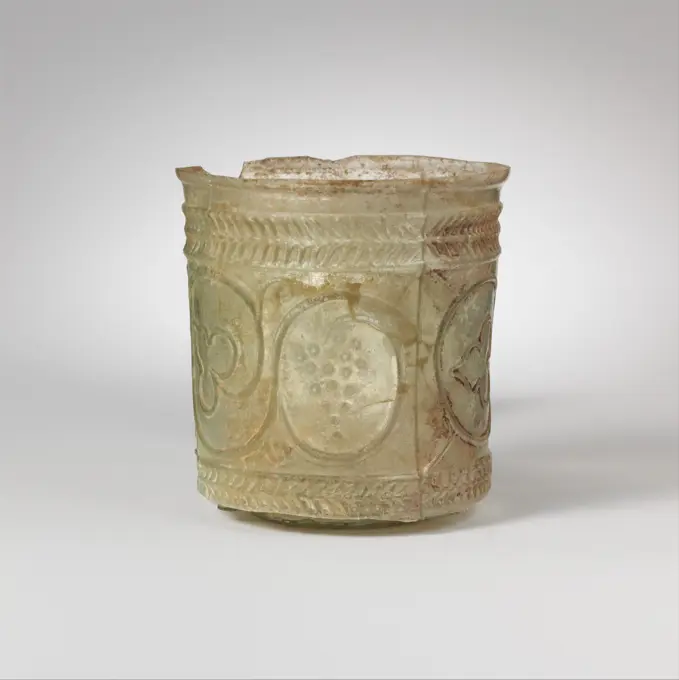
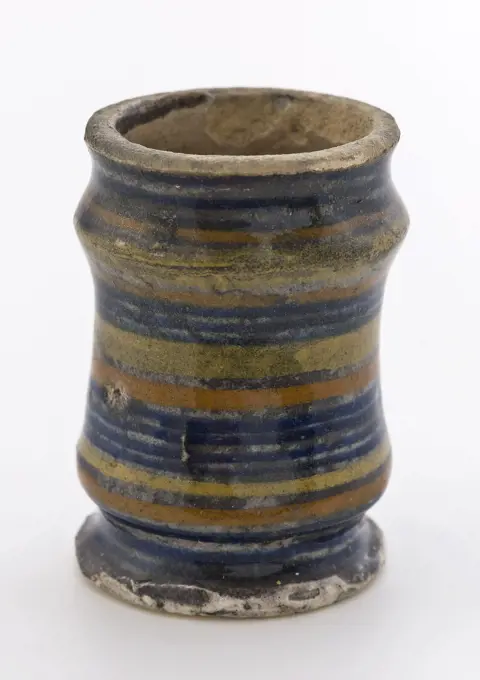
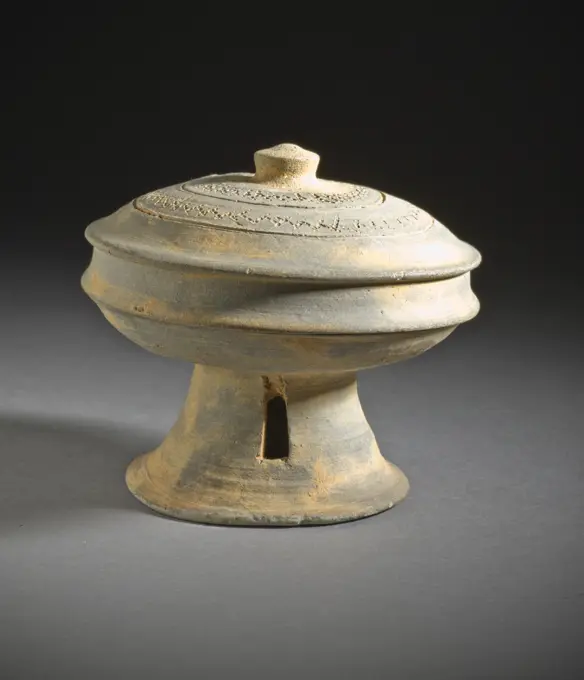
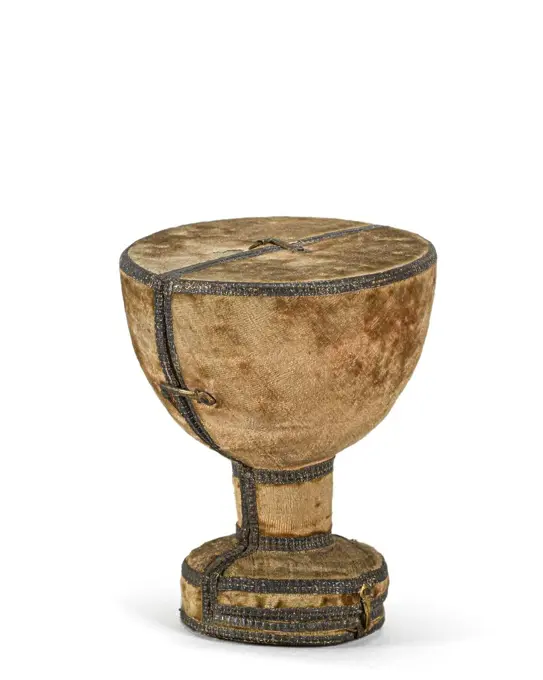
Ancient Terracotta Vessels

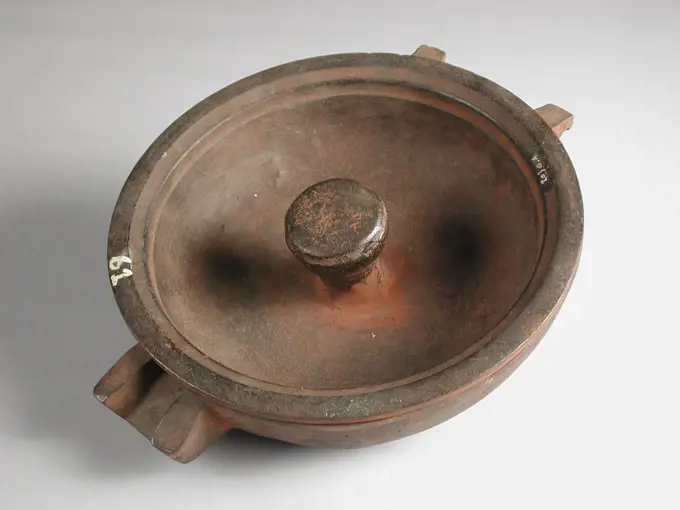
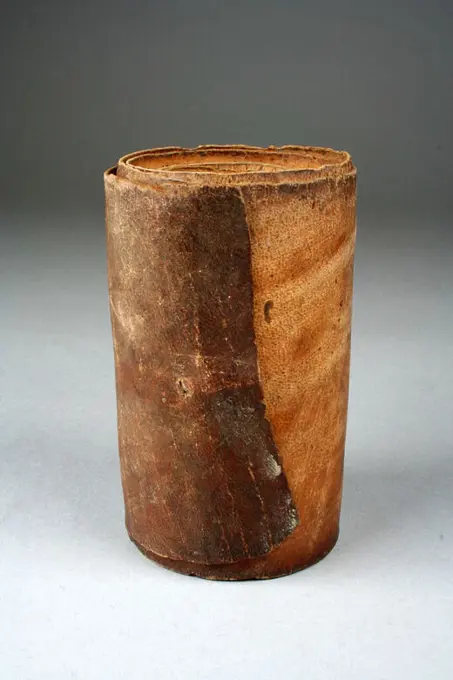
A variety of ancient terracotta pots and jars, featuring diverse shapes, decorative patterns, and historical significance from different cultures.
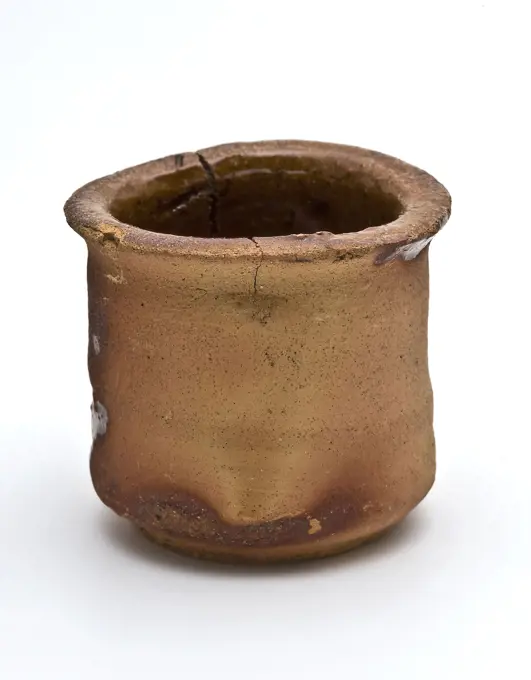
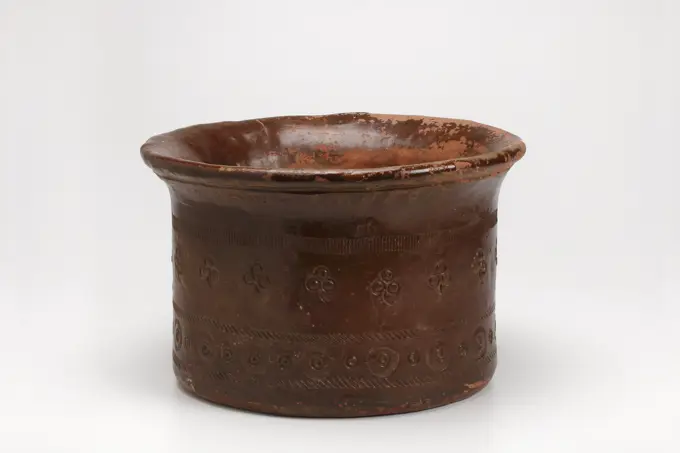
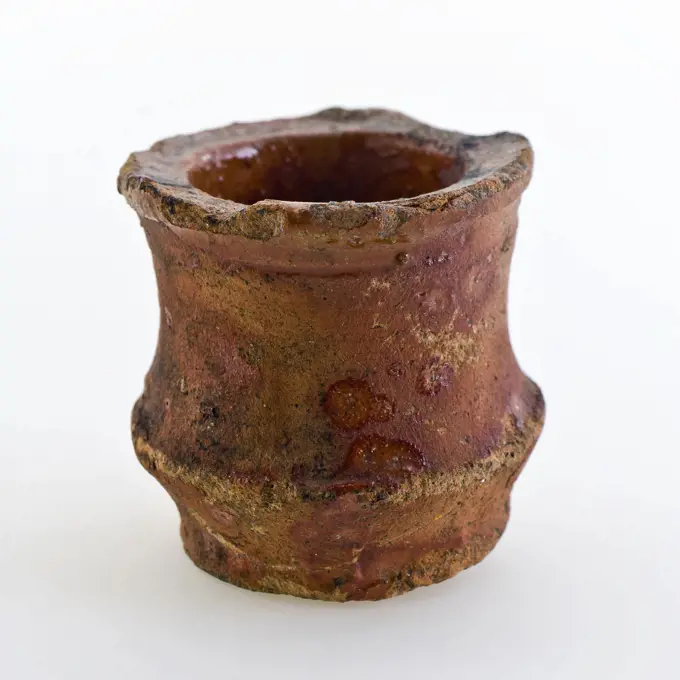
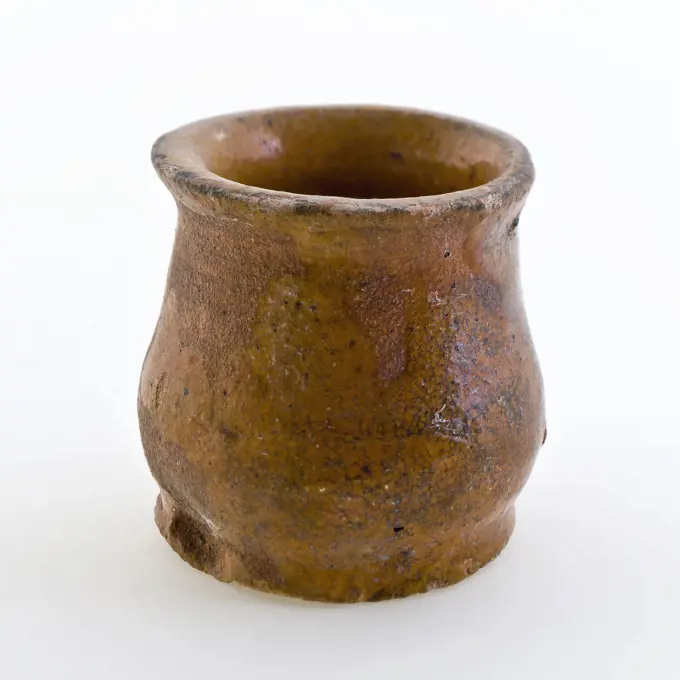
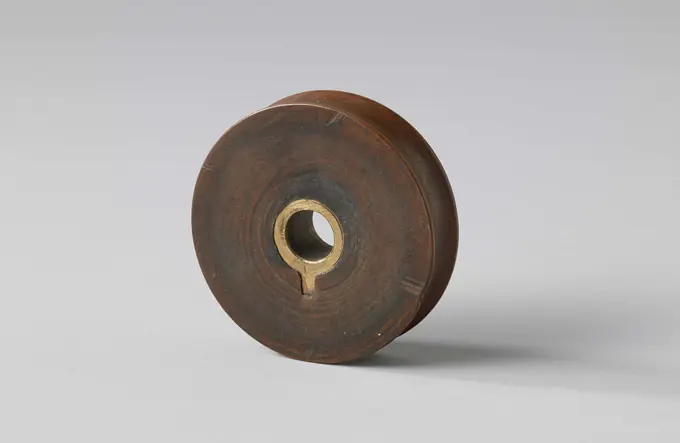
Ointment jar, cylindrical, red earthenware, ointment jar pot holder soil find ceramic earthenware glaze lead glaze, hand turned glazed fried Straight wall foot and flat scraping edge. Red earthenware interior glazed edge partly outside here and there stain Ointment jar. Oval top edge due to the carelessness of the potter archeology Rotterdam rail tunnel packing medicine drug pharmacy ointment Soil discovery: rail tunnel Rotterdam.
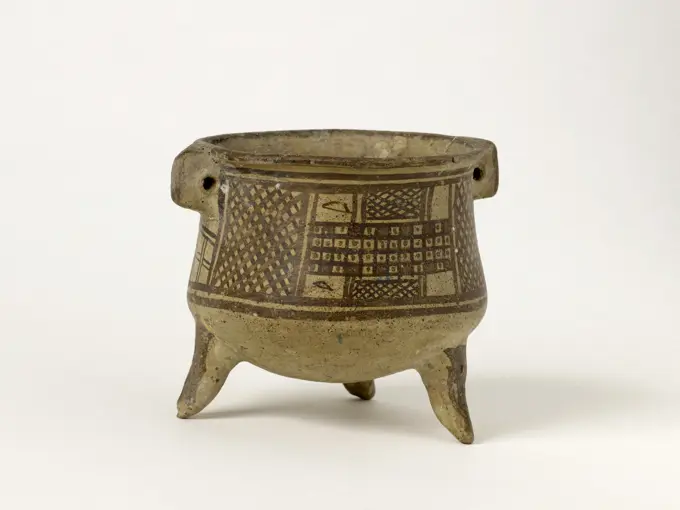
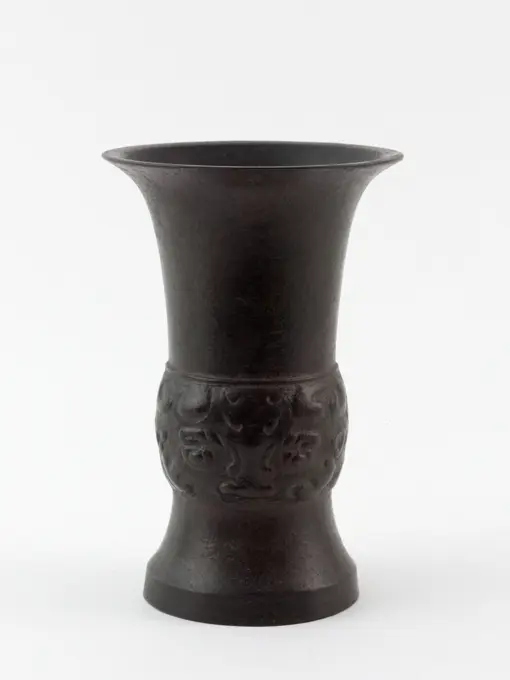
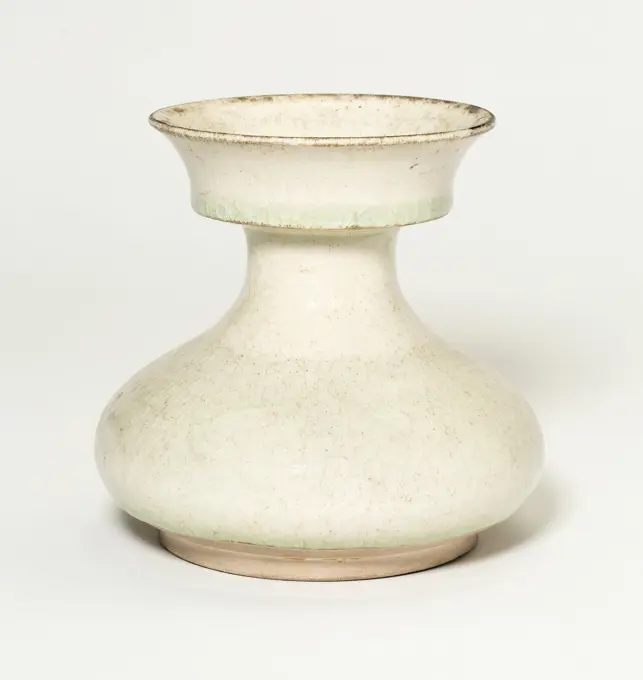
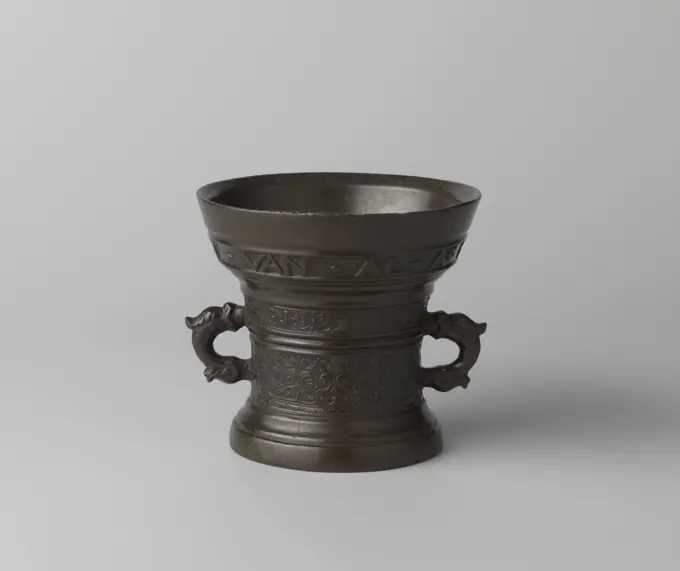
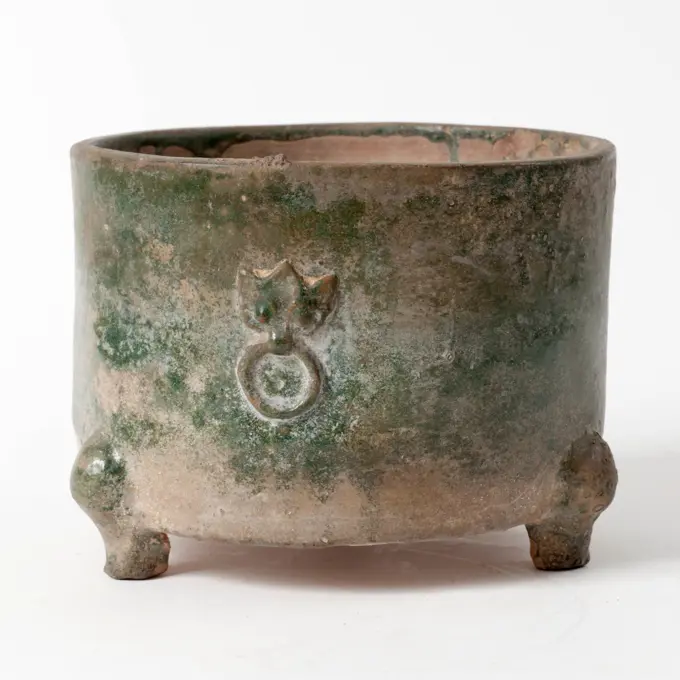
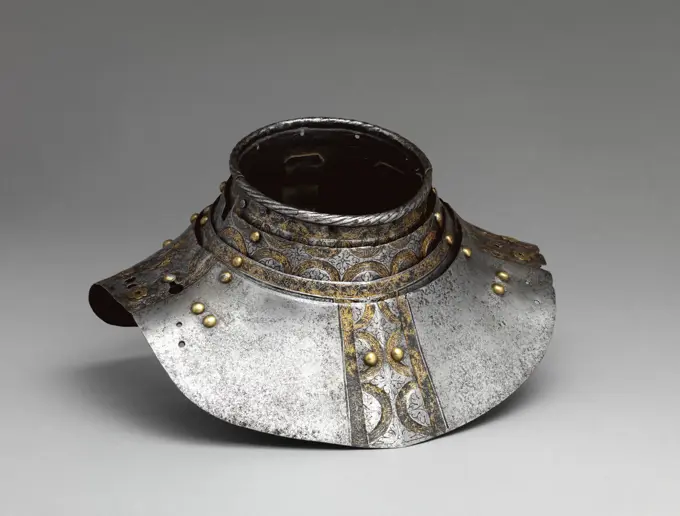
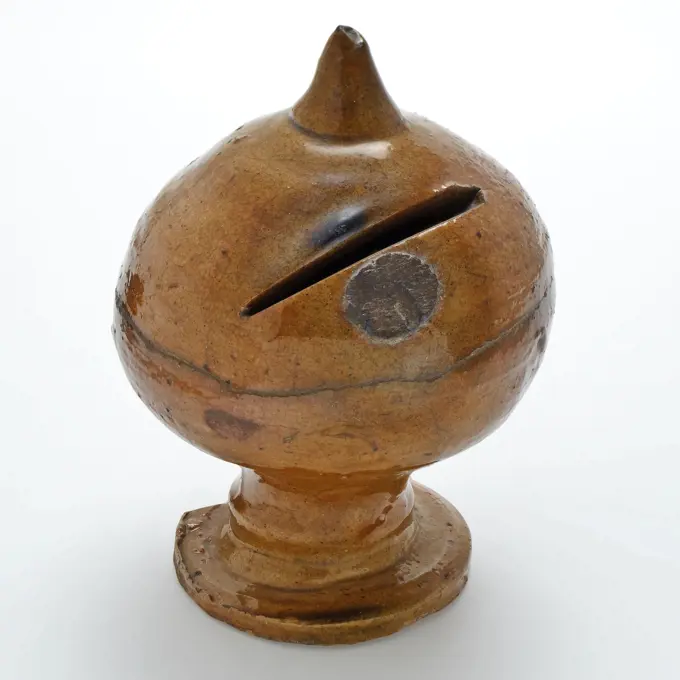
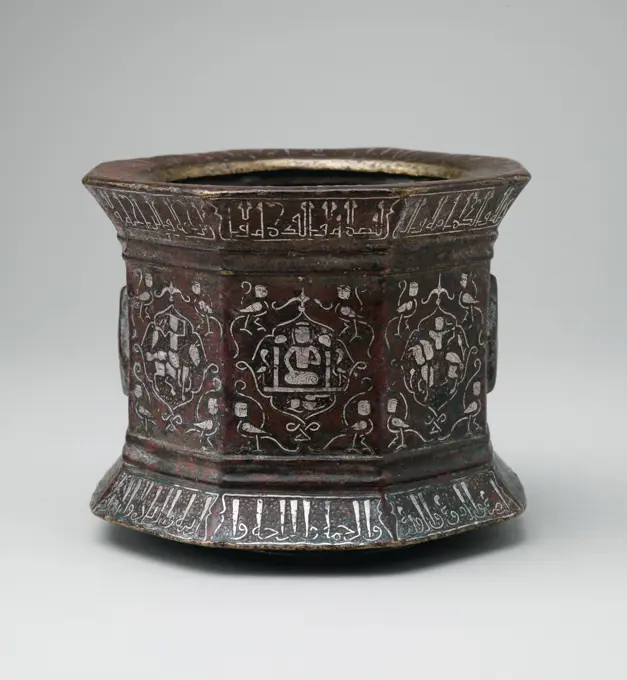
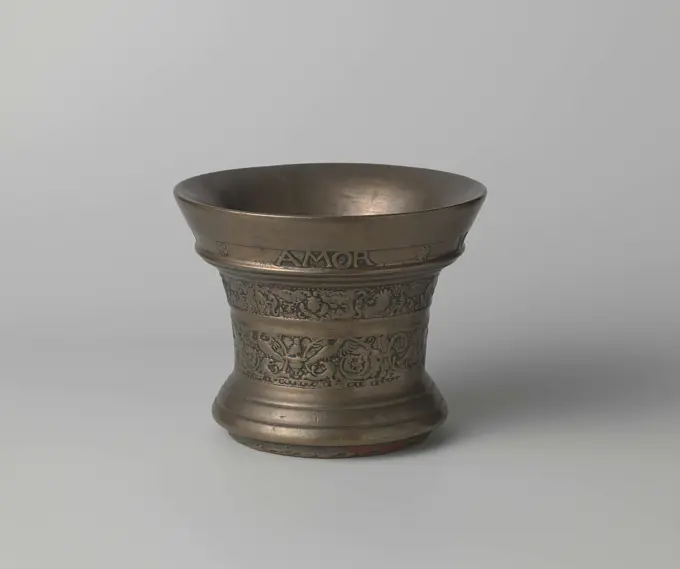
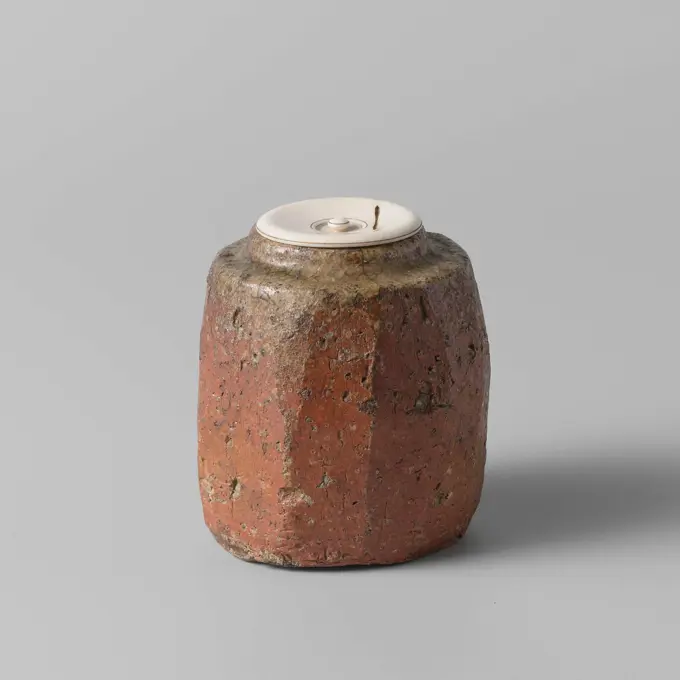
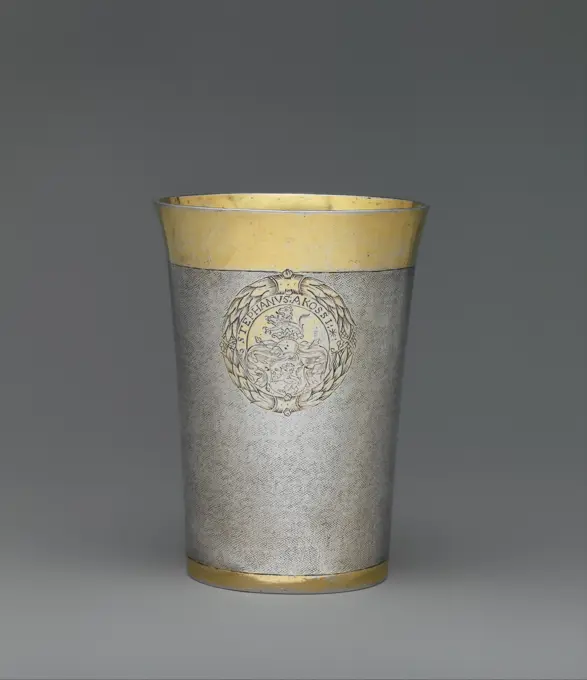
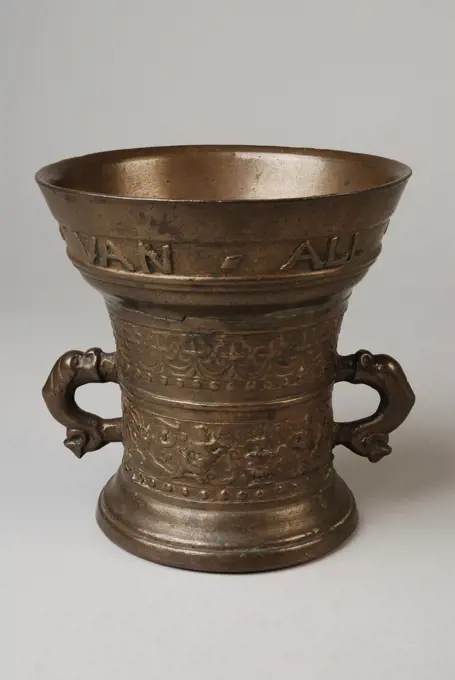
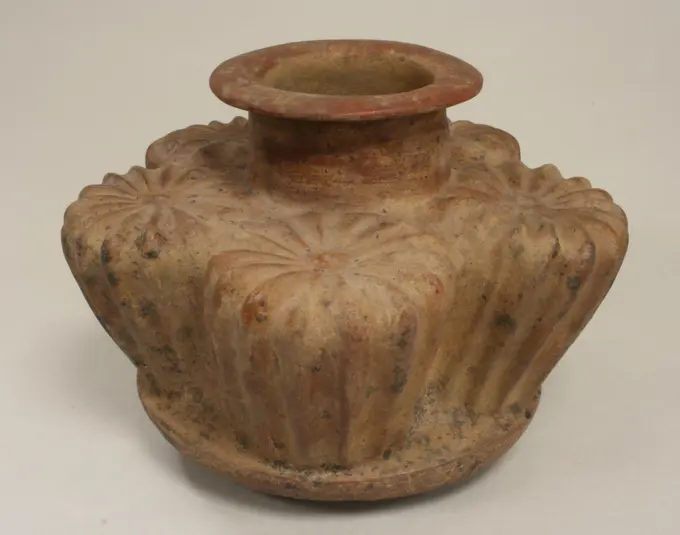
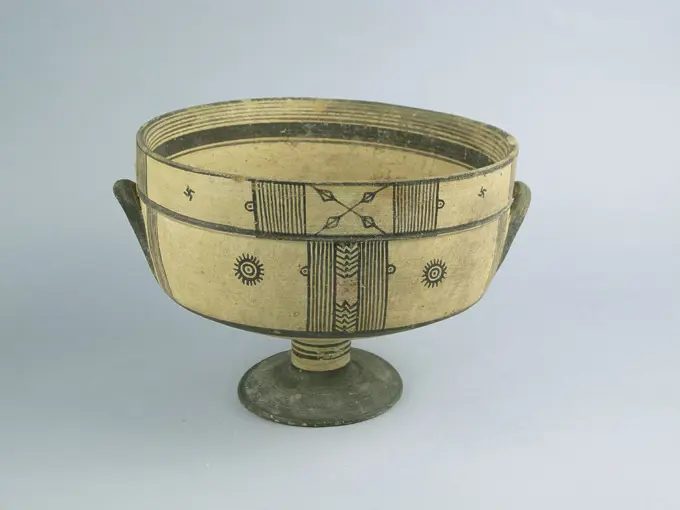
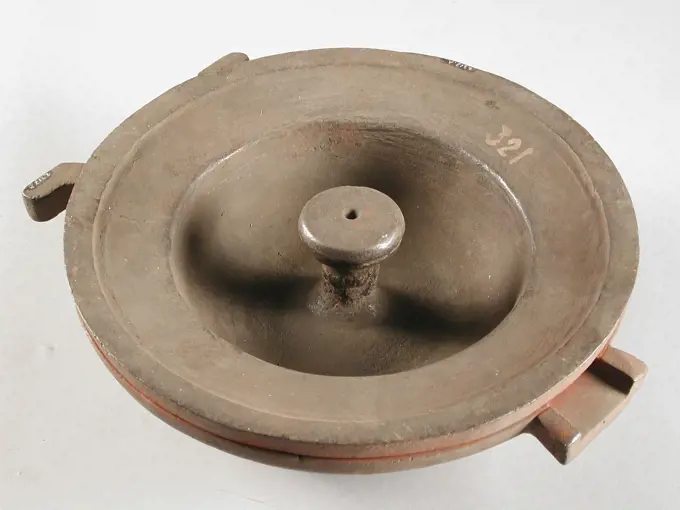
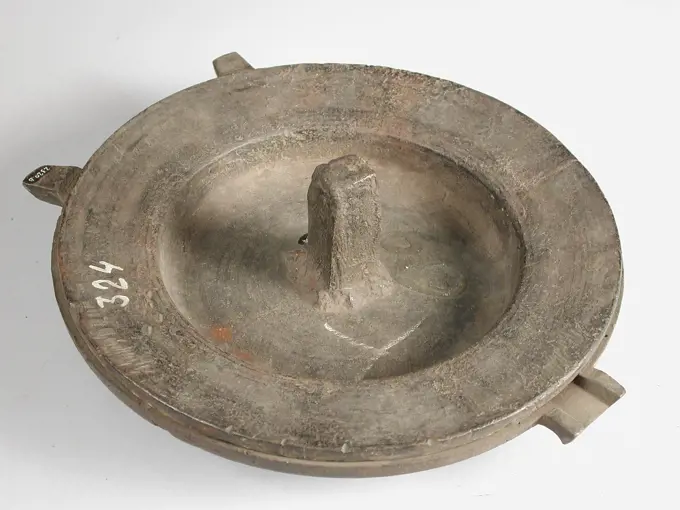
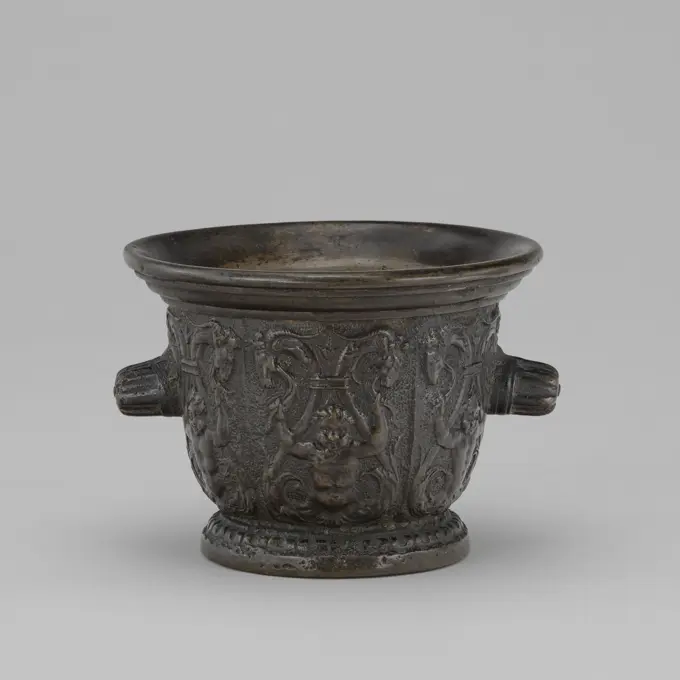
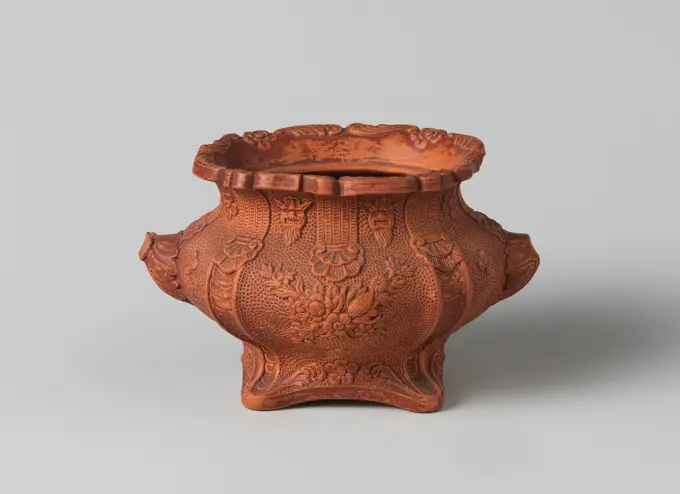
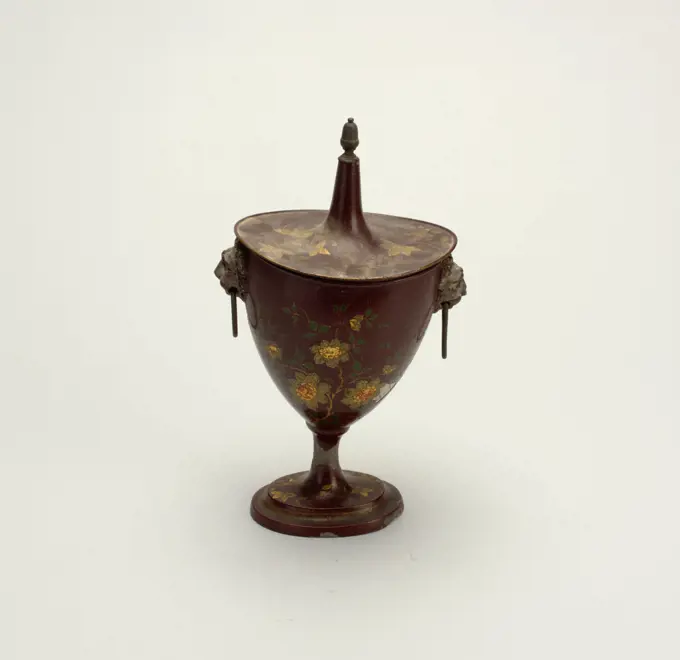
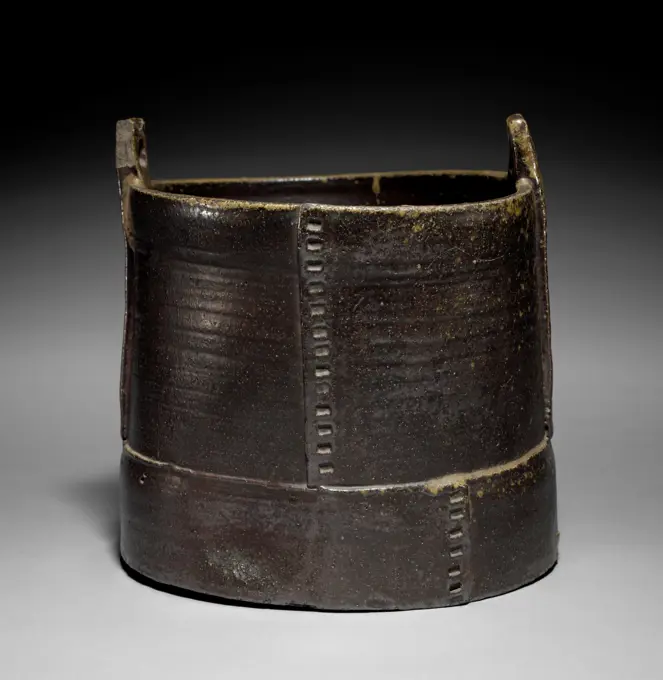
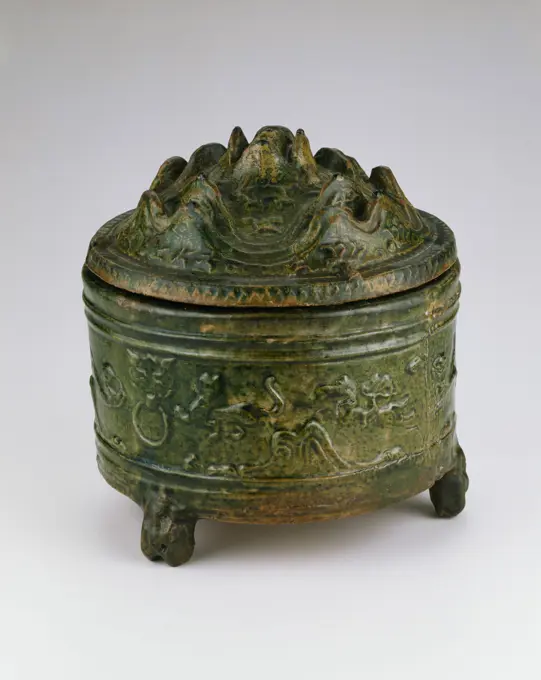
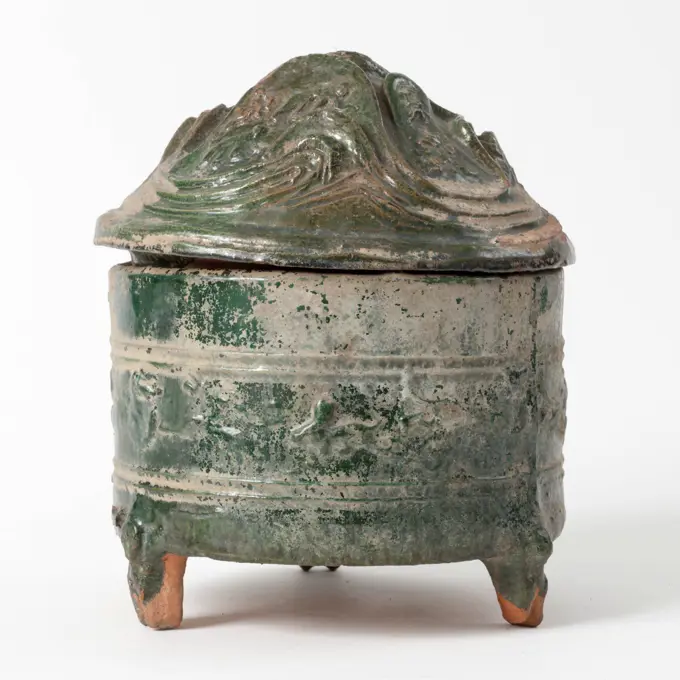
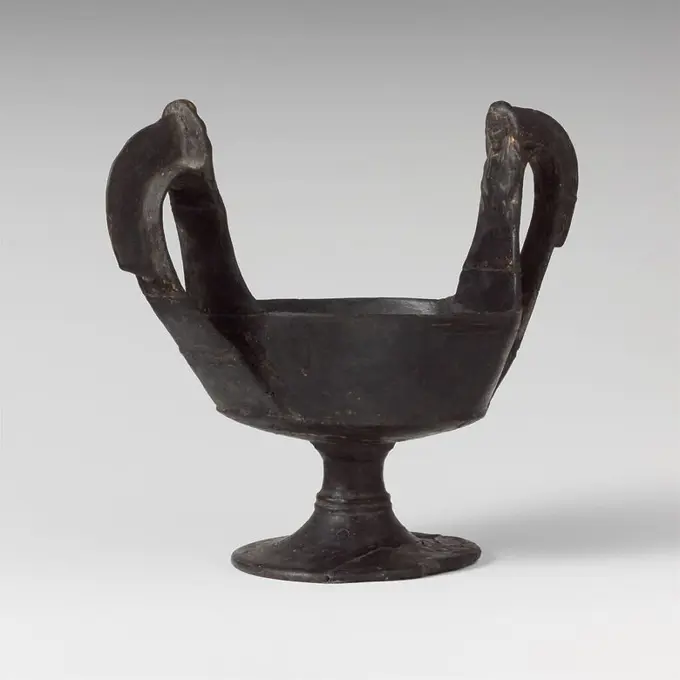
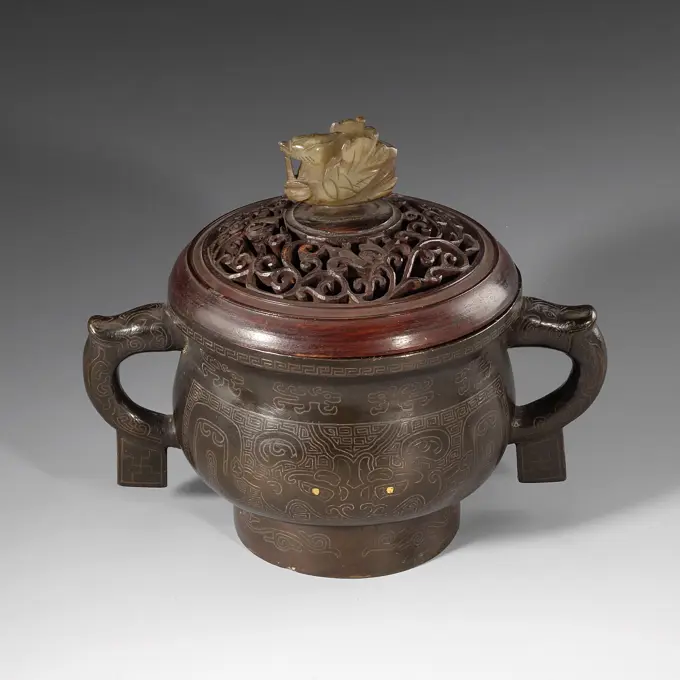
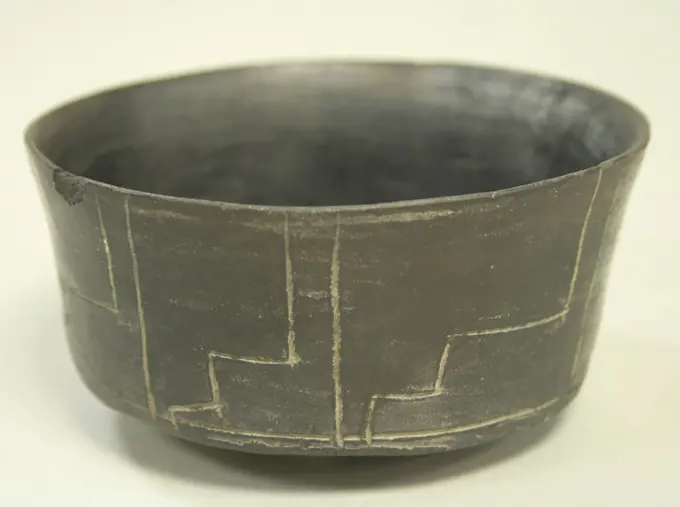
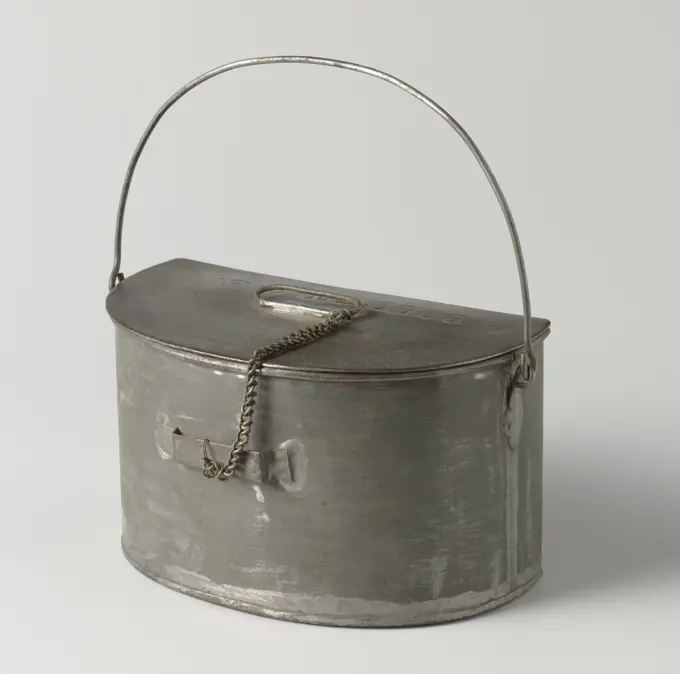
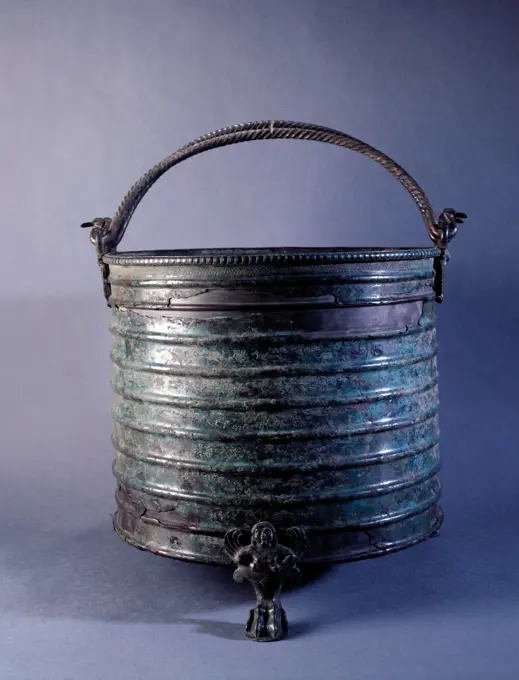
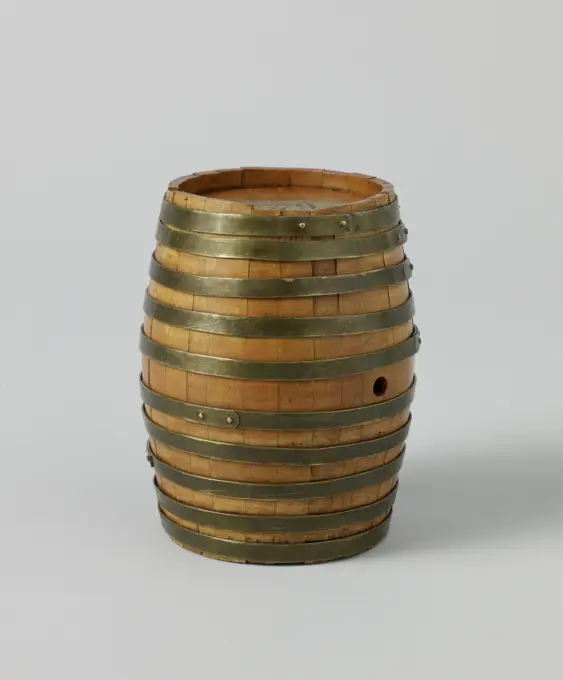
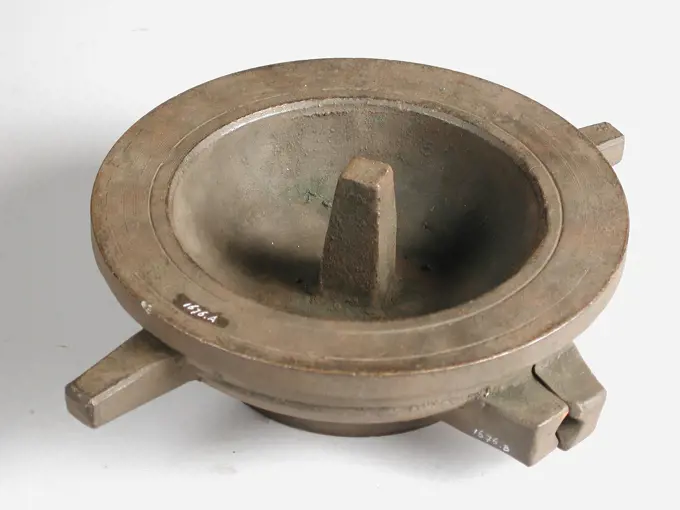
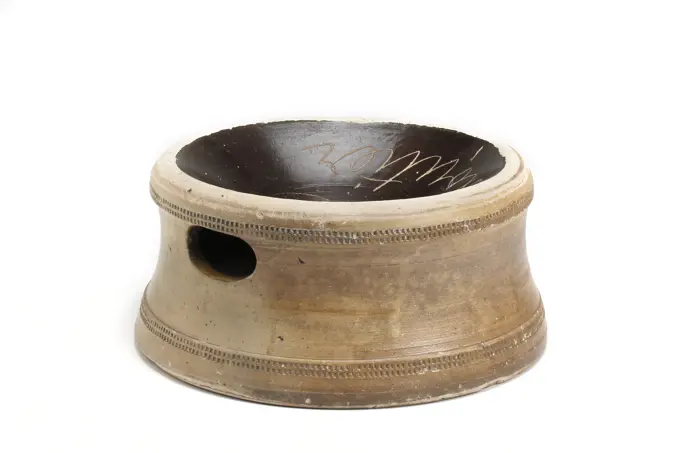
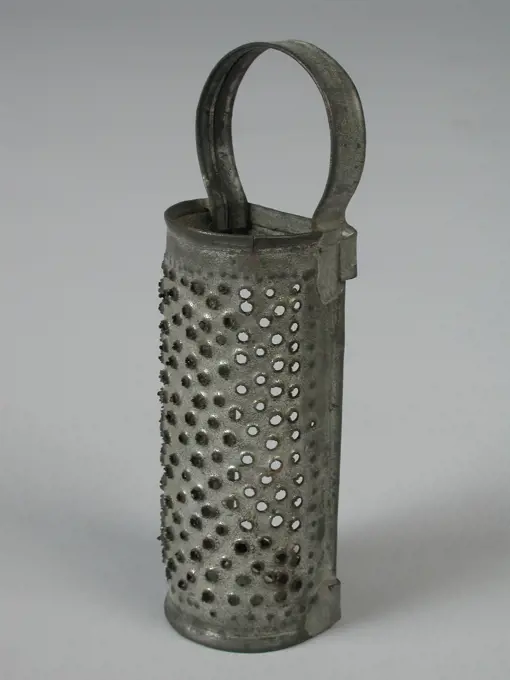
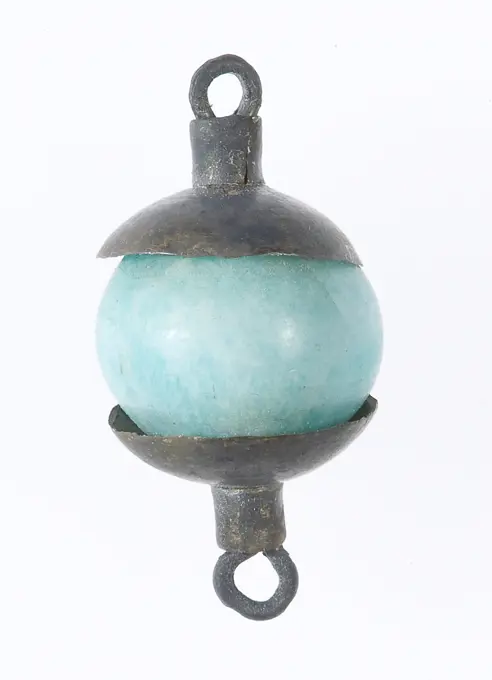
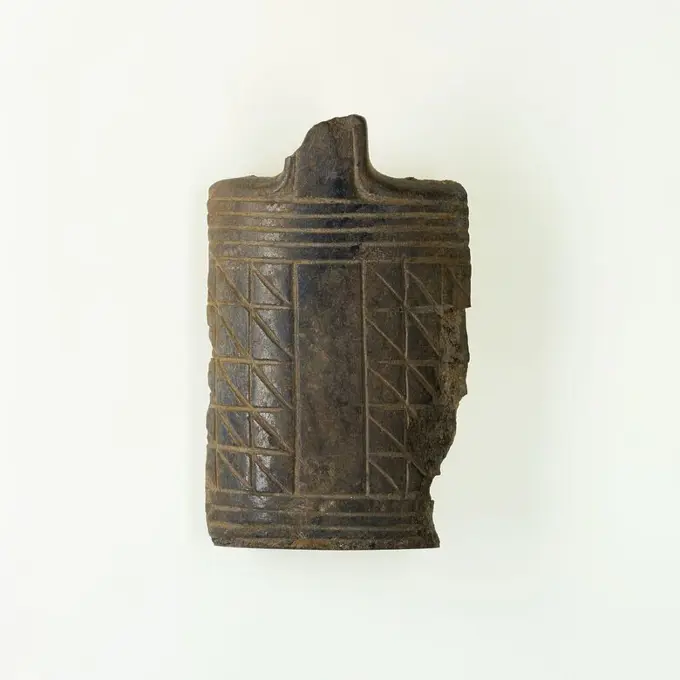
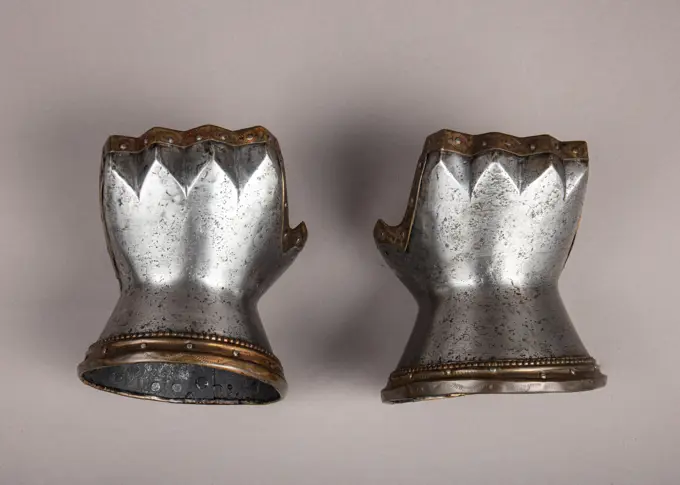
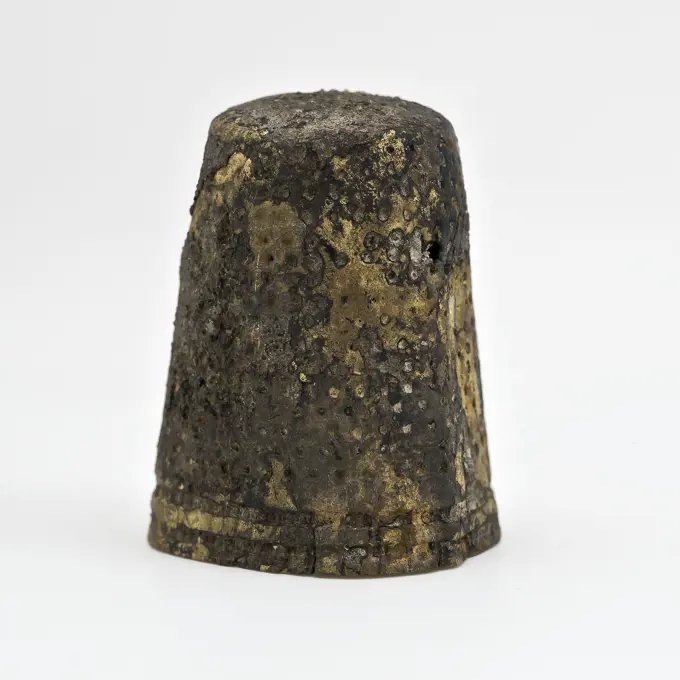
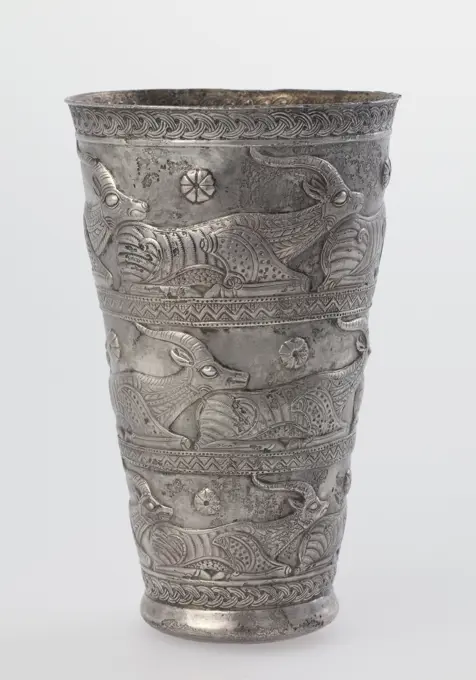
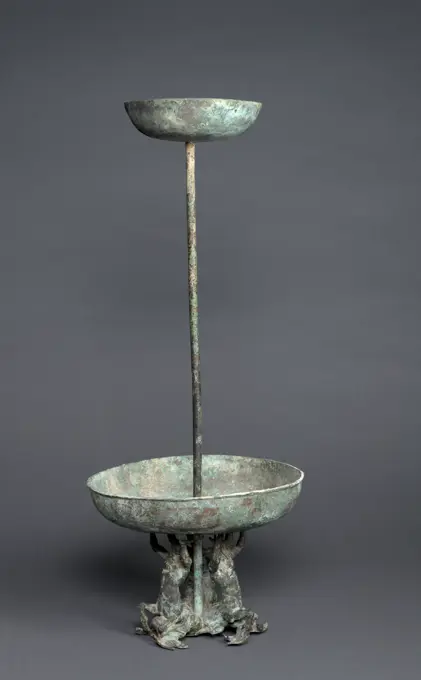
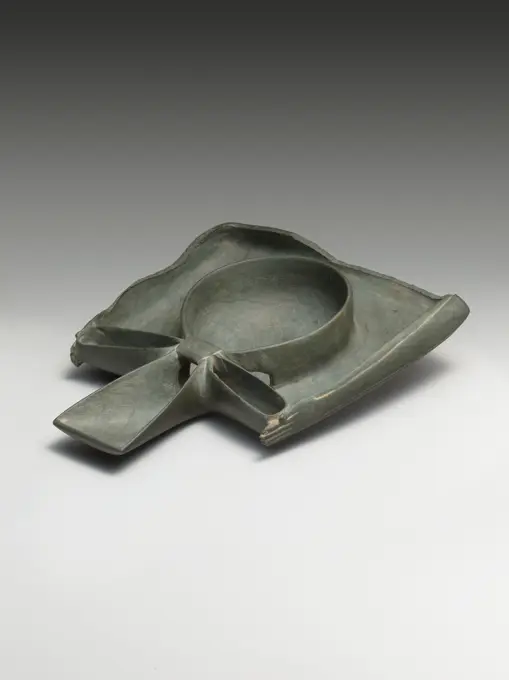
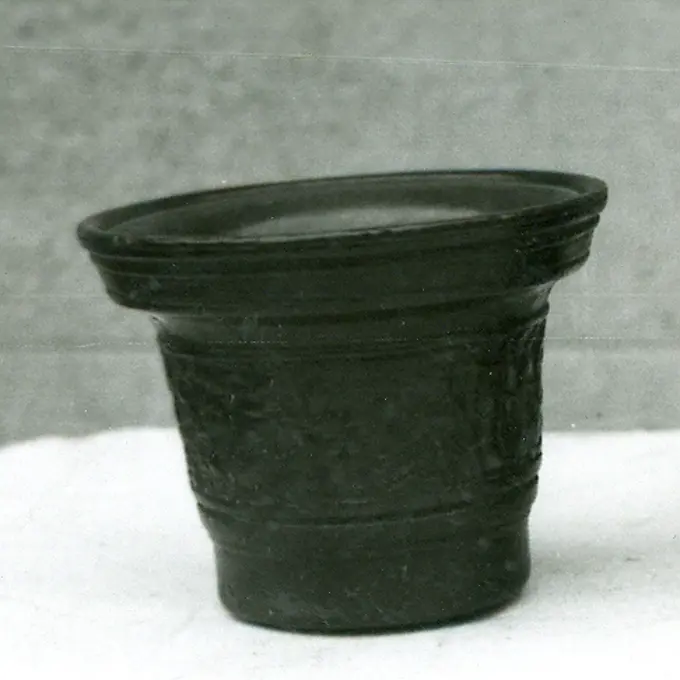
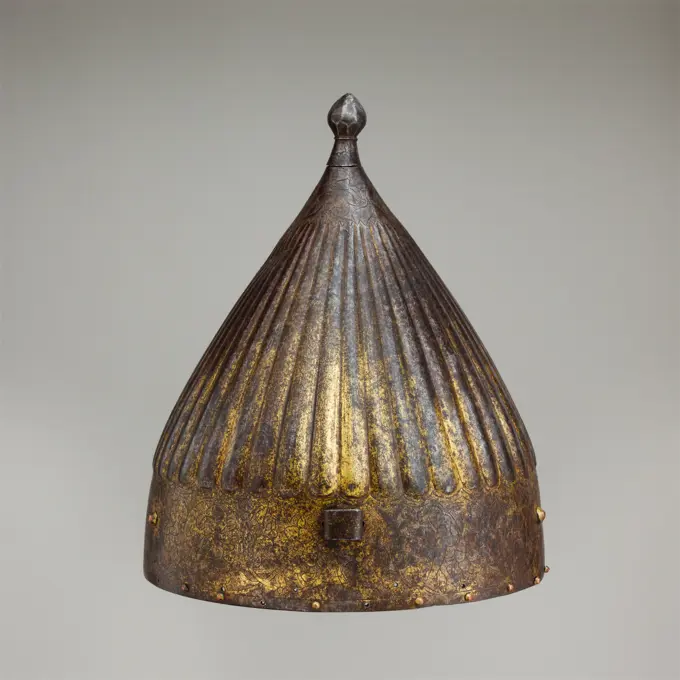
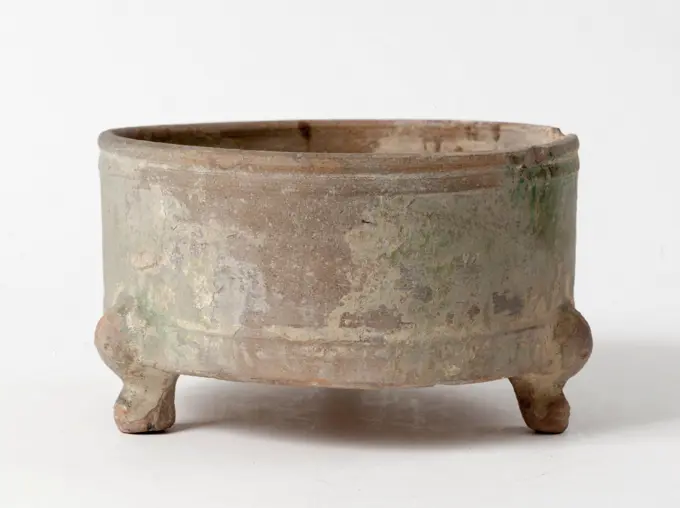
Lower part of a Lian ". Terracotta with Green lead glaze. Han. Paris, Cernuschi museum. DynaStie des Han (206 BC-220 AD). Paris, Cernuschi museum. Chinese art, Chinese Ceramic, Han dynasty, Han time, Lian, lower part, container, terracotta, tripod, three feetTripod vase, provided with two small ears in the shape of an ear and three small feet. Decor painted brown on a cream slip, a grid pattern. Iran. Middle of the 2nd millennium BC. Paris, Cernuschi museum. 35179-3 Anse, brown, painted ceramic, decor, creed cream, ear shape, geometric pattern, grid, tripod vaseJar -Ointment jar, cylindrical, red earthenware, ointment jar pot holder soil find ceramic earthenware glaze lead glaze, hand turned glazed fried Straight wall foot and flat scraping edge. Red earthenware interior glazed edge partly outside here and there stain Ointment jar. Oval top edge due to the carelessness of the potter archeology Rotterdam rail tunnel packing medicine drug pharmacy ointment Soil discovery: rail tunnel Rotterdam.Jar -Pottery belly model ointment jar, red shard, internally glazed, ointment jar pot holder soil find ceramic earthenware glaze lead glaze, hand-turned glazed baked Pottery ointment red shard internally glazed. Belly model with sloping thickening on the belly narrowing above the foot. Flat and thick sloping top edge. Small stand surface coarsely finished. Heavy-walled archeology health care indigenous pottery import pharmacy store sell craftVijzel with inscription: Min Hapen Stet Allin III Godt/Int iaer Ons Heren M vc lxxiiii, Willem Hachman (attributed to), 1574 The cast round mortar has more or less a diabolo shape. The round handles, the turns of which are formed by dragon heads are located against the wall of the object. Above that a frieze framed by ribs with the inscription in Gothic minuskels: 'Min Hapen Stet Allin III Godt' with the following six punctures: a dog, a six -leaf rosette, a hare, a panther, a hare, a cross. A profiled rib around the center of the wall. Above that at the front a white shield, which is stopped by two angels. On the foot a frieze framed by ribs with the inscription in Gothic minuskels 'Int iaer Ons Heren M vc lxxiiii' with seven corresponding punctures. Cleves bronze (metal) casting The cast round mortar has more or less a diabolo shape. The round handles, the turns of which are formed by dragon heads are located against the wall of the object. Above that a frieze framed by ribs with thePurse with inscription: Peeter Vanden Ghein me FECIT MCCCCCCLXXXI. The cast round mortar has on the edge in Latin Majuskels the inscription Peeter Vanden Ghein me fecit MCCCCCCLXXXI and a weapon (three poles), the city weapon of Mechelen. Around the middle of the wall a frieze with a ram head between two masks and a vase ceased by two griffins (repeated three times).Pottery belly model ointment jar, red shard, internally glazed, ointment jar pot holder soil find ceramic earthenware glaze lead glaze, hand turned glazed baked Pottery cream jar red shard internally glazed exterior partially glazed. Belly model with narrowing above the foot. Flat, outstanding top edge coarsely finished stand. Turning beads inside archeology health care indigenous pottery import pharmacy store sell craftVase. Bronze. Chine. Par musée musée malée. 70004-6 Chinese art, bronze, extended shape, decorative motif, vaseContent of 2 decaliter.Spanen content of 2 decaliter.Vijzel with inscription: Ale Dinck is Bi God 1557, Anonymous, 1557 The cast round mortar extends upwards, has a high protruding profiled edge and a flared profiled base, and is equipped with two handles. On the edge in Latin Majuskels the inscription Ale Dinck is Bi God 1557 with punctuations consisting of a five -leaf rose (four times) and a point (four times). A profiled rib around the center of the wall. On the upper and lower frieze on both sides, two medallions with a women's or men's head, between which a winged angel's head, a ramskop or a cherub head. The handles have the shape of a dolphin. Northern Netherlands bronze (metal) casting The cast round mortar extends upwards, has a high protruding profiled edge and a flared profiled base, and is equipped with two handles. On the edge in Latin Majuskels the inscription Ale Dinck is Bi God 1557 with punctuations consisting of a five -leaf rose (four times) and a point (four times). A profiled rib around the center of the wall. On thBroad Pear-Shaped Jar 618 CE-907 CE China. Stoneware with white glaze .Tall Cup with Diagonal Slashes 42 CE-562 CE Korea. Stoneware with natural ash glaze and incised decoration .Pottery belly model ointment jar, red shard, internally glazed, ointment jar pot holder soil find ceramic earthenware glaze lead glaze, hand turned glazed baked Pottery ointment red shard internally glazed. Belly model with narrowing above the foot. Flat outstanding top edge stand area archeology health care indigenous pottery import pharmacy store sell craftVijzel with inscription: Lof Godt van Al AO 1622, Henrick ter Horst (Attributed to), 1622 The cast round auger extends upwards, has a high protruding edge, a flared profiled base and two dolphin ears. On the edge in Latin Majuskels the inscription Lof Godt of Al AO 1622 with punctuations consisting of a lying diamond (five times). The upper Frisian consists of a tantal work in the form of two symmetrically placed s-volutes of each other (almost five times). The lower frieze consists of a symmetrically built ornament with, among other things, a rolling work placed. It is closed at the bottom by a wounded pearl and cord edge. Brazier: Deventerbrazier: Krefeld bronze (metal) casting The cast round auger extends upwards, has a high protruding edge, a flared profiled base and two dolphin ears. On the edge in Latin Majuskels the inscription Lof Godt of Al AO 1622 with punctuations consisting of a lying diamond (five times). The upper Frisian consists of a tantal work in the form of two symmeAndiron with cooking pots and a pair of fire tongs. Centrally located in the Safe House’ was a fireplace with a chimney above it. The food was cooked there and the men could warm themselves by the open hearth. When the Safe House’ was rediscovered at the end of the 19th century, the andiron and the cooking pots were still in place.Lower part of a lian ". Terracotta with Green lead glaze. Han dynasty (206 BC-220 AD). Paris, Cernuschi museum. Chinese art, han dynasty, han time, lian, lower part, container, terracotta, tripod, three feetGorget possibly from an Armor of Philip II, King of Spain ca. 1550 German. Gorget possibly from an Armor of Philip II, King of Spain. German. ca. 1550. Steel, gold, leather, copper alloy. Armor Parts-ColletinsTwo-piece bronze mold for bottom of pot or jug, mold casting tool tools base metal bronze, cast twisted Two-piece bronze mold for bottom of pot top: Rotterdam tin foundry tin stain tin Meeuws Druy craft Shapes originate from the 18th century Rotterdam tinnegieter J Druy. The large molds that were not signed or dated were the property of the tinker guild and were rented to the small tin caster.Pottery ointment jar, cup model, red shard, internally glazed, ointment jar pot holder soil find ceramic earthenware glaze lead glaze, hand turned glazed baked Pottery ointment cup model red shard internal glazed Flat obliquely inwardly directed wide top edge. At the widest of the kettle thick pronounced edge. Narrowing of the boiler above the standing surface. Skew stand with light soul. Rotary pills archeology health care indigenous pottery pharmacy store sell craft medicine drug packPottery piggy bank, ball model on foot, red shard, piggy bank holder earth discovery ceramics earthenware glaze lead glaze, hand turned cut out glazed baked Bolle piggy bank on stand. Red shard. Glazed archeology indigenous pottery save child penny save moneyMortar and Pestle made for Abu Bakr 'Ali Malikzad al-Tabrizi late 12th-early 13th century Two of the medallions on this mortar show Jauzahr, the fictitious eighth planet believed responsible for the eclipse of the sun and the moon. Although described in texts as a dragon monster, Jauzahr is depicted here as a seated figure flanked by snakes with dragon heads.. Mortar and Pestle made for Abu Bakr 'Ali Malikzad al-Tabrizi. late 12th-early 13th century. Brass; cast, chased, engraved, and inlaid with silver and black compound. Attributed to Iran. MetalPurse with inscription Amor Omnia Vincit 1676. The molded round auger widens upwards, has a high intercracing bottom profiled edge and a profiled foot, which is mounted higher than the bottom of the object. On the edge in Latin Majuskels The inscription Amor Omnia Vincit 1676 with interpunctions consisting of a six-leaf rose with six stamens (four times). The wall is decorated with two Frisians, which are worn down. The upper consists of a partially repeated motif of a mask with a trophy () And a cartouche on either side, all surrounded by other ornament and connected by festons and with a pearl edge along top and bottom. The lower fries consists of an upper and bottom. The lower fries consists of an owl between symmetrical tendrils with stylized flowers, acanthus leaves and two birds with spread wings (twice), and with a pearl edge along the bottom.Neck of a Bottle 4th-early 5th century Coptic. Neck of a Bottle 479134. Fabric tea bus or chair of stoneware with an ivory lid, partly covered with a green glaze. The bus has an orange-brown color with a gray-green glaze on the neck and shoulder. Old label on the inside with 'Iga / 17th'. Shigaraki.Beaker late 16th century Unidentified Master S.I. The gracefully curved, tapering sides of this beaker are characteristic of late sixteenth-century examples. The engraved coat of arms displays a rampant lion and the name of a patron, Stephanus Akossi, whose precise identity has yet to be established.LiteratureFine European Silver / Belles Pièces dorfèvrerie européenne. Sale cat., Christies, Geneva, May 16, 1984, p. 27, no. 43.Judit H. Kolba. Hungarian Silver: The Nicolas M. Salgo Collection. London, 1996, p. 31, no. 9.ReferencesA similar beaker with snakeskin decoration was sold by Dr. Fischer Kunstauktionen in Heilbronn, sale no. 161, no. 448.Elemér Kőszeghy. Magyarországi ötvösjegyek a középkortól 1867-ig / Merkzeichen der Goldschmiede Ungarns vom Mittelalter bis 1867. Budapest, 1936, no. 1507 [makers mark.See a similar beaker formerly in the collection of Yves Saint Laurent in Collection Yves Saint Laurent et Pierre Bergé, Orfèvrerie, Miniatures et Objets de vertu. Sale cat., ChJohannes Specht (1699 - 1763), Bronze mortar with IOHANNES SPECHT ROTTERDAM AO 1751, auger equipment bronze auger, casted Mortar: cylindrical upwardly widening body made up of an elevated round base smooth wall with ribbed in the middle high cantilever top edge with inscription. Profiles on foot and transition middle part to canting In Latin majuskels cast in the top edge: metal watering can Rotterdam health care pharmacy grindingMortar with LOFT GODT VAN ALL, mortar equipment bronze tin, cast Cylindrical upwardly widening body constructed from wide round profiled foot wall with top border with two decorative fringes with inscription. The separation between the decorative friezes is formed by profiled rib. Two dolphin ears are attached to the wall. In Latin majusels poured into the upper rim LOFT GODT VAN ALL metaalgieter Rotterdam health care pharmacy grinding Hoynck mentions that the donor J.L Laverge Jr. living at the Honingerdijk in Rotterdam the mortar for hfl. 15- has bought from J.H van Aalten.Cactus Jar 2nd century B.C.-A.D. 3rd century Colima. Cactus Jar 309525Kylix. Culture: Cypriot. Dimensions: 6 15/16in. (17.6cm)Other: 9 1/2in. (24.1cm). Date: 750-600 B.C..Two zones of geometric ornament. Museum: Metropolitan Museum of Art, New York, USA.Two-piece bronze mold for deep plate, mold casting tool tools base metal bronze, cast Two-piece bronze mold for casting deep board with profiled reinforcement edge at the top Rotterdam tin casting tin tin Meeuws Druy craft Molds come from the originally 18th century Rotterdam tinnegieter J Druy. The large molds that were not signed or dated were the property of the tinker guild and were rented to the small tin caster.Two-piece bronze mold for deep plate, cast molding tool tools base metal bronze, cast twisted Two-piece bronze mold for casting deep plate Rotterdam tin foundry tin stain tin Meeuws Druy craft Shapes are from the original 18th century Rotterdam tinnegieter J Druy. The large molds that were not signed or dated were the property of the tinker guild and were rented to the small tin caster.Ice-Glass Situla (Secchiello). UnknownItalian 16th Century, Mortar with Foliate Grotesques, Goats' Heads, and Ribbed Handles, mid 16th century Mortar with Foliate Grotesques, Goats' Heads, and Ribbed HandlesRound bowl of spoon with straight handle, spoon cutlery soil find tin metal, cast Round box and remainder of straight stem Front side of the part visible visible mark: crown (probably crowned rose) archeology Rotterdam rail tunnel food Soil discovery, Rotterdam rail tunnel.Marble mortar and pestle isolated on white backgroundWeight eight pounds, made of iron filled with lead and at the top a handle, anonymous, c. 1590 - c. 1596 weight Weight of eight pounds made of iron filled with lead. The weight has a handle on the top.  iron (metal). lead (metal) forging  Nova Zembla. Saving HuysGlass beaker 1st half of 1st century A.D. Roman Translucent pale green.Outsplayed unworked rim; cylindrical body with vertical sides; uneven, flat bottom. Two vertical mold seams run down sides from rim to edge of bottom, with a separate disk-shaped base section.On body, large central frieze bordered above and below by a horizontal wreath with chevrons, facing in opposite directions: the frieze contains six large loops of vine tendrils, three on each side, each loop enclosing a vine leaf in outline or a stylized grape cluster comprising a series of dots; on one side, two leaves flank a cluster; on the other, two clusters flank a leaf. On bottom, projecting rounded ring and central dot.Chips missing in rim and larger holes in lower body and around edge of bottom; few bubbles; some dulling and reddish brown encrustation, with faint weathering and iridescence.Although closely related to Victory beakers, such as 81.10.210 and 81.10.214 also displayed here, this drinking cup has a more geneVase zun. Bronze. Chine. Par musée musée malée. 70004-33 Chinese art, bronze, extended shape, zun vaseRitual sacrificial scale, anonymous, c. -1700 - c. -800 Ritual barrel for food. Rich decoration in three zones; Evering vertical lists. This GUI has no ears. China bronze (metal) Ritual barrel for food. Rich decoration in three zones; Evering vertical lists. This GUI has no ears. China bronze (metal)Dirck Messchaert II, Two-piece bronze mold for flat plate with initials, cast molding tool tools base metal bronze, and year 1738 (Dirck Messchaert II) Rotterdam tin foundry tin stain tin Meeuws Druy craft Shapes are from the origin of 18th century Rotterdam tinnegieter J Druy. The large molds that were not signed or dated were the property of the tinker guild and were rented to the small tin caster.Incense Box mid-19th century Japan. Incense Box. Japan. mid-19th century. Lacquer. Edo (1615-1868) or Meiji period (1868-1912). LacquerPottery ointment jar, majolica albarello with three constrictions, polychrome decor of rings, albarello holder soil find ceramic earthenware glaze lead glaze tin glaze, hand turned baked glazed decorated baked Pottery ointment jar majolica albarello. Cylindrical model with three constrictions. Polychrome decoration of rings on the side wall in the colors yellow orange and blue Cut off stand surface Internally covered with lead glazing Bottom of unglazed archeology Rotterdam IJsselmonde health care pottery packing ointment care medication medicine handicraft pharmacy Soil discovery: IJsselmonde castle well 1 Rotterdam 1972.Footed Shallow Bowl with Lid. Korea, Silla, Three Kingdoms Period (18 BCE - 668 CE), 5th-7th century. Furnishings; Serviceware. Coil-built and wheel-turned stoneware with impressed and cut decoration and ash glazeAnonymous / 'Case for heliotrope cup with diamonds and rubies'. XVII century. Museum: Museo del Prado, Madrid, España.Yellow glazed piggy bank, ball with slot, on foot, piggy bank holder earth discovery ceramic earthenware glaze lead glaze, hand turned glazed baked earthenware piggy bank. Ball-shaped shape. Stand with curved edge Twisted point on top. White shard External yellow glazed Diagonal savings slot in the shoulder Stand with high soul archeology indigenous pottery save coin childHandled Cup 618 CE-906 CE China. Silver .Sugar bowl of red hard-baked pottery .. sugar bowl of red hardworked pottery. The belly of the pot is lying elliptical. The belly passes into a quadrangular foot and has a wide outstanding edge at the top. The pot has two ears. The pot is embossed decorated with pilasters, flower bouquets and masks. The pot has been marked. The lid is missing.Pot 9th-10th century. Pot 449336Basket. Culture: Japan. Dimensions: H. (without handle) 7 in. (17.8cm)H. (with handle) 13 in. (33 cm). Date: 19th century. Museum: Metropolitan Museum of Art, New York, USA.Pair of urns, Enameled tôle, Oval in plan, with oval foot and lid with acorn finial. Each with two ring handles held in lion-masks. Brown, with foliage and flowers in red, green and gilt., England, 1800-1825, metalwork, Decorative Arts, Pair of urnsWater Container, early 1600s. Japan, Momoyama period (1573-1615). Glazed stoneware (Bizen ware, Imbe type); diameter: 21.2 cm (8 3/8 in.); overall: 16.6 cm (6 9/16 in.).Cylindrical Jar (Lian) with Three Bear-Shaped Feet and Mountain-Shaped Cover 100 BCE-220 CE China. Earthenware with lead glaze and molded relief decoration .Container(Abal-Abal)Copper pressed thimble, thimble sewing kit soil find copper metal, pressed Copper pressed thimble with wells with right rotating spiral without groove transitioned into shank with two grooves on the edge archeology Rotterdam railway tunnel seamstress tailor sewing textile processing clothing needle and restore wire Soil discovery Rotterdam tunnel trajectory.Italian 16th Century, Mortar with Spinxes and Vases, early 16th century Mortar with Spinxes and VasesContainerAnonymous / 'Case for rock crystal salver with lobed rim'. 1670 - 1689. Leather, Wood, Metal, Silk. Museum: Museo del Prado, Madrid, España.Back plate of a harness, c. 1525 - c. 1575  On the back plate there are two helmeted man's heads with a man in armor with lance underneath. Seven vertical tires run over the back piece with harness parts, crescent faces and fantasy animals as decoration. The middle band also has a harnessed man as a decoration.  metal etchingThree-piece bronze mold for funnel, cast molding tool tools base metal bronze, cast twisted Three-piece bronze mold for casting large, fierce core: 2834 267 Rotterdam tin foundry tin stain tin Meeuws Druy craft Shapes are from the originally 18th-century Rotterdam tinnegieter J Druy. The large molds that were not signed or dated were the property of the tinker guild and were rented to the small tin caster.Lian ". Terracotta with green lead glaze. Han dynasty (206 BC-220 AD). Paris, Cernuschi museum. Chinese art, Chinese ceramic, container, lid, han dynasty, han time, oval shape, container, terracotta, tripod, three feet, humSheeave With Brass Coak. Block disc with brass forest with a ridge.Mortar, inscribed: Sigismvndvs de Francionibvs aromatarivs PP MDXXXX, anonymous, 1540 The cast round mortar extends greatly upwards and has a profiled edge and foot. Under the edge in Latin Majuskels the inscription Sigismvndvs de Francionibvs aromatarivs pp m d xxxx with punctuates consisting of a square (four times). The wall is decorated on the front and back with a relief of a sitting crowned woman with a staff or other attribute and with a sign consisting of a shared circle with the letter G and on top of a Greek cross. On the sides two handles in the form of a lion's head with a ring in the mouth. Italy bronze (metal) casting The cast round mortar extends greatly upwards and has a profiled edge and foot. Under the edge in Latin Majuskels the inscription Sigismvndvs de Francionibvs aromatarivs pp m d xxxx with punctuates consisting of a square (four times). The wall is decorated on the front and back with a relief of a sitting crowned woman with a staff or other attribute and withTerracotta kantharos (drinking cup with high handles). Culture: Etruscan. Dimensions: H.: 7 1/4 in. (18.4 cm). Date: 6th century B.C..On each handle, a figure in reliefThis form of kantharos is related in shape to the kyathos. The kantharos is known in Attic pottery by 600 B.C., and it came to be specifically associated with the wine-god Dionysos. Museum: Metropolitan Museum of Art, New York, USA.GUI censer;  18th century (1701-00-00-1800-00-00);Paderewski, Ignacy Jan (1860-1941), Paderewski, Ignacy Jan (1860-1941)-collection, qing (style), browns, Chinese (culture), gift (provenance), ducks, boys, gii vessels, rings, ritual vessels , castings, Chinese art, taotie (iconogr.)Theebus, Oval, with Filetranden, Fa. Diemont, 1805 The oval bus has a slightly arched, broadening body, which rises slightly higher on the sides. A hinged, vaulted lid with a bent wall and a straight lower edge closes over the bus. It is crowned by a round button on a profiled foot. Filet edges run along the underside of the bus and along the lower edge of the lid. (Catalog Amsterdam Gold and Silver, Catalog number 159) Amsterdam silver (metal) The oval bus has a slightly arched, broadening body, which rises slightly higher on the sides. A hinged, vaulted lid with a bent wall and a straight lower edge closes over the bus. It is crowned by a round button on a profiled foot. Filet edges run along the underside of the bus and along the lower edge of the lid. (Catalog Amsterdam Gold and Silver, Catalog number 159) Amsterdam silver (metal)BowlKomfoor of red copper. Komfoor of red copper. The object is two-part: the glass holder consisting of two rings and the three connectors riveted thereto and the red copper container, to which three hooks are riveted. The connecting parts have claw legs, one broadened slightly forwarded middle part and stylized heads.Blackware Bowl with Stepped Design 2nd century B.C. Nasca. Blackware Bowl with Stepped Design 308461Tea Jar 1680 Japan. Tea Jar 62771Eating boiler worn by J. Boelen JKZN., In 1830/32 Voluntary Flankeur, later Corporal Holl. Militia, 1st department. 1st bat., Anonymous, c. 1800 - c. 1830  Iron semicircular boiler with handle and holder. Letters on the back. Lid with ditto letters, handle and copper chain connected to boiler. Coming from J. Boelen JKZN., In 1830/32 Voluntary Flankeur, later Corporal North Holland Schutterij, 1st Department. 1st bat. Netherlands iron (metal)Bronze situile decorated with relief circles and resting on four feet in the shape of lion's legs and winged bust of Gorgone (view of the Appart A). Ancient Rome, second half of the 6th century. 55904-1 Bronze, wing bust, circle, face A, gorgon, adorn, lion paw, foot, relief, ancient Rome, situula, general viewHigh, round brandy bowl with two horizontal ears, brandy drinking bowl tableware holder soil find tin, ring 7,0 cast brandy bowl on stand ring; rather deep bowl with horizontal edge with profile edges at the top; two lyre-shaped ears as handles In piece molded L rose brand (smashed bottom) archeology Rotterdam food drink Coolhaven Maas Soil discovery: Coolhaven Rotterdam.Attic White-Ground Chalice. UnknownModel of A Water Cask, Rijkswerf Hellevoetsluis, 1830 demonstration model Model of a water barrel with ten hoops and a dowel in the abdomen. It is a model of a barrel of 1000 liters. Scale 1:10 (according to Obreen). Hellevoetsluis wood (plant material). brass (alloy)Three parts of four-piece bronze mold for top of pot or jug, mold casting tool tools equipment base metal bronze, cast turned Four-piece bronze mold for pouring the top of pot or jug Rotterdam tin foundry tin stain tin Meeuws Druy craft Shapes are from the originally 18th-century Rotterdam tinnegieter J Druy. The large molds that were not signed or dated were the property of the tinker guild and were rented to the small tin caster.Backplate from a Brigandine. Culture: Italian. Dimensions: H. 10 in. (25.4 cm); W. 8 1/4 in. (21 cm); Wt. 13.3 oz. (377 g). Date: ca. 1400-1450. Museum: Metropolitan Museum of Art, New York, USA.Spittoon - Inconnu / Unknownmetal worker: Gresnich, Cans miniature grater, rasp kitchenware miniature toy relaxant model metal, curved soldered tinned tin Elongated round bent perforated half cylinder with rough holes Bottom at two places transversely connected. Relatively large hold 1868 Sibilla van Embden play grating food prepare kitchenBead from a Necklace ca. 1200-1186 B.C. New Kingdom. Bead from a Necklace. ca. 1200-1186 B.C.. Green feldspar, gold. New Kingdom. From Egypt, Upper Egypt, Thebes, Dra Abu el-Naga, Carnarvon excavationsIncense burner, anonymous, c. 1700 - c. 1799 Incense burner of Steengoed, partially covered with a green glaze (Oribe). The burner has a pressed tire in the body and a flat edge. On the wall twice an entry, wavy band. Japan stoneware. glaze. metal vitrification Incense burner of Steengoed, partially covered with a green glaze (Oribe). The burner has a pressed tire in the body and a flat edge. On the wall twice an entry, wavy band. Japan stoneware. glaze. metal vitrificationVessel fragment (). Dimensions: l. 5.2 cm (2 1/16 in). Dynasty: Dynasty 12-13. Date: ca. 1850-1640 B.C.. Museum: Metropolitan Museum of Art, New York, USA.Armor ca. 1400-1450 and later Italian This armor was assembled and restored in the 1920s using individual elements that had been discovered in the ruins of the Venetian fortress at Chalcis, on the Greek island of Euboea, which had fallen to the Turks in 1470. The purpose was to present a full armor of the style worn about 1400, a period from which no complete armors survive. Distinctive features are the early form of brigandine (a torso defense constructed of numerous overlapping plates riveted inside a doublet) with two large breast halves and brass borders at the edges of the exposed plates. Portions of the brass at the top edge of the left cuisse (thigh defense), the lower edges of the right greave (lower leg defense), and the visor are genuine; the remainder is restored. The helmet, a visored bascinet, is associated with the armor. The velvet covering of the brigandine dates from the early 20th century. Listen to experts illuminate this artwork's story Listen Play or pause #4428. AFishing Basket Matchsafe; brass; 4.3 x 6 x 3 cm (1 11/16 x 2 3/8 x 1 3/16 in. )Copper pressed thimble, thimble sewing kit soil find copper metal h 2,5, pressed Copper pressed thimble with patched flat top traversing without groove in the shaft with board with two bands of small vertical stripes archeology Rotterdam railway tunnel seamstress tailor sewing textile processing clothing repair needle and wire Soil discovery: rail tunnel Rotterdam.JARRA DE PIEDRA DURA. Location: PRIVATE COLLECTION. MADRID. SPANIEN.Beaker, c. 800 BCE, 6 1/4 x 3 3/4 in. (15.88 x 9.53 cm), Silver, Persia (Iran), 9th-8th century BCE, The people of Marlik were a nomadic Indo-European tribe that once inhabited northwestern Iran. They left little evidence of their culture except for small portable objects buried with their dead. This silver beaker is decorated with stylized ibexes (wild mountain goats) that display the sensitive rendering of animal forms characteristic of ancient near eastern art. The design is worked in repouseé, a technique in which the metal is hammered from the back to create raised designs on the surface. In spite of strong patternization, the artist has captured a sense of the animal's grace, agility, and naturalistic musculature.Kottabos Stand with Marine Centaurs, 200s BC. Italy, Etruscan, 3rd Century BC. Bronze; overall: 72.3 x 29.3 cm (28 7/16 x 11 9/16 in.).Torque, 16 x 9 3/4 x 1/2 in. (40.64 x 24.77 x 1.27 cm), Silver, ChinaLibation Dish Depicting Ka-Arms Presenting an Ankh-Sign ca. 3100-2900 B.C. Early Dynastic Period This masterpiece of Early Dynastic stone carving has the shape of two intricately linked hieroglyphs. The two bent arms that frame three sides of the dish are read "ka," the word for "spirit" in ancient Egyptian. The loop and knot are read "ankh," meaning "life," or "to live." The combination could be interpreted as the phrase "life to thy spirit" or as the name of a person, Ankh-ka. The dish was undoubtedly used to pour a purifying liquid, probably water, that would take on the magical significance of the hieroglyphs. Listen to experts illuminate this artwork's story Listen Play or pause #3230. Libation Dish Depicting Ka-Arms Presenting an Ankh-Sign Supported by Bloomberg Philanthropies We're sorry, the transcript for this audio track is not available at this time. We are working to make it available as soon as possible.. Libation Dish Depicting Ka-Arms Presenting an Ankh-Sign 543866Mortar 19th century, after a 16th century Italian model Italian () This mortar with a heavily worn, repeating design around the middle is probably one of the “Four Assorted Italian Bronze and Brass Motars [sic” that Duveen Brothers removed from the apartment of Mrs. Albert E. Goodhart, Robert Lehman’s aunt, after her death in 1952. It is a nineteenth-century aftercast after an old, worn original.. Mortar 460484Decorative Door Boss And Nail; wrought iron; a) H x diam.: 3.6 × 10 cm (1 7/16 × 3 15/16 in.) b) H x diam.: 9.4 × 1.8 cm (3 11/16 × 11/16 in.)Helmet ca. 1550-1600 Turkish Like most Ottoman helmets of the sixteenth century, this example originally was fitted with a projecting bring, cheekpieces, and a neck plate at the back, all of which were lost long ago. The floral designs around its rim are similar to the decoration on Iznik pottery of the period.. Helmet 25379Tinsmith: Gerrit van Kessel, Brandy bowl with cloverleaf shaped ear and broken ear, brandy bowl bowl crockery holder soil find tin, cast Flat bottom with stand ring half spherical bowl with trefoil-shaped ears. Relief on the top of the bowl on the ear: rose with crown around which G V K and medallion with hand with G V K around it eat metal cast iron archeologyTwo-piece round bronze mold for deep plate, mold casting tool tools kit metal_metal bronze, cast turned Two-piece bronze shape for deep plate with one round button as handle on one half and two projections on the other half pouring hole Rotterdam tingieterij tinnegieter food tableware tin Meeuws Druy craft Forms come from the originally 18th century Rotterdam tinnegieter J Druy. The large molds that were not signed or dated were the property of the tinker guild and were rented to the small tin caster.Yolande Delasser, Crock, c 1939 CrockHealing Scroll. Culture: Amhara or Tigrinya peoples. Dimensions: W. 3 1/2 x L. 75 in. (8.9 x 190.5 cm). Date: 19th century.Ethiopian healing scrolls use written prayers and talismanic imagery to combat demons that cause illness. This scroll was constructed from four pieces of parchment sourced from a ritually sacrificed animal. The preparation and viewing of the scroll are equally vital parts of the healing process. The talismans on this example are rendered in washes of red, black, and green, their sketchy, rounded outlines lending the work an overall linear simplicity. In the uppermost talisman, a youthful, beardless saint rides a rearing horse. His bare toes wrap around an Ethiopian toe stirrup as he points his spear upward in the pose of the victorious knight of Christ. Images of saints were popular in Ethiopian Christian art for their association with spiritual intervention. This example may illustrate Saint Tewodros, who was commonly depicted astride a red horse.In the central Urn (lid), late 1700s - 1800s. England, late 18th or 19th century. Earthenware; overall: 17.8 cm (7 in.).Lid of a vase ca. 600 B.C. East Greek/Sardis, Lydian. Lid of a vase. East Greek/Sardis, Lydian. ca. 600 B.C.. Terracotta. Archaic. Vases