Ancient Terracotta Jugs

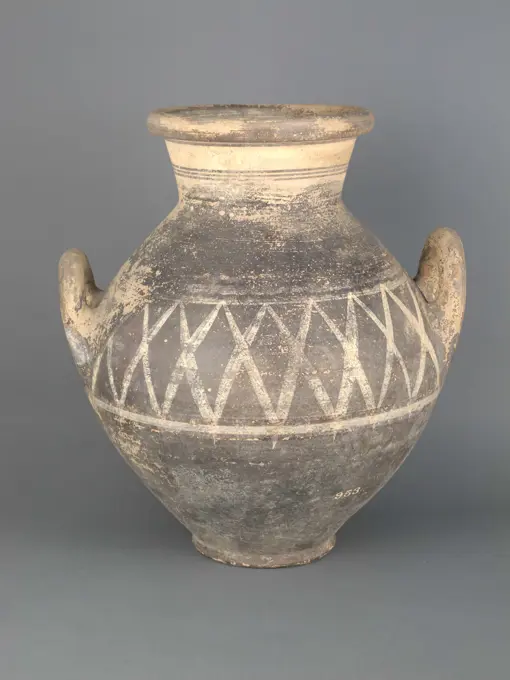
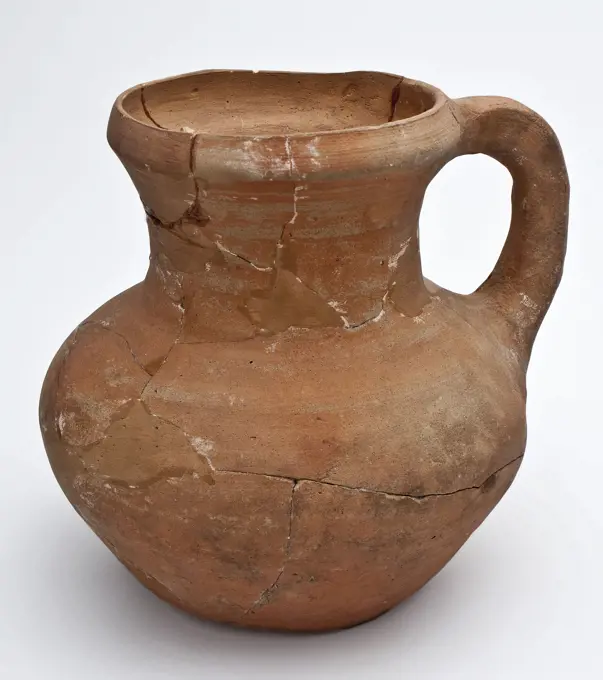
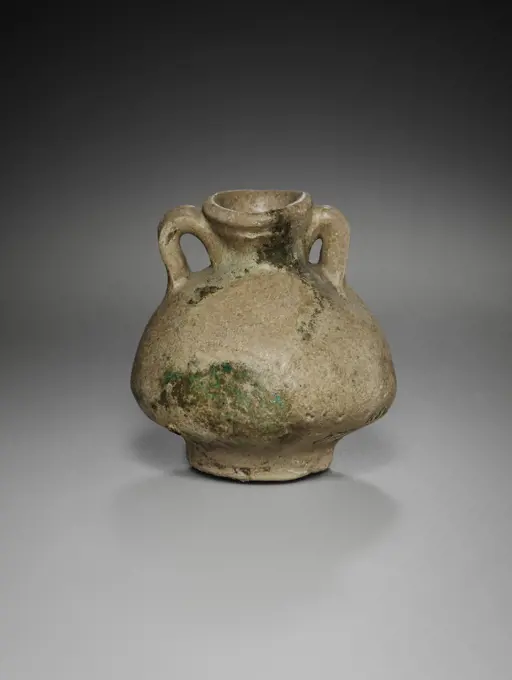
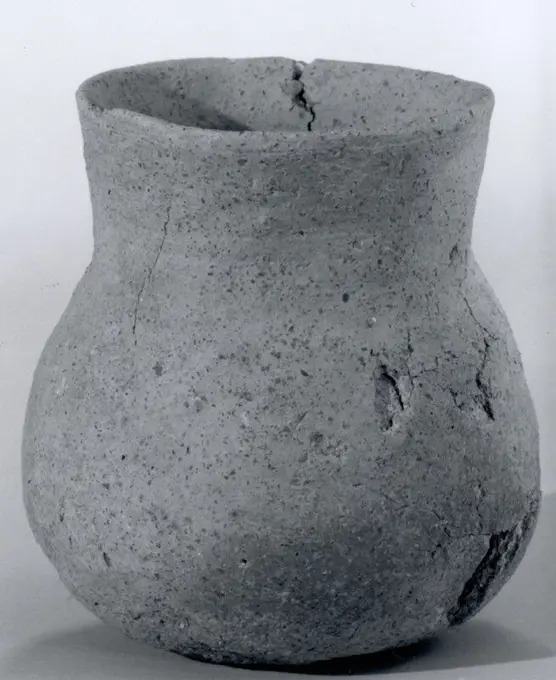
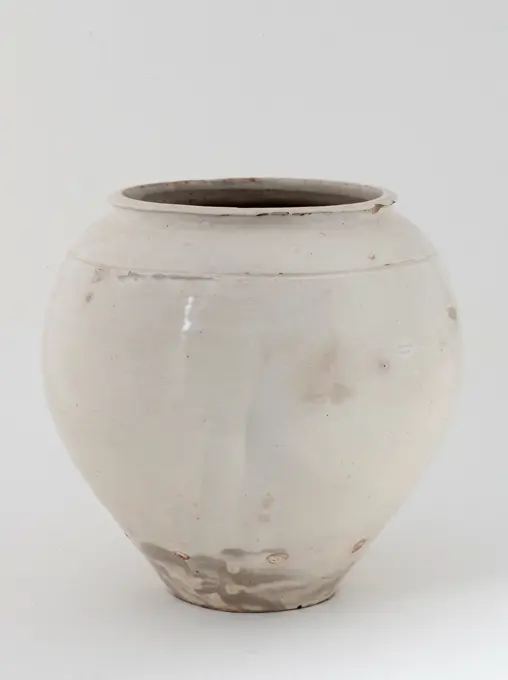
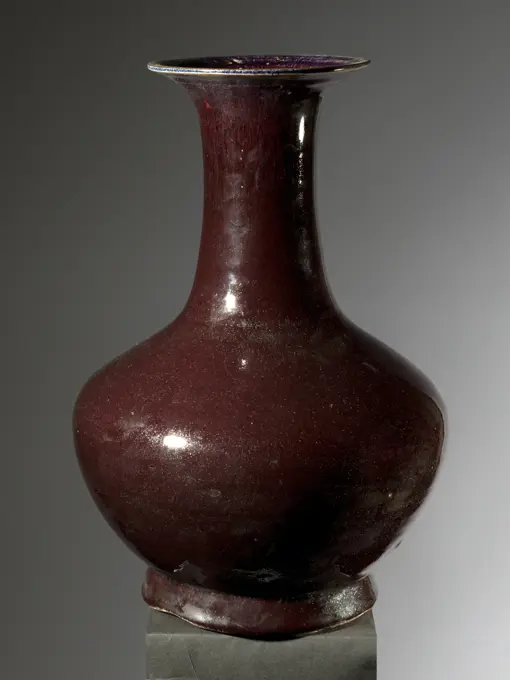
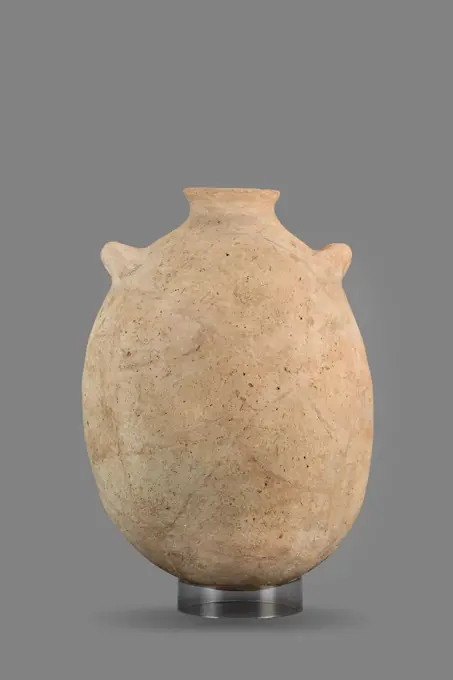
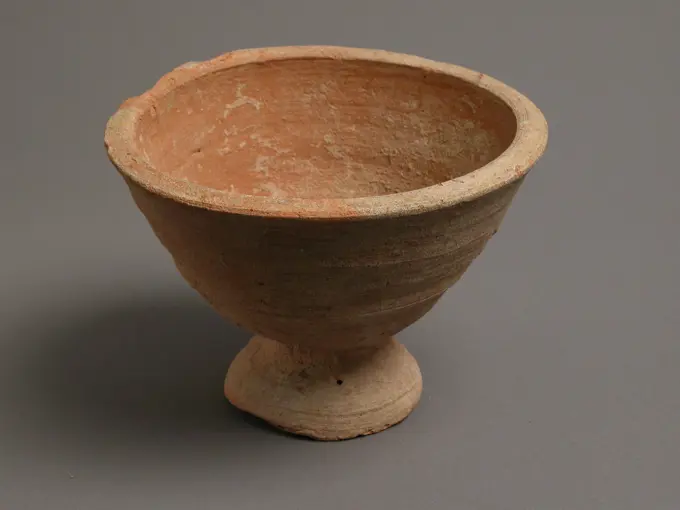
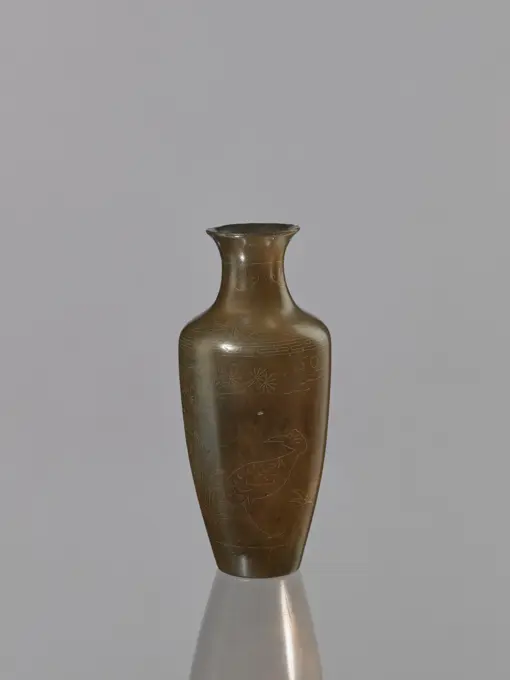
A selection of ancient pottery, including terracotta jugs and amphorae, showcasing historical craftsmanship from various cultures.

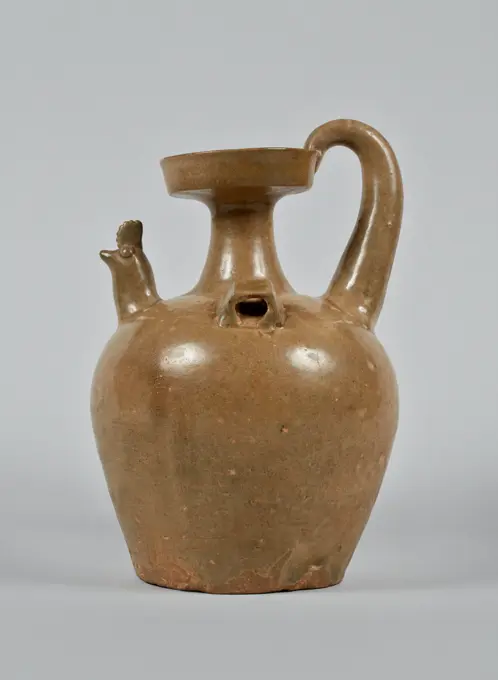
Coq heads, 450. Céladon covered sandstone. Cernuschi Museum, Asia Museum of Asia in the city of Paris.

Assets in this Story

4409-17428950
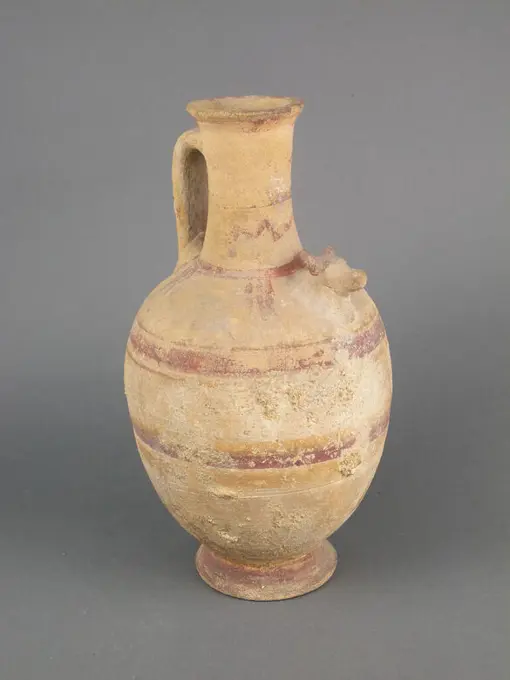
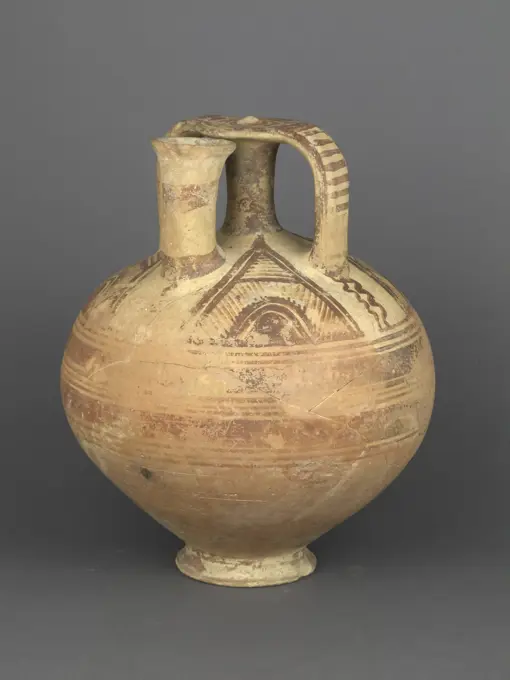
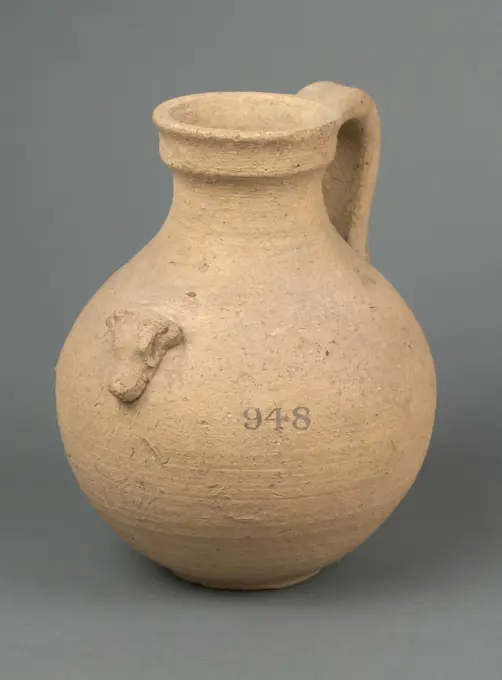
Terracotta jug. Culture: Cypriot. Dimensions: 11 1/4in. (28.6cm).Jug with bull's head and polychrome ornament. Museum: Metropolitan Museum of Art, New York, USA.
6145-29133315
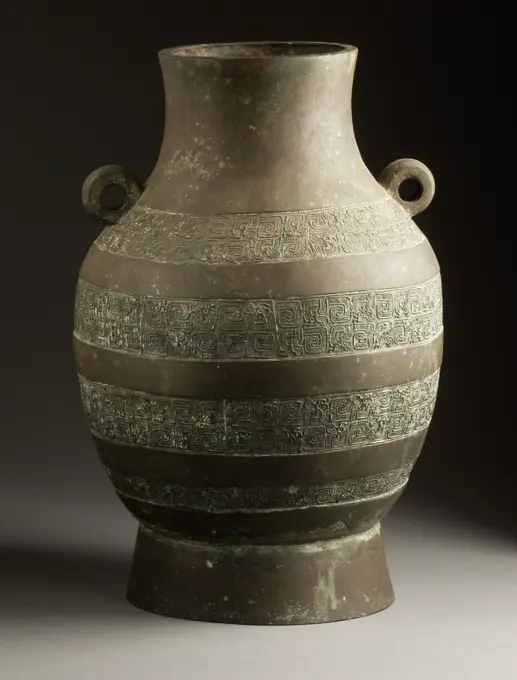
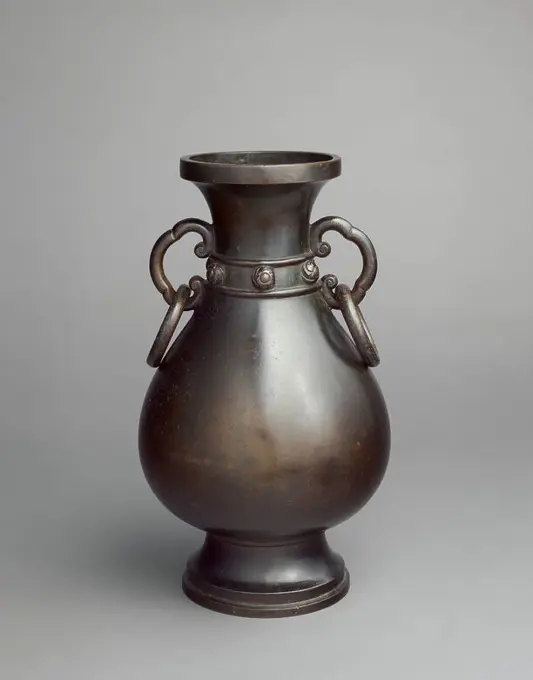
Wine Jar (Hu) with Interlaced Dragons. China, Modern, about 1900-1950. Furnishings; Serviceware. Cast bronze
6145-29793333
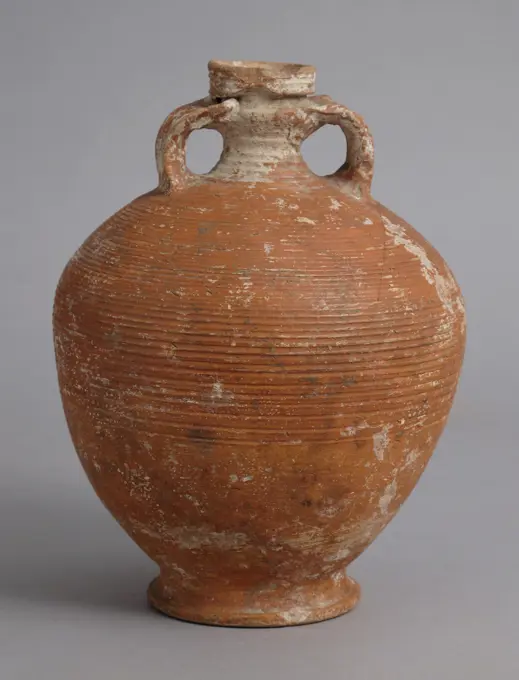
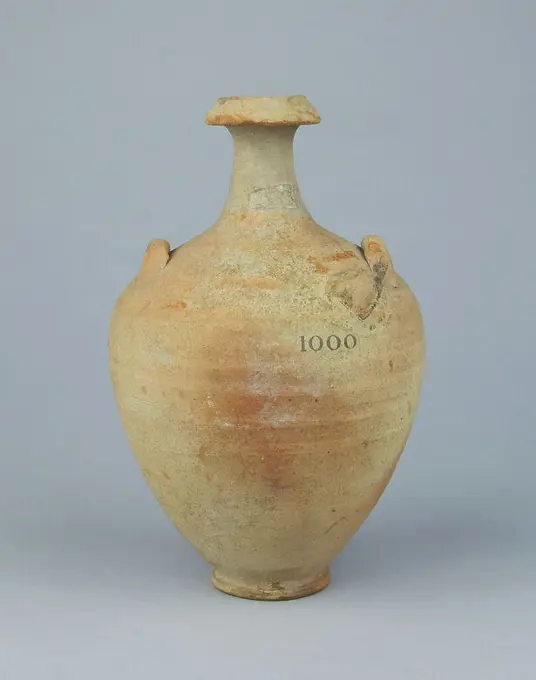
Ribbed Amphora 580-640 Coptic. Ribbed Amphora 474926
6145-29776378
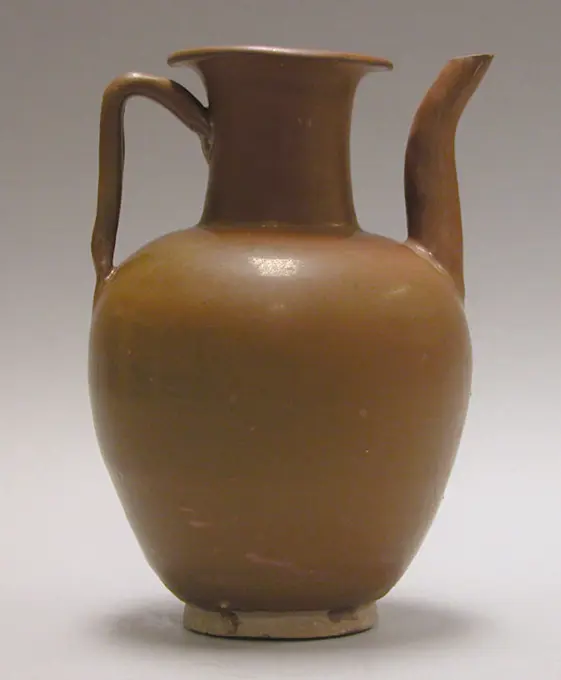
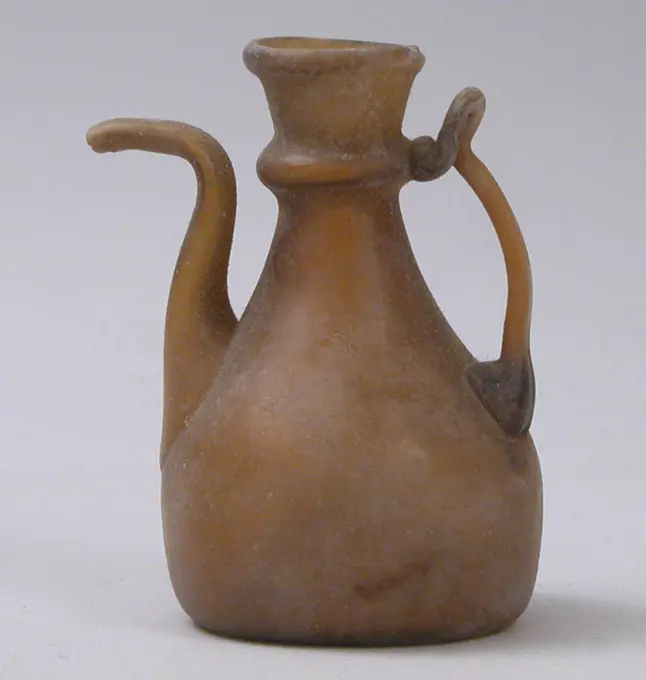
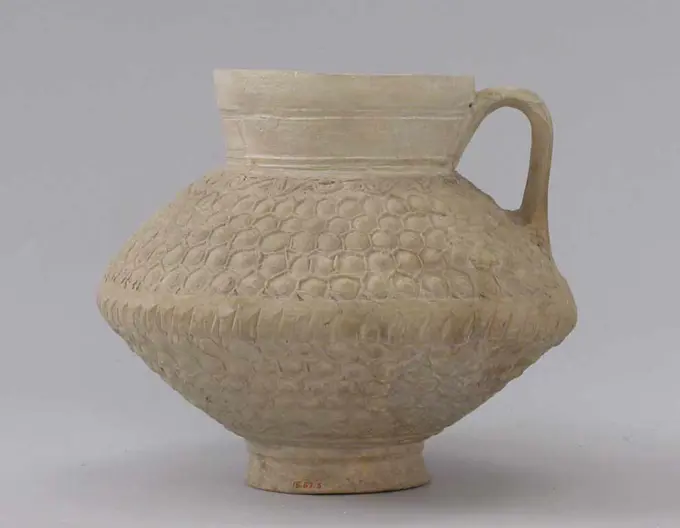
Ewer 11th century. Ewer 449880
6145-59022919
Coq heads, 450. Céladon covered sandstone. Cernuschi Museum, Asia Museum of Asia in the city of Paris.
6145-59521752
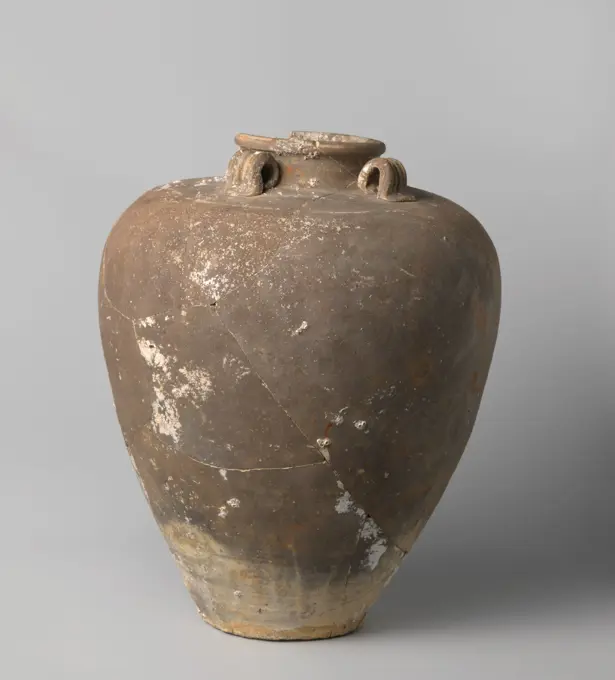
Martavaan from V.O.C. ship De 'Witte Leeuw', Anonymous, Before 1613  Martavaan from V.O.C. ship De 'Witte Leeuw', 95 present. southeast Asia stoneware. porcelain   Sint-Helena
4409-17409146
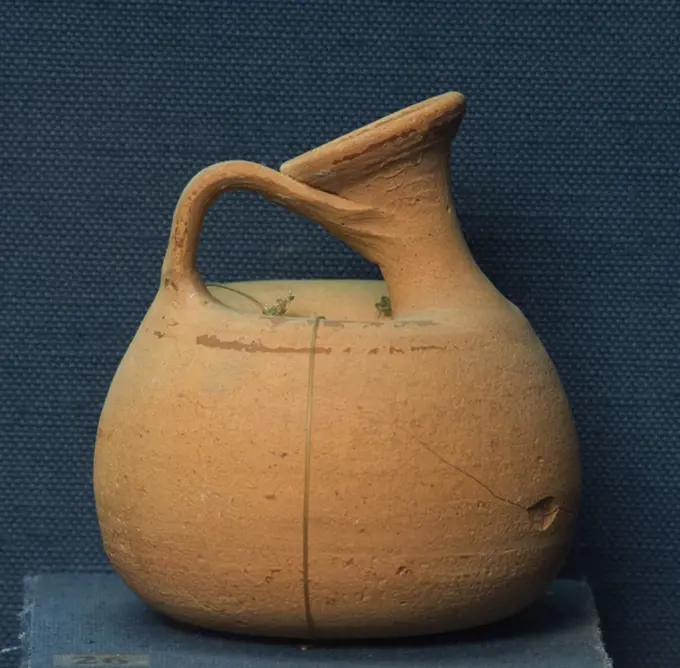
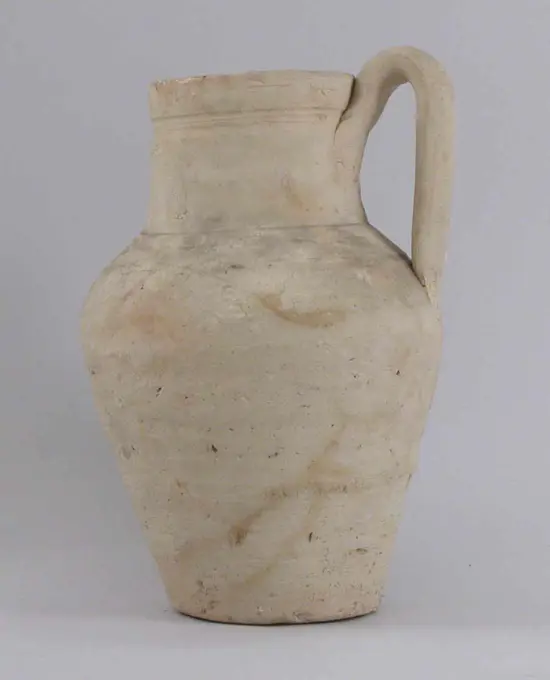
Juglet. Culture: Cypriot. Dimensions: H. 2 7/8 in. (7.3 cm). Date: 600-400 B.C..Handle-ridge jug with angular body; unpainted clay. Museum: Metropolitan Museum of Art, New York, USA.
6145-58826506
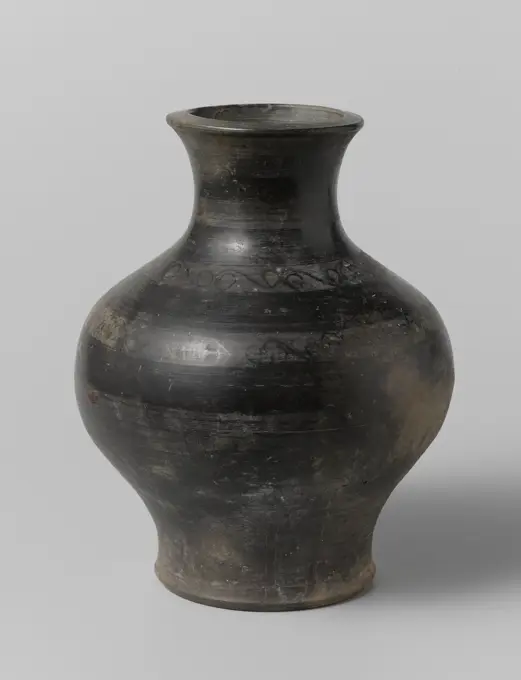
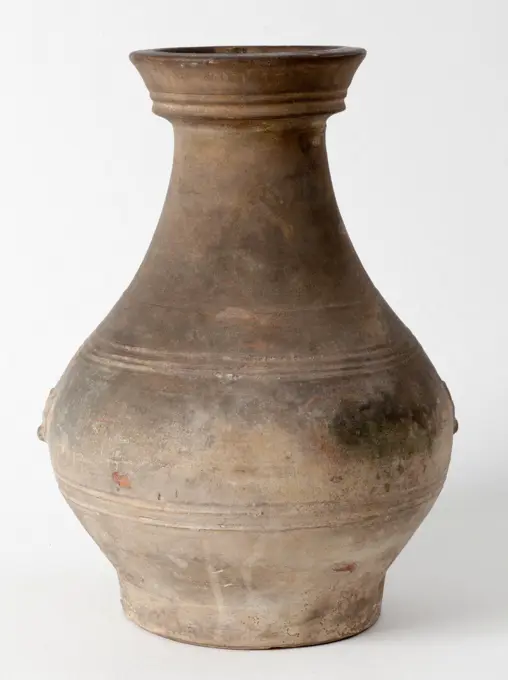
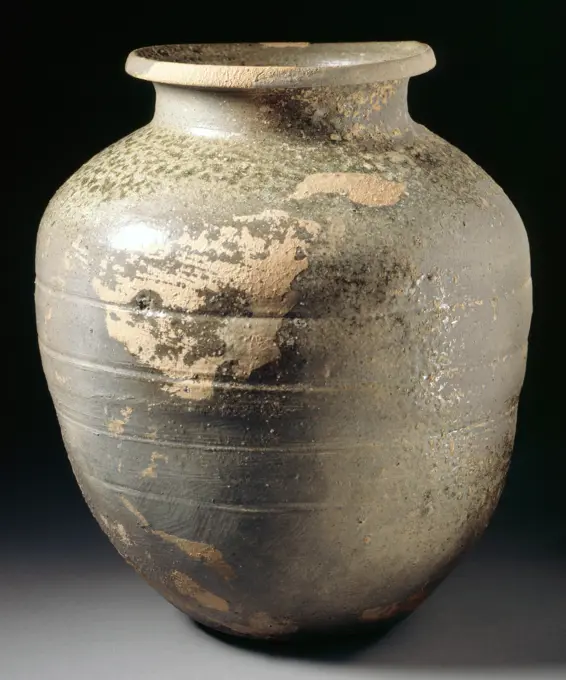
Jar, anonymous, c. -206 - c. 220 Vase of earthenware with a baluster -shaped body and wide, flared neck. Partially polished. Two tires with curls on the shoulder. China earthenware polishing Vase of earthenware with a baluster -shaped body and wide, flared neck. Partially polished. Two tires with curls on the shoulder. China earthenware polishing
6145-48861870
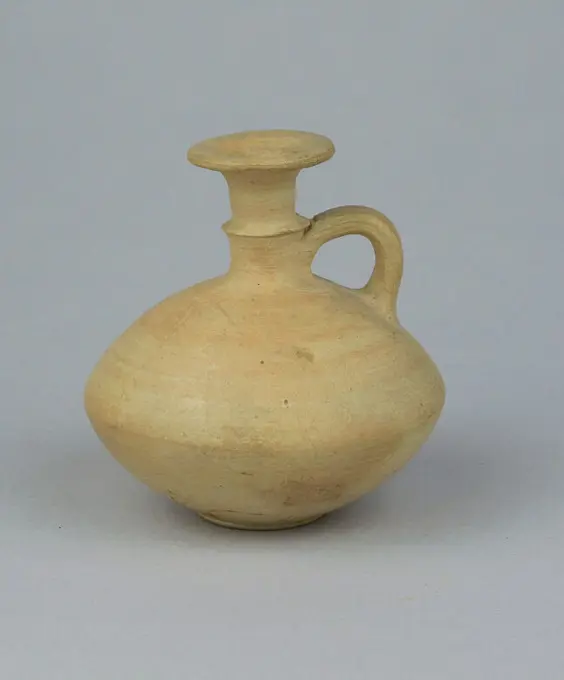
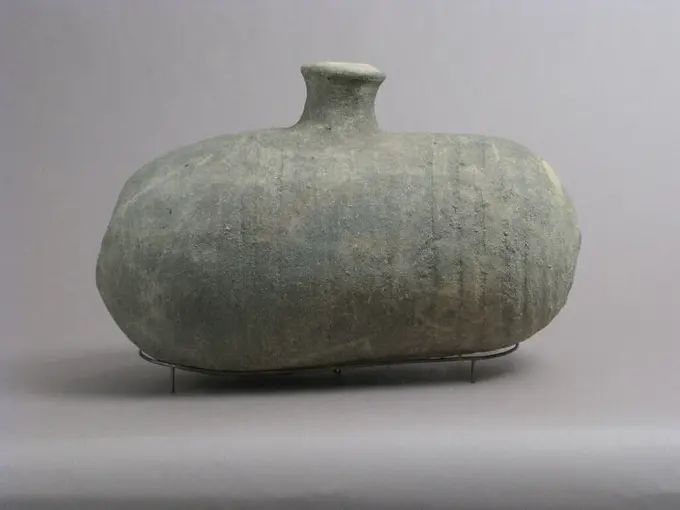
Flask. Unknown
6145-29159665
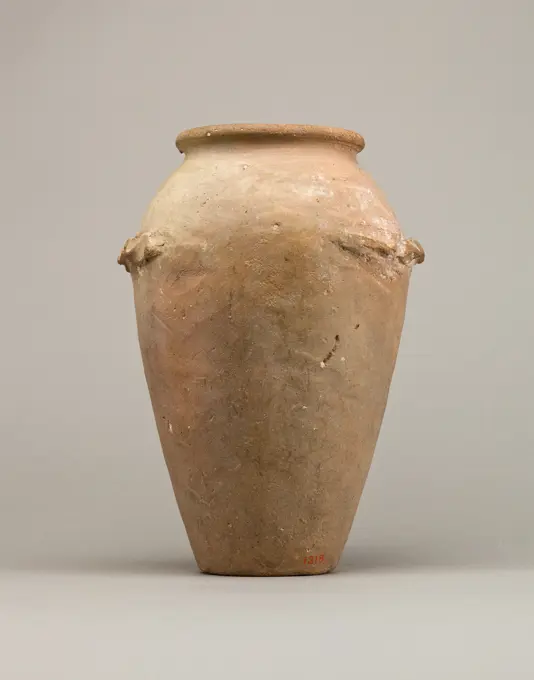
Wavy-handled jar ca. 3850-2960 B.C. Predynastic Period. Wavy-handled jar. ca. 3850-2960 B.C.. Pottery. Predynastic Period. From Egypt, Northern Upper Egypt, Abadiya, Cemetery B, Tomb B7, EEF excavations 1898-99
6145-29827403
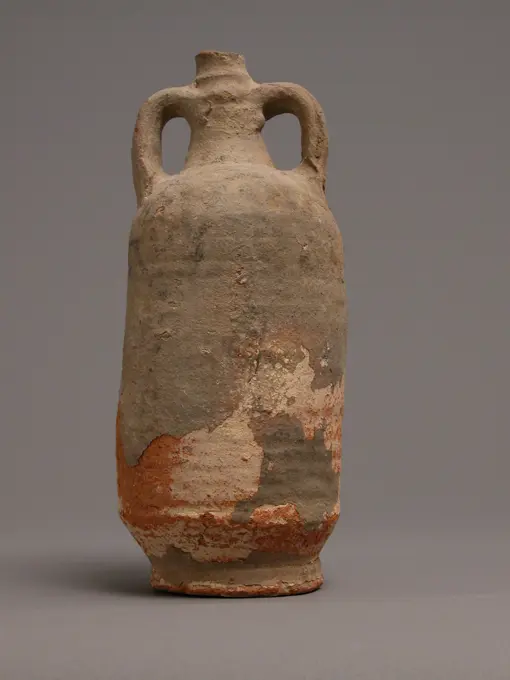
Jug 4th-7th century Coptic. Jug 478433
6145-29153082
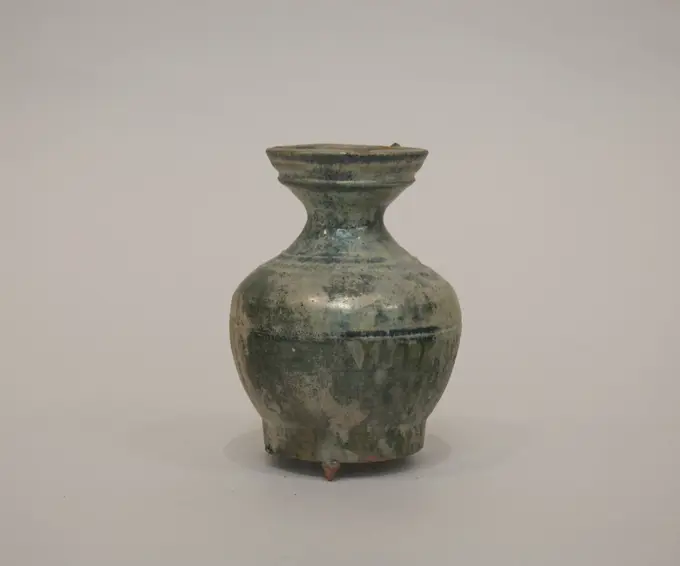
Vase China. Vase. China. Pottery. Han dynasty (206 B.C.-A.D. 220). Ceramics
6145-29717935
Jar 18th century. Jar 446944
4409-17373149
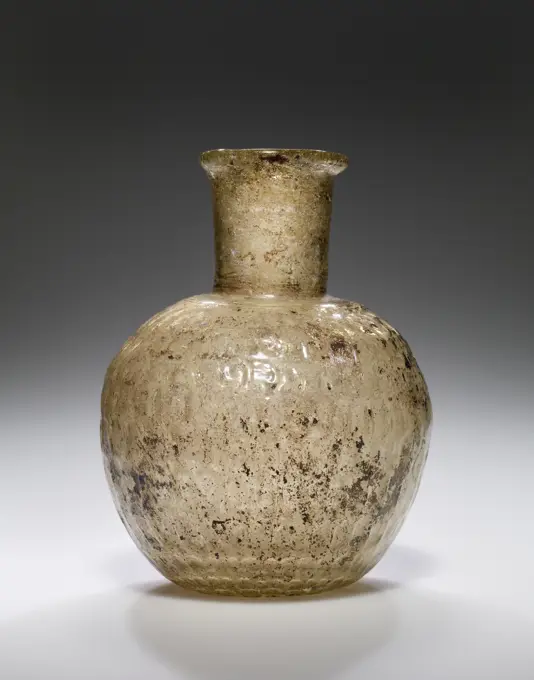
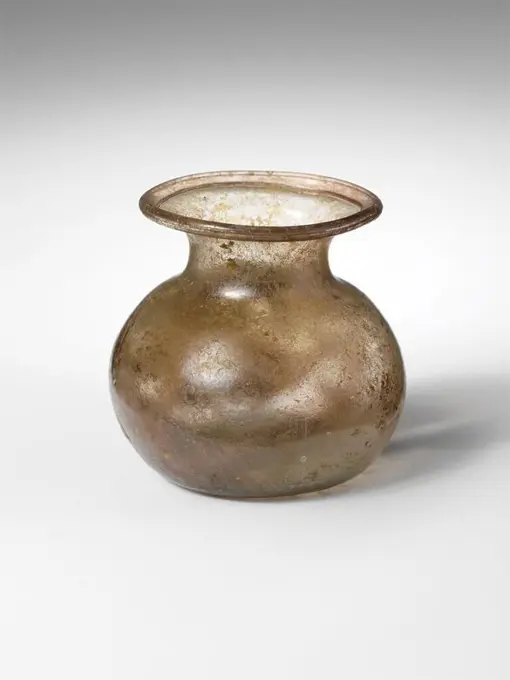
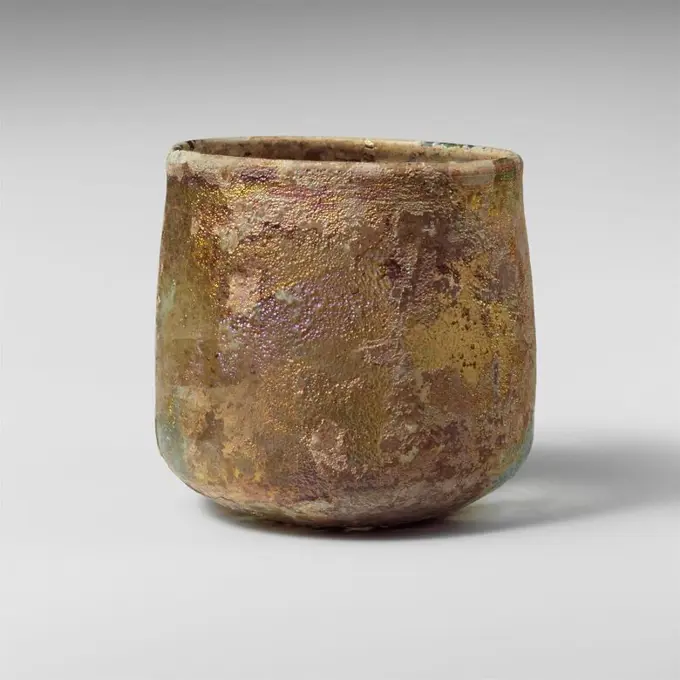
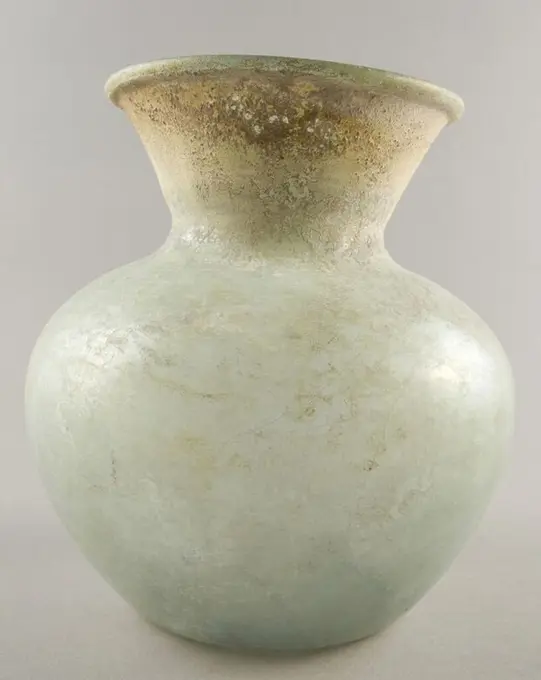
Glass jar. Culture: Roman, Asia Minor. Dimensions: H.: 2 5/16 in. (5.9 cm). Date: 2nd-3rd century A.D..Translucent pale purple.Tubular rim, folded out, round, and in, and pressed flat into side of broad, flaring mouth; concave, cylindrical neck; squat, bulbous body; shallow kick in bottom, with trace of large pontil mark.Intact; pinprick and larger bubbles, with a few glassy inclusions; dulling and faint iridescent weathering on exterior, patches of soil encrustation, brown weathering, and brilliant iridescence on interior. Museum: Metropolitan Museum of Art, New York, USA.
4409-20990391
Pre-Columbian art. Pre-Incan. Negative Carchi culture. 850-1500 AD. Ceramic vessel. 19 x 20 cm (diameter). From Ecuador. Private collection.
4443-21925148
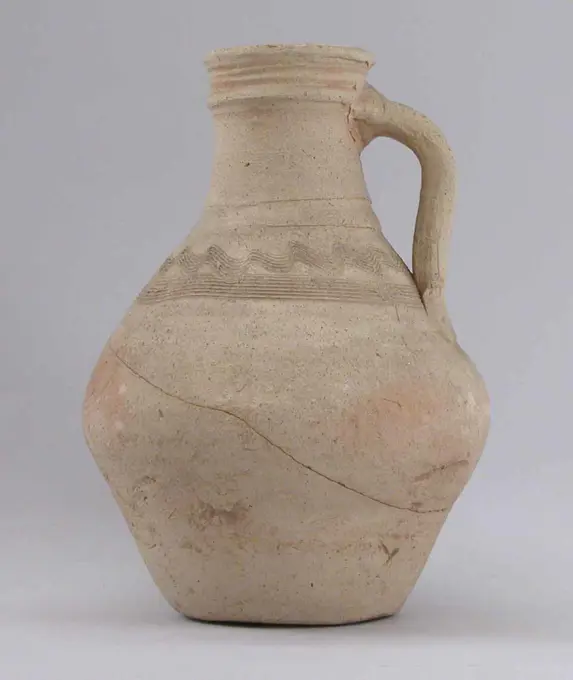
Pottery spout pot, brown-yellow with streaks of lace paint, Pingsdorf, pot pans kitchen utensils earthenware ceramics earthenware clay engobe, hand turned decorated baked Pottery spout yellow brown earthenware with reddish paint marks on the shoulder archeology indigenous pottery import store cooking store Soil discovery Cologne.
4409-17418980
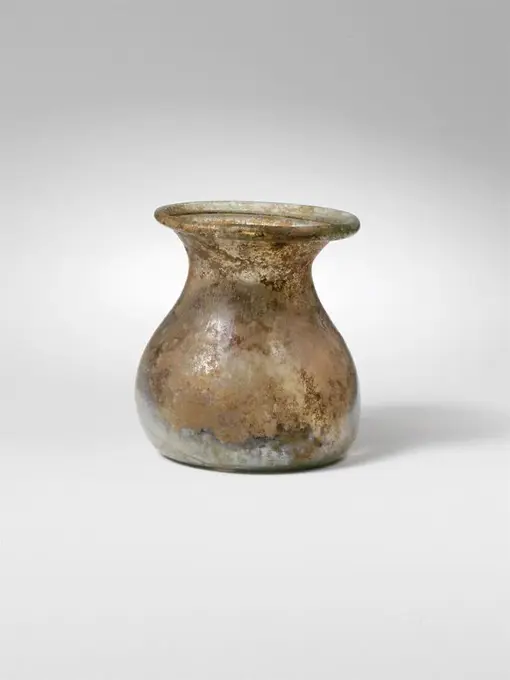
Glass jar. Culture: Roman. Dimensions: H.: 2 1/8 in. (5.4 cm). Date: 2nd-3rd century A.D..Colorless with blue green tinge.Tubular rim folded out, over, and in; funnel-shaped mouth; short, concave neck; uneven, bulbous body; pushed-in bottom.Intact; pinprick bubbles and blowing striations; faint iridescence on exterior, patches of soil encrustation, weathering, and brilliant iridescence on interior. Museum: Metropolitan Museum of Art, New York, USA.
6145-29812791
Ewer 11th century China. Ewer 49208
6145-29156418
Bottle 18th century Japan. Bottle 48017
6145-29241892
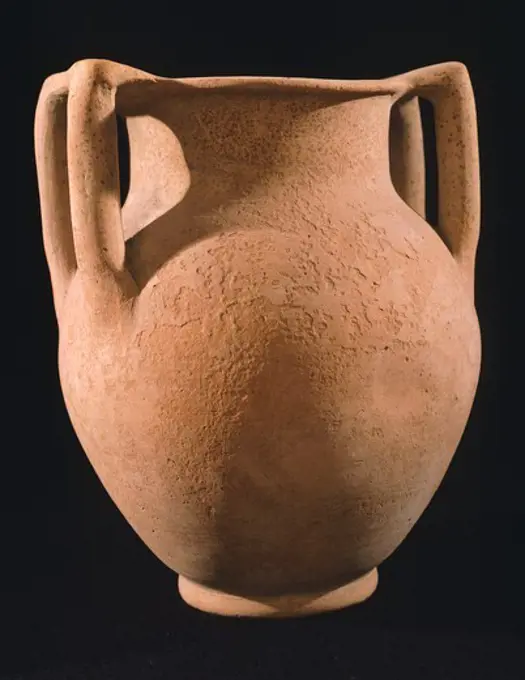
Amphora ca. 3200-1600 B.C. Cypriot Incised horizontal and wavy lines.. Amphora. Cypriot. ca. 3200-1600 B.C.. Terracotta. Early-Middle Bronze Age. Vases
4443-28733985
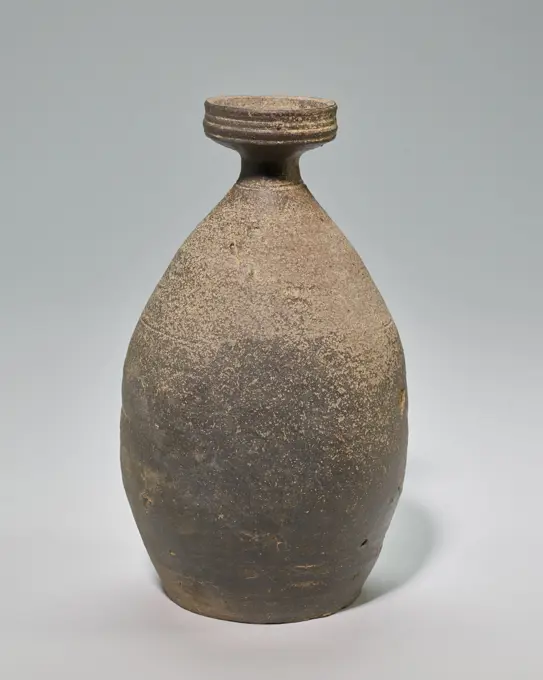
(Bottle, jar), 5th-6th century, Unknown Korean, 8 3/4 x 4 7/8 in. (22.23 x 12.38 cm), Stoneware, Korea, 5th-6th century
6145-29175237
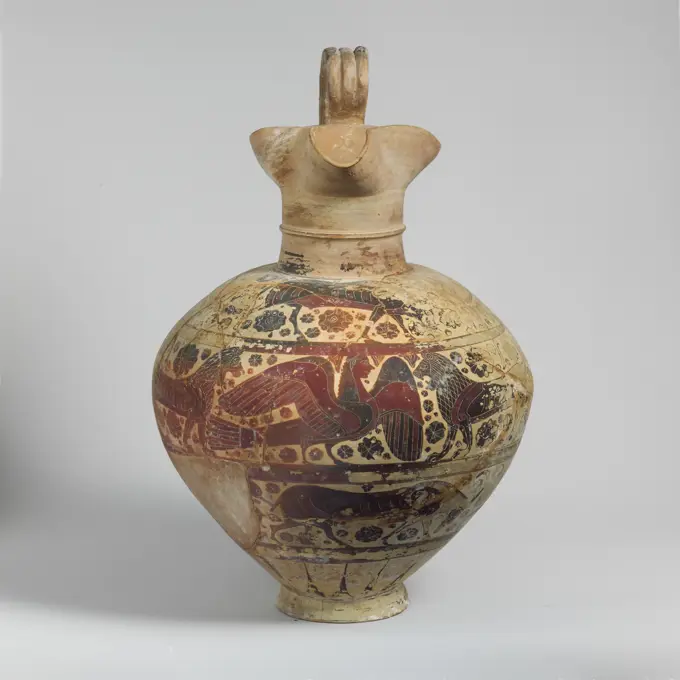
Terracotta oinochoe (jug) ca. 590-570 B.C. Attributed to the Painter of Munich 237 Three friezes with animals.. Terracotta oinochoe (jug) 246580
4409-17544689
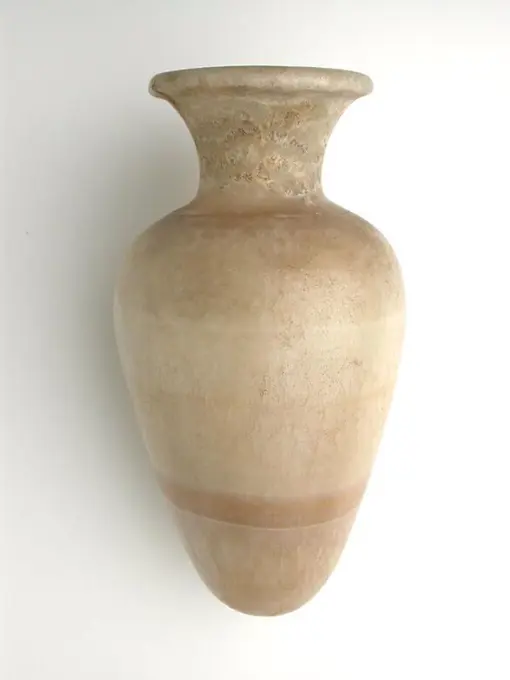
Vessel. Egyptian. Date: 1550 BC-1069 BC. Dimensions: 11.6 × 6.1 × 6.1 cm (4 5/8 × 2 3/8 × 2 3/8 in.). Calcite. Origin: Egypt. Museum: The Chicago Art Institute, Chicago, USA. Author: Ancient Egyptian.
6145-59043012
Vase. Terre Civa. Vietnam. Paris, Muse Cernuschi. Vase Asian art, art of extreme orient, art of Vietnam, Vietnamese art, terracotta, dishes
6145-29734466
Terracotta bowl ca. 1500-1450 B.C. Minoan Monochrome fine dark-slipped ware bowl with narrow foot and no decoration.. Terracotta bowl. Minoan. ca. 1500-1450 B.C.. Terracotta; Monochrome fine dark-slipped ware. Late Minoan IB-IIA. Vases
6145-58867231
Can of red -baking earthenware, on the inner and partly the outside with glaze, with damaged edge, foot and ear, anonymous, 1500 - 1799   earthenware. glaze   earthenware. glaze
4443-21908464
Pottery pot on stand, baluster shape, used in the sugar industry, sugar bowl pot holder soil find ceramic earthenware glaze lead glaze, opening 7.0 hand turned glazed baked Pottery pot on stand. Baluster shape with round shoulder and narrow neck opening. Thick neck with back over the outside. Straight neck edge. Blurred turnings. Red shard and internal glazed sugar cones made here in archeology indigenous earthenware sugar confectionery sugar industry
6145-29147963
Glass jug 1st-2nd century A.D. Roman Translucent pale blue green, with same color handle.Tubular rim, folded out, round, and in, and pressed into top of mouth; short cylindrical neck with uneven tooled indents; straight sides to conical body; pushed-in bottom; strap handle applied as a pad on top of body, drawn out in a loop and trailed on to edge of rim and top of neck, with vertical loop above.Intact; some pinprick bubbles; dulling, faint iridescence, limy encrustation and weathering.. Glass jug 244658
6145-59003721
Jar ". Céladon covered sandstone. Epoque des Trois Royaumes (220-265). Paris, Cernuschi museum. Chinese art, Chinese ceramic, time three kingdoms, gres, jar, terracotta
4443-21926311
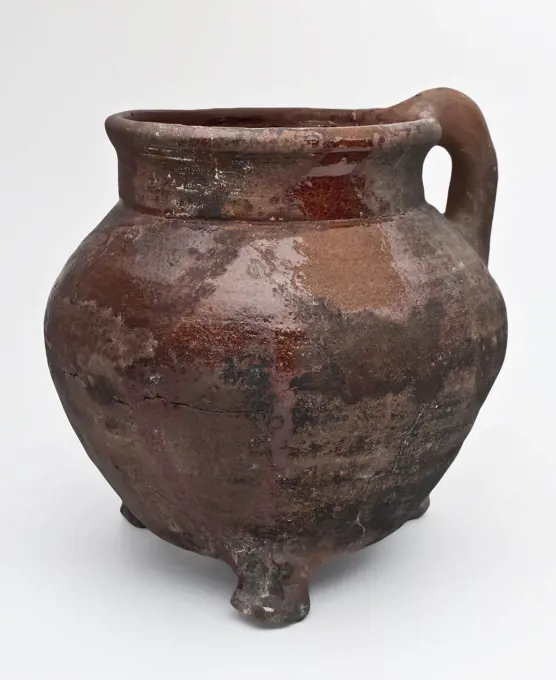
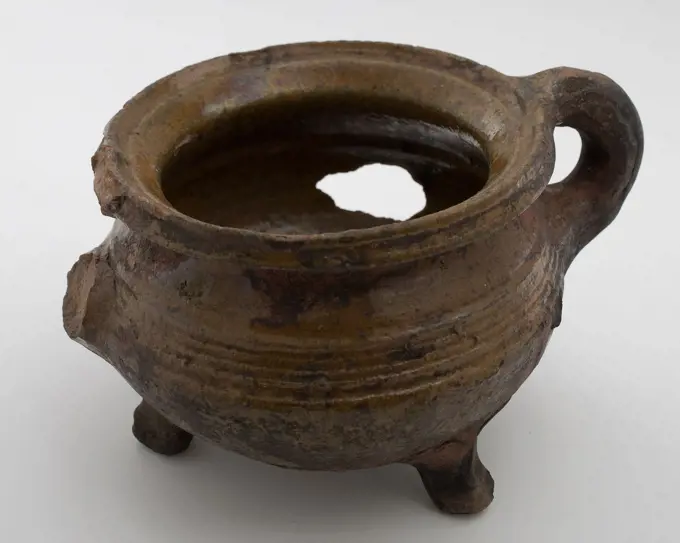
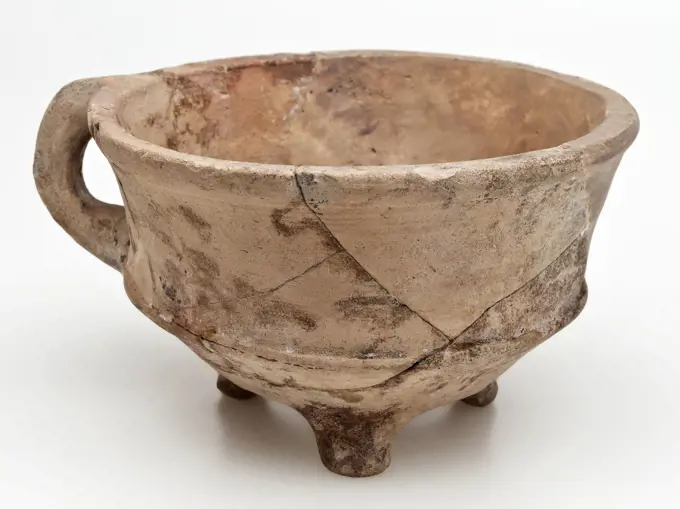
Large pottery cooking jug on three legs, cylindrical neck, one ear, grape cooking pot tableware holder utensils earthenware ceramics earthenware glaze lead glaze, belly 19.3 bottom 12.0 hand turned set pinched glazed baked Cooking pot red earthenware inside and outside sparingly glazed thick round ear high upright neck thickened round edge - smooth belly inverted pouched three pinched legs large archeology Capelle aan den IJssel House in Capelle castle indigenous pottery food preparation kitchen cooking Soil discovery: House in Capelle Capelle aan den IJssel.
6145-58868470
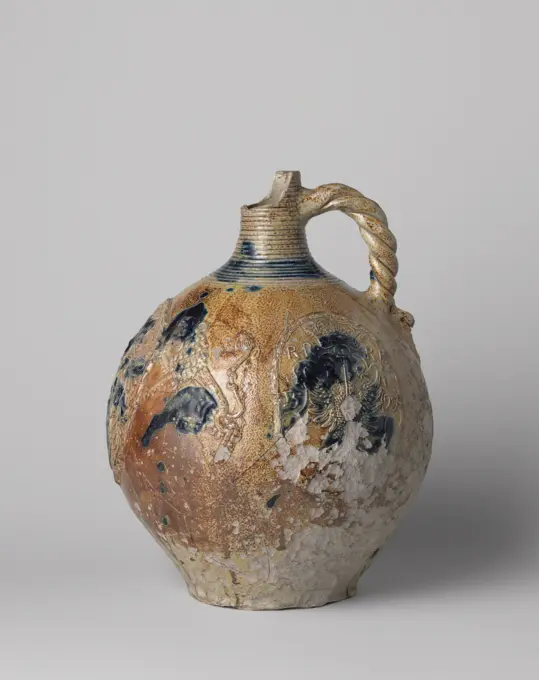
Jug with coat of arms, anonymous, c. 1599 - c. 1610 Jug of stoneware on the standing surface with a spherical body and narrow, short neck. Part of the neck is missing. The getting c-shaped ear is attached to the neck and shoulder. A broad bond with lines of the neck runs from the neck to halfway through the shoulder. Covered with a brown engobe and cobalt blue. On the abdomen three times printed and imposed medallion in relief. The middle medallion, flanked by Leeuwen, shows a weapon and the date '1603'. On either side of this a medallion with the national weapon, the inscription 'R.R./K.K' and the date '1599'. Frechten. Cheek stoneware. glaze. engobe. cobalt (mineral) vitrification Jug of stoneware on the standing surface with a spherical body and narrow, short neck. Part of the neck is missing. The getting c-shaped ear is attached to the neck and shoulder. A broad bond with lines of the neck runs from the neck to halfway through the shoulder. Covered with a brown engobe and cobalt bl
6145-29240433
Amphora 600-480 B.C. Cypriot Grooved body and two horned handles, light clay under dark slip.. Amphora. Cypriot. 600-480 B.C.. Terracotta. Cypro-Archaic II. Vases
4409-17390665
Glass beaker. Culture: Roman. Dimensions: Overall: 3 1/8in. (8cm)Diam.: 3 1/4 in. (8.3 cm). Date: 2nd-3rd century A.D..Colorless with pale blue green tinge.Thickened, rounded, vertical rim with inner lip; straight sides expanding slightly downwards, then turned in at sharp angle to bottom with pointed kick at center.Complete, but hole in side (from devitrification); pinprick bubbles and blowing striations; dulling, deep pitting, brilliant iridescence and whitish weathering. Museum: Metropolitan Museum of Art, New York, USA.
4409-17545106
Vessel. Egyptian. Date: 1600 BC-1425 BC. Dimensions: H. 22.25 cm (8 3/4 in.); diam. 14 cm ( 5 1/2 in.). Terra-cotta. Origin: Egypt. Museum: The Chicago Art Institute, Chicago, USA. Author: Ancient Egyptian.
6145-29731243
Jar 4th-7th century Coptic. Jar 477325
4443-19585631
Hu, 8th-3rd century B.C., Stoneware, 11 × 7 1/2 in. (27.9 × 19cm), China, Chinese, Eastern Zhou dynasty (770-221 B.C.E.), Containers -Ceramics
4409-61321275
CANTARO CON DOS ASAS Y CUELLO CORTO EN BARRO. Location: ALFARERIA. VALL DE UXO. Castellón. SPAIN.
4443-21940746
Pottery cooking pot, grape-model, red shard, glazed, two vertical sausages, on three legs, cooking pot crockery holder kitchenware earth discovery ceramic earthenware glaze lead glaze, hand-turned glazed baked Pottery cooking pot grape-model red shard inside and part shoulder covered with lead glaze with greenish spots two vertical sausage wheels three legs traces on the underside archeology indigenous pottery food prepare cooking cuisine
4409-17429691
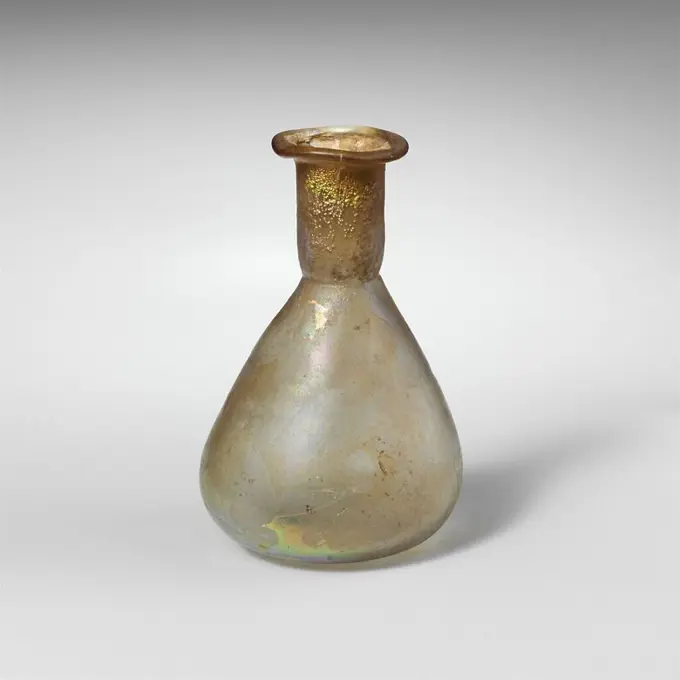
Glass perfume bottle. Culture: Roman. Dimensions: 4 1/4in. (10.9cm)Other: 2 1/2in. (6.3cm)Diam. of rim: 15/16 in. (2.4 cm). Date: 1st-2nd century A.D..Colorless with blue green tinge.Rim folded out, over, and in; cylindrical neck, expanding downward with tooling marks around base; broad conical body with convex sides; slightly concave bottom.Intact; many bubbles; deep pitting and brilliant iridescent weathering. Museum: Metropolitan Museum of Art, New York, USA.
4409-17409604
Vase (one of a pair). Culture: China. Dimensions: H. 10 1/2 in. (26.7 cm); Diam. 6 in. (15.2 cm)Diam. of rim: 3 3/4 in. (9.5 cm)Diam. of foot: 4 1/8 in. (10.5 cm). Date: 15th century.These vases are stylistically consistent with Ming imperial ritual vessels and are likely to have been the products of the imperial workshops of the fifteenth century. Originally they would have served as flower vases on a ritual altar, where they would have been placed together with an incense burner and two candlesticks. Museum: Metropolitan Museum of Art, New York, USA.
4409-17417603
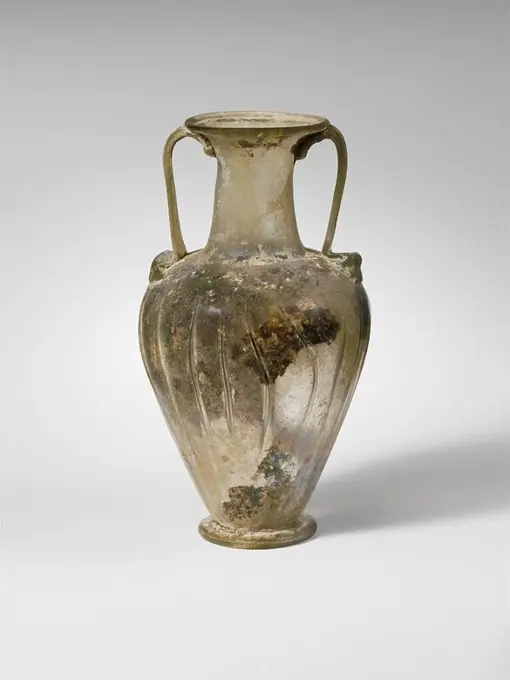
Glass jar with two handles (amphora). Culture: Roman. Dimensions: H.: 5 3/4 in. (14.6 cm)Diam.: 3 1/8 x 2 15/16 x 1 5/8 in. (7.9 x 7.5 x 4.1 cm). Date: 3rd century A.D..Colorless with pale yellow tinge; same color handle and ribs.Horizontal rim, folded round and in; flaring mouth; cylindrical neck, expanding downwards; rounded shoulder; piriform body, tapering downwards; outsplayed tubular foot rim, made by folding; deep kick in bottom; two thin strap handles, pressed onto shoulder, with thick projecting pads below, drawn out and up, curved in, and applied to underside of mouth and rim.On body, extending from shoulder almost to foot ring, eighteen irregular ribs, some vertical, some slanting, and other curved.Intact; few bubbles; dulling, slight pitting, creamy weathering, and iridescence on exterior, patches of thick black weathering and brilliant iridescence on interior. Museum: Metropolitan Museum of Art, New York, USA.
6145-29152532
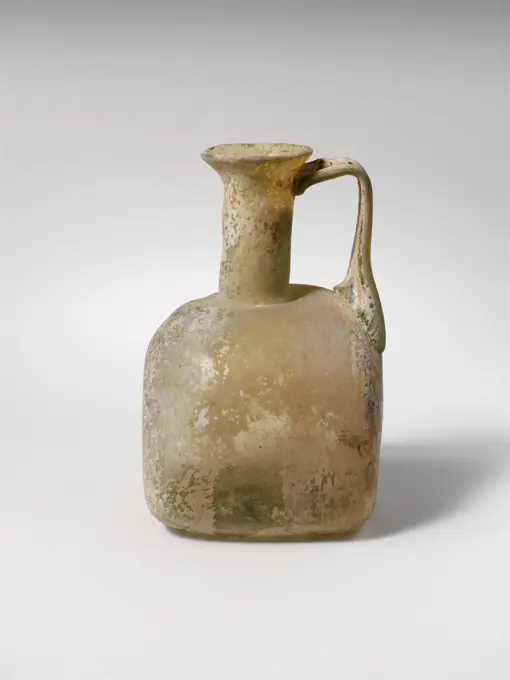
Glass jug 1st-3rd century A.D. Roman Small, one-handled square jug.Colorless with yellowish tinge; handle in light green.Plain, rounded rim; flaring mouth; cylindrical neck, aslant to body; slightly pushed-in shoulder with large, sloping shoulders; square body with flat sides and rounded lower corners; flat bottom; two-ribbed handle attached to outer edge of shoulder, drawn up, turned in horizontally, and trailed on to top of neck.Intact; pinprick bubbles and some black impurities; dulling, slight pitting, and most of surfaces covered in creamy weathering and iridescence.. Glass jug 245271
6145-29081669
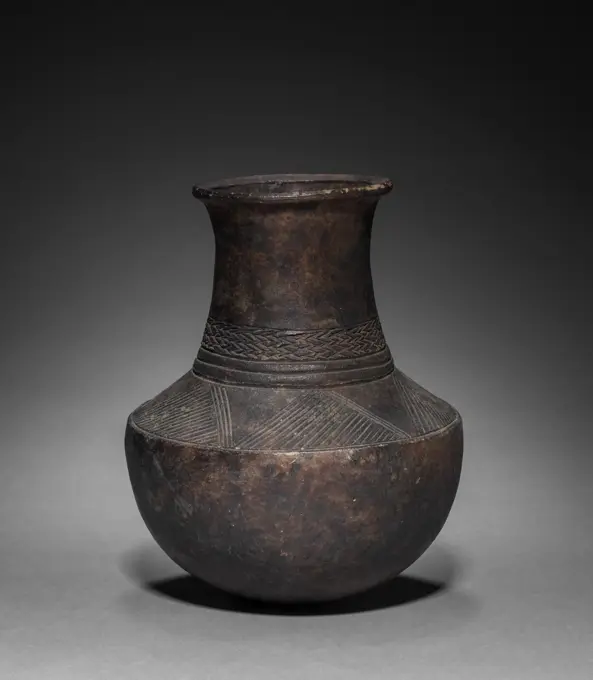
Water Jug, early 1900s. Africa, early 20th century. Terracotta; diameter of mouth with rim: 17.8 x 8.9 cm (7 x 3 1/2 in.).
6145-29756386
Ceramic Whistling Vessel 11th-16th century Carchi. Ceramic Whistling Vessel 314197
6145-29809439
Ewer 19th century. Ewer 446086
4409-17388153
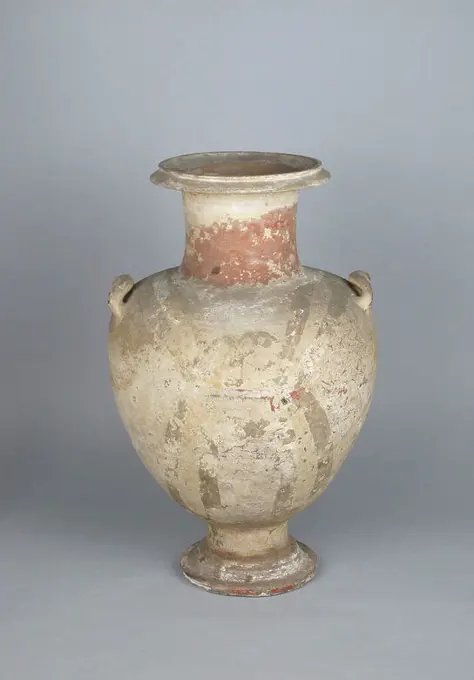
Terracotta Hadra hydria (water jar). Culture: Greek, Egypt, Alexandria-Hadra. Dimensions: Other: 15 1/2 x , D.:9 3/4 in. (39.4 x 24.8 cm). Date: 3rd century B.C.. Museum: Metropolitan Museum of Art, New York, USA.
4266-4374
Scythian Vase by anonymous artist, clay, 7th-6th century BC, Russia, Moscow, State History Museum, H 12
6145-29151977
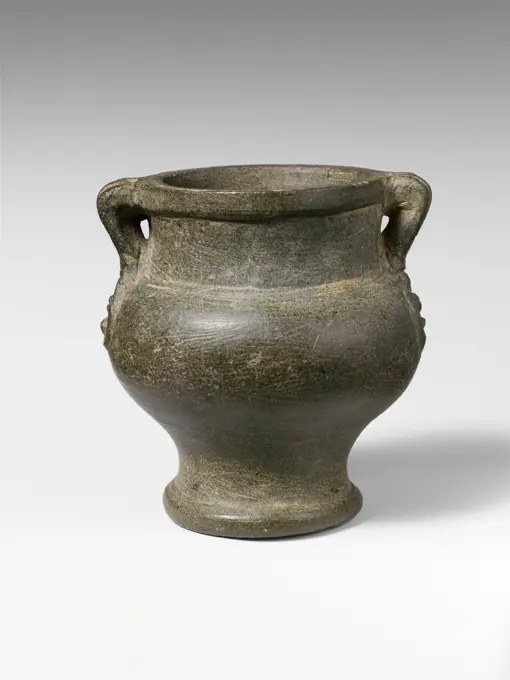
Chlorite amphoriskos (small jar) ca. 1200-1100 B.C. Cypriot The circle and knobs in relief at the base of each handle imitate a metallic handle with rivets like those of a large bronze cauldron (74.51.5685) nearby.. Chlorite amphoriskos (small jar) 243902
6145-29119430
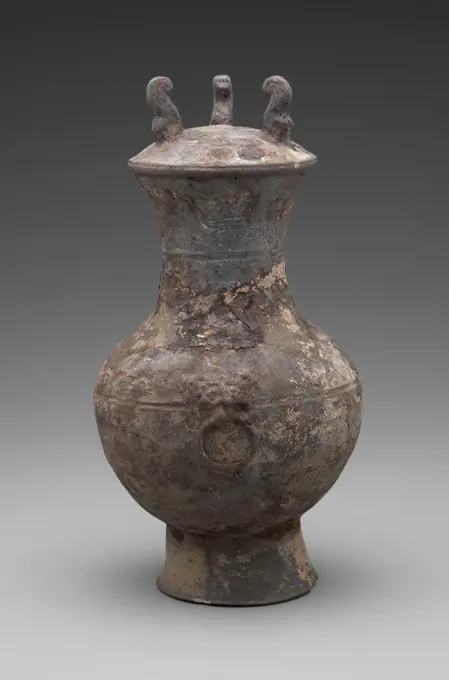
Lidded Funerary Urn (Hu) with Bird, Dogs, and Lotus Scrolls. China, Zhejiang Province, Longquan County, early Southern Song dynasty, about 1127-1200. Furnishings; Accessories. Longquan ware, wheel-thrown stoneware with incised, modeled, and applied decoration and green glaze
6145-29818736
Ewer 9th-10th century. Ewer 449640
6145-29802032
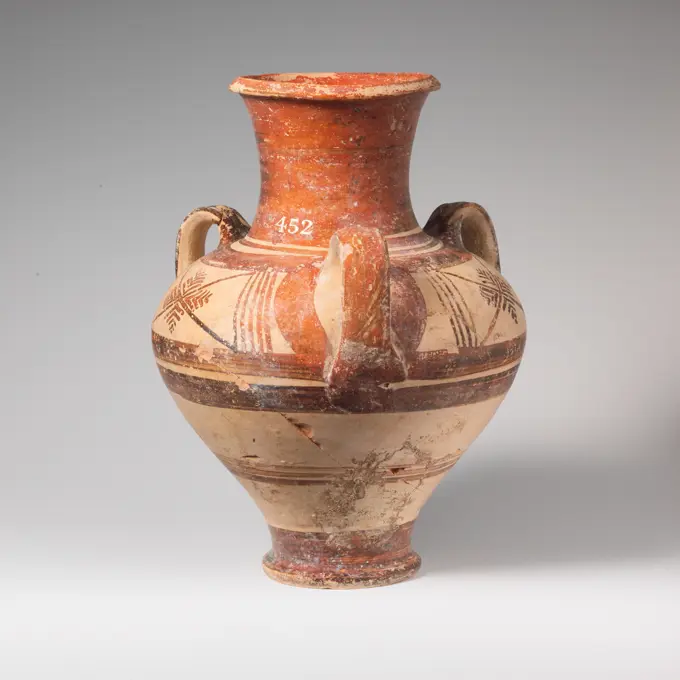
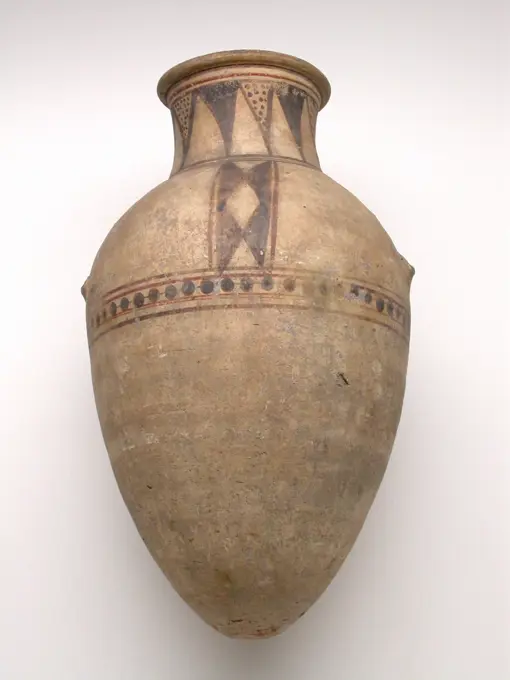
Terracotta pithoid jar ca. 1300-1190 B.C. Mycenaean Jar with pear-shaped body, three handles, and geometric designs in panels.. Terracotta pithoid jar 240331
4409-17379121
Jar. Culture: Japan. Dimensions: H. 9 5/8 in. (24.4 cm); Diam. 11 1/8 in. (28.3 cm). Date: ca. 100-300. Museum: Metropolitan Museum of Art, New York, USA.
4443-21926441
Earthenware chamber pot with curved bottom, unglazed and narrow neck, pot holder sanitary earthenware ceramic pottery, belly 16.0 bottom 9.5 hand turned pottery Room pot red-brown earthenware unglazed vaulted bottom with soul round ear round belly long and narrow neck shallow cuff and finger impression on the site of the attachment of the ear archeology Capelle aan den IJssel House in Capelle castle indigenous pottery toilet disposal night sleeping room hygiene Soil discovery: cesspool 1420-1425 house in Capelle Capelle aan den IJssel 1963.
4443-19587453
Small two-handledvase, ca. 323 B.C.-A.D.256, Terracotta, 3 3/16 × 3 1/16 in. (8.1 × 7.7cm), Yale-French Excavations atDura-Europos, Excavated in Dura-Europos, Syria, Syrian,Dura-Europos, Greco-Roman orParthian, Containers -Ceramics
6145-29802566
Jar ca. 3500-3300 B.C.. Jar 326500
6145-59003829
Jar ". Sandstone, white slip under transparent cover. Song / Yuan. Paris, Cernuschi museum.chine, Song dynasty (960-1279) / Yuan (1279-1368). Chinese art, Chinese ceramic, container, Song dynasty, Yuan dynasty, Song time, Yuan time, oval form, gres, jar, container, terracotta
6145-46647881
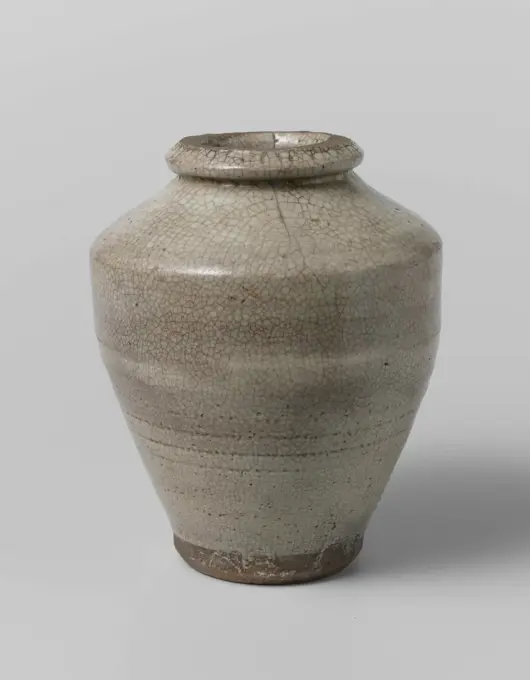
. Egg-shaped pot of stoneware, partially covered with a gray, cracked glaze. The edge and bottom are unglazed.
6145-58868873
Jug with coat of arms in medallions, anonymous, c. 1550 - c. 1599 Jug of stoneware on stand ring with a cylindrical body with round shoulder and wide, ribbed neck. The C-shaped ear is attached to the neck and shoulder. On the belly in relief three printed and imposed medallions with a different weapon in each. The middle medallion is flanked by lions and leaves. The shoulder and the lower part of the abdomen are divided into entered courses. Raeren. Rae stoneware. glaze vitrification Jug of stoneware on stand ring with a cylindrical body with round shoulder and wide, ribbed neck. The C-shaped ear is attached to the neck and shoulder. On the belly in relief three printed and imposed medallions with a different weapon in each. The middle medallion is flanked by lions and leaves. The shoulder and the lower part of the abdomen are divided into entered courses. Raeren. Rae stoneware. glaze vitrification
4409-53516
Prehistoric Art. Early Bronze Age. Handmade Jar of clay without decoration. Globular body, wide mouth and a handle. Dated in the third millennium B.C. National Archaeological Museum. Athens. Greece.
4409-17352569
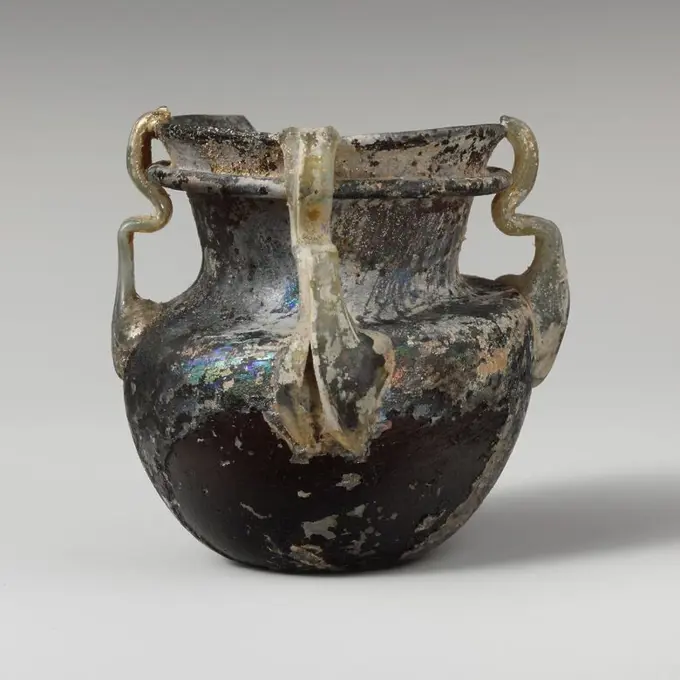
Glass jar with four handles. Culture: Roman. Dimensions: Overall: 2 7/8in. (7.3cm). Date: 4th-5th century A.D..Translucent manganese purple; handles in translucent pale green.Rim slightly outsplayed, with rounded vertical lip; below hollow folded flange; funnel-shaped neck; uneven, slightly pushed-in shoulder; body with convex side, tapering downwards to small, pushed-in bottom with small pontil mark; four handles applied in large pads to top of side, drawn up vertically, turned in at a right angle, then folded upwards over flange to top of rim.Part of rim and top of one handle missing, with weathered edges, but body complete; some bubbles and blowing striations; dulling, deep pitting, patches of weathering, and brilliant iridescence on exterior, whitish weathering covering much of interior. Museum: Metropolitan Museum of Art, New York, USA.
4409-18729887
BOTIJA SIN VIDRIAR - CUELLO ALTO Y ANCHO Y UN ASA - ARTE POPULAR S XX. Location: ALFARERIA. LEBRIJA. Seville. SPAIN.
4409-17547085
Jar. Roman. Date: 101 AD-300 AD. Dimensions: 22.5 × 20.3 × 20.3 cm (8 7/8 × 8 × 8 in.). Glass, blown technique. Origin: Ancient Mediterranean. Museum: The Chicago Art Institute, Chicago, USA.
4409-17436005
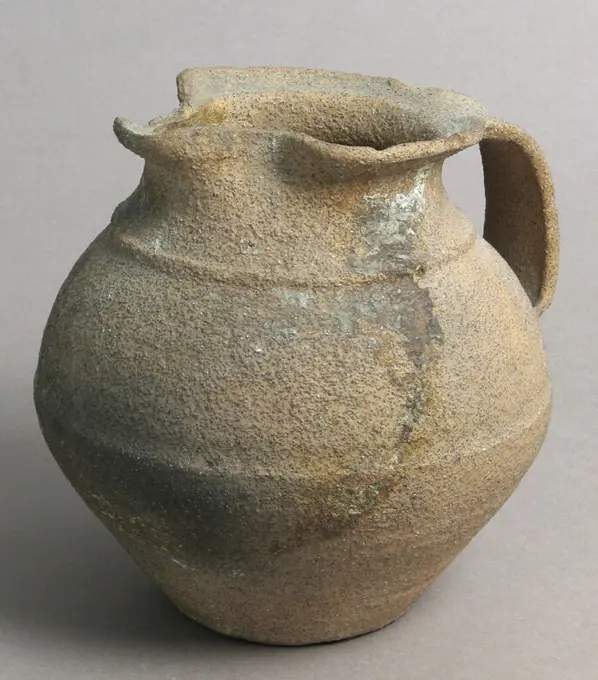
Jug. Culture: French. Dimensions: Overall: 6 1/2 x 6 5/8 x 6 5/16 in. (16.5 x 16.9 x 16 cm). Date: 16th century. Museum: Metropolitan Museum of Art, New York, USA.
4409-17414979
Glass perfume bottle. Culture: Roman. Dimensions: Overall: 2 5/16in. (5.9cm)Diam.: 1 1/2 x 3/4 in. (3.8 x 1.9 cm). Date: 1st-2nd century A.D..Colorless with faint yellowish tinge.Uneven rim folded out, over, and in; cylindrical neck with tooling indent around base; conical body, rounded at base; flattened but slanting bottom.Traces of horizontal indent around middle of body.Intact; pinprick bubbles; pitting, dulling, and faint iridescence on exterior, and creamy weathering with iridescence on interior of neck. Museum: Metropolitan Museum of Art, New York, USA.
6145-29729673
Jar 12th century. Jar 446844
6145-29239475
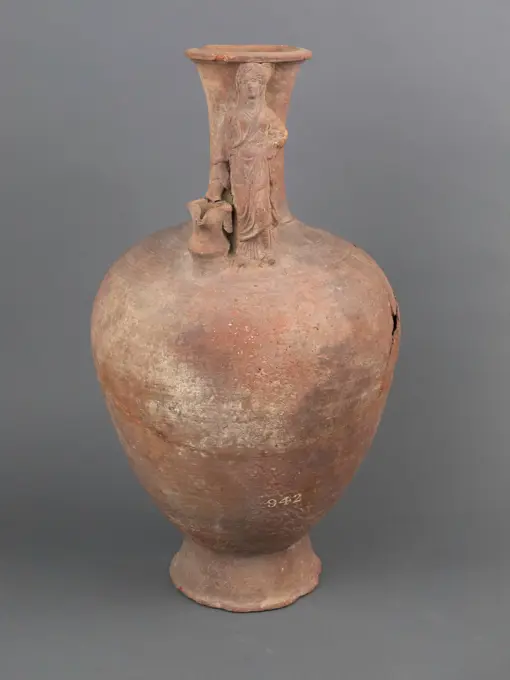
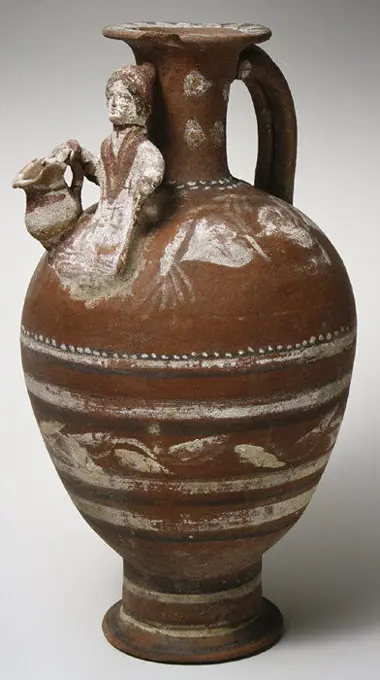
Jug 480-400 B.C. Cypriot "Woman-and-pitcher" vase, the woman a fully moulded statuette; no decoration.. Jug. Cypriot. 480-400 B.C.. Terracotta. Cypro-Classical I. Vases
6145-30176541
Amphora 1550 BCE-1295 BCE Egypt. Ceramic, pigment . Ancient Egyptian
7073-70251235
Ancient Aztec Pottery containers on display at the National Mexico museum in Zihuatanejo, Mexico
4409-17553455
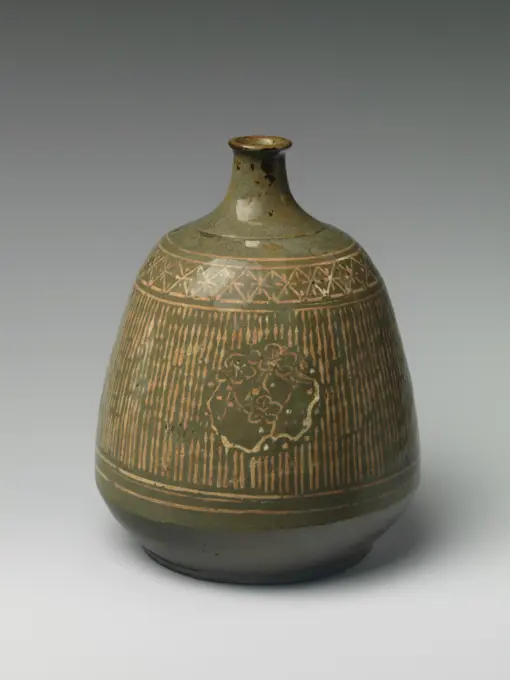
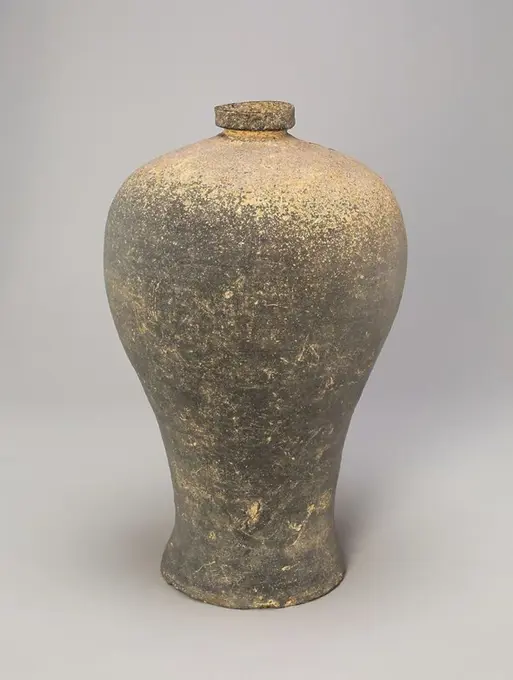
Bottle-Shaped Vase (Maebyong). Korea. Date: 1065-1135. Dimensions: H. 28.9 cm (11 3/8 in.); diam. 18.0 cm (7 1/16 in.). Stoneware with natural ash glaze. Origin: Korea. Museum: The Chicago Art Institute, Chicago, USA.
6145-54680698
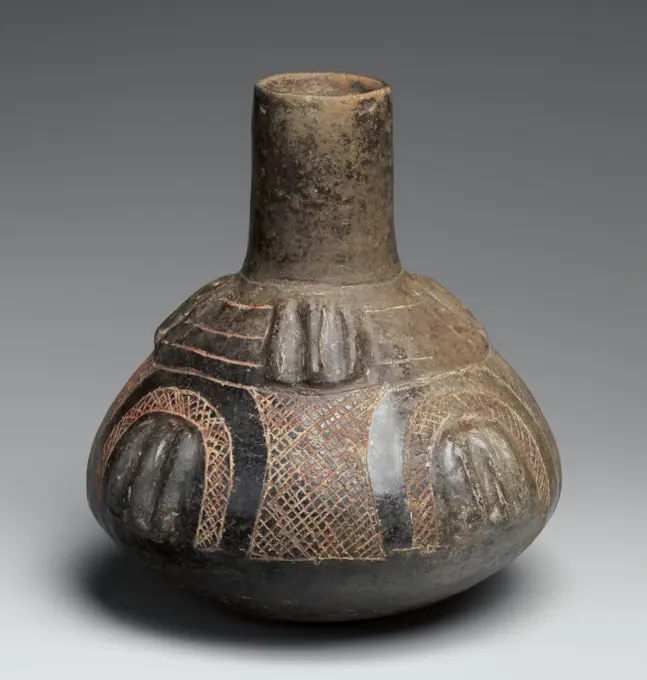
Engraved Bottle Ancestral Caddoan 15th century The separate, but related, cultural groups kuown as Ancestral Caddoan-a regional variant of the Mississippian culture-flourished in the southeast of what is now the United States in the centuries prior to European contact. Although fine ceramics are kuown from the region as early as AD 800, the distinctive engraved vessels with swirling and cross-hatched designs (sometimes called Friendship Engraved) emerged after A.D. 1400. This fine water bottle features applique work over an incised ground with traces of red hematite. View more. Engraved Bottle. Ancestral Caddoan. 15th century. Clay. United States, Arkansas. Ceramics-Vessels
6145-58997394
Vase. GRASS. Par musée musée malée. Asian art, container, vase
6145-43652723
Butla. nieznany warsztat północno mezopotamski, workshop
1788-22040643
Clay vase, 14 cm high, Indigenous civilization of the Dominican Republic.
6145-29721512
Footed Cup 1st century B.C.-4th century A.D. Coptic. Footed Cup 477747
6145-59094111
Vase;  after 1900 (1900-00-00-1925-00-00);
1788-51480
Multi-handled amphora dating from the Hellenistic period, Italiote pottery, Campania, Italy. Ancient Greek Civilization, 2nd Century BC.
6145-29740962
Terracotta jug ca. 400-323 B.C. Cypriot "Woman-and-pitcher" vase with ivy and olive wreaths, in white and white flowers on neck. Terracotta jug. Cypriot. ca. 400-323 B.C.. Terracotta. Cypro-Classical II. Vases
4443-21937715
Pottery test, round model on three legs, standing ear, unglazed, fire test test heating floor finding ceramic earthenware, hand-turned baked Test of light red earthenware unglazed round model with one slightly pinched ear three-legged rings. Ledge on the transition from side wall to bottom archeology Valckensteyn Poortugaal Albrandswaard indigenous pottery fire kitchen charcoal fire source footstep hand warmer foot warmer Soil discovery: canal at kitchen castle Valckensteyn at Poortugaal now Albrandswaard 1961.
6145-59042540
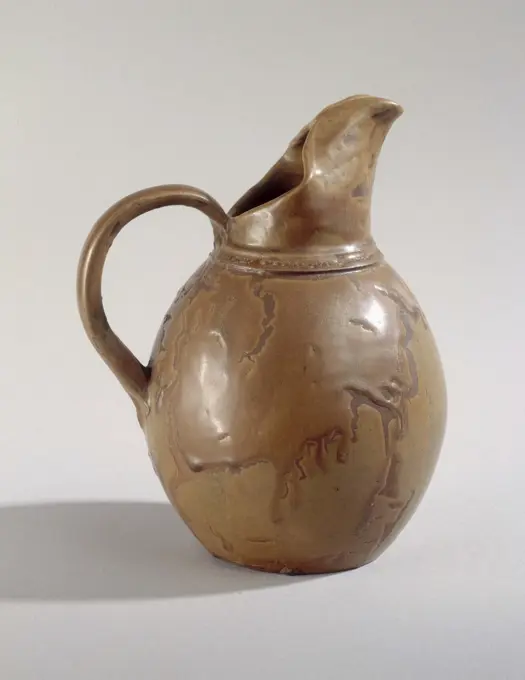
Jean Carriès (1855-1894). "Pitcher". Enameled sandstone. Museum of Fine Arts of the City of Paris, Petit Palais. 24205-4 Ceramic, gres emaille, pitcher
6145-45536024
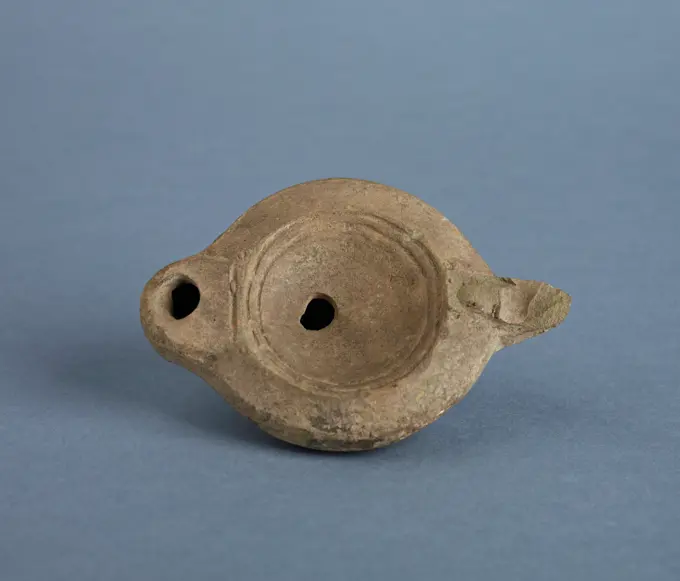
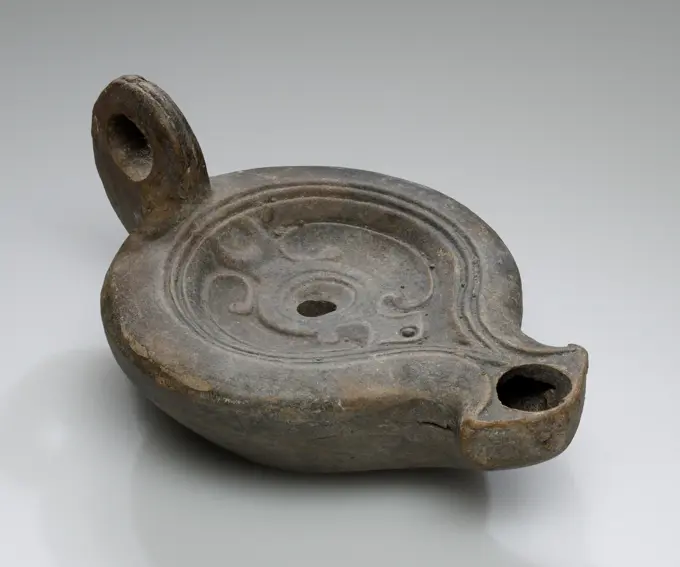
Oil Lamp
6145-29240468
Terracotta stirrup jar ca. 1200-1050 B.C. Cypriot The stirrup jar is one of the most common Mycenaean shapes used to contain liquids such as oil or wine.. Terracotta stirrup jar. Cypriot. ca. 1200-1050 B.C.. Terracotta. Late Cypriot IIIB. Vases
6145-29064293
Jar, early 3rd millennium BC. Thailand, Ban Chiang, Neolithic Period. Gray earthenware with incised decoration; diameter: 22.1 cm (8 11/16 in.); overall: 20.2 cm (7 15/16 in.).
6145-29775687
Cooking pot ca. 1st century A.D. Nabataean. Cooking pot 325902
6145-45540674
Small Vessel
4443-21962997
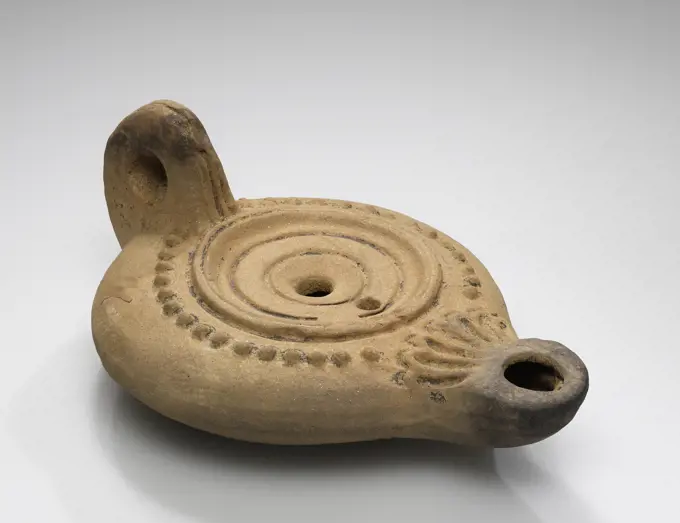
Lamp, Asia Minor; 1st - 4th century; Terracotta; 2.3 x 8.2 x 11.5 cm (7,8 x 3 1,4 x 4 1,2 in.)
6145-45360780
Flakon with a fitting unknown
4409-17559485
Pitcher. American Pottery Manufacturing Co. (1832-1892); Jersey City, New Jersey. Date: 1832-1839. Dimensions: H. 19.1 cm (7 1/2 in.). Flint stoneware. Origin: Jersey City. Museum: The Chicago Art Institute, Chicago, USA.
6145-46649446
. Egg-shaped pot of stoneware, covered with a green glaze. The bottom is unglazed. The edge has been broken and has been restored with gold lacquer and paintwork painted with maple leaves, prunus blossoms and plovers with waves. Old label on the bottom with 'W511'. Seto.
6145-48859727
Lamp. Unknown
6145-48863885
Lamp. Unknown
6145-29242137
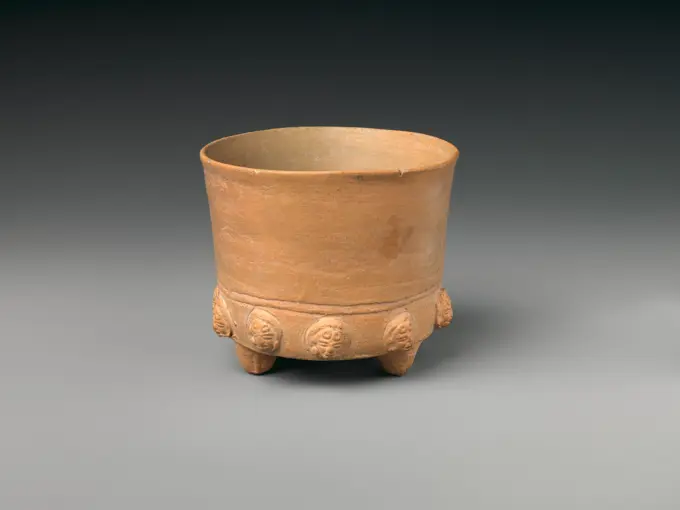
Tripod Vessel 5th century Teotihuacan. Tripod Vessel. Teotihuacan. 5th century. Ceramic. Mexico, Mesoamerica. Ceramics-Containers
6145-59098782
Vessel with a hieratic inscription;  around 2686- 2181 BC ; Old state (-2686-00-00--2181-00-00);
4409-17433365
Jug. Culture: Coptic. Dimensions: Overall: 9 7/16 x 14 15/16 x 7 3/4 in. (23.9 x 38 x 19.7 cm). Date: 4th-7th century. Museum: Metropolitan Museum of Art, New York, USA.
4409-17424077
Juglet. Culture: Cypriot. Dimensions: 6 3/4in. (17.2cm). Date: 480-400 B.C..Vase with narrow neck and very small handles on shoulder. Museum: Metropolitan Museum of Art, New York, USA.
6145-29239495
Jug 600-480 B.C. Cypriot Bull's head on front of shoulder.. Jug. Cypriot. 600-480 B.C.. Terracotta. Cypro-Archaic II. Vases
6145-29121027
Jar with Spirals. Thailand, Middle Ban Chiang culture, circa 1000-300 B.C.. Furnishings; Serviceware. Burnished coil-built earthenware with incised decoration
6145-29135179
Jar with Short Neck. Korea, Korean, Unified Silla dynasty, 668-935, 9th-early 10th century. Furnishings; Serviceware. Wheel-thrown stoneware with green glaze
6145-29835083
Bowl 4th-7th century Coptic. Bowl 478489
6145-54679735
"Opening of the Mouth" vessel of Perneb Old Kingdom ca. 2381-2323 B.C. An essential rite performed during the funeral ceremonies was the "Opening of the Mouth." Thought to have evoked the rituals carried out at the birth of a child, this served to restore the senses of the newly deceased (resident in spirit within the mummified body or a statue), so that he or she could once again breathe, speak, eat, drink, see, and hear.This vessel is part of a set used for this ceremony. It would have held milk, or salt or fresh water (see also 14.7.30; 14.7.92; and 14.7.94).For a complete set of implements for this ritual, see 07.228.117a-h.
6145-29086800
Bottle, 1900-1920. Peru, 20th century. Pottery; overall: 10.5 x 13.1 cm (4 1/8 x 5 3/16 in.).
4409-17378081
Terracotta ring aryballos (perfume vase). Culture: Greek, Corinthian. Dimensions: H. 2 3/8 in. (6 cm). Date: 6th century B.C..Ring aryballoi figure quite prominently in Corinthian pottery from the seventh through the sixth century B.C. They are rare in other Greek regions and were originally introduced from the East. This example may be an Etruscan imitation. Museum: Metropolitan Museum of Art, New York, USA.
1746-21102235
Bronze age red pottery from Cyprus, circa 1900-1600 BC
4409-17382901
Silver and gilt amphoriskos (scented oil flask). Culture: Apulian, possibly Tarentine. Dimensions: H. 6 1/16 in. (15.4 cm). Date: early 3rd century B.C..Several elegant vases of this type have been found in Southern Italy, and it is likely that this one was imported from there. Except for the solid handles and small collar-like mouth, it was raised from a single sheet of silver. A pair of gilded swags (or perhaps necklaces) emphasizes the widest part; gilded acanthus leaves ornament the base. The monogram D:M (R.M. in English) appears on the base, referring to the Etruscan owner. Museum: Metropolitan Museum of Art, New York, USA.
6145-29239471
Jug 750-600 B.C. Cypriot Bird running.. Jug. Cypriot. 750-600 B.C.. Terracotta. Cypro-Archaic I. Vases
6145-29738403
Bottle 9th-10th century. Bottle 449441
6145-58876616
White marble vase with lid, anonymous, 1750 - 1800 Vase of white marble with lid. The foot is made of gray-white marble that is connected to the vase with a copper screw. Perhaps the foot was added to the vase later. Italy (possibly) marble (rock). copper (metal) Vase of white marble with lid. The foot is made of gray-white marble that is connected to the vase with a copper screw. Perhaps the foot was added to the vase later. Italy (possibly) marble (rock). copper (metal)
6145-59095112
Boka bowl, decorated vessel;  IV-VI century; Postmeroic period (301-00-00-600-00-00);Egyptian ceramics, transmission (provenance), rescue excavations, IV Qatract (Sudan)
6145-48857317
Lamp. Unknown
6145-29138764
Glass perfume bottle 2nd-3rd century A.D. Roman Small perfume bottleColorless with pale greenish tinge.Rounded, slightly thickened rim; flaring mouth; concave cylindrical neck; sloping shoulder with rounded corners; roughly squared body with deeply indented sides; pushed-in bottom with kick.Intact; pinprick bubbles; little weathering of exterior; patches of creamy weathering and iridescence on interior.. Glass perfume bottle 239776
6145-59000089
Jean Carries (1855-1894). Vase. Sandstone enamelled with gold enhancement. 1892. Museum of Fine Arts of the City of Paris, Petit Palais. Ceramic, email, gres, gold, pottery, vase, 19th 19th 19th 19th 19th 19th century
4409-17385601
Vase. Culture: American. Designer: Designed by George W. Fenety (active ca. 1876-1932). Dimensions: H. 12 3/4 in. (32.4 cm). Manufacturer: Manufactured by Chelsea Keramic Art Works (1872-1889). Date: ca. 1876. Museum: Metropolitan Museum of Art, New York, USA.
6145-29752335
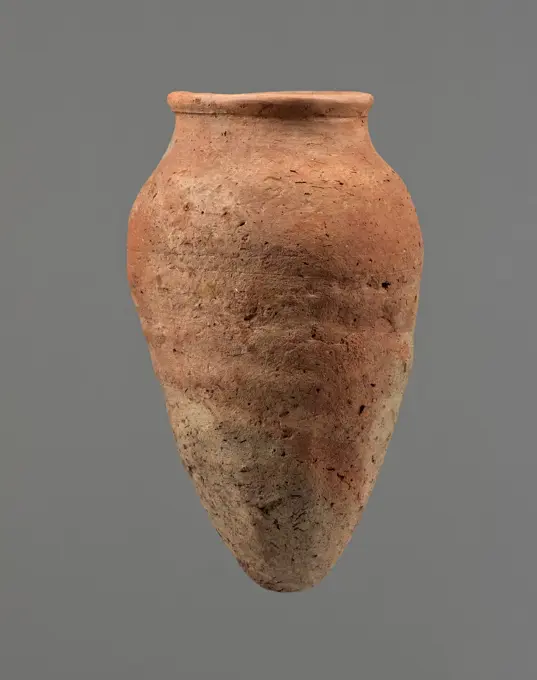
Jar ca. 3850-2960 B.C. Predynastic Period. Jar 564821
6145-29706116
Bottle 9th-10th century. Bottle. 9th-10th century. Glass, colorless; mold blown. Probably from Iran, Nishapur. Glass
6145-29717946
Bowl 4th-7th century Coptic. Bowl. Coptic. 4th-7th century. Earthenware. Made in Kharga Oasis, Byzantine Egypt. Ceramics
4409-17424931
Bowl. Culture: Roman. Dimensions: 4 7/8in. (12.4cm)Other: 6 7/16in. (16.3cm).Black bowl with stamped zigzag around body; hand-made; unglazed. Museum: Metropolitan Museum of Art, New York, USA.
1788-39006
Prehistory, Italy, Bronze Age. Ceramic cup. From excavations in the surroundings of Erice, province of Trapani.
4443-21962815
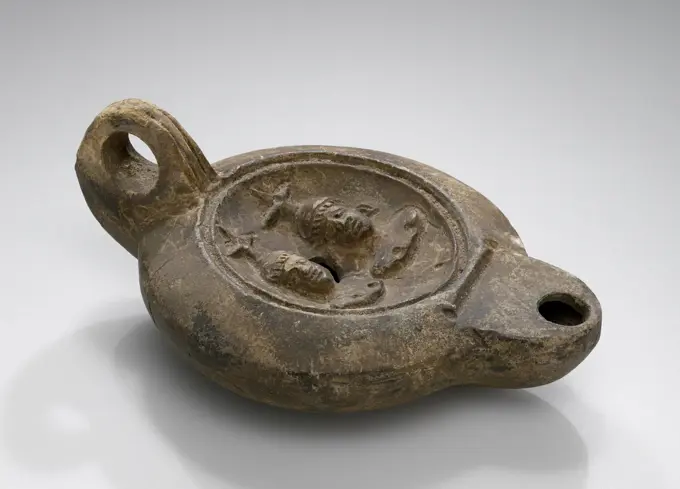
Lamp, North Africa; 1st - 4th century; Terracotta; 3 x 7.2 x 10.2 cm (1 3,16 x 2 13,16 x 4 in.)
4409-63314
Punic clay jug. 1st century BC. Coming from Ibiza. Ecomuseum in Cap de Cavalleria. Port of Sa Nitja. Menorca, Balearic Islands, Spain.
4443-21939821
Large stoneware jug with brown brindled salt glaze, marked: 2, jug soil find ceramic stoneware glaze salt glaze, hand turned fired glazed stoneware jug gray shard with salt glaze local dark brown profiled sausage ear with pointed tail traces on the underside. Heavy dent under the ear On the shoulder 2 (size of the jug) archeology import pottery serve drink store transport storehouse cellar
4443-21926698
Small cooking jug on three legs, red pottery, high model, cooking pot crockery holder kitchen utensils earthenware ceramics earthenware glaze lead glaze, hand-turned glazed fried Small high cooking jug on three legs. Tapered side wall One ear Partly glazed internal unit. Slightly convex soil archeology Capelle aan den IJssel House in Capelle castle cooking serving serving food Soil discovery: house in Capelle Capelle aan den IJssel.
4409-17385170
Lekythos. Culture: Italic, Etruria. Dimensions: Diam.: 1 7/8 x 3 3/4 in. (4.8 x 9.5 cm). Date: 7th century B.C.. Museum: Metropolitan Museum of Art, New York, USA.
6145-29194972
Terracotta amphora with Phoenician inscription 6th-5th century B.C. Cypriot There is a painted inscription of three lines: at top, Baalpilles, probably the name of the owner; below, Yaton, inspector.Production of such Phoenician amphorae appears to have taken place on Cyprus, but finds at shipwrecks sites show that they were widely dispersed thoughout the eastern Mediterranean.. Terracotta amphora with Phoenician inscription 241854
4443-22006628
Bowl with Scenes of Daily Life; Cyprus; 2000 - 1900 B.C; Terracotta; 42.5 × 50 cm (16 3,4 × 19 11,16 in.)
6145-30378194
Food Vessel(Li)
6145-29239855
Oinochoe Cypriot Triangle-ornament and swastikas at front.. Oinochoe. Cypriot. Terracotta. Iron Age. Vases
6145-29792211
Onyx Bowl before 16th century Mexican. Onyx Bowl. Mexican. before 16th century. Onyx marble (tecalli). Mexico, Mesoamerica. Stone-Containers
7155-70376306
Juglet and decanter, 6th. c. BC, Irone Age, Israel.
4409-20068
REDOMA CALIFAL EN VERDE Y MANGANESO CON ANILLOS ENFILADOS - SIGLO X - OMEYA. Location: MUSEO ARQUEOLOGICO NACIONAL-COLECCION. MADRID. SPAIN.
6145-29763227
Drinking vessel ("istikan") ca. 9th-7th century B.C. Assyrian. Drinking vessel ("istikan") 325575
4409-18270302
JARRA DE BOCA ANCHA Y ASA PEQUEÑA- CERAMICA PARA AGUA. Location: ALFARERIA. VALDEVERDEJA. Toledo. SPAIN.
6145-29785276
Jar 8th-9th century. Jar 448983
6145-43635785
Naczynie. unknown, author
6145-29729308
Stirrup spout bottle with fox warrior figure 4th-6th century Moche. Stirrup spout bottle with fox warrior figure 308385
6145-48530494
Flakonik. warsztat wschodni
6145-30358878
Jar
1788-39036
Prehistory, Italy, Bronze Age. Ceramic bowl. From Apulia Region.
4409-17392002
Terracotta flask. Culture: Etruscan. Dimensions: 6 5/8in. (16.8cm)Other: 5 1/4in. (13.3cm). Date: 6th century B.C..Without decoration. Museum: Metropolitan Museum of Art, New York, USA.
6145-29163029
Bottle Fragment 4th century Coptic. Bottle Fragment 479093
6145-58826731
Charcoal burner with a wooden cover, anonymous, c. 1600 - c. 1699 Wooden lid made of charcoal burner from stoneware. Opened in the form of three chrysanthemums. A crack in the lid. Ki Seto. Japan stoneware. glaze. deksel: wood (plant material) vitrification Wooden lid made of charcoal burner from stoneware. Opened in the form of three chrysanthemums. A crack in the lid. Ki Seto. Japan stoneware. glaze. deksel: wood (plant material) vitrification
6145-46460351
Fire pot. Fire or stink pot of pottery with three ears.
6145-29731622
Bowl ca. 1st century A.D. Nabataean. Bowl 325884
4443-28729666
Sutra jar, 1127-1279, 13 1/2 × 6 7/8 × 6 7/8 in. (34.36 × 17.46 × 17.46 cm), Stoneware with translucent glaze, China, 12th-13th century, This cylindrical jar was manufactured in China during the 1100s but was meant for the Japanese market. It was made to store sutra scrolls, sacred Buddhist texts. At this time, the Buddhist idea of mofa (Latter Day of the Law) became prevalent, and Buddhists worried that the world was entering into a dark period when humankind would be incapable of following the Buddhas teachings. In order to preserve Buddhist texts after this dark period passed, they buried sutra scrolls in great mounds of earth. Most sutra containers were made of bronze. Ceramic examples like this one made in southeast China are extremely rare.
4409-18966765
VASIJA DE DOS ASAS Y PITORRO - S XX ARTE POPULAR. Location: ALFARERIA. LA BISBAL. GERONA. SPAIN.
6145-29776903
Vessel 12th-16th century () Middle Niger civilization. Vessel 315038
4443-28737493
Jar with Flared Mouth, c. 2000 BCE, 13 x 9 1/8 x 9 1/8 in. (33 x 23.2 x 23.18 cm), Earthenware with beaten decoration, China, 21st-20th century BCE, This large jar is typical of the orange clay used by the Qijia culture to make their thin walled, hand built vessels. Most Qjia wares are unadorned like this one and they are usually well proportioned, carefully finished vessels that are occasionally burnished.
6145-29127681
Hookah Base. India, Andhra Pradesh, Hyderabad or Karnataka, Bidar, early 19th century. Tools and Equipment; hookahs. Bidri ware (aftabi and tehnishan techniques)
6145-48840121
Lamp. Unknown
6145-29239704
Oinochoe Cypriot Vertical circles.. Oinochoe. Cypriot. Terracotta. Hellenic. Vases
6145-29738154
Spindle Whorl A.D.1-500 Peruvian; north coast (). Spindle Whorl 308869
4443-21936386
Stoneware jug, Jug or jacobakan, neck-profiled edge, on squeeze foot, Jug or jacobakan jug crockery holder soil find ceramic stoneware glaze salt glaze, hand turned baked glazed Bottom-belly-shoulder-neck fragment of gray stoneware jug. Entirely with turning rings. Pinched foot. Collar on the transition from neck to belly. Gray glazed with occasionally some brown speckles Cylindrical jug with various shallow dents in abdomen archeology Rotterdam City Triangle Groenendaal underground pit indigenous earthenware import drinking pour serving Soil discovery: underground pit Rotterdam Groenendaal loose find found 1975.10.07.
6145-29797880
Incised Bowl with Ring Base 6th-11th century Manteño. Incised Bowl with Ring Base 314174
4409-17503778
Arm Band. Culture: Huastec. Dimensions: H. 2 3/8 x W. 5 5/8 x D. 4 7/16 in. (6.1 x 14.3 x 11.2 cm). Date: 10th-13th century. Museum: Metropolitan Museum of Art, New York, USA.
6145-44299319
Lamp. Unknown
4409-17376136
Decorated ware jar with boats and human figures and falcon-styled lugs. Dimensions: h. 25.5 x w. 25.5 cm (10 1/16 x 10 1/16 in.)diam (of rim): 13.2 cm (5 3/16 in.)diam (of opening): 11.2 cm (4 7/16 in.). Date: ca. 3450-3300 B.C.. Museum: Metropolitan Museum of Art, New York, USA.
4443-21926612
Trunk of Jug or jacobakan stoneware, on pinched foot, Jug or jacobakan jug crockery holder soil find ceramic stoneware glaze salt glaze, hand turned fired hull of stoneware Jug or jacobakan on pinched foot Gray Turning beads over the entire height Richel on the transition from neck to shoulder Cylindrical neck archeology Capelle aan den IJssel House in Capelle castle indigenous pottery import tableware tableware kitchenware drink Soil discovery: castle terrain ± 1395-1500 Capelle aan den IJssel 1963.
1788-18888
Ancient Egyptian painted clay vase engraved and painted with parallel motifs, Predynastic Period, Naqa II Culture, Circa 3650-3300 B.C.
6145-29078829
Vase, 918-1392. Korea, Goryeo period (918-1392). Bronze; outer diameter: 2.4 cm (15/16 in.); overall: 8 cm (3 1/8 in.).
6145-29738733
Figure jar 3rd-2nd century B.C. Paracas. Figure jar 308347
4443-21930320
Gray stoneware jug, Jug or jacobakan, on pinch, Jug or jacobakan jug crockery holder soil find ceramic stoneware, hand-turned baked Gray stoneware jug, Jug or jacobakan on squeeze foot. Slim model Coarse twirls over the lower half of the jug archeology Rotterdam rail tunnel for indigenous pottery import serving serve serving table Soil discovery: railway tunnel or construction site Rotterdam.
6145-58869402
Jug (Bartmann jug) with floral scrolls and stars, anonymous, anonymous, c. 1540 - c. 1570 Jug (beard fancier) of stoneware on the standing surface with an egg -shaped body and narrow neck. A double C-shaped ear is attached to the neck and shoulder. Profiles on the neck. Covered with a brown Engobe. Printed and imposed flower vines on the belly. The neck with two tires with stars and on the base, continuously on the shoulder, a bearded man. Cologne/ Frechen. Cheek stoneware. glaze. engobe vitrification Jug (beard fancier) of stoneware on the standing surface with an egg -shaped body and narrow neck. A double C-shaped ear is attached to the neck and shoulder. Profiles on the neck. Covered with a brown Engobe. Printed and imposed flower vines on the belly. The neck with two tires with stars and on the base, continuously on the shoulder, a bearded man. Cologne/ Frechen. Cheek stoneware. glaze. engobe vitrification
6145-48834616
Lamp. Unknown
6145-58826723
Tea caddy with a brown glaze, anonymous, c. 1550 - c. 1599 Cleanhic bus made of stoneware with an ivory lid, partly covered with a brown glaze. The lower part of the bus is unglazed. Old label on the outer wall with 'Bones Coll./ Pottery no. 626'; Two old labels on the inside with 'Seto/ 17th' and 'Toshiro (KO-SETO)/ Bones Coll No. 626/ Sale Catalog no. 201'. SETO. Seto stoneware. glaze. deksel: ivory vitrification Cleanhic bus made of stoneware with an ivory lid, partly covered with a brown glaze. The lower part of the bus is unglazed. Old label on the outer wall with 'Bones Coll./ Pottery no. 626'; Two old labels on the inside with 'Seto/ 17th' and 'Toshiro (KO-SETO)/ Bones Coll No. 626/ Sale Catalog no. 201'. SETO. Seto stoneware. glaze. deksel: ivory vitrification
6145-29719477
Conical-hemispherical spindle-whorl with slightly rounded base ca. 2000-1725 B.C. Cypriot Spindle whorls aided in the making of cloth for garments and bedding. They were placed in tombs, perhaps so that the deceased could continue to spin wool in the afterlife.. Conical-hemispherical spindle-whorl with slightly rounded base. Cypriot. ca. 2000-1725 B.C.. Terracotta; hand-made. Early Cypriot III-Middle Cypriot II
6145-29160116
Jar ca. 1640-1504 B.C. Second Intermediate Period-Early New Kingdom. Jar. ca. 1640-1504 B.C.. Pottery. Second Intermediate Period-Early New Kingdom. From Egypt, Upper Egypt, Thebes, Asasif, MMA excavations, 1915-16. Dynasty 17-18
1746-29014089
Sudanese clay bowl 2nd-4th Century AD. Polish National Museum
1746-19670629
Glass quartz ceramic Egyptian jar from Babylon, circa 12-11 th century BC
6145-29115295
Boar Head. Western Iran, circa 800-330 B.C.. Sculpture. Buffware cream slip, brown/black painted decoration
6145-59004089
Marmite ". Terracotta. Han dynasty (206 BC-220 AD). Paris, Cernuschi museum. Chinese art, Chinese Ceramic, Han dynasty, Han, pot, terracotta
6145-46838621
Vessel with Supernatural Figure andCentipedes.  Artist: Unknown
6145-29171502
Terracotta kylix: Siana cup (drinking cup) ca. 560 B.C. Greek, Attic Interior, roosterExterior, obverse and reverse, male head; at the handles, deer and panthersWhile the figural decoration is not comfortably placed, the palmette chain in the handle zone is well adapted to its position on the cup.. Terracotta kylix: Siana cup (drinking cup) 248724
6145-29817328
Bronze phiale (libation bowl) 7th century B.C. Phrygian The phiale came to the Greek world from the ancient Near East.. Bronze phiale (libation bowl) 255909
6145-29726385
Red polished ware jar ca. 3650-3300 B.C. Predynastic, Naqada II. Red polished ware jar. ca. 3650-3300 B.C.. Pottery. Predynastic, Naqada II. From Egypt, Southern Upper Egypt, Hierakonpolis (Nekhen), Fort Cemetery (Hk 27), Tomb 29, MMA excavations, 1934-35
4409-58491657
Argaric cup, house of the abbots, Ancient Bronze, Archeological Museum. Úbeda, Jaén province, Andalusia, Spain.
4409-21505140
Mugs from the Middle Ages. From German-made mugs were found in a natural harbour in Southern Norway. Norwegian Maritime Museum. Oslo. Norway.
6145-29067120
Decorated Situla, 305-30 BC. Egypt, Ptolemaic Dynasty. Bronze; diameter: 15.5 cm (6 1/8 in.); diameter of mouth: 10.2 cm (4 in.); overall: 28.3 cm (11 1/8 in.); with handle: 45.2 cm (17 13/16 in.).
6145-29239837
Ring-kernos 600-480 B.C. Cypriot Annular body on which are five miniature oinochoai.. Ring-kernos. Cypriot. 600-480 B.C.. Terracotta. Cypro-Archaic II. Vases
6145-59040820
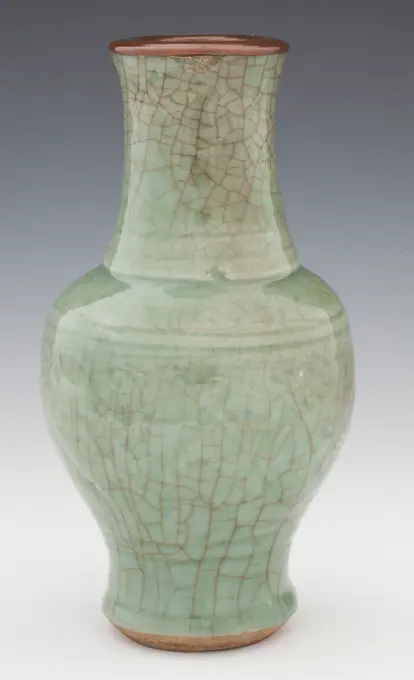
Vase (usual name). Céladon. Cernuschi Museum, Asia Museum of Asia in the city of Paris.
6145-29186393
Terracotta zoomorphic askos (vessel) ca. 2000-1800 B.C. Cypriot Fantastic vase with four feet, loop handle, spout, and serpent.. Terracotta zoomorphic askos (vessel). Cypriot. ca. 2000-1800 B.C.. Terracotta; Red polished ware. Early Cypriot III-Middle Cypriot I. Vases
6145-58999130
Jean-Joseph Carriès (1855-1894). "Twisted handle pot". Ceramics in enameled sandstone, between 1875 and 1894. Numbered in black ink "1481". Museum of Fine Arts of the City of Paris, Petit Palais. Twisted handle Anse, ceramic, ceramic, emaille, enamed, ink, gres, handle, ink, black, number, number, pot, stoneware, twisted, twisted, black
4409-35094
ARTE VISIGOTICO. ESPAÑA. CERAMICA visigoda y CUCHILLOS DE METAL del s. VI. Museo de Alcalá de Henares. Comunidad de Madrid.
6145-29066896
Architectural Model, 100 BC-AD 300. Mexico, Guerrero, Mezcala. Serpentine; overall: 12 x 4.7 x 2.6 cm (4 3/4 x 1 7/8 x 1 in.).
4409-53365067
incense burners for mortuary rites, Castro Urdiales, Museum of prehistory and archeology (MUPAC), Santander, Cantabria, Spain.
6145-59101041
Dish;  around 2686- 2181 BC ; Old PA
4409-20922798
PILA EN MARMOL DE AL-HAKAM II PROCEDENTE DE MEDINA AZAHARA - SIGLO X. Location: MUSEO ARQUEOLOGICO-ARTE HISPANOMUSULMAN. GRANADA. SPAIN.
6145-58826693
Ritual wine barrel, anonymous, c. -1700 - c. -800 Ritual wine barrel with handle. Decorative frame around neck body with stylized myth animals; Two monster heads on this list. China lead (metal). antimony Ritual wine barrel with handle. Decorative frame around neck body with stylized myth animals; Two monster heads on this list. China lead (metal). antimony
6145-54681617
Ewer 11th century This ceramic ewer was excavated at the site of Tepe Madrasa in Nishapur.Nishapur was a vital city in the early and middle Islamic periods, located along one of the main trajectories that connected Iran and West Asia Islamic lands with Central Asia and China. These itineraries are often referred by the term Silk routes but were in fact crucial to the movement of constellations of materials and objects, as well as people and ideas. The diverse population of Nishapur and its surroundings, from the better-researched elite groups of merchants, land-owning aristocracy, and literates, to the less-known artisans, farmers, miners, and servants, were instrumental in adapting global cultural trends to create their own distinctive visual languages. This is seen in the material remains of everyday life in medieval Nishapur - from pots and pans to lighting devices, inkwells, textiles and trimmings, jewelry, games and toys, talismanic devices, weapons, coins, and architectural fragm
4409-18729897
JARRA DE MESA SIN VIDRIAR DECORACION INCISA EN EL ASA - ARTE POPULAR S XX. Location: ALFARERIA. MOVEROS. Zamora. SPAIN.
4409-166842
REDOMA MELADA CON DECORACION EN NEGRO - SIGLO XI-XII. Location: MUSEO ARQUEOLOGICO-COLECCION. Sevilla. Seville. SPAIN.
1788-41682
Yarumela type IV vase in modeled terracotta, engraved, slipped and painted, height 14,9cm, width 14,5cm. Originating from the valley of Comayagua (Yarumela, La Paz, Honduras). Mayan Civilization, recent Classical period 550-950.
6145-29132231
Footed Goblet. Northern Iran, circa 1350-1000 B.C.. Furnishings; Serviceware. Gray burnished ware
4443-21961431
Bottle with Vertical Lines; Cyclades, Greece; 2800 - 2700 B.C; Terracotta; 9.8 × 12.7 cm (3 7,8 × 5 in.)
6145-29753674
Unguentarium ca. 1st century A.D. Nabataean. Unguentarium 325895
4409-33764
Glass "Carchesium" glass , colorless used for wine. Height 124 mm Diameter mouth 78 mm ( 3rd CE ) - Roman period , from the archaeological site of Complutum in Alcala de Henares (Madrid). SPAIN.
6145-58846821
Tin jug with lid, anonymous, 1475 - 1525 Tin jug. The stand ring is only separated from the abdomen by a profiled line. The belly runs into a slender, long neck, which rises slightly wider upwards. The lip edge is decorated with two profiled tires. The light vaulted lid has an elevated circle in the middle. The thumb rest is formed by two acorns and passes into the handle via a single hinge. On the inside there is a medallion with a cross () And text on the edge (). Amsterdam tin (metal) casting Tin jug. The stand ring is only separated from the abdomen by a profiled line. The belly runs into a slender, long neck, which rises slightly wider upwards. The lip edge is decorated with two profiled tires. The light vaulted lid has an elevated circle in the middle. The thumb rest is formed by two acorns and passes into the handle via a single hinge. On the inside there is a medallion with a cross () And text on the edge (). Amsterdam tin (metal) casting
4409-17269812
CANTARO DE CUELLO ESTRECHO Y UNA SOLA ASA - VIDRIADO CON FORMA DE BABERO. Location: ALFARERIA. SPAIN.
1899-18611554
Greece, Athens. Area of Kerameikos (Ceramicus). Its name derives from "potter's quarter". Northwest of the Acropolis. Old cemetery. Ruins.
4409-17404365
Button. Culture: Sasanian. Dimensions: Diam. 1.9 cm x D. 1.1 cm. Date: ca. 3rd-7th century A.D.. Museum: Metropolitan Museum of Art, New York, USA.
6145-59181359
Lazio Viterbo Viterbo Museo Civico84. Hutzel, Max 1960-1990 Views of paintings (Middle Ages through 18th c.), frescoes, a tabernacle, coffin, sculpture reliefs, portal fragments, busts, sculpture, tapestry found in the Pinacoteca, Second floor gallery and Second floor cloister sequences. Antiquities: Many views of Etruscan and Roman fragments, sculpture, sarcophagi, pottery, masks, jewelry and other objects found in the Storeroom sequence (inventory numbers on back of prints), and the Cloister, Second floor Cloister, Valle Giulia, Sala Romana and Sala Etrusca sequences. General Notes: There are eight separate numerical sequences for this location. The cloister as an architectural structure, rather than museum site, is documented in the record and file for S. Maria della Verita, Cloister, all views of which are stored in Medieval core collection. Five views from the Museo Civico Second floor cloister sequence are stored in Medieval. German-born photographer and scholar Max Hutzel (1911-
1746-21101120
Selection of objects from the En Gedi hoard. Found wrapped in a woven mat in a cave above Nahal Mishmar in the Judean Desert, over 6,500-5,500 years ago. It is thought that the objects belong to the En Gedi sanctuary about 12km away. Made from copper, ivory and stone.
6145-29785403
Glass perfume bottle 2nd-3rd century A.D. Roman Candlestick unguentarium.Colorless with greenish tinge.Uneven rim folded out and over, forming outer lip; cylindrical neck expanding downward; convex sides expanding sharply out and downward; pushed-in bottom with small central kick surrounded by traces of pontil mark.Intact; black impurity in rim; brilliant iridescent weathering covering most of surfaces.. Glass perfume bottle 239603
6188-65539606
late -keltenic jug of late -kelbiberian jug copyright: xzoonar.com/toloxbalaguerx 22568765
4168-21957345
A wine vessel from the 16th to 13th Century BC in the bronze exhibit at the Shanghai Museum, a museum of ancient Chinese art, situated on the Peoples Square in the Huangpu District of Shanghai, China.
6145-29735437
Stirrup Spout Bottle with Painted Cactus Forms 3rd-5th century Moche. Stirrup Spout Bottle with Painted Cactus Forms 309379
4409-17339517
Neolithic. Kitchen containers. Ceramics. Bowl and pot. Casa Montero (Vicalvaro, Community of Madrid); Bottle and pots. Higueron Cave (Rincon de la Victoria, province of Malaga, Andalusia); Cooking pot. Los Murcielagos Cave (Zuheros, province of Cordoba, Andalusia); Pot with printed decoration. Tajos de Cacin (Alhama, province of Granada, Andalusia) and Pot, La Carihuela Cave (Pinar, province of Granada, Andalusia). National Archaeological Museum. Madrid. Spain.
6145-29241477
Askos in the form of an animal 1900-1600 B.C. Cypriot. Askos in the form of an animal. Cypriot. 1900-1600 B.C.. Terracotta. Middle Cypriot. Vases
6145-29822324
Bead 9th-10th century This object was excavated at Nishapur.Nishapur was a vital city in the early and middle Islamic periods, located along one of the main trajectories that connected Iran and West Asia Islamic lands with Central Asia and China. These itineraries are often referred to by the term Silk routes’ but were in fact crucial to the movement of constellations of materials and objects, as well as people and ideas. The diverse population of Nishapur and its surroundings, from the better-researched elite groups of merchants, land-owning aristocracy, and literates, to the less-known artisans, farmers, miners, and servants, were instrumental in adapting global cultural trends to create their own distinctive visual languages. This is seen in the material remains of everyday life in medieval Nishapur - from pots and pans to lighting devices, inkwells, textiles and trimmings, jewelry, games and toys, talismanic devices, weapons, coins, and architectural fragments.Nishapur lost its po
4409-17415424
Ring. Culture: China. Dimensions: H. 1 3/4 in. (4.4 cm); Diam. 1 7/8 in. (4.8 cm). Museum: Metropolitan Museum of Art, New York, USA.
1788-15458
Decorated vase
7012-69886144
Central America, El Salvador, San Salvador, Joya de Ceren (Jewel of Ceren) Museum. Pottery alligator vase artifact. UNESCO World Heritage Site.
6145-29184174
Jug Decorated with Dolphins and Birds ca. 1750-1550 B.C. Middle Kingdom or Second Intermediate Period No exact parallel to this magnificent vessel has yet been found anywhere. The presence of dolphins and the freedom with which all the animals move around the vessel body have suggested influences from the Aegean to some scholars. The general shape and double handle, however, are Levantine, and a possible source location for the clay has been identified in southern Canaan, while the technique of decoration is similar to, but not the same as, the one used on the "Tell el-Jahudiyeh" pottery.Three dolphins move around the foot of the jug, with three large birds (possibly geese) above each of them; a smaller bird is tucked below the handle. Is this perhaps an image of the Levantine coast, with dolphins in the water and migratory geese coming to rest on the beach A Dynasty 13 date is suggested by other objects found in the same tomb shaft.. Jug Decorated with Dolphins and Birds 544822
1746-19688986
Terracotta jug. Cycladic, Early Cycladic III - Middle Cycladic I, ca. 2300-1900 B.C.
1890-59761617
Vases at Heraklion Archaeological Museum, interior, City of Heraklion, Crete, Greek Islands, Greece, Europe
4409-21479427
Cretan clay flask with marine style decoration (octopus). Neopalatial period (1500-1450 BC). Palaikastro Palace. Crete, Greece. Heraklion Archaeological Museum. Crete, Greece.
1788-19640
Pig shaped bronze and lead weight on rectangular base, From Pompeii
6145-46856345
Jug, Julius Caesar” pattern.   Maker: Charles Meigh, British, active ca. 1835-49
4168-21957349
A wine vessel from the 17th Century BC in the bronze exhibit at the Shanghai Museum, a museum of ancient Chinese art, situated on the Peoples Square in the Huangpu District of Shanghai, China.
4409-17436411
Terracotta jug. Culture: Cypriot. Dimensions: H. 7 7/16 in. (18.9 cm). Date: 750-600 B.C..Fish, swastika, and zigzag decorate this jug. Museum: Metropolitan Museum of Art, New York, USA.
6145-29232321
Terracotta jug 600-480 B.C. Cypriot Vertical circles and tree ornament.. Terracotta jug. Cypriot. 600-480 B.C.. Terracotta. Cypro-Archaic II. Vases
6188-68092945
Steigbügelvase aus Mochica mit anthropomorphen Hülsenfruchtdarstellungen Mochica stirrup-handle vase depicting anthropomorphic legumes, Mochica, northern coast of Peru, year 1 to year 800 AD, ceramic with fine-line painting, MuEC, Barcelona, Catalonia, Spain LicenseRF Copyright: xZoonar.com/TOLOxBALAGUERx 23171195
1899-76316609
China: Jia wine vessel, late Shang Dynasty (c. 1600 BCE - c. 1045 BCE). A jia is a type of container used to hold wine and also heat wine. It is also used ceremonially to pour wine in to the ground.
1890-110155
Ban Chiang prehistoric pottery, Suan Pakkad Museum collection, Bangkok Thailand, Southeast Asia, Asia
4443-21924491
Half pottery pot from the lead white industry, three lobes on the inside, pot holder fragment soil found ceramic earthenware glaze lead glaze, hand turned hand shaped glazed baked Pottery pot on stand. On the inside three horizontal lobes intended to carry the lead lead. Red shard internal glazed Curved side wall archeology indigenous pottery lead white dye paint enamel lead white industry
6145-29158934
Decorated ware jar illustrating boats ca. 3850-2960 B.C. Predynastic Period. Decorated ware jar illustrating boats. ca. 3850-2960 B.C.. Pottery, paint. Predynastic Period. From Egypt
4409-20252543
VASIJA DE CRISTAL DE ROCA - S I - PROCEDE DEL AJUAR FUNERARIO DE LA CALLE ESCALZO. Location: MUSEO DE CADIZ-ARQUEOLOGIA. Cadiz. SPAIN.
4409-64529
Etruscan Art. Italy. Production of tableware was established in Etruria, imitating the works of Greek potters. Some Etruscan ware was inspired by pottery imported form Greece, while other pots may have been made by Greek artisans settled in Etruria. Ny Carlsberg Glyptotek. Copenhagen. Denmark.
6145-59150652
Lazio Latina Sezze Antiquarium Comunale75. Hutzel, Max 1960-1990 German-born photographer and scholar Max Hutzel (1911-1988) photographed in Italy from the early 1960s until his death. The result of this project, referred to by Hutzel as Foto Arte Minore, is thorough documentation of art historical development in Italy up to the 18th century, including objects of the Etruscans and the Romans, as well as early Medieval, Romanesque, Gothic, Renaissance and Baroque monuments. Images are organized by geographic region in Italy, then by province, city, site complex and monument.
4409-17284425
CANTARO DE BARRO ROJO CON DOS ASAS Y CUELLO ALTO. Location: ALFARERIA. CACERES. SPAIN.
6145-59134570
Campania Napoli Naples S. Lorenzo Maggiore80. Hutzel, Max 1960-1990 Medieval: Sculpture, architecture, architectural sculpture (including Roman spolia) 13-14th century Chapter house; sarcophagi, gravestones; wall painting. Fragment of mosaic; sculptural fragments in the Sala Capitolare. Post-medieval: Architecture, architectural sculpture, ceiling painting fresco cycle; prints depicting Venice c. 1845 (4), sculpture; life-size creche figures dressed in original Neapolitan costume Church restored in 1882, 1926, 1944; excavations under the transept undertaken between 1958-1962, and in the cloister in 1976, have revealed remains of a Roman macellum (market), street, and the paleochristian basilica of the 6th c. AD. Antiquities: Pottery: black-glazed, archaic banded, domestic wares, bucchero; architectural terracottas, statuettes, lamps, sculpture fragments Object Notes: 3 color negatives with no prints at the end. General Notes: Most objects/paintings/frescoes unidentified. Three batches
4443-21902783
Cylindrical bottle, bottle holder soil found glass, free blown and shaped glass application Cylindrical bottle in clear green glass. Blow pipe pontil mark under high, raised bottom. Body cylindrical (with glued fractures and through hole on transition) to round shoulders and long rejuvenated neck with imposed all-round sharp glass thread and flattened lip archeology Rotterdam Spaansepolder packing Soil discovery: Spaansepolder 1958.
6188-64705198
ancient vase decorated clay pottery of ancient Egypt Copyright: xZoonar.com/YuryxZapx 13425564
4409-18182
CANTIMPLORA ROMANA. Location: MUSEO DE NAVARRA. Pamplona. NAVARRA. SPAIN.
1525R-62469
4409-65626
Stone jars and bowls with a small spoon and a small grinding stone with may have been used with a cosmetic palette. Tombs from Gerzeh, Egypt. Predynastic Era. C. 3500-3300 BC. Ny Carlsberg Glyptotek. Copenhagen. Denmark.
6145-29800666
Gooleh Top 14th-15th century. Gooleh Top 455180
6145-29239466
Jar ca. 3100-2900 B.C.. Jar. ca. 3100-2900 B.C.. Ceramic, paint. Jemdet Nasr. Mesopotamia, Nippur
6145-29160089
Jar ca. 1295-1070 B.C. New Kingdom, Ramesside. Jar. ca. 1295-1070 B.C.. Red ware, paint. New Kingdom, Ramesside. From Egypt; Said to be from Middle Egypt, Tuna el-Gebel. Dynasty 19-20
4409-17277305
CANTARO DE BARRO ROJO CON 2 ASA Y CUELLO ALTO Y ANCHO-HUMEDECIDA. Location: ALFARERIA. ARROYO DE LA LUZ. CACERES. SPAIN.
6145-29792019
Small terracotta biconical spindle-whorl ca. 1600-1050 B.C. Cypriot Spindle whorls aided in the making of cloth for garments and bedding. They were placed in tombs, perhaps so that the deceased could continue to spin wool in the afterlife.. Small terracotta biconical spindle-whorl. Cypriot. ca. 1600-1050 B.C.. Terracotta; handmade. Late Cypriot
6145-29137433
Amulet Seal. Eastern Anatolia, 4th-3rd millenium B.C.. Jewelry and Adornments; amulets. Stone
4443-28727361
Ritual bell, late 6th-early 5th century BCE, 12 1/2 x 9 1/2 in. (31.75 x 24.13 cm), Bronze, China, 6th-5th century BCE, This richly adorned bell was originally part of a graduated set. It is of the type po-cheng, one of two popular bell shapes encountered in Eastern Chou dynasty burials. Po-cheng bells have a flat bottom, slightly convex sides, a suspension device often in the form of stylized animals, cast on top, and emit a single tone. The second basic type of bell is called yung-cheng. Both types of bells have an elliptical cross-section--rather than round--and include thirty-six evenly spaced bosses (mei) cast into the body. The specific cross-sectional shape and bosses are crucial to the note and tonal qualities of the instrument. The bosses of this beautifully decorated bell are in the form of coiled snakes, and the suspension device is a pair of tigers, entwined with a snake. On the bottom register is an elaborate t'ao-t'ieh mask decorated with scale rows, pointed spirals, and
4443-28745754
Covered Box, 1st century BCE - 1st century CE, 3 1/2 x 5 1/16 x 5 1/16 in. (8.89 x 12.86 x 12.86 cm), Sawankalok ware Stoneware with incised decor and brown and white glaze, Thailand, 1st century BCE - 1st century CE
6145-29117396
Bottles with Molded Design of Kawiil and God L. Guatemala or Honduras, Maya, 600-900 CE. Ceramics. Slip-painted ceramic with post-fire pigment
1848-55391762
Inca pottery, vase, vases, Archaeological Inca Museum of Quilmes, Calchaqui Valley, Argentina, South America
4409-19202721
VASIJAS EN UN PUESTO DE CERAMICA AL AIRE LIBRE. Location: EXTERIOR. Xauen.
4292-19063004
Europe, Italy, Sardinia Porto Torres - Turris Libisonis Archaeological Park, National Archaeological Museum Antiquarium Turritano
4409-64910826
Hispano-Visigothic liturgical jar, urceollus, seventh century, peak of the castro, Quintanilla de arriba, Visigoth - early medieval, Valladolid Museum , Castile and Leon, Spain.
1788-42032
Covered wine cup (chiieh, or chio), China. Chinese Civilisation, 19th century.
4443-21881815
Roman antique glass. Color. 1907
4409-58752674
reel-type support with painted decoration, pre-Iberian double tomb, 7th century BC, Cerro de los Vientos, Puente del Obispo, Iberian Museum of Jaén, Andalusia, Spain.
4409-17521435
Vessel in Form of Stacked Bowls of Fruits, Vegetables, and Peanuts. Moche; Chimbote, Santa Valley, north coast, Peru. Date: 250 AD-500 AD. Dimensions: H. 27.3 cm (10 3/4 in.). Ceramic and pigment. Origin: Santa Valley. Museum: The Chicago Art Institute, Chicago, USA.
4409-65764146
Protohistory. Latin peoples. Objects from tomb 238, La Rustica/Collatia Necropolis. Grave inhumation. Adult female. Daate: Phase III B2. National Roman Museum. Baths of Diocletian. Rome. Italy.
1788-26979
Goldsmith's art, Syria, 14th century. Spherical engraved brass incense burner with openwork and inlaid with gold and silver. Diameter 13 cm.
4409-17270047
ESCALFADOR - S XX ARTE POPULAR. Location: ALFARERIA. LA BISBAL. GERONA. SPAIN.
6145-29722309
Lamp 13th-14th century. Lamp 450378
4409-17269796
TINAJA SIN VIDRIAR - ARTE POPULAR S XX. Location: ALFARERIA. LA BISBAL. SPAIN.
4443-21905067
Fragment majolica plate, blue on white, flower rosette in the middle, plate crockery holder soil find ceramic earthenware glaze, baked underside covered with lead glaze. Monochrome Strongly scraped earthenware with pretty red shard of archeology decorate food
4409-133625
Germanic Tribes. Tableware. Early Roman Imperial Period (1-375 AD). Roman import objects. From Lubsow Graves, Pomerania (now Poland). Neues Museum (New Museum). Berlin. Germany.
1010-15384
Ancient Roman Glass Roman Art
4409-19295103
Roman glasses. Left: 1st century. Central and right: 3rd-4th centuries. Calouste Gulbenkian Museum. Lisbon, Portugal.
6188-63797678
Egyptian Terracotta Jar An egyptian traditional clay terracotta jar on the grass Copyright: xZoonar.com/AlainxdexMaximyx 10068450
4409-17423406
Glass one-handled bottle. Culture: Roman. Dimensions: H.: 5 1/8 in. (13 cm). Date: 1st-2nd century A.D..Translucent very pale green; handle in same color.Collared rim, folded out, down, round up, and out, forming horizontal lip; cylindrical neck with horizontal tooling indent around base; broad, slightly sloping shoulder; cylindrical body with slightly convex side; concave bottom; broad, reeded strap handle, applied to edge of shoulder, drawn up vertically, turned in and down, and trailed onto neck below fold in rim.Faint wheel-abraded horizontal bands on body.Intact; few bubbles, but many bubbles and black impurities in handle; dulling, brown limy encrustation, and faint iridescence on exterior, patches of iridescent weathering on interior.Greenish cylindrical jug with one handle; wheel-cut decoration on body. Museum: Metropolitan Museum of Art, New York, USA.
4409-17270016
CANTARO DE CARRETERO "CANTIR DE CARRETER" - S XX ARTE POPULAR -. Location: ALFARERIA. MARRATXI-PORTOL. MALLORCA. SPAIN.
6145-29089606
Beaker with Shells, 900-1100. Central Andes (Peru), Lambayeque (Sicán) people, 10th century-12th century. Gold, hammered; overall: 14.6 x 10.2 cm (5 3/4 x 4 in.). This beaker was created by an artist of the Lambayeque culture of Peru's north coast. Shells appear in the upper register representing spondylus, the red-orange thorny oyster greatly valued by pre-Hispanic Andean societies. If such beakers were used in lifethat is, not created exclusively for the lavish tombs in which they have been found in quantitiesthey may have figured in feasting events that were central to late pre-Hispanic political, social, and religious life.
4409-17270429
JARRA VIDRIADA-CERAMICA POPULAR. Location: ALFARERIA. BURGOS. SPAIN.
6145-29718526
Bottle with figures 3rd-5th century Moche. Bottle with figures. Moche. 3rd-5th century. Ceramic, pigment. Peru. Ceramics-Containers
4409-17282597
BODEGON. Author: MUNIZ JERONIMO.
6176-67039560
Giant storage jar at the Minoan royal palace at Mallia. Artist: Unknown
1746-29954992
Perfume jars and plain bottles from a tomb at Tel El Amarna, capital city of the 18th Dynasty King Akhenaten, of Egypt. Circa 1336 BC
6145-29834870
Spindle Whorl 9th-10th century Spindle whorls aided in the making of thread by maintaining the momentum of the spindle. This semi-spherical spindle whorl made from pink-tinted bone was excavated at Nishapur. It is incised with two bands of dot-in-circles. Hundreds of spindle whorls were excavated at Nishapur, providing further evidence that the city possessed a thriving textile industry. Their incised designs exhibit a wide variety of motifs ranging from geometric forms to zoomorphic figures.. Spindle Whorl 449229
7046-70040809
A display of bottles and jugs for wine from the Roman period at the Museo de la Cultura del Vino (Wine Culture Museum) in Briones village in La Rioja region of northern Spain.
1746-29010446
Replica of an ancient jar with lid. Dated 8th Century
1746-19679325
Faience hes-vase of Amenhotep II 1426 B.C.
6188-60983294
Artifacts at the El Born Cultural and Memorial Centre archeological site and museum, Barcelona, Spain. McPMDF McP_MDF_Barcelona541 *** artifacts AT The El Born Cultural and Memorial Centre Archeological Site and museum, Barcelona, Spain McPMDF McP MDF Barcelona541 McPMDF
7155-70379510
Greek vase painting, baby crawling towards toy, 400 BC.
6145-59059512
Flash with a Suchekomnaty coat of arms; Dietrich, Michael (Fl. 1703-1748); before 1740 (1700-00-00-1740-00-00);Mączyński, Piotr (1695-1776), Suchekomnaty (coat of arms), Wierzejski, Tadeusz (1892-1974)-collection, gift (provenance), coats of arms
1746-21124576
Egyptian pottery of the Late Period (664ñ332BC)
4409-134737
CONJUNTO VAJILLA DE MESA. ROMANO. (DEPOSITO: MUSEO ARQUEOLOGICO NACIONAL).
1746-19699053
Oil storage jar from the storerooms of the palace at Knossos; Crete; Greece 1700 BC
6176-62016704
A grenade on display. Canadian National Vimy Memorial (First World War Memorial) on the Vimy Ridge near the town of Arras.
6145-43613782
Szyjka i imadła amfory ze stemplem. Meniskos II (ca 255-ca 205 a.C.), potter's workshop
1848-49457606
Spherical faience aryballoi, 6th BC, oil or perfume container, Archaeological Museum in the former Order of St. John Hospital, 15th century, Old Town, Rhodes Town, Greece, Europe
1746-21109044
Alabaster tripod pot from Aire Maya 600-900 AD Mayan; Mexico
1850-28651688
Qatar, Doha, Traditional incense burners in Doha Museum.
4409-19298665
Chimney garniture. Three jars and two vases. Mid-18th century. Qianlong Reign (1736-1795). Qing Dynasty. China. Porcelain and ruby-pink enamel. "Famille Rose" enamelled porcelain. Calouste Gulbenkian Museum. Lisbon, Portugal.
1746-29962544
The Portland Vase, a Roman cameo glass vase, which is dated to between AD 1 and AD 25, served as an inspiration to many glass and porcelain makers from about the beginning of the 18th century onwards. It is first recorded in Rome in 1600-1601, and since 1810 has been in the British Museum in London.
1788-42062
Idols in chlorite and limestone, ca 2000 BC, from Bactria, Afghanistan. Afghan Civilisation, 3rd-2nd millennium BC.
4409-62748013
Roman art. Bronze banqueting ware. National Roman Museum. Palazzo Altemps. Rome. Italy.
1746-21110818
Fine ware cup with painted with geometric motifs. Meroe (an ancient city on the east bank of the Nile, near Shendi, Sudan). Meroe was the southern capital of the Napata/Meroitic Kingdom, that spanned the period c. 800 BCE ó c. 350 CE
1788-3501
Close-up of an Apothecary jar, Urbania, Italy
4409-21516930
MUSEO - MEZCLADORES- MORTEROS. Location: FABRICA DE TURRON. Jijona. Alicante. SPAIN.
4409-132364
BEBEDERO DE PALOMAS - BARRO COCIDO SIN VIDRIAR - ARTE POPULAR. Location: ALFARERIA. JAEN. SPAIN.
6189-55128005
alfareria, Sa granja, casa museo, municipio de Esporlas,Majorca, Balearic Islands, Spain
4409-62027154
bamboo snuff box, tagalog culture, Pampanga, Luzon, 19th century, brown bamboo, Anthropology National Museum, Madrid, Spain.
1746-29016543
The Lycurgus Cup; 4th-century, Roman glass cage cup. Made of a dichroic glass, which shows a different colour depending on whether or not light is passing through it; red when lit from behind and green when lit from in front. It is the only complete Roman glass object made from this type of glass. The cup is also a very rare example of a complete Roman cage-cup, or diatretum. It named after King Lycurgus
1848-61533983
Greek antique pottery, plates and vases, Acropolis Museum, Athens, Greece, Europe
6145-51815708
Cairo, Egypt, Africa Canopes Vases , 1914 - Egypt - Auguste Léon - (January -February) (French - Le Caire , Egypte , Afrique Vases canopes). Museum, vase, object of worship, Egyptian polytheism, antiquity, funeral furniture, Religion , Art, Egypt, Cairo, Museum, Canopes Vases
4409-60181700
museum, Bellver Castle -14th century-, Palma de Mallorca, Mallorca, Spain.
1848-53955448
Minoan pottery, Palace of Minos, Knossos, Crete, Greece, Europe
4409-17238657
morteros de epoca talaiotica, años 1500 - 123 a.C. , Museu Municipal de Ciutadella,. Bastió de sa Font, Ciutadella, Menorca,balearic islands, Spain.