Ancient Pottery Fragments

A set of archaeological pottery shards and stone artifacts from various historical contexts, showcasing ancient craftsmanship and cultural significance.
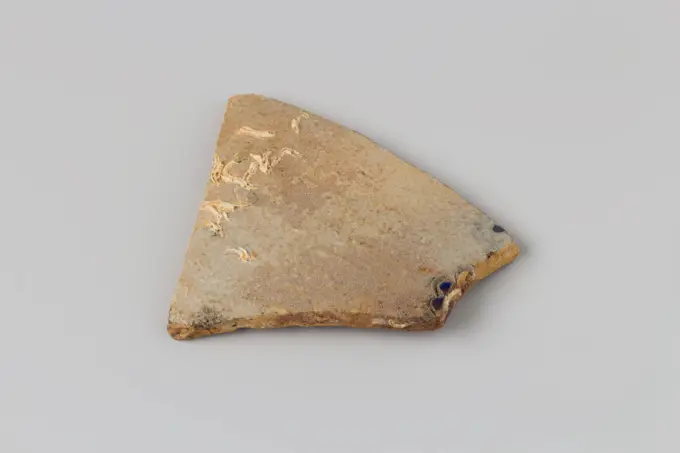
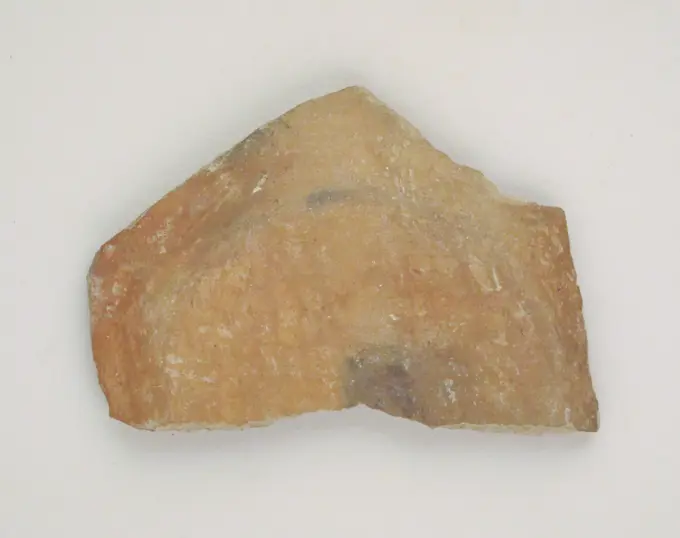
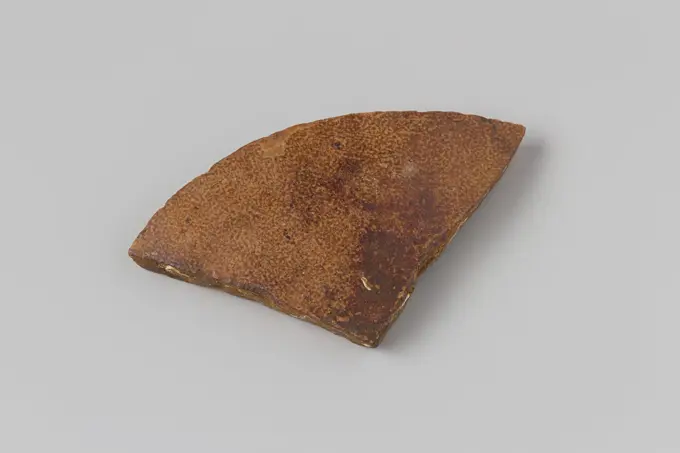
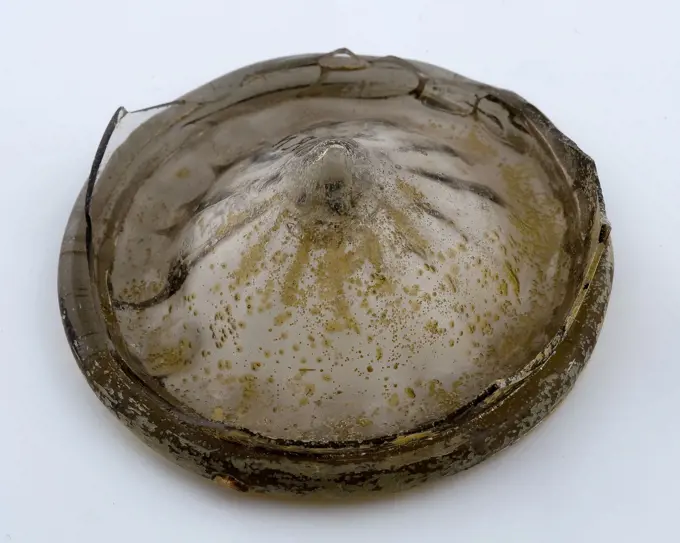
Scherf of a pot from the wreck of the East Indians Hollandia, Anonymous, 1700 - in Or Before 1743 pot Stoneware, Rhenish, Westerwald, pot; of body, sim. NG 1980-27H2624r. Westerwald stoneware   Second
Scherf of a pot from the wreck of the East Indians Hollandia, Anonymous, 1700 - in Or Before 1743 pot Stoneware, Rhenish, Westerwald, pot; of body, sim. NG 1980-27H2624r. Westerwald stoneware Second

Assets in this Story

6145-29229699
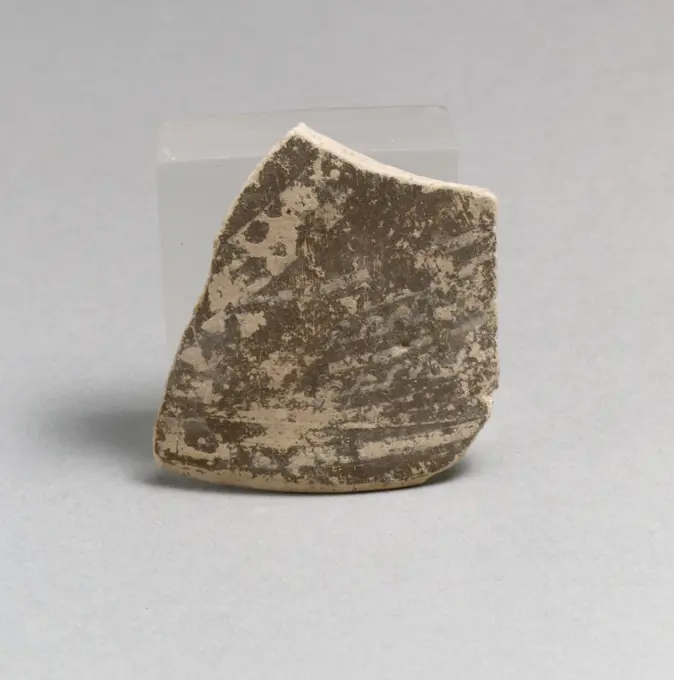
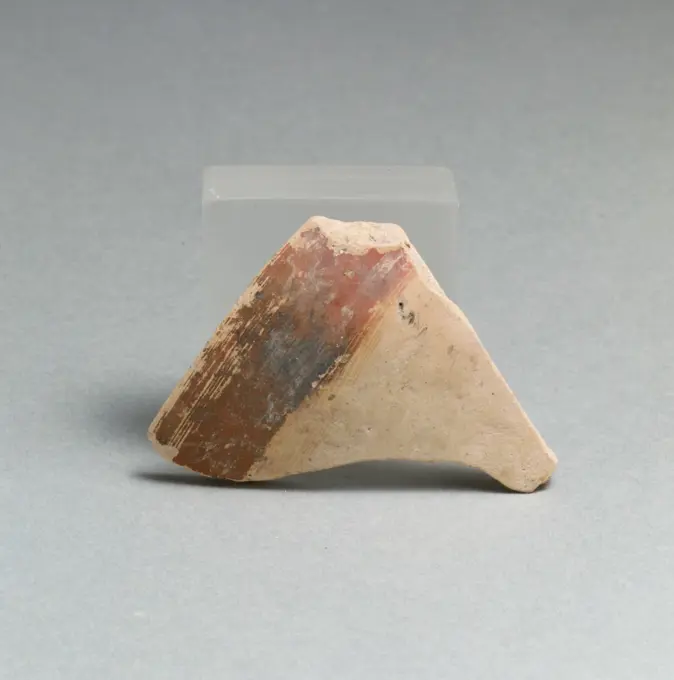
Vase fragment Aegean. Vase fragment. Aegean. Terracotta. Helladic. Vases
6145-59550313
Scherf of a pot from the wreck of the East Indians Hollandia, Anonymous, 1700 - in Or Before 1743 pot Stoneware, Rhenish, Westerwald, pot; of body, sim. NG 1980-27H2624r. Westerwald stoneware   Second
6145-46524100
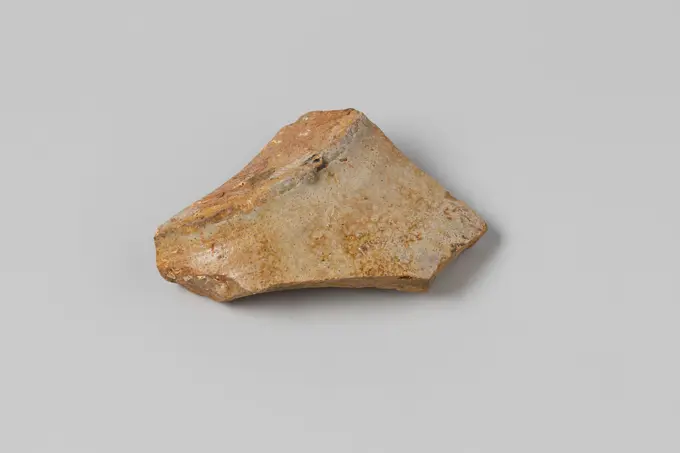
Shard from one can be from the wreck of the East Indiesman Hollandia. Stoneware, rhenish, frechen-ware, jug; Fragm or base.
6145-29825072
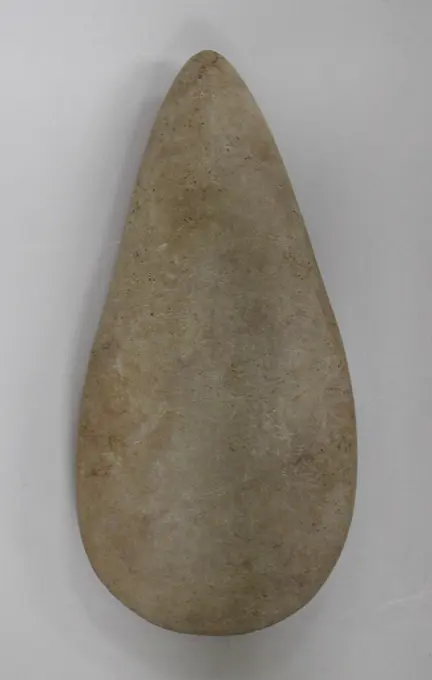
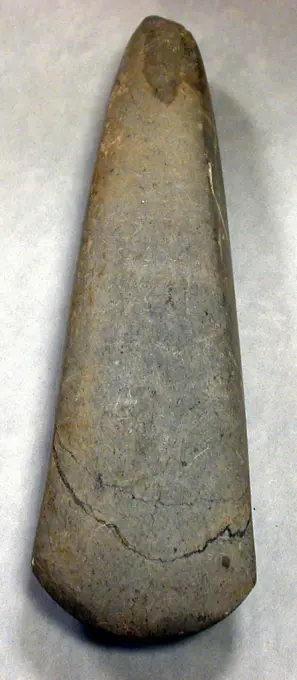
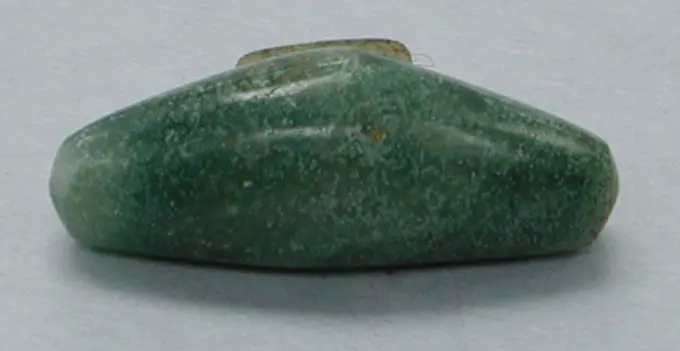
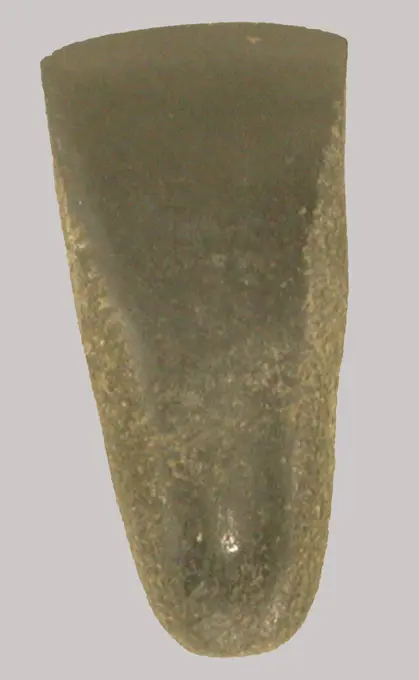
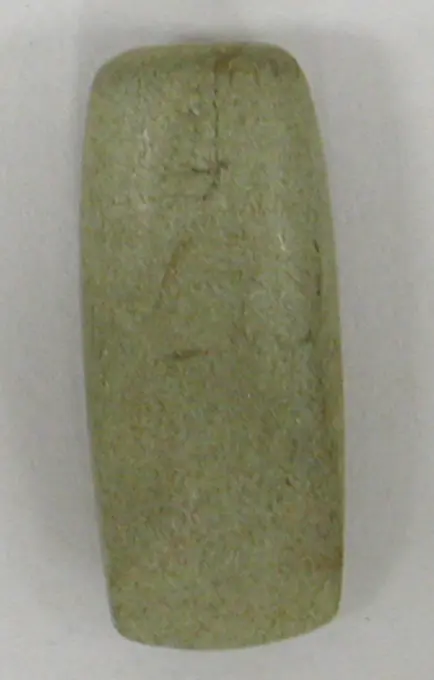
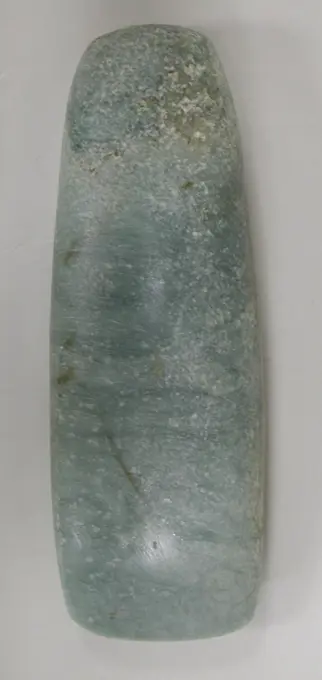
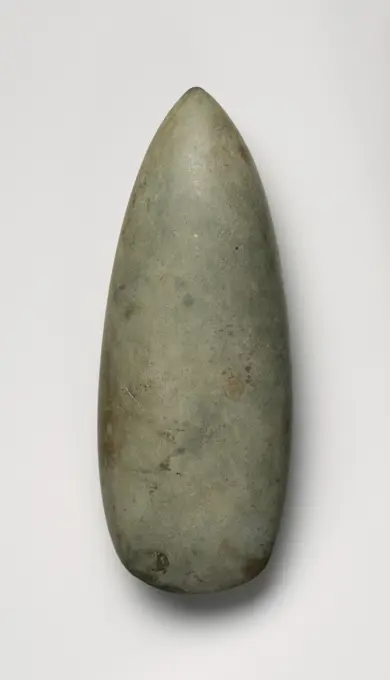
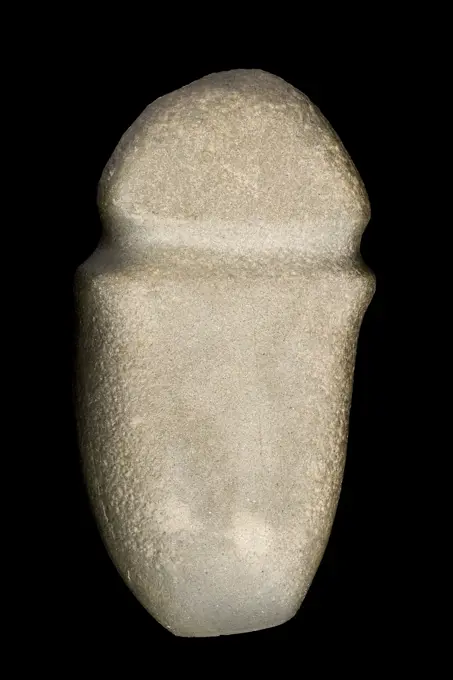
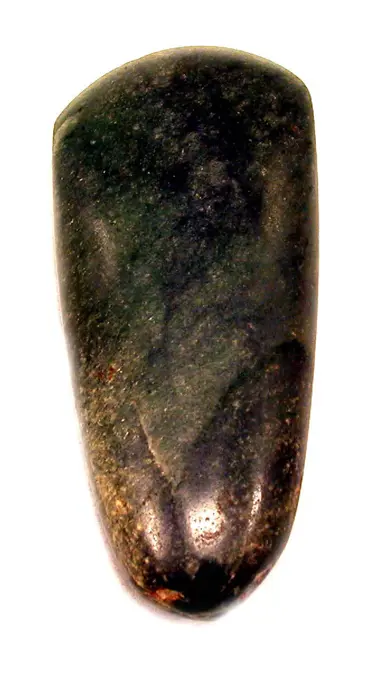
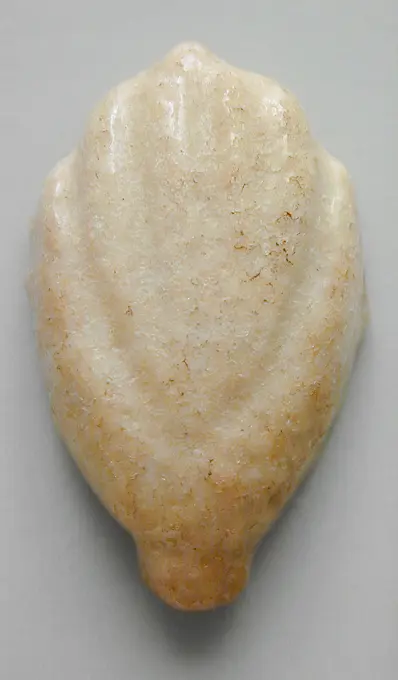
Stone Celt before 16th century Taíno The most numerous category of polished stone sculpture emerging from the Taíno world of the ancestral Caribbean islands are ceremonial axes and blades, which take many forms and may have been an important medium of exchange. Axes feature abstract zoomorphic forms in stone, or consisted of wooden handles with stone blades hafted to them. Stone axe handle-shaped figures may have been ceremonial scepters. Ceremonial blades made of different types of greenstone, both local and imported, have been recovered in large numbers. These axes, known as petaloid celts for their resemblance to flower petals, could have served as dedicatory offerings, which have a long history on the Caribbean mainland in Mesoamerica.. Stone Celt 317170
6145-29826454
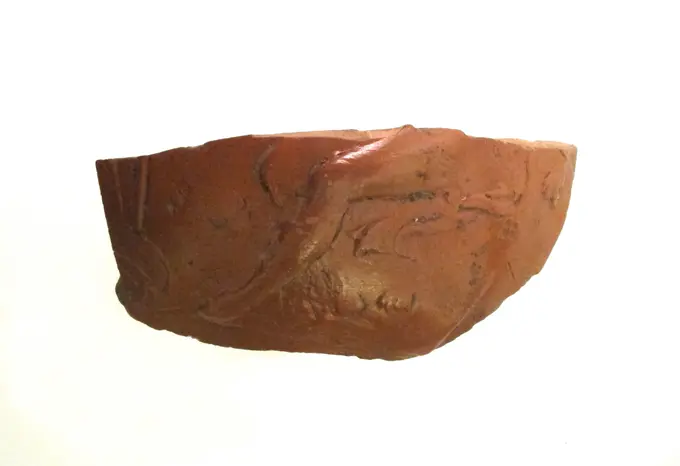
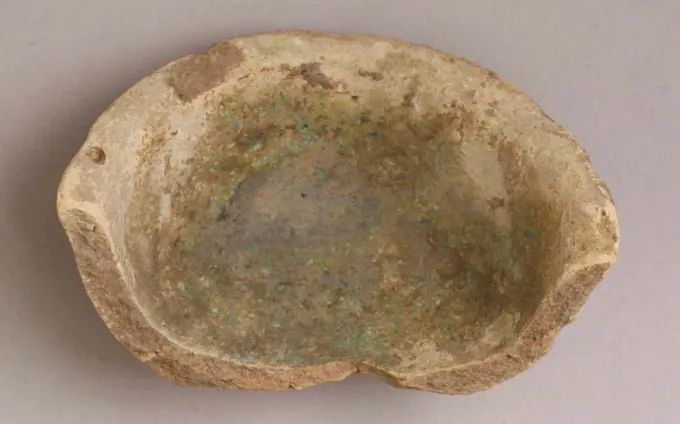
Bowl 4th-7th century Coptic. Bowl 478864
6145-29787603
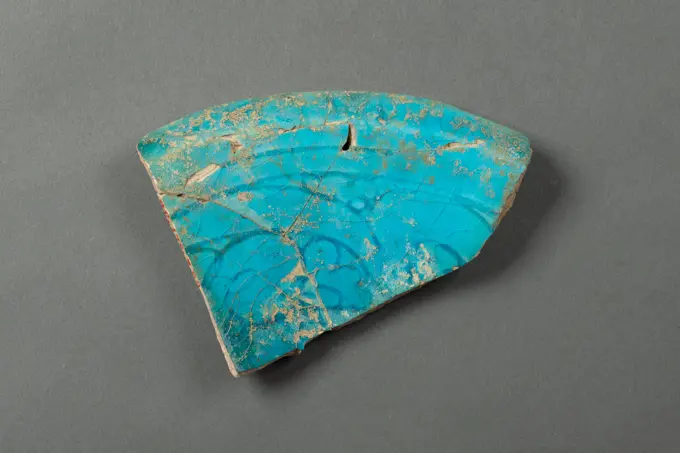
Fragment of a Jar 9th century. Fragment of a Jar 451122
6145-29768678
Vase fragment Minoan. Vase fragment 247821
4409-17377509
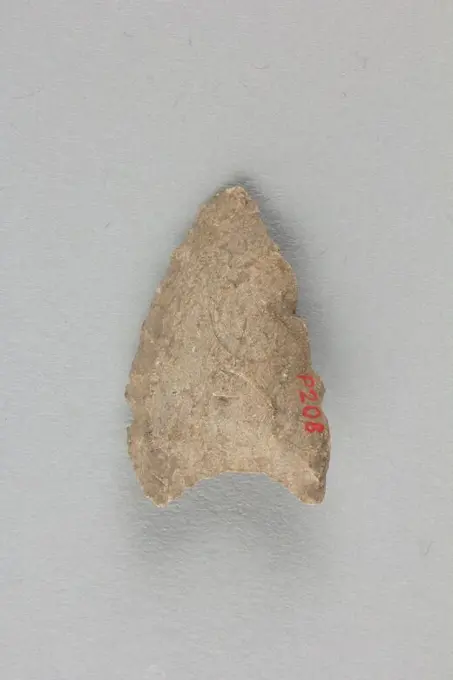
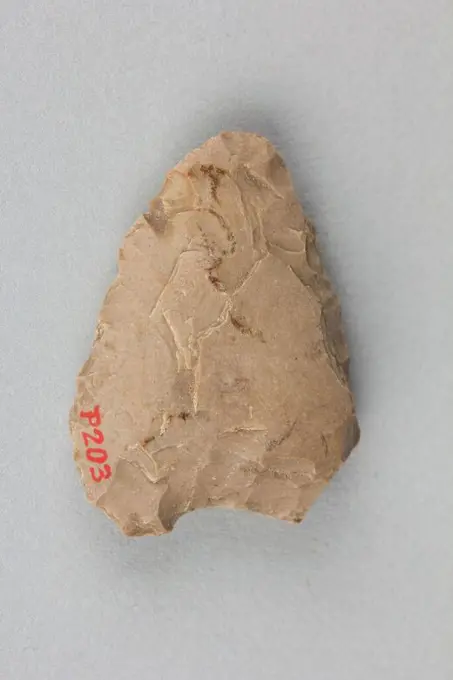
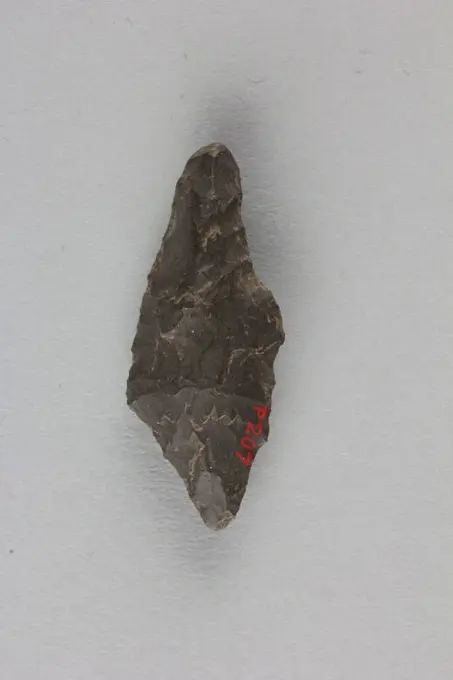
Arrowhead. Culture: Japan. Dimensions: W. 3/4 in. (1.9 cm); L. 1 1/8 in. (2.9 cm). Museum: Metropolitan Museum of Art, New York, USA.
6145-29784496
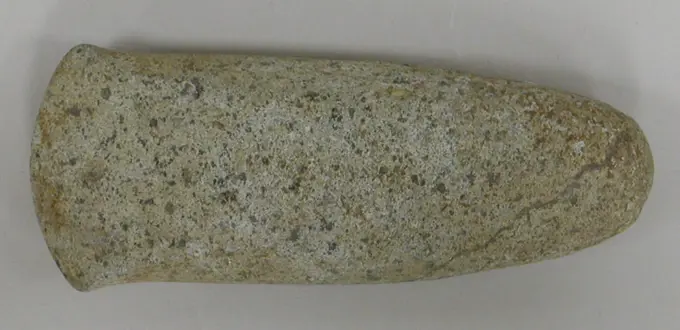
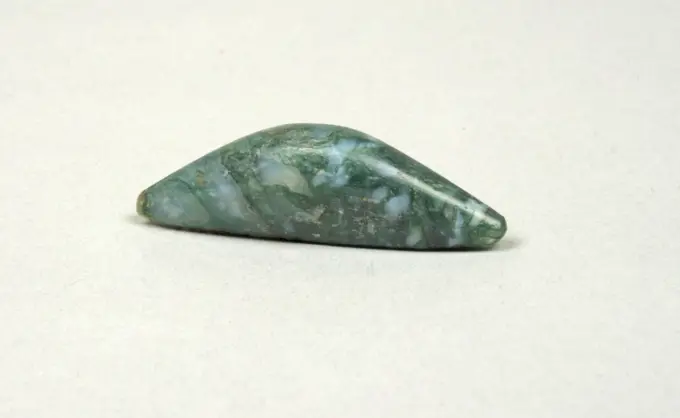
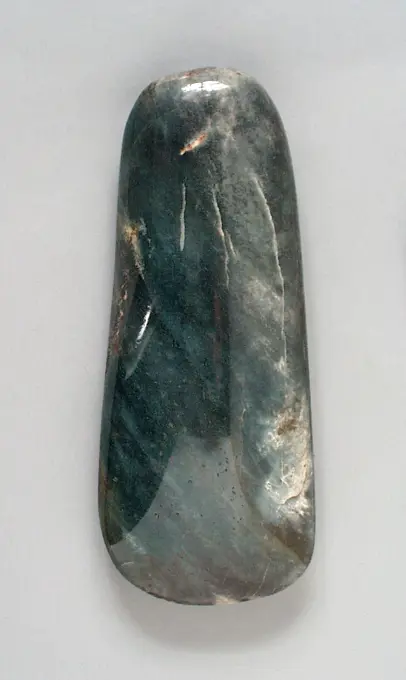
Celt before 16th century Taíno () The most numerous category of polished stone sculpture emerging from the Taíno world of the ancestral Caribbean islands are ceremonial axes and blades, which take many forms and may have been an important medium of exchange. Axes feature abstract zoomorphic forms in stone, or consisted of wooden handles with stone blades hafted to them. Stone axe handle-shaped figures may have been ceremonial scepters. Ceremonial blades made of different types of greenstone, both local and imported, have been recovered in large numbers. These axes, known as petaloid celts for their resemblance to flower petals, could have served as dedicatory offerings, which have a long history on the Caribbean mainland in Mesoamerica.. Celt 317257
6145-29825611
Vase fragment 1st century B.C.-1st century A.D. Roman Seated figure.. Vase fragment 250308
6145-29771355
Vase fragment Minoan. Vase fragment 247831
6145-29071578
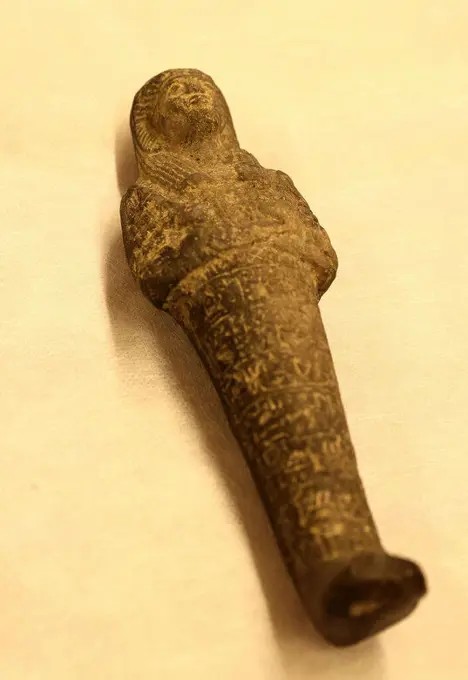
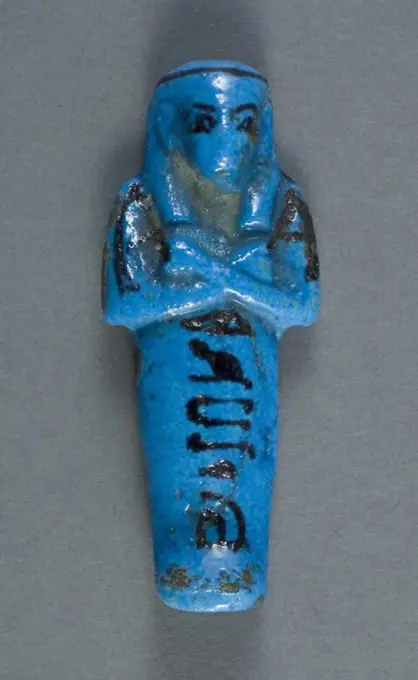
Shawabty of Ditamenpaankh, 715-656 BC. Egypt, Late Period, Dynasty 25. Terracotta; overall: 1.8 x 1.2 x 1.2 cm (11/16 x 1/2 x 1/2 in.).
6145-29763807
Fragment 7th-10th century. Fragment 455175
6145-29082194
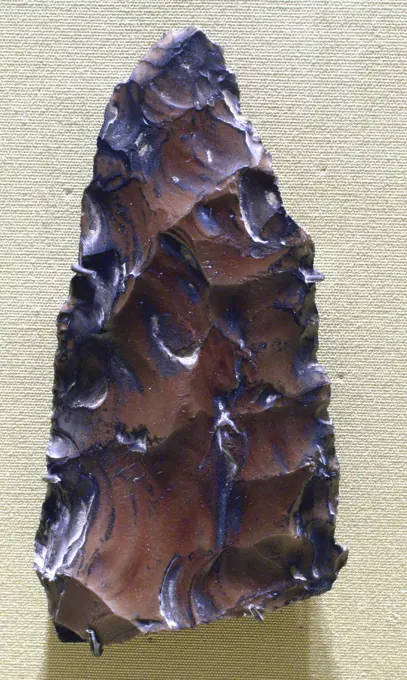
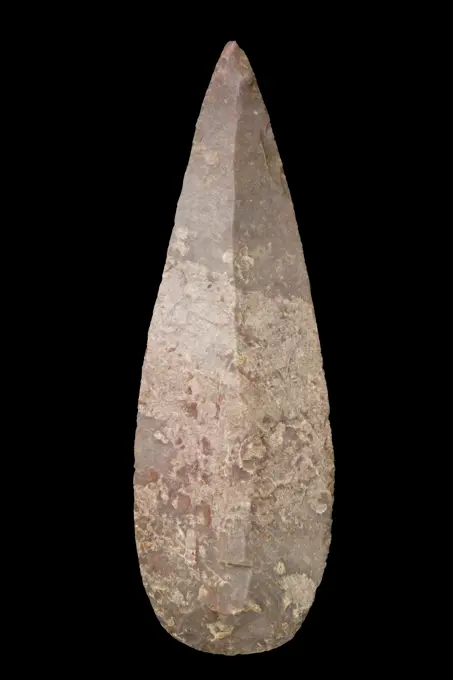
Sickle Blade, 1980-1801 BC. Egypt, Middle Kingdom, Dynasty 12. Flint; overall: 5 cm (1 15/16 in.).
4409-17403738
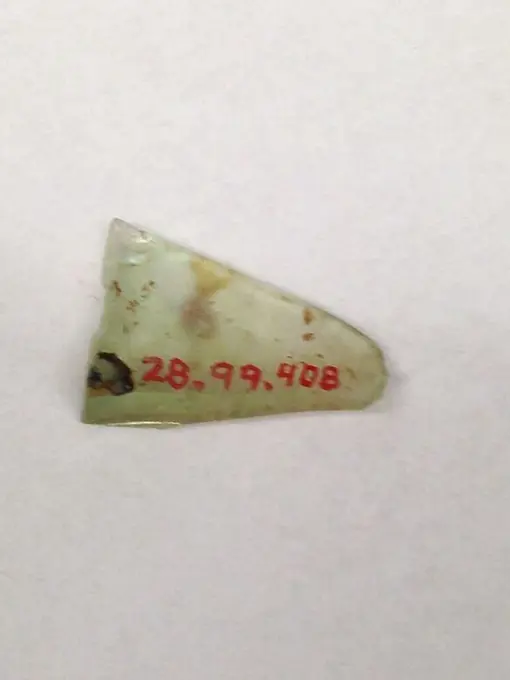
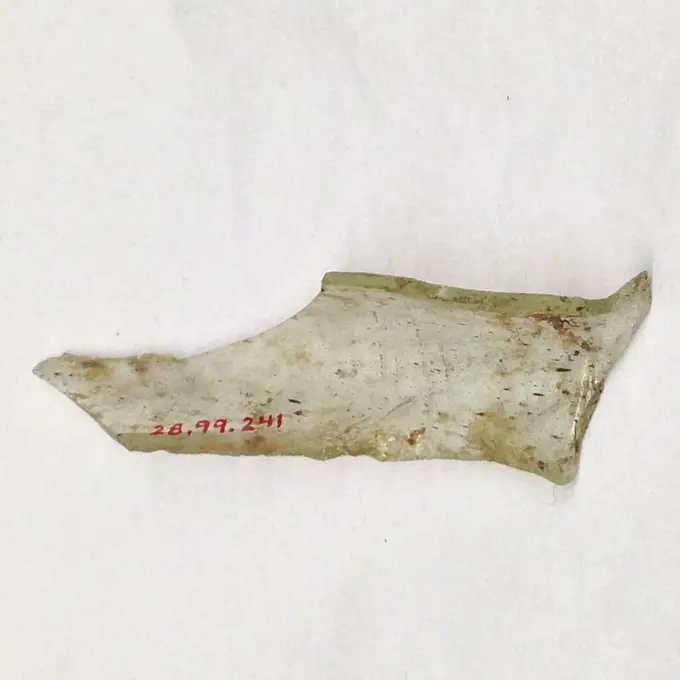
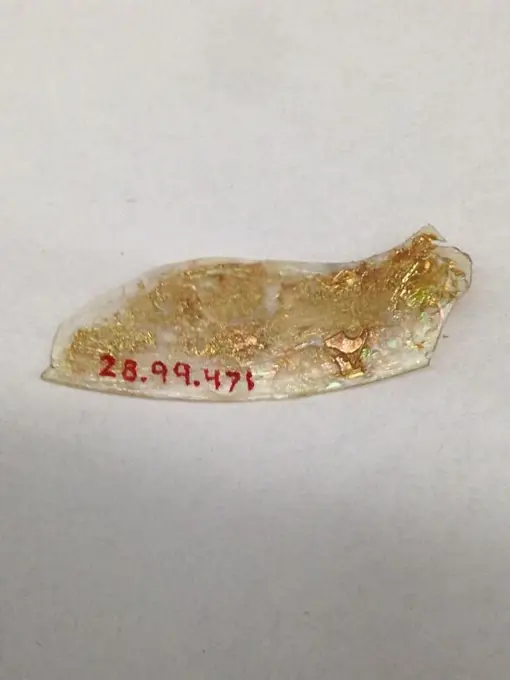
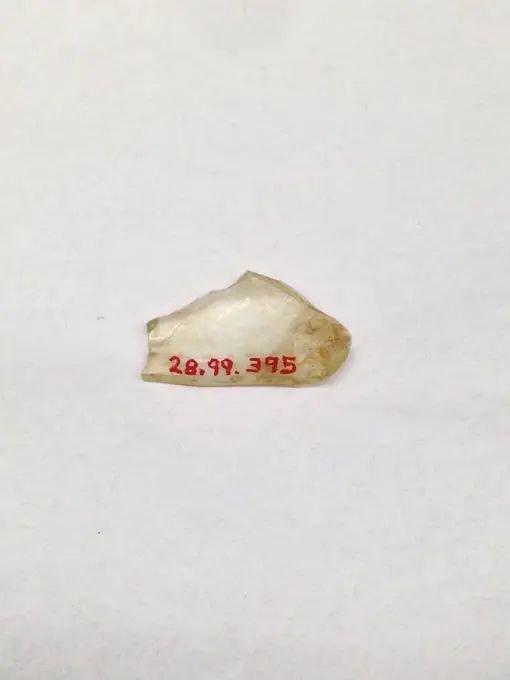
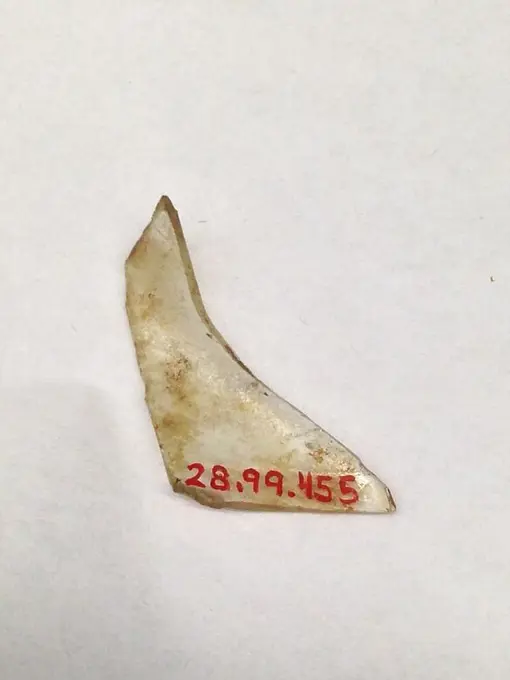
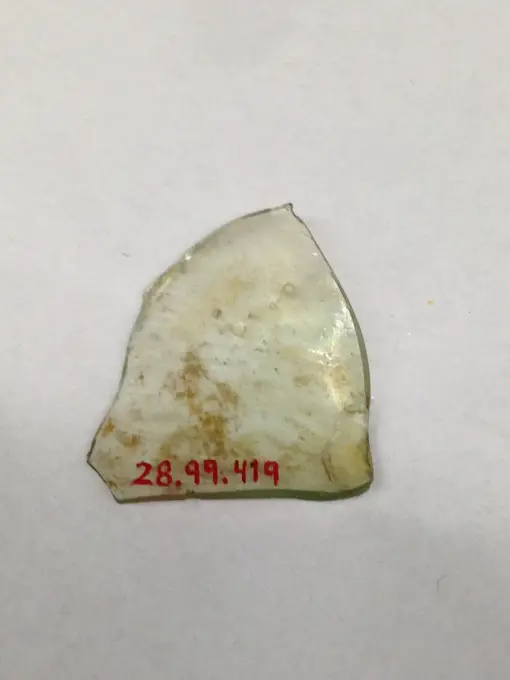
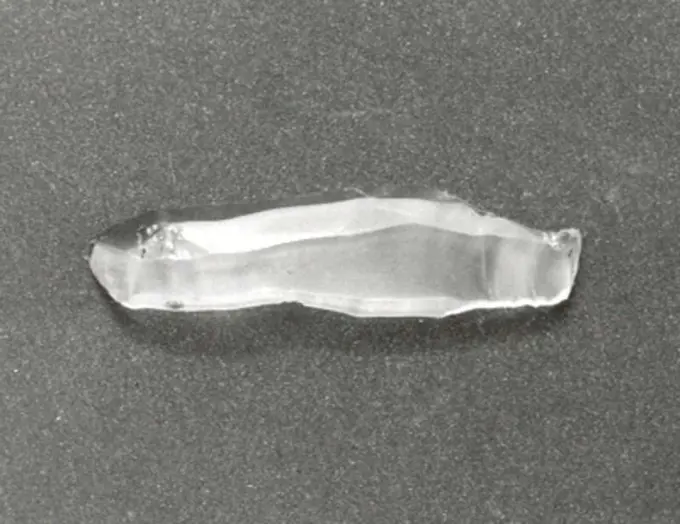
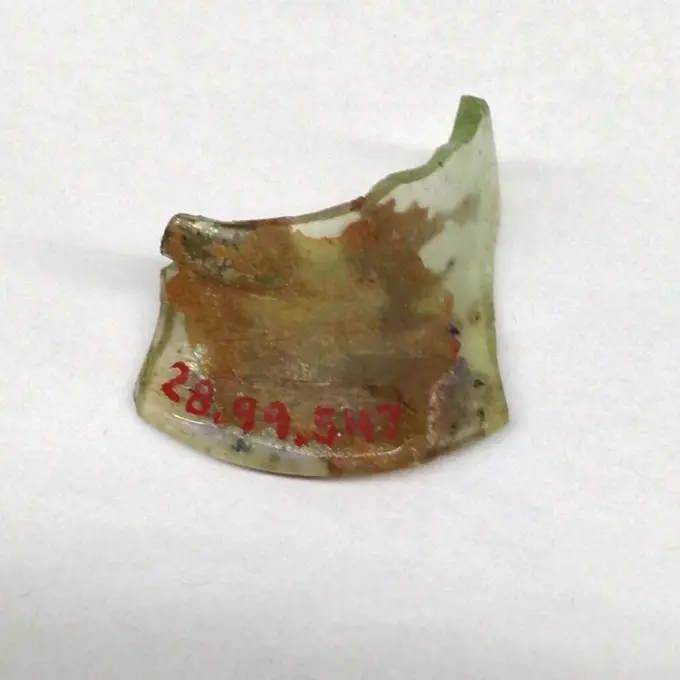
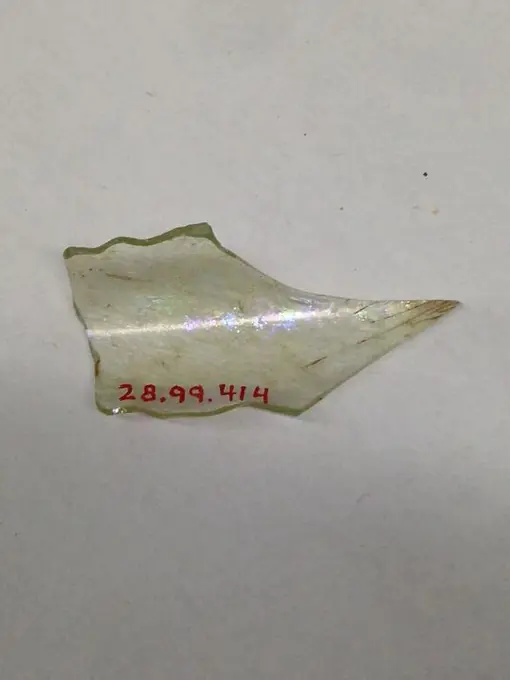
Fragment. Culture: European or Middle Eastern. Dimensions: L. 1 5/8 in. (4.1 cm). Date: ca. 1150-ca. 1250. Museum: Metropolitan Museum of Art, New York, USA.
6145-29800510
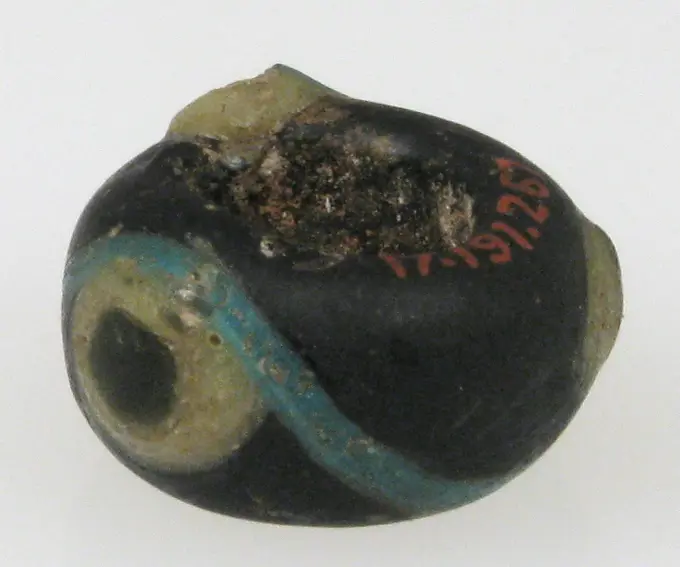
Bead 500-600 Frankish. Bead 464973 Frankish, Bead, 500600, Glass, Overall: 3/8 x 11/16 in. (0.9 x 1.7 cm). The Metropolitan Museum of Art, New York. Gift of J. Pierpont Morgan, 1917 (17.191.267)
6145-29821653
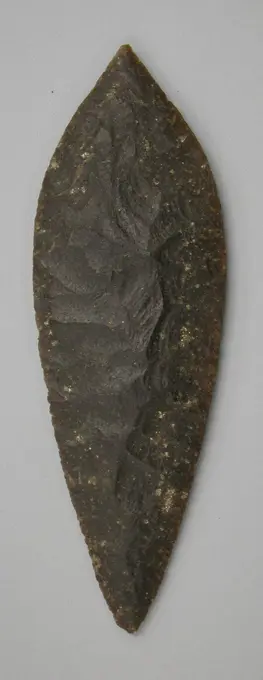
Flint Blade before 16th century Mexican. Flint Blade 317319
6145-29164272
Arrowhead Japan. Arrowhead 62388
6145-29184732
Plaque ca. 3rd-7th century A.D. Sasanian. Plaque 322668
4409-17390682
Arrowheads, needles, hooks and harpoons. Culture: Japan. Dimensions: W. 1 in. (2.5 cm); L. 1 in. (2.5 cm). Museum: Metropolitan Museum of Art, New York, USA.
6145-29120947
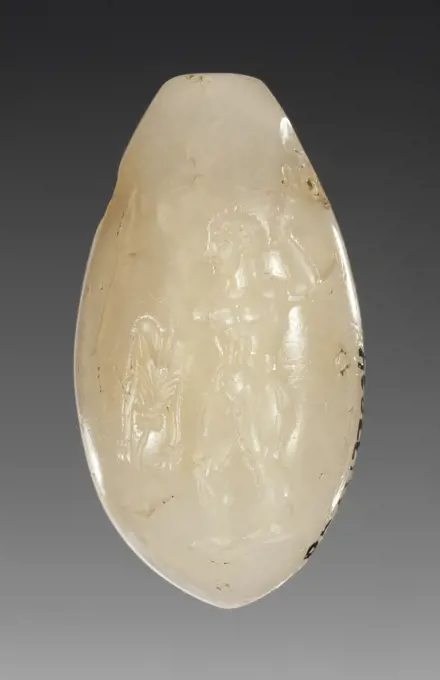
Intaglio. Eastern Mediterranean, Graeco-Roman or Gnostic, 332 B.C.E.-C.E.395. Tools and Equipment; seals. Glass
6145-45544310
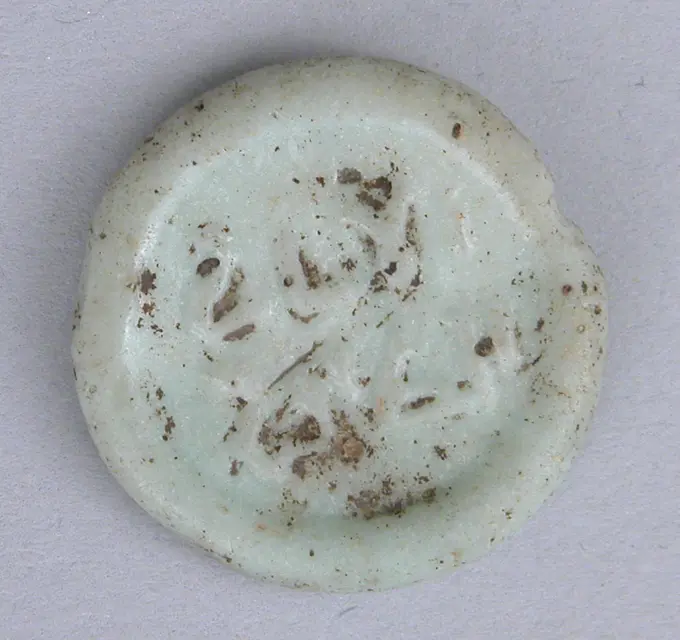
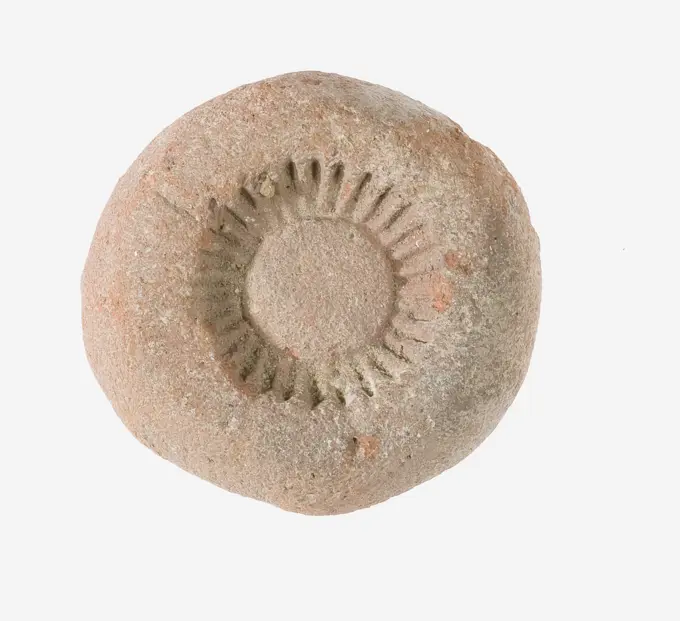
Sealing piston (talisman)
4443-21906439
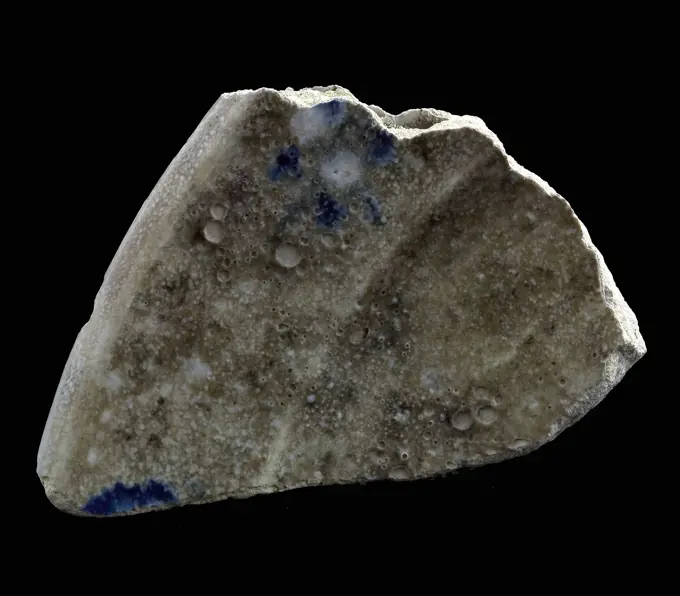
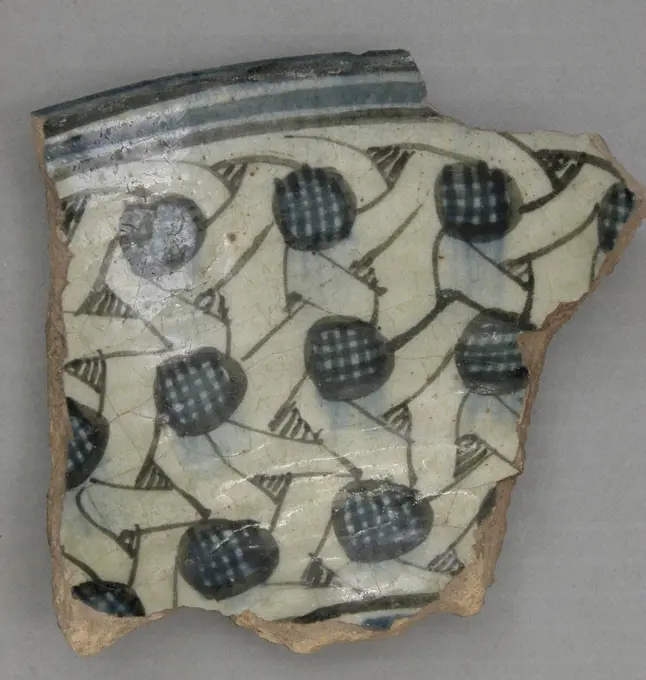
Fragments of two majolica dishes fused together, blue on white, loose motifs on the rim, plate dish crockery holder earth discovery ceramics pottery glaze, majolica Cooked archeology City Triangle Rotterdam Town Hall Stadhuis indigenous pottery craft stewardry ground archaeological find in the soil Raadhuisterrein Rotterdam.
6145-59034246
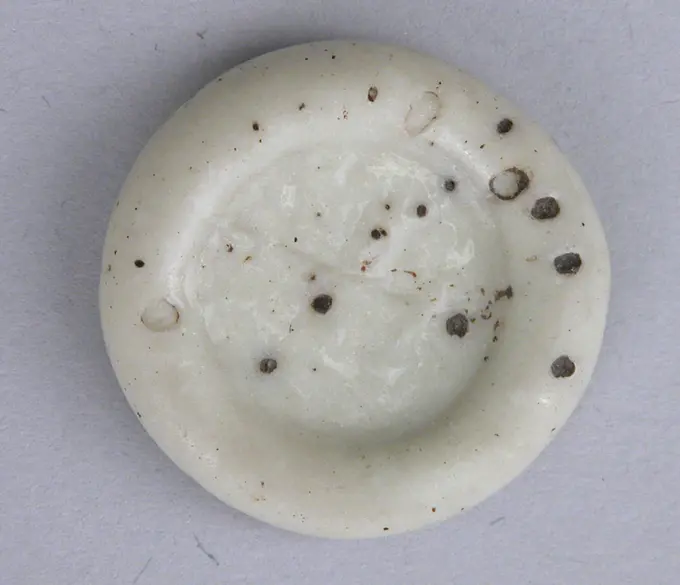
Tesson (common name), 1400. Sandstone with brown under cover. Cernuschi Museum, Asia Museum of Asia in the city of Paris.
6145-30133293
Shard of one can be from the wreck of the East India Hollandia.Stoneware, Rhenish, Frechen-Ware, Jug; Fragm or body.
6145-45552069
Fragment of a reIIef
6145-59550114
Fragment Facetted Steel of a flute glass from the wreck of the East Indians Hollandia, Anonymous, 1700 - in Or Before 1743 drinking glass Glass, stem glass, steel, faceted; fragment, id. NG 1980-27H711. Netherlands glass   Second
6145-29709925
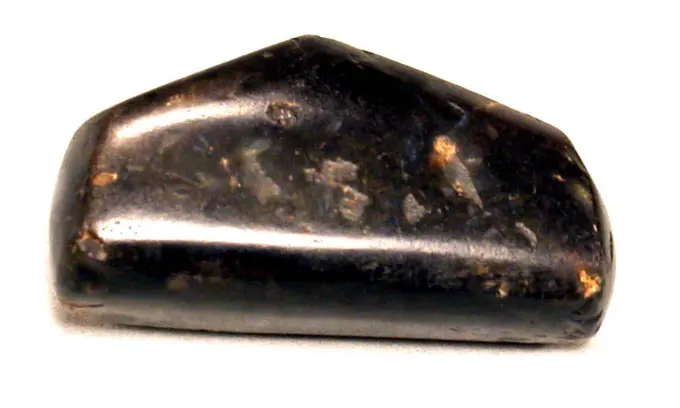
Stone Pulidor before 16th century Mexican. Stone Pulidor 317085
6145-29799033
Fragment 9th century. Fragment 448739
6145-59047470
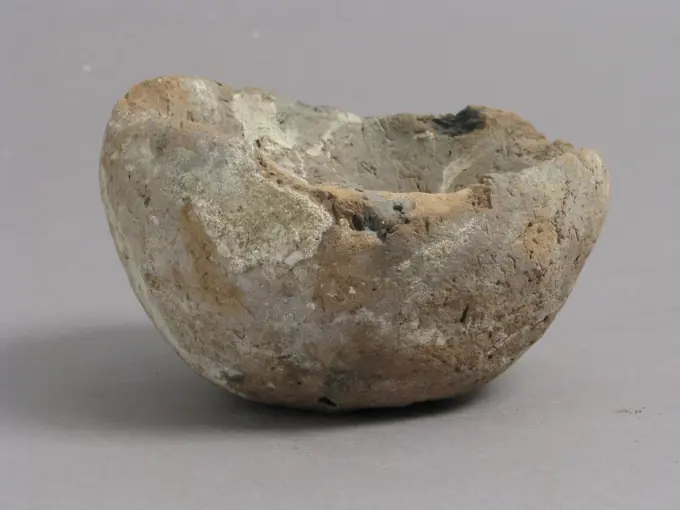
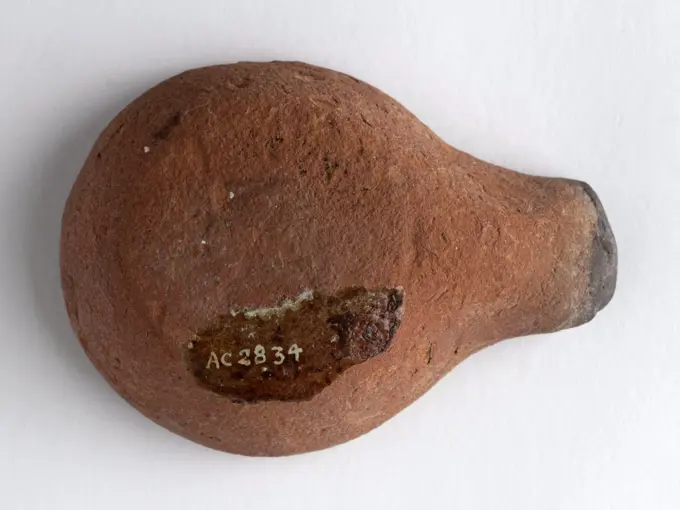
Oil lamp. Terracotta. High Empire. Paris, Carnavalet museum. 50034-1 High-Empire, oil lamp, terracotta
4409-135113
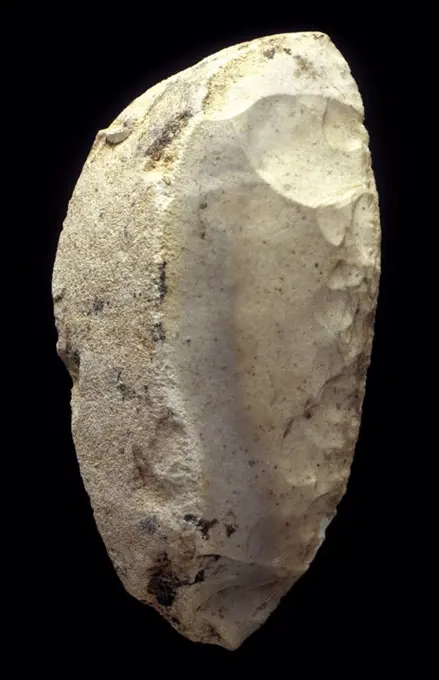
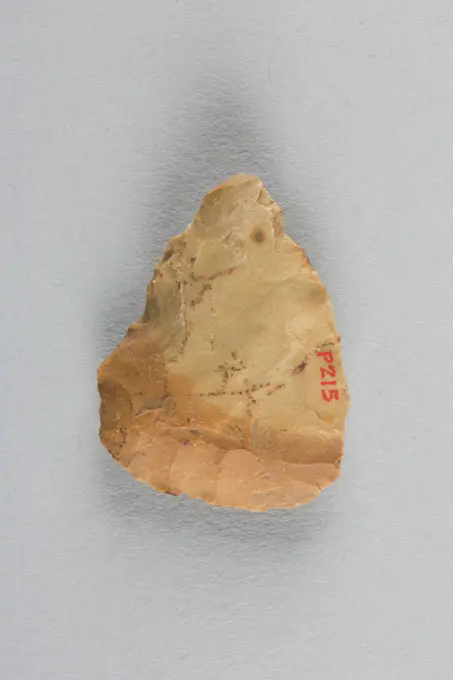
PIEZA DE AJUAR PALEOLITICO: RAEDERA SIMPLE CONVEXA DE SILEX, DE LA CUEVA DE LA ERMITA, BURGOS (DEPOSITO: MUSEO ARQUEOLOGICO NACIONAL).
6145-59514082
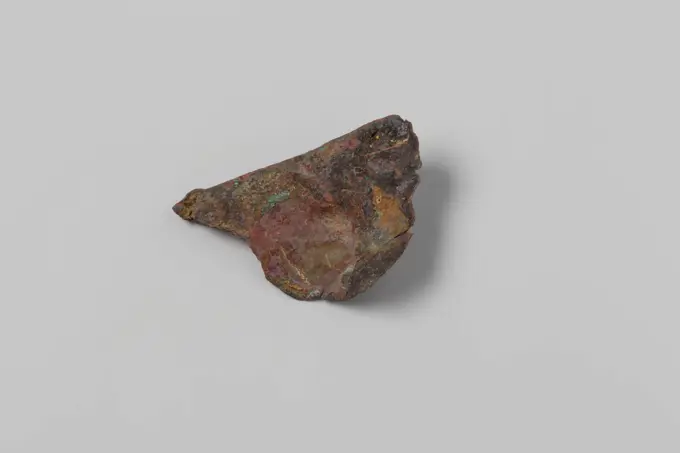
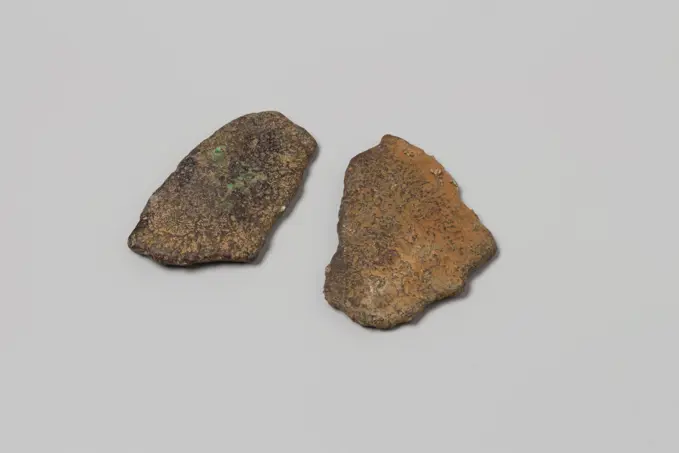
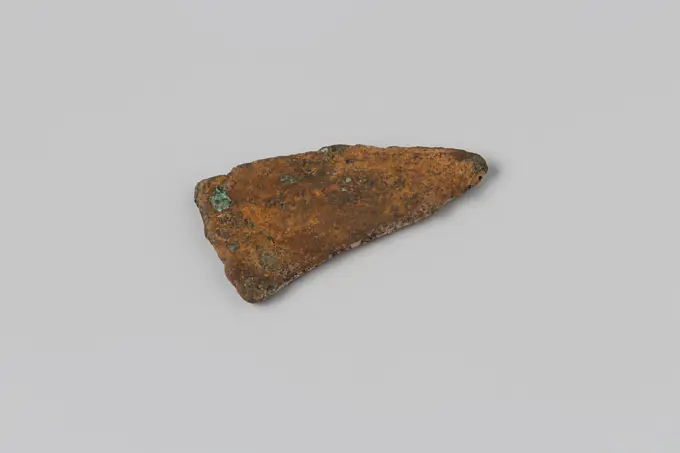
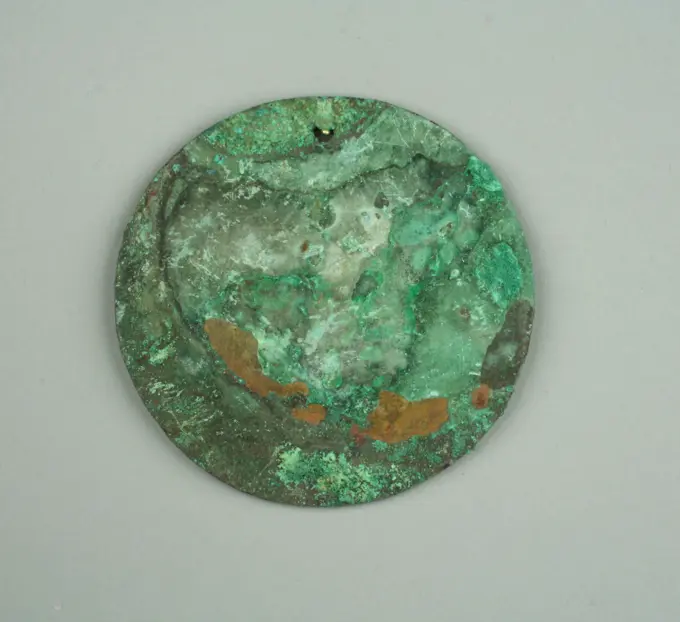
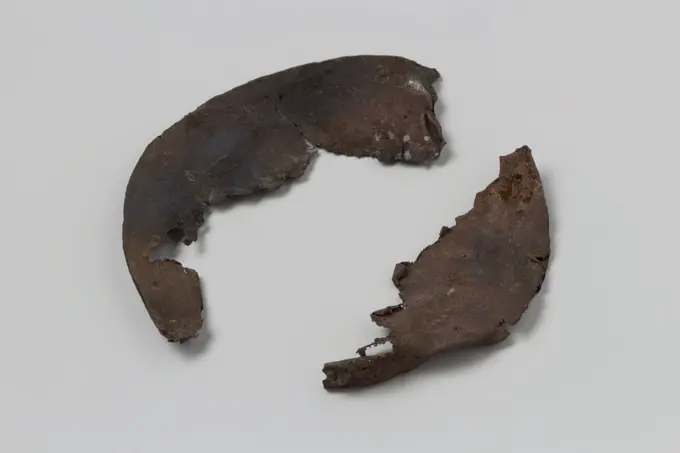
Excerpt copper from the wreck of the East Indies Hollandia, 1700 - in or before 1743 fragment Parts of artefacts; eroded fragments: materials; copper. Netherlands copper (metal)   Second
4409-17500095
Fragment. Culture: European or Middle Eastern. Dimensions: L. 1 3/4 in. (4.5 cm). Date: ca. 1150-ca. 1250. Museum: Metropolitan Museum of Art, New York, USA.
6145-29830715
Fragment 8th-9th century. Fragment 448827
4409-17419503
Arrowhead. Culture: Japan. Dimensions: L. 1 1/8 in. (2.9 cm); W. 7/8 in. (2.2 cm). Museum: Metropolitan Museum of Art, New York, USA.
6145-29789562
Celt before 16th century Maya () Greenstone axe heads, commonly known as “celts,” were some of the most important works of art across ancient Mesoamerica and Central America. Created from jadeite mined from the Motagua River Valley of southern Guatemala, or using local green stones from highland Mexico, celts were first created by the Olmec peoples of the Gulf Coast after 1000 B.C. The Olmec conceived of green celts as sprouts of maize and thus “planted” celts in dedicatory offerings, activating ceremonial spaces and perpetuating agricultural fertility. For the later Maya peoples, celts also served as dedicatory materials, but more so as adornments for the royal bodies of kings and queens. Often the celts would be thinned into celt-shaped plaques, strung together in pairs and triads in order to create belt assemblages that would have clinked with the sound of jades striking one another. Tombs from the Classic Period (ca. AD 250-900) contain celts of jadeite and various greenstones fro
6145-29777274
Vase fragment Minoan. Vase fragment 247791
6145-43964646
Corundum. minerals. Asia; Sri Lanka
6145-52893718
Handaxe, Palaeolithic Period. Quartzite hand-held axe. Found in Saltley, Birmingham, England
6145-46536567
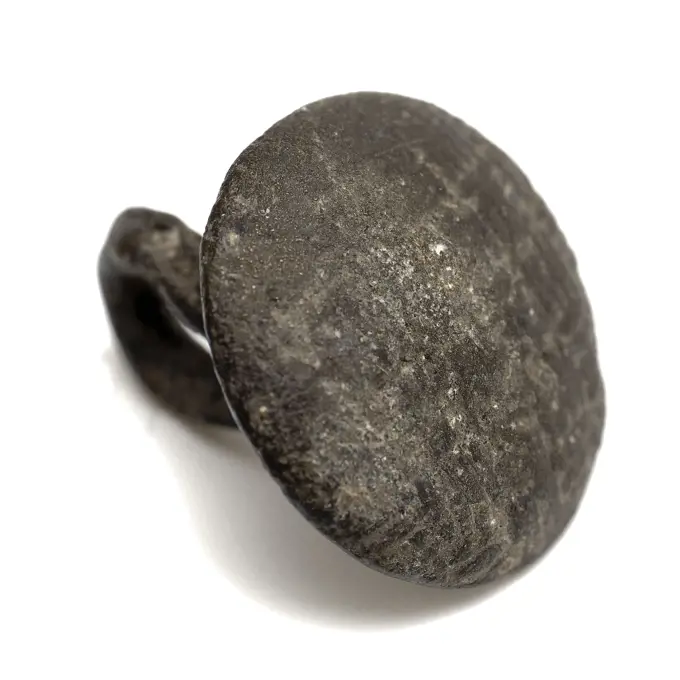
Button from the wreck of the East Indied Flying Heart. Button from wood.
6145-48783861
Enstatite. minerals. Europe; Norway; Telemark Province; Bamble
4443-21931600
Four brass buttons with braid decor, knot clothing accessory clothing soil find brass metal largest, cast Four knots one with molded thread eye three without eye quarter sphere archeology Rotterdam rail tunnel fastening cloths Soil discovery: trajectory rail tunnel Rotterdam.
6145-29061666
Note tablet from a Sewing Box (Nécessaire), c. 1765. Austria, Vienna(), 18th century. Gold and mother-of-pearl;
6145-29780288
Vase fragment ca. 4000-3000 B.C. Neolithic, Gonia. Vase fragment 253268 Neolithic, Gonia, Vase fragment, ca. 40003000 B.C., Terracotta, length 1 5/16in. (3.3cm). The Metropolitan Museum of Art, New York. Anonymous Gift, 1930 (30.119.63)
4409-17545188
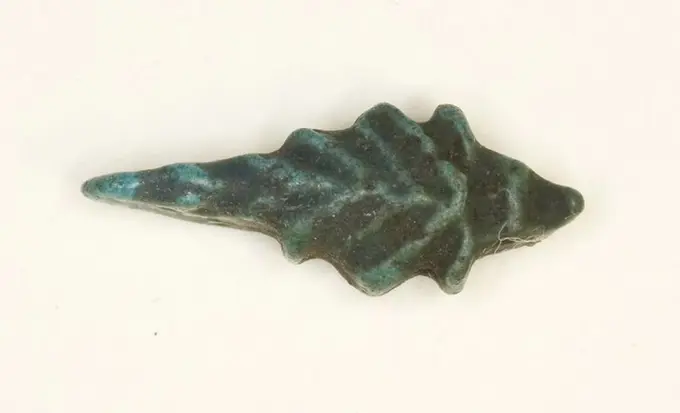
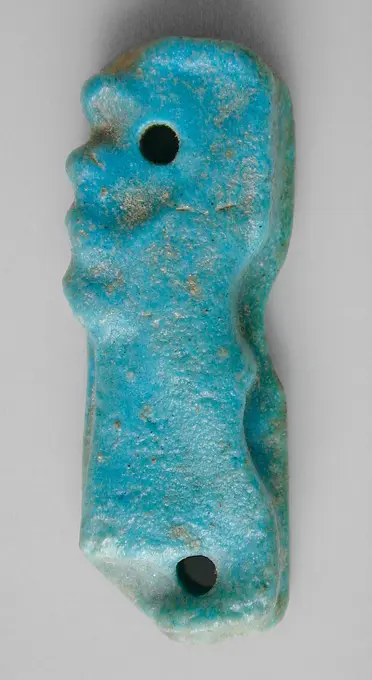
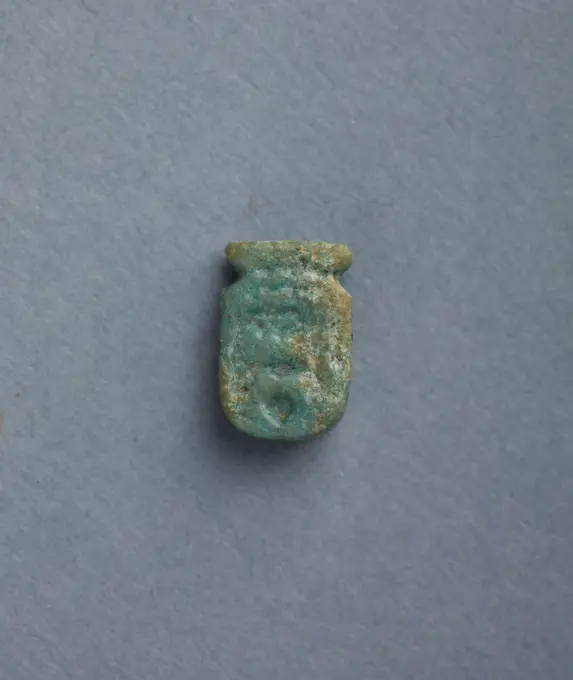
Amulet of a Crocodile. Egyptian. Date: 1550 BC-664 BC. Dimensions: 1.9 x 0.6 x 0.5 cm (3/4 x 1/4 x 3/16 in.). Faience. Origin: Egypt. Museum: The Chicago Art Institute, Chicago, USA. Author: Ancient Egyptian.
6145-29743755
Celt before 16th century Maya () Greenstone axe heads, commonly known as “celts,” were some of the most important works of art across ancient Mesoamerica and Central America. Created from jadeite mined from the Motagua River Valley of southern Guatemala, or using local green stones from highland Mexico, celts were first created by the Olmec peoples of the Gulf Coast after 1000 B.C. The Olmec conceived of green celts as sprouts of maize and thus “planted” celts in dedicatory offerings, activating ceremonial spaces and perpetuating agricultural fertility. For the later Maya peoples, celts also served as dedicatory materials, but more so as adornments for the royal bodies of kings and queens. Often the celts would be thinned into celt-shaped plaques, strung together in pairs and triads in order to create belt assemblages that would have clinked with the sound of jades striking one another. Tombs from the Classic Period (ca. AD 250-900) contain celts of jadeite and various greenstones fro
6145-29806715
Ring. Ring 243465
6188-64549307
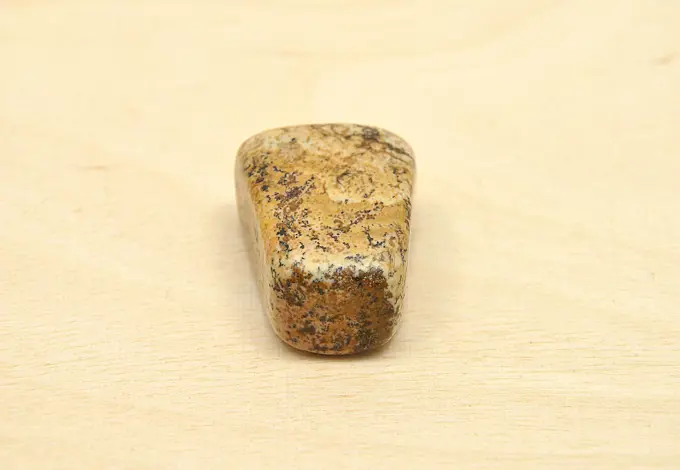
Landschaftsjaspis Landschaftsjaspis Copyright: xZoonar.com/lantapixx 1104296
4409-17417436
Pottery vase with inscription labeling a royal estate. Dimensions: H: 19.5 cm (7 11/16 in.); diam: 10.1 cm (4 in.). Date: ca. 3100 B.C.. Museum: Metropolitan Museum of Art, New York, USA.
6145-29720136
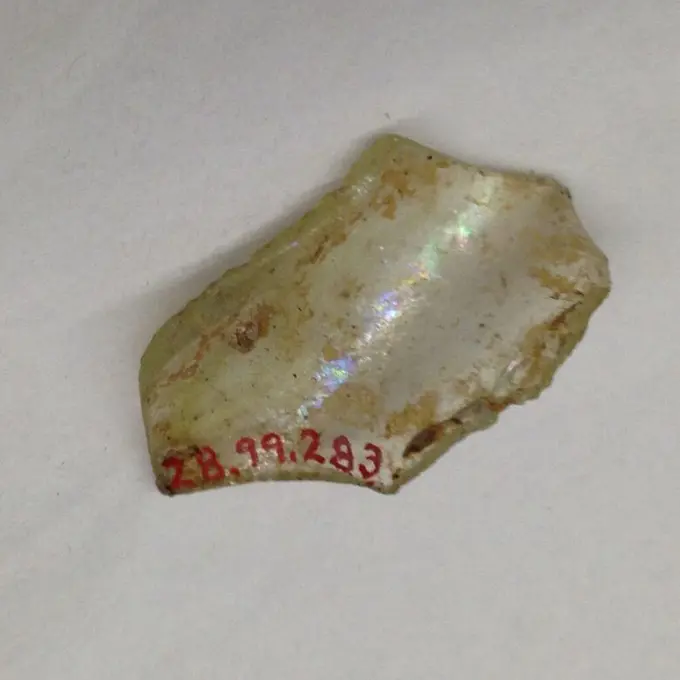
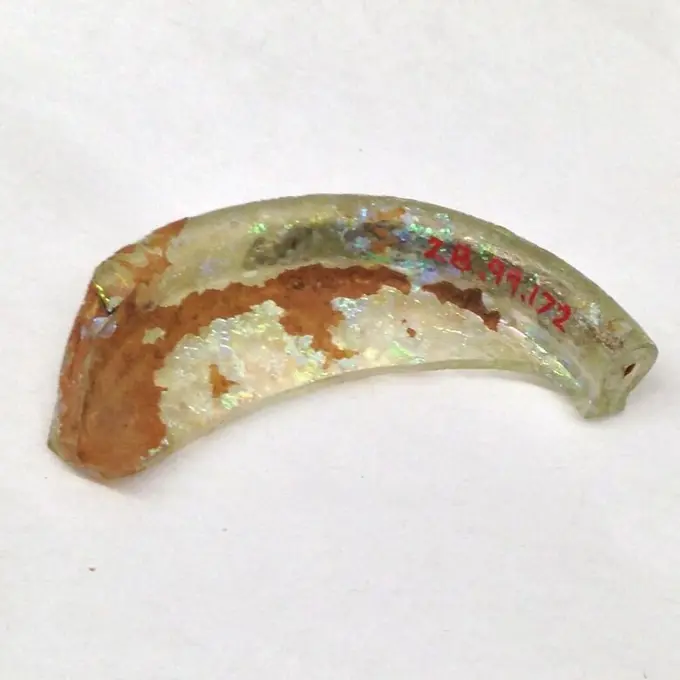
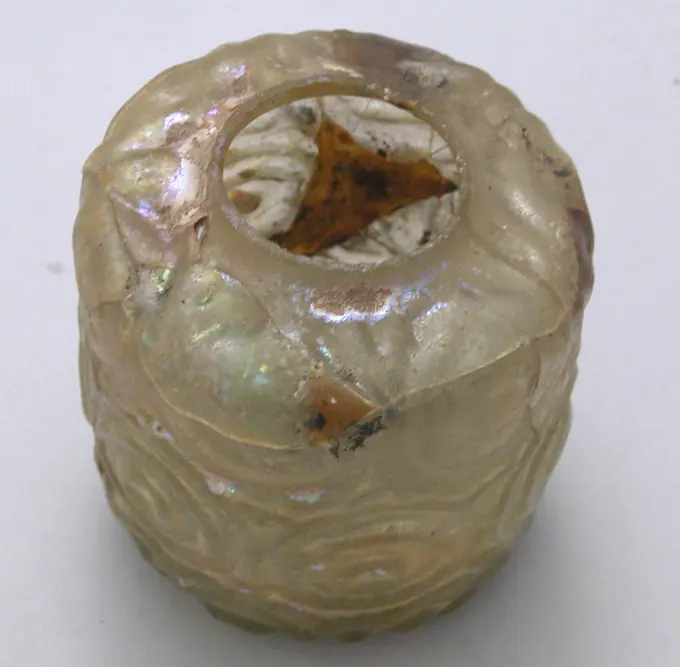
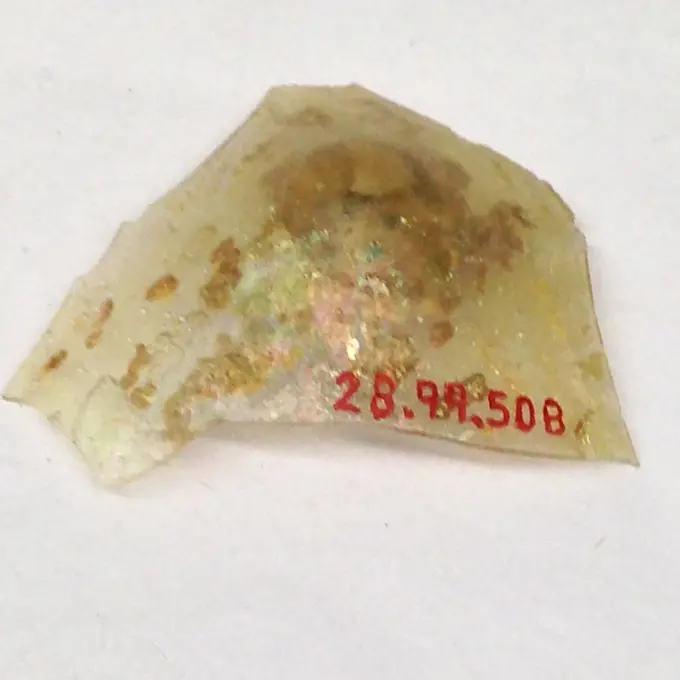
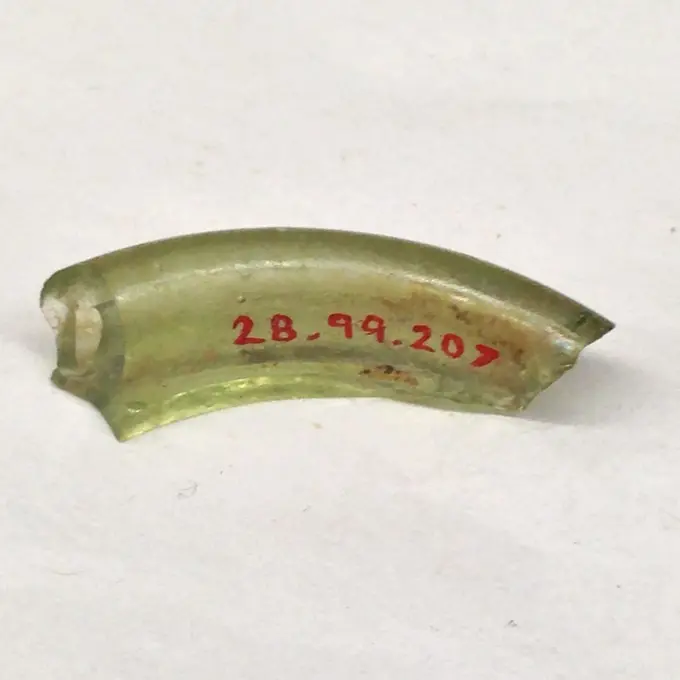
Glass Fragment from a Vessel 4th-early 5th century Coptic. Glass Fragment from a Vessel 477139
6145-29717756
Celt 10th-4th century B.C. Olmec. Celt. Olmec. 10th-4th century B.C.. Stone. Mexico, Mesoamerica. Stone-Implements
6145-29722533
Mold for a Persea Fruit Pendant ca. 1353-1336 B.C. New Kingdom, Amarna Period. Mold for a Persea Fruit Pendant. ca. 1353-1336 B.C.. Pottery. New Kingdom, Amarna Period. From Egypt, Middle Egypt, Amarna (Akhetaten), Town manufactories, Petrie/Carter excavations, 1891-92. Dynasty 18
6145-29730772
Ritual Object () 1st-mid-8th century Moche. Ritual Object () 309255
6145-29164721
Arrowhead Japan. Arrowhead 62400
6145-29834450
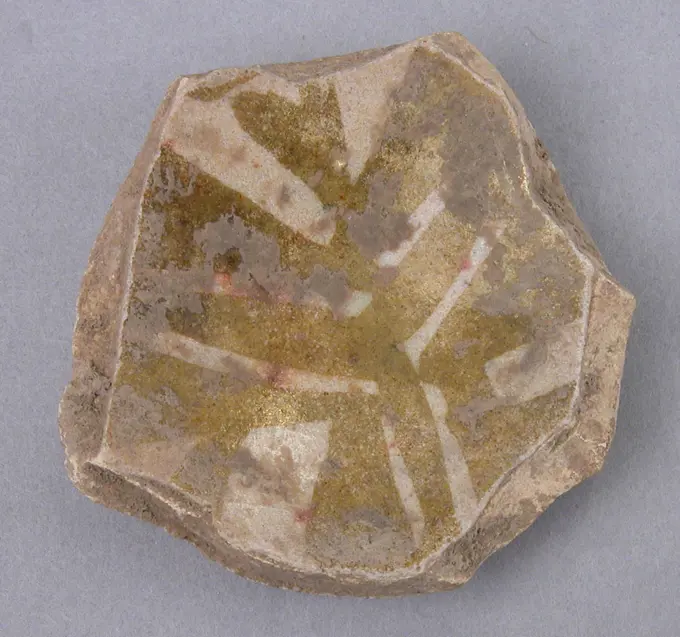
Fragment of a Dish 14th-15th century. Fragment of a Dish 446448
6145-29832800
Vase fragment Minoan. Vase fragment 247819
4443-21959704
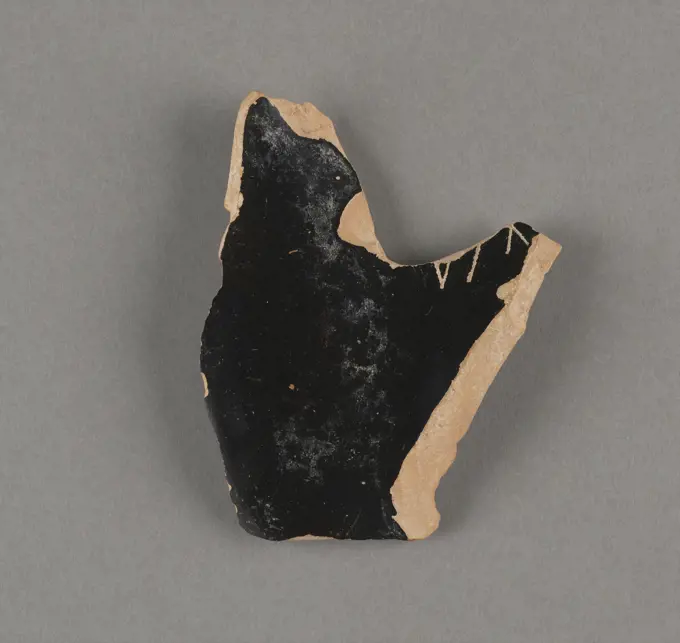
Attic Red-Figure Astragalos Fragment; Attributed to Syriskos (Greek (Attic), active 480 - 460 B.C.); Athens, Greece; about 470 B.C; Terracotta; 8.4 cm (3 5,16 in.)
6145-29757720
Stone Celt before 16th century Taíno The most numerous category of polished stone sculpture emerging from the Taíno world of the ancestral Caribbean islands are ceremonial axes and blades, which take many forms and may have been an important medium of exchange. Axes feature abstract zoomorphic forms in stone, or consisted of wooden handles with stone blades hafted to them. Stone axe handle-shaped figures may have been ceremonial scepters. Ceremonial blades made of different types of greenstone, both local and imported, have been recovered in large numbers. These axes, known as petaloid celts for their resemblance to flower petals, could have served as dedicatory offerings, which have a long history on the Caribbean mainland in Mesoamerica.. Stone Celt. Taíno. before 16th century. Stone. Dominican Republic, Caribbean. Stone-Implements
6145-29167138
Razor-tweezer ca. 1550-1295 B.C. New Kingdom. Razor-tweezer. ca. 1550-1295 B.C.. Bronze or copper alloy. New Kingdom. From Egypt. Dynasty 18
6145-29743325
Stone Celt before 16th century Costa Rica. Stone Celt 317173
6145-29816775
Shard ca. 4th-5th century Pakistan. Shard 50858
6145-29115821
Imsety Bead from a Mummy Bead Net. Egypt, 25th - 26th Dynasty Late Period (755 - 525 BCE). Jewelry and Adornments; beads. Faience, blue glaze, executed in bas-relief
6145-59504769
Brok from V.O.C. ship De 'Witte Leeuw', Before 1613  Brok from V.O.C. ship the 'Witte Leeuw', Lead White, Raw material for paint.  lead white   Sint-Helena
6145-29091972
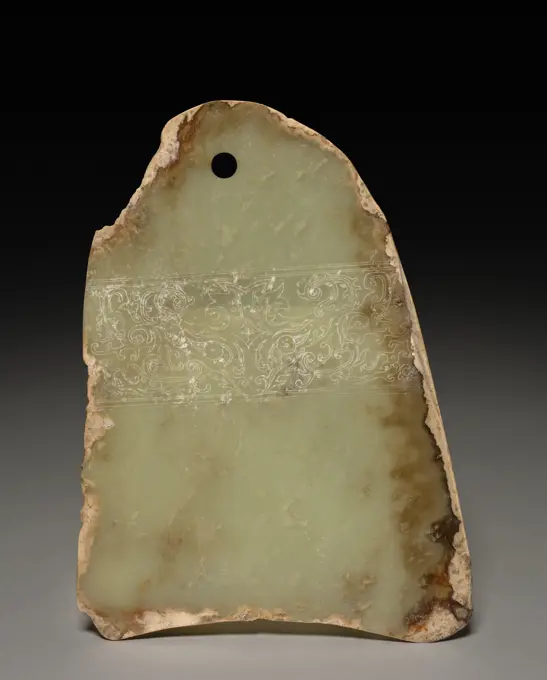
Blade Incised with Animal Masks, 960- 1279. China, Song dynasty (960-1279). Jade ; overall: 16 cm (6 5/16 in.).
6145-29245110
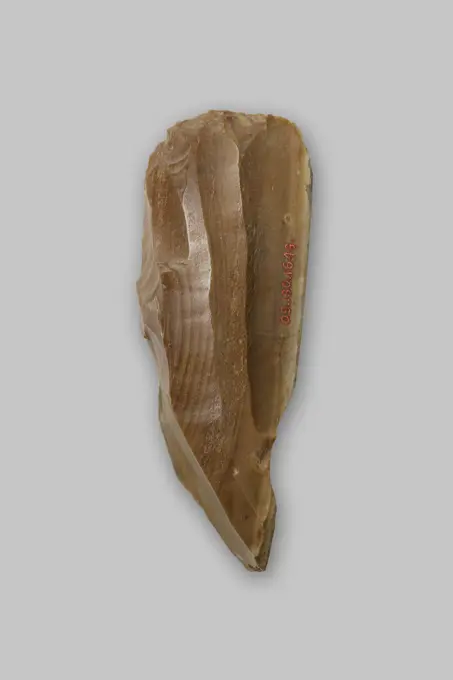
Acute-angled core for blades ca. 1981-1640 B.C. Middle Kingdom A core is a stone from which pieces have been detached so that those pieces can be made into tools. Ancient Egyptians detached long narrow blades from this core. The blades could have been used as is, or modified into specific tools, such as sickles inserts. The presence of cores and associated debris at a site usually indicates that production took place there.. Acute-angled core for blades. ca. 1981-1640 B.C.. Flint. Middle Kingdom. From Egypt, Memphite Region, Lisht North. Dynasty 12-13
1525-24937253
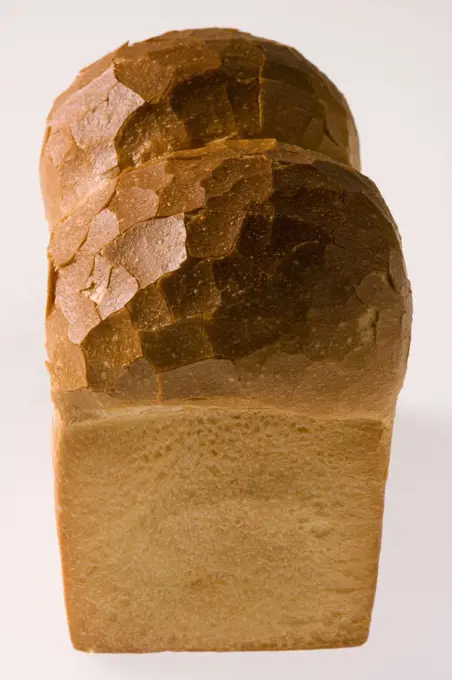
Bread
6145-29803191
Fragment 8th-9th century. Fragment 448835
6145-29713292
Fragment of a Bowl 9th-10th century. Fragment of a Bowl 451503
6145-29709801
Fragment 8th-9th century. Fragment 448807
6145-29770189
Stone Pulidor before 16th century Mexican. Stone Pulidor 317140
6145-59514061
Fragments copper from the wreck of the East Indians Hollandia, 1700 - in or before 1743 fragment Parts of artefacts; eroded fragments: materials; copper. Netherlands copper (metal)   Second
6145-29790084
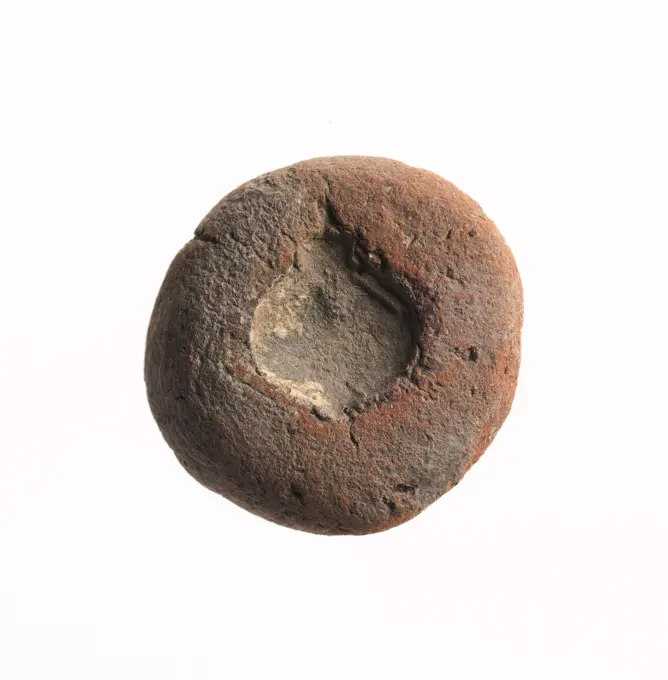
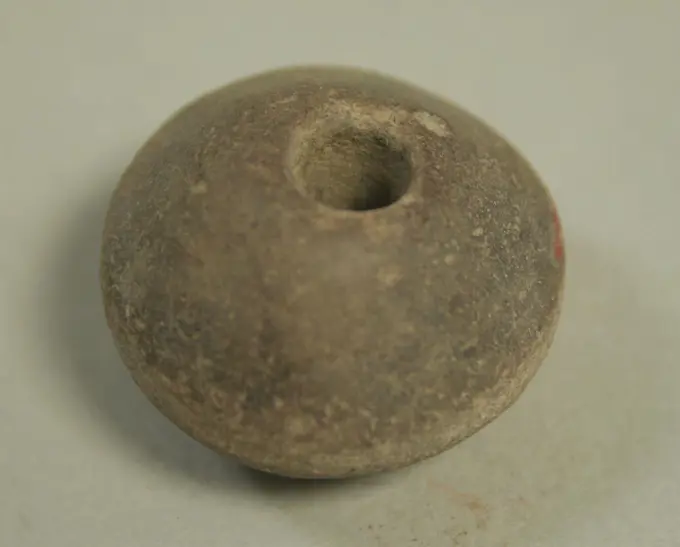
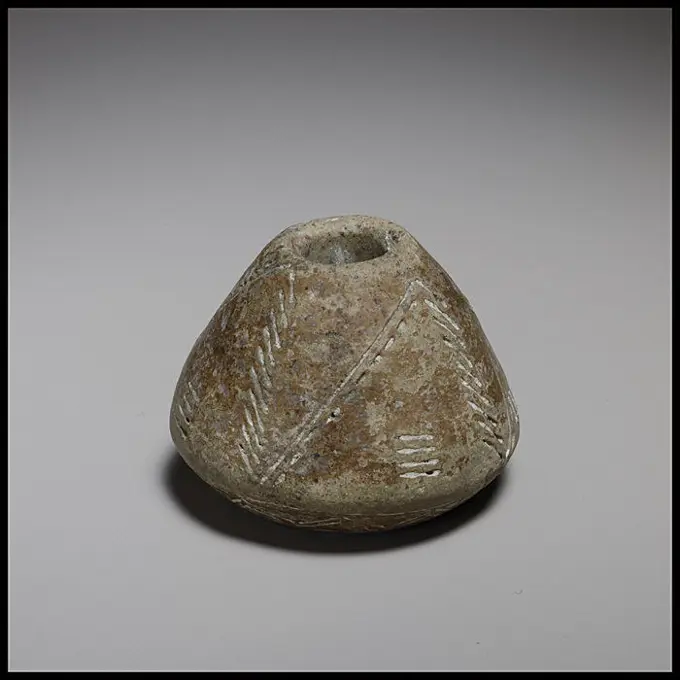
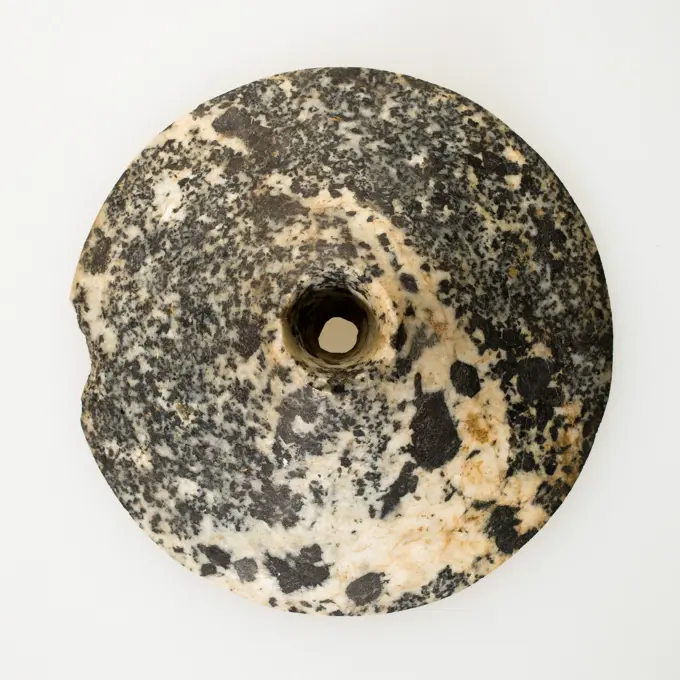
Spindle Whorl 10th-16th century () Peruvian. Spindle Whorl 308373
4409-17408391
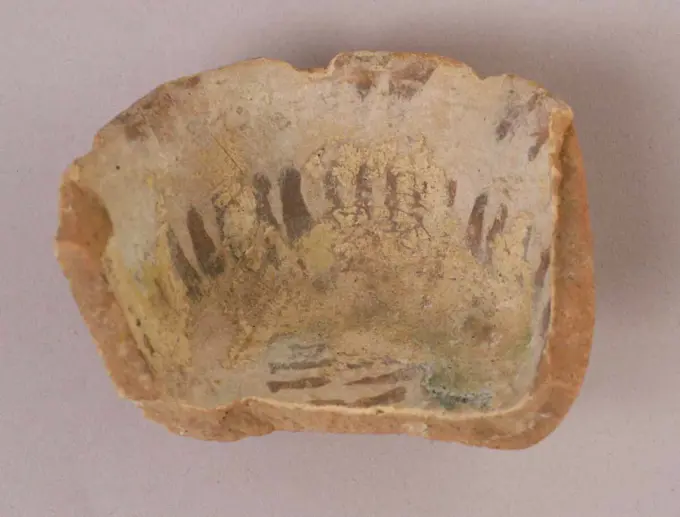
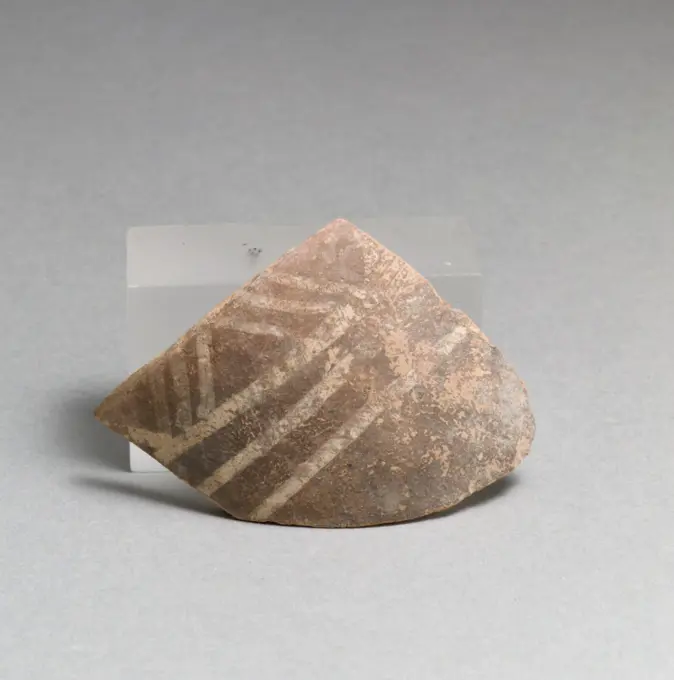
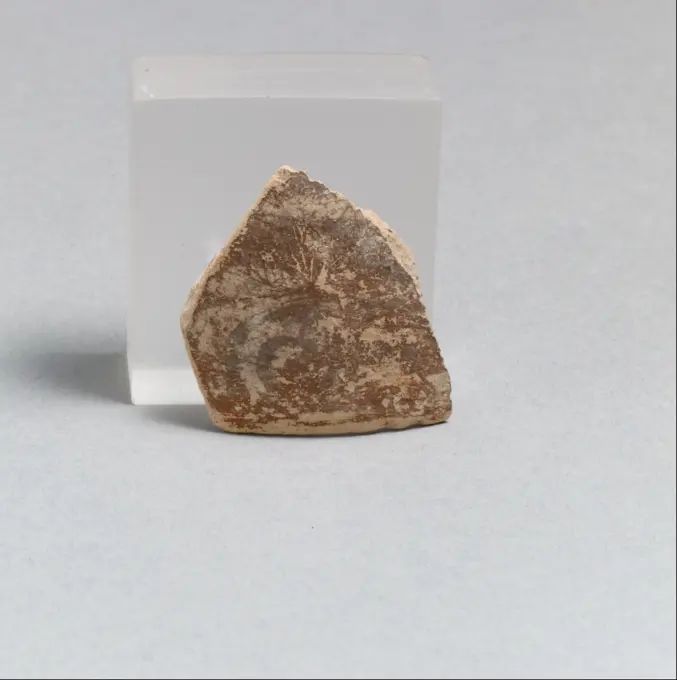
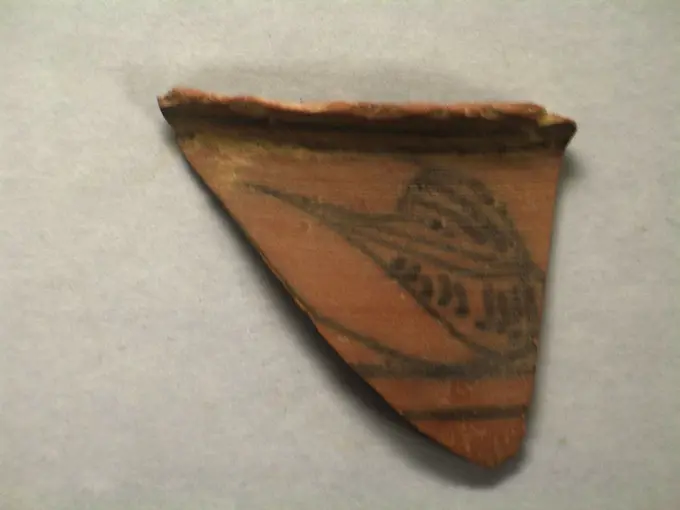
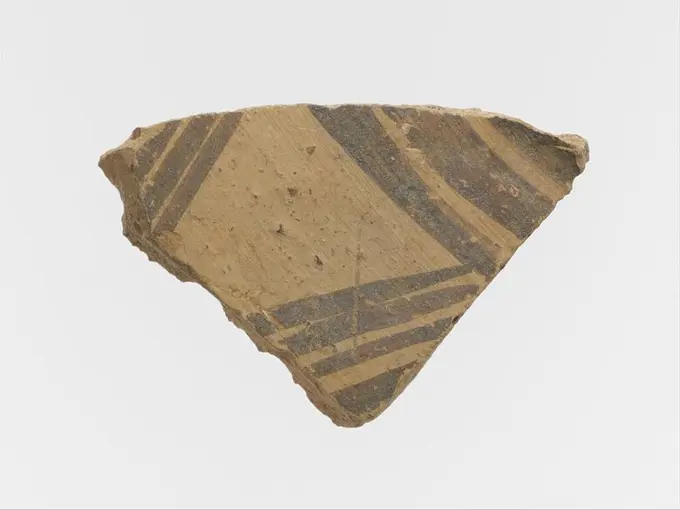
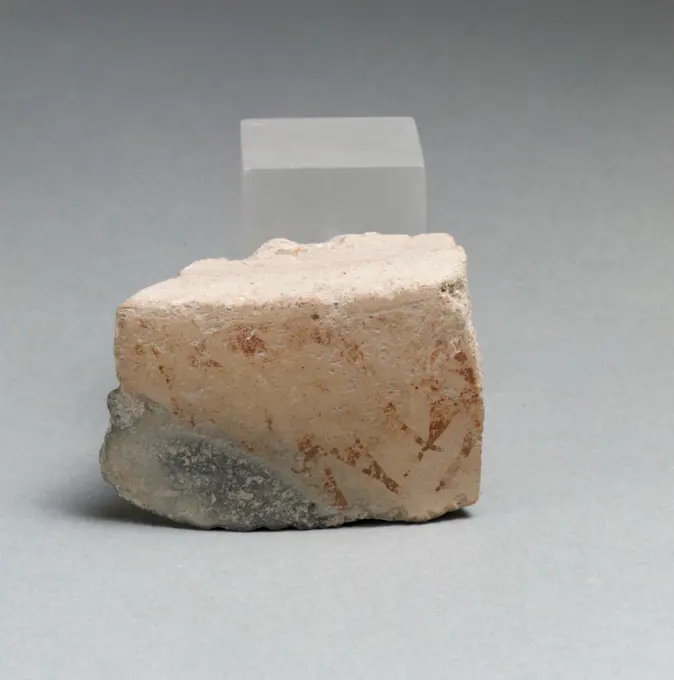
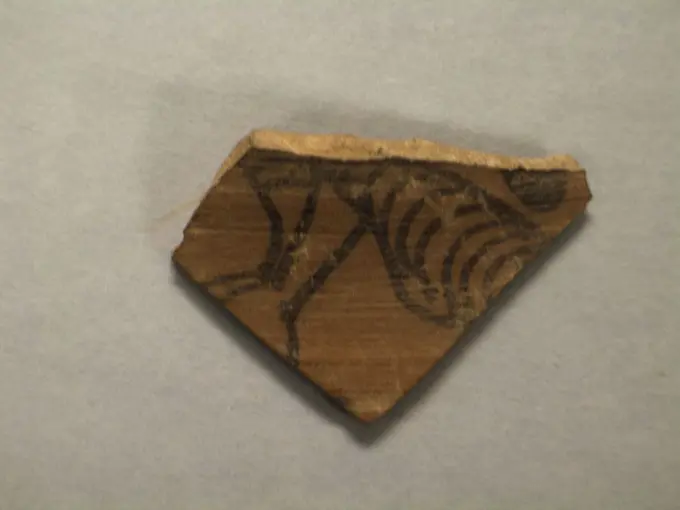
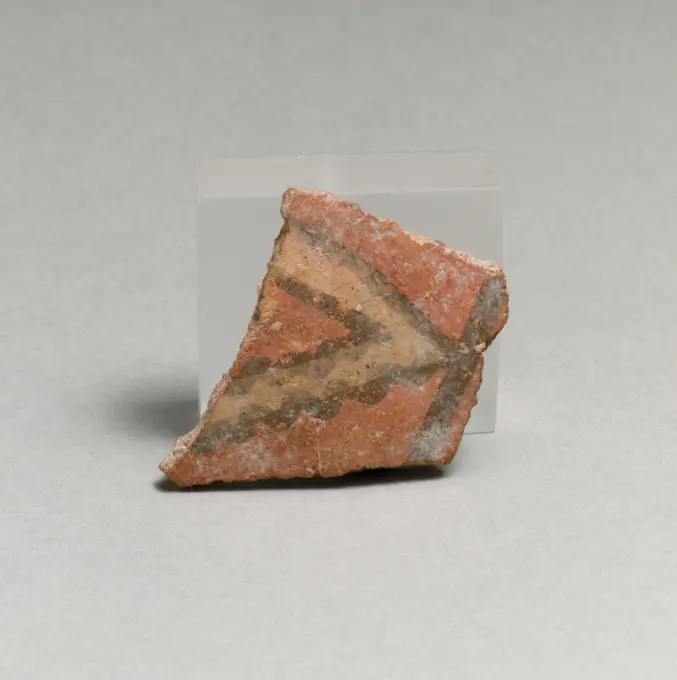
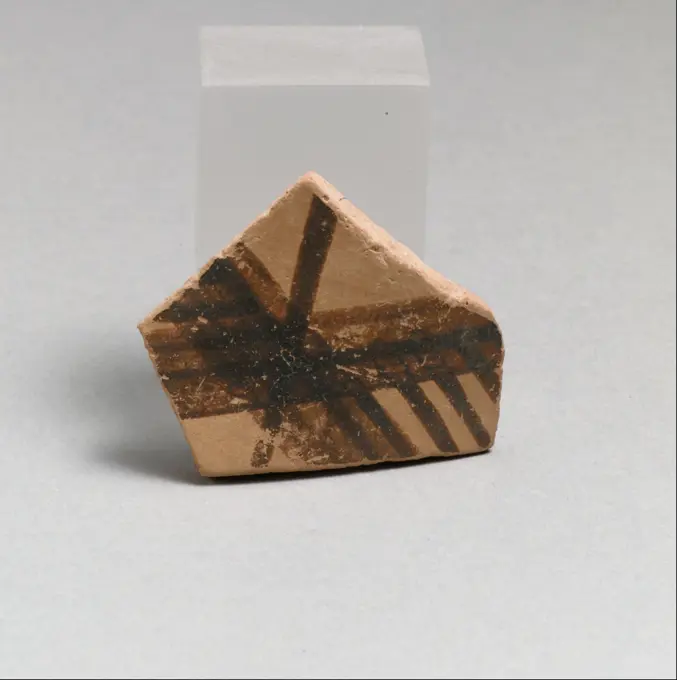
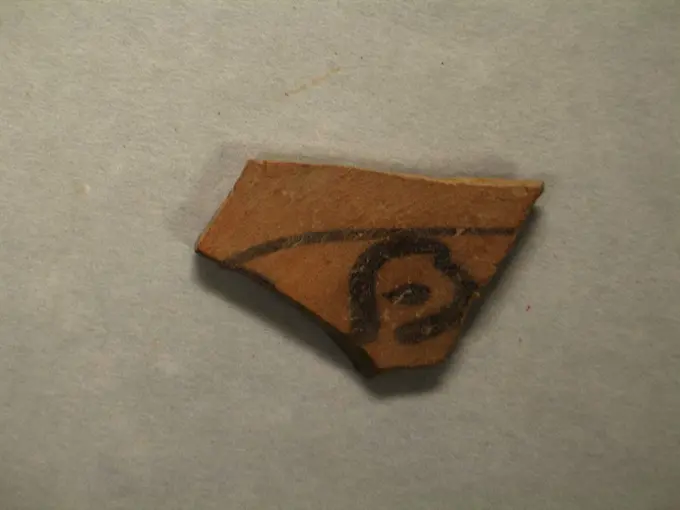
Terracotta vessel fragment with linear decoration. Culture: Helladic. Dimensions: Other: 1 9/16in. (3.9cm). Date: ca. 2000-1550 B.C..Matt-painted ware. Museum: Metropolitan Museum of Art, New York, USA.
6145-29787148
Vase fragment East Greek/Sardis, Lydian. Vase fragment 252831 East Greek/Sardis, Lydian, Vase fragment, Terracotta, Overall: 2 15/16 x 1 7/8in. (7.5 x 4.7cm). The Metropolitan Museum of Art, New York. Gift of The American Society for the Excavation of Sardis, 1926 (26.199.267)
1525-20306916
Putty knife on white
6145-59036264
Frame on shine (title awarded). Sandstone; direct size. Carnavalet museum, history of Paris.
6145-29117799
Eccentric Flint. Belize, Guatemala, Honduras, or Mexico, Maya, 600-900 CE. Stone. Chert
6145-29127142
Pinhead. Northwestern Iran, circa 1350-800. Jewelry and Adornments; pins. Bronze, cast
4409-137527
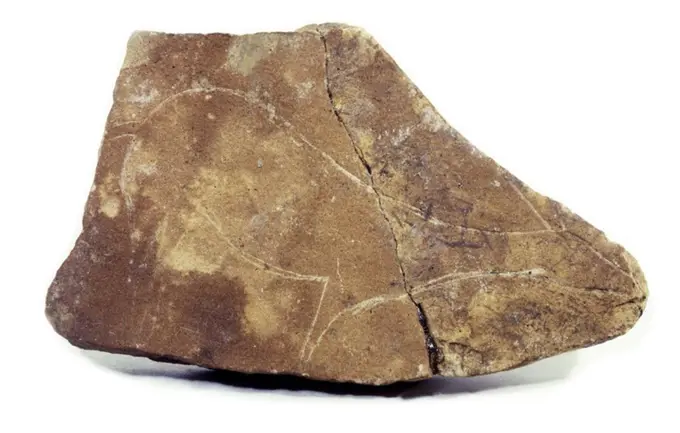
ARTE MUEBLE DEL PALEOLITICO SUPERIOR: PLACA O PLAQUETA DE PIEDRA CALIZA CON CIERVA GRABADA,DE LA CUEVA DE PARPALLO (DEPOSITO: MUSEO DE PREHISTORIA DE VALENCIA).
6145-29763045
Terracotta truncated-biconical spindle-whorl with angular base ca. 2000-1725 B.C. Cypriot Spindle whorls aided in the making of cloth for garments and bedding. They were placed in tombs, perhaps so that the deceased could continue to spin wool in the afterlife.. Terracotta truncated-biconical spindle-whorl with angular base 240500
4409-17392648
Fragment. Culture: European or Middle Eastern. Dimensions: L. 2 1/4 in. (5.7 cm). Date: ca. 1150-ca. 1250. Museum: Metropolitan Museum of Art, New York, USA.
4409-17387328
Fragment. Culture: European or Middle Eastern. Dimensions: L. 1 1/2 in. (3.8 cm). Date: ca. 1150-ca. 1250. Museum: Metropolitan Museum of Art, New York, USA.
6145-29191776
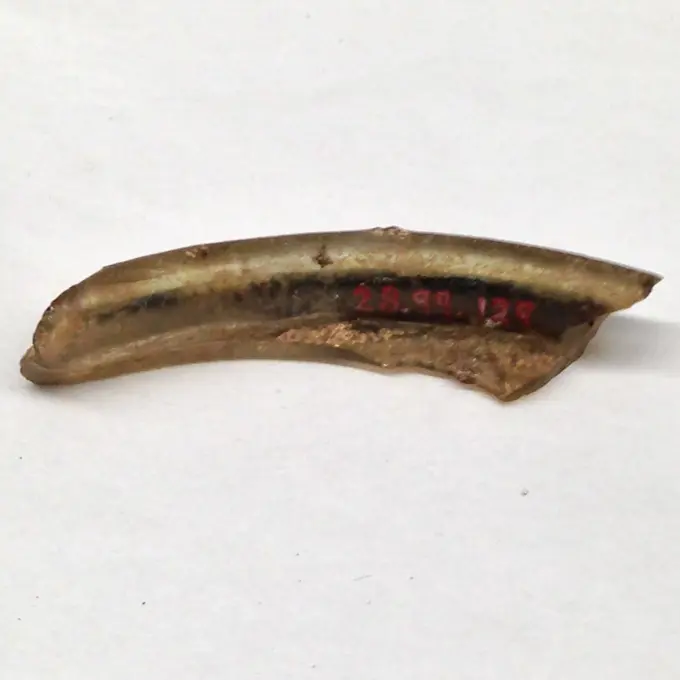
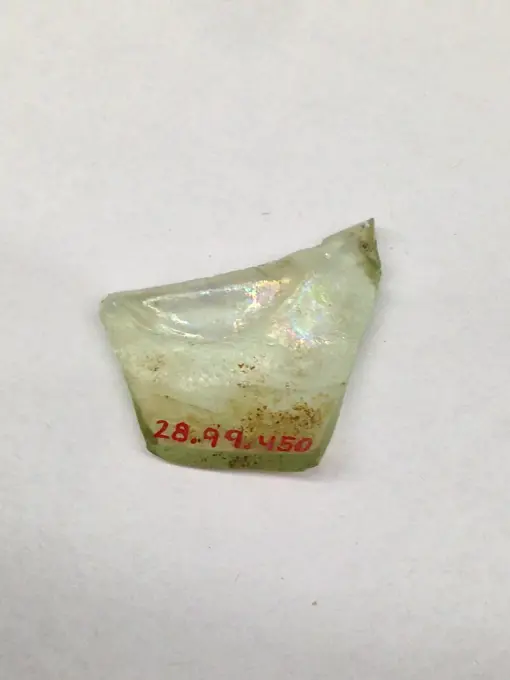
Fragment ca. 1150-ca. 1250 European or Middle Eastern. Fragment 694405
4409-17521241
Fragment of a Bowl with Double Molded Rim. Byzantine, western Greece. Date: 1201-1400. Dimensions: 0.6 × 9.2 × 5.1 cm (1/4 × 3 5/8 × 2 in.). Ceramic. Origin: Istanbul. Museum: The Chicago Art Institute, Chicago, USA.
6145-29820980
Fragment 14th-15th century. Fragment 445549
6145-29722452
Vase fragment Neolithic, Thessaly. Vase fragment 253210 Neolithic, Thessaly, Vase fragment, Terracotta, length 2 1/4in. (5.7cm). The Metropolitan Museum of Art, New York. Anonymous Gift, 1930 (30.119.5)
6145-29811025
Fragment of a Bowl 14th-15th century. Fragment of a Bowl 445486
6188-55473952
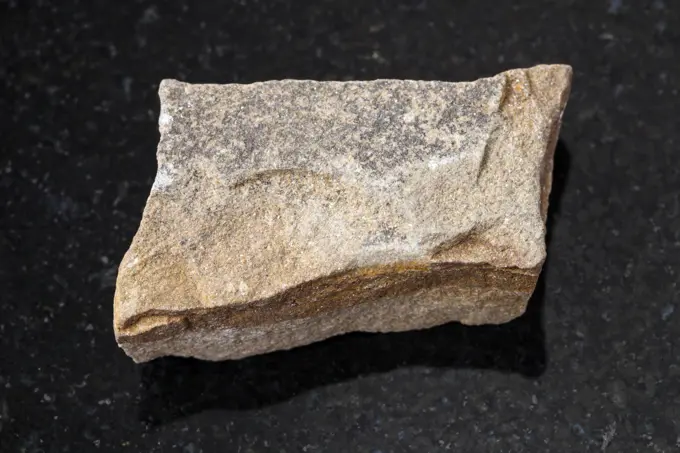
rough polymictic sandstone stone on dark macro shooting of natural mineral rock specimen - rough polymictic sandstone stone on dark granite background Copyright: xZoonar.com/ValeryxVoennyyx 11391906
6145-30133472
Fragment of buyer from the wreck of the East India Hollandia.parts or artifacts; eroded fragments: Materials; Copper.
6145-29784404
Plaque 11th century B.C. Olmec. Plaque 312159
6145-29150258
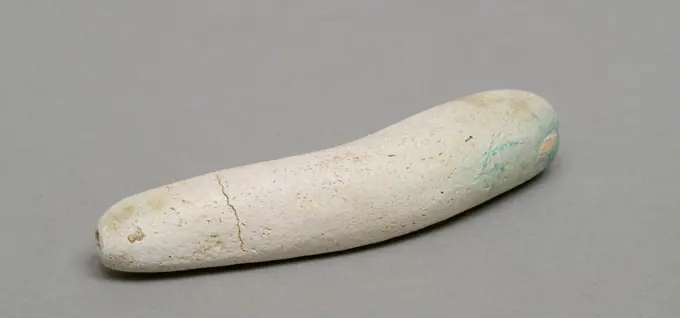
Model cucumber ca. 1850-1700 B.C. Middle Kingdom. Model cucumber. ca. 1850-1700 B.C.. Faience. Middle Kingdom. From Egypt, Memphite Region, Lisht North, south of Tomb of Nakht (493), south cemetery, Pit 453, MMA excavations, 1913-14. Dynasty 12, late-13 to 1700 B.C.
6145-59499425
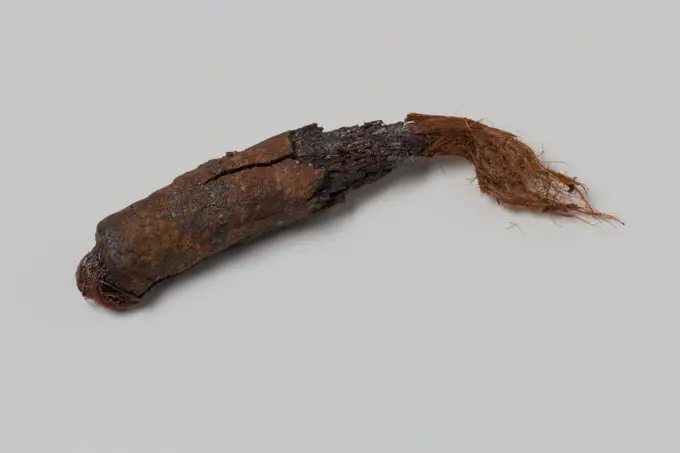
Fragment of a rope from the wreck of the VOC East Indians' tvaarder, c. 1700 - c. 1735 rope The object is a piece of rope, partly surrounded by an iron concretion, possibly originally a metal roll or increase around it. The cross -section is round, the color is brown. Rope.  fiber. wood (plant material)
6145-29128838
Amulet. Eastern Anatolia, 4th-3rd millemium, B.C.. Jewelry and Adornments; amulets. Stone
6145-29204503
Fragment ca. 1150-ca. 1250 European or Middle Eastern. Fragment 695246
6145-29775039
Beads 8th-13th century. Beads 457999
4409-50134269
Madrid, 03/24/2023. Report on fake works in the Archaeological Museum of Madrid. Photo: Ernesto Agudo. ARCHDC.
6145-45545903
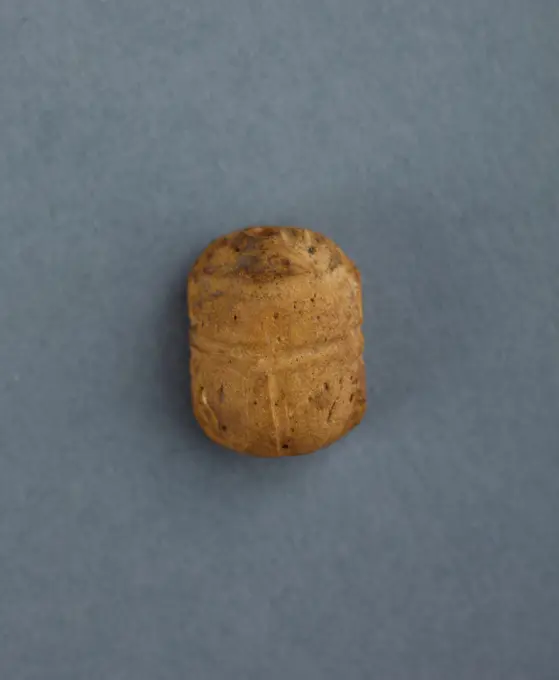
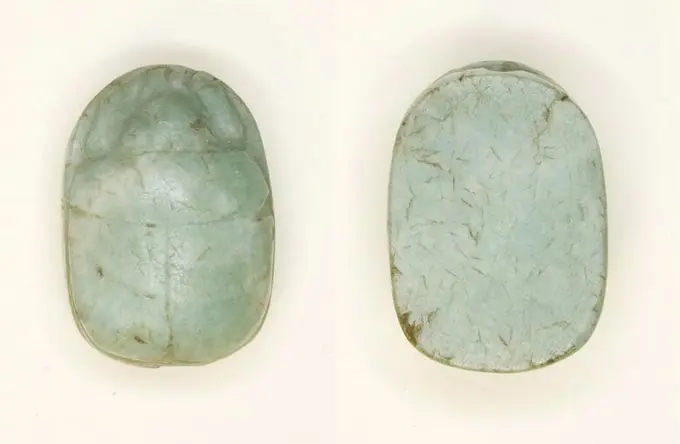
Scarab
1746-28981785
Egg of a Skate, a cartilaginous fish belonging to the family Rajidae in the superorder Batoidea of rays. Dated 21st Century
6145-29831080
Stone Celt before 16th century Mexican. Stone Celt 317245
6145-29713479
Textile fragment ca. 6th century A.D. Sasanian This wool textile fragment was excavated at Shahr-i Qumis in northern Iran, which has been identified as the ancient city of Hecatompylos, established by the Parthians as their capital by about 200 B.C. However, this fragment comes from Room 23 at Site VI, which was seemingly converted into a burial chamber during the 6th century A.D., a date indicated by a coin of the Sasanian king Hormizd IV (reigned A.D. 579-590). The human remains discovered there consist of disarticulated bones, which is in keeping with Zoroastrian burial practice. Yet the bones appear to have been wrapped in leather and wool, which would be unusual for Zoroastrians, as is the inclusion of a coin with the body. Thus it is possible that in the 6th century Zoroastrian burial practices were still under development or that there were regional variations that are not recorded in surviving texts.. Textile fragment. Sasanian. ca. 6th century A.D.. Wool. Sasanian. Iran, Shahr
6145-29819145
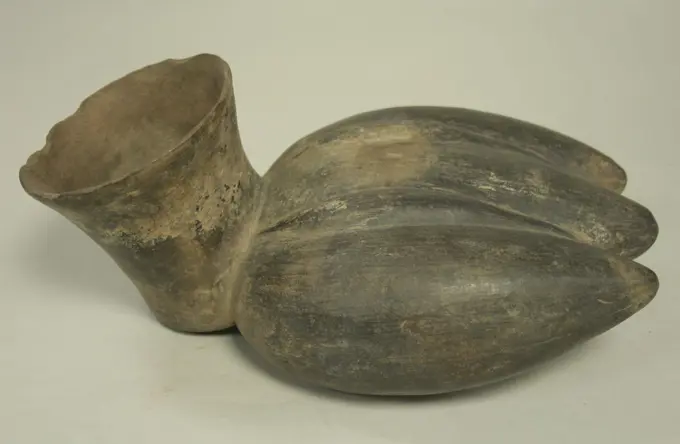
Vessel in the Form of Three Plantains 12th-15th century Chimú. Vessel in the Form of Three Plantains 310484
6145-29064189
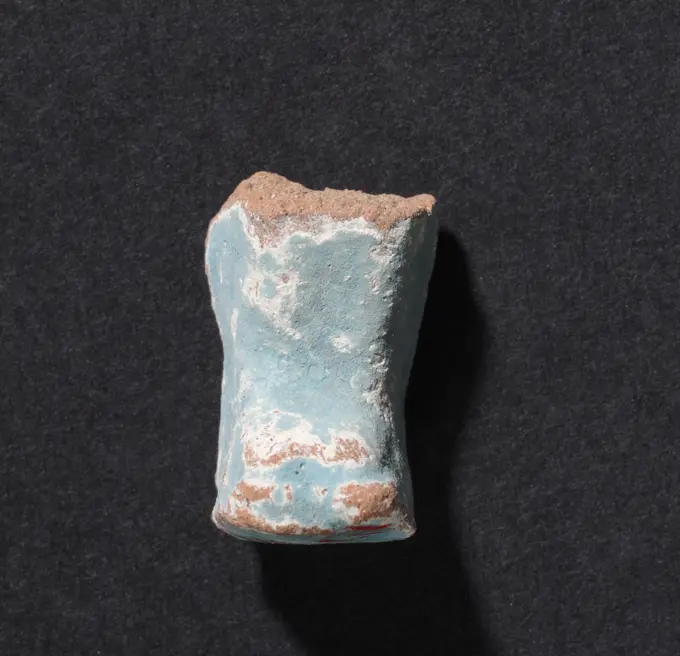
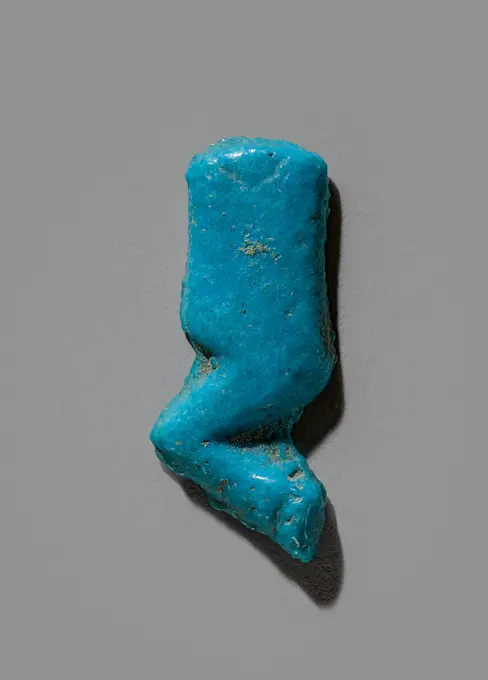
Food Model Amulet: Haunch of Beef, 1295-1069 BC. Egypt, New Kingdom, Dynasties 19-20. Turquoise faience; overall: 4 cm (1 9/16 in.).
6145-29788196
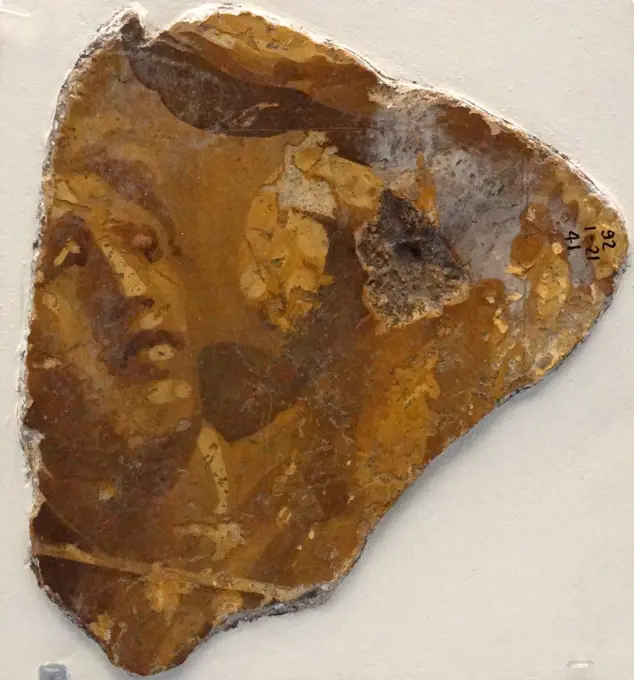
Shard: Face of Offerer ca. 4th-5th century Pakistan. Shard: Face of Offerer 51277
6145-29127515
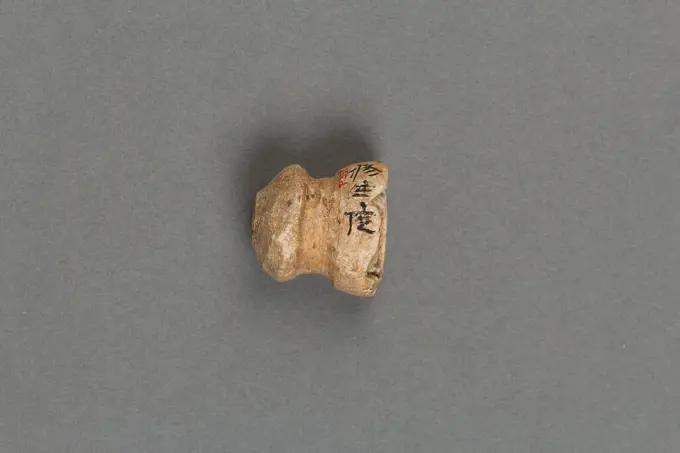
Left Hand Pendant
4409-17389947
Fragment. Culture: European or Middle Eastern. Dimensions: L. 1 3/8 in. (3.5 cm). Date: ca. 1150-ca. 1250. Museum: Metropolitan Museum of Art, New York, USA.
6145-29194764
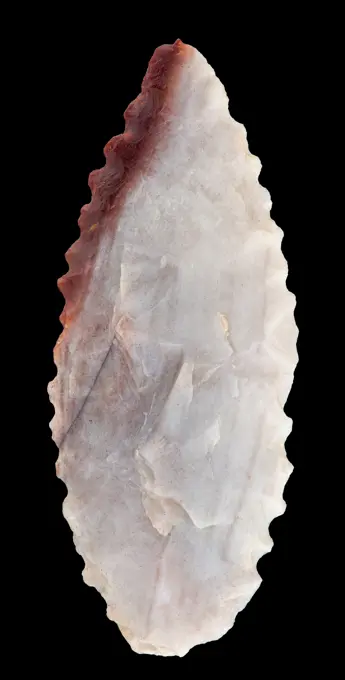
Biface, commonly referred to as a hand ax ca. 35,000-5000 B.C. Upper Paleolithic Period. Biface, commonly referred to as a hand ax 552159
6145-29732963
Inscribed Element, possibly back pillar with Aten cartouche ca. 1353-1336 B.C. New Kingdom, Amarna Period. Inscribed Element, possibly back pillar with Aten cartouche 549627
4409-17389796
Fragment. Culture: European or Middle Eastern. Dimensions: L. 1 1/8 in. (2.9 cm). Date: ca. 1150-ca. 1250. Museum: Metropolitan Museum of Art, New York, USA.
6145-29221604
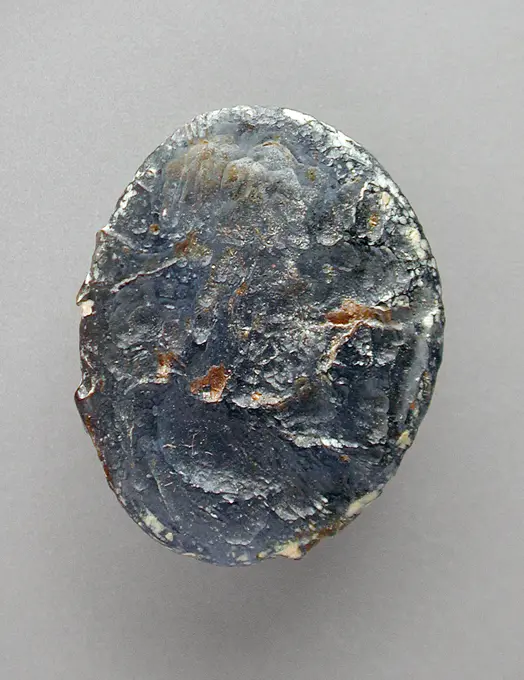
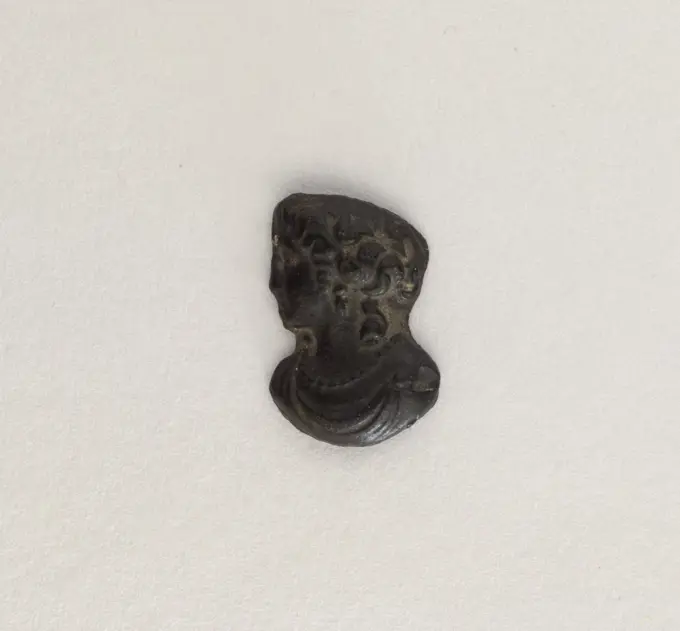
Glass portrait bust of a woman 1st-4th century A.D. Roman Translucent dark blue, appearing almost black.Appliqué shaped as a portrait bust in relief; flat back.Bust of a woman in profile to left; hair in fringe across forehead, and in wavy strands drawn to back of head, with one lock falling over nape of neck; arched brow, prominent cheek, and small mouth; pendant earring; beaded necklace around neck above folds of garment falling from shoulders; brooch fastener on proper left shoulder.Complete, except for tiny chip on edge of back; dulling and faint weathering.. Glass portrait bust of a woman. Roman. 1st-4th century A.D.. Glass; molded. Imperial
6145-30178437
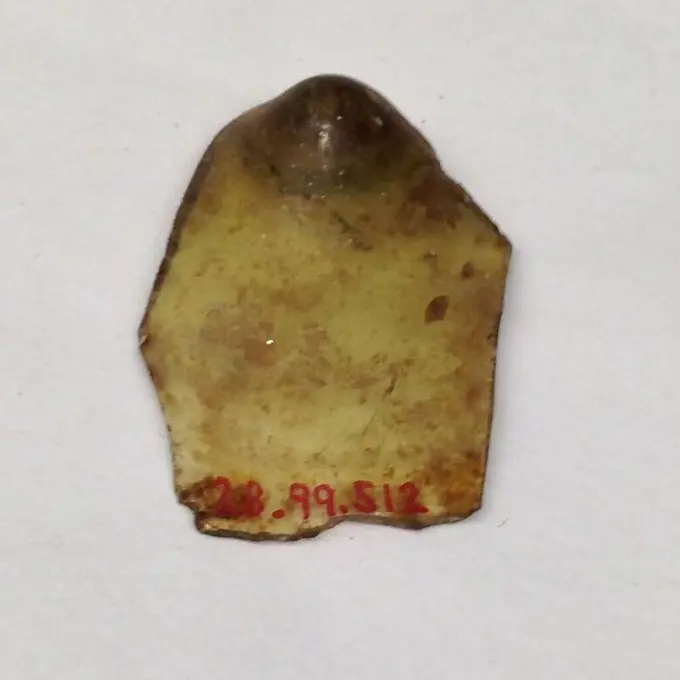
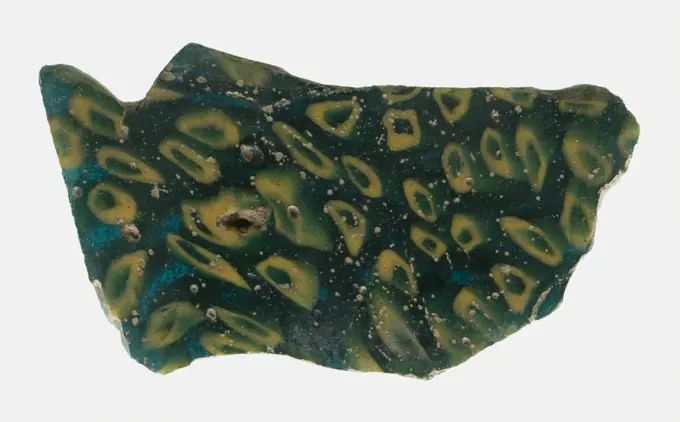
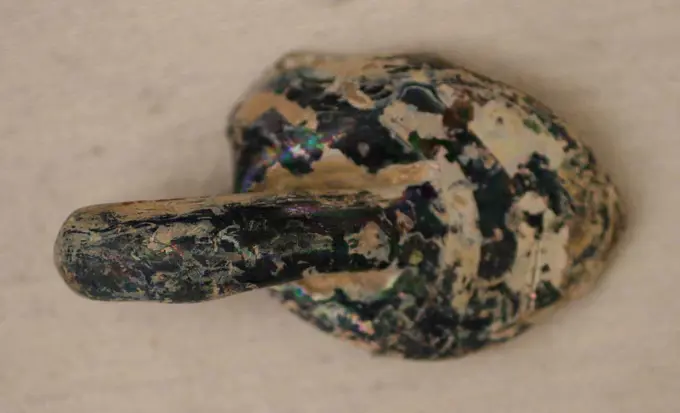
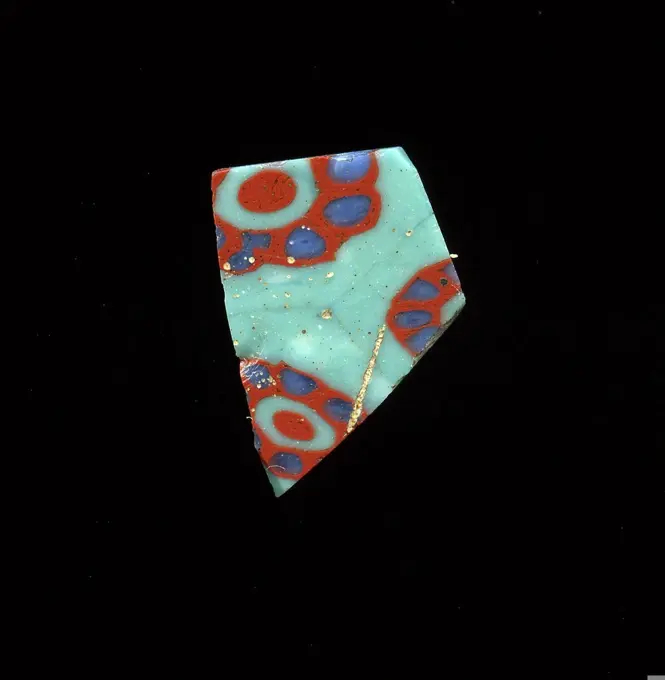
Fragment of a Revetment 100 BCE-100 CE Roman Empire. In ancient Rome, there was a high demand for colorful glass that could dazzle banquet guests alongside the expensive silver and gold serving wares meant to impress. Fragments like this one would have once been a part of larger mosaic dishes. The mosaic pattern was made by sagging molten glass into bowl-shaped molds, a technique used on many of these fragments is similar to millefiori, ìthousand flowersî in Italian, a modern glass-making method in which tiny rods of colored glass are bundled together, wrapped in a sheet of glass, fused, and then thinly sliced to reveal swirls of a flower-like patterns. They were arranged side by side, sometimes together with bits of colored glass, and fused together with heat.. Glass, mosaic glass technique . Ancient Roman
6145-29192155
Fragment ca. 1150-ca. 1250 European or Middle Eastern. Fragment 694181
4303R-3532
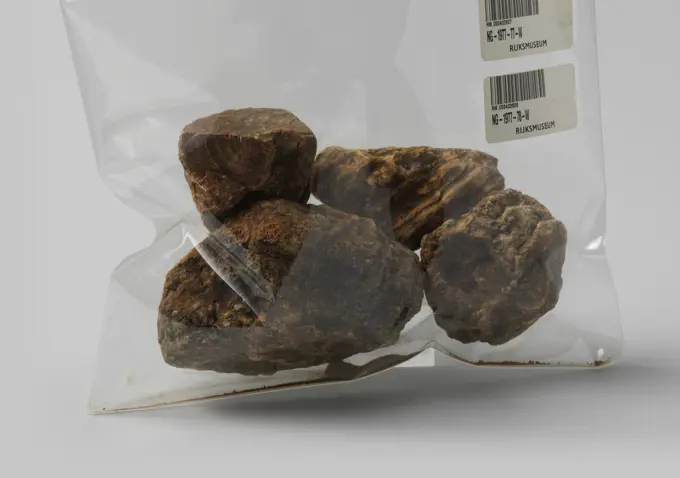
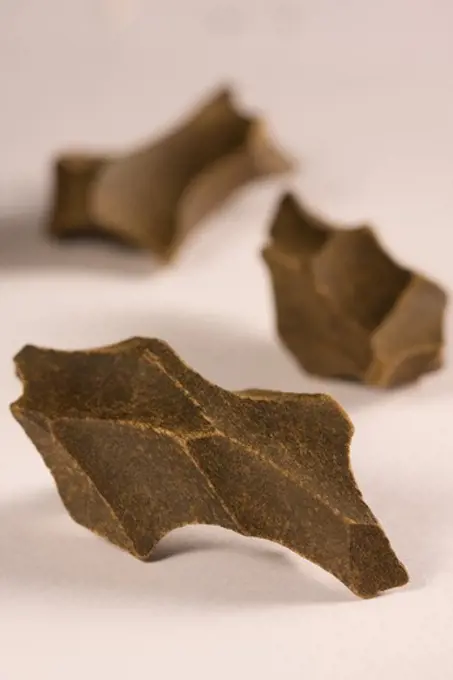
Incense
6145-29751462
Bead 8th-13th century. Bead 855920
4409-17393841
Fragment. Culture: European or Middle Eastern. Dimensions: L. 3 3/8 in. (8.6 cm). Date: ca. 1150-ca. 1250. Museum: Metropolitan Museum of Art, New York, USA.
4409-17501700
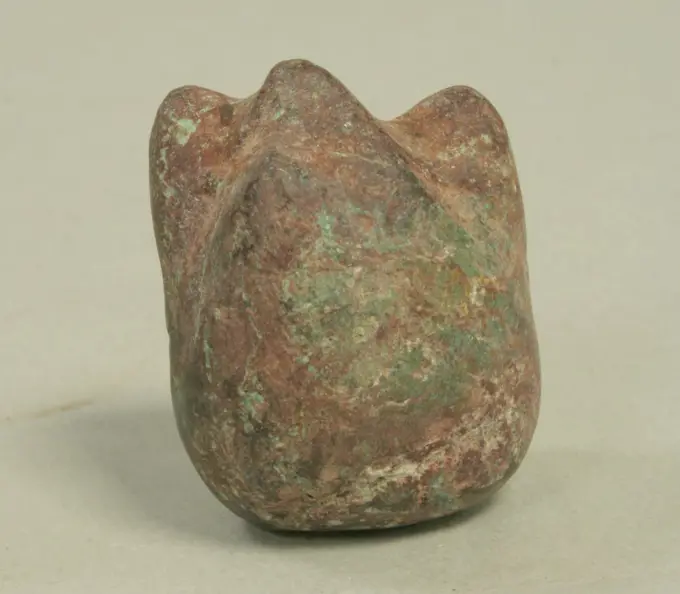
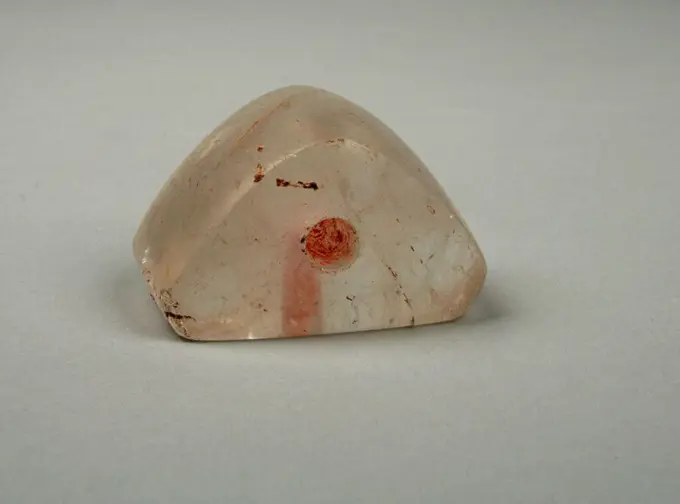
Ritual Stone (pulidor). Culture: Olmec. Dimensions: H. 7/8 in. (2.2 cm). Date: 12th-8th century B.C..Small, rounded hard stones such as this example were mounted to a wooden handle and used to polish stone sculptures in ancient Mesoamerica. Museum: Metropolitan Museum of Art, New York, USA.
1848-49632637
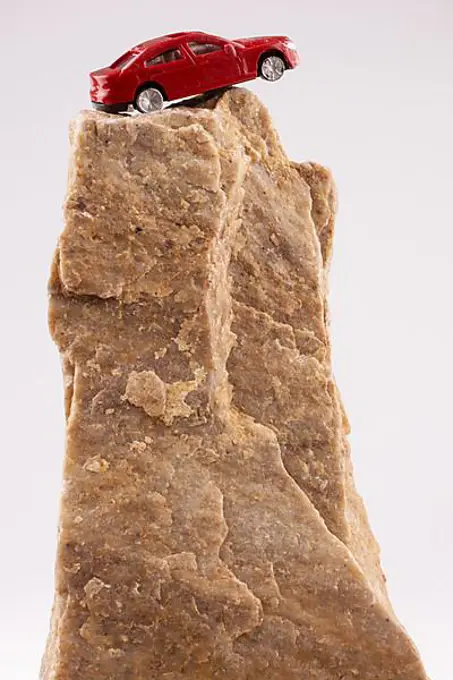
Red car near on a rock on a white background
6145-46803390
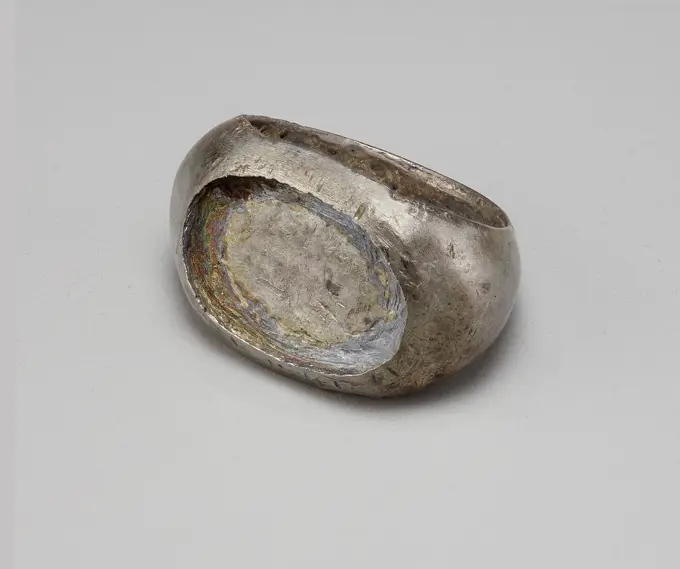
Ring
6145-29785738
Terracotta vessel fragment ca. 4000-3000 B.C. Greek Neolithic From Gonia in the Peloponnese. Terracotta vessel fragment 253274 Greek Neolithic, Terracotta vessel fragment, ca. 40003000 B.C., Terracotta, Other: 1 1/8in. (2.9cm). The Metropolitan Museum of Art, New York. Anonymous Gift, 1930 (30.119.69)
4413-28972291
Basalt Throat Axe. Neolithic period. North Africa. 21.6cm.
6145-29192103
Fragment ca. 1150-ca. 1250 European or Middle Eastern. Fragment 696597
6145-29177302
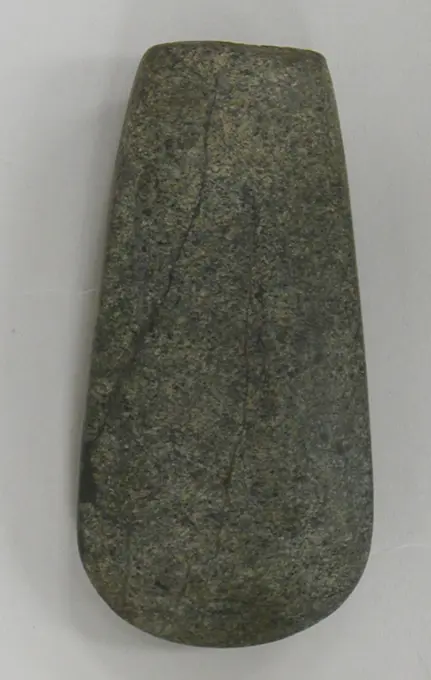
Small stone axe 5th-3rd millennium B.C. Greek Neolithic Celt.. Small stone axe. Greek Neolithic. 5th-3rd millennium B.C.. Stone. Neolithic. Miscellaneous-Stone
6145-29730829
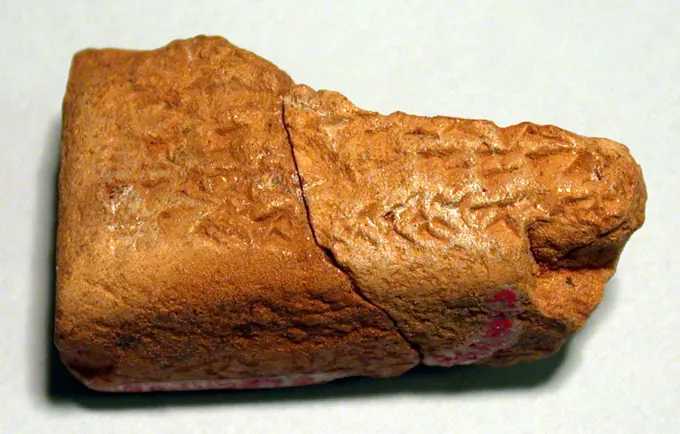
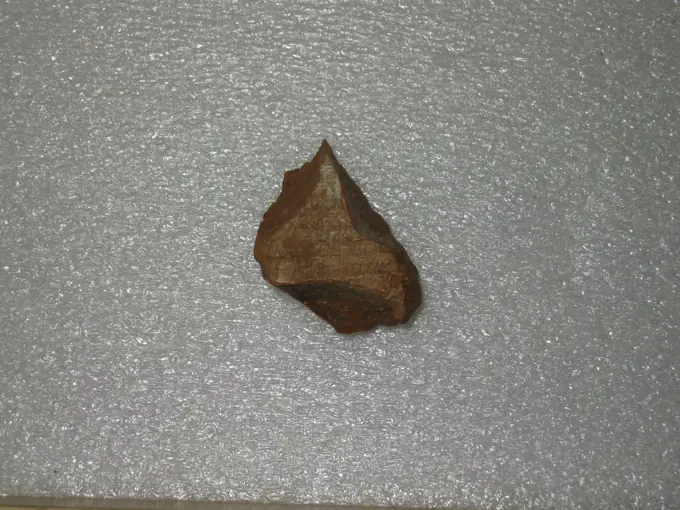
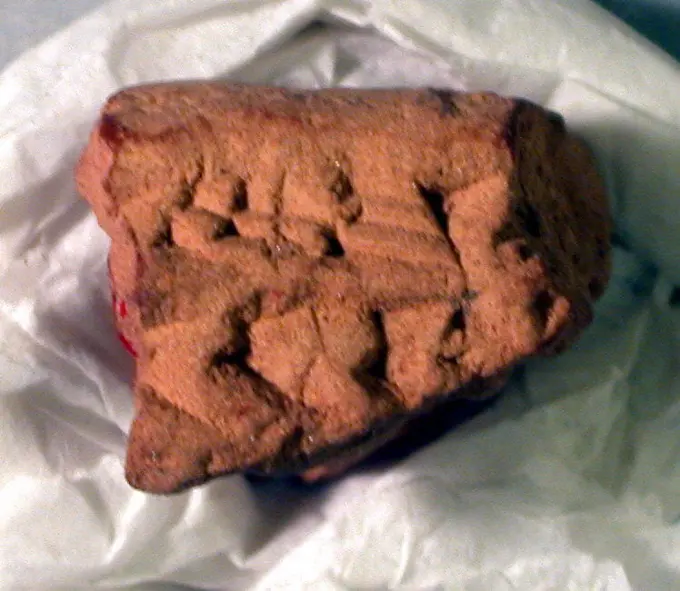
Cuneiform tablet: fragment, Ebabbar archive ca. 7th-4th century B.C. Babylonian or Achaemenid. Cuneiform tablet: fragment, Ebabbar archive 322075
6145-29766677
Celt 10th-4th century B.C. Olmec. Celt 317294
6188-55474066
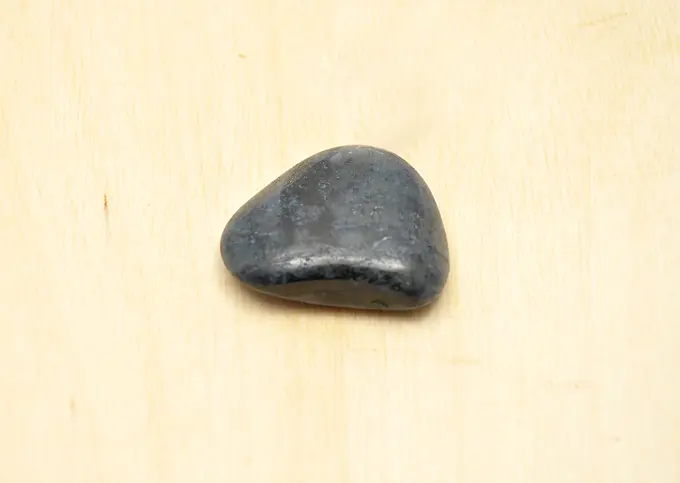
polished Spreustein with microcline stone on dark macro shooting of natural mineral rock specimen - polished Spreustein with microcline stone on dark granite background from Lovozero Massif, Kola peninsula, Russia Copyright: xZoonar.com/ValeryxVoennyyx 11392026
6145-29836020
Bead or Spindle Whorl 30 B.C.-A.D. 364. Bead or Spindle Whorl 444846
6145-29784676
Handle 9th century. Handle 447644
4409-17390603
Fragment. Culture: European or Middle Eastern. Dimensions: L. 2 1/4 in. (5.7 cm). Date: ca. 1150-ca. 1250. Museum: Metropolitan Museum of Art, New York, USA.
6145-29789330
Fragment 8th-9th century. Fragment 448853
6145-29072421
Shawabty of Ditamenpaankh, 715-656 BC. Egypt, Late Period, Dynasty 25. Terracotta; overall: 5.8 x 1.5 x 1.4 cm (2 5/16 x 9/16 x 9/16 in.).
6145-46527295
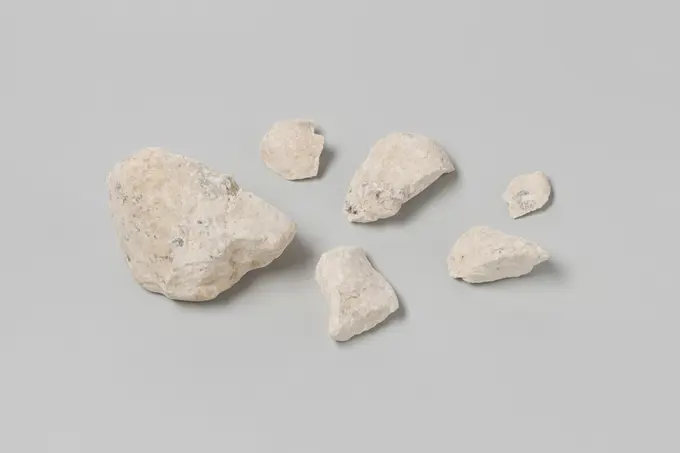
Fragments and grit from plaster from the wreck of the East Indiesman Hollandia. Parts or artifacts; eroded fragments: Materials; Plaster.
6145-59504783
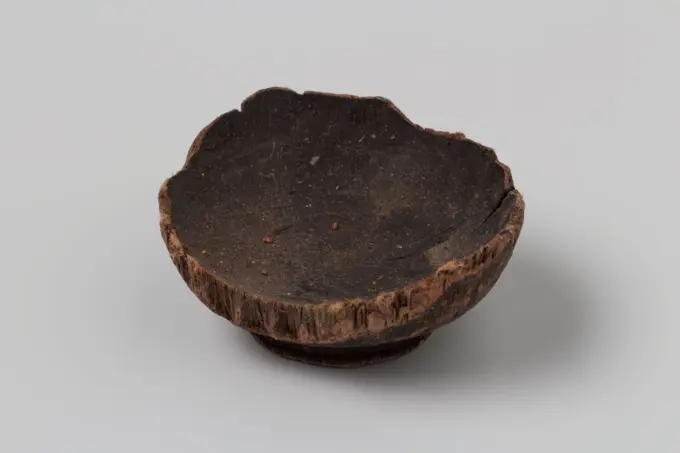
Bakje or NAP from V.O.C. ship De 'Witte Leeuw', Before 1613  Wooden container or NAP with stand ring from V.O.C. ship the 'Witte Leeuw'.  wood (plant material)   Sint-Helena
6145-29122839
Plaque. Egypt, Amarna, New Kingdom (circa 1569 - 1081 BCE). Sculpture. Faience
6145-29802833
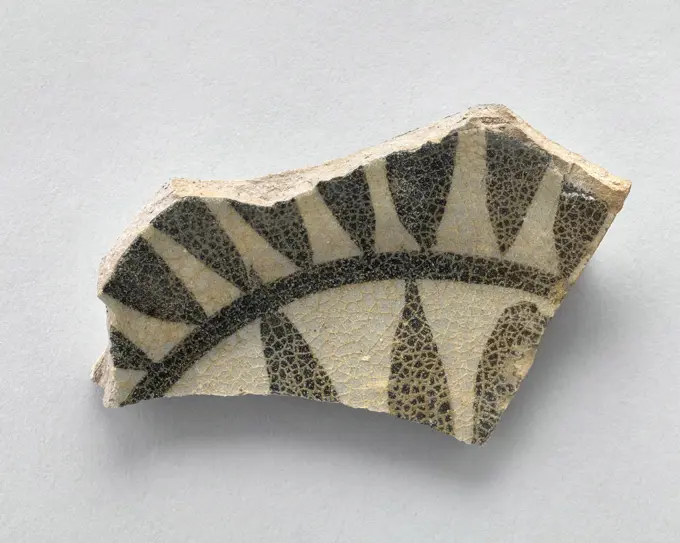
Terracotta vessel fragment ca. 4000-3000 B.C. Greek Neolithic From Hagiorgetika in the PeloponneseDark lines on light ground.. Terracotta vessel fragment 253285 Greek Neolithic, Terracotta vessel fragment, ca. 40003000 B.C., Terracotta, length 1 1/2 in. (3.8 cm). The Metropolitan Museum of Art, New York. Anonymous Gift, 1930 (30.119.80)
6145-59528511
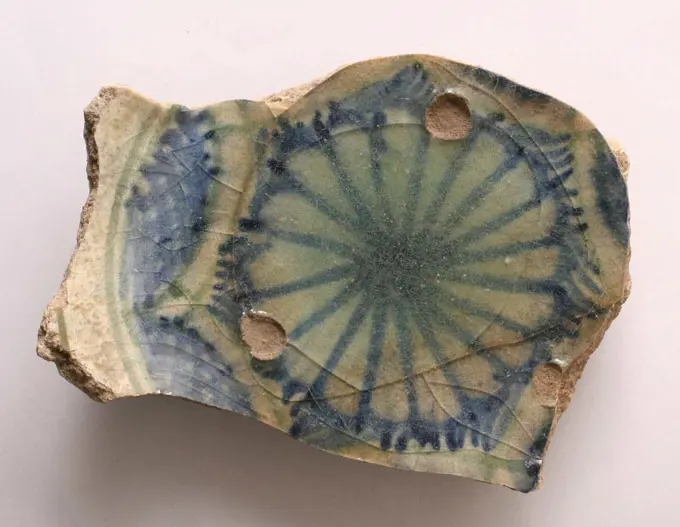
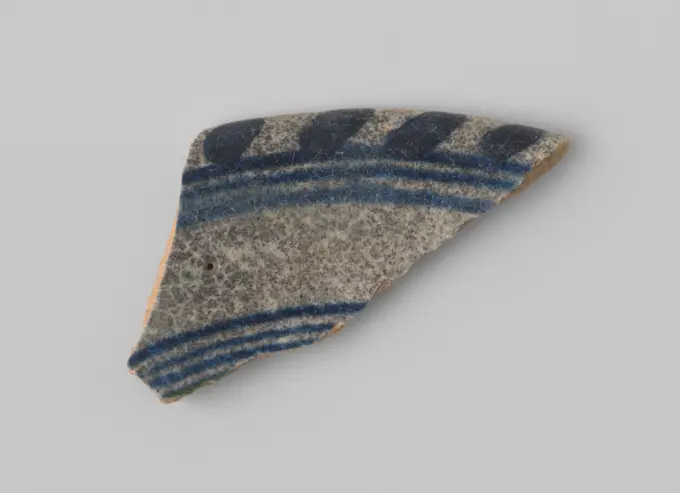
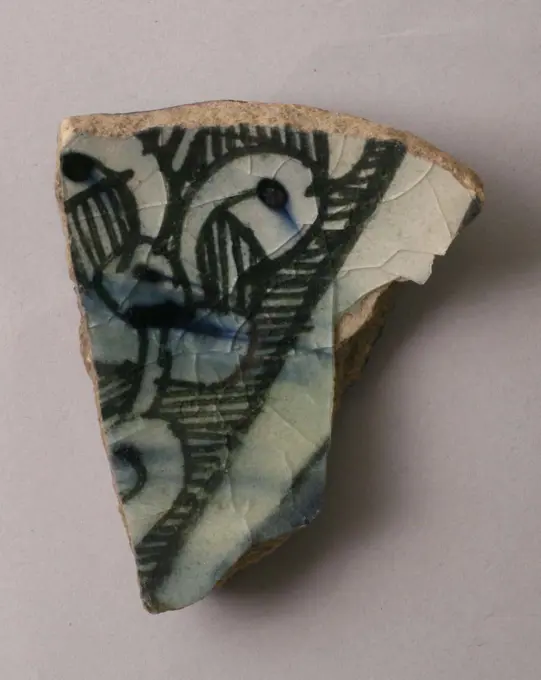
Sharf of ross -baking earthenware, on the outside with a painting in blue on a gray surface, c. 1500 - c. 1899 fragment   earthenware. glaze
4409-17383563
Arrowhead. Culture: Japan. Dimensions: W. 1/2 in. (1 1/4 in. (3.2 cm). Museum: Metropolitan Museum of Art, New York, USA.
6145-29775947
Bottle 11th-12th century. Bottle 448371
4409-17410651
Button. Culture: Sasanian. Dimensions: Diam. 3.7 cm x D.5 cm. Date: ca. 3rd-7th century A.D.. Museum: Metropolitan Museum of Art, New York, USA.
6145-29797103
Cuneiform tablet: fragment of an agreement concerning a dowry () ca. late 5th century B.C. Achaemenid (). Cuneiform tablet: fragment of an agreement concerning a dowry () 321837
6145-29731219
Knob ca. 8th century B.C. Assyrian This is one of a group of ivory knobs found in a storage room in the large building at Nimrud named Fort Shalmaneser by the excavators. Carved ivory was widely used in the production of elite furniture during the early first millennium B.C. Ivory plaques and strips were often inlaid into a wooden frame using joinery techniques and glue. Knobs such as these could have been used to mask dowel holes and nail heads in a finished piece of furniture. Built by the Assyrian king Ashurnasirpal II, the palaces and storerooms of Nimrud housed thousands of pieces of carved ivory. Most of the ivories served as furniture inlays or small precious objects such as boxes. While some of them were carved in the same style as the large Assyrian reliefs lining the walls of the Northwest Palace, the majority of the ivories display images and styles related to the arts of North Syria and the Phoenician city-states. Phoenician style ivories are distinguished by their use of i
6145-29795030
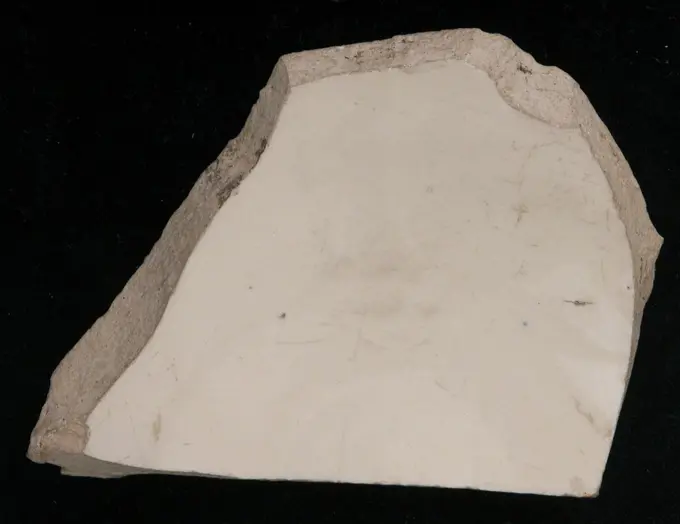
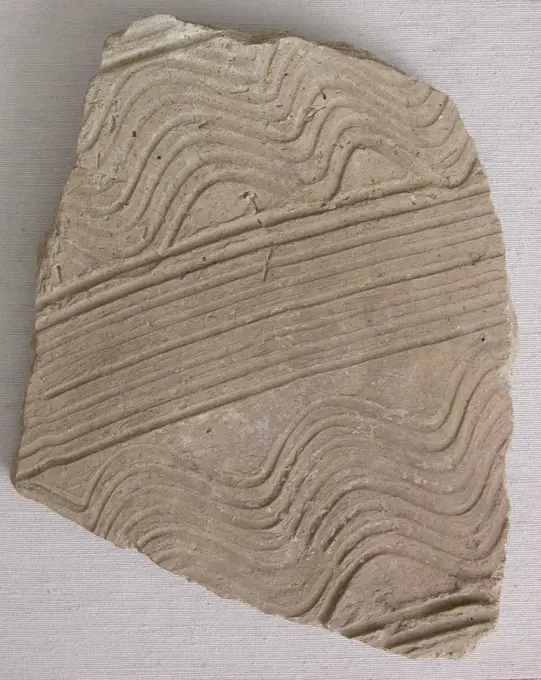
Shard ca. 4th-5th century Pakistan. Shard. Pakistan. ca. 4th-5th century. Painted terracotta. Ceramics
6145-29151626
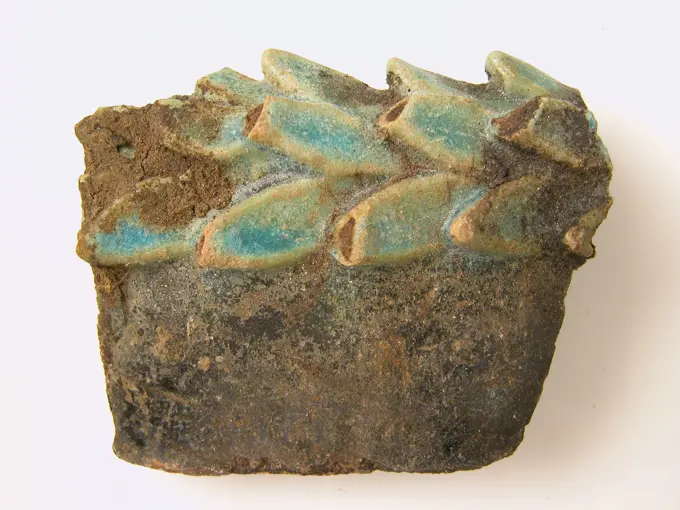
Fragment of Lotus Collar Terminals ca. 1390-1353 B.C. New Kingdom. Fragment of Lotus Collar Terminals. ca. 1390-1353 B.C.. Faience. New Kingdom. From Egypt, Upper Egypt, Thebes, Malqata, Palace of Amenhotep III, MMA excavations, 1910-12. Dynasty 18
6145-29767119
Round Plaque 3rd century B.C.-A.D. 2nd century Vicús. Round Plaque 315518
6145-29814550
Fragment 13th century Crusader. Fragment 475355
6145-29192112
Fragment ca. 1150-ca. 1250 European or Middle Eastern. Fragment 696616
4409-17415396
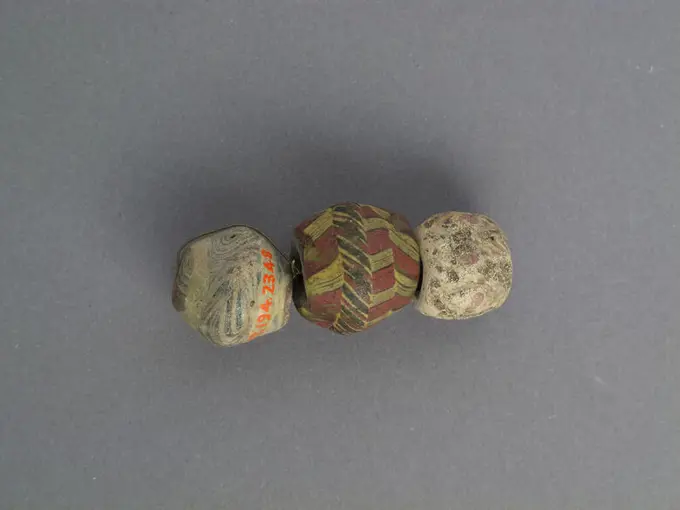
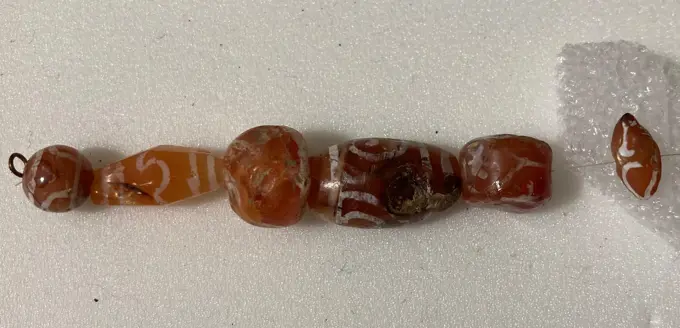
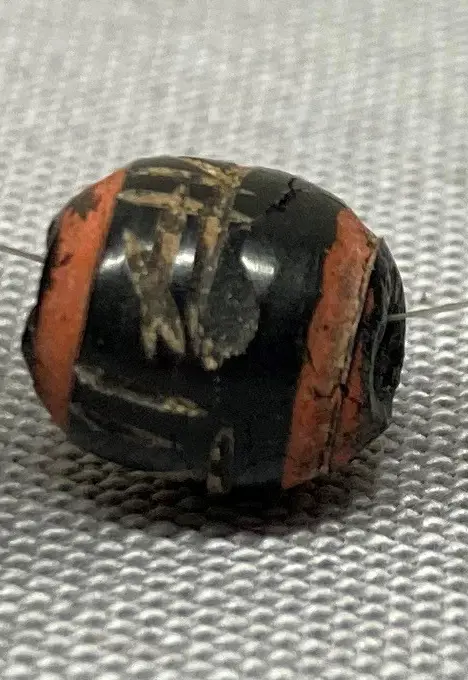
Beads, 3. Dimensions: Diameter (largest bead): 13/16 in. (2 cm)Diameter (smallest bead): 5/8 in. (1.6 cm). Museum: Metropolitan Museum of Art, New York, USA.
1746-21112116
Fragment of a cameo glass cup Roman, about 15 BC - AD 25, by M. Perennius Tigranus, in Arezzo (Central Italy) Roman, about 25 BC - AD 15
4409-17380252
Fragment of an Animal. Culture: Coptic. Dimensions: Overall: 3 3/8 x 2 1/16 x 1 13/16 in. (8.6 x 5.3 x 4.6 cm). Date: 4th-7th century. Museum: Metropolitan Museum of Art, New York, USA.
6145-29773179
Fragment 9th century. Fragment 445344
6145-30186667
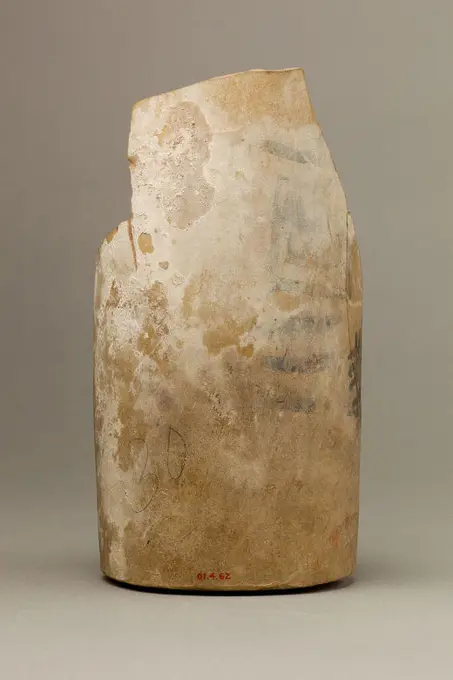
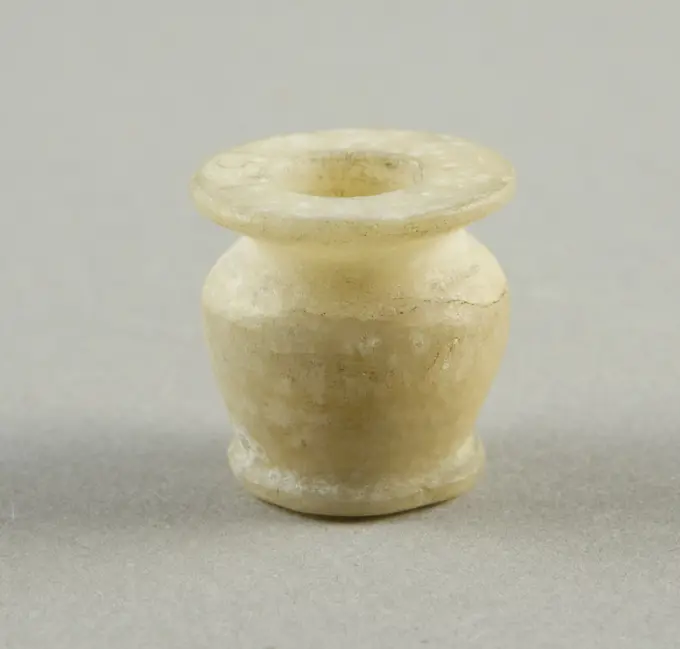
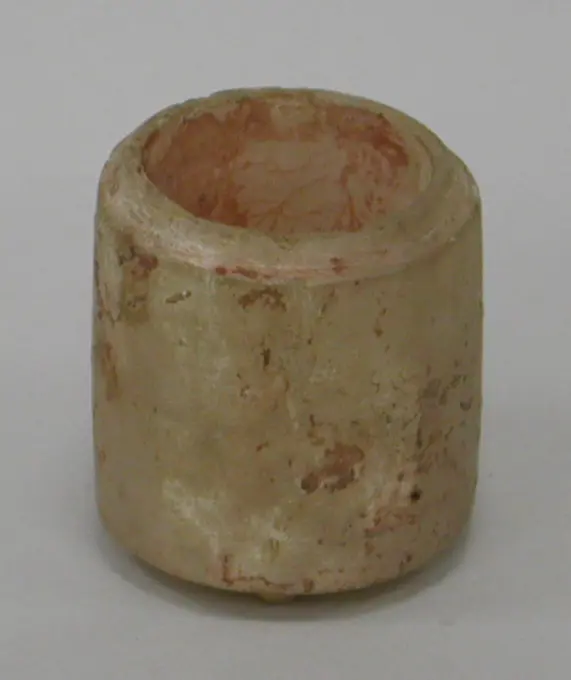
Kohl Jar 1550 BCE-1295 Egypt. Egyptian alabaster . Ancient Egyptian
4443-21930280
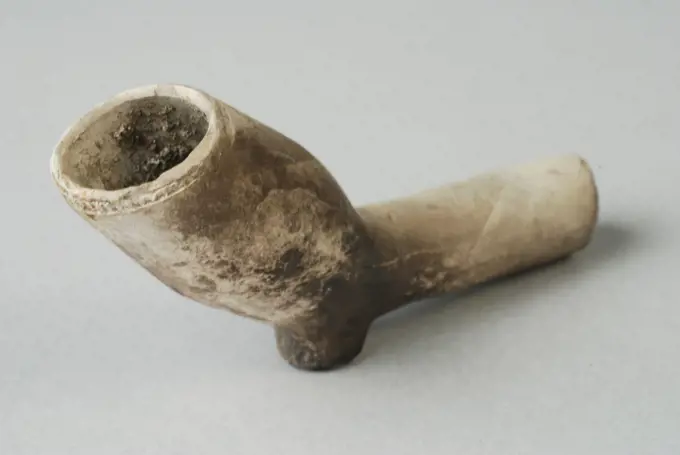
Clay pipe with heel and heel mark, slim and double conical model, clay pipe smoking equipment smoke floor pottery ceramics pottery, pressed finished baked Pipe with heel. Approach around the boiler opening. Slim and double conical head Heel mark. heel mark: HC archeology Rotterdam rail tunnel indigenous earthenware smoking tobacco Soil discovery: rail tunnel Rotterdam.
4409-17386561
Fragment. Culture: European or Middle Eastern. Dimensions: L. 1 1/2 in. (3.8 cm). Date: ca. 1150-ca. 1250. Museum: Metropolitan Museum of Art, New York, USA.
6145-58988472
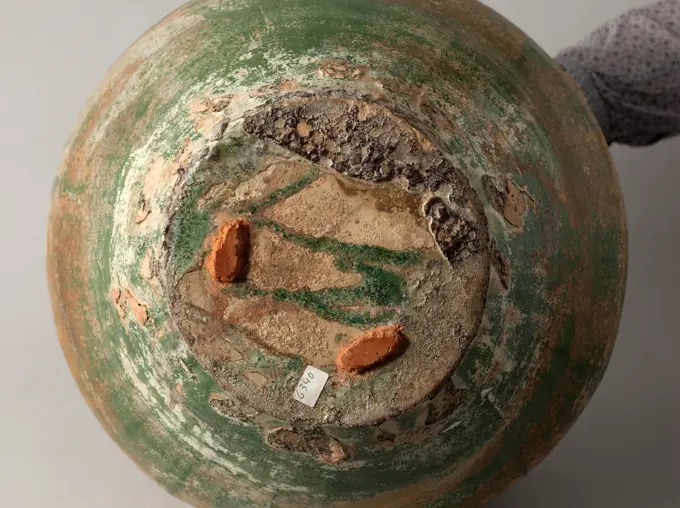
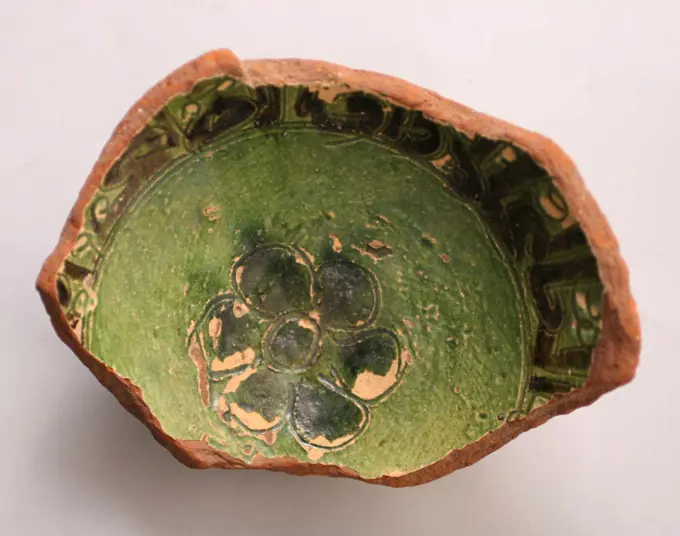
Jar. Terracotta with glaze. Paris, Cernuschi museum. Quadrilobed beaded medallions each containing a stylized flower Glacide, glazed, iridescent, iridescent, jar, jar, terracotta, terracotta
6145-58867120
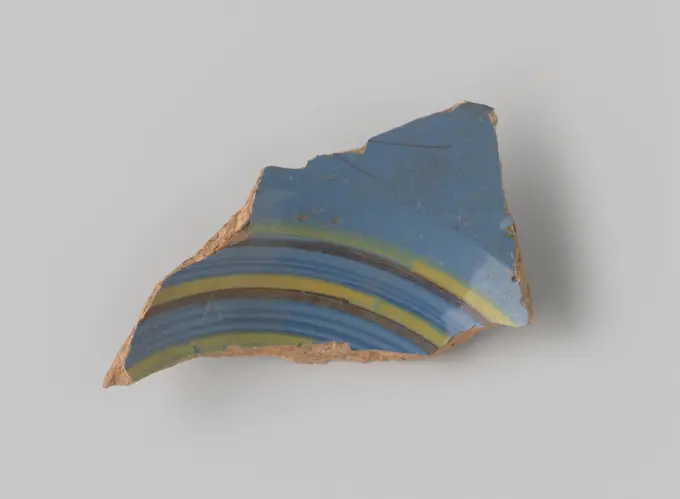
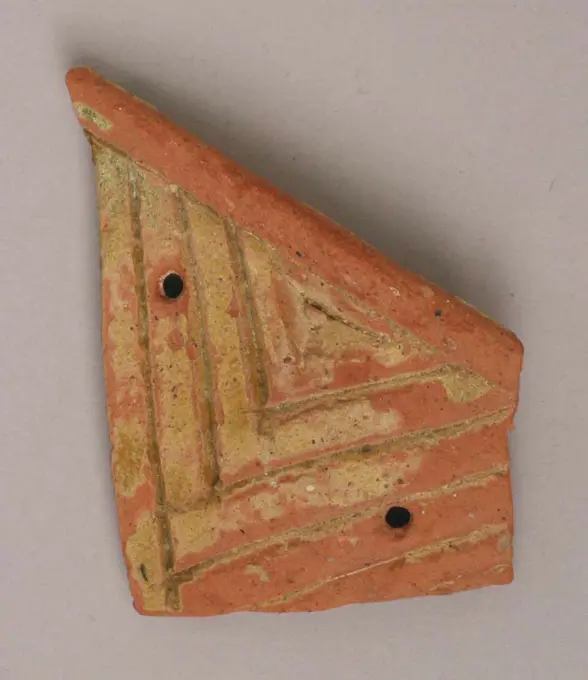
Sharf of red -baking earthenware, with blue glaze on the top with decoration of stripes in brown, yellow and green, anonymous, 1600 - 1650  Northern Netherlands earthenware. glaze majolica  Northern Netherlands earthenware. glaze majolica
4409-9633
HACHA NEOLITICA. Location: MUSEO ARQUEOLOGICO-COLECCION. CORDOBA. SPAIN.
6145-29745506
Pottery Fragment 4th-7th century Coptic. Pottery Fragment 479329
6145-29184669
Pendant: head of a satyr 5th century B.C. Italic. Pendant: head of a satyr. Italic. 5th century B.C.. Amber. Classical. Miscellaneous-Amber
6145-29192097
Fragment ca. 1150-ca. 1250 European or Middle Eastern. Fragment 694232
6145-29746427
Ritual Stone (pulidor) 15th-early 16th century Aztec (). Ritual Stone (pulidor) 316291
6145-29191362
Fragment ca. 1150-ca. 1250 European or Middle Eastern. Fragment 695419
4409-17415661
Fragment. Culture: European or Middle Eastern. Dimensions: L. 1 3/4 in. (4.5 cm). Date: ca. 1150-ca. 1250. Museum: Metropolitan Museum of Art, New York, USA.
4409-17544593
Scarab: Uninscribed. Egyptian. Date: 2055 BC-1773 BC. Dimensions: 1.6 × 1.3 × 1 cm (5/8 × 1/2 × 3/8 in.). Amazonite. Origin: Egypt. Museum: The Chicago Art Institute, Chicago, USA. Author: Ancient Egyptian.
6145-29753625
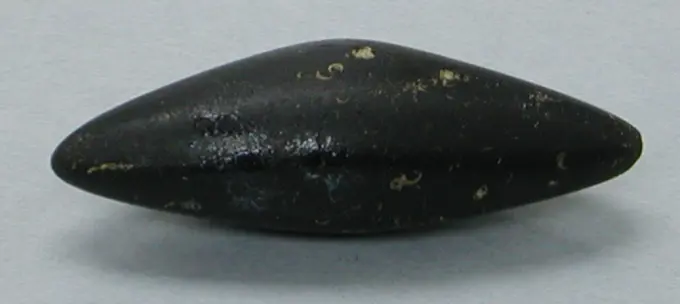
Coin Weight 12th century. Coin Weight 453546
6145-29138347
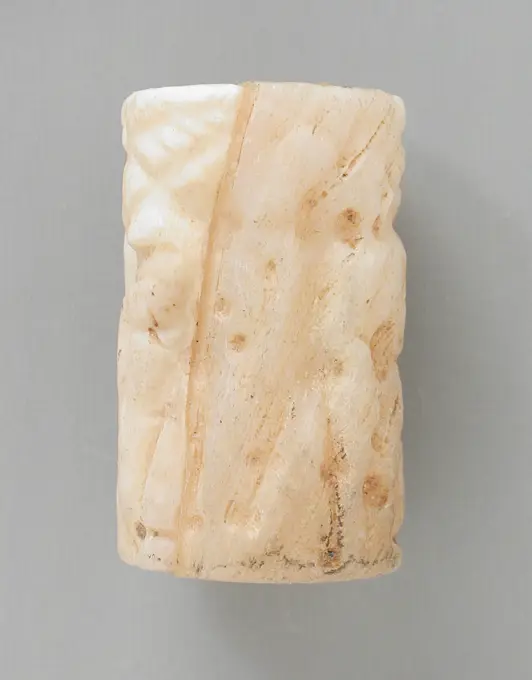
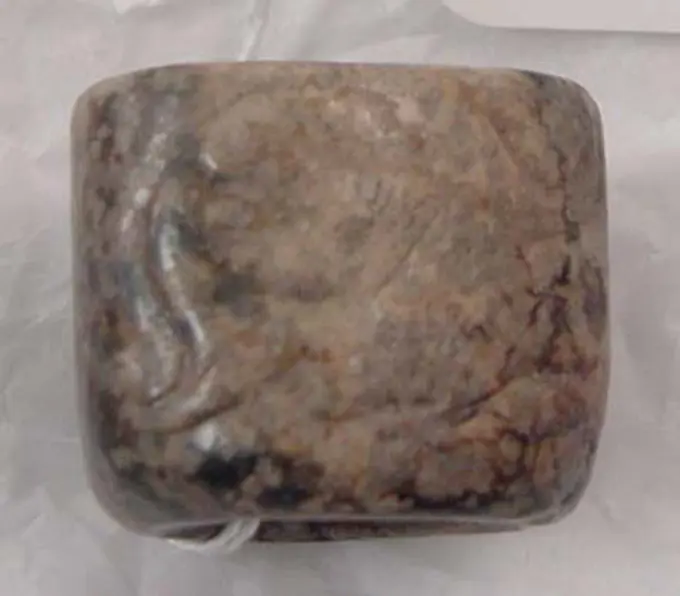
Cylinder Seal. Mesopotamia, Early Dynastic Style of Mesopotamia, about 2750-2350 B.C.. Tools and Equipment; seals. Banded marble
4443-21960187
Pendant; late 5th - 4th century B.C; White chalcedony; 3 × 1.6 × 1.2 cm (1 3,16 × 5,8 × 1,2 in.)
6145-29743437
Fragment probably 11th century. Fragment 451606
6145-29151521
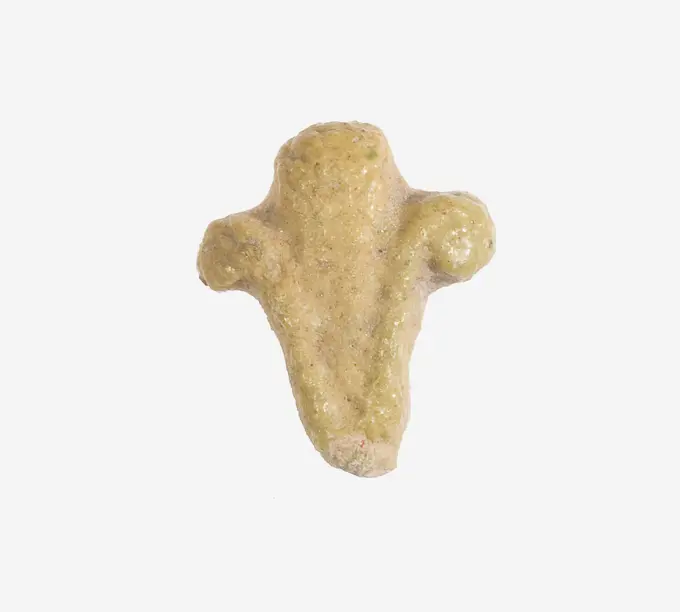
Umbel Pendant ca. 1390-1353 B.C. New Kingdom. Umbel Pendant. ca. 1390-1353 B.C.. Faience. New Kingdom. From Egypt, Upper Egypt, Thebes, Malqata, Palace of Amenhotep III, MMA excavations, 1910-11. Dynasty 18
4409-17373267
Feeding cup for infant. Dimensions: h. 5 cm (1 15/16 in); diam. 7.8 cm (3 1/16 in). Dynasty: Dynasty 12, early-mid. Date: ca. 1950-1850 B.C.. Museum: Metropolitan Museum of Art, New York, USA.
1848-49383376
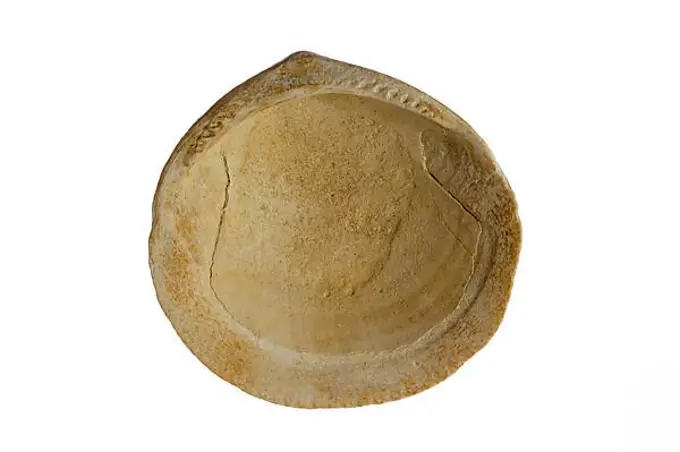
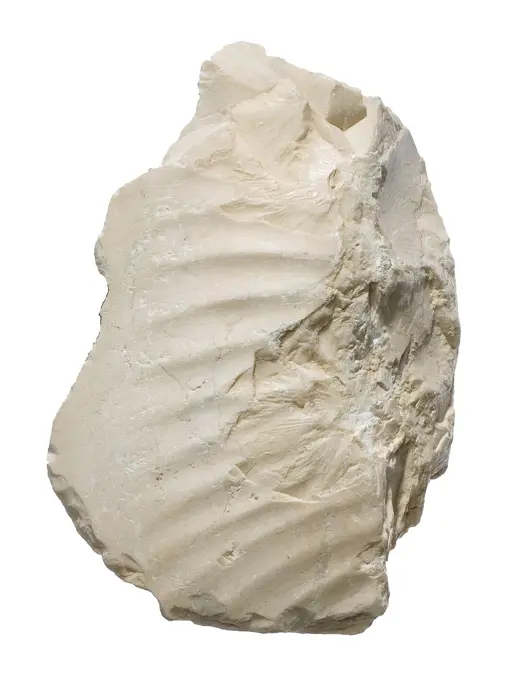
Fossil shell Glycemeris sp. on white background
6145-29191357
Fragment ca. 1150-ca. 1250 European or Middle Eastern. Fragment 695337
6145-29125481
Celt
6145-54680091
Fragment of a Dish 11th-12th century This object was excavated at Nishapur.Nishapur was a vital city in the early and middle Islamic periods, located along one of the main trajectories that connected Iran and West Asia Islamic lands with Central Asia and China. These itineraries are often referred to by the term Silk routes but were in fact crucial to the movement of constellations of materials and objects, as well as people and ideas. The diverse population of Nishapur and its surroundings, from the better-researched elite groups of merchants, land-owning aristocracy, and literates, to the less-known artisans, farmers, miners, and servants, were instrumental in adapting global cultural trends to create their own distinctive visual languages. This is seen in the material remains of everyday life in medieval Nishapur - from pots and pans to lighting devices, inkwells, textiles and trimmings, jewelry, games and toys, talismanic devices, weapons, coins, and architectural fragments.Nishapu
6176-65776039
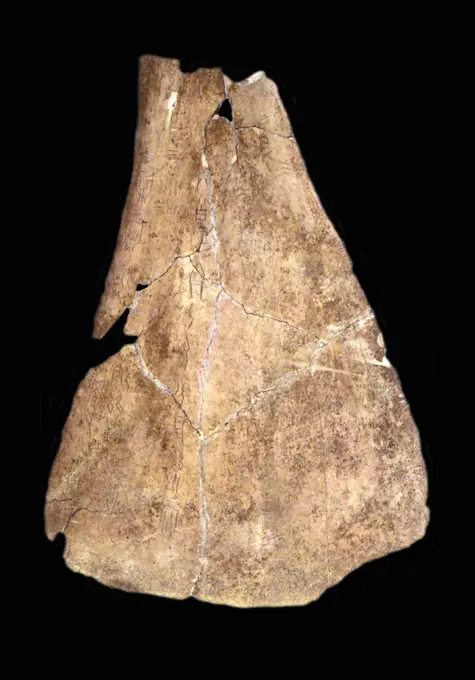
China: An ox scapula oracle bone divining future good or bad fortune. Xiaotun, Anyang County, Henan Province, c. 1300-1050 BCE.  Oracle bone inscriptions (Chinese: ; pinyin: jiagu) are the ancient Chinese characters carved on animal scapulas (shoulder blades) or turtle plastron (underside).  The oracle bone inscriptions were mainly used for divination and keeping records of events that happened in the late Shang Dynasty (c. 1300-1050 BCE).
6145-29198213
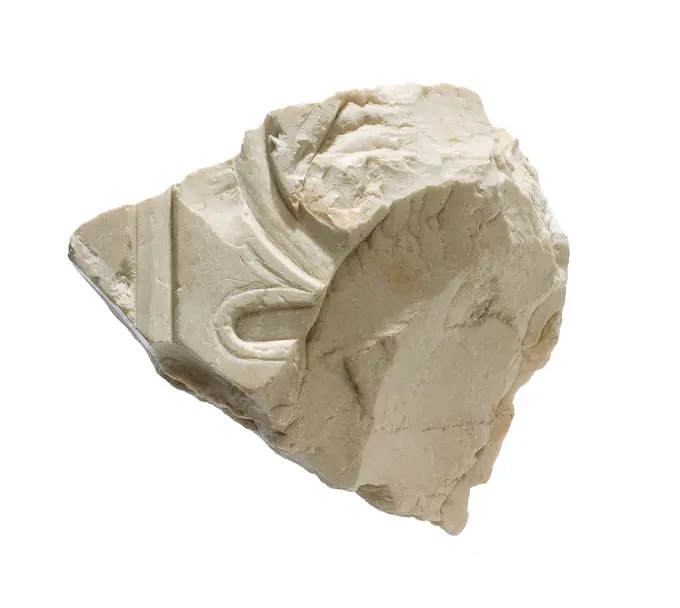
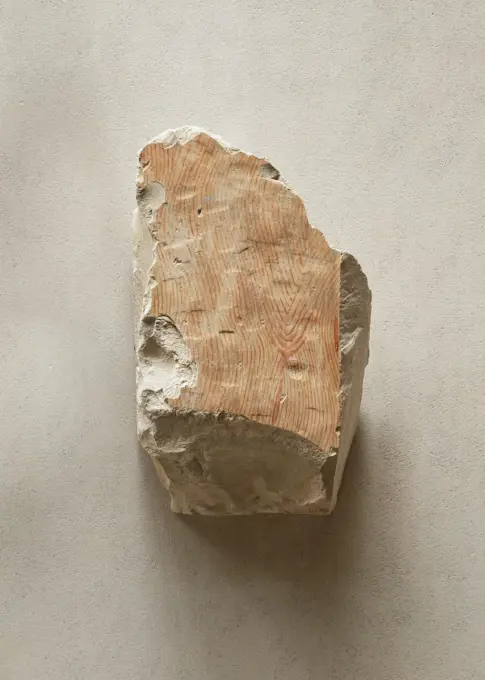
Relief depicting a wooden doorway - see 26.3.353-5 ca. 2051-2030 B.C. Middle Kingdom. Relief depicting a wooden doorway - see 26.3.353-5. ca. 2051-2030 B.C.. Limestone, paint. Middle Kingdom. From Egypt, Upper Egypt, Thebes, Deir el-Bahri, Tomb of Neferu (TT 319, MMA 31), MMA excavations, 1923-25, 1930-31. Dynasty 11
6145-43632264
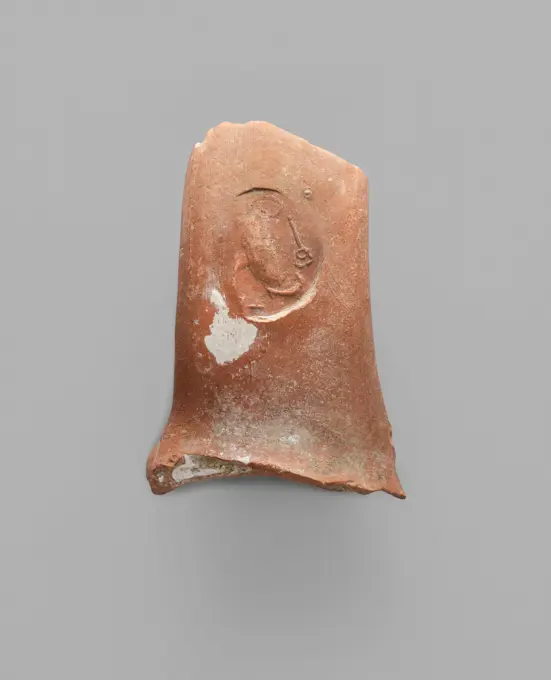
Fragment imadła amfory za stemplem. unknown, author
4413-28972338
Point drill on blade. Mali, Neolithic. 12cm.
4409-17386465
Fragment. Culture: European or Middle Eastern. Dimensions: L. 1 1/2 in. (3.8 cm). Date: ca. 1150-ca. 1250. Museum: Metropolitan Museum of Art, New York, USA.
6188-55455382
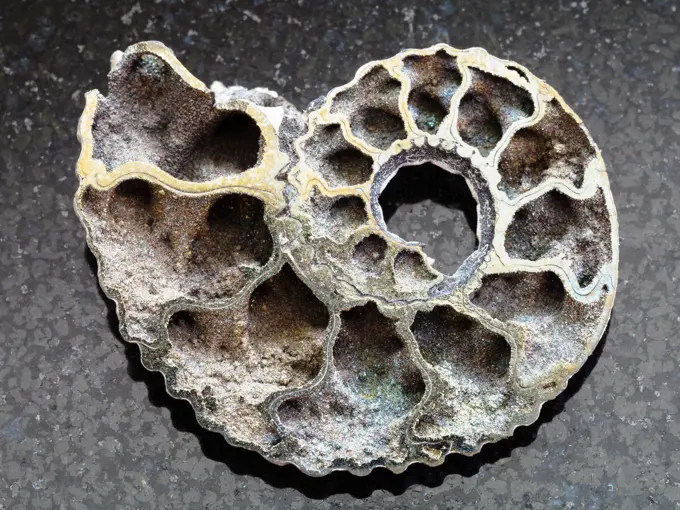
polished Ammonite fossil on dark background macro shooting of natural mineral rock specimen - polished Ammonite fossil on dark granite background Copyright: xZoonar.com/ValeryxVoennyyx 11380341
1848-50204949
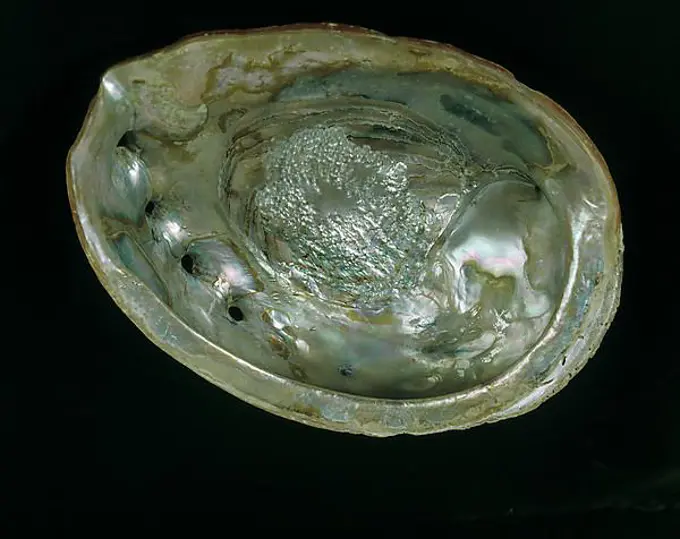
Ormer or Abalone orEar Shell, auris maris
6145-29191488
Fragment ca. 1150-ca. 1250 European or Middle Eastern. Fragment 695364
4443-21938490
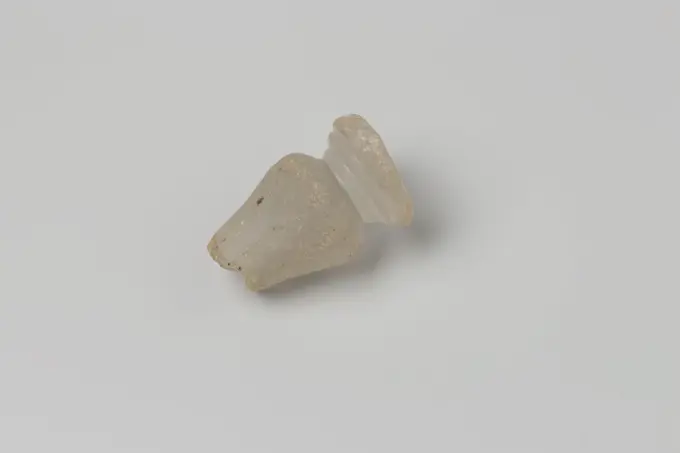
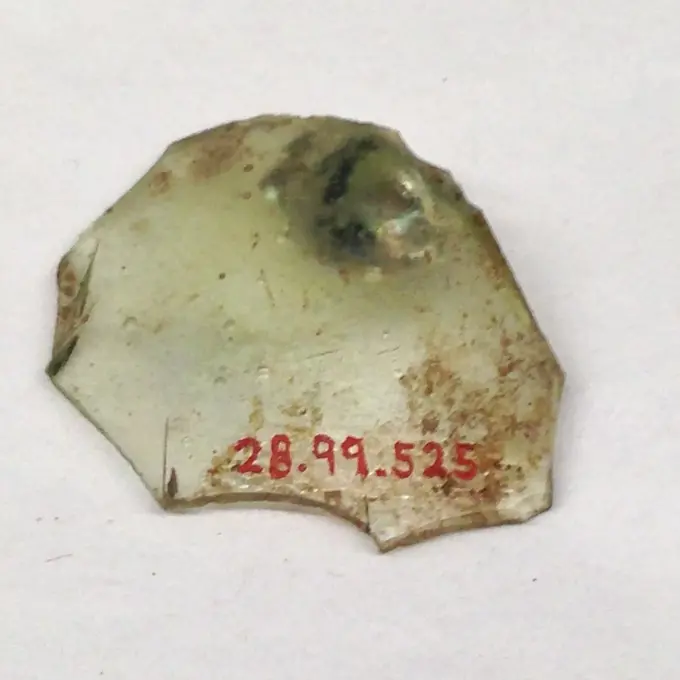
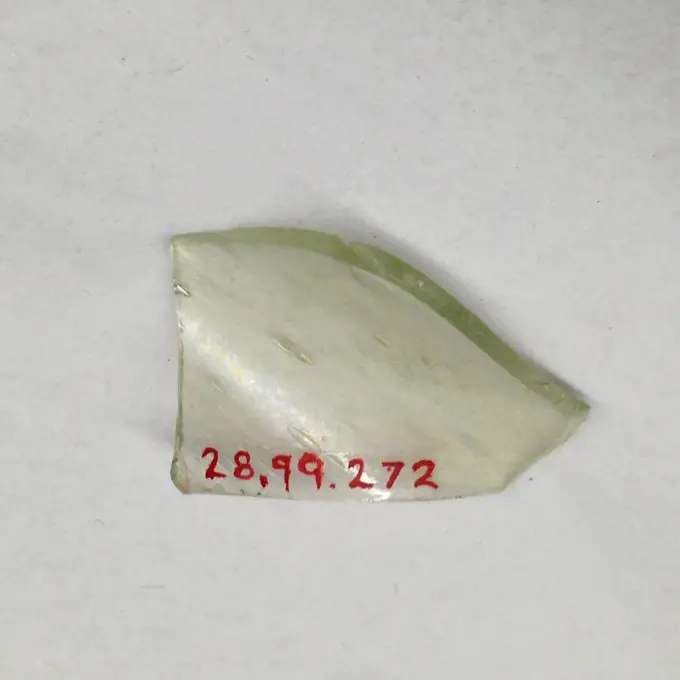
Green fragment of beaker, with burr in which green button, beaker glass bottomfound glass, archeology Rotterdam City center Stadsdriehoek New harbor Soil discovery Rotterdam Nieuwe Haven 1st round cesspit
6145-29778644
Tool 5th-3rd millennium B.C. Iran This obsidian tool was excavated in 1937 at a prehistoric site in the vicinity of Nishapur in northeastern Iran. While Nishapur itself was founded by the Sasanian king Shapur I (reigned ca. A.D. 241-272), this tool shows that human habitation there goes back to the prehistoric period. Furthermore, the prehistoric pottery from Nishapur has close affinities with ceramic materials from Central Asia rather than with contemporary sites in Iran, meaning that in this period its inhabitants were likely culturally linked to their neighbors to the east. At the same time, Nishapurs location on what later became known as the Great Khorasan Road suggests that it was part of the trade network that facilitated the import of precious stones such as lapis lazuli, carnelian and turquoise from Central Asia to Mesopotamia.. Tool 323695
6145-45375381
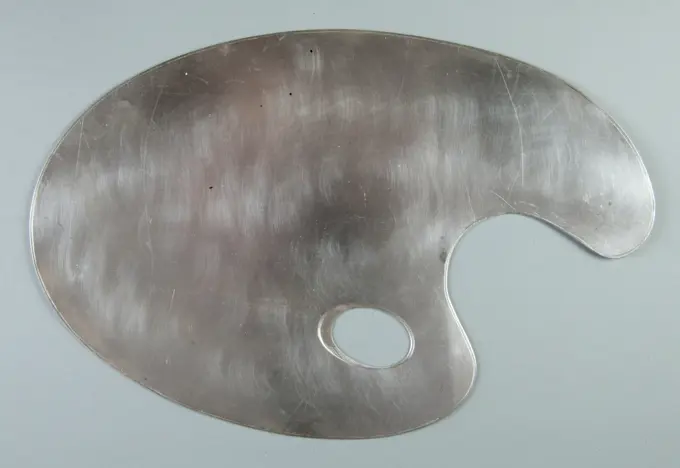
Wreath palette from Henryk Siemiradzkis funeral
6145-29834496
Plain Onyx Vessel before 16th century Mexican. Plain Onyx Vessel 317564
6145-29811450
Miniature Tumbler late 8th-9th century. Miniature Tumbler 449752
6145-29192111
Fragment ca. 1150-ca. 1250 European or Middle Eastern. Fragment 696599
6145-29115807
Amulet. Egypt, Amarna, New Kingdom (circa 1569 - 1081 BCE). Jewelry and Adornments; amulets. Faience
4409-17545290
Shabti of Tchenetipet. Egyptian; Thebes, Deir el-Bahri. Date: 1069 BC-945 BC. Dimensions: 7.75 × 3 × 1.5 cm (3 × 1 3/16 × 1 3/16 in.). Faience. Origin: Egypt. Museum: The Chicago Art Institute, Chicago, USA. Author: Ancient Egyptian.
6145-43740043
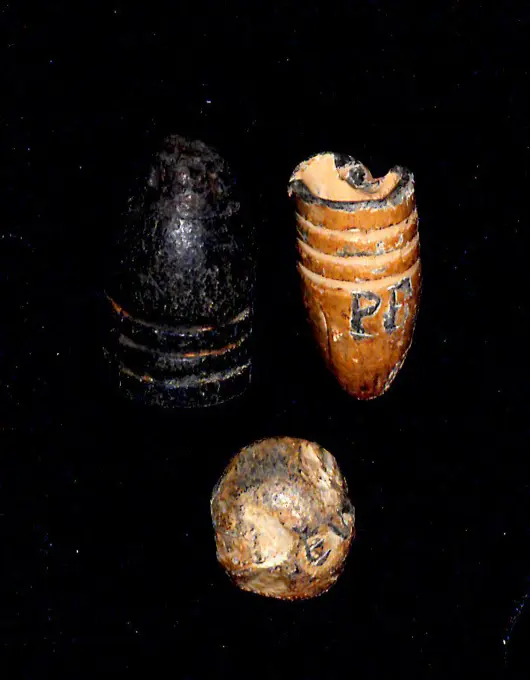
Civil War bullets , Antietam, Battle of, Md., 1862, Charles F. Walcott Archaleogical Collection
6145-29822480
Garment fragment with pleats, probably male ca. 1353-1336 B.C. New Kingdom, Amarna Period. Garment fragment with pleats, probably male 549771
6145-59011559
Grahal-Manzara. Carnavalet 2013-2016 collection sites. Numismatics.
6145-29155041
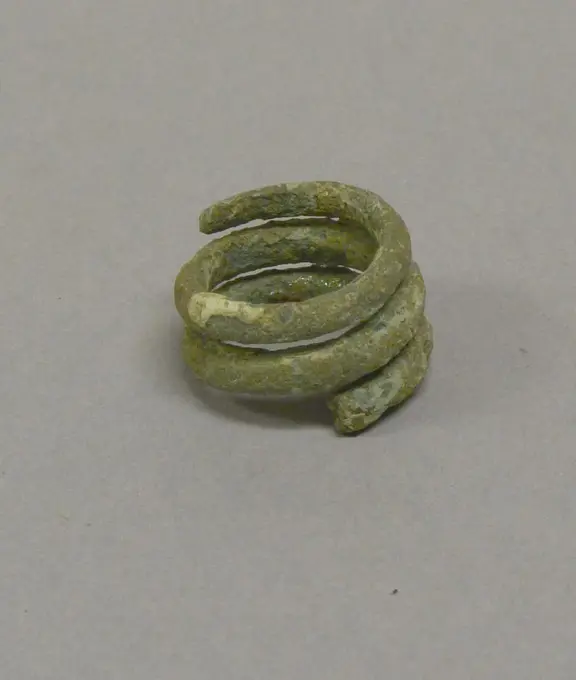
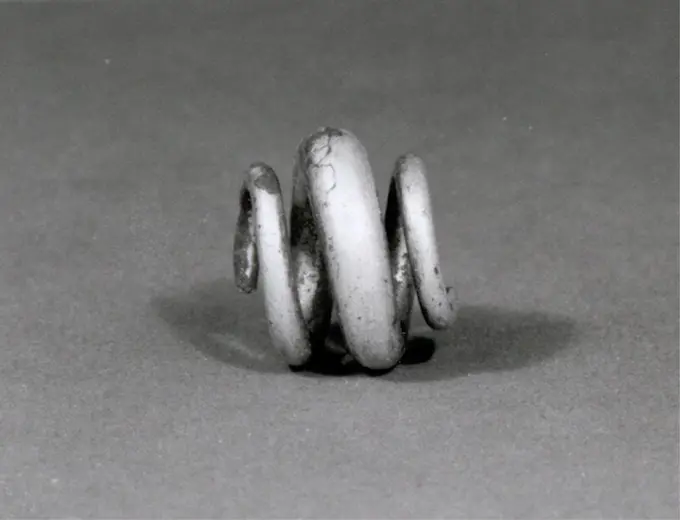
Ring 300 B.C.-A.D. 400 Thailand. Ring. Thailand. 300 B.C.-A.D. 400. Bronze. Late period. Jewelry
4409-17409499
Fragment. Culture: European or Middle Eastern. Dimensions: L. 1 1/2 in. (3.8 cm). Date: ca. 1150-ca. 1250. Museum: Metropolitan Museum of Art, New York, USA.
6188-55455641
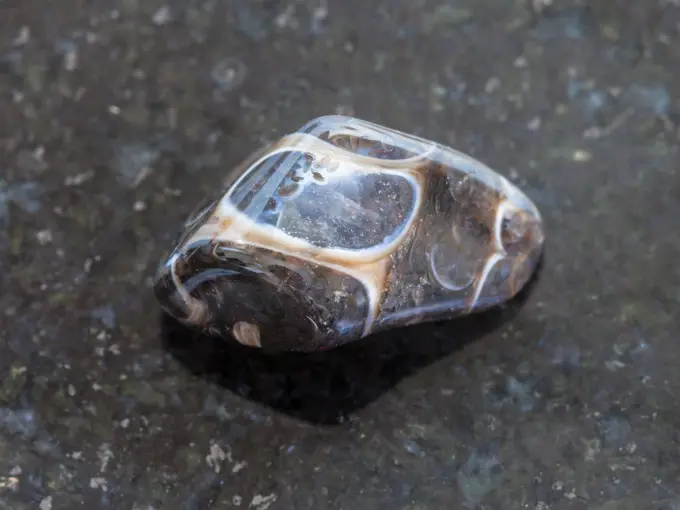
polished Turritella Agate gemstone on dark macro shooting of natural mineral rock specimen - polished Turritella Agate gemstone on dark granite background from Wyoming, USA Copyright: xZoonar.com/ValeryxVoennyyx 11380617
1788-15483
Italy, prehistory, lower paleolithic. Amygdale from Grotte di Torre Talao in Scalea, Cosenza.
6145-58933778
Awl  -
6145-59514877
Excerpt rib from a beef from the wreck of the East Indians Hollandia, 1700 - in or Before 1743  Faunal remains: bones; mammalian species; cattle bones; fragm of rib, eroded, split.  bone (material)   Second
6145-29733248
Fragment ca. 1150-ca. 1250 European or Middle Eastern. Fragment. European or Middle Eastern. ca. 1150-ca. 1250. Glass, ceramic. Glass-Vessels
6188-55476531
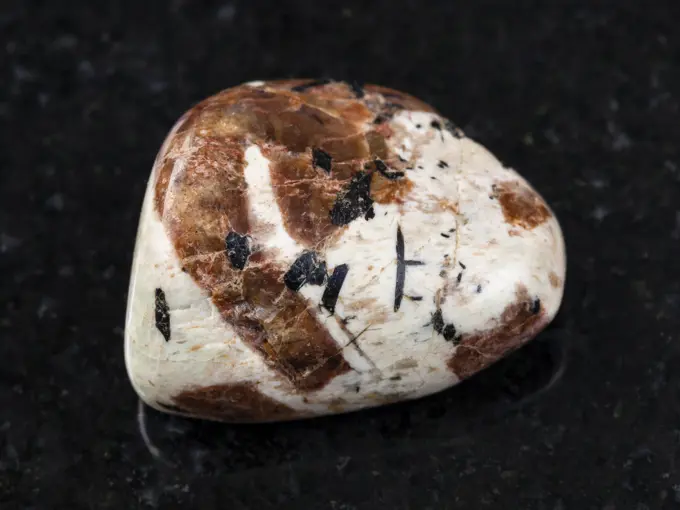
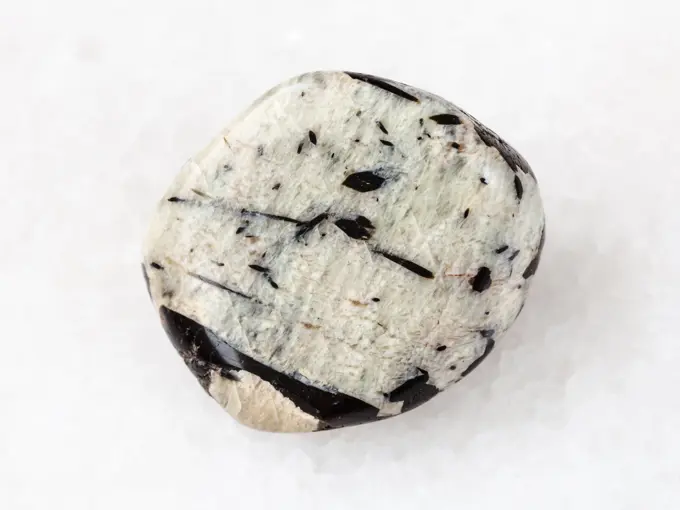
aegirine crystals in microcline gemstone on white macro shooting of natural mineral rock specimen - black aegirine crystals in microcline gemstone on white marble background from Lovozero Massif, Kola peninsula, Russia Copyright: xZoonar.com/ValeryxVoennyyx 11951408
6145-29706324
Stucco Fragment probably 8th-12th century. Stucco Fragment. probably 8th-12th century. stucco; carved; painted. Excavated in Iran, Nishapur. Stucco
6145-29795337
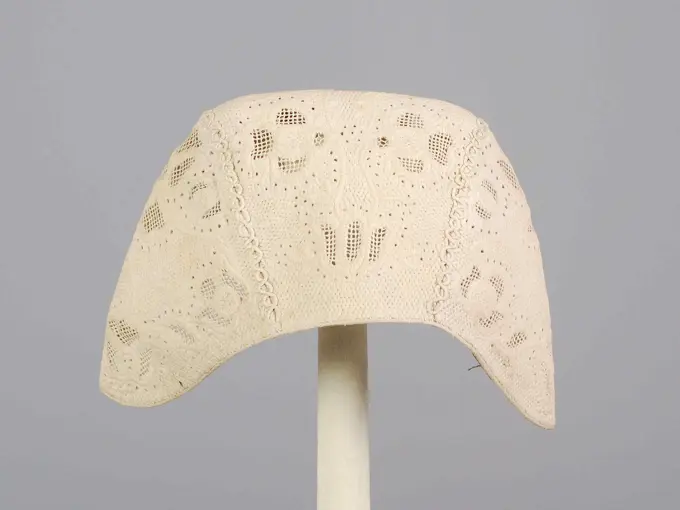
Cap 1830-50 Slovak. Cap 173313
6145-29191349
Fragment ca. 1150-ca. 1250 European or Middle Eastern. Fragment 696571
4421-20370
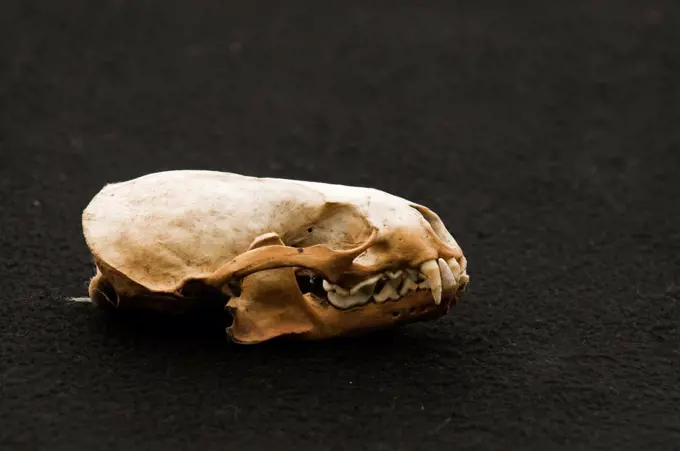
European Otter (Lutra lutra) skull, Shetland Islands, Scotland
4409-17426794
Fragment. Culture: European or Middle Eastern. Dimensions: L. 1 3/4 in. (4.5 cm). Date: ca. 1150-ca. 1250. Museum: Metropolitan Museum of Art, New York, USA.
6145-29718561
Spindle Whorl Coptic. Spindle Whorl 475033
6145-59522510
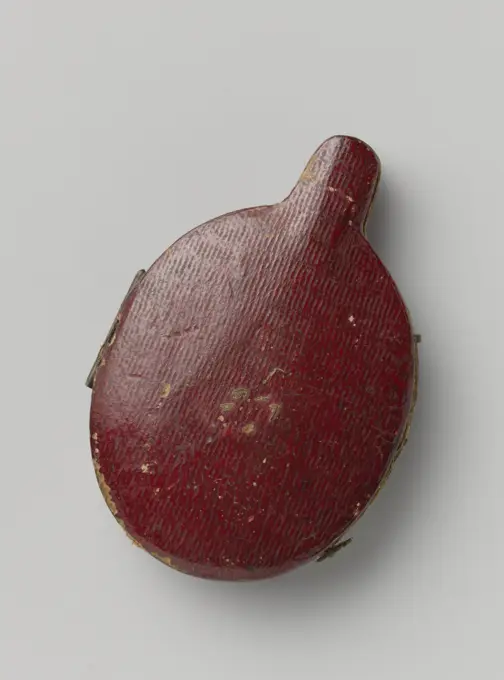
Red wooden box, Anonymous, 1775 - 1825 box Red wooden box belonging to NG-2008-5-2. The inside of the box is filled with cotton wool. England wood (plant material). copper (metal) painting  Suriname
6188-55474006
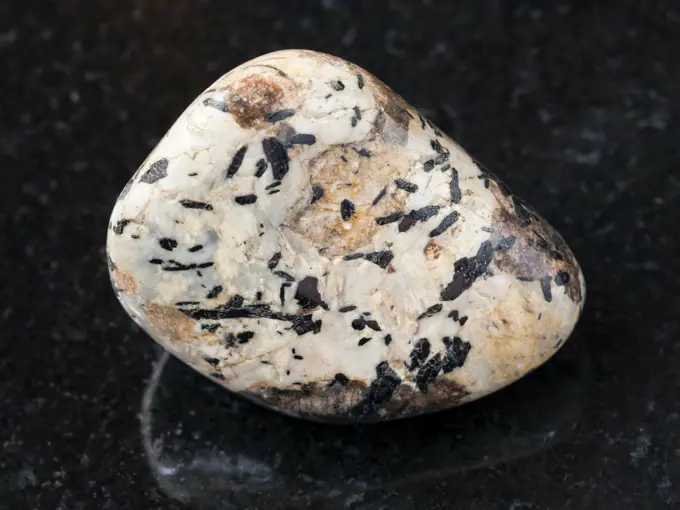
black aegirine in tumbled Sanidine and nepheline macro shooting of natural mineral rock specimen - black aegirine in tumbled Sanidine and nepheline stone on dark granite background from Lovozero Massif, Kola peninsula, Russia Copyright: xZoonar.com/ValeryxVoennyyx 11391966
6145-29151456
Mold for small ring ornaments ca. 1390-1353 B.C. New Kingdom. Mold for small ring ornaments. ca. 1390-1353 B.C.. Pottery. New Kingdom. From Egypt, Upper Egypt, Thebes, Malqata, Palace of Amenhotep III, MMA excavations, 1910-11. Dynasty 18
6145-29191777
Fragment ca. 1150-ca. 1250 European or Middle Eastern. Fragment 695166
6145-29717874
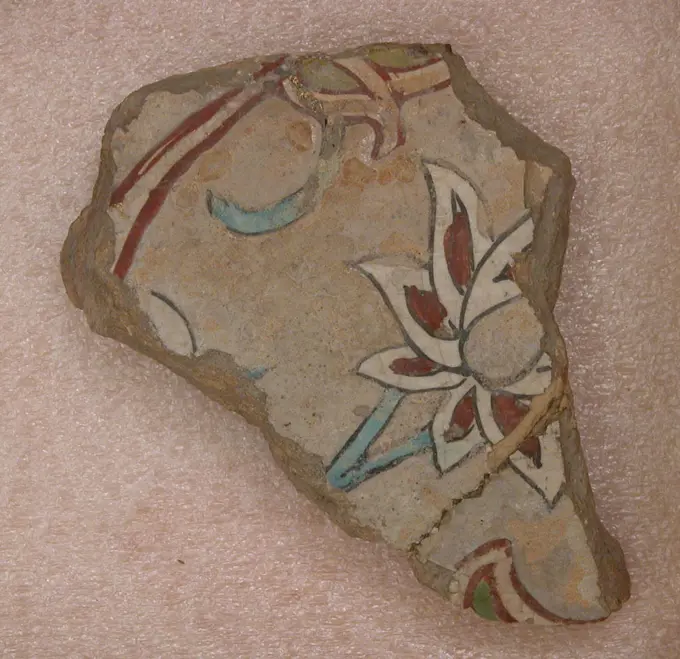
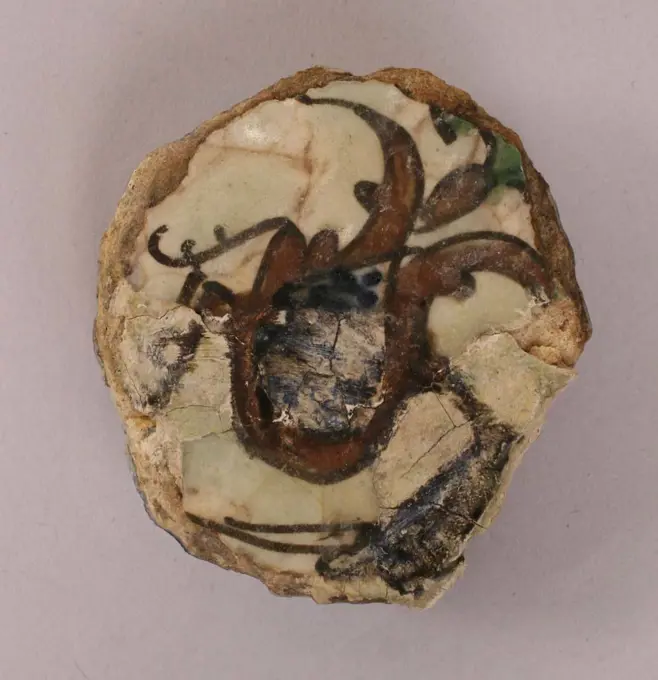
Tile Fragment 1334-1434. Tile Fragment 450560
6145-29758786
Bead 8th-10th century The dot-in-circle motif recalls designs presumed to be of magical significance, most likely an abstract eye to ward off the evil-eye, which serves an apotropaic function. Easily reproduced with a tool and visible in many cultures and times, this symbol may have lost its meaning, and become simply a decorative pattern, or may have one that we have not yet discovered.. Bead 450878
6145-59550017
Excerpt removable lid of a package from the wreck of the East Indians Hollandia, Anonymous, 1700 - in Or Before 1743 lid Container, lid, detachable; fragm, eroded, squashed; circular, flat, fold-over rim. Netherlands copper (metal)   Second
6145-29751963
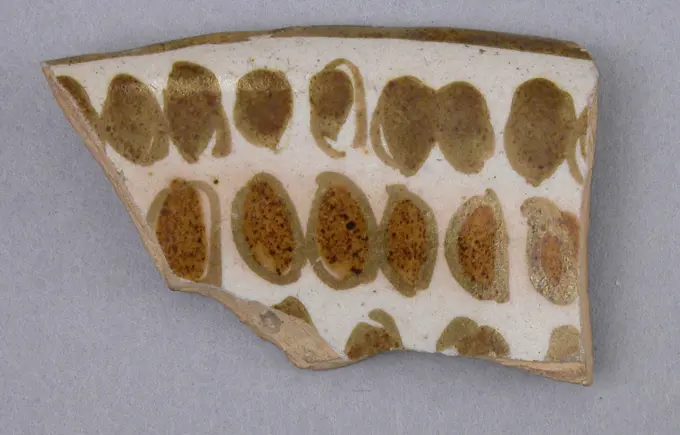
Stonepaste; painted under transparent glaze 13th-16th century. Stonepaste; painted under transparent glaze. 13th-16th century. Stonepaste; painted under transparent glaze. Attributed to Egypt. Ceramics
6145-29159833
Mace head ca. 4500-4000 B.C. () Predynastic Period. Mace head. ca. 4500-4000 B.C. (). Stone. Predynastic Period. From Egypt
6145-29191475
Fragment ca. 1150-ca. 1250 European or Middle Eastern. Fragment 695318
6145-58875964
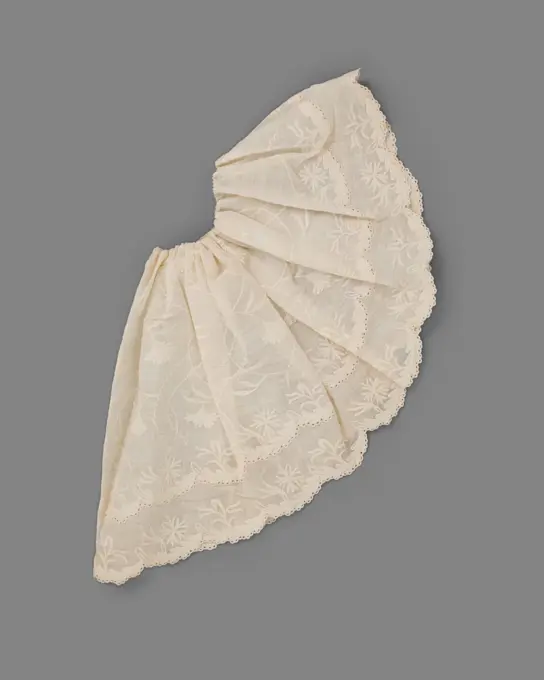
Engageante with floral tambooering, anonymous, c. 1750 - c. 1775 Engageante with floral tambooering work. The Engageante seems to consist of two layers due to a circumference twice. West-Europa whole: Linen (Material) embroidering Engageante with floral tambooering work. The Engageante seems to consist of two layers due to a circumference twice. West-Europa whole: Linen (Material) embroidering
6145-29802492
Costume Ornament 11th-12th century Central coast (). Costume Ornament. Central coast (). 11th-12th century. Silver. Peru. Metal-Ornaments
4443-19550734
Mussel Shell, Plated brass, In the shape of a mussel shell, narrower end flips open, hinged on underside. Striker on underside., late 19th century, containers, Decorative Arts, Matchsafe, Matchsafe
6145-29150779
Mold for small ring ornaments ca. 1390-1353 B.C. New Kingdom. Mold for small ring ornaments. ca. 1390-1353 B.C.. Pottery. New Kingdom. From Egypt, Upper Egypt, Thebes, Malqata, Palace of Amenhotep III, MMA excavations, 1910-11. Dynasty 18
4443-21938925
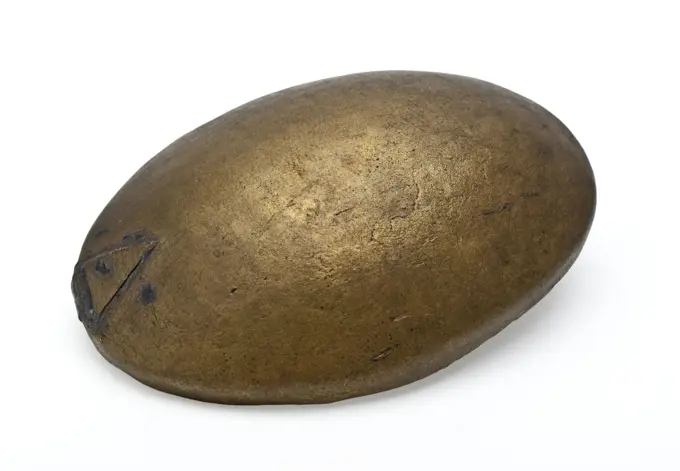
Egg-shaped copper lid, lid closure holder soil find brass metal, hammered soldered Egg-shaped copper lid Short raised edge. Triangular hinge point archeology Rotterdam City Triangle Groenendaal underground pit store transport archaeological find in the soil Rotterdam underground pit Groenendaal 1977.
6145-58933734
Awl  -
6188-54893361
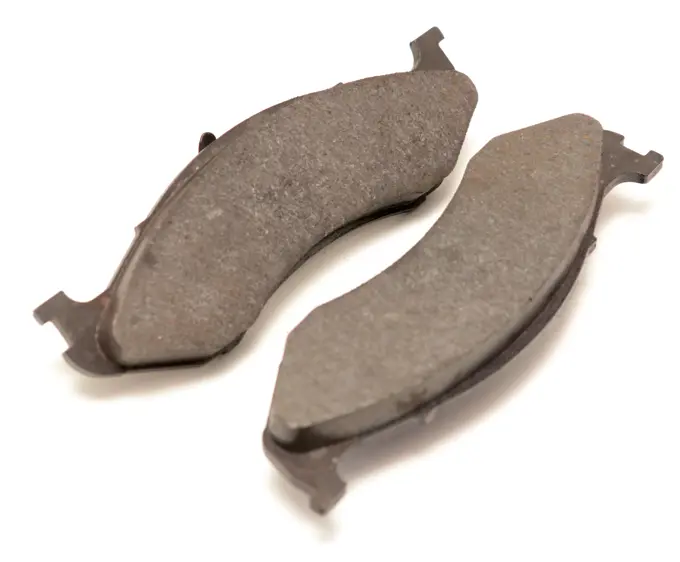
brake pads two brake pads on white Copyright: xZoonar.com/RuslanxNassyrovx 3543242
4413-28972052
Foliate and lacy point in cut stone. Neolithic period. North Africa. 4 cm.
6145-29730710
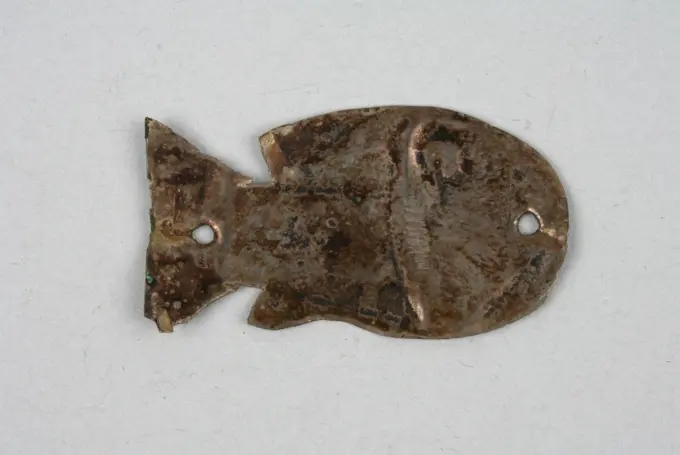
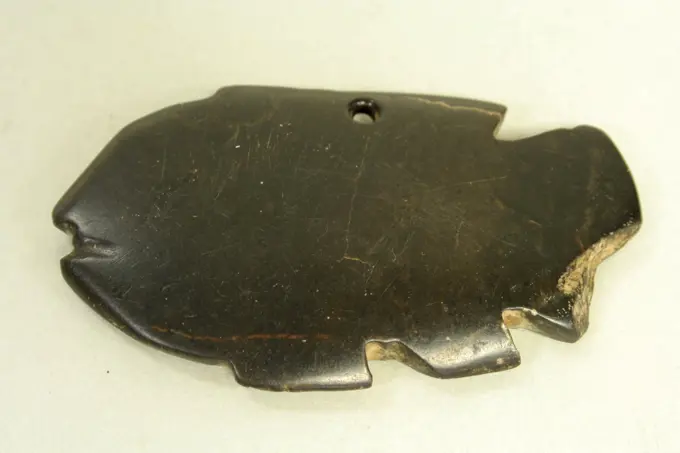
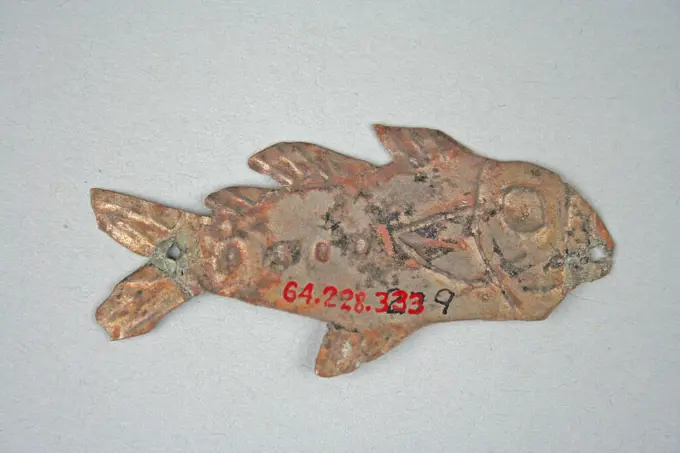
Stone Fish Pendant 8th-mid-16th century Peru; north coast (). Stone Fish Pendant 309256
6145-45560447
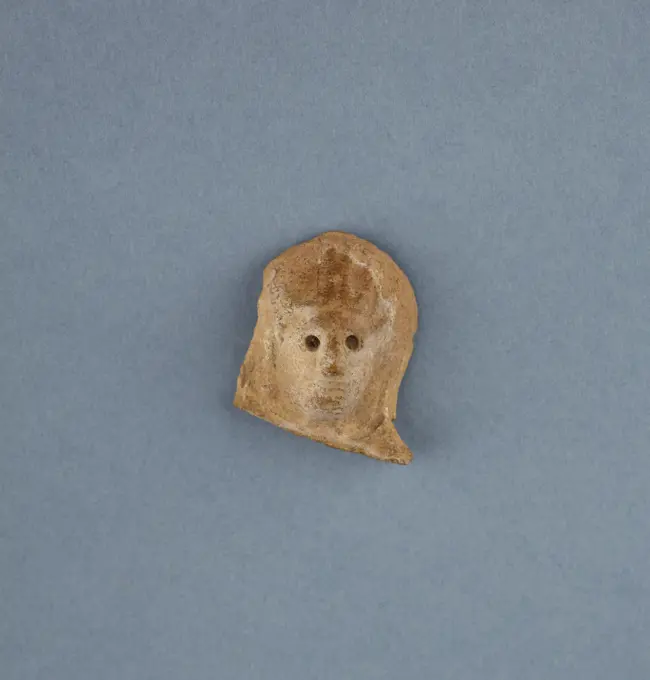
Small Head
6145-43694244
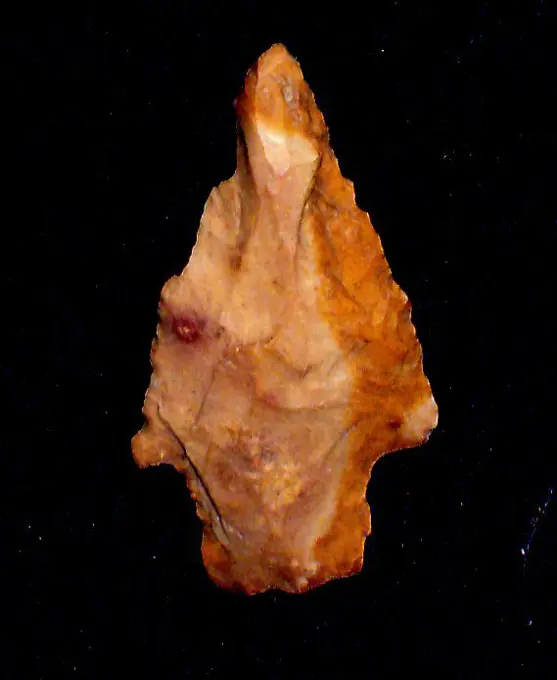
Indian arrowhead from Georgia and North & South Carolina , Archaeological assemblages, Charles F. Walcott Archaleogical Collection
6145-29728552
Fragment 14th century. Fragment 445610
6145-29728377
Seal amulet in the form of a recumbent fox ca. 3500-2900 B.C.. Seal amulet in the form of a recumbent fox. ca. 3500-2900 B.C.. Marble, mustard color. Late Uruk-Jemdet Nasr. Mesopotamia or southwestern Iran
6188-55455376
polished epidote gemstone on dark background macro shooting of natural mineral rock specimen - polished epidote gemstone on dark granite background from Segozero, Karelia in Russia Copyright: xZoonar.com/ValeryxVoennyyx 11380335
1525-25586002
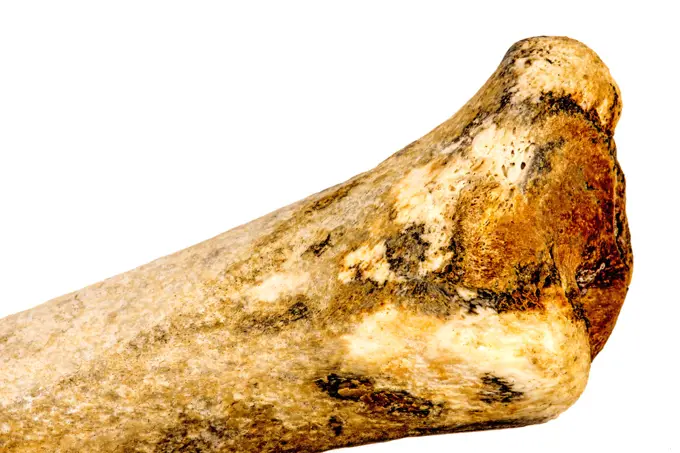
petrified animal bone, closeup
4413-161896
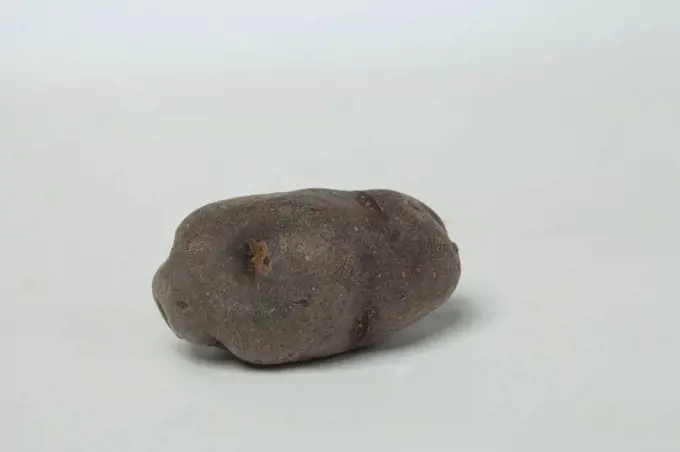
'Vitelotte' potatoe
6145-29763614
Coin Weight 12th century. Coin Weight. 12th century. Mold-pressed glass. Attributed to Egypt. Glass
6188-55588327
Cork for wine stopper Cork for wine stoppers made from bark tissue of the Cork Oak Quercus suber Copyright: xZoonar.com/ClaudioxDiviziax 8923125
4443-21937865
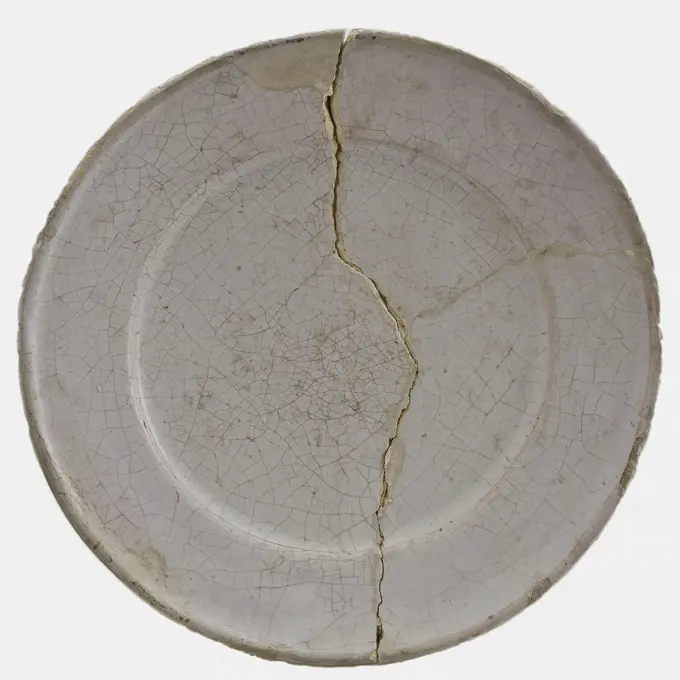
Faience plate on stand surface, entirely white glazed, plate crockery holder soil find ceramic earthenware glaze tin glaze, hand turned fried glazed fried White faience plate on stand Just shoulder on the transition from mirror to flag at the top. Fully covered with tin glaze pink tinted Craquelé in glaze. Cooked in archeology Valckensteyn Poortugaal Albrandswaard native earthenware serving food Soil discovery of Poortugaal Castle Valckensteyn.
6145-29820733
Ring probably 19th century Chinese This collection of largely ethnographic jewelry includes examples from cultures in South America, North America, Europe, Asia, and Africa and dates from the Pre-Columbian period to the twentieth century. Owned by renowned art collector and fashion enthusiast Muriel Kallis Newman, the collection represents her knowledge and appreciation of a wide range of jewelry design and making traditions. Numerous items in her collection are composite artifacts made from various cultures and time periods reappropriated as modern jewelry creations by or for Muriel. It is important to note that Newman wore many of the pieces in the collection, interpreting them to suit and express her own singular, often avant-garde style.. Ring 141629
6145-29723152
Hair-ring 1st millennium B.C. () Iran. Hair-ring 325652
1525-25425527
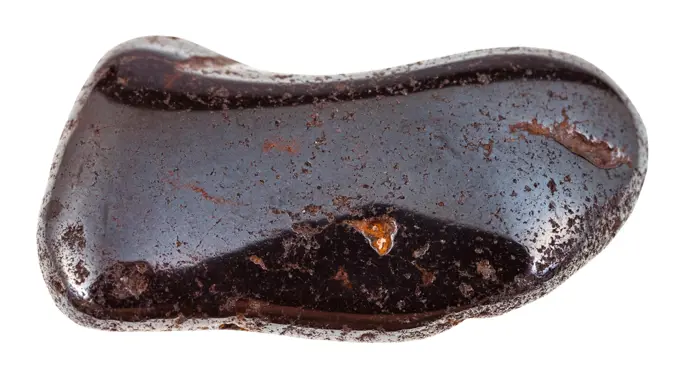
macro shooting of natural mineral stone - polished Hydrogoethite gemstone from Crimea isolated on white background
7155-70375138
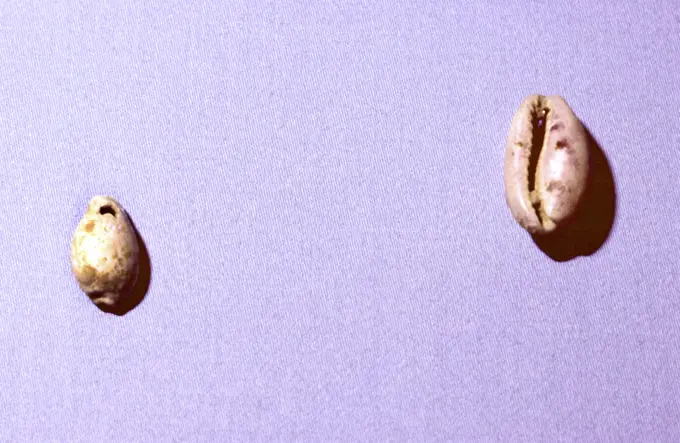
Cowrie Shell Money, Shang period tomb, 1500 BC. CHINA.
6145-29194898
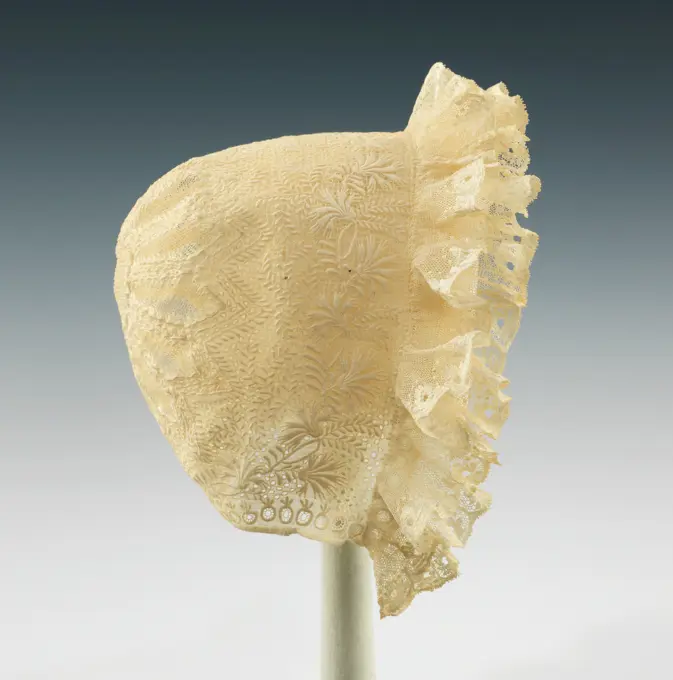
Cap 1829 American Baby caps have traditionally been lavished with finely worked embroidery, laces and ribbons. They abound in museum collections, as they were kept by families for their exquisite workmanship and and obvious sentimental value. The embroidery on this cap is excepitonally fine and dense, the net insertions and double ruffle extra decorative touches. The pattern of the embroidery is created specifically to fit the shape of the cap, further testament to its exceptional design and workmanship.. Cap 157741
1848-49383408
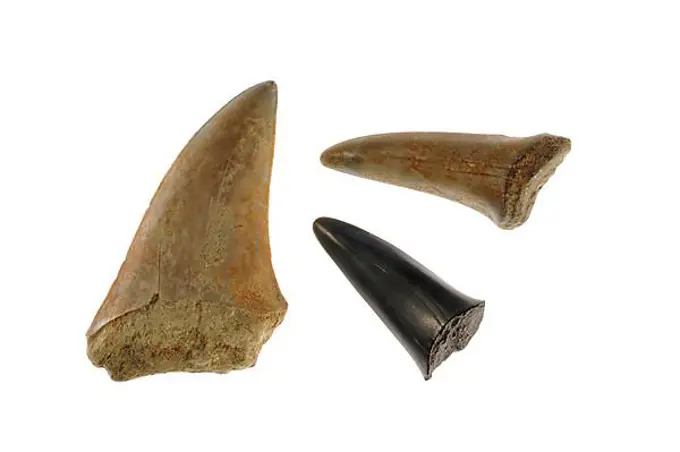
Shark's teeth fossils on white background
4409-17428361
Fragment. Culture: European or Middle Eastern. Dimensions: L. 5/8 in. (1.6 cm). Date: ca. 1150-ca. 1250. Museum: Metropolitan Museum of Art, New York, USA.
6145-29792239
Lamp mid-14th century. Lamp. mid-14th century. Earthenware; applied, incised, cut, glazed. Attributed to Egypt. Ceramics
6145-29148346
Cuneiform tablet: unidentified fragment ca. late 1st millennium B.C.. Cuneiform tablet: unidentified fragment 328926
6188-64549219
Dumortierit Dumortierit Copyright: xZoonar.com/lantapixx 1080500
6145-45556824
Cartouche Tile
1525-23717662
Rusted old screw isolated on white background
1525-56335658
Chocolate Easter eggs wrapped in shiny blue foil yellow background, flat lay top view, with copy space Happy Easter concept sweet candy snack. Chocolate Easter eggs wrapped in shiny blue foil yellow background, flat lay top view, with copy space Happy Easter concept
6145-29787440
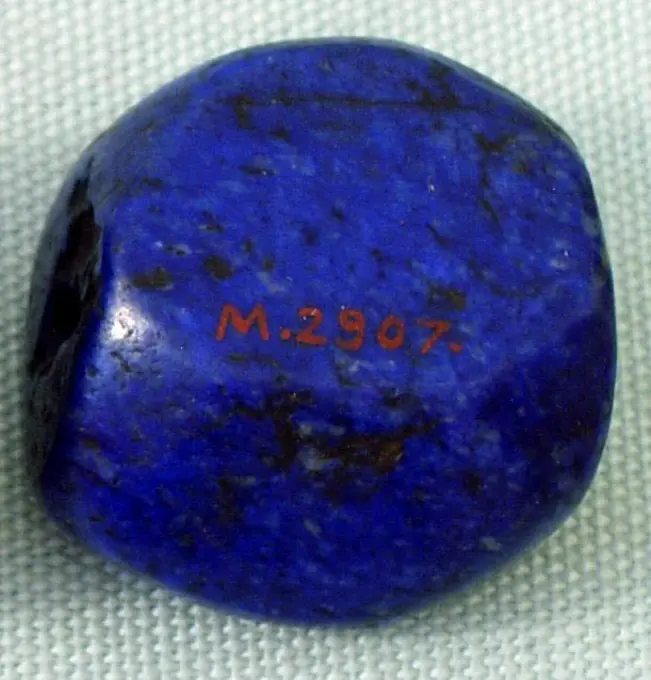
Mosaic cone ca. 3500-3100 B.C.. Mosaic cone 325524
1848-56095719
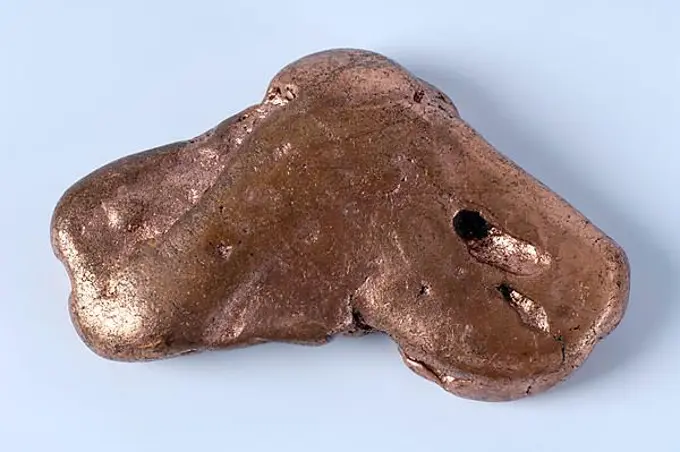
Pure copper, clipping, object
6145-29796702
Fragment of a Bowl 14th-15th century. Fragment of a Bowl 446424
6145-29706632
Beads 9th-12th century. Beads. 9th-12th century. Carnelian; carved. Excavated in Iran, Nishapur. Jewelry
1848-61396858
wood cutting board isolated on white background
6145-30177378
Eye of Horus (Wedjat) Finger Ring 1325 BCE Egypt. Faience . Ancient Egyptian
6145-29210132
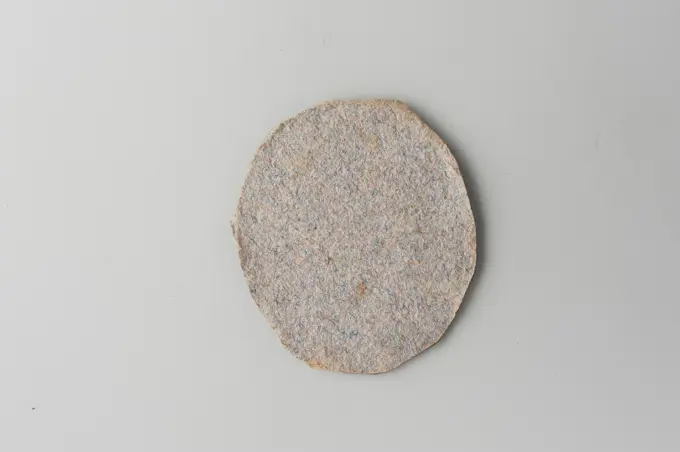
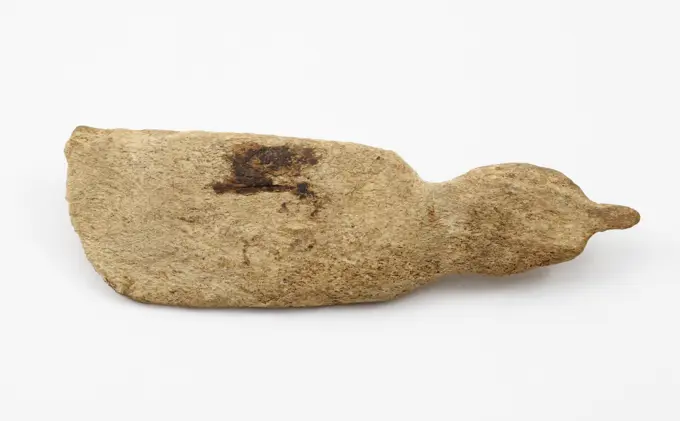
Roundel, disk. Roundel, disk. Bone
6145-29827262
Stone Pulidor before 16th century Mexican. Stone Pulidor 317129
6145-29151299
Lily Pendant ca. 1390-1353 B.C. New Kingdom. Lily Pendant. ca. 1390-1353 B.C.. Faience. New Kingdom. From Egypt, Upper Egypt, Thebes, Malqata, Palace of Amenhotep III, MMA excavations, 1910-11. Dynasty 18
6145-29138092
Small Amulet with Wdjat Eye of Health. Egypt, Third Intermediate Period - Ptolemaic Period (1080 - 30 BCE). Jewelry and Adornments; amulets. Faience
6145-29779846
Ornament ca. late 3rd millennium B.C.. Ornament. ca. late 3rd millennium B.C.. Faience. Early Bronze Age. Mesopotamia, Tell Taya
1525R-132829
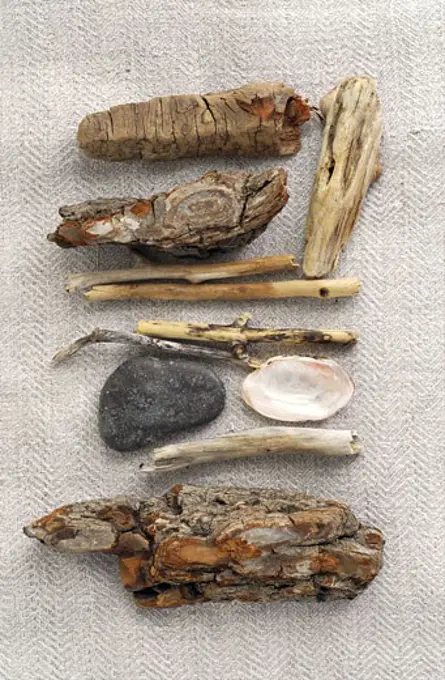
Arrangement of beach treasures - twigs, seashells, pebbles - collected on sea shore
6145-45557324
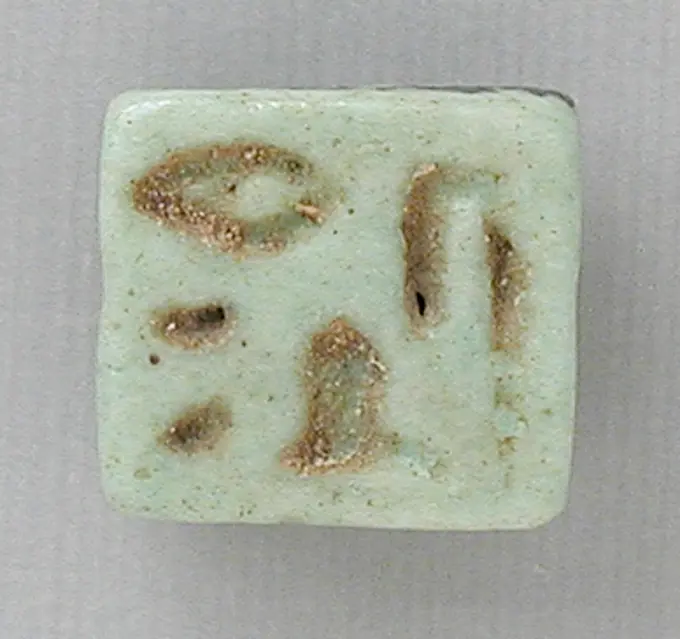
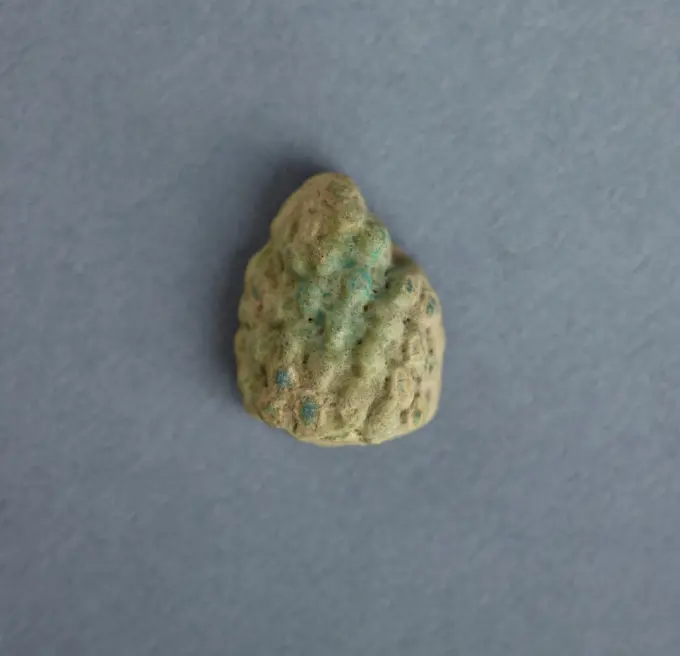
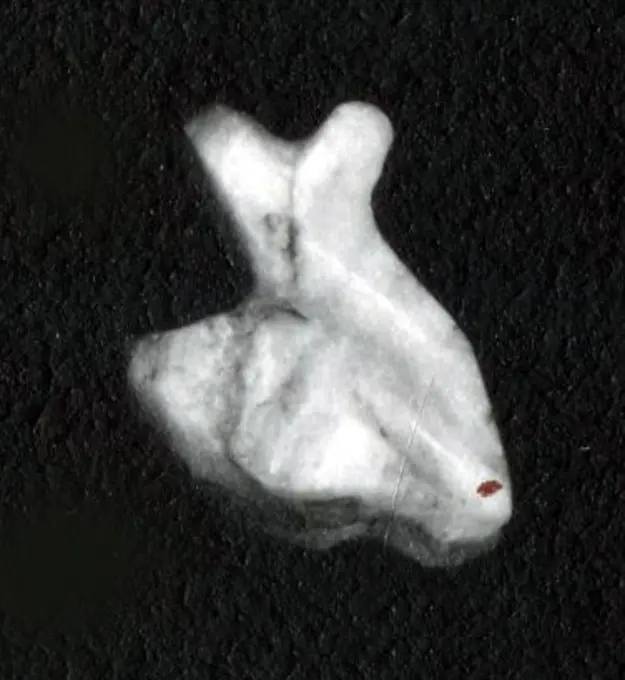
Amulet - Bunch of Grapes
6145-29808173
Textile Ornament 14th-15th century Chimú. Textile Ornament 308746
1746-19665915
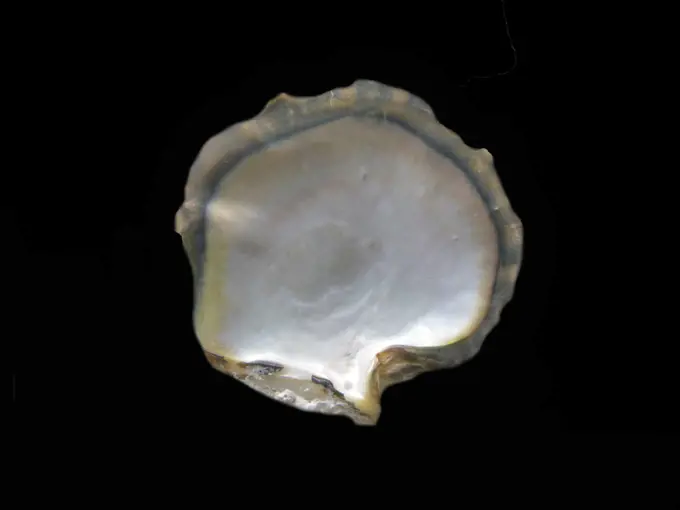
Pearl oyster. This oyster, also known as the 'black lip', may grow to 20cm in diameter. It is widely distributed and is fished for the shell (mother of pearl) as well as for pearls, in northern Australia, the Persian Gulf, the Red Sea and the Pacific Ocean. This example is from the Seychelles.
4409-17427259
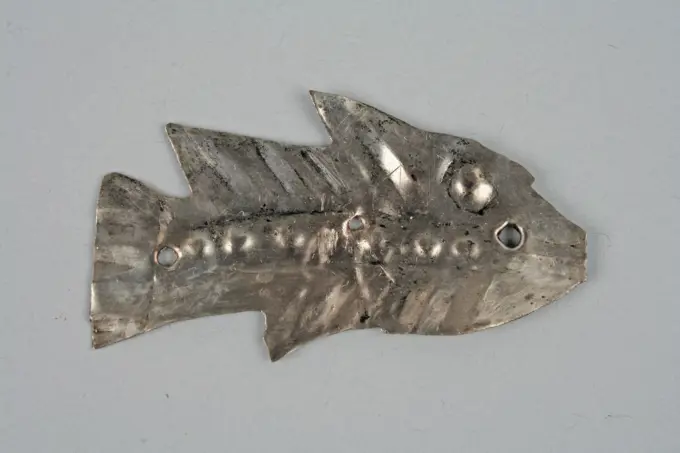
Fish Ornament. Culture: Peru; central coast (). Dimensions: L. 2 1/4 in. (5.7 cm). Date: 11th-12th century. Museum: Metropolitan Museum of Art, New York, USA.
4409-28789051
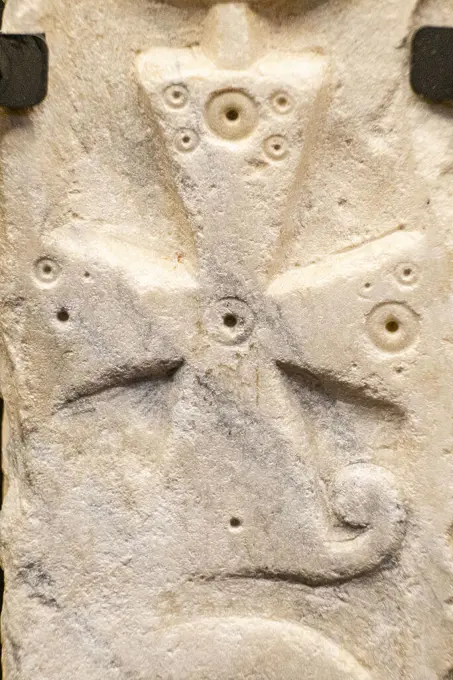
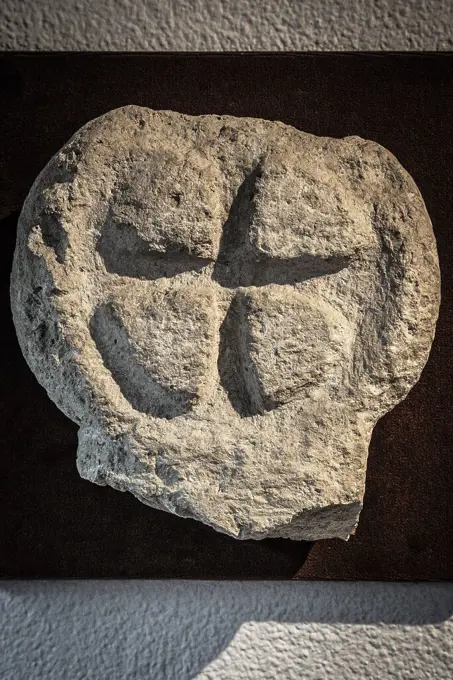
cross kick, Museum of the Councils and the Visigoth Culture, Church of San Román,Toledo, Castilla-La Mancha, Spain.
1746-29971835
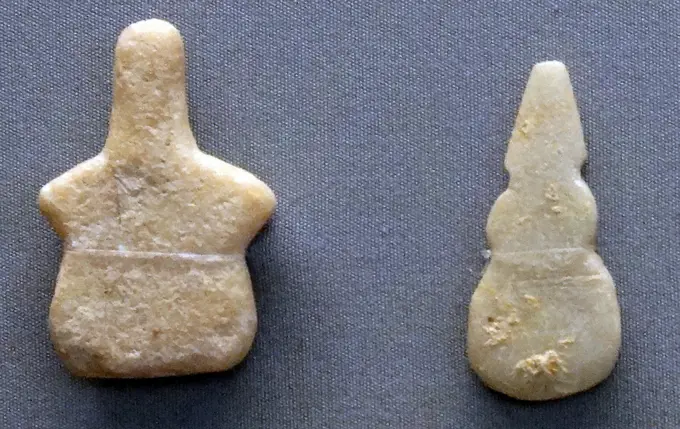
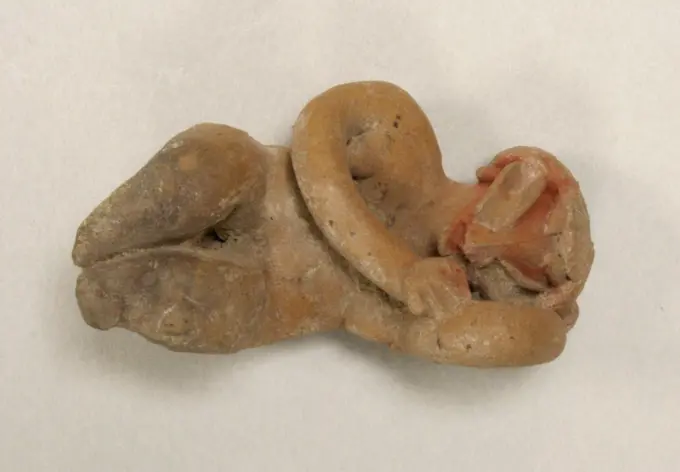
Cycladic figurine, from Naxos, Greece, Early Cycladic culture evolved in three phases, between c. 3300 - 2000 BCE, when it was increasingly swamped in the rising influence of Minoan Crete
1525-56157864
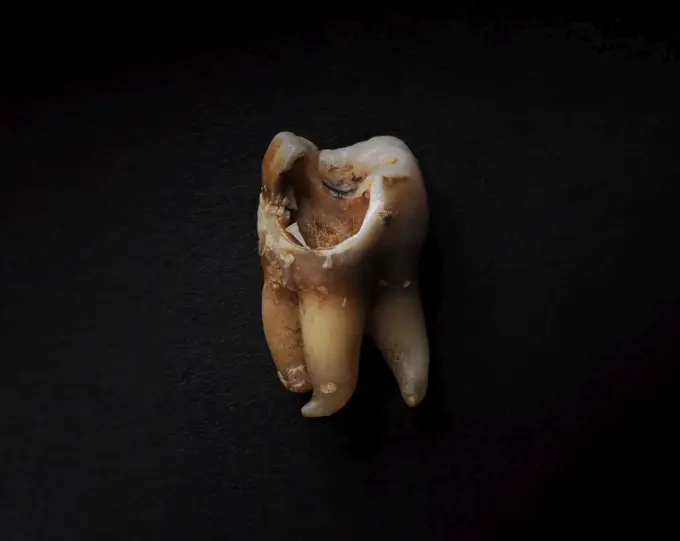
Tooth decay on black background. Macro shot of a decayed teeth till root after extraction of dentist. Real tooth anatomy due lack of care. Top view of caries teeth texture on black paper. Dental care.
6145-29708222
Stone Beads probably 8th-12th century. Stone Beads. probably 8th-12th century. Stone. Excavated in Iran, Nishapur. Jewelry
2102-3328
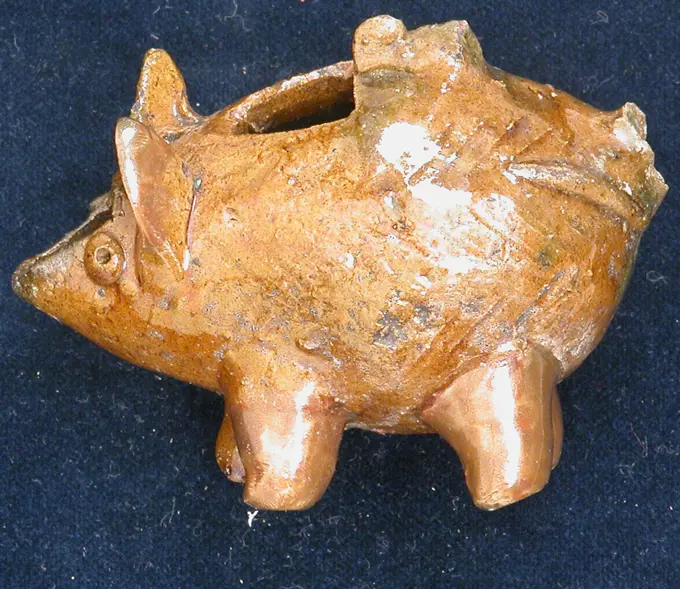
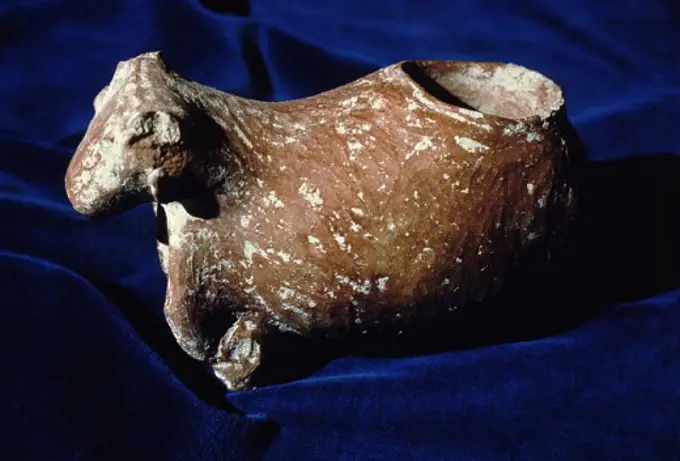
Forms of a Pig Lantern Artist Unknown Alacahoyuk, Turkey
6145-29835325
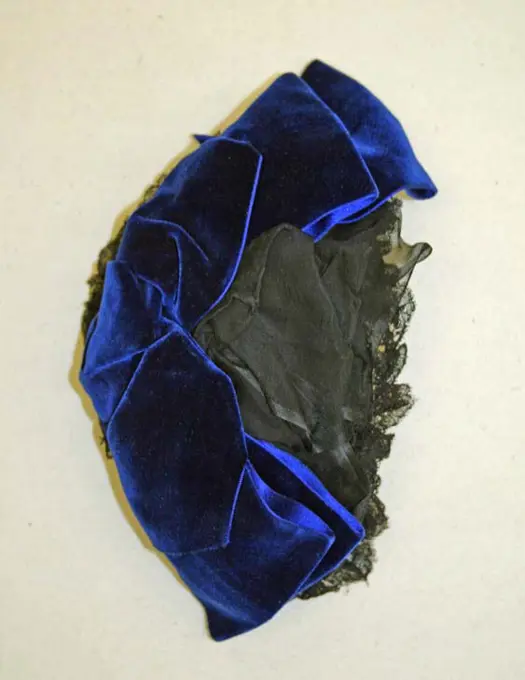
Bonnet 1880-87 American or European. Bonnet 113304
6145-48512512
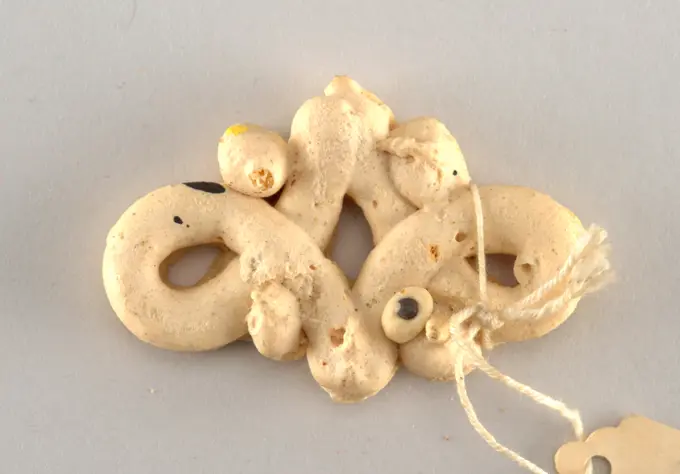
Ornament, Christmas Tree (USA); dough
4279R-50069
Goethit |
6188-64759735
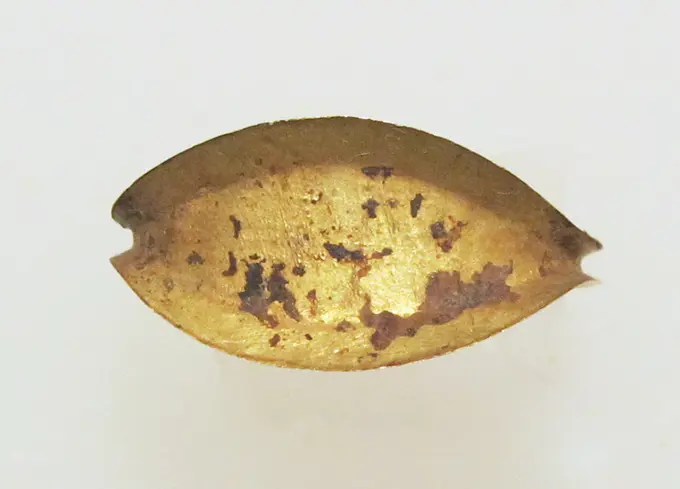
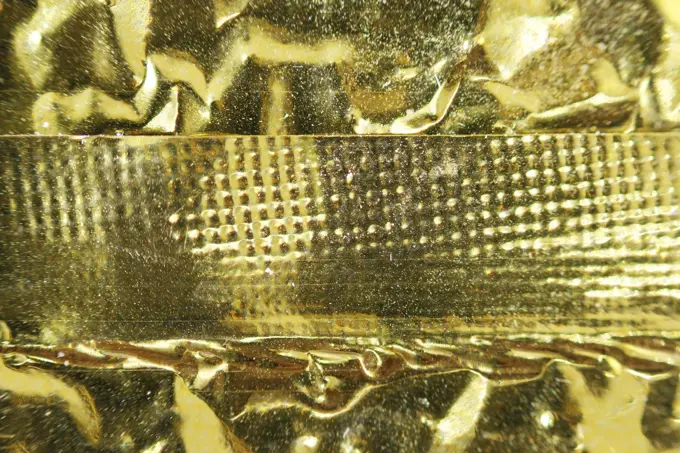
Macro photo of gold foil from packaging of Chinese tea. Macro photo of crumpled gold foil with seam from packaging of Chinese tea Copyright: xZoonar.com/OvchinnikovaxOlgax 10878510
6145-29716576
Female Figure 3rd century B.C.-A.D. 4th century Chupicuaro. Female Figure 313175
4409-17262478
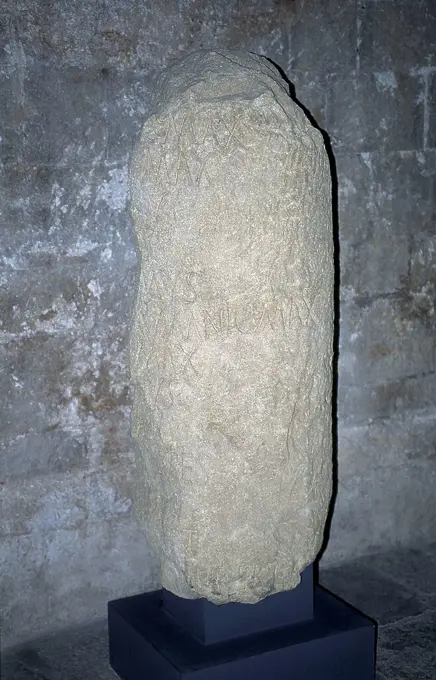
MILIARIO ROMANO. Location: MUSEO ARQUEOLOGICO Ver Monasterio S Pedro Galligan. GERONA. SPAIN.
6145-29831429
Cuneiform tablet: fragment, Ebabbar archive ca. 7th-4th century B.C. Babylonian or Achaemenid. Cuneiform tablet: fragment, Ebabbar archive 322100
6145-44312163
Mosaic glass fragment. The small glass fragment shows several flowers in millefiori technology on turquoise ground. To a red dot rows several red-rimmed blue dots. In Roman times, one used colored, ornamented glass for vessels, mosaics, wall decorations and furniture ornaments. For the production, different colored glasses were shaped to tubes and rods. These were compressed and heated, causing a long bar. The glass sliced now had a wide variety of amorphous or floral patterns.
6145-29154295
Frog Amulet ca. 2150-2100 B.C. Late Old Kingdom. Frog Amulet. ca. 2150-2100 B.C.. Green feldspar. Late Old Kingdom. From Egypt; Said to be from Southern Upper Egypt, Aswan (Syene)
6145-46859235
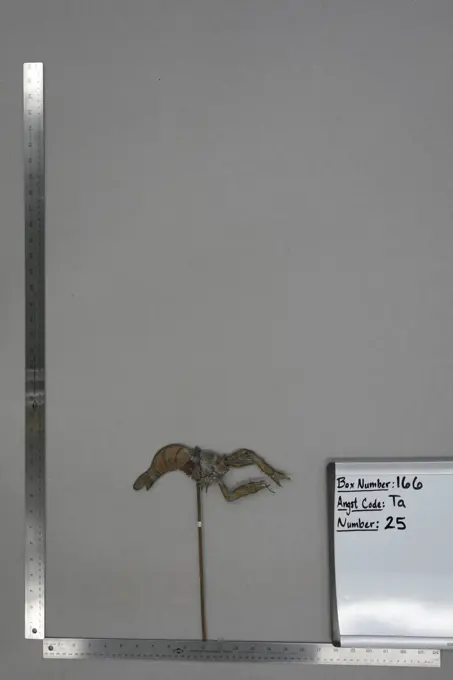
Shadow Puppet (Wayang Kulit) ofUdang
6145-29815669
Bead 9th-19th century. Bead 457858
1848-49832405
Little gold color pebble in the hand
4409-17385023
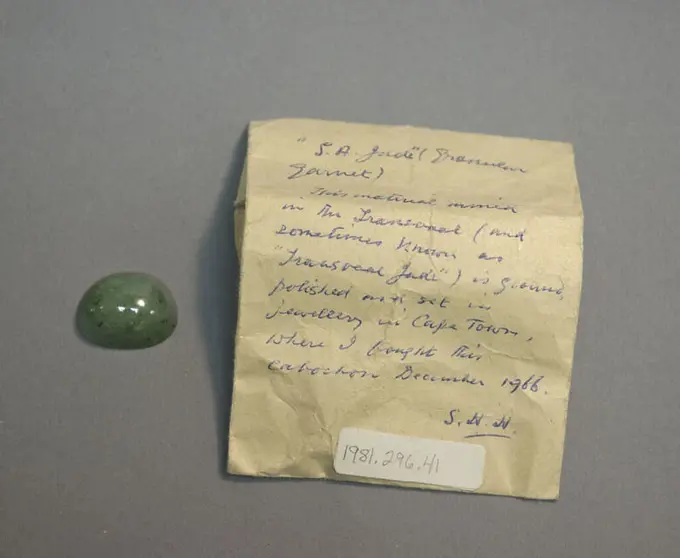
Sample of "South African jade" in Paper Bag. Culture: China. Dimensions: H. 3/8 in. (1 cm); W. 5/8 in. (1.6 cm); L. 7/8 in. (2.2 cm). Date: 20th century. Museum: Metropolitan Museum of Art, New York, USA.
4409-64910682
12th century limestone discoid steleVisigoth - early medieval, Valladolid Museum , Castile and Leon, Spain.