Ancient Egyptian Hieroglyphics

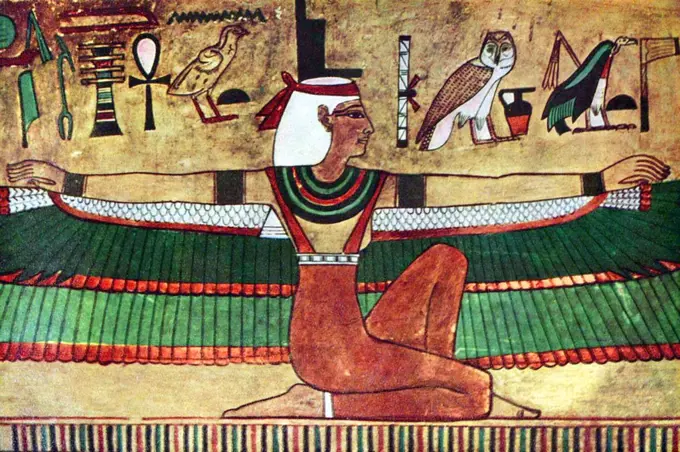
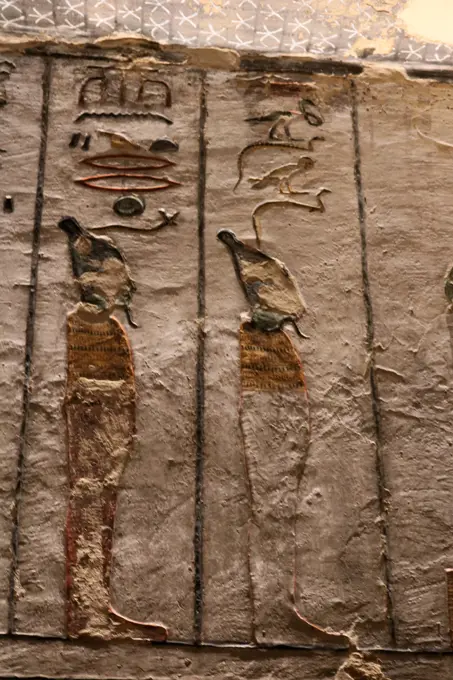
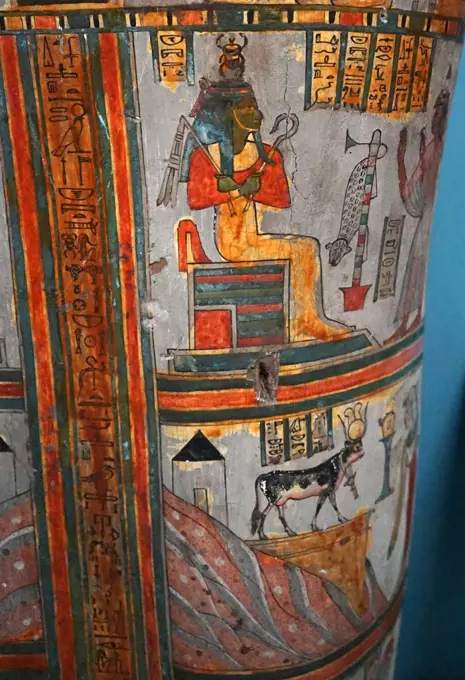
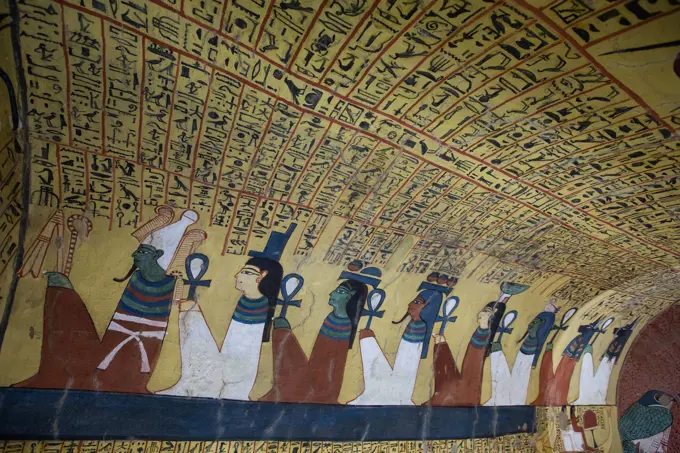
Intricate hieroglyphics and tomb murals depicting significant figures and scenes from ancient Egyptian beliefs.
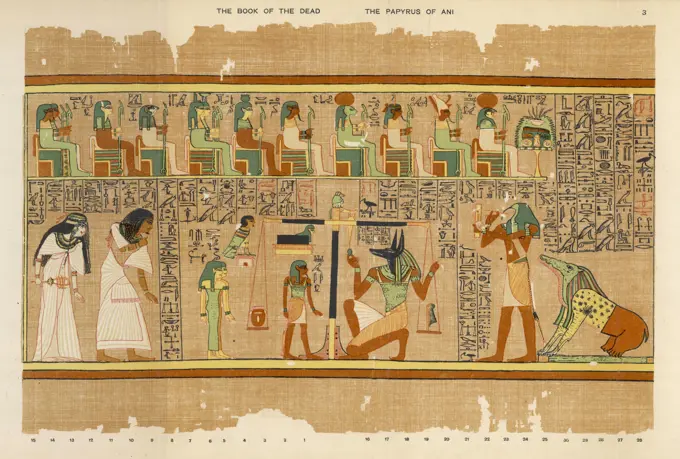
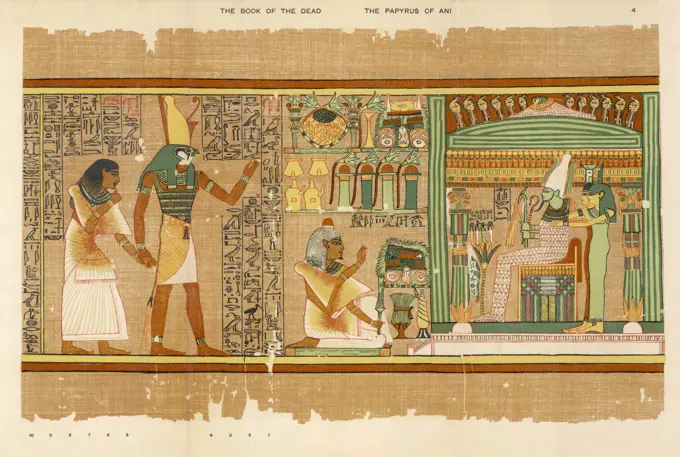
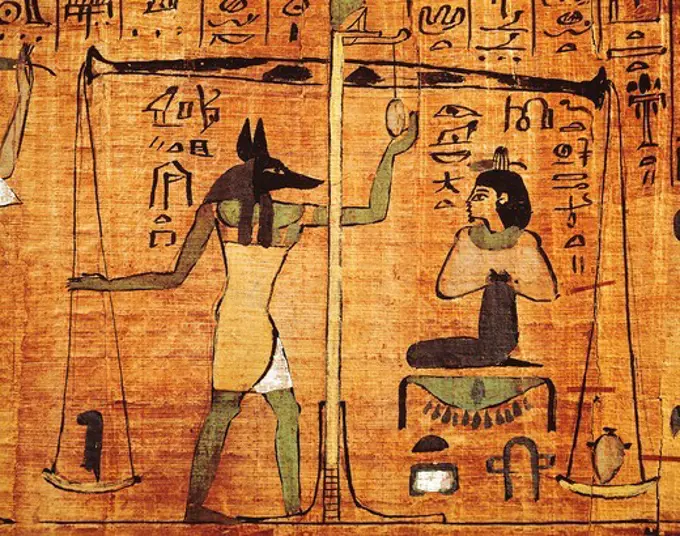
The weighing of Ani's  conscience by Anubis : Thoth  notes the result - Anemit  waits to devour him if guilty  (which he is not)
The weighing of Ani's conscience by Anubis : Thoth notes the result - Anemit waits to devour him if guilty (which he is not)
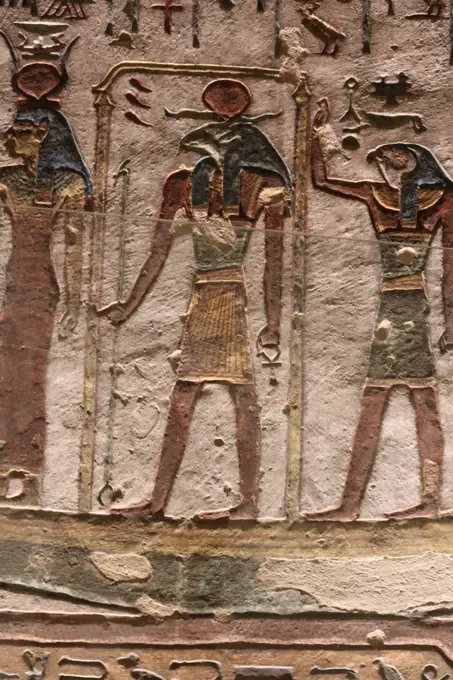
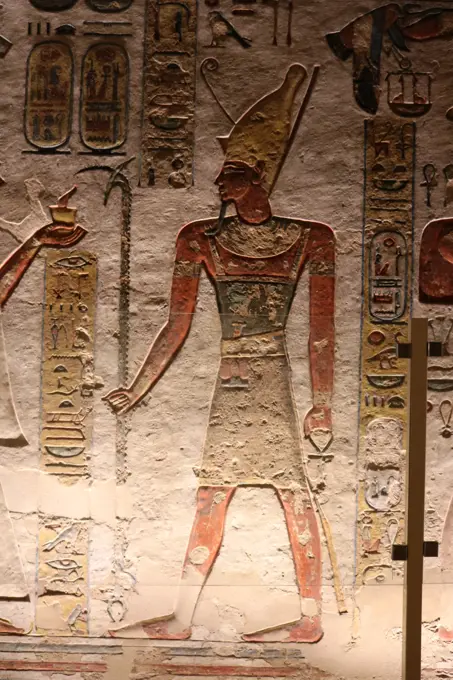
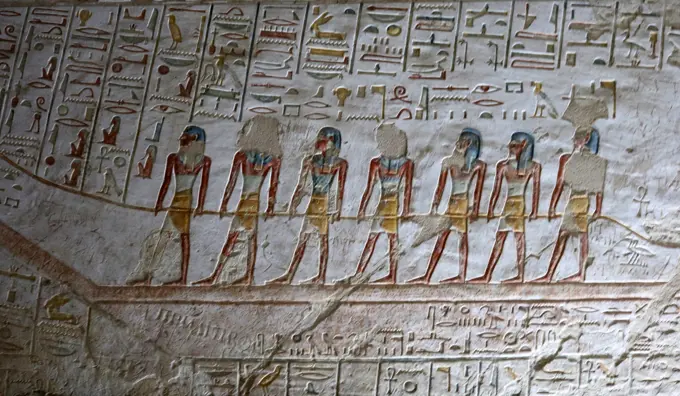
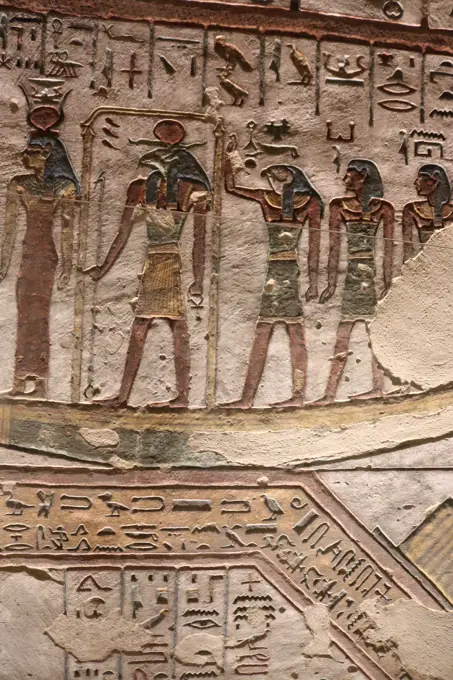
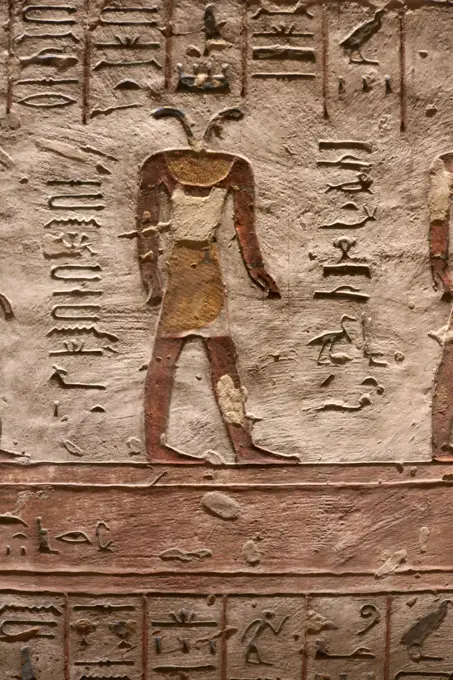
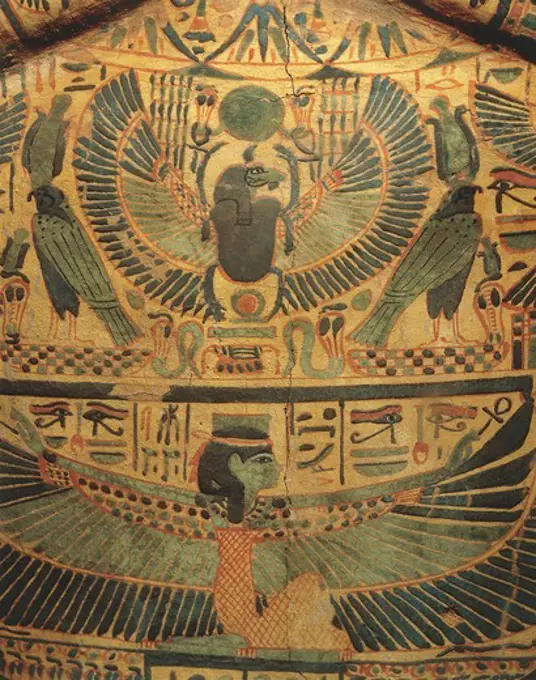
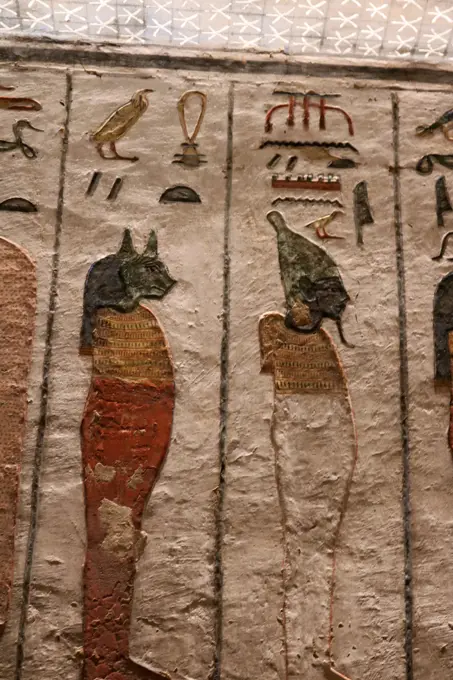
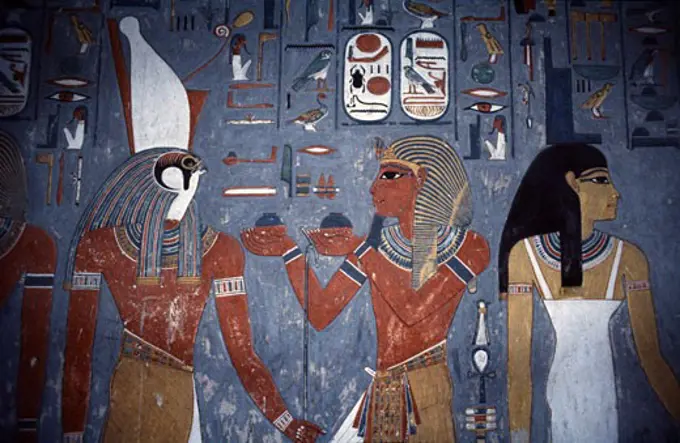
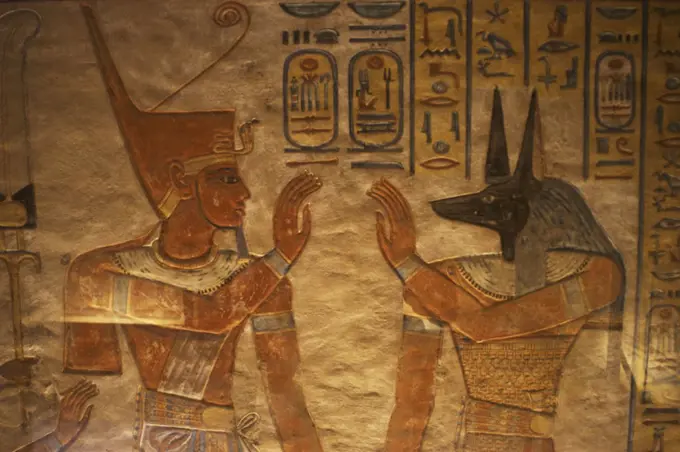
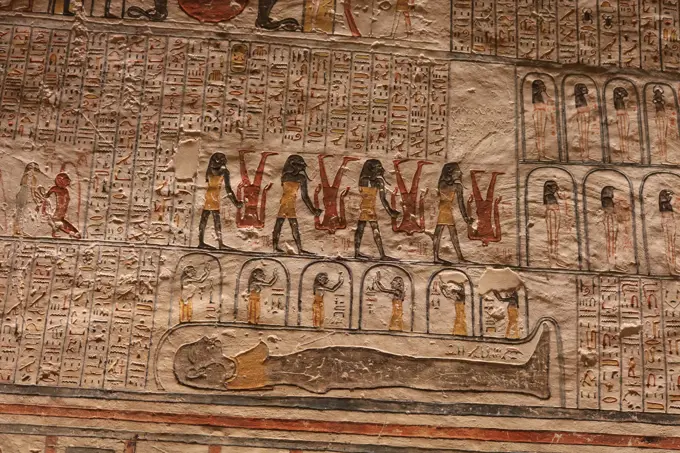
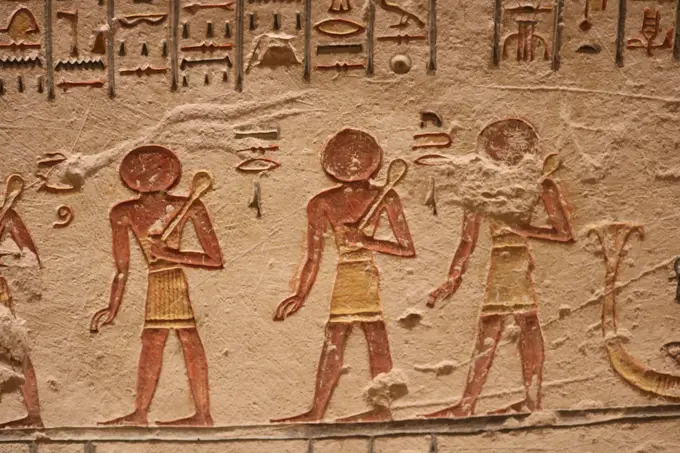
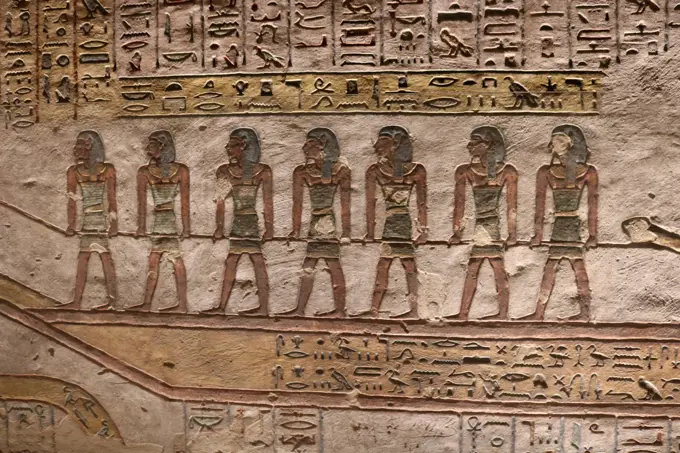
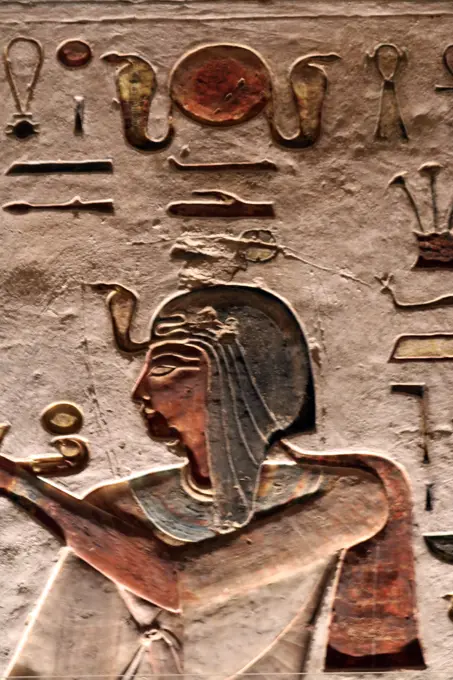
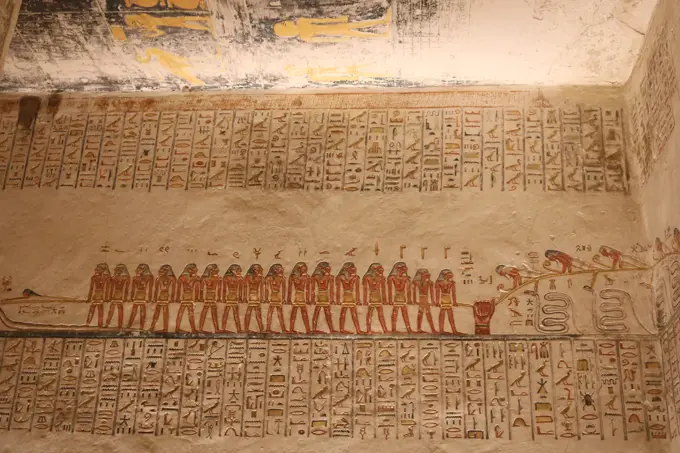
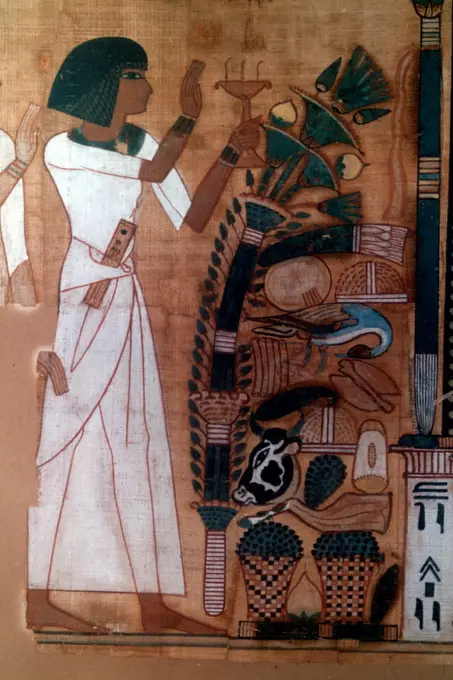
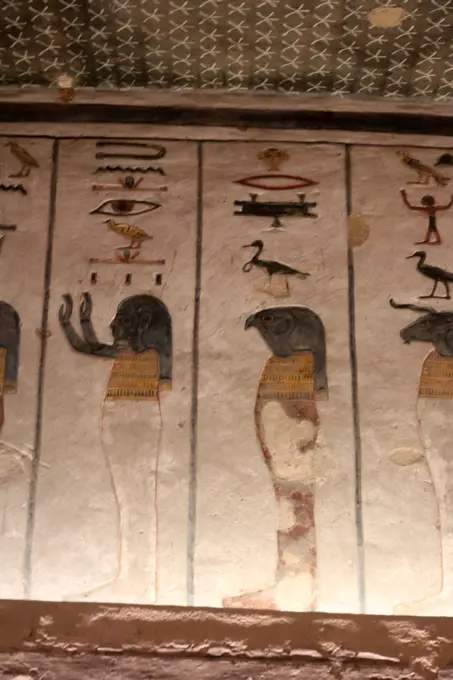
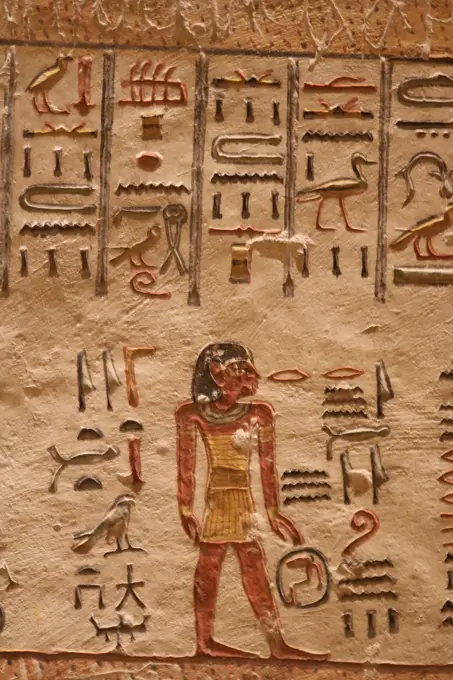
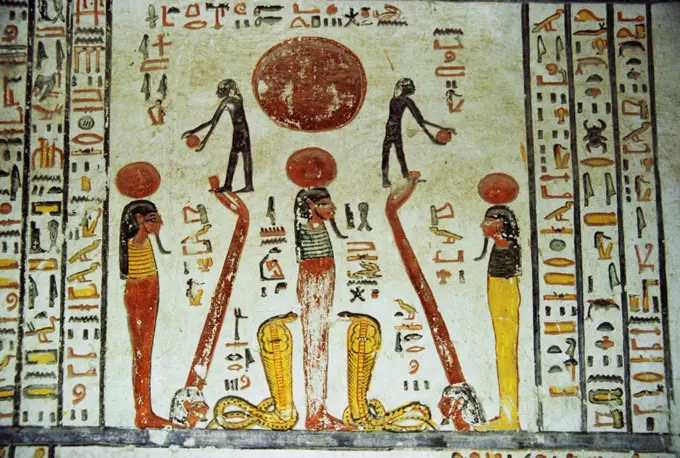
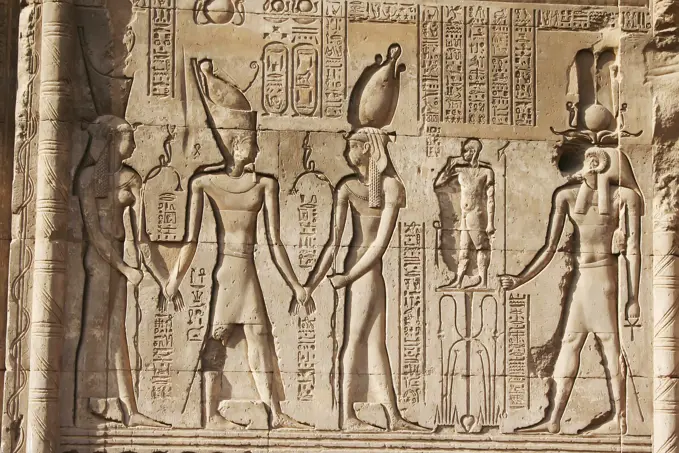
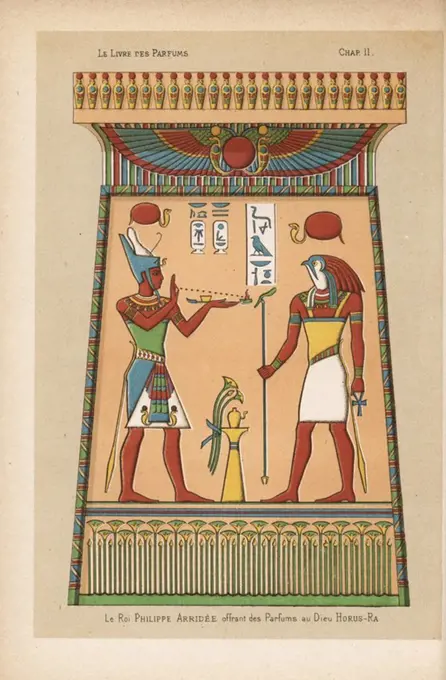
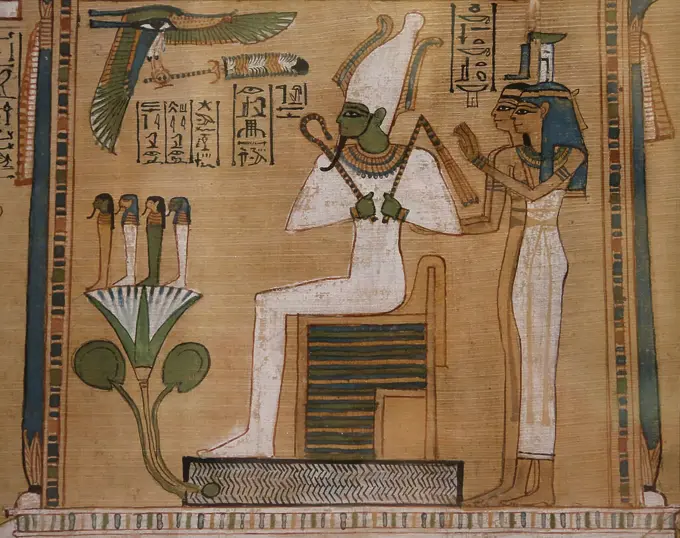
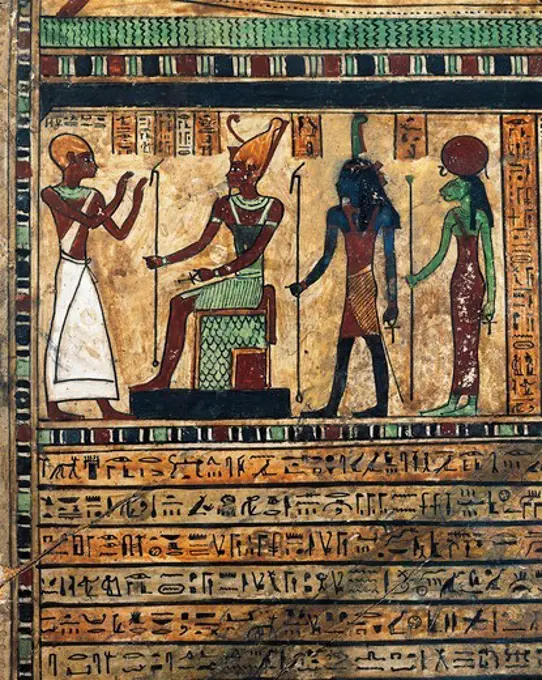
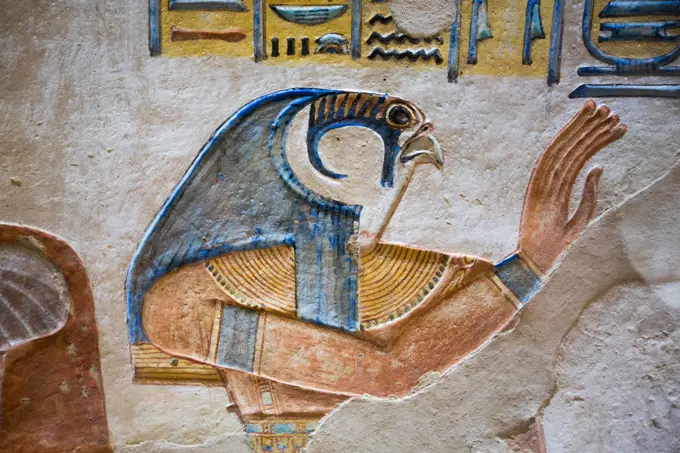
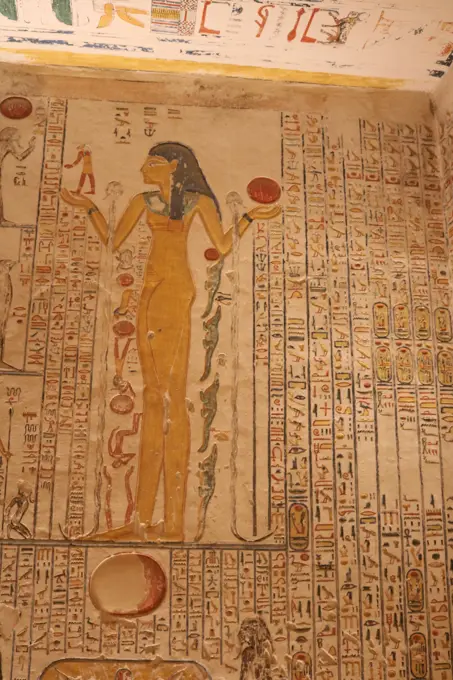
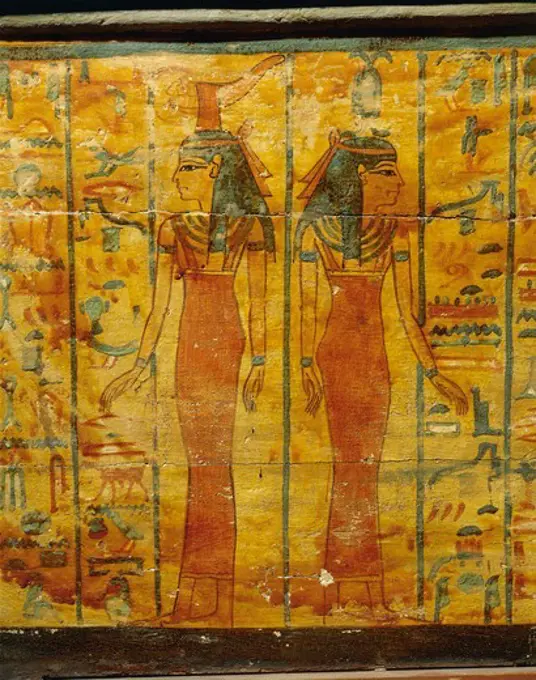
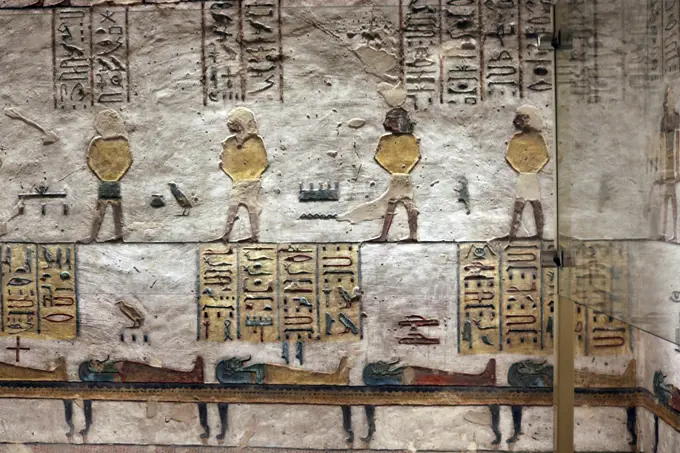
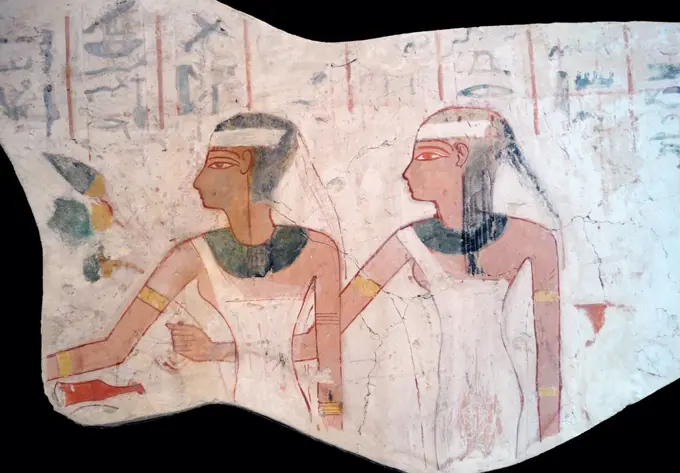
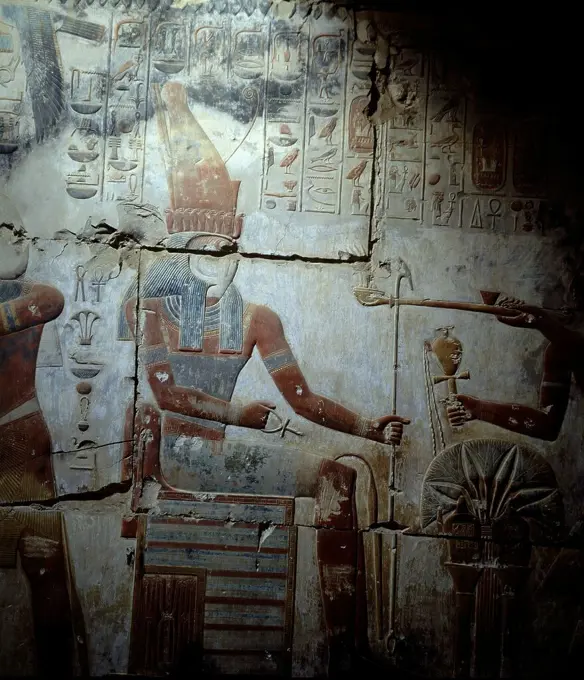
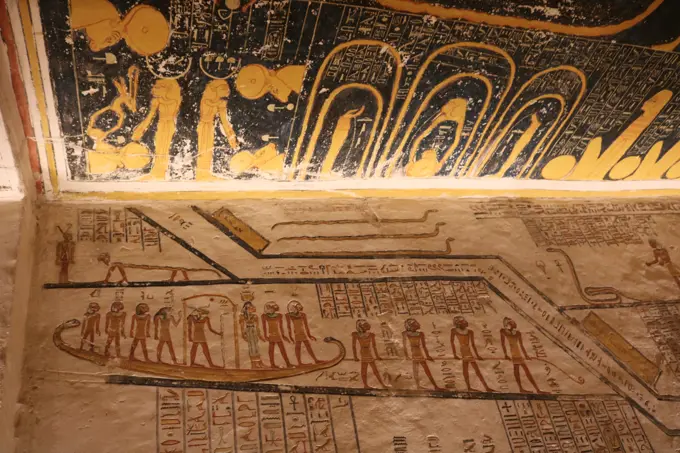
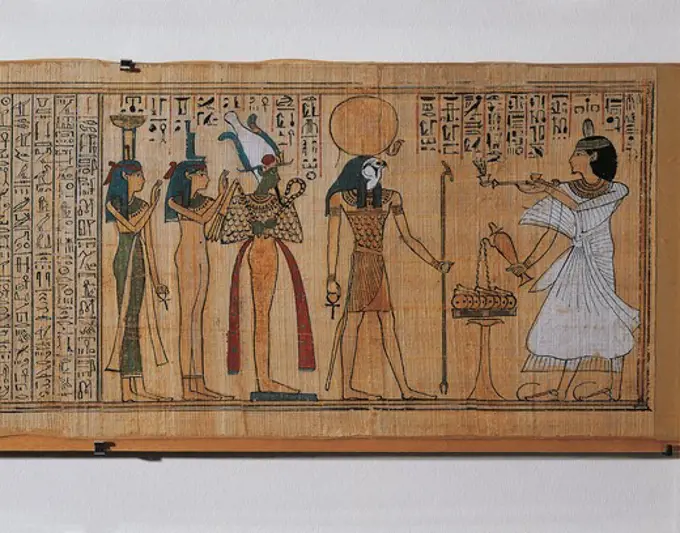
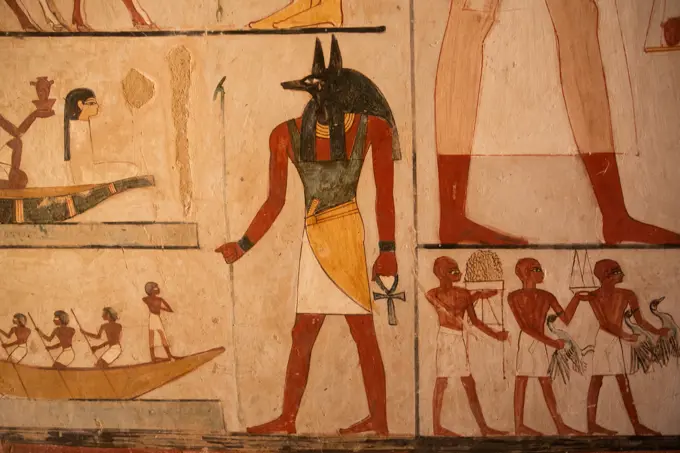
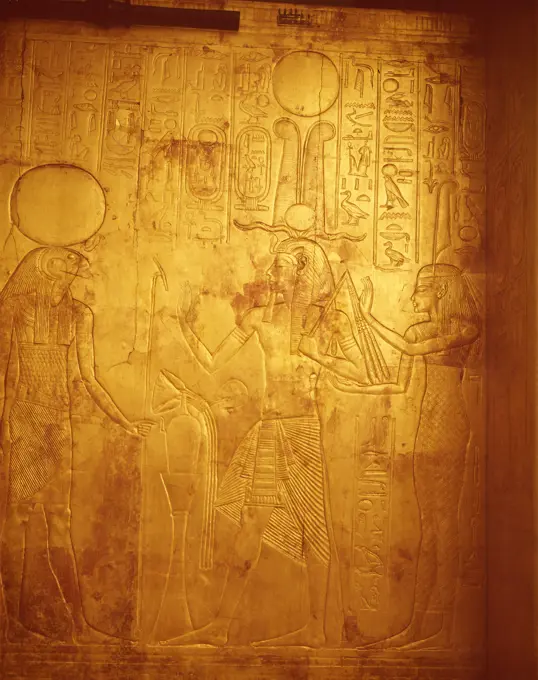
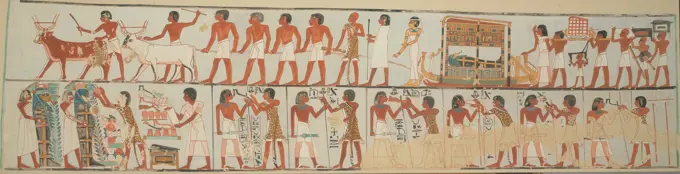
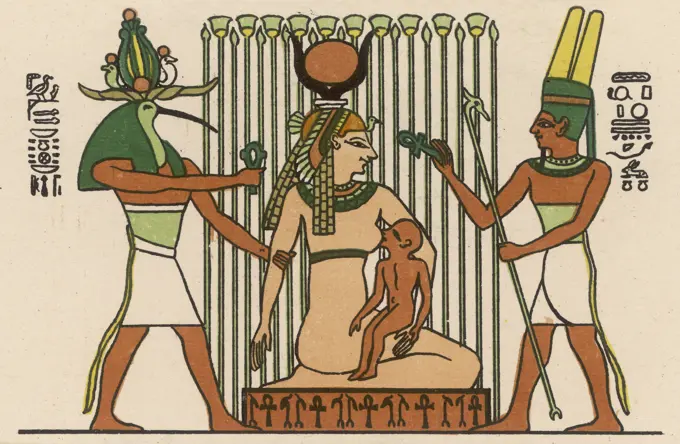
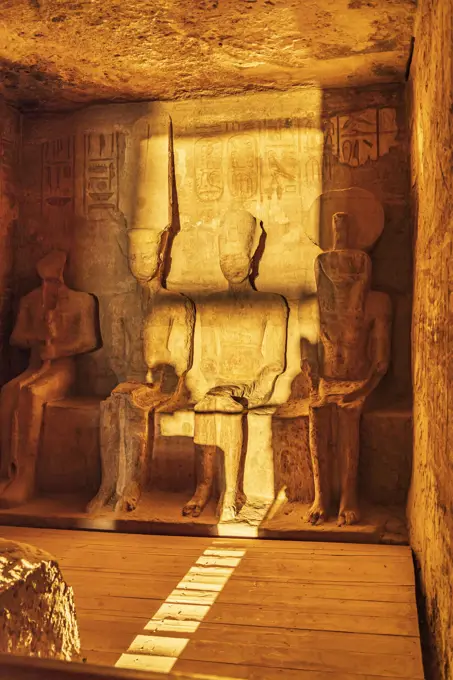
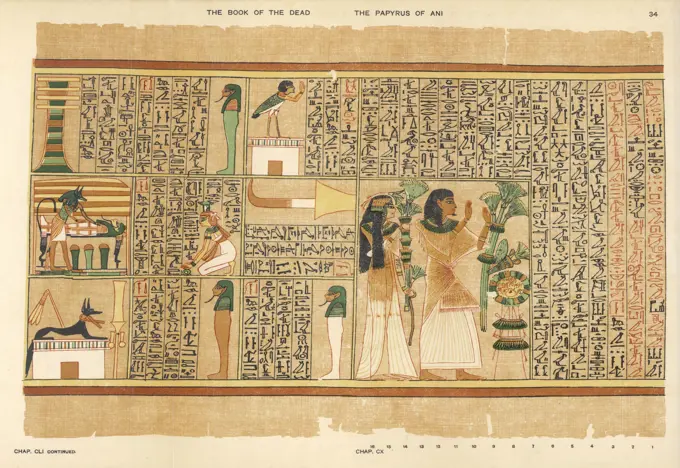
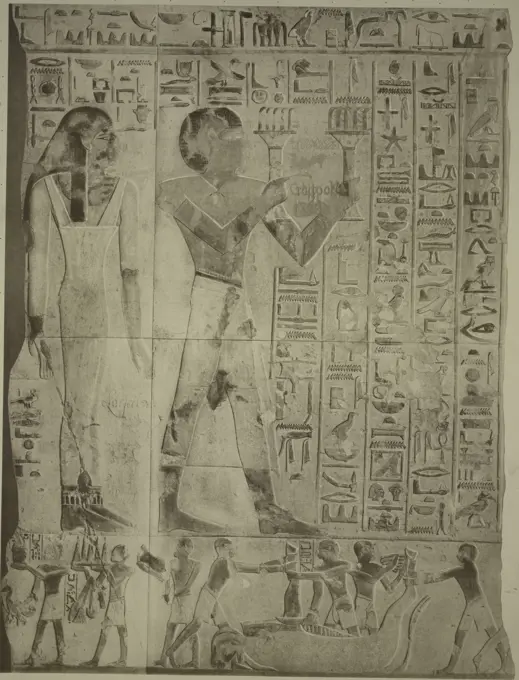
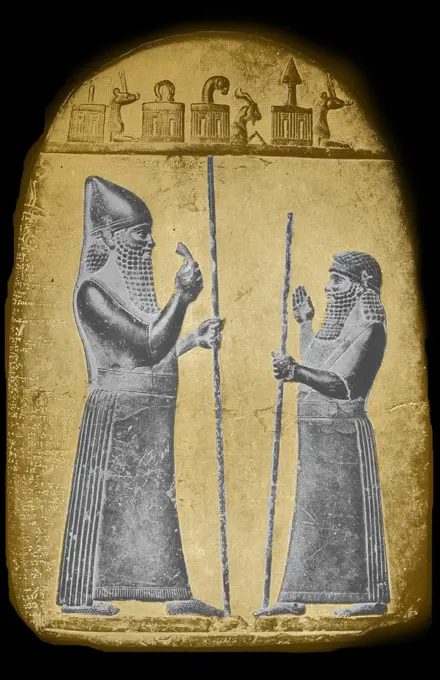
Hieroglyphics on Tomb Wall, Valley of the Kings, near Luxor, EgyptTomb of Ramesses III, Pharaoh of the Twentieth Dynasty in Ancient Egypt. reigned from 1186 to 1155 BC and is considered to be the last monarch of the New Kingdom to wield any substantial authority over Egypt. Tomb KV11 is located in the main valley of the Valley of the Kings. The tomb has been open since antiquity, and has been known variously as Bruce's Tomb (named after James Bruce who entered the tomb in 1768) and The Harper's Tomb (due to paintings of two blind harpers in the tomb).Egypt. Sarcophagus cover, The priestly from Deir-el Bahri, near Luxor. Priest. 21st Dynasty. Third Intermediate Period. Detail. Historical Museum. Oslo. Norway.The weighing of Ani's  conscience by Anubis : Thoth  notes the result - Anemit  waits to devour him if guilty  (which he is not) Tomb of Ramesses III, Pharaoh of the Twentieth Dynasty in Ancient Egypt. reigned from 1186 to 1155 BC and is considered to be the last monarch of the New Kingdom to wield any substantial authority over Egypt. Tomb KV11 is located in the main valley of the Valley of the Kings. The tomb has been open since antiquity, and has been known variously as Bruce's Tomb (named after James Bruce who entered the tomb in 1768) and The Harper's Tomb (due to paintings of two blind harpers in the tomb).A photograph taken within Tomb KV8, located in the Valley of the Kings, used for the burial of Pharaoh Merenptah of Ancient Egypt's Nineteenth Dynasty. Merneptah or Merenptah (reigned July or August 1213 BC - May 2, 1203 BC) was the fourth ruler of the Nineteenth Dynasty of Ancient Egypt.Relief of Pharaoh on left and Egyptian God Ra, Tomb of Rameses III, KV11, Valley of the Kings, Ancient Thebes, UNESCO World Heritage Site, Luxor, Egypt, North Africa, Africa Copyright: RichardxMaschmeyer 801-4154Tomb of Ramesses III, Pharaoh of the Twentieth Dynasty in Ancient Egypt. reigned from 1186 to 1155 BC and is considered to be the last monarch of the New Kingdom to wield any substantial authority over Egypt. Tomb KV11 is located in the main valley of the Valley of the Kings. The tomb has been open since antiquity, and has been known variously as Bruce's Tomb (named after James Bruce who entered the tomb in 1768) and The Harper's Tomb (due to paintings of two blind harpers in the tomb).Tomb of Ramesses III, Pharaoh of the Twentieth Dynasty in Ancient Egypt. reigned from 1186 to 1155 BC and is considered to be the last monarch of the New Kingdom to wield any substantial authority over Egypt. Tomb KV11 is located in the main valley of the Valley of the Kings. The tomb has been open since antiquity, and has been known variously as Bruce's Tomb (named after James Bruce who entered the tomb in 1768) and The Harper's Tomb (due to paintings of two blind harpers in the tomb).Mummy cover with winged divinity protecting scarab, symbol of eternityBook of the Dead papyrus of the scribe Ani. Weighing the heart. 19th Dyn. 1250 BC. Anubis with scales. EGYPT.Tomb of Ramesses III, Pharaoh of the Twentieth Dynasty in Ancient Egypt. reigned from 1186 to 1155 BC and is considered to be the last monarch of the New Kingdom to wield any substantial authority over Egypt. Tomb KV11 is located in the main valley of the Valley of the Kings. The tomb has been open since antiquity, and has been known variously as Bruce's Tomb (named after James Bruce who entered the tomb in 1768) and The Harper's Tomb (due to paintings of two blind harpers in the tomb).Valley of the KingsTomb PaintingDeir El BahriEgyptTomb of Amen Khopshef, son of Ramses III. Polychrome reliefs decorating the walls of the burial chamber. God Anubis on the right. Twentieth dynasty. New Kingdom. Valley of the Queens. Egypt.Tomb KV9 in Egypt's Valley of the Kings was originally constructed by Pharaoh Ramesses V. He was interred here, but his uncle, Ramesses VI, later reused the tomb as his own. The layout is typical of the 20th dynasty - the Ramesside period 1145 BCTomb KV9 in Egypt's Valley of the Kings was originally constructed by Pharaoh Ramesses V, who died in 1145 BC. He was interred here, but his uncle, Ramesses VI, later reused the tomb as his own. The layout is typical of the 20th dynasty, the Ramesside period.Wall painting inside the Theban Tomb of Roy (TT255), in Dra' Abu el-Naga'. It forms part of the Theban Necropolis, situated on the west bank of the Nile opposite Luxor. The sepulchre is the burial place of the Ancient Egyptian official, Roy, who lived at the end of the 18th dynasty, during the reign of Horemheb. Roy was a Royal Scribe in the Estates of Horemheb and of Amun. His wife, who appears with him in the tomb paintings, is named as Nebtawy, or 'Tawy'Tomb KV9 in Egypt's Valley of the Kings was originally constructed by Pharaoh Ramesses V. He was interred here, but his uncle, Ramesses VI, later reused the tomb as his own. The layout is typical of the 20th dynasty - the Ramesside period 1145 BCTomb KV9 in Egypt's Valley of the Kings was originally constructed by Pharaoh Ramesses V. He was interred here, but his uncle, Ramesses VI, later reused the tomb as his own. The layout is typical of the 20th dynasty - the Ramesside period 1145 BCAnubis weighing the souls of the dead. Book of the Dead. 1250 BC. EGYPT.Tomb KV9 in Egypt's Valley of the Kings was originally constructed by Pharaoh Ramesses V. He was interred here, but his uncle, Ramesses VI, later reused the tomb as his own. The layout is typical of the 20th dynasty - the Ramesside period 1145 BCTomb of Ramesses III, Pharaoh of the Twentieth Dynasty in Ancient Egypt. reigned from 1186 to 1155 BC and is considered to be the last monarch of the New Kingdom to wield any substantial authority over Egypt. Tomb KV11 is located in the main valley of the Valley of the Kings. The tomb has been open since antiquity, and has been known variously as Bruce's Tomb (named after James Bruce who entered the tomb in 1768) and The Harper's Tomb (due to paintings of two blind harpers in the tomb).Egyptian 19th Dynasty, The Fumigation of Osiris, page from the Book of the Dead of Neb-Qued, Egyptian, New Kingdom (papyrus)Tomb of Ramesses III, Pharaoh of the Twentieth Dynasty in Ancient Egypt. reigned from 1186 to 1155 BC and is considered to be the last monarch of the New Kingdom to wield any substantial authority over Egypt. Tomb KV11 is located in the main valley of the Valley of the Kings. The tomb has been open since antiquity, and has been known variously as Bruce's Tomb (named after James Bruce who entered the tomb in 1768) and The Harper's Tomb (due to paintings of two blind harpers in the tomb).Procession of Gods, Tomb of Pashedu, Deir Al-Medina, west Bank, Luxor, Egypt   Tomb KV9 in Egypt's Valley of the Kings was originally constructed by Pharaoh Ramesses V. He was interred here, but his uncle, Ramesses VI, later reused the tomb as his own. The layout is typical of the 20th dynasty - the Ramesside period 1145 BCChapel Interior, Anubis, Thebes, Egypt Artist: UnknownTomb KV9 in Egypt's Valley of the Kings was originally constructed by Pharaoh Ramesses V, who died in 1145 BC. He was interred here, but his uncle, Ramesses VI, later reused the tomb as his own. The layout is typical of the 20th dynasty, the Ramesside period.Egyptian 19th Dynasty, The Fumigation of Osiris, page from the Book of the Dead of Neb-Qued, Egyptian, New Kingdom (papyrus)PAPYRUS OF ANI The dead Ani, judged innocent,  is presented by Horus to  Osiris.  He kneels with  whitened hair. Tomb of Ramesses III, Pharaoh of the Twentieth Dynasty in Ancient Egypt. reigned from 1186 to 1155 BC and is considered to be the last monarch of the New Kingdom to wield any substantial authority over Egypt. Tomb KV11 is located in the main valley of the Valley of the Kings. The tomb has been open since antiquity, and has been known variously as Bruce's Tomb (named after James Bruce who entered the tomb in 1768) and The Harper's Tomb (due to paintings of two blind harpers in the tomb).Tomb KV9 in Egypt's Valley of the Kings was originally constructed by Pharaoh Ramesses V. He was interred here, but his uncle, Ramesses VI, later reused the tomb as his own. The layout is typical of the 20th dynasty - the Ramesside period 1145 BCSennefer on right receivng a Ritual, Tomb of Sennefer, TT96, Tombs of the Nobles, Ancient Thebes, UNESCO World Heritage Site, Luxor, Egypt, North Africa, Africa Copyright: RichardxMaschmeyer 801-4068Tomb KV9 in Egypt's Valley of the Kings was originally constructed by Pharaoh Ramesses V. He was interred here, but his uncle, Ramesses VI, later reused the tomb as his own. The layout is typical of the 20th dynasty - the Ramesside period 1145 BCEgypt, Near Luxor, Valley Of The Kings, Interior Frescoes Of King Ramesses Vi'S TombMythological papyrus of Imenemsauf, Chief bearer of Amon. Detail: incensation and libations in honor of Ra-HarakhtiWall painting of the Goddess Isis, Tomb of Nebenmaat, TT219, Deir el-Medina Tombs Worker Tombs, Thebes, UNESCO World Heritage Site, Luxor, Egypt, North Africa, Africa Copyright: RichardxMaschmeyer 801-3949Egyptian history concept with papyrusEgypt, Temple of EsnaKing Philip III Arrhidaeus, brother of Alexander the Great, offering perfume to the Egyptian god Horus-Ra. Chromolithograph from Eugene Rimmel's Le Livre des Parfums, Paris, 1870.Book of the Dead. Judgement from scribe Hunefer. 19th dynasty. 1300 BCE. Osiris, seated with Isis and Nephthys. British Museum. London.Painted wood stele of Usirur, priest of Amon at Thebes, detail, the deceased before Amon, Ptah and SekhmetThe Book of the Dead. 1070 -945 BC. God Thoth weighting the soul of the deceased. Old Egyptian documents collection on magical and religious topics. It consists on a series of prayers and poems as well as a ritual so that the deceased could access the other world. Egyptian art. Third Intermediate Period. Miniature Painting. EGYPT. CAIRO. Cairo. Egyptian Museum.Weighing of the Heart from Papyrus of Ani.  For the ancient Egyptians, the Book of the Dead tells of the path the dead must go to the underworld. This image is a part of the book that belonged to the scribe Ani. The Papyrus Ani, as the papyrus is called today, dates to about 1275-1250 B.C., the time of the 19th Dynasty during the New Kingdom. At left is scribe Ani, who appears here, dressed in white, with his wife, who is also dressed in white and she holds a sistrum. The two are shown bowing as they are in the presence of the gods who will judge them. The three figures at top are part of tAfrica, Egypt, Luxor, Valley of Nobles. Tomb of Ramosis, funeral processionguardian figure of a god from the Coffin of Djedjehutyiuefankh, from the Great temple at Deir el Bahri, Thebes; Egypt. Dated to 25th Dynasty circa 770-712 BCFunerary chapel found in Tutankhamen's tomb in the Valley of the Kings (KV62). These contained the pharaoh's sarcophagus. It was made of wood and decorated with gold, the decoration shows the Djed pillar (a symbol of Osiris) and the Tjet (a symbol of Isis). Tutankhamen was an Egyptian pharaoh of the 18th dynasty (ruled c. 13321323 BCImage of God Horus, Bas Relief, Tomb of Prince Amenherkhepshef Amenkopshef, QV55, Valley of the Queens, Ancient Thebes, UNESCO World Heritage Site, Luxor, Egypt, North Africa, Africa Copyright: RichardxMaschmeyer 801-4212Tomb KV9 in Egypt's Valley of the Kings was originally constructed by Pharaoh Ramesses V, who died in 1145 BC. He was interred here, but his uncle, Ramesses VI, later reused the tomb as his own. The layout is typical of the 20th dynasty, the Ramesside period. Ptah in his shrine    King Tut with Goddess Osiris, Tomb of Tutankhamun, KV62, Valley of the Kings, UNESCO World Heritage Site, Luxor, Thebes, Egypt, North Africa, AfricaA man and his wife making offerings to Osiris, from the Egyptian Book of the Dead. Artist: UnknownEgyptian history concept with papyrusPlastered and painted wood casket with decorations of protecting deities, for canopic jars of deceased TakhamPapyrus from 'The Book of The Dead', Anubis during the weighing of the souls (psychostasy)Tomb KV9 in Egypt's Valley of the Kings was originally constructed by Pharaoh Ramesses V. He was interred here, but his uncle, Ramesses VI, later reused the tomb as his own. The layout is typical of the 20th dynasty - the Ramesside period 1145 BCcarving at the Temple of Hathor, Dendera, Egypt. God presenting an offering.Egyptian history concept with papyrusEgypt, Nile Valley, Thebes, Deir-El-Bahri. Hatshepsut Mortuary Temple. Chapel Of Anubis. Relief Of Tuthmosis Iii Making Offerings To The Sun God Ra- Harakhty.Dancers and Musicians, A Feast for Nebamun, Nebamun's Tomb-Chapel, Thebes, Ancient Egyptian, British Museum, London, England, UKTomb of Ramesses III, Pharaoh of the Twentieth Dynasty in Ancient Egypt. reigned from 1186 to 1155 BC and is considered to be the last monarch of the New Kingdom to wield any substantial authority over Egypt. Tomb KV11 is located in the main valley of the Valley of the Kings. The tomb has been open since antiquity, and has been known variously as Bruce's Tomb (named after James Bruce who entered the tomb in 1768) and The Harper's Tomb (due to paintings of two blind harpers in the tomb).Wall painting. Western Thebes, ancient Egypt. 18th Dynasty (1550-1307 BC). Two priestesses of the god Amun. The lower-ranked one, who holds the title of ìChantress of Amunî, wears the typical hairstyle of young women. The chief priestess wears a short wig and a ribbon tn her hairEgyptian Museum, Book of the Dead of Tayesnakht, detail Egyptian Museum, Book of the Dead of Tayesnakht, detail Copyright: xZoonar.com/PAOLOxGALLOxMODENAx 22856476Tomb KV9 in Egypt's Valley of the Kings was originally constructed by Pharaoh Ramesses V. He was interred here, but his uncle, Ramesses VI, later reused the tomb as his own. The layout is typical of the 20th dynasty - the Ramesside period 1145 BCHieroglyphs on papyrus, message, drawing, Egyptian, kingdom, antiquity, world history, history, tradition, culture, cultural history, stone, sign, language, colourful, queen, sculpture, tomb, Cairo, Egypt, AfricaRELIEVES COLOREADOS - FOTO AÑOS 80. Location: TEMPLO DE SETHI I. ABIDOS. EGYPT. HORUS DIOS EGIPCIO.Tomb KV9 in Egypt's Valley of the Kings was originally constructed by Pharaoh Ramesses V. He was interred here, but his uncle, Ramesses VI, later reused the tomb as his own. The layout is typical of the 20th dynasty - the Ramesside period 1145 BCAncient Egyptian Book of the Dead of Khonsumes. New Kingdom, XX DynastyImage of God Anubis, Wall Paintings, Tomb of Menna, TT69, Tombs of the Nobles, Ancient Thebes, UNESCO World Heritage Site, Luxor, Egypt, North Africa, AfricaPapirus mitologiczny śpiewaczki Amona Ta-hem-en-Mut. unknown, authorTomb KV9 in Egypt's Valley of the Kings was originally constructed by Pharaoh Ramesses V. He was interred here, but his uncle, Ramesses VI, later reused the tomb as his own. The layout is typical of the 20th dynasty - the Ramesside periodDetail of the king wearing Osiris crown with gods Reherakte and Maat on shrine of Tutankhamun, Cairo Museum, Egypt, North Africa, AfricaDepiction of a man and his wife making offerings to Osiris. Artist: UnknownEgypt, Near Luxor, Valley Of The Kings, Interior Frescoes Of King Ramesses Vi'S TombTomb KV9 in Egypt's Valley of the Kings was originally constructed by Pharaoh Ramesses V. He was interred here, but his uncle, Ramesses VI, later reused the tomb as his own. The layout is typical of the 20th dynasty - the Ramesside periodBook of the Dead of the scribe Nebqed, detail of the deceased before Osiris, 18th Dynasty. Artist: UnknownTomb KV9 in Egypt's Valley of the Kings was originally constructed by Pharaoh Ramesses V, who died in 1145 BC. He was interred here, but his uncle, Ramesses VI, later reused the tomb as his own. The layout is typical of the 20th dynasty, the Ramesside period.Scenes from the Tomb of Nebamun, a middle-ranking official scribe and grain accountant of the New Kingdom. Dated 1700 BCFuneral Procession, Tomb of Pairy ca. 1390-1352 B.C. New Kingdom Nina de Garis Davies This facsimile painting copies two scenes in the tomb of Pairy (TT 139) at Thebes. The upper register shows the funeral procession in which Pairy is being transported to the tomb inside his coffin. The lower register depicts, from right to left, various stages in the "opening of the mouth" ceremony.. Funeral Procession, Tomb of Pairy. Nina de Garis Davies (1881-1965). ca. 1390-1352 B.C.. Tempera on paper. New Kingdom. From Egypt, Upper Egypt, Thebes, Sheikh Abd el-Qurna, Tomb of Pairy (TT 139). Dynasty 18Detail of ancient Book of the Dead (1070 BC), Thebes - EgyptISIS suckling HORUS in the papyrus swamp   Isis was a goddess in Egyptian mythology. She was the sister and wife of Osiris, and they had a son named Horus. Isis also protected children and was one of the most important goddesses. She was also considered the greatest magician and goddess of magic.Contemporary papyrus depicting the ancient Egyptian god, Osiris and the weighing of the heart for a deceased pharaoh. The god of fertility, alcohol, agriculture, the afterlife, the dead, resurrection, life, and vegetation in ancient Egyptian religion. Osiris was classically depicted as a green-skinned deity with a pharaoh's beard, partially mummy-wrapped at the legs, wearing a distinctive atef crown, and holding a symbolic crook and flailEgyptian papyrus showing the god Nun. Artist: UnknownProtective goddess on the golden canopic shrine, Tomb of Tutankhamun, Cairo. Artist: UnknownTomb of Ramesses III, Pharaoh of the Twentieth Dynasty in Ancient Egypt. reigned from 1186 to 1155 BC and is considered to be the last monarch of the New Kingdom to wield any substantial authority over Egypt. Tomb KV11 is located in the main valley of the Valley of the Kings. The tomb has been open since antiquity, and has been known variously as Bruce's Tomb (named after James Bruce who entered the tomb in 1768) and The Harper's Tomb (due to paintings of two blind harpers in the tomb).Tomb KV9 in Egypt's Valley of the Kings was originally constructed by Pharaoh Ramesses V. He was interred here, but his uncle, Ramesses VI, later reused the tomb as his own. The layout is typical of the 20th dynasty - the Ramesside period 1145 BCCoffin of Denytenamun, Priest of Amun. The Coffin depicts the sun-god on solar-barque protecting the breast with Osiris, flanked by Isis and Nephthys. Below, a vertical register of hieroglyphs runs down the centre of the body and is flanked by six vignettes: the cow of Hathor and the bull of Ptah-Sokar-Osiris standing before the western mountains and the tomb of the deceased, the four Sons of Horus, with jackals beneath, the foot section is damaged in places; the base - is decorated with represeTomb of Pashedu, TT3, Deir el-Medina Tombs Worker Tombs, Thebes, UNESCO World Heritage Site, Luxor, Egypt, North Africa, Africa Copyright: RichardxMaschmeyer 801-3886 Editorial Use OnlyTomb of Nebamun, Musicians and Dancers. Wax cones on heads. EGYPT.Abu Simbel, Aswan, Egypt. Sunrise light on statues of Ptah, Amun, Ramesses II, and Ra in the Holiest of Holies in the Great Temple of Ramesses II. (Editorial Use Only)Scene of the sepulchral  chamber : the mummy guarded by  Anubis, Isis kneels at the  foot and Nephthys at the head  - four children of Horus at  each cornerLimestone stela of Sensebek. 12th dynasty, about 1850 BC The deceased is shown with his wife before an offering-table. The text is a hymn to Wepwawet and Osiris.Paheri, represented on a large scale, upholds in each hand a censer with five wicks. Behind him stands his wife and three of their children., 1895., London, Boston. Publisher, Egypt Exploration Fund. Tombs & sepulchral monuments, Egypt, Elkab (Extinct city)Marduk-Baladan or Merodach-baladan II, chief of the Bit-Yakin tribe and King of Babylon. Reigned 722-710 + 703-702 BCE. Merodach-Baladan, King of Babylon, shown on a boundary stone talking with a vassal. (reigned 722 BC  710 BC, 703 BC  702 BC) was a Chaldean prince who usurped the Babylonian throne in 721 BC.18th Dynasty : Syrian chiefs pay tribute to  the Egyptians        Date: 1570 - 1200 BCAbydos, one of the oldest cities of ancient Egypt; The souls of Pe. The Souls of Pe and Nekhen, mentioned first in the Pyramid Texts, refer to the ancestors of the ancient Egyptian kings. Nekhen and Pe, whose successors the Egyptian pharaohs were thought to be.Shroud of Hori ca. 1295-1070 B.C. New Kingdom, Ramesside This colorful scene depicts Hori at his funerary meal, wearing a cone of fragrant incense on his head. The heaped table is described as "an offering of all things good and pure for the spirit of the Osiris Hori, justified." The offerings include three white loaves of bread, a cut of meat, and various vegetables. Beneath the table are two sealed jars of beer. The scene was painted on a linen sheet that was probably a shroud laid over Hori's coffin.. Shroud of Hori 546201Reneni fue Nomarca de la ciudad de Nejeb durante el reinado de Amenhotep I y también Supervisor de los sacerdotes de la diosa Nejbet.Egypt, Thebes, Luxor. Valley of the Kings, Tomb of Tutankhamen, mural paintings of Pharaoh and Ka meeting Osiris in Burial chamber from 18th dynasty