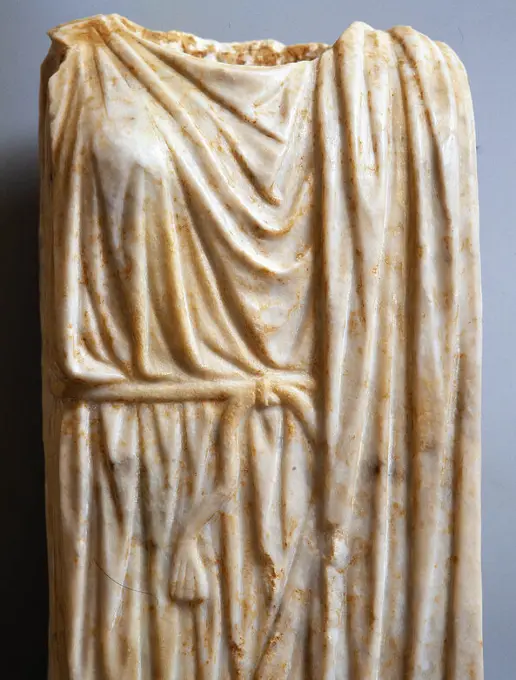
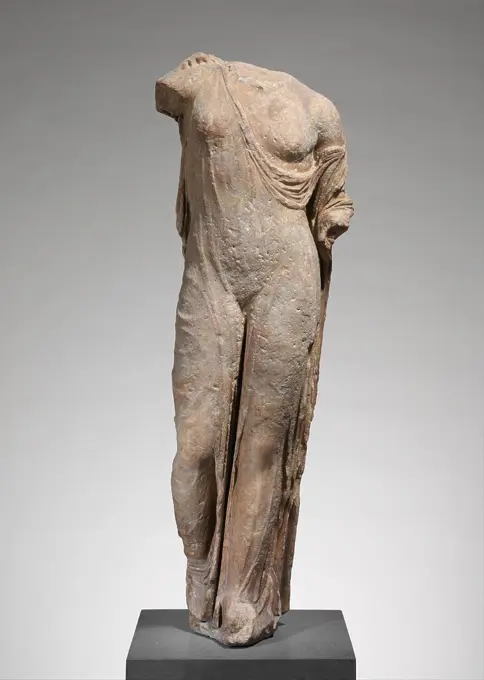
Fragment of a Grave Monument 400 BCE-201 BCE Greece. When this object came to the Art Institute, it was cracked in two. Experts even questioned whether the fragments belonged together, as they were misaligned and of different colors. Upon examination, it was found that the two parts were joined by lead dowels that had caused the skewed alignment, and that they were, in fact, a perfect match. The discoloration was caused by weathering that had occurred while the object lay buried in different areas of iron-rich soil. After removing the lead dowels, the two fragments were cleaned using high-pressure steam and both synthetic and paper-based poultices. Conservators created a special fill made of paper, resin, and marble dust to craft a seamless join. The pieces were then joined with an adhesive before filling in the crack and associated losses.. Marble . Ancient Greek
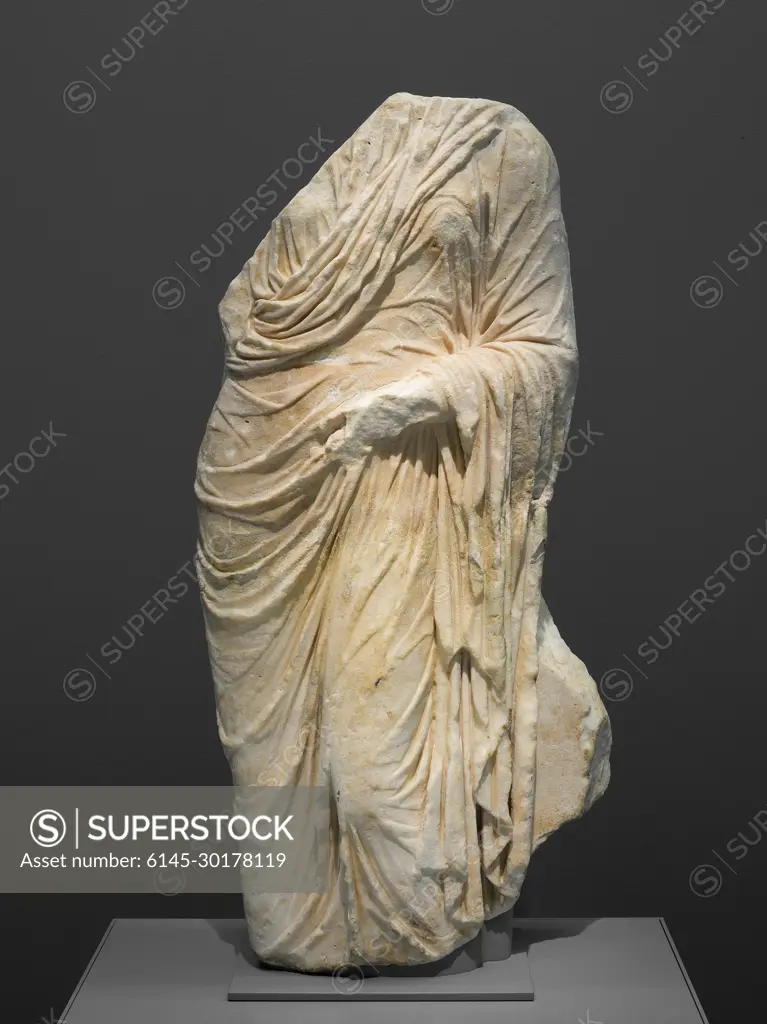
SuperStock offers millions of photos, videos, and stock assets to creatives around the world. This image of Fragment of a Grave Monument 400 BCE-201 BCE Greece. When this object came to the Art Institute, it was cracked in two. Experts even questioned whether the fragments belonged together, as they were misaligned and of different colors. Upon examination, it was found that the two parts were joined by lead dowels that had caused the skewed alignment, and that they were, in fact, a perfect match. The discoloration was caused by weathering that had occurred while the object lay buried in different areas of iron-rich soil. After removing the lead dowels, the two fragments were cleaned using high-pressure steam and both synthetic and paper-based poultices. Conservators created a special fill made of paper, resin, and marble dust to craft a seamless join. The pieces were then joined with an adhesive before filling in the crack and associated losses.. Marble . Ancient Greek by Piemags/PL Photography Limited is available for licensing today.
Visually Similar More from Classical Statues and Figures story


Looking for a license?
Click here, and we'll help you find it! Questions? Just ask!
Click here, and we'll help you find it! Questions? Just ask!
DETAILS
Image Number: 6145-30178119Royalty FreeCredit Line:Piemags/PL Photography Limited/SuperStockCollection:PL Photography Limited Story:Classical Statues and FiguresContributor:Piemags Model Release:NoProperty Release:NoResolution:2249×3000