Mercury's Surface Features

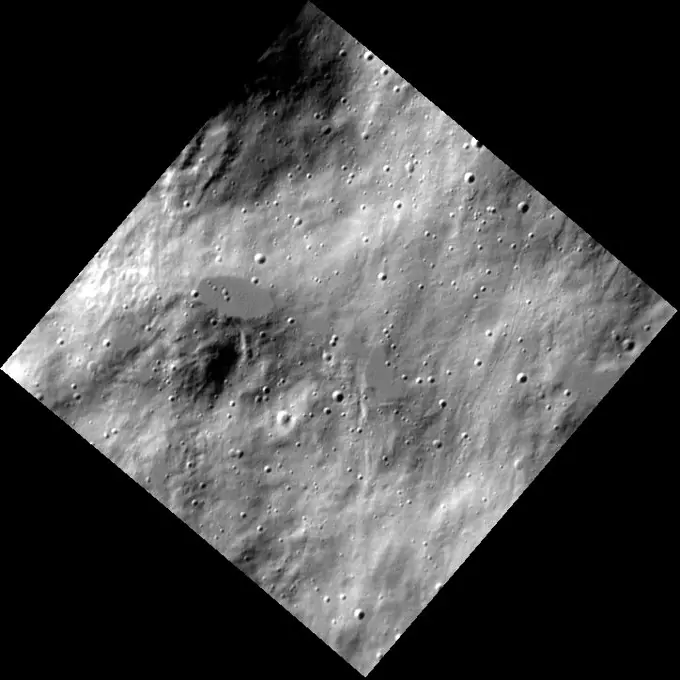
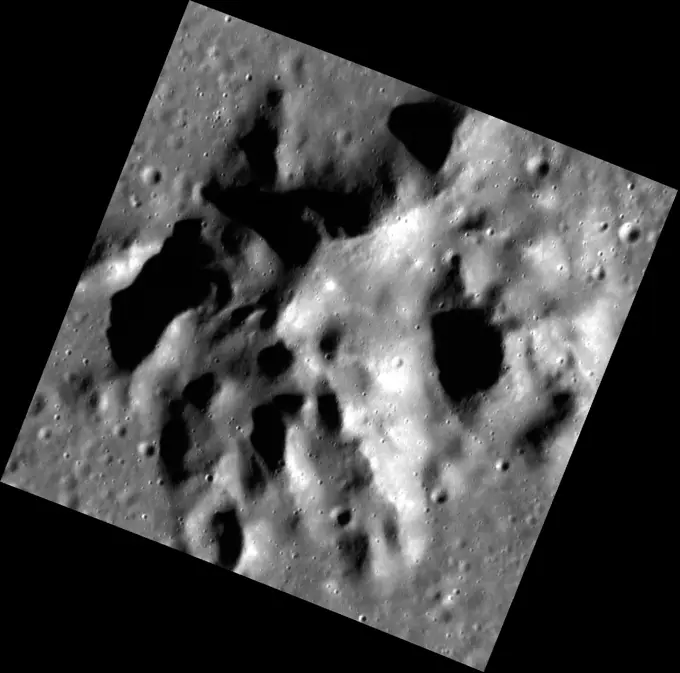
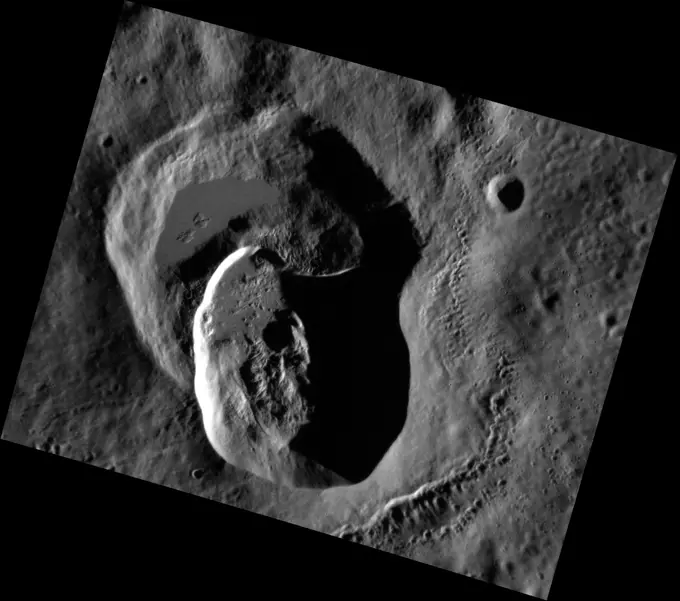
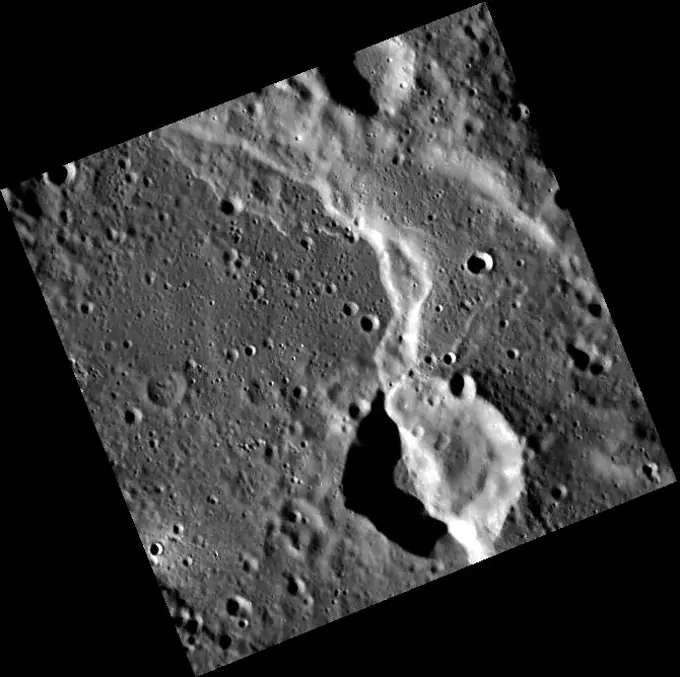
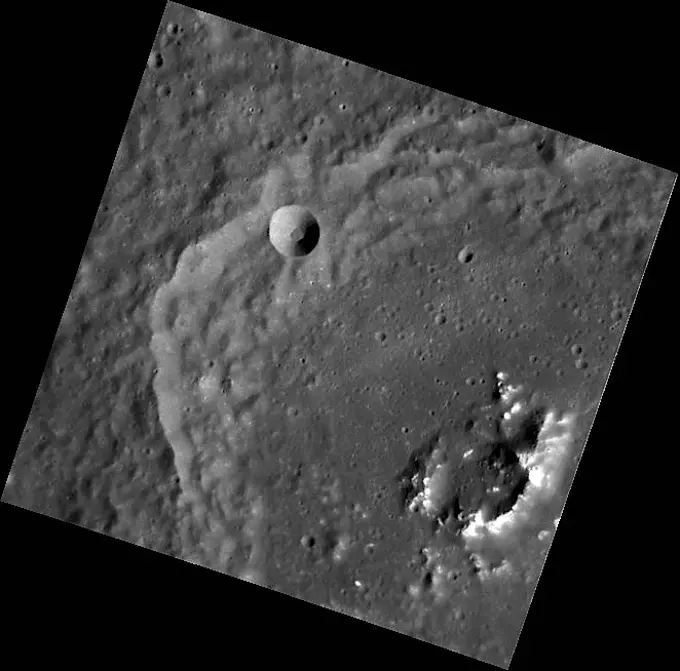
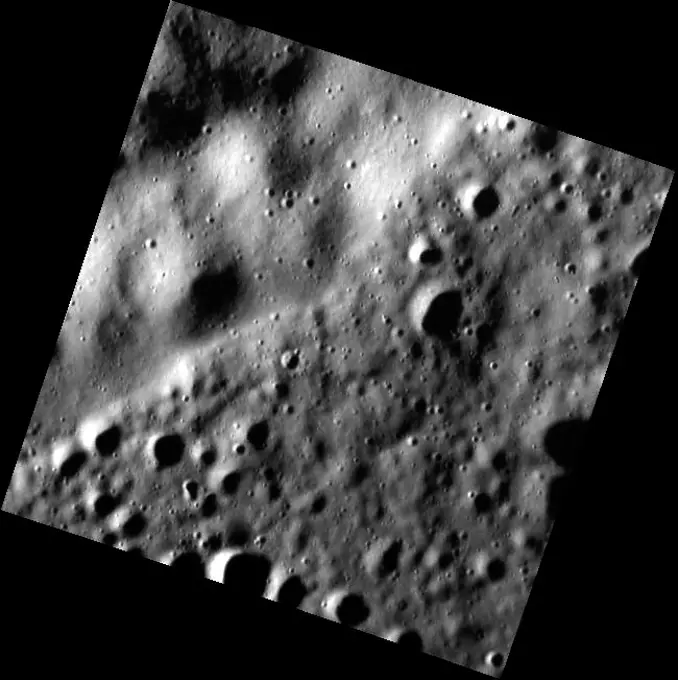
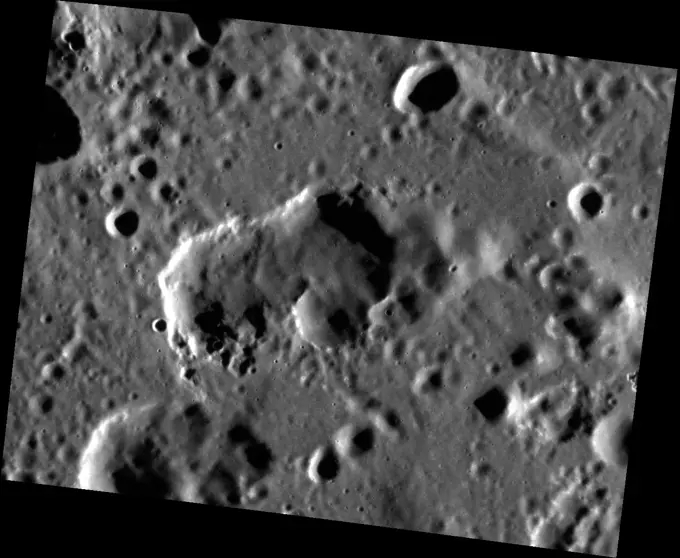
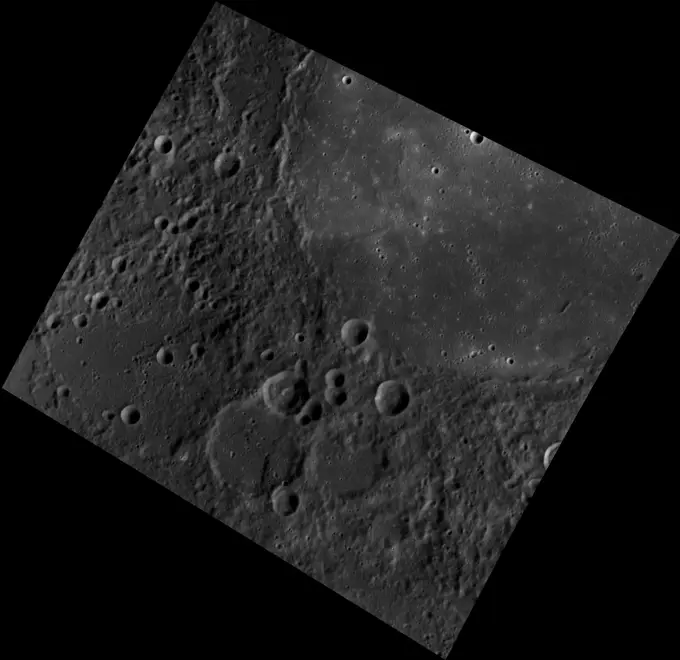
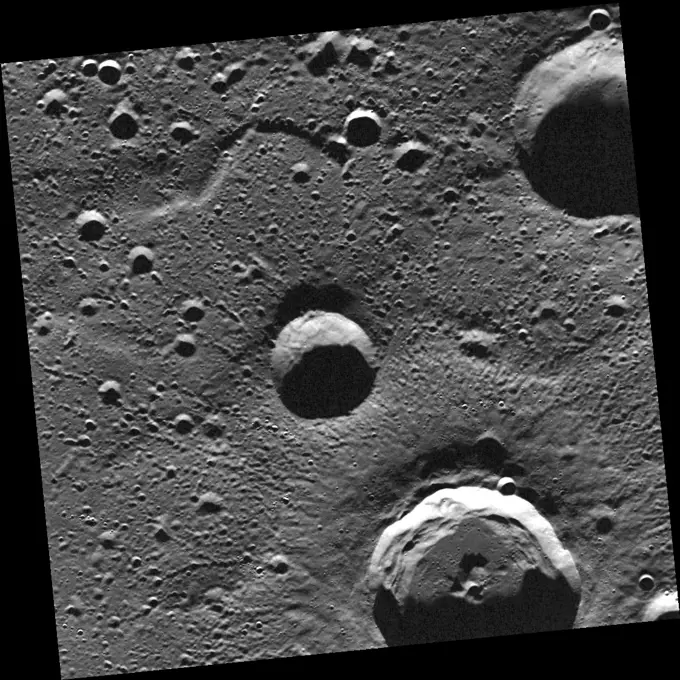
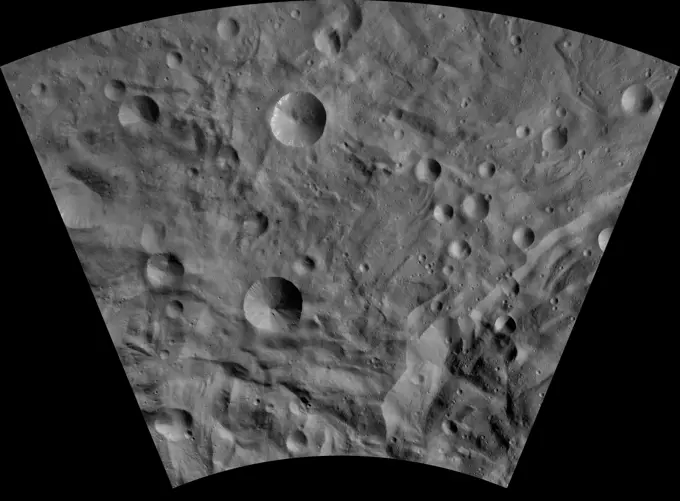
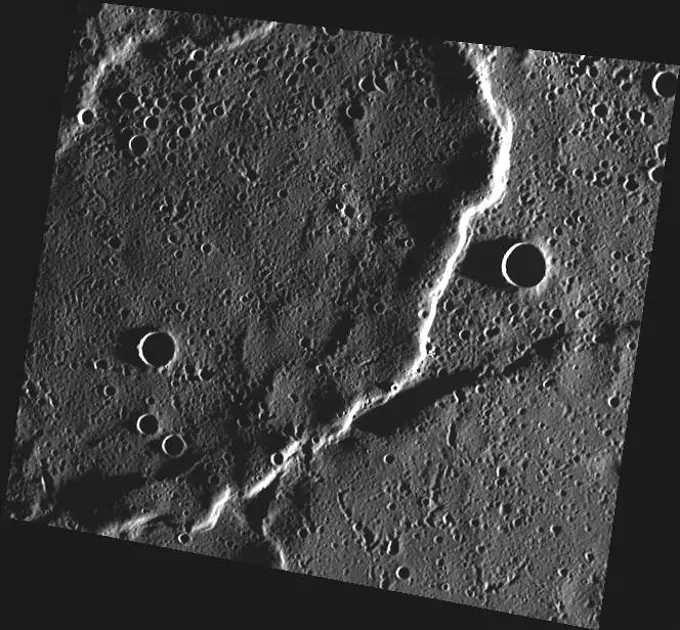
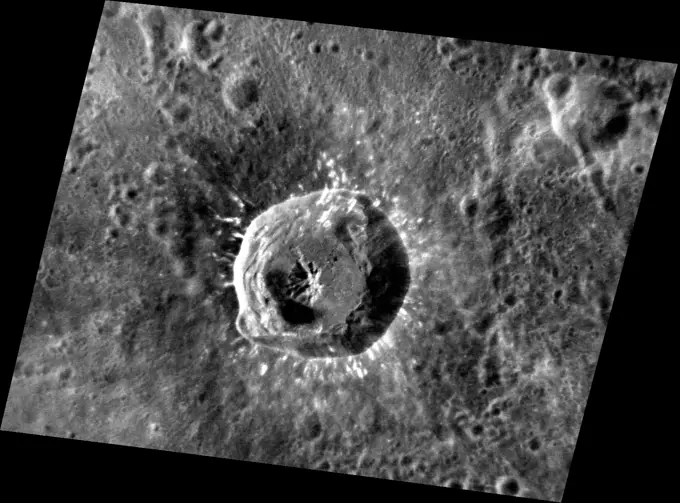
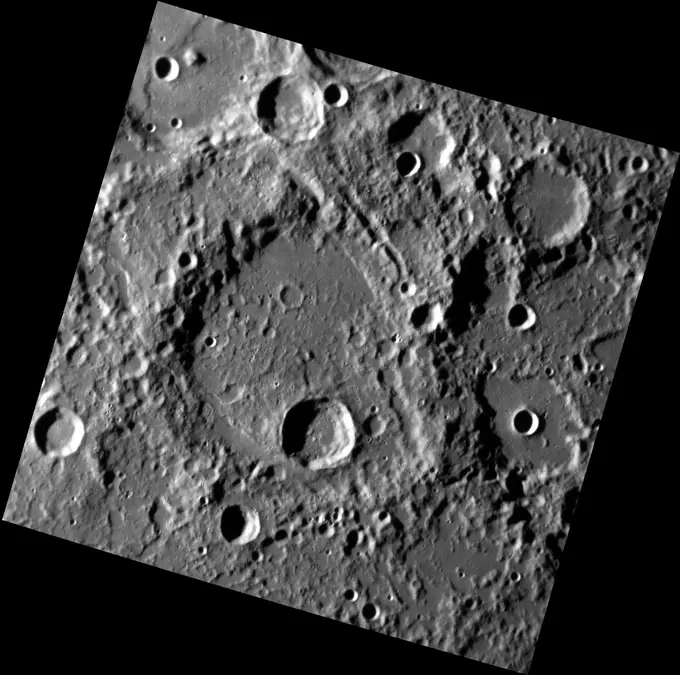
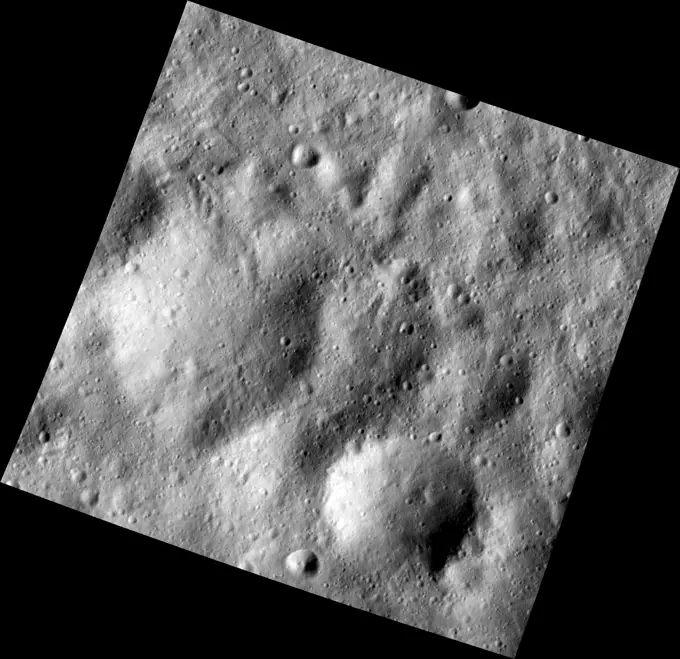
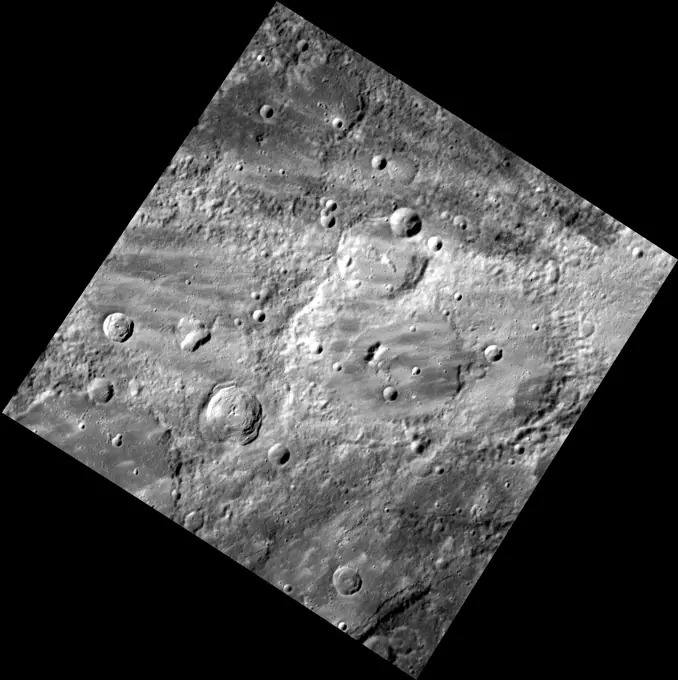
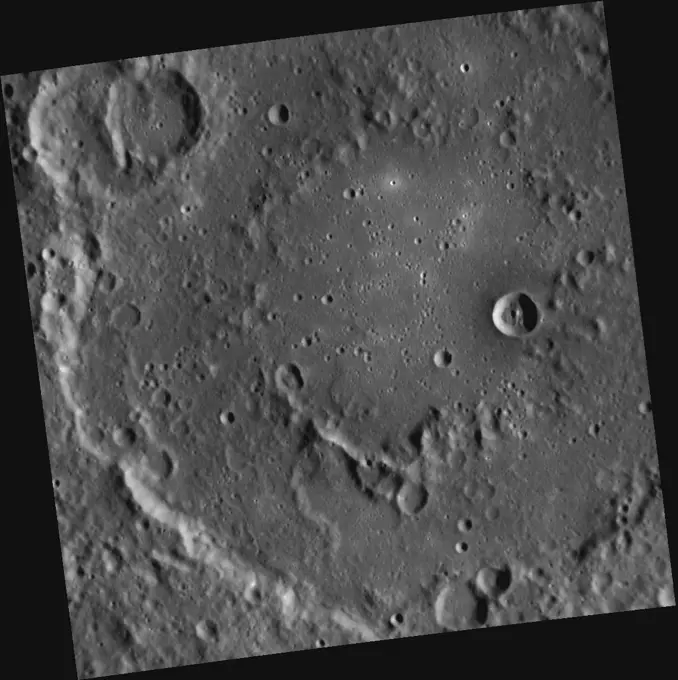
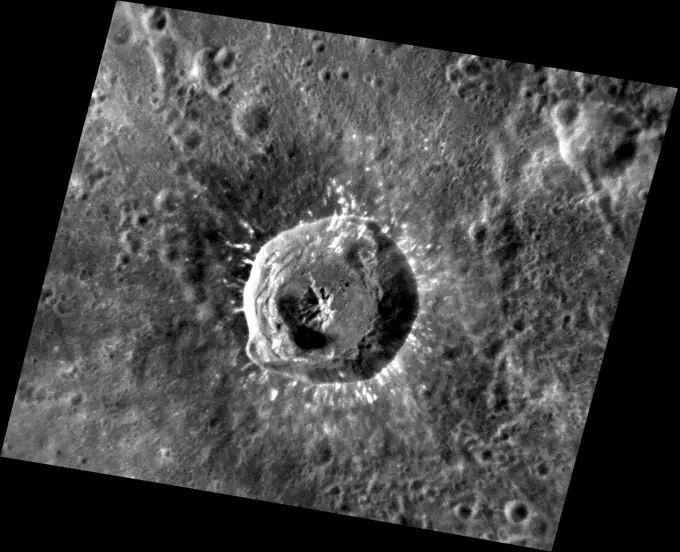
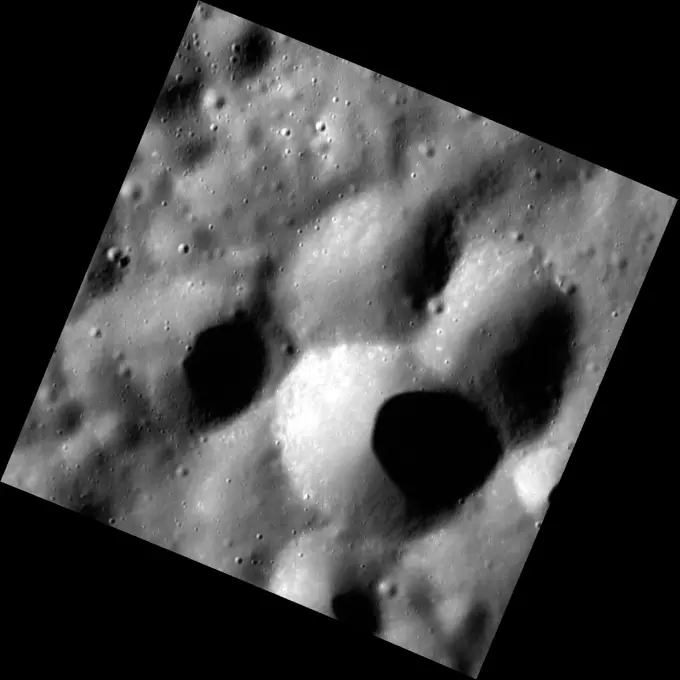
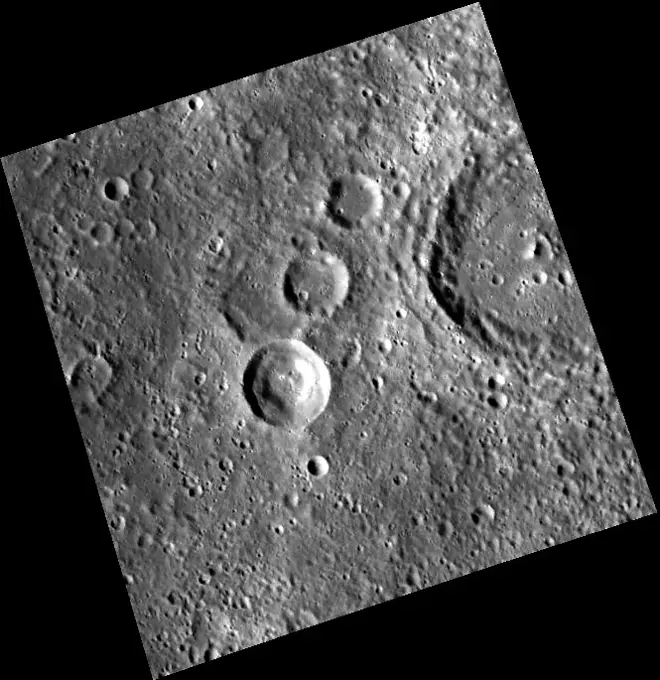
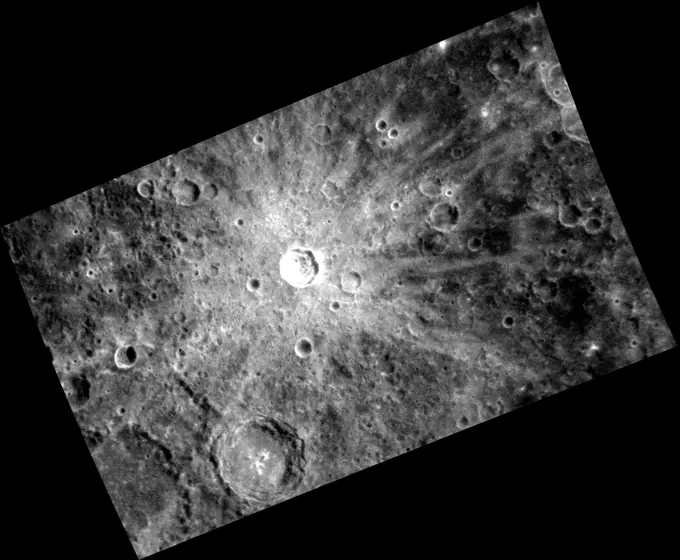
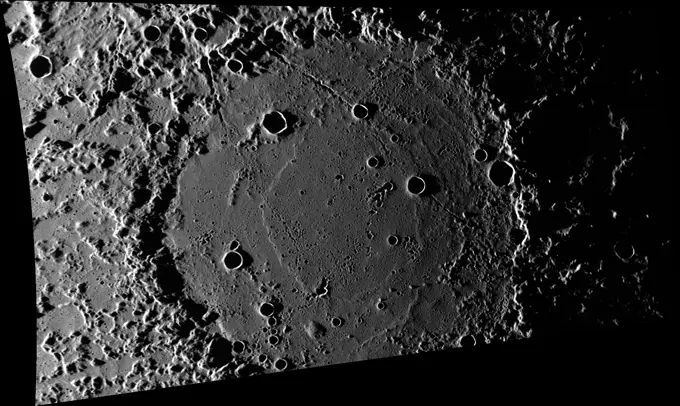
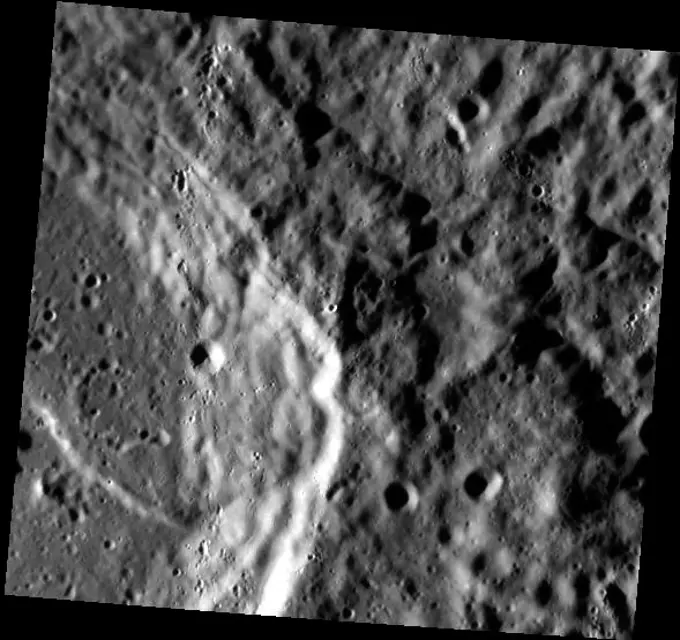
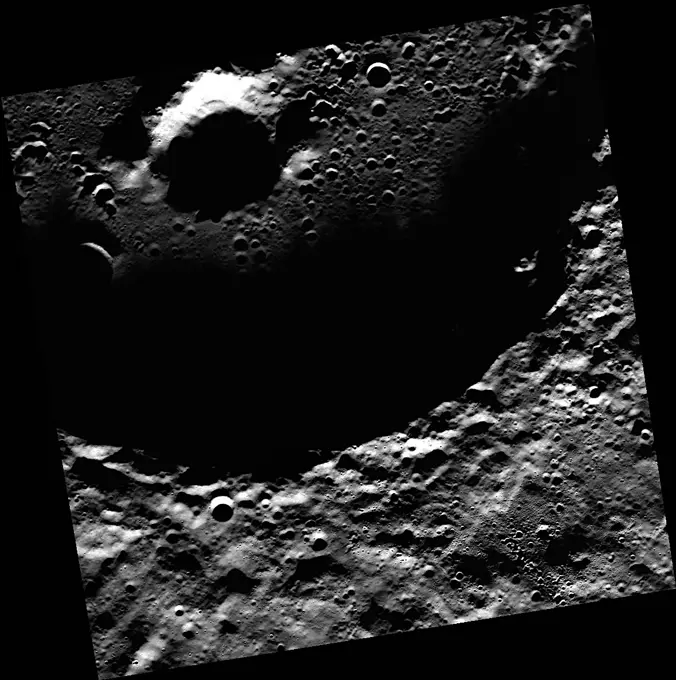
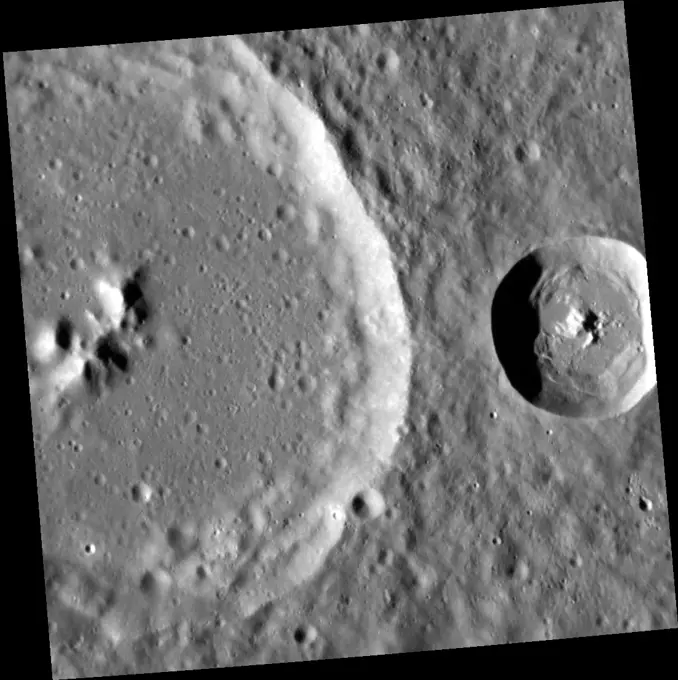
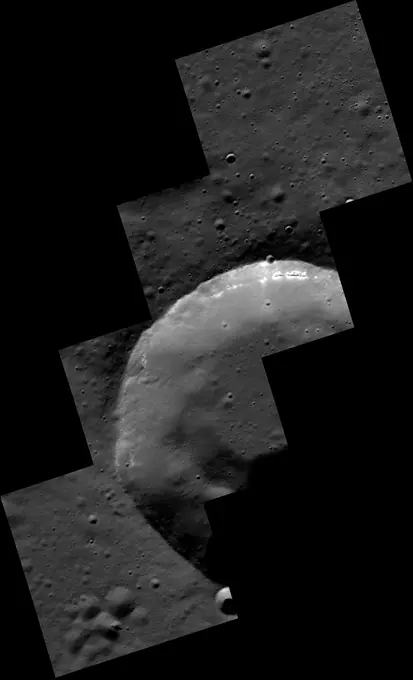
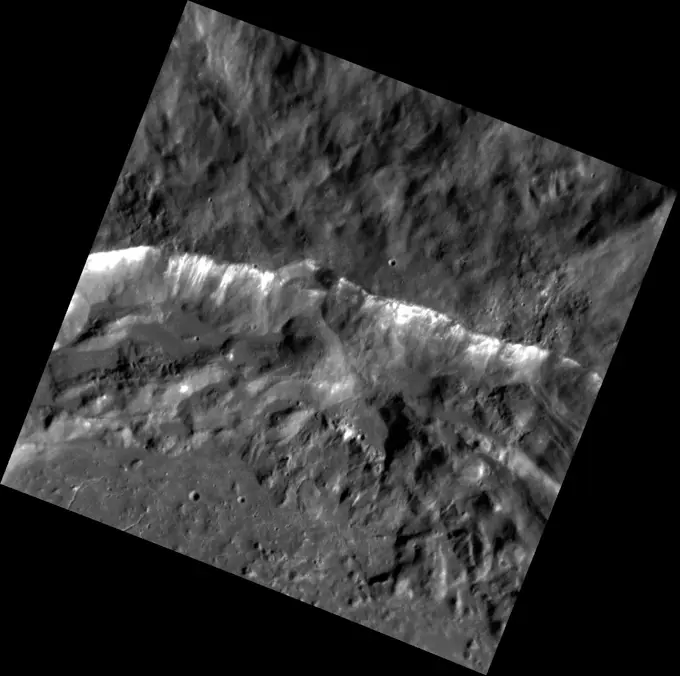
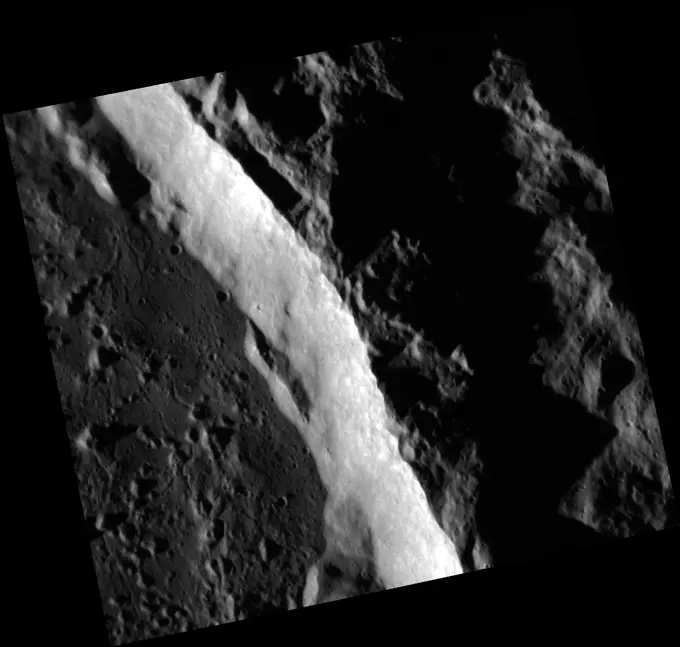
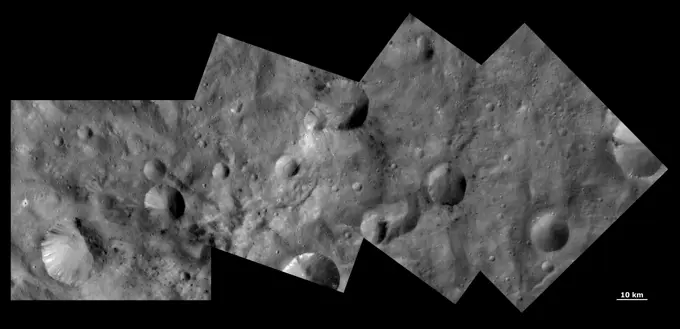
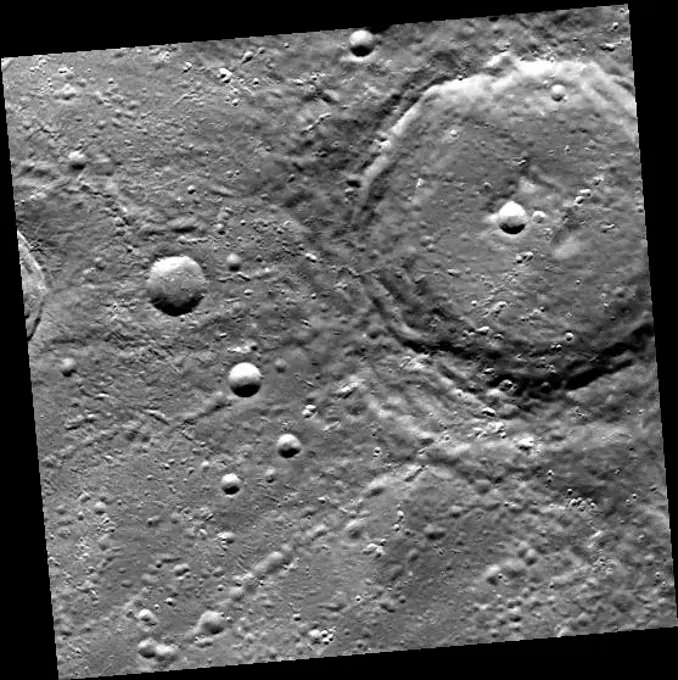
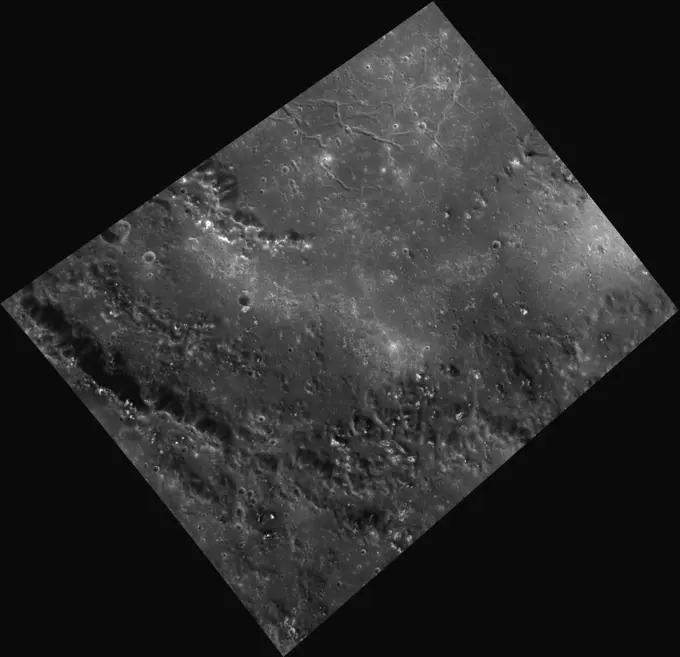
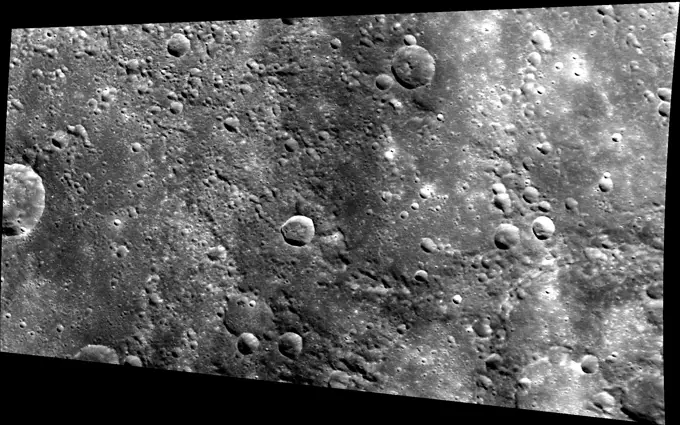
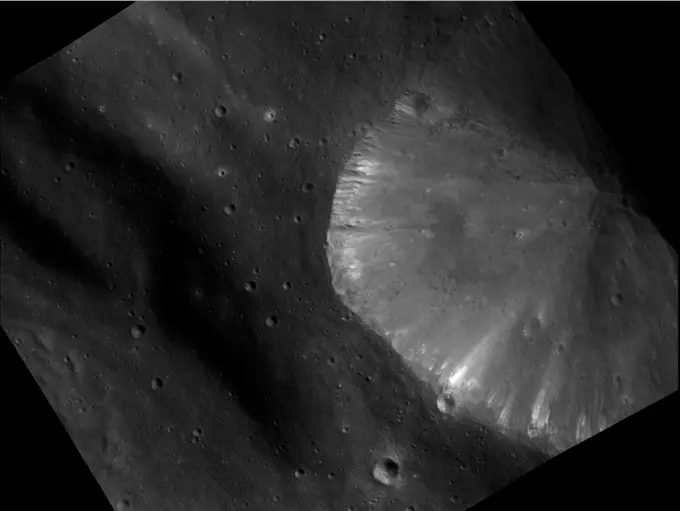
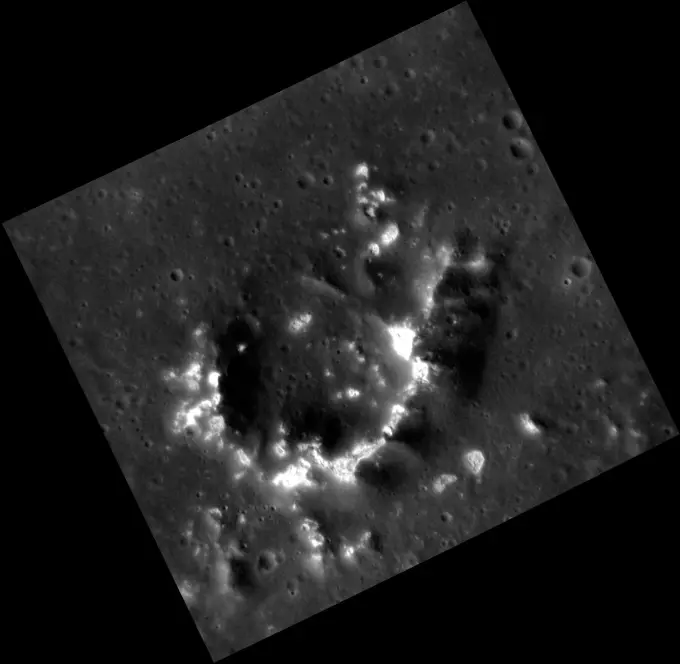
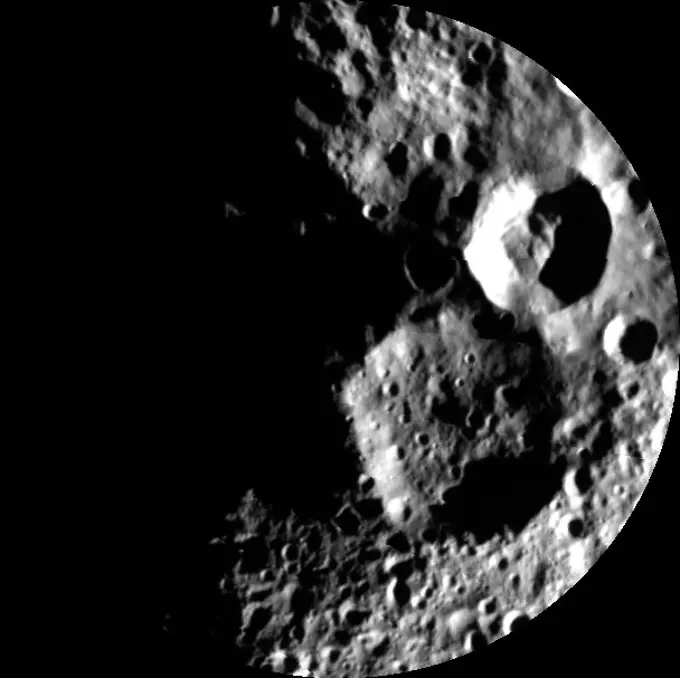
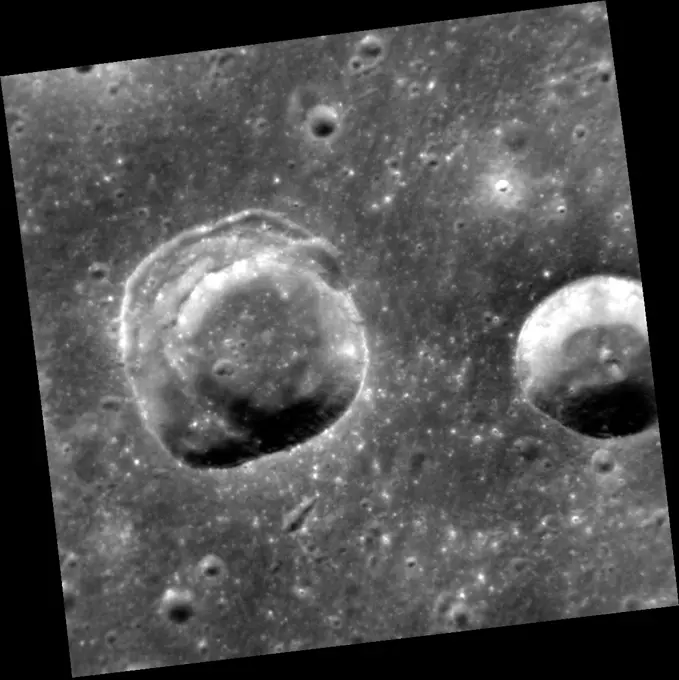
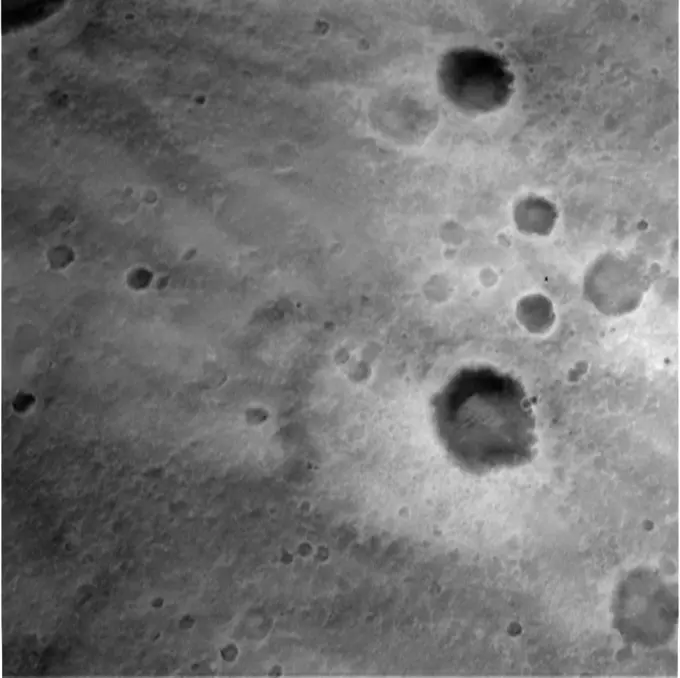
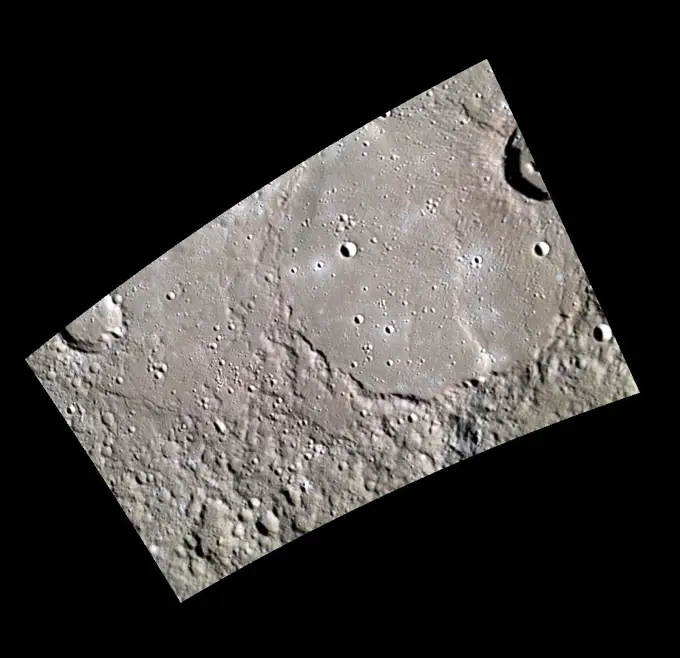
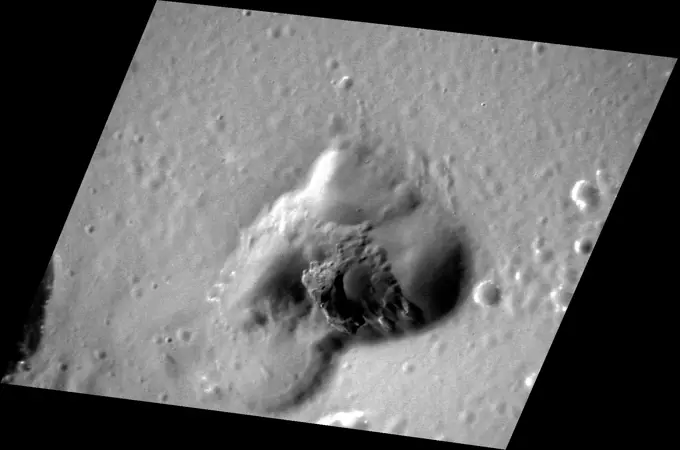
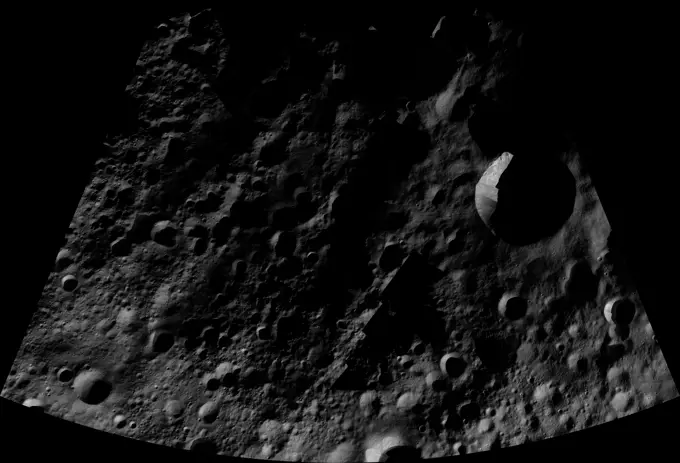
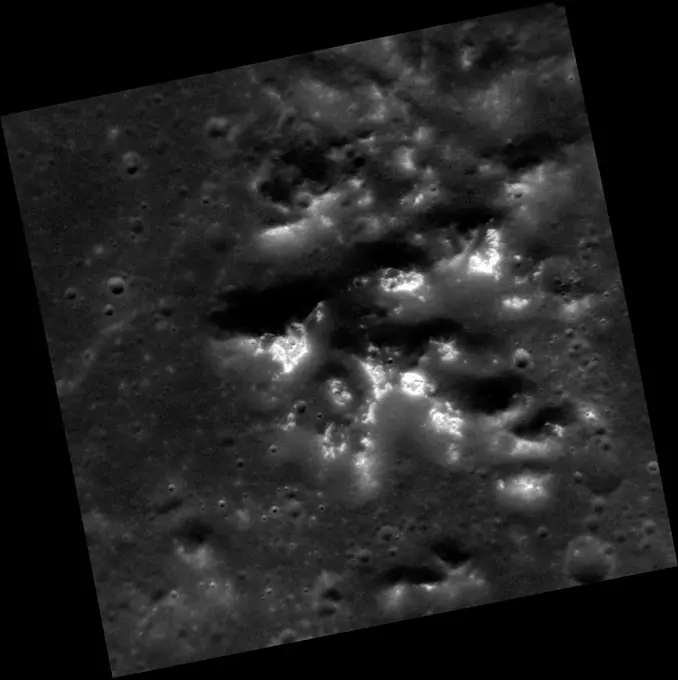
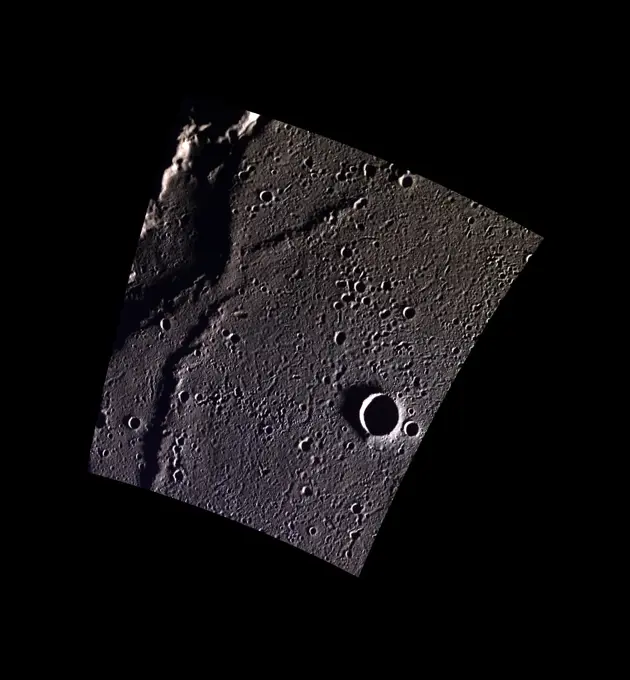
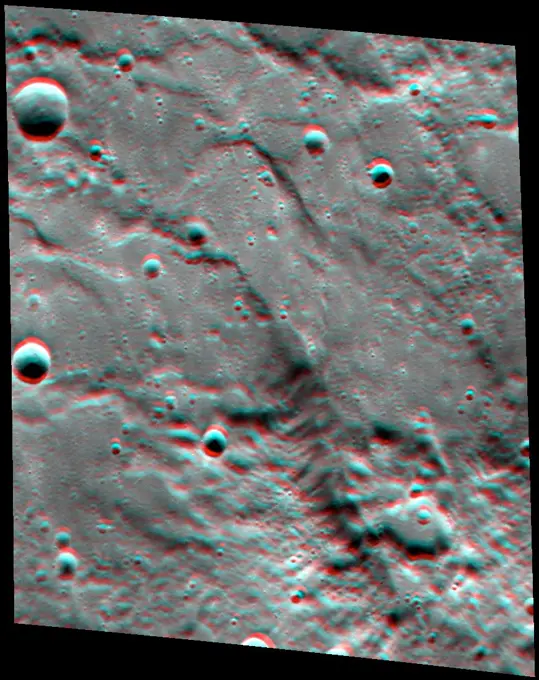
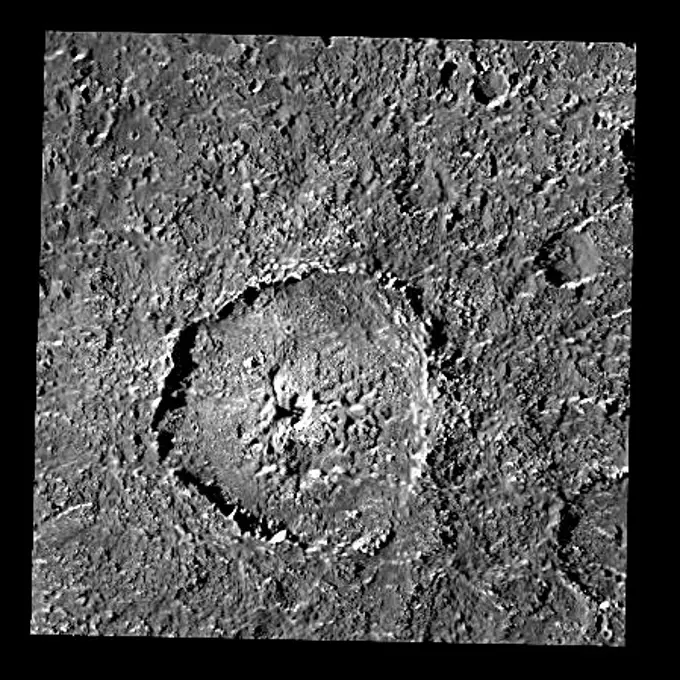
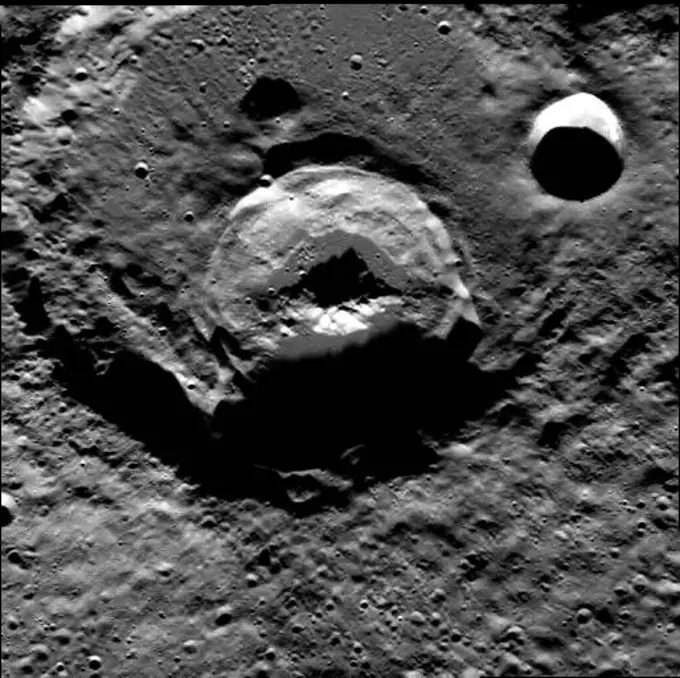
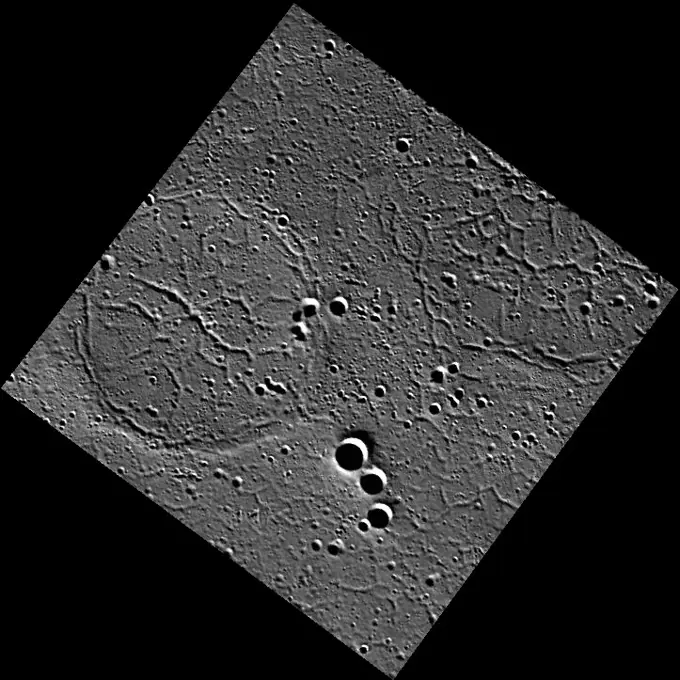
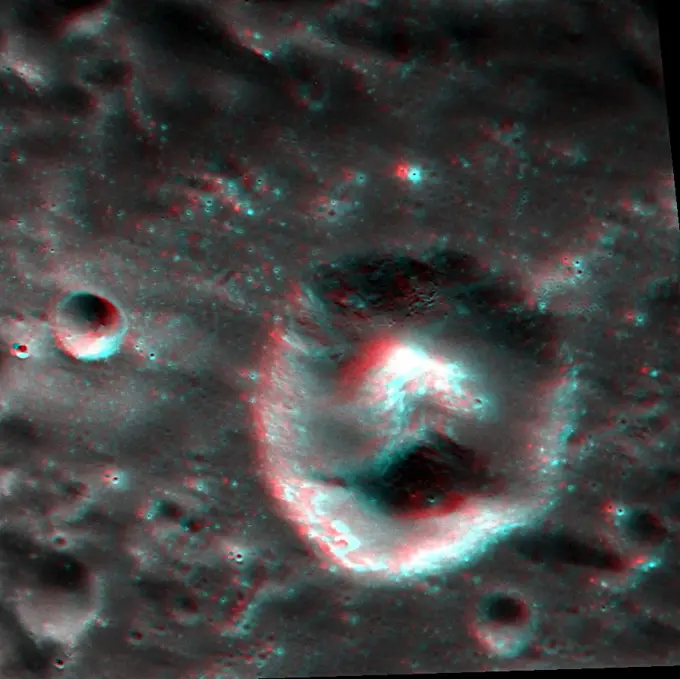
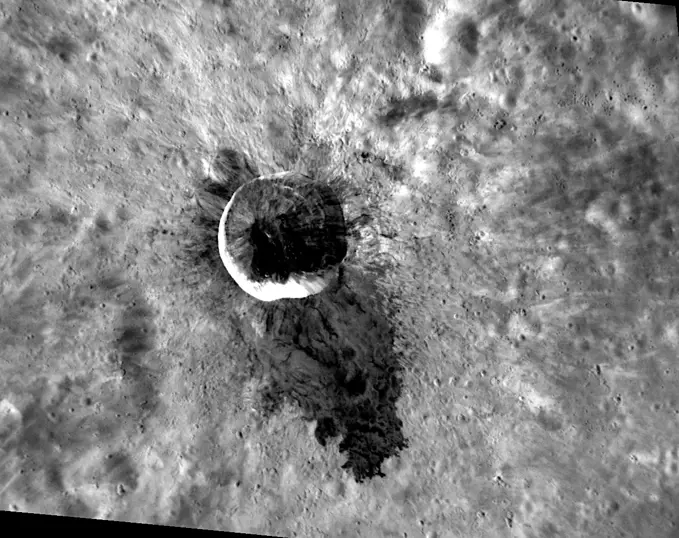
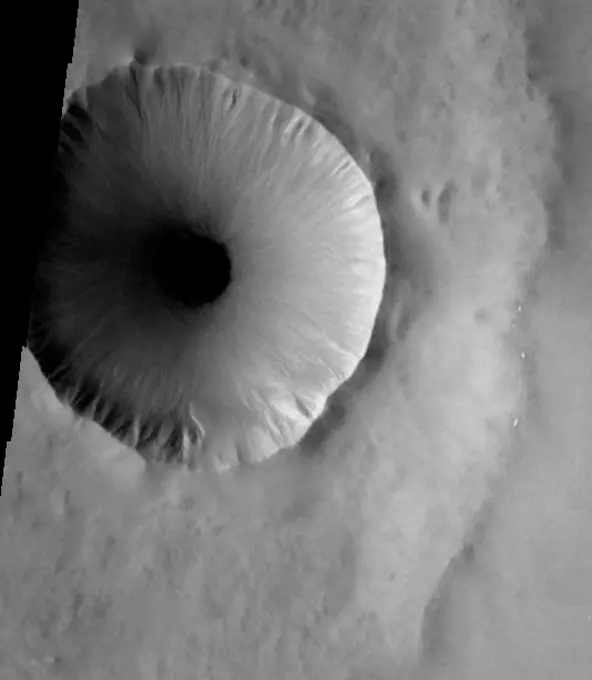
Images display textured surfaces of Mercury, featuring craters and features named like 'Circus Maximus', captured in grayscale with high detail.
Feeling a Bit Rough
Feeling a Bit Rough

Assets in this Story

6145-44950959
Feeling a Bit Rough
6145-45055794
Circus Maximus
6145-44888397
A Massive Peak
6145-44894703
Ms. Pacman Arrives on Mercury
6145-44895248
The Cutting Edge
6145-58965370
The Bright Peaks of Mickiewicz
6145-45081559
A Wrinkle in Time
6145-44878923
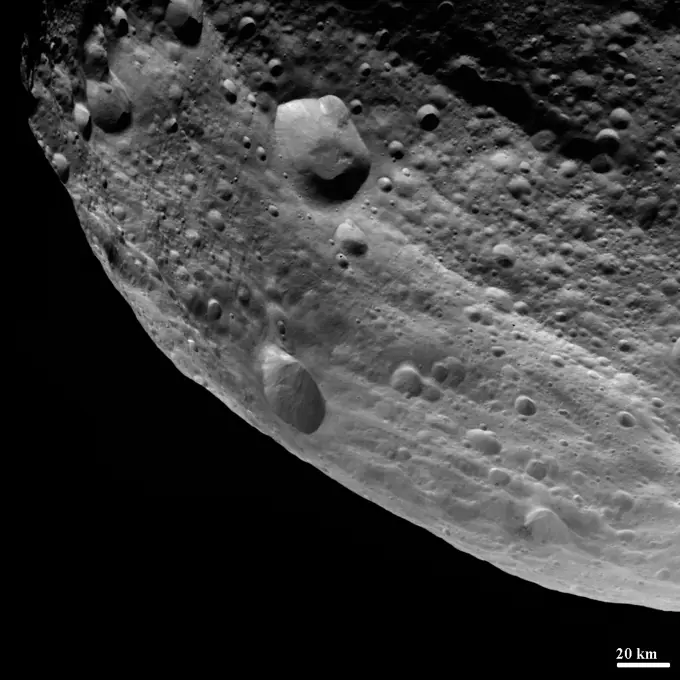
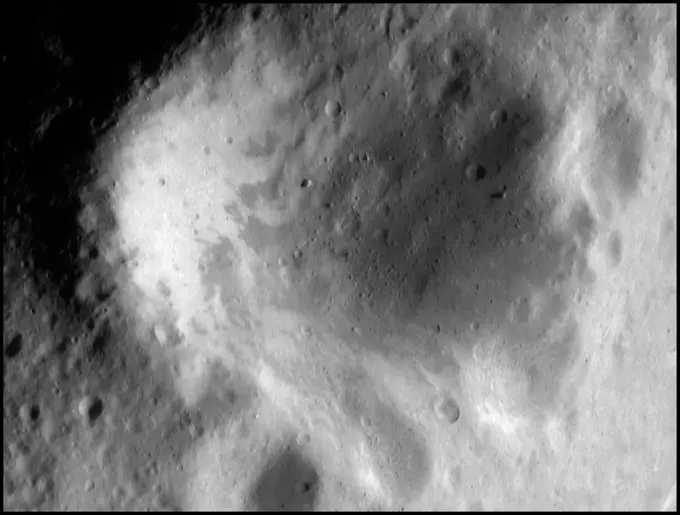
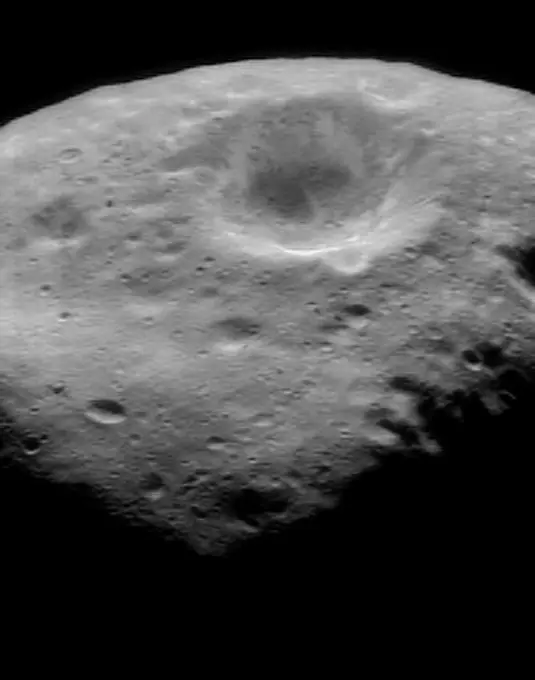
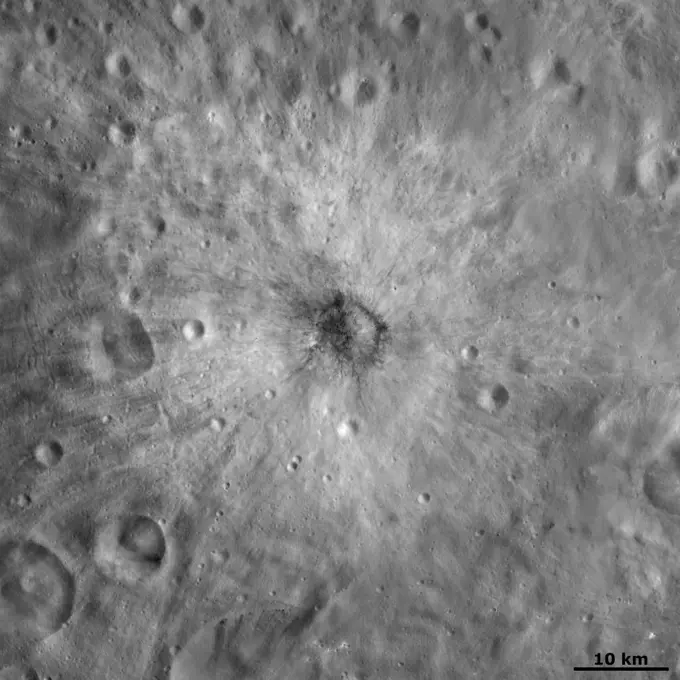
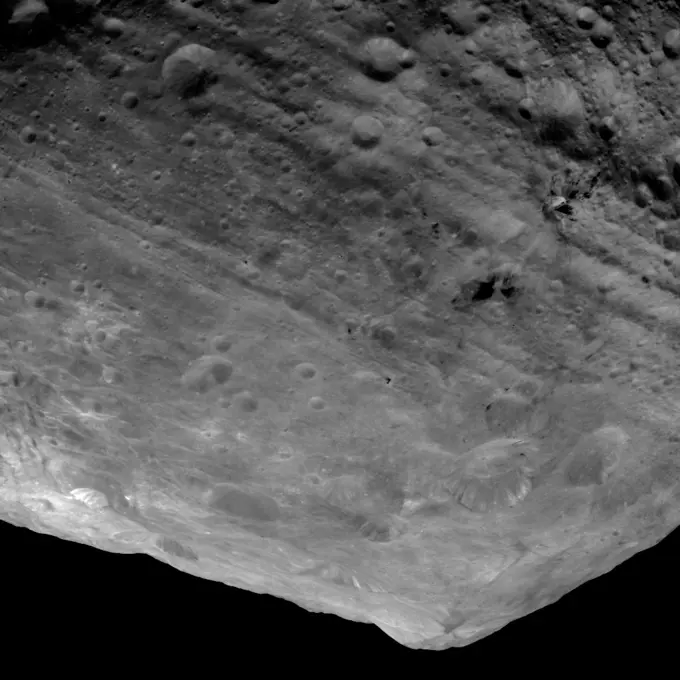
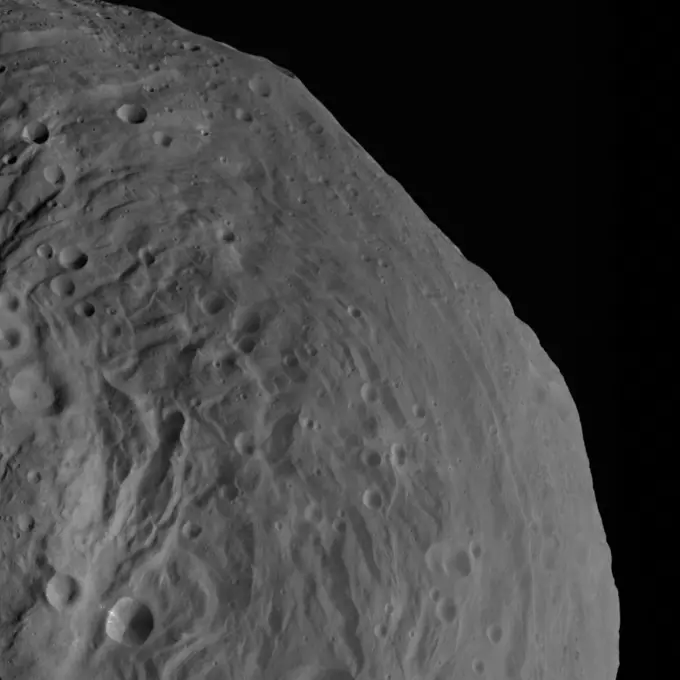
NASA's Dawn spacecraft obtained this image of the surface of asteroid Vesta with its framing camera on August 11, 2011. It was taken through the camera's clear filter. The image has a resolution of about 260 meters per pixel.
6145-44951386
An Extra Kidney
6145-44917105
Happy Thanksgiving from the MESSENGER Team!
6145-44876072
Some Will Slump
6145-44975681
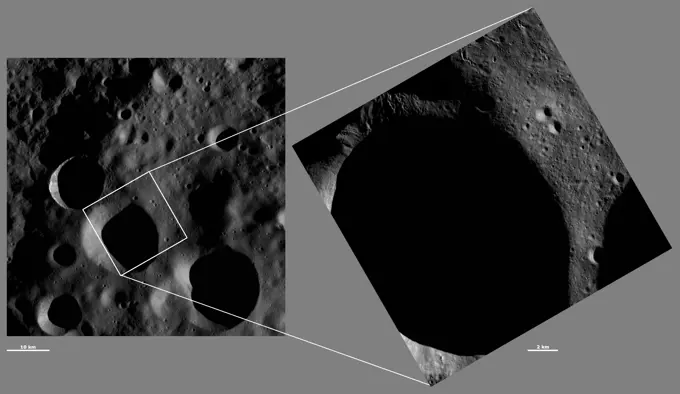
This image of Sextilia AV-L-26, from the atlas of the giant asteroid Vesta, was created from images taken as NASA's Dawn mission flew around the object, also known as a protoplanet.
6145-44910187
Ebb and Flow
6145-44936416
The Return of Xiao Zhao
6145-45089570
Wherefore Stopp'st Thou Me
6145-58967762
This image, one of the first obtained by NASA's Dawn spacecraft in its low altitude mapping orbit, shows many buried craters located within the equatorial trough region of the giant asteroid Vesta.
6145-44898742
Brushstrokes
6145-44887605
The Man Who Set Mercury to Music
6145-44899011
Xiao Zhao Close Up
6145-44925773
Triple Play
6145-44896829
The Bubble Crater
6145-44955453
Not One of the Seven Dwarves
6145-45080081
Van Eyck and the Formation
6145-44889859
Creamed by Clots
6145-44936851
In Prokofiev's Shadow
6145-44940328
My Buddy and Me
6145-45003579
200,000!
6145-44942274
On the Other Side
6145-44518641
A Look at Psyche
6145-45046195
The Beautiful Abedin
6145-44648893
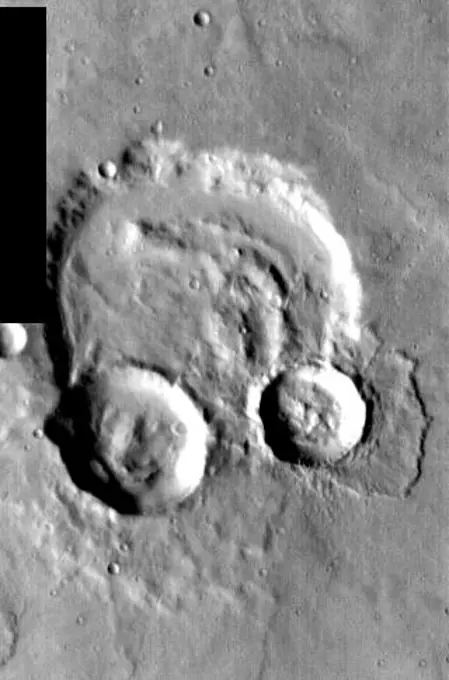
Back by popular demand: THEMIS ART IMAGE #68 The multiple craters in this image look like bugs. Is that an ant at the bottom and a bumble-bee at the top
6145-45057861
The Madman and the Drunken Celestial
6145-45018723
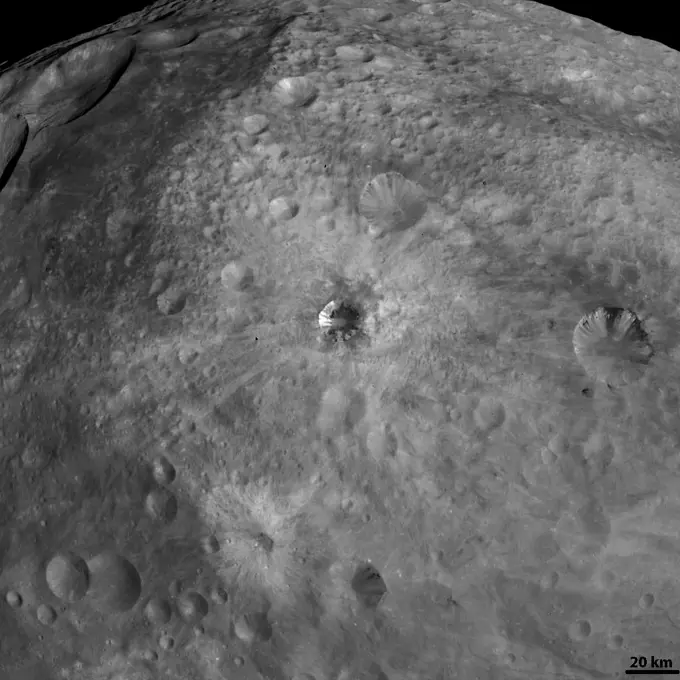
This image from NASA's Dawn spacecraft shows craters with both sharp and smooth rims, a 'ghost' crater and dark and bright material in asteroid Vesta's southern hemisphere.
6145-44968044
Chains: Craters Making More Craters
6145-45045691
Rachmaninoff's Master Class
6145-44946833
Aksakov Askew
6145-45099504
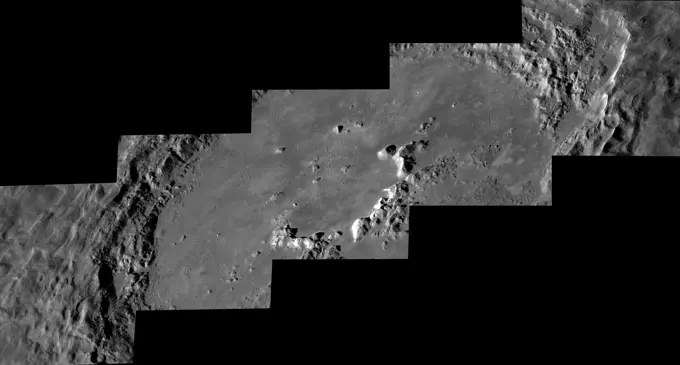
This mosaic shows Ceres' Occator crater and surrounding terrain from an altitude of 915 miles (1,470 kilometers), as seen by NASA's Dawn spacecraft. Occator is 60 miles (90 kilometers) across and 2 miles (4 kilometers) deep.
6145-44894393
Beautiful Geometry
6145-45051324
Ring of Ridges
6145-44880566
Landslide!
6145-45039872
Blanket of Hollows
6145-45061209
Split Down the Middle
6145-44971557
Mercury, a Planetary Punching Bag
6145-44518626
Color Mapping the Southern Hemisphere
6145-44918501
Broken Fire
6145-44880508
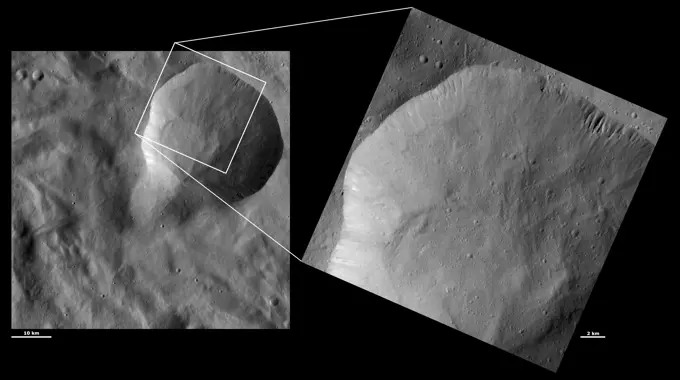
This image from NASA's Dawn spacecraft is centered on asteroid Vesta's Vibidia crater. There is a distinctive distribution of bright and dark material around Vibidia crater.
6145-44969872
Joplin's Central Peak
6145-58967170
Uncharted Territory
6145-58967492
Rayed Man
6145-44606222
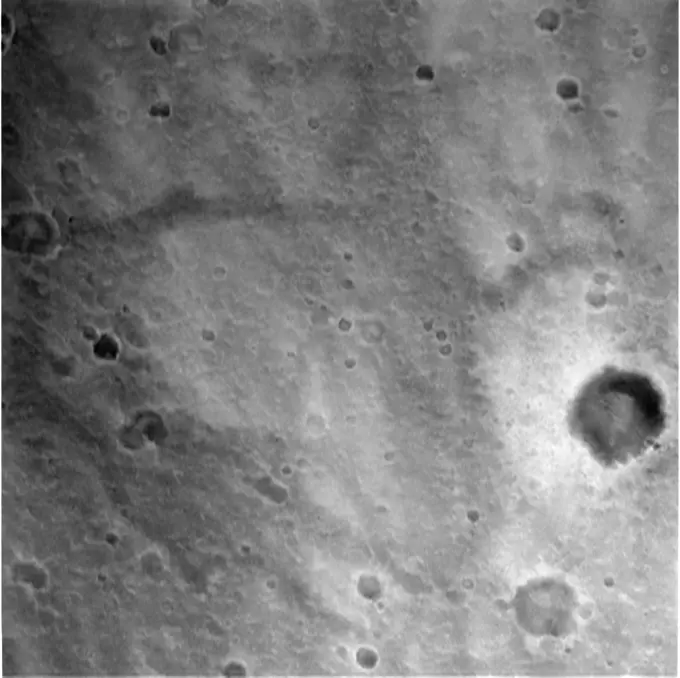
Spirit's Descent to Mars-1706
6145-44548734
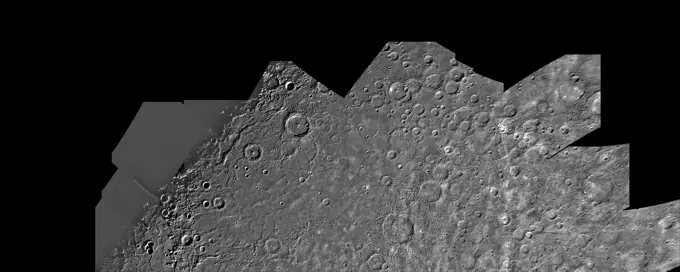
This image, from NASA's Mariner 10 spacecraft which launched in 1974, is of the northern half of Mercury's Shakespeare Quadrangle.
6145-44847115
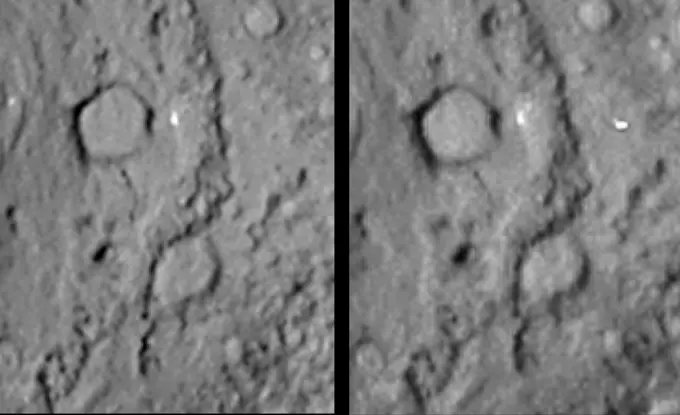
Reversed stereo image pair covering the region of NASA's Deep Impact site from the Stardust-NExT mission.
6145-44916896
Ghosts of Craters Past
6145-44863019
Been Up on Abedin's Terrace
6145-45039426
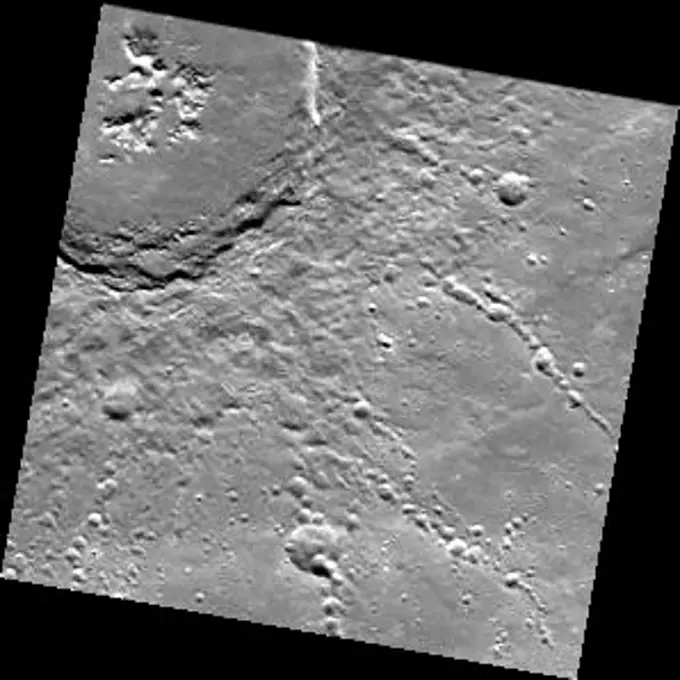
This image from NASA's Dawn spacecraft shows a surface with many craters and linear chains of small craters that merge into ridges on the giant asteroid Vesta.
6145-44900584
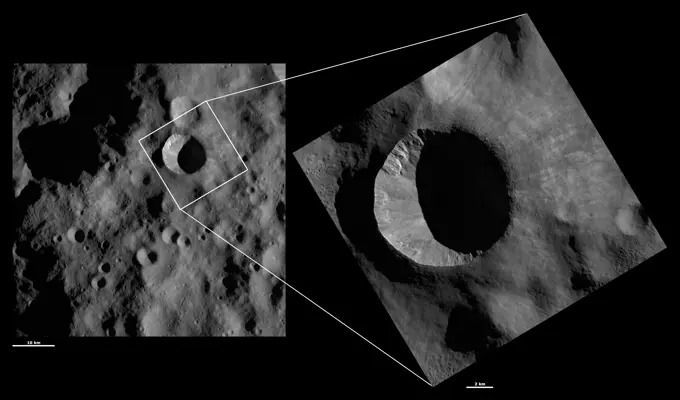
These images from NASA's Dawn spacecraft are located in asteroid Vesta's Bellicia quadrangle, in Vesta's northern hemisphere.
6145-45097492
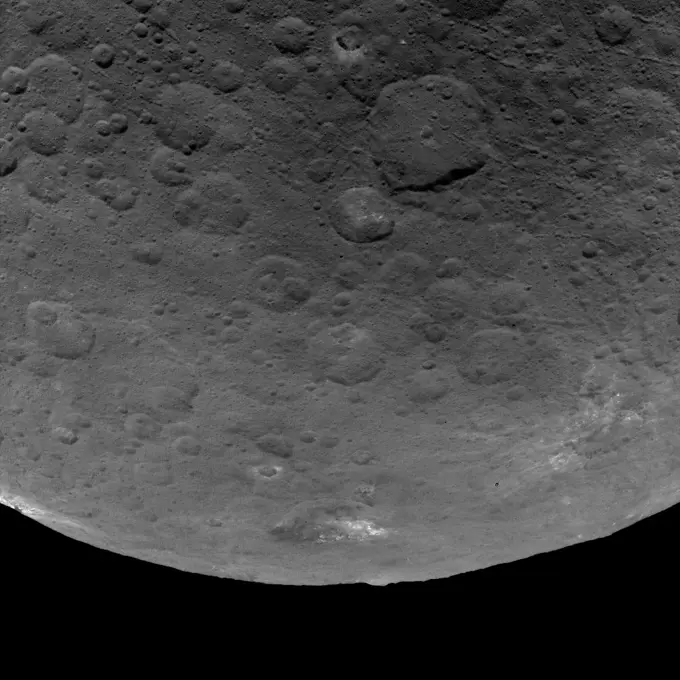
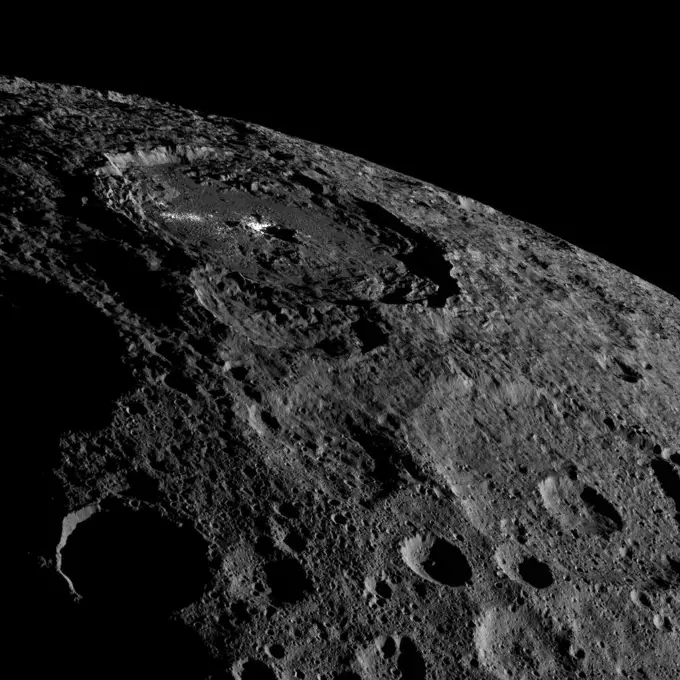
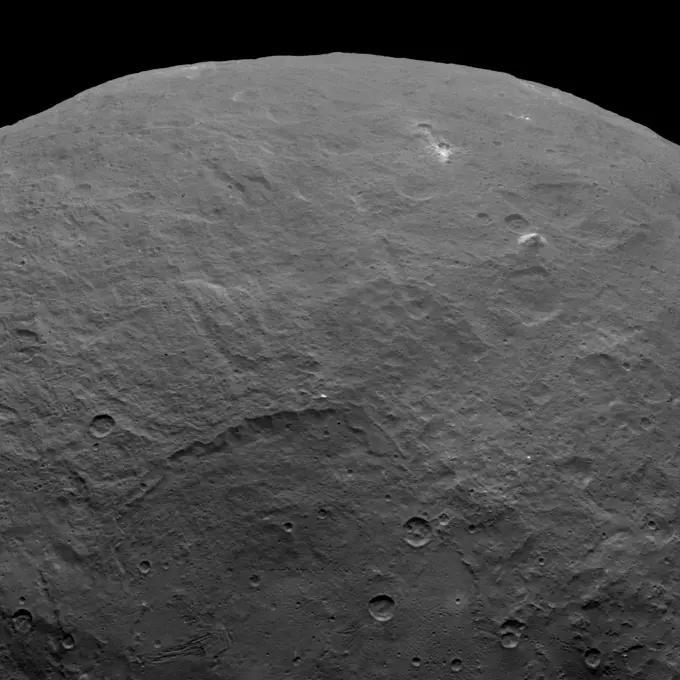
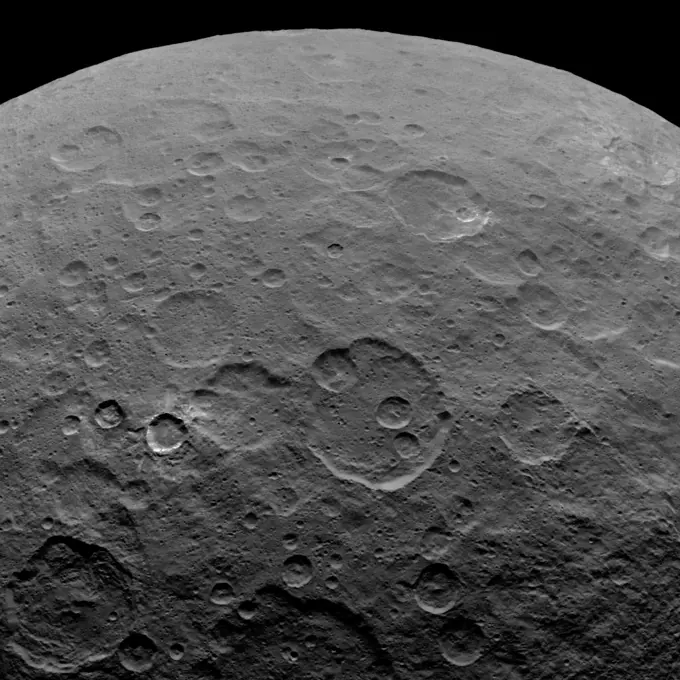
This image of Ceres, taken by NASA's Dawn spacecraft, features several craters with bright material within and around them. The image is centered on terrain near the equator of Ceres and faces southeast.
6145-45097207
This image, taken on June 9, 2015 by NASA's Dawn spacecraft, shows Dantu crater on Ceres, at upper right, from an altitude of 2,700 miles (4,400 kilometers). North on Ceres is toward upper right.
6145-45001428
Team to MESSENGER: Send More Images Soon!
6145-44715453
Asymmetric Ejecta
6145-45036740
Hooked on Tectonics
6145-45086454
Hollow Dali
6145-44914362
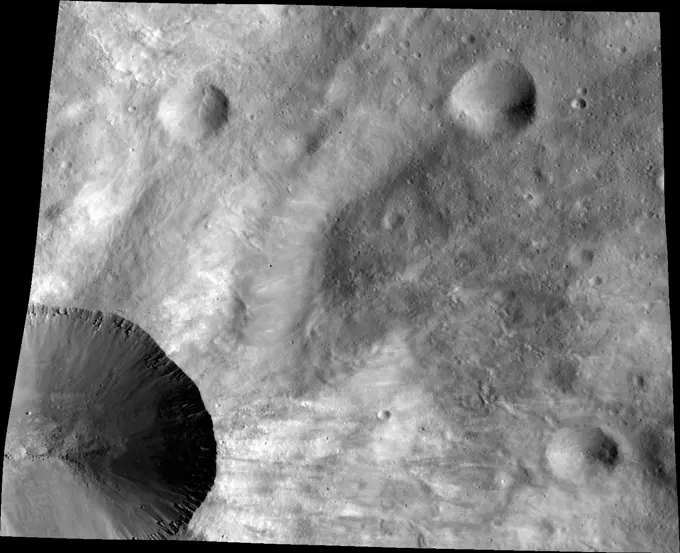
This image from NASA's Dawn spacecraft shows a close up of part of the rim around the crater Canuleia on the giant asteroid Vesta. Canuleia, about 6 miles (10 kilometers) in diameter, is the large crater at the bottom-left of this image.
6145-44975567
This image of Bellecia AV-L-02, from the atlas of the giant asteroid Vesta, was created from images taken as NASA's Dawn mission flew around the object, also known as a protoplanet.
6145-44881300
This image from NASA's Dawn spacecraft shows the brightest area seen on asteroid Vesta so far. It shows a crater located inside the rim of the Rheasilvia basin at the south pole of Vesta.
6145-44970996
A Glowing Crescent Moon
6145-44904746
This image from NASA's Dawn mission reveals the creeping dawn over the north pole of the giant asteroid Vesta now that sunlight is shining over that area. The mosaic shows two large impact craters.
6145-58967226
This view of the topography of asteroid Vesta's surface is composed of several images obtained with the framing camera on NASA's Dawn spacecraft on August 6, 2011. The image mosaic is shown superimposed on a digital terrain model.
6145-44994728
Going with the Flow
6145-45089551
Riddle Me This
6145-44606224
Spirit's Descent to Mars-1433
6145-44975572
This image of Floronia AV-L-07, from the atlas of the giant asteroid Vesta, was created from images taken as NASA's Dawn mission flew around the object, also known as a protoplanet.
6145-45121999
Occator Crater, home of Ceres' intriguing brightest areas, is prominently featured in this image from NASA's Dawn spacecraft.
6145-44879189
NASA's Dawn spacecraft obtained this image of various craters on asteroid Vesta with its framing camera on August 19, 2011. The image has a resolution of about 260 meters per pixel.
6145-44881575
Hello Again, Hodgkins!
6145-44900869
These images from NASA's Dawn spacecraft are located in asteroid Vesta's Pinaria quadrangle, in Vesta's southern hemisphere.
6145-45092307
Hokusai Spectacular!
6145-44518758
Boulderado
6145-45059681
Beyond the Wall
6145-45094158
NASA's Dawn spacecraft took this image on June 6, 2015, which includes an intriguing pyramid-shaped mountain protruding from a relatively smooth area in the upper right.
6145-44971521
A Flood Covering Monteverdi
6145-45035532
Time to Vent
6145-45041500
Hollows or Horcruxes
1746-19671228
This image from NASA's Dawn mission reveals the creeping dawn over the north pole of the giant asteroid Vesta now that sunlight is shining over that area. The mosaic is composed of 5 images obtained by Dawn's framing camera on Aug.26, 2012, while Dawn was at an altitude of about 4,000 miles (6,000 kilometers).Dawn's north pole is centered in this image and still in the dark.The mosaic shows two large impact craters, one relatively fresh with no smaller impacts on its floor and a second larger and older one with many smaller impacts on its floor.
6145-44975571
This image of Mamilia AV-L-06, from the atlas of the giant asteroid Vesta, was created from images taken as NASA's Dawn mission flew around the object, also known as a protoplanet.
6145-45003287
Every Day is Hollow-een
6145-44795365
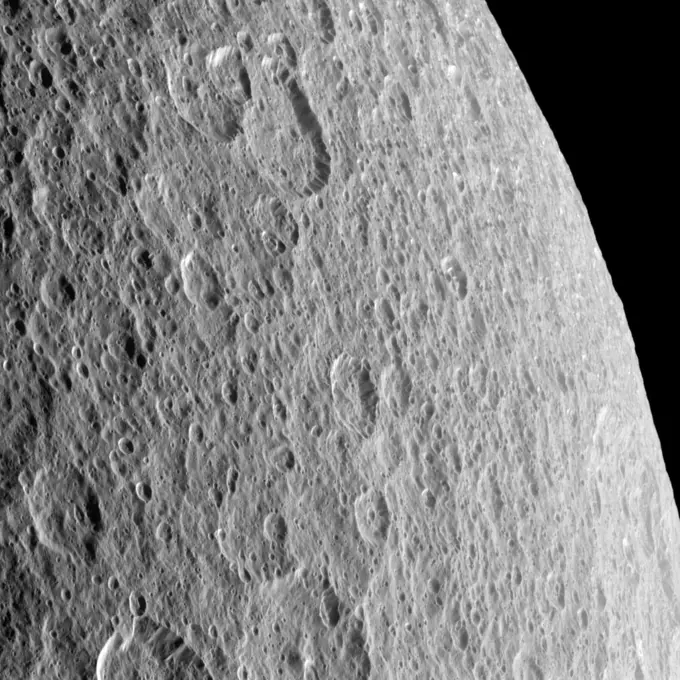
Craters imprinted upon other craters record the long history of impacts endured by Saturn's moon Rhea; this image was taken by NASA's Cassini spacecraft.
6145-44717782
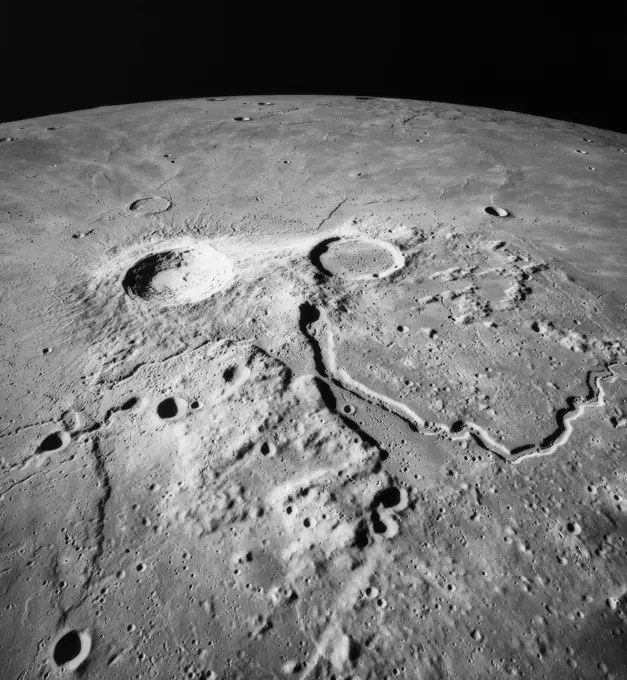
S71-44666 (31 July-2 Aug. 1971) --- An oblique view of Schroeter's Valley and the crater Aristarchus, as photographed by the Fairchild metric camera in the Scientific Instrumentation Module (SIM) bay of the Apollo 15 Command and Service Module (CSM) in lunar orbit. This view is looking south. The large, bright-appearing crater to the left of the head of meandering Schroeter's Valley is Aristarchus, the center of which is located at 48 degrees west longitude and 214 degrees north latitude. The crater Aristarchus approximately 35 kilometers (about 21.75 statute miles) in diameter. The head of Schroeter's Valley, a sinuous rille in the Aristarchus Plateau in the Ocean of Storms, is called Cobra Head. Herodotus the crater just above and to the right of Cobra Head in upper center. The three-inch mapping camera was one of eight lunar orbital science experiments mounted in the SIM bay.
6145-44968226
Wrinkles and More in Goethe
6145-45097472
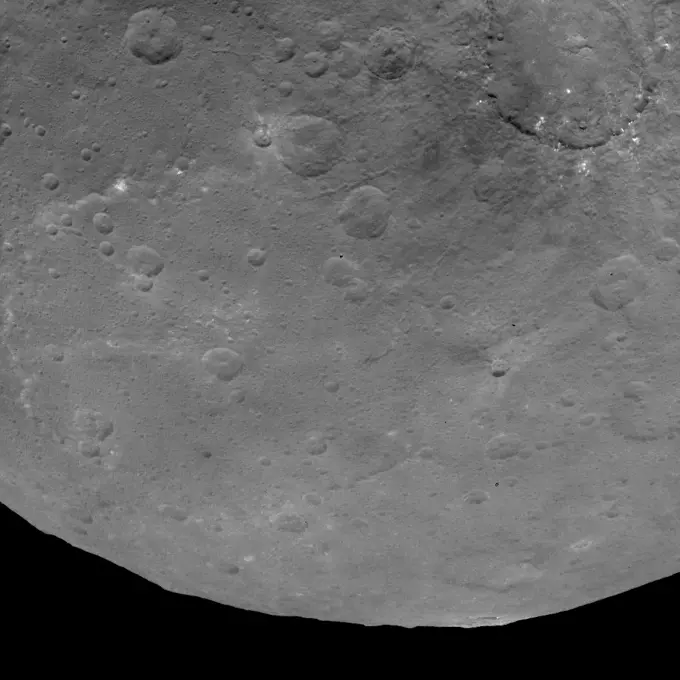
This image, taken on June 7, 2015 by NASA's Dawn spacecraft, shows a portion of the southern hemisphere of Ceres from an altitude of 2,700 miles (4,400 kilometers). The crater at the lower left is called Toharu, which is 54 miles (87 kilometers) wide.
6145-44786017
Mercury's Cratered Surface and the Paw
1746-19671180
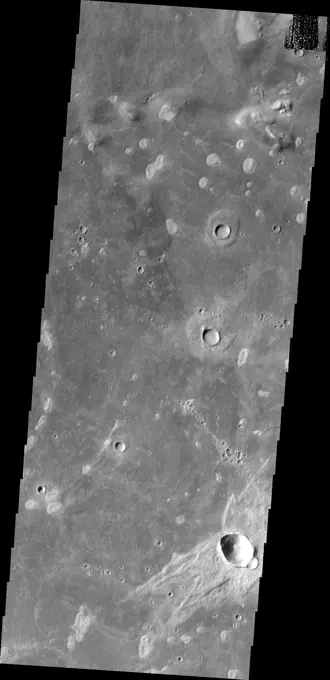
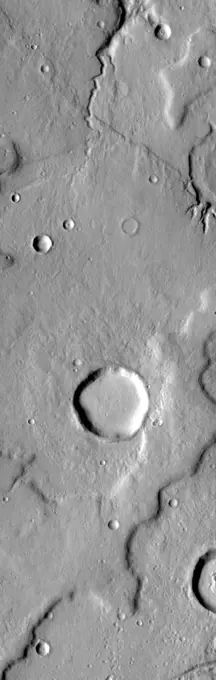
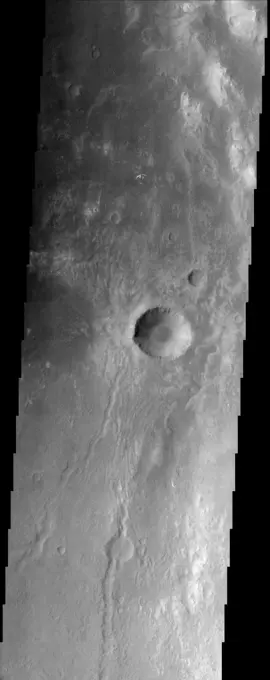
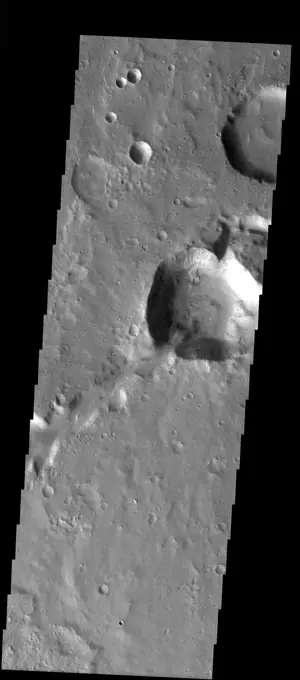
The small unnamed channels in today's VIS image are located on the northeastern margin of Tempe Terra.
6145-45044148
Sprinkles of Blue
6145-45074306
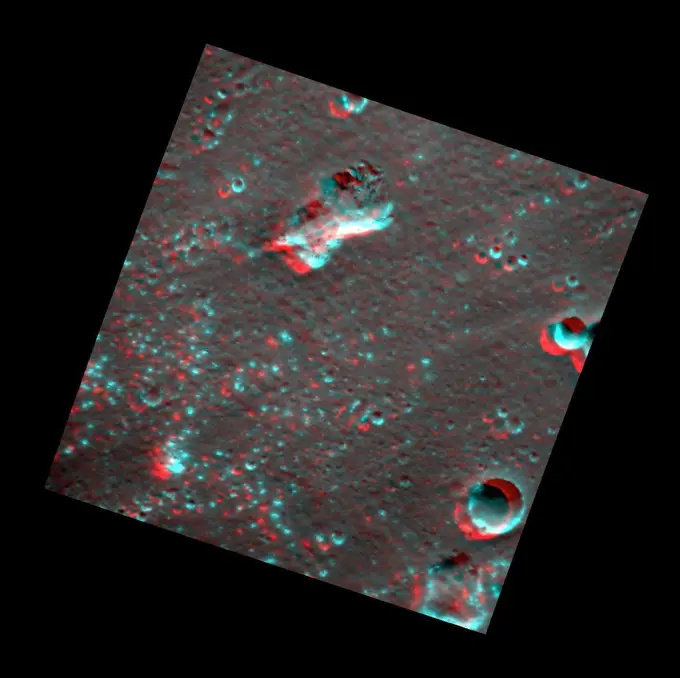
Paramour Rupes in 3-D
6145-45010649
This image from NASA's Dawn spacecraft is of the south pole region of the asteroid Vesta, a mountain is rising approximately 9 miles (15 kilometers) above the floor of a crater.
6145-44497997
Crater Tindr on Callisto - an Oblique Impact
6145-45016543
This anaglyph image shows the topography of the mountain-central complex in asteroid Vesta's south polar region. You need 3D glasses to view this image.
6145-44576478
The eastern floor of Holden Crater, which is located in region of the southern hemisphere called Noachis Terra and is 154 km in diameter, is seen in this image from NASA's Mars Odyssey spacecraft.
6145-44706229
Zeroing In on Phoenix's Final Destination
6145-44904998
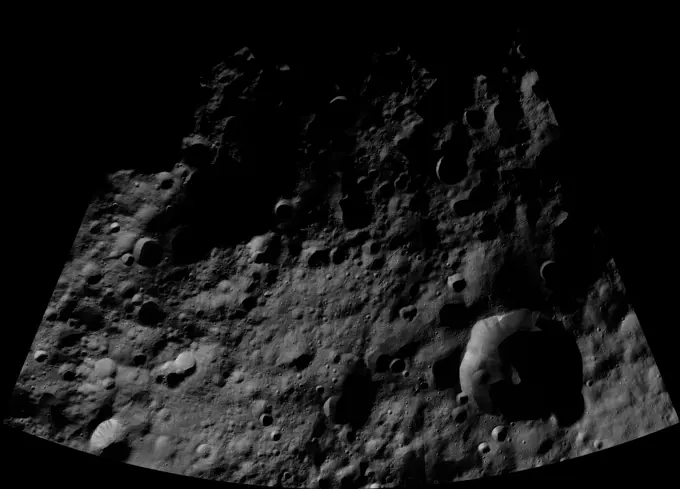
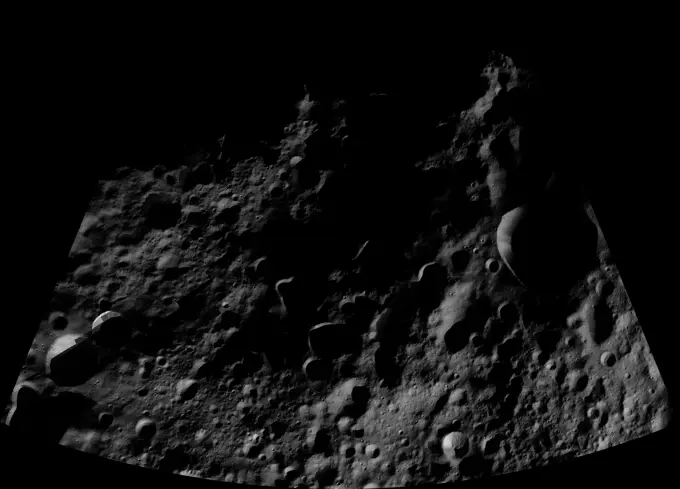
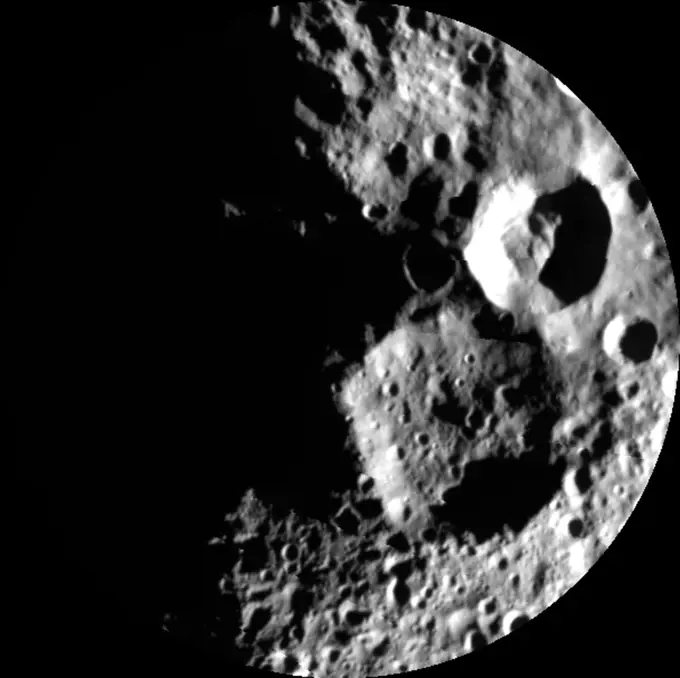
This image from NASA's Dawn mission shows a shadowy view of the northern hemisphere of the giant asteroid Vesta during Dawn's last look back.
6145-45013733
NASA's Dawn spacecraft obtained this image of asteroid Vesta with its framing camera on Aug. 26, 2011 at a distance of 1,700 miles (2,740 kilometers). The image has a resolution of about 260 meters per pixel.
6145-45094380
A cluster of mysterious bright spots on dwarf planet Ceres can be seen in this image, taken by NASA's Dawn spacecraft on June 9, 2015.
6145-44904520
These images from NASA's Dawn spacecraft are located in asteroid Vesta's Floronia quadrangle, in Vesta's northern hemisphere; distinct sinuous grooves are visible around the rim of the crater.
6145-44635573
Focus on 'Rue Legendre'
4389-627
False Color Image of Crater on Hyperion
6145-44510576
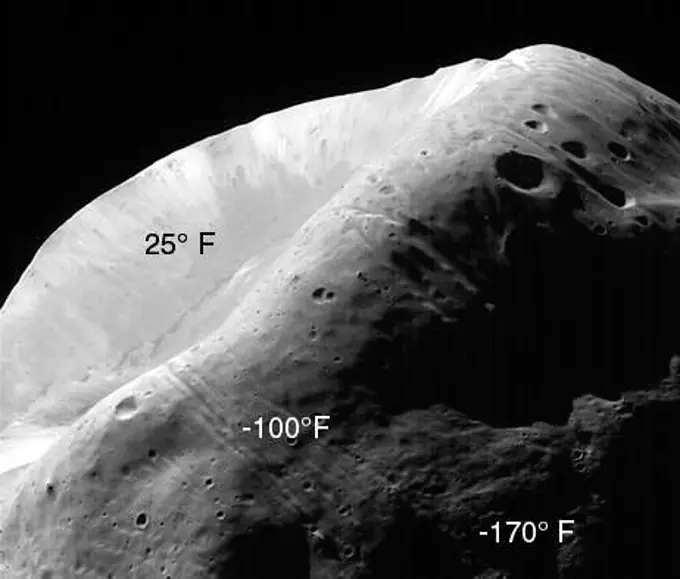
MOC Image of Phobos with TES Temperature Overlay
6145-44966274
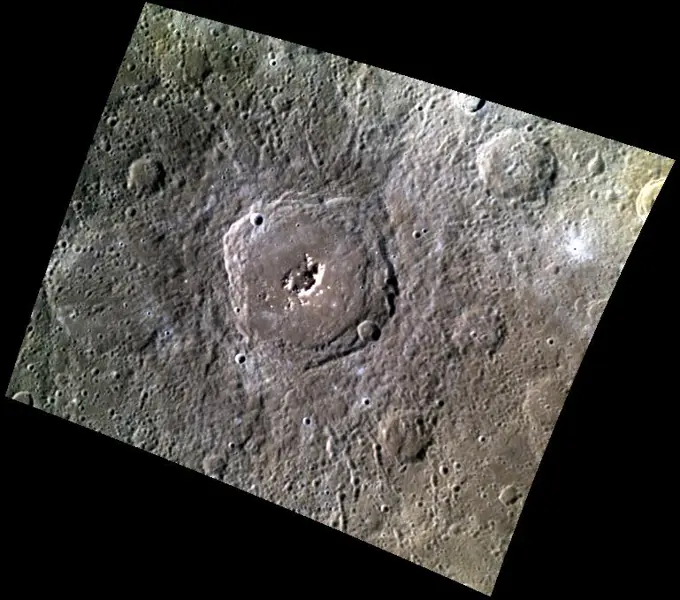
Mickiewicz's Peak Performance
6145-44619677
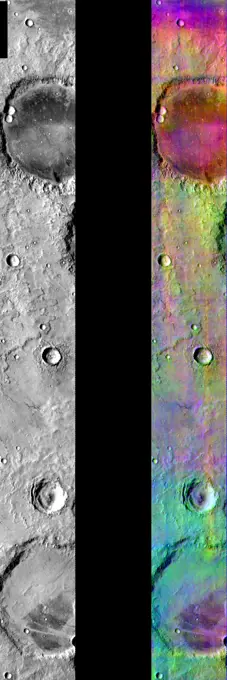
DCS Color near Mare Cimmerium
6145-44976189
Hidden Hollows
6145-45092314
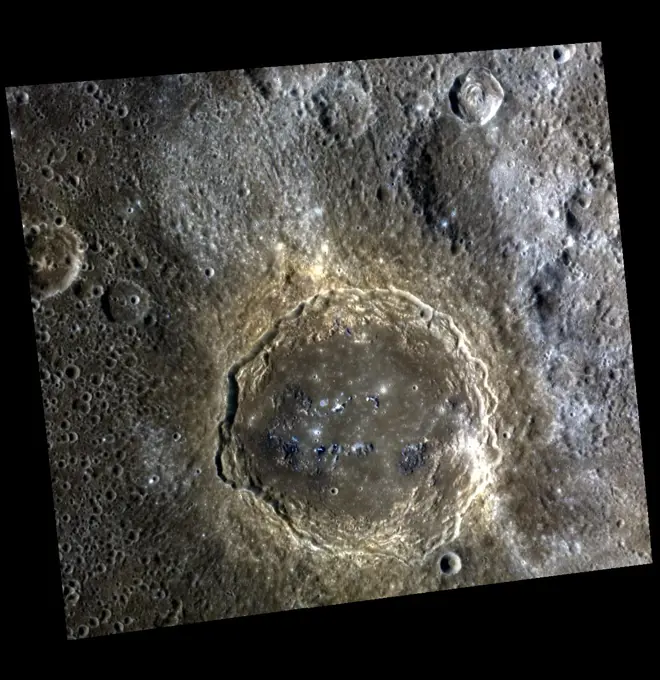
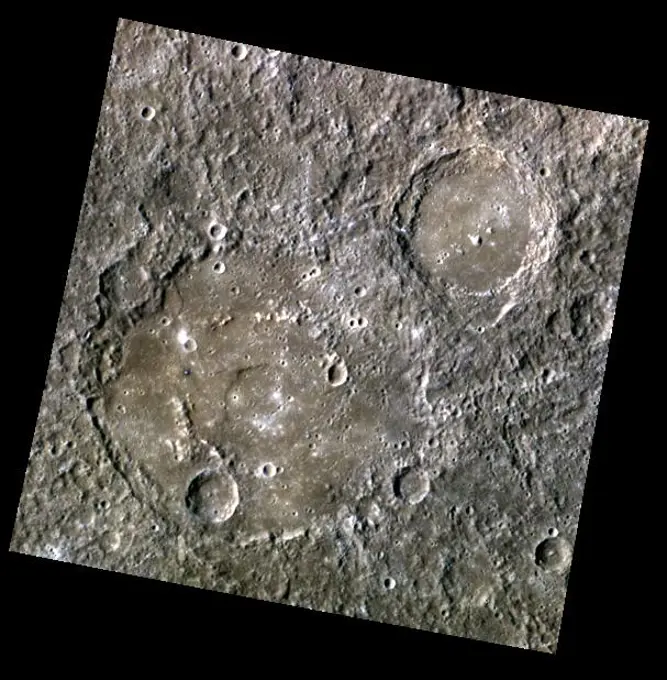
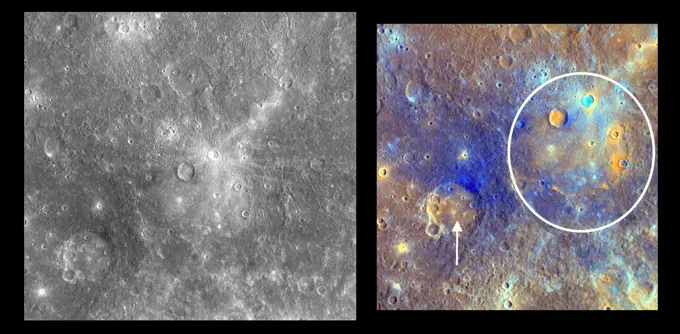
In this enhanced color view from NASA's MESSENGER spacecraft of the peak-ring basin Derain, the different colors accentuate the different rocks associated with the basin.
6145-44888349
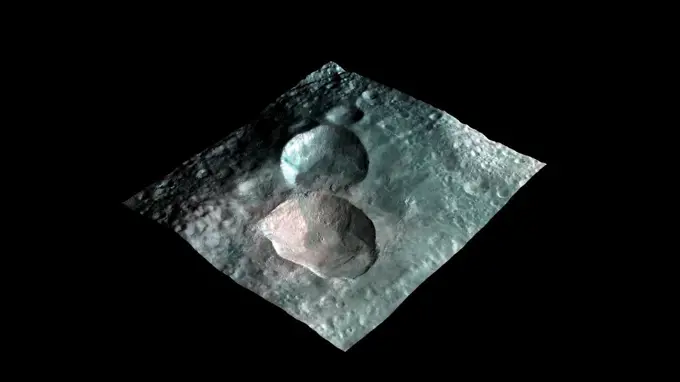
This image from NASA's Dawn mission shows a 3-D rendering of the craters that make up the 'snowman' feature on the giant asteroid Vesta. From left to right, the craters are named Marcia, Calpurnia, and Minucia.
6145-44625876
Channel/Crater Interaction
6145-44694086
Large Landslide
6145-44608805
THEMIS Images as Art #13
6145-44822367
Dominici Colors Mercury's Landscape
6145-44865791
Crater, Crater, Crater!
6145-45062578
Goal!!
6145-45052080
A Puzzling Peak
6145-44877912
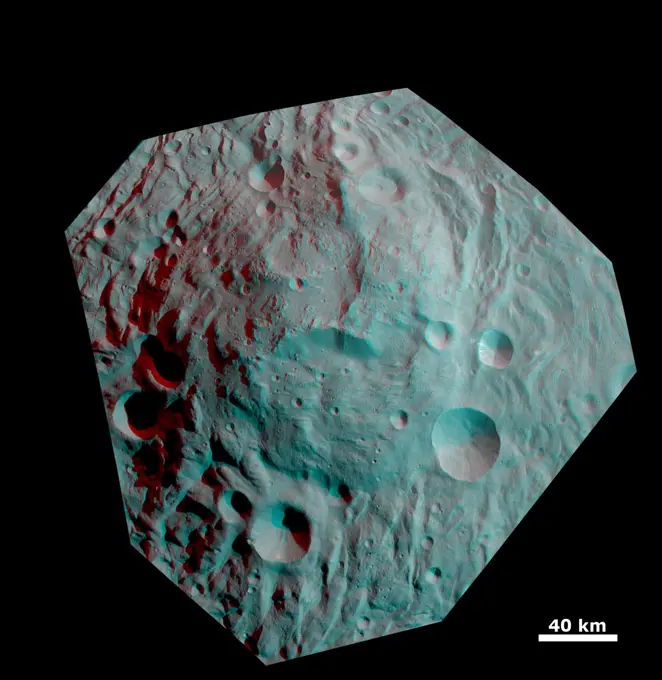
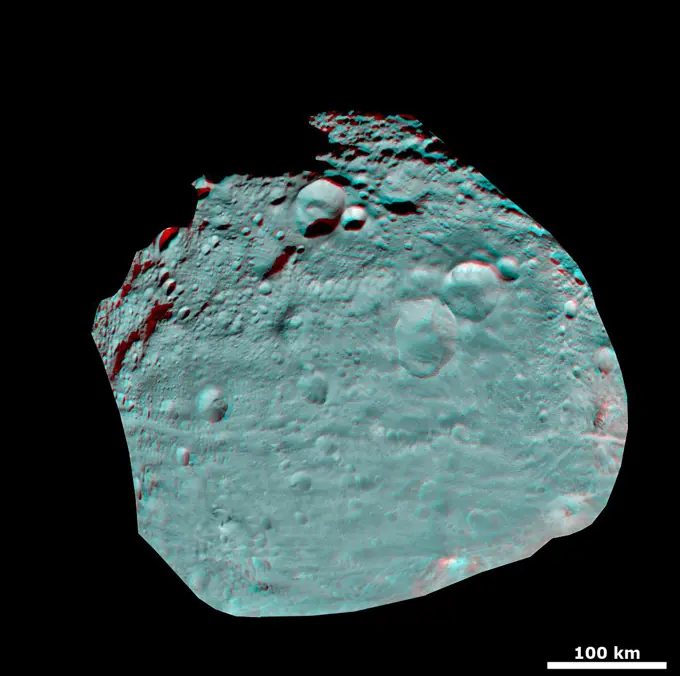
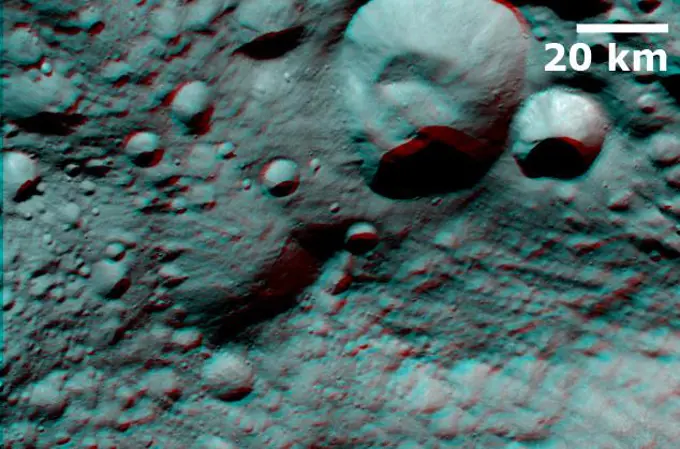
This 3D image of asteroid Vesta from NASA's Dawn spacecraft shows hills, troughs, ridges and steep craters. You need 3D glasses to view this image.
6145-44571218
Impact Craters on Icy Callisto: Doh Crater and Asgard
6145-44840498
Rimae Posidonius
6145-44785267
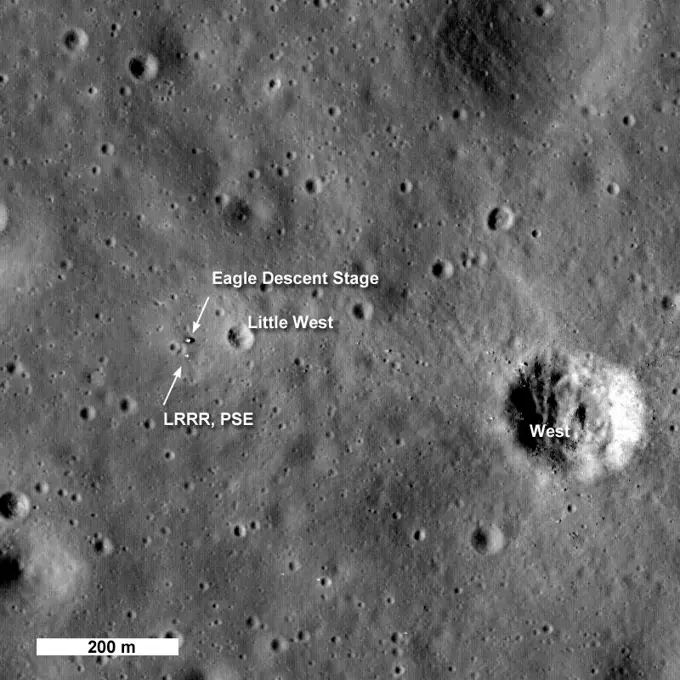
One month after its first image of the Apollo 11 landing site was acquired, NASA's Lunar Reconnaissance Orbiter passed over the site again providing a new view of the historic site.
6145-44845772
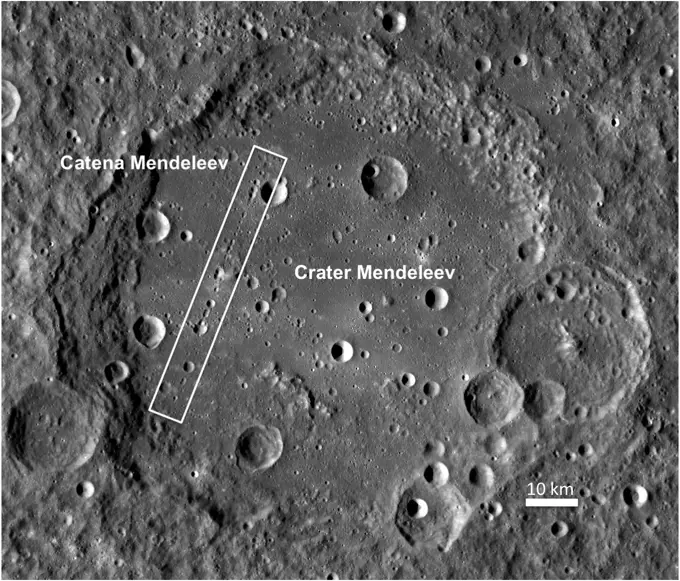
Crater Mendeleev
6145-44831185
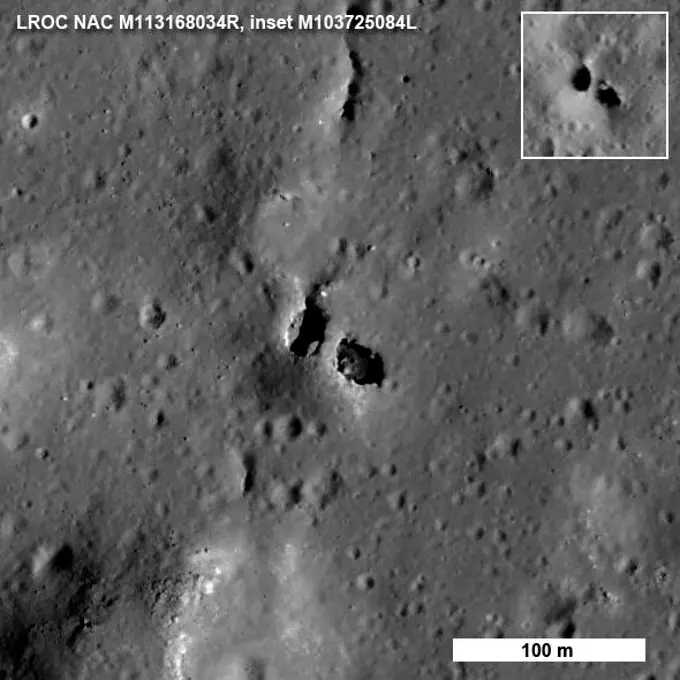
Natural Bridge on the Moon
6145-45070106
Three Views of Hokusai
6145-45052569
Wonder at Waters
6145-44608068
THEMIS Images as Art #3
6145-44955826
There is a Light that Never Goes Out (Almost)
6145-44559161
Geologic Landforms on Io
6145-44974254
In High Phase
6145-45100570
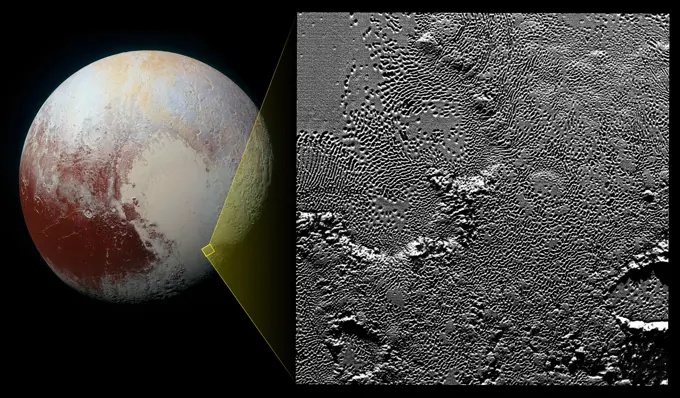
On July 14, 2015, the telescopic camera on NASA's New Horizons spacecraft took the highest resolution images ever obtained of the intricate pattern of 'pits' across a section of Pluto's prominent heart-shaped region, informally named Tombaugh Regio.
6145-44628520
Phoebian Explorers 1
6145-44969850
Lava Plains and Ghost Craters
6145-44840278
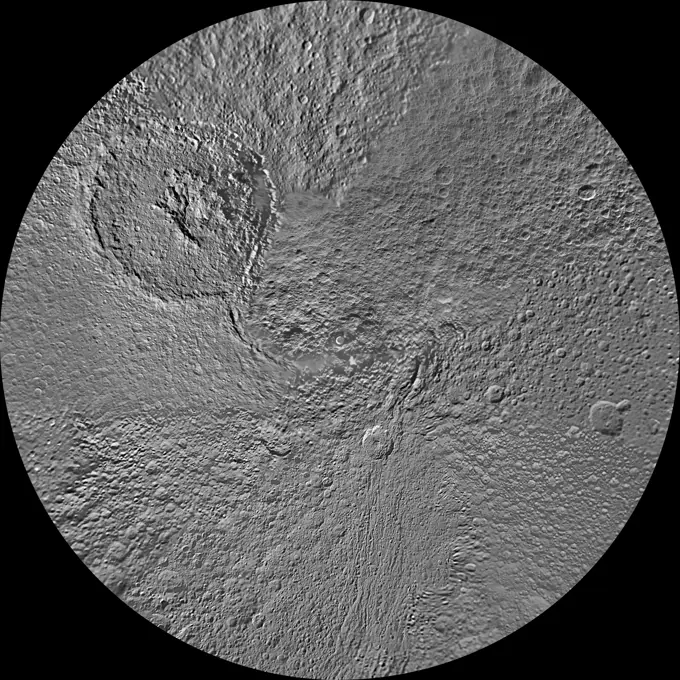
The northern hemisphere of Saturn's moon Tethys is seen in this updated polar stereographic map, mosaicked from the best-available images obtained by NASA's Cassini spacecraft.
6145-44840494
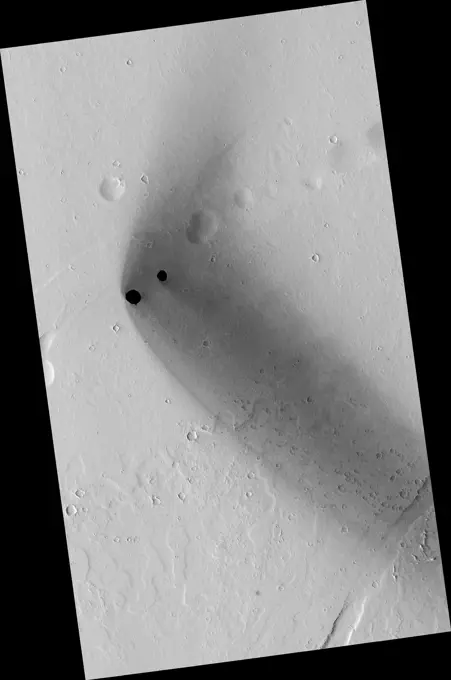
Two dark, rimless pits are located to the northwest of Ascraeus Mons in the Tharsis volcanic region of Mars in this image from NASA's Mars Reconnaissance Orbiter. They are situated in the midst of a wispy, dark, boomerang-shaped deposit.
6145-44807653
Map of Rhea - February 2010
6145-44881298
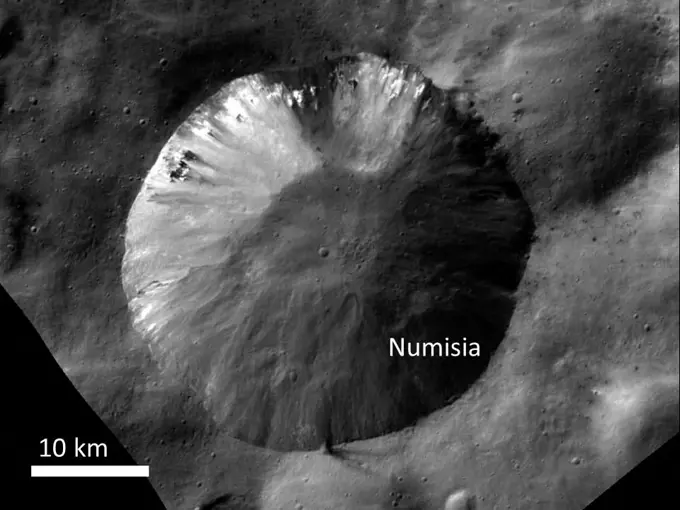
This image from NASA's Dawn spacecraft shows the crater Numisia, located just south of the equator in the Numisia quadrangle on asteroid Vesta.
6145-44790392
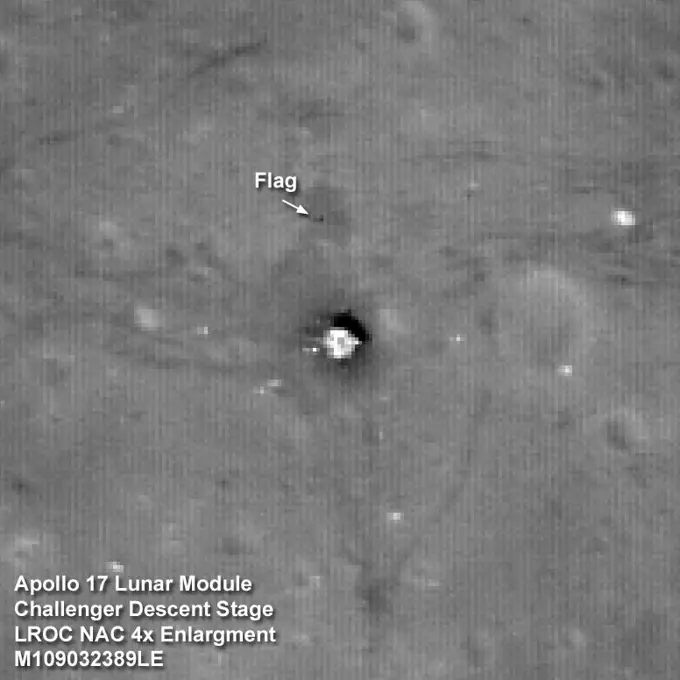
The Apollo 17 Lunar Module Challenger descent stage comes into focus in this image taken by NASA's Lunar Reconnaissance Orbiter.
6145-44580684
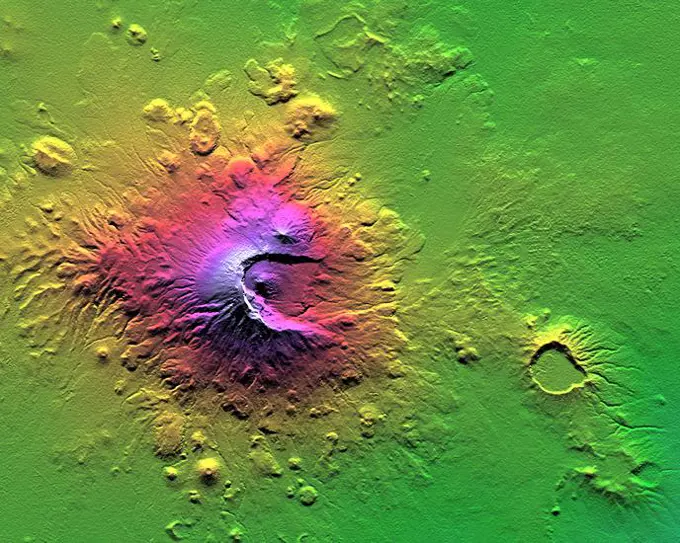
Mount Meru is an active volcano located just 70 kilometers (44 miles) west of Mount Kilimanjaro.
6145-44889117
Song for Drella
6145-45077079
Lermontov in 3-D!
6145-45262282
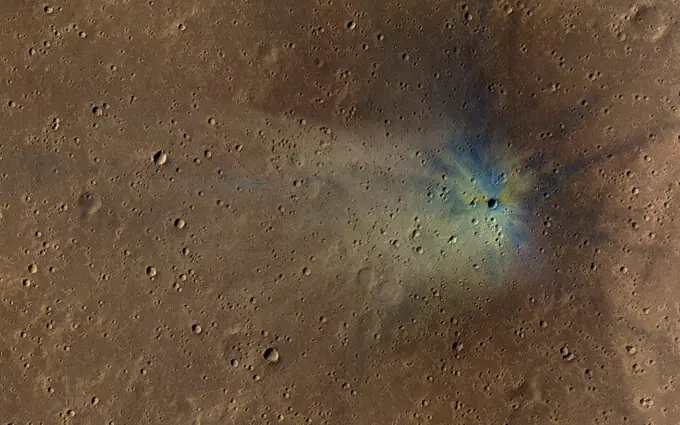
NASA's Mars Reconnaissance Orbiter (MRO) keeps finding new impact sites on Mars. This one occurred within the dense secondary crater field of Corinto Crater, to the north-northeast. The new crater and its ejecta have distinctive color patterns. Once the colors have faded in a few decades, this new crater will still be distinctive compared to the secondaries by having a deeper cavity compared to its diameter.
6145-45044956
This anaglpyh from NASA's Dawn spacecraft shows Caparronia crater on asteroid Vesta. The 3-D effect of the anaglyph highlights the large ridge running across the base of Caparronia crater. You will need 3-D glasses to view this image.
6145-44626919
A Rock Like None Before, Brushed