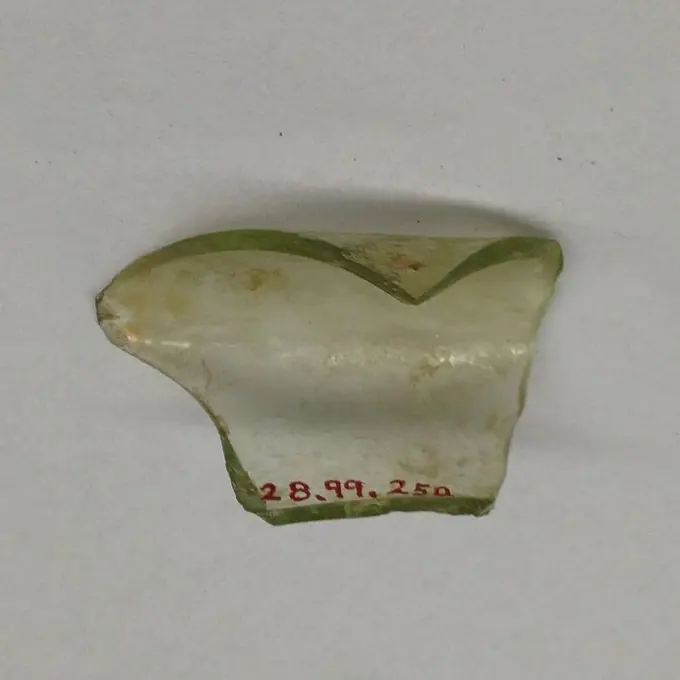
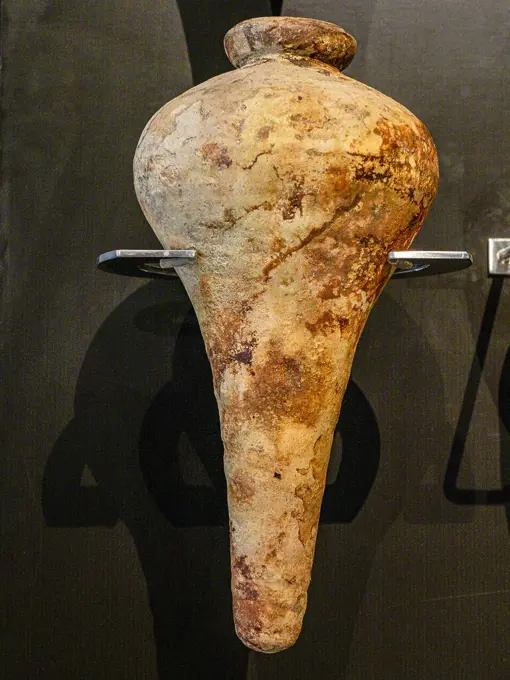
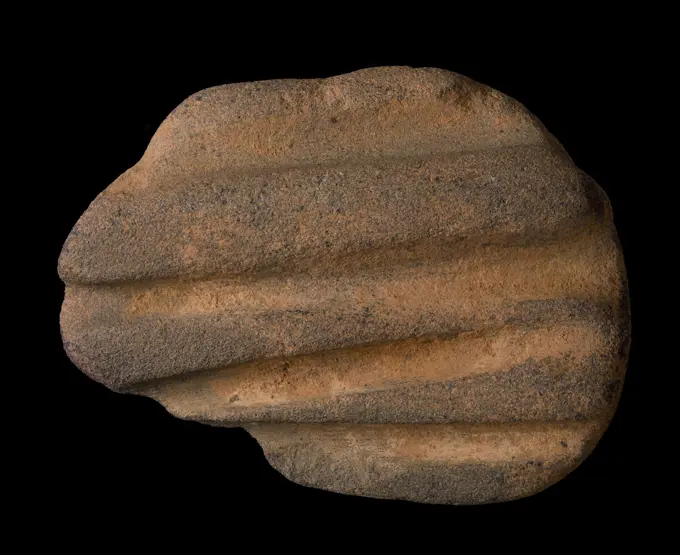
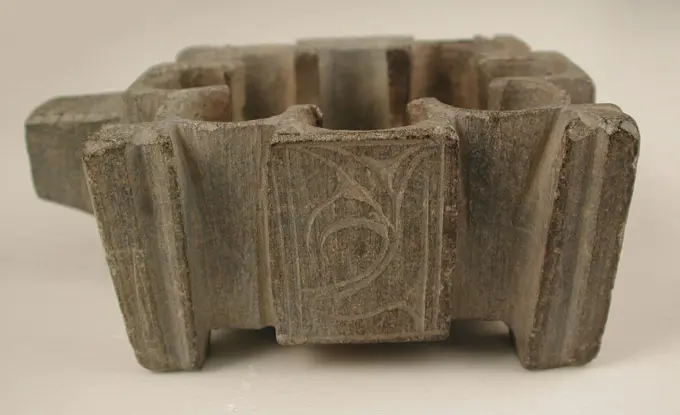
Medieval Artifacts from Euboea

A collection of historical artifacts including armor, pottery, and a chess piece, reflecting Coptic and medieval craftsmanship from ancient cultures.
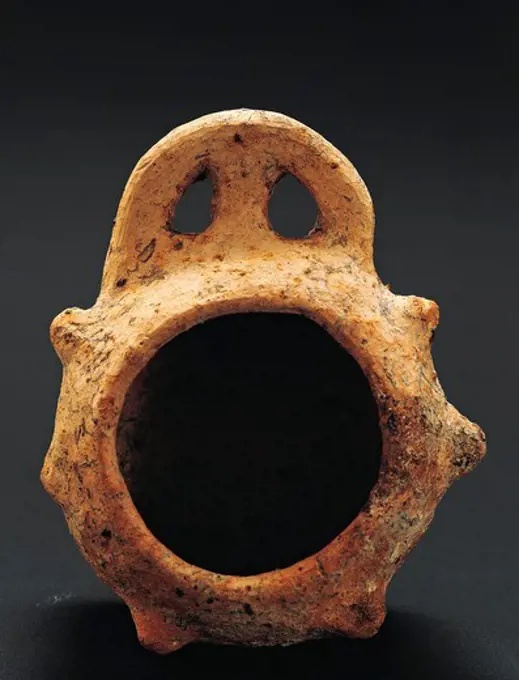
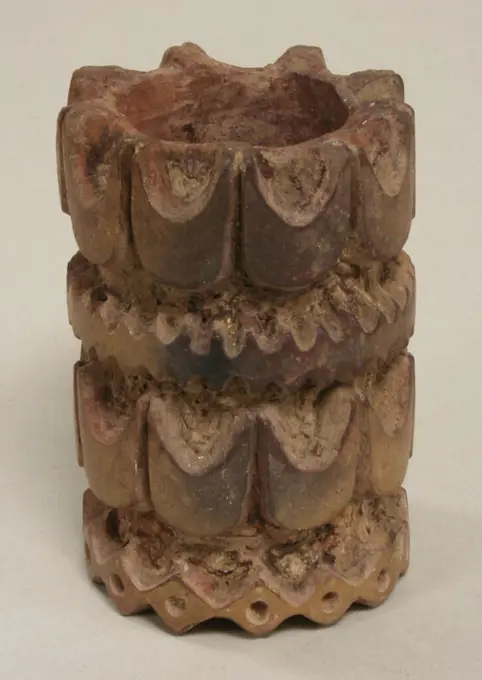
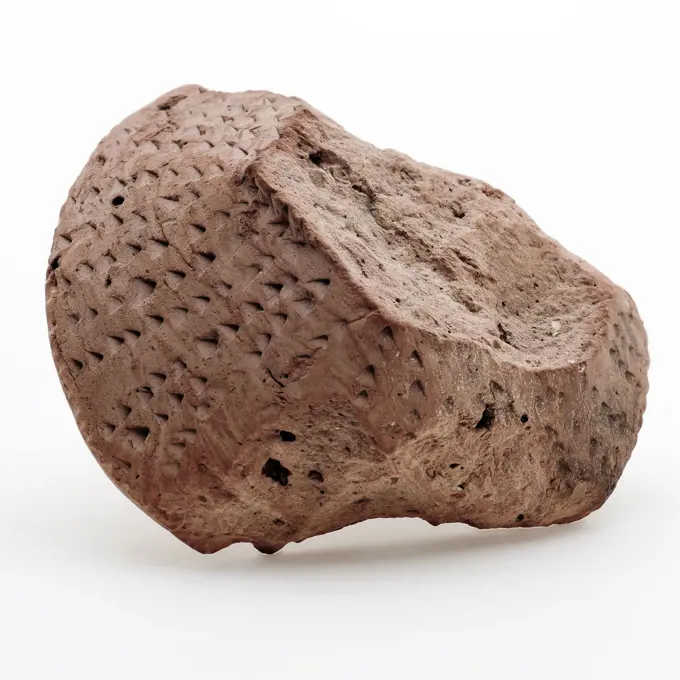
Hollow Tenon with a Death Head on the End, 9th century, 6 3/4 in. (17.15 cm), Earthenware, Mexico, 9th century
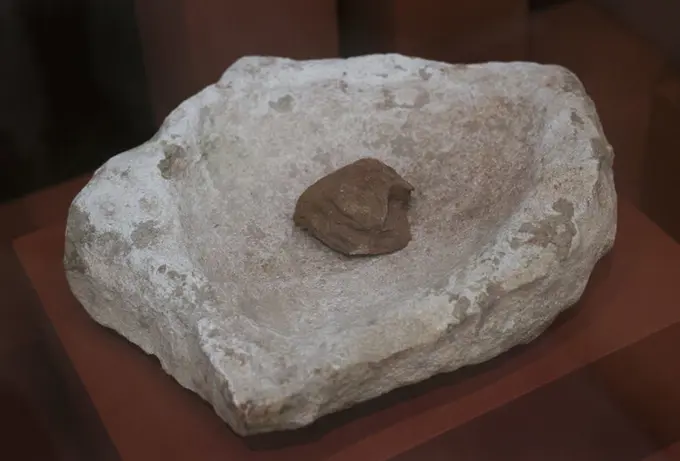
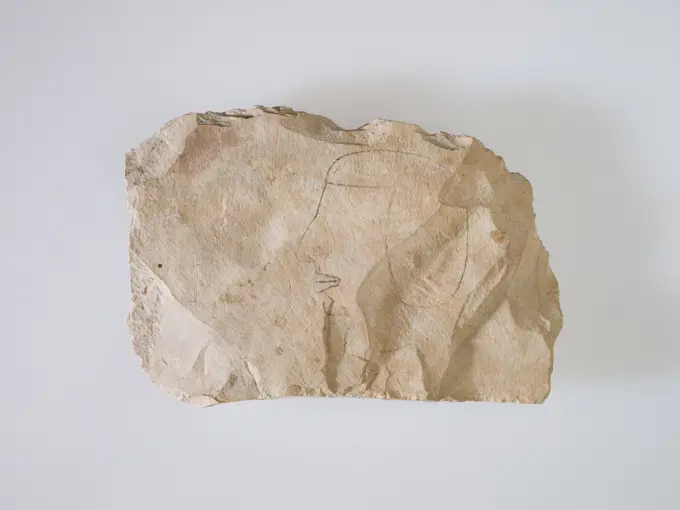
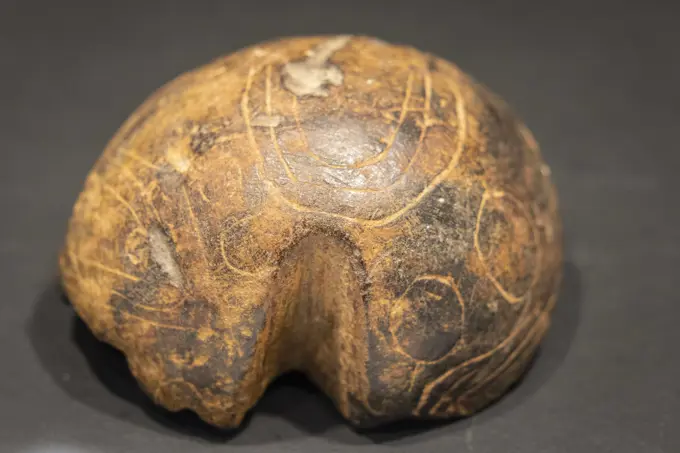
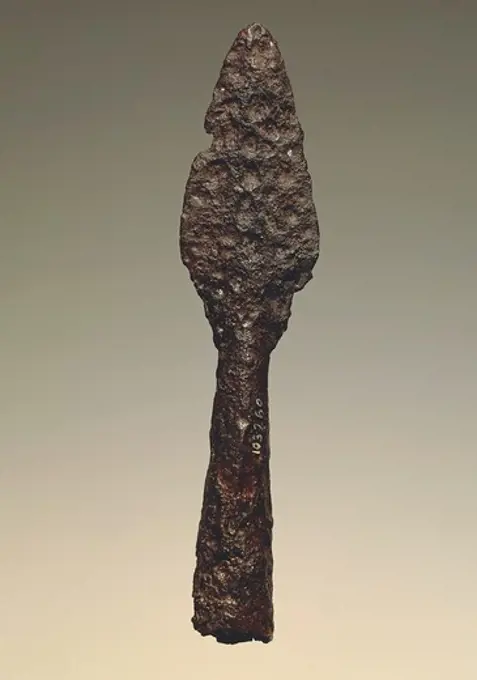
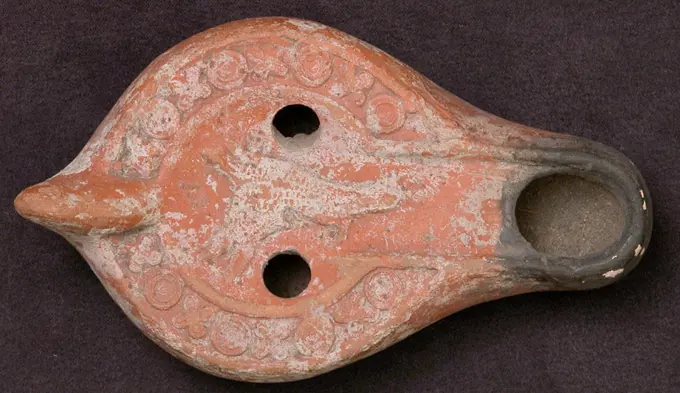
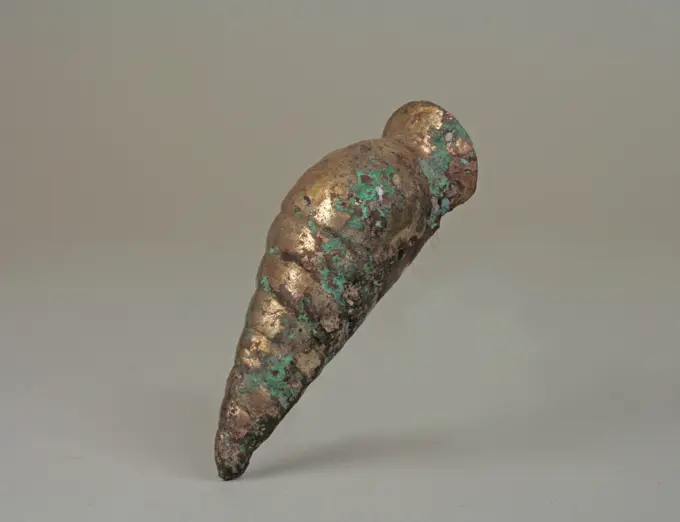
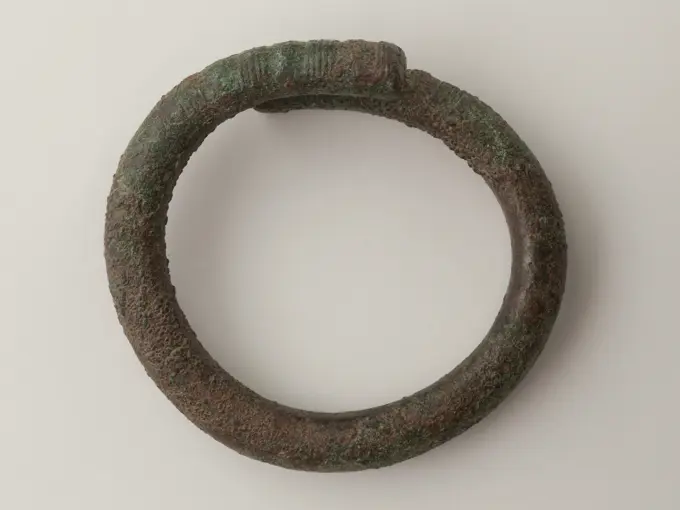
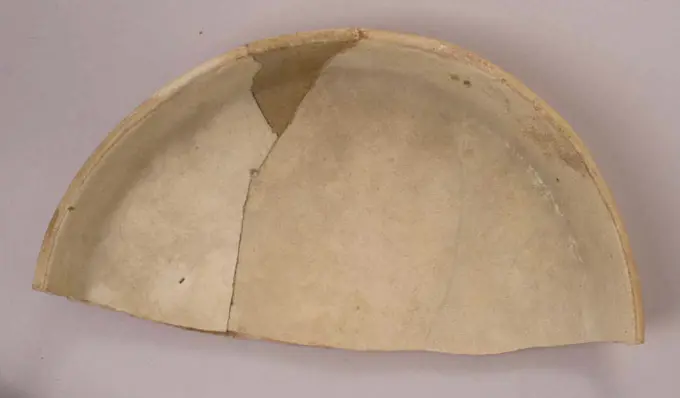
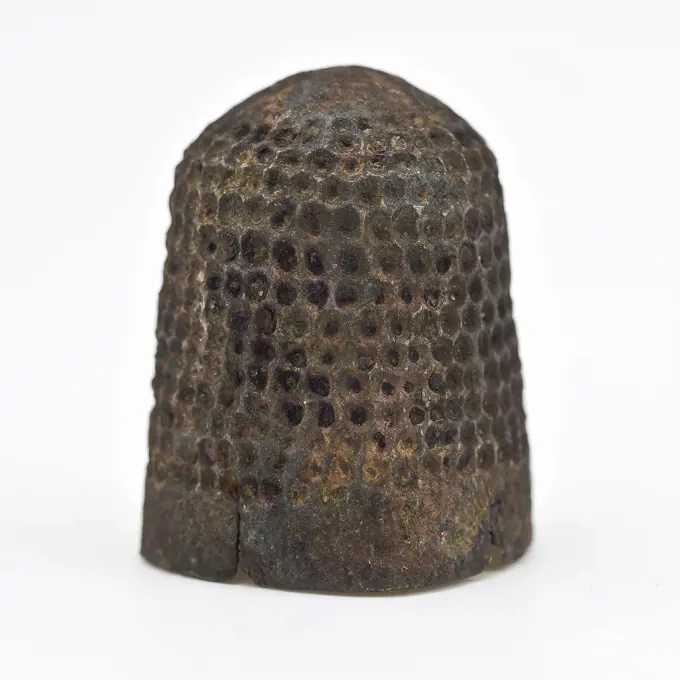
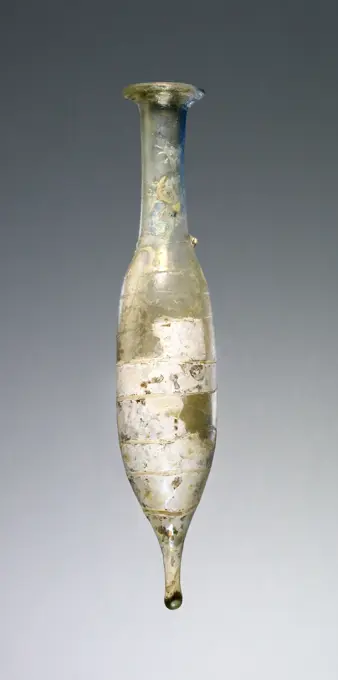
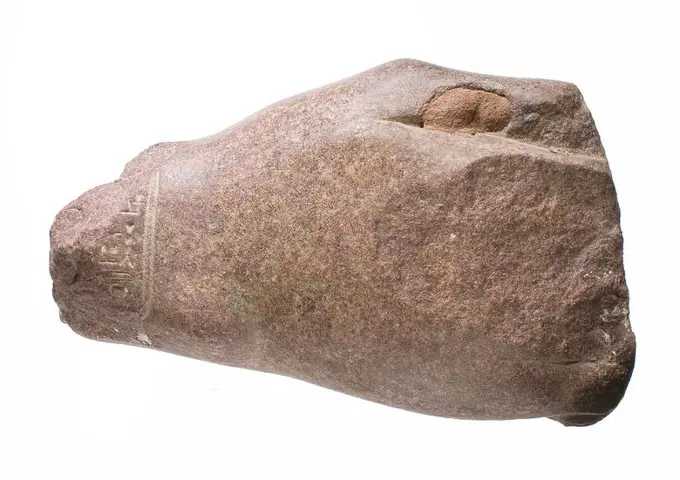
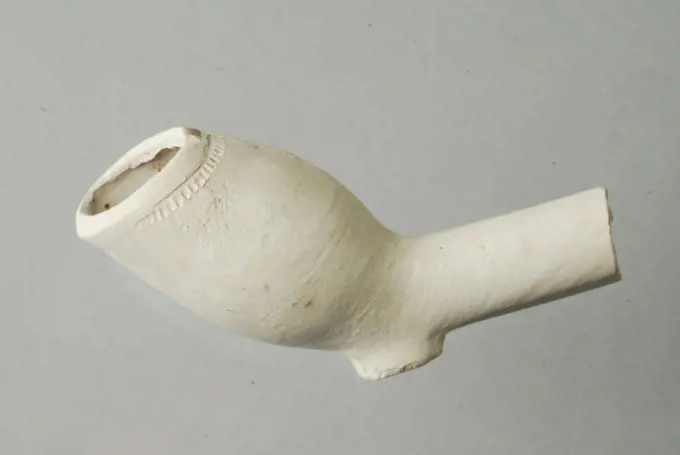
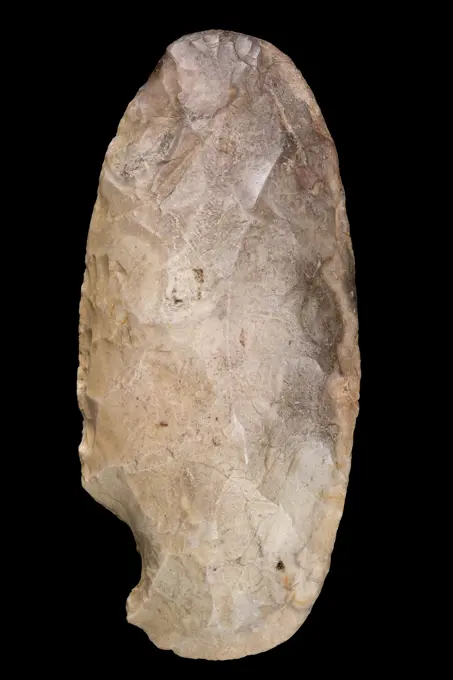
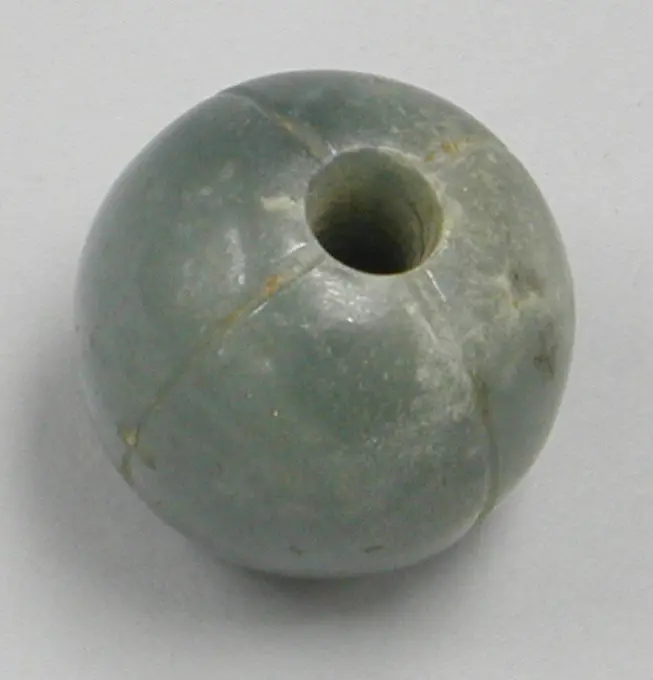
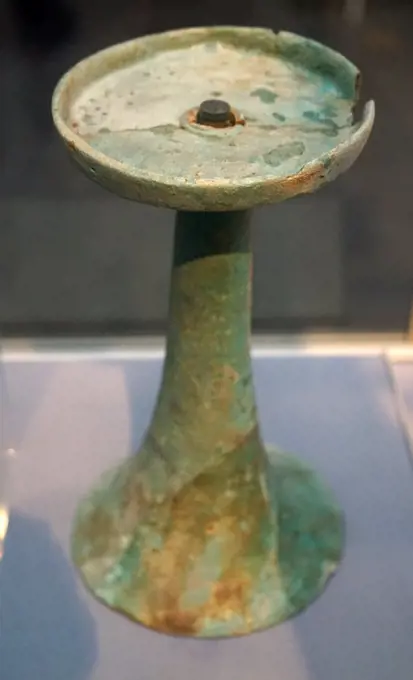
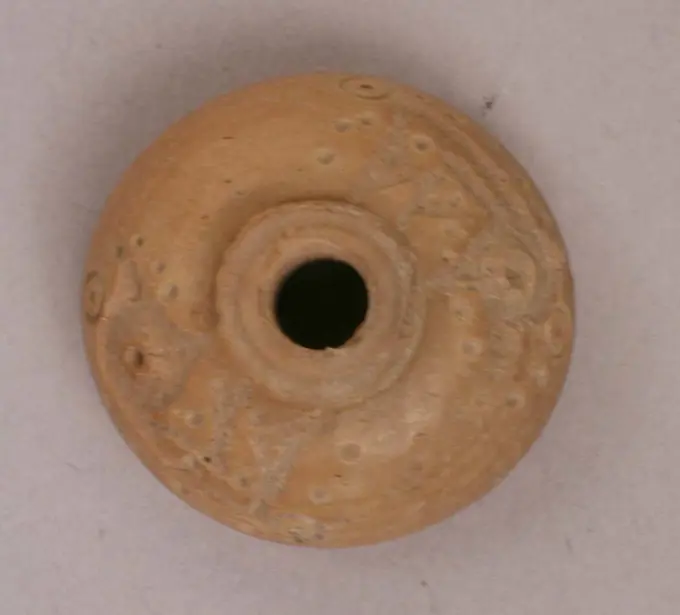
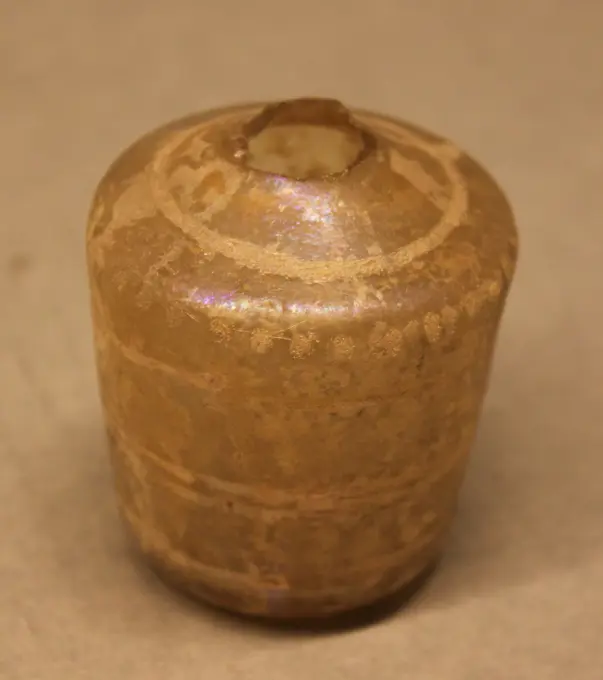
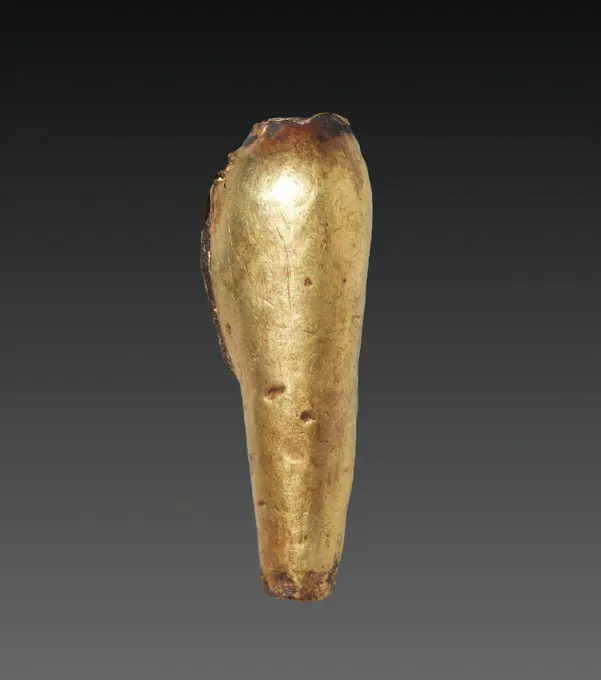
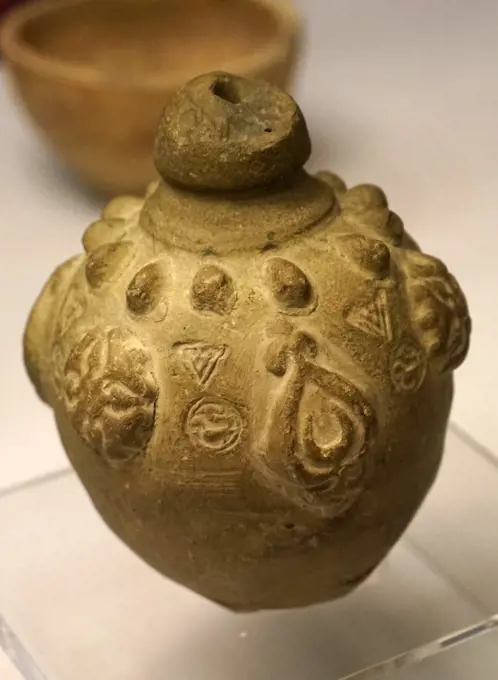
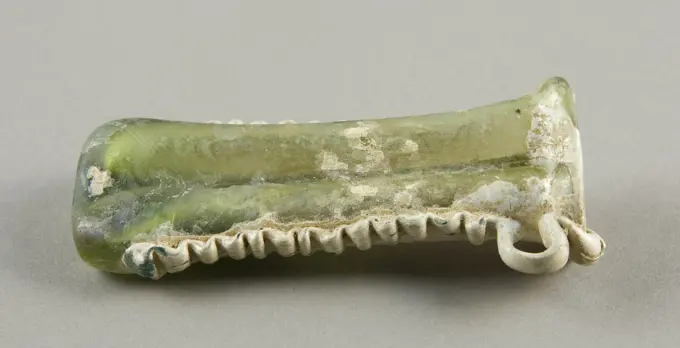
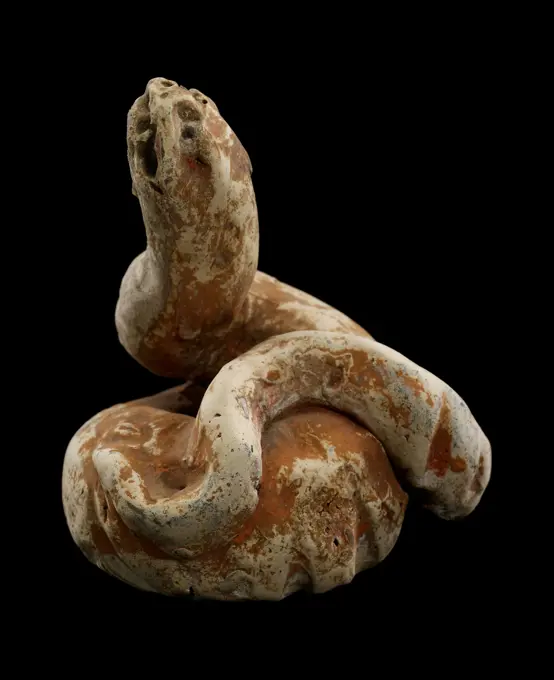
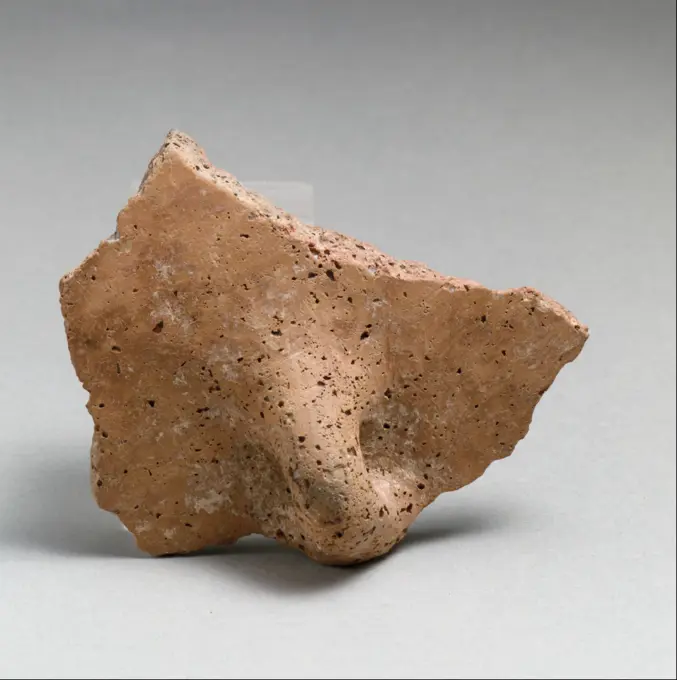
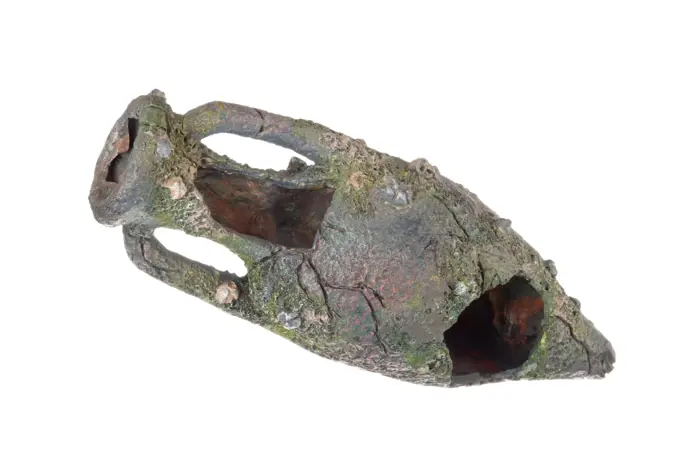
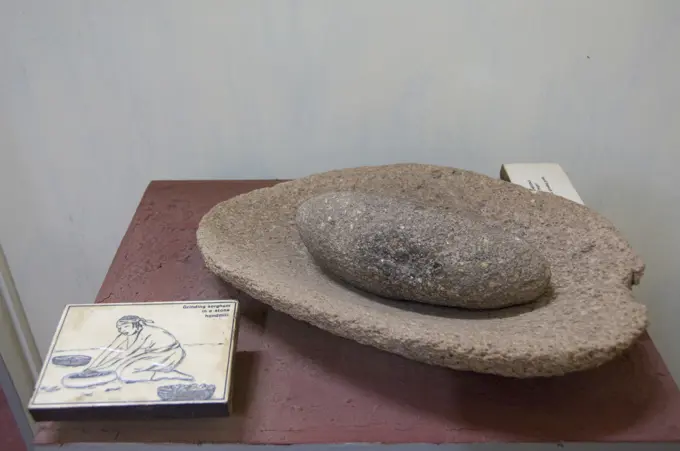
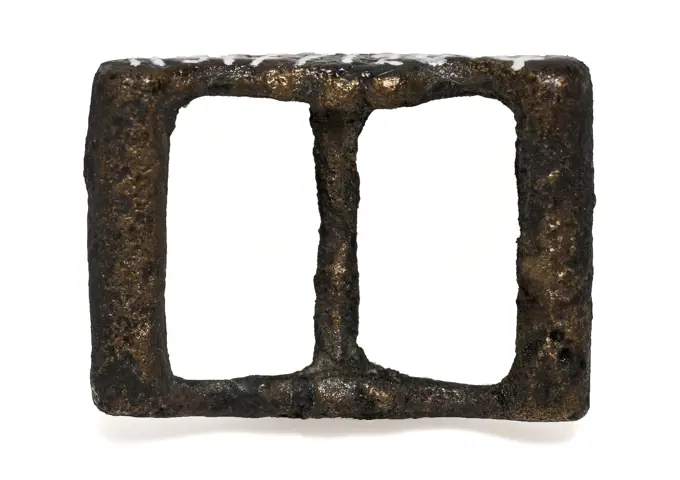
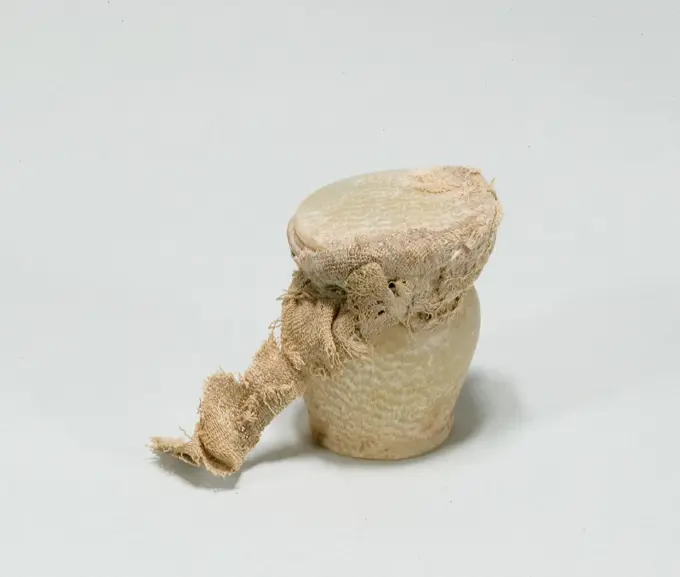
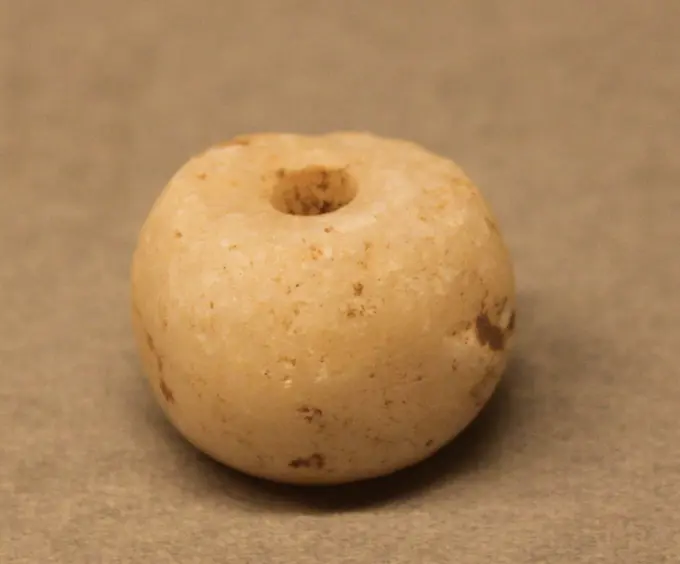
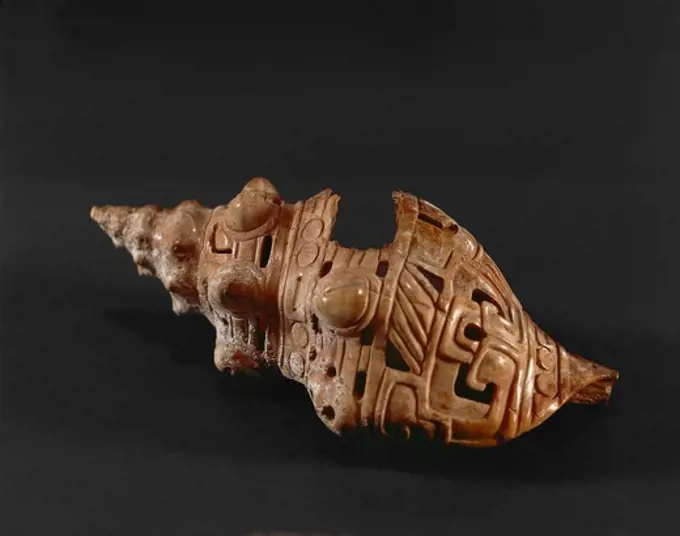
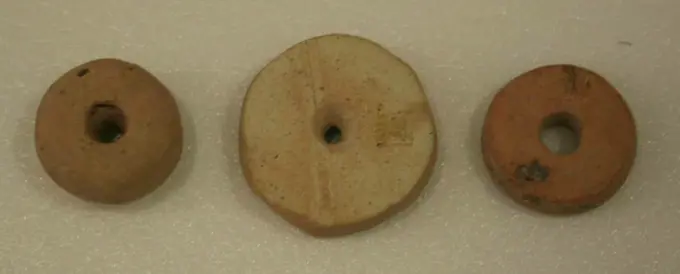
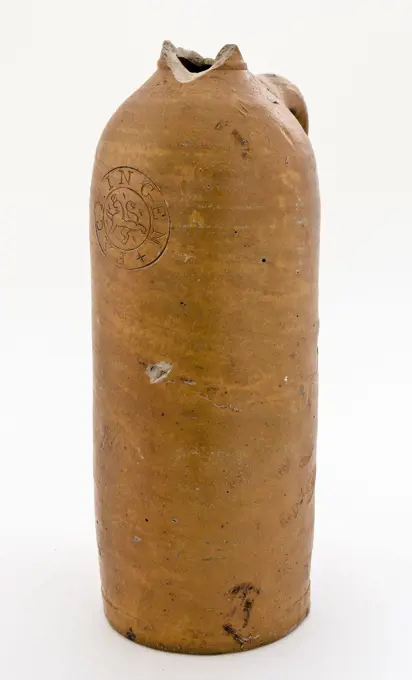
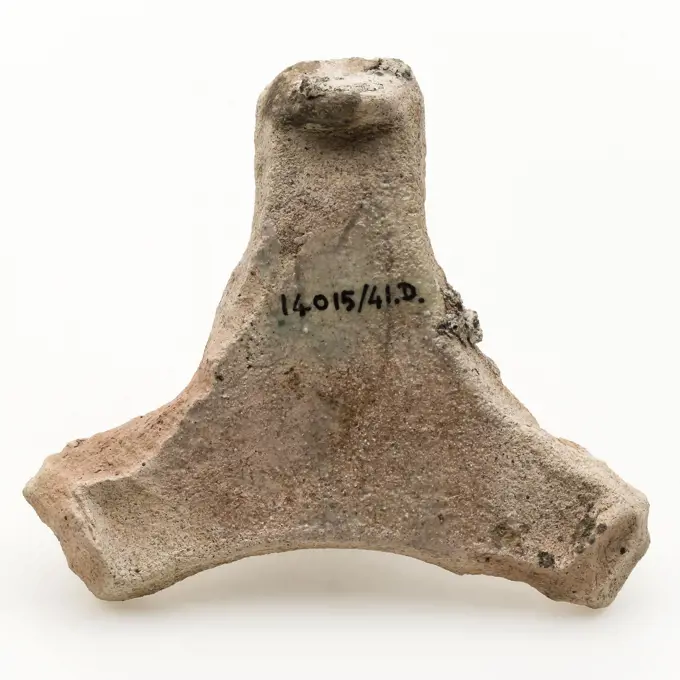
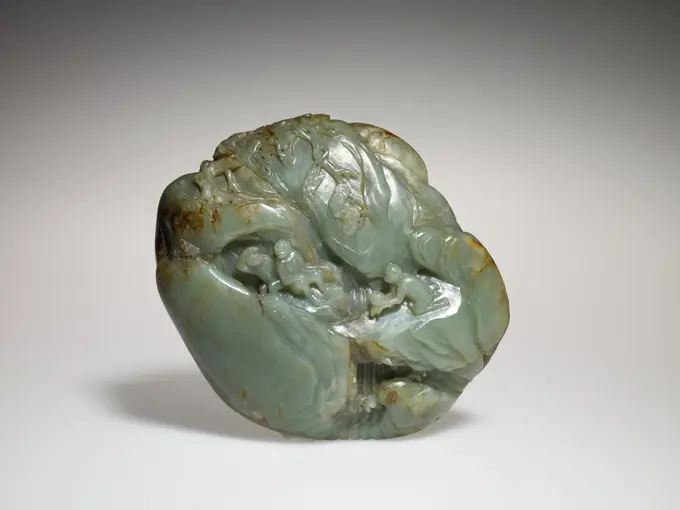
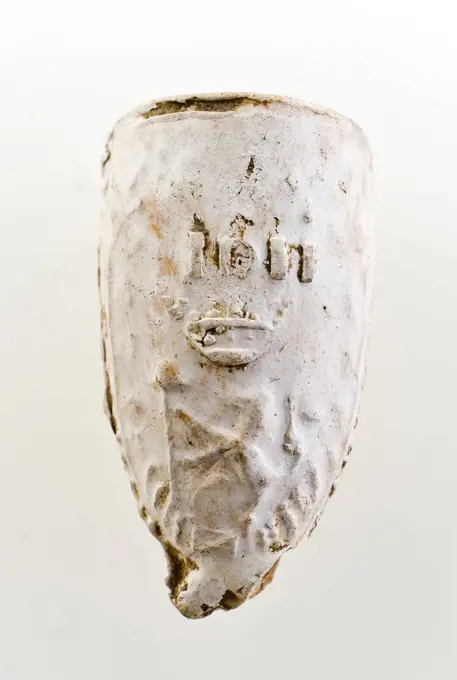
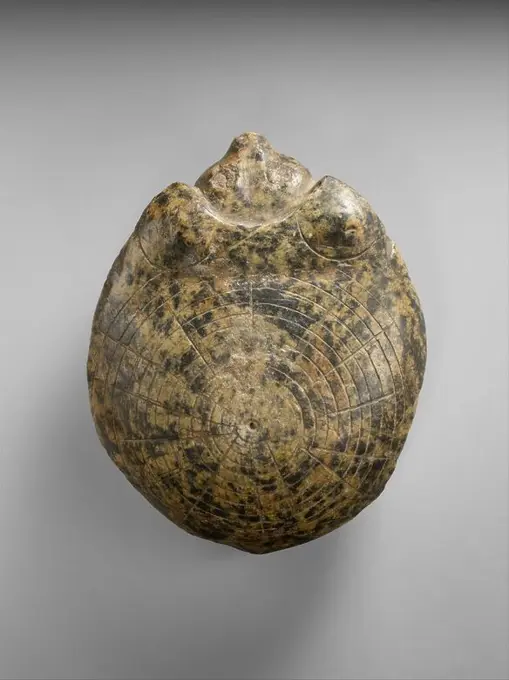
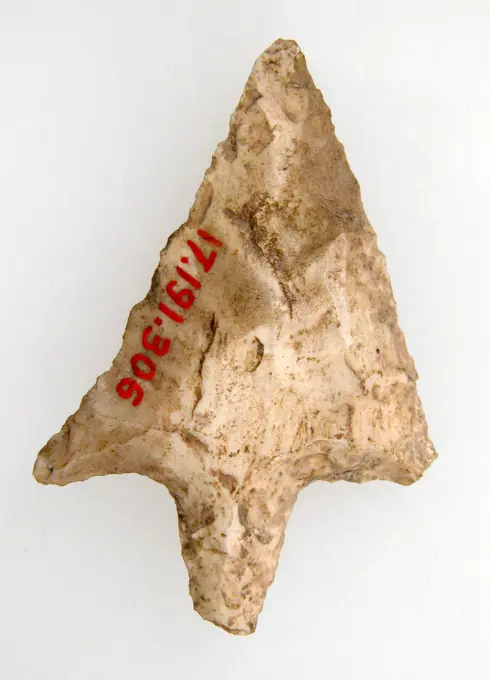
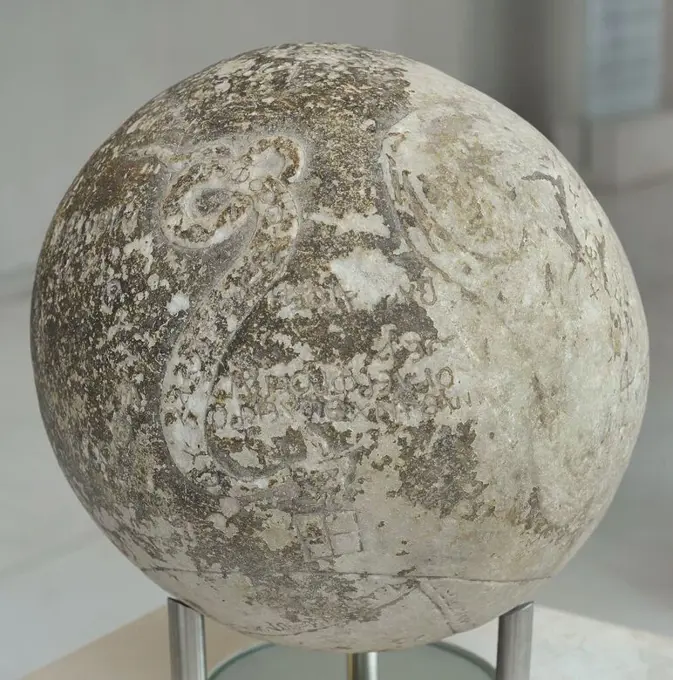
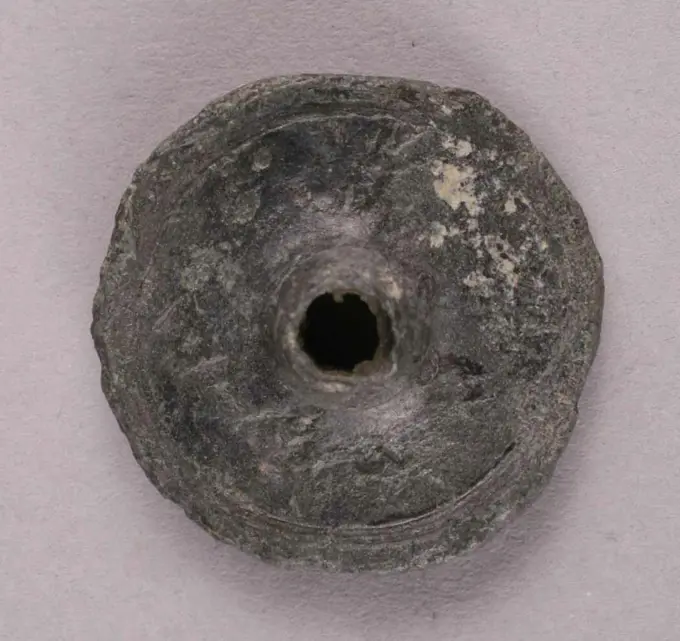
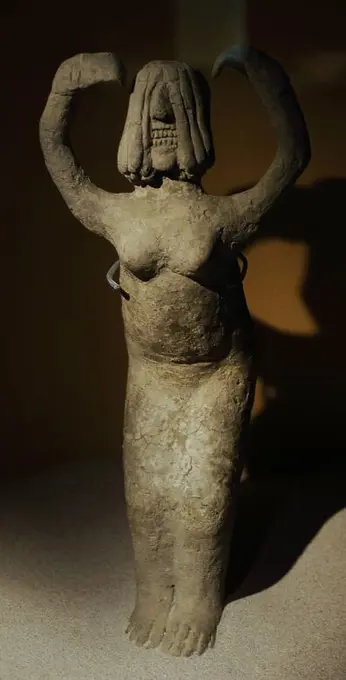
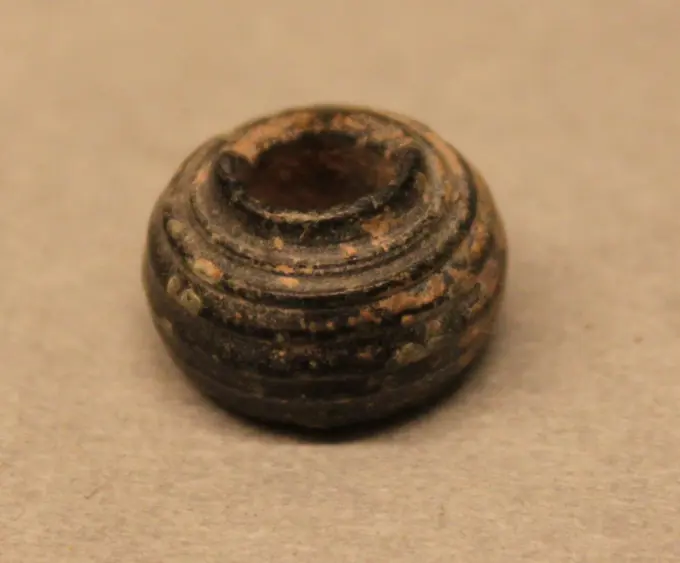
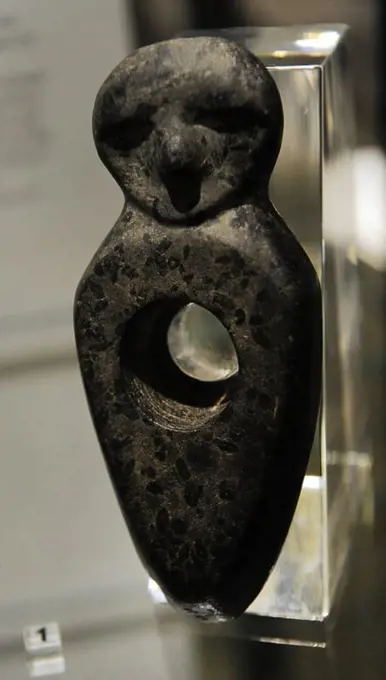
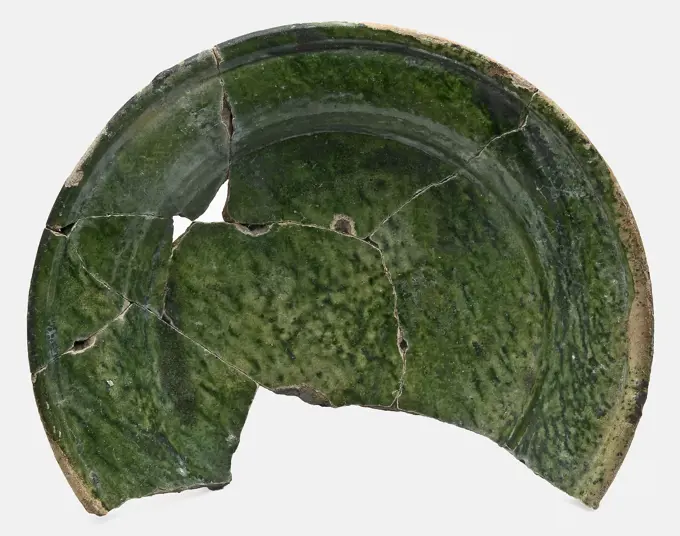
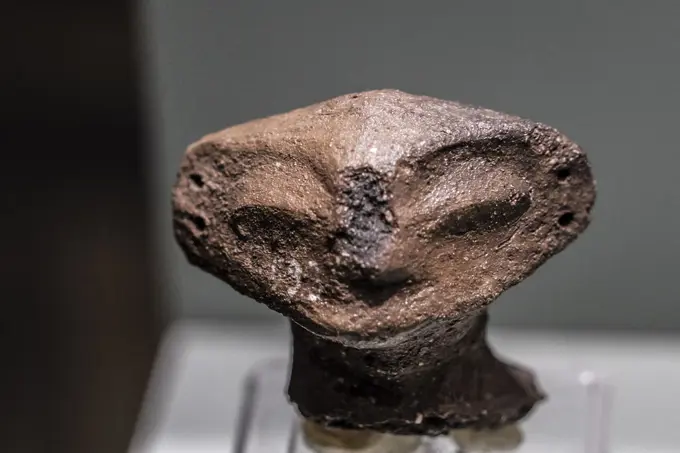
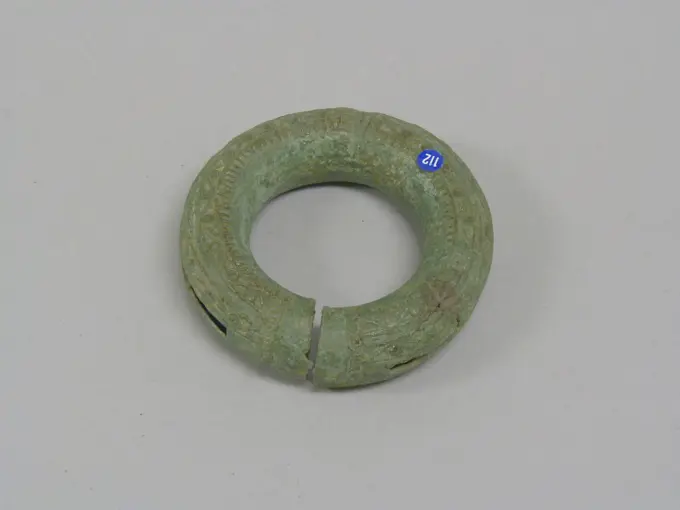
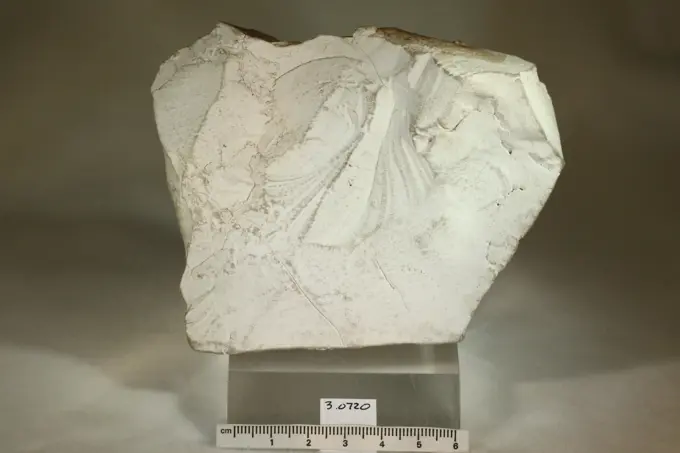
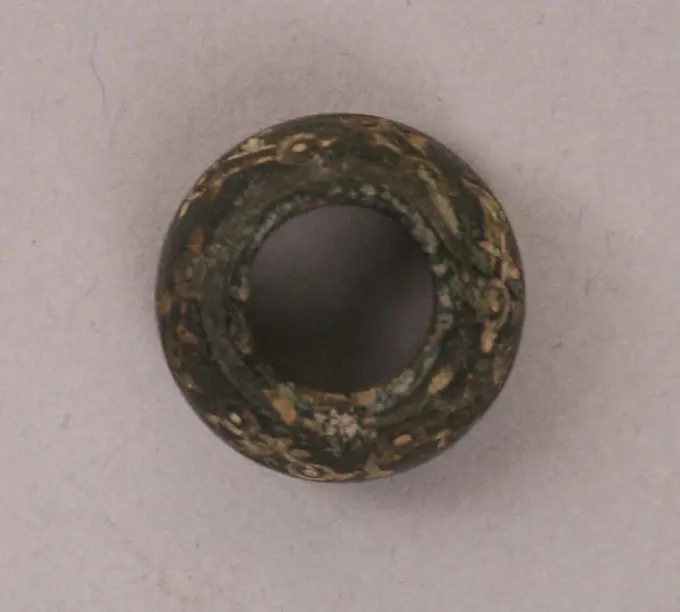
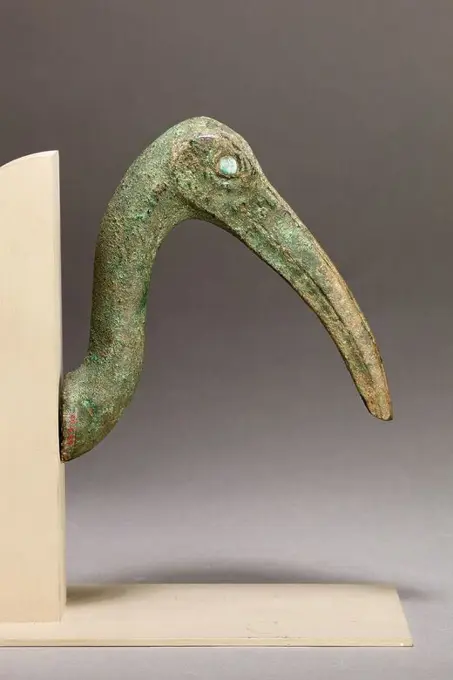
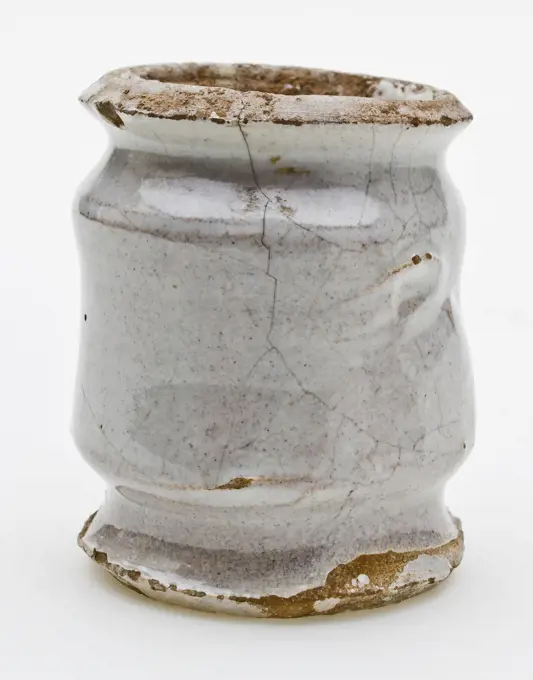
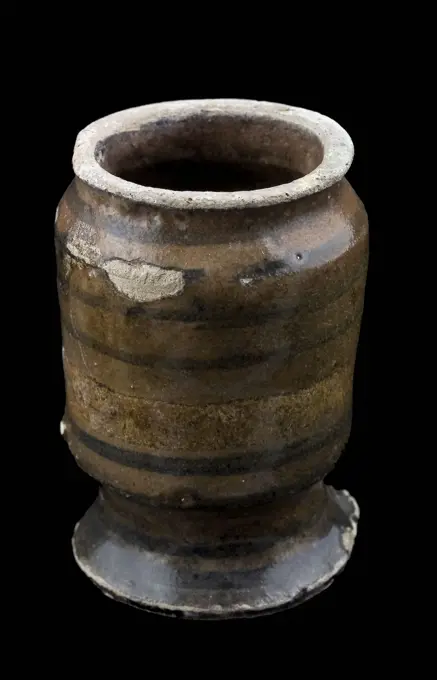
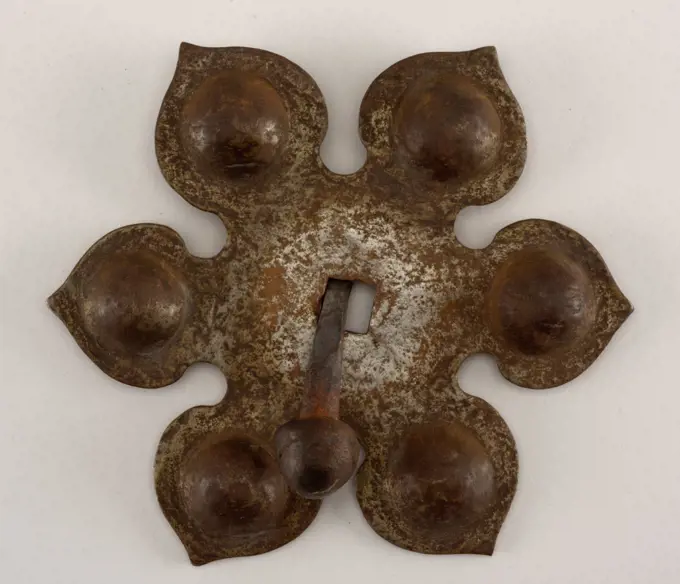
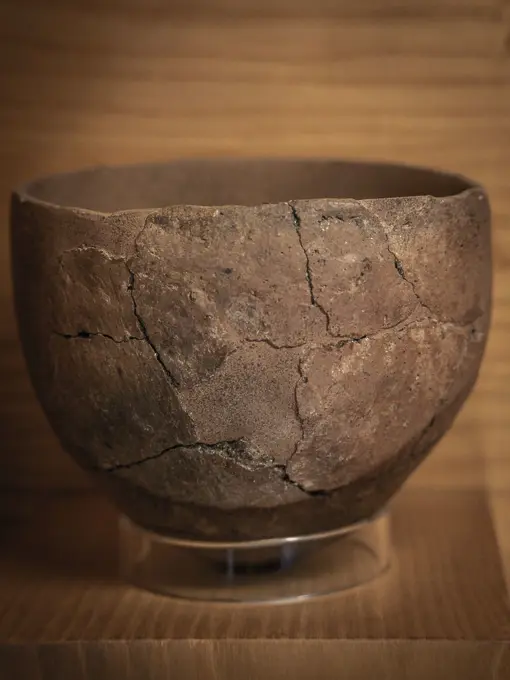
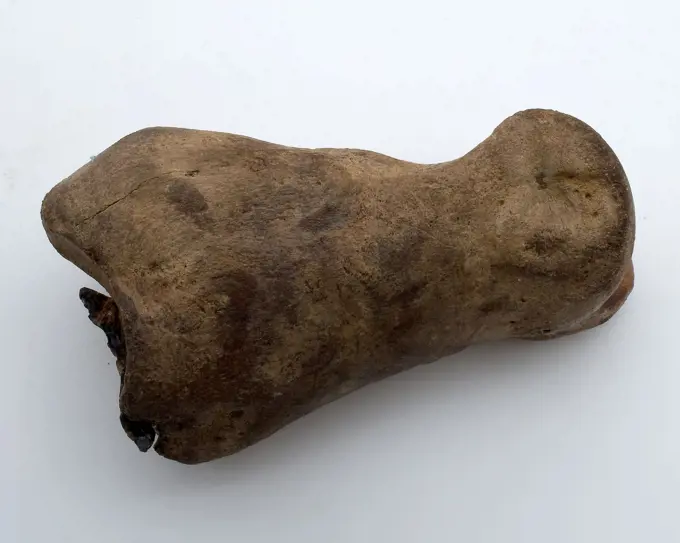
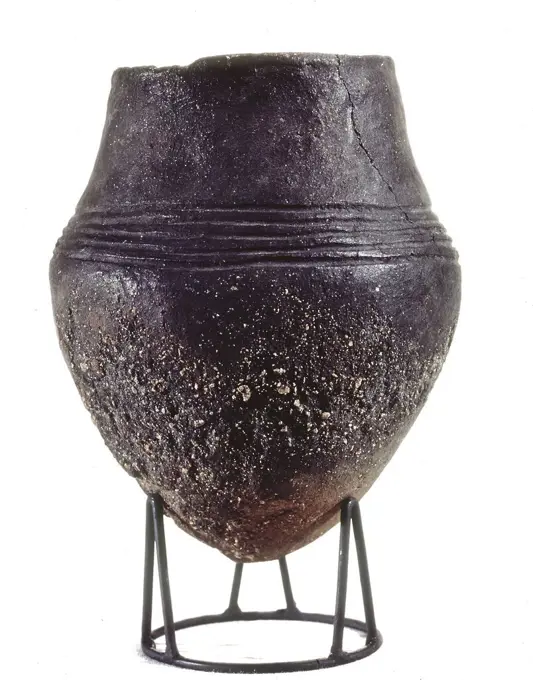
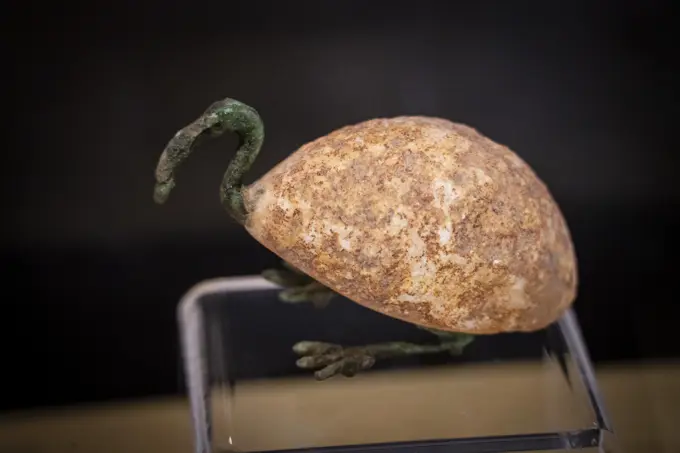
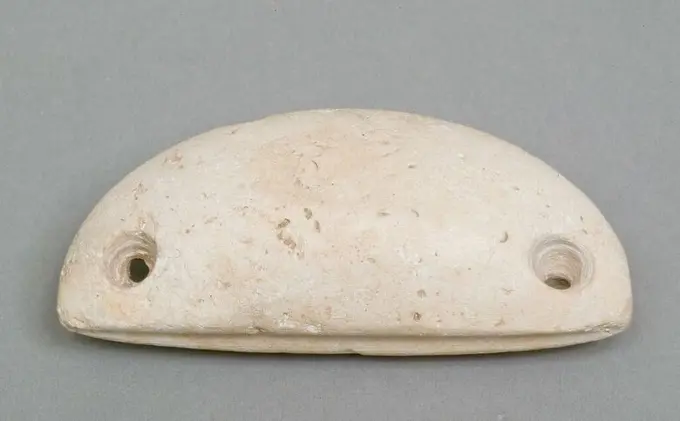
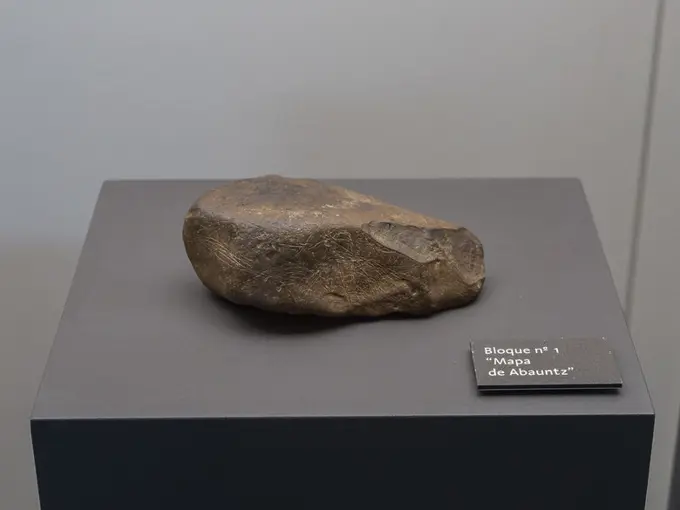
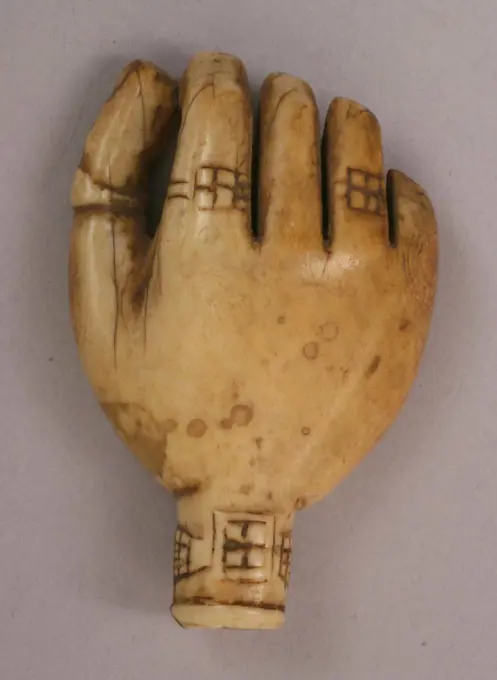
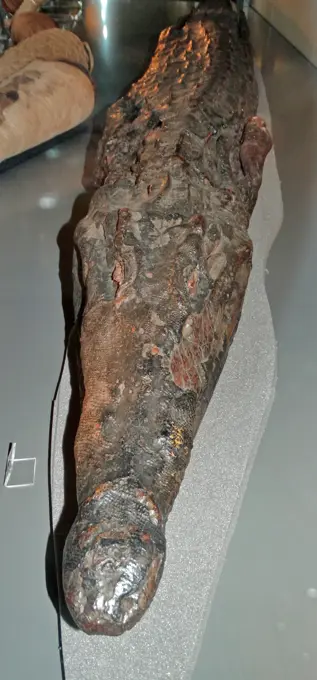
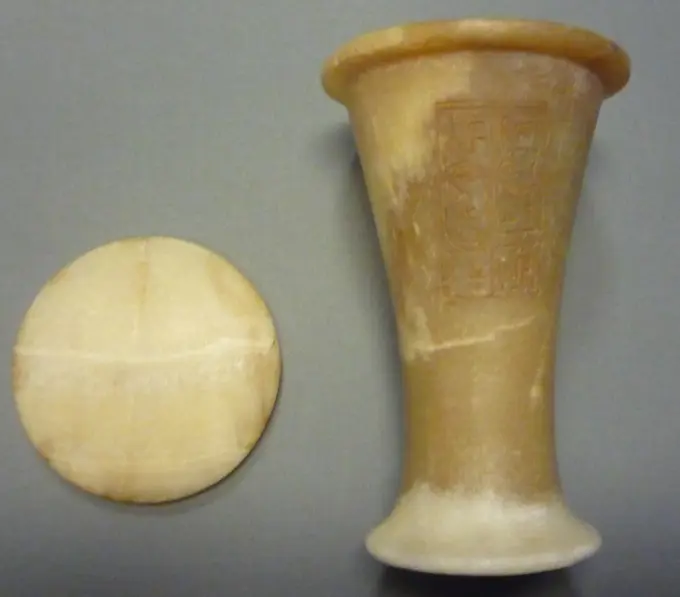
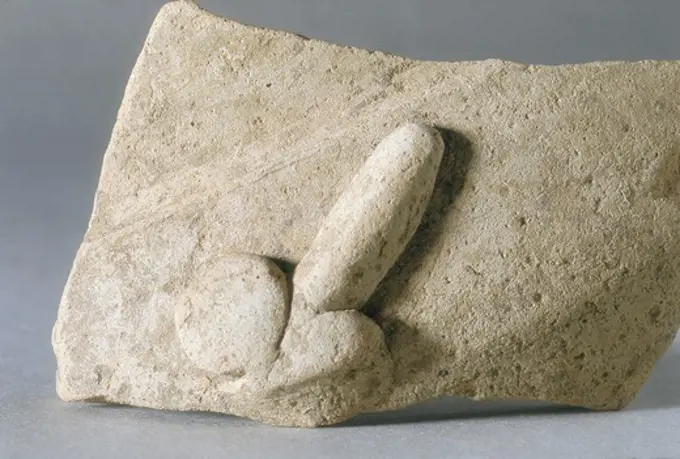
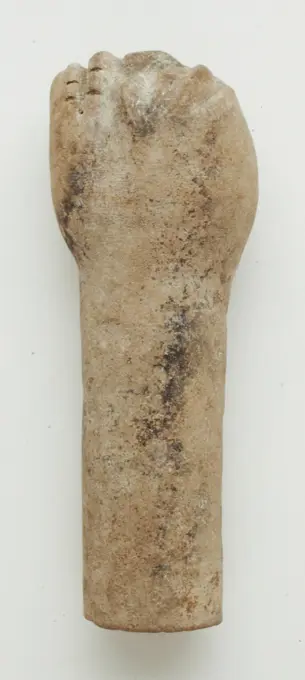
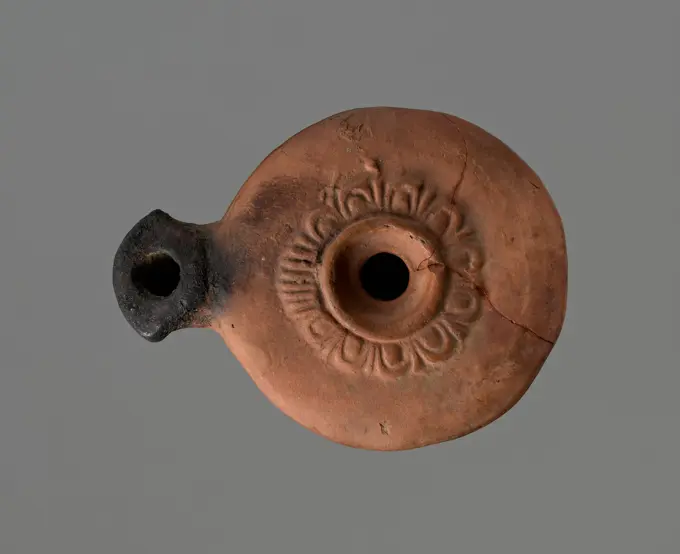
Olive lamp; unknown, Egyptian workshop; 1st century (1-00-00-100-00-00);Utensil made of stone in the shape of a shell. Possibly used as a ladle. Xaghra Stone Circle. Neolithic. Xaghra, Gozo Island, Malta. Gozo Museum of Archaeology. Cittadela of Victoria in Gozo. Malta.Ostracon Depicting a Man's Head ca. 1479-1458 B.C. New Kingdom. Ostracon Depicting a Man's Head. ca. 1479-1458 B.C.. Limestone, ink. New Kingdom. From Egypt, Upper Egypt, Thebes, Sheikh Abd el-Qurna, Tomb of Senenmut (TT 71), MMA excavations, 1935-36fragment of ovoid idol with incised decoration and central groove fragment of ovoid idol with incised decoration and central groove, Chalcolithic, III BC, El Pozuelo, Zalamea la Real, Huelva Museum, Huelva, Andalusia, Spain Copyright: xZoonar.com/BartomeuxBalaguerxRotgerx 21720795Czech Republic, Bohemia, Stradonice, Head of an iron spearLamp 5th-6th century. Lamp 448009Shell Ornaments 6th-7th century Moche (Loma Negra). Shell Ornaments 313426Ceramic fragment, originally the base of a pitcher. 3rd century B.C. Found at Triq il-Wileg (San Lawrenz, island of Gozo, Malta). Gozo Museum of Archaeology. Cittadella de Victoria. Gozo, Malta.Limestone grinding tool from the Natufian culture, from the Eastern Mediterranean region. Dated 9,800 B.CSpindle Whorl, one of sixteen, 15th century, 1 3/8 x 1 1/2 in. (3.49 x 3.81 cm), Stone, Mexico, 15th centuryNeck and handle of Jug ca. 3rd-7th century A.D. Sasanian Although this glass vessel is broken, the remaining piece clearly indicates the necked jar shape of the original vessel. The glass itself is clear with a bluish tone and has an opaque white oxidation on the surface. Glass found in excavations has often gone through a process of decay that changes its surface color. Glass was widely produced and used during the Sasanian period. Although colorless glass was highly valued, the majority of glass finds are slightly tinted, usually greenish or yellow tint, although reddish and brown tints also occur. Glass finds from this period include a variety of types such as small cosmetic containers, serving vessels, and drinking glasses. This piece was excavated from a house at the site of Maaridh II in the Ctesiphon area.The city of Ctesiphon was located on the east bank of the Tigris River, 20 miles (32 km) south of modern Baghdad in Iraq. It flourished for more than 800 years as the capital Large ring. Copper alloy. Gallo-Roman. Paris, Carnavalet museum. 51538-18 Copper alloy, Gallo-Roman, Gallo-Roman time, big ringFragment of a Dish 8th-10th century. Fragment of a Dish 448699Copper molded thimble, thimble sewing kit soil find brass copper metal, cast Copper cast thimble with left spinning spiral without groove transition to shank with wheel punch and with blank board archeology seamstress tailor sewing textile machining clothing needle and thread repairFlask. Unknownright hand fragment with cartouche of the Aten. Dimensions: H. 20.5 × W. 11.5 × D. 13.7 cm (8 1/16 × 4 1/2 × 5 3/8 in.). Dynasty: Dynasty 18. Reign: reign of Akhenaten. Date: ca. 1353-1336 B.C.. Museum: Metropolitan Museum of Art, New York, USA.Hendrick Jansz., Clay pipe, unnoticed, from the waste from Rotterdam pipe making, clay pipe smoking equipment smoking ground find ceramic pottery, pressed finished baked Clay pipe unnoticed from the waste of Rotterdam pipe making archeology Rotterdam Hillegersberg-Schiebroek Hillegersberg Noord Hillegersberg Zuid Rottekade indigenous pottery craft workshop smoking tobacco pipe maker Hendrick Jansz archaeological find in the soil: Judge Rottekade Rotterdam at number 71 in 1976.Neolithic Morillo, Valdeladrones, Candasnos, Huesca museum, Aragon community, Spain.Scraper. Neolithic period. North Africa. 12,6 cm.Spindle Whorl 10th-early 16th century Mexican. Spindle Whorl 307712Fragment ca. 1150-ca. 1250 European or Middle Eastern. Fragment 695253Bead 10th-4th century B.C. Olmec. Bead 317351Quartz. minerals. North America; USA; Montana; Madison County; Silver StarFaience libations stand from Ancient Egypt. Dated 3rd Century BCPunch: on the left: Coq standing, the two legs placed on the ground; Silver punch 1st Title for Paris 1798-1809. Right: Bearded man's head, big guarantee hallmark for departments 1798-1809. Strip decor, 2 pearls faceted and 2 harsh rows, flower motif at the top and bottom.Button or Bead 9th-10th century The dot-in-circle motif recalls designs presumed to be of magical significance, most likely an abstract eye to ward off the evil-eye, which serves an apotropaic function. Easily reproduced with a tool and visible in many cultures and times, this symbol may have lost its meaning, and become simply a decorative pattern, or may have one that we have not yet discovered.. Button or Bead 453475Mineral water bottle (spa water), mineral water bottle bottle holder soil find glass, blown in mold blown Bottle for carbonated mineral water Sewage bottle of clear light green glass The underside is slightly flattened. The body is flat oval in shape and the neck rejuvenates. Inside and outside are discolored and pearlescent iridescent archeology packaging transport medicine drugOil Lamp. Iran, 9th-10th century. Metal. Bronze, castBowl, from Fratta Polesine, Veneto Region, ItalyFragment of a Bottle 10th-11th century. Fragment of a Bottle 450909Copper molded thimble, thimble sewing kit soil find copper metal, cast Copper molded thimble left spirally drawn with blank round in the middle passing without groove in the shaft with rather wide blank board archeology Rotterdam rail tunnel seamstress tailor sewing textile repairing clothes needle and thread repair Soil discovery: rail tunnel Rotterdam.Teardrop-Shaped Bead, 1980-1801 BC. Egypt, Middle Kingdom, Dynasty 12. Gold over calcite gesso core; average: 2.4 cm (15/16 in.).Earthenware vessel, with foliate design, form Syria. Dated 12th CenturyCosmetic Container 301 CE-400 CE Syria. Glass, blown technique . Ancient RomanSnake, from a set of zodiac figures, 14th century, H.3-5/8 x W.3 x D.3-5/16 in., Earthenware with mineral pigments, China, 14th centuryVase fragment ca. 4000 B.C. Neolithic, Nemea. Vase fragment 253247 Neolithic, Nemea, Vase fragment, ca. 4000 B.C., Terracotta, length 2 15/16in. (7.4cm). The Metropolitan Museum of Art, New York. Anonymous Gift, 1930 (30.119.42)Old Amphora, traditional shape mediterranean pottery container, found in the sea. Isolated on white.Africa, Gambia. Capital city of Banjul. Gambia National Museum. Grinding stone display.Double-Sided Comb 7th century Frankish. Double-Sided Comb 465501 Frankish, Double-Sided Comb, 7th century, Bone, iron pins, Overall: 5 5/16 x 1 3/4 x 7/16 in. (13.5 x 4.5 x 1.1 cm). The Metropolitan Museum of Art, New York. Gift of J. Pierpont Morgan, 1917 (17.193.185)Small brass clasp, rectangular and slightly curved, clasp fastener component soil find brass metal, cast Buckle with rectangular bracket and center post Round sides slightly curved model archeology Rotterdam rail tunnel attach fasten hangers Soil discovery: trajectory rail tunnel Rotterdam.Kohl jar ca. 1850-1640 B.C. Late Middle Kingdom or early second Intermediate Period This cosmetic vessel was found in a "surface burial" in the area of the mastaba tomb of Senwosretankh at Lisht South. The subsidiary burials in this area appear to date from the Late Middle Kingdom to the early Second Intermediate Period. A cylinder with the name of King Amenemhat III (33.1.52), a late Middle Kingdom scarab (33.1.51) and a Tell el-Yahudiya juglet (now in Cairo, JE 60263) were discovered in some of these burials. The juglet has three zones of decoration, a type known from strata F and E3 at Tell el-Dab'a, that are generally dated to ca. 1710-1650 B.C.. Kohl jar. ca. 1850-1640 B.C.. Travertine (Egyptian alabaster), linen. Late Middle Kingdom or early second Intermediate Period. From Egypt, Memphite Region, Lisht South, tomb of Senwosretankh, Surface burial 34-37, MMA excavations, 1932-33. Dynasty 12, late-13Bead 8th-13th century This object was excavated at Nishapur.Nishapur was a vital city in the early and middle Islamic periods, located along one of the main trajectories that connected Iran and West Asia Islamic lands with Central Asia and China. These itineraries are often referred to by the term Silk routes’ but were in fact crucial to the movement of constellations of materials and objects, as well as people and ideas. The diverse population of Nishapur and its surroundings, from the better-researched elite groups of merchants, land-owning aristocracy, and literates, to the less-known artisans, farmers, miners, and servants, were instrumental in adapting global cultural trends to create their own distinctive visual languages. This is seen in the material remains of everyday life in medieval Nishapur - from pots and pans to lighting devices, inkwells, textiles and trimmings, jewelry, games and toys, talismanic devices, weapons, coins, and architectural fragments.Nishapur lost its poTarascan civilization, Mexico. Musical instrument made out of a shell. From Michoacan.Powder Horn 18th century American. Powder Horn 27630Beads 8th-13th century. Beads 450843Stoneware mineral water pitcher, cylindrical with round shoulder, sausage ear and short neck, mineral water pitcher jar product packaging container soil find ceramic stoneware glaze salt glaze approx., hand turned glazed baked Stoneware mineral pitchers cylindrical with round shoulder short neck and sausage ear. Stand area with traces of deduction and soul. Glazed. Marked under the ear and marked on the front with medallion Medallion in the medallion: FACHINGEN in the midfield left clawing lion archeology Rotterdam Kralingen-Crooswijk Struisenburg Oostmaaslaan Boslaan Buizengat advertising indigenous pottery import drinking water drinking medicine packaging Soil discovery: Buizengat Oostmaaslaan Boslaan Rotterdam an old landfill of urban waste.Orange shard, triangular with curved sides, soil found ceramic earthenware, in mold formed baked orange shard. Triangular with curved sides Three carrying points Light blue glaze at the bottom archeology Rotterdam City center Stadsdriehoek Schielandshuis indigenous pottery baking pottery Soil discovery: Schielandshuis under Pappegay and garden. Canal filling secondary oven waste.Mountain, 17th century, 6 3/8 x 5 3/4 x 2 3/16 in. (16.19 x 14.61 x 5.56 cm), Nephrite (jade), China, 17th centuryOpal. mineralsJohannes de Hoog, Clay pipe, marked, in relief decorated with windmill and lion in Dutch garden, clay pipe smoking equipment smoke floor earthenware ceramic pottery h 4,3, pressed finished baked Clay pipe marked in relief decorated with windmill and lion in Dutch garden. Overnaadse decoratie Left side: letters and crown above lion in Dutch garden between scrolls with freedom hat on stick or spear; right side: stylized windmill above bridge. mark above crown on left side boiler: IDH archeology indigenous pottery smoking tobacco Dutch gardenTurtle as a Votive Mehen Game. Dimensions: W. 12 x L. 15 x Th. 5.2 cm (4 3/4 x 5 7/8 x 2 1/16 in.). Date: ca. 3100-2649 B.C.. Museum: Metropolitan Museum of Art, New York, USA.Arrowhead 2500-1500 B.C.; A.D. 400-700 Frankish. Arrowhead 465017 Frankish, Arrowhead, 25001500 B.C.; A.D. 400700, Flint, Overall: 1 5/16 x 7/8 x 3/16 in. (3.4 x 2.3 x 0.5 cm). The Metropolitan Museum of Art, New York. Gift of J. Pierpont Morgan, 1917 (17.191.306)Magic Sphere. Depiction of the God Helios, a lion, a dragon and magical symbols. It was found buried near the Theater of Dionysos, which hosted duels and other similar contest when the sphere was created. It has been suggested that the sphere was used in magic rituals to achieve victory in these contests. 2nd-3rd century AD. Acropolis Museum. Athens. Greece.Necklace Charm. Egypt, Roman Period (100 - 500 CE) or later. Jewelry and Adornments; pendants. BronzeWeight 9th-10th century. Weight 449933Figurine depicting a woman, placed in tombs or as a votive offering in temples to facilitate the resurrection after death. Egypt. Museum of Mediterranean and Near Eastern Antiquities. Stockholm. Sweden.Bead 8th-13th century This object was excavated at Nishapur.Nishapur was a vital city in the early and middle Islamic periods, located along one of the main trajectories that connected Iran and West Asia Islamic lands with Central Asia and China. These itineraries are often referred to by the term Silk routes’ but were in fact crucial to the movement of constellations of materials and objects, as well as people and ideas. The diverse population of Nishapur and its surroundings, from the better-researched elite groups of merchants, land-owning aristocracy, and literates, to the less-known artisans, farmers, miners, and servants, were instrumental in adapting global cultural trends to create their own distinctive visual languages. This is seen in the material remains of everyday life in medieval Nishapur - from pots and pans to lighting devices, inkwells, textiles and trimmings, jewelry, games and toys, talismanic devices, weapons, coins, and architectural fragments.Nishapur lost its poFragment. Culture: European or Middle Eastern. Dimensions: L. 1 3/4 in. (4.5 cm). Date: ca. 1150-ca. 1250. Museum: Metropolitan Museum of Art, New York, USA.Ceramic amphorette, 16th century, Arkeologi Museoa, Museo Aqueologico, Bilbao, Bizkaia, Pais Vasco, Spain.Bead polisher () in sandstone. Neolithic period. mali. 10cm.Lamp 9th-10th century The carving of utensils and other objects from soft stones is an extremely ancient art in the Near East. Steatite and other related talcs (the English word is of Persian origin) are easy to carve, relatively strong and non-brittle and are impervious to fire. Many of medieval Nishapur's stone utensils were, despite a lowly material and a utilitarian function, of very high artistic merit. They often have powerfully sculptural forms, and their silhouettes, from various angles, take the form of beautiful two-dimensional patterns. Some pieces were at least partially colored with pigment.. Lamp 449327Prehistory. Stone Age. Figurines of humans are known and these are mostly stylized depictions, such as a shaft-hole axe from Kiuruvesi. The National Museum of Finland. Helsinki.Infant's Mitt. England; lace: Belgium, lace: 1650-1700; constructed: 1700-1750. Costumes; Accessories. Linen bobbin lace lined with linenOld winy bottle on the white backgroundDish on stand lobes with green glaze, dish crockery holder soil find ceramic earthenware clay engobe glaze lead glaze, hand-turned glazed fried lemon cord Deep dish with thickened edge two pinched stand fins. Red earthenware top green glazed on base of light engobe underside here and there stain of transparent glaze. Curved flag bowl shaped mirror archeology Rotterdam railway tunnel serving serve food Soil discovery: rail tunnel Rotterdam.Roller Stamp. Culture: Olmec. Dimensions: Height: 3 1/4in. (8.3cm)Diameter: 2 1/4in. (5.7cm). Date: 10th-4th century B.C.. Museum: Metropolitan Museum of Art, New York, USA.Bowl. Culture: Old Assyrian Trading Colony. Dimensions: 1.61 x 7.48 in. (4.09 x 19 cm). Date: ca. 18th century B.C.. Museum: Metropolitan Museum of Art, New York, USA.anthropomorphic clay lid, Gabarevo, Stara Zagora region, Chalcolithic, fifth millennium BC, Bulgarian National Archaeological Museum, Sofia, Republic of Bulgaria, Europe.Opal. minerals. North America; USA; Nevada; Humboldt County; Virgin ValleyFragment of earthenware damper decorated with rows of pinpoints, kerbschnitt, domper pottery soil find ceramic pottery, hand shaped carved baked Fragment of earthenware damper. Red shard veined Conical model with obliquely cut outside edge. Flat bottom. Decorated with rows of pinpoints kerfsnetechniek archeology Rotterdam Kralingen collapses underground pit indigenous earthenware extinguish the fireplace Soil discovery: found on landfill in Kralingen Rotterdam where soil was poured from the metro works.Hollow Bangle with Pellets and Decoration 300 B.C.-A.D. 400 Thailand. Hollow Bangle with Pellets and Decoration 53334Magnesite. minerals. North America; USA; California; Stanislans, Alameda-Santa Clara CosArchbone (common name). Sandstone, molding, molded decor, cookie, celadon. Cernuschi Museum, Asia Museum of Asia in the city of Paris.Button or Bead or Spindle Whorl 8th-10th century This object was excavated at Nishapur.Nishapur was a vital city in the early and middle Islamic periods, located along one of the main trajectories that connected Iran and West Asia Islamic lands with Central Asia and China. These itineraries are often referred to by the term Silk routes’ but were in fact crucial to the movement of constellations of materials and objects, as well as people and ideas. The diverse population of Nishapur and its surroundings, from the better-researched elite groups of merchants, land-owning aristocracy, and literates, to the less-known artisans, farmers, miners, and servants, were instrumental in adapting global cultural trends to create their own distinctive visual languages. This is seen in the material remains of everyday life in medieval Nishapur - from pots and pans to lighting devices, inkwells, textiles and trimmings, jewelry, games and toys, talismanic devices, weapons, coins, and architectural fraIbis head. Dimensions: H. 13.9 cm (5 1/2 in.); W. 3.6 cm (1 7/16 in.); D. 13.9 cm (5 1/2 in.). Date: 664-30 B.C..Inlaid vitreous material in the eyes gives this ibis head a life-like and alluring appearance. This elegant bird was sacred to Thoth, the god of wisdom, scribal functions, and learning. Representations of the ibis in cupreous metal are some of the most numerous sacred animal statuettes, alongside the cat, falcon, and Apis bull. The prevalence of the ibis during the first millennium BC, and the appeal of animal cult in general, can also be seen in the thousands of surviving ibis mummies, which were offered in animal necropoleis (catacombs) throughout Egypt. This ibis head would have been part of a large and imposing composite statuette, with the head and legs made of cupreous metal, and the body made of wood, stone, or another material. The technique of combining materials is well known for Egyptian statuary, and among cult dedications, was commonly used for ibis representaPottery ointment jar, cylindrical model with constrictions, entirely white glazed, ointment jar pot holder soil find ceramic earthenware glaze tin glaze, hand turned delft white glazed baked Pottery ointment jar cylindrical model with deep smooth necking at the neck and bottom Completely white glazed Oblique outwardly directed top edge . Pot is sloppy turned and glazed archeology health care indigenous pottery pharmacy sell package store medicine drug craftBeads 8th-13th century. Beads 856370Button or Bead 9th-10th century The dot-in-circle motif recalls designs presumed to be of magical significance, most likely an abstract eye to ward off the evil-eye, which serves an apotropaic function. Easily reproduced with a tool and visible in many cultures and times, this symbol may have lost its meaning, and become simply a decorative pattern, or may have one that we have not yet discovered.. Button or Bead 449277Betilo, anthropomorphic idol from the Early Iron Age, Huesca museum, Aragon community, Spain.Button or Bead or Spindle Whorl 9th-10th century This object was excavated at Nishapur.Nishapur was a vital city in the early and middle Islamic periods, located along one of the main trajectories that connected Iran and West Asia Islamic lands with Central Asia and China. These itineraries are often referred to by the term Silk routes’ but were in fact crucial to the movement of constellations of materials and objects, as well as people and ideas. The diverse population of Nishapur and its surroundings, from the better-researched elite groups of merchants, land-owning aristocracy, and literates, to the less-known artisans, farmers, miners, and servants, were instrumental in adapting global cultural trends to create their own distinctive visual languages. This is seen in the material remains of everyday life in medieval Nishapur - from pots and pans to lighting devices, inkwells, textiles and trimmings, jewelry, games and toys, talismanic devices, weapons, coins, and architectural fraAlbarello, ointment jar with polychrome decoration on stand foot, albarello holder soil find ceramic earthenware glaze lead glaze tin glaze, hand-turned baked glazed decorated baked Cylindrical pot with two notches on stand foot underside not finished. Smaller neck opening Yellow shard glazed except the neck edge and bottom of the bottom brown discolored by staying in the soil Yellow band in the middle and further blue bands archeology health care indigenous pottery packing ointment medicine drug pharmacy craftDoorplate fastener knobbed post, Steel-plated wrought iron, Six-petal floriform mount, each spade-shaped petal bearing a raised boss. Round-headed nail on squared shank., Spain, ca. 1550-1700, metalwork, Decorative Arts, Doorplate fastener knobbed postEarly Neolithic pottery, Chaves Bastarás-Casbas cave, Huesca museum, Aragon community, Spain.Legs cast, filled with lead, castor toy relaxant soil find leg lead metal, cleaned hollowed molded Legs casting bowl filled with lead Koot is damaged on the bottom by use during play. Koot does not carry readable marks with unclear scratches. By oxidation of the lead padding the coot is cracked archeology Rotterdam rail tunnel game play child relaxation Soil discovery: tracé rail tunnel Rotterdam.VASIJA CON LA BASE APUNTADA (CERAMICA NEGRA DE FUERTEVENTURA). Location: ARCHAEOLOGICAL MUSEUM. SANTA CRUZ DE TENERIFE. TENERIFFA. SPAIN.Votivstatuette eines Ibis Votivstatuette eines Ibis Copyright: xZoonar.com/BartomeuxBalaguerxRotgerx 22556725Porphyry basin. Culture: Roman. Dimensions: Overall: 27 1/2 x 72 1/8 x 19 in. (69.9 x 183.2 x 48.3 cm). Date: 2nd-3rd century A.D..Stone basins such as this served as bathing tubs in one or another of the large imperial baths with which Rome was furnished. This example, although undecorated, provides a good impression of the richness and extravagance ofimperial patronage. Porphyry was regarded as a stone that had special associations with the emperor, because of its purple color and also because of the great expense of quarrying, transporting, and carving it. Most of the surviving Roman porphyry tubs are to be found in Rome, where they were reused later as sarcophagi in early Christian times. Museum: Metropolitan Museum of Art, New York, USA.human skull, bone, 3400-2200 BC, Peña Arias Montano, Alájar, Huelva Museum, Huelva, Andalusia, Spain.FIGURA DE PIEDRA BASALTICA. Location: MUSEO. Amman.Poincon. 2 openwork wavy tapes, 2 high and low mid -knot patterns, 2 flower patterns in the middle of each side.Antler Antler - very beautiful trophy. Perfect material for artworks Copyright: xZoonar.com/ValeryxxSibrikovx 5607318Stone Celt before 16th century Costa Rica This greenstone axe blade is encrusted with remnants of sea growths, suggesting it spent a considerable amount of time in a marine environment. The most numerous category of polished stone sculpture emerging from the Taíno world of the ancestral Caribbean islands are ceremonial axes and blades, which take many forms and may have been an important medium of exchange. Axes feature abstract zoomorphic forms in stone, or consisted of wooden handles with stone blades hafted to them. Stone axe handle-shaped figures may have been ceremonial scepters. Ceremonial blades made of different types of greenstone, both local and imported, have been recovered in large numbers. These axes, known as petaloid celts for their resemblance to flower petals, could have served as dedicatory offerings, which have a long history on the Caribbean mainland in Mesoamerica.. Stone Celt 317174Finial(): Ram's Head; Italy; 500 - 400 B.C; Amber; 27 × 29 × 41 mm (1 1,16 × 1 1,8 × 1 5,8 in.)Weighing down device (fish net sinker). Dimensions: l. 9.5 cm (3 3/4 in). Dynasty: Dynasty 19-20. Date: ca. 1295-1070 B.C.. Museum: Metropolitan Museum of Art, New York, USA.Abauntz map, cartographic document on stone, (around 19,000 BC), Museum of Navarra, Pamplona, Navarra, Spain.Carving 9th-14th century. Carving 443166Stuffed Nile Crocodile. Dated 300 BCTools from ancient Egypt. Dated 7th Century BCOintment Jar ca. 1479-1458 B.C. New Kingdom. Ointment Jar. ca. 1479-1458 B.C.. Travertine (Egyptian alabaster). New Kingdom. From Egypt, Upper Egypt, Thebes, Deir el-Bahri, Temple of Hatshepsut, Foundation Deposit 8 (H), MMA excavations, 1926-27. Dynasty 18Fragment of pottery with phallic representation. 1st c. A.D. Roman art. Early Empire. Ceramics. SPAIN. CATALONIA. BARCELONA. Barcelona. Archaeology Museum of Catalonia. Proc: SPAIN. CATALONIA. GERONA. L'Escala. Empœries.