Inca and Egyptian Figurines

Metal and faience figurines depicting humans from different ancient cultures, showcasing traditional attire and cultural details.
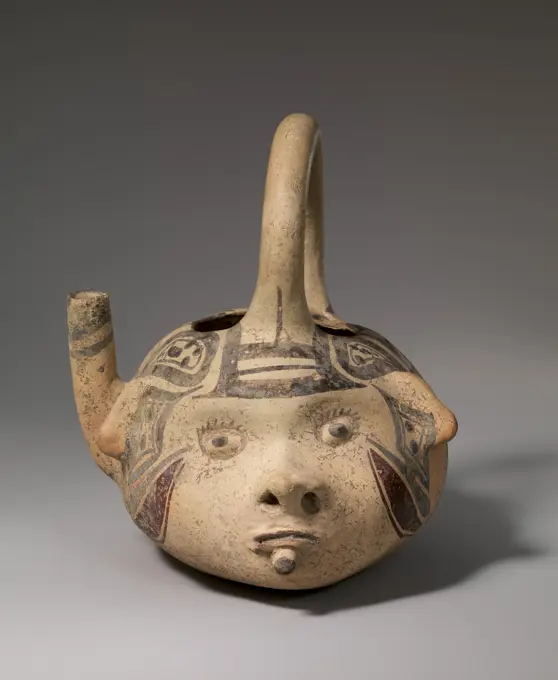
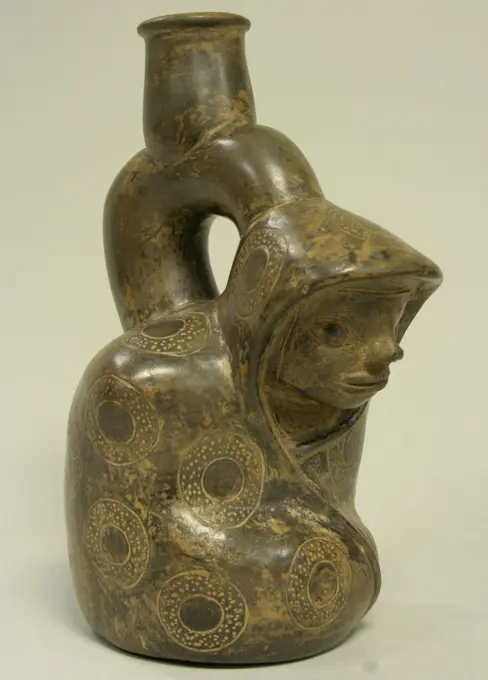
Spouted Vessel 13th-15th century Huastec The vessel is in the shape of a human head with wide open, staring eyes, a small pug nose, and closed mouth. A lip plug is worn in the lower lip. A handle extends from the forehead to the back of the head. On the right side behind the ear projects a single spout pointing upward. On the sides of the face and back of the head the cream-colored surface is covered with geometric motifs including dots, circles, diamonds and crosses in dark brown and purple.. Spouted Vessel. Huastec. 13th-15th century. Ceramic. Mexico, Mesoamerica, Veracruz. Ceramics-Containers

Assets in this Story

6145-29227661
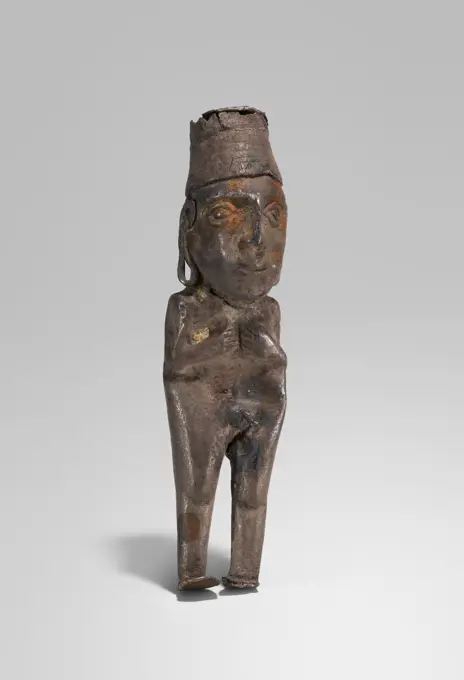
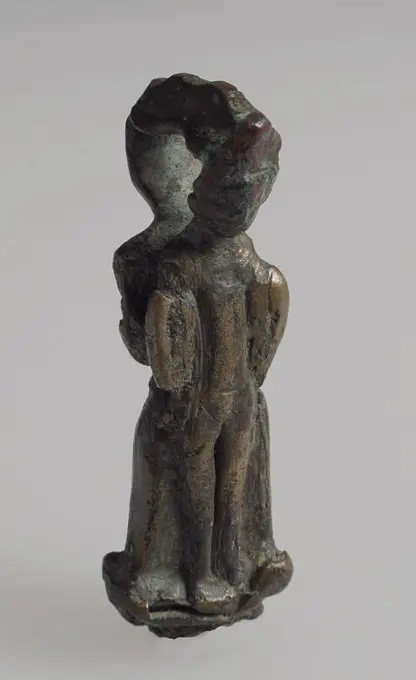
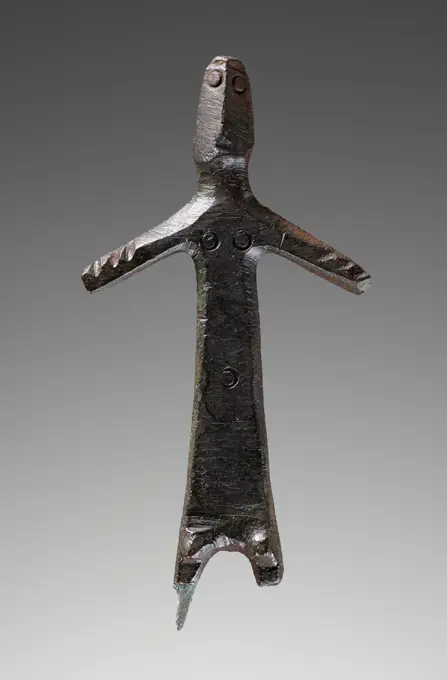
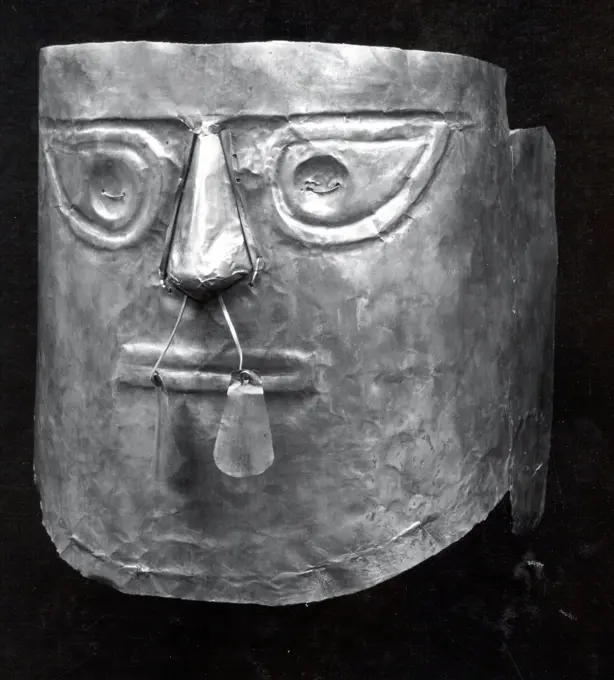
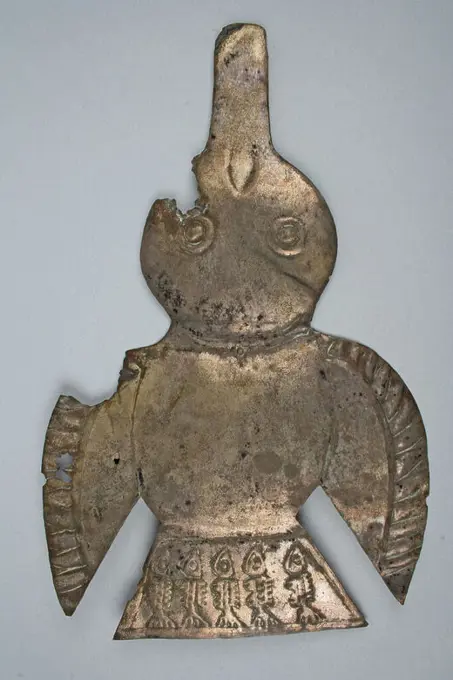
Male Figurine 1400-1533 Inca This hollow figurine is comprised of eight pieces of metal sheet that have been joined together. It depicts a man standing upright, dressed only in a llautu, a braided headdress that was worn by the Inca ruler and nobles; otherwise, he is shown naked. The details of his eyes, nose, and mouth, along with extended earlobes that suggest they could have accommodated spools, and pose with arms and hands tucked into the chest, are all standard among Inca human male figurines made of metal. Furthermore, there is a quid of coca represented as a small, raised, circular region to the proper left of the mouth. The presence of this feature and its location is consistent among Inca male figurines in metal. Coca chewing and blowing is a process through which Andean peoples strengthened relationships with the natural environment and among themselves (Allen 2002). These figurines are considered sacred beings, or huacas in the Quechua and Aymara languages, that may have bee
6145-29079364
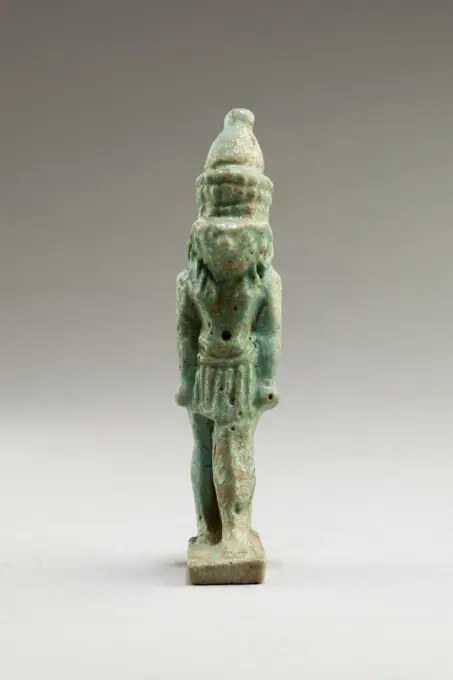
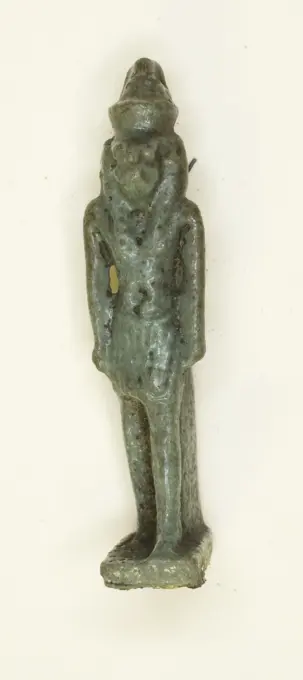
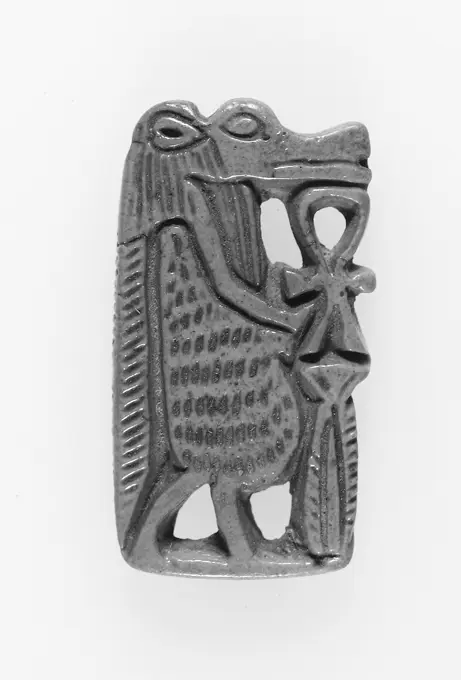
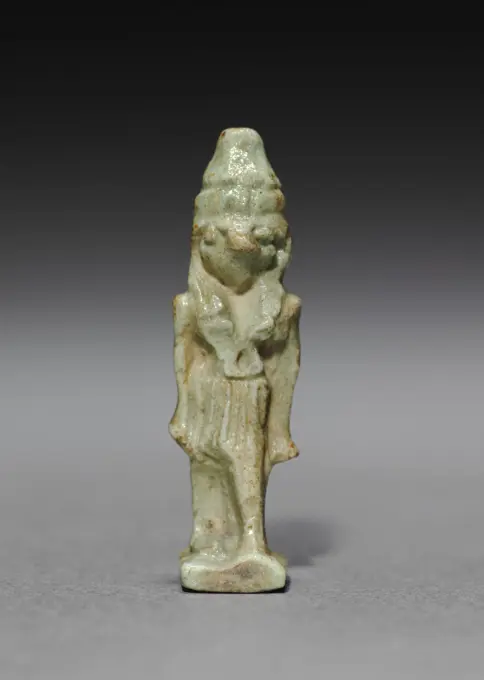
Amulet of Horus (), 380-30 BC. Egypt, Dynasty 30 to Ptolemaic Dynasty. Gray green faience; overall: 3.3 cm (1 5/16 in.).
6145-46825866
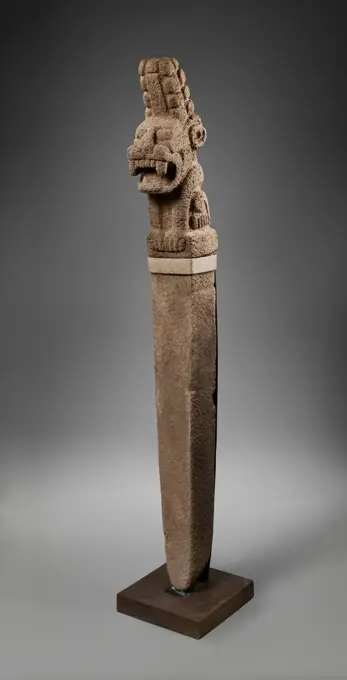
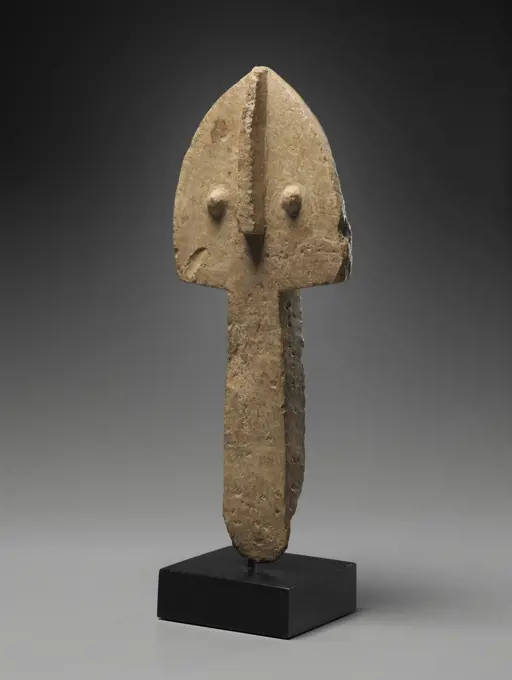
Pedestal Sculpture with SeatedFeline.  Artist: Unknown
6145-29161380
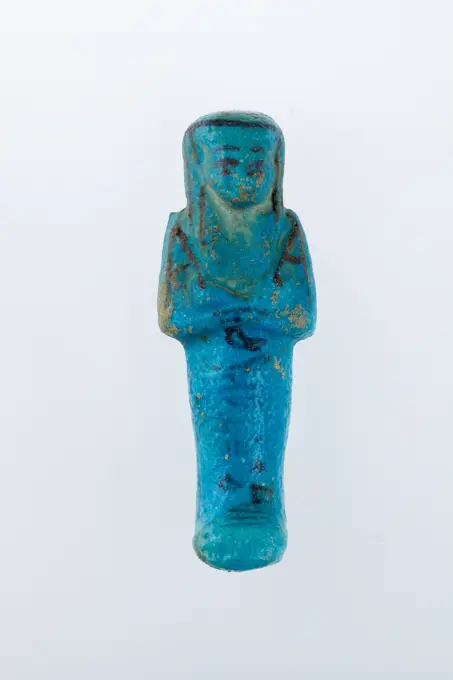
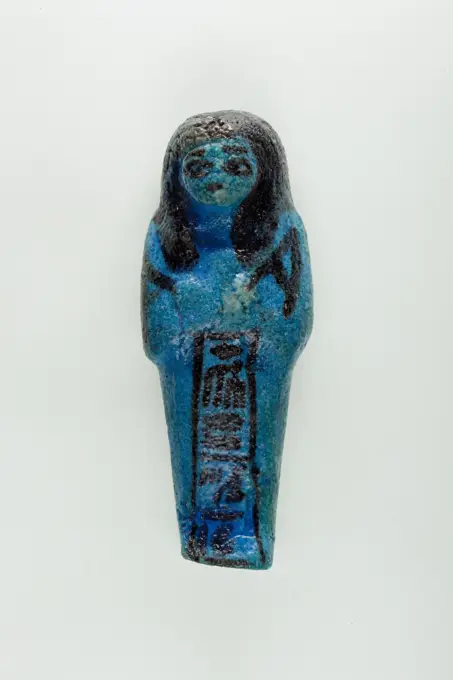
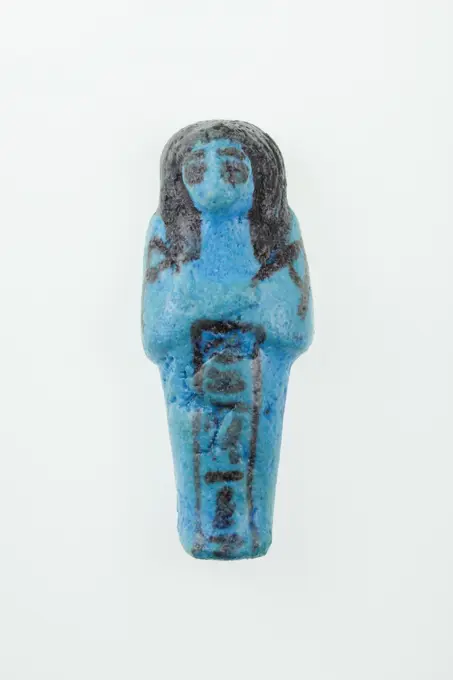
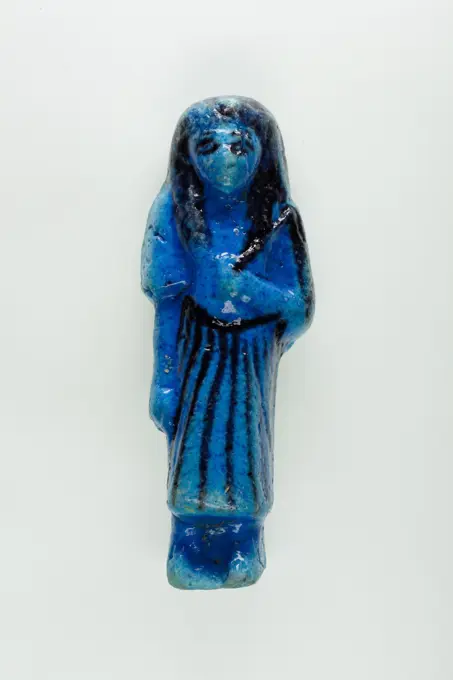
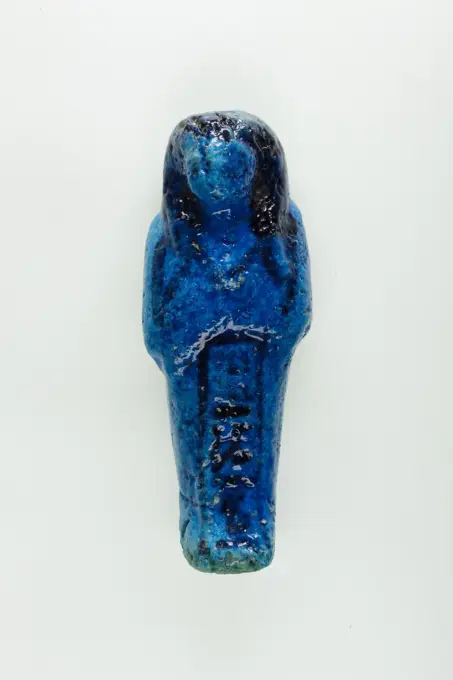
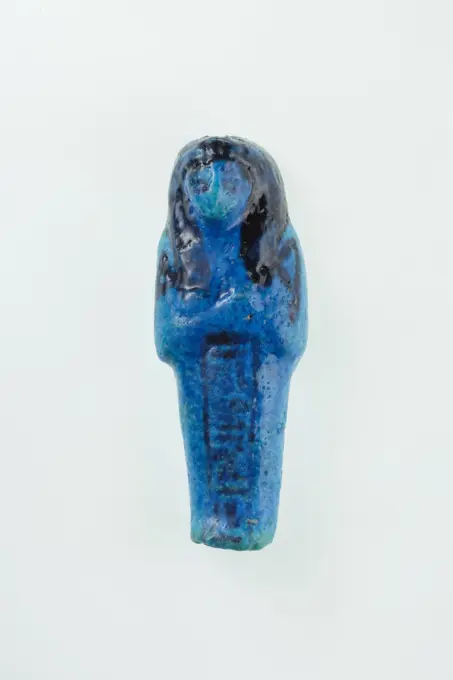
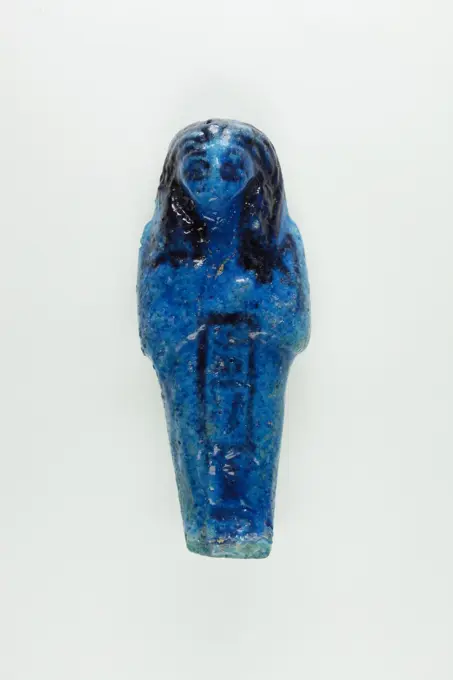
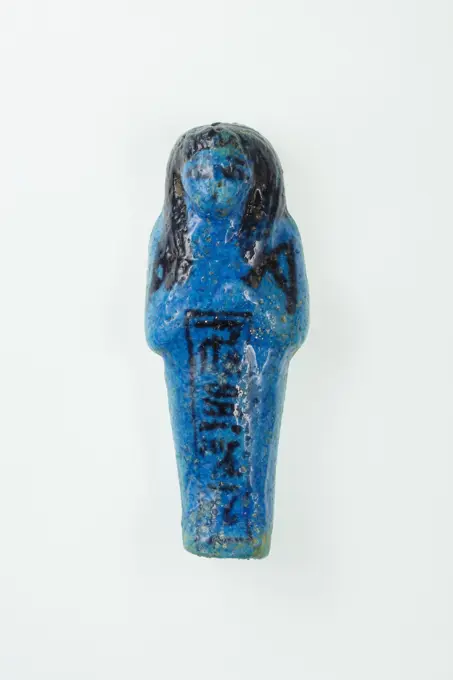
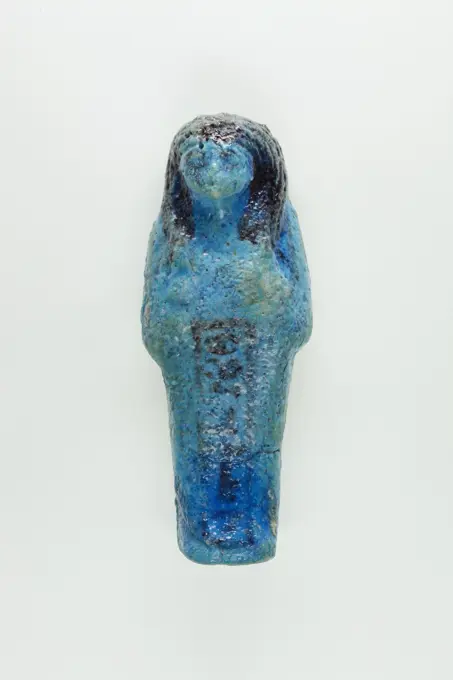
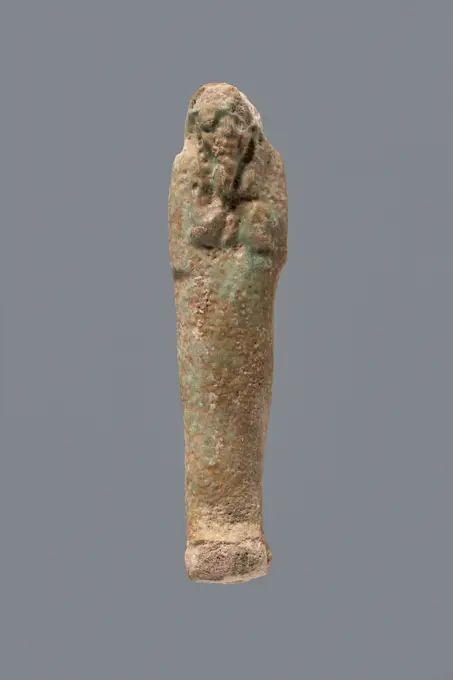
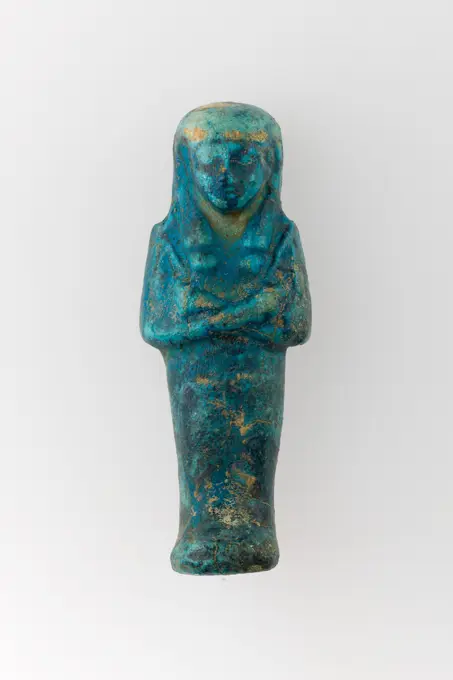
Worker Shabti of Henettawy (C), Daughter of Isetemkheb ca. 990-970 B.C. Third Intermediate Period See 25.3.19.. Worker Shabti of Henettawy (C), Daughter of Isetemkheb 591093
6145-29076450
Statuette: Seated Mummiform Deity, 664-525 BC. Egypt, Late Period, Dynasty 26 or later. Bronze, solid cast; overall: 20.1 x 9.2 x 13.2 cm (7 15/16 x 3 5/8 x 5 3/16 in.).
6145-29745176
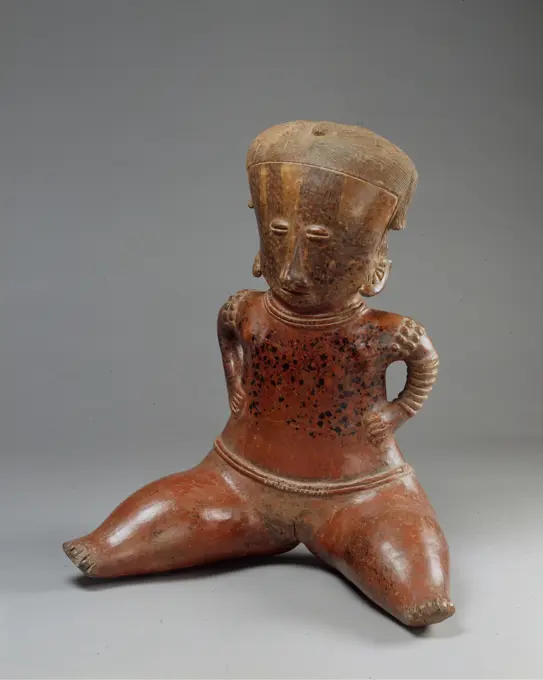
Seated Female Figure 1st-3rd century Lagunillas. Seated Female Figure 318986
6145-29195543
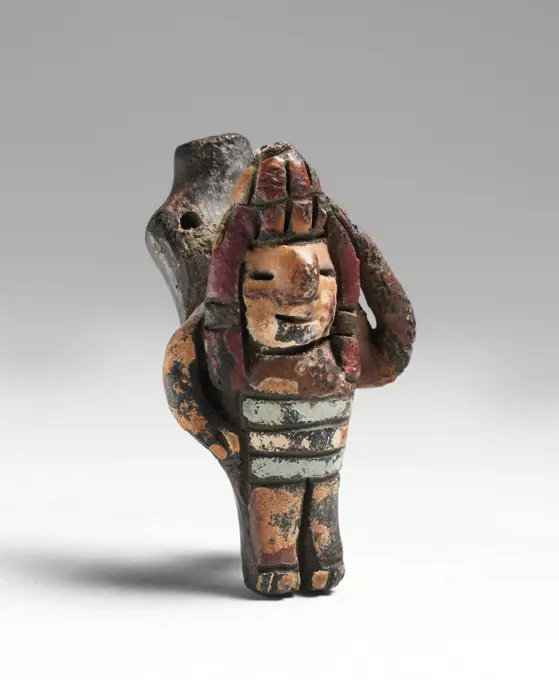
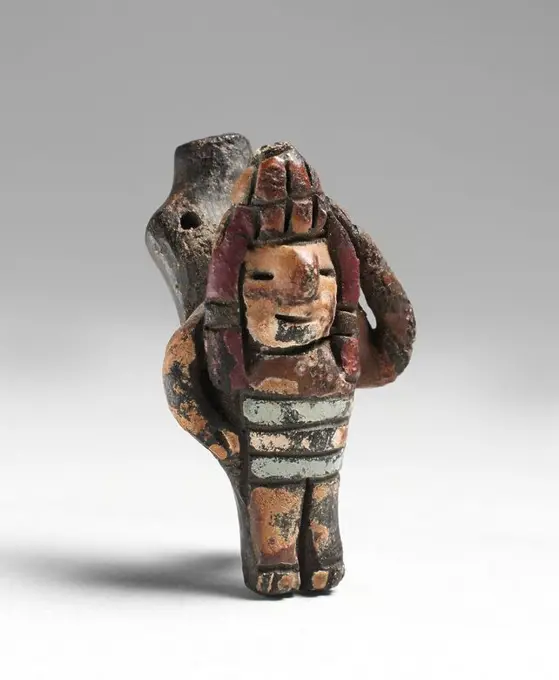
Whistle 300-200 B.C. Paracas. Whistle 505628
6145-29215061
Spouted Vessel 13th-15th century Huastec The vessel is in the shape of a human head with wide open, staring eyes, a small pug nose, and closed mouth. A lip plug is worn in the lower lip. A handle extends from the forehead to the back of the head. On the right side behind the ear projects a single spout pointing upward. On the sides of the face and back of the head the cream-colored surface is covered with geometric motifs including dots, circles, diamonds and crosses in dark brown and purple.. Spouted Vessel. Huastec. 13th-15th century. Ceramic. Mexico, Mesoamerica, Veracruz. Ceramics-Containers
6145-29076167
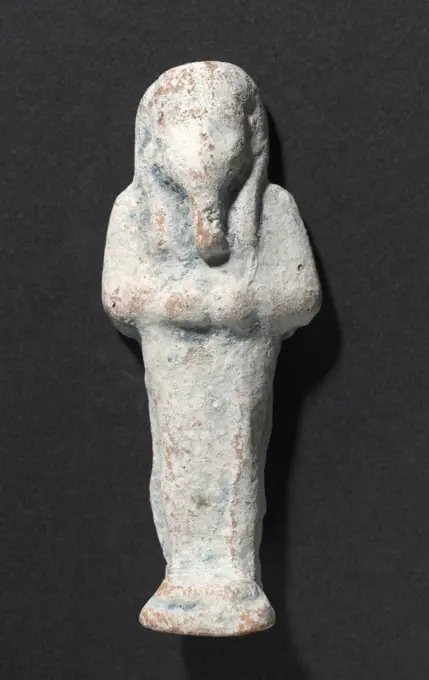
Statuette of Osiris, 1295-1069 BC. Egypt, New Kingdom, Dynasties 19 (1295-1186 BC) -20 (1186-1069). Painted terracotta; overall: 17.2 x 5.6 x 3.2 cm (6 3/4 x 2 3/16 x 1 1/4 in.).
6145-29172152
Horus amulet 664-30 B.C. Late Period-Ptolemaic Period. Horus amulet 570313
6145-29115583
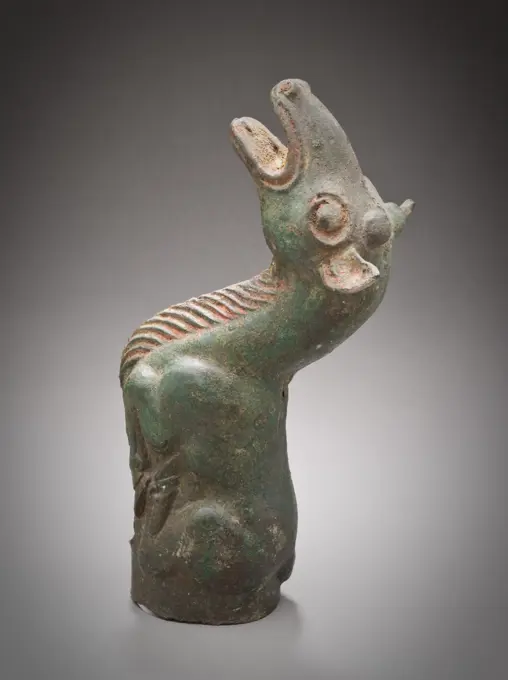
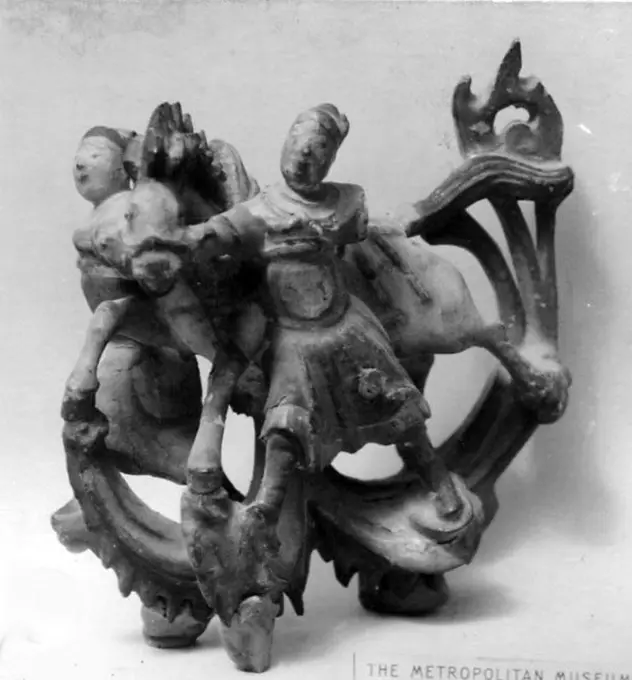
Finial (Cervid). Western Inner Mongolia, 5th-3rd century B.C.. Architecture; Architectural Elements. Bronze
4409-17544423
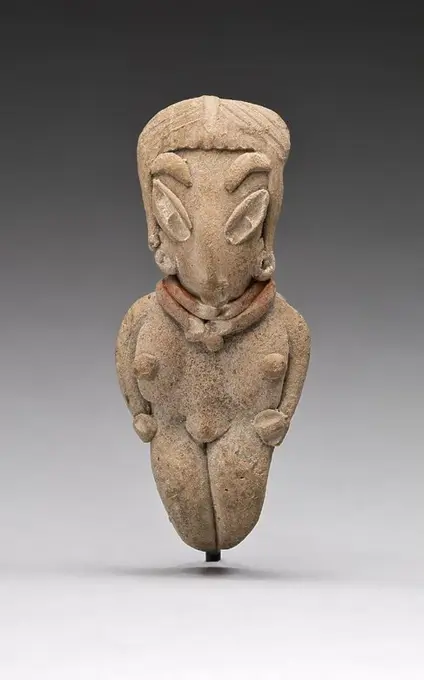
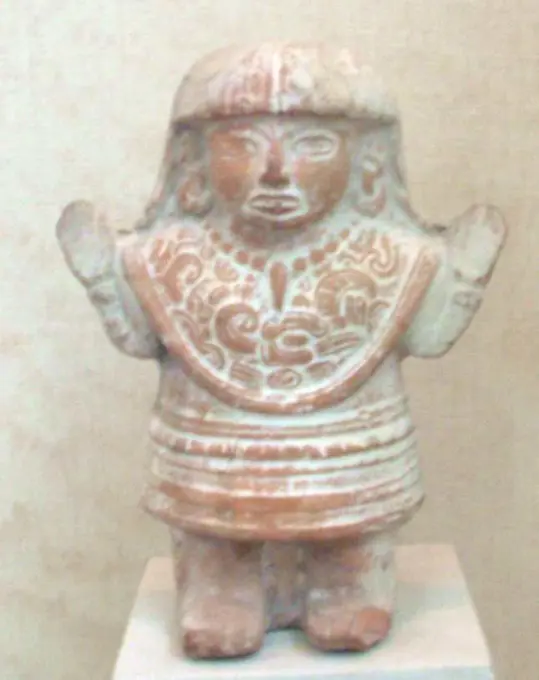
Standing Female Figurine. Chupícuaro; Guanajuato or Michoacán, Mexico. Date: 500 BC-300 BC. Dimensions: H. 6 cm (2 3/8 in.). Ceramic and pigment. Origin: Chupícuaro. Museum: The Chicago Art Institute, Chicago, USA.
6145-43652569
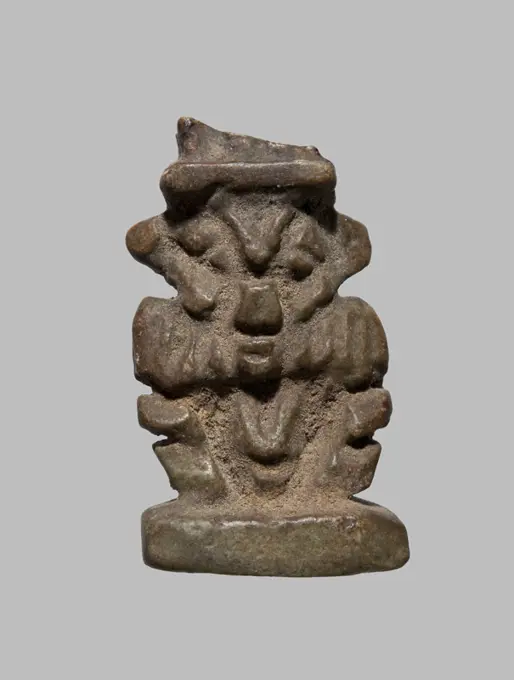
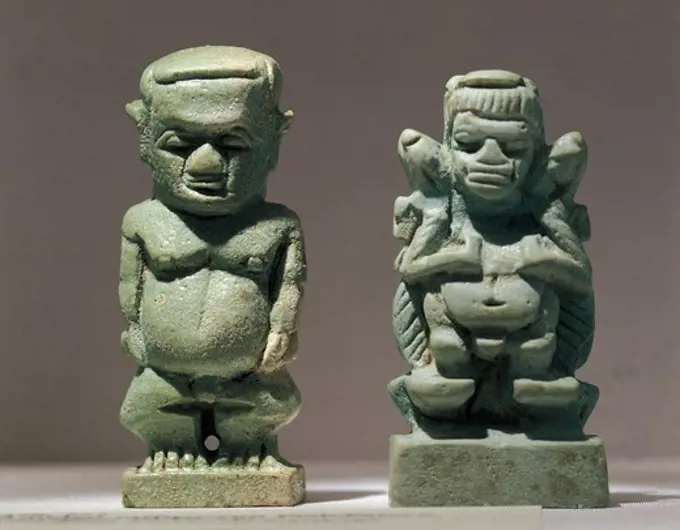
Amulet - Bes. unknown, author
6145-29120054
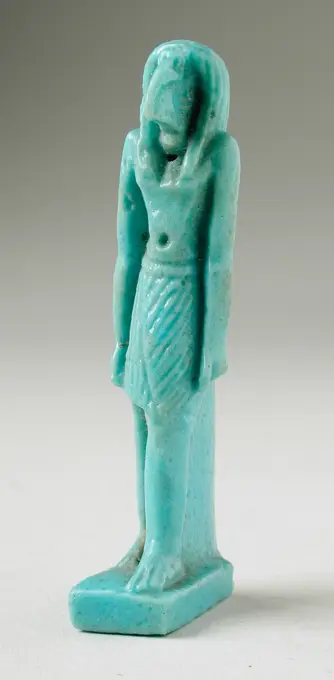
Thoth Amulet. Egypt, Late Period - Ptolemaic Period (724 - 30 BCE). Jewelry and Adornments; amulets. Faience light blue
6145-29771262
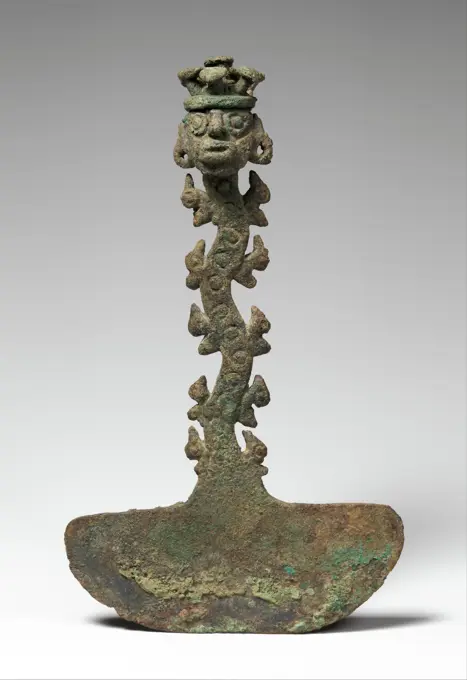
Ceremonial Knife (Tumi) 12th-15th century Chimú The Moche people of northern Peru (first-seventh century) were among the first to use copper, often with the addition of arsenic to harden the metal and improve the quality of the cast. Moche metalworkers hammered most of their precious metalsgold and silverinto objects of sheet metal, but many works in copper were cast by the lost-wax technique. The Chimú people, who made this ceremonial knife, inherited the rich cultural and artistic traditions developed by the earlier Moche. Clearly a ritual object, indicated by the delicate, projecting details and attractive silhouette, the knife has a semicircular blade. The flat undulating shaft is embellished with circles in relief; stylized birds project from its sides. At the top is a human head wearing a headdress with mushroom shapes. The detailed facial featureswide staring eyes and open mouth framed by age wrinklesgive the face a startled look. The holes in the earlobes once held ornament
6145-29186529
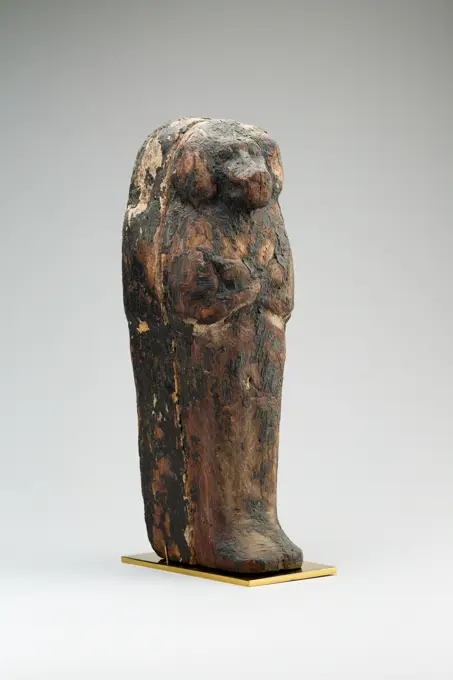
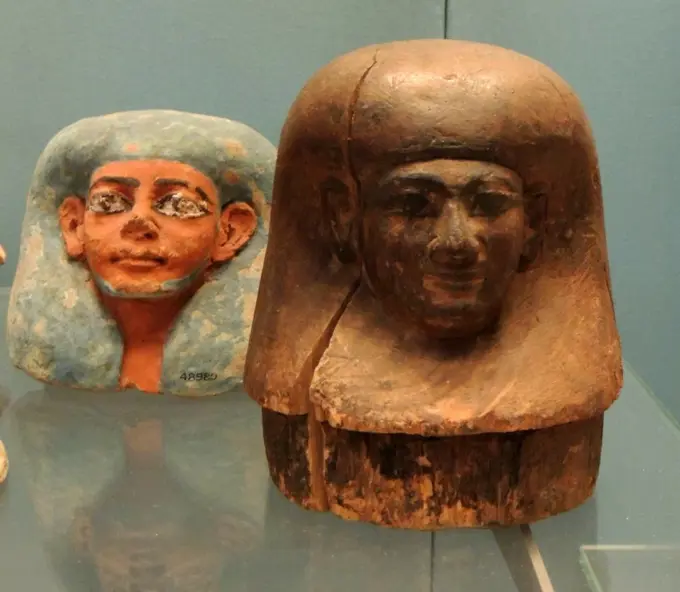
Canopic Coffin in the form of Hapy ca. 924-889 B.C. Third Intermediate Period. Canopic Coffin in the form of Hapy 559931
4443-28733363
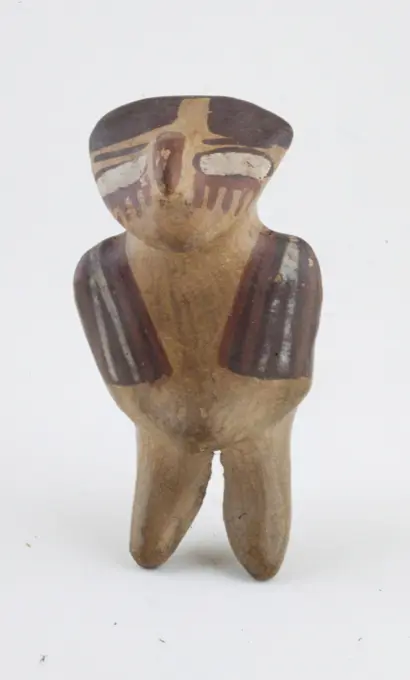
Figurine, 2nd-8th century, 4 1/4 x 2 1/2 x 2 in. (10.8 x 6.35 x 5.08 cm), Earthenware, Peru, 2nd-8th century
4409-17389955
Whistle. Culture: Paracas. Dimensions: H: 5.9cm (2 5/16in.). Date: 300-200 B.C.. Museum: Metropolitan Museum of Art, New York, USA.
4409-17386473
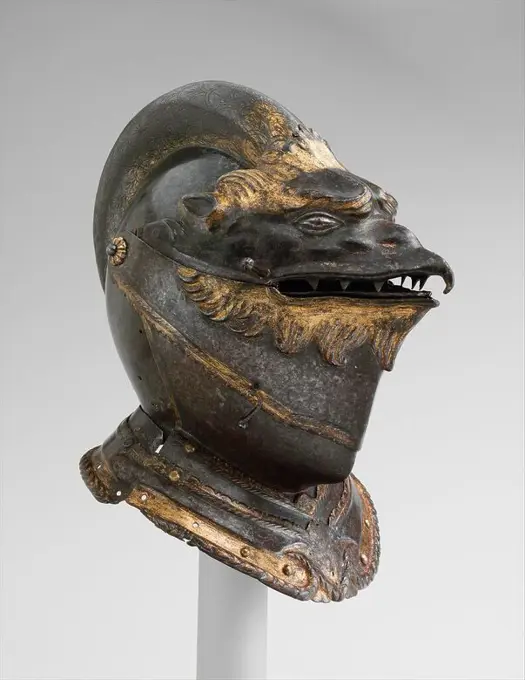
Close Helmet. Culture: Italian, Milan or Brescia. Dimensions: H. 11 3/4 in. (29.9 cm); W. 14 in. (35.6 cm); D. 14 in. (35.6 cm); Wt. 6 lb. 14 oz. (3128 g). Date: ca. 1550.The fantastic appearance of this helmet, with its visor shaped like a griffin's head and the comb of the bowl raised into the form of a serpent's body, indicates that it was part of an elaborate pageant armor. Museum: Metropolitan Museum of Art, New York, USA.
6145-29068089
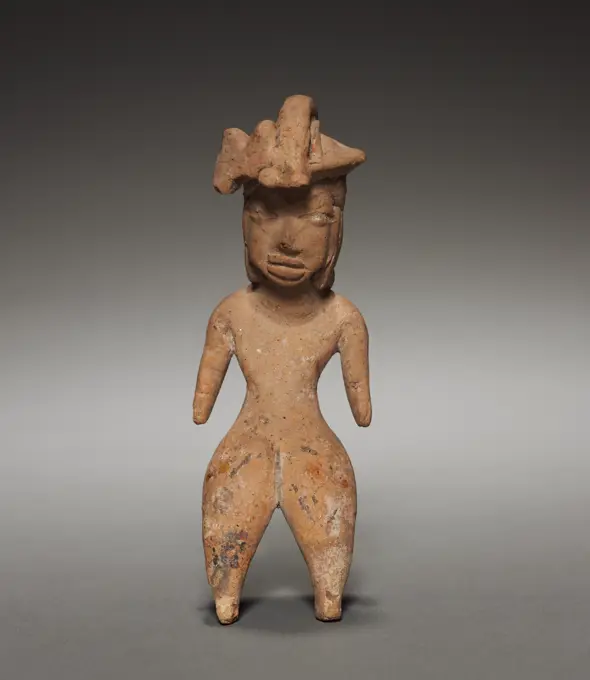
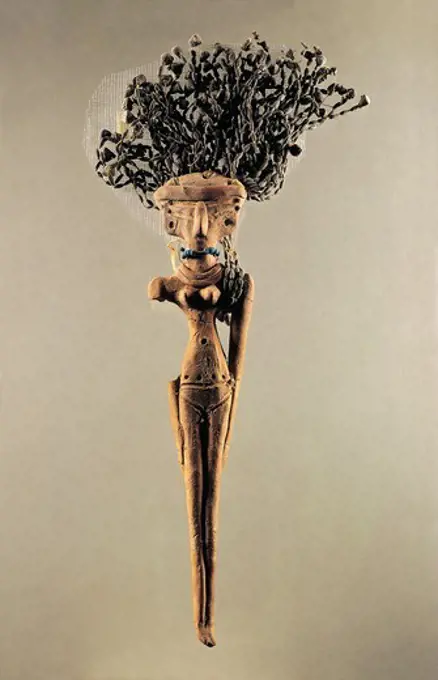
Female Figurine with Headdress, 1200-900 BC. Mexico, Tlatilco, type D1. Pottery with traces of white and red pigment; overall: 11.2 x 3.7 x 4.2 cm (4 7/16 x 1 7/16 x 1 5/8 in.).
6145-59078514
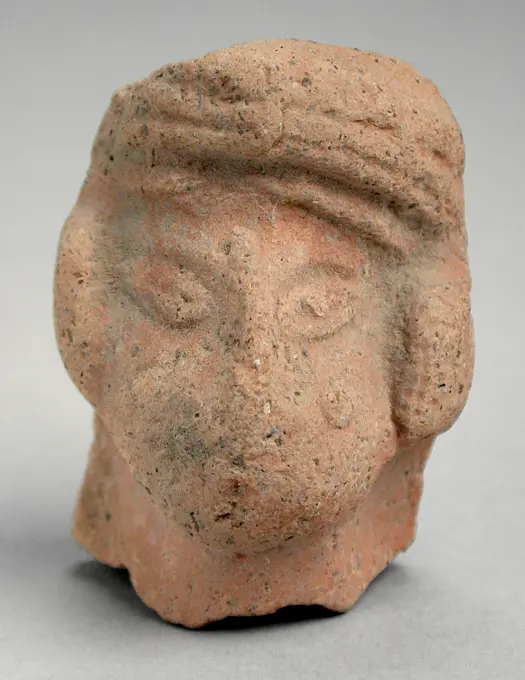
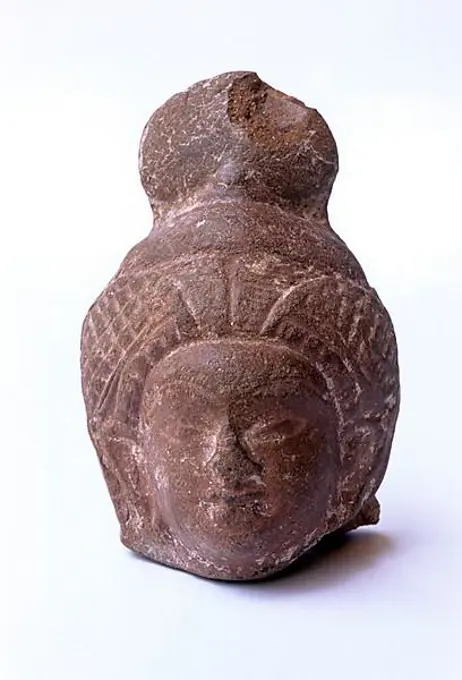
Women's head - a fragment of the figurine;  III-II century BC () (-300-00-00--201-00-00);
6145-58826330
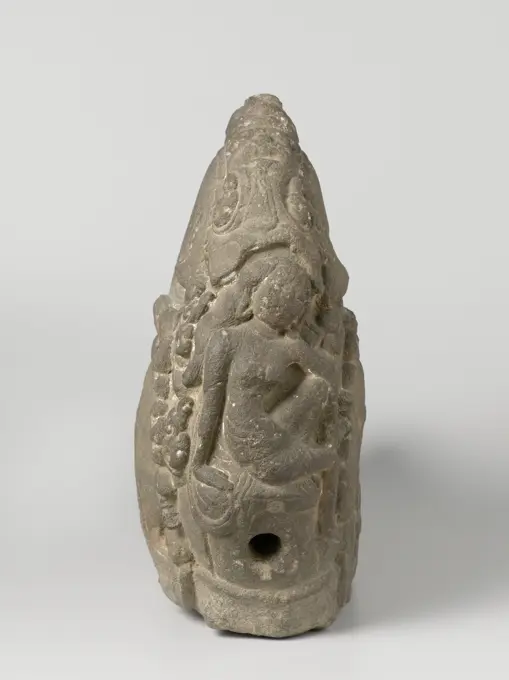
Spuier in the form of a Makara, 975 - 1025 Spuier in the form of a Makara with a representation of a mourning sitting woman in his mouth and a monkey between the rocks. Indonesia extrusive rock. andesite Spuier in the form of a Makara with a representation of a mourning sitting woman in his mouth and a monkey between the rocks. Indonesia extrusive rock. andesite
4409-17545176
Head of a Female. Preclassic period; Mexico or Guatemala. Date: 650 BC-550 BC. Dimensions: . Ceramic and pigment. Origin: Mexico. Museum: The Chicago Art Institute, Chicago, USA.
6145-29835625
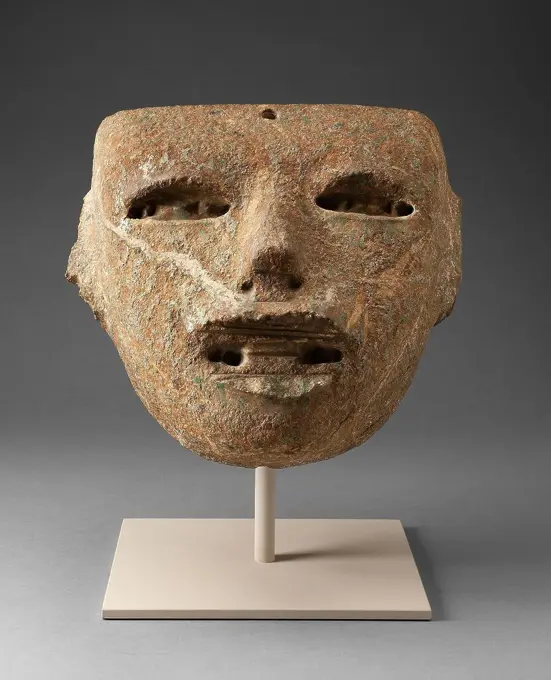
Mask 1st-8th century Mezcala. Mask 314592
6145-29124635
Male Head. Afghanistan, 4th-5th century. Sculpture. Terracotta
4409-20938385
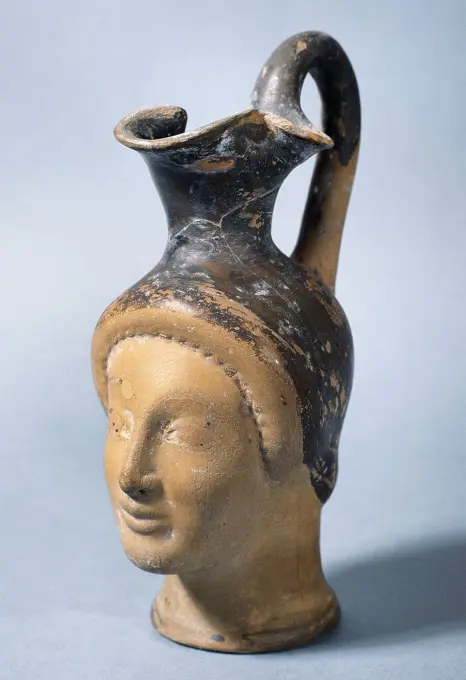
Greek art. Spain. Catalonia. Oenochoe, wine jug. Found in Empuries. 5th century BC. Archaeological Museum of Catalonia. Girona.
4409-17420099
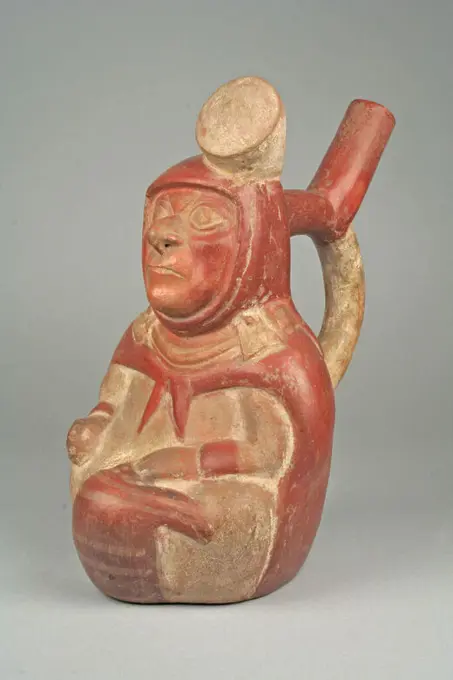
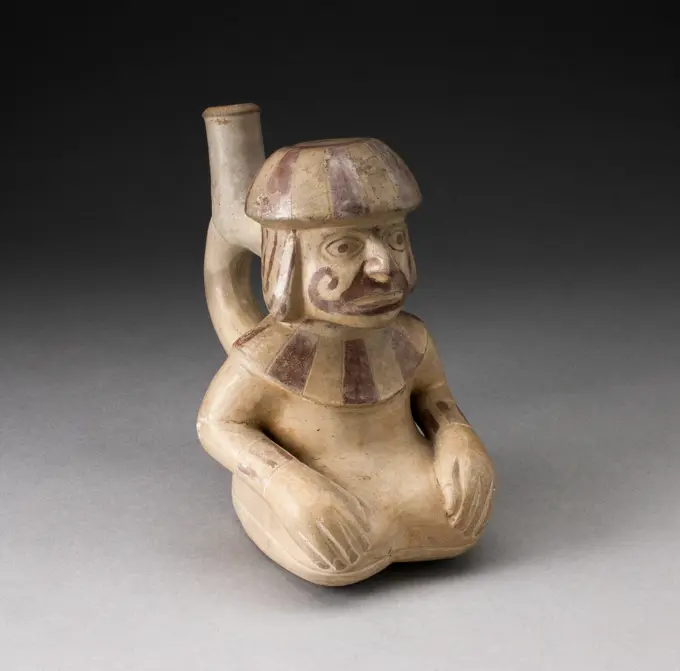
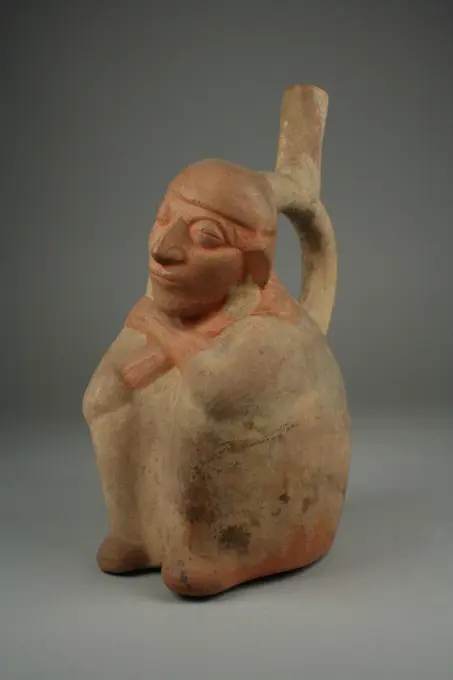
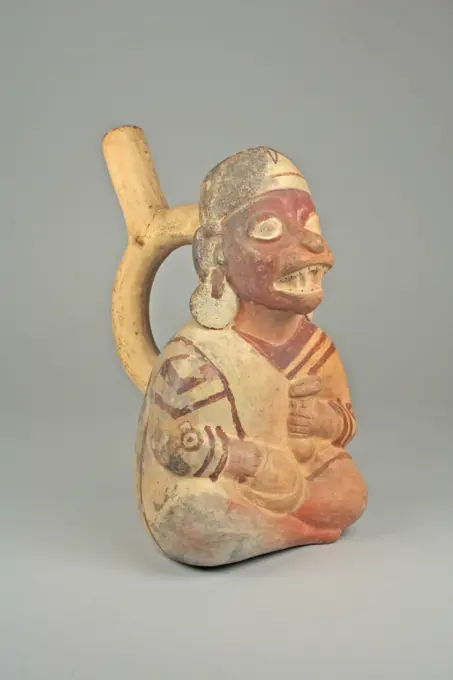
Stirrup Spout Bottle with Seated Figure. Culture: Moche. Dimensions: Overall: 8 7/8 x 5 1/8 in. (22.54 x 13 cm)Other: 5 1/8 in. (13 cm). Date: 5th-7th century. Museum: Metropolitan Museum of Art, New York, USA.
6145-30113733
Fragment (from the altar cabinet); (possibly) belonging to the retable of Soest ..
6145-59099380
Woman figurine;  5th century BC (-500-00-00--401-00-00);
4409-17352966
Figure of Entertainer. Culture: China. Dimensions: H. 3 1/2 in. (8.9 cm).The musical instruments depicted among this group of pottery figures (36.12.1, .2, .10-.13, .16) are typical of those used in popular music of the Han period (206 B.C.-A.D. 220). The instruments all had long histories, having existed for centuries, in the case of the zither, or millennia, in the case of the flute (now missing from the figure of the flutist). Museum: Metropolitan Museum of Art, New York, USA.
6145-29140042
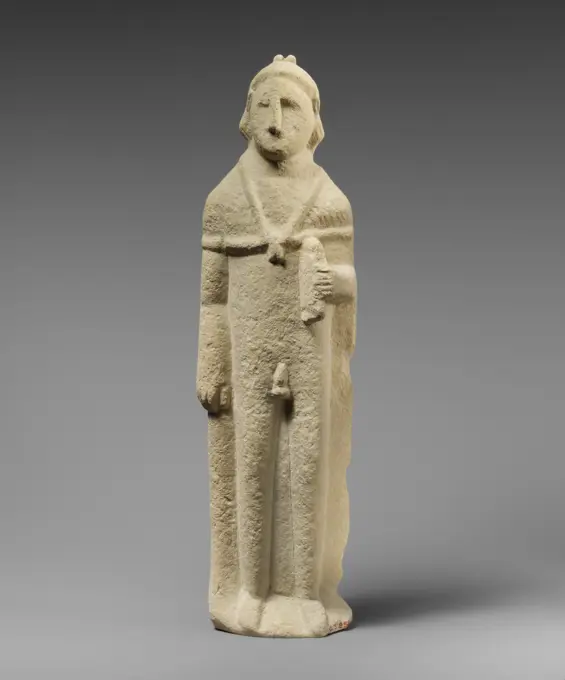
Limestone statuette of Pan Cypriot A schematic nebris, knotted on the chest, covers the shoulders. There are goat ears and small horns.. Limestone statuette of Pan 242284
6188-61001982
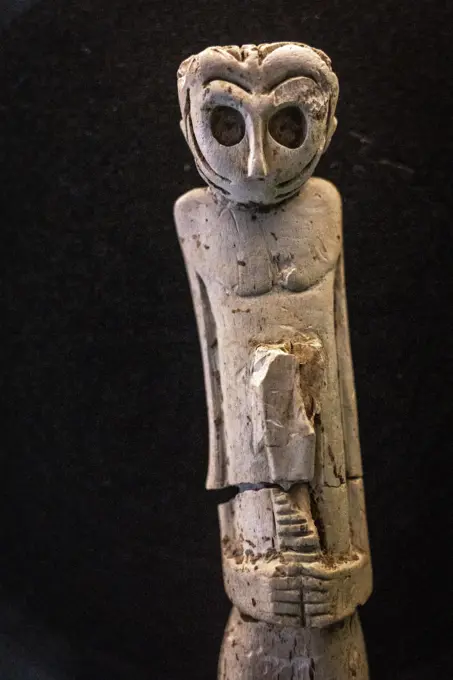
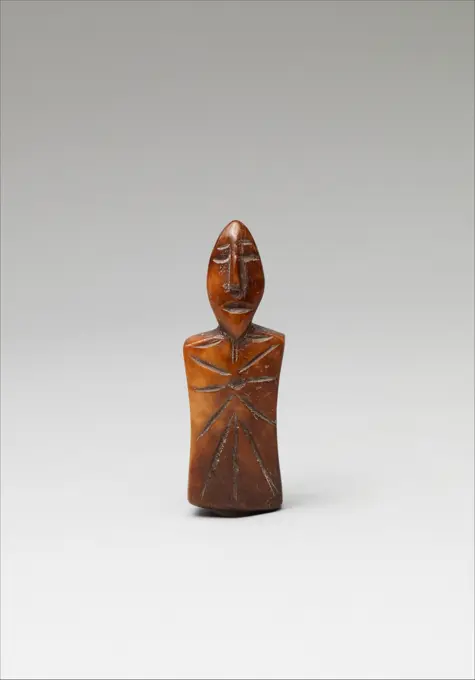
anthropomorphic idol anthropomorphic idol, 2600-2300 BC, ivory, Perdigoes, Reguengos de Monsaraz, Évora, Portugal, Huelva Museum, Huelva, Andalusia, Spain Copyright: xZoonar.com/TOLOxBALAGUERx 21720734
6145-29196089
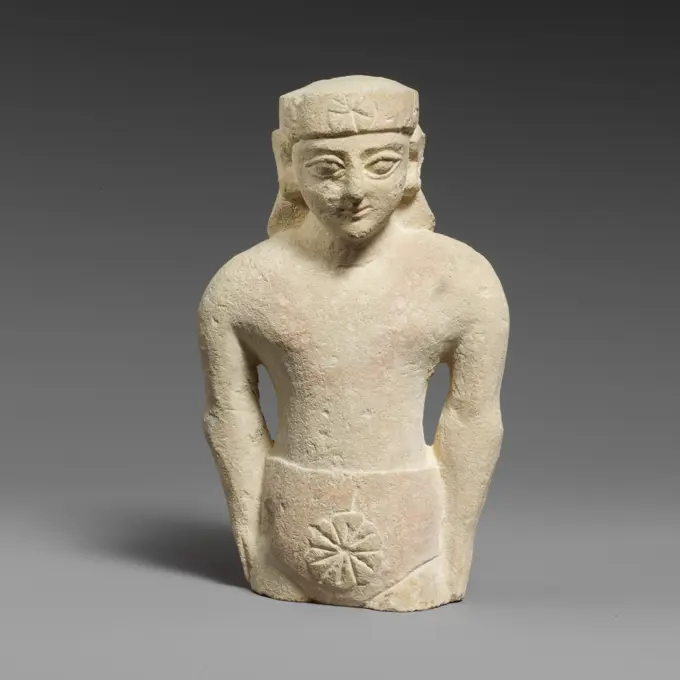
Limestone statuette of a male votary with Cypriot shorts and a diadem 2nd quarter or middle of the 6th century B.C. Cypriot Votary with Cypriot loin-cloth on which there is a rosette.. Limestone statuette of a male votary with Cypriot shorts and a diadem 242119
4443-21964150
Lamp, Anatolia; 1st century B.C. - 4th century A.D; Terracotta; 3 x 7 x 13 cm (1 3,16 x 2 3,4 x 5 1,8 in.)
6145-46812131
Jar Stopper(Guri-Guri)
6145-29161252
Worker Shabti of Henettawy (C), Daughter of Isetemkheb ca. 990-970 B.C. Third Intermediate Period See 25.3.19.. Worker Shabti of Henettawy (C), Daughter of Isetemkheb 591033
6145-29118988
Seated Figure
6145-29062105
Shawabty of Ditamenpaankh, 715-656 BC. Egypt, Late Period, Dynasty 25. Terracotta; overall: 6.8 x 2.6 x 1.6 cm (2 11/16 x 1 x 5/8 in.). High demand for shawabtys in the Late Period, a time when as many as 400 or more shawabtys were placed in the tomb with the deceased, gave rise to a specialized container for storing them: the shawabty box. This example is inscribed for the lady of the house, Ditamenpaankh, and was probably one of a pair originally made for her. The single-masted boat on the box's lid is perhaps an allusion to the pilgrimage of the deceased to the holy city of Abydos, the cult city of Osiris, king of the dead. The shawabtys inside are crude, mass-produced examples cast in an open mold. Made of terracotta, their blue paint imitates more costly shawabtys made of faience. As for the shawabty spell, it has been removed from its traditional location on the shawabty's front and relocated onto the sides of box, where it needed only to be written once, thus expediting product
6145-29185505
Worker Shabti of Nany ca. 1050 B.C. Third Intermediate Period See 30.3.26.1a, b. Worker Shabti of Nany 625731
4409-17545924
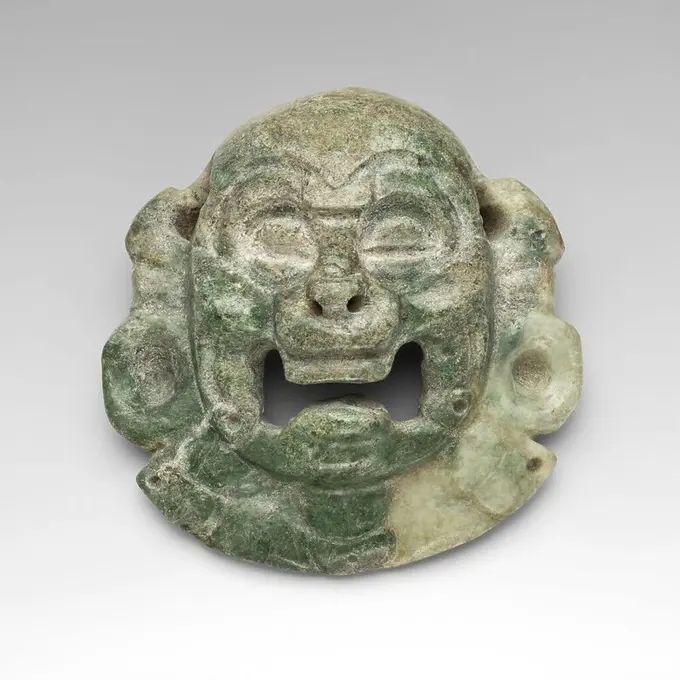
Pectoral. Classic Maya; Mexico or Guatemala. Date: 200 AD-800 AD. Dimensions: 7 × 7 cm (2 3/4 × 2 3/4 in.). Jadeite. Origin: Mexico. Museum: The Chicago Art Institute, Chicago, USA.
6145-30177752
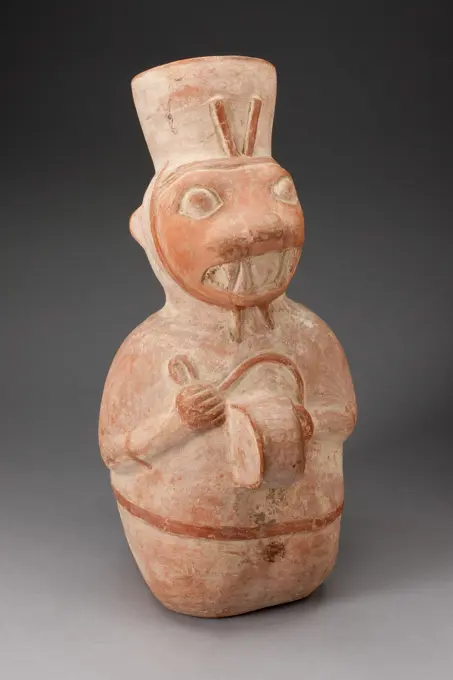
Jar in the Form of an Anthropomorphic Seal Playing a Drum Made 100 BCE-500 CE North Coast. Ceramic and pigment . Moche
6145-29082177
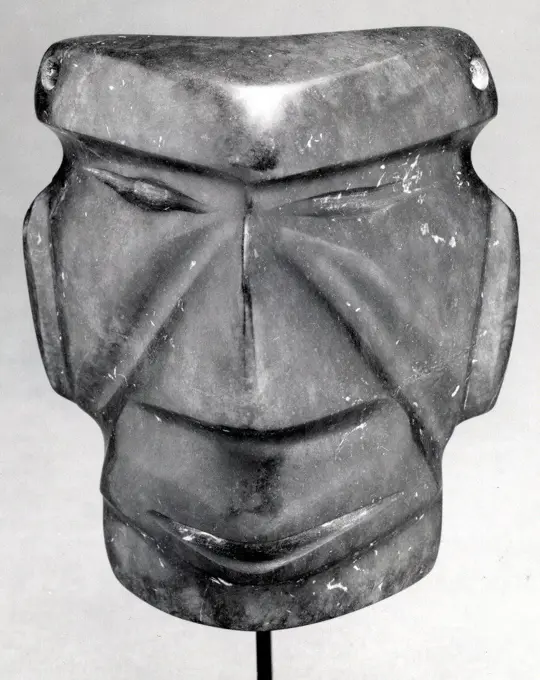
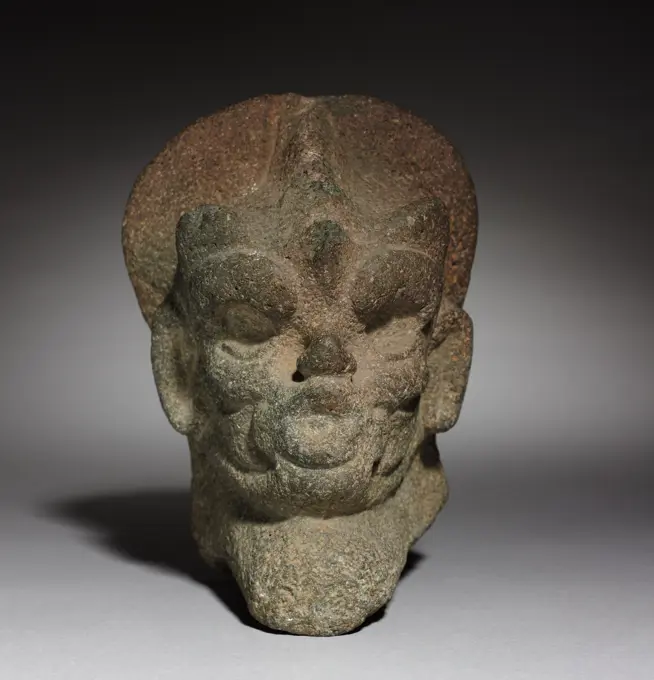
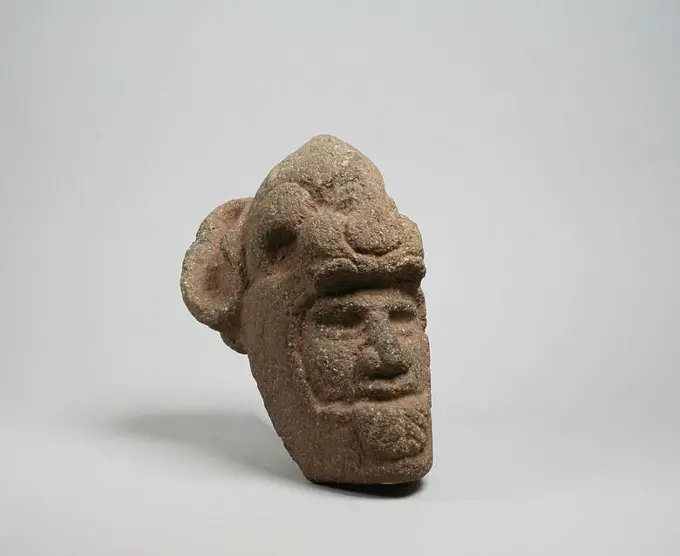
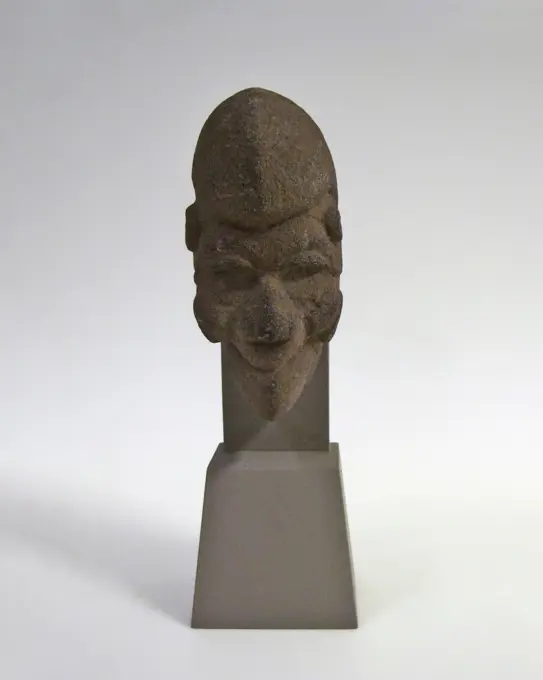
Head, 600-1100. Mexico, Classic Veracruz (Totonac or Tajin). Stone; overall: 18.4 x 13 x 11.6 cm (7 1/4 x 5 1/8 x 4 9/16 in.).
4443-28734671
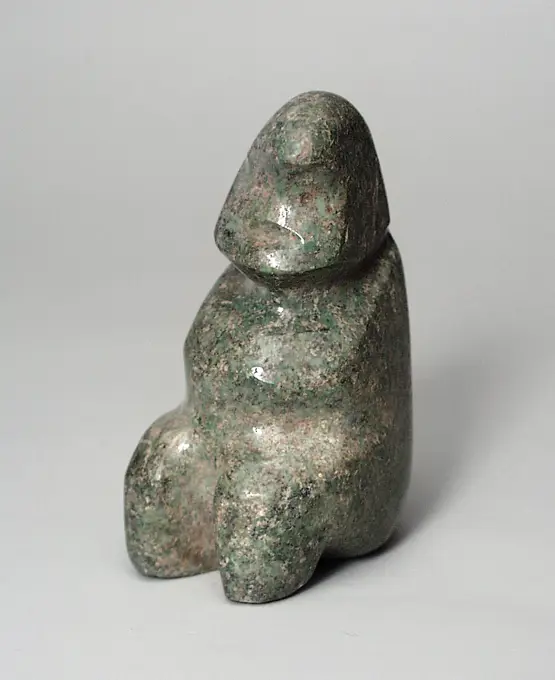
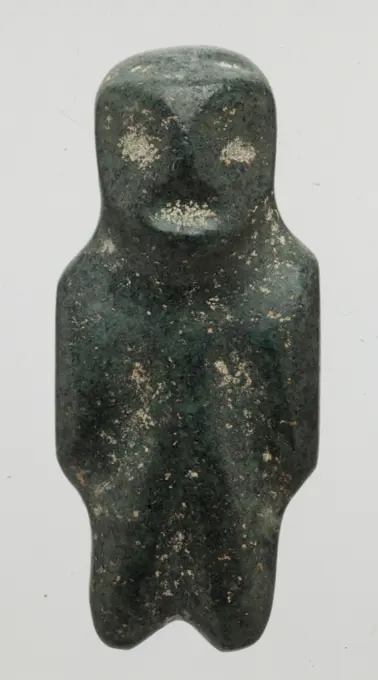
Figure, 300 BCE - 300 CE, 3 7/8 x 1 3/4 x 1 in. (9.8 x 4.4 x 2.5 cm), Dark green stone with black speckling, Mexico, 3rd century BCE - 4th century CE
4141-50407
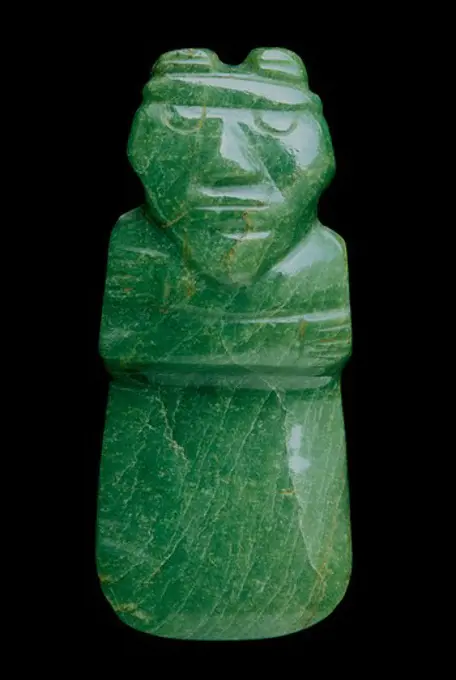
pre-columbian jade pendant, national jade museum in san jose, costa rica date: 16.12.2008 ref: zb993_126351_0151 compulsory credit: nhpa/photoshot
7155-70374759
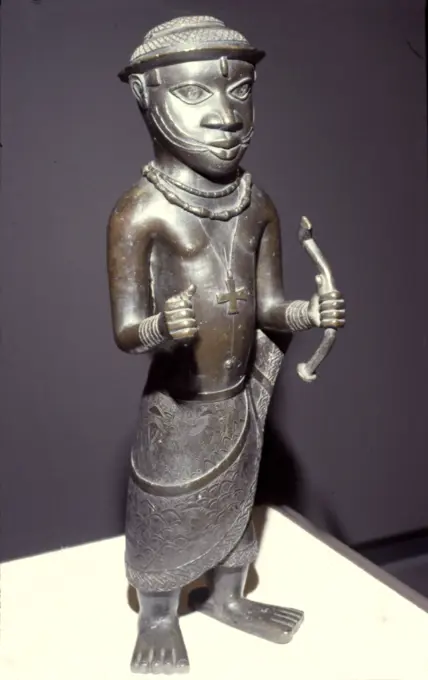
Messenger with royal insignia, cap, cross, staff, cat whiskers. Benin Bronze, 16th cent. Nigeria.
4409-17398052
Worker Shabti of Henettawy (C), Daughter of Isetemkheb. Dimensions: h. 11.9 × w. 4.2 × d. 3.3 cm (4 11/16 × 1 5/8 × 1 5/16 in.). Dynasty: Dynasty 21. Date: ca. 990-970 B.C.. Museum: Metropolitan Museum of Art, New York, USA.
6145-29066471
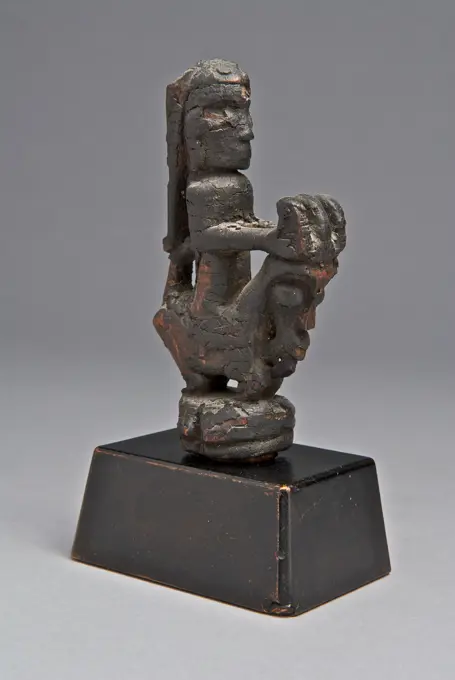
Hen, 1900s. Nigeria, Benin Kingdom, Ẹdo peoples, member(s) of the Igbesanmwan (wood and ivory carvers) guild. Wood; overall: 47.6 cm (18 3/4 in.).
6145-29185589
Worker Shabti of Nauny ca. 1050 B.C. Third Intermediate Period See 30.3.26.1a, b. Worker Shabti of Nauny 625694
4409-17356239
Hacha, Head. Culture: Veracruz. Dimensions: H. 8 11/16 x W. 5 1/2 x D. 6 1/4 in. (22 x 14 x 15.9 cm). Date: 7th-10th century. Museum: Metropolitan Museum of Art, New York, USA.
6145-30174262
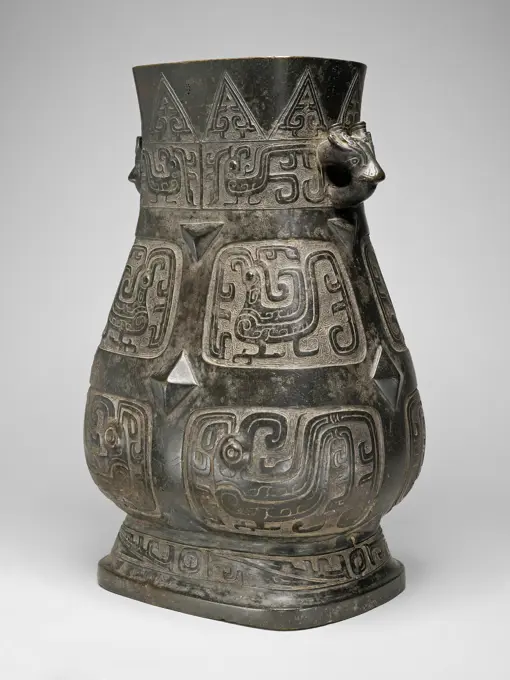
Jar (hu) Made 927 BCE-850 BCE China. Bronze .
6145-59068854
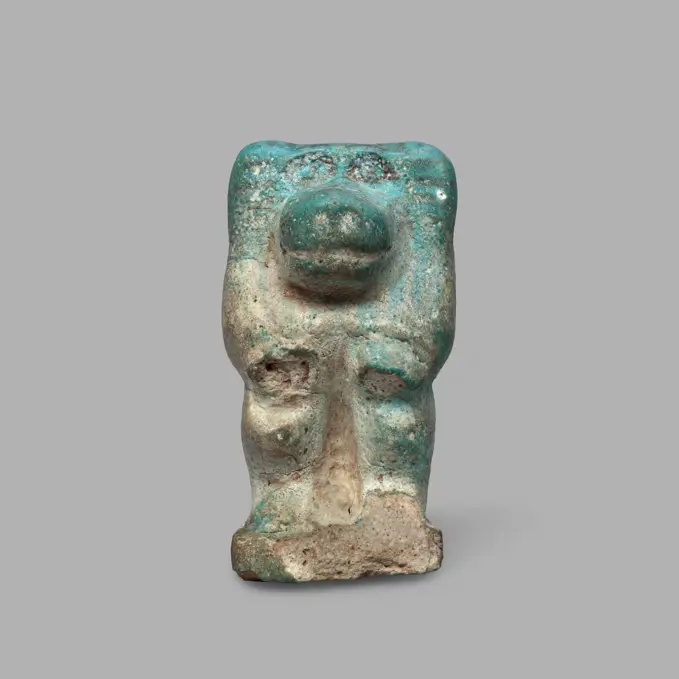
Pavian figurine;  around 1985 1795 BC ; Pahu, 12 dynasty (-1990-00-00--1790-00-00);Scene.gal.g ), peacocks, holy animals
4443-19575516
AnthropomorphicHead, ca.300-1200, Stone, 19 1/4 × 7 1/4 in. (48.895 × 18.415cm), Country Niger, Bura, 4th-13thcentury, Sculpture
6145-29180537
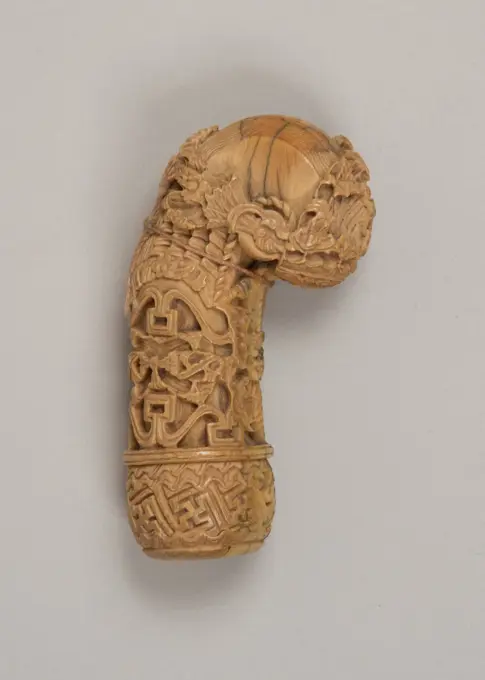
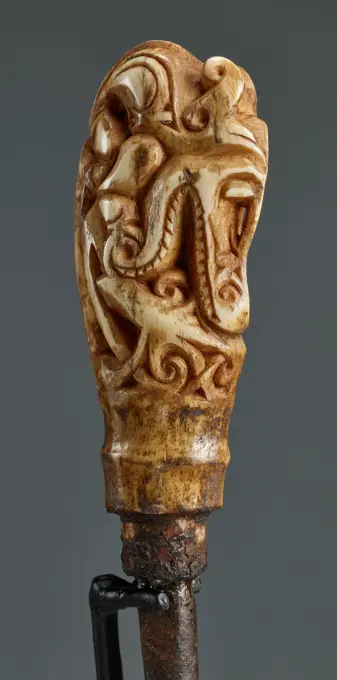
Kris Hilt 16th-19th century Javanese, possibly Madura. Kris Hilt 31356
6145-30163236
Head from a Figurine of a Child 1301-1500 Eastern Java. Terracotta .
6145-29807456
Stone Temple Model 1st-8th century Mezcala. Stone Temple Model 317489
4409-17546640
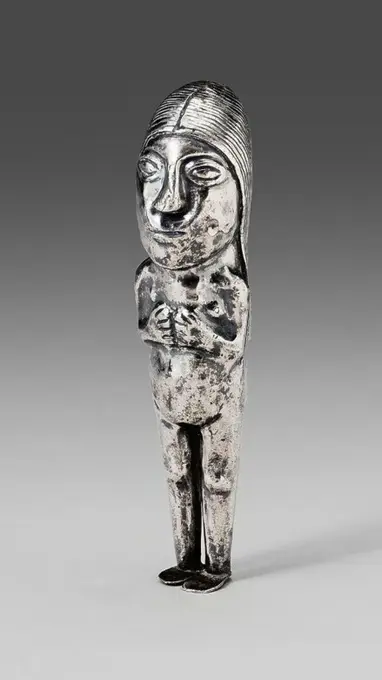
Female Figurine. Inca; South coast or southern highlands, Peru. Date: 1450-1532. Dimensions: 6.4 × 1.6 cm (2 1/2 × 5/8 in.). Silver. Origin: Peru. Museum: The Chicago Art Institute, Chicago, USA.
6145-29185502
Worker Shabti of Nany ca. 1050 B.C. Third Intermediate Period See 30.3.26.1a, b. Worker Shabti of Nany 625668
4409-17370230
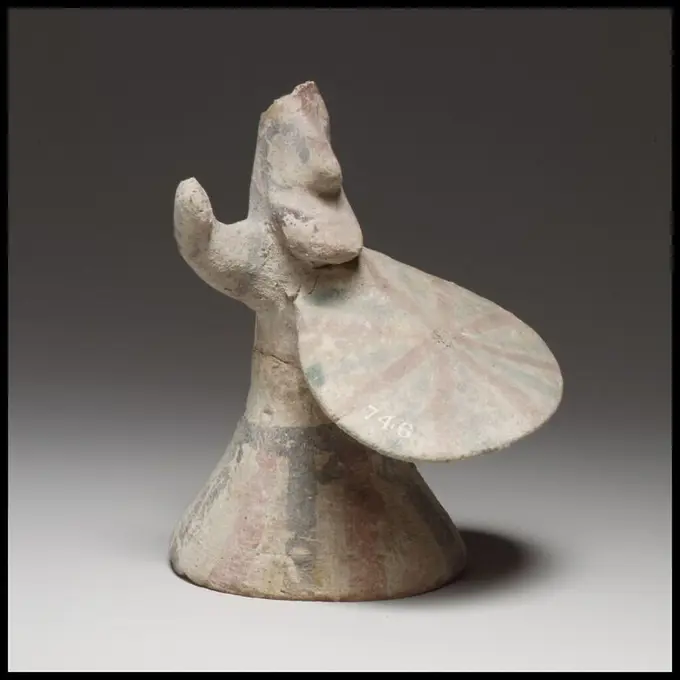
Shield bearer. Culture: Cypriot. Dimensions: H. 4 7/8 in. (12.4 cm). Date: ca. 750-600 B.C..The lower part of the figurine is wheel-made, hollow, and bell-shaped; the upper body and the head are handmade. There is a perforation at either side of the waist for the attachment of movable legs. Museum: Metropolitan Museum of Art, New York, USA.
4409-17372677
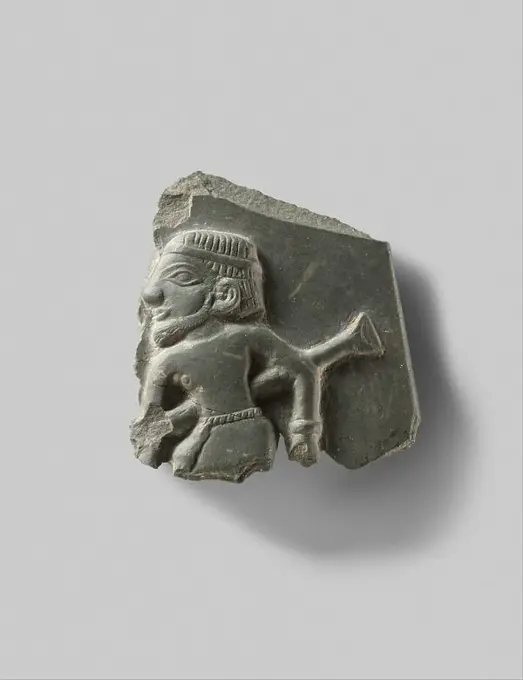
Fragment of a ceremonial palette illustrating a man and a type of staff. Dimensions: H: 5.2 cm (2 1/16 in.); w: 4.7 cm (1 7/8 in.). Date: ca. 3200-3100 B.C.. Museum: Metropolitan Museum of Art, New York, USA.
6145-30177199
Amulet of the God Horus ( ) with Double Crown 664 BCE-332 BCE Egypt. Faience . Ancient Egyptian
6145-44297206
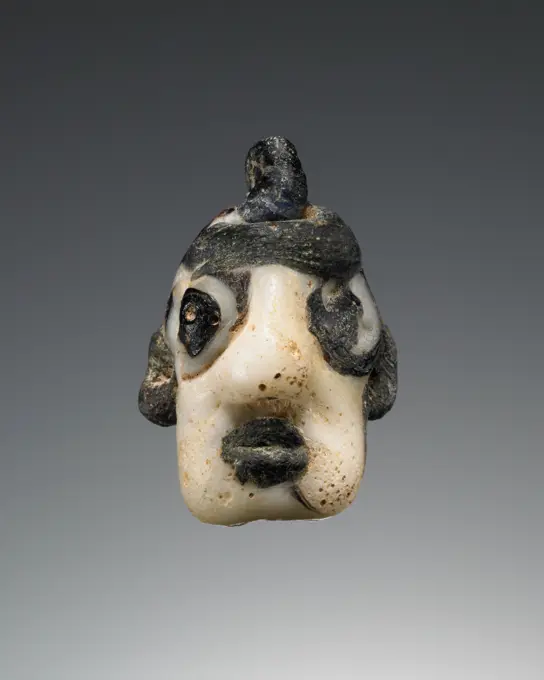
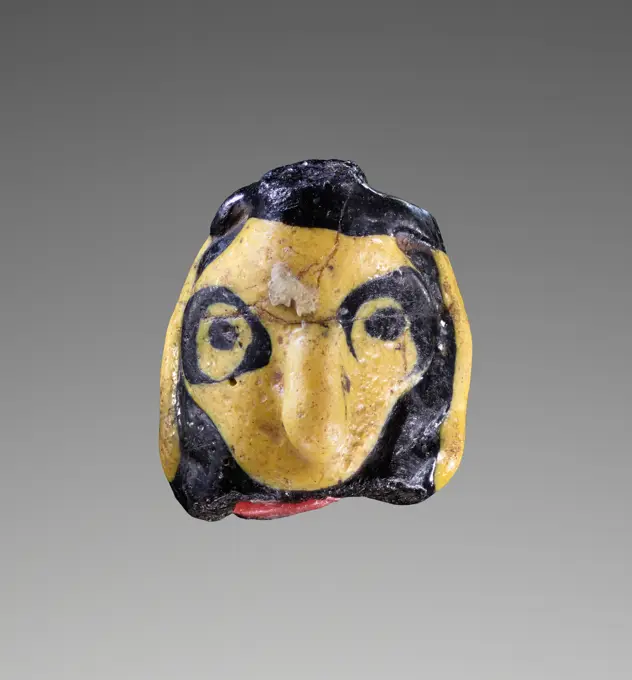
Mask Bead. Unknown
6145-48860233
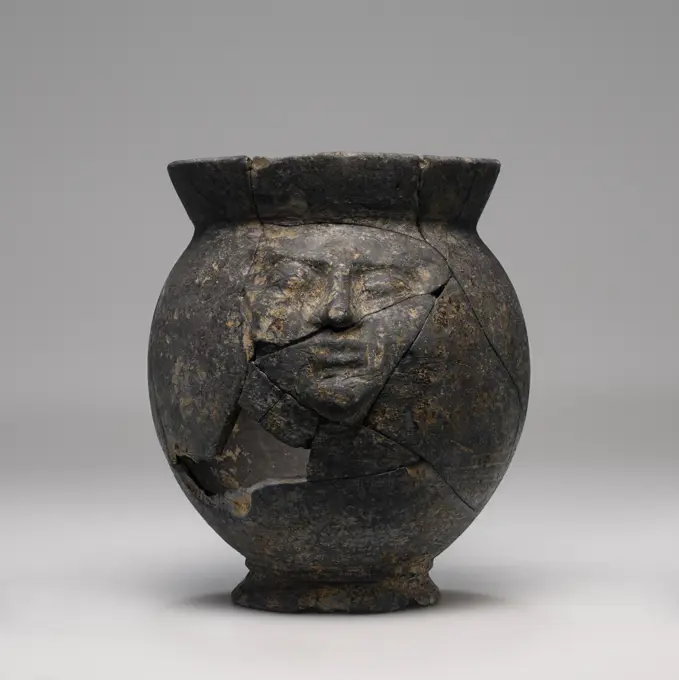
Face Mug. Unknown
6145-29760849
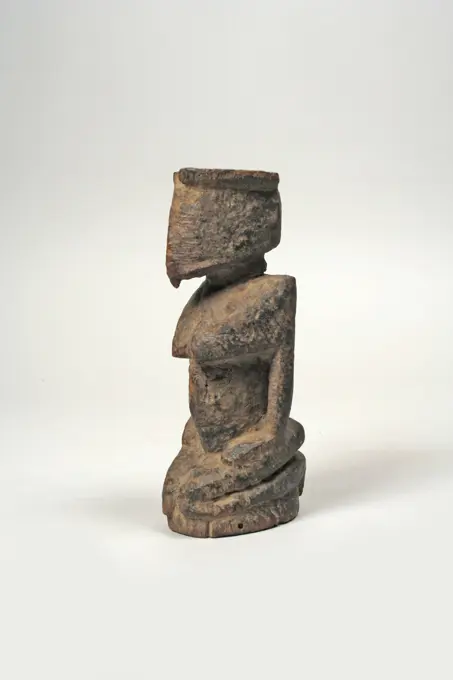
Figure: Kneeling Female 16th-19th century Dogon or Tellem peoples (). Figure: Kneeling Female. Dogon or Tellem peoples (). 16th-19th century. Wood. Mali. Wood-Sculpture
6145-29741546
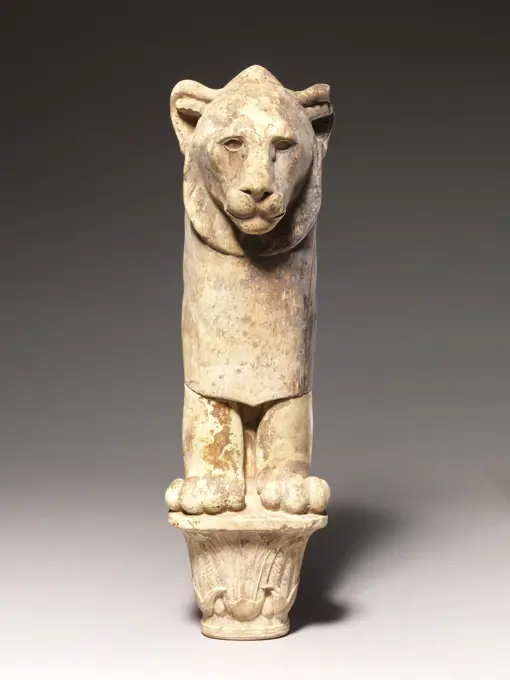
Lion furniture leg 4th century B.C. Late Period Made in fine, dense faience, the frontal part of a lion was made to slot onto another piece of furniture probably of wood. Furniture legs formed from the body and head of a lion conveyed an exalted status in Egyptian tradition. Here the fragile material and form indicate the piece may have adorned a low funerary bed on which the coffin or mummy of a deceased rested, or perhaps a stool intended to hold funerary items in the tomb.. Lion furniture leg. 4th century B.C.. Faience. Late Period. From Egypt; Possibly from Eastern Delta, Hihya
6145-29776295
Figure 2nd-4th century Punuk. Figure 314374
6145-59102544
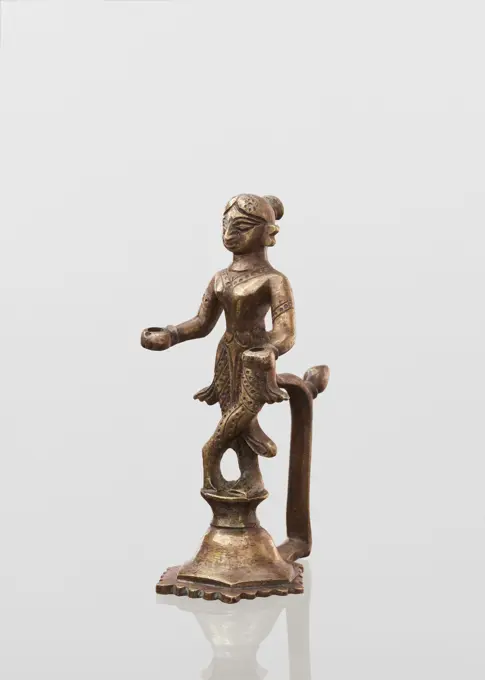
Lamp pedestal - a woman's figurine;  1. PO. 20th century (1901-00-00-1950-00-00);
6145-48852207
Flamed-worked Face bead. Unknown
6145-29236007
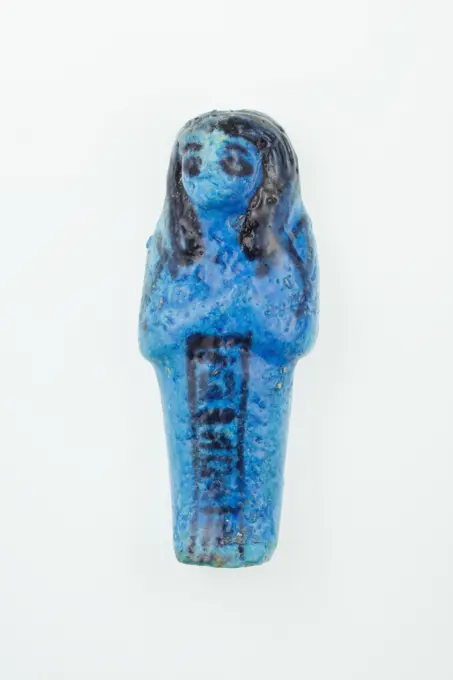
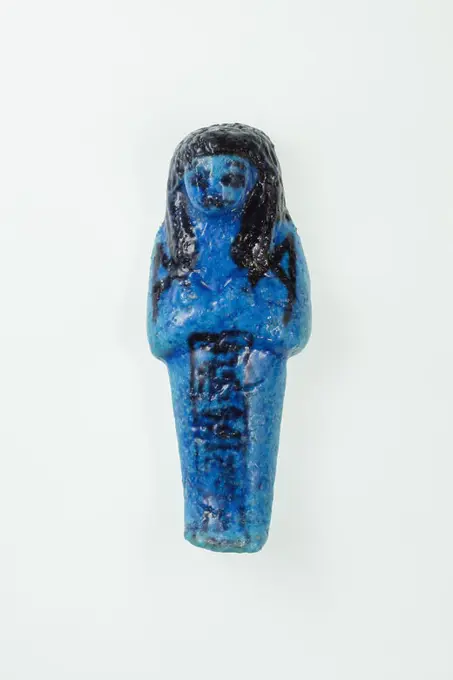
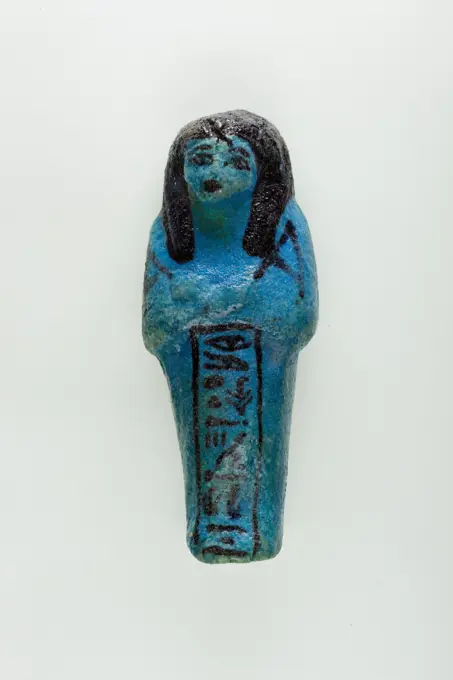
Worker Shabti of Nauny ca. 1050 B.C. Third Intermediate Period See 30.3.29.1a, b. Worker Shabti of Nauny. ca. 1050 B.C.. Faience. Third Intermediate Period. From Egypt, Upper Egypt, Thebes, Deir el-Bahri, Tomb of Meritamun (TT 358, MMA 65), first corridor, burial of Nauny, MMA excavations, 1928-29. Dynasty 21
6145-29066557
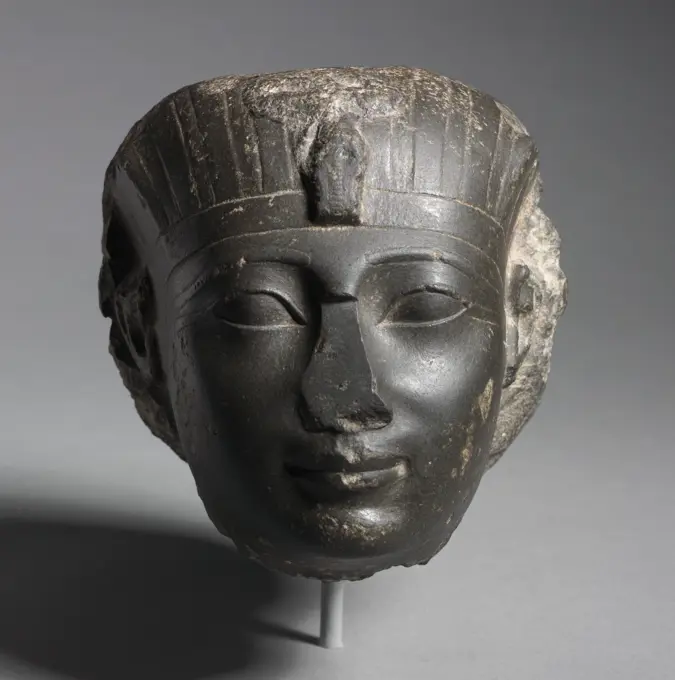
Head of Queen Hatshepsut (), c. 1479-1457 BC. Egypt, New Kingdom, Dynasty 18, reign of Hatshepsut, 1479-1457 BC. Graywacke; overall: 16.2 x 14.9 x 17.8 cm (6 3/8 x 5 7/8 x 7 in.).
6145-54681053
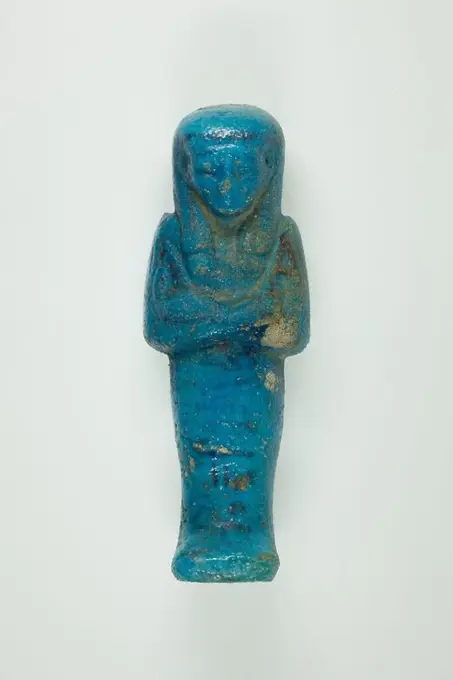
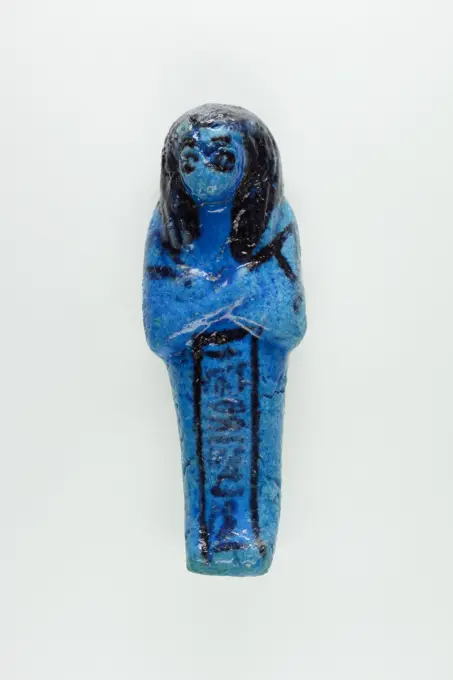
Shabti of Djedhor Late Period-Ptolemaic Period ca. 360-300 BC This small funerary figure (shabti) comes from the tomb of a wealthy family. The patriarch, the Priest ("God's Father") Djedhor, was buried with his wife Nebtaihet and two other individuals in one chamber, with their three sons in the second..At the head of Djedhor's stone sarcophagus were two shabti boxes, one containing 198 figures and the second holding 196. These shabtis were of two different sizes (the larger ones as here and smaller ones, see 02.4.151). They are all mummiform, with back pillars and pedestals. Each wears a curved "divine" beard, and holds a pick in the left hand and a hoe in the right. Slung over the left shoulder is a round-bottomed basket, held there by a rope in the right hand. Some, like 02.4.159, are inscribed with black ink. A large number of additional shabtis, much cruder in form than these, were found under one of the shabti boxes View more. Shabti of Djedhor. ca. 360-300 BC. Faience. Late Peri
6145-29127006
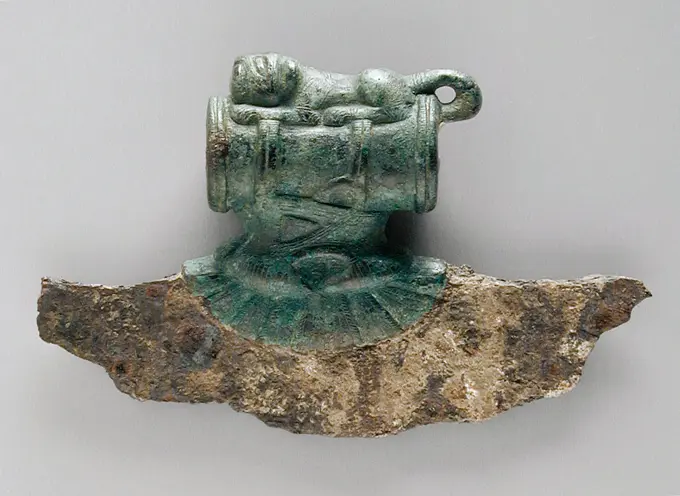
Crescentic Axehead. Iran, Luristan, circa 1350-1000 B.C.. Arms and Armor; axes. Bronze, cast
4409-17426483
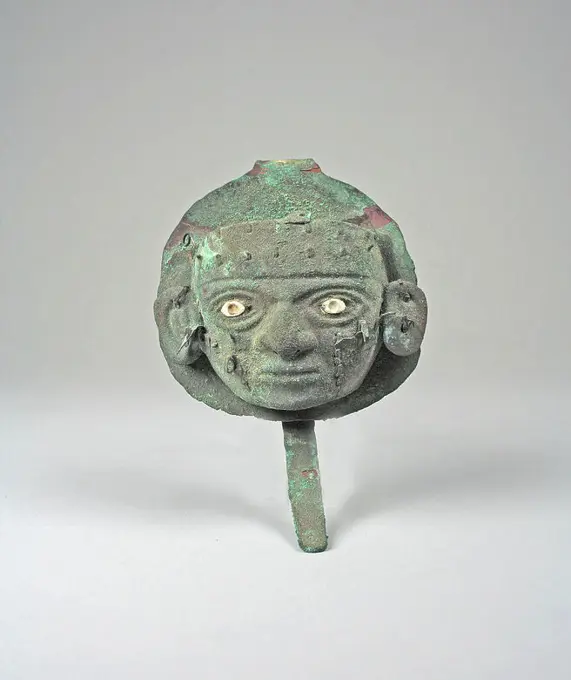
Face Mask Ornament. Culture: Moche (Loma Negra). Dimensions: H. 5 1/2 x W. 3 9/16 in. (14 x 9 cm). Date: 390-450. Museum: Metropolitan Museum of Art, New York, USA.
6145-30187061
Handle Spout Vessel in the Form of Seated Man with Tatooed or Painted Face 100 BCE-500 CE North Coast, Peruvian. Ceramic and pigment . Moche
4443-21936381
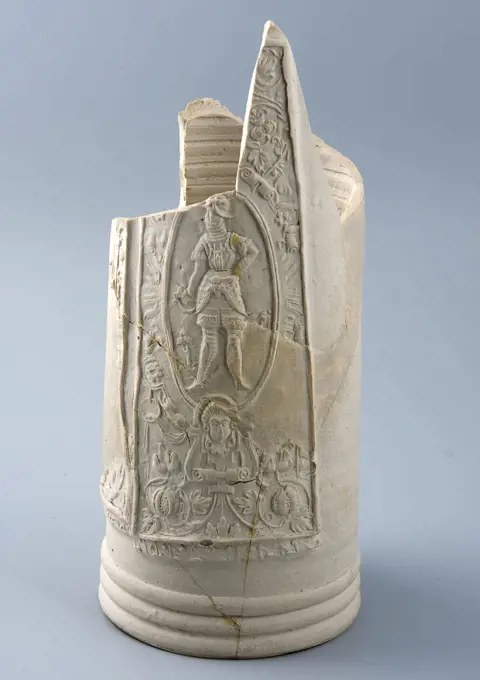
Fragment stoneware shrill, embossed with warrior and king with harp, schnelle drinking cup drinking utensils holder soil find ceramic stoneware, hand turned stamped baked baked Fragment bottom body of white stoneware Siegburg goblet. Warriors in oval surfaces surrounded by floral motifs medallions people and lion's heads Striking is the representation of the crowned person with sword and harp Entire embossing in relief within high narrowing frames. Three profile rings around the sidewall above the ground militaria archeology Rotterdam City Triangle Groenendaal underground pit indigenous pottery import serve beer drink king David bible Soil discovery: underground pit Rotterdam Groenendaal in black layer at 190 m from Mariniersweg ca 2m-NAP
6145-29722470
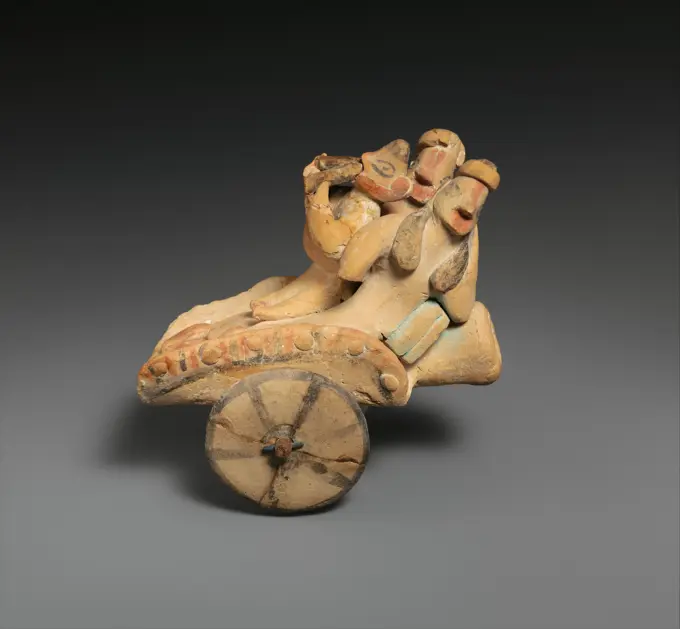
Terracotta model of a "cart" ca. 600-480 B.C. Cypriot Three figures are shown reclining on a horizontal surface with wheels. The larger figures, man and woman, support themselves on cushions while the third, smaller person plays the double flute. The representation immediately suggests the musical contingent of an ancient Cypriot "hayride." However, it is well to remember the wheeled carts that participated in Athenian processions; most notable was the wheeled ship in the festival of the Anthesteria dedicated to Dionysos. The "cart" here is a wheeled couch, perhaps representing a special conveyance used under special circumstances.. Terracotta model of a "cart". Cypriot. ca. 600-480 B.C.. Terracotta; hand-made. Cypro-Archaic II. Terracottas
6145-58825315
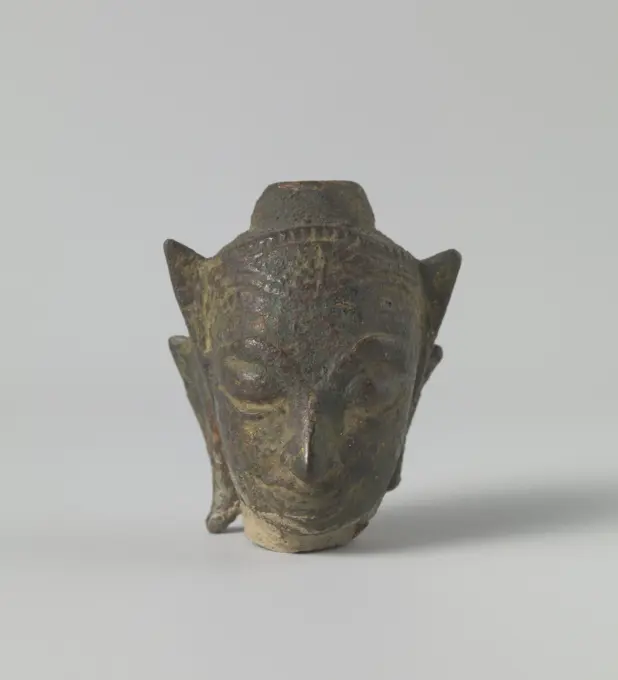
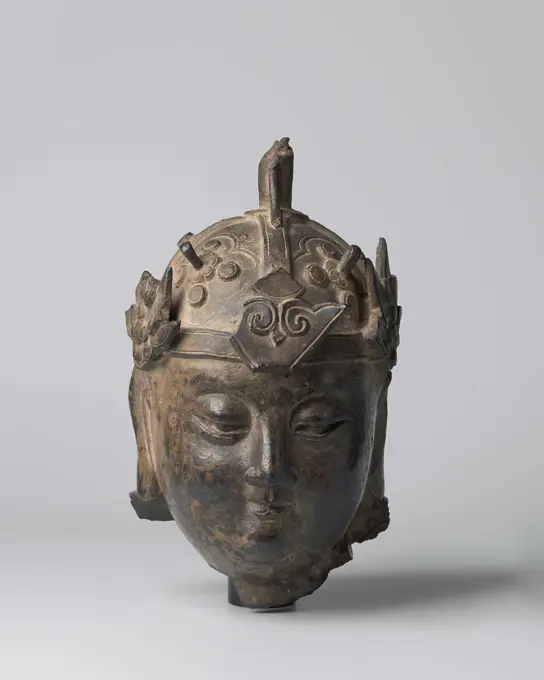
Head of a Buddha image, anonymous, 1600 - 1699 Fragment (head) of Buddha with crown; seriously damaged. Thailand bronze (metal) Fragment (head) of Buddha with crown; seriously damaged. Thailand bronze (metal)
6145-29130038
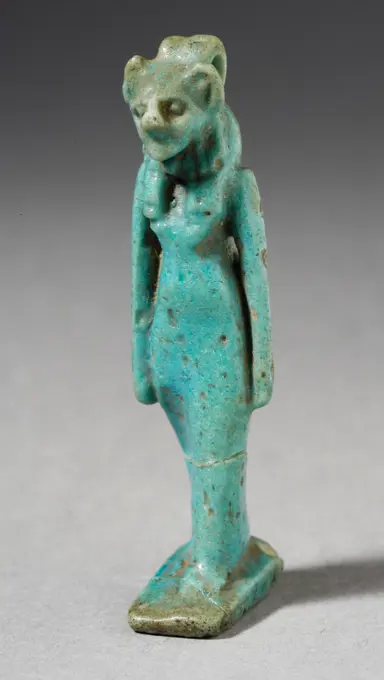
Amulet of Sekhmet. Egypt, Late Period - Ptolemaic Period (724 - 30 BCE). Jewelry and Adornments; amulets. Turquoise faience
6145-29126444
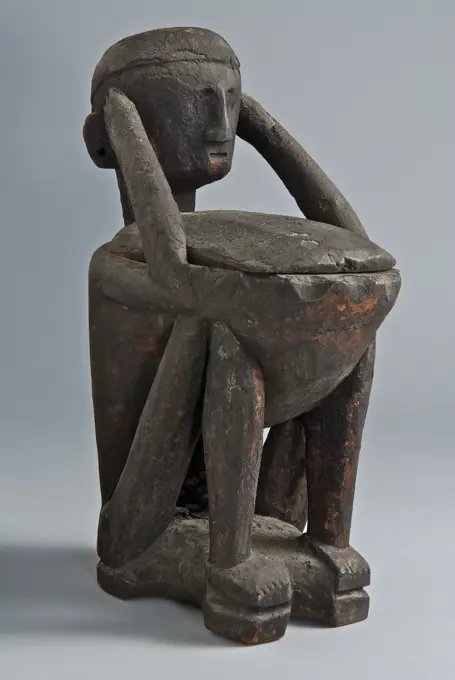
Incense Burner with Seated Male
6145-29150639
Taweret Amulet ca. 1070-664 B.C. Third Intermediate Period or later. Taweret Amulet 552601
1788-16585
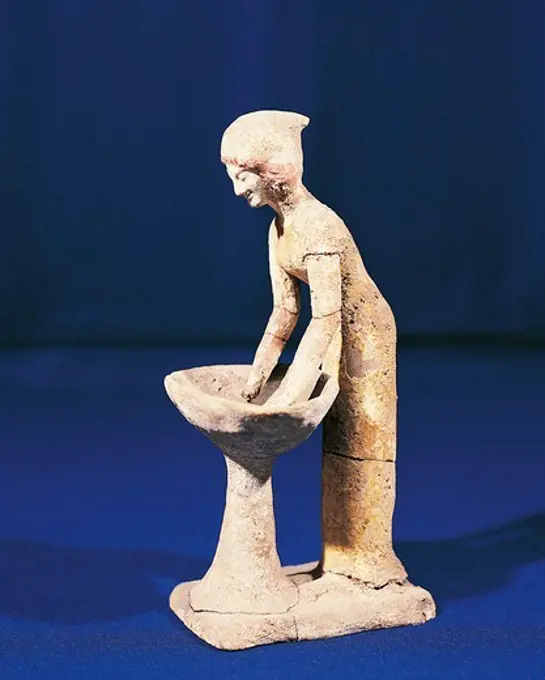
Clay figurine of woman kneading
6145-30396032
Funerary Container for FoodOfferings
4409-17432434
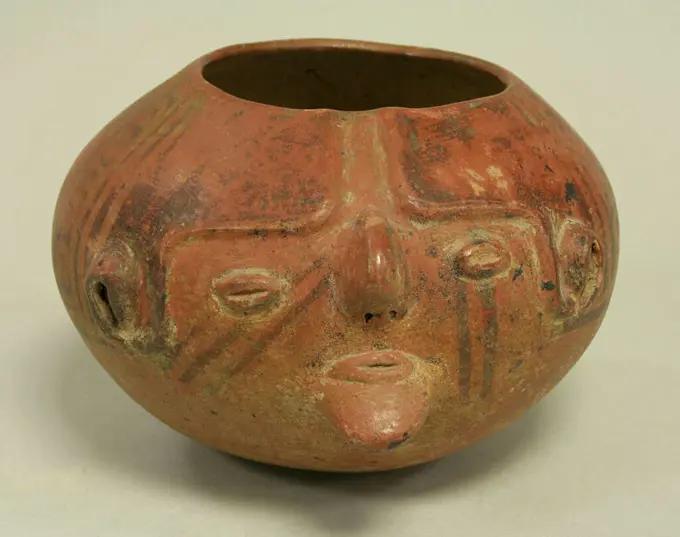
Bowl with Face. Culture: Puruha. Dimensions: H. 4 x Diam. 5 1/2 in. (10.2 x 14 cm). Date: 6th-16th century. Museum: Metropolitan Museum of Art, New York, USA.
6145-29828143
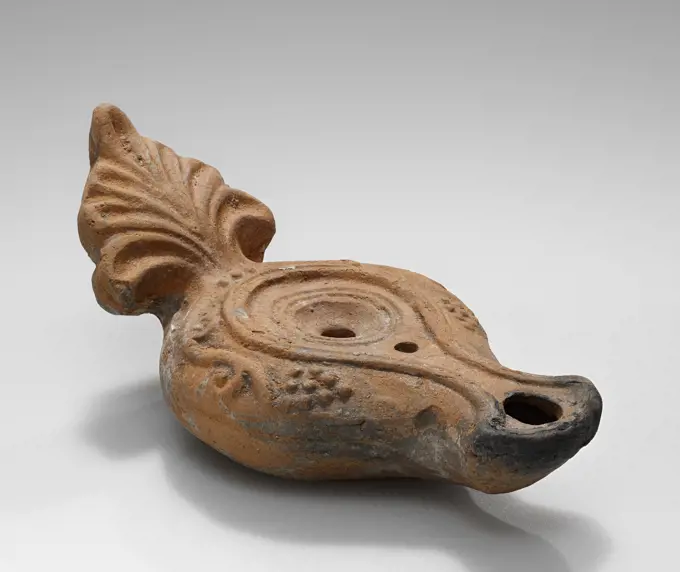
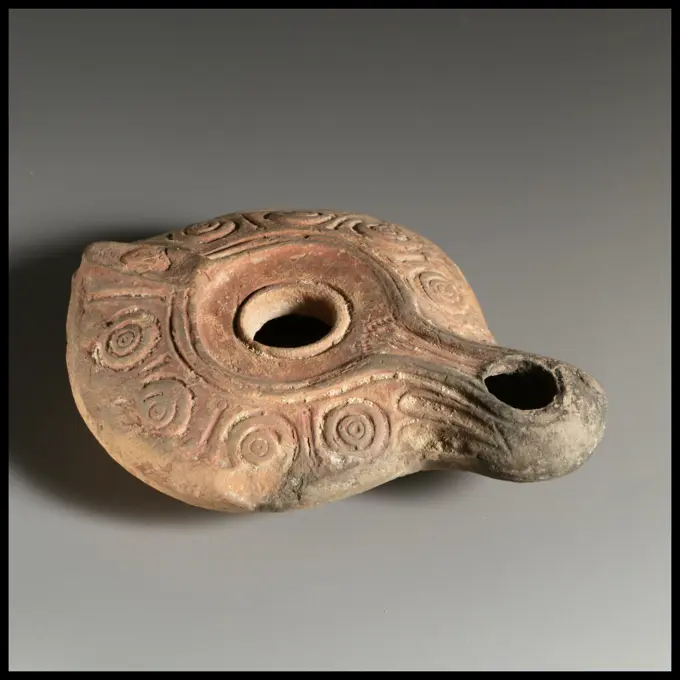
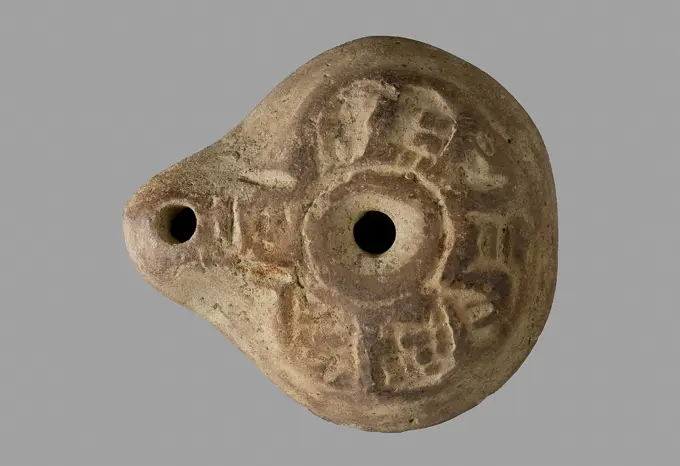
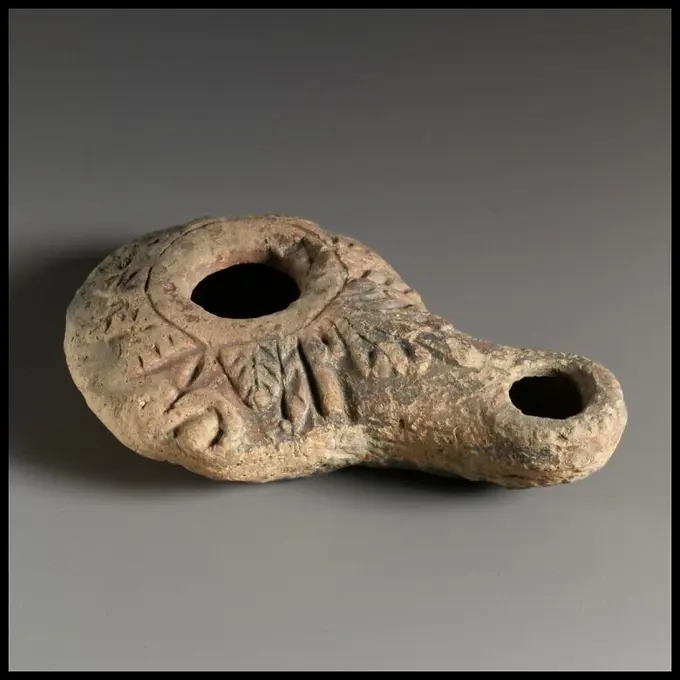
Terracotta oil lamp ca. A.D. 550-650 Roman, Ephesian Broneer Type 29, Group 3. Mold-made. Unpierced handle. Flat, plain discus: a large central filling hole with raised lip; plant motif in nozzle channel. Shoulder: targets within panels, and long tongues on each side of nozzle. Broad base ring, flanked by incised circles, and small uneven base filled with maker's stamp, comprising a rosette of four petal. On underside of body: at front; a band of three incised lines to either side of nozzle; at back, two long curving lappets issuing from base of handle.Body intact; but all but base of handle missing.. Terracotta oil lamp 241560
4409-17280841
TALISMAN TRIBU WARNA PARA DOLOR CABEZA-AFRICA. Location: MUSEOS VATICANOS-MUSEO ETNOGRAFICO. VATICANO.
6145-59080500
Lamp;  II-IV century (101-00-00-400-00-00);The collection of ancient Egypt
6145-29080616
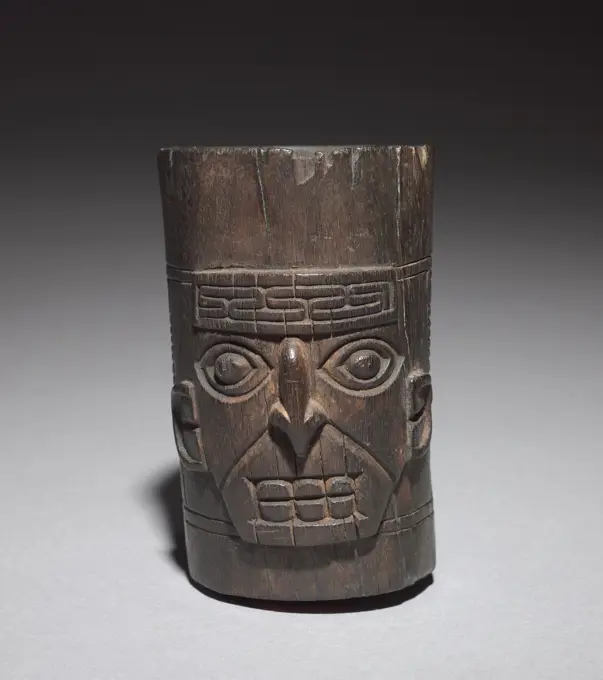
Cup with Head, 800-1000(). Peru, North-Central Coast(), 9th-10th Century. Wood; overall: 10.8 cm (4 1/4 in.).
4409-17403446
Terracotta oil lamp. Culture: Greek. Dimensions: Overall: 7/8 x 3 3/8 in. (2.2 x 8.6 cm). Museum: Metropolitan Museum of Art, New York, USA.
6145-29116705
Vessel Effigy with Helmet Headdress
6145-29074047
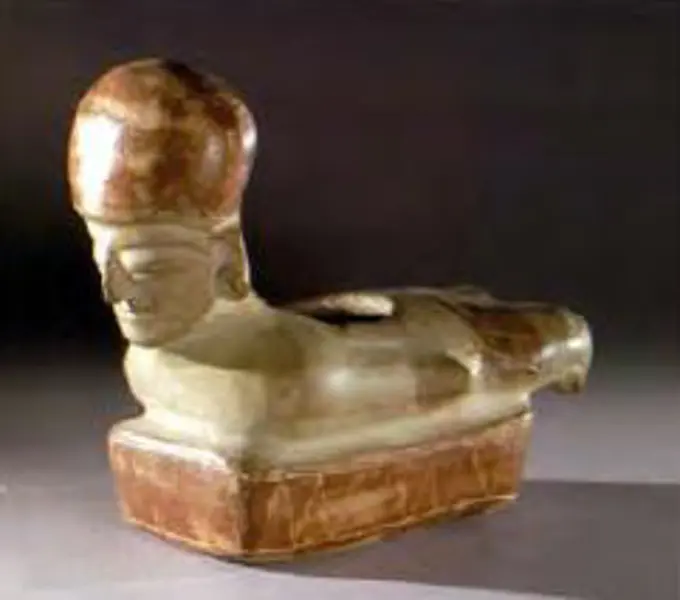
Tutu as Sphinx, 150 BC-AD 30. Egypt, Late Ptolemaic Dynasty, 305 BC-30 AD. Gray steatite; overall: 9.5 x 4.5 cm (3 3/4 x 1 3/4 in.).
4409-17373356
Key Handle. Culture: Roman. Dimensions: Overall: 3 1/16 x 13/16 x 15/16 in. (7.8 x 2 x 2.4 cm). Date: 1st-7th century. Museum: Metropolitan Museum of Art, New York, USA.
6145-29796417
Stirrup Spout Bottle with Sleeping Man 4th-7th century Moche. Stirrup Spout Bottle with Sleeping Man 309323
4409-17415737
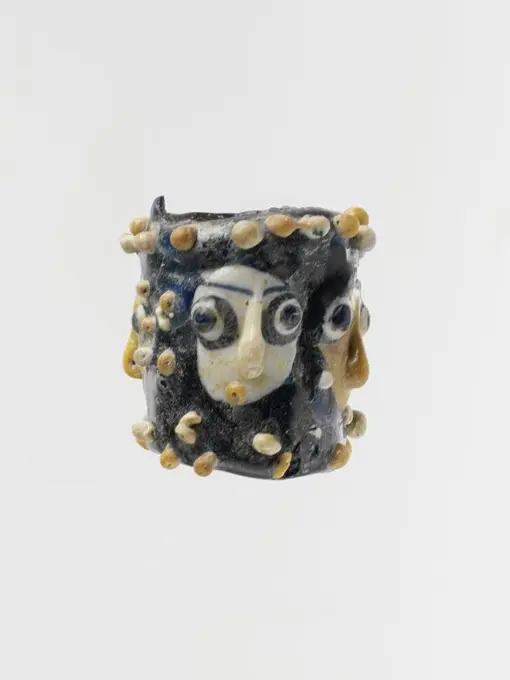
Glass face bead. Culture: Phoenician or Carthaginian. Dimensions: Diam.: 1 9/16 in. (4 cm). Date: late 5th-mid-2nd century B.C..Translucent dark cobalt blue, with additions in opaque white and yellow and translucent blue.Cylindrical, with rounded edge at both ends; large hole running vertically through bead.Four faces, alternating with two in yellow and two in white, each made from a large added blob, augmented with applied nose, stratified eyes, eyebrows, ears, pendant earrings, and small round mouth, flanked above and below by irregular rows of knobs in white and yellow.Broken and repaired, with some areas of fill, and a few knobs missing or damaged; some pitting and iridescent weathering on exterior, encrustation on interior of hole.This large face bead is closely related to both eye beads and head pendants. Examples of both groups, which have been found throughout the Mediterranean region, are also displayed here Gallery 171, Case 31. Museum: Metropolitan Museum of Art, New
6145-29185487
Overseer Shabti of Nany ca. 1050 B.C. Third Intermediate Period See 30.3.26.1a, b. Overseer Shabti of Nany 625674
6145-29785298
Anthropomorphized Monkey Bottle 4th-7th century Moche. Anthropomorphized Monkey Bottle 309448
6145-44292379
Figurine. Unknown
4409-20997551
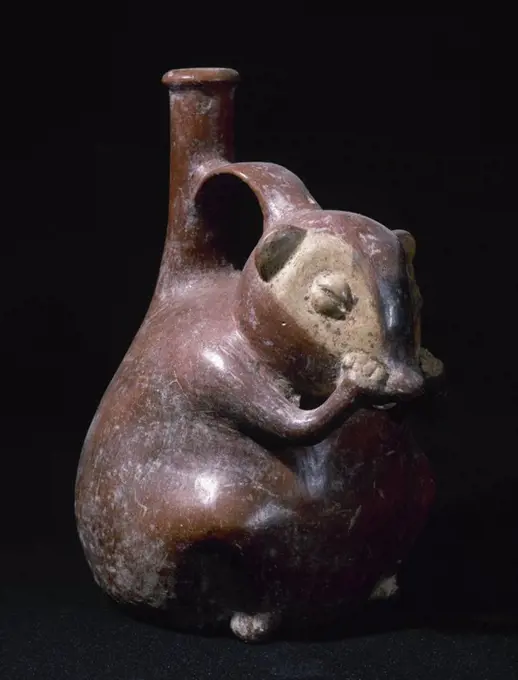
Pre-Columbian art. Pre-Incan. Tumaco-Tolita culture. Region of the Pacific Colombo-Ecuadorian coast from 300BC-600 AD. Ceramic object. Form squirrel. 25 x 10'5 cm. From Ecuador. Private collection.
6145-29068422
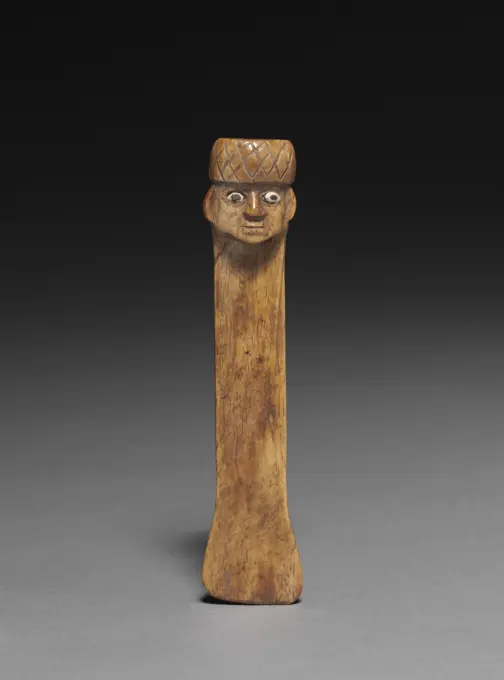
Spatula with Carved Head, 500-900. Peru, Wari style (500-900). Bone with shell inlay; overall: 11.2 x 2.6 cm (4 7/16 x 1 in.).
4443-28740603
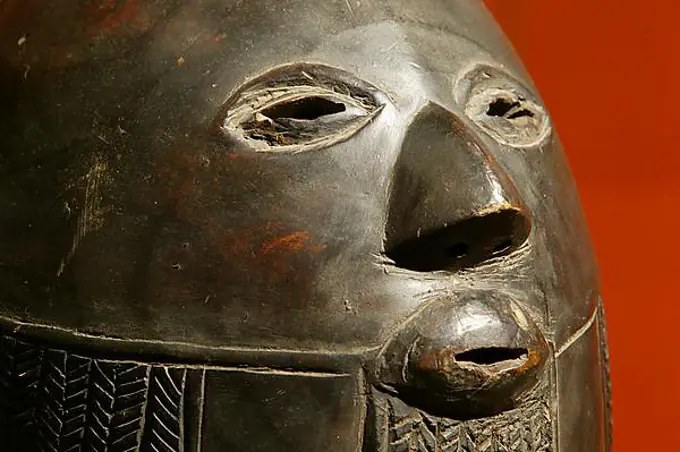
Kore Society Mask, 19 9/16 x 8 x 6 1/2 in. (49.69 x 20.32 x 16.51 cm), Wood, Mali
4409-17546773
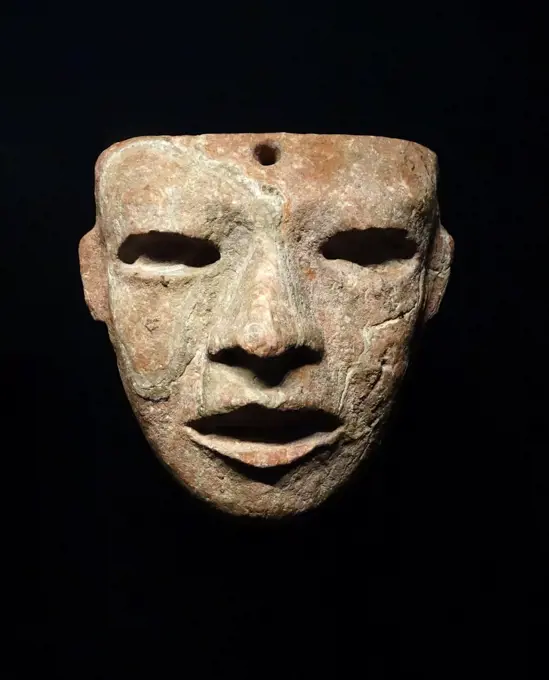
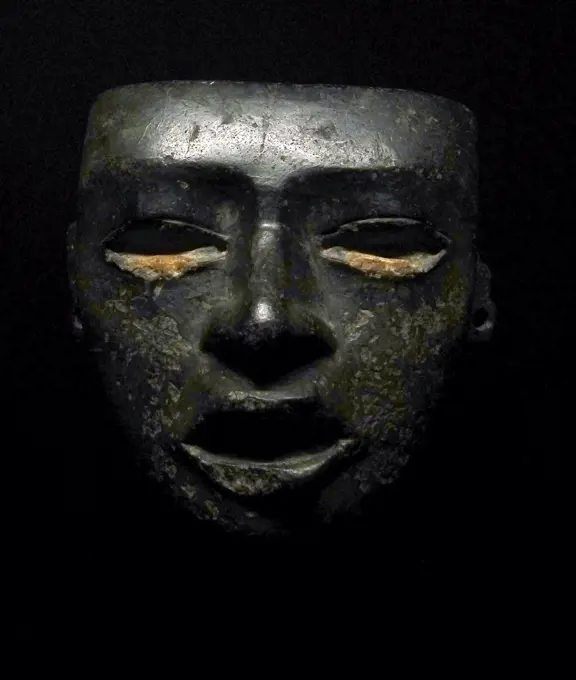
Ritual Mask. Teotihuacan; Teotihuacan, Mexico. Date: 300 AD-750 AD. Dimensions: 20.3 x 25.4 cm (8 x 10 in.). Stone. Origin: Mexico. Museum: The Chicago Art Institute, USA.
6145-29808128
Stirrup Spout Bottle; Kneeling Figure 12th-5th century B.C. Cupisnique. Stirrup Spout Bottle; Kneeling Figure 314690
6145-29074853
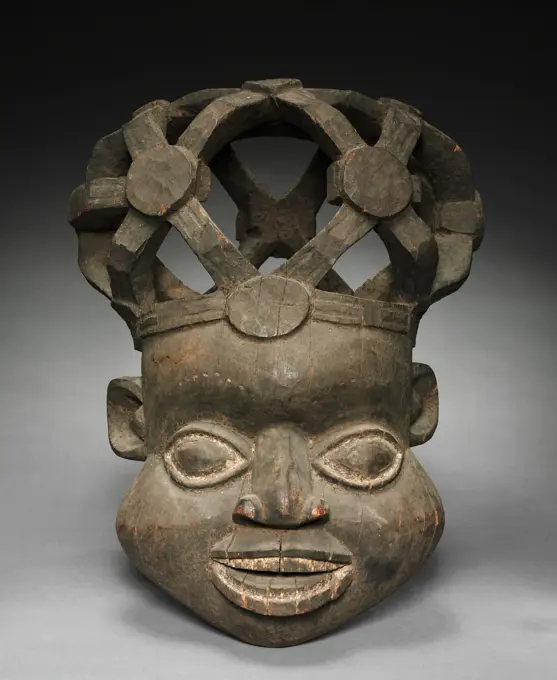
Helmet Mask, c. 1900. Equatorial Africa, Cameroon, Bamum, early 20th century. Wood, kaolin, and organic materials; overall: 57.2 cm (22 1/2 in.).
6145-29123004
Spouted Vessel of Female Figure with Child
6145-29242030
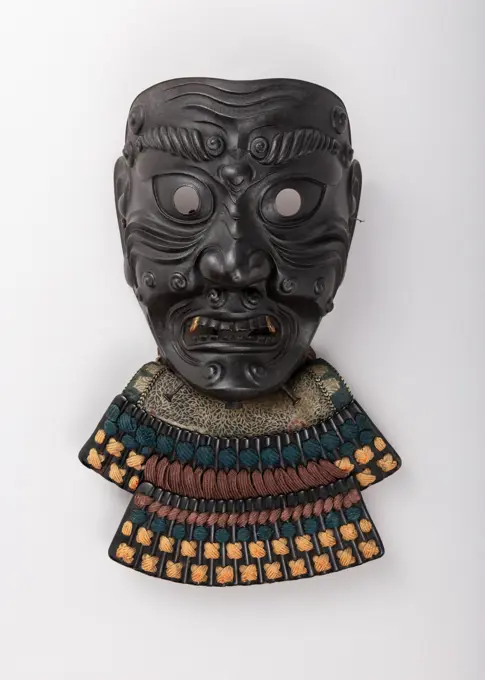
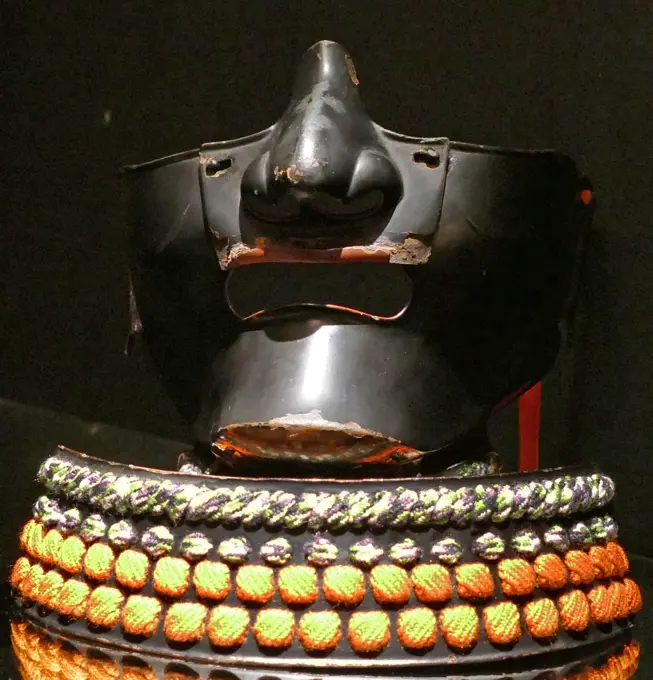
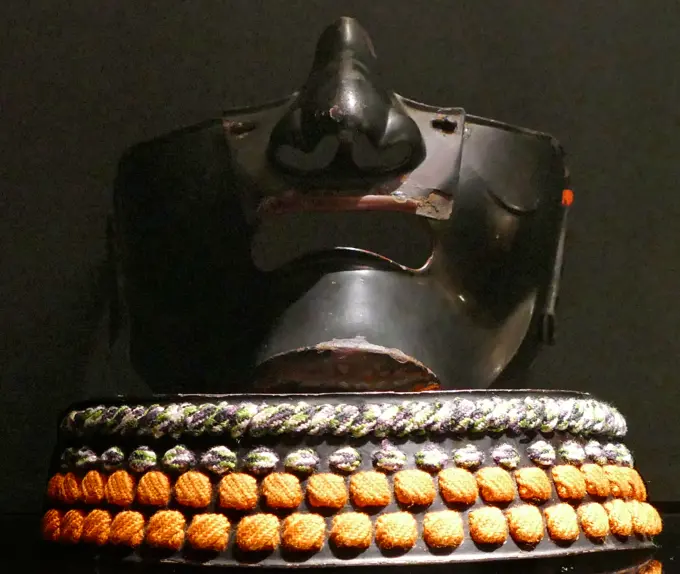
Mask with Neck Guard 18th century Inscribed by Mychin Munemitsu Japanese Masks have long played an important role in Japanese culture: in religious ceremonies, dance, Noh theater, and military costume. For samurai, masks served as a principal face defense and helped secure the helmet to the head more firmly.The majority of masks were half-length (mempo), covering the nose and the face below the eyes. Their iron surfaces are either lacquered or a dark russet finish; the interiors are usually lacquered red. In addition to half masks, the Metropolitan Museum's collection is unusual in possessing numerous full masks (somen). The majority date from the peaceful Edo period. During that time, armorers like the Mychin clan took pride in making ever more varied masks as a demonstration of their creativity and their famous metalworking skills.. Mask with Neck Guard. Japanese. 18th century. Iron, lacquer, gold, leather, textile (silk). Armor Parts-Masks
6145-46237287
Cup. Cup of a warrior ().
6145-29079041
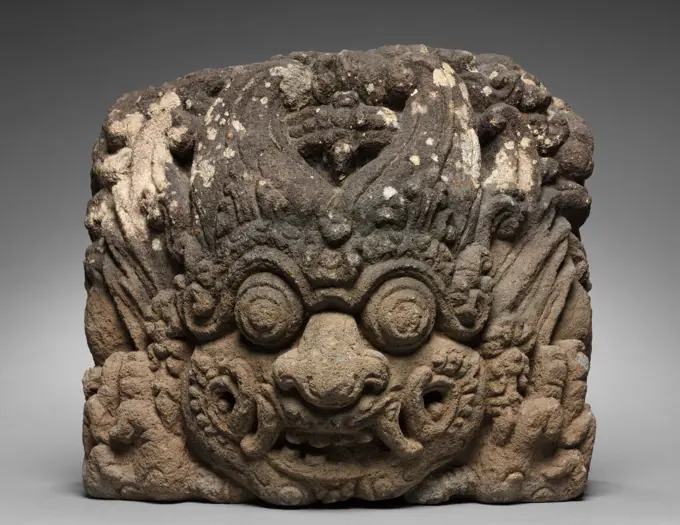
Bracket with Kala Mask, 1100s-1300s. Eastern Java, c. 12th-14th Century. Volcanic stone; overall: 40 x 45.5 x 31 cm (15 3/4 x 17 15/16 x 12 3/16 in.).
6145-29235473
Worker Shabti of Nany ca. 1050 B.C. Third Intermediate Period See 30.3.28.1a, b. Worker Shabti of Nany. ca. 1050 B.C.. Faience. Third Intermediate Period. From Egypt, Upper Egypt, Thebes, Deir el-Bahri, Tomb of Meritamun (TT 358, MMA 65), first corridor, burial of Nany, MMA excavations, 1928-29. Dynasty 21
6145-29755085
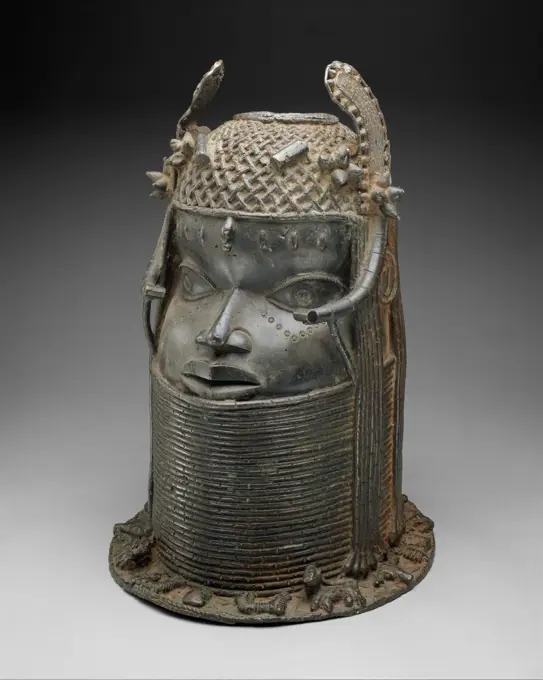
Head of an Oba 19th century Edo peoples This example of a brass casting of a Benin head may date to the mid-nineteenth century. The extreme degree of stylization, swollen cheeks and enlarged eyes, the size of the flange at the base, the weight of the casting, and the winglike projections attached to the crowns are characteristic of brass casting during this later period of Benin royal court.. Head of an Oba. Edo peoples. 19th century. Brass, iron. Nigeria, Court of Benin. Metal-Sculpture
4409-30479266
Stone altar. From Hagar Qim, Malta. Temple Period (3600 BC to 2500 BC). National Museum of Archaeology. Valletta. Malta.
4443-28741460
Hacha, c. 700, 6 1/2 x 2 5/8 x 3 3/4 in. (16.5 x 6.67 x 9.53 cm), Stone, Mexico, Post Classic
6145-29811634
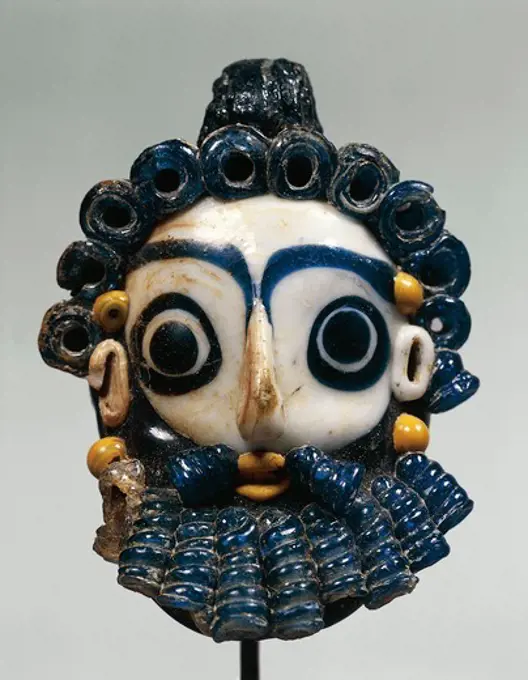
Glass face bead mid-4th-3rd century B.C. Phoenician or Carthaginian Translucent dark cobalt blue, with opaque turquoise blue, white, and yellow, and translucent cobalt blue.Cylindrical with large hole running vertically through bead.Three conjoining faces; upper half of face in white, with blue and white stratified eyes, blue eyebrows, white ears flanked above and below with yellow earrings, white nose, small mouth in yellow, and yellow blob on forehead; above, curly blue hair in thick blobs applied over turquoise blue; below, U-shaped blue beard with tooled vertical ribbing applied over turquoise blue.Intact except for one ear and one nose, and with horizontal cracks across faces; slight pitting and weathering.Blue bead with three white bearded faces, and yellow decoration.. Glass face bead 249953
6145-46825593
Tool
4443-21958751
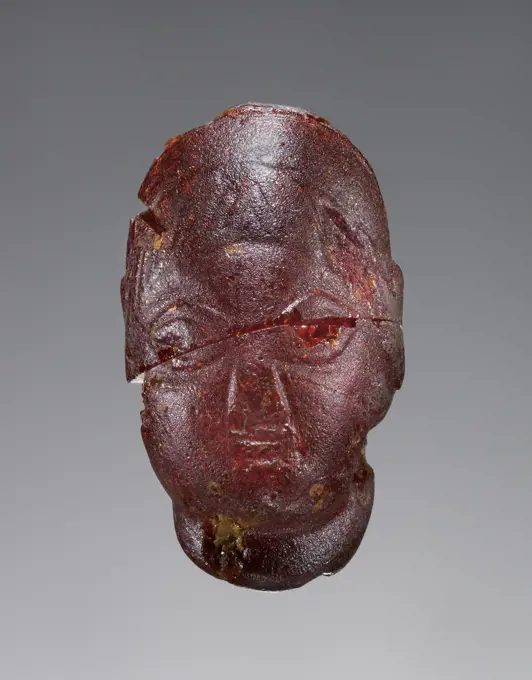
Pendant: Female Head; Italy; 500 - 480 B.C; Amber; 42 × 24 × 29 mm (1 5,8 × 15,16 × 1 1,8 in.)
6145-29795510
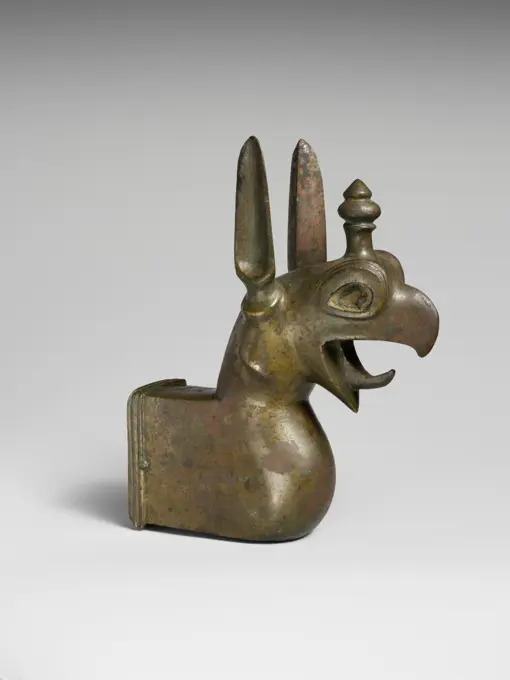
Bronze griffin attachment ca. 600-575 B.C. Etruscan This heavy, solid-cast griffin was the finial for another object, perhaps an andiron. Originally, the eyes were inlaid with other materials, such as amber and ivory, to create a more lifelike realism.. Bronze griffin attachment. Etruscan. ca. 600-575 B.C.. Bronze, amber perhaps. Archaic. Bronzes
1746-21129743
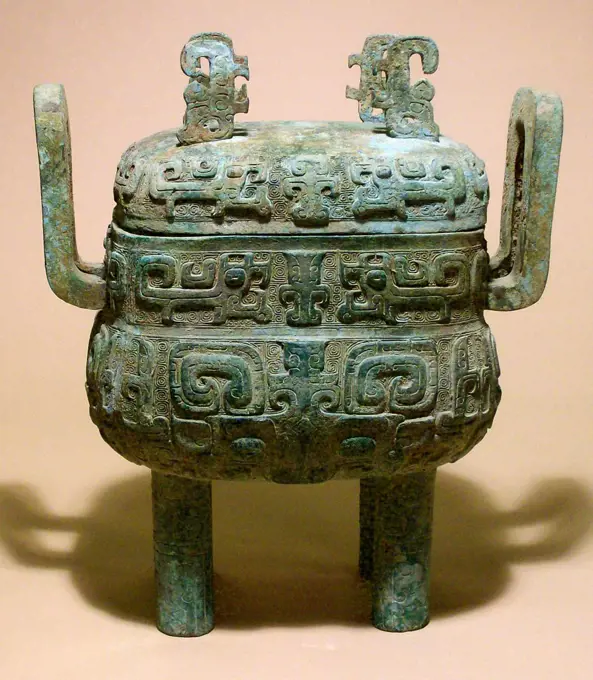
Ancient China: Cooking vessel with lid (Fang Ding), Shang Dynasty, 1600 - 1027 BC. Bronze.
6145-59102430
Lamp pedestal - a woman's figurine;  19th/20th century (1791-00-00-1810-00-00);
6145-29185507
Worker Shabti of Nany ca. 1050 B.C. Third Intermediate Period See 30.3.26.1a, b. Worker Shabti of Nany 625733
6145-29234662
Worker Shabti of Nauny ca. 1050 B.C. Third Intermediate Period See 30.3.27.1a, b. Worker Shabti of Nauny. ca. 1050 B.C.. Faience. Third Intermediate Period. From Egypt, Upper Egypt, Thebes, Deir el-Bahri, Tomb of Meritamun (TT 358, MMA 65), first corridor, burial of Nauny, MMA excavations, 1928-29. Dynasty 21
1746-28980649
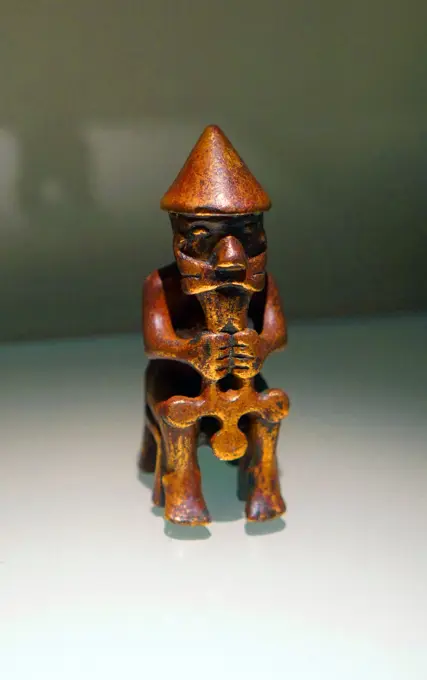
Wooden figure of the Norse God Thor, associated with thunder, lightning, storms, oak trees, strength, and the protection of mankind. Dated 9th Century
7155-70375147
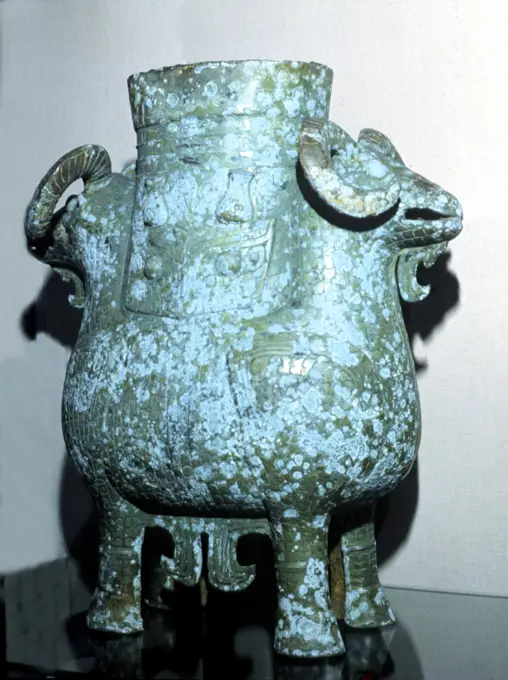
Shang Dynasty ritual vessel. Zun type. Hunan. 11-13th cent. BC CHINA.
6145-29205910
Toggle harpoon head Japan The Jmon period is the earliest period in Japanese history, lasting from roughly 14,000 to 300 BCE. The Jmon people were primarily hunter-gatherers, hunting land animals and gathering vegetables and nuts on the land as well as hunting and fishing at sea. This toggle harpoon head, which works by detaching from the shaft of the harpoon once it is stuck in an animal while remaining attached to the shaft by a rope, facilitated the hunting of larger animals at sea. It allowed the Jmon people to practice both opportunistic as well as deliberate hunting of large sea mammals including whales, which are known to have been part of the diet of some Jmon communities along with other sea mammals like seals.. Toggle harpoon head. Japan. Bone. Final Jmon period (ca. 1000-300 B.C.). Bone
6145-29149647
Figure of Idol ca. late 15th-early 16th century Mexico. Figure of Idol. Mexico. ca. late 15th-early 16th century. Jadeite, sage-green. Jade
6145-29118738
Bizen Pottery Sherd
6145-59070899
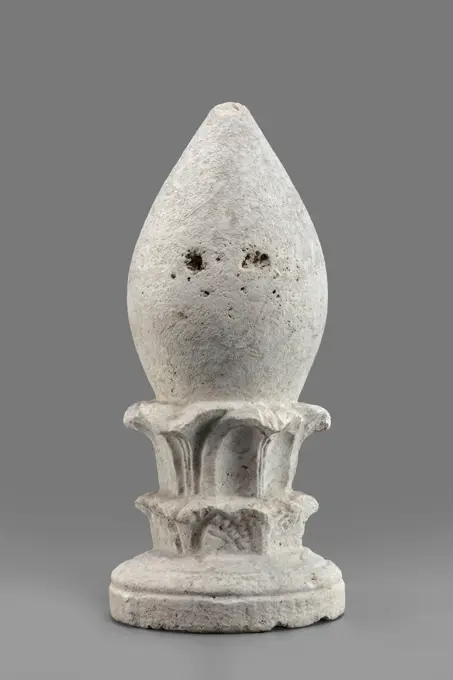
Pine cone -shaped cippus;  IV-III century BC (-400-00-00--201-00-00);Etruria
6145-30176850
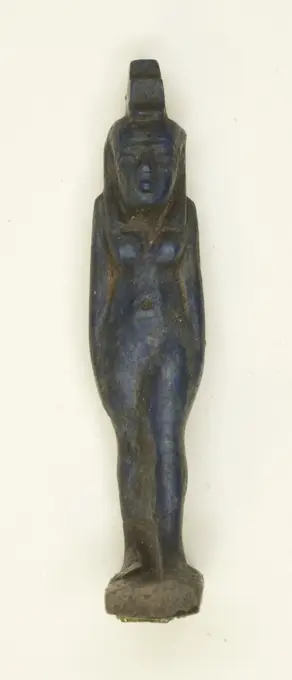
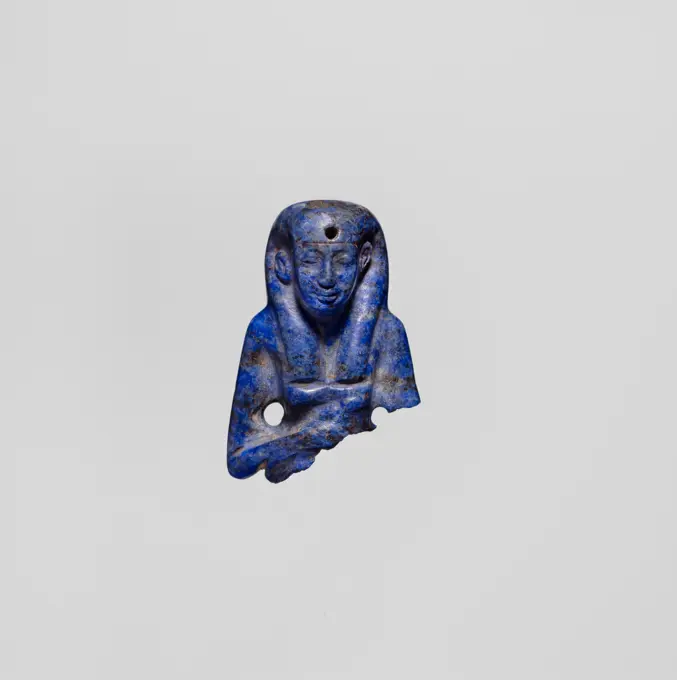
Amulet of the Goddess Isis 700 BCE-1 BCE Egypt. Lapis lazuli . Ancient Egyptian
1788-39300
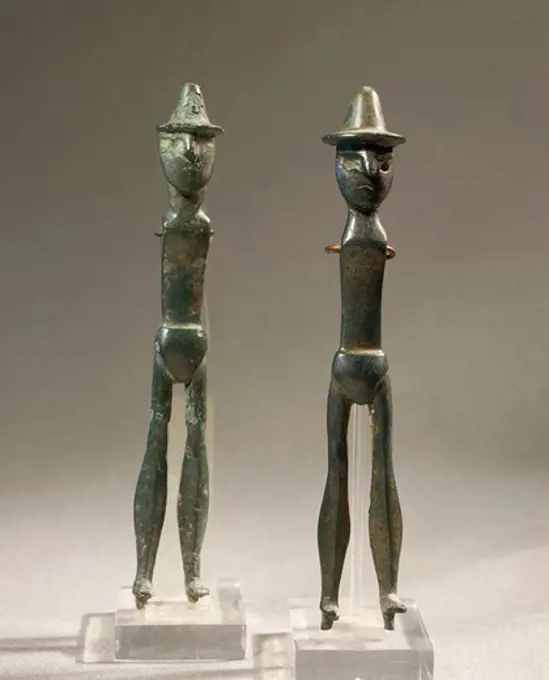
Prehistory, Sweden, Bronze Age. Male figurines with headdress. From Loshult.
6145-29067383
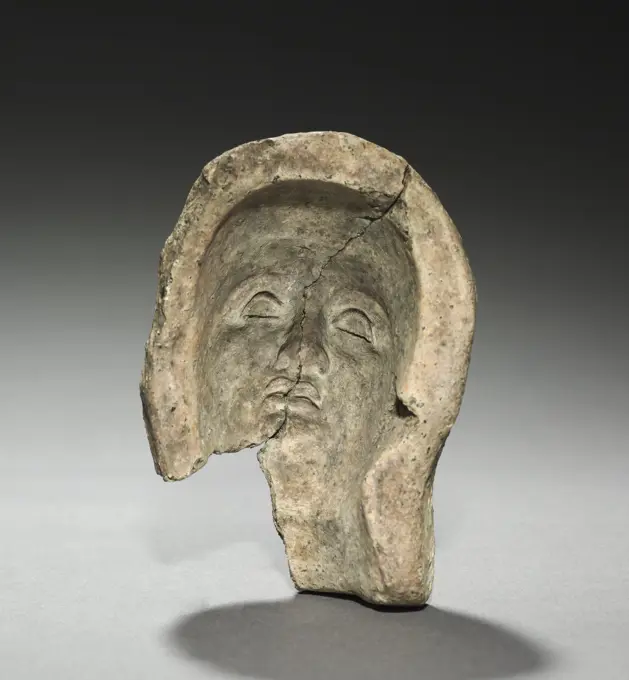
Mold for a Male Head, AD 1-300. Italy, Roman. Terracotta; overall: 9.9 x 6.4 x 4.8 cm (3 7/8 x 2 1/2 x 1 7/8 in.).
4443-28732815
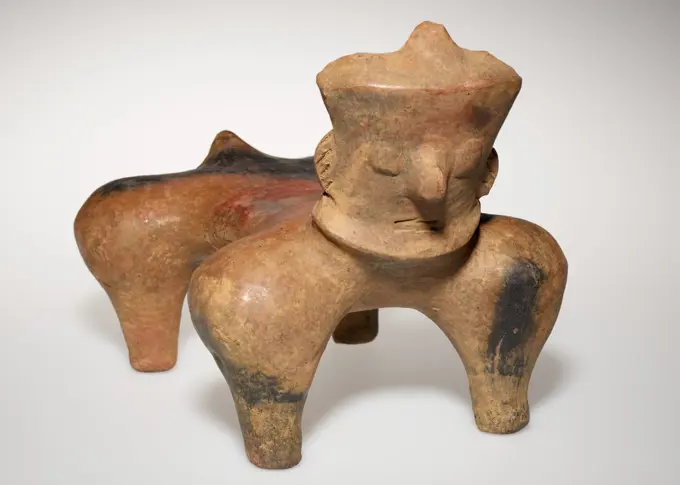
Four-legged figure, 2nd century BCE - 2nd century CE, 9 3/4 x 8 x 11 1/2 in. (24.8 x 20.32 x 29.21 cm), earthenware, Mexico, 2nd century BCE - 2nd century CE
1746-21107806
Sculpted vase. From Honduras. Made from alabaster.
4409-17386619
Stone Temple Model. Culture: Mezcala. Dimensions: Height 5-3/8 in.. Date: 1st-8th century. Museum: Metropolitan Museum of Art, New York, USA.
6145-46643622
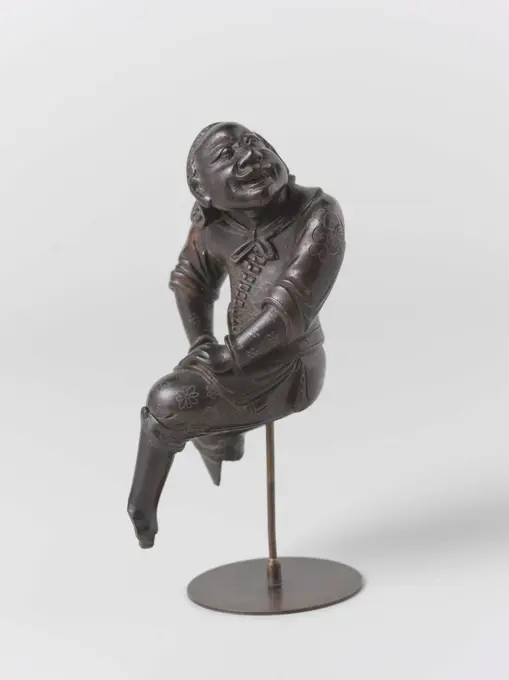
. Sitting figure of dark wood, inlaid with silver decorations, presenting a Dutchman.
6145-29079339
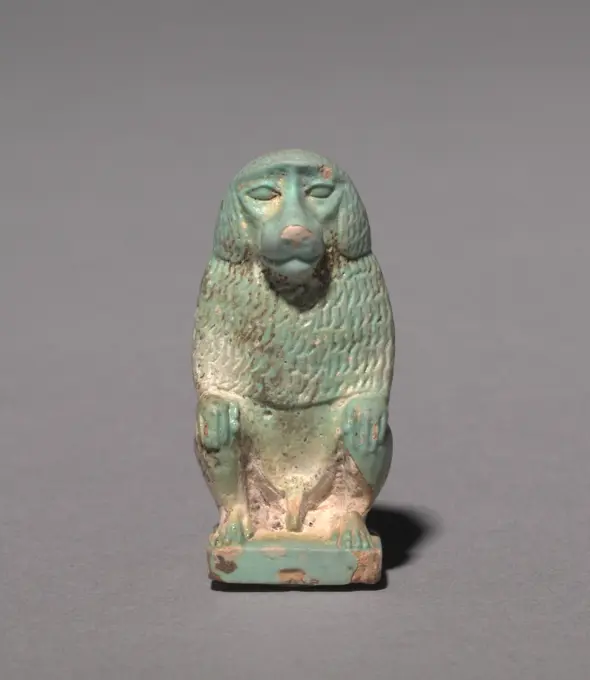
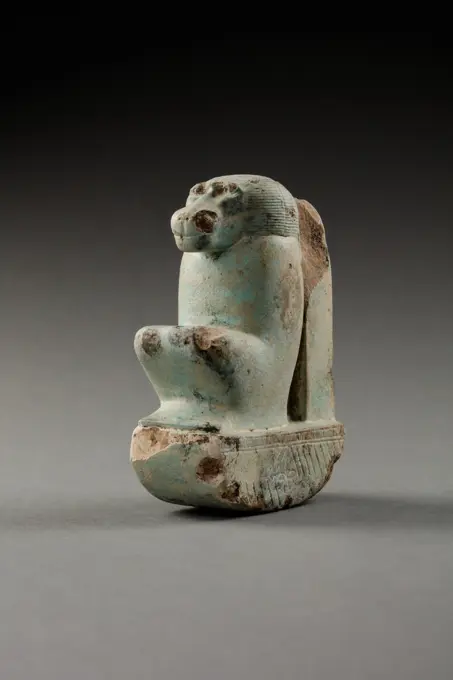
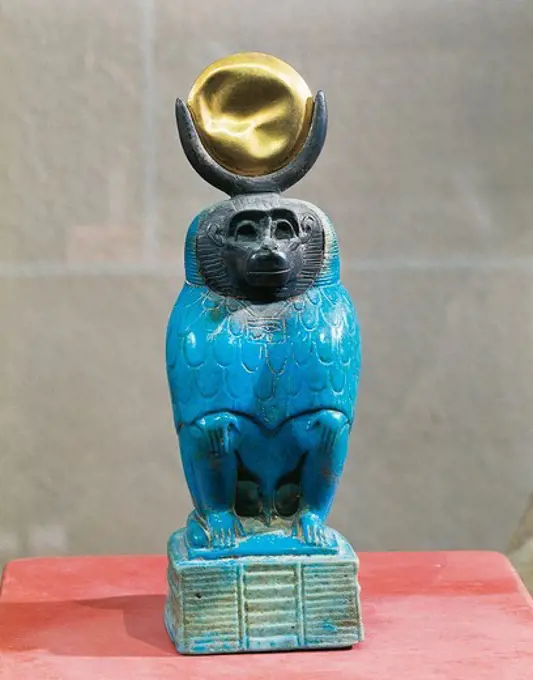
Thoth as Baboon, 664-305 BC. Egypt, Late Period, Dynasty 26 to Ptolemaic Dynasty. Pale turquoise faience; overall: 5 x 2.4 x 2.5 cm (1 15/16 x 15/16 x 1 in.).
1788-17089
Terracotta figurine, probably fetish, Egyptian civilization
4443-19585365
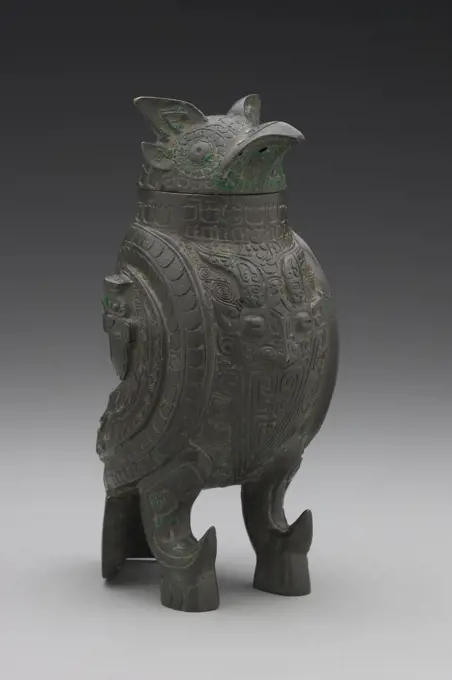
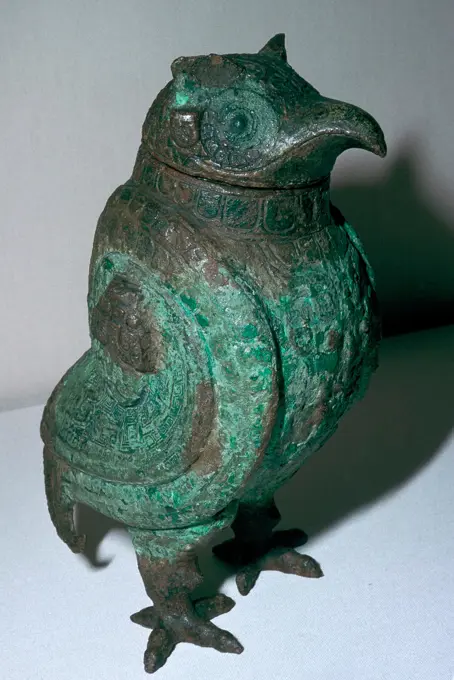
Owl-Shaped Wine Vessel(Zun), 13th-11th century B.C., Bronze, 8 1/8 × 3 7/8 in. (20.7 × 9.8 cm), This zun, or wine vessel, is cast in the shape of an owl whose head forms a removable lid. A scaled snake with a tiger’s head forms the pinion of each wing. The snake’s body outlines the curve of the wings, which terminate in a clawed and plumed bird. On the breast is another composite creature made up of a cicada’s body with a bovine head capped with horns in the shape of two small dragons. The owl as both a night bird and a bird of prey was a symbol of death and ill omen in later Chinese folk tradition. Although unlucky to the living because it foretells death, the owl may have been considered suitable as a motif for vessels intended to feast the dead. Combining it with the cicada, a natural symbol of death and transformation, may have increased itpotency. , China, Chinese, Shang dynasty (1600-1050 B.C.), Anyang phase (1300-1050 B.C.), Containers -Metals
4443-28737483
Charm, late 19th century, 3 3/4 x 2 7/8 x 1 1/2 in. (9.5 x 7.3 x 3.8 cm), Stone, United States, 19th century
6145-29127433
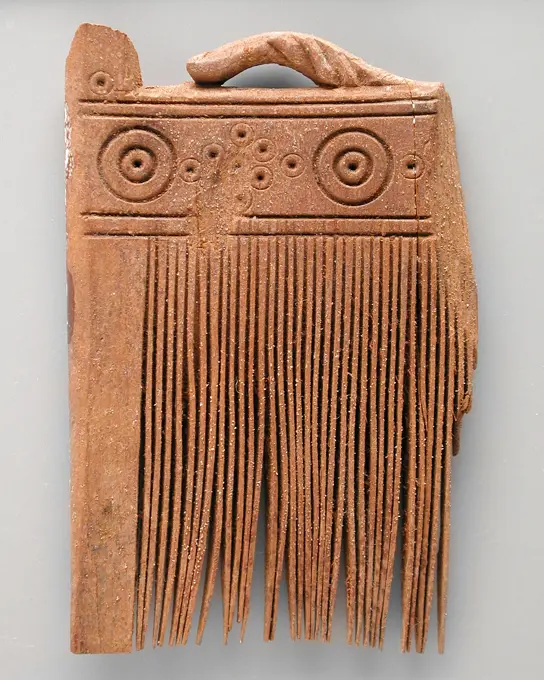
Comb. Egypt, 10th-12th century. Jewelry and Adornments; combs. Wood
1030-1618
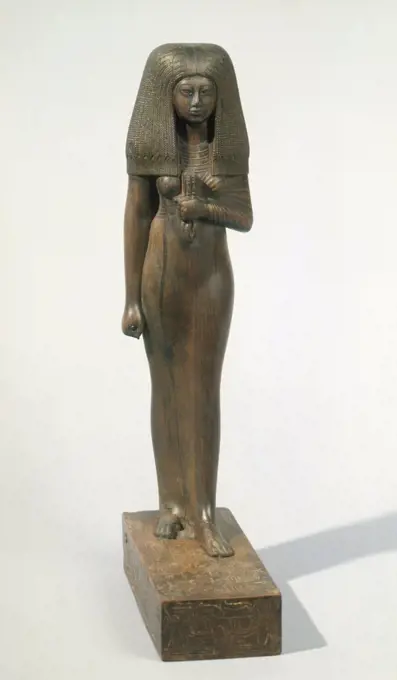
The Priestess Toui, Highest of the Recluses of Min  Artist Unknown Egyptian  Wood Sculpture  Musee du Louvre, Paris
6145-29221202
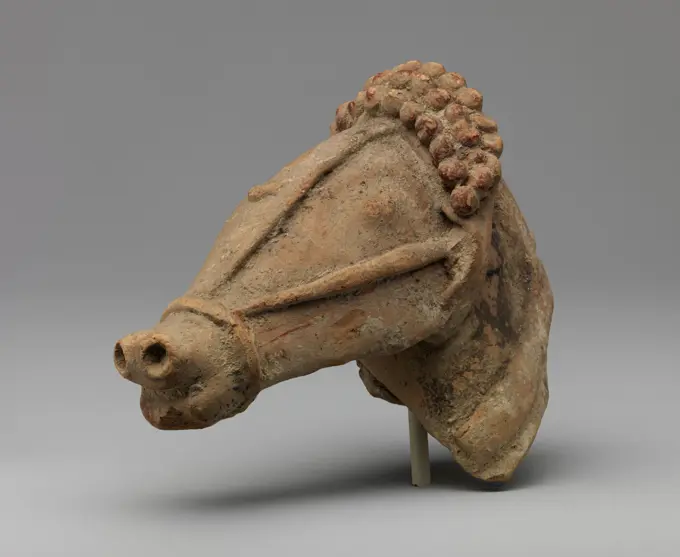
Terracotta horse's head with harness ca. 600-480 B.C. Cypriot The hollow head is probably from a fairly large quadriga group, judging from the harness.. Terracotta horse's head with harness. Cypriot. ca. 600-480 B.C.. Terracotta; handmade. Cypro-Archaic II. Terracottas
4409-63011054
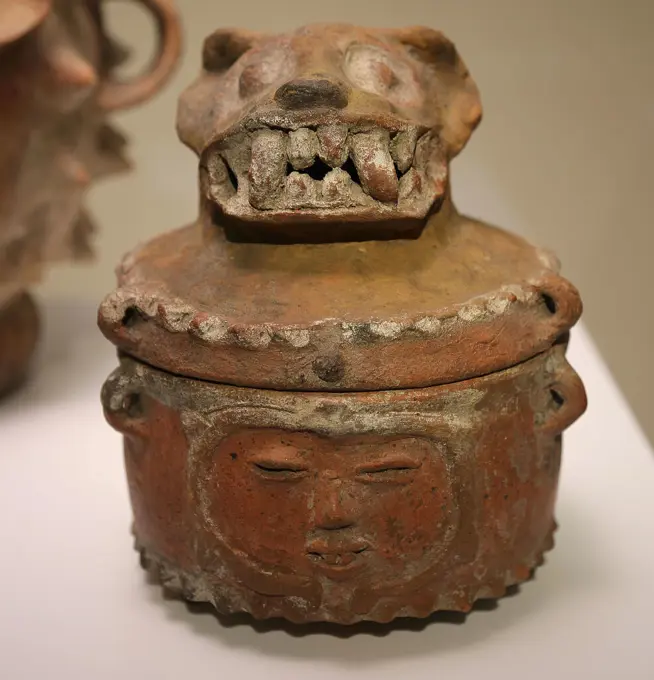
Mesoamerica. Precolombian. Maya art. Censer with jaguar. Mexico or Guatemala. 600-900. Museum of Cutures of the World. Barcelona. Spain.
6145-30176691
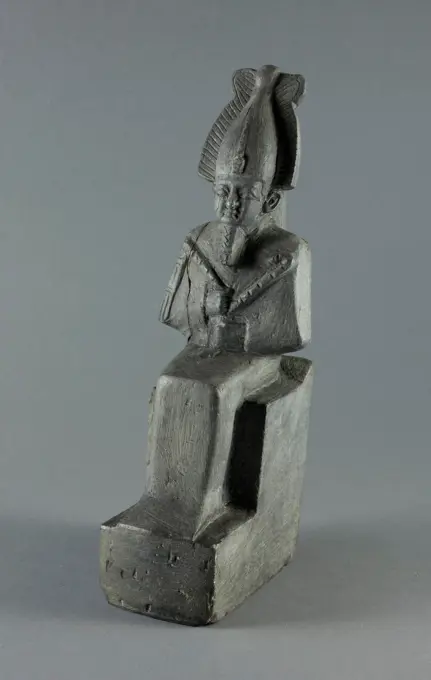
Statuette of the God Osiris Seated 664 BCE-332 BCE Egypt. Steatite . Ancient Egyptian
6176-67063047
Chinese Bronze Ritual Vessel, 10th century BC. Artist: Unknown
6145-29707723
Figure of baboon on a basket and with a pillar, the shebet offering ca. 664-30 B.C. Late Period-Ptolemaic Period The mummiform baboon squats on a basket with a pillar behind him. The nature of this object is still under discussion. The image of the baboon might allude to the god Thoth. Only rarely do we know the archeological context to which these objects belong, but a few of them are known to come from an area in Saqqara near one of the main ibis cemeteries. Another example arrives from Hermopolis, one of the main sites in which Thoth was celebrated. In imagery, however, it is mostly kings who are represented offering an object in this form and mostly to goddesses.. Figure of baboon on a basket and with a pillar, the shebet offering. ca. 664-30 B.C.. Faience. Late Period-Ptolemaic Period. From Egypt
4443-21958743
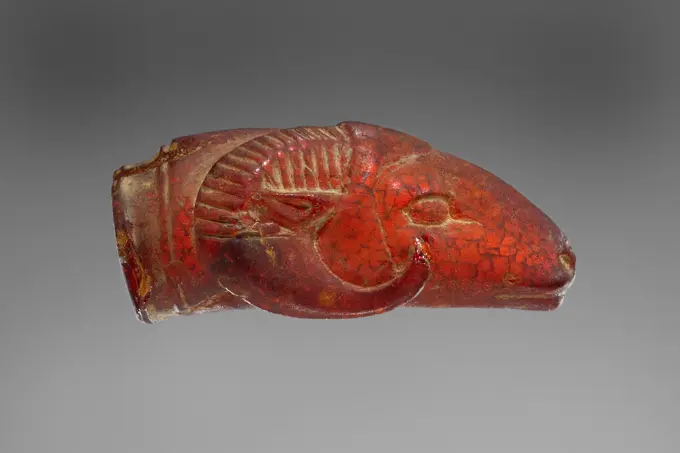
Pendant: Ram's Head; Italy; 500 - 450 B.C; Amber; 19 × 15 × 32.5 mm (3,4 × 9,16 × 1 1,4 in.)
4409-17386534
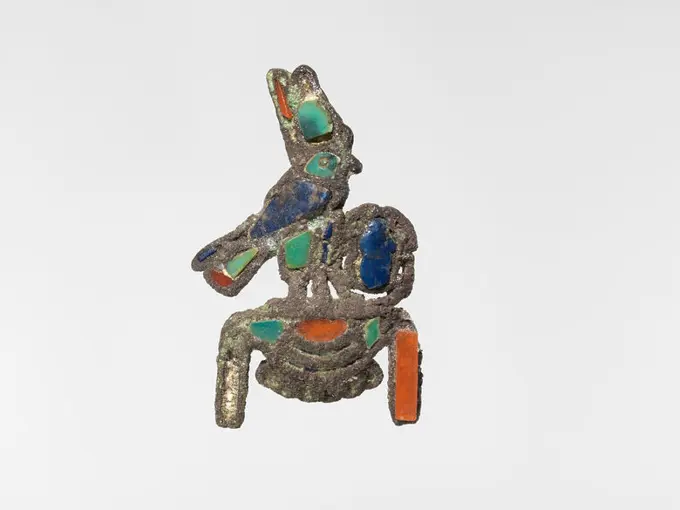
Jewelry element representing a falcon wearing a double crown. Dimensions: H. 2.9 cm (1 1/8 in.); W. 1.8 cm (11/16 in.); Th. 0.5 cm (3/16 in.). Date: ca. 1887-1750 BC.This ornament depicts a crowned falcon sitting on a nb-sign, the word for gold, with a scarab beetle at the bird's feet. Surprising many of the piece's inlay are still present, whose strong colors add to the striking nature of the piece. Museum: Metropolitan Museum of Art, New York, USA.
4409-20920097
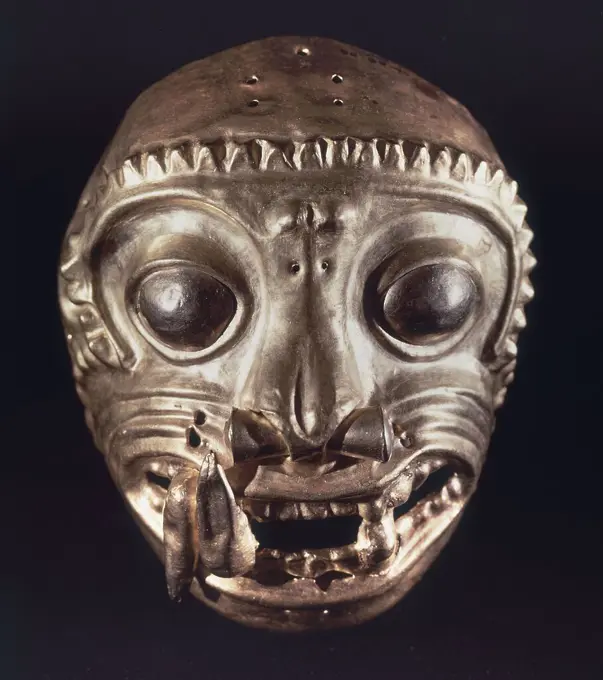
MASCARA ZOOMORFA DE ORO Y PLATINO. Location: PRIVATE COLLECTION. QUITO. ECUADOR.
6145-29799133
Pottery Whistle ca. 300-900 Mexican. Pottery Whistle. Mexican. ca. 300-900. Clay. Classic Period (Pre-Columbian). Oaxaca valley, Mexico. Aerophone-Whistle Flute-whistle
6145-29185566
Worker Shabti of Nauny ca. 1050 B.C. Third Intermediate Period See 30.3.26.1a, b. Worker Shabti of Nauny 625746
1788-22960
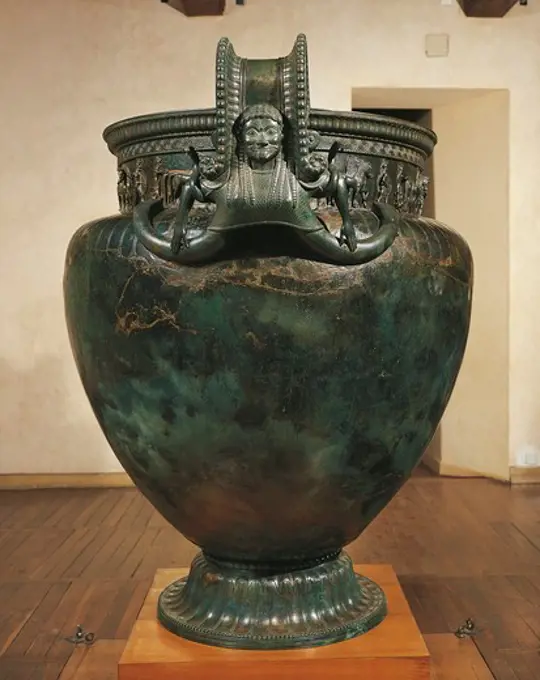
France, Burgundy, Vix krater (vase used to mix wine and water), from the Vix Grave, bronze
6145-29234620
Worker Shabti of Nany ca. 1050 B.C. Third Intermediate Period See 30.3.27.1a, b. Worker Shabti of Nany. ca. 1050 B.C.. Faience. Third Intermediate Period. From Egypt, Upper Egypt, Thebes, Deir el-Bahri, Tomb of Meritamun (TT 358, MMA 65), first corridor, burial of Nany, MMA excavations, 1928-29. Dynasty 21
4409-17413626
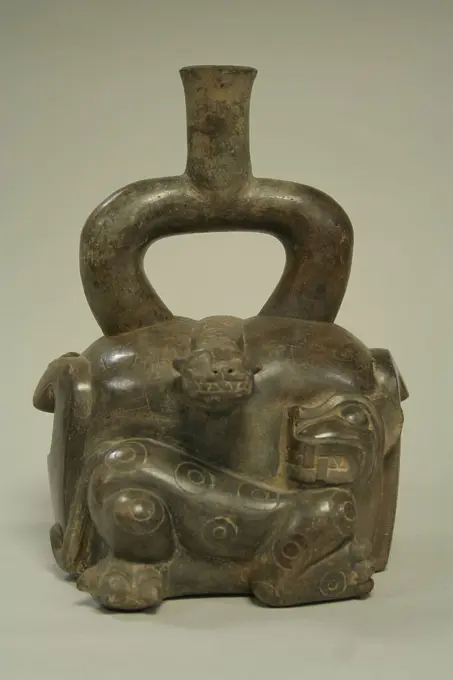
Stirrup Spout Bottle: Feline and Serpent. Culture: Cupisnique. Dimensions: H x W x D: 9 1/2 x 7 1/2 x 6 1/2 in. (24.1 x 19.1 x 16.5 cm). Date: 12th-5th century B.C.. Museum: Metropolitan Museum of Art, New York, USA.
6145-29239681
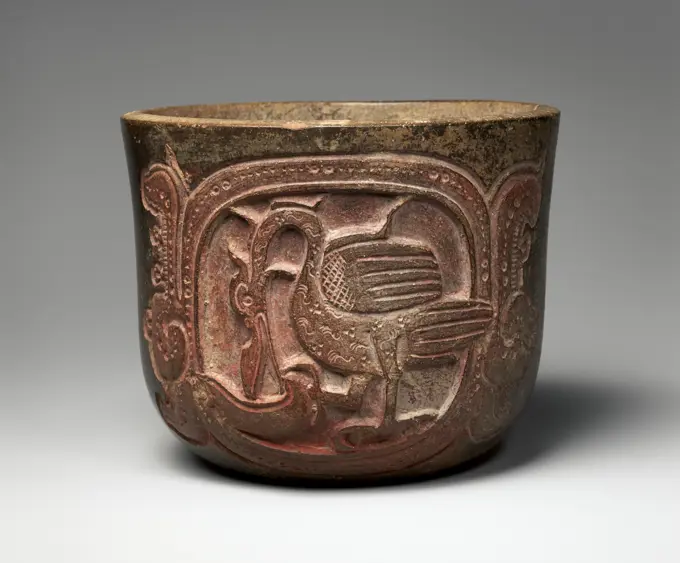
Vessel with Water Bird and Hieroglyphic Text 7th-9th century Maya A Maya artist of the Late Classic Period (ca. A.D. 650-900) hand built this hemispherical ceramic drinking cup out of orange-brown clay from the northern Yucatan Peninsula. Before firing, the surface of the clay was gouged and incised to create a cartouche enclosing a water bird (perhaps cormorant or a heron) grasping an object, and a diagonal band of six hieroglyphic text blocks. The dark brown mineral slip and style of carving are characteristic of a ceramic style known as Chocholá, named after a small town in the northern Yucatan Peninsula from which similar vessels reportedly came.. Vessel with Water Bird and Hieroglyphic Text. Maya. 7th-9th century. Ceramic. Mexico. Ceramics-Vessels
1848-55026598
Mythreya, Terracotta figurine, 7th century A. D collected at Muttom near Boluvampatti, Coimbatore, Tamil Nadu, South India, India, Asia
990-4211
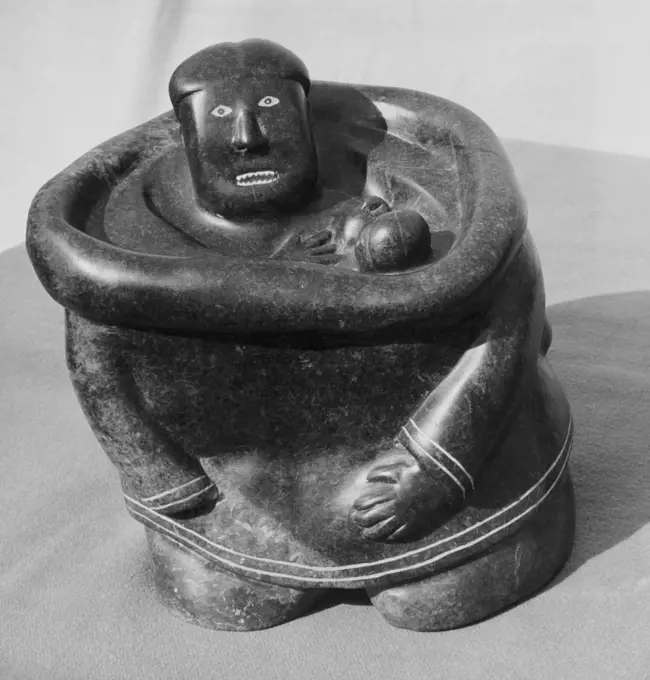
Eskimo Carving of a Nursing Mother Artist Unknown Soapstone
1788-23996
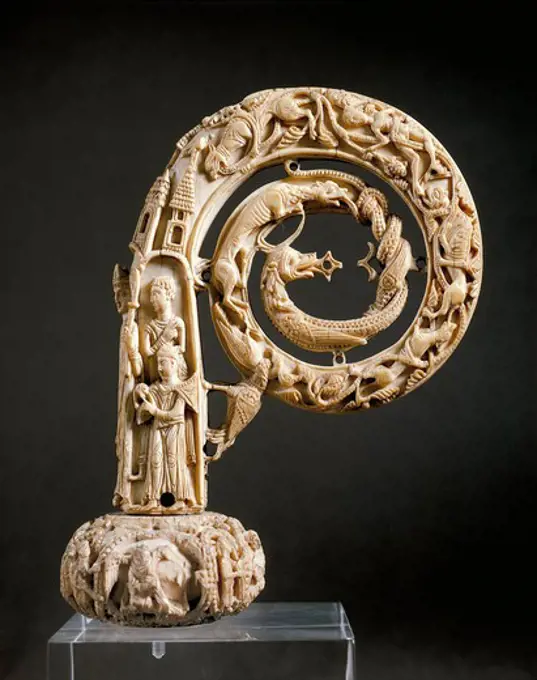
Ivo of Chartres' carved ivory crozier, Curved top from Treasury of Beauvais Cathedral
6145-29155807
Pottery Rattle 600-900 Mayan Rattle in the shape of a female effigy.. Pottery Rattle 501839
1788-22692
Tunisia, Carthage, Glass paste mask
6145-29153691
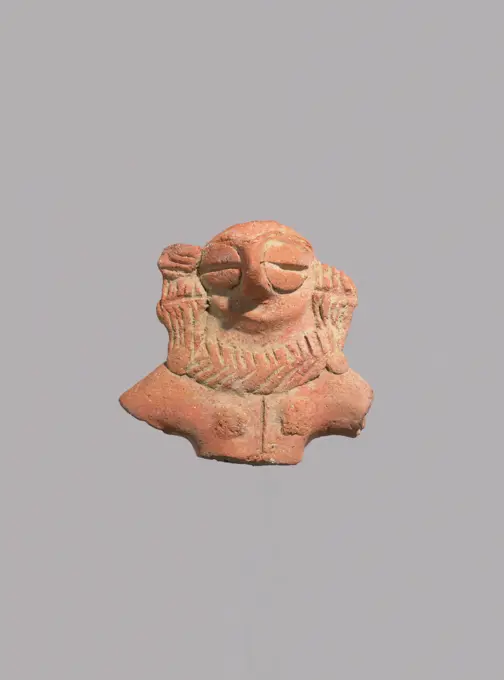
Eye idol ca. 3700-3500 B.C. This type of figurine known as an eye idol, made of stone and having incised eyes, has been excavated at Tell Brak, where thousands were found in a building now called the Eye Temple. They were probably dedicated there as offerings. Many are incised with multiple sets of eyes, others with jewelry, and still others with representations of "children"smaller eyes and body carved on the body of the larger idol. Wide eyes demonstrate attentiveness to the gods in much of Mesopotamian art.. Eye idol 324148
4409-17221363
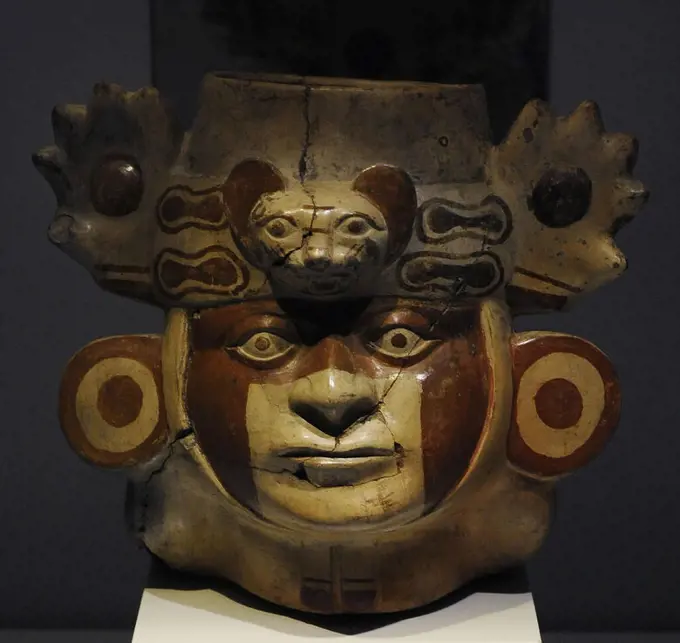
Vessel in the shape of a head with facial paint, earmuffs and a headdress in which the feline features highlight. Ceramics. Moche culture (100 BC-700 AD). Peru. Museum of the Americas. Madrid, Spain.
4409-17435168
Worker Shabti of Nany. Dimensions: H.8.8 × W. 3.5 × D. 1.8 cm (3 7/16 × 1 3/8 × 11/16 in.). Dynasty: Dynasty 21. Reign: reign of Psusennes I. Date: ca. 1050 B.C..See 30.3.27.1a, b. Museum: Metropolitan Museum of Art, New York, USA.
1788-19105
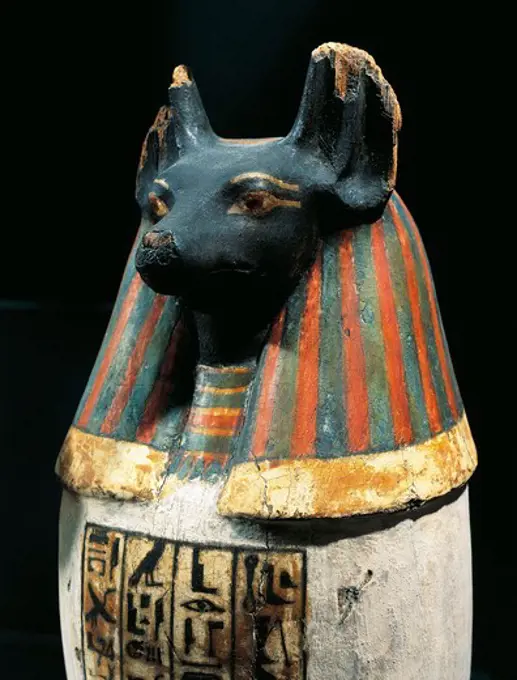
Canopic vase of Padiuf, priest of Amon, Duamutef in dog form, painted wood
6145-48829468
Pendant: Ram's Head. Unknown
1746-19676450
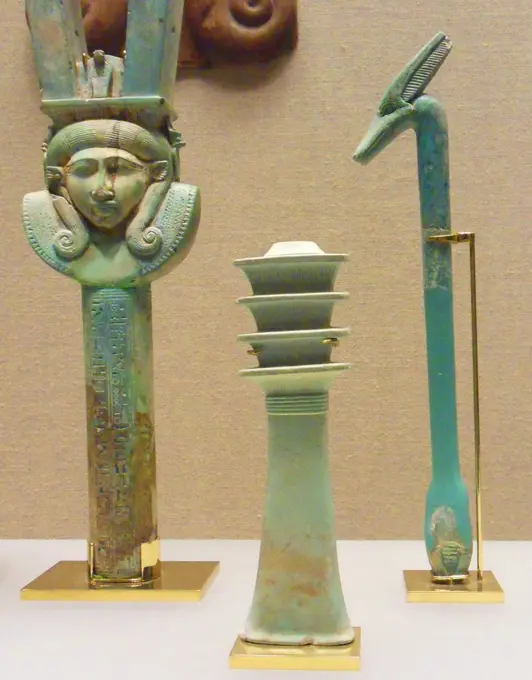
Temple Structure and Other Objects 400 B.C. Head of the Goddess Hathor on a Sistrum 400 B.C. , Sceptre excavated at Faras in Nubia 400 B.C. and Faience Djed Pillar of Osiris 400 B.C.
6145-29185624
Worker Shabti of Nany ca. 1050 B.C. Third Intermediate Period See 30.3.26.1a, b. Worker Shabti of Nany. ca. 1050 B.C.. Faience. Third Intermediate Period. From Egypt, Upper Egypt, Thebes, Deir el-Bahri, Tomb of Meritamun (TT 358, MMA 65), first corridor, burial of Nany, MMA excavations, 1928-29. Dynasty 21
1788-23465
Tunisia, Carthage, Amulets representing the God Ptah, Siliceous paste
6145-29156302
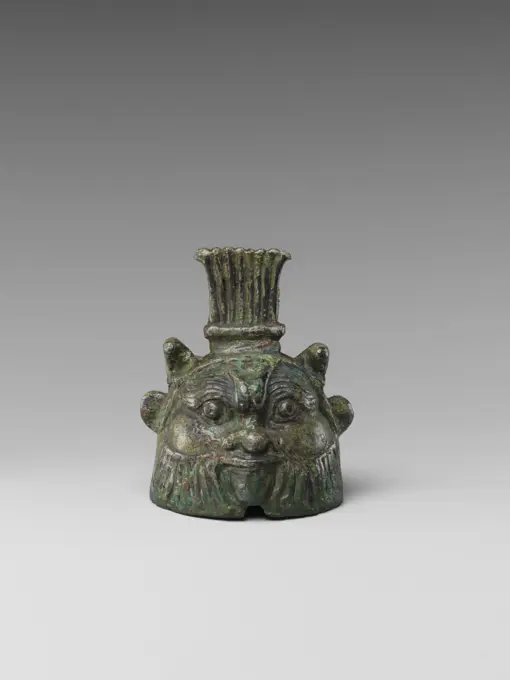
Bell in the form of Bes 332-30 B.C. Ptolemaic Period Bells began to appear in Egypt about the 8th century BC. This large bell is decorated with the face of Bes. A lizard peers over either ear, its body and tail curling around to the back of the bell.. Bell in the form of Bes 551369
4042-21776942
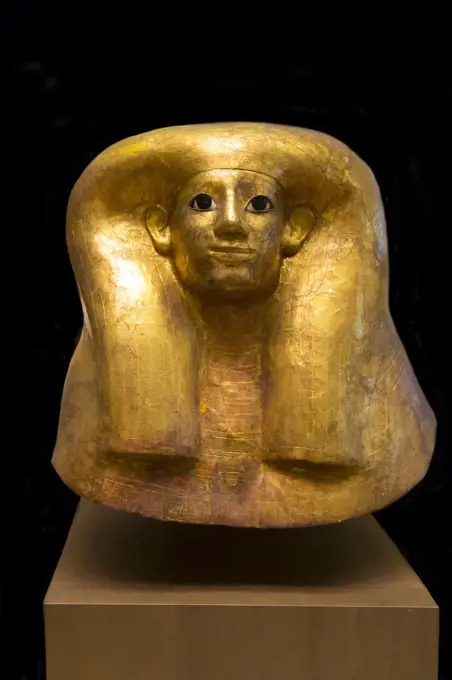
Hatnofers Funerary Mask, Metropolitan Museum of Art, Manhattan, New York City, USA, North America
6145-29730744
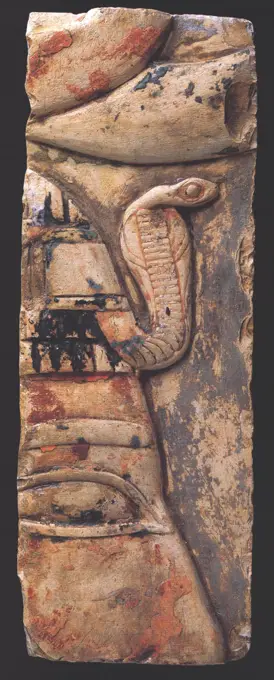
Relief fragment with a cobra on the royal head ca. 2020-2000 B.C. Middle Kingdom The temple of Mentuhotep II at Deir el-Bahri combined innovative building ideas with a relief decoration that was largely based on prototypes from the Old Kingdom pyramid temples in the Memphite area. Utterly destroyed by stone robbers in antiquity, this decoration was preserved in thousands of fragments. The relief fragment here depicts the king himself. Preserved are part of his head and headdress; the protective rearing cobra (uraeus) is at his forehead. Listen to experts illuminate this artwork's story Listen Play or pause #1120. Relief fragment with a cobra on the royal head Supported by Bloomberg Philanthropies We're sorry, the transcript for this audio track is not available at this time. We are working to make it available as soon as possible.. Relief fragment with a cobra on the royal head 544123
6145-43629610
Amulet - bóg Horus. unknown, author
1558-28678341
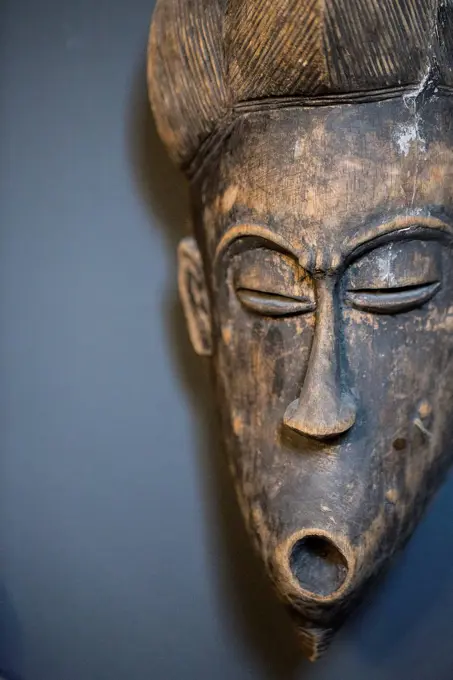
Ethnic mask hangs on a dark wall
6145-29798463
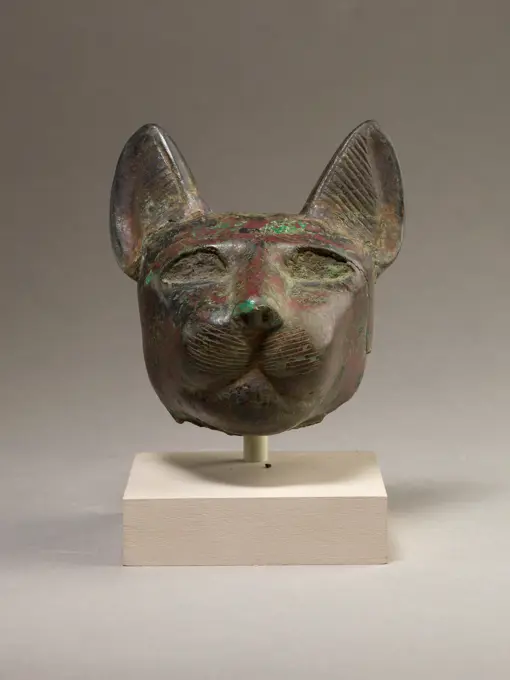
Head of a cat 664-332 B.C. Late Period The cat was sacred to the goddess Bastet, and was offered in sanctuaries and deposited in animal necropoleis throughout Egypt. This cat has deep-cut eyes for the addition of inlay and fine, incised lines marking the tufts of hair on the ears and the whiskers. From the way the figure is broken, it is hard to know if this piece was a separately crafted cat head or was a fragment from one continuous cupreous casting of a seated cat. It is comparable in size and shape, however, to figures such as 04.2.589, which suggests that it was designed as a separately cast head.The function of these large cat heads is ambiguous. They have been found in offering contexts, and it is commonly assumed that they formed part of a composite statuette; the full statuette, when intact, probably would have had a hollow wooden body and held a cat mummy inside, much as similar large hollow copper alloy statuettes did. However, these figures are almost never found with the c
6145-29079524
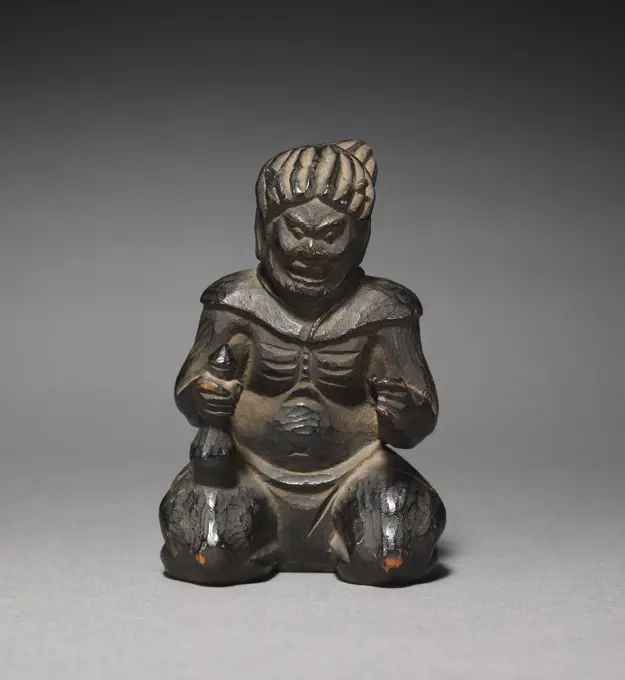
En no Gyōja with Zenki and Kōki (Kōki), 1615-1868. Japan, Edo period (1615-1868). Wood and paint; overall: 8.5 x 5.5 x 4.5 cm (3 3/8 x 2 3/16 x 1 3/4 in.).
1746-21107498
Greenstone mask of a mythical dignitary ancestor, or captive from Mexico. Dated 150 AD
6145-29820033
Statuette 18th century or earlier China. Statuette 61637
6145-48529628
Uszebti. unknown, author
1746-21107497
Greenstone mask of a mythical dignitary ancestor, or captive from Mexico. Dated 150 AD
6145-29754068
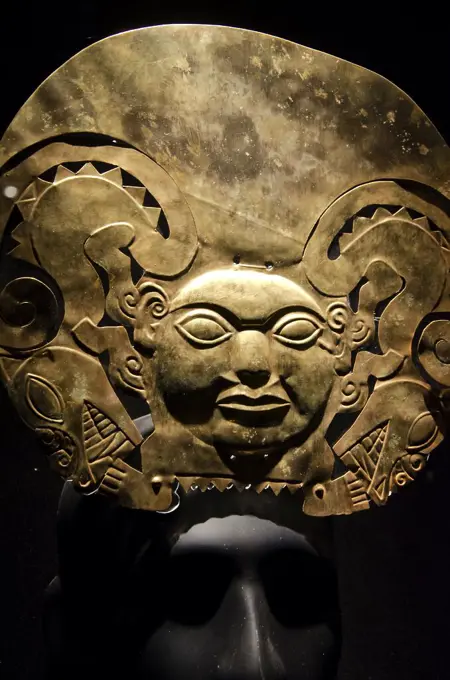
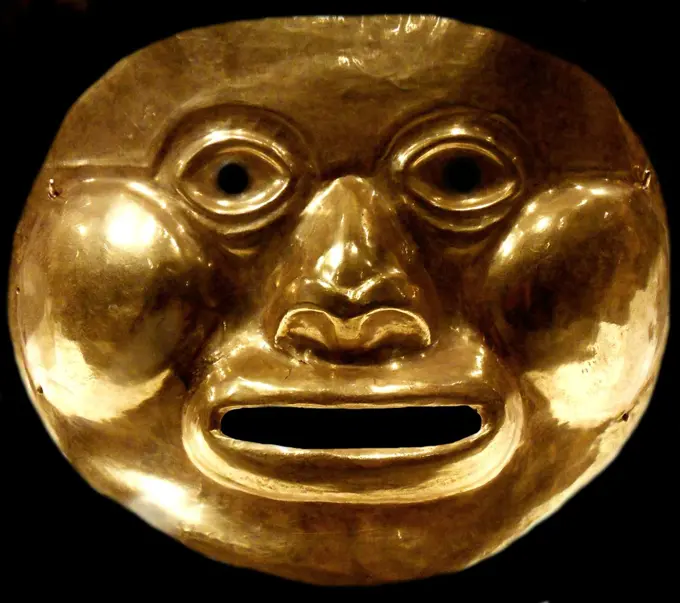
Gold Funerary Mask 9th-11th century Lambayeque (Sicán). Gold Funerary Mask 312724
6145-29067217
Cup, c. 900-600 BC. Peru, North Coast, Cupisnique style (1200-200 BC). Steatite; overall: 6 x 5.3 cm (2 3/8 x 2 1/16 in.).
4409-17384918
Costume Ornament. Culture: Peru; north coast (). Dimensions: D. 7 1/2 in. (19.1 cm). Date: 11th-12th century. Museum: Metropolitan Museum of Art, New York, USA.
6145-46445740
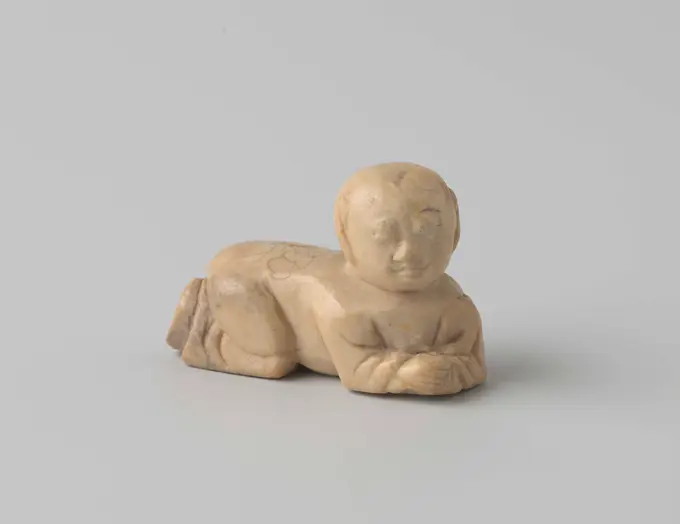
A crawling children's figure of soapstone. A crawling children's figure of ivory-colored soapstone. On the back of bullying flower branches.
6145-29146345
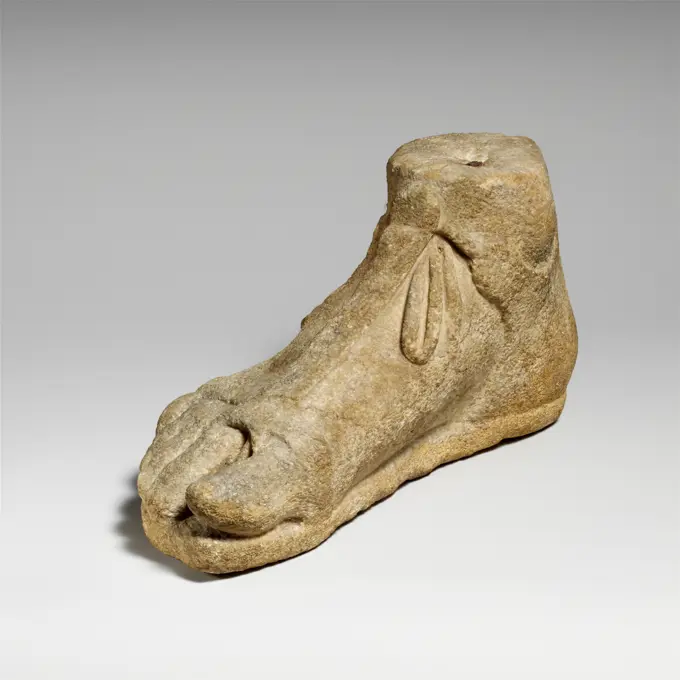
Limestone right foot ca. 330-30 B.C. Cypriot The lifesize right foot is shod with a sandal that covers the heel.. Limestone right foot 244804
1788-14842
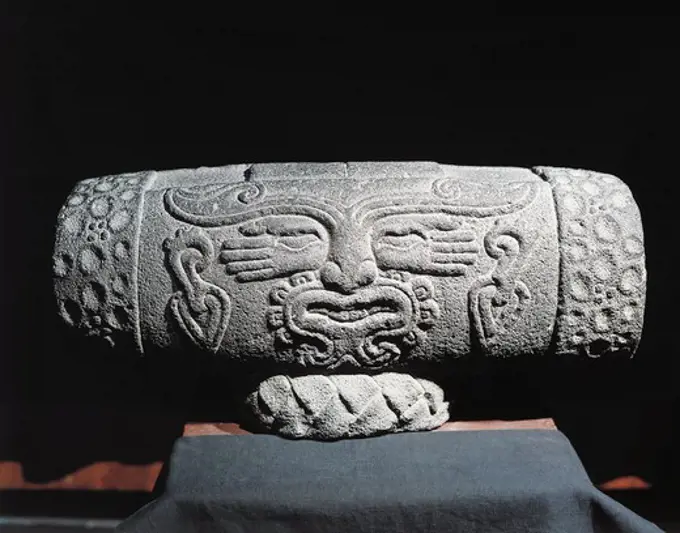
Mexico, Aztec civilization, Teponatzli stone drum from Mexico Valley
6145-29733933
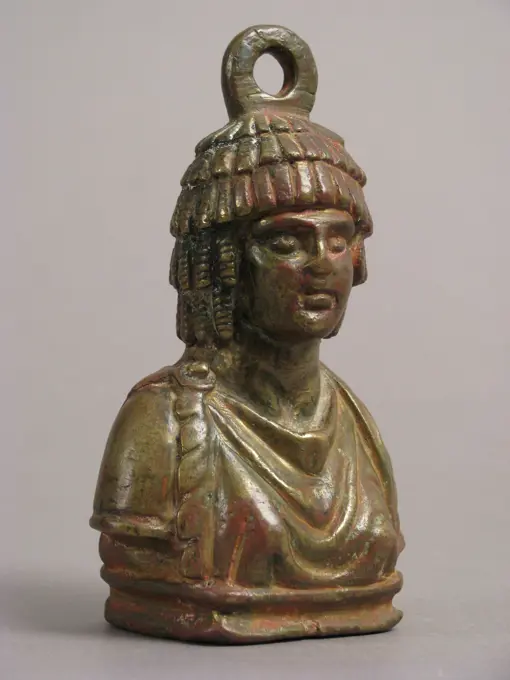
Steelyard Weight with the Bust of a Woman 4th century Byzantine The Egyptian goddess Isis, who became a popular divinity throughoutthe Roman Empire, may be represented on this weight.. Steelyard Weight with the Bust of a Woman 468586
4409-17404764
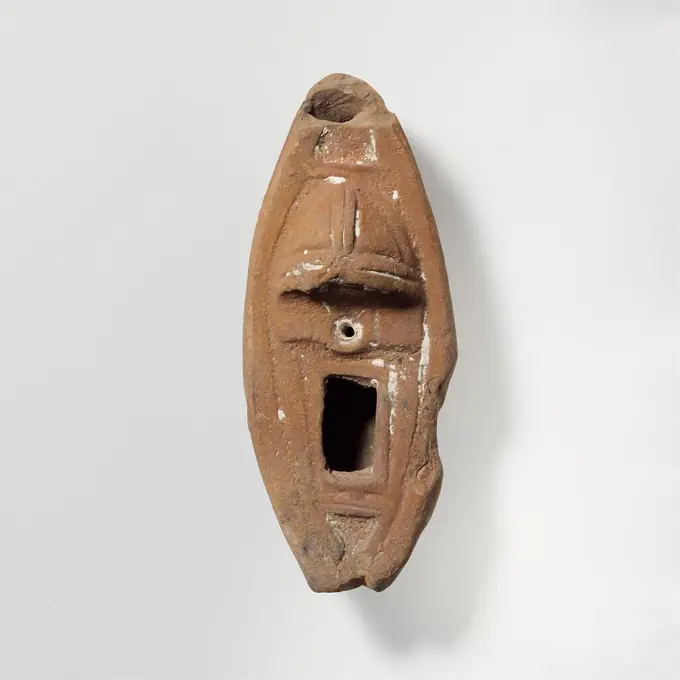
Terracotta model of a Nile boat. Culture: Roman, Egyptian. Dimensions: H.: 1 11/16 in. (4.3 cm)Other: 5 9/16 in. (14.1 cm). Date: ca. 2nd century A.D..It may have been a toy with detachable wooden mast and cloth sails. Museum: Metropolitan Museum of Art, New York, USA.
1158-1771
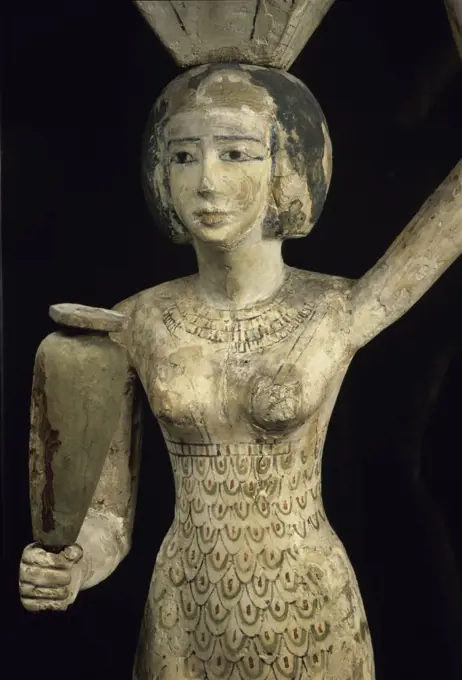
STATUE OF THE OFFERING PORTER EGYPTIAN ART d Musee du Louvre, Paris
1746-29965731
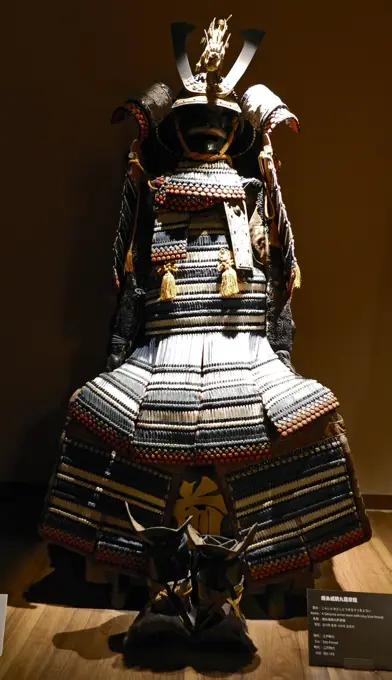
17th century Samurai warrior helmet
1746-19689125
Set of bronze armor, Greek, South Italian, Apulian, ca. 330 B.C.
1848-63262666
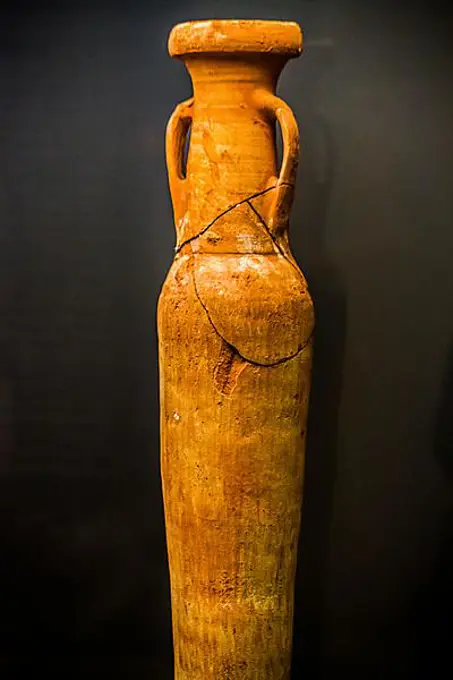
Amphora from the late ancient period, Egnazia Apulia Archaeological Park, Apulia, Italy, Europe
6145-29141409
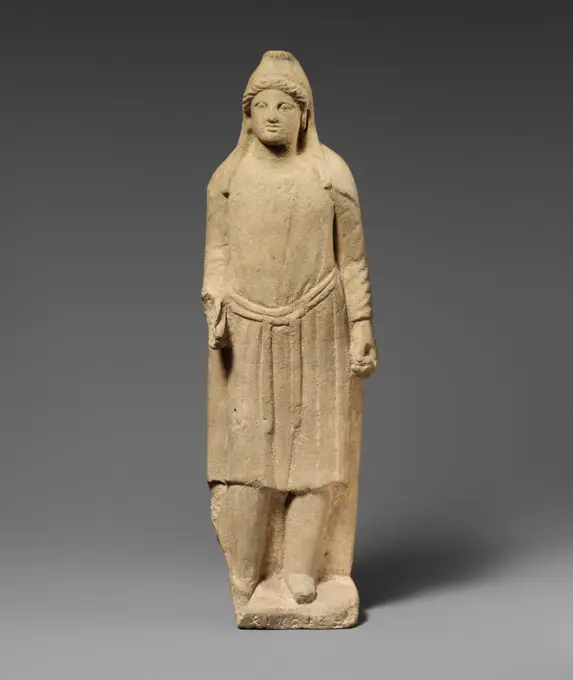
Limestone statuette of an oriental god or hero () 3rd century B.C. Cypriot The pendants hanging from the ears indicate that the figure is of eastern origin (or a woman). On the head is an oriental cap, the lappets of which fall forward onto the chest.. Limestone statuette of an oriental god or hero () 241893
4409-17390698
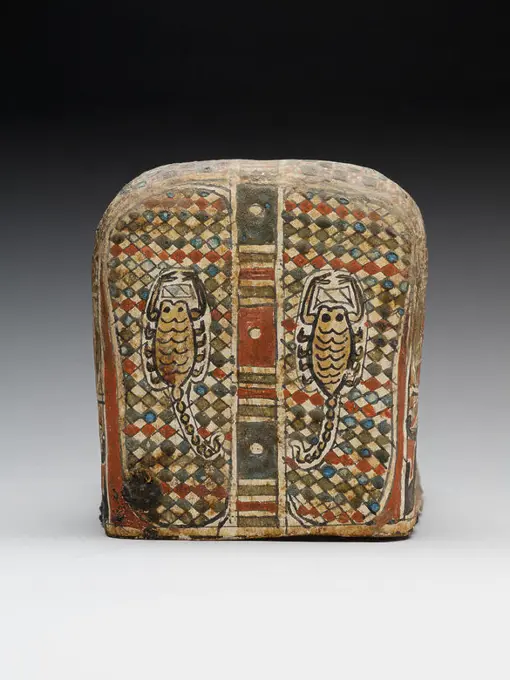
Foot covering from a mummy, with scorpions on soles. Dimensions: H. 11.5 cm (4 1/2 in.); W. 11.1 cm (4 3/8 in.); D. 13.6 cm (5 3/8 in.). Date: late 3rd century BC-1st century AD.This is the footcase cartonnage of a small mummy. Cartonnage cases made of several individual pieces are characteristic of the period post 3rd century B.C. Mummies in gallery 133 have sets of this sort.The footcase depicts the soles of two sandals with a scorpion crushed beneath each one. The imagery reflects the ancient Egyptians' desire to control the dangerous elements of their world, a concern that here is transferred to the world of the afterlife. On the mummy, the scene was intended to give power to the deceased over the inimical forces that he would encounter on his nightly journey through the netherworld to-ward rebirth each dawn. Museum: Metropolitan Museum of Art, New York, USA.
1788-10735
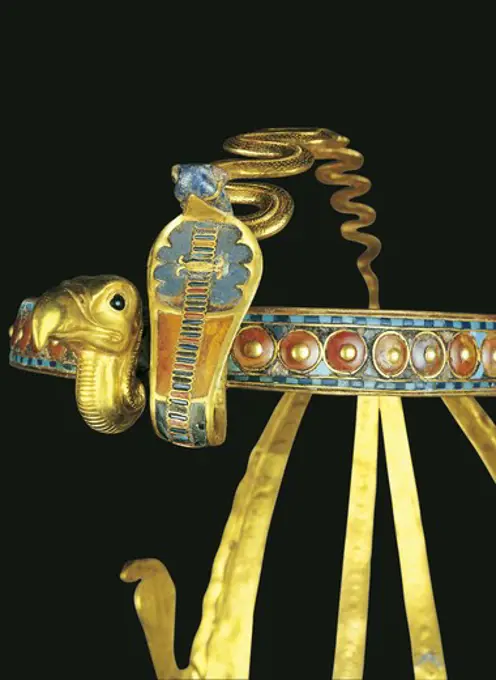
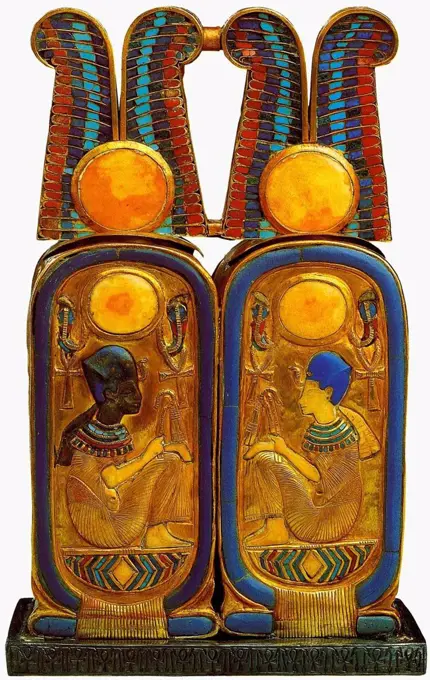
Egypt, Thebes, Luxor, Valley of the Kings, Tomb of Tutankhamon, Treasures of Tutankhamon, Royal diadem
6145-29130447
Coin of Unidentified King: Laksmi Standing on Lotus (obverse); Swastika on Stand (reverse). Sri Lanka, circa 137-59 B.C.. Tools and Equipment; coins. Copper or copper alloy
4443-28730809
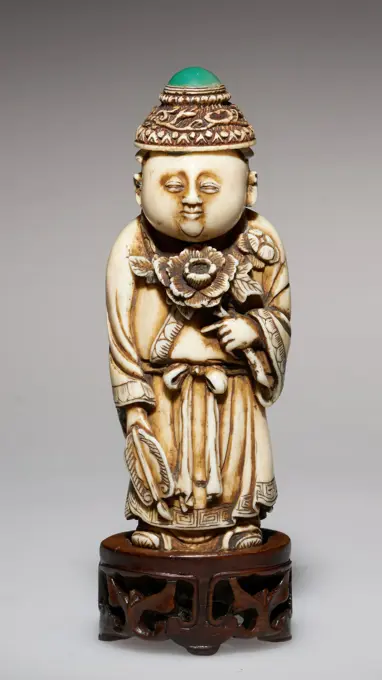
Snuff Bottle, 1900-1935, 4 x 1 1/2in. (10.2 x 3.8cm), Ivory, China
1746-28980798
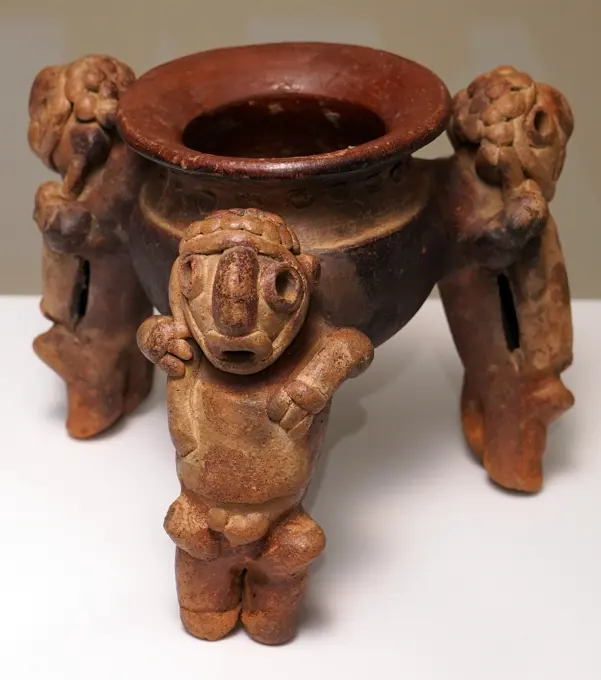
Ceramic tripod rattle chocolate vessel from Costa Rica. Dated 6th Century
6145-29135223
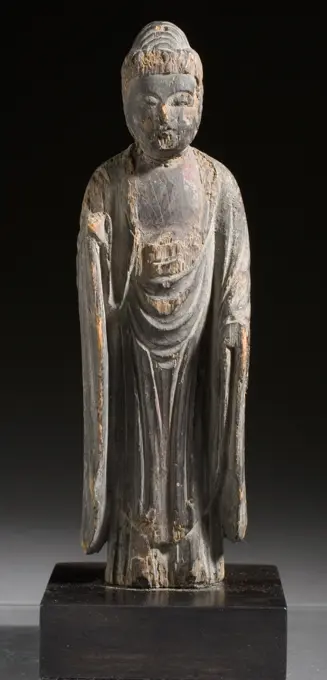
Shakyamuni Buddha. Korea, Unified Silla dynasty (668-935). Sculpture. Carved wood with traces of lacquer
1746-21101233
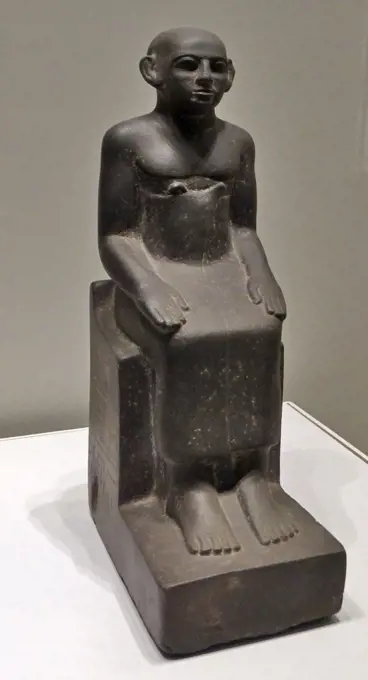
Statuette of Montuhotep, scribe of the chief minister of state, seated on a chair. From the 18th century BC
1746-21111356
Ancient terracotta trophy heads, from the Pre-Hispanic regions of Central America, Costa Rica. Dated 10th Century
6145-29736596
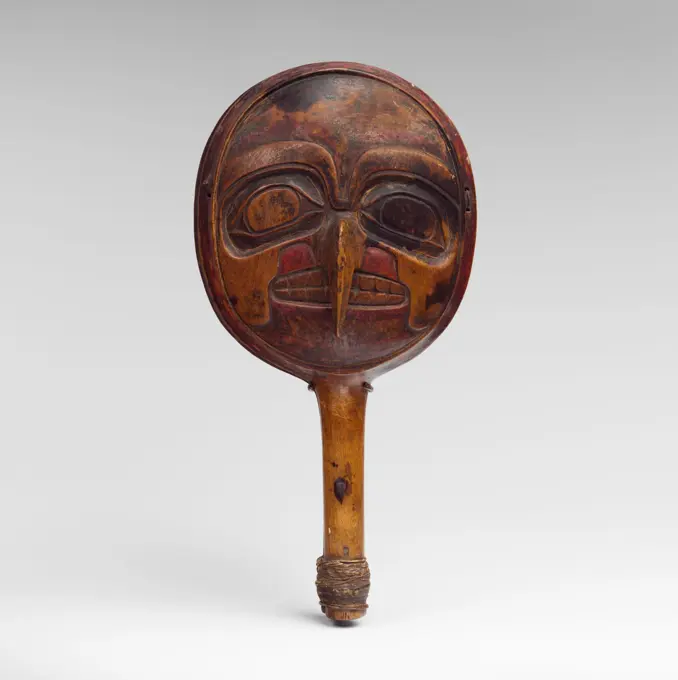
Rattle ca. 1880 Native American (Haida or Tsimshian) Rattles like this were most likely used during dance rituals of the Haida or Tsimshian. Spherical in shape with two diametrically opposed faces, this rattle represents typical carving of Northwest Coast people, exhibiting form-line carving in low relief. The cutawaydarkenedsections represent an equally significant aspect of the composition. Low-relief carving in this style makes a play on the relationship between negative and positive space. One side of the rattle depicts a face in quintessential form-line ornament, with ovoid and U-shaped realizations of the space between the form-lines. The opposite side of the rattle depicts a hook-nosed bird figure, possibly a hawk or raven, the nose protruding from the low relief of the face. There is evidence of red and black pigment as embellishment on both sides of rattle. This wooden rattle is constructed in two pieces carved to form a hollow chamber. Small holes carved near edges of both
6145-29189010
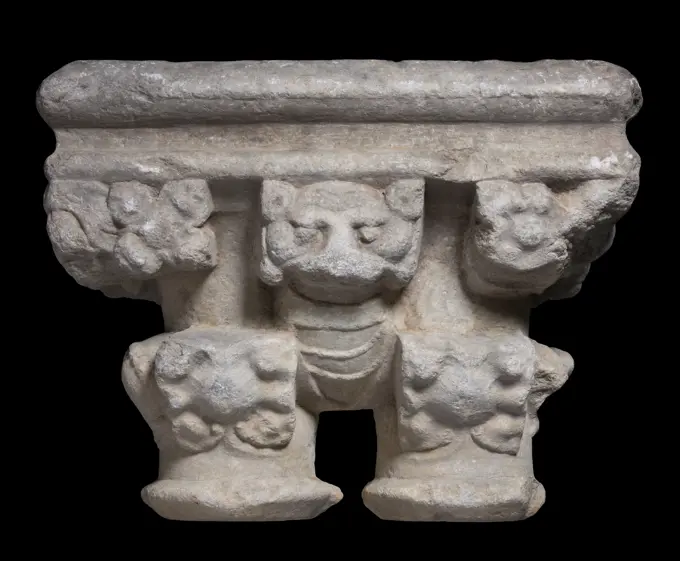
Double Capital 13th-14th century French. Double Capital 471335
6145-29847507
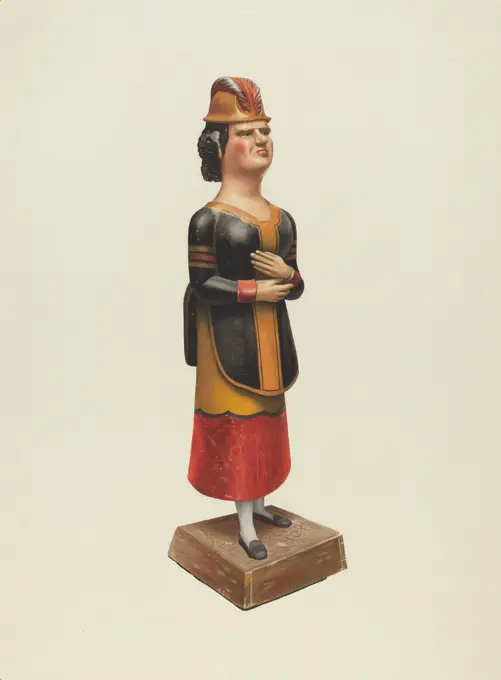
George Constantine, Tradesman's Sign, c 1937 Tradesman's Sign
6145-29728837
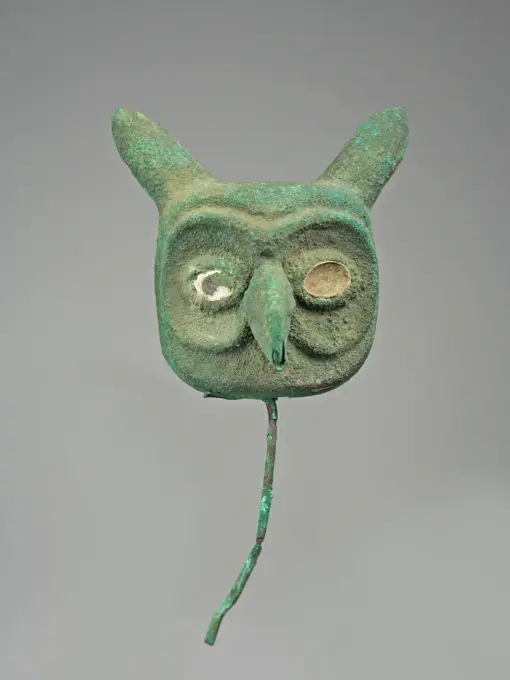
Owl Head 6th-7th century Moche (Loma Negra). Owl Head 315107
6145-43629615
Fragment figurki Izydy. unknown, author
6145-46804146
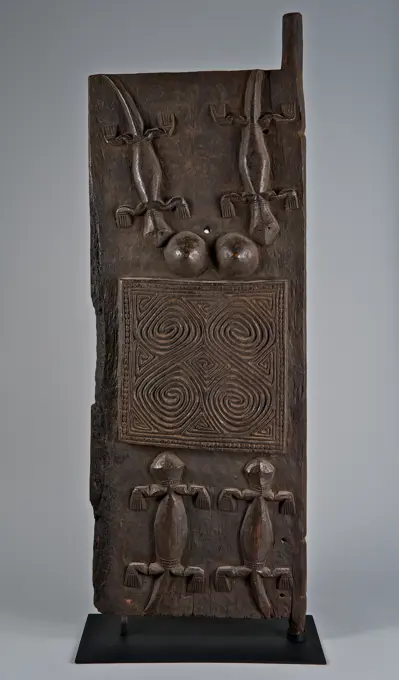
Door
4409-17373781
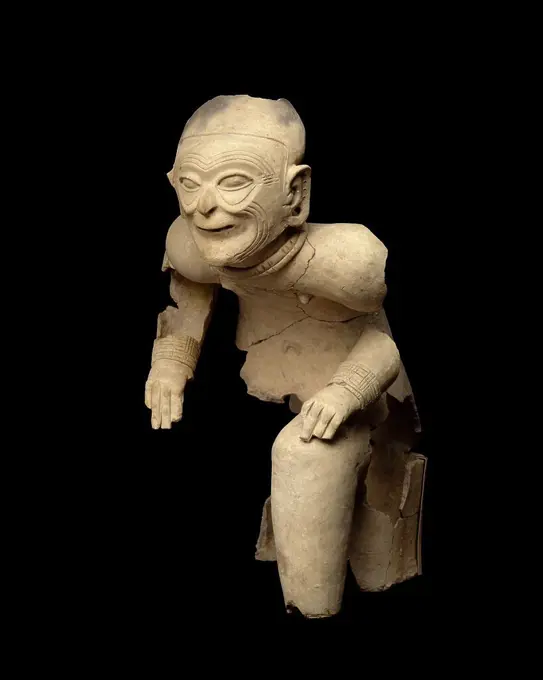
Seated Figure. Culture: Tolita-Tumaco. Dimensions: H. 25 x W. 14 1/2 x D. 13 in. (63.5 x 36.8 x 33cm). Date: 1st century B.C.-A.D. 1st century.This vivid figure is representative of a well-known type of seated male figure from the Pacific coast region of northern Ecuador and southern Colombia. Low-lying and swampy--and inhospitable to the later Spanish colonists of the 1500s--the area was home at the turn of the first millennium A.D. to the people of the Tolita-Tumaco culture, who made large ceramic sculptures with great skill. These three-dimensional works of impressive size, which today are usually fragmentary, stand out within the larger corpus of Precolumbian South American ceramic works primarily for their size and their uncommonly expressive portrayal of the human face and figure. The example here has the face of old age--with wrinkles, baggy skin beneath the eyes, only a few remaining teeth, and stubble on the chin; but these features only enhance the presence and heighten the d
4409-17410264
Armor (Gusoku) of the Maeda Family. Culture: Japanese. Dimensions: as mounted: H. 55 in. (139.7 cm); W. 29 in. (73.4 cm); D. 21 in. (53.3 cm); Wt. approx. 48 lb. (21.8 kg). Date: 18th century.The armor is decorated in several places with the plum blossom mon (heraldic emblem) of the Maeda family, who were daimyo (feudal lords) of Kaga Province (the southern part of present-day Ishikawa Prefecture) and the second largest landowners in Japan after the Tokugawa family. Museum: Metropolitan Museum of Art, New York, USA.
4409-63013086
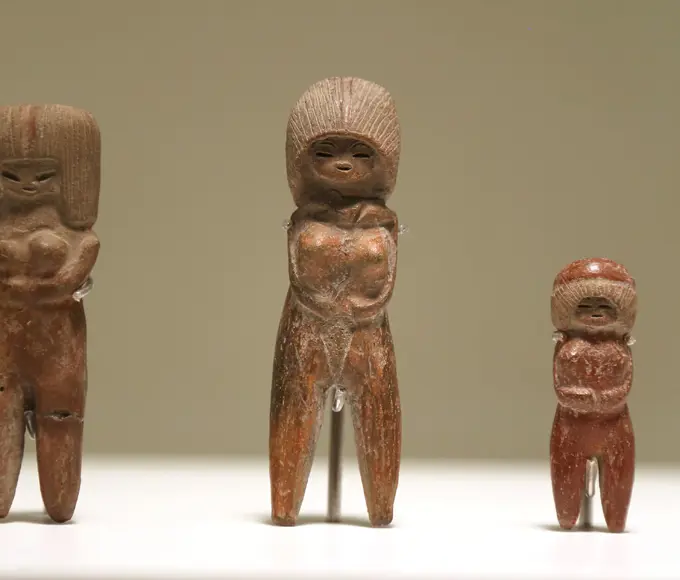
Pre-Inca era. Valdivia culture. Ecuador 3500-1800 BC. Ceramic female figurine. Museum of Cutures of the World. Spain.
6145-45808990
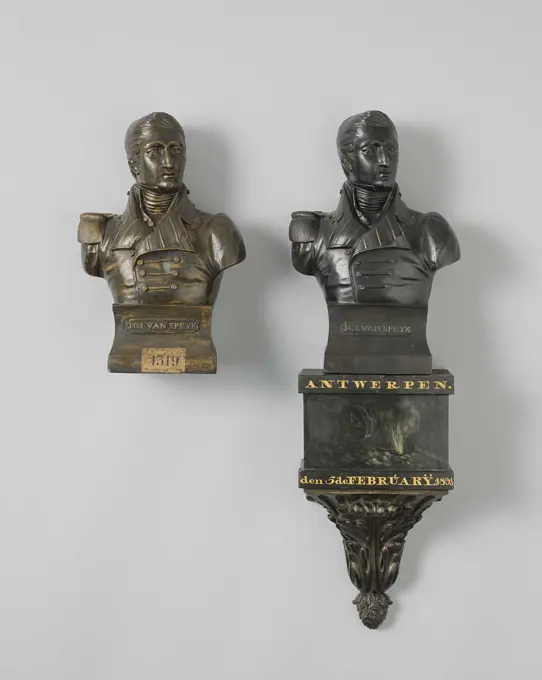
Bust or J.C.J. Van Speyk (1802-1831). Two bubbles from J.C.J. From Speyk and one base. Two identical bronze busts of a Dutch naval officer, the head light turned to the left. He is wearing a uniform and a military willem order. The busts of the bubble belongs to which the blast of the portrait ship is depicted. The base is finished at the bottom with a garland.
4443-28732326
Pole Top, 899-400 BCE, 6 1/4 x 2 1/2in. (15.9 x 6.4cm), Bronze, Persia (Iran), 9th-4th century BCE
1788-23331
Romania, Bucharest, Muzeul National de Istorie al Romaniei, 5th Millennium B.C., Terracotta male figure with decorations
6145-29828207
Statuette of a Woman 6th century B.C. Etruscan Draped.. Statuette of a Woman 246397
6145-46838612
Shield
1788-18982
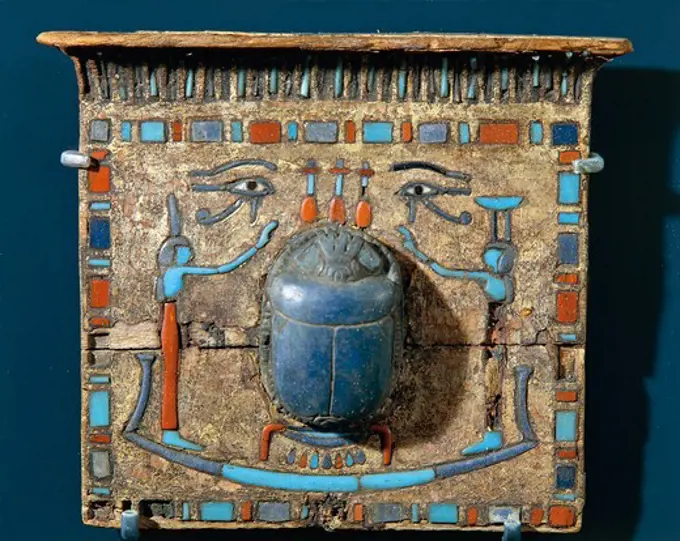
Ornament of a mummy: pectoral with scarab made of lapis lazuli
6145-29835219
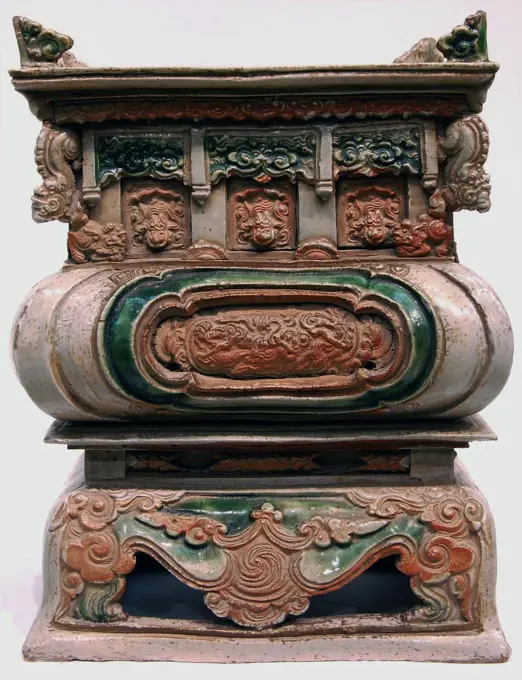
Incense burner cyclical dated listed in donor inscription, most probably 1635 Vietnam (Hai Zhong Province, Hong River delta). Incense burner. Vietnam (Hai Zhong Province, Hong River delta). cyclical dated listed in donor inscription, most probably 1635. Glazed stoneware with biscuit fired molded appliqué decoration. Ceramics
1746-19679424
Collection of Wooden Canopic Jar Lids 1550 B.C. Egypt
6145-29171402
Statuette of a woman votary, 5  ca. 700-500 B.C. Greek, Laconian. Statuette of a woman votary, 5  251595 Greek, Laconian, Statuette of a woman votary, 5 , ca. 700500 B.C., Lead, Height: 1 3/16 in. (3 cm). The Metropolitan Museum of Art, New York. Gift of A. J. B. Wace, 1924 (24.195.29)
4409-20987785
Pomeranian Culture. Iron Age. 7th-3rd century BC. Face-Urn. Burial urn with face. Poland. Archeological Museum of Gdansk. Poland.
4409-17544000
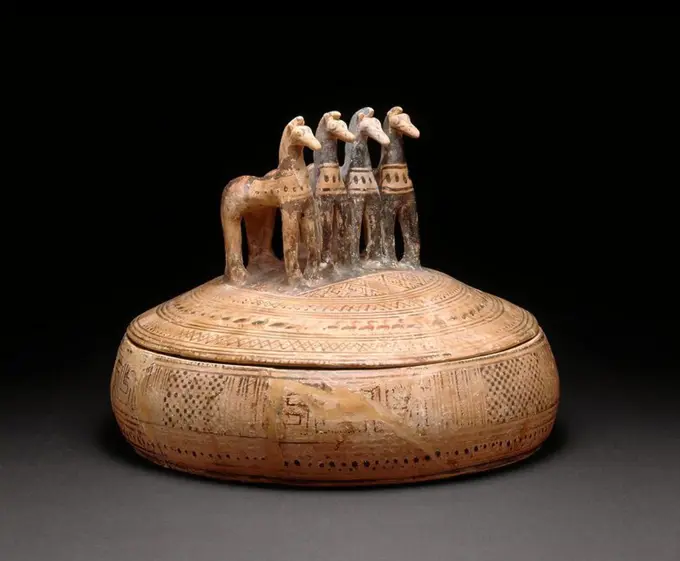
Pyxis (Container for Personal Objects). Greek; Athens. Date: 730 BC-720 BC. Dimensions: 25 × 33 × 33.3 cm (9 7/8 × 13 × 13 1/8 in.). Terra-cotta. Origin: Athens. Museum: The Chicago Art Institute, Chicago, USA. Author: ANCIENT GREEK.
1848-56092368
Wooden mask from Luba/Hemba, Zaire, National Museum of Culture, Pretoria, South Africa, Africa
4409-17288643
Madrid, M.A.N. Arte Egipcio. Baja Época. Procedencia desconocida. Colección T.Asensi.2293: Amuleto de Udyat, ojo sagrado de Horus. Fayenza. (alt.2.25, anch.0.5). s.VI-III a.c. 2238: Amuleto de Anubis, dios funerario, protector de la necrópolis y los difuntos. (alt.3.1, anch.0.7) s.VI-III a.c.2475: Amuleto de fayenza del pilar Dyed, símbolo de Osiris (la estabilidad del mundo, los seres, su duración). Alt.3, anch.0,.5. s.VI-III a.c. 2171:Amuleto de bronce del Dios Ptah, divinidad principal de Menfis, Dios creador de la palabra y padre de los dioses, de todas las cosas, patrón de orfebres. (alt.4, anch.1) s.VI-III a.c.2429: Amuleto de fayenza representando un halcón, simbolo del dios Horus. (alt.2.7, anch.1.4) s.VI-III a.c.
6145-29825297
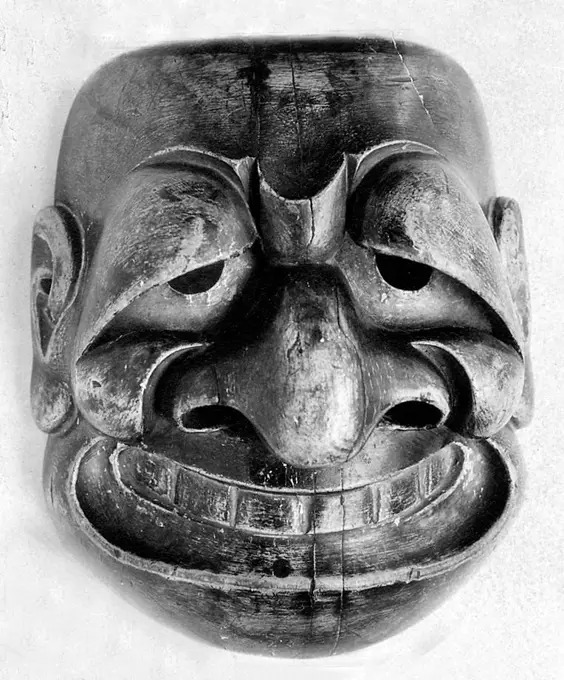
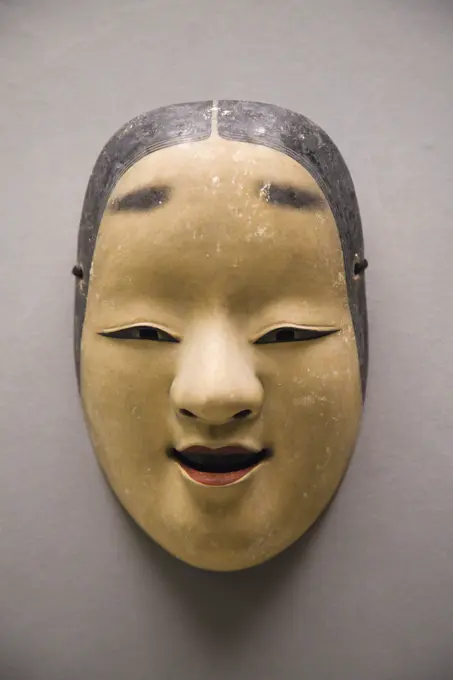
Noh mask 18th century Japan. Noh mask 60222
1746-21129843
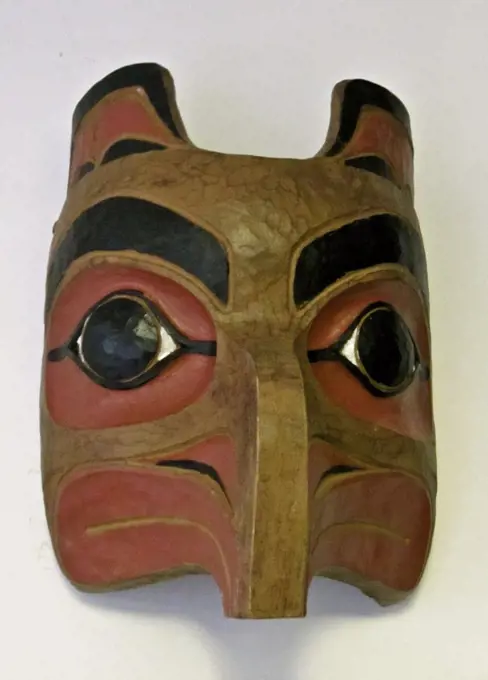
North American Indian art: Klingit Eagle Head from Ketchikan, S. E. Alaska. A tribal symbol of determination. Carved and painted wood.
4443-28730835
Snuff Bottle, 1850-1900, 3 3/4 x 1 3/8 in. (9.53 x 3.5 cm), Ivory, jade, China, 19th century
4409-20888214
Pre-Columbian Jewelry Moche culture 100 AC-800 AC Perú.
6145-29156384
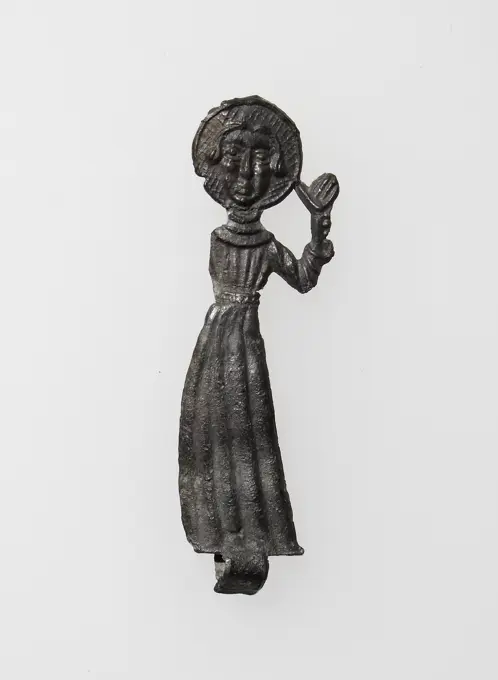
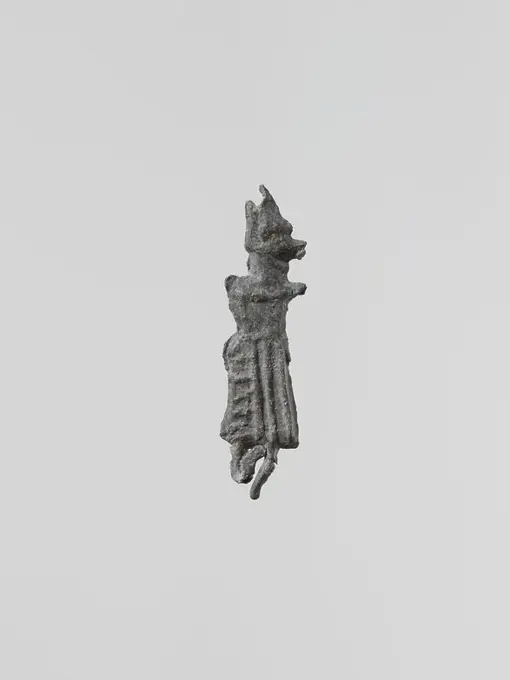
Pilgrim's Badge 14th-16th century French. Pilgrim's Badge. French. 14th-16th century. Lead. Metalwork-Lead
6145-29769421
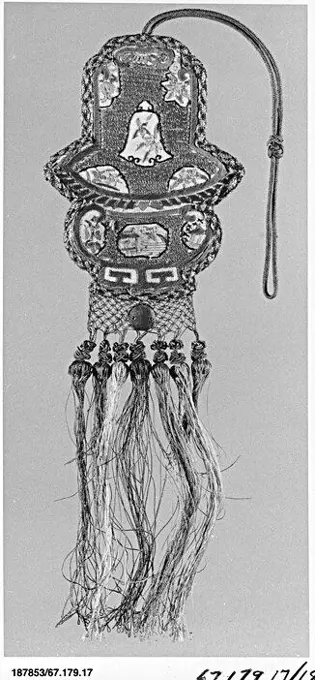
Case in Shape of a Covered Jar 19th century China. Case in Shape of a Covered Jar 70469
6145-29062666
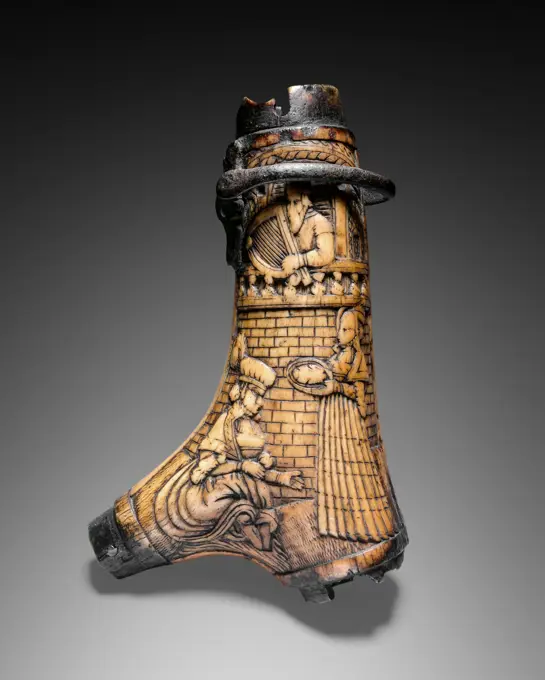
Powder Flask, c. 1580. Germany, late 16th Century. Staghorn (two branches) carved with relief, scene of David and Bathsheba; iron suspension loop; mounts missing; overall: 16.9 x 11.1 cm (6 5/8 x 4 3/8 in.). Powder flasks are small, portable containers designed to hold gunpowder. From the 1400s to the 1800s, powder flasks were indispensable for charging and priming firearms of all types. Without powder flasks firearms were of little use to their owners. Many highly decorated flasks rank as works of art. During the 1500s, they were frequently decorated with images of famous historical figures. Here the figures of King David and Bathsheba derive from the Old Testament.
6145-59013678
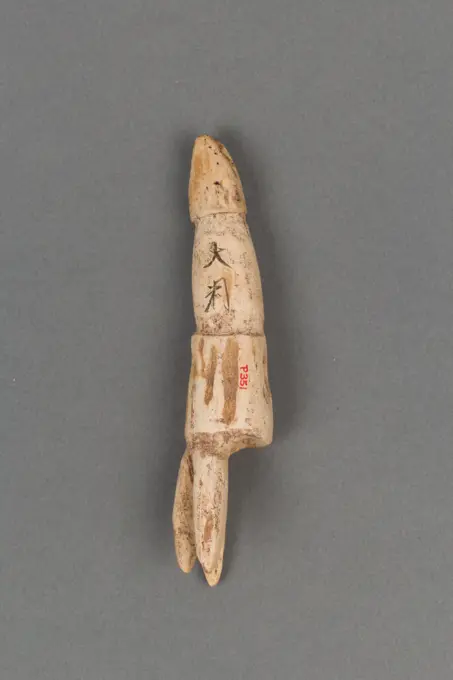
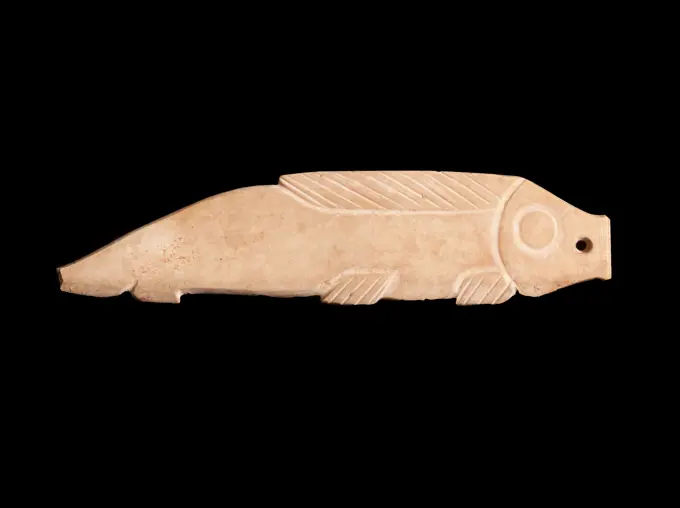
Small fish ". OS. Dynasty of Shang (1765-1122 BC), China. Paris, Cernuschi Museum. 101270-16 Asian art, Chinese art, art of extreme orient, Shang dynasty, Yin dynasty, Shang time, iieme II 2nd 2 millennial, bones, fish
6145-30155328
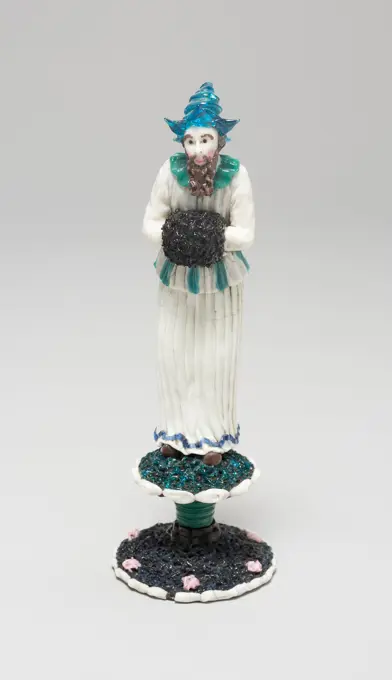
Actor in Star-Shaped Hat 1750-1799 France. Glass; lampwork (verre de Nevers), metal armature .
1525-25218783
tiki statue isolated on white background. traditional tiki
1746-19676341
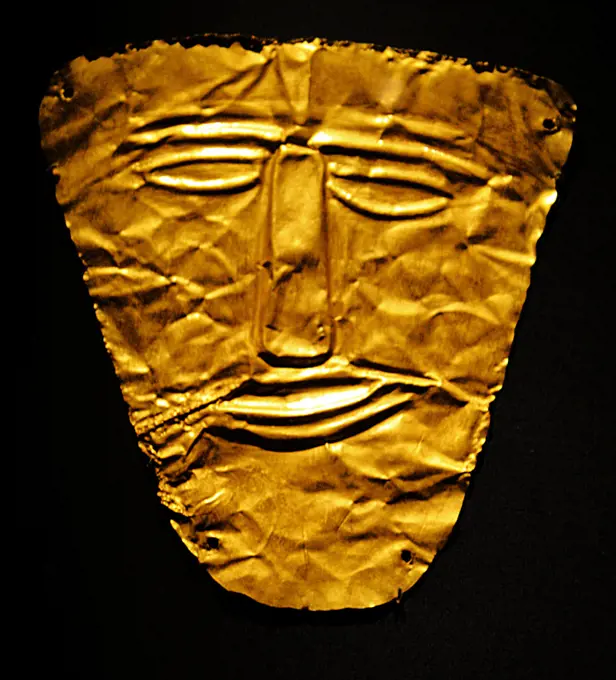
Funerary Mask 5th Century B.C. Hammered Gold.
1788-18875
Ancient Egyptian gold and faience statuette of Thoth as a baboon, dedicated to man named Horhetep, Ptolemaic Period
7012-69849153
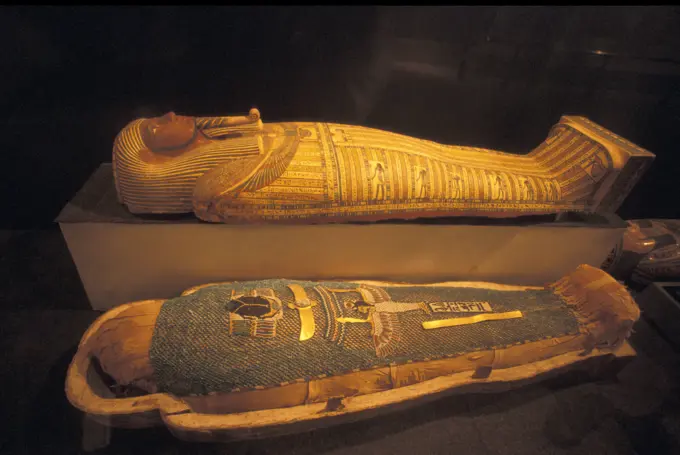
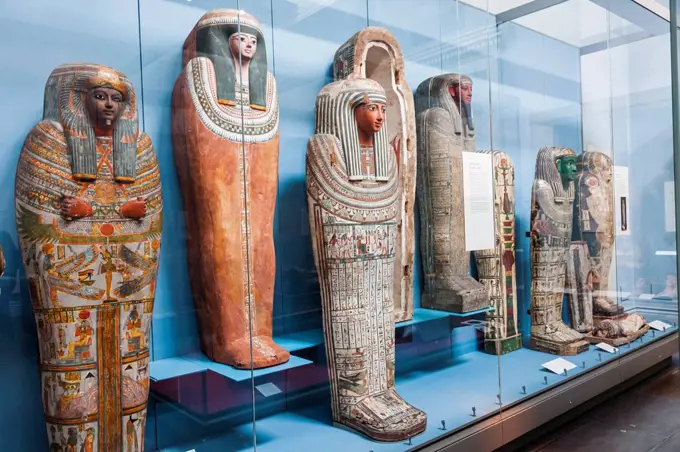
Africa, Egypt, Luxor. Luxor museum. Elaboratly decorated mummy casings (Editorial Usage Only)
6145-29762951
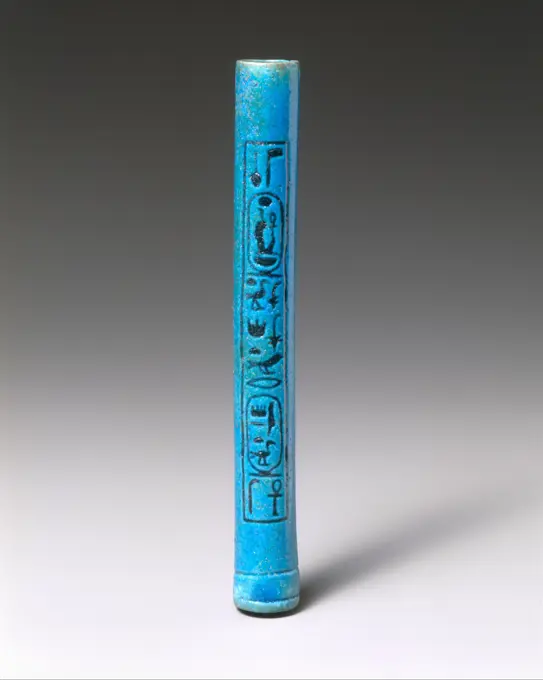
Kohl Tube Inscribed for Amenhotep III and Princess Sitamun ca. 1390-1352 B.C. New Kingdom This kohl tube of Egyptian faience has an inscription naming the eldest daughter of Amenhotep III, who also became his wife. The inscription reads: the King's Daughter and Great Royal Wife, Sitamun.. Kohl Tube Inscribed for Amenhotep III and Princess Sitamun 544512
6145-29799701
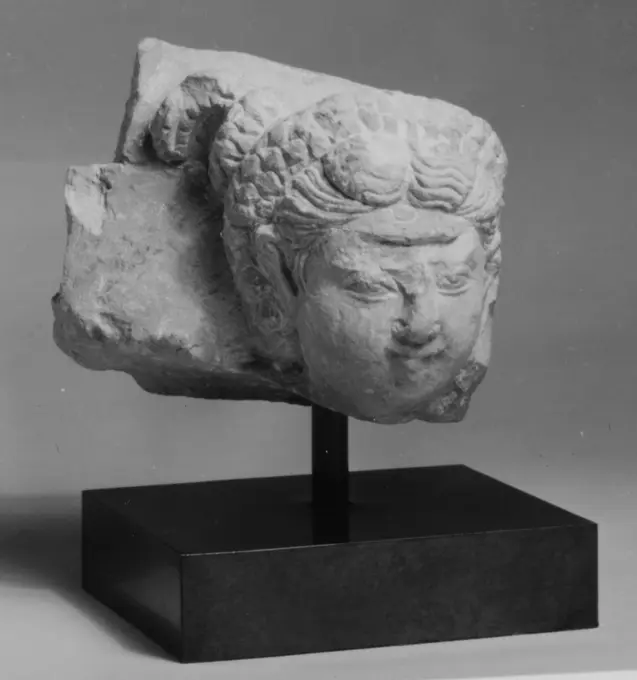
Female Head ca. 5th century Afghanistan. Female Head 38375
6145-30177413
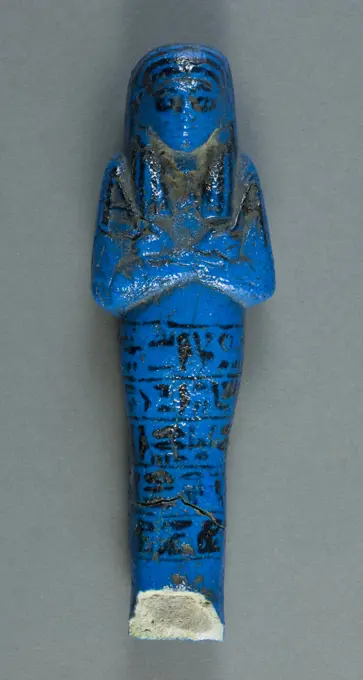
Shabti of the Supreme Chief of the ḫnr.t of Amun Nesikhonsu 1069 BCE-945 BCE Egypt. Faience . Ancient Egyptian
6145-29805396
Mask mid to late 19th century Tolai people. Mask 311960
4409-59907
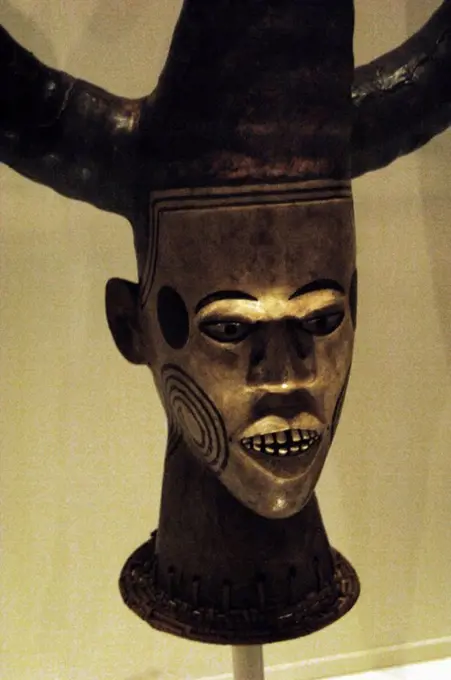
Africa. Nigeria. Ekoi mask. 19th century. British Museum. London. England. United Kingdom.
4409-20888248
Ceramic vessel Chavín culture 900 BC-200 BC Perú.
1899-18611389
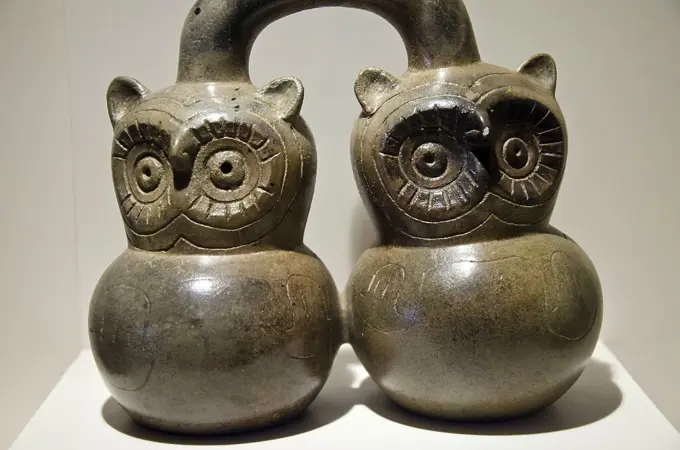
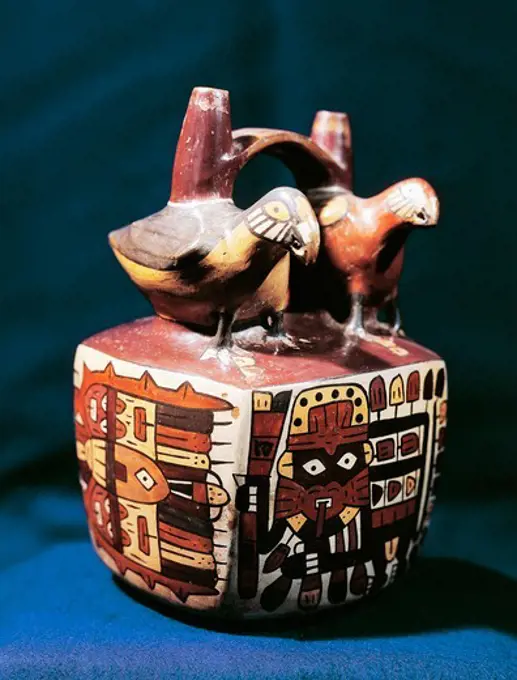
Double vessel. Chimu-Inca culture. Late Horizon (1470-1532 AD). Peru. Ceramic. Museum of the Americas. Madrid, Spain.
1788-17373
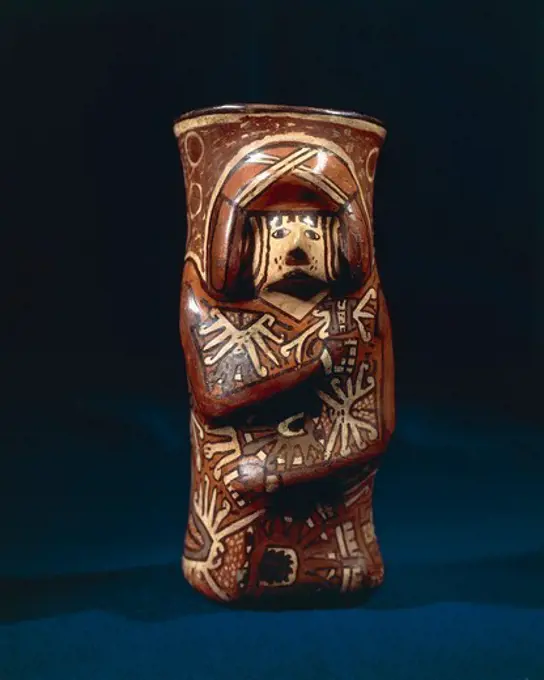
Pre-Inca civilization, Peru, 3rd-10th century. Nazca culture, polychrome ceramic anthropomorphic vase.
4409-17373418
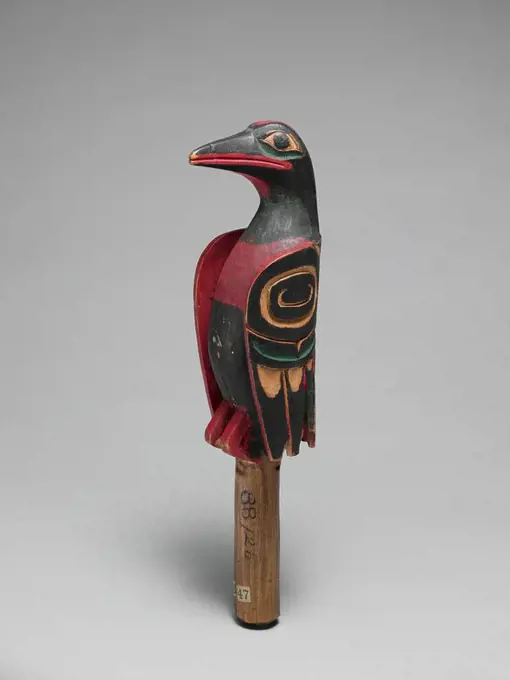
Rattle. Culture: Native American (Masseth or Haida). Dimensions: H. 10 × W. 2 3/4 in. (25.4 × 7 cm). Date: 19th century.This raven rattle depicts a perched bird with wings outstretched toward its front. This is an unusual representation of the raven on a rattle and more typical of the way it would be depicted on a memorial (or totem) pole. Museum: Metropolitan Museum of Art, New York, USA.
1746-19669671
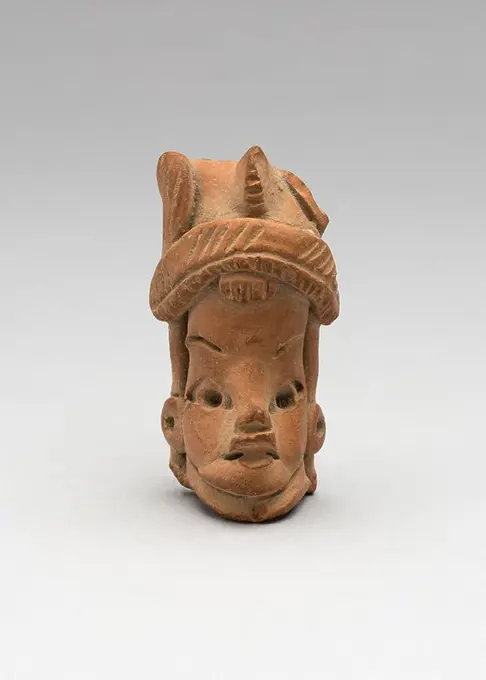
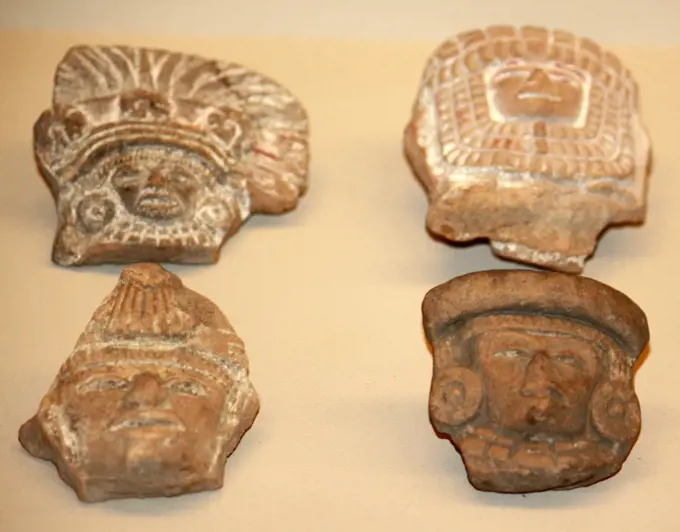
Pottery heads. Teotihuacan, 150 BC-AD 750 The great variety of headdress and facial ornament on small figurines reflects the different roles and offices represented in the social hierarchy at this great metropolis.
4409-17408565
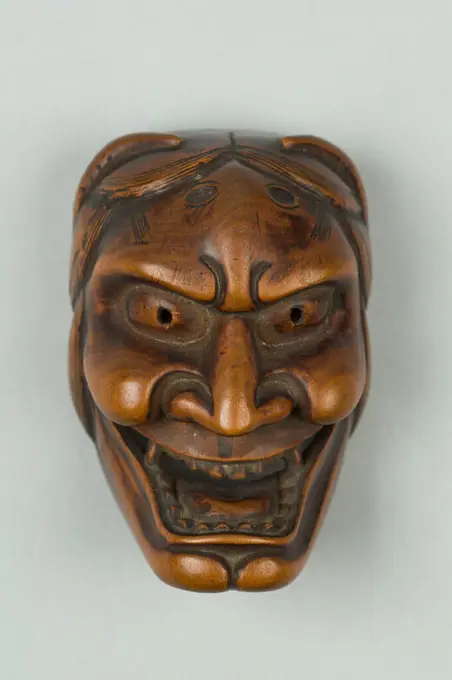
Netsuke of Noh Mask: Hannya. Culture: Japan. Dimensions: H. 2 in. (5.1 cm); W. 1 3/8 in. (3.5 cm); D. 1 in. (2.5 cm). Date: 18th century. Museum: Metropolitan Museum of Art, New York, USA.
1746-29965730
17th century Samurai warrior helmet
4409-63011970
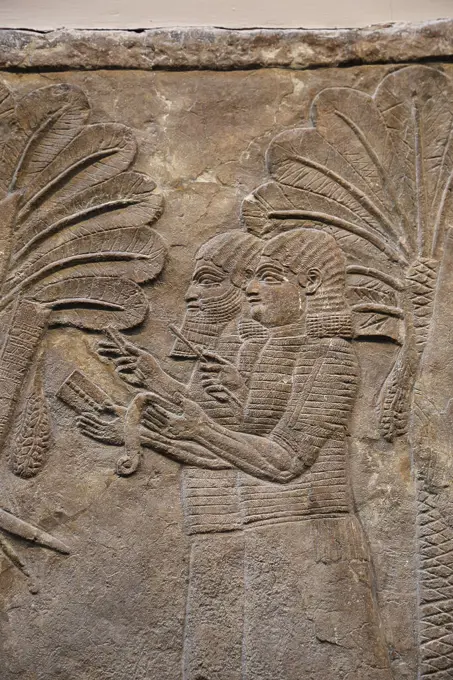
Campaigning in southern Iraq. Clerks take notes (scribes) Assyrian, 640-620 BC. Nineveh, South-West Palace, Iraq. British Museum. London.
4409-17434915
Statuette of a flute-player, female. Culture: Greek, Laconian. Dimensions: Height: 1 5/16 in. (3.4 cm). Museum: Metropolitan Museum of Art, New York, USA.
1443-890
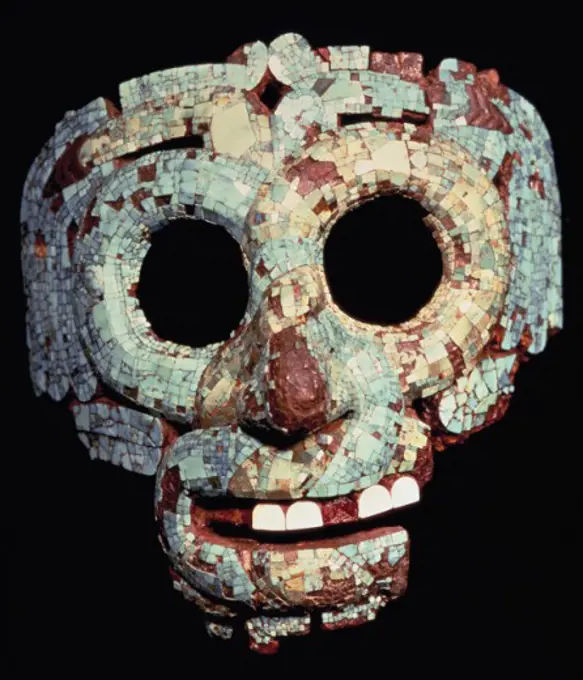
Aztec Mask Pre-Columbian  Wood & turquoise British Museum, London, England
1746-19699544
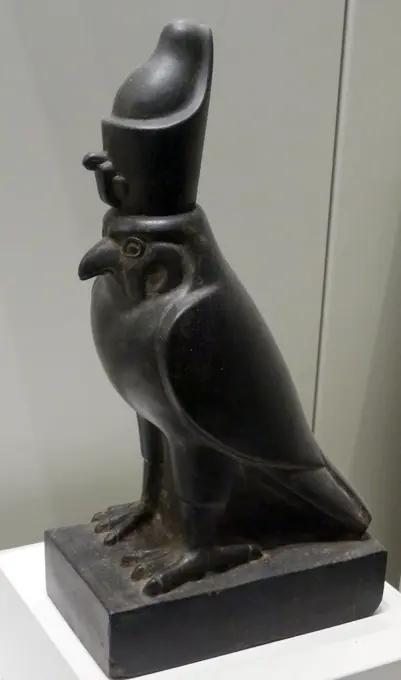
Statuette of a falcon, the animal manifestation of Horus, the divine king. From 1st century.
6176-59908675
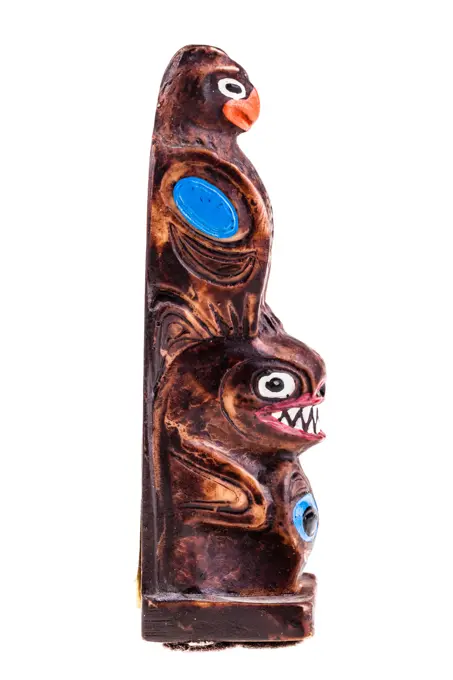
a canadian wooden totem  isolated over a white background
1746-111927507
3rd Century BC masks made from Dough and glass. Punic Carthaginian, Bardo Museum Tunisia. Phoenician origin. Phoenicia was an ancient Semitic civilization that originated in the Eastern Mediterranean and in the west of the Fertile Crescent. The civilization spread across the Mediterranean between 1500 BC and 300 BC.
1746-29965735
Edo Period, Satsuma Samurai armour sewn with blue thread. (1603 - 1868)
6145-43653280
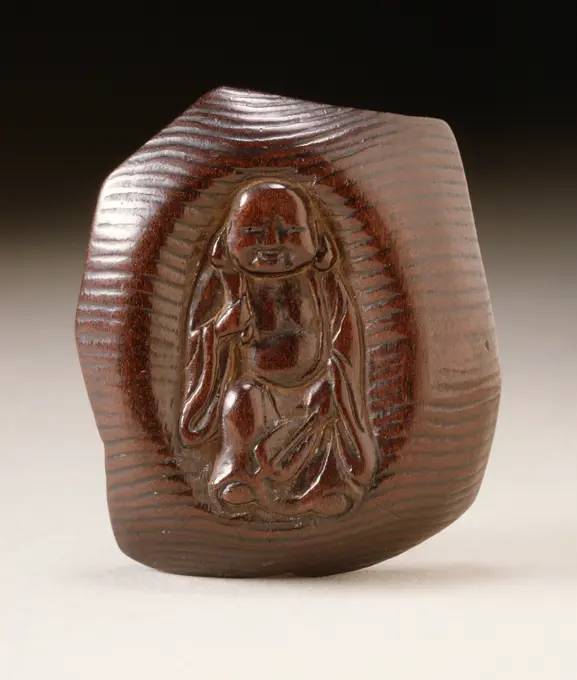
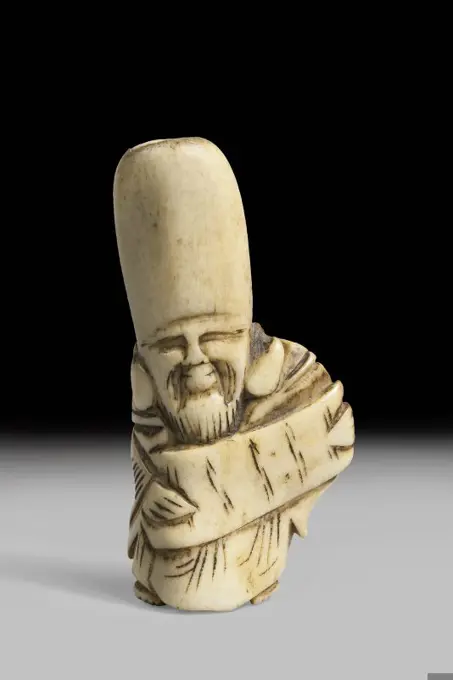
Fukurokuju, god of longevity and wealth; netsuke. unknown, sculptor
6145-30398809
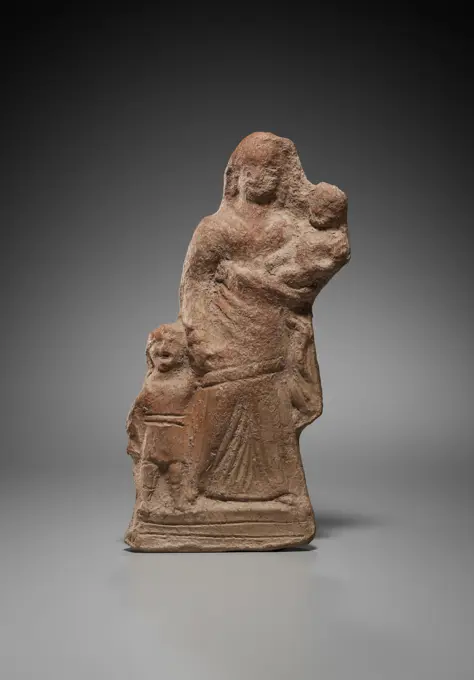
Figurine of woman and twochildren
1525-21610107
Detail of a sculpture, Copan, Copan Ruinas, Copan Department, Honduras
1746-19670352
Gold eye and mouth covers. These objects were probably placed over the shrouded faces of corpses placed in the graves and attached by a cord running through the corners. 1st century AD
1558-14110755
England, London, British Museum, Exhibit of Egyptian Mummies
1525-25978433
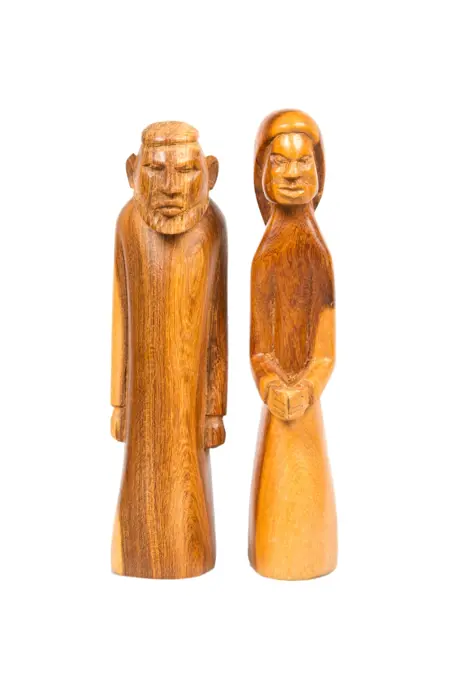
Carving of Josef and Maria, part of the Christmas stable, isolated on white
6145-29065746
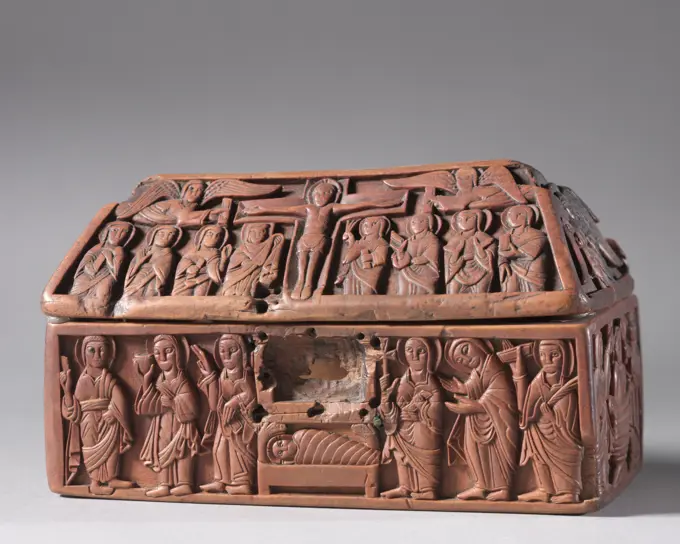
Wooden Casket: Scenes from the Life of Christ, c. 1050. Anglo-Saxon, England, West Midlands, Romanesque period, 11th century. Boxwood, copper-alloy, glass ; overall: 9 x 7.8 x 15.7 cm (3 9/16 x 3 1/16 x 6 3/16 in.).
1788-16484
Zoomorphic polychrome terracotta vessel of mythological subject, Peru, Nazca culture
1525-20802001
Close-up of antique craft products, San Miguel de Allende, Guanajuato, Mexico
6145-48866608
Roundel. Unknown
1889-49009141
Ceremonial Tlingit Skin Drum Southeast Alaska
1606-65680490
Japan, Nagoya, Noh theatre mask
6145-29712378
Tile China. Tile 61602
1746-21126394
Masks from the Arctic used to reveal inner truth of the wearer, used by Shamans. Dated 19th Century
6176-67038512
Bronze statuette of the infant Horus. Artist: Unknown
1848-55077119
Head of a wood puppet
1746-19629018
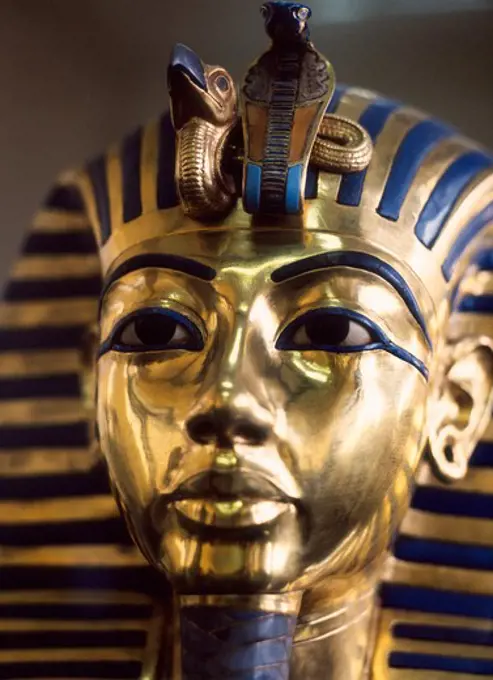
Tutankhmun (Tutankamen), king of Egypt, reigned 1361-1352 BC. Gold and lapis lazuli funerary mask
4266-4046
Fashion accessories, 14th century BC, Egypt, Cairo, The Egyptian Museum,
4285-17487
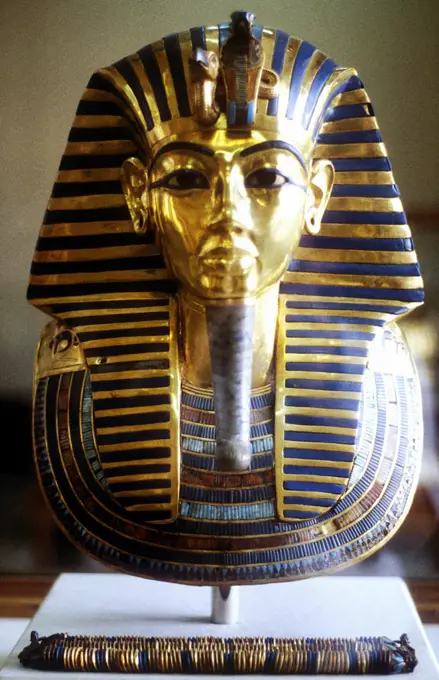
Tutankhamun Death Mask in the Cairo Museum, Cairo, Egypt
1030-1597
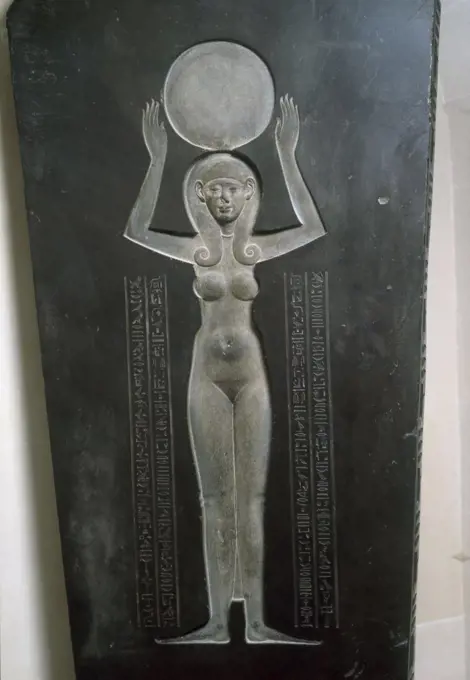
The Goddess Nout.  Interior of the Sarcophagus  1085-333 B.C.,  Artist Unknown Egyptian  Basalt  Musee du Louvre, Paris
53-2260
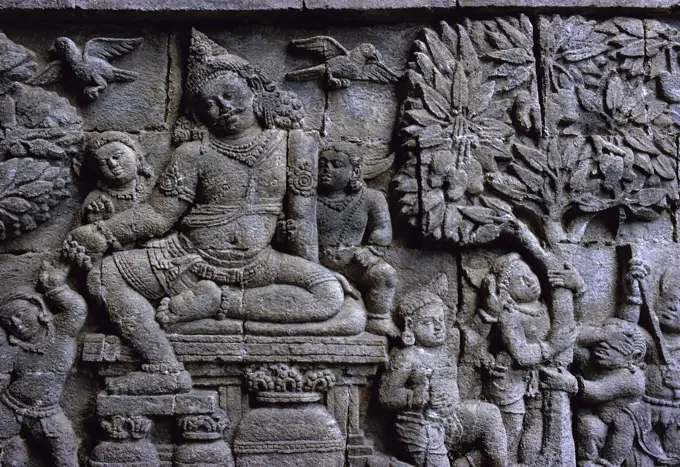
Mendut Temple (detail) 8th C. AD Indonesian Art  Relief Borobudur, Indonesia
7013-69825962
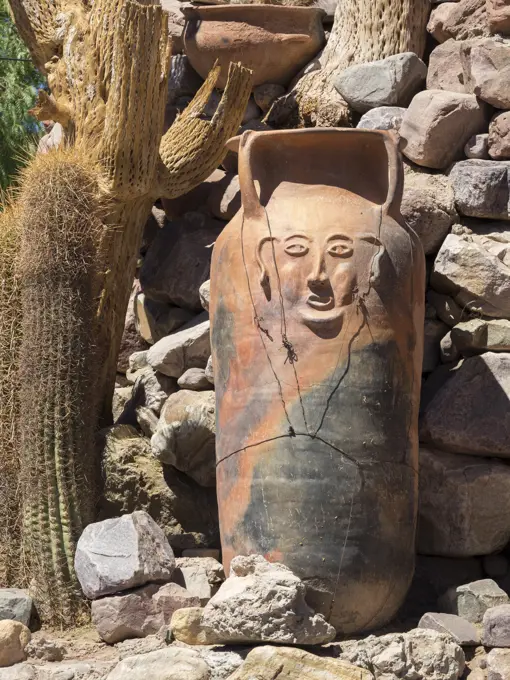
Pottery in the Quebrada de Humahuaca canyon, a UNESCO World Heritage Site. South America, Argentina (Editorial Use Only)
1525-27112827
Ancient Egyptian ritual vase with falcon head and hieroglyphs cartoons vector illustration. Decorative urn for sacrifice to sun god Ra or storage of temple treasures, isolated on white background. Ancient Egyptian ritual vase with falcon head