Historical Artifacts

Fragments of ancient artifacts including a bottle, horse remains, oil lamp, and vase pieces, showcasing relics from various historical periods.
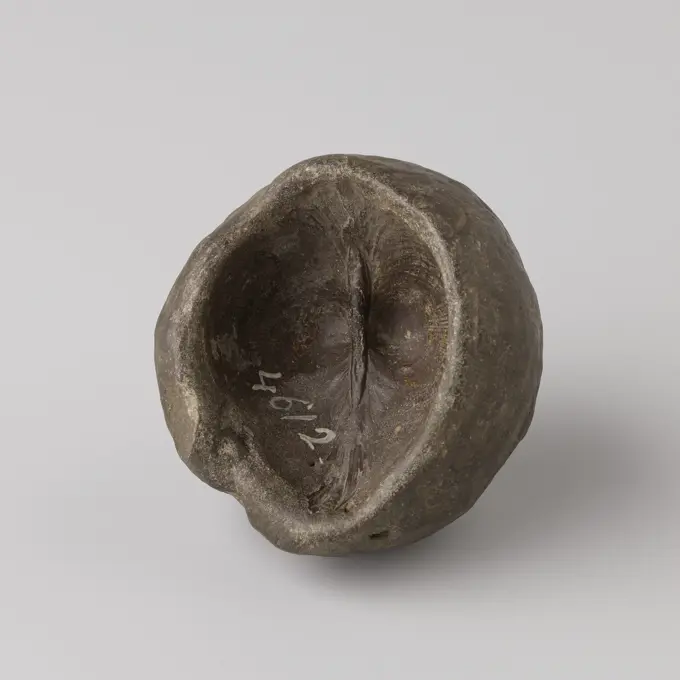
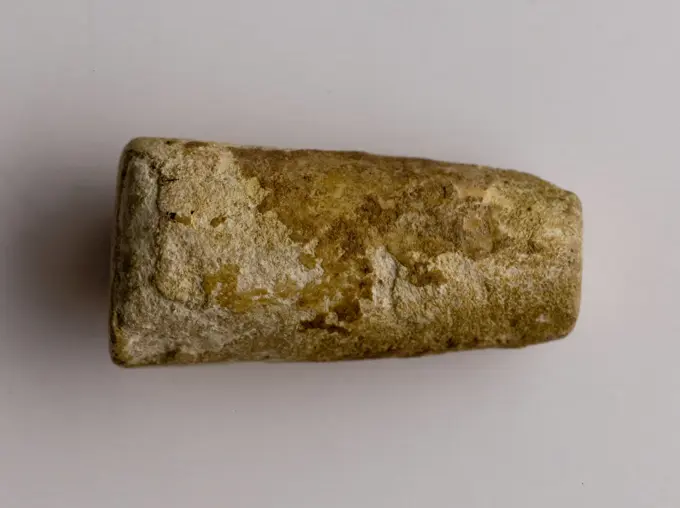
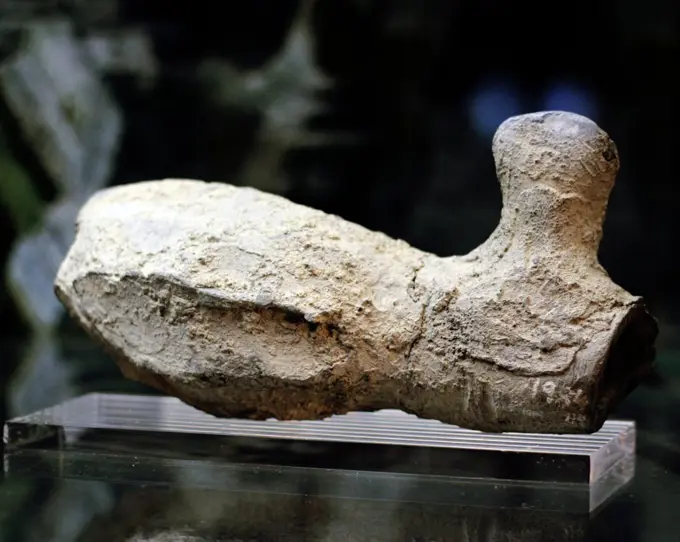
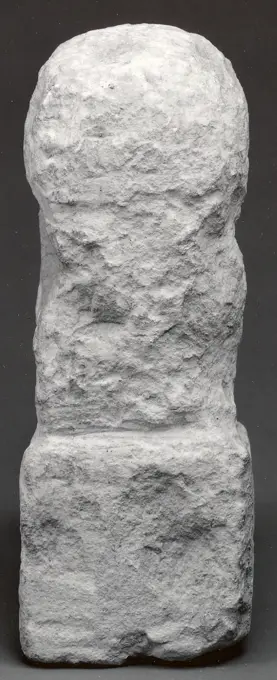
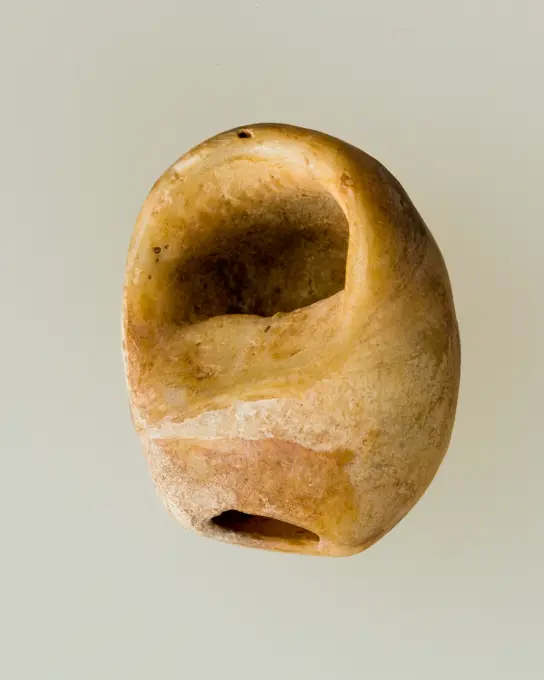
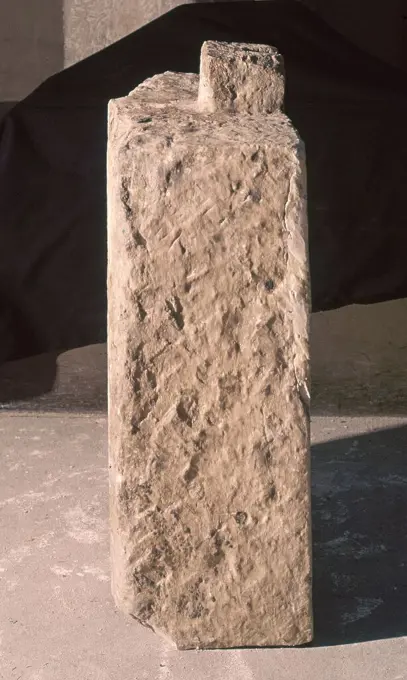
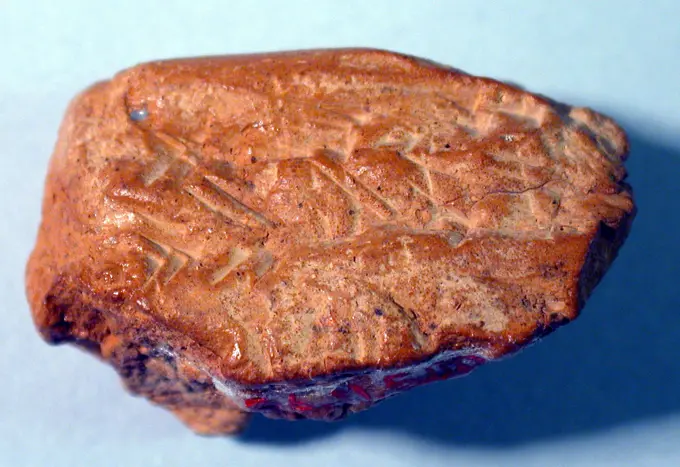
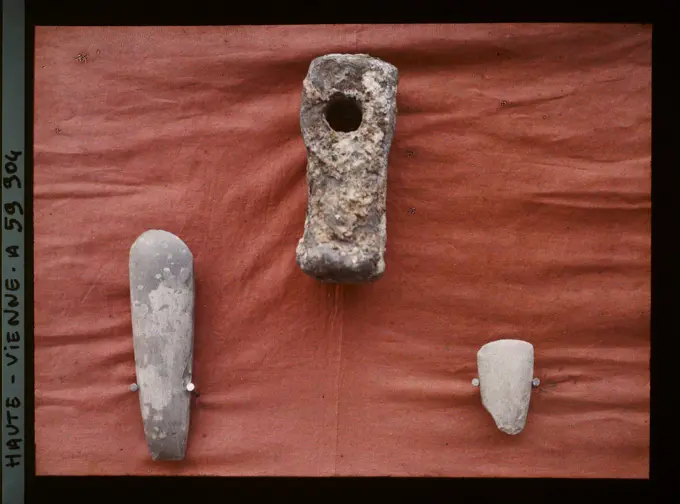
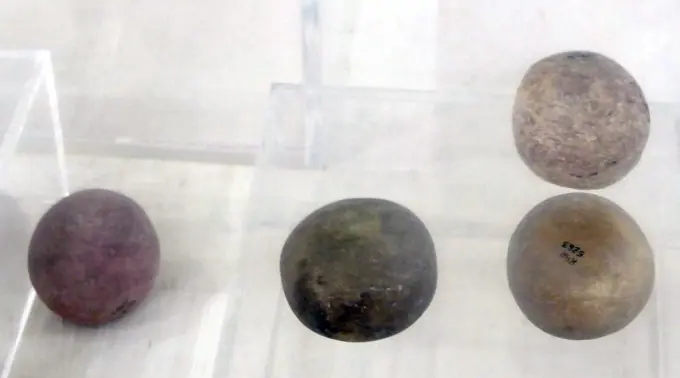
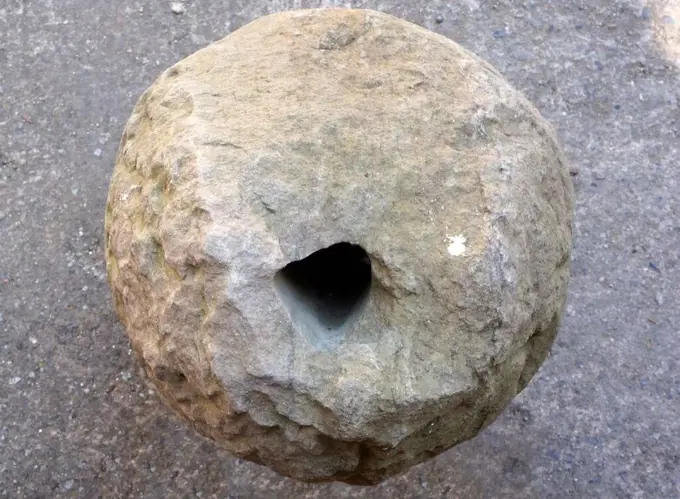
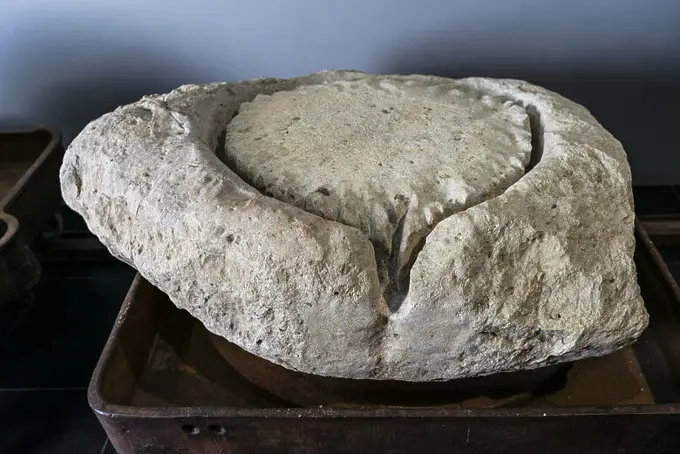
Bullet -shaped stone with print shell, not applicable, -5000 --2300  Bullet -shaped stone with hollowing, in which the print of open bin -valve shell. The stone is almost certainly a phosphorite sandstone concretion, perhaps from the Pliocene but more likely from the Miocene. (5-23 million years ago.) In and around the Netherlands, such concretions occur in the Achterhoek and Twente, as well as in Flanders. The shell may be a glycymeris species. (Determined based on photo by Frank Wesselingh, Naturalis)  .
Bullet -shaped stone with print shell, not applicable, -5000 --2300 Bullet -shaped stone with hollowing, in which the print of open bin -valve shell. The stone is almost certainly a phosphorite sandstone concretion, perhaps from the Pliocene but more likely from the Miocene. (5-23 million years ago.) In and around the Netherlands, such concretions occur in the Achterhoek and Twente, as well as in Flanders. The shell may be a glycymeris species. (Determined based on photo by Frank Wesselingh, Naturalis) .

Assets in this Story

6145-59504774
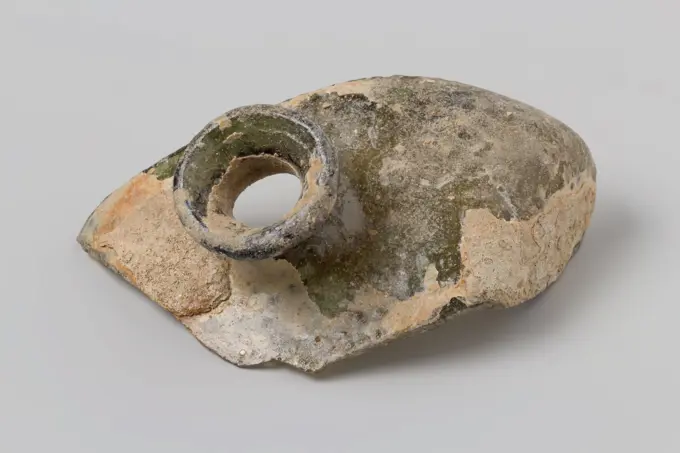
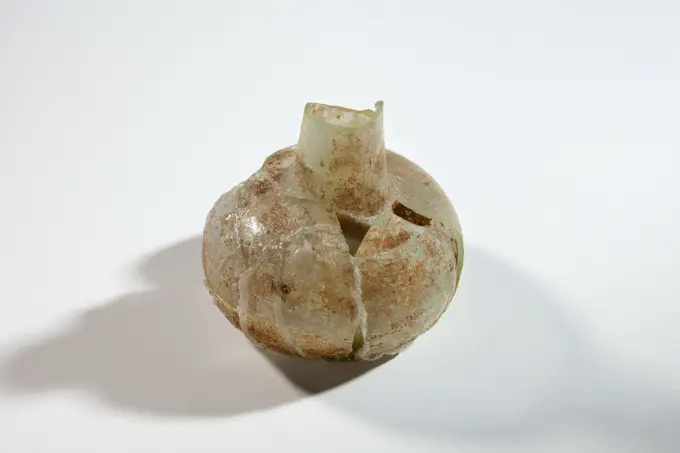
Scherf van Kist bottle from V.O.C. ship De 'Witte Leeuw', Before 1613  Sharf of chest bottle from V.O.C. ship De 'Witte Leeuw', Bottles of green glass with beigegele and coral-like attack.  .   Sint-Helena
6145-29804922
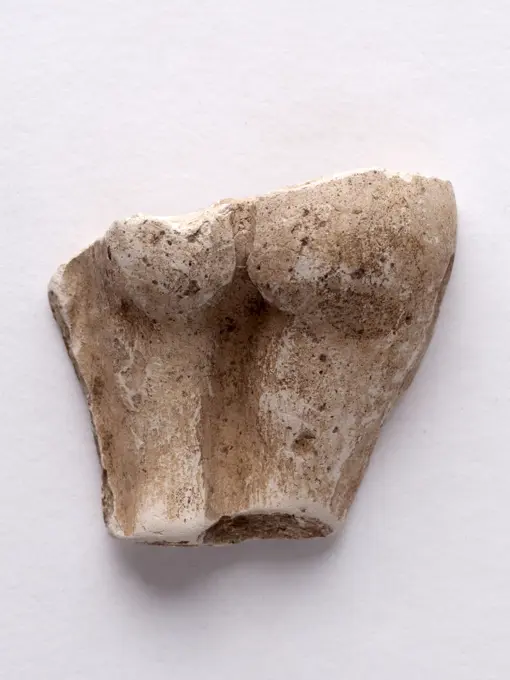
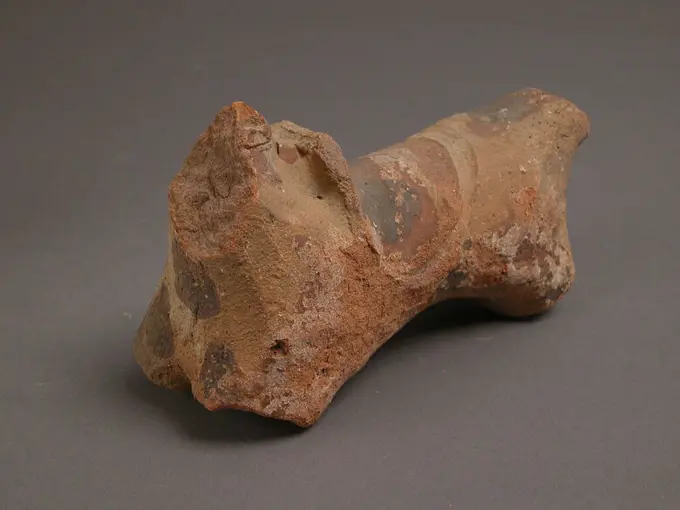
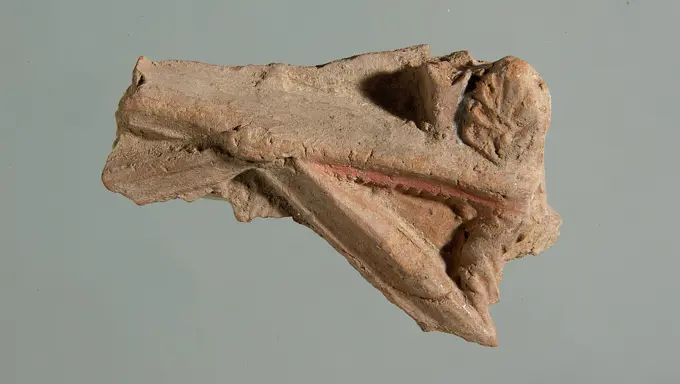
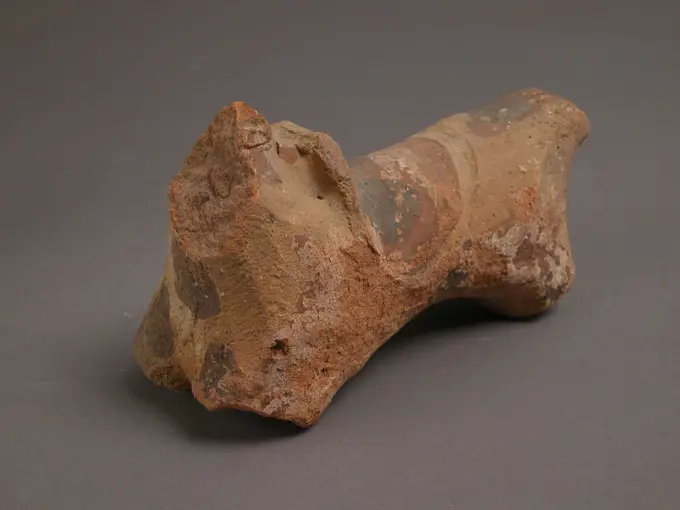
Fragment of a Horse 4th-7th century Coptic. Fragment of a Horse 478427
6145-45535247
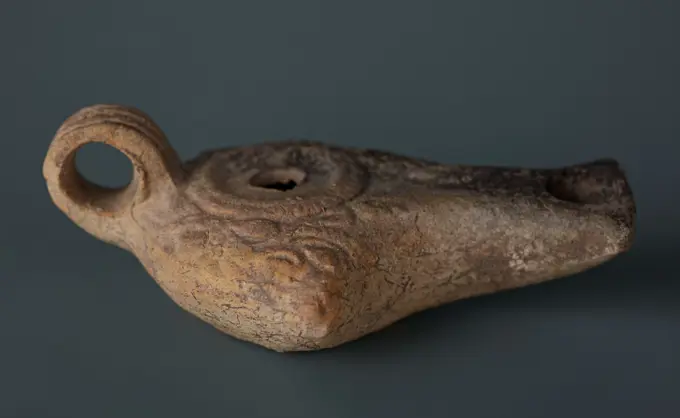
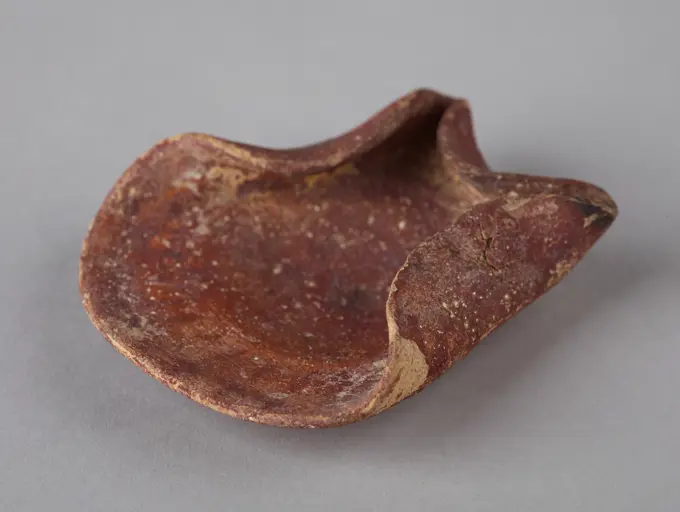
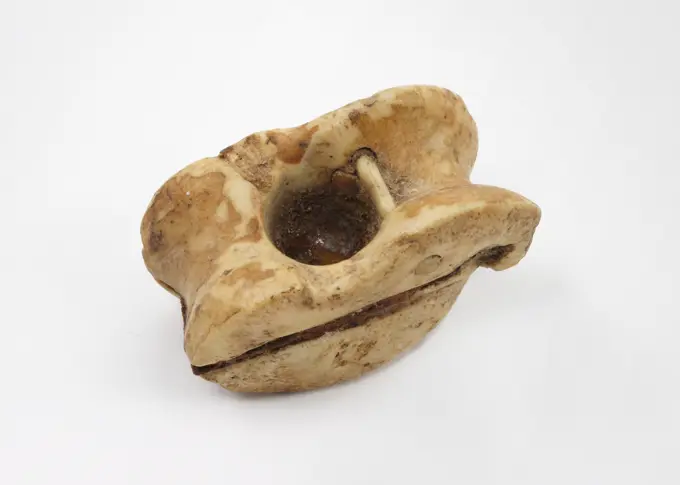
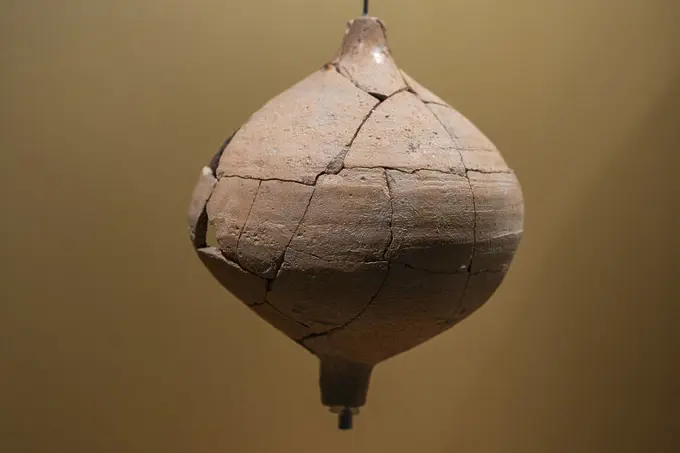
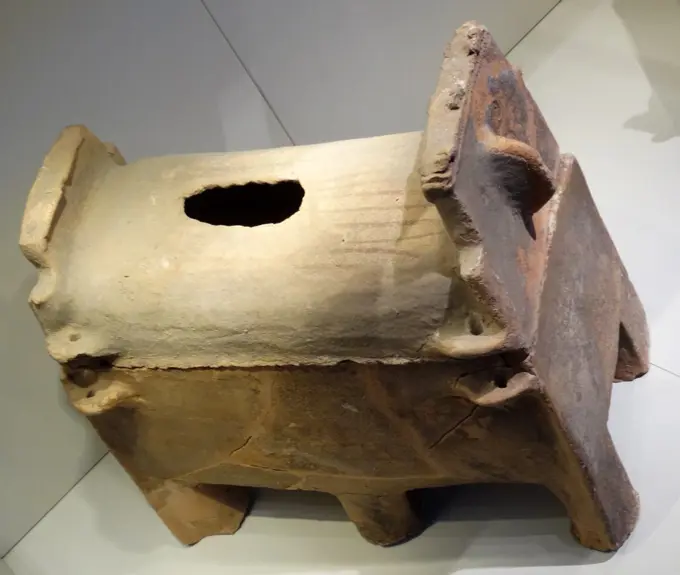
Oil Lamp
6145-29832084
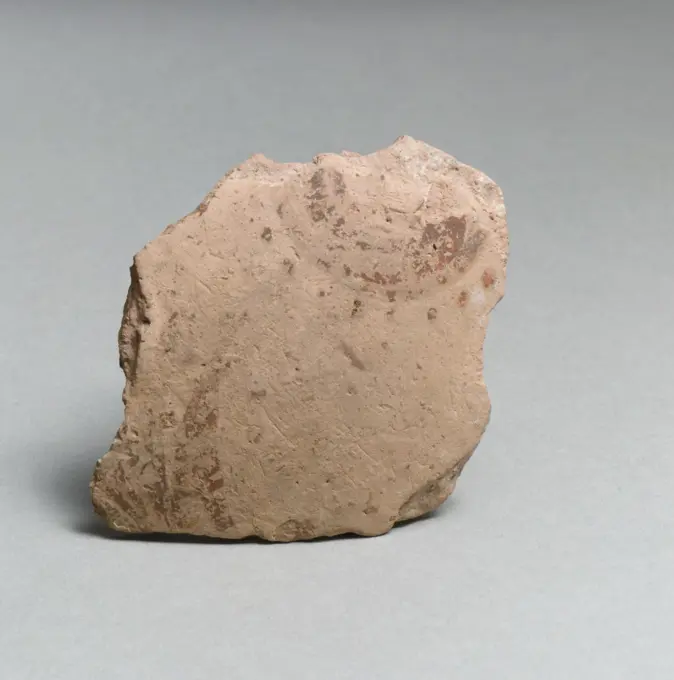
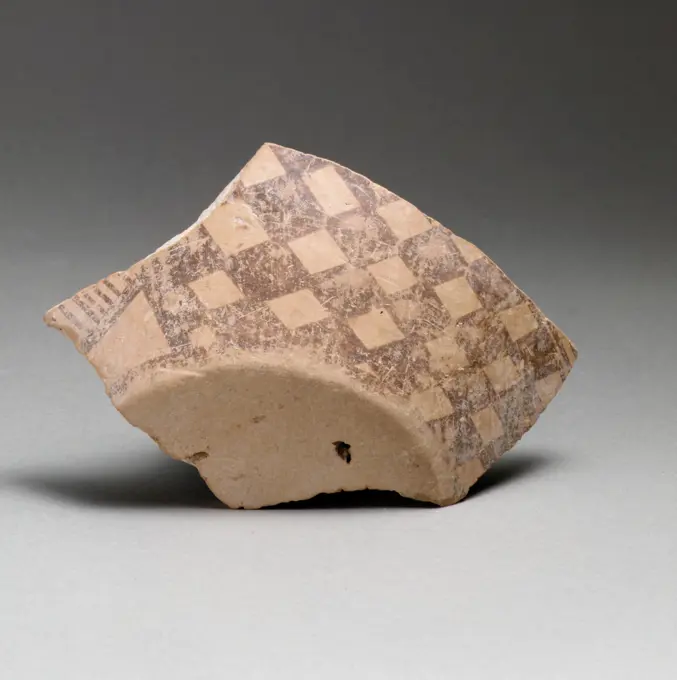
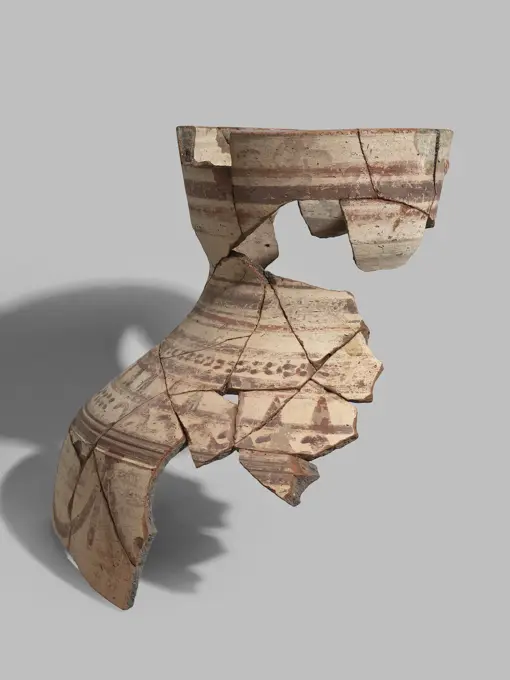
Vase fragment ca. 1600-1450 B.C. Minoan. Vase fragment 247728
6145-59489529
Bullet -shaped stone with print shell, not applicable, -5000 --2300  Bullet -shaped stone with hollowing, in which the print of open bin -valve shell. The stone is almost certainly a phosphorite sandstone concretion, perhaps from the Pliocene but more likely from the Miocene. (5-23 million years ago.) In and around the Netherlands, such concretions occur in the Achterhoek and Twente, as well as in Flanders. The shell may be a glycymeris species. (Determined based on photo by Frank Wesselingh, Naturalis)  .
6145-58863842
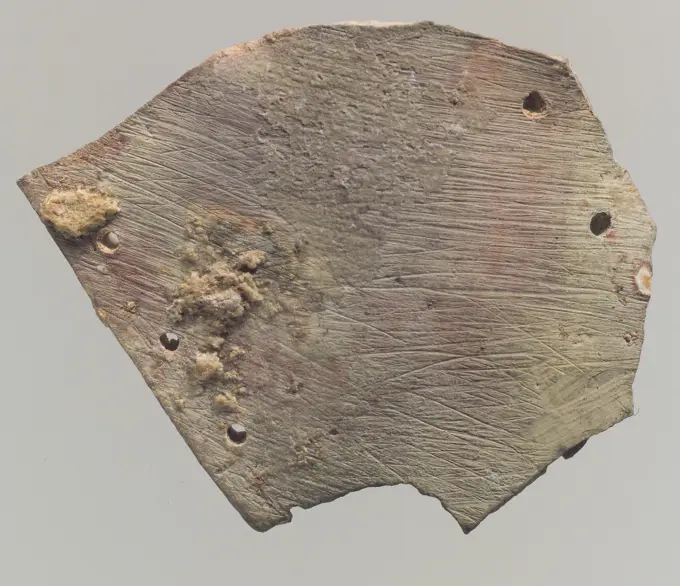
Fragment; (possibly) belonging to the retable of Soest, c. 1475 - c. 1499   wood (plant material)   wood (plant material)
6145-59047601
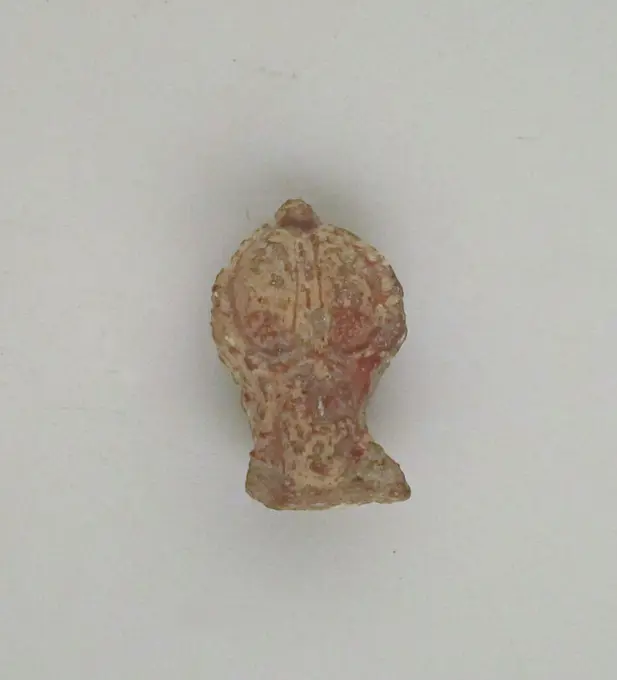
Statuette. Coll. Piketty. Terracotta. High Empire. Paris, Carnavalet museum. 50056-11 High-Empire, statuette, terracotta
6145-29783290
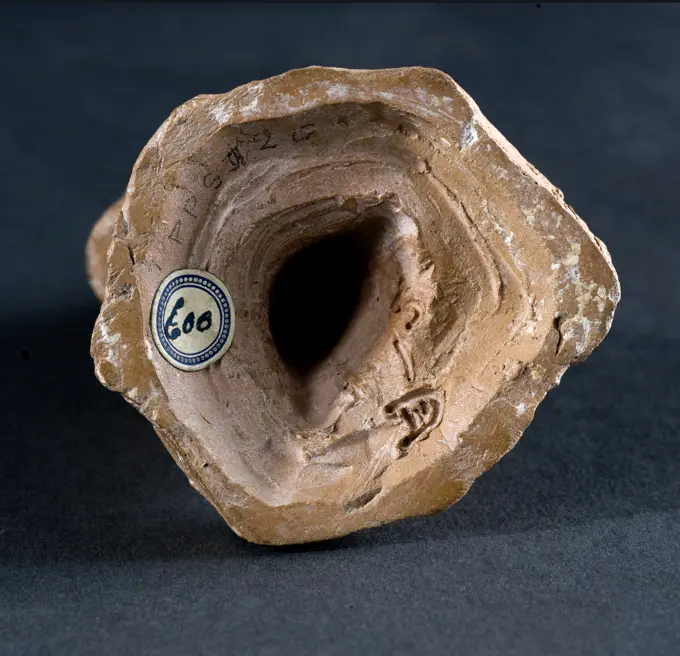
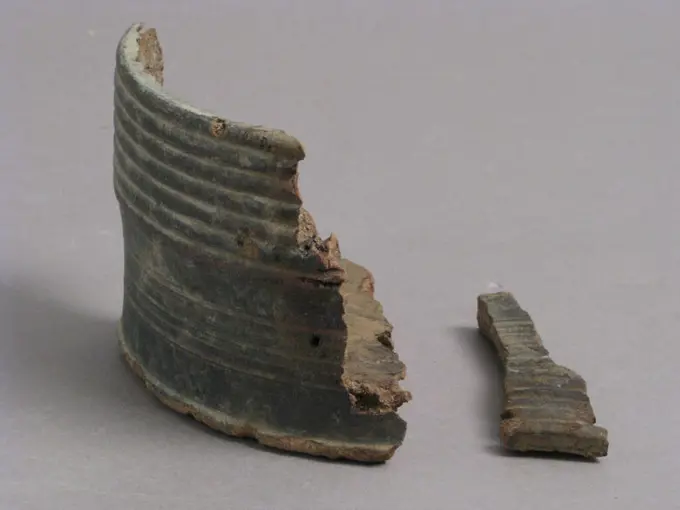
Vessel 4th-7th century Coptic. Vessel 478475
4409-17400083
Fragment of a Horse. Culture: Coptic. Dimensions: Overall: 3 1/8 x 9/16 x 2 5/16 in. (7.9 x 1.4 x 5.9 cm). Date: 4th-7th century. Museum: Metropolitan Museum of Art, New York, USA.
4409-17419853
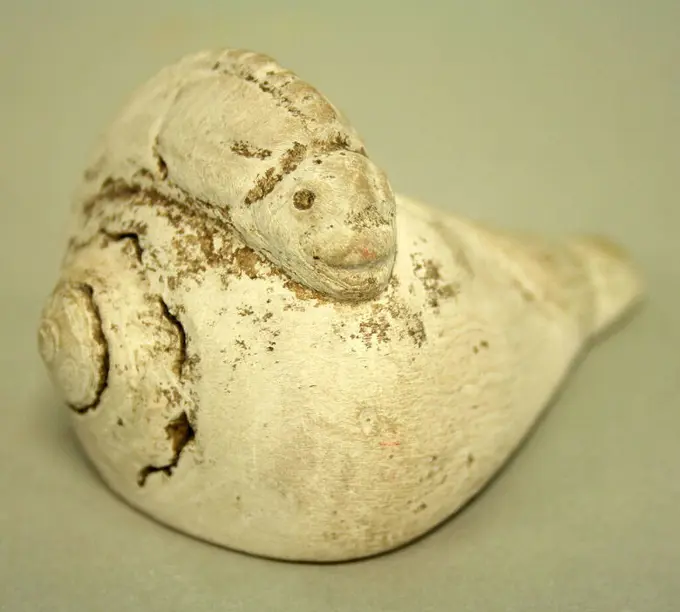
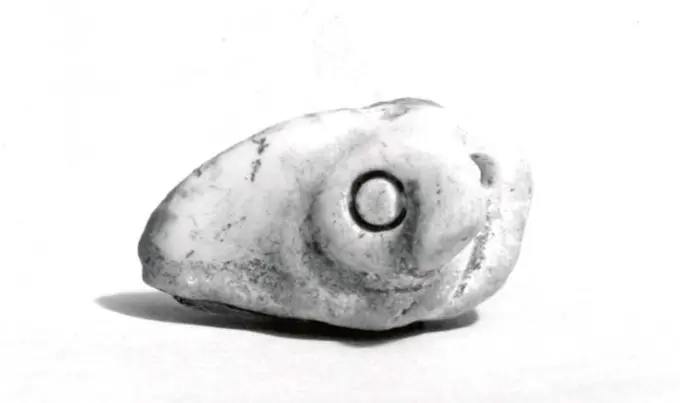
Shell Lime Container in the Shape of a Lizard. Culture: Chorrera or Bahia. Dimensions: H. 2 x W. 3 in. (5.1 x 7.6 cm). Date: 2nd century B.C.-A.D. 3rd century. Museum: Metropolitan Museum of Art, New York, USA.
4409-17218206
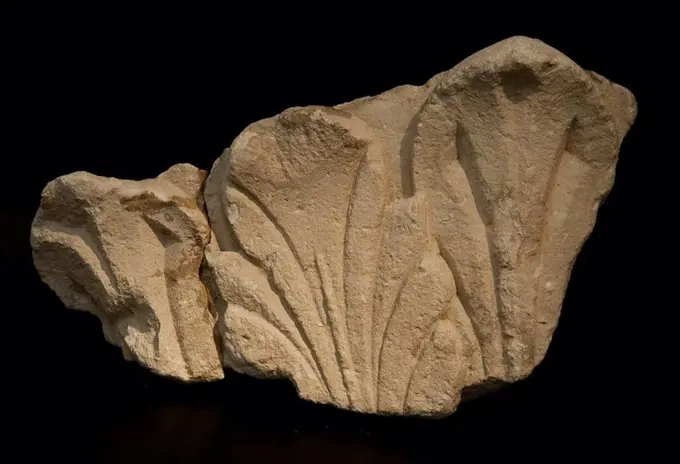
Fragment of Roman capital, 1st century BC, in the Roman Villa of Torre Llauder or Can Llauder, Mataró, Barcelona, Catalonia, Spain. Museum: Museo de Mataró, Mataró, Barcelona, Cataluña, España.
6145-29725824
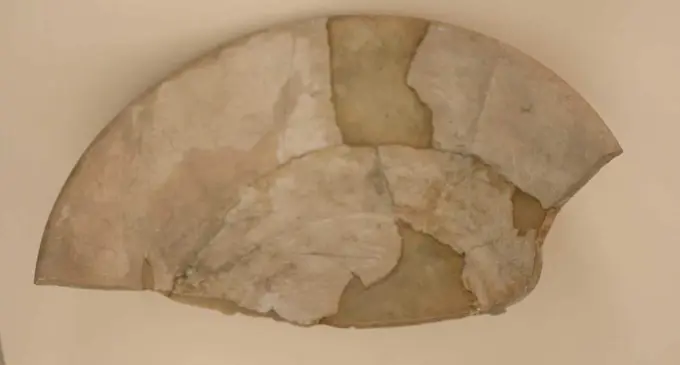
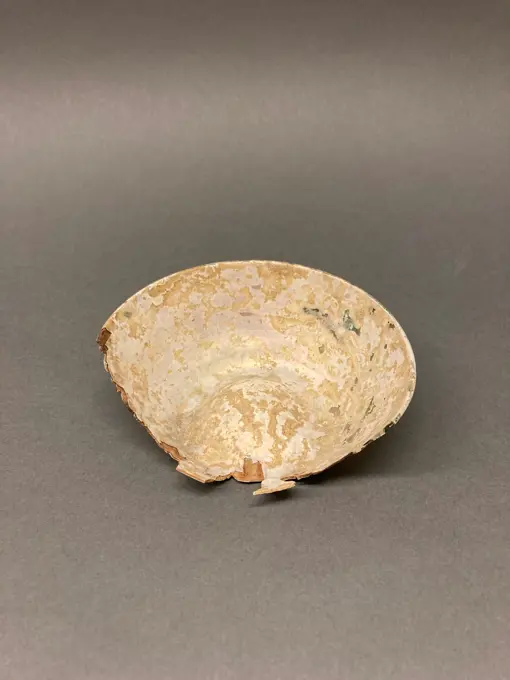
Fragment of a Bowl with White Glaze 8th-9th century This bowl was excavated at Ctesiphon, the Sasanian metropolis and administrative capital conquered by Arab Muslim armies in 637. The city was known in Arabic as al-Madain, or "the cities", for its extended area. Arab historians indulge in describing al-Madain/Ctesiphons grand monuments, which obsessed Muslim rulers and may have acquired a symbolic meaning related to its imperial past. This was the case of the Taq-i Kisra, an impressively-sized ivan (a vaulted hall with one side open) partially dismantled to reuse its bricks in caliphal buildings in the new capital Baghdad. Finds like this fragment, which was excavated at a site named Selman Pak V, attest to the continued occupation of Ctesiphons urban area in the early Islamic period. Similar ceramics count amongst the advances achieved by Iraqi potters in the 9th century. Beside technical innovations, such as the development of a range of opacifying techniques for glazes and the
6145-59042322
Small cone. Glass, China, Han dynasty (206 BC AP.J.-C.). Paris, Cernuschi museum. Asian art, Chinese art, han dynasty, glass
4443-21878577
Antique glass 1898, Middle East
6145-54681468
Fragment of a Bowl 10th-11th century This glass fragment was excavated at the site of Tepe Madrasa in Nishapur. Nishapur was a vital city in the early and middle Islamic periods, located along one of the main trajectories that connected Iran and West Asia Islamic lands with Central Asia and China. These itineraries are often referred by the term Silk routes but were in fact crucial to the movement of constellations of materials and objects, as well as people and ideas. The diverse population of Nishapur and its surroundings, from the better-researched elite groups of merchants, land-owning aristocracy, and literates, to the less-known artisans, farmers, miners, and servants, were instrumental in adapting global cultural trends to create their own distinctive visual languages. This is seen in the material remains of everyday life in medieval Nishapur  from pots and pans to lighting devices, inkwells, textiles and trimmings, jewelry, games and toys, talismanic devices, weapons, coins, an
1788-39338
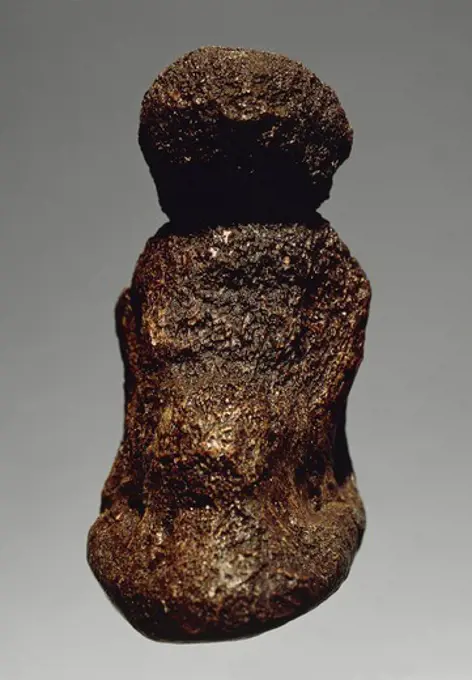
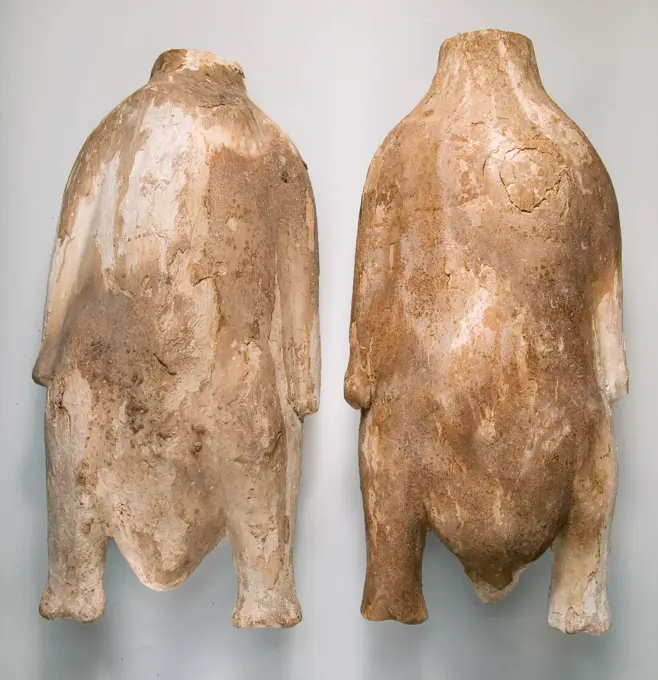
Prehistory, Czech Republic, Paleolithic. Female idol representing pregnant venus, carved out of a mammoth phalanx. From Predmosti.
6145-59503302
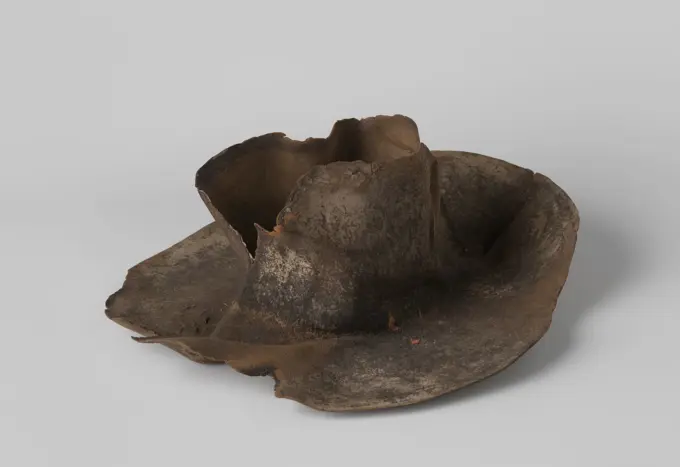
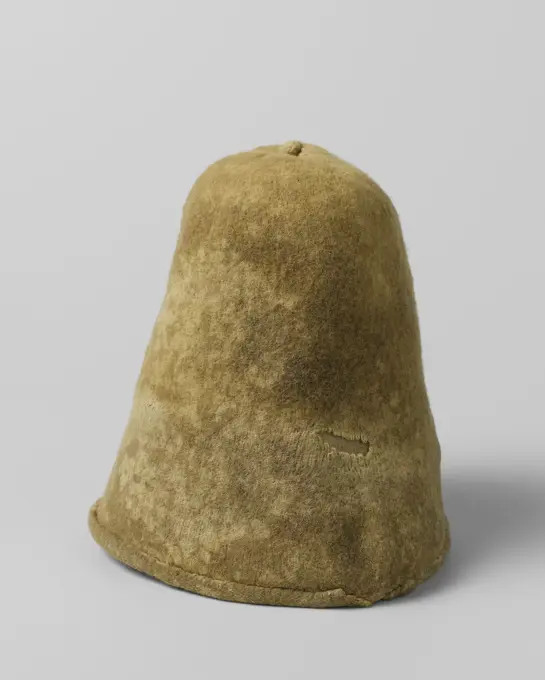
Hat of felt, dark brown to black, anonymous, c. 1610 - c. 1670 hat Hat of felt, dark brown to black, almost complete. With an impression of the hat ribbon, there are still vegetable fiber residues present at this location.  leather   Spitsbergen. Svalbard. Smeerenburg
6145-29216433
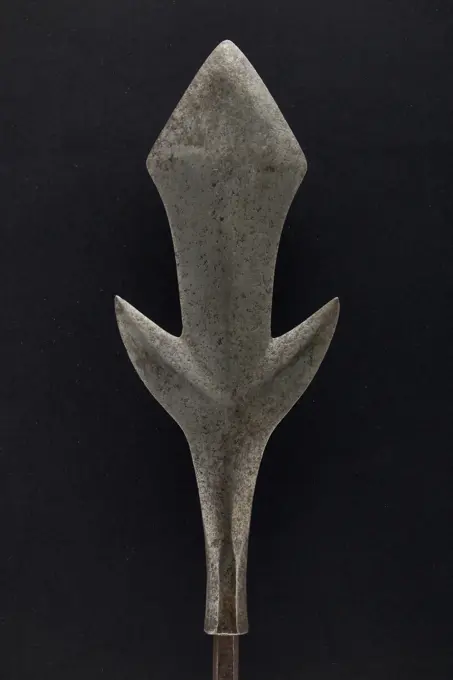
Arrowhead (Yanone) 18th century Japanese Although today Japanese warriors are renowned most for their swordsmanship, archery, especially from horseback, has been an essential part of samurai warfare and culture for centuries. Arrows were fitted with heads of varying shape according to their intended use in war, the hunt, or target practice. Arrowheads made for use on the battlefield incorporated different designs intended for specialized purposes such as the piercing of armor or to cause maximum damage to horses and unarmored personnel.Large arrowheads, pierced and elaborately chiseled with landscapes, birds, flowers, dragons, and Buddhist divinities, were created to be admired for the beauty of their metalwork and design rather than for use in archery. Such highly elaborate examples may have been made for presentation or as a votive offerings to a shrine.. Arrowhead (Yanone). Japanese. 18th century. Steel. Archery Equipment-Arrowheads
1746-21124909
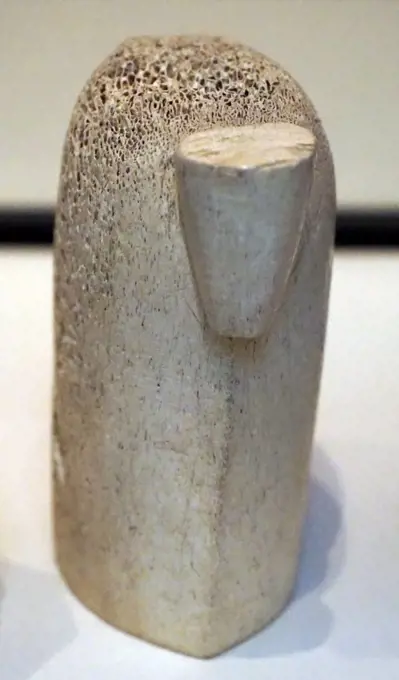
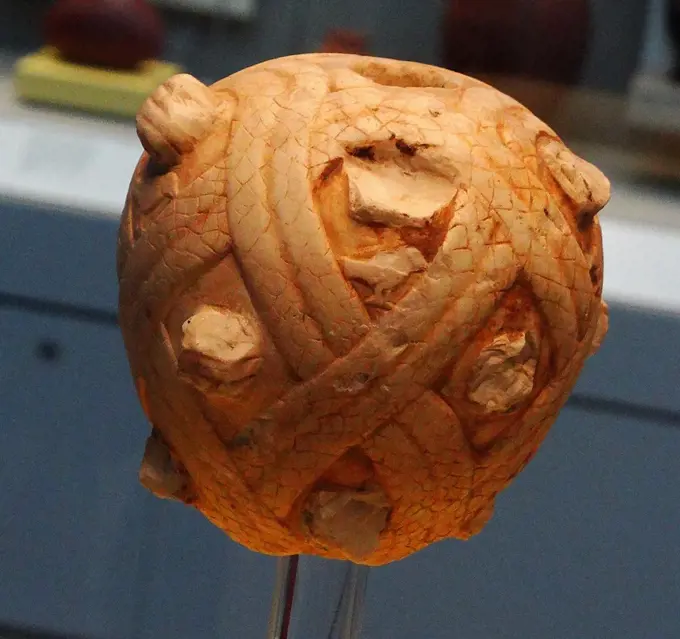
Whalebone chess pieces from Anglo-Saxon England. Dated 9th Century
6145-30174374
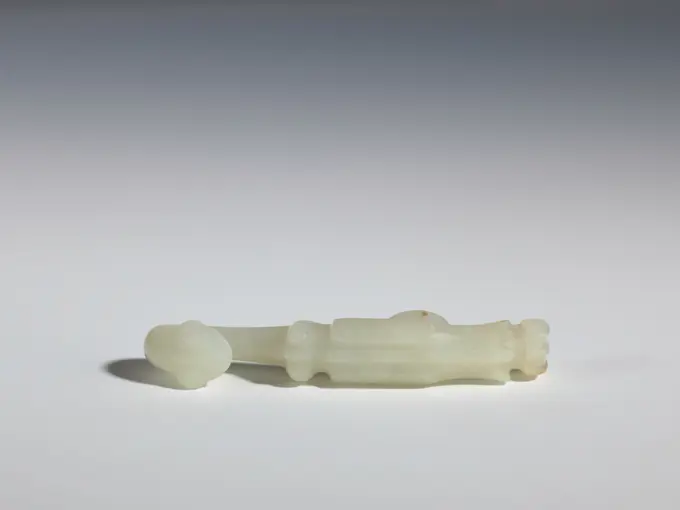
Pendant with Monster Mask 1300 BCE-1000 BCE China. Jade .
6145-45535490
Oil Lamp
6145-29200172
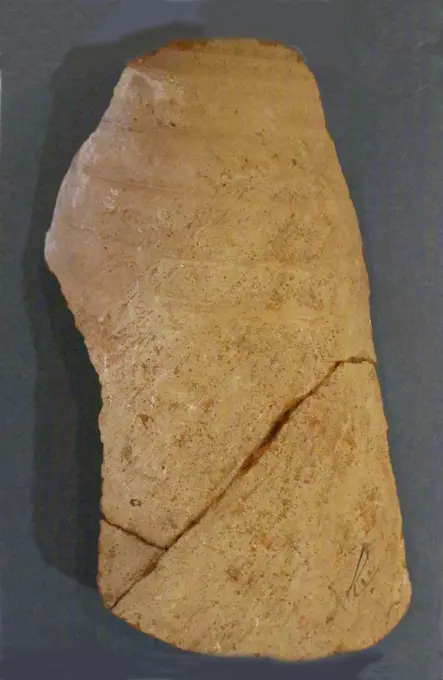
Inscribed Pot Fragment ca. 1580-1479 B.C. Second Intermediate Period-Early New Kingdom. Inscribed Pot Fragment. ca. 1580-1479 B.C.. Pottery, ink. Second Intermediate Period-Early New Kingdom. From Egypt, Upper Egypt, Thebes, Southern Asasif, unfinished temple area, Pit MMA 1017, embalming cache, MMA excavations, 1920-22. Dynasty 17-18
6145-59047616
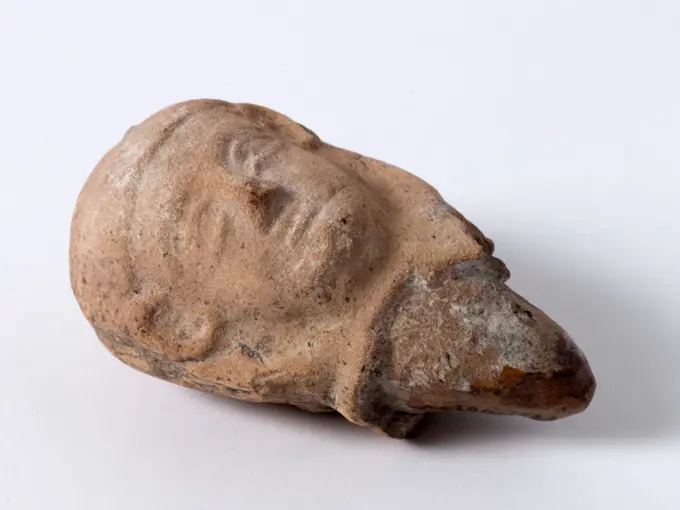
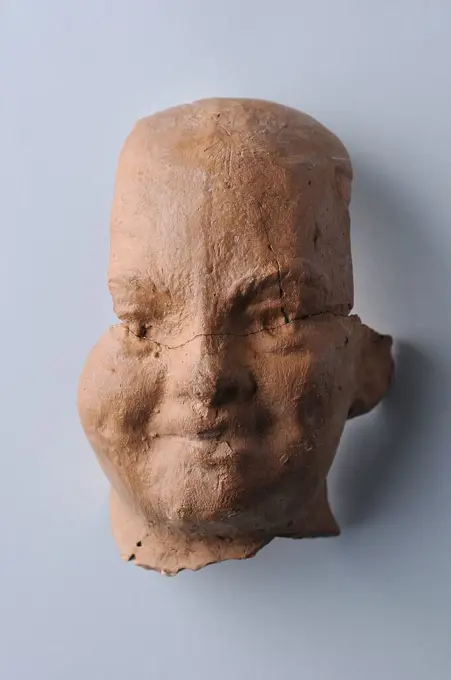
Statuette. Coll. Piketty. Terracotta. High Empire. Head. Paris, Carnavalet museum. 50056-10 High-Empire, statuette, terracotta, head
6145-48538950
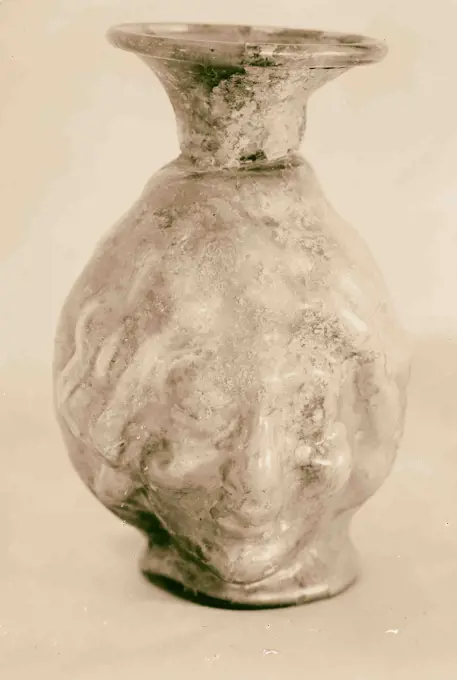
Bottle. unknown, craftsman
6145-29755106
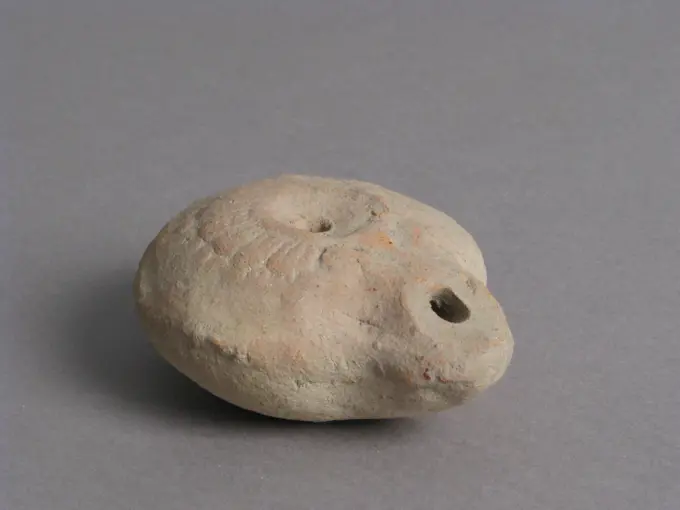
Oil Lamp 4th-7th century Coptic. Oil Lamp 478702
6145-29718658
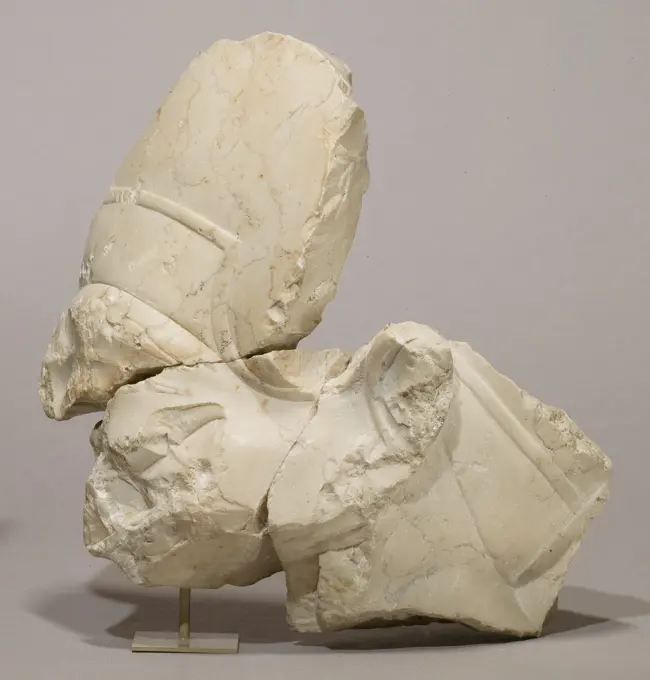
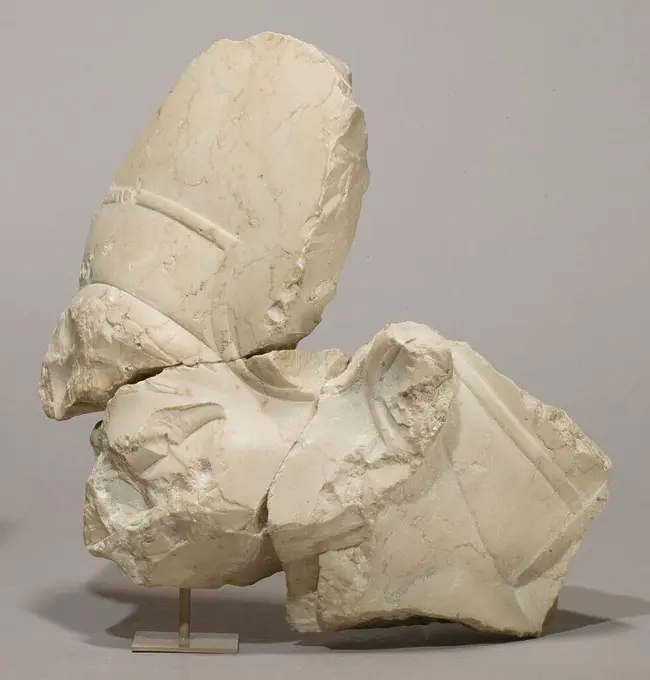
Head of Akhenaten in the Blue Crown, Sign Traces Behind Neck ca. 1353-1336 B.C. New Kingdom, Amarna Period At some point after the end of the Amarna period, statues from the sanctuary of the Great Aten Temple at Amarna were demolished and their fragments left in the area of the sanctuary or in a dump outside the south temenos wall originally used for expendable material that had been used in the cult.The sanctuary and dump areas were excavated in 1891-92 by Howard Carter working for Flinders Petrie. When Petrie received almost all his finds from the Egyptian government, he allotted these sculpture fragments to Lord Amherst who had funded Carter's work. The Museum subsequently accquired most all of this important corpus, some four hundred fragments. Many joins have been made by curators over the decades, and the fragments are now being studied for the information they provide about the statuary that stood in the Aten Temple.In this instance, three fragments of fine marble-like indurated
6145-29827885
Fragmentary gaming board: game of 58 holes ca. 18th century B.C. Old Assyrian Trading Colony This fragment belongs to a group of carved ivories, mostly furniture elements, probably found at the site of a palace at Acemhöyük in central Anatolia. Like another piece in the Metropolitan Museums collection (36.70.37g), it was originally part of a gaming board for playing an ancient game known today as the game of fifty-eight holes. The game was played as a race between two players with game pieces in the form of pegs that were inserted into the holes making up each players track, as in the modern game of cribbage, although the two games are not related. Since the earliest gaming boards for the game of fifty-eight holes come from Egypt, such as an example from Thebes which still has its animal-headed pegs (Department of Egyptian Art, 26.7.1287), the game itself may have originated there. More than forty examples of boards of this type are known from Egypt and the Near East, including an ad
6145-43606087
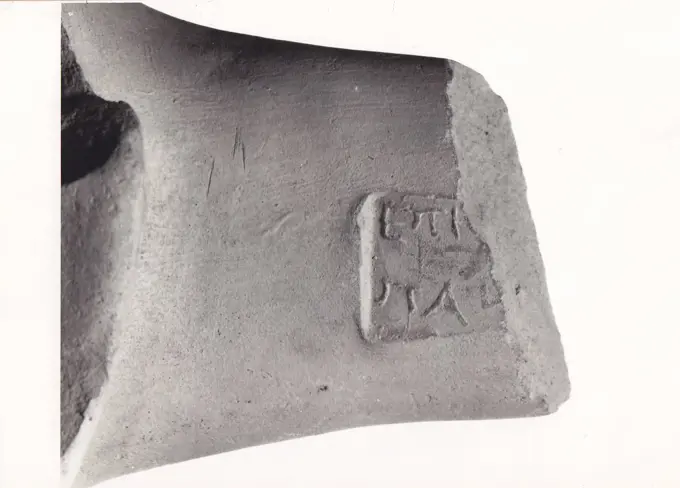
Fragment wylewu i imadła amfory ze stemplem. unknown, potter's workshop
4409-18576413
roman helmet, Monographic Museum of Pollentia, Alcudia, Mallorca, Balearic Islands, Spain.
4409-134440
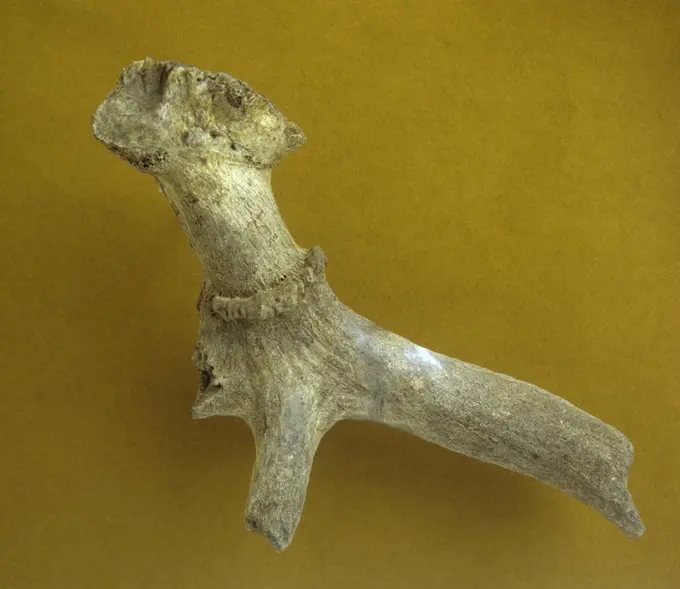
PALEOLITHIC FAUNA BONE REMAINS: HORN OF DEER, FROM THE VALLE DEL MANZANARES (LOCATION: NATIONAL ARCHEOLOGICAL MUSEUM).
6145-29062424
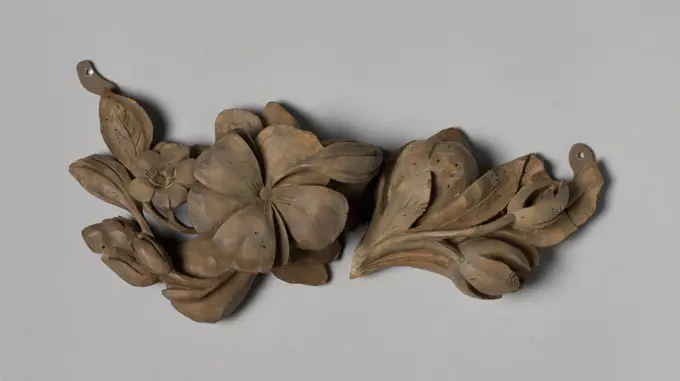
Carving from an Overmantel, c. 1675-1677. Grinling Gibbons (British, 1648-1721). Lindenwood; See cover record.
4443-21939055
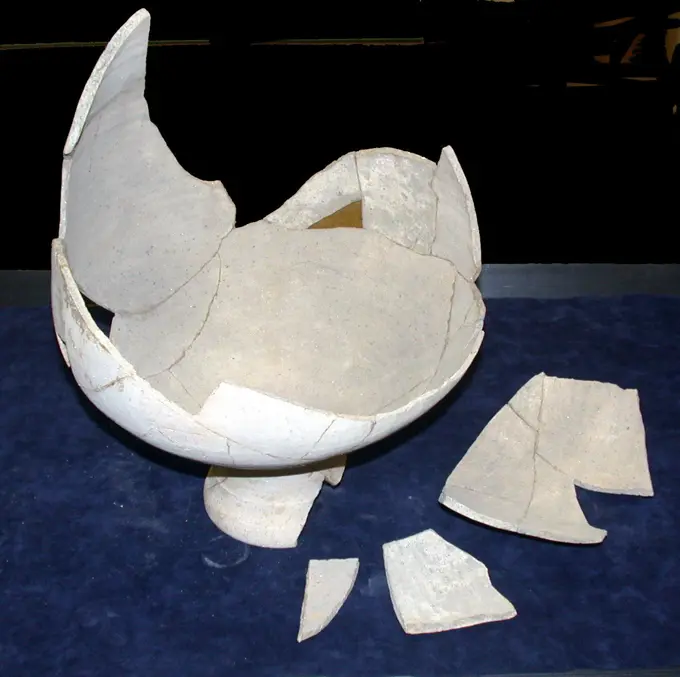
Fragment large flowerpot in red earthenware, unglazed, flower pot holder earth discovery ceramic earthenware, hand-turned baked Border fragment of enormous flowerpot. Unglazed red shard Attachment of lying upwards bent sausage ear is still present. Rectangular holes in the upper edge on the underside are not cut. Coarse twisted feathers over the outside. Oblique sidewall with bend at the level of the arch archeology metropolis Rotterdam Stadscentrum Stadsdriehoek Groenendaal indigenous pottery cultivation flower garden plant care soil discovery: underground pit Groenendaal 1977.06.13.
6145-29713872
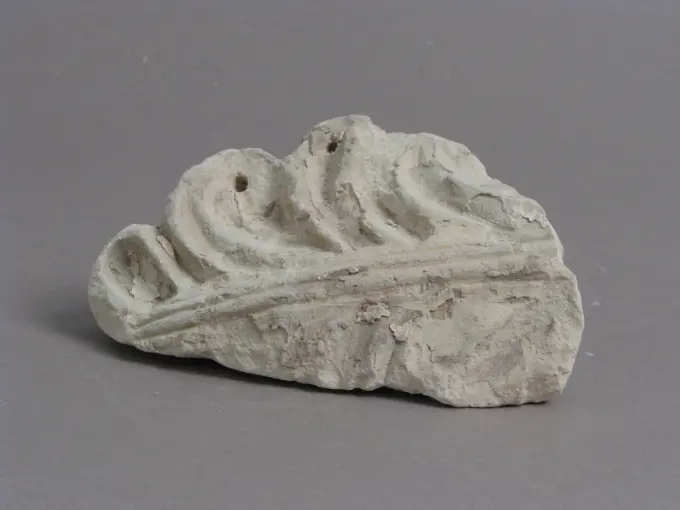
Acanthus Leaf Fragment 4th-7th century Coptic. Acanthus Leaf Fragment 478945
4409-17397169
Circular mill. Granite. From the Roman Villa of O Cantn Grande. La Coru–a, Galicia, Spain. Archaeological and History Museum (San Anton Castle). A Coru–a, Galicia, Spain.
6145-59044216
Aimé-Jules Dalou (1838-1902). "Milk carrier". Terracotta, between 1889 and 1898. Museum of Fine Arts of the city of Paris, Petit Palais. Below, label, inscription, inventory number, milk carrier, base, terracotta
6145-29759098
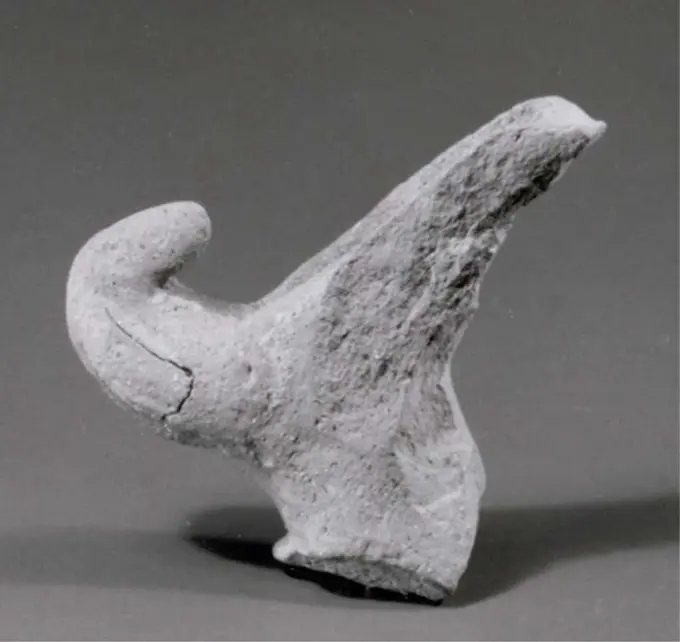
Beak spout ca. 7th century B.C. Iran This beak spout was originally part of a ceramic pitcher made of red clay. Both the end of the beak and the neck that attached to the vessel are broken off. A curl sits on top of the beak at the back.This object was excavated at Tepe Nush-i Jan, an Iron Age hilltop site about 60 km sound of Hamadan in western Iran. Nush-i Jan was occupied in the 7th and 6th centuries B.C., and its occupants are generally thought to be the Medes, an Iranian people known from Assyrian, Achaemenid and Biblical sources. Though the textual sources portray them as a powerful empire, archaeological evidence for the Medes has yet to sustain this impression. Rather, they seem to have lived in scattered fortified sites in western and central Iran, without any clear capital. Nush-i Jan, one of the best known of these sites, features two temples, a columned hall, and a fort. This spout was discovered in the East Court,’ an open area next to the fort.Spouted pitchers are a well
6145-29732607
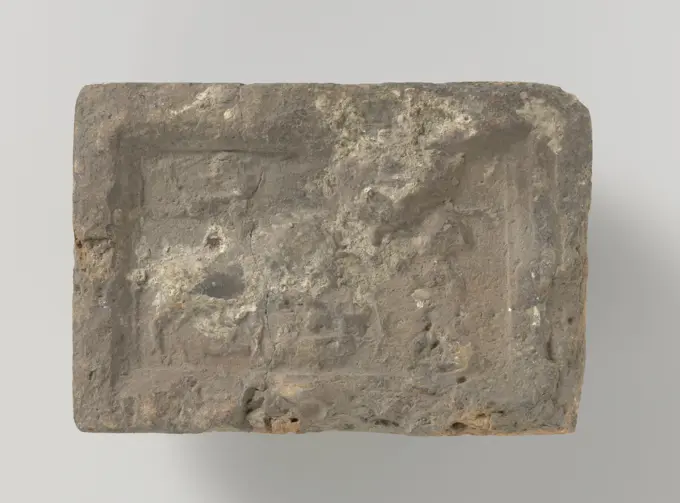
Brick ca. 6th century B.C. Babylonian. Brick 322029
6145-29790445
Fragment 14th-15th century. Fragment 445433
6145-29126540
Lamp
4409-42927
Pre-Columbian Art. Ecuador. Pre-Inca Period. Period of Regional Development. Jama-Coaque Culture. Coast of Ecuador (500BC-500AD). ceramic head. 300-200 BC-700-800 AD. Ecuador.
6145-29774920
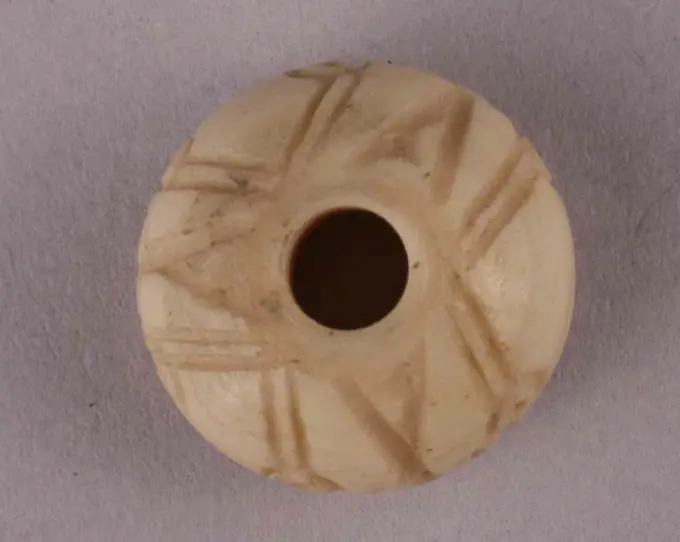
Shell Pendant or Bead 3rd millennium B.C. Valdivia. Shell Pendant or Bead 314210
4409-17406122
Box Fragments. Culture: Coptic. Dimensions: Overall (a): 2 11/16 x 2 1/2 x 4 5/16 in. (6.9 x 6.4 x 10.9 cm)Overall (b): 2 13/16 x 13/16 x 3/8 in. (7.2 x 2.1 x 1 cm). Date: 4th-7th century. Museum: Metropolitan Museum of Art, New York, USA.
4409-17237471
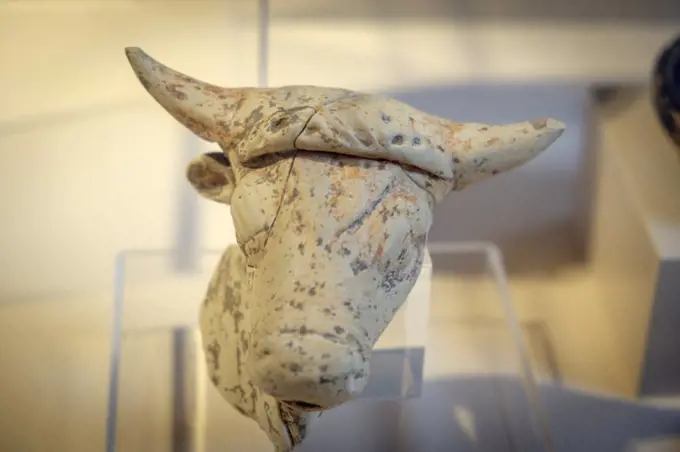
cabeza de toro, talaiotico, años 650 - 123 a.C. , Museu Municipal de Ciutadella,. Bastió de sa Font, Ciutadella, Menorca,balearic islands, Spain.
6145-29725626
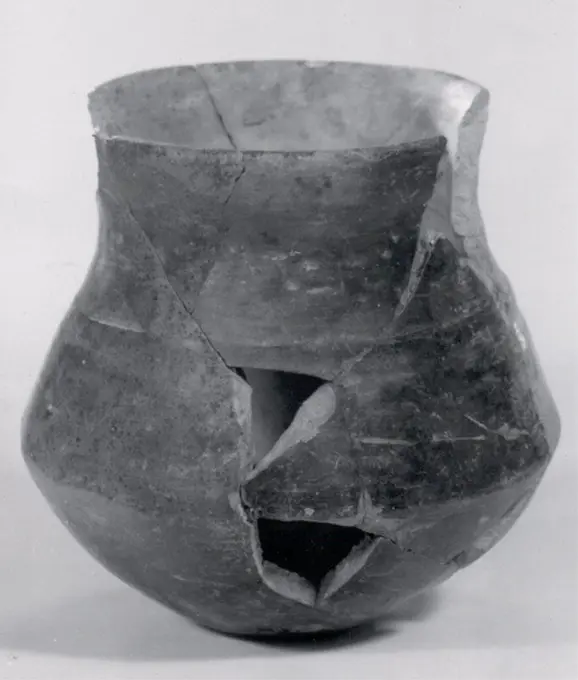
Jar ca. 9th century B.C. Iran. Jar 326189
1746-19674088
Lead pipe joints, from the Roman city of Bath in England. Wouldve originally been mined in the Mendip hills by slaves. Circa 1st-2nd century AD.
4409-17430395
Cup handle. Dimensions: length 3.51 cm..Bearded head surmounted by two ovules. Museum: Metropolitan Museum of Art, New York, USA.
6145-29786317
Foot fragment ca. 1353-1336 B.C. New Kingdom, Amarna Period. Foot fragment 549850
6145-30357148
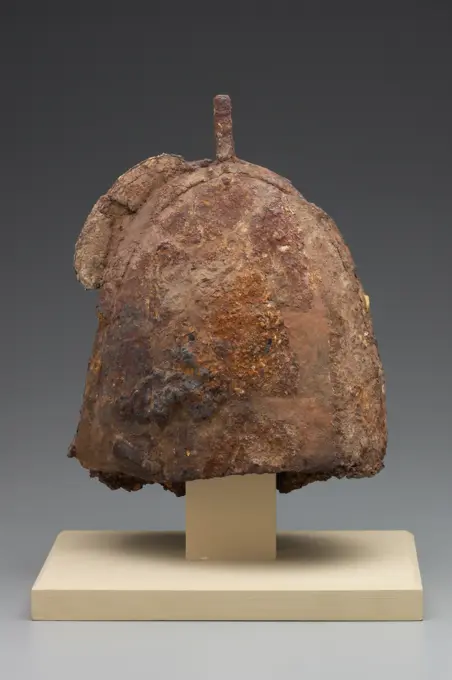
Sasanianhelmet
6145-29770339
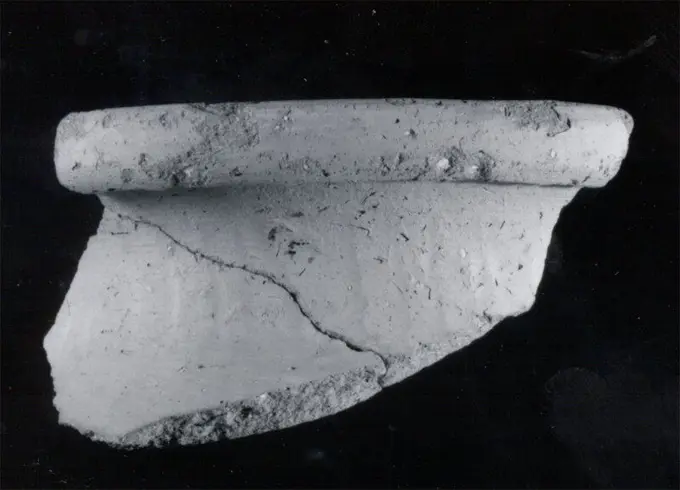
Jar rim sherd ca. late 3rd millennium B.C.. Jar rim sherd 325262
4409-24817
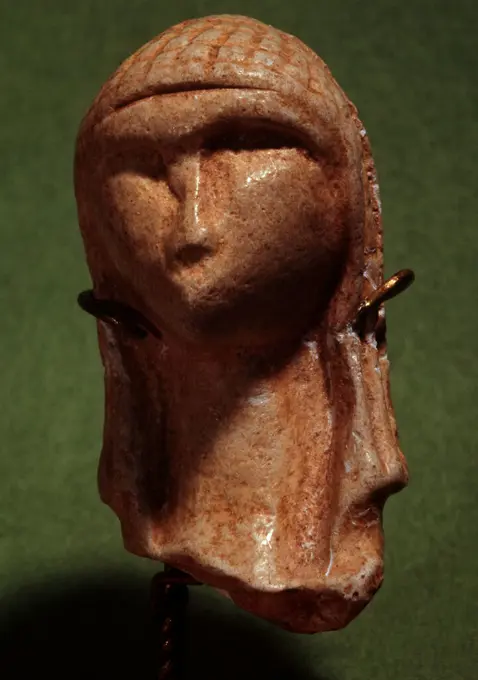
VENUS DE BRASSEMPOUY - ESTATUILLA PALEOLITICA TALLADA EN MARFIL - 30.000 AÑOS DE ANTIGÜEDAD - 3,5 cm -. Location: MUSEO DE ANTIGÜEDADES. SAINT-GERMAIN-EN-LAYE. France.
6145-59504992
Shards of porcelain from V.O.C. ship De 'Witte Leeuw', Before 1613  Three shards of porcelain from a martavan from V.O.C.-ship the 'Witte Leeuw'. Jingdezhen porcelain   Sint-Helena
6145-51807642
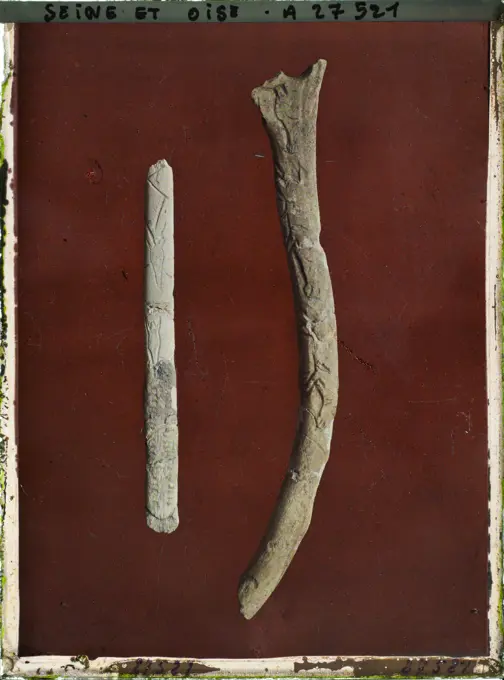
Saint-Germain-en-Laye, France , 1921 - Seine -et -Oise - Auguste Léon - (June) (French - Saint-Germain-en-Laye , France). Museum, picking , hunting, archaeological vestige, sculpture, prehistory, weapon, carved decor, Economic activity, Habitat , Architecture, Art, France, St Germain-en-Laye, Limeuil: propellant stick, flat bone with head
6145-54681043
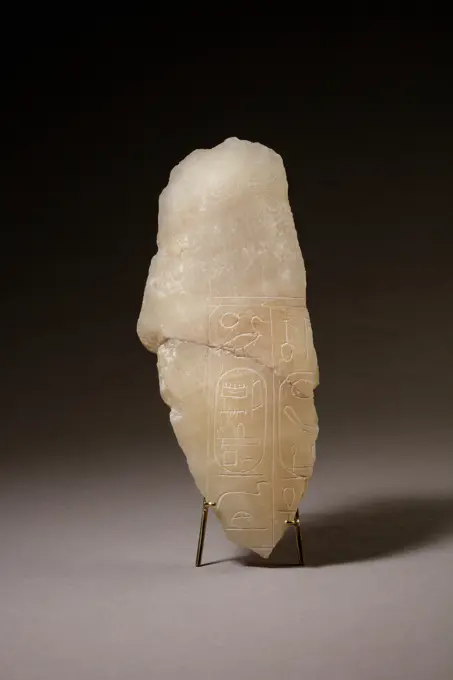
Jar fragment, cartouches New Kingdom ca. 1525-1504 B.C. View more. Jar fragment, cartouches. ca. 1525-1504 B.C.. Travertine (Egyptian alabaster). New Kingdom. From Egypt, Upper Egypt, Thebes, Dra Abu el-Naga, Tomb AN-B, Carnarvon/Carter excavations. Dynasty 18
6145-29115562
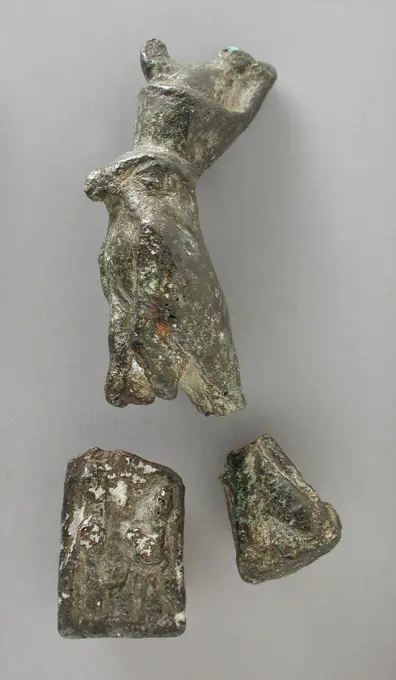
Figurine of Horus, Lord of the Two Lands. Egypt, Late Period - Ptolemaic Period (664 - 30 BCE). Sculpture. Bronze
4413-28972108
Scraper. North Africa. 7.8cm.
4409-77135714
Brassai, the wind, 1960, stone, collection of the Musée National d'Art Moderne - Centre d'Art Georges Pompidou, France.
6145-29787689
Amulet 3rd millennium B.C. Iran. Amulet 324425
6145-29159057
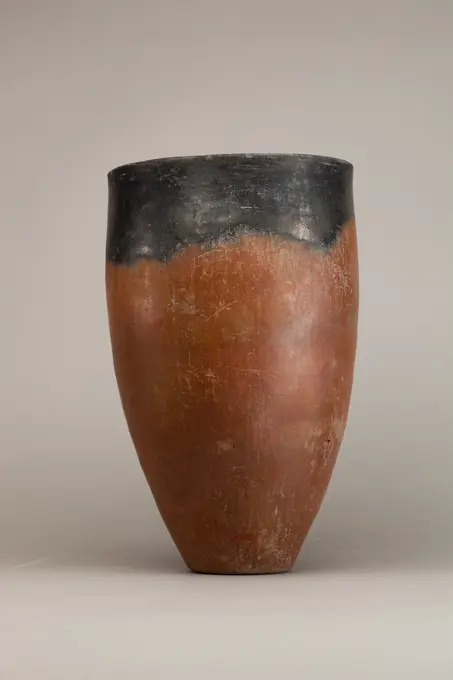
Black-topped Red Ware Beaker ca. 3850-2960 B.C. Predynastic Period. Black-topped Red Ware Beaker. ca. 3850-2960 B.C.. Pottery. Predynastic Period. From Egypt
6145-59088040
Plate in the shape of a stele;  19th century (1801-00-00-1900-00-00);
4409-17430686
Head of Akhenaten in the Blue Crown, Sign Traces Behind Neck. Dimensions: H. 22 × W. 13.5 × D. 20 cm (8 11/16 × 5 5/16 × 7 7/8 in.). Dynasty: Dynasty 18. Reign: reign of Akhenaten. Date: ca. 1353-1336 B.C..At some point after the end of the Amarna period, statues from the sanctuary of the Great Aten Temple at Amarna were demolished and their fragments left in the area of the sanctuary or in a dump outside the south temenos wall originally used for expendable material that had been used in the cult.The sanctuary and dump areas were excavated in 1891-92 by Howard Carter working for Flinders Petrie. When Petrie received almost all his finds from the Egyptian government, he allotted these sculpture fragments to Lord Amherst who had funded Carter's work. The Museum subsequently accquired most all of this important corpus, some four hundred fragments. Many joins have been made by curators over the decades, and the fragments are now being studied for the information they provide about the st
7038-70020939
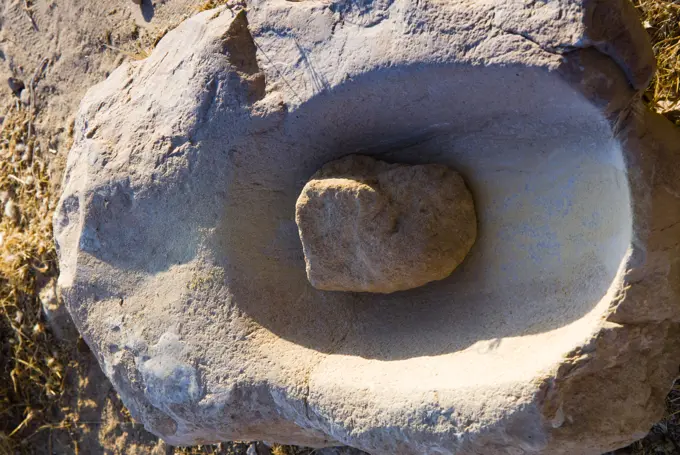
Neolithic grindstone, Al Beidha Neolithic Village, Jordan.
4409-136453
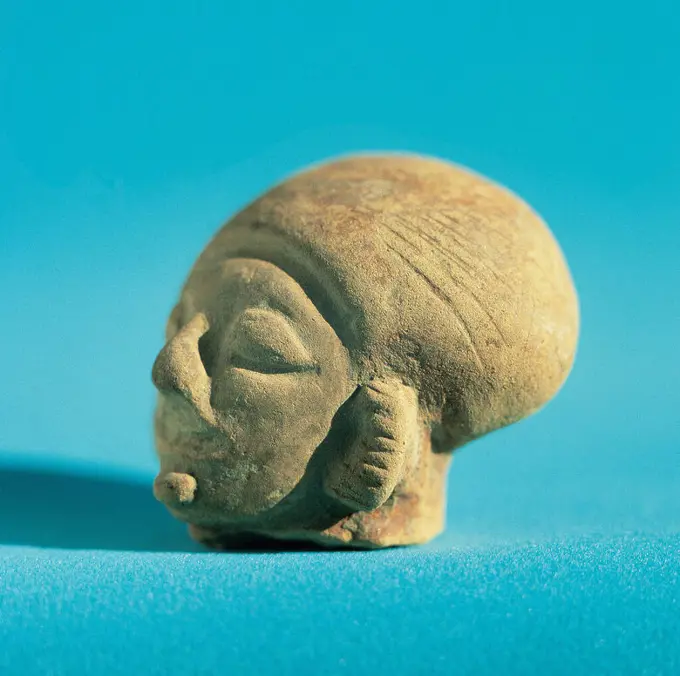
PERFORADOR . PALEOLITICO. (DEPOSITO: MUSEO ARQUEOLOGICO NACIONAL).
6145-29727192
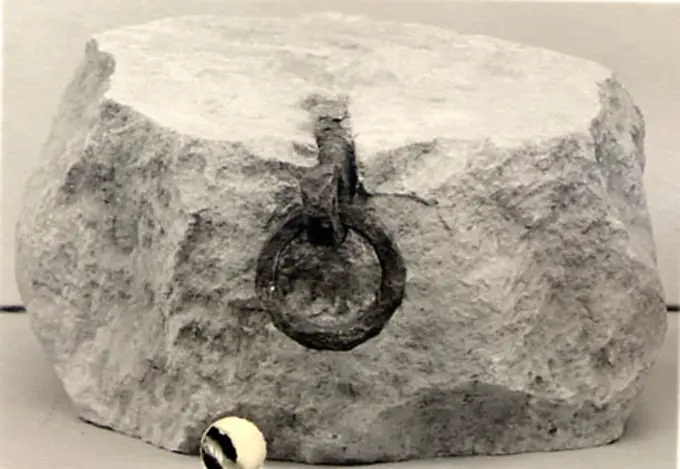
Block 13th century () French or German (). Block. French or German (). 13th century (). Stone (in two pieces). Metalwork-Iron
6145-45529279
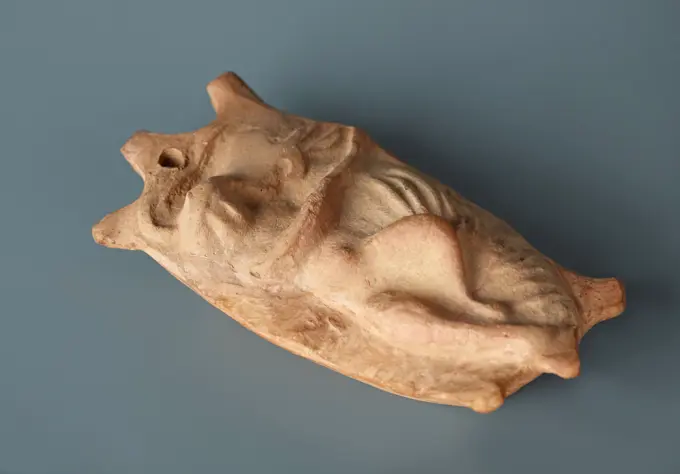
Terracotta Rattle
4409-64222675
Ceramic lamp with sexual motifs, Iberian period three hundred and fifty to fifty BC, Huesca museum, Aragon community, Spain.
4443-21909448
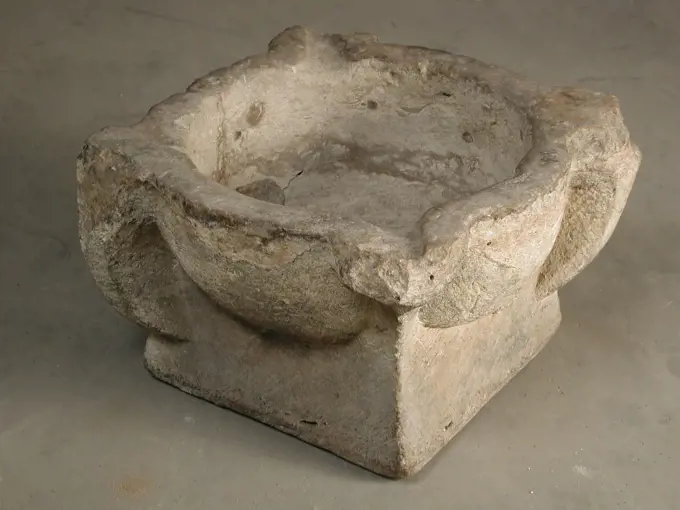
Limestone mortar, auger equipment limestone stone cement, mince Round limestone mortar on flat square base. Opposite each other along the side: two vertical round bulges and two gutters at the top edge. The bulges probably served as handles
4443-21930864
Copper thimble molded with groove at the top, thimble sewing kit soil find copper metal h 1,9, cast Copper molded thimble with round holes in lines on the top with groove changing into the shaft with wheel punch and with blank board with two grooves archeology Rotterdam rail tunnel seamstress tailor sewing textile processing clothing needle and thread repair Soil discovery: rail tunnel Rotterdam.
6145-29743953
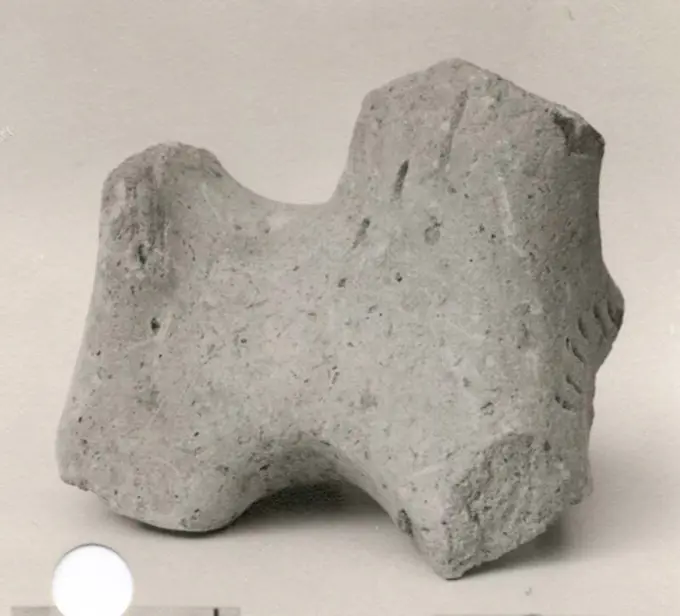
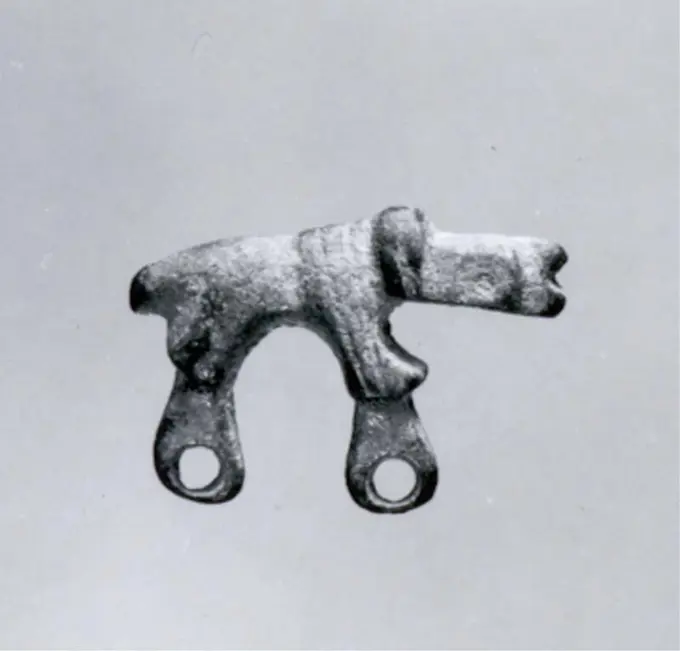
Animal figurine ca. 3rd-7th century A.D. Sasanian. Animal figurine 322829
6145-46521498
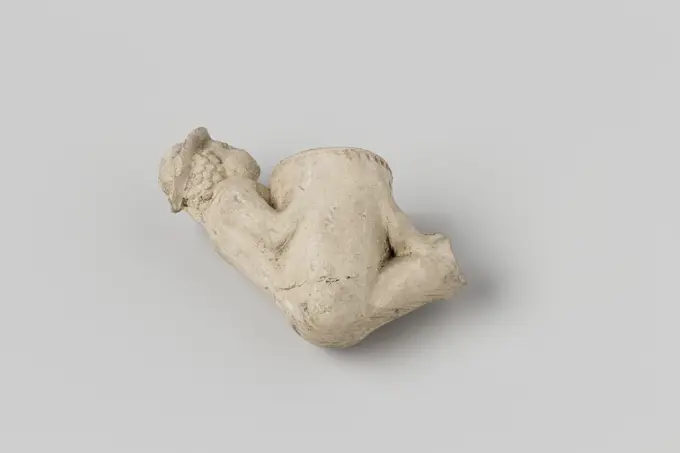
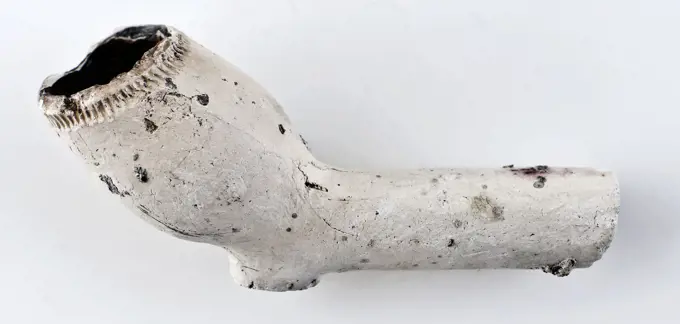
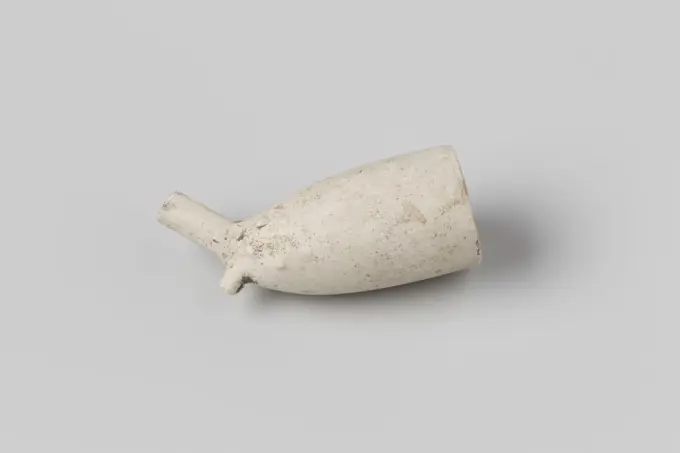
Fragment pipe head. Fragment blowjob with a half excellent man with a hat and curls. Of the excavations at the Hofstede Arentsburg 1827-1831 under the supervision of professor Reuvens.
6145-58863544
Hearing stone with representation of Sint Joris on horseback, who kills the dragon, c. 1525 - c. 1550 Hearing stone with representation of Sint Joris on horseback, who kills the dragon, with the princess on the right. Southern Netherlands earthenware Hearing stone with representation of Sint Joris on horseback, who kills the dragon, with the princess on the right. Southern Netherlands earthenware
6145-29729662
Statuette of seated man ca. 1981-1900 B.C. Middle Kingdom. Statuette of seated man 546735
6145-29742471
Fragment of a Bowl 14th-15th century. Fragment of a Bowl 455192
6145-29124430
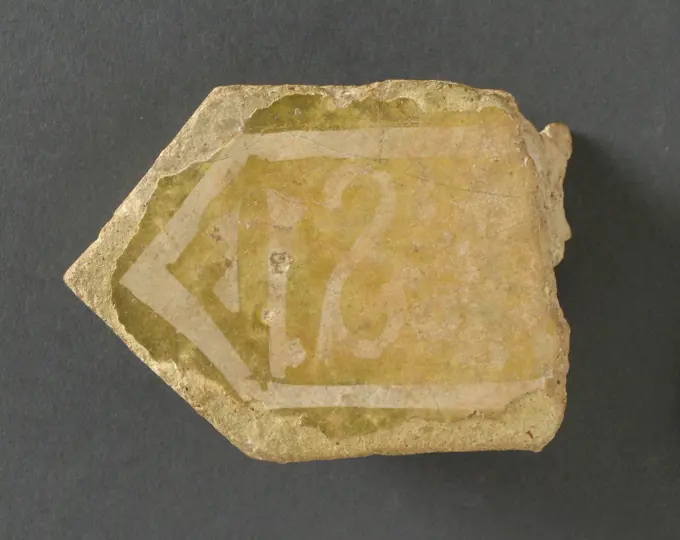
Tile. Algeria, Qal'at bani Hammad (), second half of 11th century. Ceramics. Earthenware, glazed and luster-painted
4409-30479233
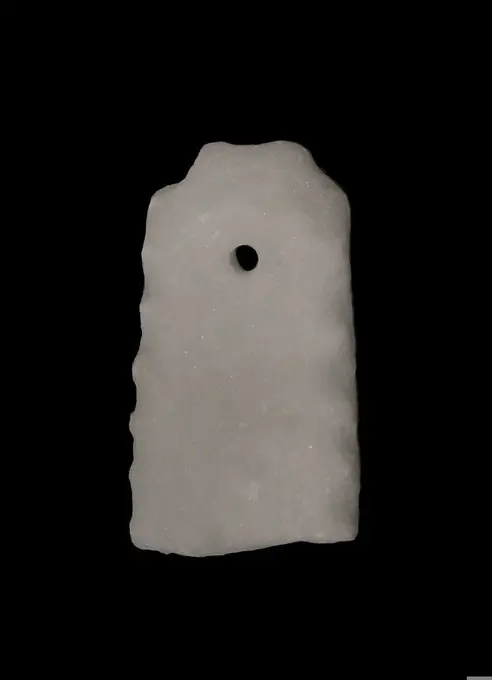
Prehistory. Temple Period (4000 to 2500 BC). Malta. Alabaster fragment with serrated edges. From Mnajdra. National Museum of Archaeology. Valletta. Malta.
4409-17439483
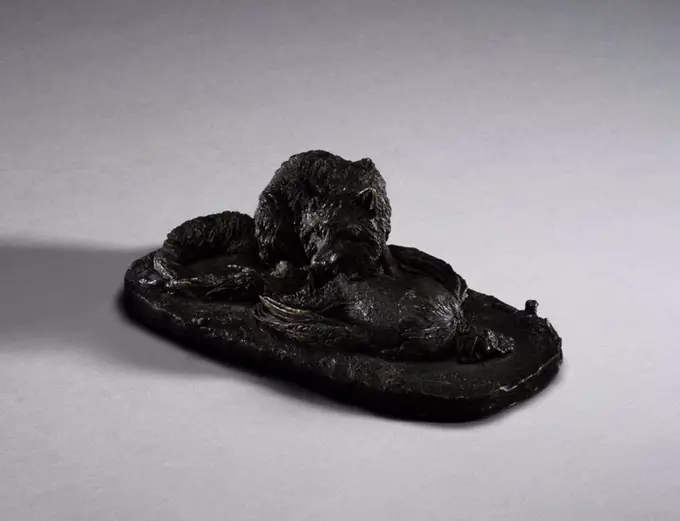
A Fox Holding a Dead Rooster. Dated: 19th century. Dimensions: overall: 8.9 × 25.4 × 12.1 cm (3 1/2 × 10 × 4 3/4 in.). Medium: wax. Museum: National Gallery of Art, Washington DC. Author: PIERRE-JULES MENE.
6188-62234422
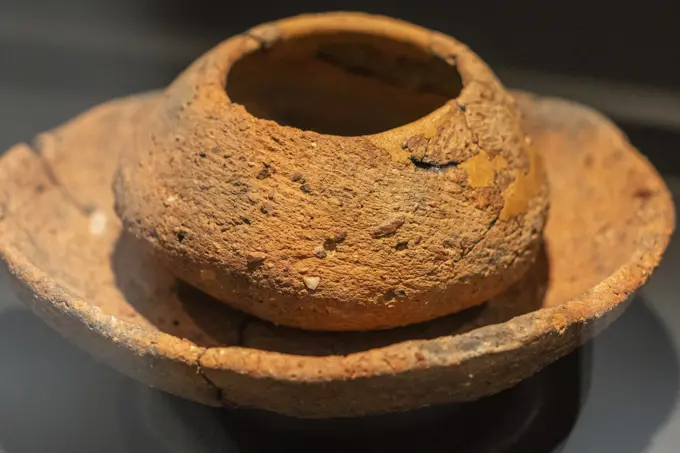
ceramic plate and bowl ceramic plate and bowl, Los Gabrieles dolmen complex, III BC, Valverde del Camino, Huelva Museum, Huelva, Andalusia, Spain Copyright: xZoonar.com/BartomeuxBalaguerxRotgerx 21733710
6145-29166646
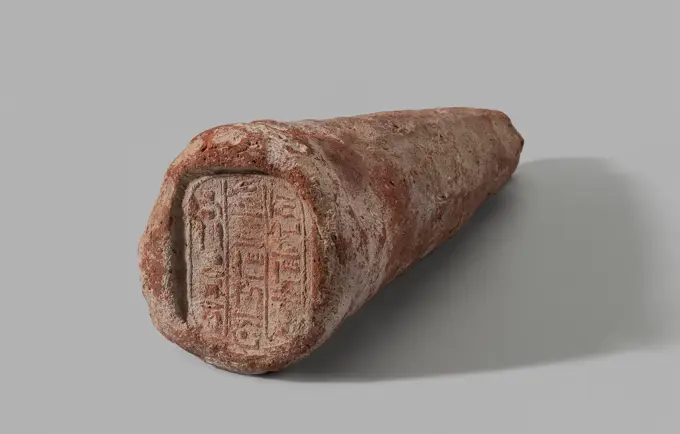
Funerary Cone of the Royal Seal-Bearer and Priest Iaiefib ca. 1550-1295 B.C. New Kingdom. Funerary Cone of the Royal Seal-Bearer and Priest Iaiefib 559213
1746-19679417
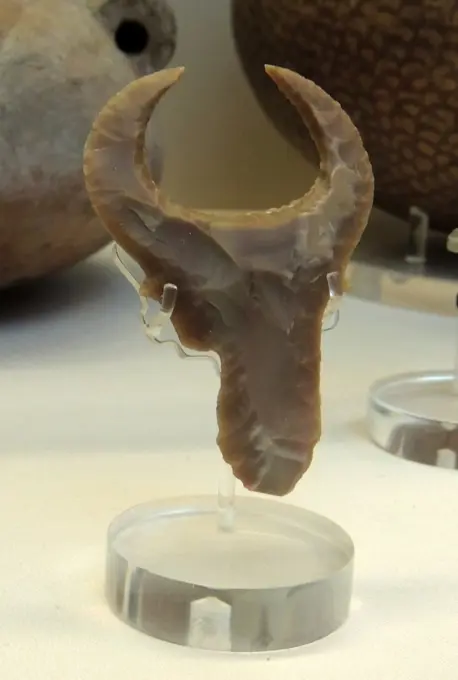
Flint Head of a Bull 3258 B.C. Egypt
6145-43494019
Printing Block (USA); wood, copper, brass; 1941-87-1-g
6145-29158792
Inkstone in the Form of a Bird China. Inkstone in the Form of a Bird. China. Stone. Song dynasty (960-1279). Inkstone
6145-29824042
Standing Figure 1st-8th century Guerrero. Standing Figure 319244
6145-29161926
Shell pendant or bead ca. 3850-2960 B.C. Predynastic Period. Shell pendant or bead 571031
4443-21920840
Clay pipe, marked, with smooth handle, clay pipe smoking equipment smoke floor foundry pottery, pressed finished baked Clay pipe marked with smooth handle. Radiator ring under lip top edge along the entire circumference boiler. Heel mark. heel mark: IR after the letters dot in pearl edge archeology Rotterdam City Center Cool Schiedamse Vest Mainland City Triangle Runway indigenous pottery smoking tobacco craft Soil discovery: Vasteland-Baan Schiedamse Vest Rotterdam complex of materials from pastry shop and pipe making and house waste from the 17th century.
4409-17279232
MESA DE OFRENDA. CALCAREA. PROCEDE DE HERAKLEOPOLIS MAGNA. PRIMER PERIODO INTERMEDIO 2170-2002 AC. Location: EGYPTIAN MUSEUM. KAIRO. EGYPT.
6145-29833827
Vase fragment ca. 4000-3000 B.C. Neolithic, Thessaly. Vase fragment 253237 Neolithic, Thessaly, Vase fragment, ca. 40003000 B.C., Terracotta, length 3 3/4in. (9.5cm). The Metropolitan Museum of Art, New York. Anonymous Gift, 1930 (30.119.32)
1746-21101104
Divine images in clay and stone. Goddess figurines from Sha'ar Hagolan made from clay and pigments and pebble figurines from Sha'ar Hagolan and Munhata made from limestone and basalt. From the Yarmukian culture over 8,000 years ago.
1746-21125372
Fragment of unpolished rock and crystal bowl. Dated 13th Century
6145-29799925
Button or Bead 9th-10th century This object was excavated at Nishapur.Nishapur was a vital city in the early and middle Islamic periods, located along one of the main trajectories that connected Iran and West Asia Islamic lands with Central Asia and China. These itineraries are often referred to by the term Silk routes’ but were in fact crucial to the movement of constellations of materials and objects, as well as people and ideas. The diverse population of Nishapur and its surroundings, from the better-researched elite groups of merchants, land-owning aristocracy, and literates, to the less-known artisans, farmers, miners, and servants, were instrumental in adapting global cultural trends to create their own distinctive visual languages. This is seen in the material remains of everyday life in medieval Nishapur - from pots and pans to lighting devices, inkwells, textiles and trimmings, jewelry, games and toys, talismanic devices, weapons, coins, and architectural fragments.Nishapur l
1746-21130579
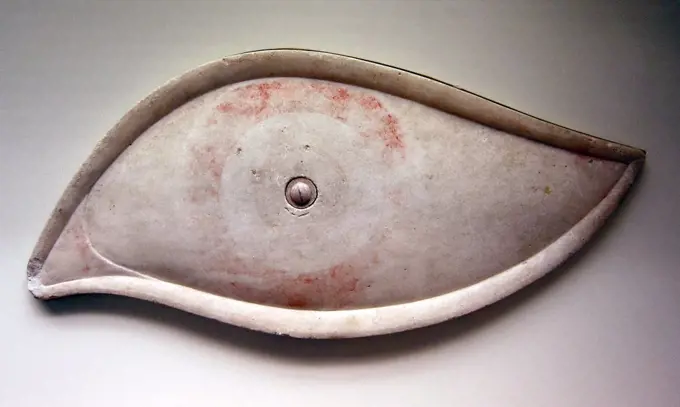
Protective eye from the bows of a trireme, an ancient Greek sailing vessel, Archaeological Museum, Piraeus, Greece.
6145-58867066
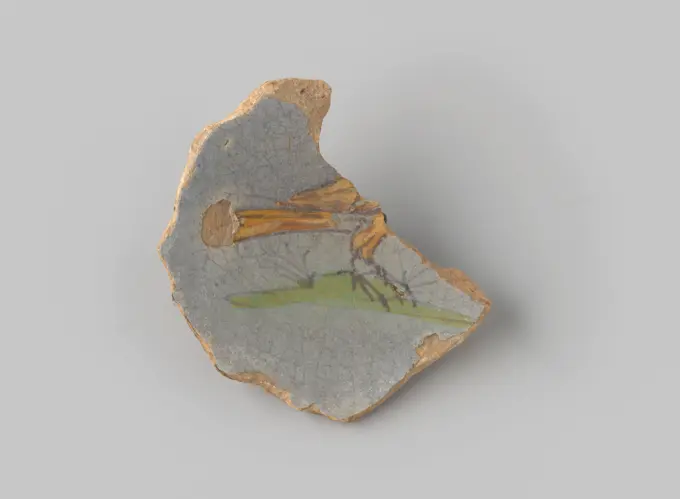
Sharf of yellowish pottery, with blue glaze at the front, with a painting of the lower body and the tail of a yellow bird, standing on the green bottom, anonymous, 1600 - 1650 on the flat  Northern Netherlands earthenware. glaze majolica  Northern Netherlands earthenware. glaze majolica
4220-20062737
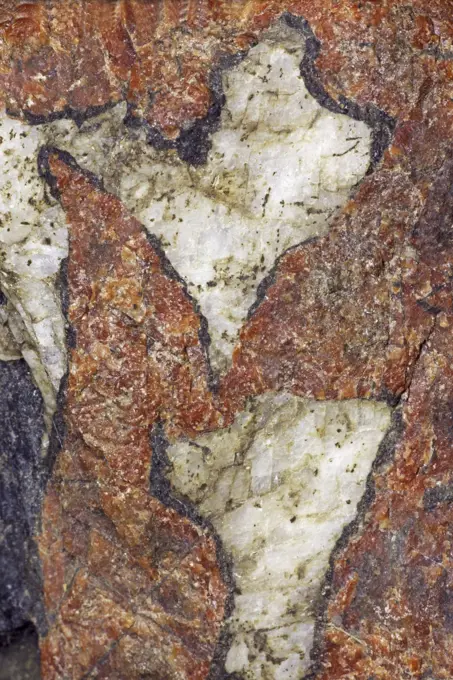
Willemite (red) and Calcite (white. Franklin New Jersey  - Taken under normal light - USA.
1747R-3322
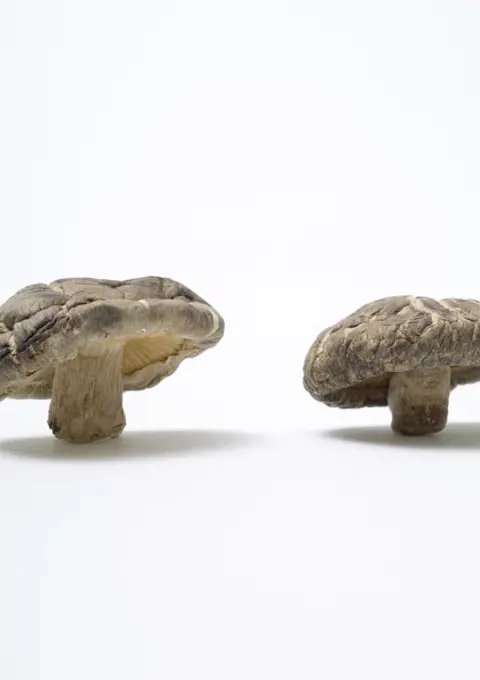
Dried shiitake mushrooms
6145-29153888
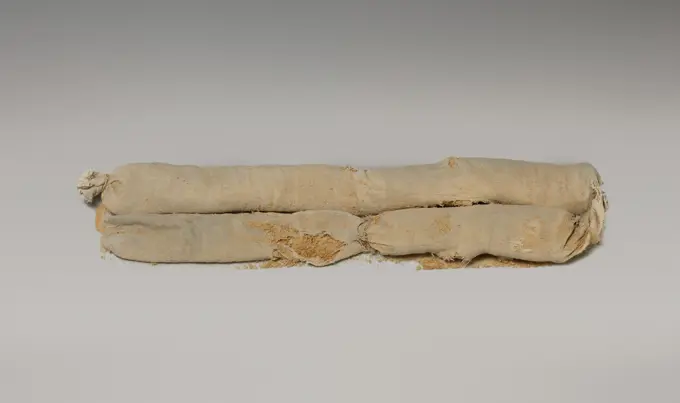
Cylindrical bag of sawdust from Tutankhamun's Embalming Cache ca. 1336-1327 B.C. New Kingdom, Amarna Period In December 1907 Theodore M. Davis, a wealthy American who was funding excavations in the Valley of the Kings, discovered a small pit near the tomb of Seti I. Inside the pit were approximately a dozen large sealed whitewashed storage jars (09.184.1). Among other things, the jars contained bags of natron (a kind of salt), pieces of linen with hieratic inscriptions dated to Years 6 and 8 of a king named Tutankhamun (throne name Nebkheperure). At the time, almost nothing was know about Tutankhamun, and Davis declared that he had discovered the king's tomb.Davis received a number of the jars and their contents in the division of finds and, in 1909, he gave most of his share to the Metropolitan Museum. It was only later that Herbert Winlock, the field director of the Museum's excavations at Thebes, realized that the natron and linen were embalming refuse from the mummification of Tuta
6145-29822594
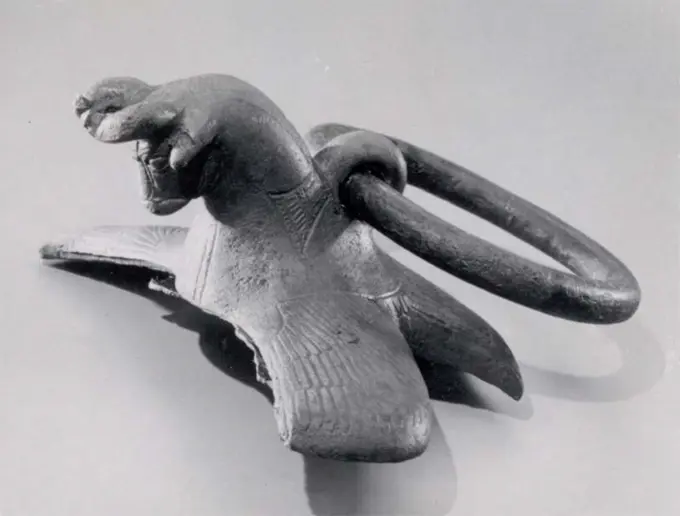
Cauldron attachment: winged bull's head ca. 8th-7th century B.C. Iran. Cauldron attachment: winged bull's head 325880
6188-56070798
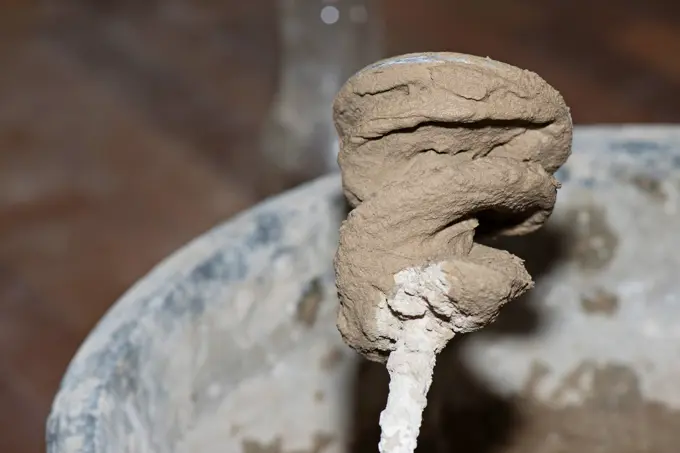
Concrete mixer during the work Concrete mixer during the work with plaster Copyright: xZoonar.com/AnnaxMaloverjanx 8044510
4409-17409218
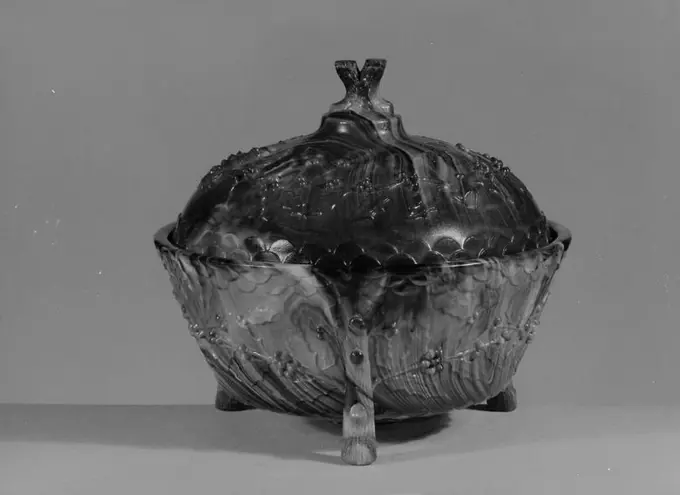
Covered Bowl. Dimensions: H. 4 3/4 in. (12.1 cm); Diam. 5 1/4 in. (13.3 cm). Date: 1880-90. Museum: Metropolitan Museum of Art, New York, USA.
4409-137490
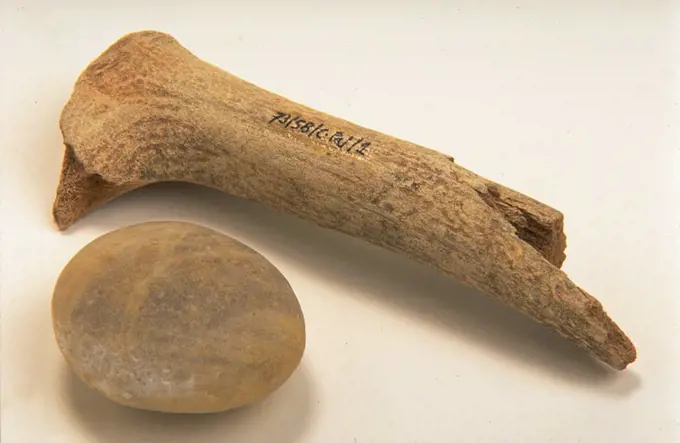
PERCUTOR DE CUARCITA Y PERCUTOR DE HUESO. PALEOLITICO INFERIOR. (DEPOSITO: MUSEO ARQUEOLOGICO NACIONAL).
6145-54681859
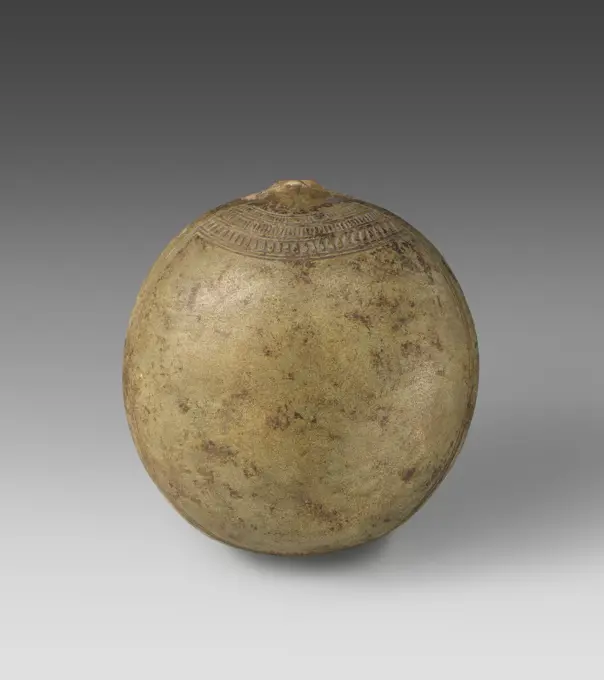
Lentoid Bottle ("New Year's Bottle") Late Period 664-332 B.C. Faience flasks of this type, often inscribed with good wishes and apparently filled with water from the Nile, were given as presents at the New Year. This example is missing its neck. View more. Lentoid Bottle ("New Year's Bottle"). 664-332 B.C.. Faience. Late Period. From Egypt. Dynasty 26-30
6188-60997514
Griffin s head Griffin s head, 16th century, probably originating from the Renaissance Chirinos Palace, Archeological Museum. Úbeda, Jaén province, Andalusia, Spain Copyright: xZoonar.com/BartomeuxBalaguerxRotgerx 21702700
6145-29821262
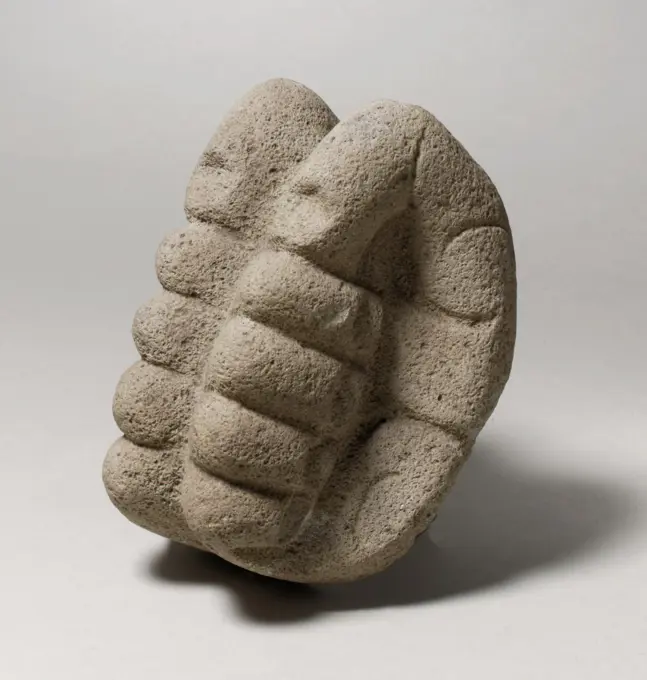
Hacha in the Shape of Bound Hands 4th-7th century Veracruz This sculpture, made of volcanic stone, takes the form of two larger-than-life-size hands with clenched fists. The hands are placed back to back, with fingers facing outward. On each side, fingers descend to the palm in an even line, while incised lines delineate the pad of the palm and the joints of the thumb. Although the hands look naturalistic, the artist has chosen to stress uniformity and symmetry rather than depict the irregularities of human hands; the pinkies and thumbs, for example, bend toward the palms in an exaggerated U” shape rather than at distinct joints. This work is an hacha,” a type of sculpture associated with the ballgame in ancient Mesoamerica. Named after the Spanish term for axe,” hachas are representations of gear worn in the ballgame. Imagery from Veracruz and the Maya area depicts ballplayers wearing hachas on top of yokes, U-shaped stone objects worn around the waist (see MMA 1979.206.423 and MMA
6145-29740701
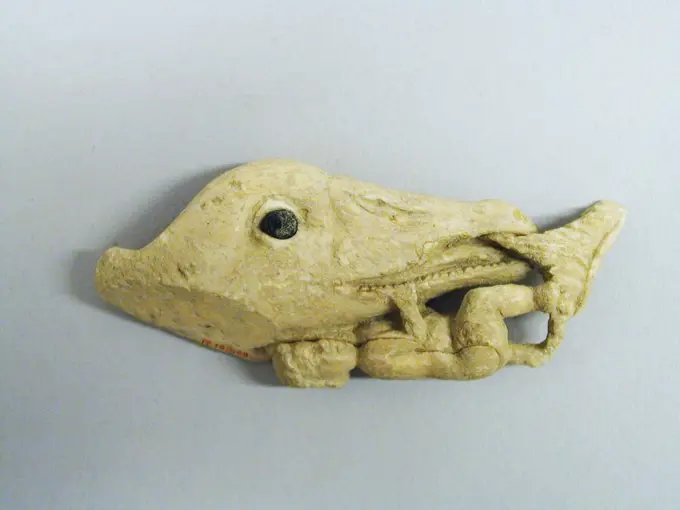
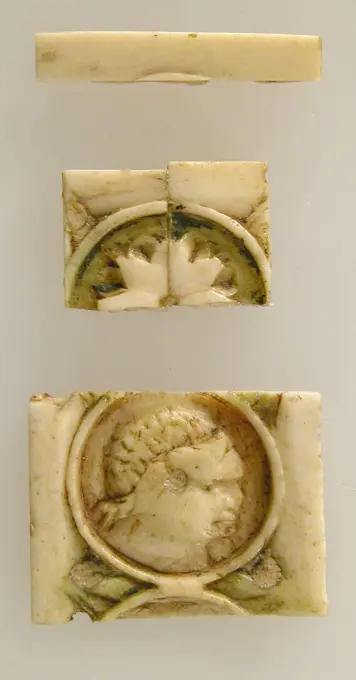
Ivory furniture attachment early 1st century A.D. Roman These reliefs once decorated a dining couch. They would have been attached to the two ends of the fulcrum (headrest), with the head of Cupid in a roundel at the lower end and the ducks head, with a glass insert for the eye, forming the curving upper end.. Ivory furniture attachment 249181
1746-21110814
Decorated mace head. Clenched fists of the enemies trapped in the coils of the large snake. carved onto this limestone mace head. Late Predynastic (Naqada III), 3300-3100 BC, Egypt
6145-58873690
Fragment Tobacco Pipe, Anonymous, 1740 - 1770 Fragment tobacco pipe with two dotted flowers. Of the excavations on the Hofstede Arentsburg 1827-1831 under the supervision of Professor Reuvens. Netherlands pipe clay Fragment tobacco pipe with two dotted flowers. Of the excavations on the Hofstede Arentsburg 1827-1831 under the supervision of Professor Reuvens. Netherlands pipe clay
4409-17241760
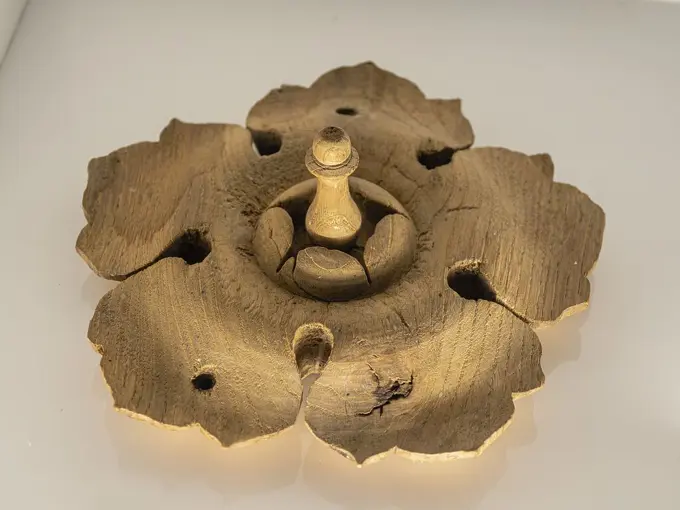
roseta de madera perteneciente al techo de la iglesia, Monasterio de San Juan de Caaveiro, parque natural Fragas del Eume, provincia de La Coruña, Galicia, Spain.
1747R-3613
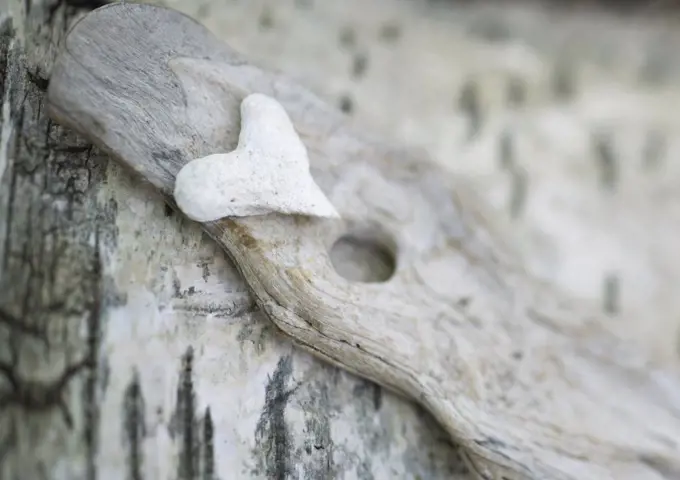
Heart shaped stone on wood background
4409-17553254
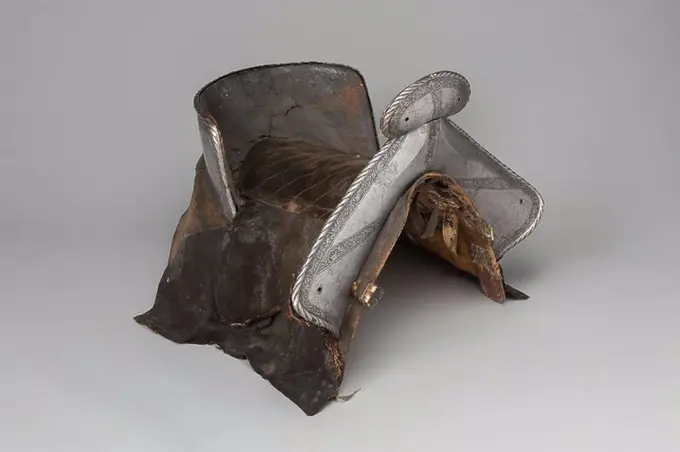
Saddle with Four Saddle Plates. Southern German. Date: 1530-1550. Dimensions: . Steel with gilding, leather, and wood. Origin: Southern Germany. Museum: The Chicago Art Institute, Chicago, USA.
6145-29154291
Falcon Amulet ca. 2150-2100 B.C. Late Old Kingdom. Falcon Amulet. ca. 2150-2100 B.C.. Green feldspar. Late Old Kingdom. From Egypt; Said to be from Southern Upper Egypt, Aswan (Syene)
4443-28734179
Satsuma tea pot, c. 1900, Unknown Japanese, 3 1/2 x 3 1/2 x 5 1/2 in. (8.9 x 8.9 x 13.97 cm), Satsuma ware; glazed stoneware, Japan, 19th century
4409-21506119
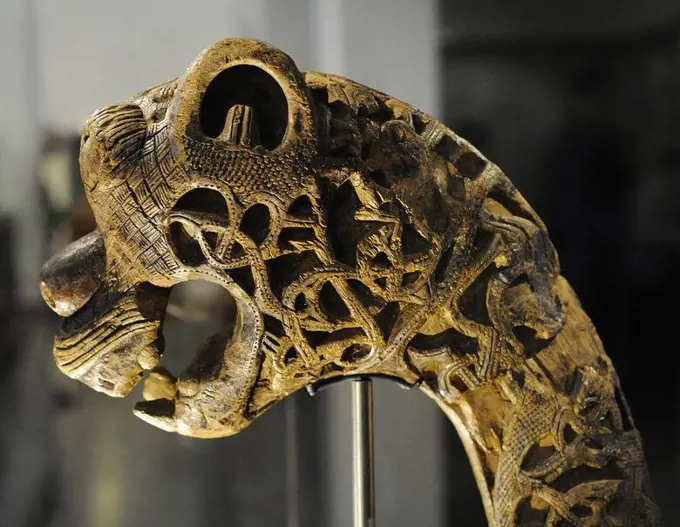
Animal-head post carved in wood. Found in the Tomb of the Boat of Oseberg, Norway. 9th century. Viking Ship Museum. Oslo. Norway.
6145-29155759
Raised relief fragment 664-610 B.C. Late Period, Saite see 23.3.468. Raised relief fragment 548113
4409-17372221
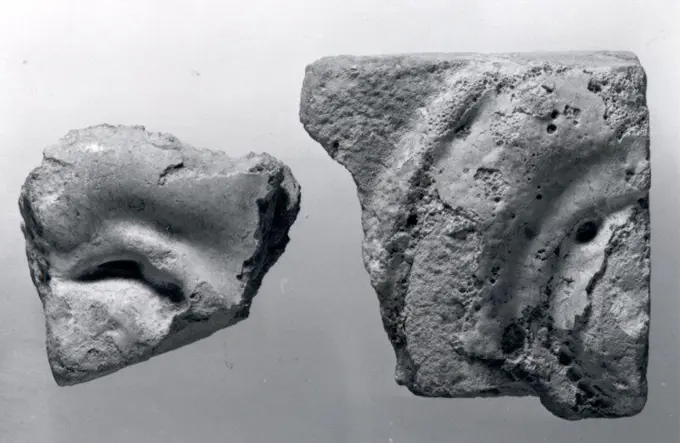
Relief with royal male wearing gold of honor. Dimensions: h. 20.9 cm (8 1/4 in); w. 53.3 cm (21 in). Dynasty: Dynasty 18. Reign: reign of Akhenaten. Date: ca. 1353-1336 B.C.. Museum: Metropolitan Museum of Art, New York, USA.
6145-58926902
Bow drill mouthpiece -
4409-17377303
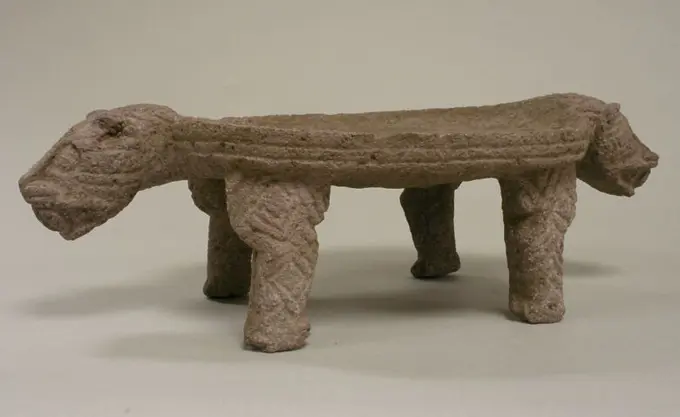
Metate. Culture: Guanacaste-Nicoya. Dimensions: Height 4-3/4 in.. Date: 1st-5th century. Museum: Metropolitan Museum of Art, New York, USA.
6145-29744457
Bell ca. 9th century B.C. Iran. Bell 326204
6145-29120954
Intaglio. Eastern Mediterranean, Roman, 332 B.C.-A.D.395. Tools and Equipment; seals. Stone
6188-67428083
Celtibera Aufbewahrungsgefäß Celtibera storage jar, cooked clay, Contrebia Leucade, Aguilar del Rio Alhama, Museo de la Romanización, Calahorra, La Rioja , Spain, Europe Copyright: xZoonar.com/BartomeuxBalaguerxRotgerx 22946198
1848-50243744
Close up hand holding clay
4409-17279231
MESA DE OFRENDA. CALCAREA. PROCEDE DE HERAKLEOPOLIS MAGNA. PRIMER PERIODO INTERMEDIO 2170-2002 AC. Location: EGYPTIAN MUSEUM. KAIRO. EGYPT.
6145-45546647
Fragment of an Amulet - Sphinx
6189-53751120
Neolithic dagger, La Garma, Ribamontan al Monte, Museum of prehistory and archeology (MUPAC), Santander, Cantabria, Spain
1746-111926696
Native Indian carved anthropomorphic object; Bone. decorated, Eskimo, (Inuit). Canada 1909
4409-17386676
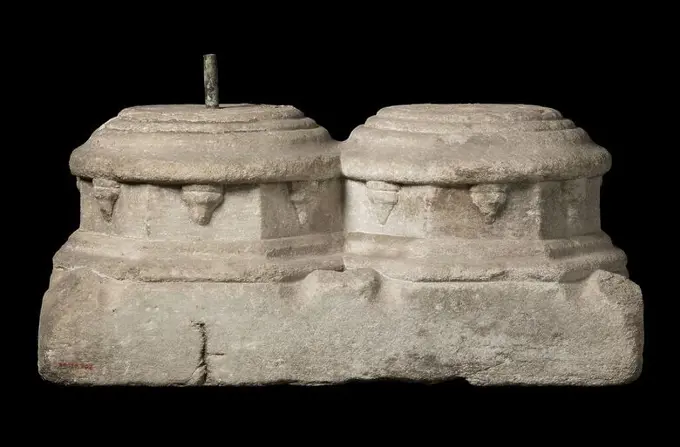
Double Column Base. Culture: French. Dimensions: Overall: 21 x 9 1/4 x 11 1/4 in. (53.3 x 23.5 x 28.6 cm). Date: late 13th-early 14th century. Museum: Metropolitan Museum of Art, New York, USA.
6145-29740106
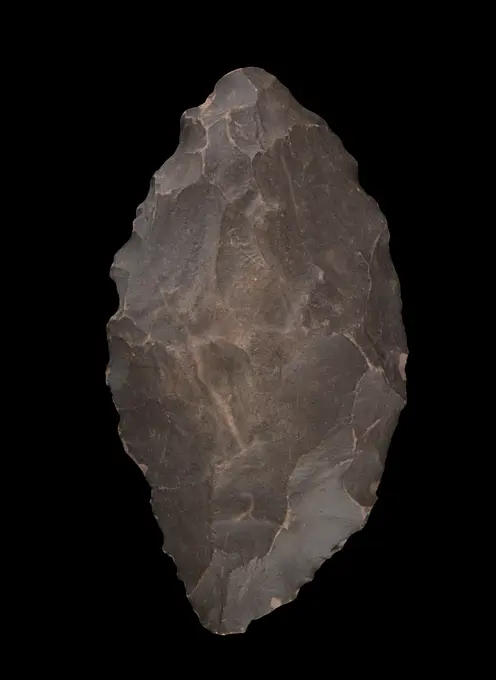
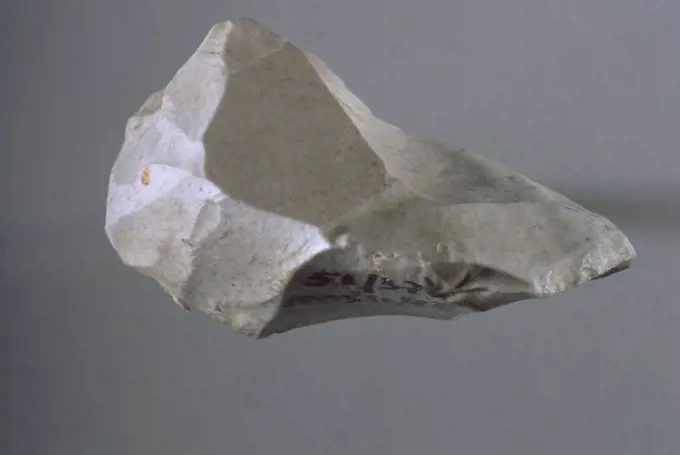
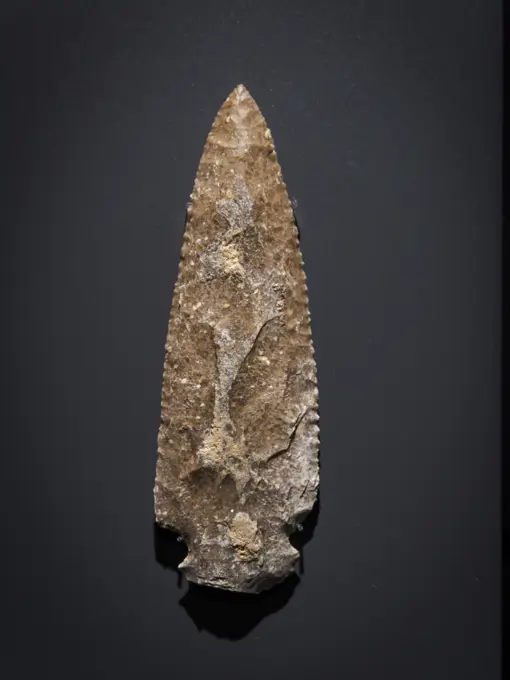
Arrowhead 2500-1500 B.C.; A.D. 400-700 Frankish. Arrowhead. Frankish. 2500-1500 B.C.; A.D. 400-700. Flint. Made in Northern France. Stone-Flint
4409-72496
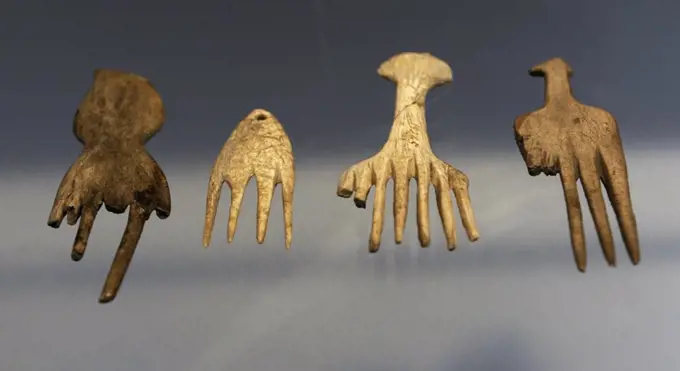
Bone combs from Ertebolle, Mejlgard and Brabrand in Jutland. 5000-4500 BC. National Museum of Denmark. Copenhagen. Denmark.
4409-58752476
Ivory bracelet with incised decoration of parallel lines, final bronze, Huelva Museum, Huelva, Andalusia, Spain.
6188-65544434
Romanesque carving Romanesque carving Copyright: xZoonar.com/TOLOxBALAGUERx 22593073
4409-17437052
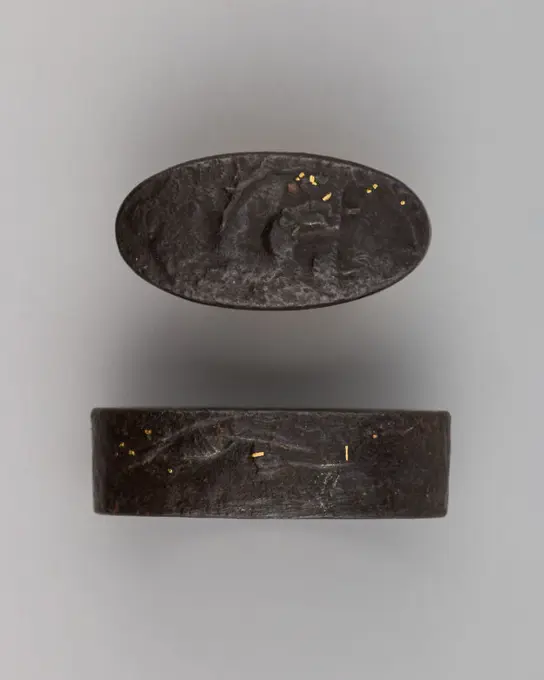
Sword Pommel (Kashira). Culture: Japanese. Dimensions: H. 1 5/16 in. (3.3 cm); Wt. 0.4 oz. (11.3 g). Date: late 18th-early 19th century. Museum: Metropolitan Museum of Art, New York, USA.
6145-46522608
Pipes from the wreck of the East Indieschief Hollandia. Pipe, Bowl, Healmar: Coat of Arms of the City of Amsterdam; Fragm, 1HSM1, 1HSM2, 2HSM1.2.
6145-29811991
Cuneiform tablet: fragment ca. 404-338 B.C. Achaemenid. Cuneiform tablet: fragment 321872
6145-46531833
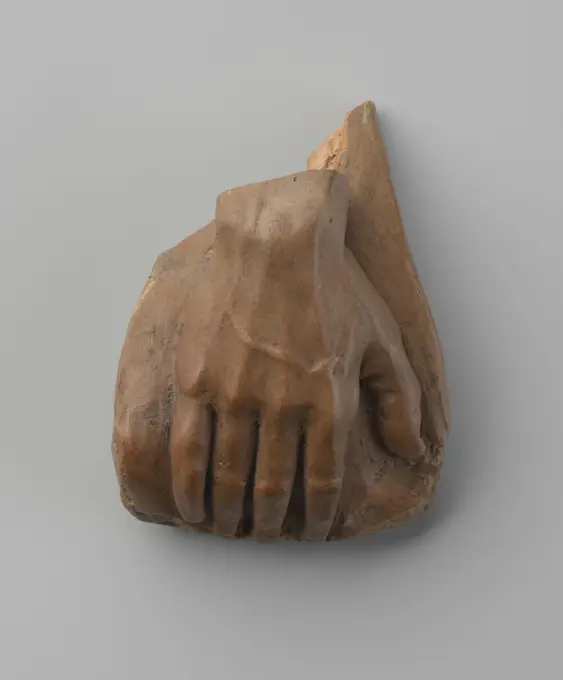
Study Models of Parts of the Body. This group of small models of parts of the body are carefully copied after famous sculptures, in particular by Michelangelo, in Florence and Rome. They came from the workshop of the Nijmegen sculptor Johan Gregor van der Schardt, who had a successful career in Italy, Nuremberg, and Copenhagen. They are extremely rare examples of the, in part autograph, study material of a 16th-century sculptor.
6145-51789604
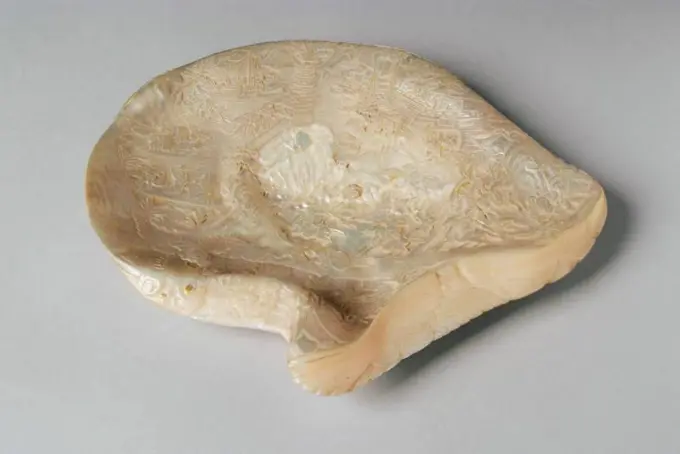
Pair of Chinese Carved Oyster Shells,  Qing Dynasty, possibly 18th century
6145-59068331
A hundred funeral nachta;  around 1400-1390 BC ; New PANacht (CA 1400-1390 A.C.), Tawa (CA 1400-1390 A.C.), Hieroglyphs, Purchase (provenance)
6188-60997600
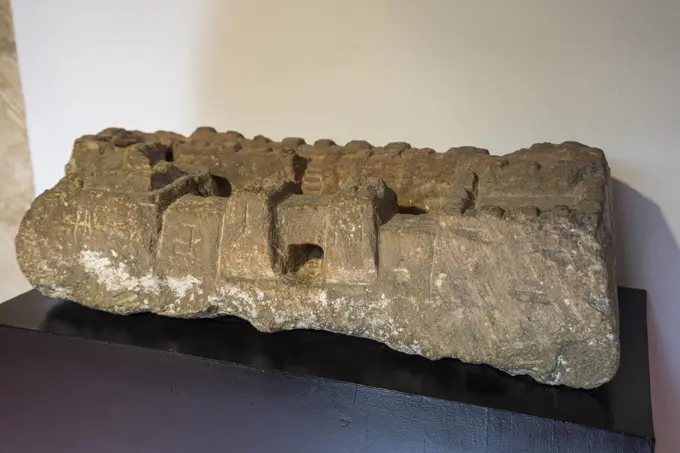
stone model of a medieval castle stone model of a medieval castle, found in the wall of La Cava de Úbeda, Archeological Museum. Úbeda, Jaén province, Andalusia, Spain Copyright: xZoonar.com/BartomeuxBalaguerxRotgerx 21702808
6145-50623608
Narrow-mouthed carved drinking vessel (ipu) in wood ..., February 1933, Wellington, by Leslie Adkin. Gift of Adkin Family, 1997.
4409-58752498
Iberian clepsydra, 6th century BC, Cerro de la Atalaya, Cazalilla, Iberian Museum of Jaén, Andalusia, Spain.
4409-28791463
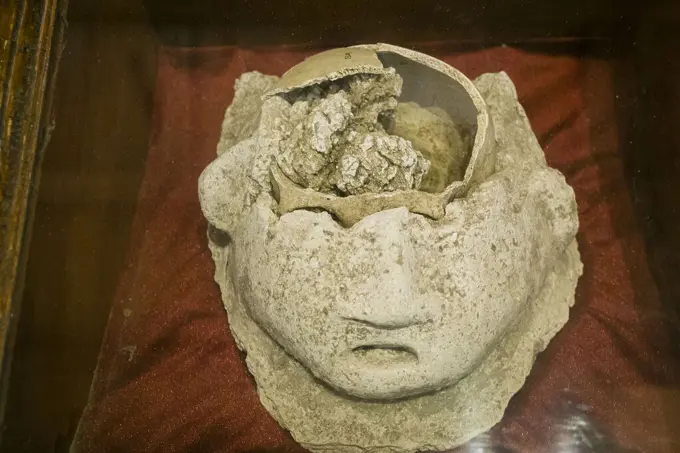
craneo humano con estuco, museo de la plaza central, Chichicastenango ,municipio del departamento de El Quiché, Guatemala, Central America.
6145-29068430
Pendant, 1900s. Africa, West Africa, Côte d'Ivoire, probably Baule-style goldsmith. Gold; overall: 3.6 x 7.7 cm (1 7/16 x 3 1/16 in.). Gold objects, always cast using the lost-wax method, are the only Baule art forms associated with ancestor spirits. Usually hidden in pots or suitcases, gold adornments are displayed on important occasions such as funerals. They are laid out around the corpse before burial. A widow will wear them on a chain around her neck or attached to her hair at the ceremony signaling the end of mourning.
6145-54043118
Saint-Yrieix, Haute-Vienne, France Roman mass and flint axes , 1929 - French provinces - Stéphane Passet - (March 26 -May 18) (French - Saint-Yrieix , Haute-Vienne , France Masse romaine et haches de silex). Mineral resources, archaeological vestige, antiquity, Nature , Environment, Habitat , Architecture, Art, France, Chen, Roman mass and flint axes
4409-63015092
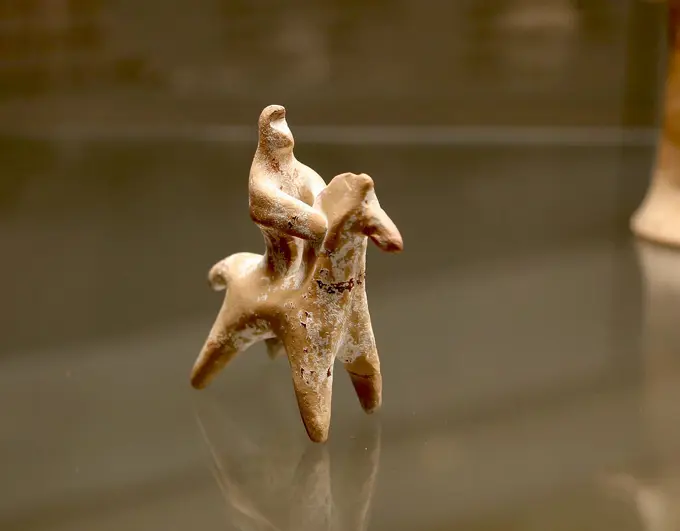
Horseback rider. Votive figurines of terracotta. 6th century BC. Boeotia, greece. hand-modelled and painted. Greek Culture.
1899-51630256
Ellora caves, a UNESCO World Heritage Site in Maharashtra, India. Cave 21. Lingam
6145-29791494
Foundation peg ca. 2600-2350 B.C. Sumerian. Foundation peg 325485
6145-29117616
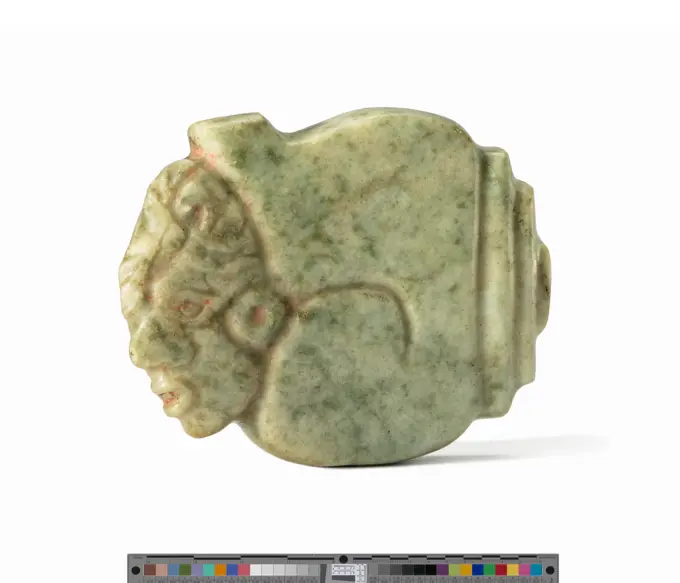
Pendant with God N Emerging from Shell. Guatemala or Mexico, Maya, 600-900 CE. Stone. Jadeite with pigment
6145-59041964
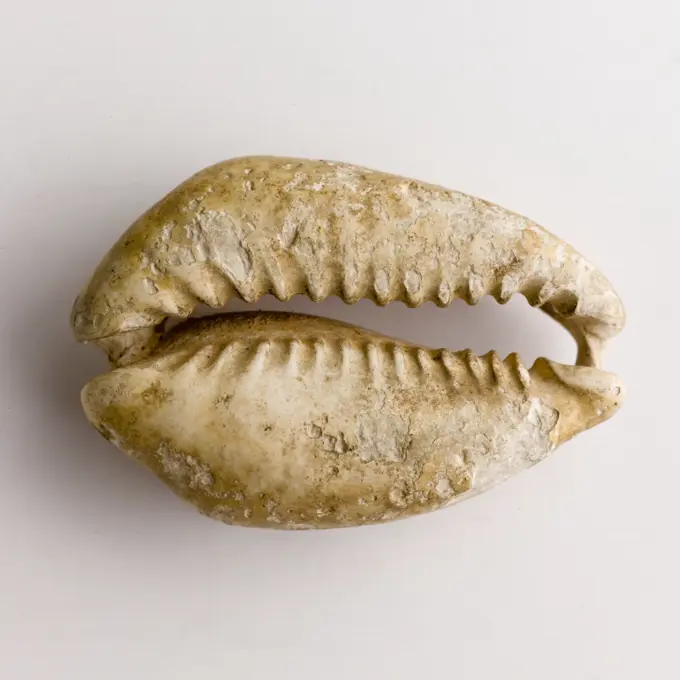
Cauris Marin (11). Shell, bone, wood, china, zhou dynasty (11th century BC Paris, Cernuschi museum. Cauris, Asian civilization, Chinese civilization, zhou dynasty, currency
6145-59079756
Fragment of the chapel;Polish excavations in Tell ATRIB (Egypt)
1746-19699500
Item from a selection of ossuary's, burial containers and incense burners from a burial cave from Peking over 6,500-5,500 years ago. Made from painted pottery.
4409-21506161
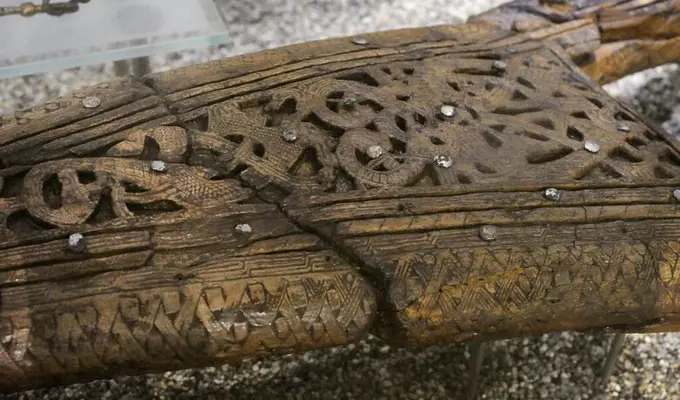
Ceremonial Viking sleigh, detail. Found on the burial chamber of the Tomb of the Oseberg Ship. 9th century. Viking Ship Museum. Oslo. Norway.
6176-67038511
Roman corn-mill, 1st century. Artist: Unknown
6145-43637659
Zapinka do pasa. unknown, craftsman
6145-29729401
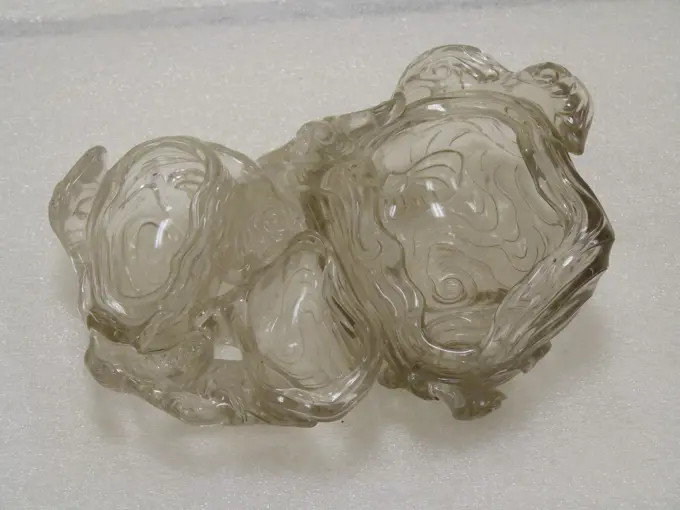
Triple Dish 18th century China. Triple Dish. China. 18th century. Rock crystal. Qing dynasty (1644-1911). Hardstone
4409-17544025
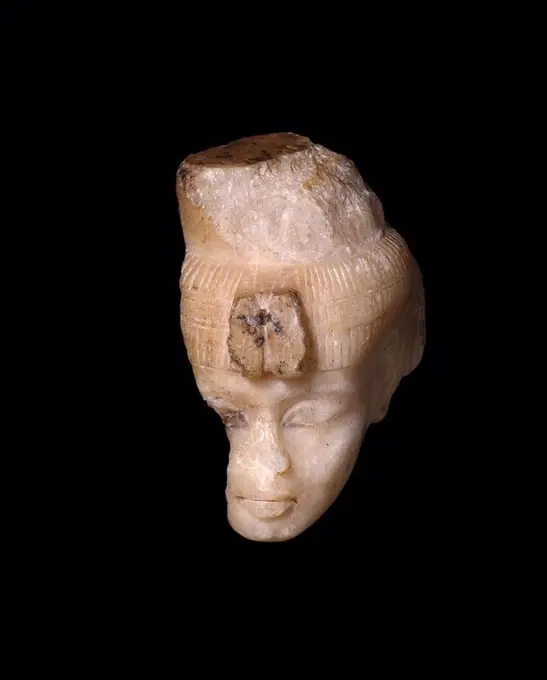
Head From a Shabti (Funerary Figurine) of Queen Tiye. Egyptian. Date: 1353 BC-1336 BC. Dimensions: 7.6 × 5.8 × 2.6 cm (3 × 2 1/4 × 1 in.). Egyptian alabaster and pigment. Origin: Egypt. Museum: The Chicago Art Institute, Chicago, USA. Author: Ancient Egyptian.
1525-23770697
old rusty spanners isolated on white background
6145-29782713
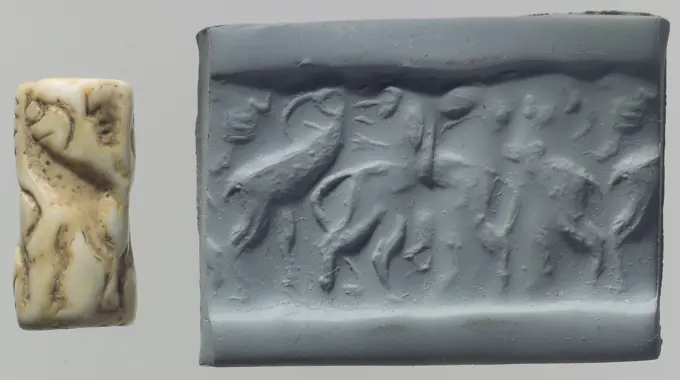
Cylinder seal ca. 2600-2350 B.C. Sumerian. Cylinder seal 323886
6145-59503296
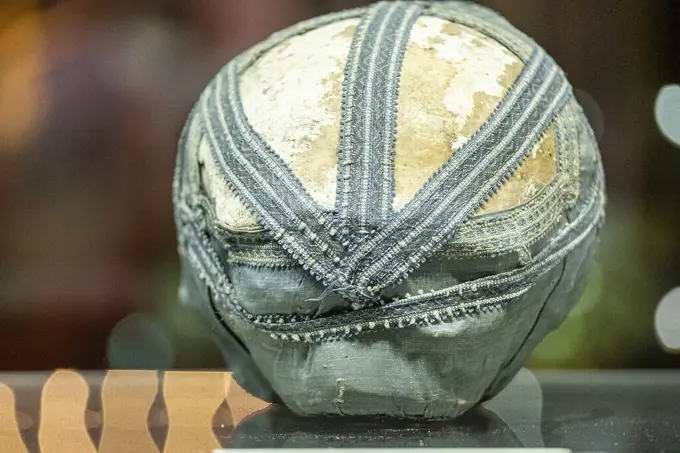
Woollen caps worn by Dutch whalers, anonymous, c. 1650 - c. 1700  Hat, light brown and finely knitted with turned around and a small sphere at the top. Turned around in Tricot stitch.  wool   Spitsbergen. Zeeuwsche Uytkyck
6145-29805136
Case for a Goose ca. 1550-1479 B.C. New Kingdom. Case for a Goose. ca. 1550-1479 B.C.. Wood, stucco, bitumen. New Kingdom. From Egypt, Upper Egypt, Thebes, Royal Cache Valley, Burial of Prince Amenemhat (MMA 1021), inside or near entrance, MMA excavations, 1918-19. Early Dynasty 18
6145-59121895
Fragments (54) vessels, hydria;  Ptolemean period (-332-00-00--30-00-00);
6145-48777000
Staurolite. minerals. North America; USA; Virginia; Patrick County
1788-39340
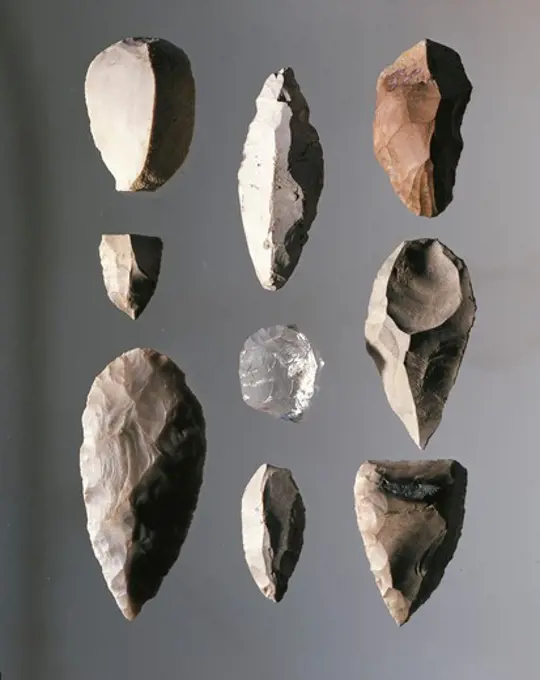
Prehistory, Czech Republic, Paleolithic. Arrow points, spear heads and scrapers from the excavations at Lisen and Ondranice.
6145-29726123
Ornament ca. 5th-4th century B.C.. Ornament 325108
1525-20665891
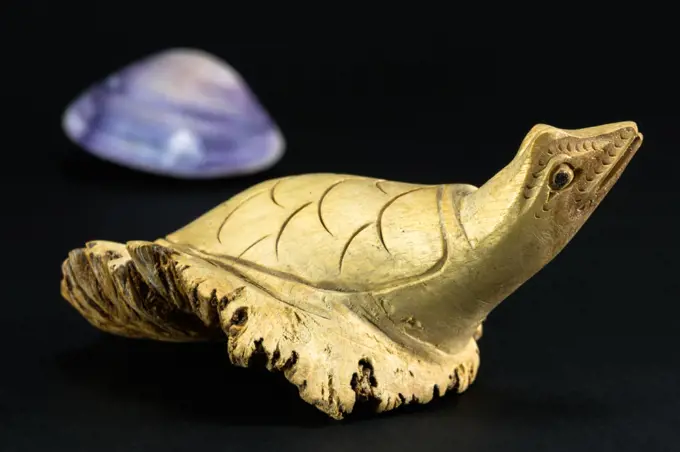
decorative marquetry wooden turtle on black background
4409-61855171
Refused grinding arm, classic , museum of the central square, Chichicastenango, municipality of the department of El Quiché, Guatemala, Central America.
4413-74409
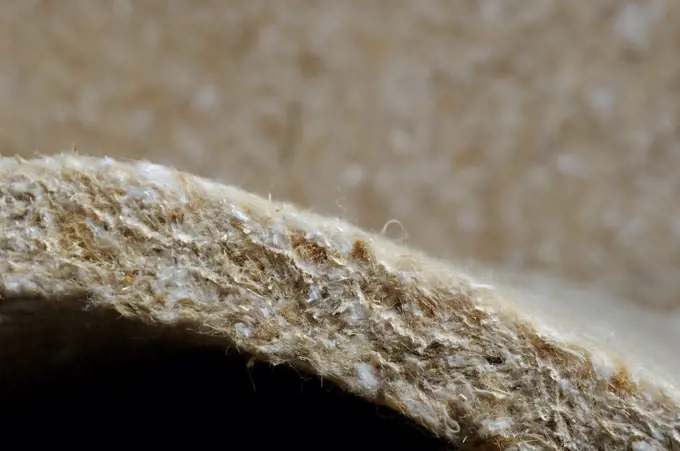
Panneaux hemp wool insulation for attic
6176-67039522
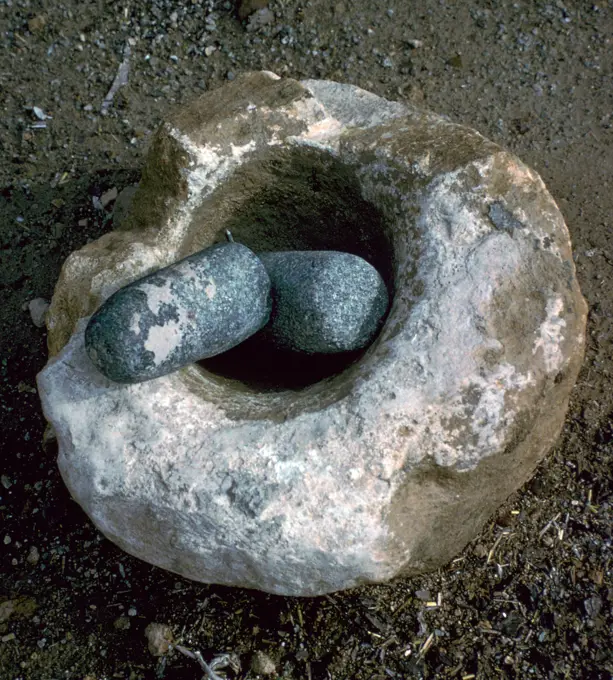
Quern for grinding corn, Neolithic. Artist: Unknown
1525-24986363
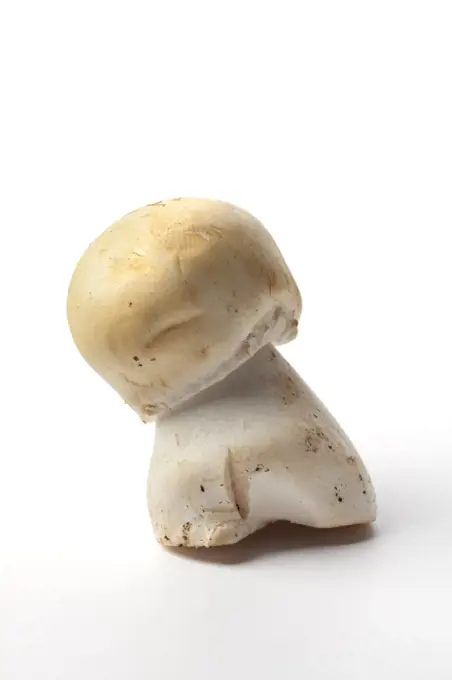
One mushroom,Agaricus bisporus
4409-62747309
Roman Empire. Spain. Catalonia. Ascia Rastrum. Iron hoe. Used to work in vineyard. 1st c. AD. City History Museum. Barcelona. Catalonia. Spain.
4409-64222850
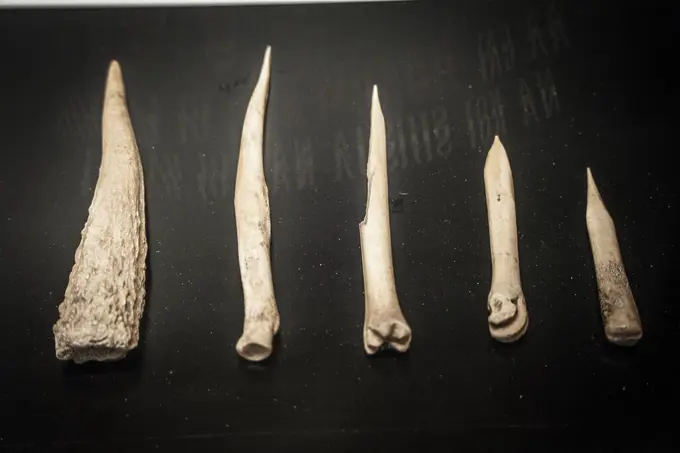
Neolithic awls, Moro de Olvena Cave, La Puebla de Castro, Huesca museum, Aragon community, Spain.
1746-29016765
A stone saddle Quern and Muller from Rakhigarhi, or Rakhi Garhi, a village in Hisar District in the state of Haryana in India, the site of an Indus Valley Civilisation settlement. Dated 2600 BC
1788-22596
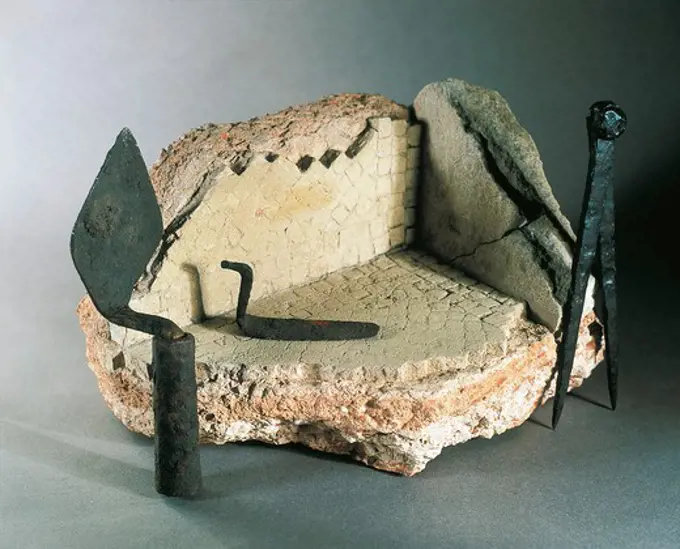
France, Vertillum, Instruments used for mosaic works: trowel, calipers and a fragment of mosaic
1788-16709
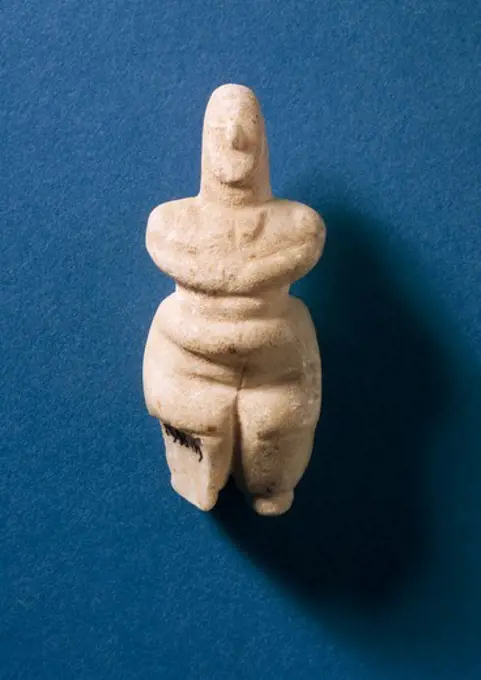
Marble idol from Naxos Island, Greece
1746-28978595
Neolithic or New Stone Age stone tools, found near Barcelona, Spain circa 9000 BC
1746-28978601
Roman bowl, found in Catalan region, Spain 2nd century AD
4409-17293635
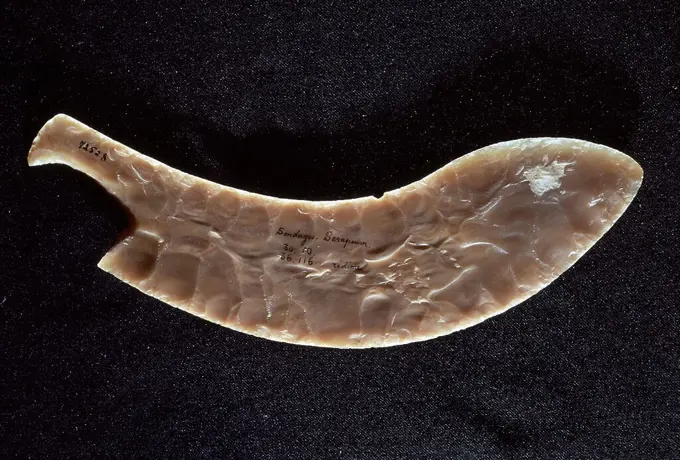
CUCHILLO LARGO DE SILEX BLANCO. PROCEDE DE SAQQARA. DINASTIA I. Location: EGYPTIAN MUSEUM. KAIRO. EGYPT.
6188-65159275
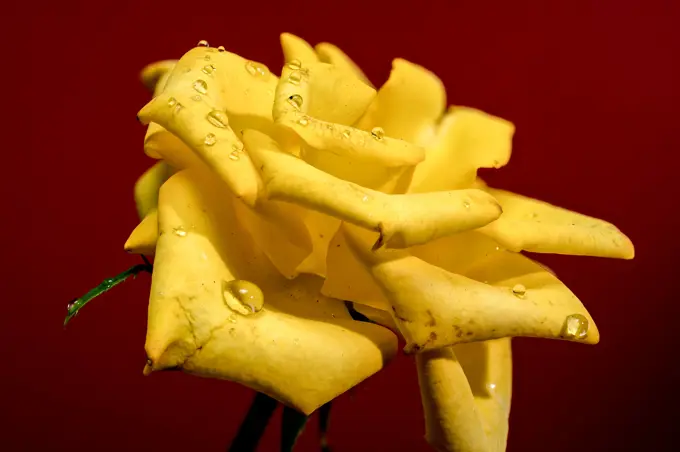
Blühende gelbe Teerose auf rotem Hintergrund Beautiful blooming yellow tea rose on a red background. Flower head close-up Copyright: xZoonar.com/SerhiixZarevx 22397913
1848-19961585
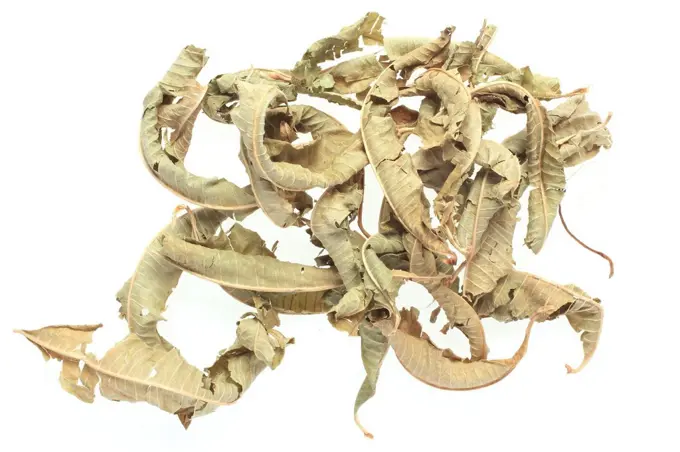
Dried leaves of the medicinal plant verbena (Verbena officinalis)
4409-17333728
ARA EGIPCIA. Location: EGYPTIAN MUSEUM. KAIRO. EGYPT.
1890-11065829
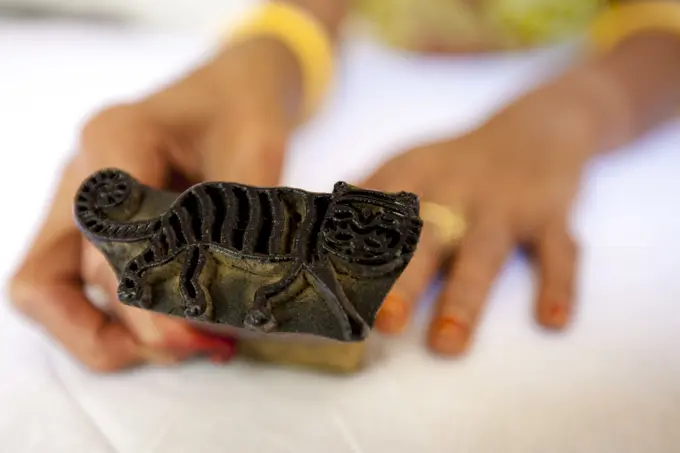
Indian tiger motif handblock printing at Dastkar women's craft co-operative, Ranthambore Artisan Project, Rajasthan, India
6145-45541843
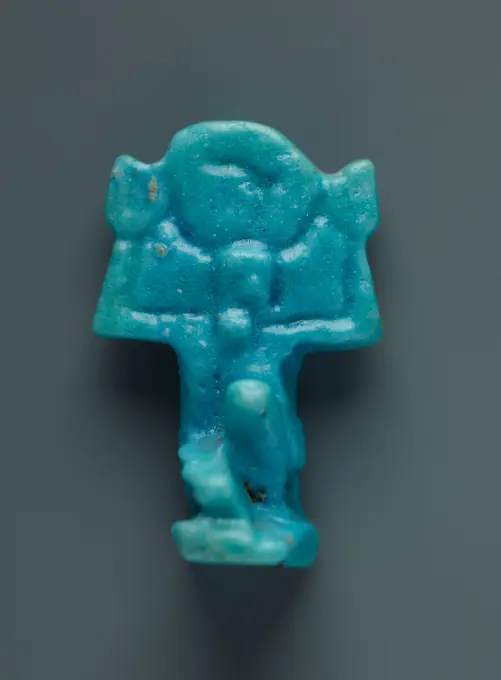
Amulet  shu
6145-48855543
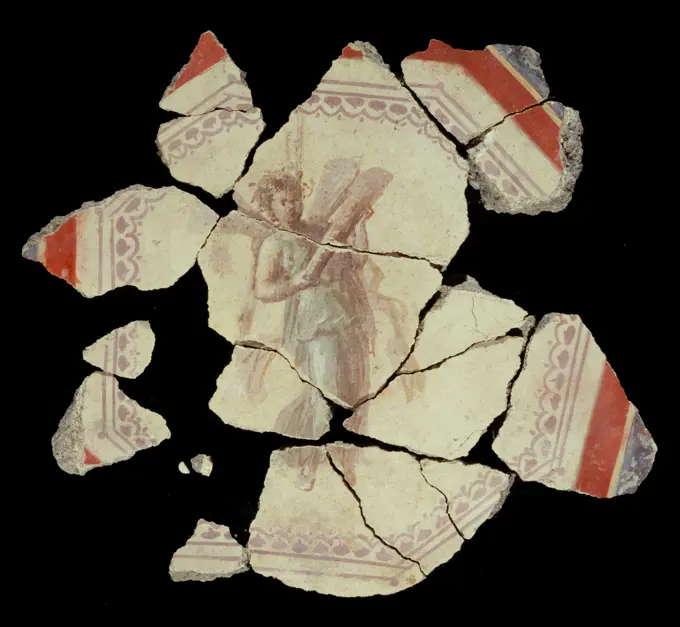
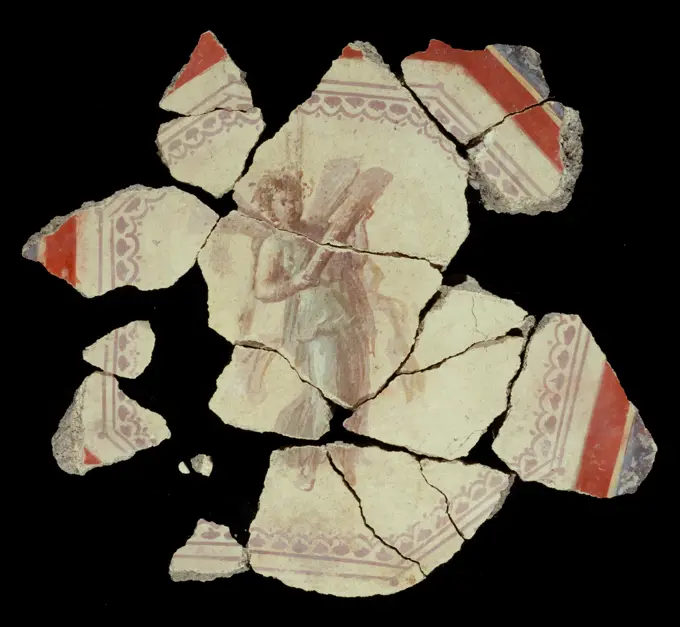
Fresco Fragment. Unknown
6145-48855546
Fresco Fragment. Unknown
1746-21107652
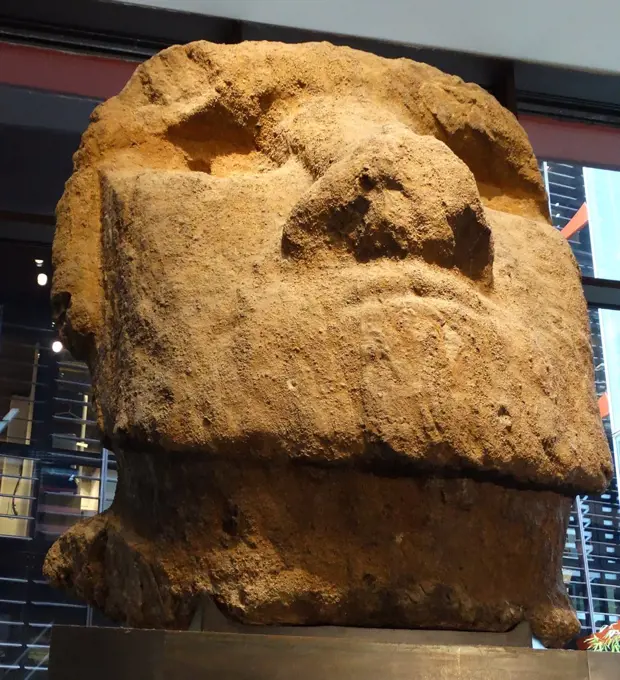
Large stone head of Maoi ancestor from Cook Bay, Easter Island. 1872
6145-29741495
Head of a marble Aphrodite statuette 3rd century B.C. Greek. Head of a marble Aphrodite statuette. Greek. 3rd century B.C.. Marble, Parian . Hellenistic. Stone Sculpture
4409-62729844
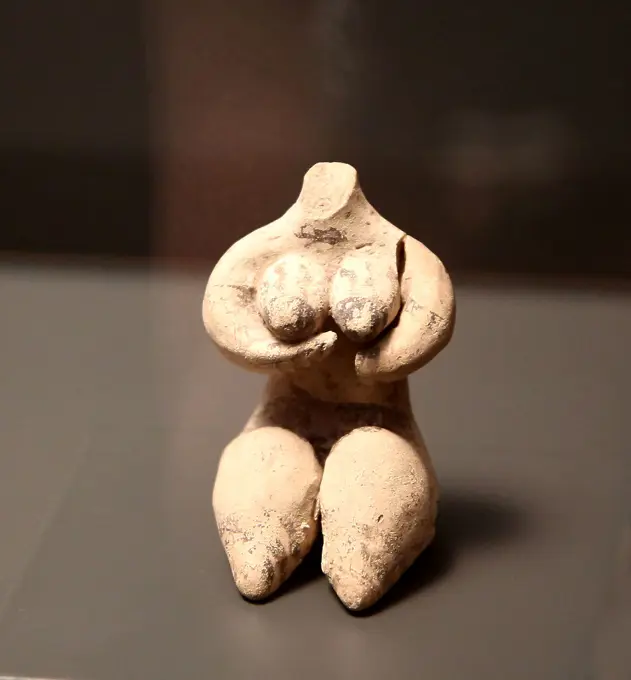
Fired clay figurine. Woman holding out her breasts. Seated. Culture Halaf. Chagar Bazar. Middle East. 6000 BC-5000 BC. British Museum.
4443-28737009
Gope Board, 20th century, 54 x 27 in. (137.16 x 68.58 cm), Wood, pigment, Papua New Guinea, 20th century
1746-21124619
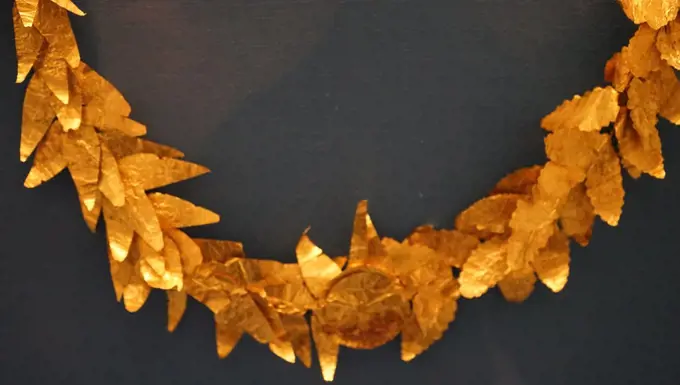
Gold laurel wreath with two types of leaves. Dated 300 BC
6145-29124918
Ceramic Fragment. Egypt, Fayyumi, 10th-11th century. Ceramics. Earthenware, underglaze-painted
4409-17266893
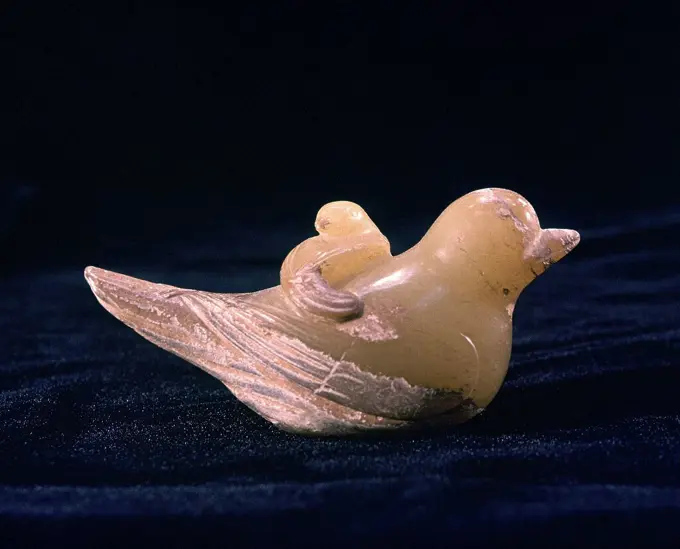
PAJARO DE JADE EN REPOSO ( DINASTIA TANG 618/907). Location: MUSEO REAL ARTE CHINO. STOCKHOLM.
1889-60422588
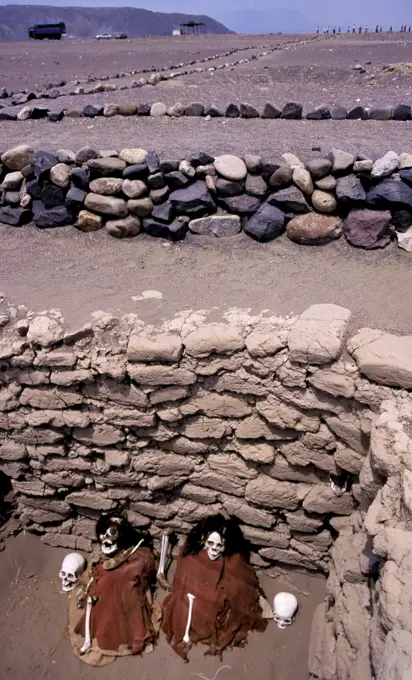
Skeletons bleach in the sun in a cemetery dating from A.D. 500-700 in Peru
6145-51378820
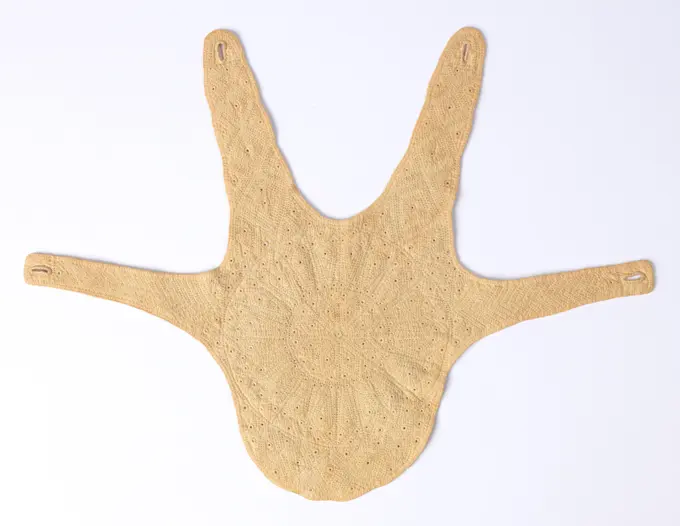
Bib (Switzerland); linen, silk
4409-28670013
Iron projectiles from the 17th century. Used as ammunition in a culverin of the least size, so called because they do not reach the caliber of the ordinary ones. Maritime Museum. Lisbon, Portugal.
7208-70658163
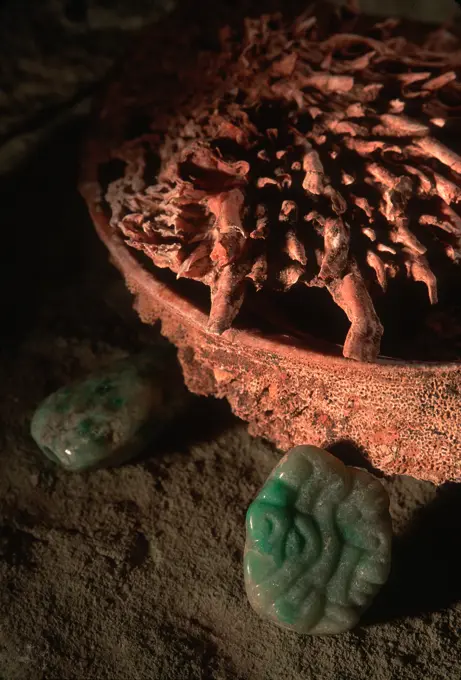
Honduras, Maya, Royal Crypt, Copan, Jade, Oyster Shell, Sub-Jaguar, Tomb, 6th century
6145-45320298
Gunpowder
6019-65770239
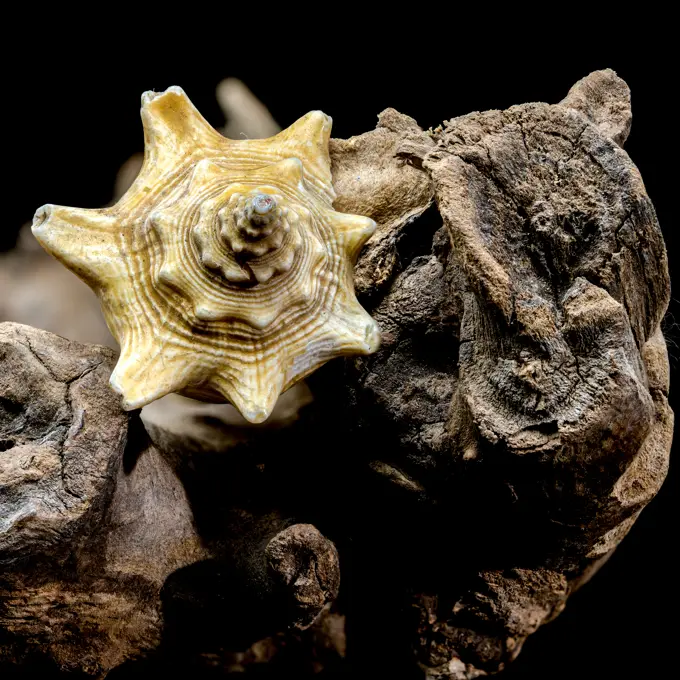
Strombus pugilis Shell on Driftwood with Black Background
7003-69662311
Greenland, Nuuk, Greenland National Museum, 15th century Greenlandic Mummies
1746-21113152
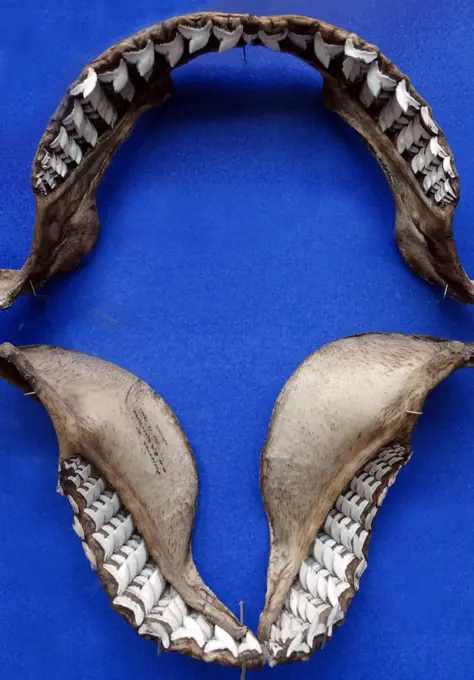
Jaw of the Galeocerdo arcticus (Tiger shark) species of requiem shark and the only member of the genus Galeocerdo. Dated 1837
4409-21502408
MONASTERIO DE SANTA MARIA DE VERUELA: PESA DE PIEDRA DE UN RELOJ (POSIBLEMENTE EL ANTIGUO RELOJ MECANICO) . VERUELA, ZARAGOZA, ESPAÑA.
7016-69902108
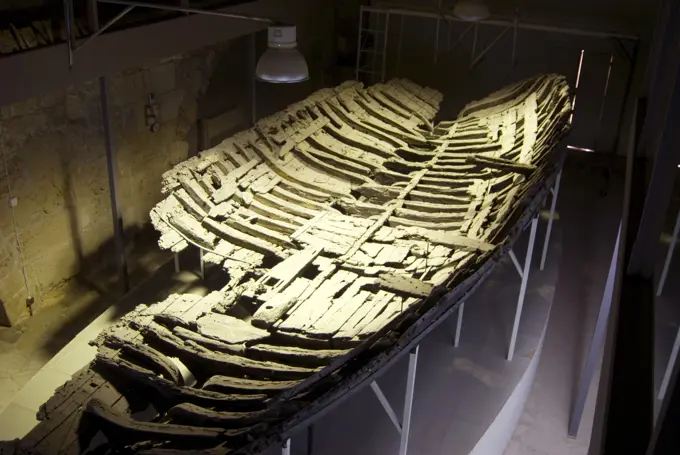
Cyprus, Girne (or Kyrenia), Museum, Ancient shipwreck sank 2300 years ago
6188-63304424
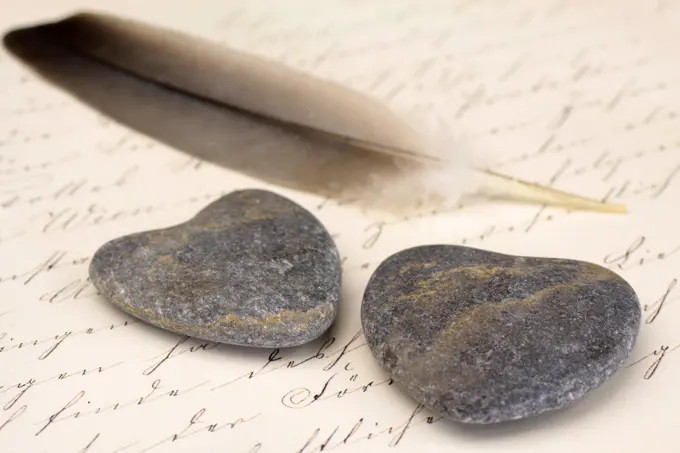
Stone hearts with letter Two stone hearts with feather and old letter Copyright: xZoonar.com/ChristianxMueringerx 3757835
1746-19985162
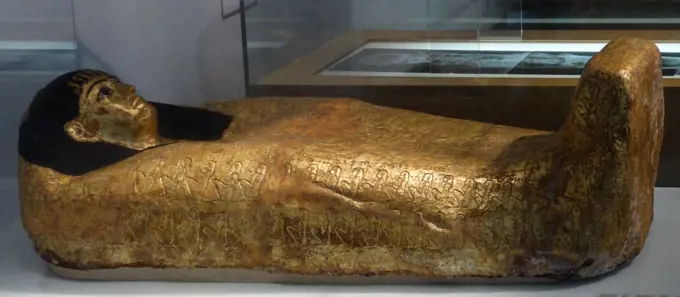
Egyptian mummy case (Coffin) designed to contain the entire contour of the body of its deceased owner. dated to the Roman Period (1s-2nd centuries AD
1746-29015951
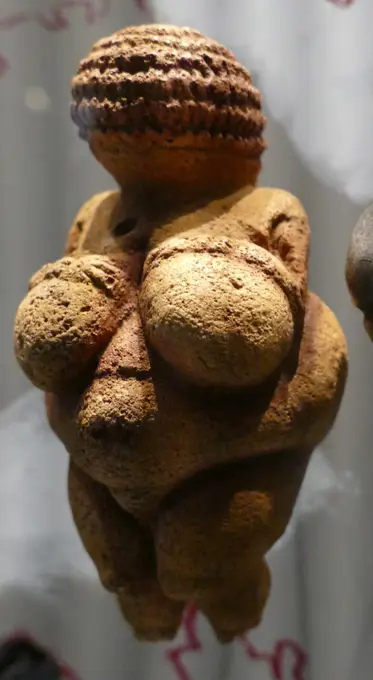
Photograph of the Venus of Willendorf, an 11.1-centimetre-high (4.4 in) Venus figurine ; made between about 28,000 and 25,000 BCE. It was found in 1908 by a workman named Johann Veran during excavations conducted by archaeologists Josef Szombathy, Hugo Obermaier and Josef Bayer at a Palaeolithic site near Willendorf, a village in Lower Austria near the town of Krems. carved from an oolitic limestone that is not local to the area, and tinted with red ochre.
6145-29733521
Jar 11th century. Jar 450768
6145-59111165
Children's cap;  XIX/XXW. (1891-00-00-1910-00-00);
6145-29706106
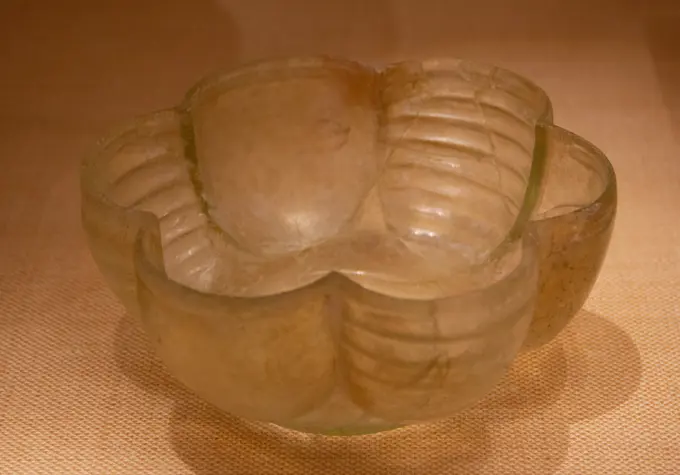
Bowl 8th-9th century Wheel-cutting was one of the most important contributions of early Islamic artisans to glass-making. They would first blow an object with thick walls that could withstand the pressure of the wheel, then cut away the glass, creating a relief decoration, such as the flutes inside the lobes on this vessel. Such lobing was characteristic of Bactrian and Sasanian silver vessels, an indication that artists translated models derived from metalwork in other media.. Bowl. 8th-9th century. Glass, colorless with greenish tinge; mold blown, cut. Attributed to Iran. Glass
1746-19679644
Lead Figure with Glass and Ivory Inlay 7th Century B.C. Turkey
1525-21132851
Colorful iron metal mineral texture surface macro detail
4409-34260
Child's head of terracotta figurine . Height 7 cm Width 5, 1 cm. (1 st - 3 rd CE ) - Roman period from archaeological site of Complutum in Alcalá de Henares (Madrid). SPAIN.
4409-17240677
calavera de una de las once mil vírgenes, siglo XIII, Sala de reliquias, Monasterio de Santa María de San Salvador de Cañas, Cañas, La Rioja, Spain.
7012-69893107
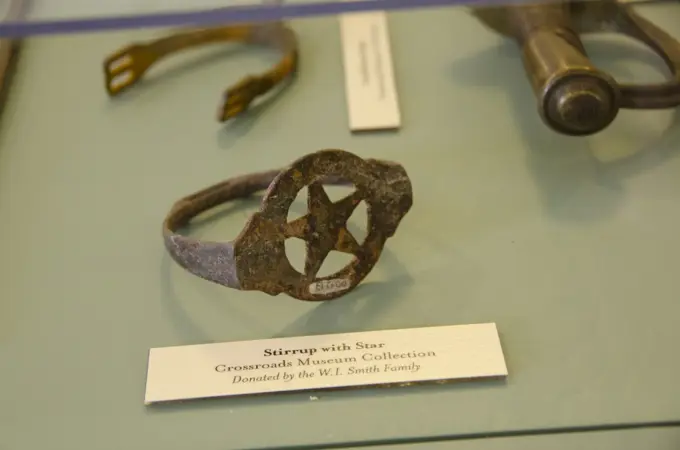
USA, Mississippi, Corinth. Crossroads Museum, famous point where two important trunk railroads in the Confederacy crossed, Civil War collection, stirrup.
6145-45558647
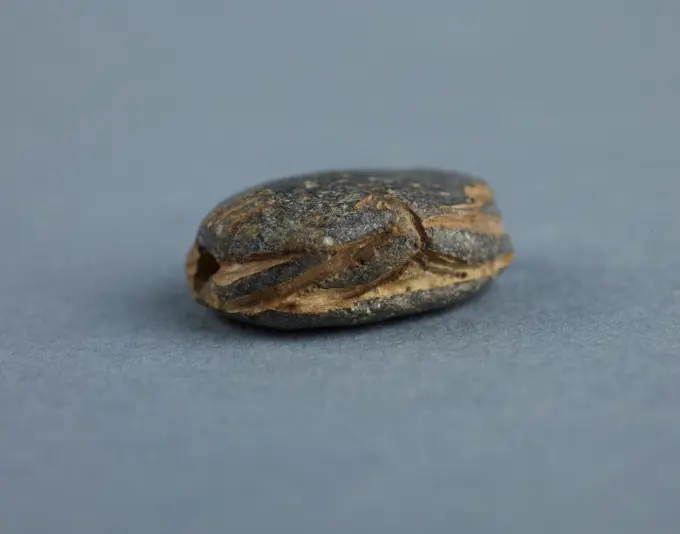
Scarab
6145-29717999
Casket Fragments 10th century () Byzantine. Casket Fragments 470262
1525-23389045
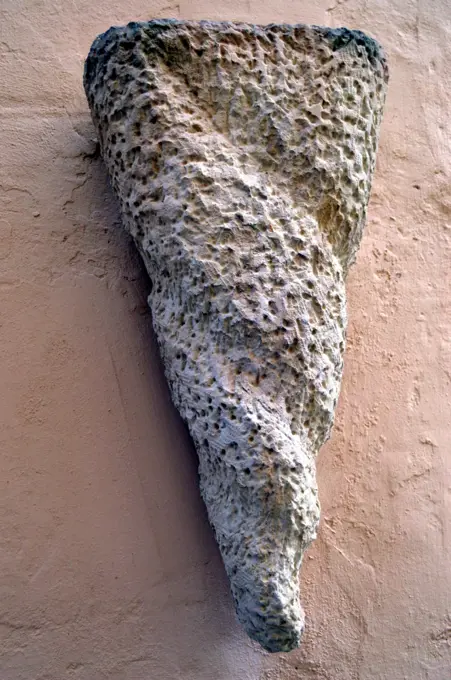
An electric wall lamp in the shape of stone cone on a mauve wall.
6019-65773168
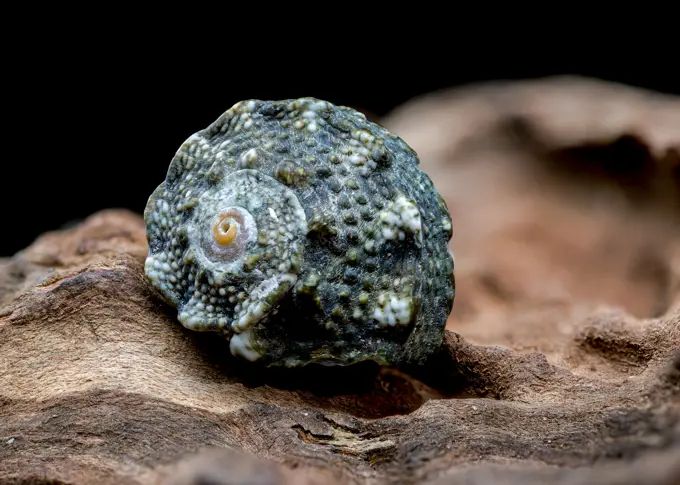
Blue Spiky Seashell on Driftwood
6176-67039023
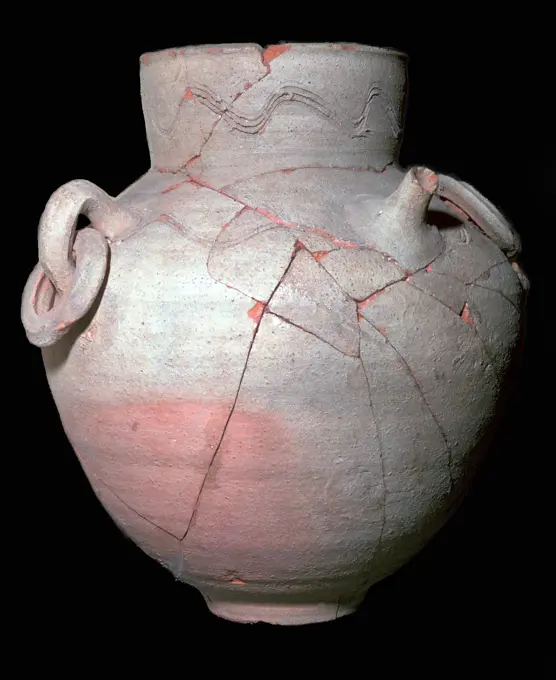
Nabatean Vase. Artist: Unknown
7174-70555416
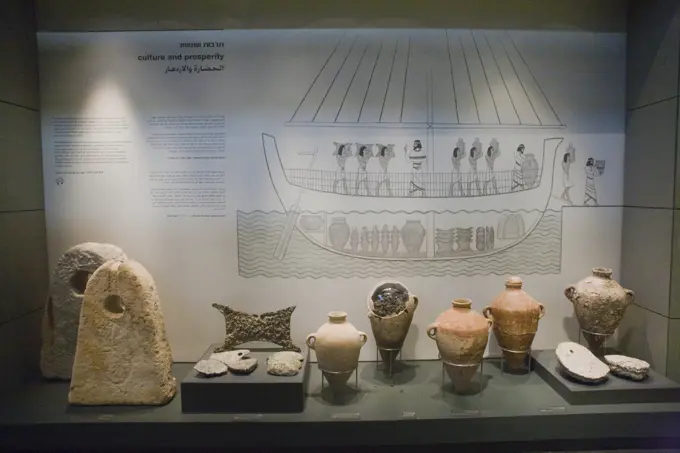
Ancient pottery used for transport and trade, Israel National Museum, in Jerusalem, Israel
4409-59179897
Islamic press for the production of olive oil, 11th-12th century, Gilena Museum Collection, Ecomuseum/Arqueodromo Molino de La Casería, province of Seville, Spain.
4409-20922781
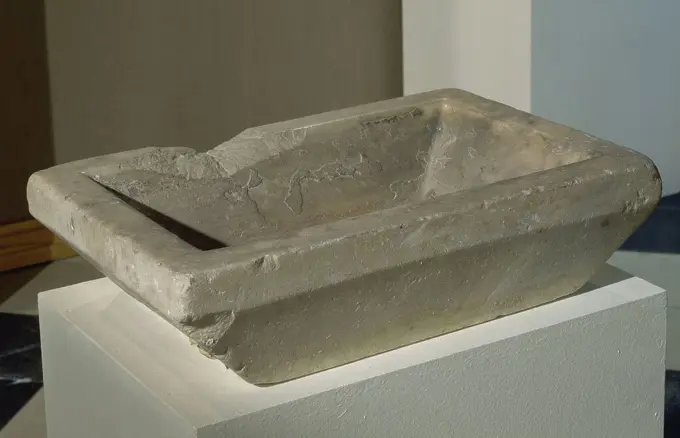
PILETA DE ABLUCIONES EN MARMOL-13X50X33-S X. Location: MUSEO HOSPITAL DE SANTA CRUZ. SPAIN.
6145-29718888
Jug ca. 3rd-7th century A.D. Sasanian. Jug 323025
1889R-67145
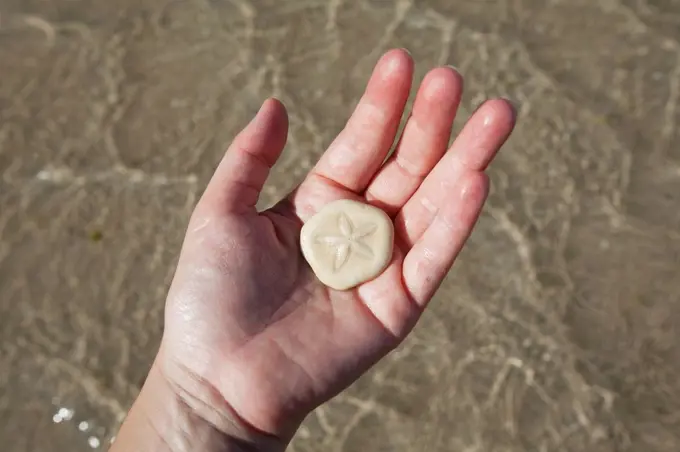
a tourist holds a sand dollar sea shell near el nido, bacuit archipelago, palawan, philippines
1848-51012670
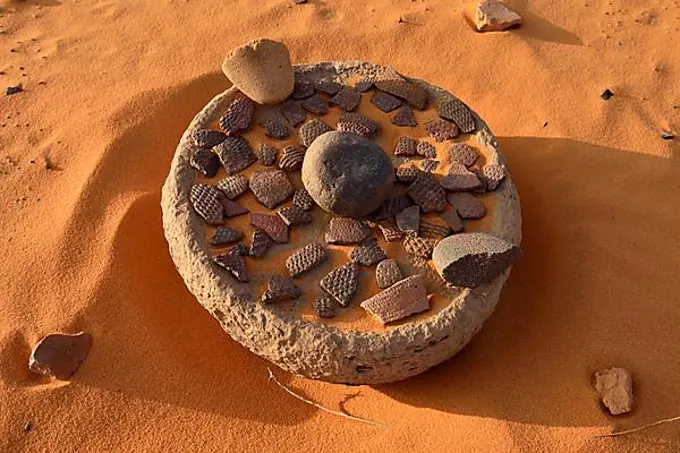
Collection of neolithic artefacts, Tadrart, Tassili n'Ajjer National Park, Sahara, Algeria, Africa
4292-73515
Banana
7012-69878674
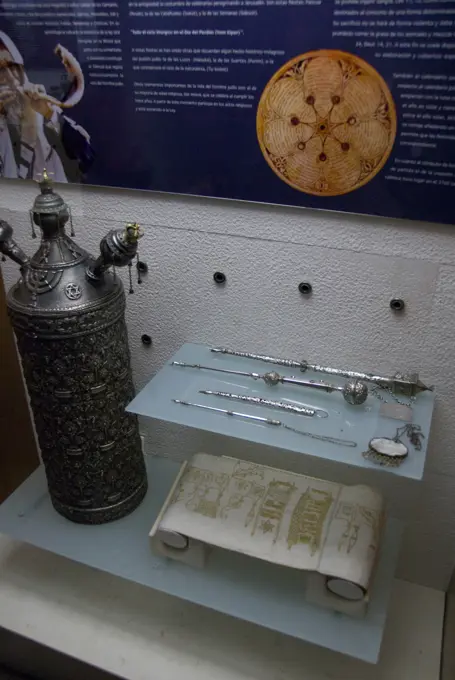
Spain, Castilla-La Mancha,Toledo. El Transito synagogue (aka Sinagoga del Tr·nsito or Synagogue of Samuel ha-Levi) circa 1357. Sephardic museum.
1801-62869927
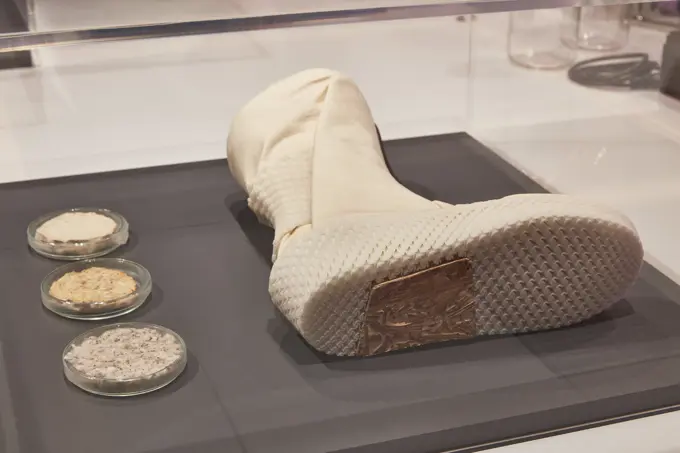
Exhibition artefacts. Moving to Mars at The Design Museum, London, United Kingdom. Architect: N/A, 2019.
4409-17436567
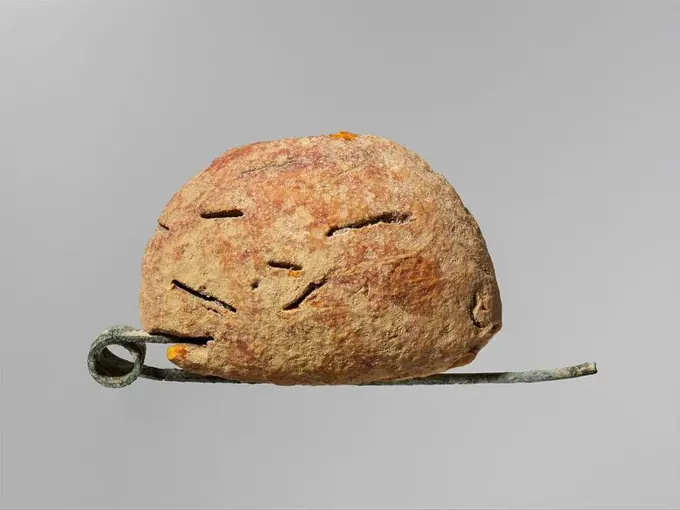
Bronze and amber fibula (safety pin). Culture: Etruscan or Italic. Dimensions: Other (amber): 5 3/4 in. (14.6 cm)Other (pin): 8 in. (20.3 cm). Date: 7th century B.C..Fibula with a bronze clasp and spring supporting a large amber bow. Too large to be worn in life, it was most likely made expressly for burial with the deceased. Museum: Metropolitan Museum of Art, New York, USA.
4409-17241239
dientes perforados, , cueva de Bolinkoba, Abadiño, Arkeologi Museoa, museo aqueologico, Bilbao, Bizkaia, Pais Vasco, Spain.
1848-53884856
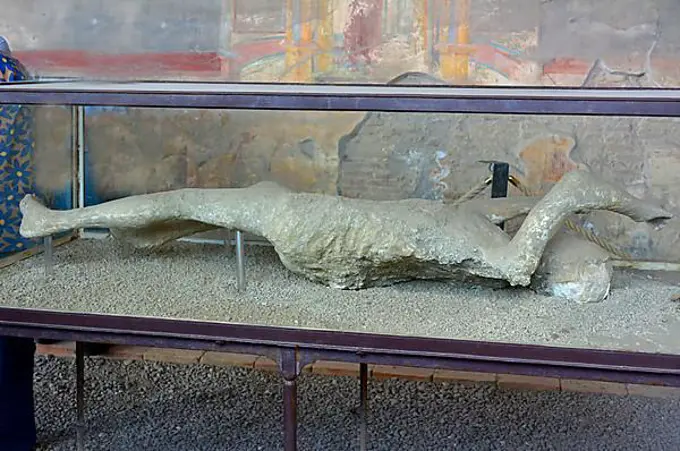
Italy, Italia, Pompei Dead in showcase, scavi archeologici di Pompei, Europe
6145-29744949
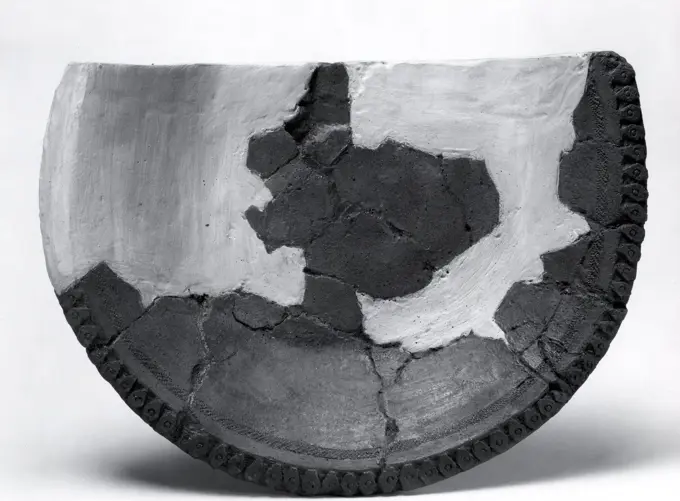
Cast of a Dish mid-20th century Lapita people. Cast of a Dish 314216
1848-51212208
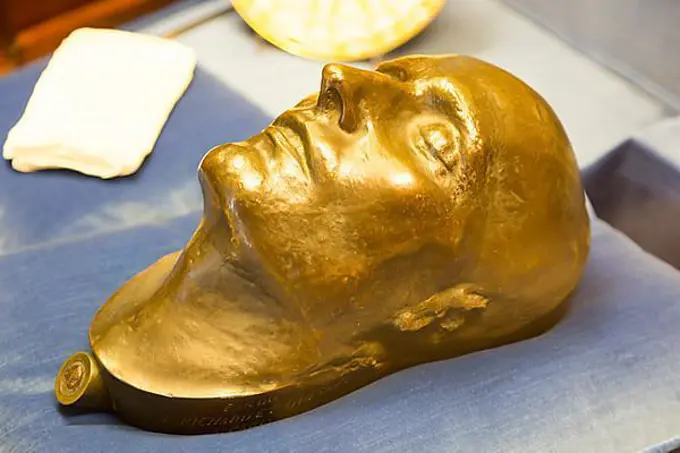
Bronze death mask of Napoleon Bonaparte, Bowood House and gardens, Calne, Wiltshire, England, United Kingdom, Europe
1848-50825720
Hand holding a betle nut, Myeik or Mergui, Myanmar, Asia
1746-28997246
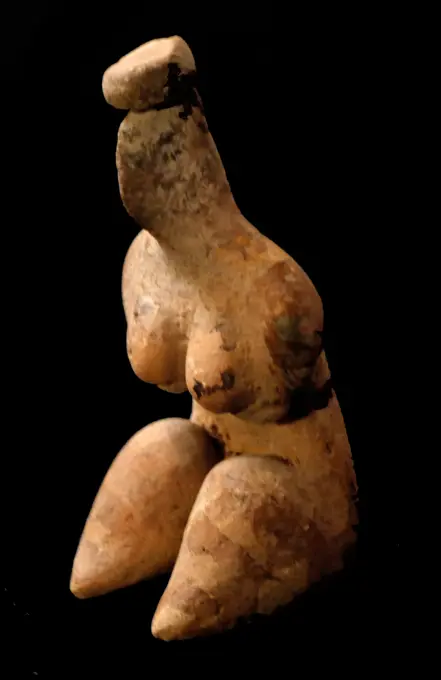
Tell Halaf, Clay Fertility Idol, circa 5,000 BC. Ancient Near East, Anatolia (central Turkey) and Northern Syria, Tell Halaf. The Halaf culture of Anatolia and ancient Syria came about in approximately 5000 BCE and created female figurines with particular fertility attributes that are displayed in this example. Note how the figure sits with upraised knees and legs extended, with both of her arms cradling and supporting her protruding breasts.
6145-29832440
Vessel with Handle 3rd-5th century Moche. Vessel with Handle 309302
6188-65539738
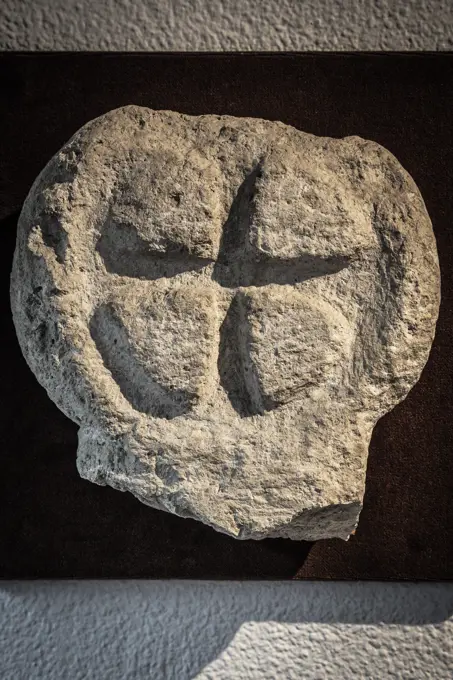
Lime stone disc stele from the 12th century visualtoth - early Middle Ages limestone disc stele from the 12th century visualtoth - early Middle Ages
7003-69625594
Austria, Vienna, Kaisergruft. Imperial Burial Vault, resting place of the Hapsburg Royal Family. Crypt of King Ferdinand Maximilian of Mexico (Editorial Use Only)
4443-19520205
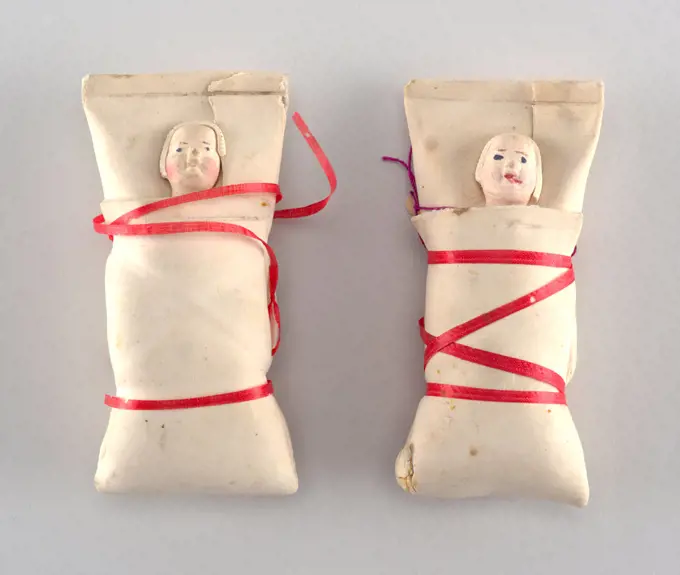
Ornament, Christmas tree, Sugar on cotton, Swaddled babies, tied with red ribbon., USA, 1850-99, ornament, Decorative Arts, Ornament, Christmas tree
1848-55395419
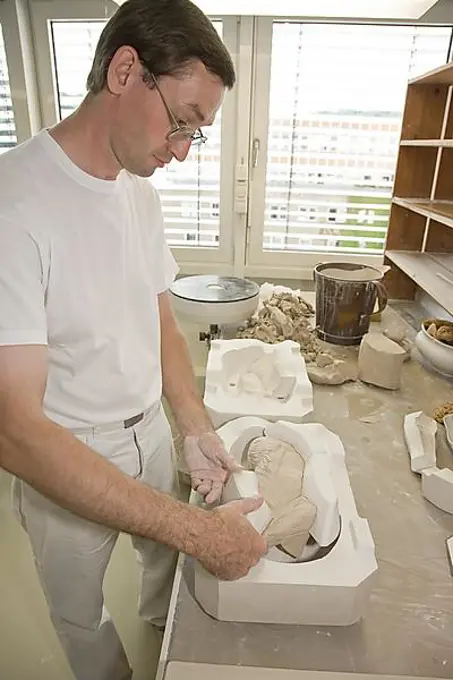
Casting porcelain paste
7141-70478337
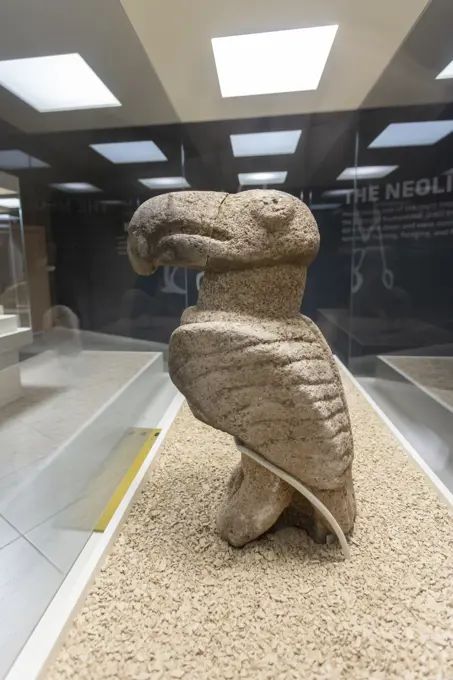
Neolithic limestone statue of a griffon vulture found in Karahan Tepe, Sanliurfa Museum, Sanliurfa, Turkey. (Editorial Use Only)