Cultural Textiles and Accessories

A range of traditional textiles including bonnets, bags, and headdresses from various cultures, highlighting craftsmanship and ethnic heritage.
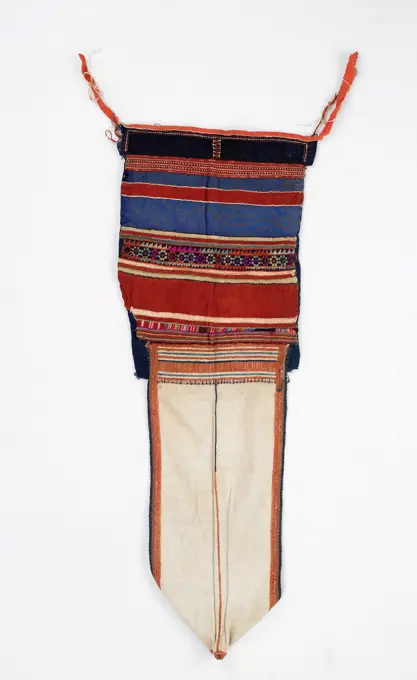
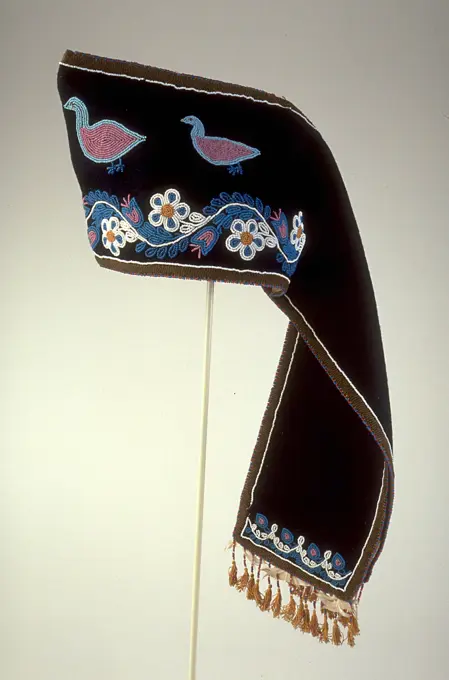
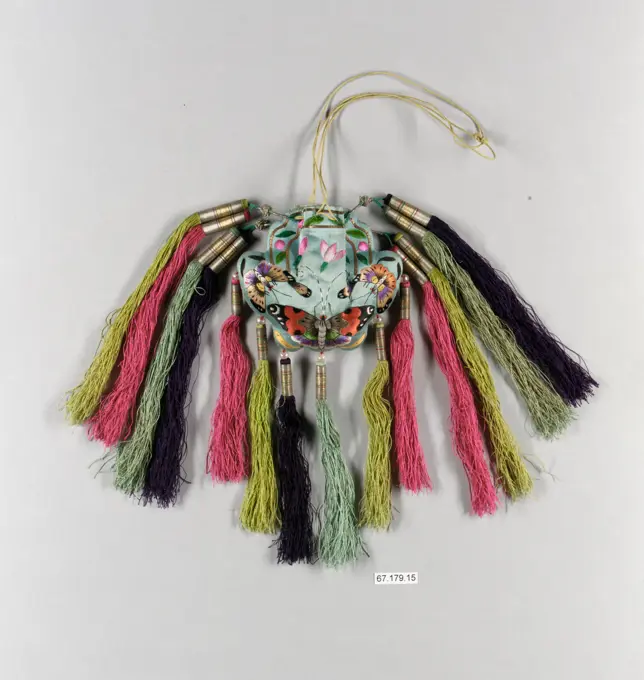
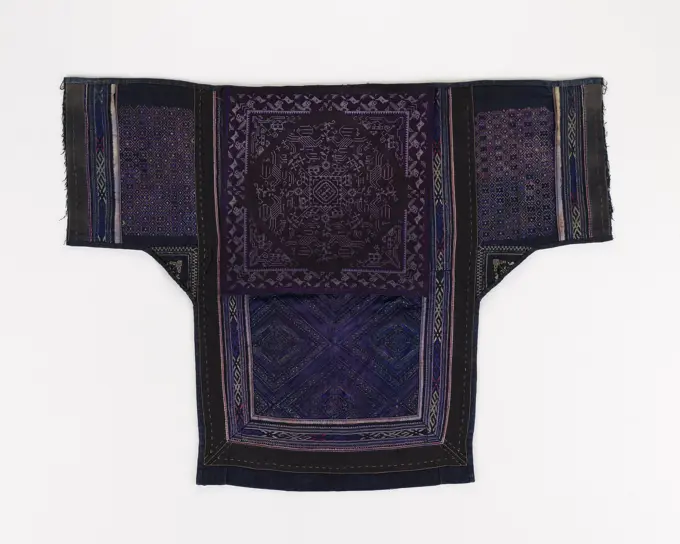
Headdress, c. 1970, 29 1/4 x 11 1/8 in. (74.3 x 28.26 cm) (without ties), Cotton, China, 20th century

Assets in this Story

6145-29125651
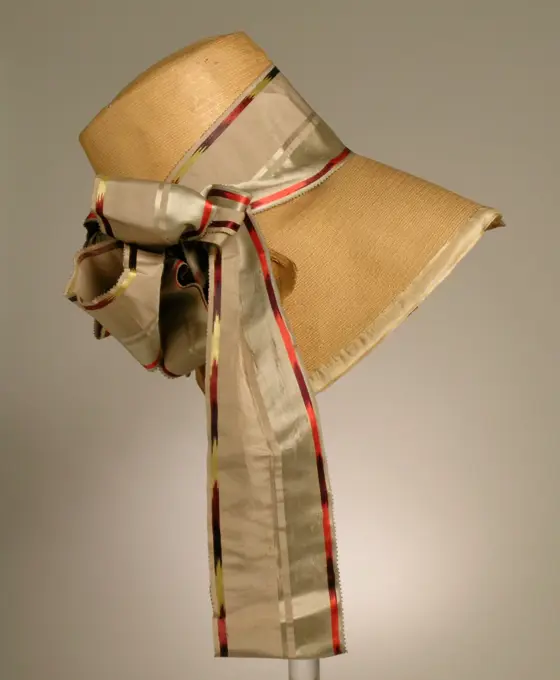
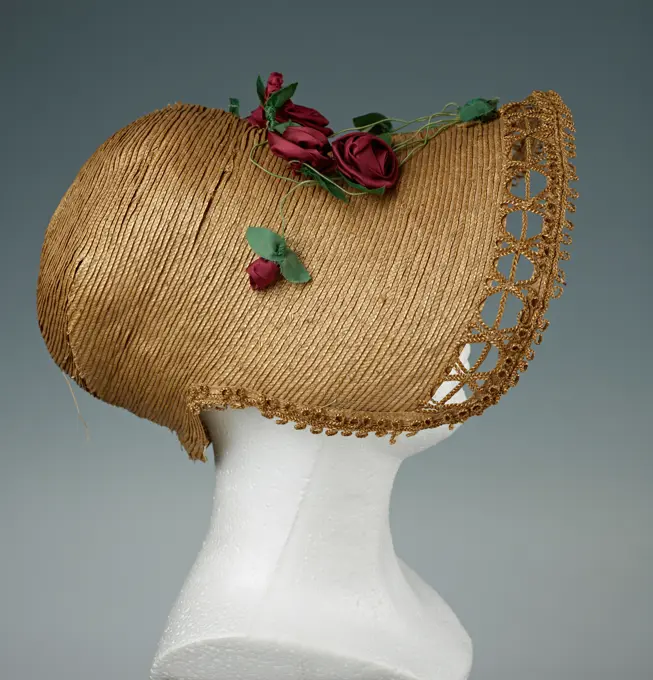
Woman's Bonnet. England or Italy, circa 1825. Costumes; Accessories. Leghorn straw, silk ribbon
4443-28738369
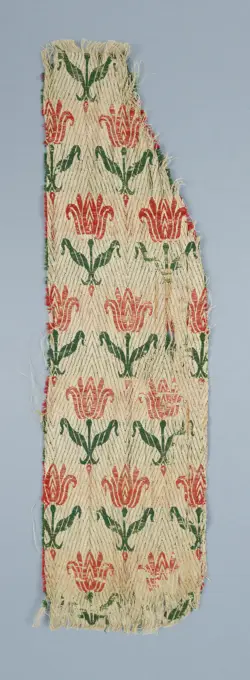
Tent Band, 1910-1920, 58 x 12 1/2 in. (147.3 x 31.8 cm), Wool, cotton (), Uzbekistan, 20th century
4443-28726650
Headdress, c. 1970, 29 1/4 x 11 1/8 in. (74.3 x 28.26 cm) (without ties), Cotton, China, 20th century
4409-17401303
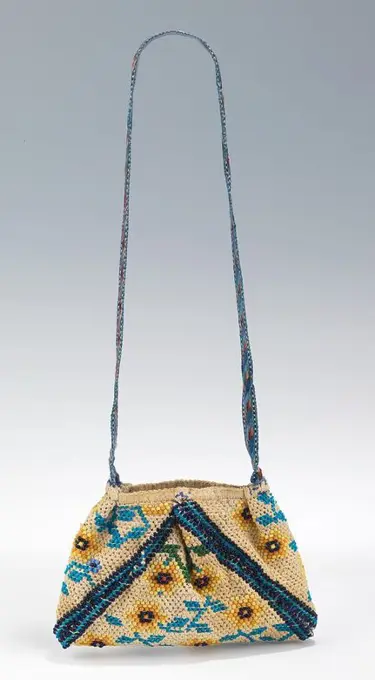
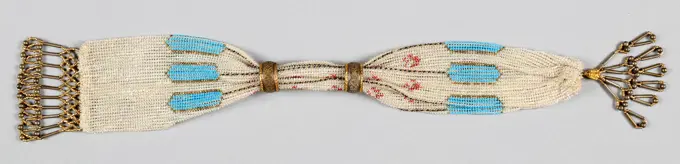
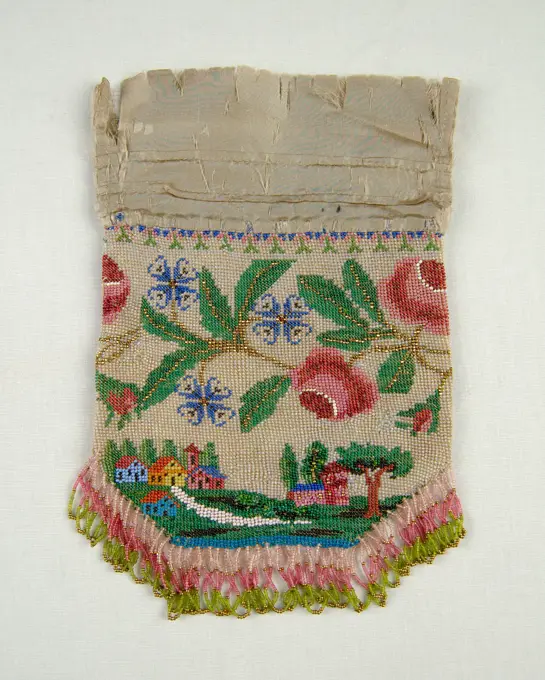
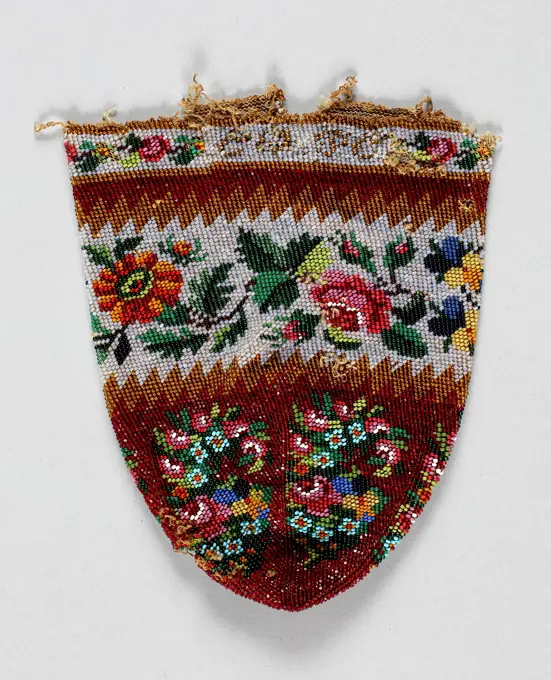
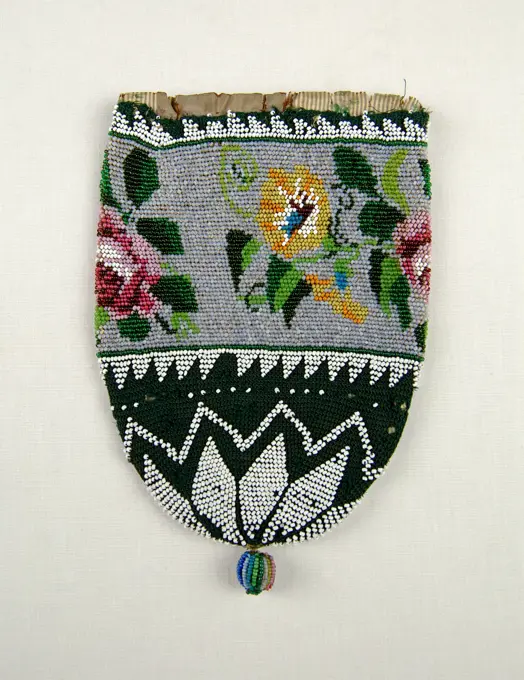
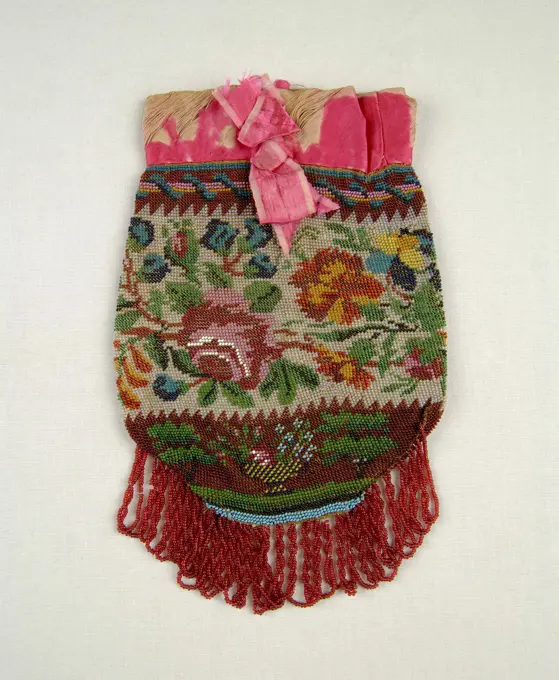
Bag. Culture: Mexican. Date: 1800-1820.This crocheted bag with its fancy weave ribbon, unusual for the time, is part of the Mexican beadwork collection of over 600 pieces assembled by Elizabeth Morrow (1873-1955), mother of writer Anne Morrow Lindbergh, the wife of renowned aviator Charles Lindbergh. Morrow collected the objects between 1927 and 1930, when her husband, Dwight Morrow, Sr., served as U.S. ambassador to Mexico. She lent the collection to the Brooklyn Museum in 1938 and upon her death, her children donated it. A collection of 155 pieces of Mexican ceramics and other decorative arts were given to Amherst College, her husband's alma mater. Mrs. Morrow collected Mexican beadwork, along with other examples of colonial and native arts, to decorate their country home in Cuernavaca in order to promote a more peaceful image of that country through its works. The Morrows sought to overturn the perception of post-revolutionary Mexico as a violent and unstable nation by highlightin
6145-50507290
Belt. unknown, author
6145-29060525
Ceremonial Uniform: Groin Apron, 1644-1911. China, Qing dynasty (1644-1911). Satin weave silk with gold metal thread embroidery; supplementary weft; black velvet; metal (brass); lined in blue silk; overall: 69.8 x 30.2 cm (27 1/2 x 11 7/8 in.).
6145-43558175
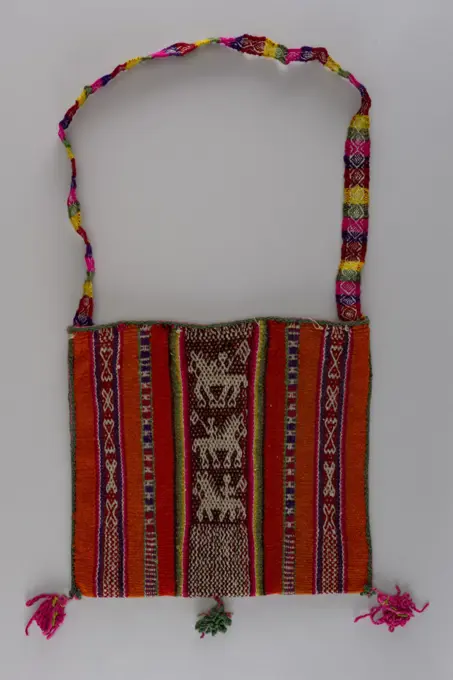
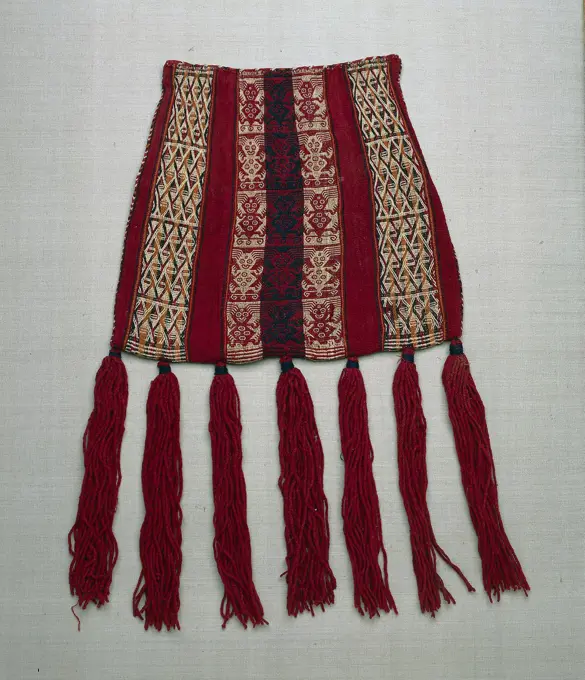
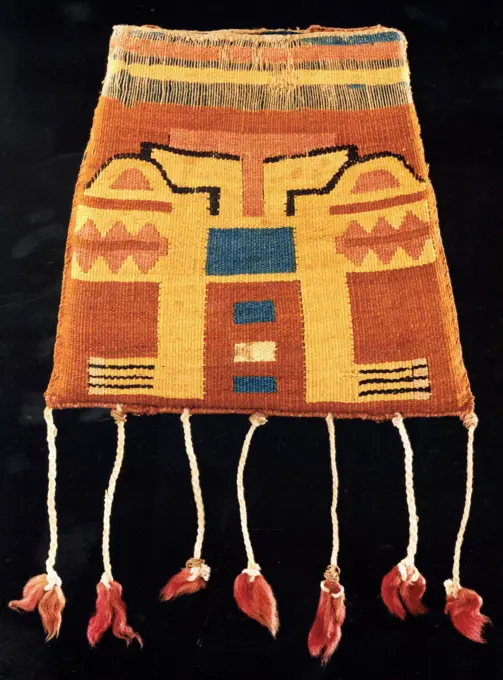
Coca Bag (chuspa) (Peru); wool; Bequest of Marian Hague; 1971-50-552
6145-29080526
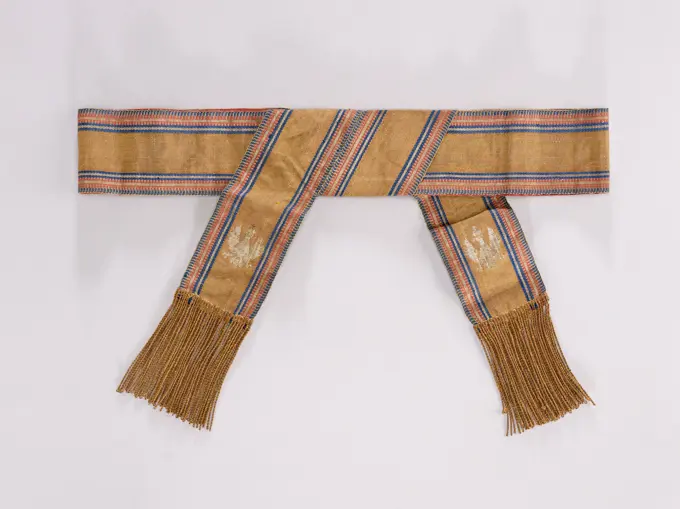
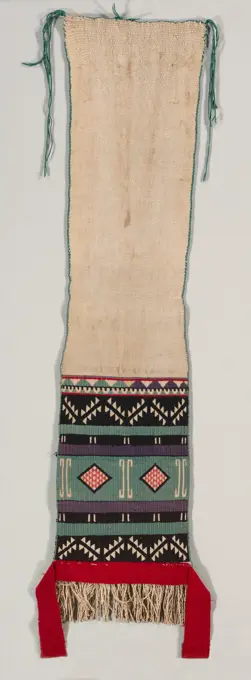
"Hopi Brocade" style Dance Sash, c. 1880-1900. America, Native North American, Southwest, Pueblo (Hopi), Post-Contact, Transitional Period. Plain weave with supplementary weft wrap: cotton and wool (handspun, Germantown, and bayeta); overall: 149 x 63 cm (58 11/16 x 24 13/16 in.).
6145-29089244
"Hopi Brocade" style Dance Sash, c. 1880-1900. America, Native North American, Southwest, Pueblo (Hopi), Post-Contact, Transitional Period. Plain weave with supplementary weft wrap: cotton and wool (handspun, Germantown, and bayeta); overall: 149 x 63 cm (58 11/16 x 24 13/16 in.).
6145-59008406
Bag. End XIXth. Gal1959.83.7
6145-43543637
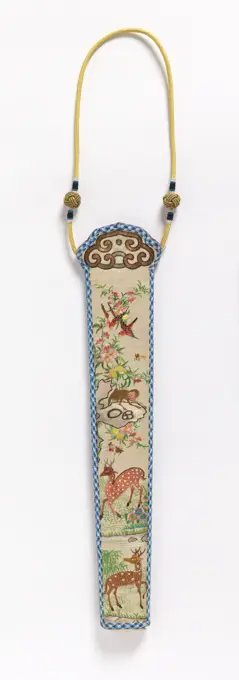
Fan Case (China); silk, metallic yarns
6145-50500754
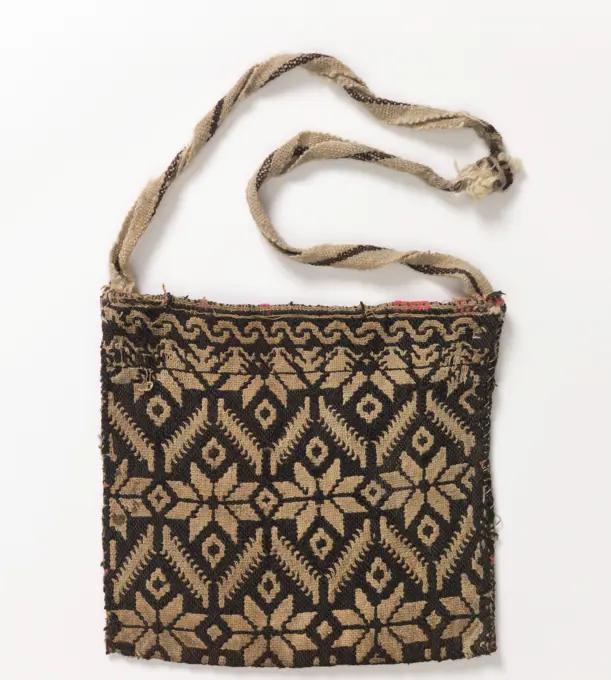
Bag (Mexico); wool
4443-28735546
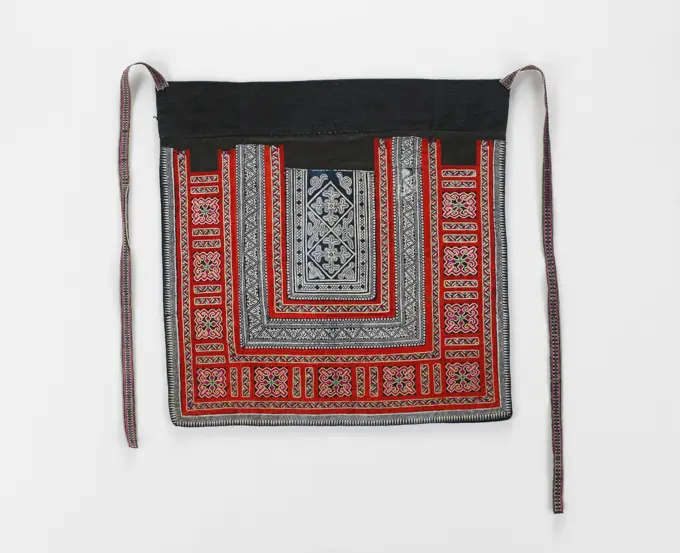
Woman's Festival Apron, 20th century, 16 1/4 x 16in. (41.3 x 40.6cm), Cotton, indigo, China, 20th century
6145-59042163
Immorte ". Porcelainment. Ere Kangxi (1662-1723). Paris, Museum Cernusks. Il s'Agit de l'IMMORTEL lü dongbin Lu Dongbin
6145-58861928
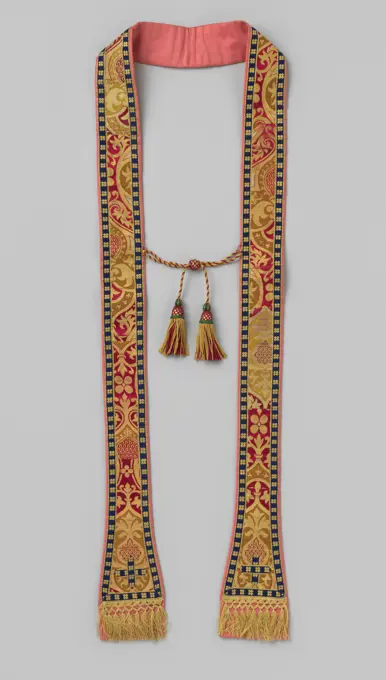
Silk Stola with a pattern of four passes within oval fields ,, 1850 - 1900 Silk stola with a pattern of four passes within oval. With two brushes. Neo-gothic. Roermond (Possible) silk Silk stola with a pattern of four passes within oval. With two brushes. Neo-gothic. Roermond (Possible) silk
6145-29801029
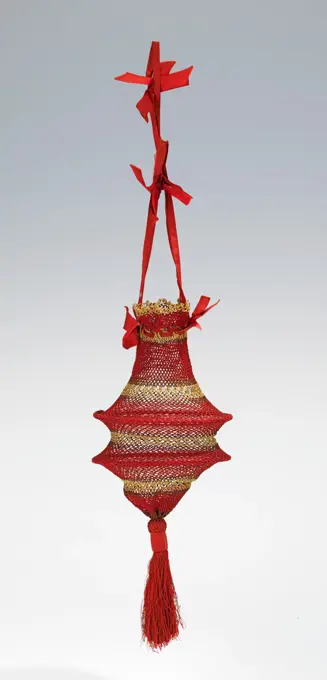
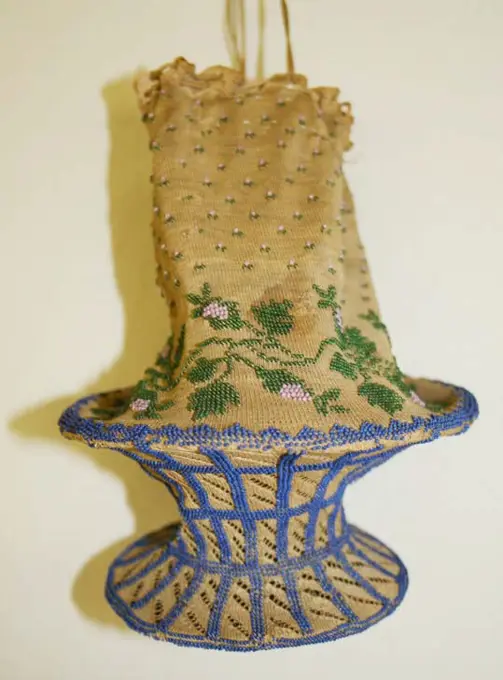
Reticule first quarter 19th century British Small mesh bags known as reticules were the must-have "it bags" of 1800-1825. Too small for carrying much more than a few coins, reticules were often shown in satirical prints as a fashionable foible of women's attire. Knit into an elegant lantern-like shape, this example survives with its original ribbon trim making it a particularly lovely and rare example of a short-lived fashion trend.. Reticule. British. first quarter 19th century. silk, cotton, metal
6145-59012077
Sotck exchange. Mid -19th. GAL1985.56.2
6145-29189506
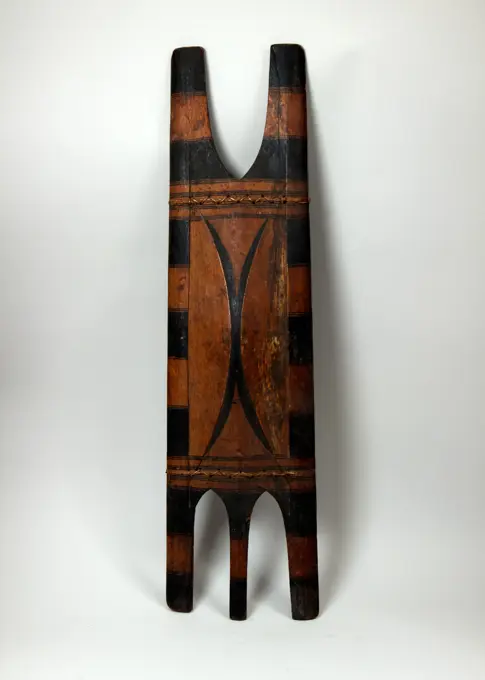
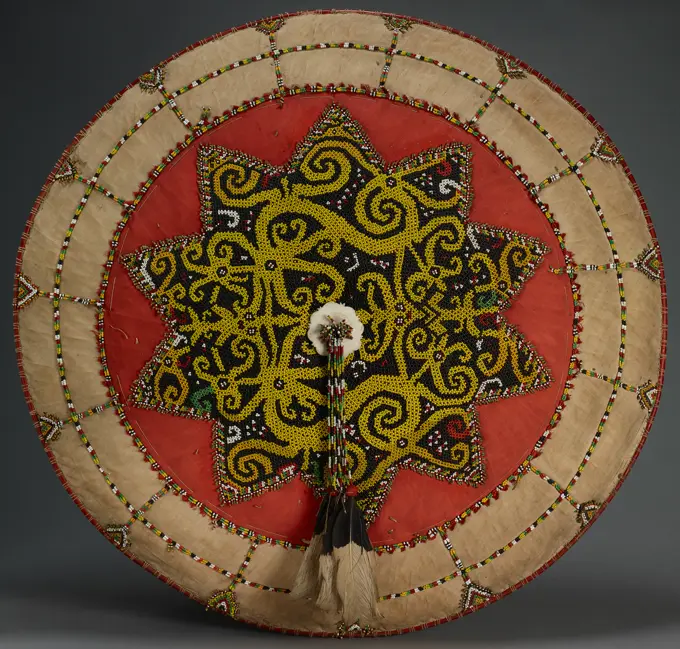
Shield 18th-19th century Philippine, Igorot. Shield. Philippine, Igorot. 18th-19th century. Wood, rattan, polychromy. Cordillera Administrative Region. Shields
4409-17521015
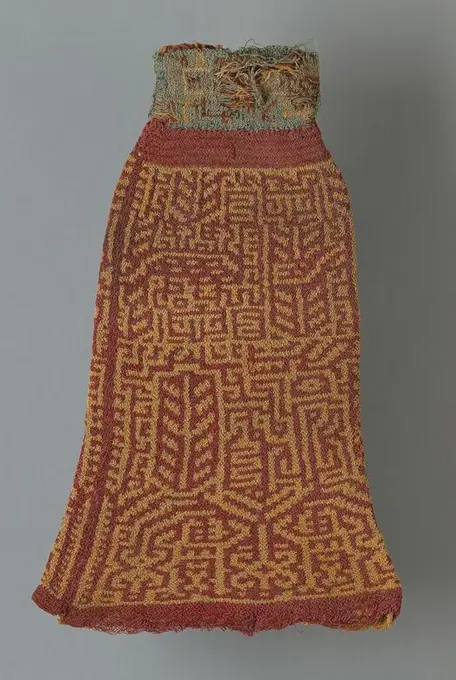
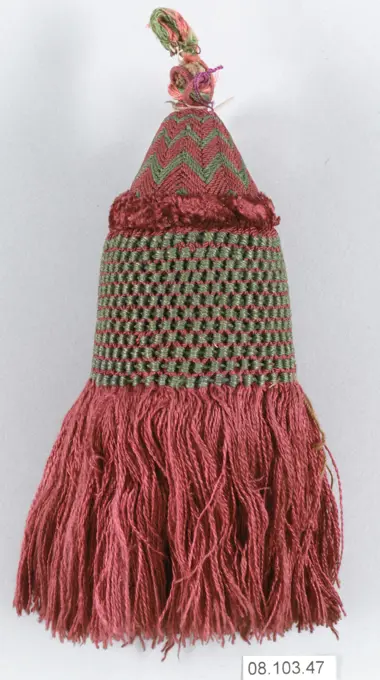
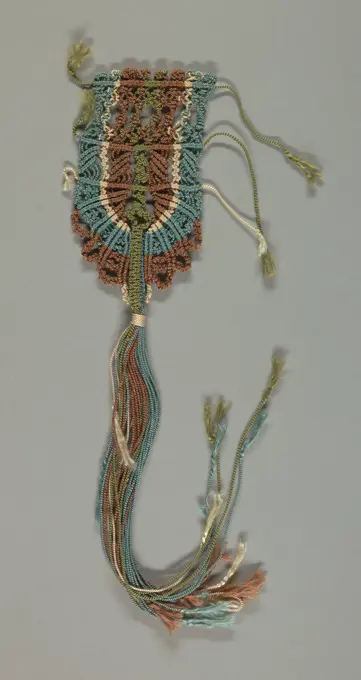
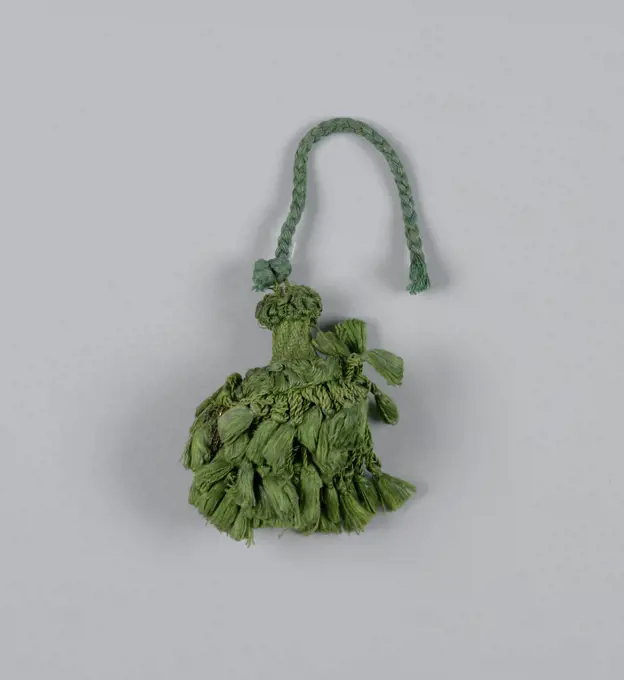
Tassel. Nazca; Peru, south coast, Probably Nazca Valley. Date: 500 AD-900 AD. Dimensions: 32.7 x 21.6 cm (12 7/8 x 8 1/2 in.). Origin: Peru. Museum: The Chicago Art Institute, Chicago, USA. Author: NAZCA.
6145-58933248
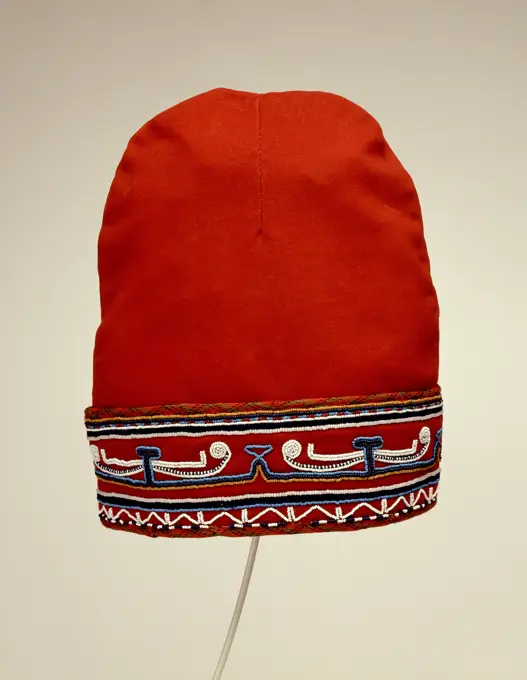
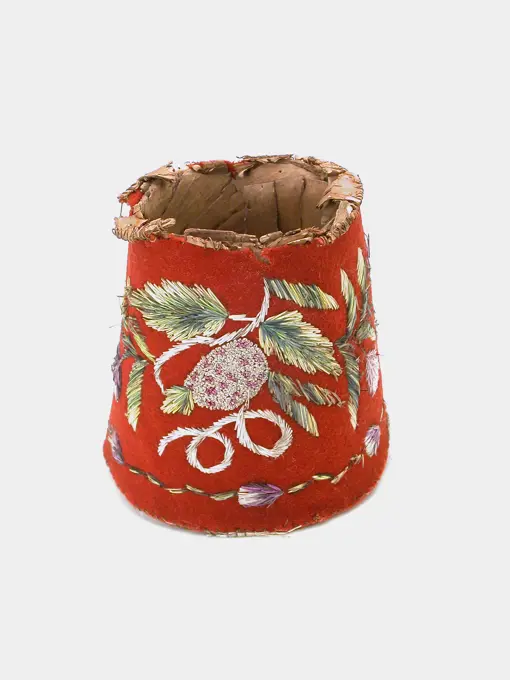
Cap -
6145-29735213
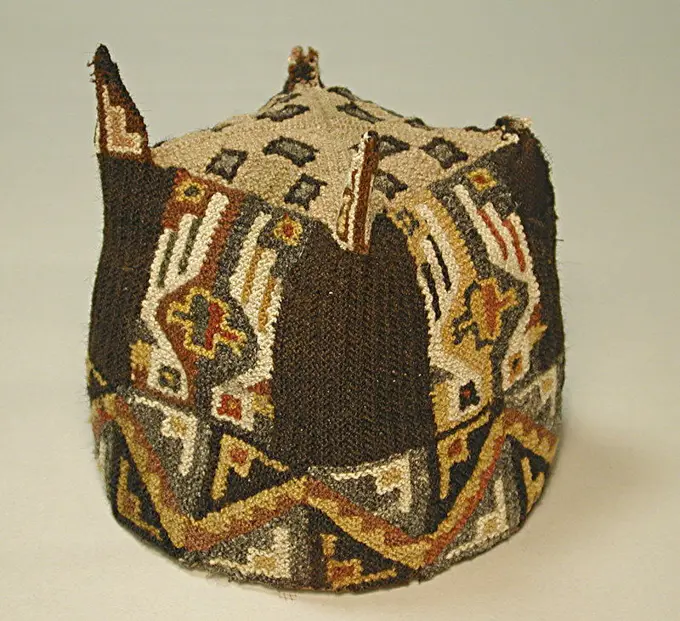
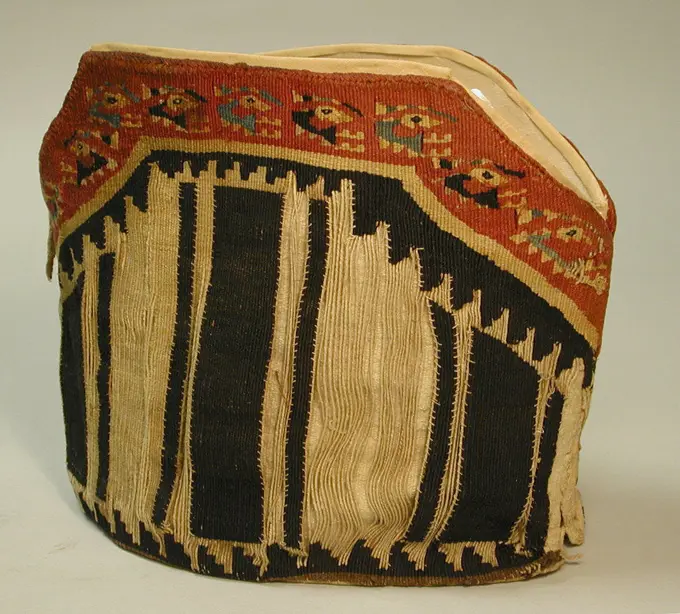
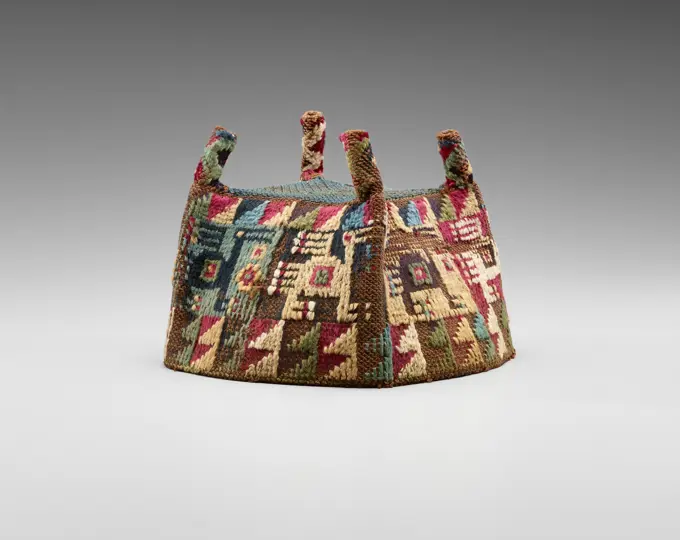
Four-Cornered Hat 7th-9th century Tiwanaku Finely woven, brightly colored hats, customarily featuring a square crown, four sides, and four pointed tips, are most frequently associated with two ancient cultures of the Andes: the Wari and the Tiwanaku. The Wari Empire dominated the south-central highlands and the west coastal regions of what is now Peru from 500-1000 A.D. The Tiwanaku occupied the altiplano (high plain) directly south of Wari-populated areas around the same time, including territory now part of the modern country of Bolivia. The cultures not only developed and flourished as contemporaries, but also occupied adjacent lands for nearly four centuries. A Wari ceremonial center called Cerro Baúl was located a mere five miles from Tiwanaku-settled fields in the Moquegua Valley of Peru. The two cultures likely encountered each other at Cerro Baúl and elsewhere, but the nature of these interactions remains largely unknown. Four-cornered hats from both the Wari and the Tiwanaku w
6145-29086117
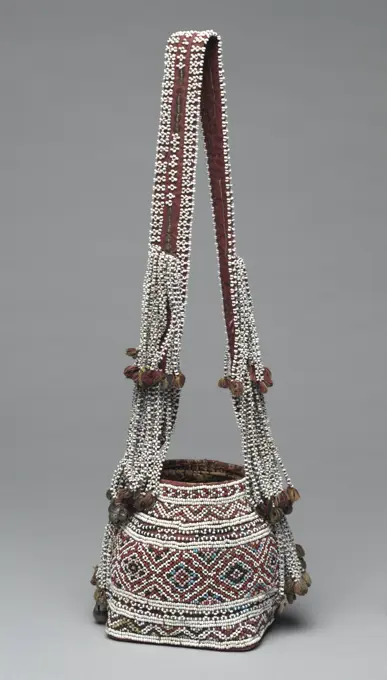
Basket , c 1875- 1917. Phillipines, Mininao, Bagobo people, Late 19th- Early 20th century. Natural fibers, cloth, glass beads, metal; overall: 11.8 x 7.9 cm (4 5/8 x 3 1/8 in.).
4443-28735641
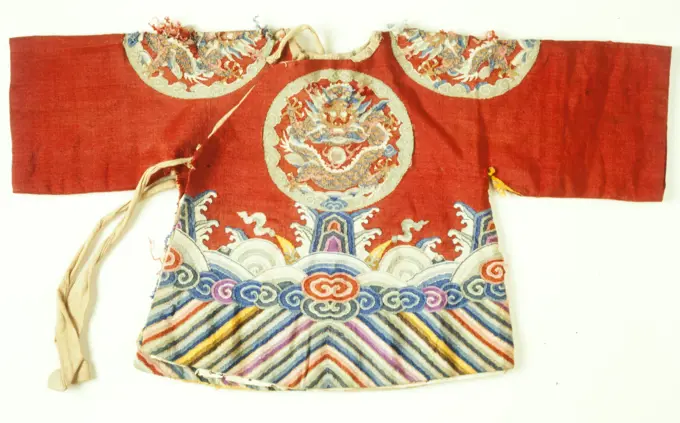
Child's Hat, late 20th century, 8 1/8 x 8 1/2 in. (20.6 x 21.6 cm), Cotton, satin, China, 20th century
4409-17547588
Tassels. Nazca; Peru, south coast, Possibly Nazca Valley. Date: 500 AD-900 AD. Dimensions: 37.5 x 23.5 cm (14 5/8 x 9 1/4 in.). Origin: Peru. Museum: The Chicago Art Institute, Chicago, USA.
6145-58828827
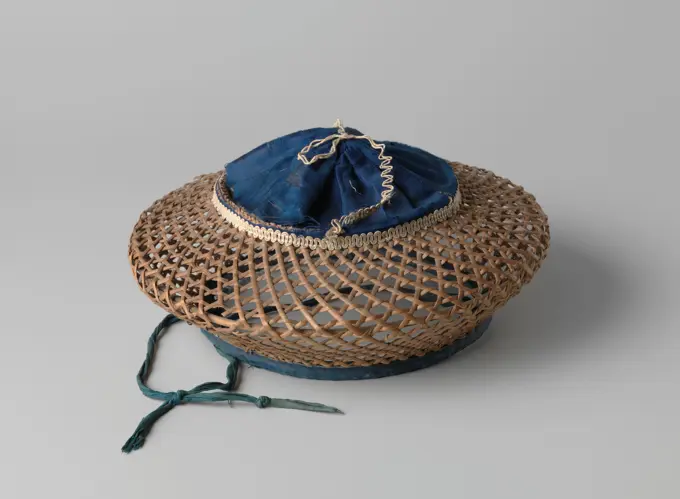
Hat van Riet, Anonymous, 1900 - 1950 Hat of braided reeds and blue silk ball. Baret model. China silk Hat of braided reeds and blue silk ball. Baret model. China silk
4443-28738134
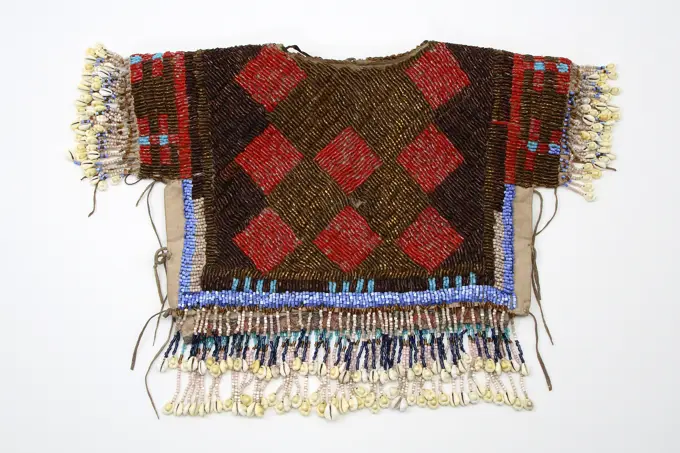
Cape, 19th-20th century, 29 x 15 3/4 in. (73.7 x 40.0 cm), Cotton, glass beads, fur, metal, mirrors, United States, 19th-20th century, This spectacularly decorated man's cape would have have been part of an ensemble of beaded clothing, made by an Anishinabe woman for a male relative to wear on special occasions such as social and religious events. Anishinabe women were known for their skill at beadwork and textile ornamentation. The floral designs here are typical of their work, while the mirrors add an extra element of shine and color. The rich and extensive decoration added to the value of the cape and prestige of its wearer.
6145-29138403
War Charm. Admiralty Islands, circa 1880. Jewelry and Adornments; worn ornaments. Wood, feathers, fiber, glass beads, dog teeth, and pigment
6145-45532090
Przeszo Przyszoci unknown
4409-17382060
Purse. Culture: British. Date: 1815. Museum: Metropolitan Museum of Art, New York, USA.
6145-29750750
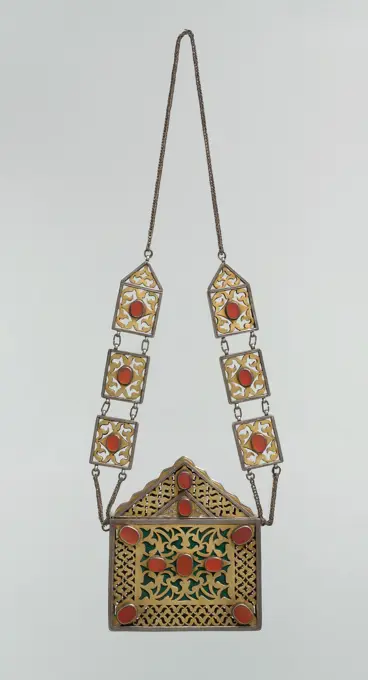
Qur'an Holder late 19th-early 20th century Group of Turkman Ornaments, nos. 2018.922.1-.6a, .6bThese bold silver ornaments come from the world of the Turkman tribes of Central Asia. Some of the forms such as the lozenge shaped amulet holder or Quran box relate to the styles of jeweled arts of the courts and urban centers. But most of these large and vibrant ornaments are a final expression of the unique sensibility of the Turkman people as their nomadic life gives way to modernity.. Qur'an Holder. late 19th-early 20th century. Silver, fire gilded with openwork and stamped decoration, silver beads and table cut carnelians. Attributed to Central Asia or Iran. Jewelry
6145-29823014
Purse 1800-1820 Dutch. Purse 116952
4443-19536263
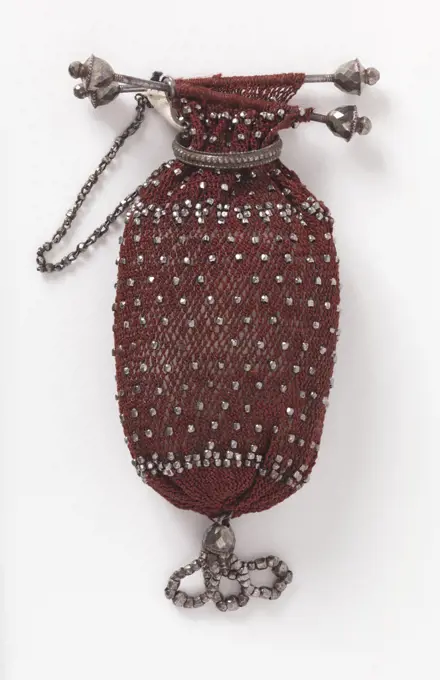
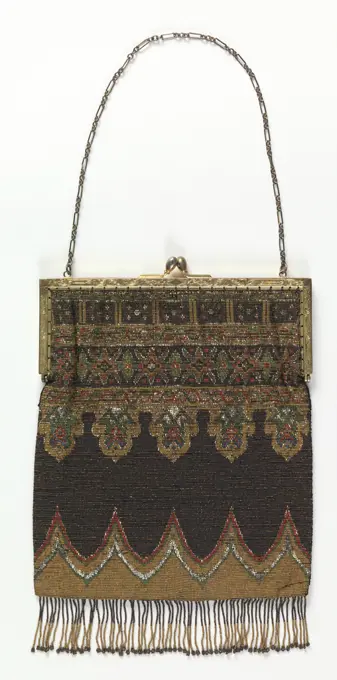
Purse, Medium: silk, steel Technique: beaded crochet, Crocheted red silk purse with cut steel beads, fitted with steel bars at top and steel ring to close; steel pendant at bottom., France, 1830-60, costume & accessories, Purse
6145-29158753
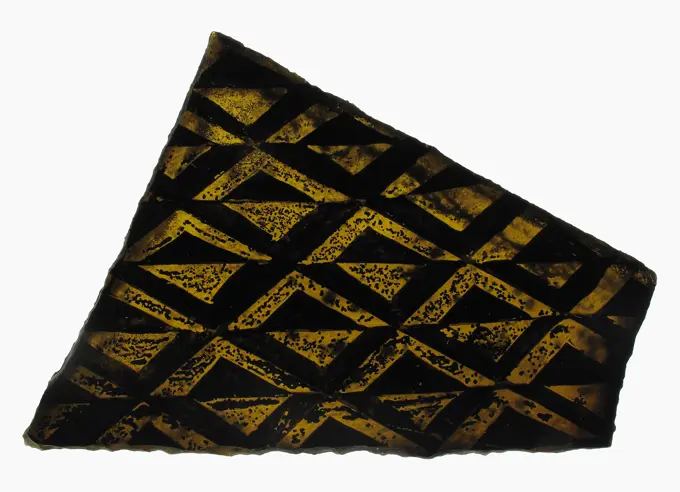
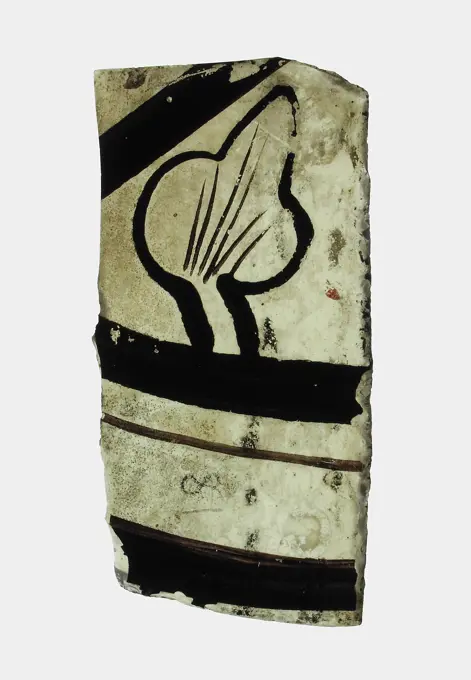
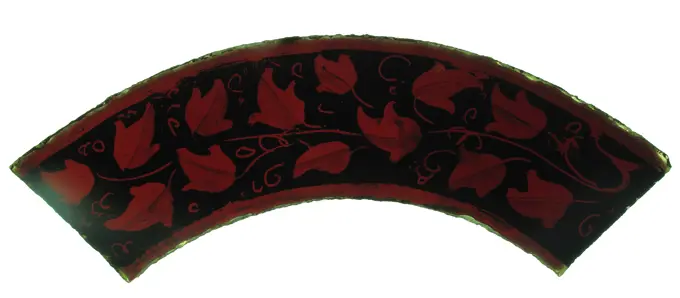
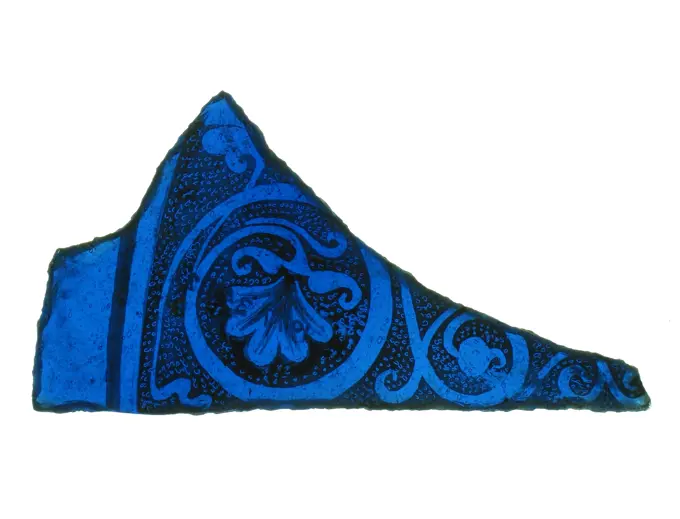
Glass Fragment 14th-15th century European. Glass Fragment. European. 14th-15th century. Pot metal glass. Glass-Stained
6145-29196837
Pouch 1840-60 American. Pouch 168414
6145-59075133
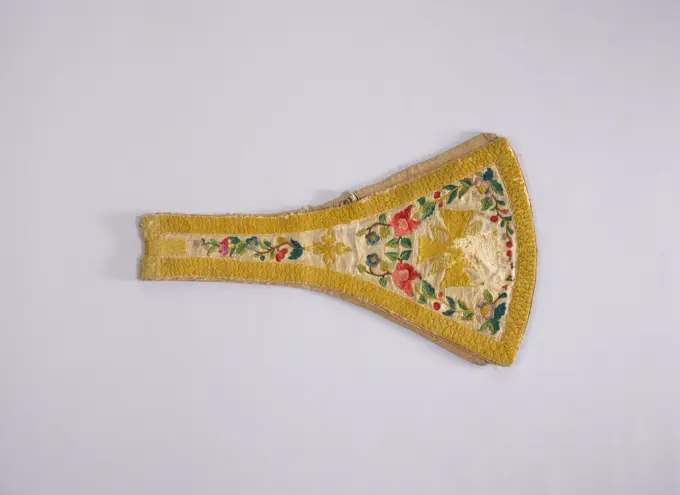
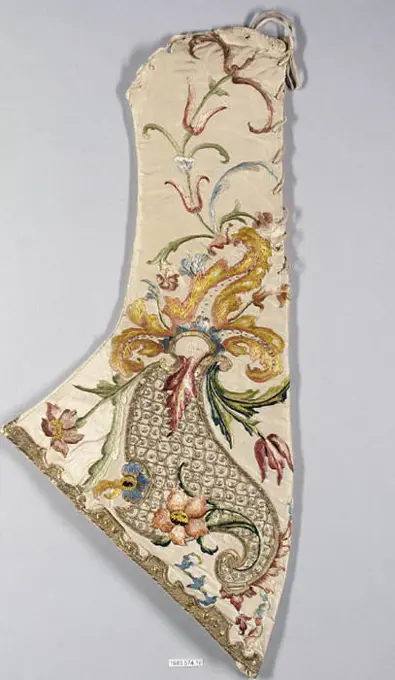
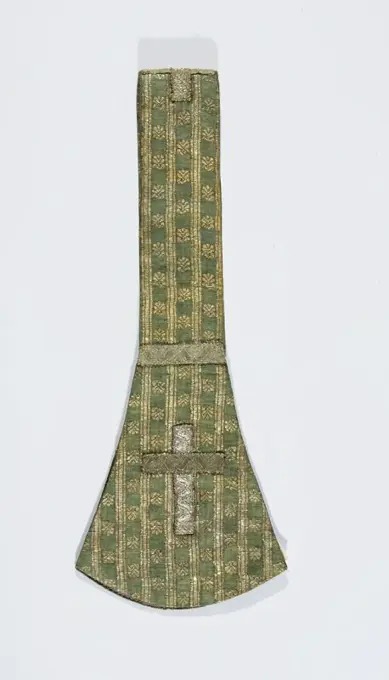
Maniple;  18th century (1701-00-00-1800-00-00);
6145-29085999
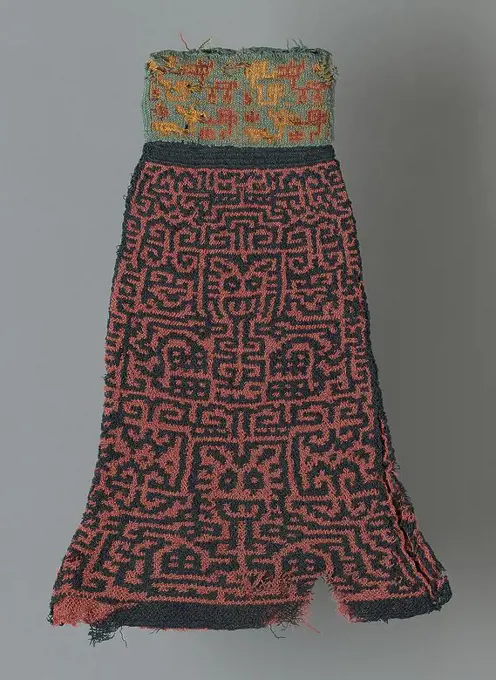
Trapezoidal Bag, 1200-1400. Peru, South Coast, Arica culture, or Chile, North Coast, 13th-15th century. Alpaca wool; overall: 52.2 x 35 cm (20 9/16 x 13 3/4 in.).
6145-29794809
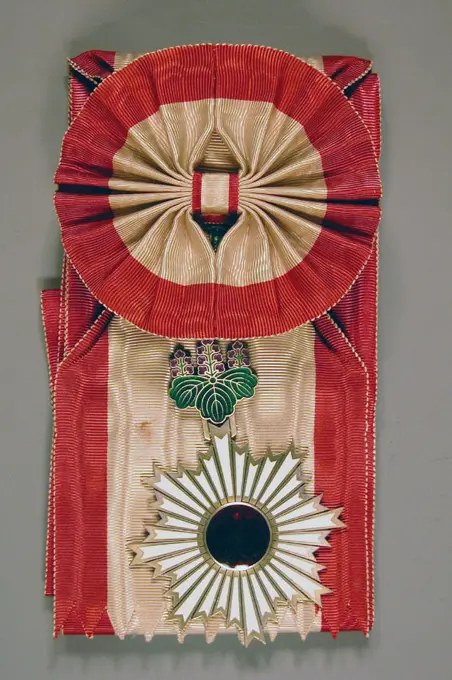
Insignia, Medal and Button late 19th century Japan. Insignia, Medal and Button 60248
6145-29819378
Tassel late 16th-early 17th century French. Tassel 213543
6145-46359263
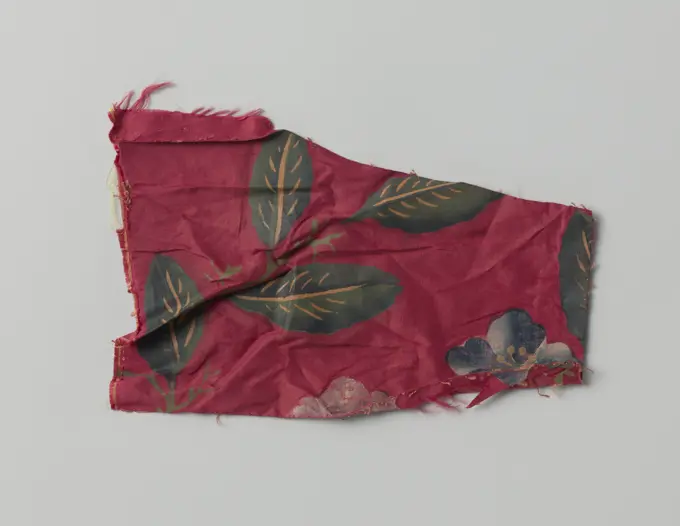
Hoes for seat sitting, printed side. Three covers for seat seats. The covers are made of printed side. Multicolored flower branches are printed on a red soil. The covers have a linen lining.
6145-29093370
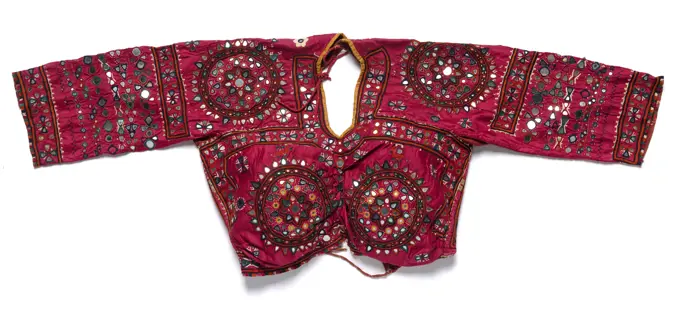
Bodice or Choli, 1800s. India, Cutch or Sind, 19th century. Embroidery; silk on silk satin with mirror-glass inserts; overall: 33 x 91.4 cm (13 x 36 in.).
6145-58854841
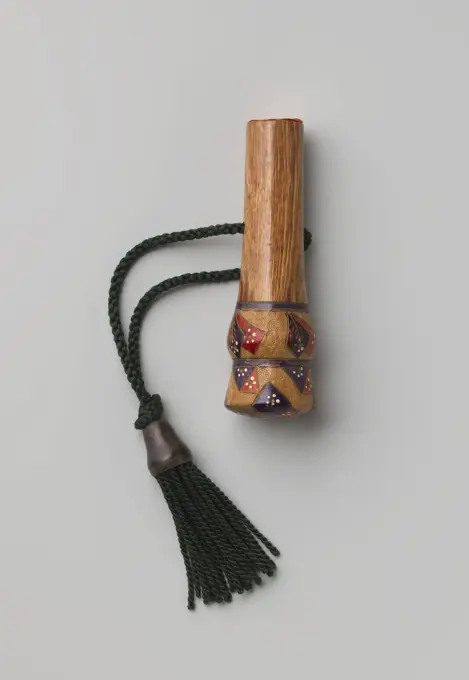
Parasol button or umbrella button of painted wood; The button is decorated with noted motifs, Gustav Schnitzler, c. 1920 Parasol button or umbrella button of painted wood. There is a decorated button on the straight handle. The decorations consists of bred circles and diamond motifs. A green cord has been put through the handle. Nijmegen wood (plant material). koord: silk painting Parasol button or umbrella button of painted wood. There is a decorated button on the straight handle. The decorations consists of bred circles and diamond motifs. A green cord has been put through the handle. Nijmegen wood (plant material). koord: silk painting
6145-48851318
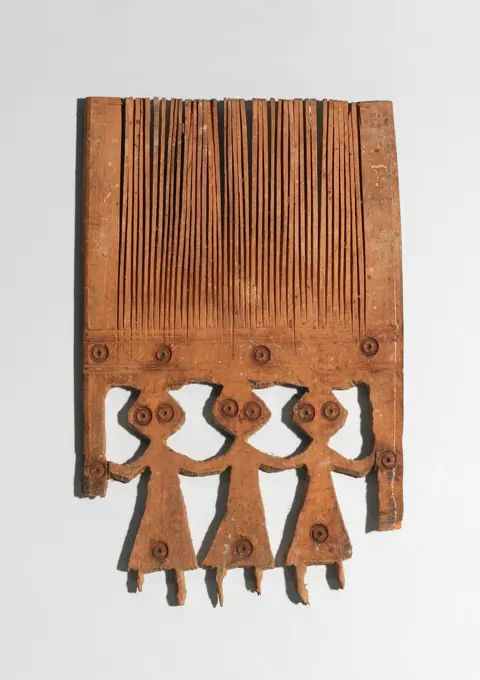
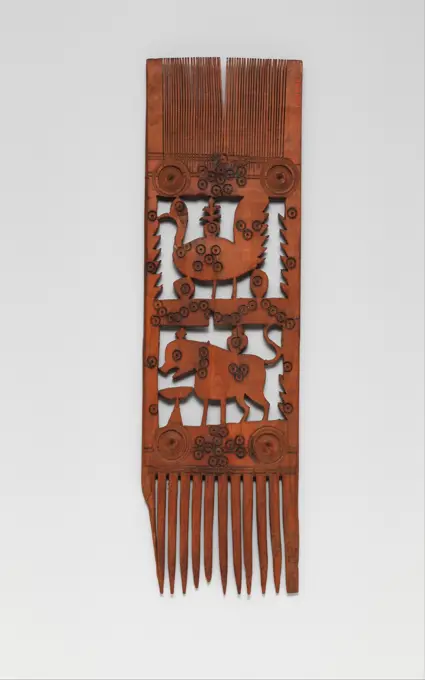
Comb Decorated with Three Female Figurines. Unknown
6145-48967295
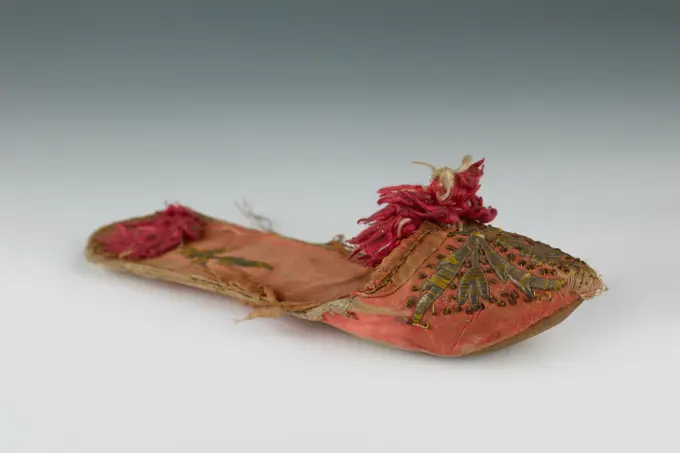
SIIpper unknown
4443-19552648
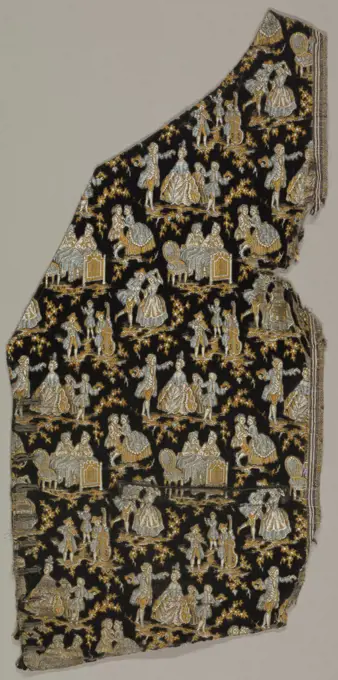
Waistcoat fragment, Medium: silk Technique: cut supplementary warp pile (velvet) in a woven foundation, Fragment of black velvet with a brocaded pattern of couples, dancing and seated, with musicians performing., France, 1800-1850, woven textiles, Waistcoat fragment
6145-29836945
Purse 19th Century China. Purse 65683
6145-58862355
Fragment of a seat for seat session, from printed silk, 1770 - 1780 Three covers for seat sessions. The covers are made of printed silk. Multicolored flower branches are printed on a red soil. The covers have a linen lining. maker: NetherlandsFrance silk. linen (material) printing / painting Three covers for seat sessions. The covers are made of printed silk. Multicolored flower branches are printed on a red soil. The covers have a linen lining. maker: NetherlandsFrance silk. linen (material) printing / painting
6145-50492261
Bag (tobacco Pouch) (USA); glass beads, metal frame
6145-48966946
Fragment of fabric unknown
6145-29146646
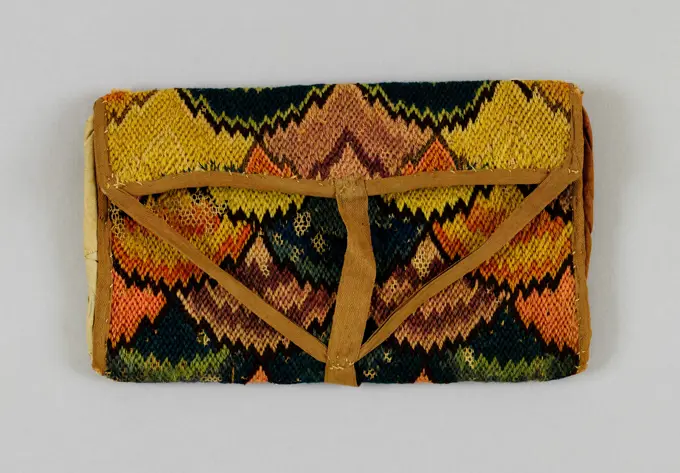
Pocketbook ca. 1760 Mary White. Pocketbook 17798
6145-29774882
Fan Case with Flowers and Insects on a Brown Background mid-19th century China Shown here is an embroidered fan casean accessory worn at the waist for holding folding fans when they were not in use. It features an unusual techniqueraised-work embroidery, which produces a three-dimensional effect (note the insect motifs).. Fan Case with Flowers and Insects on a Brown Background 70480
4443-28735367
Robe for a Statue, 19th century, 8 1/2 x 15 1/4in. (21.6 x 38.7cm), Silk, China, 19th century
1746-21107444
North African decorative corn. Dated 18th Century
6145-30162835
Horse Headstall 1870-1880 New Mexico. During the 1860s and early 1870s, Navajos (DinÈ) learned silversmithing from Hispanic artisans in New Mexico, and Plains Indian craftsmen whose own metalwork stemmed from Colonial sources in the eastern United States. Mexican pesos, U.S. American dollars, and ingot silver were melted down and recast in molds carved from soft volcanic tufa. Navajo silversmiths employed steel tools and punches to develop decorative patterns. Early concho belts, bow guards, bracelets, necklaces, horse headstalls, and other items of silver jewelry display massive forms and simple ornamentation. By the 1890s turquoise was increasingly used; although most turquoise was obtained from Southwestern sources, some was imported from China and Iran. Navajo silversmiths rapidly established a distinctive elegant style that has become one of the classic hallmarks of Native American art in the greater Southwest. Today, Navajo jewelry, like that of their neighboring Pueblo neighbors
6145-29713421
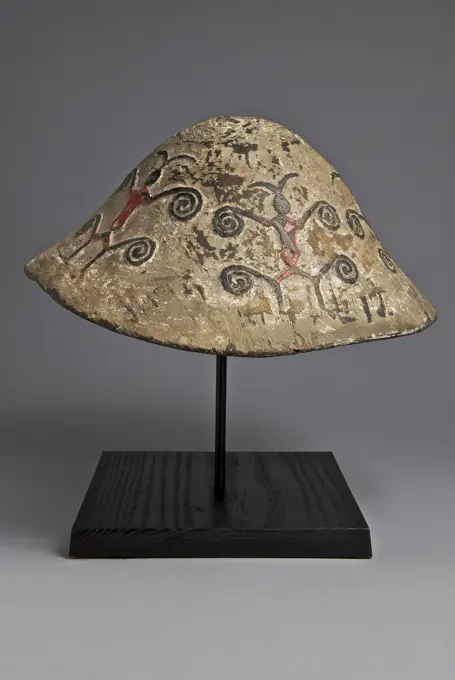
Mitre Shaped Cap 11th-early 14th century Peruvian. Mitre Shaped Cap 316951
6145-59528315
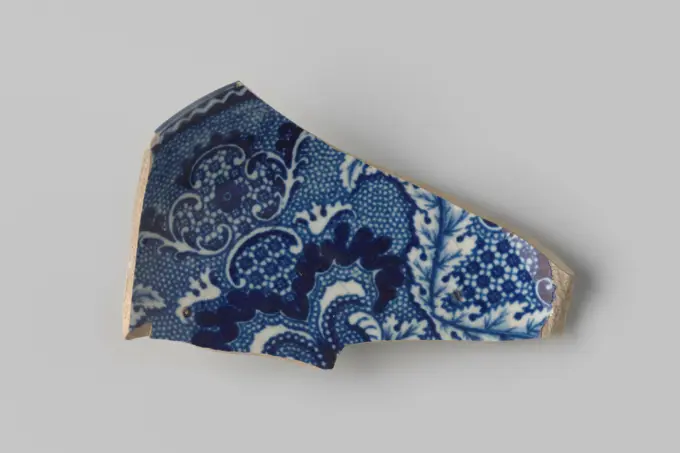
Sharf of a white -baking earthenware, with a blue printing set on the inside ,, c. 1500 - c. 1899 fragment   earthenware. glaze
4443-28743702
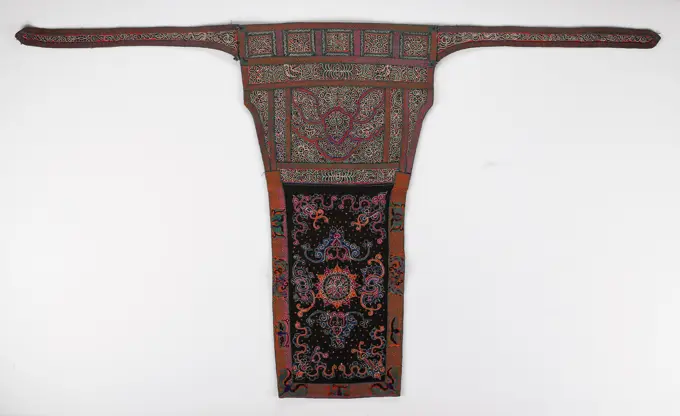
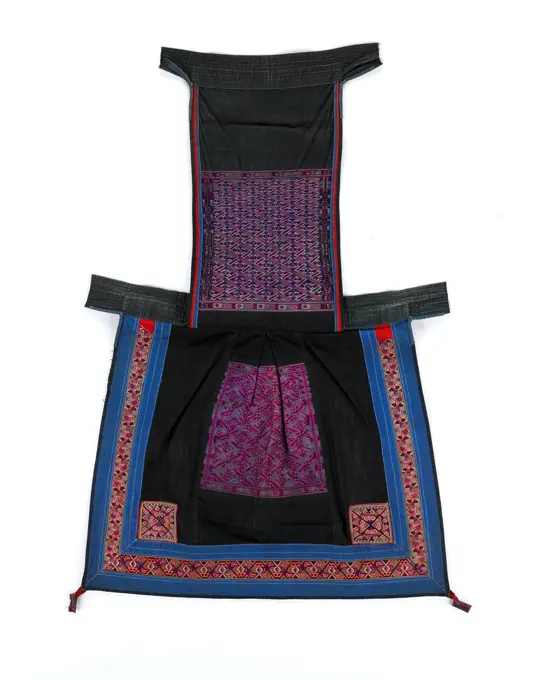
Baby Carrier, 42 x 21 3/4 in. (106.68 x 55.25 cm), Cotton, metallic tape, sequins; needlework, China
6145-29197159
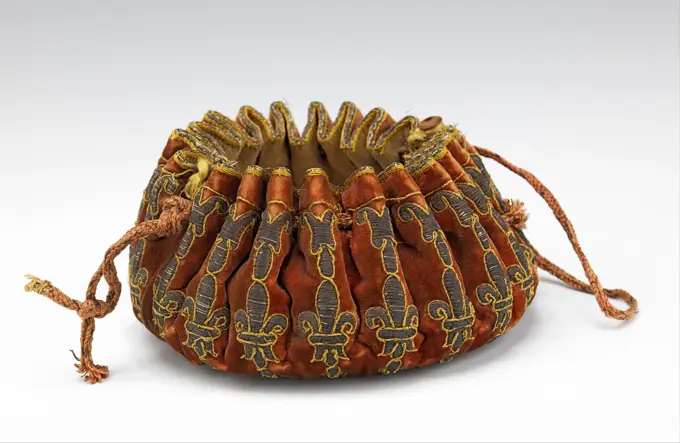
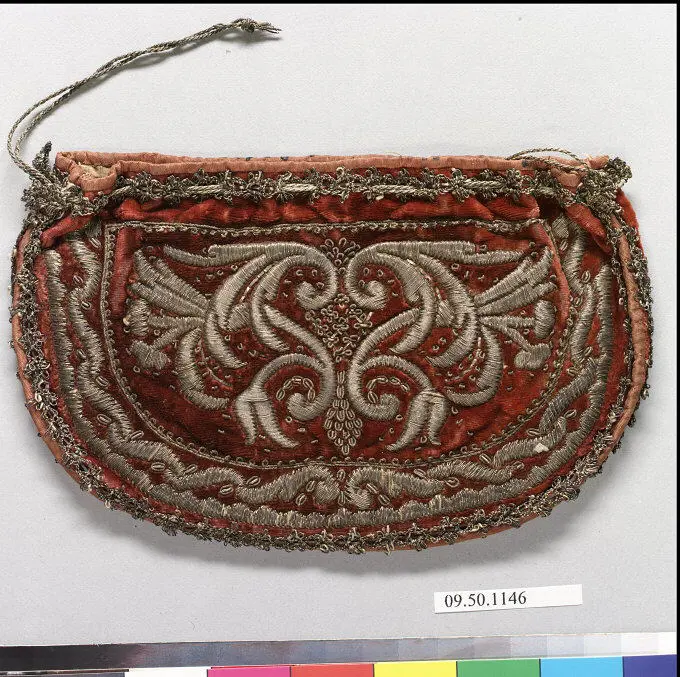
Gaming purse late 17th century French A new level of card game mania swept Europe during the 17th century. Gambling with cards or "gaming" was a favored pastime for both men and women of all ages and classes. Several examples of luxury gaming purses in the Brooklyn Museum collection reflect the fashion for a specific type of bag in which to hold one's coins or counters won in games like "Put" or "La Bête." Made of velvet or brocade, the bags are often heavily embroidered with silver and gold metallic threads. This example has a band of embroidered fleur-de-lis motifs, an indication of a French origin. Like others of the type, it has a round flat bottom and closes by means of a drawstring at the top edge. A pouch bag like this allowed even the unlucky to appear fashionable at the gaming table.. Gaming purse 156850
4443-28740126
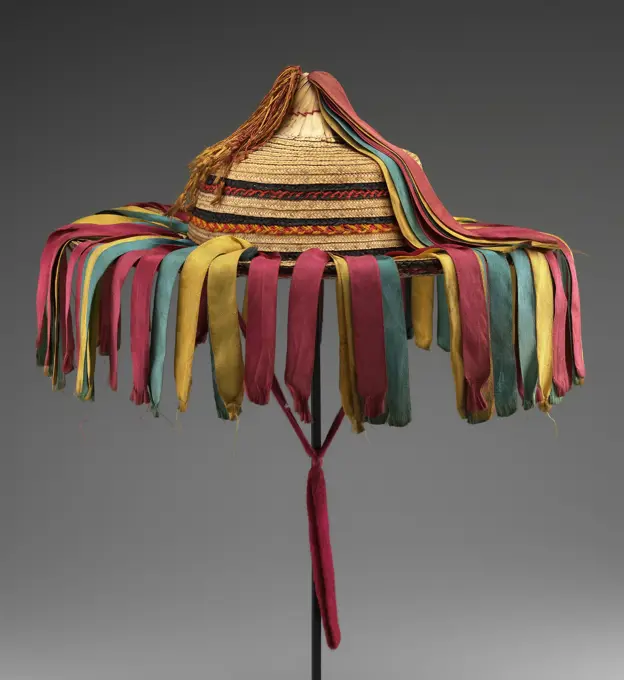
Hat, 5 11/16 x 14 x 14 in. (14.45 x 35.56 x 35.56 cm), Plant fibers, wool, silk, Mexico, The sombrero, or wide-brimmed straw hat, is recognized by its high, pinched crown. While dyed palm leaves are often woven into colorful stripes around a sombrero's crown, this particular example has been further decorated with numerous imported ribbons of silk and wool. These ribbons would shimmer and sway to the movement of the wearer. An attention-grabbing hat like this is an apt headpiece for a village leader who would have worn it to a community-wide celebration.
6145-52955265
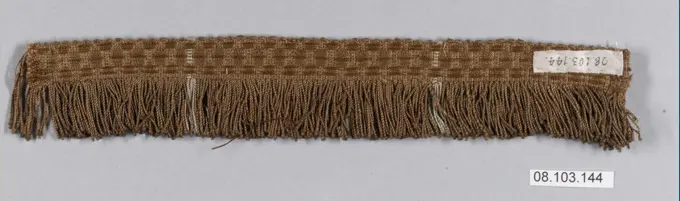
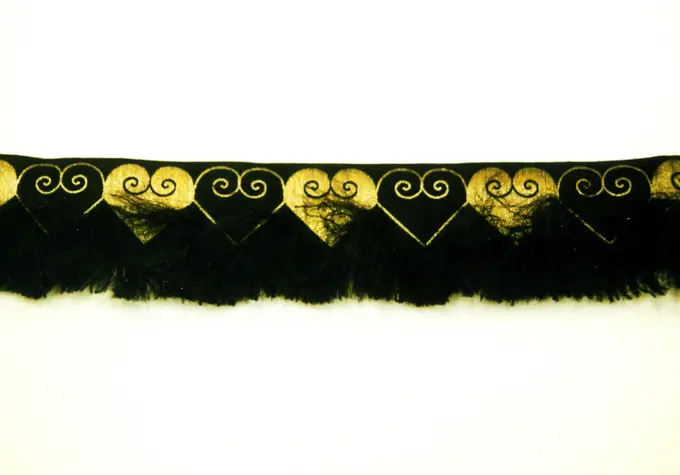
Fringe probably European 19th century
4443-28726018
Apron, China
6145-58858100
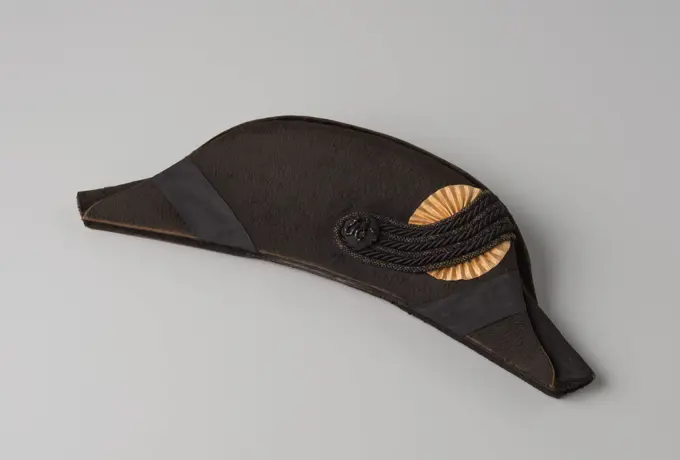
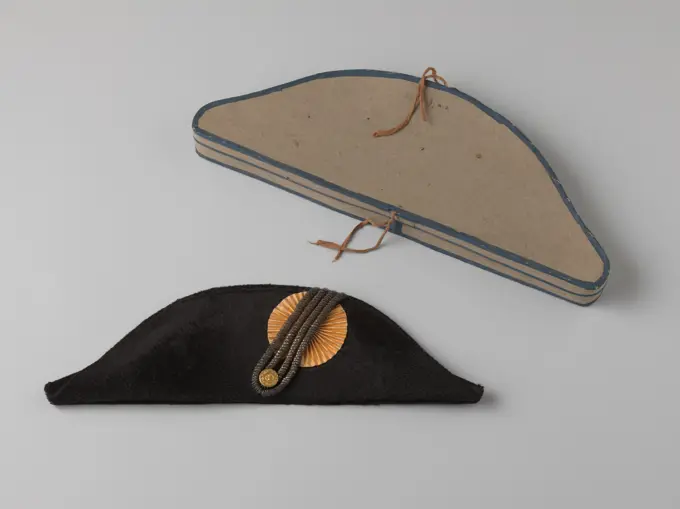
Felt mourning stitch; Model Chapeau Bras, Isaäc Johannes Froger (Possible), After 1781 - Before 1843 Felt mourning stitch; Chapeau Bras Model. The decoration consists of braided and twisted satin cords that have been laid over an orange chef; On the cords a knot of black rips side on which the letter W is embroidered in gitten beads. Black mourning tires at both ends of the stitch. The lining of the ball consists of wine red satin. A card is stuck on the lining: 'P. Van Eeghen '. Amsterdam Stitch: Felt (textile). cord; Lining: Satin. Button: Silk. button:. Decoration Button: Jet (Coal) Felt mourning stitch; Chapeau Bras Model. The decoration consists of braided and twisted satin cords that have been laid over an orange chef; On the cords a knot of black rips side on which the letter W is embroidered in gitten beads. Black mourning tires at both ends of the stitch. The lining of the ball consists of wine red satin. A card is stuck on the lining: 'P. Van Eeghen '. Amsterdam Stitch: Felt
6145-58932837
Belt -
1746-21112658
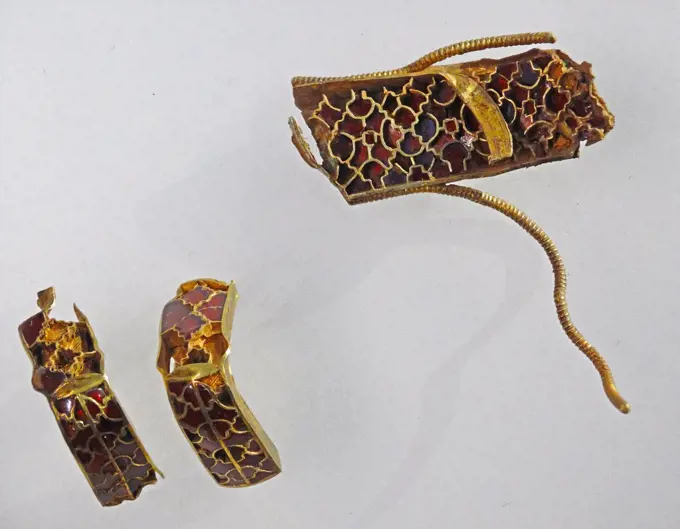
Anglo-Saxon metalwork object, with cloisonné and garnet decoration, from the Staffordshire Hoard. The Staffordshire Hoard is a collection of Anglo-Saxon. Discovered in a field near the village of Hammerwich, near Lichfield, in Staffordshire, England, in 2009. it consists of over 3, 500 items, dated to the 7th or 8th centuries, placing the origin of the items in the time of the Anglo-Saxon kingdom of Mercia.
6145-29814654
Statue robe 18th century Austrian. Statue robe 229781
4443-28727035
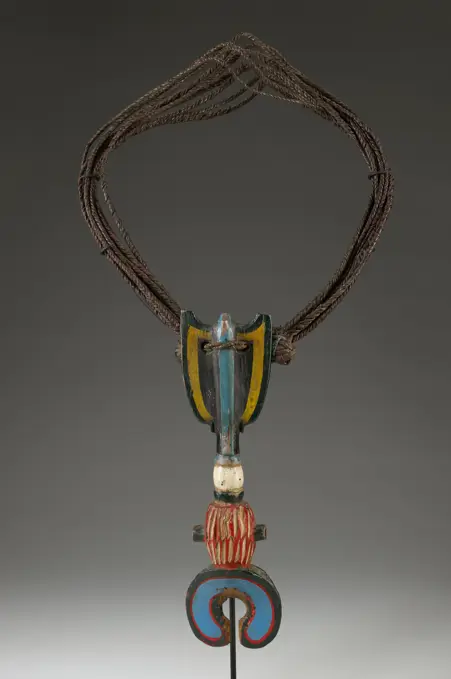
Whistle, 1940s, 23 1/2 x 5 x 2 1/2 in. (59.69 x 12.7 x 6.35 cm), Wood, glass beads, leather, Cameroon, 20th century, The eerie cry of a single whistle is one thing, but an orchestra of dozens of whistles played at a funeral evokes the Otherworld. This whistle is in the stylized shape of a persona common form among the Bamileke peoplewearing a prestige cap that is popular in the Cameroonian Grasslands. A whistle can also be played individually to invoke personal protection. The beads covering the whistle were often used as a sign of wealth among the Bamileke people, who entertained extensive trading networks.
6188-55478733
double knot joining two ropes isolated on white double knot joining two ropes isolated on white background Copyright: xZoonar.com/ValeryxVoennyyx 13966630
6145-29064818
Hat with a pin, Early 1900s. Africa, Democratic Republic of Congo, Kuba peoples, Early 20th century. Raffia, metal, and dye; overall: 10.8 x 16.8 cm (4 1/4 x 6 5/8 in.).
4443-28729351
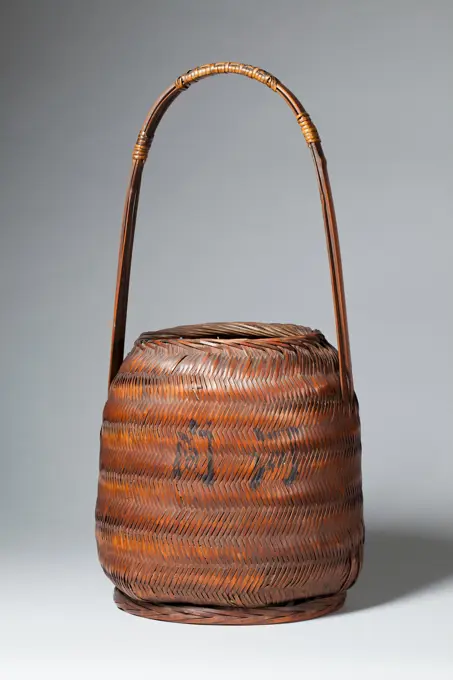
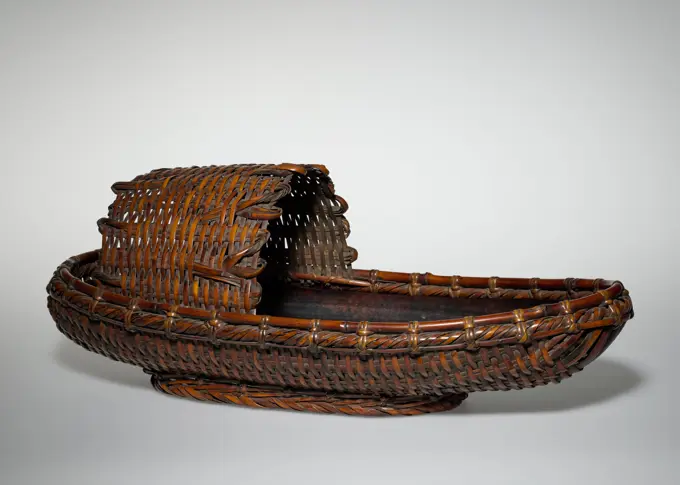
Basket, 19th-20th century, Unknown Japanese, 21 1/4 × 10 1/16 × 9 7/8 in. (53.98 × 25.56 × 25.08 cm), Bamboo, Japan, 19th-20th century
6145-43506070
Purse (France); silk, metal, glass beads
6145-30177689
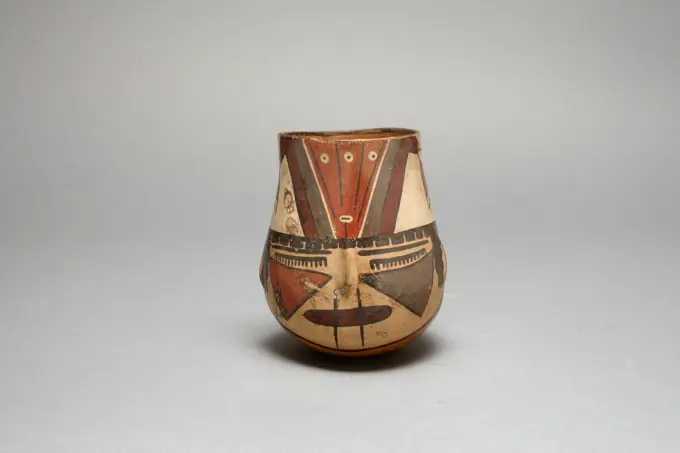
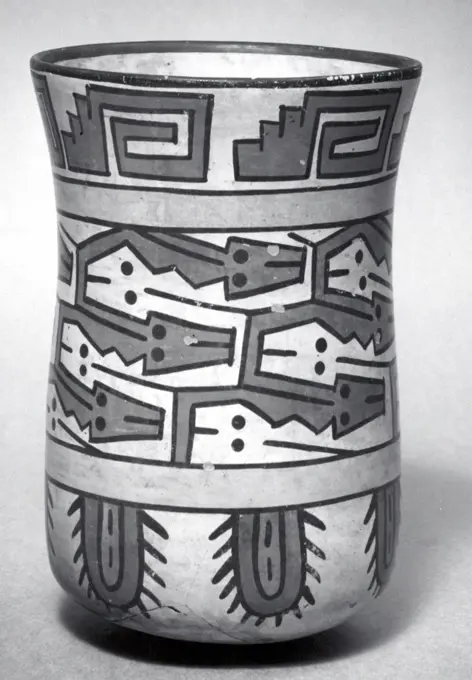
Beaker in the Form of a Trophy Head with Bound Lips 180 BCE-500 CE Peru. Ceramic and pigment . Nazca
1848-54708684
Antique decorative coal B
6145-29237467
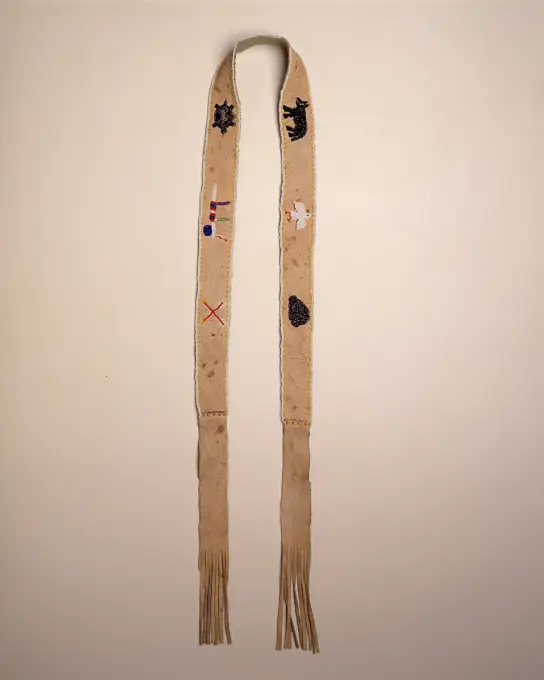
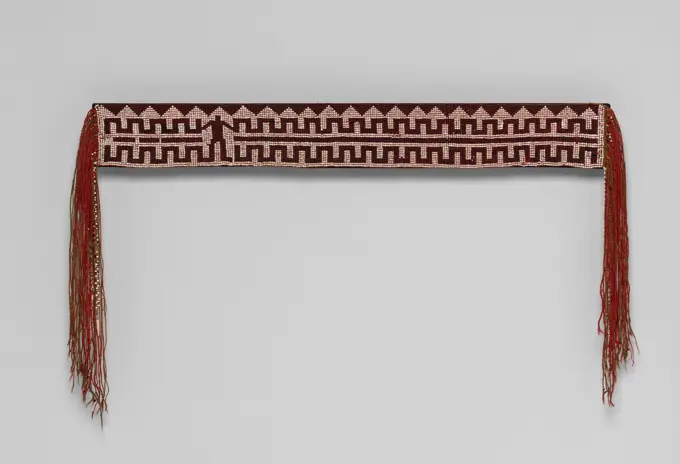
Sash ca. 1800 Western Great Lakes, Native American The image of a single human figure and the asymmetric pattern of repeated geometric motifs on this beaded sash are unique. While likely religious, their exact meaning is unknown. The artist used a hand-weaving tool called a heddle to make the band. The glass beads came from trade and the yarn either from trade or an unraveled blanket. The subtle, underlying color of the red wool yarn warps enhances the wefts of bold beadwork.. Sash. Western Great Lakes, Native American. ca. 1800. Wool yarn and glass beads. Possibly made in Michigan, United States; Possibly made in Wisconsin, United States; Possibly made in Ontario, Canada
6145-48835427
Pendant: Addorsed Females. Unknown
6145-59503332
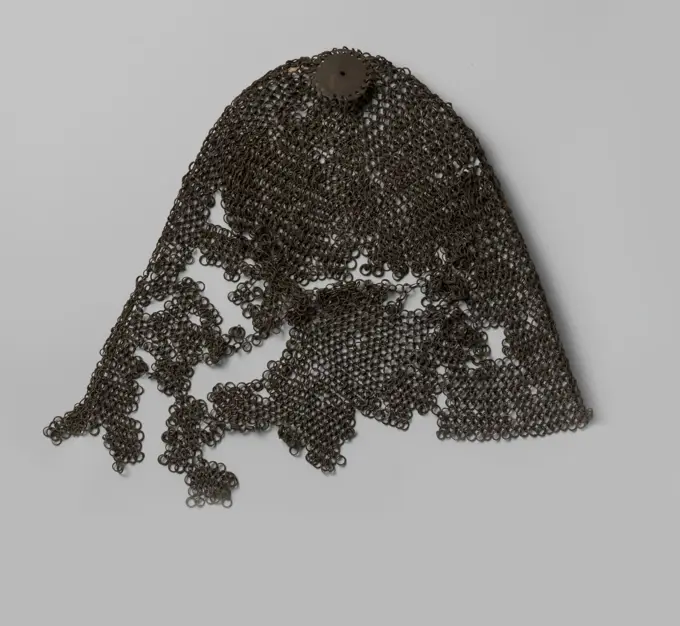
A maliënap, anonymous, c. 1400 - c. 1500  A mali -hood  iron (metal)
6145-29773787
Pouch 18th century European. Pouch 104792
6145-58932121
Cape -
4443-28735410
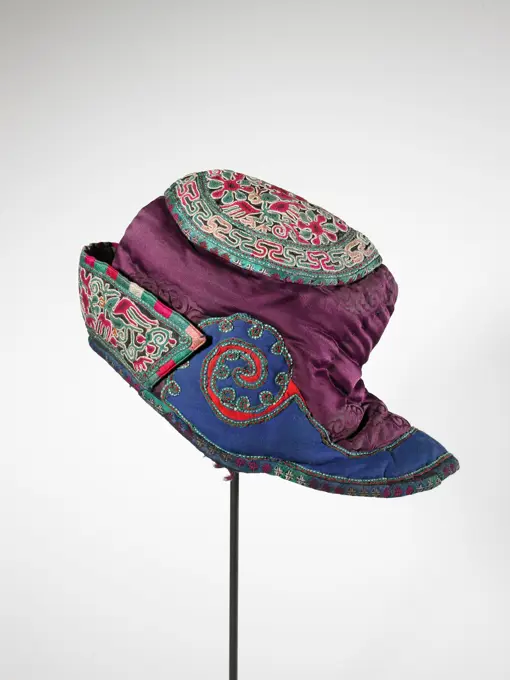
Miao Hat, 20th century, 6 x 7 3/4 x 12 3/4in. (15.2 x 19.7 x 32.4cm), Cotton, silk, China, 20th century
6145-58869084
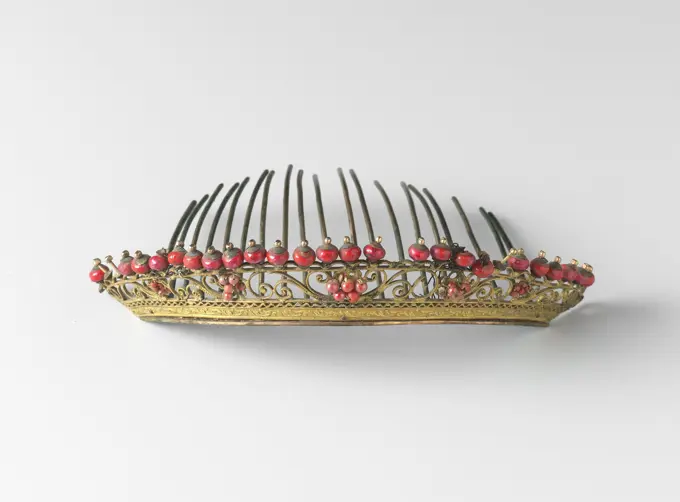
Comb or diadem, anonymous, c. 1820 - c. 1825 Hair comb, diadem or tiara partly of gilded copper with back of filigre with red beads, twenty teeth. Model: A back of gilded copper has been applied to a bracket with 20 teeth of copper. Decoration: On the bracket is a bond for seeing of a meandering leaf motif. Above a narrow, open wavy edge above which a more striking openwork border with symmetrical built -up curly garlands. The whole is crowned by a scumulated, openwork edge with raised pins on which red beads that are fixed by a round metal plate and a gilded copper pearl. A number of beads are missing. Five 'bunches' red beads hang on the middle openwork edge at the same distance from each other. France (possibly) beugel: copper (metal). pen: copper (metal). coral (material) forging / filing / polishing / filigree Hair comb, diadem or tiara partly of gilded copper with back of filigre with red beads, twenty teeth. Model: A back of gilded copper has been applied to a bracket with 20 te
6145-29173803
Comb 7th century, possibly. Comb 453630
4443-28731712
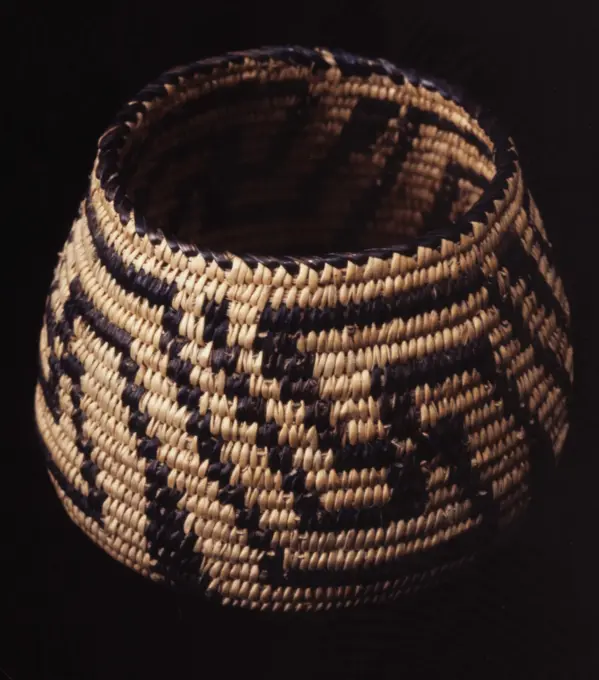
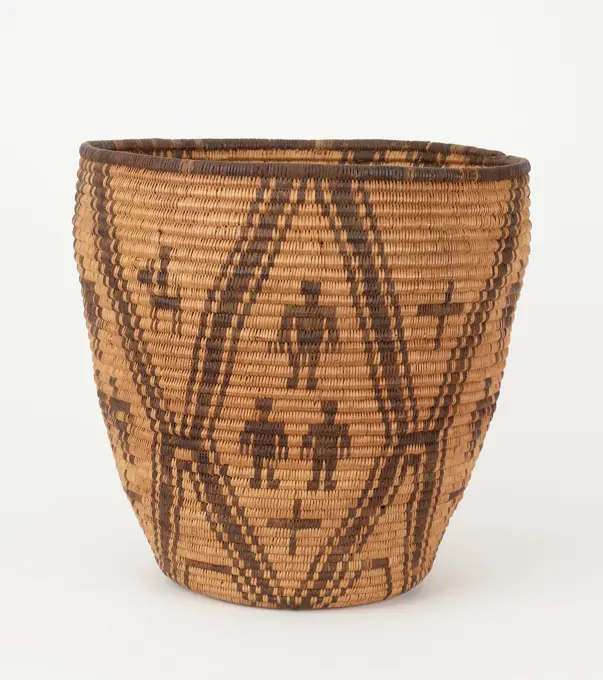
Basket, 1900-1942, 1 15/16 x 1 7/8 x 1 7/8 in. (4.9 x 4.8 x 4.8 cm), Plant fibers, United States, 20th century, These various sized baskets, all made exclusively for the tourist market, share similar fret designs. The Akimel Oothom and Tohono Oodham often employ the same designs in their basketry because they intermarried, traded, and shared many aspects of each others traditions and language.
6145-52956501
Tassel French 19th century View more. Tassel. French. 19th century. Silk. Textiles-Trimmings
4443-28743731
Baby Carrier, Cotton, silk; needlework, China
1848-56110523
Nougat and chocolate goods from Mallorca
4409-17413805
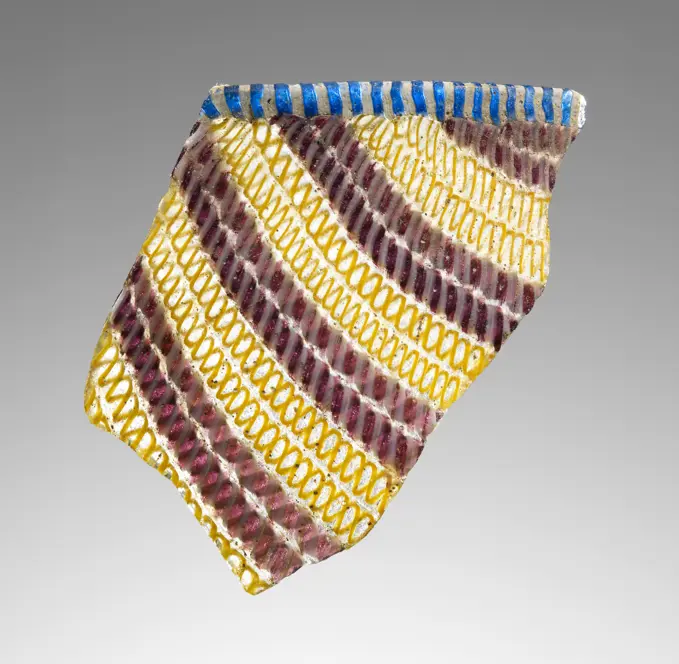
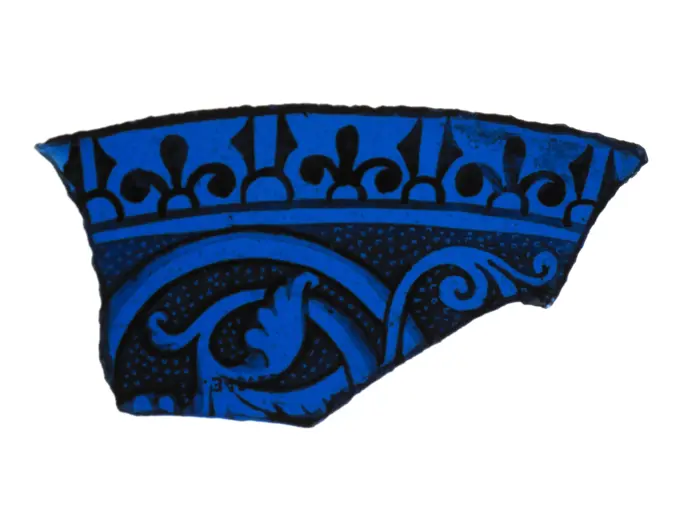
Glass Fragment. Culture: European. Dimensions: Overall: 3 3/4 x 3 in. (9.5 x 7.5 cm). Date: 15th century. Museum: Metropolitan Museum of Art, New York, USA.
6145-59000671
Scholarship. GAL1985.119.5
6145-58869026
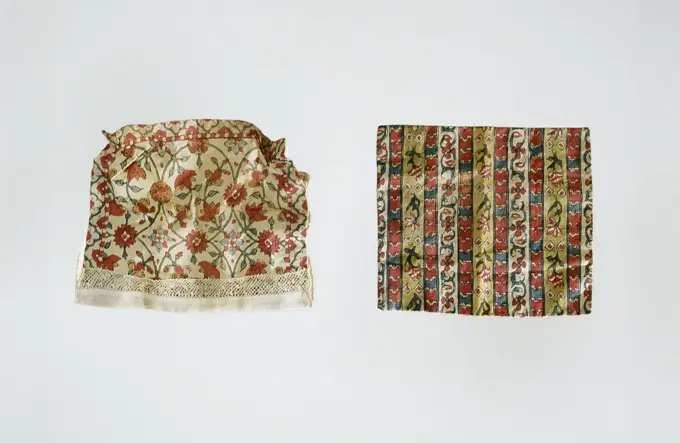
Spread of painted cotton (sits), lined with light yellow silk., Anonymous, c. 1690 - c. 1710 Spread of painted cotton (sits), lined with light yellow side, without an intermediate layer; Dessin striped with stylized motifs of flowers, cubes and scales, in blue, red, yellow, dark red. India cotton (textile). silk Spread of painted cotton (sits), lined with light yellow side, without an intermediate layer; Dessin striped with stylized motifs of flowers, cubes and scales, in blue, red, yellow, dark red. India cotton (textile). silk
4409-17417763
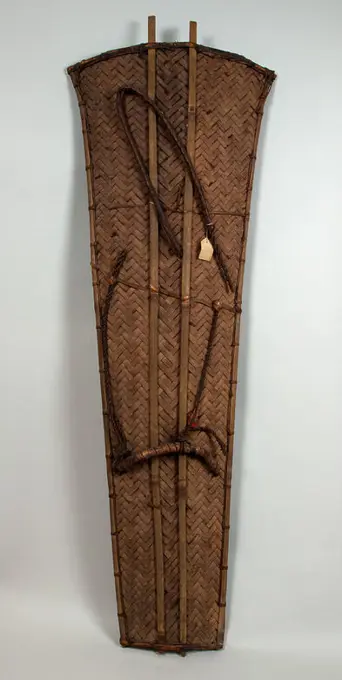
Shield (Dhàl). Culture: Indian, Assam, Naga Hills. Dimensions: H. 59 1/2 in. (151.1 cm); W. 20 in. (50.8 cm); D. 4 1/2 in. (10.8 cm); Wt. 4 lb. 10.4 oz. (2109.2 g). Date: 19th century. Museum: Metropolitan Museum of Art, New York, USA.
6145-45557334
Bliżej Kultury unknown
4443-28745633
Container, 20th century, 6 13/16 x 4 15/16 x 2 1/16 in. (17.3 x 12.54 x 5.24 cm) (without dangles or hanger), Beads, cotton, sequins, paper, United States, 20th century
6145-45800312
Small bag in an envelope model, completely woven from fine green-gray beads, with a pearl knot as a closure. Small bag in an envelope model, folding double with a seam along the two sides. The bag is completely woven from fine green-gray beads, with a golden yellow basket with pink flowers as a motif on the front and back, inside a golden-yellow beads. In the unlined valve a narrow notch, where the pearl knot can be inserted to close the bag. Lining of ecru-colored moire linen. In the bag a double-folded powder cushion of wodening satin and velvet, which still powder (see B).
6145-29159733
Inrō with Dragonflies second half of the 18th century Kōami Nagataka Japanese. Inrō with Dragonflies 58569
6145-29069723
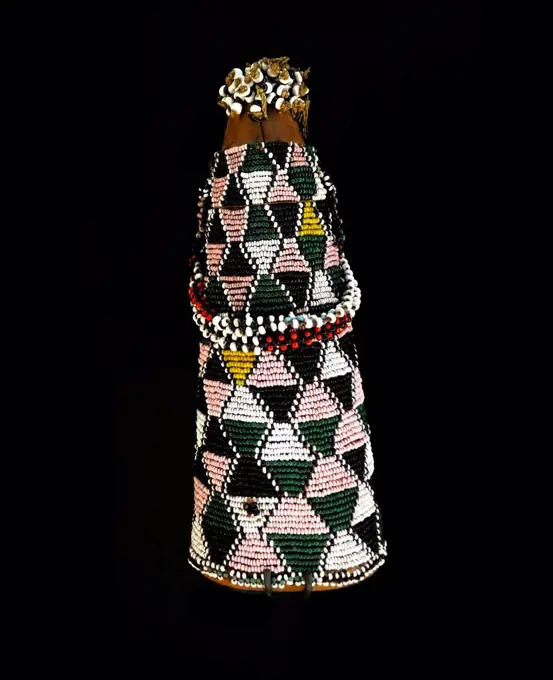
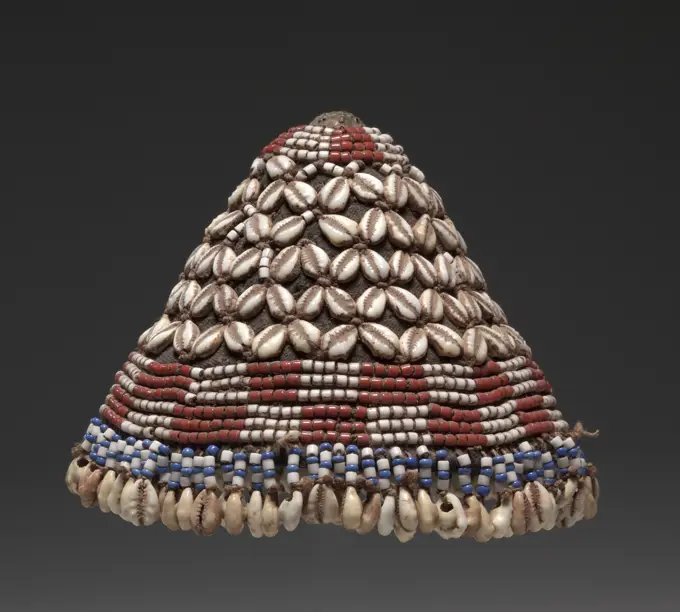
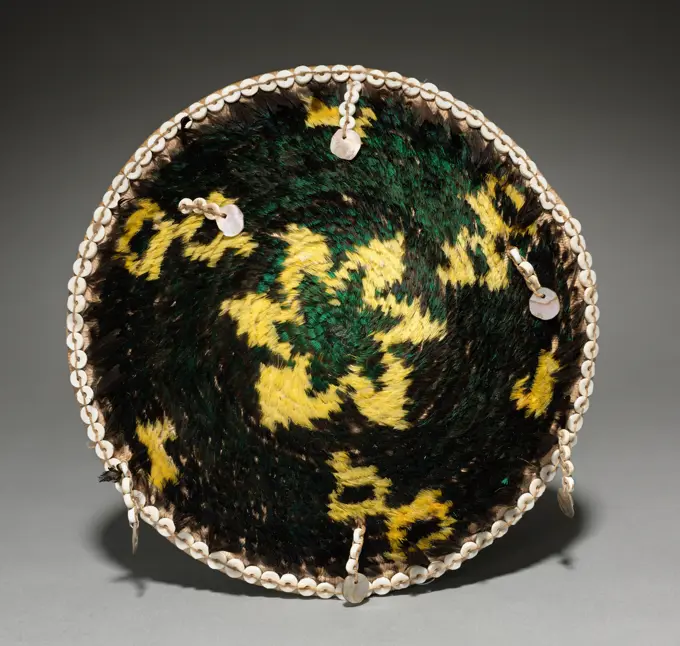
Cap, early 1900s. Central Africa, Democratic Republic of the Congo, Kuba, early 20th century. Plant fibers, cloth, glass beads, cowrie shells, and copper alloy; diameter: 17.8 cm (7 in.); overall: 13 cm (5 1/8 in.).
6145-46803215
Wool PileCap.  Artist: Unknown
6145-29084901
Bowl, 1890. California, Pomo, Late 19th- Early 20th century. Undyed Bulrush, Sedge; Coiled (3 rods); overall: 4 x 9.5 cm (1 9/16 x 3 3/4 in.).
6145-29084604
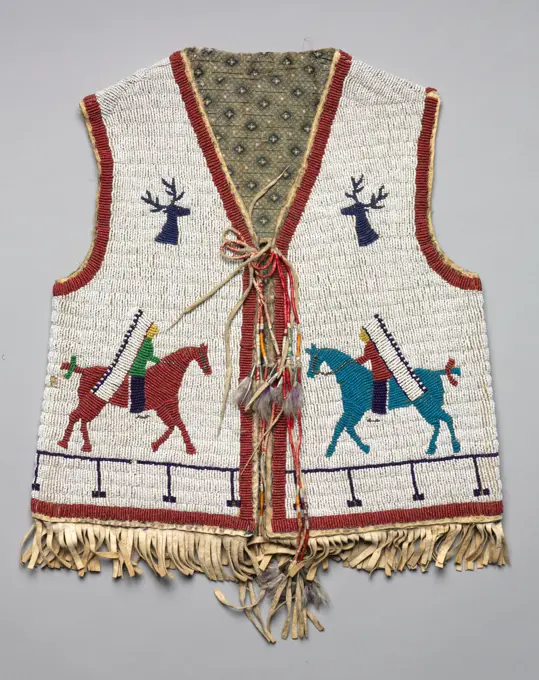
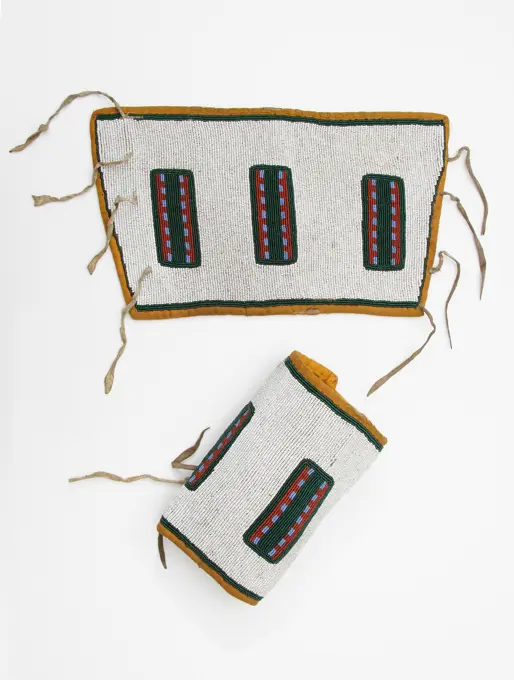
Beaded Child's Vest, c 1890-1900. America, Native North American, Plains, Lakota(Sioux), Post-Contact. Beaded leather; cotton lining; overall: 43.2 x 40.6 cm (17 x 16 in.).
6145-29196832
Pouch 1850-60 European. Pouch 168392
6145-58930166
Legging strip  -
6145-58856549
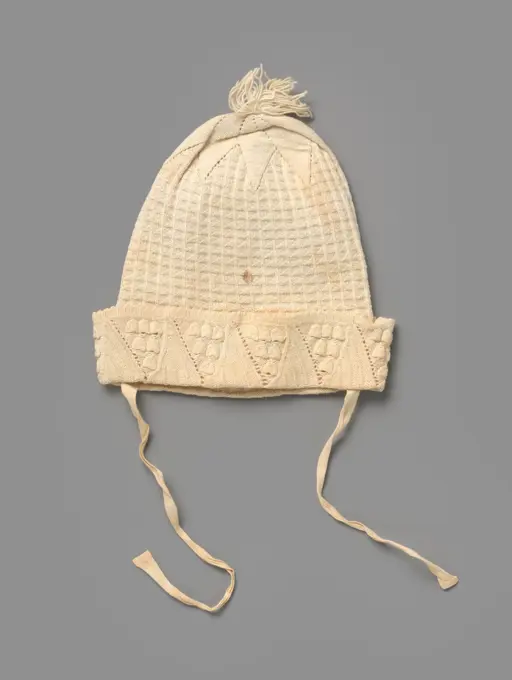
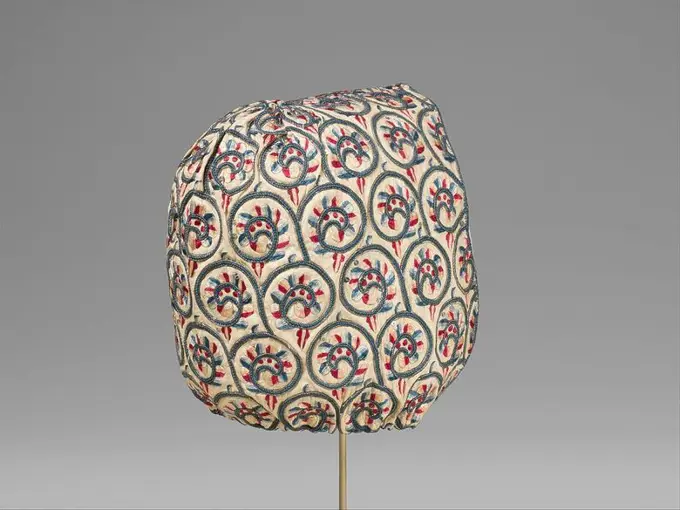
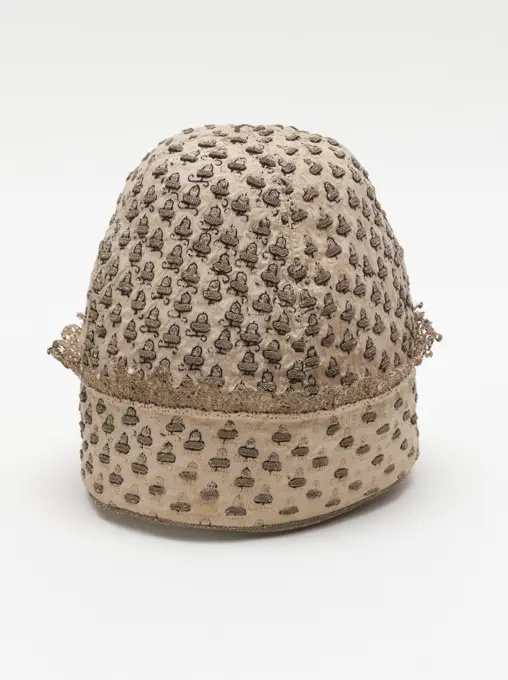
Knitted hat of white cotton with vertical ribbed edges, between which an ornamental motif, flower shape, brush and sliced rim with triangles with ornamental motif, anonymous, c. 1800 - c. 1900 Knitted hat made of white cotton with vertical ribbed edges, between which an ornamental motif, flower shape, brush and sliced rim with triangles with ornamental motif. Europe cotton (textile) knitting Knitted hat made of white cotton with vertical ribbed edges, between which an ornamental motif, flower shape, brush and sliced rim with triangles with ornamental motif. Europe cotton (textile) knitting
6145-29062689
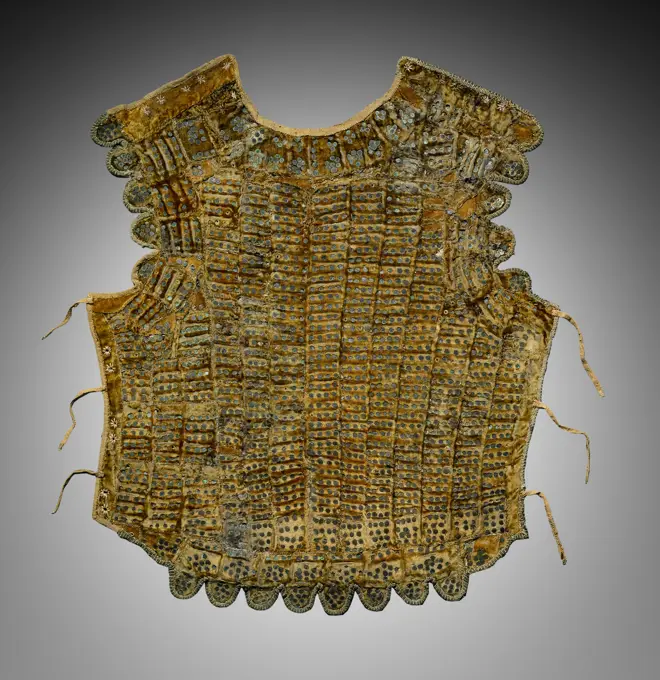
Body Guard (Brigandine), c. 1500-1525. Italy (), early 16th Century. Linen; gold velvet; steel; brass ; overall: 56.5 x 47.6 cm (22 1/4 x 18 3/4 in.). The brigandine is a light, vest-like body defense popular with both knights and infantry from the 1400s through about 1550. It is constructed of multiple small plates attached to a cloth covering. Finer examples, like this one, are faced in velvet or fabric made of gold thread. The lightweight brigandine provided protection from the weather, and was extremely flexible.
6145-29826497
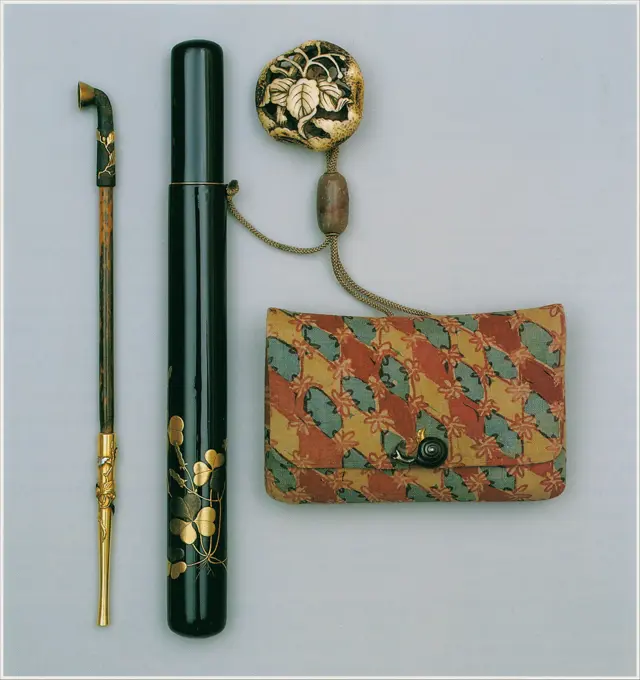
Pipe and Pipe Case with Tobacco Pouch early 19th century Shibata Zeshin This elegant lacquer pipe case once hung from its owners obi sash, kept in place by the attached netsuke. A fashionable man would have carried a pipe (kiseru), for smoking small servings of finely cut tobacco, in a stylish case (kiseruzutsu) with a matching tobacco pouch (tabako-ire). They served as contemporary fashion accessories and conversation subjects. This two-part case features a maki-e design of wood sorrel, a wildflower similar to clover.. Pipe and Pipe Case with Tobacco Pouch 40493
6145-45373602
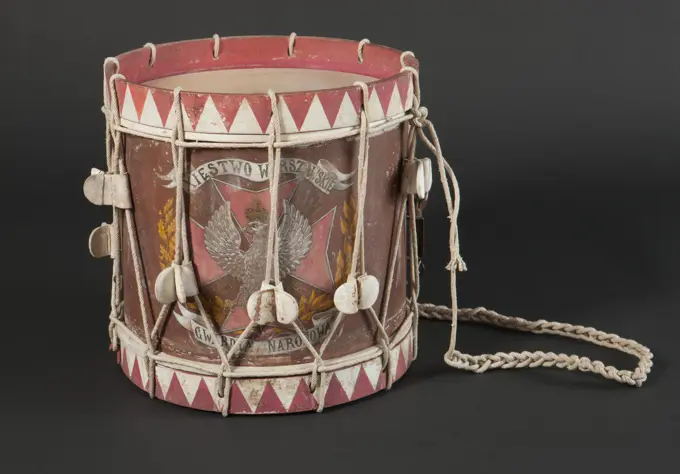
Drum of a drummer of the National Guard of the Duchy of Warsaw unknown
6145-52956081
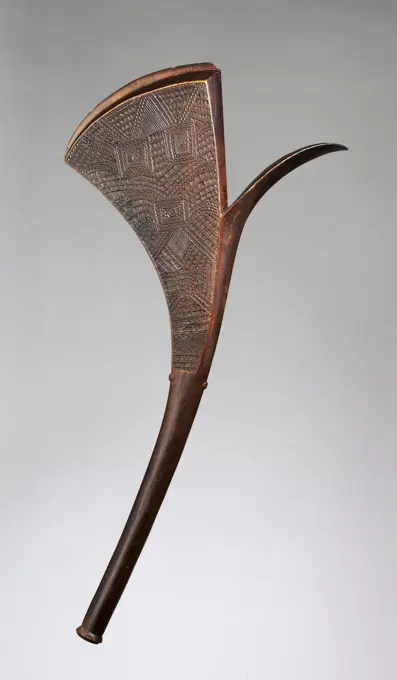
Club (Sali) Fijian mid to late 19th century View more. Club (Sali). Fijian. mid to late 19th century. Wood. Fiji. Wood-Implements
6145-29181611
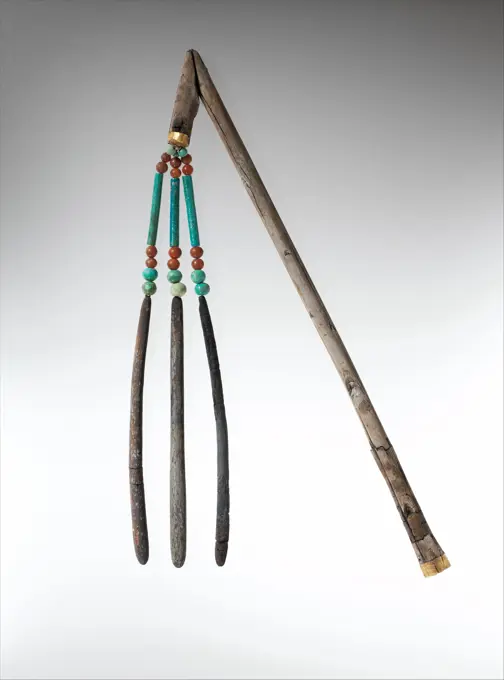
Flail of Hapiankhtifi ca. 1981-1802 B.C. Middle Kingdom One of the complete burial groups excavated at Meir belonged to the Steward Hapiankhtifi. When the mummy was unwrapped in the Museum numerous objects were discovered: a model dagger and sheath, two mirrors, a bat amulet and jewelry. A ceremonial flail, an emblem of Osiris with whom the deceased wanted to be identified, was found broken and scattered throughout the coffin. The flail has a wooden handle tipped with gold leaf at either end and three pendants. The long end pendants are connected to the handle by three long cylindrical blue faience beads with two carnelian and one green faience bead toward the handle and two carnelian and two green faience beads toward the pendants.. Flail of Hapiankhtifi 546288
6145-46395429
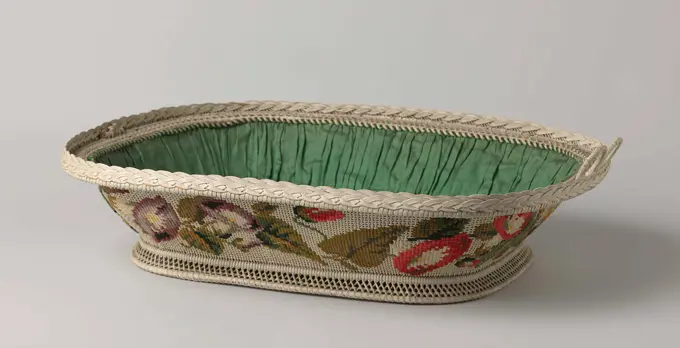
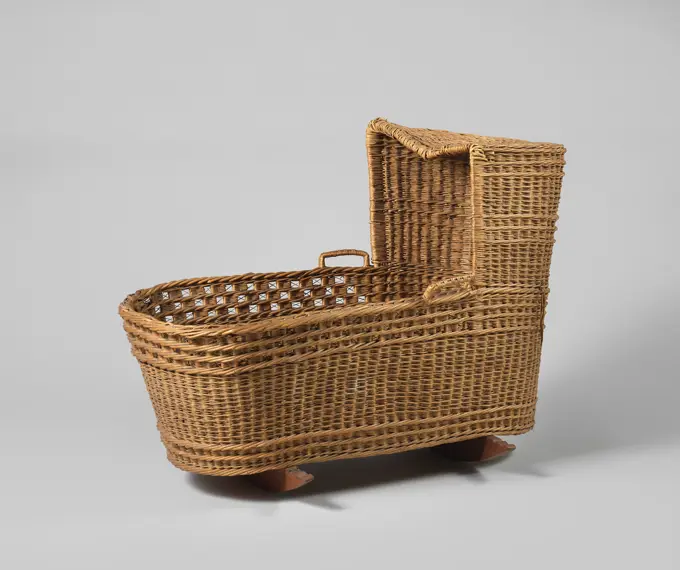
White diaper basket decorated with Berlin's cross-stitch embroidery in wool; Green lining. .
4409-17402065
Coif. Culture: British. Dimensions: Coif: H. 9 x W. 8 1/2 inches (22.9 x 21.6 cm); Forehead cloth: H. 7 x W. 17 1/2 inches (17.8 x 44.4 cm). Date: 1600-1630. Museum: Metropolitan Museum of Art, New York, USA.
4443-19587380
Strand ofBeads, Flameworked soda-lime and potash-lime glass, 20 1/2 in. (52.07cm), Probably made in Venice, Italy, Venetian, 17thcentury, Jewelry
6145-58868567
Children's sleeve of sits with a white stock, with blue linen bow tire and trimmed with green -white passion; lining of white linen, anonymous Sleeves with green passion (part of a Frisian children's costume). Coming from Schiermonnikoog.  cotton (textile). linen (material). chintz chintz Sleeves with green passion (part of a Frisian children's costume). Coming from Schiermonnikoog.  cotton (textile). linen (material). chintz chintz
6145-45909087
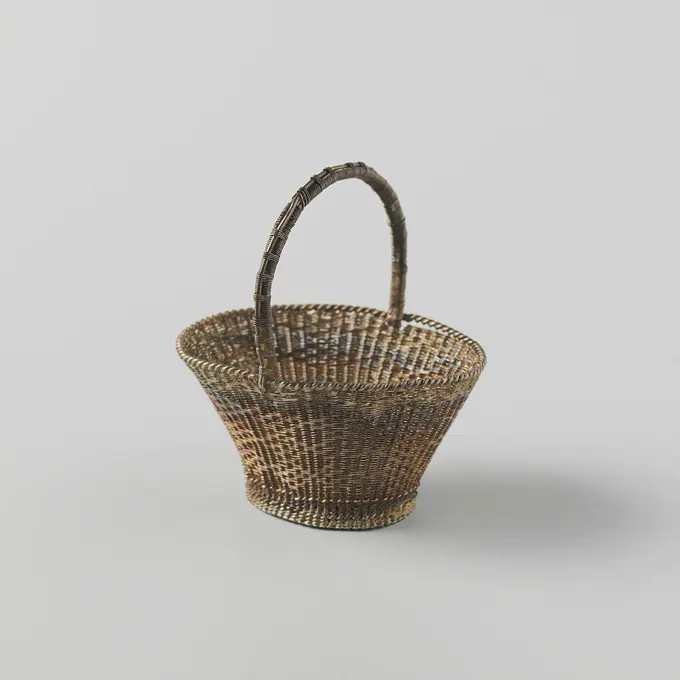
Handle basket. Oval handle basked silver thread. The basket has a solid handle. The basket walks upwards wide and is not noticed.
6145-29063909
Belt Buckle, 1800s. Siam, 19th century. Brass; overall: 12.2 x 7.4 cm (4 13/16 x 2 15/16 in.).
6145-54680123
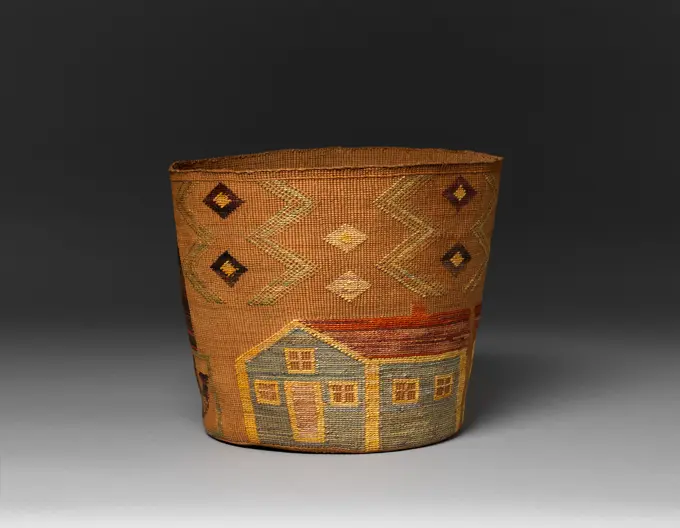
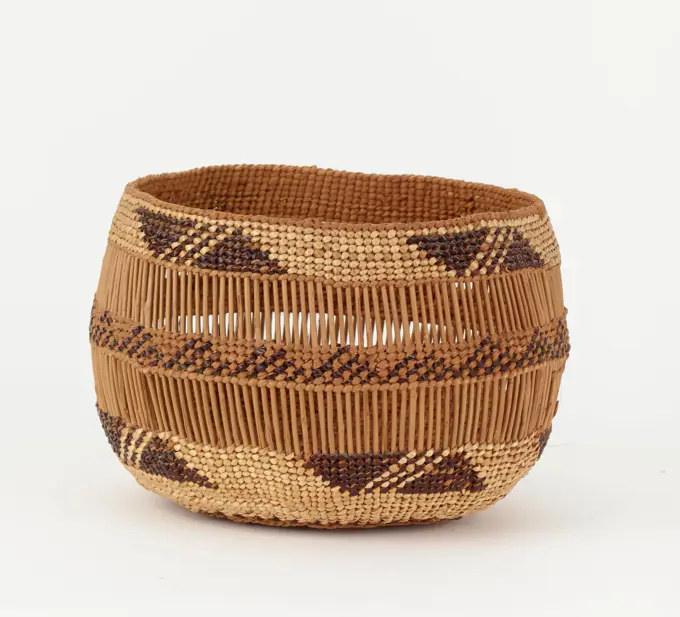
Basket Tlingit, Native American ca. 1900 View more. Basket. Tlingit, Native American. ca. 1900. Spruce root and dyed and undyed beach or rye grass. Made in Alaska, United States
4443-28745658
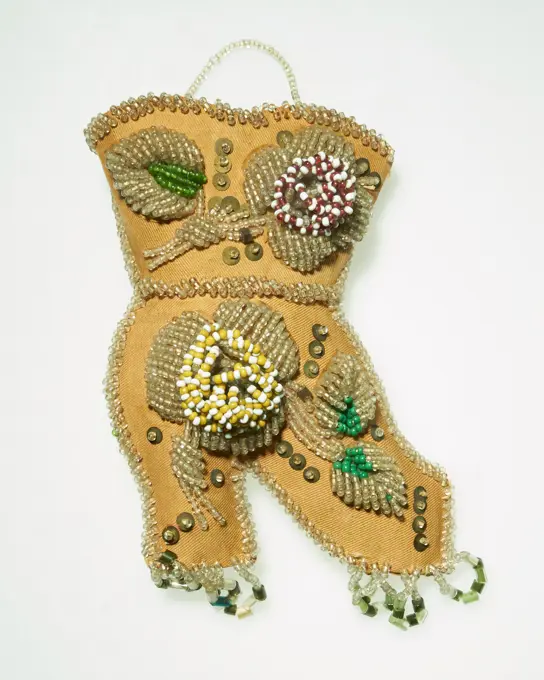
Wall pocket whimsey, 8 3/16 x 7 3/4 x 1 9/16 in. (20.8 x 19.69 x 3.97 cm) (without dangles or hanger), Beads, cotton, sequins, United States
4443-28735777
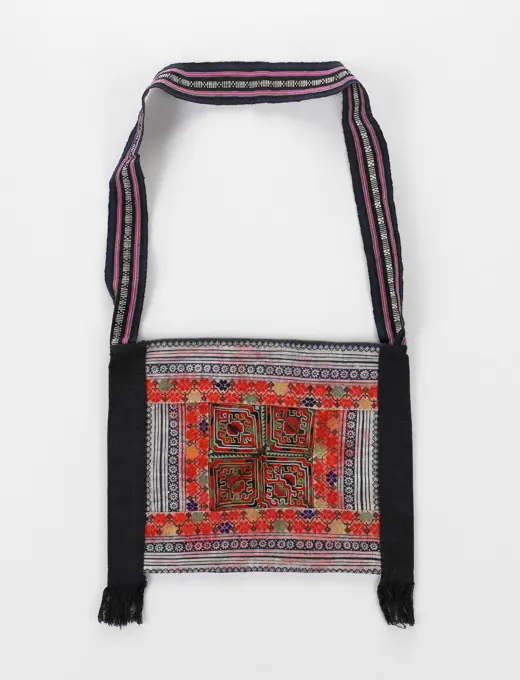
Purse, 20th century, 25 x 12 1/4 in. (63.5 x 31.1 cm), Cotton, China, 20th century
4443-28737790
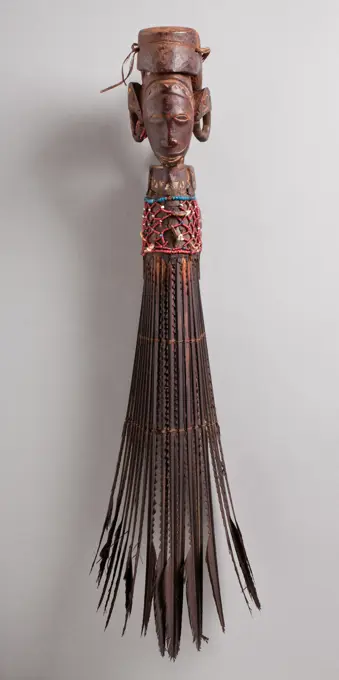
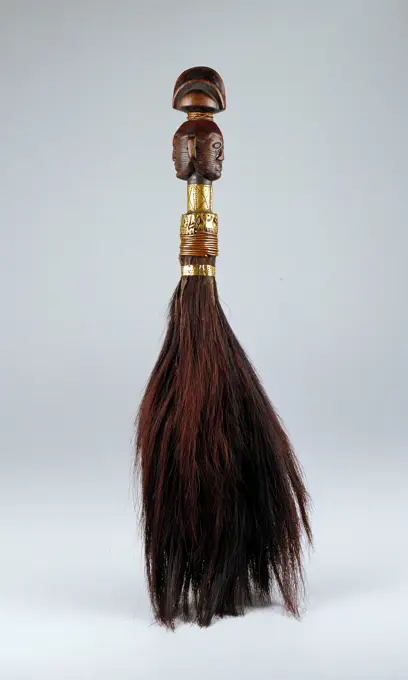
Fly Whisk, 20th century, 7 1/8 in. (18.1 cm), Wood, copper and animal hide, Democratic Republic of Congo, 20th century
6145-46187088
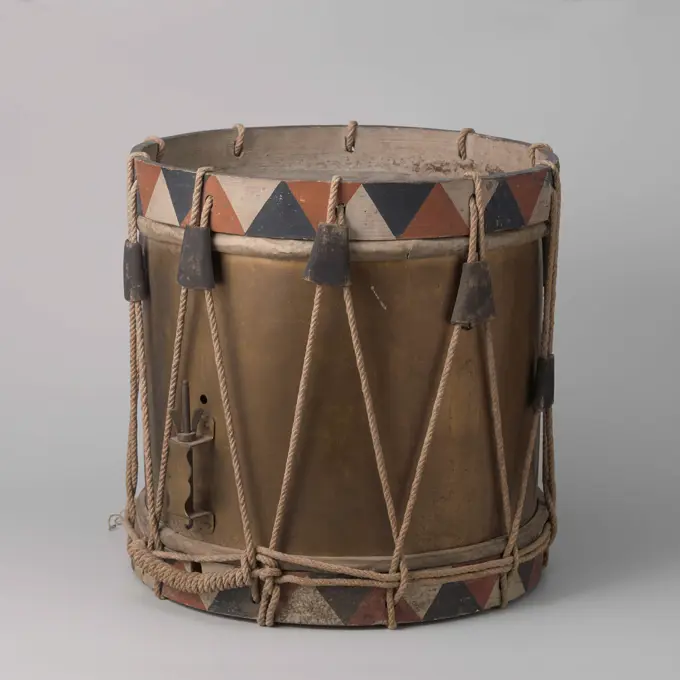
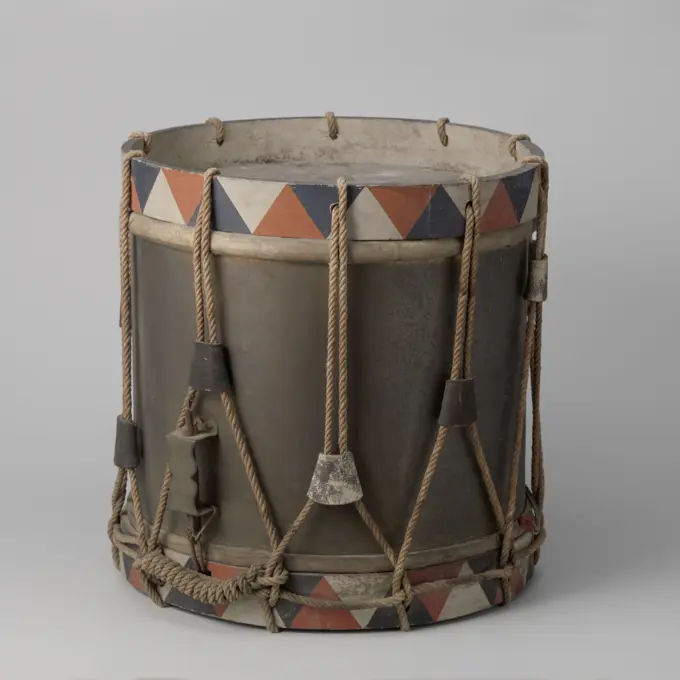
Drom, old model of the arches. Groom of the militia. The brass boiler is provided with a veal sheet on both sides, held by a hoop and tense by means of a tensioner with tractors and screws. Both hoops are decorated with a motif of triangles in the colors red, white and blue. With engraved numbers: 1861-5-1846.
6145-50486812
Ornaments (USA); Made by Margaret Brantley Pell; silk; 1942-59-1-a/d
4443-28741422
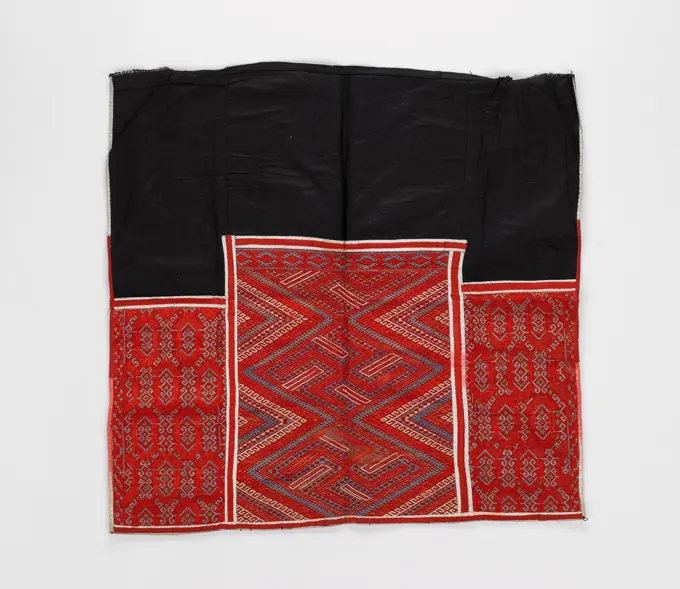
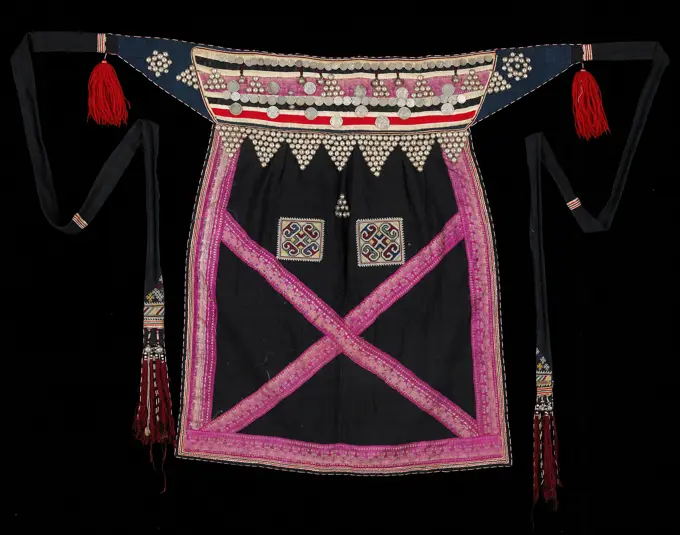
Ceremonial apron, 20th century, 33 x 37 in. (83.82 x 93.98 cm) (excluding ties)63 x 1 3/4 in. (160.02 x 4.45 cm) (object part, 2 apron ties), Cotton, metal, silk; needlework, Laos or Northern Thailand, 20th century
6145-48882245
Cast Fragment. Unknown
6145-29196587
Basket ca. 1525-1504 B.C. New Kingdom. Basket. ca. 1525-1504 B.C.. Palm Leaf. New Kingdom. From Egypt, Upper Egypt, Thebes, Deir el-Bahri, Tomb of Meritamun (TT 358, MMA 65), corridor, MMA excavations, 1928-29. Dynasty 18
1746-19679353
Painted and Gilded Mummy Case of Taminis, Daughter of Spemminis 18th Dynasty.
6145-29797794
Sling A.D. 1450-1532 Inca (). Sling 316928
6188-55478538
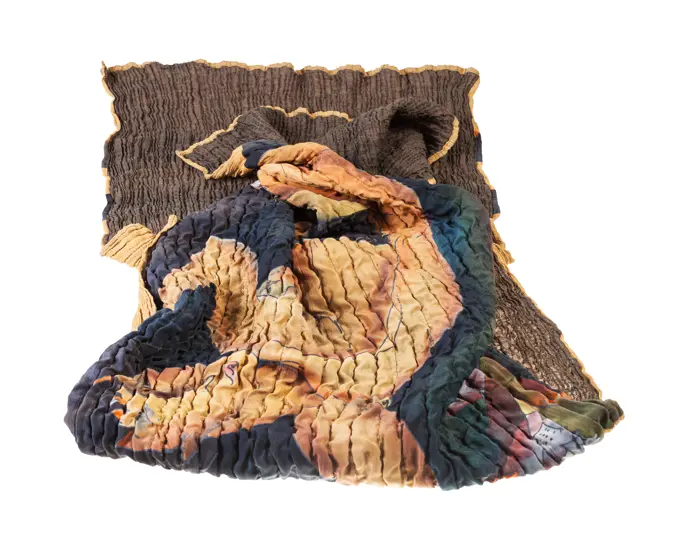
crumpled stitched scarf from brown silk batik crumpled stitched scarf from brown silk batik isolated on white background ,property released Copyright: xZoonar.com/ValeryxVoennyyx 13807961 ,model released, Symbolfoto ,property released
6145-58935032
Amulet -
6145-29804676
Pouch 1840-60 American. Pouch 168404
4443-28726316
Bowl, 3 1/4 x 9 5/16 x 9 5/16 in. (8.26 x 23.65 x 23.65 cm), Plant fibers, United States
6145-48530386
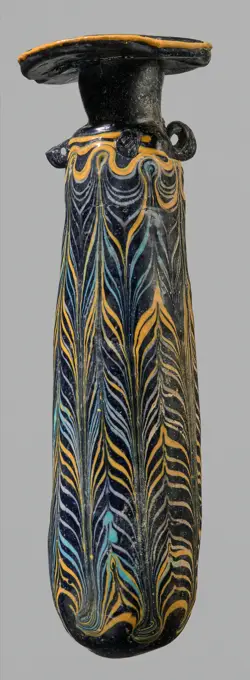
Alabastron. unknown, author
4443-28728224
Trailing Rings, second half 19th century, Wada Waichisai, Japanese, 1851 - 1901, 9 × 20 1/4 × 8 5/8 in. (22.86 × 51.44 × 21.91 cm), Bamboo (hōbichiku or susudake), rattan, lacquer, Japan, 19th century, Wada Waichisai I (1851-1901) was a pioneering bamboo artist active in the city of Osaka in the second half of the 1800s. While much remains unknown about his life and practice, the lineage of bamboo art that he establishedand which continues todayis considered one of Japan’s most distinguished. The first-generation Wada Waichisai, a specialist of Chinese-style bamboo basketry, catered to a clientele made up largely of members of the literati in Osaka, who practiced a type of Chinese-style tea ceremony called sencha, requiring a variety of vessels fashioned from bamboo. In addition to Wada Waichisai II (1877-1933) and Wada Waichisai III (1899-1975), heirs to the lineage name, Wada Waichisai I’s students included Tanabe Chikuunsai, who established his own prominent lineage of bamboo arti
6145-29204424
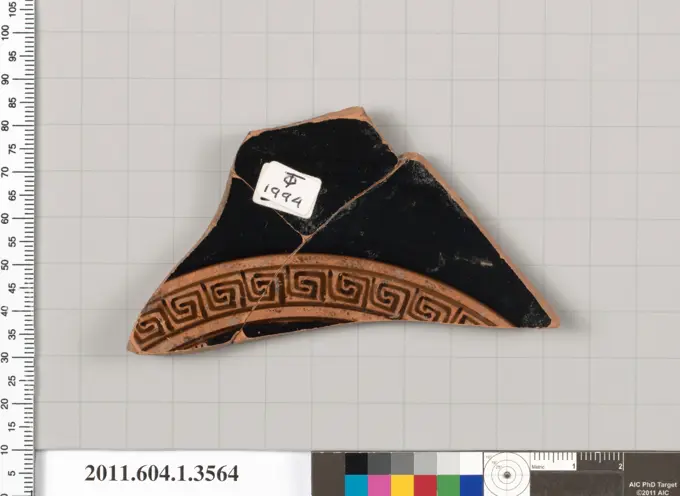
Terracotta fragment of a kylix (drinking cup) 500-480 B.C. Greek, Attic Interior, bit of hair; Exterior, bent left arm and frontal torso of male with a himation wrapped around his waist and lower body; lower body of a reclining symposiast with a himation draped around his waist and legs. Terracotta fragment of a kylix (drinking cup) 693158
6145-58993003
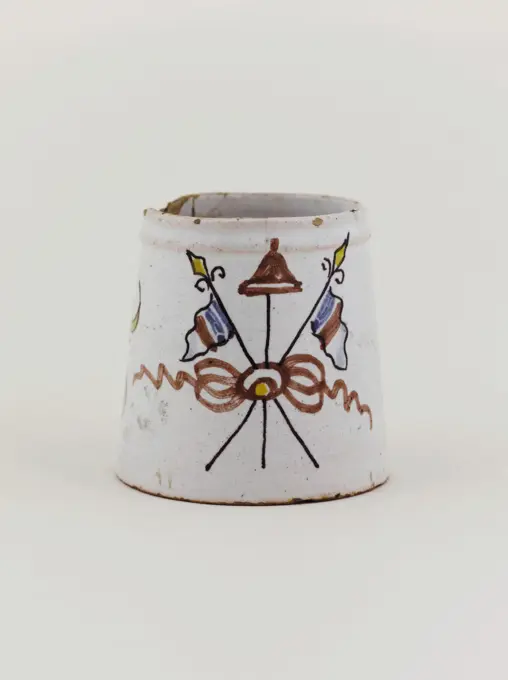
Anonymous. Flag cup. Earthenware. . Paris, Carnavalet museum. 72437-44 Phrygian cap, painted decor, tricolor flag, re -realizational faience, object, pique, revolution 1789, French revolution, cup, daily life, 18th 18th 18th 18th 18th century
6145-46857902
CeremonialBag.  Artist: Unknown
6145-46530281
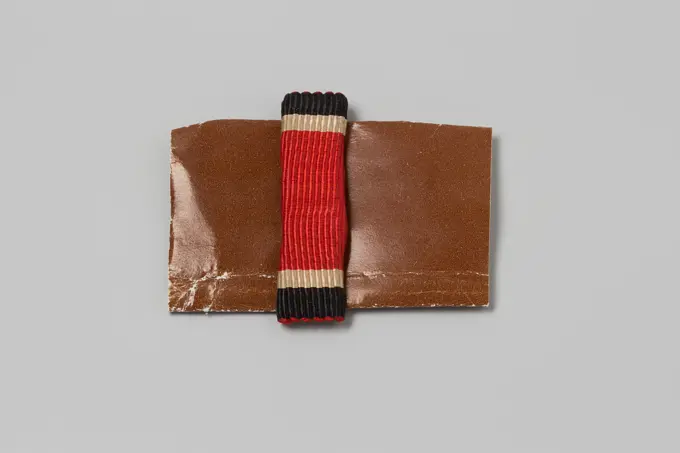
Striped ribbon from wide red between white and black piping. Striped ribbon from wide red between white and black piping. Possible day of Légion d'Honneur Orderint.
4443-28740344
Basket, 20th century, 2 7/8 x 8 1/2 x 8 1/2 in. (7.3 x 21.6 x 21.6 cm), Plant fiber, United States, 20th century
6145-30182134
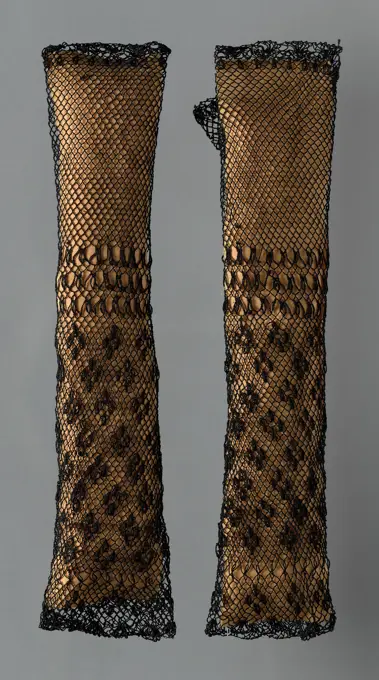
Pair of Mittens Made 1825-1875 Europe. Silk, bands of bunch, Valenciennes, spider netting, square netting, and square netting with looped tufts (lacis) .
4409-17430068
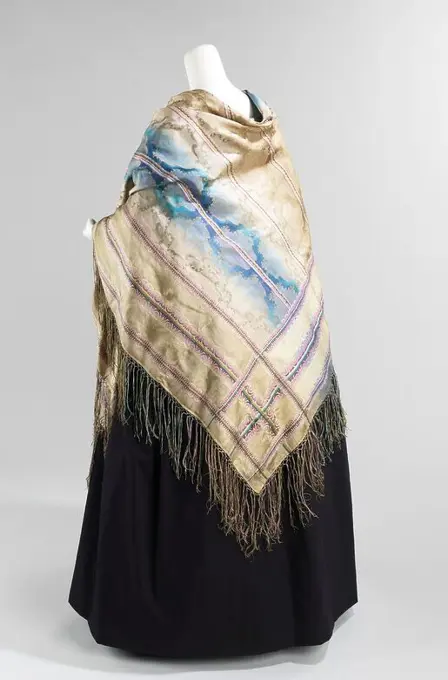
Shawl. Culture: probably American. Date: 1840-49.This is a characteristic shawl textile of the 1840s with a good combination of weaving techniques, including monochrome patterning in the ground paired with stripes that look like ribbons applied to the borders. The polychrome fringe picks up the colors used in the textile, showing fine attention to detail. Museum: Metropolitan Museum of Art, New York, USA.
4443-19529209
Fringe, Medium: silk Technique: plain weave, Pink and brown fringe with a band in a trellis pattern above silk threads., Greece, 16th century, trimmings, Fringe
4443-28726626
Baby carrier, c. 1970s-1980s, 32 13/16 x 22 in. (83.34 x 55.88 cm) (without corner tabs/ties), Cotton; needlework, China, 20th century
6145-29158540
Glass Fragment 14th century French. Glass Fragment. French. 14th century. Colorless glass. Made in Chartres, France. Glass-Stained
6145-29224685
Terracotta fragments of an amphora (jar) 540 B.C. Greek, Attic Three fragments from the same side of an amphora: at the top of the panel a red glaze line; below, a palmette-lotus festoon; head of a filleted, draped youth to right and part of the head of a bearded male, both of whom are riding in a chariot; behind the chariot, part of the lower drapery of a male to right; heads of four horses; head of a filleted youth to left (groom). Terracotta fragments of an amphora (jar). Greek, Attic. 540 B.C.. Terracotta; black-figure. Archaic. Vases
1525-20452152
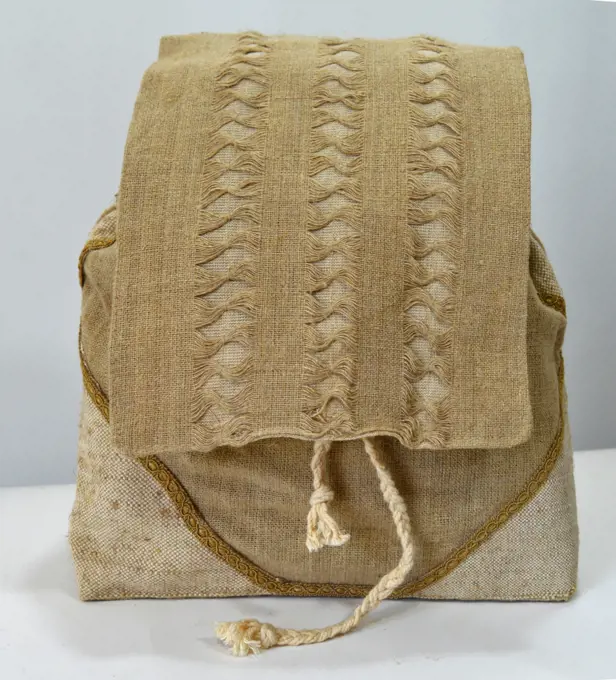
Retro handmade natural flax backpack
6145-58829222
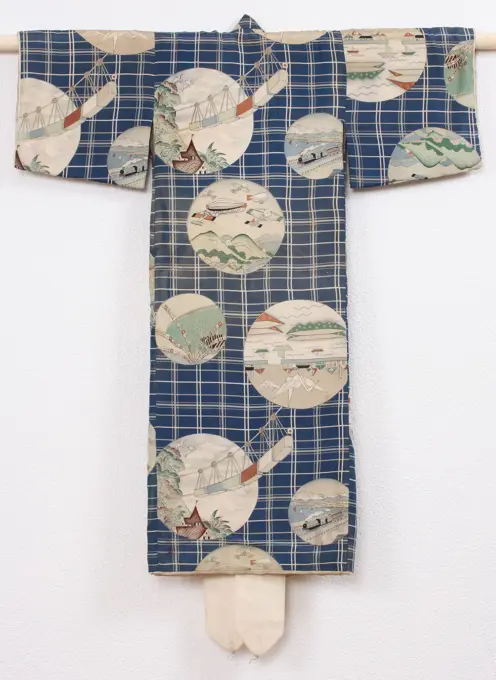
Boys Miyamairi Kimono with trains, air and shipping, 1920 - 1940 Formal Kimono for a boy for the first visit to a Shinto shrine (Miyamairi Kimono), with a decoration of five crickel -shaped images against a background of a diamond pattern in blue: a power train in a coastal landscape; ships and houses with cranes above, everything in origami form; a mountain landscape with zeppelins and planes; A mountain landscape with a cable car that comes from the plane above buildings; A racing track with a pole on which lines with flags. Blue silk with a stenciled Yuzen decoration. White silk lining. Japan silk painting Formal Kimono for a boy for the first visit to a Shinto shrine (Miyamairi Kimono), with a decoration of five crickel -shaped images against a background of a diamond pattern in blue: a power train in a coastal landscape; ships and houses with cranes above, everything in origami form; a mountain landscape with zeppelins and planes; A mountain landscape with a cable car that comes f
6145-52956372
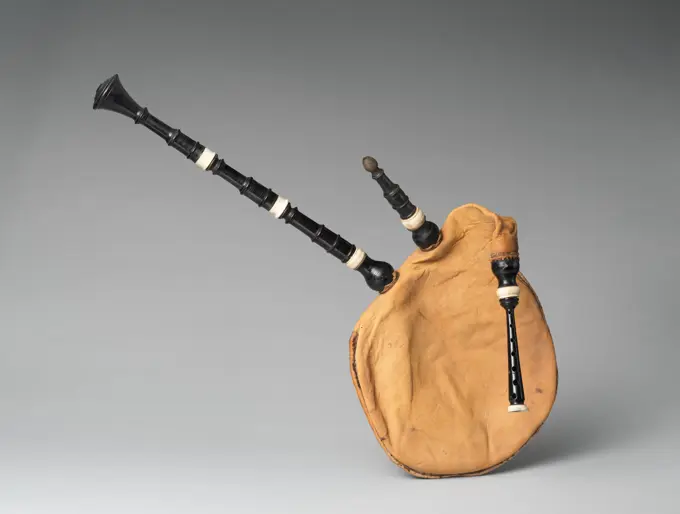
Binioù kozh (bagpipe) French 19th century The binioù khoz is a Breton bagpipe. Its name, binioù khoz, means old bagpipe’, differentiating them from the later Great Highland Pipes, which were introduced in Brittany in the early 20th century. The latter were named binioù nevez (new bagpipe), and then binioù braz (large bagpipe). The binioù khoz is sometimes referred to as binioù bihan (small bagpipe) due to its small size (Le Gonidec 2013:97). One of the particularities of this instrument is the fact that it plays one octave above the bombarde, a Breton shawm that it the binioù khoz is traditionally paired with. This duet is called a couple de sonneurs’, or just sonneurs’. The binioù has a long history in Brittany, but it is in the late eighteenth and early nineteenth century that the practice becomes ubiquitous and starts appearing regularly in local iconography (Le Troadec 2013:10). From then on, the sonneurs are well-known figures called upon to play at all sorts of celebrations, e
1525-25877124
bucket isolated on white
4443-28738466
Beaded Tab, c. 1900, 5 x 1 3/8 in. (12.7 x 3.49 cm), tanned leather, glass beads, United States, 19th-20th century
4409-17408158
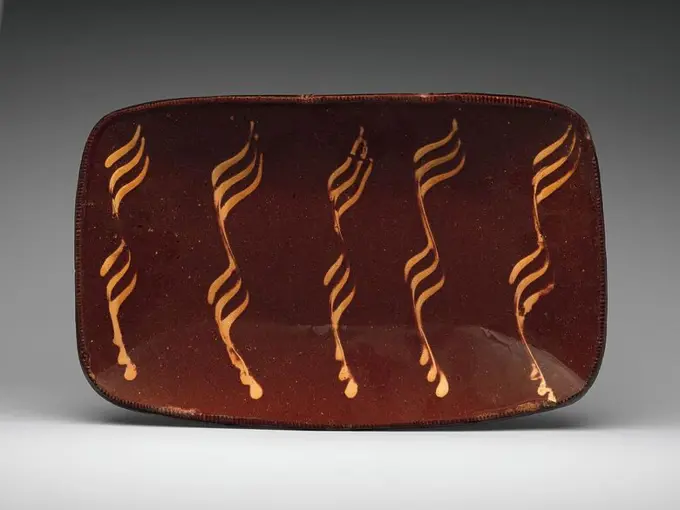
Platter. Culture: British. Dimensions: 12 3/8 x 7 3/4 in. (31.4 x 19.7 cm). Date: 1800-1830. Museum: Metropolitan Museum of Art, New York, USA.
6145-46622507
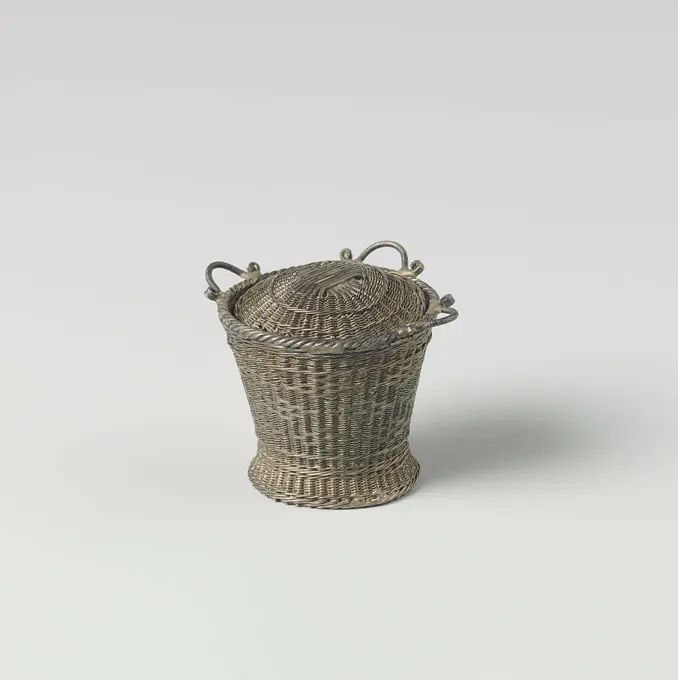
. Round basket of braided silver wire. The basket has a massive soil and stands on a foot. The basket has three handles and a lid. The basket has not been marked.
6145-29193733
Bonnet ca. 1875 American. Bonnet 169875
6145-46531577
Cradle of Eikentenen. .
6145-59498816
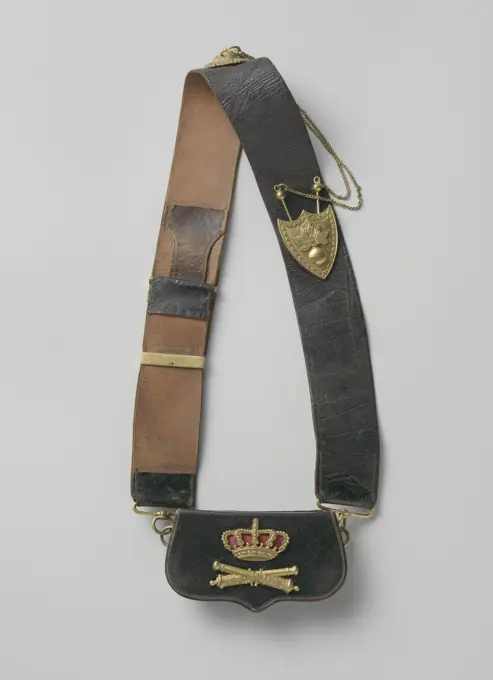
Pattern bag on carrying strap worn by Graaf van Limburg Stirum, captain of the field artillery, anonymous, c. 1800 - c. 1850 cartridge pouch Pattern bag with giberneriem. The bag is made of iron, half curved and covered with black leather. On the bag there are two gilded crossed cannon plots covered by a royal crown lined with red. Black leather belt, back of natural, with fire -gaunted copper buckle. Netherlands gold (metal). copper (metal). iron (metal). leather. wool cutting / soldering / sawing / casting / gilding
6145-58854494
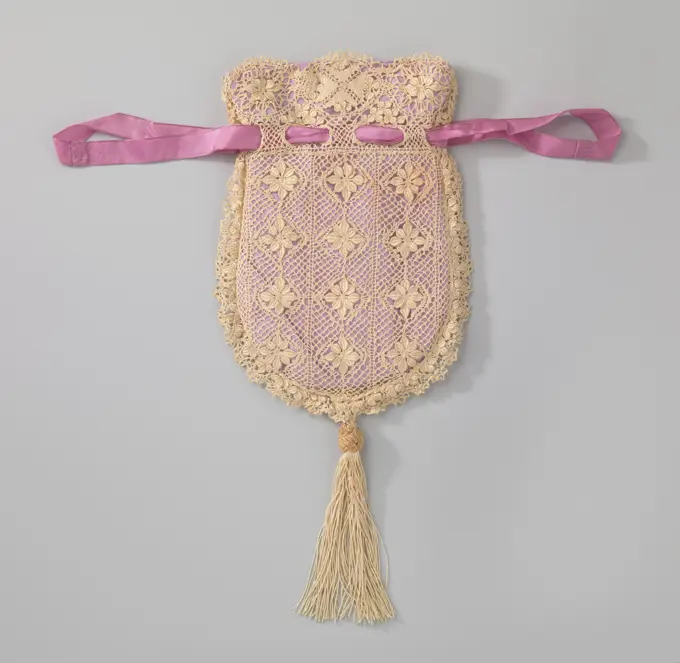
Reticule in a rounded form of ecrinkligious side consisting of a pattern of twelve rosettes on both sides, at the bottom a brush, anonymous, c. 1900 Reticule in a rounded form of ecrinkligious side consisting of a pattern of twelve rosettes, each in a diamond pattern. The front and back have the same pattern. Along the top edge a track of three oval medallions, with a Malteser cross and four small rosettes in the middle. Below that openings for a purple pink ride on ripszijde. A brush at the bottom of the bag. The lining is made of light -purple artificial side. Malta whole: Silk. whole:. Lining: Silk. Lint: Silk bobbin lace Reticule in a rounded form of ecrinkligious side consisting of a pattern of twelve rosettes, each in a diamond pattern. The front and back have the same pattern. Along the top edge a track of three oval medallions, with a Malteser cross and four small rosettes in the middle. Below that openings for a purple pink ride on ripszijde. A brush at the bottom of the bag.
4443-21916573
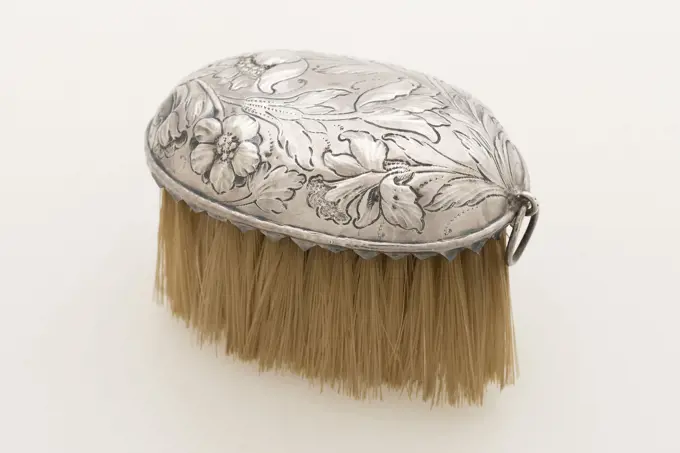
Silversmith: Johannes Pot, Brush back, coat brush brush silver wood hair, driven sawn, driven oval silver flower ornament detail: trumpet narcis tulip poppy sawn zigzag edge along the outer edge with hanging ring underlay (debossed) clean clothes care
6145-29116303
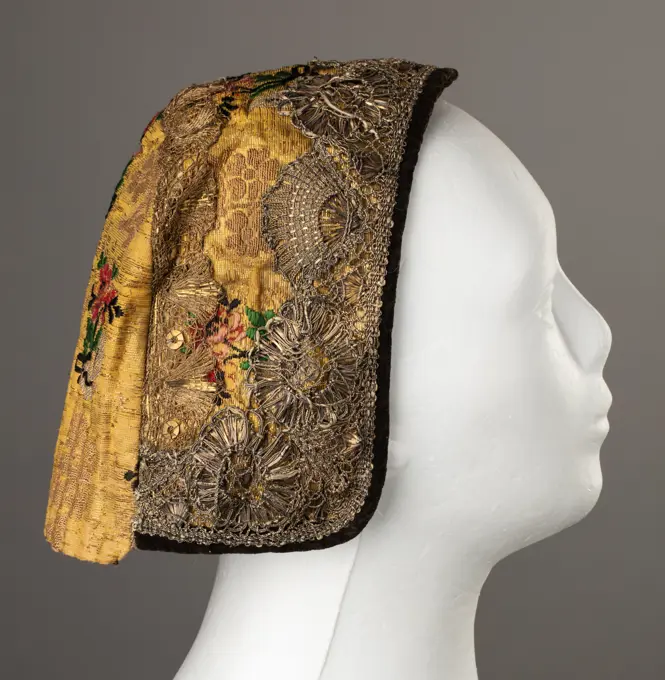
Man's At-home Cap. England, 1550-1600. Costumes; Accessories. Linen plain weave with silk and metallic-thread embroidery, metallic lace, and metal sequins
6145-29152119
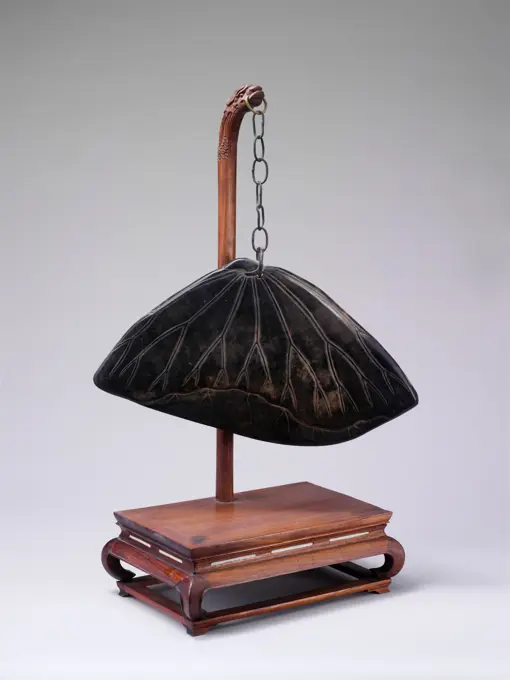
Goqing 19th century Chinese Carefully incised veins suggest a downwardly curving lotus leaf of dark nephrite jade. The goqing once sounded to announce the arrival and rank of a guest or to denote the length of a pause following the completion of a musical piece. The great importance of sonorous substances, such as wood and stones, among the percussion instruments of the Far East stems from the religious belief that nature itself speaks to the human ear through this vibrating matter.. Goqing 500637
6145-29158738
Glass Fragment 15th century European. Glass Fragment. European. 15th century. Pot metal glass. Glass-Stained
6145-29069535
Gift Bowl, c. 1905. California, Pomo, Late 19th- Early 20th century. Sedge with mallard, meadowlark, and quail feathers, and shells; coiled (3 rods); overall: 3.5 x 17.5 cm (1 3/8 x 6 7/8 in.).
4409-17292189
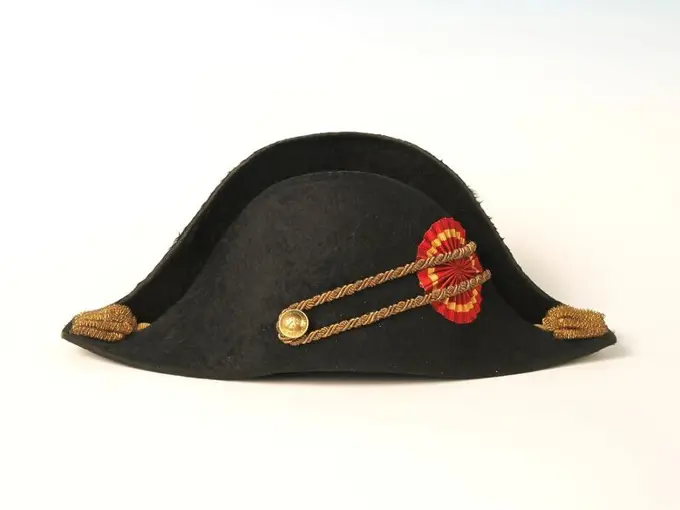
Justo Gómez / 'Gala hat'. 1861. Museum: Museo del Prado, Madrid, España.
4443-28728624
Basket, 11 5/16 × 11 3/4 × 11 3/4 in. (28.73 × 29.85 × 29.85 cm), Plant fibers, United States
6145-29061932
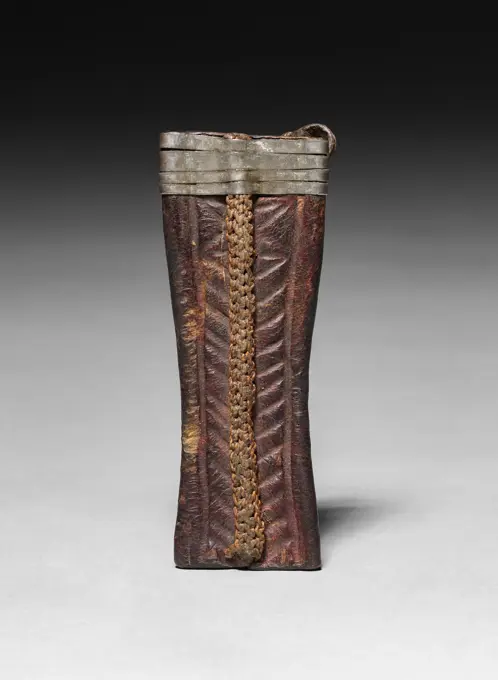
Sheath, 1900s. Central Africa, Democratic Republic of the Congo, Mangbetu, 20th century. Leather and tin;
4443-19552574
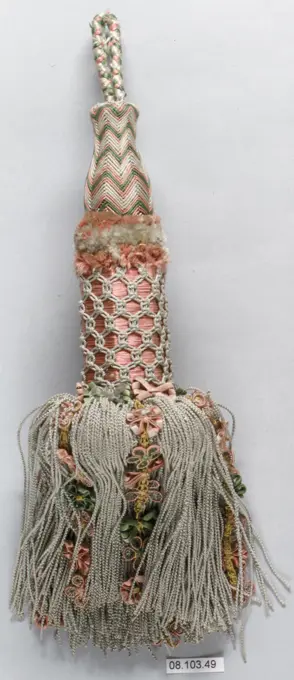
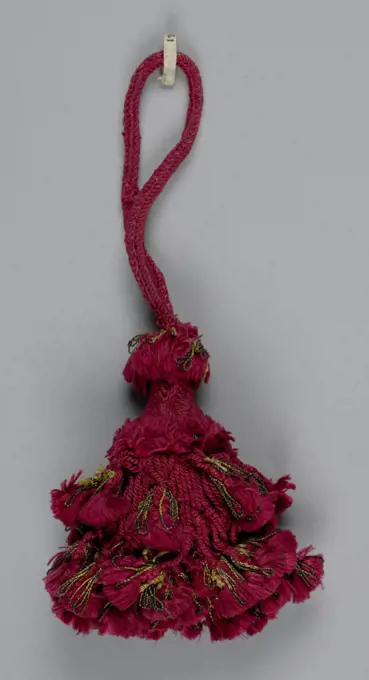
Tassel, Medium: silk, metal thread, wooden core, Skirt of red silk threads, knotted and twisted and ornamented with two rows of tassels of red silk and gilt thread. Head covered with red silk in chevron pattern. Loop of red silk cord., Italy or Spain, late 17th century, trimmings, Tassel
1525-25062227
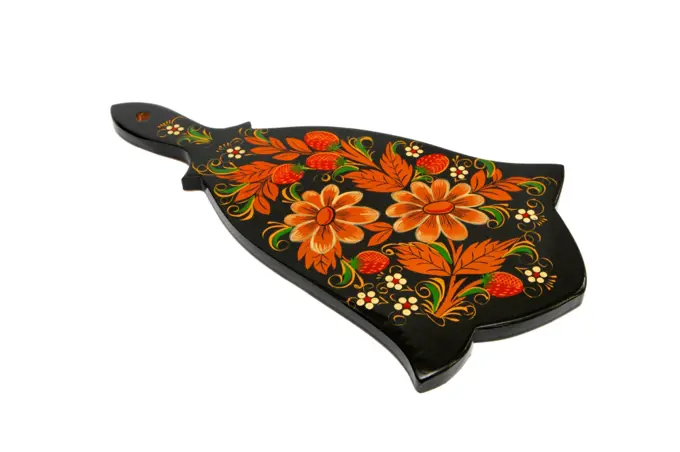
Russian traditional black cutting board painted with flowers isolated
4443-28725454
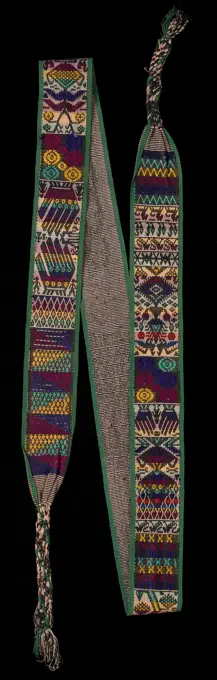
Woman's sash, c. 1960, 89 x 3 1/16 in. (226.06 x 7.78 cm) (without braids), Cotton, silk; supplementary weft patterning, Guatemala, 20th century
6145-29231055
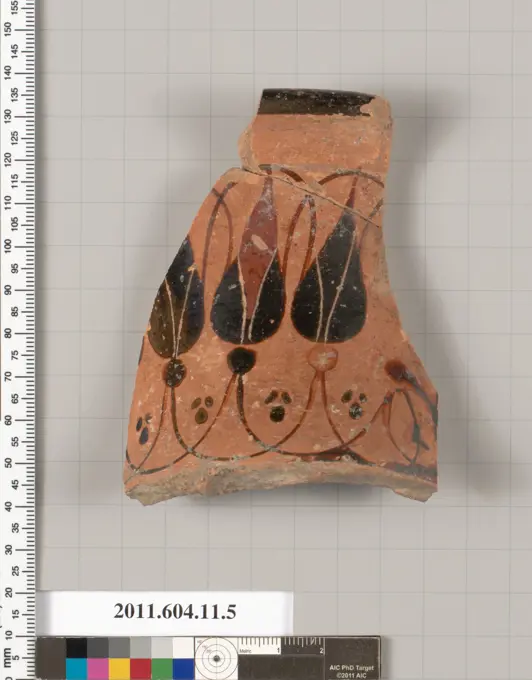
Terracotta fragment of a neck-amphora (jar) 530-510 B.C. Attributed to the Phineus Painter Bit of the mouth of a neck-amphora, and, part of the neck, with upright lotus buds and dot rosettes in the interstices. Terracotta fragment of a neck-amphora (jar). Greek, Chalcidian. 530-510 B.C.. Terracotta; black-figure. Archaic. Vases
6145-58936004
Crupper -
4443-28725618
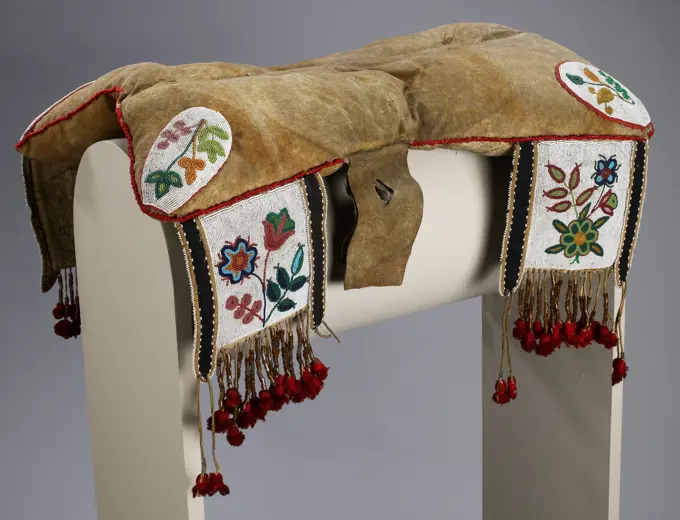
Pad Saddle, 19th century, 25 1/2 x 20 x 3 5/8 in. (64.77 x 50.8 x 9.21 cm) (without flaps or center tabs), Animal hide, beads, wool, cotton, Canada, 19th century
6145-30160647
Ribbon Made 1840-1850 England. Silk, cotton, and gilt-metal-strip-wrapped cotton, warp-float faced 7 1 satin weave with secondary binding warps and supplementary brocading wefts, and extended weft cut fringe .
6145-58865357
Black stitch with orange cooked, anonymous, c. 1800 - c. 1900 Black stitch of long -haired with orange cooked. Label with "Melvil". Paris whole: Felt (textile). Lining: Satin. Decoration: Metal Black stitch of long -haired with orange cooked. Label with "Melvil". Paris whole: Felt (textile). Lining: Satin. Decoration: Metal
6145-50492586
Miser's Purse (France); silk, steel
6188-60034051
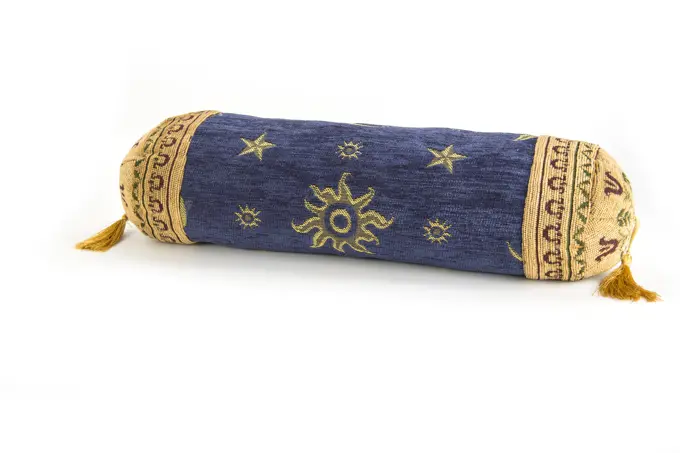
Oriental neck roll pillow on the white background Oriental neck roll pillow on the white background Copyright: xZoonar.com/OttoxxPleskax 19548479
4443-28728650
Basket, 3 3/4 × 5 15/16 × 5 15/16 in. (9.53 × 15.08 × 15.08 cm), Quills, plant fibers (), United States
6145-29820609
Purse 17th century Italian. Purse 216313
6145-50634810
Womans bonnet unknown
1899-20250237
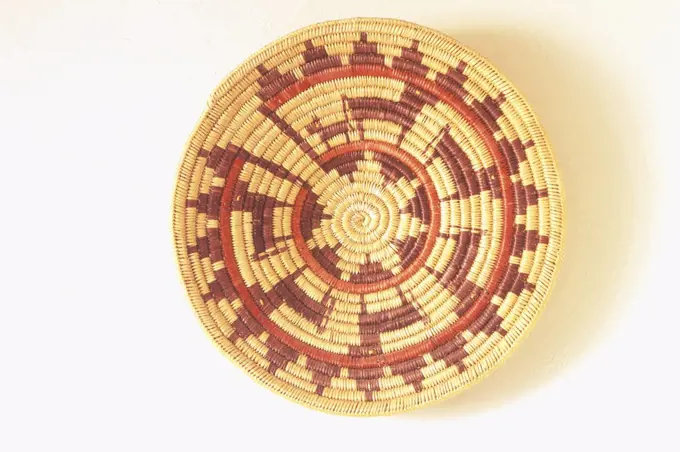
Navajo Indian wedding basket, Navajo Indian Reservation, Arizona
4409-17417976
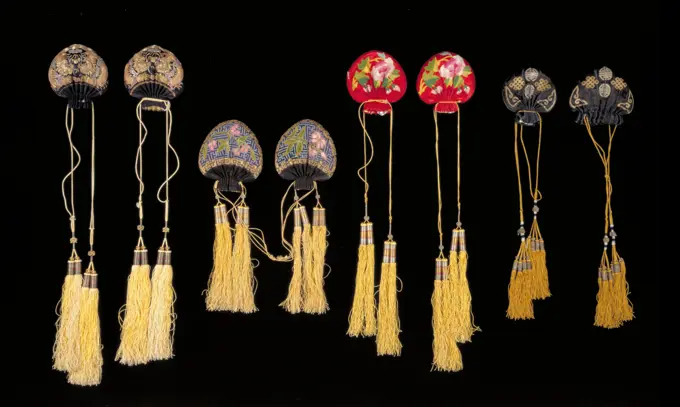
Ornaments for a Woman's Hat. Culture: China. Dimensions: a) W. 7 in. (17.8 cm)b) H. 1 3/4 in. (4.4 cm); W. 5 3/4 in. (14.6 cm)c) H. 1 1/2 in. (3.8 cm); W. 4 3/4 in. (12.1 cm)d) H. 1 1/2 in. (3.8 cm); W. 4 3/4 in. (12.1 cm)e-k) each: H. 1 5/8 in. (4.1 cm); W. 2 3/8 in. (6 cm). Date: 18th-19th century.Ornaments such as these, which were most likely part of a larger set, would have been attached to a hat made of silk thread on wire and worn by women at court. Unlike more formal headdresses decorated with gold ornaments, hats of this type were widely used. One of the Qianlong Emperor's daughters received thirty such hats as part of her dowry. Museum: Metropolitan Museum of Art, New York, USA.
6145-58937465
Backrest -
4443-19553250
Tassel, Medium: silk on linen core, Tassel with a skirt of gold-colored silk threads partly covered by a trellis of twisted threads of same color; collar of cut threads topped by a knob covered with silk threads in twill pattern. Cord of braided silk threads., Spain, 17th century, trimmings, Tassel
6145-58933258
Headdress -
1818-400
Close-up of a traditional drum, Lapland, Norway
4443-19539113
Tassel, Medium: silk, metal thread, wooden core, Skirt of green silk threads in two lengths, twisted and looped and each supporting a tassel ornamented with gilt thread. Head, cylindrical and broadening toward the base, is wrapped in green silk thread. Collars, at top and bottom, are green silk loops. Cord of braided green silk threads., Spain, 18th century, trimmings, Tassel
6176-59908677
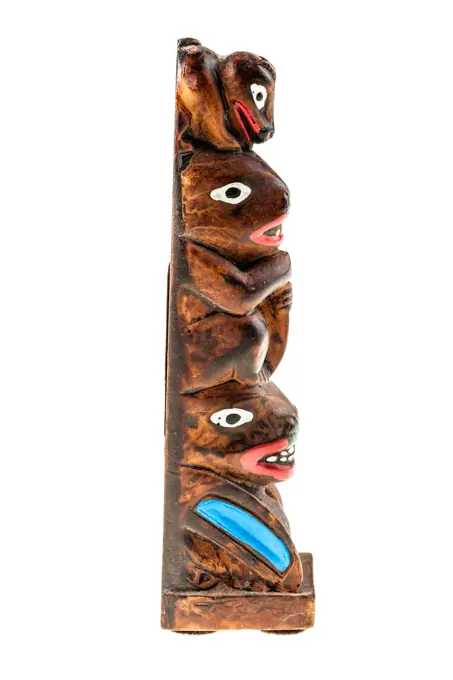
a wooden canadian totem miniature isolated over a white background
6145-59020813
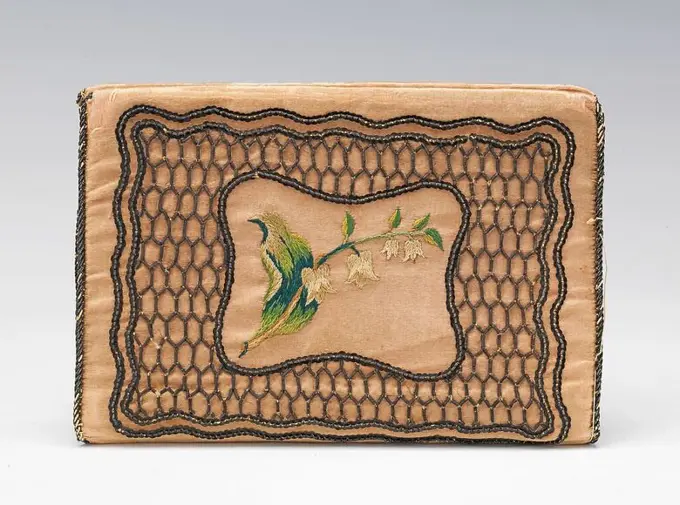
Handbag. End of second empire.
4443-28730996
Pair of scent pouches, 19th century, 3 3/4 x 3 1/2 in. (9.5 x 8.9 cm), silk, canvas, China, 19th century
6145-46812530
Hat
4443-28743605
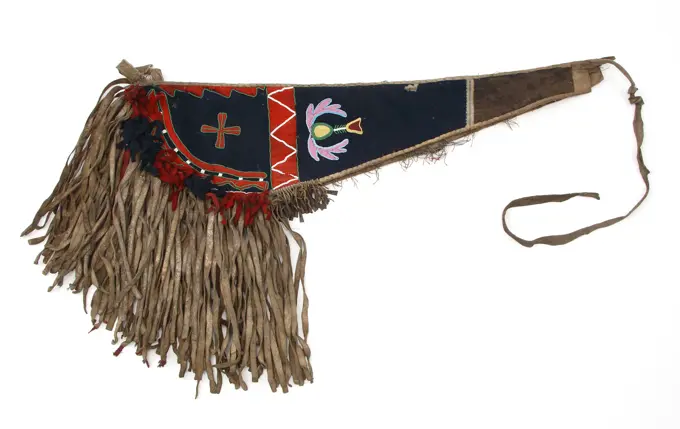
Gun Scabbard, c. 1890-1910, 6 1/2 x 41 3/16 in. (16.51 x 104.62 cm) (main panel only), Animal hide, beads, felt, cotton, United States, 19th-20th century
6145-43540721
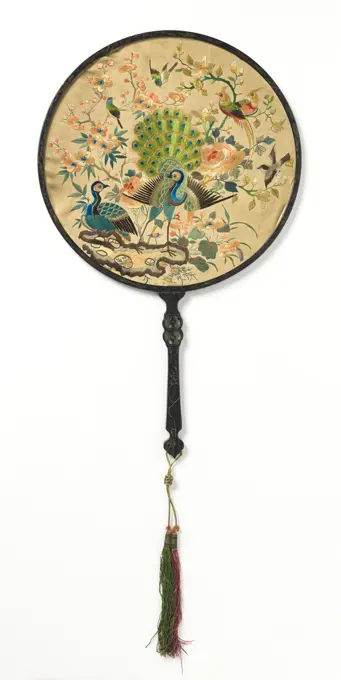
Handscreen; silk leaf embroidered with silk in satin stitch, carved and pierced wood frame and handle, silk tassel
4409-4751
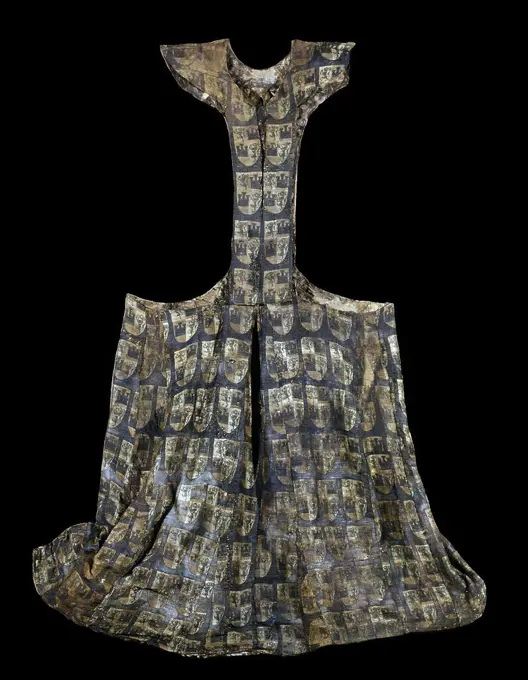
PELLOTE DE INFANTE FERNANDO DE LA CERDA 1125-1275. Location: MONASTERIO DE LAS HUELGAS-MUSEO DE RICAS TELAS. BURGOS. SPAIN.
6145-29157975
Glass Fragment 12th-14th century French. Glass Fragment. French. 12th-14th century. Pot-metal glass, vitreous paint. Glass-Stained
1815R-6674
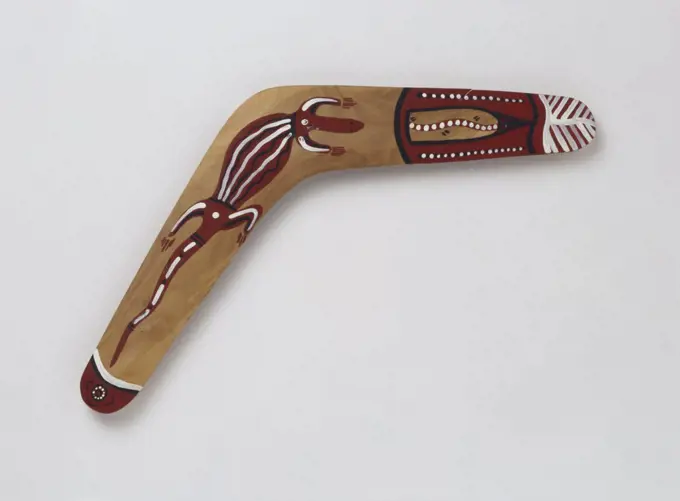
Wooden boomerang, close-up
5507-47273035
Number 2022 Zentangle with a Christmas ball. Vector decorative object for decoration
6145-46632538
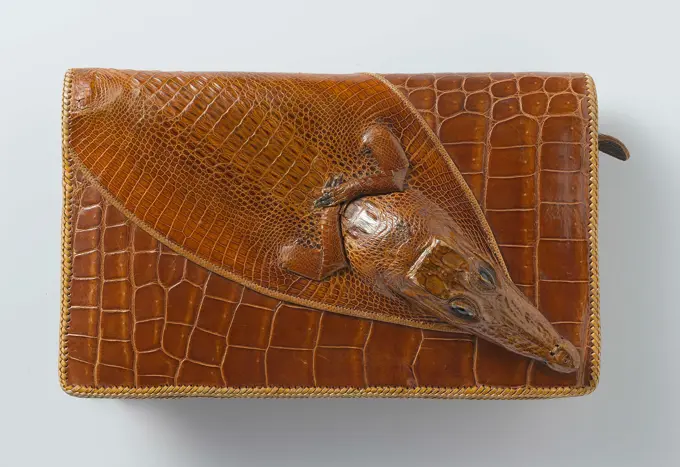
. Envelopes of crocodile leather, elongated with a crocodile head on the dependent valve. The bag has an elongated model with a dependent valve. The bag consists of two compartments with narrow middle compartment with metal zipper. In the front box a compartment with a mirror, a fair on the back cover. The closure under the valve by push button. On the back of the bag a handle of crocodile leather. The bag is trimmed with braided bars leather. Lining of roughly leather and against the flap solid, brown leather.
6145-45800592
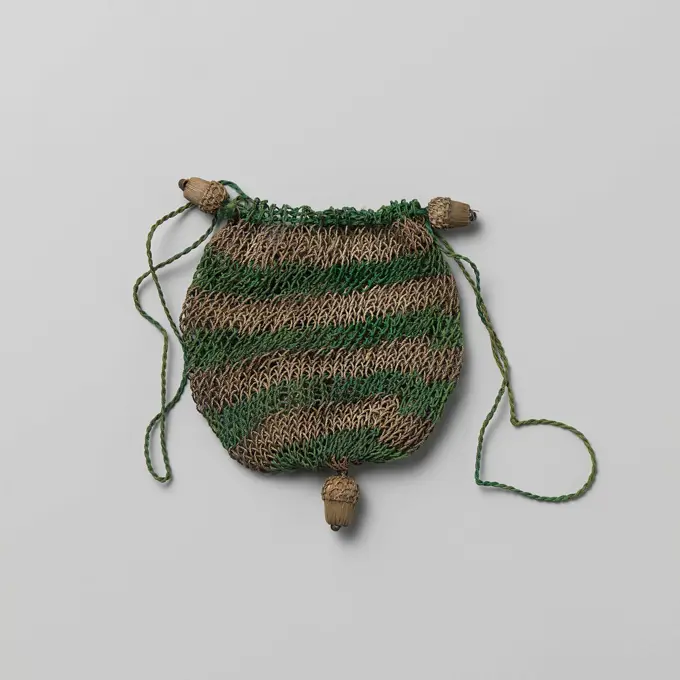
Fair of crocheted dark green side, interspersed with horizontal drilling paths, with locking cord to which two fucks of silver wire. Stock market in the shape of a globe of crocheted dark green side, interspersed with horizontal knife of silver wire. Two fucks of silver thread are attached to the twisted green locking cord. A jerk of silver wire is also on the rounded bottom of the fair.
6145-52927169
Jewelry from Indian Arts and Crafts Board display
6145-58933020
Hat -
6145-58931351
Armband -
4443-19548919
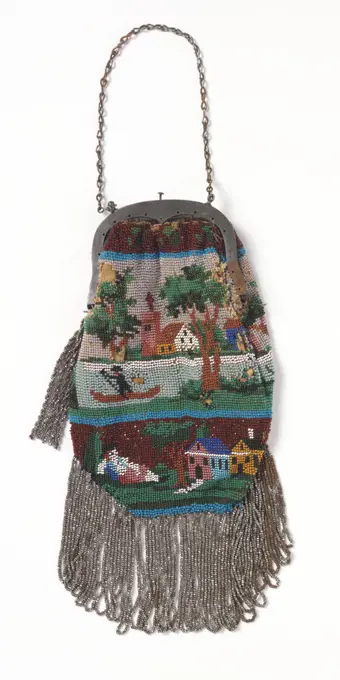
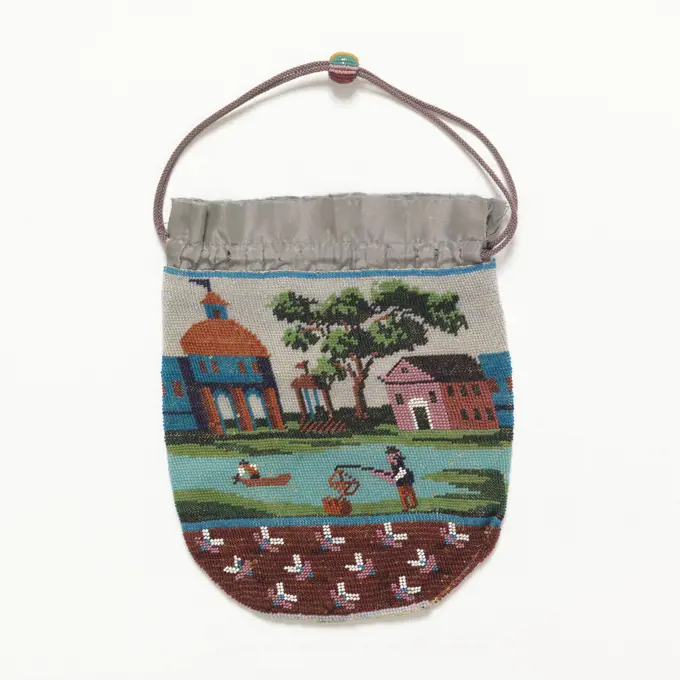
Bag, Medium: glass beads, silk, steel Technique: knitted with beads, Unevenly shaped bag fringed with silver beads with tassel of silver beads attached to each end of the rounded steel frame. Same scene on each side: houses and trees beside a river on which a man rows a boat. Lined with gray silk., England, mid-19th century, costume & accessories, Bag
4443-19540862
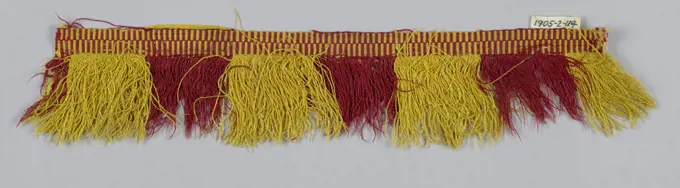
Fringe, Medium: silk Technique: woven, Red and yellow fringe with a heading in a checkerboard pattern. Skirt threads are arranged in stripes., Spain, 16th-17th century, trimmings, Fringe
4443-28744622
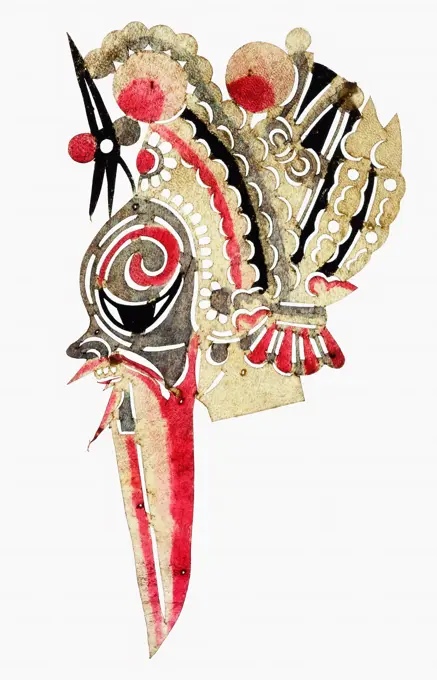
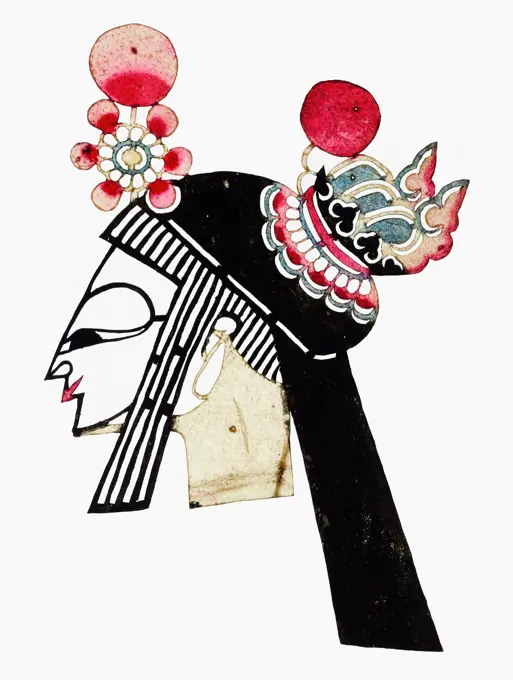
Shadow Puppet Head, 20th century, 5 in. (12.7 cm), China, 20th century
6145-29712754
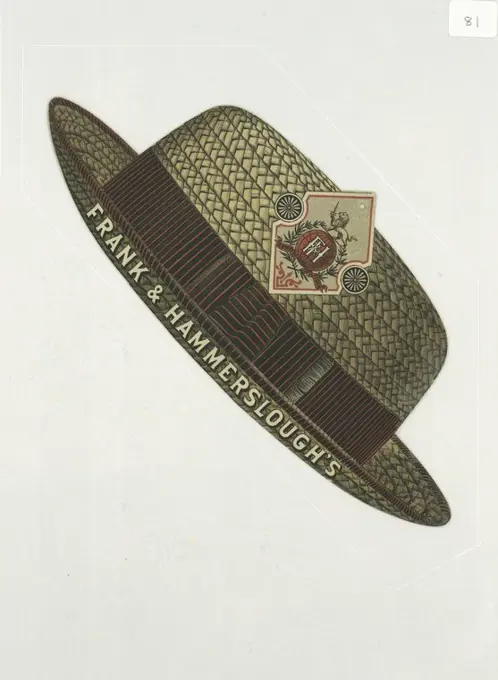
Straw hat, from the Novelties series (N228, Type 5) issued by Kinney Bros. 1889 Issued by Kinney Brothers Tobacco Company Trade cards from the "Novelties" series (N228), issued in 1889 to promote Kinney Tobacco Company. There are five types of card within the series. Type 1 cards are round. Type 2 cards are round with colored borders. Type 3 cards are die cut to the shape of a novelty item. Type 4 are also die cut with embossing. Type 5 depict novelties on a rectangular card. Finally, Type 6 are die cut in the shape of an egg.. Straw hat, from the Novelties series (N228, Type 5) issued by Kinney Bros.. 1889. Commercial color lithograph. Issued by Kinney Brothers Tobacco Company
6145-59509439
Drum, 1854 musical instrument. percussion instrument. drum Trom of the militia. The brass kettle is equipped with a veal sheet on both sides, held by a hoop and tense by means of a tension with tractors and screws. Both hoops are decorated with a motif of triangles in the colors red, white and blue. With engraved numbers: 1854-8. Netherlands Kettle: Brass (Alloy). Hoop: Wood (Plant Material). Team resorts: Rope
6145-52346677
A trade card replicating a hat.. Trade cards. 1876 - 1890. The Miriam and Ira D. Wallach Division of Art, Prints and Photographs: Print Collection. Hats
4443-28736021
Hat, 20th century, 9 x 7 x 7 in. (22.9 x 17.8 x 17.8 cm), Cotton, silk, beads, China, 20th century
6145-29169423
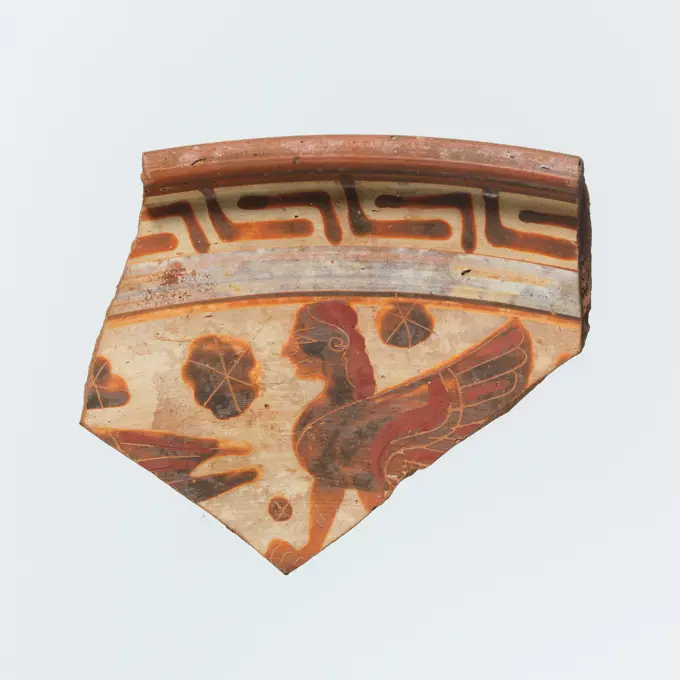
Fragment of a terracotta plate 6th century B.C. East Greek, Clazomenian Siren and sphinx.. Fragment of a terracotta plate 254835 East Greek, Clazomenian, Fragment of a terracotta plate, 6th century B.C., Terracotta, 3 3/16  3 1/2  7/16 in. (8  9  1.1 cm). The Metropolitan Museum of Art, New York. Acquired by exchange from The University Museum, Philadelphia, 1955 (55.71.10)
6145-29126018
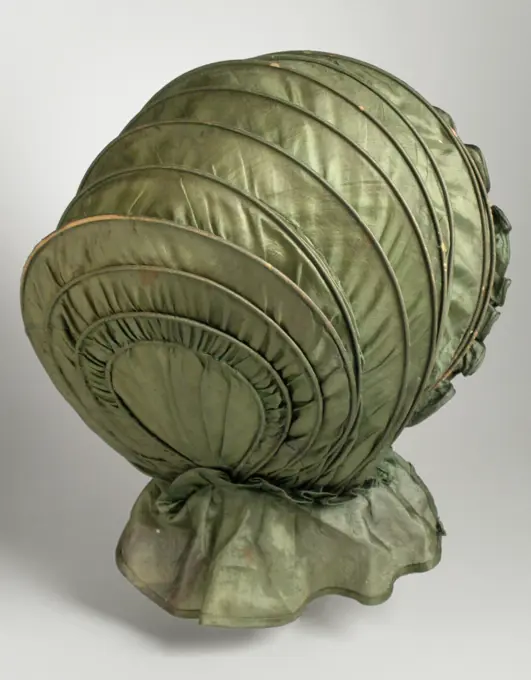
Woman's Calash. Europe, circa 1825. Costumes; Accessories. Silk
4443-28744613
Shadow Puppet Head, 20th century, 5 in. (12.7 cm), China, 20th century
6145-29157793
Glass Fragment 12th-14th century French. Glass Fragment. French. 12th-14th century. Pot-metal glass, vitreous paint. Glass-Stained
6145-29062737
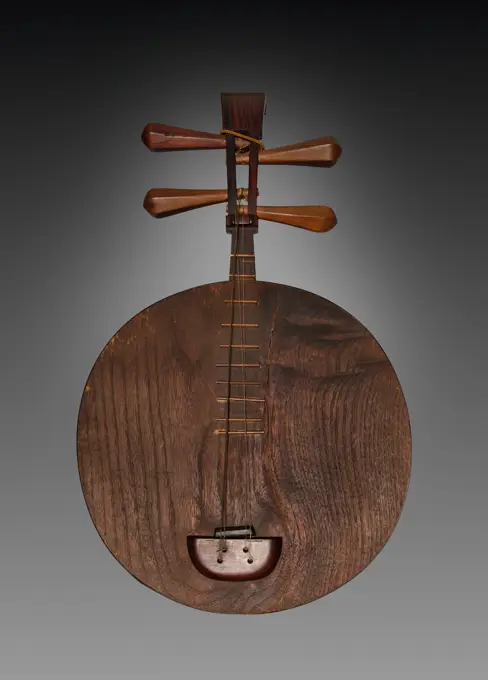
Moon Lute (Yueqin), 1800s. China, Qing dynasty (1644-1911). Rosewood, wutong (paulownia) wood, and gut; 58.4 x 35.6 cm (23 x 14 in.). Its resemblance to the full moon (yue ) gives the yueqin its name. Found in popular ensembles, the Beijing and folk (jingxi) operas and used to accompany song, the yueqin has only recently been embraced by the modern Chinese orchestra. The player presses the strings between the frets making chord playing difficult but giving increased control over the timbre and intonation. Strings are plucked with fingernails or a pick using up-and-down strokes and tremolo techniques that sustain and provide color to a tone. It is known as gekkin in Japan.
1848-50221088
Mayan deity statue from Mexico isolated on white background
6145-46825570
Hat
4408-8821
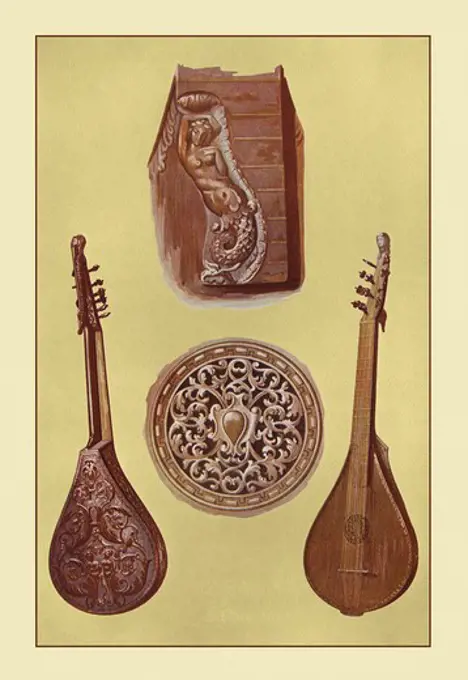
Cetera, Renaissance Musical Instruments
6145-58932791
Belt -
7155-70376409
Samurai Armour of the 12th cent.Oyoroi style, Minamoto Dynasty. JAPAN.
6145-29159313
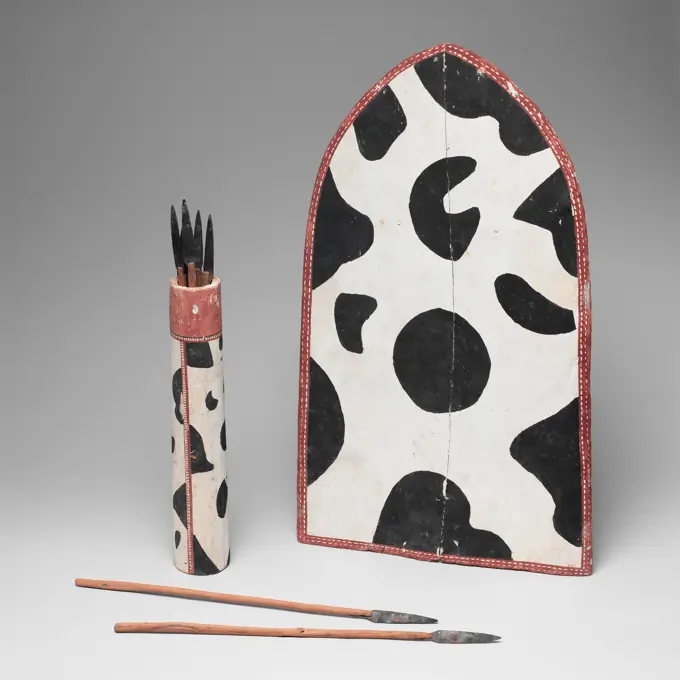
Model Shield, Spear Case, and Spears ca. 1981-1802 B.C. Middle Kingdom Egyptian soldiers going into battle carried spears and protected themselves with shields. This model shield, a model spear case, and seven model spears are faithful reproductions of Egyptian military equipment. The shield is painted to imitate cow-hide reinforced at the edges with a strip of rawhide, here indicated in red paint.. Model Shield, Spear Case, and Spears 590949
4443-19534024
Bag (tobacco pouch), Medium: silk, glass beads Technique: beaded knitting Label: knitted silk with glass beads, Drawstring bag knitted with colored glass beads with a landscape scene of a river with one man in a rowboat and another fishing from the shore; buildings and a tree on an opposite shore. Blue silk taffeta at the top with a silk drawstring and beaded ball., USA, 19th century, costume & accessories, Bag (tobacco pouch)
6188-58191693
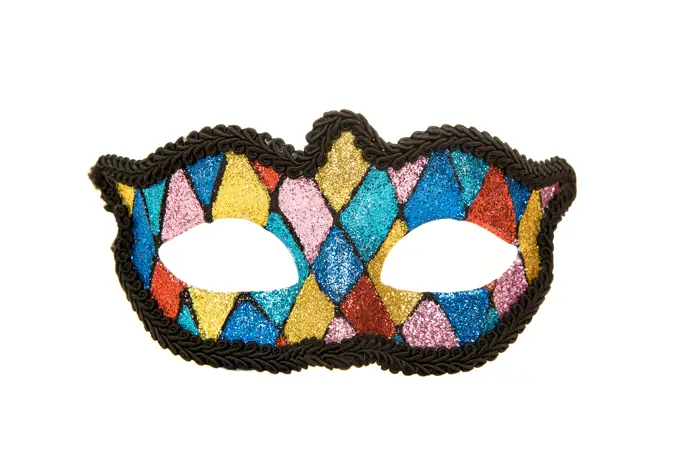
Pretty party carnival mask with colors isolated on a white background Pretty party carnival mask with different colours isolated on a white background Copyright: xZoonar.com/EllesxRijsdijkx 21450779
4443-28744863
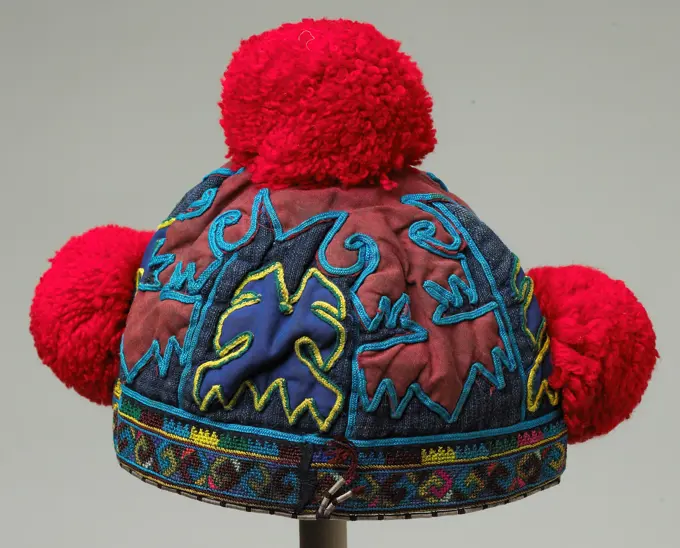
Hat, 20th century, 7 x 10 1/4 in. (17.78 x 26.04 cm)2 x 3 in. (5.08 x 7.62 cm) (object part, pompoms, each), Cotton, silver wire; needlework, Thailand, 20th century
4443-19533933
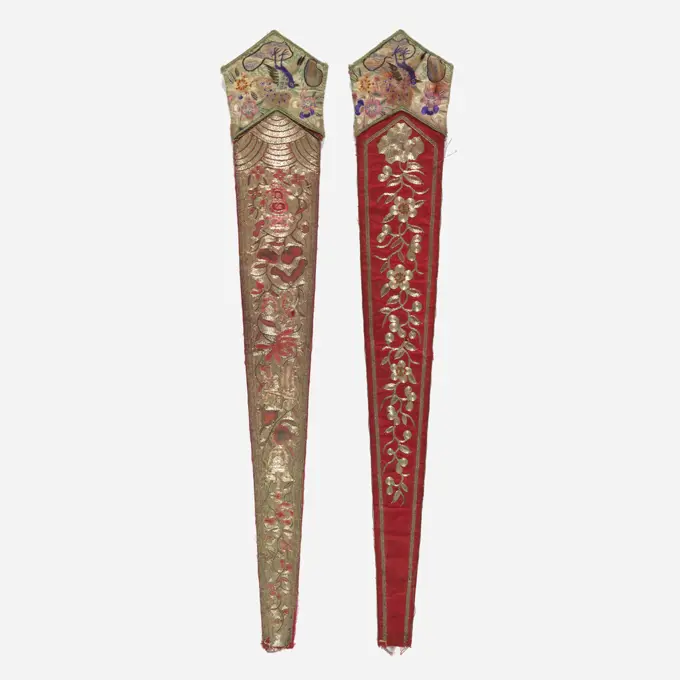
Panel for a fan case, Medium: silk, metallic yarns Technique: embroidered in couching, satin, and chain stitches on satin weave, Long panel for a fan case. Completely covered with embroidered floral design in red silk on ground of silver thread, above a border showing birds and flowers., China, 19th century, costume & accessories, Panel for a fan case
1848-49313059
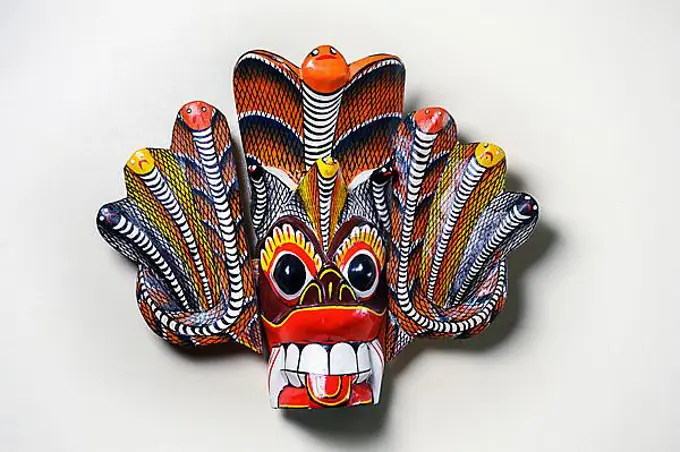
Balinese mythological wooden mask, souvenir, Bali Indonesia
6145-29063800
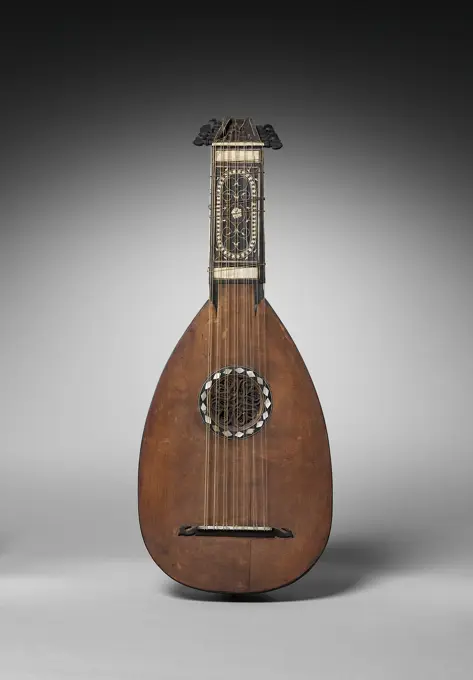
Lute, c. 1550. Italy, Venice, 16th century. overall: 91.5 x 34 cm (36 x 13 3/8 in.).
6145-29725041
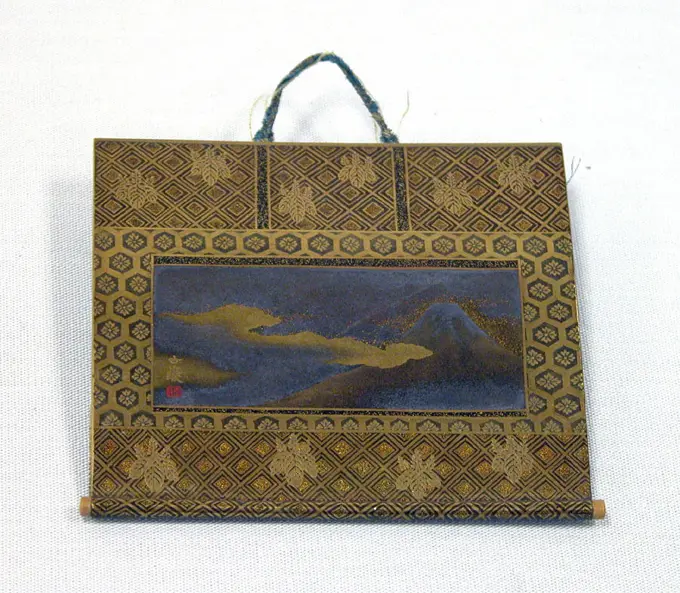
Miniature Kakemono 19th century Japan. Miniature Kakemono 58246
1525-25516905
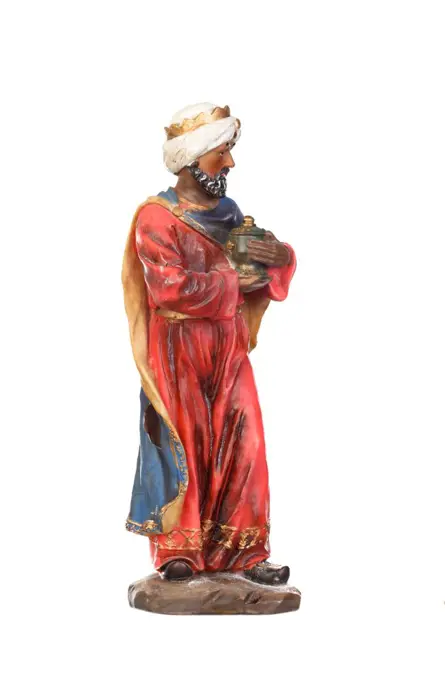
Baltasar, one of the three wise men. Ceramic figure isolated on white background
6145-29711106
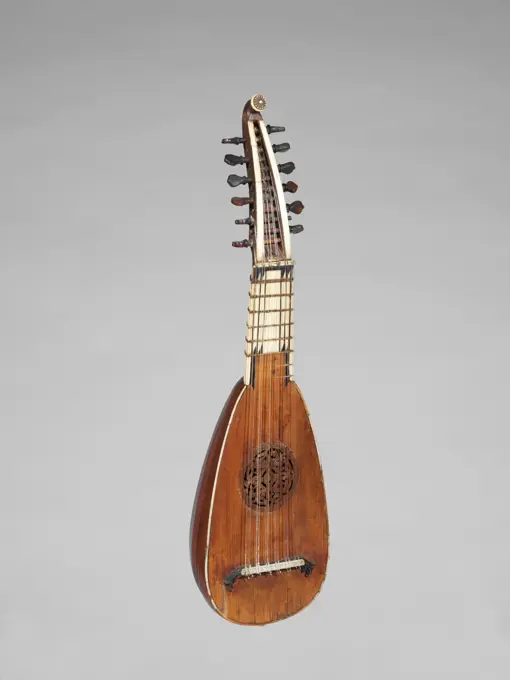
Mandolin 1770 Giovanni Battista Bizaro Italian. Mandolin. Italian. 1770. Yew, spruce, bone, ebony. Treviso, Italy. Chordophone-Lute-plucked
6145-43578680
Maniple. unknown, author
6145-29787073
Beaker 1st-6th century Nasca. Beaker 310518
4443-19554641
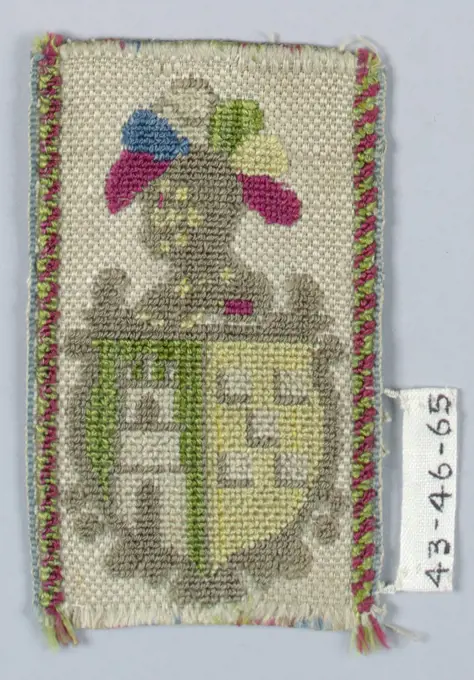
Trimming, White and colored silk in voided velvet weave., A shield under a plumed helmet with armorial devices in gray, yellow, green, red, and blue on white ground., Spain, early 19th century, trimmings, Trimming
1525-21363969
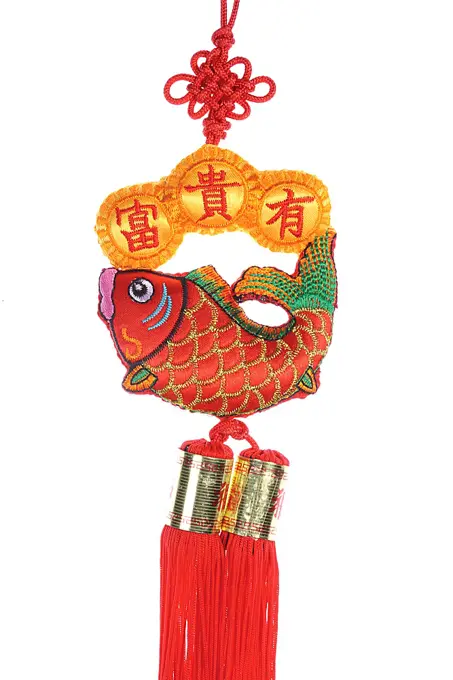
traditional Chinese decoration
6145-59037264
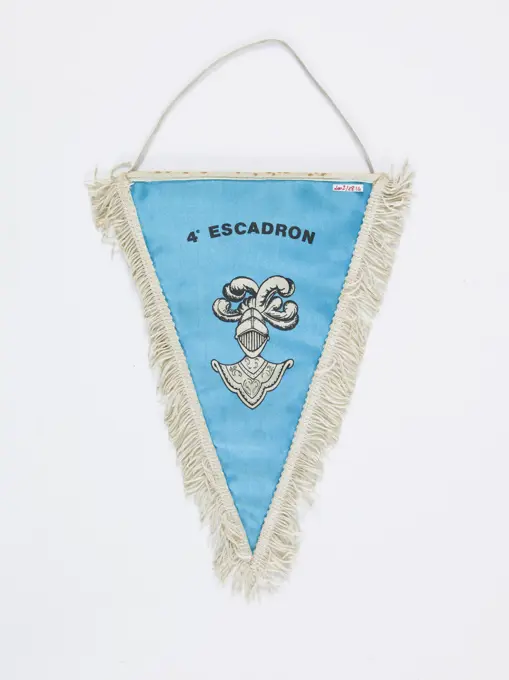
Anonymous, office pennant of the 4th squadron of the 6th Cuirassiers regiment (username), 1980, metal, printed fabric, cord & fringes., Paris Liberation Museum - General Leclerc Museum - Jean Moulin Museum.