Cultural Artifacts

Unique art pieces from ancient cultures, including clay figurines and vessels, each reflecting intricate craftsmanship and historical significance.

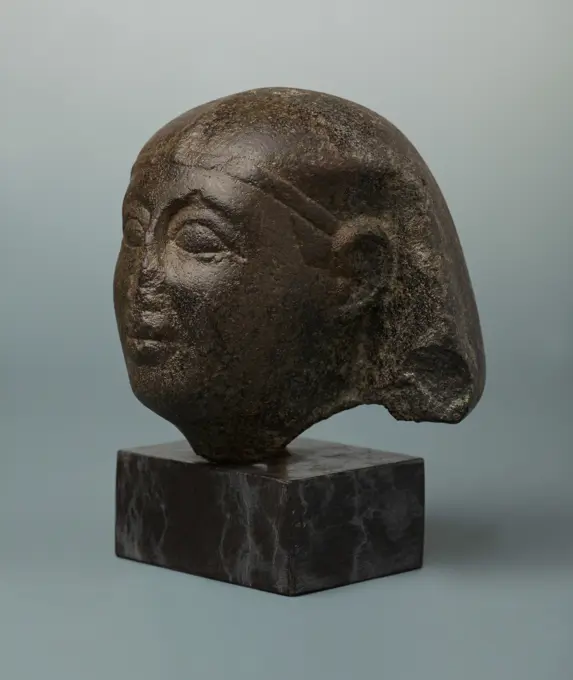
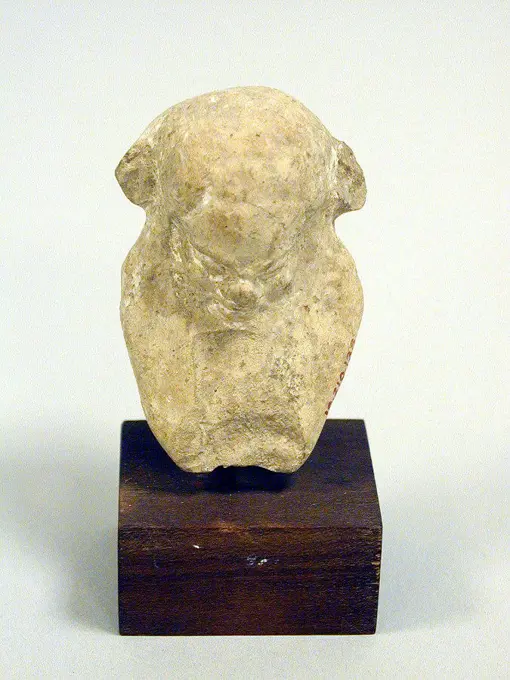
Male Head, perhaps from a Pair Statue, 1401-1391 BC. Egypt, New Kingdom, Dynasty 18, reign of Amenhotep II to Tuthmosis IV. Gray granite; overall: 7.6 x 11.1 x 12.8 cm (3 x 4 3/8 x 5 1/16 in.).

Assets in this Story

6145-29066185
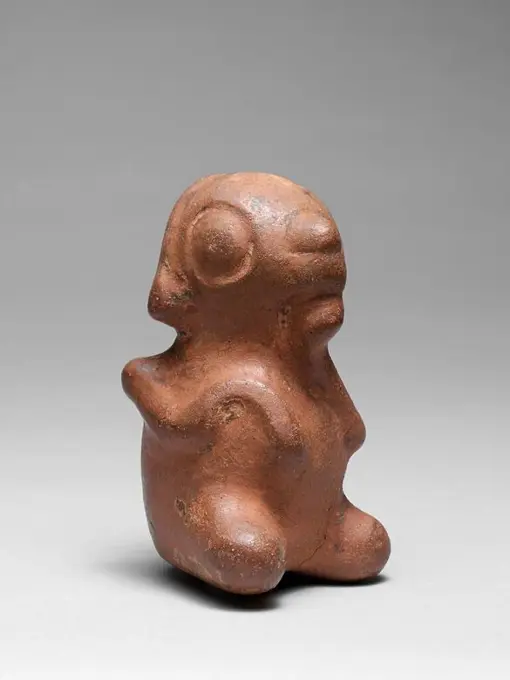
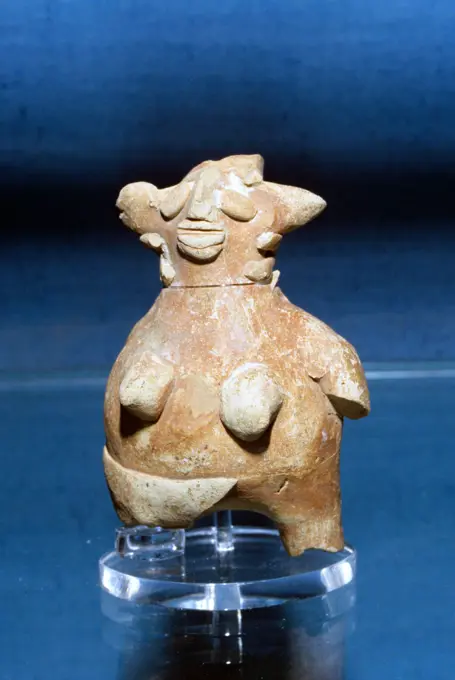
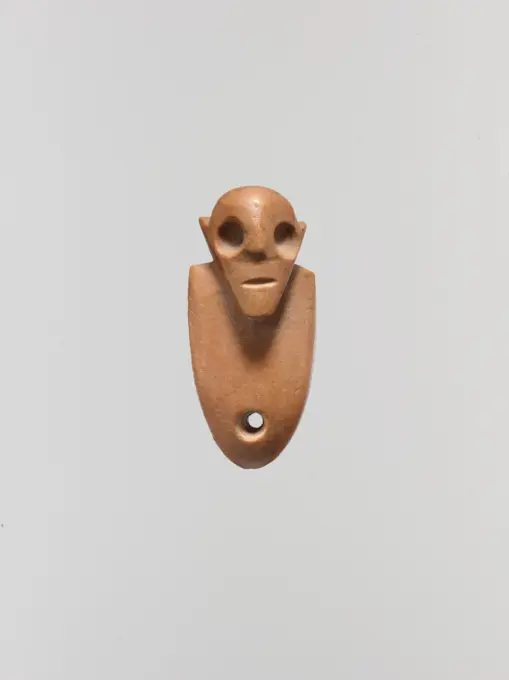
Vinca Idol, 4th millennium BC. Serbia, Vinça culture, Neolithic Era. Fired clay with paint; overall: 9.5 cm (3 3/4 in.).
4409-17402414
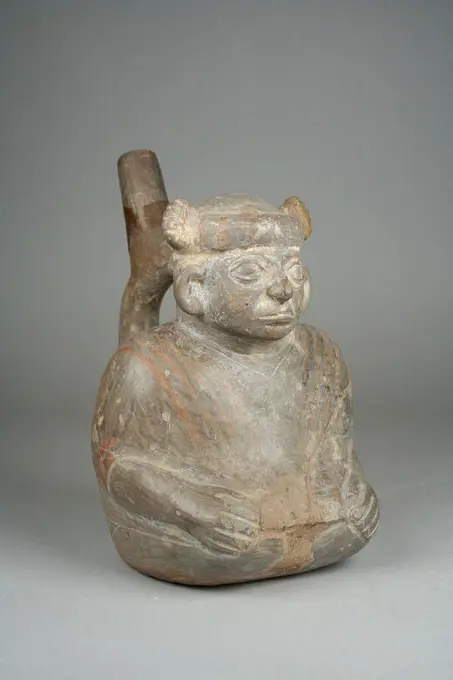
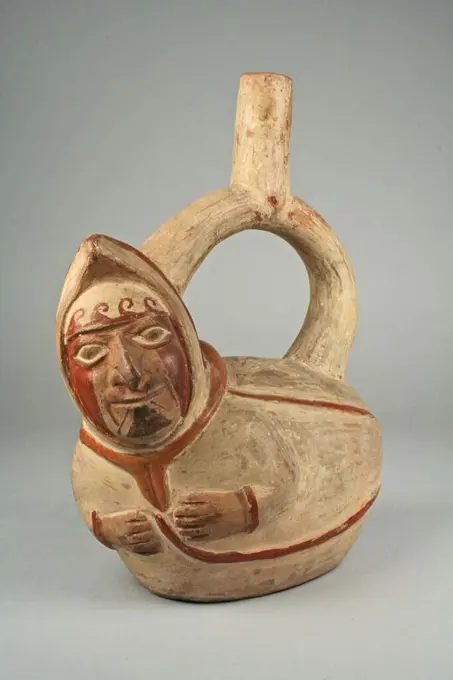
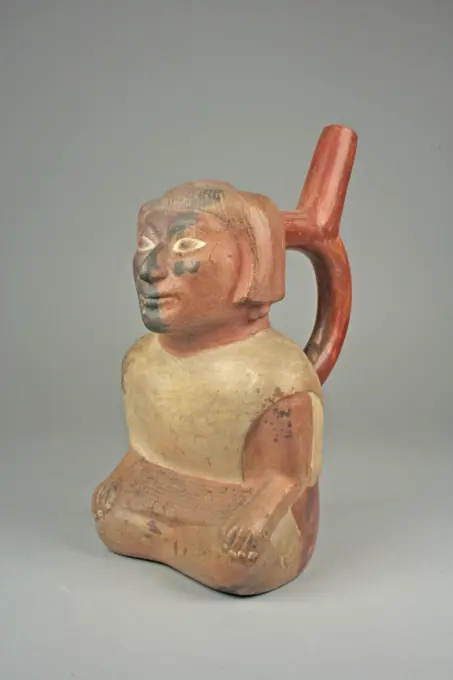
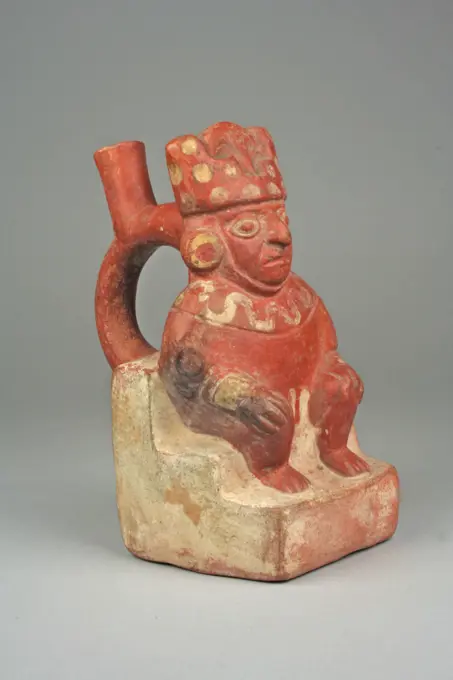
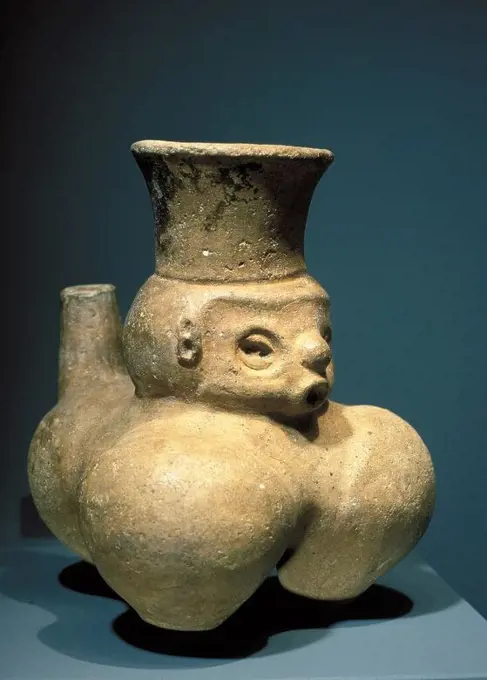
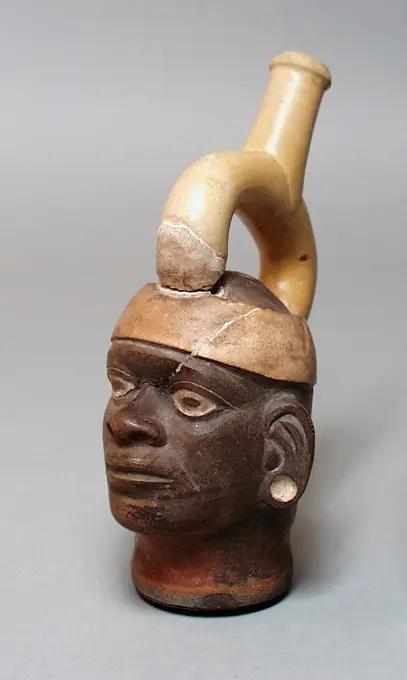
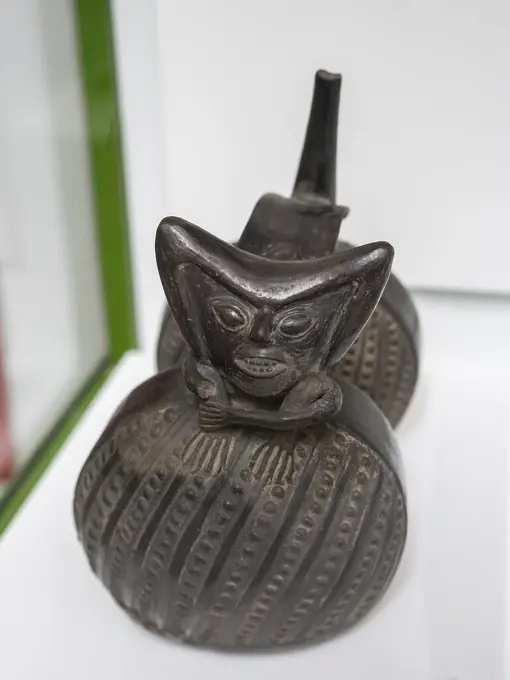
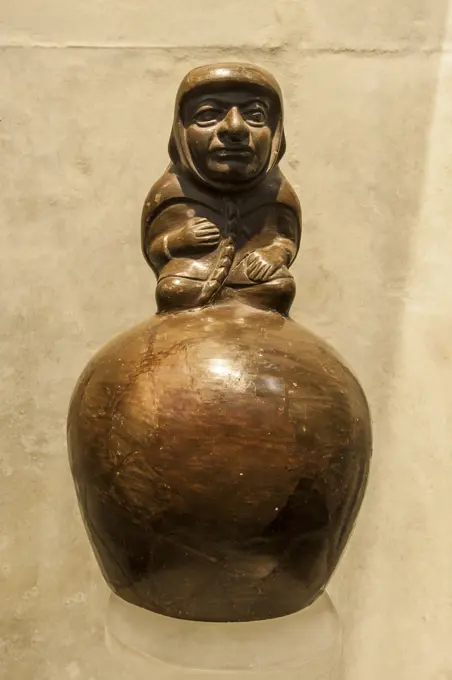
Stirrup Spout Bottle with Seated Figure. Culture: Moche. Dimensions: H x W: 7 7/8 x 5 3/8in. (20 x 13.7cm). Date: 2nd-1st century B.C.. Museum: Metropolitan Museum of Art, New York, USA.
4409-17546811
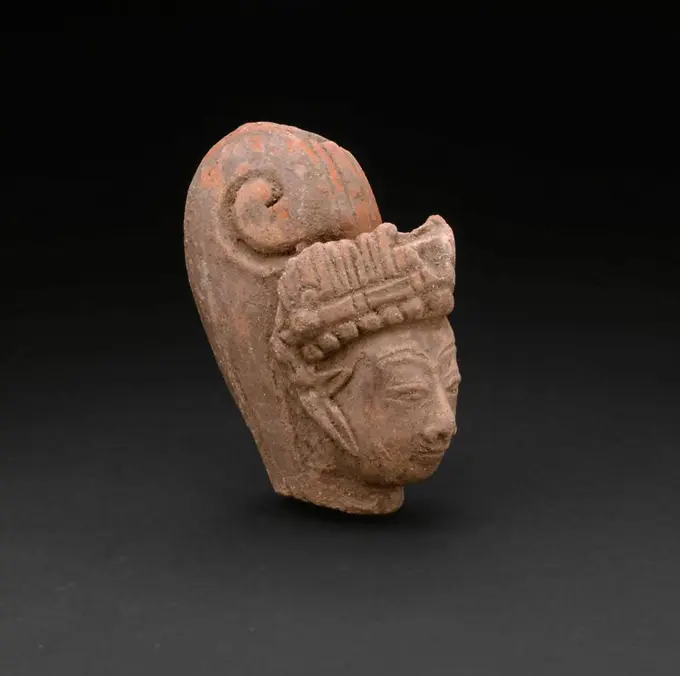
Head from a Figurine of a Female. Indonesia; Eastern Java. Date: 1301-1500. Dimensions: 8.2 × 4.6 × 6 cm (3 3/16 × 1 13/16 × 2 3/8 in.). Terracotta. Origin: Eastern Java. Museum: The Chicago Art Institute, Chicago, USA.
6145-29139391
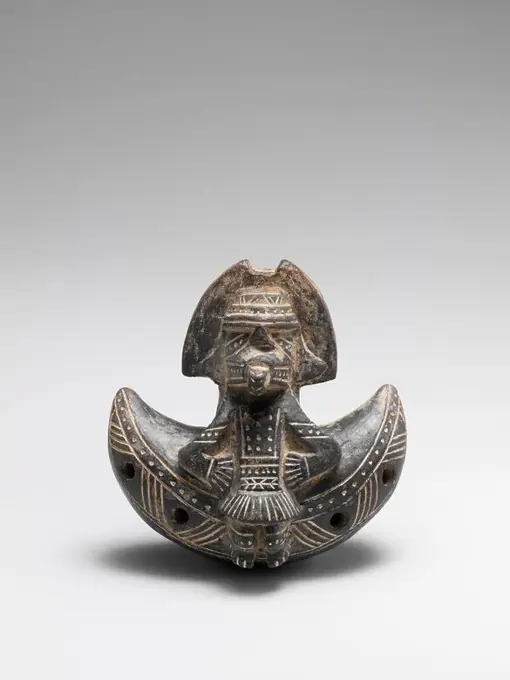
Ocarina 1300-1500 Tairona People; Gayraca style. Ocarina. Tairona People; Gayraca style. 1300-1500. Ceramic. Pre-Columbian. Sierra Nevada de Santa Marta, Colombia. Aerophone-Whistle Flute-vessel flute
6145-46811698
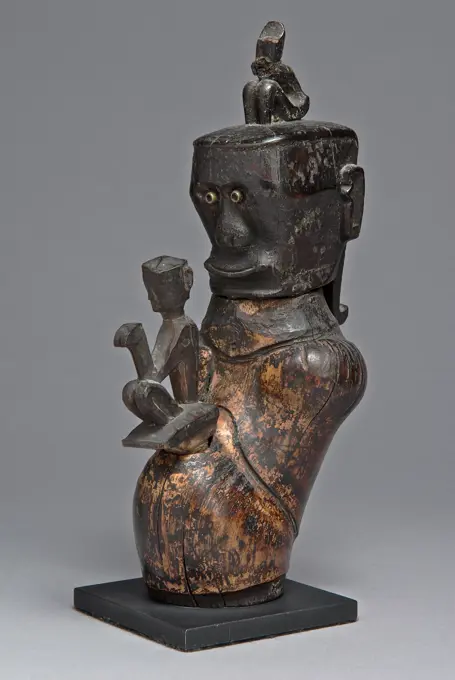
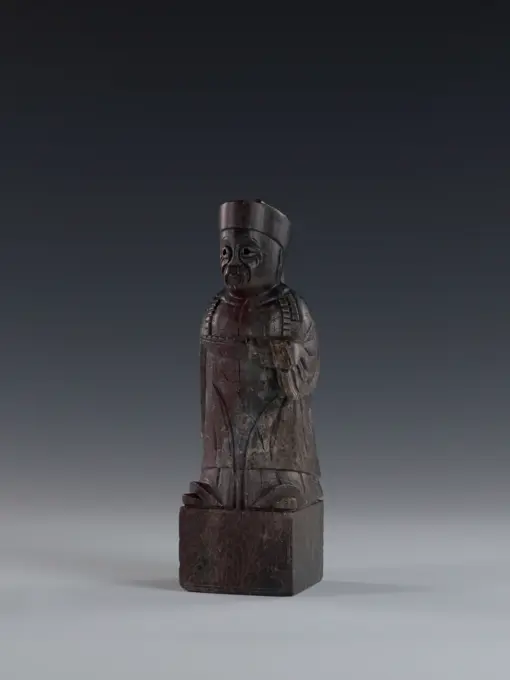
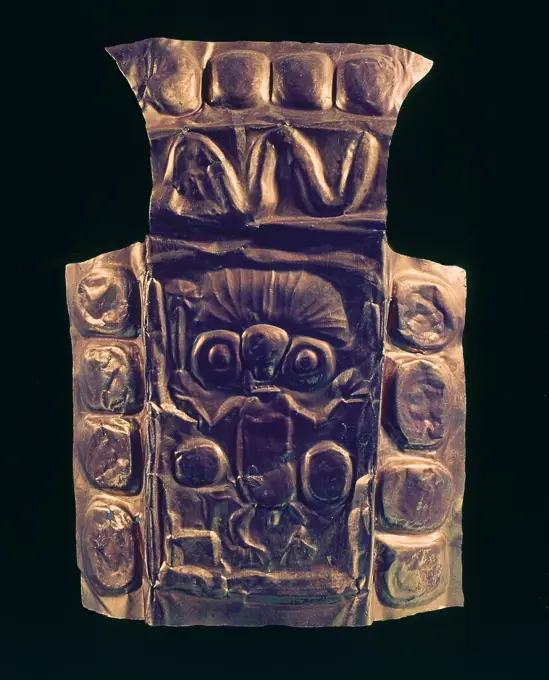
Priests Box
4409-17503946
Stirrup Spout Bottle. Culture: Moche. Dimensions: H. 9 5/8 x W. 6 3/4 x D. 4 1/4 in. (24.4 x 17.2 x 10.8 cm). Date: 1st century B.C.-A.D. 7th century. Museum: Metropolitan Museum of Art, New York, USA.
4409-17504505
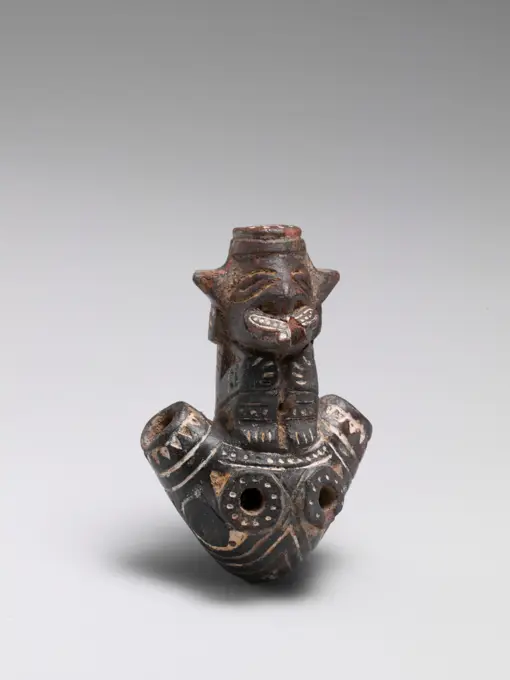
Pottery Whistle. Culture: Costa Rican. Dimensions: H. 105 mm.; W. 58 mm.; D. 65 mm.; Wt. 219 g.. Date: ca. 800-1100. Museum: Metropolitan Museum of Art, New York, USA.
6145-30174199
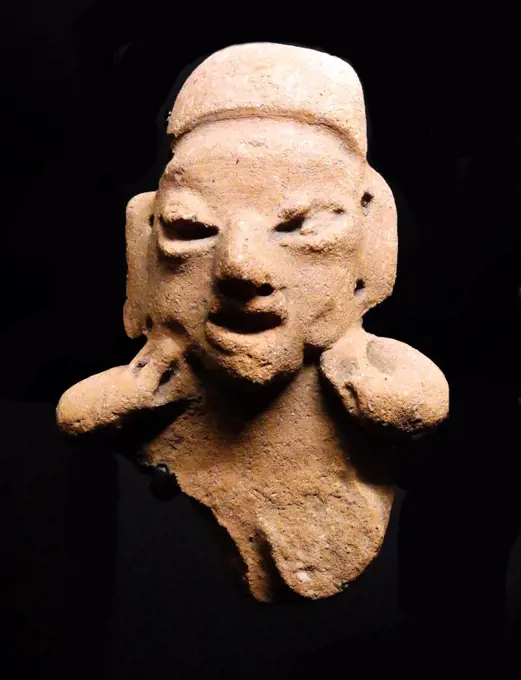
Head 750 CE-1450 Veracruz state. Ceramic and pigment . Huastec
6145-29079604
Male Head, perhaps from a Pair Statue, 1401-1391 BC. Egypt, New Kingdom, Dynasty 18, reign of Amenhotep II to Tuthmosis IV. Gray granite; overall: 7.6 x 11.1 x 12.8 cm (3 x 4 3/8 x 5 1/16 in.).
6145-29784262
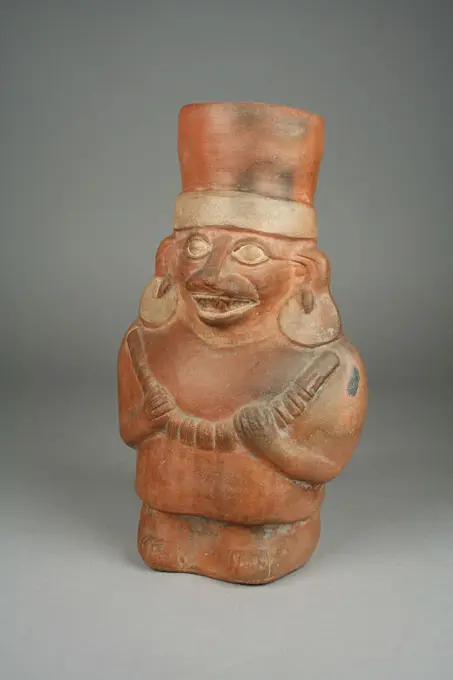
Standing Ceramic Figure 3rd-5th century Moche. Standing Ceramic Figure 309321
6145-52958405
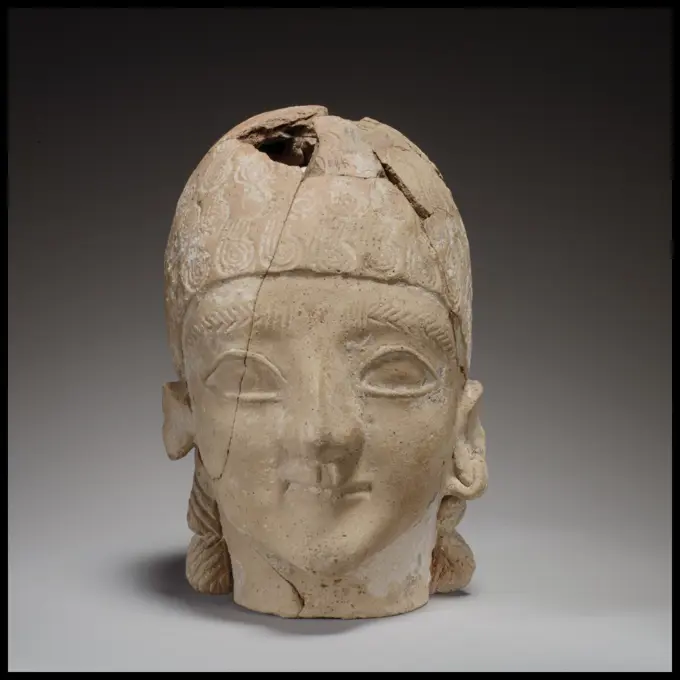
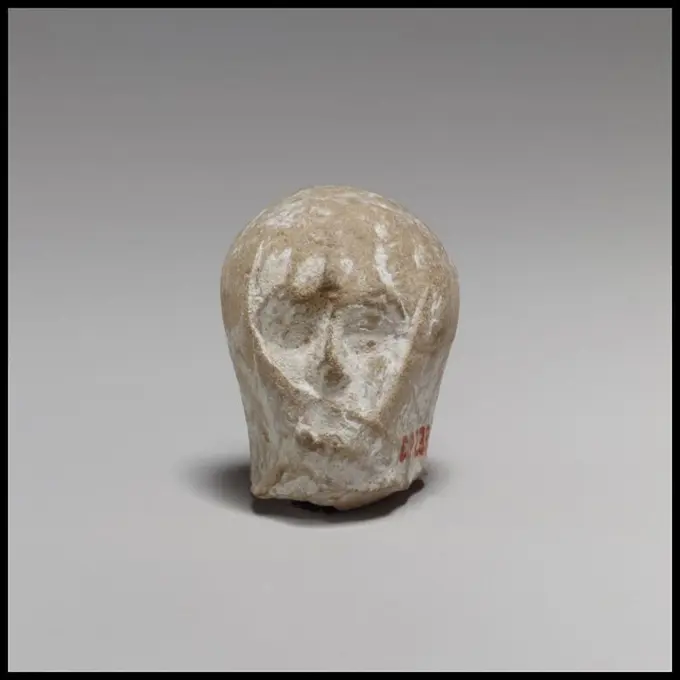
Male head Cypriot ca. 600 BCE The hollow, mold-made head has a small hole at the top, probably for venting.
4409-17378670
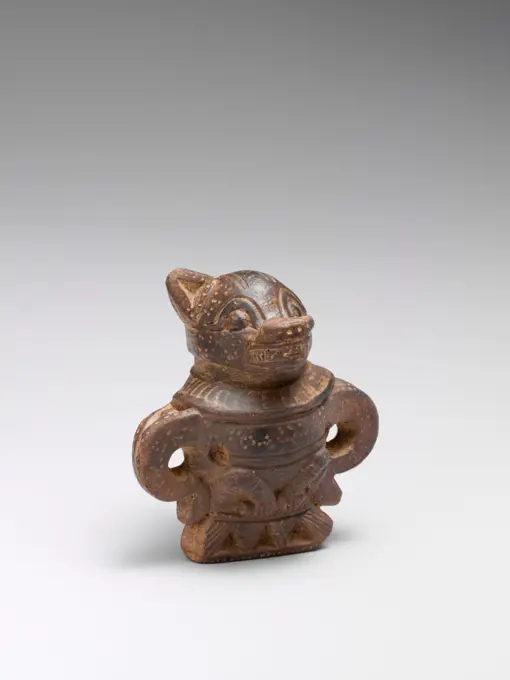
Jar, Anthropomorphic Fox. Culture: Moche. Dimensions: H x W: 9 1/8 x 5 1/2in. (23.2 x 14cm). Date: 3rd-6th century. Museum: Metropolitan Museum of Art, New York, USA.
1746-21107905
Olmec figurine, made from terracotta. From Mexico or Guatemala. 1500-600 BC
6145-29071737
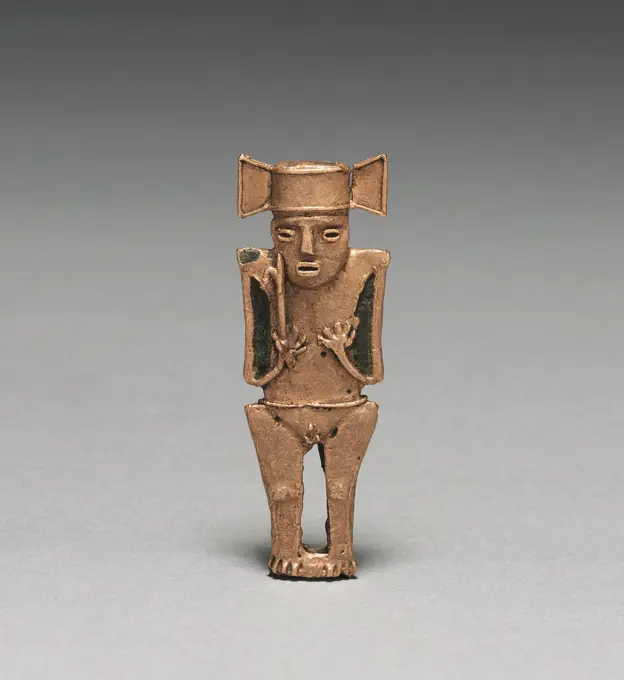
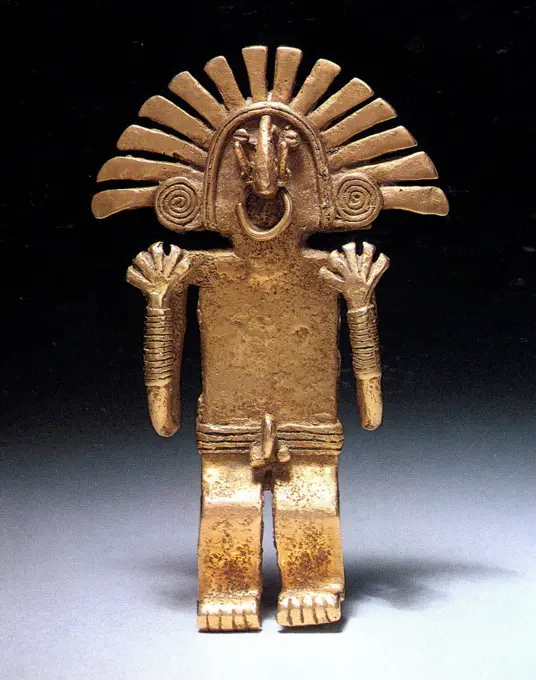
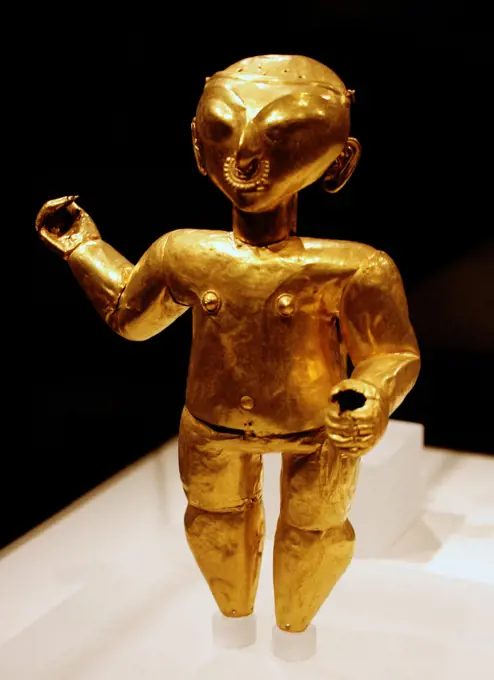
Tunjos (Votive Offering Figurine), c. 900-1550. Colombia, Muisca style, 10th-16th century. Cast gold; average: 6.9 x 2.6 cm (2 11/16 x 1 in.). Unlike the other gold ornaments in this gallery, tunjos were not worn; instead, they served as offerings that were deposited in sacred places, such as lagoons and caves. They often depict humans who hold something-here a container with a head (1947.22), a spear thrower (1947.19), and a bird-tipped (1957.25). The subject must have corresponded to a benefit being asked from the gods. Perhaps because they were not meant for display, tunjos were not finished after lost-wax casting. Flaws remain uncorrected, surfaces are unpolished, and gold that backed into the sprue (pouring channel) was left in place, creating the button-like form at the bottoms of 1947.24 and 1947.17, which were cast upside down.
6145-29830265
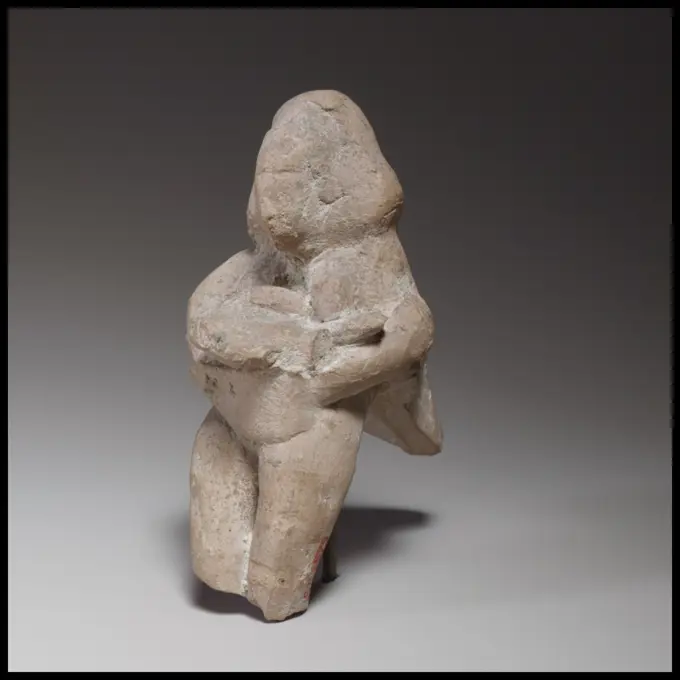
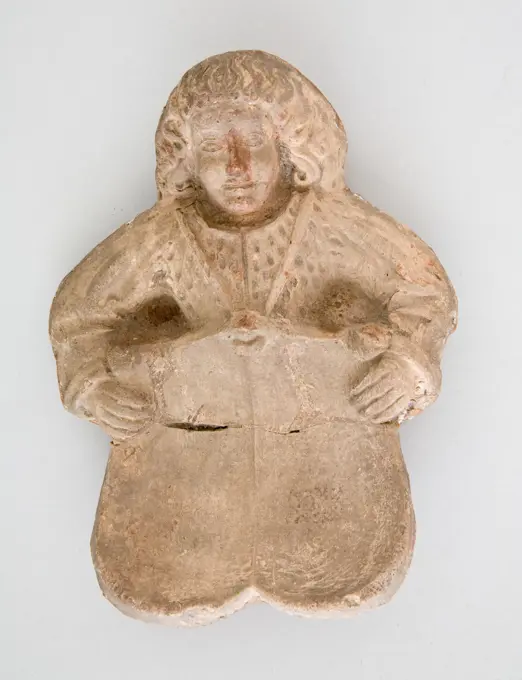
Seated female figurine ca. 600-480 B.C. Cypriot The figurine is handmade and solid. The face was made from a worn mold. The figure is not fully seated, but is oriented obliquely, leaning backward.. Seated female figurine 241110
4443-28735004
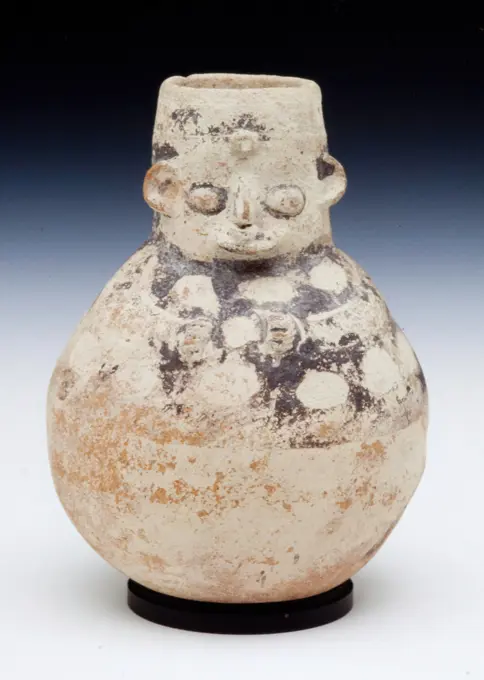
Anthropomorphic vessel, 12th-15th century, 5 1/2 x 4 x 4 in. (14 x 10.2 x 10.2 cm), Ceramic, polychrome, Peru, 12th-15th century
6145-43616990
Lampka z figurką chłopca. unknown, author
4409-17544823
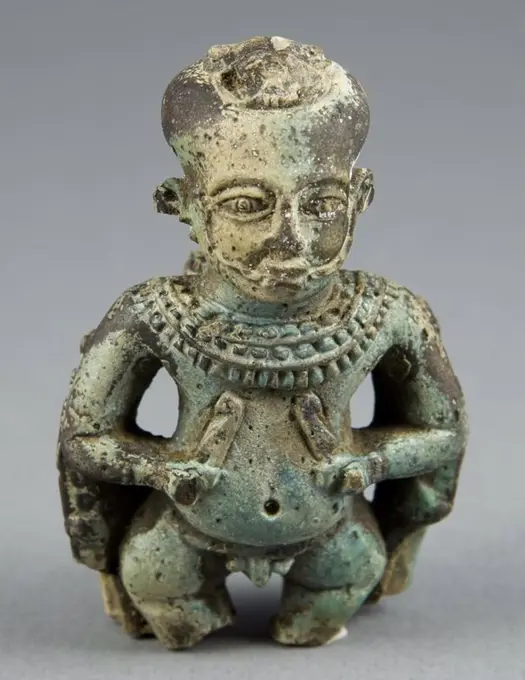
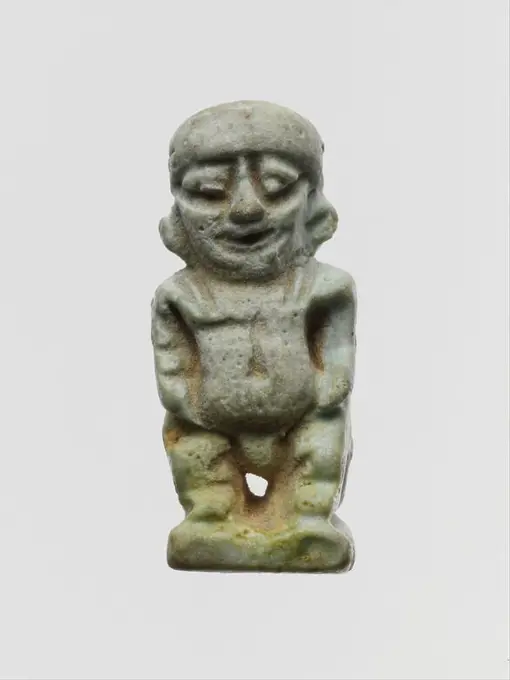
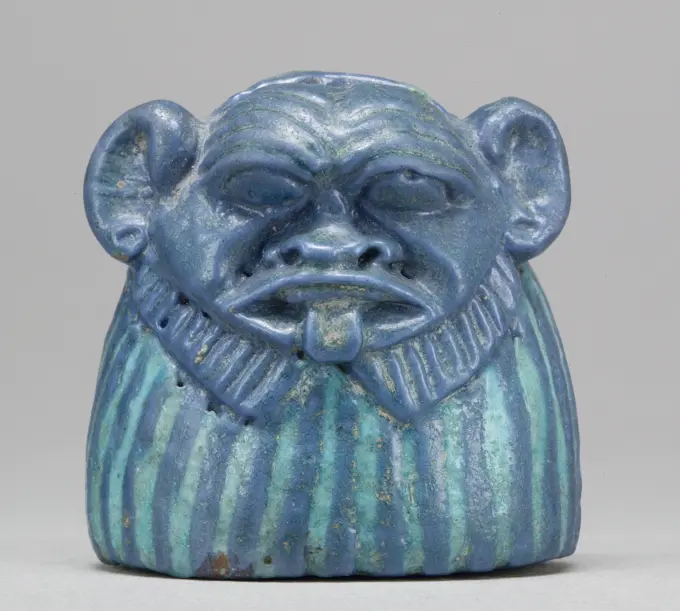
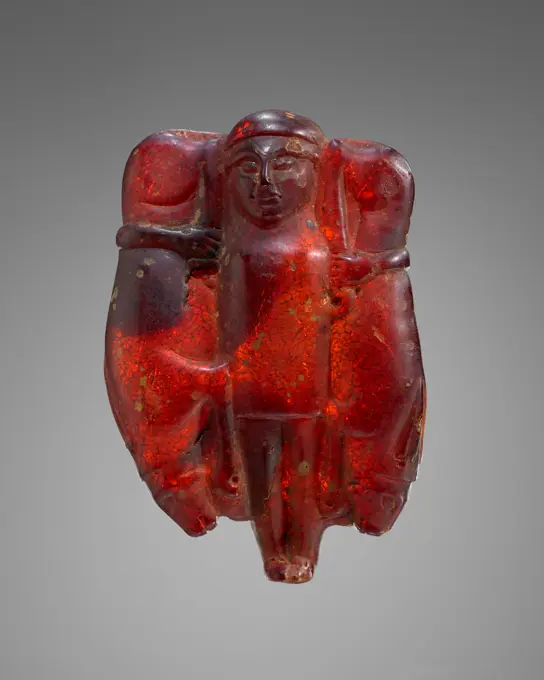
Amulet of Pataikos. Egyptian. Date: 1069 BC-664 BC. Dimensions: 7 × 5.1 × 1.9 cm (2 3/4 × 2 × 3/4 in.). Faience. Origin: Egypt. Museum: The Chicago Art Institute, Chicago, USA. Author: Ancient Egyptian.
6145-29806557
Bottle, Seated Figure 5th-7th century Moche. Bottle, Seated Figure 310202
6145-29789527
Stirrup Spout Bottle with Tattoed Head 2nd-5th century Moche. Stirrup Spout Bottle with Tattoed Head 308530
6145-29126478
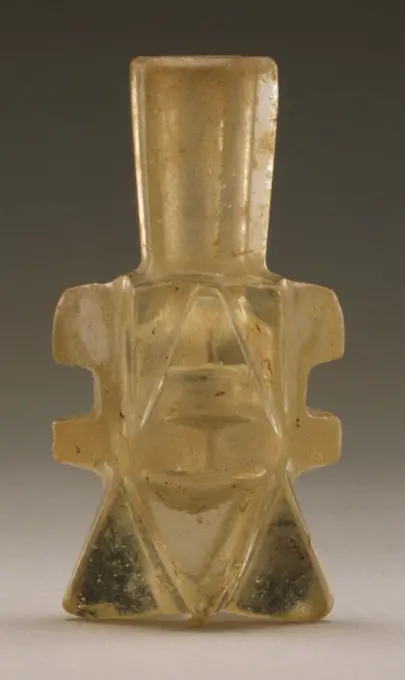
Molar Flask. Syria or Iran, 9th-10th century. Glass. Glass, relief cut
4409-17417577
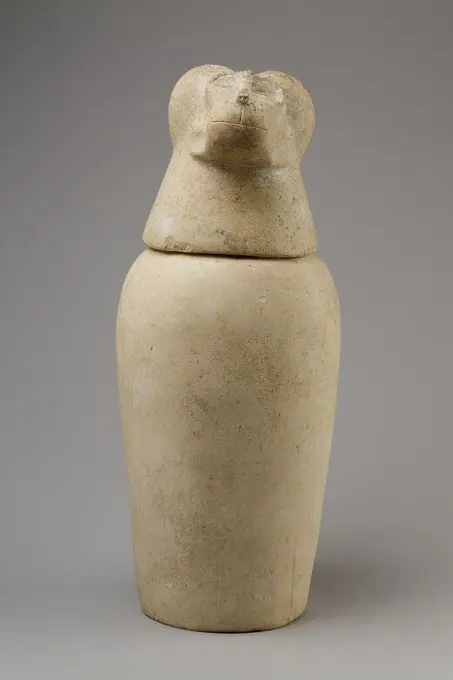
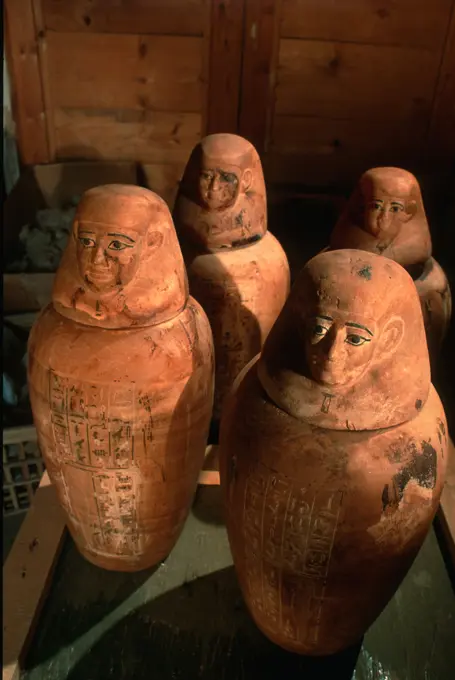
Canopic jar with head of baboon (Hapy). Dimensions: Jar: H. 26.7 cm (10 1/2 in.); d. 18.1 cm (7 1/8 in.); diam. of mouth 8.5 cm (3 3/8 in.); diam. of base 11.8 cm (4 5/8 in.); circ. 47.8 cm (19 3/16 in.); Lid: H. 14.2 cm (5 9/16 in.); w. 12.3 cm (4 13/16 in.); d. 14 cm (5 1/2 in.); diam. of foot 7 cm (2 3/4 in.); Jar with Lid: H. 39.6 cm (15 9/16 in.); greatest diam. 15.7 cm (6 3/16 in.); Jar with Lid: H. 39.6 cm (15 9/16 in.); greatest diam. 15.7 cm (6 3/16 in.). Date: ca. 800-650 BC.This canopic is part of a set (13.180.1--.4) found in a Ptolemaic cemetery at Thebes. Use of canopics had gone out of fashion at that period, however, so these are certainly reused. Their style suggests they were originally created in the late Third Intermediate Period. Museum: Metropolitan Museum of Art, New York, USA.
4443-19521821
Ornament, wood, carved, England / Germany, 17th century, Decorative Arts, Ornament
6145-29068084
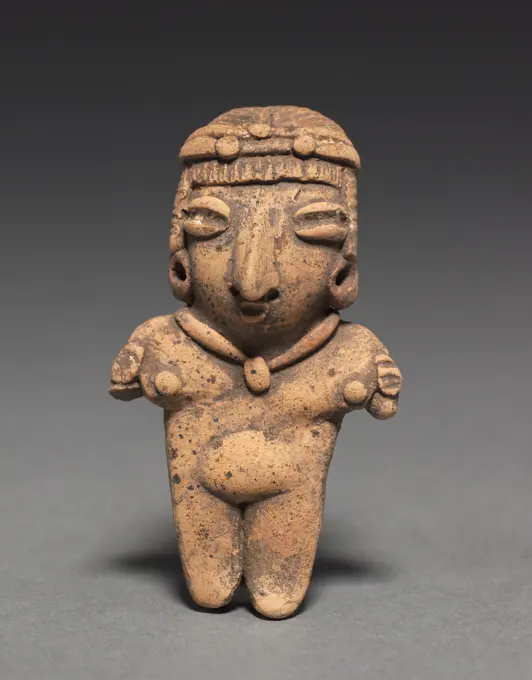
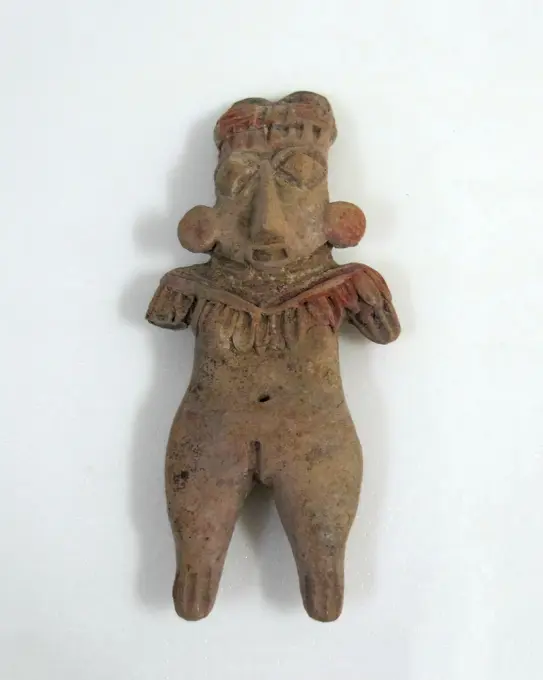
Female Figurine, 400-100 BC. Mexico, Guanajuato, Chupícuaro. Pottery with traces of white and red pigment; overall: 7.9 x 4.4 x 1.8 cm (3 1/8 x 1 3/4 x 11/16 in.).
6145-29804436
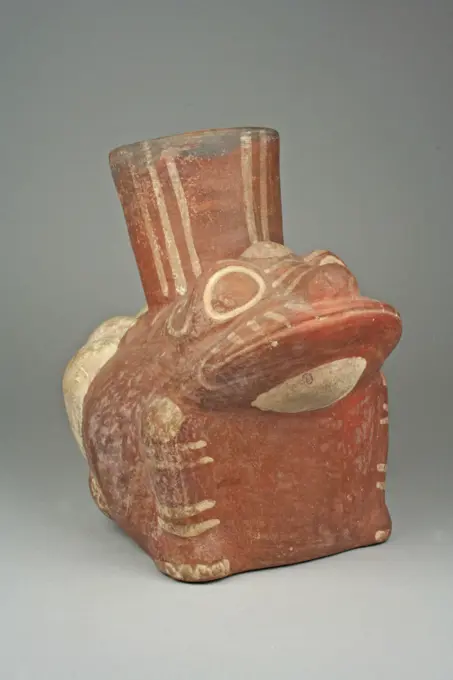
Frog Bottle 4th-7th century Moche. Frog Bottle 309486
6145-29777327
Statuette of Eros ca. 2nd-3rd century A.D. Roman Winged Eros with upraised arms.. Statuette of Eros 256822
6145-29788337
Figure Pendant 13th-15th century Mixtec. Figure Pendant 313081
6145-29069584
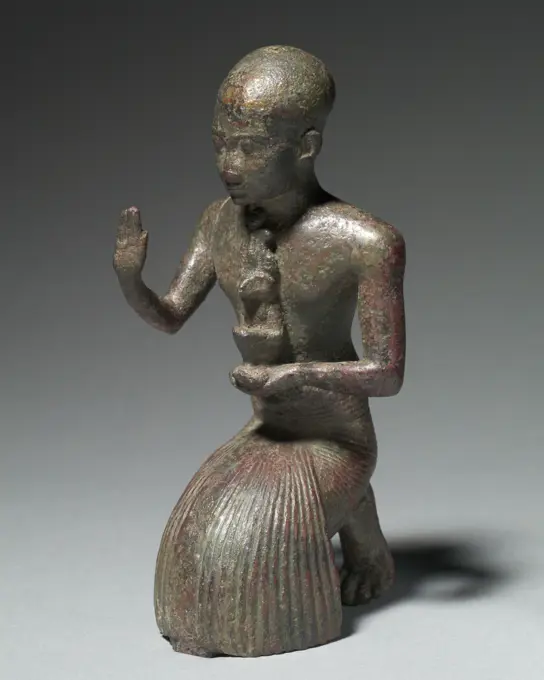
Statuette of a Kneeling Priest, 1186-1069 BC. Egypt, New Kingdom, Dynasty 20, 1279-1213 BC. Tin-bronze alloy, probably leaded, hollow cast; overall: 15.8 x 6.2 x 6.5 cm (6 1/4 x 2 7/16 x 2 9/16 in.).
6145-29117569
Ba Bird. Egypt, 2061 - 333 BCE. Sculpture. Wood with polychrome
4409-21480993
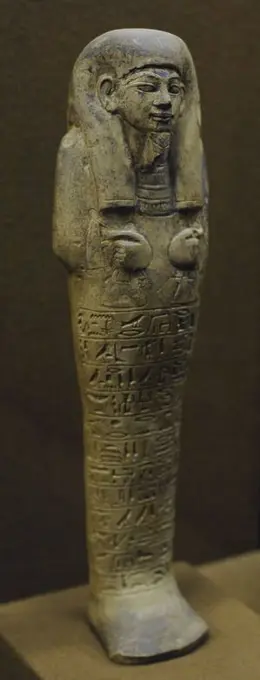
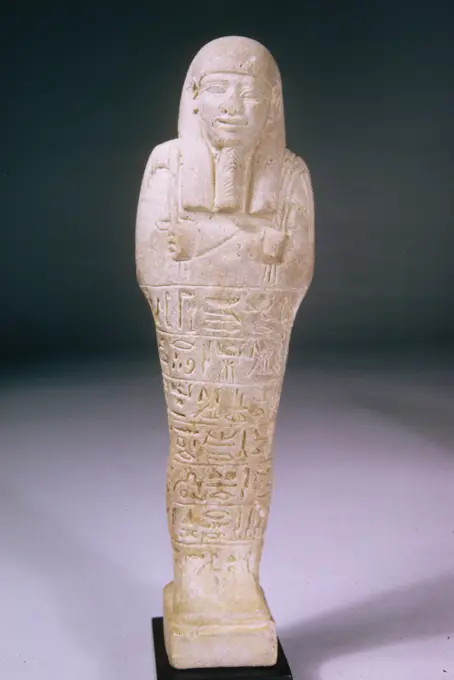
Ancient Egypt. Ushabti. Funerary figurine. Limestone. The State Hermitage Museum. Saint Petersburg. Russia.
6145-29766733
Stirrup Spout Bottle with Figure on Throne 2nd-4th century Moche. Stirrup Spout Bottle with Figure on Throne 308550
4409-17383701
Ocarina. Culture: Tairona People; Gayraca style. Dimensions: L. 7.1 cm (2-7/16 in.); W. 6.9 cm (2-11/16 in.). Date: 1300-1500. Museum: Metropolitan Museum of Art, New York, USA.
6145-29811962
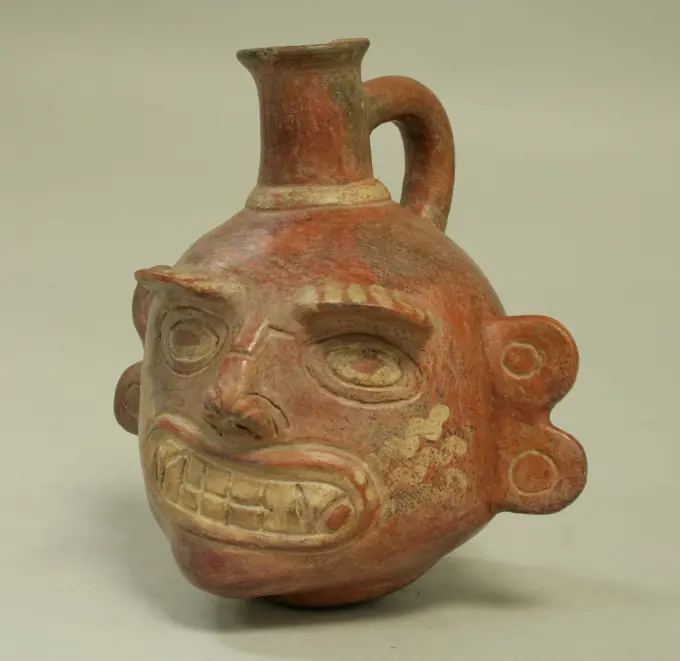
Single Spout Bottle with Fanged Face 3rd century B.C.-A.D. 2nd century Vicús. Single Spout Bottle with Fanged Face 315677
6145-29784783
Warrior Head Jar 2nd-5th century Moche. Warrior Head Jar 308534
6145-29791129
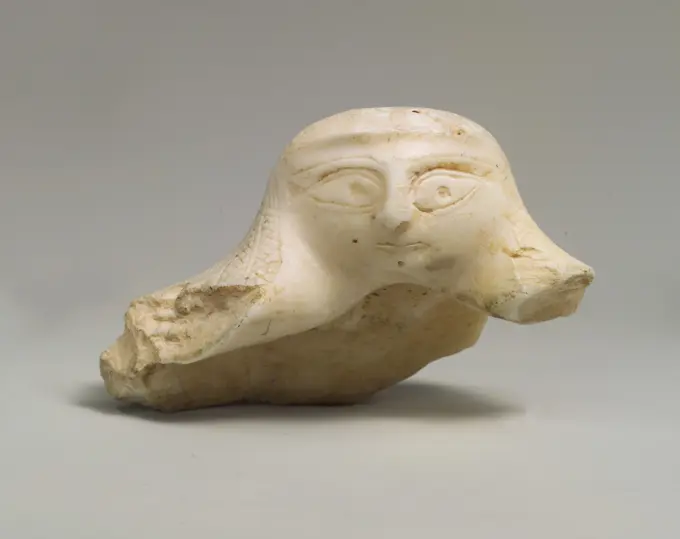
Fragment of a shell with a sculpted female head ca. 7th century B.C. The shell of a species of large clam (Tridacna squamosa), native to the Indian Ocean, the Red Sea, and the Persian Gulf, was used to carve a distinctive type of cosmetic container during a short period from the late seventh to the early sixth century B.C. More than a hundred containers of this type survive, and have been found throughout the Near East and Mediterranean, as far east as Iran and as far west as Italy. Unworked shells have been found in Palestine and Transjordan, suggesting that the workshops where these containers were manufactured were located in these regions. This fragment of a cosmetic container preserves the thick hinge of the shell, which was carved as the three-dimensional head of the figure whose body was incised on the shells outer surface. The figures very large eyes are outlined with double incised lines, and the pupils are highlighted with drilled holes. The other features are simplified, s
6145-29731831
Warrior Figure 6th-7th century Moche (Loma Negra). Warrior Figure 313480
6145-29711728
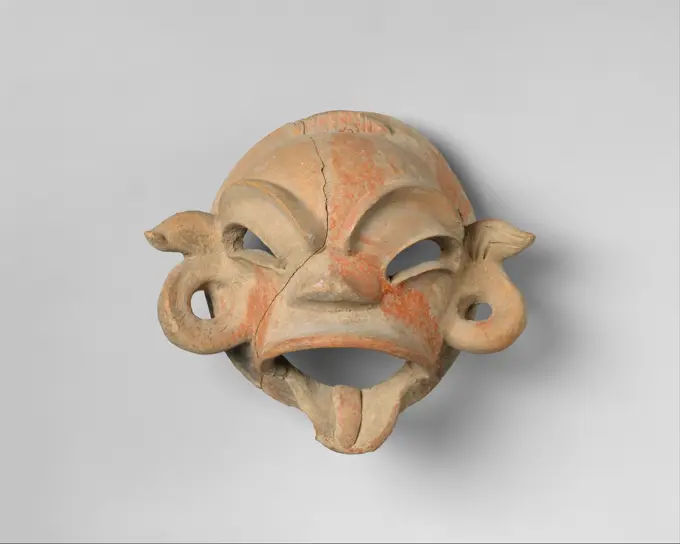
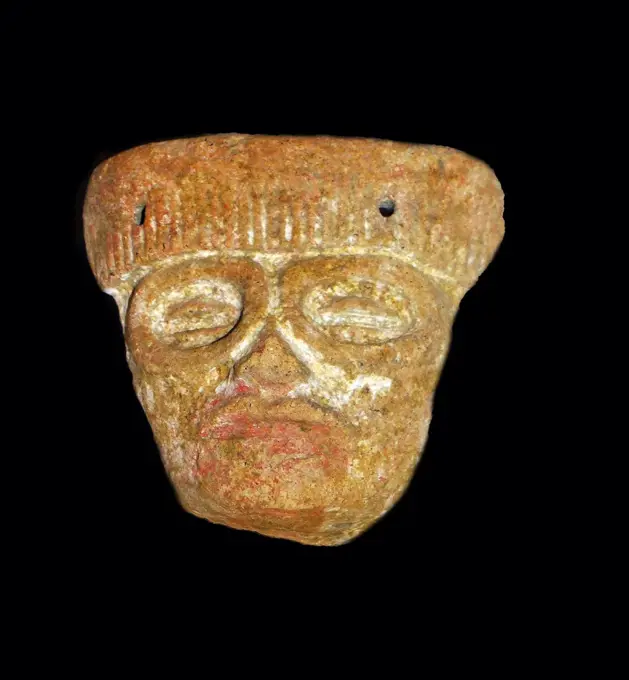
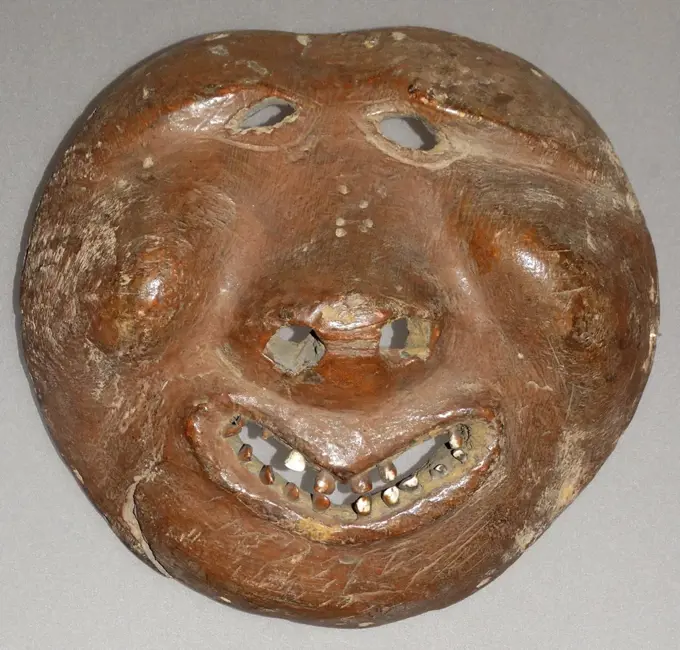
Mask 12th-9th century B.C. Tlatilco Masks in ancient Mexico came in all shapes and sizes and ranged from those that clearly depict human faces to those that appear bizarre and/or supernatural. This mask, stylistically associated with the site of Tlatilco in the Basin of Mexico, shows a twisted, simianlike face with simple, serpentine curves for ears, bulging eyesockets with crisply outlined eyelids, and exaggeratedly prominent eyebrows. While the eyes and mouth are pierced, the mask is too small to have covered the entire face. Paired holes at the temples and below the ears suggest that it could have been tied on the lower face or onto a bundle or sculpture, thereby representing a state of transformation.. Mask 313266
4409-17373802
Mask. Dimensions: l. 8.8 cm (3 7/16 in); w. 7.2 cm (2 3/16 in). Dynasty: Dynasty 18. Date: ca. 1550-1295 B.C.. Museum: Metropolitan Museum of Art, New York, USA.
4409-17350009
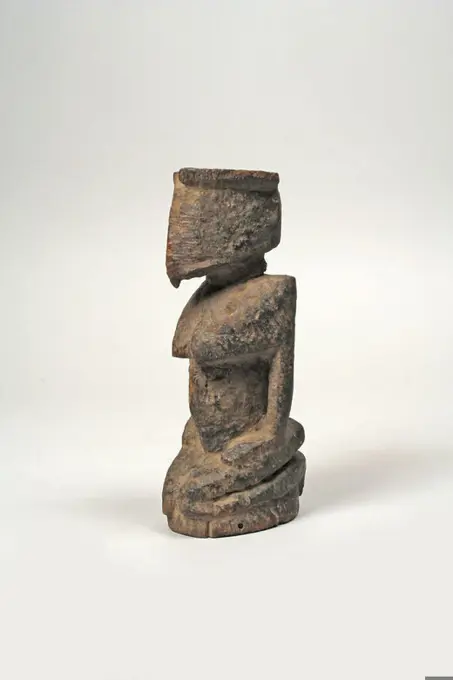
Figure: Kneeling Female. Culture: Dogon or Tellem peoples (). Dimensions: H. 7 5/8 x W. 3 1/2 in. (19.4 x 8.9 cm). Date: 16th-19th century. Museum: Metropolitan Museum of Art, New York, USA.
6145-52892964
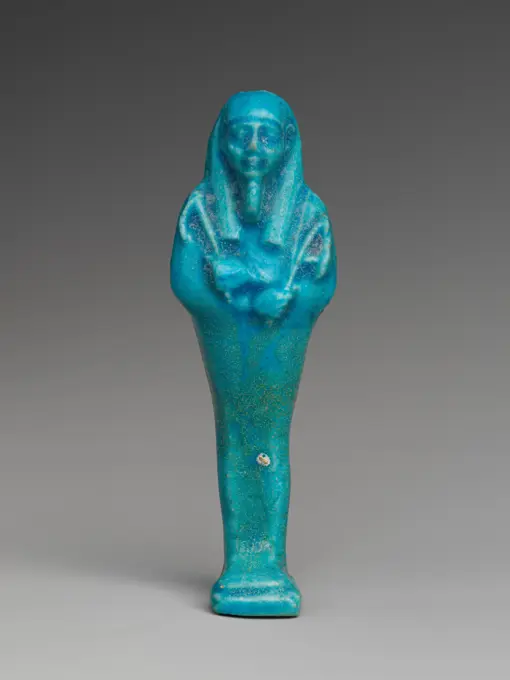
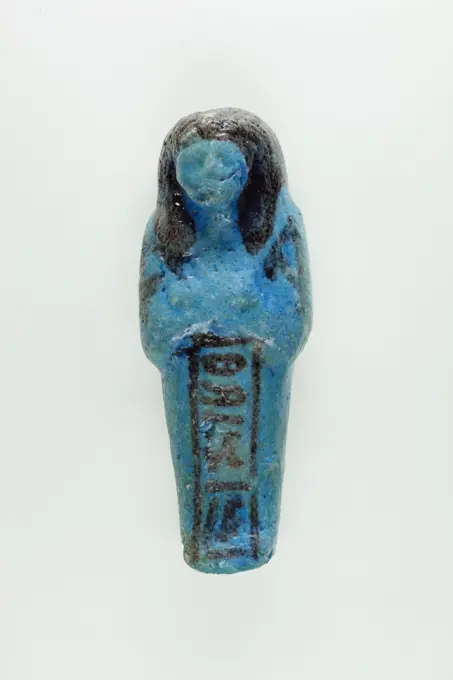
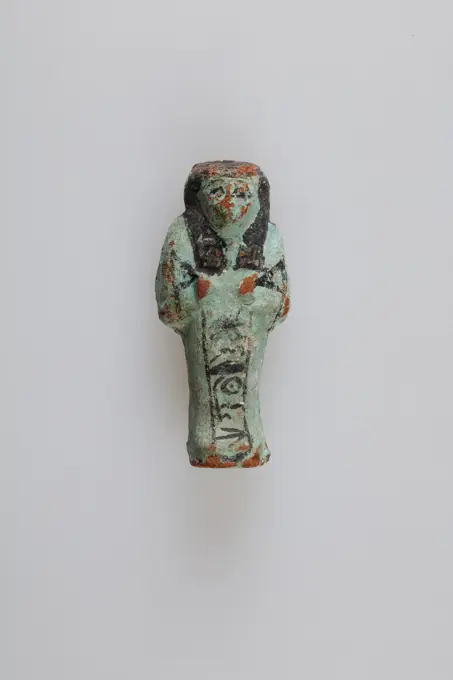
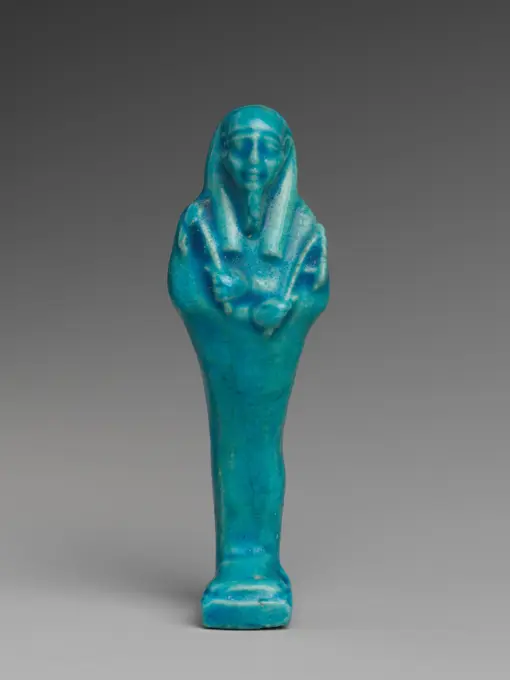
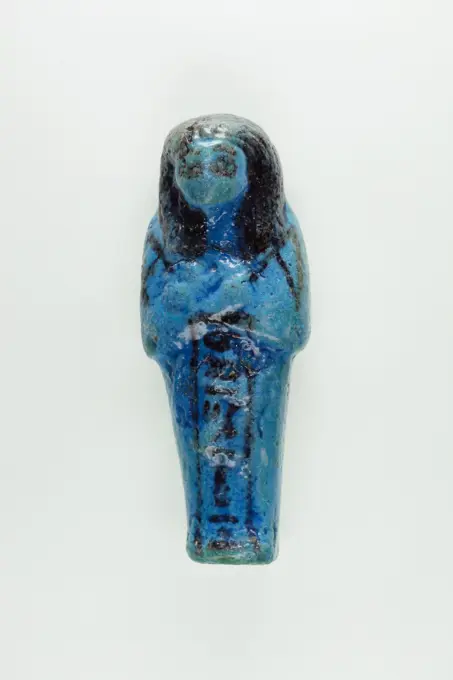
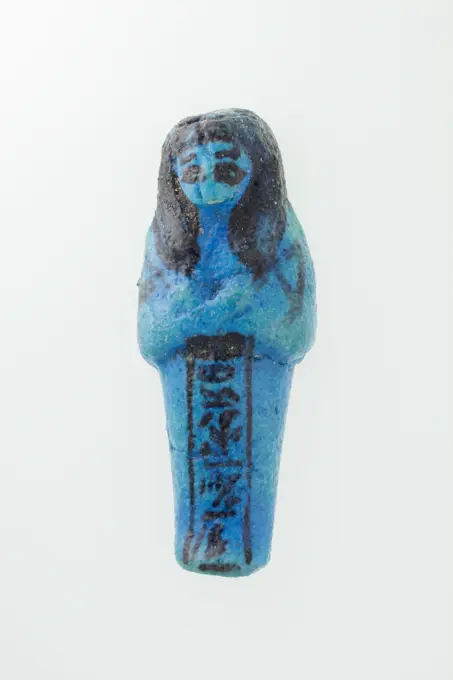
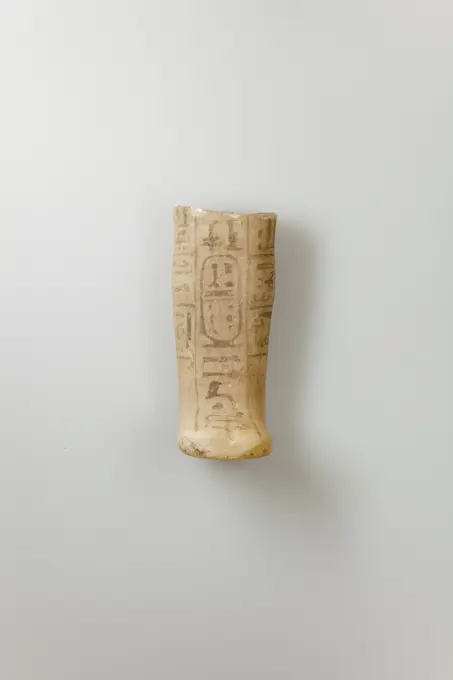
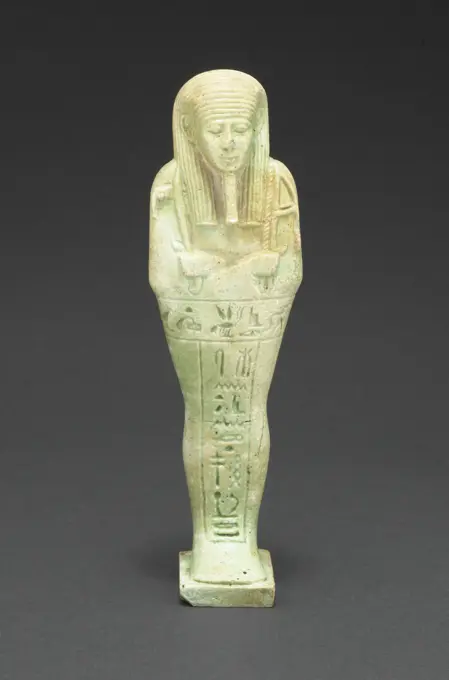
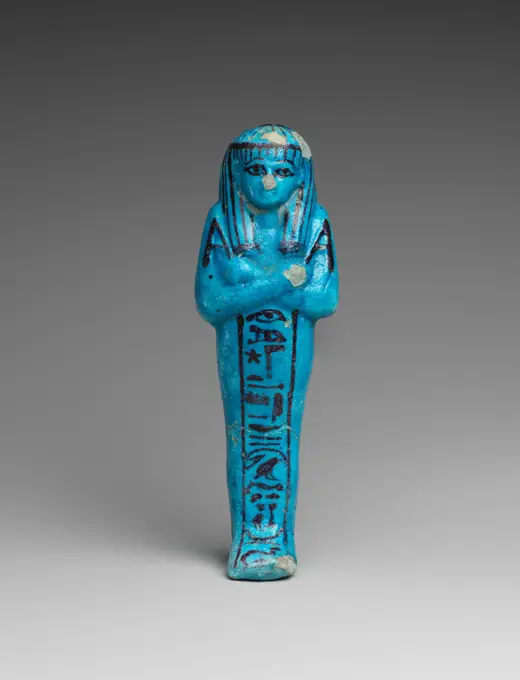
Blue Faience Shabti.. Late Period
4409-17373087
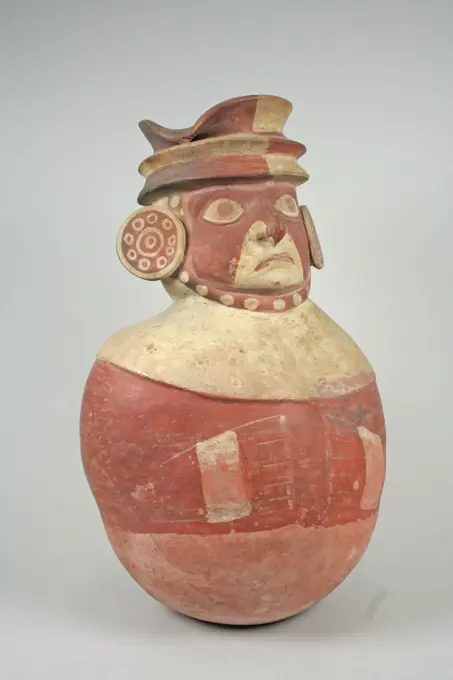
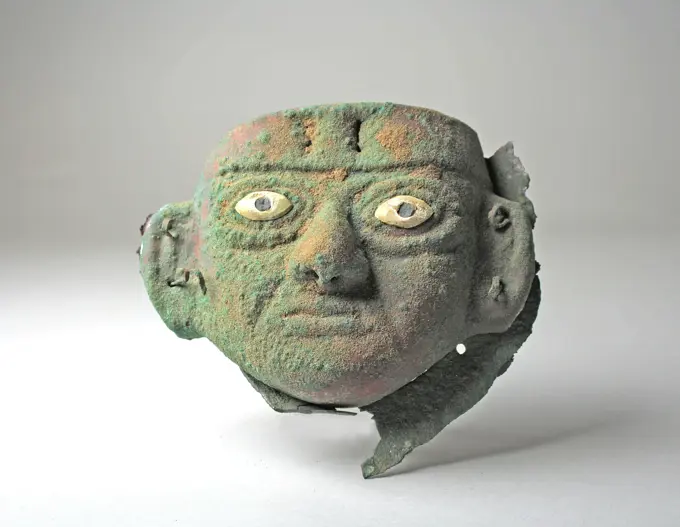
Mask. Culture: Moche. Dimensions: H x W x D: 7 1/2 x 6 7/8 x 2 3/4 in. (19.1 x 17.5 x 7 cm). Date: 1st century B.C.-A.D. 7th century. Museum: Metropolitan Museum of Art, New York, USA.
6145-29803473
Stirrup Spout Bottle 1st century B.C.-A.D. 7th century Moche. Stirrup Spout Bottle 313305
4409-17395848
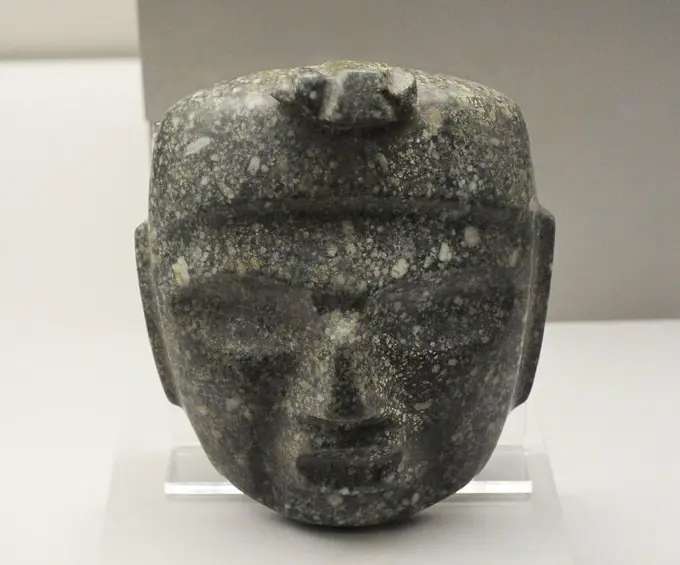
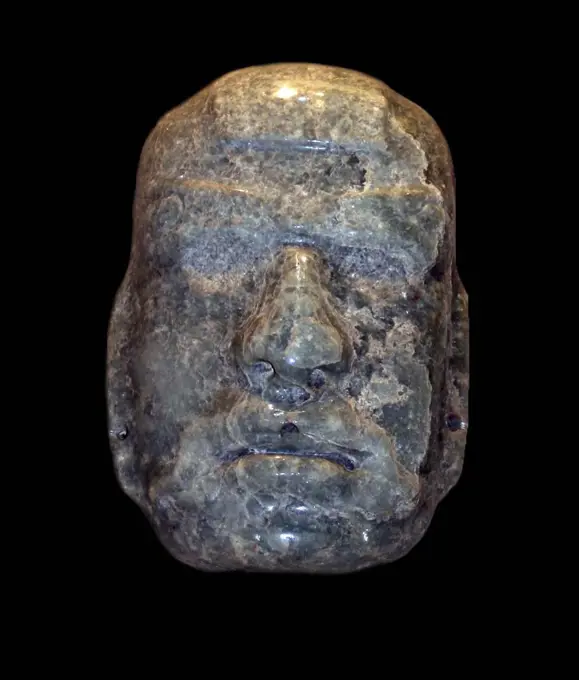
Mask depicting a human face. Stone. Mezcala style. Late Preclassic Period (400 BC-100 AD). Western Mexico. Museum of the Americas. Madrid, Spain.
4409-17521254
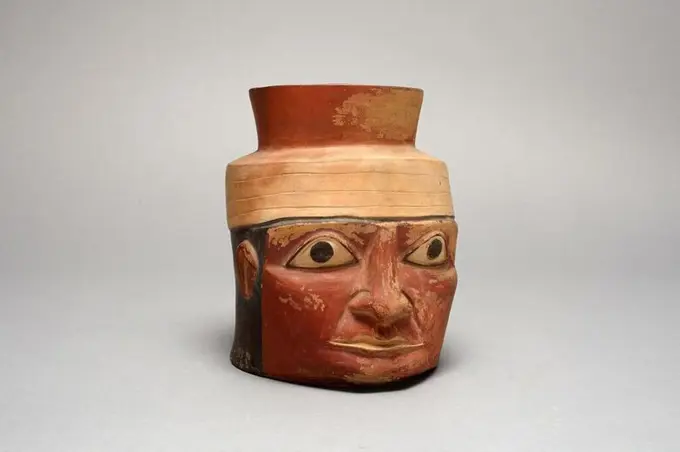
Neck of a Large Ceremonial Jar in the Form of a Head. Tiwanaku-Wari; South coast, Peru. Date: 700 AD-800 AD. Dimensions: 19.4 × 15.9 cm (7 5/8 × 6 1/4 in.). Ceramic and pigment. Origin: Bolivia. Museum: The Chicago Art Institute, Chicago, USA.
6145-45545047
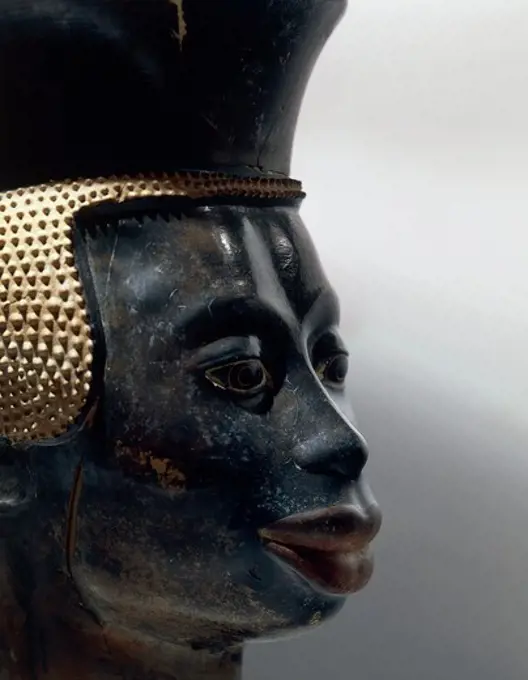
Head of an Egyptian Ruler
1746-21125452
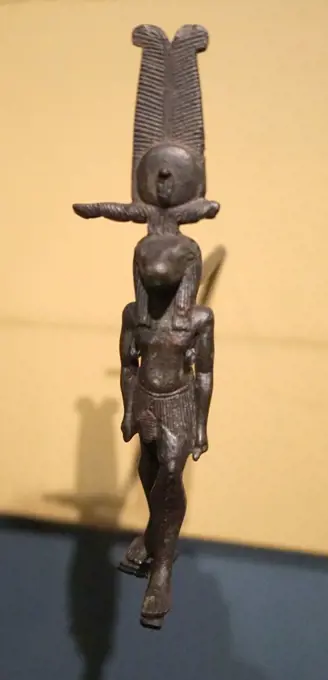
Bronze statuette of Sobek as a Man, from Egypt. Dated 4th Century BC
6145-29806009
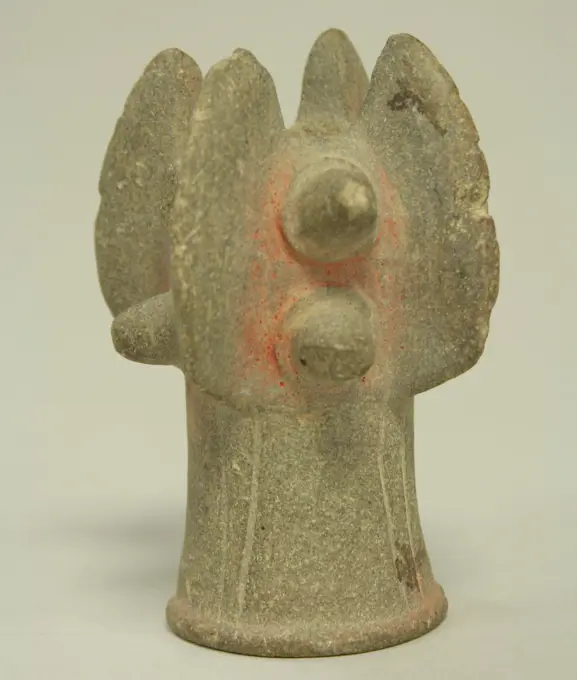
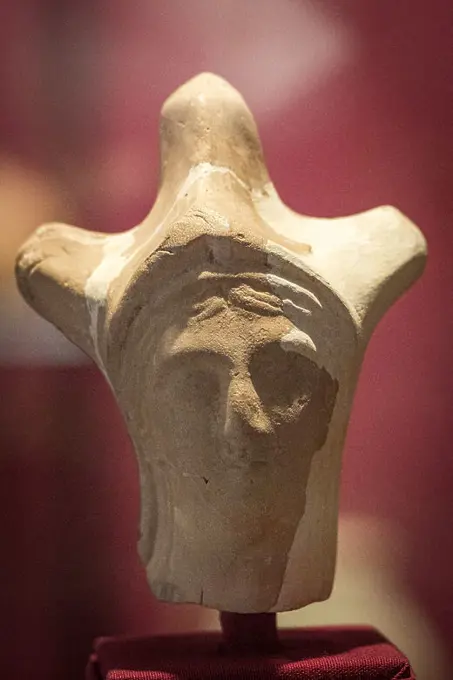
Mace Head 2nd century B.C.-A.D.1st century Cupisnique This gracefully crafted mace head has four fan-like projections, each separated by two nub or spike-like elements. Two vertical inscribed lines extend down from each flange to the bottom of the mace head. The stone has a hollow central core that originally held a wooden shaft. At the bottom a slight lip extends around the circumference. Traces of red cinnabar remain in the recesses between the projecting surfaces. The combination of flanges and nubs yields an object of power and deadly effectiveness. The narrow edges of the projections provide points of contact that would have exerted much more force than when struck than a simple round stone, similar to the way in which being stepped upon by a stiletto heel is much more painful than being stepped upon by a wider heel.The proper cultural attribution of stone mace heads of this type is unclear. Carved stone mace heads were made as early as the middle of the first millennium B.C. in t
4443-28734129
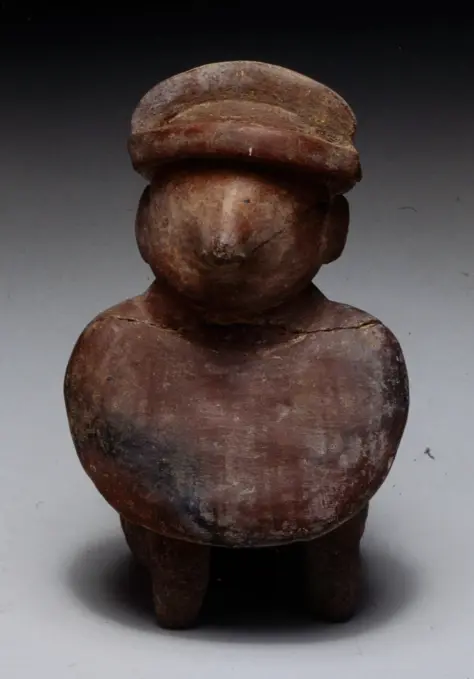
Seated warrior, 250 BCE - 300 CE, 6 1/2 in. (16.5 cm), Earthenware, Mexico, 3rd century BCE - 4th century CE
6145-29128895
Anthropomorphic Urn
6145-29230056
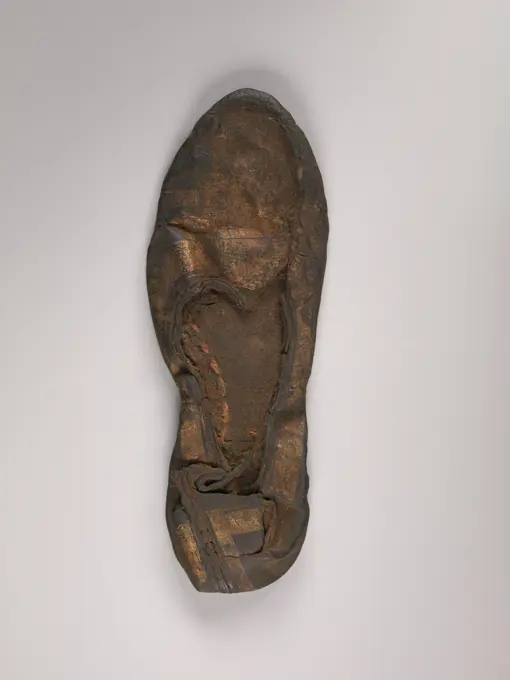
Sandal 3rd-12th century. Sandal. 3rd-12th century. Leather and papyrus. Made in Egypt. Leather
6145-29065274
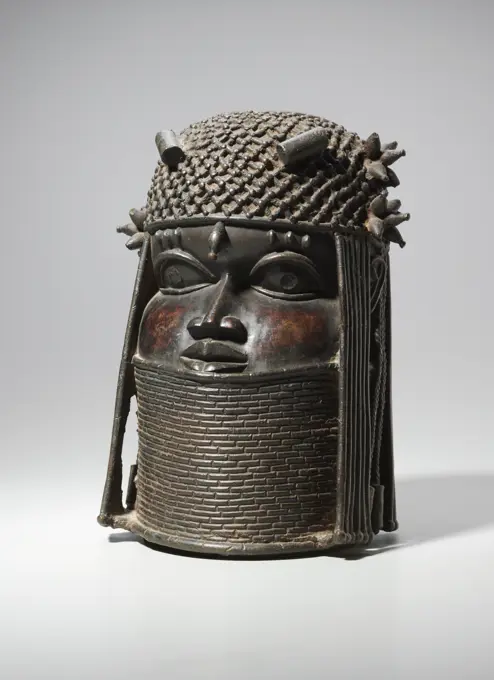
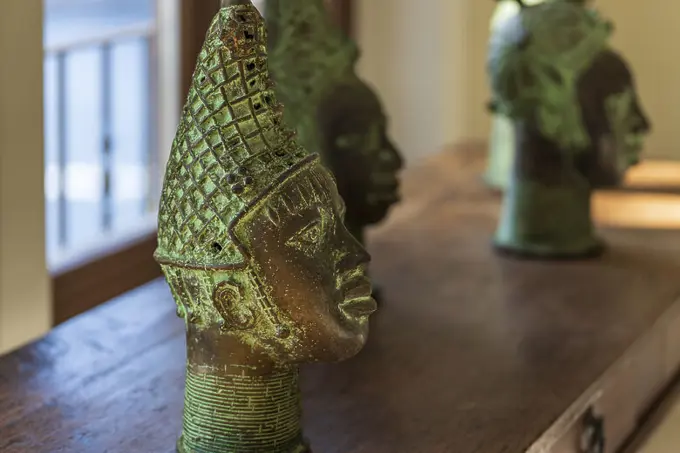
Ancestral Commemorative Head (uhunmwun-elao), possibly mid-1500s or early 1600s. Nigeria, Benin Kingdom, Ẹdo peoples, members of the Igun Eronmwon (royal brasscasters) guild. Copper alloy and iron; overall: 29.9 x 21.6 x 20.4 cm (11 3/4 x 8 1/2 x 8 1/16 in.).
4409-20926928
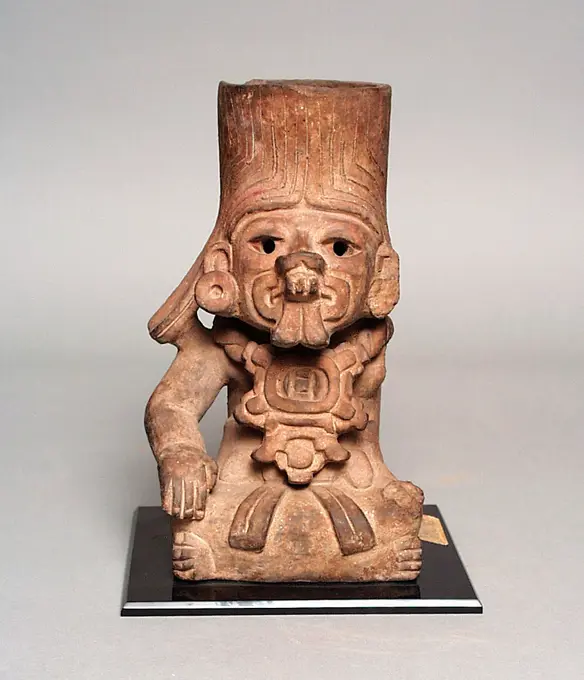
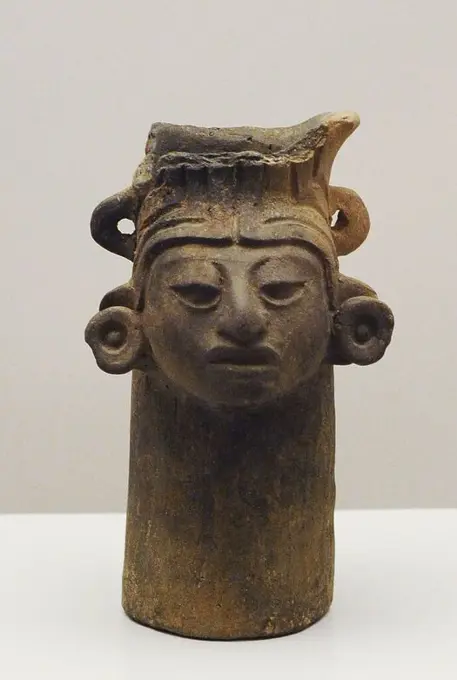
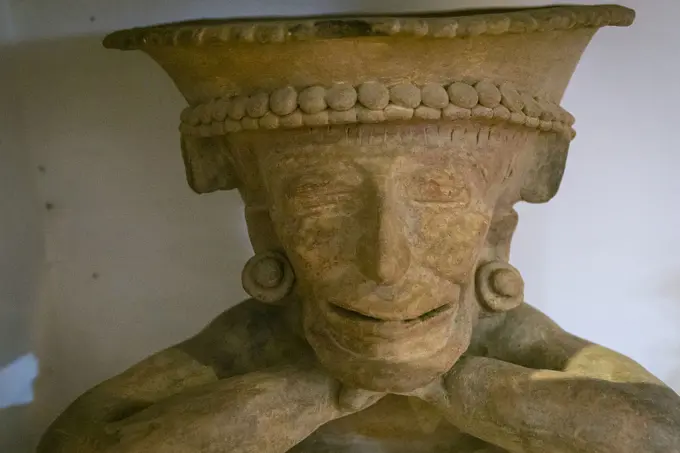
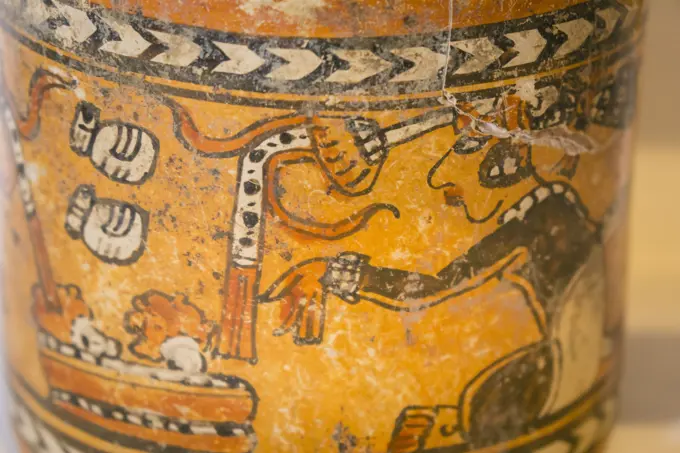
Maya Candeleros vase, anthropomorphic terracota tripod from Colon, Honduras. Pre Classical Antique period. Museum: Instituto Tegucigalpa, Tegucigalpa, HONDURAS.
6145-59004148
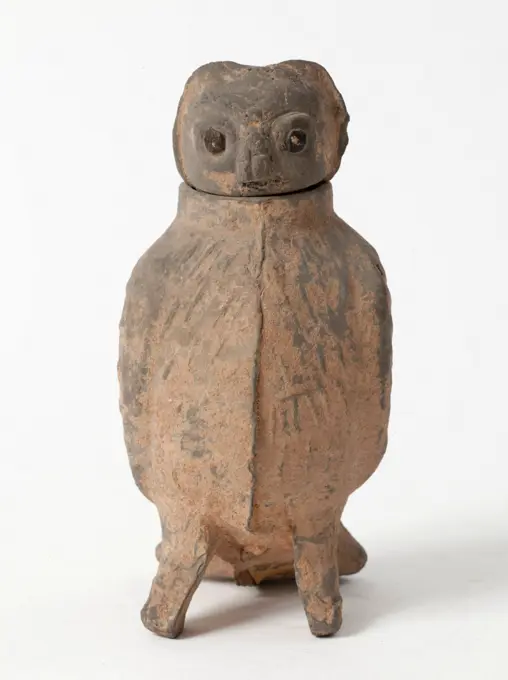
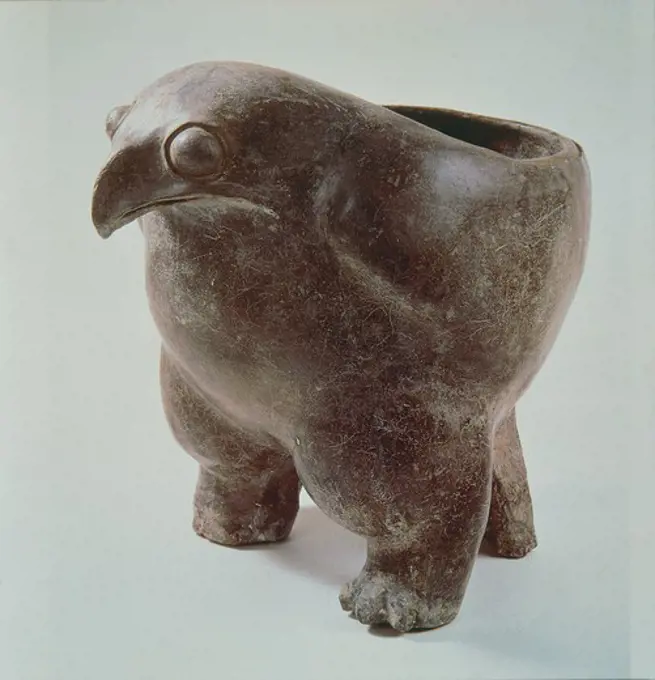
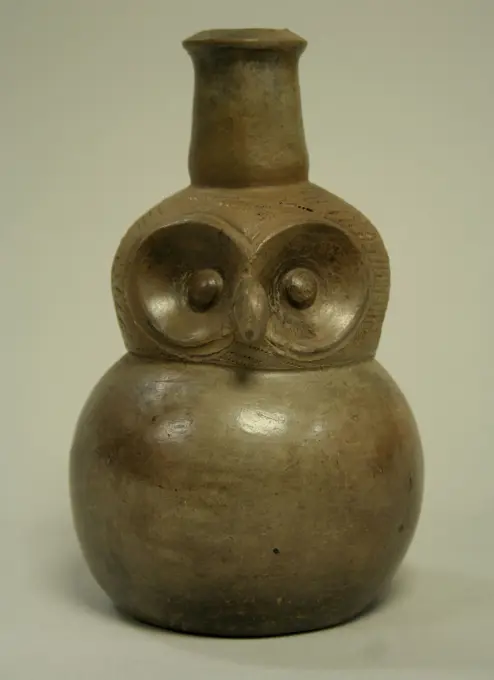
Hibou-shaped container ". Han Dynasty (206 BC-220 AD). Paris, Cernuschi Museum. Chinese art, Chinese ceramic, cover, head cover, han dynasty, han time, owl, container, terracotta
4409-17376848
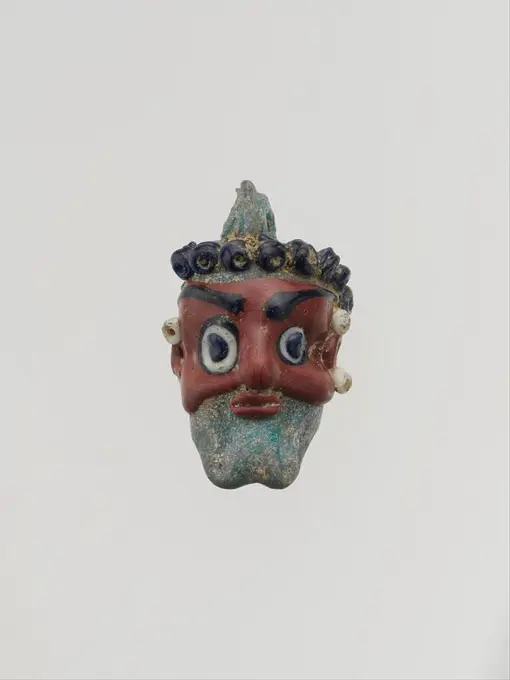
Glass head pendant. Culture: Phoenician or Carthaginian. Dimensions: 1 7/16 × 7/8 × 3/4 in. (3.6 × 2.3 × 1.9 cm). Date: 5th century B.C..Semi-opaque turquoise blue, with additions in opaque white and brownish red, and translucent cobalt blue.Cylindrical with large rod hole at bottom, flattened on back and indented on top; horizontal rounded edge at back, front projecting downwards; applied suspension loop on top of head.Applied row of small curls across forehead in cobalt blue; upper half of face in red, with long blue eyebrows and blue and white stratified eyes; forked beard in turquoise blue with lips and ears in red, and earrings above and below ear in white.Intact, but missing curls on proper right side of forehead and lower blob of right earring; dulling, slight pitting, and some encrustation. Museum: Metropolitan Museum of Art, New York, USA.
4409-17356433
Vase decorated with human head. Ceramics, Zapotec culture (Monte Alban III). Early and Middle Classic Period (100-700 AD). Mexico. Museum of the Americas. Madrid, Spain.
4409-17355730
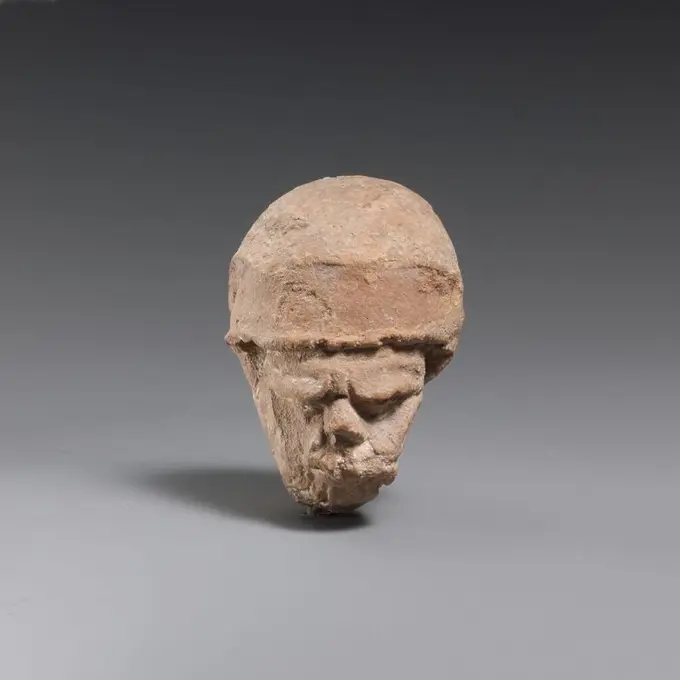
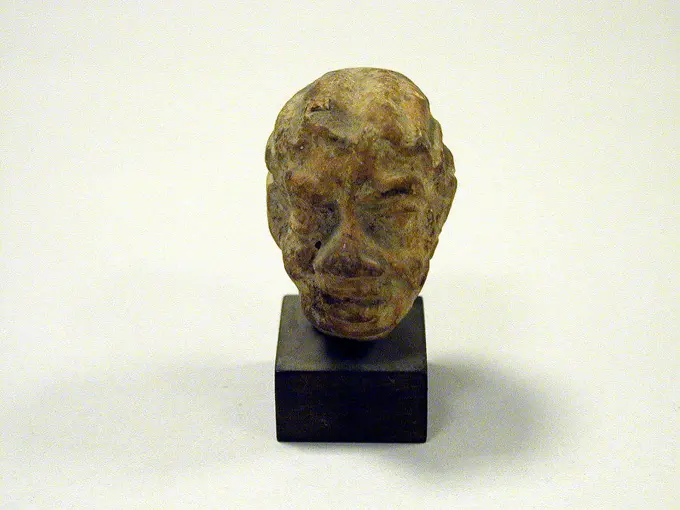
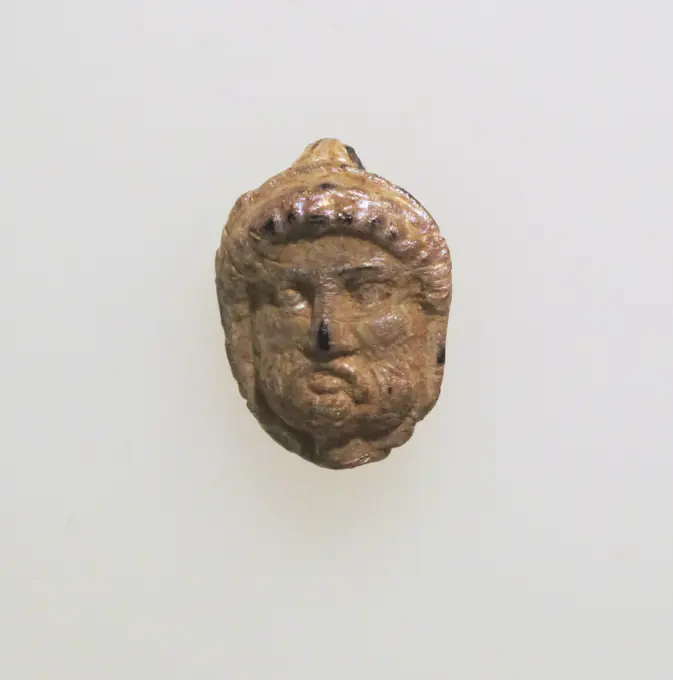
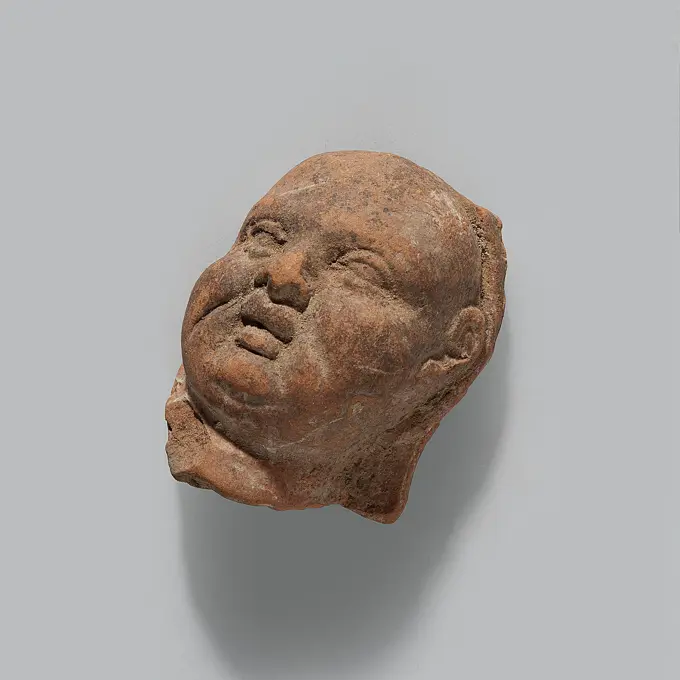
Terracotta head of a grotesque man. Culture: Greek. Dimensions: H. 1 1/2 in. (3.8 cm). Date: 3rd-1st century B.C..With heavy brow and head-covering cap. Museum: Metropolitan Museum of Art, New York, USA.
6145-29079371
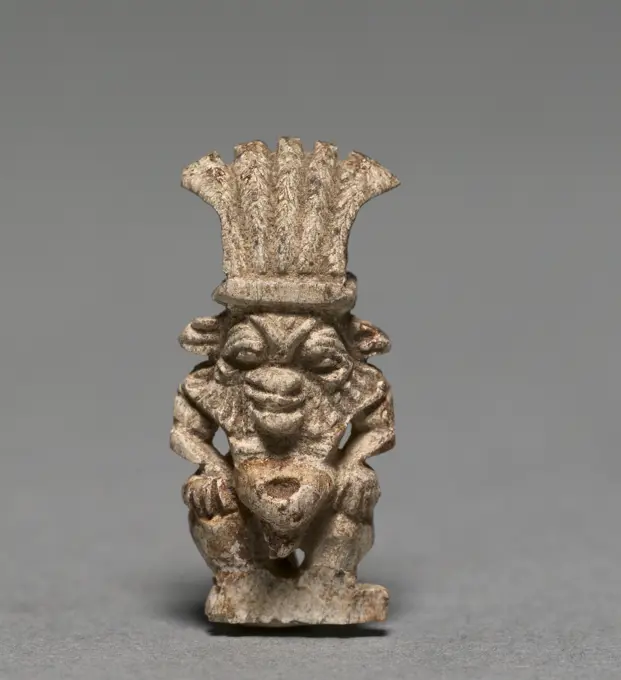
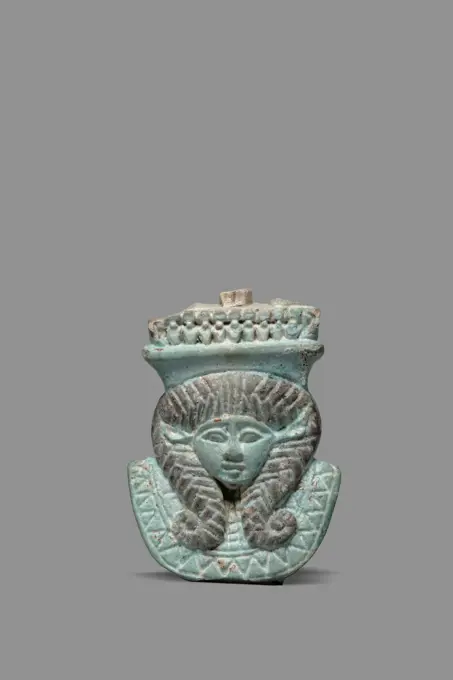
Amulet of Bes, 525-332 BC. Egypt, Late Period, Probably Dynasty 27--Second Persian Period. Gray steatite; overall: 2.8 cm (1 1/8 in.).
6145-29806238
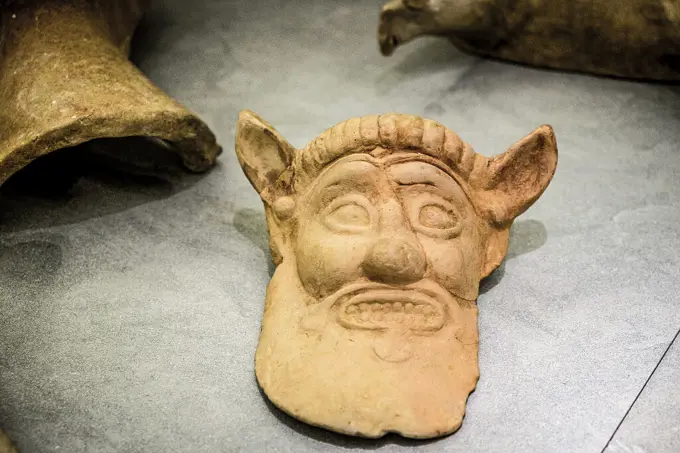
Mask of a satyr Greek. Mask of a satyr 248425
6145-29068291
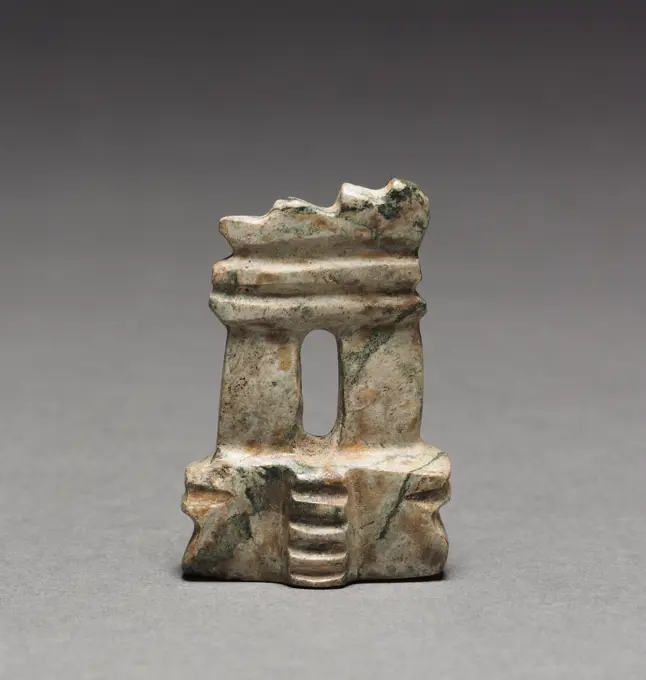
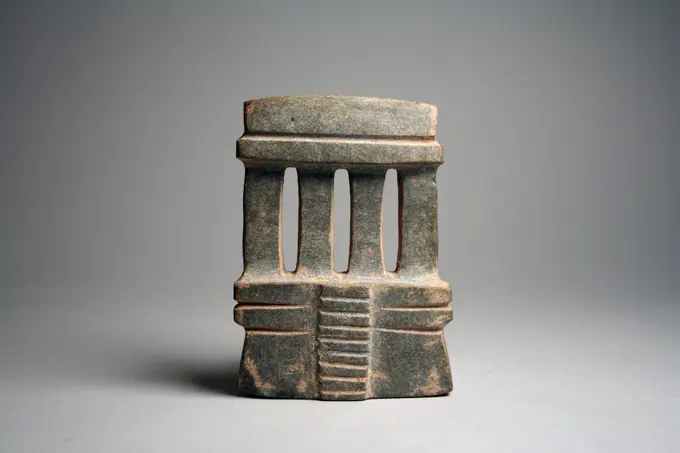
Architectural Model, 100 BC - 300. Mexico, Guerrero, Mezcala. Serpentine; overall: 4.9 x 3.2 x 1.1 cm (1 15/16 x 1 1/4 x 7/16 in.).
6145-29781214
Bronze handle attachment 2nd century A.D. Roman The handle once decorated the side of a situla (wine bucket), and the wreathed mask in high relief may be identified as that of Dionysus.. Bronze handle attachment 246912
6188-68092980
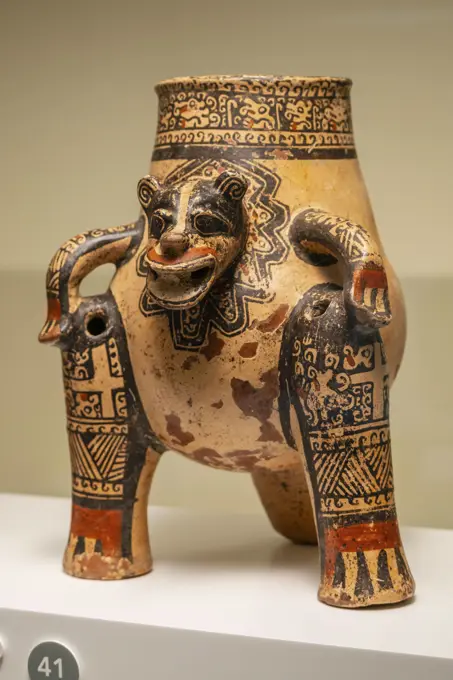
Dreibeinige Vase mit moderater Katze Tripod vase with moderate feline, great Nicoya, polychrome Pataki style, Nicaragua 11400 AD, polychrome ceramic, MuEC, Barcelona, Catalonia, Spain LicenseRF Copyright: xZoonar.com/Tolox 23171203
4409-17500891
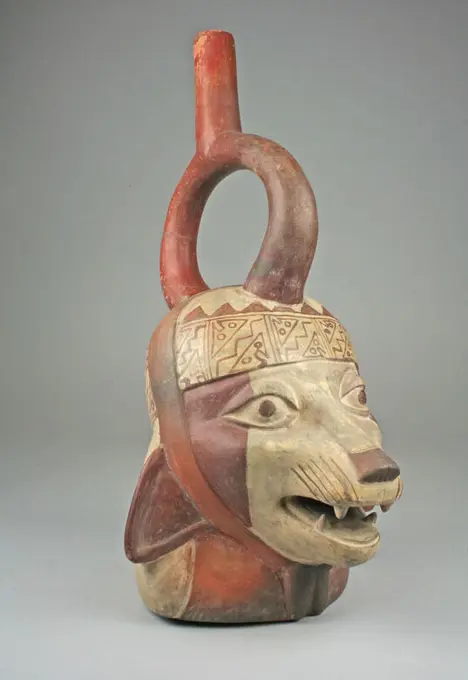
Fox Head Bottle. Culture: Moche. Dimensions: Overall: 12 1/4 x 6 1/2 in. (31.12 x 16.51 cm)Other: 6 1/2 in. (16.51 cm). Date: 5th-7th century. Museum: Metropolitan Museum of Art, New York, USA.
6145-29754600
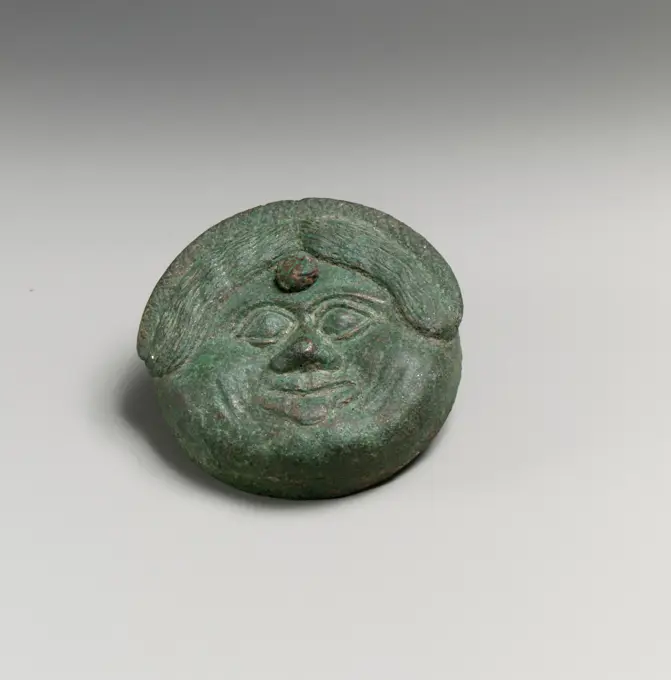
Fragments of a cart or chariot, sockets with Medusa masks ca. 500-480 B.C. Etruscan Large collection of bronze and iron attachments once belonging to a chariot.. Fragments of a cart or chariot, sockets with Medusa masks 253010 Etruscan, Chariot fragments, sockets with Medusa masks, ca. 500480 B.C., Bronze, Body diameter (1): 2 5/16 in. (6 cm) Body diameter (2/3): 1 7/8 in. (4.8 cm). The Metropolitan Museum of Art, New York. Fletcher Fund, 1929 (29.131.3d1d3)
4409-17378990
Faience two-sided amulet in the form of the dwarf god Pataikos. Culture: Egyptian. Dimensions: H.: 1 5/16 in. (3.3 cm). Date: ca. 1090-900 B.C..Amulet, Ptah-seker. Museum: Metropolitan Museum of Art, New York, USA.
6145-30177365
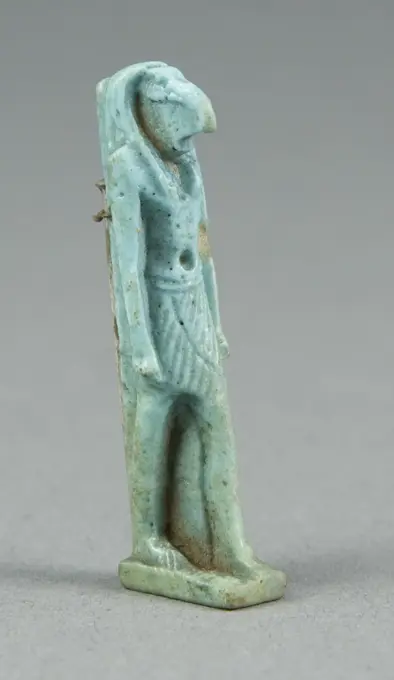
Amulet of the God Thoth 1070 BCE-656 BCE Egypt. Faience . Ancient Egyptian
6145-43629719
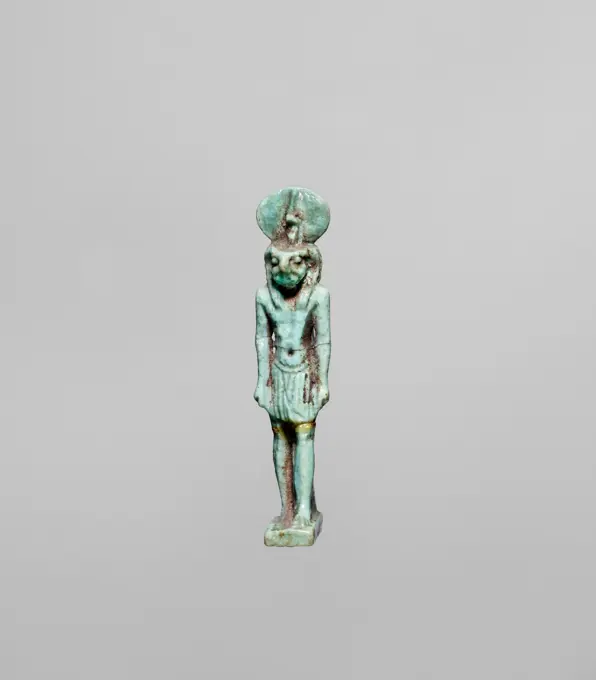
Amulet - bóg Re-Harachte. unknown, author
6145-29079567
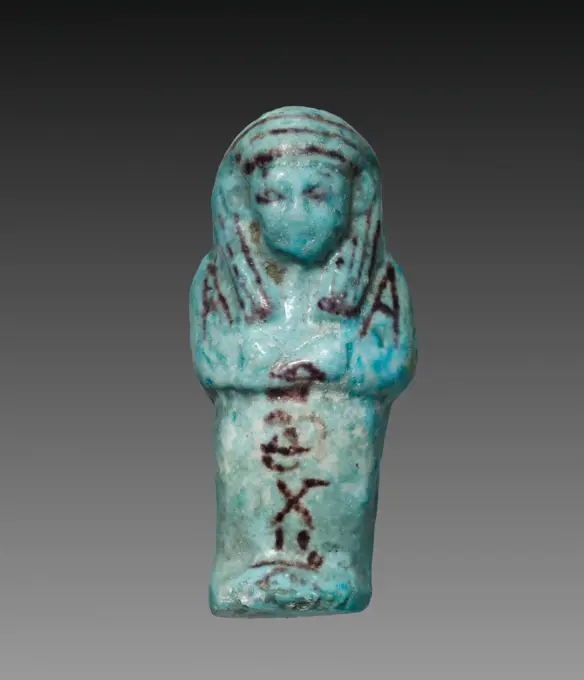
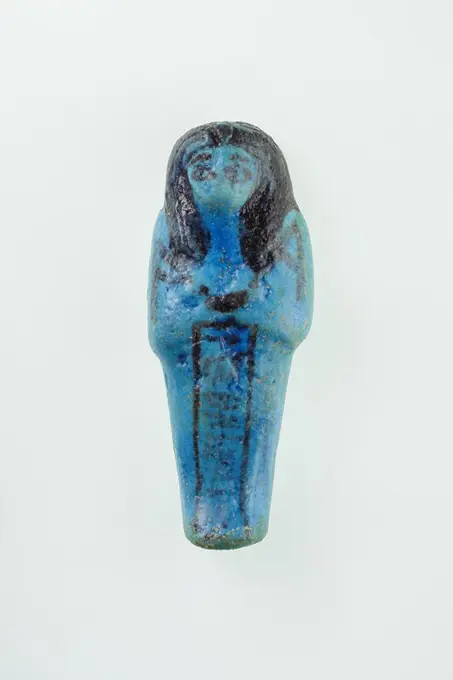
Shawabty of Payefadjer, 1000-945 BC. Egypt, Third Intermediate Period, late Dynasty 21 (1096-945 BC). Turquoise faience with purple decoration; overall: 9.2 x 4.1 x 2.4 cm (3 5/8 x 1 5/8 x 15/16 in.).
6145-46811820
Bullet Holder (Paru-Paru or Baba NiOnggang)
6145-29768725
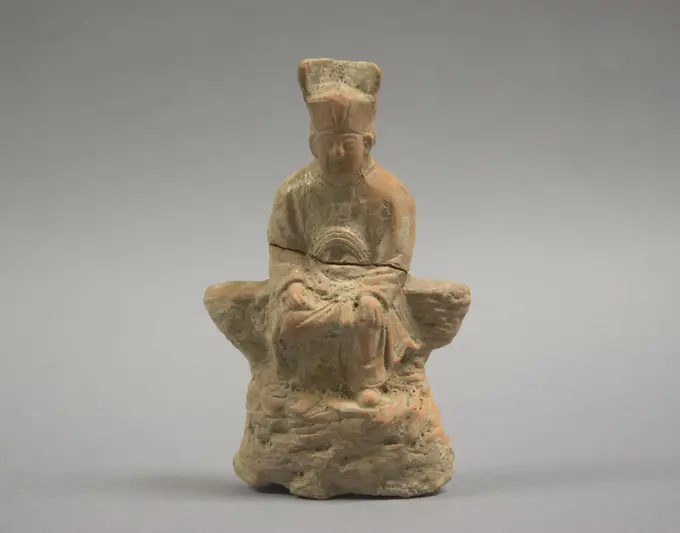
Figure of Seated Official China. Figure of Seated Official 61574
4443-28734276
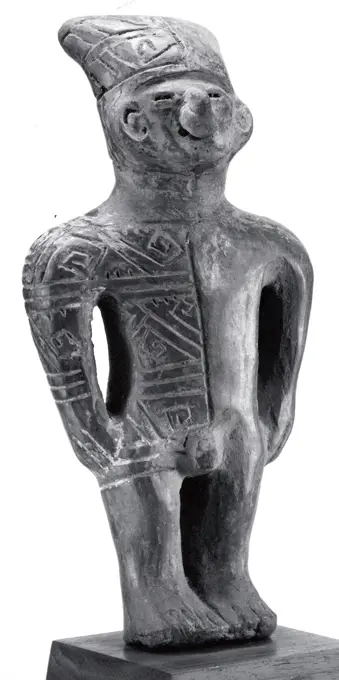
Standing female figure, 200-700, 4 5/8 x 2 1/8 x 1 in. (11.7 x 5.4 x 2.5 cm), Polychromed earthenware, Mexico, 3rd-8th century
6145-29083061
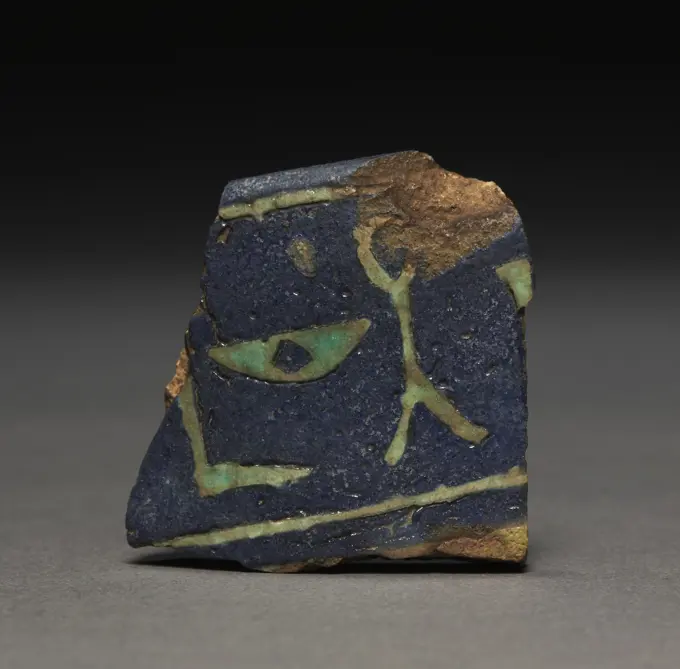
Fragment of a Bowl, Middle Kingdom or later. Egypt, Middle Kingdom or later. Faience; overall: 4.5 cm (1 3/4 in.).
6145-29139390
Ocarina 1300-1500 Tairona People; Gayraca style. Ocarina. Tairona People; Gayraca style. 1300-1500. Ceramic. Pre-Columbian. Sierra Nevada de Santa Marta, Colombia. Aerophone-Whistle Flute-vessel flute
6145-29758706
Face Mask Ornament 6th-7th century Moche (Loma Negra). Face Mask Ornament 314348
6145-43631745
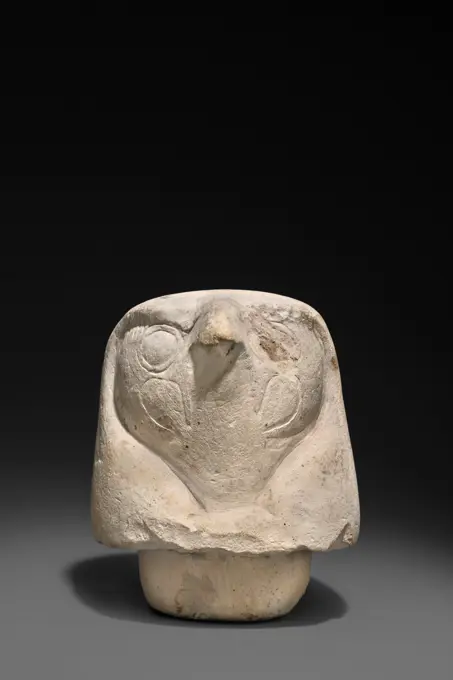
Pokrywa urny kanopskiej - głowa sokoła. unknown, author
6145-54680987
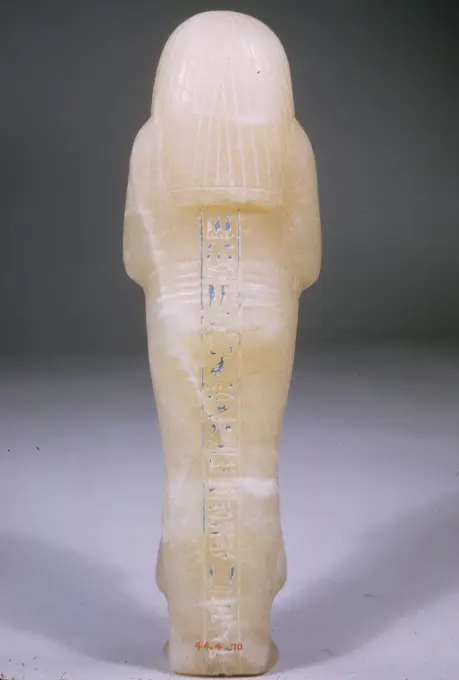
Shabti of Petosiris, son of Djedhor Late Period-Ptolemaic Period ca. 360-300 BC This small funerary figure (shabti) comes from the tomb of the Djedhor family, which contained the burials of Djedhor, his wife Nebtaihet, and their three sons. Petosiris, the owner of this shabti, was in one of the vaulted chambers along with his two brothers. The three coffins had been covered with sand, and the inhabitants canopic chests had been placed on top. Three of Petosiriss three hundred and eighty-five shabtis were in his coffin and the rest were scattered over the sand. All of Petosiriss shabtis are mummiform, and hold agricultural tools (a distinctively curved pick in the left hand, a hoe in the right, and a basket, held by a rope in the right hand, over one shoulder). Most were uninscribed, but thirty-six (for example, 02.4.110 bore his name, titles, and the name of his father Djedhor, along with lines from Spell 6 of the "Book of the Dead." This text promised that the shabti would carry out m
6145-59094060
Ok, baked;  XVIII-XIX century (1701-00-00-1900-00-00);
4409-5734
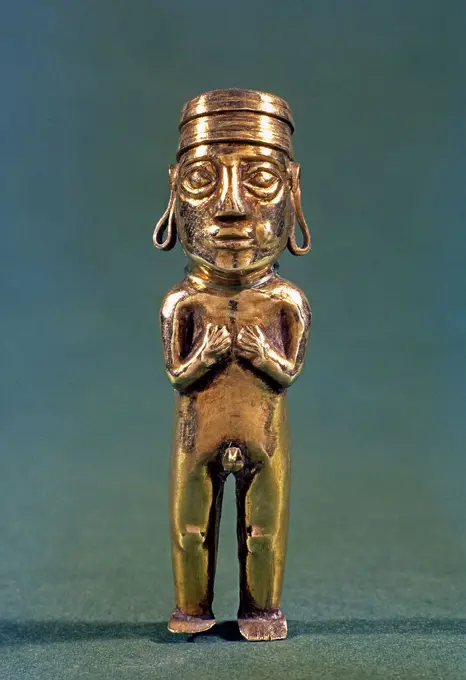
Pre-Columbian Art - Inca culture. High-ranking Peruvian dignitary or Inca Nobleman . 15th-16th centuries. Gold . Madrid, Museum of America, Larrea Collection. Location: MUSEO DE AMERICA-COLECCION. MADRID. SPAIN.
6145-45912701
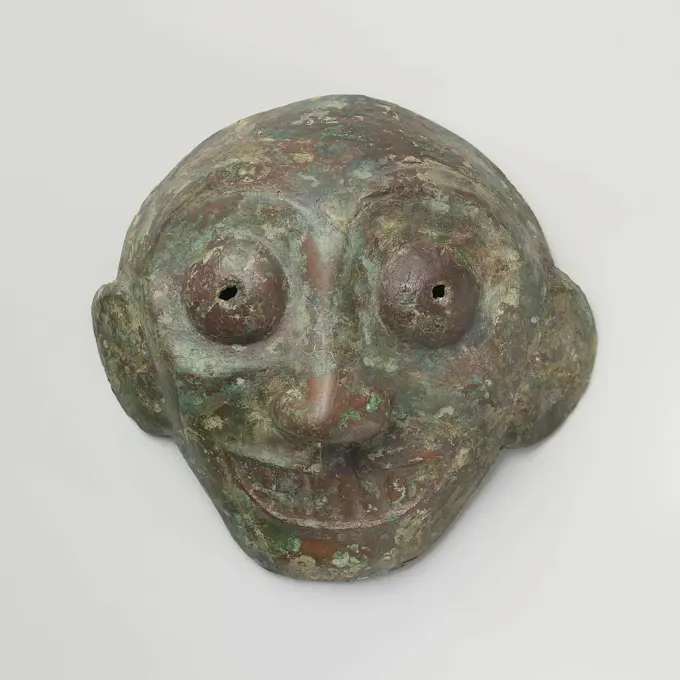
Ornament for a shield. Bronze human masks were affixed to shields as ornaments. Some are realistic in appearance, while others are more stylized, with grinning mouths and bulging eyes. The latter form came from south China and was adopted in the north as an exotic element.
4409-58752719
bronze parades with the head of a warrior with a wolf head headdress, necropolis of Piquia, Arjona, Iberian Museum of Jaén, Andalusia, Spain.
6145-46812575
Mask(Hudoq)
6145-29119185
Mask
4409-17434431
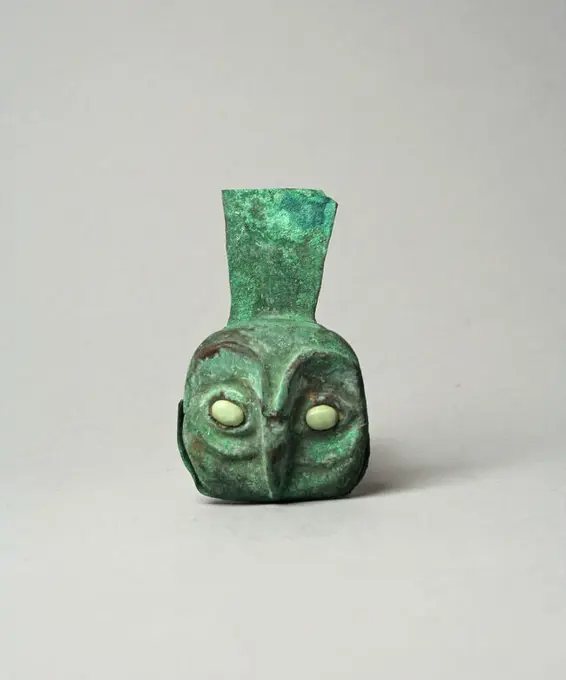
Owl Tab Ornament. Culture: Moche (Loma Negra). Dimensions: Length 2-9/16 in. (6.6 cm). Date: 390-450. Museum: Metropolitan Museum of Art, New York, USA.
1746-19689047
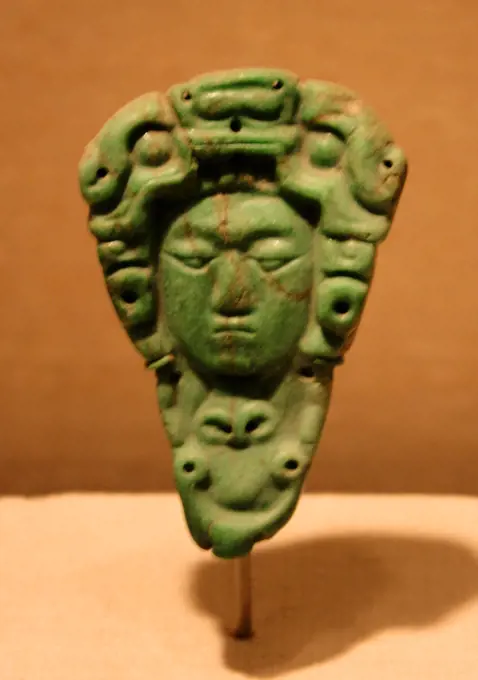
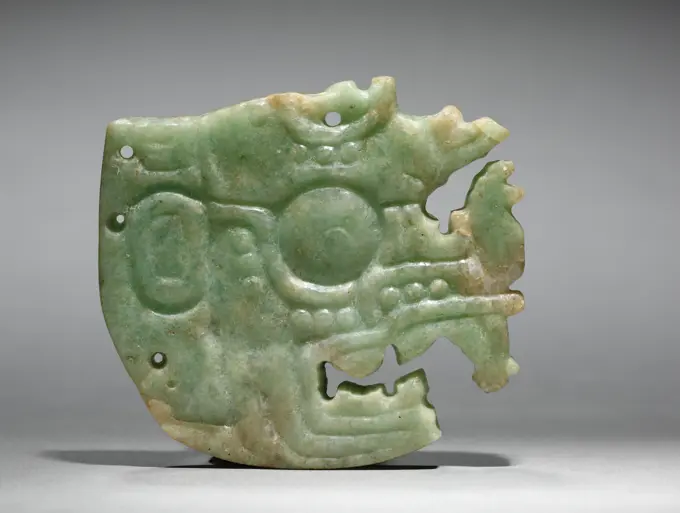
Jade mask of an anthropomorphic god, Mayan , Mexico AD 50-300
1788-39098
Prehistory, China, Neolithic. Yangshao culture. Tripod ding, black pottery food vessel shaped as an owl.
6145-29141530
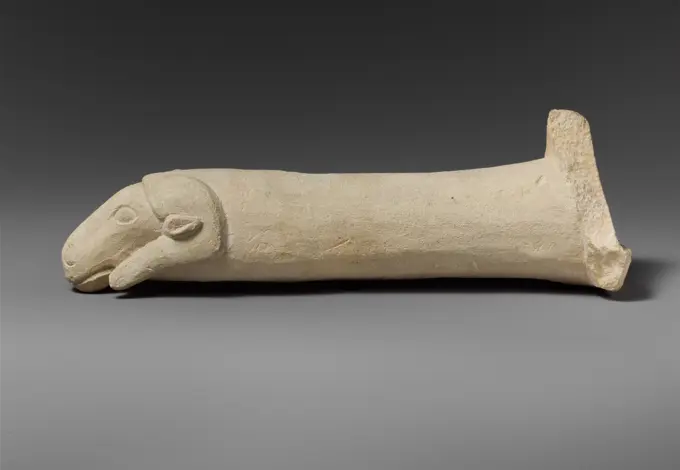
Limestone handle of a patera or a fire shovel ending in a rams head 5th century B.C. ? Cypriot Handle ending in a ram's head, with Cypriot inscription, "Heros dedicated it to Apollo.". Limestone handle of a patera or a fire shovel ending in a rams head 241921
1746-19665577
Head Pendant. Mexico or Guatemala; Maya 5th-6th century. Jade.
4409-17428191
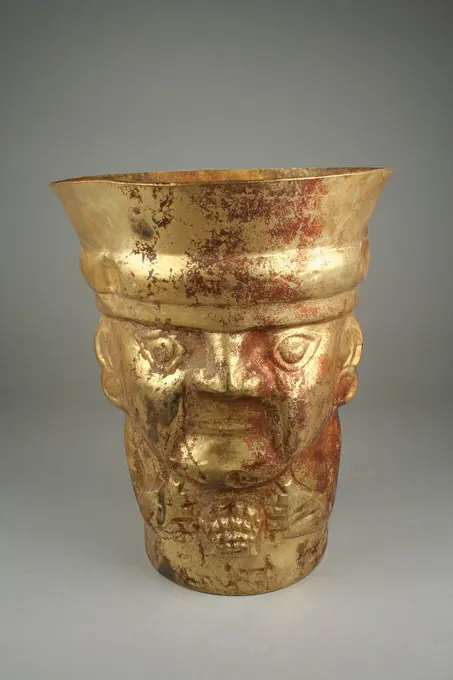
Beaker, Figure with Shell. Culture: Lambayeque (Sicán). Dimensions: H. 10 x Diam. 8 in. (25.4 x 20.3 cm). Date: 9th-11th century.Gold beakers, both plain and ornamented with embossed designs, were markers of status and authority on Peru's north coast in the centuries before the rise of the Inca Empire. This vessel was sculpted in the shape of the torso and head of an individual wearing a cap and holding a shell. One side of the beaker features the embossed face and hands, while the other side is rendered as the back of the individual's head. The figure wears round ear ornaments, and the hair, on the back of the vessel, is rendered in two layers; the longer layer is decorated at the bottom with a row of disks. Two wide bands with a chevron pattern hang down from the cap over the hair, meeting in a central medallion of two concentric circles surrounded by seven smaller ones. The shell depicted between the hands of the figure is most likely Spondylus, a bivalve found in the warm tropica
6145-29185576
Worker Shabti of Nany ca. 1050 B.C. Third Intermediate Period See 30.3.26.1a, b. Worker Shabti of Nany 625752
6145-59035440
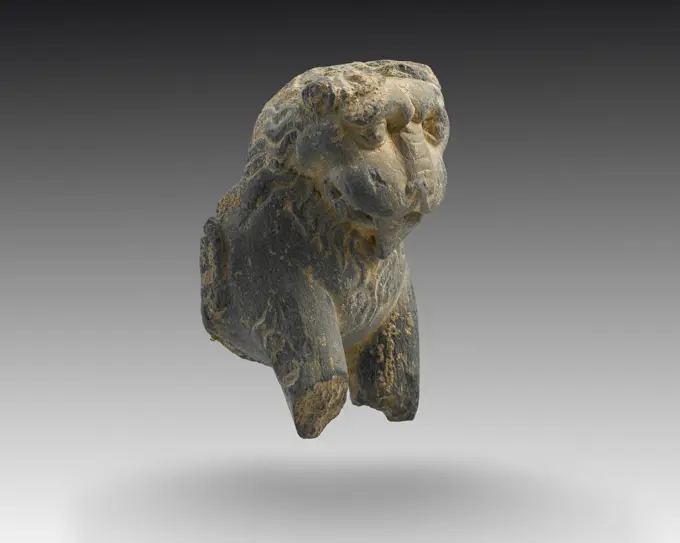
Lion protomed (common name), 0100. Dense black stone. Cernuschi Museum, Asia Museum of Asia in the city of Paris.
6145-29077720
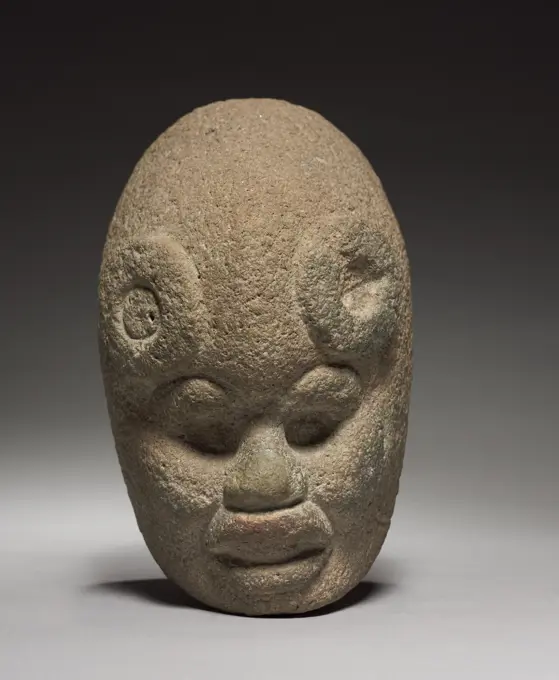
Head, 600-1100. Mexico, Classic Veracruz (Totonac or Tajin). Stone; overall: 25 x 15.8 x 16.5 cm (9 13/16 x 6 1/4 x 6 1/2 in.).
4409-17552060
Stamp Depicting a Plant-like Motf. Possibly Zapotec or Aztec (Mexica); Mexico. Date: 1000-1500. Dimensions: 5.7 × 2.9 cm (2 1/4 × 1 1/8 in.). Ceramic with pigment. Origin: Mexico. Museum: The Chicago Art Institute, Chicago, USA.
4409-17433916
Worker Shabti of Nany. Dimensions: H. 8.7 × W. 3.4 × D. 2.2 cm (3 7/16 × 1 5/16 × 7/8 in.). Dynasty: Dynasty 21. Reign: reign of Psusennes I. Date: ca. 1050 B.C..See 30.3.27.1a, b. Museum: Metropolitan Museum of Art, New York, USA.
4409-58491837
Terracotta votive offering, Ibero-Roman culture, probably from the middle of the 1st century AD. Castellar de Santisteban, Iberian culture, Archeological Museum. Úbeda, Jaén province, Andalusia, Spain.
6145-29065953
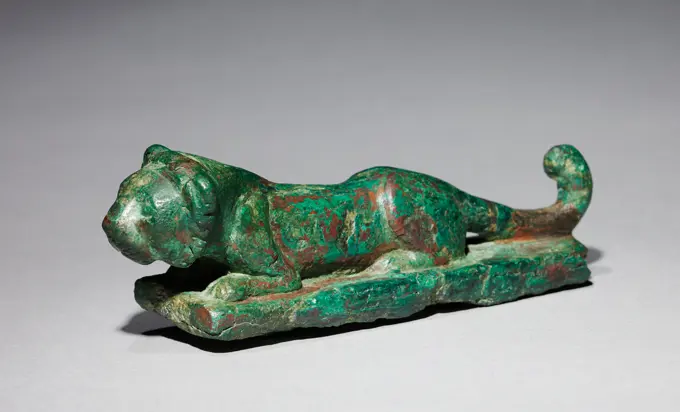
Lioness, c. 2100 BC. Sumerian, Iraq, c. 2100 BC. Copper alloy, lost-wax cast; overall: 4.2 x 3.1 x 13.3 cm (1 5/8 x 1 1/4 x 5 1/4 in.).
6145-43638148
Dostojnik. unknown, craftsman
4443-28735948
Tomb Figure, c. 600, 7 3/8 x 2 1/8 x 2 1/2in. (18.7 x 5.4 x 6.4cm), Polychromed earthenware, China, 6th-7th century
6145-52954151
Shabti of Shedkhonsu Third Intermediate Period ca. 1070-664 B.C. View more. Shabti of Shedkhonsu. ca. 1070-664 B.C.. Pottery, paint. Third Intermediate Period. From Egypt, Upper Egypt, Thebes, Sheikh Abd el-Qurna, Tomb of Senimen (TT 252), MMA excavations, 1930-31
6145-29827678
Standing Ceramic Male Figure 6th-11th century Manteño. Standing Ceramic Male Figure 314172
6145-29193205
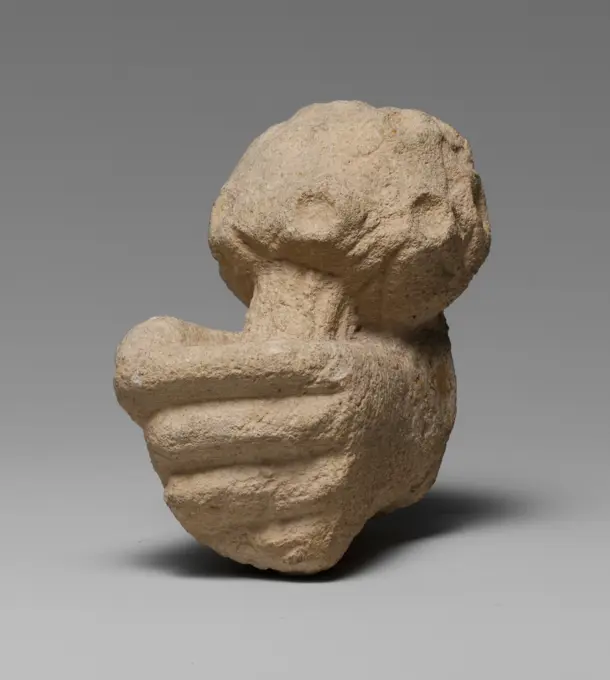
Limestone statue fragment of a left hand holding a bunch of daisies ca. 500-450 B.C. Cypriot The small left hand holds a bunch of narcissus.. Limestone statue fragment of a left hand holding a bunch of daisies 242268
6145-29115901
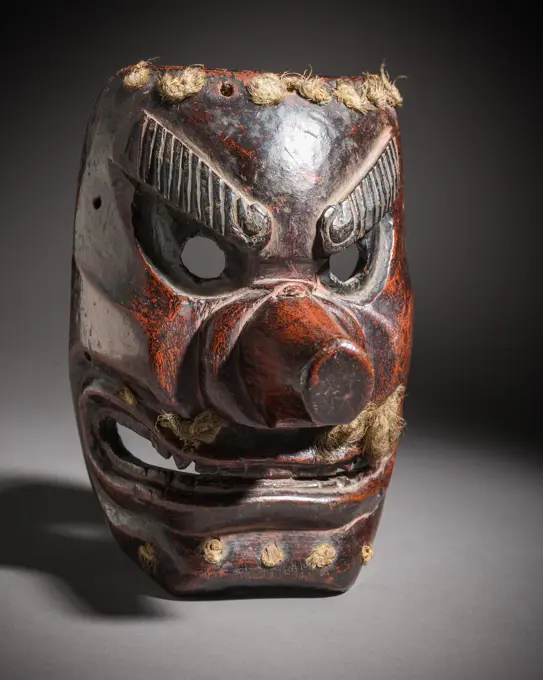
Long-nosed Mask. Japan, Edo period (1615-1868). Jewelry and Adornments; masks. Wood, red and black lacquer, hemp palm fiber
6145-29733196
Part of a Mirror Handle depicting Bes ca. 1550-1295 B.C. New Kingdom. Part of a Mirror Handle depicting Bes. ca. 1550-1295 B.C.. Faience. New Kingdom. From Egypt. Dynasty 18
4409-17399148
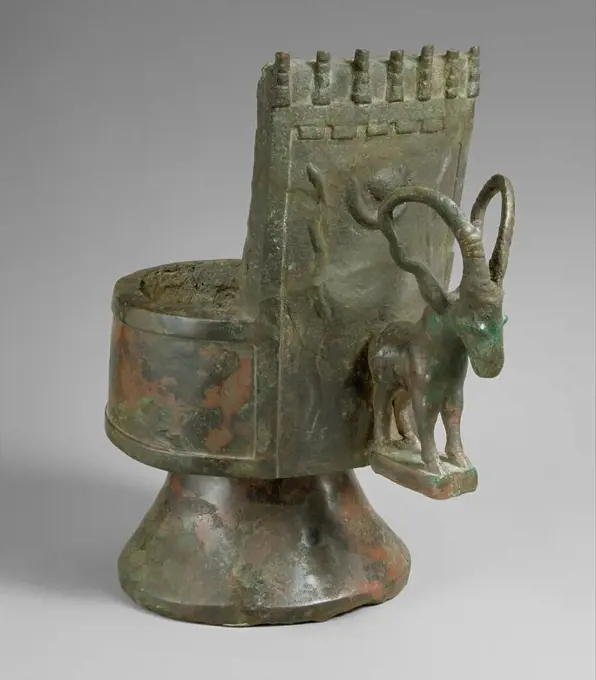
Incense burner. Dimensions: H. 10 7/8 × W. 9 5/16 × D. 9 1/8 in. (27.7 × 23.7 × 23.2 cm)Base: 5 13/16 in. (14.8 cm)Lip diameter: 6 9/16 in. (16.6 cm). Date: ca. mid-1st millennium B.C..This bronze incense burner from southwestern Arabia consists of a cylindrical cup set on a conical base. A rectangular architectural form suggesting a facade extends upward from the cup's front. Its face is decorated with two serpents flanking a round disk set within a crescent, all in low relief. Cast separately, an ibex standing on a plinth projects from the front of the incense burner and may serve as a handle.From the middle of the first millennium B.C. until the sixth century A.D., the kingdoms of southwestern Arabia gained considerable wealth and power through their control of the trade in incense between Arabia and the lands of the Mediterranean seacoast. Frankincense and myrrh, gum resins that are native to southern Arabia, were widely valued in the ancient world for the preparation of incens
1746-19700453
Bronze age red pottery from Cyprus, circa 1900-1600 BC
6145-29196574
Shabti of Harnakht ca. 688-332 B.C Late Period. Shabti of Harnakht. ca. 688-332 B.C. Pale green faience. Late Period. From Egypt. Dynasty 26-30
4409-17276878
OBJETO DE ORO REPUJADO - COLECCION LARREA - ORFEBRERIA INCA - ARTE PRECOLOMBINO. Location: MUSEO DE AMERICA-COLECCION. MADRID. SPAIN.
6145-29081659
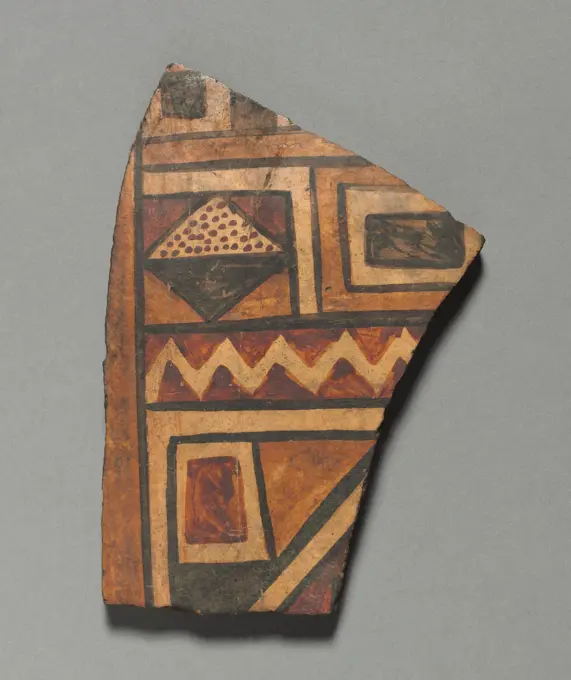
Fragment, 1400-1532. Peru, Inca, 1400-1532 AD. Pottery; overall: 1.2 x 10.5 x 7.5 cm (1/2 x 4 1/8 x 2 15/16 in.).
4409-17435014
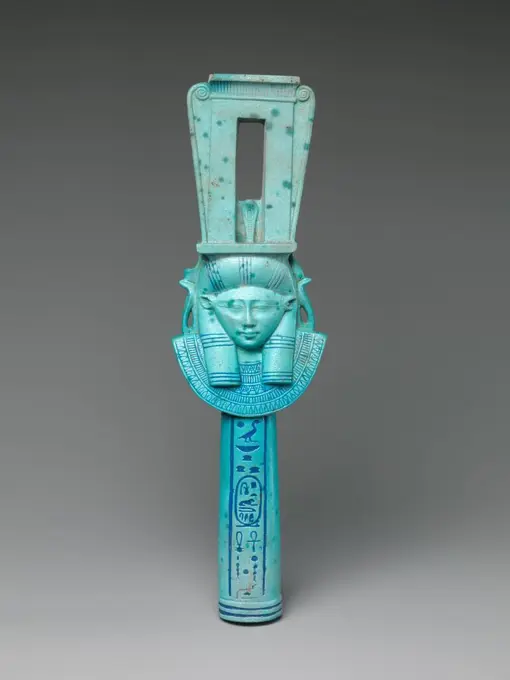
Faience Sistrum Inscribed with the Name of Ptolemy I. Dimensions: H. 26.7 cm (10 1/2 in.); W. 7.5 cm (2 15/16 in.); D. 3.7 cm (1 7/16 in.). Date: 305-282 B.C..Sistra were musical instruments associated especially with the cult of great goddesses, including Hathor, Isis, Bastet, and others. Faience examples bearing a royal name appear to have been temple offerings. Museum: Metropolitan Museum of Art, New York, USA.
6145-29119797
Single Spouted Jar in form of Male Head
6145-46850786
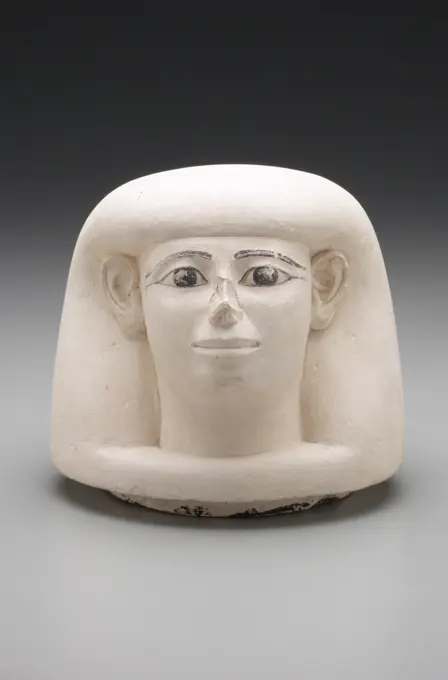
Canopic jar lid in form of humanhead
4443-28736773
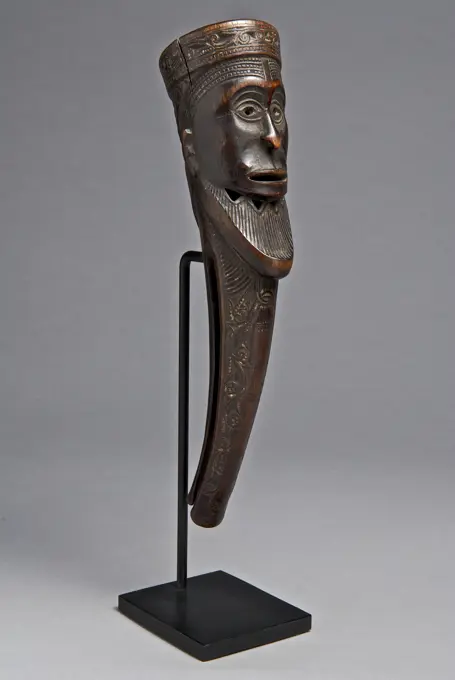
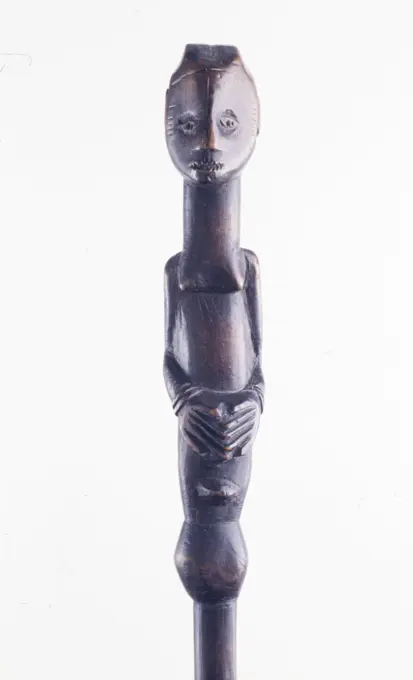
Staff, 19th-20th century, 36 1/2 x 1 15/16 x 2 3/16 in. (92.7 x 4.9 x 5.6 cm), Wood, metal, Democratic Republic of the Congo, 19th-20th century
6145-52953959
Shabti of Petosiris, son of Djedhor Late Period-Ptolemaic Period ca. 360-300 BC View more. Shabti of Petosiris, son of Djedhor. ca. 360-300 BC. Faience. Late Period-Ptolemaic Period. From Egypt, Northern Upper Egypt, Abydos, Cemetery G, Petrie Tomb 50 (Djedhor), Egypt Exploration Fund excavations. Dynasty 30 or later
6145-29794985
Terracotta head of an old woman 2nd-1st century B.C. Greek, Asia Minor, Smyrna Head of an old woman, grotesque.. Terracotta head of an old woman. Greek, Asia Minor, Smyrna. 2nd-1st century B.C.. Terracotta. Late Hellenistic. Terracottas
6145-29116961
Theater Mask. Egypt, 305 BCE - 337 CE. Jewelry and Adornments; masks. Terracotta
6145-29168611
Glass double-headed pendant late 4th-3rd century B.C. Punic Translucent cobalt blue, with loop in same color.Oval disk; applied small suspension loop trailed on at top on one side of mold with horizontal hole. Vertical mold seams visible at sides. Vertical hole driven into disk from below.On each face of disk, identical male head in relief facing front, with crown of hair, drooping moustache, and thick beard extending onto cheeks.Intact; almost completely covered with creamy weathering and faint iridescence.. Glass double-headed pendant. Punic. late 4th-3rd century B.C.. Glass; cast in a two-part mold and trailed. Early Hellenistic. Glass
6145-45551858
Head of a Woman
6145-48858081
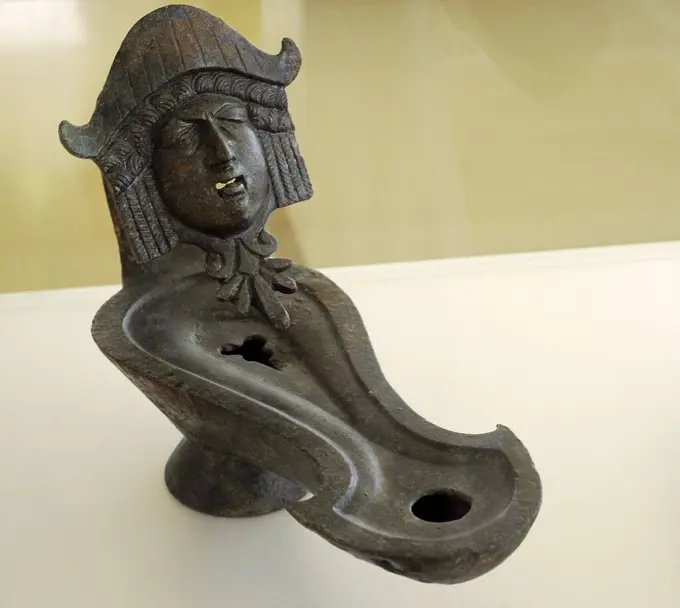
Lamp. Unknown
6145-29083741
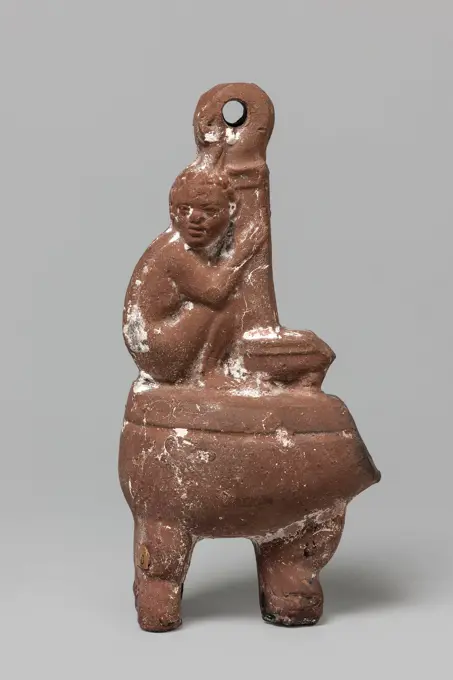
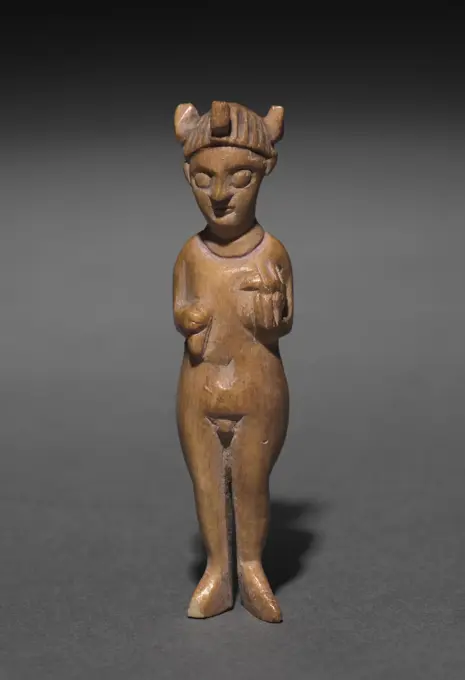
Figurine, 1-200. Parthian, 1st-2nd Century. Bone; overall: 5.8 cm (2 5/16 in.).
6145-29066810
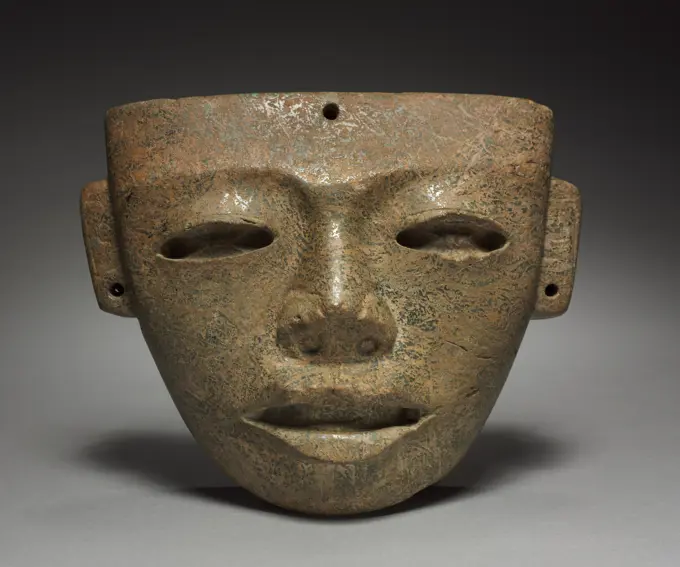
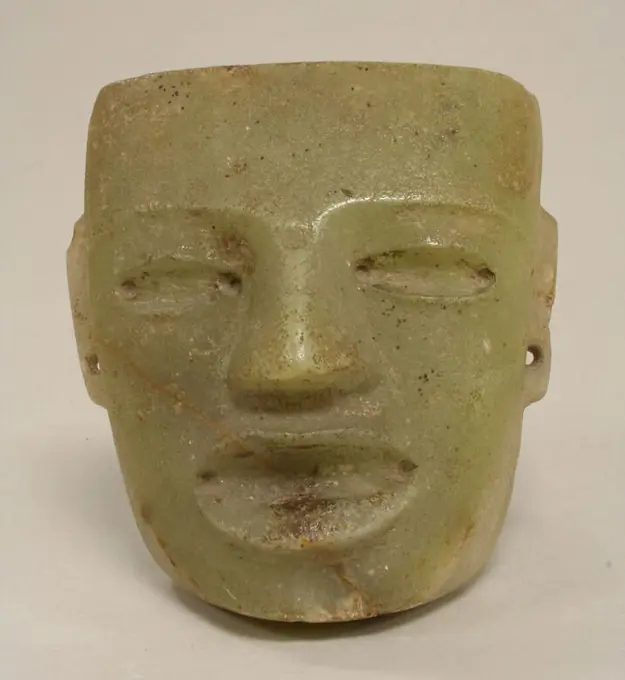
Mask, AD 1-550. Central Mexico, Teotihuacán, Classic Period. Greenstone; overall: 19 x 23.2 x 9.8 cm (7 1/2 x 9 1/8 x 3 7/8 in.).
6145-43631195
Uszebti. unknown, author
6145-30398765
Head and Neck of a femalestatuette
6145-59066568
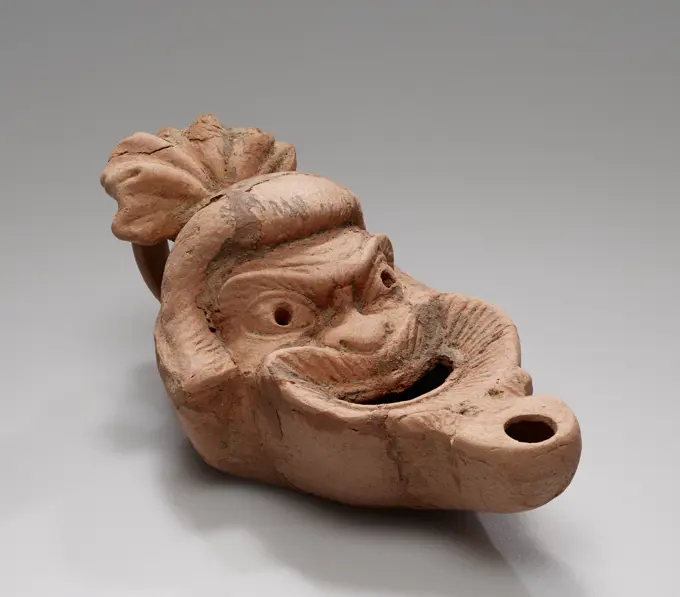
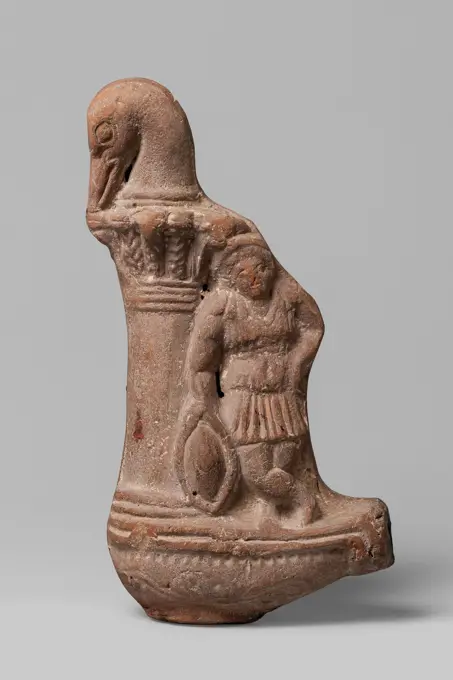
Lamp with the presentation of Athens-Neith ();  I -III century AD (1-00-00-300-00-00);Attys (Mitol.), Mitra (Mitol.), Phrygian hats, figurines, columns, figural lamps, Roman legionaries
1746-21129849
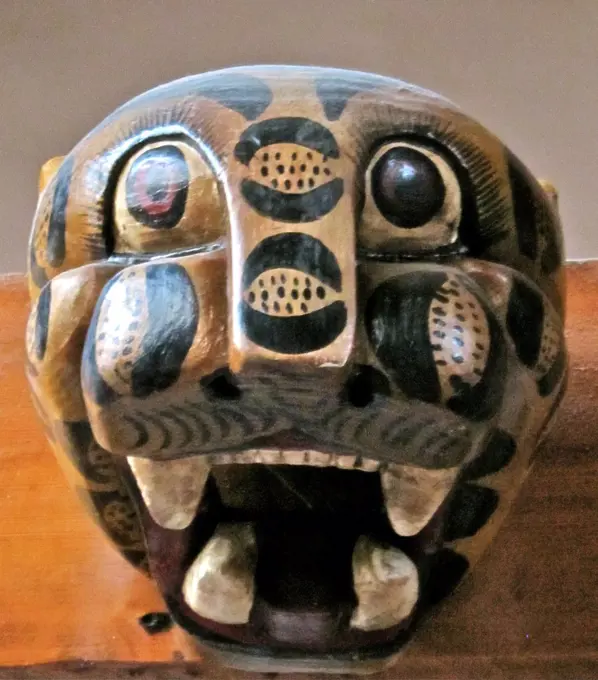
Mexican folk art: Jaguar head mask in carved and painted wood.
6145-59078471
Women's head - a fragment of the figurine;  III-II century BC () (-300-00-00--201-00-00);
6145-29785661
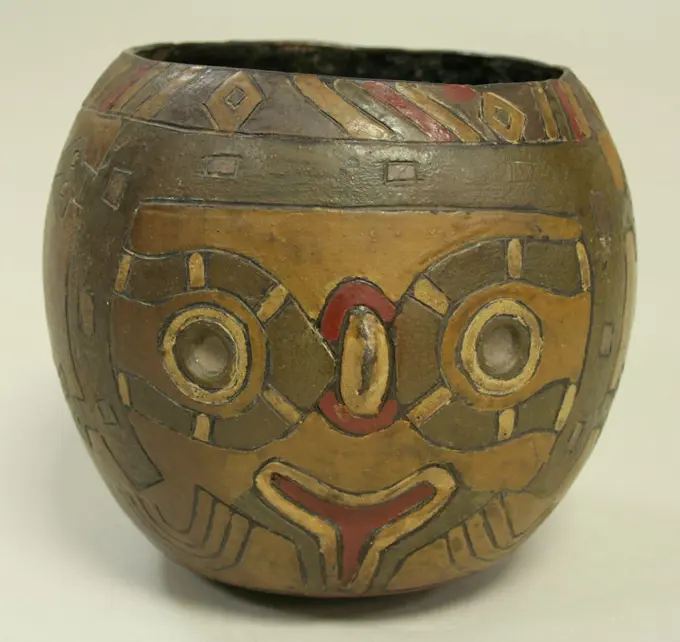
Bowl, Face 5th-4th century B.C. Paracas. Bowl, Face 308496
1746-21110898
Mayan Stone mask, Teotihuacan, Mexico 150 BC - AD 750
6145-30402361
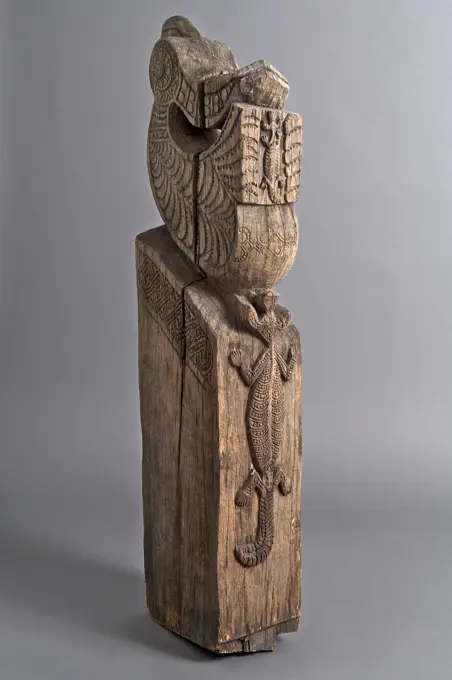
House Post or DoorJamb
4409-20137319
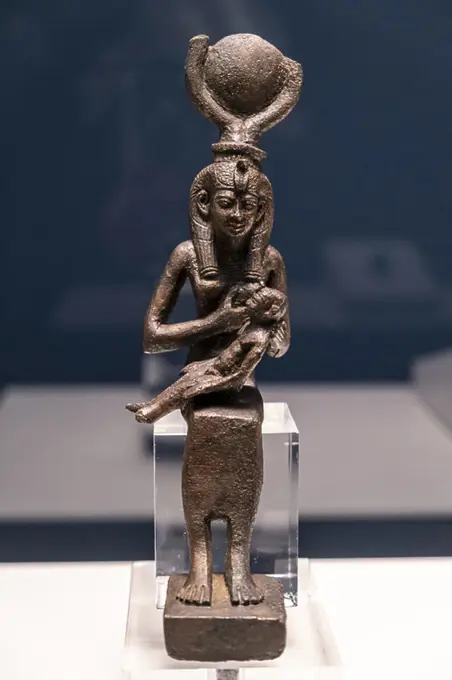
statuette of the goddess Isis with her son Horus, bronze, late period, Egypt, collection of the British Museum.
6145-29735470
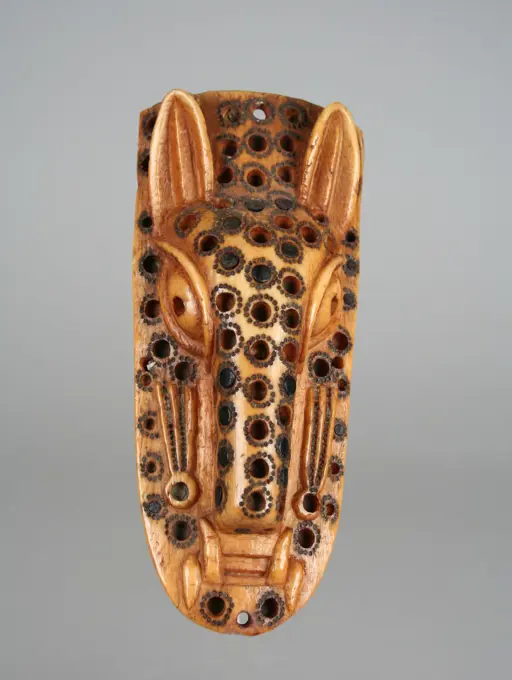
Orufanran Costume Attachment: Leopard Head 17th-19th century Yoruba peoples, Owo group The influence of Benin royal art is particularly apparent in Owo, a Yoruba kingdom that came under Benin control in the fifteenth century and again in the eighteenth. Located on the eastern edge of Yorubaland, Owo is almost equidistant from Benin and Ife, the Yoruba cultural and religious center from which the reigning dynasty in Benin traces its origin. Although some Owo artworks resemble the highly naturalistic brass and terracotta sculptures of Ife, the regalia of Owo's kings and chiefs is most like that of their counterparts in Benin. Owo is renowned for its ivory carving, and many of the ivory ornaments and cups made for Owo's rulers are similar in form or imagery to objects from Benin. The highest-ranking chiefs of Owo used ivory costume elements to demonstrate their exalted status. An interest in pattern and texture is seen in the many ivory ornaments such as this one attached to the Owo ruler
6145-59086288
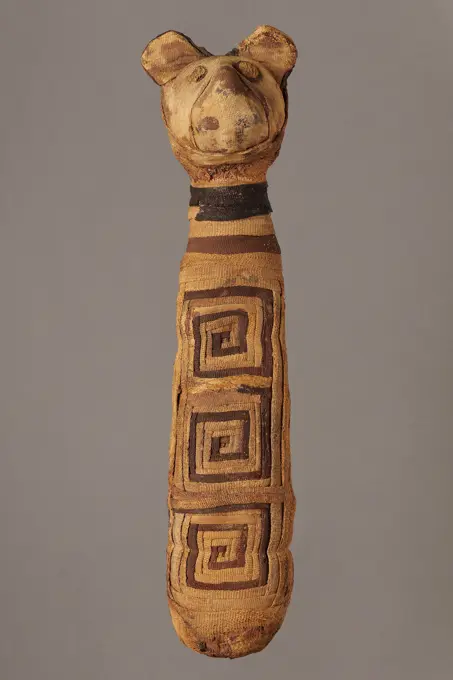
Cat's mummy;  30 B.C.-395 CE ; Roman period (395-00-00-395-00-00);
4409-17428745
Mask. Culture: Teotihuacan. Dimensions: Overall: 5 1/4 x 4 3/4 in. (13.34 x 12.07 cm)Other: 4 3/4 in. (12.07 cm). Date: 4th-8th century.There was no tradition of portraiture at the great central Mexico city of Teotihuacan, but masks depicting the human face are abundant in the style associated with the site. With its geometrically rendered horizontal brow, triangular nose, and oval mouth and eyes, this mask depicts the idealized facial type that seems to function as a symbol, similar to other standardized motifs present in the art of Teotihuacan. The depressions of the eyes and the mouth suggest that this mask, like many of its counterparts, might have originally possessed inlaid shell or stone for the depiction of eyes and teeth. Although the mask is carved out of onyx marble, a precious stone, in its original state it may have been painted like other masks of this type. Perforations at the sides suggest that it was intended to be attached to another object, but given the weight of
4443-28737487
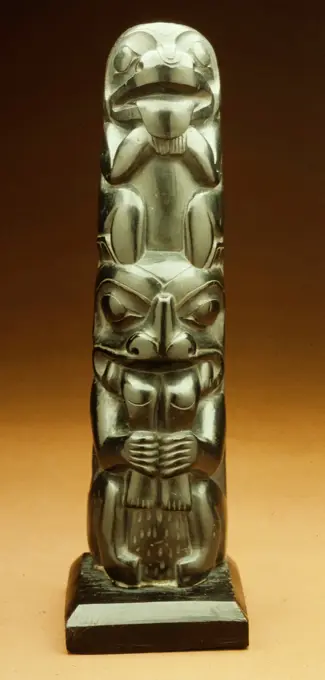
Miniature Totem Pole, late 19th century, 10 1/2 x 3 x 3 in. (26.7 x 7.6 x 7.6 cm), Argillite, United States, 19th century
1746-19692022
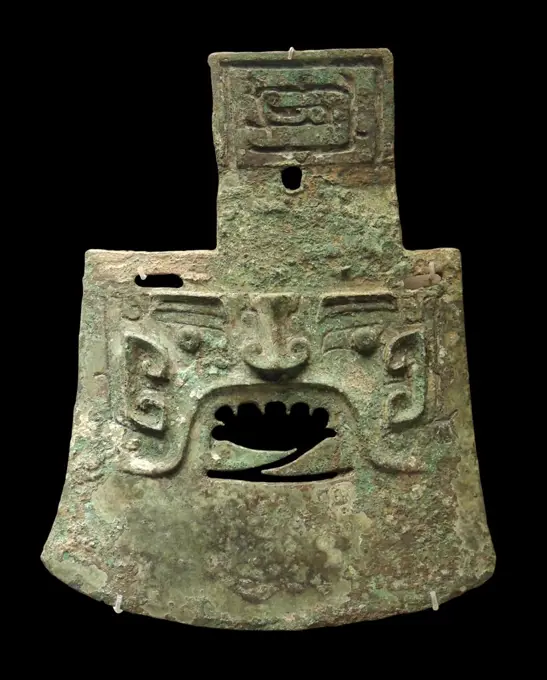
Ceremonial weapons. Bronze Axe, late Shang period, China 11th Century BC
6145-29721672
Figure Pendant 5th-10th century Tolima. Figure Pendant 316688
4409-17434140
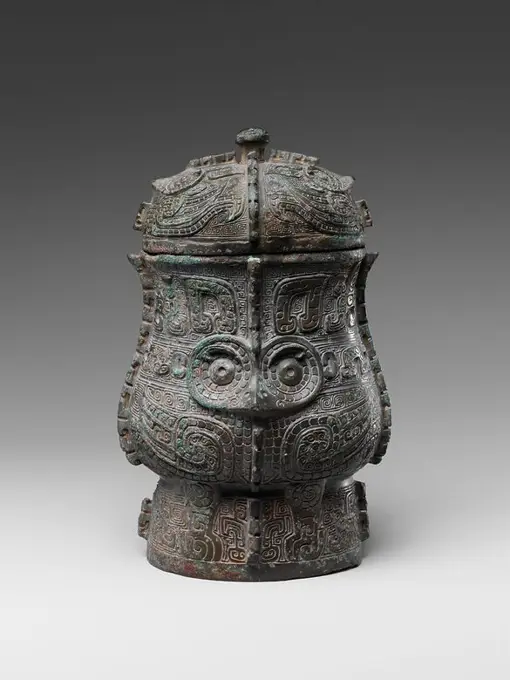
Wine Cup (Zhi). Culture: China. Dimensions: H. 7 in. (17.8 cm); W. 4 1/4 in. (10.8 cm); D. 3 3/4 in. (9.5 cm). Date: 13th century B.C..The principal decor on this vessel is a standing owl. Back-to-back owls also decorate the lid. Museum: Metropolitan Museum of Art, New York, USA.
1890-13471591
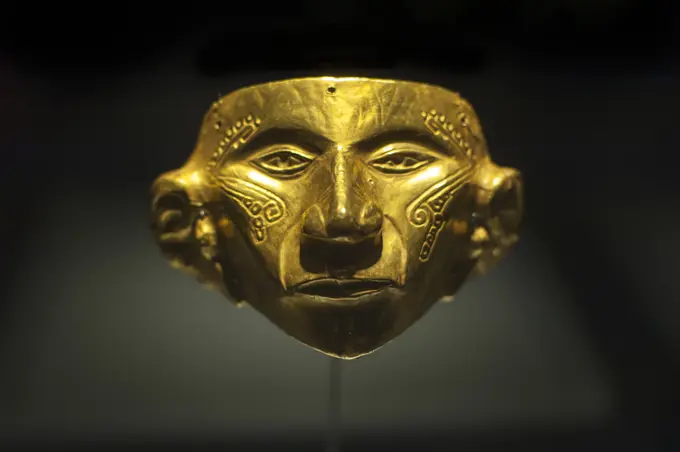
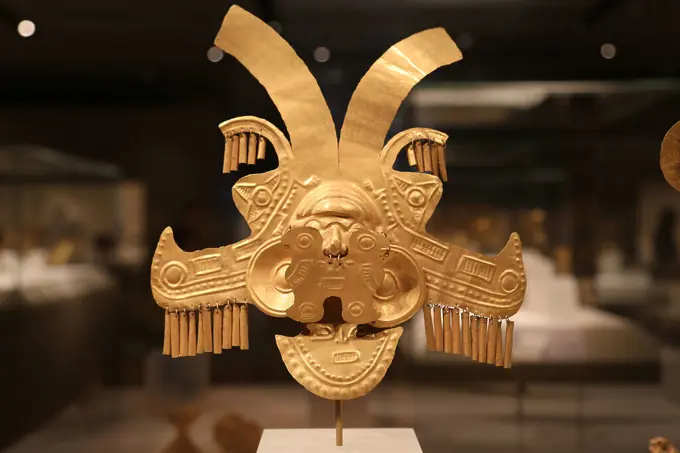
An ancient gold mask at the Museo Del Oro, Bogota, Colombia, South America
6145-29126411
Sculpture of Feathered Conch Shell
4409-17336652
Lamp. 1st-2nd century. Italic bronze imports, with geometric and figurative decorations. Piece from the Roman villa of La Llosa (Cambrils). Spain. National Archaeological Museum. Tarragona. Catalonia, Spain.
6145-59097844
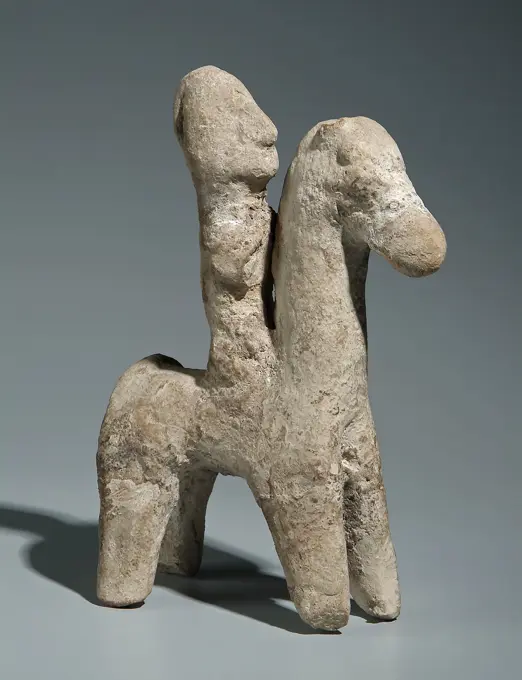
Figurine eating on a horse;  750-600 BC (-750-00-00--600-00-00);Sharing, CYPR
6145-29066172
Crown Ornament (Huunal), Maya style (250-900). Mexico or Central America, Maya style (250-900). Jadeite-albitite; overall: 6.7 x 0.7 x 7.5 cm (2 5/8 x 1/4 x 2 15/16 in.).
6145-29125054
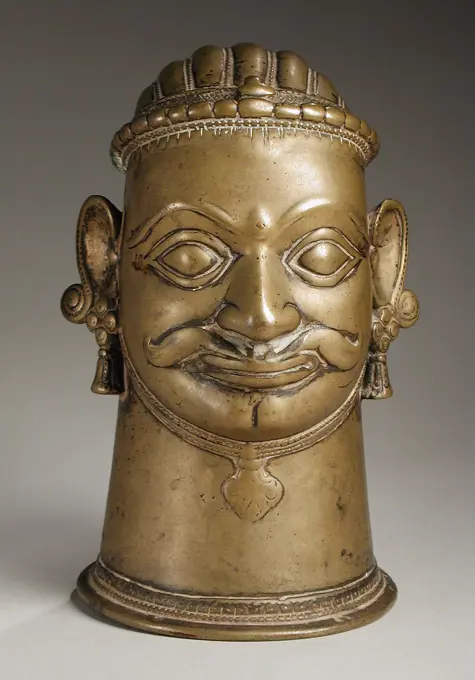
Shivalinga. India, Maharashtra, 17th century. Sculpture. Brass
6145-48845789
Pendant: Divinity Holding Hares. Unknown
6145-43646409
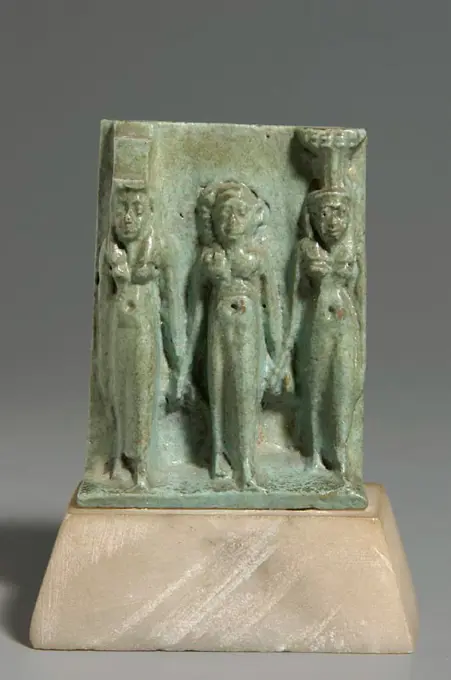
Amulet - plakietka z przedstawieniem Horusa dziecko, Izydy i Neftydy. unknown, author
6145-29067070
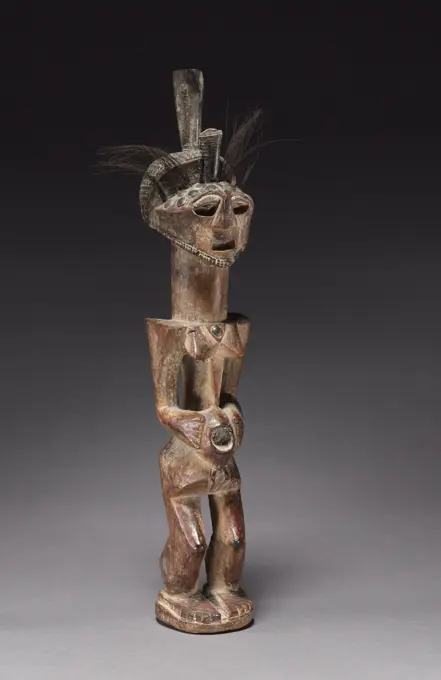
Female Figure, late 1800s-early 1900s. Africa, Democratic Republic of the Congo, Songye people. Wood, upholstery studs, antelope horns, and animal hair; overall: 34.8 x 6.2 x 14.5 cm (13 11/16 x 2 7/16 x 5 11/16 in.).
6145-29161374
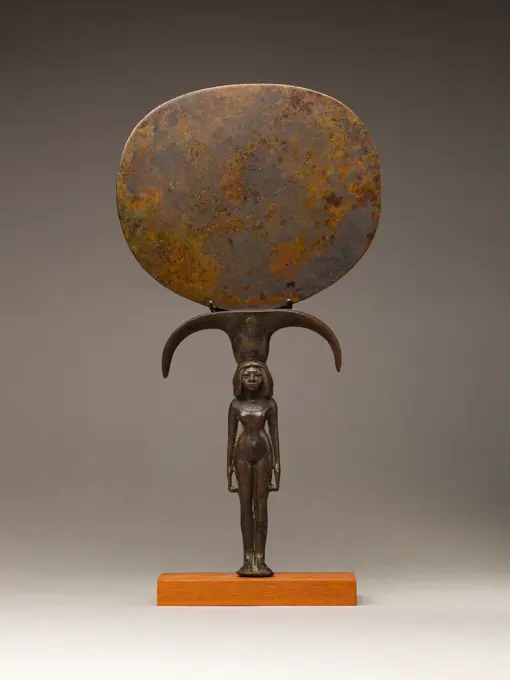
Mirror with a Handle in the Shape of a Young Woman ca. 1550-1391 B.C. New Kingdom. Mirror with a Handle in the Shape of a Young Woman 545895
6145-29185572
Worker Shabti of Nany ca. 1050 B.C. Third Intermediate Period See 30.3.26.1a, b. Worker Shabti of Nany 625749
6145-29832556
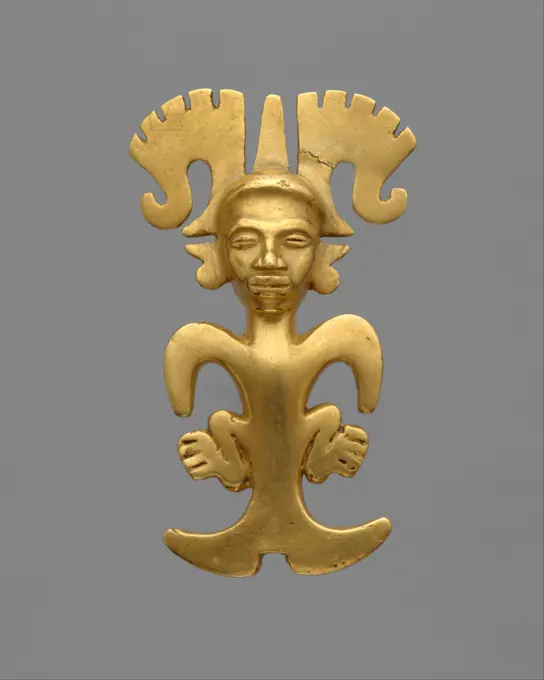
Stylized Figure Pendant 5th-7th century International Style Cast in gold over a core, this stylized anthropomorphic figure fluidly integrates human and animal traits. A realistic human face capped by a sweeping headdress extends forward from the abstract body. The generalized depictions of crouching legs, outspread wings, and notched fishtail may connote earth, sky, and sea. The pendant is part of a group of ornaments of uniform style and technology. Both the puzzling combination of elements from different creatures and the superbly finished surfaces set the pendants in the group apart from other Central American goldwork. The group is widely distributedthey are known from Colombia in the south to the Yucatán Peninsula in the northwhich has led to their "International Style" designation.. Stylized Figure Pendant 309422
6145-45531591
Head of a Woman
4443-28736698
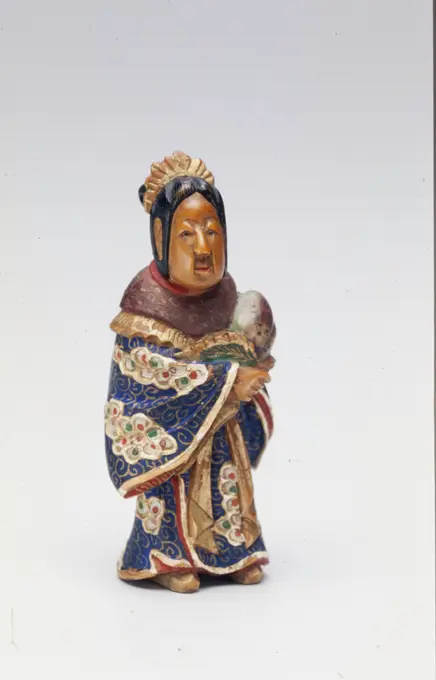
Netsuke Seiobo, early 20th century, Unknown Japanese, 2 3/16 x 1 x 3/4in. (5.6 x 2.5 x 1.9cm), Wood, pigment, Japan, 20th century
1788-15475
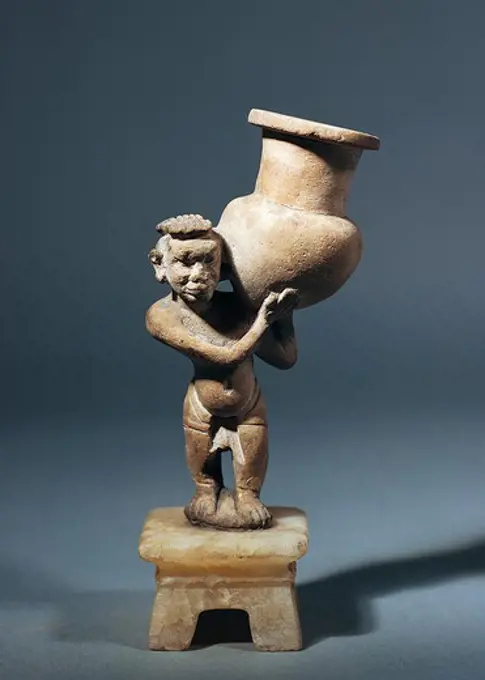
Egyptian civilization. Ointment container in alabaster in form of burdened Nubian servant
6145-29191798
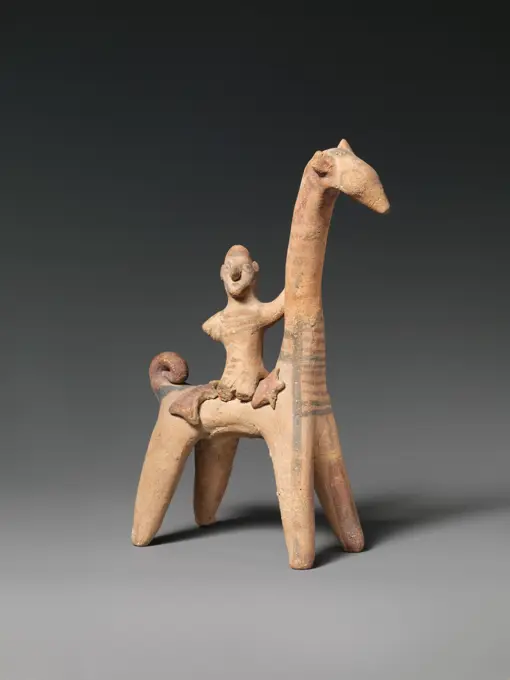
Terracotta mounted figure ca. 600 B.C. Cypriot Though conventionally identified as a horse, the animal here shows quite different features: a long, maneless neck (that has been repaired), a compact head, and a short curled-up tail. The rider is sitting sidesaddle on a blanket or seat of some kind. The group may, in fact, show a child riding a dog.. Terracotta mounted figure 241327
4409-17339839
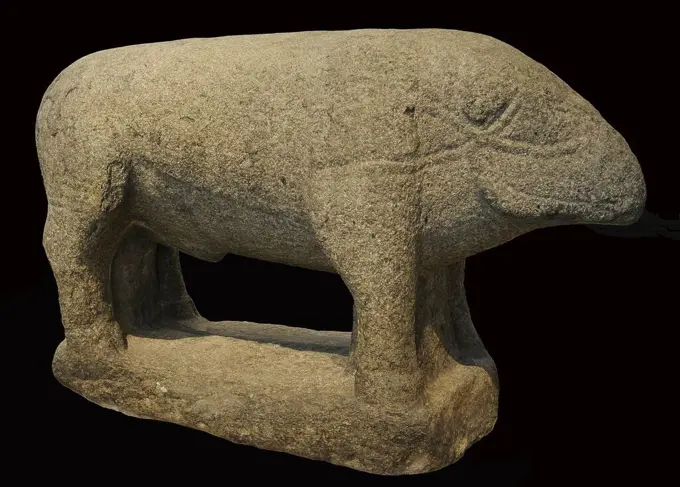
Vettonian culture. Verraco (pig). 3rd-1st centuries BC. Granite. Avila province, Castile and Leon, Spain. National Archaeological Museum. Madrid. Spain.
1746-21111357
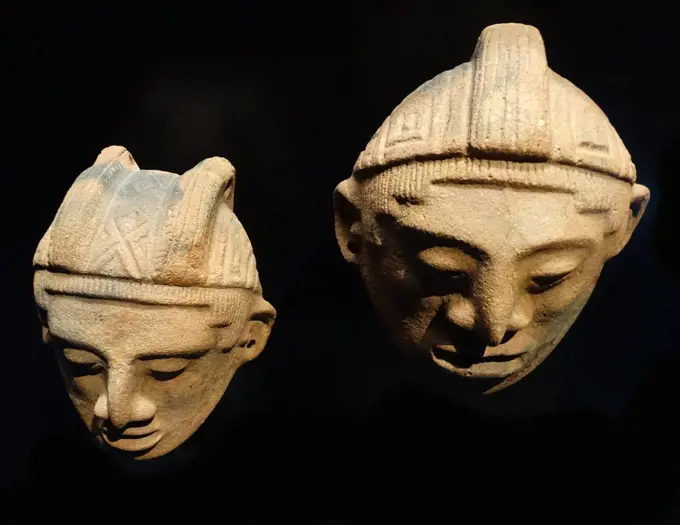
Ancient terracotta trophy heads, from the Pre-Hispanic regions of Central America, Costa Rica. Dated 10th Century
6145-29747554
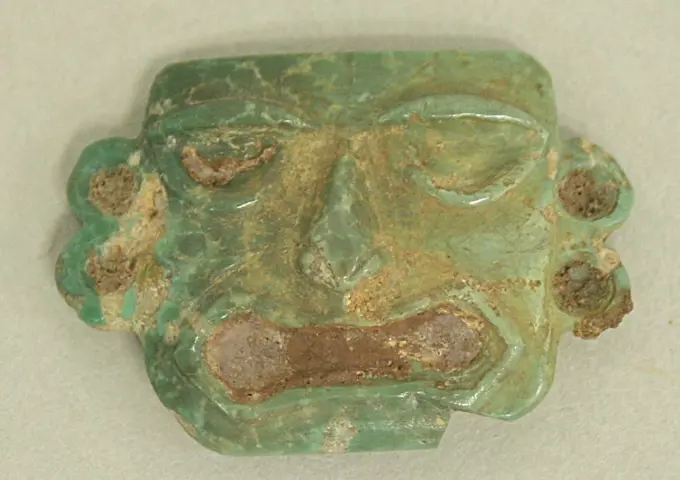
Turquoise Face Mask Ornament 6th-7th century Moche (Loma Negra). Turquoise Face Mask Ornament 315130
6145-29204119
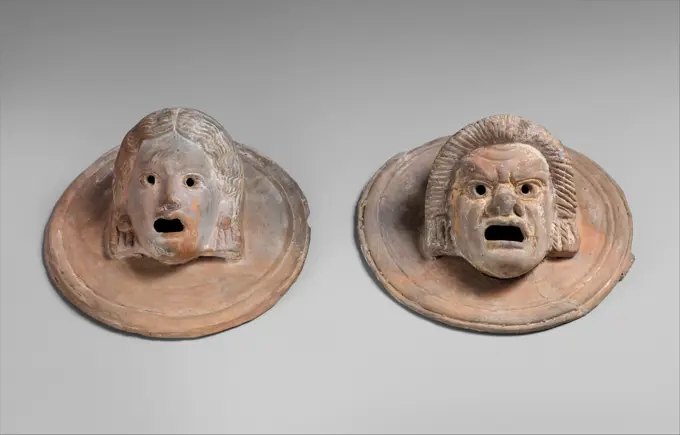
Two terracotta roundels with theatrical masks 1st century B.C. Greek A pair of terracotta roundels with theater masks (hetaira and slave).. Two terracotta roundels with theatrical masks 257407
4409-17371913
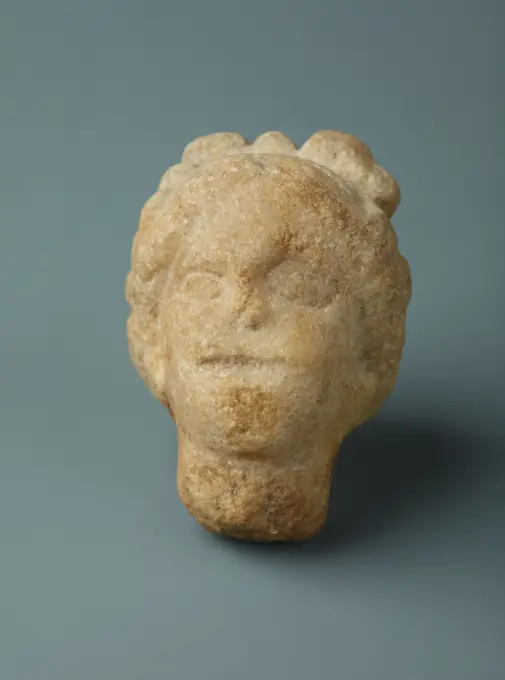
Terracotta head of a veiled woman. Culture: Greek, Cypriot. Dimensions: H. 1 1/4 in. (3.2 cm). Date: 3rd century B.C..The head is mold-made and solid. The back is handmade and rounded. The features are indistinct, the right eye lacking. Museum: Metropolitan Museum of Art, New York, USA.
6145-29124516
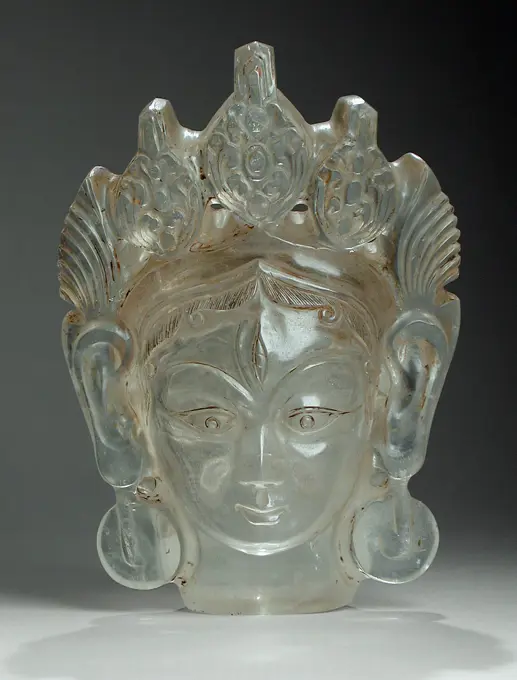
Head of a Deity. Nepal, 16th century. Sculpture. Rock crystal
6145-29119222
Zoomorphic Vessel
6145-59108903
Egyptian figurine; Manufaktura Majoliki in Nieborów (Nieborów; Wytwórnia; 1881-1899); 1881-1886 (1881-00-00-1886-00-00);
4409-17395625
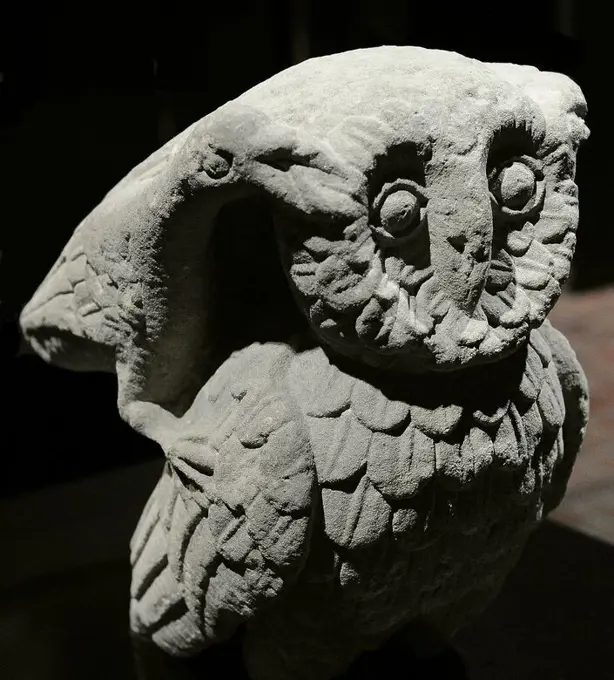
Owl shaped corbel. 12th century. Sandstone. From France. National Museum. Warsaw. Poland.
6145-29237121
Worker Shabti of Nany ca. 1050 B.C. Third Intermediate Period See 30.3.30.1a, b. Worker Shabti of Nany. ca. 1050 B.C.. Faience. Third Intermediate Period. From Egypt, Upper Egypt, Thebes, Deir el-Bahri, Tomb of Meritamun (TT 358, MMA 65), first corridor, burial of Nany, MMA excavations, 1928-29. Dynasty 21
6145-43633321
Fragment sistrum z głową bogini Hathor. unknown, author
6145-29713540
Stone Temple Model 1st-8th century Mezcala. Stone Temple Model 317495
4409-67199924
Potter's moulds and stamps, 425-100 BC, Archaeological Museum of Ibiza and Formentera, Ibiza, Spain.
6145-29066495
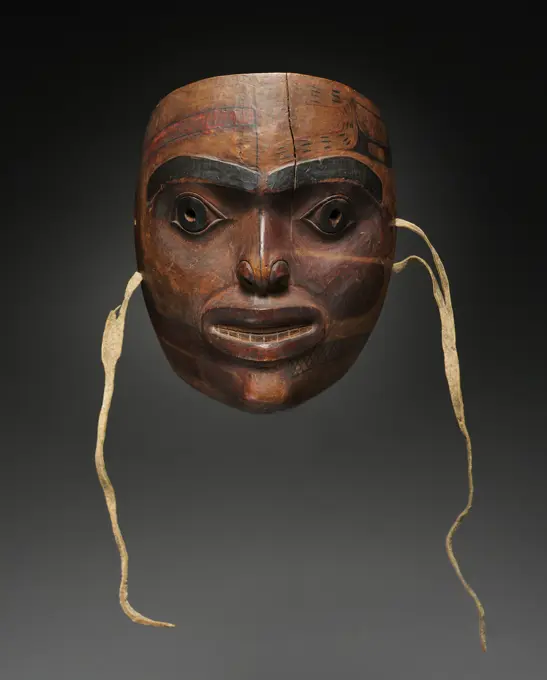
Face Mask, mid-1800s. Northwest Coast, Tlingit, 19th century. Alderwood; overall: 21.4 x 17.2 x 8.9 cm (8 7/16 x 6 3/4 x 3 1/2 in.).
6145-59066235
Harpokrates;  Hellenistic or Roman period (0-00-00-0-00-00);Daszewski, Wiktor A. (1936-), Daszewski, Wiktor A. (1936-)-collection, gift (provenance)
6145-29844575
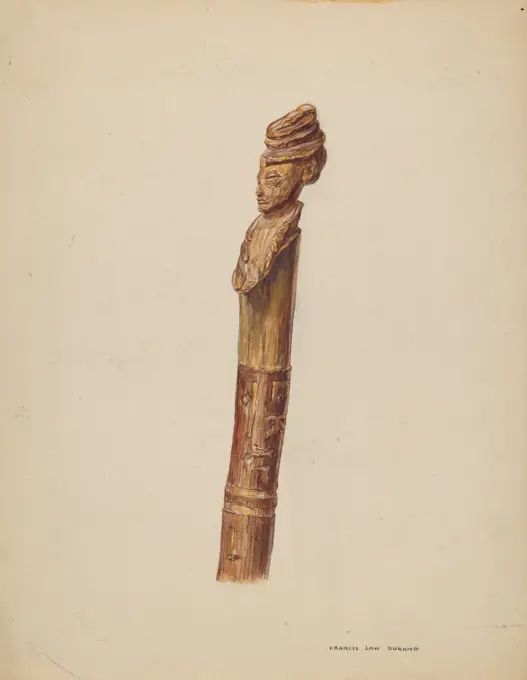
Francis Law Durand, Cane Head or Handle, 1935 1942 Cane Head or Handle
6145-58826065
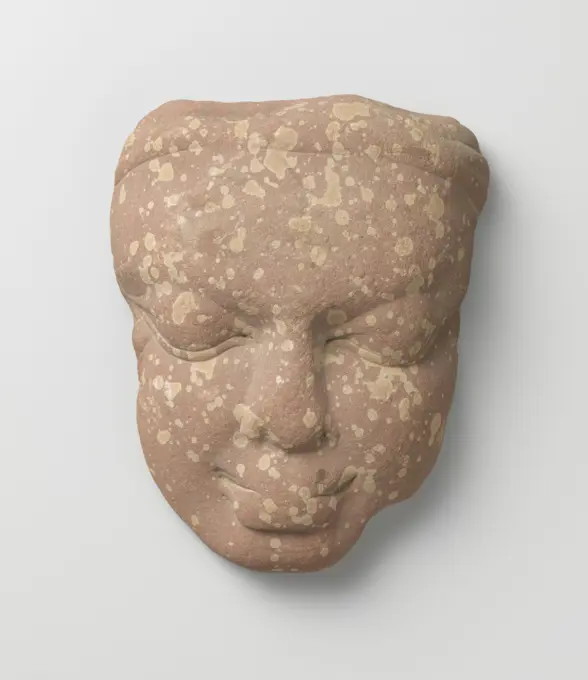
Head, Anonymous, 200 - 300 Front part of a head in red and yellow dotted sandstone. Mathura sandstone Front part of a head in red and yellow dotted sandstone. Mathura sandstone
7155-70376750
Figurine from Mohenjo Daro. 2500 BC.
6145-29065690
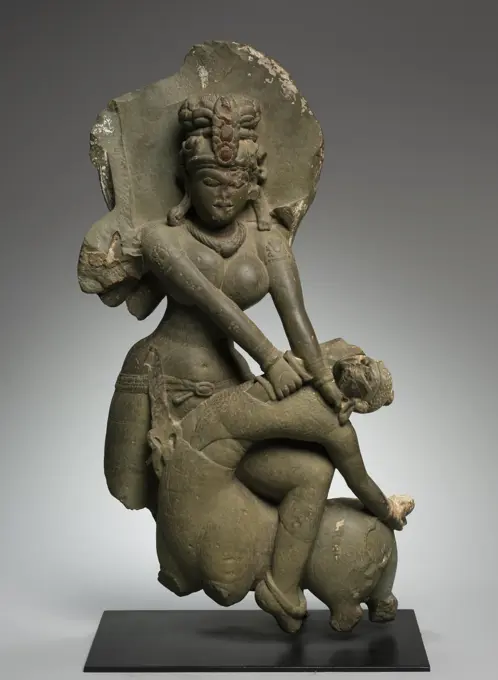
Durga Destroying the Buffalo Demon, 800s-900s. Northern India, Kashmir or Himachal Pradesh, 9th-10th Century. Schist; overall: 76.2 cm (30 in.).
1746-1643
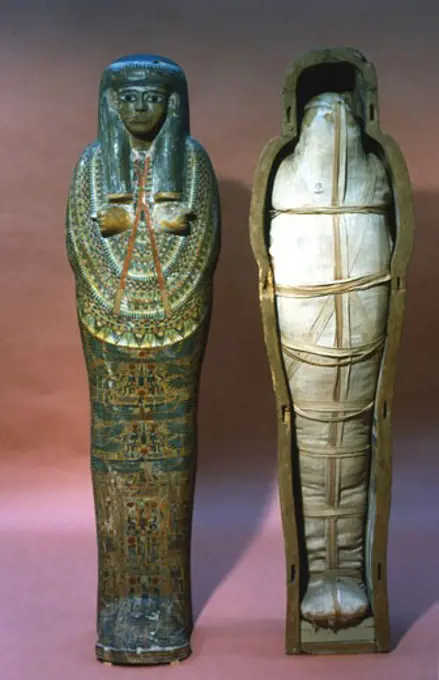
Mummy and mummy case of a princess. 21st Dynasty. Thebes. British Museum, London,
6145-29792066
Amulet of Re-Harakhty squatting 525-30 BC Late Period-Ptolemaic Period Starting in the later Late Period and continuing through the Ptolemaic Period, a type of glass amulet cast by pressing the glass into a shallow open mold appears. The back was left rough, and the amulets may look ragged because glass overflowed the mold around the edges. The earlier amulets are monochrome, bi- or multicolor amulets supplement the repertoire during the Ptolemaic Period. Some of the amulets can be specifically tied to spells of the Book of the Dead - for example, acc. no. 17.194.2526 - and most are clearly funerary amulets, presumably meant to be wrapped between the bandages of the mummy where the presence of the amulet would do its job irrespective of its degree of finish.. Amulet of Re-Harakhty squatting. 525-30 BC. Glass. Late Period-Ptolemaic Period. From Egypt
4409-17400852
Votive Tablet. Culture: China. Dimensions: H. 4 1/2 in. (11.4 cm); W. 2 1/4 in. (5.7 cm). Museum: Metropolitan Museum of Art, New York, USA.
6145-58825182
Masker, anonymous, 1600 - 1699 Dance mask in the form of a carasu tengu, belonging to the group of Kagura masks. Perhaps a Kyogen mask. Japan wood (plant material). dye Dance mask in the form of a carasu tengu, belonging to the group of Kagura masks. Perhaps a Kyogen mask. Japan wood (plant material). dye
6145-29737101
Shabti of Siptah ca. 1194-1188 B.C. New Kingdom, Ramesside. Shabti of Siptah. ca. 1194-1188 B.C.. Travertine (Egyptian alabaster). New Kingdom, Ramesside. From Egypt, Upper Egypt, Thebes, Valley of the Kings, Tomb of Siptah (KV 47), Davis excavations, 1912. Dynasty 19
4409-17544157
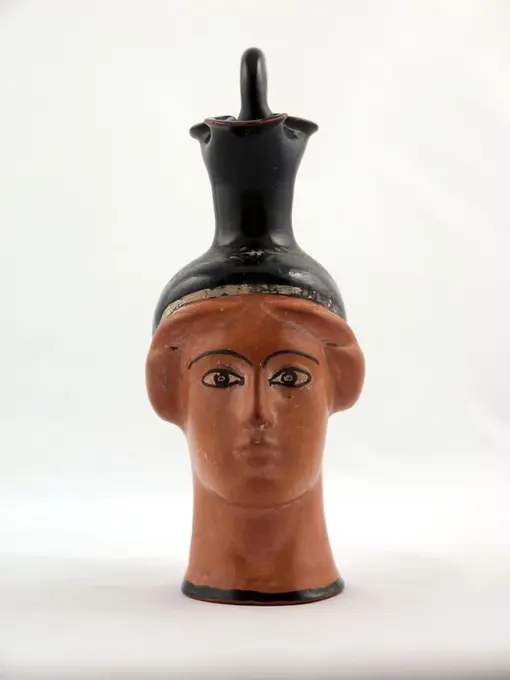
Oinochoe (Pitcher) in the Shape of a Female Head. Greek; Athens; Attributed to the Canessa Class. Date: 450 BC. Dimensions: 14 × 6.7 × 8.9 cm (5 1/2 × 2 5/8 × 3 1/2 in.). Terra-cotta, decorated in the red-figure technique. Origin: Athens. Museum: The Chicago Art Institute, Chicago, USA. Author: ANCIENT GREEK.
6145-30176484
Shabti of Horu 664 BCE-525 BCE Egypt. To assure themselves a comfortable afterlife, Egyptians stocked their tombs with at least one figurine called an ushabti, who acted as a servant in the afterlife. The message carved on each of the figurines explained that if the deceased is called on to do any work in the afterlife, the ushabti will respond with ìHere I amî and will do the job. Some tombs had as many as one ushabti for every day of the year and another 36 overseers to keep order. All but the poorest citizens provided themselves with some kind of funerary furnishings. Products for burial and the labor to produce them made up a large industry in Egypt.. Faience . Ancient Egyptian
6145-29800155
Amuletic figure ca. 3650-3300 B.C. Predynastic, Naqada II. Amuletic figure. ca. 3650-3300 B.C.. Limestone (pink). Predynastic, Naqada II. From Egypt
1848-55990346
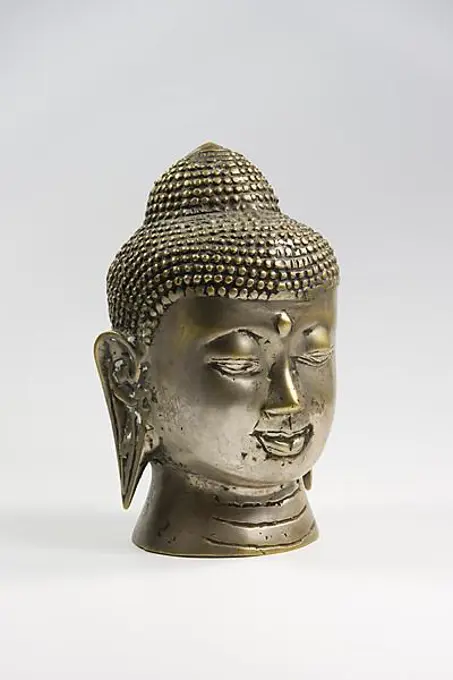
Buddha head made of metal, ca. 15 cm, shot from the left
1788-18151
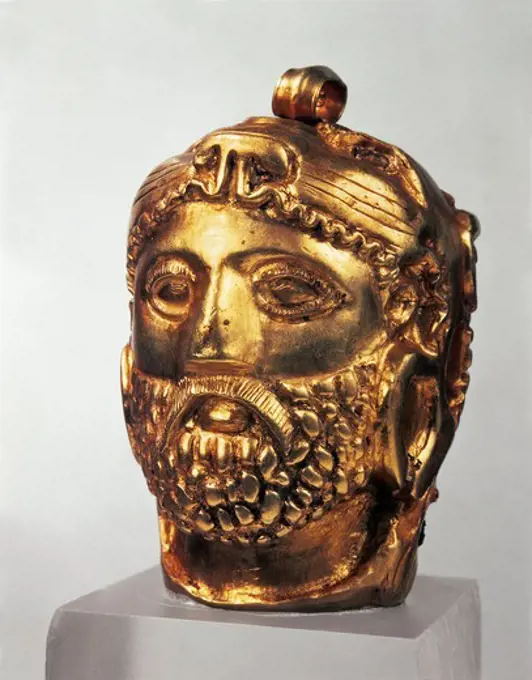
Gold pendant in shape of Heracles' head, from Derveni, Macedionia, Greece
6145-30405350
Mask for the TsuinaService
4409-61855379
Censer, early classic, museum of the central square, Chichicastenango, municipality of the department of El Quiché, Guatemala, Central America.
4409-62026674
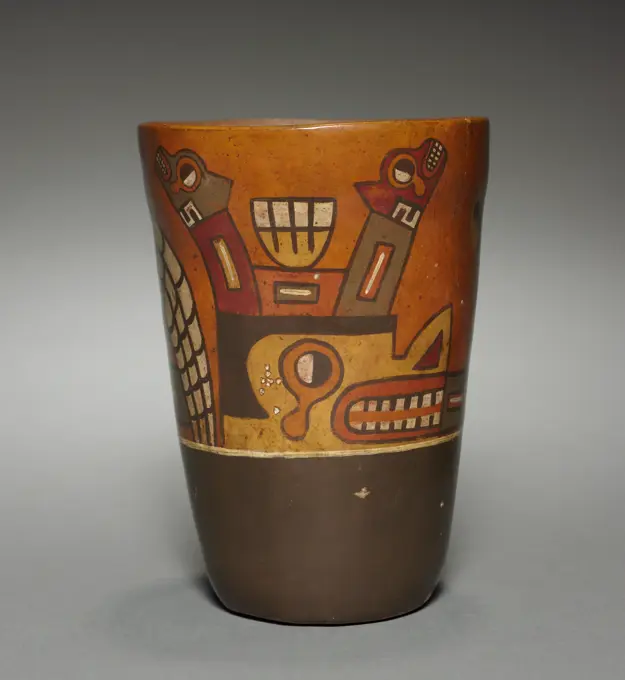
vessel, Chimu culture, Andean area, Peru, 1000-1470, clay, Anthropology National Museum, Madrid, Spain.
4409-63011283
Headdress Ornament. Colombia. Yotoco (Calima), 1st-7th century. Gold. Metropolitan Museum of Art. Ny. Usa.
4443-28738507
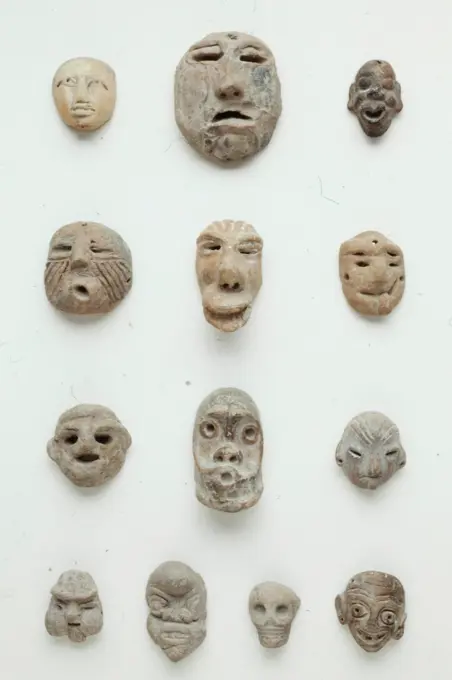
Miniature mask, 1500 BCE, Earthenware, Mexico, Pre-Classic
1746-21126399
Masks from the Arctic used to reveal inner truth of the wearer, used by Shamans. Dated 19th Century
4443-28745728
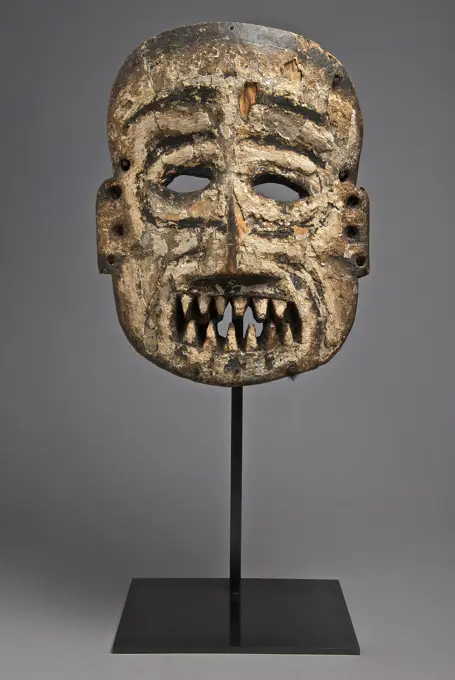
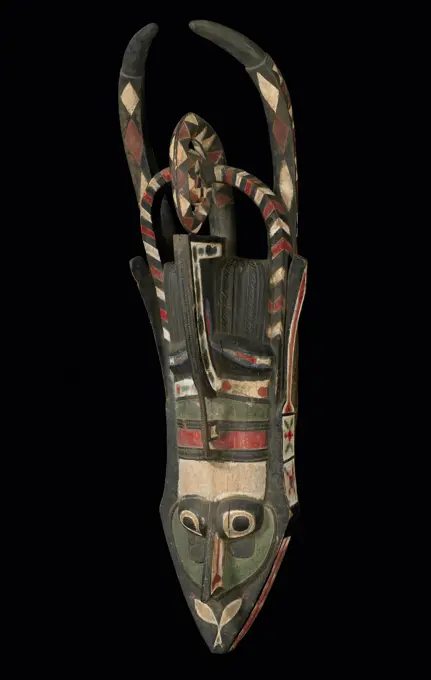
Mask (Banda), 19th-20th century, 56 1/2 x 17 1/2 x 15 1/2 in. (143.51 x 44.45 x 39.37 cm), Wood, pigment, Guinea, 19th-20th century
6145-29067485
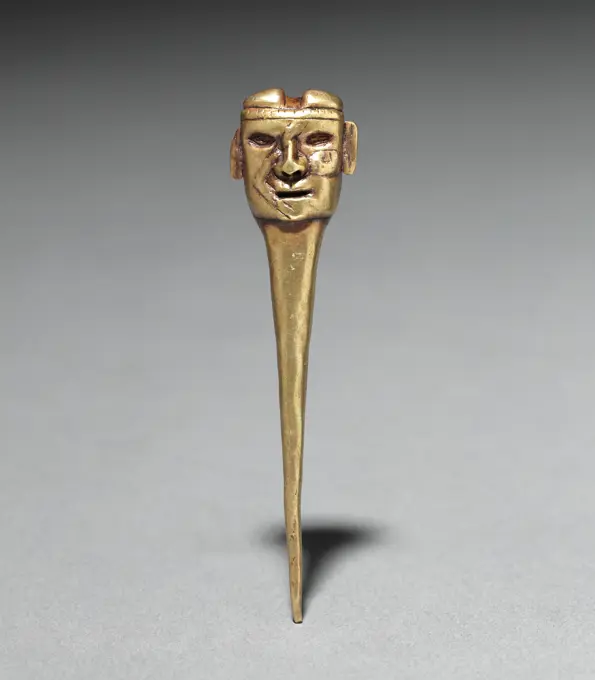
Pin Ornament, c. 500-200 BC. Peru, North Highlands, Chavín de Huantar(), Chavín style (1000-200 BC). Hammered and cut gold; overall: 7.2 cm (2 13/16 in.).
4409-17274849
BASTON DE MANDO - HUESO Y PIEDRAS - PROCEDENTE DE LOS INDIOS DEL NOROESTE AMERICA.
6145-29740528
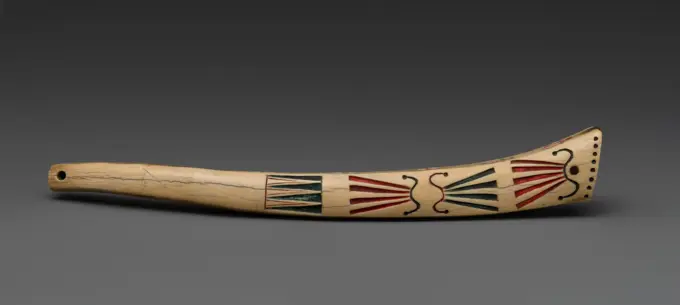
Quirt handle ca. 1860 Eastern Plains, probably Meskwaki, Native American An artist preserved the natural curve of an elks antler for the basic shape of this quirt (riding whip) handle. He enhanced it with carvings of feathers, headdresses, and buffalo hooves, filling each with red or black pigment. The object exemplifies the beauty of many of the small tools produced on the Plains in the 1800s. The quirt originally had a wrist strap and a heavy lash.. Quirt handle. Eastern Plains, probably Meskwaki, Native American. ca. 1860. Elk antler and pigment. Made in Iowa, United States
4409-17242761
pendant in the shape of a female head, from Carthage, 4th-3rd cent. BCE, Carthage National museum, The Coliseum , Rome, Lazio, Italy ,.
1746-28982465
Bronze Spartan Helmet from Ancient Greece. Dated 10th Century BC
4409-17438062
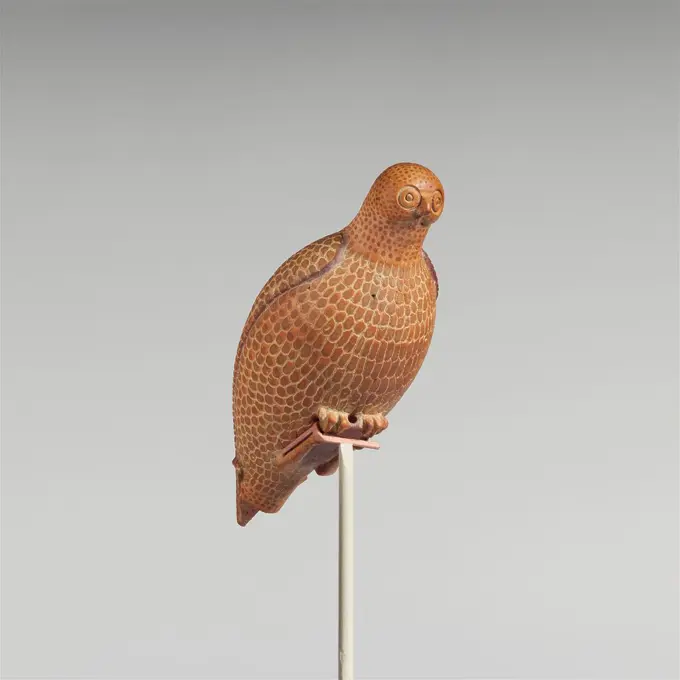
Terracotta vase in the form of a bird. Culture: Greek, Corinthian. Dimensions: H. 6 1/4 in. (15.9 cm). Date: mid-7th century B.C..Compact form, with wings and legs kept close to the body. The feathers are indicated by incisions on the body and wings, by dots on the head and neck and the beginning of the tail. The orifice is concealed by the tail and the legs pierced for the insertion of a string, so the bird could hang upside down, fitting well into the palm of a hand. Museum: Metropolitan Museum of Art, New York, USA.
6145-29156391
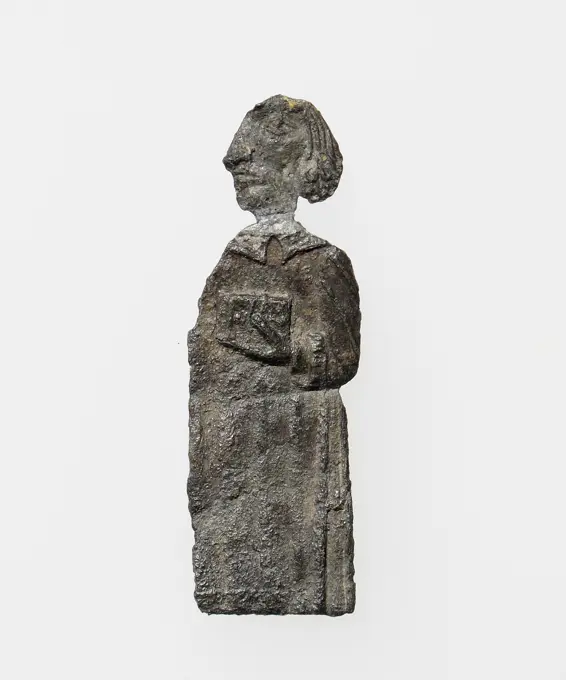
Pilgrim's Badge 14th-16th century French. Pilgrim's Badge. French. 14th-16th century. Lead. Metalwork-Lead
6145-29196604
Shabti ca. 1400-1295 B.C. New Kingdom, Ramesside. Shabti. ca. 1400-1295 B.C.. Travertine (Egyptian alabaster). New Kingdom, Ramesside. From Egypt. Dynasty 18
4409-28752082
african head, Majorca, Balearic Islands, Spain.
4409-60101
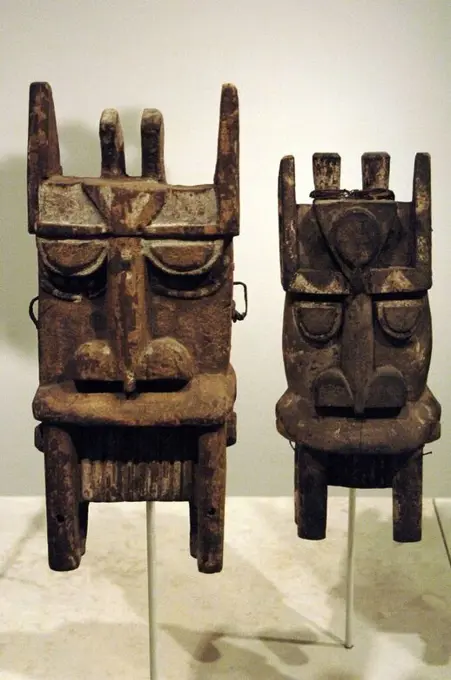
Kalabari masks. Ijo peoples (hippo, water spirit mask). Nigeria, Africa. Early 20th century. Wood. British Museum. London, England, United Kingdom.
4443-28739443
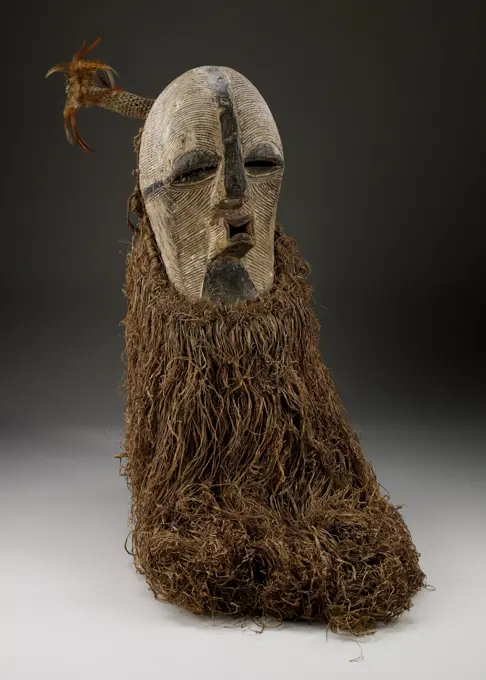
Kifwebe Mask, 20th century, 44 x 6-3/4 x 10 in. (111.8 x 17.1 x 25.4 cm), Wood, raffia, feathers, string, pigment, Democratic Republic of the Congo, 20th century
6145-52955927
Shabti of the Divine Consort Mutemhat Mehytenweskhet Third Intermediate Period ca. 945-924 B.C. View more. Shabti of the Divine Consort Mutemhat Mehytenweskhet. ca. 945-924 B.C.. Faience. Third Intermediate Period. From Egypt, Upper Egypt, Thebes, Valleys south of Deir el-Bahri, Meketre Valley, Pit 1103, MMA excavations, 1920-22. Dynasty 22
1746-19665680
Standing figure. Ecuador or Colombia, Tolita-Tumaco. 1st-4th century, hammered gold. Three dimensional figures in the Tolita-Tumaco style are among the most unusual Precolumbian gold objects. The figure displayed here is distinguished by its decorated nose ornament. The Tolita-Tumaco style area is located on the Ecuador-Colombian border along the Pacific coast.
7079-69914388
Peru, Trujillo. Pottery in the Cao Museum in the El Brujo Archaeological Complex near Trujillo, Peru.
1788-23458
Italy, Sicily, Palermo, Attic rhyton (drinking vessel) in the shape of an African head
6145-45371539
Tile  disc
4409-17353501
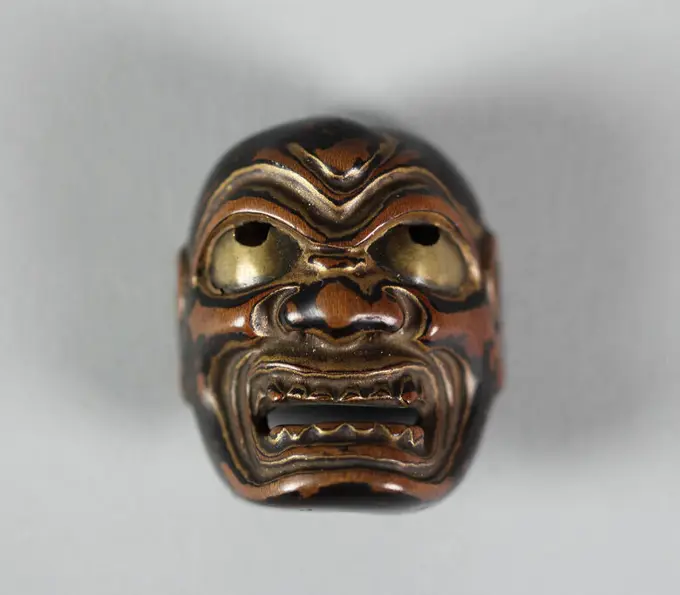
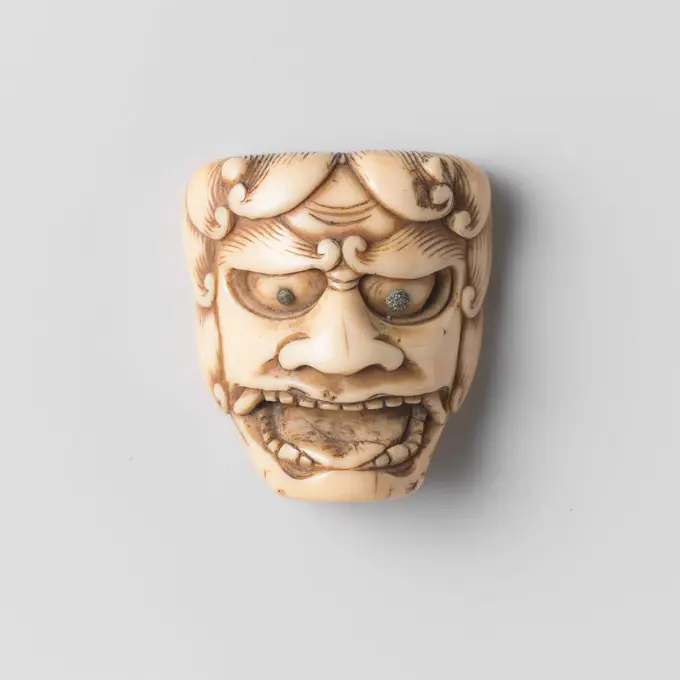
Netsuke of Noh Mask: Kimbo Tobide. Culture: Japan. Dimensions: H. 1 1/2 in. (3.8 cm); W. 1 1/4 in. (3.2 cm); D. 3/4 in. (1.9 cm). Date: 18th century. Museum: Metropolitan Museum of Art, New York, USA.
6145-48762760
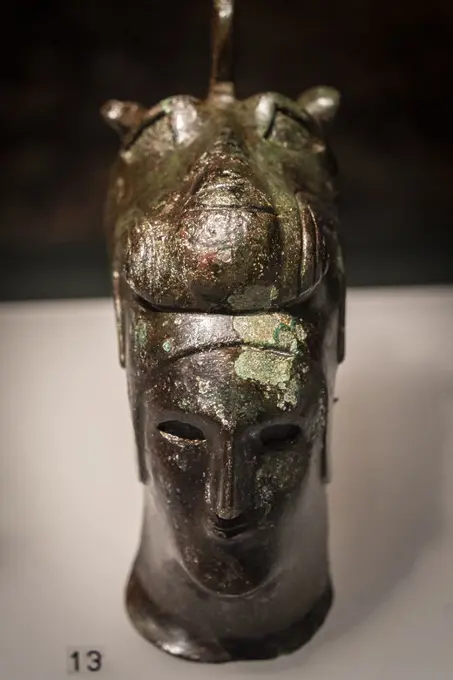
Bronze miniature mask , Masks, Peabody Museum of Archaeology and Ethnology, Tichnor Brothers Collection, postcards of the United States
6145-46652161
. Devil mask.
4409-21500171
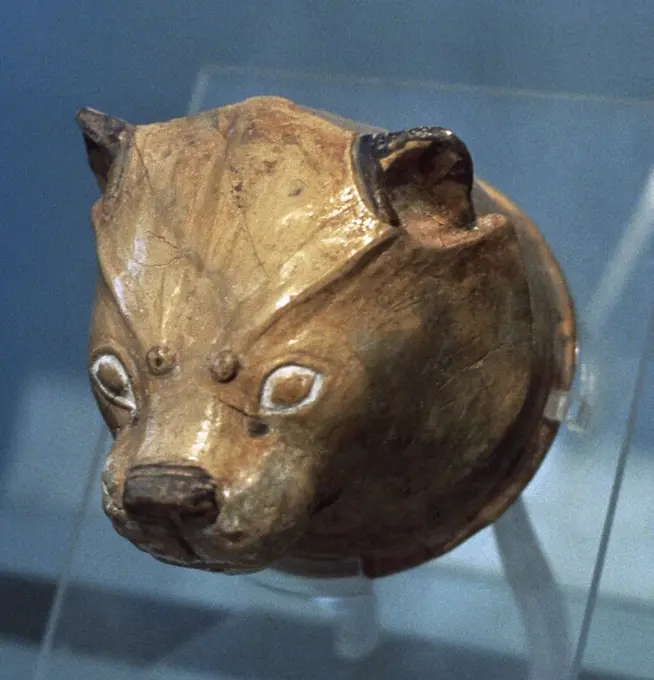
Ritual vessel. Liones-head rhyton. 16th century BC. From Akrotiri, Island of Thera. National Archaeological Museum of Athens. Greece.
6145-29807929
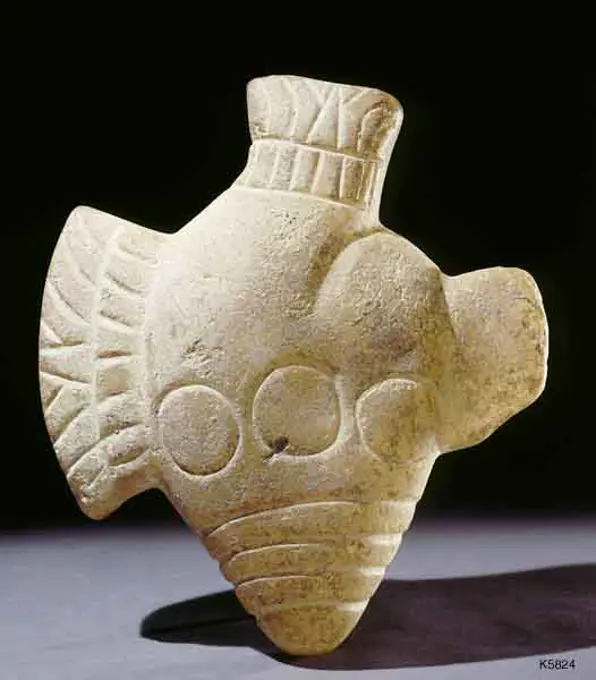
Bottle: Owl 12th-5th century B.C. Cupisnique. Bottle: Owl 309512
6145-29076455
Kero-shaped Vessel (modern version of a Wari-style vessel), before 1955. Peru, modern, 20th century. Pottery; overall: 14.7 x 11.9 cm (5 13/16 x 4 11/16 in.).
6189-55128856
vaso Chama,ceramica policroma, postlate classic, museo de la plaza central, Chichicastenango , Municipio del departamento de El Quiché, Guatemala, Cen...
1746-28982427
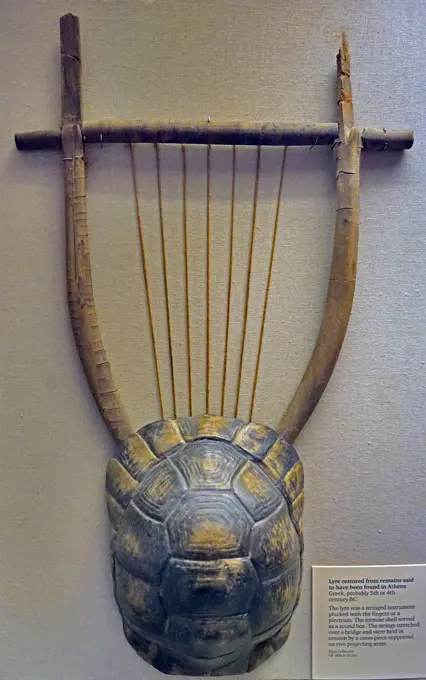
A Lyre made using a tortoise shell found in Athens. Dated 4th Century BC
4409-17385896
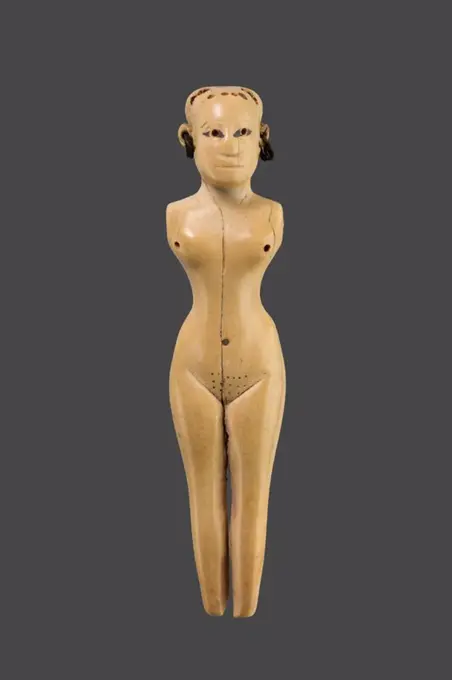
Female Figurine. Dimensions: H. 11.4 cm (4 1/2 in.); W. 2.5cm (1 in.); D. 2.3 cm (7/8 in.). Dynasty: Dynasty 12-18. Date: ca. 1981-1550 B.C.. Museum: Metropolitan Museum of Art, New York, USA.
7208-70657413
Egypt, 26th dynasty Canopic jars found in Abu Sir, Tomb of Iufaa, Dr. Zahi Hawass
6145-29093235
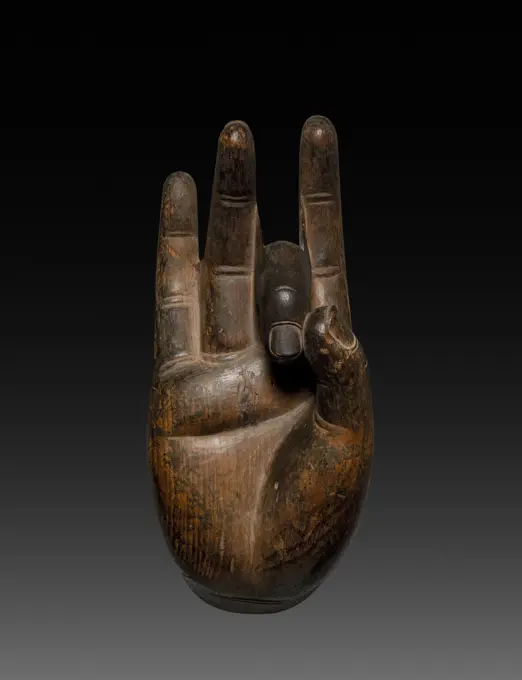
Hand of Buddha, late 700s. Japan, Nara period (710-94). Wood; overall: 40 cm (15 3/4 in.).
1890-152904
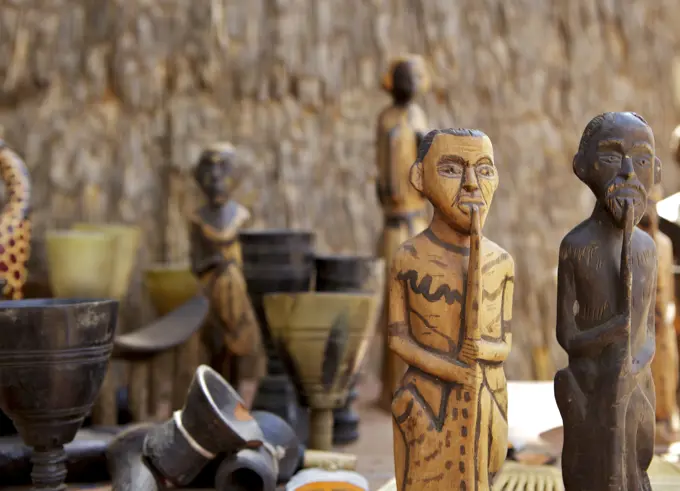
Carved souvenirs for sale, Chencha, Dorze, Ethiopia, Africa
1746-19676372
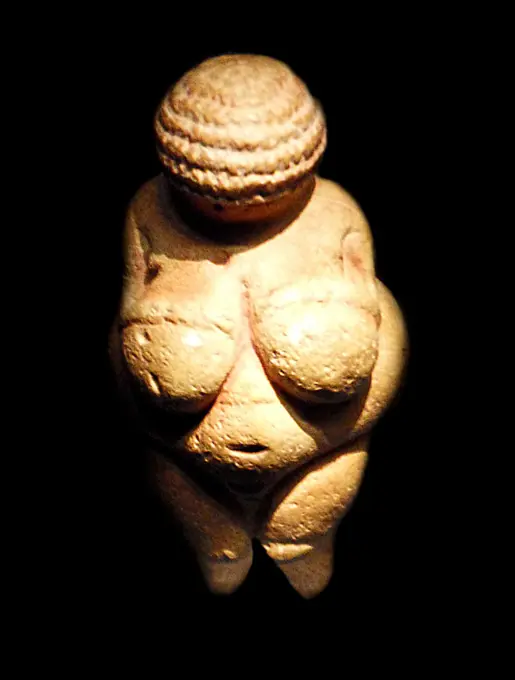
Female Figurines Found Across Europe and Russia B.C.
1525-21607020
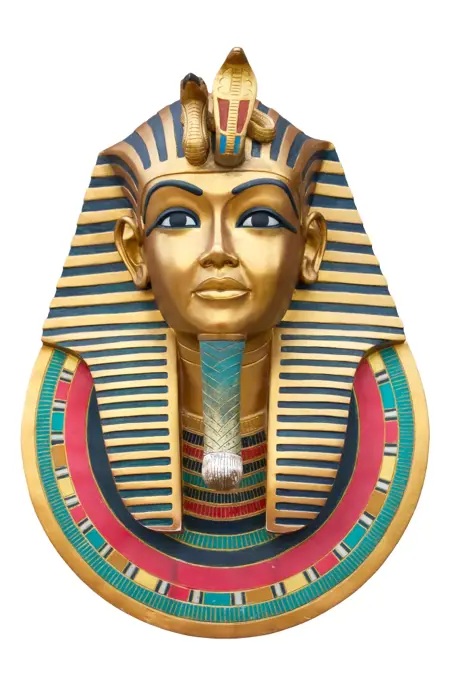
Face of a Pharaoh isolated on white
1119-101
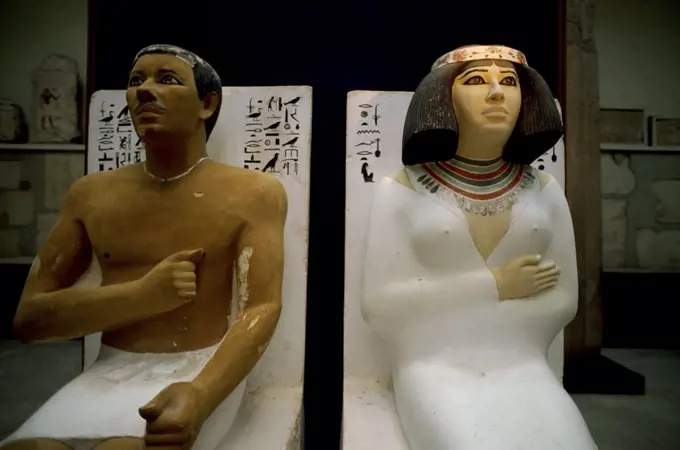
Prince Rahotep and his Wife Nofret  ca.2580 BCE Egyptian Art  Limestone Egyptian Antiquities Museum, Cairo