Classical Sculptures

A collection of classical sculptures depicting figures, including allegorical representations and religious icons, crafted from materials like clay, marble, and ivory.

Michel de Ruther (1607-1676) (), Johannes Fredericus Maes (Attributed to), c. 1743 - c. 1759  The Hague (possibly) terracotta (clay material)  The Hague (possibly) terracotta (clay material)
Michel de Ruther (1607-1676) (), Johannes Fredericus Maes (Attributed to), c. 1743 - c. 1759 The Hague (possibly) terracotta (clay material) The Hague (possibly) terracotta (clay material)
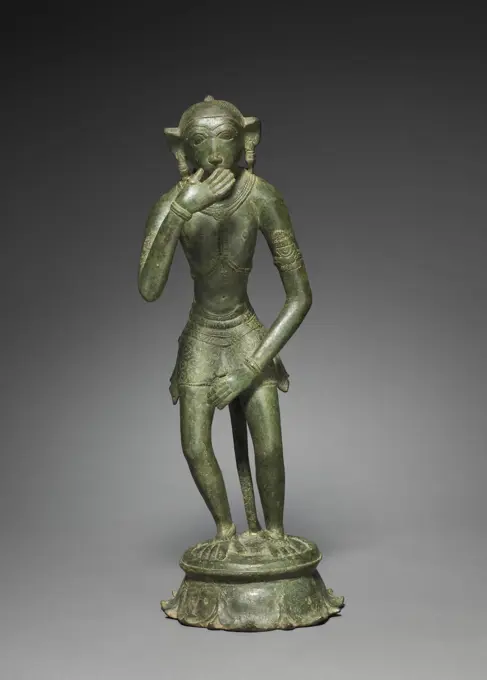
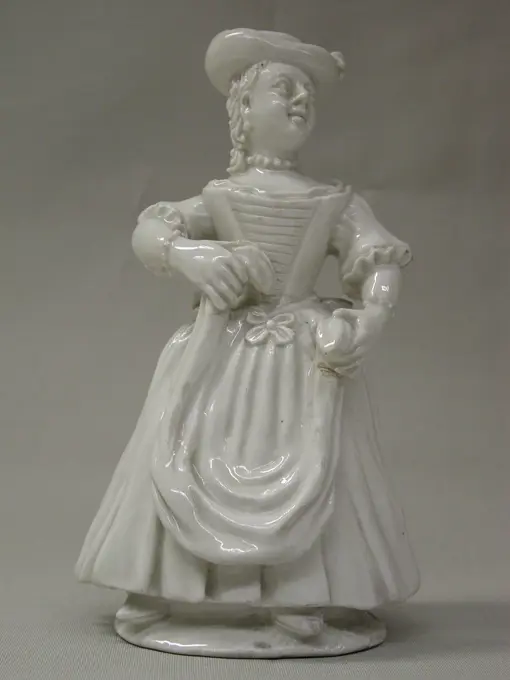
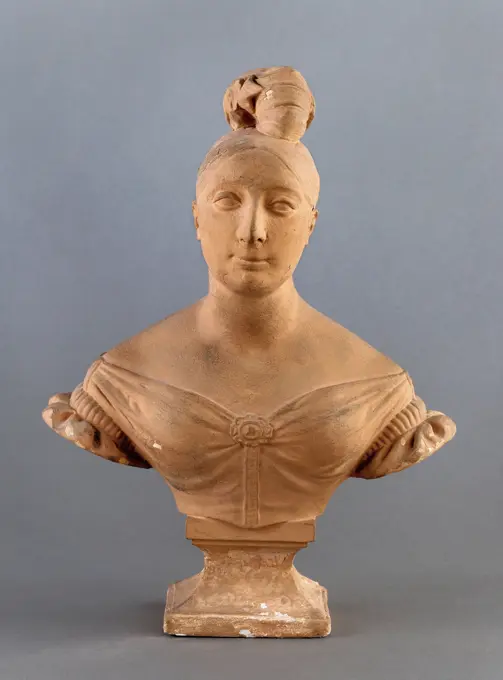
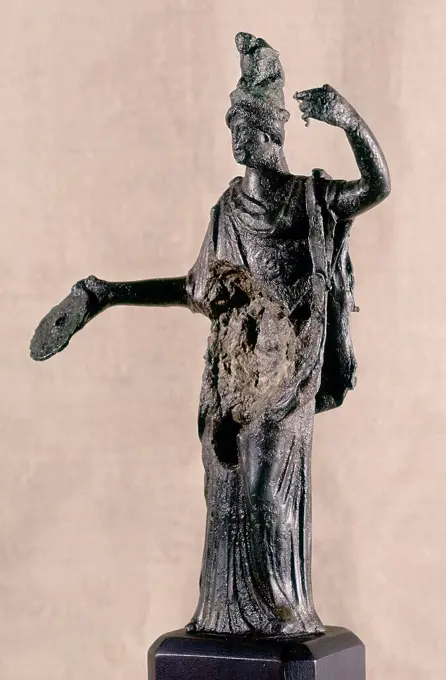
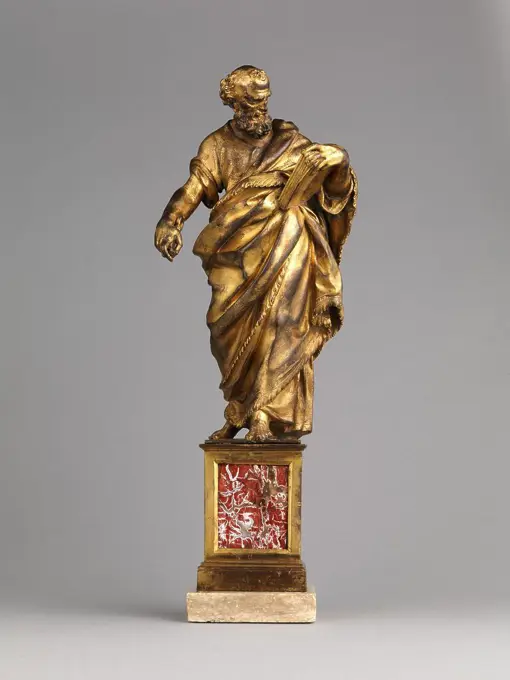
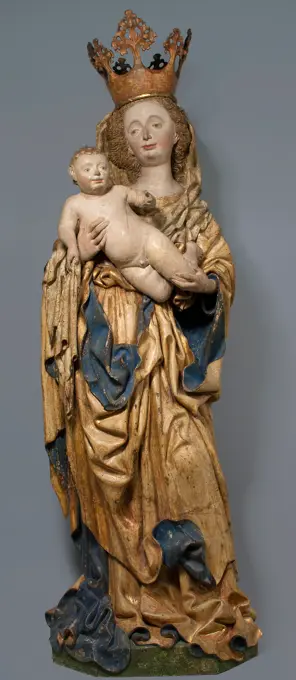
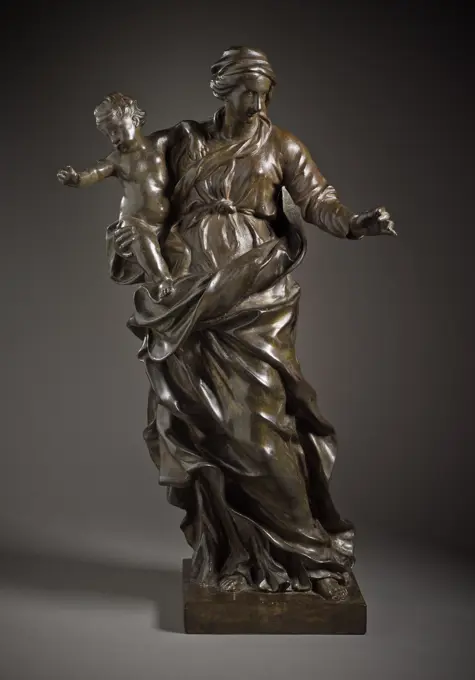
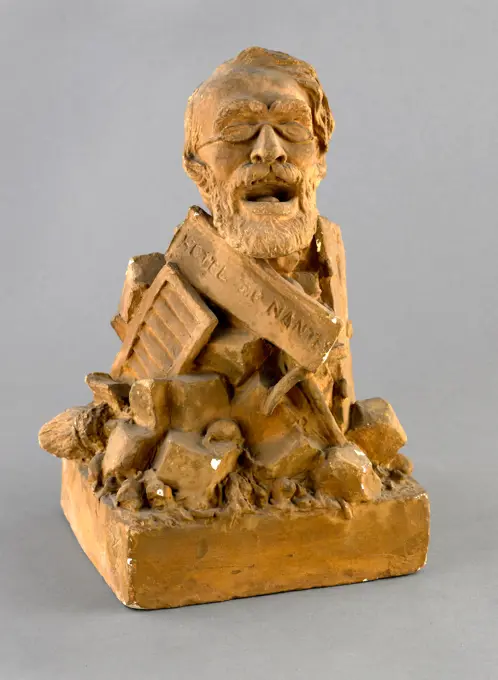
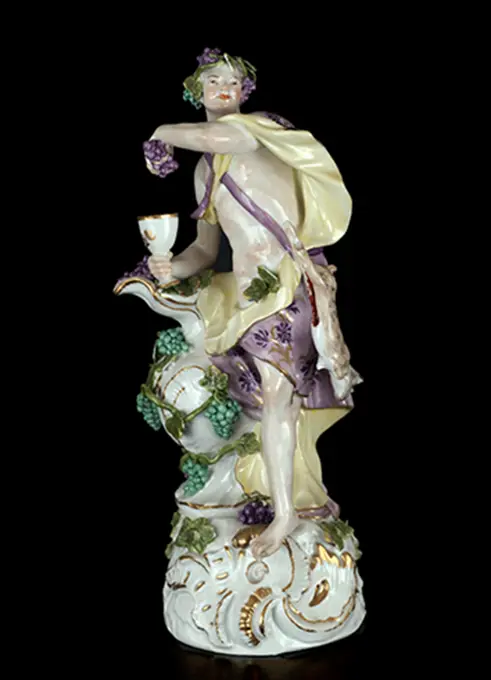
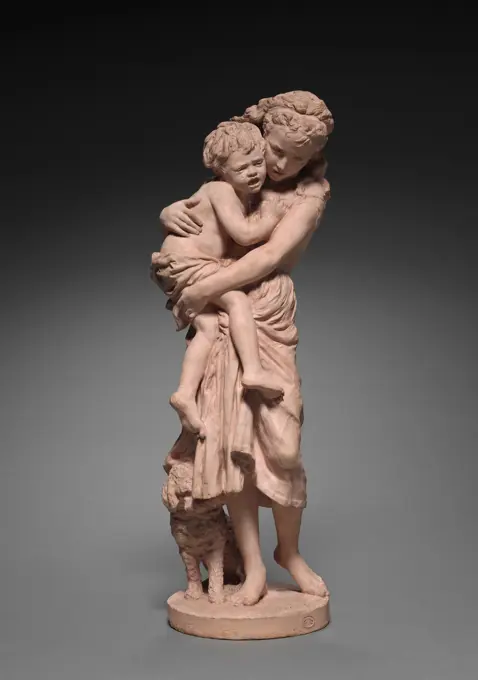
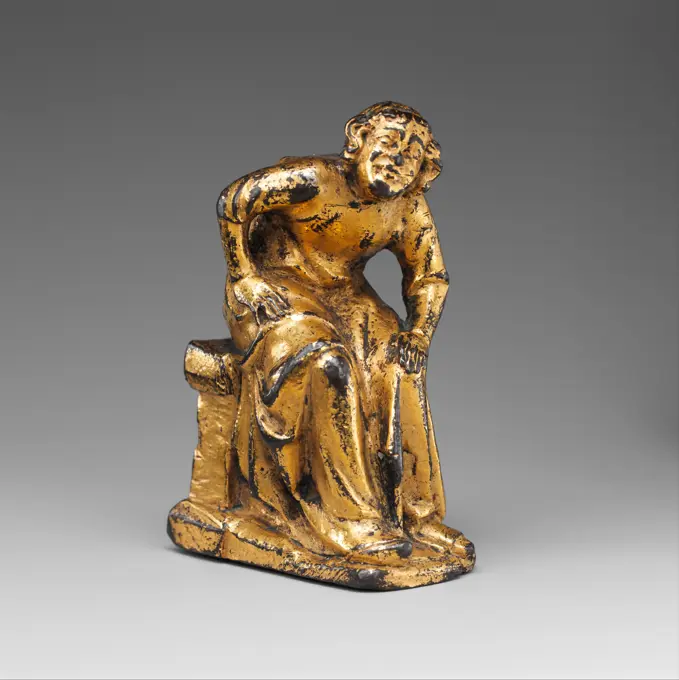
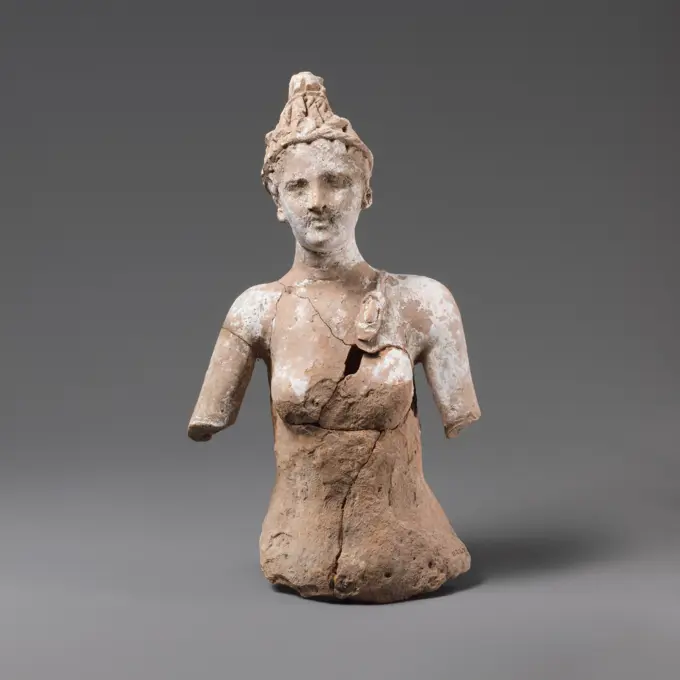
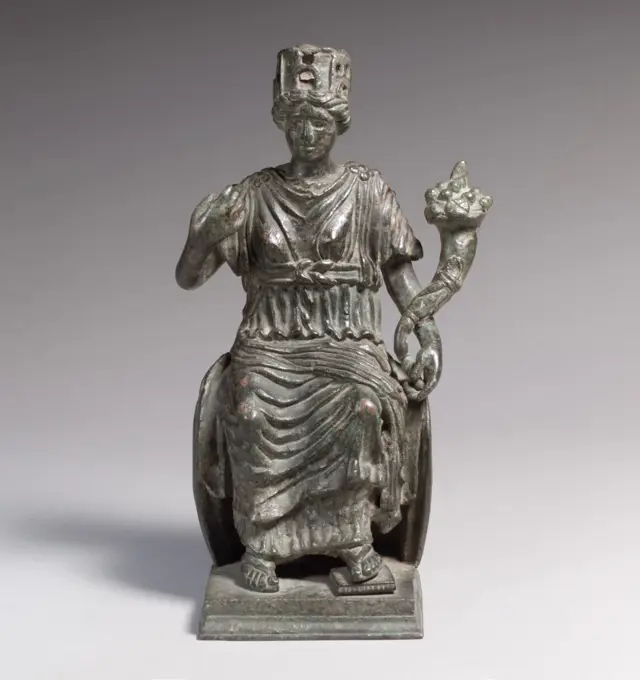
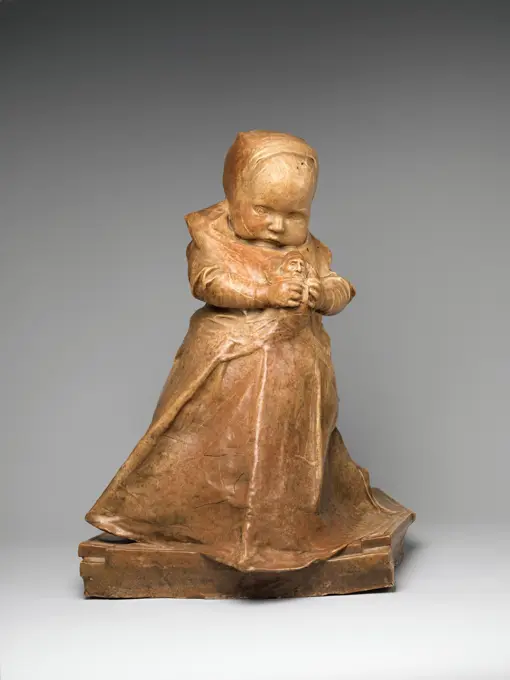
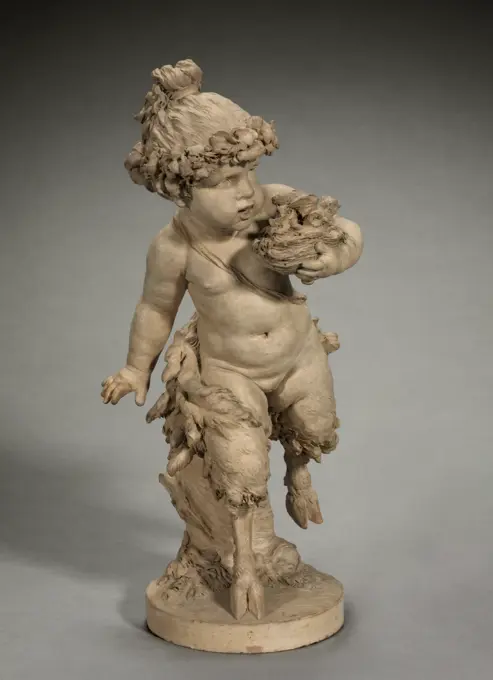
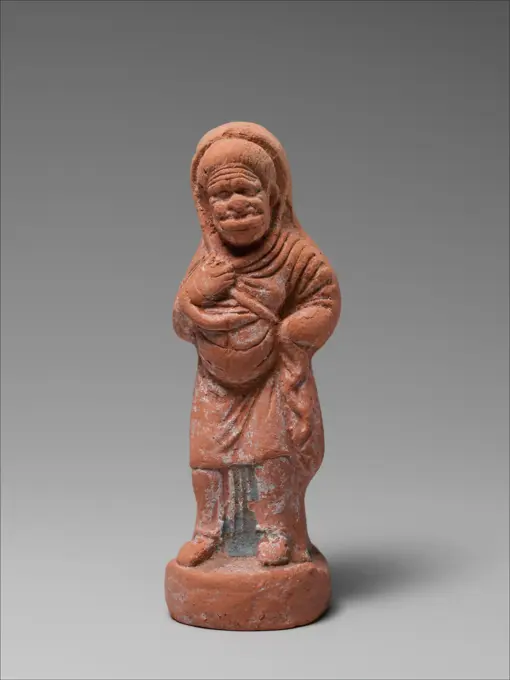
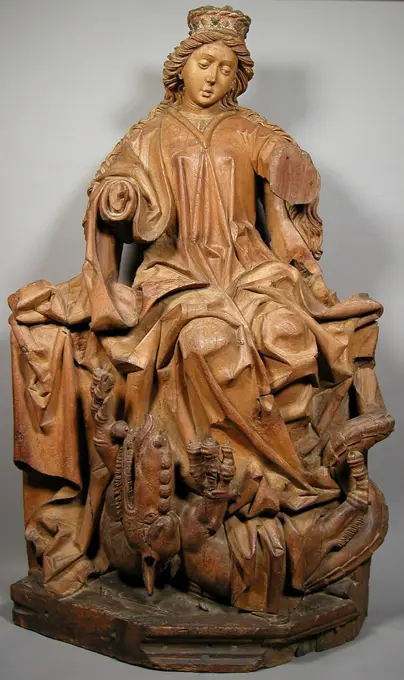
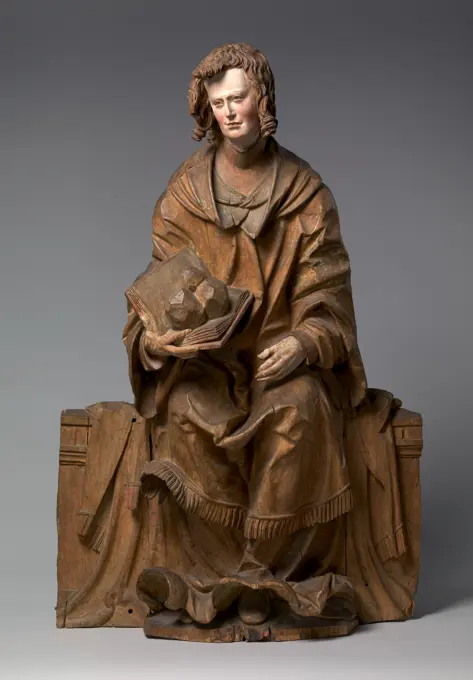
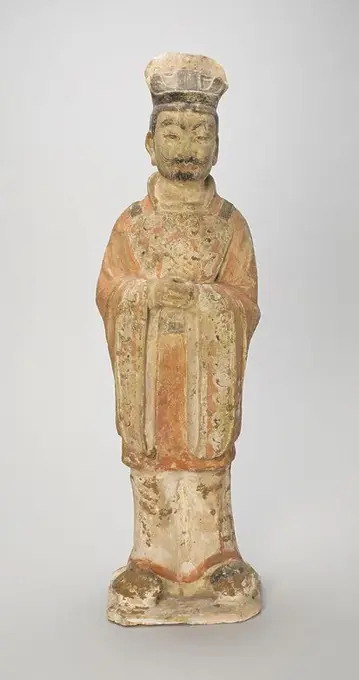
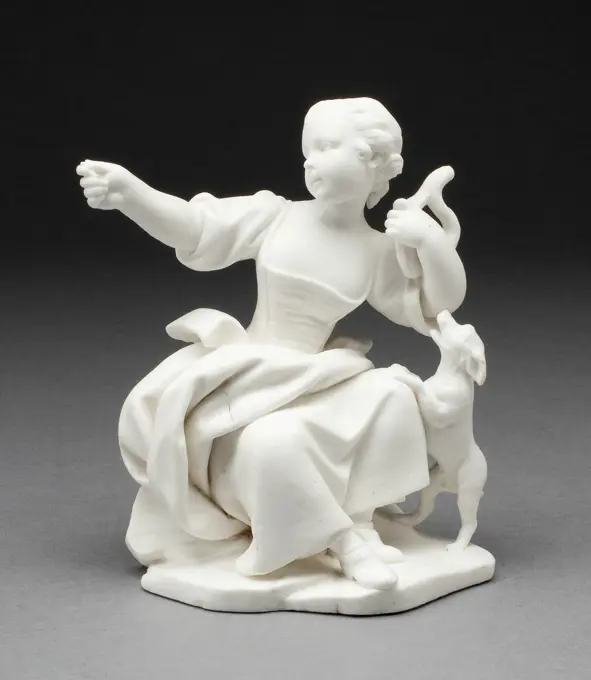
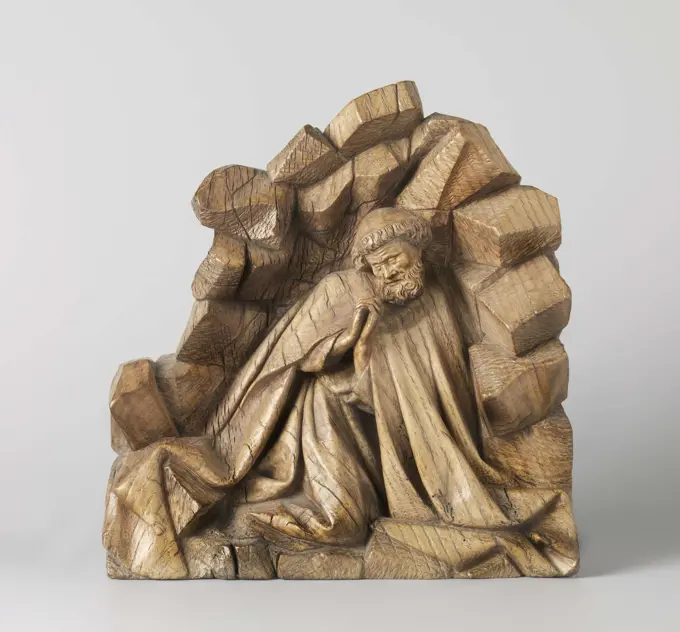
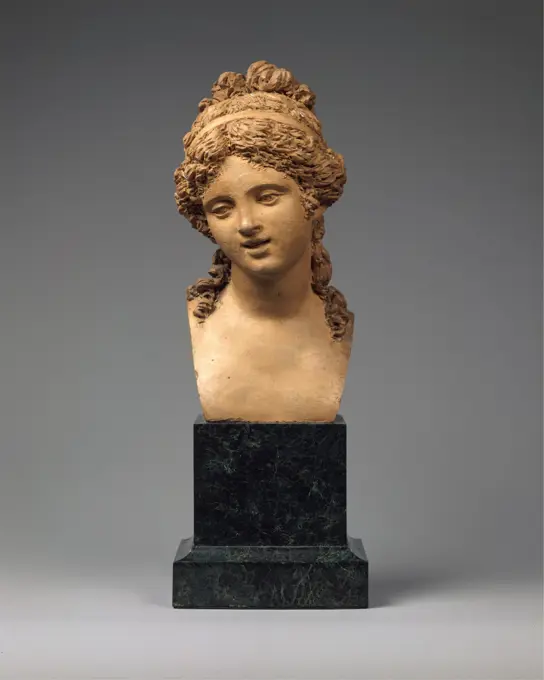
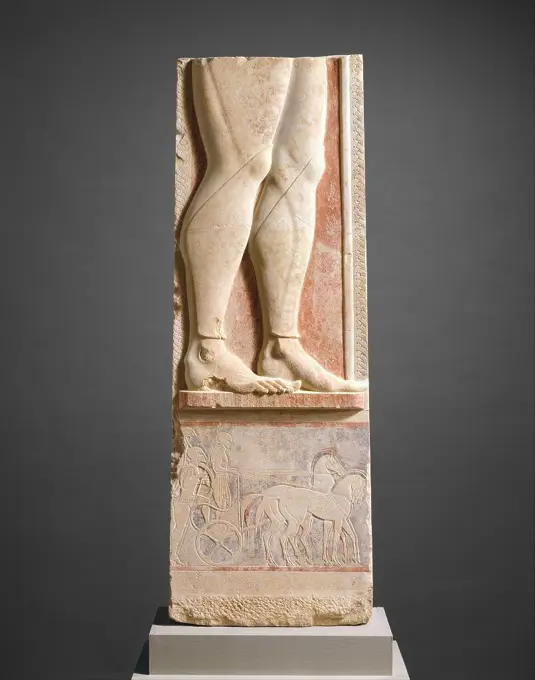
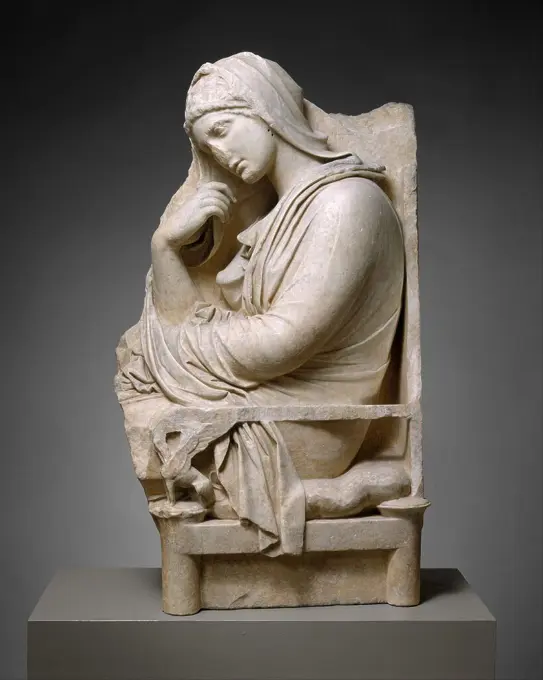
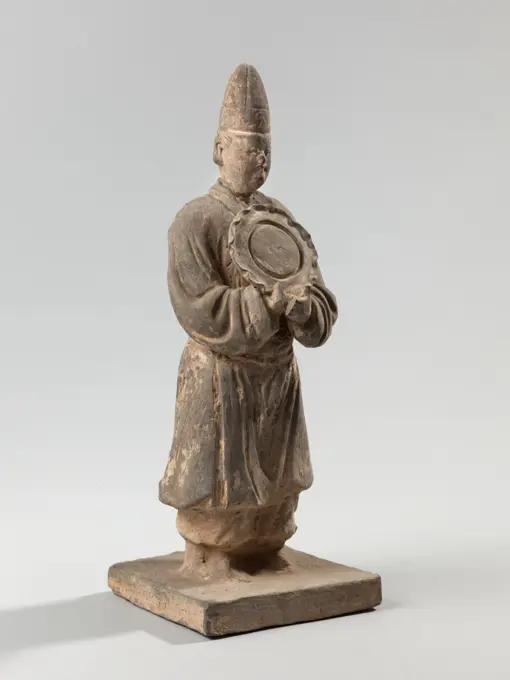
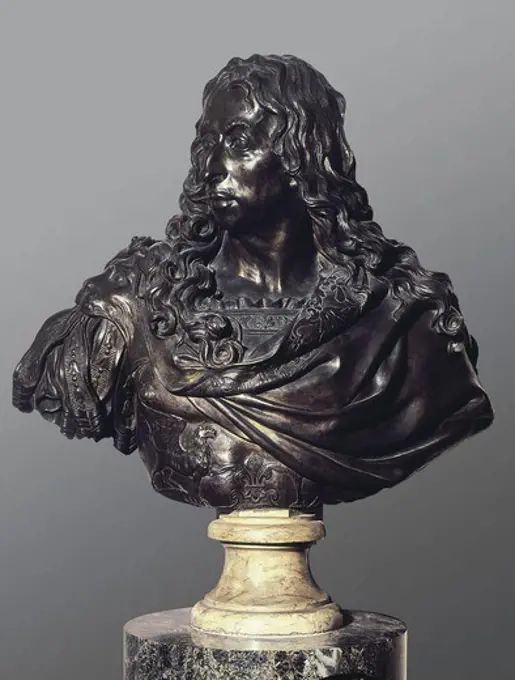
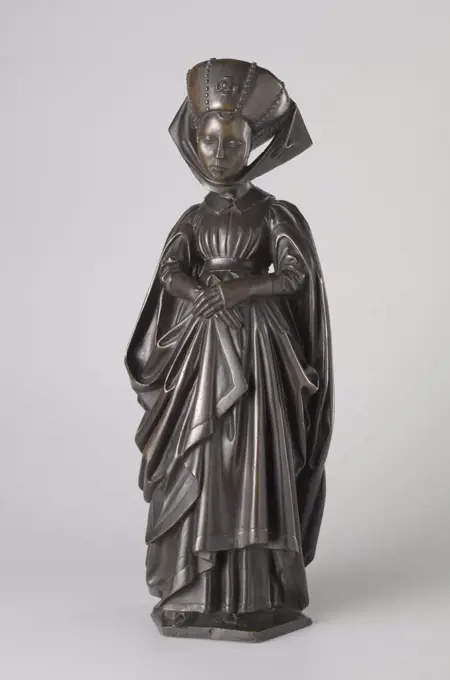
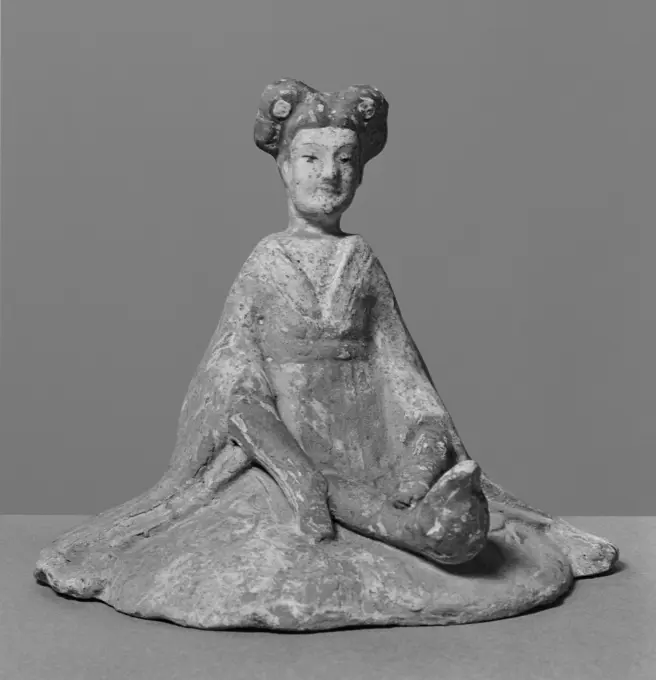
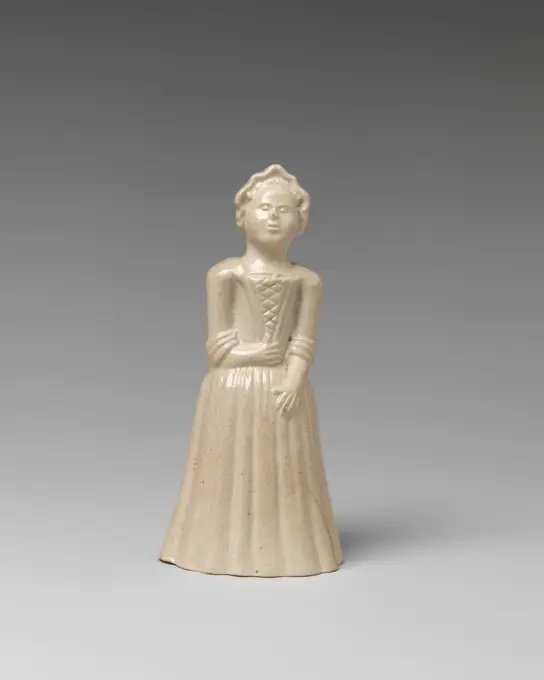
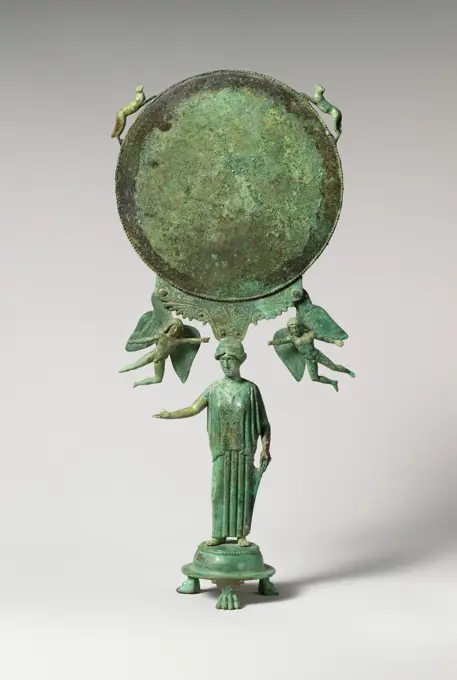
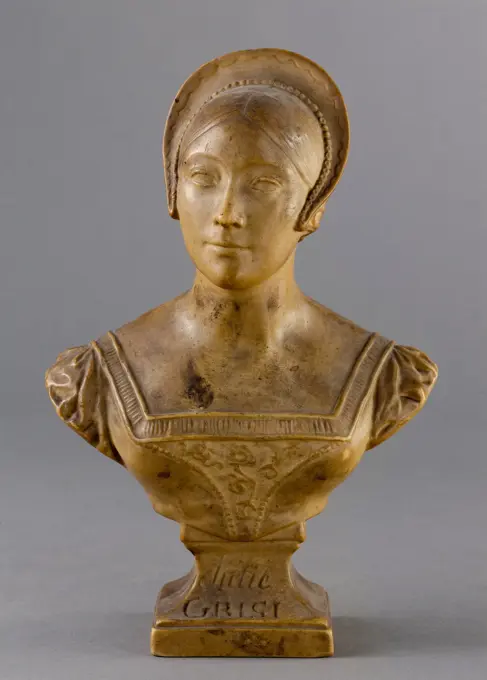
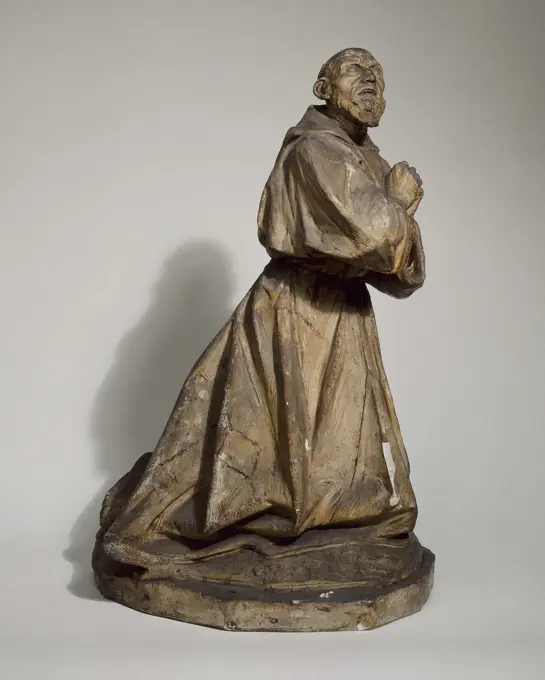
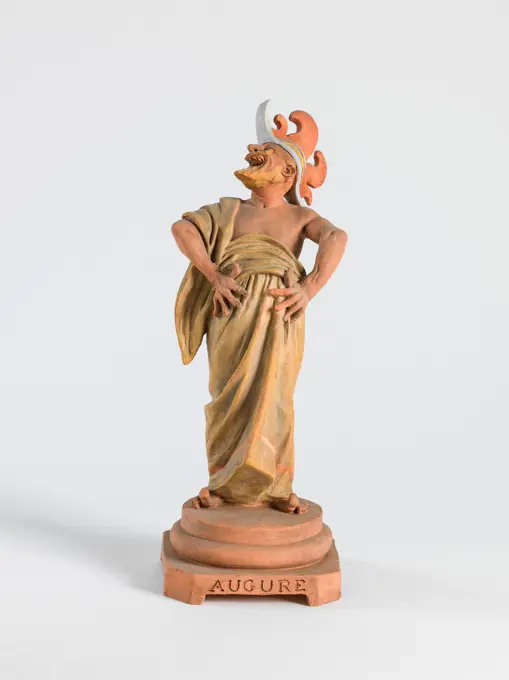
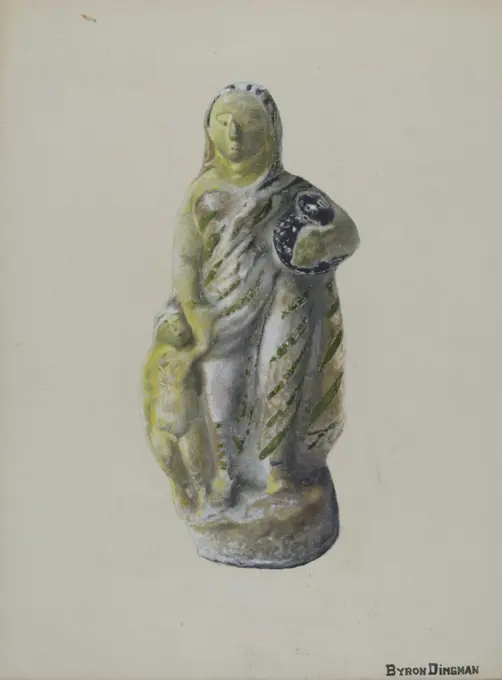
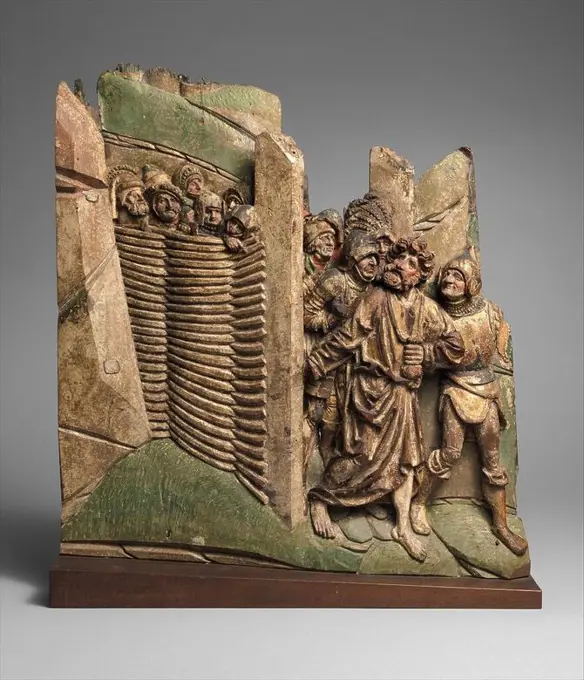
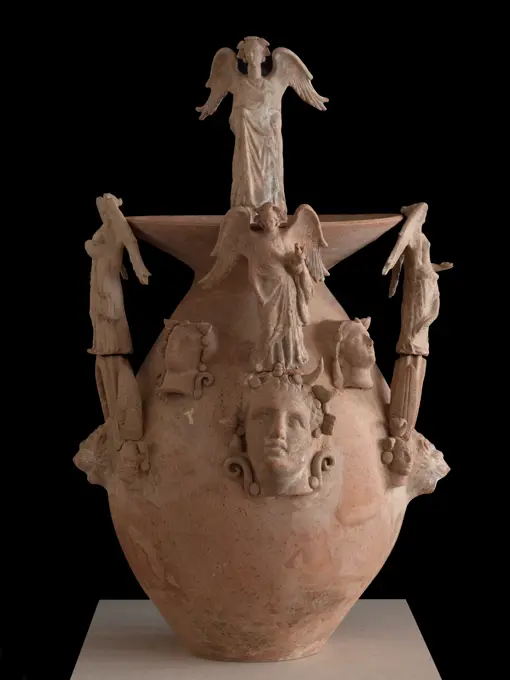
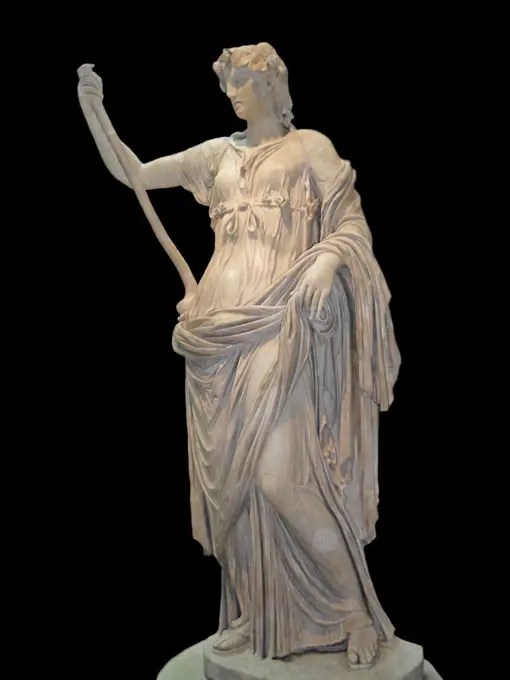
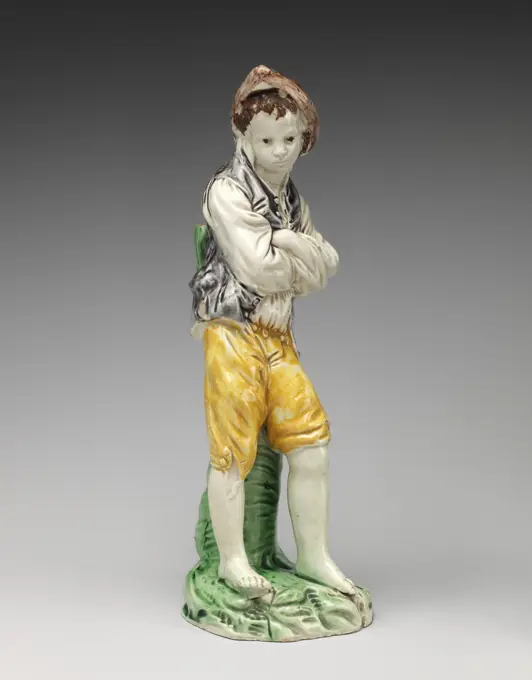
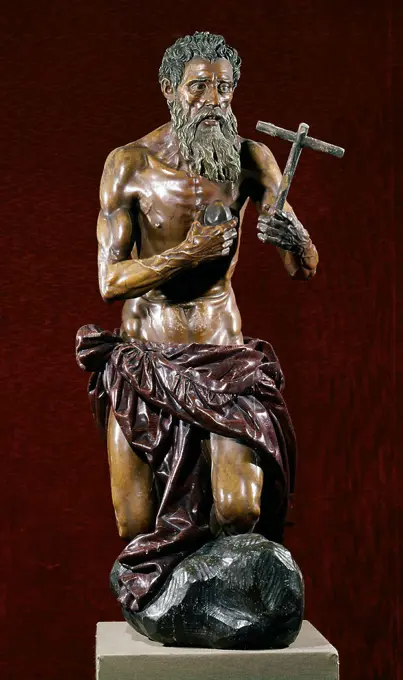
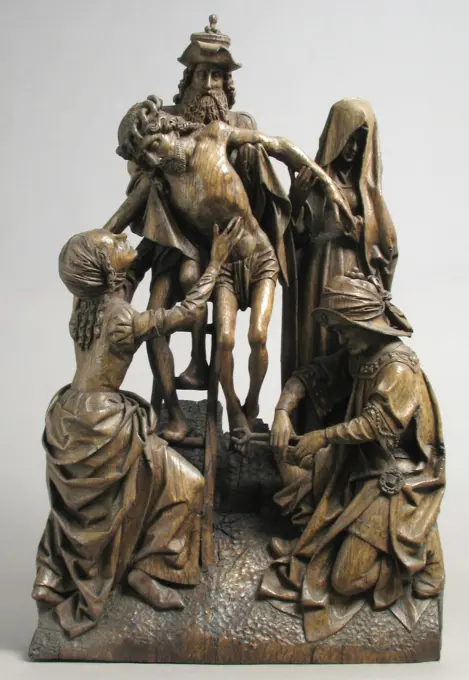
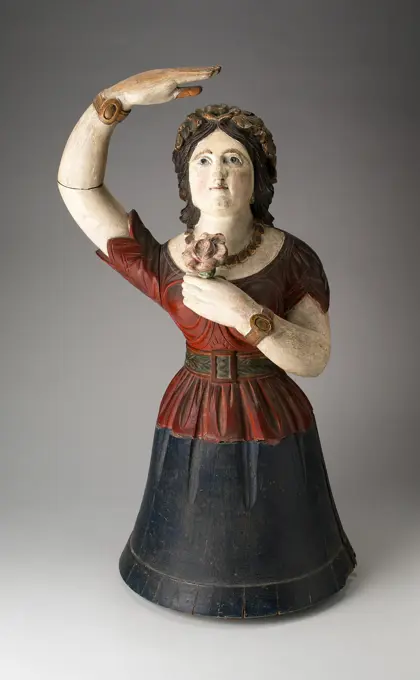
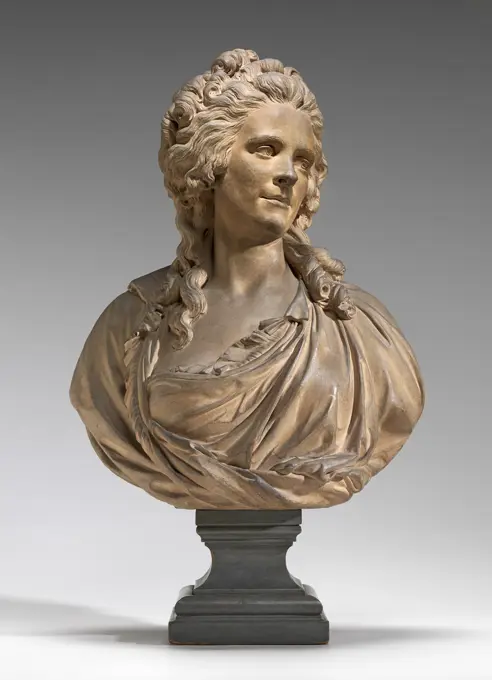
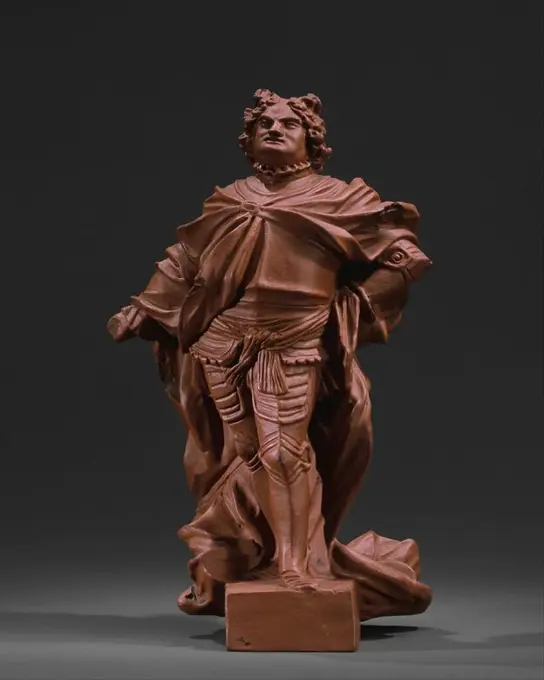
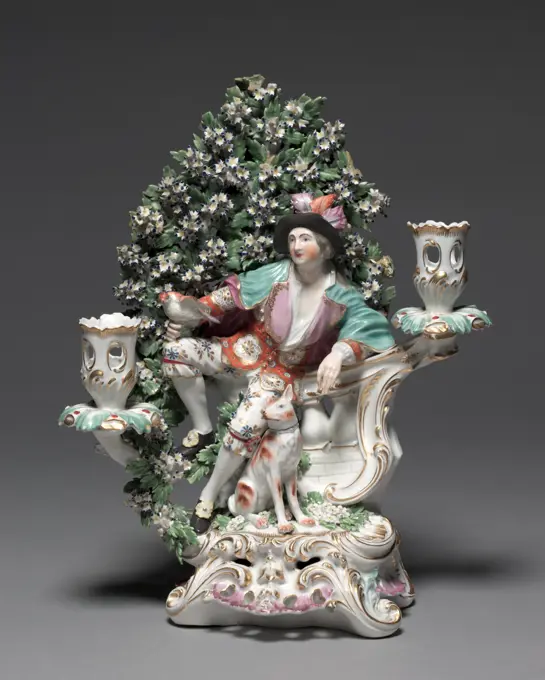
Female musician with lute 6th-7th century China. Female musician with lute. China. 6th-7th century. Earthenware with pigment. Sui dynasty (581-619). Tomb PotteryMonkey General Hanuman, c. 1000. South India, Chola period (900-1200s). Bronze; overall: 58.4 cm (23 in.).Hercules and Iole, 1710-1725. Giovanni Battista Foggini.  The subject tells a story of the ancient Greek hero Hercules (or Heracles). Hercules was sold to Omphale, Queen of Lydia. He became her lover and whilst in her service started to display feminine traits, wearing women's dress and spinning. The sculpture depicts Omphale with her arm around Hercules, she wears his lion skin. The arms of Hercules, and one of Omphale's arms are now missing so we can no longer be sure what they held in their hands. In the traditional depiction she is shown holding his club, whilst he holds a spindle. This subject appealed to Renaissance and Baroque artists as it could be used to explore the theme of woman's domination over man.Woman ca. 1740 Vienna The gift of the Hans Syz Collection in 1995 endowed the Museum with nearly three hundred examples of European and Asian ceramics meticulously acquired by Swiss-born collector Dr. Syz (1894-1991) to chart the migration of models and patterns from East to West. Documenting a continuous process of influence and adaptation, these pieces provide a discriminating review of the nuances of stylistic change resulting from three centuries of trade.. Woman 208482La Source 1859-1869 France. Terracotta . Albert-Ernest Carrier-BelleuseJean-Pierre Dantan (1800-1869) said Dantan the young. Charlotte-Napoleon, Princess Bonaparte (1802-1839). Terracotta patinated plaster, 1833. Paris, Carnavalet museum. 51844-6 Patina patter, portrait-meter, princess, terracotta'Statue of Athena'. Roman copy of the Greek original of the late 5th century BC. Ancient Rome, First half of the 1st century. Dimensions: 167 cm. Museum: State Hermitage, St. Petersburg.Standing Attendant Made 500 CE-540 CE Shanxi. Earthenware with traces of polychrome pigment .Alexandre Jean Joseph Falguière (1831-1900). Young girl bust. Tinted plaster. 1874. Museum of Fine Arts of the City of Paris, Petit Palais. Bust, child, girl, young girl, portrait, statueVictory with Cornucopia (Chariot Attachment), AD 40-68. Italy, Rome, Imperial, later Julio-Claudian. Bronze; overall: 42 cm (16 9/16 in.).MINERVA EN BRONCE DE LA CIUDADELA SOBRADO-CORUNA-. Location: MUSEO ARQUEOLOGICO / CASTILLO. LA CORUNA. A CORUÑA. SPANIEN. Minerva. ATENEA (DIOSA GRIEGA).'Mother of Moses'. Switzerland, 1848. Dimensions: h. 140 cm. Museum: State Hermitage, St. Petersburg.Roman Sculptor / 'Roman Woman'. 140 - 150. White marble. Museum: Museo del Prado, Madrid, España. Author: TALLER ROMANO.Saint Peter. Artist: Cosimo Fanzago (Italian, born Lombard, active chiefly in Naples, 1591-1678). Culture: Italian, Naples. Dimensions: Overall (confirmed): 11 1/8 × 4 3/4 × 3 3/4 in. (28.3 × 12.1 × 9.5 cm)Height (with pedestal): 16 in. (40.6 cm). Date: 1633-34.The statue originally stood on a tabernacle in the conventual church of Las Augustinas Recoletas in Salamanca, commissioned by Manuel de Zuñiga, viceroy of Naples. Museum: Metropolitan Museum of Art, New York, USA.. The hair falls over shoulders and back. The finely pleated robe with round neck cutting is partially covered by the jacket. The back is fairly flat.Standing Virgin and Child ca. 1440 Circle of Jakob Kaschauer. Standing Virgin and Child. Circle of Jakob Kaschauer. Austrian. ca. 1440. Limewood with paint. Made in Tyrol, Austria. Sculpture-WoodFalconer.Virgin and Child. Alessandro Algardi (Italy, Bologna, 1598-1654, active Rome). Italy, Rome, circa 1650. Sculpture. Bronze with traces of silver and gildingTwo Chinese figures. These porcelain figures were made in Meissen and mounted in Paris on gilt-bronze (ormolu) bases. The design of the bases corresponds with that of the base of the clock with the elephant also on display here. This was a way of creating a cohesive ensemble.Statuette of a Seated Female Figure. UnknownJean-Pierre Dantan (1800-1869), known as Dantan young. Caricature of the architect of the city of Paris Edouard Renaud (1818-after 1886). Terracious patinated plaster. 1851. Paris, Carnavalet museum. 52168-13 French architect, patina patina, terrestrial, caricatureFriedrich-Elias Meyer (1723-1785). Fall or bacchus. Porcelain, 1755-1760. Paris, Cognacq-Jay museum. 79170-10 Allegorie, cup, Roman deity, bunch, drunkenness, porcelain, grape, fall season, statuette, glass, wine, 18th 18th 18th 18th 18th 18th 18th century, animal, fruitFigure Group: The Flute Lesson (Le Flûteur) (one of a pair).'Sleeping Hermaphroditius'. Ancient Rome, roman work after the Greek model of the 3rd-2nd century BC. Dimensions: height: 146,5 cm. Museum: State Hermitage, St. Petersburg.Statue of the Infant Cupid; 1st century; Bronze with silver and copper; 64 × 33.5 × 17.8 cm (25 3,16 × 13 3,16 × 7 in.)Brother and Sister, 1875. Jean-Baptiste Carpeaux (French, 1827-1875). Terracotta; diameter: 20.3 cm (8 in.); overall: 63.5 cm (25 in.).Support Figure of a Seated Cleric or Friar ca. 1280 French The pose of this statuette of a cleric of friar, echoing ancient figures of Atlas, and the indentation cast into its back tell us that it was originally intended as a support for a larger object. Like the carved pair of altar angels in The Cloister's collection (acc. nos. 52.33.1, .2), the style of this cast figure derives ultimately from the seminal sculpture of thirteenth-century Reims Cathedralin this case from the console figures on the west facade and nave exterior. No thirteenth-century shrine survives intact with support figures like this one, but there are examples from the later Middle Ages. Furthermore, a number of the scenes depicted in the Hours of Jeanne d'Evreux (acc. no. 54.1.2) are set in architectural frameworks supported by similar bent figures.. Support Figure of a Seated Cleric or Friar 469939Fragmentary terracotta female statuette, perhaps Artemis 3rd-2nd century B.C. Greek, South Italian, Tarentine Fragmentary; upper part of nude female.. Fragmentary terracotta female statuette, perhaps Artemis. Greek, South Italian, Tarentine. 3rd-2nd century B.C.. Terracotta. Hellenistic. TerracottasBoy Removing a Thorn from his Foot (Spinario), De Grieksche A, c. 1725 - c. 1740 figure Image of Faience representing a boy who pulls a thorn from his foot. Delft .  'Spinario', child pulling a thorn out of its footHoly Knight (St Victor), anonymous, c. 1510  Lower Rhine region (possibly) oak (wood)  Lower Rhine region (possibly) oak (wood)ESCULTURA - DAMA DE CORINTO - 200 AC - ARTE GRIEGO. Location: BRITISH MUSEUM. LONDON. ENGLAND.Portrait of Louis XIV (1638-1715), king of France and Navarra. A slightly smaller than life-size portrait of Louis XIV in patinated bronze, on red-lactated square feet. The face is slightly turned to the right (heraldic left). The frost carries a contemporary and impressive 'in folio' wig, and an all'antica kuras in Roman style, with half visible from behind the drapery the radiant sun - referring to Apollo - as the monarchal logo of the sun king. Two rows of lambrequins and a pleated sleeve are visible at the arms. On the Lambrequins are engraved Fleurs-de-Lys. On the right shoulder, the drapery that acts as a chest cut masking is retained with a rosette-shaped button. The back of the bust is open, with the exception of the back of the head. The whole shows a high degree of finish and detailed detail, which demonstrates that the bronze has been modeled very carefully and has been scilated after casting.Statue of Draped Female, Originally with Portrait Head; Italy; A.D. 160-190; Marble; 191 cm (75 3,16 in.)Statuette of the Personification of a City 300-500 Late Roman or Byzantine Tyche, the personification of chance or fortune, was also understood as the protector of cities. Linked to civic pride and well-being, she appeared in a range of media, including coins, stone reliefs, glass bottles, and stone and copper-alloy sculptures. Here, Tyche sits on a low throne. Wearing a mural crown, chiton, and peplos, she holds a cornucopia in her left hand. She extends her right hand, which held a now-missing attribute, possibly a staff. It is difficult to identify which city is represented by the statuette, but regardless, the sculpture is representative of the small-scale Tyche images found throughout the late Roman and early Byzantine worlds.. Statuette of the Personification of a City 468202Figure of a Girl with Cat, c. 1770. Nymphenburg Porcelain Factory (German, founded 1747), probably by Dominicus Auliczek (German, 1734-1804). Porcelain; overall: 24.5 x 13.3 x 12.4 cm (9 5/8 x 5 1/4 x 4 7/8 in.).The Infanta ca. 1890-94 Jean-Joseph Carriès French Carriès was an experimental sculptor who turned to ceramics, firing his pieces himself, in a range of textures and tones. The subject-a Baroque princess obsessively hugging her doll-pays tribute to Velázquez, while the "accidental" cracks were inspired by Japanese ceramics, another of his passions.. The Infanta 208881Young Satyress Running with an Owl's Nest, 1770s. Clodion (French, 1738-1814). Terracotta; overall: 32.1 x 14.8 x 18.1 cm (12 5/8 x 5 13/16 x 7 1/8 in.); with base: 45.1 cm (17 3/4 in.).Terracotta statuette of an actor late 5th-early 4th century B.C. Greek Fourteen of these figures are said to have been found together in a burial in Attica. They are among the earliest known statuettes of actors and are superbly executed and preserved. Originally they were brightly painted. They document the beginning of standardized characters and masks, indicating the popularity not of a specific figure but of typesthe old man, the slave, the courtesan, etc.that appeared repeatedly in different plays. By the mid-fourth century B.C., Attic examples or local copies were known throughout the Greek world, from Southern Russia to Spain.. Terracotta statuette of an actor. Greek. late 5th-early 4th century B.C.. Terracotta. Late Classical. TerracottasSaint Margaret ca. 1470-80 Workshop of Michael Pacher Austrian or German According to legend, St. Margaret was imprisoned for refusing to marry the governor of Antioch. Satan appeared to her in the form of a dragon and swallowed her as she clutched a cross in prayer; she then ripped open his belly with the cross and emerged unscathed. The statue may have held a cross in one of her now-missing hands; the vanquished dragon lies at her feet. This massive figure probably came from the central shrine of a large polychromed altarpiece.. Saint Margaret. Workshop of Michael Pacher (Austrian or German, active by 1462/3-died 1498). Austrian. ca. 1470-80. Pine with metal appliqués, traces of gesso and paint. Made in Bruneck, South Tyrol, Austria (now Italy, Trentino-Alto Adige). Sculpture-WoodSaint Stephen ca. 1525-30 Hans Leinberger Saint Stephen sits upon a low, partially draped, backless bench. He wears a dalmatic over a long tunic, indicating his position in the church as a deacon, and in his right hand he holds an open book supporting three rocks, referring to his death by stoning. Revered as the first Christian martyr, Stephen's story is recounted in the Acts of the Apostles (6-7). The work is carved from three pieces of wood: one was used for the saint and the other two for the lateral extensions of the seat. The modeling is so convincing that when viewed from the front, the figure, in fact a sculpture in relief, appears to be rendered fully in the round. The statue is well preserved except for the loss of much of the original polychromy. The relief probably was once part of a series of seated figures of saints that may have included Saint Lawrence, another deacon saint often depicted together with Saint Stephen in Late Gothic art.Attributed to one of the foremost LaStanding Court Official. China. Date: 618 AD-907 AD. Dimensions: 66.3 × 19.0 × 18.5 cm (26 1/8 × 7 1/2 × 7 1/4 in.). Earthenware with painted decoration. Origin: China. Museum: The Chicago Art Institute, Chicago, USA.Twilight Modeled 1878 New York City. Olin Levi Warner was one of the first Americans to study sculpture in Paris, enrolling at the cole des Beaux-Arts in 1869, when the focus of training for contemporary sculptors shifted from Italy to France. Twilight is perhaps the earliest example of an ideal subject by the artist, who also sculpted portraits. Balancing her weight on her toes, the partially draped female figure draws a veil over her head, signifying the approach of night. With her arms wrapped above and below her face, this personification of twilightís fleeting moments is surrounded by a sense of mystery.. Bronze, dark brown patina . Olin Levi Warner (Sculptor).Jupiter. After a model attributed to Jean Raon (French, 1630 - 1707)Unknown artist, nineteenth century, A Roman Emperor, 1830s. Bronze.The Girl Offers Her Coin in Payment 1752-1762 Sèvres. This independently sculpted figure of a girl offering a coin as payment for the pastry she holds was originally paired with another biscuit figure, which depicts a boy selling pastries from a basket slung across his shoulder. Like many such sculptures from this period, these were modeled after designs by the French artist FranÁois Boucher (1703ñ1770).. Unglazed soft-paste porcelain (biscuit) . Manufacture nationale de Sèvres (Manufacturer)Roman bronze statuette of the god Mars, 2nd century. Artist: UnknownSAN JERONIMO-TALLA DE MADERA POLICROMADA. Author: FELIPE BIGARNY (1475/1543). Location: UNIVERSIDAD-CAPILLA. SALAMANCA. SPAIN. SAN JERONIMO CARDENAL.Ancient Statue Base. Unknown. The figure of the kneeling apostle is built up of diagonal planes that extend into the piled rocks. This compact composition directs the viewers gaze to very heart of the work, namely Peters contorted face and clasped hands. The apostles moral dilemma - he has just denied knowing Jesus - is dramatized with such intensity that the sculpture has a distinctly modern appearance.Gustave-Jean-Baptiste Deloye (1848-1899). "Victor Hugo". Plaster. Paris, house of Victor Hugo. 101962-8 Platre, statueFemale Bust ca. 1795 Joseph-Charles Marin. Female Bust 460704Jean-Baptiste Carpeaux (1827-1875). Sketch for the Watteau monument. Museum of Fine Arts of the City of Paris, Petit Palais. 26306-2 Sketch, tribute, monument, French painter, statue, 19th XIX 19th 19th 19th 19th centuryZenobia, Queen of Palmyra 1852-1862 United States. Harriet Hosmer was the leader of a small group of women who studied sculpture in Rome in the 1850s. Her work frequently addresses the theme of strong, independent women who are ultimately punished for seeking a level of power and ambition thought to be inappropriate to their sex. This portrait depicts Zenobia, the queen of Palmyra, who ruled the Syrian city after her husband, Odenathus, died in A.D. 267. Zenobia conquered Egypt and much of Asia Minor before her defeat by the Roman emperor Aurelian in A.D. 272. Portraying the queen at the moment of her capture, Hosmer emphasized Zenobiaís dignity, remarking, ìI have tried to make her too proud to exhibit passion or emotion of any kind; not subdued, though a prisoner; but calm, grand, and strong within herself.î. Marble . Harriet Hosmer (Sculptor)Relief with Two Maenads. UnknownFragment of the marble stele (grave marker) of a hoplite (foot soldier). Culture: Greek, Attic. Dimensions: Overall: 55 15/16 x 20 1/8 in. (142.1 x 51.1 cm). Date: ca. 525-515 B.C..This grave marker commemorated a soldier, who was shown facing right, holding a spear. His lower legs, protected by greaves (shin guards), are preserved. The scene in the panel below shows a warrior mounting a quadriga (four-horse chariot), while his charioteer holds the reins. Such vehicles were used by the Mycenaean Greeks of the second millennium B.C. and are described by Homer in the Iliad and the Odyssey. By the Archaic period, quadrigas were no longer used in daily life. They were driven in competition, however, for the most prestigious events at Greek games were chariot races. This scene may have been intended to recall a victory of the deceased in the apobates race in which an armed runner jumped on and off a chariot, or it may evoke the family's aristocratic lineage by depicting a legendary hero depGoddess Iside. Statue of bigio morato marble. 2nd century AD. Italy. National Archaeological Museum, Naples. Italy.Marble stele (grave marker) of a woman. Culture: Greek, Attic. Dimensions: H. 48 1/16 in. (122 cm). Date: mid-4th century B.C..This noble image of a woman brings to mind the philosopher Aristotle's description of commonly held beliefs about the dead: "In addition to believing that those who have ended this life are blessed and happy, we also think that to say anything false or slanderous against them is impious, from our feeling that it is directed against those who have already become our betters and superiors" (Of the Soul, quoted in Plutarch, A Letter to Apollonius 27). Larger than life and seated on a thronelike chair, this figure assumes almost heroic proportions. Museum: Metropolitan Museum of Art, New York, USA.Circus Wagon Figure. Dated: c. 1937. Dimensions: overall: 49.4 x 25 cm (19 7/16 x 9 13/16 in.) Original IAD Object: 55" high. Medium: watercolor and graphite on paperboard. Museum: National Gallery of Art, Washington DC. Author: Howard Weld.Male character mingqi. Terracotta, traces of polychromy. Paris, Cernuschi museum. 78843-7 Beyond, belief, figurine, mingqi, funeral object, male character, model character, funeral rite, statuetteCupid on a lion ca. 1675-90 Mattheus van Beveren The winged Cupid subduing a ferocious lion embodies the notion that "love conquers all," drawn from Ovid and Virgil. In van Beveren's realization of this popular artistic theme, love is represented as a putto, or winged infant. The portrayal of Cupid as a chubby child dates to the Renaissance, as does the virtually indistinguishable imagery of infant angels in the sacred context of the same artist's Lamentation (see 64.164.242).. Cupid on a lion 206833Jean-Baptiste Carpeaux (1827-1875). Bust of children with roses. Patinated plaster, 1873. Museum of Fine Arts of the City of Paris, Petit Palais. 78930-24 In bust, child, portrait, 19th 19th 19th 19th 19th 19th centuryCOYSEVOX, Antoine (1640-1720). The Prince of Cond_. 1688. Bust. Baroque art. Sculpture on bronze. FRANCE. LE-DE-FRANCE. Paris. Louvre Museum.Sleeping Boy. Artist: Philippe Laurent Roland (French, Pont-à-Marc 1746-1816 Paris). Culture: Italian, Rome. Dimensions: Overall (confirmed): 22 9/16 × 14 × 10 1/8 in., 53.9 lb. (57.3 × 35.6 × 25.7 cm, 24.4 kg). Date: ca. 1774.Given the sculptor Philippe-Laurent Roland's reverence for his master, Augustin Pajou, it is no surprise the terracotta Sleeping Boy shares the vivacity of Pajou's Head of a Bearded Elder (acc. no. 2003.25). A young boy of about ten years has fallen asleep in an upright position. His right hand cradles his lolling head, while the left arm hides in drapery which circles from that shoulder to the other side. The fingers sink into the fleshy cheek and displace the lips from their normal position beneath the nose. These irregularities, along with the taut sinews of the hand and slightly disheveled hair, stand out against the smooth skin of his exposed torso.The sculptor's brilliantly observed, relaxed naturalism is all the more astonishing because the work was execTen weepers from the tomb of Isabella of Bourbon, attributed to Renier van Thienen, c. 1475 - c. 1476Female musician with harp 6th-7th century China. Female musician with harp. China. 6th-7th century. Earthenware with pigment. Sui dynasty (581-619). Tomb PotteryBronze portrait bust of a boy. Culture: Greek or Roman. Dimensions: H. 2 5/8 in. (6.7 cm). Date: late 2nd century B.C.-2nd century A.D..Portrait bust of a boy. Museum: Metropolitan Museum of Art, New York, USA.Terracotta female head. Culture: Greek. Dimensions: H. 2 5/8 in. (6.7 cm). Date: 4th-3rd century B.C..Wearing a phendone. Museum: Metropolitan Museum of Art, New York, USA.Clay female statuettes with tarantinidion (), by Unknown artist, 3rd Century, . Italy: Puglia: Taranto: Taranto: National Archaeological Museum. Whole artwork. Two female stone statuettes clothes Taranto hair tied back head coveredFigure of a woman ca. 1745 British, Staffordshire. Figure of a woman. British, Staffordshire. ca. 1745. Salt-glazed stoneware. Ceramics-PotteryBronze mirror with a support in the form of a draped woman mid-5th century B.C. Greek The ancient Greeks used mirrors that were held in the hand or stood independently. This free-standing example of a well established type consists of a base, a supporting figure, and the mirror disk embellished with additional figures around its periphery. The woman, who is probably mortal, wears a woolen garment, a peplos. Above her fly two personifications of love, erotes; originally hounds and hares would have coursed around the disk and a sphinx or siren would have perched on top. The variety of component parts are integrated into a whole that is both balanced and dynamic.. Bronze mirror with a support in the form of a draped woman. Greek. mid-5th century B.C.. Bronze. Classical. BronzesGIPS Model of the disappeared Aceh monument in Batavia, in Or Before 1882  GIPS model of the disappeared Aceh monument in Batavia representing the winged Dutch virgin with laurel wreath and spear. The bronze original was set up in Batavia in 1882 and dismantled in 1957.  gypsum. bamboo   Batavia. AtjehJean-Pierre Dantan (1800-1869), said Dantan the young. Serious portrait of the singer Giulia Grisi, Dame Gérald de Melcy, (1812-1869) in the role of Marino Faliero. Stearine plaster. 1835. Paris, Carnavalet museum. Bust, singer, lyric, stearine plaster, serious portraitJean Carriès (1855-1894). "The martyrdom of Saint Faithful: Faithful Saint, in plaster". Museum of Fine Arts of the City of Paris, Petit Palais. 24191-5 Capuchin, Catholic, Ceramic, Martyrdom, Platre, Prettre, German saintMarble funerary statues of a maiden and a little girl ca. 320 B.C. Greek, Attic Toward the end of the fourth century B.C., Attic grave monuments became increasingly elaborate. Freestanding figures such as these were often placed within a shallow, roofed, marble structure that was open at the front. The older girl shown here must have died in her teens, before marriage, for she wears her mantle pinned at the shoulders and hanging down her back. This distinctive manner of dress was apparently reserved for young virgins who had the honor of leading processions to sacrifice, while carrying a basket containing barley, fillets, and the sacrificial knife. Being a kanephoros (basket bearer) was the highest honor possible for a maiden in the years just preceding marriage, and this girl is represented wearing the festival dress. Listen to experts illuminate this artwork's story Listen Play or pause #1058. Marble funerary statues of a maiden and a little girl Supported by Bloomberg PhilanthropiesPortrait-load of Henri Rochefort in augury Gueyton. "Charge portrait of Henri Rochefort in augur". Terracotta, polychrome.Figure. Dated: 1935/1942. Dimensions: overall: 30.5 x 22.9 cm (12 x 9 in.). Medium: watercolor, graphite, and heightening on paperboard. Museum: National Gallery of Art, Washington DC. Author: Byron Dingman.Cupid ("L'Amour Menaçant") Manufactory Sèvres Manufactory French After a model by Etienne-Maurice Falconet French porcelain after 1761, gilt bronze ca. 1775Judas Entering the Garden of Gethsemane to Betray Christ. Culture: German or South Netherlandish. Dimensions: Overall: 19 11/16 x 18 3/8 x 1 15/16in. (50 x 46.7 x 5cm). Date: 15th century. Museum: Metropolitan Museum of Art, New York, USA.Printing block, Medium: wood, Carved woodblock with a figure of a kneeling woman., Iran, 17th-18th century, appliances & tools, Printing blockCrater with erect handles (sphageion). Applique decor and statuettes. Canosa (Italy). Museum of Fine Arts of the City of Paris, Petit Palais. 58802-20 Allegorie, Anse Dressed, Antiquity, Ancient Art, Boisson, Ceramic, Cratere, Decor Applied, God, Greek-Roman Divin, Woman, River, Great Greek, Young Man, Nike, Ancient Periode, Wing character, Content, Sphageion, Statuette, Ancient vase, victoryThalia, Muse of Comedy. Roman, 2nd century AD. Marble. In ancient mythology, Thalia was one of the nine Muses. The Muses were female companions of the god Apollo and devoted to the arts and sciences. Although Thalia was associated with comedy, Roman poets describe her as graceful and tender.The Libyan Sibyl. Artist: William Wetmore Story (American, Boston, Massachusetts 1819-1895 Vallombrosa). Dimensions: 53 x 27 3/4 x 45 1/2 in. (134.6 x 70.5 x 115.6 cm). Date: 1860; carved 1861."The Libyan Sibyl," which Story described as "my anti-slavery sermon in stone," was inspired by events leading up to the Civil War. Oracle in hand, the Libyan Sibyl, eldest of the legendary prophetesses of antiquity, foresees the terrible fate of the African people. This premonition is suggested by the heroic figure's state of brooding cogitation. Her costume includes an ammonite-shell (so named for the Egyptian god Amun) headdress, its crest decorated with the tetragrammaton, the four Hebrew consonants that denote the Supreme Being. The seal of Solomon, with its interlocking triangles indicating the interrelationship of the natural and spiritual worlds, hangs from her beaded necklace. Museum: Metropolitan Museum of Art, New York, USA.Marble statue of young Christ seated on stool, from Civita Lavinia, RomeTerracotta statuette of a woman ca. 300 B.C. Greek, Cypriot Standing, in chiton and himation, resting weight on left leg.. Terracotta statuette of a woman 241285Greek school. Amazone. c. 450 A.C.. Rome, Capitoline Museums. Author: PHIDIAS. Location: MUSEO CAPITOLINO. Rome. ITALIA.Boy 18th century After a model by Paul-Louis Cyfflé. Boy. After a model by Paul-Louis Cyfflé (French, Bruges 1724-1806 Brussels). British, Burslem, Staffordshire. 18th century. Lead-glazed earthenware. Ceramics-PotteryS JERONIMO PENITENTE. Author: Juan Martínez Montañés. Location: MONASTERIO DE SAN ISIDORO DEL CAMPO. SANTIPONCE. Seville. SPAIN. SAN JERONIMO (347-420).Group Hunters or Lovers 1760-1770 Ludwigsburg. Hard-paste porcelain, polychrome enamels, and gilding . Naselmeyer NaselmeyerThe Deposition 1510-20 South Netherlandish. The Deposition 464603Female Figure c 1830-1860 United States. White pine and paint . Artist unknownPhilippe Laurent Roland, Thérèse Françoise Potain Roland, Wife of the Sculptor, c 1782 1783 Thérèse-Françoise Potain Roland, Wife of the SculptorFemalefigurineAugustus the Strong. Culture: German. Dimensions: Height: 4 7/16 in. (11.3 cm). Factory: Meissen Manufactory (German, 1710-present). Factory director: Böttger Period (1713-1720). Modeler: Attributed to Johann Joachim Kretzschmar (1677-1740). Date: ca. 1713.This small but imposing portrait of the founder of the factory reflects the early interest in sculpture at Meissen generated by such artists as Balthasar Permoser and Benjamin Thomae, who were creating sculptures for the Zwinger. This model, which has been attributed to Kretzschmar on stylistic grounds, is one of two representations of Augustus. Museum: Metropolitan Museum of Art, New York, USA.Natalie Wyczózó Kowski, Leon (1852 1936)Bust of a young woman, possibly Auguste-Louise-Therese Roland, 1798   gypsum   gypsumWarrior in a Roman dress - Mars; Campagna, Girolamo (1549-1625); End of the 16th century (1501-00-00-1600-00-00);Działyńska, Izabela Elżbieta née Czartoryski (1830-1899) - collection, mars (mitol.), Message (provenance), ancient warriorProvidential allegory; Koenigliche Porzellan Manufaktur (KPM; Berlin; 1763-1918), Mueller, Johann Georg (1750-1789); End of the 18th century (1790-00-00-1800-00-00);Candelabrum Depicting an Allegorical Figure of Liberty, c. 1775. Derby Porcelain Factory (Chelsea-Derby Period, 1770-84). Soft-paste porcelain; overall: 32.4 x 25.6 x 14.2 cm (12 3/4 x 10 1/16 x 5 9/16 in.).Bust of Ferdinand, Duke of Brunswick Bust; Manufactured by Fürstenberg Porcelain Manufactory (Germany); Modeled by Desoches; biscuit, porcelain, vitreous enamel, gold