Ceramic Female Figurines

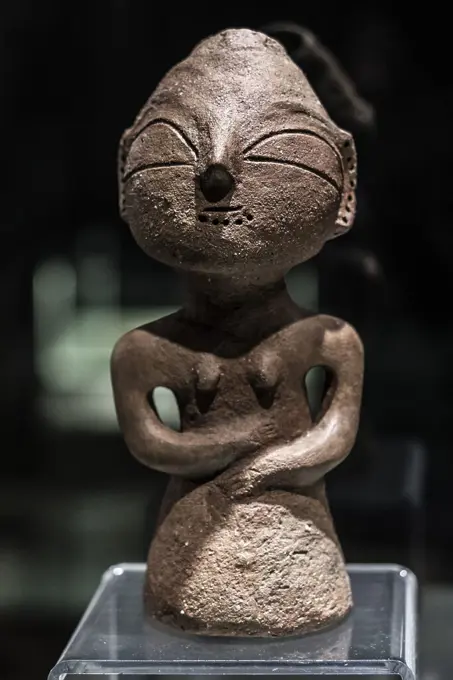
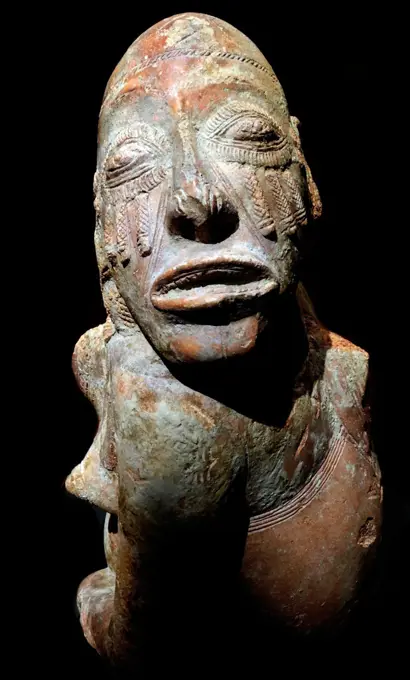
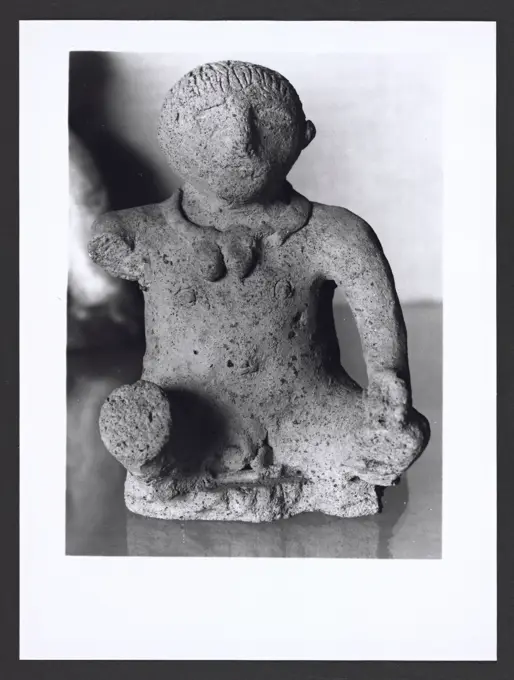
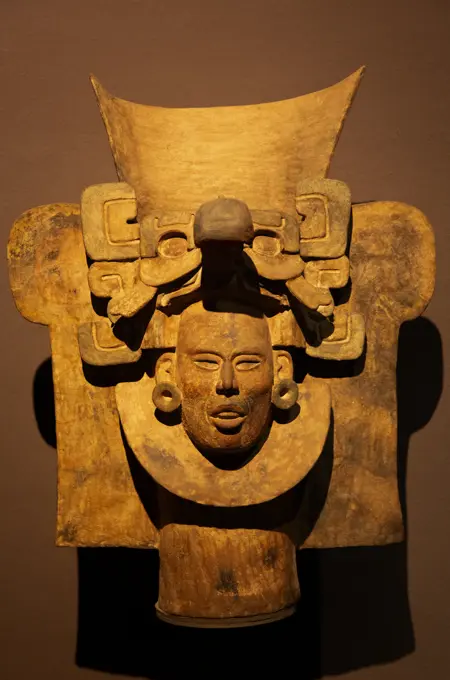
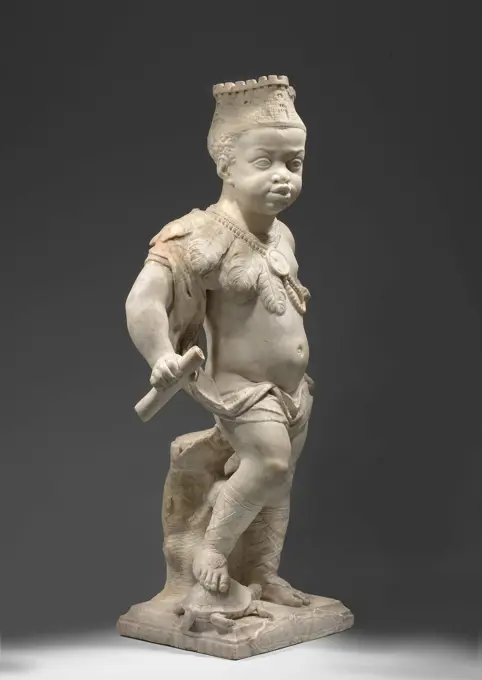
A collection of ancient ceramic female figures, showcasing varied styles from different cultures, with intricate details and historical significance.
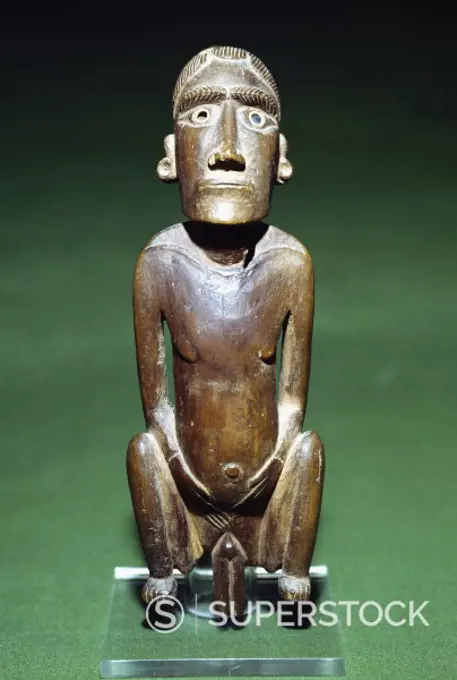
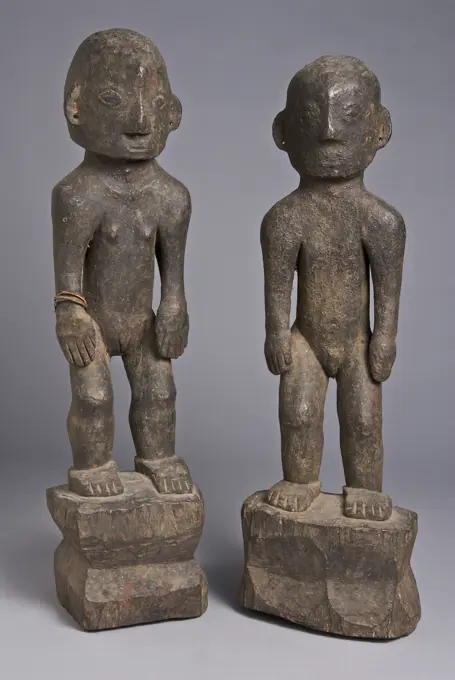
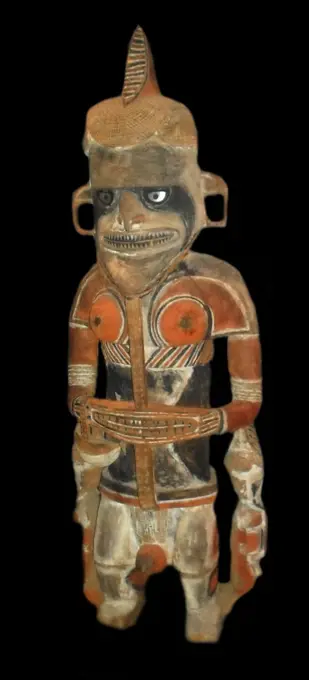
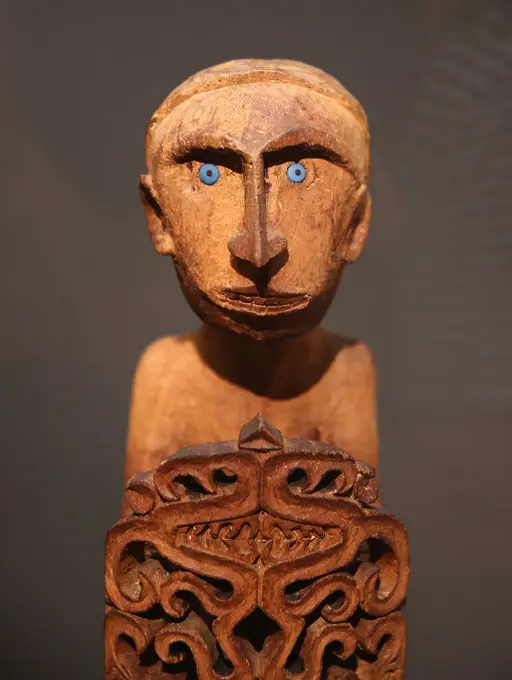
Statue of a male anthropomorphic figure, Polynesian art.

Assets in this Story

6145-29761126
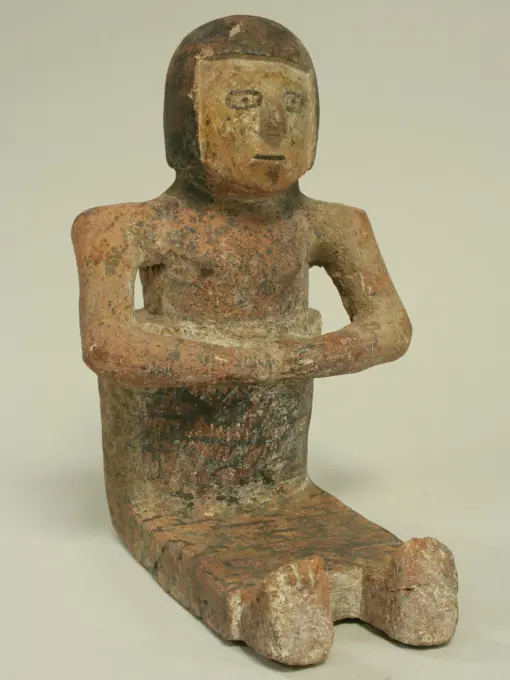
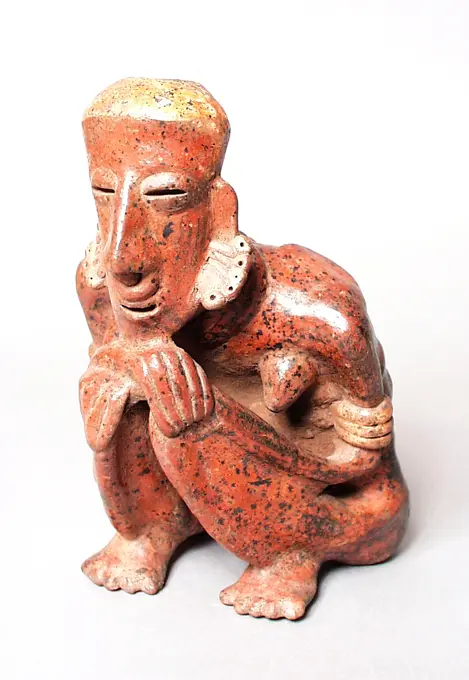
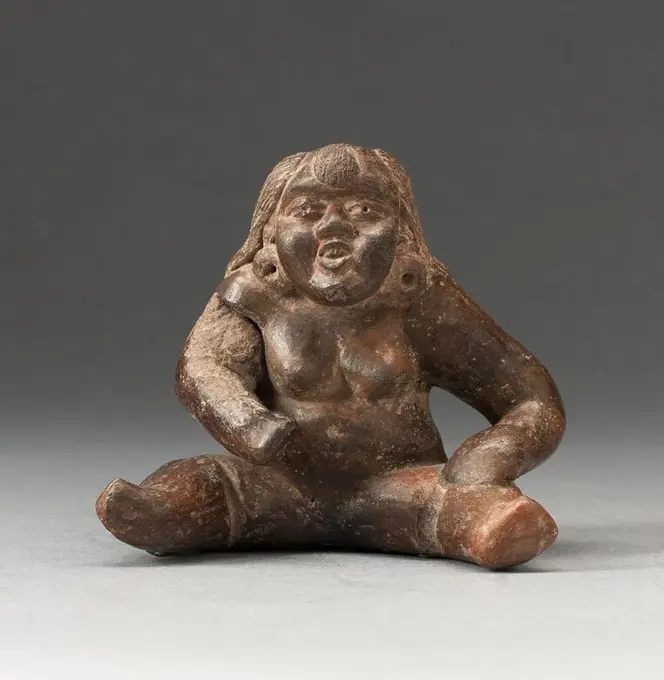
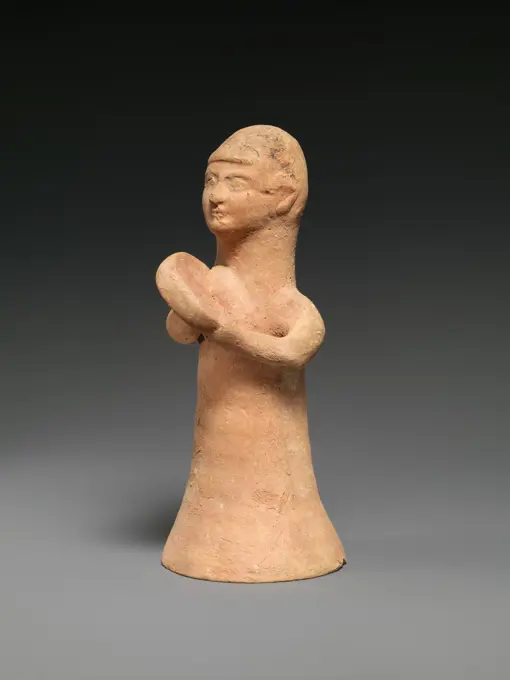
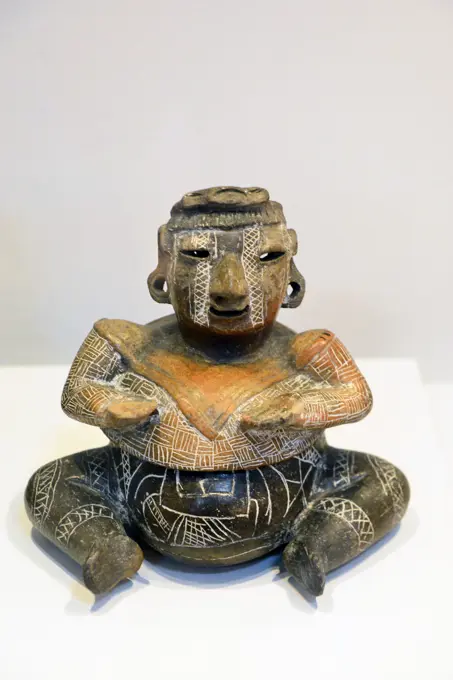
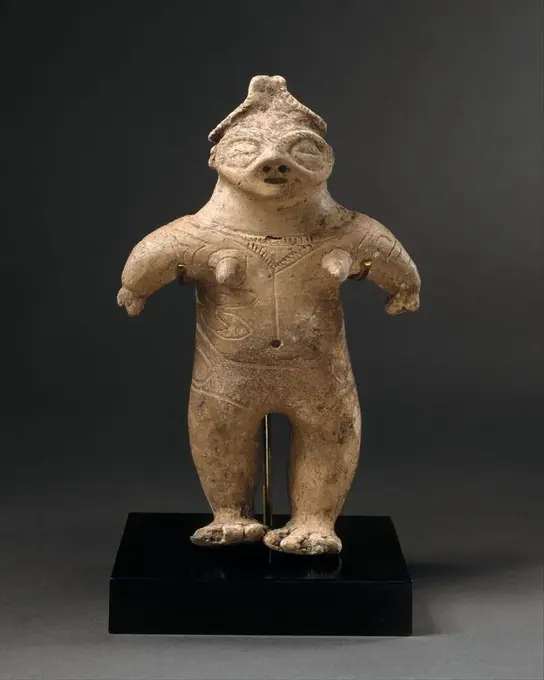
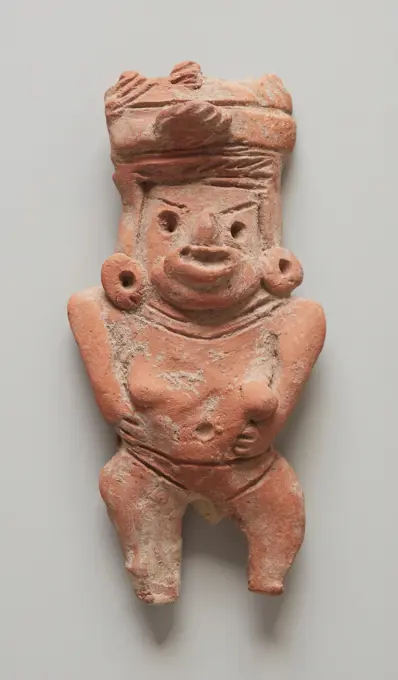
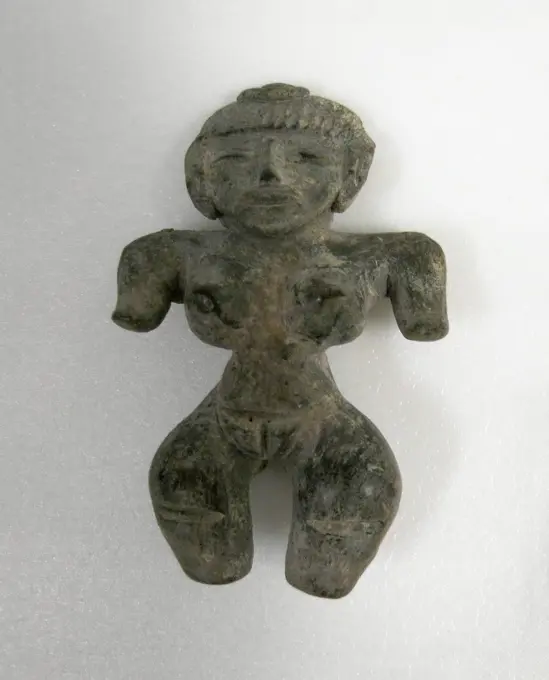
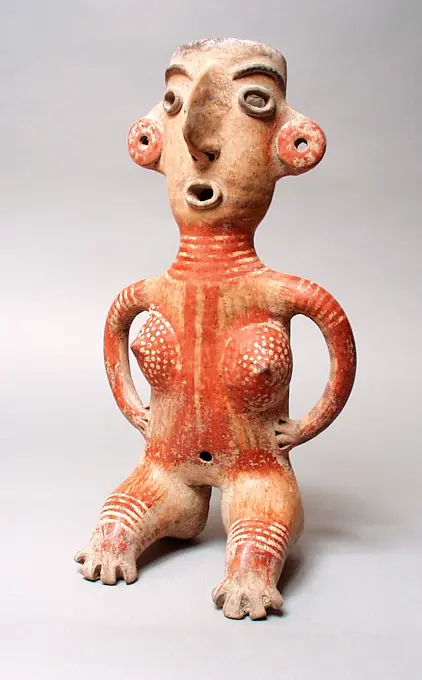
Ceramic Seated Female Figure 11th-16th century Carchi. Ceramic Seated Female Figure 314178
6145-30174176
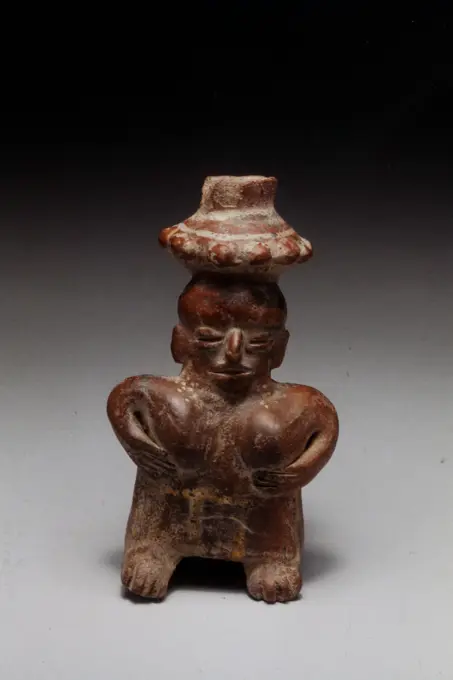
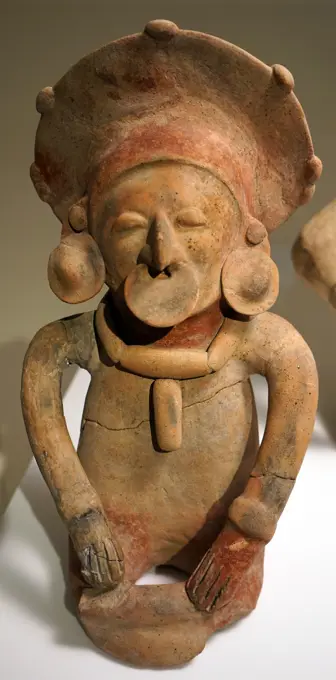
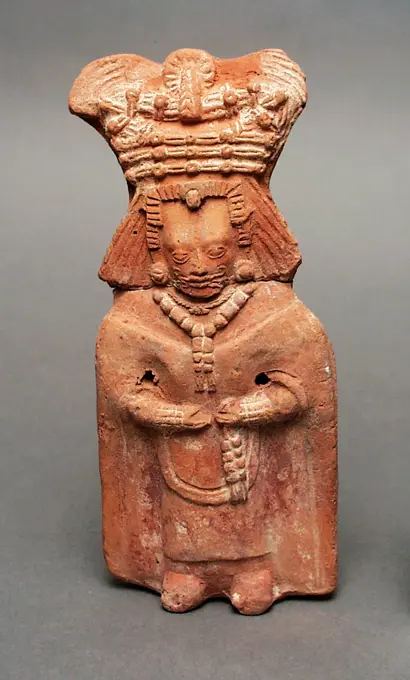
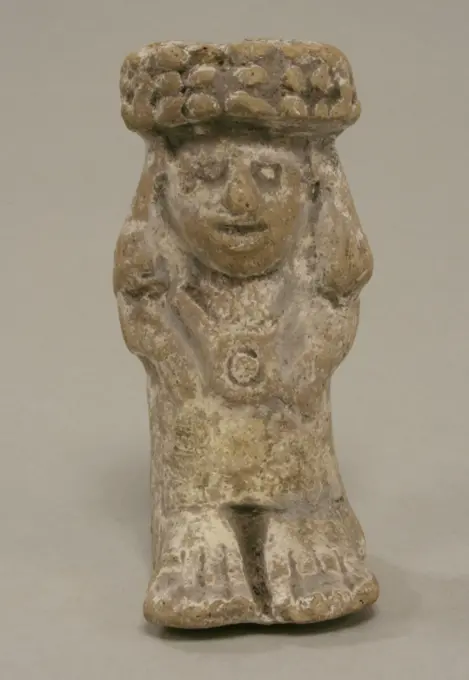
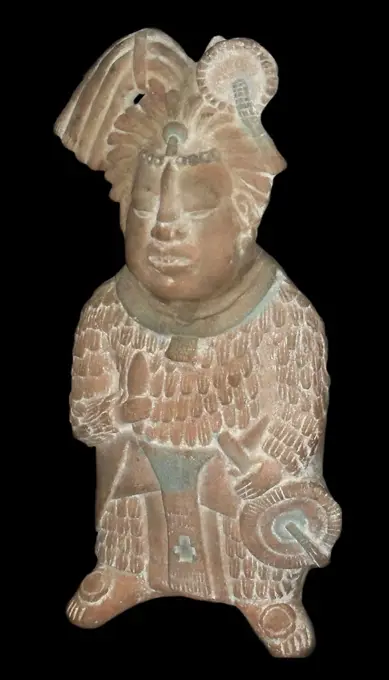
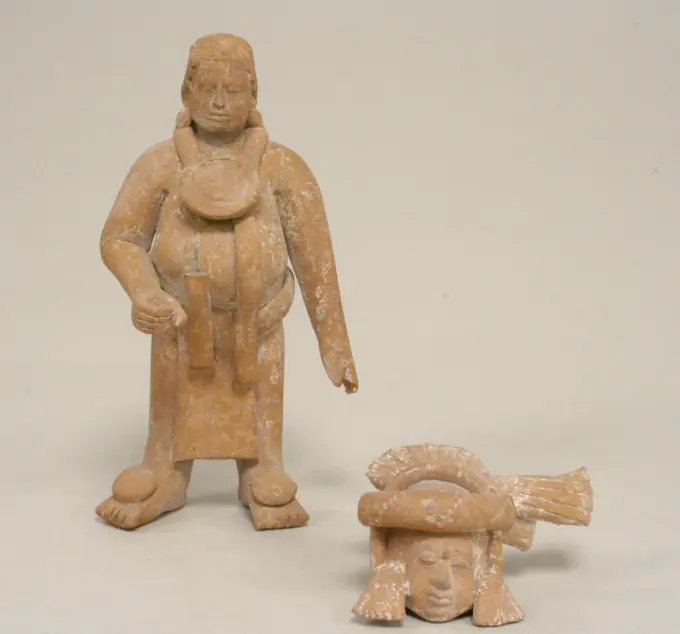
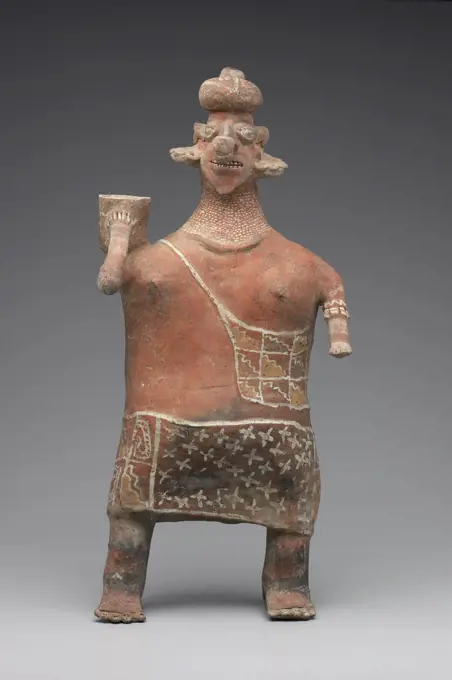
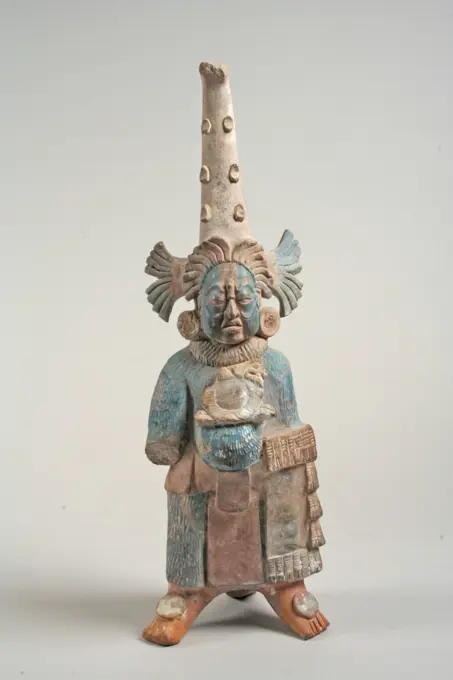
Standing Figure 300 CE-500 CE Puebla. Ceramic and pigment .
6145-30177637
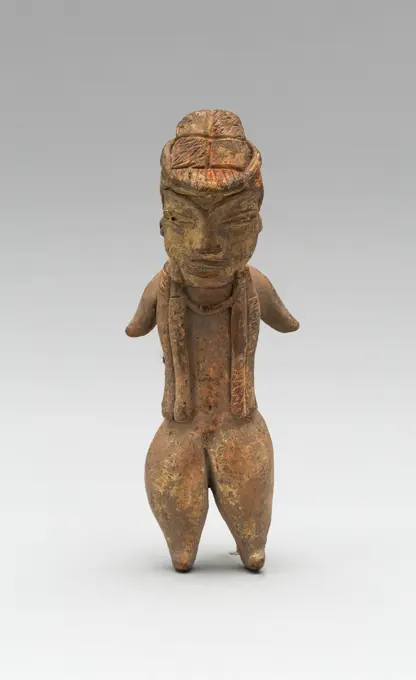
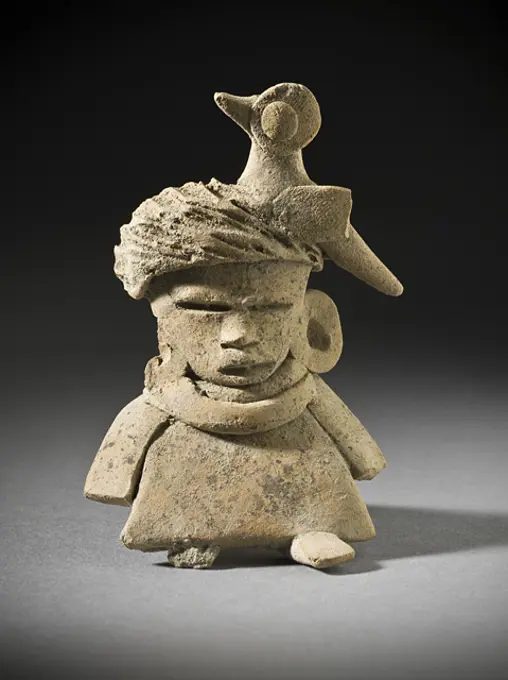
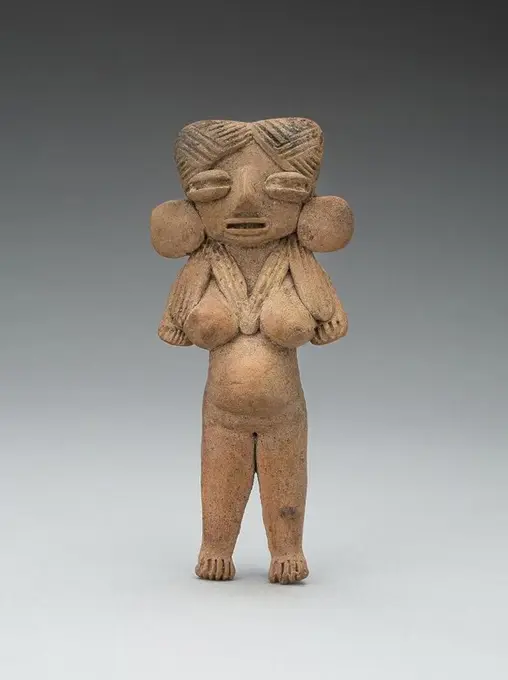
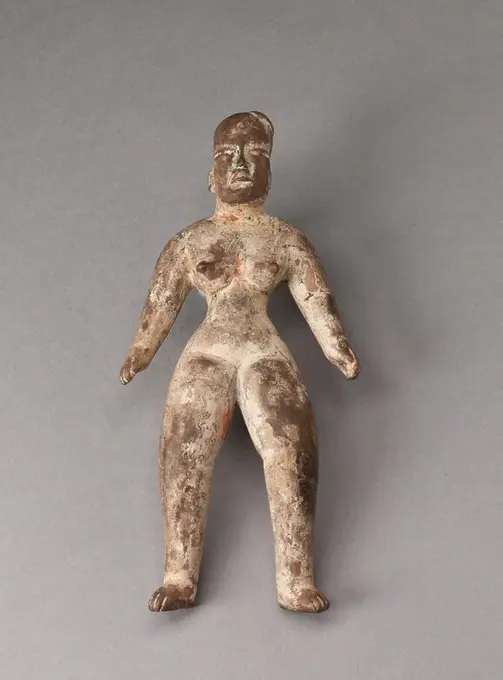
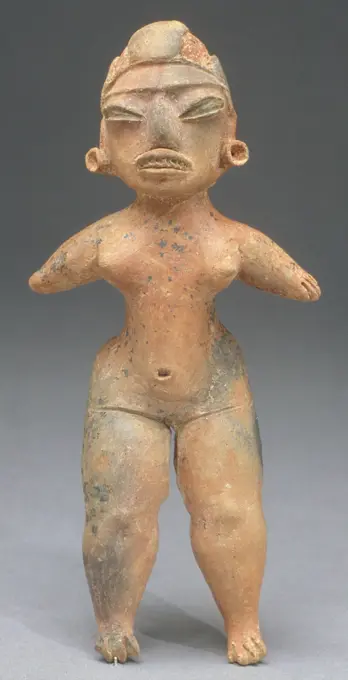
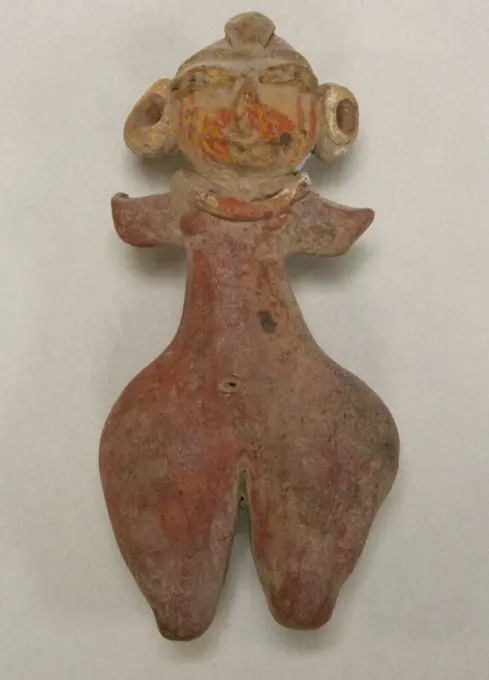
Female Figurine 500 BCE-400 BCE Tlatilco. Ceramic and pigment . Tlatilco
6145-29157771
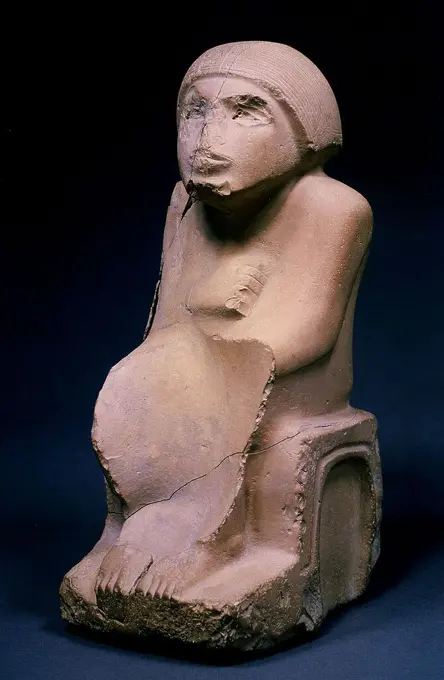
Sitting Statue of Kaemsenu () ca. 2420-2389 B.C. Old Kingdom This seated statue and a larger standing one (26.9.2) were found adjacent to the tomb of the priest Kaemsenu and probably depict this man (for the priest Kaemsenu and for his tomb, see 26.9.1). Unusually, this statue was carved from one single piece of wood.. Sitting Statue of Kaemsenu (). ca. 2420-2389 B.C.. Wood. Old Kingdom. From Egypt, Memphite Region, Saqqara, Teti Pyramid Cemetery, NW, Kaemsenu tomb probably, Firth, Egyptian Antiquities Service. Dynasty 5
6145-29719164
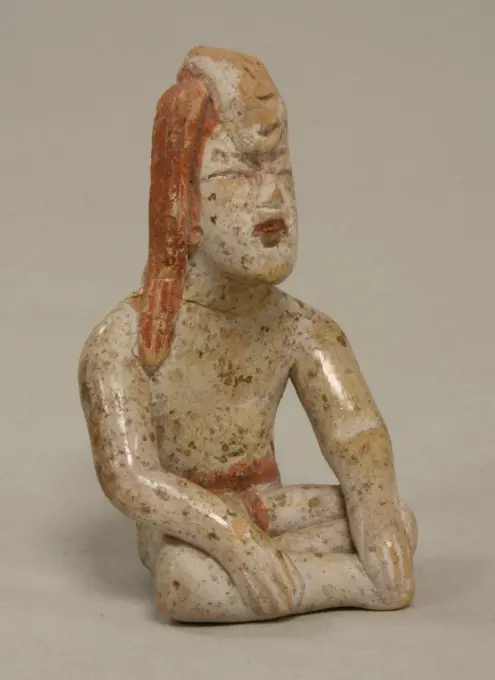
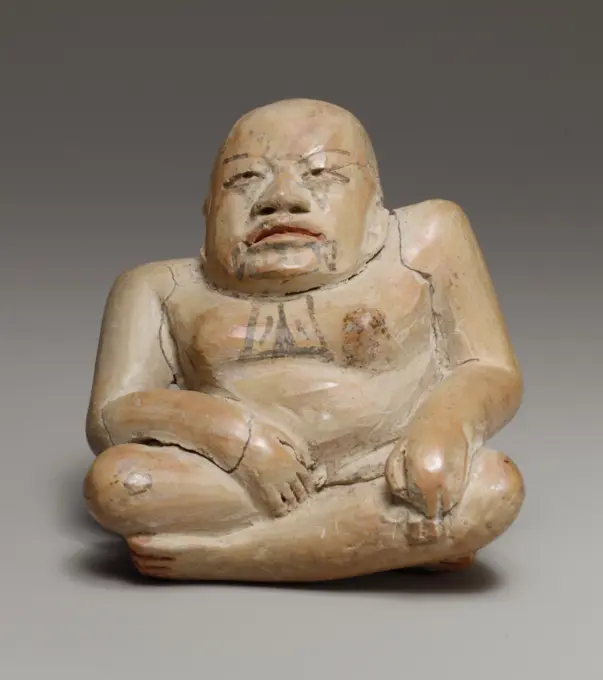
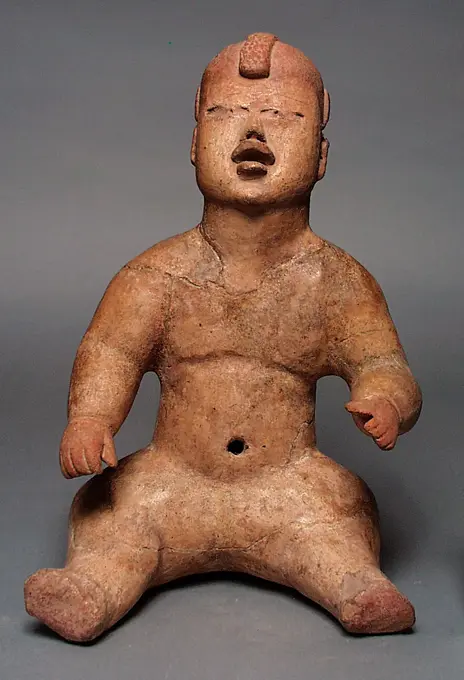
Seated Figure 12th-9th century B.C. Olmec. Seated Figure 317819
1788-20188977
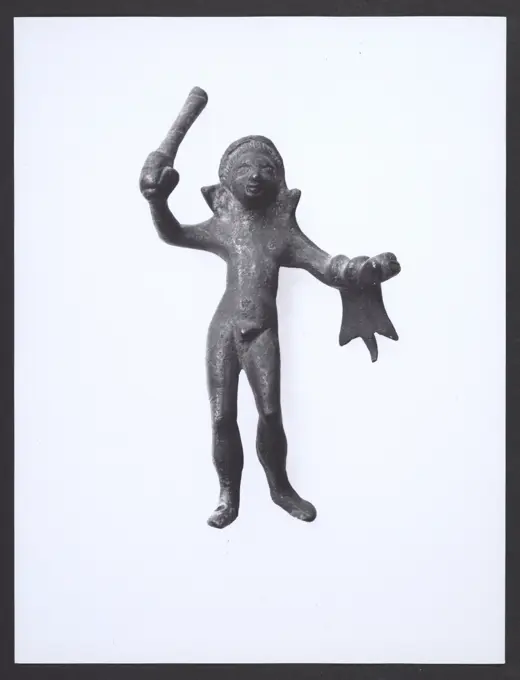
Statue of a male anthropomorphic figure, Polynesian art.
6145-59022275
Mingqi Tomb Guardian "Terracotta. Dynasty of Han. Paris, Cernuschi Museum. 157345-1 Asian art
6145-46827508
HumanFigure
6145-29162188
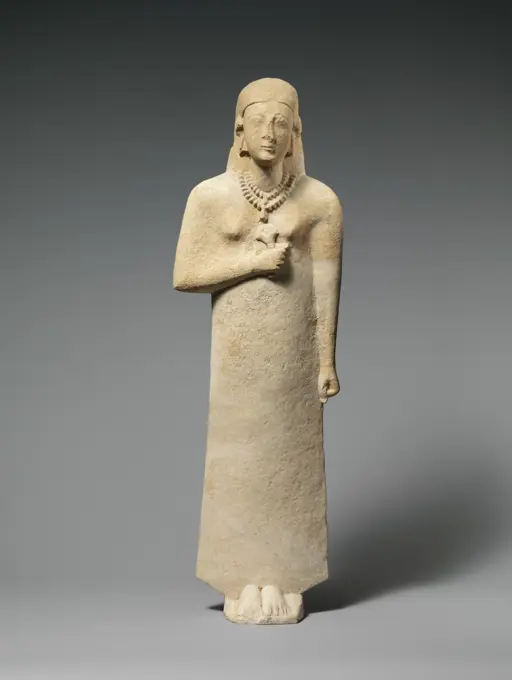
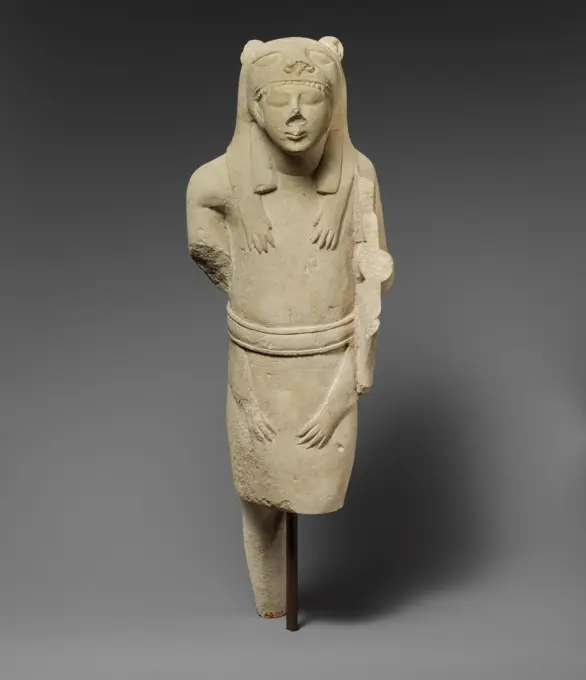
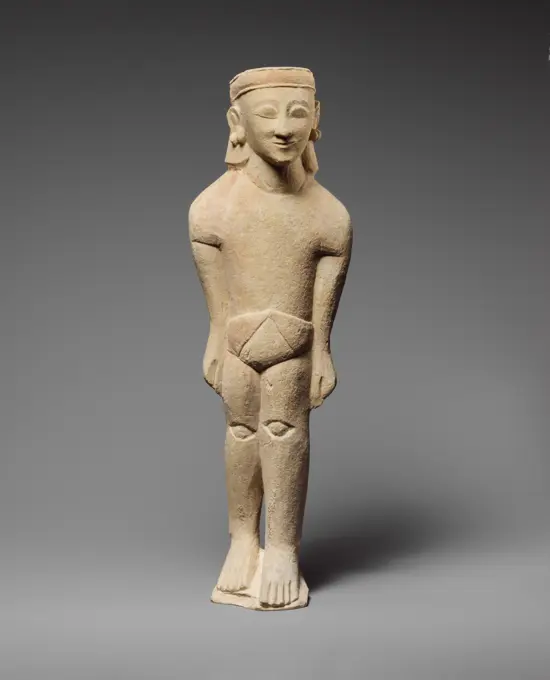
Limestone statue of a woman early 6th century B.C. Cypriot The figure is particularly noteworthy for her jewelry: two necklaces and ear caps from which hang two pendants.. Limestone statue of a woman 242092
1848-49568851
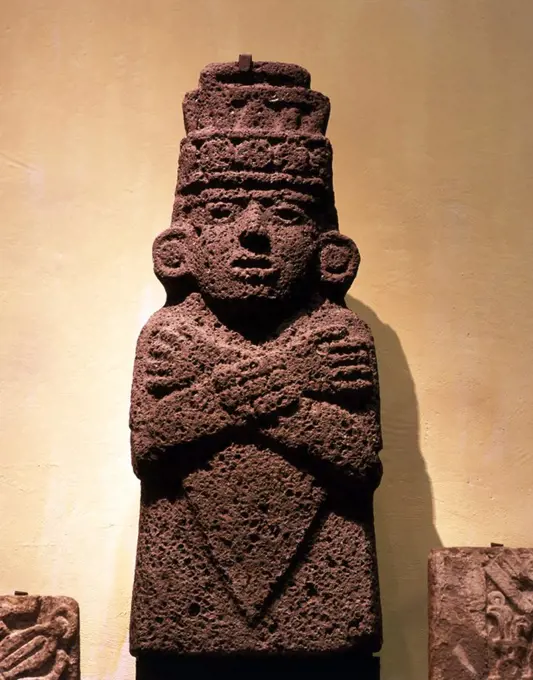
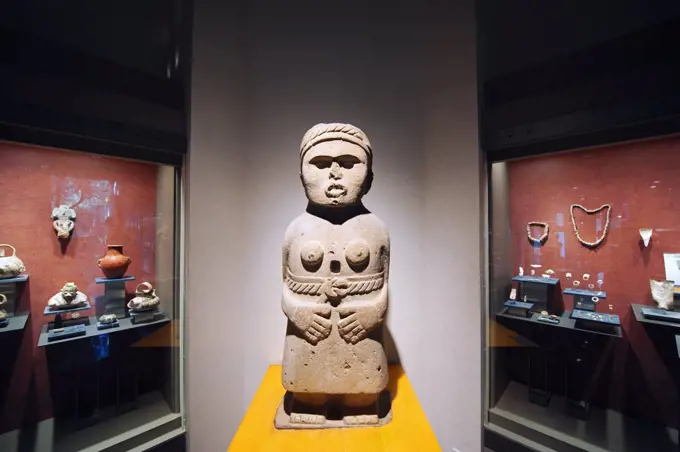
Aztec Stone Statue, Durango, New Mexico
6145-29126349
Seated Woman
6145-29720910
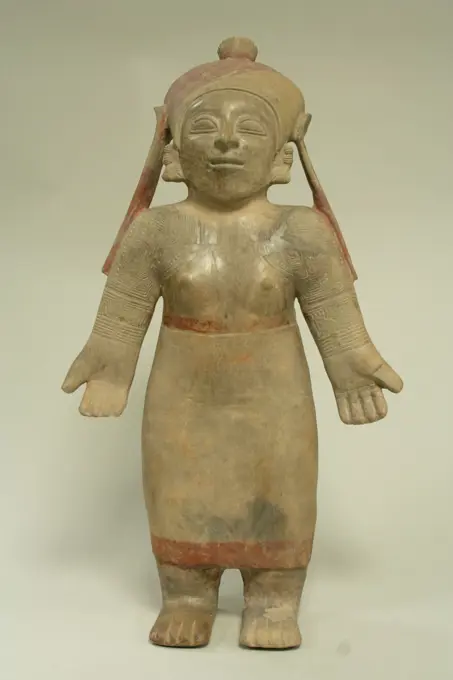
Standing Ceramic Female Figure 5th century B.C.-A.D. 6th century Jama-Coaque. Standing Ceramic Female Figure 314185
6145-29154893
Fragment of a faience statuette of a woman holding a vase on her head late 7th-6th century B.C. East Greek Holding vessel on head with both hands.. Fragment of a faience statuette of a woman holding a vase on her head 250527 East Greek, Fragment of a faience statuette of a woman holding a vase on her head, late 7th6th century B.C., Faience, H. (.a): 3 in. (7.6 cm) H. (.b ): 15/16 in. (2.4 cm). The Metropolitan Museum of Art, New York. Gift of J. Pierpont Morgan, 1917 (17.194.2395a, b)
6145-29163204
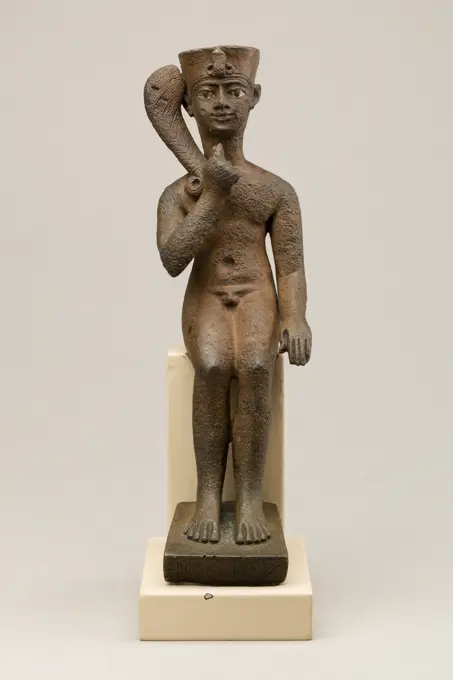
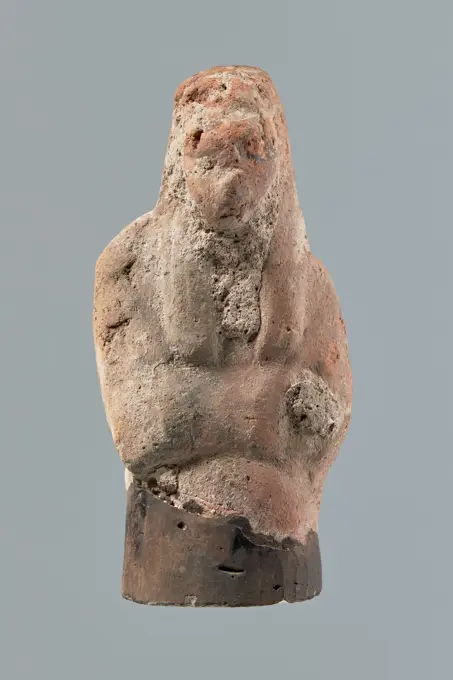
Seated Harpokrates with the crown of Amun, named as "Harpokrates-the-great, the eldest, the first of Amun" 664-30 B.C. Late Period-Ptolemaic Period The figure represents a child god in a seated/reclining position, wearing the double feather crown, complete with a streamer at the back. The crown associates him with the god Amun, a connection that is also made explicit in the inscription on the base. The child god, as here, is usually distinguished from adult gods by a range of iconographic clues: his nudity, the finger raised to the mouth (a child-like gesture), and a sidelock on the right side of his head. A channel at the top of the crown shows where the separately cast double feathers and sun disk would have been inserted. The sidelock was also cast separately and was then mechanically attached to the crown with a pin. These kinds of technical features give interesting clues about how the manufacturing process was broken down and organized. The irises of the eyes are silver, which gi
6145-29141293
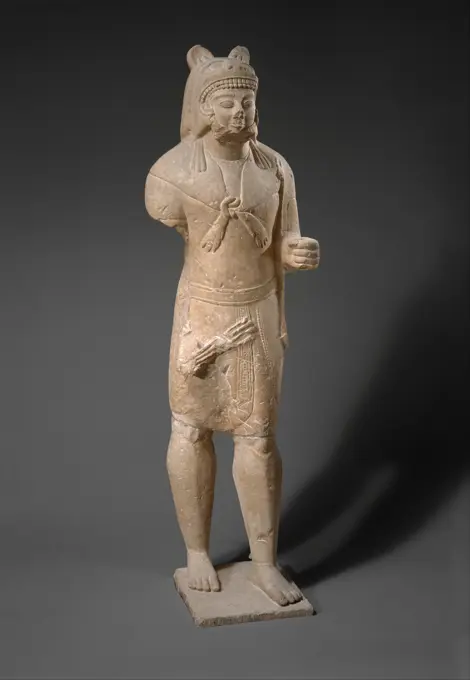
Limestone statuette of Herakles as an archer middle or 3rd quarter of the 6th century B.C. Cypriot Figure holding bow.. Limestone statuette of Herakles as an archer 242212
6145-29068991
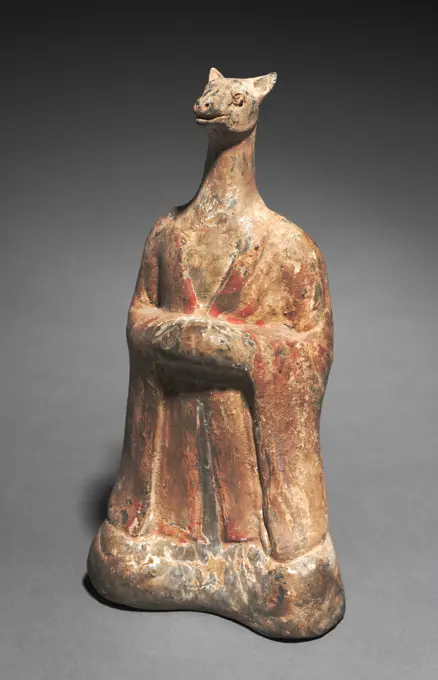
Mortuary Figure of the Zodiac Sign: Dog (Aquarius), 500s. China, Northern Wei dynasty (386-534). Gray earthenware with traces of slip; overall: 22.6 cm (8 7/8 in.).
6145-29130062
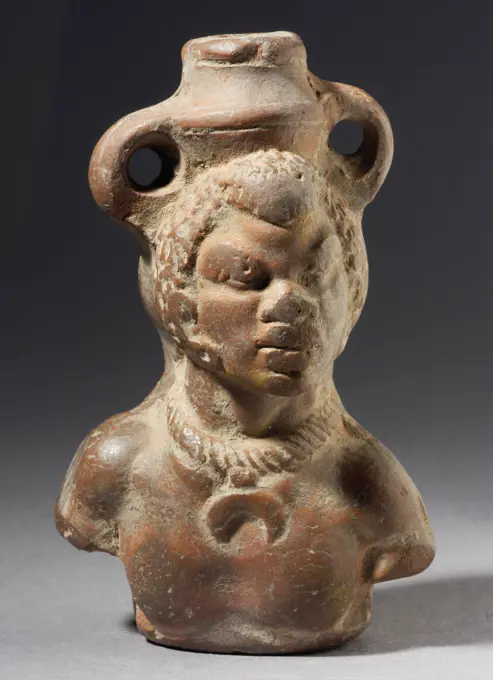
Vessel in the Shape of the Torso of a Man. Egypt, 1st century BCE - 2nd century CE. Furnishings; Serviceware. Terra-cotta
6145-29710353
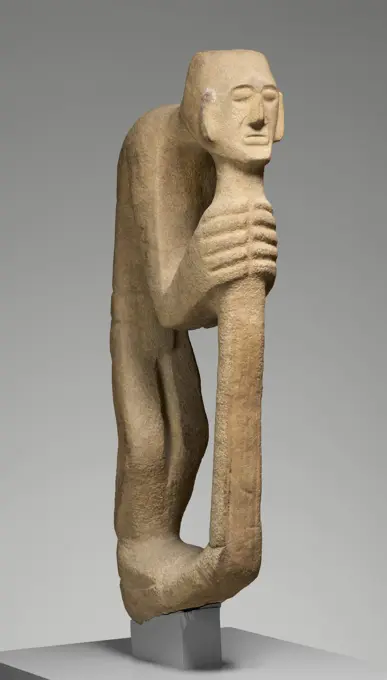
Hunchback Leaning on Staff 10th-12th century Huastec This figure of a hunchbacked man grasping a staff belongs to a category of sculpture known from the Huasteca region in northeastern Mexico. The hunchback type, also known as encorvado or jorobado in Spanish, dates to the Postclassic period (A.D. 900-1521) when the production of figural stone sculptures in the region flourished. This category stands in contrast to the other dominant sculptural type representing high-status men and women often shown with elaborate headdresses and costuming (Richter 2015). Conversely, encorvados exclusively represent men, either completely nude or simply with a maxlatl (loincloth). Many are shown with wrinkled faces indicating, together with the hunched back, an advanced age; this sculpture shows ridges on the forehead and creases around the nose. The hunched man grasps the large staff with two hands and rests his chin on its top. Usually interpreted as a planting stick (Familiar Ferrer 2011, 9; Ochoa 1
4443-28726821
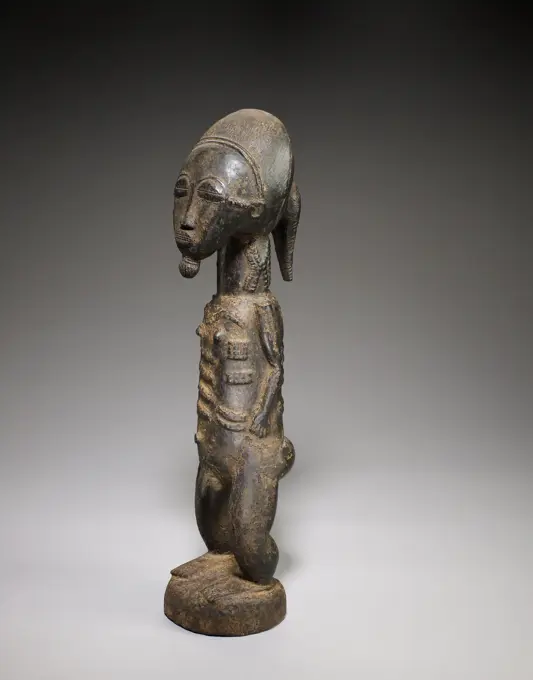
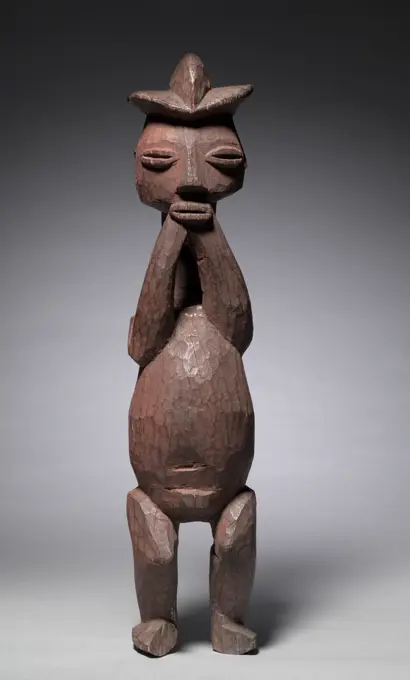
Male figure, 19th century, 20 x 5 x 5 11/16 in. (50.8 x 12.7 x 14.45 cm), Wood, Côte d'Ivoire, 19th century
4443-28734079
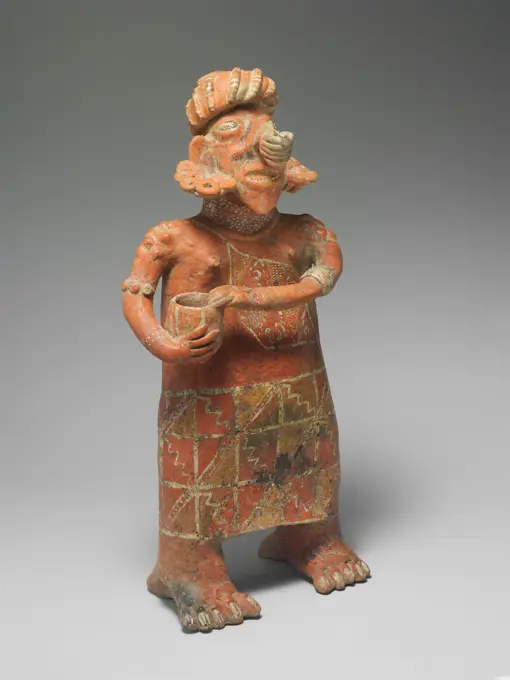
Standing female figure with bowl on head, 250 BCE - 300 CE, 5 1/2 x 3 in. (14 x 7.62 cm), Earthenware, pigment, Mexico, 3rd century BCE - 4th century CE
1788-16422
Polychrome terracotta statue depicting dancing priest wearing feather headdress from Jama-Coaque, 1st-2nd century B.C.
6145-30177626
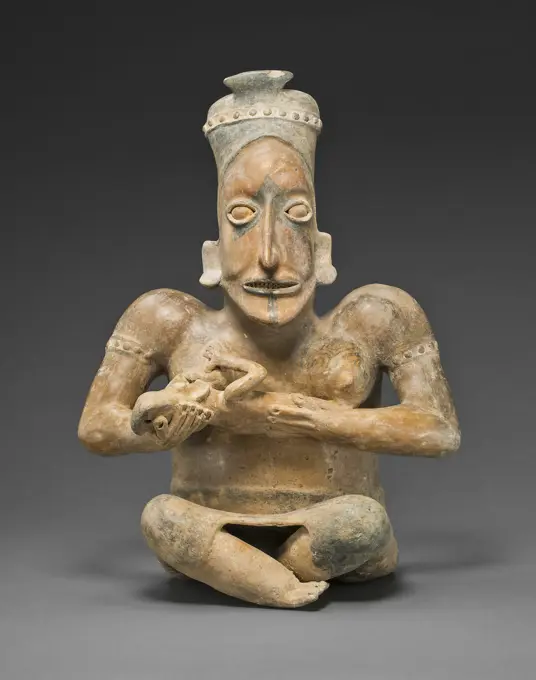
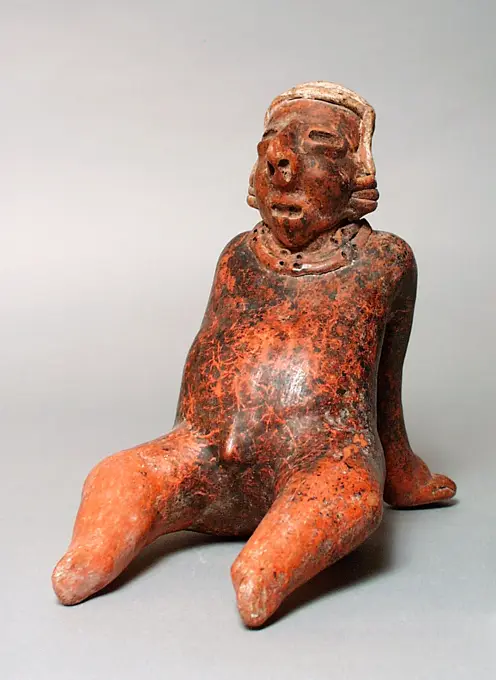
Seated Maternity Figure 100 BCE-300 CE Colima state. Ceramic and pigment . Jalisco
4409-21381416
SENTADO DESCONOCIDO. PERIODO PROTODINASTICO, I DINASTIA. HACIA 3000 A.C. Location: NEUES MUSEUM. BERLIN. DEUTSCHLAND.
6145-29200219
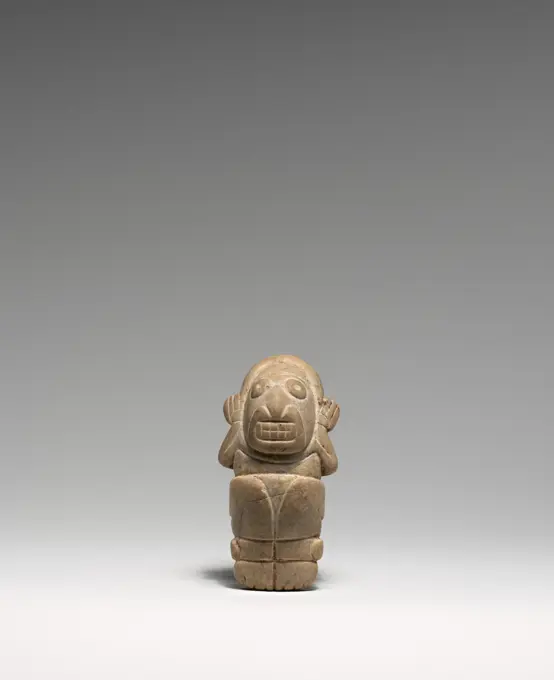
Figure Pendant 13th-15th century Taíno This stone pendant, worn by Taíno leaders and healers, features a crouching anthropomorphic figure known as a zemí. Zemí (or cemí) is a term used by Taíno peoples, the diverse societies that inhabited the Antilles archipelago before European contact, that linguistically relates to a quality akin to sweetness. Zemí refers not to an object or image but to an immaterial, spiritual, and vital force pertaining to deities and ancestors. There are several known zemí identities recorded by the Spanish, some of which have been linked to archaeological images.. Figure Pendant. Taíno. 13th-15th century. Stone. Dominican Republic, Caribbean. Stone-Sculpture
1746-28980816
Ceramic male figure from Costa Rica. Dated 10th Century
6145-29126345
Reclining Male Figure
6145-43613258
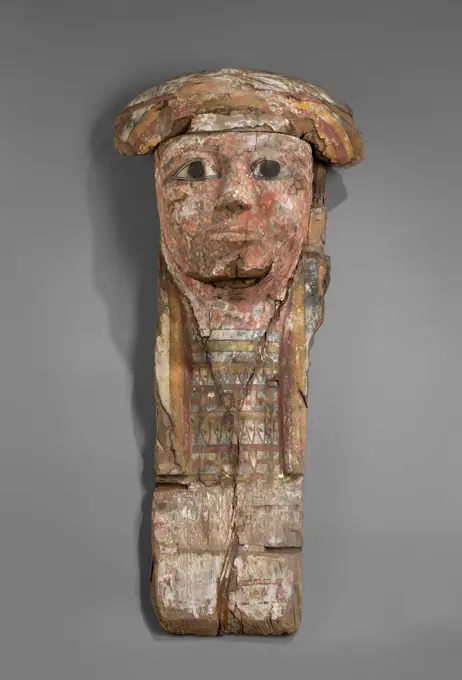
Maska sarkofagu z fragmentem wieka. unknown, author
6145-29139181
Limestone statuette of a male votary with Cypriot shorts and a diadem early 6th century B.C. Cypriot Male votary with Cypriot loin-cloth.. Limestone statuette of a male votary with Cypriot shorts and a diadem 242075
6145-29125483
Mold-Made Figurine of a Standing Woman
4409-9351
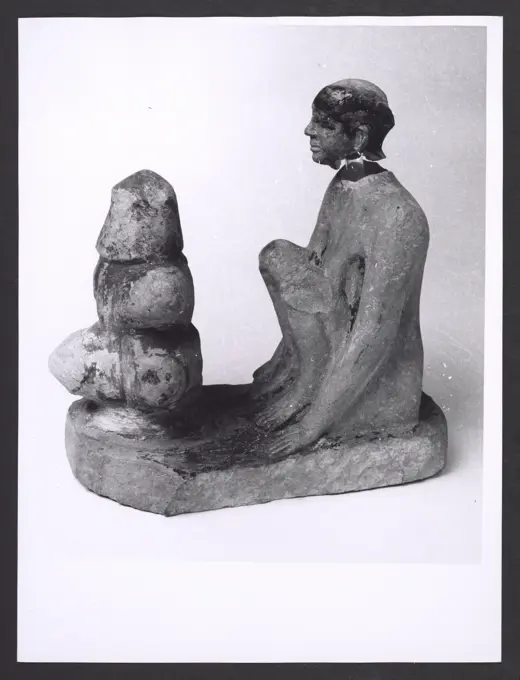
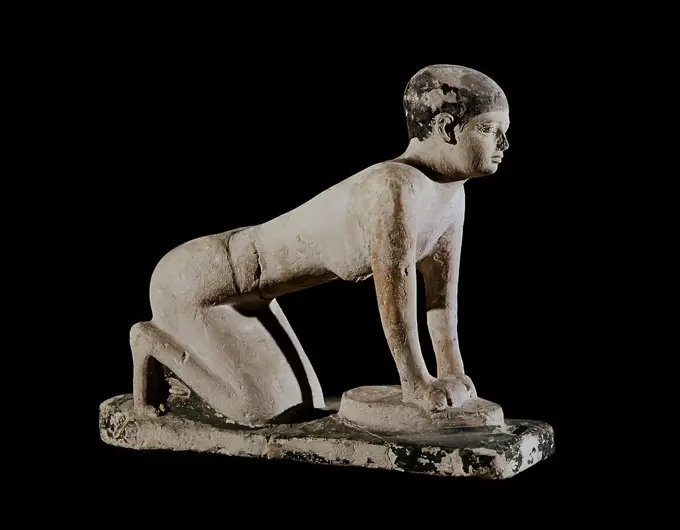
ESTATUA DE HOMBRE FABRICANDO CERVEZA - CALIZA DEL IMPERIO ANTIGUO V DINASTIA PROCEDE DE SAQQARA - 40 C. Location: EGYPTIAN MUSEUM. KAIRO. EGYPT.
6145-29126181
Seated Female Figure
6145-29125838
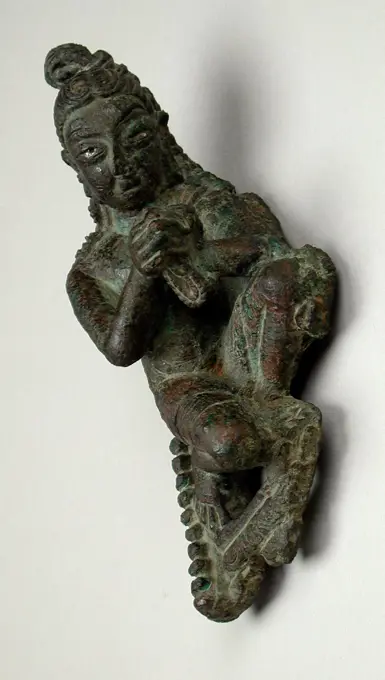
A Celestial Attendant. India, Jammu and Kashmir, Kashmir region, 10th century. Sculpture. Copper alloy and silver
1746-21108325
Monuments 151 and 152 of Tonina. Tonina, Chiapas, Mexico. Classic recent (600-900 AD). Limestone. The quote from a book of Tonina extraordinary examples of sculpture in the round while the reliefs are dominant in the rest of the Mayan area.
6145-29235946
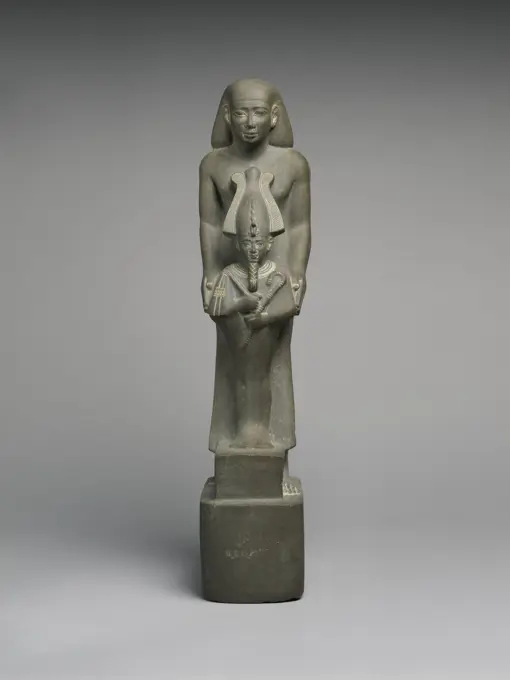
Statue of Harbes, called Psamtiknefer, son of Ptahhotep 595-589 B.C. Late Period, Saite Harbes was an official of the pharaoh Psamtik II. This statue depicts him protecting a figure of the god Osiris. Harbes wears the king's two cartouches on either shoulder. The statue was anciently set up in Karnak Temple at Thebes, where it constitutes a rare example inscribed for this king. By this time a typical Saite style originating in the north has spread throughout the country: Harbes has slightly tipped eyes and curving, although rather thick, lips that follow the style. On the sides of the statue itself are lengthy invocation offerings to Osiris Wennefer, left, and Amun lord of Karnak, where Harbes' title, read as "Chief Scribe of the Great Prison", is given along with the name of his father Ptahhotep and mother Dinyhetiret. A long oddly laid out inscription is found on the back pillar. Harbes also follows a fashion of the era in receiving or adopting the ''good name'' Psamtiknefer or "King
4435-6253
Quetzalcatl. Pre-Columbian art. Sculpture on wood. MEXICO. FEDERAL DISTRICT. Mexico City. National Museum of Anthropology. Proc: MEXICO. OAXACA. Atzompa.
6145-29074819
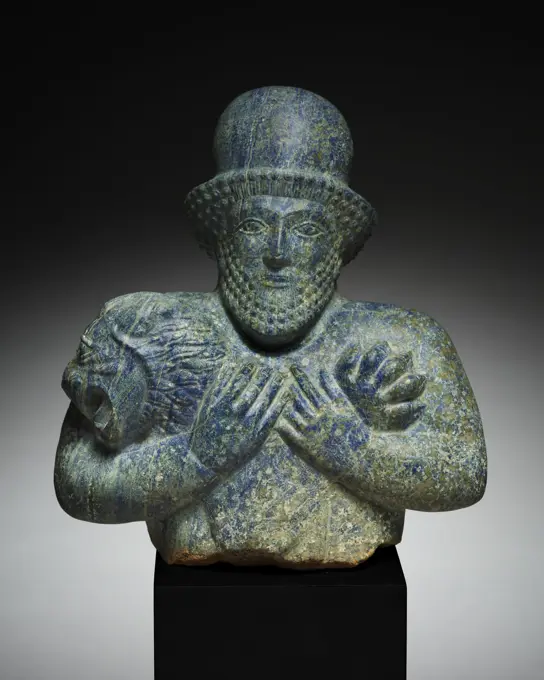
Median Lion Strangler, 500-450 BC. Iran, Achamenid period, first half 5th Century BC. Lapis lazuli; overall: 18.7 cm (7 3/8 in.).
6145-45925693
Winged putto.
4409-17216081
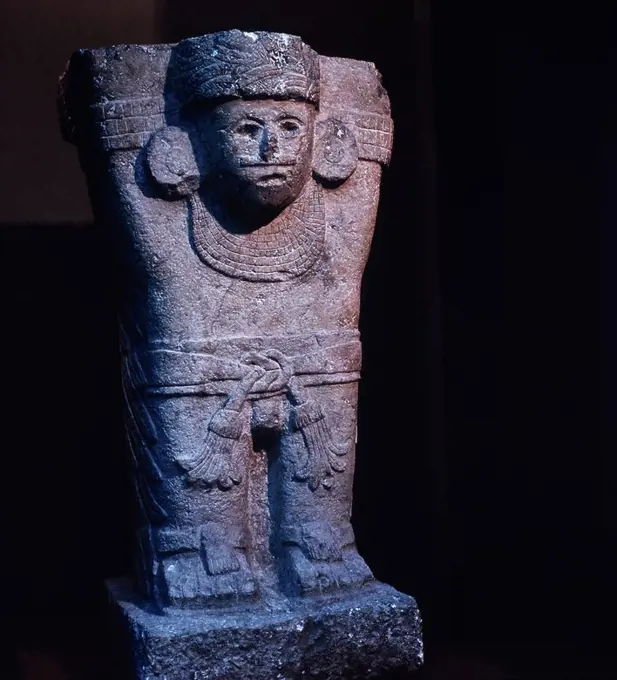
Altar support in the form of Atlanta, 800-1300 AD (stone), Mayan. Post-classical period. Mexico. Museum: MUSEO ARQUEOLOGICO, Mexico D. F., CIUDAD DE MEXICO.
4409-17544353
Seated Female Figure. Olmec; Gulf Coast, Mexico. Date: 800 BC-400 BC. Dimensions: H. 8.7 cm (3 7/16 in.). Ceramic and pigment with cinnabar. Origin: Mexico. Museum: The Chicago Art Institute, Chicago, USA.
6145-29788928
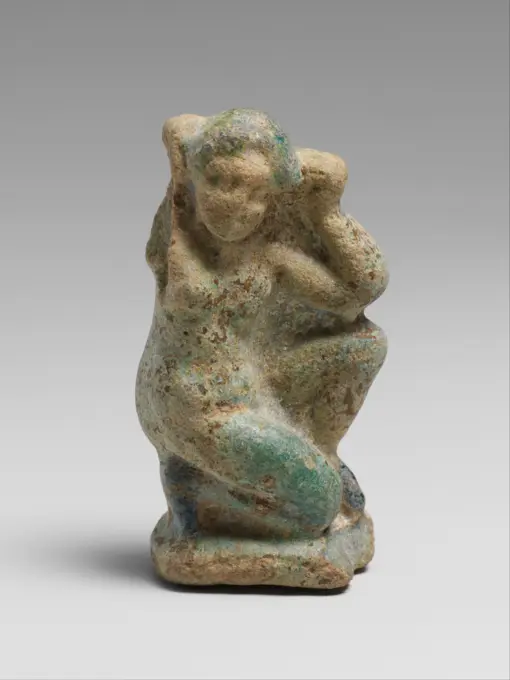
Faience statuette of Aphrodite 334-30 B.C. Egyptian, Ptolemaic Amulet in the form of a crouching Aphrodite.. Faience statuette of Aphrodite 250532 Egyptian, Ptolemaic, Faience statuette of Aphrodite, 33430 B.C., Faience, H.: 1 11/16 in. (4.3 cm). The Metropolitan Museum of Art, New York. Gift of J. Pierpont Morgan, 1917 (17.194.2532)
1899-68920786
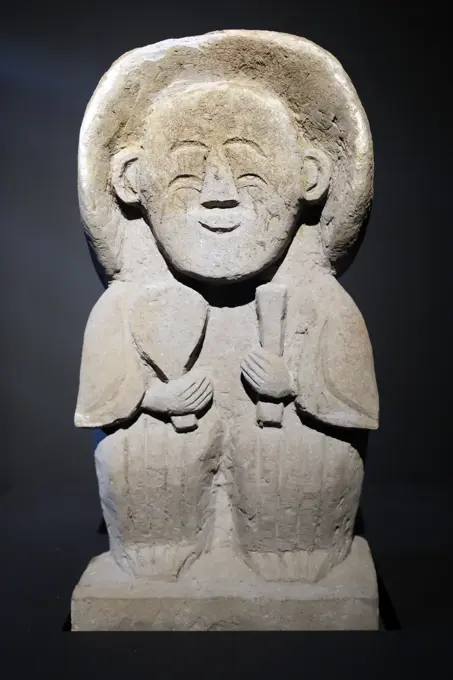
Museum of the Orient. Ta No Kami  is a kami who is believed to observe the harvest of rice plants or to bring a good harvest, by Japanese farmers.  Lisbon. Portugal.
6145-29823092
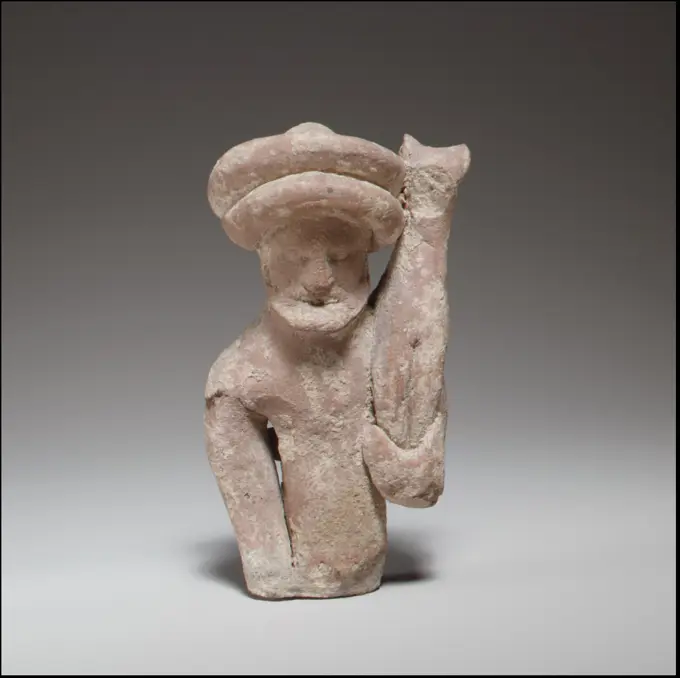
Terracotta statuette fragment of a male votary holding a kid 4th-3rd century B.C. Cypriot The figurine is handmade and solid, with a mold-made face. The nude, bearded figure is preserved to the hips, where there is a clean horizontal break from the rest of the figurine, which must have been a horse-and-rider group.. Terracotta statuette fragment of a male votary holding a kid 241192
6145-29811062
Standing Female with Headdress 15th-early 16th century Aztec. Standing Female with Headdress. Aztec. 15th-early 16th century. Ceramic. Mexico, Mesoamerica. Ceramics-Sculpture
6145-29077182
Female Head, Majapahit Dynasty (1293-1478). Eastern Java, Majapahit Dynasty (1293-1478). Terracotta; overall: 11.1 cm (4 3/8 in.).
6145-29834663
Hunchbacked Figure 12th-9th century B.C. Olmec The many representations of hunchbacks have led to the suggestion hunchbacks people held positions of importance in the ancient Mesoamerican world. Beginning with Olmec peoples, these individuals were thought to possess special abilities due to their physical anomalies. The hand-modeled, white-slipped surface of this Olmec figurine is painted with brown pigment delineating both realistic and symbolic features on the face and chest. The naturalistically rendered face, with its almond-shaped eyes, broad nose, and thick lips, is similar in type to that exhibited by Olmec colossal basalt heads. This realism, combined with the figure's relaxed body posture, makes him seem lifelike despite his small size. The figurine may have been a personal possession, perhaps belonging to a ruler or one who desired to keep the supernatural powers of a hunchback close at hand. Later representations of hunchbacks depict them as members of royal courts where the
6176-67050565
Earthenware Figure, Late Aztec, Mexico,  15th or 16th century. Artist: Unknown.
1788-22952
Italy, Tuscany, Murlo, Acroterium (architectural ornament) representing a male figure, from the second palace, circa 580 B.C.
4409-17390915
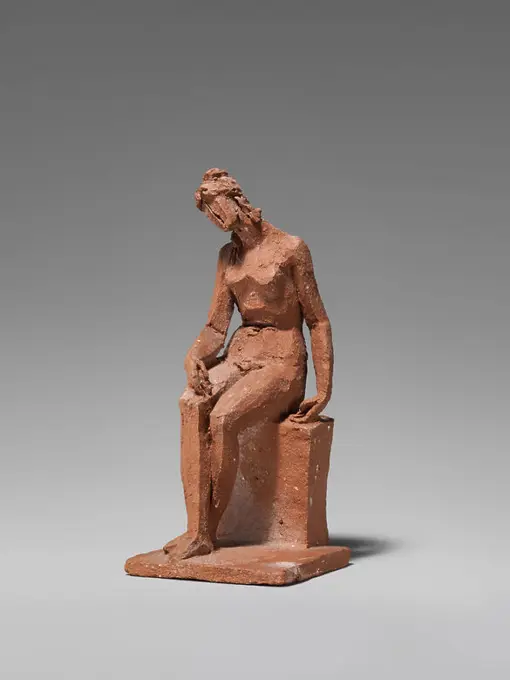
Figural study of a female nude seated. Artist: Jacques-Edmé Dumont (Paris 1761-1844). Culture: French. Dimensions: Height: between 3 and 5 cm.. Date: late 18th-early 19th century.Jacques-Edmé Dumont was a highly accomplished Neoclassical miniaturist. His family, a dynasty of sculptors, preserved a great many of these captivating little terracottas (see 2015.378-.382a, b). This figural study shows how Dumont expertly wielded a flat-sided stick to carve the clay along rectangular planes. Museum: Metropolitan Museum of Art, New York, USA.
1899-18721006
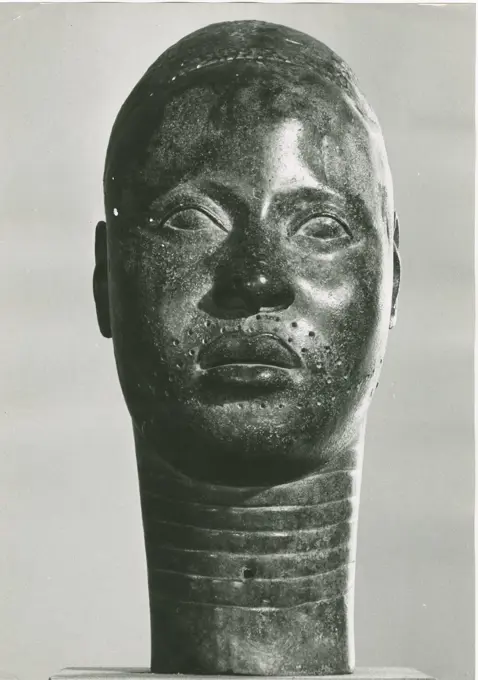
Between 700 and 900 A.D., Ife began to develop as a major artistic center.The city was a settlement of substantial size between the 9th and 12th centuries, with houses featuring potsherd pavements. Ile-Ife is known worldwide for its ancient and naturalistic bronze, stone and terracotta sculptures, which reached their peak of artistic expression between 1200 and 1400 A.D. After this period, production declined as political and economic power shifted to the nearby kingdom of Benin which, like the Yoruba kingdom of Oyo, developed into a major empire. Bronze and terracotta art created by this civilization and significant examples of realism in early African art.
4409-17544977
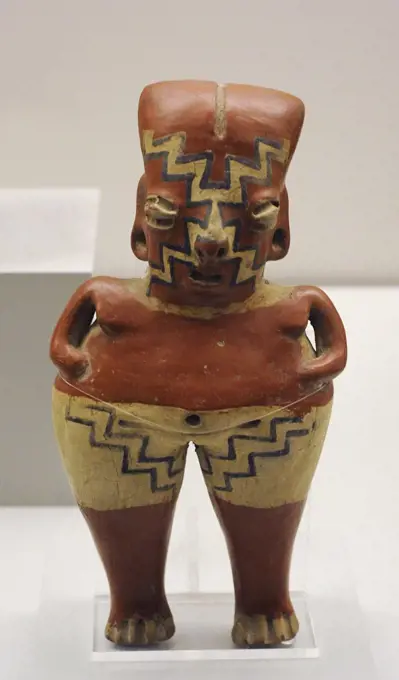
Female Figure. Chupícuaro; Guanajuato or Michoacán, Mexico. Date: 500 BC-300 BC. Dimensions: 12.1 x 5.1 cm (4 3/4 x 2 in.). Ceramic and pigment. Origin: Mexico. Museum: The Chicago Art Institute, Chicago, USA.
6145-59145773
Statuette of a Boy Running with a Tray of Food. Unknown 300-200 B.C. The statuette depicts a young male servant running forward, carrying aloft a round tray of food. The missing object in his right hand may have been a skewer with pieces of meat. His right foot is missing. He wears a kilt-like garment seen on other Etruscan or Italic depictions of cooks and servers. This small figure may have once decorated a piece of household equipment, such as a stand for a lamp or utensils. The statuette combines Etruscan and Italic stylistic features and was probably created in central Italy somewhere on the fringes of Etruscan culture. Certain features, including the proportions of the boy's head and his pudding-bowl haircut, recall Etruscan bronze work. However, the figure's lively pose and lack of surface details are not typically Etruscan and are more common in Italic works.
4443-28741486
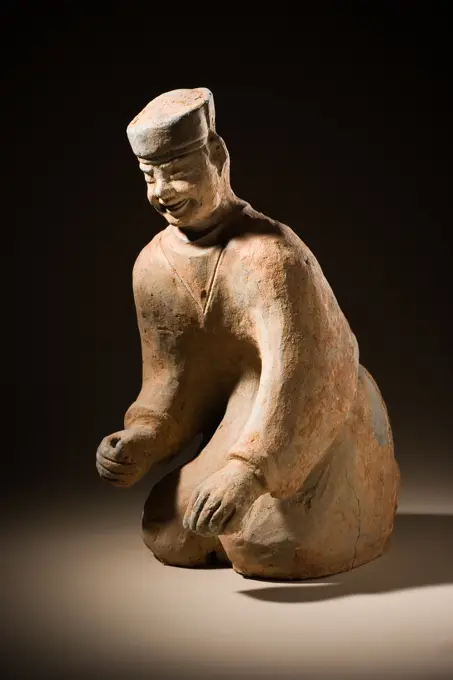
Figure of a Squatting Drummer, 1st-2nd century, 23 3/4 x 17 x 15 3/4 in. (60.33 x 43.18 x 40.01 cm), Earthenware, China, 1st-2nd century, Comical caricatures of performers were especially popular in Sichuan Province during the Eastern Han dynasty (A.D. 25-220). Used as tomb figurines, they provided entertainment in the afterlife, and an entire troupe might be interred with the deceased. Drummers like the one represented here specialized in a kind of storytelling that was part spoken, part sung. This one sings merrily, his brow wrinkled in laughter. His heavy body suggests he may be a dwarf. Performers of similar build appear on Han tomb tiles decorated with scenes of juggling and sword balancing.
1788-23560
Urn depicting Cocijo the God of rain, terracotta
6145-29154841
Female Ancestor Figure 100 B.C.-A.D. 200 Nayarit. Female Ancestor Figure 319004
6145-29241522
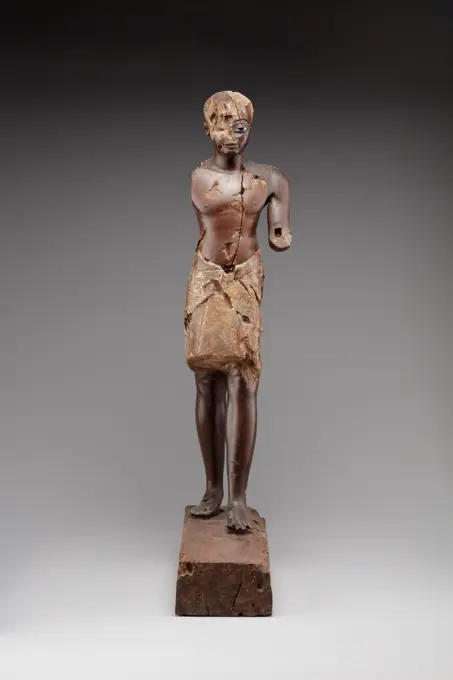
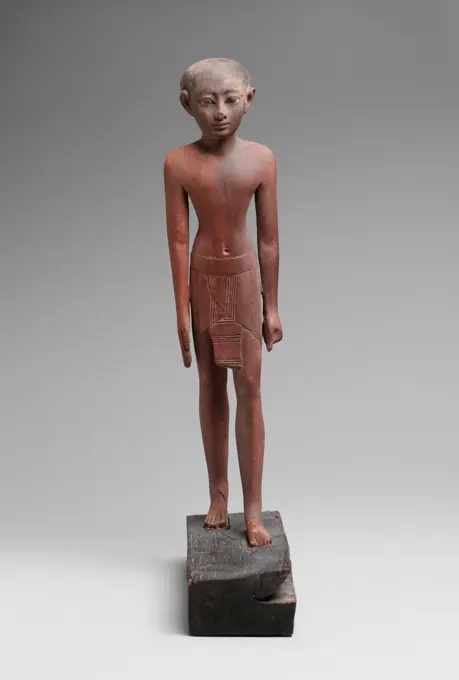
Statuette of a Young Man ca. 1390-1352 B.C. New Kingdom. Statuette of a Young Man. ca. 1390-1352 B.C.. Wood (probably ebony), gesso, linen, glass inlay. New Kingdom. From Egypt, Upper Egypt, Thebes. Dynasty 18
6145-30177341
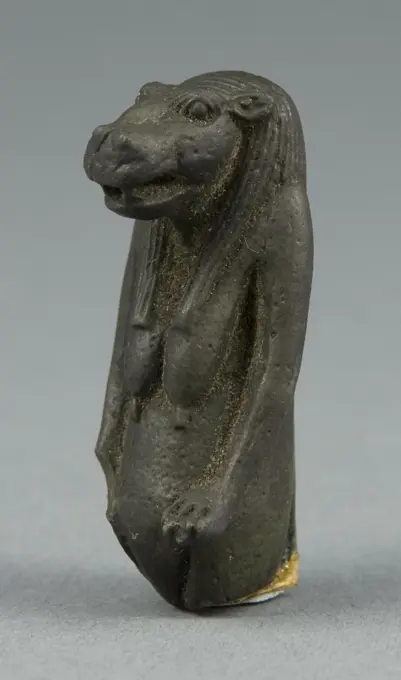
Amulet of the Goddess Tawaret (Toeris) 1070 BCE-656 BCE Egypt. Ceramic . Ancient Egyptian
6145-29074925
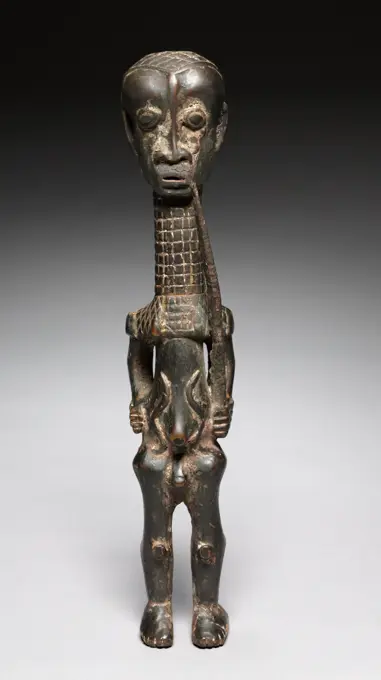
Male Figure, 1900s. Central Democratic Republic of the Congo, Luluwa people or Luntu people, 20th century. Wood, iron, and organic material; overall: 39.3 cm (15 1/2 in.).
6145-54682748
Figure with Incense Burner Colima 2nd century BCE-3rd century CE
4409-17378551
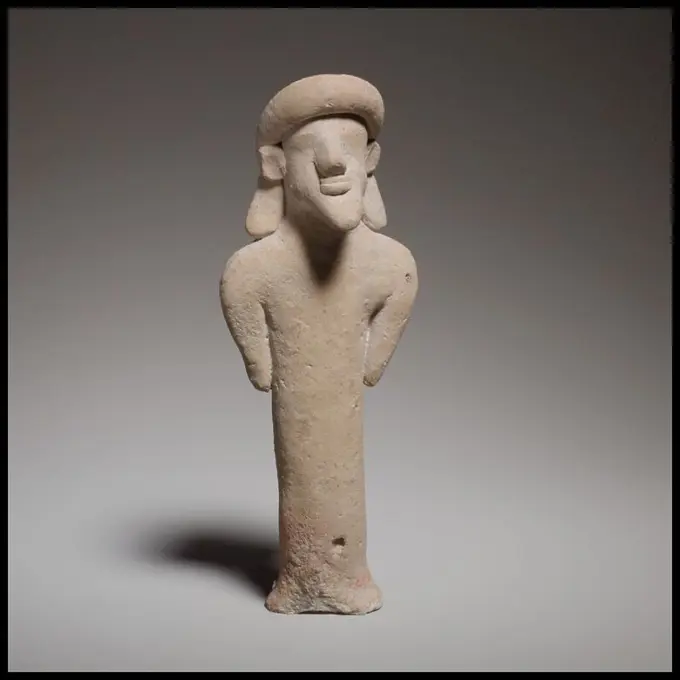
Standing male figurine. Culture: Cypriot. Dimensions: H. 6 1/4 in. (15.9 cm). Date: ca. 750-600 B.C..The handmade, solid cylindrical body flares toward a concave base. His short arms cling to his sides. Museum: Metropolitan Museum of Art, New York, USA.
6145-29173132
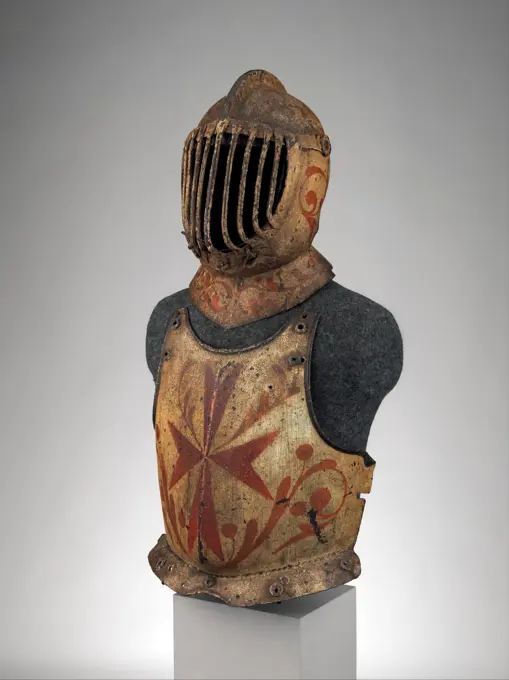
Helmet and Breastplate for the Gioco del Ponte 17th century, with later alterations Italian This armor was made for the gioco del ponte, a mock combat held sporadically from the Middle Ages until 1807 in the center of Pisa on a bridge over the Arno River. The armor was assembled and decorated in about 1800 from obsolete parts. Its form and type are typical for gioco armors, of which many examples survive. The painted decoration, however, is extremely rare; the only other fully painted examples are a helmet and cuirass in the collection of the Peabody Essex Museum in Salem, Massachusetts, acquired in Pisa in 1807. Paint analysis on the Metropolitans helmet revealed that it was entirely repainted sometime in the early twentieth century, probably when the gioco was revived in the 1930s.. Helmet and Breastplate for the Gioco del Ponte 35832
6145-29711973
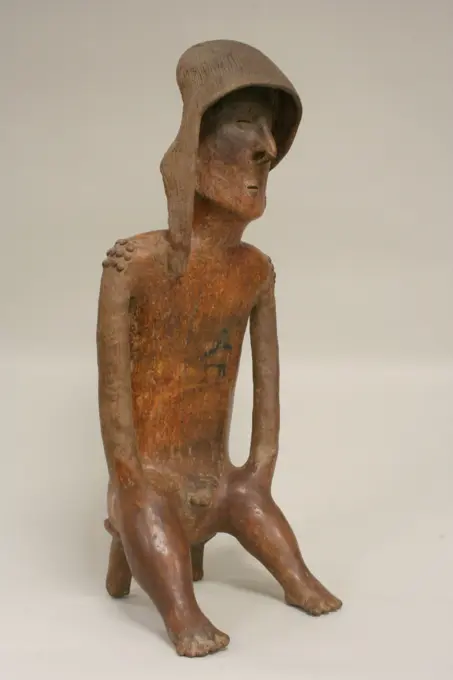
Male Figure on Stool 100 B.C.-A.D. 400 Nayarit. Male Figure on Stool 310469
1746-21108922
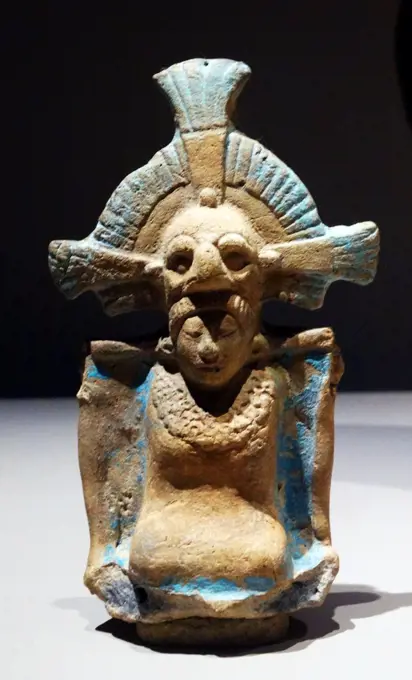
Mayan ceramic figurine of a dancer, 600-900 AD Central American
6145-29191577
Terracotta female musician ca. 600-480 B.C. Cypriot Musicians appear frequently among Cypriot limestone and terracotta sculptures. In real life, one of their major functions was to accompany dancers, ritual and secular. One of the figures plays a tambourine, the other probably a triangle. The style of the tambourine player is associated with a sanctuary at Kamelarga in Larnaca; that of the other musician probably also.. Terracotta female musician 241234
6145-30374483
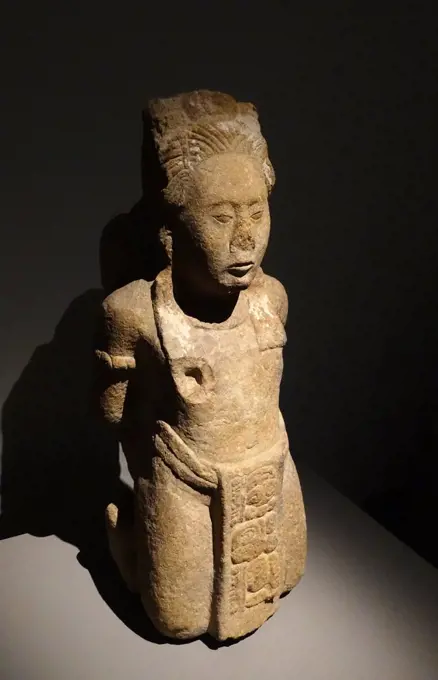
Kneeling HumanFigure
1746-21131128
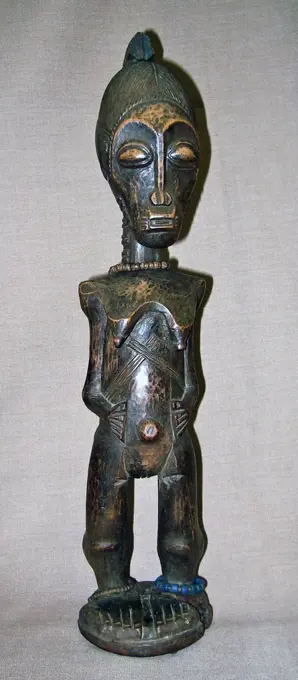
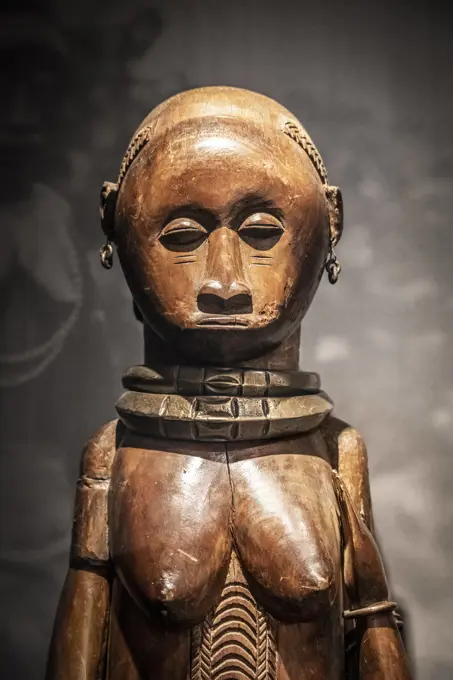
Tribal art: Standing female figure, Baule, Africa.
1788-15131
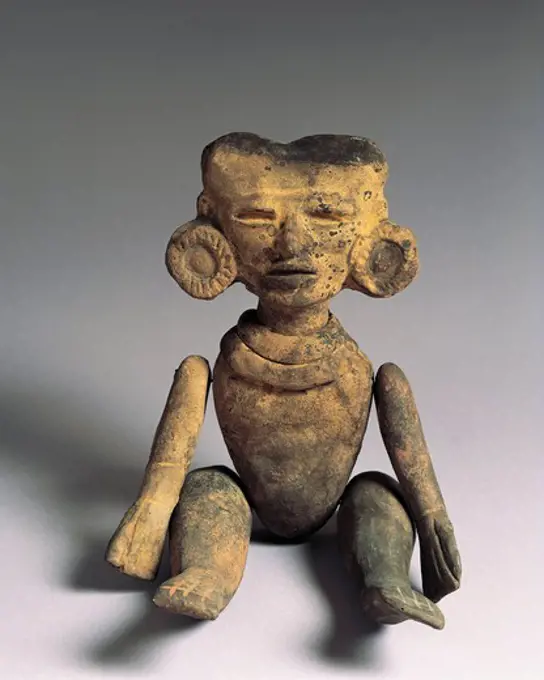
Pre-Columbian civilizations, Teotihuacan culture, small figurine with terracotta joints
6145-29126230
Standing Female Figure
6145-59141105
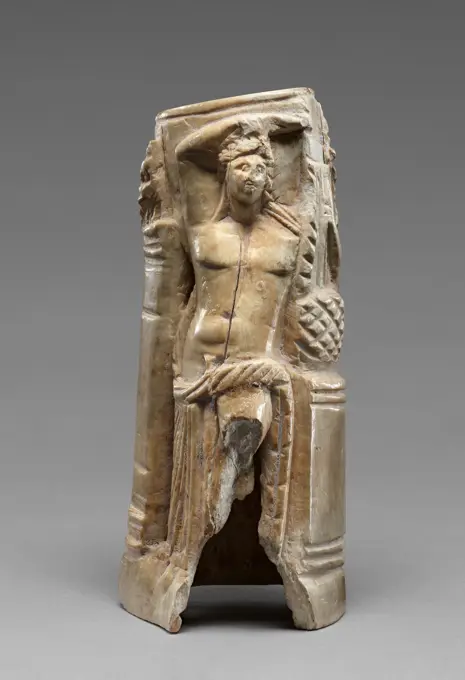
Relief Carving of Apollo and Artemis. Unknown 2nd-3rd century A.D.
1899-18611433
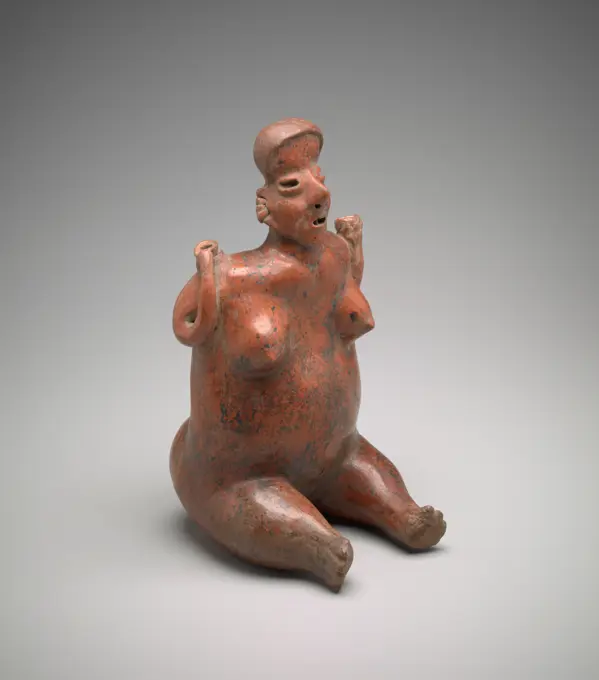
Figure depicting a pregnant woman. Painted ceramics. Nayarit style. Protoclassic Period (100 BC-250 AD). Western Mexico. Museum of the Americas. Madrid, Spain.
6145-30177628
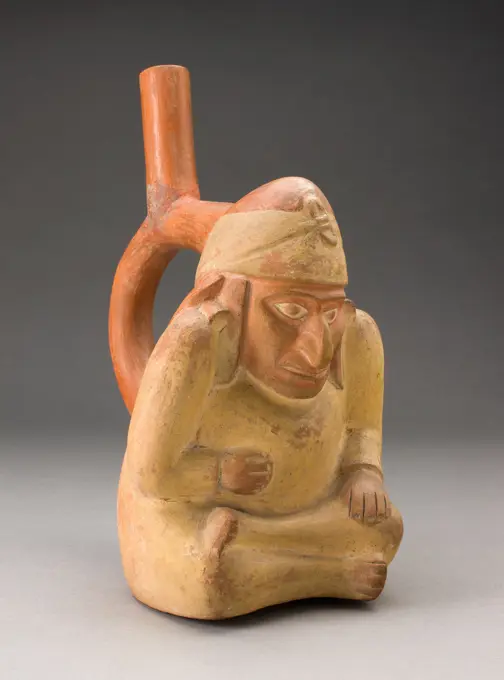
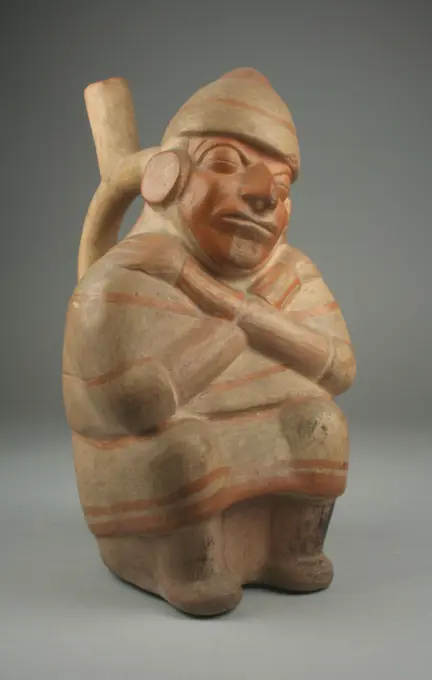
Portrait Vessel in Form of Seated Man, Possibly a Hunchback Made 100 BCE-500 CE Peruvian North Coast. Ceramic and pigment . Moche
6188-65538013
Sitting female figure of the old Maya - Precolumbian ceramic sculpture Sitting female figure of the old Maya - Precolumbian ceramic sculpture
6145-29739480
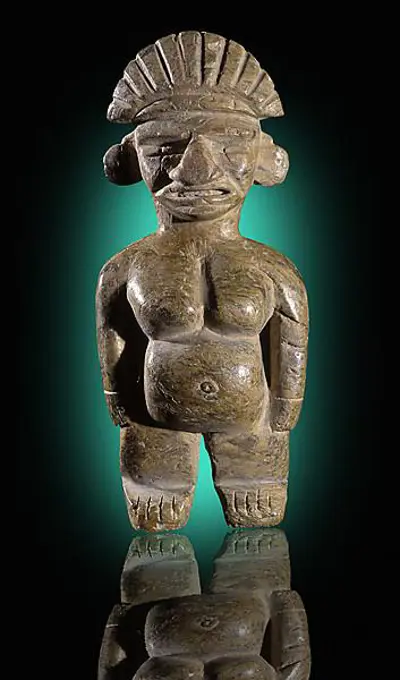
Standing Figure 10th-5th century B.C. Olmec. Standing Figure 313004
6145-29067655
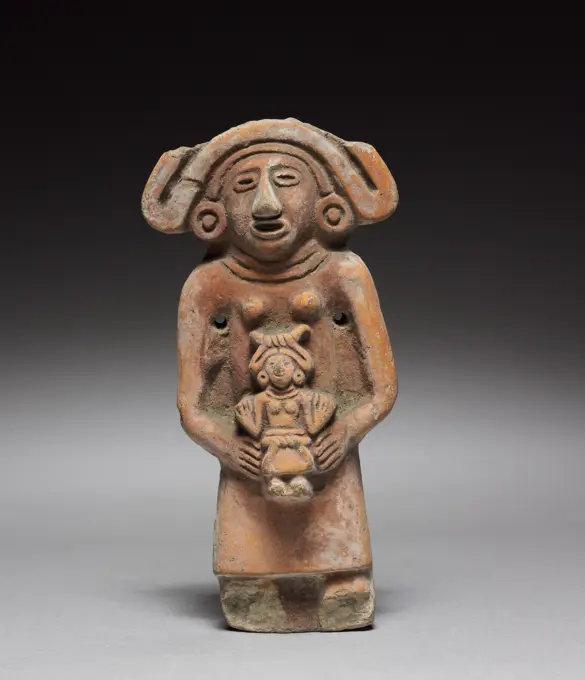
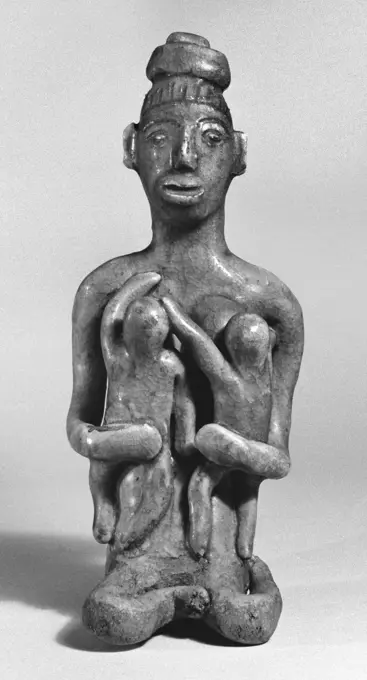
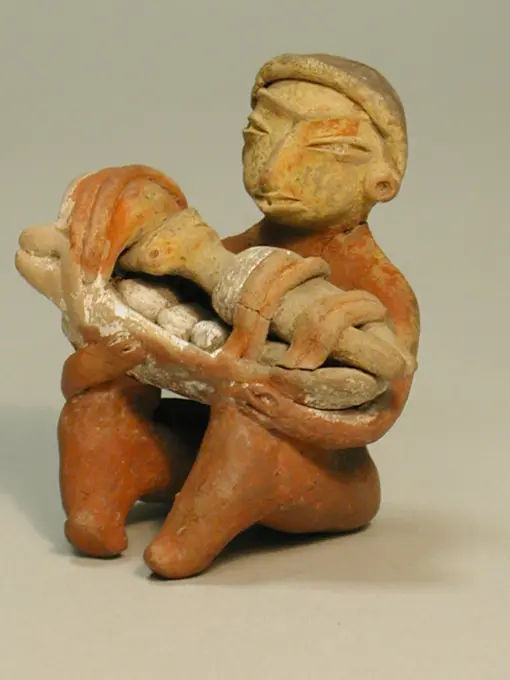
Mother-and-Child Figurine, 1325-1521. Mexico, Aztec. Ceramic, pigment; overall: 12.2 cm (4 13/16 in.).
6145-30166890
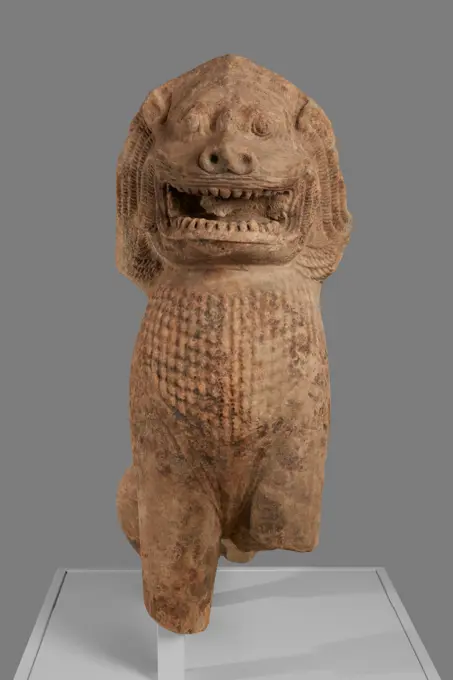
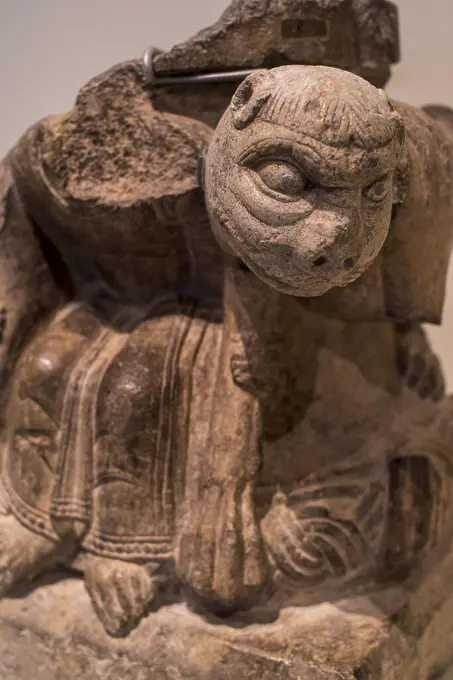
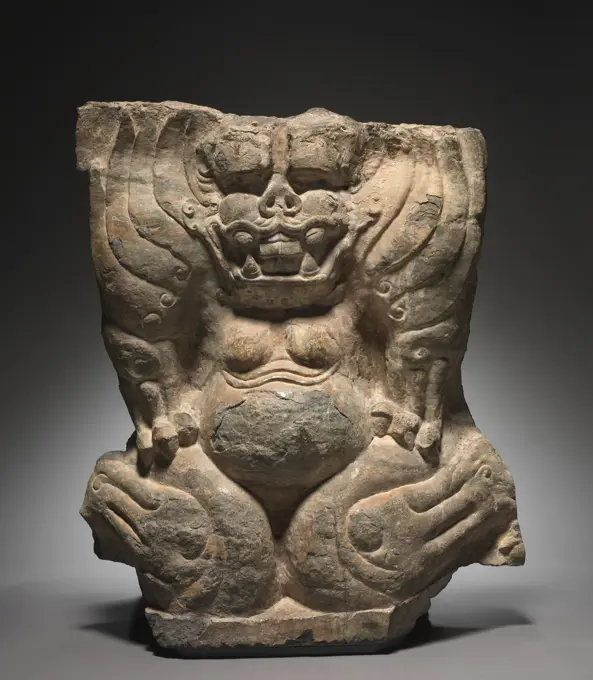
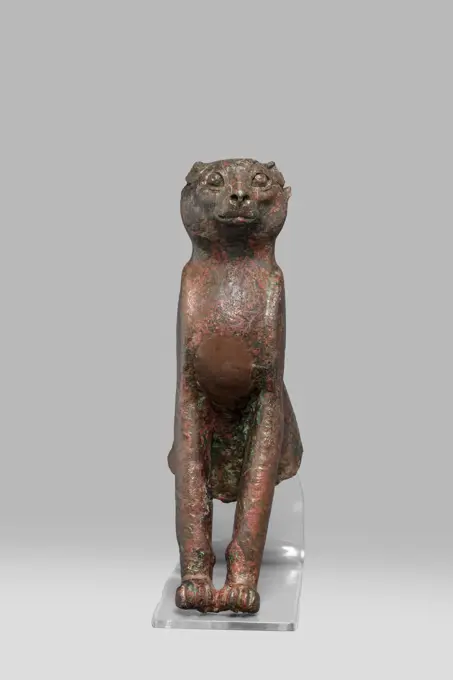
Guardian Lion 1101-1200 Cambodia. Sandstone .
1606-19067162
The National Museum of Archaelogy and Ethnology ,  Guatemala City (Guatemala Ciudad) , Central America.
6145-29071015
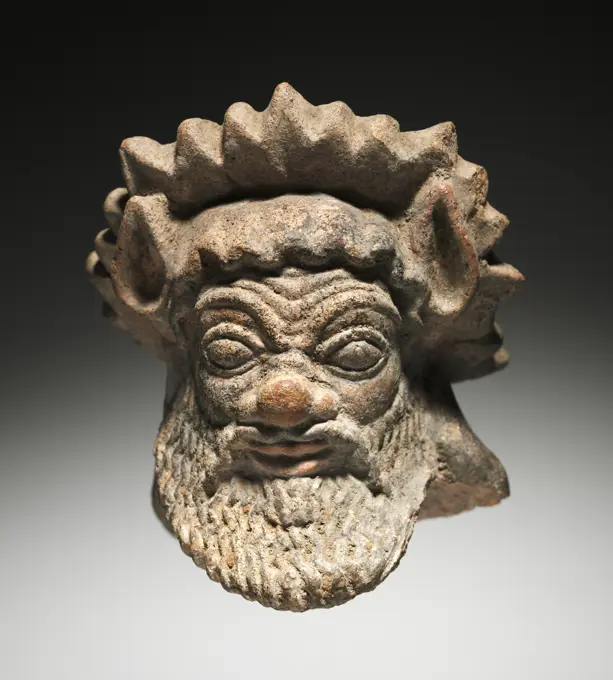
Satyr Head, 500s BC. Italy, Etruscan, 6th Century BC. Terracotta; overall: 11.4 cm (4 1/2 in.).
6145-29079623
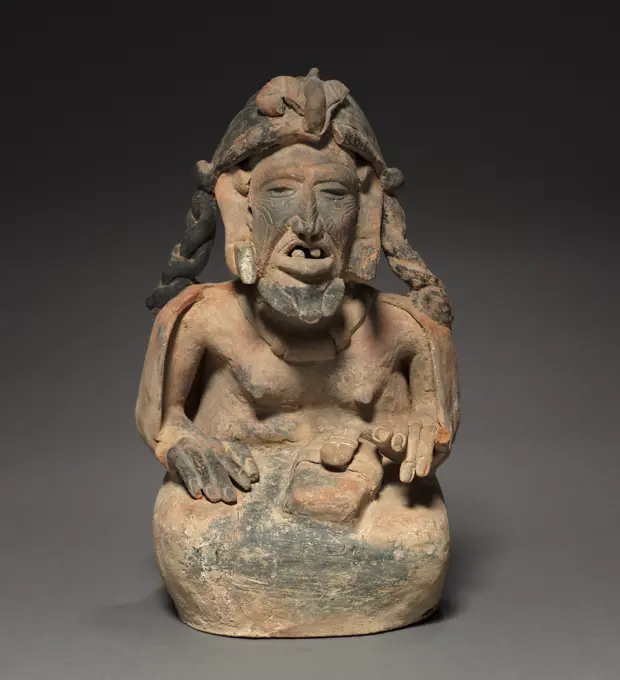
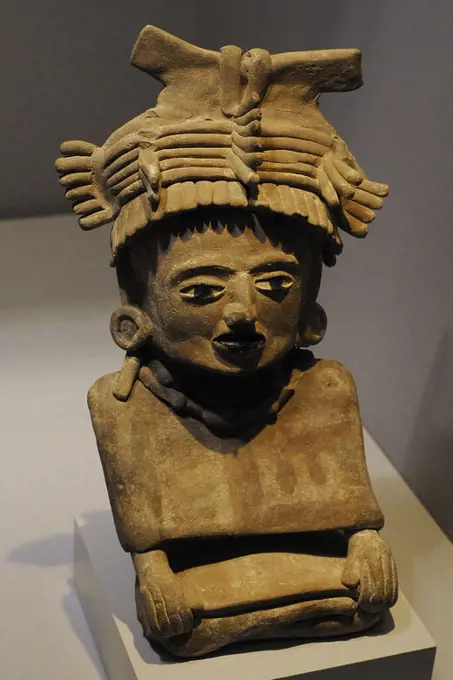
Elderly Figure, 600-900. Mexico, Campeche, Veracruz Monumental Sculpture Type. Molded and modeled pottery with gray, tan and black paint; overall: 34.3 x 21 x 21.4 cm (13 1/2 x 8 1/4 x 8 7/16 in.).
4443-28734667
Seated female figure, 3rd-6th century, 3 1/4 x 2 3/4 x 2 1/8 in. (8.3 x 7 x 5.4 cm), Earthenware, Mexico, 3rd-6th century
6145-29118097
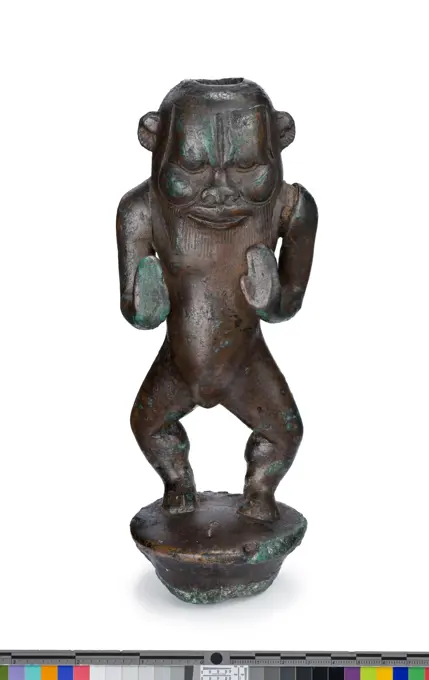
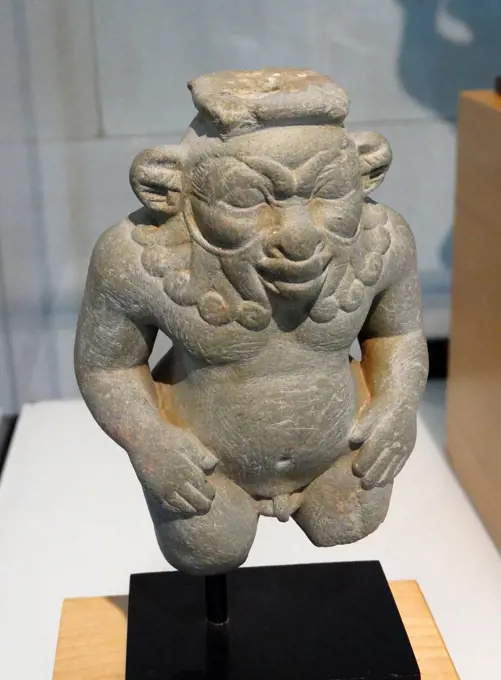
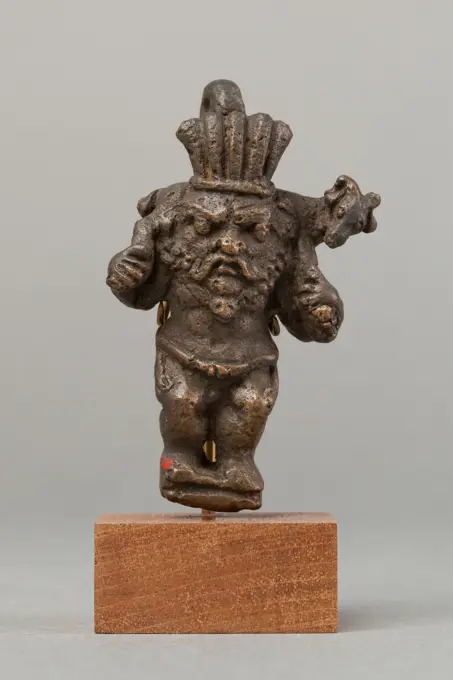
Bes. Egypt, Late Period, 25th Dynasty, 711-657 BCE. Sculpture. Bronze
6145-29722772
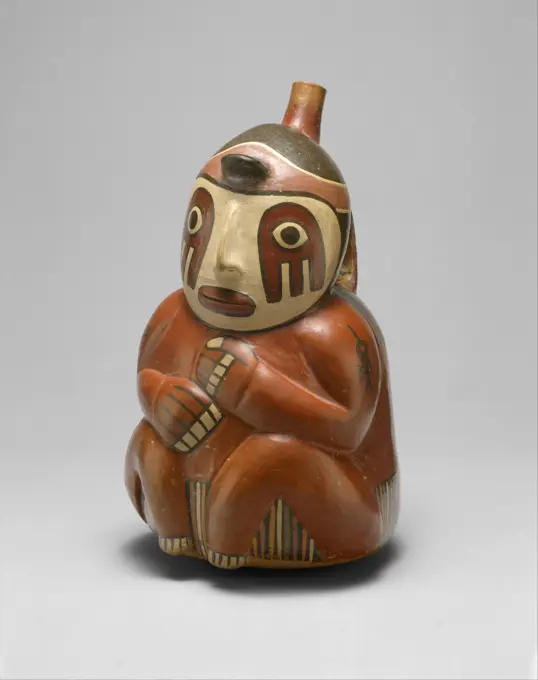
Bottle, Sleeping Figure 4th-6th century Moche. Bottle, Sleeping Figure. Moche. 4th-6th century. Ceramic, pigment. Peru. Ceramics-Containers
4409-17360704
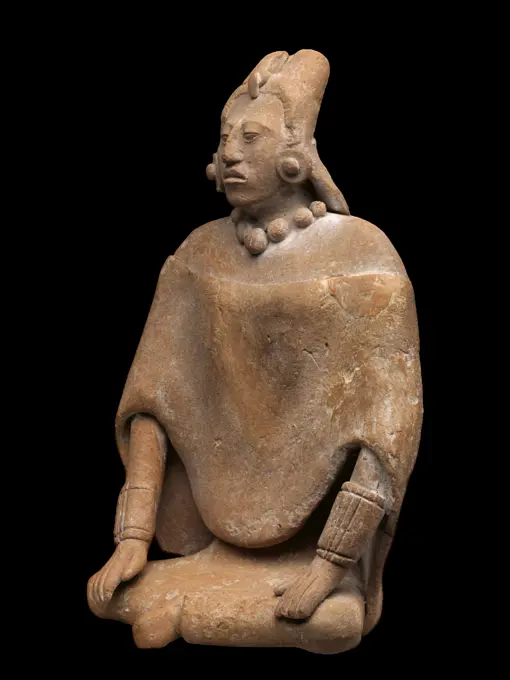
Seated figure of a nobleman. Ceramics. El Tajin culture (700-900 AD). Gulf Coast, Mexico. Museum of the Americas. Madrid, Spain.
6145-29136133
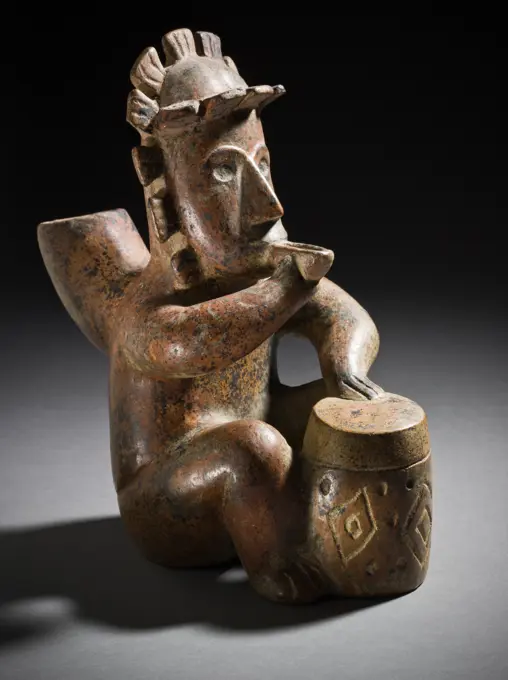
Seated Drummer. Mexico, Colima, 200 BCE-500 CE. Ceramics. Slip-painted ceramic
1899-18611427
Female figure. Painted ceramic. Chupicuaro style. Late Preclassic Period (400 BC-100 AD). Western Mexico. Museum of the Americas. Madrid, Spain.
4409-17361357
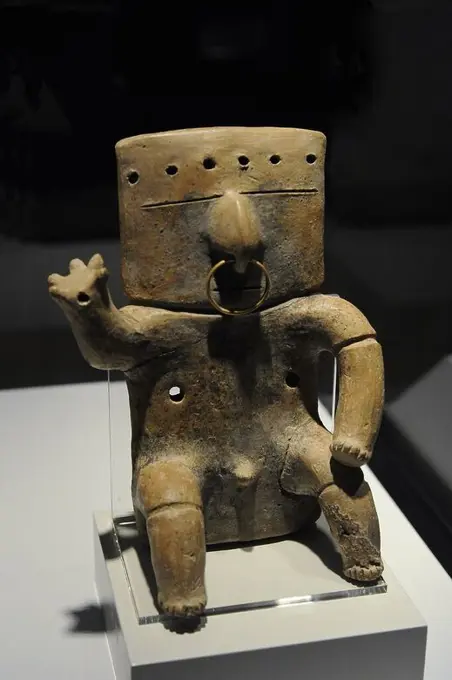
Figura humana sentada (tabloide). Cerámica y oro. Cultura Quimbaya, Período de Integración (1200-1500 d. C.). Colombia. Museo de América. Madrid. España.
6145-29162538
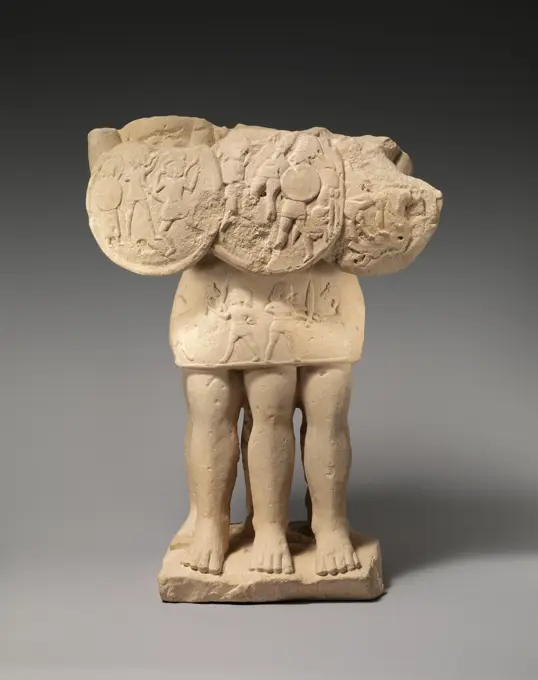
Limestone Geryon 2nd half of the 6th century B.C. Cypriot In Greek mythology, Geryon was a three-bodied creature who lived far away in the West with his dog, a great herd of cattle, and a herdsman. One of the labors of the hero Herakles was to fetch the cattle for King Eurystheus of Tiryns (see the relief 74.51.2853). The sculptor here has dealt summarily but efficiently with Geryon's arms and legs. The major emphasis is on the decoration of the garment and shields. The skirt of the tunic shows a roughly heraldic scene of two men with large swords battling two rampant lions. The figure may be Herakles performing the feat that gained him the lionskin. The leftmost shield depicts Perseus, accompanied by Athena, beheading the Gorgon Medusa. On the central shield, Herakles carries away one of the Kerkopes while another attacks him. The right shield, now much damaged, shows Herakles shooting a centaur. One wonders whether Herakles the archer (74.51.2500) was taking aim at this Geryon.. Lime
6145-29075983
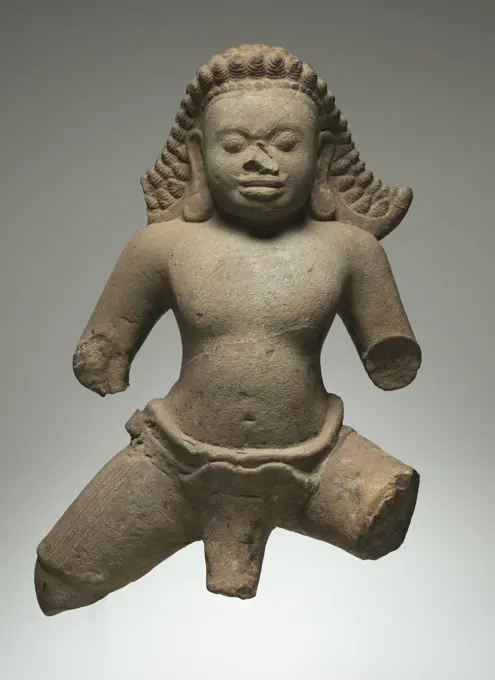
Rakshasa, 925-950. Cambodia, Koh Ker style, 2nd quarter 10th Century. Sandstone; overall: 69.8 x 45.8 cm (27 1/2 x 18 1/16 in.).
4409-17544227
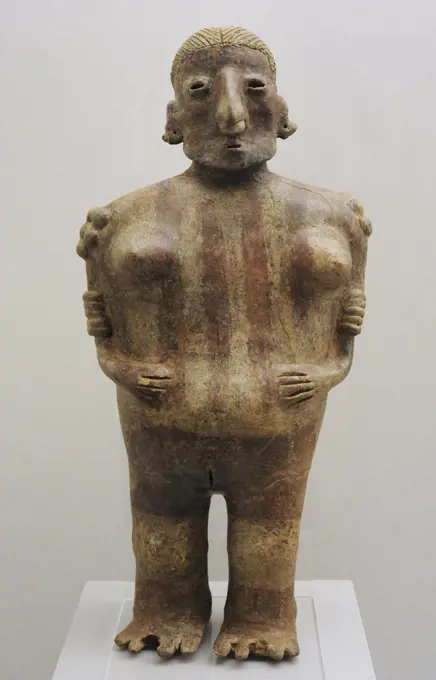
Standing Female Figure. Tlatilco, Preclassic period; Tlapacoya, Valley of Mexico, Mexico. Date: 1200 BC-600 BC. Dimensions: 19.1 × 8.6 cm (7 1/2 × 3 3/8 in.). Ceramic and pigment. Origin: Central Mexico. Museum: The Chicago Art Institute, Chicago, USA.
1746-19664419
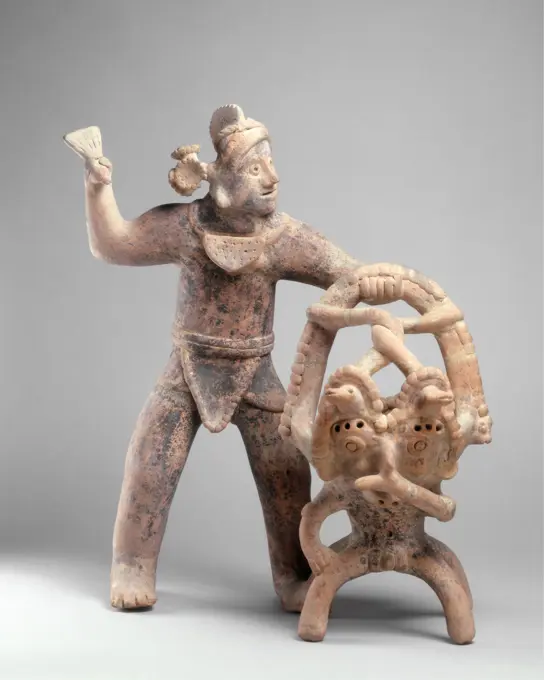
Mayan priest holding a knife and a fan. Earthenware, Maya, Mexico 600-900 AD
6145-29155139
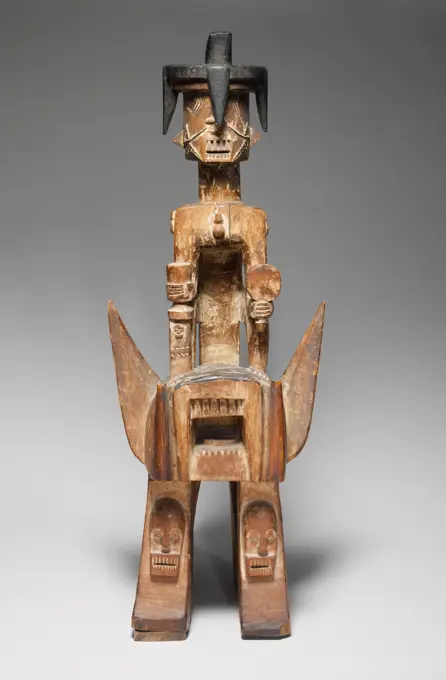
Shrine (Iphri) 19th century Ijo peoples Personal shrines, known as ifiri in Ijo culture, are widespread in southern Nigeria. Such sculptures, dedicated to an individual's power, skill, and aggressiveness, are placed in screenlike fashion, accompanied by freestanding figures, on private altars. Fierce animal imagery is often emphasized, as in the sharp fangs and powerful open jaws of the beast shown here, which fuses elephant and leopard traits. Such attributes relate to the pursuit of warfare and commerce by Ijo men. The human figure seated above the animal represents the shrine's owner holding a cup for pouring libations and a fan, a symbol of his wealth and status.. Shrine (Iphri) 310065
6145-46808609
Carving of aFamily
6145-59129507
Campania Caserta Capua Museo Campano109. Hutzel, Max 1960-1990 Medieval: Byzantine architectural fragments; parchment fragments with miniatures (12th century) from Montecassino; painted wooden crucifix (13th century); Carolingian crucifixes; Bishop's miter (11th century) of gold and silver damask; fresco (13th century). Post-medieval: Architecture (15th century). Formerly the Palazzo Antignano. Unusual Catalan/Moorish-style portal; Paintings on panel and canvas (15th-18th centuries); marble intarsia (16th century); marble sculpture: busts of Christ and Mary (17th century); sculpture of saints in marble and in wood (15th century); painted and gilded sculpture in wood; marble grave sculpture (16th century); sarcophagus with allegorical carvings; gold reliquary "Rosa d'Oro"; crucifix made of elephant tusk Specific Location: Pianterreno Antiquities: Italic sculpture (seated women holding babies); inscription. Photo campaign #1: 533 photos. Roman relief and sculpture; cinerary urns; Greek a
6145-29136204
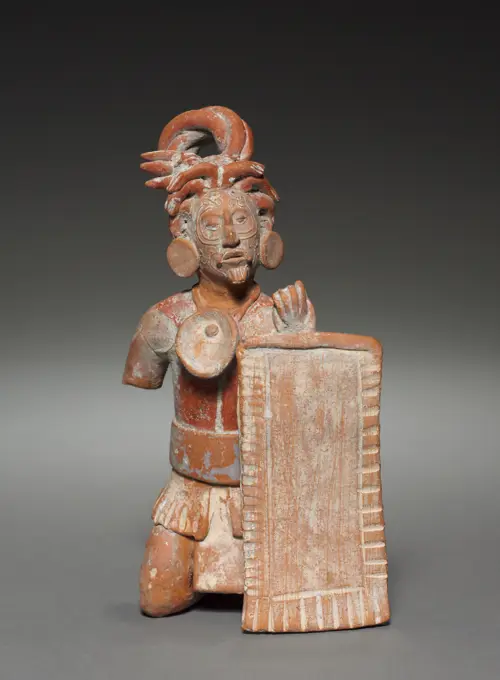
Crouching Warrior Bearing Weapon and Shield. Mexico, Jalisco, Jalisco, 200 BCE-400 CE. Ceramics. Slip-painted ceramic
4409-17410402
Standing Female Clay Figure. Culture: Japan. Dimensions: H. 9 1/4 in. (23.5 cm); W. 5 3/4 in. (14.6 cm); D. 3 1/4 in. (8.3 cm). Museum: Metropolitan Museum of Art, New York, USA.
6145-29765565
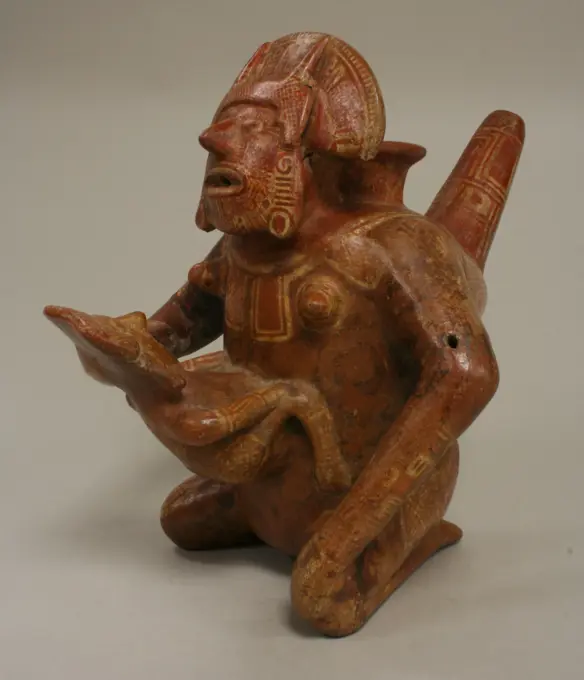
Female Figure Vessel 1200-1500 Nayarit Between the third century B.C. and second century A.D., the people in the west Mexican state of Colima buried their honored dead with sculptural ceramic vessels in the form of human and animal figures. In the same region in later centuries, ceremonial vessels were given simpler form with a strong emphasis on polychrome surface decoration. This pair of male and female figure vessels, said to have come from the site of El Chanal in Colima, combines the early with the later tradition. Both vessels have large flared openings in back of their necks. From humplike protuberances on their backs project long-tapering spouts. The surfaces are covered with red slip and embellished with detailed red-on-cream designs. The flat, square faces with hatchet noses appear masklike and bear different motifs, while the crescent headdresses with horns are identical. The female figure holds a child that looks up to her, and has legs that wrap around her waist.. Female F
1848-49532971
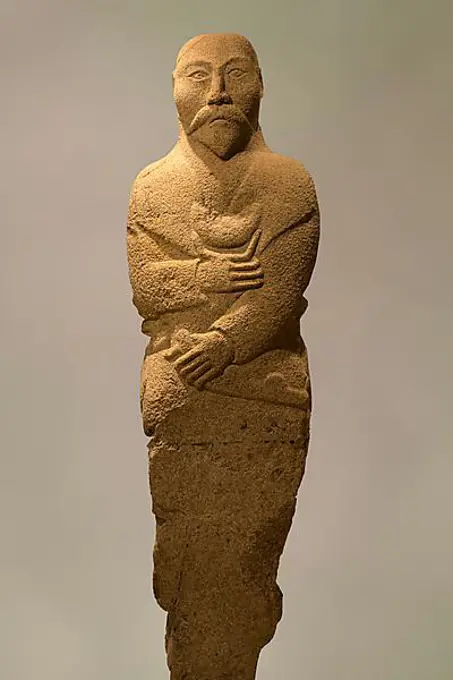
State Historical Museum, Stone statue from the Inner Tien Shan, VII, IX centuries, Bishkek, Kyrgyzstan, Asia
6188-68090646
Weibliche Figur des Volkes der Fang Weibliche Figur des Volkes der Fang LicenseRF Copyright: xZoonar.com/Tolox 23160270
6145-29067433
Warrior Figurine with Shield, 600-900. Mexico, Classic Maya, Jaina style. Molded and modeled pottery with traces of pigment; overall: 17.3 x 9.2 x 7.9 cm (6 13/16 x 3 5/8 x 3 1/8 in.).
6145-29808351
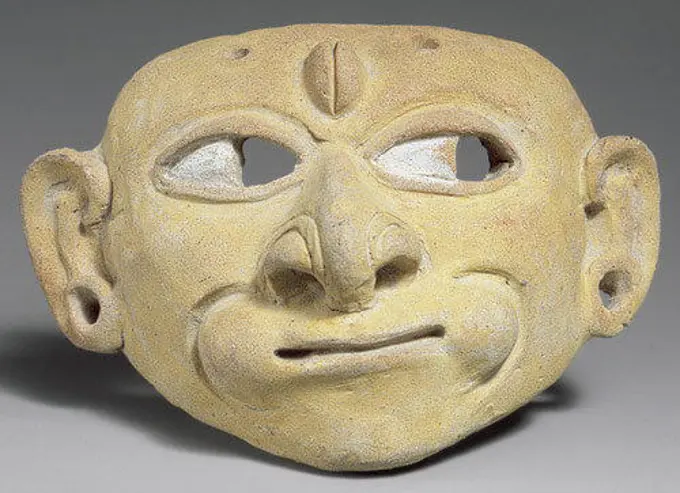
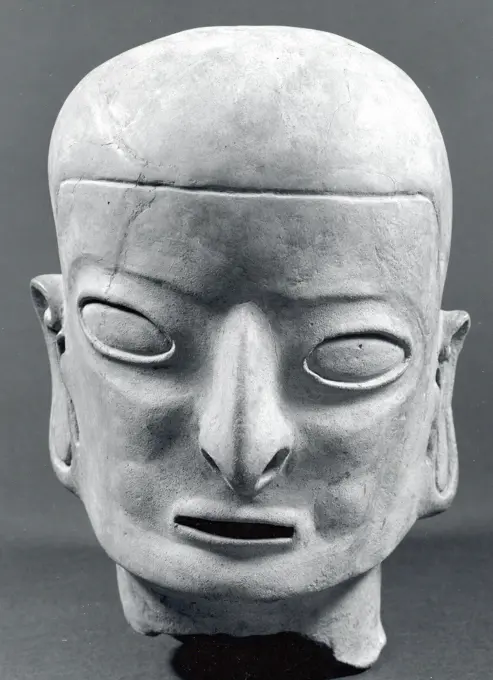
Mask 1st century B.C.-A.D. 4th century Tolita-Tumaco Ceramic masks are known from many parts of the Precolumbian world, and the current example is characteristic of a type found in the hot, humid coastal region of northern Ecuador and southern Colombia. The almost impish face has wide eyes with pupils gazing left. The nostrils are flared and the cheeks puffed, and deep grooves lend the face vitality and volume. Holes in the modeled earlobes and one in the septum once held ornaments, perhaps of gold. On the forehead is an unusual raised, coffeebean-shaped ornament. White pigment is present in the eyes, while the rest of the face is covered with traces of a yellow pigment. Two holes at the top of the forehead suggest that the mask was suspended or attached to a wearer.. Mask 313565
4409-65764864
anthropomorphic clay figure, Nova Nadezhda, Haskovo region, Chalcolithic, fifth millennium BC, Bulgarian National Archaeological Museum, Sofia, Republic of Bulgaria, Europe.
6145-30390231
Male AncestorFigure
1848-50664358
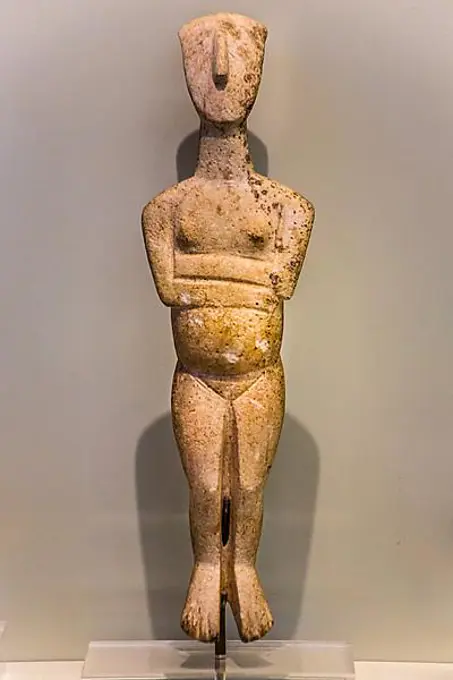
Cycladic marble figure of a pregnant woman (2600-23000 BC), Archaeological Museum with most important finds of the Minoan culture, Heraklion, Crete, Heraklion, Crete, Greece, Europe
6188-68093105
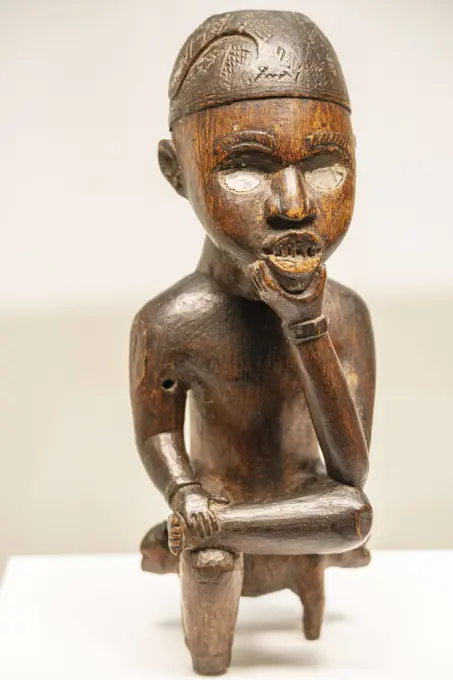
Figur für Ahnenverehrung Figure for ancestor worship, Bakongo, Yombe-Mayombe group, Democratic Republic of the Congo, 20th century, carved wood and mirror fragments, MEB, Barcelona, Catalonia, Spain LicenseRF Copyright: xZoonar.com/Tolox 23171487
1746-19665575
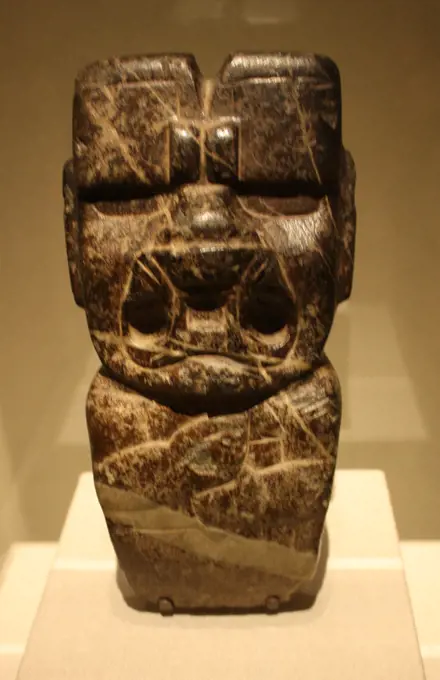
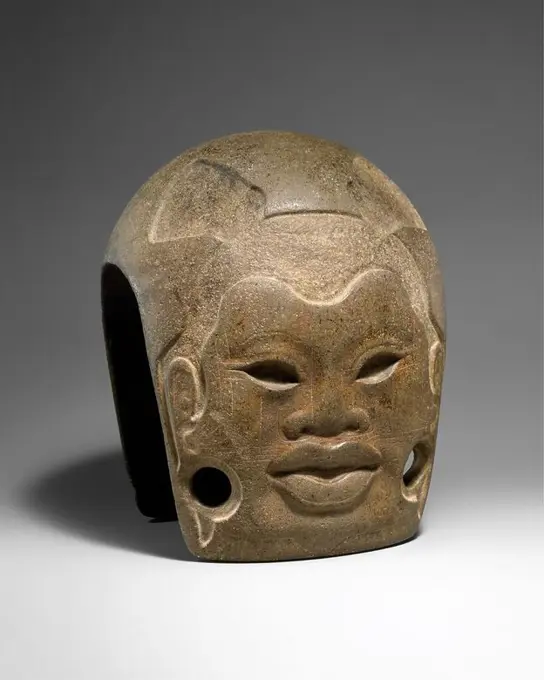
Olmec Mask. Mexico, Olmec. 10th-6th century B C. Jade (jadeite). This mask, with its harmonious proportions and smooth, highly polished planes of cheek, forehead and chin has an almost fleshy quality of nose and lips that belies the incredible hardness.
4409-17374787
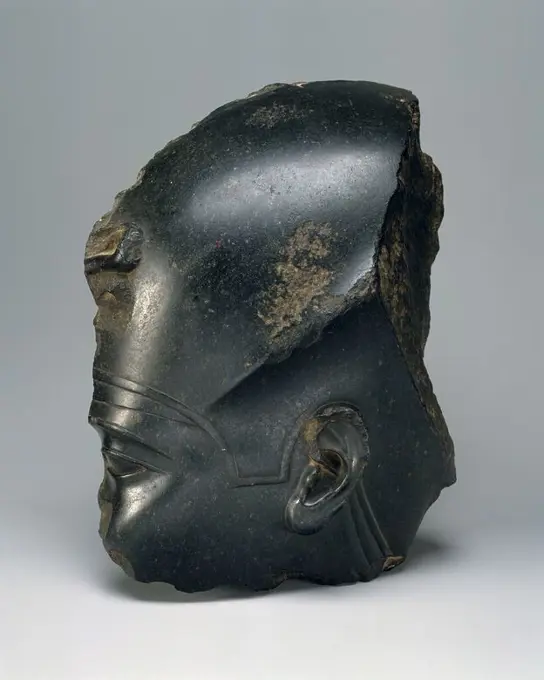
Fragment of a Royal Head, Probably Apries. Dimensions: H.30 × W. 21.3 × D. 12.9 cm (11 13/16 × 8 3/8 × 5 1/16 in.). Dynasty: Dynasty 26. Reign: reign of Apries. Date: 589-570 B.C..Although in fragmentary condition, this piece is a royal image of the highest artistic quality. The sculptor, a master of working hard stones, differentiated with superb sensitivity the various surfaces of the bulging metal helmet, the leather of the strips or cap that the king wore under the helmet, and the fleshy facial features. Surviving images of Dynasty 26 kings are rare, generally small, and often fragmentary. This over-lifesize fragment probably came from a seated statue of the energetic pharaoh, Apries. Kings of Dynasty 26 were constantly involved in conflicts with surrounding kingdoms, particularly those northeast of Egypt. Despite some successes, a foreign defeat combined with growing internal tensions led to Apries' overthrow by the usurper, Amasis, after nineteen years on the throne; what remai
4409-17520432
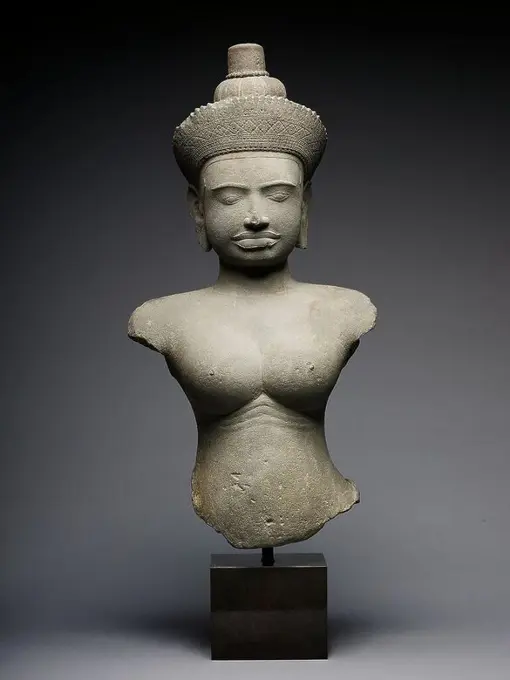
Bust of a Female Deity (Devi). Cambodia. Date: 901 AD-1100. Dimensions: 55.7 × 27.6 × 13.1 cm (22 × 10 7/8 × 5 3/16 in.). Sandstone. Origin: Cambodia. Museum: The Chicago Art Institute, Chicago, USA.
4409-17356434
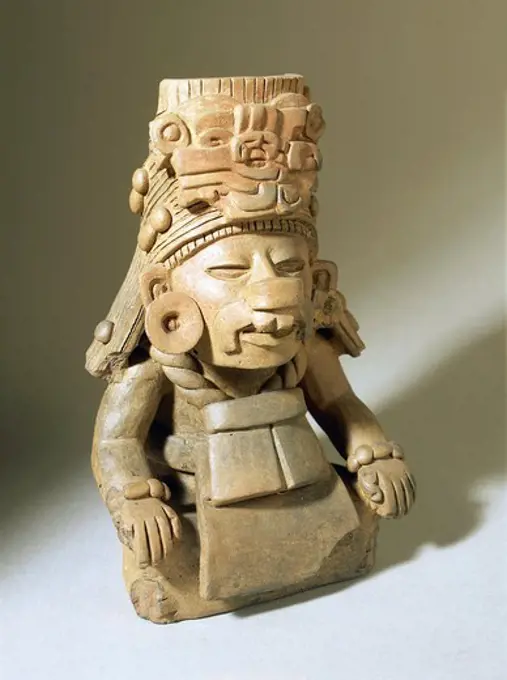
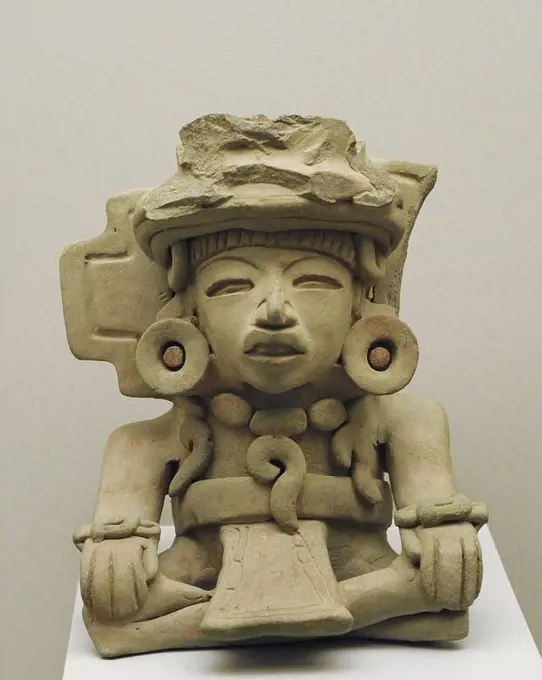
Funerary urn. Painted ceramic. Zapotec Culture (Monte Alban III). Early and Middle Classic Period (100-700 AD). Mexico. Museum of the Americas. Madrid, Spain.
6145-29738469
Figure 6th century China. Figure 62931
6145-46802774
SeatedFigurine.  Artist: Unknown
4435-5750
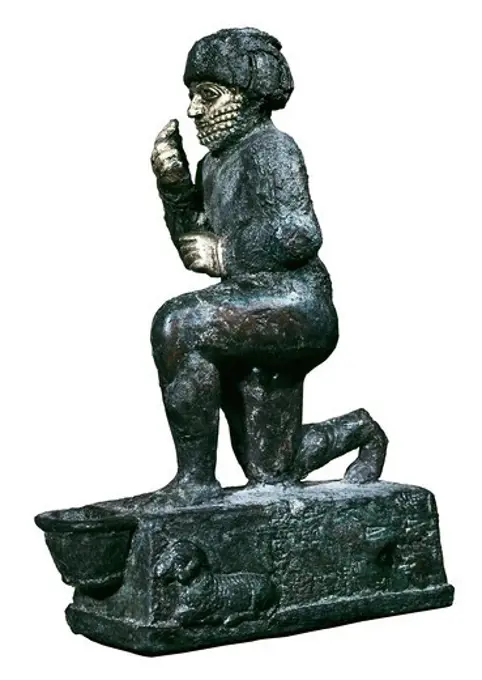
The worshipper of Larsa. 1st half 18th c. BC - 1700 BC. A dignatary named Awil-Nanna, from the ancient Sumerian city of Larsa, dedicated this little bronze 'for the life of Hammurabi', king of Babylon, his sovereign. The dedication to the god Amurru, chief of the Amorite nomads who had adopted Sumerian civiliz. Babylonian art. Old Babylonian period. Sculpture on bronze. FRANCE. ëLE-DE-FRANCE. Paris. Louvre Museum. Proc: IRAQ. Larsa.
1746-21108314
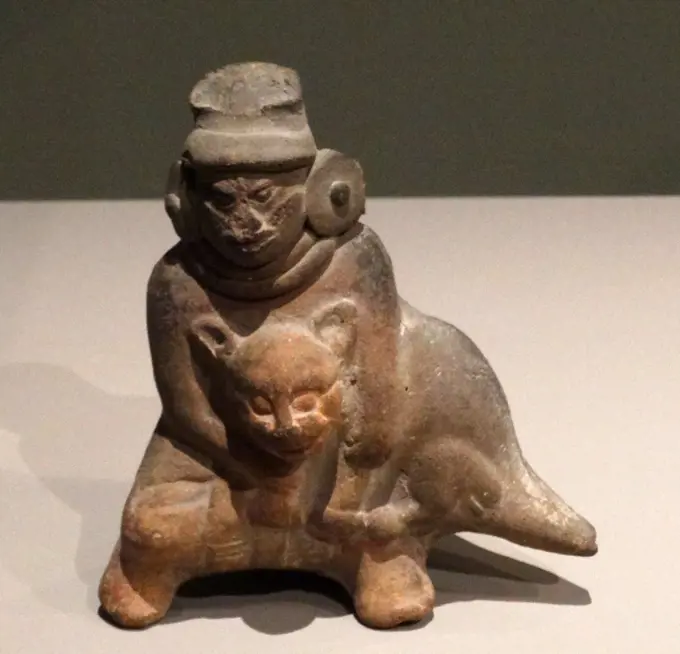
Mayan figurine, from Jaina, Campeche, Mexico. Classic recent (600-900 AD) Ceramic. represents a human being that holds a feline in her arms. The animal here symbolises divine power.
4443-28734265
Standing flat female figure, 4 x 2 x 3/4 in. (10.2 x 5.1 x 1.9 cm), Earthenware, Mexico
4443-28734270
Standing female figure, 300-799, 3 1/4 x 2 x 1 in. (8.3 x 5.1 x 2.5 cm), Earthenware, Mexico, 4th-8th century
4409-17399294
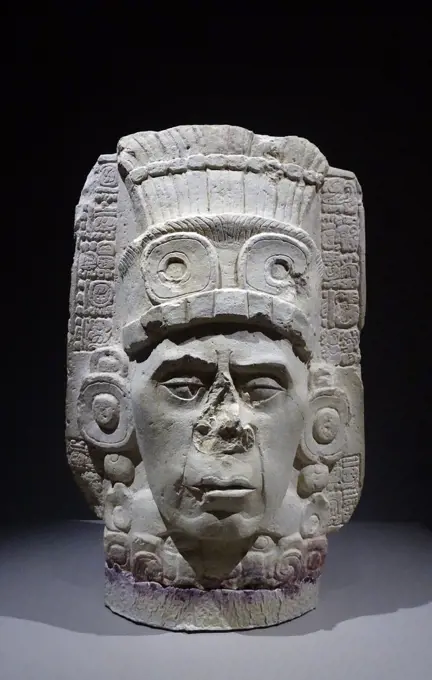
Head. Culture: Aztec. Dimensions: Overall: 11 x 10 x 8 1/2 in. (27.94 x 25.4 x 21.59 cm)Other: 10 x 8 1/2 in. (25.4 x 21.59 cm). Date: 15th-early 16th century. Museum: Metropolitan Museum of Art, New York, USA.
6145-29731986
Bronze statuette of a discus thrower 5th century B.C. Etruscan Nude statue of a discus thrower.. Bronze statuette of a discus thrower. Etruscan. 5th century B.C.. Bronze. Classical. Bronzes
6145-29831665
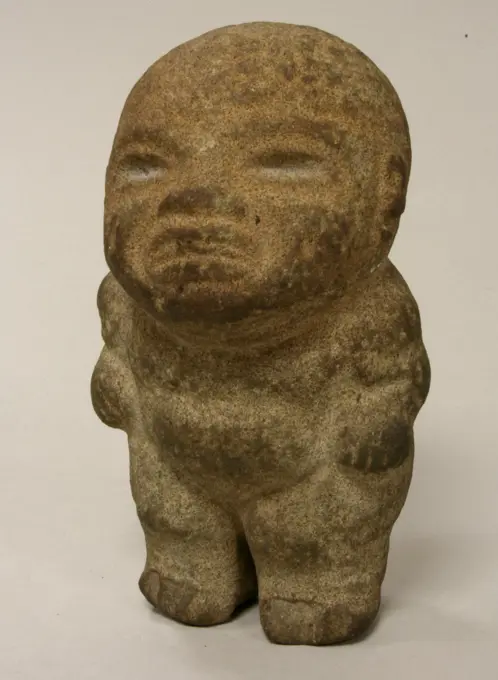
Female Figure 12th-9th century B.C. Olmec Ceramic figures from central Mexico made during the late second millennium B.C. usually depict women. Commonly described as fertility figurines, their attenuated limbs and occasionally disturbing facial features have been interpreted as abnormalities indicative of special access to the supernatural realm. As there is a wide range of representation and type among these figures, such interpretations are not necessarily exclusive. Certain figurines have details that may indicate social status, such as the earspools and hairstyle seen here, while others clearly relate to Olmec imagery. Most of the details reflect regional traditions in which facial and body treatments can be recognizably precise. The crisp narrow eyes and mouth of this figurine, for instance, recall the so-called pretty lady figures from Tlatilco, an early site in the Basin of Mexico, but the bodily proportions are less distorted than those of Tlatilco figures. A possible source ma
6145-29068423
Male Figure, mid to late 1800s. Africa, Central Africa, Democratic Republic of Congo, Hungaan-style maker. Wood and colorant; overall: 68 cm (26 3/4 in.).
4292-70666
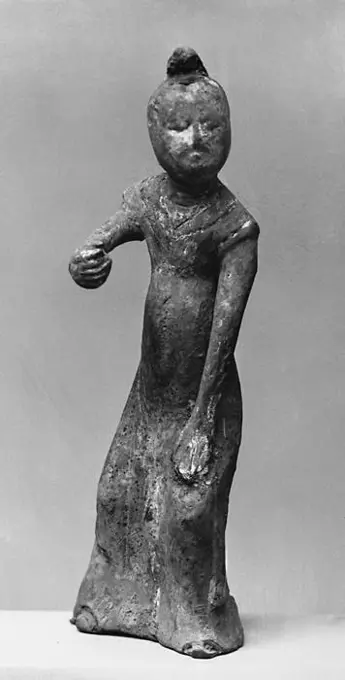
Asia, China, Shanghai, Shanghai Museum, White glazed pottery figurine of woman blowing Xiao, Flute, Sui  A.D. 581
6145-29732608
Figure with Helmet Mask 7th-8th century Maya. Figure with Helmet Mask. Maya. 7th-8th century. Ceramic, pigment. Mexico, Mesoamerica. Ceramics-Sculpture
1746-21110393
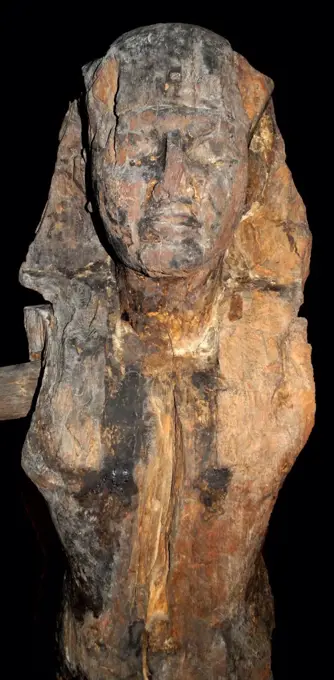
Wooden tomb statue of King Ramesses IX 20th Dynasty, about 1126-1108 BC From tomb 6 in the Valley of the Kings
6145-54682290
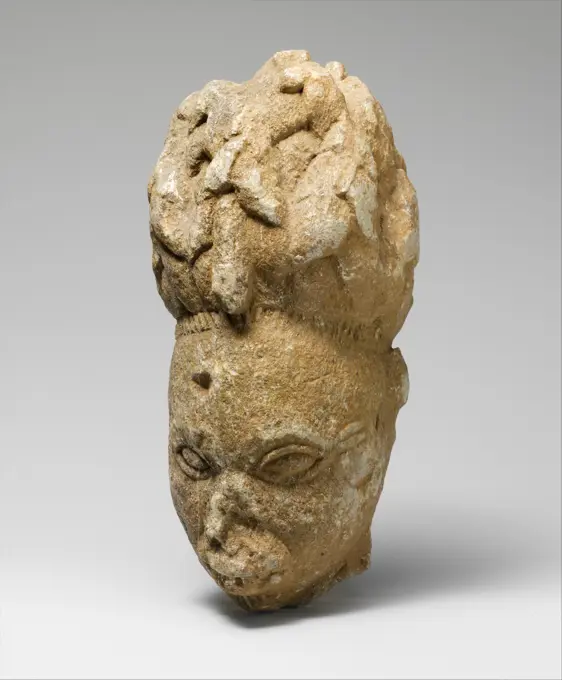
Figure: Head Yoruba peoples 12th-15th century This stone head of a woman is part of a group of over a thousand known sculptures identified with a site in the Yoruba town of Esie in north central Nigeria. There, an assemblage of soapstone figures of women, men, and animals were found lying in a forest grove, most showing signs of deliberate damage from an apparent act of organized defacement. It is not known when the objects were created or vandalized, although it is estimated that they were carved between the twelfth and fifteenth century. The disarray of the site has limited attempts to provide dates and establish the cultural origins of these works, however, and even the best estimations remain informed speculation.This sculpted head possesses many traits common to Esie figures, including sharply defined almond eyes, ears set far back on the head, and three protruding scarification marks beside its left eye. While some statues from Esie have been described as solemn in expression, he
6145-48529888
Fragment uszebti.. unknown, author
6145-29115367
Head of a Demon. Thailand, Ku Bua (), 13th-14th century. Sculpture. Stucco
6145-29067644
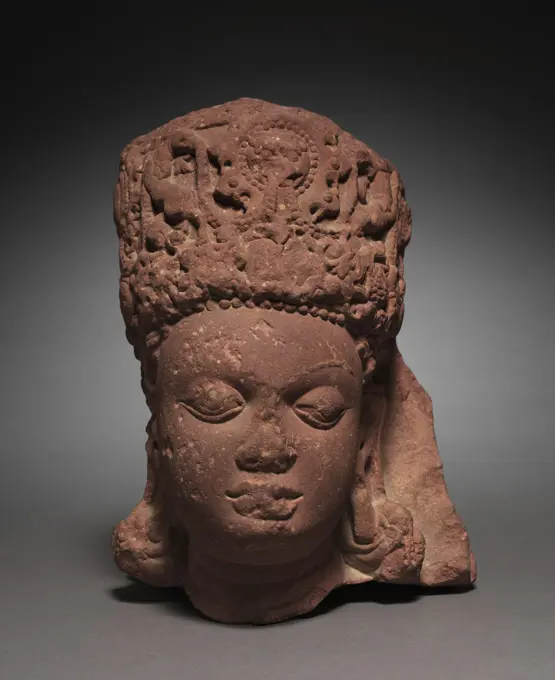
Head of Vishnu, AD 400s. Northern India, Mathura, Gupta period. Sandstone; overall: 28 cm (11 in.).
4409-21485753
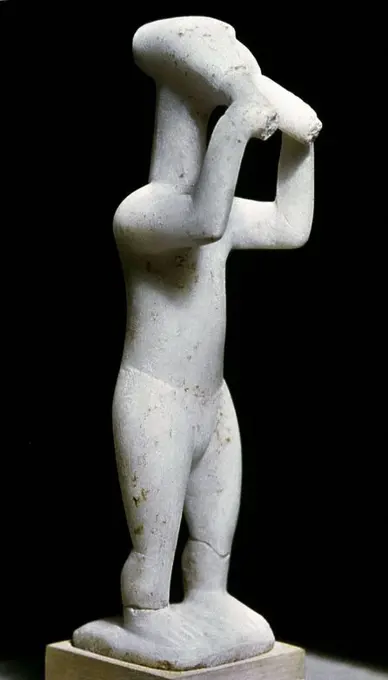
Double Flute Player. Cycladic statuette. Marble. Ca. 2700-2300 BC. Early Cycladic II Culture. From Keros, The Cyclades, Greece.
4409-17427851
Female Figure. Culture: Tlatilco. Dimensions: H. 2 15/16 in. (7.5 cm). Date: 10th century B.C..This solid, hand-modeled ceramic figurine is reddish tan to yellow in color and painted with an orange-red pigment. Featuring bulbous hips, a small waist, and diminutive arms, little regard is given to anatomical accuracy. A necklace conforms to the thick contours of the neck, and the central hair bun extends down the back of the head. Neither of the small perforations in the oversized ears continues to the backside. Sculpted some three millennia ago in the Valley of Mexico, this figurine belongs to a group of ceramic effigies known collectively as the Tlatilco "pretty ladies." Depicting females with large heads, small waists, and prominent hips, these handheld sculptures present a fairly standardized body type and are typically fired to red, buff, or brown tones. As the popular embodiments of an ideal feminine form, the Tlatilco "pretty ladies" are part of a centuries-long tradition in whi
4409-17232517
Romanesque art in the National Art Museum of Catalonia,Barcrelona,bases of the Ripoll baldachin (XII century AC).Santa Maria in Ripoll monastery.
4443-19560260
Standing FemaleFigure, 100 B.C.-A.D.250, Ceramic with pigment, 59.69 × 26.67 × 11.43 cm (23 1/2 × 10 1/2 × 4 1/2in.), Made in Mexico, Mexico, Nayarit, Ixtlán del RíoStyle, ProtoclassicPeriod, Sculpture
1746-29016801
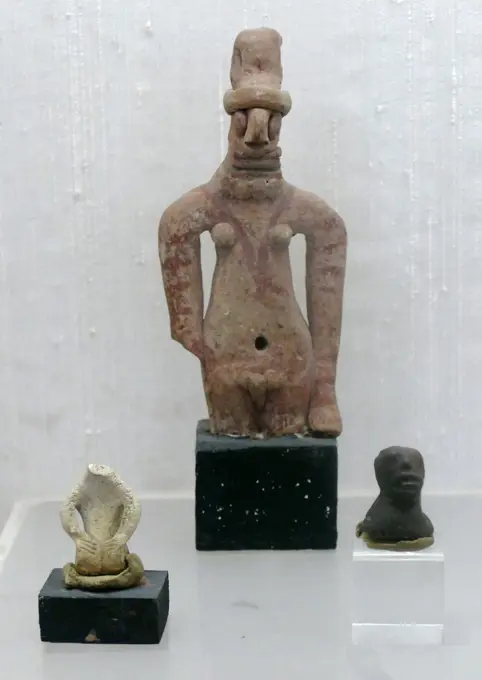
Terracotta Harappa human figurines from the Indus Valley Civilisation at Mohenjo-Daro, Pakistan. The Indus Valley Civilisation was a Bronze Age culture, (33001300 BCE; mature period 26001900 BCE) mainly in the north-western regions of South Asia, extending from what today is northeast Afghanistan to Pakistan and northwest India. Dated 2700 BC
4409-17545682
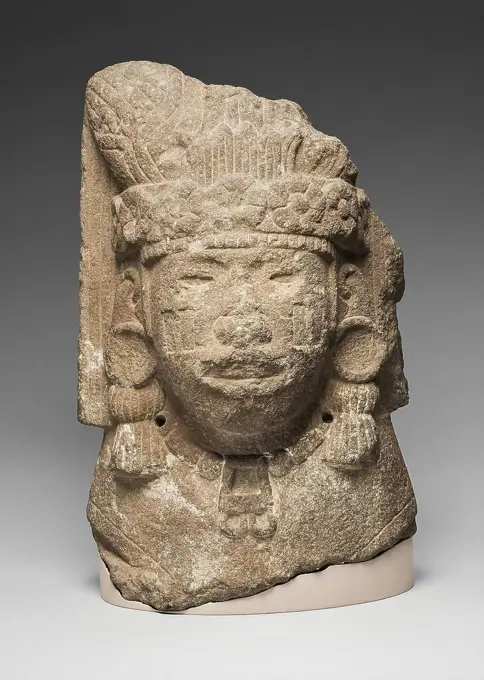
Head of Xilonen, the Goddess of Young Maize. Aztec (Mexica); Tenochtitlan, Mexico. Date: 1400-1500. Dimensions: 32.4 × 20.3 × 12.1 cm (12 3/4 × 8 × 4 3/4 in.). Basalt. Origin: Tenochtitlan. Museum: The Chicago Art Institute, USA. Author: Aztec (Mexica).
1746-30016042
Sandstone Cuman stone figures of men and women
1746-19984460
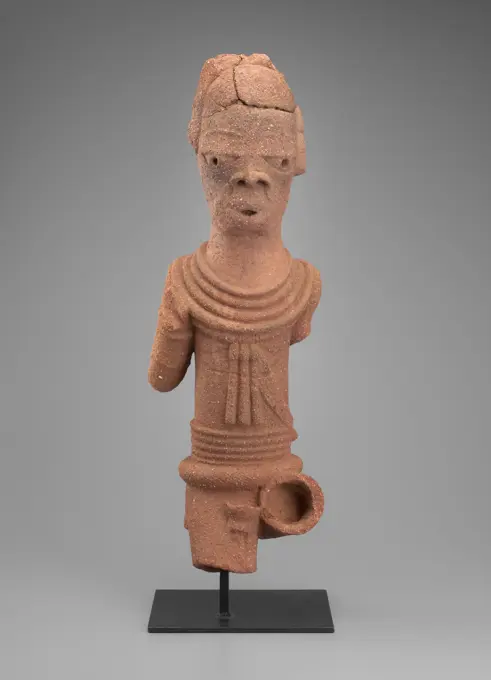
Sandstone statuette of the female figure from Mali, West Africa. Dated 280 AD.
6145-29192927
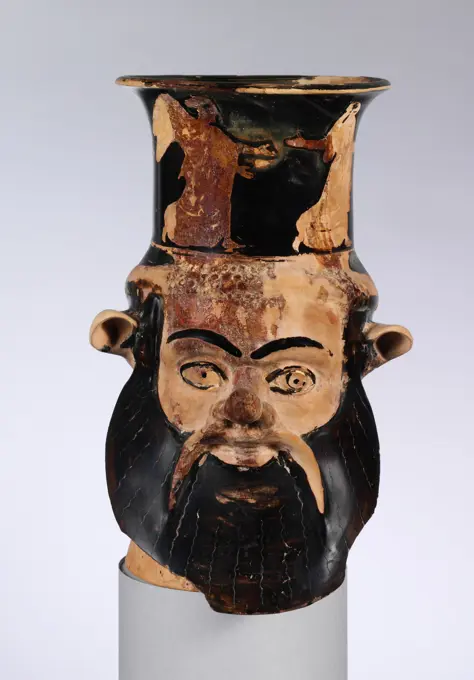
Terracotta mug in the form of a satyr's head ca. 460 B.C. Attributed to the Carlsruhe Painter On the lip, Nike (personification of Victory), king and two women.. Terracotta mug in the form of a satyr's head 251357 : Attributed to the Carlsruhe Painter, : Attributed to Class R: Manchester Class of Head Vases, Terracotta mug in the form of a satyr's head, ca. 460 B.C., Terracotta, H. 9 1/16 in. (23 cm). The Metropolitan Museum of Art, New York. Rogers Fund, 1923 (23.160.13)
6145-52959008
Limestone Herakles Cypriot ca. 530-520 BCE The statue was considerably reworked by Cesnola's "restorers" so that numerous features of the original are no longer clear. The proper left arm and the legs were certainly reattached; the original position of the right arm has also been obscured. Herakles wears a tunic, belt, modified kilt, and lionskin. In his left hand he held a bow, half of which appears against his body. (The pickle-shaped club that he brandished for many decades was added in modern times and has been removed.) On his right thigh are the ends of the arrows that he held in his right hand. Although the head 74.51.2857 indicates that Cypriot sculptors were working on a large scale as early as the beginning of the sixth century B.C., it was only during the second half of the century that monumental pieces were produced in some quantity.
6145-29160085
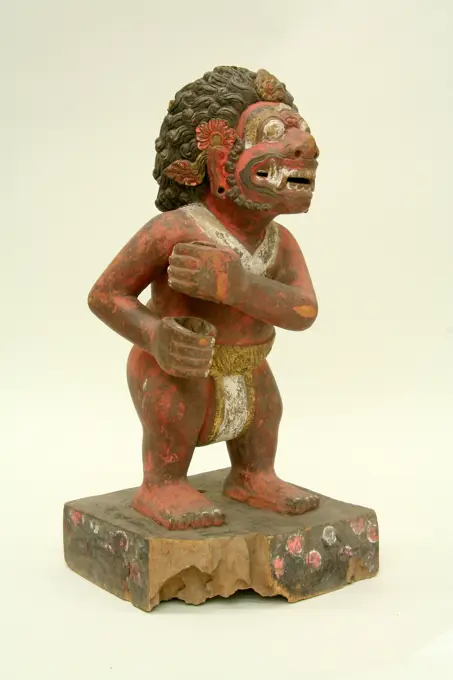
Kris Stand 16th-19th century Balinese. Kris Stand. Balinese. 16th-19th century. Wood. Bali. Kris Stand
4409-67199870
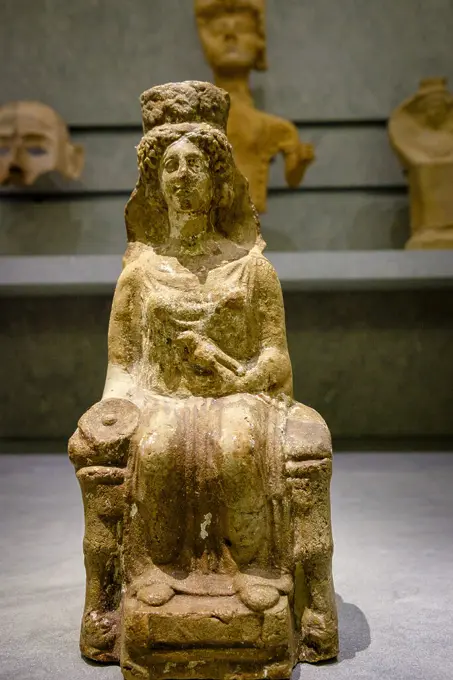
Enthroned female figure with remains of white and blue paint 400-300 BC, Archaeological Museum of Ibiza and Formentera, Ibiza, Spain.
6145-29125020
Monster in Foliage. Indonesia, Eastern Java, 14th century. Sculpture. Buff terracotta
6176-59904714
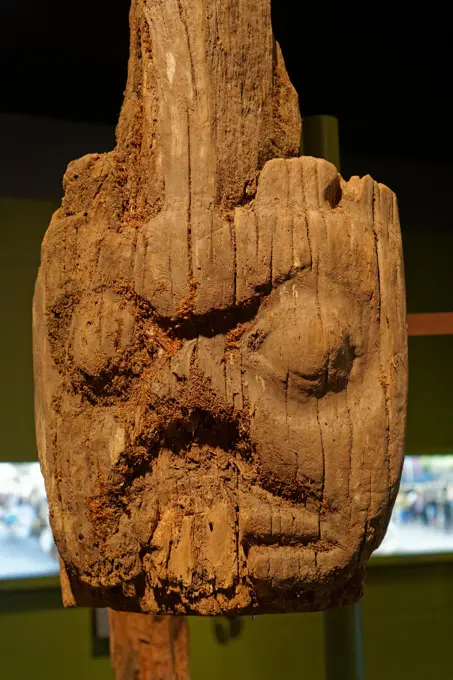
Weathered Haida mortuary pole fragment from Haida Gwaii, Museum of Vancouver,  British Columbia, Canada
4409-17417543
Fragment of a Figure. Culture: Coptic. Dimensions: Overall: 9 5/8 x 7 3/16 x 3 13/16 in. (24.4 x 18.3 x 9.7 cm). Date: 4th-7th century. Museum: Metropolitan Museum of Art, New York, USA.
6145-29066245
Kneeling Winged Monster, 550-577. China, Hebei province, northern Xiangtangshan caves, North cave, Northern Qi dynasty (550-577). Limestone; overall: 75 x 63.6 cm (29 1/2 x 25 1/16 in.).
6145-29742637
Top for standard ca. 8th-7th century B.C. Iran. Top for standard 322859
6145-29800151
Costumed Figure 7th-8th century Maya This ceramic figurine depicts a standing male wearing a long textured bodysuit and conical headdress. His mouth is open, as if speaking, and he wears an ornament between his eyes. Incised lines on his cheeks may represent wrinkles, indicating he is a mature individual. He wears a belt and loincloth above the bodysuit, as well as a ruffled collar and large round earflares, or ornaments worn in the earlobes (see 1994.35.591a, b for an example of an earflare set, and 1979.206.1047 for individuals wearing earflare assemblages). His pectoral consists of a large round element with a zoomorphic face emerging from the top right corner. He carries a rectangular shield in his left hand; the shield is marked with patterns that probably represent feathers. The right arm of the figurine is broken at the elbow. This figurine is also a whistle; the mouthpiece of the whistle, visible from the sides and back, serves as a third support so that the figurine can stand
4409-58752144
the warrior in double armor, 5th century BC, Cerrillo Blanco, Porcuna, Iberian Museum of Jaén, Andalusia, Spain.
4443-21961386
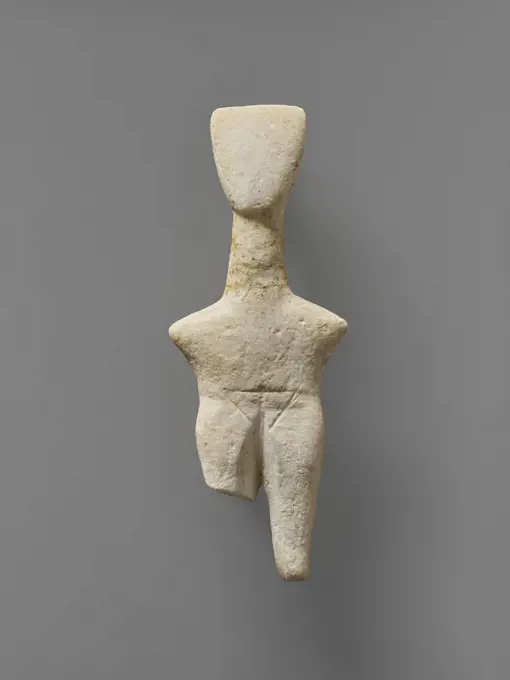
Female Figure of the Louros Type; Cyclades, Greece; 2800-2700 B.C; Marble; 10 × 3.8 × 1 cm (3 15,16 × 1 1,2 × 3,8 in.)
6145-29162592
Statuette of Huwebenef ca. 1550-1479 B.C. New Kingdom Like other early New Kingdom statues, Huwebenef has a slender body, delicate features, and unusually large eyes. The statuette has a separate wooden base with a funerary inscription by Huwebenef's father, Djehuty. The statuettes of the child Amenemhab (26.7.1413a, b) and Huwebenef were found inside the coffin of a woman presumed to have been their mother.. Statuette of Huwebenef. ca. 1550-1479 B.C.. Wood. New Kingdom. From Egypt, Upper Egypt, Thebes, Asasif, Tomb CC 37, Hall (C), burial 24, inside coffin, Carnarvon/Carter excavations, 1911. Dynasty 18, early
6145-29174814
Maternity Figure 14th-15th century Thailand. Maternity Figure. Thailand. 14th-15th century. Earthenware. Ceramics
900-64978
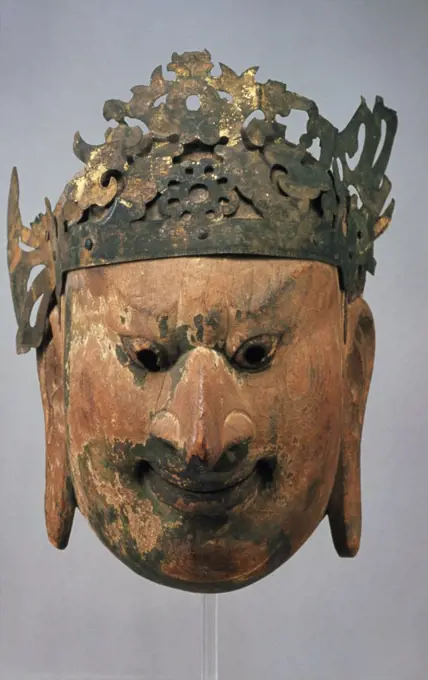
Gigaku Mask, circa 7th Century,, Japan, Tokyo, National Museum
1788-51417
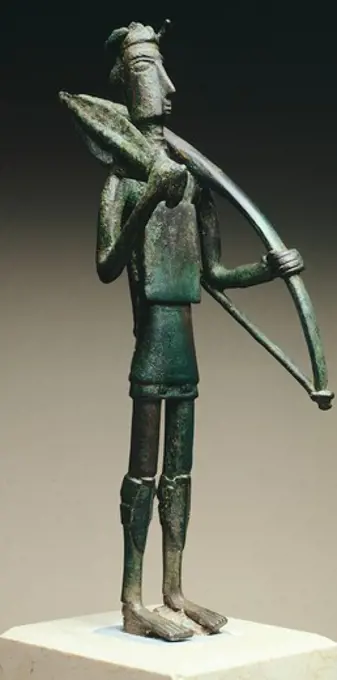
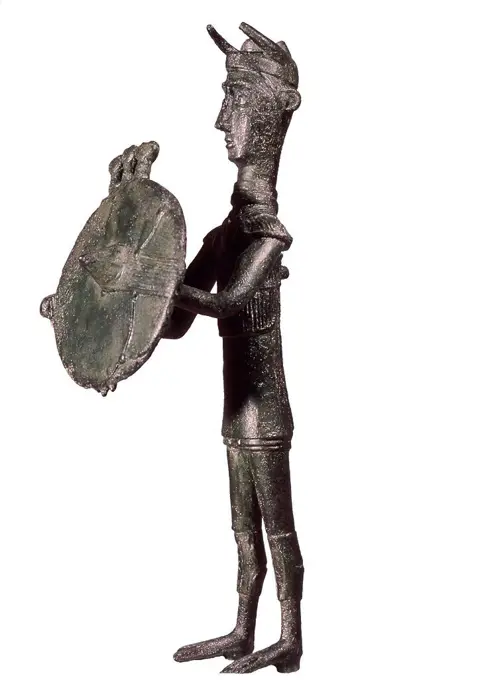
Figure of a warrior, bronze statue, Sardinia, Italy. Nuraghic Civilization.
4266-21637681
Idol from Old Ryazan, Anthropomorphic stelaes
6145-29714146
Head, from a Figure 1st-5th century () Tolita-Tumaco. Head, from a Figure. Tolita-Tumaco. 1st-5th century (). Ceramic. Colombia or Ecuador. Ceramics-Sculpture
4409-20920527
GUERRERO EN BRONCE DEL II MILENIO AC PROCEDENTE DE CERDEÑA. Location: MUSEO PIGORINI. Rome. ITALIA.
4409-28827249
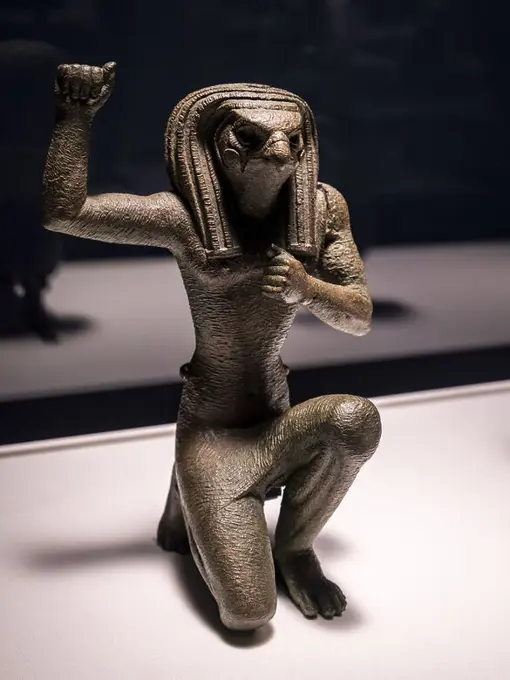
Falcon-headed Horus of Pe, Lower Egypt, statuette in attitude of jubilance, bronze, late period, 664-332 BC, Egypt, collection of the British Museum.
4409-466
Mexico.Mexico D.F.Museo Nacional de Antropologia.Estatua de piedra negra volcanica de Tula.Cultura Tolteca.
1746-21109026
Door censor or burner from a Mayan monument at Palenque to a military commander. Chiapas, Mexico. 600-900 AD
1746-21129876
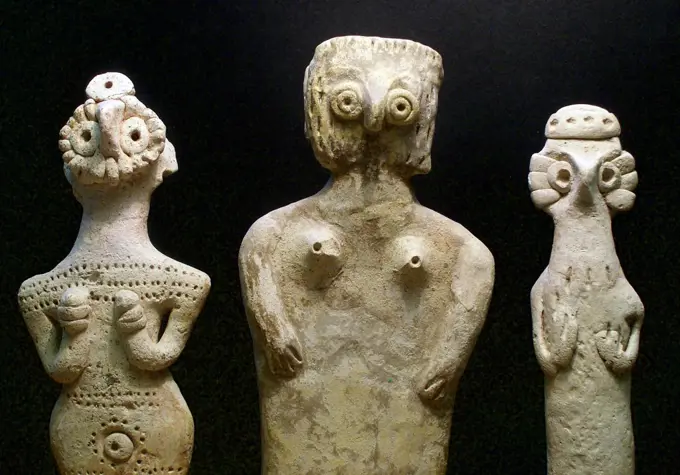
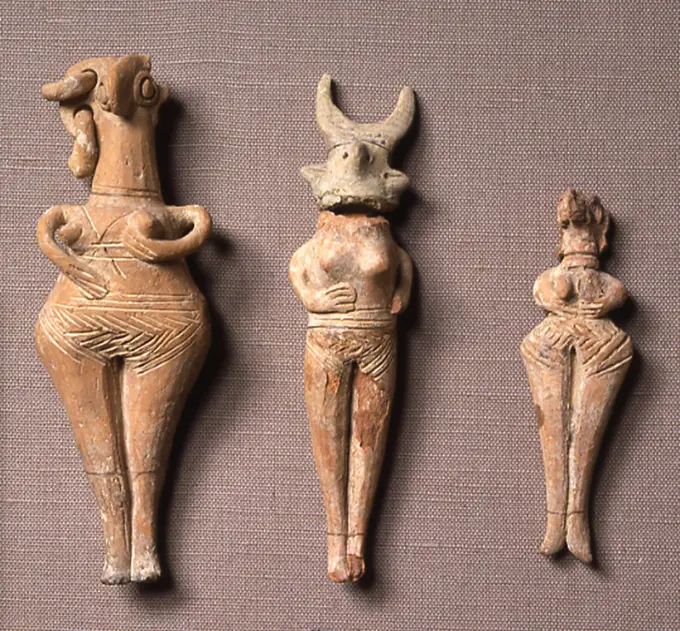
Ancient art: female terracotta figurines, northern Syria, 2000 BC.
6145-29196000
Vishnu ca. second half of the 7th century India (Jammu and Kashmir, ancient kingdom of Kashmir) The rendering of musculature and handling of complex drapery make this a superb example of the sculptural sophistication of seventh-century Kashmiri art. The jewelry and crown styles are a response to Gupta-period conventions of sixth-century northern India.. Vishnu. India (Jammu and Kashmir, ancient kingdom of Kashmir). ca. second half of the 7th century. Stone. Sculpture
6145-59138889
Emilia-Romagna Ferrara Ferrara Museo Civico di Schifanoia52. Hutzel, Max 1960-1990 General Notes: INCOMPLETE RECORD--NEGATIVES PROCESSED, PRINTS FILED German-born photographer and scholar Max Hutzel (1911-1988) photographed in Italy from the early 1960s until his death. The result of this project, referred to by Hutzel as Foto Arte Minore, is thorough documentation of art historical development in Italy up to the 18th century, including objects of the Etruscans and the Romans, as well as early Medieval, Romanesque, Gothic, Renaissance and Baroque monuments. Images are organized by geographic region in Italy, then by province, city, site complex and monument.
1746-19985114
Depiction of the god Bes. Ptolemaic Period (304-30 BC). Bes was one of the most popular deities in ancient Egypt. His figure tends to appear in contexts related to sexual activity. Likewise, his role as a protector was also aimed at women in childbirth, newborns and children.
6145-43634164
Fragment figurki kota. unknown, author
6145-29135259
Funerary Sculpture of a Man. China, Sichuan, Eastern Han dynasty, 25-220. Sculpture. Molded earthenware
4409-17504311
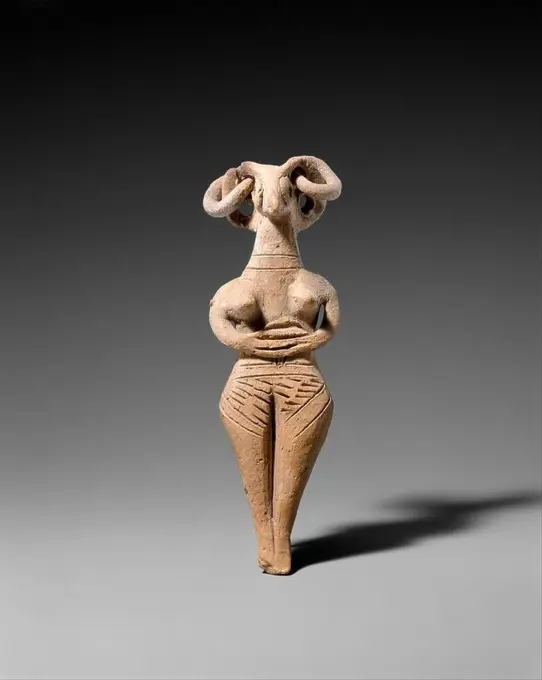
Terracotta statuette of woman with bird face. Culture: Cypriot. Dimensions: H. 6 1/8 in. (15.6 cm). Date: ca. 1450-1200 B.C..This figurine is typical of Cypriot coroplastic art of the Late Cypriot II and III periods. The type, with the pubic triangle accentuated and the breasts clearly shown, is likely of Syrian origin, but Cypriot sculptors created their own variations. Museum: Metropolitan Museum of Art, New York, USA.
4443-28729410
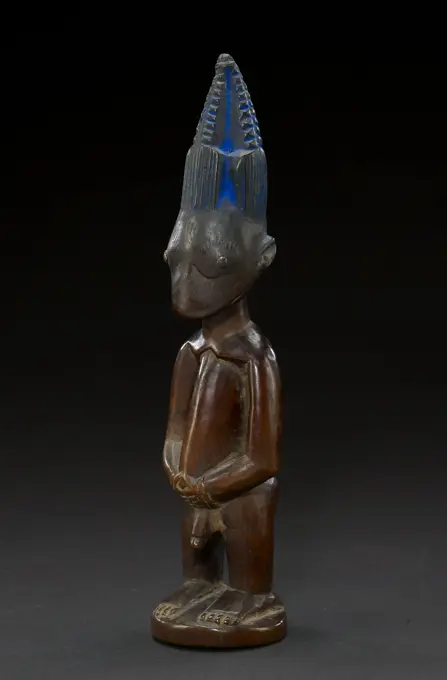
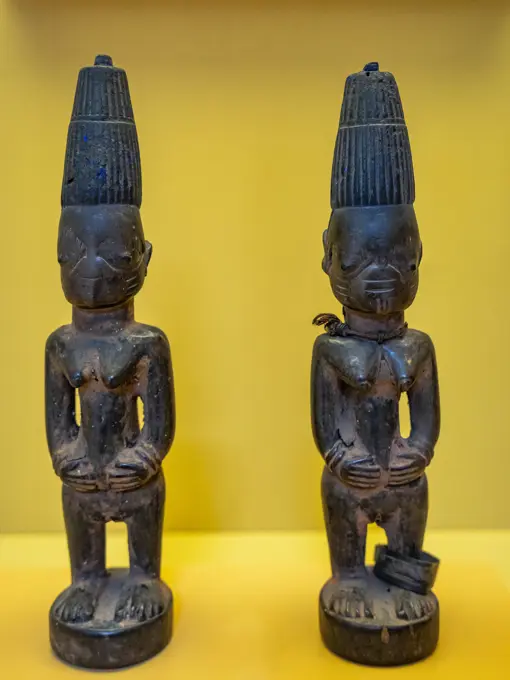
Standing male figure, 1900-1925, 11 1/2 × 3 × 2 1/2 in. (29.21 × 7.62 × 6.35 cm), Wood, pigments, Nigeria, 20th century
1746-19984508
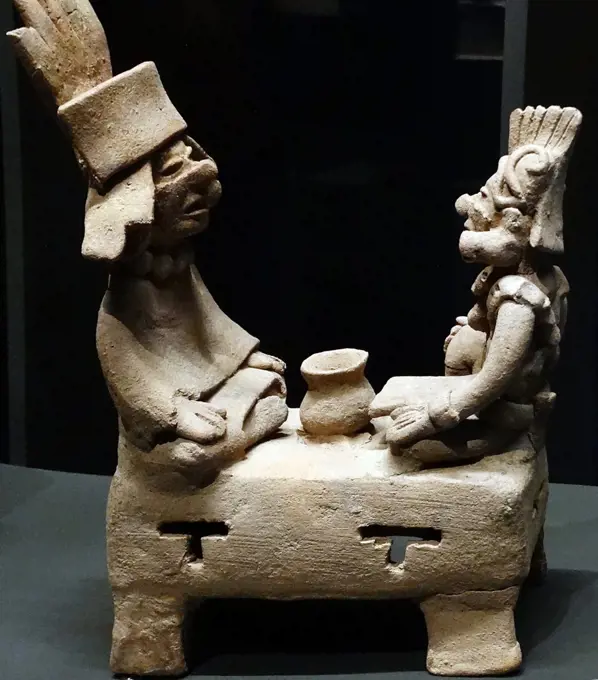
Mayan figurine depicting two men sitting on a bench. 600-900AD, from the Gulf of Mexico
6145-59139360
Emilia-Romagna Ferrara Ferrara Museo Civico di Schifanoia95. Hutzel, Max 1960-1990 General Notes: INCOMPLETE RECORD--NEGATIVES PROCESSED, PRINTS FILED German-born photographer and scholar Max Hutzel (1911-1988) photographed in Italy from the early 1960s until his death. The result of this project, referred to by Hutzel as Foto Arte Minore, is thorough documentation of art historical development in Italy up to the 18th century, including objects of the Etruscans and the Romans, as well as early Medieval, Romanesque, Gothic, Renaissance and Baroque monuments. Images are organized by geographic region in Italy, then by province, city, site complex and monument.
6145-29730239
Mother and Child Figure 12th-9th century B.C. Tlatilco. Mother and Child Figure. Tlatilco. 12th-9th century B.C.. Ceramic. Mexico, Mesoamerica. Ceramics-Sculpture
6145-29825433
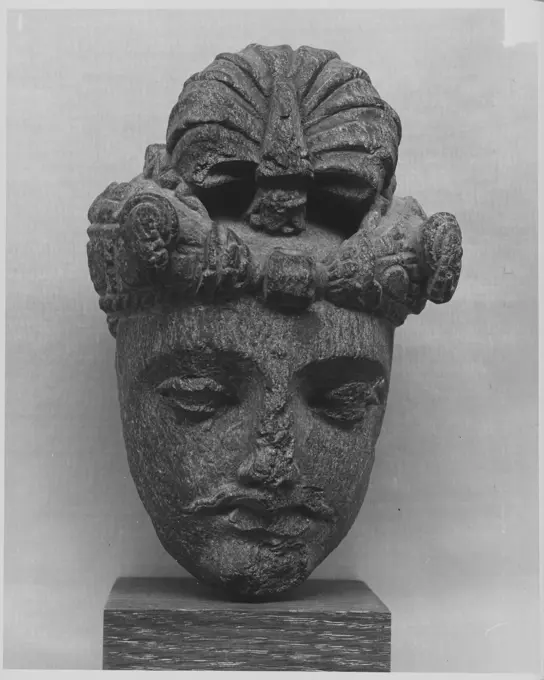
Head of a Bodhisattva 3rd-5th century Pakistan (ancient region of Gandhara). Head of a Bodhisattva 38780
6145-59129425
Campania Caserta Capua Museo Campano75. Hutzel, Max 1960-1990 Medieval: Byzantine architectural fragments; parchment fragments with miniatures (12th century) from Montecassino; painted wooden crucifix (13th century); Carolingian crucifixes; Bishop's miter (11th century) of gold and silver damask; fresco (13th century). Post-medieval: Architecture (15th century). Formerly the Palazzo Antignano. Unusual Catalan/Moorish-style portal; Paintings on panel and canvas (15th-18th centuries); marble intarsia (16th century); marble sculpture: busts of Christ and Mary (17th century); sculpture of saints in marble and in wood (15th century); painted and gilded sculpture in wood; marble grave sculpture (16th century); sarcophagus with allegorical carvings; gold reliquary "Rosa d'Oro"; crucifix made of elephant tusk Specific Location: Pianterreno Antiquities: Italic sculpture (seated women holding babies); inscription. Photo campaign #1: 533 photos. Roman relief and sculpture; cinerary urns; Greek an
1890-59761664
Urn dating from between 100 BC and 200 AD, from Tomb 77, Monte Alban, National Museum of Anthropology, Mexico City, Mexico, North America
6145-29119770
Seated Figure
6145-46635689
. .
1746-111926664
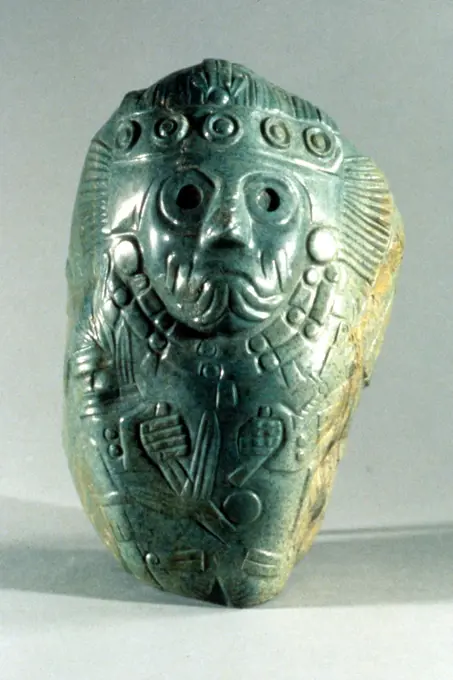
Tlaloc, c. 1200-1519, Central Mexico, Aztec, 13th-16th century, greenstone. carved in low relief to portray the Aztec rain god Tlaloc, a patron of agriculture and holds a stalk of maize in one hand. To the Aztecs, Tlaloc was an ancient and civilized god
6145-29157353
Bes carrying a ram over his shoulders 664-30 B.C. Late Period-Ptolemaic Period This figure has notable elements of the iconography of Bes - feathers atop the massive head, a pelt knotted around his neck, and a squat powerful body. On the other hand, Bes's usual lined face and thrusting tongue are omitted so the figure looks somewhat unfamiliar. In addition, Bes carries what appears to be a goat over his shoulders. IBes is sometimes associated with caprids, Egyptian offering bearers carrying calves and antelope-like animals over their shoulders are frequently represented in reliefs, and Hellenistic depictions of dwarves also often carry similar animals. On the other hand, among Egyptian terracottas the the Greek god Pan normally carries a goat, and Bes and Pan were certainly sometimes related, as for instance to the 'master of animals' figure on Cyprus.. Bes carrying a ram over his shoulders 570702
4069-2393
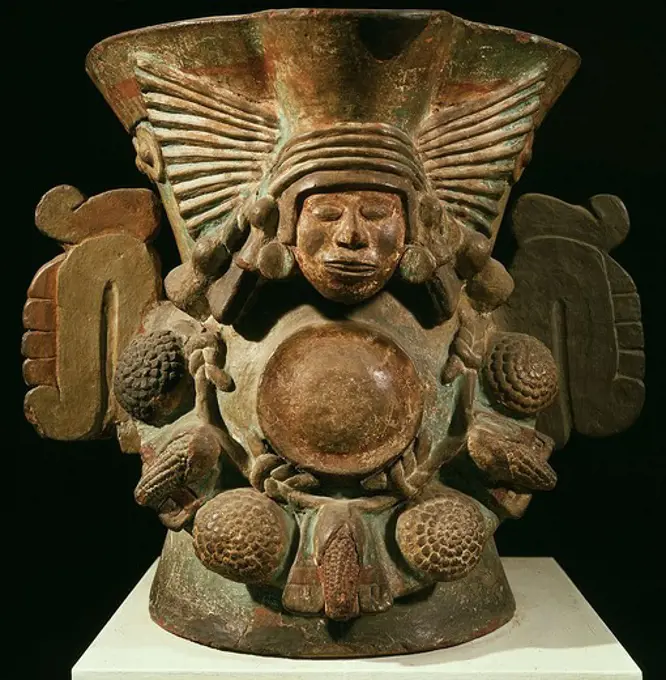
Xilonen, goddess of maize, polychrome brazier, Aztec, from Tlatelolco, Mexico
4409-17393629
Yoke. Culture: Olmec. Dimensions: H. 7 1/2 x W. 5 7/8 x D. 6 in. (19.1 x 14.9 x 15.2 cm). Date: 10th-4th century BC.A prime example of a Preclassic Mesoamerican "yoke" (so named for its formal similarity to modern agricultural yokes), this stone sculpture contains a serene portrait. The human face was formed in low relief and contains full lips, a broad nose, carved out eyes with incised brows, and ears. The ear lobes are portrayed as stretched and large drillholes could have been used to affix ear ornaments to the visage. The hairline is cut away from the surface of the stone, perhaps to contain an inlay. Light geometric incisions on the face may represent tattoing or scarification. The form of the object could indicate that it was used as part of a belt assemblage for an early version of the Mesoamerican ballgame. Museum: Metropolitan Museum of Art, New York, USA.
1788-39484
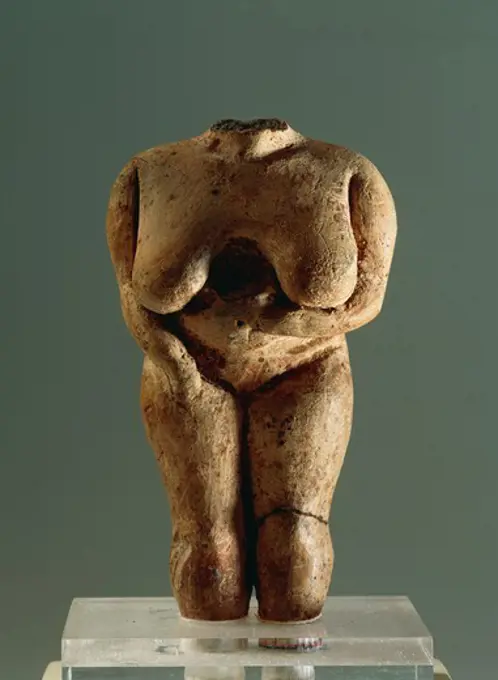
Prehistory, Malta, Neolithic. Terracotta figure known as Venus of Malta. From Hagar Qim megalithic temple.
4443-21960133
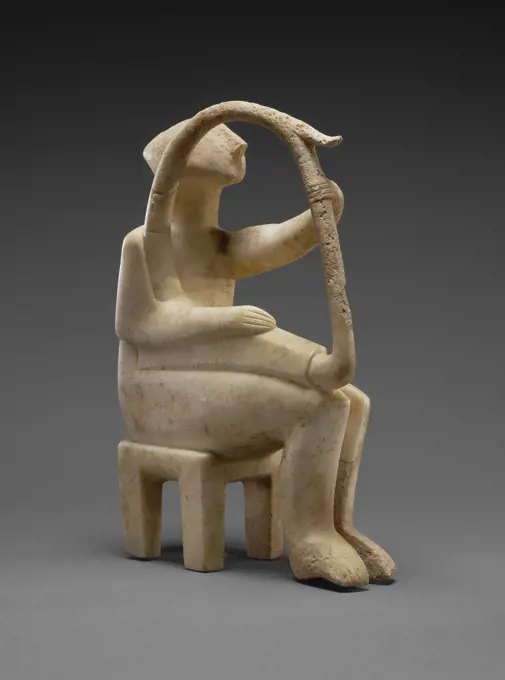
Harp Player; Cyclades, Greece; 2700 - 2300 B.C; Marble; 35.8 × 9.5 × 28.1 cm (14 1,8 × 3 3,4 × 11 1,16 in.)
4409-17370615
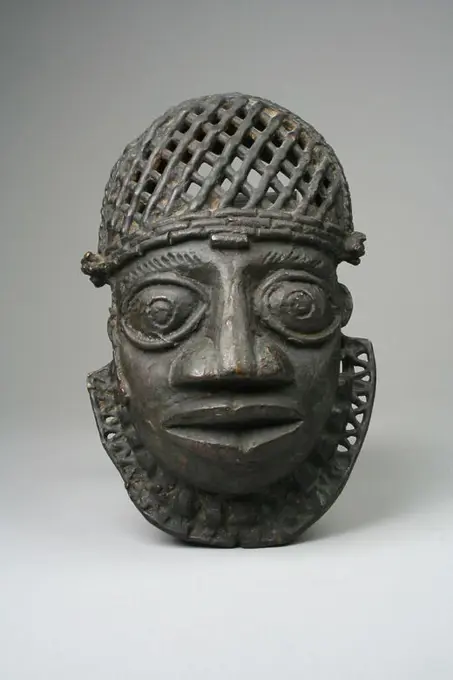
Hip Ornament: Face. Culture: Edo peoples. Dimensions: Height 6-3/8 in.. Date: 16th-19th century. Museum: Metropolitan Museum of Art, New York, USA.
6145-29707971
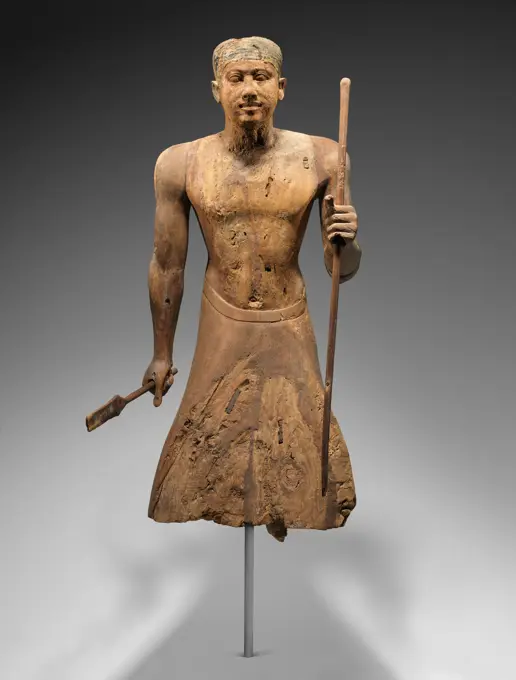
Standing statue of Merti with cropped hair ca. 2381-2323 B.C. probably Old Kingdom Merti was a high official and provincial governor. Eleven exceptionally large wooden statues were found in the serdab (statue chamber) of his tomb. Five are in the collection of The Metropolitan Museum of Art (26.2.2 - 26.2.6); five, including two wooden scribes, are in the Egyptian Museum, Cairo; and one is in the Medlhavsmuseet, Stockholm. Most of these statues represent Merti in various aspects of his life and career, denoted by changes in wigs and garments. Surprisingly, three statues of women were also present, each in a different wig. Here Merti wears his hair short, his figure is subtly softer and more aged, and he wears a kilt with a projecting front panel.. Standing statue of Merti with cropped hair. ca. 2381-2323 B.C. probably. Acacia, gesso, paint. Old Kingdom. From Egypt, Memphite Region, Saqqara, Tomb of Merti, Egyptian Antiquities Service excavations. Dynasty 5
6145-29724324
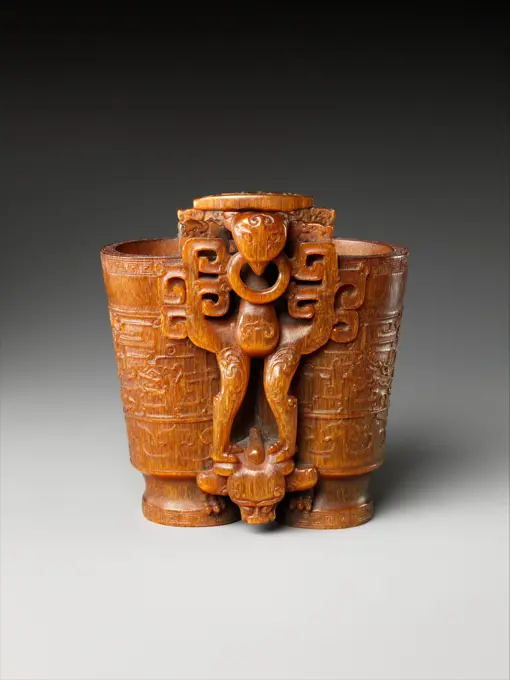
Double cup with mythical beasts 18th century China The origin of this vessel, often called a champion vase” in Western scholarship, remains unclear. It is possible that the term is a loose translation of the phrase yingxiong bei, or hero’s cup, a reference to the bird (ying) and bear (xiong) depicted on the front. The dragon-headed scroll pattern that covers the surface is based on imagery found during the Shang (ca. 1600-1046 B.C.) and Zhou (1054-256 B.C.) dynasties. It was most likely adapted from woodblock-print illustrations of antiquities.. Double cup with mythical beasts 39862
4409-65764765
anthropomorphic figure, Chalcolithic, fifth millennium BC, Bulgarian National Archaeological Museum, Sofia, Republic of Bulgaria, Europe.
6145-46833099
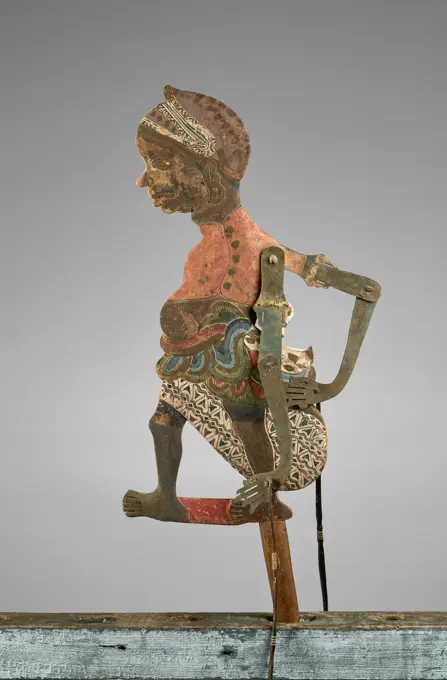
Puppet (WayangKlitik)
1746-19629539
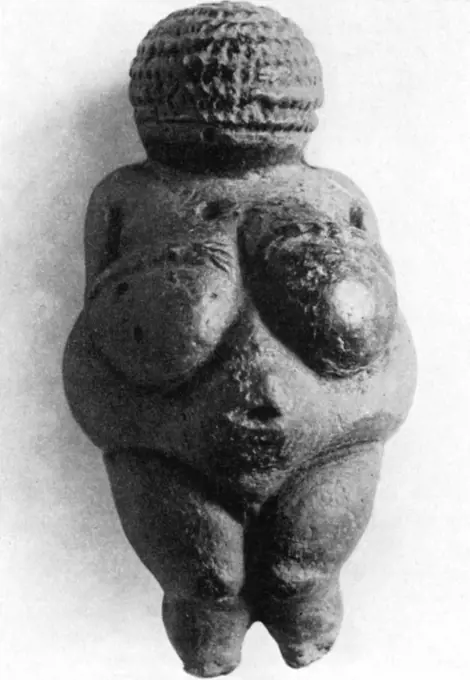
Venus of Willendorf: Stone age oolitic limestone carving.
4272-37644
North America, Mexico, Mexico City, District Federal, Museo Nacional de Antropología, Antropology Museum, scultpure from Gulf Coast history
6145-29710735
Seated Figure Bottle 1st-2nd century Nasca Unlike their northern counterparts, who used two-piece ceramic molds for manufacturing vessels, Nazca potters shaped containers by coiling and modeling. Figure vessels like the present example are rare and have an early date in the Nazca ceramic sequence, which lasted for at least 700 years. This engaging polychrome bottle takes the shape of a seated, compact human figure. It has a single spout and strap handle. The large head sits atop the broad shoulders, and the figure's legs are pulled close to the body, with arms and hands held tightly to the chest. Details such as fingers, toes, nails, and facial features are geometricized. The eyes and mouth are slightly raised, while prominent are the nose and a protuberance on the forehead. This mysterious knob may be a reference to fishermen, who are often shown with such a feature. The figure wears a head cover and a striped hipcloth. On his left upper arm is a stylized long-beaked bird, probably a
1848-53256966
Coloured bust of an ancient person with expressive eyes, Archaeological Museum, Archea Korinthos, Corinth, Peloponnese, Greece, Europe
1848-55374565
The Grandmother, Olmec sculpture, Park Museum La Venta, Villahermosa, Tabasco, Mexico, detachable, Central America
6145-29715451
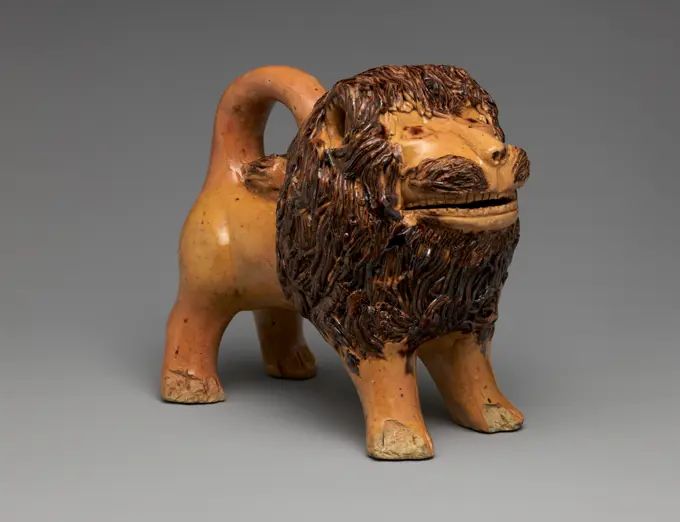
Figure of a Lion 1845-55 Probably John Bell This figure of a lion is quite simply the icon of American folk art in clay. With its jaunty stance and naïve half-smile, it exhibits a high degree of charming playfulness and whimsy. Made by John Bell (1800-1880) of the Shenandoah Valley family of potters, this lion is one of only four earthenware examples known (and one of stoneware), all with history of ownership with members of the Bell family, suggesting that these special pieces were reserved for loved ones rather than for sale to a local market. The Shenandoah Valley (in southern Pennsylvania, Maryland, and Virginia) was an area with abundant and rich earthenware and stoneware clay deposits, and its pottery tradition dates to at least the mid-eighteenth century. By 1833 John Bell had established a small but successful pottery business which continued to grow as his own sons (he and his wife had nine children) joined the shop. His brothers and his sons were largely responsible for disse
1899-70726044
Brass mask.
1848-50683880
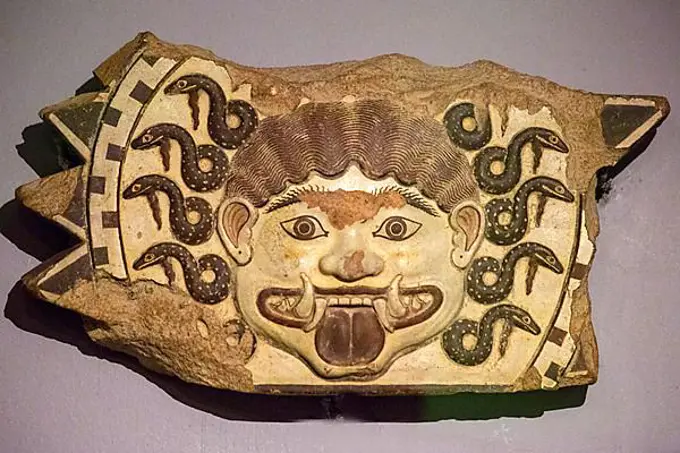
Lydian clay fragment with relief, head of Medusa, 7th-6th century AD, Museum of Anatolian Civilisations, Ankara, Turkey, Ankara, Turkey, Asia
1788-42073
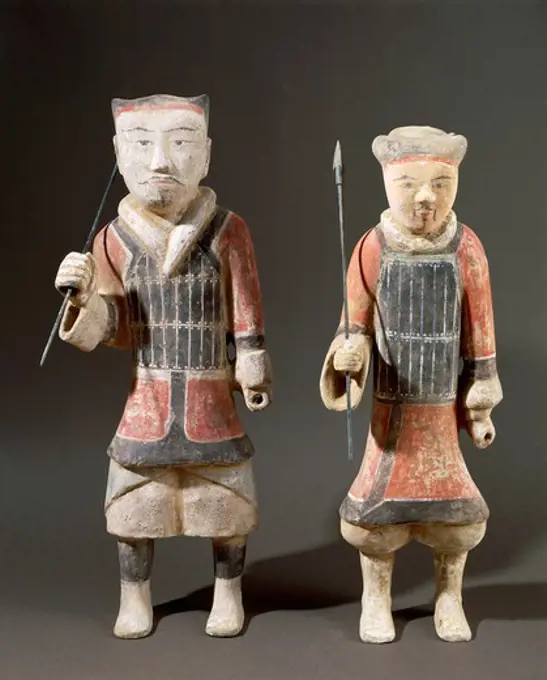
Warriors with spears, polychrome terracotta statues from the Shanxi Region, China. Chinese Civilisation, Western Han Dynasty, 3rd century BC - 1st century AD.
1746-19665163
Androgynous ancestor figure, carved in wood from New ireland in Papua New Guinea. 19th Century.The figure possesses both female and male potency and fertility attributes.
6145-30176447
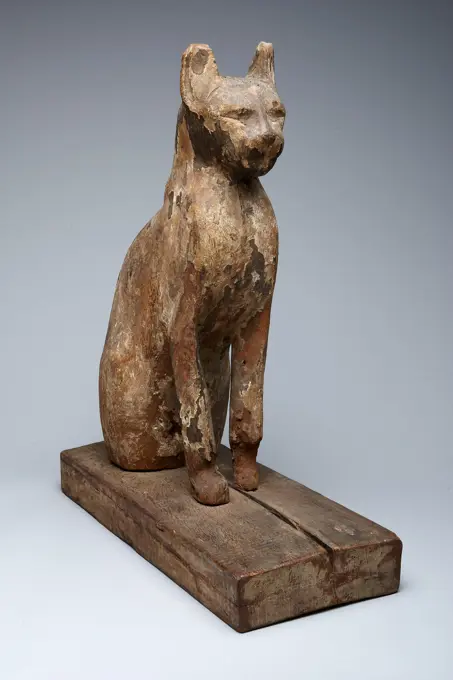
Sarcophagus ( ) of a Cat 664 BCE-32 BCE Egypt. Wood . Ancient Egyptian
1746-29016551
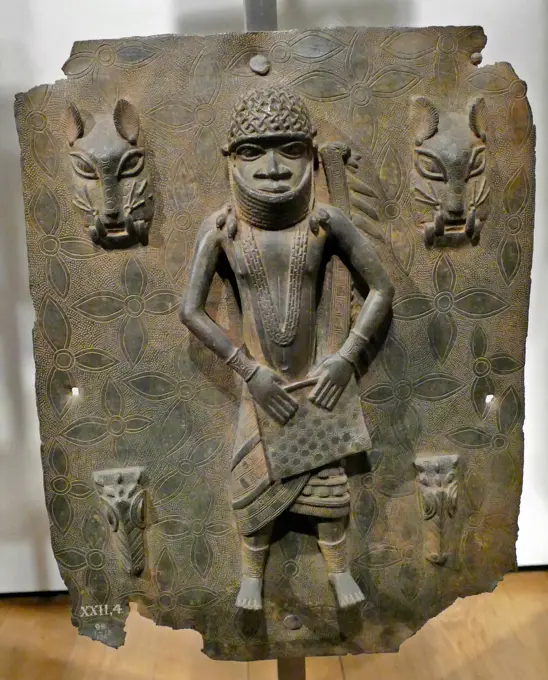
Benin Bronze metal plaque that decorated the royal palace of the Benin Kingdom in modern-day Nigeria. the plaques form the best known examples of Benin art, created by the Edo people from the thirteenth century
6145-45925981
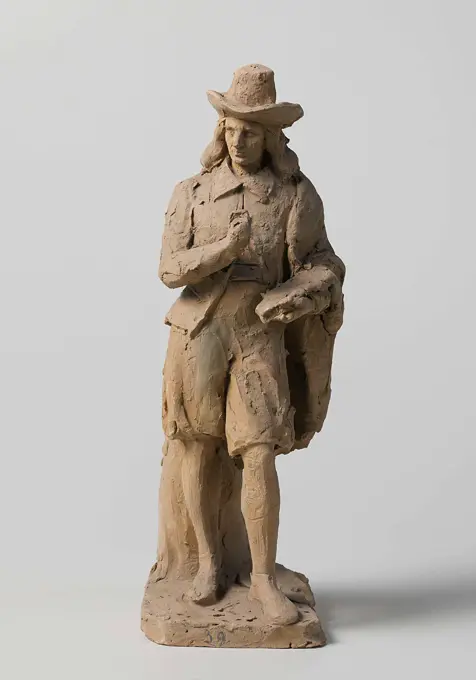
Design for a statue of Paulus Potter.
1788-20125
Ex-voto, marble statuette portraying young man healed by god Echmoun, from the Temple of Echmoun, surroundings of Sidon, Lebanon
6145-29119244
Seated Female Figure
6145-30176137
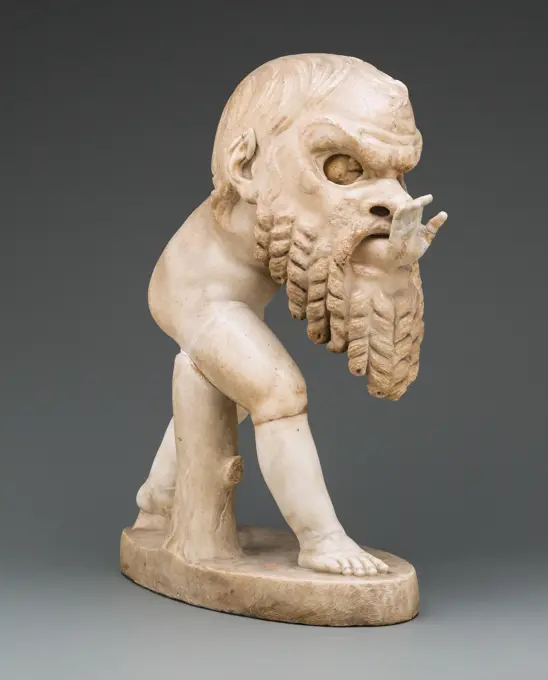
Statue of a Young Satyr Wearing a Theater Mask of Silenos 1 CE-100 CE . A young satyr thrusts his hand through the mouth of a theater mask of Silenos (an old satyr) in a gesture that is both mischievous and menacing. This work may have been part of a statuary group that included another figure whom the satyr is attempting to frighten either in jest or in earnest. Although this subject is frequently found in relief sculpture, particularly on sarcophagi (coffins) and gemstones, this is the only known extant version in a work sculpted in the round. The important 17th-century sculptor Alessandro Algardi restored this statue when it was in the collection of the wealthy Ludovisi family in Rome.. Marble . Ancient Roman
1848-56653635
Joseph de Crefft, 1929-1936, Stone, pollensa museum, Majorca, Balearic Islands, Spain, Europe
6145-44293197
Statuette of Hercules Holding the Apples of the Hesperides. Unknown
1788-16486
Polychrome ceramic male figures, Peru, Nazca culture
4409-62731088
Korwar. A helper from the spirit world. Bay (West Papua). Before 1865. Wood, glass. Exposition The Human Image. Organised by British Museum and "La Caixa" Foundation. Barcelona. Spain.
4409-9348
ESTATUA DE ASHMA. V DINASTIA PROCEDE DE SAQQARA. PIEDRA CALCAREA POLICROMADA. 91 CMS ALTURA. Location: EGYPTIAN MUSEUM. KAIRO. EGYPT.
7125-70425935
Pre-Colombian ceramic art in Larco Museum, Lima, Peru.
1788-18512
Statue of dwarf Seneb with wife Sentiotes and children, from Giza
1788-22984
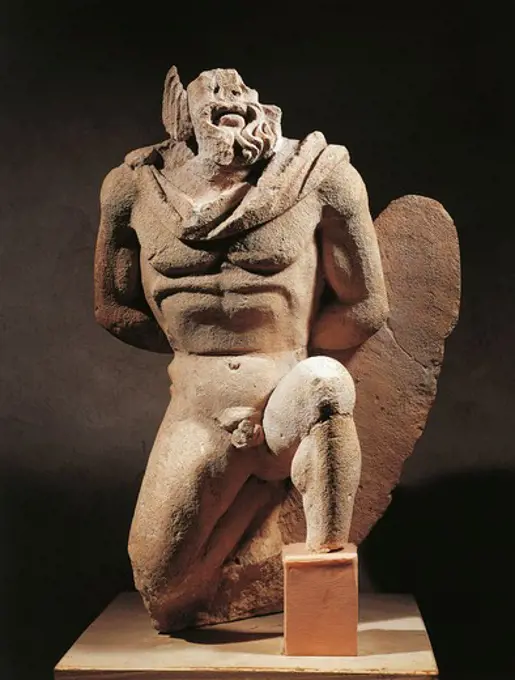
France, Glanum, Statue representing a Gaul in chains, from Glanum triumphal fountain
1899-30639
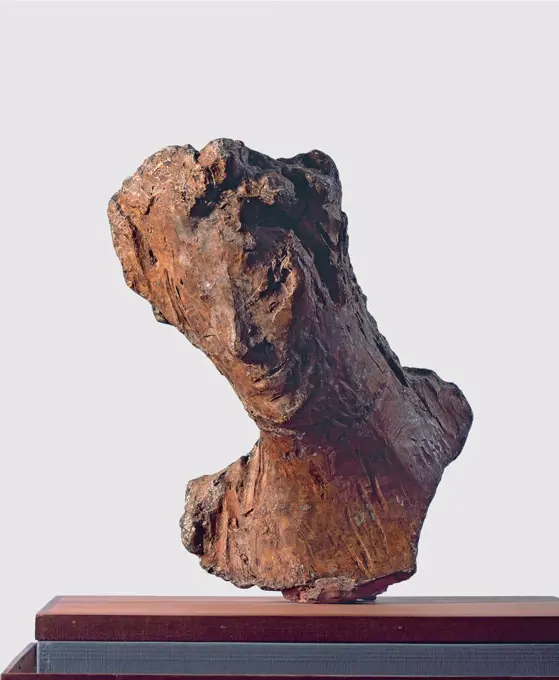
Yvette Guilbert, by Rosso Medardo, 1895, 20th Century, chalk. Italy, Veneto, Venice, Ca' Pesaro, International Gallery of Modern Art. Whole artwork. Head Yvette Guilbert unfinished sculptural impressionism masses dissolving treated matter ethereal face.
4409-17431202
House Post Figure (Amo). Culture: Maori people, Te Arawa. Dimensions: H. 43 x W. 11 x D. 5 1/8 in. (109.2 x 27.9 x 13 cm). Date: ca. 1800.Large communal meeting houses served, and continue to serve, as important focal points for the community among the Maori people of New Zealand (Aotearoa). Richly adorned with carvings depicting ancestors and figures from Maori mythology, the meeting house functions as council chamber, guest house, community center, and gathering place for the discussion and debate of important issues. Meeting houses are particularly important as places where the local group's history, customs, and genealogy are preserved and passed down to succeeding generations. The structure of the meeting house itself represents the body of a primoridial ancestor -- the ridge pole of the roof is the spine, the rafters the ribs, the gable boards on the exterior the outstretched arms, and the gable ornament at the peak of the roof the face. The interior is extensively decorated wit
4409-17280136
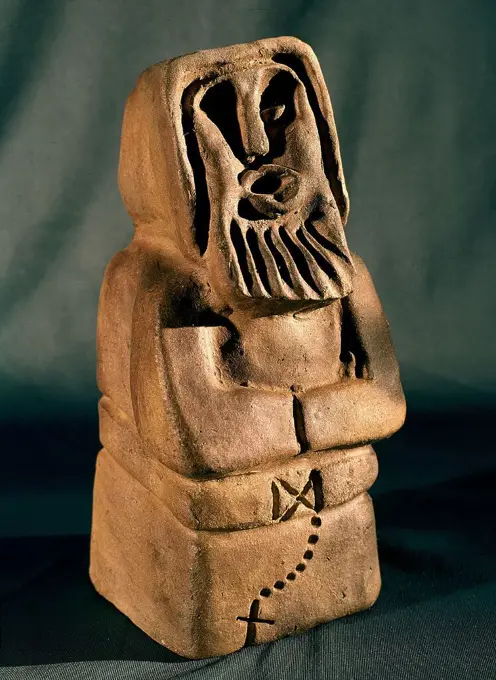
FIGURA DE FRAILE EN BARRO COCIDO-ARTE POPULAR. Location: ALFARERIA. BUÑO. A CORUÑA. SPAIN.
1899-18721003
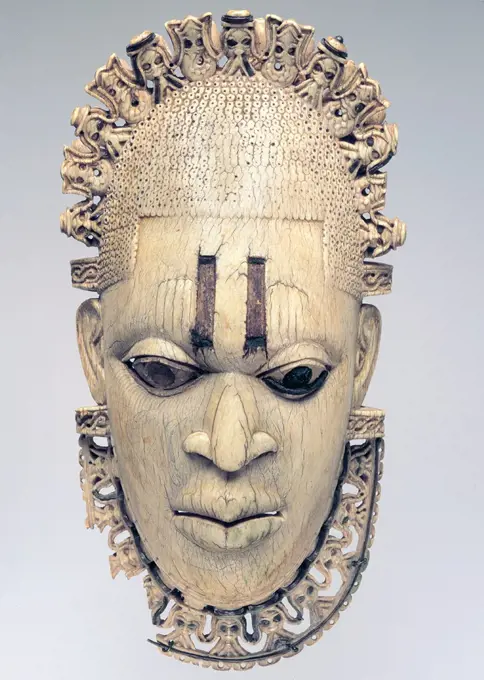
The Benin Empire (1440-1897) was a pre-colonial African state in what is now modern Nigeria. It is not to be confused with the modern-day country called Benin (and formerly called Dahomey).
4409-17220703
Netsuke, japanese miniature sculpture. Museum: COLECCION PRIVADA.
1746-19629026
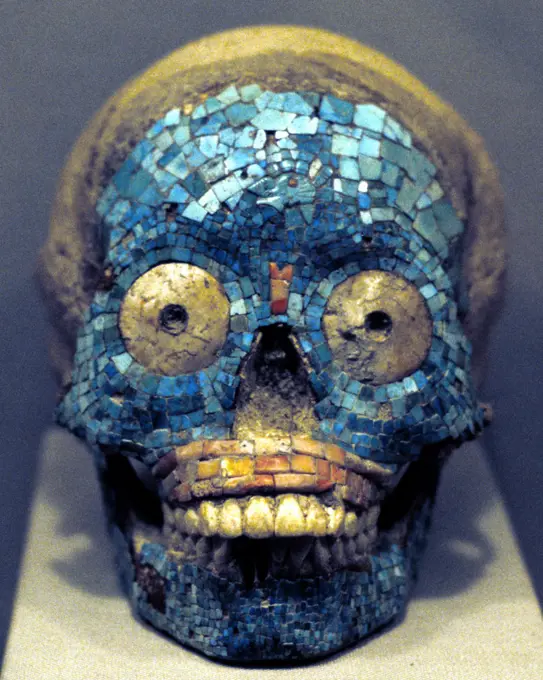
Skull covered in turquoise mosaic. Mixtec 1400-152l, southern Mexico. Pre-Columbian
1746-21109148
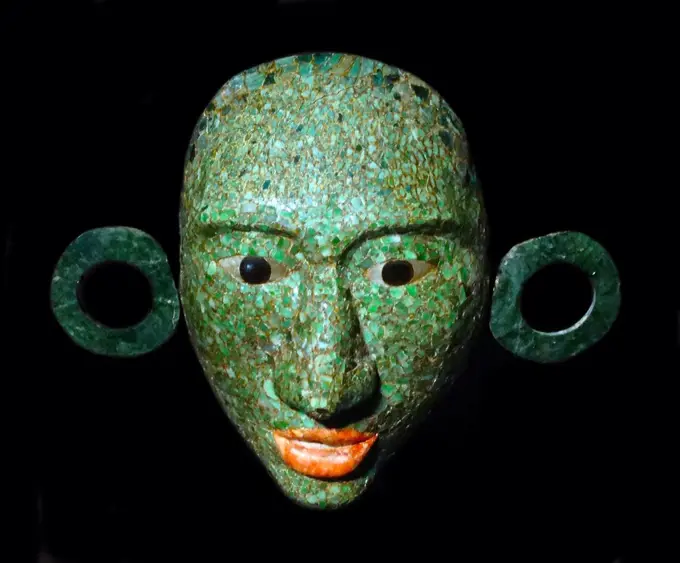
Mayan funerary death mask made with jade. From Calkmul, Campeche, Mexico 600-900 AD
1848-53505277
National Archaeological Museum, Villa Cassis Faraone, UNESCO World Heritage Site, important city in the Roman Empire, Aquileia, Friuli, Italy, Aquileia, Friuli, Italy, Europe
1848-53681273
Wood sculpture with two male heads, Kochi, Kerala, India, Asia
1746-21112246
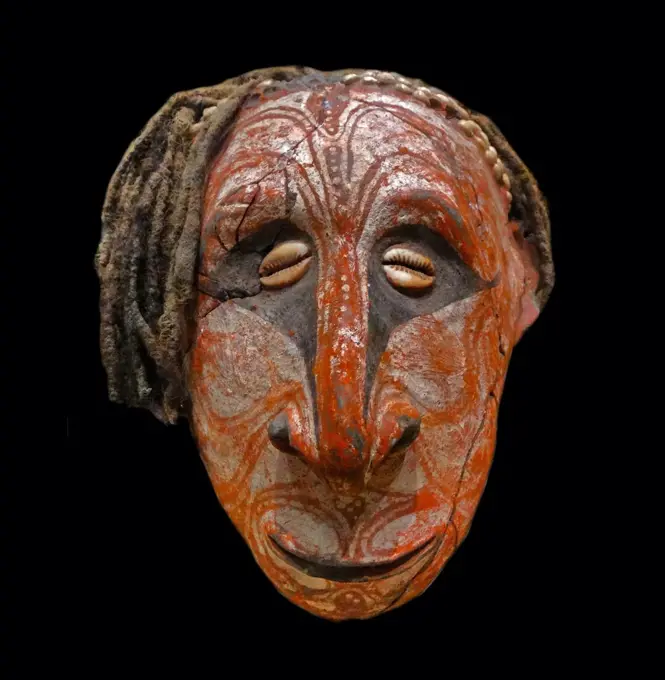
Head made from clay, painted to represent an ancestor figure. Papua New Guinea 1912
4266-4373
Anthropomorphic figures from Russian Forest Cultures by anonymous artist, clay, 4th-3rd millennium BC, Russia, Moscow, State History Museum
6189-61626562
Anthropology National Museum, Madrid, Spain
4409-17380768
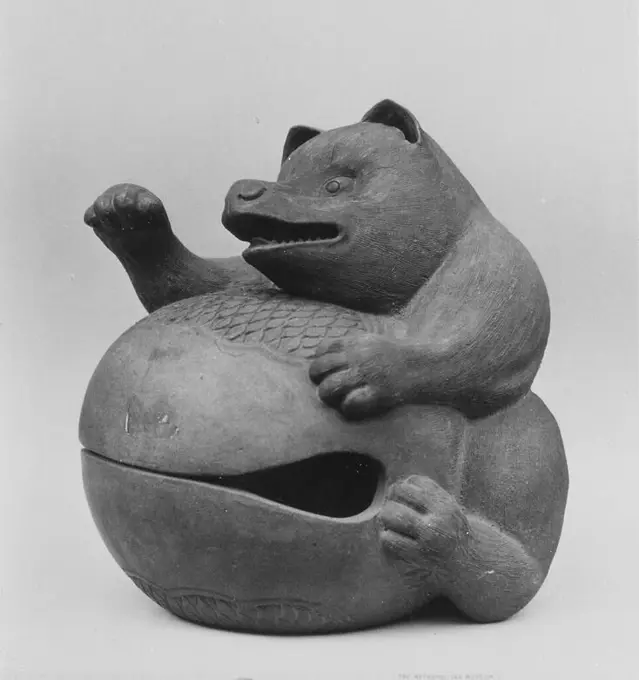
Fire Box in form of a Badger. Artist: Aoki Mokubei (1767-1833). Culture: Japan. Dimensions: H. 9 in. (22.9 cm). Date: 1800. Museum: Metropolitan Museum of Art, New York, USA.
4409-17356447
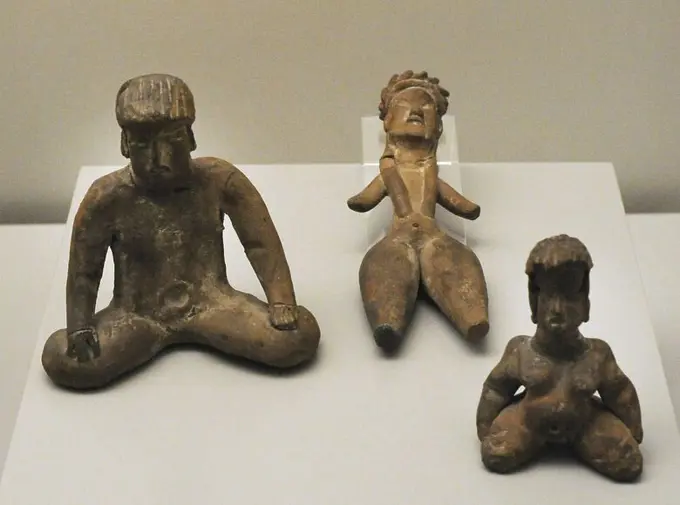
Figure of sitting woman, female figure ("Pretty woman") and pregnant woman sitting. Ceramics. Middle Preclassic Period (1200-400 BC). Central Mexico. Museum of the Americas. Madrid, Spain.
6145-29834244
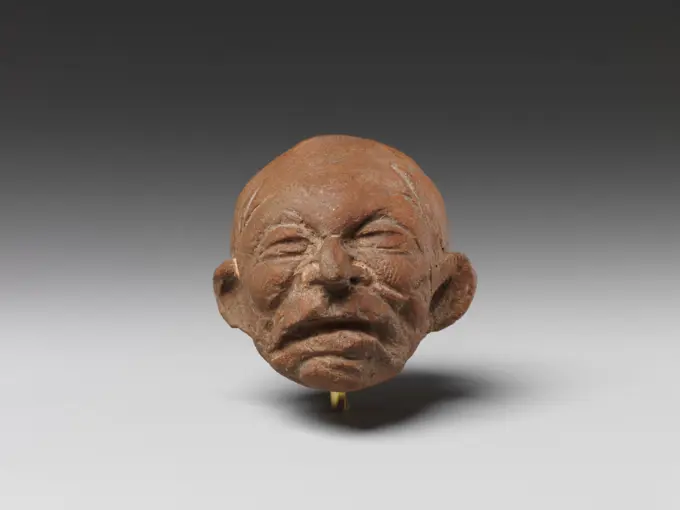
Head of an old man 200-1 B.C. Ptolemaic Period While related to Hellenistic theatrical mime-type terracottas, scholars have pointed out this small head does not show the same exaggerations and might better be thought of as a kind of genre representation. It is very finely made, testifying to the quality of the production at Memphis where it probably originated, and the large skull relates to an Egyptian type.. Head of an old man. 200-1 B.C.. Pottery. Ptolemaic Period. From Egypt; Probably from Memphite Region, Memphis (Mit Rahina)
1899-94731
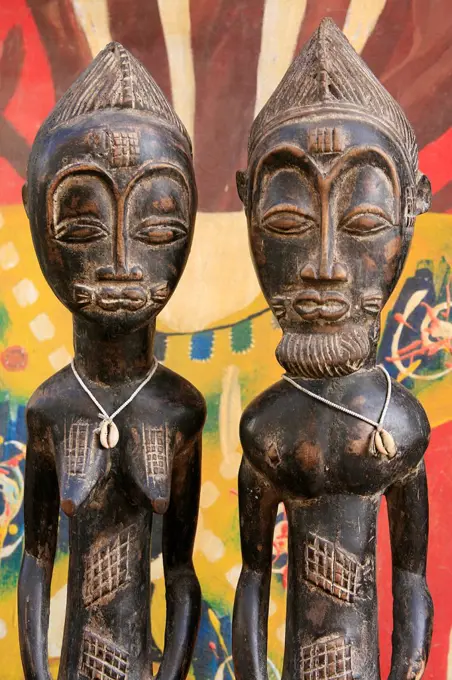
African statues, Saint Louis , Senegal.,01/26/2007
1788-41431
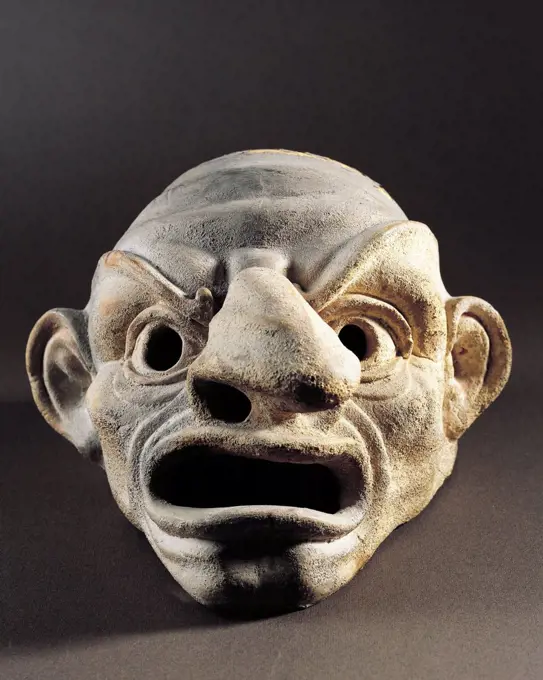
Life-size theatrical mask, terracotta sculpture unearthed in Apulia, Italy. Ancient Greek civilization, Magna Graecia, 5th-2nd Century BC.
1788-26660
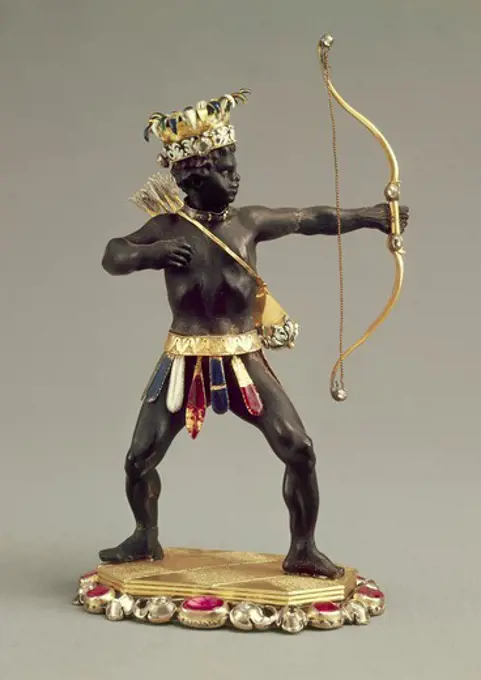
Goldsmith's art, Germany, 17th century. Statuette of Moor archer in ebony, enamel and precious stones, circa 1690-1700.
6176-67035871
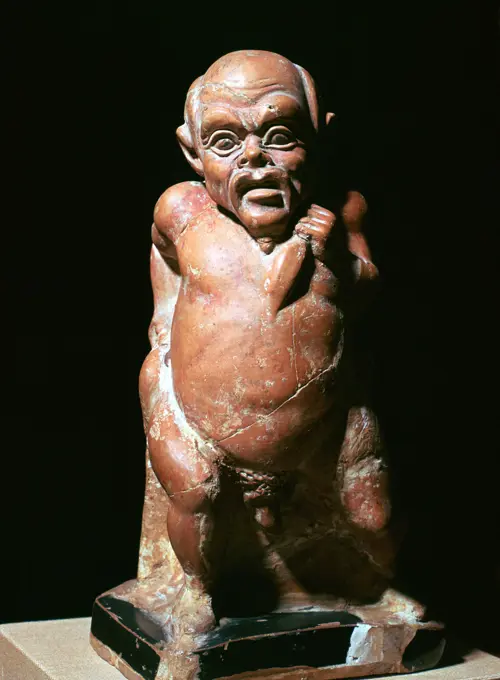
Greek rhyton in the form of a pygmy carrying a dead crane, 5th century BC. Artist: Unknown
1890-65463258
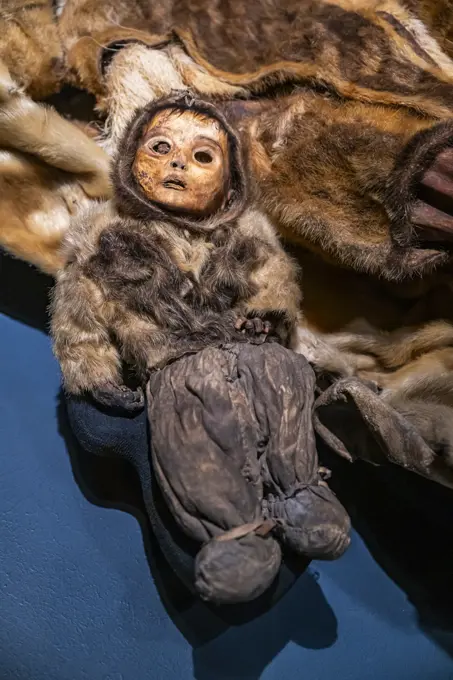
Greenland National Museum, Nuuk, capital of Greenland, Denmark, Polar Regions