Ancient Egyptian Scarabs

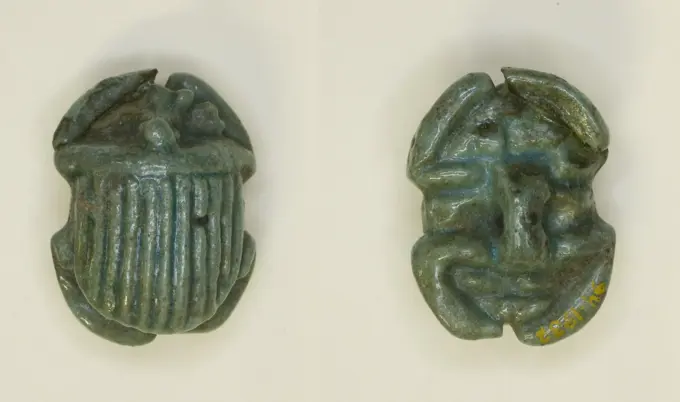
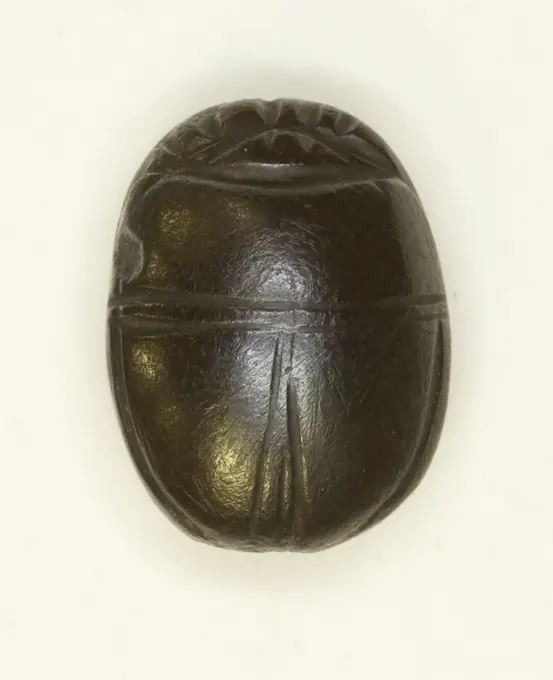
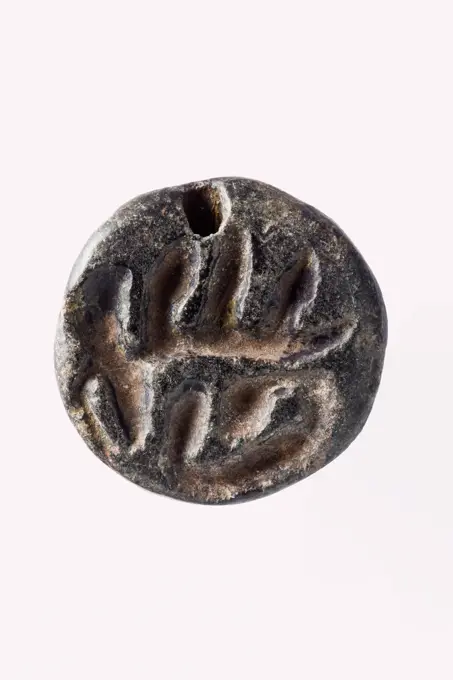
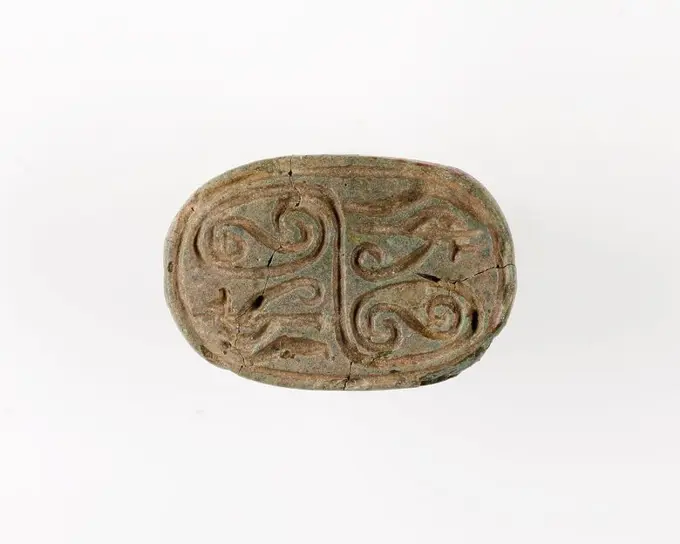
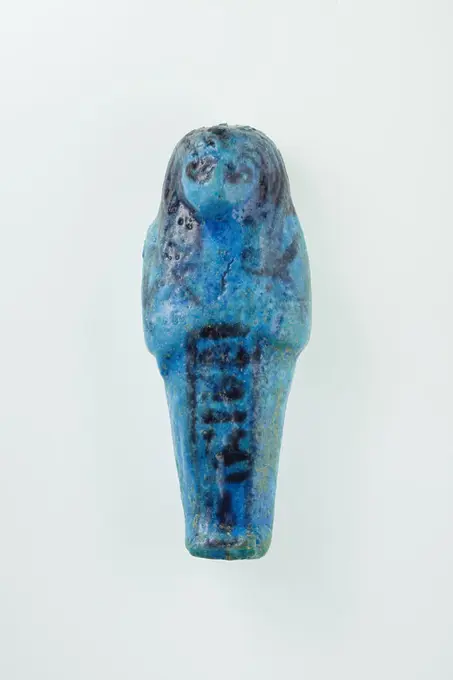
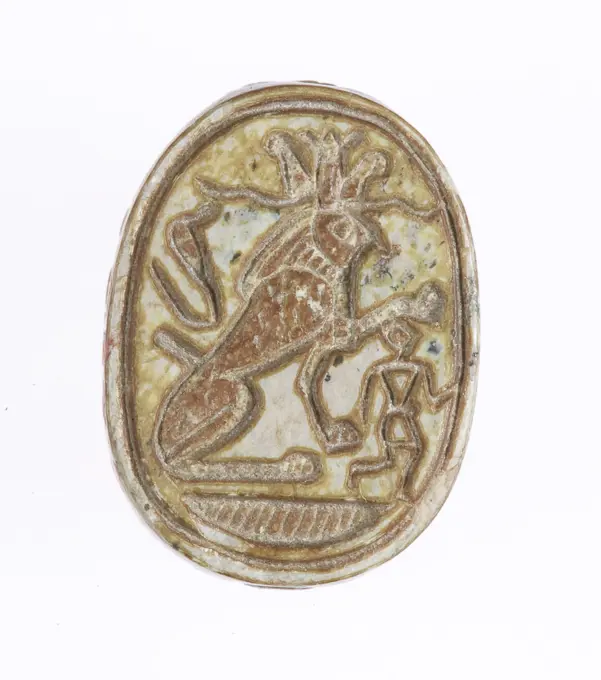
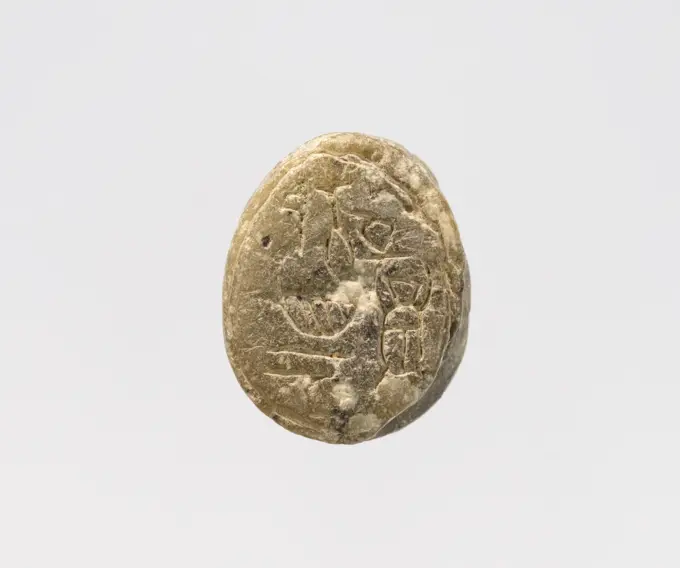
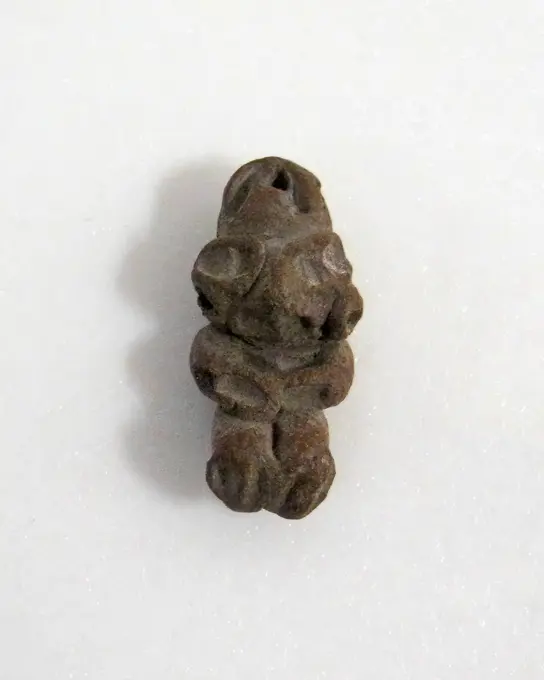
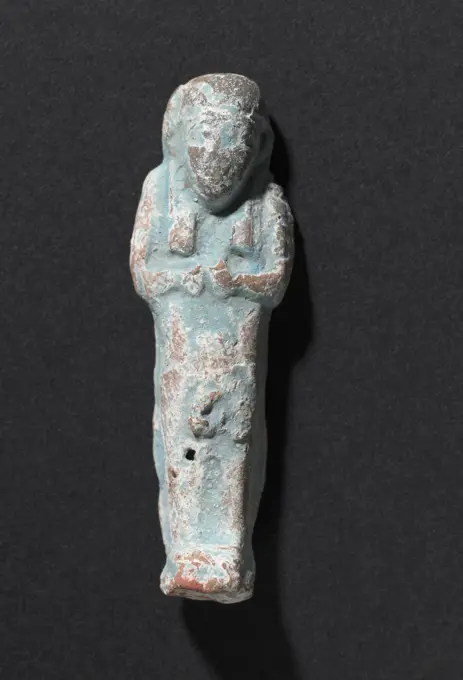
Collection of Egyptian scarab artifacts from the New Kingdom era, showcasing inscriptions and vibrant glazes, highlighting historical significance and artistry.
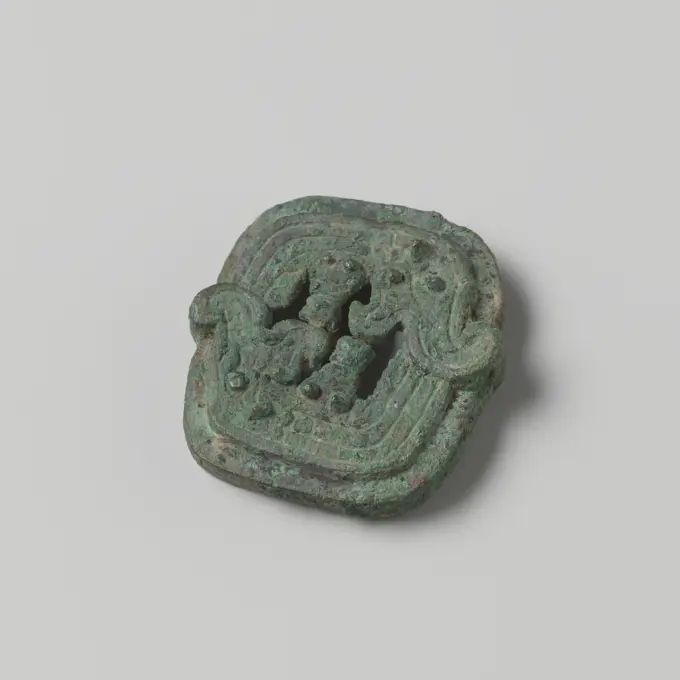
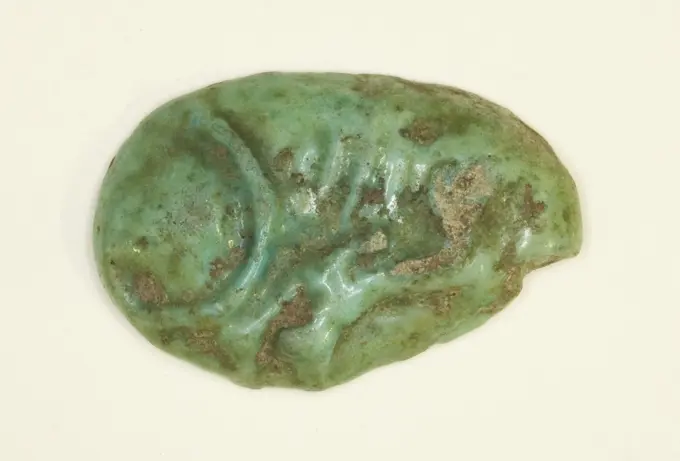
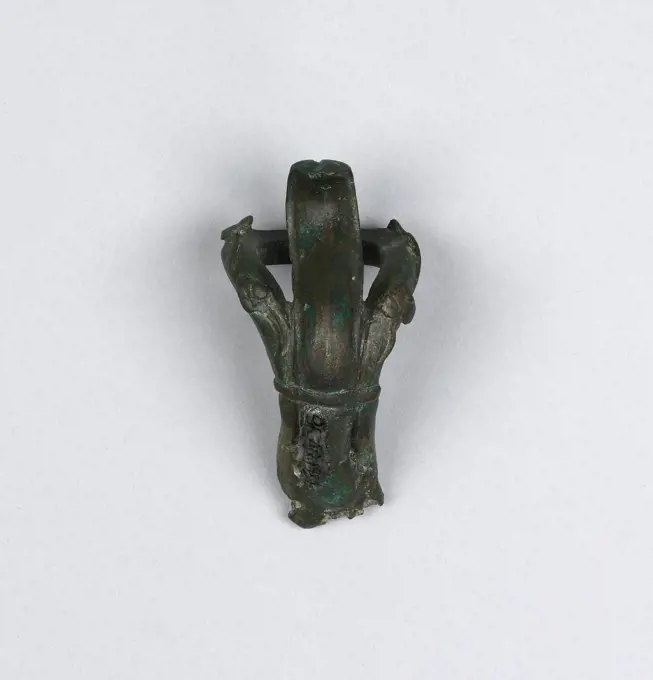
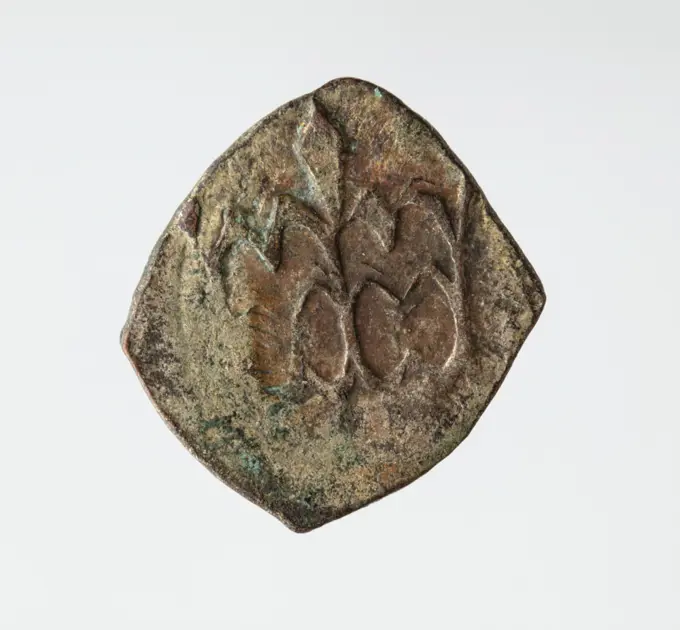
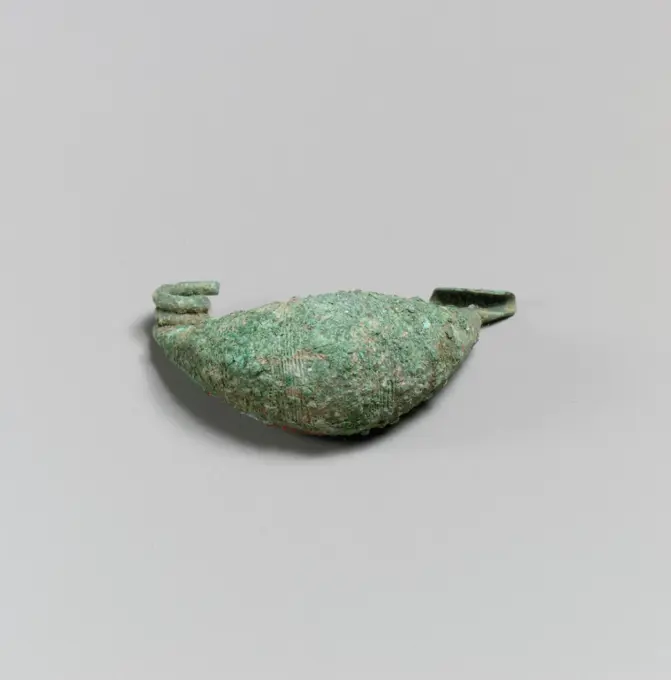
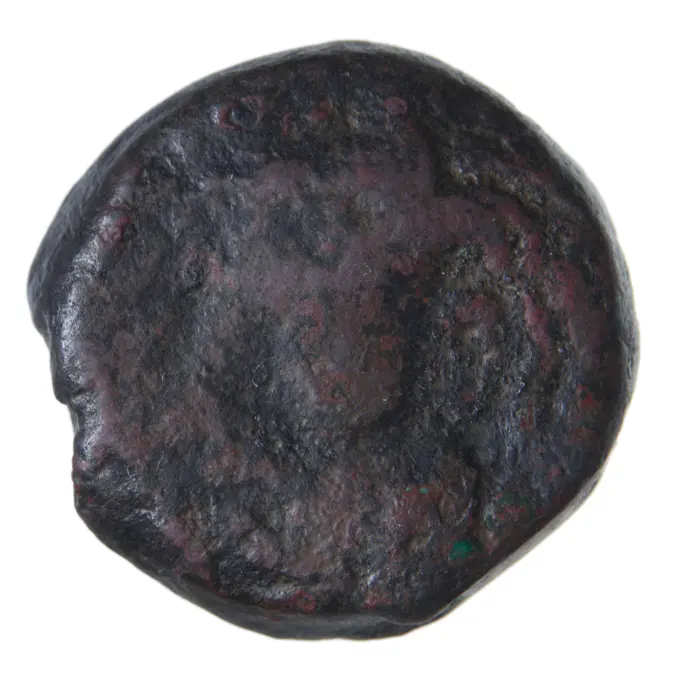
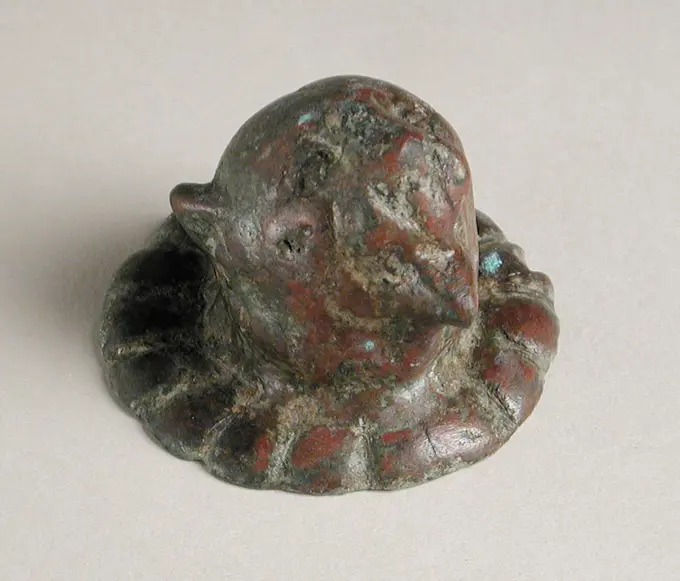
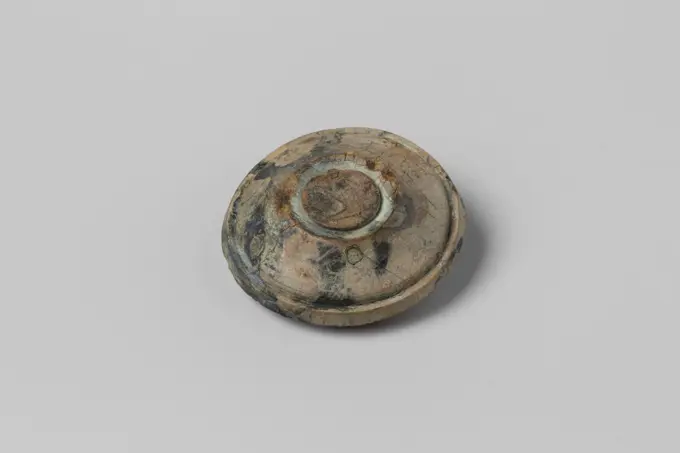
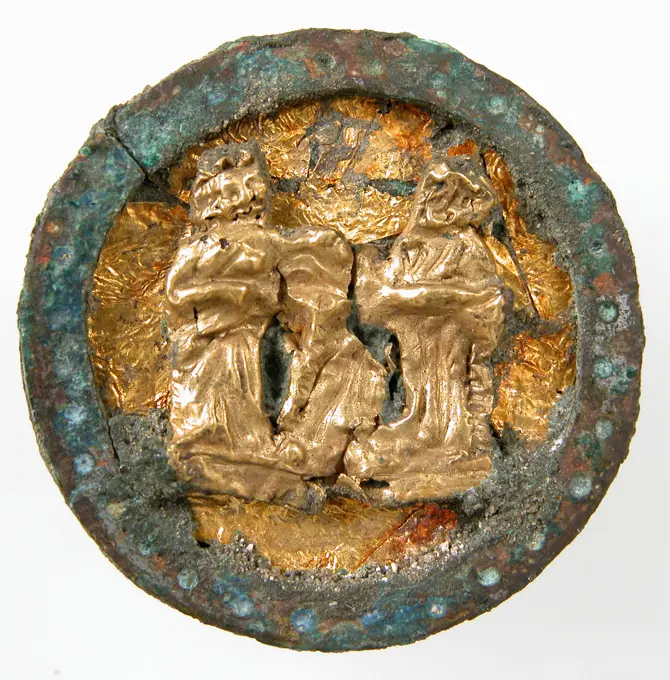
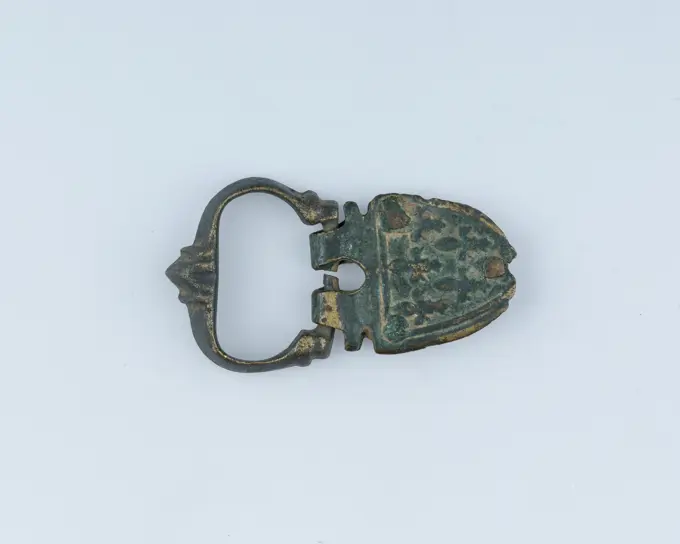
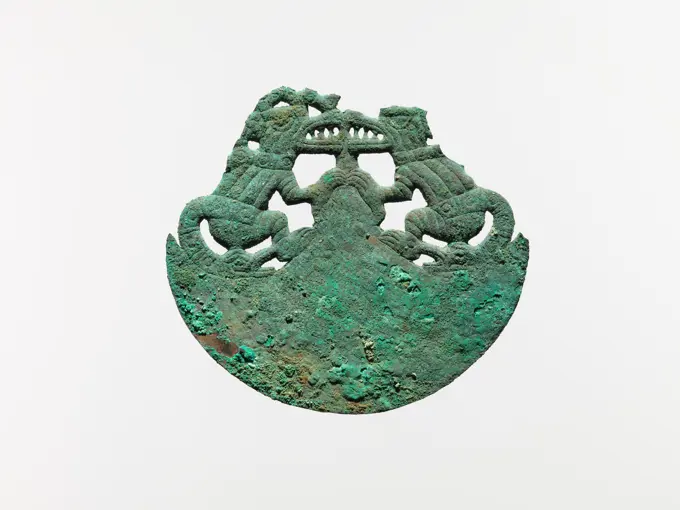
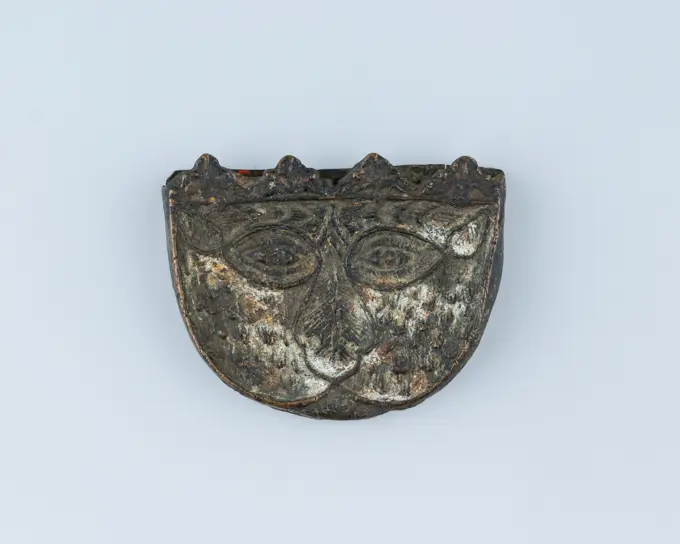
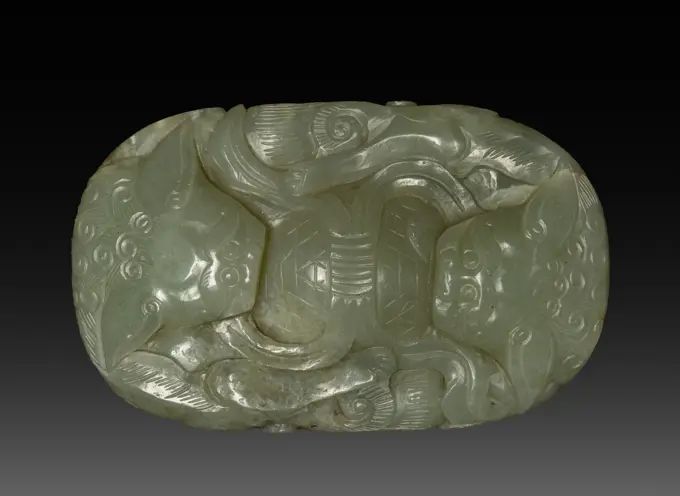
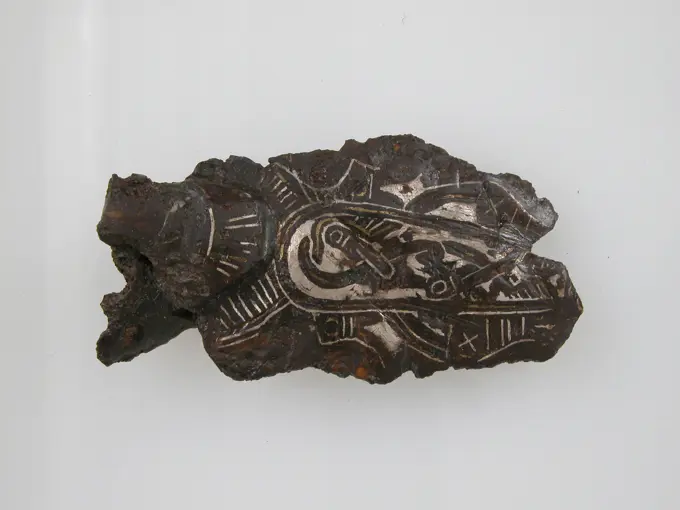
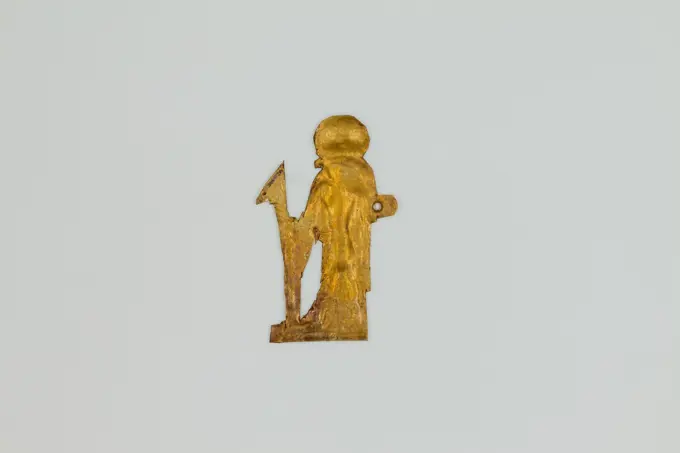
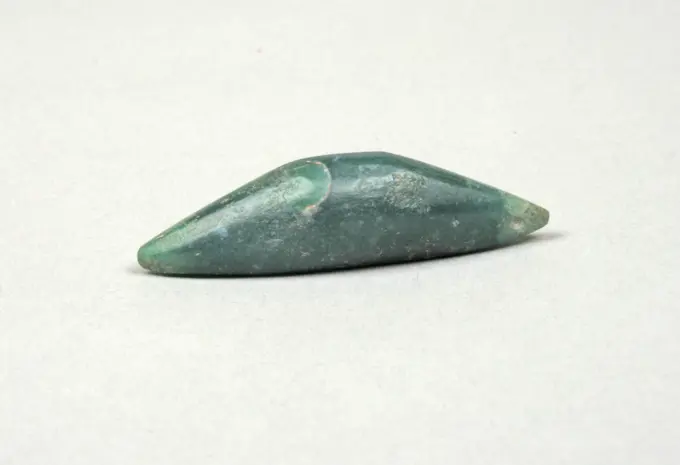
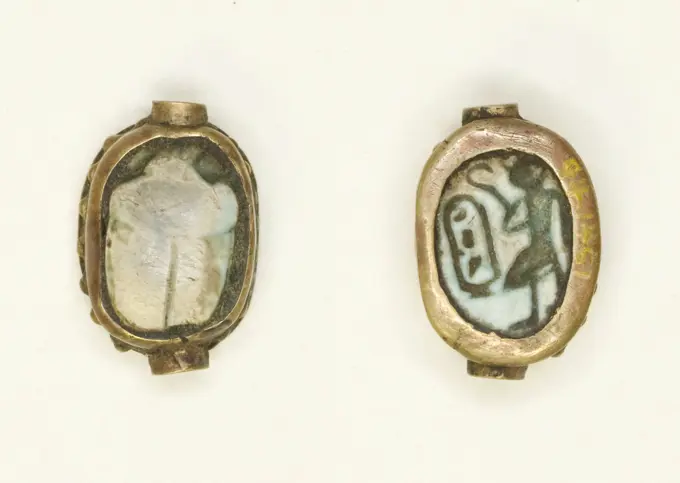
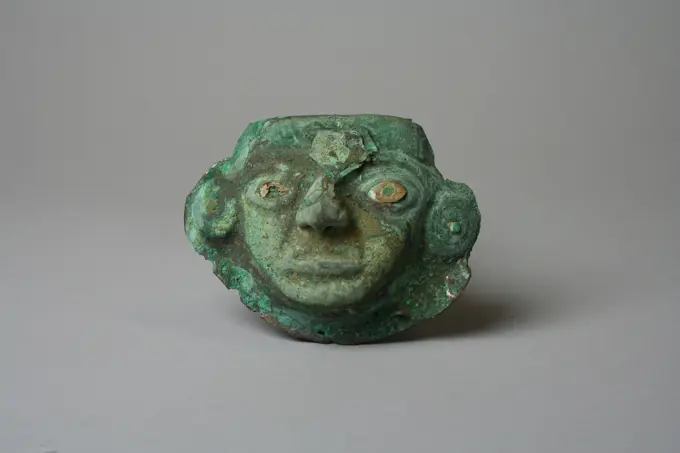
Applique. Decor consisting of cup and body of two fables. The patina is gray-green.

Assets in this Story

6145-29154058
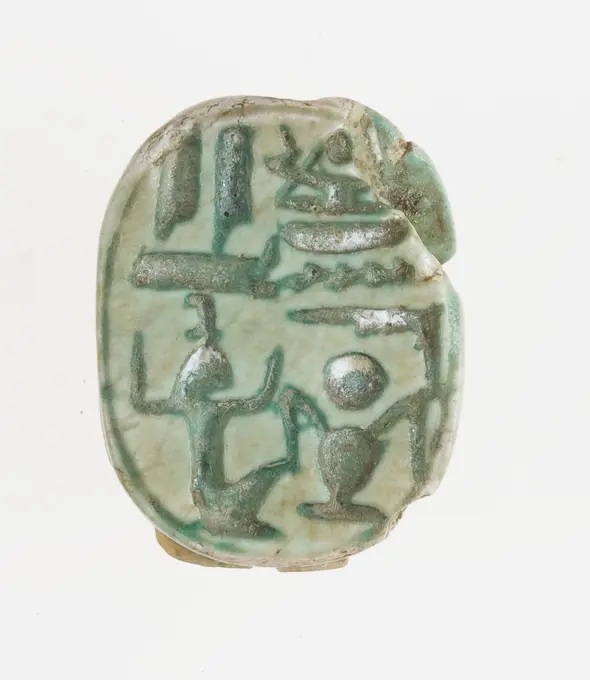
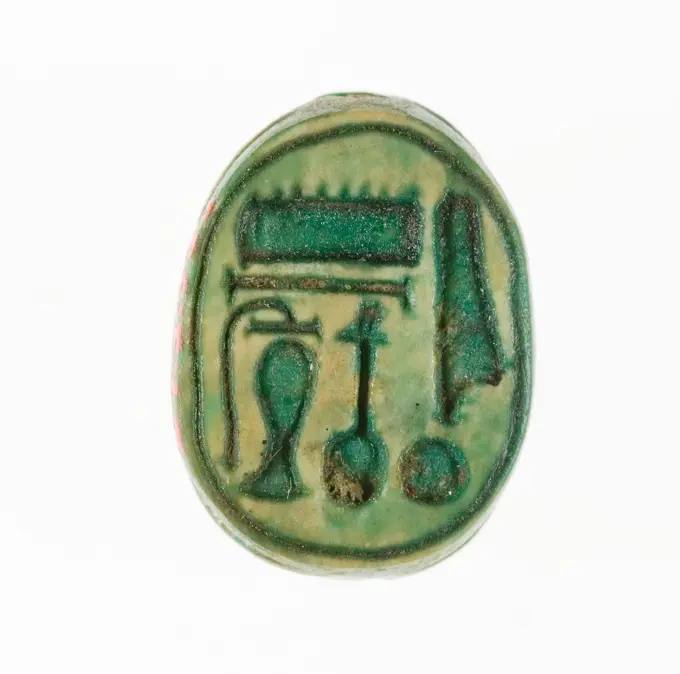
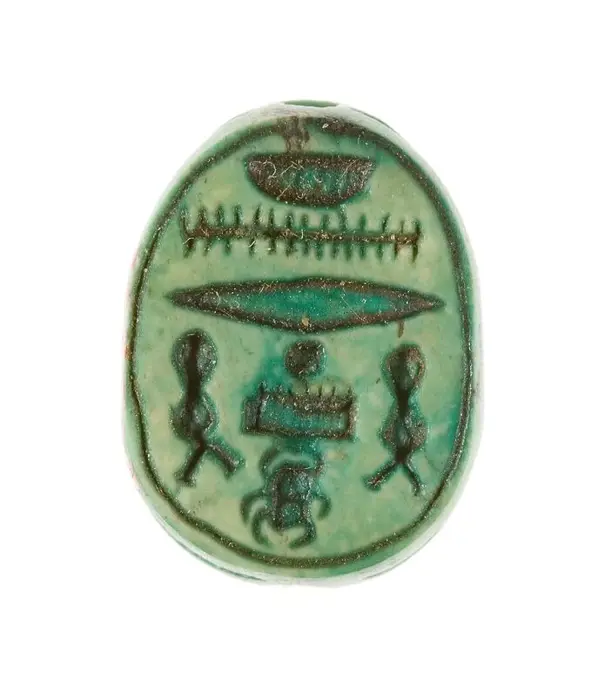
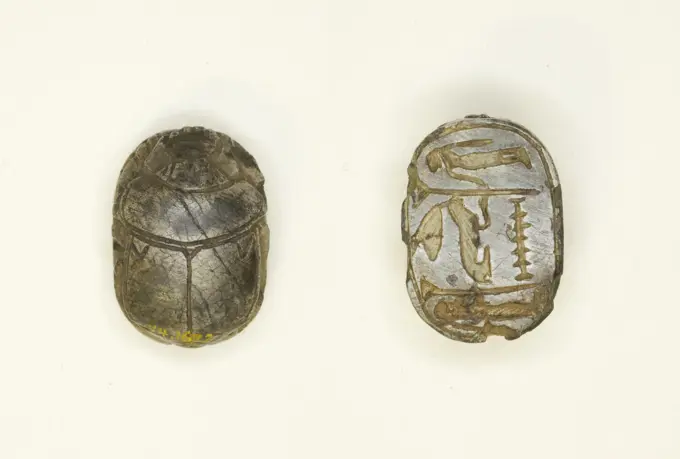
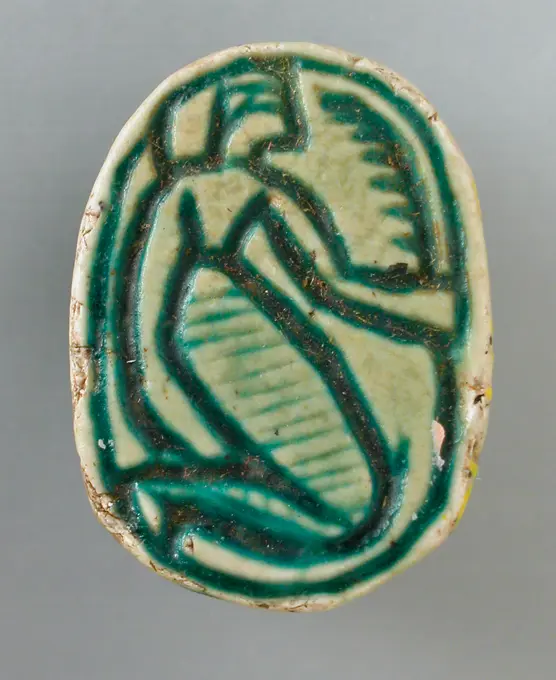
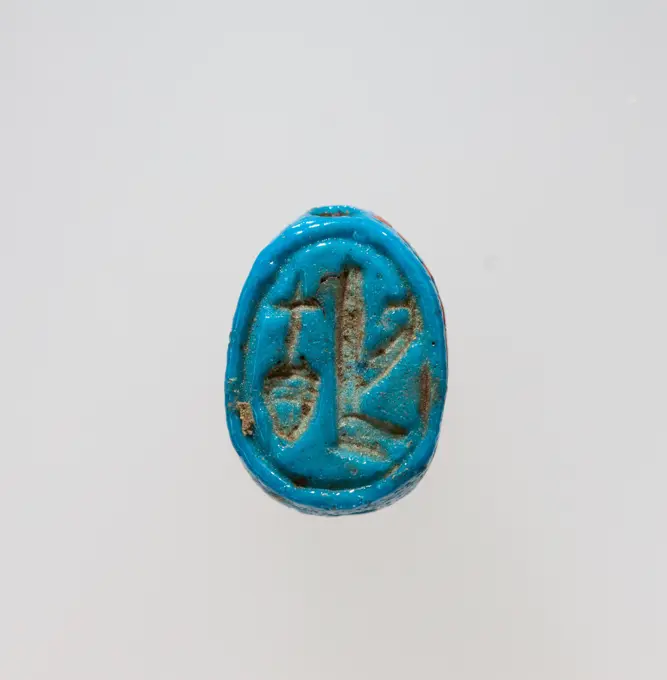
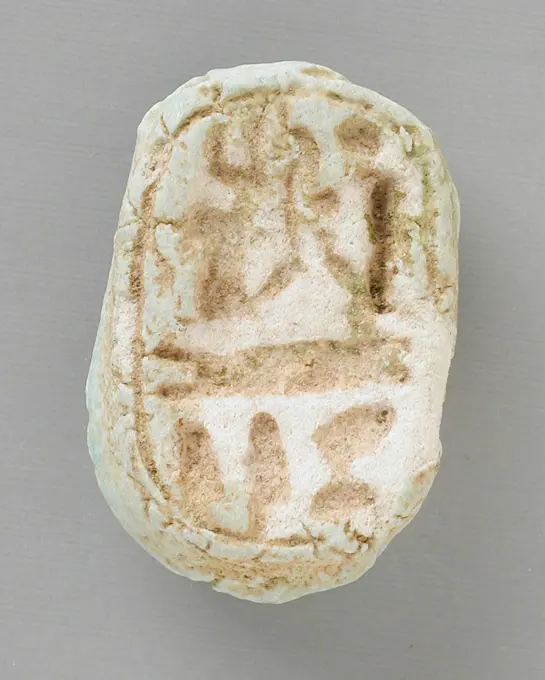
Scarab ca. 1353-1336 B.C. New Kingdom, Amarna Period. Scarab. ca. 1353-1336 B.C.. Glazed steatite. New Kingdom, Amarna Period. From Egypt. Dynasty 18
6145-29139651
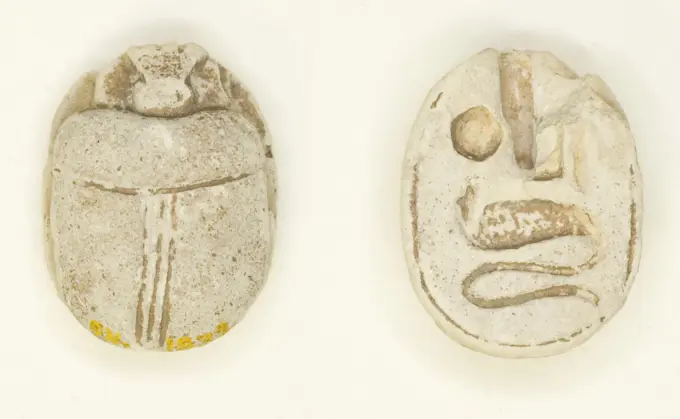
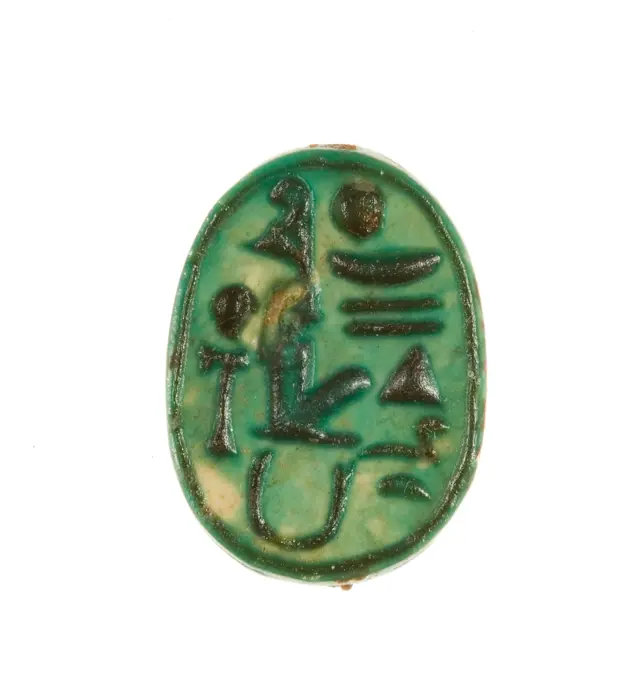
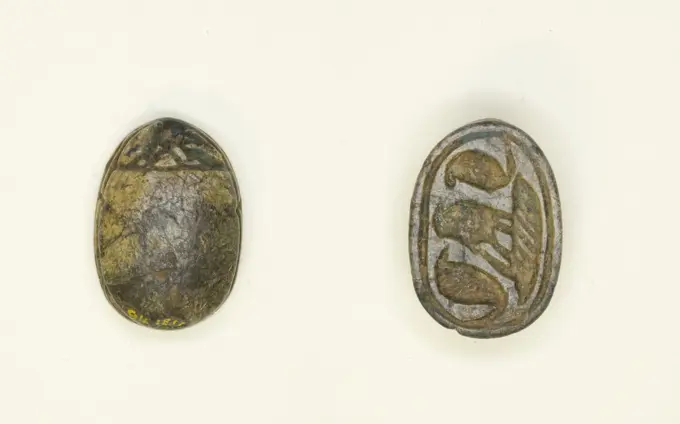
Scarab Inscribed for Hatshepsut ca. 1479-1458 B.C. New Kingdom This scarab was found in one of the foundation deposits placed along the front wall of the lower court of Hatshepsut's funerary temple at Deir el-Bahri. The inscription on the base records Hatshepsut's personal name (Hatshepsut), which means "foremost of noblewomen." Two other scarabs from the same foundation deposit have similar versions of the same inscription, though the style is not exactly the same (27.3.168, 27.3.169). The backs of the scarabs are also similar.. Scarab Inscribed for Hatshepsut. ca. 1479-1458 B.C.. Steatite (glazed). New Kingdom. From Egypt, Upper Egypt, Thebes, Deir el-Bahri, Temple of Hatshepsut, Foundation Deposit 7 (G), MMA excavations, 1926-27. Dynasty 18, early
6145-29157537
Scarab Inscribed with the Throne Name of Hatshepsut ca. 1479-1458 B.C. New Kingdom. Scarab Inscribed with the Throne Name of Hatshepsut. ca. 1479-1458 B.C.. Steatite (glazed). New Kingdom. From Egypt. Dynasty 18
6145-29157722
Scarab ca. 1479-1458 B.C. New Kingdom. Scarab. ca. 1479-1458 B.C.. Faience. New Kingdom. From Egypt, Upper Egypt, Thebes, Deir el-Bahri, Hatshepsut Hole, Hathor Shrine, MMA excavations, 1922-23. Dynasty 18
6145-29139719
Scarab Inscribed with the Name Maatkare (Hatshepsut) ca. 1479-1458 B.C. New Kingdom During the 1926-1927 excavation season, the Museum's Egyptian Expedition uncovered three foundation deposits along the eastern enclosure wall of Hatshepsut's funerary temple at Deir el-Bahri in Western Thebes. Among the contents were 299 scarabs and stamp-seals. Sixty-five of these are now in the Egyptian Museum, Cairo, and the rest were acquired by the Museum in the division of finds.Among the inscriptions on the bases of these scarabs and seals are examples of every title Hatshepsut held, from the time she was "king's daughter" during the reign of her father, Thutmose I; through the time she was queen of her half-brother, Thutmose II; and during her regency and co-reign with her nephew/step-son, Thutmose III.After the death of her husband, Hatshepsut became regent for her nephew who was a small child. The length of this regency period is uncertain, with estimates ranging from two to seven years. At so
4409-17544941
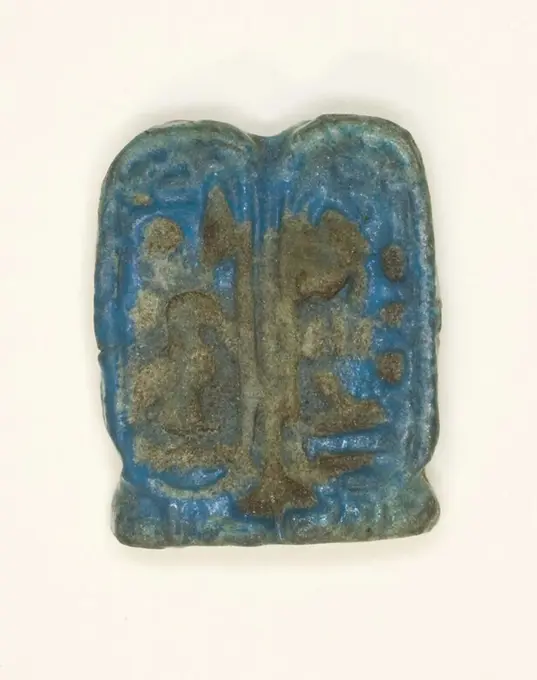
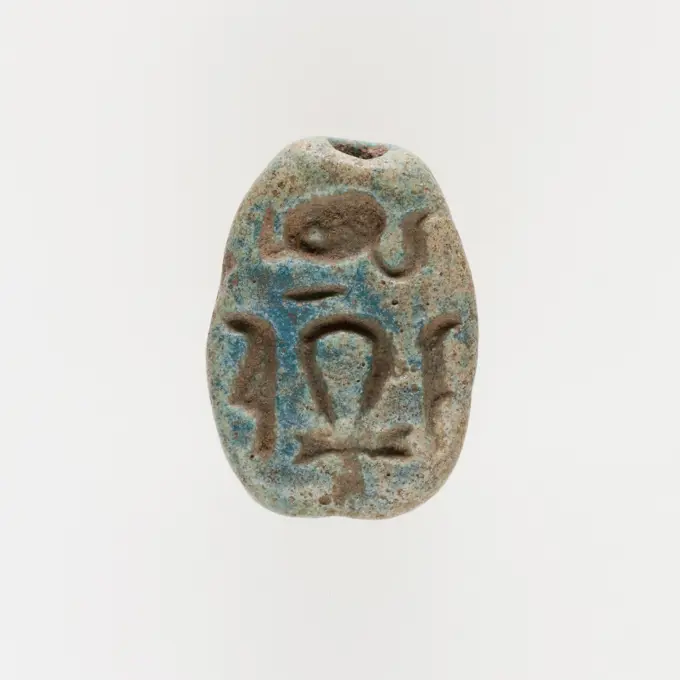
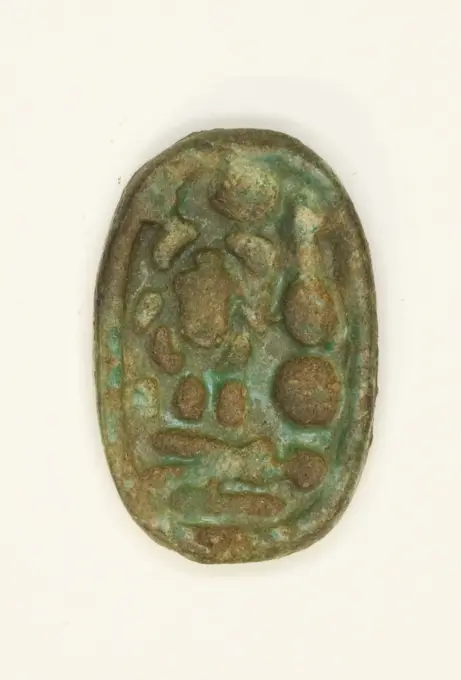
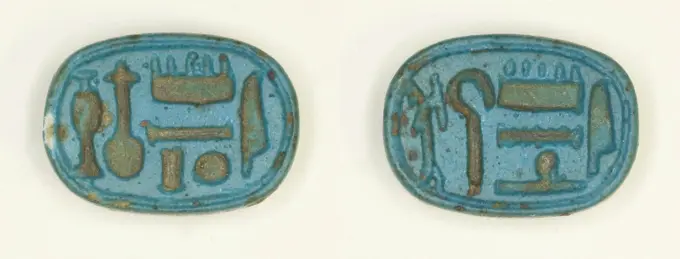
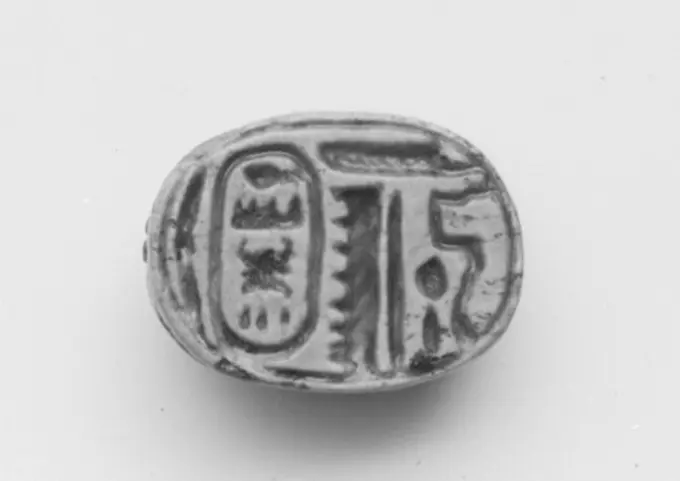
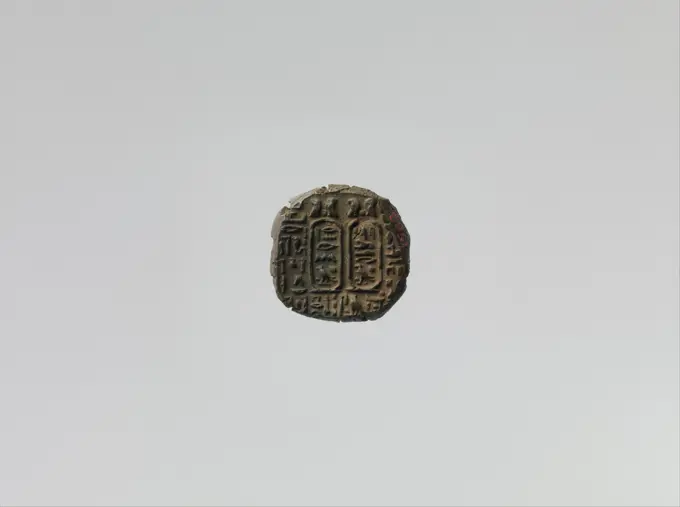
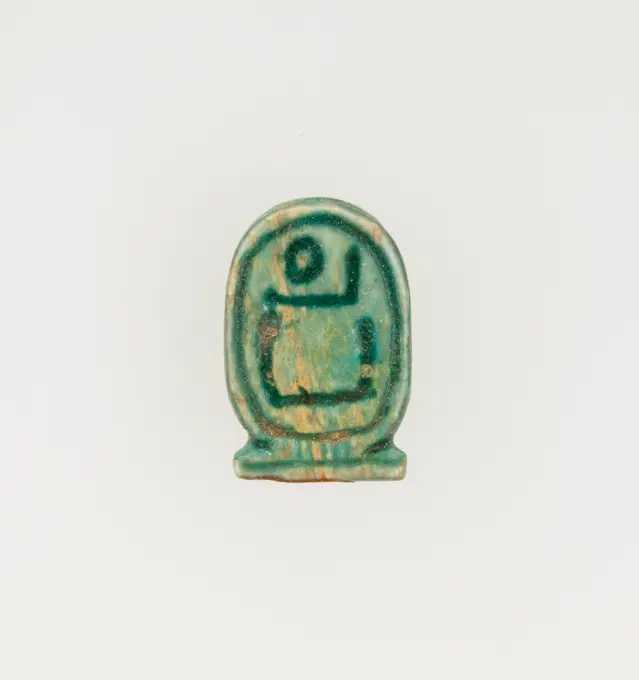
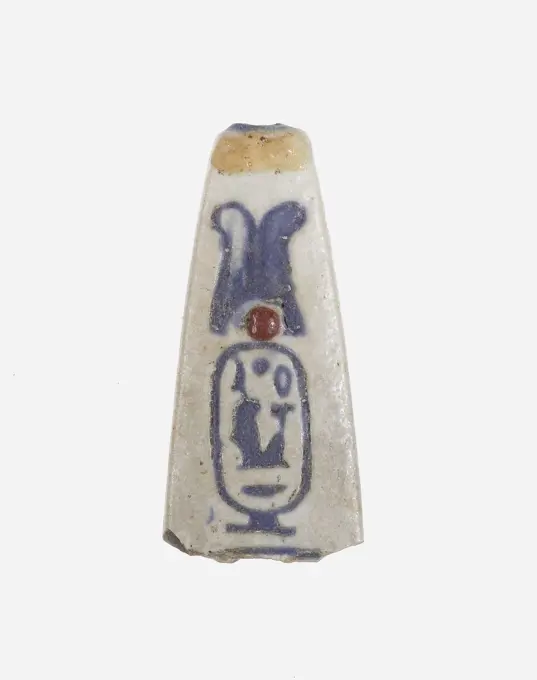
Amulet: Double Cartouche of King Akhenaton. Egyptian. Date: 1352 BC-1336 BC. Dimensions: 1.9 × 1.6 × 0.5 cm (3/4 × 5/8 × 3/16 in.). Faience. Origin: Egypt. Museum: The Chicago Art Institute, Chicago, USA. Author: Ancient Egyptian.
6145-46675672
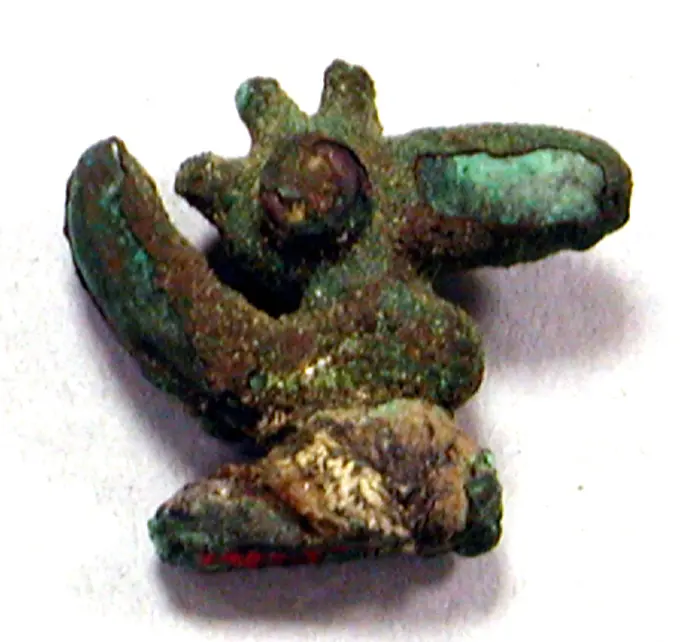
Applique. Decor consisting of cup and body of two fables. The patina is gray-green.
6145-29116316
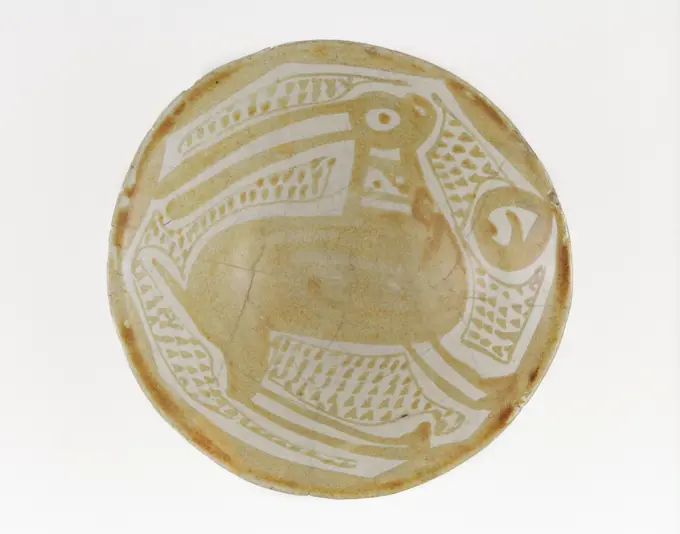
Bowl. Iraq, 10th century. Ceramics. Earthenware, overglaze luster-painted
6145-29164288
Scarab ca. 1492-1479 B.C. New Kingdom. Scarab 552445
6145-29150585
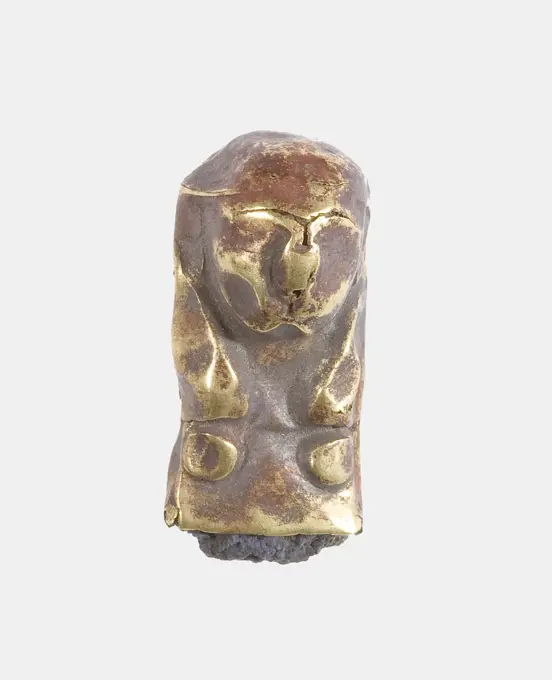
Handle of an "Opening of the Mouth" Peseshkef amulet ca. 1981-1640 B.C. Middle Kingdom. Handle of an "Opening of the Mouth" Peseshkef amulet. ca. 1981-1640 B.C.. Gold; copper. Middle Kingdom. From Egypt, Memphite Region, Lisht North, Tomb 954, Burial 954L, MMA excavations, 1921-22. Dynasty 12-13
6145-29221438
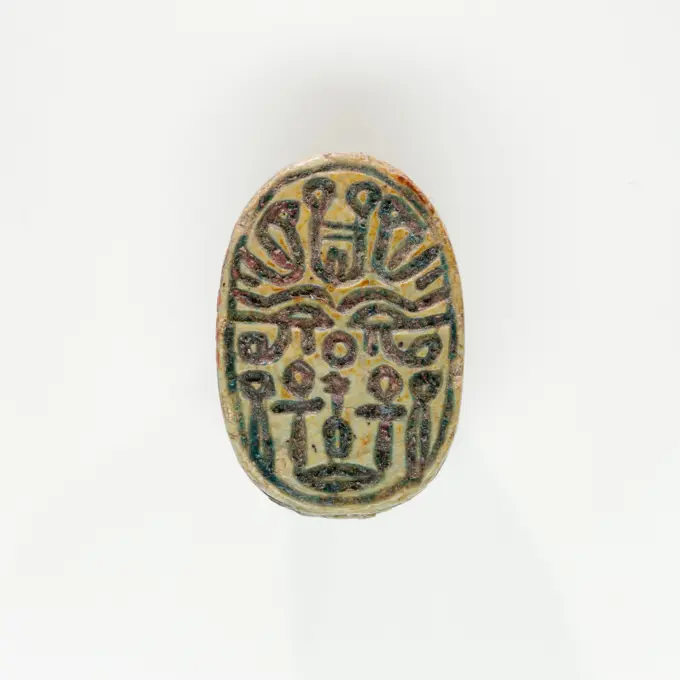
Scarab from Ruiu's Burial ca. 1504-1447 B.C. New Kingdom The burial of Ruiu was found in the tomb of her father, Neferkhawet, which was excavated by the Museums Egyptian Expedition in 1935. Lying against the right side of the head end of Ruius coffin was a small basket that contained a wooden box and a metal razor. Inside the box were four scarabs and a cowroid seal-amulet made of steatite, two ebony kohl sticks, and a small metal spoon.This scarab was originally glazed bright blue, but the glaze has largely worn off the back and base. The device combines rearing cobras, wedjat-eyes, and a variety of hieroglyphs. This design, particularly the way of writing the ka hieroglyph, is typical of scarabs dating to the Hyksos period, a century or so before the death of Ruiu, sometime in the sole reign of Thutmose III. Another scarab and three rings belonging to Ruiu also appear to be of Hyksos design.. Scarab from Ruiu's Burial. ca. 1504-1447 B.C.. Steatite (glazed). New Kingdom. From Egypt,
6145-29124774
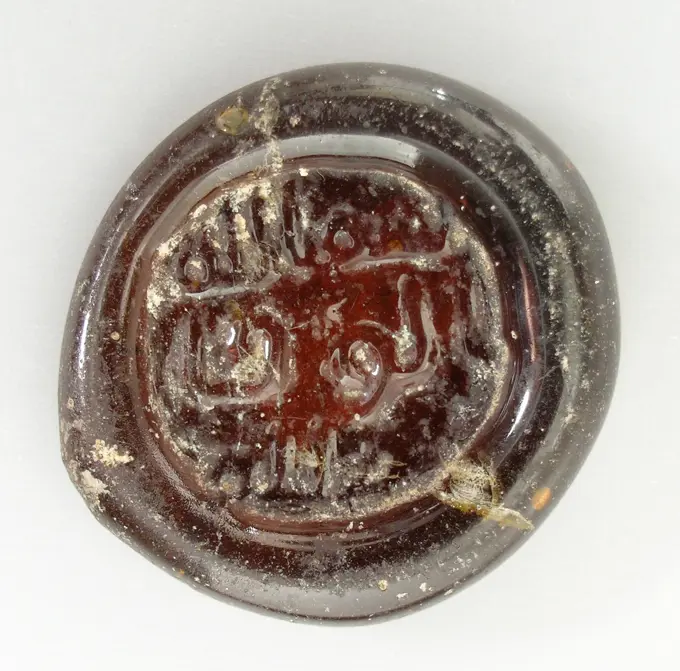
Coin Weight. Eastern Mediterranean, 7th or 8th century. Glass. Glass, mold-pressed
6145-30177099
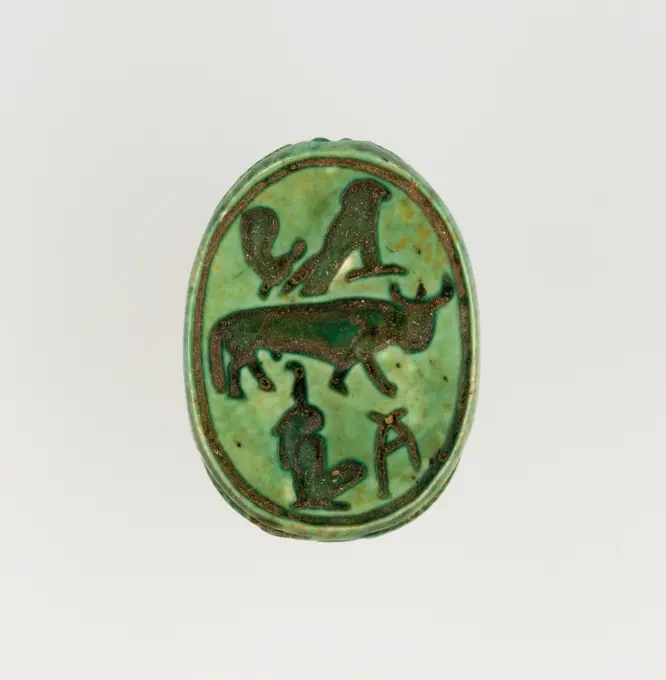
Foundation Deposit Bound Ox 1550 BCE-1069 BCE Egypt. Faience . Ancient Egyptian
6145-29163484
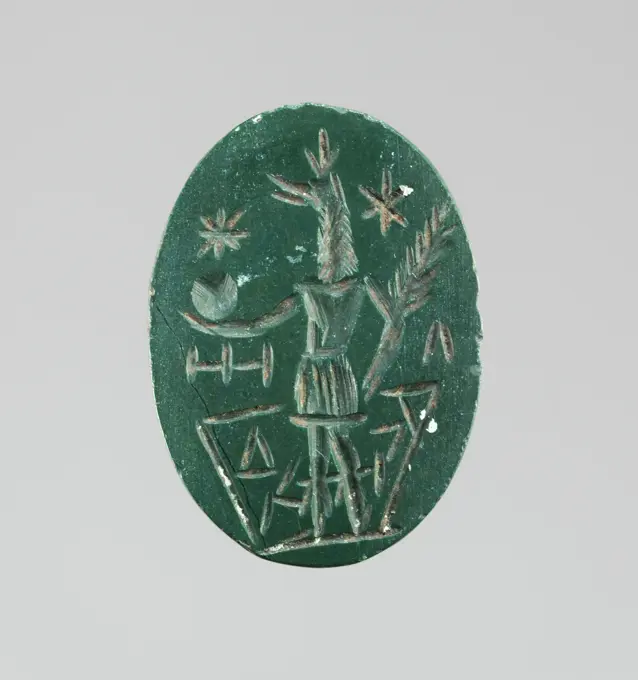
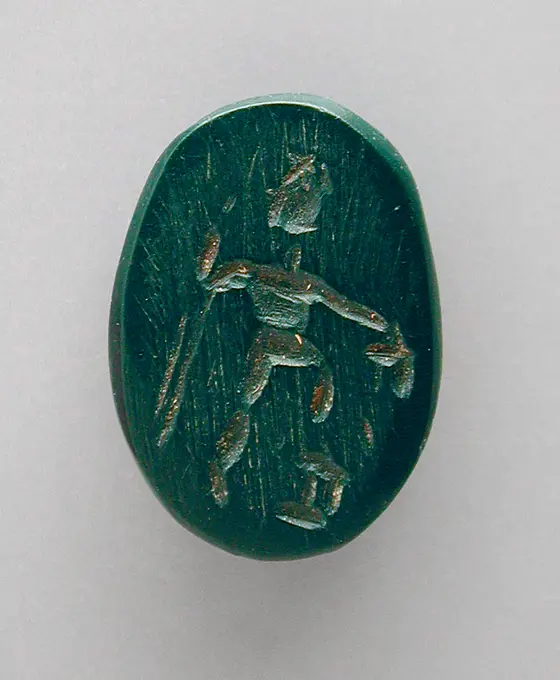
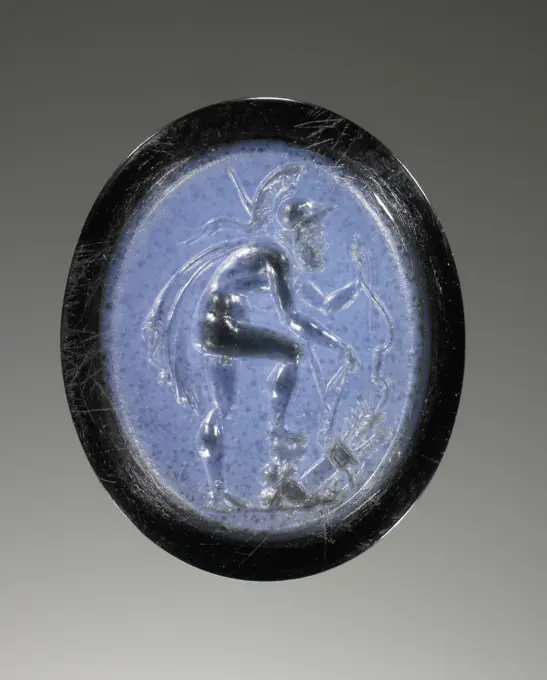
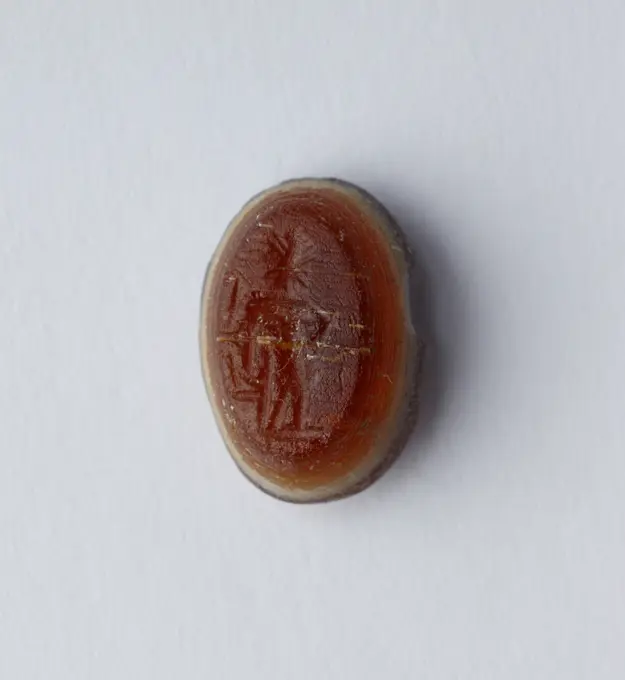
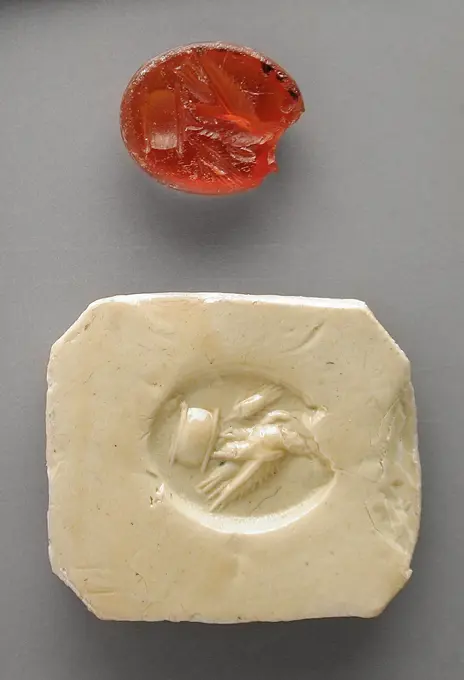
Jasper intaglio: Standing Anubis 2nd century A.D. Roman Anubis; Cryptogram.. Jasper intaglio: Standing Anubis 248223
4409-17544992
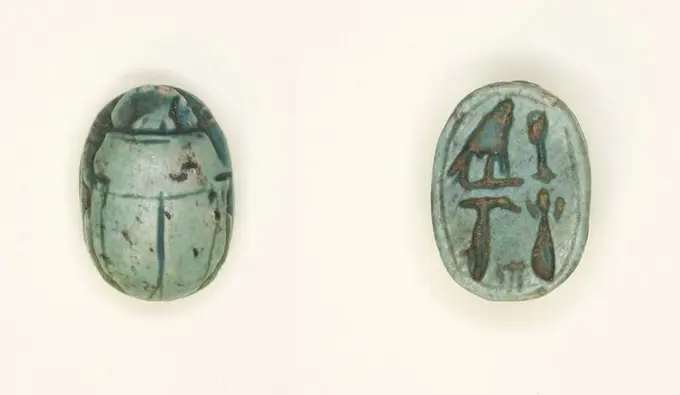
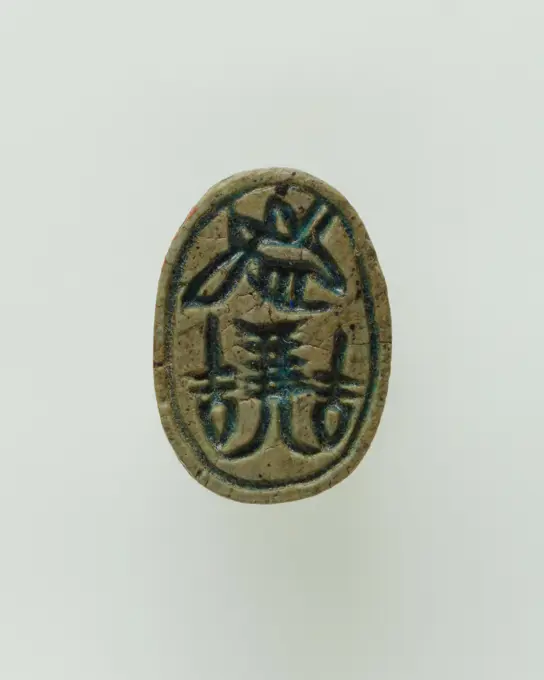
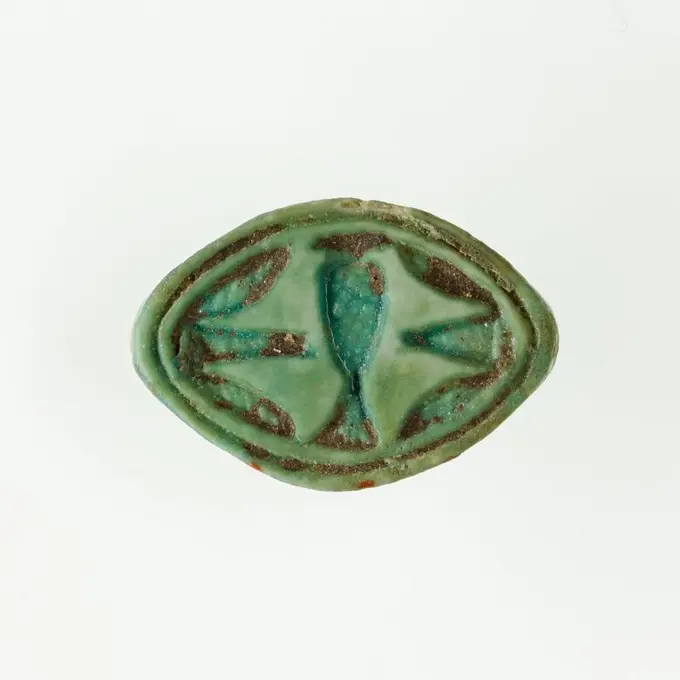
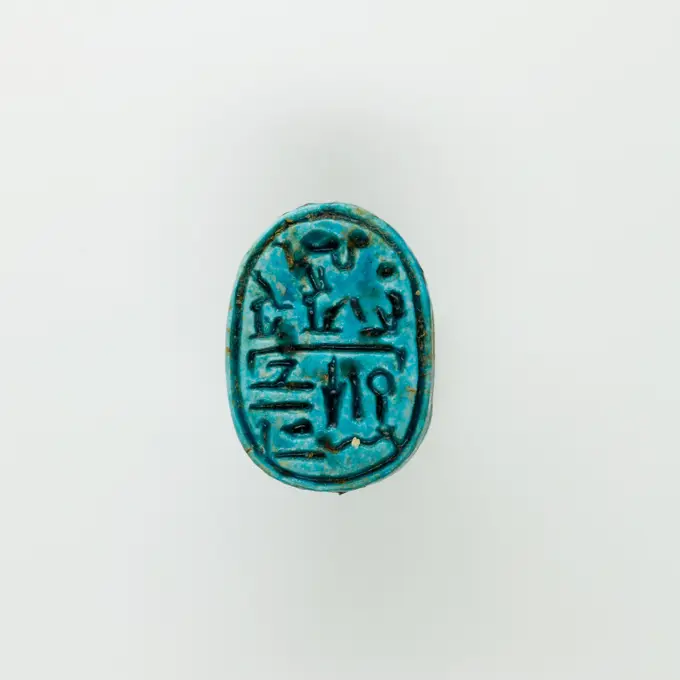
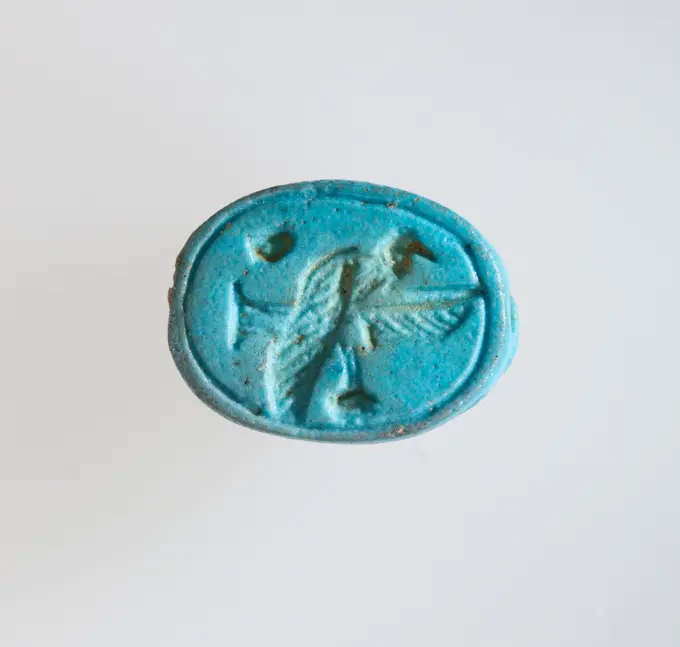
Scarab: Falcon and Hieroglyphs. Egyptian. Date: 1550 BC-525 BC. Dimensions: 1.6 × 1 × 0.6 cm (5/8 × 3/8 × 1/4 in.). Glazed steatite. Origin: Egypt. Museum: The Chicago Art Institute, Chicago, USA. Author: Ancient Egyptian.
6145-29708172
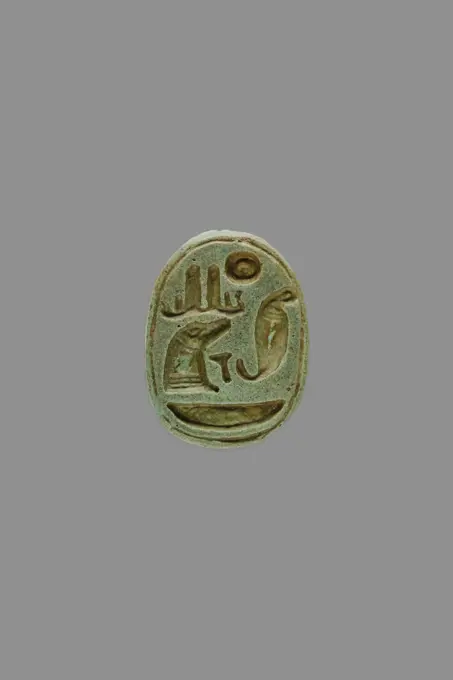
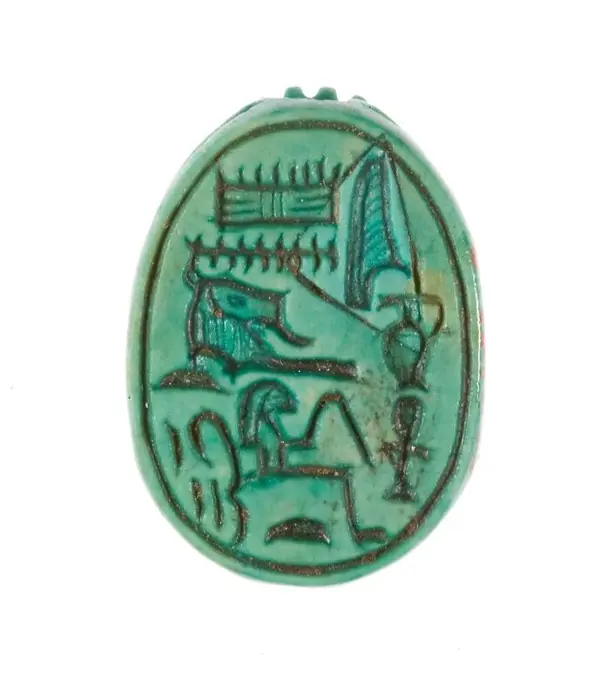
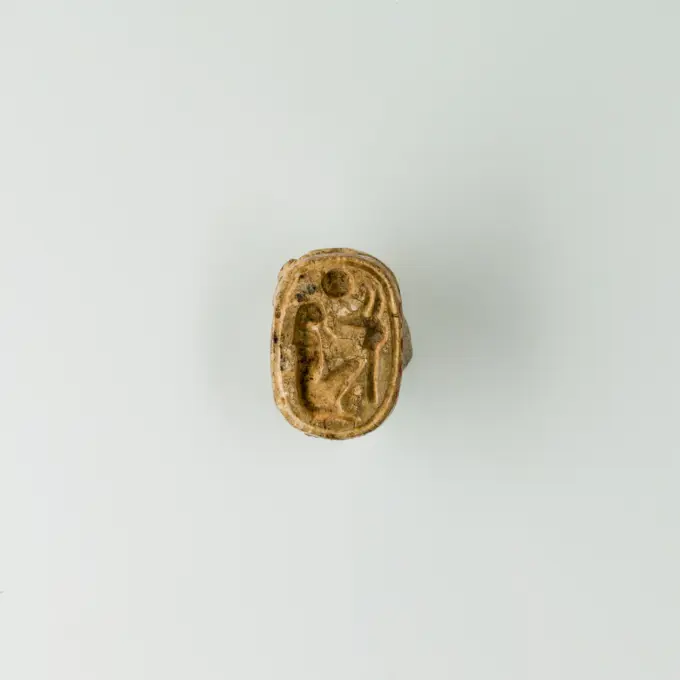
Scarab with Sobek and Wadjet ca. 1295-1070 B.C. New Kingdom The base of this scarab shows the head of a crocodile crowned with a headdress consisting of two long and narrow plumes, a pair of horns and uraei on the extremities. In front of the animal are a small papyrus stem and a large cobra. A sun disk is placed at the top and the heb-basin is engraved at the bottom. The crowned crocodile can be identified as the god Sobek, who was associated with water, fertility and - as indicated by the sun disk above - is also connected to the sun god as Sobek-Re. The raised cobra is also placed underneath the sun disk, suggesting that it may represent the goddess Wadjet, the serpent deity associated with the pharaoh and with royal authority. The papyrus stem (wadj in ancient Egyptian) confirms the interpretation of the cobra as Wadjet.. Scarab with Sobek and Wadjet. ca. 1295-1070 B.C.. Green glazed faience. New Kingdom. From Egypt, Memphite Region, Lisht North, Cemetery, MMA excavations. Dynasty
6145-59045019
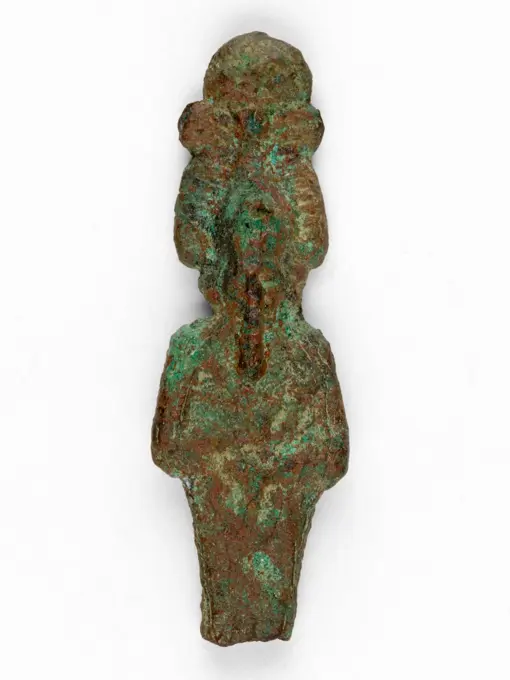
Statuette of Osiris. Copper alloy. Gallo-Roman time. High Empire (). Paris, Carnavalet museum. STATUETTE D'OSIRIS Copper alloy, antiquity, Egyptian divinity, Gallo-Roman time, High Empire, Statuette, Ancient
6145-29120938
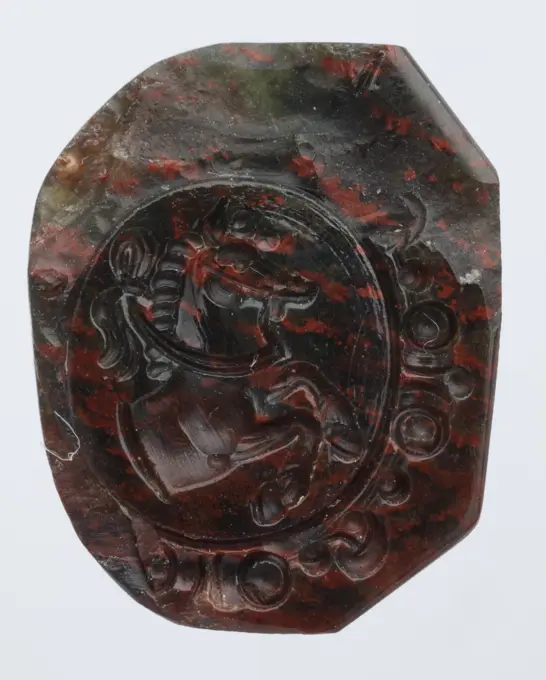
Intaglio. Eastern Mediterranean, Roman, 332 B.C.-A.D.395. Tools and Equipment; seals. Stone
6145-29184928
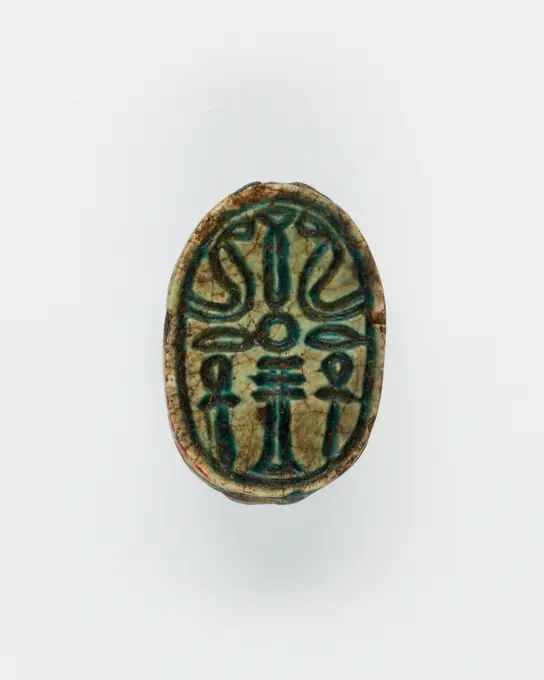
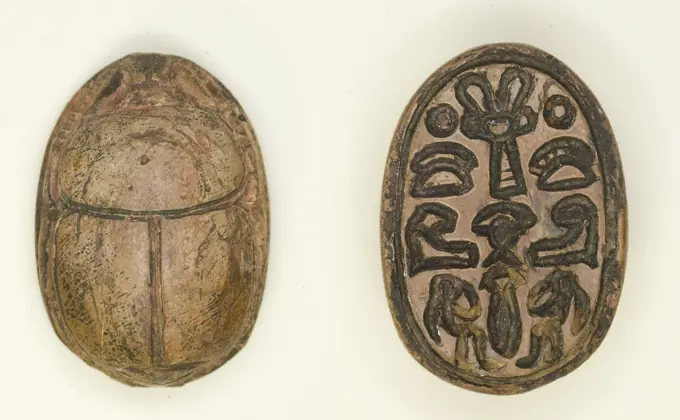
Scarab Inscribed with Hieroglyphs ca. 1295-1070 B.C. New Kingdom The underside of the scarab is inscribed with positive signs such as the feathers of Maat, the sign of life (ankh) and a sun disk with pendent uraei. From the New Kingdom onwards, the latter is often placed at the top of a design, symbolizing divine protection.. Scarab Inscribed with Hieroglyphs 557074
6145-45557591
Amulet - Thot
4409-17437277
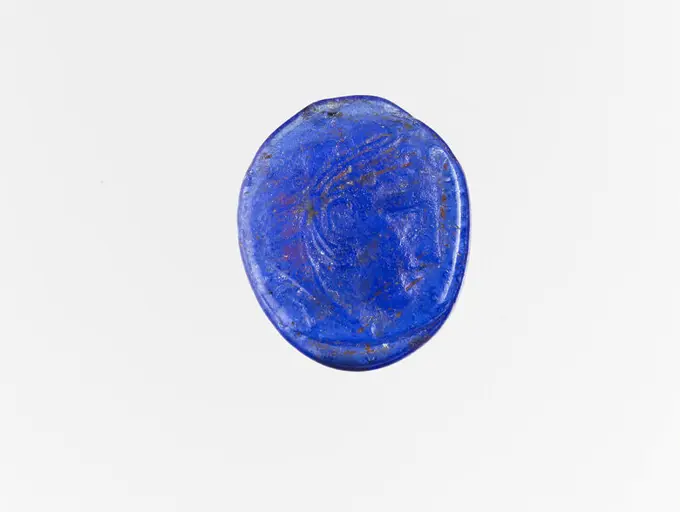
Glass cameo with portrait head of Alexander the Great. Culture: Roman. Dimensions: Length: 11/16 in. (1.8 cm). Date: 1st century B.C.-3rd century A.D..Portrait head of Alexander the Great wearing a lion skin. Museum: Metropolitan Museum of Art, New York, USA.
6145-29139525
Scarab Inscribed with the Name of the God Amun-Re ca. 1479-1458 B.C. New Kingdom. Scarab Inscribed with the Name of the God Amun-Re. ca. 1479-1458 B.C.. Steatite (glazed). New Kingdom. From Egypt, Upper Egypt, Thebes, Deir el-Bahri, Temple of Hatshepsut, Foundation Deposit 9 (I), MMA excavations, 1926-27. Dynasty 18, early
4443-21964296
Lamp in the Shape of a Comic Mask; Roman Empire; 75 - 125; Bronze; 6.9 × 12.5 cm (2 11,16 × 4 15,16 in.)
4409-17399788
Scarab. Dimensions: L. 2.5 cm (1 in.); W. 1.6 cm (5/8 in.); H. 1.2 cm (1/2 in.). Dynasty: late 12th-early 13th Dynasty. Date: ca. 1878-1750 B.C.. Museum: Metropolitan Museum of Art, New York, USA.
6145-29708097
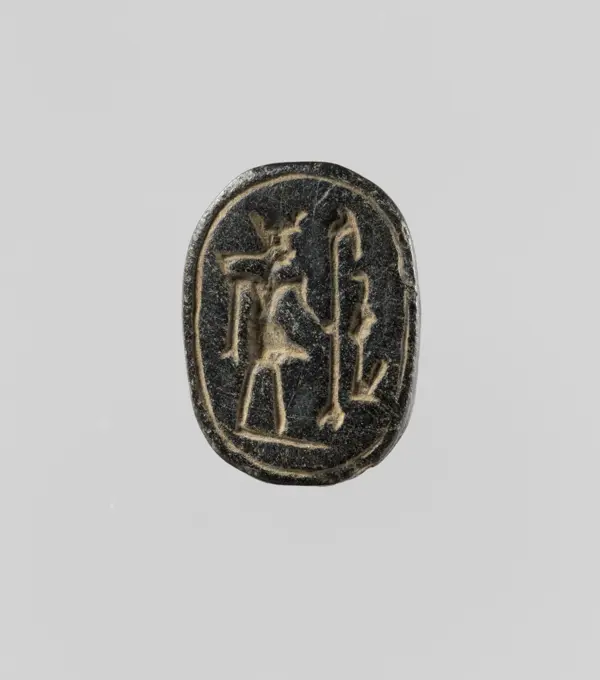
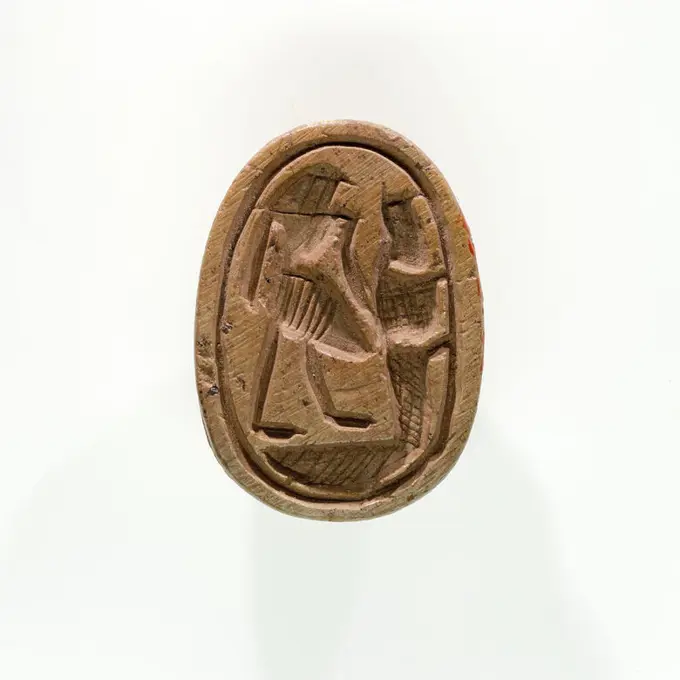
Scarab with Representation of Baal ca. 1295-1070 B.C. New Kingdom The underside of the scarab shows a standing male figure facing right, wearing a high conical headdress with a long streamer at the back and horns protruding from the front. He holds the Egyptian was-scepter, a symbol of power held by deities or royal figures. In front of him sits a figure of Maat, the Egyptian goddess of truth and justice, identified by the ostrich feather on her head. Even though similar in shape, the mans headdress should not be mistaken for an Egyptian White or Double Crown worn by the pharaoh; it is the headdress of the Levantine storm god Baal. Depictions of Baal appear in Egypt around the end of the Middle Kingdom, but his image is more prevalent in Egyptian art of the New Kingdom and reaching a peak in the Ramesside period, when several Levantine gods became important in Egypt. This is partially attributed to the fact that certain of these deities (such as Baal and Resheph) have martial traits,
6145-30177292
Scarab Name of Amun-Ra 1550 BCE-1069 BCE Egypt. Steatite . Ancient Egyptian
6145-29707665
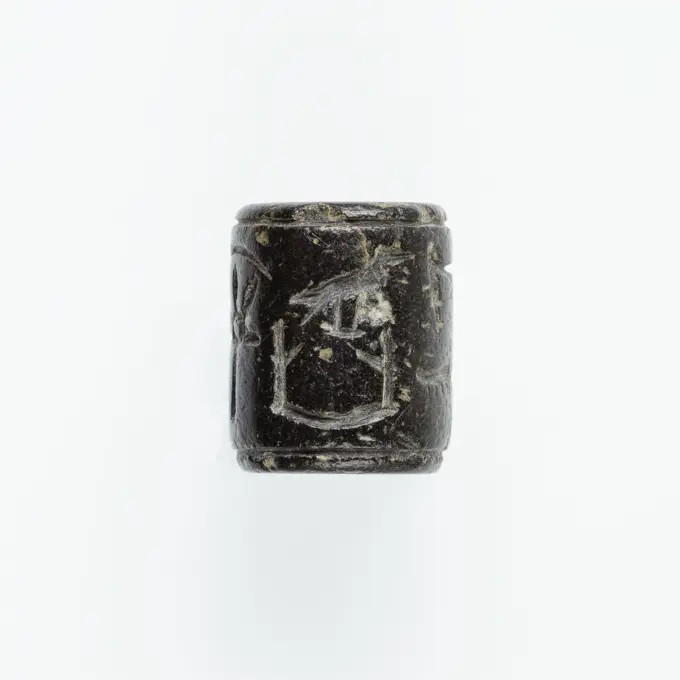
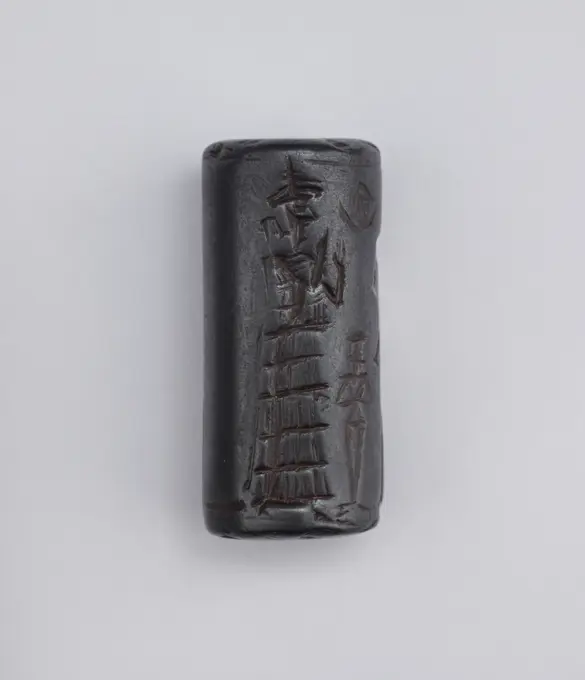
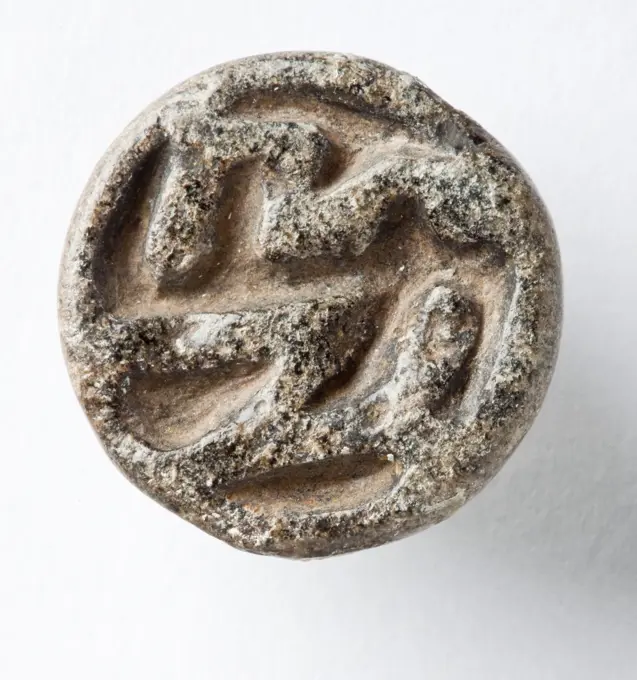
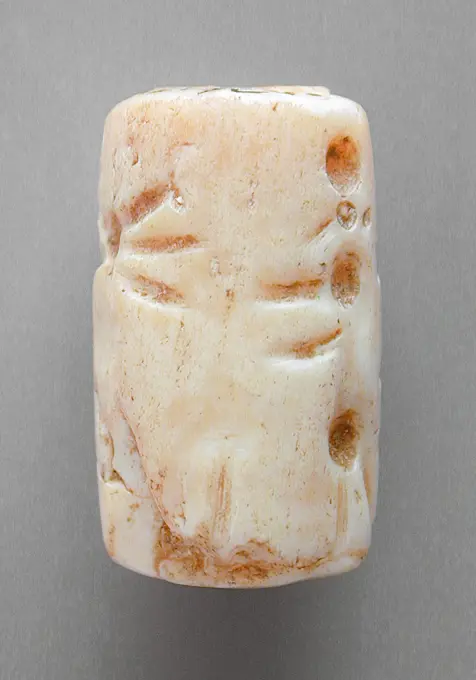
Cylinder seal ca. 2960-2649 B.C. Early Dynastic Period. Cylinder seal. ca. 2960-2649 B.C.. Stone. Early Dynastic Period. From Egypt. Dynasty 2
6145-30177086
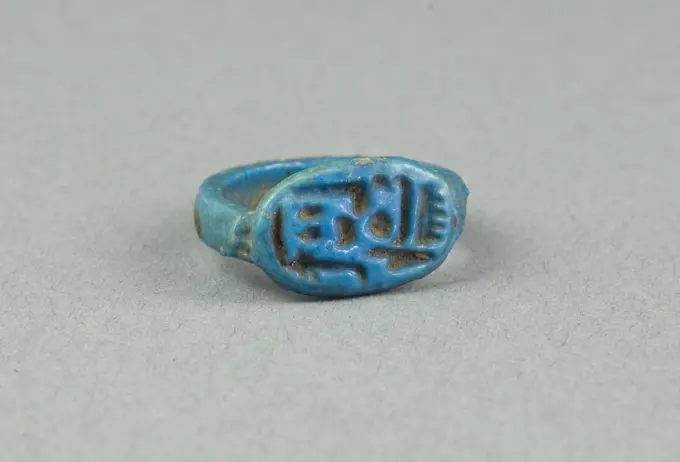
Ring Neferkheprure-Waenre (Akhenaton) 1352 BCE-1336 BCE Egypt. Faience . Ancient Egyptian
6145-29714256
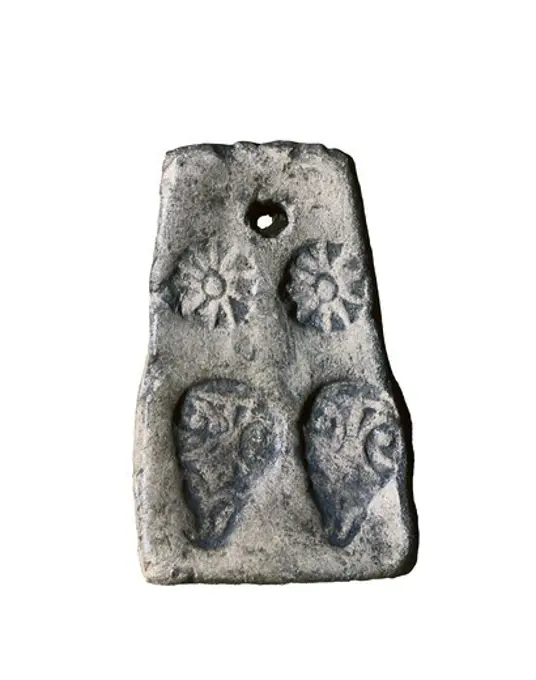
Pilgrim's Badge 14th-16th century French. Pilgrim's Badge. French. 14th-16th century. Lead. Metalwork-Lead
6145-59120589
Brakedate Halter; 15th century (1401-00-00-1500-00-00);Potocki, Andrzej (1861-1908), Dzik's head (iconogr.), Unilateral coins, city coins
6145-45516826
Bliżej Kultury Władysław Warneńczyk (King of Poland, 1434 1444), Mint of Kraków
6145-30176943
Scarab 664 BCE-525 BCE Egypt. Faience . Ancient Egyptian
6145-30177298
Scarab Uninscribed 1985 BCE-525 BCE Egypt. Stone . Ancient Egyptian
6145-29137659
Stamp Seal
6145-29787198
Fibula 9th-8th century B.C. Italic, Villanovan. Fibula 255998
4409-17398922
Scarab Inscribed with the Throne Name of Thutmose III. Dimensions: L. 1.8 cm (11/16 in); w. 1.3 cm (1/2 in); h. 0.9 cm (3/8 in). Dynasty: Dynasty 18, early. Reign: Joint reign of Hatshepsut and Thutmose III. Date: ca. 1479-1458 B.C.. Museum: Metropolitan Museum of Art, New York, USA.
6145-29139773
Scarab Inscribed Maatkare (Hatshepsut), Given Life Forever ca. 1479-1458 B.C. New Kingdom. Scarab Inscribed Maatkare (Hatshepsut), Given Life Forever. ca. 1479-1458 B.C.. Steatite (glazed). New Kingdom. From Egypt, Upper Egypt, Thebes, Deir el-Bahri, Temple of Hatshepsut, Foundation Deposit 7 (G), MMA excavations, 1926-27. Dynasty 18, early
6145-29153522
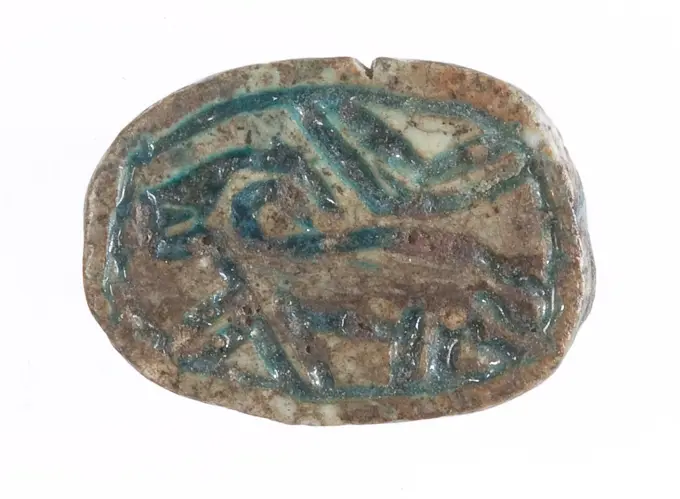
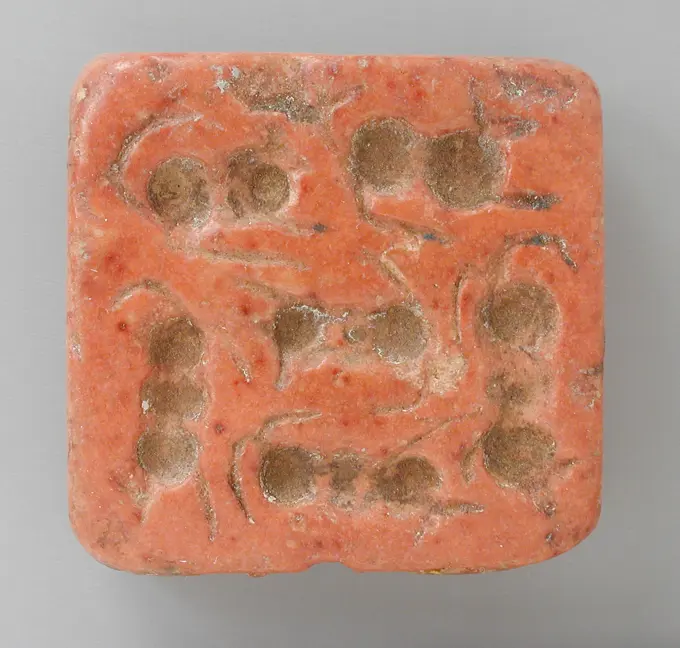
Scarab with device of an antelope ca. 1550-1500 B.C. Early New Kingdom. Scarab with device of an antelope. ca. 1550-1500 B.C.. Blue glazed steatite. Early New Kingdom. From Egypt, Upper Egypt, Thebes, Asasif, Tomb CC 64, debris around tomb, Carnarvon excavations. early Dynasty 18
6145-29733335
Scarab with Hathor-like Canaanite Goddess ca. 1740-1640 B.C. Middle Kingdom Around the middle of Dynasty 13 (ca. 1802-1640 B.C.), scarabs carved in the eastern Nile Delta, at a site presently known as Tell el-Daba, show decorative elements that reveal Canaanite influence. Part of the population in this region was of Levantine origin. Soon afterward, at the beginning of the Second Intermediate Period (ca. 1700/1640 B.C), when Canaanites took political control over the Delta, a Canaanite production of scarabs is initiated; these scarabs also show details on their back and sides that distinguish them from Egyptian Middle Kingdom and Second Intermediate Period scarabs. These Canaanite scarabs (ca. 1700-1500 B.C.) imitate Egyptian late Middle Kingdom models (ca. 1850-1640 B.C.) while also introducing new decorative elements and symbols. This scarab manufactured at a workshop in Tell el-Daba shows a female face in frontal view with large plume-like extensions on her head. This is an exampl
4409-17377641
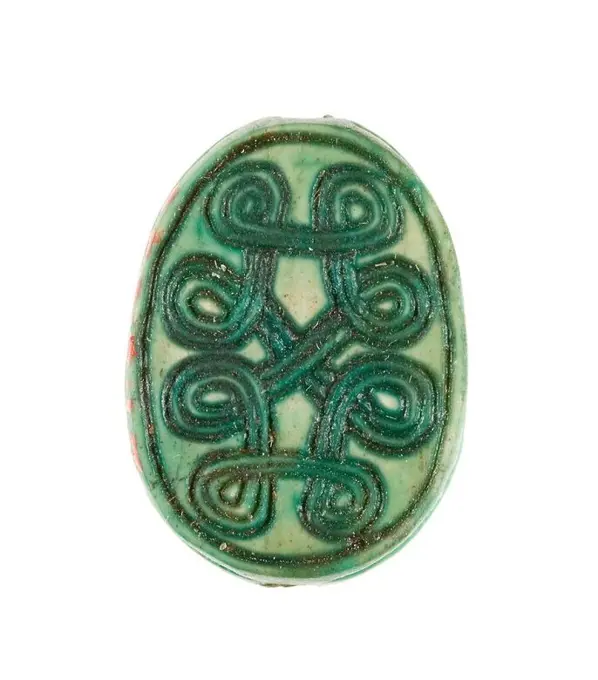
Scarab Inscribed with a Geometric Pattern. Dimensions: L. 1.7 cm (11/16 in); w. 1.2 cm (1/2 in); h. 0.8 cm (5/16 in). Dynasty: Dynasty 18, early. Reign: Joint reign of Hatshepsut and Thutmose III. Date: ca. 1479-1458 B.C.. Museum: Metropolitan Museum of Art, New York, USA.
6145-29234688
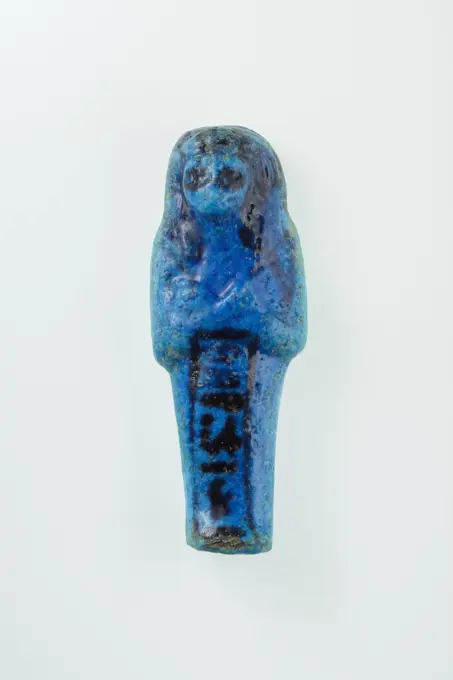
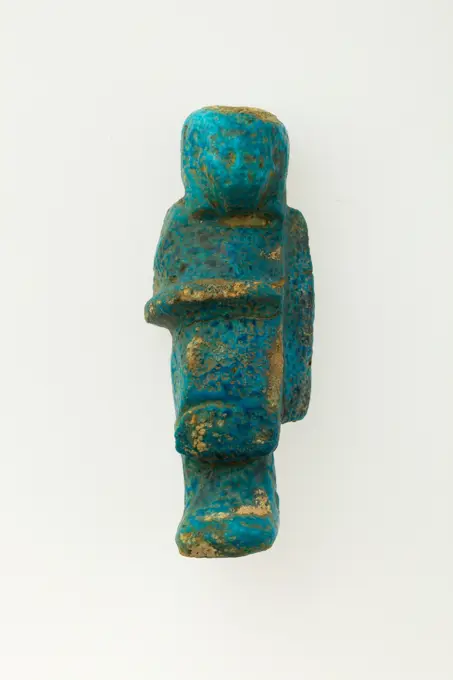
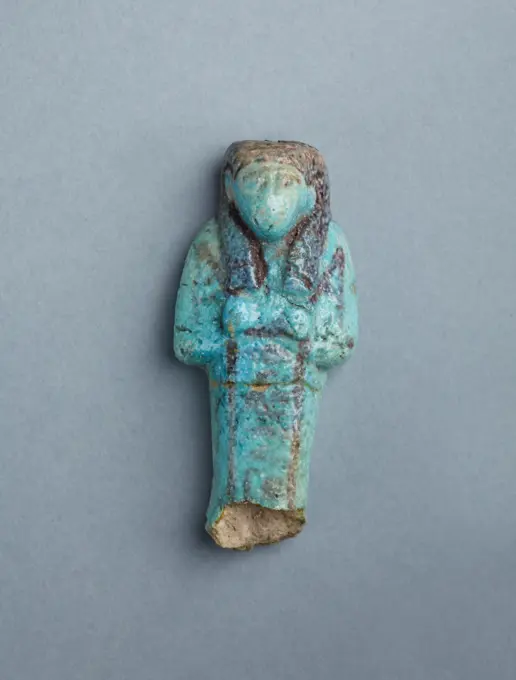
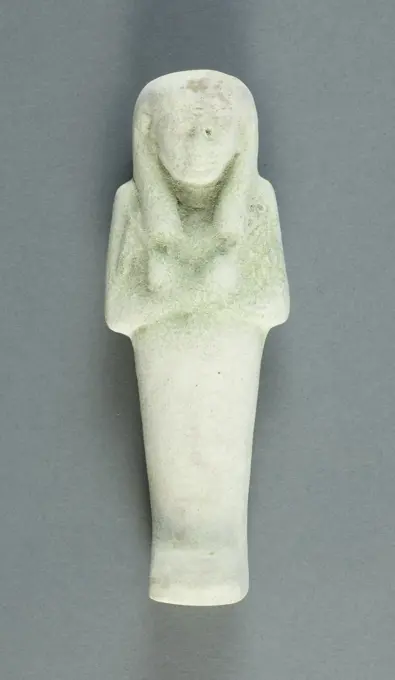
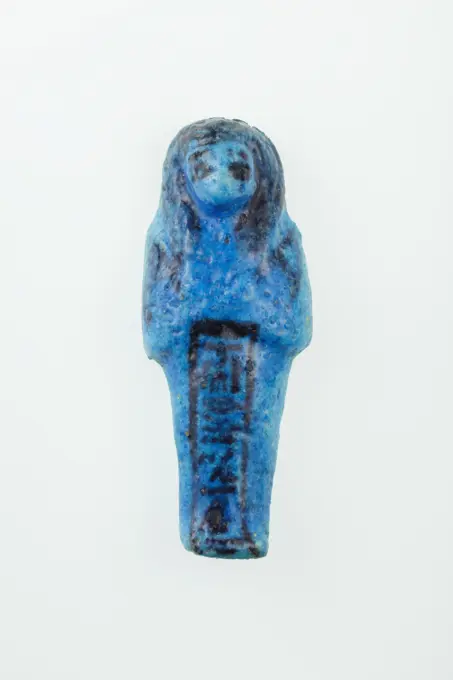
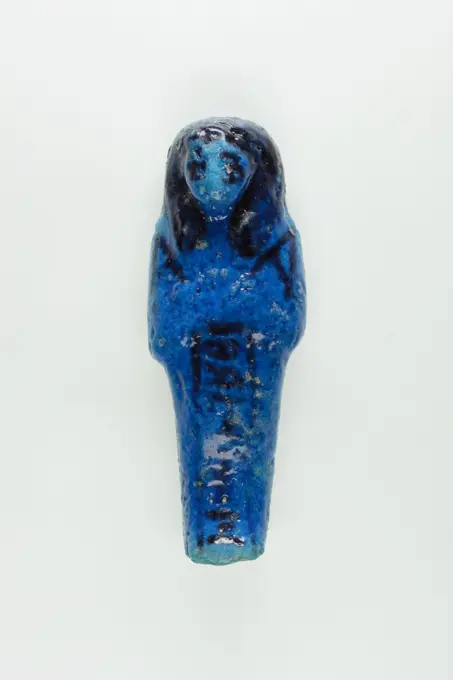
Worker Shabti of Nauny ca. 1050 B.C. Third Intermediate Period See 30.3.27.1a, b. Worker Shabti of Nauny. ca. 1050 B.C.. Faience. Third Intermediate Period. From Egypt, Upper Egypt, Thebes, Deir el-Bahri, Tomb of Meritamun (TT 358, MMA 65), first corridor, burial of Nauny, MMA excavations, 1928-29. Dynasty 21
6145-30176772
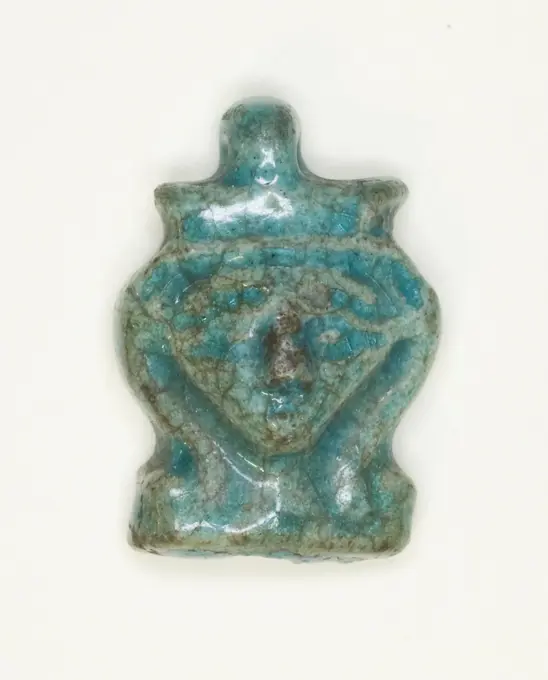
Amulet of the Goddess Hathor 1550 BCE-1069 BCE Egypt. Faience . Ancient Egyptian
6145-45553703
Amulet  khonsu
6145-45566498
Greece, Sarmacja, Olmia, approx. 330 240/230 BC, bronze (AE) Mint
4409-17430125
Scarab. Dimensions: l. 1.8 cm (11/16 in). Dynasty: Dynasty 12-18. Date: ca. 1981-1295 B.C.. Museum: Metropolitan Museum of Art, New York, USA.
4409-17502346
Worker Shabti of Nany. Dimensions: H. 8.8 × W. 3.5 × D. 2.2 cm (3 7/16 × 1 3/8 × 7/8 in.). Dynasty: Dynasty 21. Reign: reign of Psusennes I. Date: ca. 1050 B.C..See 30.3.27.1a, b. Museum: Metropolitan Museum of Art, New York, USA.
6145-29153472
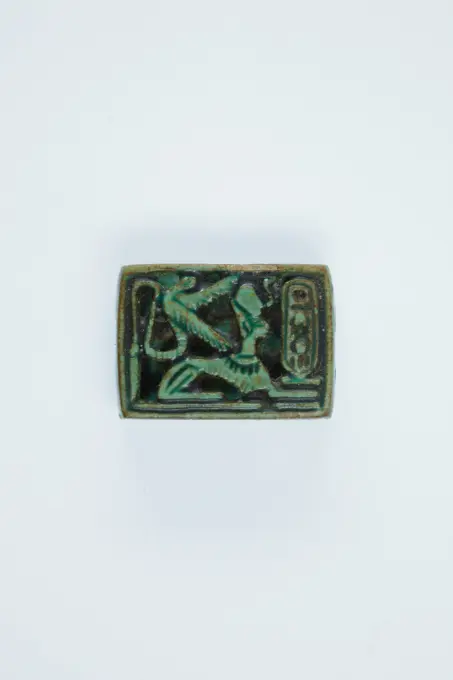
Scarab Inscribed With a Protective Motif ca. 1550-1458 B.C. New Kingdom The scarab's base depicts a falcon-headed sphinx wearing the "atef" crown while subduing an enemy of Egypt. The falcon represents Re-Harakhty - the god Horus when he is merged with the sun.. Scarab Inscribed With a Protective Motif. ca. 1550-1458 B.C.. Glazed steatite. New Kingdom. From Egypt, Upper Egypt, Thebes, Asasif, Carnarvon/Carter excavations, 1911. Dynasty 18, early
6145-29120998
Feline Head Figurine. Egypt, Roman Period (30 BCE - 395 CE) or later. Sculpture. Bronze
6145-30177001
Plaque Amun Re, Good of Praise/ Amunhotep Ruler of Thebes 1390 BCE-1352 BCE Egypt. Steatite . Ancient Egyptian
6145-30177205
Foundation Deposit Bound Ox 1550 BCE-1069 BCE Egypt. Faience . Ancient Egyptian
4409-17370131
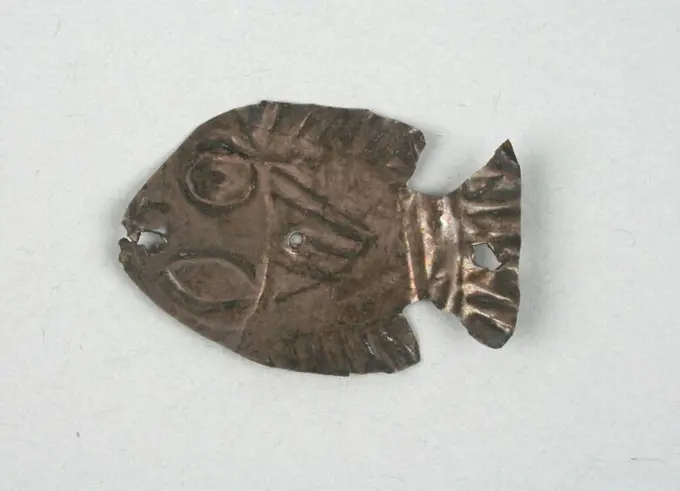
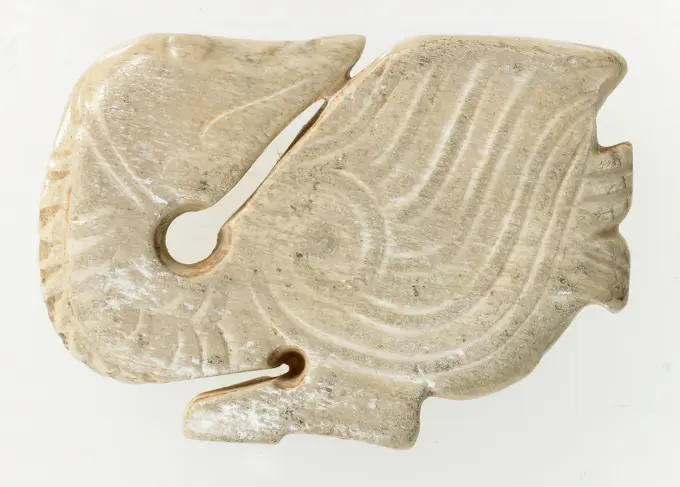
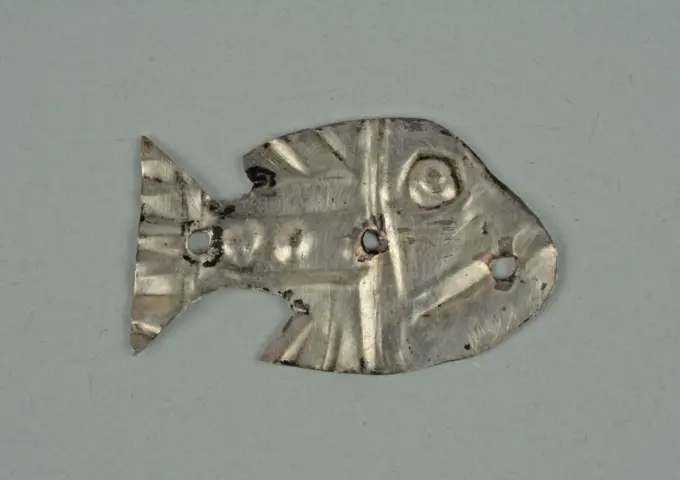
Fish Ornament. Culture: Peru; central coast (). Dimensions: L. 1 3/8 in. (3.5 cm). Date: 11th-12th century. Museum: Metropolitan Museum of Art, New York, USA.
4409-17375201
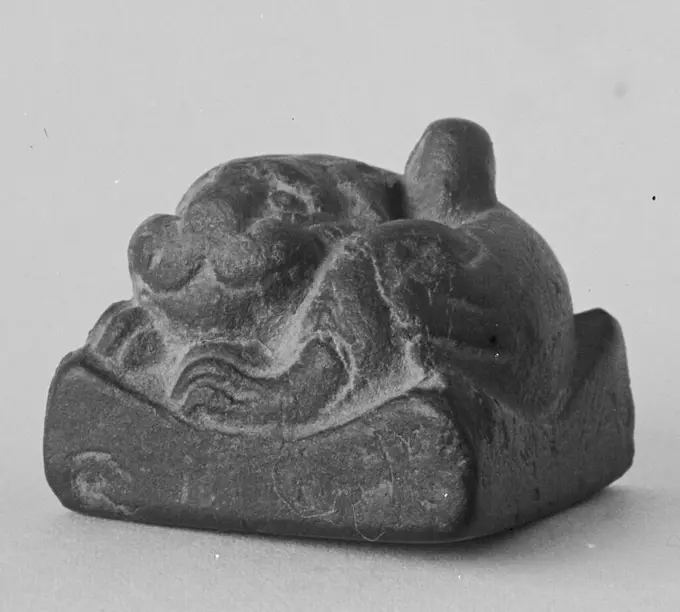
Sleeve weight. Culture: China. Dimensions: H. 1 5/16 in. (3.3 cm); W. 1 5/16 in. (3.3 cm); D. 3/4 in. (1.9 cm). Museum: Metropolitan Museum of Art, New York, USA.
4409-17405238
Scarab from Ruiu's Burial. Dimensions: L. 2.3 cm (7/8 in); W. 1.6 cm (5/8 in.); H. 0.9 cm (3/8 in.). Dynasty: Dynasty 18, early. Reign: reign of Thutmose I-early sole Thutmose III. Date: ca. 1504-1447 B.C.. Museum: Metropolitan Museum of Art, New York, USA.
4409-17428545
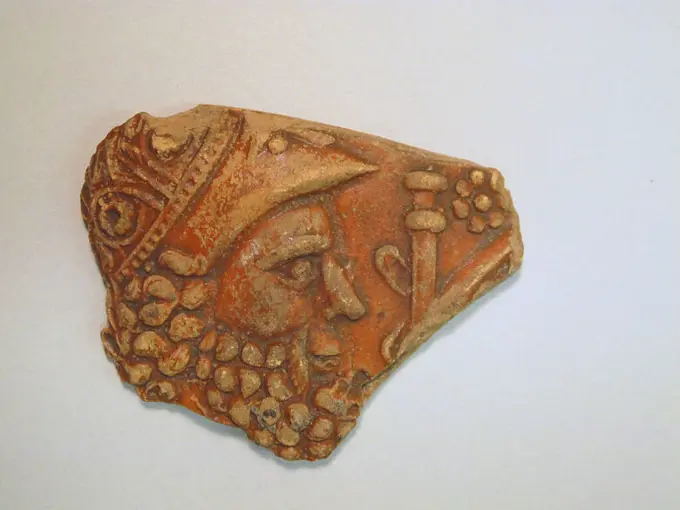
Vase fragment. Culture: Roman. Dimensions: 2 1/8 × 2 13/16 × 3/8 in. (5.4 × 7.2 × 0.9 cm).Helmeted head. Museum: Metropolitan Museum of Art, New York, USA.
6145-29161493
Overseer Shabti of Henettawy (C), Daughter of Isetemkheb ca. 990-970 B.C. Third Intermediate Period See 25.3.19.. Overseer Shabti of Henettawy (C), Daughter of Isetemkheb 590983
6145-29781628
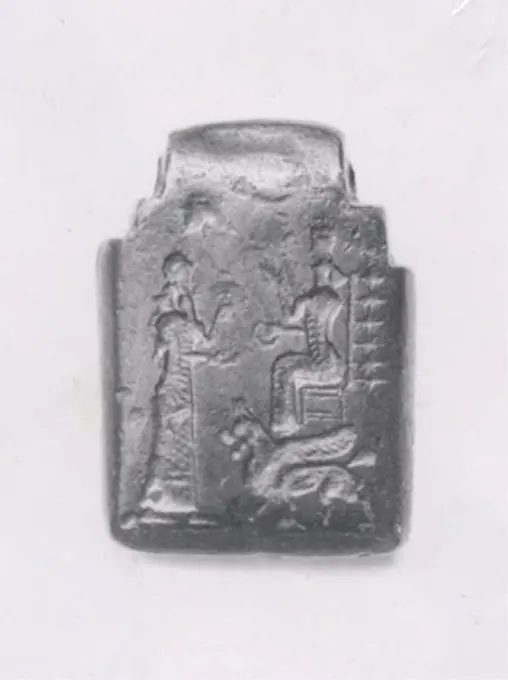
Amulet with fighting demons; on reverse: Ishtar enthroned and worshiper ca. 8th-7th century B.C. Assyrian. Amulet with fighting demons; on reverse: Ishtar enthroned and worshiper 321627
6145-29173452
Scarab with Hieroglyphs ca. 1850-1640 B.C. Middle Kingdom Symmetric compositions of hieroglyphs creating a positive meaning are very popular on scarab amulets during the Middle Kingdom. This scarab shows the sign for endurance (djed) between signs of life (ankh) and a royal symbol, the bee. These hieroglyphs convey benevolent concepts, aimed at providing the owner of the amulet with protection and support. The manner in which the details of the back and sides of the scarab are incised, allows dating the scarab to the late Middle Kingdom (late Dynasty 12-Dynasty 13, ca. 1850-1640 B.C.).. Scarab with Hieroglyphs 545241
4443-28726309
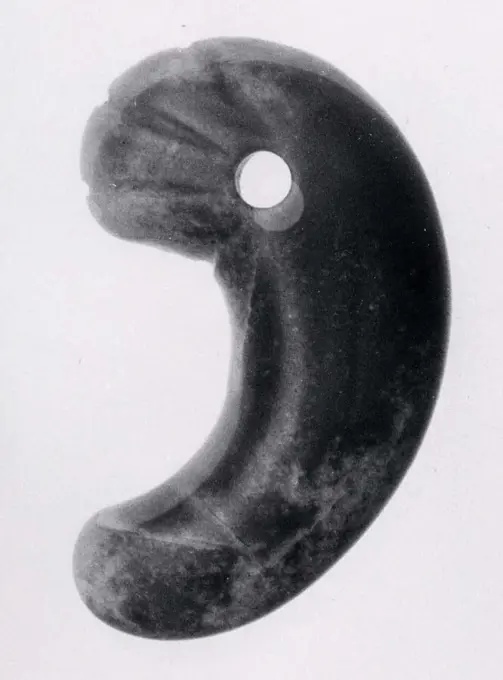
Archaic Animal Pendant, 1100-771 BCE, 1 1/4 x 1 3/4 x 1/4 in. (3.18 x 4.45 x 0.64 cm), Calcified ivory jade with traces of red pigment, China, 11th-8th century BCE
6145-29191790
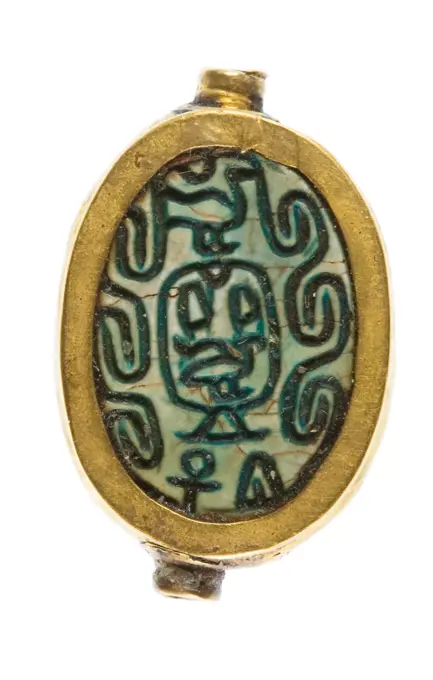
Scarab with the Name of the Hyksos King Khayan ca. 1620-1581 B.C. Second Intermediate Period. Scarab with the Name of the Hyksos King Khayan. ca. 1620-1581 B.C.. Steatite, gold mount. Second Intermediate Period. From Egypt, Eastern Delta. Dynasty 15
4409-17417234
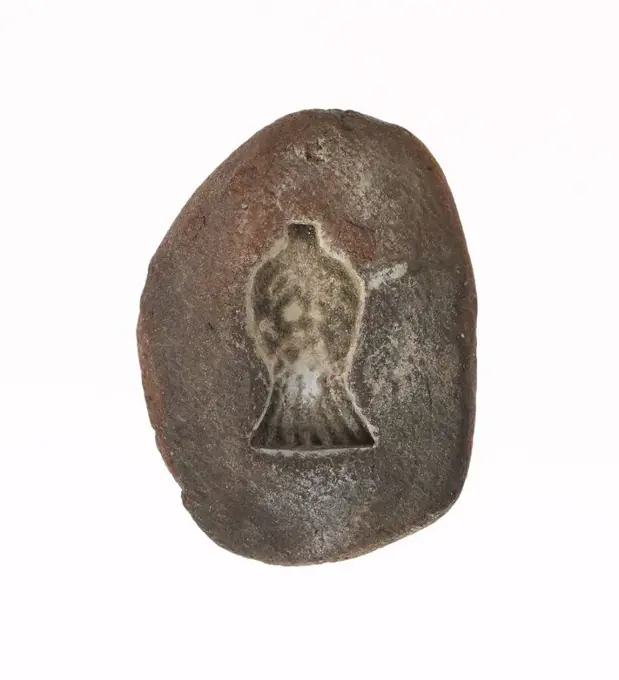
Mold for Cornflower Pendant. Dimensions: L. 3 cm (1 3/16 in.). Dynasty: Dynasty 18. Reign: reign of Akhenaten. Date: ca. 1353-1336 B.C.. Museum: Metropolitan Museum of Art, New York, USA.
6145-59549717
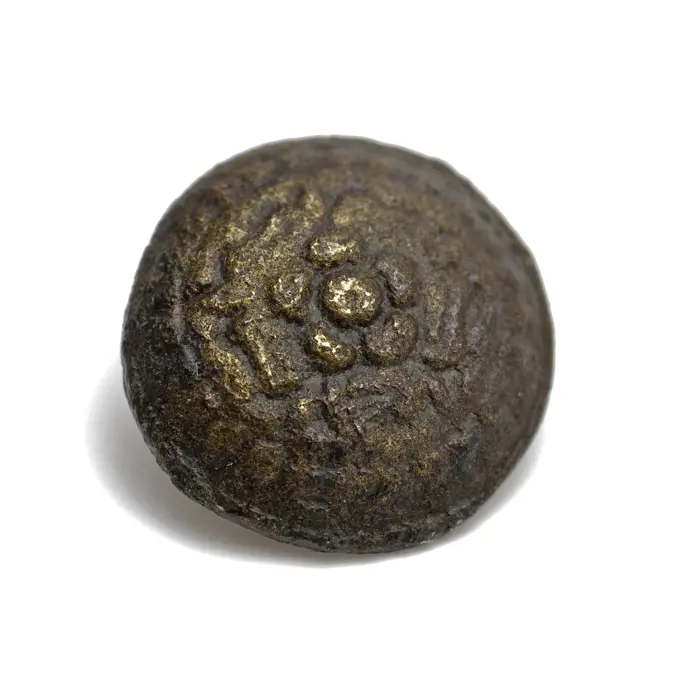
Button from the wreck of the East Indians Hollandia, Anonymous, 1700 - in or before 1743 button Knoop. (1) domed, concentric moulding (2.4d, 0.5t), flat central boss on top Netherlands bone (material)   Second
6145-30177017
Scarab Hieroglyphs (Hs-vessel and wAs-Scepters) 1550 BCE-1295 BCE Egypt. Stone . Ancient Egyptian
6145-29739052
Scarab ca. 1400-1390 B.C. New Kingdom. Scarab 553960
6145-29159321
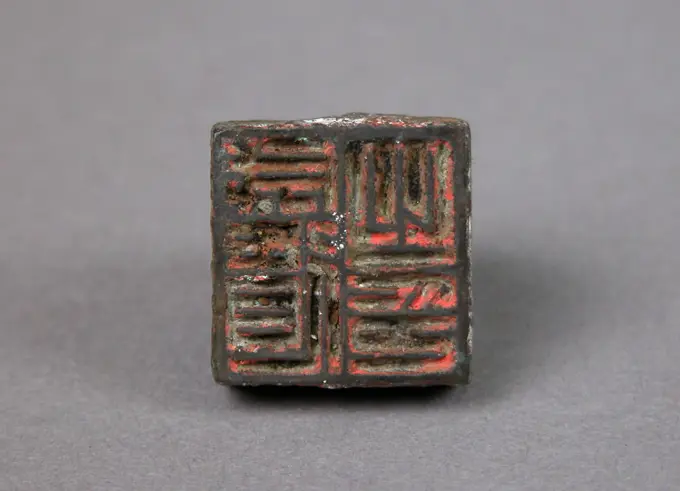
Seal China. Seal. China. Bronze. Ming dynasty (1368-1644) or earlier. Metalwork
4409-17501376
Scarab Inscribed "Hatshepsut, United with Amun". Dimensions: L. 2 cm (13/16 in); w. 1.5 cm (9/16 in); h. 0.8 cm (5/16 in). Dynasty: Dynasty 18. Reign: Joint reign of Hatshepsut and Thutmose III. Date: ca. 1479-1458 B.C..During the 1926-1927 excavation season, the Museum's Egyptian Expedition uncovered three foundation deposits along the eastern enclosure wall of Hatshepsut's funerary temple at Deir el-Bahri in Western Thebes. Among the contents were 299 scarabs and stamp-seals. Sixty-five of these are now in the Egyptian Museum, Cairo, and the rest were acquired by the Museum in the division of finds.Among the inscriptions on the bases of these scarabs and seals are examples of every title Hatshepsut held, from the time she was "king's daughter" during the reign of her father, Thutmose I; through the time she was queen of her half-brother, Thutmose II; and during her co-reign with her nephew/step-son, Thutmose III.Thirteen of the scarabs (27.3.199 to 27.3.212) are inscribed with var
6145-45525547
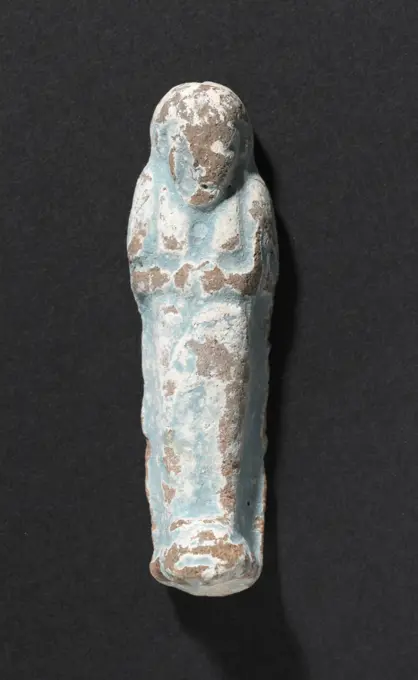
Ushabti
6145-29740240
Earring 6th century Korea. Earring. Korea. 6th century. Jade. Jewelry
6145-29754894
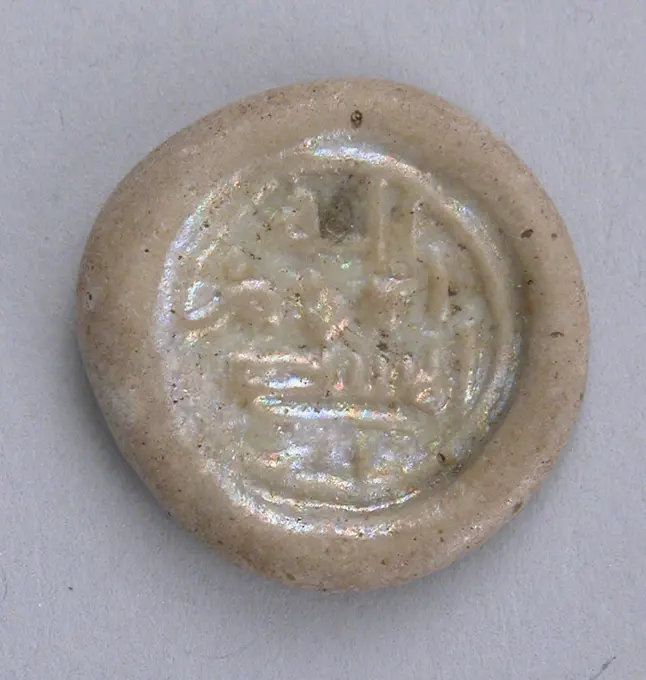
Coin Weight 12th century. Coin Weight 453551
4409-17424429
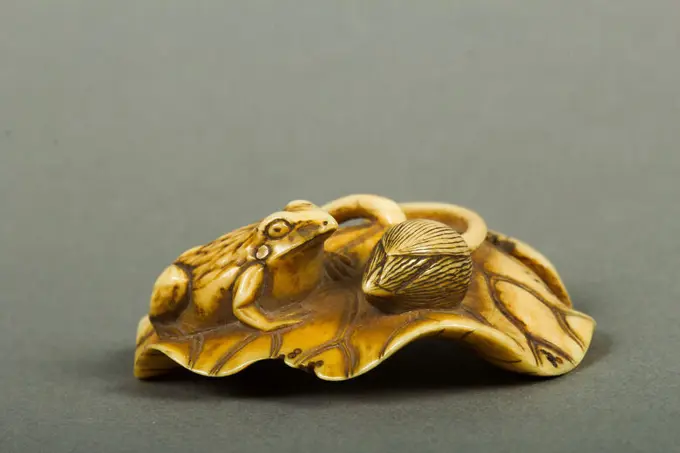
Netsuke of Frog on a Lotus Leaf. Culture: Japan. Dimensions: H. 5/8 in. (1.6 cm); W. 1 7/8 in. (4.8 cm); D. 1 5/8 in. (4.1 cm). Date: 18th century. Museum: Metropolitan Museum of Art, New York, USA.
6145-45541933
Stamp
6145-30133466
Fragment of buyer from the wreck of the East India Hollandia.parts or artifacts; eroded fragments: Materials; Copper.
6145-29241836
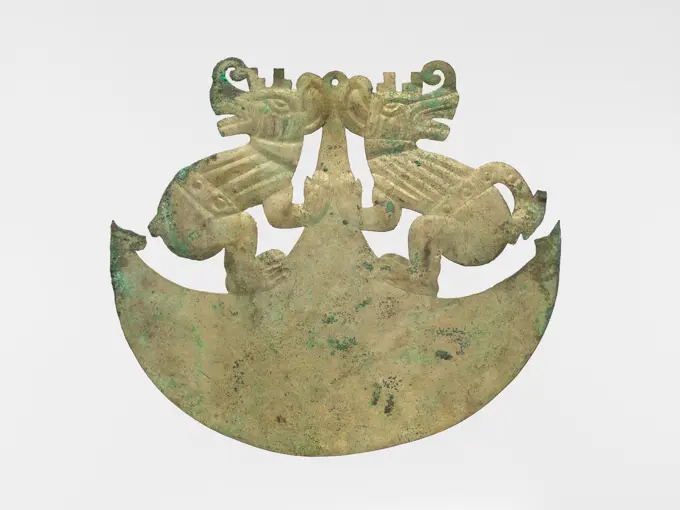
Crescent 6th-7th century Moche (Loma Negra). Crescent. Moche (Loma Negra). 6th-7th century. Gilded copper. Peru. Metal-Ornaments
4435-6469
Spindle whorl. Iberian art. Ceramics. Proc: SPAIN. ARAGON. TERUEL. Calaceite. Poblado de San Antonio.
6145-45336140
Cylindrical seal
6145-30177310
Scarab Confronted Cobras with Falcon 1650 BCE-1550 BCE Egypt. Glazed steatite . Ancient Egyptian
6145-29157527
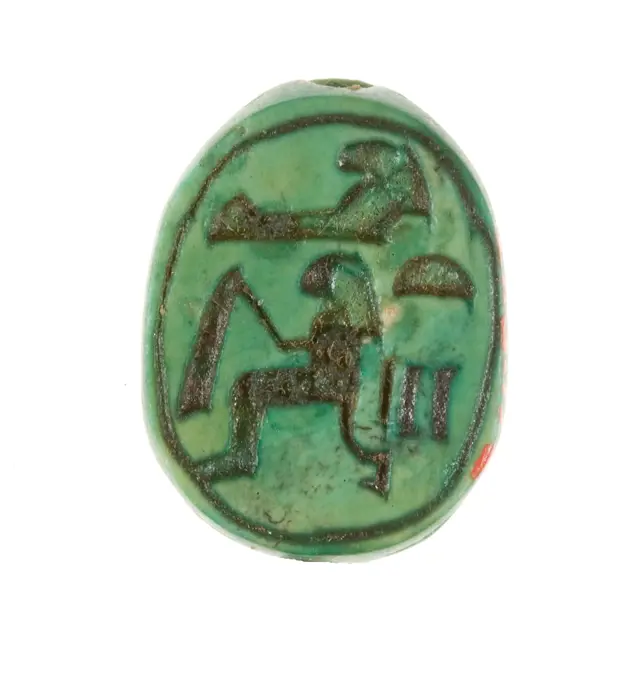
Scarab Inscribed with the Horus Name of Thutmose I ca. 1504-1492 B.C. New Kingdom. Scarab Inscribed with the Horus Name of Thutmose I. ca. 1504-1492 B.C.. Steatite, glazed. New Kingdom. From Egypt. Dynasty 18
6145-59075312
Brown coin; Chersonez; 320-310 BC (320-00-00-310-00-00);Artemida (mitol.), Kneeling artemida (iconogr.), Artemis with a bow and arrow (iconogr.), Nadczarzyorze, Terlecki, Ignacy (1860-1916), Terlecki, Ignacy (1860-1916)-collection, griffin, purchase (provenance )
4409-17385119
Pendant: siren. Culture: Italic. Dimensions: H.: 1 15/16 in. (5 cm). Date: 5th-4th century B.C..The siren is a mythical hybrid creature who is part bird and part human female. Here the siren's head is shown in profile and turned back on her shoulder to look over her left wing. Museum: Metropolitan Museum of Art, New York, USA.
6145-29173345
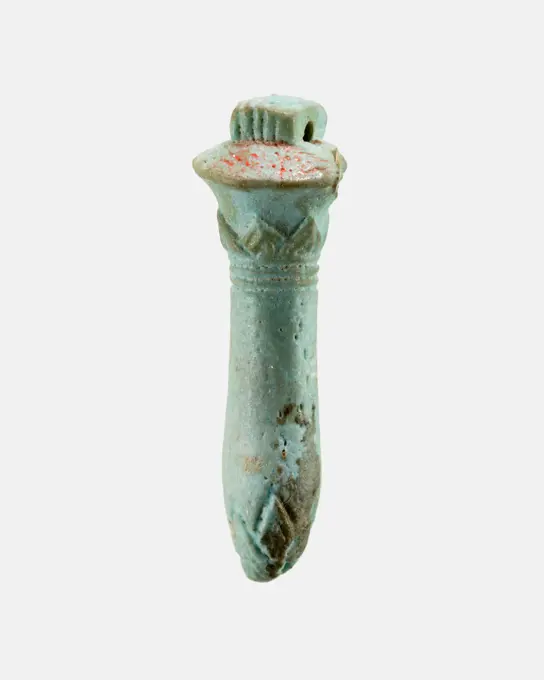
Papyrus column (wadj) amulet 664-332 B.C. Late Period. Papyrus column (wadj) amulet 572734
6145-29749761
Bracteate 500-700, with later restoration Unknown. Bracteate 465379
4409-17426689
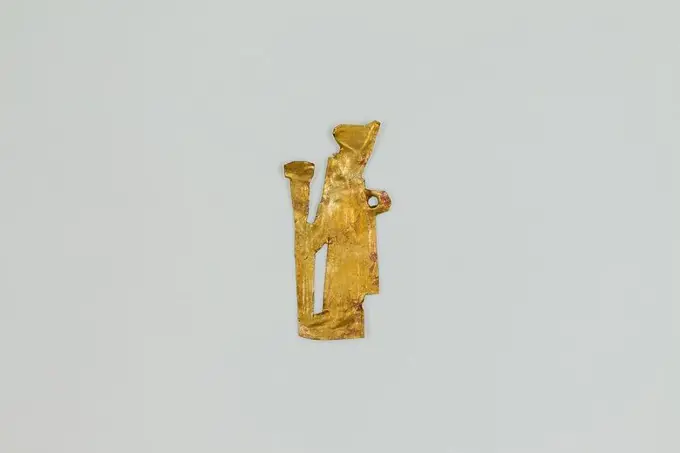
Neith () amulet. Dimensions: l. 2.3 cm (7/8 in.) × h. 1.1 cm (7/16 in.). Dynasty: Dynasty 26-29. Date: 664-380 B.C.. Museum: Metropolitan Museum of Art, New York, USA.
6145-59121777
Drohiczy seal;  XI-XIII century (1090-00-00-1110-00-00);guild seals, customs seals, touches, seals of customs chambers, official seals, seals with a cross
6145-29793683
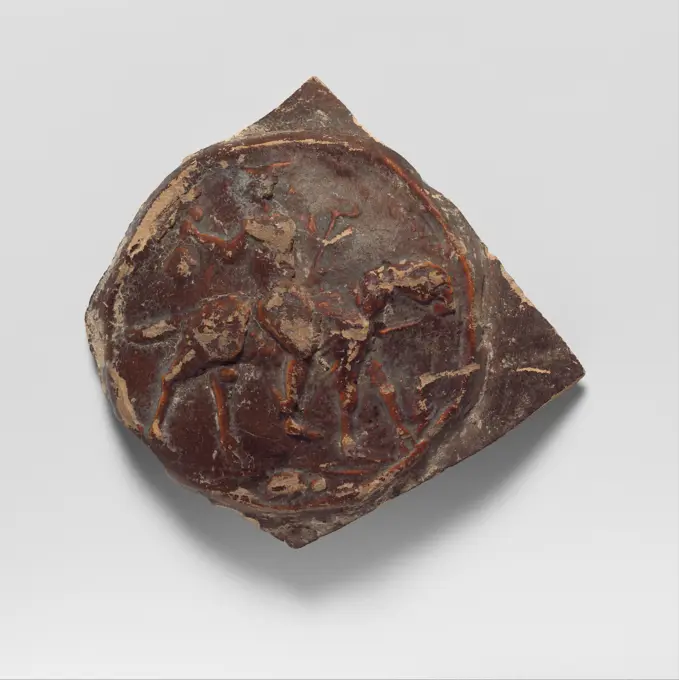
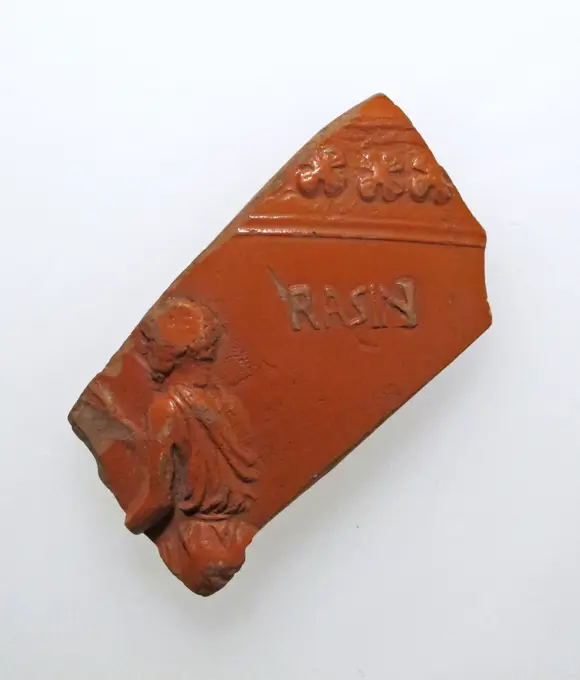
Terracotta jug fragment 1st half of 2nd century A.D. Roman Applied medallion from a jug; Hermes riding on a ram.. Terracotta jug fragment 250477 Roman, Terracotta jug fragment, 1st half of 2nd century A.D., Terracotta, width 3 5/8in. (9.2cm). The Metropolitan Museum of Art, New York. Gift of J. Pierpont Morgan, 1917 (17.194.2141)
4409-17351213
Counter Plate of a Belt Buckle. Culture: Frankish. Dimensions: Overall: 3 x 1 15/16 x 11/16 in. (7.6 x 4.9 x 1.7 cm). Date: 4th-7th century. Museum: Metropolitan Museum of Art, New York, USA.
6145-29824297
Inlay ca. 8th-7th century B.C. Iran. Inlay 324217
6145-54681924
Lotiform chalice fragment with painted petals and inscription band Third Intermediate Period or later ca. 1070-664 B.C. This rim fragment of a lotiform chalice is painted with black. The lower part depicts lotus sepals; around the rim is inscribed: "..y, may she give life, prosperity, and health every day." View more. Lotiform chalice fragment with painted petals and inscription band. ca. 1070-664 B.C.. Faience, blue, black. Third Intermediate Period or later. From Egypt. Dynasty 21-25
6145-29239947
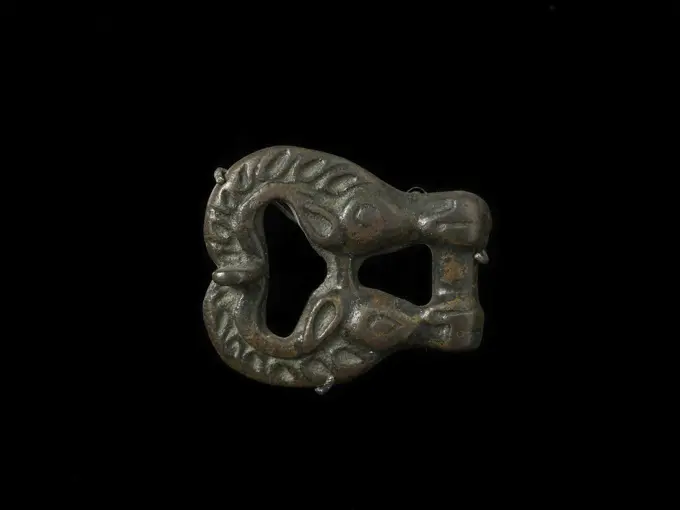
Buckle 15th century French. Buckle. French. 15th century. Bronze, patina. Miscellaneous-Buckles & Ornament
6145-29158599
Sealing naming Nesisti, a priest in the cult of Arsinoe II and her sister Philotera ca. 210-180 B.C. Ptolemaic Period Arsinoe II was divinized on her death, and a cult to her deceased sister Philotera was maintained alongside hers at least at Memphis for a certain period. This fragile unfired sealing from a papyrus names an official and priest of the two women. Recently a specialist has read the name of the priest Nesisti on the seal along with the epithet Epiphanes applied to Ptolemy V and his wife Cleopatra I, revealing the seaing dates to the beginning of the second century B.C. The priest appears to be one Nesisti who was a member of the family that held the high priesthood of Ptah at Memphis during the Ptolemaic Dynasty.. Sealing naming Nesisti, a priest in the cult of Arsinoe II and her sister Philotera 551298
6145-45335602
Stamp
6145-48528148
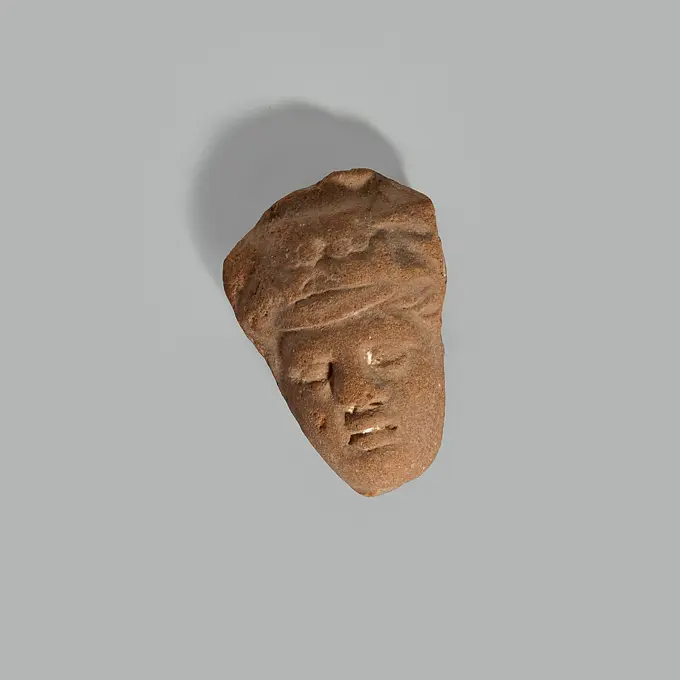
Womans head - figurine fragment. unknown, craftsman
6145-29241639
Crescent Ornament 6th-7th century Moche (Loma Negra). Crescent Ornament. Moche (Loma Negra). 6th-7th century. Copper. Peru. Metal-Ornaments
6145-29153948
Butterfly amulet ca. 1981-1640 B.C. Middle Kingdom. Butterfly amulet. ca. 1981-1640 B.C.. Faience, paint. Middle Kingdom. From Egypt, Memphite Region, Lisht North, Cemetery, debris, MMA excavations, 1915-16. Dynasty 12-13
6145-29835904
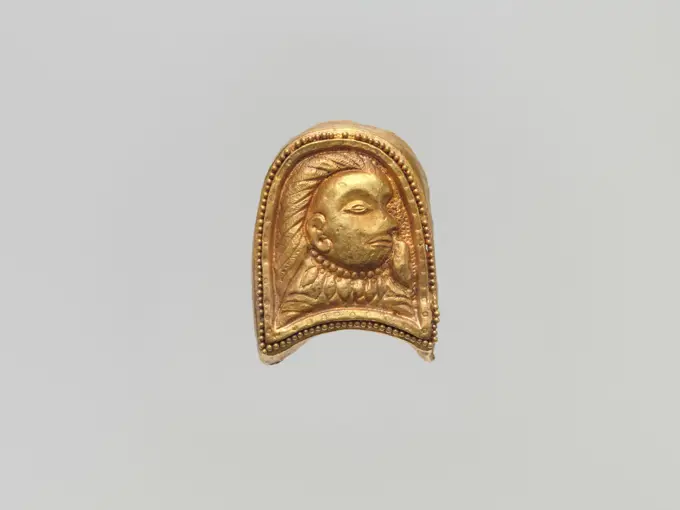
Plaque with Head 7th-9th century China (Xinjiang Autonomous Region, Central Asia) The nomadic communities of Central Asia used such plaques to embellish clothing and horse trappings. As these nomadic cultures herded animals and were constantly moving, their artistic production was expressed in portable objects that marked the wearers status and wealth. The outstanding preservation of these fragile ornaments suggests they were used in conjunction with burials, where the body was aggrandized with valuable textiles and augmented with gold. Although it is difficult to date and place these objects geographically, their presence in Central Asia and has a long, established history.. Plaque with Head. China (Xinjiang Autonomous Region, Central Asia). 7th-9th century. Gold. Period of Tibetan Empire. Metalwork
4409-17386433
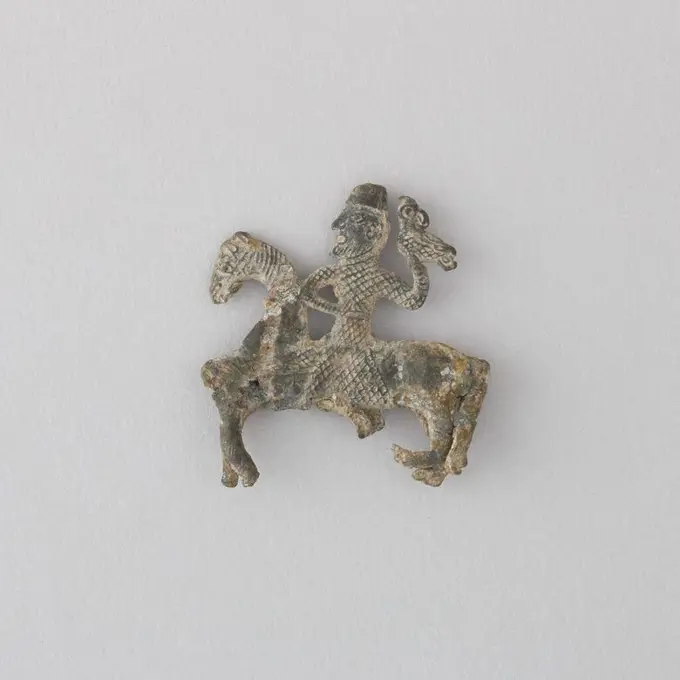
Man on Horseback with Falcon. Culture: French. Dimensions: H. 1 5/8 in. (4.1 cm); W. 1 9/16 in. (4 cm); thickness 1/4 in. (0.6 cm); Wt. 0.6 oz. (17 g). Date: 13th century. Museum: Metropolitan Museum of Art, New York, USA.
6145-58852626
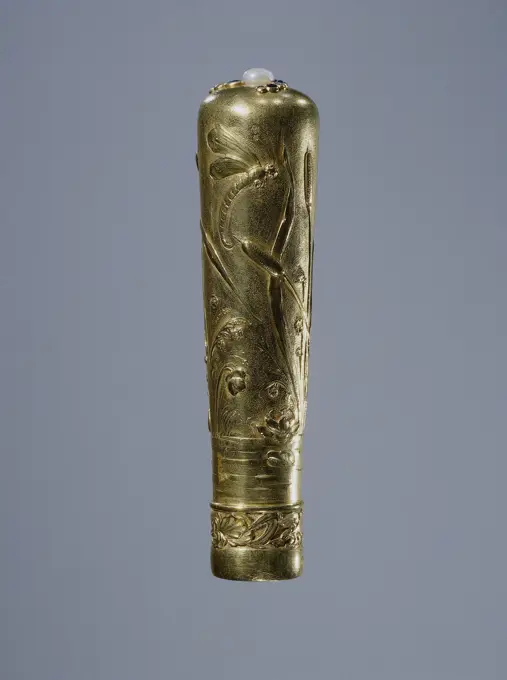
Parasol button of gold, decorated with water lilies, lisdodden and Libelle, firm of the first & hofmeijer, c. 1900 - c. 1906 Gold parasol button. The button is oval from below and broadens to the round, slightly roared top. He rests on a slightly chilled, smooth tire, above which a Frisian is driven from a repeating pattern of lily-like flowers against a ran background. The top is decorated with a pearl, from where three C-shaped garlands run, each of which consists of four in size decreasing gold settings with alternating sapphires and diamonds. The button is driven all around with water and various plants such as water lilies, dods and reed plumes and above it a dragonfly, against a very finely ran background. The hollow underside is filled with ivory with a hole in the heart. Corresponding () A blade with wavy contour on both sides. Amsterdam gold (metal). pearl. diamond (mineral). sapphire (mineral). ivory Gold parasol button. The button is oval from below and broadens to the round
6145-45558113
Head of a Woman
4443-28733417
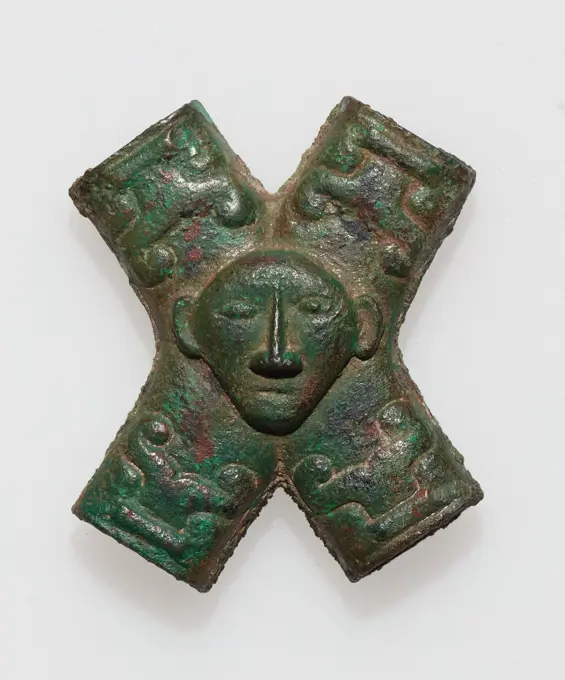
Cross-tube with Human Head Mask, 10th-9th century BCE, H.2-1/16 x W.1-3/4 x D.7/16 in., Bronze, China, 10th-9th century BCE, It is rare to find the human face used as a motif in early Chinese bronzes. This small fitting also exhibits four simplified t'ao-t'ieh masks in rounded relief at the end of each tube. The object most likely served to connect the leather straps of a horse bridle. The internment of horses in royal and aristocratic bronze age tombs was relatively common in ancient China and a great number of bronze chariot and harness fittings have been retrieved from such burials.
6145-29239658
Mordant ca. 409-711 Visigothic. Mordant. Visigothic. ca. 409-711. Bronze. Miscellaneous-Buckles & Ornament
6145-29115683
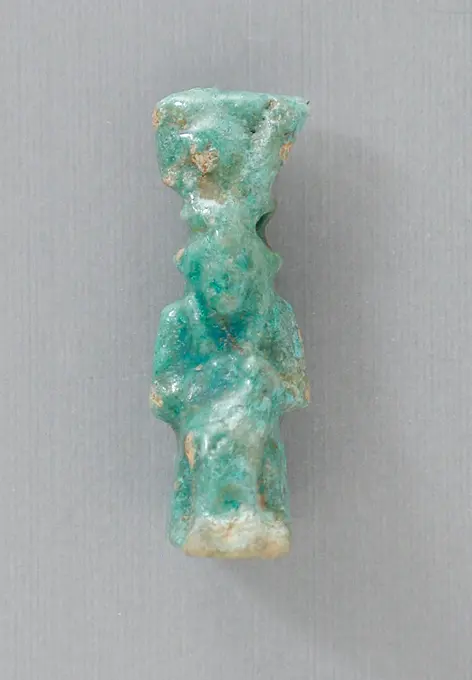
Seated Green Isis Nursing Horus Amulet. Egypt, New Kingdom (1569 - 1081 BCE). Jewelry and Adornments; amulets. Faience
6145-29713356
Owl Bell Ornament 6th-7th century Moche (Loma Negra). Owl Bell Ornament 315188
4409-17545341
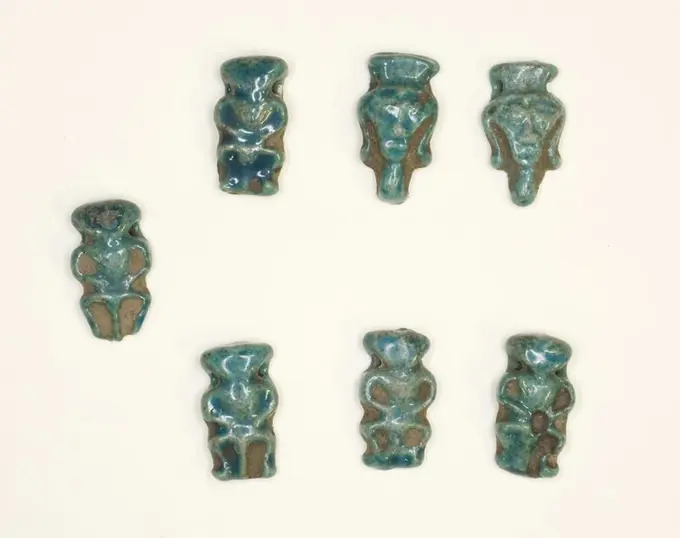
Amulets of the God Bes and the Goddess Hathor. Egyptian. Date: 1550 BC-1295 BC. Dimensions: 1 × 0.6 × 0.2 cm (3/8 × 1/4 × 1/16 in.). Faience. Origin: Egypt. Museum: The Chicago Art Institute, Chicago, USA. Author: Ancient Egyptian.
6145-29078790
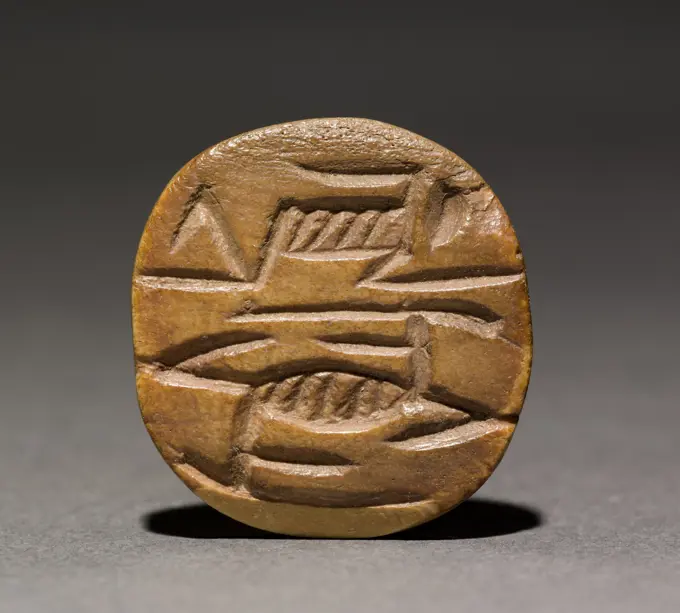
Seal Amulet, 2300-2124 BC. Egypt, Late Old Kingdom, Dynasties 5-6, 2647-2124 BC. Bone; diameter: 2.4 cm (15/16 in.).
6145-43630385
Amulet - Kebehsenuf. unknown, author
6145-29802586
Copper Atlatl Spear Thrower 4th century B.C.-A.D. 2nd century Vicús. Copper Atlatl Spear Thrower 315222
6145-29158089
Scarab ca. 1479-1458 B.C. New Kingdom. Scarab. ca. 1479-1458 B.C.. Faience. New Kingdom. From Egypt, Upper Egypt, Thebes, Deir el-Bahri, Hatshepsut Hole, Hathor Shrine, MMA excavations, 1922-23. Dynasty 18
4443-28738517
Miniature figurine, 1500 BCE, 1 5/16 in. (3.3 cm), Earthenware, Mexico, Pre-Classic
6145-29068478
Shawabty of Ditamenpaankh, 715-656 BC. Egypt, Late Period, Dynasty 25. Terracotta; overall: 5.5 x 1.8 x 1.3 cm (2 3/16 x 11/16 x 1/2 in.).
6145-29091440
Buckle, 1900s. China, 20th century. Green jade; overall: 5.3 x 8.6 cm (2 1/16 x 3 3/8 in.).
6145-59001567
Augustin Dupré (1748-1833). Caisse d'Affompte, 1776. Steel (obverse). Paris, Carnavalet museum. Medal, numismatics
4443-21931588
Brass button with flower embossed, knot clothing accessory clothing soil find brass metal, casted Quarter bulb eye archeology Rotterdam rail tunnel confirm dressing close Soil discovery: trajectory rail tunnel Rotterdam.
6145-48535890
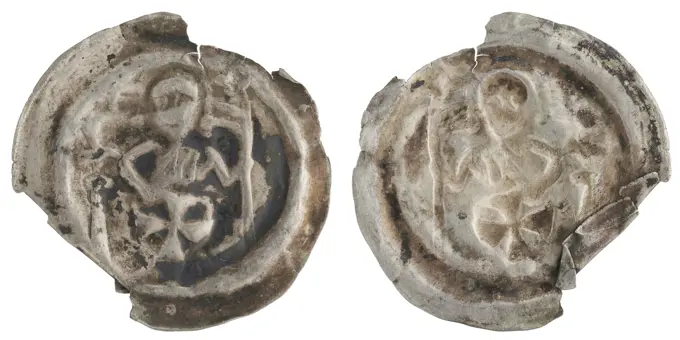
bracteate denarius. Zakon krzyżacki (1190-), issuer
6145-29827451
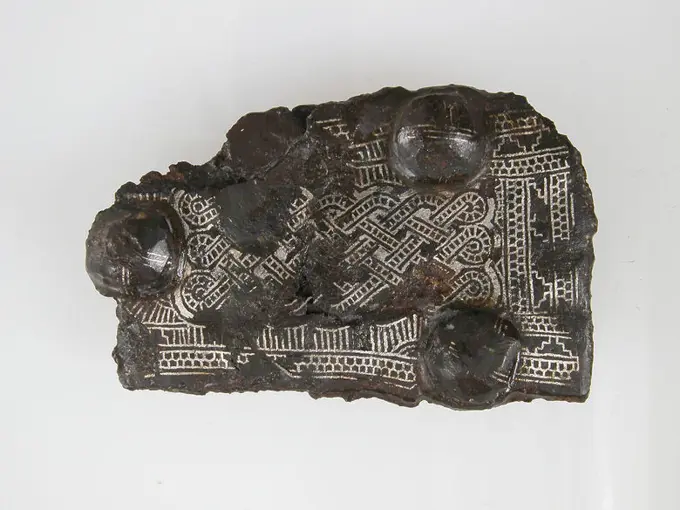
Belt Buckle 7th century Frankish. Belt Buckle 465623 Frankish, Belt Buckle, 7th century, Iron, silver inlay, brass or latten inlay, Overall: 2 13/16 x 1 7/16 x 11/16 in. (7.2 x 3.6 x 1.7 cm). The Metropolitan Museum of Art, New York. Gift of J. Pierpont Morgan, 1917 (17.193.293b)
6145-30177136
Shabti 1069 BCE-715 BCE Egypt. Faience . Ancient Egyptian
6145-59085305
Fragment of Statesbti;  332-30 BC ; Ptolemean period (-332-00-00--30-00-00);
6145-29167611
Lion seal of Ramesses II ca. 1295-1070 B.C. New Kingdom, Ramesside. Lion seal of Ramesses II 567934
4409-17406822
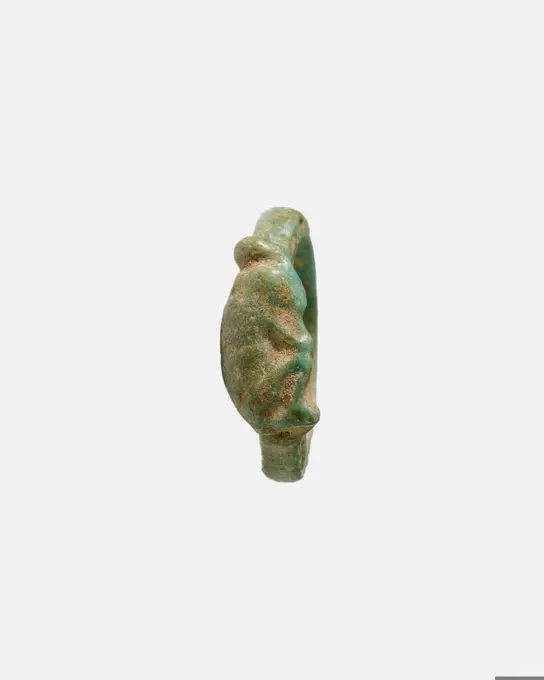
Ring, seated ape. Dimensions: Diam. 1.7 cm. (11/16 in.). Dynasty: Dynasty 18. Date: ca. 1550-1295 B.C.. Museum: Metropolitan Museum of Art, New York, USA.
6145-29786207
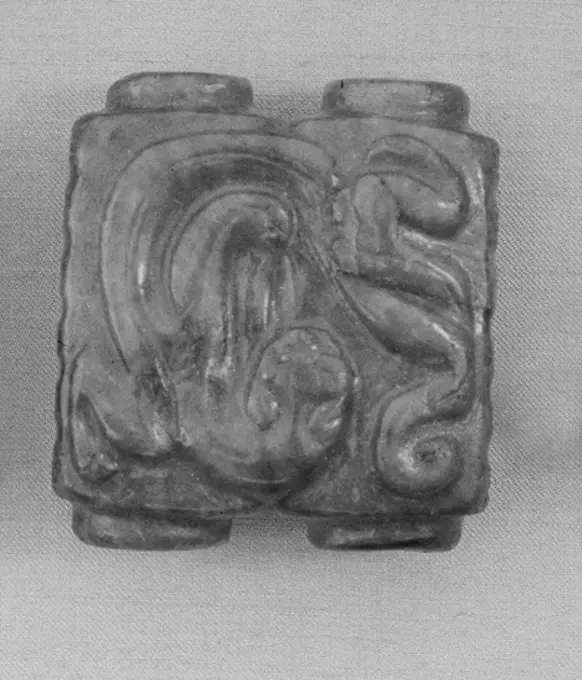
Double Bead: Emblem of Earth China. Double Bead: Emblem of Earth 43174
4409-17430181
Cowroid Seal-Amulet. Dimensions: L. 1.55 cm (5/8 in.); W. 1.05 cm (7/16 in.); H. 0.5 cm (3/16 in.). Dynasty: Dynasty 18, early. Reign: reign of Thutmose II-Early Joint reign. Date: ca. 1492-1473 B.C..This cowrie-shaped seal-amulet was found with twenty-three scarabs and seal-amulets in the coffin of a young woman who was buried in Hatnefer's tomb (see 36.3.1 and 36.3 26). The base is inscribed with a hes-vase and what appeare to be two lotus blossoms. Museum: Metropolitan Museum of Art, New York, USA.
4443-21960363
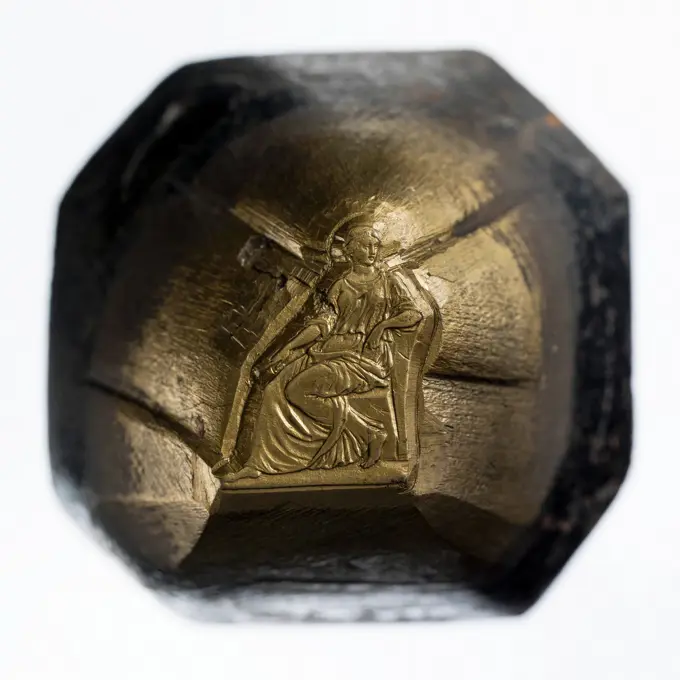
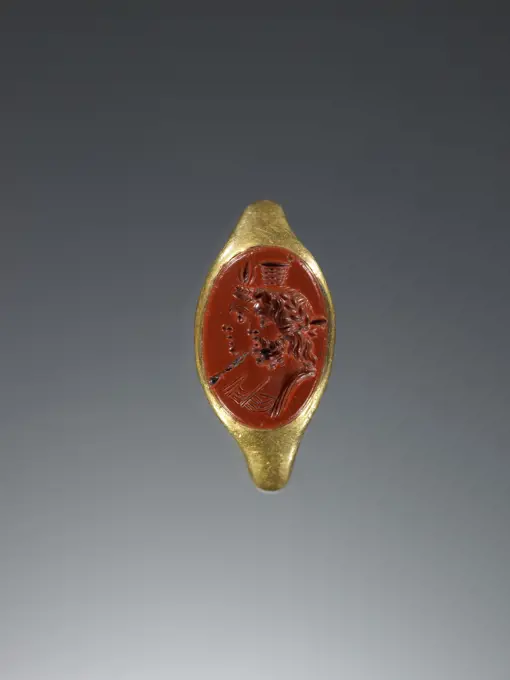
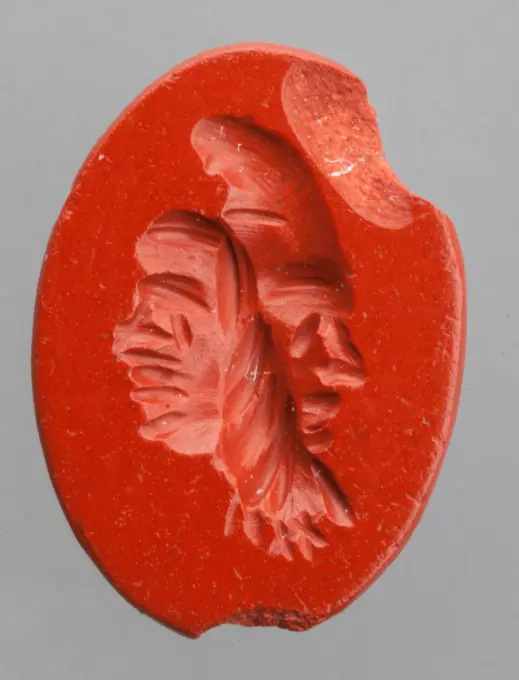
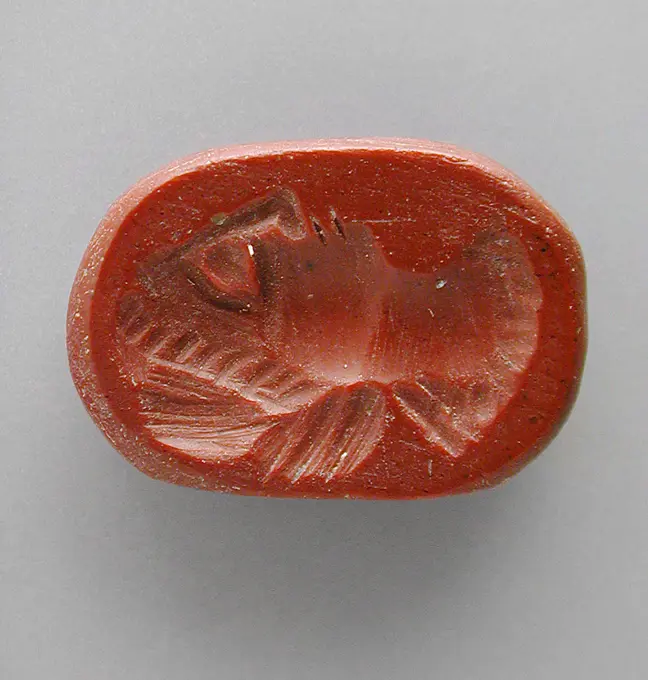
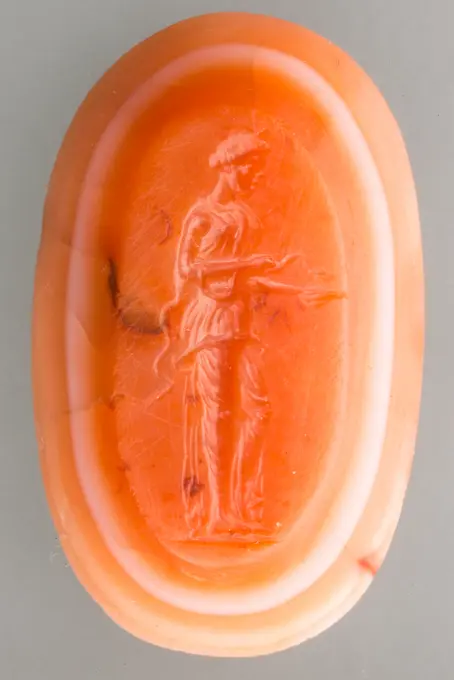
Engraved Gem Set Into a Ring; 2nd century; Gem: red jasper; ring: gold; 1.3 × 1.9 cm (1,2 × 3,4 in.)
4443-21906487
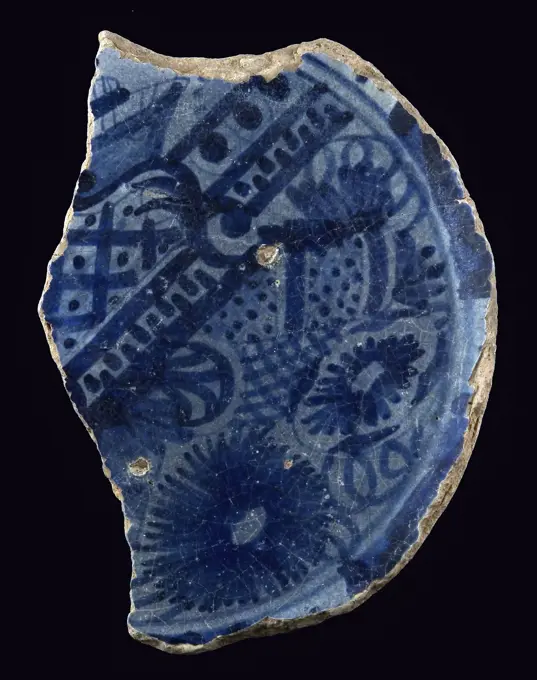
Fragments of majolica dish, blue on white, Chinese decor with roll of paper, Wanli style, dish crockery holder earth discovery ceramics pottery glaze , Roasted archeology Rotterdam serving food decorate buddhism China Soil discovery Rotterdam 1940.
6145-29138147
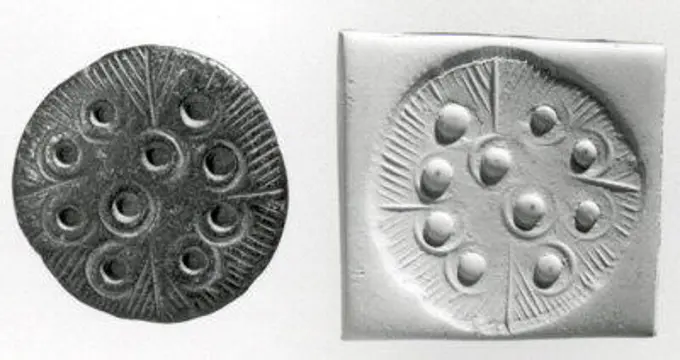
Stamp Seal, Tabloid. Iran or Mesopotamia, about 3000 B.C.. Tools and Equipment; seals. Pink marble
6145-29706598
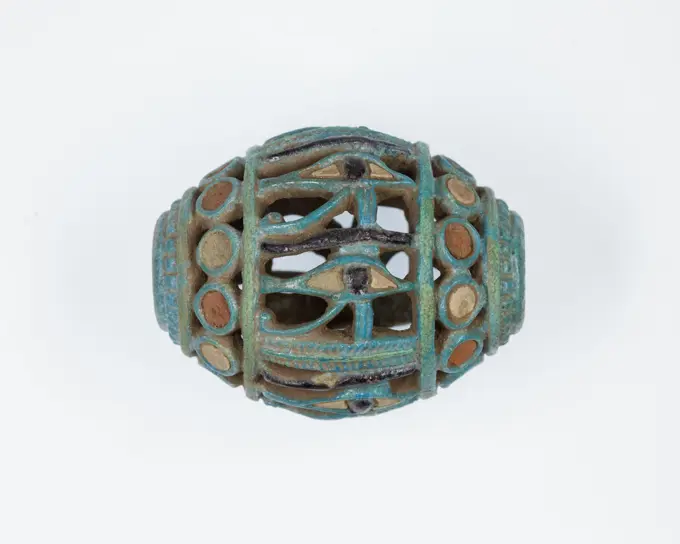
Openwork bead 664-30 B.C. Late Period-Ptolemaic Period. Openwork bead. 664-30 B.C.. Faience. Late Period-Ptolemaic Period. From Egypt
6145-29137660
Stamp Seal. Northern Syria or southeast Anatolia, circa 3500 - 3000 B.C.. Tools and Equipment; seals. Black serpentine
6145-29167612
Scarab ca. 1295-1070 B.C. New Kingdom, Ramesside. Scarab 550672
6145-45396568
Frygijan's head, a woman's mask and an eagle head
6145-29151939
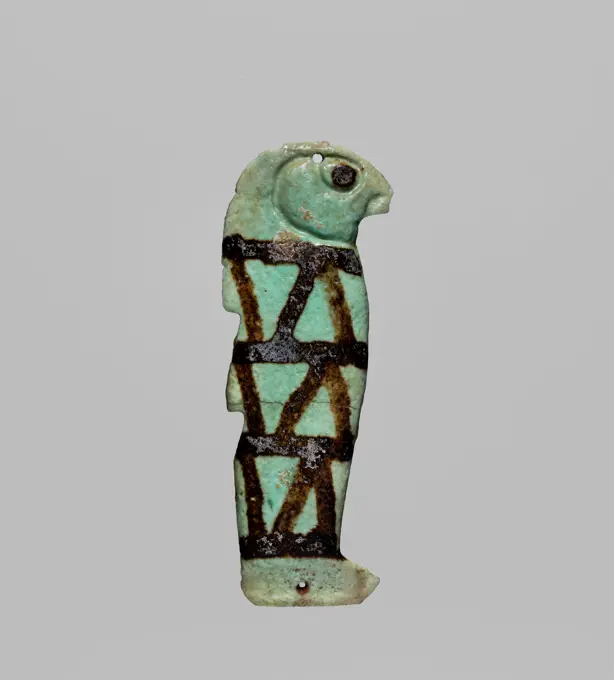
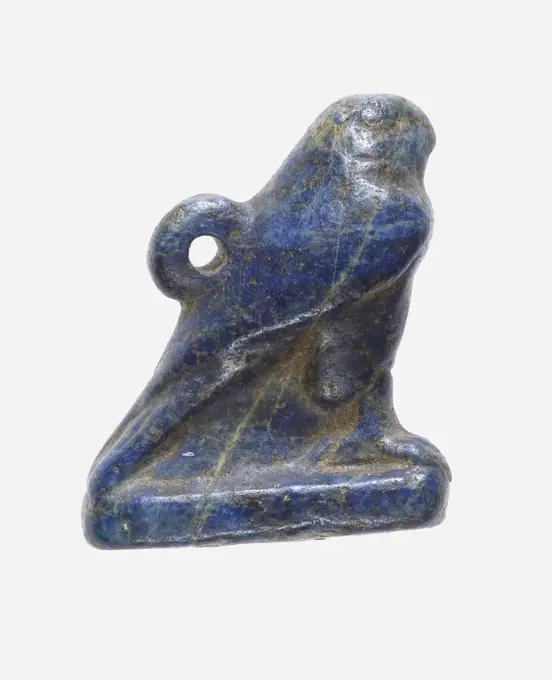
Falcon amulet 664-332 B.C. Late Period. Falcon amulet. 664-332 B.C.. Lapis lazuli. Late Period. From Egypt. Dynasty 26-30
6145-29788909
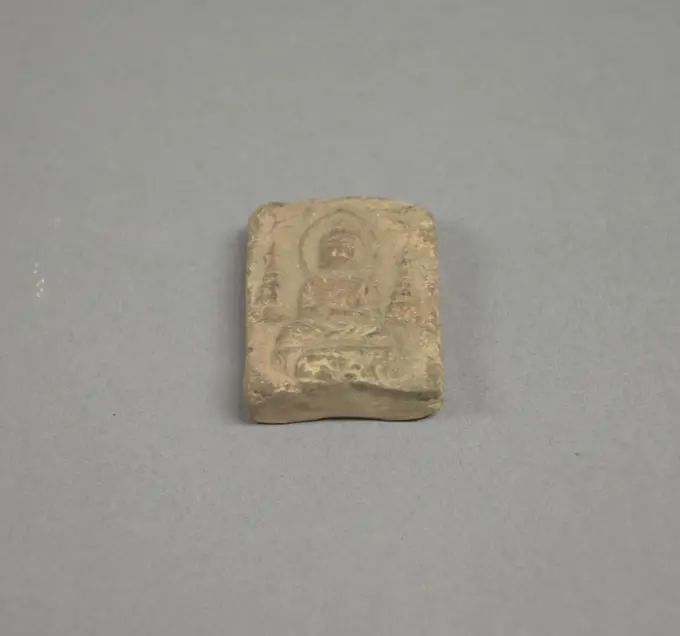
Votive Tablet China. Votive Tablet 61611
6145-30177268
Scarab Wish Formula ( ) 1069 BCE-343 BCE Egypt. Stone . Ancient Egyptian
6145-29167967
Re-Harakhty amulet 664-380 B.C. Late Period. Re-Harakhty amulet 561558
4030-2801
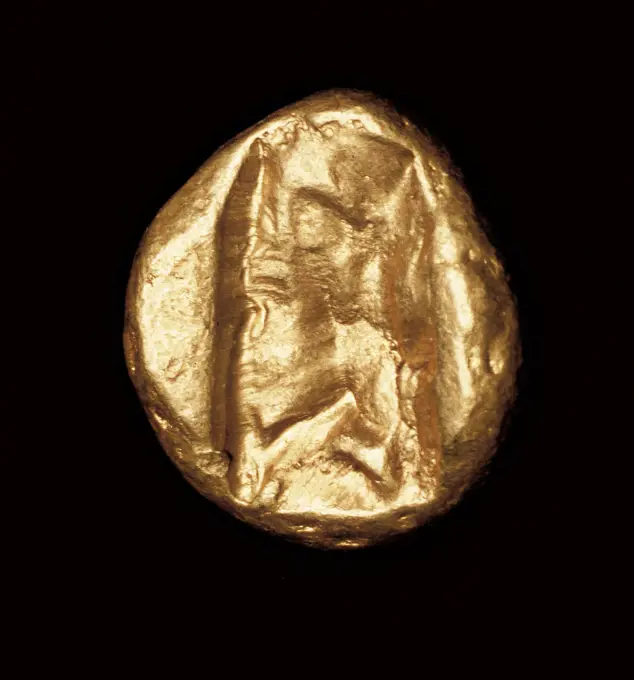
Rare Ancient Greek Coin, Gold Persian Daric, Reverse C 450BC
6145-29068441
Shawabty of Ditamenpaankh, 715-656 BC. Egypt, Late Period, Dynasty 25. Terracotta; overall: 6.1 x 1.7 x 1.5 cm (2 3/8 x 11/16 x 9/16 in.).
6145-29235570
Worker Shabti of Nauny ca. 1050 B.C. Third Intermediate Period See 30.3.28.1a, b. Worker Shabti of Nauny. ca. 1050 B.C.. Faience. Third Intermediate Period. From Egypt, Upper Egypt, Thebes, Deir el-Bahri, Tomb of Meritamun (TT 358, MMA 65), first corridor, burial of Nauny, MMA excavations, 1928-29. Dynasty 21
4409-17386367
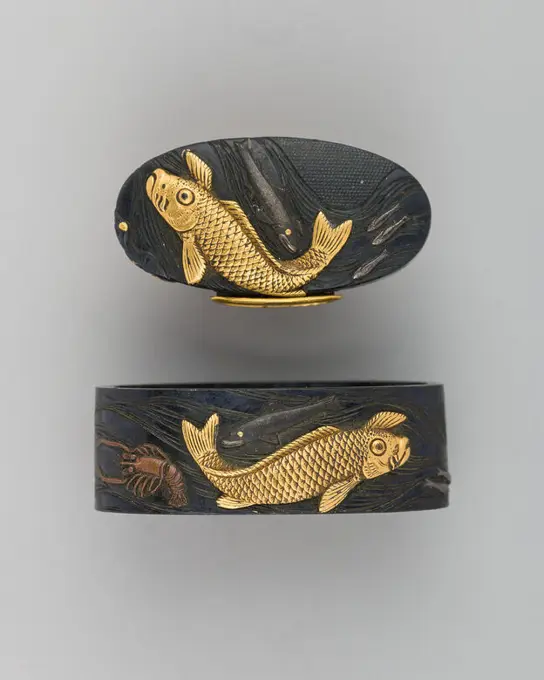
Sword-Hilt Collar and Pommel (Fuchigashira). Culture: Japanese. Dimensions: Fuchi (a); H. 1 1/2 in. (3.8 cm); Wt. 1 oz. (28.3 g); kashira (b); H. 1 5/16 in. (3.3 cm); Wt. 0.4 oz. (11.3 g). Date: late 18th century. Museum: Metropolitan Museum of Art, New York, USA.
6145-29756827
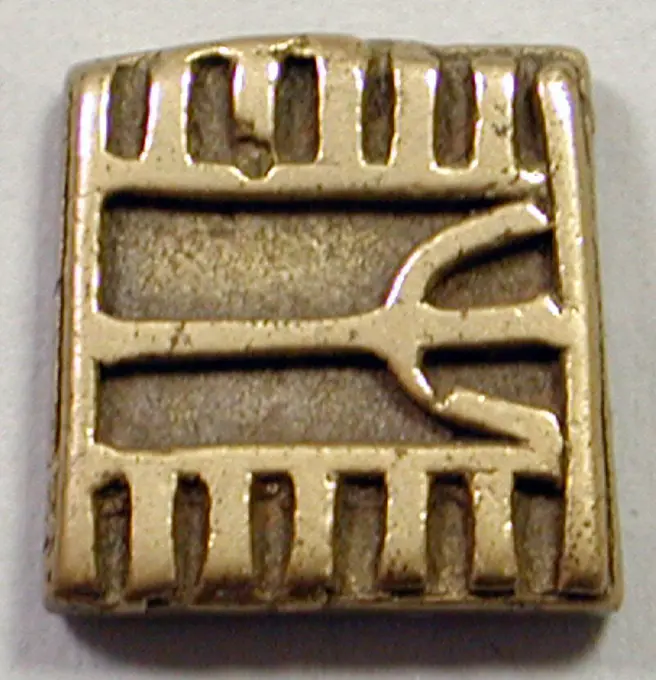
Gold Weight: Geometric 18th-19th century Akan peoples. Gold Weight: Geometric. Akan peoples. 18th-19th century. Brass. Ghana. Metal-Implements
4409-17545075
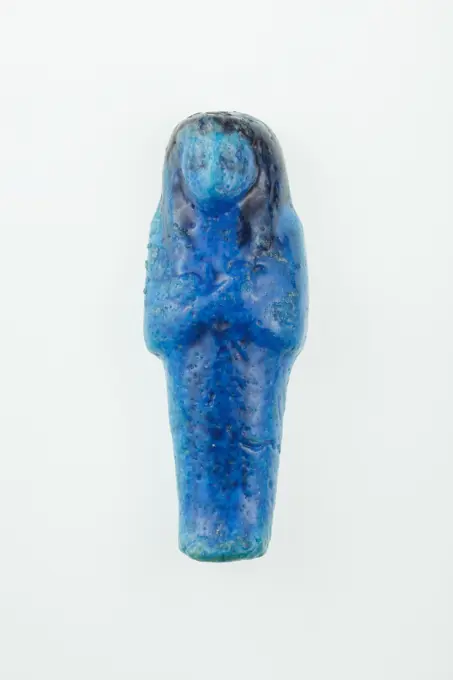
Shabti. Egyptian. Date: 1069 BC-715 BC. Dimensions: 13.7 × 4.7 × 3.8 cm (5 3/8 × 1 7/8 × 1 1/2 in.). Faience. Origin: Egypt. Museum: The Chicago Art Institute, Chicago, USA. Author: Ancient Egyptian.
6145-29121706
Faience Scarab Depicting a Human Figure. Egypt, perhaps 12th - 16th Dynasty (1991 - 1600 BCE). Sculpture. Blue-green glazed steatite
6145-30162051
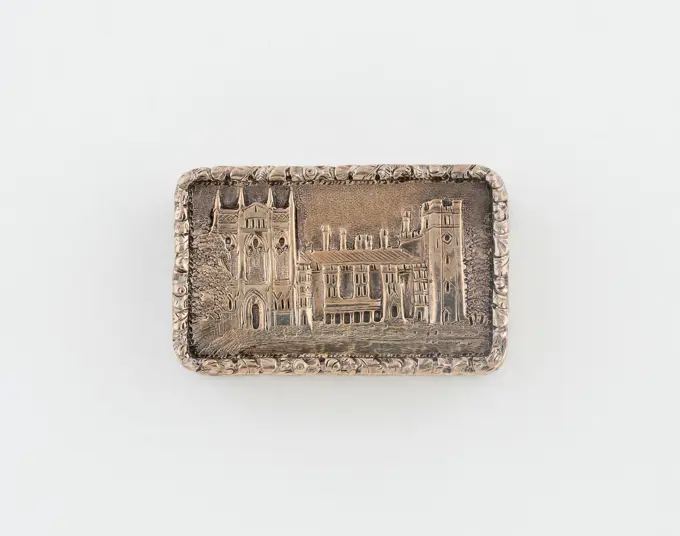
Vinaigrette 1835-1836 Birmingham. Silver and silver gilt . Taylor & Perry (firm) (Manufacturer)
6145-29836435
Seal China. Seal 41026
6145-48833730
Engraved Gem. Unknown
6145-29779020
Harness Ornament with Bird's Head late 5th-4th century B.C. Bulgaria. Harness Ornament with Bird's Head 59581
4443-28737229
Pair of Slit Disc Earrings, c. 6th-2nd century BCE, 1-3/16 x 1-7/16 x 1/2 in. (3.0 x 3.7 x 1.3 cm), Jade, Thailand, 7th-1st century BCE
6145-58844301
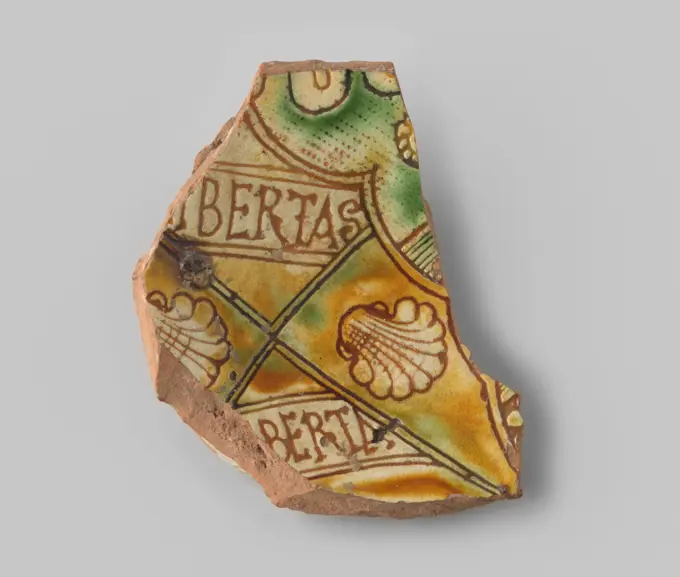
Excerpt (foot) with red shard, in sgrafitto technology a celebrated weapon, top right on a diagonal track (i) berta (s), and at the top left and bottom a shell, in ocher and green, anonymous, 1200-1899  Italy earthenware  Italy earthenware
6145-59013083
Elements of harness. Art of steppes. 2nd millennium BC. Paris, Cernuschi museum. 35174-1 Art of steppes, bronze, element, harness
6145-45335092
Magical gem with the a representation of HeIIos
6145-29802969
Ritual Stone (pulidor) 15th-early 16th century Aztec (). Ritual Stone (pulidor) 316290
6145-29159446
Ornament with Mask mid-3rd millennium B.C. China Listen to experts illuminate this artwork's story Listen Play or pause #8980. Ornament with Mask Supported by Bloomberg Philanthropies We're sorry, the transcript for this audio track is not available at this time. We are working to make it available as soon as possible.. Ornament with Mask 49373
6145-29157510
Plaque Inscribed with the Throne Name of Amenhotep I ca. 1525-1504 B.C. New Kingdom. Plaque Inscribed with the Throne Name of Amenhotep I. ca. 1525-1504 B.C.. Steatite, glazed. New Kingdom. From Egypt. Dynasty 18
6145-29807861
Tiger: emblem of the West China. Tiger: emblem of the West 42918
6145-29796418
Stamp Roller 9th-15th century Manteño. Stamp Roller 317711
6145-30176925
Scarab Cartouche and Standing King 1479 BCE-1352 BCE Egypt. Faience and gold . Ancient Egyptian
6145-29236056
Worker Shabti of Nany ca. 1050 B.C. Third Intermediate Period See 30.3.30.1a, b. Worker Shabti of Nany. ca. 1050 B.C.. Faience. Third Intermediate Period. From Egypt, Upper Egypt, Thebes, Deir el-Bahri, Tomb of Meritamun (TT 358, MMA 65), first corridor, burial of Nany, MMA excavations, 1928-29. Dynasty 21
4443-28727577
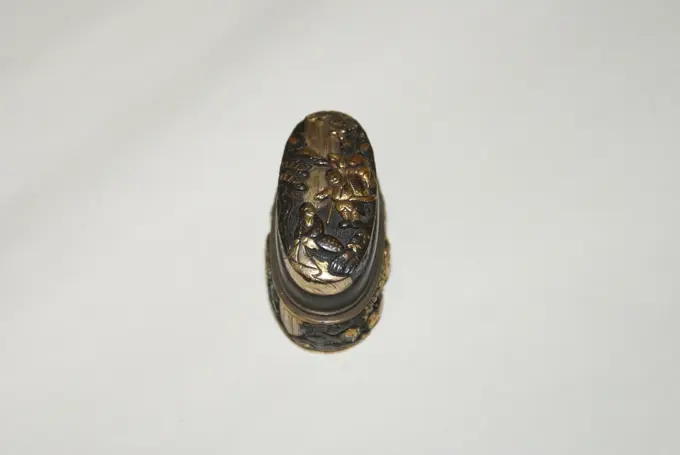
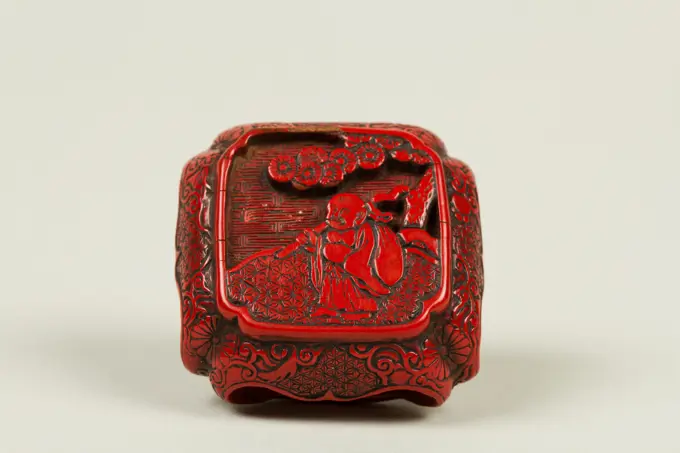
(Fuchi-gashira box), late 19th century, Unknown Japanese, 1 1/8 × 1 × 1 1/2 in. (2.86 × 2.54 × 3.81 cm), Shakudō, silver, copper, and gold, 19th century, A matching set of collar (fuchi) and pommel (kashira) sword fittings have been reworked here into a pill box. The layman Kitagawa Sōten (18th century) of Hikone in Omi province made the pair in the late 18th century. Sōten was originally from Kyoto and was first called Hidenori, later using the name Mogarashi (also pronounced Sōheishi). The Sōten school was well-known for employing Chinese motifs on their works that have, like this example, a background of shakudō (copper-gold alloy) with small punched dots (nanako) decorated with copper, silver, and gold high relief inlays (takazōgan). This pair was reworked in the late 19th century into a pill box where the pommel became the lid and the collar the base with a silver capsule inside.
6145-29157694
Scarab ca. 1479-1458 B.C. New Kingdom. Scarab. ca. 1479-1458 B.C.. Faience. New Kingdom. From Egypt, Upper Egypt, Thebes, Deir el-Bahri, Hatshepsut Hole, Hathor Shrine, MMA excavations, 1922-23. Dynasty 18
6145-29150486
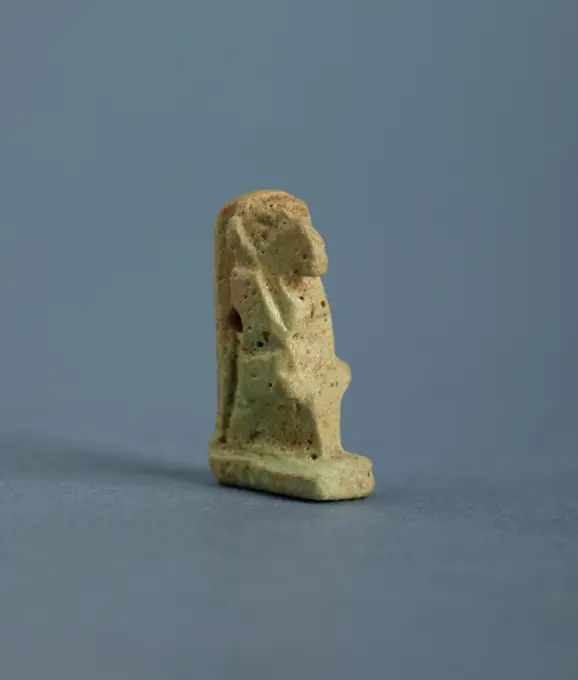
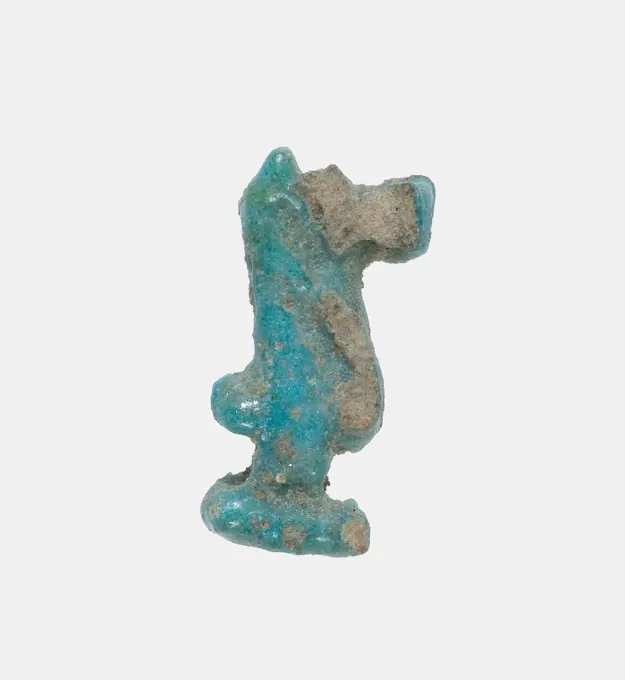
Baboon Amulet ca. 1802-1450 B.C. Late Middle Kingdom-Early New Kingdom. Baboon Amulet. ca. 1802-1450 B.C.. Faience. Late Middle Kingdom-Early New Kingdom. From Egypt, Memphite Region, Lisht North, Cemetery south of pyramid, House A1, so-called "faience factory", MMA excavations, 1920-22. Dynasty 13-18, early
6145-29157723
Scarab ca. 1479-1458 B.C. New Kingdom. Scarab. ca. 1479-1458 B.C.. Faience. New Kingdom. From Egypt, Upper Egypt, Thebes, Deir el-Bahri, Hatshepsut Hole, Hathor Shrine, MMA excavations, 1922-23. Dynasty 18
6145-29193377
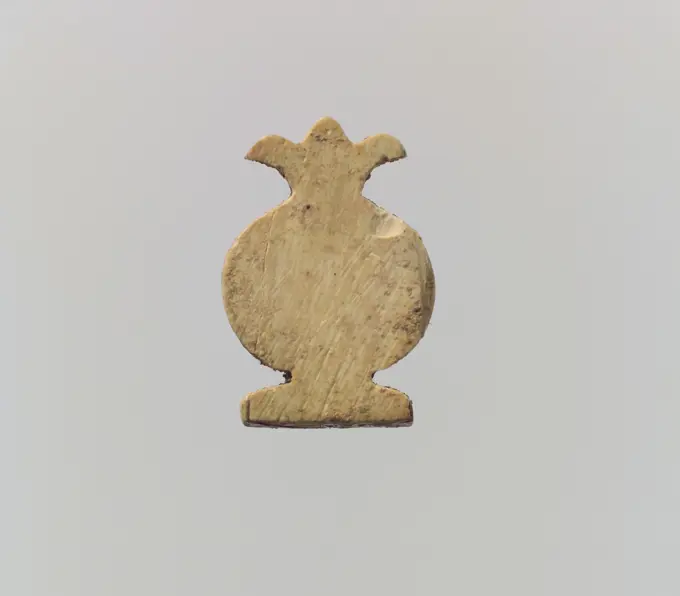
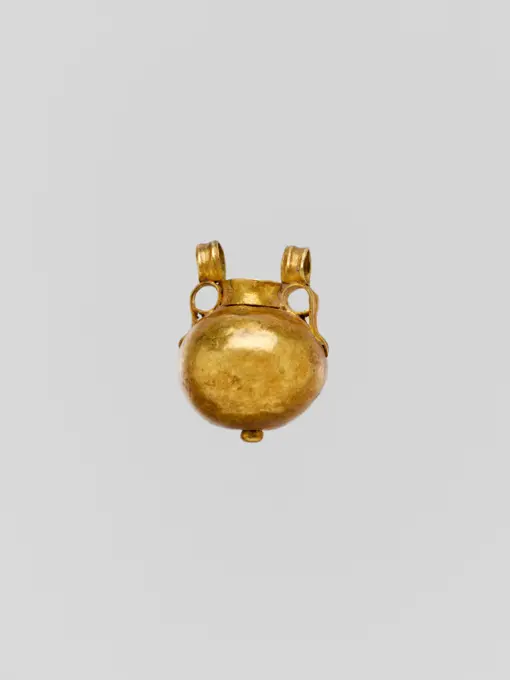
Gold pendant in the shape of a vase late 6th-5th century B.C. Greek or Cypriot Vase-shaped.. Gold pendant in the shape of a vase. Greek or Cypriot. late 6th-5th century B.C.. Gold. Classical. Gold and Silver
6145-59063351
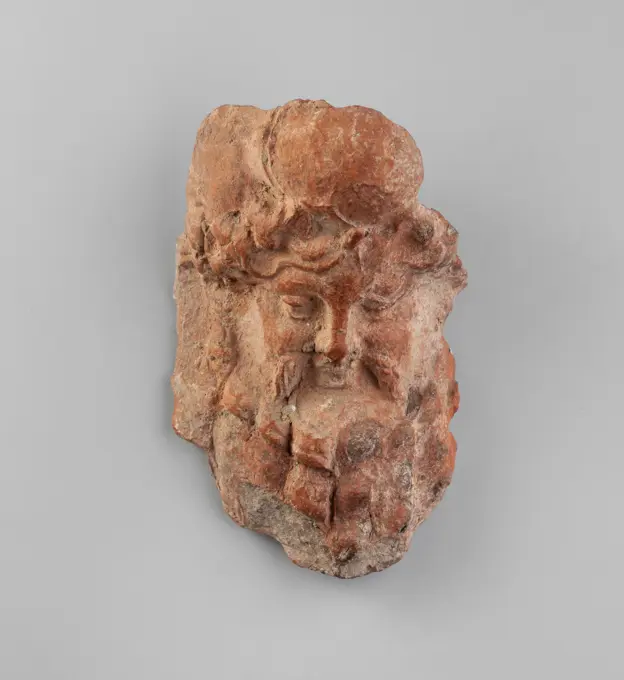
Bearded Dionysus mask in the world;  2 after. II century BC (-150-00-00--101-00-00);Polish excavations in Myrmekion
6145-30177130
Scarab Hathor Sistrum with Hieroglyphs (xaw-signs, hAt-signs, child signs, papyrus stalk) 1950 BCE-1773 BCE Egypt. Steatite . Ancient Egyptian
6145-29147270
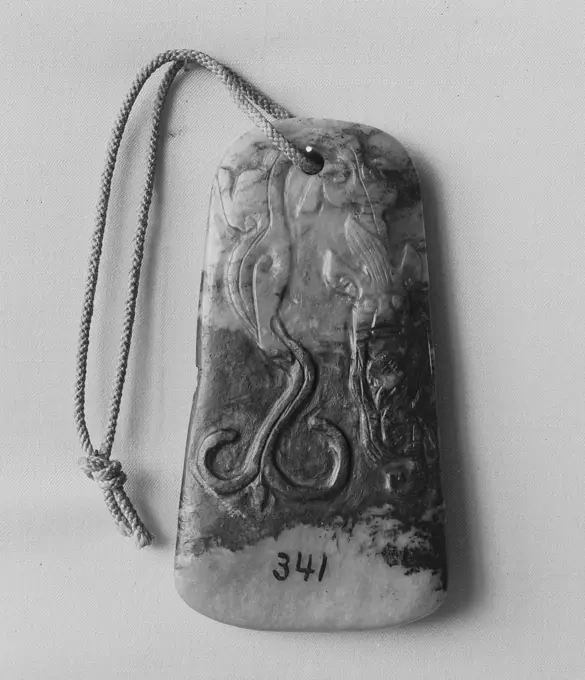
Engraved Celt China. Engraved Celt. China. Nephrite, pale green with broad band of brown and black staining.. Jade
6145-29796884
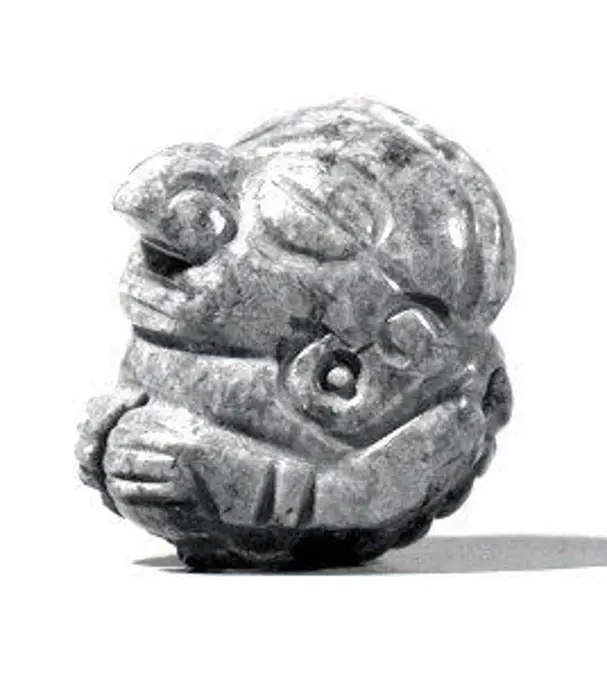
Bead 10th-13th century Mixtec. Bead. Mixtec. 10th-13th century. Greenstone. Mexico, Mesoamerica. Beads-Ornaments
6145-29151555
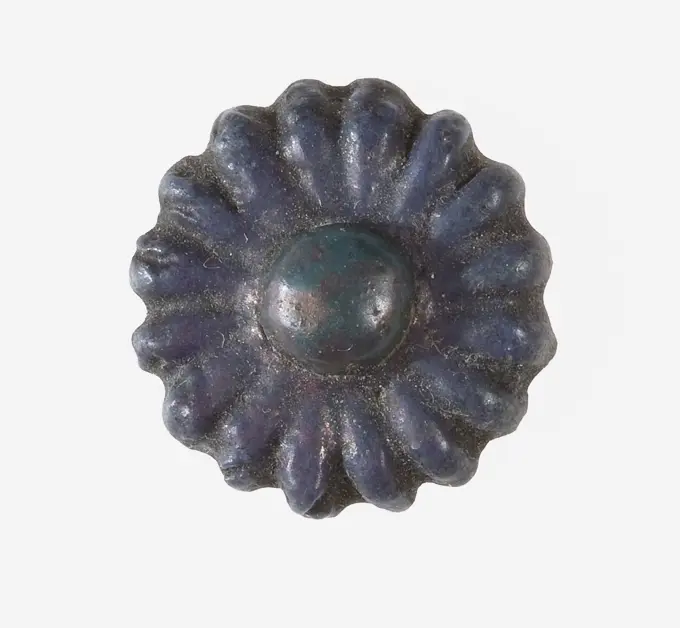
Daisy Pendant ca. 1390-1353 B.C. New Kingdom. Daisy Pendant. ca. 1390-1353 B.C.. Faience. New Kingdom. From Egypt, Upper Egypt, Thebes, Malqata, Palace of Amenhotep III, MMA excavations, 1910-11. Dynasty 18
6145-29769693
Costume Ornament 14th-15th century Chimú. Costume Ornament 308743
6145-29119810
Intaglio. Eastern Mediterranean, Roman, 332 B.C.-A.D.395. Tools and Equipment; seals. Stone
6145-29226405
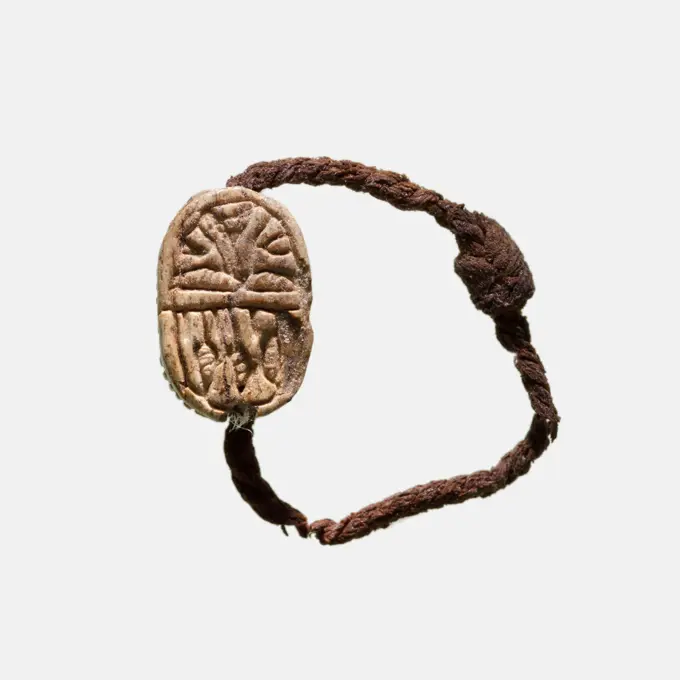
Scarab Finger Ring ca. 1504-1447 B.C. New Kingdom This scarab, strung on piece of twisted linen cord, was found tied to the left hand of a boy, aged nine or ten. The child had been buried in the family tomb of Neferkhawet. The device carved on the base of the scarab includes lotus buds and flowers.. Scarab Finger Ring. ca. 1504-1447 B.C.. Faience, linen. New Kingdom. From Egypt, Upper Egypt, Thebes, Asasif, Tomb of Neferkhawet (MMA 729), east chamber, Burial X, third finger left hand, MMA excavations, 1934-35. Dynasty 18, early
6145-45382171
Portret Apolla
6145-48850391
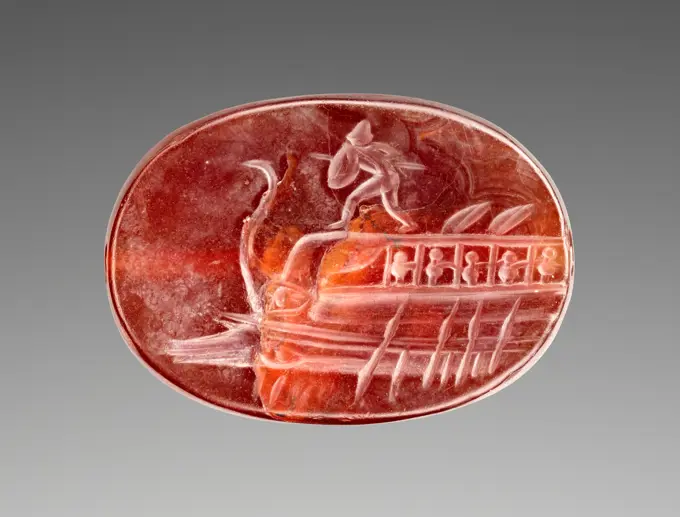
Engraved Scaraboid with Protesilaos on the Prow of a Ship. Unknown
6145-29156417
Pilgrim's Badge 14th-16th century French. Pilgrim's Badge. French. 14th-16th century. Lead. Metalwork-Lead
6145-29159107
Vase Fragment 1st century B.C.-1st century A.D. Roman Man.. Vase Fragment. Roman. 1st century B.C.-1st century A.D.. Terracotta. Vases
6145-29126648
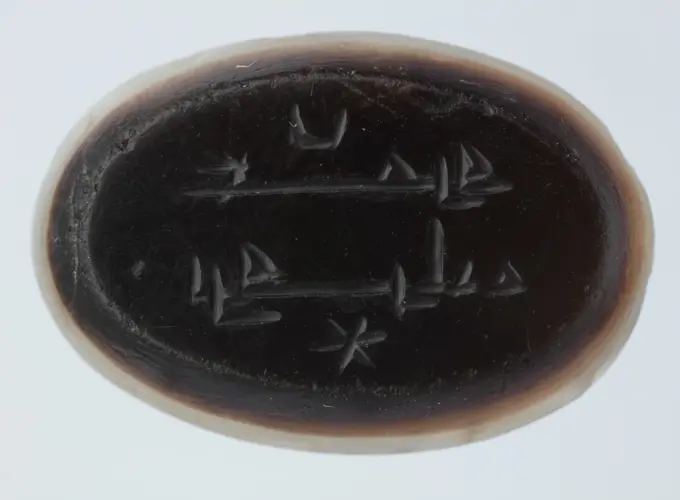
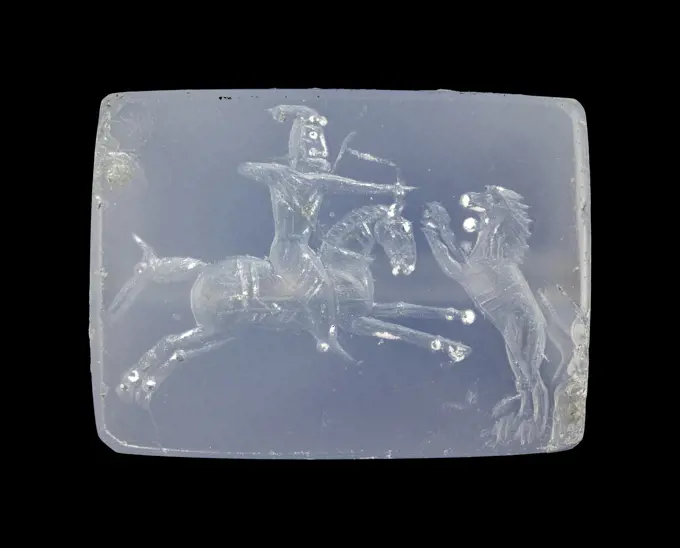
Cylinder Seal. Iran, Mesopotamia or Syria, 9th-7th century B.C.. Tools and Equipment; seals. White chalcedony
6145-59127370
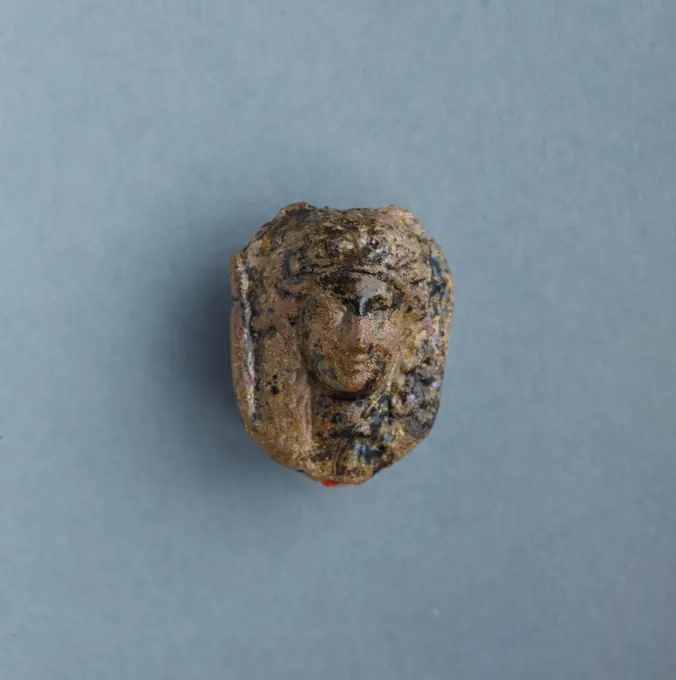
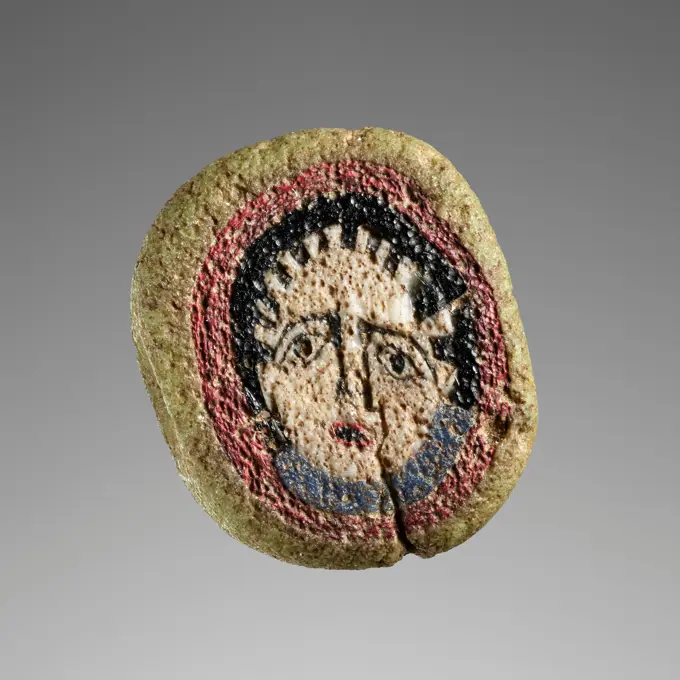
Bead. Unknown 1st century B.C.-1st century A.D. Opaque green, red, blue and black bead with a human face rendered in the millefiori technique.
6145-29816698
Loop-handled circular seal 5th-4th millennium B.C.. Loop-handled circular seal 326901
6145-29829569
Face Mask Ornament 6th-7th century Moche (Loma Negra). Face Mask Ornament 314350
6145-29137335
Molded Faience Plaque with throne name of Queen Tawosret. Egypt, New Kingdom, 19th Dynasty, reign of Tawosret (1209 - 1201 BCE). Sculpture; plaques. Faience
6145-45544000
Sealing piston
6145-29185561
Worker Shabti of Nauny ca. 1050 B.C. Third Intermediate Period See 30.3.26.1a, b. Worker Shabti of Nauny 625740
6145-29184412
Netsuke 18th century Japan. Netsuke 59269
6145-29150917
Lotus Petal Bead Inscribed with the Throne Name of Amenhotep III ca. 1390-1353 B.C. New Kingdom. Lotus Petal Bead Inscribed with the Throne Name of Amenhotep III. ca. 1390-1353 B.C.. Faience. New Kingdom. From Egypt, Upper Egypt, Thebes, Malqata, Palace of Amenhotep III, MMA excavations, 1910-11. Dynasty 18
1746-19691980
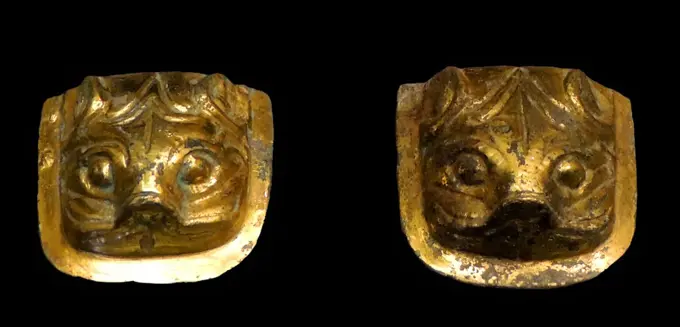
Gilt bronze fittingsshaped as tiger heads;Chinese, Han Dynasty. 1st century BC
6145-59155508
Floral Plaque Fragment. Unknown 1st century B.C.
4443-21942105
Soul of polychrome majolica dish, man with millstone collar, dish plate crockery holder soil find ceramic earthenware glaze tin glaze lead glaze, majolica baked 2x glazed painted Soul of majolica dish Cooked on prunes. Yellow shard with red veins poorly mixed and layered pottery. Pictured is bust of man with large millstone collar Pretty roughly painted. Bottom covered only with lead glaze archeology serving food serving home interior
6145-52953580
Plaque Inscribed for Amenhotep II New Kingdom ca. 1427-1400 B.C. View more. Plaque Inscribed for Amenhotep II. ca. 1427-1400 B.C.. Glazed steatite. New Kingdom. From Egypt, Upper Egypt, Thebes. Dynasty 18
6145-30177369
Ring Amun-Ra, King of the Gods, the Lord 1550 BCE-1069 BCE Egypt. Faience . Ancient Egyptian
4443-21958750
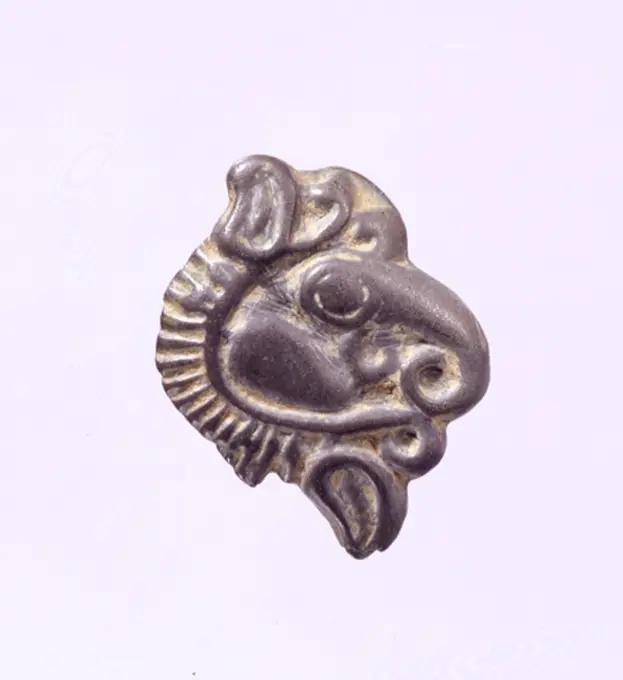
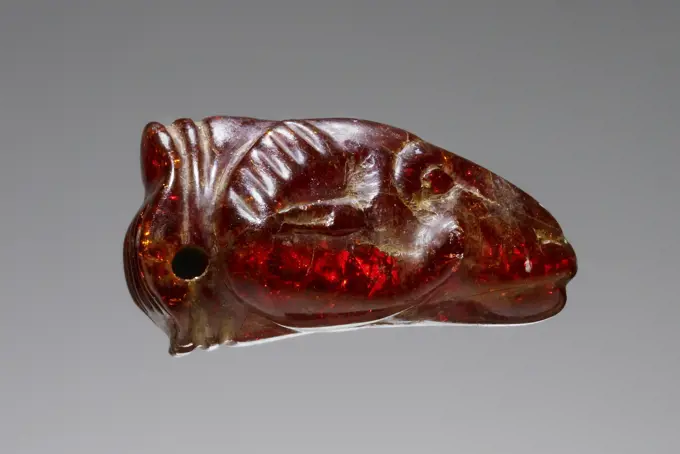
Pendant: Ram's Head; Italy; 500 - 400 B.C; Amber; 16 × 12 × 23 mm (5,8 × 1,2 × 7,8 in.)
6145-29825682
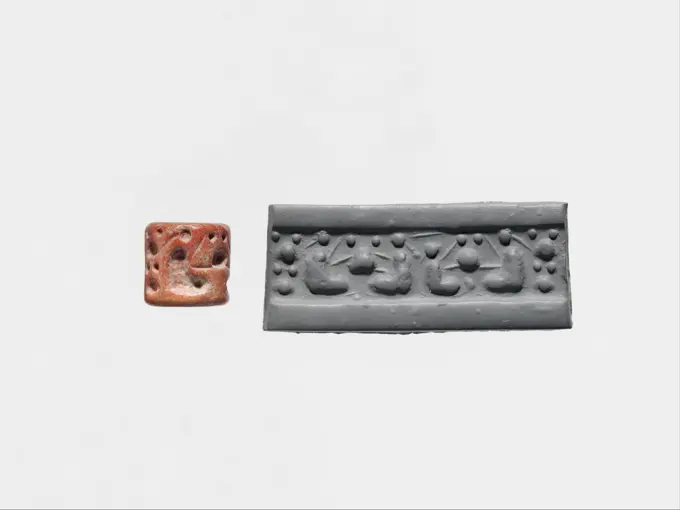
Cylinder seal and modern impression: seated "pigtailed ladies" and pots ca. 3300-2900 B.C. Although engraved stones had been used as early as the seventh millennium B.C. to stamp impressions in clay, the invention in the fourth millennium B.C. of carved cylinders that could be rolled over clay allowed the development of more complex seal designs. These cylinder seals, first used in Mesopotamia, served as a mark of ownership or identification. Seals were either impressed on lumps of clay that were used to close jars, doors, and baskets, or they were rolled onto clay tablets that recorded information about commercial or legal transactions. The seals were often made of precious stones. Protective properties may have been ascribed to both the material itself and the carved designs. Seals are important to the study of ancient Near Eastern art because many examples survive from every period and can, therefore, help to define chronological phases. Often preserving imagery no longer extant in
6145-59066194
The main;  Hellenistic period (-323-00-00--30-00-00);Daszewski, Wiktor A. (1936-), Daszewski, Wiktor A. (1936-)-collection, Dionysus (Mitol.), Gods, gift (provenance), mythology
6145-29128020
Intaglio. Eastern Mediterranean, Roman, 332 B.C.-A.D.395. Tools and Equipment; seals. Stone
6145-29151607
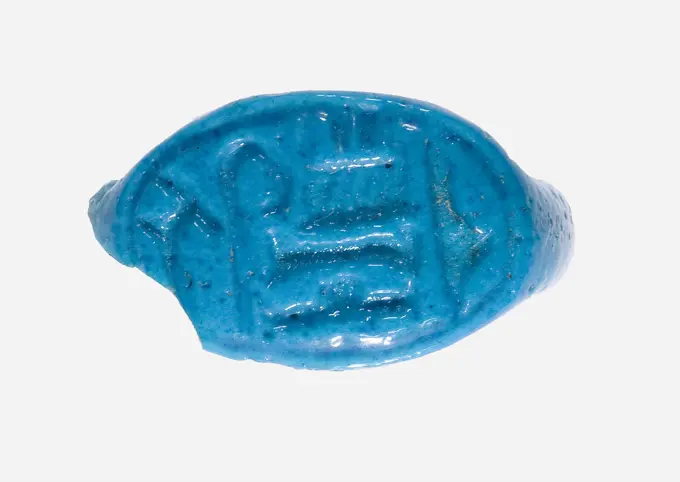
Ring with Cartouche of Amenhotep III ca. 1390-1353 B.C. New Kingdom. Ring with Cartouche of Amenhotep III. ca. 1390-1353 B.C.. Faience, blue. New Kingdom. From Egypt, Upper Egypt, Thebes, Malqata, Palace of Amenhotep III, MMA excavations, 1910-11. Dynasty 18
6145-29237436
Cylinder seal ca. 16th-12th century B.C. Kassite. Cylinder seal. Kassite. ca. 16th-12th century B.C.. Microline feldspar. Kassite. Mesopotamia
6145-29803657
Seal China. Seal 41027
6145-29151351
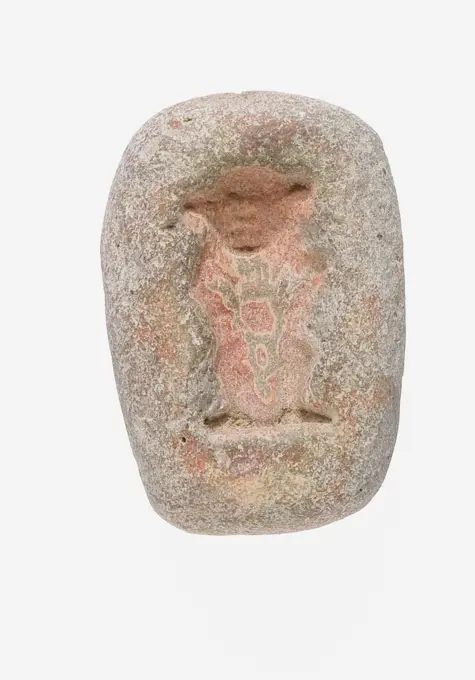
Bes Mold ca. 1390-1353 B.C. New Kingdom. Bes Mold. ca. 1390-1353 B.C.. Pottery. New Kingdom. From Egypt, Upper Egypt, Thebes, Malqata, Palace of Amenhotep III, MMA excavations, 1911-12. Dynasty 18
6145-29154249
Ornament in the Shape of an Animal Head 3rd-1st century B.C. North China. Ornament in the Shape of an Animal Head. North China. 3rd-1st century B.C.. Bronze. Metalwork
6145-45338861
Bell Tenebrat (fragment; wing wing)  lower tower, Mariac Basilica, Krakow Weygel, Johannes
1746-19677227
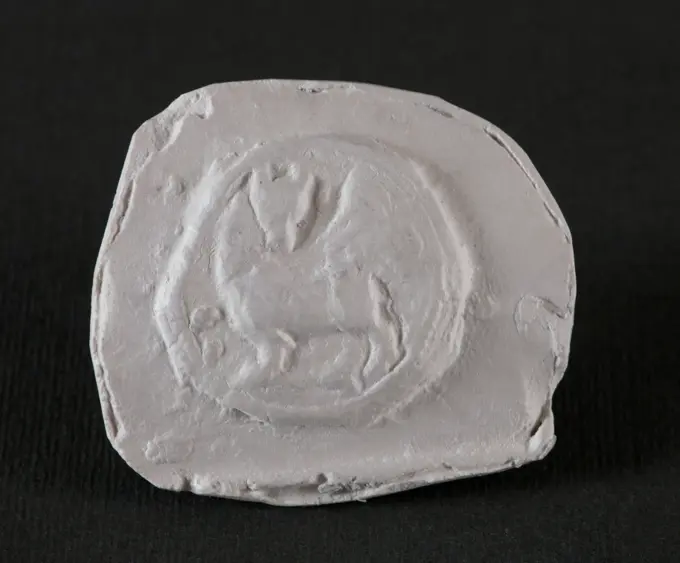
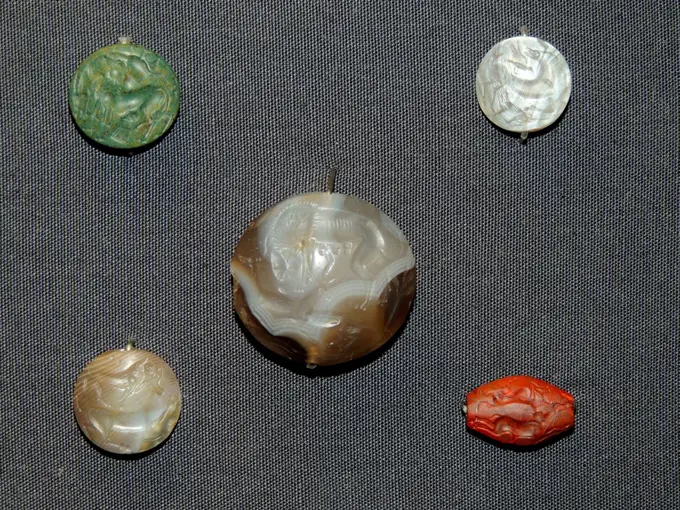
Collection Seals with Animal Attack Scenes 1500 B.C. Various gems from Crete.
6145-45396028
Hygieia
4443-21960090
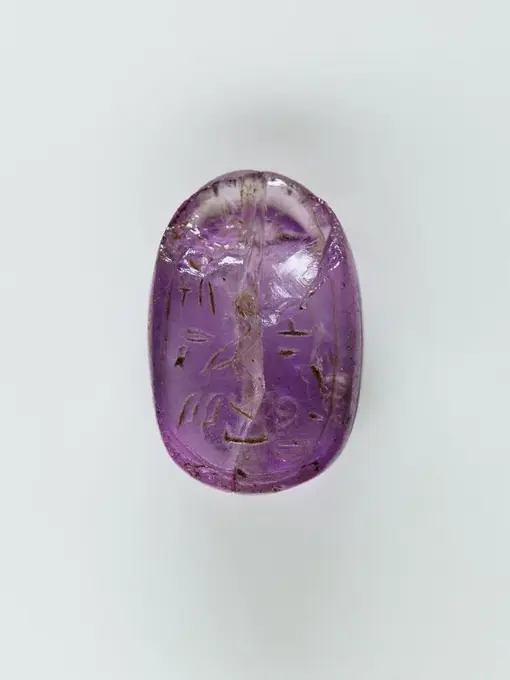
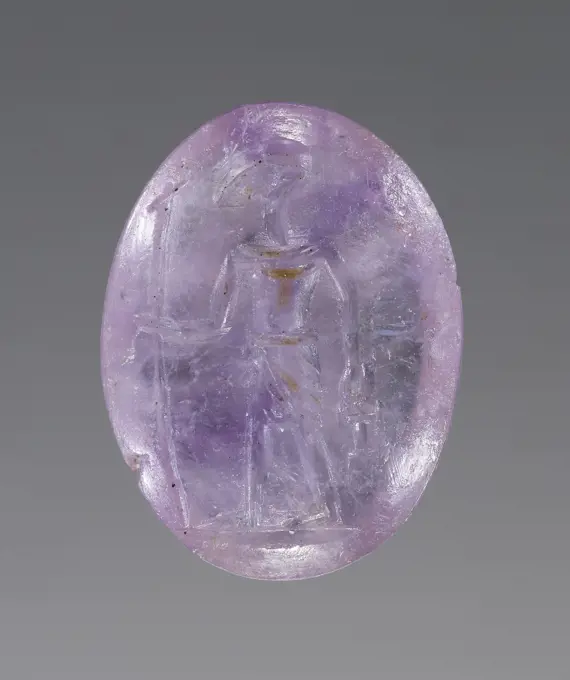
Engraved Gem; 1st century; Amethyst; 1.4 × 1 × 0.5 cm (9,16 × 3,8 × 3,16 in.)
6145-45350078
False coin, crown shilIIng, John II Casimir (1649 1668)
6145-29186889
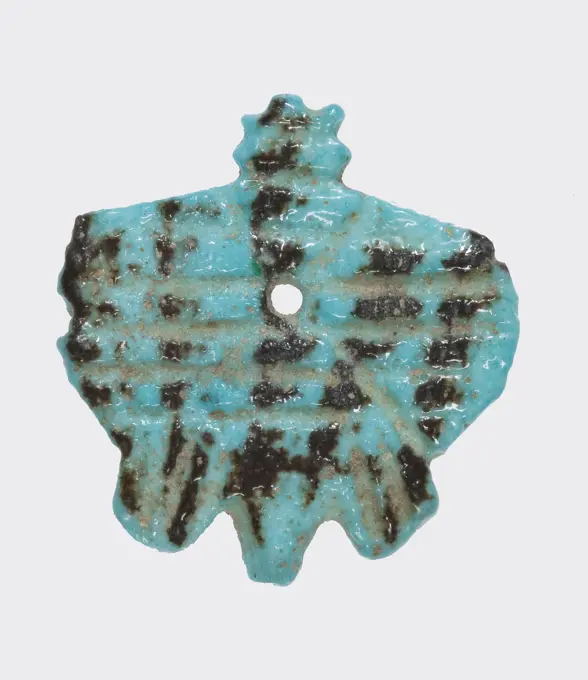
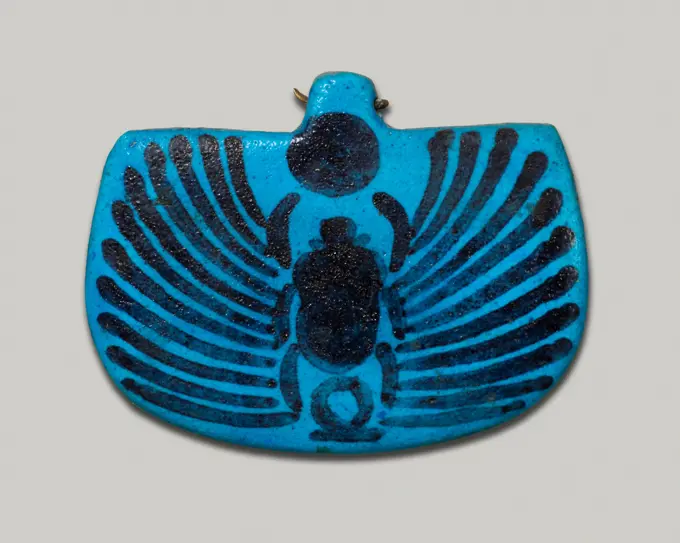
Pendant with the depiction of a winged scarab ca. 1070-1000 B.C. Third Intermediate Period This large pendant depicts a winged scarab with a sun disk above its head. At the bottom of the piece, below its back legs, is a shen-ring, which is a symbol of eternity. The piece was found on the chest of Nauny's mummy.. Pendant with the depiction of a winged scarab 551110
6145-29828816
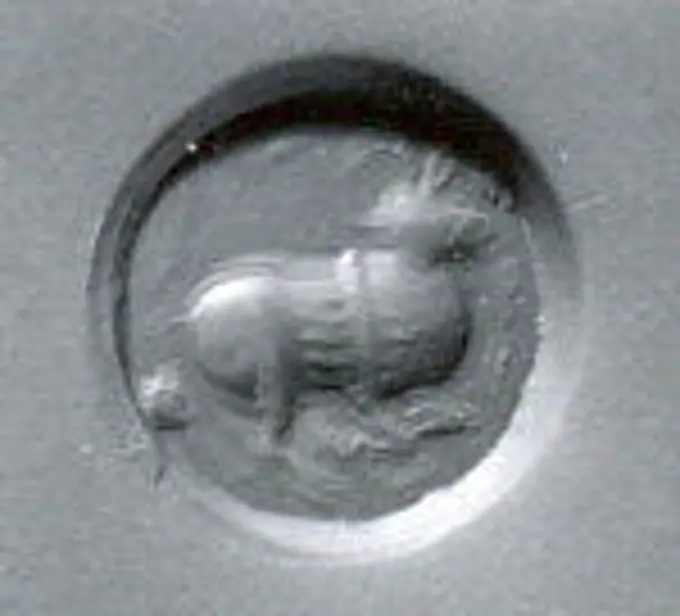
Stamp seal (scaraboid) with animal and divine symbols 7th century B.C. Assyrian. Stamp seal (scaraboid) with animal and divine symbols. Assyrian. 7th century B.C.. Stone, black. Neo-Assyrian. Northern Syria or eastern Anatolia
4409-17420740
Ceramic fragment. Dimensions: 4.25 x 3.7 cm. Date: 8th-12th century. Museum: Metropolitan Museum of Art, New York, USA.
6145-29813646
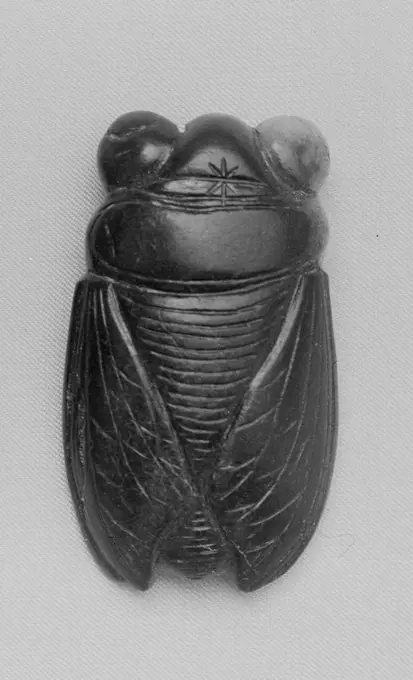
Cicada late 19th to early 20th century China. Cicada 43035
4409-17433059
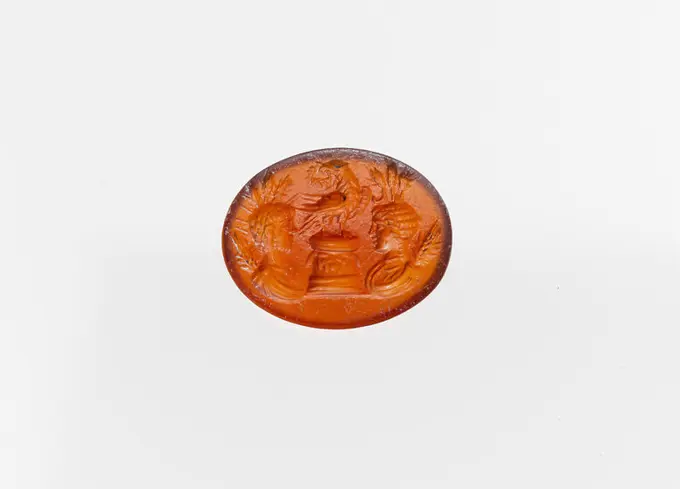
Carnelian ring stone. Culture: Roman. Dimensions: Length: 9/16 in. (1.5 cm). Date: ca. A.D. 177-192.Male and female busts around an eagle on an altar. Museum: Metropolitan Museum of Art, New York, USA.
1746-21129630
Chenai stone balls, S. E. India. Modern, from Mahabalipuram temple complex.
4443-21959030
Engraved Tabloid Gem; Pendants Group; Asia Minor; about 400 B.C; Blue chalcedony; 1.1 × 1.4 × 1.9 cm (7,16 × 9,16 × 3,4 in.)
6145-29094039
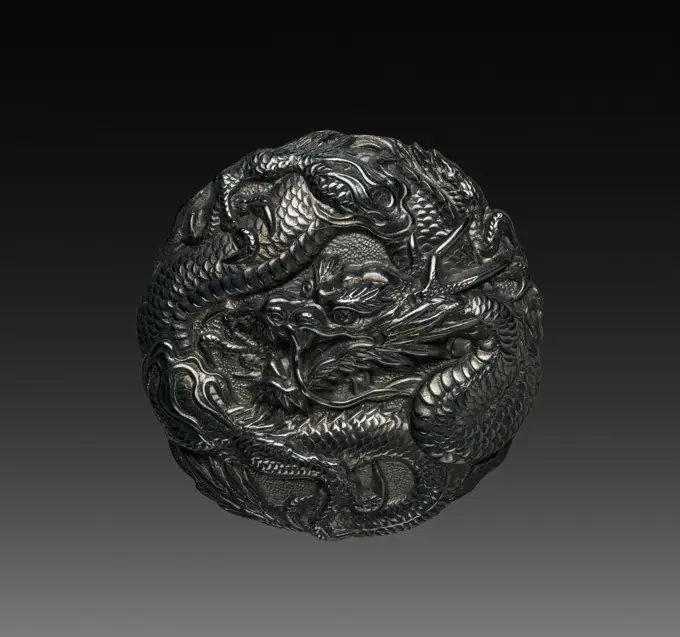
Button with Dragon, early 1900s. Japan, Meiji period (1868-1912) to Taishō period (1912-26). One of a set of six buttons; cast () silver with relief; diameter: 3.8 cm (1 1/2 in.).
6145-29749123
Stamp seal ca. 5th-7th century A.D. Sasanian. Stamp seal. Sasanian. ca. 5th-7th century A.D.. Stone. Sasanian. Iran
5507-44579972
Stone idol balbal are scattered on the Kazakh steppe, a monument of the ancient civilization.
4409-17379567
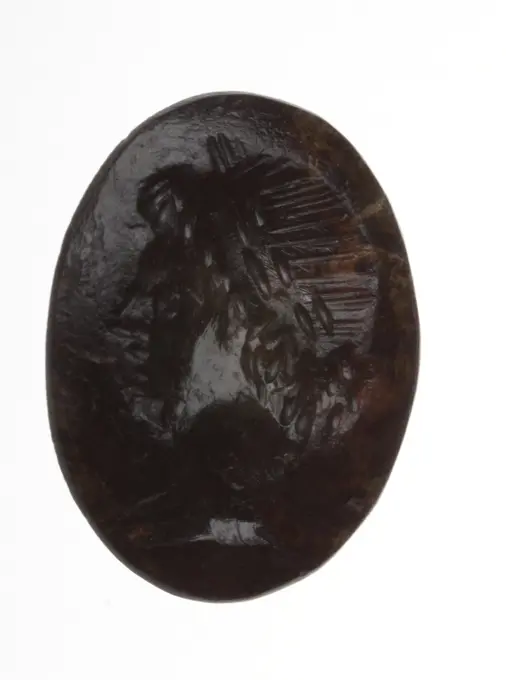
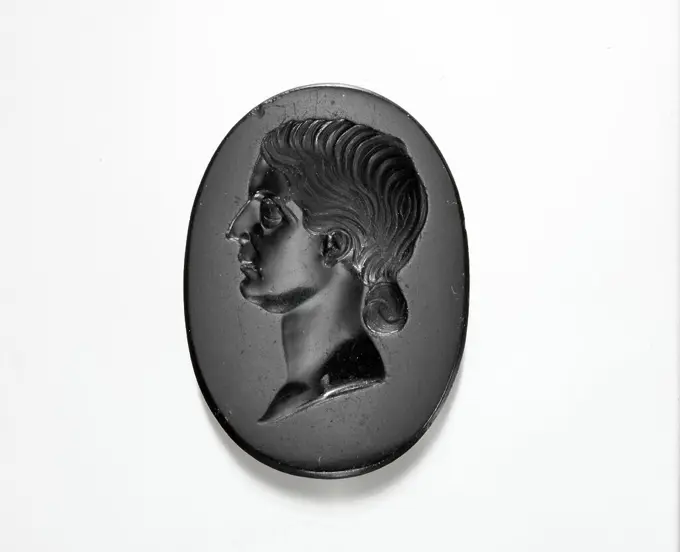
Black jasper intaglio portrait of a Roman lady. Culture: Roman. Dimensions: Overall: 1 1/16 x 1 1/16 x 1/8in. (2.7 x 2.7 x 0.3cm). Date: 1st half of 1st century A.D..The art of gem cutting was highly prized in Rome. Julius Caesar is said to have been a passionate collector of gems, and Augustus's signet ring was made by Dioskourides, the finest engraver of his time. Gems were often used to recall family traditions or political allegiances, but they also had a practical purpose, for when they were engraved in negative as intaglios, they could be used as seal stones in signet rings. Museum: Metropolitan Museum of Art, New York, USA.