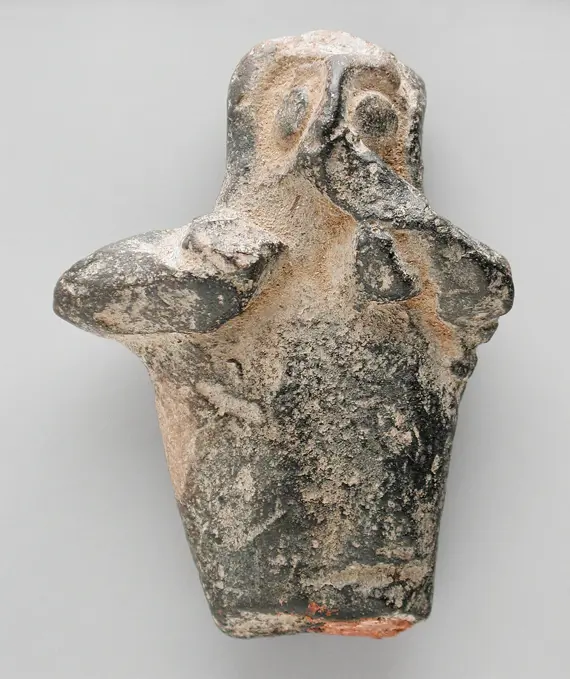
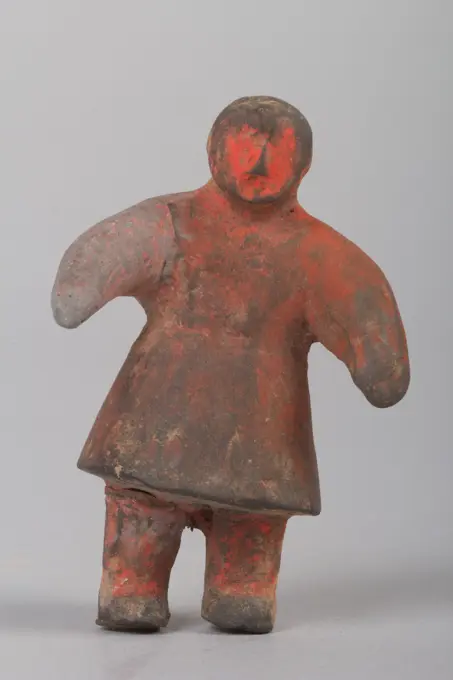
Ancient Ceramic Figures

Depictions of ancient ceramic figures from various cultures, showcasing unique craftsmanship, styles, and forms of human representation.
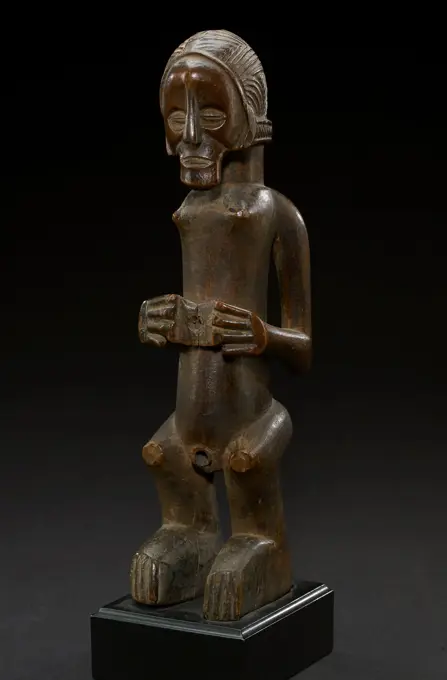
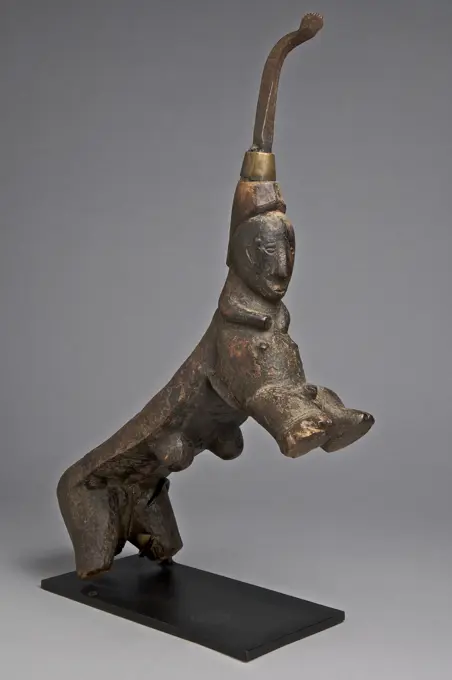
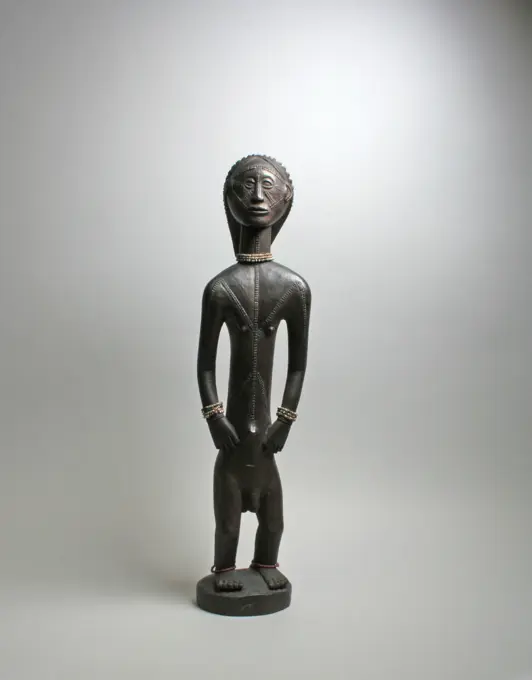
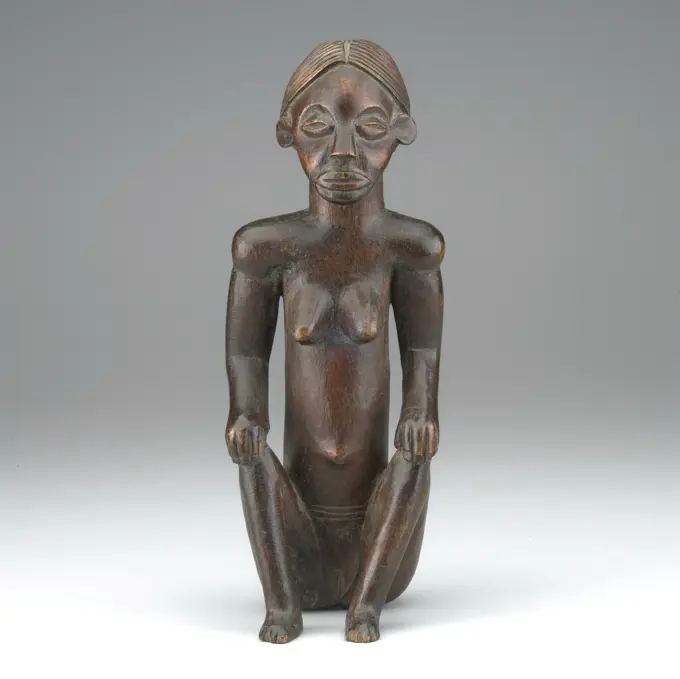
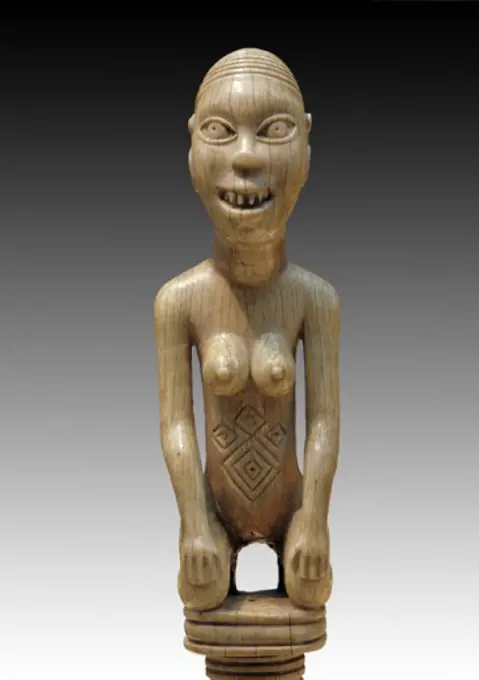
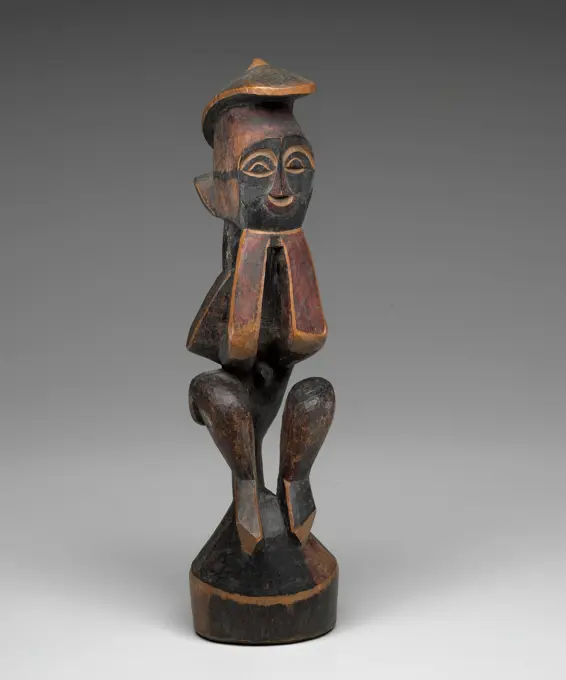
Standing female figure, late 19th century, 11 1/2 × 3 1/16 × 3 9/16 in. (29.21 × 7.78 × 9.05 cm) (with base), Wood, Angola, 19th century

Assets in this Story

6145-30177791
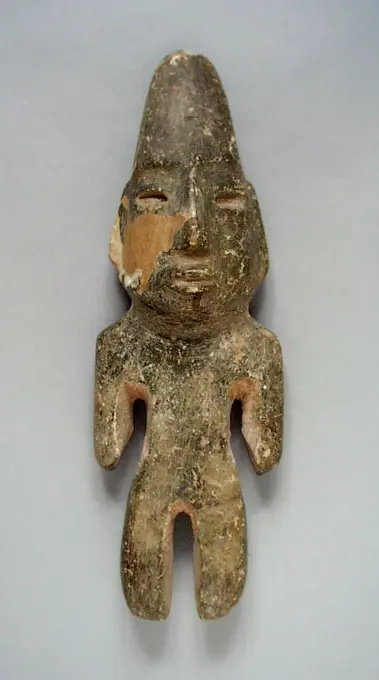
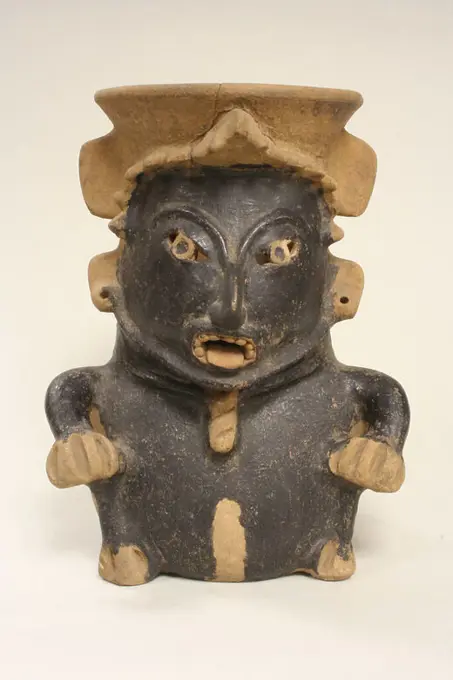
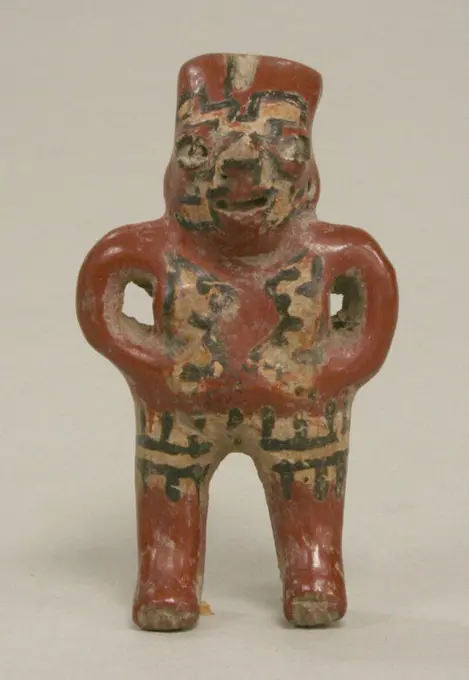
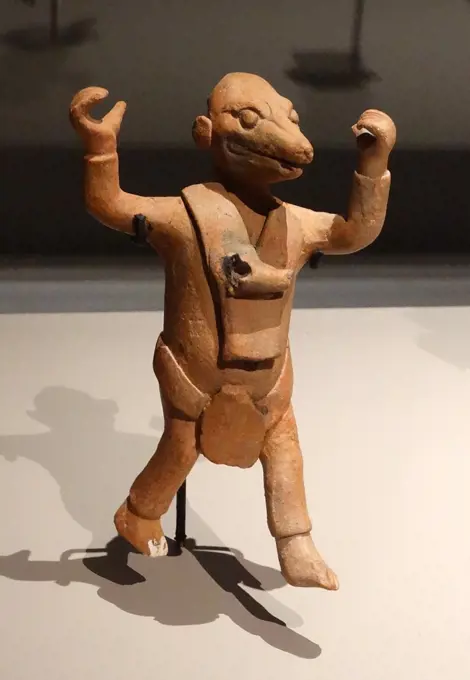
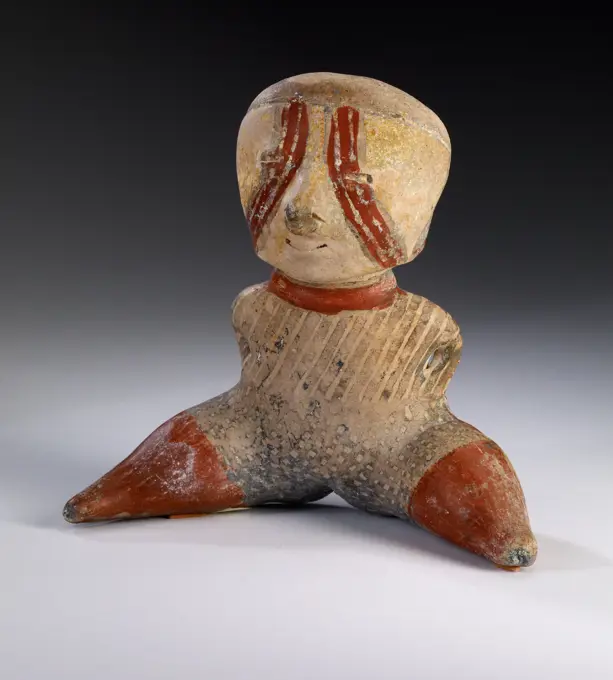
Male Figure 250 BCE-400 CE Michoacán. Ceramic and pigment . Michoacan
6145-29119176
Standing Figure
4409-17427358
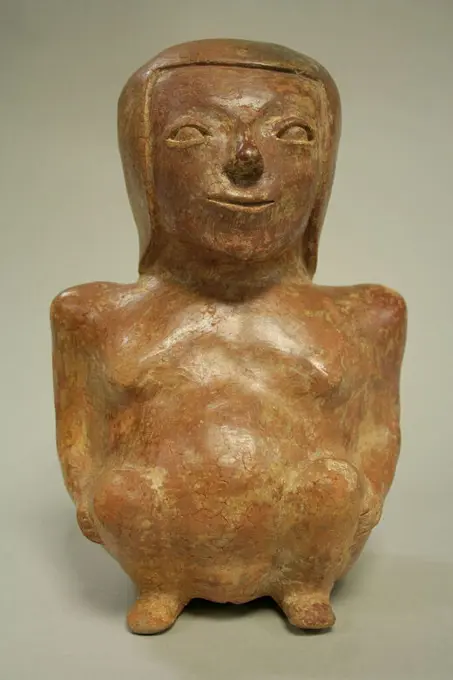
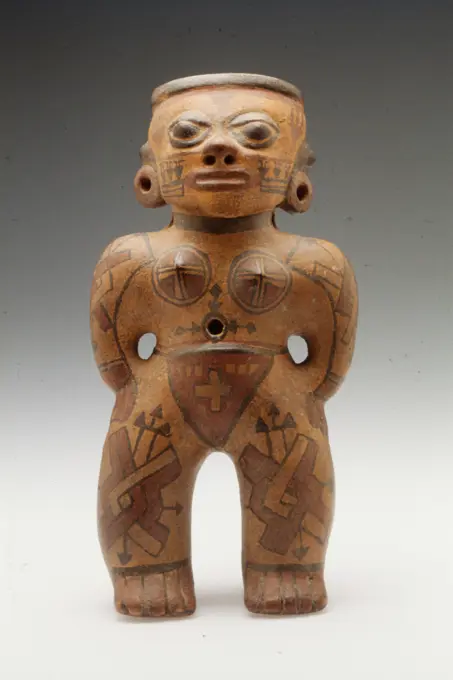
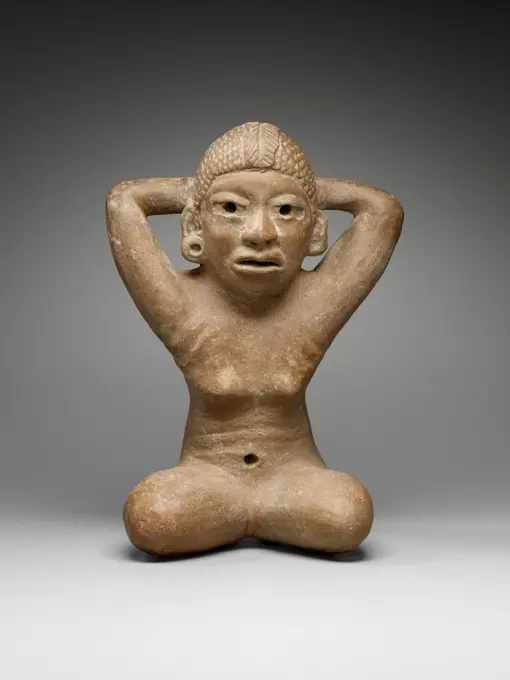
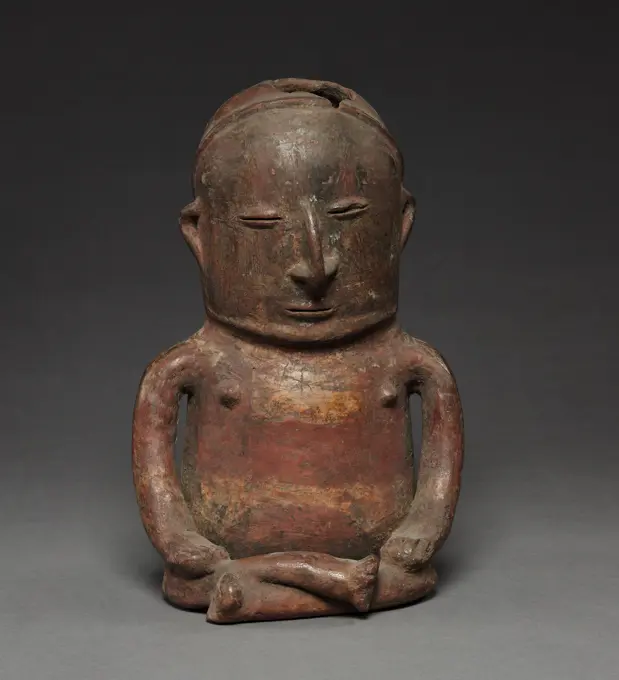
Ceramic Seated Female Figure. Culture: Carchi. Dimensions: H. 10 x W. 7 in. (25.4 x 17.8 cm). Date: 11th-16th century. Museum: Metropolitan Museum of Art, New York, USA.
1788-39187
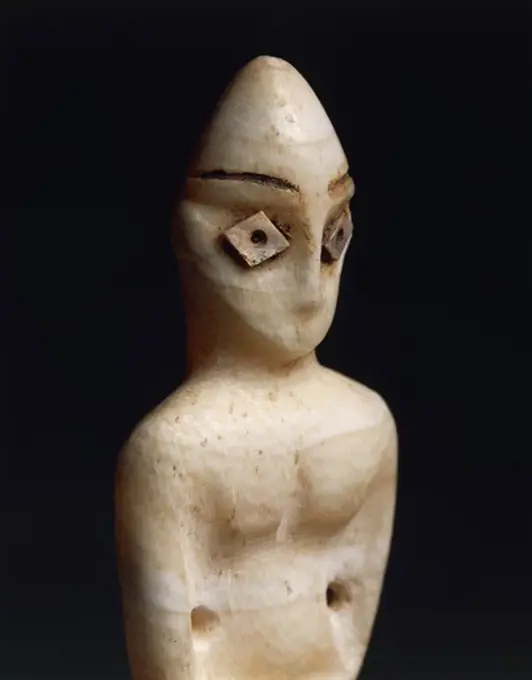
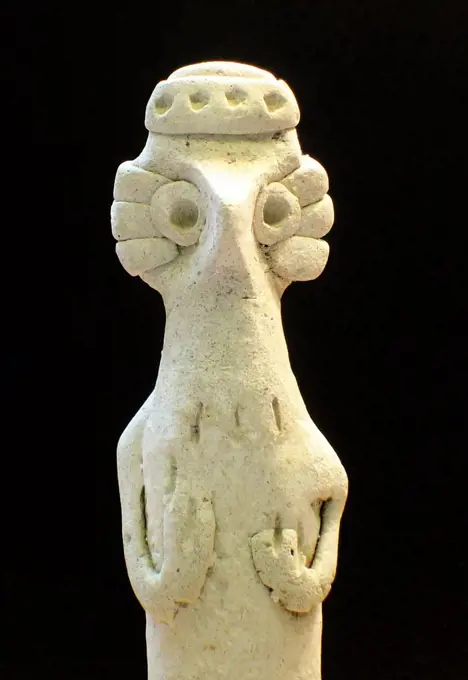
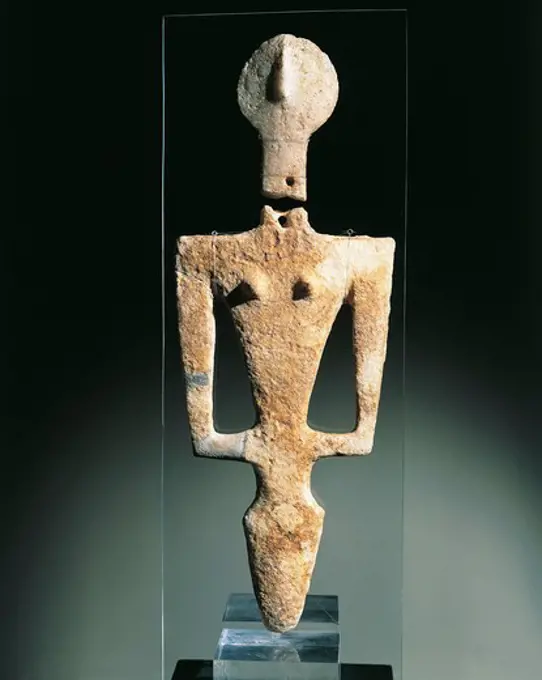
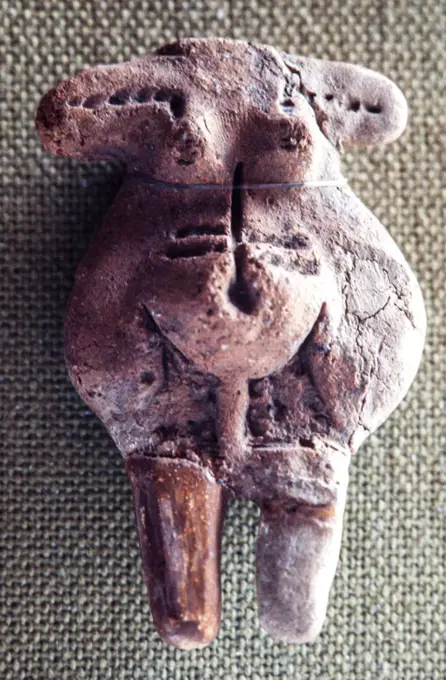
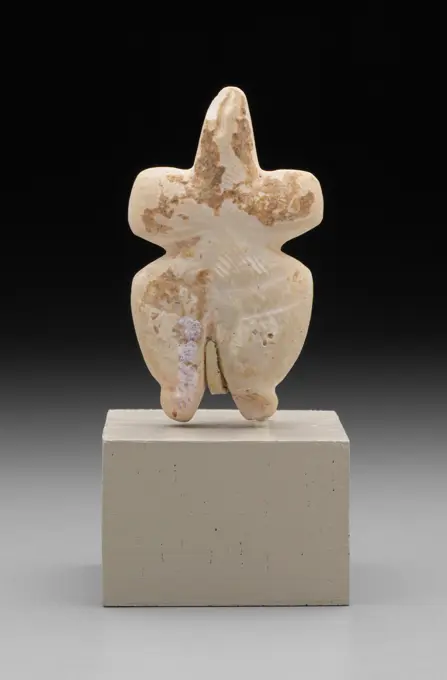
Prehistory, Iraq, Samara culture. Alabaster female figure, 6th millennium b.C. From Tell es-Sawwan. Detail.
6145-29810700
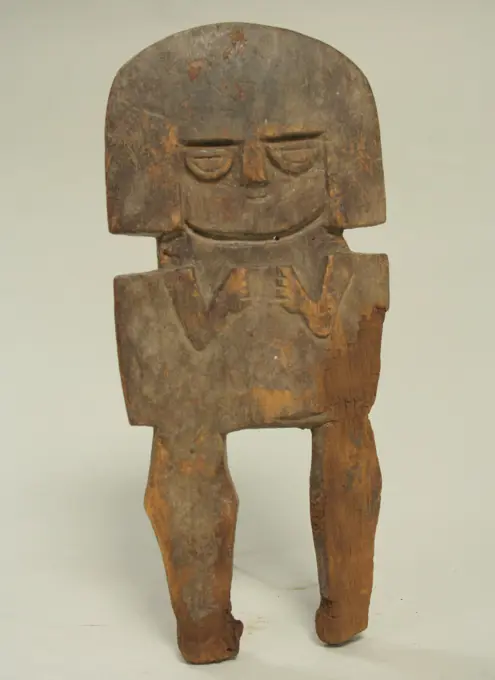
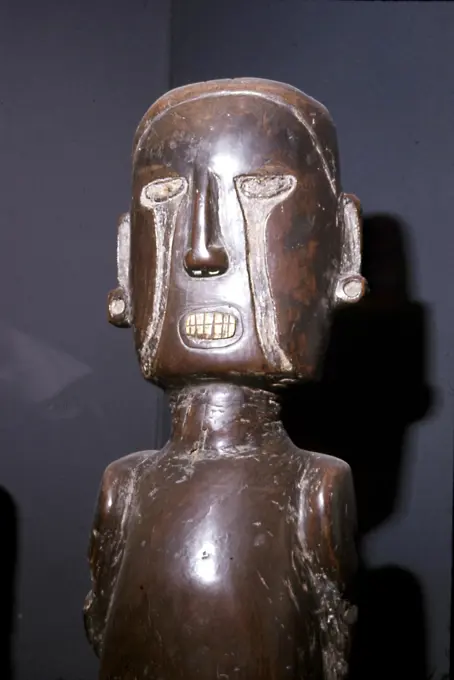
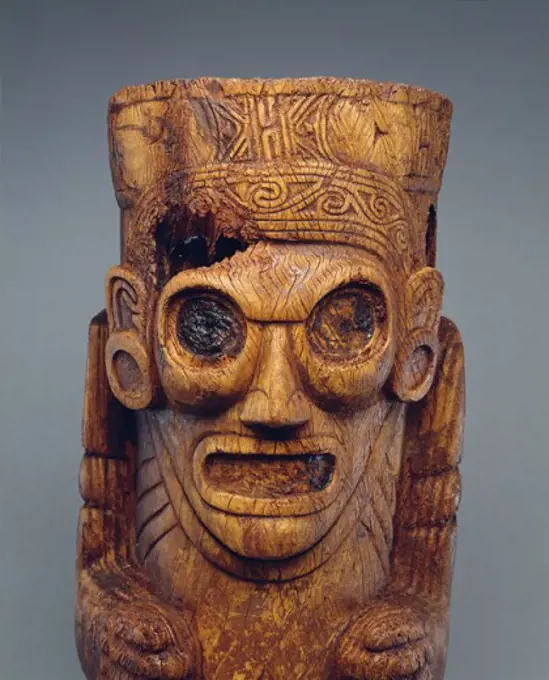
Double-sided Wooden Figure Carving 8th-mid-16th century Peru; north or central coast (). Double-sided Wooden Figure Carving 309269
6145-29086528
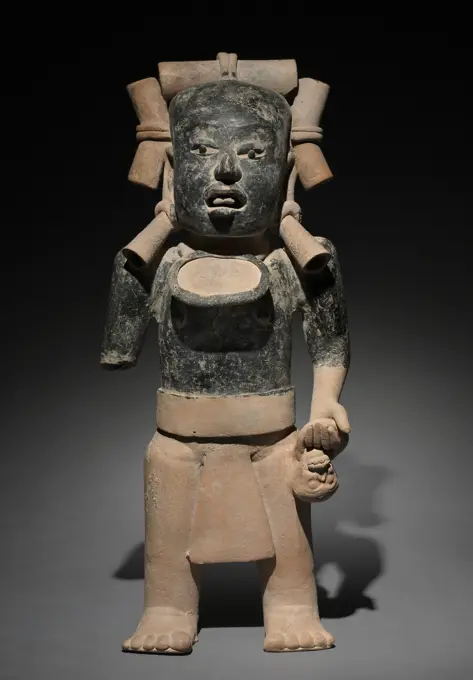
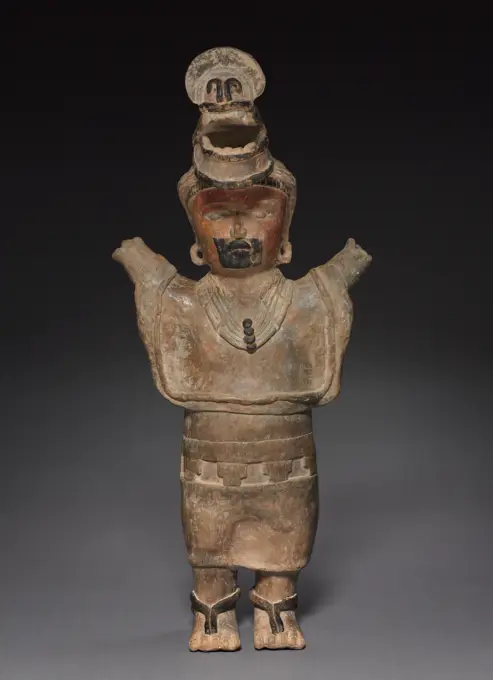
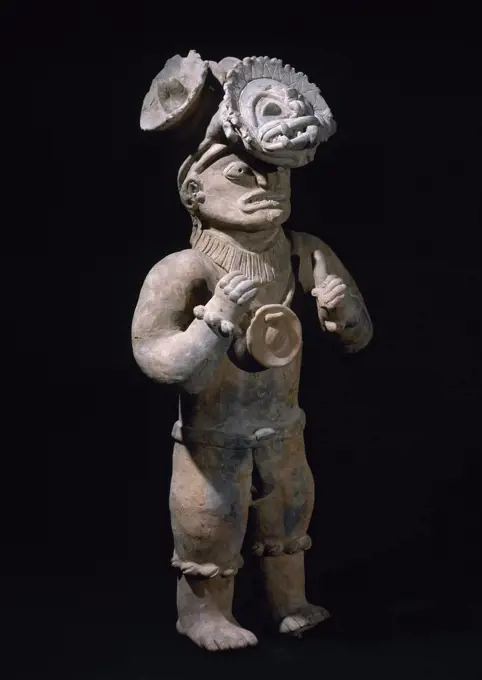
Standing Male Figure, AD 300-900 (Thermoluminescence date, 240-945). Mexico, Gulf Coast, 4th-10th Century. Earthenware, asphalt and resin paint; overall: 58.5 x 24.8 x 14.7 cm (23 1/16 x 9 3/4 x 5 13/16 in.).
4443-28729428
Standing female figure, late 19th century, 11 1/2 × 3 1/16 × 3 9/16 in. (29.21 × 7.78 × 9.05 cm) (with base), Wood, Angola, 19th century
6145-29066909
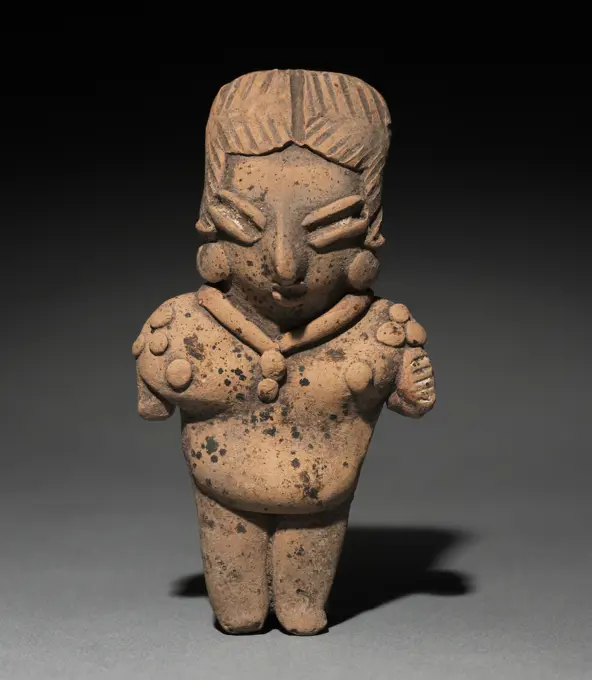
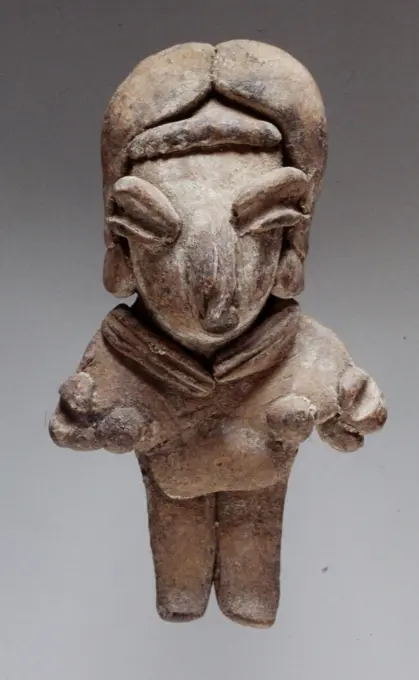
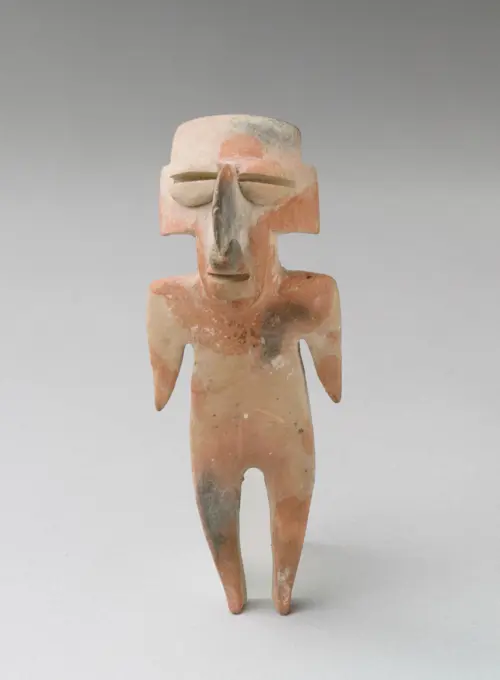
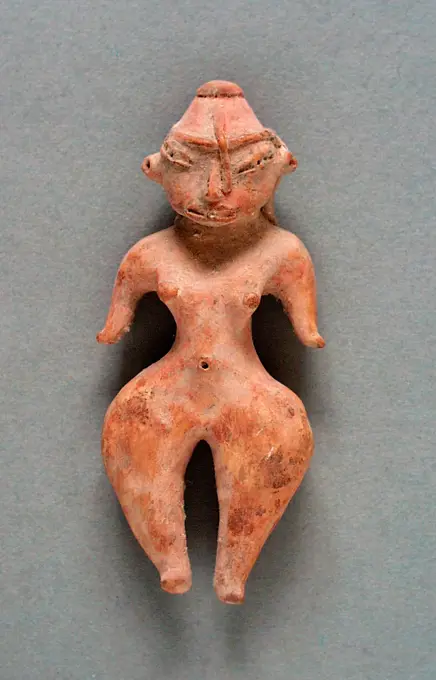
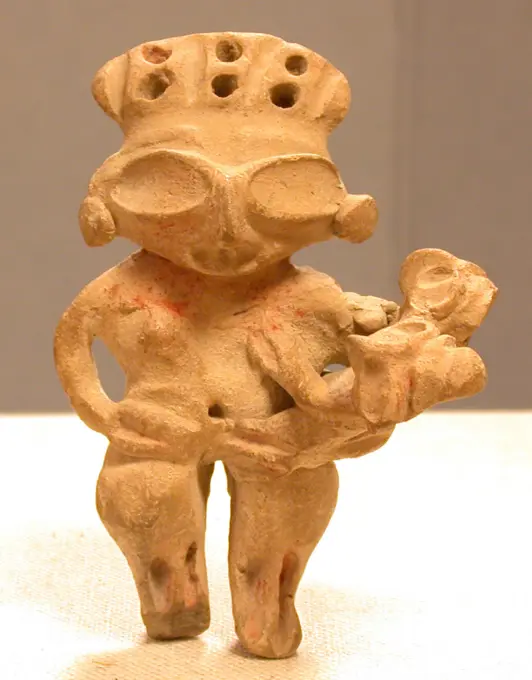
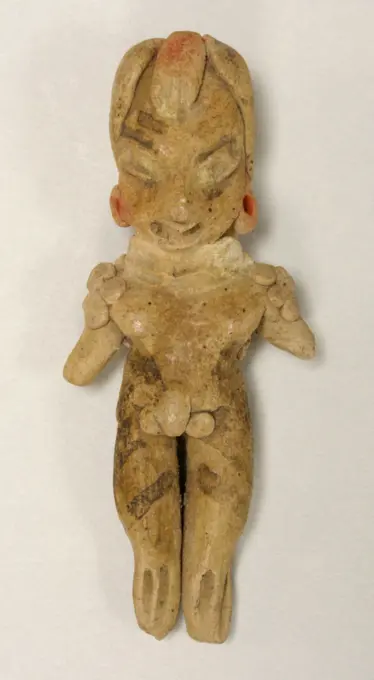
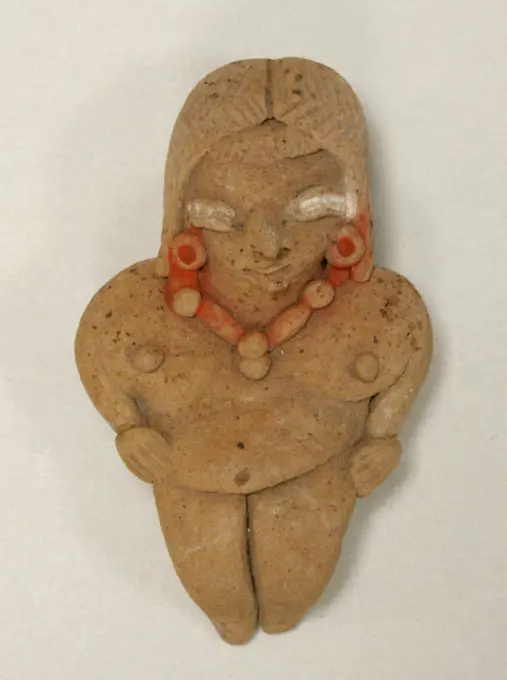
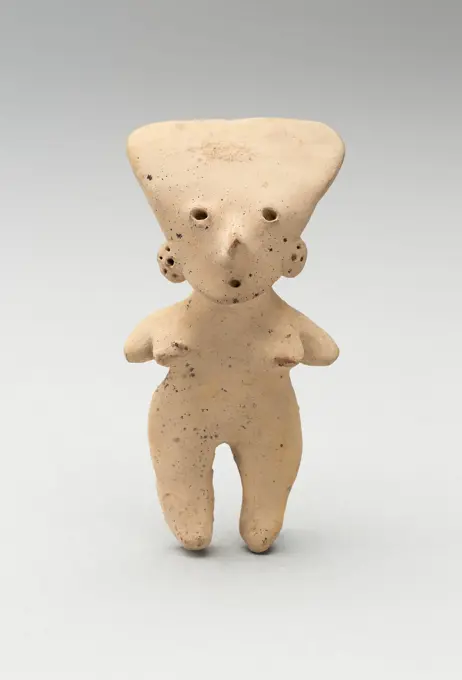
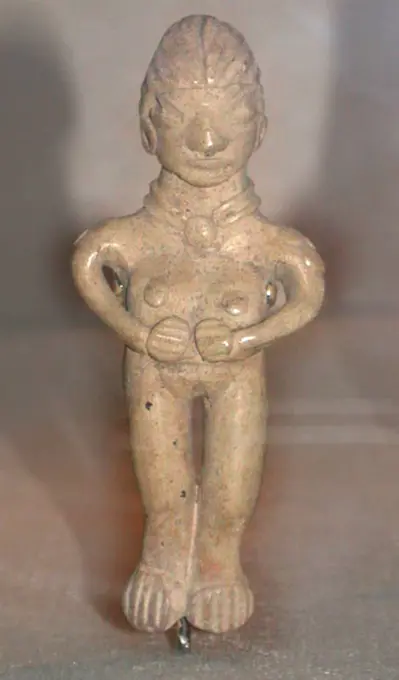
Female Figurine, 400-100 BC. Mesoamerica, Guanajuato or Michoacán, Chupícuaro. Ceramic, pigment; overall: 9 x 4.8 x 1.9 cm (3 9/16 x 1 7/8 x 3/4 in.).
6145-29126652
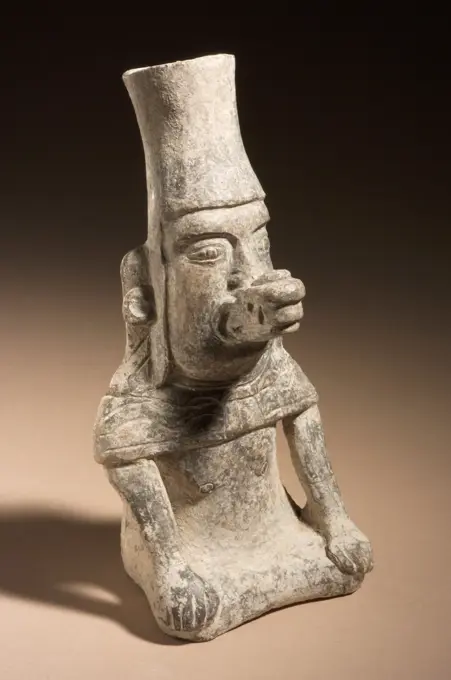
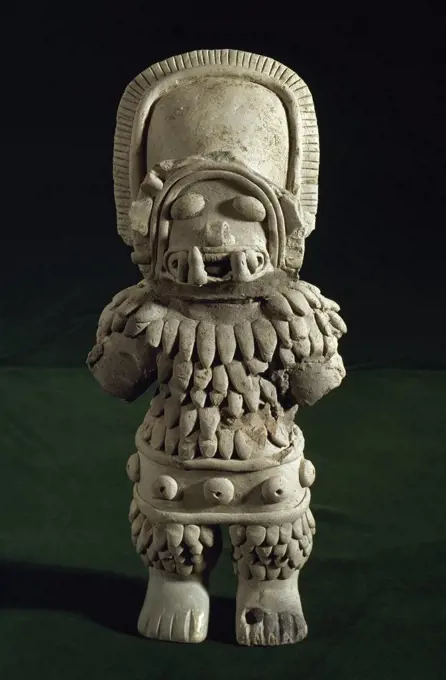
Seated Figure Wearing Serpent Mask. Mexico, Oaxaca, Monte Alban IIIb (), 500-900 CE. Ceramics. Gray ceramic, carved, incised, and burnished
4409-17544495
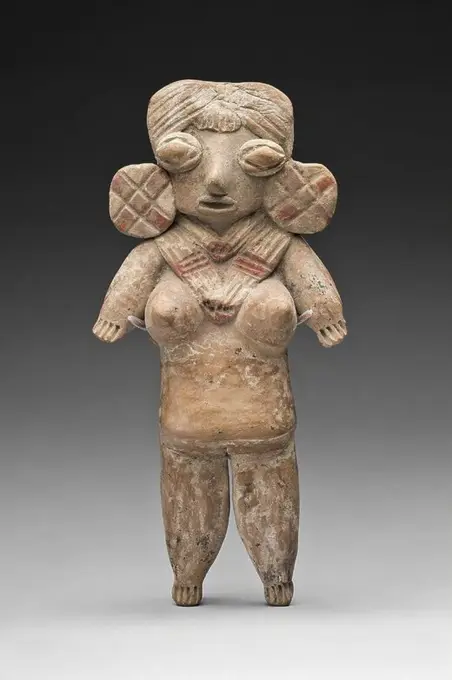
Female Figurine. Chupícuaro; Guanajuato or Michoacán, Mexico. Date: 500 BC-300 BC. Dimensions: H. 18.5 cm (10 1/2 in.). Ceramic and pigment. Origin: Guanajuato state. Museum: The Chicago Art Institute, Chicago, USA.
4409-17400545
Seated Male Deity (). Culture: Aztec. Dimensions: Overall: 17 3/4 x 7 1/4 x 8 3/4 in. (45.09 x 18.42 x 22.23 cm)Other: 7 1/4 x 8 3/4 in. (18.42 x 22.23 cm). Date: 15th-early 16th century. Museum: Metropolitan Museum of Art, New York, USA.
6145-29126189
Whistle. Mexico, Maya, 600-800 CE. Ceramics. Slip-painted ceramic
4409-17415514
Standing figure. Culture: Bahia. Dimensions: H. 11 x W. 4 in. (27.9 x 10.2 cm). Date: 3rd-4th century. Museum: Metropolitan Museum of Art, New York, USA.
6145-59044932
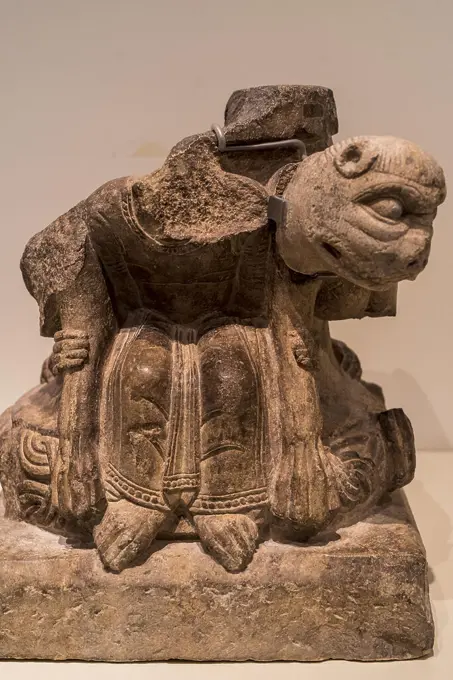
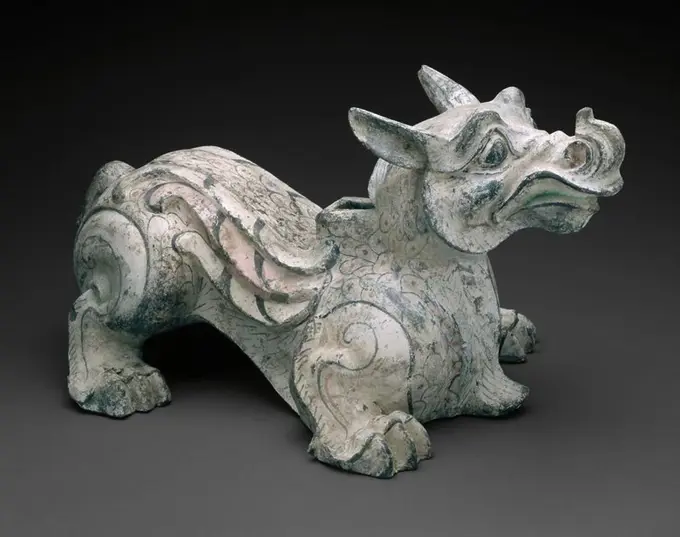
Fantastic animal. Terracotta with traces of polychromy. China, Northern Wei Dynasty. Paris, Cernuschi museum. Fantastic animal, Chinese art, China, Northern Wei dynasty, Mingqi, Funeral statuette, terracotta, polychromy trace
6145-29081372
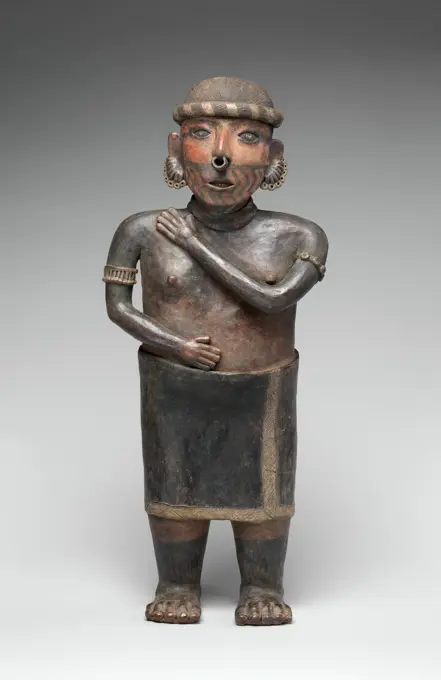
Standing Female Figure, 600-900. Mexico, Veracruz, Veracruz Monumental Sculpture type. Burnished pottery with orange slip, traces of red and white pigment, and asphalt paint; overall: 71.1 x 31.8 x 17.8 cm (28 x 12 1/2 x 7 in.).
4409-17408203
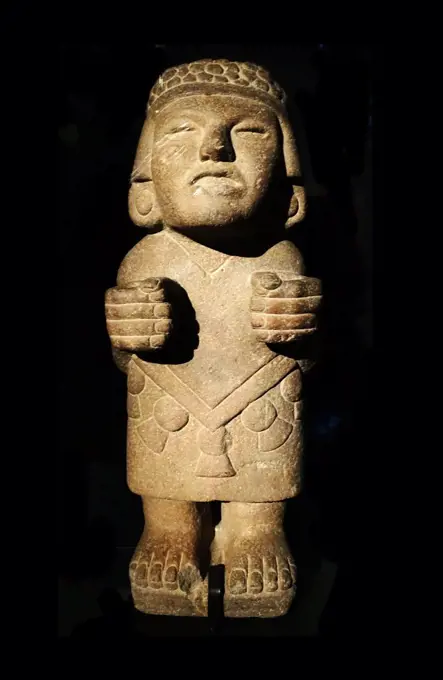
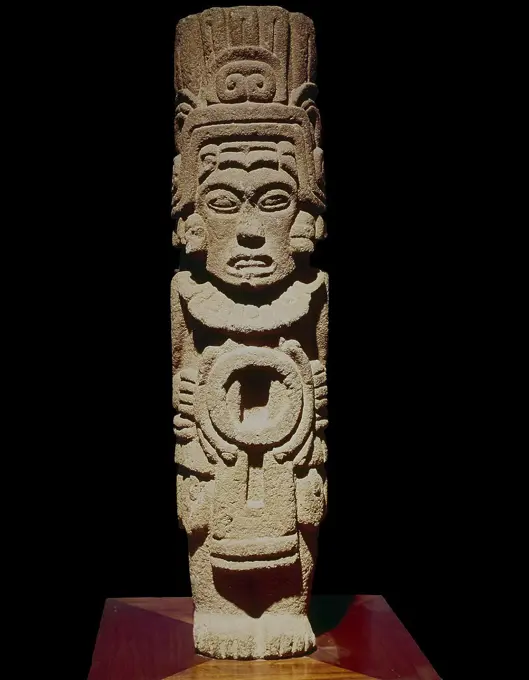
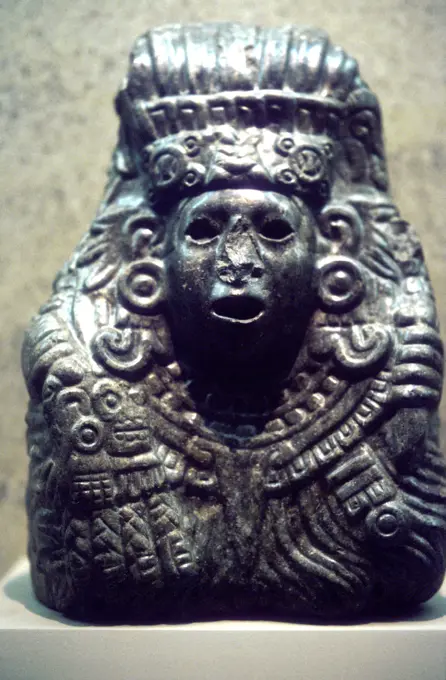
Water Deity (Chalchiuhtlicue). Culture: Aztec. Dimensions: H. 15 1/4 x W. 10 x D. 9 1/4 in. (38.74 x 25.4 x 23.5 cm). Date: 15th-early 16th century. Museum: Metropolitan Museum of Art, New York, USA.
6145-46811320
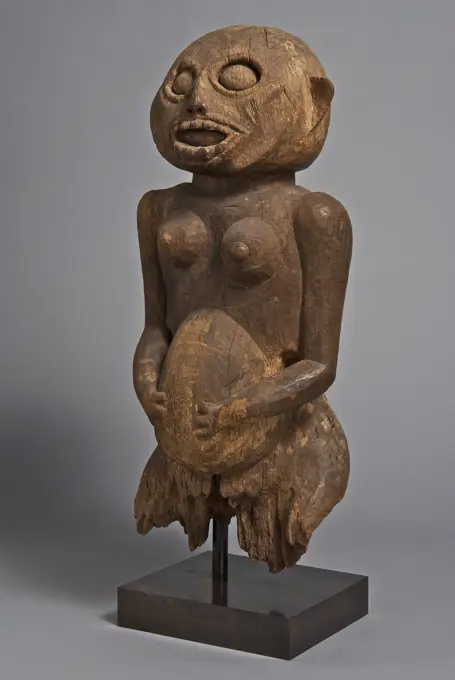
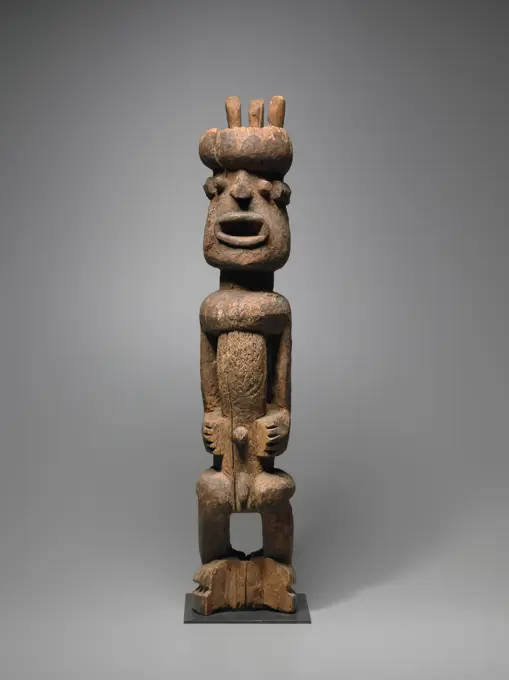
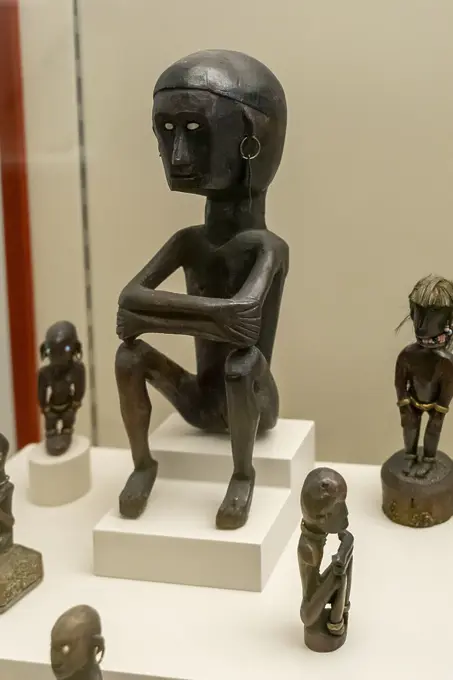
Ancestor Figure(Bulul)
6145-29118099
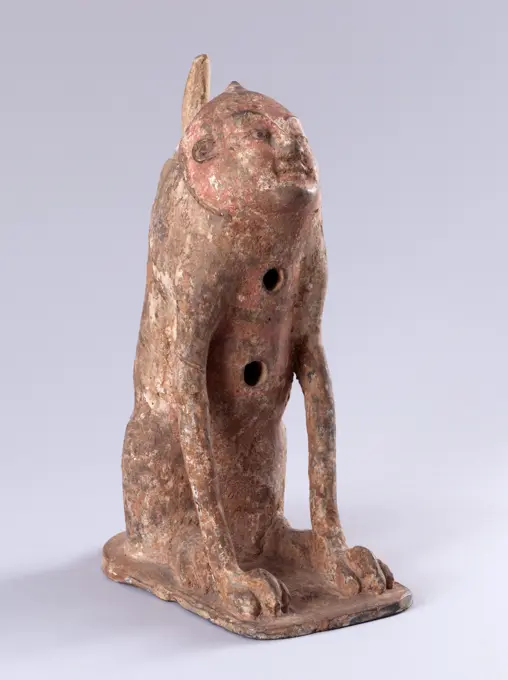
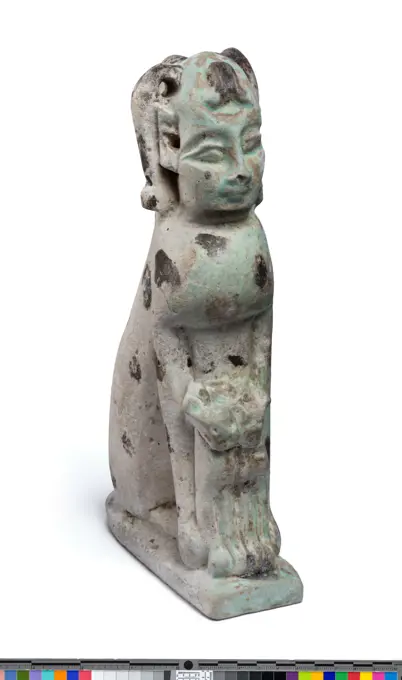
Human-Headed Cat. Egypt, circa 945-664 BCE. Sculpture. Faience
6145-29121131
Crouching Female Figure
6145-29138035
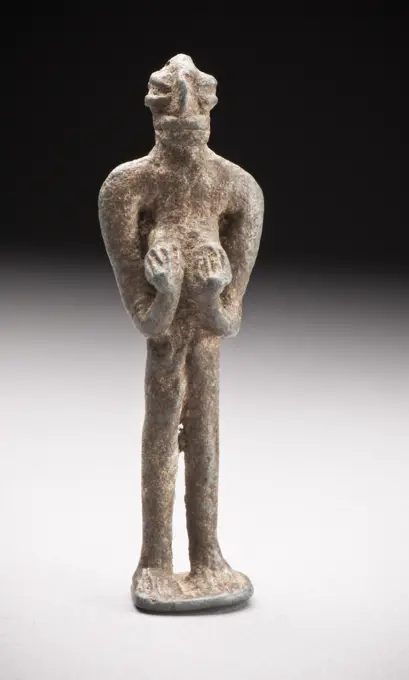
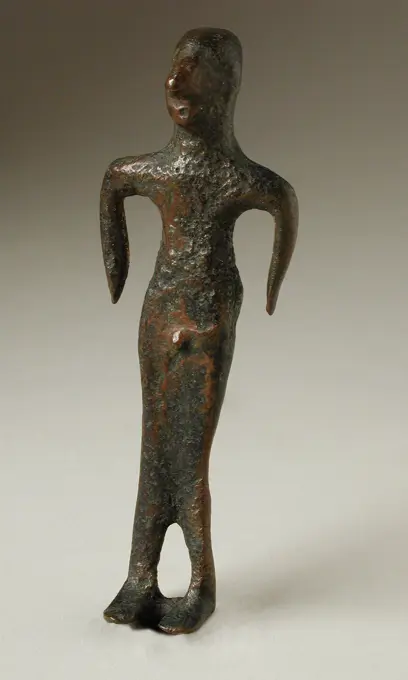
Full-Standing Figure. Iran, no date. Sculpture. Bronze
6145-29121114
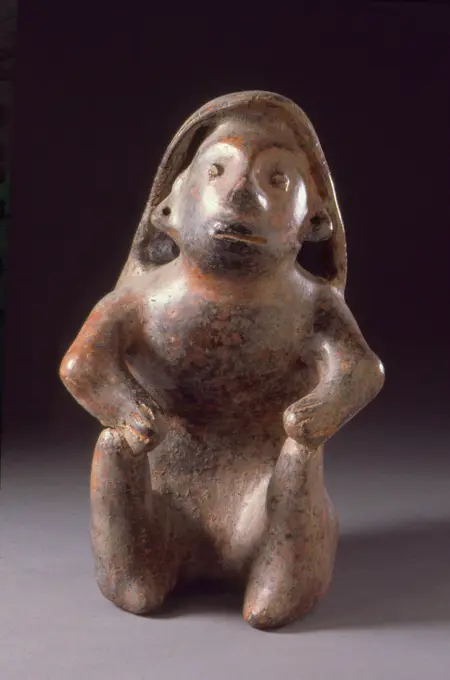
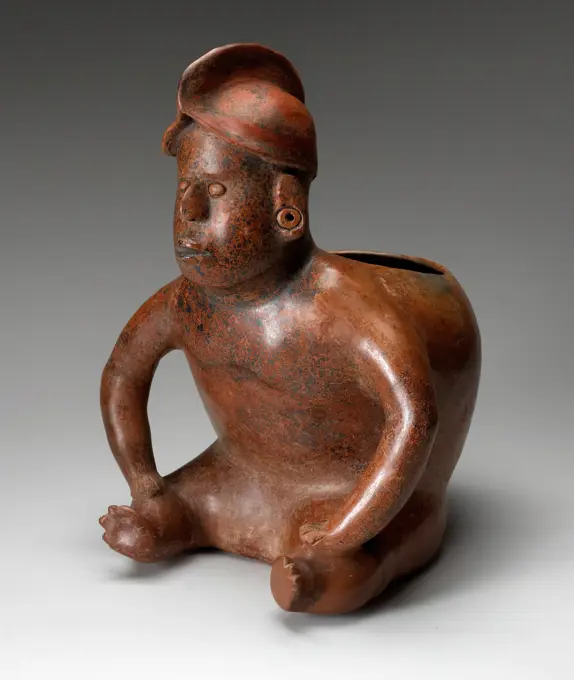
Seated Figure. Mexico, Colima, Colima, 200 BCE-500 CE. Ceramics. Burnished ceramic with slip and incised decoration
6145-29191101
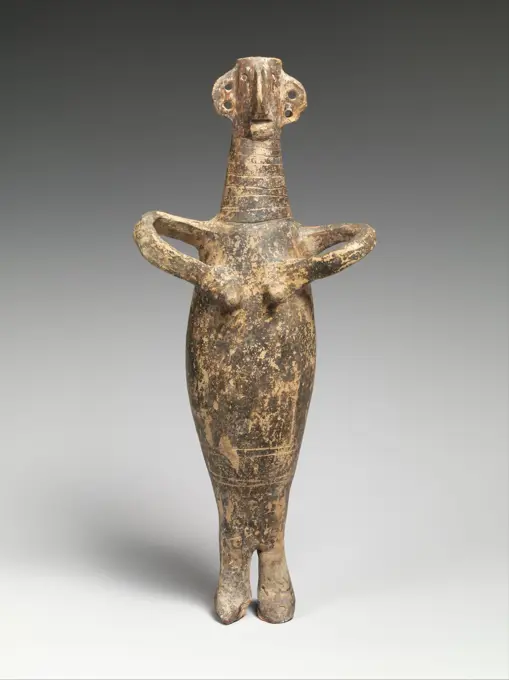
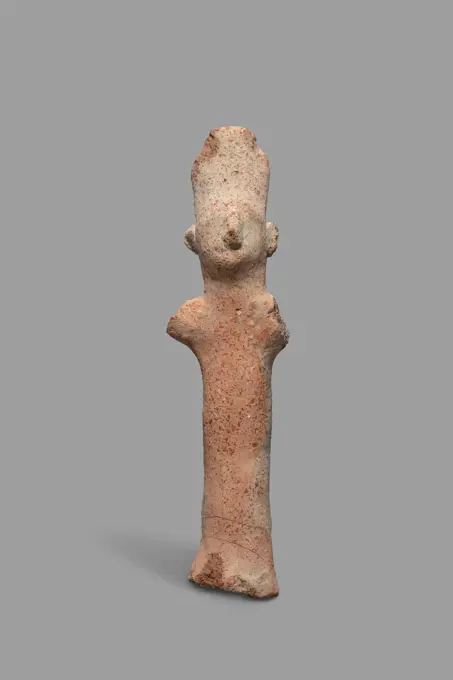
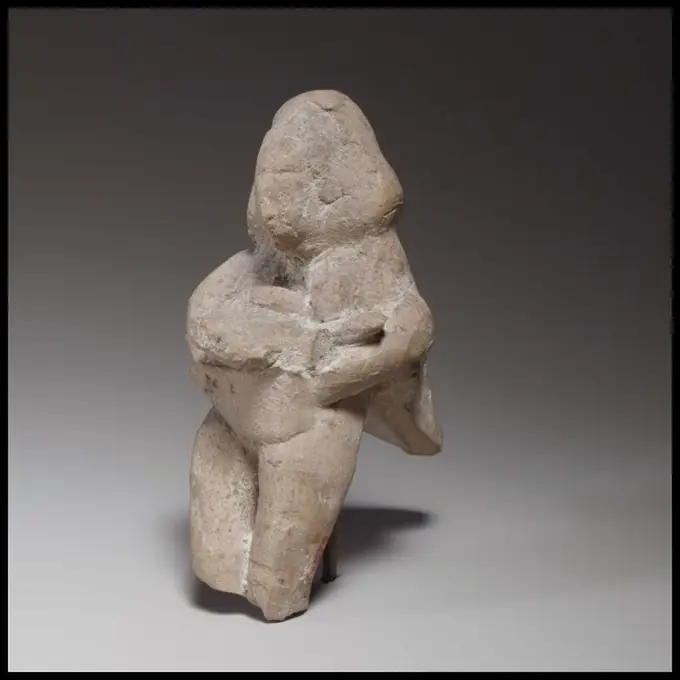
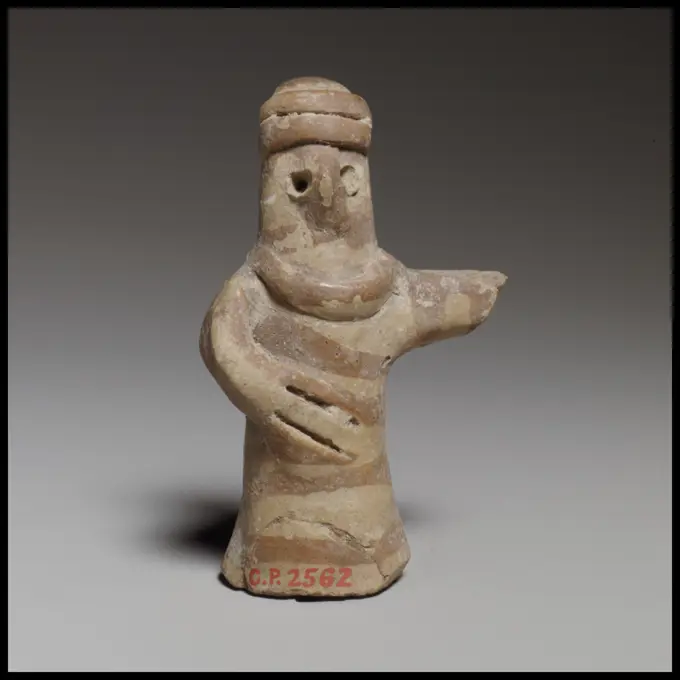
Terracotta statuette of a woman ca. 1725-1450 B.C. Cypriot The figure is hollow, unlike others of its type. The elongated ovoid body is swollen in the middle and narrows toward its head and legs.. Terracotta statuette of a woman 241100
6145-29716114
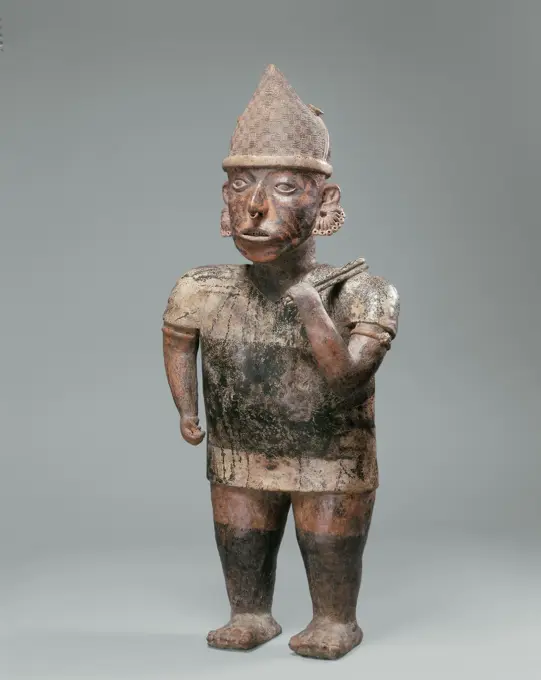
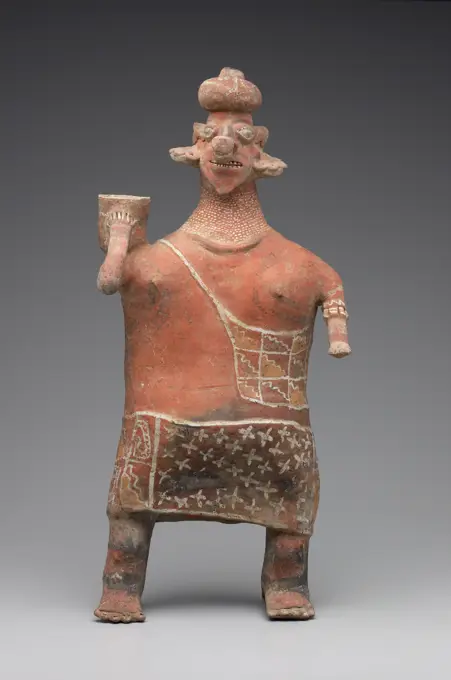
Standing Male Figure A.D. 100-400 Nayarit This imposing male figure stands with his legs apart, his right arm at his side, and his left arm raised in order to rest an implement on his shoulder. He wears a conical hat with an incised, or stamped, checkered basket-weave pattern, and with a band along the bottom edge. The checkered part of the hat is folded and wraps around to tie in the back. An appliqued red cord with two white shells crosses the crown of the hat and another red cord dangles from the back, where incised hair is visible. His face features a modeled brow and cheekbones, and his nose is adorned with a four-looped, appliqued nose ring. The mouth opens enough to reveal the incised white teeth separated by black lines, and the carved eyes show traces of white and black slip. The face and arms were painted in a rich ocher slip that suggests a natural skin color. In each ear, the figure wears eight to nine earrings, featuring appliqued tabs and disks. He is clothed in a long, c
4443-28729928
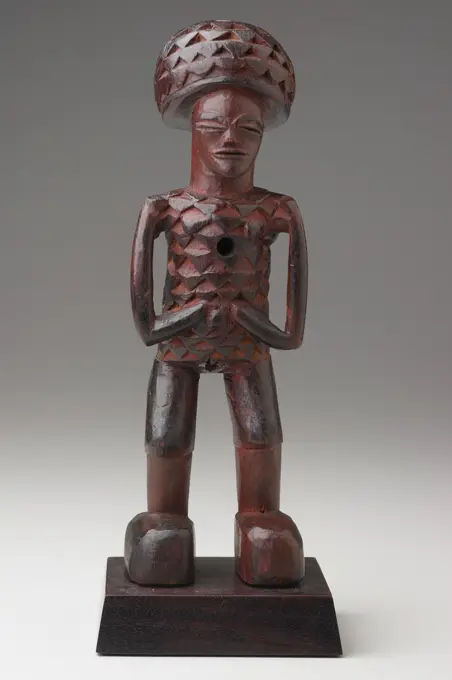
Figure, early-to-mid 20th century, 9 1/4 x 2 11/16 x 2 1/4 in. (23.5 x 6.8 x 5.7 cm) (without mount), Wood, Democratic Republic of the Congo, 20th century, The triangular patterns on the hat and torso of this figure refer symbolically to the protective scales of the pangolin, a small African mammal. Pangolins are associated with the ancestors in Chokwe society because they burrow into termite mounds, considered thresholds between the world of spirits and humans.
4443-19575520
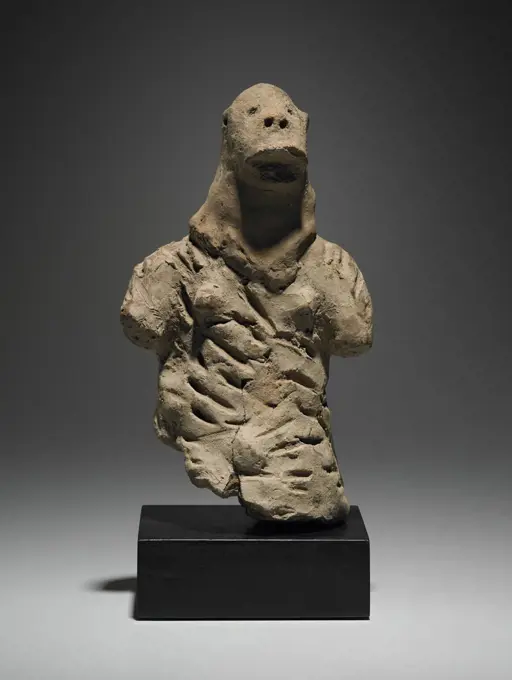
Figure, 16thcentury, Terracotta, 12 × 5 3/4 × 4 in. (30.48 × 14.61 × 10.16cm), Country Chad, Country Cameroon, Sao, 16thcentury, Sculpture
4409-17547544
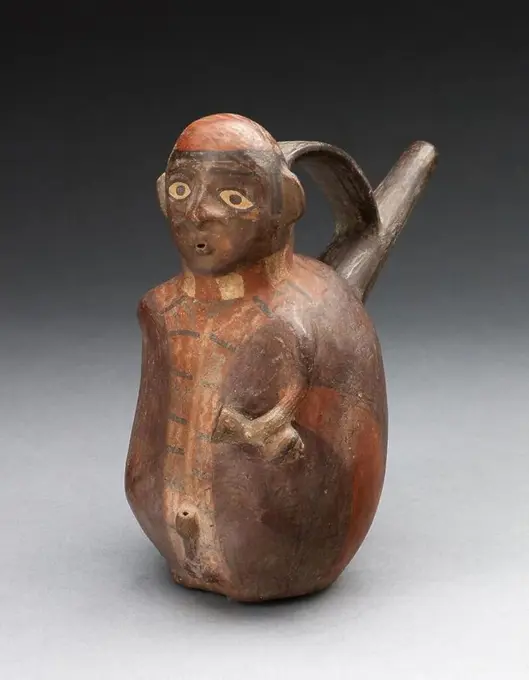
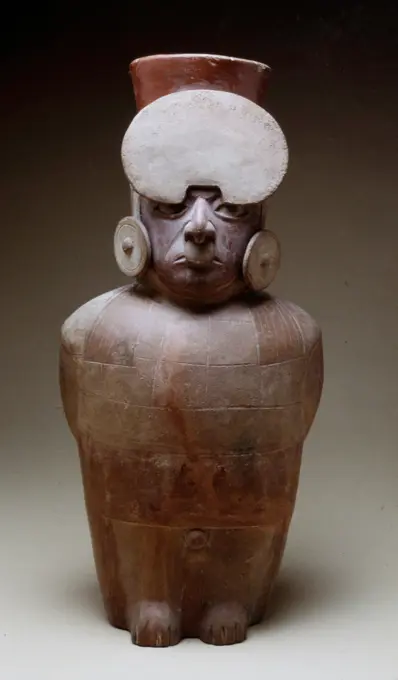
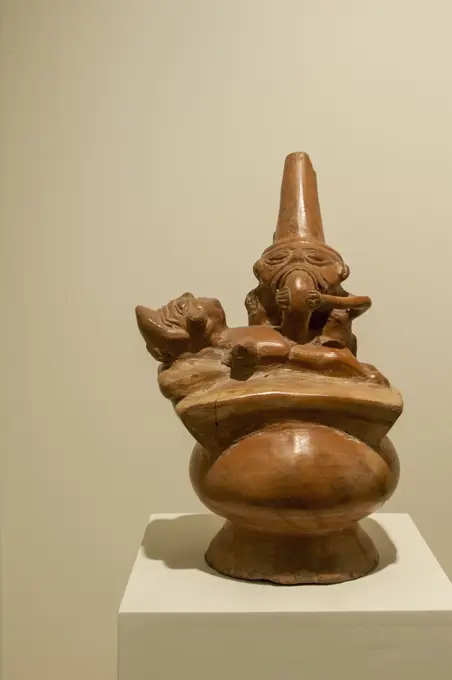
Single-Spout Vessel in the Form of a Figure Holding a Jar. Tiwanaku-Wari; South coast Peru or northern Bolivia. Date: 600 AD-1000. Dimensions: 15.2 × 15.6 cm (6 × 6 1/8 in.). Ceramic and pigment. Origin: Bolivia. Museum: The Chicago Art Institute, Chicago, USA.
6145-29116164
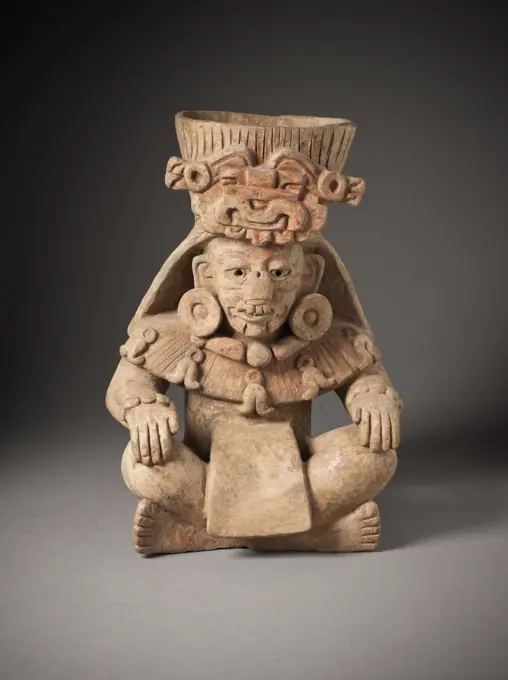
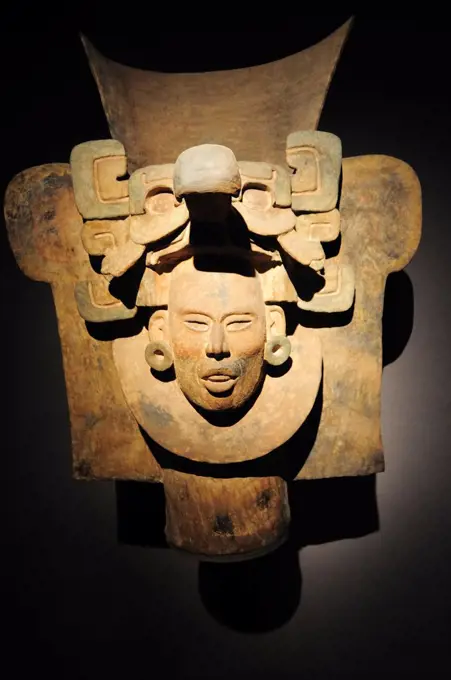
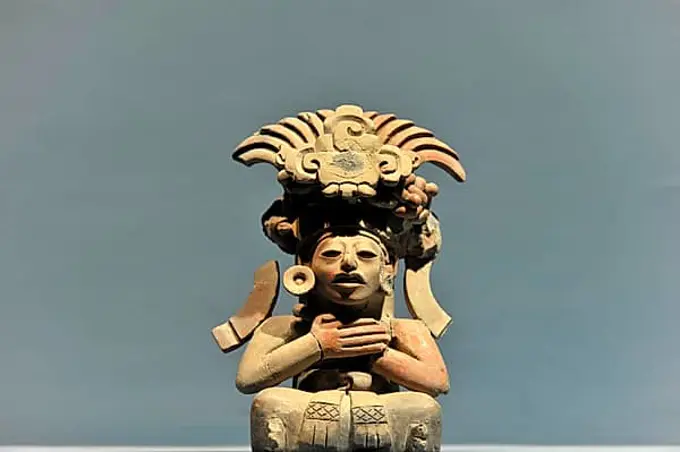
Seated Deity with Glyph C Headdress. Mexico, Oaxaca, Peche period, Zapotec, 500-600 CE. Ceramics. Ceramic
4443-28734071
Standing female figure, 250 BCE - 300 CE, 3 x 1 3/4 x 7/8 in. (7.6 x 4.4 x 2.2 cm), Earthenware, Mexico, 3rd century BCE - 4th century CE
4409-17520445
Standing Male Figure Holding a Plate. Colima; Colima, Mexico. Date: 100 AD-400 AD. Dimensions: H. 40 cm (15 3/4 in.). Ceramic and pigment. Origin: Colima state. Museum: The Chicago Art Institute, Chicago, USA.
4443-28734292
Standing female figure, 200-700, 6 5/8 x 3 x 1 in. (16.8 x 7.6 x 2.5 cm), Earthenware, Mexico, 3rd-8th century
6145-30402283
Ancestor Figure(Bulul)
1746-19699485
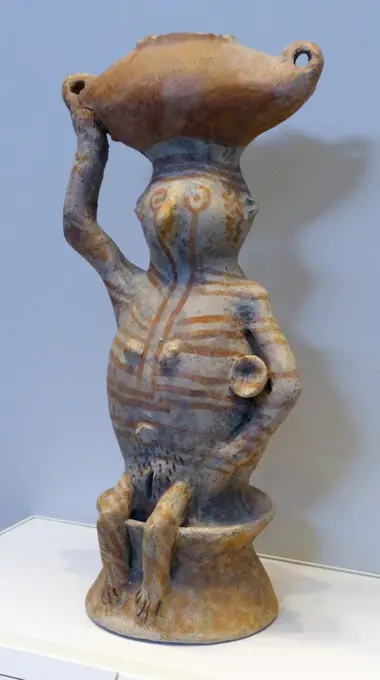
Vessel in the shape of a woman carrying a churn. From Gilgat, Negev, over 6,500-5,500 years ago, made from pottery.
6145-58824833
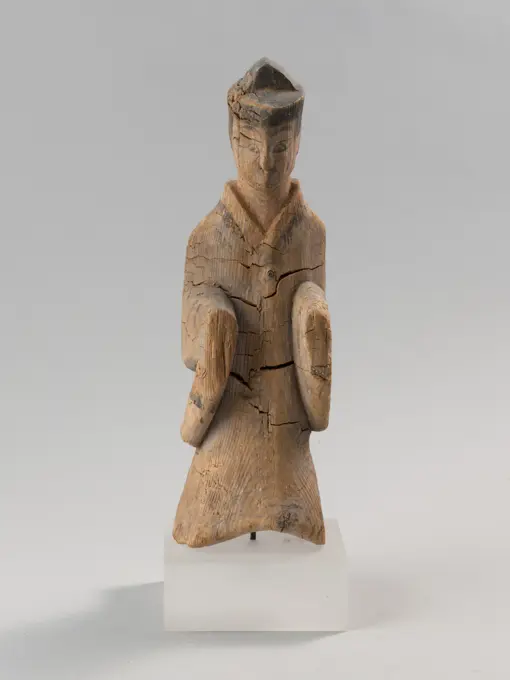
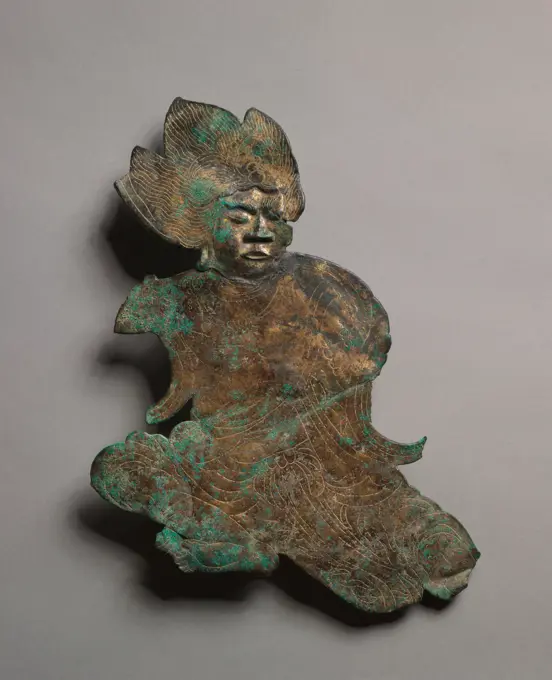
Stand of a funeral figure in the shape of a woman with a timbrel, anonymous, c. 220 - c. 589 Wooden pedestal from later date. China wood (plant material) painting Wooden pedestal from later date. China wood (plant material) painting
4409-17381483
Ceramic Figure Vessel. Culture: Remojadas. Dimensions: H x W x D: 12 x 9 1/4 x 7 1/2in. (30.6 x 23.5 x 19.1cm). Date: 6th-9th century. Museum: Metropolitan Museum of Art, New York, USA.
6145-52952657
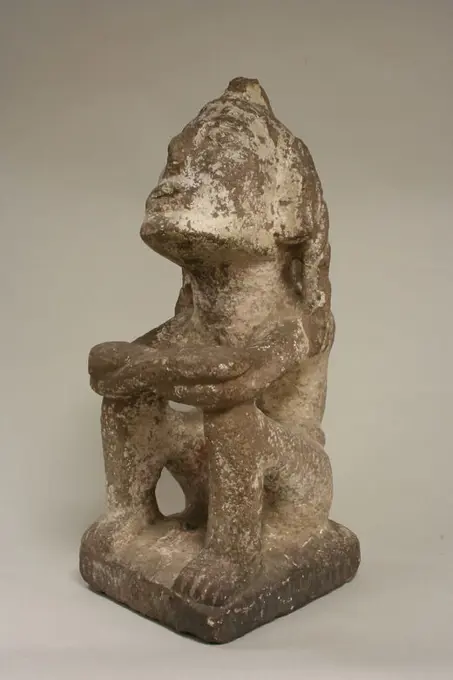
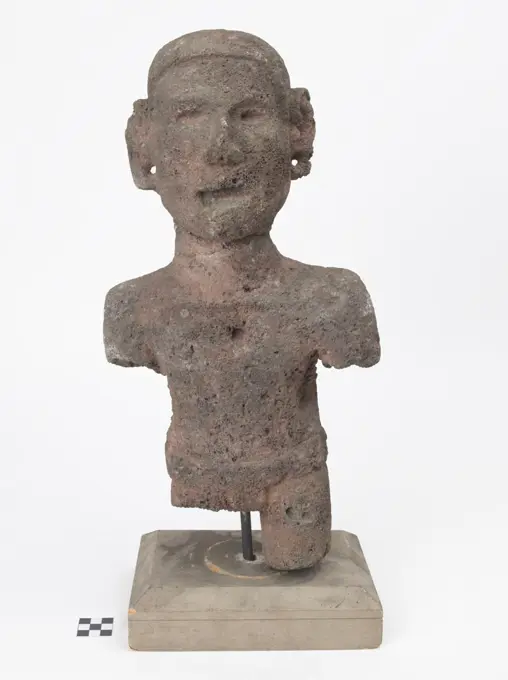
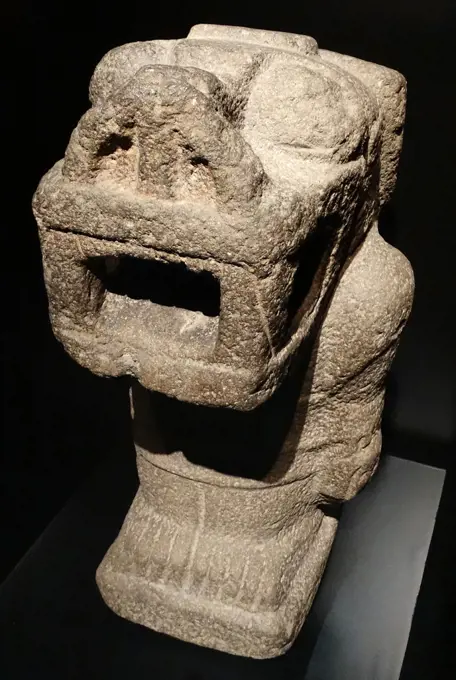
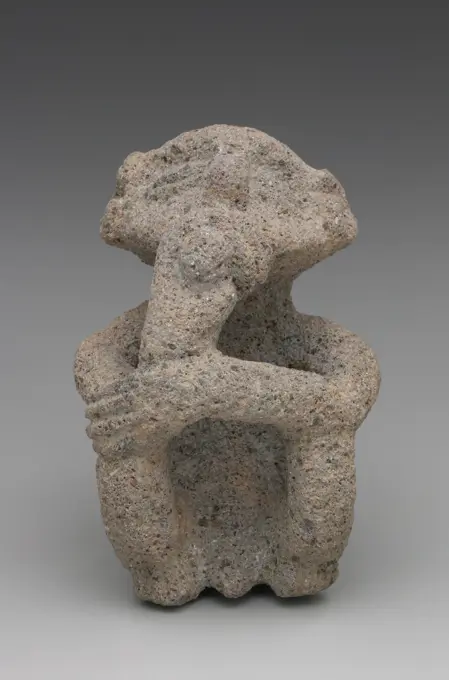
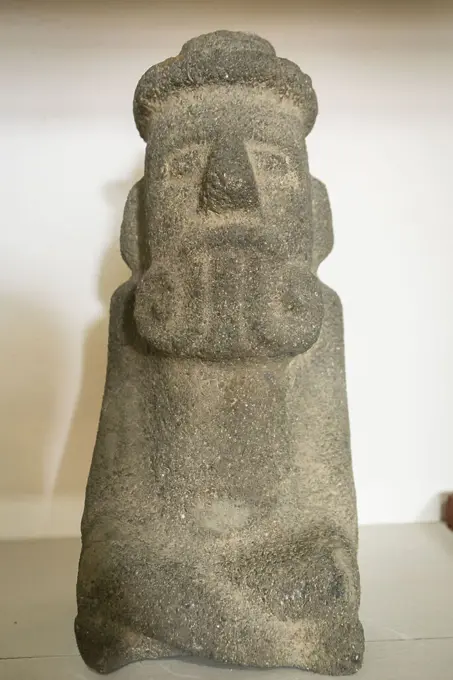
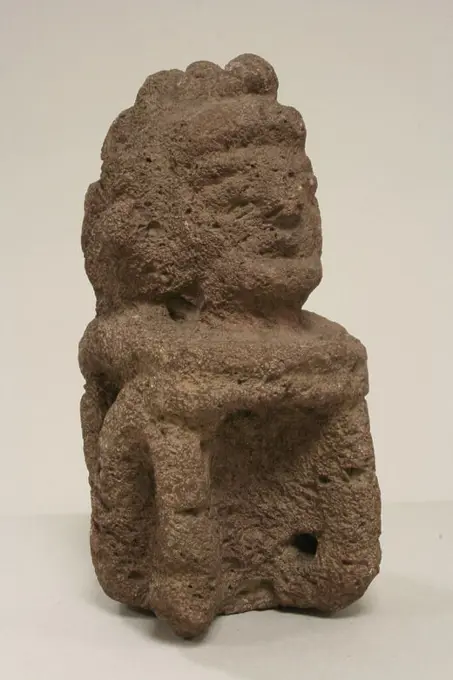
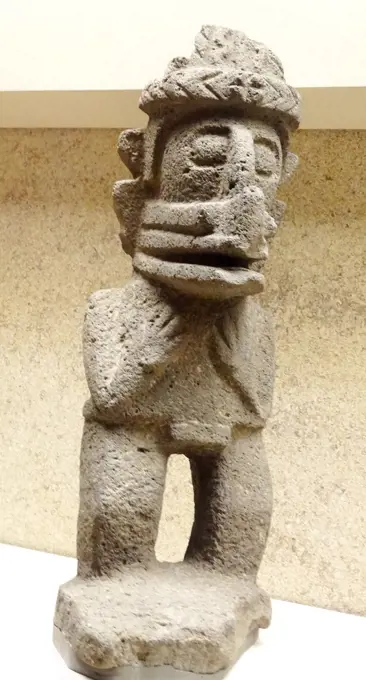
Figure Aztec 15th-early 16th century View more. Figure. Aztec. 15th-early 16th century. Stone. Mexico, Mesoamerica. Stone-Sculpture
6145-29706337
Standing Female Figure A.D. 100-400 Nayarit This female figure has a smoothly modeled face, perhaps a portrait. Emphasis was given to the brow area, and to the carved, black oval eyes, accentuated by black face paint and with a spot of white slip to mark each pupil. The mouth is open to reveal the individually carved white teeth, each also outlined in black. The nose is adorned with a nose ring consisting of seven appliqued loops. A series of parallel black zigzags representing face paint covers the lower part of the figures face. The hair is parted in the middle and bound around a turban, the ends wrapped with a decorative cord The figure wears seven appliqued earrings per ear, each with a black tab and white disk. A simple necklace is indicated by a thick double black band. A sienna-hued slip was used to indicate exposed parts of the body. The back of the figure is finished with delicately sculpted shoulder blades and hips. An inverted-triangle motif portraying either tattoos or bod
6145-30191061
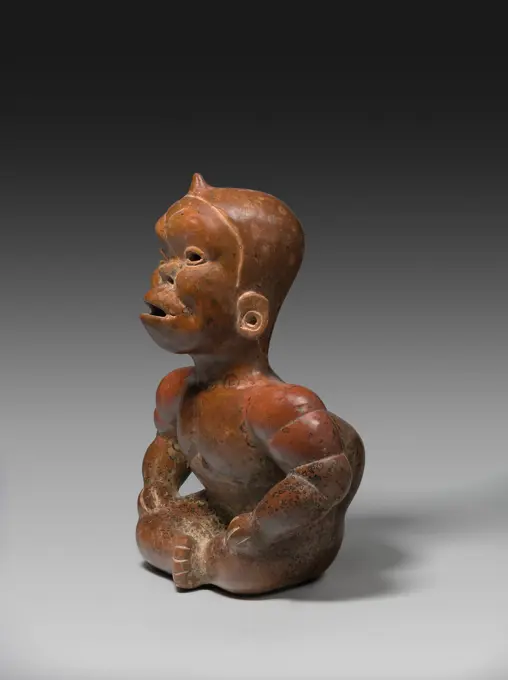
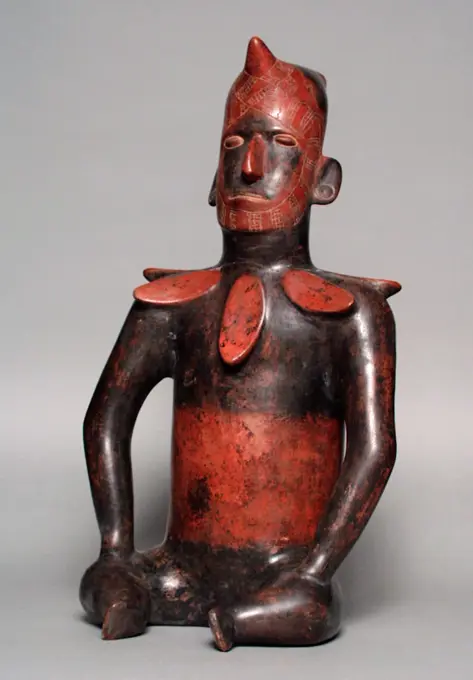
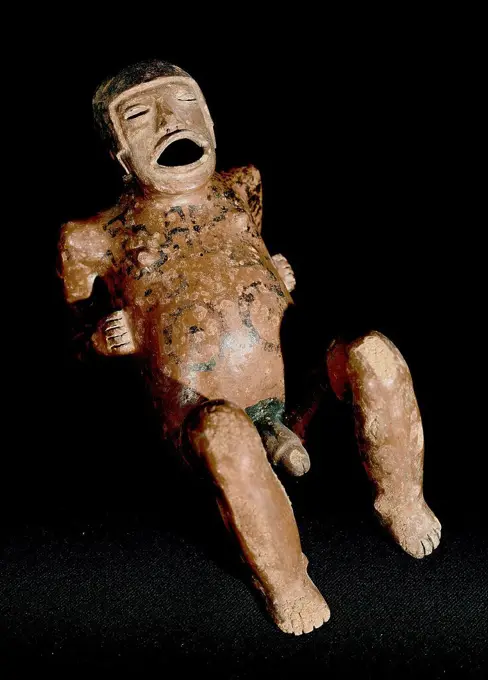
Seated Hunchbacked Dwarf 300 CE-400 CE Western Mexico. Ceramic and pigment . Colima
4443-28741391
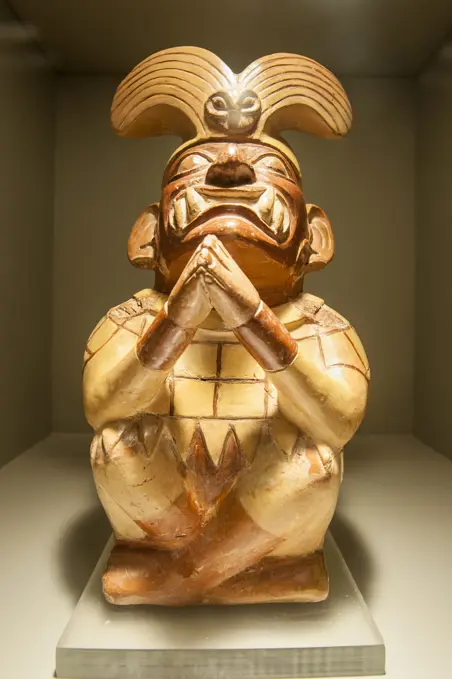
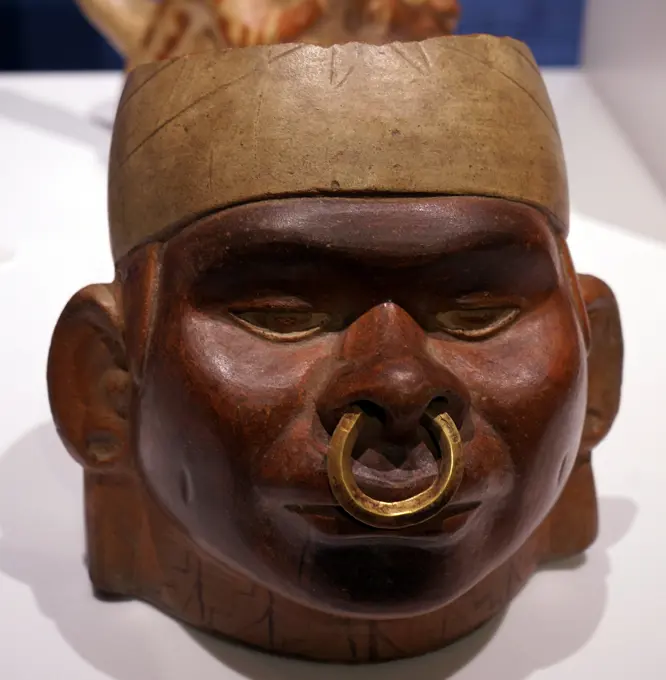
Vessel, 6th-8th century, 17 1/2 in. (44.5 cm), Clay, pigments, Peru, 6th-8th century, Moche leaders subjected their prisoners of war to public humiliation, torture, and often sacrifice. Typically in Moche art, captured enemies are shown in the nude. But the artist who created this vessel chose to emphasize the prisoners high status by depicting him in full regalia. In addition to his stoic expression, the figures headdress, nose ornament, ear spools and patterned tunic illuminate his status—and reinforce the significance of his defeat.
6145-43649064
Pawian - Thot. unknown, author
6145-59035320
Statuette (usual name), 1400. Covered sandstone. Cernuschi Museum, Asia Museum of Asia in the city of Paris.
1850-46886
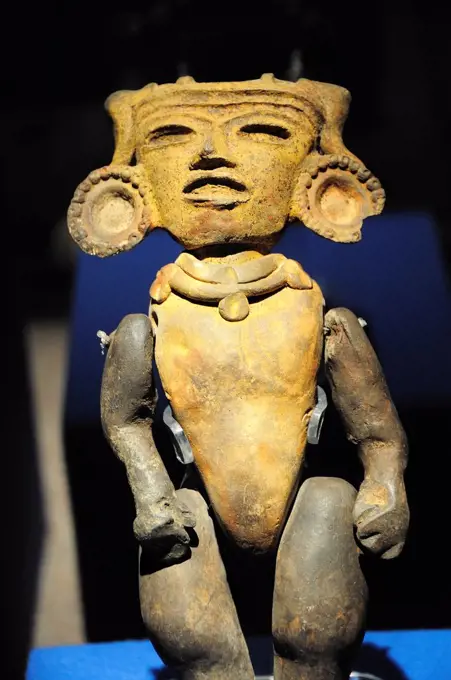
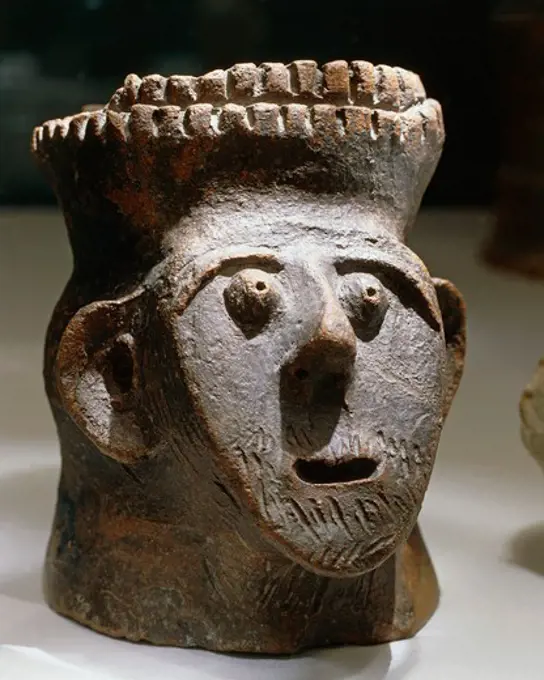
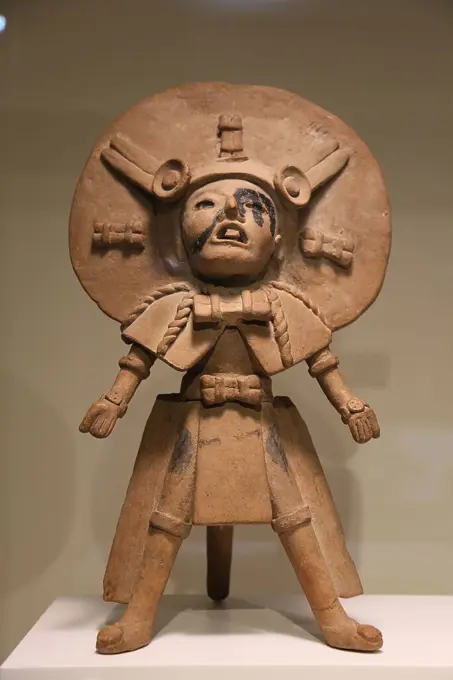
Mexico, Anahuac, Teotihuacan, Anthropomorphic ceramic representation on display in the site Museum.
6145-29092169
Figure of a Warrior in Leather Armor, 20th Century. China, Modern. Buff earthenware with traces of polychromy; overall: 32.4 cm (12 3/4 in.).
4409-17406793
Figure of lion. Dimensions: h. 7.4 cm (2 15/16 in). Dynasty: Dynasty 12, late - 13 up to 1700. Date: ca. 1850-1700 B.C.. Museum: Metropolitan Museum of Art, New York, USA.
6145-29124637
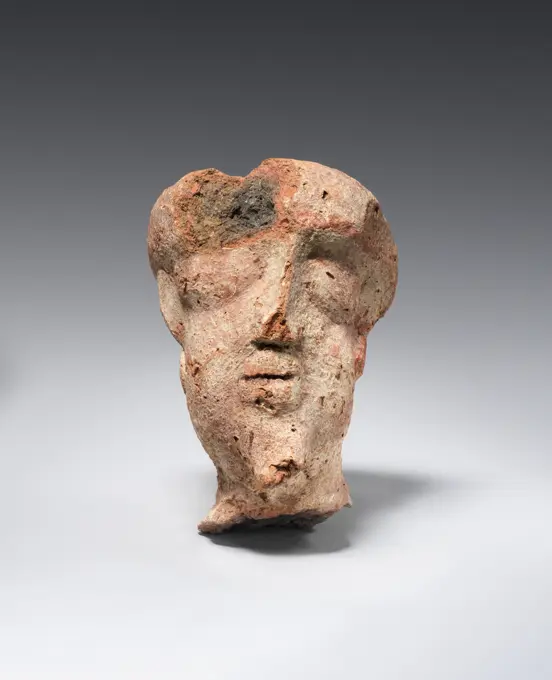
Head of a Goddess. Afghanistan, 1st century B.C.. Sculpture. Terracotta
6145-48832948
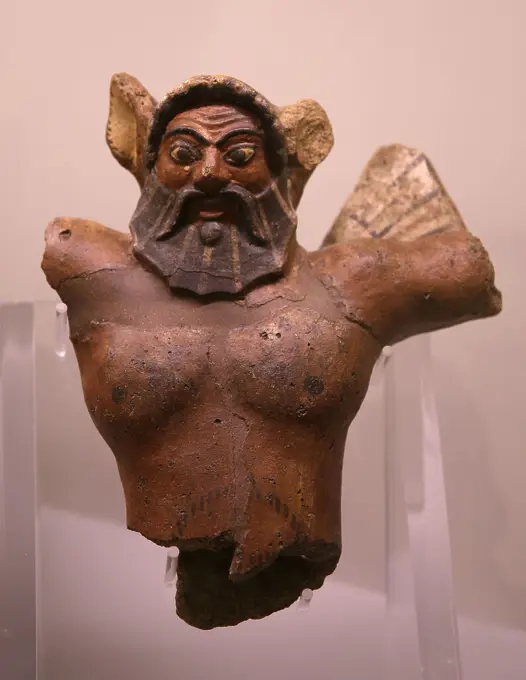
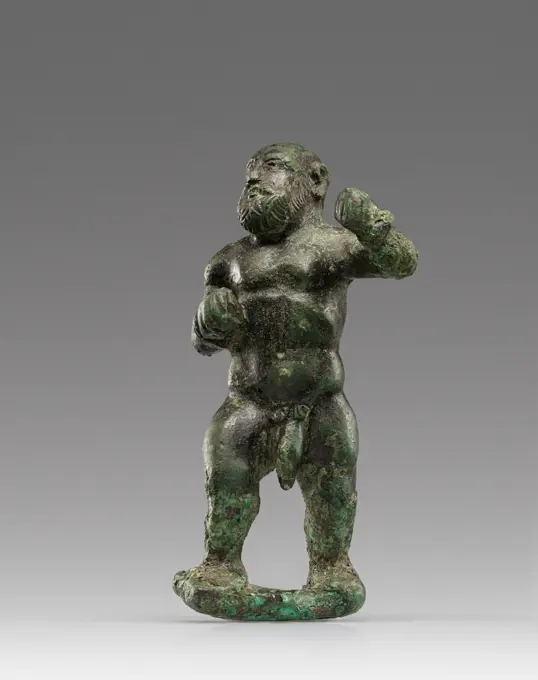
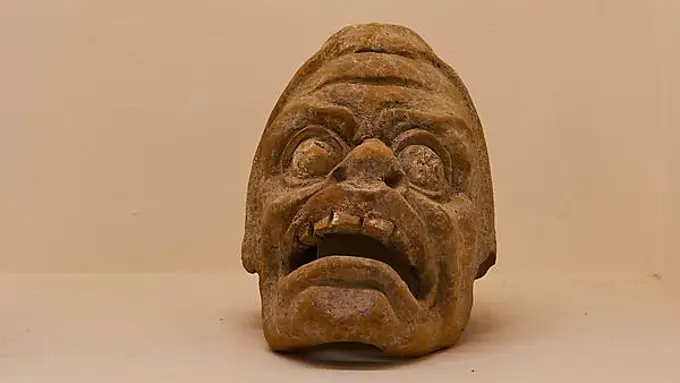
Statuette of a Grotesque Male Figure. Unknown
6145-59035309
Statuette (usual name), 1400. Covered sandstone. Cernuschi Museum, Asia Museum of Asia in the city of Paris.
1788-28185
Phoenician civilization - 3rd century b.C. - Votive head
6145-58826238
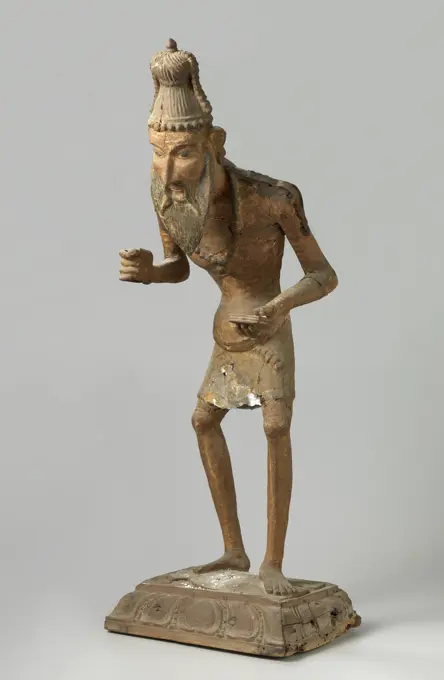
Bhringi, anonymous, c. 1700 - c. 1800 The philosopher (rishi) bhringi with three legs; The third has been removed. India wood (plant material). dye The philosopher (rishi) bhringi with three legs; The third has been removed. India wood (plant material). dye
6145-29185936
Limestone fragment of a lyre or throne ca. 3rd-1st century B.C. Cypriot The head of an eagle may have been part of the lyre in a very large statue of the god Apollo or, less probably, it may have embellished the throne of a seated figure.. Limestone fragment of a lyre or throne 242134
6145-29092164
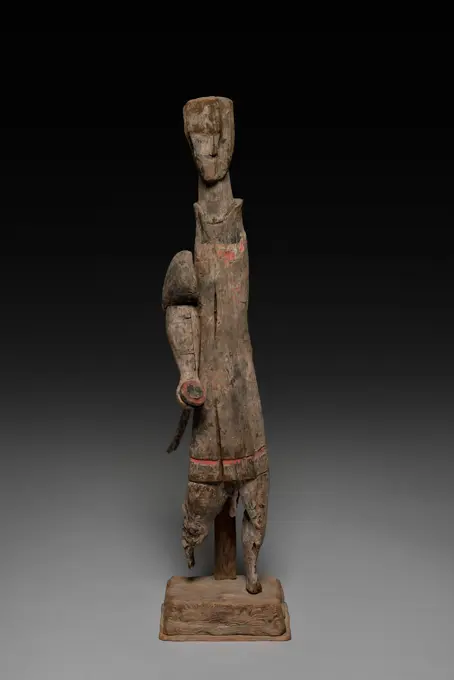
Figure with Sword, 4th-3rd Century BC. China, Eastern Zhou dynasty (771-256 BC), Warring States period (475-221 BC). Wood with traces of polychromy; overall: 49.5 cm (19 1/2 in.).
6145-29772930
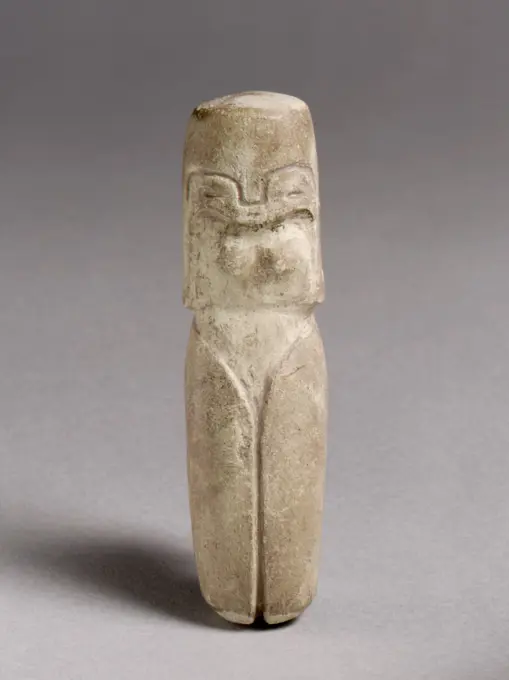
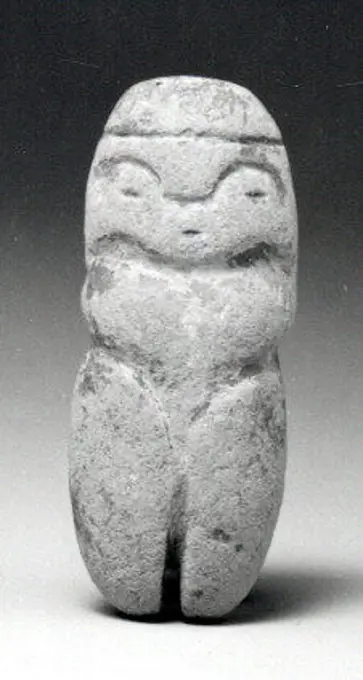
Figure 3rd millennium B.C. Valdivia The Valdivia figurine tradition represents the earliest known example of this form of artistic expression in the Americas. Initially produced from stone, these tiny statuettes have been interpreted as fertility figures, shamanic spirits, and mythical ancestors, although their precise meaning remains uncertain. Typically female, early stone figurines varied in form from simple engraved tablets to carefully carved miniature sculptures, like the one pictured here. This tiny figurine stands but 3.5 inches tall, and was probably made from a form of calcium carbonate. Most likely female, the figure's face is formed by a series of incised lines surrounded by a halo of straight, long hair. Her arms are indicated just barely and the faint impression of breasts is apparent. Her legs are formed by two vertical lines that flare slightly at the waist and feet. Although ceramic figurines eventually came to replace stone figures in Valdivian culture, many of the tr
6145-29127370
Figure of a Musician with a Harp
4409-17373690
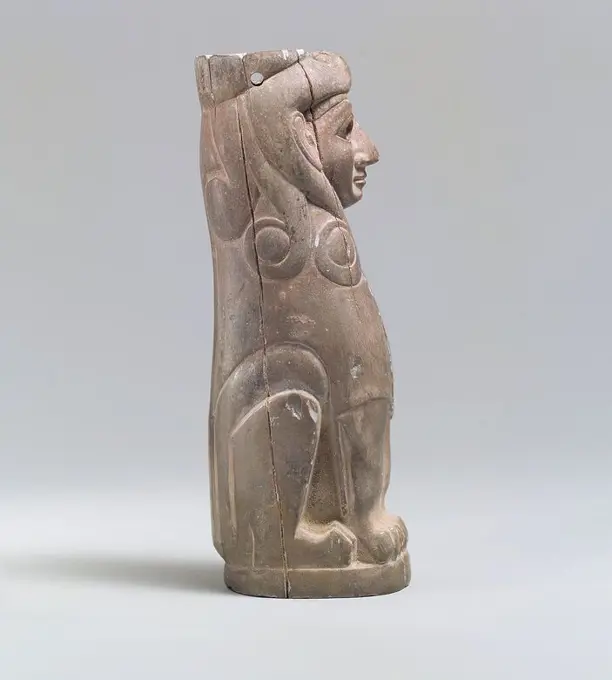
Furniture support: female sphinx with Hathor-style curls. Culture: Old Assyrian Trading Colony. Dimensions: 5 x 1.5 in. (12.7 x 3.81 cm). Date: ca. 18th century B.C..This piece is one of a set of four furniture legs, probably found at the site of a palace at Acemhöyük in central Anatolia, carved in the shape of compact seated sphinxes without wings. They have large eyes with inlaid pupils, only one of which survives intact. Traces of gold foil remain on the hair and headdresses as well as eyes of some examples. The pink staining of this piece indicates that iron oxides are present on the surface, although it is not known whether this was a deliberate decorative treatment, or a result of contact with the soil in which the pieces were buried. Additionally, the overall gray color indicates that the object was exposed to considerable heat, perhaps during the destruction of the palace. Each sphinx wears a wig or hairstyle in which heavy locks of hair ending in large curls, held behind prot
1788-42092
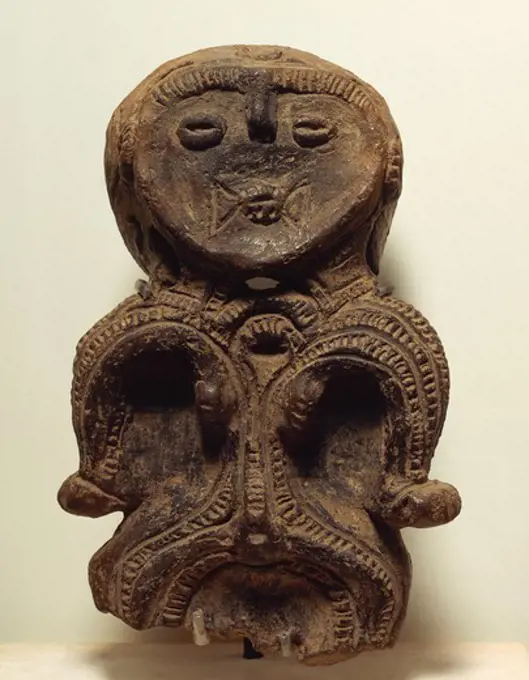
Dogu, ceramic statue, Japan. Japanese Civilisation, Neolithic, Jomon period, 11th-4th century BC.
4435-6195
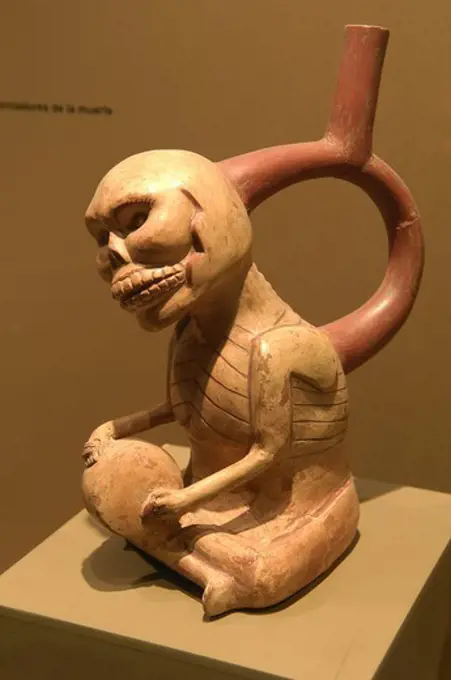
Ceramics depicting the stages of life (3rd c. AD). Death. Moche or Mochica Art. PERU. LAMBAYEQUE. Sipn. Royal Tombs of Sipn Museum.
4409-62729184
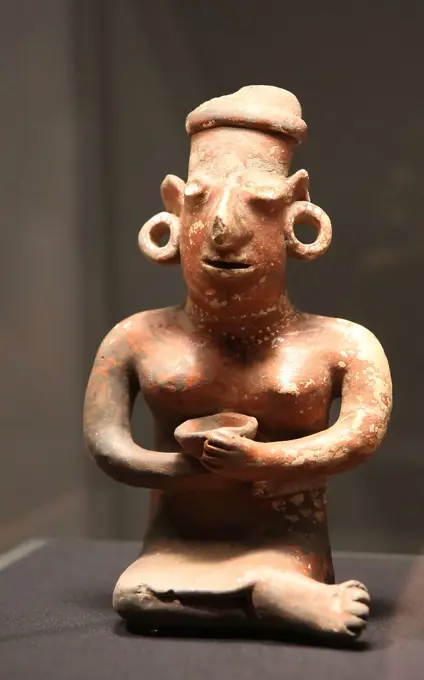
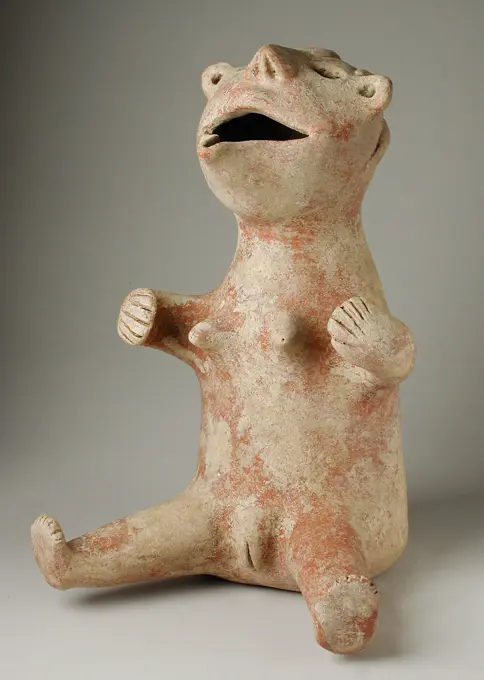
Ceramic figurine of a seated woman. Nayarit, Mexico. 3rd century BC-3rd century AD. British Museum. Londres. GBR.
6145-29130088
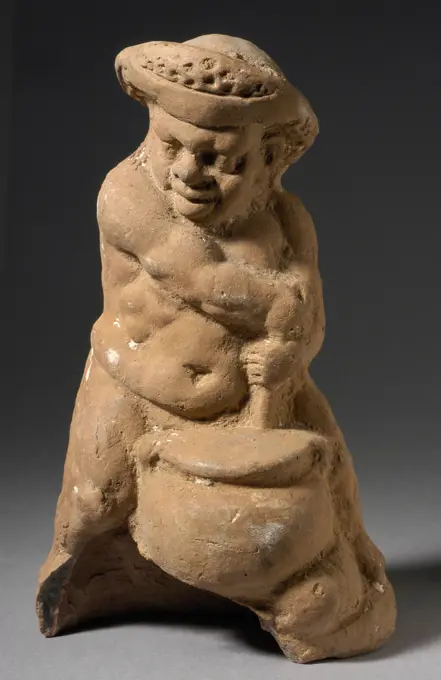
Figure Stirring a Cauldron. Egypt, 305 BCE - 641 CE. Sculpture. Terracotta
1746-19984876
Ancient terracotta feline warrior head, from the Tiwanaku, the pre-Columbian archaeological site in western Bolivia. Dated 9th Century
7155-70377407
Male figure. Taino culture. 15-16th cent.
6145-29724523
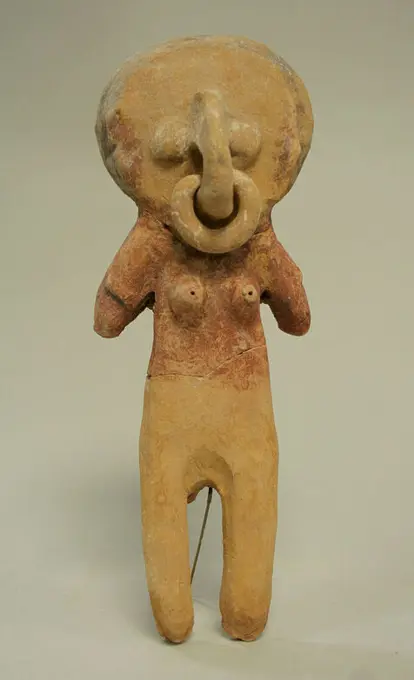
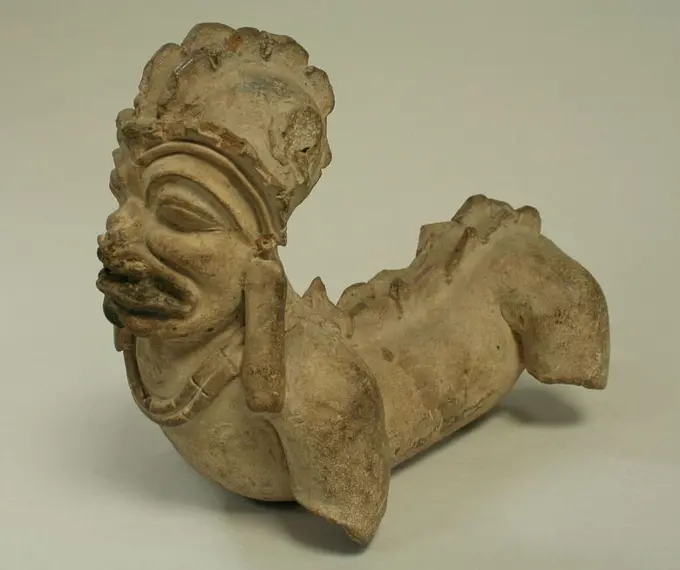
Standing Figure 5th-1st century B.C. Esteros or Bahía The Bahía people occupied the coast of Manabí Province, where they continued the ceramic tradition of depicting human figures that had started 2,000 years earlier in the region. Their figures vary from hand-modeled to heavy mold-made examples and others that have mold-made faces and hand-modeled bodies. Some have colored and/or applied clothing and ornaments. Associated with the site of Los Esteros in central Manabí, this figure is highly stylized with a flat, sexless body and flipperlike arms. Its angular face has large, applied coffeebean eyes and a very prominent aquiline nose with a heavy nose ring.The meaning of such figures is unknown. One Los Esteros cache contained broken Bahía-style figurines apparently deliberately smashed. Clearly a votive offering of some sort, its intended purpose is conjectural.. Standing Figure 317725
6145-59022277
Mingqi Dignitaire ". Dynastie Dynastie Dynastie Dynnia (206 Av. J.-C. Apr.) J.-C.). Park, Cernuschi. 157046-29 Asian art, Chinese art, Han dynasty, in the foot, East, Mingqi dignitaire, statue, statuette, wood
6145-29071185
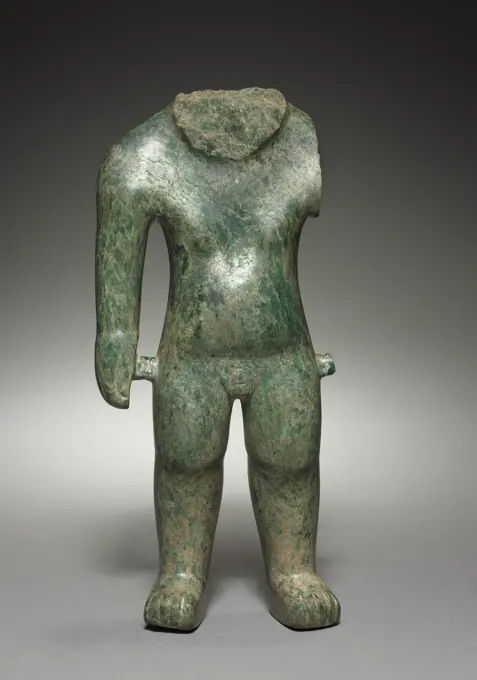
Figure Fragment, c. 900-400 BC. Mexico, Olmec, 1200-300 BC. Greenstone; overall: 27.7 x 13.4 x 5.5 cm (10 7/8 x 5 1/4 x 2 3/16 in.).
6145-43633637
Figurka wotywna. unknown, author
6145-29066733
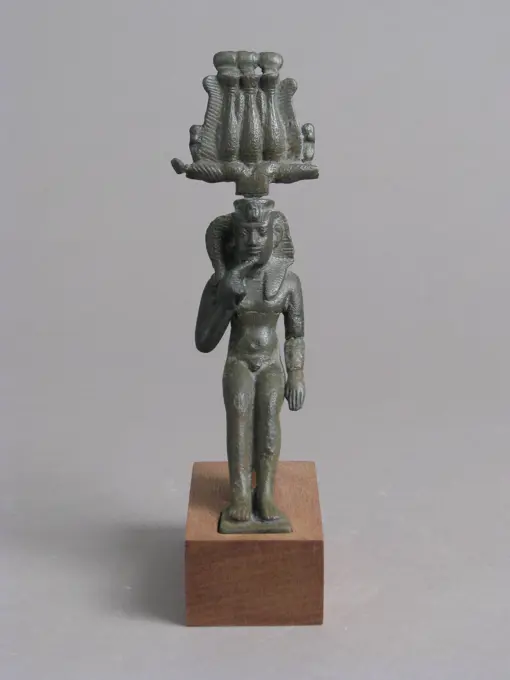
Statuette of Harpocrates, 304-30 BC. Egypt, Greco-Roman Period, Ptolemaic Dynasty. Bronze, solid cast; overall: 18.6 x 5.7 x 10.5 cm (7 5/16 x 2 1/4 x 4 1/8 in.).
4409-17424178
Figure. Culture: Chupicuaro. Dimensions: H. 3 3/16 in. (8 cm). Date: 3rd century B.C.-A.D. 4th century. Museum: Metropolitan Museum of Art, New York, USA.
4443-28733062
Female Figure with Headdress, 400-799, 7 1/2 x 3 in. (19 x 7.62 cm), Earthenware, Mexico, 5th-8th century
6145-46811264
AncestorFigure
6145-30402339
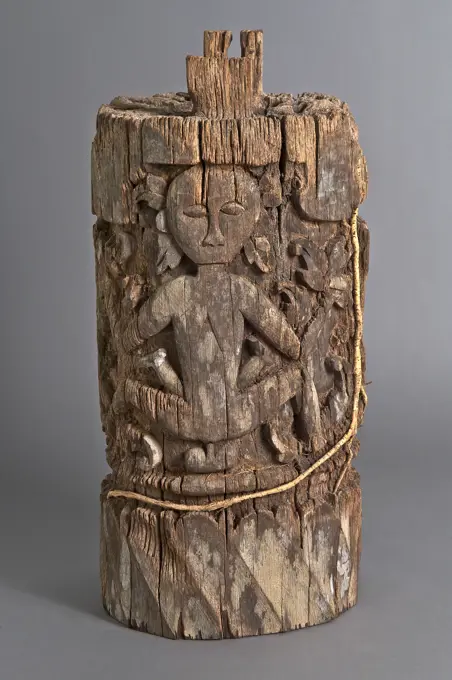
Figurative ColumnFragment
6145-29123066
Standing Male Figure
1899-17317423
Pre-Columbian art. Pre-Incan. Jama-Coaque Culture. 500 BC-1531 AD. From Ecuador. 68 x 33 cm (diameter). Male figurine. Stye chone. Private collection.
4409-17408035
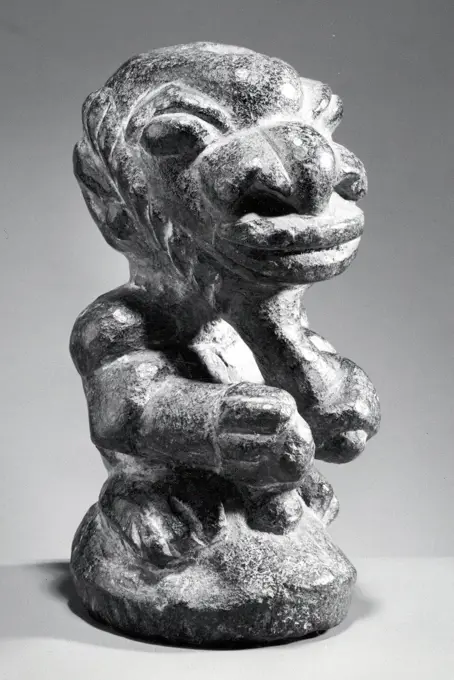
Zoomorphic Stone Figure. Culture: Ecuador. Dimensions: H. 11 x W. 5 5/8 in. (27.9 x 14.3 cm). Date: 5th century B.C.-A.D. 13th century. Museum: Metropolitan Museum of Art, New York, USA.
6145-30375715
Standing FemaleFigure. Artist: Unknown
1746-21124523
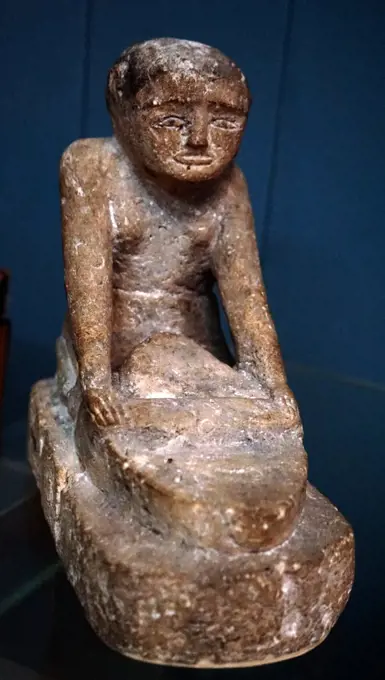
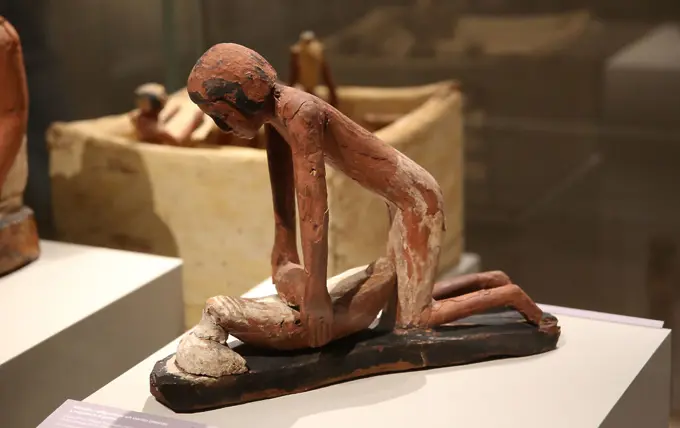
Limestone statuette of a servant grinding grain. Dated 2181 BC
4443-28736675
Reproduction of Standing Female Figure, 20th century, 11 in. (27.94 cm), Earthenware, Costa Rica, 20th century
6145-29829240
Figure: Seated Male 16th century () Sapi-Portuguese. Figure: Seated Male 312351
6145-29832463
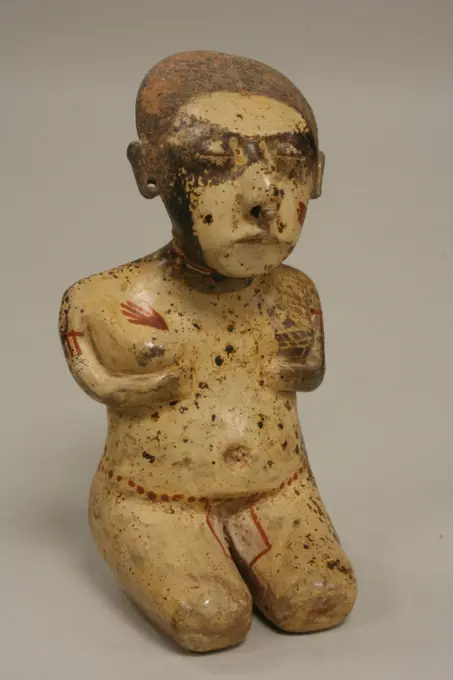
Kneeling Female Figure 2nd-4th century Nayarit (Chinesco). Kneeling Female Figure 317813
6145-29066499
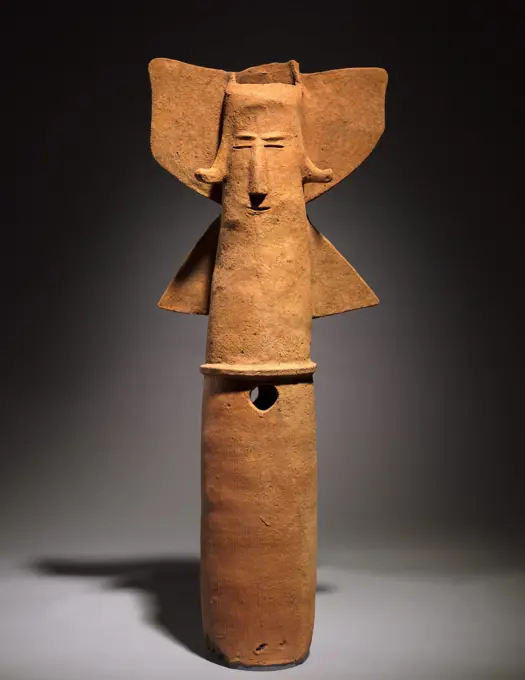
Haniwa in the Form of a Shield, c. 500. Japan, Kofun period (c. AD 300-710). Earthenware with applied, cut, and incised designs and red slip; overall: 120 x 48.7 x 18 cm (47 1/4 x 19 3/16 x 7 1/16 in.).
6145-46814464
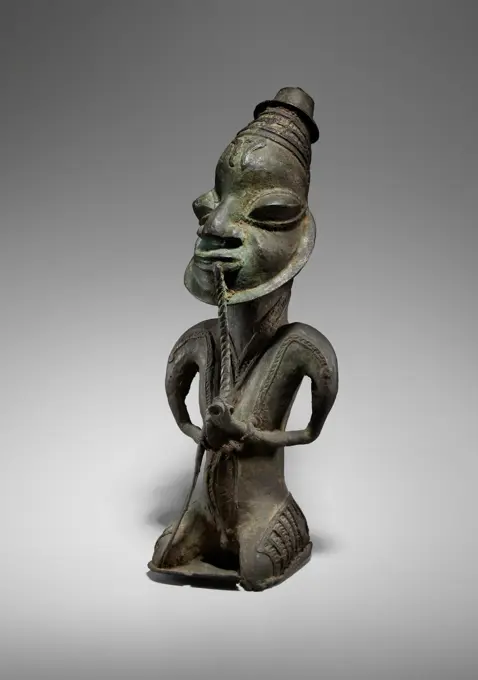
Kneeling Male Figure (Onilé) Smoking aPipe
6145-29743884
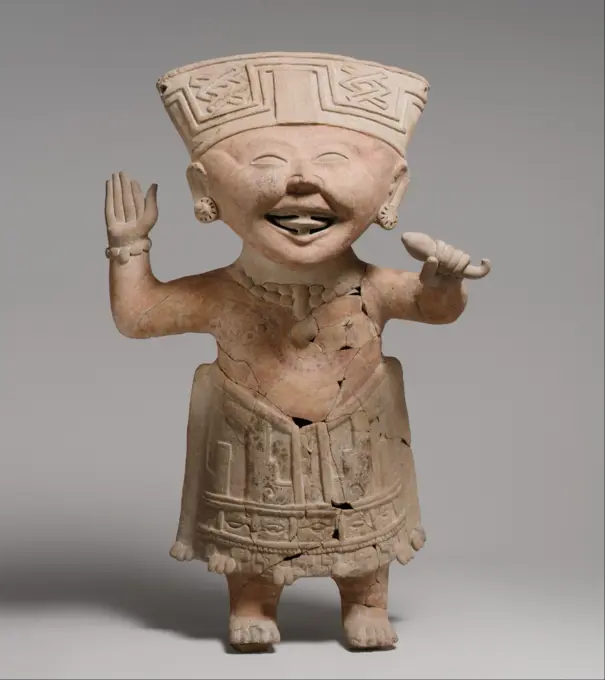
"Smiling" Figure 7th-8th century Remojadas Smiling figures (called sonrientes in Spanish) are one of the most intriguing examples of Mesoamerican ceramic artistry, part of a long-standing tradition of hollow ceramic figures produced in south-central Veracruz throughout the Precolumbian period. The animated expression that is responsible for their name is surprising in Mesoamerican art, where emotion of any kind is rarely depicted. Nude from the waist up, this sonriente wears a cap and skirt covered in geometric patterns, circular earspools, and a beaded necklace and bracelet. He raises his right hand as though in greeting and clutches a gourd rattle in his left. Musicians are depicted playing similar rattles in ceremonial scenes from both Veracruz and the Maya area. Thin red lines drawn below the eyes and the chin, and traces of the black tar paint often used in the region (see MMA 1978.412.59) on the chest represent body paint or tattooing. Additional traces of black paint on the skir
1746-19663492
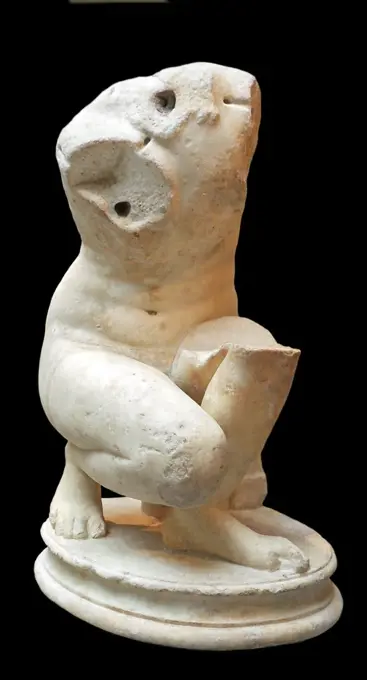
Marble statue of a crouching Aphrodite. Roman 1st or 2nd century A.D.
4409-17553448
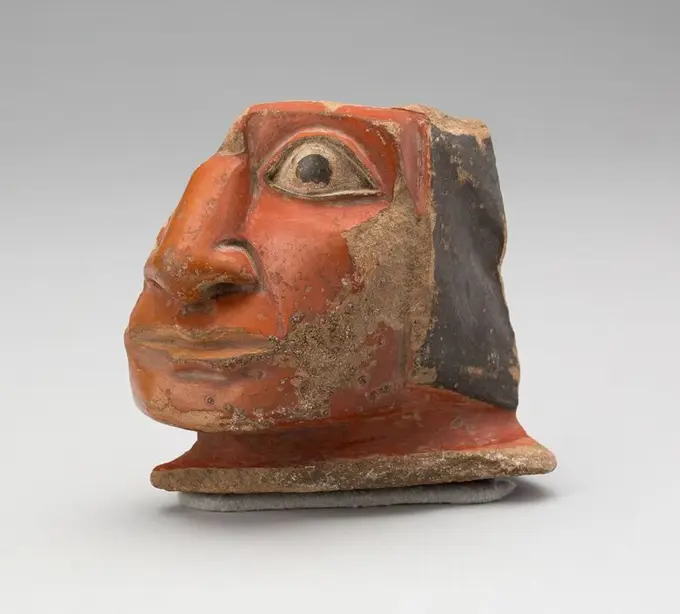
Head Fragment from a Large Ceremonial Jar. Tiwanaku-Wari; Pacheco, south coast, Peru. Date: 700 AD-800 AD. Dimensions: 11.1 × 12.7 cm (4 3/4 × 5 in.). Ceramic and pigment. Origin: Peru. Museum: The Chicago Art Institute, Chicago, USA.
6145-30177576
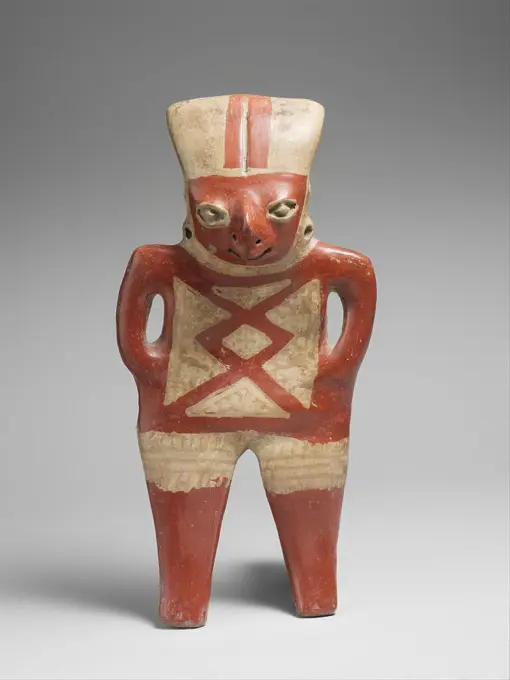
Standing Female Figure 1200 BCE-600 BCE Central Mexico. Ceramic and pigment . Tlatilco
6145-30398060
CigarSmoker. Artist: Unknown
6145-46812975
Rasp
4443-28741695
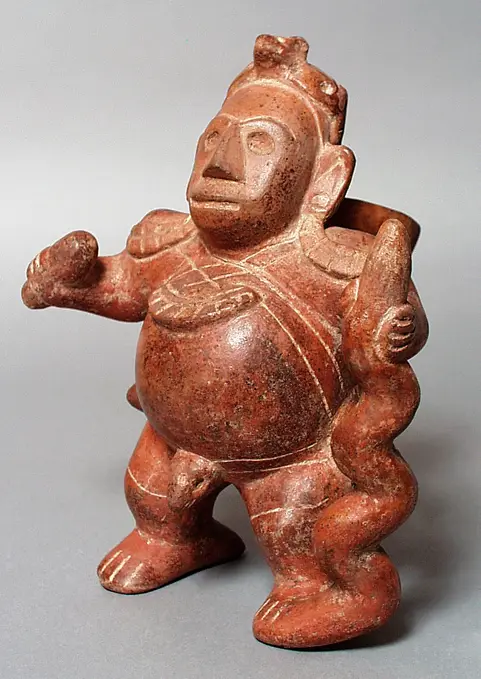
Vessel, c. 800, 19 3/4 x 14 1/4 x 15 in. (50.17 x 36.2 x 38.1 cm), Ceramic, Mexico, 8th-9th century, This unusually large vessel portrays a man with a hunched back, a common theme in ancient Mesoamerican art. Individuals with this characteristic had a privileged position in these societies, often serving as attendants to kings and chiefs. They were believed to have a special association with rain, clouds, the earth and caves. The warrior's helmet and earspools on this example illustrate this man's elevated status.
6145-29119235
Figure with Slingshot
6145-59028480
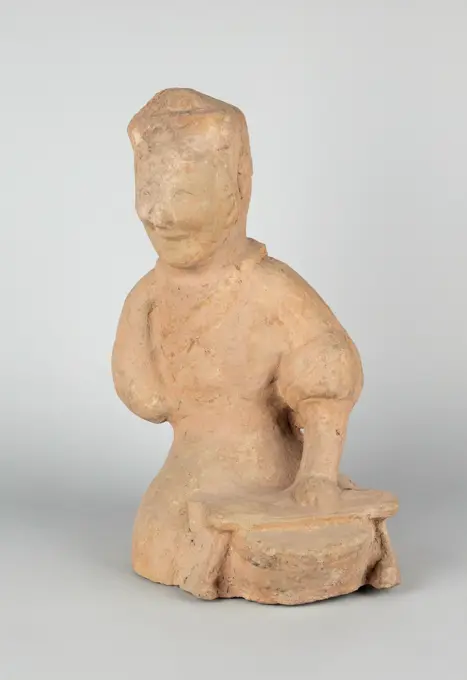
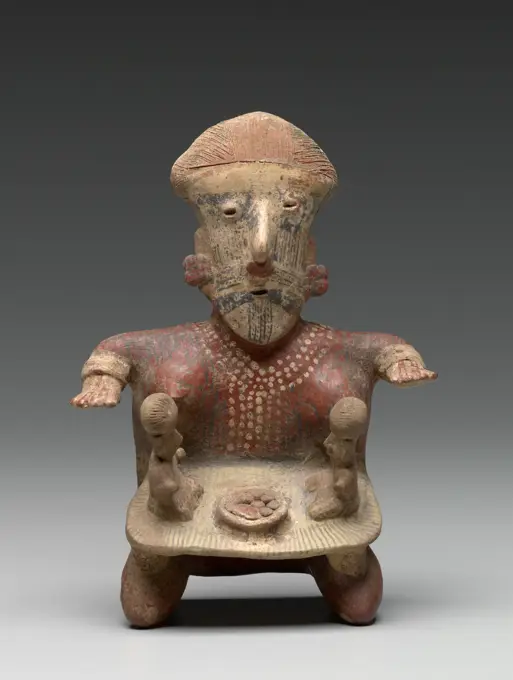
Anonymous, male character (username), 0025. Gray earth sometimes reddened in fire with traces of red earth. Cernuschi Museum, Asia Museum of Asia in the city of Paris. Sitting on the heels. Left hand relying on a sort of table on which a round basin is placed. A fish is distinguished on the table. Smiling face. Flat hairstyle.
1746-21129874
Ancient art: female terracotta figurine, northern Syria, 2000 BC.
1899-18611415
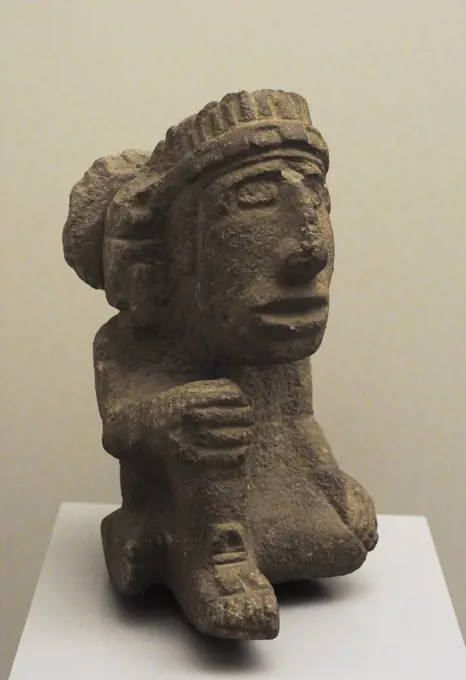
Seated human figure. Stone. Aztec culture. Late Postclassic Period (1250-1520 AD). Central Mexico. Museum of the Americas. Madrid, Spain.
6145-29121320
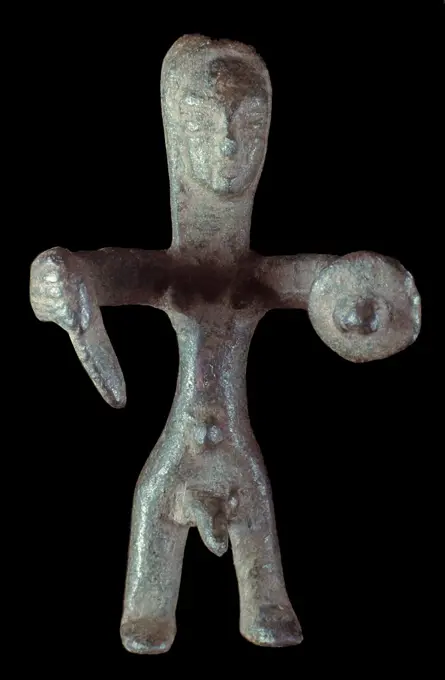
Male Figure. Etruscan, 6th century B.C.. Sculpture. Bronze, cast
6145-29120907
Torso or Upper Body with Hand to Mouth. Egypt, Late Period (724 - 333 BCE). Sculpture. Terracotta, black-glazed
4409-20887924
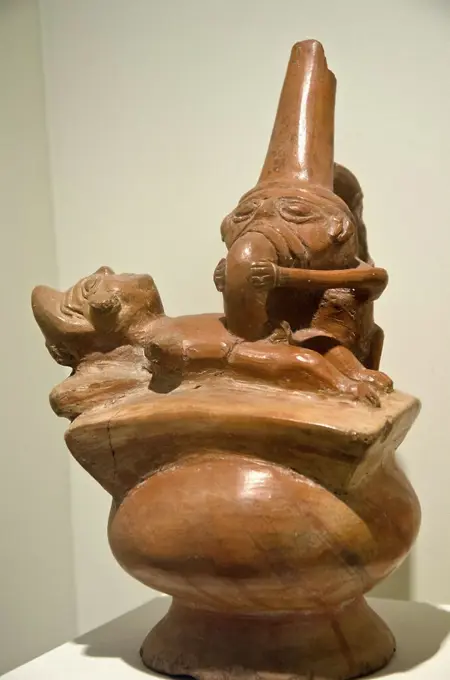
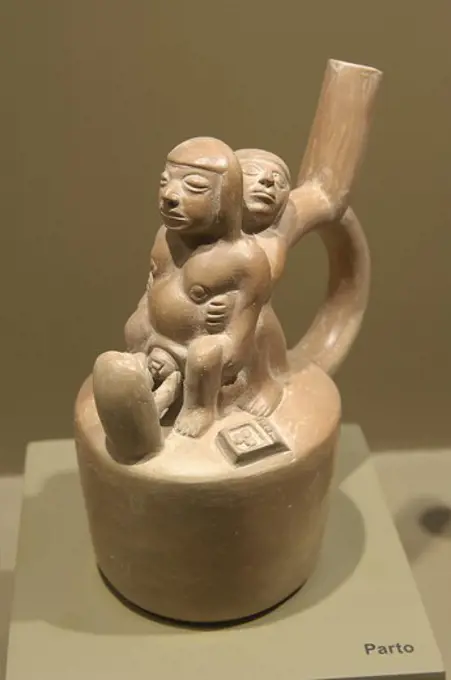
Ceramic vessel, erotic art Virú culture 100BC-200AC Perú.
6145-29119588
Female Figure
6145-29707213
Figure of a child China. Figure of a child. China. Baked clay. Eastern Zhou dynasty (770-256 B.C.). Tomb Pottery
6145-29119147
Sitting Woman. Northern Iran, possibly from the region of Rudbar, 1300-900 B.C.. Sculpture. Ceramic
6145-29126224
Seated Figure
1899-17317437
Pre-Columbian art. Pre-Incan. Tolita Culture (500-500 AD). From Ecuador. Ceramic figure. Museo del Banco central. Quito. Ecuador.
1899-18611453
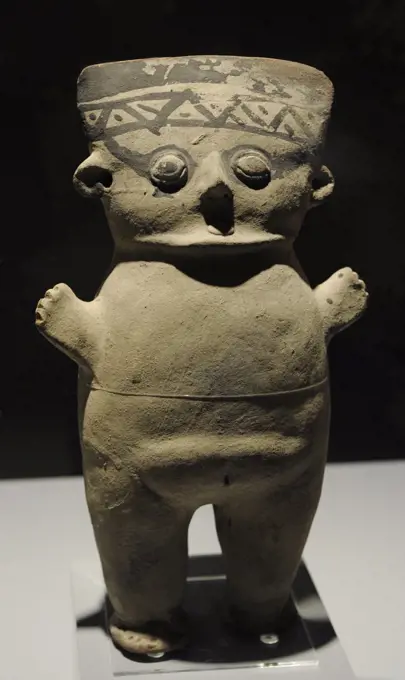
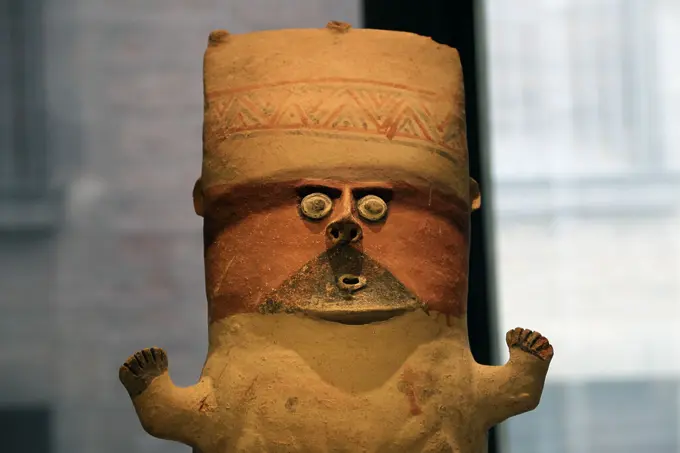
Cuchimilco (unglazed terracotta figurines). Female figure. Painted ceramic. Chancay culture, Late Intermediate period (1150-1450 AD). Peru. South America. Museum of the Americas. Madrid, Spain.
1788-15130
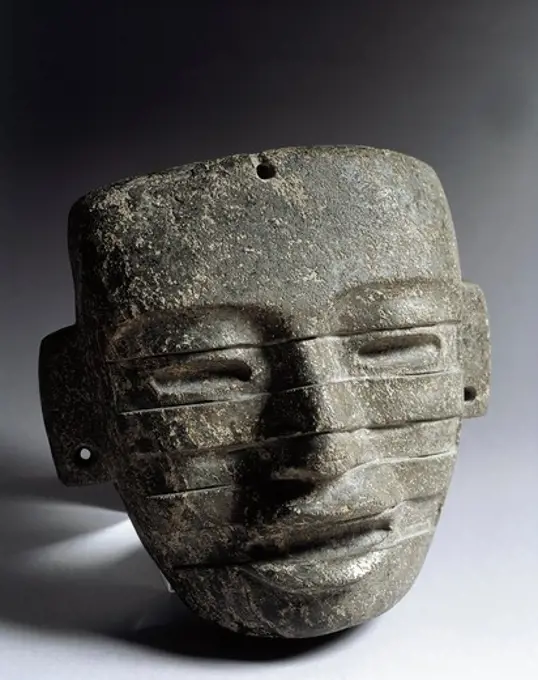
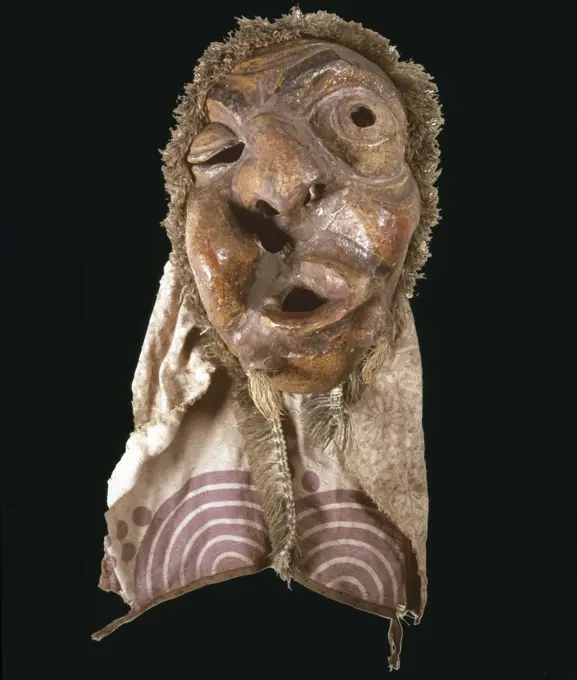
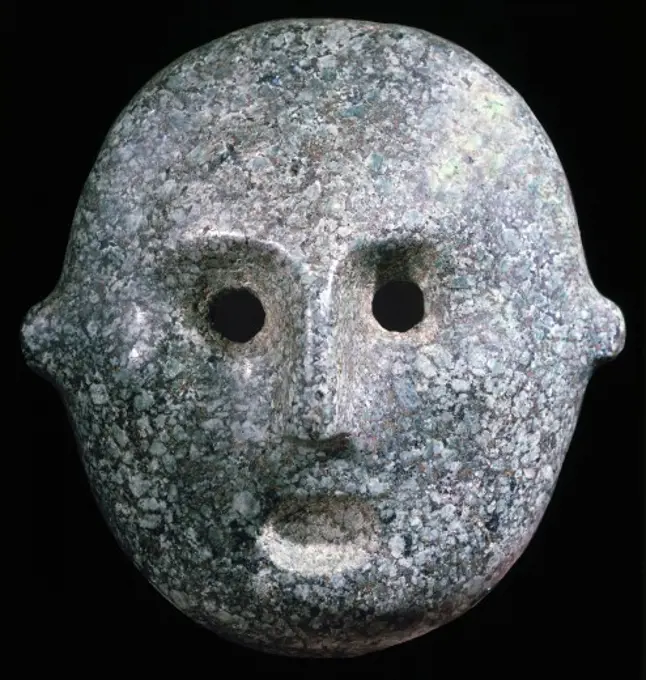
Pre-Columbian civilizations, Mexico, Teotihuacan culture, stone mask
7003-71253831
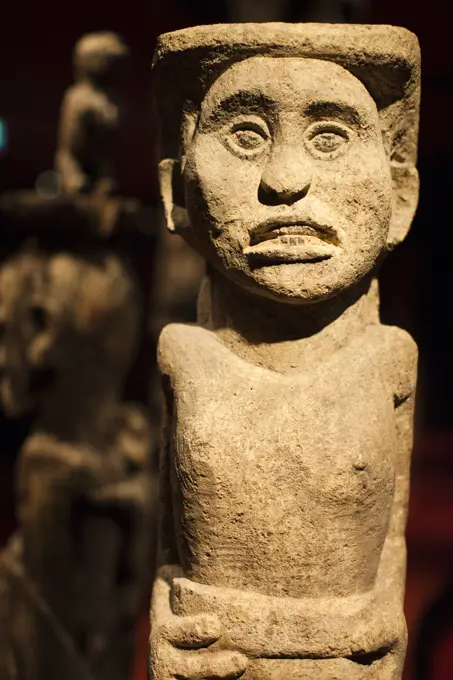
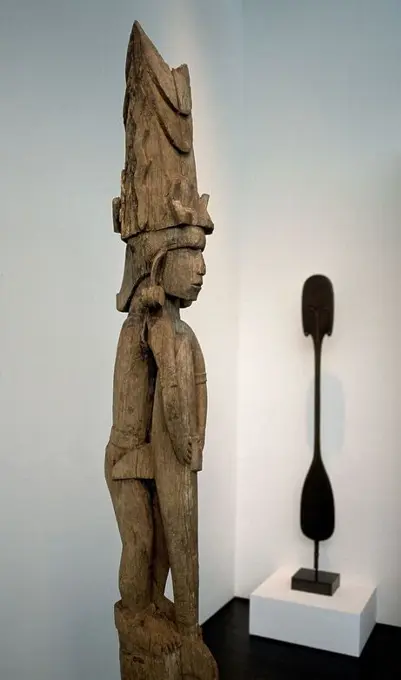
France, Paris, Musee du Quai Branly museum, Sasak Ancestor Figure, Indonesia, 20th century
4409-97208
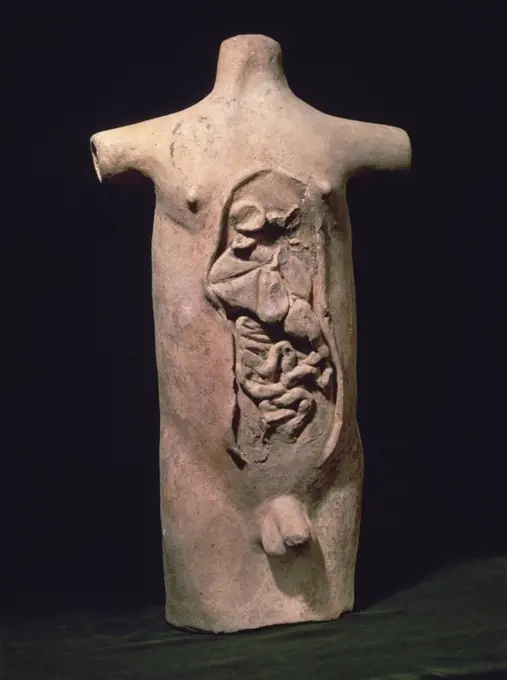
ESCULTURA ETRUSCA - BUSTO POLYVISCERAL - INTESTINO.
6145-29709780
Seated Male Figure 2nd-4th century Nayarit (Chinesco). Seated Male Figure. Nayarit (Chinesco). 2nd-4th century. Ceramic. Mexico, Mesoamerica, Nayarit. Ceramics-Sculpture
4409-17499622
Seated female figurine. Culture: Cypriot. Dimensions: H. 4 1/8 in. (10.5 cm). Date: ca. 600-480 B.C..The figurine is handmade and solid. The face was made from a worn mold. The figure is not fully seated, but is oriented obliquely, leaning backward. Museum: Metropolitan Museum of Art, New York, USA.
6145-29785030
Figure: Male 18th-19th century Tabwa peoples This work is a pair with 1978.412.591.This elegant and refined couple from the Lake Tanganyika region of southeastern Democratic Republic of Congo depicts the respected ancestors of a Tabwa ruler. During the mid-nineteenth century, a group of elite Tabwa families who prospered through regional trade challenged traditional forms of governance and assumed control of regional leadership. These new Tabwa rulers looked to ancestry to legitimize their right to lead, invoking and, when necessary, inventing a chiefly lineage through sculptural representations of royal predecessors. A new genre of figural sculpture was developed to depict these chiefly ancestors. Passed down from one generation to the next, these works were visual representations of enduring dynastic power.The legitimacy of the chiefly family's rule depended upon its perceived superiority within the community, and ancestral sculptures such as this couple were intended to reinforce th
4409-17544389
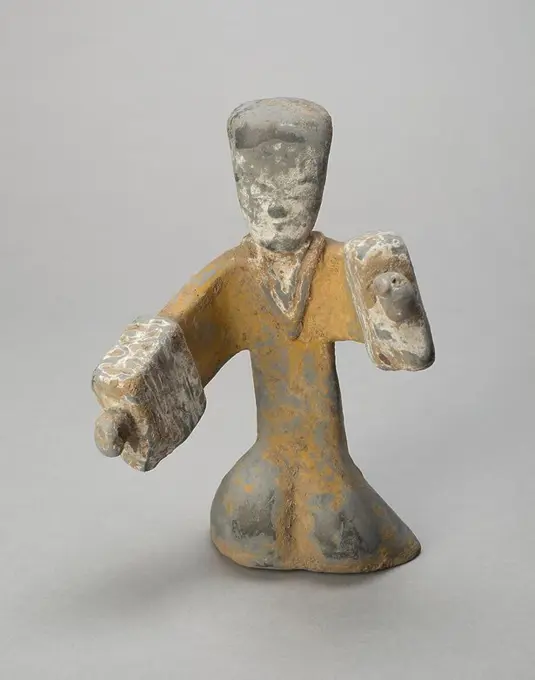
Female Dancer (Tomb Figurine). China. Date: 206 BC-75 BC. Dimensions: 16.7 × 11.5 × 9.6 cm (6 9/16 × 4 1/2 × 3 3/4 in.). Gray earthenware with slip coating and polychrome pigments. Origin: China. Museum: The Chicago Art Institute, Chicago, USA.
6145-29775999
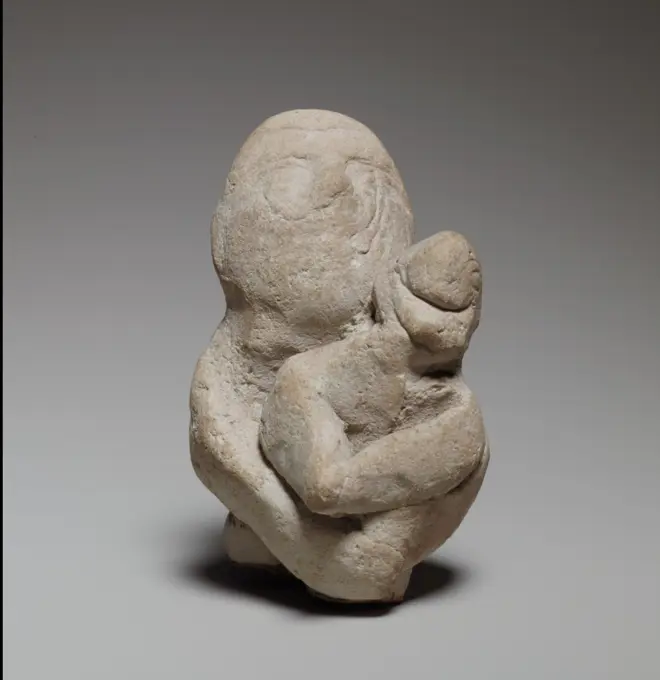
Ceramic Mother and Child Figure 12th-9th century B.C. Tlatilco. Ceramic Mother and Child Figure 317817
6145-54681334
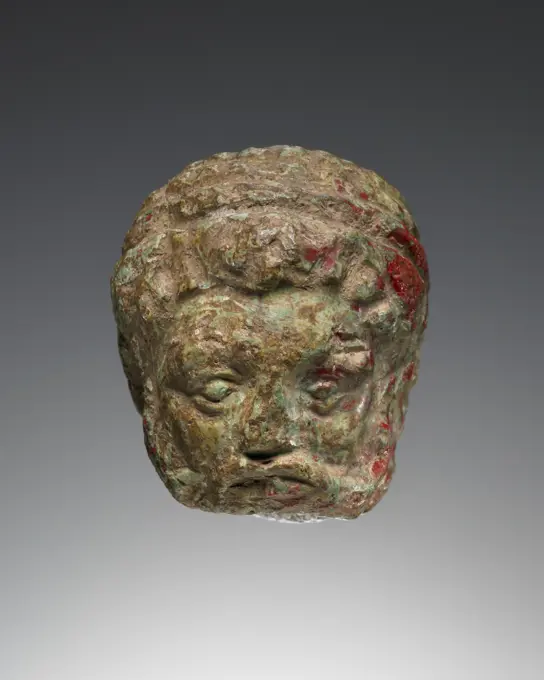
Head fragment Ptolemaic Period 332-30 BC In the area of Ptolemaic brick vaulted tombs in the Lower Assasif at Thebes were found many terracottas. They are only very roughly datable to this period. This head has a pointed beard and wears a large festival wreath around his cranium. The head shows traces of red and white paint. View more. Head fragment. 332-30 BC. Pottery, paint. Ptolemaic Period. From Egypt, Upper Egypt, Thebes, Asasif, foot of Hatshepsut Causeway, Lower Cemetery area (Birabi), MMA excavations, 1915-16
6145-29746245
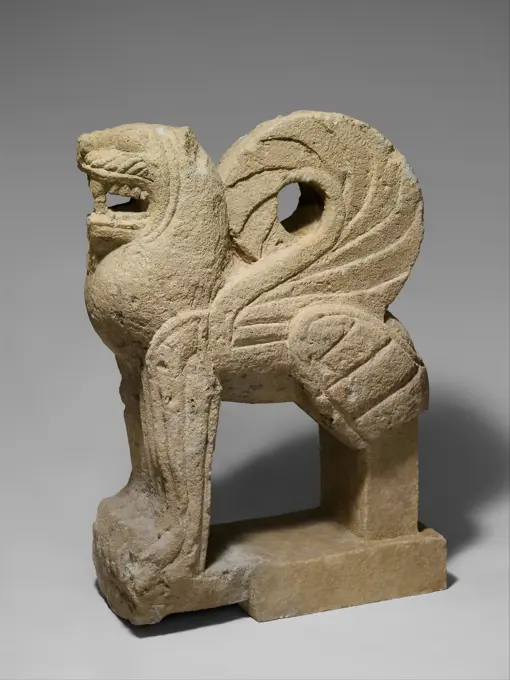
Nenfro statue of a winged lion ca. 550 B.C. Etruscan Several statues of this type, made from nenfro, a kind of volcanic stone used extensively at Vulci, depict winged lions and sphinxes. These were set up to protect the entrances to subterranean chamber tombs covered by a tumulus (earthen mound). They often appear in pairs and represent the Etruscan response to a long tradition of guardian figures stretching back to ancient Egypt and the Near East.. Nenfro statue of a winged lion. Etruscan. ca. 550 B.C.. Nenfro. Archaic. Stone Sculpture
1788-16387
Marble statue of female deity or mother goddess
4409-45901
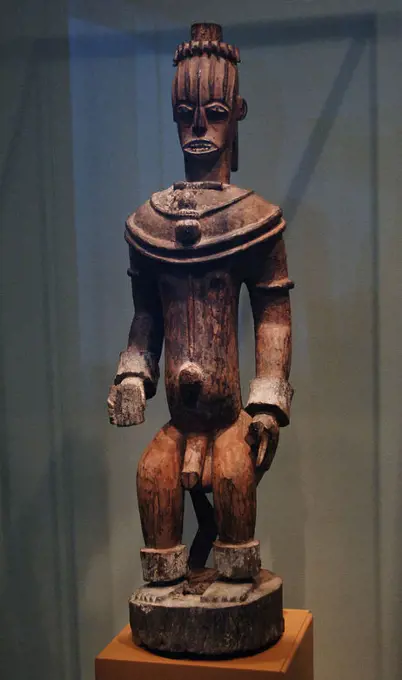
ARTE AFRICANO. PRINCIPIOS S. XX. NIGERIA. FIGURA MASCULINA que REPRESENTA UN ESPIRITU DE LA NATURALEZA (EDJO) en forma de guerrero. Pueblo Urhobo. Museo de Arte Nelson-Atkins (The Nelson-Atkins Museum of Art). Kansas City. Estado de Missouri. Estados Unidos.
4443-28739333
Figure, 20th century, 11-1/4 x 4-1/8 x 4 in. (28.6 x 10.5 x 10.2 cm), Wood, Angola, 20th century
6145-29726850
Male Figure 3rd century B.C.-A.D. 4th century Chupicuaro. Male Figure 313170
1788-16423
Polychrome terracotta statue depicting dancing priest wearing headdress from Bahia de Caraquez, 5th century B.C.-5th century A.D.
6145-29138288
The Buddhist Goddess Hariti with Children. Pakistan, Swat Valley, Butkara I area, Gandhara region, circa 1st century B.C.. Sculpture. Gray phyllite
6145-29077812
Figures, before 1921. Colombia, 18th-19th century. Red ware; overall: 21 x 17.2 cm (8 1/4 x 6 3/4 in.).
1443-881
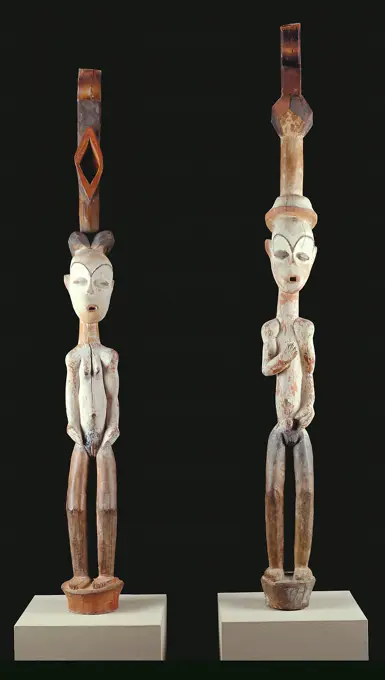
Mvwala Staff, Congo  African Art  Wood Koninklijk Museum voor Midden-Afrika, Tervuren, Belgium
6145-46809990
Kneeling figure with hands behindhead.  Artist: Unknown
4409-65763786
Terracotta acroterial statue of Typhon the "Father of All Monster". From Gabii, 6th century BC. National Museum of Rome, Baths of Diocletian, Rome.
4435-6190
Ceramics depicting the stages of life (3rd c. AD). Childbirth. Moche or Mochica Art. PERU. LAMBAYEQUE. Sipn. Royal Tombs of Sipn Museum.
4409-62730675
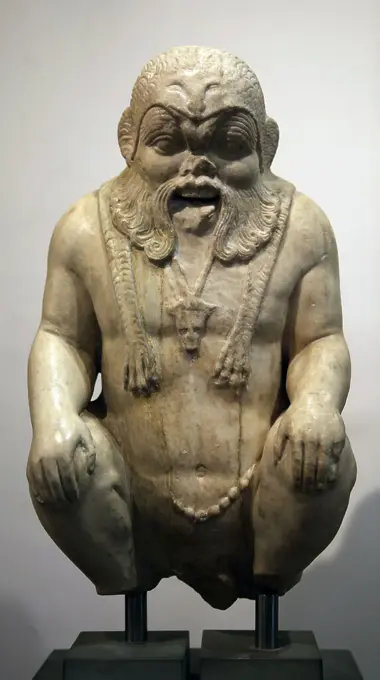
Statue of Bes. Roman period. 1st century AD. White marble. From Colonna, Latium. Barraco Museum. Rome.
6145-30396359
MaleFigure
6145-30391695
MaleBust
4443-21195371
Statuette of a Lyre Player with a Companion; Unknown; Greece, Crete, Europe; 690 - 670 B.C.; Bronze; Object: H: 11.5 cm (4 1/2 in.)
6145-29068386
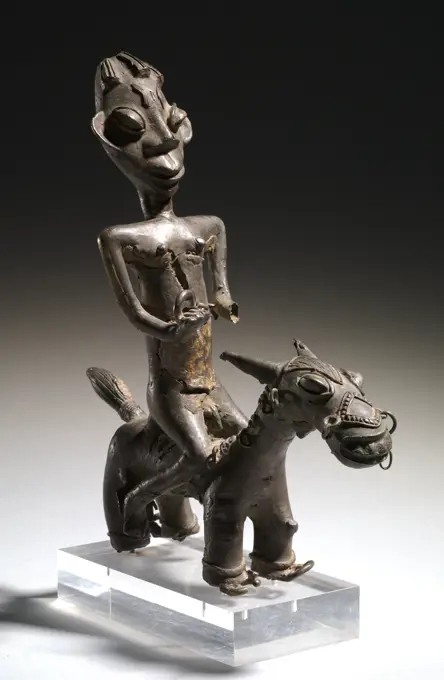
Altar figure (onílé), possibly 1700s. Africa, West Africa, Nigeria, Yorùbá-style maker. Copper alloy; with base: 34.3 x 10.8 x 25.4 cm (13 1/2 x 4 1/4 x 10 in.); without base: 31.3 x 10.8 x 25.4 cm (12 5/16 x 4 1/4 x 10 in.).
1746-29971647
Pottery torso Olmec, 1200-400 BC. This torso, has a headdress crowned with a crest of a raptorial bird, possibly a harpy eagle ( harpya). Birds of prey were considered solar creatures.
6176-67039178
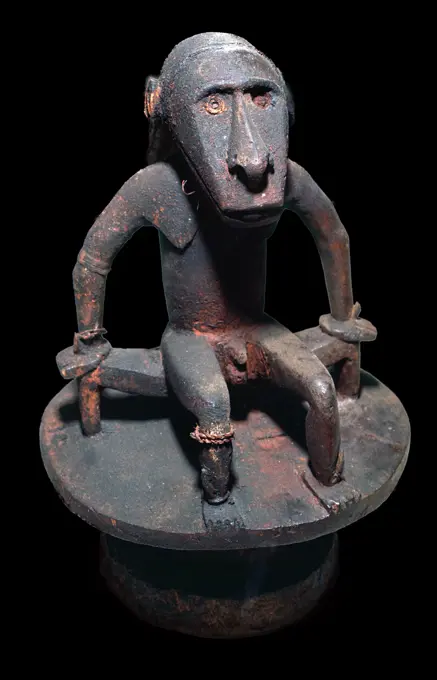
Wooden figure of a sea spirit, with head in the form of a shark, from the Solomon Islands. Artist: Unknown
4409-17500883
Standing Figure. Culture: Chupicuaro. Dimensions: H. 15 7/8 x W. 7 1/2 in. (40.3 x 19.1 cm). Date: 3rd century B.C.-A.D. 1st century. Museum: Metropolitan Museum of Art, New York, USA.
1443-1200
Zemi (Idol) Urn  Taino Culture Pre-Columbian Wood Santo Domingo, Garcia Arevado Foundation
1746-21108988
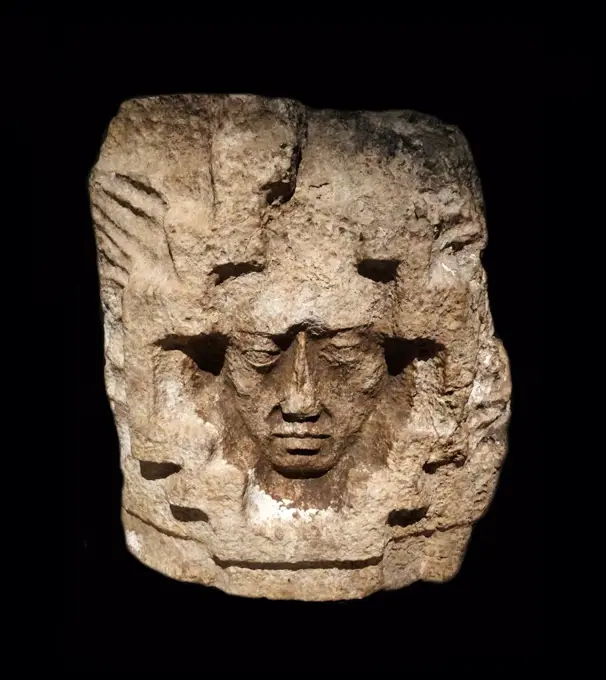
Mayan architectural detail of a face, from a façade in calcified rock. Yucatan, Mexico 600-900 AD
6145-29733330
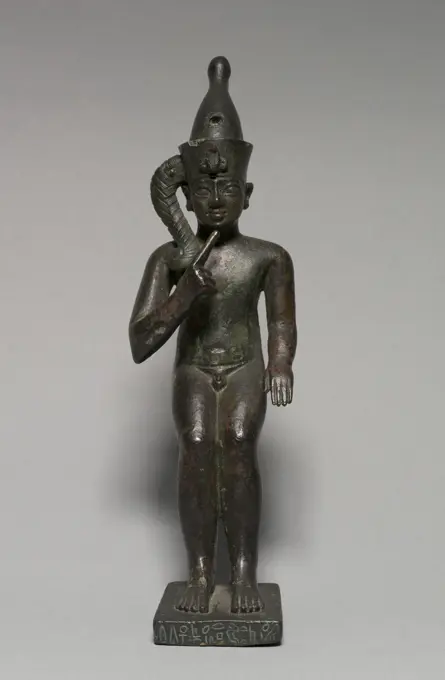
Harpokrates ca. 712-30 B.C. Late Period-Ptolemaic Period. Harpokrates 571359
4409-28787751
escultura antropomorfa, museo de la plaza central, Chichicastenango ,municipio del departamento de El Quiché, Guatemala, Central America.
4409-17349502
Seated Male Figure. Culture: Aztec. Dimensions: Overall: 7 1/2 x 3 1/2 x 4 1/4 in. (19.05 x 8.89 x 10.8 cm)Other: 3 1/2 x 4 1/4 in. (8.89 x 10.8 cm). Date: 15th-early 16th century. Museum: Metropolitan Museum of Art, New York, USA.
1746-21112005
Xochiquetzal, Aztec Goddess of love and beauty. Mexico, 1325-1521 AD. Sculpted from volcanic rock
6145-29721432
Terracotta standing human figure ca. 1725-1450 B.C. Cypriot The figurine is handmade and solid. The figure has probably become detached from a vessel.. Terracotta standing human figure. Cypriot. ca. 1725-1450 B.C.. Terracotta; hand-made. Middle Cypriot III or Late Cypriot I. Terracottas
4409-17376359
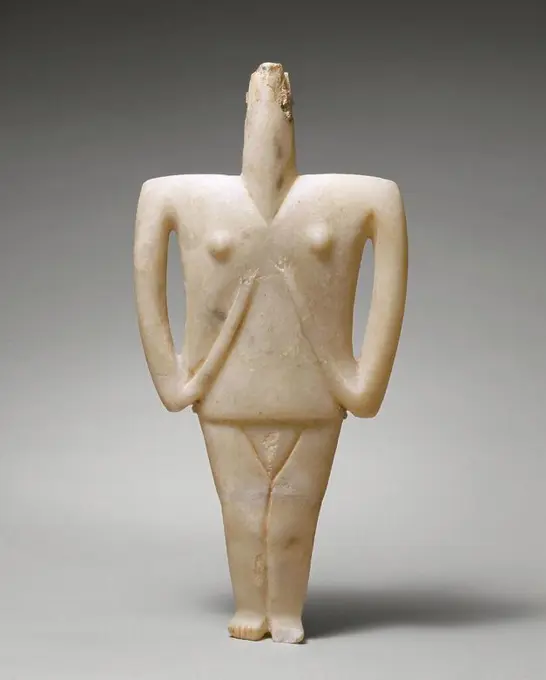
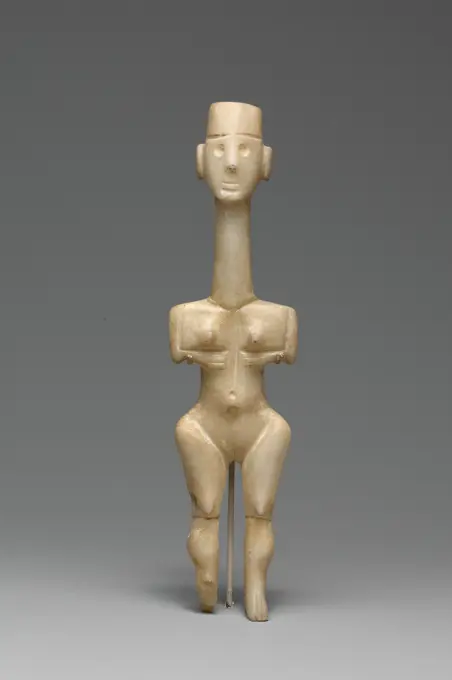
Marble female figure. Culture: Cycladic. Dimensions: H. 10 3/4 in. (27.3 cm). Date: 2300-2200 B.C..The remains of an ancient repair are of special interest. The head had broken from the long thin neck. A channel was cut into the sides of the neck and the head and then filled with lead. This technique was an established means of joining pieces in the first millennium B.C. The repair thus may be contemporary with the piece or date from more than one thousand years later. Museum: Metropolitan Museum of Art, New York, USA.
1746-21109065
Zoomorphic or anthropomorphic Mayan figurine. From Palenque, Mexico 600-900 AD
6145-58992685
Tadpole. "Portrait load of Alcide Touz (1809-1850), actor". Plaster on porcelain base. Paris, Carnavalet museum. 72100-21 French actor, plaster, portrait, porcelain base
6145-29785666
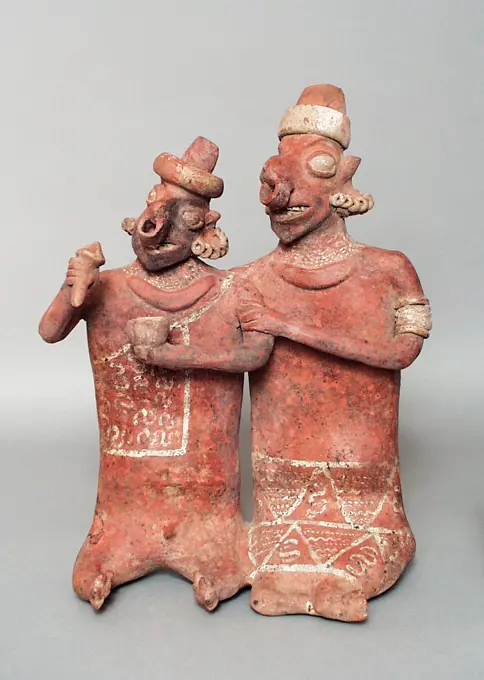
Ancestor Pair 1st century B.C.-A.D. 3rd century Ixtlán del Río These large, hollow ceramic male and female figures, joined at the shoulders and hips, are thought to represent important ancestors of an ancient West Mexican community. The male is seated cross-legged, and wears a cape or mantle with a slip-painted pattern. His loincloth features an attached, scoop-shaped genital protector. He wears a conical hat with a zig-zag design and a lower fringe, and holds aloft a rattle or conch shell in his right hand. The female sits with legs extended and wears a full-length skirt with traces of an elaborate design. Her left arm is adorned with a band featuring five round elements and she holds small bowl up to her chest. Prominent nose and ear ornaments grace both figures. Some two thousand years ago, the inhabitants of communities in what is now the modern Mexican state of Nayarit buried their revered dead in in one-to-five meter deep shaft-and-chamber tombs in hilltop cemeteries. These tombs
4443-28739444
Seated Male Shaman Figure, 20th century, 17-3/4 x 4-7/8 x 4-3/8 in. (45.1 x 12.4 x 11.1 cm), Wood, pigment, Democratic Republic of the Congo, 20th century
4443-28735864
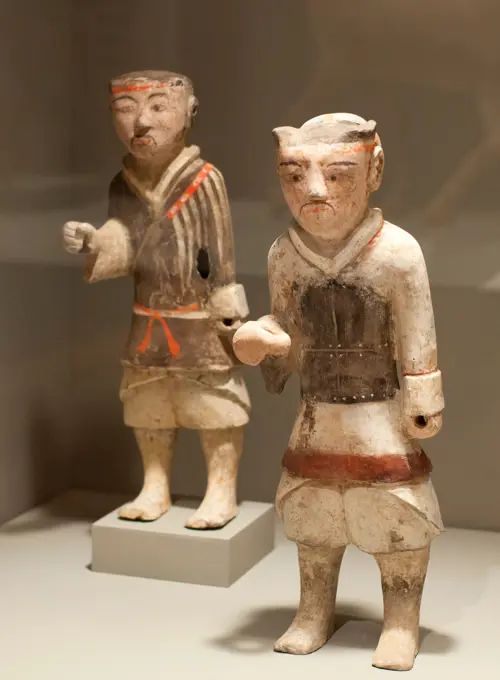
Footsoldier, one of a pair, 2nd century BCE, 18 1/2 x 6 5/8 x 6 1/4in. (47 x 16.8 x 15.9cm), Earthenware with traces of pigment, China, 2nd century BCE
6145-29076707
Seated Figure, before 1921. Colombia. Red ware; overall: 23.2 x 15.3 cm (9 1/8 x 6 in.).
6145-30177645
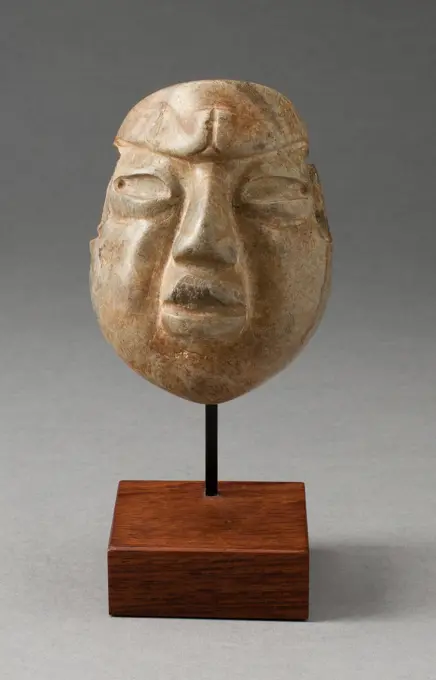
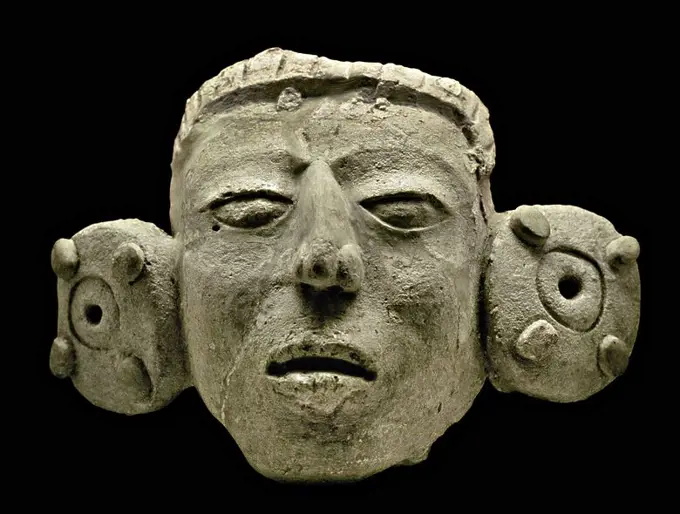
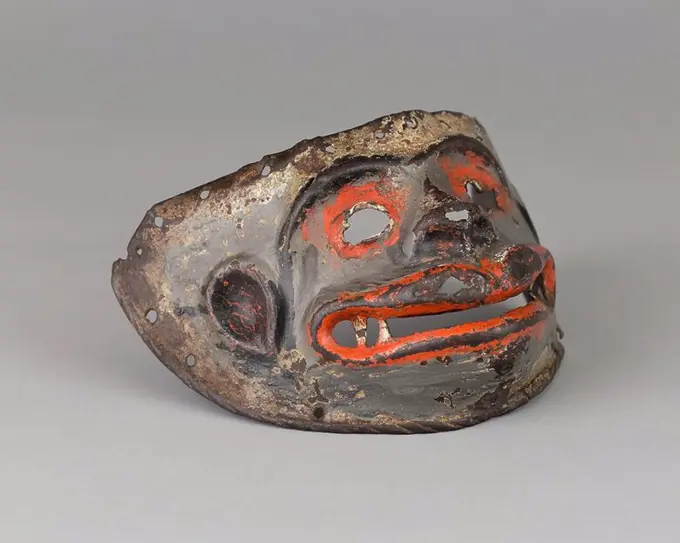
Mask 200 BCE-300 CE Mexico, Gulf of. Serpentine . Olmec
4409-62027046
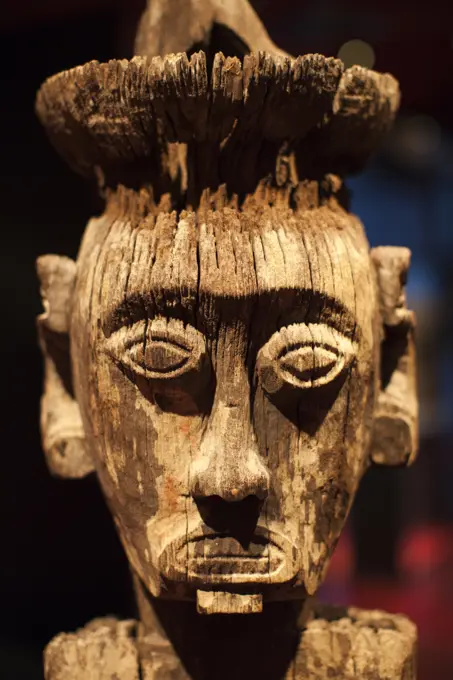
Ifugao culture sculptures, The anitos, (hipagi), Luzon Island, 19th century, wood, Anthropology National Museum, Madrid, Spain.
6145-29119032
Rain Dragon. Anonymous. Japan, early 19th century. Costumes; Accessories. Wood with sumi
6145-29153676
Jar, double ca. 1550-1295 B.C. New Kingdom. Jar, double. ca. 1550-1295 B.C.. Pottery, paint. New Kingdom. From Egypt, Upper Egypt, Thebes, Asasif, Temple of Hatshepsut, Carnarvon/Carter excavations. Dynasty 18
4443-28738911
Vessel, 1930, 10 5/8 x 4 5/8 x 6 in. (26.99 x 11.75 x 15.24 cm), Terra cotta, Democratic Republic of the Congo, 20th century
4409-18205494
Diosa de la fecundidad japonesa. Museo Etnológico de Barcelona.
6145-29140963
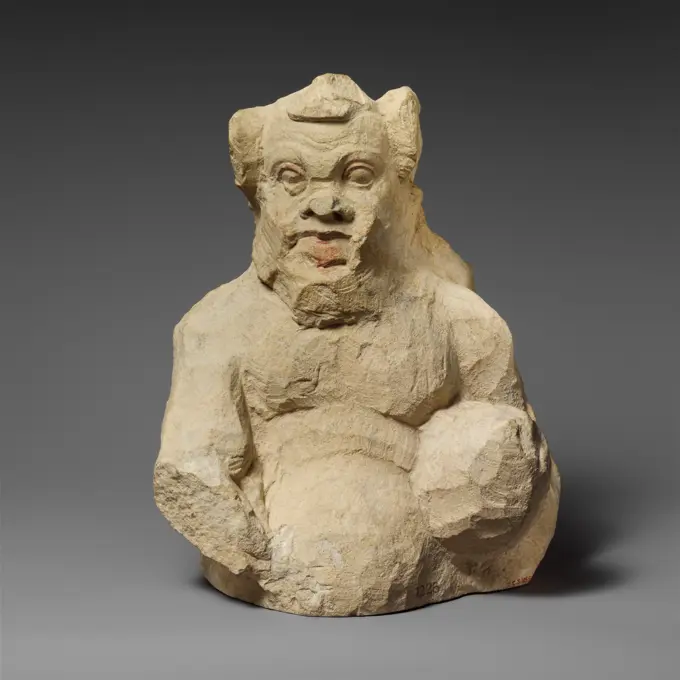
Fragment of a partly unfinished limestone statuette of a silen ca. 330-30 B.C. Cypriot. Fragment of a partly unfinished limestone statuette of a silen 242324
4409-131134
'Stucco mask, Maya late classic'. Museum: MUSEO ARQUEOLOGICO, Mexico D. F., CIUDAD DE MEXICO.
1746-28978862
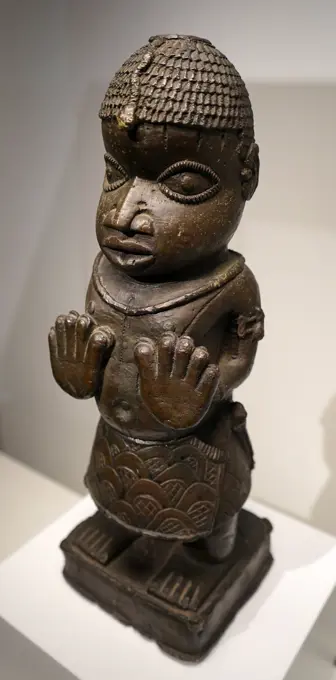
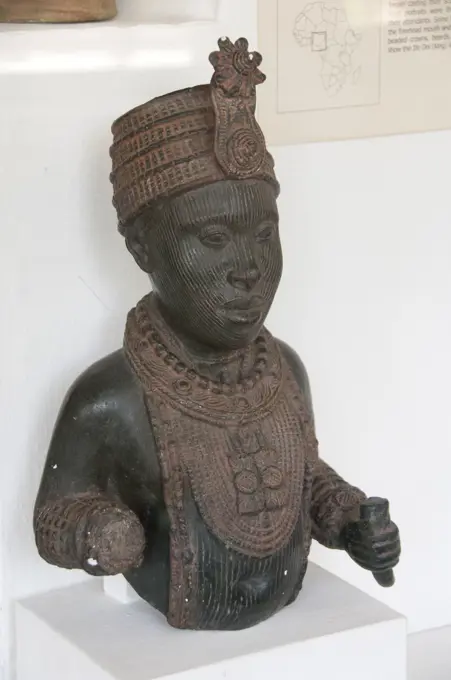
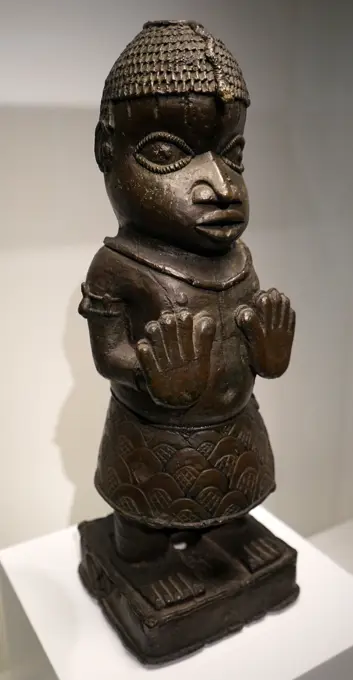
Benin figure in Bronze; Nigeria; West Africa 1500-1700 AD
6176-67037044
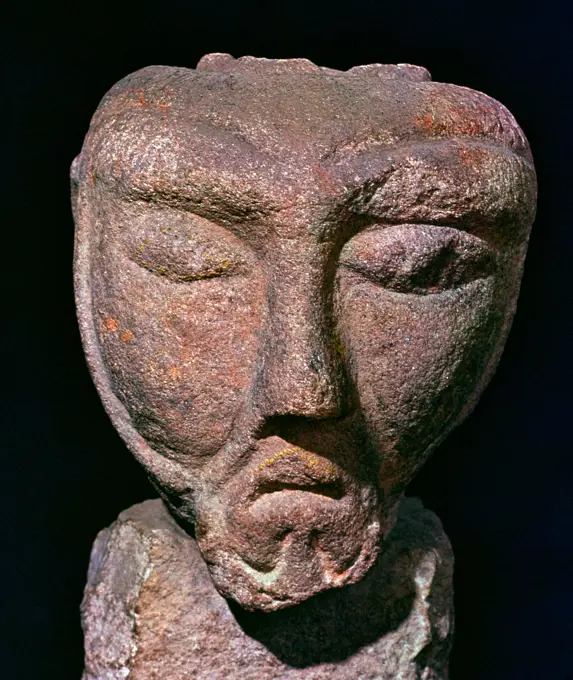
Maponus' a Celtic god associated with Apollo - head, 2nd century. Artist: Unknown
4409-17545423
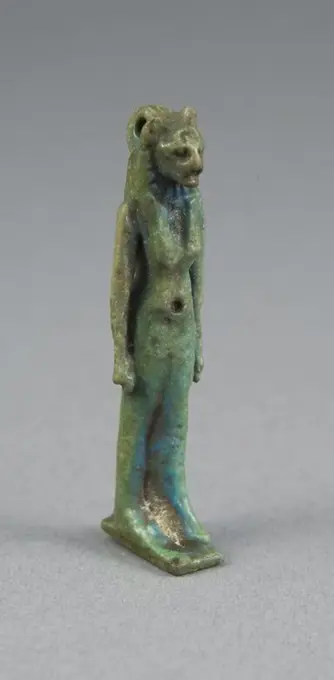
Amulet of the Goddess Sekhmet. Egyptian. Date: 1550 BC-664 BC. Dimensions: 5.2 × 1.4 × 1.6 cm (2 1/16 × 9/16 × 5/8 in.). Faience. Origin: Egypt. Museum: The Chicago Art Institute, Chicago, USA. Author: Ancient Egyptian.
6145-30192293
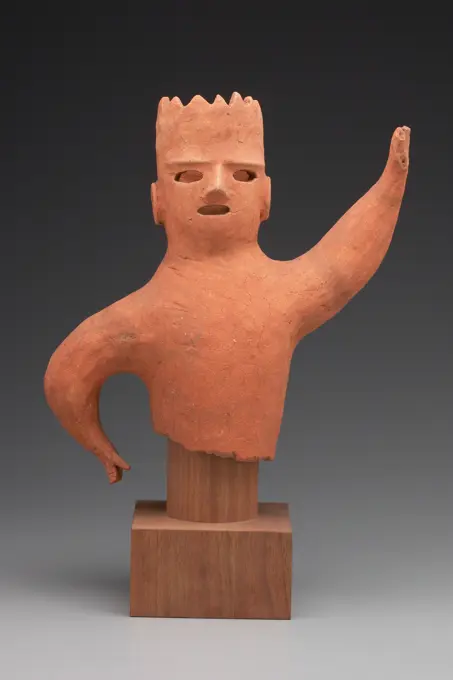
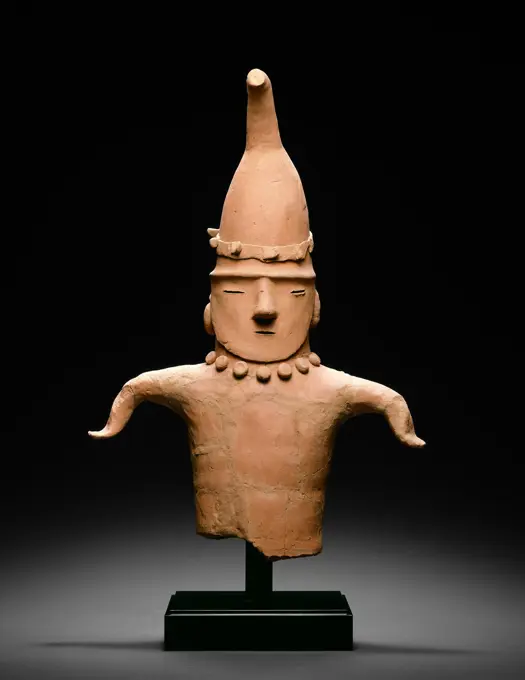
Head and Torso of a Dancing Figure 401 CE-700 CE Japan. Haniwa (literally ìclay ringsî) were made as funerary sculptures for Japanese nobility. Unlike Chinese tomb figures, which were buried with the deceased in underground chambers, haniwa were placed on the surface of earthen grave mounds. Rows of haniwa, partially submerged in the soil for stability, outlined the sacred contours of a burial site or were set up at its front. This head and torso of a male figure appears to be dancing, perhaps a common event at funeral ceremonies.. Earthenware .
6145-29735238
Marble female figure 3200-2800 B.C. Cycladic The figure wears a headdress; on later works, the headdress is painted rather than incised. The pairs of holes in the neck and right leg are ancient repairs from which the "clamp," of metal or another material, is missing.. Marble female figure. Cycladic. 3200-2800 B.C.. Marble. Early Cycladic I. Stone Sculpture
4409-17545780
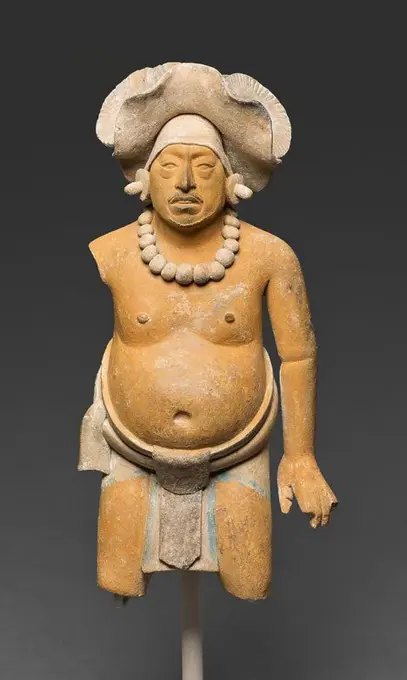
Standing Male Figure. Late Classic Maya, Jaina; Campeche or Yucatán, Mexico. Date: 650 AD-800 AD. Dimensions: H. 15.6 cm (6 1/8 in.). Ceramic and pigment. Origin: Campeche. Museum: The Chicago Art Institute, Chicago, USA.
1746-21110890
Basalt figure of the Wind God Ehecatl Aztec, AD 1300-1521
7155-70376556
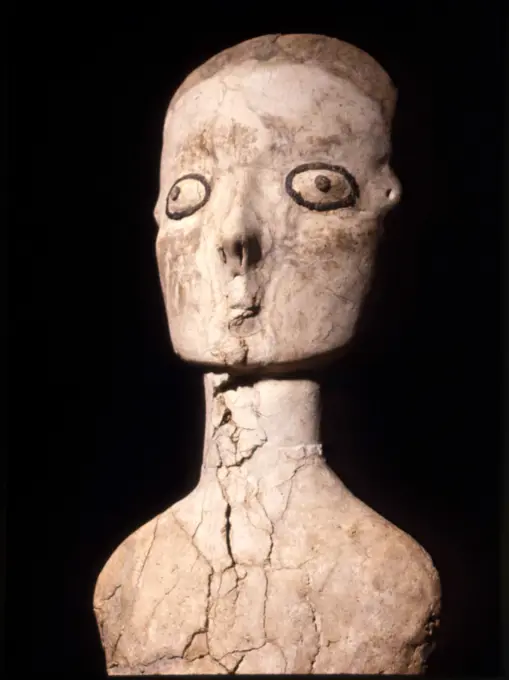
Stone Age clay statue, 3ft high, 6000BC found in Amman.
6145-59022276
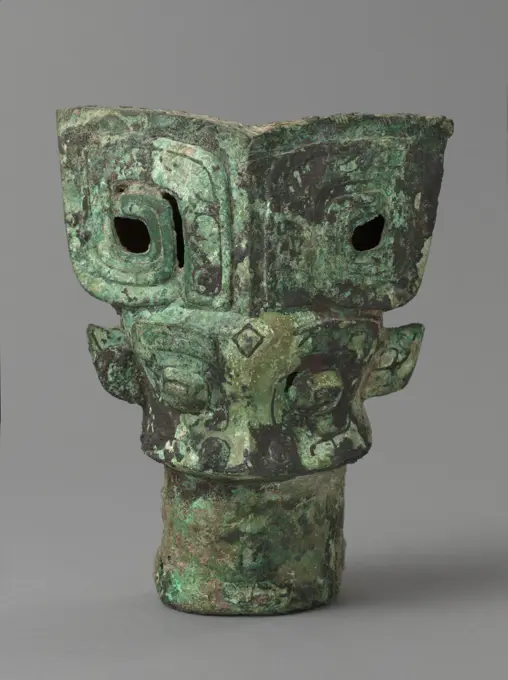
ETTLE ". Bronze. Shang dynasty. Paris, Cernuschi museum. 157046-5 Asian art, Chinese art, bronze, shang dynasty, tip
4409-59179907
anthropomorphic idol, 2600-2300 BC, ivory, Perdigoes, Reguengos de Monsaraz, Évora, Portugal, Huelva Museum, Huelva, Andalusia, Spain.
4409-17428847
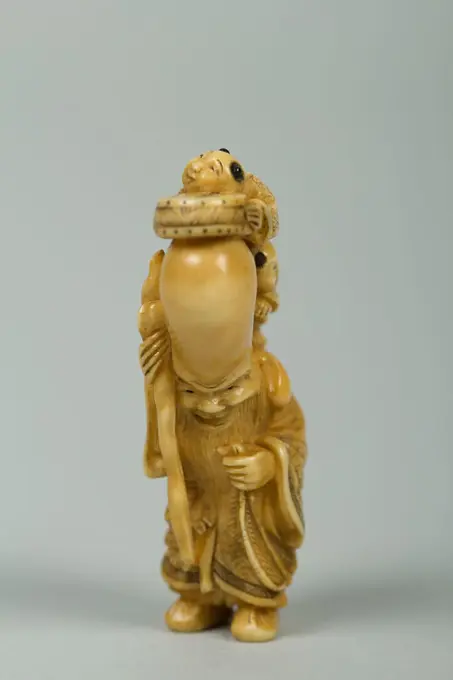
Netsuke of Fukurokujin with Tall Head and Two Children Climbing on It. Culture: Japan. Dimensions: H. 2 1/4 in. (5.7 cm); W. 5/8 in. (1.6 cm); D. 1 in.(2.5 cm). Date: 19th century. Museum: Metropolitan Museum of Art, New York, USA.
6145-48830457
Statuette of a Boxer. Unknown
6145-29817973
Female Figure 3rd century B.C.-A.D. 4th century Chupicuaro. Female Figure 313161
4409-17306817
POSTE DE LA CASA DE LOS ANTEPASADOS-MELANESIA/ISLAS SALOMON-S XIX-MADERA-ARTE TRIBAL. Location: MENIL COLECCION. HOUSTON-TEXAS.
4409-63015005
Cuchimilco. Male figure. Chancay. Peru. 1000-1450 DC. Museum of Cultures of the World. Spain.
4409-153302
ESTATUILLA ANTROPOMORFA EN TERRACOTA 500 A 1500 DC. Location: PRIVATE COLLECTION. QUITO. ECUADOR.
6145-48834407
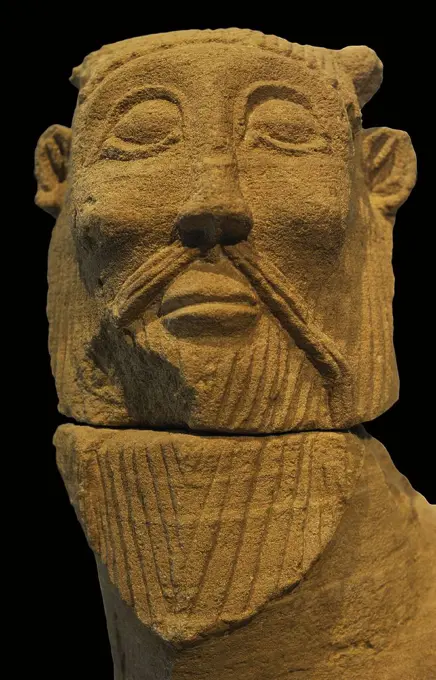
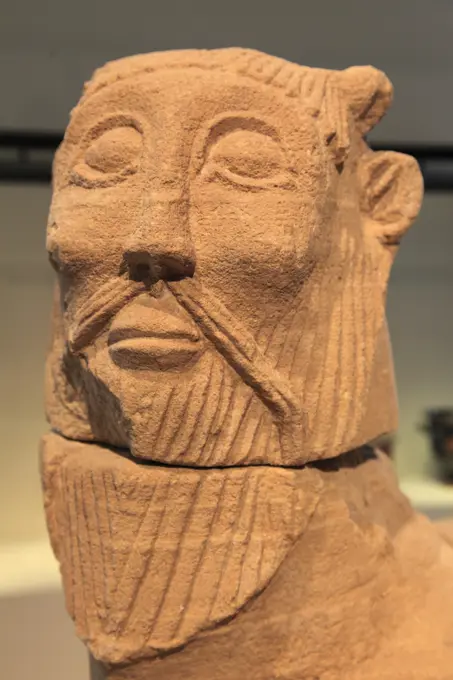
Head of a Bearded Man. Unknown
1746-21125629
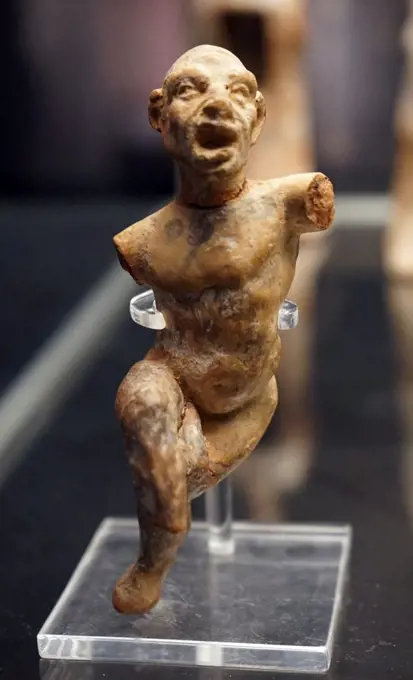
Terracotta figure of a grotesquely deformed and twisted man. Dated 1st Century BC
7208-70658226
Funerary urn brought to Teotihuacan from Oaxaca, by Zapotec who settled in a barrio near city, National Museum of Anthropology, INAH, Mexico
6145-29119168
Female Figure
1848-50393413
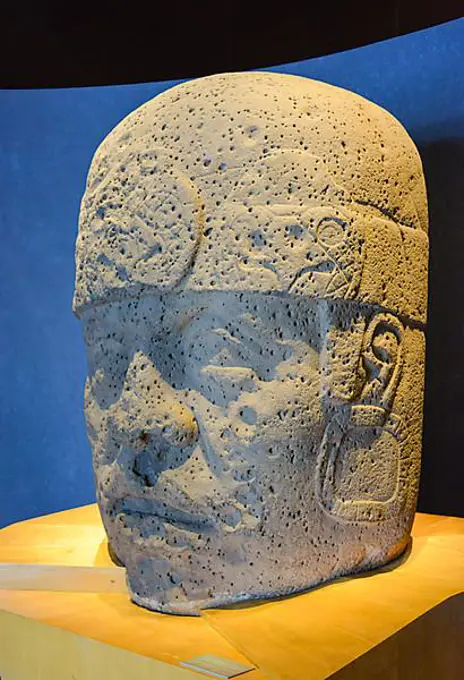
Olmec Colossal Head, National Museum Museo Nacional de Antropologia, Mexico City, Mexico, Central America
1746-28980825
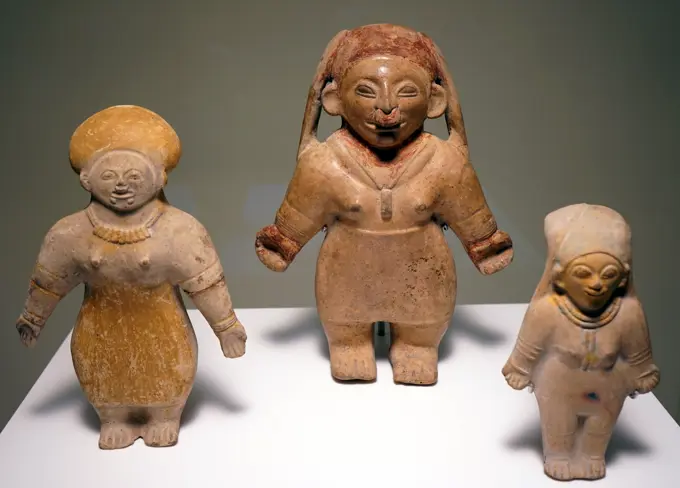
Ceramic female figures from Ecuador. Dated 1st Century
4409-36323
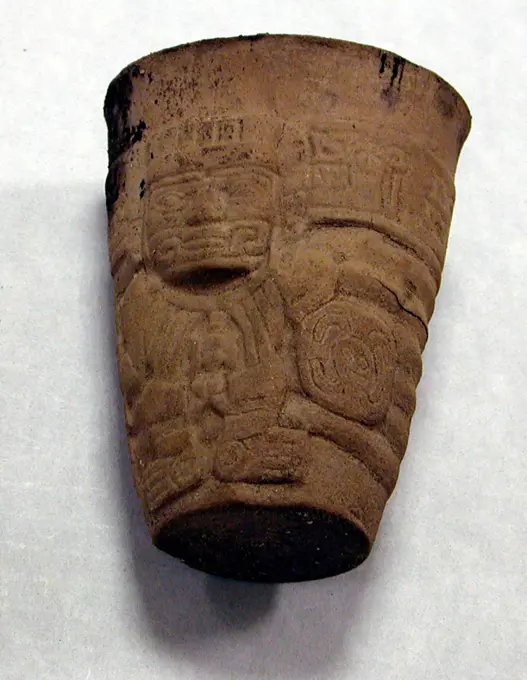
Pre-Columbian Art. Inca. Chavin culture. Anthropomorphic ceramic. San Marcos Museum. Peru.
4409-17394494
Biche of Balazote, detail. Iberian Culture. Androcephalous bull. End of the 6th century, early 5th century BC. Limestone. From Balazote (Albacete province, Castile-La Mancha, Spain). National Archaeological Museum. Madrid. Spain.
4430-3741
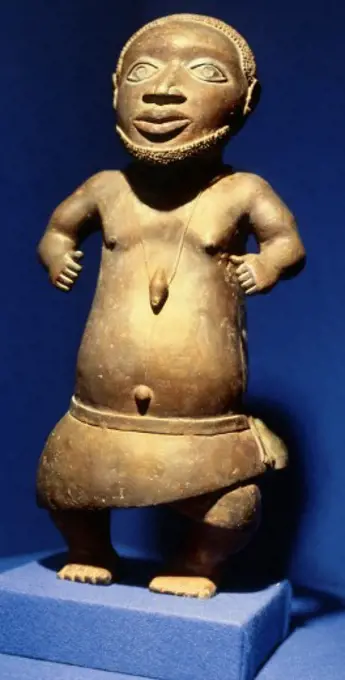
fine arts, Africa, Benin, sculpture, dwarf of Oba, bronze, classical period, 17th century, Museum od Ethnology, Vienna,
1850-46851
Mexico, Federal District, Mexico City, Museo Nacional de Antropologia Urn 100 BC-200 AD from Monte Alban.
7079-69914305
Lima, Peru. Pre-Columbian artifacts and art in the Larco Museum, Lima, Peru.
6145-48861342
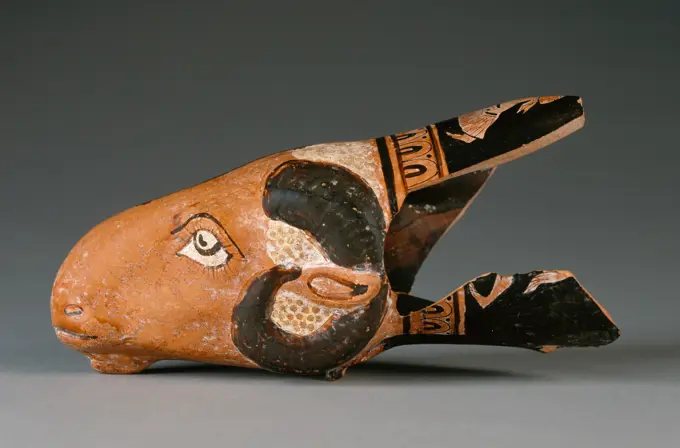
Attic Red-Figure Dimidiated Rhyton. Unknown
1899-61455223
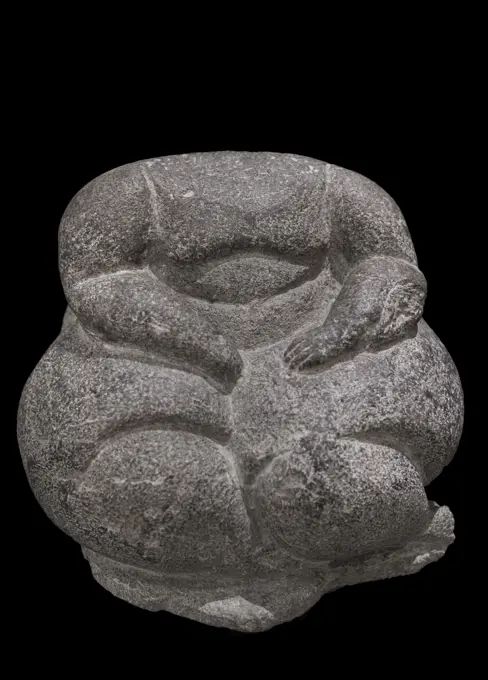
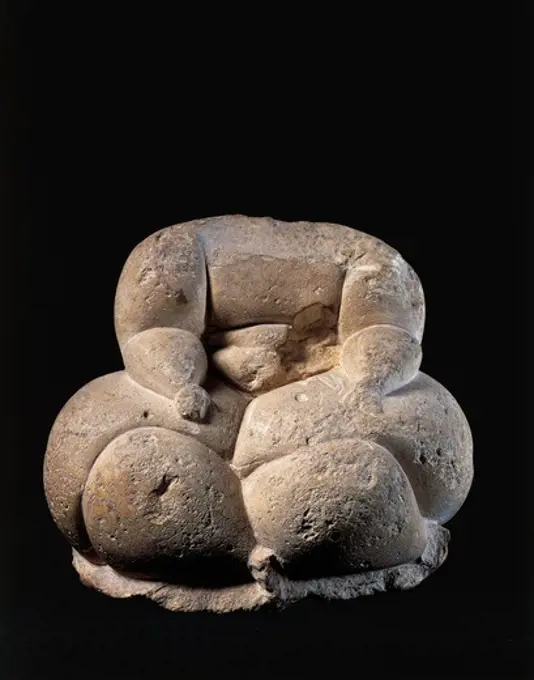
Temple Period (3600 BC to 2500 BC). Malta. Headless seated statue depicting a woman with a voluminous body. National Museum of Archaeology. Valletta. Malta.
6145-46800995
Kneeling Woman withChildren.  Artist: Unknown
4409-17424896
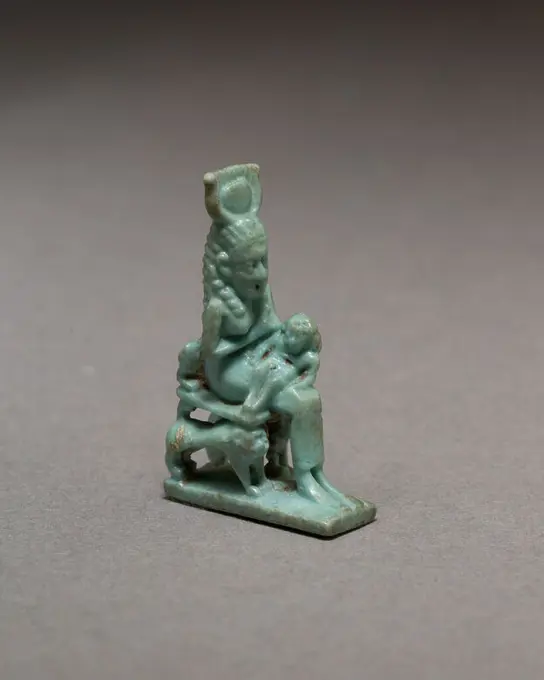
Isis nursing Horus on throne supported by striding lions. Dimensions: H. 2.7 × W. 0.8 × D. 1.6 cm (1 1/16 × 5/16 × 5/8 in.). Date: 664-30 B.C..This tiny amulet of Isis with the Horus child is intricately worked and dextrously undercut. The goddess sits on a throne with lions at either side, and uraei along its rear. Museum: Metropolitan Museum of Art, New York, USA.
4443-28731598
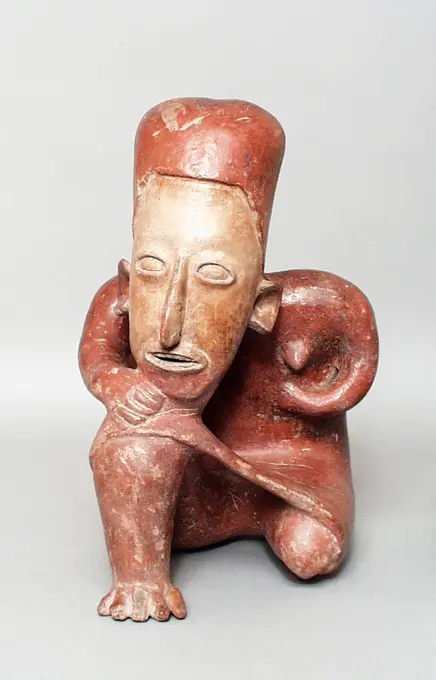
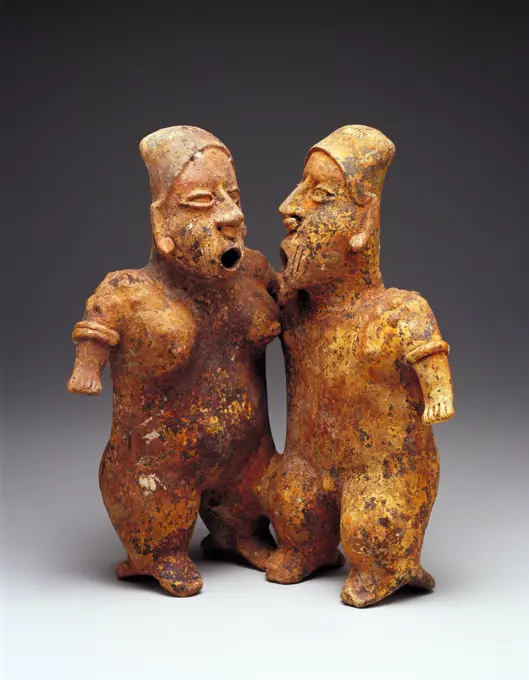
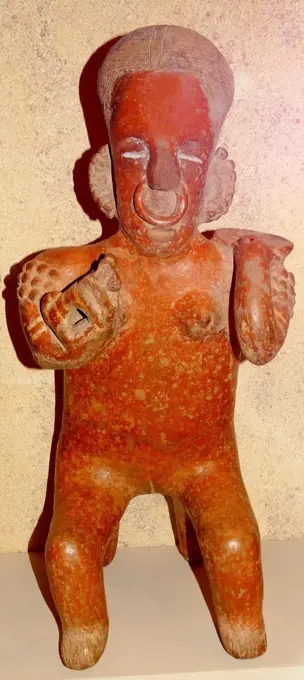
Joined Figures, 200 BCE - 400 CE, 11 x 9 in. (27.9 x 22.9 cm), Clay, Mexico, 2nd century BCE - 5th century CE, Like their neighboring Nayarit and Colima cultures, the Jalisco had a tradition of sculpting male-female pairs. The exact nature of this couple's animated interaction is not certain but has been interpreted variously as singing, talking, or embracing. Their headdresses, earrings, nose ornaments, armbands, and the scarification on their cheeks are likely indicators of their elevated status in Jalisco society.
1606-58408403
Spain, Madrid, Archeological Museum, Biche of Balazote
1788-18362
Stone statue of seated Mother Goddess, from the Temple of Hagar Qim
6145-30177655
Female Figure with Incised Features and Triangular Head 100 BCE-300 CE Nayarit state. Ceramic and pigment . Nayarit
6145-29756191
Aquilla, Warrior () 7th-10th century Tiwanaku. Aquilla, Warrior () 315427
7003-71253891
France, Paris, Musee du Quai Branly museum, Hampatong figure, Borneo, Indonesia, 20th century
6145-29834425
Two figures in a scene of childbirth ca. 600-480 B.C. Cypriot Both figures are handmade and solid. The face of the larger figure was made in a worn mold, and is flat and rough. One female figure holds another, supporting her in childbirth.. Two figures in a scene of childbirth 240996
6145-29121083
Joined Couple
1746-21109018
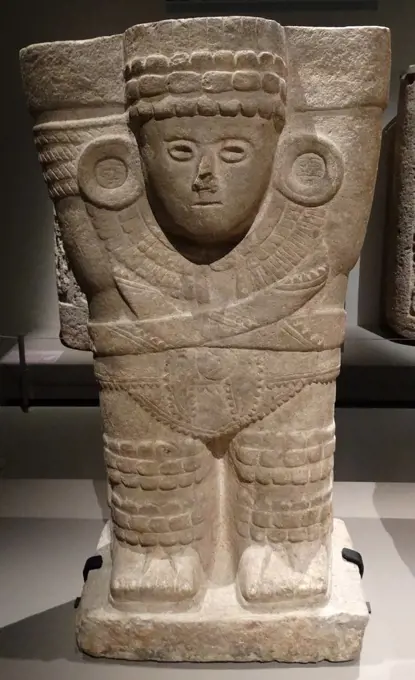
Mayan Atlante (Caryatid figure) from Chichen Itza, limestone, ancient post-classic era (900 - 1250 CE),
6145-29065880
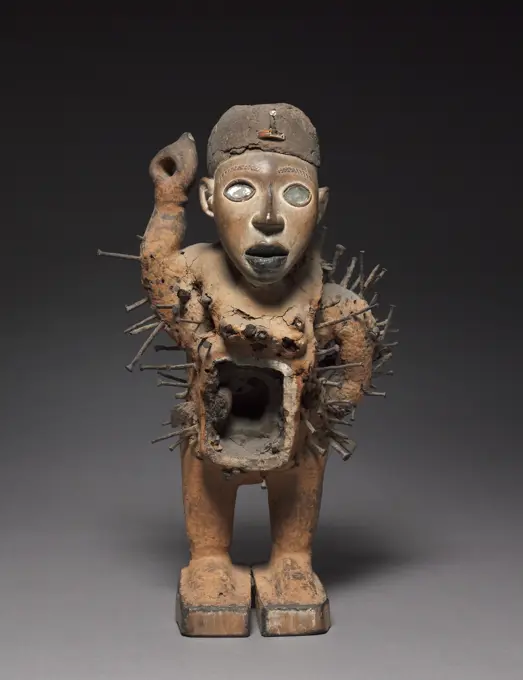
Male figure (nkisi nkondi), late 1800s-early 1900s. Democratic Republic of Congo or Cabinda (Angola), Kongo artist and nganga (priest). Wood, metalized glass, iron, organic material, ivory or plastic, and natural fiber; overall: 46 x 25.7 x 19.2 cm (18 1/8 x 10 1/8 x 7 9/16 in.).
1848-60283145
Unesco World Heritage Site Monte Alban, Oaxaca, Mexico, Central America, Ancient statue of a man with detailed headdress on a pedestal against a grey background, Mitla, Central America
1746-21109118
Mayan incense burner representing the god of the Sun in the underworld. Ceramic from Tacotalpa, Tabasco, Mexico 600-900 AD
1746-19984575
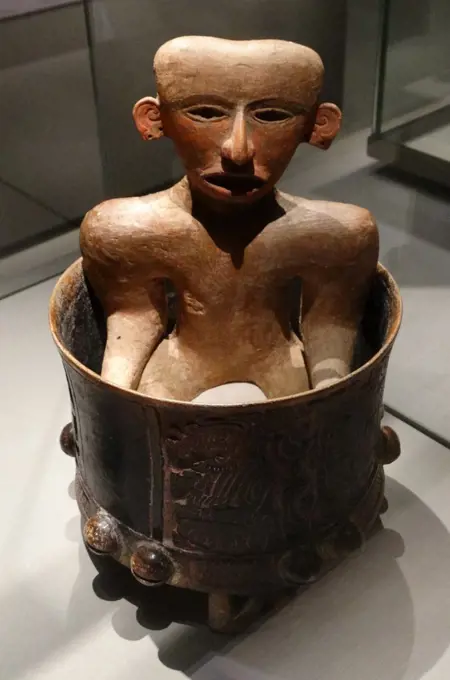
Mayan ceramic tripod vase with seated figure inside; ; Classical period in the Teotihuacan style 250-600 AD. Becan, Campeche, Mexico
6145-29810954
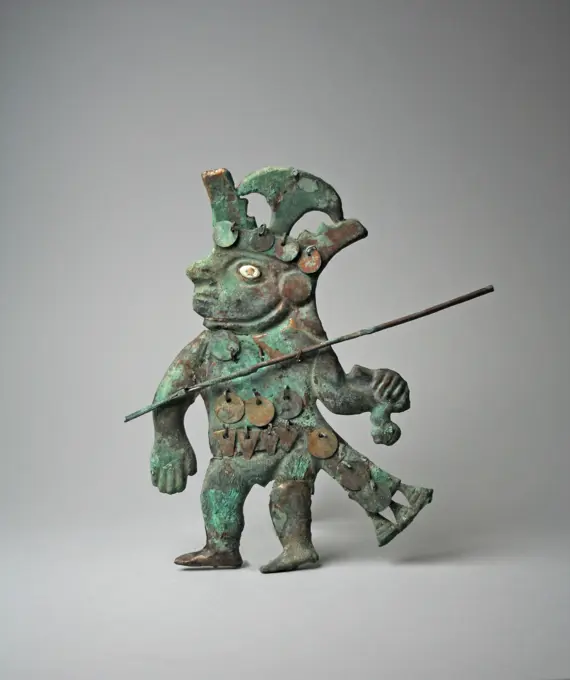
Profile Warrior Ornament 6th-7th century Moche (Loma Negra) This warrior, one of five highly similar gilded copper figures in the collections of The Metropolitan Museum of Art (the others are accession numbers 1987.394.70, .72, .71, .86), was created by artists of the Moche culture in northern Peru. Each figure has a spear thrower or atlatl in his hand, and each wears typical Moche warrior regalia including a distinctive headdress tied under the chin and surmounted by a metal crescent projecting upward between two stepped elements. The warriors wear a tunic and loincloth as well as ear ornaments and a backflap, a type of body armor suspended from the lower back and terminating in a row of conical metal bells. Bells of similar shape suspended from tunics and banners have been excavated at Moche sites such as Sipán, reminding us of the importance of sound in battles, processions, and performances (Alva and Donnan, 1993). The figures eyes are made of shell with inlaid pupils of turquoise
7177-70565184
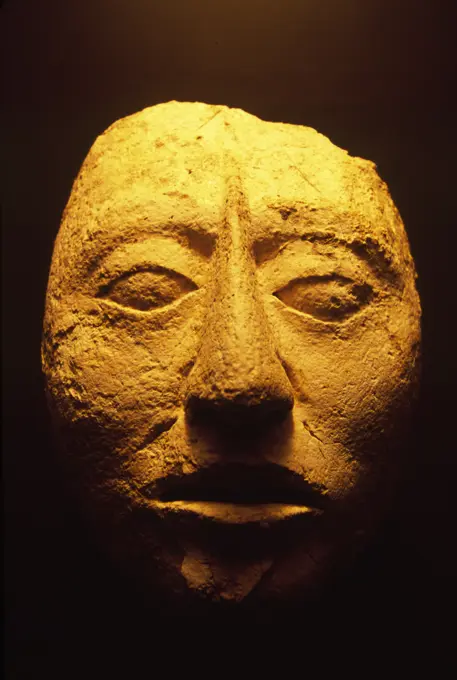
Mexico, Chiapas, Palenque. Mayan plaster mask; Palenque Ruins Museum (Editorial Usage Only)
4409-65764393
Wooden model of grinding grain. 1st Intermediate Period-Middle Kingdom. Dynasty XI-XII (c. 2050-1947). Tomb of Shemes. From Asyut. Egyptian Museum of Turin. Italy.
900-336
Old Maid of the Village Switzerland Folk Art Artist Unknown
4409-63013070
Mesoamerica. Male figure. Veracruz. Gulf of Mexico. 300-900 BC. Mexico. Museum of Cutures of the World. Barcelona. Spain.
6145-29755990
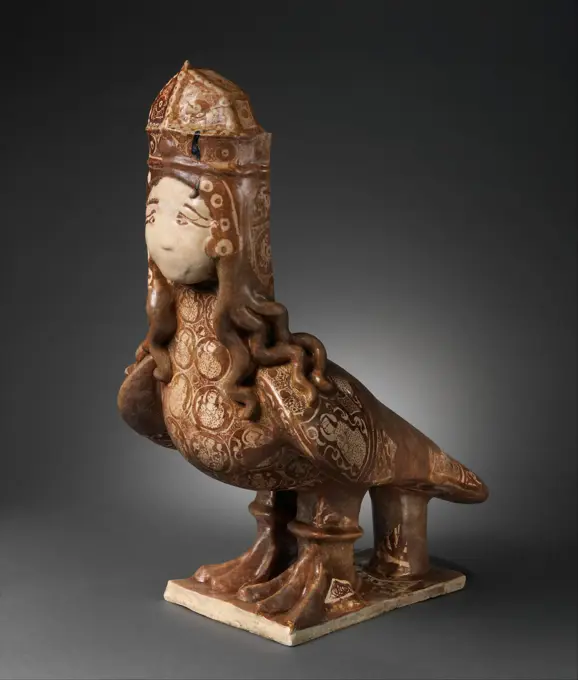
Figure of Harpy 12th-early 13th century The harpy, or fantastic human-headed bird, was a common motif in many parts of the Muslim world. In Iran it was adapted in the twelfth century as a motif on wares in a variety of media. This example is unusual for its large size.. Figure of Harpy. 12th-early 13th century. Stonepaste; luster-painted on opaque white glaze, molded and applied decoration. Made in Iran. Ceramics
6145-29066417
Zaō Gongen, 1100s. Japan, Heian period (794-1185). Gilt bronze with repoussé and incised details; overall: 25.8 x 17.8 cm (10 3/16 x 7 in.).
4409-8226
ESCULTURA ANTROPOMORFA TOLTECA. Location: MUSEO NACIONAL DE ANTROPOLOGIA. MEXICO CITY. CIUDAD DE MEXICO.
4409-17232621
Romanesque art in the National Art Museum of Catalonia,Barcrelona,bases of the Ripoll baldachin (XII century AC).Santa Maria in Ripoll monastery.
6145-30177698
Female Figure 500 BCE-300 BCE Chupícuaro. Ceramic and pigment . Chupícuaro
4409-17547587
Lowest Lame of Long Tasset. Southern German, Innsbruck(). Date: 1500-1600. Dimensions: . Steel. Origin: Germany. Museum: The Chicago Art Institute, Chicago, USA.
6145-46863044
FemaleFigure
6145-29728583
Figure of Fertility Goddess ca. 2700-2000 B.C. Baluchistan. Figure of Fertility Goddess. Baluchistan. ca. 2700-2000 B.C.. Terracotta. Ceramics
6145-29750072
Standing Ceramic Female Figure late 3rd millennium B.C. Valdivia. Standing Ceramic Female Figure 317702
1890-159349
Pre-Columbian artifacts and art in the Larco Museum, Lima, Peru, South America
6176-67040717
Jade statue of Quetzalcoatl, Aztec 1350-1521. Artist: Unknown
1848-63254652
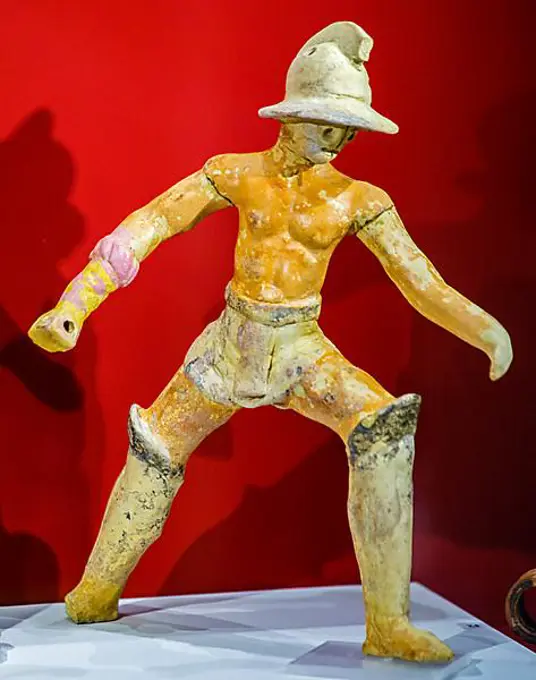
Terracotta gladiator, 1st century BC National Archaeological Museum, Taranto, Apulia, Taranto, Apulia, Italy, Europe
1788-16993
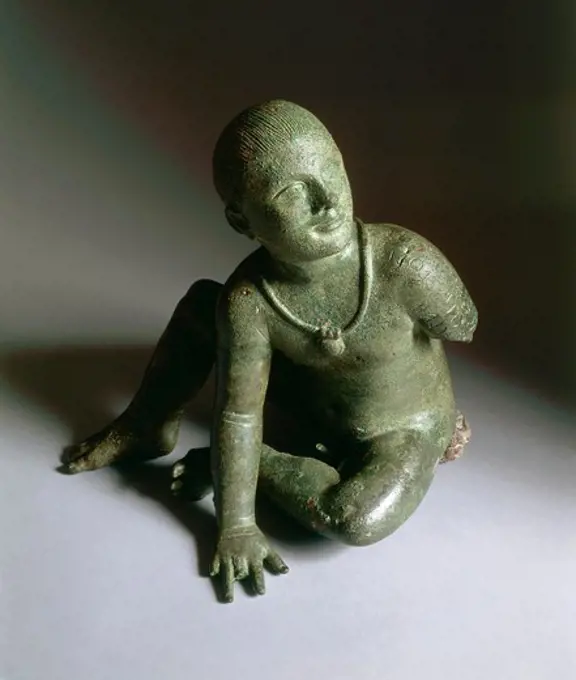
Etruscan bronze statue of seated child, from Tarquinia, Latium region, Italy, 3rd-2nd Century B.C.
4409-17435388
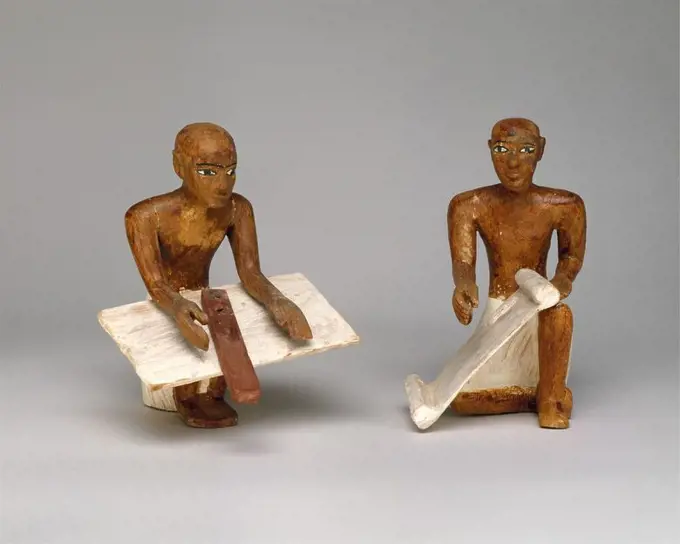
Scribes from Meketre's Model Granary. Dimensions: H. of right-hand figure: 15.5 cm (6 1/8 in.). Dynasty: Dynasty 12. Reign: early reign of Amenemhat I. Date: ca. 1981-1975 B.C.. Museum: Metropolitan Museum of Art, New York, USA.
6145-29074024
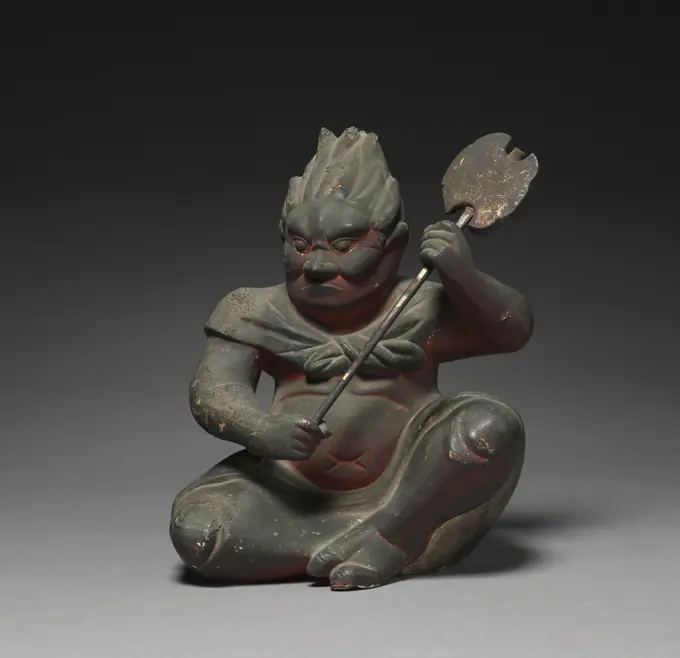
Seated Zenki, 1400s. Japan, Muromachi period (1392-1573). Wood with pigment; overall: 30.5 cm (12 in.).
4409-17409564
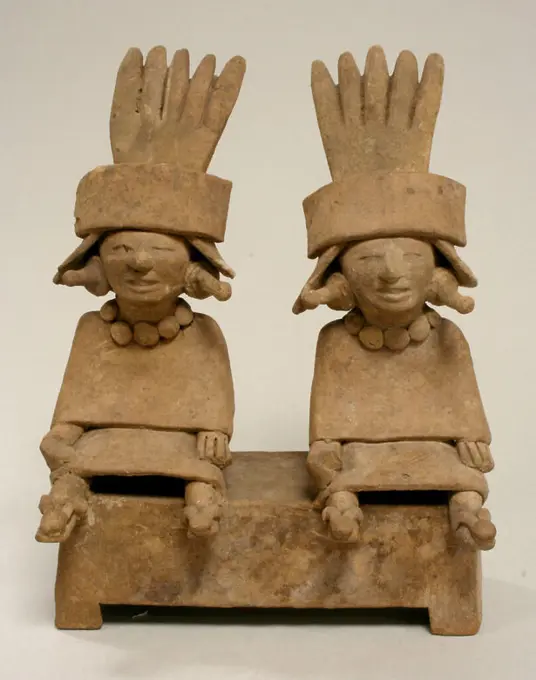
Two Ceramic Figures Seated on a Bench. Culture: Remojadas. Dimensions: H. 8 13/16 x W. 6 7/8 x D. 4 in. (22.5 x 17.5 x 10.2 cm). Date: 6th-9th century. Museum: Metropolitan Museum of Art, New York, USA.
4409-59313
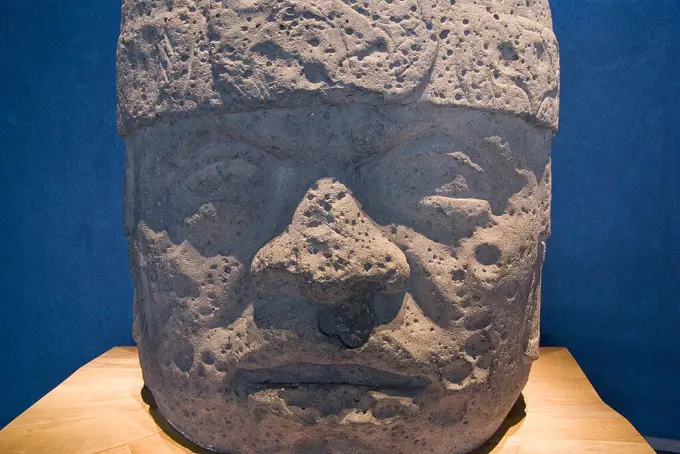
Mexico.Mexico city.National Museum of Antropology.Olmec culture. Monumental stone head.
1746-21110754
Pottery figure of a woman holding a dog, Nayarit culture, Mexico 300 BC-AD 300.
6145-29761160
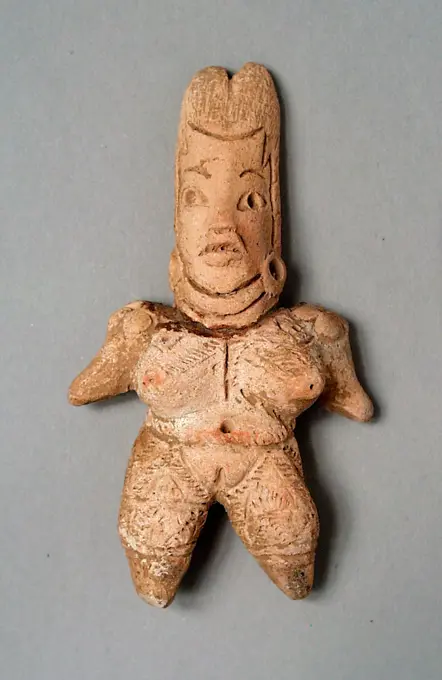
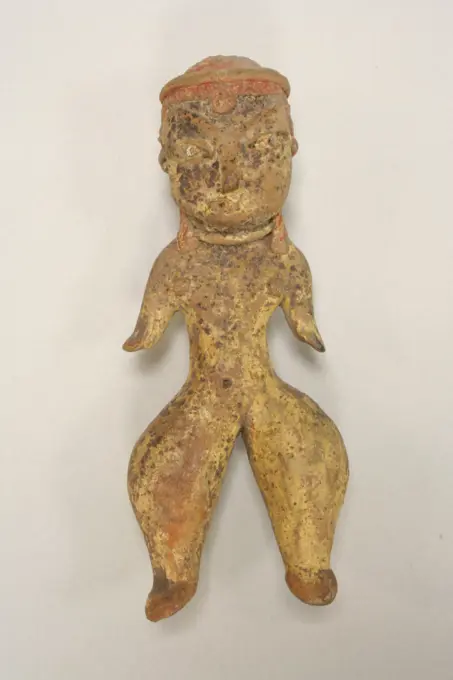
Female Figure 12th-10th century B.C. Tlatilco This solid, hand-modeled ceramic figurine is tan in color and painted with a red pigment. No buttocks are indicated, but the upper thighs swell noticeably on the back of the figure. The hairdo and headband continue to the back of the head, but no anatomical differentiation is offered. Sculpted some three millennia ago in the Valley of Mexico, this figurine belongs to a group of ceramic effigies known collectively as the Tlatilco "pretty ladies." Depicting females with large heads, small waists, and prominent hips, these handheld sculptures present a fairly standardized body type and are typically fired to red, buff, or brown tones. As the popular embodiments of an ideal feminine form, the Tlatilco "pretty ladies" are part of a centuries-long tradition in which eccentricities and religious imagery predominate. Featuring hunchbacks, dwarfs, contorted acrobats, two-headed women, and conjoined twins, the corpus of Tlatilco figurines encompasses
4409-39260
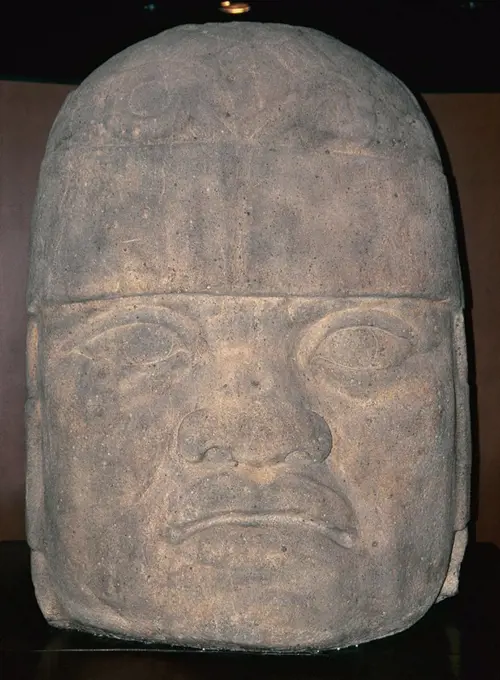
ARTE PRECOLOMBINO. OLMECA. OLMECAS. Cultura desarrollada por los antiguos pueblos mexicanos de Tabasco y parte meridional de Veracruz (h.200-h.100 a.C.). CABEZA COLOSAL Nº 6, realizada en basalto. Procede de San Lorenzo. Veracruz. Actualmente se encuentra en el Museo Nacional de Antropología. Sala del Golfo de México. México D.F.
4409-17353374
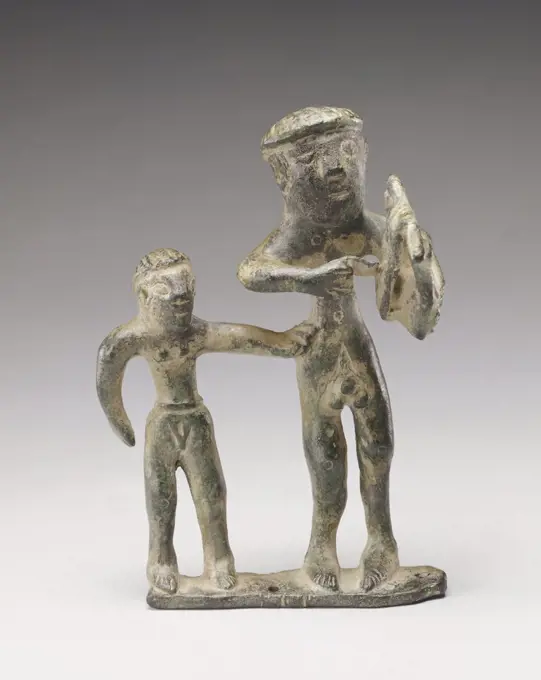
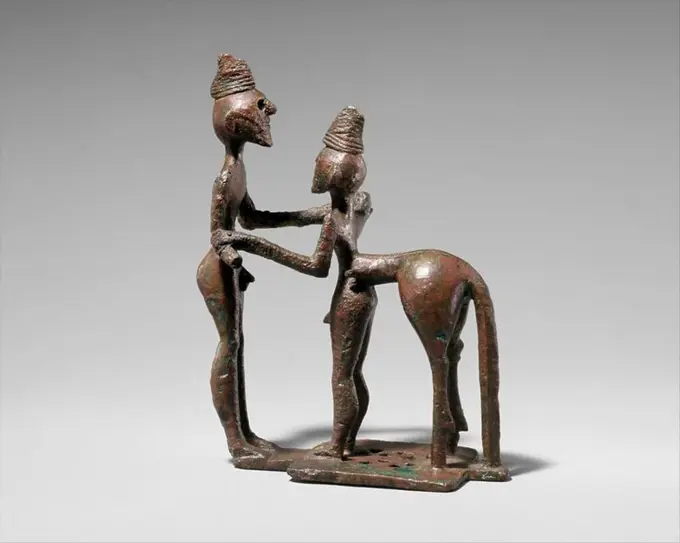
Bronze man and centaur. Culture: Greek. Dimensions: H. 4 3/8 in. (11.10 cm). Date: mid-8th century B.C..Half man, half horse, the centaurs were thought to inhabit remote wooded areas. In much of Greek art, they appear in combat with humans and, by implication, are the antithesis of civilized men. The classic rendering of this subject can be seen in the metopes of the Parthenon in Athens. It is, however, already fully presented in this bronze statuette. The outcome of the conflict is indicated by the end of the spear preserved in the centaur's left flank and by the greater height of the man. Museum: Metropolitan Museum of Art, New York, USA.
4409-17544034
Winged Beast (Tomb Figure). China. Date: 200 BC-101 BC. Dimensions: 22.2 × 43.8 cm (14 7/8 × 27 1/2 in.). Gray earthenware, slip-coated with polychrome pigments. Origin: China. Museum: The Chicago Art Institute, Chicago, USA.
6145-58997340
Lion. "Three -colored" glaze porcelain. Paris, Cernuschi museum. 78842-26 Asian art, ancient ceramic, covered, email, glacure, Chinese pottery, terracotta emaillee, animal, nature
1848-49150337
Archaeological Museum, Lipari Town, Lipari, Lipari Islands, Aeolian Islands, Sicily, Italy, Europe
6145-59042605
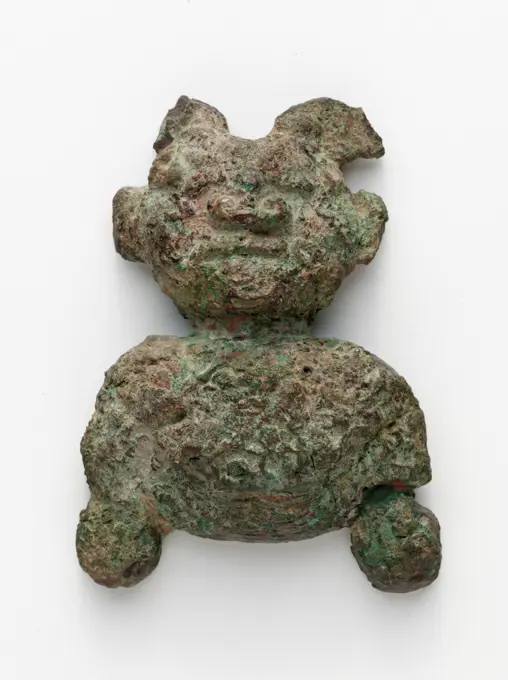
Human Protom ". Bronze. Shang dynasty (1765 - 1122 BC), China. Paris, Muse Cernuschi. Protom tte humaine Asian art, Chinese art, art of extreme-East, bronze, Shang dynasty, prehistoric time, Shang time, prehistory, protomed, human head
7012-69850092
Africa, Ghana, Accra. National Museum, regarded as one of the finest museums in sub-Saharan Africa. Plaster reproduction of metal face.
7155-70377470
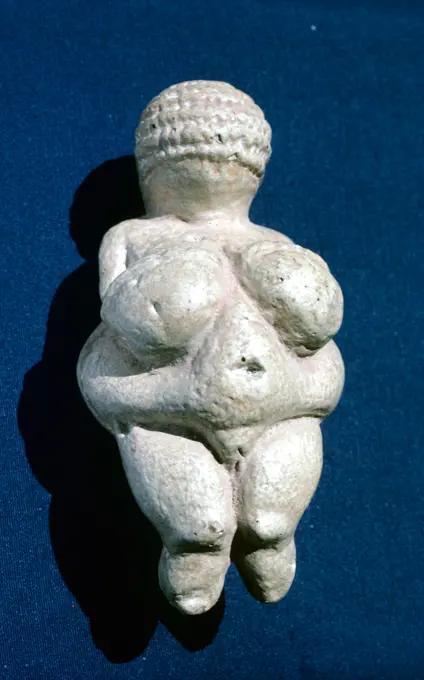
Willlendorf Venus. 25,000 BC. Austria.
1746-28978861
Benin figure in Bronze; Nigeria; West Africa 1500-1700 AD
6145-52957118
Figure of Fertility Goddess Baluchistan ca. 2700-3000 BCE View more. Figure of Fertility Goddess. Baluchistan. ca. 2700-3000 BCE. Terracotta. Ceramics
4443-28726831
Seated Figure, 100 BCE - 250 CE, 7 9/16 x 7 15/16 x 4 5/16 in. (19.21 x 20.16 x 10.95 cm), Ceramic, pigment, Mexico, 1st century BCE - 3rd century CE
4409-17281300
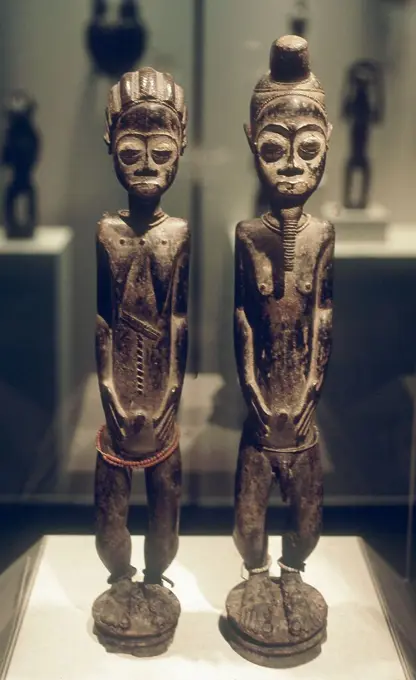
PAREJA DE ANTEPASADOS-COSTA DE MARFIL-TRIBU BAULE-MADERA-. Location: METROPOLITAN MUSEUM OF ART. NEW YORK CITY.
4409-17432643
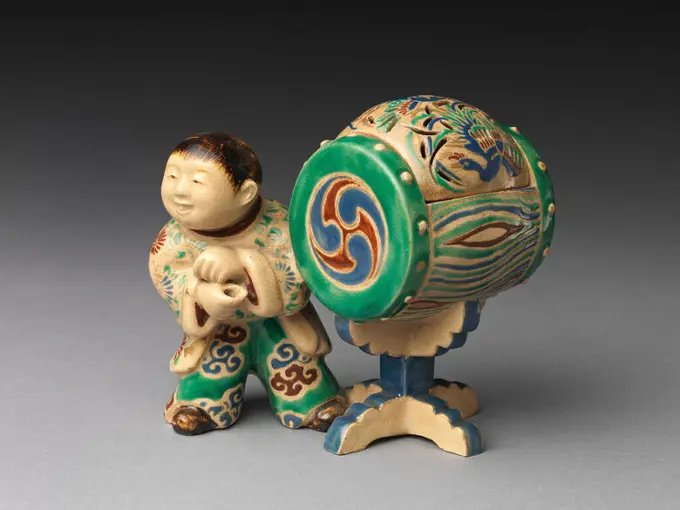
Karako (Chinese Child) with drum. Culture: Japan. Dimensions: H. 4 in. (10.2 cm); W. 5 in. (12.7 cm). Date: 17th-18th century. Museum: Metropolitan Museum of Art, New York, USA.
4409-17423379
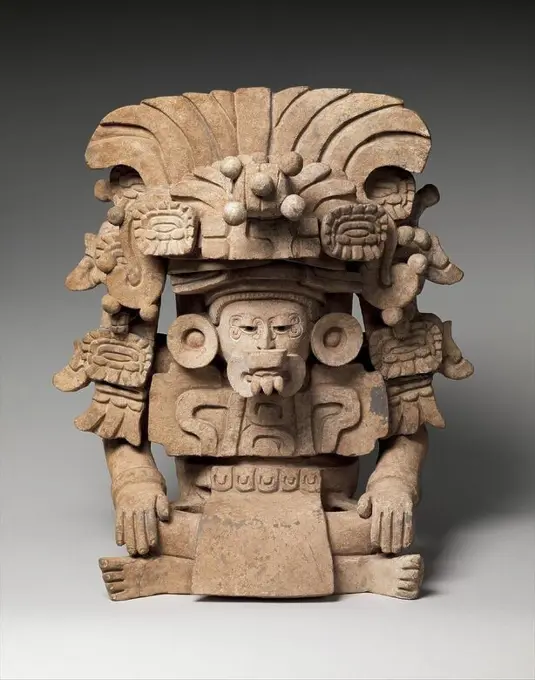
Funerary Urn with Deity. Culture: Monte Alban. Dimensions: H. 18 3/4 in. (47.6 cm). Date: ca. 6th century.Ceramic urns were often deposited as funerary offerings at the site of Monte Alban in the southern Mexican state of Oaxaca. The vessels are typically cylindrical and decorated on one side with an applied anthropomorphic figure modeled in clay. The figures often display elaborate headdresses, masks, and distinctive clothing, symbols, or hieroglyphs. Many of the urns have masks with serpent fangs on the lower face and maize vegetation in the headdress that link them to a group of Oaxacan deities. The incised swirling lines around this figure's eyes might represent tattoos or scarification, both common in ancient Mesoamerica.-----Additional ReadingEasby, Elizabeth Kennedy, and John F. Scott1970 Before Cortes: Sculpture of Middle America. New York, The Metropolitan Museum of Art. Cat. 157. Museum: Metropolitan Museum of Art, New York, USA.
4443-28741906
Female figure, early 20th century, 51 1/2 x 5 1/4 in. (130.8 x 13.3 cm), Wood, Gabon, 19th century
4409-24206
GUERRERO DESNUDO - COLLADO DE LOS JARDINES - SANTA ELENA (JAEN) - ARTE IBERICO. Location: MUSEO ARQUEOLOGICO NACIONAL-COLECCION. MADRID. SPAIN.
6145-29728169
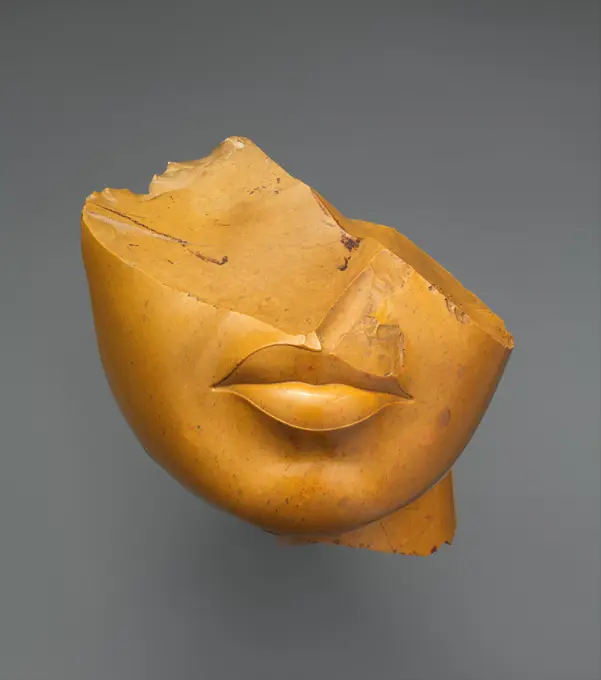
Fragment of a Queen's Face ca. 1353-1336 B.C. New Kingdom, Amarna Period This striking fragment is from a statue composed of different materials. The back of the piece shows remains of the mortise that fitted onto a tenon extending from the statue's body which may have been made of Egyptian alabaster to represent a white garment. Two headdresses might have fit this head: the khat-headdress, or the Nubian wig (as seen on the canopic jar lid, 30.8.54, in the same gallery).The royal woman represented here cannot be identified with certainty. It is difficult to imagine that the already aged Queen Tiyethe mother of Akhenaten and highly respected as a wise woman at Amarnawas shown as a beauty of such sensuous character. Queens Nefertiti and Kiya, however, are both possible subjects.Link to the Artist ProjectBarry X Ball on an Egyptian fragment of a queen’s face Listen to experts illuminate this artwork's story Listen Play or pause #809. Kids: Fragment of a Queen's Face, Part 1 Play or paus
4409-28828189
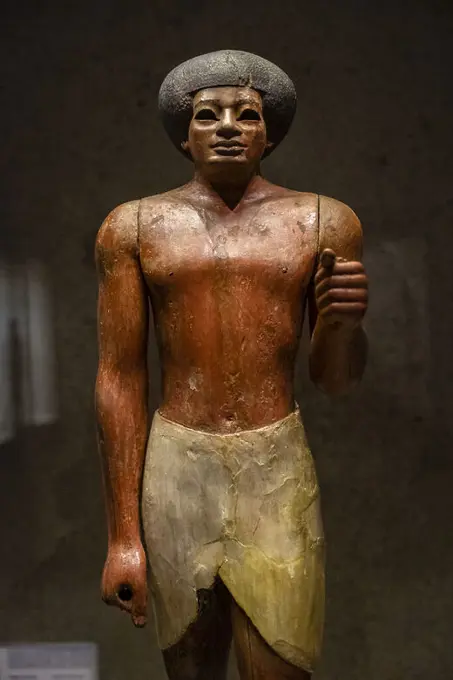
estatua funeraria, Imperio Medio de Egipto, XI dinastia, 2000 a. C., madera de ebano policromada, Fundación Calouste Gulbenkian, («Fundaçío Calouste Gulbenkian»), Lisboa, Portugal.
4430-3685
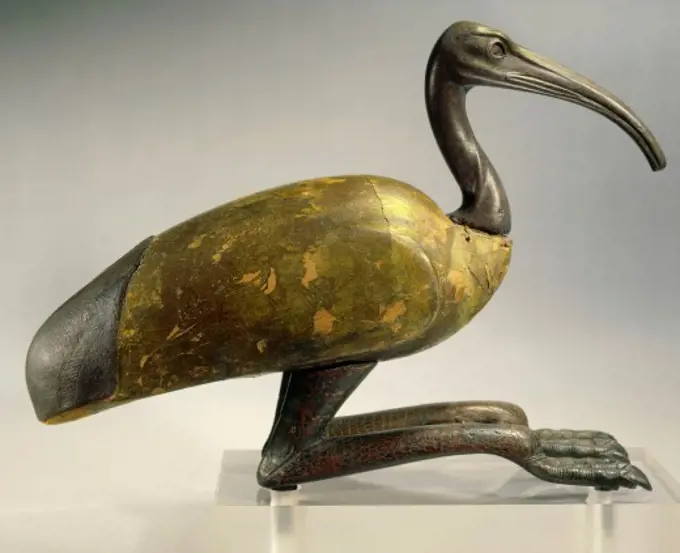
fine arts, ancient world, Egypt, sculpture, ibis, wood and stucco, 4th century BC, State Collection of Egyptian Art, Munich,
7012-69884564
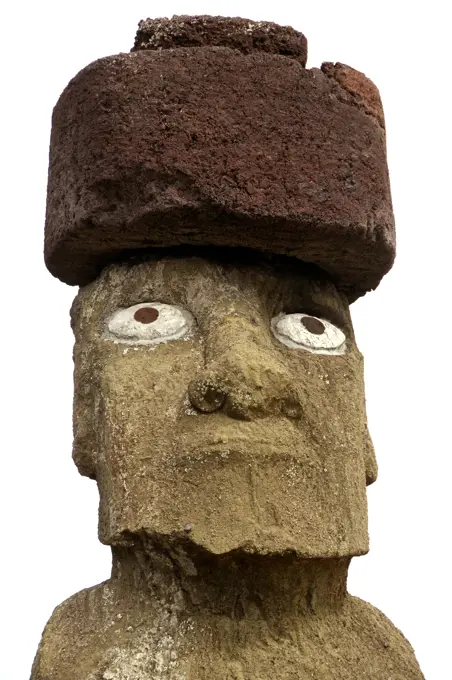
Chile, Easter Island (aka Rapa Nui). Hanga Roa, stone Moai head, close-up.
1788-38924
Italic civilizations, Piceni, 6th century b.C. The Warrior of Capestrano, limestone sculpture from the necropolis of ancient Aufinum. Height 2.09 m. Detail.
1746-28980877
Ceramic Huaco portrait representing an elite figure from Peru. Dated 6th Century
4430-3797
fine arts, Mesoamerica, Colima, sculpture, mask, green stone, Mexico, 2nd century BC, private collection,
866-20500
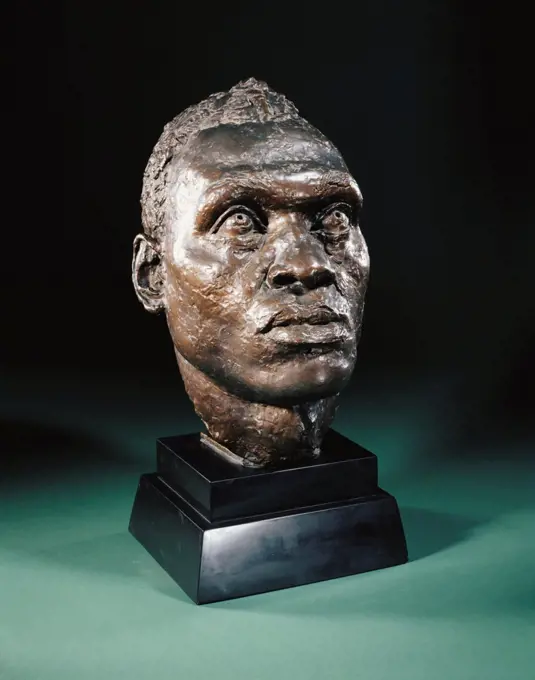
Paul Robeson. Jacob Epstein (1880-1959). Bronze with a brown patina. Conceived in 1928. 34.5cm high.