Ancient Artifacts and Figures

A variety of ancient artifacts, including terracotta bowls, masks, and anthropomorphic figures from different cultures, each reflecting unique artistic styles and cultural significance.
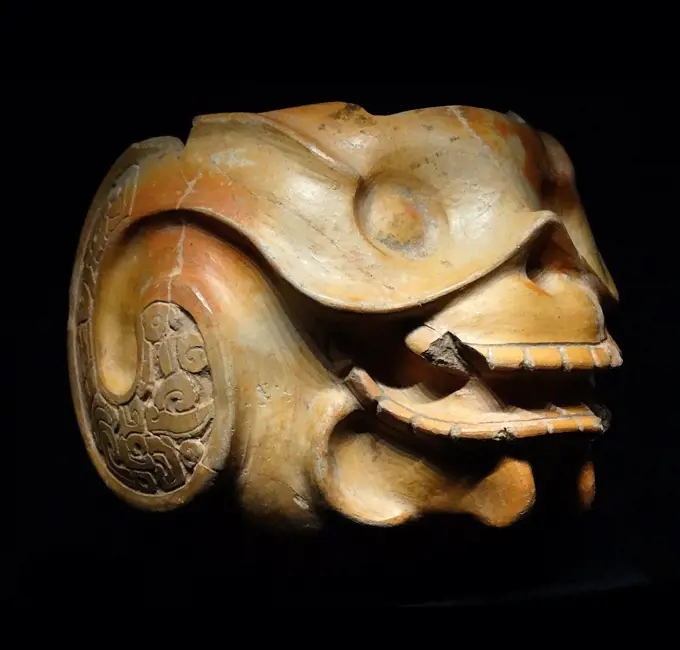
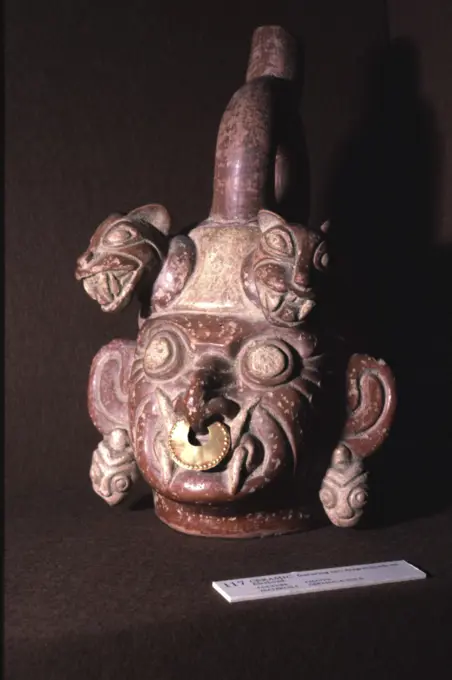
Mayan terracotta bowl in the shape of a death's head . From la Lagunita, Guatemala. 300-600 AD

Assets in this Story

6145-29769730
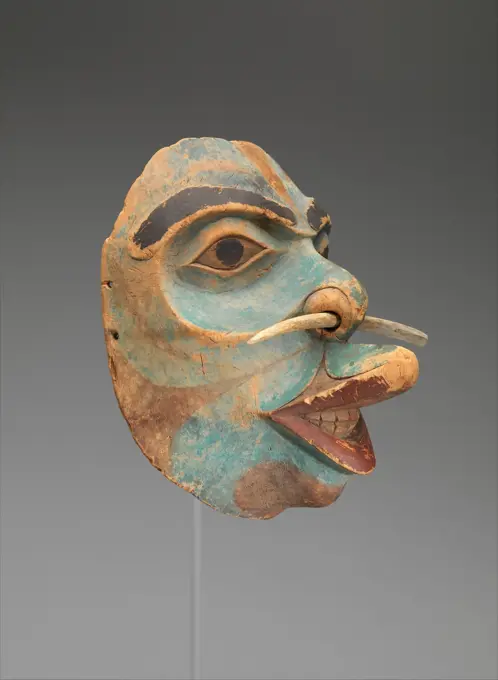
Mask ca. 1825 Tlingit. Mask 310596
4443-28734064
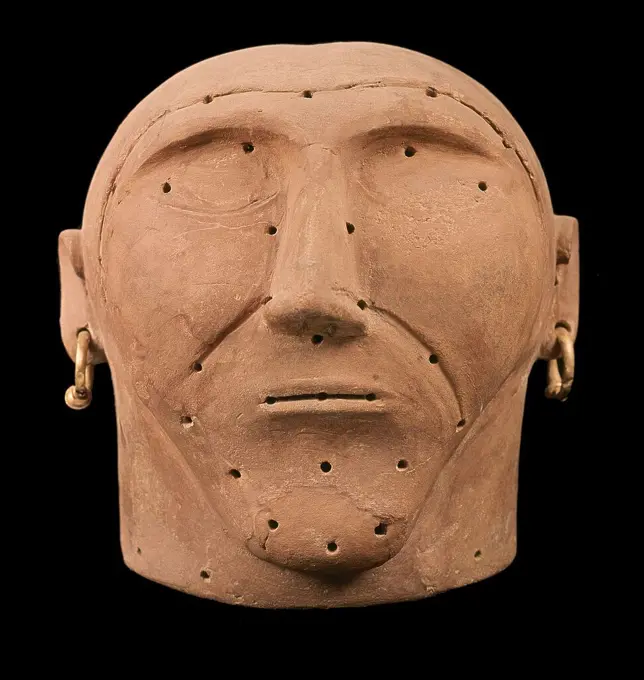
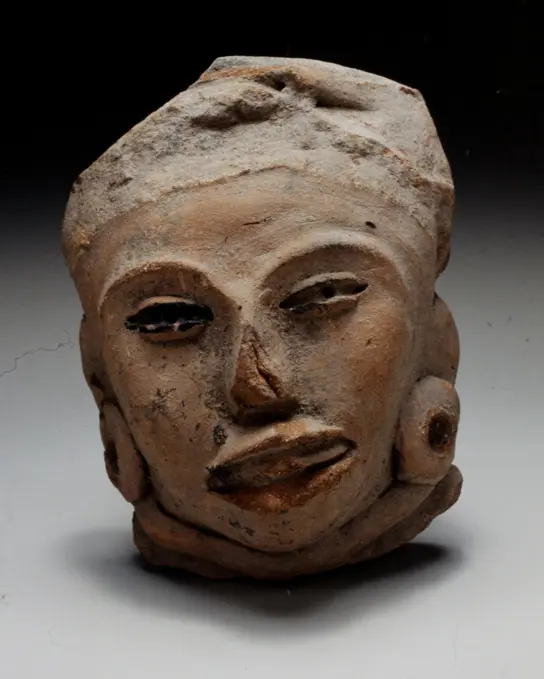
Head, 4 5/8 x 3 3/4 x 2 1/2 in. (11.7 x 9.5 x 6.4 cm), Earthenware, Mexico
6145-29129855
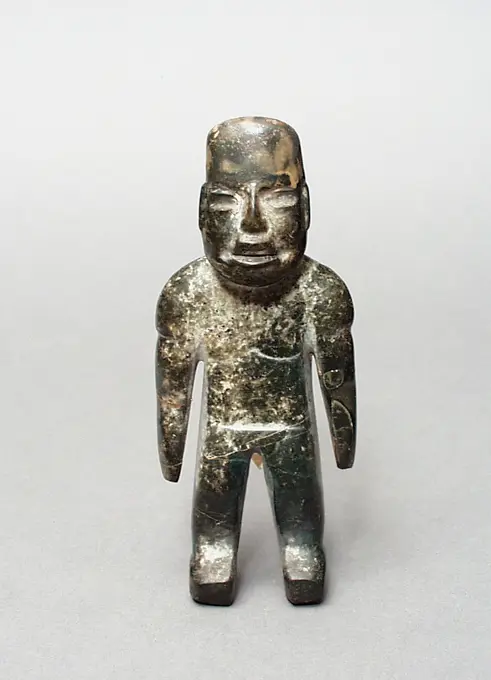
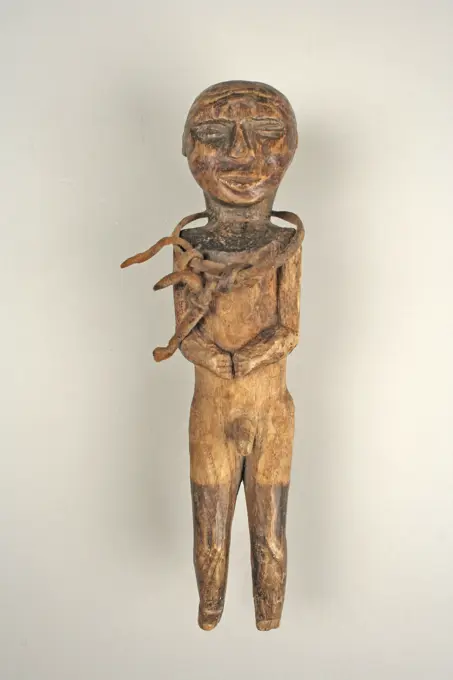
Anthropomorphic Figure
1746-21107907
Mayan terracotta bowl in the shape of a death's head . From la Lagunita, Guatemala. 300-600 AD
7079-69914066
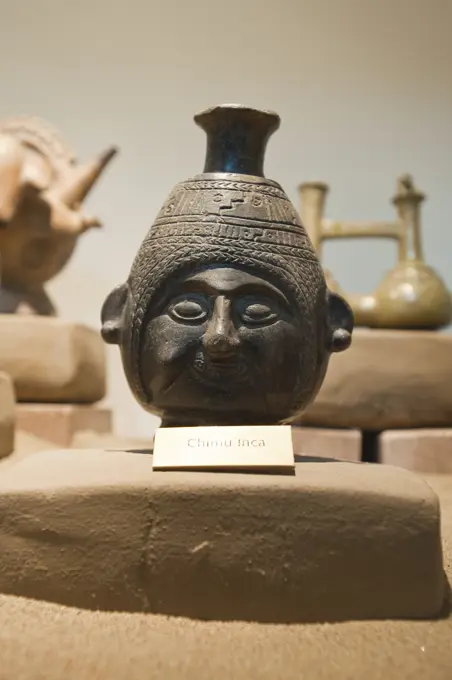
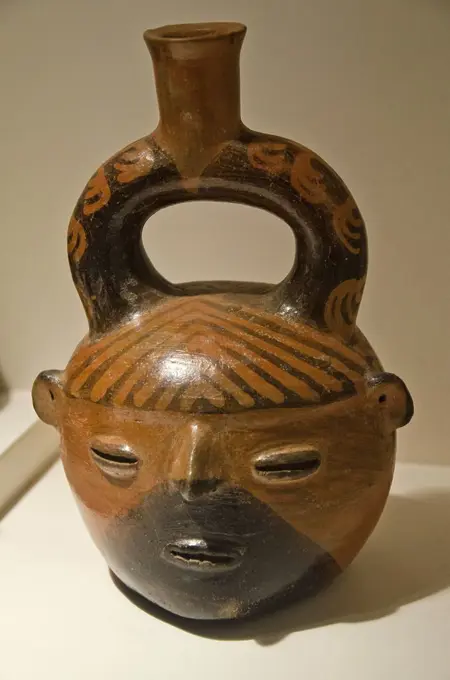
Peru, Lima. Inca portrait vase at the National Museum of Archeoligy, Anthropology and History of Peru.
1848-56092369
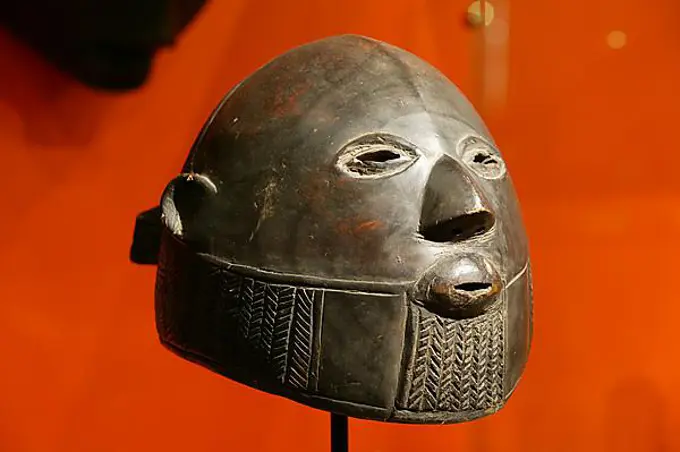
Wooden mask from Luba/Hemba, Zaire, National Museum of Culture, Pretoria, South Africa, Africa
6145-29796372
Business Bundle Figure 1790-1890 Mesquakie or Potawatomi. Business Bundle Figure 319016
4409-17280963
CANOPO DE CABEZA DE MUJER CON PENDIENTES DE ORO.
4409-20887853
Ceramic vessel Virú culture 100 BC-200 AC Perú.
6145-29155696
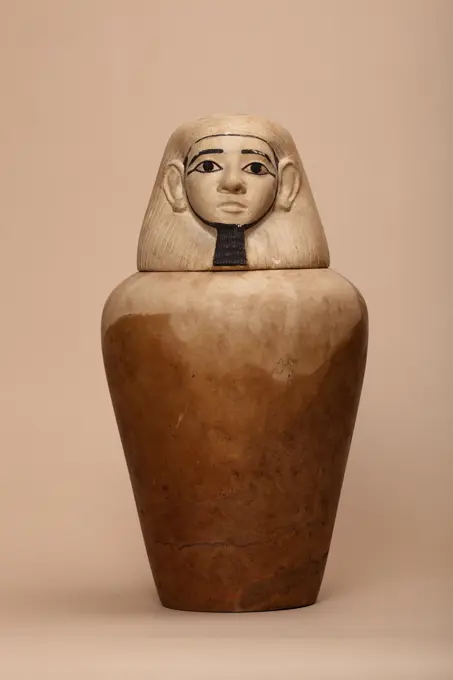
Canopic jar of Nephthys ca. 1981-1802 B.C. Middle Kingdom This Middle Kingdom canopic jar belongs to a set of four (11.150.17b-e), which were used to contain the viscera removed from the body during mummification. These four jars belong very probably to the burial of a mayors daughter called Nephthys (for her mummy, see 11.150.15c, and for her two coffins, see 11.150.15a, b). In earlier periods, canopic jars had simple disc-shaped or hemispherical lids. In the late First Intermediate Period to early Middle Kingdom, however, lids in the form of human heads were introduced.. Canopic jar of Nephthys. ca. 1981-1802 B.C.. Indurated limestone, paint, linen. Middle Kingdom. From Egypt, Middle Egypt, Meir, Khashaba excavations, 1910-11. Dynasty 12
4409-17407604
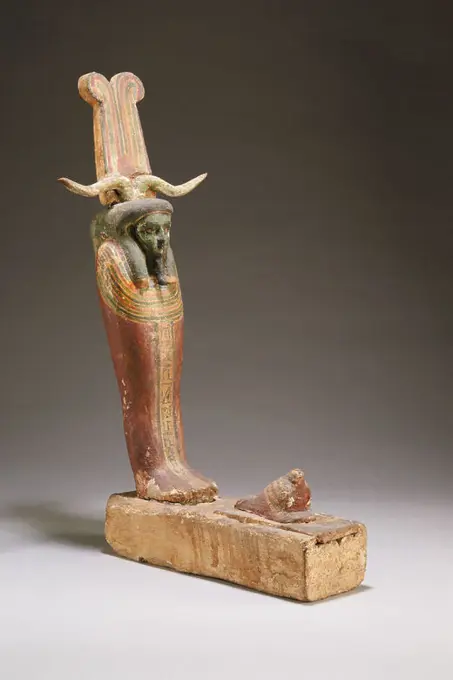
Figure of Ptah-Sokar-Osiris. Dimensions: H. 51.7 cm (20 3/8 in.); W. 24.5 cm (9 5/8 in.); D. 31.5 cm (12 3/8 in.). Date: 332-30 B.C..This mummiform figure represents the funerary deity Ptah-Sokar-Osiris. On his head are two ostrich plumes, hieroglyphs for maat (the proper order of the Egyptian cosmos), a sun disk, and two horns. The inscription down the center of the body tells us the figure was made for a priest of Osiris whose name is unfortunately effaced. The inscription continues on the back, where the name of the owner's father, the priest of Osiris Padiaabehdet, is preserved.The pedestal on which the figure stands is partially hollow, and contains a linen-wrapped object that might be a roll of papyrus inscribed with spells to assist the owner in his afterlife, or alternatively a mummified animal. On the lid that covers the opening into the base is the protective deity Sopdu in the form of a mummified hawk. Museum: Metropolitan Museum of Art, New York, USA.
6145-29771764
Mask 1820-40 Tlingit. Mask 312237
7155-70384501
Chavin head with dragons, 9th-3rd cent. PERU.
7155-70383868
Lid of burial urn, Sinu Region. Colombia.
1746-21107500
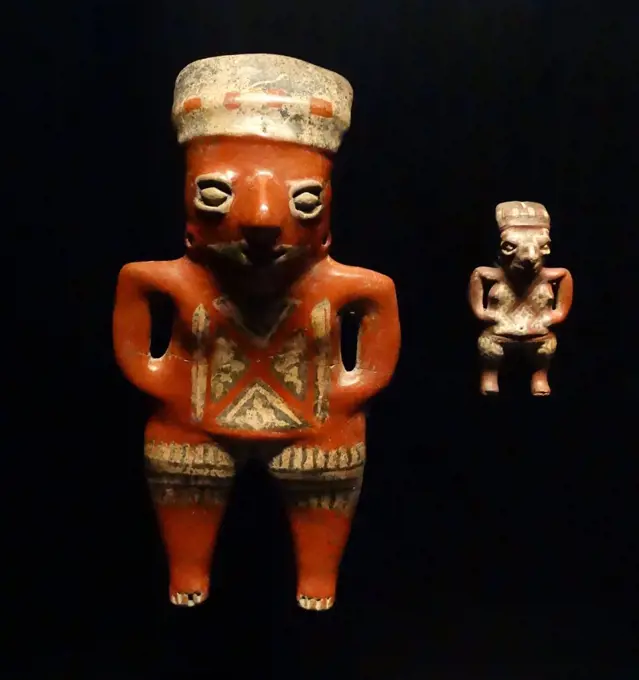
Ceramic female statuettes from the Mexican state of Guanajuato
6145-29127525
Mask
1746-19665658
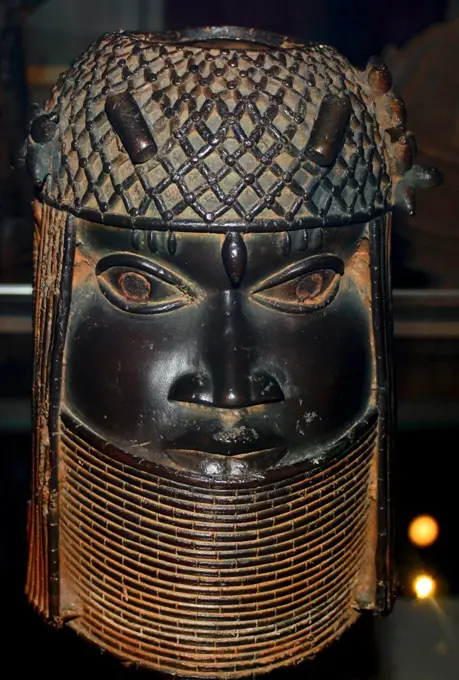
Head of Iyoba. Nigeria, Kingdom of Benin, Edo peoples 18th-19th century. Brass, Iron.
1746-19676533
Head of a Queen Mother 16th Century. Cast Brass from Benin.
6145-29127510
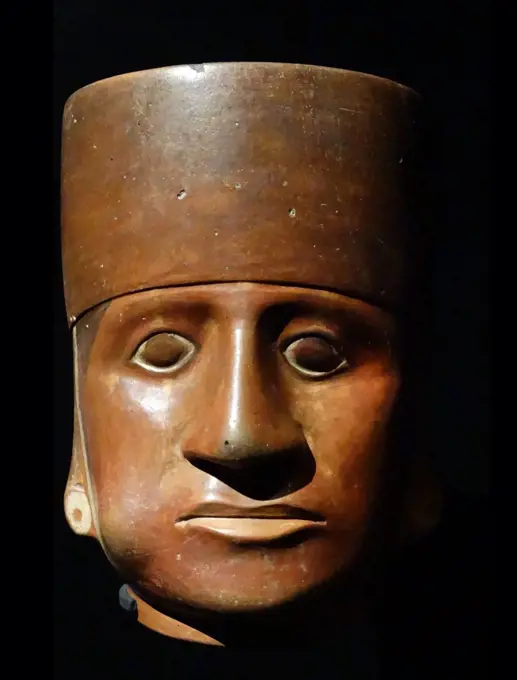
Portrait Jar in Form of Human Head
6145-54680021
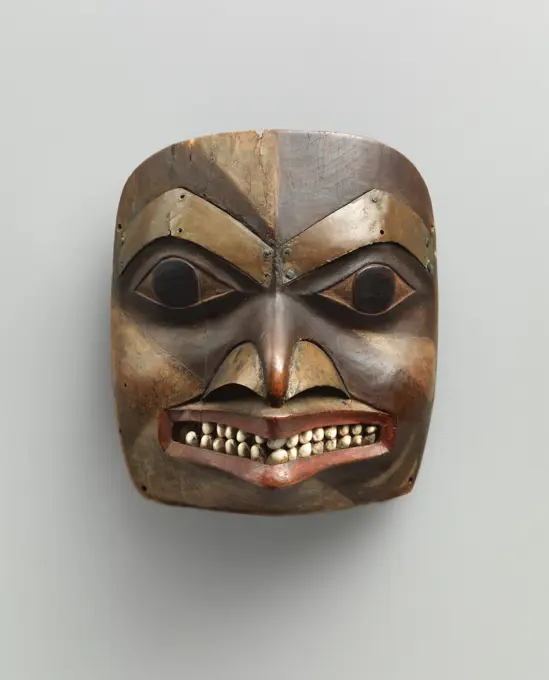
Maskette Tsimshian or Tlingit, Native American ca. 1780-1830 Pacific Northwest clan leaders hold potlatch ceremonies to renew their social status through a costly feast and gift exchange. Traditionally, the host would accumulate food, clothing, and trade goods, such as marine shells and copper, and commission specialized artists to create dance masks to further display this wealth. This ritual maskette or frontlet is pierced around the edges to affix it to a headdress assemblage. The blindingly white teeth are made of highly valued opercula, a hard plug that allows the marine mollusk to close its shell. The masks pointy nose may reference the beak of a bird or the mouth of an octopus. View more. Maskette. Tsimshian or Tlingit, Native American. ca. 1780-1830. Wood, copper, shell, and pigment. Possibly made in British Columbia, Canada; Possibly made in Alaska, United States
1746-21107854
Andean Pre-Hispanic native: Tiwanaku culture painted wooden, drinking goblet; 4th -12th century AD.
6145-29738601
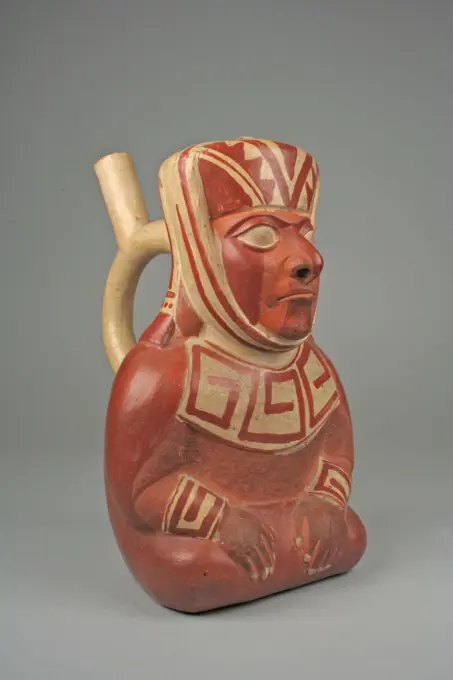
Stirrup spout bottle with dignitary figure 3rd-5th century Moche. Stirrup spout bottle with dignitary figure 308412
6145-29749767
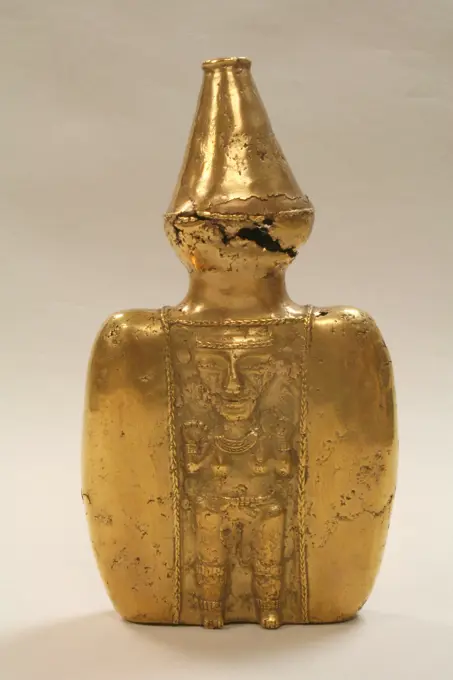
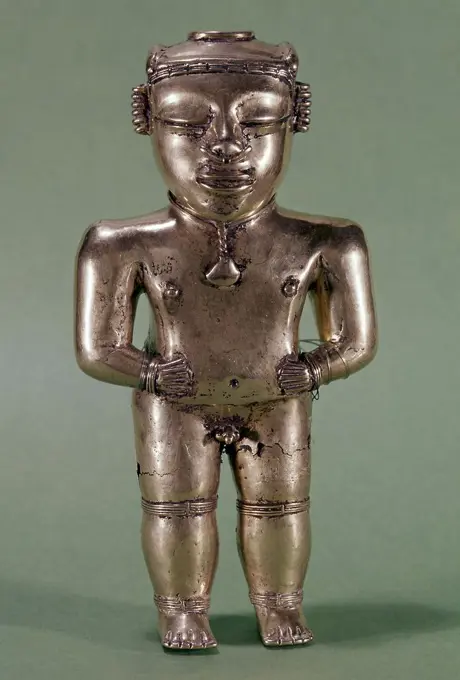
Poporo (Lime container) 300 B.C-A.D. 700 Early Quimbaya This object is a poporo, or a container for powdered lime. It is hollow and made of cast metal. There is an opening at the top of the poporo, with a ridge around the openings circumference. Moving away from the top, the poporo widens, and the shape of its upper region is conical. At the widest point of this region, there is a cast filigree band that wraps around the circumference. The general outline of the object curves inward before branching outward to form the majority of the poporo, which is relatively rectangular. Its long sides, however, are curved. On the obverse, the center of this main region shows a standing female figure. This figure is framed at top and on the sides by cast filigree bands of approximately the same thickness as that of the filigree band in the upper region. On the reverse, the only designs are three cast filigree bands in the same locations as they appear on the obverse. This is distinct from another
6145-29168480
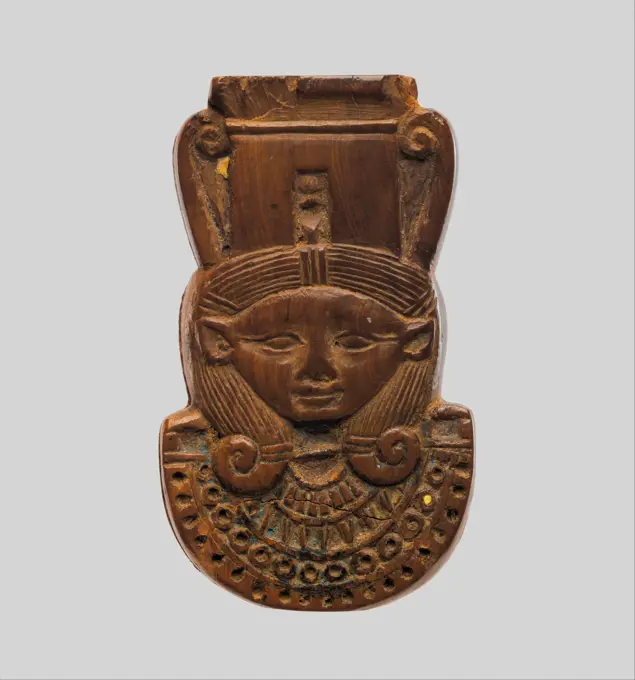
Hathor / Bat emblem ca. 1570-1479 B.C. New Kingdom The face and horns of this early goddess face have the wig, collar and naos acquired when the Bat emblem was combined with Hathors sistrum in the Middle Kingdom. The wig with curls was worn by queens and private women from the Middle Kingdom to the early New Kingdom, and was adopted to adorn the Bat face when in that period it was first incorporated into the sistrum emblematic of Hathor. A small uraeus crowned with a sun disk appears in the doorway of the naos. Traces of color appear on the small ivory - blue in the collar and hair, red in the space between the volutes and the naos, and bits of gesso(?).. Hathor / Bat emblem 554645
6145-30374128
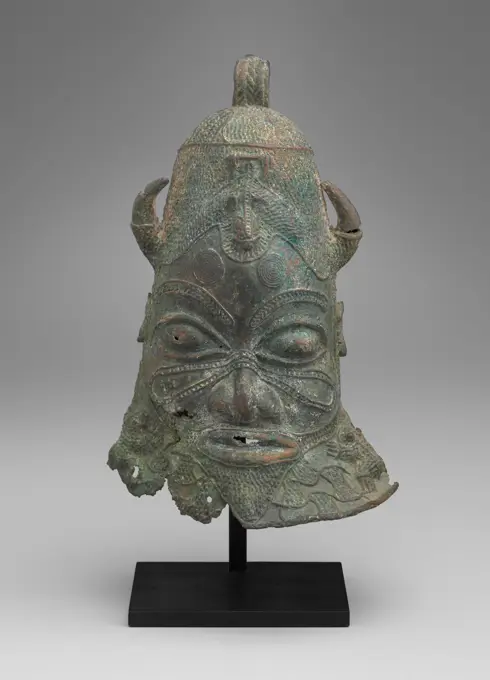
Bell in the Form of a HumanHead
6145-30176473
Statue of Shebenhor 664 BCE-525 BCE Egypt. Shebenhorís heavy, round ìbag wigî was fashionable at the time this statue was carved. The splayed toes, broad shoulders, and exaggerated narrowness of the waist are also characteristic of Egyptian statues of this era. Statues of individuals were placed in temples to maintain a connection between the dedicator and the god. The statue was capable of eternally transferring the blessings of the god to the individual.. Basalt . Ancient Egyptian
6145-30401984
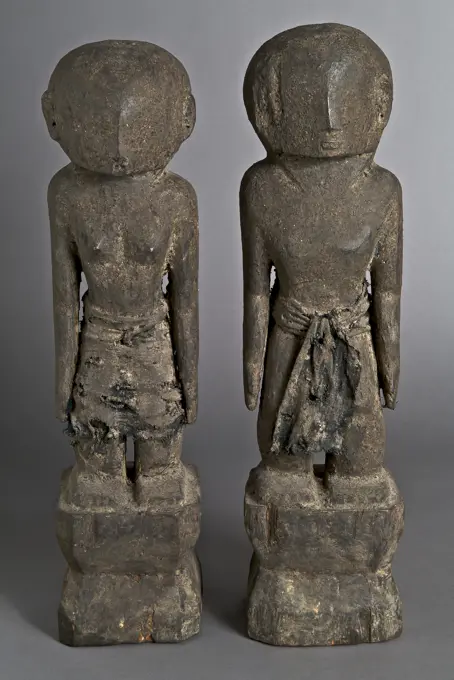
Pair of Ancestor Figures with Cloth WaistWrappers
4271-1394
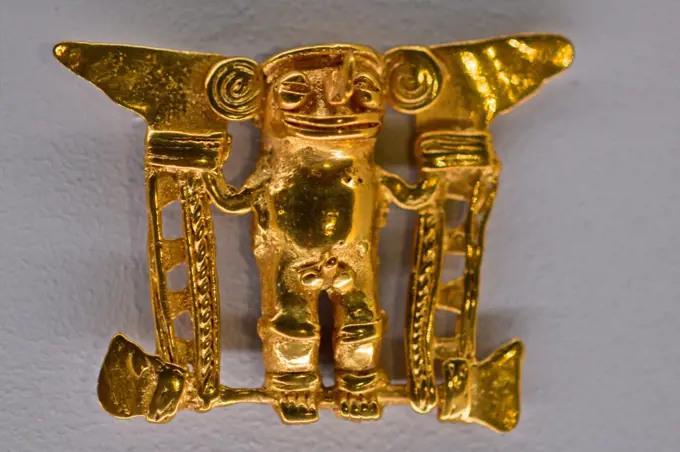
Costa Rica, San Jose, Pre-Columbian Gold Museum, Gold metalworking
1746-21109063
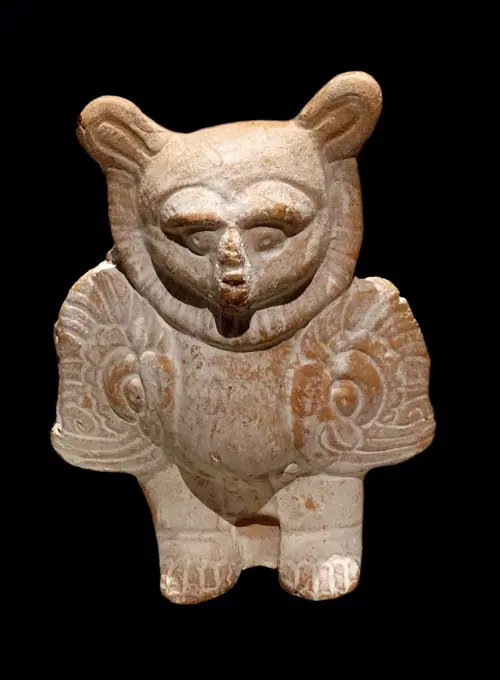
Zoomorphic or anthropomorphic Mayan figurine with the head of an owl. Mexico. Guatemala or Belize 600-900 AD
1788-19159
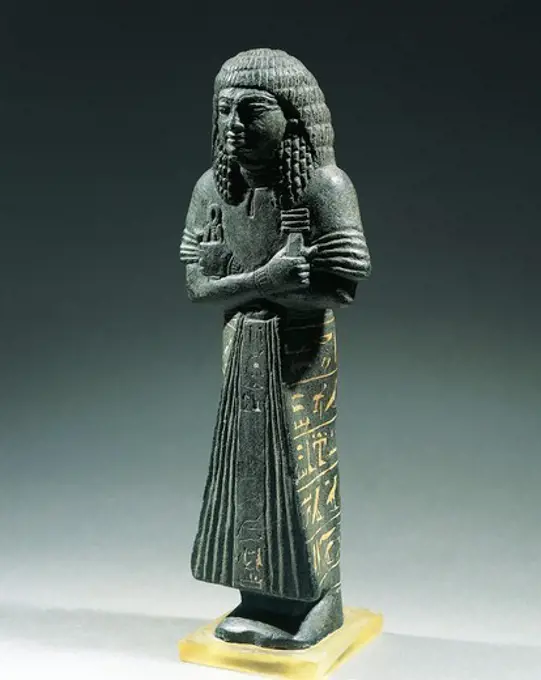
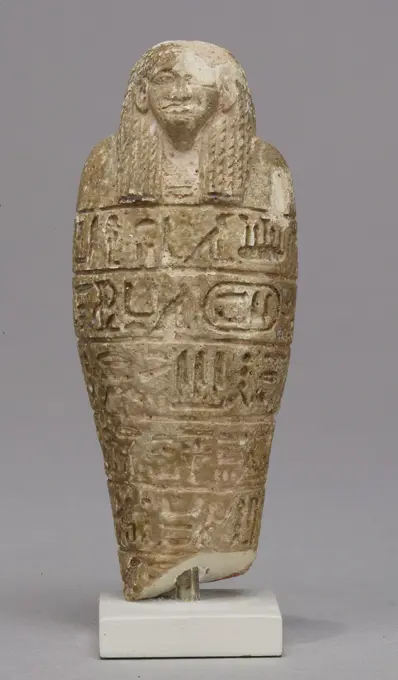
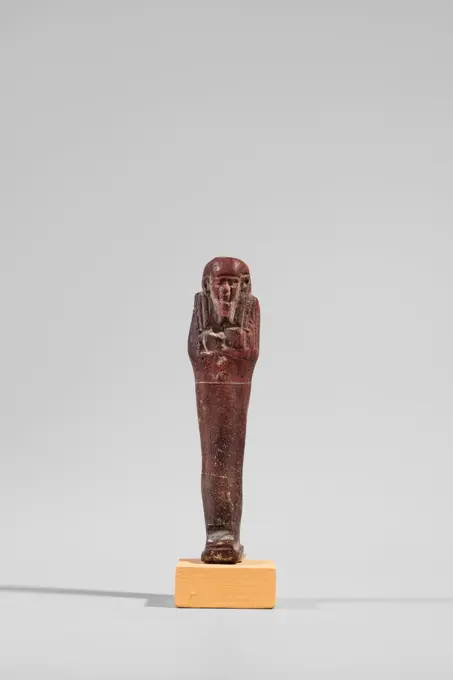
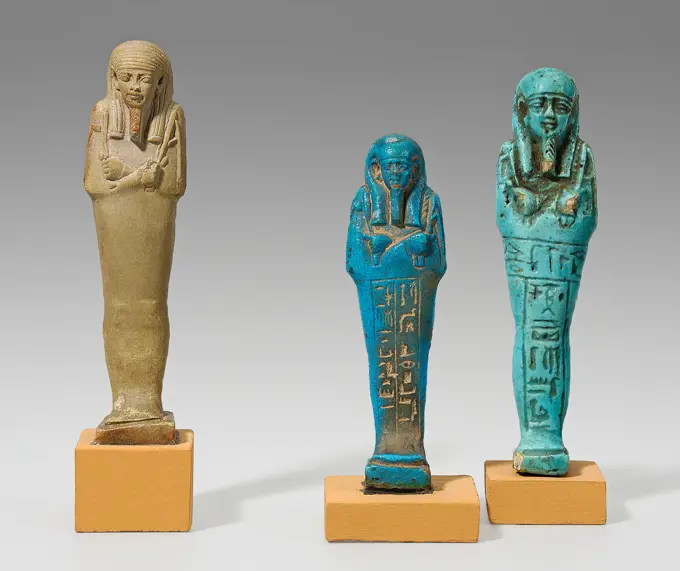
Ushabti funerary figurine, he name of the deceased was to be inscribed at the moment of purchase, dolerite
4409-60082
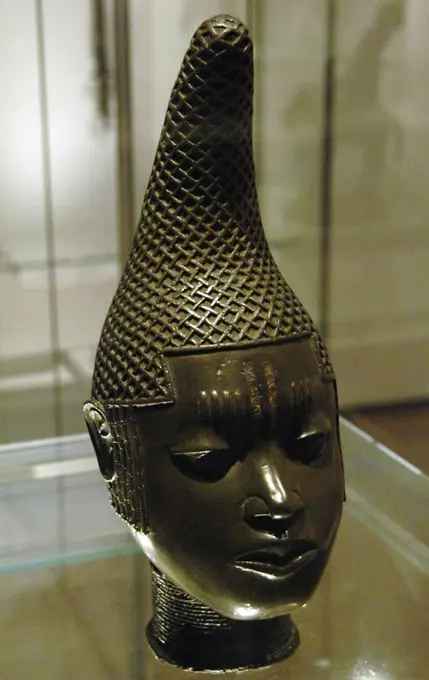
Commemorative head of Queen Mother. Lost-wax cast in brass. life-size female head with curving conical hairstyle covered. Early 16th century. Benin. British Museum. London, England, United Kingdom.
6145-29811593
Shabti of Queen Tia ca. 1295-1186 B.C. New Kingdom, Ramesside. Shabti of Queen Tia 553759
6145-29135866
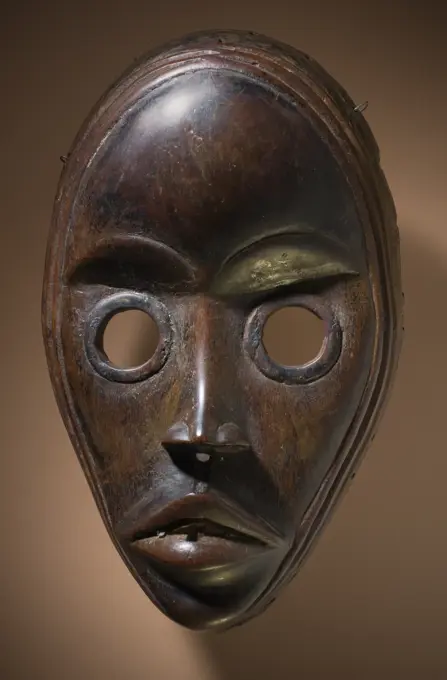
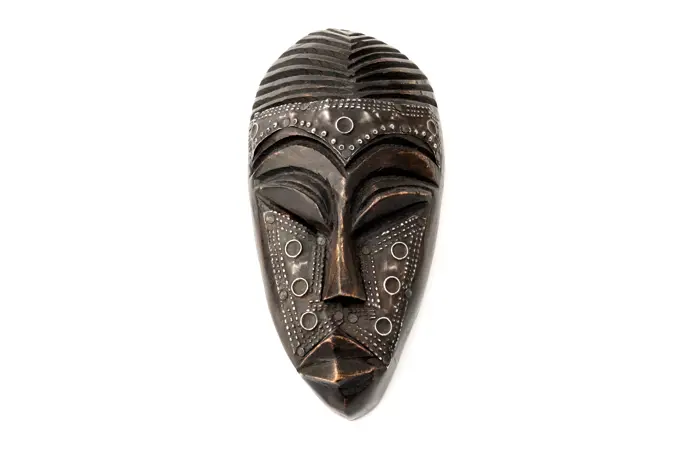
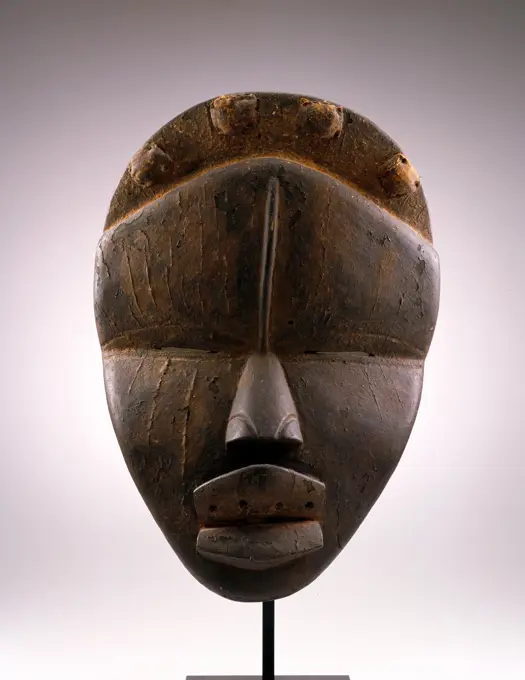
Mask. Africa, Liberia, Dan peoples. Jewelry and Adornments; masks. Wood
1788-16511
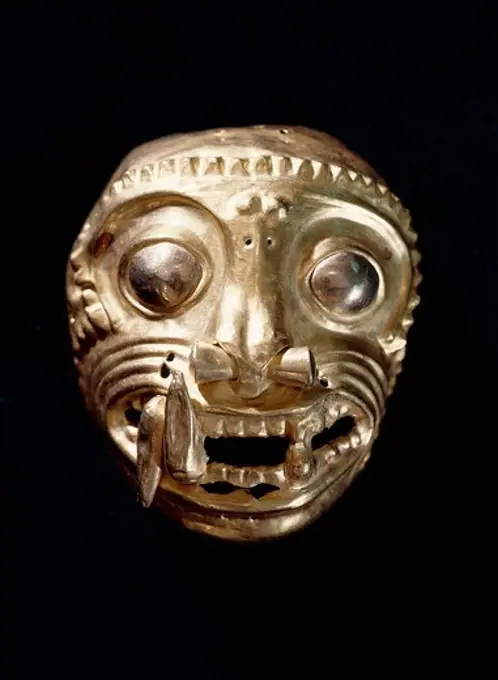
Ecuador, Pre-Columbian civilization, Goldsmithery, Golden pectoral in shape of feline, From San Isidro
6188-65085114
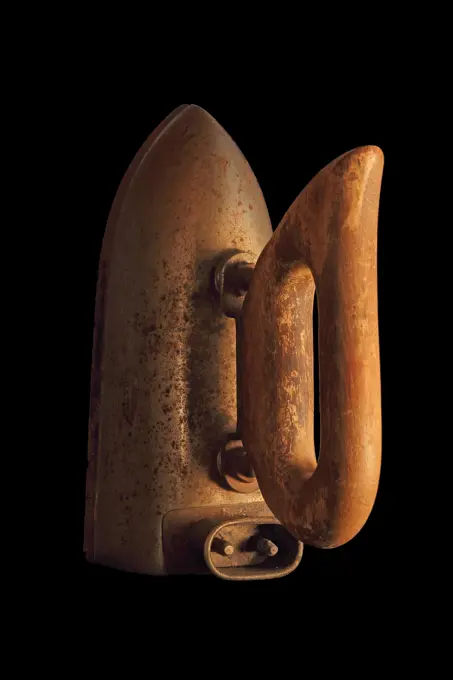
Old electric buege iron old electrical iron, Old Iron
7155-70384456
Inca gold idol. Female figure. PERU.
4409-20888269
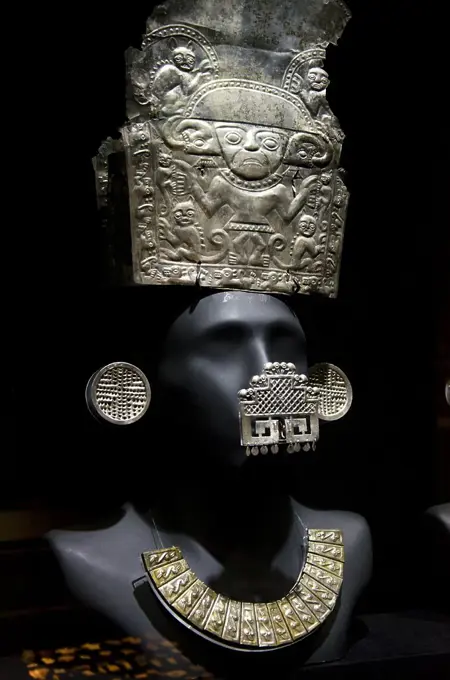
Pre-Columbian Jewelry Moche culture 100 AC-800 AC Perú.
6212-62161055
African Mask on a white background
6188-64664128
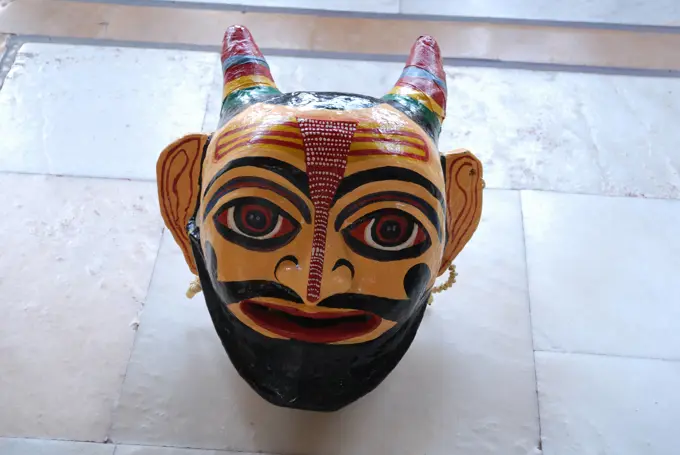
Mask on house wall, pushkar, rajasthan, india, asia Copyright: xSarveshxJoshi/DinodiaxPhotox
4443-28741949
Mask, 20th century, 19 3/4 x 13 1/2 x 6 in. (50.2 x 34.3 x 15.2 cm), Wood, cloth, metal, Liberia/Côte d'Ivoire, 20th century, The size of this mask is highly unusual. Unlikely to have been worn, it is probably a 'family mask' that was hung on the wall to protect the household. The four little pouches above the forehead are protective talismans. Characteristic of many Dan masks is the high forehead split by a vertical ridge, and the angle at eye level. The holes in the upper lip contained wooden or metal teeth.
4409-17276799
TESORO DE LOS QUIMBAYAS - FIGURA MASCULINA DE ORO - COLOMBIA - 200-1000 DC. Location: MUSEO DE AMERICA-COLECCION. MADRID. SPAIN.
1788-17194
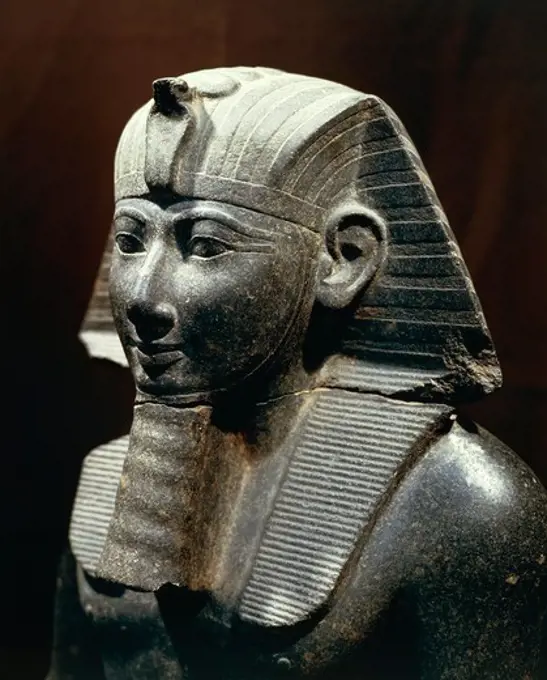
Statue of Thutmose III, New Kingdom, Dynasty XVIII, Egyptian civilization
6145-29777172
Mask Fragment 10th-16th century Muisca. Mask Fragment 309955
4443-28737759
Gunpowder Flask, 20th century, 9 x 5 1/4 x 4 5/8 in. (22.9 x 13.3 x 11.7 cm) (without stand), Wood, Democratic Republic of the Congo, 20th century, Firearms were used by 19th century Congo hunters and warriors but were relatively rare. These smooth bore muskets were muzzle-loaders which were charged with loose powder and ball. Accessories such as this gun powder flask were specially decorated to reflect the power and importance of the men who carried them.
6176-67077837
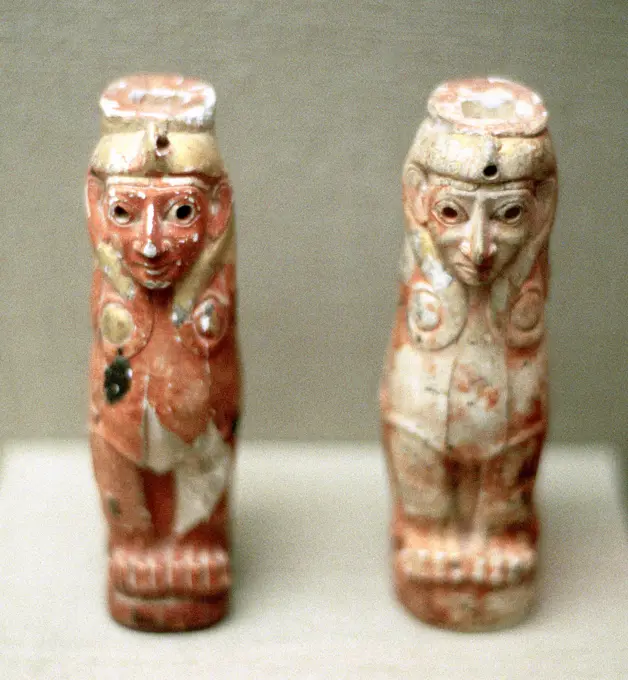
Artefacts (Sphinx figures) from Turkey, 1800 BC. Artist: Unknown
4163-20250235
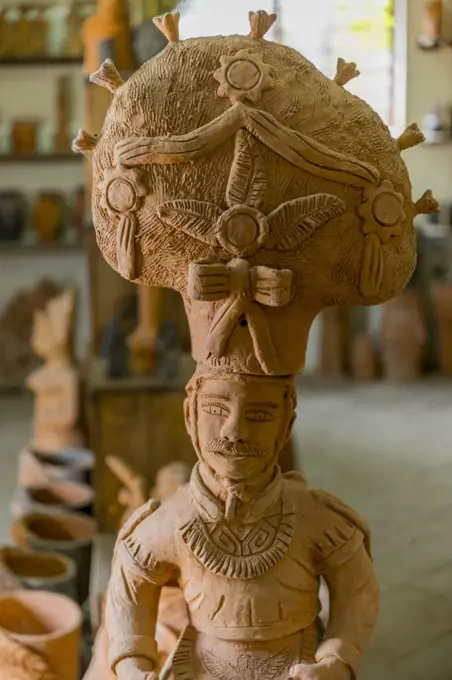
Statues in the pottery studio of Don Jose Garcia, known as the blind potter, in San Antonino Castillo Velasco near Oaxaca, Mexico.
7155-70375657
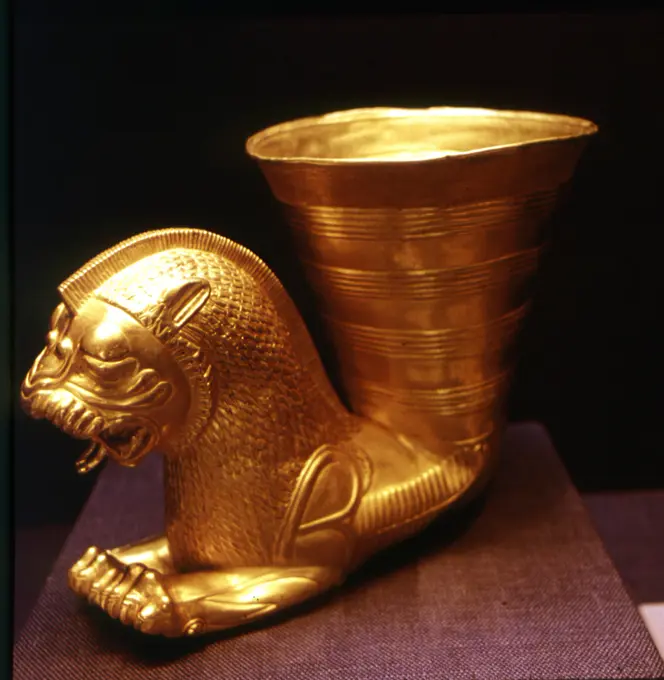
Gold Rhyton of Achemenian Period. 5th cent. BC.
1746-28993824
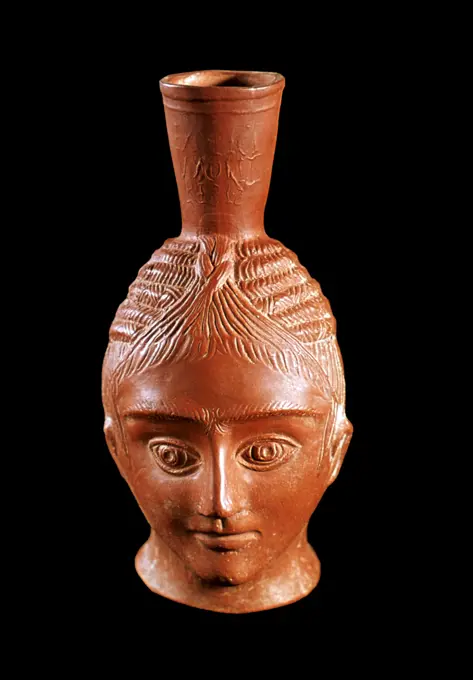
Phoenician anthropomorphic head, on a wine Jug. From El Aouja, Tunisia; 3rd Century AD. Musée national du Bardo. Tunisia
4292-85783
Wooden sculpture
6145-29125039
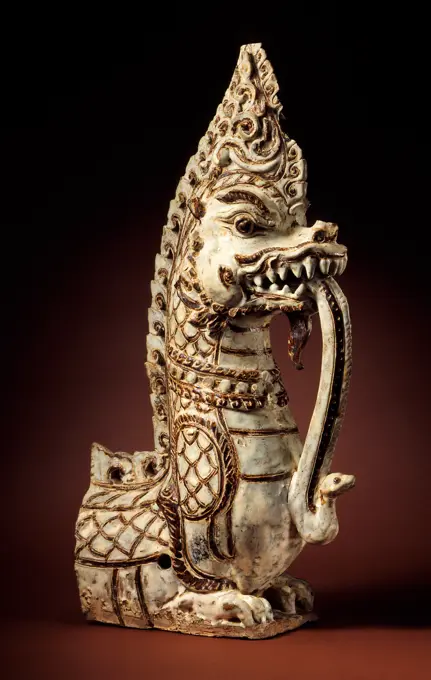
Architectural Fitting in the Form of a Serpent. Thailand, Sawankhalok, circa 1400-1500. Architecture; Architectural Elements. Modeled stoneware with cream slip, underglaze brown painted decoration, and clear glaze
6145-29119538
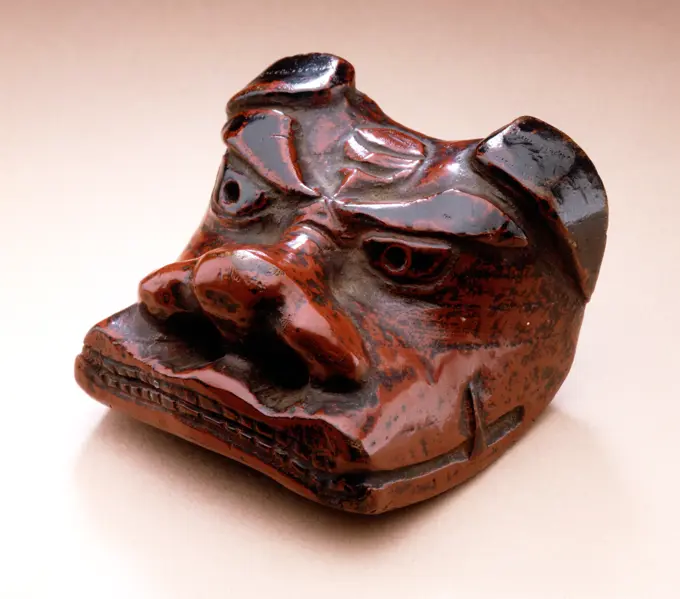
Chinese Lion Mask. Anonymous Folk Artist. Japan, late 18th-early 19th century. Costumes; Accessories. Wood with Negoro lacquer
6145-52956416
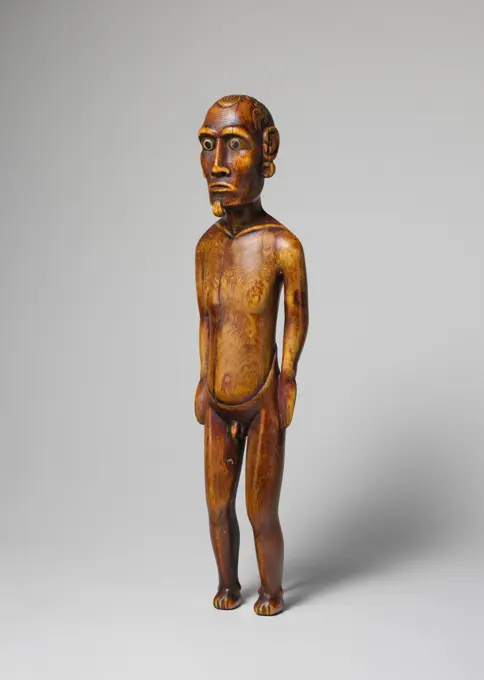
Male Figure (Moai Tangata) Rapa Nui people early 19th century Of all Rapa Nui wood sculptures, the naturalistic male figures known as moai tangata, with their enlarged heads, frontal stance, and prominent stomachs, bear the closest formal resemblance to the island's well-known stone figures. Little is known about the nature and use of moai tangata, but they likely portray ancestors or other powerful supernatural beings. This example has a hole drilled through the neck, indicating that like other Rapa Nui figures, it may have been worn as a pendant during harvest festivals and other ceremonies.What appears to be the figure's hair consists of a group of three images depicting fish-like creatures with human heads and long flowing beards. These distinctive fish-men, virtually identical to examples that appear in Rapa Nui rock art, possibly represent spirits called nuihi, which combine the features of humans and sharks. View more Listen to experts illuminate this artwork's story #1720. Male
4435-7573
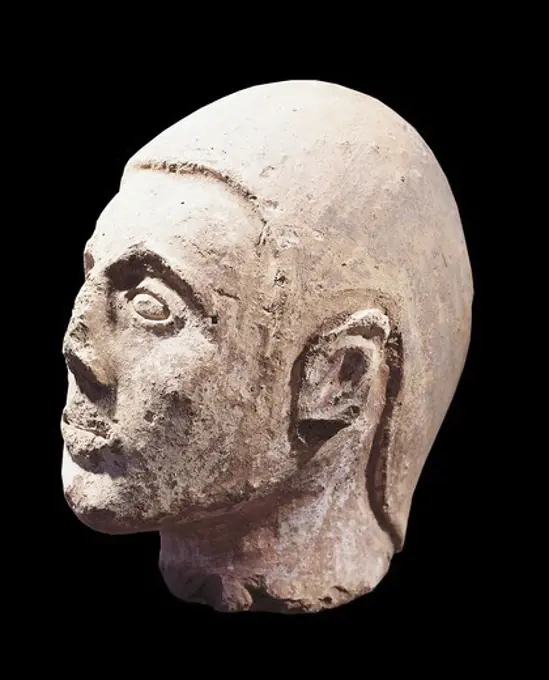
Votive head. 6th c. BC. Etruscan art. Terra-cotta. ITALY. LAZIO. ROME. Cerveteri. National Etruscan Museum of Archaeology.
6188-68093010
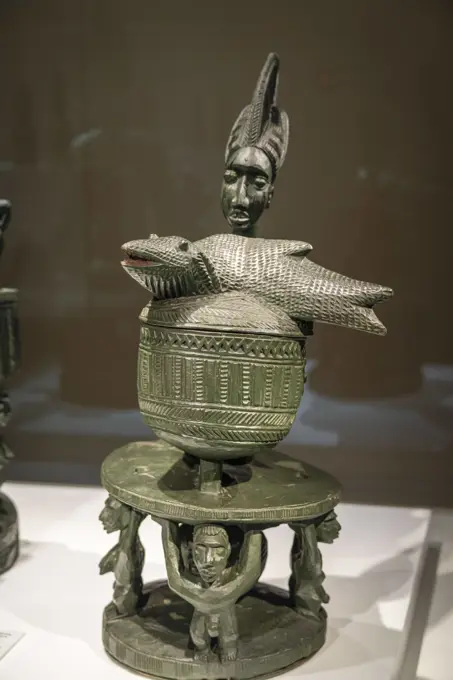
Frau mit einem älteren Behälter für Ifa-Wahrsageinstrumente woman with an agere container to hold Ifa divination instruments, Yoruba, Nigeria 1920, carved and painted wood, MEB, Barcelona, Catalonia, Spain LicenseRF Copyright: xZoonar.com/Tolox 23171254
7155-70373835
Cuff bracelet with eye Oudjat, Tomb of Sheshonq II, 930 BC. EGYPT.
6145-29832805
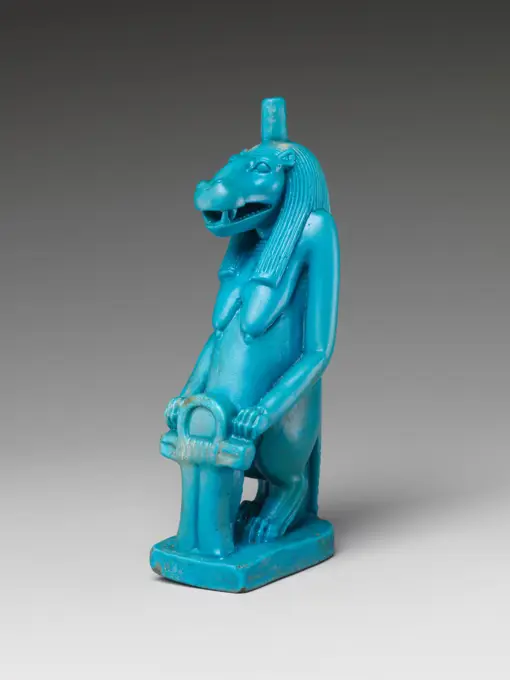
Statuette of the Goddess Taweret 332-30 B.C. Ptolemaic Period In all likelihood, this statuette represents the goddess Taweret, whose domain was the protection of pregnant women, especially during childbirth. Her menacing image, intended to frighten away demons and other deadly creatures, combines human, hippopotamus, crocodile, and lion attributes. The post on her head probably supported a metal crown in the shape of a sun disk, surmounted by either feathers or horns. The stylized symbol under her front paws can be best interpreted as the sa amulet. Although Taweret was worshipped in both secular and sacred settings, this statuette's almost perfect condition, exceptional craftsmanship, size, and iconography suggest that it was created for a templepossibly for the "birth house" where this goddess was linked with Isis.In the past, the piece was identified as true glass. While it is difficult to identify the material precisely, pooling of glaze around the feet and the slightly grainy st
4042-17885186
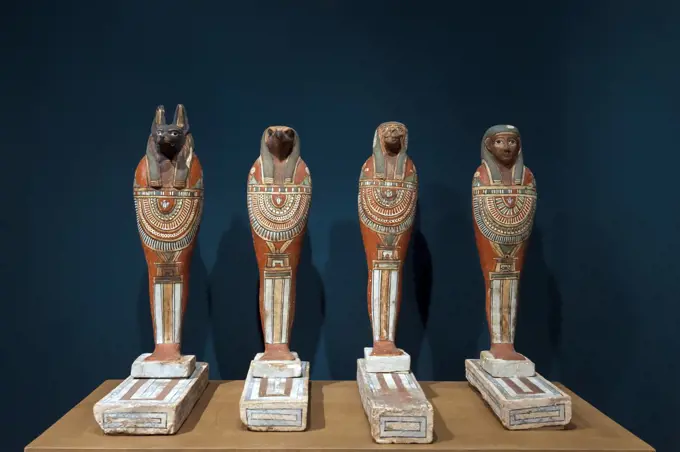
Statuettes of the Four Sons of Horus, Late Period, Ptolemaic Period, Metropolitan Museum of Art, Manhattan, New York City, USA, North America
7136-70459079
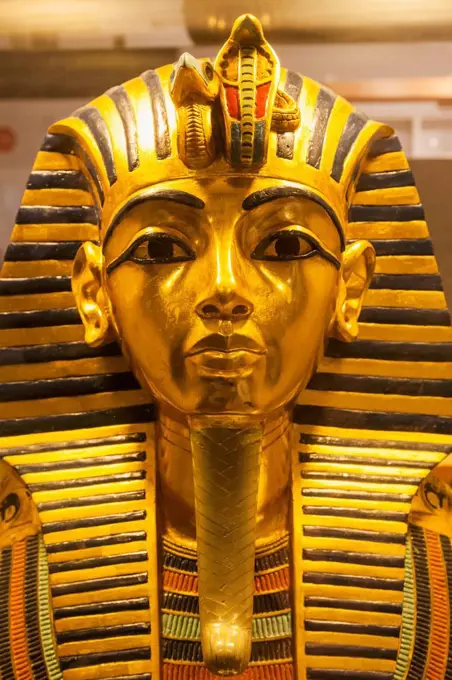
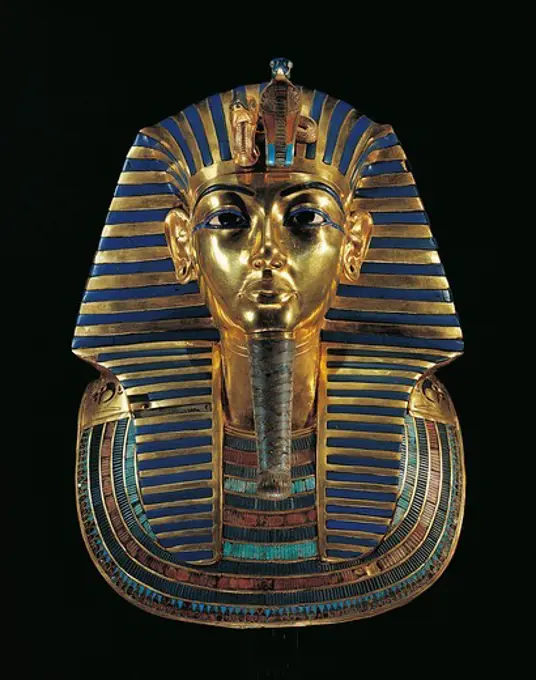
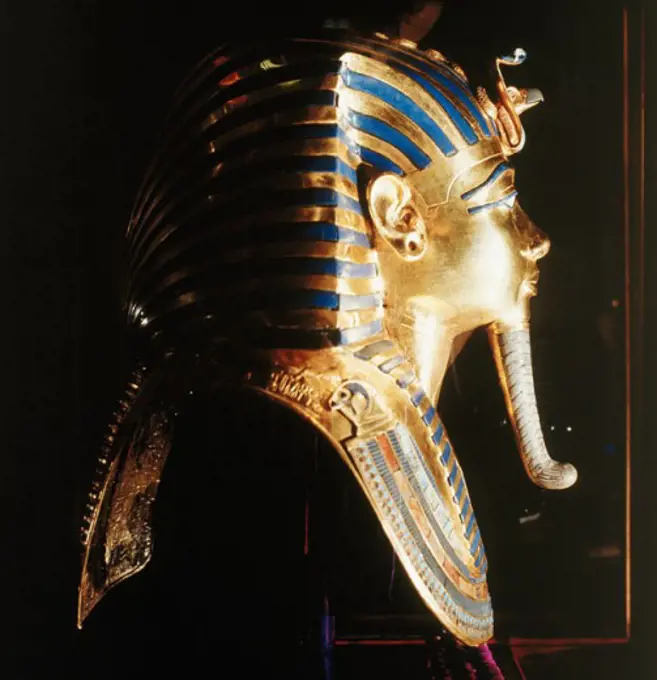
Egypt, Cairo, Gold death mask, Tomb of Tutankhamun, Cairo Museum
6188-55504640
Isolated Wood Totem Front view of wood totem isolated on white background Copyright: xZoonar.com/DanielxFerreira-LeitesxCiccarinox 9693297
1746-21118430
Part of the Treasure of Kofi-Karikari, King of Ashanti, present-day Ghana
6145-43630915
Uszebti. unknown, author
4409-20887873
Pre-Columbian Jewelry Chimú culture 1100 AC-1470 AC Perú.
4443-28728399
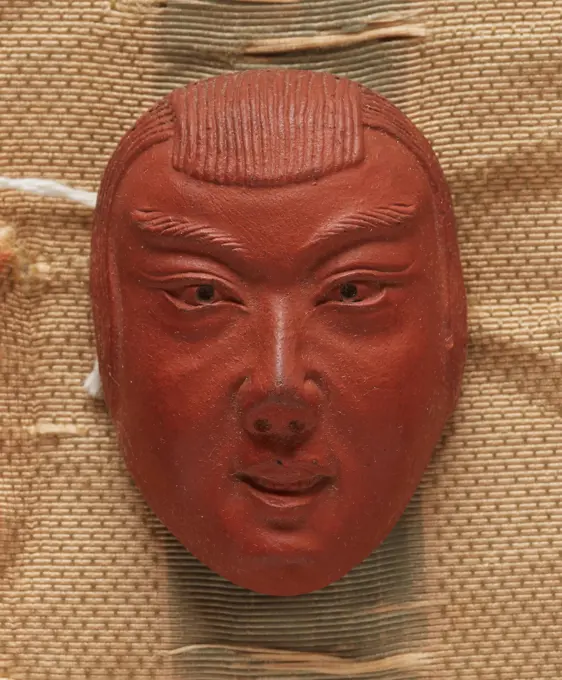
Netsuke, 19th century, Unknown Japanese, 2 1/16 × 1 7/16 × 3/4 in. (5.24 × 3.65 × 1.91 cm), Stoneware, Japan, 19th century
6145-29237924
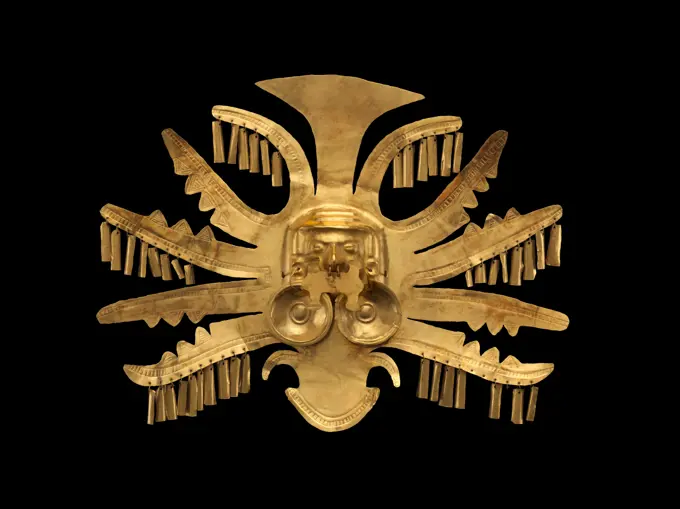
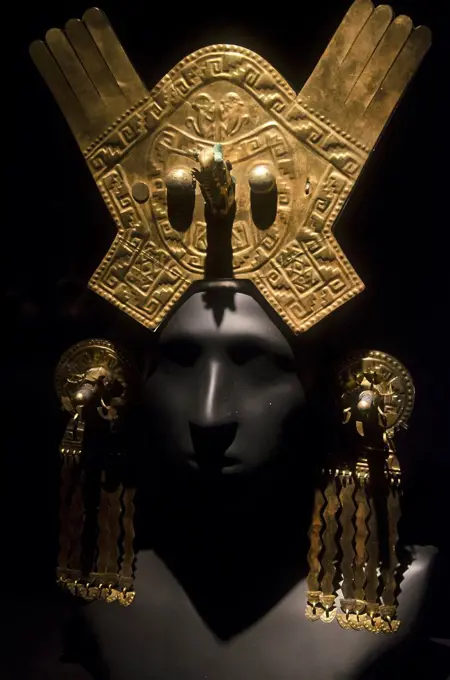
Headdress Ornament 1st-7th century Calima (Yotoco) Five lateral rays project out from either side of this gold Calima headdress ornament, surrounding central crescent-shaped projections located both above and below a central face rendered in high relief. When worn, the lower central crescent-shaped element would have covered the wearers forehead and nose. The rays may have been designed to emulate the plumage of an elaborate feather headdress with their slightly curved forms with three notched triangular elements and linear designs. Every other ray has a series of dangling pendants attached by small gold wires, increasing in number from six to eight to ten, successively from top to bottom, with three pendants missing from the bottom ray on the right. When the wearer moved, these pendants would have swayed back and forth, producing a tinkling sound. This combination of sound and motion would have animated the piece in a dramatic fashion.The face in high relief at the center of the head
1443-875
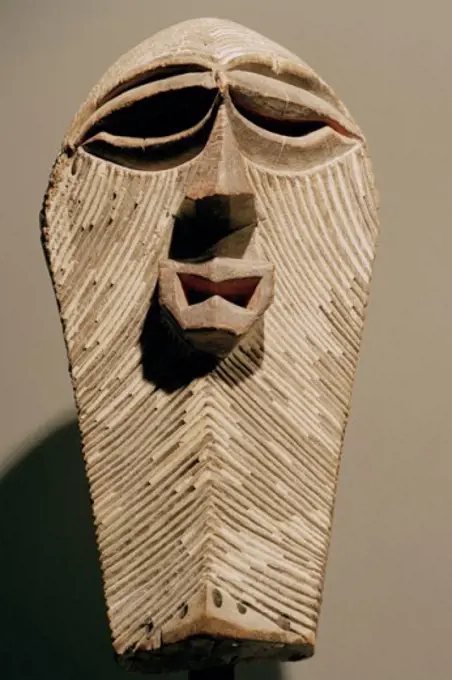
Kifwebe Mask, Eastern Songye, Zaire  African Art  Wood Private Collection, Geneva, Switzerland
4409-17386399
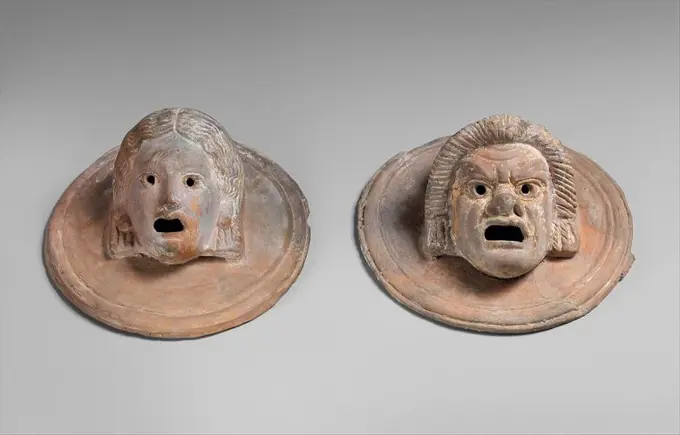
Two terracotta roundels with theatrical masks. Culture: Greek. Dimensions: Overall: 3 x 5 3/4in. (7.6 x 14.6cm)diameter 5 11/16in. (14.5cm). Date: 1st century B.C..A pair of terracotta roundels with theater masks (hetaira and slave). Museum: Metropolitan Museum of Art, New York, USA.
6145-29135849
Pendant with Human Face. Mexico, Guerrero, Tabasco, or Veracruz, Olmec, 900-400 BCE. Stone. Jadeite
6145-59049035
Padipepa, boat, padiamonnesuta, boosbti wahibre-anem-anet;  664-525 BC ; Half period, 26 dynasty (-664-00-00--525-00-00);Padipep (Ca 664-525 A.C.), padipep (private name), Wahibre -em-Cachet (Ca 664-525 A.C.), Tomb figurines, back pillars, hieroglyphs
442-38156
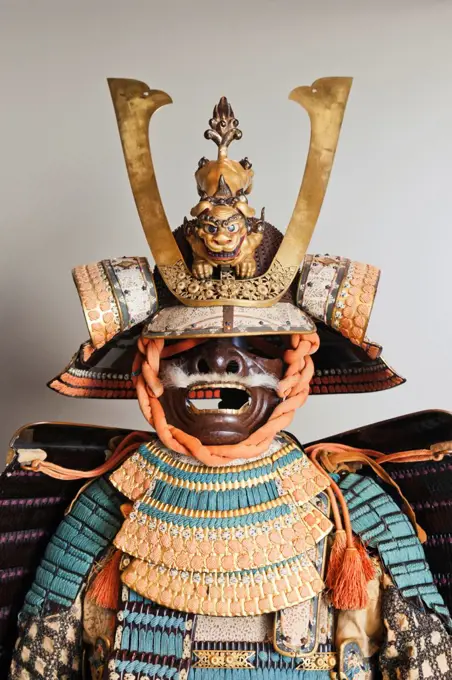
England, Oxfordshire, Oxford, Ashmolean Museum, Exhibit of Japanese Samurai Armour
4443-28742041
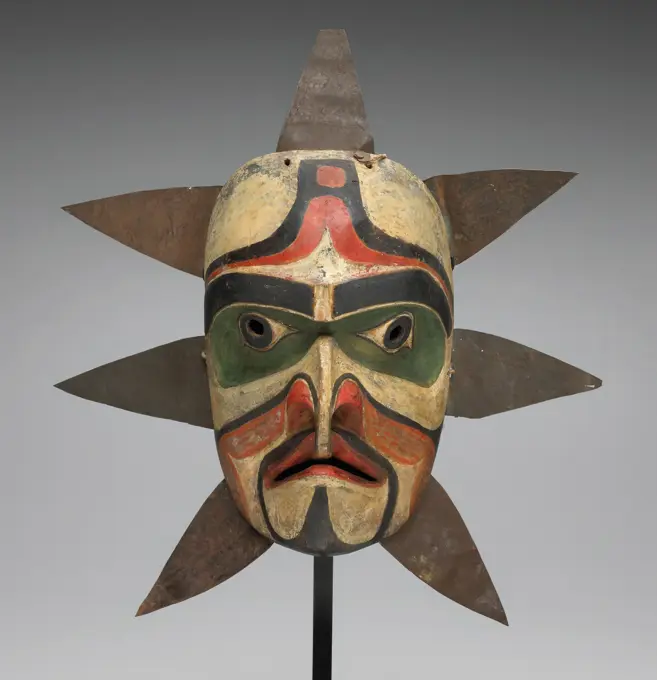
Sun Mask, c. 1860, 17 1/4 x 15 3/4 x 4 7/8 in. (43.82 x 40.01 x 12.38 cm), Wood, metal, pigment, cord, cloth, Canada, 19th century, Masks have always played an important ceremonial function among tribal groups in the Northwest Coast region. Artists of the Kwakwaka'wakw are known for the bold, expressive features of their masks, which were the property of noble families who had exclusive rights to their use. They appeared during potlaches, elaborate ceremonies that reinforced the tribe's lineage and social hierarchies. Sun masks figured prominently during retellings of Kwakwaka'wakw origin stories because of the sun's role as creator and sustainer of life.
6145-30177490
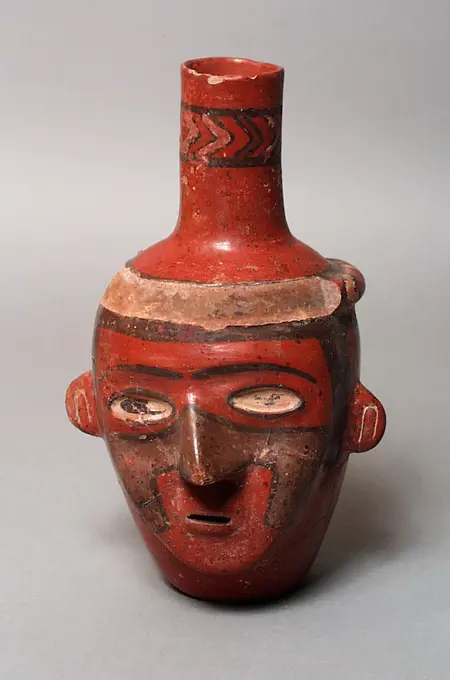
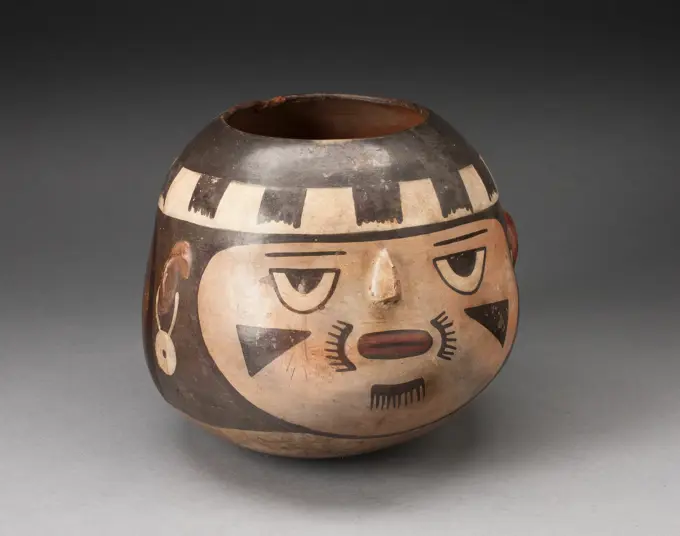
Jar in the Form of a Abstract Human Face with Modeled Facial Features Made 180 BCE-500 CE Peru. Ceramic and pigment . Nazca
6145-29194614
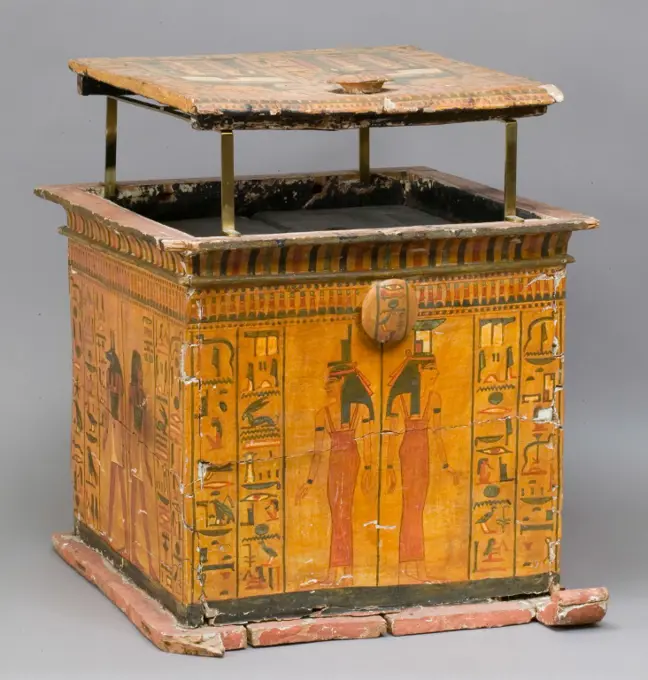
Canopic Chest of Khonsu ca. 1304-1237 B.C. New Kingdom, Ramesside The canopic box, made for Khonsu (see 86.1.1a, b and 86.1.2a, b), has a shrine-shaped lid and the typical Egyptian cavetto cornice around the upper edge. It is built on sledge runners, and there are two knobs for tying the lid shut. The interior is divided into four compartments for the storage of the four internal organs. The lid is decorated with two images of Anubis as a jackal, and the sides of the box are decorated with the goddesses Isis and Nephthys, Selket and Neith, and the Four Sons of Horus, protectors of the internal organs. The inscriptions assure Khonsu of their protection. Other objects in the collection that were discovered in the same tomb can be viewed here.. Canopic Chest of Khonsu 544708
1443-828
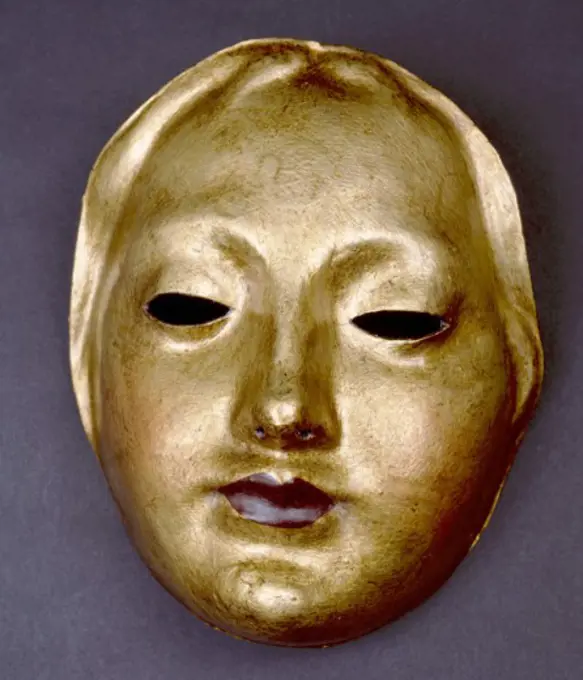
Mask from Carnival Costume, Italy 1990 Artist Unknown
1746-19691767
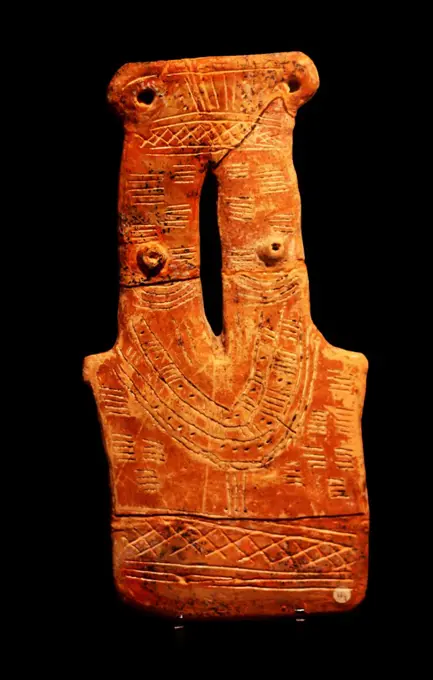
Plank-shaped figurines, Red Polished Ware. Figurines, probably female, with 2 or 3 necks, 2300-2000 BC.
1558-14112090
Germany, Bavaria, Munich, Deutsches Museum, Exhibit of Replica Mask of Tutankhamun
6145-29213339
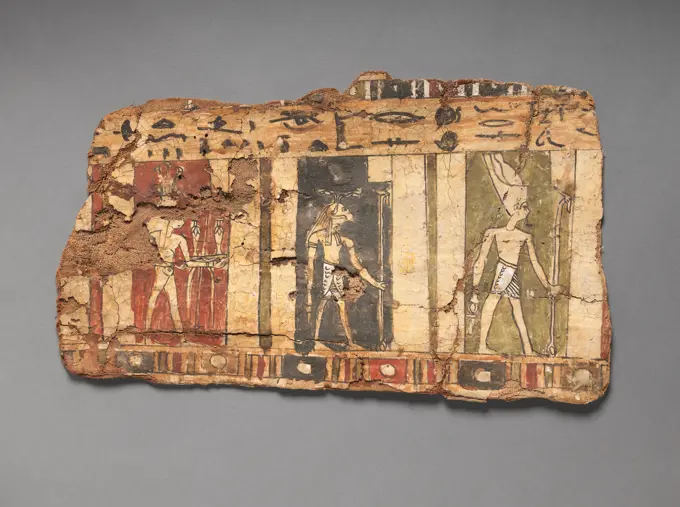
Fragment of cartonnage depicting three deities 200 BC-200 AD Ptolemaic Period--Roman Period Designed to encase a mummy, this cartonnage is composed of about seven layers of linen plastered together to form a hard shell. Visible on this fragment are three gods: at the right is the creator god Atum in the double crown; followed by the ram-headed god Khnum; and then Hapy, personification of the fertility brought by the Nile River. An inscription in roughly-sketched hieroglyphs runs from right to left in the band above their heads. The somewhat awkward style of the figures reflects the period from which this fragment dates.. Fragment of cartonnage depicting three deities. 200 BC-200 AD. Cartonnage. Ptolemaic Period--Roman Period
1746-21111365
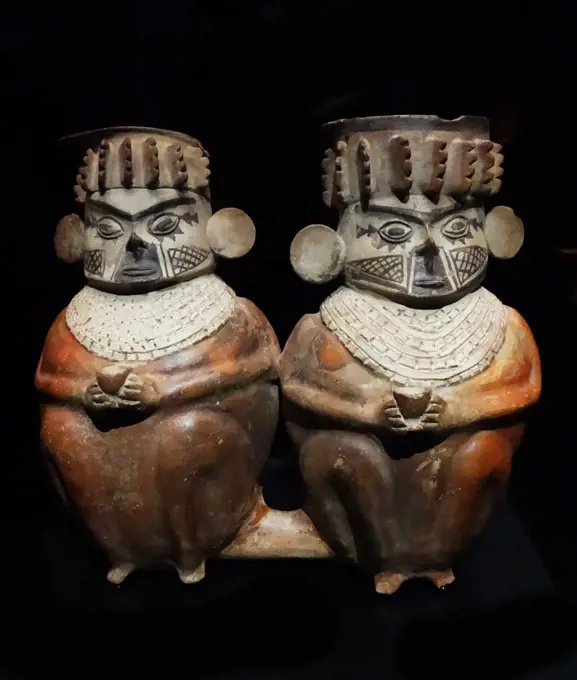
Terracotta double vase from the Chancay culture, pre-Columbian archaeological civilization which developed between the valleys of Fortaleza, Pativilca, Supe, Huaura, Chancay, Chillón, Rimac and Lurin, on the central coast of Peru. Dated 12th Century
6145-29117587
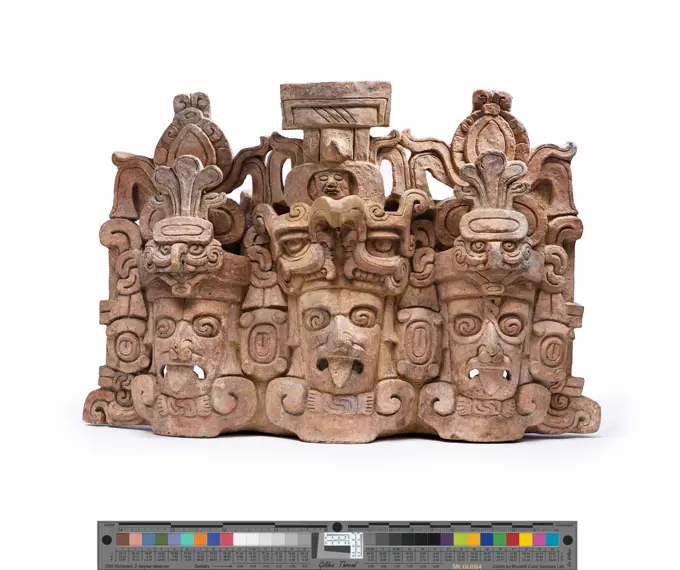
Censer with Solar Deities. Northern Guatemala or Southeastern Mexico, Maya, 300-600 CE. Ceramics. Ceramic with post-fire pigment
1746-111347896
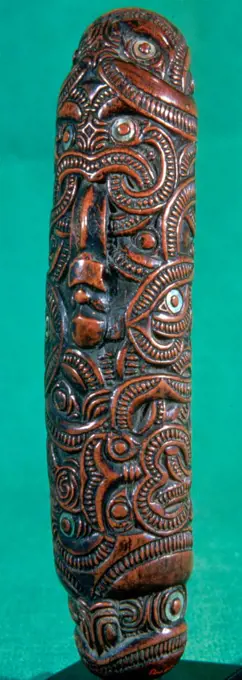
Maori tribal wooden flute (Koauau), with haliotis shell inlays. Circa 1900. New Zealand
1746-21130699
Folk art: Horse's head, painted wood, Cochin, India, 2009.
4435-2465
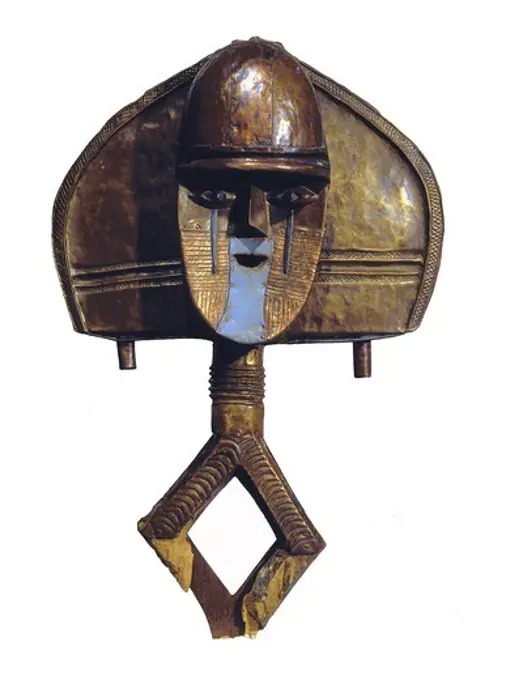
Reliquary Guardian Figure (ethnicity Kota or Bakota, Fang). They protect the relics of the ancestors and are helpful to communicate with their gods and to curse their wives in case of infidelity. African art. Jewelry. Proc: GABON.
1788-20033
Golden funerary mask of Tutankhamen (1347/1338 b.c.) inlaid with lapis lazuli, obsidian and turquoise
1746-30004799
The death mask placed on a mummy
4409-17395231
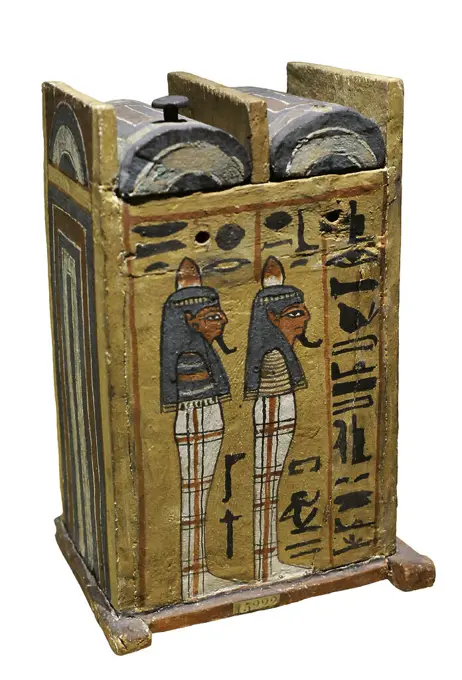
Shabti box of Khabekhent. It contained the funerary statuettes of Khabekhent, son of Sennedjem. He lived in the city of Deir el-Medina, being part of the craftsmen who worked on the construction of the Valley of the Kings. New Kingdom. 19th Dynasty. Reign of Ramesses II, 1292-1191 BC. Polychrome wood. From Deir el-Medina, Thebes (Luxor), Egypt. National Archaeological Museum. Madrid. Spain.
1558-14111458
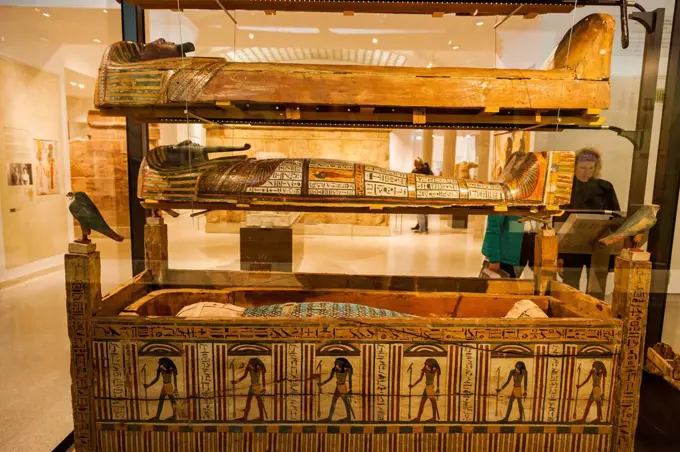
England, Oxfordshire, Oxford, Ashmolean Museum, Display of Egyptian Mummies
2102-966
Gold Mask Of Tutankhamun  1342 BCE Egyptian Art(- ) Gold Inlaid W/Jewels Egyptian Museum, Cairo, Egypt
7017-69902428
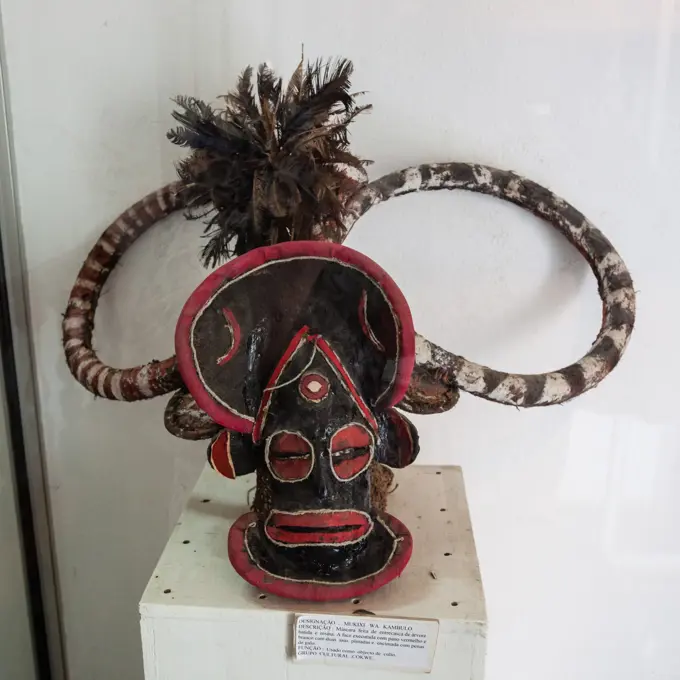
Africa, Angola, Luanda. Worship object masks made of tree bark, resin and rooster feathers used for the Mukanda ceremony in the National Museum of Anthropology.
6145-29227138
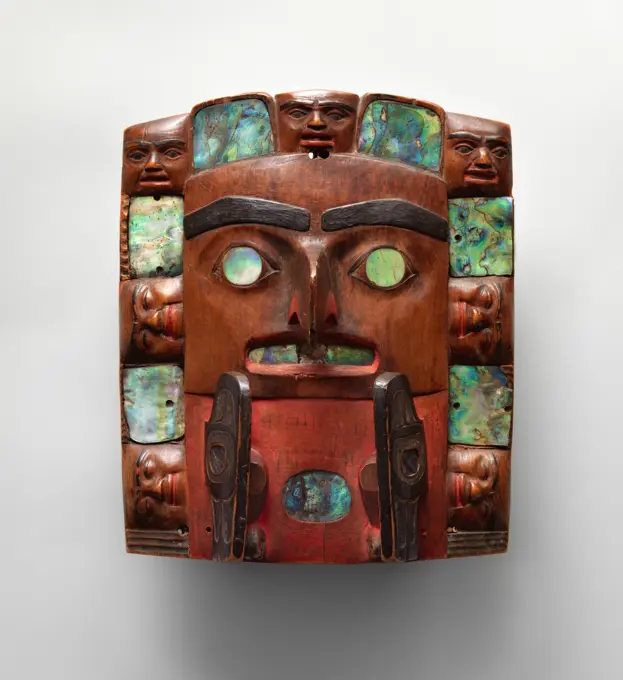
Headdress frontlet ca. 1820-40 Tsimshian, Native American During certain ceremonies, Tsimshian leaders wear symbols that validate their authority, such as dance blankets woven from cedar bark fibers and mountain sheep wool or rattles carved in the shape of a raven. Among the most important elements of chiefly attire is the headdress. This avian example of a headdress centerpiece, or frontlet, was once adorned with goose down, a train of ermine skins, and a crown of spiky sea mammal whiskers. Its central image depicts a mythological bird-human. The strong beak, projecting wings, and realistic talons showcase the artists skill and recall similar three-dimensional imagery on monumental carvings.. Headdress frontlet. Tsimshian, Native American. ca. 1820-40. Wood, abalone shell, pigment, and nails. Made in British Columbia, Canada
4443-28728517
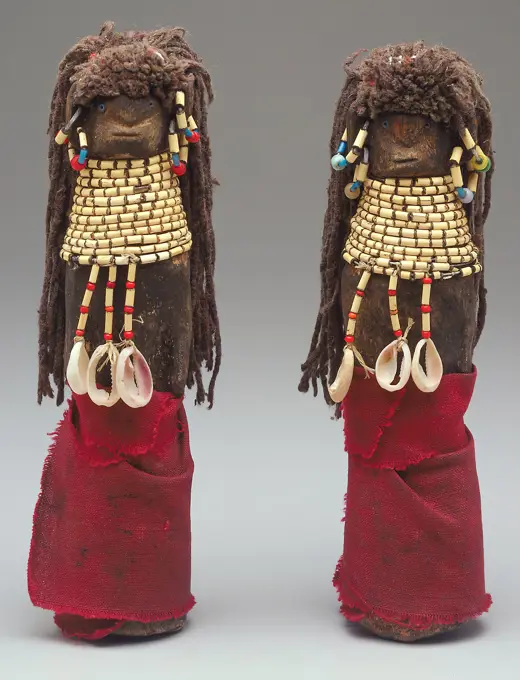
Doll, one of pair, 20th century, 8 5/8 x 2 1/2 x 2 in. (21.91 x 6.35 x 5.08 cm), Wood, fabric, yarn, beads, shells, Kenya, 20th century
1746-19679319
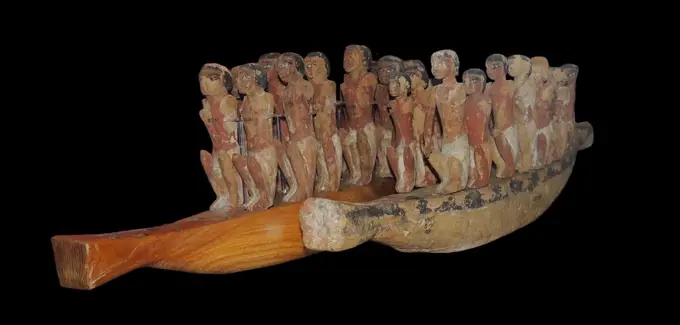
Painted Wooden Model of a 12th Dynasty Egyptian Boat with Crew.
1848-64407314
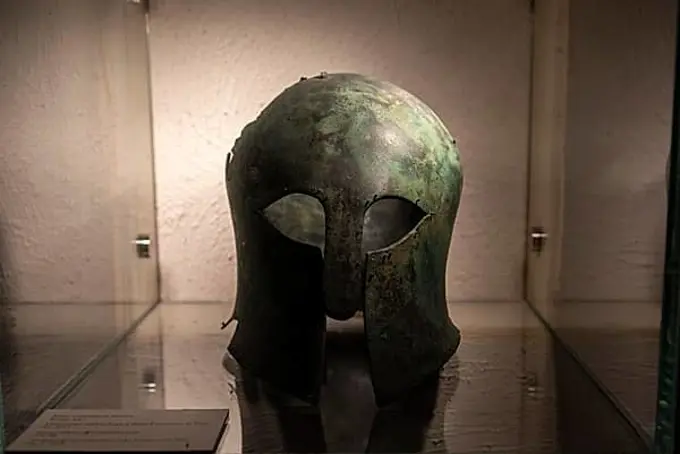
Old Roman helmet in a museum in Southern Italy
4409-17281235
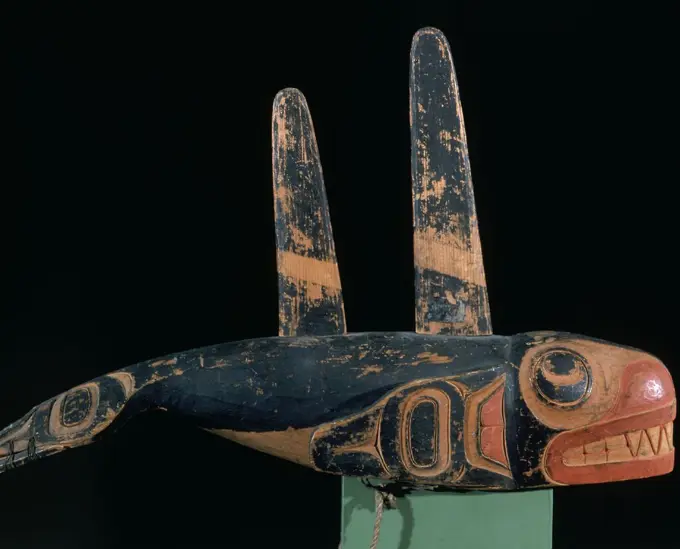
I-ORCA EN MADERA TALLADA Y PINTADA-PROCEDE DE HAIDA 1850. Location: MUSEO IMPERIAL. WIEN. AUSTRIA.
4443-28744600
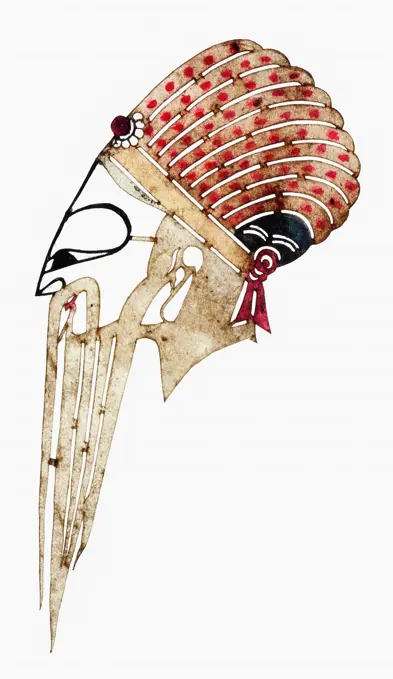
Shadow Puppet Head, 20th century, 5 in. (12.7 cm), China, 20th century
1042-7136B
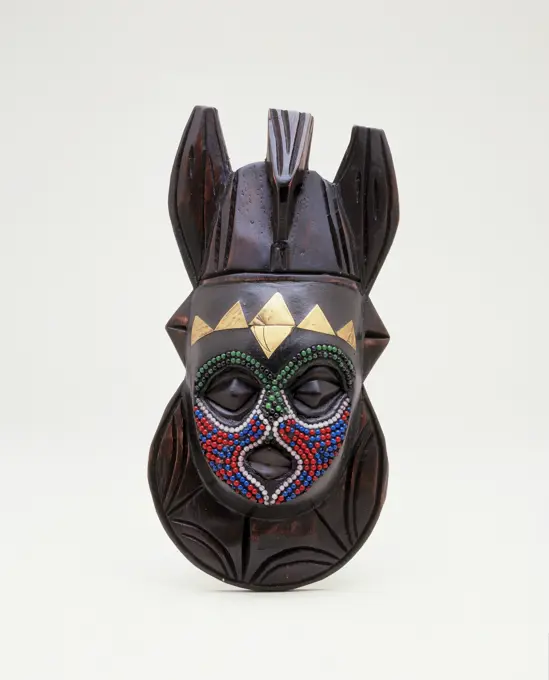
Close-up of a beaded peace mask, Ghana
4409-63988
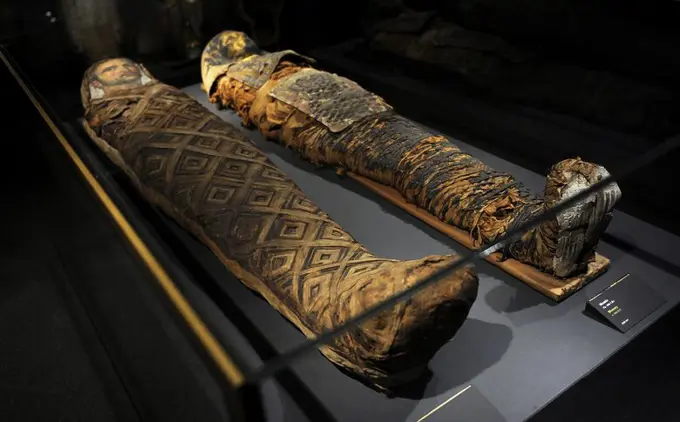
Egyptian mummies. On the right, mummy dated c. 300 B.C. On the left, mummy dated c. 50 A.D. Carlsberg Glyptotek Museum. Copenhagen. Denmark.
1746-19676433
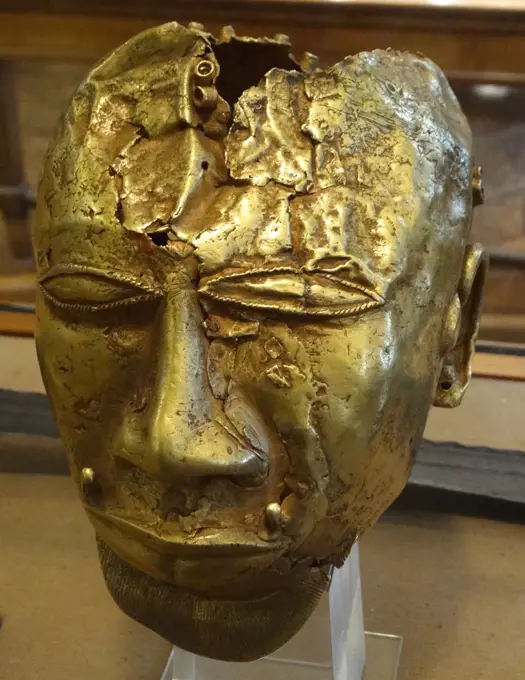
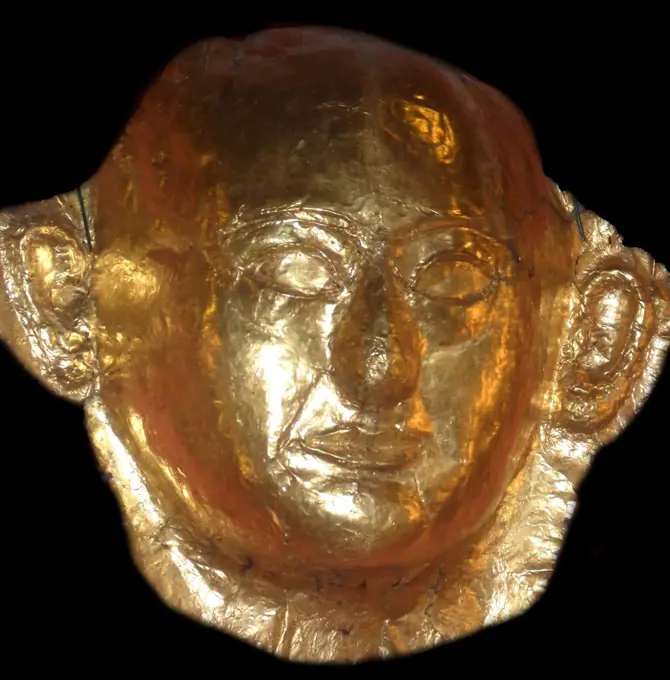
Mortuary Mask of Khaemwaset 1069 B.C.
1746-19664257
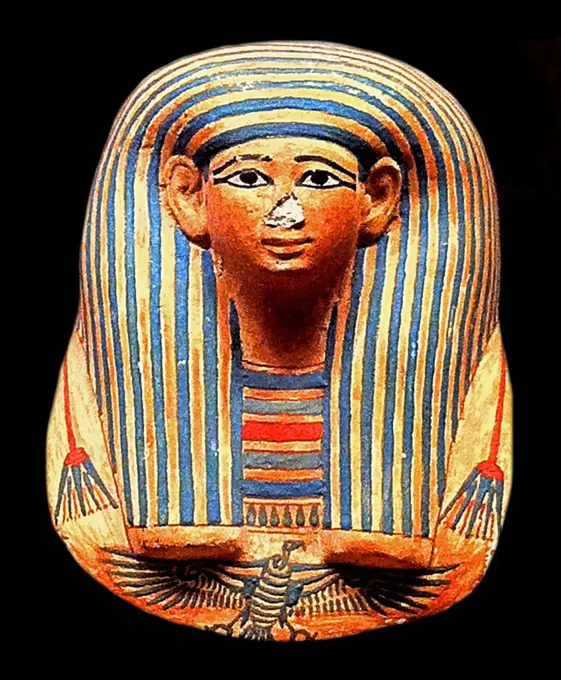
Miniature Mask for a Canopic bundle. New Kingdom, Egypt, 18th Dynasty. Reign of Amenhotep II ca. 14271400 B.C. Valley of the Kings, Tomb KV 51
1788-22292
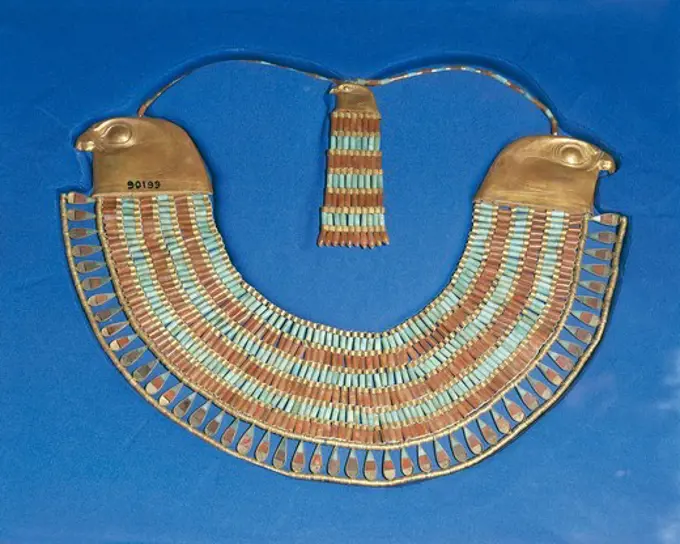
Egypt, Cairo, Necklace that belonged to Princess Neferuptah, twelfth dynasty
7073-70250458
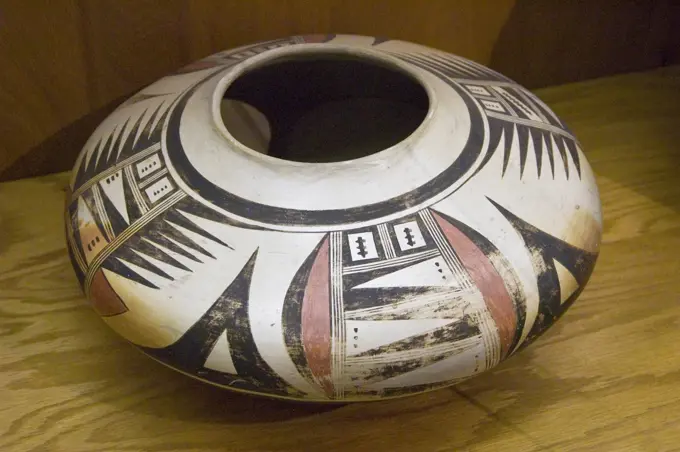
1922 Hopi polychrome clay pottery jar from First Mesa on display at the Museum of Northern Arizona, Flagstaff AZ
1848-55402106
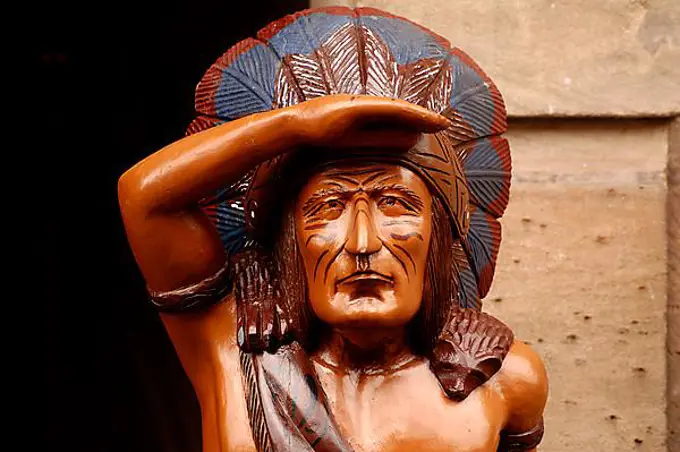
Indian chief figurine, tobacconist Indian, Erlangen, Middle Franconia, Bavaria, Germany, Europe
6145-29155261
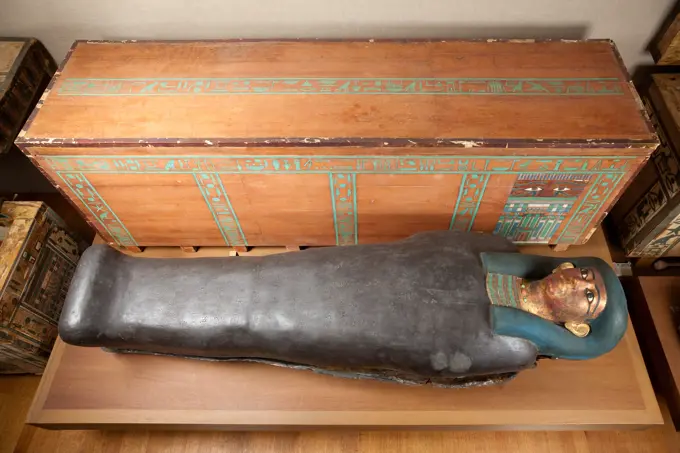
Coffins and Mummy of the Lady Nephthys ca. 1961-1878 B.C. Middle Kingdom This rectangular outer coffin and inner anthropoid coffin containing the mummy were found in the intact burial chamber of a pit in the tomb of Senbi II at Meir. The texts on the outer coffin show that it was originally made for Ukkhotep, as his name and title were altered for the daughter of a "member of the elite" Nephthys. The decoration of the outer coffin is composed of a palace facade eye panel and bands of inscriptions with funerary formulae stating that the deceased was honored by various gods. The inner anthropoid coffin, still containing the wrapped mummy, has a gilded face and a faience broad collar.. Coffins and Mummy of the Lady Nephthys. ca. 1961-1878 B.C.. Painted wood, cartonnage, linen, human remains, mummification material. Middle Kingdom. From Egypt, Middle Egypt, Meir, Khashaba excavations, 1910-11. Dynasty 12
7208-70657676
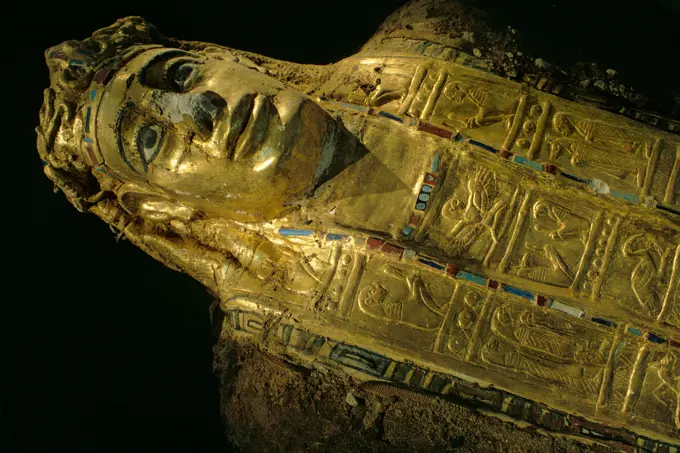
Egypt, Bahariya Oasis, Valley of the Golden Mummies, Mummy A with gilded mask and cartonnage chest plate
4409-17520944
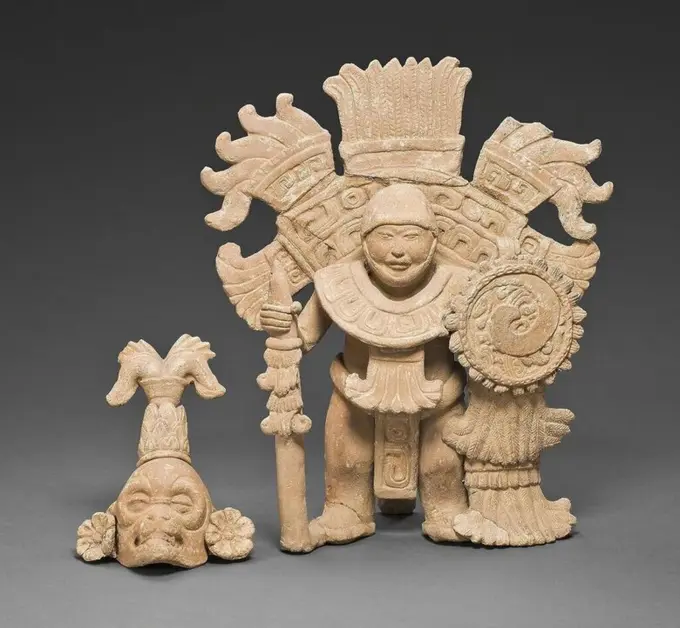
Standing Warrior Figure with Removable Mask and Headdress. Classic period Veracruz; Veracruz, Mexico. Date: 700 AD-1000. Dimensions: 31.4 x 25.7 x 11.3 cm (12 3/8 x 10 1/8 x 4 1/2 in.) with headdress; h. 29.9 cm (11 3/4 in.) without headdress. Ceramic and pigment. Origin: Veracruz state. Museum: The Chicago Art Institute, Chicago, USA.
4409-28824740
casco de Jaume I, Festa De L'Estandart, civic-religious festival in the Christian conquest of the city is commemorated by King Jaume I on December 31, 1229. Palma, Majorca, Balearic Islands, Spain, Europe.
7172-70182896
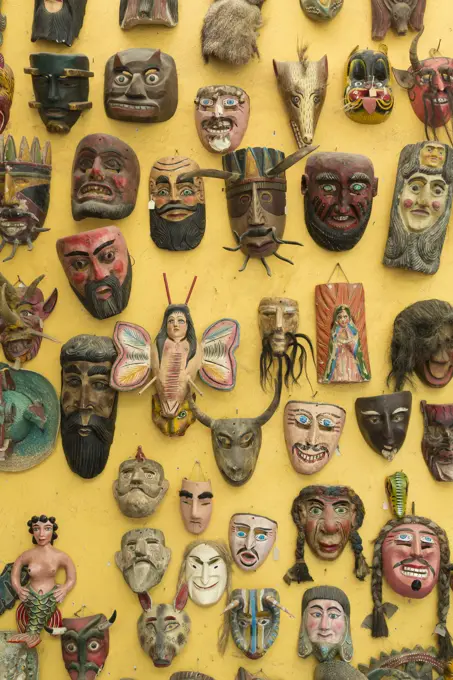
Mexico, San Miguel de Allende. Masks displayed on shop wall.
6145-29086998
Bowl, before 1942. Northwest Coast, Tlingit, 20th century. Twined; overall: 18.5 x 25.5 cm (7 5/16 x 10 1/16 in.).
4409-60650367
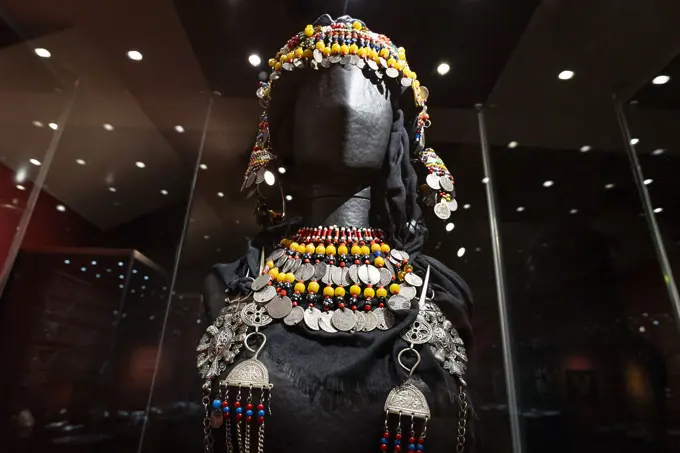
Amazigh set of frontal band, earrings, necklace, needle and bee brooch, Rif mountain range, Morocco, "Corral del Carbón" , "al-fundaq al-yadida", 14th century, Granada, Andalusia, Spain.
4290-1603
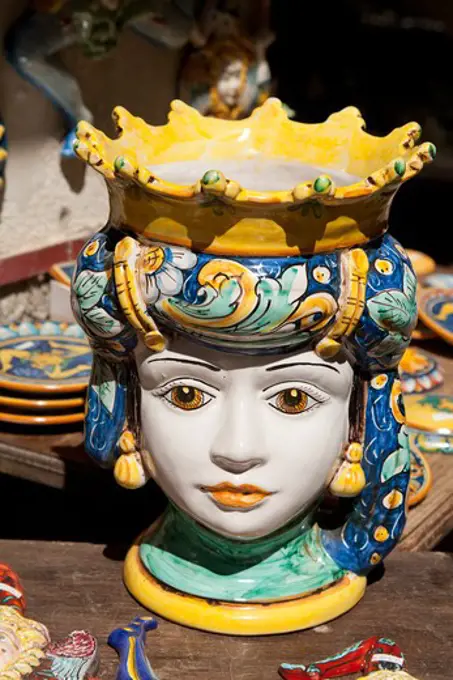
Colourful ceramic plant pot holder, Sicily, Italy
1746-21129655
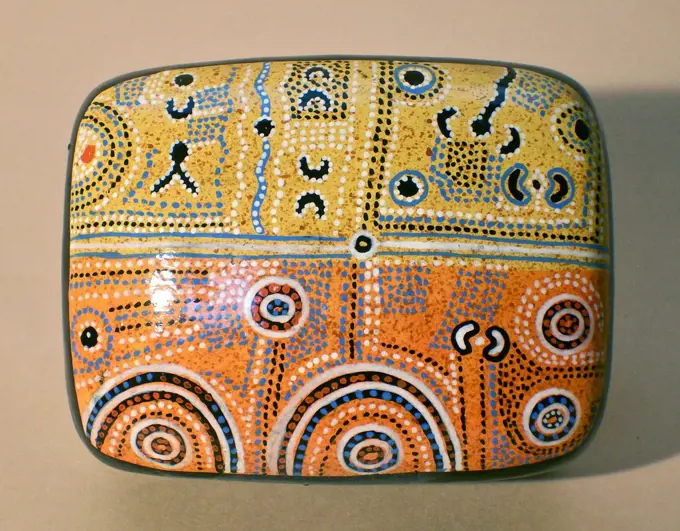
Papier mache box from Australia, with an Aboriginal design on the lid.
1746-21110507
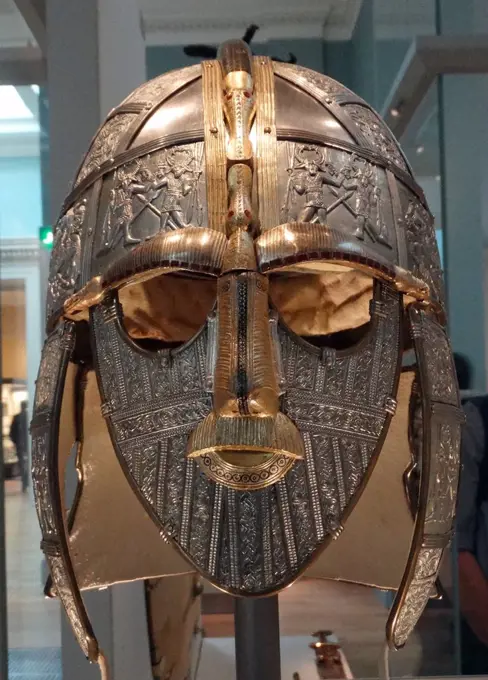
A replica of the Sutton Hoo helmet Anglo-Saxon, early 7th century AD. Only four complete helmets are known from Anglo-Saxon England: at Sutton Hoo, Benty Grange, Wollaston and York.
1788-10750
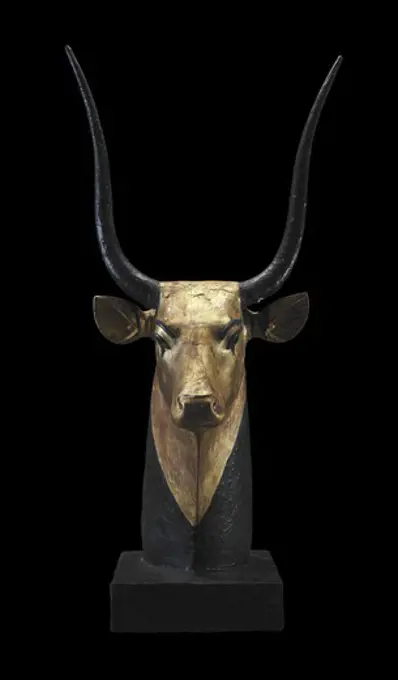
Egypt, Thebes, Luxor, Valley of the Kings, Tomb of Tutankhamon, Gold head of cow-goddess Hathor
7138-70465208
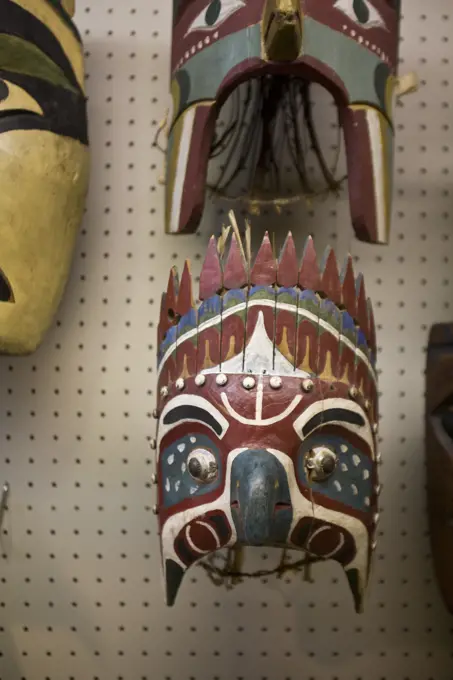
Canada, British Columbia, Vancouver. A traditional First Nation mask at UBC's Museum of Anthropology. (Editorial Usage Only)
1525-28342753
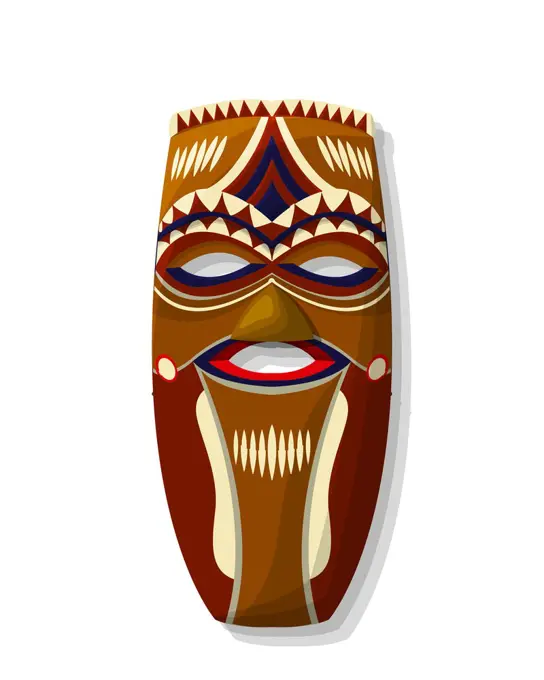
Vector african wooden tribal mask  over white background
4409-20138488
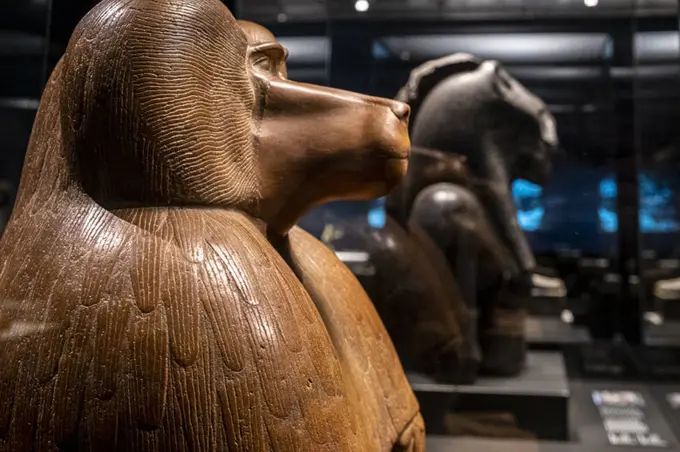
figure of a squatting baboon, red quartzite, 18th dynasty reigning Amenhotep III, collection of the British Museum.
1848-62773292
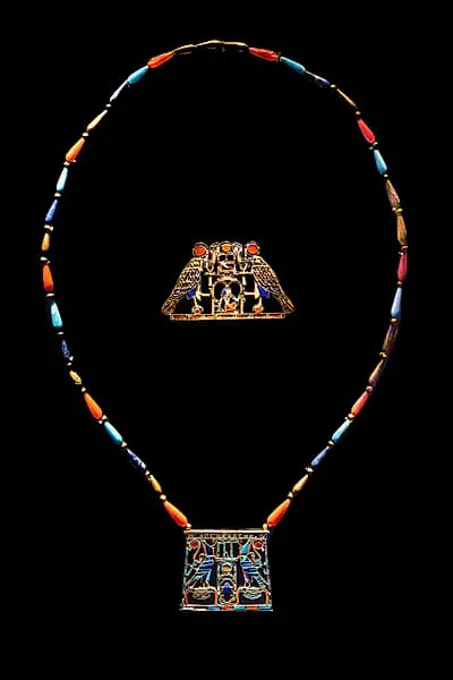
Pendant necklace of Prince Sathathor and pectoral with the cartouche of Sesostris II from the exhibition: Ramses the Great and the Gold of the Pharaohs, Cologne, North Rhine-Westphalia, Germany, Europe
1525-24564734
Ancient Egypt papyrus scroll with wooden rods and hieroglyphs cartoon vector illustration. Egyptian culture symbol, unfolded ancient paper with wooden sticks, isolated on white background. Ancient Egypt papyrus scroll with wooden rod
1788-20362
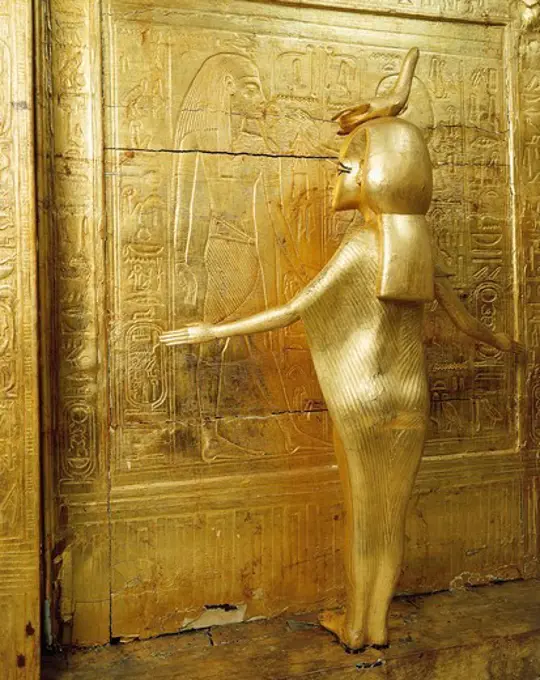
Treasure of Tutankhamen, gilded shrine of canopic jars or canopic chest from New Kingdom
6145-29798413
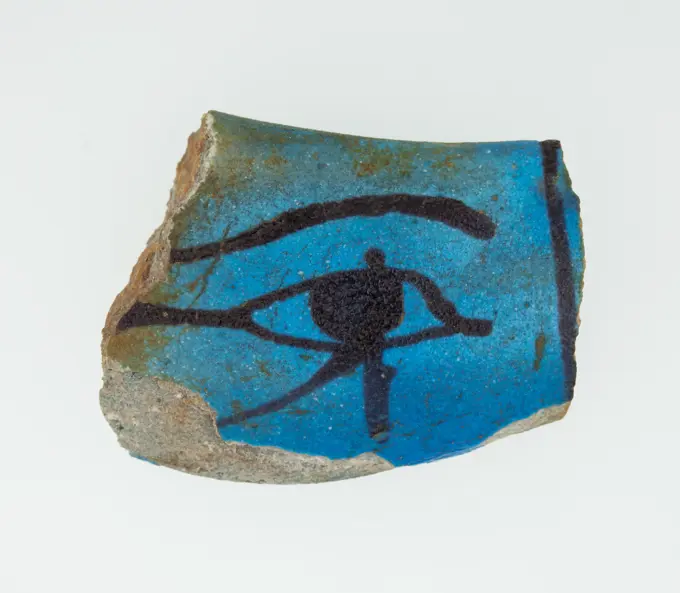
Model Throw stick fragment, eye ca. 1479-1458 B.C. New Kingdom. Model Throw stick fragment, eye. ca. 1479-1458 B.C.. Faience. New Kingdom. From Egypt, Upper Egypt, Thebes, Deir el-Bahri, Hatshepsut Hole, Hathor Shrine, MMA excavations, 1922-23. Dynasty 18
6188-68102413
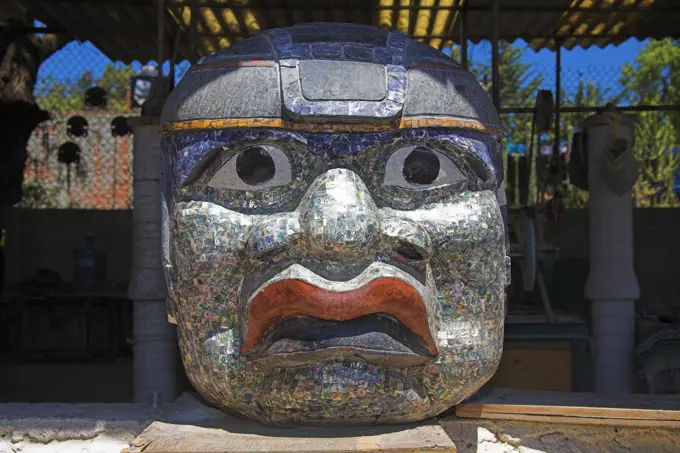
Large ornamental head made from minerals and shell, Teotihuacan Archaeological Site, Mexico City, Mexico CAP/MEL Mel Longhurst/ Copyright: xMelxLonghurstx/CapitalxPicturesx
1525-25865816
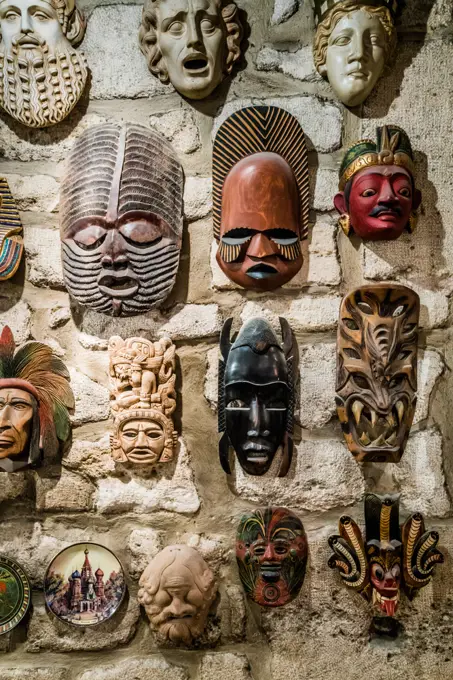
masks hanging on wall. Collection of  masks
1746-21109209
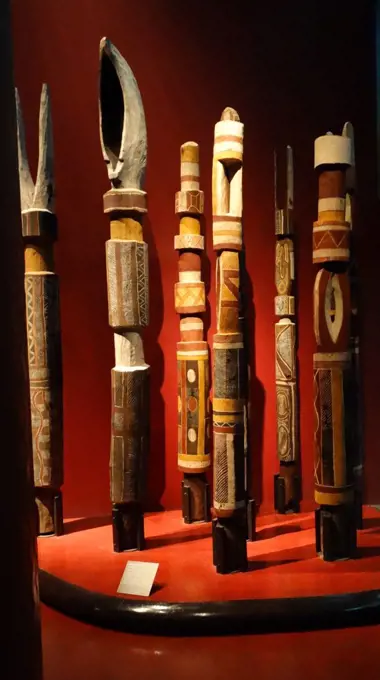
painted wooden, tribal funerary posts, made by the Tiwi people of Bathurst Island, Australia. Nearly 2,500 Tiwi live in the Bathurst and Melville Islands, which make up the Tiwi Islands. 1950's
4409-17269588
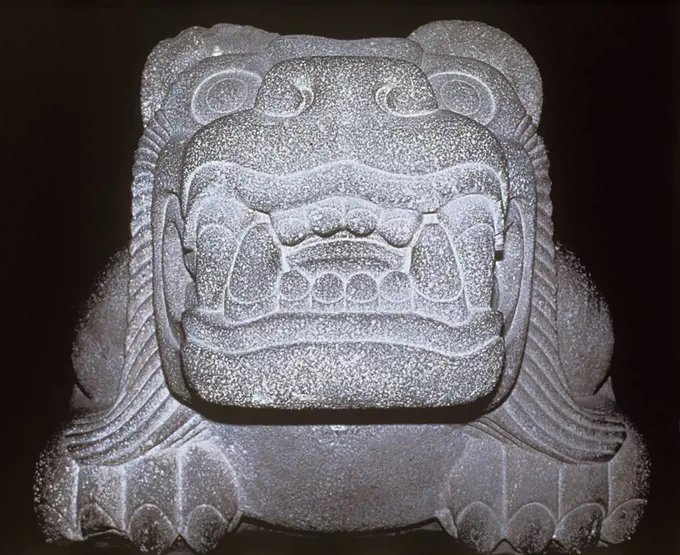
OCELOCUAUHXICALLI-RECIPIENTE EN FORMA DE JAGUAR-PIEDRA-ARTE MEXICA. Location: MUSEO NACIONAL DE ANTROPOLOGIA. MEXICO CITY. CIUDAD DE MEXICO.
4409-63010585
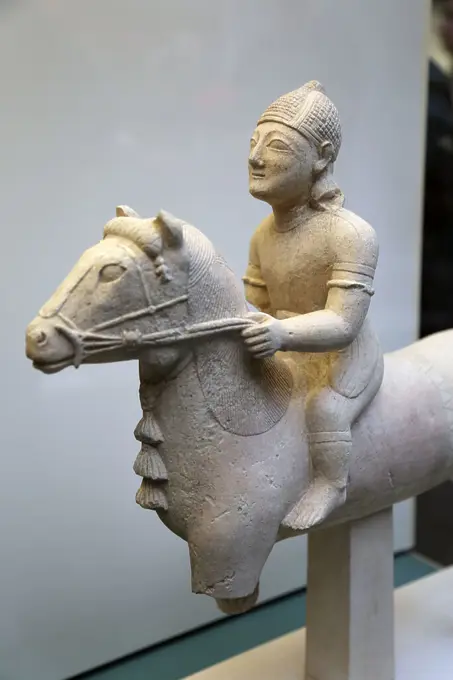
Limestone statuette of a horseman with a Cypro-Syllabic sign incese. Culture Cypro-Archaic II. 590-540 BC. British Museum. London. UK.
1746-19677362
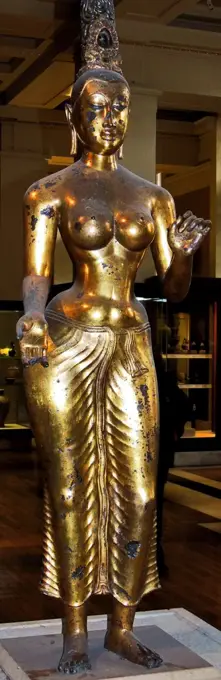
Buddhist goddess, Tara, consort of Avalokiteshvara, bodhisattva of compassion. from Sri Lanka third century BC
6188-64640290
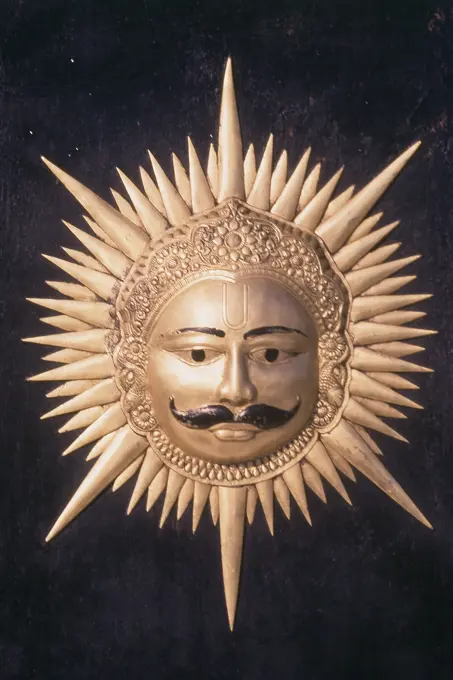
Close up of sun emblem Udaipur Rajasthan, India Copyright: xManojxNavalkar/DinodiaxPhotox
1746-21107716
Decorative planks of wood used as bed boards. From the Congo.
900-709
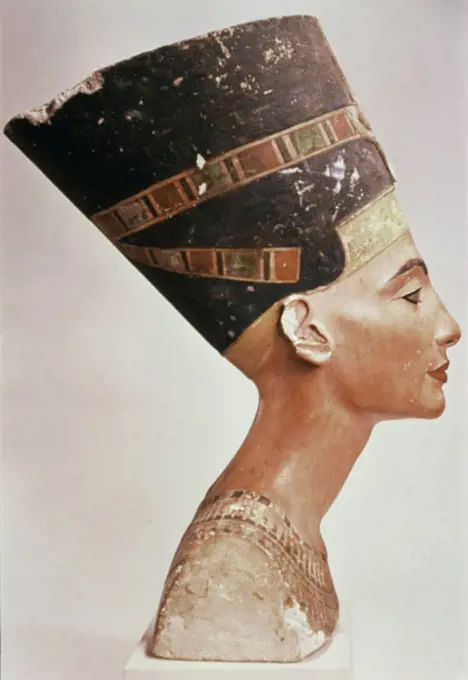
Bust of Queen Nefertiti (Profile) ca.1352-36 BCE Limestone   Staatliche Museen Preussischer Kulturbesitz, (Agyptisches Museum und Papyrussammlung), Berlin, Germany
1746-21114936
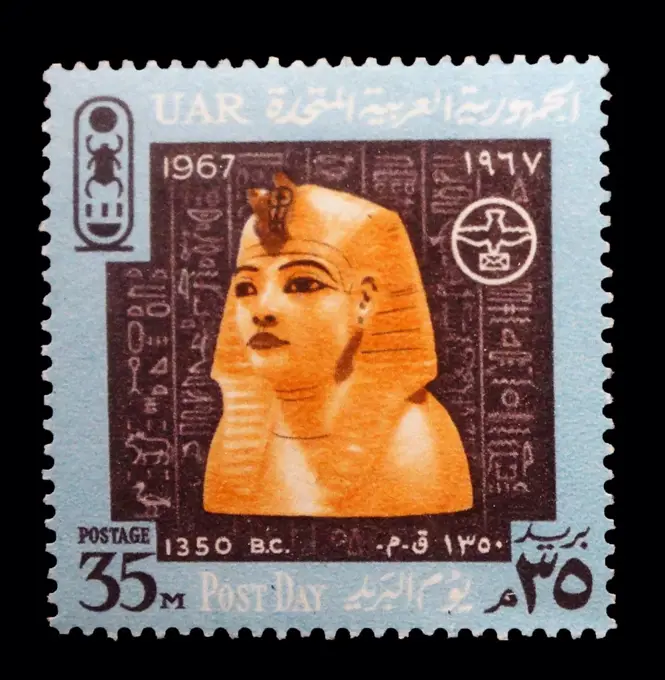
1967 Egyptian postage stamps with artifact from the Tomb of Tutankhamun, Egyptian pharaoh of the 18th dynasty (ruled ca. 1332ñ1323 BC).