Tetrapod Jar 200 B.C.-A.D. 1 Maya This bowl is part of a group of ceramic vessels called Usulután based on superficial resemblances in surface decoration. The technique employed here, termed "resist," results in a two-color patterning. The method of achieving the color separation differs within the Usulután group and, in some instances, is yet to be understood. Usulután vessels were made during the centuries before and after the turn of the first millenniuma period of innovation in ceramic form and decorationin the southernmost part of the Maya highlands (southeastern Guatemala, western Honduras, and El Salvador). They were widely disbursed from there. Archaeologists have long thought that the distribution of Usulután vessels was tied to the migrations of peoples or perhaps to invasions. More recently, it has been proposed that these ceramics were much admired in their time and thus widely traded. The present example sits on four small feet, early evidence of what would later become
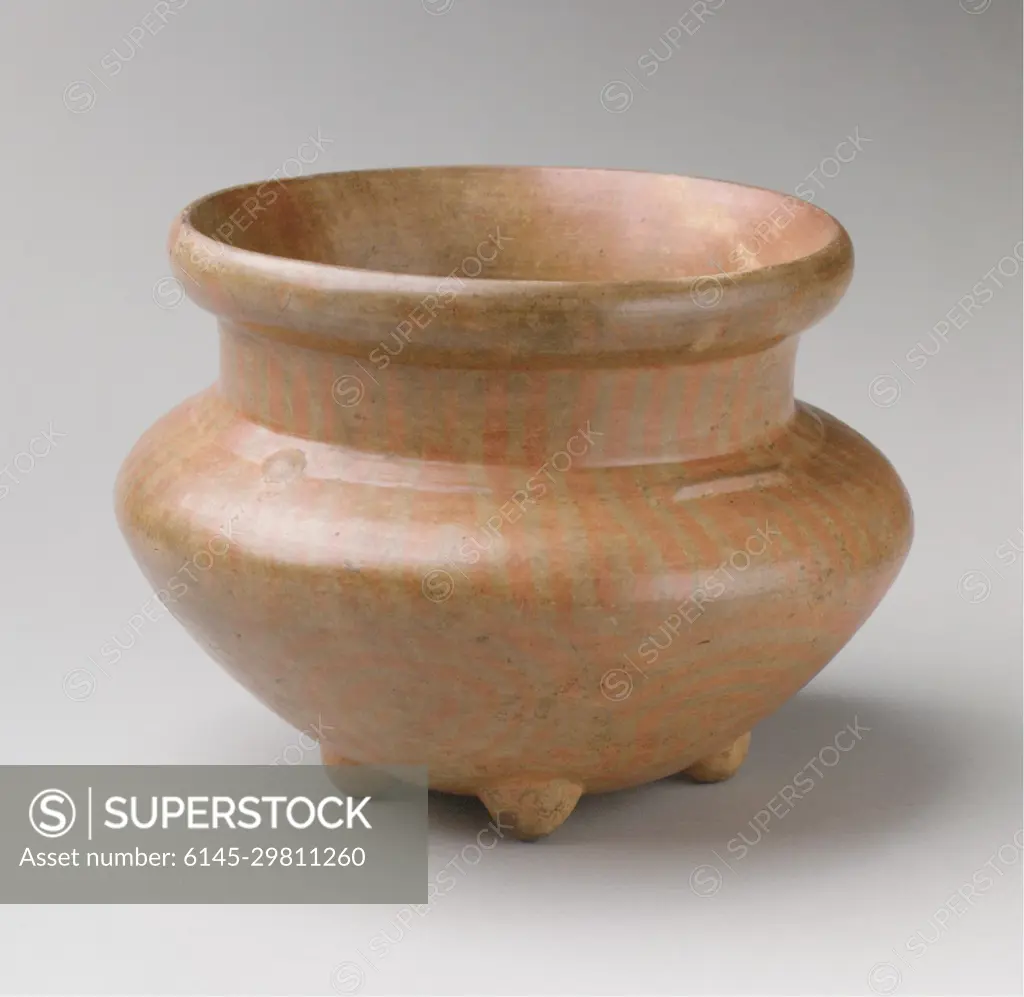
SuperStock offers millions of photos, videos, and stock assets to creatives around the world. This image of Tetrapod Jar 200 B.C.-A.D. 1 Maya This bowl is part of a group of ceramic vessels called Usulután based on superficial resemblances in surface decoration. The technique employed here, termed "resist," results in a two-color patterning. The method of achieving the color separation differs within the Usulután group and, in some instances, is yet to be understood. Usulután vessels were made during the centuries before and after the turn of the first millenniuma period of innovation in ceramic form and decorationin the southernmost part of the Maya highlands (southeastern Guatemala, western Honduras, and El Salvador). They were widely disbursed from there. Archaeologists have long thought that the distribution of Usulután vessels was tied to the migrations of peoples or perhaps to invasions. More recently, it has been proposed that these ceramics were much admired in their time and thus widely traded. The present example sits on four small feet, early evidence of what would later become by Piemags/PL Photography Limited is available for licensing today.
Looking for a license?
Click here, and we'll help you find it! Questions? Just ask!
Click here, and we'll help you find it! Questions? Just ask!
DETAILS
Image Number: 6145-29811260Royalty FreeCredit Line:Piemags/PL Photography Limited/SuperStockCollection:PL Photography Limited Contributor:Piemags Model Release:NoProperty Release:NoResolution:1977×1925