Temple Model. Culture: Mezcala. Dimensions: H. 6 1/8 x W. 5 3/8 in. (15.6 x 13.7 cm). Date: 200 B.C.-A.D. 500.Stone models in the Mezcala style come largely from the present-day state of Guerrero, in southwest Mexico. A particularly long-lived tradition, these works may have been produced over some one thousand years, from as early as 500 B.C. Little is known about their archaeological contexts, and there are few points of reference with surviving architecture in the region. It is possible that these models emulate buildings with stone columns, such as those from Cuetlajuchitlán; alternatively they could recall above- or below-ground funerary structures, in which case the columns would represent wood supports of a tomb or a funerary pyre. Mezcala models may have served multiple functions over time, in keeping with the Mesoamerican custom of repurposing or recarving stone objects. Oblong models, for example, may have been recarved from celts, ritual tools of great symbolic importance.
This asset has restrictions and cannot be purchased online. Get in touch for more details.
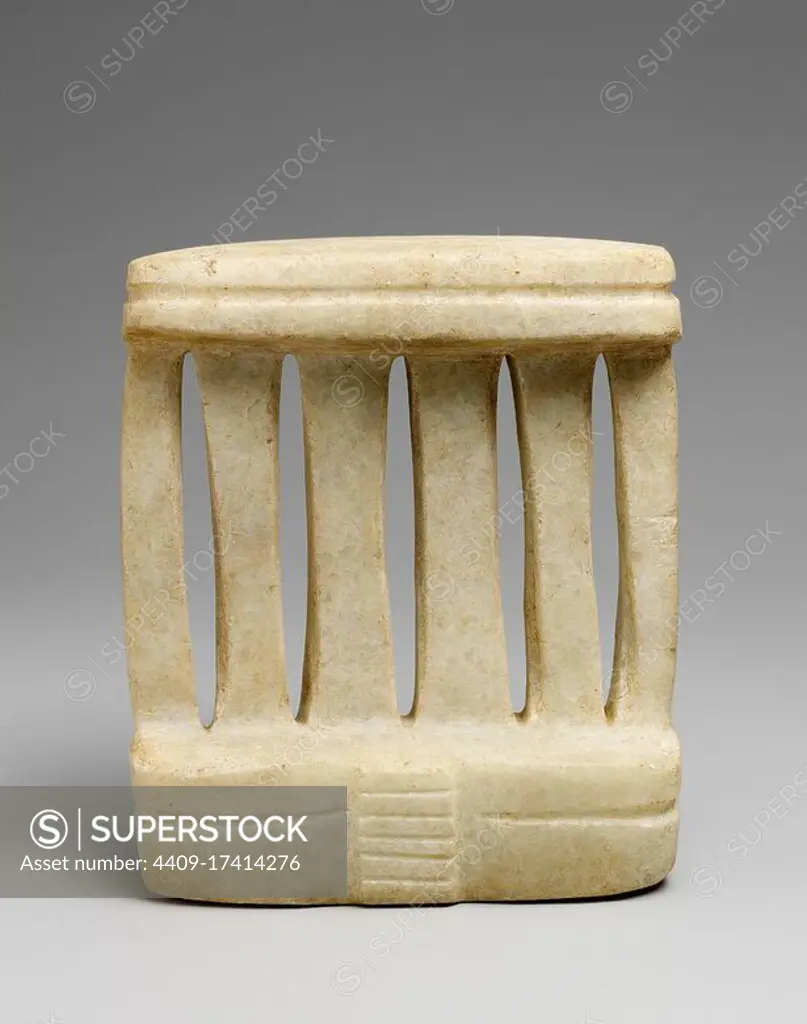
SuperStock offers millions of photos, videos, and stock assets to creatives around the world. This image of Temple Model. Culture: Mezcala. Dimensions: H. 6 1/8 x W. 5 3/8 in. (15.6 x 13.7 cm). Date: 200 B.C.-A.D. 500.Stone models in the Mezcala style come largely from the present-day state of Guerrero, in southwest Mexico. A particularly long-lived tradition, these works may have been produced over some one thousand years, from as early as 500 B.C. Little is known about their archaeological contexts, and there are few points of reference with surviving architecture in the region. It is possible that these models emulate buildings with stone columns, such as those from Cuetlajuchitlán; alternatively they could recall above- or below-ground funerary structures, in which case the columns would represent wood supports of a tomb or a funerary pyre. Mezcala models may have served multiple functions over time, in keeping with the Mesoamerican custom of repurposing or recarving stone objects. Oblong models, for example, may have been recarved from celts, ritual tools of great symbolic importance. by Album/Metropolitan Museum of Art, NY/Album Archivo is available for licensing today.
Looking for a license?
Click here, and we'll help you find it! Questions? Just ask!
Click here, and we'll help you find it! Questions? Just ask!
DETAILS
Image Number: 4409-17414276Rights ManagedCredit Line:Album/Metropolitan Museum of Art, NY/Album Archivo/SuperStockCollection:Album Archivo Contributor:Album / Metropolitan Museum of Art, NY Model Release:NoProperty Release:NoResolution:3315×4200