Juan de Pareja (1606-1670) 1650 Velázquez (Diego Rodríguez de Silva y Velázquez) Spanish Velázquez most likely executed this portrait of his enslaved assistant in Rome during the early months of 1650. According to one of the artist's biographers, when this landmark of western portraiture was first put on display it "received such universal acclaim that in the opinion of all the painters of different nations everything else seemed like painting but this alone like truth." Months after depicting his sitter in such a proud and confident way, Velázquez signed a contract of manumission that would liberate him from bondage in 1654. From that point forward, Juan de Pareja worked as an independent painter in Madrid, producing portraits and large-scale religious subjects. Listen to experts illuminate this artwork's story Listen Play or pause #5180. Juan de Pareja, Part 1 Play or pause #5185. Juan de Pareja, Part 2 Supported by Bloomberg Philanthropies We're sorry, the transcript for this audio
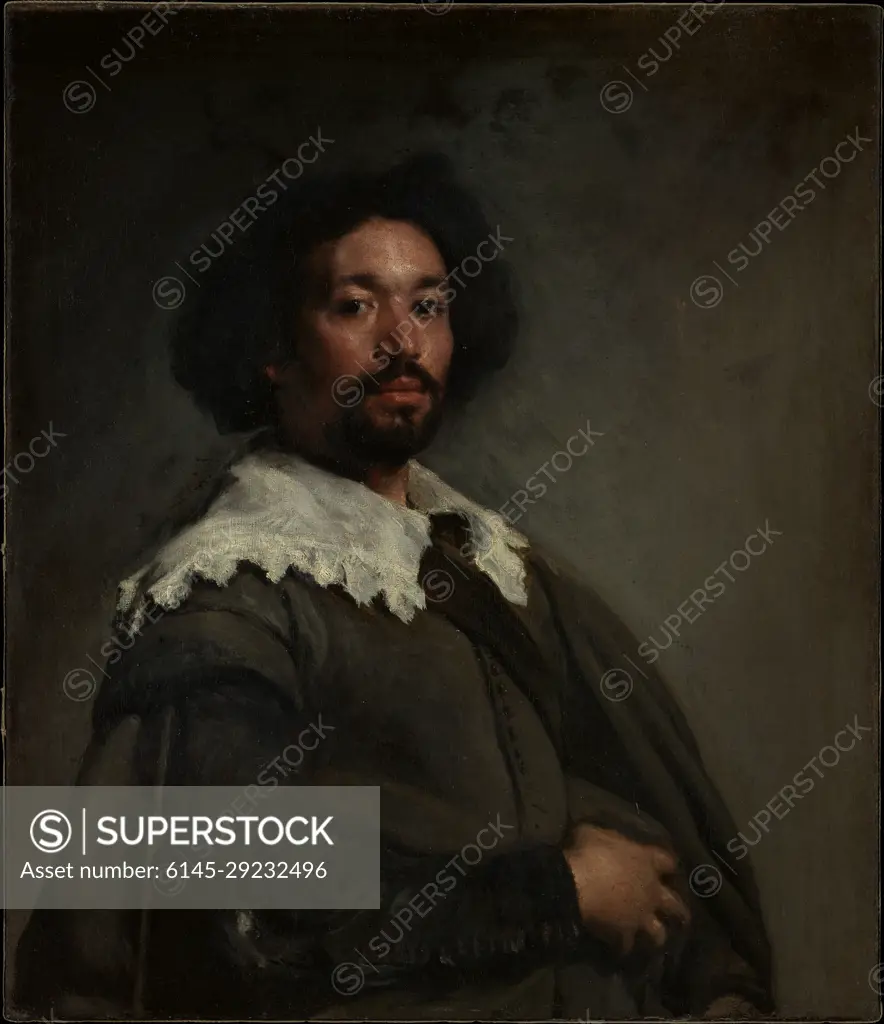
SuperStock offers millions of photos, videos, and stock assets to creatives around the world. This image of Juan de Pareja (1606-1670) 1650 Velázquez (Diego Rodríguez de Silva y Velázquez) Spanish Velázquez most likely executed this portrait of his enslaved assistant in Rome during the early months of 1650. According to one of the artist's biographers, when this landmark of western portraiture was first put on display it "received such universal acclaim that in the opinion of all the painters of different nations everything else seemed like painting but this alone like truth." Months after depicting his sitter in such a proud and confident way, Velázquez signed a contract of manumission that would liberate him from bondage in 1654. From that point forward, Juan de Pareja worked as an independent painter in Madrid, producing portraits and large-scale religious subjects. Listen to experts illuminate this artwork's story Listen Play or pause #5180. Juan de Pareja, Part 1 Play or pause #5185. Juan de Pareja, Part 2 Supported by Bloomberg Philanthropies We're sorry, the transcript for this audio by Piemags/PL Photography Limited is available for licensing today.
Looking for a license?
Click here, and we'll help you find it! Questions? Just ask!
Click here, and we'll help you find it! Questions? Just ask!
DETAILS
Image Number: 6145-29232496Royalty FreeCredit Line:Piemags/PL Photography Limited/SuperStockCollection:PL Photography Limited Contributor:Piemags Model Release:NoProperty Release:NoResolution:3427×3968