Jar ca. 2600-2300 B.C. Iran This jar has a flat base, bulging body, carinated shoulder and everted rim. It is made of a buff clay. It was found at Kamterlan I, a mound in Luristan in the Zagros Mountains of western Iran that was the site of both settlement and burials. The shape of the jar parallels that of bronze vessels, called inkwells’ by archaeologists, which have been found in burials elsewhere in Luristan, as well as in Elam; in fact, the carinated shoulder is a feature of metalwork but not of pottery. Although their purpose is unclear, bronze inkwells attest to interaction and exchange between the elites of Elam and Luristan during the Bronze Age. This ceramic version suggests that its owner aspired to elite status.It is often thought that the inhabitants of Luristan in this period were pastoral nomads, who moved with their herds from the high valleys of the Zagros during the summer to lowland pastures in the winter. This theory arises from the dearth of evidence for settlemen
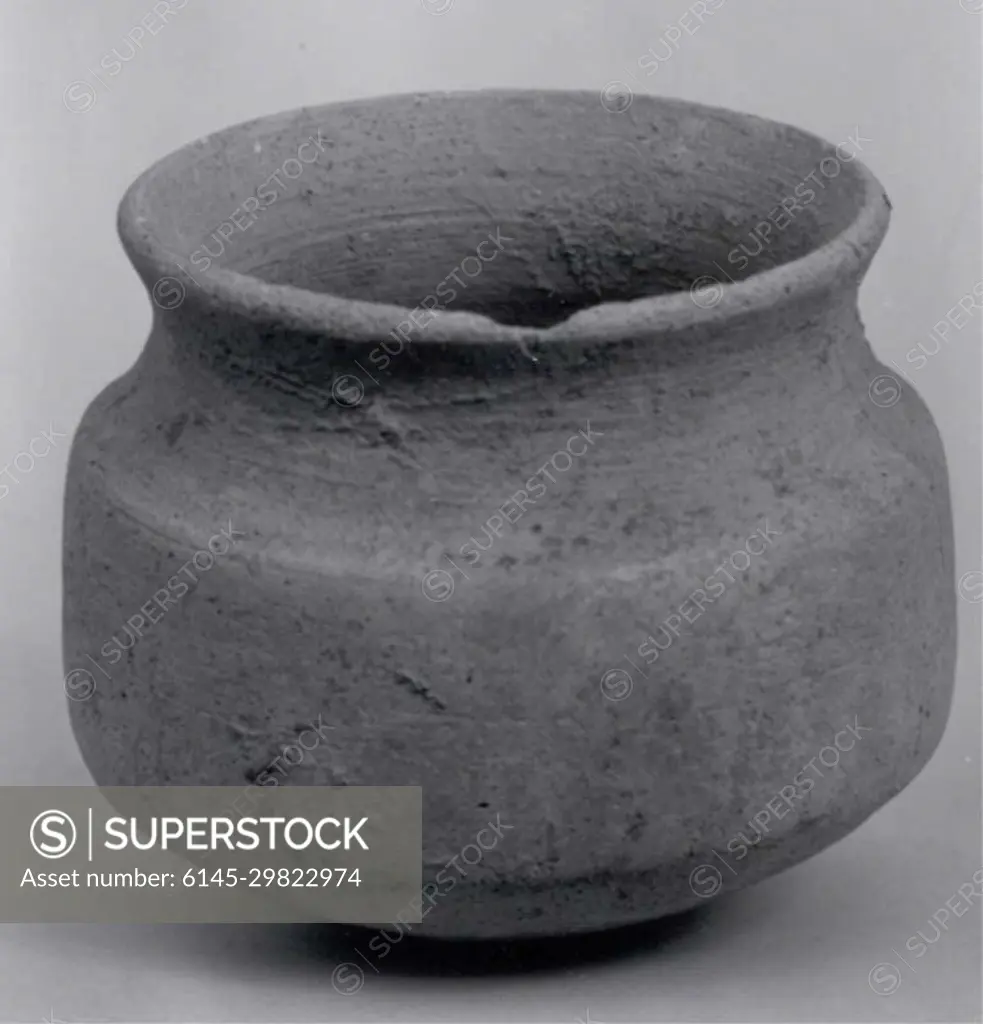
SuperStock offers millions of photos, videos, and stock assets to creatives around the world. This image of Jar ca. 2600-2300 B.C. Iran This jar has a flat base, bulging body, carinated shoulder and everted rim. It is made of a buff clay. It was found at Kamterlan I, a mound in Luristan in the Zagros Mountains of western Iran that was the site of both settlement and burials. The shape of the jar parallels that of bronze vessels, called inkwells’ by archaeologists, which have been found in burials elsewhere in Luristan, as well as in Elam; in fact, the carinated shoulder is a feature of metalwork but not of pottery. Although their purpose is unclear, bronze inkwells attest to interaction and exchange between the elites of Elam and Luristan during the Bronze Age. This ceramic version suggests that its owner aspired to elite status.It is often thought that the inhabitants of Luristan in this period were pastoral nomads, who moved with their herds from the high valleys of the Zagros during the summer to lowland pastures in the winter. This theory arises from the dearth of evidence for settlemen by Piemags/PL Photography Limited is available for licensing today.
Looking for a license?
Click here, and we'll help you find it! Questions? Just ask!
Click here, and we'll help you find it! Questions? Just ask!
DETAILS
Image Number: 6145-29822974Royalty FreeCredit Line:Piemags/PL Photography Limited/SuperStockCollection:PL Photography Limited Contributor:Piemags Model Release:NoProperty Release:NoResolution:768×800