False Door of the Royal Sealer Neferiu ca. 2150-2010 B.C. Old Kingdom-First Intermediate Period Egyptians believed that the soul of the deceased could freely enter and exit the tomb through a "false door," which was characterized by a recessed surface with a symbolic entrance in the center. By the early Middle Kingdom, the false door design was combined with other elements on rectangular stelae. This First Intermediate Period monument exemplifies the beginning of that process. The texts inscribed on the jambs flanking the double door proclaim the owners good deeds and accomplishments. Listen to experts illuminate this artwork's story Listen Play or pause #3275. Funerary Stela of the Royal Sealer Neferiu Supported by Bloomberg Philanthropies We're sorry, the transcript for this audio track is not available at this time. We are working to make it available as soon as possible.. False Door of the Royal Sealer Neferiu 543863
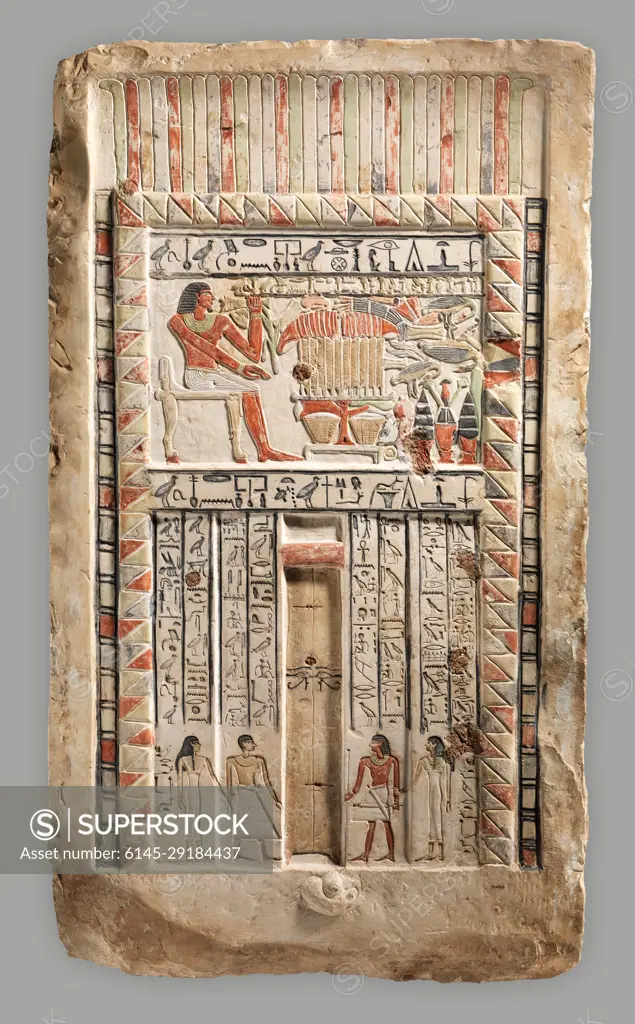
SuperStock offers millions of photos, videos, and stock assets to creatives around the world. This image of False Door of the Royal Sealer Neferiu ca. 2150-2010 B.C. Old Kingdom-First Intermediate Period Egyptians believed that the soul of the deceased could freely enter and exit the tomb through a "false door," which was characterized by a recessed surface with a symbolic entrance in the center. By the early Middle Kingdom, the false door design was combined with other elements on rectangular stelae. This First Intermediate Period monument exemplifies the beginning of that process. The texts inscribed on the jambs flanking the double door proclaim the owners good deeds and accomplishments. Listen to experts illuminate this artwork's story Listen Play or pause #3275. Funerary Stela of the Royal Sealer Neferiu Supported by Bloomberg Philanthropies We're sorry, the transcript for this audio track is not available at this time. We are working to make it available as soon as possible.. False Door of the Royal Sealer Neferiu 543863 by Piemags/PL Photography Limited is available for licensing today.
Looking for a license?
Click here, and we'll help you find it! Questions? Just ask!
Click here, and we'll help you find it! Questions? Just ask!
DETAILS
Image Number: 6145-29184437Royalty FreeCredit Line:Piemags/PL Photography Limited/SuperStockCollection:PL Photography Limited Contributor:Piemags Model Release:NoProperty Release:NoResolution:2483×4000