The Dutch East India Company established itself in the East Indies now Indonesia in the early 1600s with a view to controlling the lucrative trade in nutmeg, mace, cloves and pepper from a tiny cluster of islands known as the Moluccas Maluku. English merchants associated with the British East India Company, however, were also keen to stake a claim in the spice trade, and their interests came into direct conflict with those of the Dutch. Early in 1623, the Dutch local governor, Herman van Speult, believed that the English merchants, helped by Japanese mercenaries, planned to kill him and overwhelm the Dutch garrison. He ordered the arrest of the alleged plotters. Under torture they admitted their guilt, and were executed on Amboina in February 1623. The British thereafter referred to the incident as the Amboina Massacre.
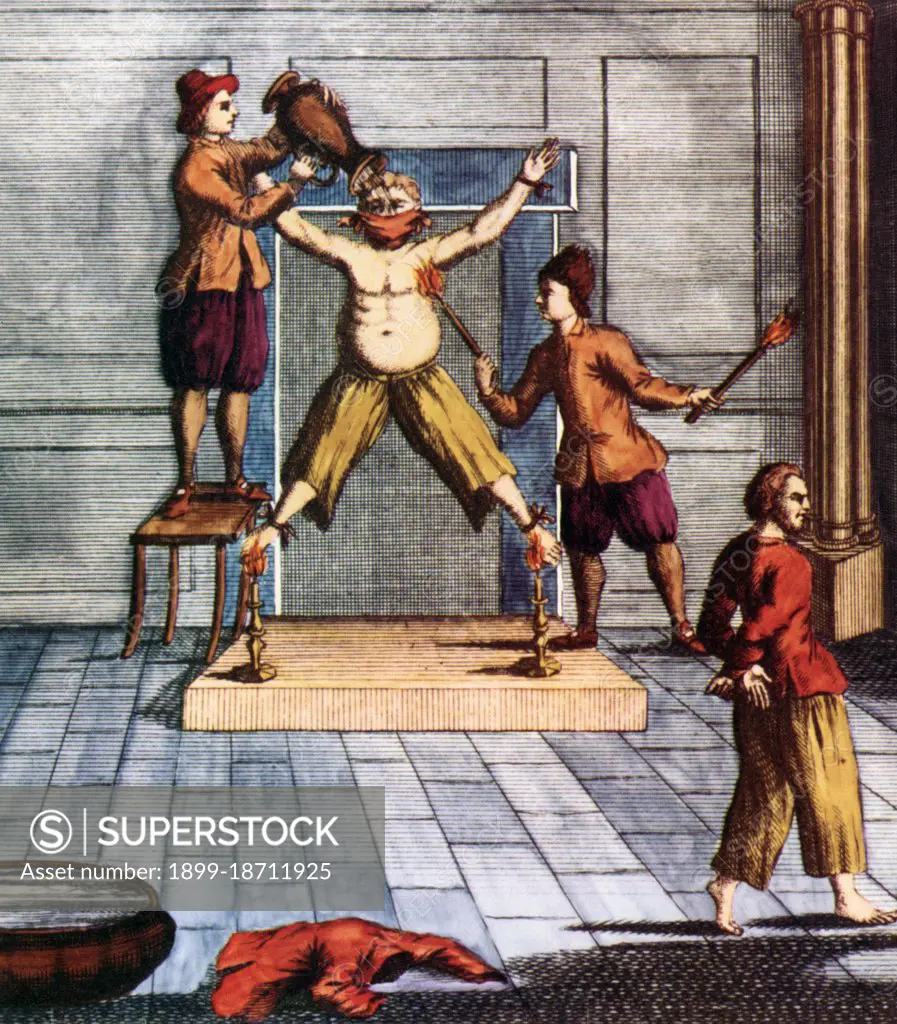
SuperStock offers millions of photos, videos, and stock assets to creatives around the world. This image of The Dutch East India Company established itself in the East Indies now Indonesia in the early 1600s with a view to controlling the lucrative trade in nutmeg, mace, cloves and pepper from a tiny cluster of islands known as the Moluccas Maluku. English merchants associated with the British East India Company, however, were also keen to stake a claim in the spice trade, and their interests came into direct conflict with those of the Dutch. Early in 1623, the Dutch local governor, Herman van Speult, believed that the English merchants, helped by Japanese mercenaries, planned to kill him and overwhelm the Dutch garrison. He ordered the arrest of the alleged plotters. Under torture they admitted their guilt, and were executed on Amboina in February 1623. The British thereafter referred to the incident as the Amboina Massacre. by Pictures From History/Universal Images is available for licensing today.
Looking for a license?
Click here, and we'll help you find it! Questions? Just ask!
Click here, and we'll help you find it! Questions? Just ask!
DETAILS
Image Number: 1899-18711925Rights ManagedCredit Line:Pictures From History/Universal Images/SuperStockCollection:Universal Images Contributor:Pictures From History Model Release:NoProperty Release:NoResolution:3922×4476