This 1892 drawing, which uses people with animal traits instead of animals per se, illustrates La Fontaine's fable titled 'The Grasshopper and the Ant.' It shows another aspect of the imprudence of thoughtless enjoyment and of taking no thought for tomorrow as described in the old fable of the 'Grasshopper and the Ant.' La Fontaine is said to have adapted the fable from the ancient Greek fablist Aesop. The tale tells of an ant busily collecting food for the winter months while the grasshopper idles away his time singing. When winter comes, the ant has food, and the grasshopper does not.
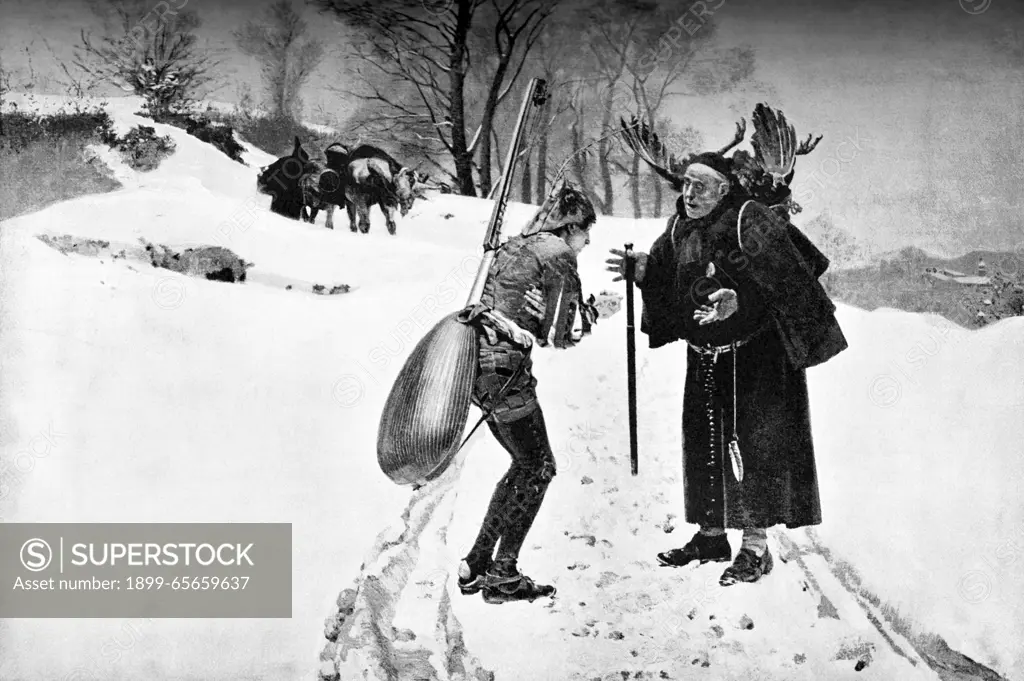
SuperStock offers millions of photos, videos, and stock assets to creatives around the world. This image of This 1892 drawing, which uses people with animal traits instead of animals per se, illustrates La Fontaine's fable titled 'The Grasshopper and the Ant.' It shows another aspect of the imprudence of thoughtless enjoyment and of taking no thought for tomorrow as described in the old fable of the 'Grasshopper and the Ant.' La Fontaine is said to have adapted the fable from the ancient Greek fablist Aesop. The tale tells of an ant busily collecting food for the winter months while the grasshopper idles away his time singing. When winter comes, the ant has food, and the grasshopper does not. by Ivy Close Images/Universal Images Group/Universal Images is available for licensing today.
Looking for a license?
Click here, and we'll help you find it! Questions? Just ask!
Click here, and we'll help you find it! Questions? Just ask!
DETAILS
Image Number: 1899-65659637Rights ManagedCredit Line:Ivy Close Images/Universal Images Group/Universal Images/SuperStockCollection:Universal Images Contributor:Ivy Close Images/Universal Images Group Model Release:NoProperty Release:NoResolution:2708×1803